

24 Things to Do Before Your Pet's Hardest Appointment
A way to weigh your pet’s days, ask about the procedure, and bring home the pawprint you want.
By Ruth Ellison, Family Editor
Updated · 13 min read
- Written by our family editor
- Cited 6 sources
- How we review
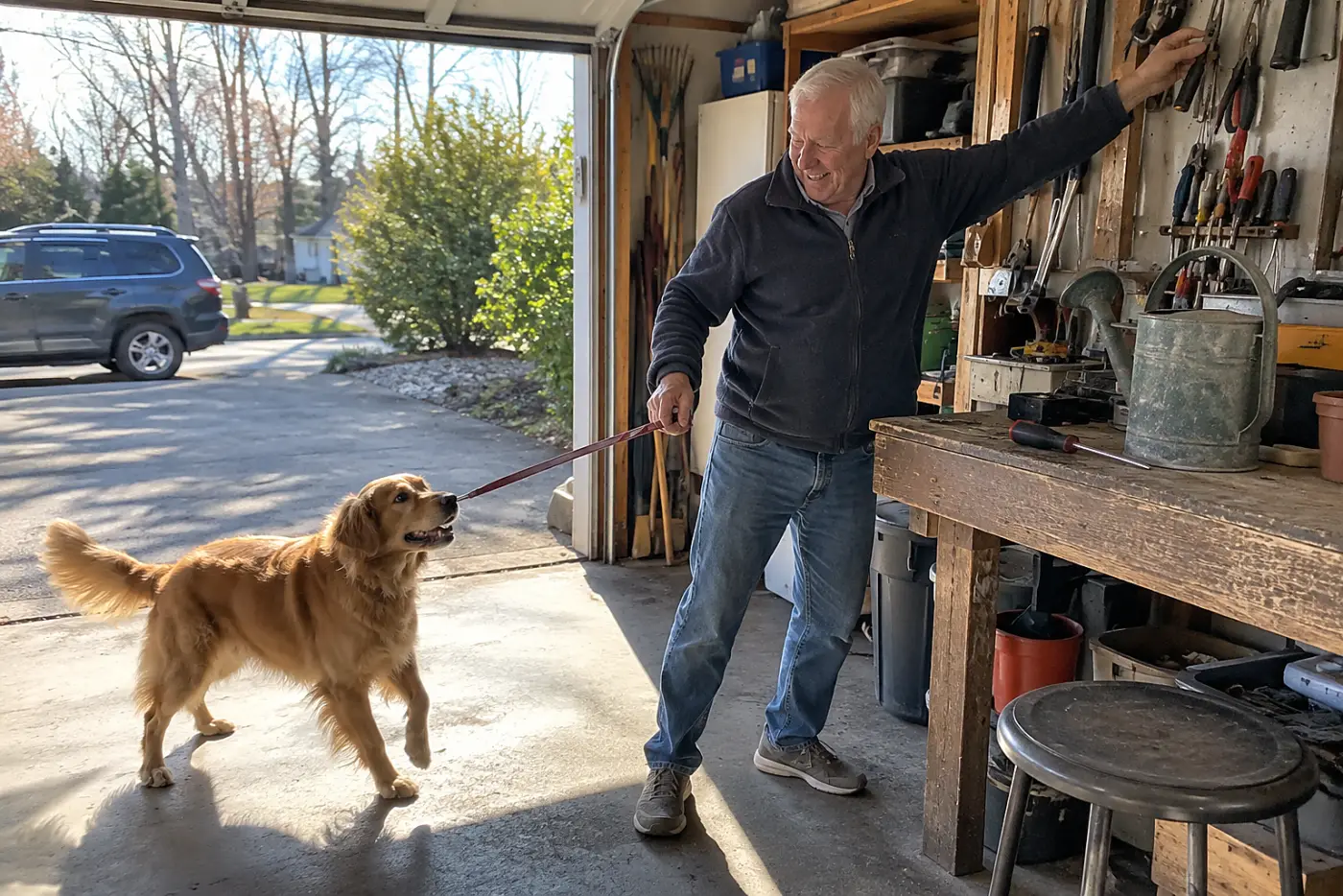
The leash hangs by the door. Beside it, a calendar square holds an appointment you’ve thought about all night. Your dog still lifts her head when you say her name. That small movement feels like an argument for waiting.
It matters. So do the stairs she no longer climbs and the food left untouched this morning. You don’t have to erase the good moment to take the hard ones seriously. The hardest appointment asks you to hold both.
24The date you wrote on the calendar
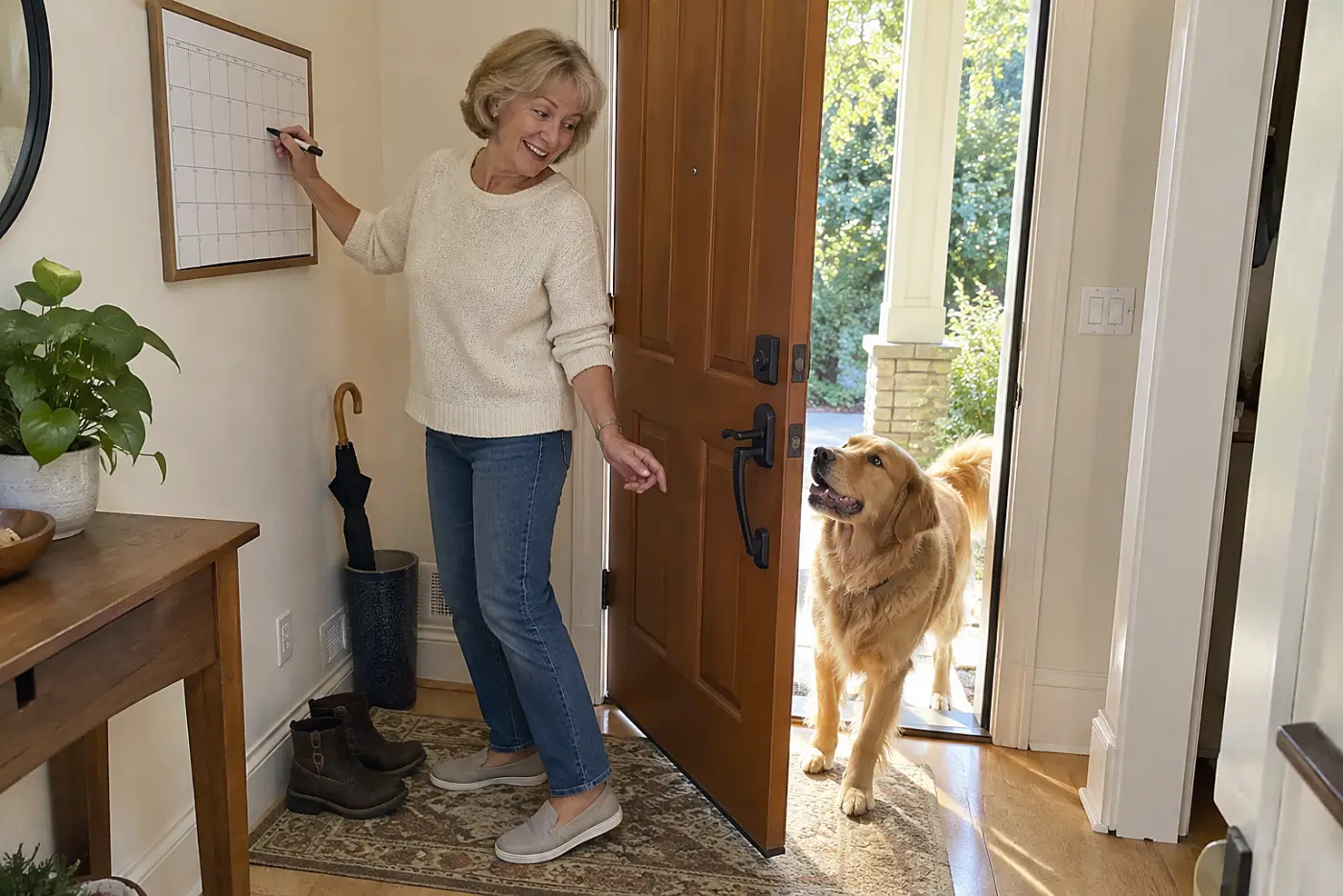
An appointment isn’t a verdict you have to defend. Before the visit, write down what changed and when: the fall by the back door, the missed meal, the night spent pacing.
Memory favors the last thing that happened, especially when that thing was a tail wag. Bring the record to your veterinarian. It gives both of you something firmer than “She seemed worse lately.”
If the visit ends with a different plan, the notes still help. You came to get a clear picture of her life now.
23The good hour after breakfast
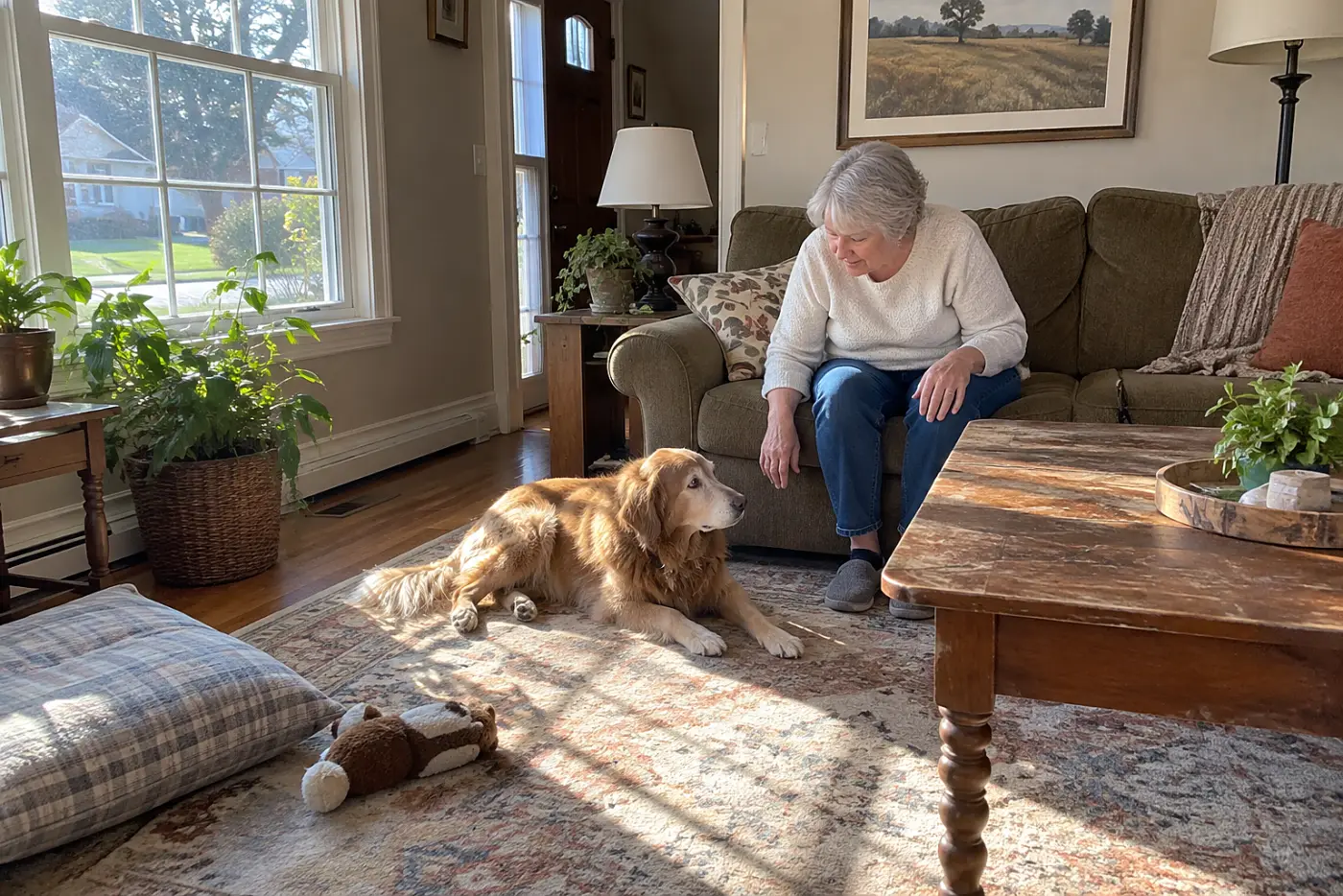
A sick pet can enjoy a sunny patch and still be suffering. One bright hour tells you something real: pleasure hasn’t vanished. It doesn’t tell you what the other 23 hours feel like.
Look at the whole day. Does she rest comfortably after breakfast? Does she reach the water bowl? When the good hour ends, what takes its place?
Those answers belong in the conversation as much as the tail wag. The American Animal Hospital Association has quality-of-life resources you can look through before the visit. Use the questions to notice what happens at home, not to turn one good hour into a verdict.
22The question you ask about pain
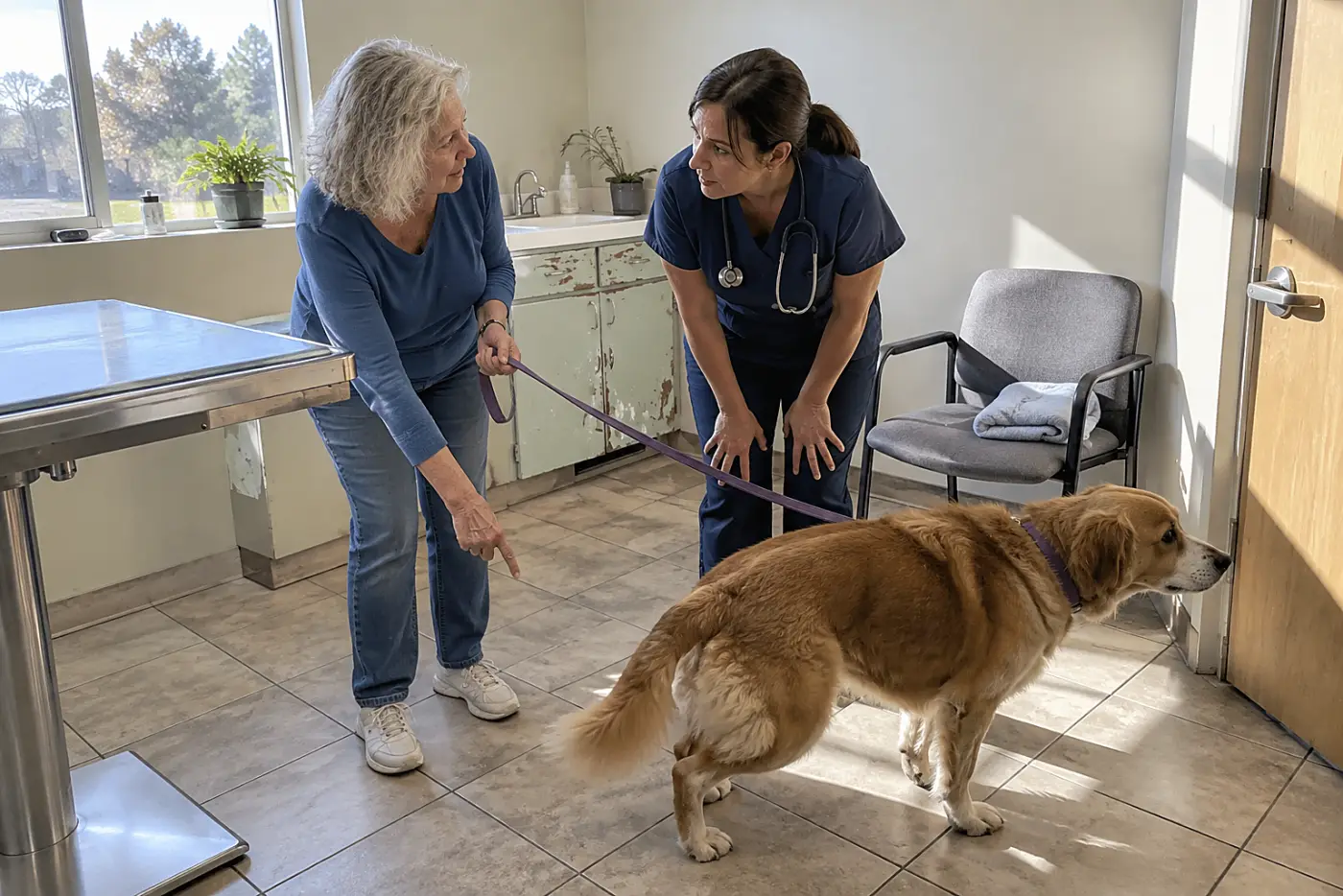
“Is she in pain?” is a fair question, but it leaves room for a vague answer. Try this instead: “What signs of pain do you see, and what would relief look like at home?”
The answer gives you something to watch. Pain shows up in movement, breathing, posture, appetite, and the way a pet reacts to touch. A pet who doesn’t cry still deserves a careful exam.
Before you leave, ask which changes mean the current comfort plan has stopped working. The International Veterinary Academy of Pain Management has pain resources, but your vet needs to assess the pet in front of you.
21The walk from bed to water
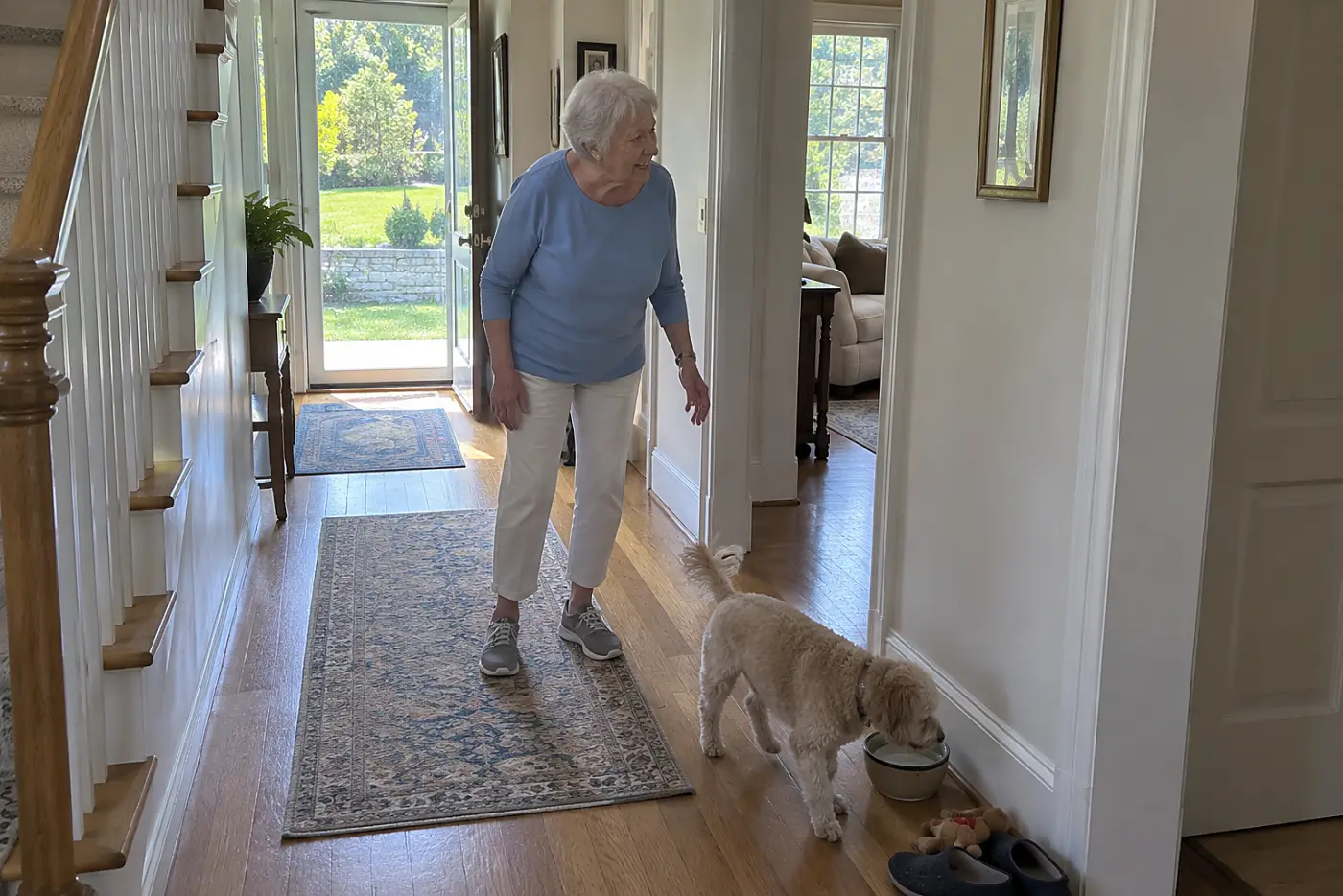
Stand where your pet sleeps and watch the trip to the water bowl. Count the pauses. Notice a slip, a stumble, or a long look at the floor before moving.
That short walk is part of her day, repeated whenever she needs a drink. Tell the vet what you saw. Ask whether a lower bowl, a rug, or help standing would ease the trip.
Then ask the harder question: does she still get there without distress when you’re asleep? The answer tells you more than a single successful walk across the room.
20The meal left in the bowl
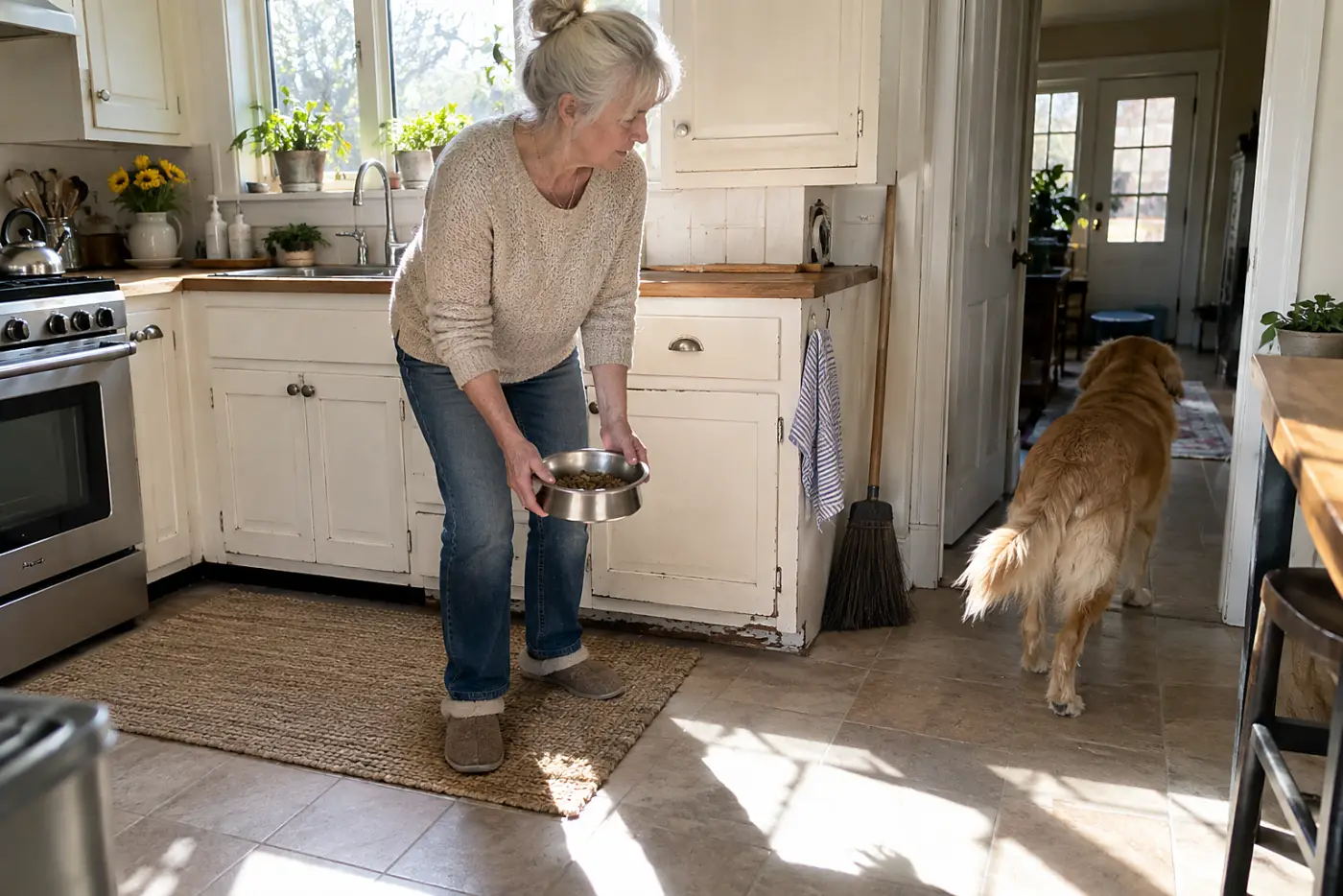
“She ate a treat.” Say that, then tell the vet about dinner.
A treat shows what she wanted at that moment. The untouched meals show a pattern. Bring the food name and the amount she ate on her last 3 days.
If she turns from food but asks to be fed by hand, describe that too. Tell the vet whether she swallows, walks away, or seems uncomfortable afterward. You don’t need to decide what the behavior means. Your job is to give the vet the whole scene, including the part that briefly gave you hope.
19The medicine bottles in the bag
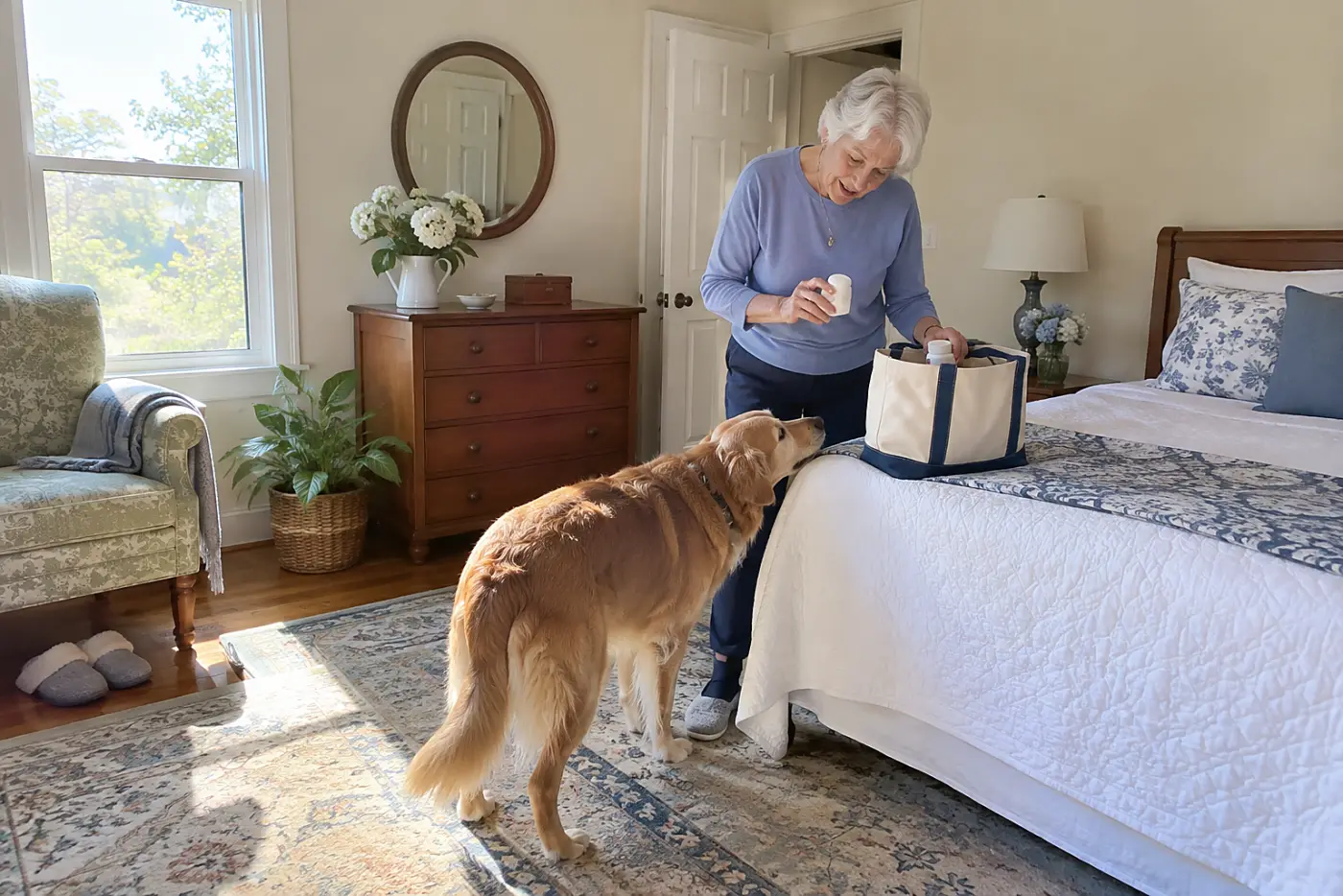
Put every prescription bottle in a bag, along with supplements and anything bought without a prescription. Bring the labels even if you remember the doses.
A medication name alone won’t tell the vet its strength or when your pet last received it. Ask which drugs are helping her feel better now. Ask what a new drug would change and how soon you’d know.
Treatment has a cost in effort, too: swallowing pills, getting into the car, and recovering from each visit. Your pet lives through that part of the plan.
18The accident beside the door
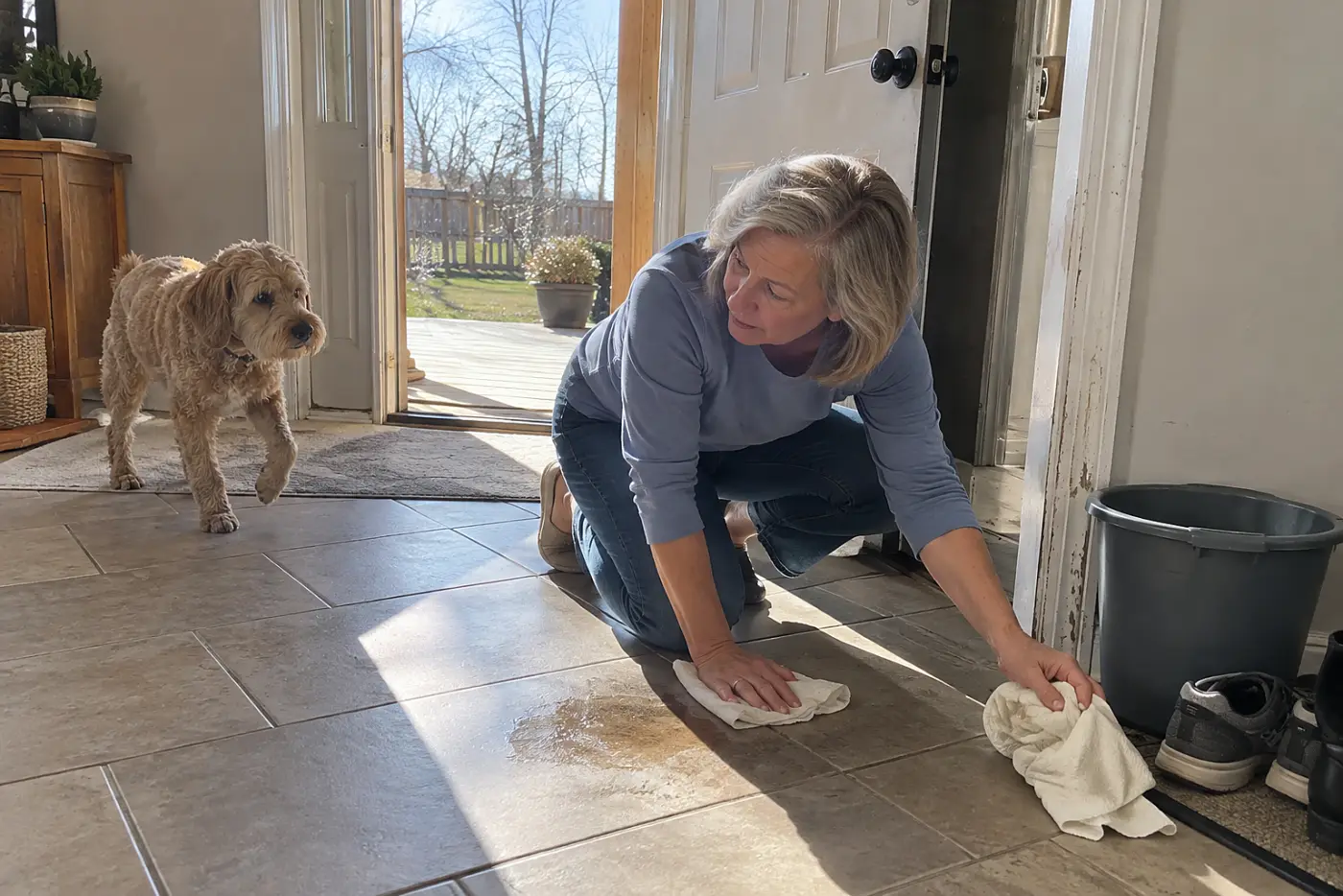
Cleaning the floor again can feel like a private failure. Tell the vet about it anyway.
Start with what happened: where she was, whether she tried to get outside, and how she acted afterward. Your pet might be unable to reach the door, unable to hold on, or confused about where she is. Those differences matter when you discuss treatment and comfort.
Take a photo of the spot if it helps you describe what happened. You’re reporting what her body did, not lodging a complaint against her. The American Veterinary Medical Association has pet-care information, but this particular floor belongs in the conversation with your vet.
17The stairs she stopped climbing
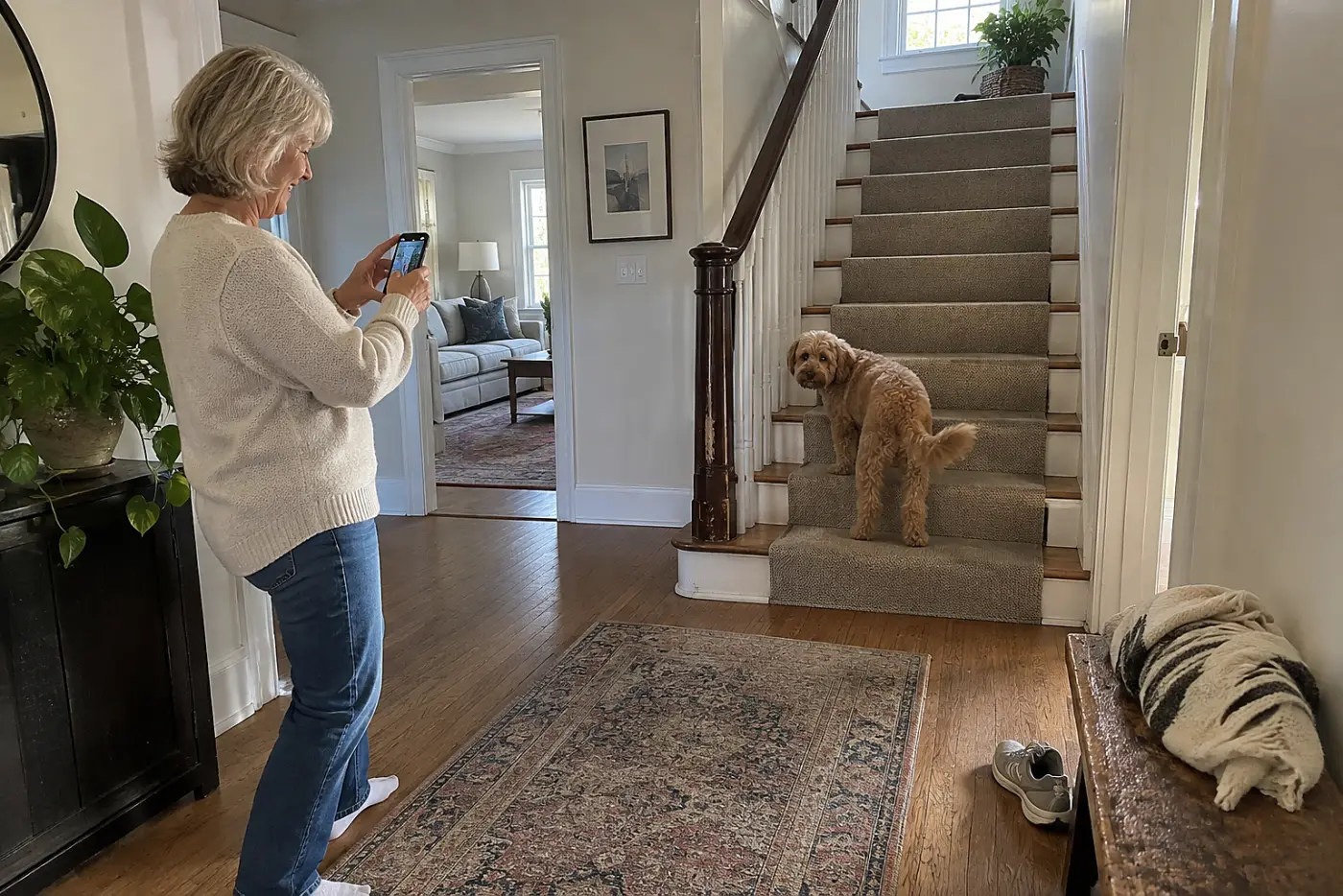
Last month she followed you upstairs. Now she waits at the bottom. That change gives the vet more to work with than “She’s slowing down.”
Show a short video of her trying the stairs if filming doesn’t put her at risk. The vet can examine her movement and discuss pain relief or changes at home.
But ask how much of her day now depends on being carried. A ramp helps only if she’ll use it and can reach the places she needs. You know the house; the vet knows what her body is doing.
16The nights you spent listening
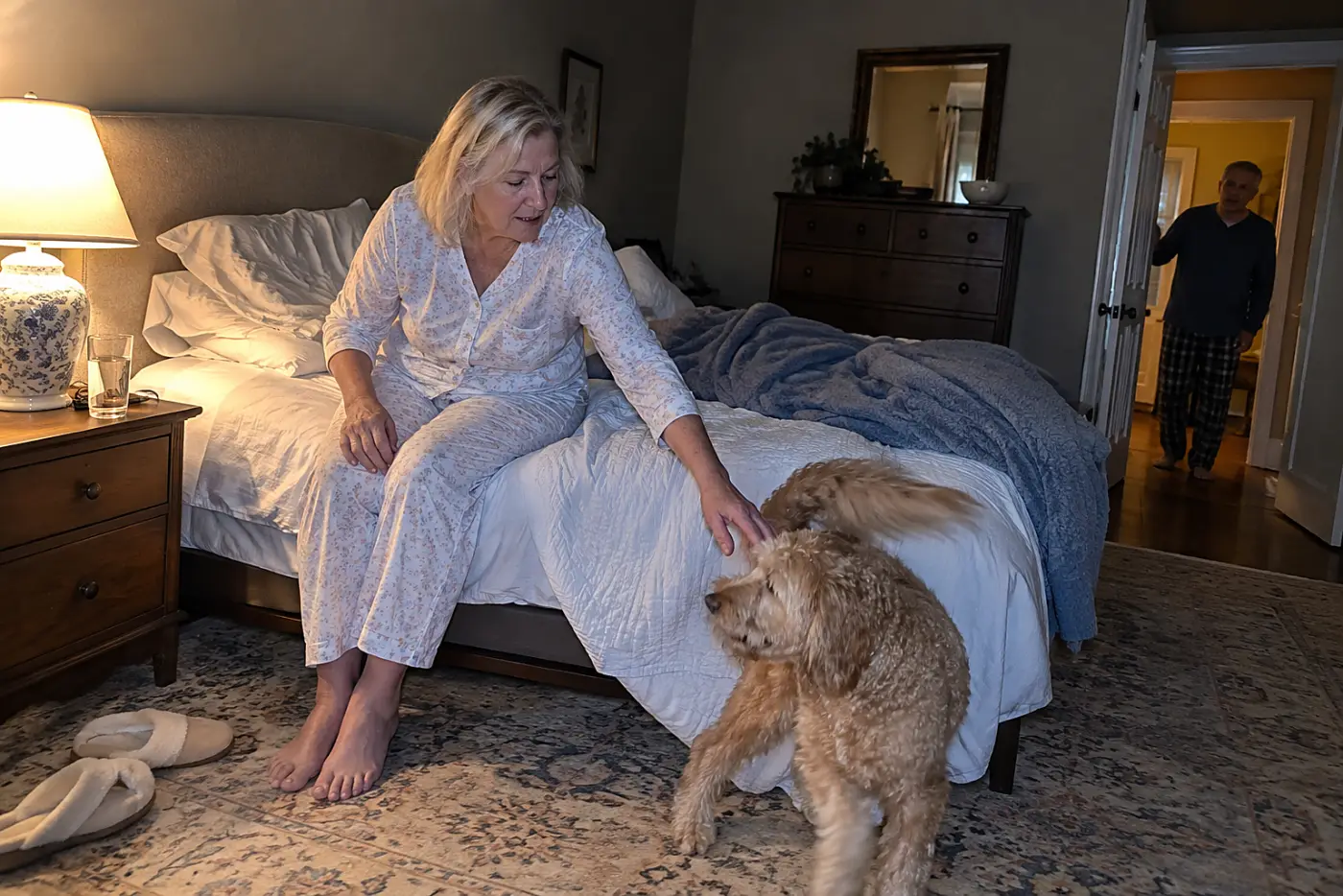
You’ve heard every breath from the bed beside yours. Sleep loss makes it harder to recall whether the restless night was an exception or the new pattern.
Keep a simple tally: slept, paced, cried, or needed help getting up. Bring it to the appointment. Tell the vet what settles her and for how long.
A night that looks manageable in daylight feels different at 2 a.m., when both of you need rest. If her breathing worries you, describe its sound and what her body does while she breathes. That detail is easier to give than “She had a bad night.”
15The window she still watches
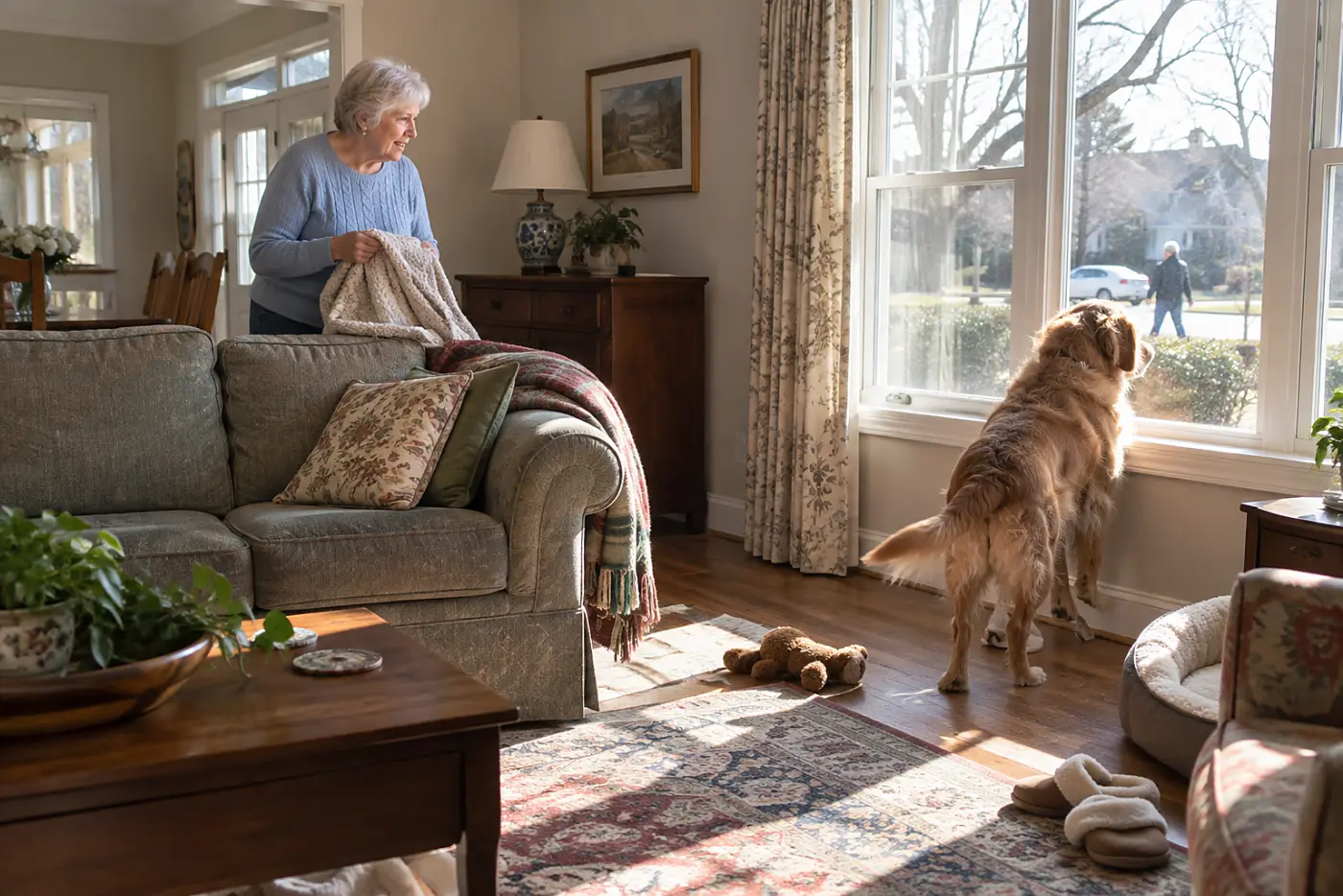
She still gets up for the delivery truck. That matters. Tell the vet what she still seeks out: the window, a familiar visitor, a walk to the mailbox.
Then look at what the outing asks of her. Does she stand easily at the window? Does she need help back to her bed? The interest is real, and so is the effort.
The Ohio State University Veterinary Medical Center has a quality-of-life scale that includes favorite activities. Bring the example, not a score alone. A vet who hears “She watched the truck” also needs to know whether she recovered comfortably afterward.
14The sentence your family keeps repeating
“Let’s wait until she tells us.” It sounds kind, but nobody has agreed on what “tells us” means.
Ask each person to name the change they’re waiting for. Is it refusing food, losing the ability to stand, or distress that treatment no longer relieves? Take those answers to the vet.
A phone call before the visit gives a distant family member time to ask a question without taking over the appointment. Say what you’ve seen at home, including the hours nobody else has watched. The discussion shifts from who loves her enough to wait toward what her days are like. A pet shouldn’t have to reach a crisis before the family agrees to talk.
See more: 26 Fights Siblings Have Over a Parent's Care, and How They End →
13The comfort plan you bring home
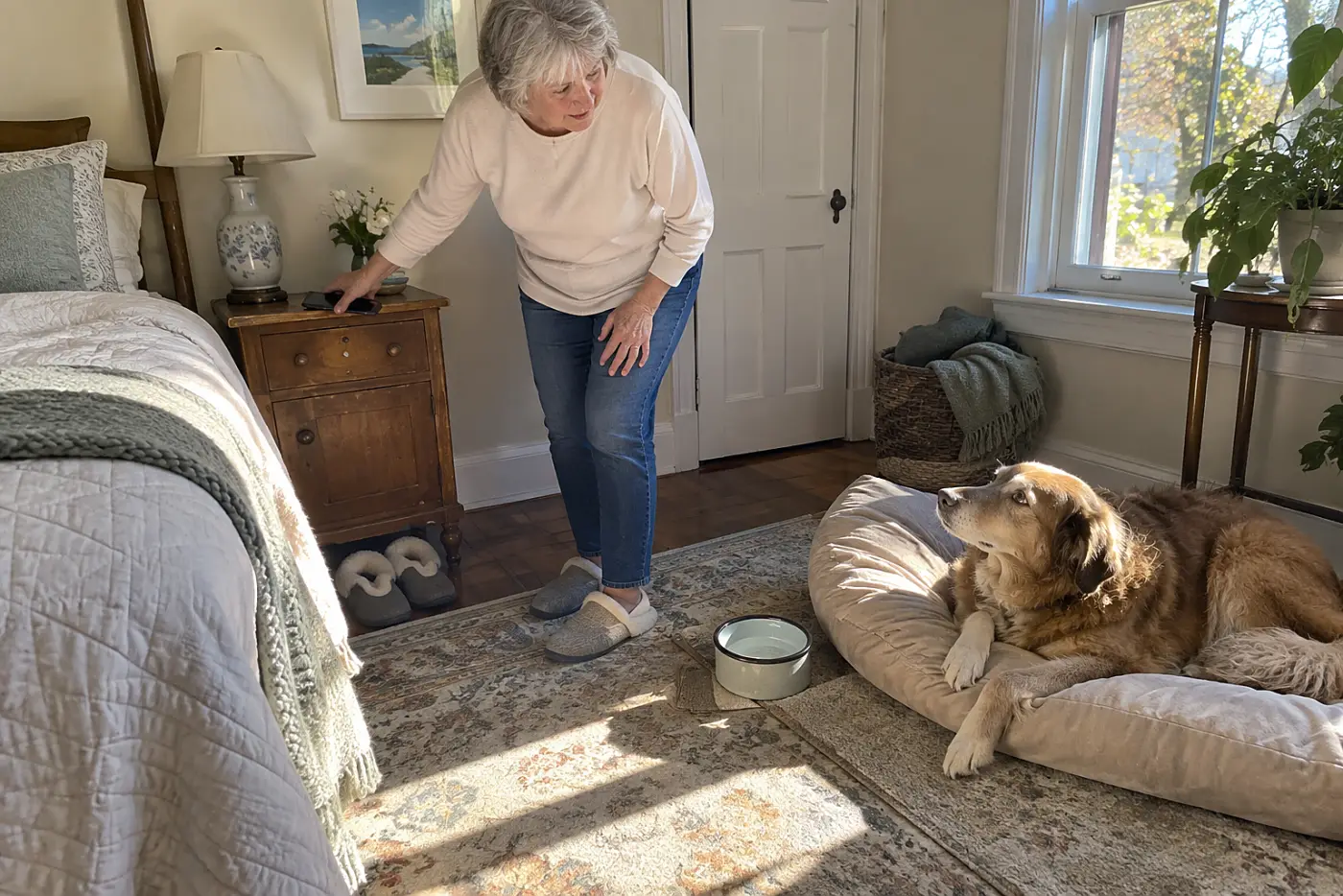
If you decide to wait, leave with instructions you understand. Ask which symptoms need a call, what to give for comfort, and whom to contact after the clinic closes.
Put the clinic’s phone number where you can reach it from bed. The plan should cover a bad night, not only a calm afternoon.
Ask the staff to show you how to give any new medicine before you leave. If the first dose is due after closing, you’ll want to know how it works while someone is still there to answer. Waiting is a decision that needs care behind it.
12The choice between home and clinic
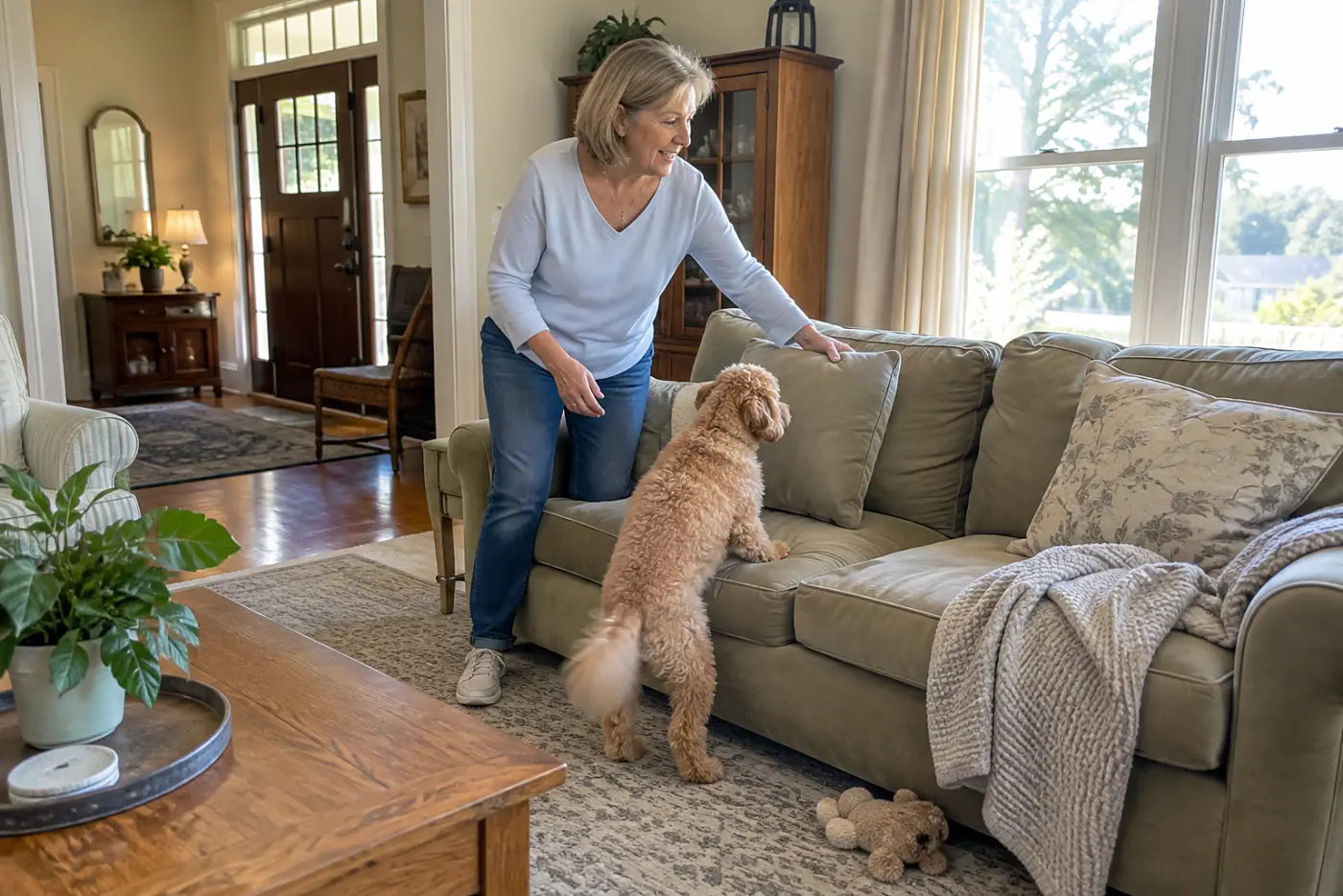
Your pet knows the couch. The clinic has staff and equipment close at hand. Neither setting is automatically kinder.
Ask whether your veterinarian offers home euthanasia or knows a provider who does. Ask about timing, travel, and what happens if your pet’s condition worsens before the visit.
At the clinic, ask where your pet will wait and whether you’ll have time to settle her. Choose the place where care is available and your pet can be comfortable. You don’t owe anyone a picturesque ending. The American Association of Housecall Veterinarians has a directory if you want to explore a home visit.
See more: 27 Things That Happen When Your Mother Can No Longer Live Alone →
11The blanket that smells like home
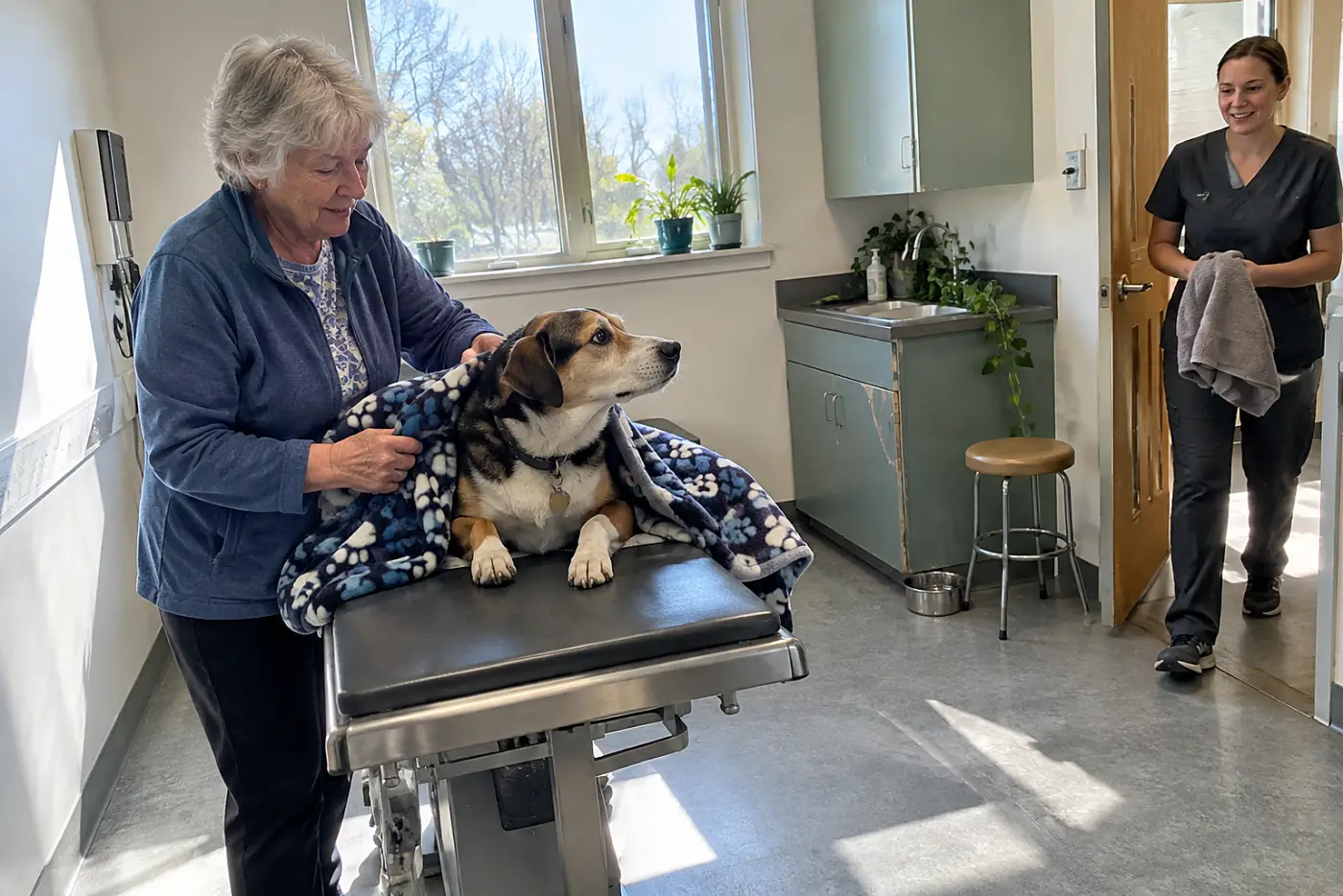
Bring the blanket she sleeps on, if it’s clean enough to carry. Familiar fabric gives her a place to lie while you talk. It also gives your hands something to do.
Ask staff where she’ll rest and whether she needs to be moved. If lifting hurts her, say so before anyone picks her up.
Think about the trip into the building, too. A blanket that supports her body during a careful lift has a different job from one placed beneath her in the room. Tell the team what happened the last time you helped her into the car. Small comforts deserve a place in the plan, even when they cannot change the outcome.
10The steps the veterinarian explains aloud
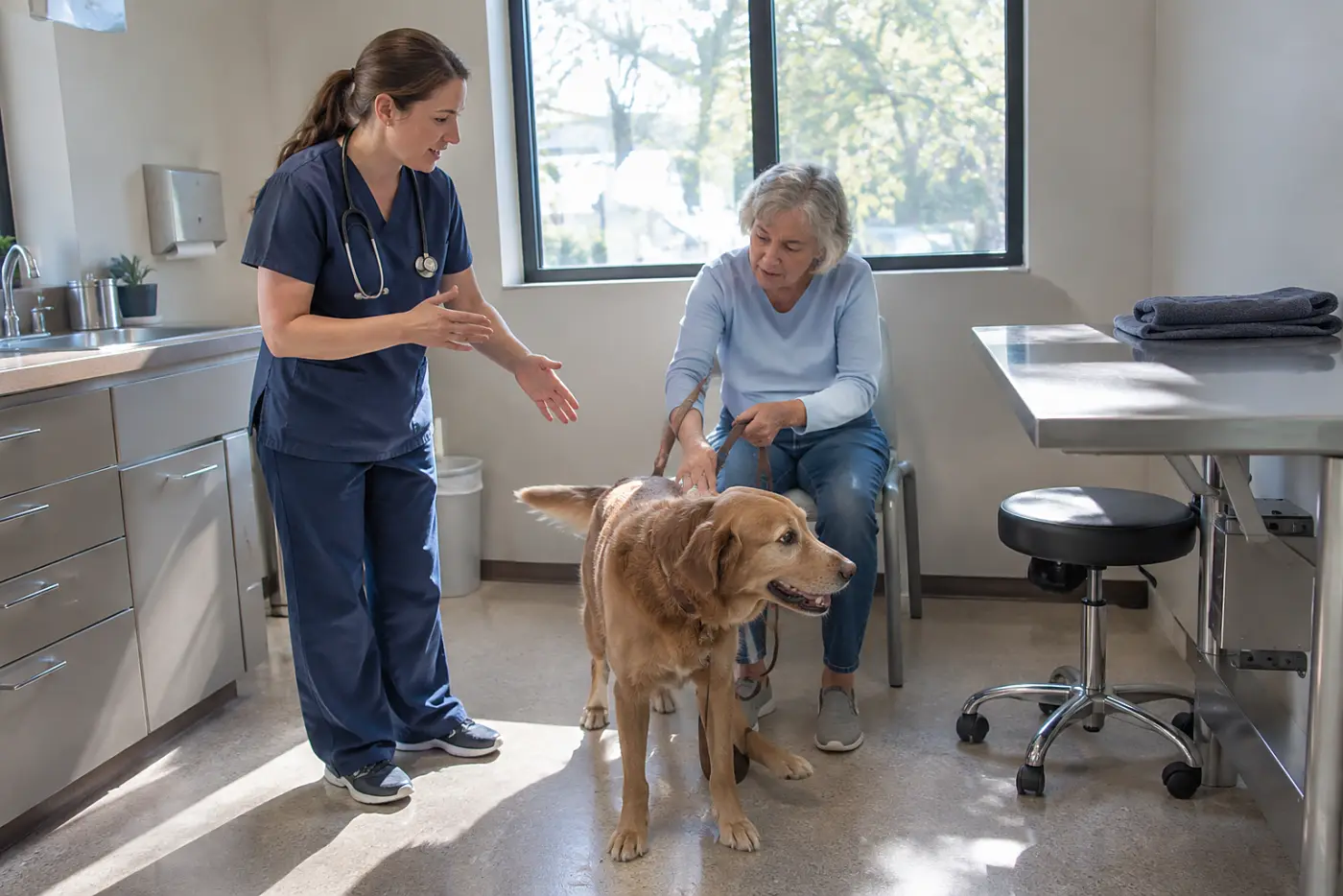
Before the procedure, ask the veterinarian to walk you through their plan from start to finish. Ask whether they expect to give a sedative first, how the final medication will be given, and what you’re likely to see.
The final medication brings unconsciousness before the heart stops. A last deep breath, a twitch, or a release of urine can happen afterward. Ask the vet to explain those possibilities before the room goes still.
Knowing what a movement means won’t make the loss easy. It can spare you the fear that she woke up or that you failed her. The American Veterinary Medical Association publishes guidance on veterinary euthanasia, but the team in the room should explain its own steps.
9The hand resting on her fur
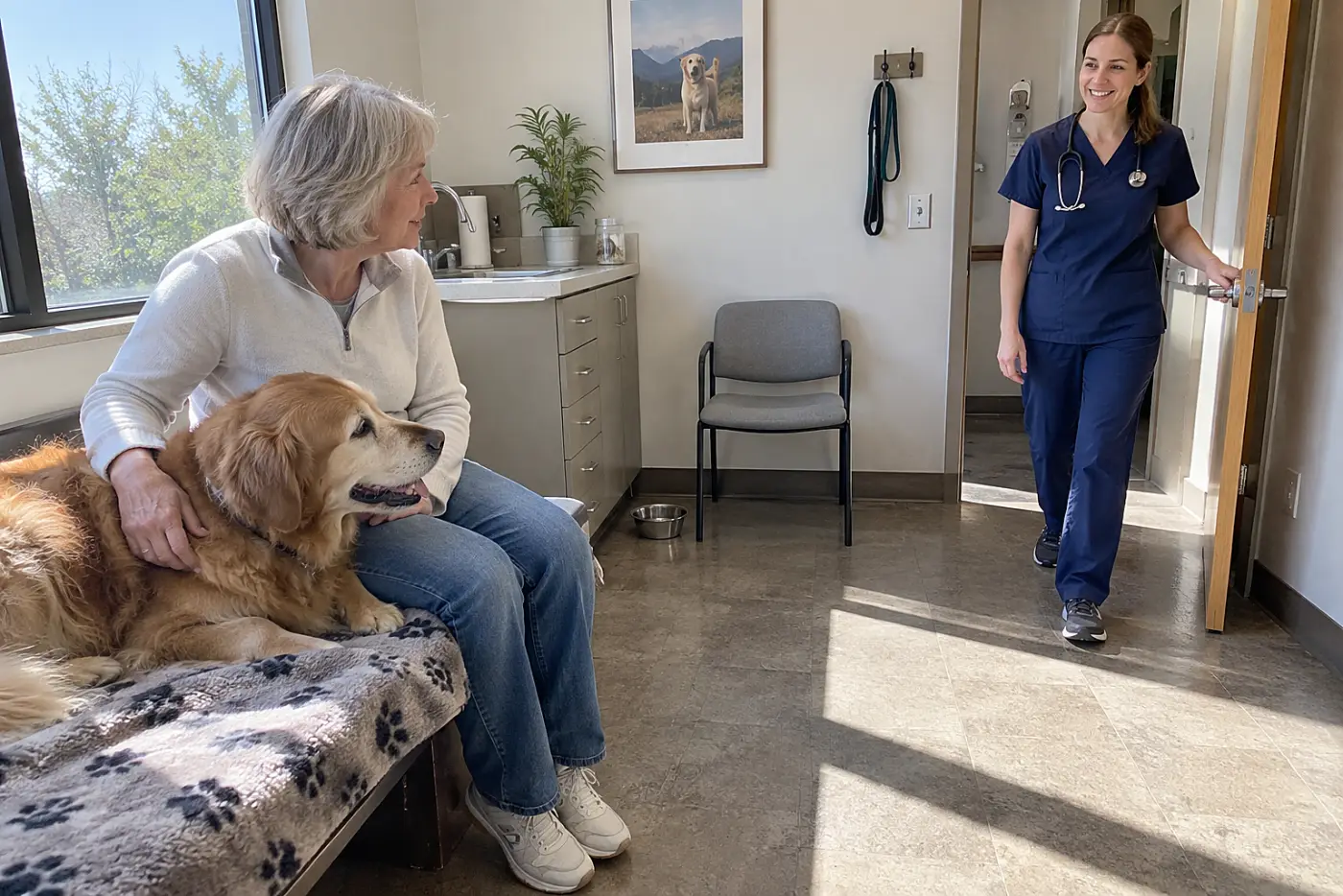
Do you have to stay? No. Do you have to leave? No.
Ask where you can sit and whether you can touch her during the procedure. Some people want to hold a paw; others want their last memory to be from before the medication.
Tell the staff what you choose. If you step outside, your pet remains with the veterinary team. You can also ask who will stay beside her after you leave.
There’s no test of devotion at the doorway. If someone in your family wants a different goodbye, talk about it before entering the room. Love isn’t measured by how much of the procedure you witness.
8The pause you ask for
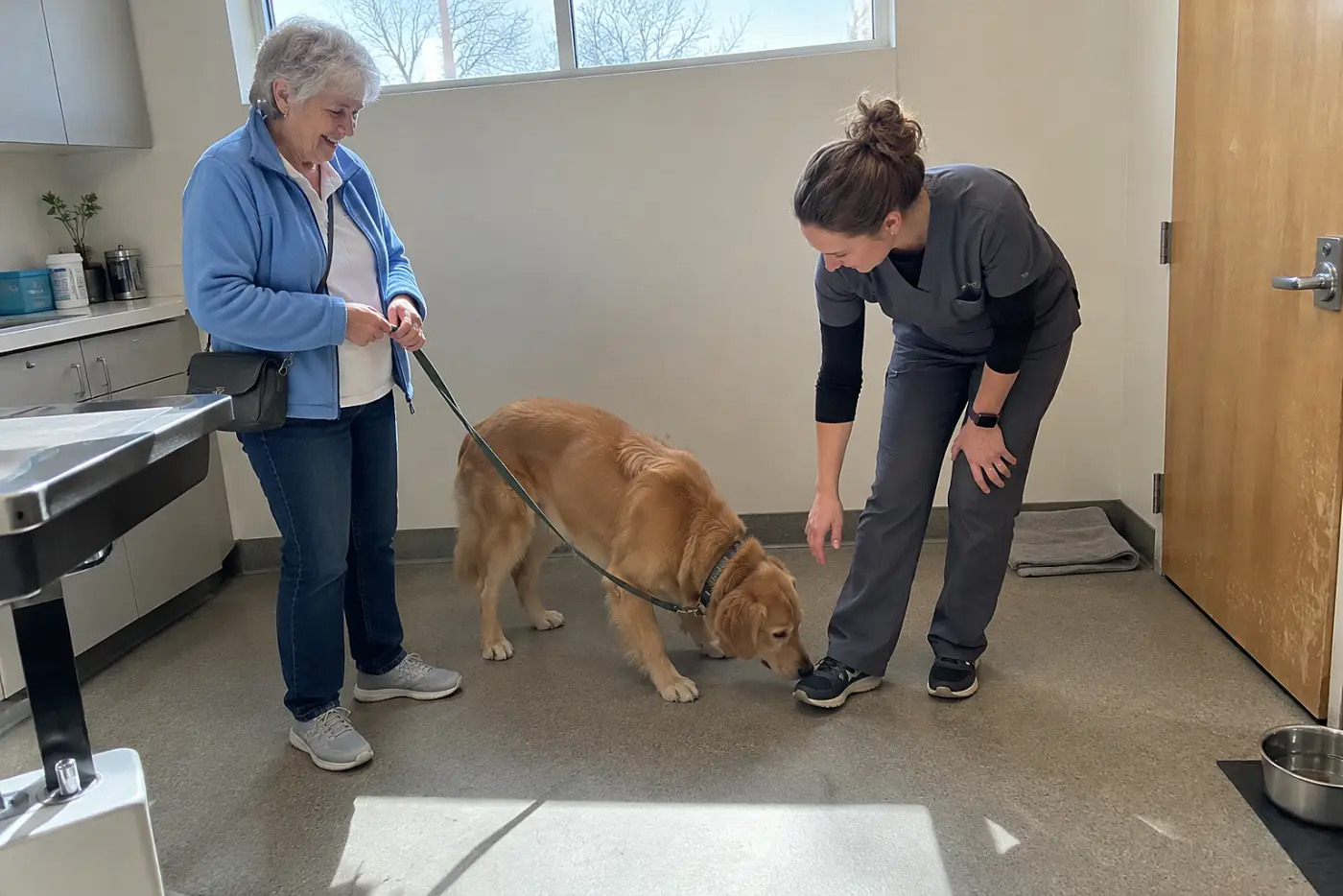
You’re allowed a moment before anything begins. Say, “Please tell me before you give each medication.” Or ask for a few minutes with your pet after the vet explains the plan.
The room has its own routine, and you have a pace you can bear. Make your request before the team starts. If you’re worried you’ll lose the words, say them when you check in.
Then choose one thing to do with the pause. Stroke her ears. Let her smell your hand. Say the name she knows. You don’t have to find a speech worthy of the moment; the words you’ve used at home are already hers.
7The empty leash on the ride home
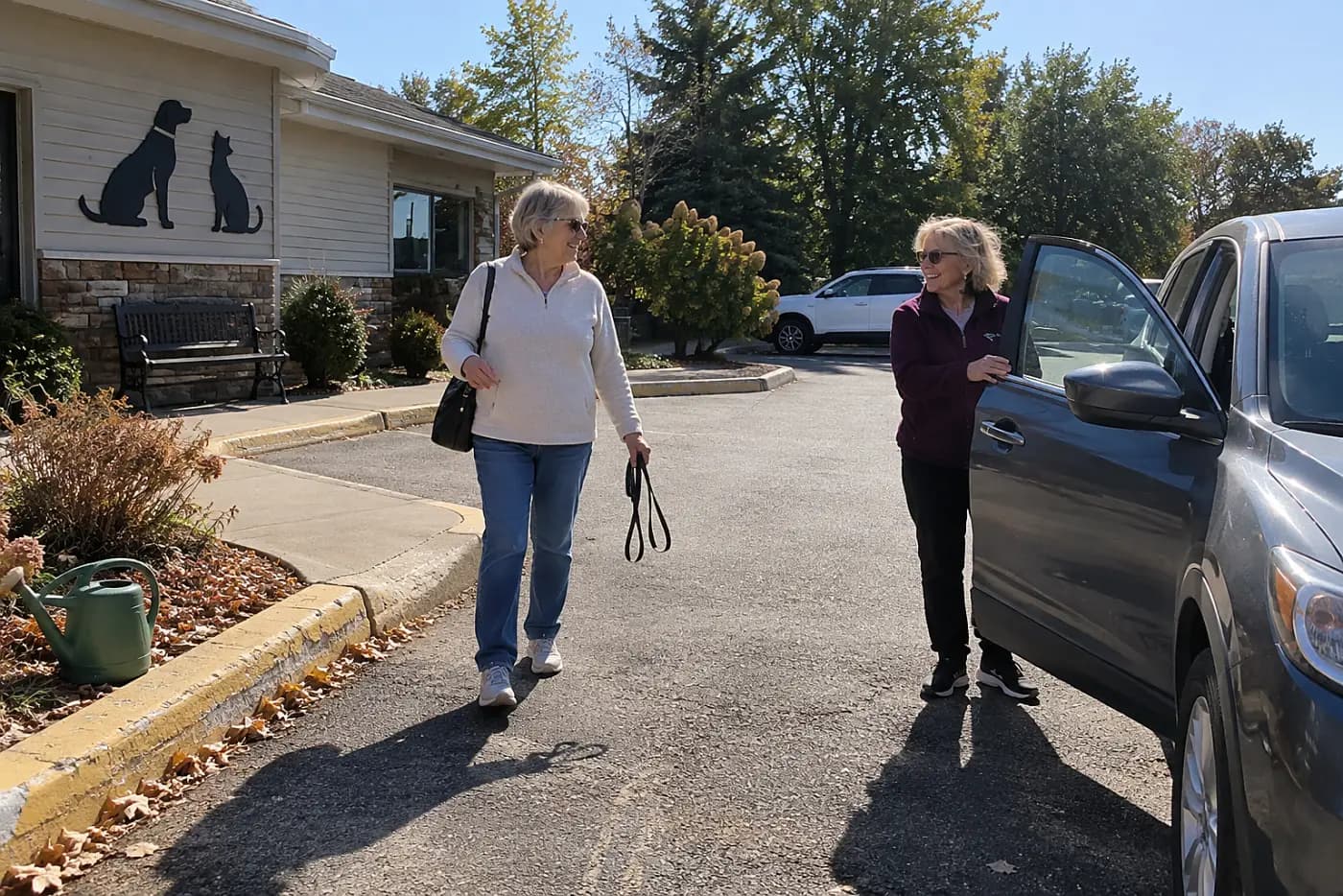
Plan the trip back before you leave for the appointment. Driving while crying takes attention you need for the road. Ask someone to drive, or arrange another ride.
Decide what to do with the leash and carrier. You don’t need to put them away tonight, but you don’t have to meet them at the door without warning.
Some people carry the blanket home. Others ask the clinic to hold it until they’re ready to collect it. Tell the staff what you want before you leave the room. If a friend is driving, tell that person where you’d like to go afterward. You won’t need to make that choice in the parking lot.
See more: 29 Signs the Clutter Is Really Grief →
6The call to your adult child
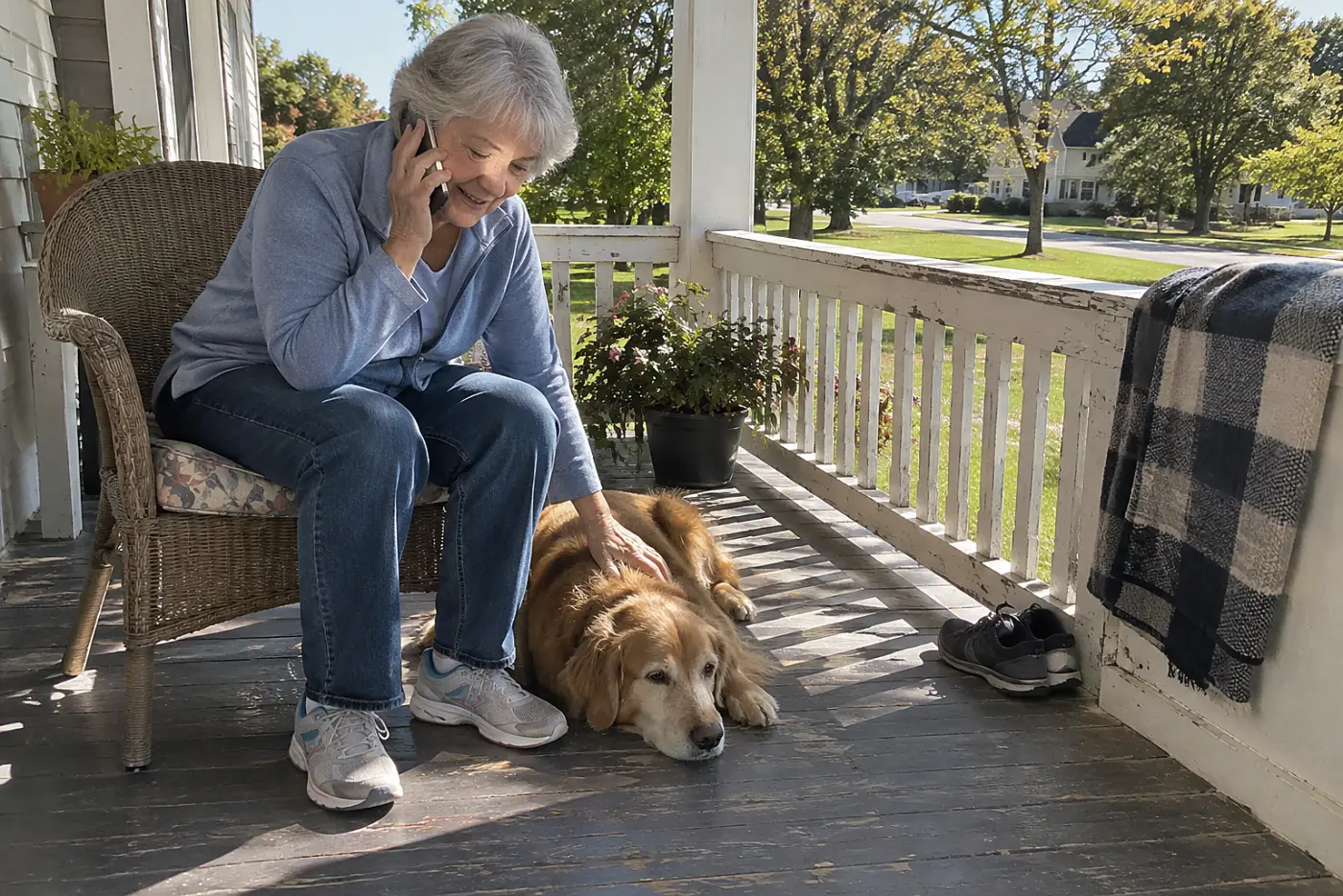
“She’s still eating treats,” your daughter says. You know she means she wants more time.
Tell her what the vet found and what life at home looks like between treats. If she wants to ask the vet a question, make space for that before the appointment when possible.
But don’t hand over the decision to someone who hasn’t seen the nights. You’re the person helping your pet through them.
You can give your daughter a way to take part without asking her to approve the choice. Invite her to visit, send a familiar voice message, or choose a photograph. The Association for Pet Loss and Bereavement has support resources if either of you needs someone outside the family to talk to.
See more: 26 Signs You've Become the Parent to Your Parent →
5The pawprint you want to keep
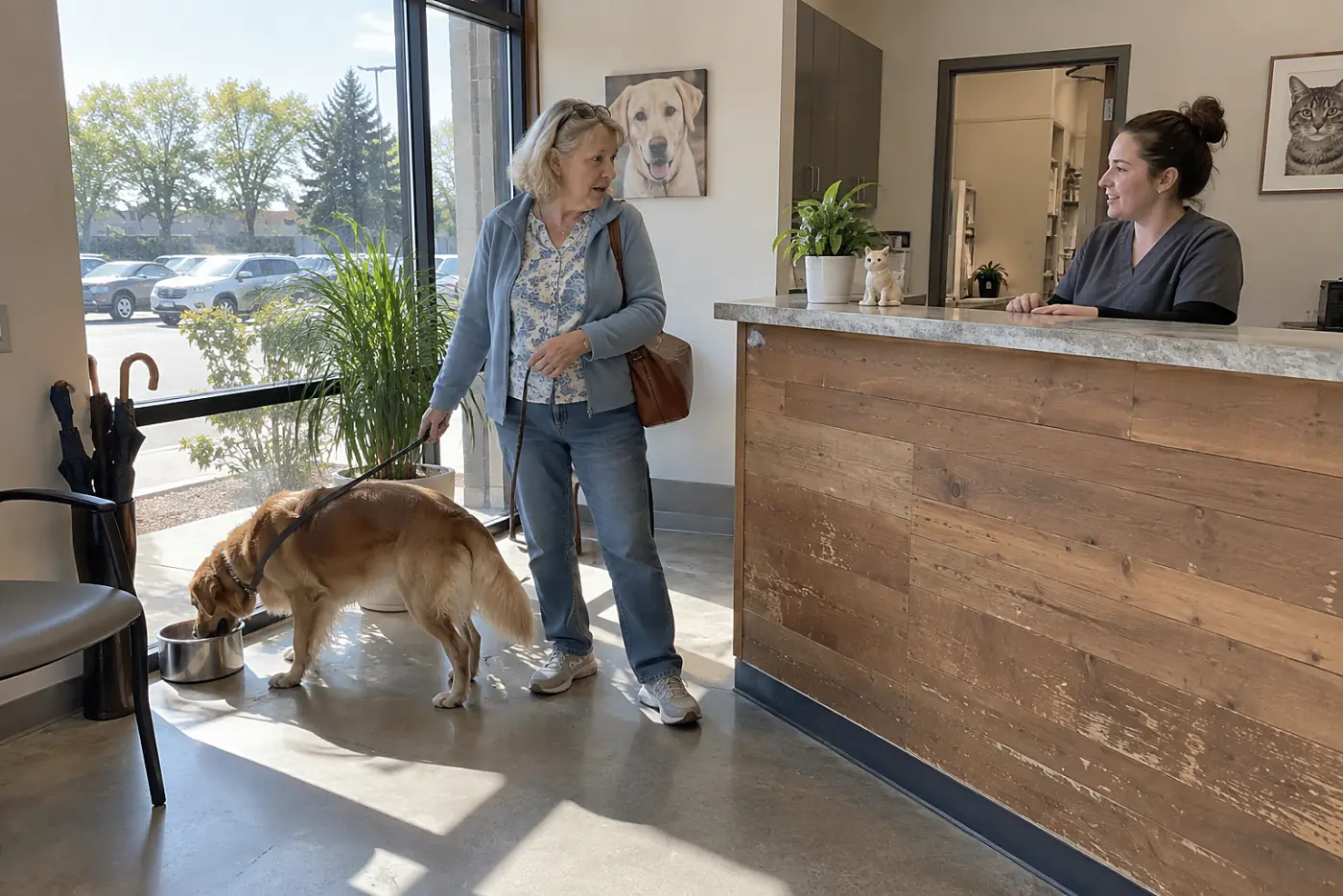
Ask about keepsakes before the procedure. Clinics and aftercare providers differ in what they offer. A pawprint, a clipping of fur, or the collar brought home means something different to each person.
Say which one you want. Then ask when you’ll receive it and who will make it.
If a pawprint matters, ask whether the clinic makes it before your pet leaves or whether an aftercare provider handles it. That small detail tells you whom to call if it doesn’t come back. You don’t need a keepsake to prove your bond. You deserve the chance to choose before the moment passes.
4The aftercare choice on the form
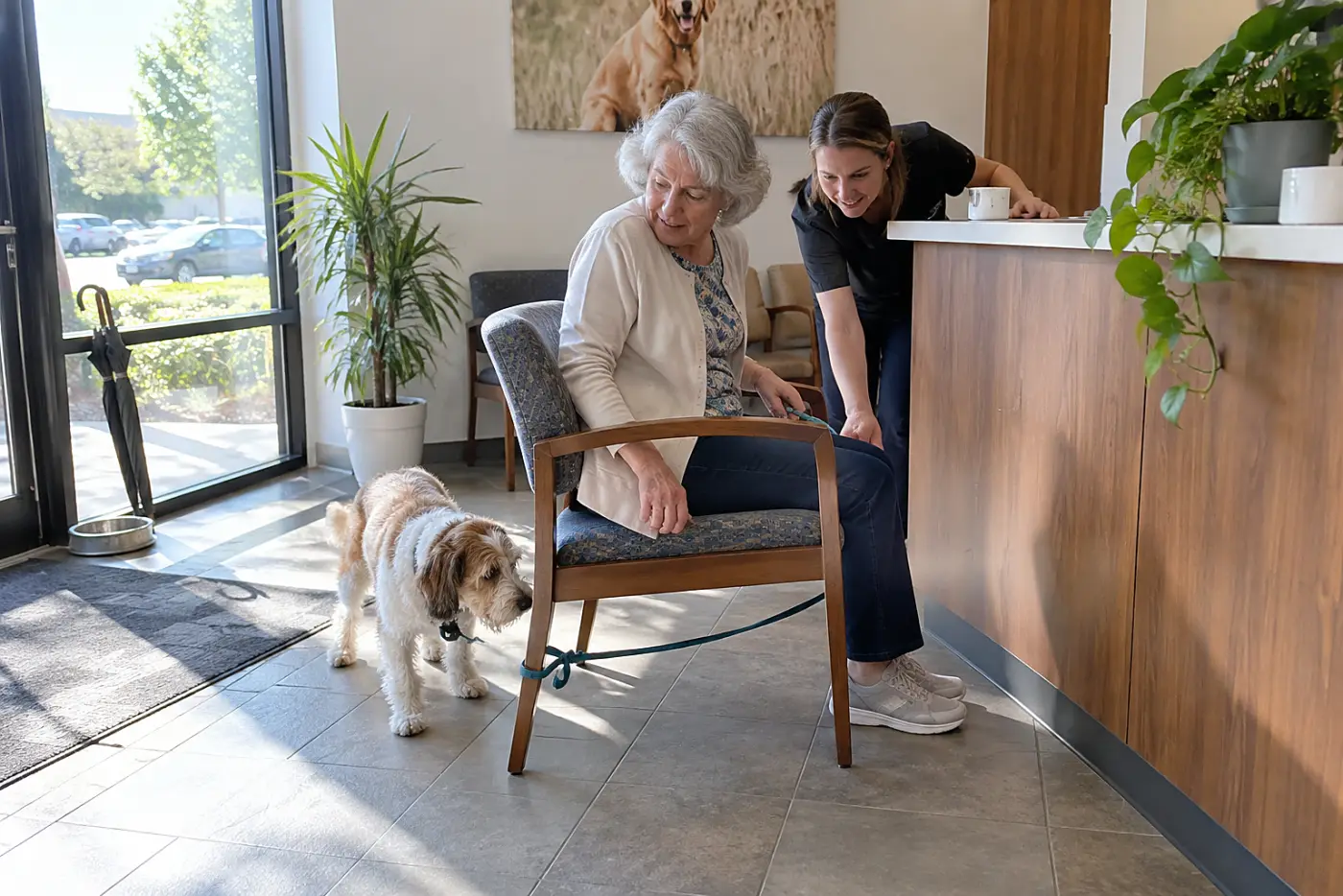
After the appointment, someone has to decide what happens to your pet’s body. Ask the clinic to explain its aftercare options before you’re standing at the desk in tears.
If you choose cremation, ask whether the ashes returned to you will be your pet’s alone. Ask who handles transport, how the remains come back, and how long the provider expects the return to take.
Write down the answer. A stated return date gives you a point to call about if the ashes haven’t arrived. If you’re considering burial at home, check local rules first. Put your choice on the clinic’s form and keep a copy. A clear decision now prevents a painful misunderstanding later.
3The bill you ask to see
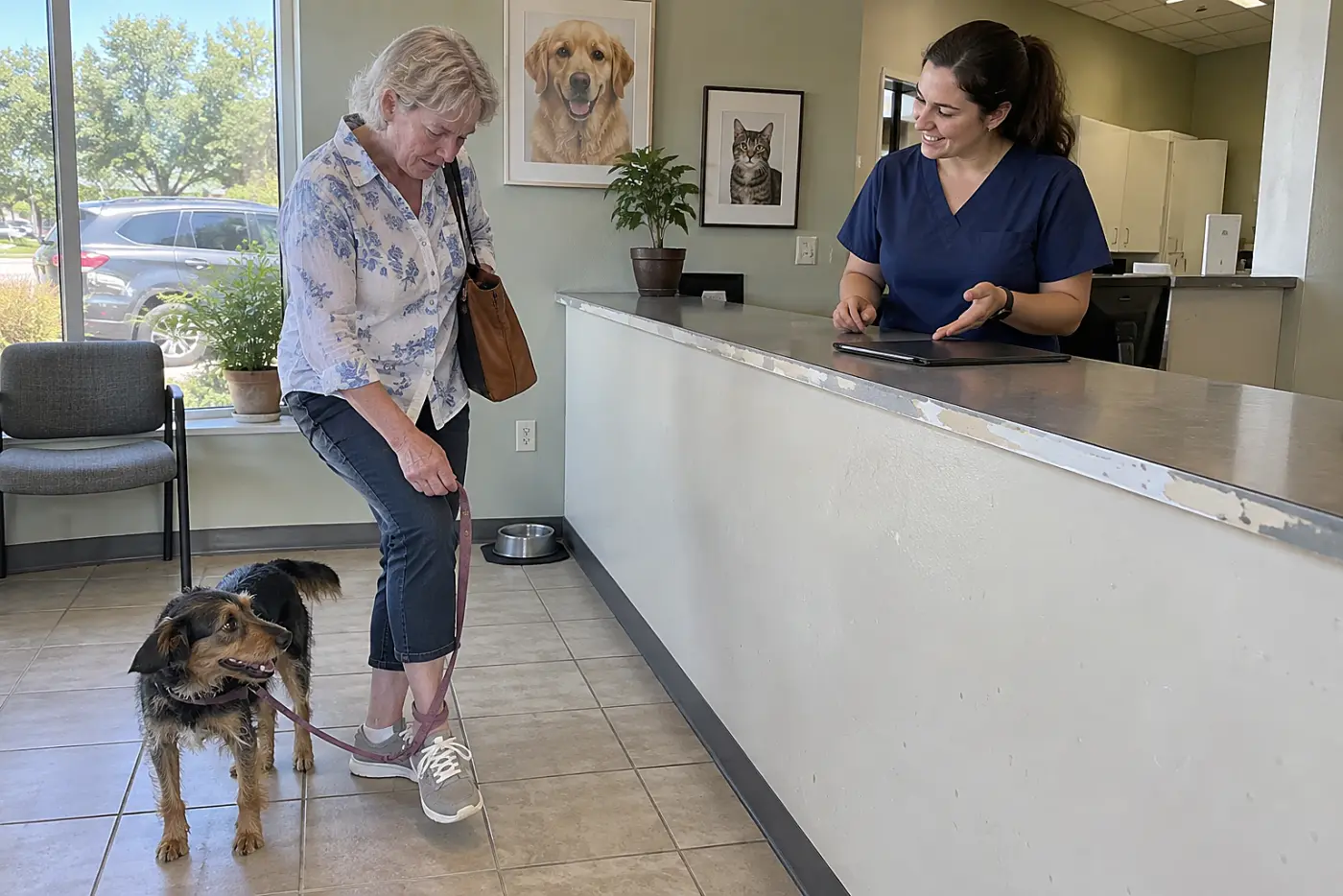
Ask for an estimate before the appointment. Have the clinic separate the procedure from aftercare and keepsakes so you understand what you’re choosing.
Prices vary by clinic and by your pet’s size, so don’t rely on a figure someone else paid. Ask for the total in writing before you agree to the services.
Money belongs in this conversation. So does dignity. If one option is beyond your budget, say so plainly and ask the clinic to explain the alternatives it offers. The price of a keepsake or cremation choice says nothing about how faithfully you cared for your pet.
2The question you keep asking afterward
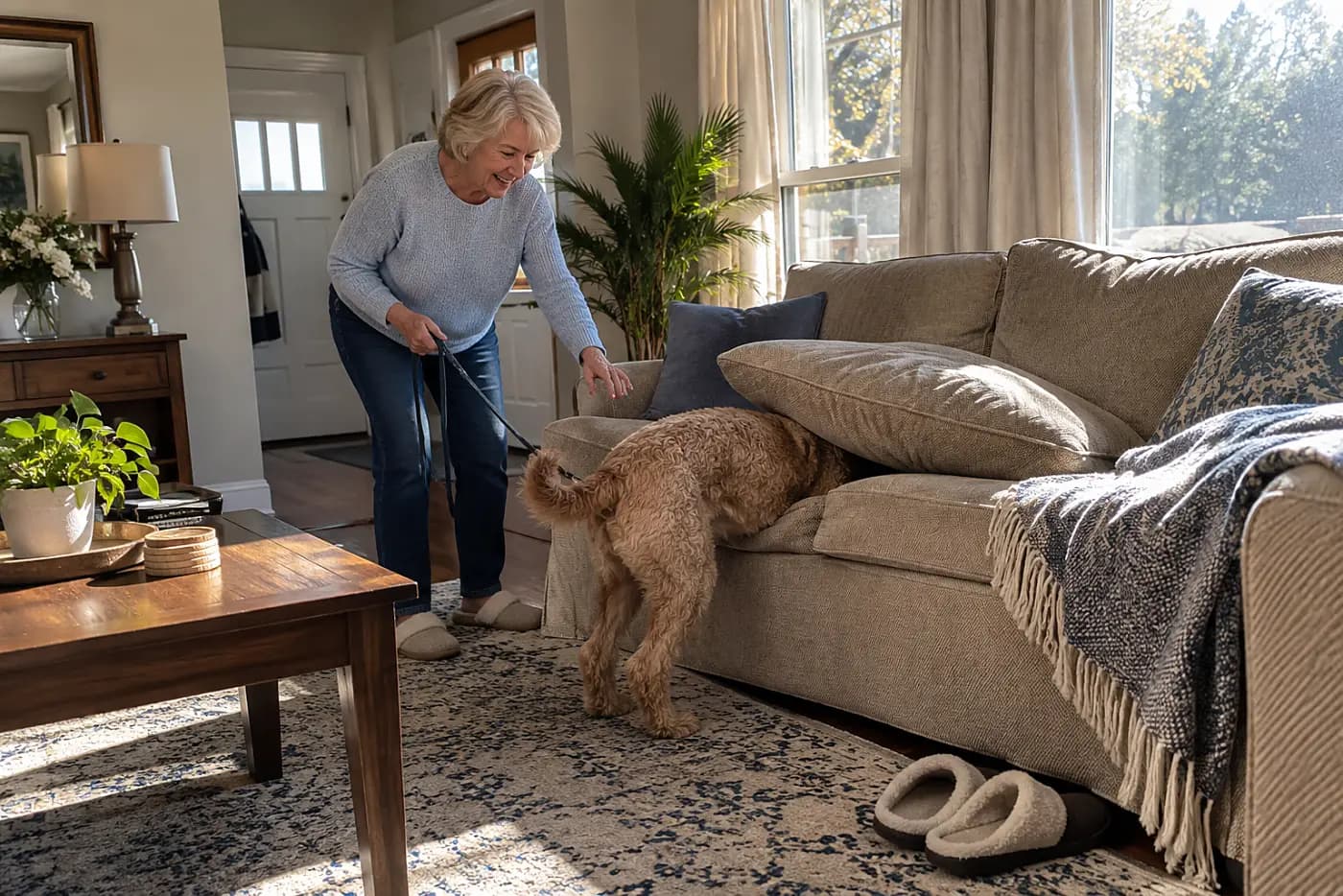
What if you had waited another day? Your mind will look for a day that would have made the choice feel certain. There rarely is one.
Go back to what you knew then: the breathing, the nights, the food bowl, the vet’s exam, and the comfort that treatment could still provide.
Don’t judge the decision only by a last tail wag. That wag happened, and so did everything else. You made the choice for the pet whose whole day you knew. If the question keeps you awake, the Association for Pet Loss and Bereavement offers pet loss support.
1The question about her next bad day
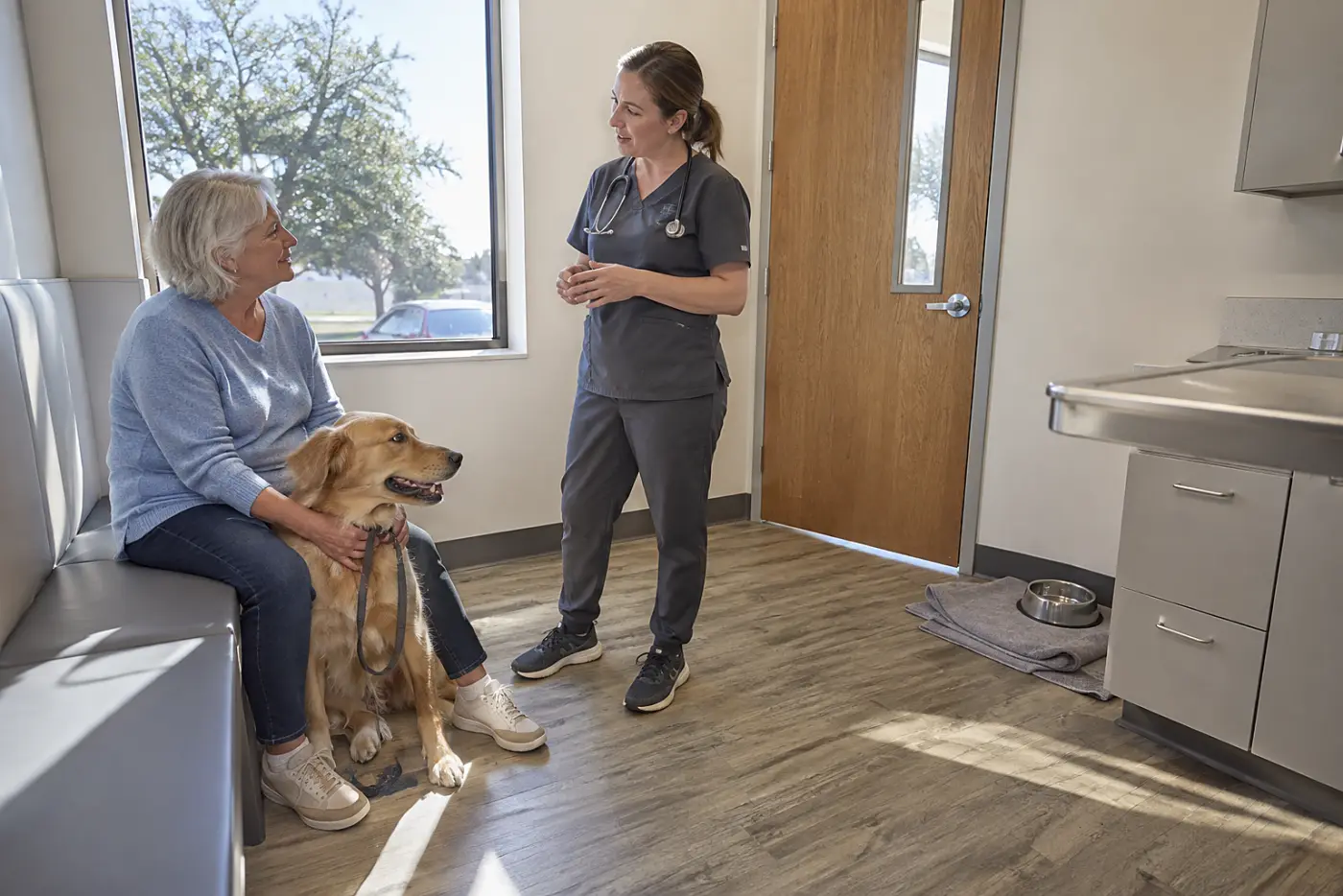
Ask your veterinarian: “If we wait, what is the next bad day likely to look like, and what can we do for her then?”
Listen for specifics. Is there relief for the pain or breathing trouble the vet expects? Will she reach water or rest without distress? Ask what would require an urgent visit and whether help will be available when it happens.
You aren’t asking the vet to predict an exact day. You’re asking what your pet faces if you choose more time. That answer puts the decision beside her comfort, rather than your fear of being too early or too late.
If you’ve already made the choice, remember what the vet told you about that next bad day. Protecting her from it was part of caring for her.
The bottom line
The good moments count. So do the hours around them. A clear decision makes room for both.
The prepared version of you has described an ordinary day, asked what comfort remains possible, and made choices the clinic will need afterward.
When you think back on your own pet’s last days, which detail do you still return to?
Up next
24 Gentle Things an Old Dog Does in Her Last Good Year That Families Only Understand Later
The hallway rug, the porch step, and the sound of a key give you places to notice her while she’s here.
Read the list →

Reader quiz
Did you catch the details?
5 questions from this article.
What should you write down before the visit to help your veterinarian understand your pet’s condition?
Did any of these feel familiar?
Know someone who needs this?
Sources cited in this article
This article links to 6 outside sources, listed here so you can read them yourself.
- American Animal Hospital Association www.aaha.org
- International Veterinary Academy of Pain Management ivapm.org
- American Veterinary Medical Association www.avma.org
- Ohio State University Veterinary Medical Center vet.osu.edu
- American Association of Housecall Veterinarians www.housecallvets.org
- Association for Pet Loss and Bereavement www.aplb.org
Ruth Ellison
Family Editor
Ruth writes about grown children, grandchildren, ageing parents, and the conversations families put off, in the words of the people involved.
More from Ruth Ellison