











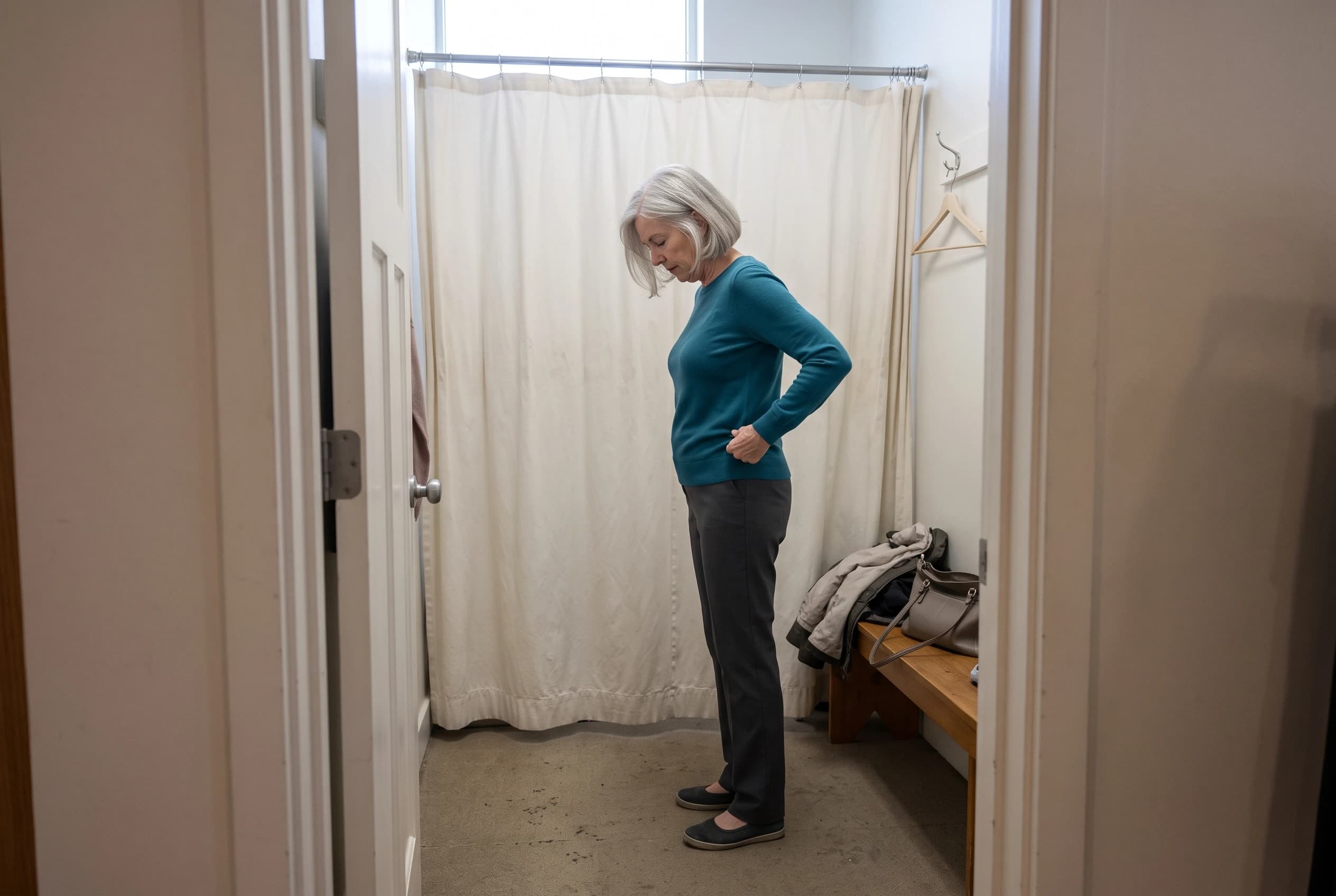

29 Conversations Families Keep Putting Off Until It's Too Late
A hospital call can turn an ordinary question into a decision nobody knows how to make. The unopened envelope is still on the counter.
By Ruth Ellison, Family Editor
Updated · 20 min read
- Written by our family editor
- Cited 10 sources
- How we review

Read to the end: #1 gives you a first-conversation script that gets an answer started, before someone else has to guess.
The phone rings while you're standing at the kitchen sink, one hand still wet. Someone is in the emergency room. Before you leave, you reach for a coat, a charger, and the name of the person you're supposed to call. That last thing takes longer.
You know your family better than any checklist does. But knowing each other isn't the same as knowing who has the key, what the doctor was told, or which decision someone already made; those answers belong to the people who have to act on them.
Here are 29 conversations worth having before a ringing phone picks the hour.
29The spare house key and its hiding place
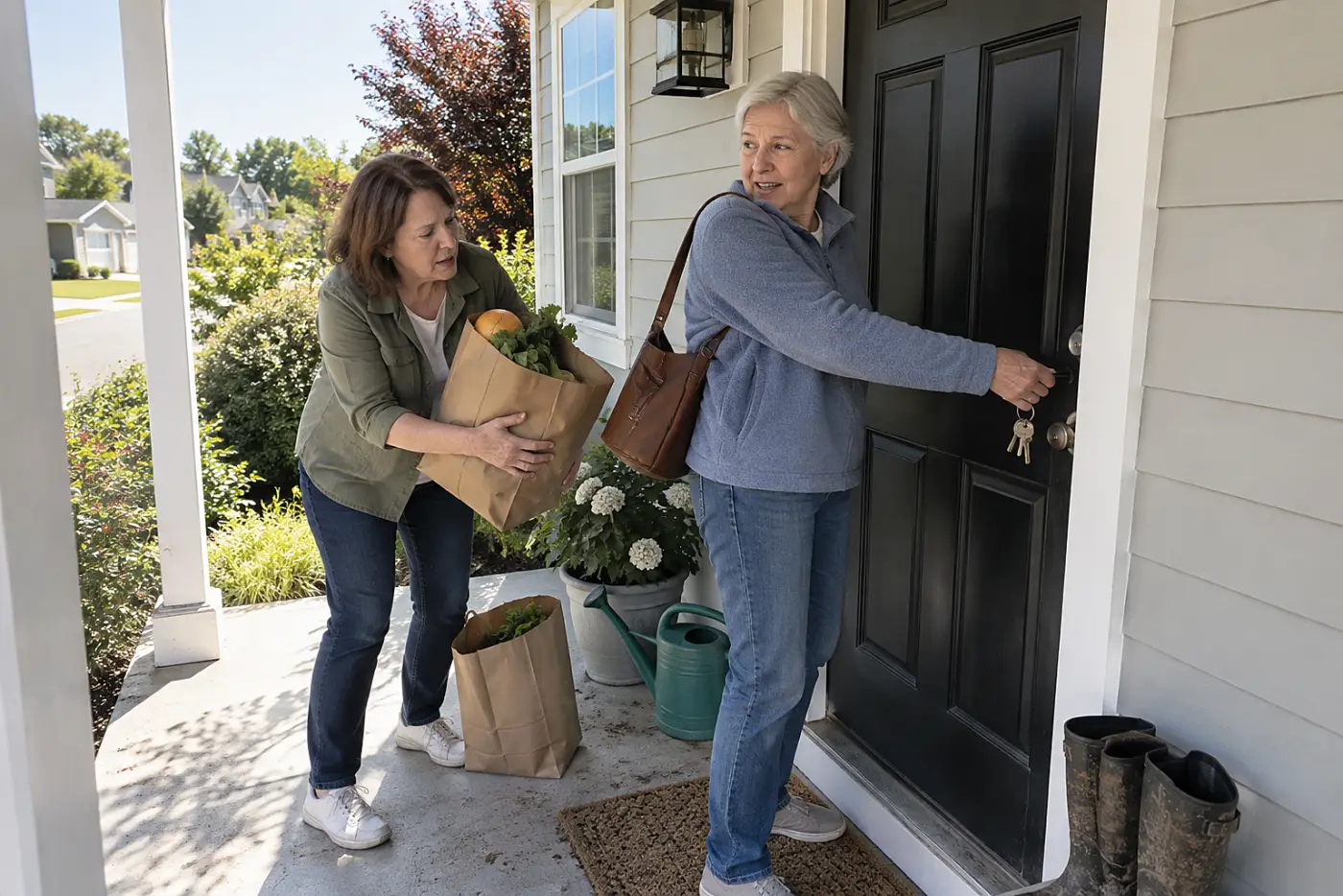
A locked door becomes a family meeting at midnight.
When someone goes to the hospital, another person still needs to get inside. That person needs a working key, the alarm code, and permission to enter. The key under the flowerpot is no plan if nobody knows it's there.
Otherwise, relatives start guessing which neighbor has a copy while the cat waits inside. A locksmith won't know which drawer holds the papers someone needs.
This week, choose who holds the spare and test it in the lock. Say, “If you need to come in while I'm away, call me first, then use this key.” Check that the person knows the alarm code, too.
A key gets someone through the door. It doesn't tell them what needs doing inside.
28The pets waiting behind that locked door
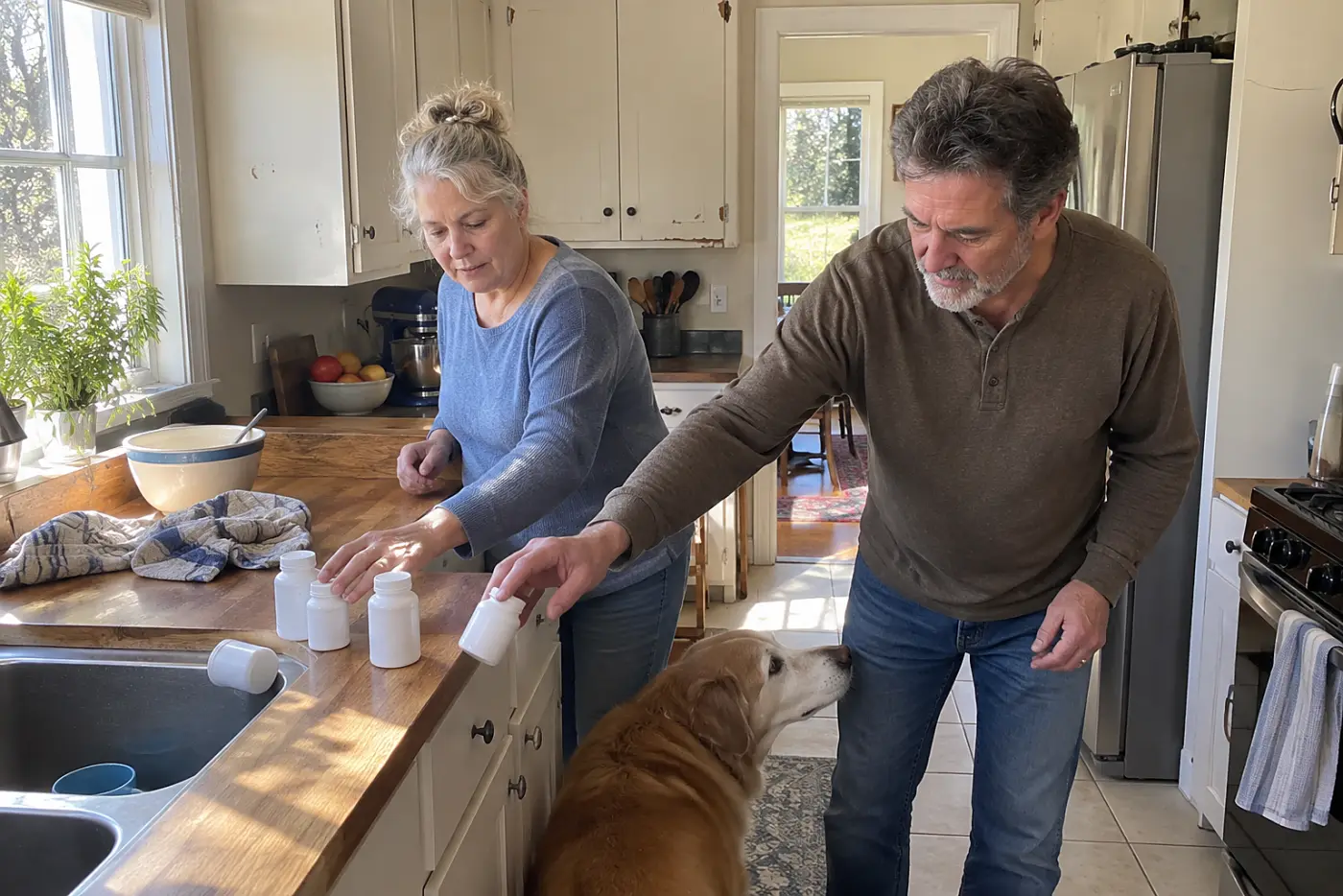
The dog still needs dinner when everyone leaves for the hospital.
A relative who doesn't live with you won't know the feeding routine, where the leash hangs, or which veterinarian has the records. If the pet needs medicine, guessing from bottles on the counter is a poor plan. An agreed helper needs those details before the first night away.
A hospital stay turns one missed meal into a search for someone who'll take the animal overnight. Without a name to call, that search falls to whoever got the house key.
This week, write the pet's routine on one sheet with the veterinarian's name and a willing helper's number. Ask that person, “If I'm away overnight, are you willing to take her, or should I call someone else?” Put the sheet where the person with the key will see it.
Once someone is inside, the next question is what they need to bring back out.
27The medication bottles beside the bathroom sink
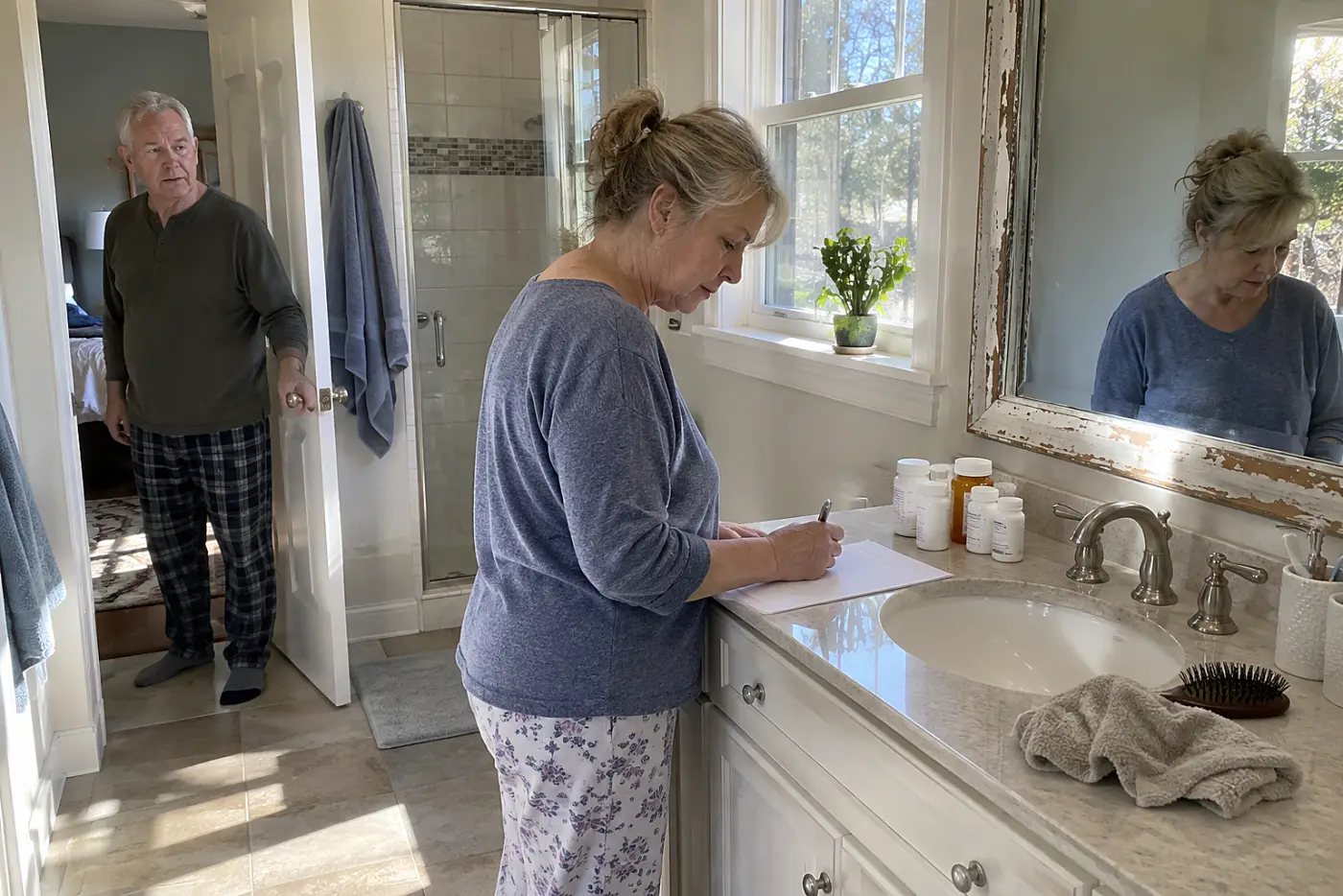
A list from last spring won't help tonight.
A doctor needs to know what you take now, including nonprescription pills and supplements. Bottle labels help, but they don't show which prescription you stopped taking. The National Institute on Aging advises keeping a current medication list to share with health professionals.
Without an updated list, someone else has to reconstruct your routine from bottles and memory. Neither shows what you actually swallowed that morning. A dose written on an old label isn't a current answer.
This week, write down each medicine, dose, and when you take it. Tell your chosen person, “The current list is in the kitchen drawer; please bring it if I go in.” Update it when the routine changes.
Then ask who will explain the history when you cannot.
26The person the hospital should call first
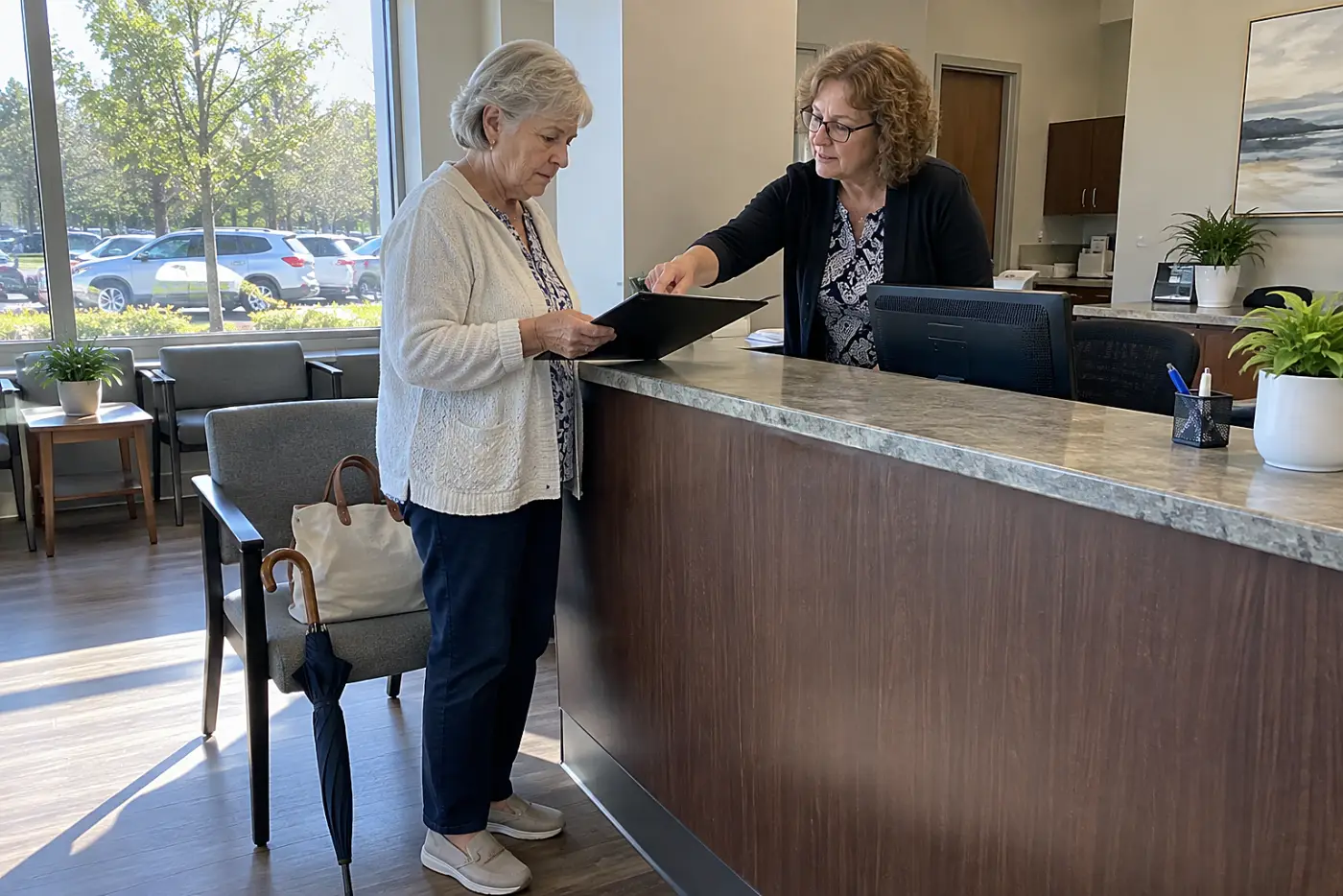
A busy signal shouldn't decide who hears the news.
An emergency contact is a way to reach someone; it doesn't give that person authority to make medical decisions. The person answering must also know whom else to call, especially when siblings live in different places. A backup matters if the first contact is asleep or traveling.
Without an agreed call order, one relative gets news late and starts making calls from scraps of information. Then a second person repeats a detail that nobody has checked.
This week, check the emergency contact listed at your doctor's office. Then tell that person, “If they call you, please call these two people next, and tell them what you actually heard.” Ask whether that person is willing to take the call at any hour. Put a backup contact on the same sheet.
The call chain carries news, but a different document governs decisions.
25The health care proxy in the filing drawer
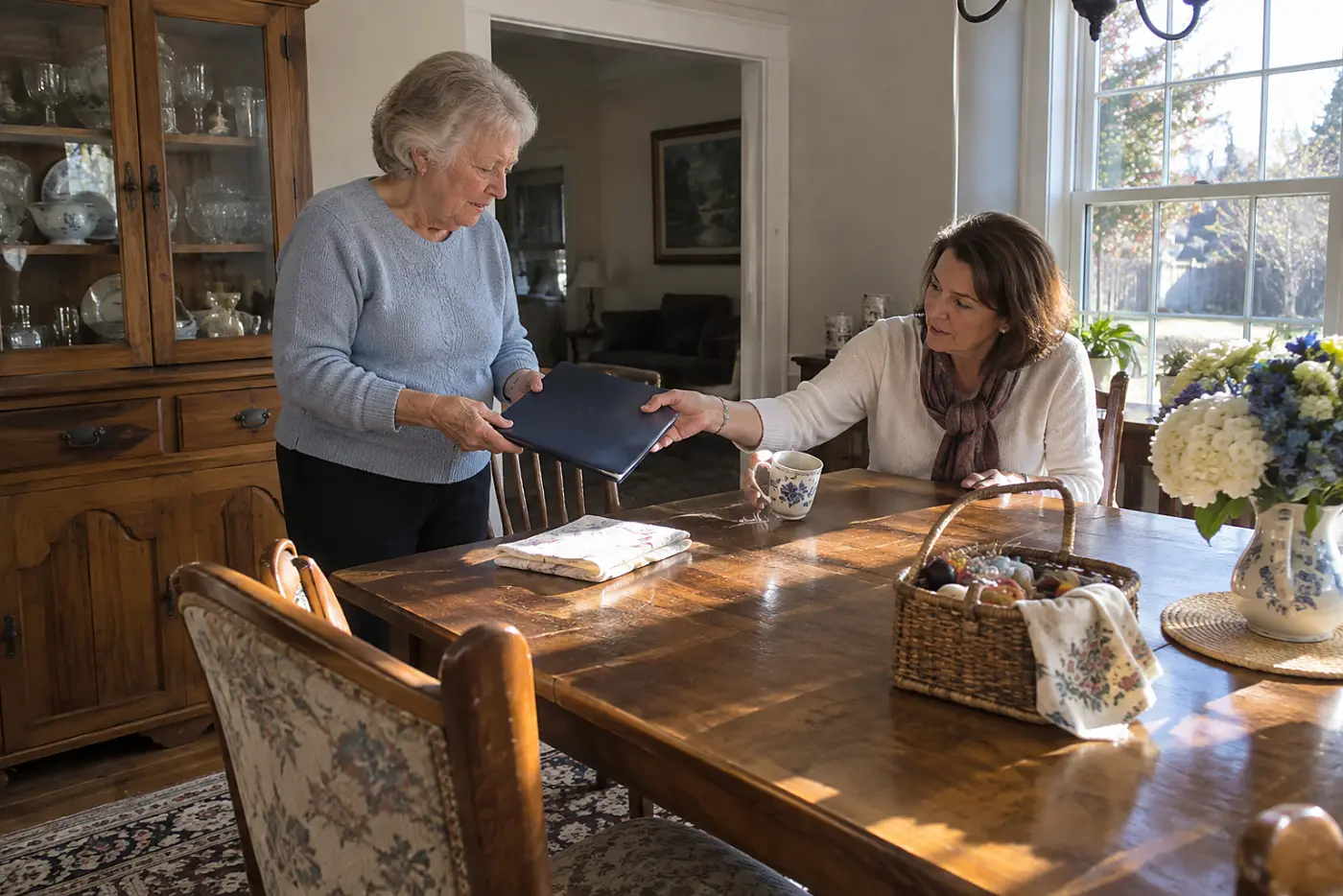
Being the oldest child grants no automatic vote.
State law controls who speaks when you cannot speak for yourself. A health care proxy or medical power of attorney names your chosen decision-maker. The American Bar Association publishes consumer guidance on health care decision documents if you need help sorting the names.
Without that document, relatives face state rules they didn't choose and a harder talk in a hospital hallway. The person you intended to name is left explaining a wish that never reached paper.
This week, find the signed document and check whether the named person still agrees. Say, “I named you to speak for me if I can't; will you still do it?” If the name is wrong, ask an estate attorney how to replace the document under your state's rules.
A name on paper needs a conversation about the choices ahead.
24The treatment choice nobody has said aloud
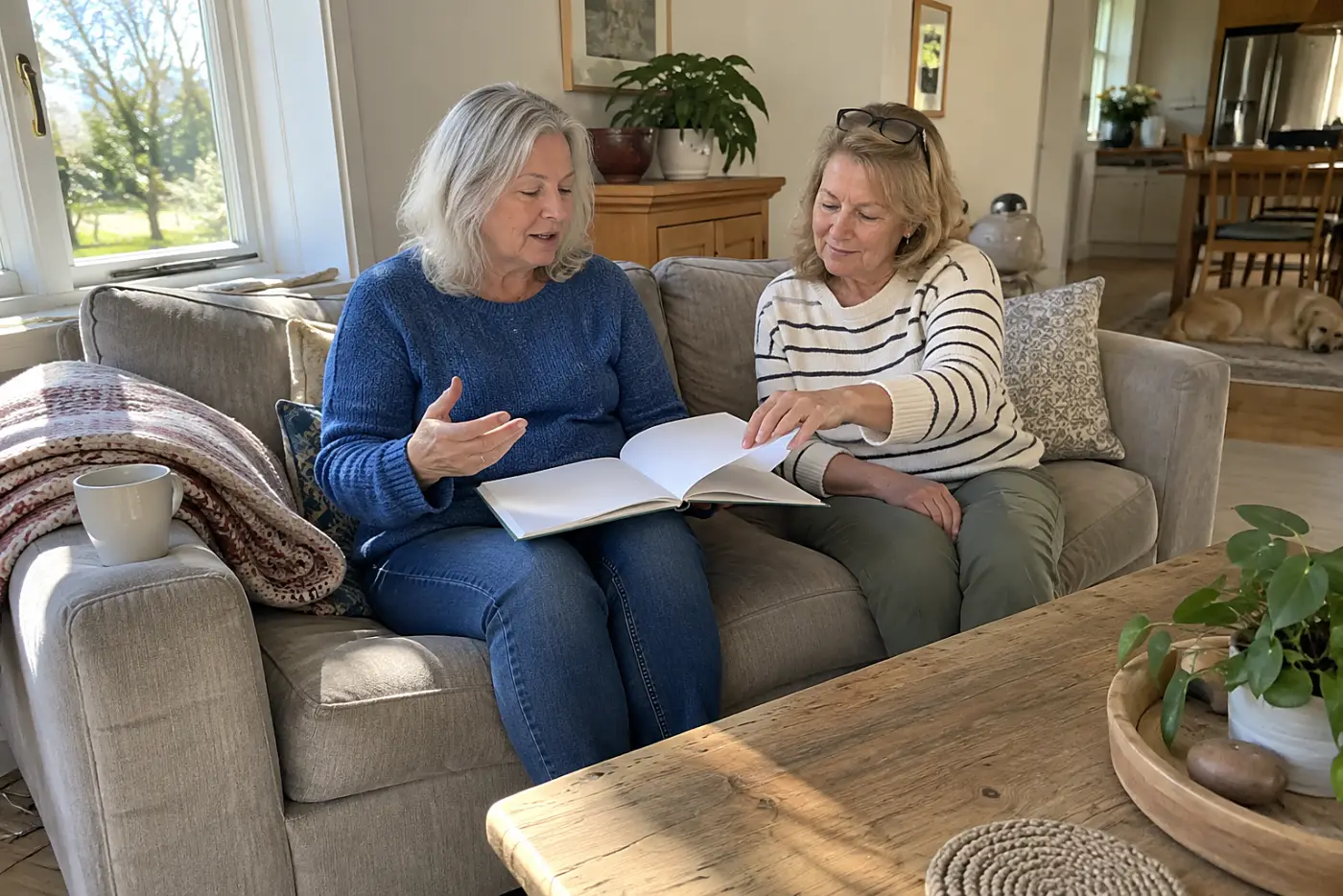
A signature cannot describe every choice a doctor will raise.
Your health care agent needs more than “do what you think best.” Talk about what matters to you if treatment keeps you alive but leaves you unable to recognize people or live as you wish. The National Institute on Aging's advance care planning guidance has questions that help start that talk.
If no one has heard your priorities, a crisis forces the person you chose to guess. The signed form names a speaker; it doesn't supply every answer that speaker will need.
This week, sit with your agent and name one outcome you would find hard to live with. Ask, “If the doctors offered treatment but weren't sure I'd recover, what would you need to know about my wishes?” Write down what you said, date the page, and give your agent a copy.
That page still has to reach the people treating you.
23The document your doctor has never seen
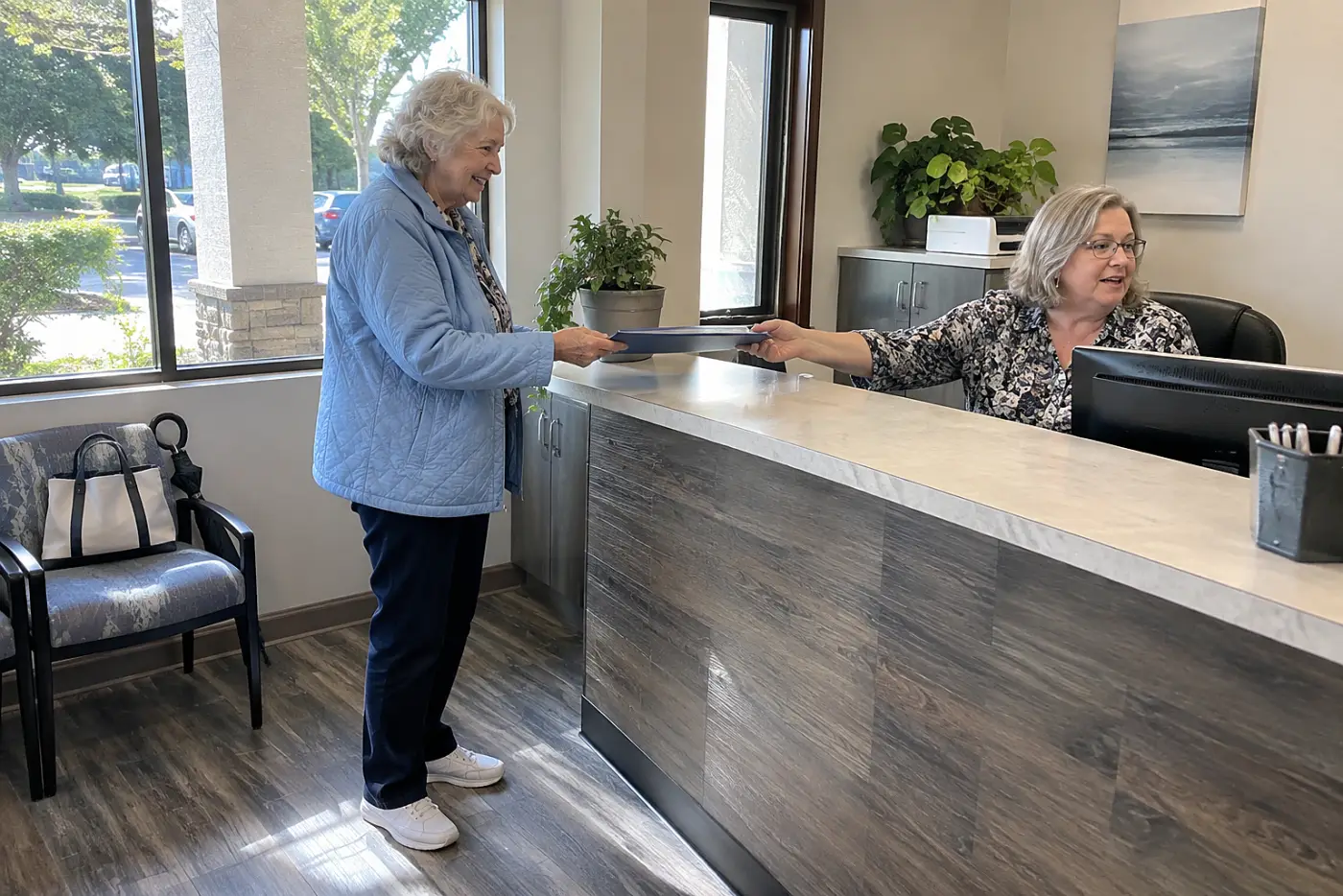
A drawer at home is no help during admission.
An advance directive records your chosen decision-maker and written wishes. Your agent needs a copy to bring to the hospital. Your doctor's office also needs to know the document exists, so ask how the office keeps it in your record. Don't assume a signed page travels there by itself.
If nobody brings it, the team treating you has no page to read when questions arise. The person you named then has to find it while trying to answer those questions.
This week, ask your doctor's office how to add the document to your medical record. Tell your agent, “Please save a copy where you can reach it away from home.” Ask the office to confirm it received the copy.
Medical decisions are one question; day-to-day money is another.
22The bill payer named on bank forms
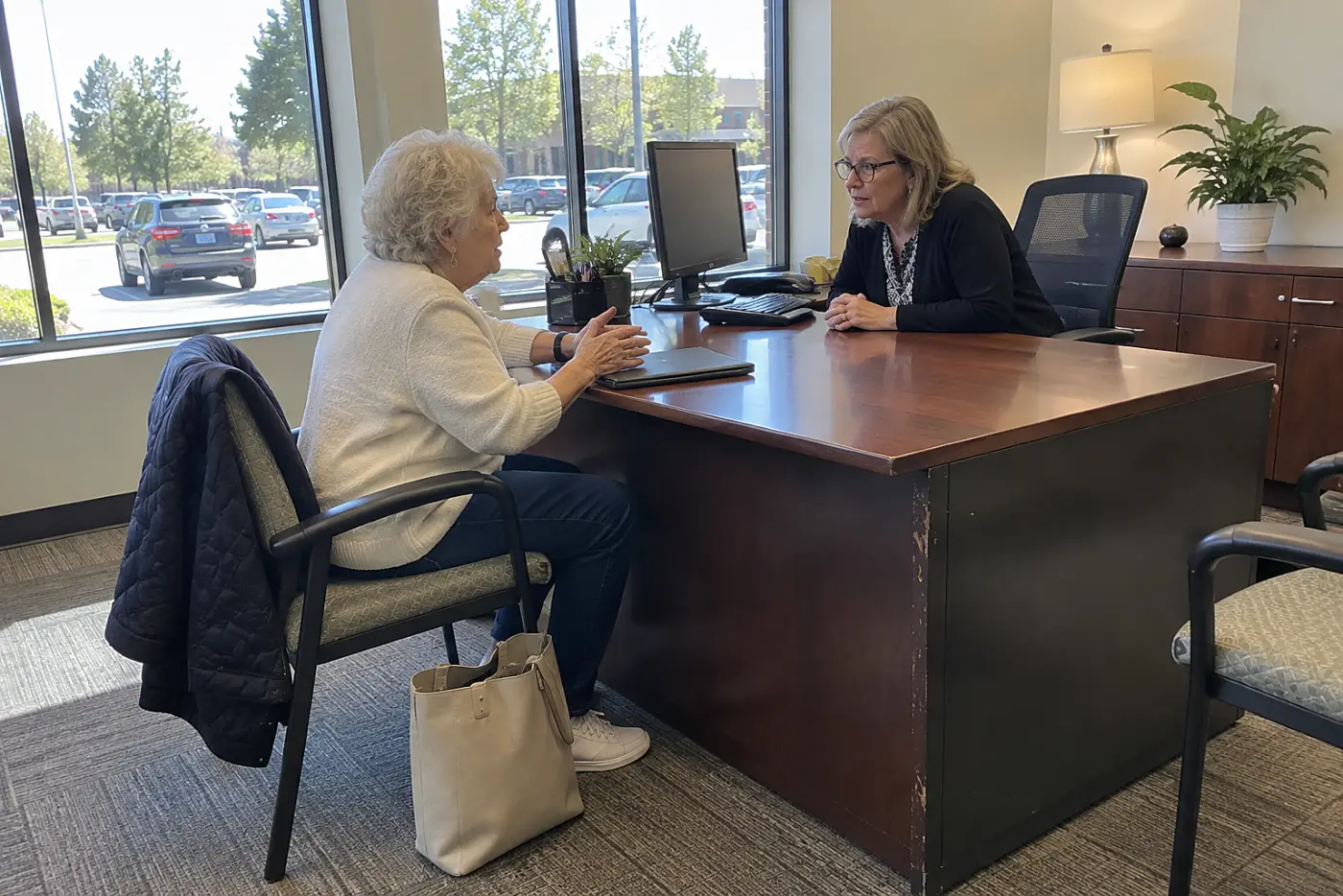
A hospital stay won't pause the electric bill.
A financial power of attorney names someone to act for you under its terms. Being listed on an account as a contact isn't the same thing. Banks have procedures for reviewing these documents, and state law governs how they're made. The Consumer Financial Protection Bureau has guides for people managing someone else's money.
With no workable arrangement, a helper faces overdue notices but no clear way to handle your accounts. A stack of bills isn't authority to pay them.
This week, find your financial power of attorney and check the name, date, and location of the original. Ask the person you named, “Are you still willing to handle my bills if I can't, and do you know where the document is?” Then call your bank and ask what it would need to review before that person acts. Don't add anyone as a joint owner just to solve an access problem; that changes ownership.
Authority to pay bills still doesn't show which bill arrives next.
21The stack of bills due each month

An automatic payment hides until the account runs dry.
A helper needs to know which bills pay themselves, which arrive by mail, and which come by email. The checking account statement shows payments, but it doesn't explain what service each charge keeps running. That missing detail matters when someone has to decide what to pay first.
A missed property tax bill or insurance premium has a different cost from a late magazine payment. Neither the envelope nor the bank line tells a new helper which deadline matters.
This week, make a one-page list of recurring bills and where each notice arrives. Tell your helper, “Start with the house, utilities, and insurance; the list is beside the checkbook.” Mark the account each payment comes from.
Then point to the place your account access plan is kept.
20The password manager emergency access plan

A locked phone holds half the household now.
Bills, appointments, and account alerts arrive through logins. A person handling your affairs needs a lawful way to find what matters without hunting through scraps of paper or trying passwords that have changed. The plan must tell that person where to start, not leave them searching your phone.
Without a plan, the person with the bill list still can't open the account that sends the bill. The Federal Trade Commission has advice on securing accounts and passwords, but the handoff is yours to arrange.
This week, check whether your password manager has an emergency access feature and how it works. Tell your chosen helper, “Here's where the instructions are; please don't store my passwords in a group text.” If you don't use a password manager, write down where essential account records live and how the authorized person should reach them. Keep that plan secure.
The next missing detail sits on paper, not behind a login.
19The safe deposit box key and branch
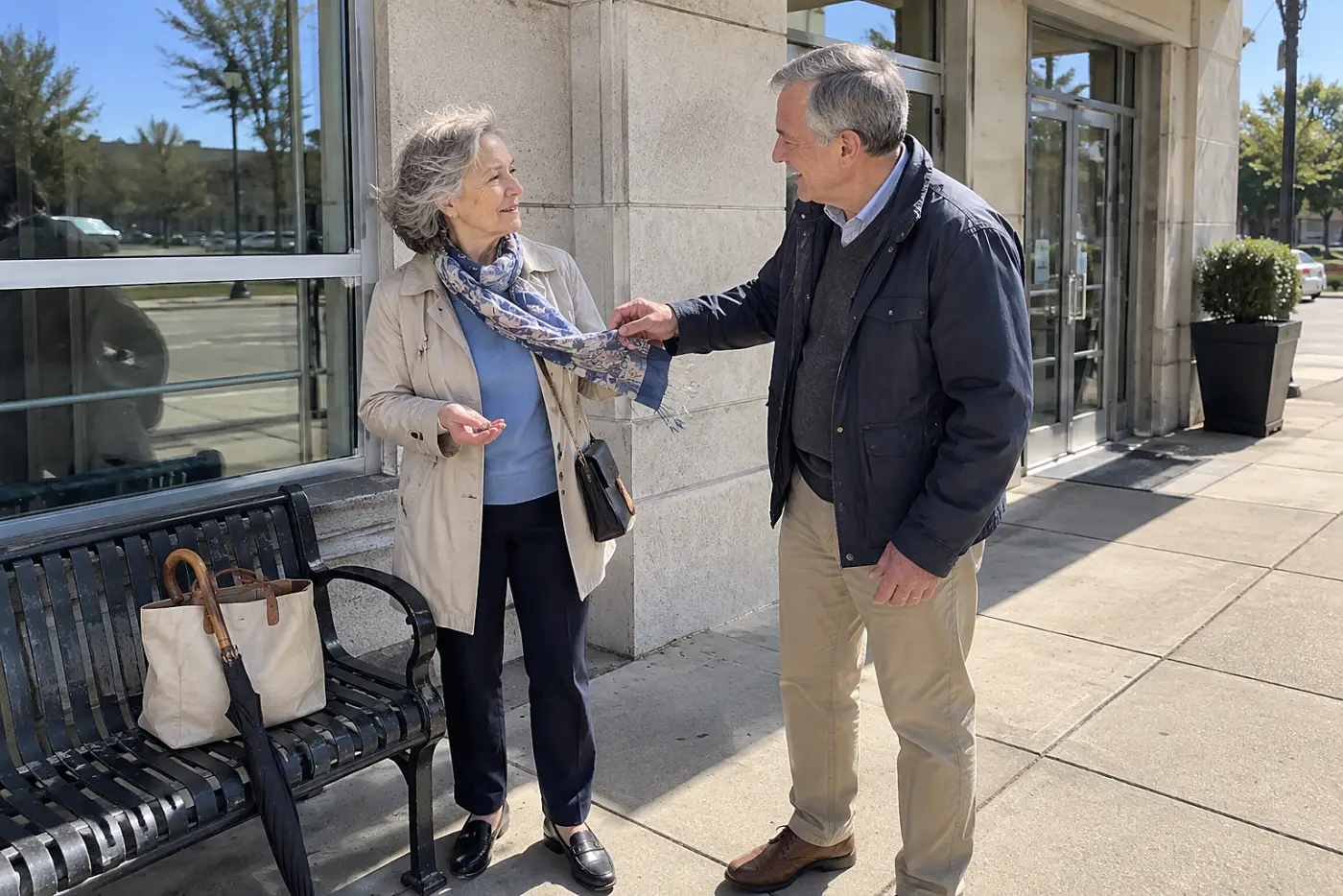
A small metal key has no address on it.
Someone handling your affairs needs the bank and branch name before the key means anything. Access rules vary by state and by the bank's records, so the key alone isn't permission to open the box. The branch needs to check its records before anyone counts on reaching what is inside.
That matters if the original document everyone needs is locked inside. A relative who finds only the key still has to identify the bank, then ask what access requires.
This week, tell the right person which bank holds the box and what it contains. Ask the branch, “Who is authorized to enter if I cannot come in, and what paperwork would they need?” Keep the answer with the box information, not only in your memory.
Some documents need their own conversation before anyone reaches for a box.
18The will everyone thinks they understand
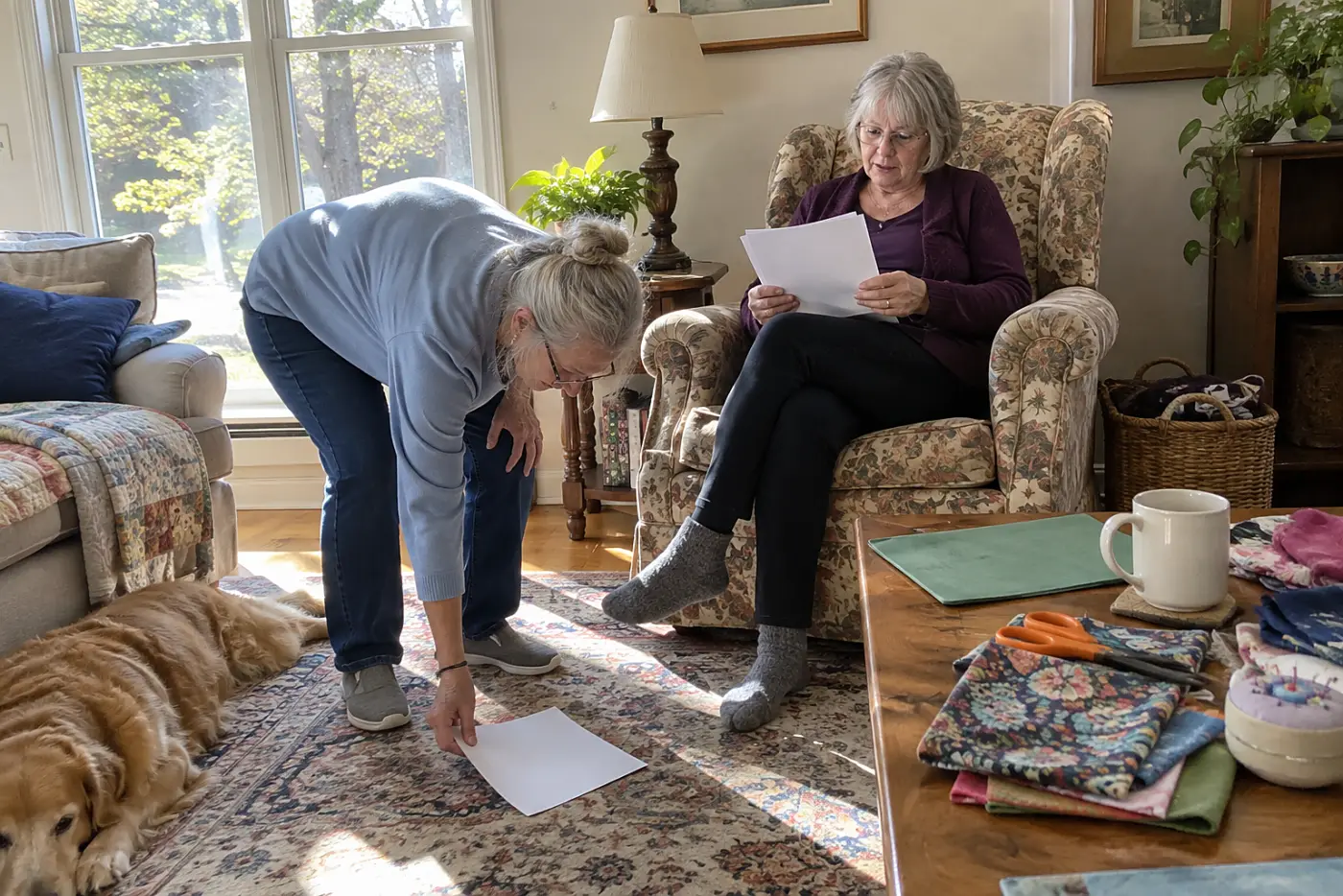
A will cannot settle an argument nobody has voiced.
A will directs property that passes through an estate, subject to state law. Assets with beneficiary designations take a different route. So does property held with rights of survivorship. Ask an estate attorney to explain any ownership terms you don't recognize on your own papers.
If relatives expect the will to control everything, they arrive with incompatible promises in mind. No reading of the document fixes a promise you never made.
This week, read your will and write down the name of the executor it names. Ask that person, “Will you serve, and do you know where the signed original is?” Then tell the people affected where the document lives, without asking them to approve your choices. If the will no longer reflects your wishes, make an appointment with an estate attorney. Don't write changes in the margin.
One account in the family can still bypass that will entirely.
17The beneficiary name on retirement accounts
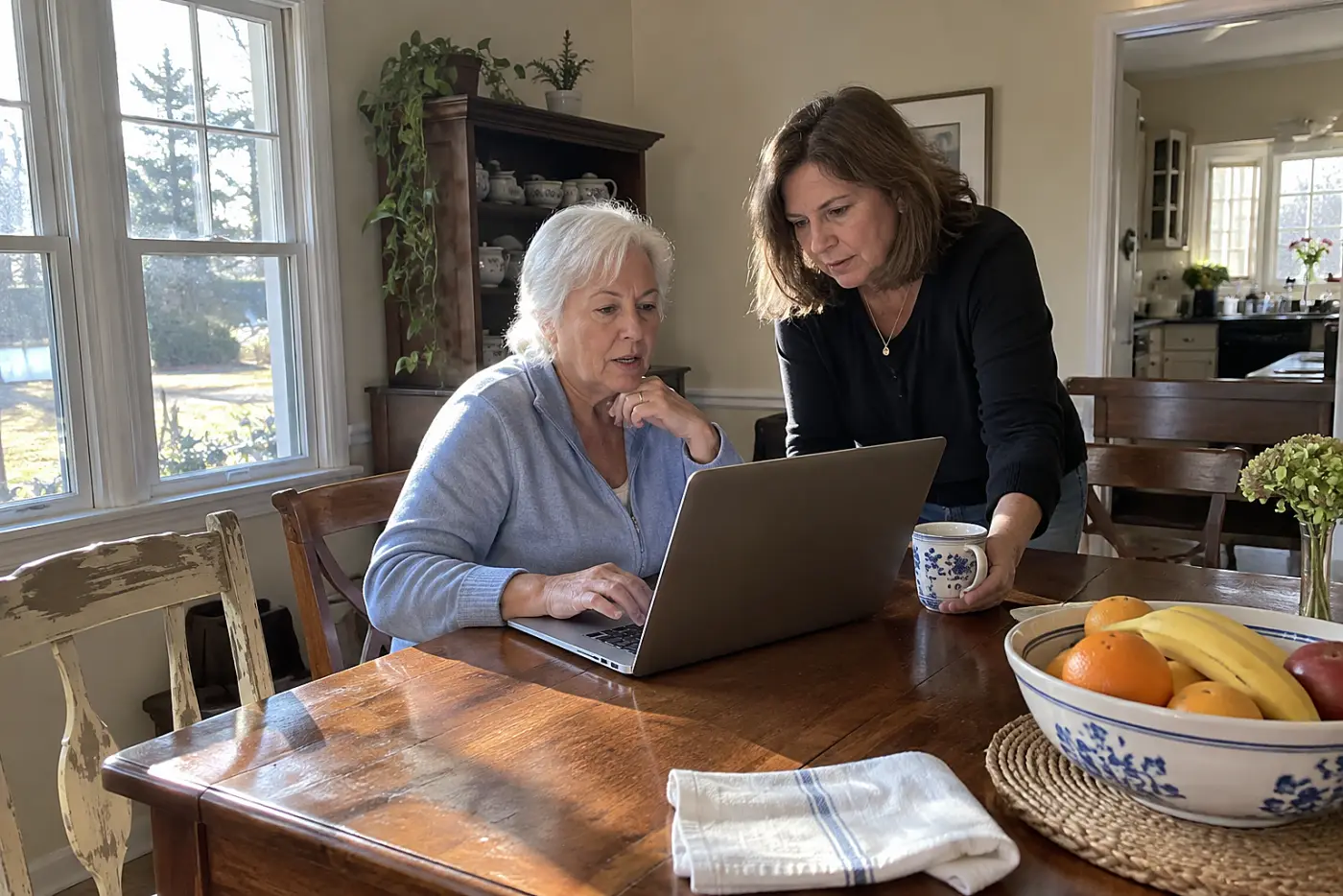
An old form can outlast a marriage.
Retirement accounts and life insurance policies use beneficiary designations. The institution holding the account follows its records, so your will isn't the place to check the name. Look at the record held by each provider, including the backup name.
A former spouse or deceased relative on an old form leaves your family with a different result. It won't match what you described at dinner. A spoken promise won't correct the provider's record.
This week, request the current beneficiary record from each account provider. Say, “Please show me who is listed now, including any backup beneficiary.” If the name is wrong, ask the provider for its change process and confirm the update appears on its records.
Names on accounts lead to a harder question about the home.
See more: 22 Things That Change on Your Taxes the Year You Retire →
16The house nobody wants to sell

The piano makes the house feel like a promise.
Ownership and mortgage payments still have to be dealt with. If several people expect different things from the same house, an executor is left handling grief and an argument at once. The deed shows who owns it now; the loan statement shows what is owed. Neither tells the family what you want done later.
A wish to keep the house doesn't name who pays the taxes or lives there. The silence lets each person picture a different future for the same rooms.
This week, gather the deed and loan statement and say what you hope happens to the house. Try, “I'd like us to talk about whether anyone actually wants to live here, and what keeping it would require.” Listen before turning a wish into an expectation. If you intend to change ownership, get legal advice first; signing over a deed changes more than the family conversation.
The same problem arrives in smaller objects you can hold.
See more: 23 Reasons Staying Put Costs More Than People Admit →
15The ring with three family stories
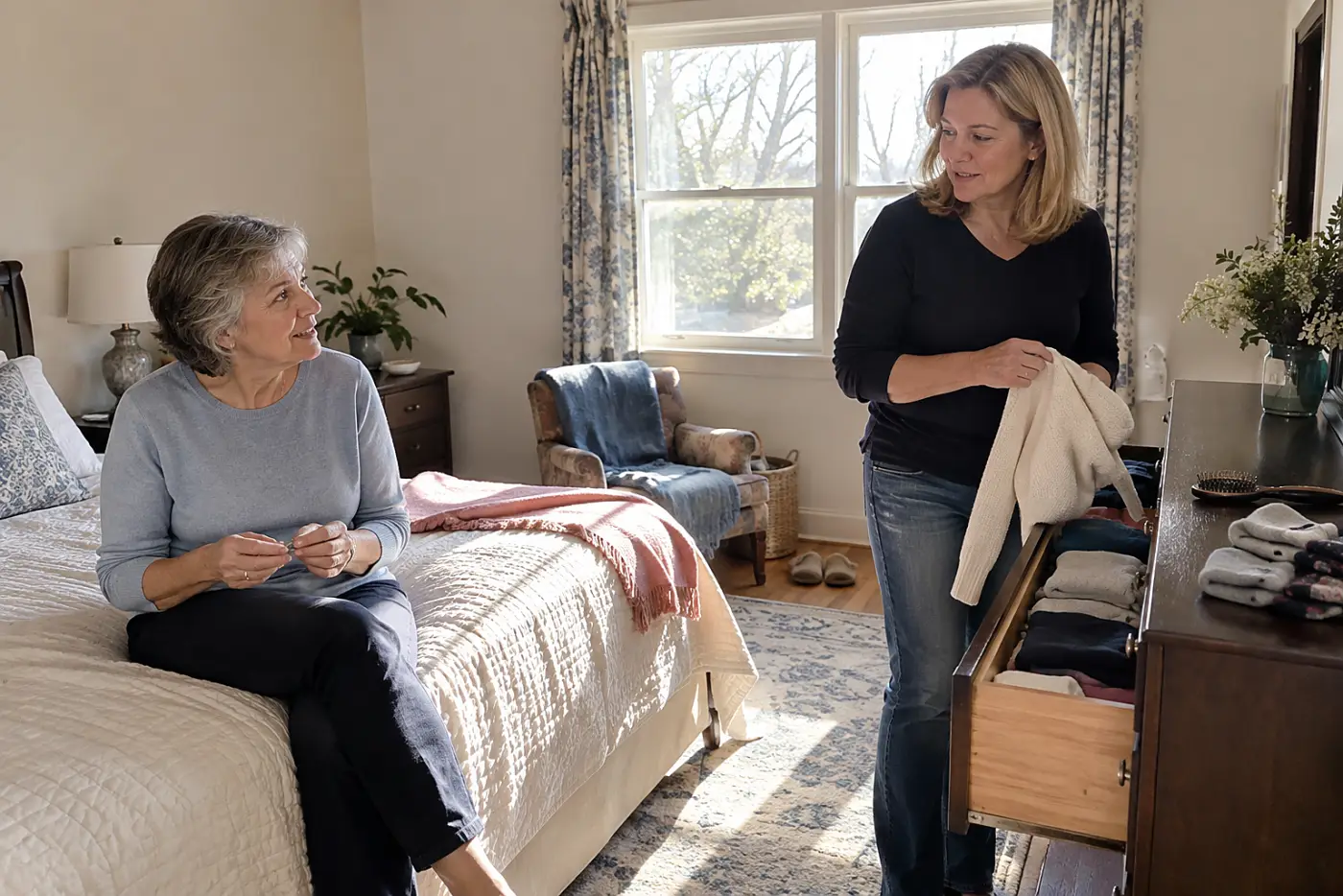
A small object can start a lasting fight.
People remember different promises about jewelry, tools, and photographs. A will that says “divide personal property” doesn't tell anyone which ring you meant. It also leaves out the story that made someone expect it.
The fight costs trust even when the object's sale value is low. Two people can each remember being offered the same watch.
This week, ask each person which object matters to them, and write down your own wishes. Say, “Tell me the story attached to it before I decide where it goes.” Keep that record with the papers your chosen person knows how to find.
Some things aren't keepsakes; they're records someone will need.
14The folder holding birth and marriage records
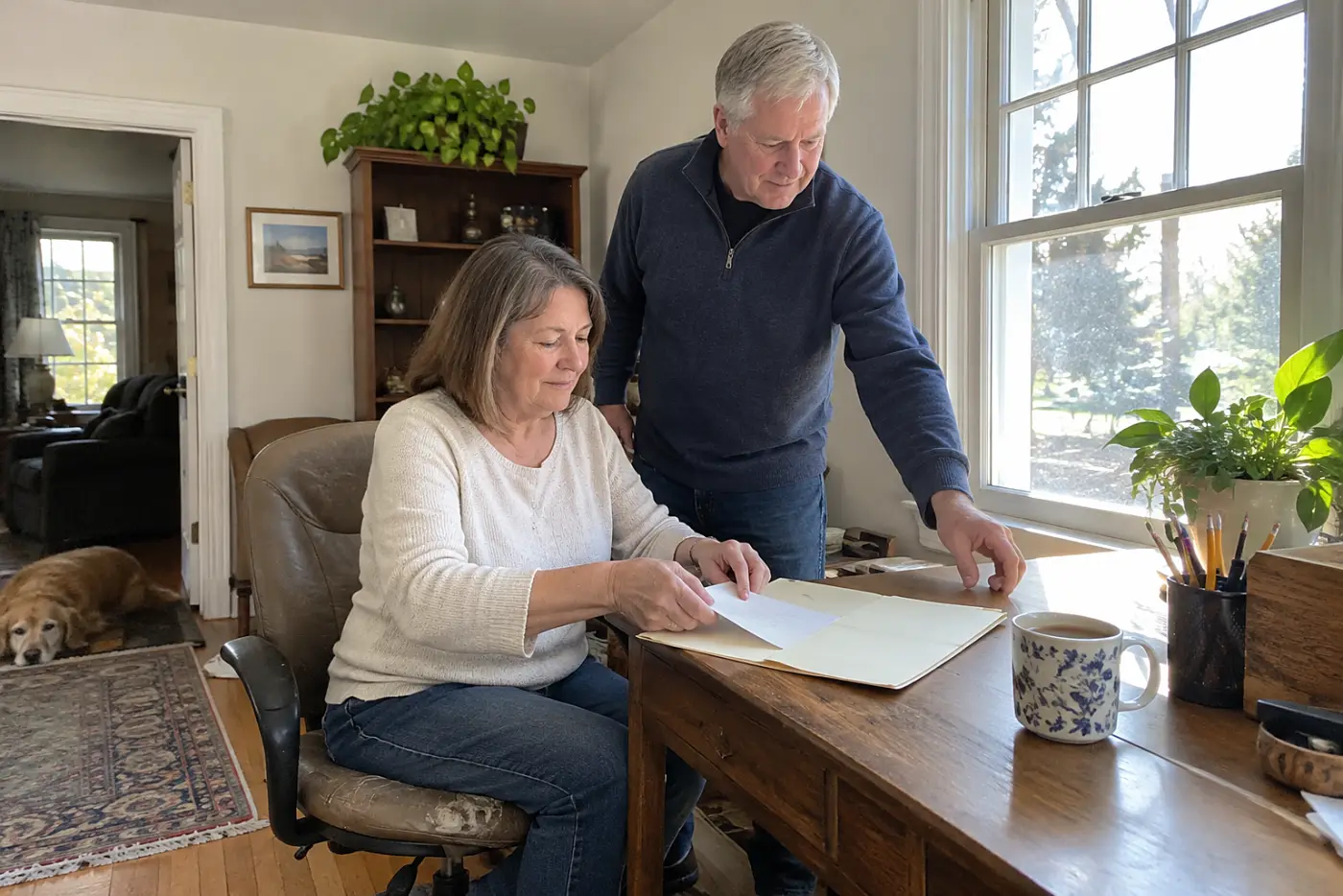
A missing certificate sends someone searching through boxes.
Death certificates, birth certificates, marriage records, and divorce papers serve different jobs when someone handles an estate or applies for benefits. A family member who knows only that “the papers are somewhere upstairs” has to search while offices wait. The Social Security Administration lists documents required for benefit applications. The list depends on the claim.
Without the right record, the person helping you has another call to make before an application moves ahead. The shoebox upstairs becomes a task nobody knew they had.
This week, put your vital records together and tell your chosen person where they are. Ask, “If you had to find my birth certificate tomorrow, where would you look first?” Don't move originals without telling that person. If one is missing, write down which agency issued it and start the replacement request.
Paperwork also records relationships the family hasn't named.
13The relative nobody plans to notify
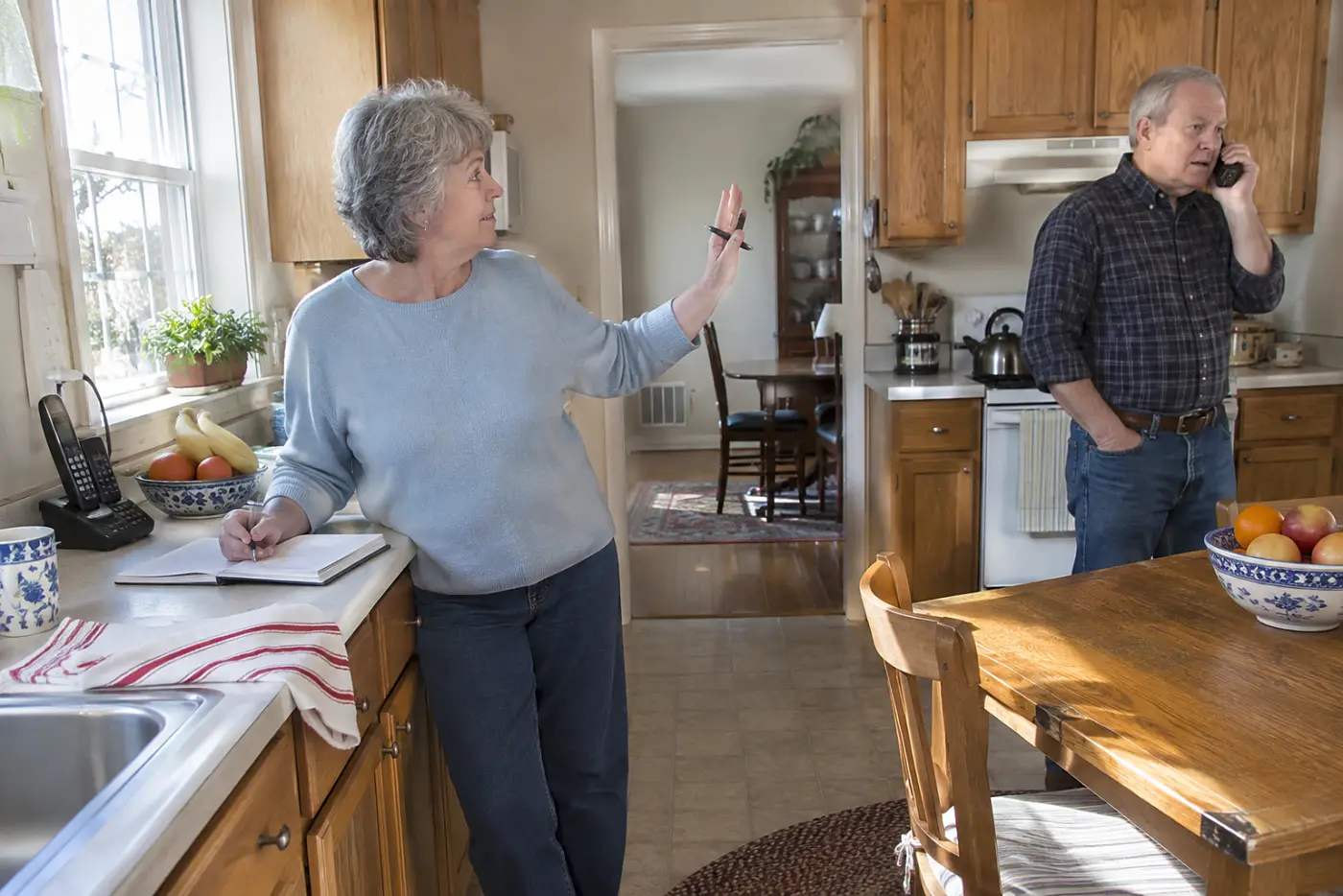
A name left off the call list still belongs to someone.
Divorce, distance, or an old argument doesn't tell an executor whom you want informed. Leave the question unanswered, and another relative has to make that call under pressure. No one knows how much to say.
That person bears the reaction as well as the news. A caller shouldn't have to settle an old disagreement before giving an update.
This week, make a contact list with phone numbers and say whom you want called. Tell your chosen caller, “This relationship is complicated, but I want you to tell her directly.” Add any instruction about the order of calls.
Next comes a question about what news to share.
12The diagnosis you have told only one person
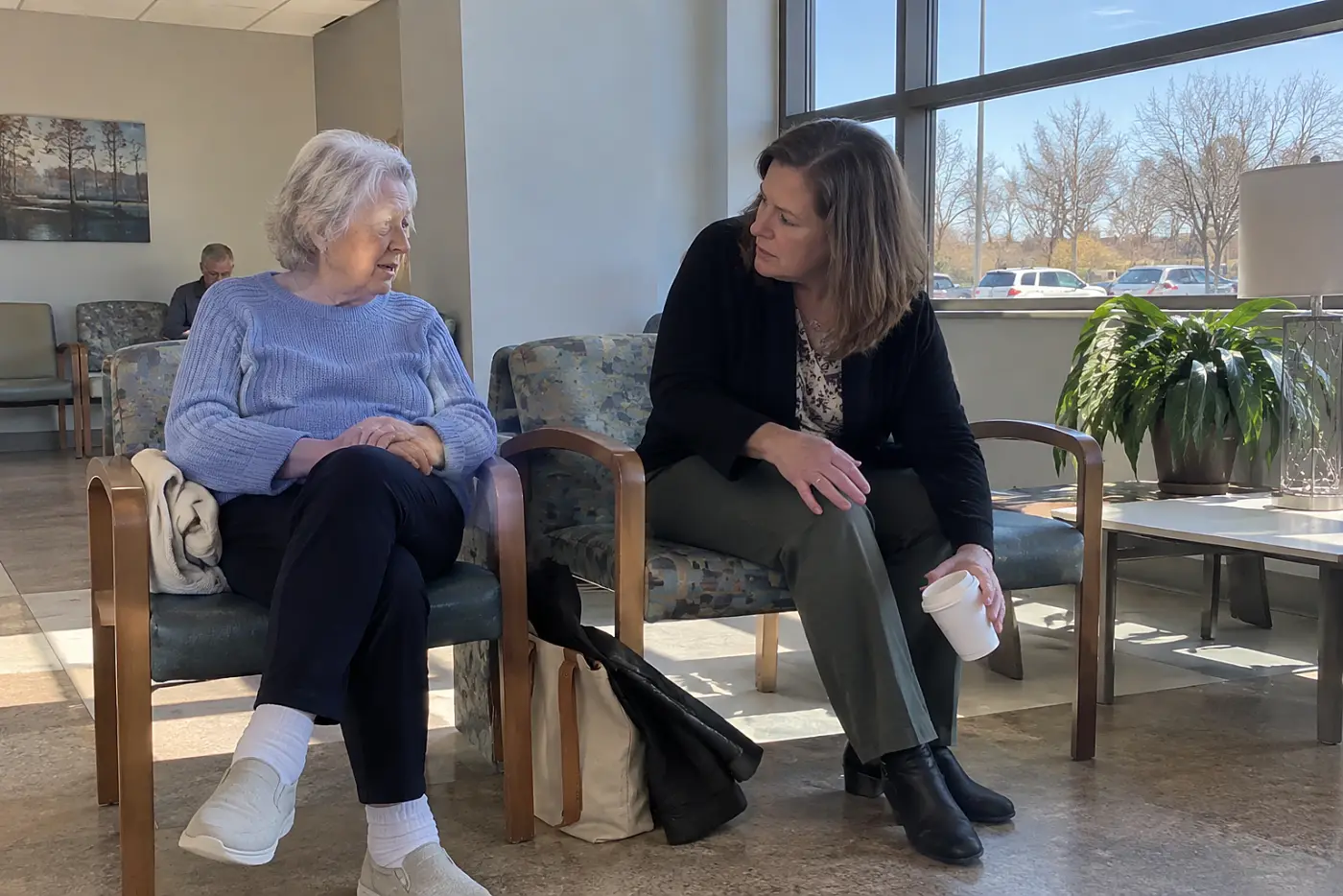
Secrets don't stay orderly inside an emergency room.
The person making health decisions needs facts, while the rest of the family doesn't need every detail. Decide in advance what your agent knows, what others should hear, and who will give updates. Those are separate choices, even when everyone is waiting by the same phone.
Without that agreement, one person becomes the keeper of both medical news and everyone else's anger about being excluded. They have no way to know which details you meant to keep private.
This week, tell your health care agent the diagnosis, treatment plan, and where to find your doctors' names. Then say, “You can tell the family I'm being treated, but ask me before sharing details while I can answer.” If you want a different arrangement, say that instead.
There is another kind of care question that starts long before a hospital call.
11The first sign driving feels unsafe
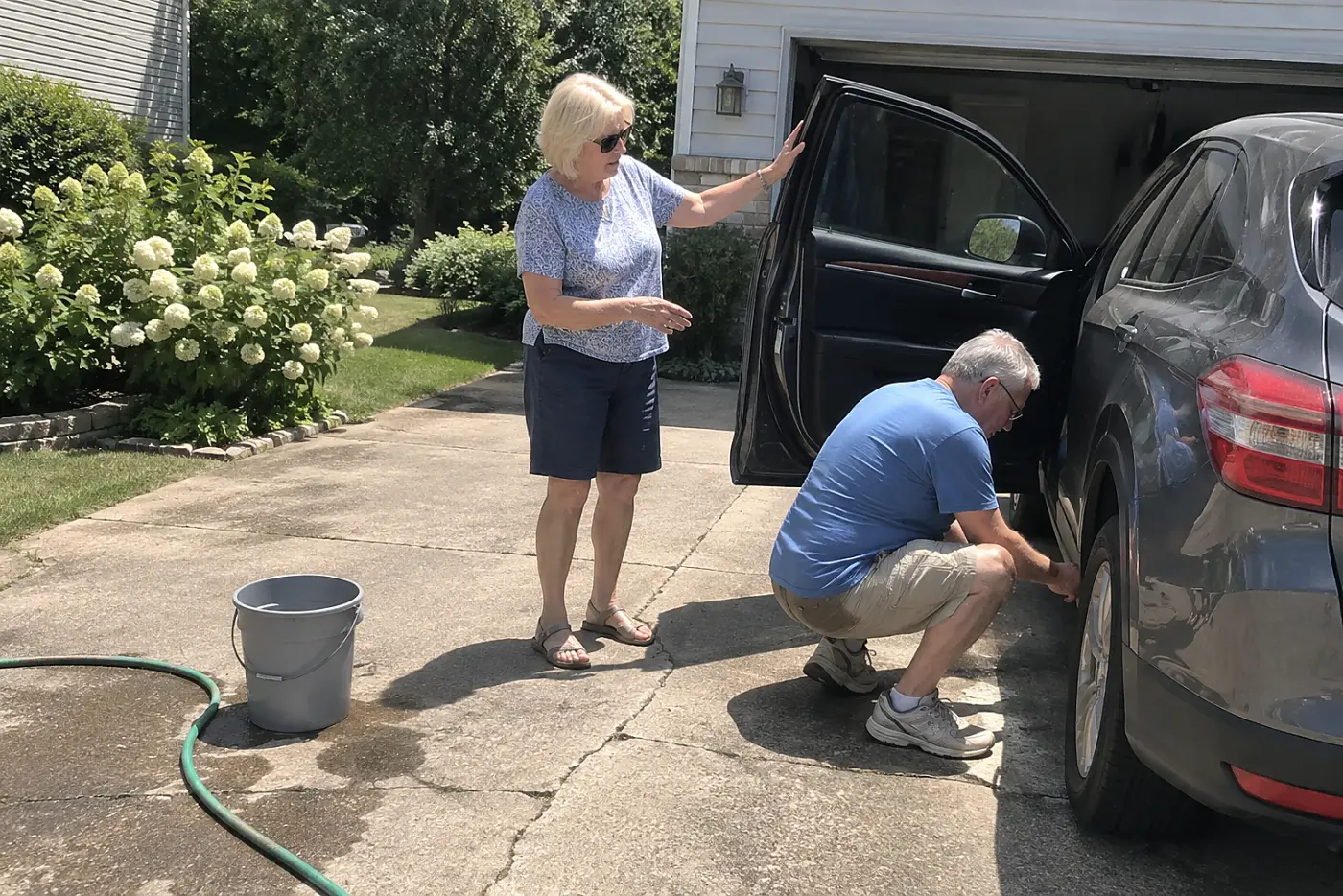
One frightening ride can change the whole conversation.
A missed turn or a new dent deserves a direct question, not a family verdict. Start with what happened and ask the driver what they noticed. A clinician can review health issues and medicines that interfere with driving. The National Highway Traffic Safety Administration has guidance on older drivers if you need questions to bring to that visit.
Waiting for another incident leaves everyone arguing about whether the first one counted. Calling the driver careless ends the talk before you learn what happened.
This week, bring up the specific ride or damage. Say, “I was scared when we crossed the center line; what happened from your seat?” Ask whether a medical appointment belongs on the calendar.
If driving ends, the next talk is how the driver gets where she needs to go.
10The rides nobody has agreed to give
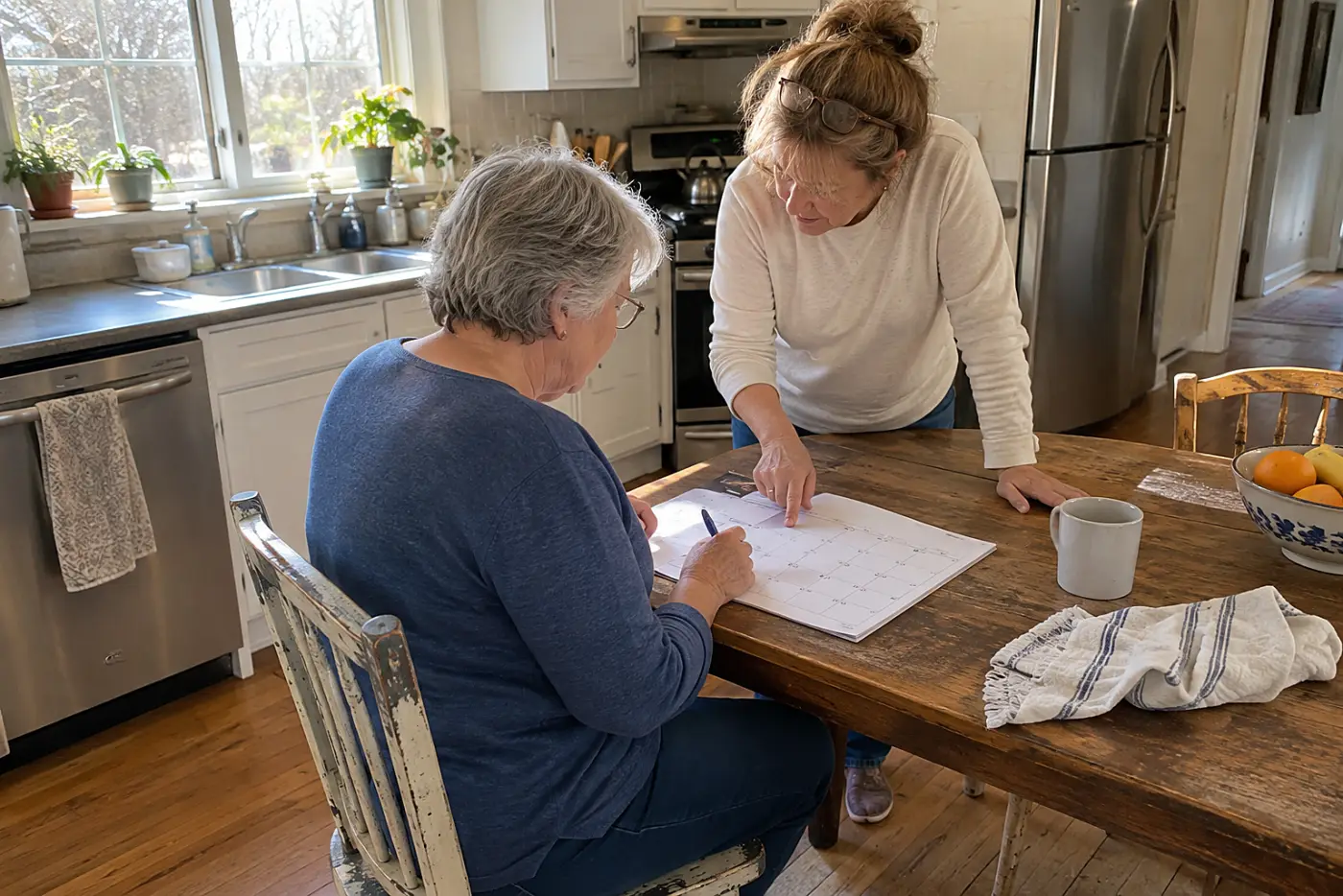
A surrendered car key doesn't fill a calendar.
Someone still needs groceries, appointments, church, and visits with friends. A promise to “help with rides” fails when no one has named days, destinations, and limits. The Eldercare Locator lists local aging services, including transportation leads. A family offer still needs to fit the driver's real schedule.
Without that detail, one person becomes the driver for every trip by default. The missed visits matter, too, even when they aren't written on a medical calendar.
This week, list the regular trips and ask each willing person which ones they will take. Say, “I can drive on Tuesdays, but I can't be the backup for every appointment.” Put public transit, taxis, and local ride services on the same list, with phone numbers and current prices. Then ask who will arrange a ride if the usual driver is ill.
That question sounds familiar once care moves inside the house.
9The overnight care nobody volunteered for

A vague offer turns into one person's shift.
Bathing, meals, laundry, and nighttime help are different jobs. Family members need to say which tasks they will do and which they will not. Ask separately about overnight hours; bringing dinner doesn't answer who stays until morning.
Without that talk, the person who lives closest gets assigned the work by silence. Then the first missed night becomes an argument about a promise nobody made.
This week, make a task list and ask for named commitments. Say, “I can bring dinner twice a week; I cannot stay overnight.” Put weekday mornings and weekend nights on separate lines.
Then price the help the family cannot supply.
8The funeral home name in your phone
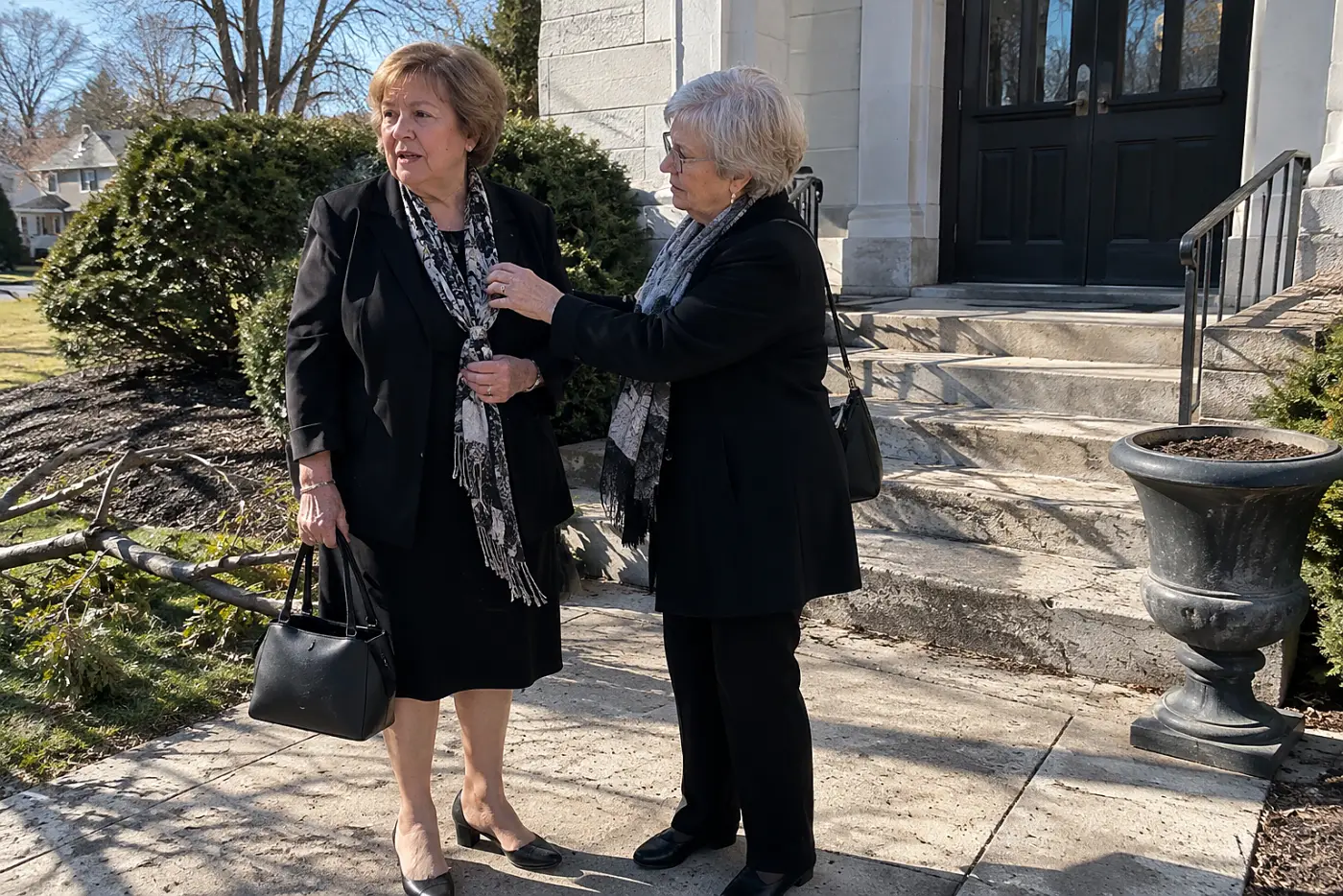
A funeral home choice becomes urgent when nobody has a name.
After a death, the family must choose who will take the body into their care. A prior arrangement helps only if someone knows the provider's name and where the agreement is kept. Otherwise, the person taking the call must start searching while telling relatives you've died.
This week, tell your chosen person whether you've made arrangements. If you haven't, say, “Will you help me compare two nearby funeral homes before there's a rush?” Ask each for its General Price List.
The provider's name doesn't answer every question they'll ask.
7The burial or cremation choice left unsaid
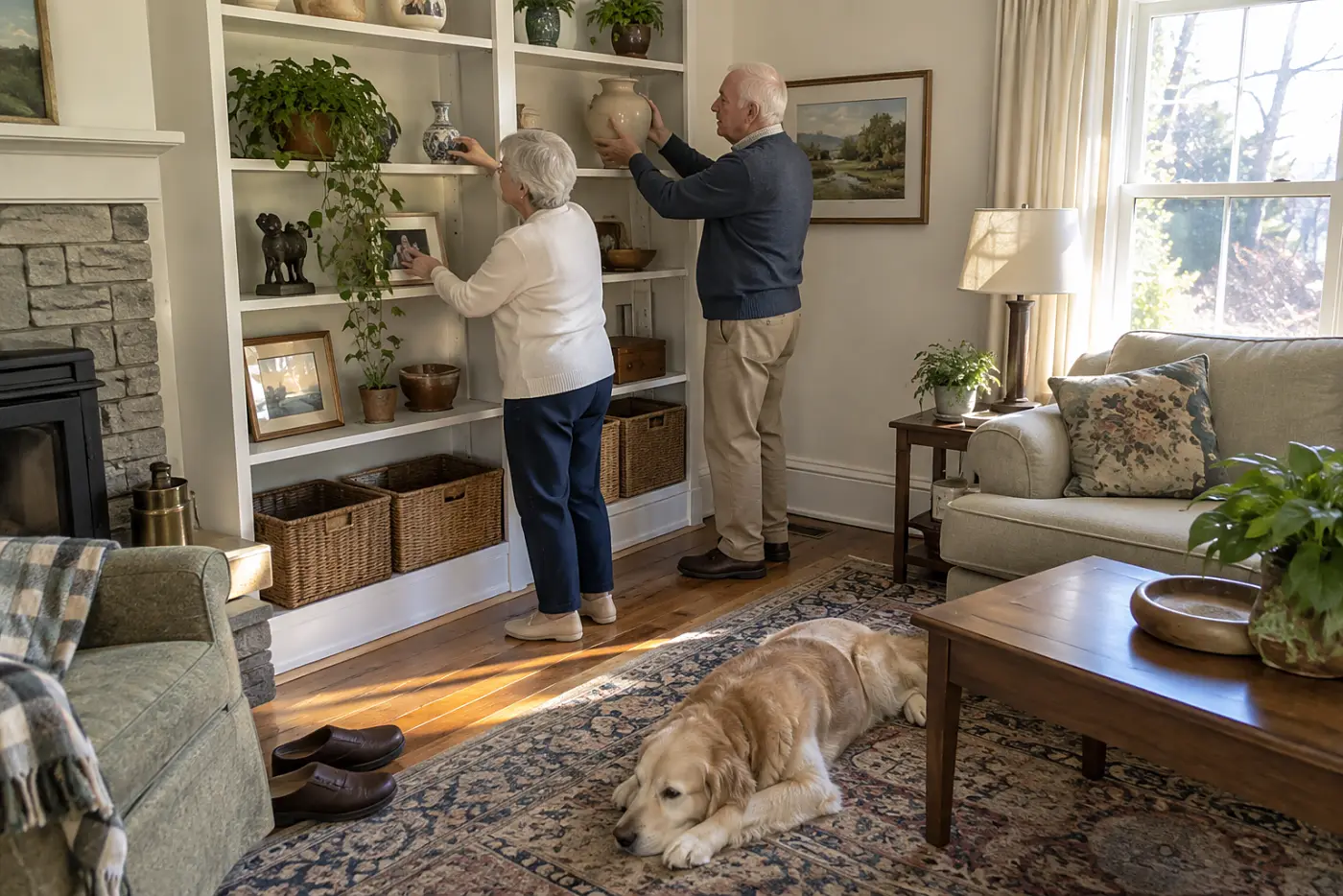
Someone else shouldn't have to guess what happens to your body.
Burial and cremation call for different plans. A prepaid contract shows what was bought, but your wishes may have changed since you signed it. Check the contract before anyone treats it as your last word.
Silence puts an irreversible choice on the person making arrangements. It also leaves relatives free to remember different things you said years ago.
This week, tell that person which choice you want and why it matters to you. Say, “I want cremation, and I'd rather tell you now than leave you to decide.” If you want burial, say so. Put your answer with the paperwork, and show them where it is.
Your choice about your body still leaves room for a different kind of gathering.
6The obituary details you want included
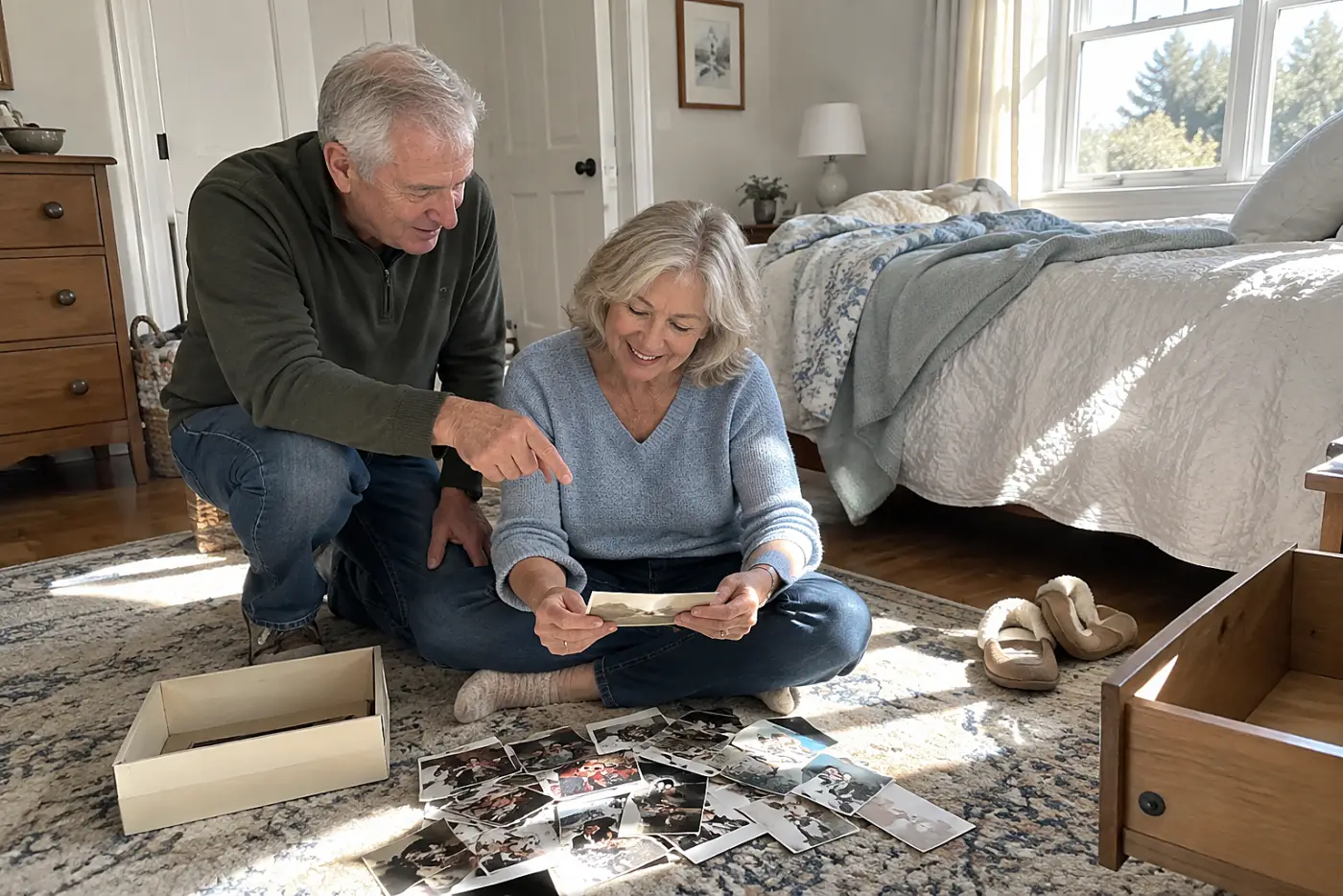
An obituary written in haste leaves people out.
The person drafting it needs names, relationships, and places that mattered to you. An old résumé won't settle whether you want a former spouse named. Nor will it tell them whose name has changed. Ask whether an obituary needs a public address or names of living relatives. You get to set those boundaries.
Once a notice is published, an error travels. A wrong name hurts. A missing name can start an argument while your family is arranging a service.
This week, make a short list of names and facts to check. Tell the likely writer, “Please ask me now about anyone you're unsure whether to include.” Add what you want left private. Keep the list where that person will find it, not in a stack of photographs.
A notice tells people what happened; it doesn't tell them how to gather.
5The gathering's size, place, and guest list
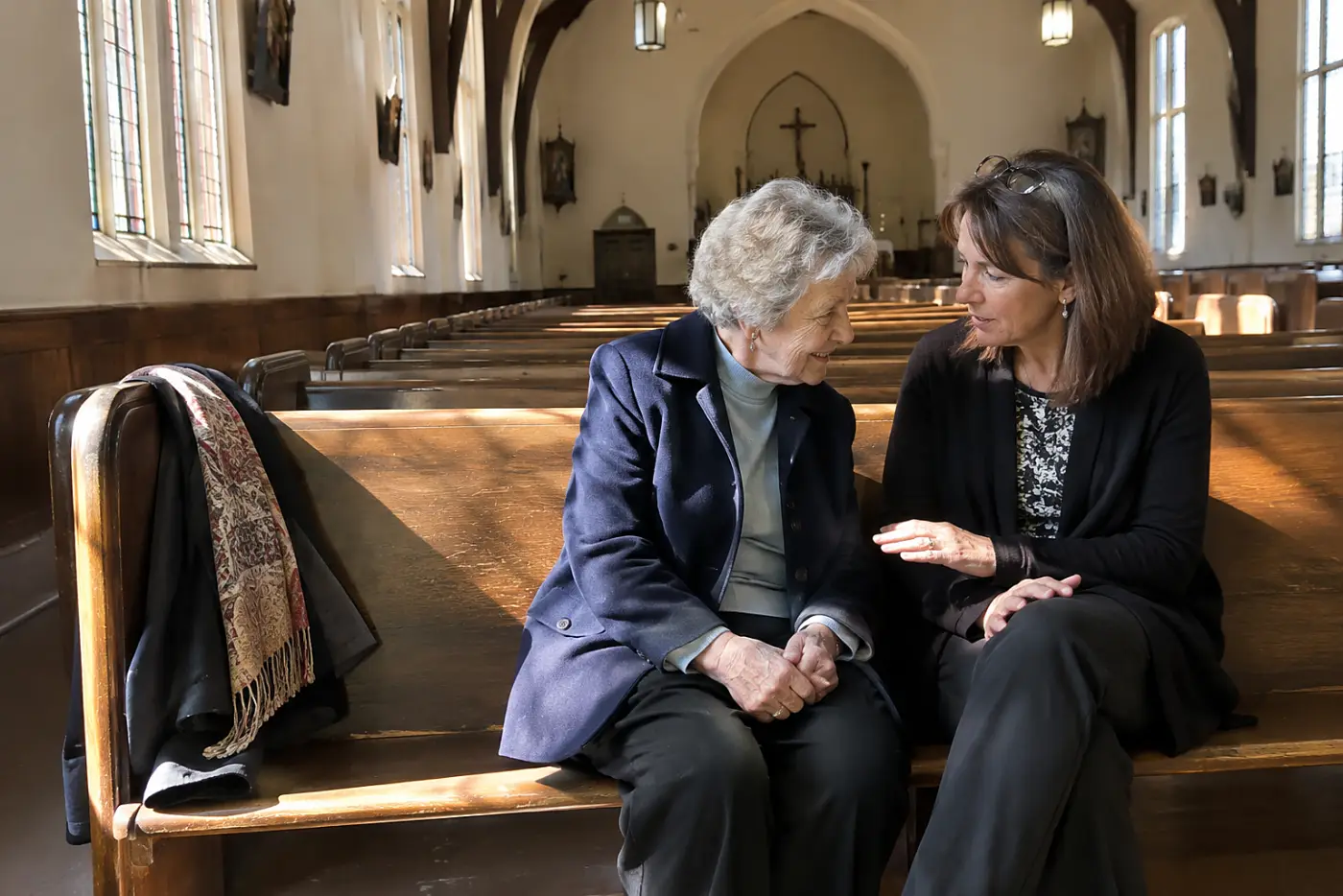
A familiar hymn isn't proof you wanted a church service.
Relatives build a gathering from what they remember. Each remembers a different version of you. A service open to the public, a small family gathering, and no event at all ask different things of the people planning it.
Without your answer, family members must choose whom to invite and where to meet. They can't redo the day when someone later finds a note.
This week, name the format you want and one part you'd leave out. Say, “I'd like a small service at church, but I don't want an open microphone.”
Write down whom you want included. Give your chosen person room to ask what “small” means.
After the gathering, other reminders of you will still be there.
4The social media pages bearing your name

Your social accounts won't close themselves after you die.
Each platform sets its own steps for handling a deceased person's account. A password doesn't tell a relative whether you wanted a page preserved or removed. Nor does having a password give that person permission to use it. Start with the account's official process.
Without a list, old profiles remain visible. Messages keep arriving. Your family has to decide which photographs and posts stay in view, without knowing what you wanted. That choice is different from finding your bill-paying logins while you're alive.
This week, list your social accounts and the outcome you prefer for each one. Tell your chosen person, “I'd like you to check Facebook's process for my page before anyone tries to sign in.” Keep passwords off that list. Check the platform's current options before counting on a particular result.
A screen isn't the only place where a decision keeps arriving after you're gone.
See more: 26 Reasons Smart People Over 65 Fall for Scams, and the Words That Hook Them →
3The mail arriving after you are gone
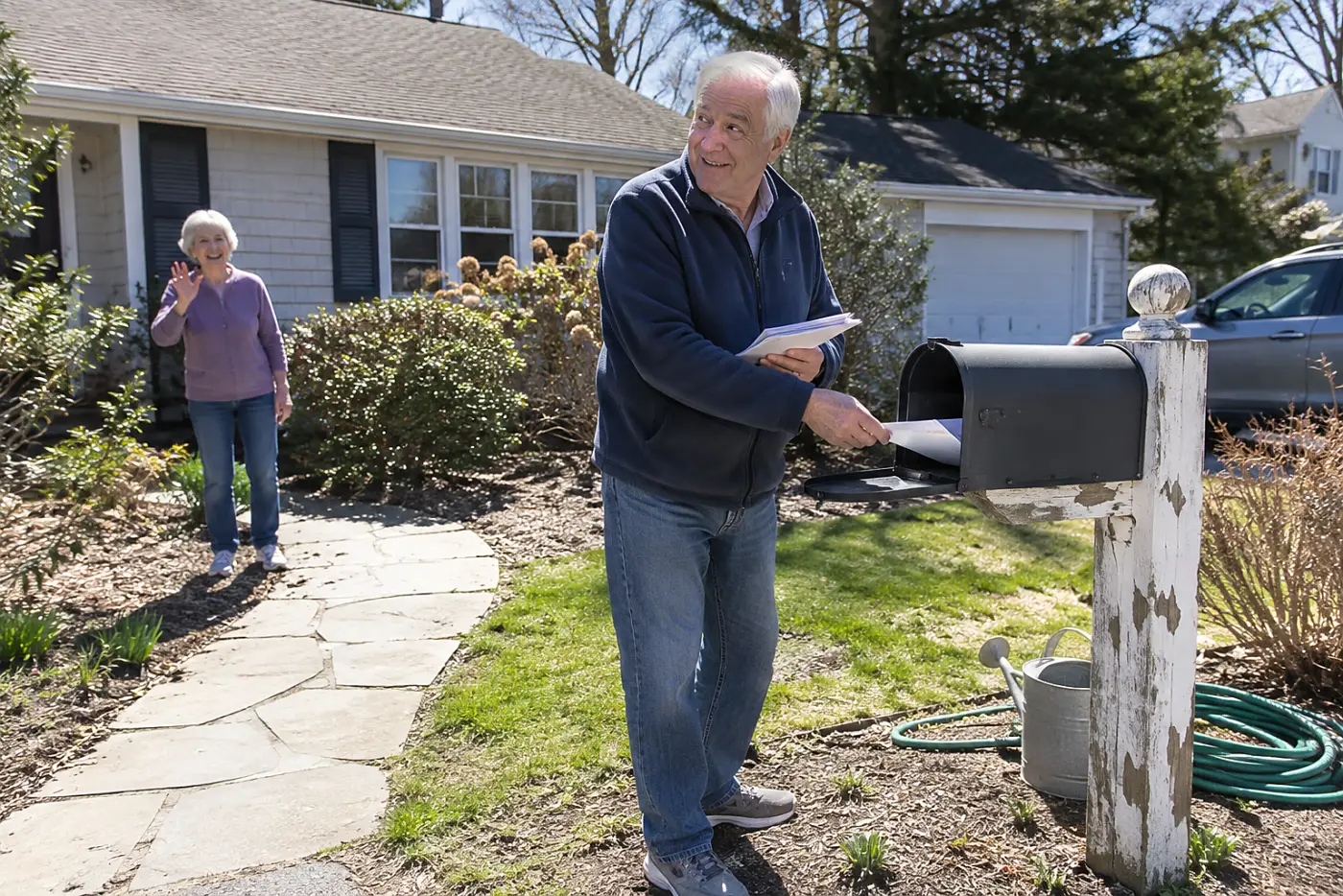
The mailbox keeps filling after the family leaves.
Statements, renewal notices, and personal letters don't all go to the same person. Whoever handles your affairs needs to know where mail arrives, including any post office box. They also need to separate envelopes that need action from cards that deserve a personal reply.
If nobody has that job, a deadline sits among catalogs while relatives assume someone else checked the box. The person who lives nearest isn't automatically responsible for it.
This week, show your chosen helper every place you receive mail and name anyone who also has a key. Say, “If you have to handle my mail, please set aside personal letters for the family and give account notices to the person handling my estate.” Ask whether that person is willing to do the sorting.
Then comes the question of what a family can afford to arrange.
2The care bill before anyone signs
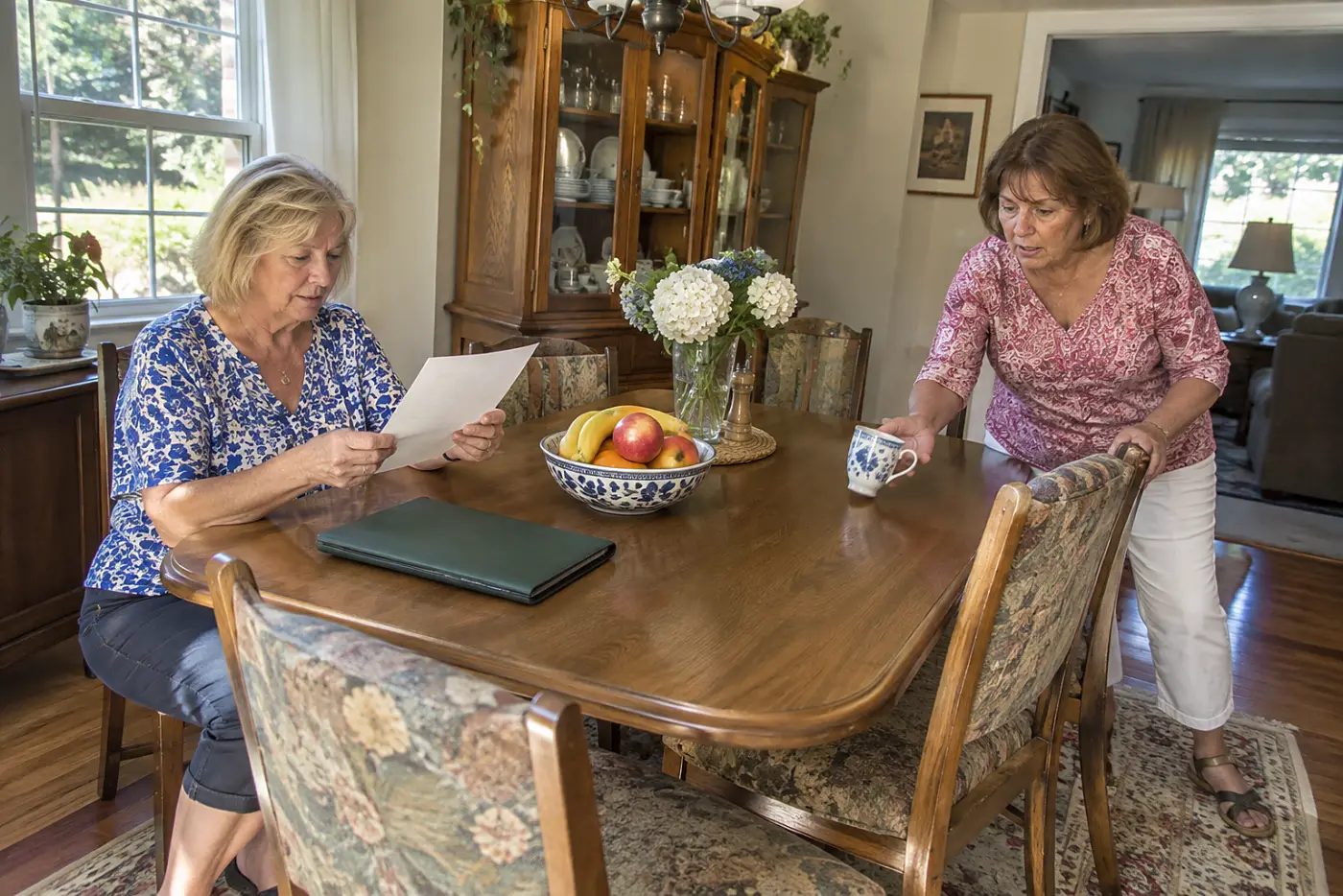
Love doesn't tell you the private-pay rate.
A facility's monthly bill, a home care agency's hourly charge, and a family's unpaid work are separate things. Medicare does not pay for long-term custodial care, according to Medicare's long-term care guidance. Ask what's included, what costs extra, and how the bill changes if care needs rise.
A family plan built around an unchecked rate leaves someone to face the bill later. A spoken offer to pay has a limit, even if nobody has named it yet.
This week, call one provider you would consider and request its written rate sheet. Say, “What would this level of help cost now, and which services appear as separate charges?” Keep the answer with your account records. Then talk about who is prepared to pay, and for how long, before anyone makes a promise on your behalf.
Even the clearest price won't start the conversation for you.
1The first question at your kitchen table
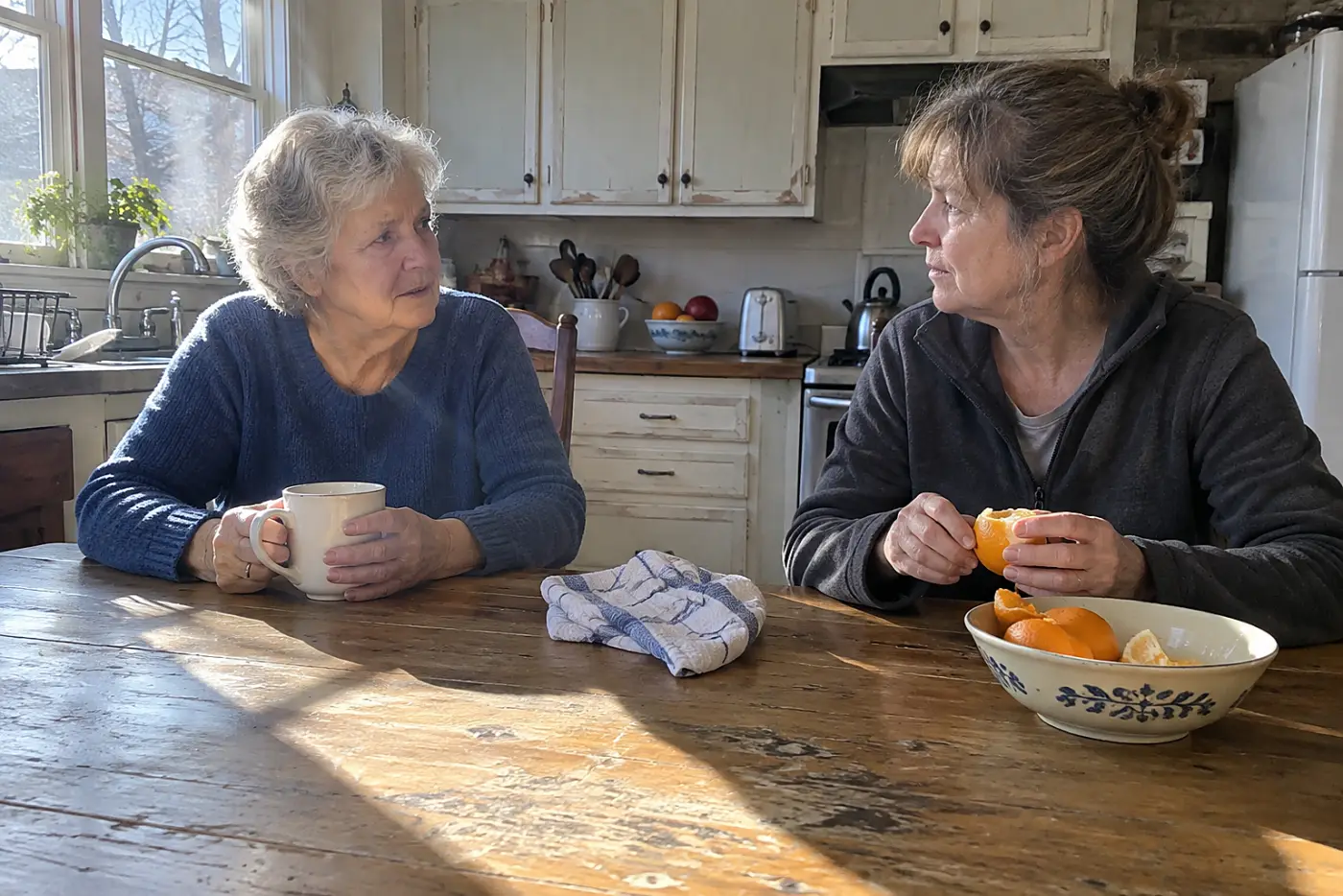
The perfect opening never arrives on its own.
One person waits for a calm weekend. Another worries that asking about care or money sounds like asking for control. Meanwhile, the person whose wishes matter most hears none of the questions and gets no chance to answer them. Start with one decision, not the whole future. The Conversation Project has starter guides if choosing the first words stops you.
Waiting has a cost no form fixes: you lose the chance to hear an answer in that person's own voice. A crisis leaves someone else to fill the silence, even if the answer would have taken ten minutes.
This week, invite the person to sit with you for ten minutes, with no folder on the table. Say, “There's one thing I don't want to guess about later. Who would you want me to call first if you couldn't call yourself?” Listen. Write down the answer afterward, with permission, and ask when you can talk again. If you are the person everyone will need to ask, give them your answer first.
That first answer opens the door to another question, not a finished plan.
The bottom line
Across these 29 conversations, the pattern is the same: a decision left unspoken becomes somebody else's guess.
You've done the useful part when the right person has heard your answer. They know where to find it, and they've agreed to their role.
Which of these has already happened in your family?
Up next
28 Steps on the Downsizing Checklist for Seniors, in Order
A measured doorway, a labeled donation bag and one box that stays with you turn a daunting move into decisions you can check.
Read the list →

Reader quiz
Did you catch the details?
5 questions from this article. Finish them all to unlock the editor's bonus tip.
What does the article suggest doing with the spare house key this week?
Did any of these feel familiar?
Know someone who needs this?
 Prime Journal · Free printable
The Family Essentials Checklist
- Your wishes written down and shared with the right person.
- Your medicines and emergency contacts ready when needed.
- Your family plans settled before anyone counts on them.

Free printable: The Family Essentials Checklist. Enter your email and it is yours.
Sources cited in this article
This article links to 10 outside sources, listed here so you can read them yourself.
- National Institute on Aging www.nia.nih.gov
- American Bar Association www.americanbar.org
- National Institute on Aging's advance care planning guidance www.nia.nih.gov/health/advance-care-planning
- Consumer Financial Protection Bureau www.consumerfinance.gov
- Federal Trade Commission consumer.ftc.gov
- Social Security Administration www.ssa.gov
- National Highway Traffic Safety Administration www.nhtsa.gov
- Eldercare Locator eldercare.acl.gov
- Medicare's long-term care guidance www.medicare.gov/coverage/long-term-care
- Conversation Project theconversationproject.org
Ruth Ellison
Family Editor
Ruth writes about grown children, grandchildren, ageing parents, and the conversations families put off, in the words of the people involved.
More from Ruth Ellison