










26 Reasons Smart People Over 65 Fall for Scams, and the Words That Hook Them
A familiar bank phrase becomes a transfer order when the caller knows your name, but the number on your card tells a different story.
By Linda Cho, CFP®, Money Editor
Updated · 18 min read
- Written by our money editor
- Cited 12 sources
- How we review

Read to the end: #1 is a callback drill that stops an urgent demand, and almost nobody practices it first.
Your phone lights up beside a grocery receipt. The caller knows your name, your bank, and the last four digits of your card. Then comes a phrase that sounds like routine security: “We need to move your money to protect it.”
Knowing those details feels like proof, especially when you’re already handling a dozen real tasks. But account details get exposed, and a caller can display a number that looks like your bank’s. The test isn’t whether the person sounds informed; it’s what happens when you end the call and start a new one yourself.
These 26 reasons start with the words that catch you off guard.
26The bank number displayed on your phone
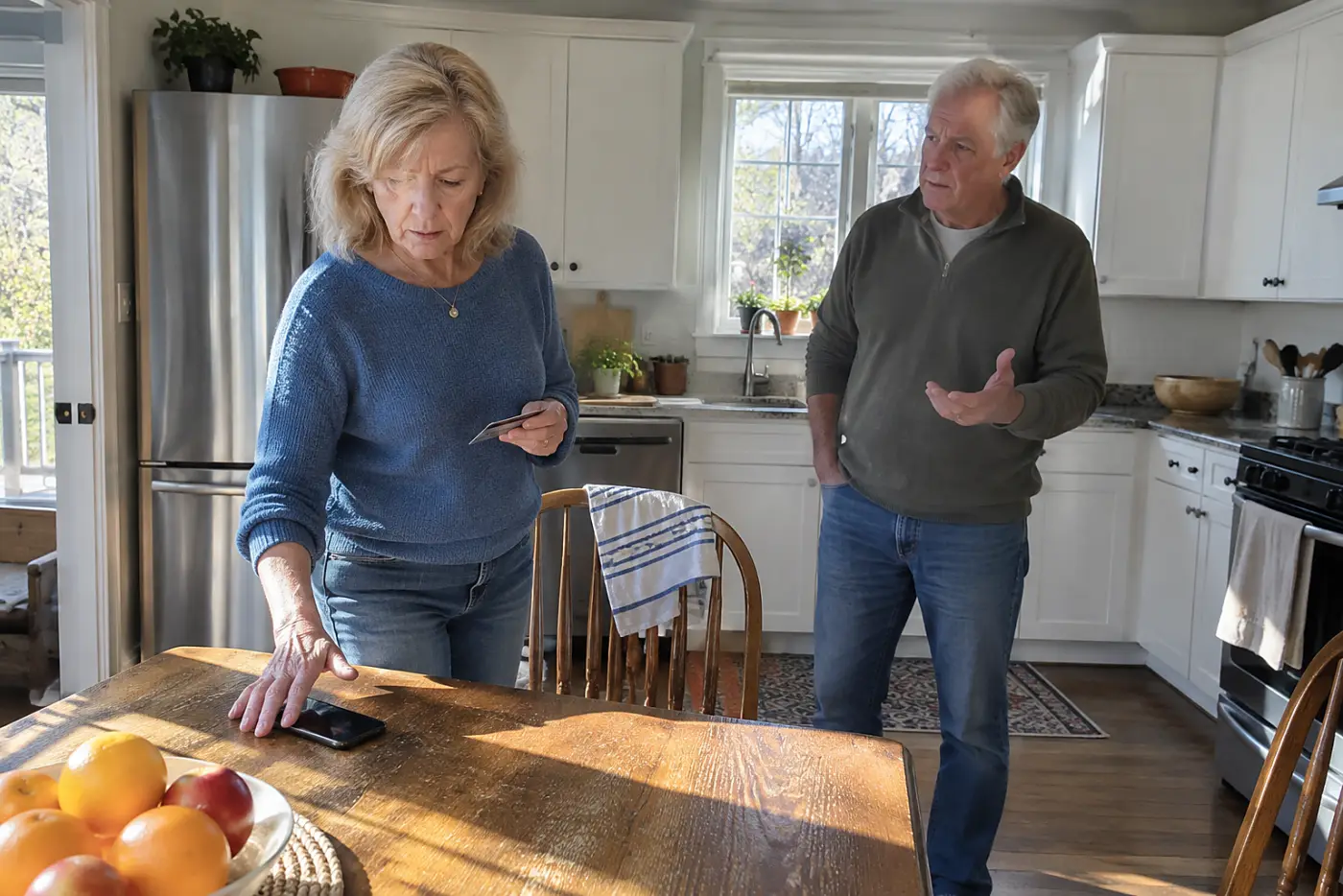
A familiar number on a screen proves nothing.
Scammers falsify caller ID, including numbers that look like the one printed on your bank card. They start with real details, then claim a transfer must happen before an account freezes. Your memory of that number seems to back them up.
The FCC’s caller ID spoofing guidance explains why the display cannot verify a caller. Treat the number as part of the pitch, not evidence of who is speaking. That distinction matters before you disclose a balance, a password, or an account number.
This week, save the number from your card as a contact. Tell an unexpected caller, “I’ll handle this through my bank.”
The next trap arrives when the supposed banker sends proof.
25The bank text inside a real message thread
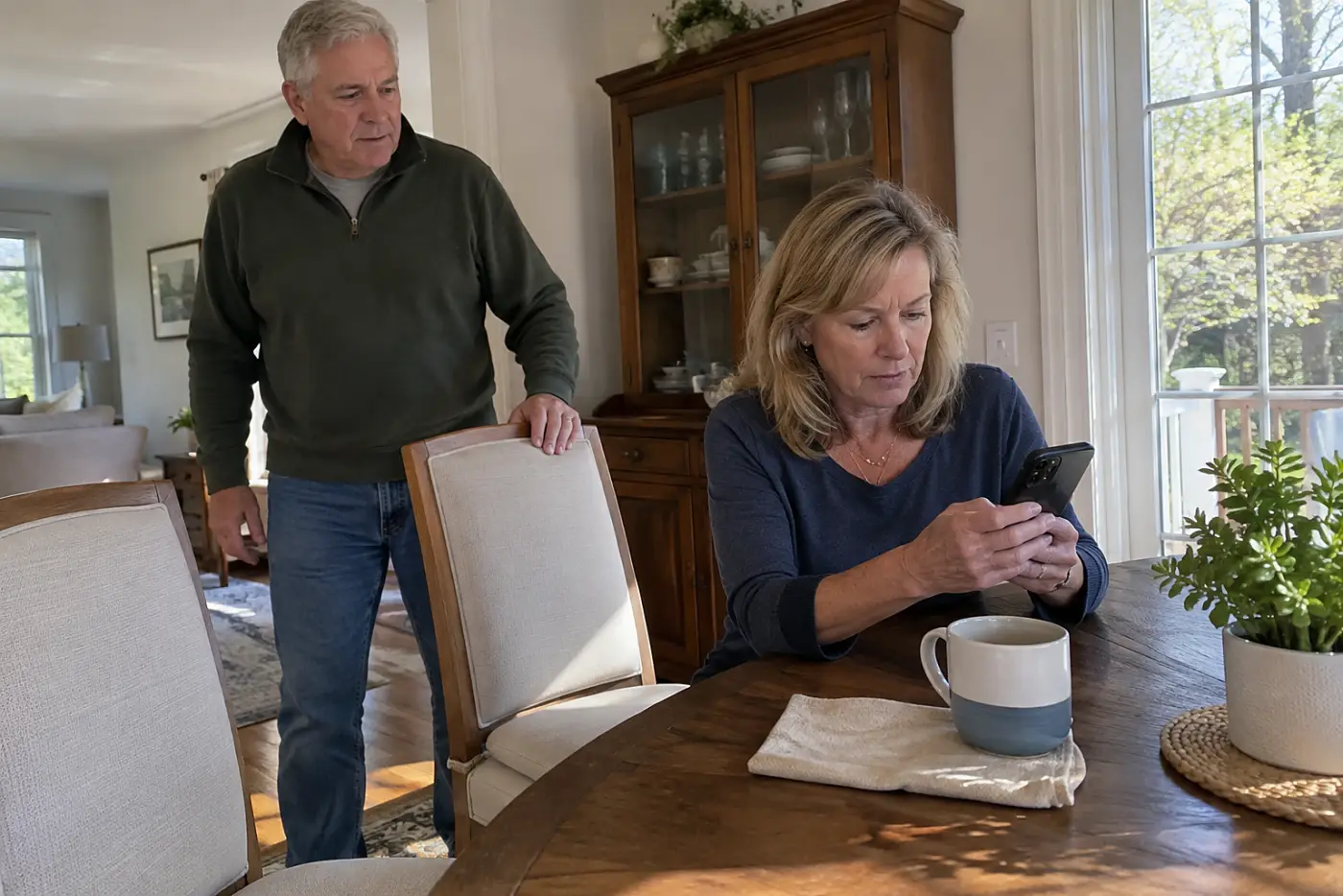
A message thread can look more trustworthy than its sender.
A fake bank text says, “Reply YES if this wasn’t you.” Once you answer, the sender knows the number reaches a person. A follow-up link takes you to a sign-in page that looks familiar, while the address behind it belongs elsewhere.
Banks send genuine fraud alerts, which makes the imitation harder to spot. The danger begins when the text asks you to enter a password, a code, or card details through its link.
Open your banking app directly this week and find its alerts section. If a text arrives, say to the person helping you check it, “I’m opening the app, not that link.” The FTC’s text scam guidance gives reporting steps.
A message can also come from someone whose name you know well.
24The urgent text from your grandchild’s number
A familiar contact name does not identify the person typing.
A scammer claims a lost phone, an arrest, or an emergency bill. The plea ends with “Please don’t tell Mom,” cutting off the person best placed to check. Some messages arrive from an unfamiliar number while claiming to be your grandchild.
Money sent before you check the story leaves you chasing an explanation instead of a payment. Secrecy gives the sender time to keep asking while everyone else stays unaware. The frightened tone is designed to make checking feel cruel.
This week, agree on a family rule for emergency messages. Say, “I’m checking with the family before sending money.” Keep that rule even when the message sounds frightened.
Another caller uses fear without pretending to be family.
23The arrest threat from a tax caller
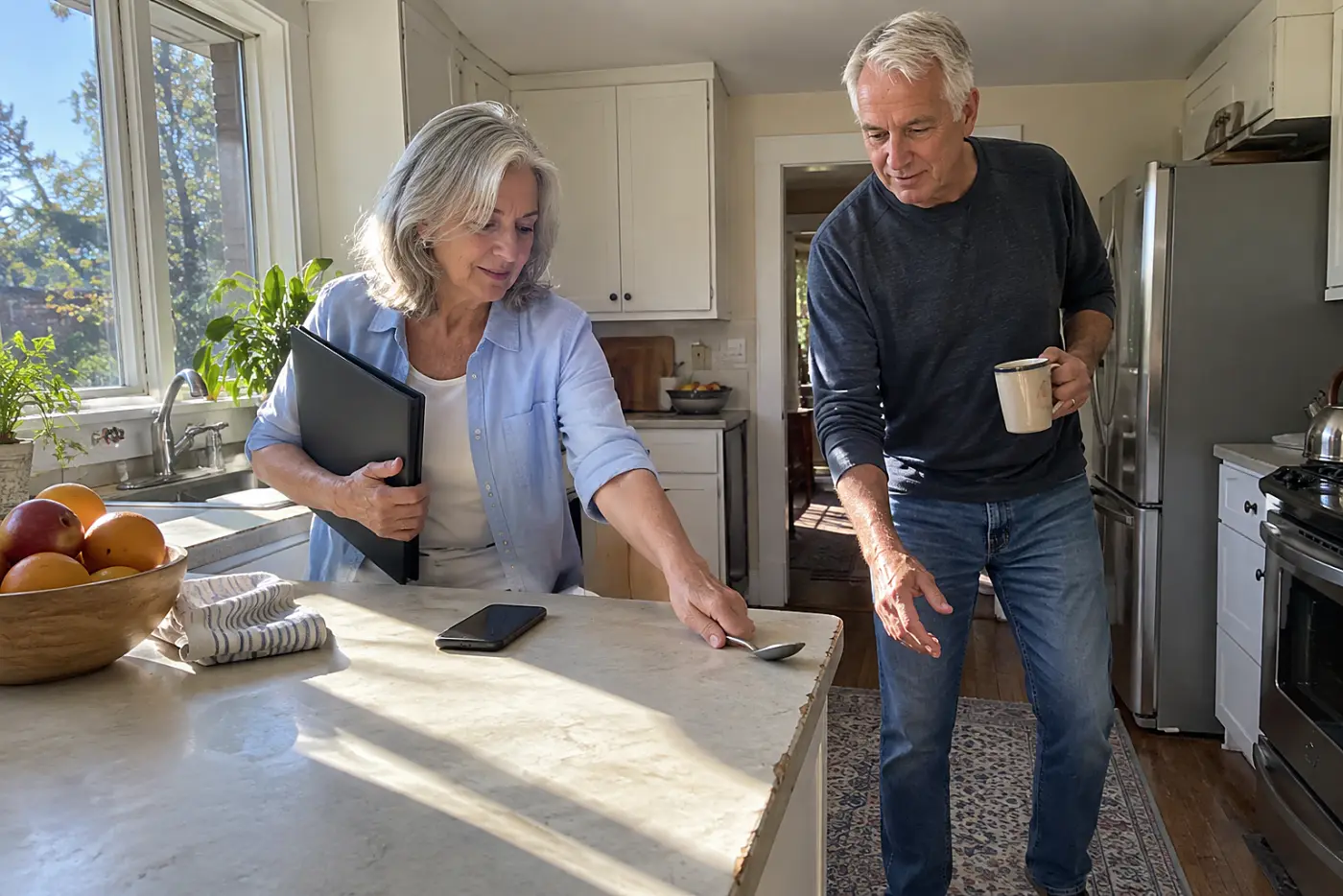
“Pay today or officers are coming” is a script.
The caller invokes the IRS, then demands payment while you stay on the phone. Pressure keeps you from reading the notice they claim exists. The IRS’s tax scam guidance says the agency does not demand immediate payment through a specific method without a chance to question or appeal the amount.
A payment made under that threat is difficult to pull back. Giving the caller your Social Security number creates another problem.
Find your last IRS notice this week and note where you put it. Tell the caller, “I’ll check my IRS account and my mail.” Then hang up. If you need help, use contact information from IRS.gov, not the caller’s instructions.
The next threat borrows the name of a benefit you already receive.
See more: 22 Things That Change on Your Taxes the Year You Retire →
22The Social Security suspension warning

Your Social Security number does not get suspended.
A recording says your number faces suspension because of suspicious activity. It tells you to press a key before benefits stop. That first keypress transfers you to someone asking for identity details or payment.
The Social Security Administration’s scam page describes impersonation calls and reporting options. The recording’s deadline is there to stop you from checking the claim. Pressing a key also keeps you inside the caller’s conversation, where each question sounds like the next step toward fixing the problem.
This week, bookmark SSA.gov yourself. Say, “I’m hanging up and checking with Social Security directly.” A real concern survives a call you place yourself.
Other impostors replace fear with an offer of help.
See more: 23 Habits of the Happiest Retirees →
21The Medicare card replacement offer

A replacement card pitch can be a request for your number.
The caller says a “new Medicare card” requires confirmation of your Medicare number. Another version offers a free brace or test and asks for that number to bill Medicare. The service sounds helpful until a claim appears for care you never received.
Your Medicare Summary Notice lists claims processed under Original Medicare. An unfamiliar item deserves a closer look. Compare the provider, date, and service with care you actually received before setting the notice aside.
This week, locate your card and your latest notice. Say, “I don’t give my Medicare number on an incoming call.” For help with a suspicious claim, contact Medicare through its official site.
A free offer has a different cost when it reaches your porch.
20The package delivery link on your porch day
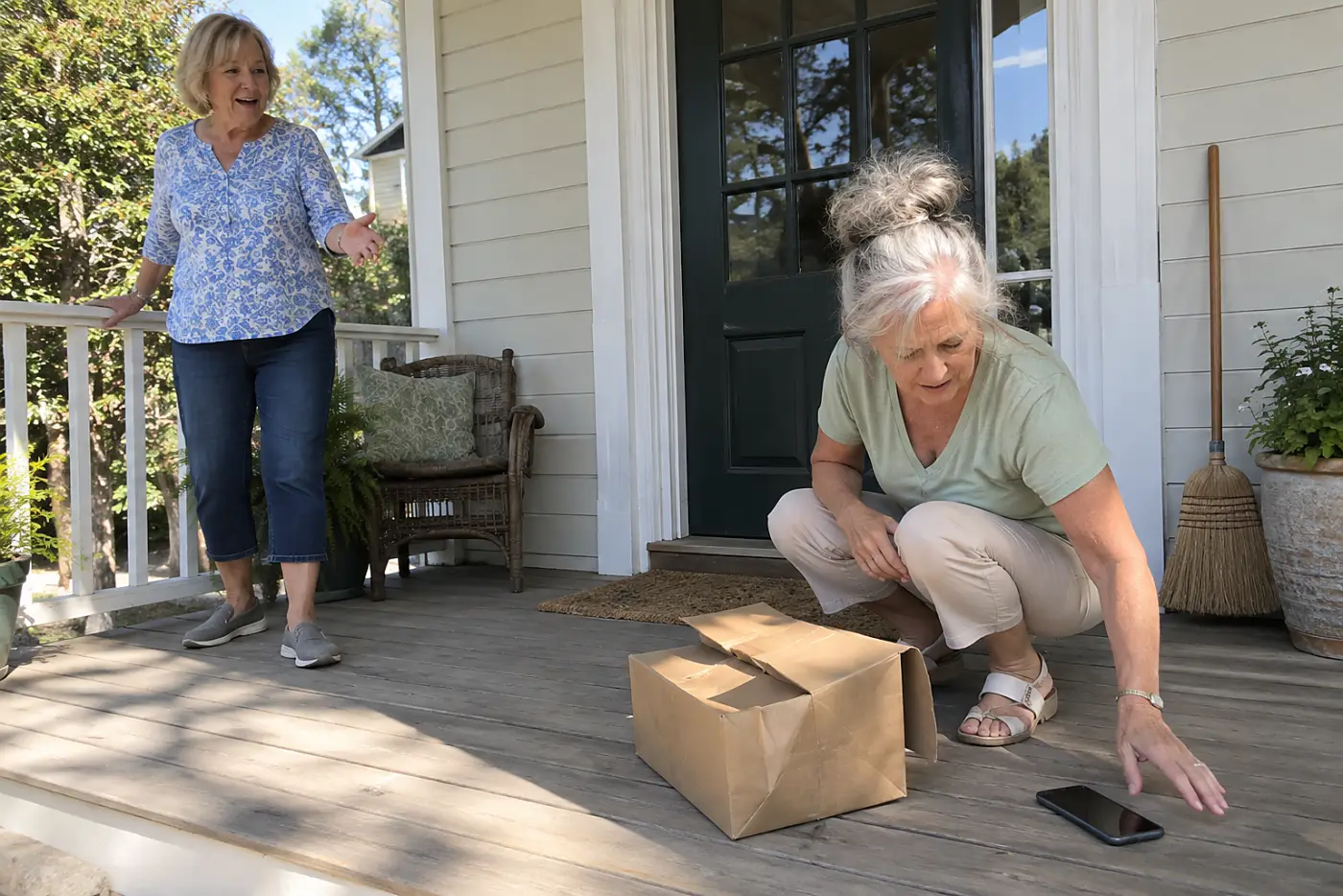
A delayed package gives a fake text perfect timing.
The message says a delivery needs a corrected address or a small fee. Its link opens a page dressed like a carrier’s site. You enter a card number to solve a problem that never existed.
The U.S. Postal Inspection Service warns about package-tracking texts that send people to fake sites. A real order leaves a trail in your purchase email or account. That trail lets you check the delivery without typing payment details into a page supplied by a stranger.
This week, find tracking numbers in your original order emails. Say, “I’ll check the order, not the text.” A real delivery gives you another route to the details.
That same small-fee trick turns up beside your television.
19The streaming subscription renewal notice
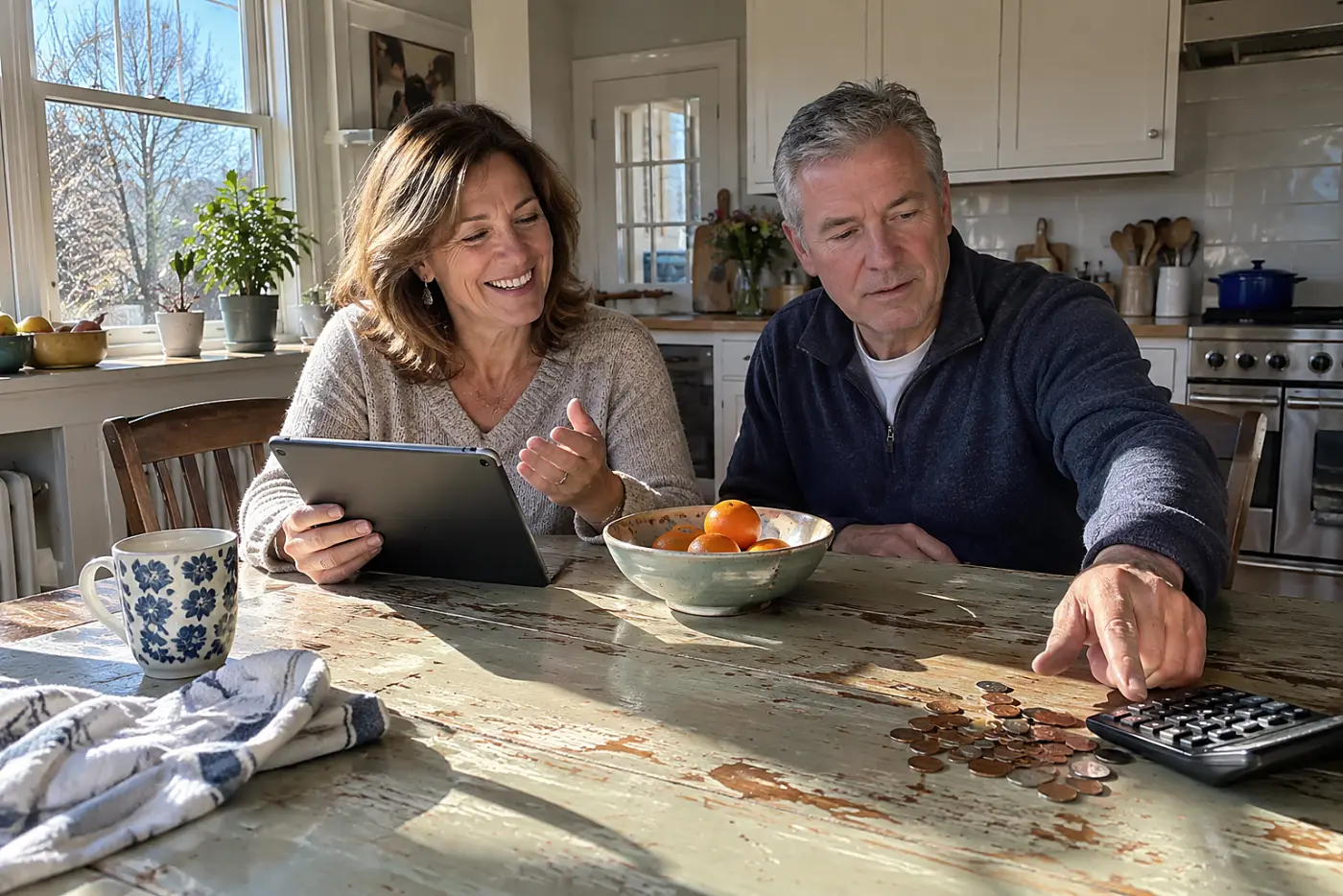
A renewal email counts on you forgetting what you bought.
It claims a charge is pending and offers a cancellation button. Pressing it sends you to a sign-in page or a “support” number. The caller who answers then asks for card details to reverse the charge.
The hook works because subscriptions are easy to lose track of. Streaming plans generally cost about $8 to $25 a month, so a charge in that range can look plausible before you’ve checked a statement. A cancellation button inside the warning keeps the entire exchange on the sender’s terms.
This week, write down the streaming services that appear on your card statements. If a renewal notice arrives, say, “I’ll check my statement and sign in through the app.” Don’t use the number inside the notice.
A charge warning grows sharper when it names an expensive purchase.
18The fake invoice with a cancellation number

An invoice creates a problem the scammer offers to fix.
The email says you bought software, a device, or a security plan. Its “cancel now” number leads to someone who asks to view your computer. They call that access necessary to cancel the charge, though the original purchase never appeared on your account.
Remote access puts your files and banking session within that person’s reach. An invoice in your inbox is no substitute for a posted charge on your statement. The supposed cancellation becomes the reason you let a stranger into a place you normally keep private.
This week, find the customer-service numbers on your actual statements. Say, “I’m checking my account before discussing a cancellation.” Close the email while you do it.
A promise to send money back uses a different kind of pressure.
17The refund check for too much money

An “extra refund” turns you into the person paying.
A buyer or company sends a check for more than the agreed amount. Then comes an apology and a request to return the difference right away. Your bank shows a deposit before the check has finished clearing, so the request feels safe.
If the check is returned unpaid, the money you sent is still gone. The balance on a screen does not tell you the check is final. This is a separate lure from a fake invoice: here, the apparent proof is a deposit you made yourself.
This week, find your bank’s policy on deposited checks. Say, “I won’t return an overpayment from a check.” Keep the check, messages, and deposit receipt if someone has already asked you to send money back.
Another demand skips the check and asks for a code at a store.
16The gift card rack beside the register

A request for gift cards is a payment warning.
An impostor claims to be a relative, boss, agency worker, or prize representative. They tell you which cards to buy, then ask for the numbers and PINs. A $50 to $500 card puts that much spending power in the recipient’s hands once you share its details.
The FTC’s gift card scam page identifies this payment demand. A store receipt proves you bought the cards; it does not make the caller’s story true. By the time you share the PINs, the plastic cards in your hand are no longer protection.
This week, tell one trusted person you’ll check with them before buying cards for an urgent request. Say at the register, “I need to verify who asked.” The pressure rarely ends there; it changes payment methods.
15The cryptocurrency machine near the checkout

“Protect your money” can mean feeding it into a machine.
A caller posing as bank security tells you to withdraw cash and deposit it into a cryptocurrency ATM. They supply a code or wallet address and stay on the line. The machine sends the funds where the code directs, not into a protected bank account.
Your bank cannot safeguard cash after you send it to a stranger’s crypto wallet. The FTC’s cryptocurrency scam guidance warns about demands to pay this way. A caller who stays on the line is watching for hesitation, not guarding the deposit.
This week, locate the fraud number on your bank card. If anyone directs you to a crypto machine, say, “I’m speaking with my bank directly.” Walk away from the machine before making that call.
The next phrase promises a safer account without a machine.
14The so-called safe account for your savings
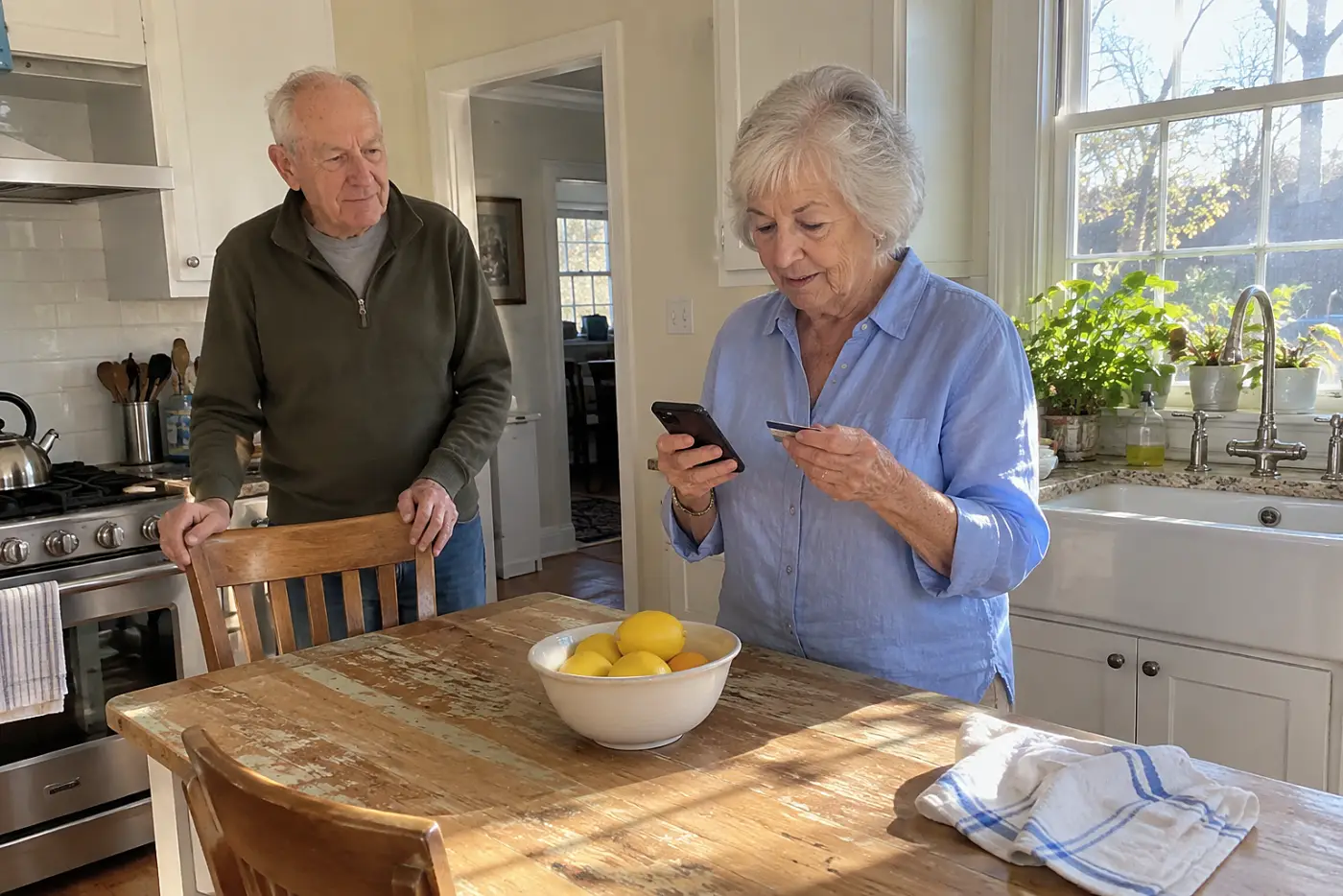
A “safe account” is a destination chosen by the caller.
The impostor says criminals have reached your bank account. To save the balance, you must transfer it to another account they provide. They call that account protected, though you have no proof who controls it.
Your bank does not need you to send savings to a stranger to stop fraud. A transfer you authorize under pressure still moves money out of your account. The comforting word “safe” describes the caller’s story, not the account.
This week, save your bank’s fraud number from its website or your card. Say, “I’ll review any account problem with my bank.” Then end the conversation.
Pressure to move money also arrives dressed as an investment opportunity.
See more: 25 Numbers That Show How Much Retirees Spend Per Month →
13The private investment group in your messages

A friendly chat can turn into an investment sales pitch.
Someone builds a relationship in a message group, then shares screenshots of impressive returns. An account on a trading site appears to grow after you deposit money. The displayed balance belongs to a site the seller controls, not to a statement from an independent custodian.
A demand for “taxes” or “fees” before withdrawal is another request for money. The SEC’s Investor.gov site publishes investment fraud alerts and lets you check a seller’s registration. Neither a group chat nor an account screenshot replaces that check.
This week, look up the investment seller through Investor.gov before sending funds. Say, “I need the firm’s registration details first.” A persuasive stranger isn’t a substitute for that check.
The relationship itself becomes the pitch in the next version.
See more: 22 Best Side Hustles for Retirees →
12The online companion who needs travel money
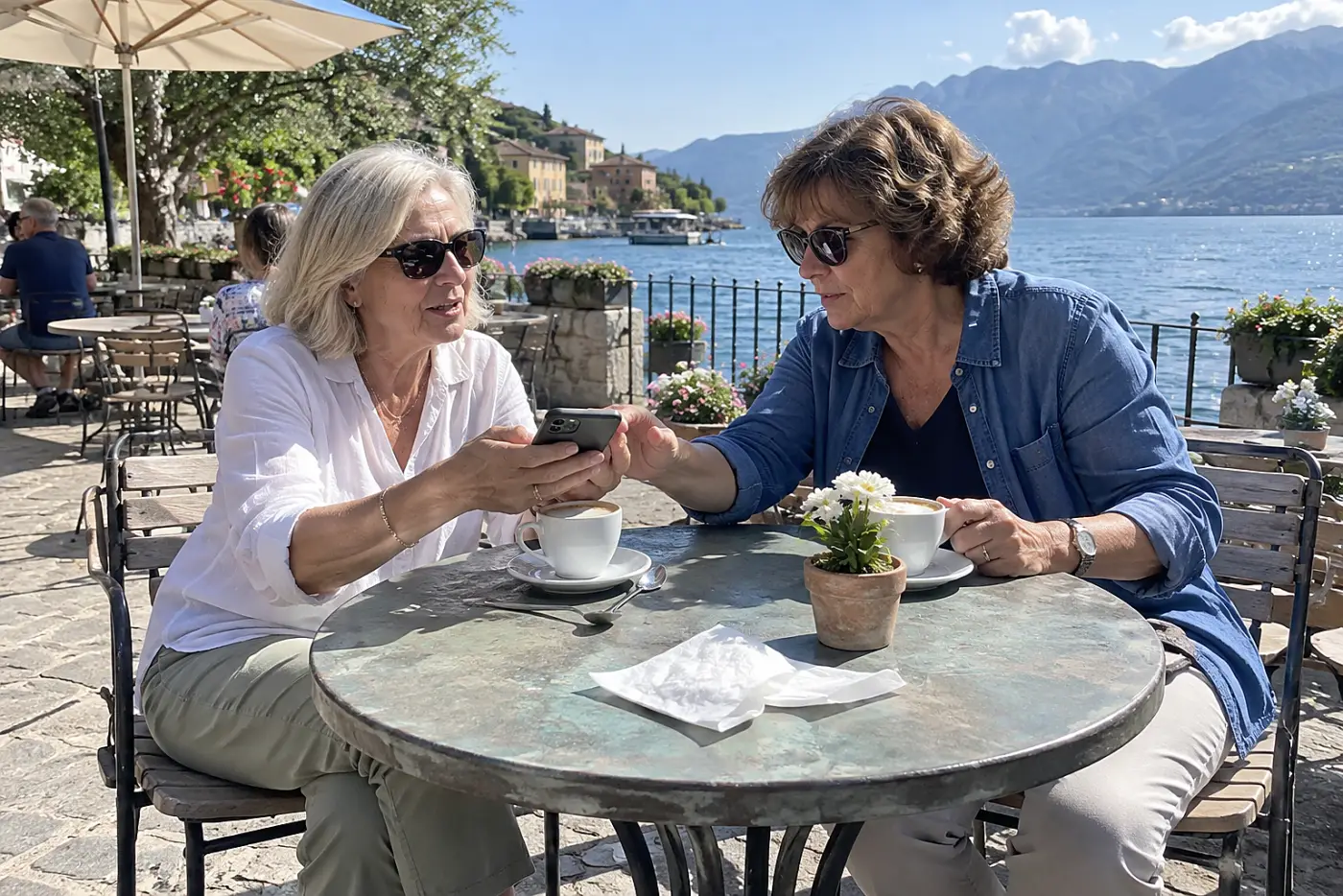
Daily messages make a stranger feel familiar.
A person you’ve never met asks for airfare, medical help, or a customs fee. Each payment promises an in-person meeting that keeps slipping. Then another obstacle appears, followed by another request to pay.
The FTC’s romance scam guidance describes requests for money from online relationships. Photos and daily messages tell you how the person presents themselves, not who receives the money. Losing the payment also means losing the meeting you thought you were helping arrange.
This week, show one trusted person the request before you send anything. Say, “I won’t send money to someone I haven’t met in person.” The request feels personal, which makes the next step harder.
11The secret request before sending money
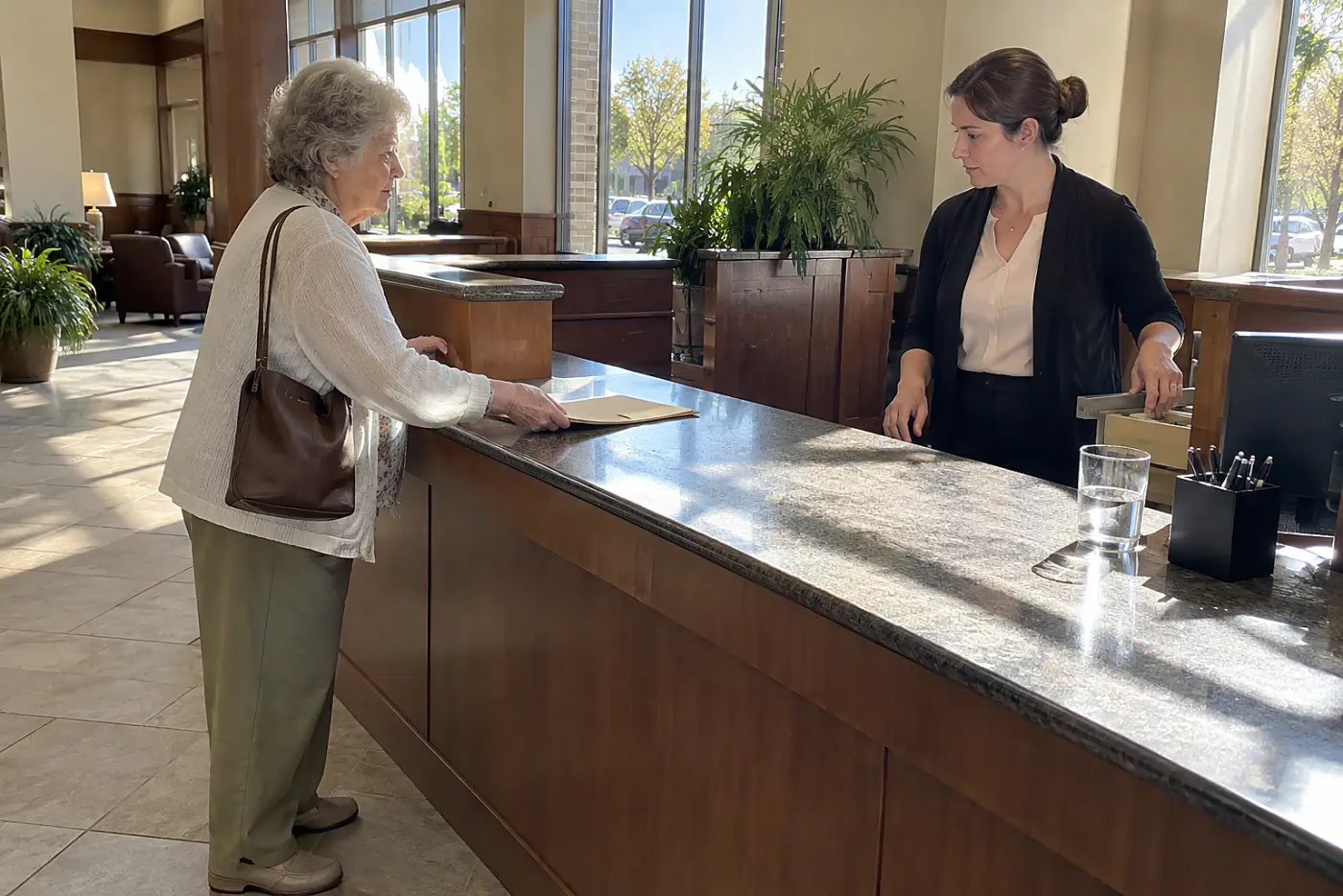
Secrecy keeps an ordinary question from being asked.
A scammer says the bank teller will misunderstand, or a family member will interfere. They give you a story to tell about why you need cash. That rehearsal makes the lie feel like part of completing the task.
A teller who hears the real purpose has a chance to flag a suspicious payment. A teller who hears a prepared cover story does not. The caller’s instruction protects the transaction from scrutiny, not your privacy.
This week, choose one person you’ll tell before sending money under pressure. Say to the teller, “Someone told me to keep this transfer secret.” You do not owe the caller a private channel.
Sometimes the pressure comes through paperwork rather than conversation.
10The document link with a familiar sender

A familiar name beside a link is not authentication.
A message claims a friend shared a document. The sign-in page asks for your email password before showing it. A stolen password gives the scammer access to messages that help them impersonate you to people you know.
If you use that password elsewhere, those accounts also need attention. Even without reuse, your inbox holds old receipts and conversations a stranger could exploit. The shared file is the bait; your email account is the target.
This week, turn on multifactor authentication for your email account. If a file seems unexpected, say, “Did you send me a document?” Ask through a number or conversation you already use, not through the message itself.
One stolen inbox gives an impostor a convincing place to write from.
9The real estate wire instruction change
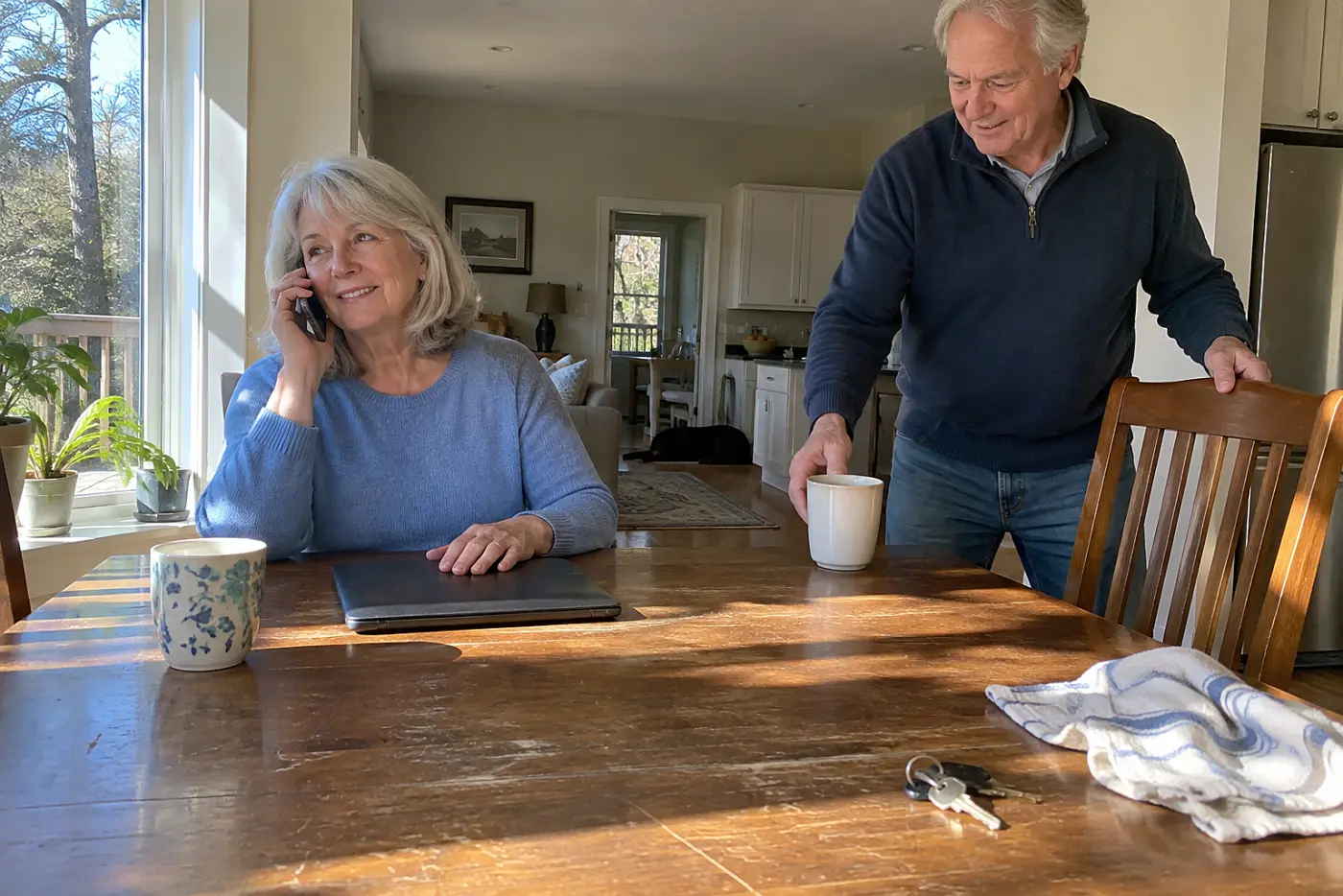
A closing email can be genuine until the instructions change.
Someone gains access to an email conversation or copies its style. Near closing, a message announces a new account for your down payment. It arrives amid real paperwork, when another form feels routine.
The FBI’s Internet Crime Complaint Center accepts reports of internet-enabled fraud, including wire fraud. Speed matters after a wire is sent. A new set of account details deserves separate confirmation, even when every name and address in the email looks familiar.
This week, save your closing agent’s phone number from paperwork you already trust. Say, “I’m verifying the wire instructions before I send anything.” Never use the number in the change email.
A smaller housing request uses the same borrowed urgency.
8The rental deposit before a viewing

A good listing can hide a nonexistent rental.
The poster copies photos from another property and claims to be away. They ask for a deposit to hold the place before you see it. The payment buys no key, no lease, and no access to the home.
The address and pictures look solid because they belong to a real property. That does not show the poster owns it or has permission to rent it. Once you send the deposit, the listing and its contact number can disappear.
This week, search the address separately and compare its photos across sites. Say, “I’ll view the property before paying a deposit.” A rushed landlord’s story is no substitute for a door you can open.
Another property pitch begins at the front door you already own.
7The contractor at your front door
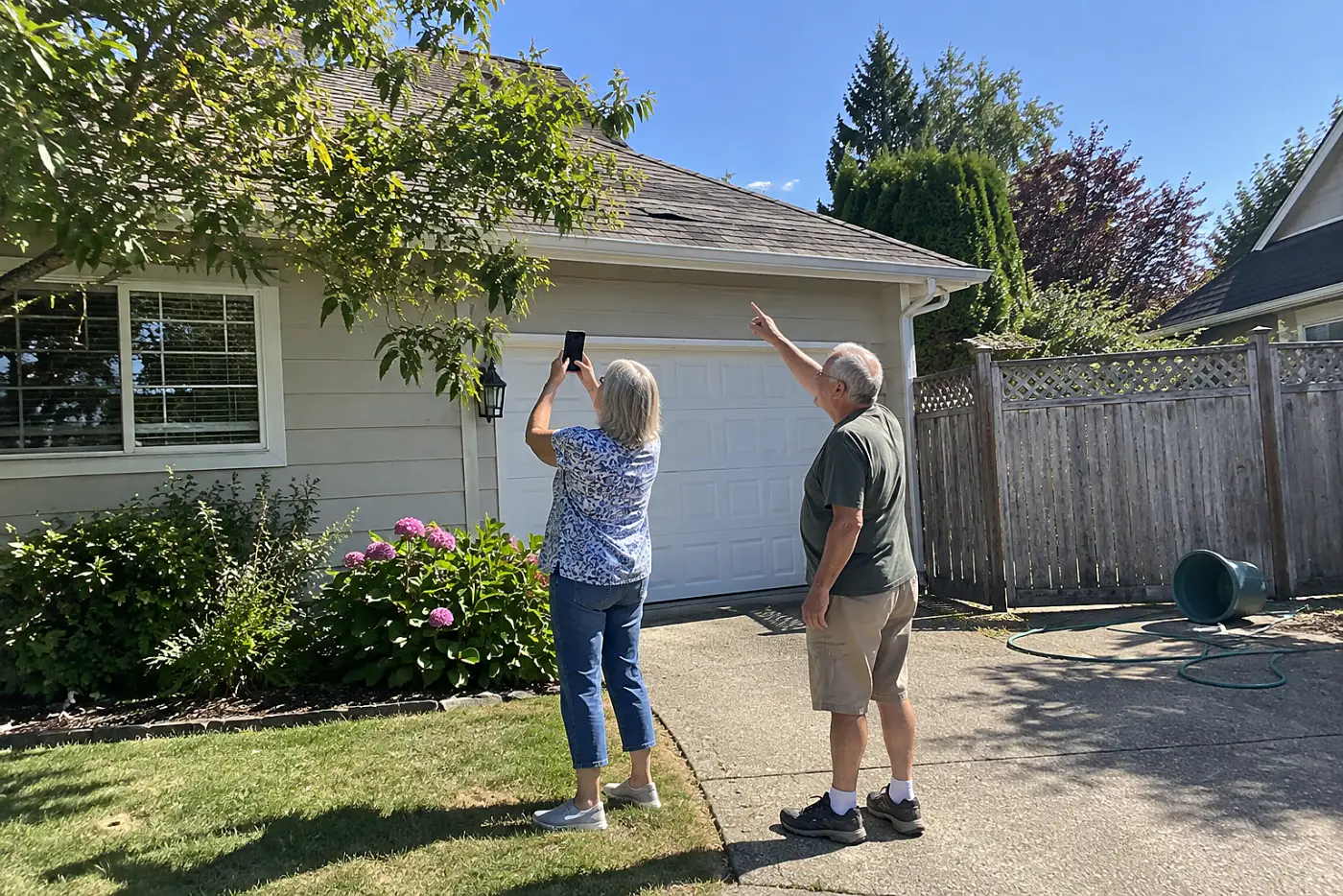
A stranger spots a repair you hadn’t planned.
The visitor says the roof needs immediate work or the driveway has leftover material available today. They ask for money up front, before you’ve checked a license, references, or the work itself. You feel foolish for missing the supposed damage, so acting fast seems responsible.
A written estimate gives you something to compare. A cash deposit handed over at the door does not. If the visitor will not leave a business name and details of the proposed work, you have little to check once they leave.
This week, photograph the area a visitor says is damaged. Say, “Leave a written estimate; I’m getting another opinion.” Check contractor requirements with your state licensing agency before paying.
The next pitch claims to fix a costly mistake already on paper.
6The debt relief letter in your mailbox

A promise to erase debt invites an upfront payment.
The letter says a special program will settle what you owe. You’re told to stop paying creditors while fees build with the company. Missed payments still count against you, even when the pitch sounds official.
The Consumer Financial Protection Bureau publishes consumer guidance on debt relief. Before you follow a stranger’s payment plan, compare the letter with what your creditor says you owe. The words “special program” do not change the balance on your account.
This week, put the letter beside a current account statement. Call the creditor using the statement’s number and say, “What hardship options do you offer directly?” The letter’s deadline is not your creditor’s deadline.
5The prize notice with a processing fee

A prize that requires payment is no prize.
The notice says you won money but must first cover taxes or processing. A phone rep asks for card details to release it. Paying opens the door to another fee, not a check.
The FTC’s prize scam guidance explains the pay-to-claim warning sign. The claimed winnings stay out of reach while each new charge sounds small beside the prize. Your card statement, however, records the money you actually paid.
This week, clear prize notices from the pile where you keep real bills. Say, “I’m not paying to collect a prize.” Keep the envelope if you need to report the approach.
A different envelope uses a government-looking deadline.
4The property record fee notice
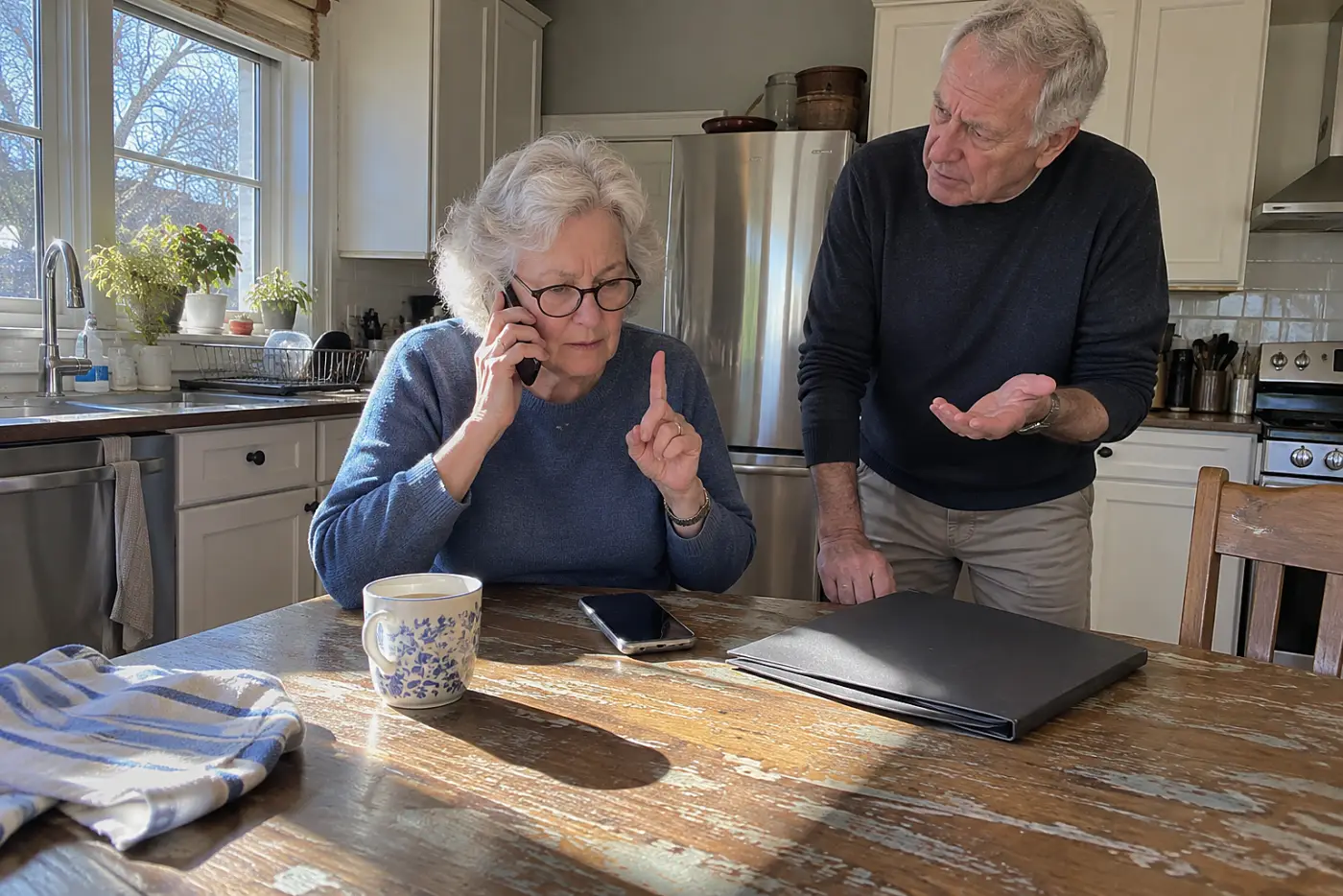
Official-looking mail does not make a fee mandatory.
A letter offers a copy of your property deed for a charge. It uses public record details to look tailored to your home. You mistake a paid offer for a required government notice.
The sender already has your address because property records are public. That personal detail does not give the company authority over your deed. Sending payment buys the offered service, not relief from a government requirement.
This week, read the sender line and look for words such as “not affiliated.” Find your county recorder through its official website. Ask, “How do I get a copy of my deed?” Check before mailing payment.
An official-looking document also turns up online after a breach.
3The password reset you did not request
A reset message means someone entered your address.
An attacker tries an email address on a sign-in page, then triggers a real reset message. A separate fake message urges you to click its link “to secure your account.” The real notice and the fake instruction arrive close together.
Clicking the wrong link hands over the very password you meant to protect. Reusing that password spreads the damage to other accounts.
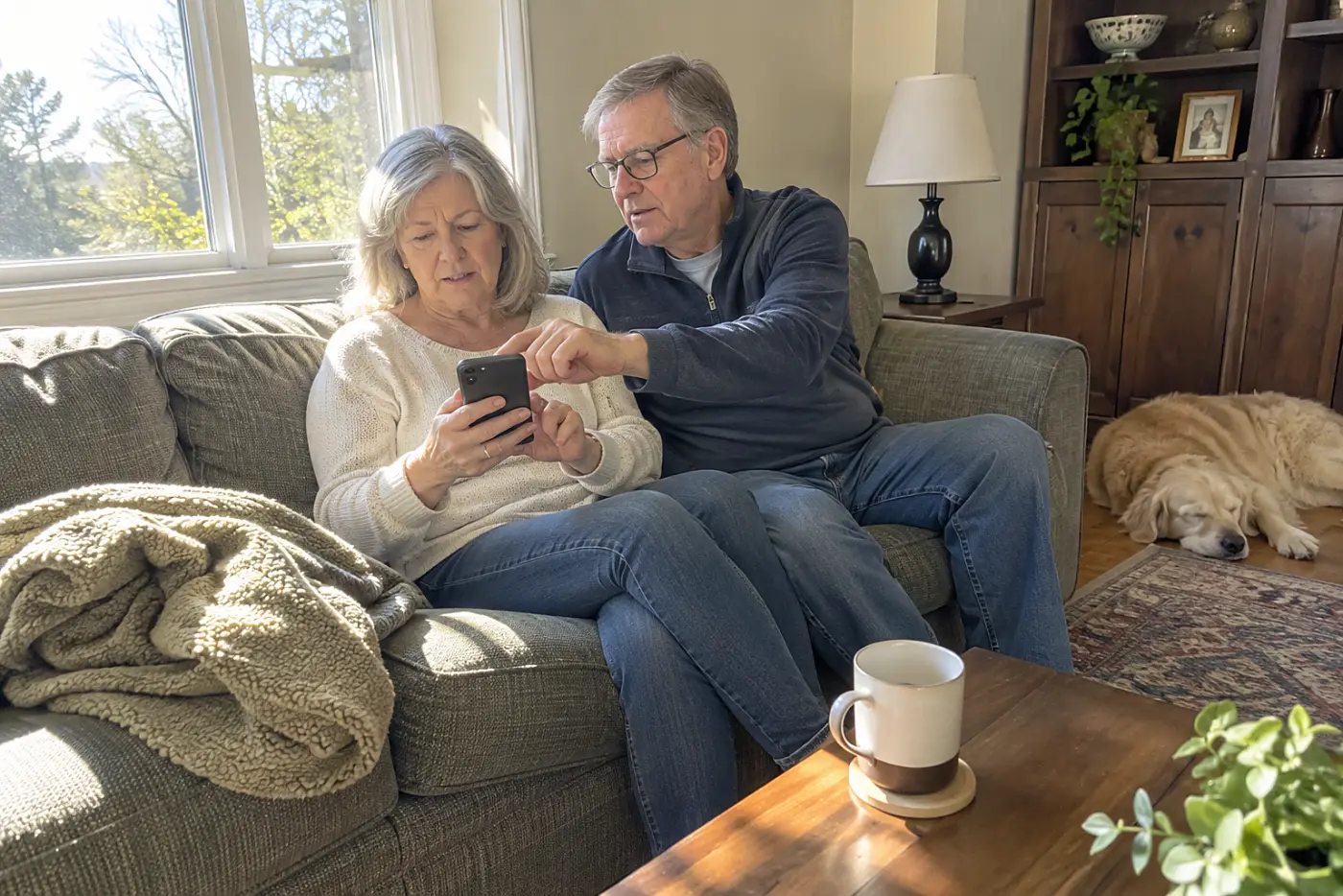
This week, change any reused email password through the site or app you open yourself. Say to a helper, “Let’s start in the app, not the message.” If the reset was unexpected, check the account’s sign-in activity where available.
The next request asks for the key that arrives after your password.
2The six-digit code someone asks you to read
A security code is for your sign-in, not theirs.
A caller claims to be fixing fraud and asks you to read the code just texted to your phone. In fact, they started a sign-in or reset attempt. Your reply completes the step they cannot complete alone.
The text comes from a real account service, which makes the request sound convincing. Many sign-in codes expire within about 5 to 10 minutes; that short window explains why the caller presses you to answer now. But the text’s arrival proves only that someone entered your number during a sign-in attempt. Sharing it puts an account within the other person’s reach.
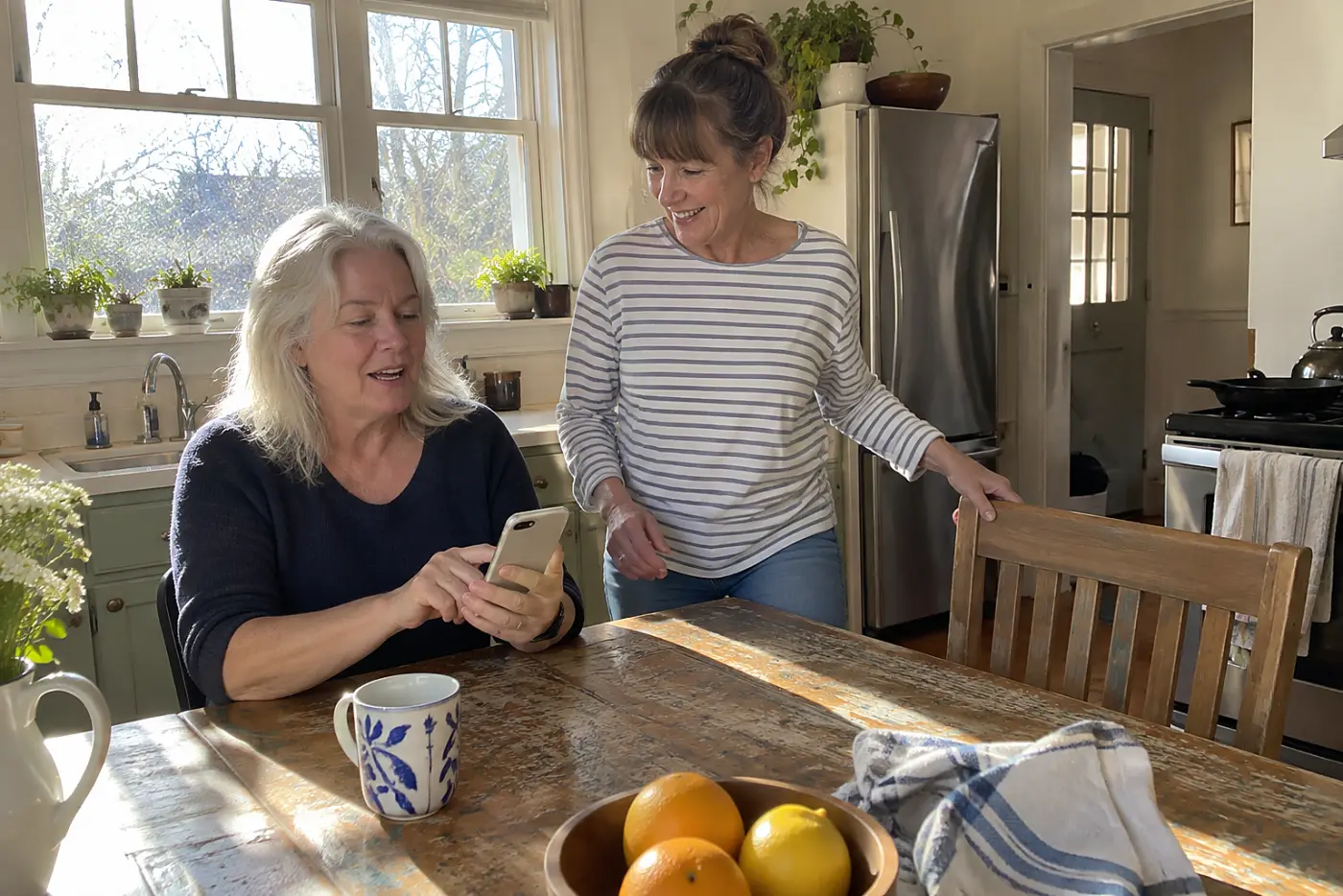
This week, tell everyone who helps with your accounts your rule. Say, “I don’t read sign-in codes to callers.” If you already shared one, open the affected account through its app and change the password.
The strongest pause comes before any reply at all.
1The callback drill beside your bank card

Urgency works best when you have no plan.
An alarming message puts you inside the sender’s story: a frozen account, a stranded relative, a payment due now. A callback drill gives you a different sequence to follow before you answer a demand. You stop, find a number you already trust, and start the contact yourself.
That break matters even when the displayed number looks right. Private details do not prove who is speaking, either. If you already sent money, call your bank or payment company immediately and ask whether the payment can be stopped or reversed.
This week, put your bank’s fraud number and two family numbers beside your phone. Practice once with someone you trust: “I got an urgent request. I’m checking it through my own contact.” The words that demand speed are the cue to use the drill.
And the exact steps belong where you can find them later.
The bottom line
All 26 reasons hinge on the same move: a stranger makes checking feel slower, colder, or less responsible than obeying.
The best-prepared version of you has trusted numbers saved and has practiced what to do when a message demands speed.
Which of these has already happened in your family?
Up next
22 Medicare Enrollment Checks Before Next Year's Coverage Starts
The Annual Notice of Change lists next year’s plan terms, but the envelope in your drawer won’t tell you whether a new choice took hold.
Read the list →

Reader quiz
Did you catch the details?
5 questions from this article. Finish them all to unlock the editor's bonus tip.
If a bank text includes a link, how does the article say to check the alert?
Did any of these feel familiar?
Know someone who needs this?
 Prime Journal · Free printable
The Everyday Money Checklist
- Your upcoming bills and automatic payments stay in view.
- Your account access and family loans have clear boundaries.
- Your Medicare questions are ready before you call.
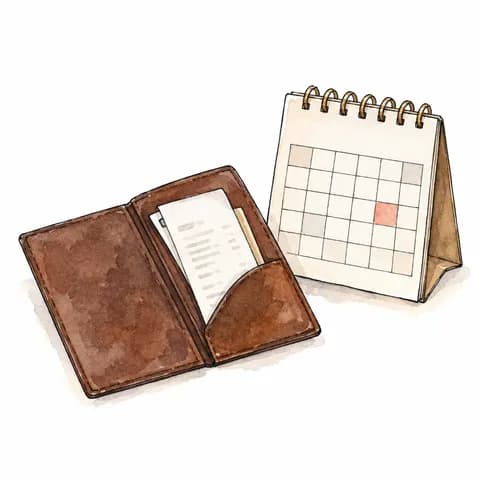
Free printable: The Everyday Money Checklist. Enter your email and it is yours.
Sources cited in this article
This article links to 12 outside sources, listed here so you can read them yourself.
- FCC’s caller ID spoofing guidance www.fcc.gov/spoofing
- FTC’s text scam guidance consumer.ftc.gov/articles/how-recognize-and-report-spam-text-messages
- IRS’s tax scam guidance www.irs.gov/newsroom/tax-scams-consumer-alerts
- Social Security Administration’s scam page www.ssa.gov/scam
- Medicare www.medicare.gov
- FTC’s gift card scam page consumer.ftc.gov/articles/gift-card-scams
- FTC’s cryptocurrency scam guidance consumer.ftc.gov/articles/what-know-about-cryptocurrency-and-scams
- Investor.gov www.investor.gov
- FTC’s romance scam guidance consumer.ftc.gov/articles/what-know-about-romance-scams
- FBI’s Internet Crime Complaint Center www.ic3.gov
- Consumer Financial Protection Bureau www.consumerfinance.gov
- FTC’s prize scam guidance consumer.ftc.gov/articles/fake-prize-sweepstakes-and-lottery-scams
Linda Cho, CFP®
Money Editor
Linda is a certified financial planner who spent two decades advising retirees before joining Prime Journal.
More from Linda Cho