









21 Muscle-Building Diet Foods and Habits That Help Women Build Strength
A practical way to feed your strength workouts, from a carton of eggs to the number on your bathroom scale.
By Dr. Alan Pierce, PT, DPT, Health Reviewer
Updated · 10 min read
- Written by our health reviewer
- Cited 12 sources
- How we review
You set the dumbbells down, and your hands still feel the grip. Lunch is next. Does it need to look like a gym ad?
No. Strength training gives your muscles a reason to adapt. Food gives them protein to work with, plus enough energy to keep training. You don't need powder stirred into every meal. Start with foods you already recognize, then check whether you're eating enough across the day.
21A can of tuna in the pantry

A can of tuna turns toast, a salad, or leftover rice into lunch. A typical 3-ounce serving of canned light tuna has about 20 grams of protein. Drain it, add lemon and olive oil, and eat it with something that fills you up.
If tuna is a regular purchase, rotate it with other fish. The FDA's Advice About Eating Fish puts canned light tuna in its lower-mercury “Best Choices” group; albacore is in “Good Choices.”
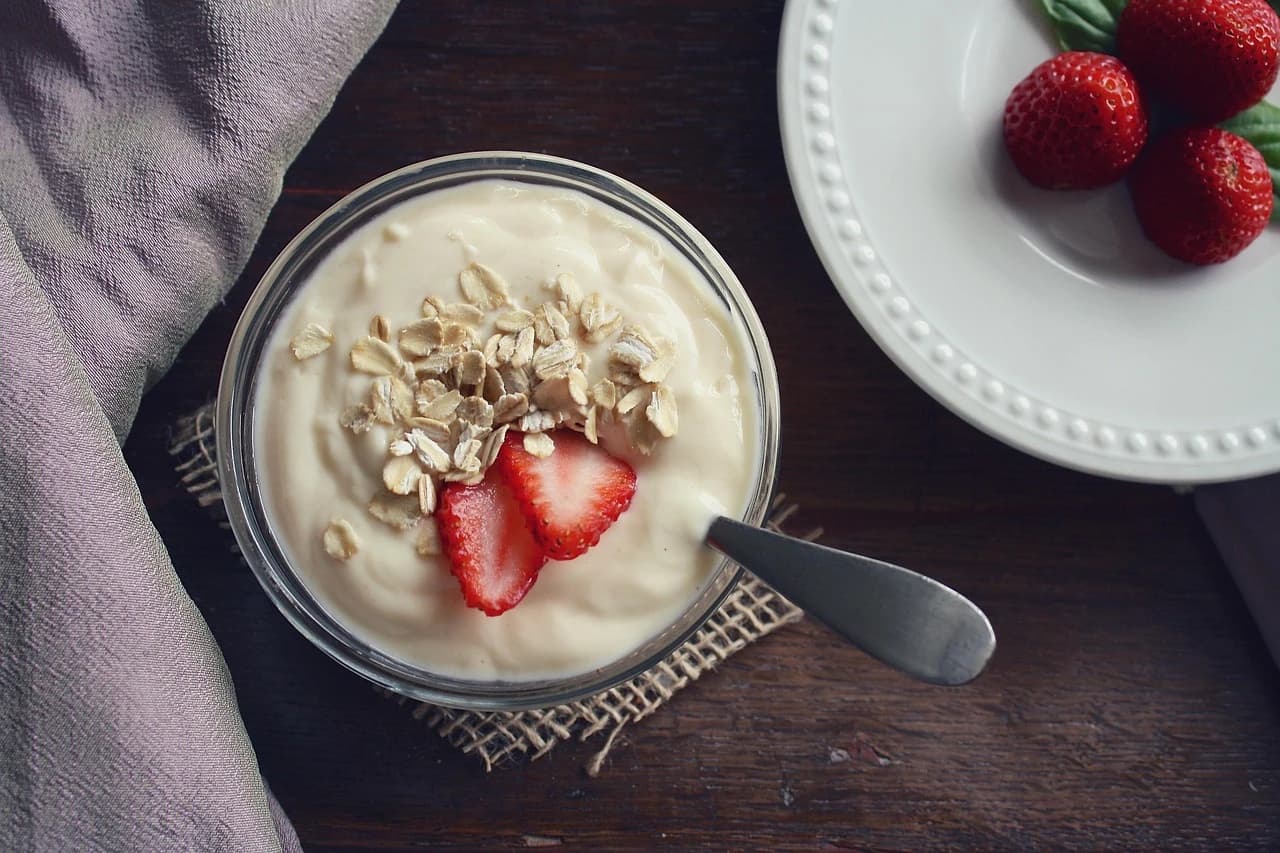
20The protein number on a yogurt carton
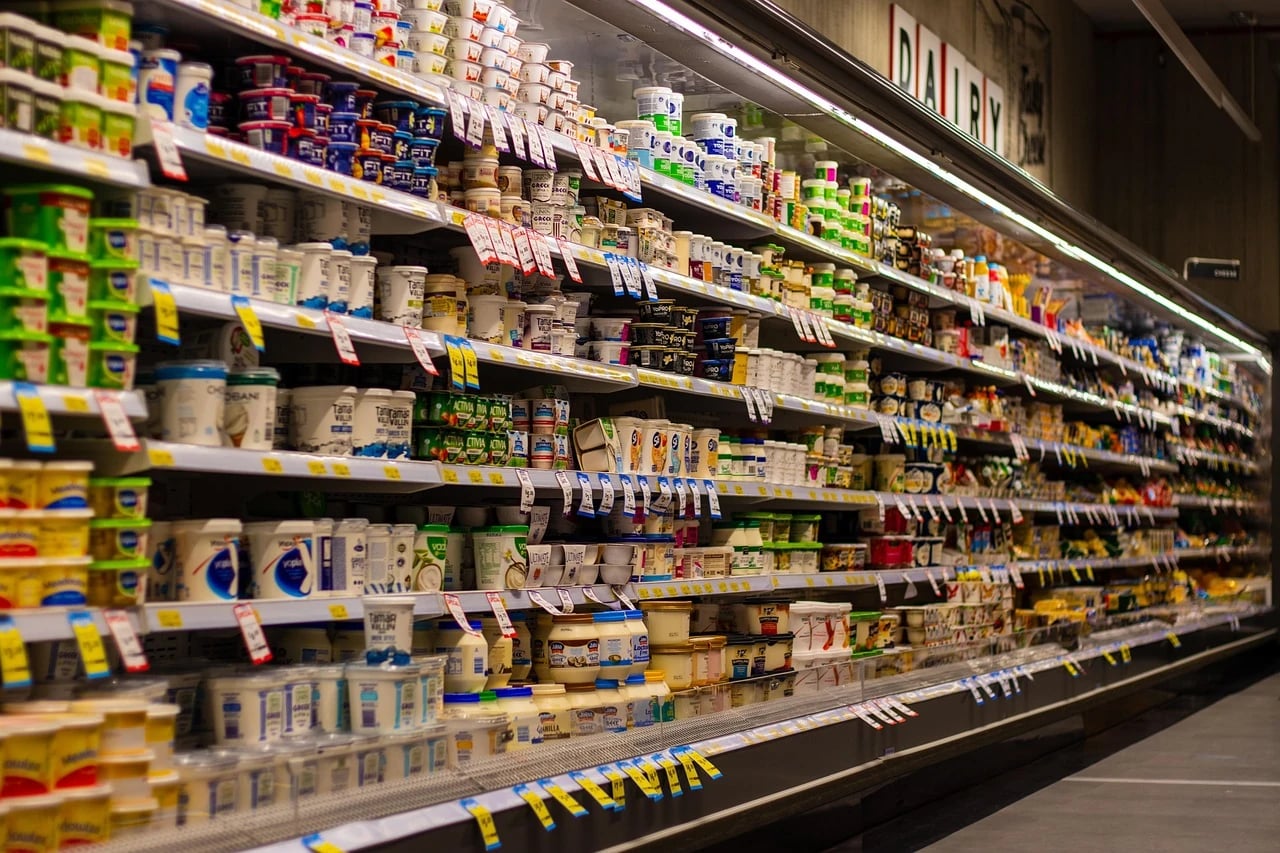
Two cartons that look alike can hold very different amounts of protein. Check the Nutrition Facts panel before choosing one for your breakfast.
Plain Greek yogurt has about 15 to 20 grams of protein per serving. Regular yogurt has less in a similar portion. Compare equal amounts, not a small cup with a large tub. Check both numbers on the panel; the FDA's Nutrition Facts label guide shows you where to look.
Add berries, oats, or nuts if plain yogurt feels too bare. You get a breakfast you want to eat, with no scoop of powder hiding in it.
See more: 26 Five-Minute Exercises for Seniors →
19Two eggs beside your morning toast
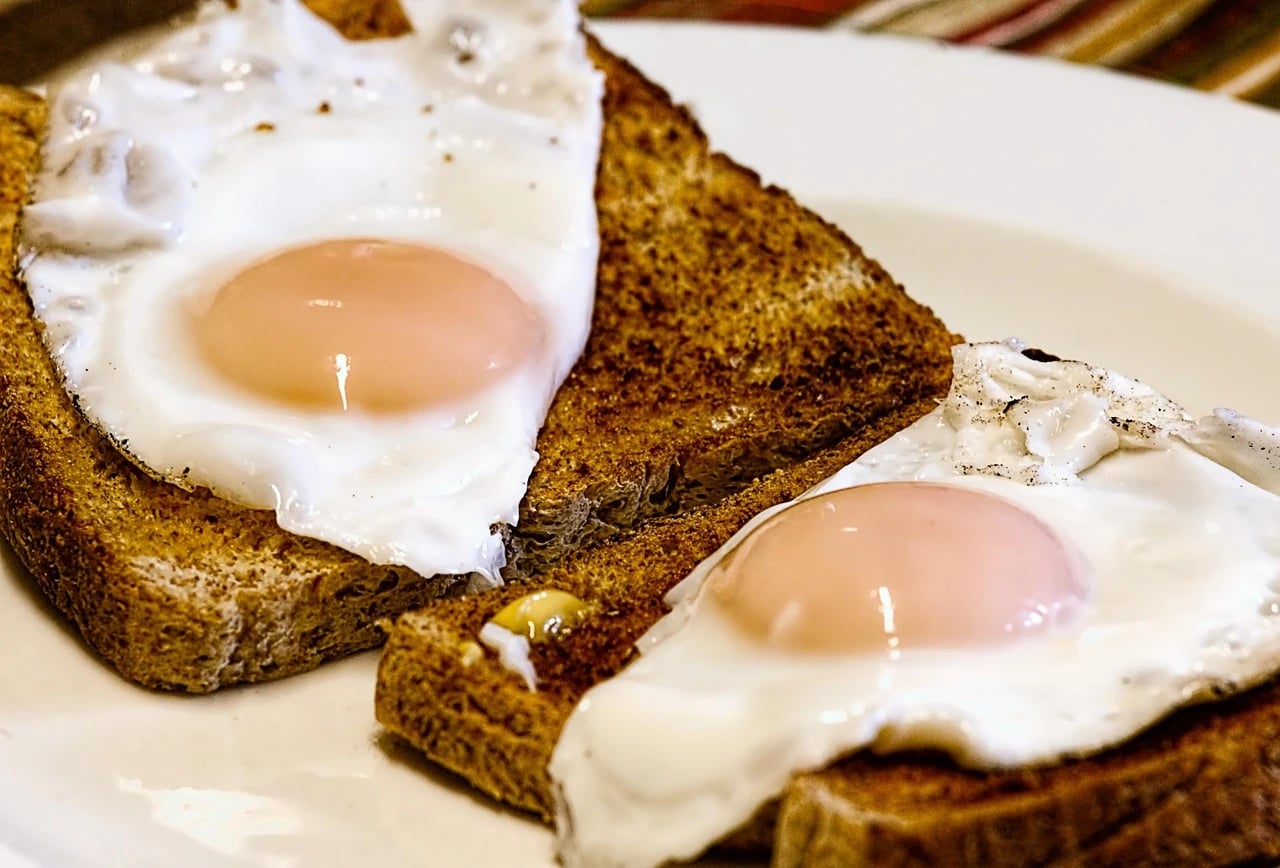
The skillet is warm. Your toast is nearly done. Crack 2 eggs, and you've added about 12 grams of protein to breakfast.
Eggs are useful, but that amount alone is less than the protein in several other foods on this list. Pair them with milk or Greek yogurt when breakfast needs more staying power. The USDA's FoodData Central lets you check the protein in the foods and portions you actually eat.
18A glass of milk after lifting
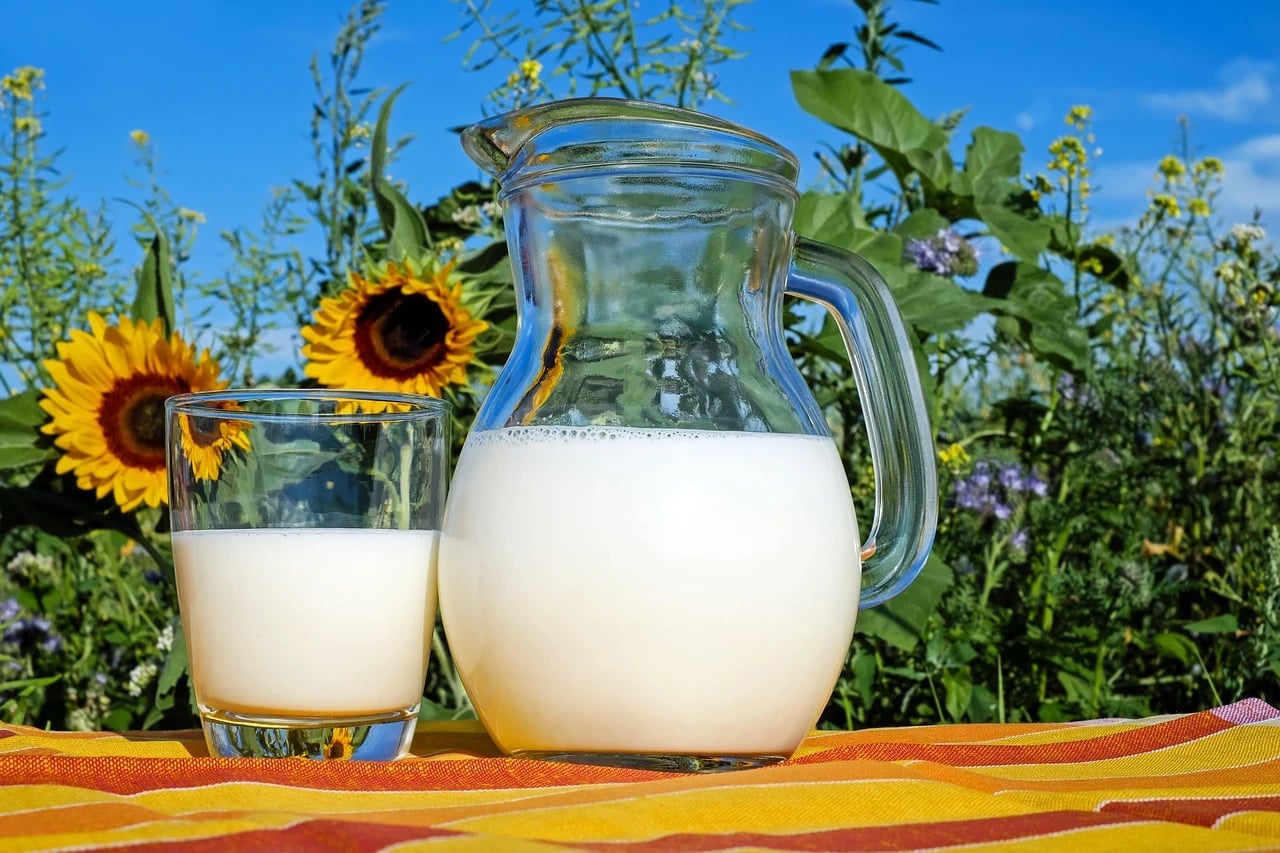
Milk is an ordinary answer to a gym-shaped question. A cup of dairy milk has about 8 grams of protein, along with carbohydrate and fluid. Drink it with a sandwich after training, or pour it over cereal when dinner is still hours away.
If dairy disagrees with your stomach, check the carton before swapping it. Lactose-free dairy milk keeps the protein; plant drinks differ widely. Soy milk is closest to dairy milk for protein among common plant drinks, but brands vary. The number on the carton settles it.
17Frozen edamame beside the microwave

Keep a bag of shelled edamame in the freezer. Heat a portion, add salt or chili flakes, and you have something to eat while the rest of dinner cooks.
A half-cup has about 9 grams of protein. Toss it into noodles or rice, where it adds substance without changing the whole meal. You'll find more ways to use soybeans when you stop treating them as a snack only.
16A block of firm tofu at the store

Standing at the refrigerated case, you have a practical choice: silken tofu for blending, or firm tofu for browning in a pan. Firm tofu holds its shape when you press out excess water and cut it into cubes.
Protein amounts differ by brand and firmness, so read the label. Then look at the calcium line. Some tofu is made with calcium sulfate and supplies calcium; other tofu isn't. If you're buying it for both nutrients, that detail matters more than the picture on the package.
Brown the cubes, add a sauce you like, and serve them over rice. The NIH Office of Dietary Supplements calcium fact sheet has more on calcium food sources.
15The sandwich packed for after class

If you train before lunch, pack lunch before you leave. Hunger after a workout makes the nearest pastry look like a plan.
Put chicken, turkey, tuna, tofu, or hummus in a sandwich and add fruit. You don't need to eat the minute the last weight touches the rack. The American College of Sports Medicine emphasizes adequate daily food and protein for training; your next regular meal is a sensible place to start.
The sandwich's advantage is simple: it's already there when you need it.
14Lentils simmering with tomatoes
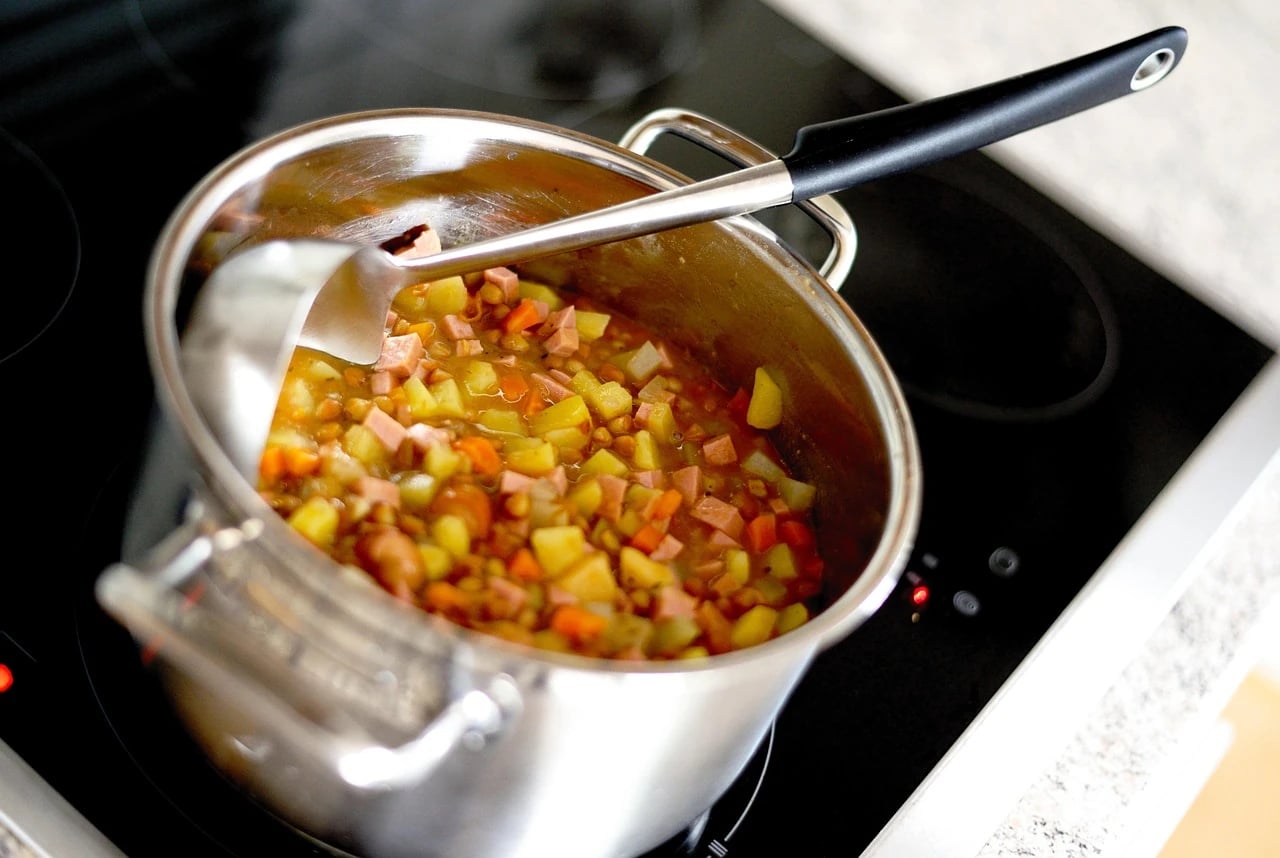
Dry lentils cook without soaking. Canned lentils need only draining and heating. Either version takes on garlic, tomatoes, and whatever vegetables remain in the drawer.
A half-cup of cooked lentils has about 9 grams of protein. They're also a source of iron. Add bell pepper or tomatoes: their vitamin C helps your body absorb iron from plant foods. The NIH Office of Dietary Supplements iron fact sheet explains that pairing.
Eat the lentils over rice, with an egg, or next to fish. They earn their shelf space because they're easy to turn into a meal.
13A bag of frozen shrimp

Frozen shrimp cooks fast enough for the night you nearly order takeout. Thaw it safely in the refrigerator or under cold running water, then cook until the flesh is pearly and opaque.
Three ounces of cooked shrimp provide about 20 grams of protein. Add it to pasta and vegetables instead of building a separate “fitness dinner.” For handling seafood, check the FDA's seafood safety guidance.
12A chickpea salad you actually want
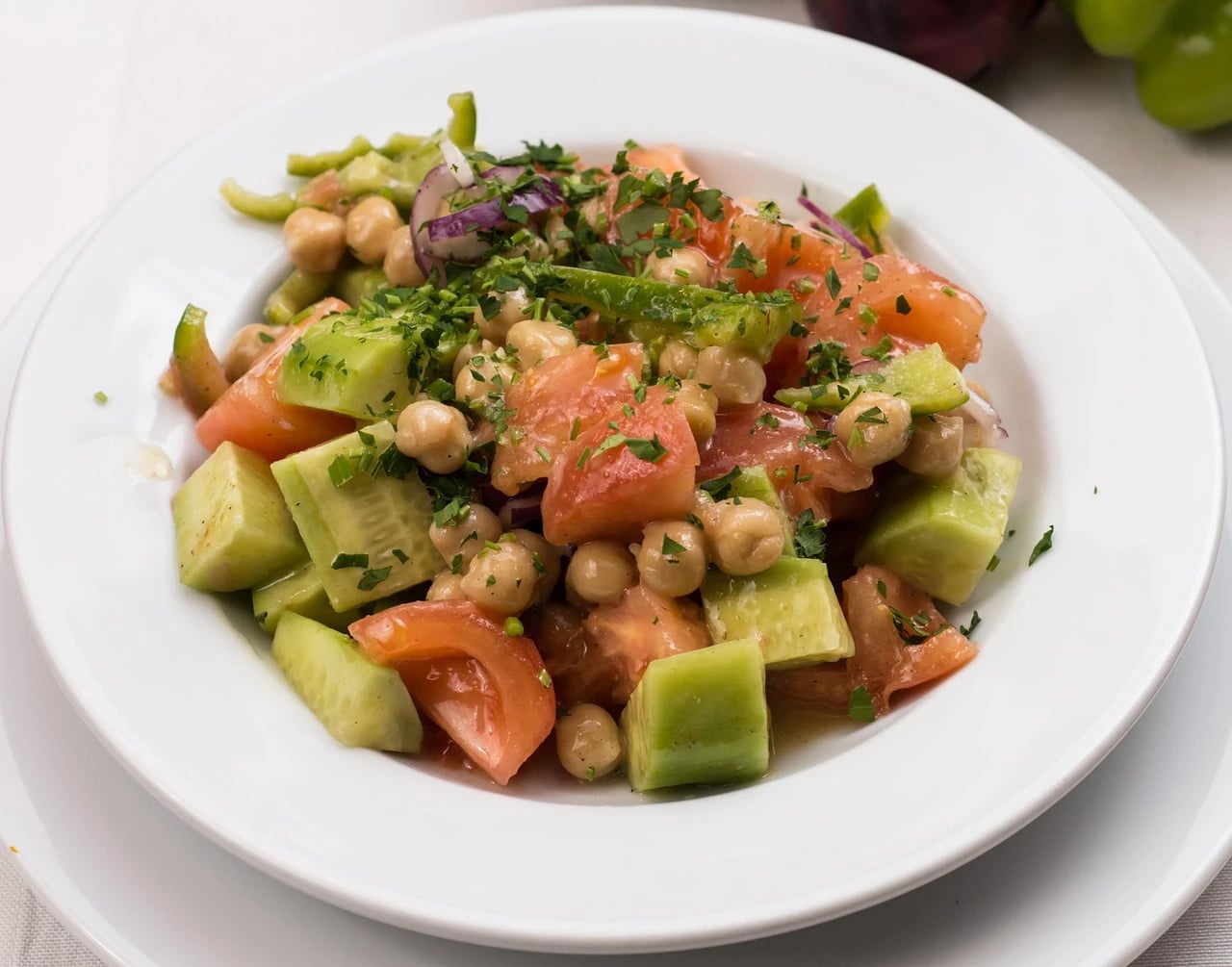
Open a can of chickpeas, rinse them, and toss them with chopped cucumber, parsley, lemon, and olive oil. A half-cup of cooked chickpeas gives you about 7 grams of protein. It's a good beginning, though a bowl of chickpeas alone isn't a high-protein lunch.
Add canned salmon, feta, or a boiled egg if lunch needs to carry you through an afternoon workout. Use bread or crackers alongside it, too. Carbohydrate helps fuel the work you're asking your muscles to do.
Make enough salad for tomorrow. Keep it cold, and add crisp vegetables when you eat if you dislike a soggy leftover lunch.
11Cottage cheese with fruit or pepper
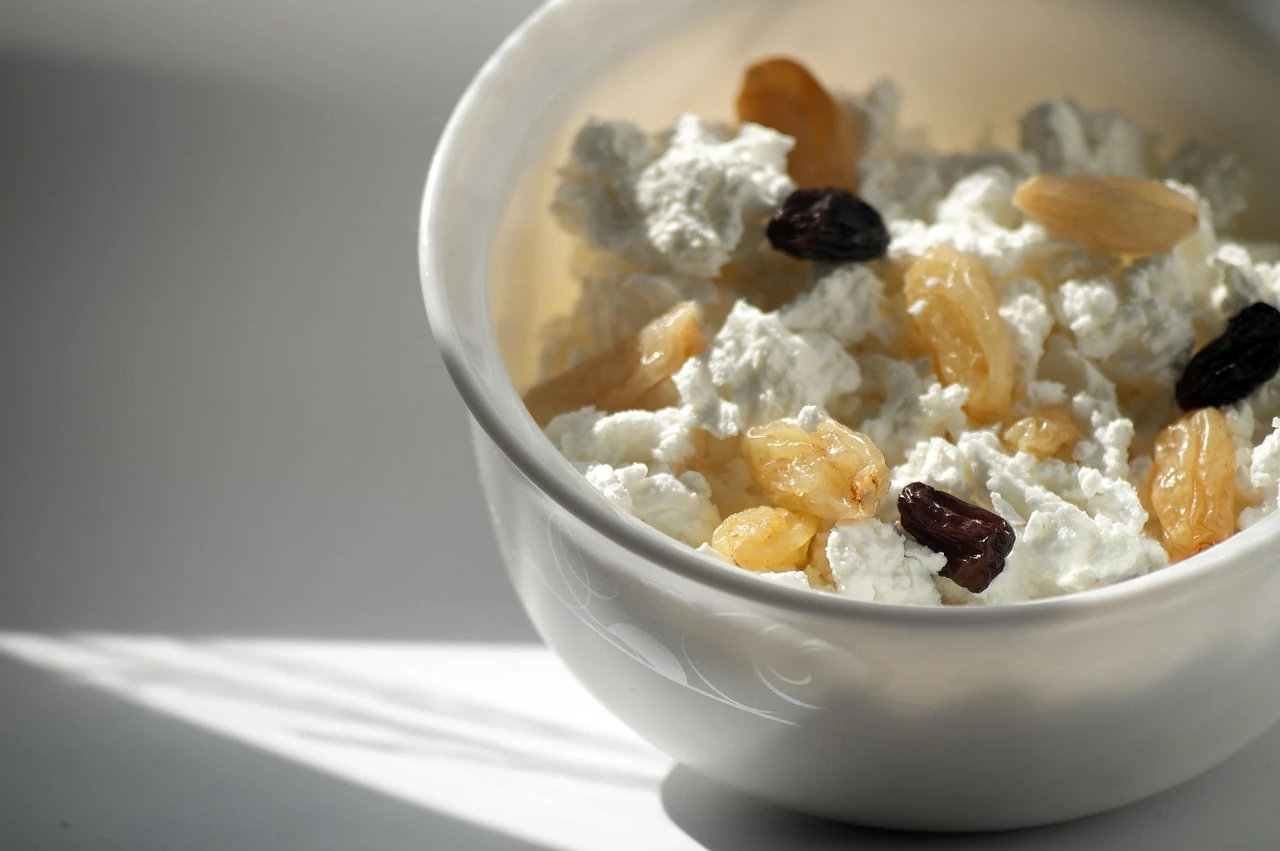
Cottage cheese doesn't require a recipe. Spoon it beside peaches, or add pepper and sliced tomatoes if sweet food sounds wrong.
A half-cup provides about 12 to 14 grams of protein. Check the label, since brands and portion sizes differ. If the texture puts you off, try it spread on toast or blended into a dip. You aren't failing a nutrition test because you dislike eating it straight from the tub.
10Chicken thighs on a sheet pan
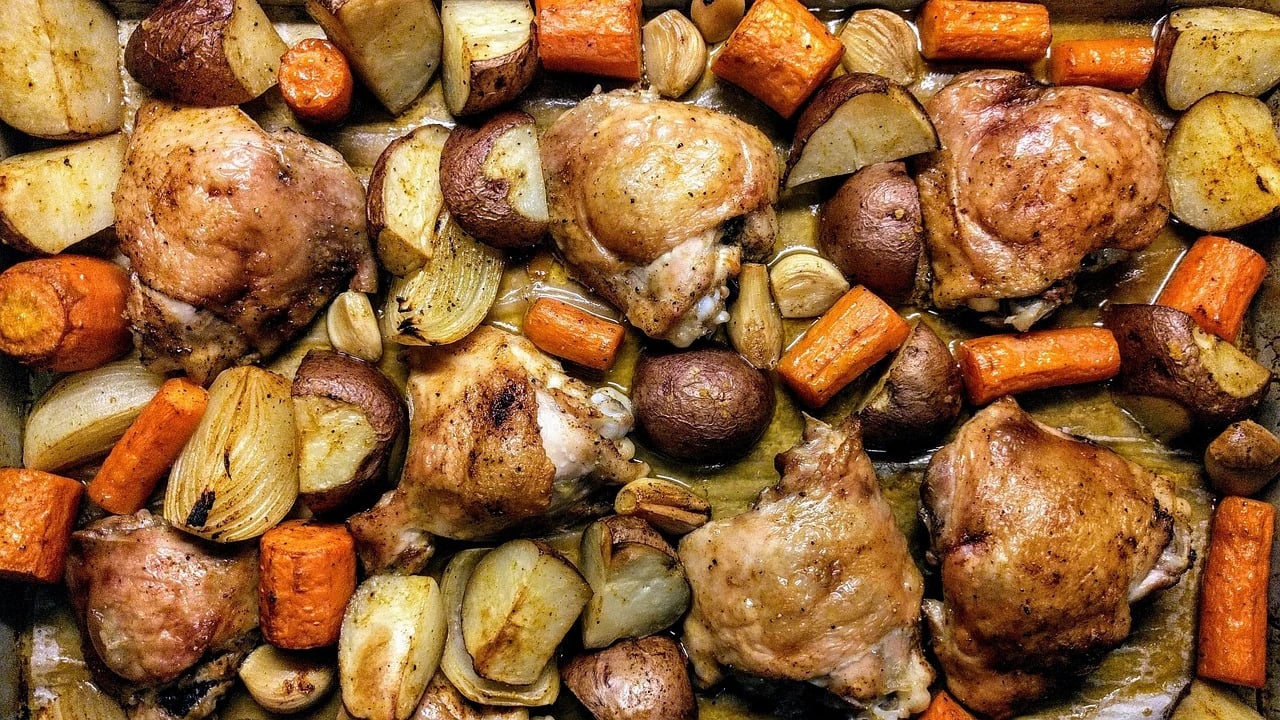
Chicken breast gets the gym publicity. Thighs deserve a place in your grocery basket, especially if you prefer their flavor. Roast them with potatoes and vegetables, then save the extra meat for tomorrow's lunch.
Use a food thermometer instead of judging chicken by color. The USDA's safe temperature chart lists 165°F for poultry. Check the thickest part without touching bone.
Remove the cooked meat from the bone before storing leftovers. Tomorrow, add it to a wrap or a bowl of rice. One pan tonight means the next protein choice is already made.
See more: 24 Best Hamstring Stretches for Seniors, Standing, Seated and in Bed →
9Pumpkin seeds sprinkled over soup

A small handful of pumpkin seeds adds crunch to soup, yogurt, or a salad. An ounce has about 8 grams of protein, plus fat that makes the snack satisfying.
They're an addition, not a stand-in for a full meal after training. Try them on a bowl that already contains beans, chicken, or tofu. If chewing seeds is uncomfortable, stir smooth pumpkin seed butter into oatmeal instead, and check its label for the amount of protein.
8A scoop of ricotta in pasta

You don't have to turn pasta into a pile of meat to make it work after a lifting session. Stir ricotta into warm pasta with spinach and peas. Add chicken or white beans if you're hungry for a larger meal.
Ricotta contributes protein, though the amount varies by type and serving size. Read the tub rather than borrowing a number from another cheese. The USDA MyPlate site has ideas for combining protein foods with grains and vegetables, without making dinner a math exercise.
Still hungry after the bowl? Eat more. A strength-training diet needs enough total food, not a heroic effort to make every plate small.
7A tin of sardines on toast

Sardines give you protein in a package that waits in the cupboard. Mash them onto toast with lemon and mustard, or tuck them into a tomato sauce.
If you eat the soft bones, you get calcium as well. Check whether your tin says boneless before counting on that benefit. The FDA's fish advice places sardines in its “Best Choices” group for mercury.
They're salty and strongly flavored, and there's no prize for forcing them down. Keep them if you enjoy them; choose another fish if you don't.
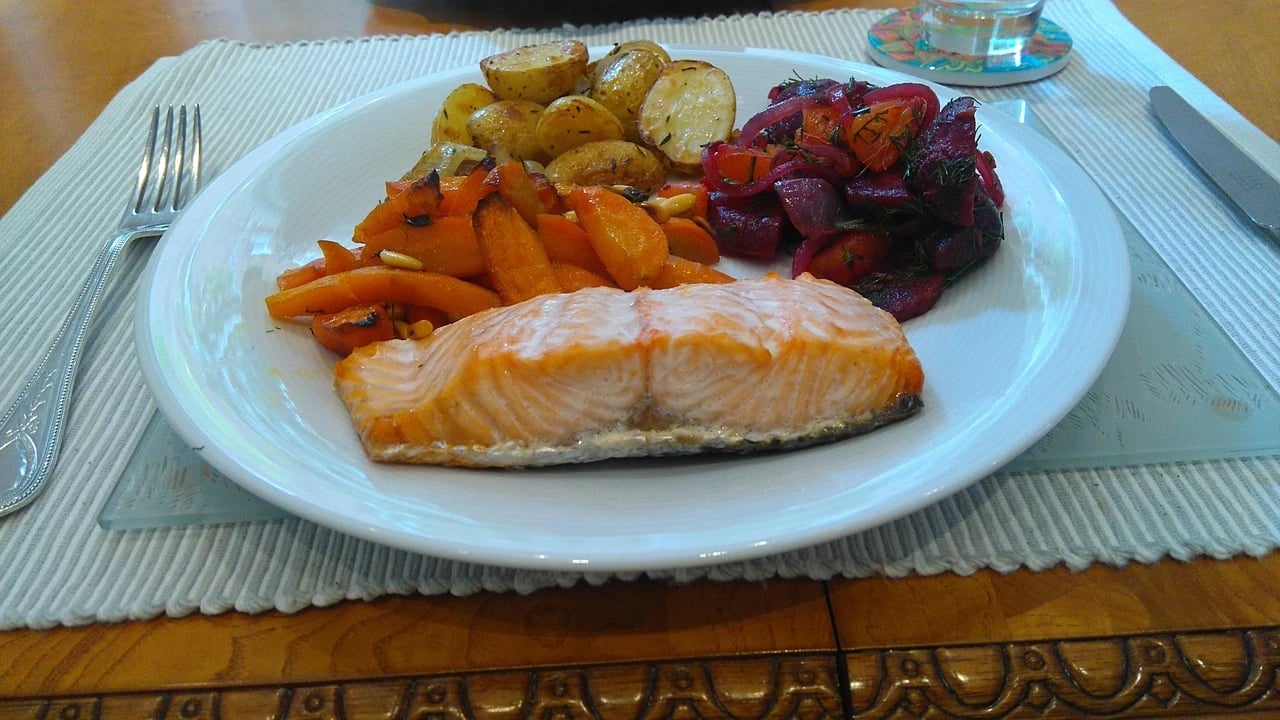
6Leftover salmon beside roasted potatoes
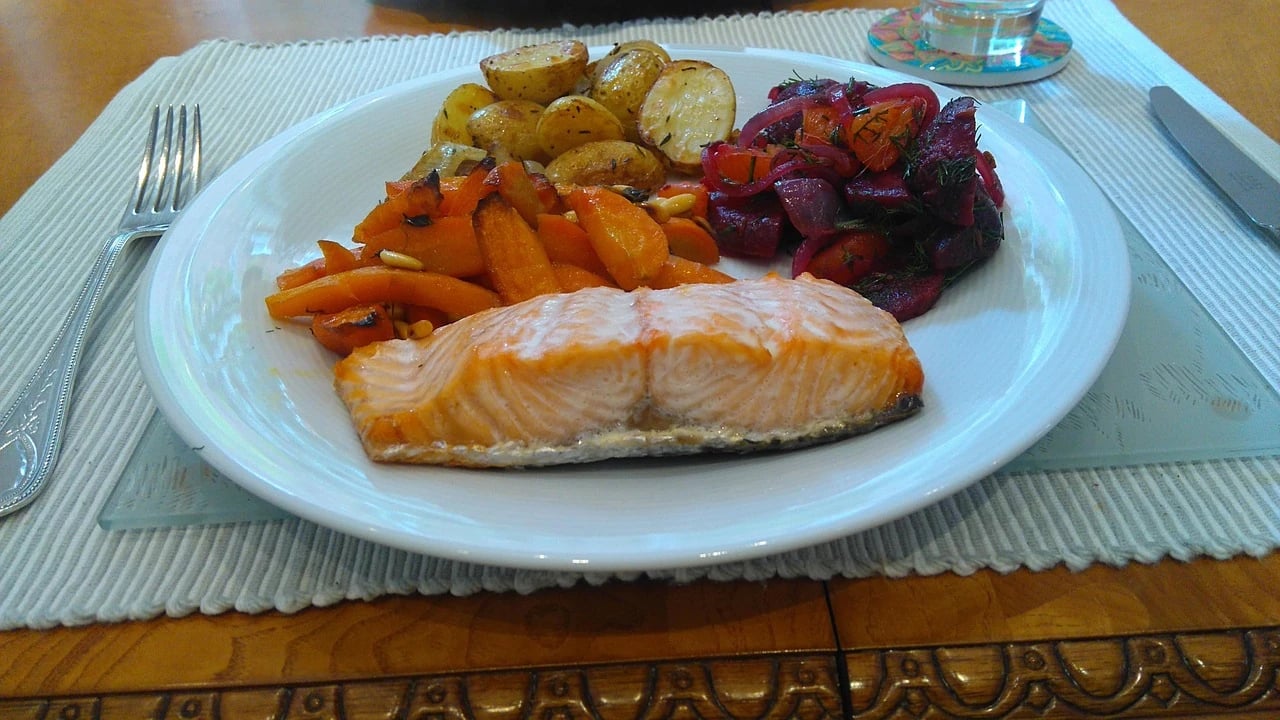
Last night's salmon has a job tomorrow. Put it beside roasted potatoes for lunch, with a handful of greens if you have them. There's no need to cook a separate post-workout meal.
A 3-ounce serving of cooked salmon has roughly 20 grams of protein. Salmon also supplies omega-3 fats. The NIH Office of Dietary Supplements omega-3 fact sheet describes fish sources and serving information.
Keep cooked fish refrigerated and eat it within 3 to 4 days, following FoodSafety.gov's leftovers guidance. Leftovers help only when they're safe and appealing enough to eat.
5A bag of dried split peas
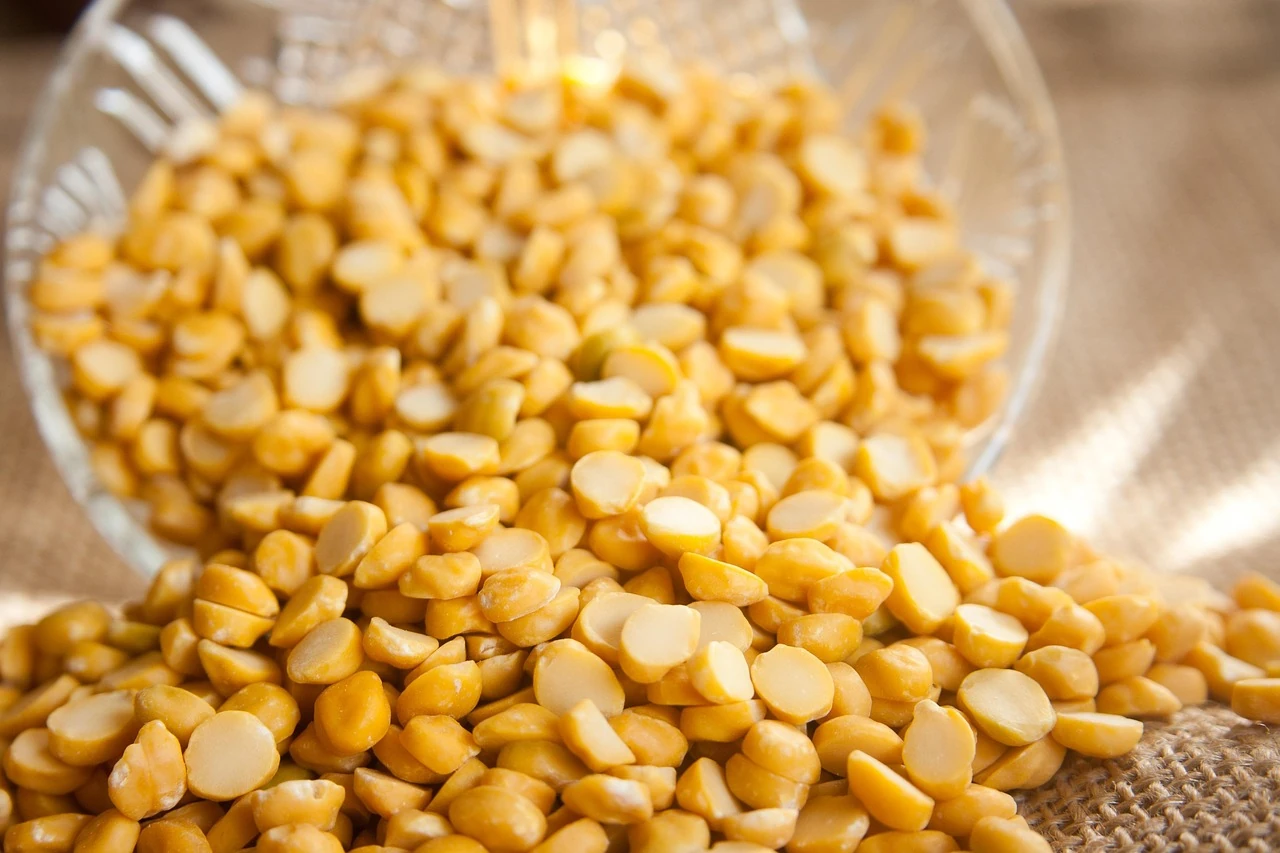
Split peas cost less than many ready-to-eat protein foods and cook into a thick soup without soaking. Add onion, carrots, broth, and whatever herbs you like.
A half-cup of cooked split peas has about 8 grams of protein. Make the soup heartier with diced ham or serve it with a cheese sandwich. Portion and freeze the rest. On a cold evening after training, dinner is one saucepan away.
4The meals already on your calendar

Look at the days you plan to lift this week. Then look at the meals around those workouts. Is there a protein food you enjoy at breakfast, lunch, and dinner, or does the whole day depend on a large serving at night?
Spread protein across meals instead of saving nearly all of it for dinner. The National Institute on Aging discusses protein and resistance exercise as parts of maintaining muscle with age. It also matters whether you're eating enough overall.
Write down what you ate on a training day, without judging it. Circle the meal with little protein. That's the easiest place to add yogurt, eggs, beans, fish, or a glass of milk.
See more: 20 Tai Chi Exercises for Women Over 50 →
3Peanut butter on an afternoon apple
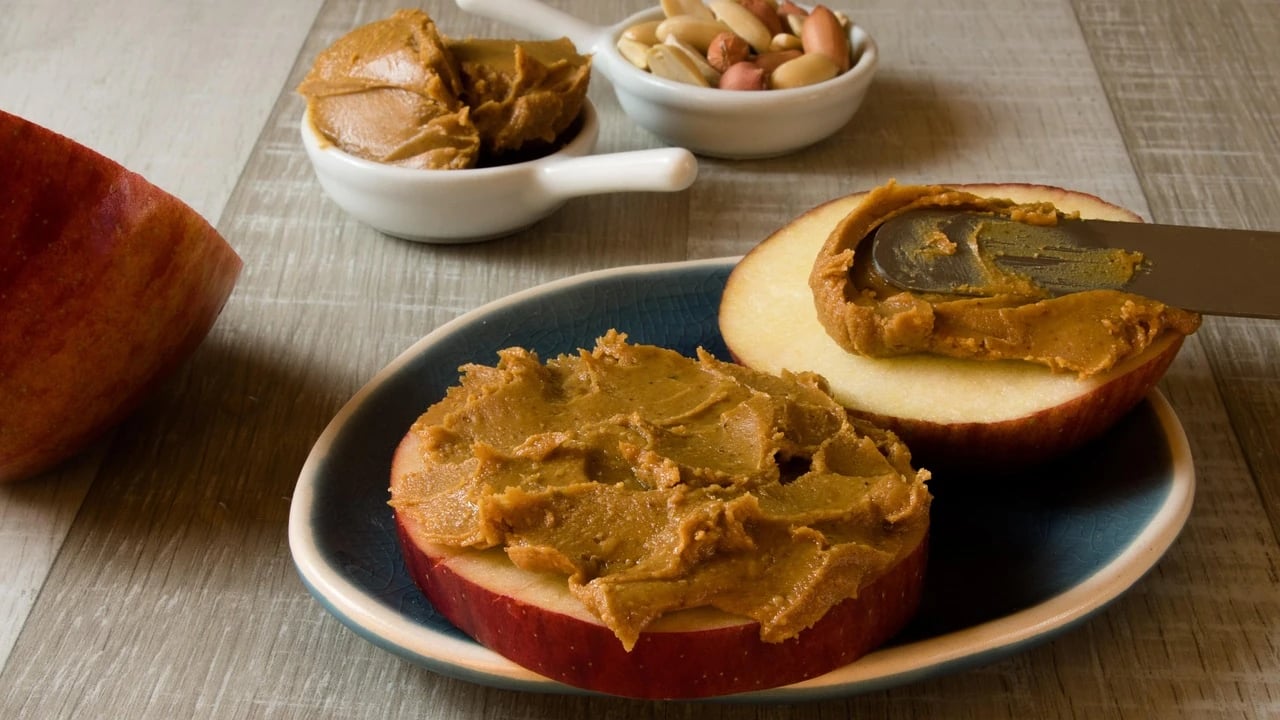
Peanut butter is filling and easy to keep around. Two tablespoons provide about 7 grams of protein. Spread it on an apple or toast when the gap between lunch and dinner feels long.
Don't expect that snack to do the work of a full protein-rich meal. Nuts and nut butters pack plenty of energy into a small serving, which is useful when your appetite is low. Pair the snack with a regular dinner rather than using it to skip one.
2A beef and bean dinner bowl

Put cooked lean beef, black beans, rice, and salsa in a bowl. You get protein from 2 foods, carbohydrate for training, and a dinner that tastes like dinner.
Beef supplies iron and vitamin B12. Beans add fiber. The NIH Office of Dietary Supplements vitamin B12 fact sheet lists animal foods as natural sources of B12. If you avoid meat, the beans still belong in the bowl; build the rest with tofu, cheese, or another protein food you eat.
No ingredient here has to be the star. Make a bowl you'll happily eat again.
1The protein target from your weight
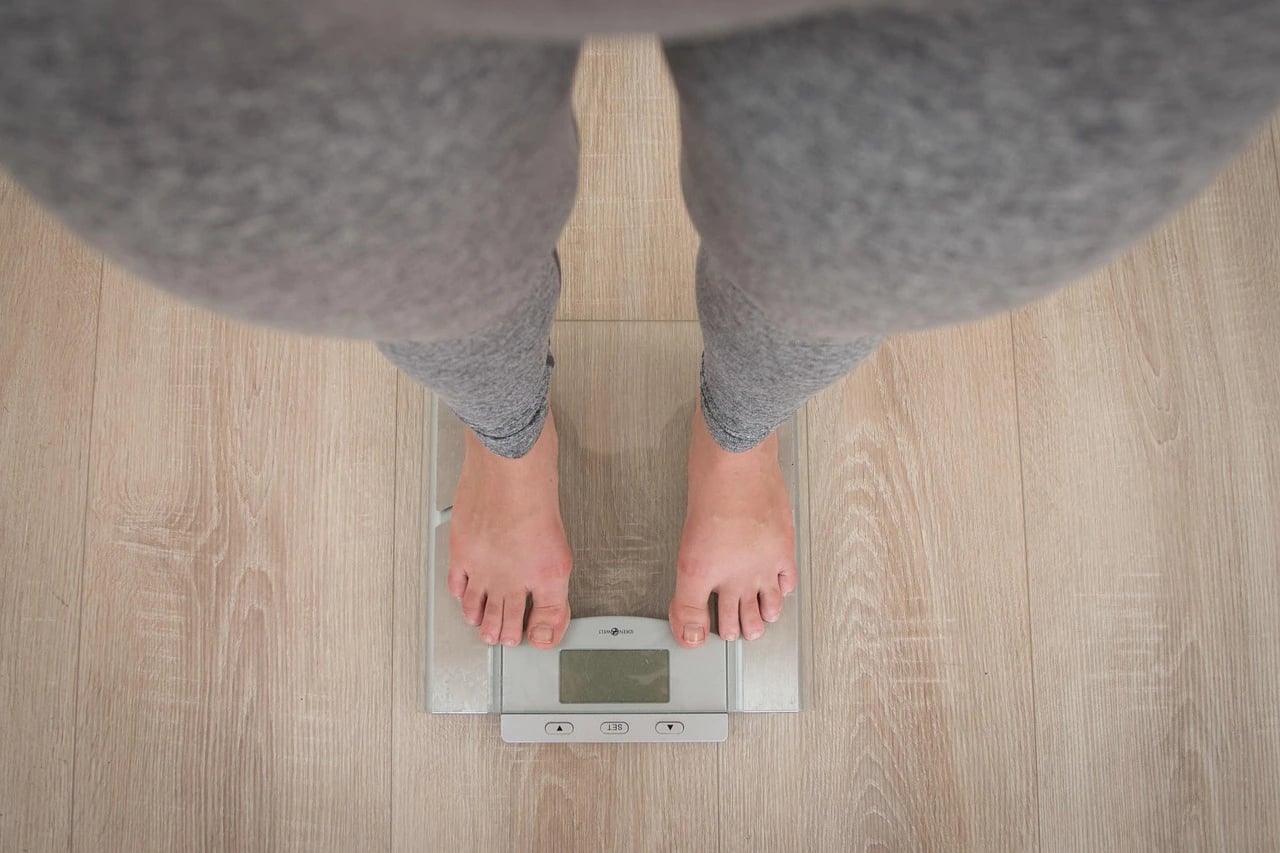
Before buying another “muscle” food, work out what enough protein looks like for you. For most healthy adults, the basic recommended dietary allowance is 0.8 grams per kilogram of body weight per day. That's a floor, not a strength-training target.
For older adults who exercise, the PROT-AGE Study Group's recommendations suggest about 1.2 to 1.5 grams per kilogram daily. Divide your weight in pounds by 2.2 to get kilograms.
At 150 pounds, that works out to roughly 80 to 100 grams of protein across the day. Use the range as a planning guide, not a score to hit perfectly.
If you have kidney disease or have been told to limit protein, get a target from your clinician or registered dietitian before increasing it. Otherwise, compare the foods you already eat with the range. That answer is more useful than another tub of powder.
The bottom line
The pattern is ordinary food, eaten often enough: protein at meals, enough total food, and strength training you keep doing.
The well-prepared version of you has a few dependable choices in the fridge, freezer, and pantry. She also knows which meal needs a little more protein.
What meal feels easiest to improve this week? Pick one food from this list to try there.
Up next
25 Healthy High-Protein Foods for Women Over 50
A carton, a tin, and a bag from the freezer give you far more choices than another plain chicken breast.
Read the list →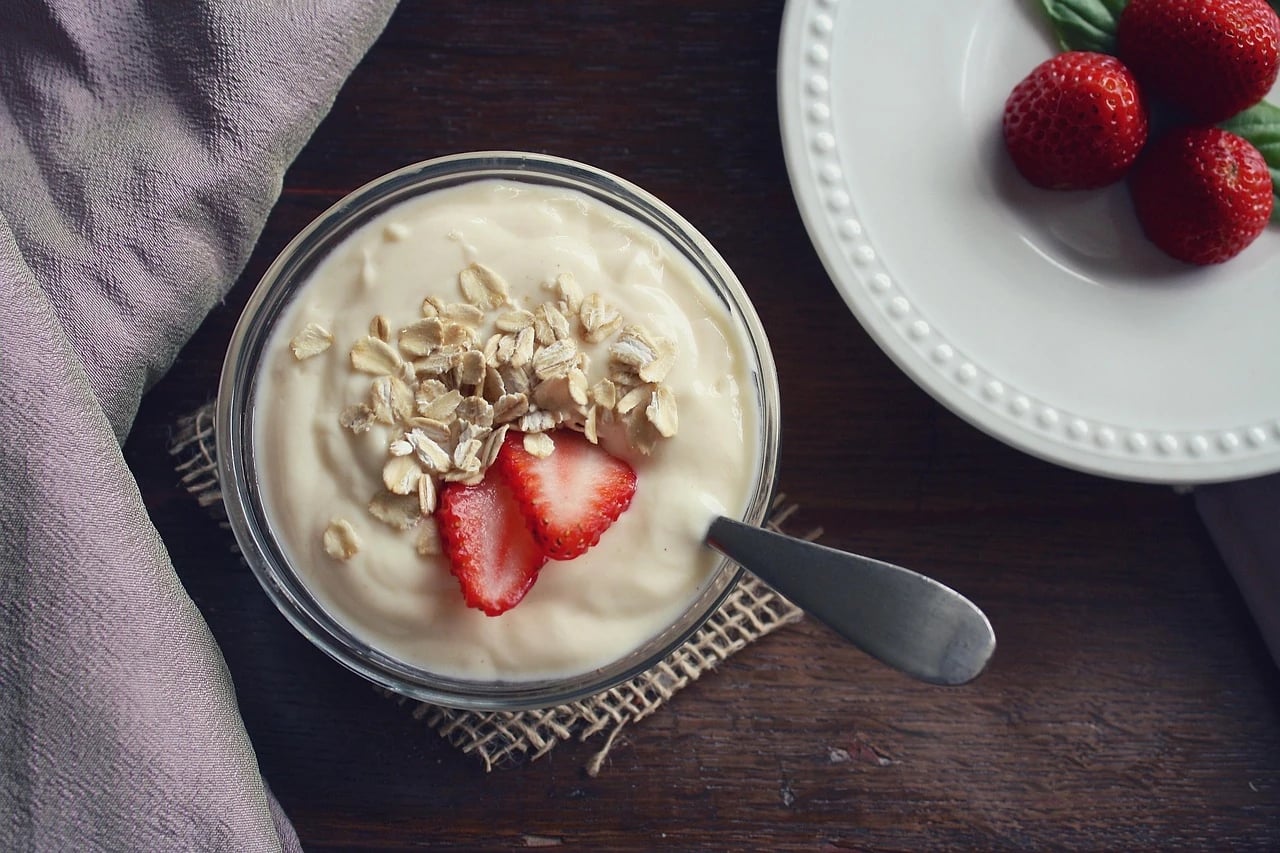


Reader quiz
Did you catch the details?
5 questions from this article.
What should you compare when choosing between two yogurt cartons?
Did any of these feel familiar?
Know someone who needs this?
 Prime Journal · Free printable
The Everyday Health Readiness Checklist
- A clearer path from bed to bathroom
- A medicine list ready for the pharmacist
- A symptom story and follow-up plan you can use

Free printable: The Everyday Health Readiness Checklist. Enter your email and it is yours.
Sources cited in this article
This article links to 12 outside sources, listed here so you can read them yourself.
- Advice About Eating Fish www.fda.gov/food/consumers/advice-about-eating-fish
- Nutrition Facts label guide www.fda.gov/food/nutrition-facts-label/how-understand-and-use-nutrition-fact…
- FoodData Central fdc.nal.usda.gov
- NIH Office of Dietary Supplements calcium fact sheet ods.od.nih.gov/factsheets/Calcium-HealthProfessional
- American College of Sports Medicine www.acsm.org
- NIH Office of Dietary Supplements iron fact sheet ods.od.nih.gov/factsheets/Iron-Consumer
- Safe temperature chart www.foodsafety.gov/food-safety-charts/safe-minimum-internal-temperatures
- NIH Office of Dietary Supplements omega-3 fact sheet ods.od.nih.gov/factsheets/Omega3FattyAcids-Consumer
- FoodSafety.gov's leftovers guidance www.foodsafety.gov/food-safety-charts/cold-food-storage-charts
- National Institute on Aging www.nia.nih.gov
- NIH Office of Dietary Supplements vitamin B12 fact sheet ods.od.nih.gov/factsheets/VitaminB12-Consumer
- PROT-AGE Study Group's recommendations pubmed.ncbi.nlm.nih.gov/23867520
Dr. Alan Pierce, PT, DPT
Health Reviewer
Alan is a physical therapist who specializes in helping adults over 50 stay strong and mobile.
More from Dr. Alan Pierce