






27 Low-Maintenance Haircuts for Women Over 60 Who Wear Glasses
Find a cut that works with your frames, plus a mirror test and trim schedule for your next salon visit.
By Nora Bennett, Style Editor
Updated · 22 min read
The short answer: Chin-length bobs, layered lobs, and textured pixies are low-maintenance haircuts for women over 60 with glasses. Each offers a way to keep hair clear of frame arms without a long styling routine. Side-swept bangs leave the eyes visible; curly crops and shags work with natural texture. Pixies need trims sooner than bobs or layered midlengths.
- Written by our style editor
- Cited 20 sources
- How we review
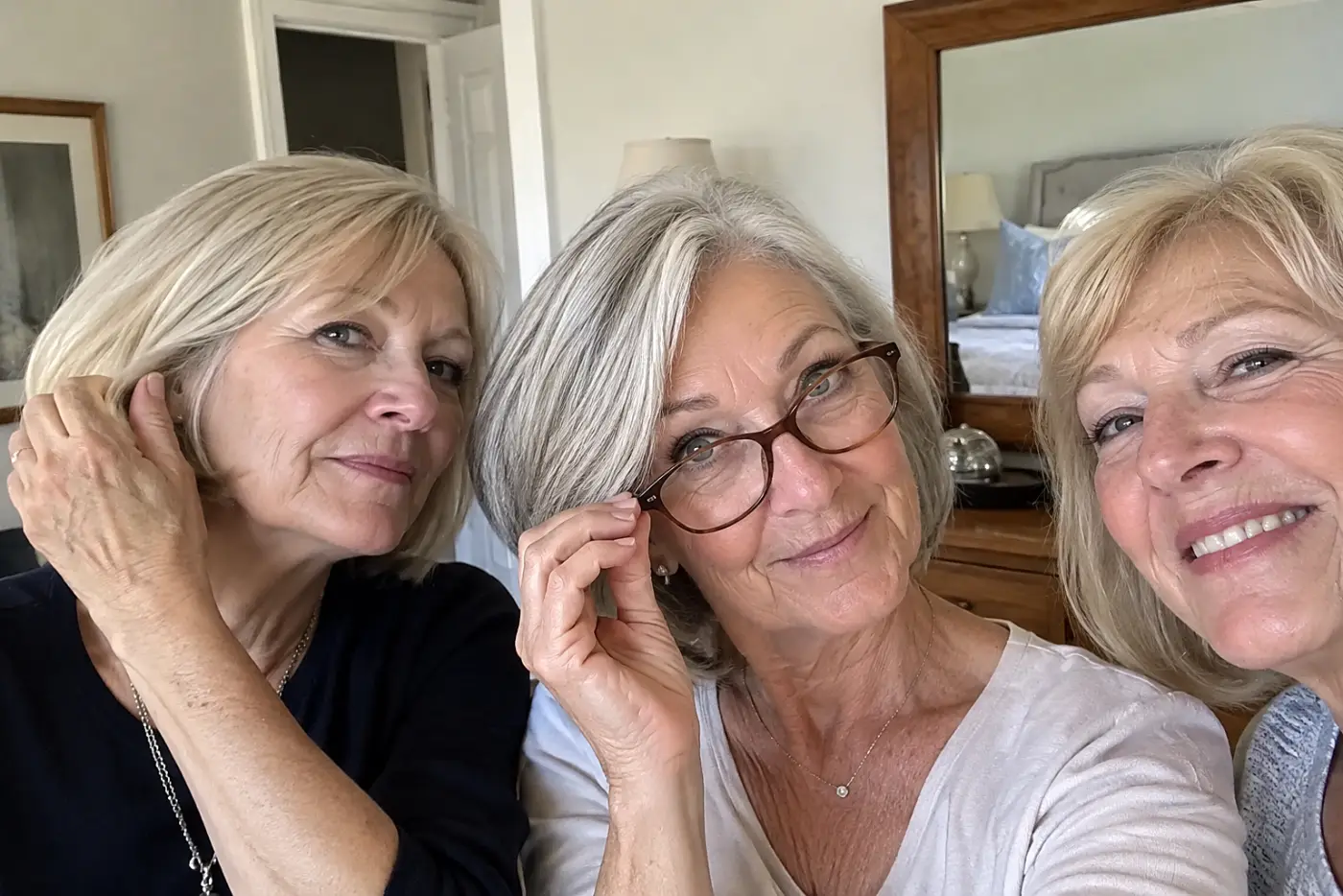
You put on your glasses, tuck a loose piece behind your ear, and feel it slip free before you reach the door. By mid-morning, that same piece has caught under an arm of your frames. The haircut looked fine in the salon mirror. Your glasses were in your purse.
Bring them out before the first snip. The useful question is whether the cut works while you take your frames off, put them on, and go about the rest of your day.
27A Trim Schedule for Low-Fuss Cuts
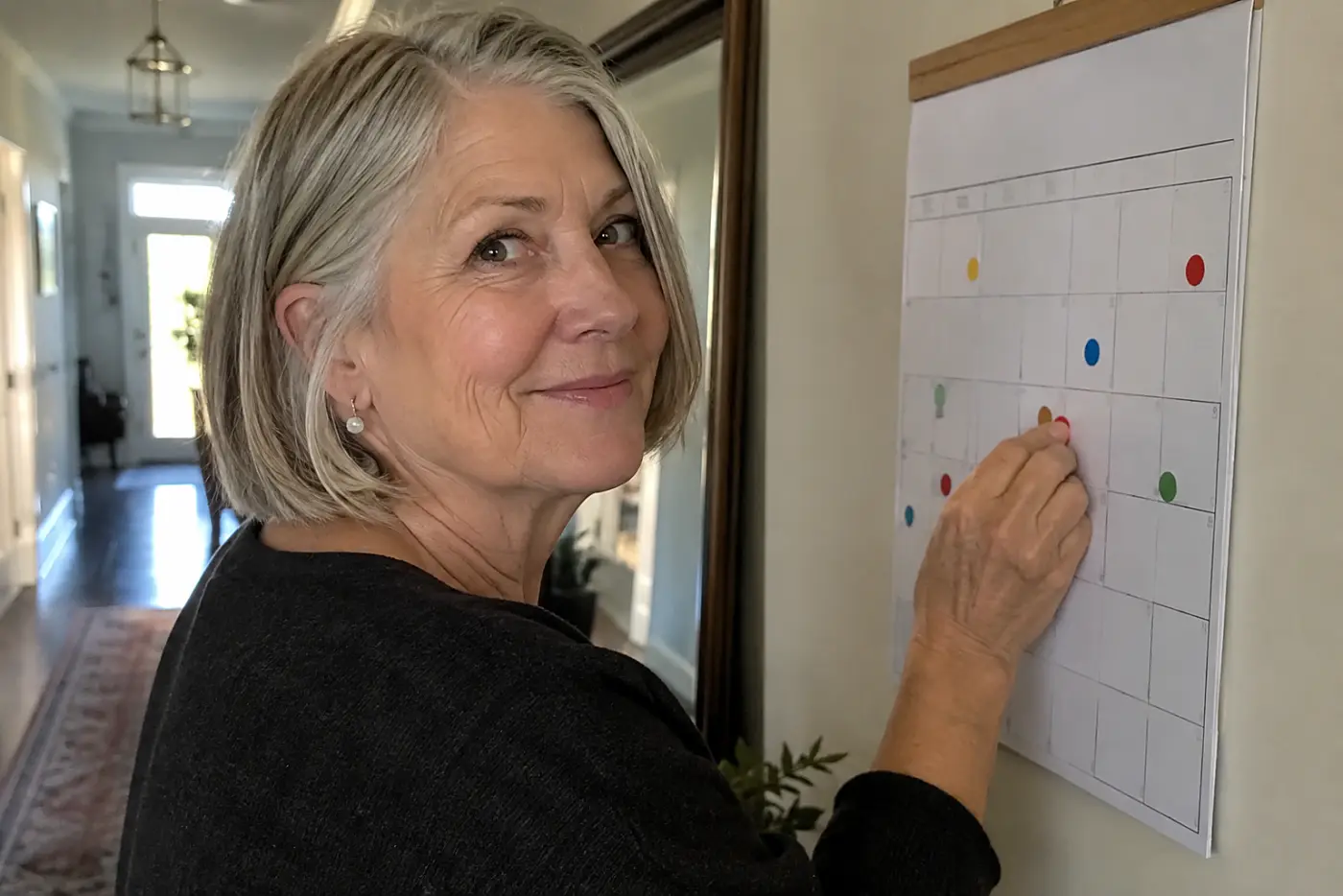
A low-maintenance haircut has two schedules: the mornings you live with it and the appointments that keep it shaped. A cut that needs little styling but frequent reshaping still takes time from your calendar.
Vogue’s haircut timing guide puts pixies and crops at roughly every 4 to 6 weeks. Bobs fall around every 6 to 8 weeks. For layered midlengths, the range is 6 to 12 weeks.
These are planning ranges, not appointments you must make on a set day. Before choosing a photo, look at the salon visits you actually want to make. If regular pixie trims sound like a nuisance, a longer layered cut deserves a closer look.
If you want short hair away from your frames, put the next trim on your calendar before leaving the salon. An easy morning and a full appointment book aren’t the same thing.
26A Haircut Matched to Your Frames
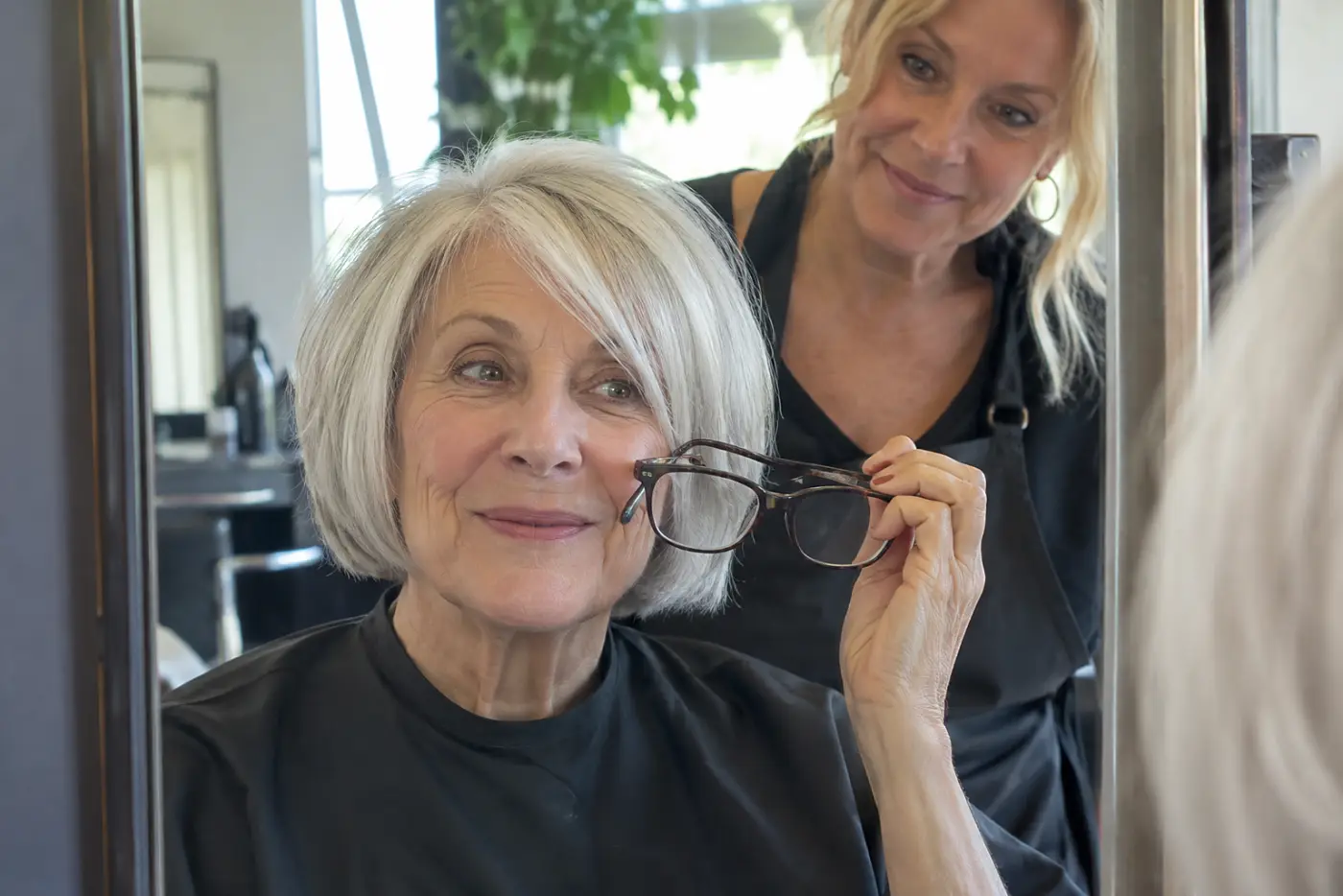
Set your glasses on the salon counter. They belong in the haircut conversation, right beside the photo you brought.
Start with their size. Hairfinder’s glasses styling guide cautions against letting frames and hair volume box in your features. With small frames, ask whether a full fringe and broad cheek-level layers crowd your face.
With bold frames, decide whether you want the hair to soften their outline or echo it. Then look at color as well as shape. Warby Parker’s frame-color guide treats hair and frames as parts of one look.
Finally, put the glasses on. Take them off. Notice which strands touch the arms, then tell the stylist what happened. A photo shows the haircut. Your frames show how you’ll wear it.
See more: 29 Signs Your Glasses Are Aging You →
25Soft Shag With Wispy Bangs for Square Frames
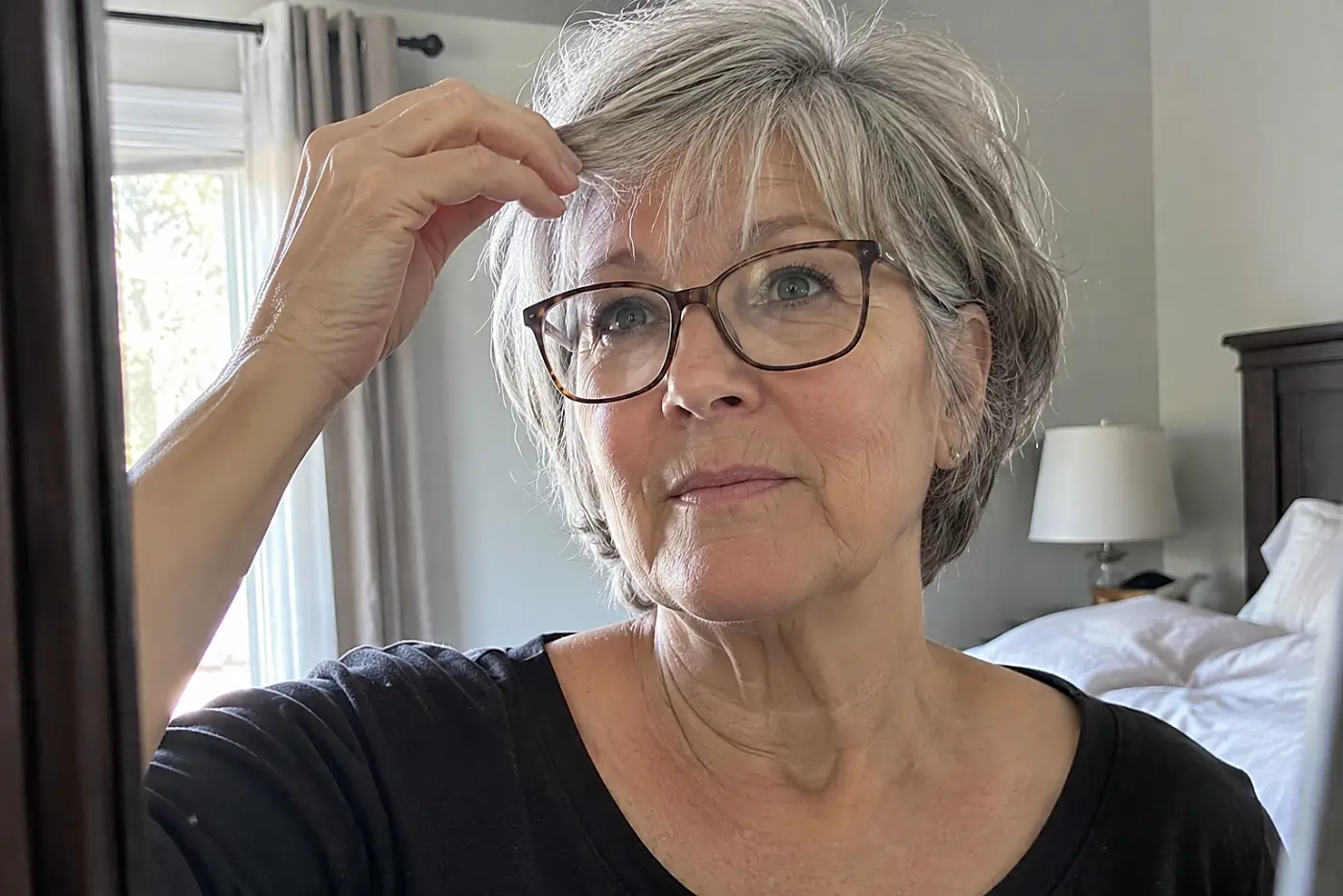
The front of your hair sits beautifully until your square glasses go on. Suddenly the fringe, frames, and cheek-level hair all make strong lines in the same space. You don’t have to abandon the frames you like.
A shag) uses choppy layers and a softer fringe. For this version, ask the stylist to leave the bangs wispy enough for your forehead to show through. Then check where they fall against the top of your glasses.
Eyebobs’ guide to bangs and glasses describes how fringe changes the look of frames.
Your own test is plainer: move your head, look down, and see whether the bangs stay out of your view. If they don’t, say so before you leave the chair.
24Choppy Mullet Pixie With a Longer Nape
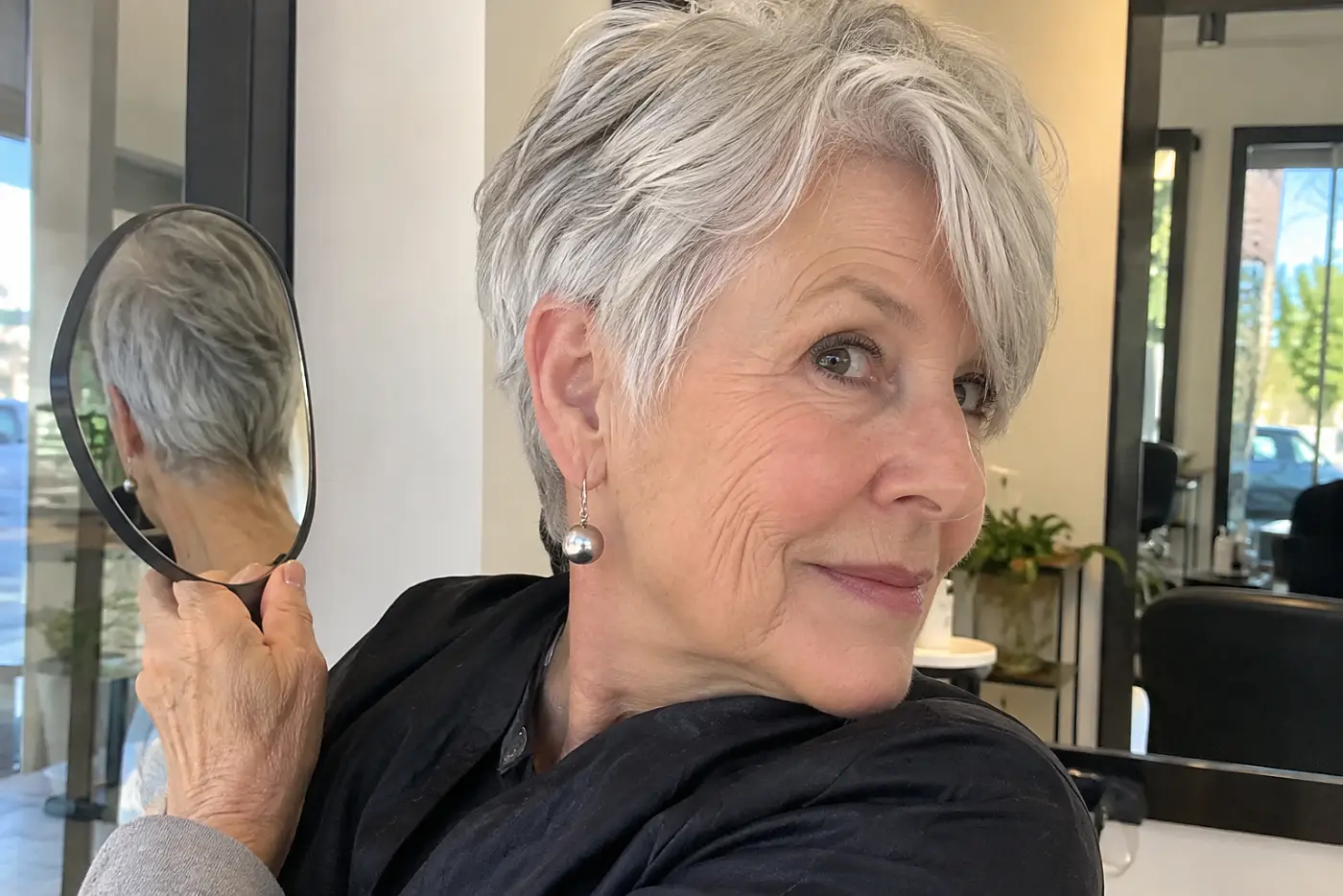
A mullet pixie gives you a cropped front and sides with extra length at the back. It’s a choice for days when you want your haircut to look deliberate without arranging every piece.
Who What Wear’s 2026 haircut report highlights textured, shape-forward cuts. The appeal here is the contrast: short hair near your frames, loose movement behind your ears. You get to decide how strong that contrast should be.
Ask to see the proposed nape length from the side while wearing your glasses. Then discuss growth. A closely shaped side loses its edge sooner than a looser one.
For this short cut, plan on roughly 4 to 8 weeks between trims, based on how close you keep the sides and nape. That range follows Vogue’s short-cut upkeep guidance cited in the trim schedule. Bold hair needn’t mean a complicated morning.
23Long Pixie With Layers for Thinning Hair
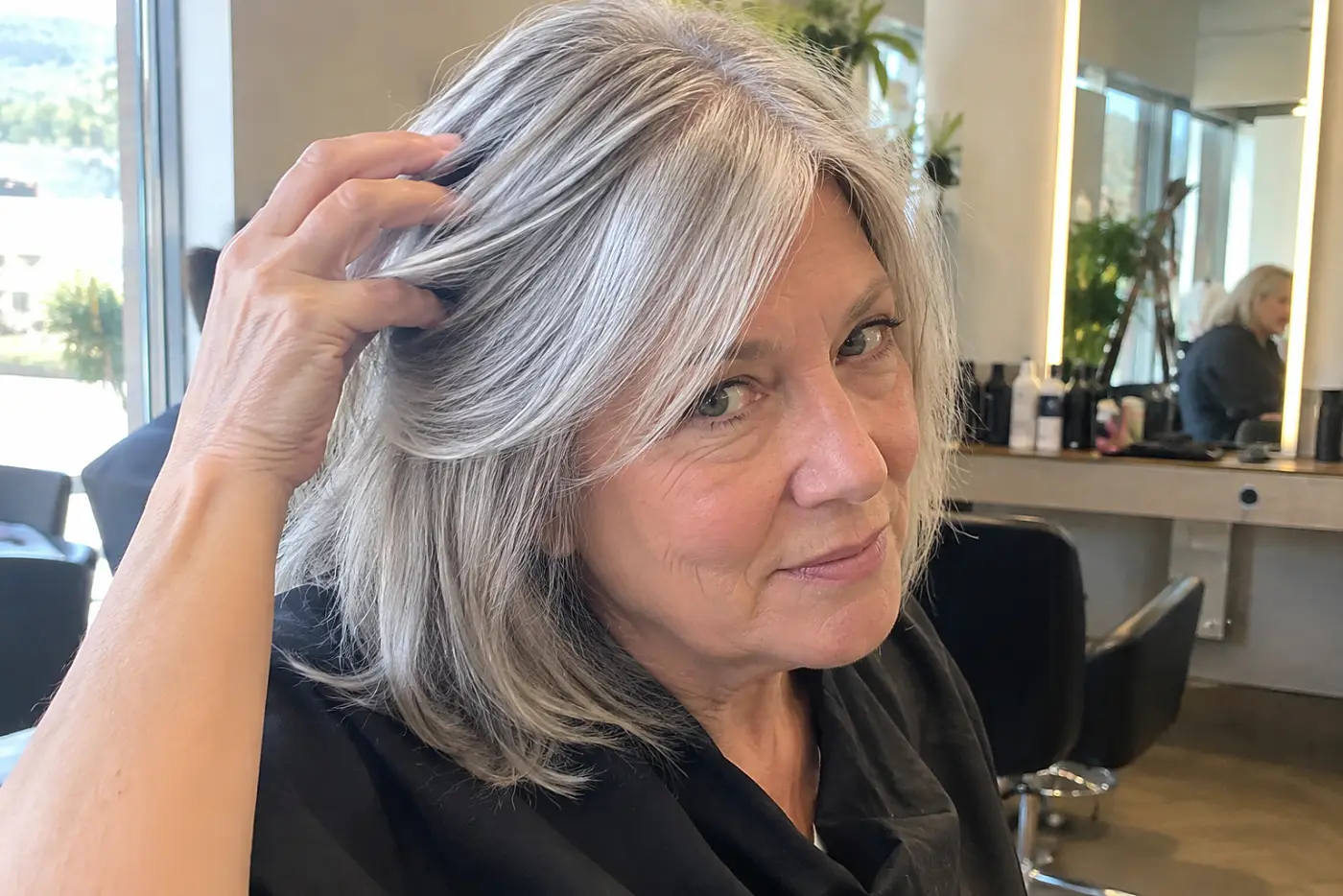
You’ve changed your part again because the crown looks different in the bathroom mirror. A haircut won’t answer why your hair is changing, but its shape matters to what you see.
The American Academy of Dermatology’s guide to female pattern hair loss describes a widening part and crown thinning.
If that matches what you notice, show the stylist the area rather than pointing only to a photo. You’re giving them a place to work with, not asking the haircut to explain the change.
Ask for a longer pixie with face-framing pieces and enough length on top to part the hair where you prefer. Look at the crown in an ordinary mirror before deciding whether you need anything else there.
Keep product light. R+Co’s Dallas Thickening Spray is made to add lift to finer hair, but start by seeing what the cut does without it.
Put your glasses on before the final trim. The front layers should frame your face without needing a tuck each time you replace them.
22Sleek Rounded Bob With a Close Nape
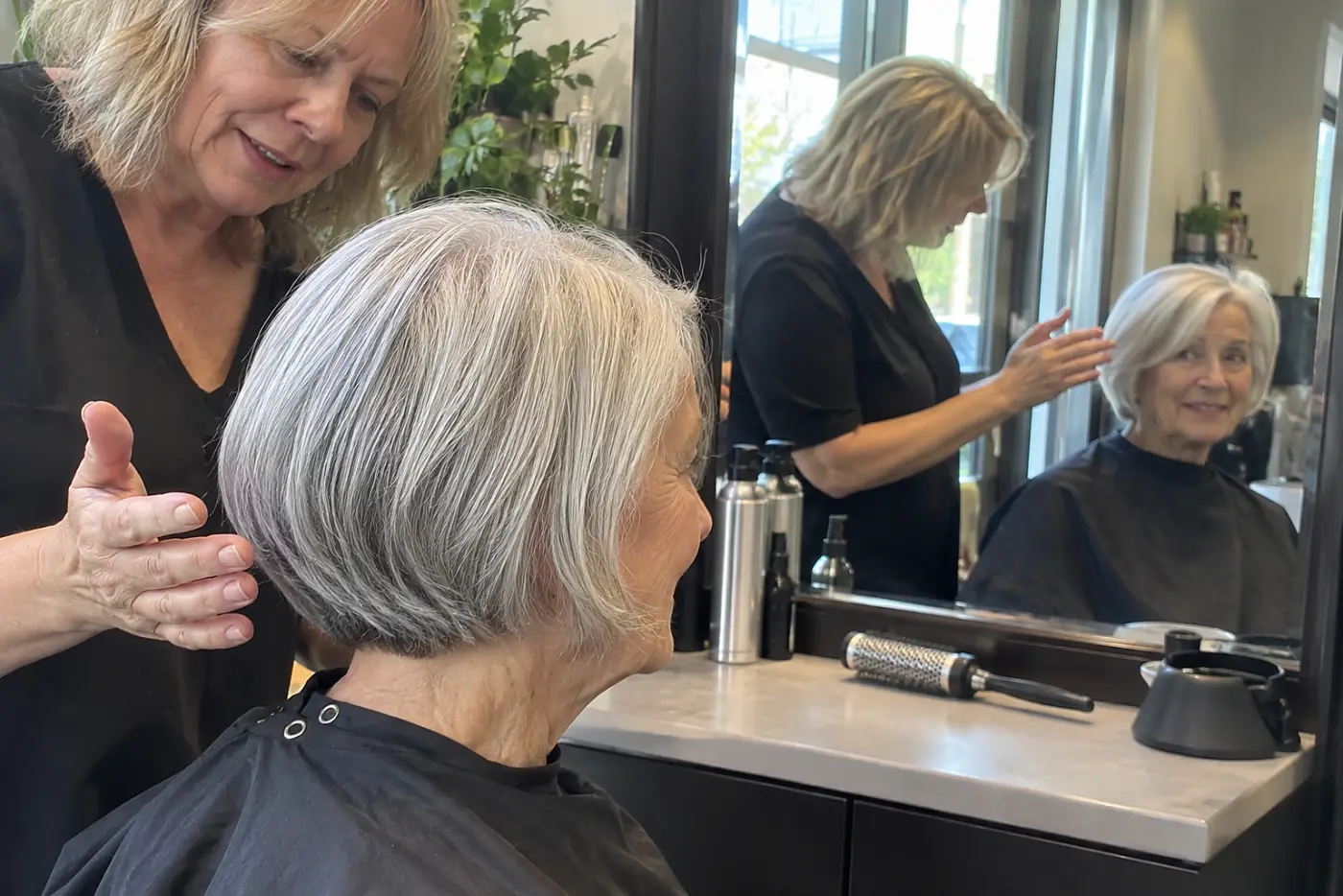
Look at the back of the haircut, not only the front. A rounded bob gets much of its shape where you can’t see it while sitting in the chair.
A L’Oréal ACCESS lesson on fitted graduation shows how a closely shaped nape creates a tailored contour.
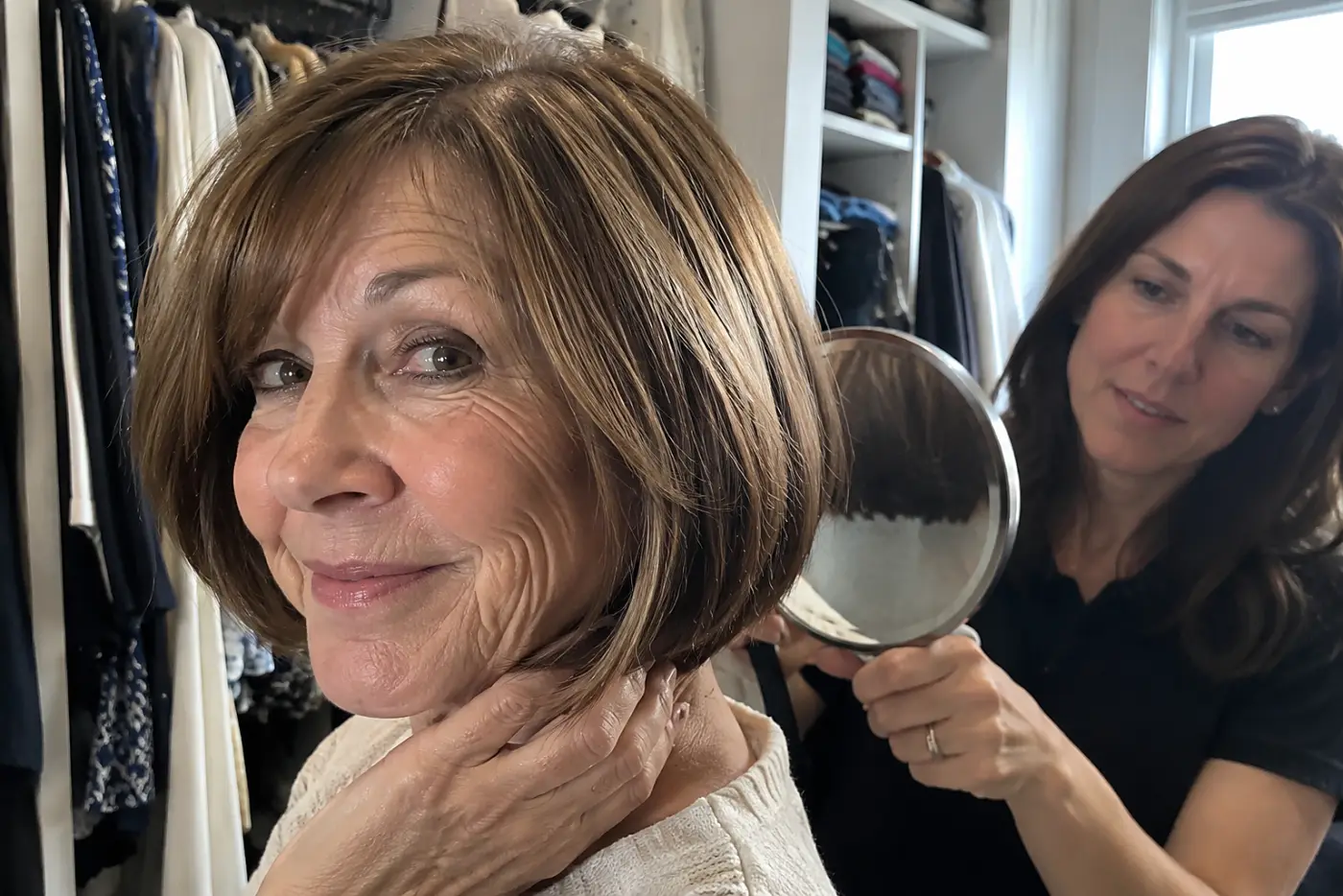
Ask for the back to sit near your neck. Then have the stylist show you that contour with a hand mirror before styling hides the cut.
Check the hair around your ears with your glasses on. That’s where a sleek photo has to meet your daily routine. Take the frames off and replace them once; watch whether the side pieces move with the arms.
The close outline needs upkeep. Before committing, ask the stylist what the nape will look like as it grows. You want an answer about your hair, not the model’s.
21Jaw-Length Bob With Micro Bangs
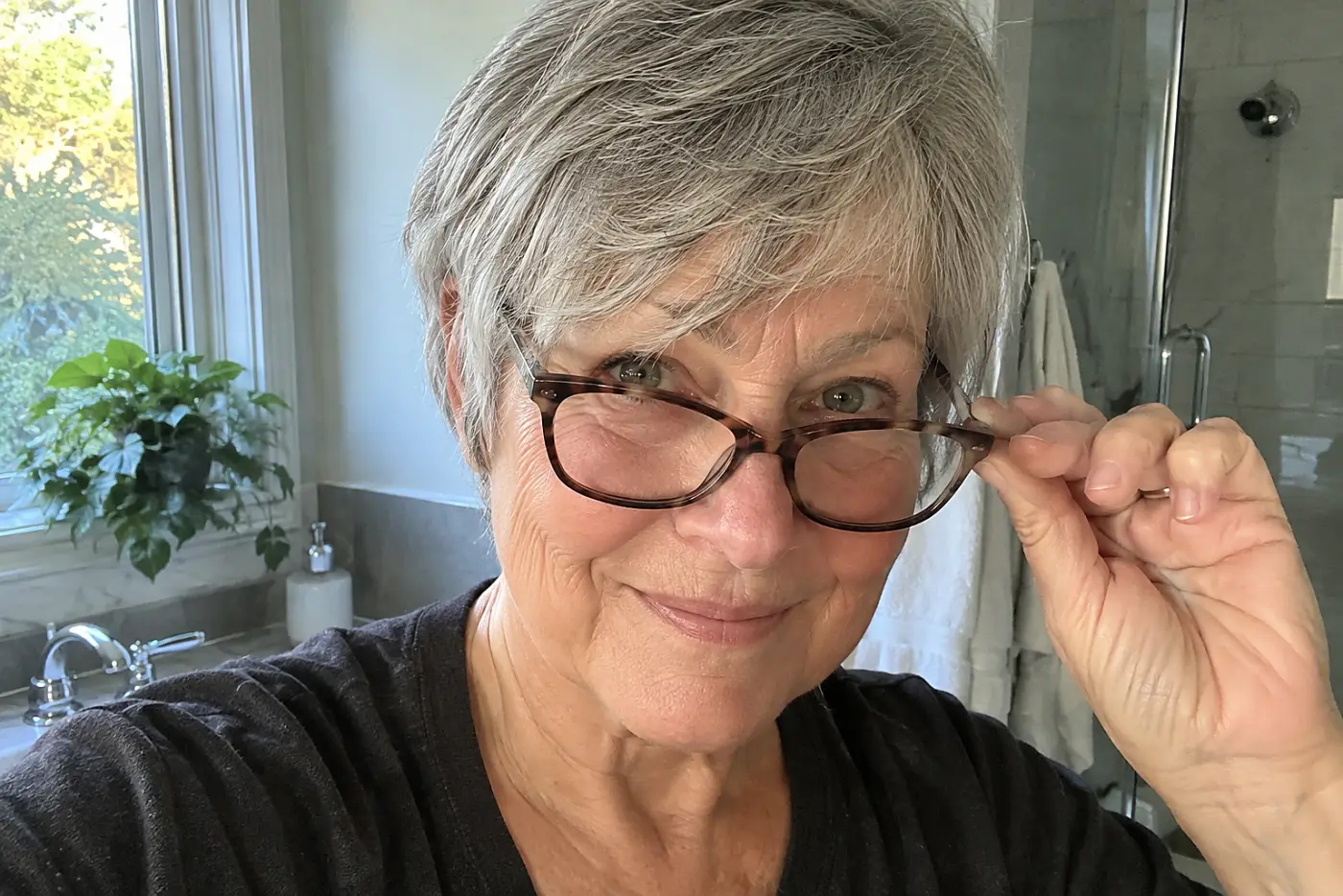
Micro bangs leave more of your forehead and frames visible. On a jaw-length bob, they create a crisp top and bottom edge without a long fringe drifting across your lenses.
Eyebobs’ eyewear styling guide notes that blunt bangs bring structure to a look with frames.
This is the version to consider if you enjoy seeing the full shape of your glasses. The bob’s jaw-level outline gives the short fringe another clear line to work with.
Don’t choose the bang length from a photo alone. Put your glasses on, face the mirror, and ask the stylist to show you where the fringe will end. Then raise your eyebrows and look down.
Those ordinary movements tell you more than a posed salon picture. If you don’t like how much forehead shows, say so before the bangs get shorter.
20Side-Parted Pixie Bob for Bob Grow-Out
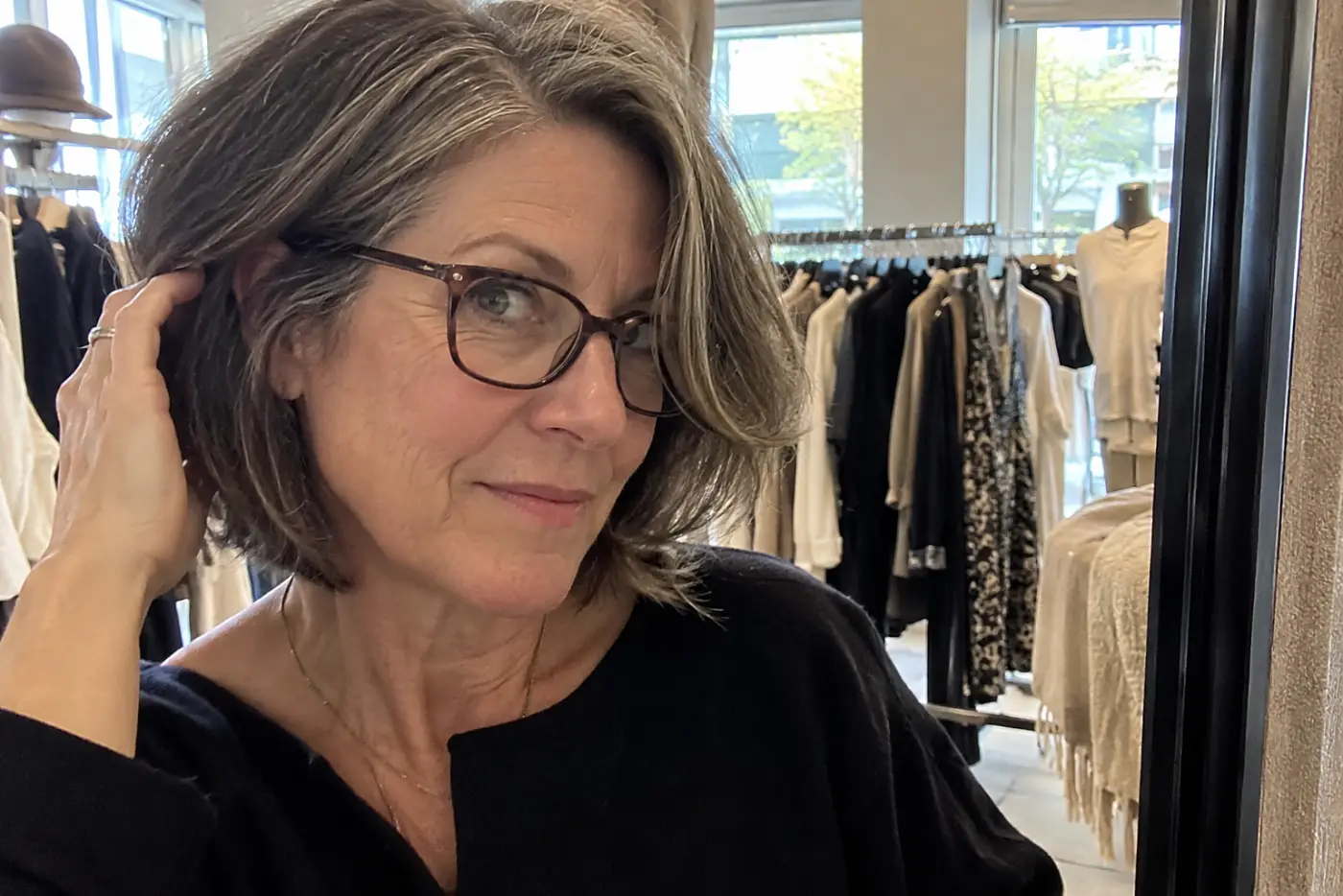
Halfway between a bob and a pixie sits the bixie. AARP includes this hybrid among practical shorter cuts, especially when you’re ready to leave a bob but not ready for a close crop.
Think of it as a way to try shorter hair in stages. Keep some length around the top, ask for a side part, and have the stylist show you what remains near each ear. That last part matters more than the name on the appointment book.
The part moves volume toward one side; Vogue’s glasses haircut roundup shows the visual balance that creates with frames.
Your glasses decide the finishing detail. If the fuller side catches an arm every time you put them on, ask for less hair at that point. A useful in-between haircut should feel comfortable in the in-between moments too.
19Gray or Silver Bob Without Heat Styling
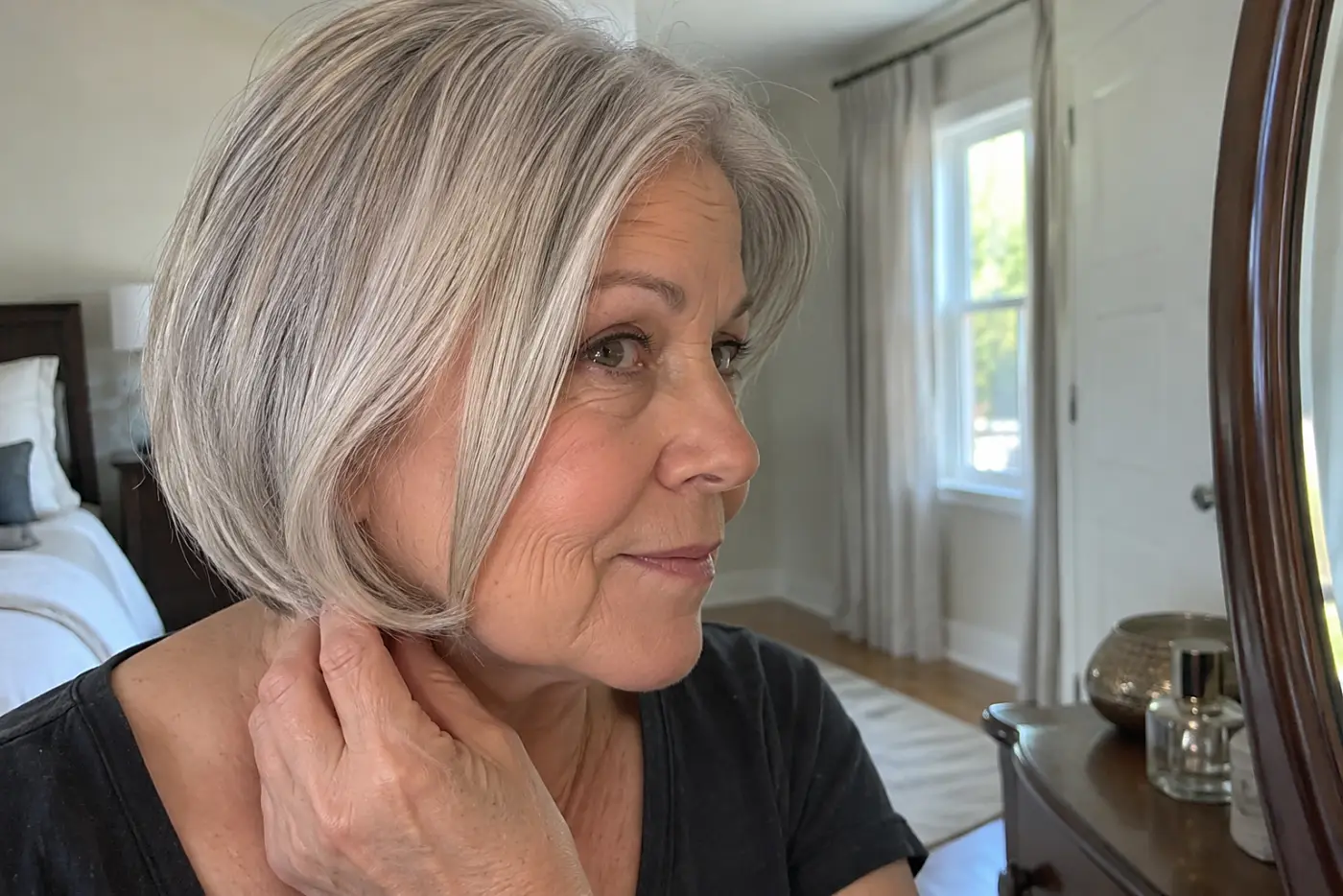
The bob is cut. The color is yours. Now ask yourself whether the shape still looks good after your hair dries without a brush and dryer.
For a minimal routine, try the cut’s natural fall first. If the ends need control, Kristin Ess Weightless Shine Air Dry Crème is an air-dry product made for that job. Keep it away from your frames, then see whether the hair stays where you want it.
If your silver hair develops a yellow cast, Sally Beauty lists Shimmer Lights purple shampoo as a toning option.
Its 8-ounce bottle runs roughly $10, though check current pricing before you buy.
Neither product fixes a bob that falls across your glasses. Have the stylist check the pieces beside the hinges while your frames are on. Let the haircut do the harder work.
18Graduated Bob for Dense, Thick Hair
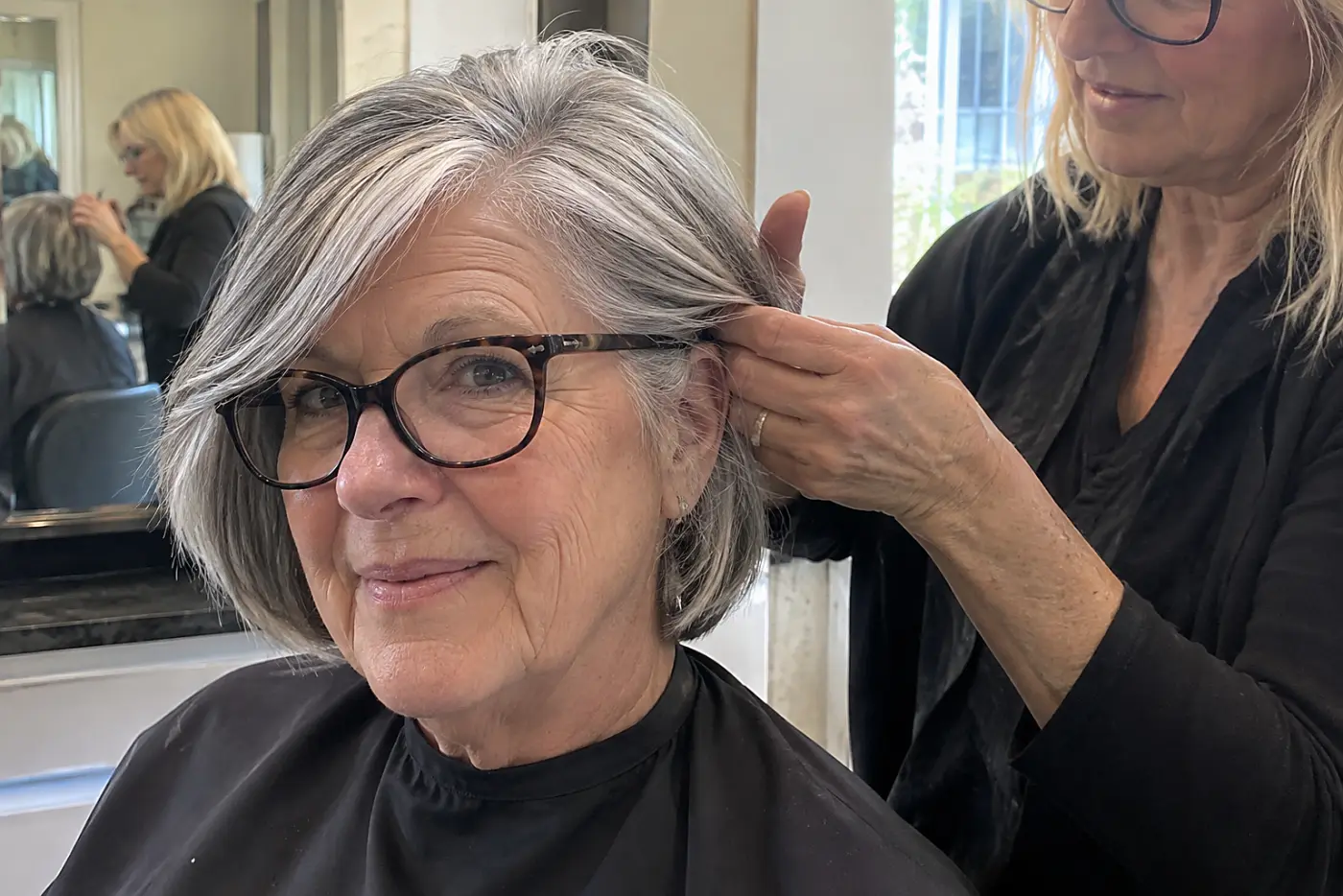
Graduation changes what happens inside a bob. Rather than shortening the outside edge alone, the stylist shapes the hair underneath to manage bulk and build lift. Harper’s Bazaar’s guide to the cut describes that built-in structure.
That matters if dense hair piles up behind your glasses arm after every tuck. Tell the stylist exactly where it gathers. Don’t settle for pointing at the back of a bob photo when the trouble is beside your ear.
The nape work in the L’Oréal ACCESS lesson cited above shows one fitted approach. Your trouble spot belongs in the conversation too.
Put your glasses on before the cut is finished and ask to see the side and back in a hand mirror. You’re checking for space near the arms, not asking for every strand to be cut short. Keep the length you like in front if it sits comfortably when you move.
17Curly Bob That Follows Your Natural Curl
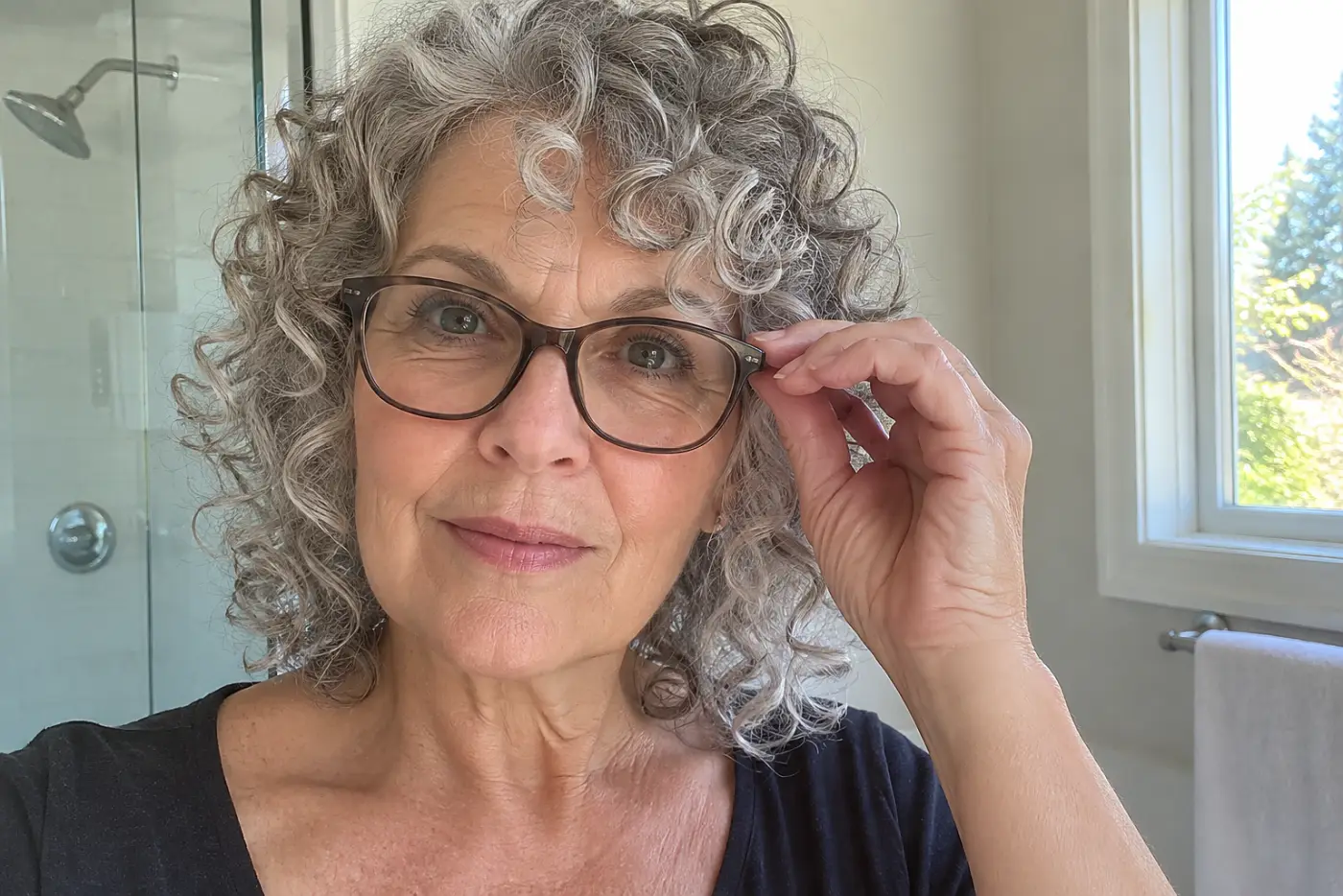
Before booking a curly bob, do a small experiment at home. After washing, let your curls dry in their ordinary shape. Notice where the sides finish when you put on your glasses.
Take that observation to the salon. A wet cut that looks clear of the frames has to work when your curls settle into their natural pattern. Show the stylist the piece that brushes an arm, and ask how the finished bob will sit when dry.
Daily care needn’t become a heat-styling project. The American Academy of Dermatology’s hair-care guidance recommends conditioning and limiting heat; it also discusses using a microfiber towel.
If you choose to blow-dry, Sam Villa’s short-hair guidance gives a broad 5 to 15 minute range. Texture and method affect the time. The real wash-and-go test happens after your next wash at home.
16Short Spiky Pixie for Fine Hair
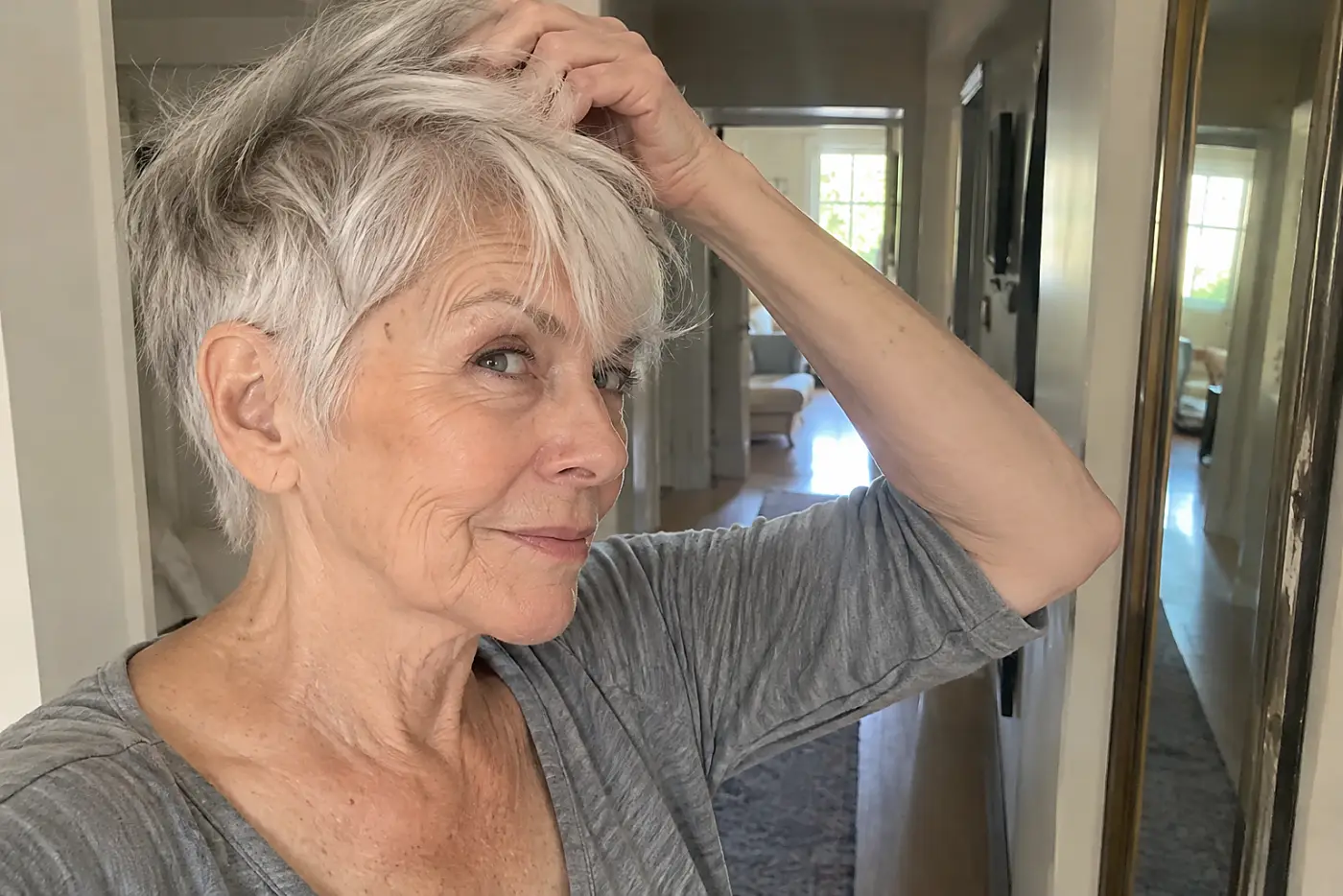
Fine hair doesn’t need a wall of product to stand up. It needs a cut with short pieces you want to move, followed by a product that doesn’t leave them flat.
Try lifting the top with your fingers after it dries. If the shape looks right but falls back, a lightweight thickening spray is worth discussing. Ask the stylist which pieces they intend to leave long enough to move.
R+Co describes Dallas Thickening Spray as a product for body and hold. Apply product away from your glasses, then check the frames for residue before wearing them.
Ask the stylist to show you the same finger-styling move before you leave. If recreating the spikes takes a careful demonstration and several tools, it’s the wrong version of this cut for a rushed morning. A cropped outline also means returning for the pixie trims in the schedule above.
15Feathered Midi Cut With Light Ends

You want hair long enough to move, yet you’re tired of the ends bunching beside your glasses. A feathered midi keeps the length and breaks up some of that weight.
AARP’s guide to midlength hair discusses layered, versatile shapes. Ask for feathering that begins where it serves your hair, then check the pieces nearest your frames. You shouldn’t have to tuck the same section behind your ear all day.
For the morning routine, let your hair air-dry once before buying another styling tool.
If the ends need a little control, the air-dry cream mentioned above is made to smooth hair without heat. Use the smallest amount that does the job and keep it off your lenses. The point is to keep the length without keeping the work that used to come with it.
14Asymmetrical Bob With Longer Front Pieces
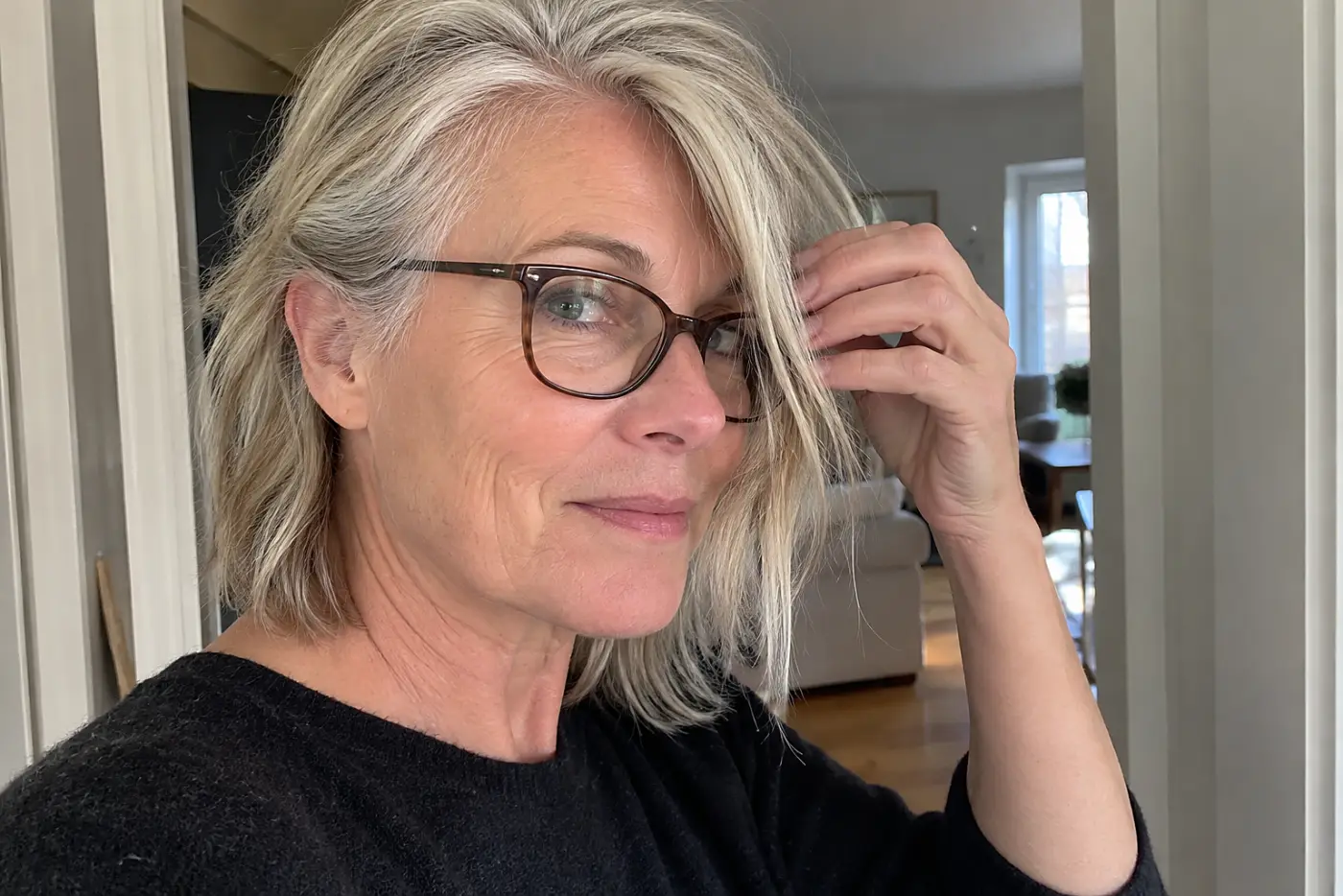
The angle is the decision. An asymmetrical bob keeps the back shorter and one front section longer. Before the stylist cuts, decide where you want that longest piece to land.
Ask to see the proposed front length on both sides. Put on your glasses and move your head as you would while getting dressed or walking out the door. Does the longer piece clear the frame arm, or slip between your cheek and lens?
Keep the angle you like, but speak up about the point where it lands. A front piece that stays clear asks less of you than one that needs repeated tucking. To preserve the line, plan around the bob trim range in the schedule above.
13Wedge Cut Tested in the Salon
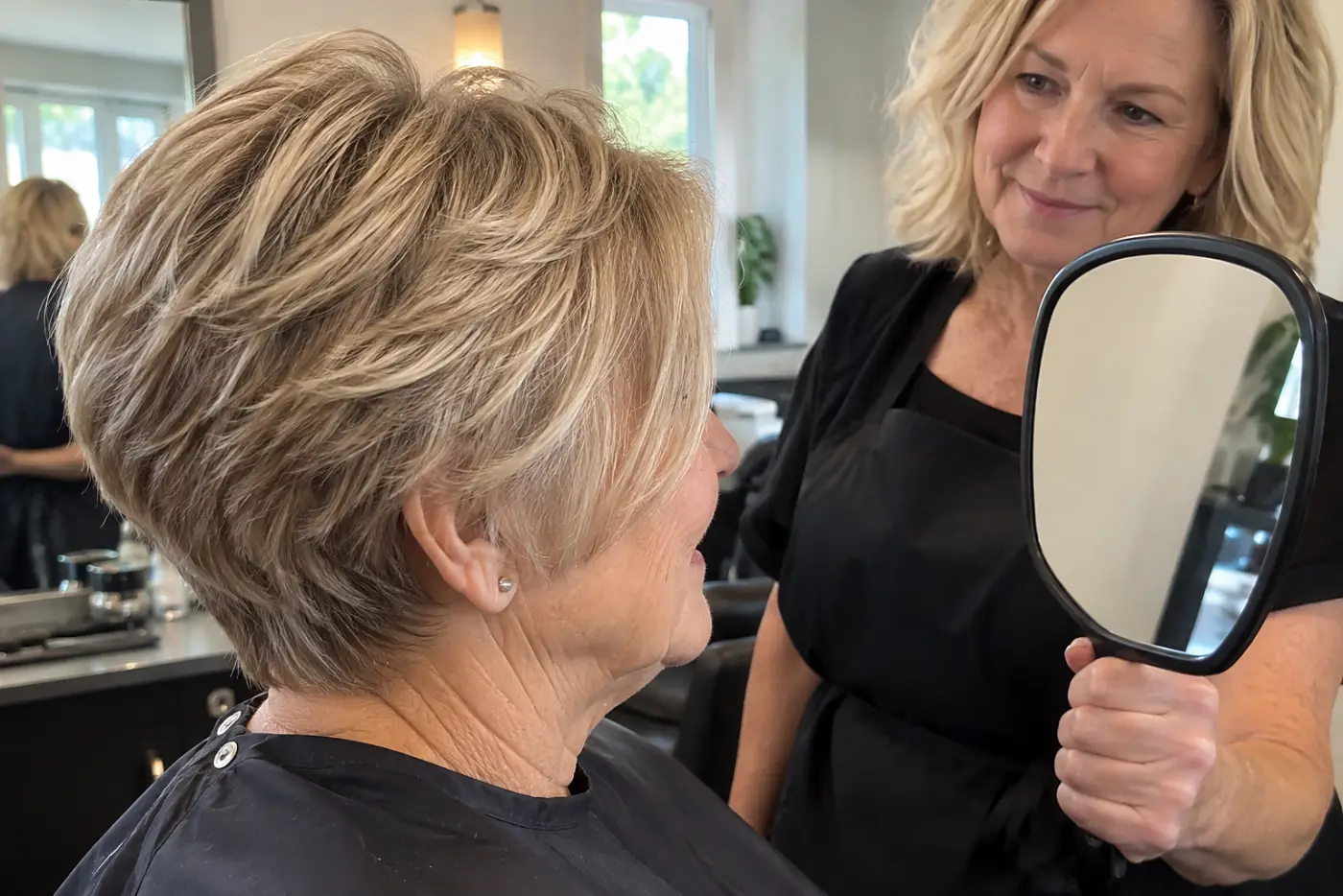
The wedge photo appeals to you. Before booking the cut, ask what it will do with your hair after an ordinary wash. Get the answer in the chair rather than accepting a promise from a picture.
Have the stylist show you the shape dry, before adding product. Put your glasses on, take them off, and look at the hair near your ears and crown.
Then move it with your fingers. If you need a brush or a fresh application of product to get back to the salon shape, you’ve learned something useful.
Ask the stylist to repeat the demonstration using only the steps you’re willing to do at home. Then ask, “What will I have to do each morning to keep this shape?”
Get a trim interval for your hair before committing. That answer, along with the dry test, gives you more to work with than the wedge photo alone.
12Soft Layered Crop for Round Faces

Round frames aren’t required for a round face, and neither is a particular haircut. What matters is where the hair and glasses put their combined width.
Hairfinder’s eyewear guide recommends balancing hair volume against the frames so the face doesn’t look boxed in. For a soft layered crop, ask the stylist to show you the face-framing pieces before cutting them short.
See whether the layers lead your eye upward or spread outward beside your cheeks. Put your glasses on and look straight ahead. If both hair and frames feel widest in the same place, ask what changes when the layer ends move.
See more: 29 Ways to Dress for the Body You Have Now Without Giving Up →
11Tapered Pixie With Undercut Sides
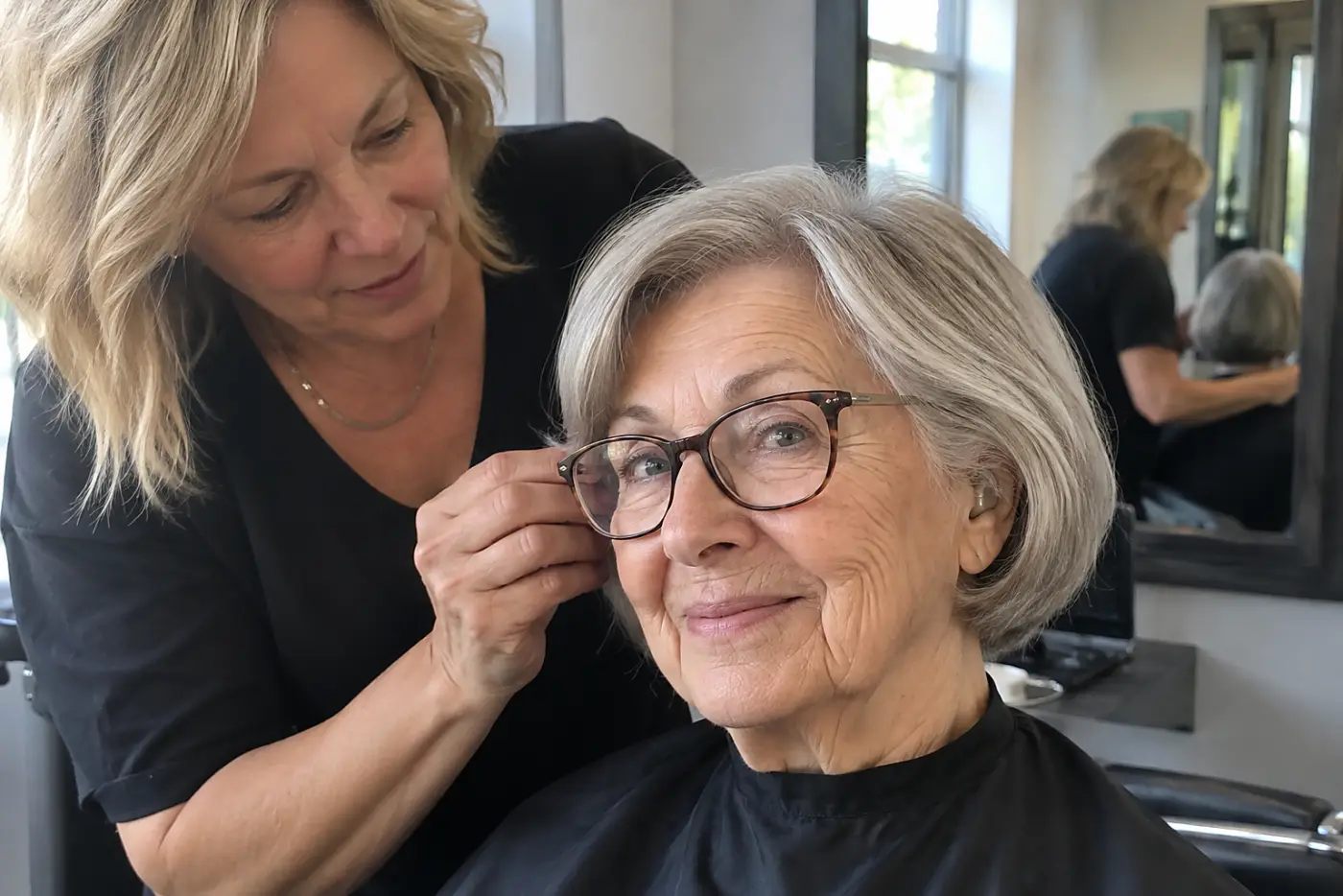
If you wear behind-the-ear hearing aids as well as glasses, tell the stylist before the cutting starts. The National Institute on Deafness and Other Communication Disorders describes hearing aids that sit behind the ear, where eyeglass arms also run.
A tapered pixie removes length at the sides and nape. Ask the stylist to look at the hair around your ears while you wear your usual accessories. You’re discussing the haircut, not asking anyone to adjust a hearing aid or alter your glasses.
The upkeep tradeoff is visible: the shorter the sides, the sooner their outline changes. Before choosing a very close taper, decide whether the pixie trim rhythm in the schedule above suits you.
Comfort at the ear matters every day. Keep enough time at the appointment to check it with your accessories on.
10Wavy Bob With a Defined Outer Edge
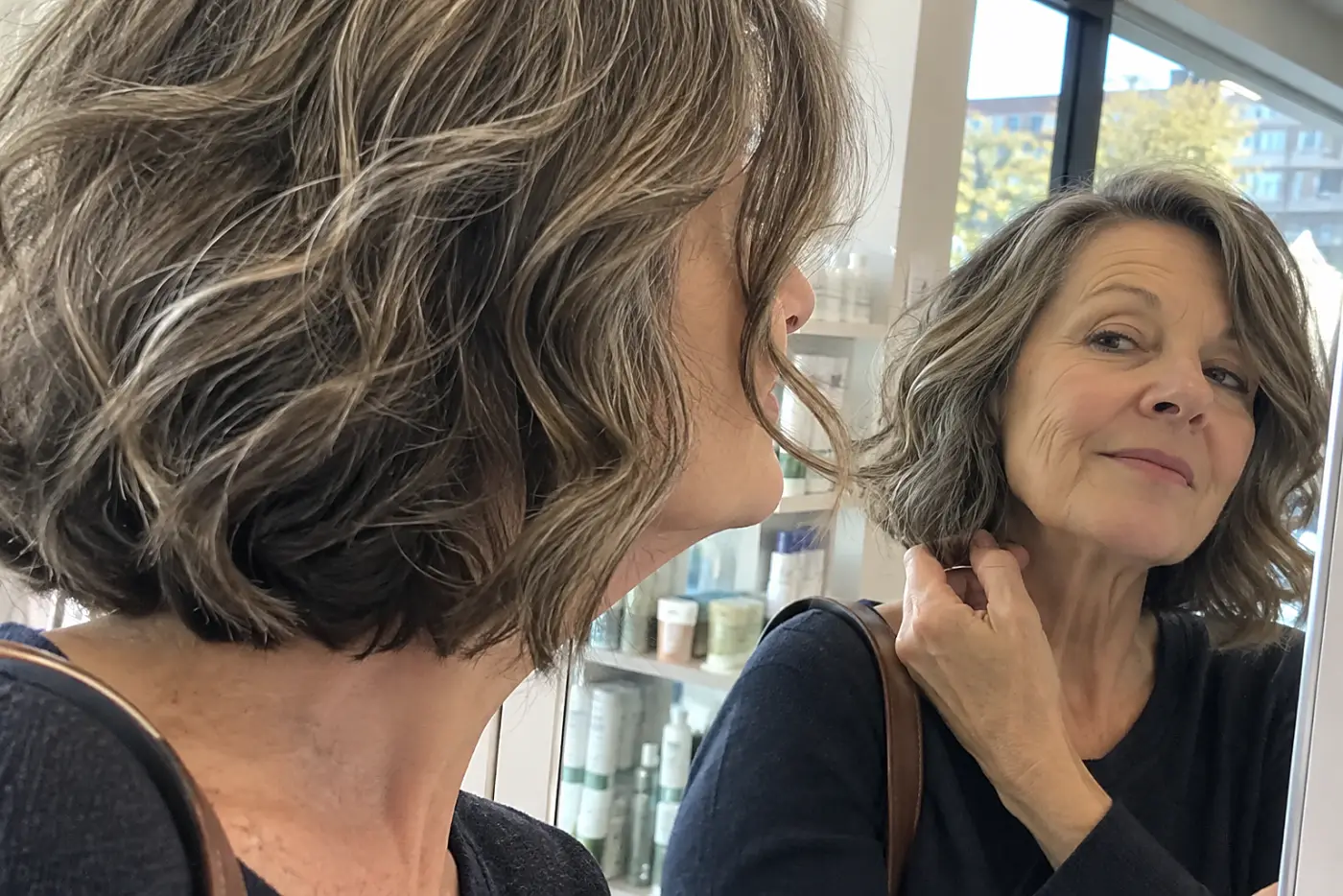
Your waves need room to move. They don’t need every layer cut to the same length to look neat beside glasses.
A L’Oréal Paris guide to the box bob describes subtle internal texture beneath a defined outer edge.
Ask the stylist what that approach would do for your wave pattern. The aim is an outline you like, with less weight where the hair bunches.
Try an air-dry day before deciding a spray is essential. If your waves need more body, the thickening spray mentioned above is made for lift. Keep application away from the glasses, and clean the frames if product reaches them.
You’ll learn more from the first ordinary morning than from the salon finish. Look at the outer edge after your hair dries, then notice where the waves land beside the arms.
9Side-Swept Lob With a Deep Part
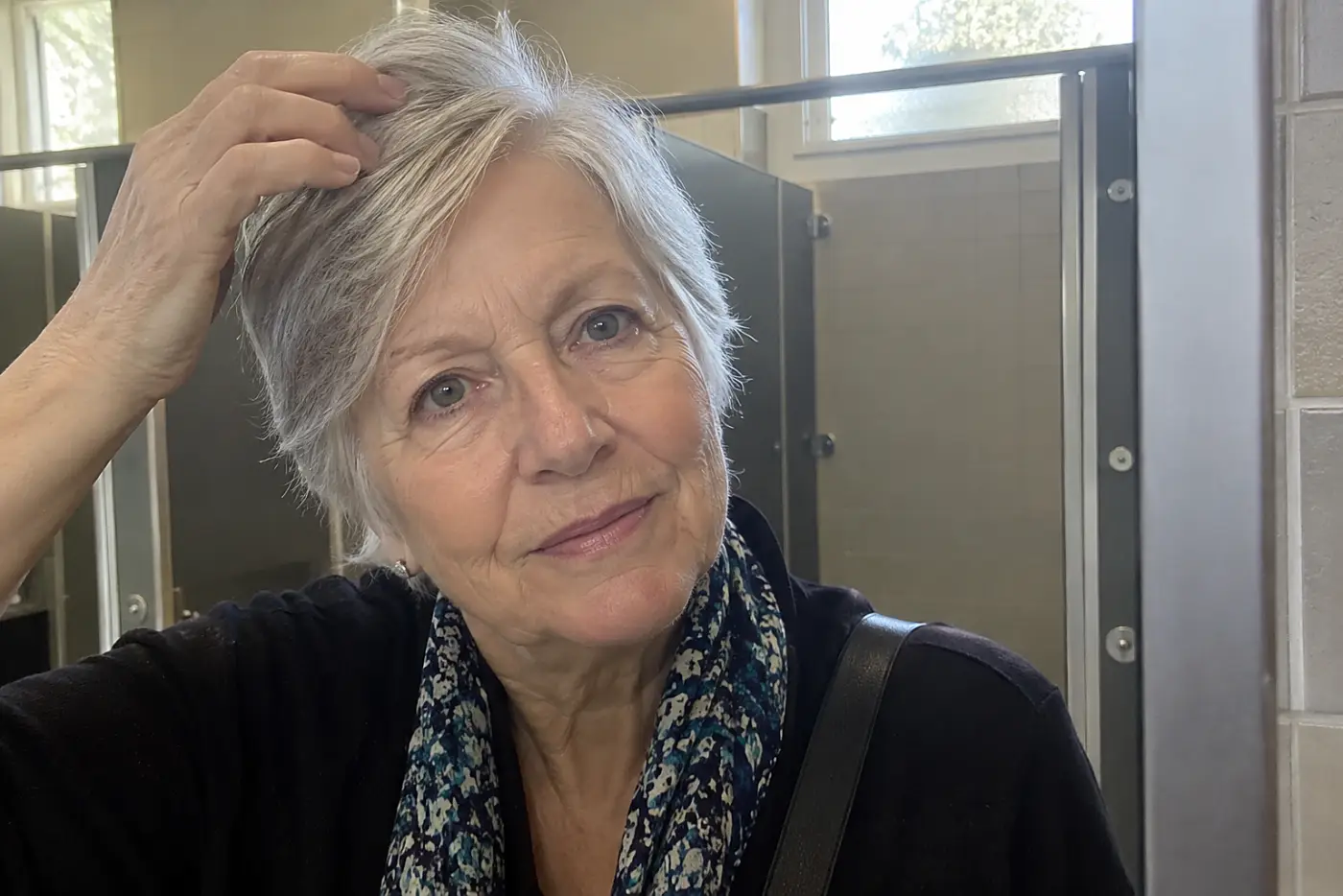
The next morning, you move your part farther to one side. The hair falls differently around your glasses, and the fuller side gives the frames a new balance. You haven’t changed the cut at all.
A side-swept lob builds on that move. In the salon, show the stylist where you actually part your hair, not where the stylist first combs it. Then check the fuller side with your frames on.
If the front keeps sliding onto a lens, ask for a shorter face-framing piece rather than committing to daily clips. Medium layered lengths follow the longer trim range in the schedule above.
8Layered Shag With Choppy Ends
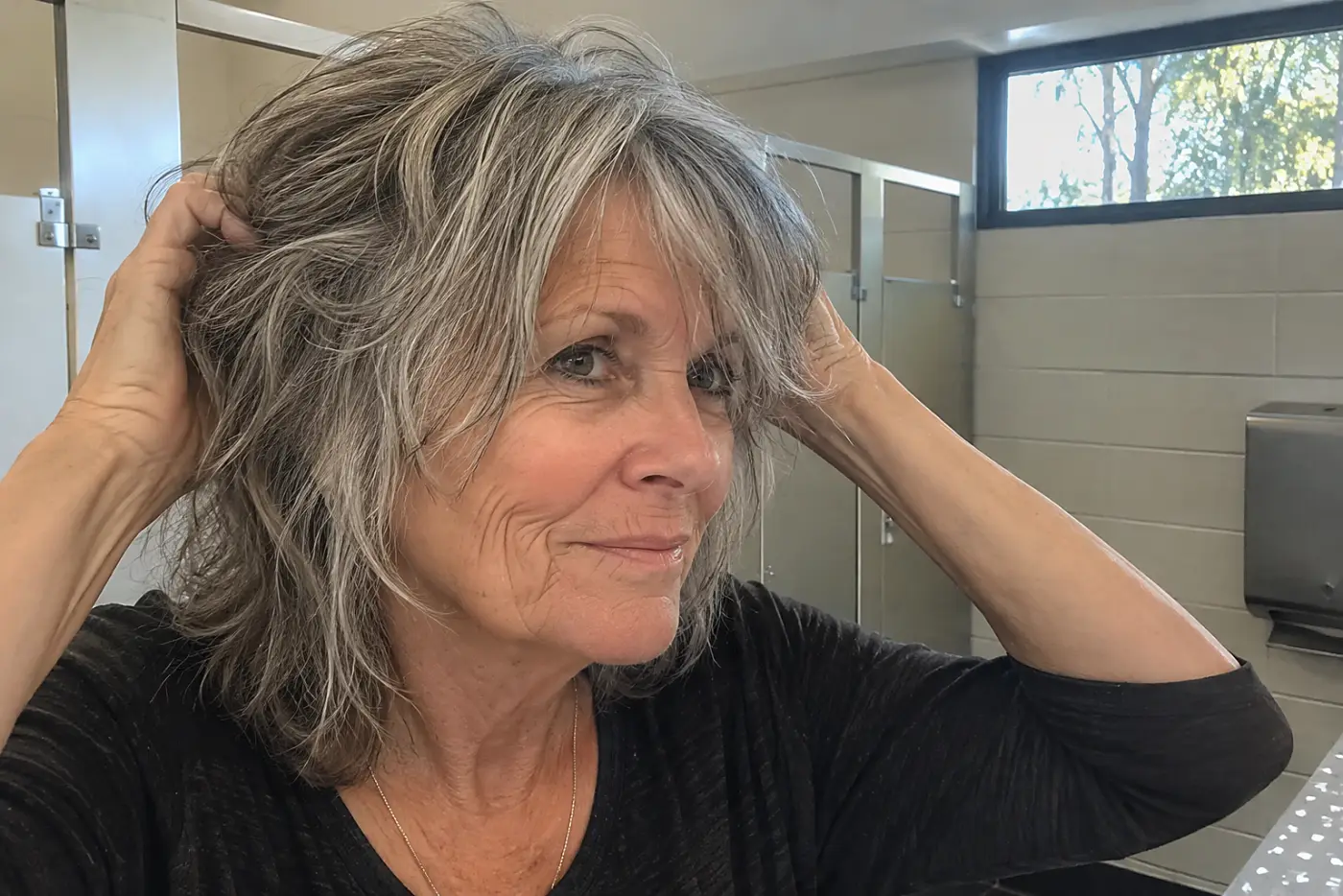
The shag doesn’t ask every strand to fall in a straight line. Its choppy layers) put movement through the top and leave lighter ends, which is why the cut appeals when you prefer an air-dried finish.
Modern Salon has highlighted the textured shag as a wearable layered look. Wearable, though, has to mean wearable with *your* glasses. Ask where the shortest pieces will land beside your cheeks and where the longer pieces will touch your shoulders.
Then request a finish without elaborate styling. If you like the outline after the stylist loosens it with their hands, you’re judging the haircut rather than a blowout.
If it only works after careful work with a brush, keep looking. That’s the difference between enjoying texture and tending it all morning.
7Curly Pixie Shaped for Natural Curls
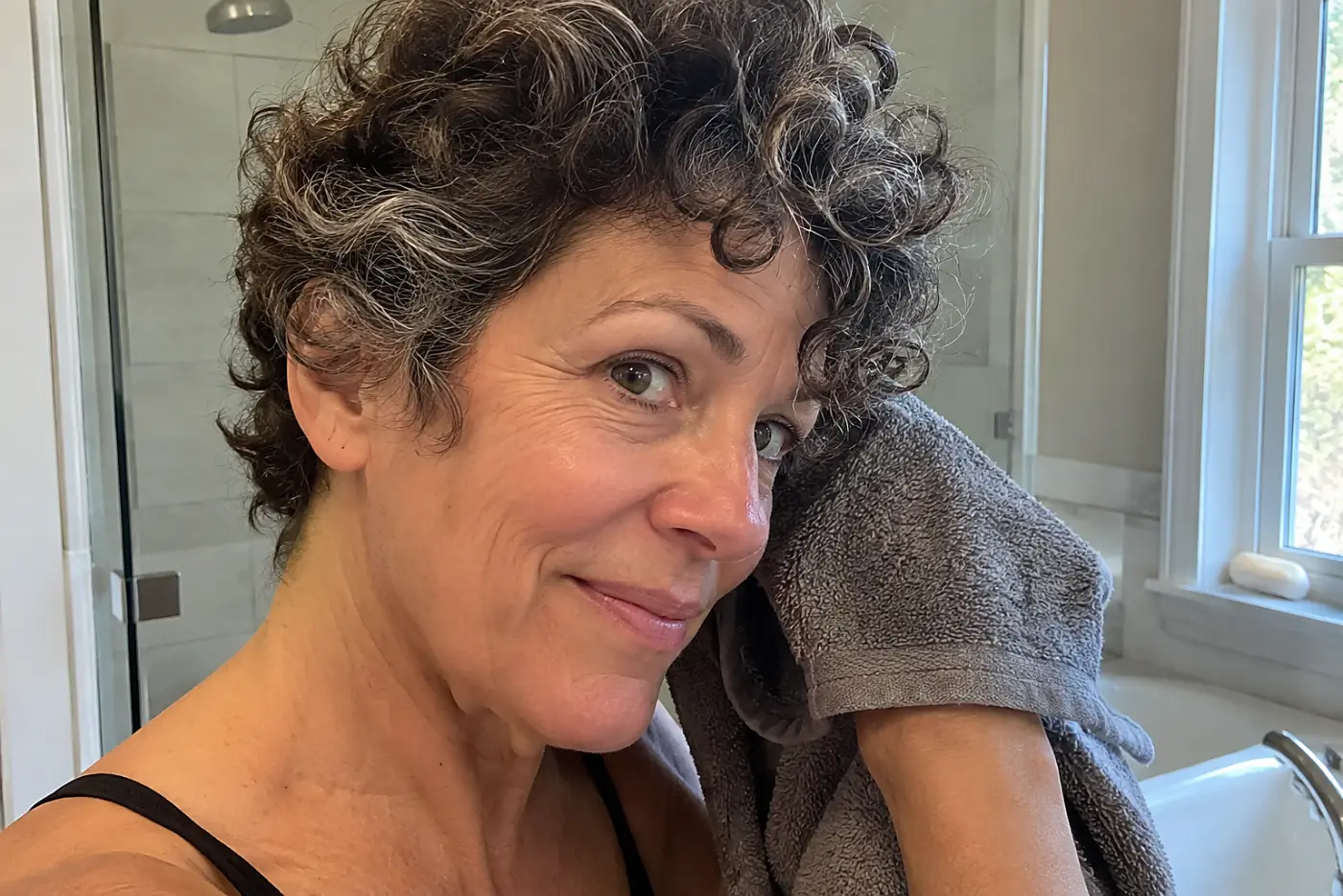
Start with your own curl pattern. Point out the curls that fall toward your glasses and the ones that sit back on their own. They won’t all need the same amount cut off.
For daily care, the American Academy of Dermatology recommends conditioner and less heat for textured hair. A microfiber towel also belongs in that guidance. Use the care routine you’ll repeat at home when judging the finished pixie, rather than relying on a one-time salon style.
Curls disguise some change in a short outline, but they don’t erase the need for trims. Ask the stylist which part of your pixie will lose its shape first. That answer tells you when to book again.
6Stacked Bob With Soft Nape Graduation
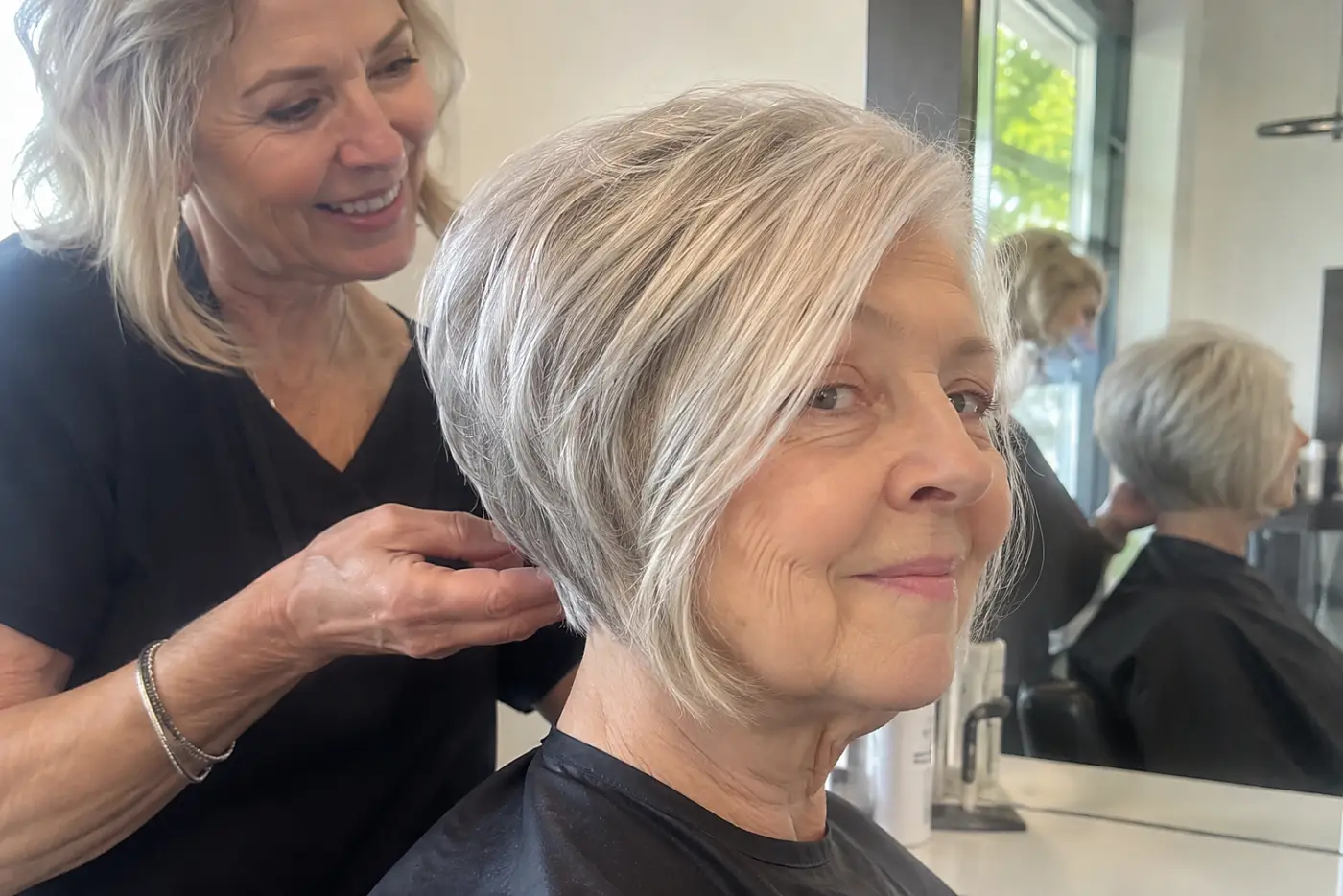
The stacked bob has a particular job at the back. Its shorter, graduated nape supports the shape above it, rather than asking you to create that lift each morning.
Harper’s Bazaar describes the structure and lift in a graduated bob. The fitted-graduation lesson cited earlier shows the tailoring involved at the nape. Ask for a *soft* stack if you want movement rather than a sharply outlined back.
Don’t judge it by the back view alone. Put on your glasses, then ask the stylist to show you where the sides meet the arms. A stacked shape that looks excellent from behind still has to feel easy beside your ears.
Before you leave, ask what the nape will do between trims. That’s where the cut’s built-in shape proves its worth.
5Blunt Bob for Straight Hair and Glasses
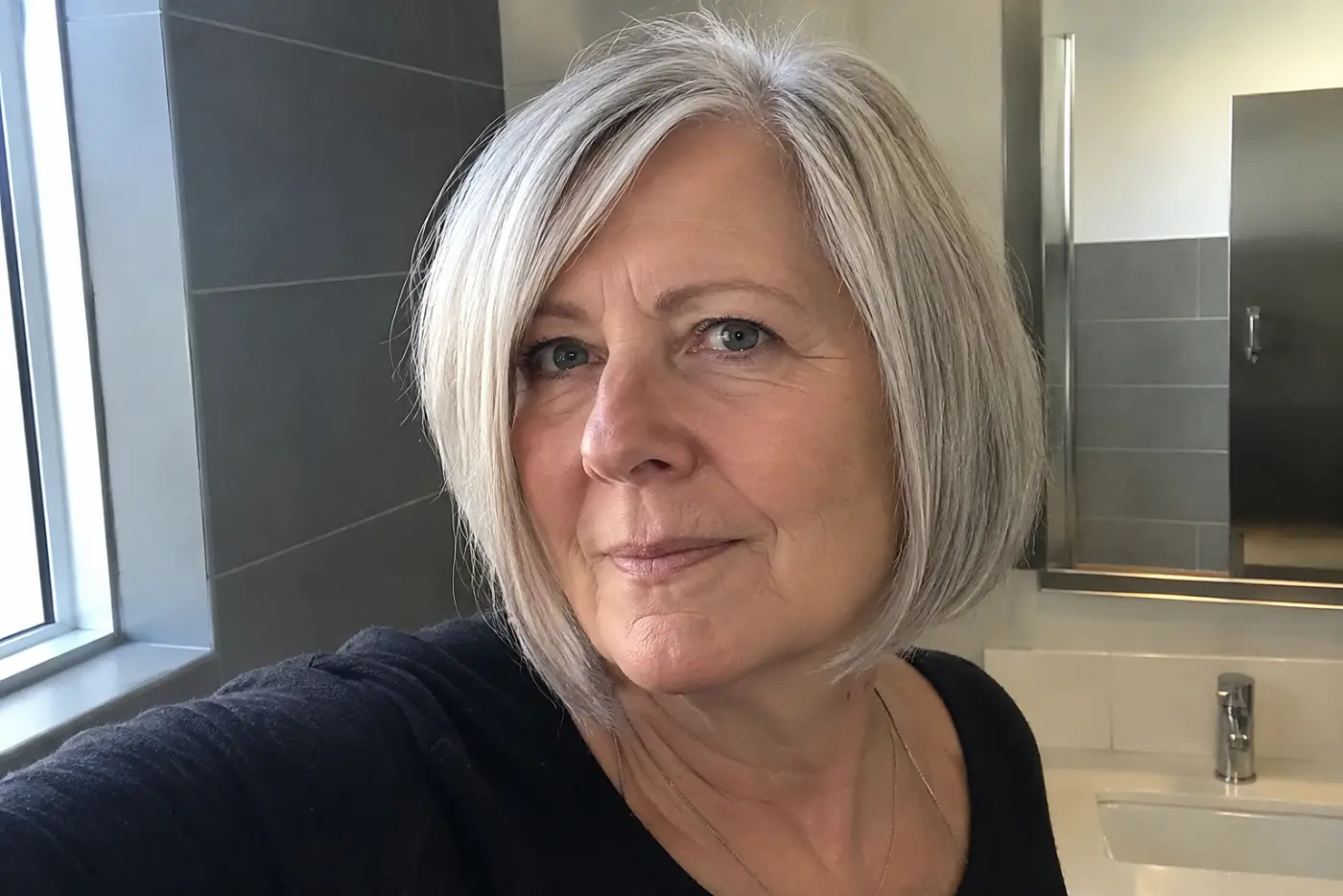
If your hair is straight and fine, wispy ends aren’t the only choice. A blunt bob puts the edge in one clear line.
Wella Professionals describes the clean perimeter as a way to give fine, straight hair a stronger-looking bottom edge.
This is a useful answer when you’re searching for short hairstyles for over 60 with glasses and straight hair. Ask the stylist to check the line with your frames on. Where does it land at the jaw? What happens near the hinges when you turn your head?
The edge is the feature, so its upkeep matters. At home, try the first wash without styling the ends under. If you still like the line, you’ve found a cut that works with your straight hair instead of asking it to behave differently.
4Medium-Length Lob for Women Over 60 With Glasses

You leave the salon with curtain bangs parted neatly down the middle. On the walk home, one side slips toward your lens. That’s the moment to remember at your next appointment.
Among short medium length hairstyles for women over 60 with glasses, the shoulder-length layered lob lets you keep some length while moving the front pieces away from the frame arms.
AARP calls the lob a notably flattering longer choice for women over 50.
Ask the stylist to cut the curtain bangs while seeing your glasses. Part them as you do at home. Then turn your head and check where each side falls.
You want the soft opening around your eyes without having to remake it after every trip outside.
3Cropped Silver Pixie for Women Over 70
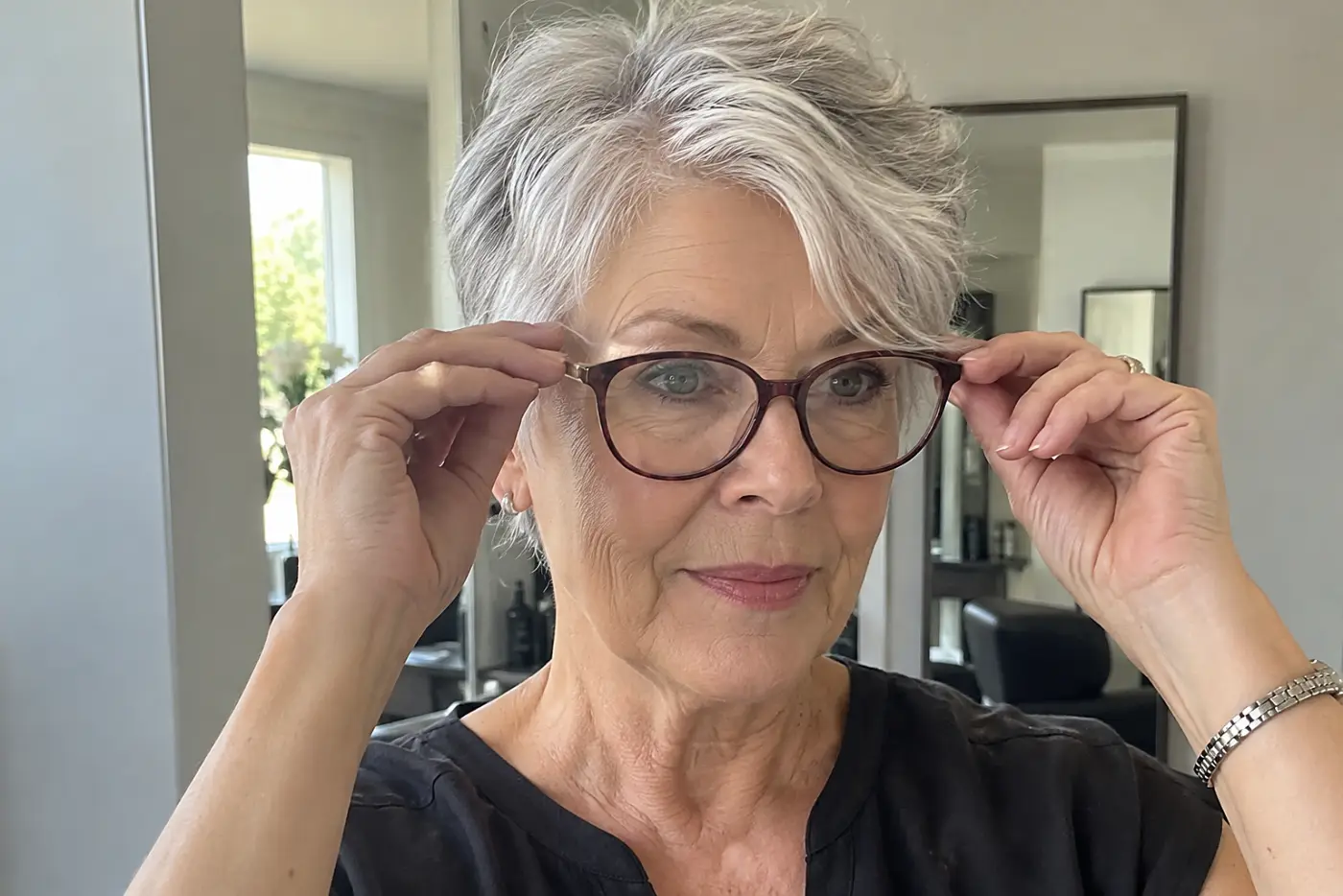
Pixie haircuts for women over 70 with glasses don’t need a separate rulebook. The decision is the same: does the short shape sit comfortably around your frames, and do you want the trim schedule?
For a cropped silver pixie, ask the stylist to show you the outline at your ears and nape. Crisp pixie upkeep falls at about every 4 to 6 weeks in the schedule above. Book with that in mind rather than assuming a very short cut takes care of itself indefinitely.
Color upkeep is a different choice. If yellowing bothers you, Sally Beauty lists an 8-ounce Shimmer Lights purple shampoo for silver hair. It runs roughly $10, though check current pricing before you buy.
If you like your color as it is, skip the extra bottle. The cut should make the morning easier on its own.
2Low-Maintenance Pixie Haircuts With Soft Crown Layers
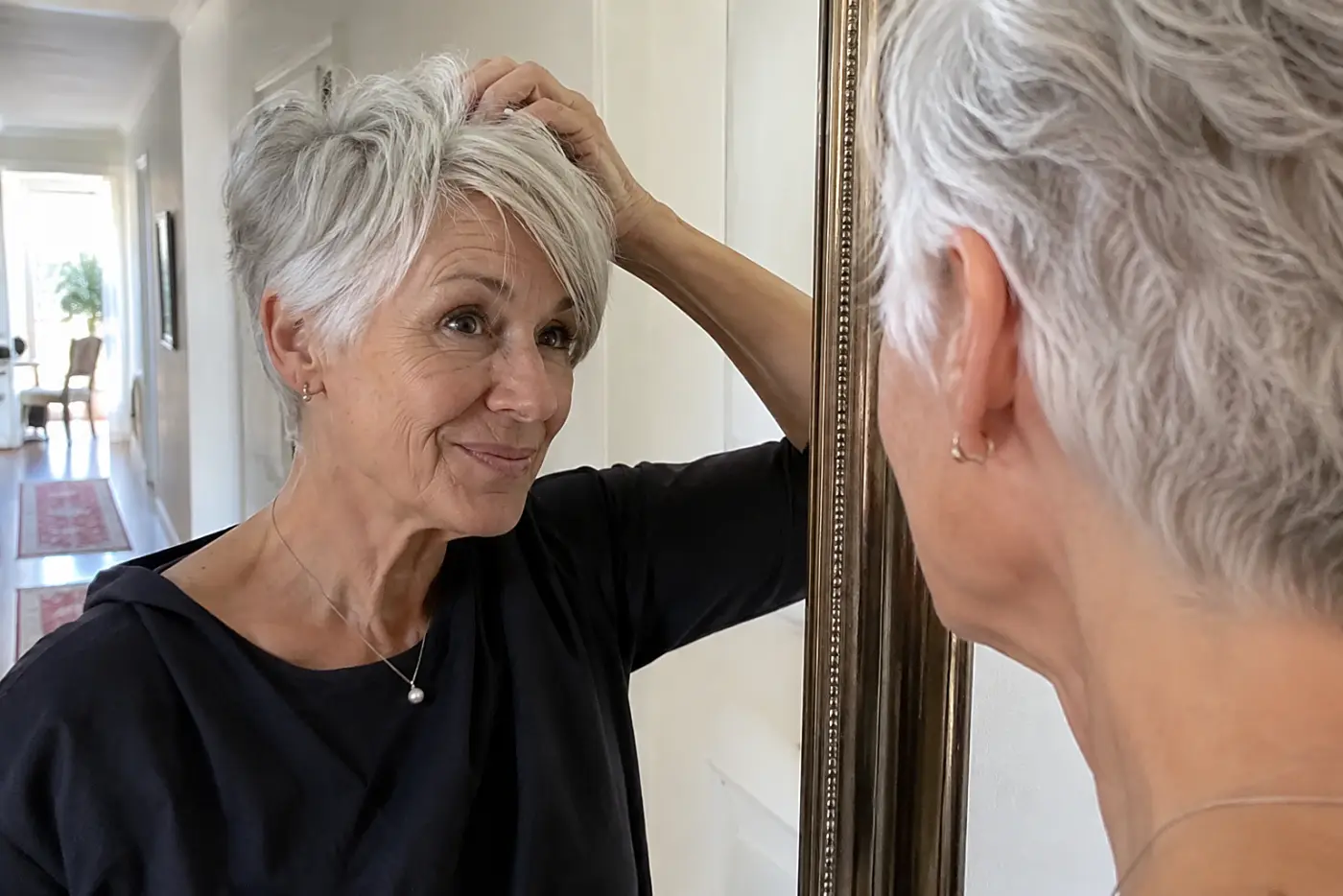
A textured pixie keeps the sides clear and leaves the top easy to move. That’s the appeal if you want the short shape without a fixed, carefully placed part.
Try a salon test. After the stylist finishes, run your fingers through the top. Put your glasses on, take them off, and look again. If the shape still pleases you, ask how to repeat that finish after washing.
If it falls apart, have the stylist show you what needs changing.
AARP includes textured pixies among low-fuss short options for women over 50. The tradeoff is appointment frequency: choose it for an easier morning, with your eyes open about the salon calendar.
1Chin-Length Bob Haircuts With Side-Swept Bangs
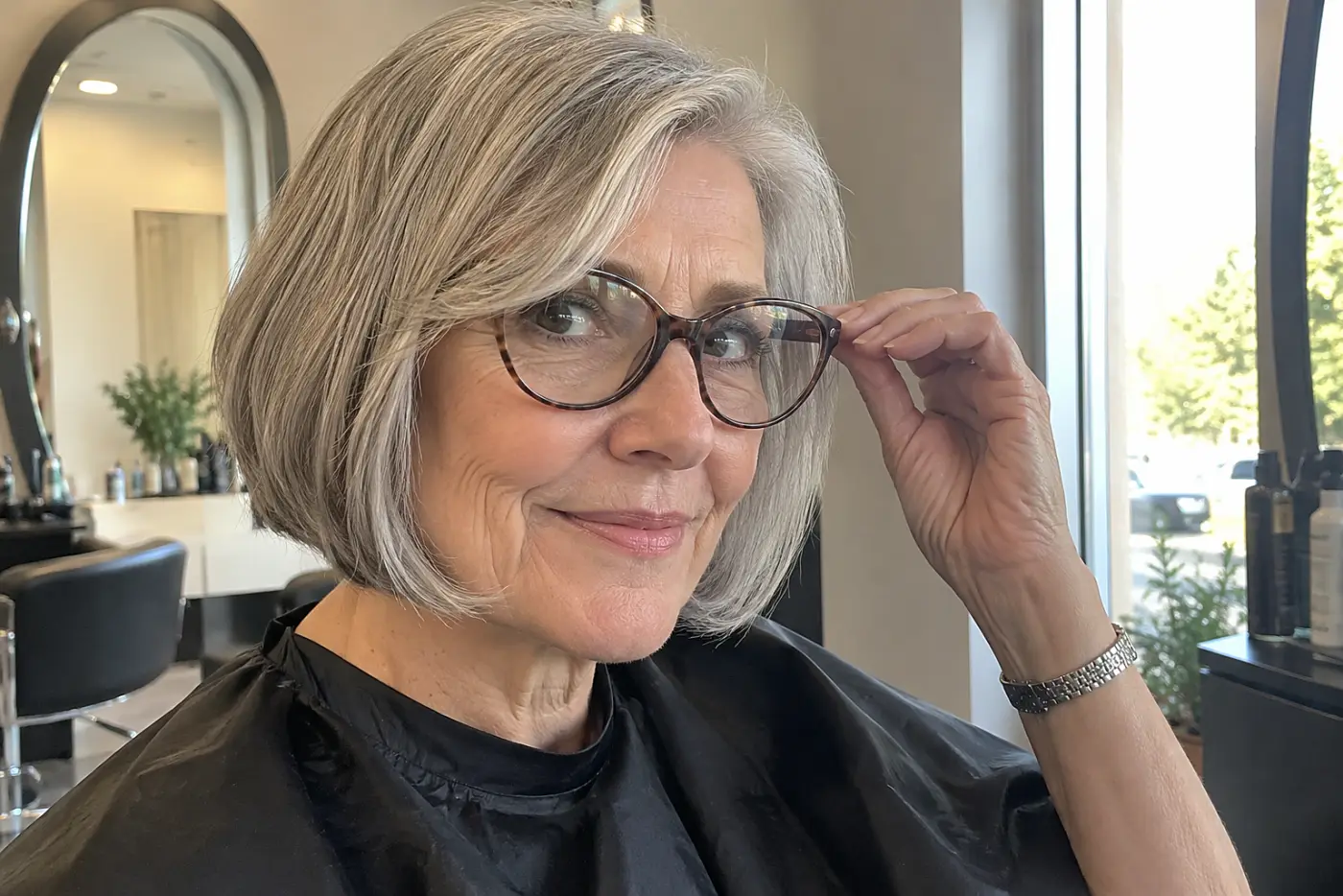
Among bob haircuts for women over 60 with glasses, the classic chin-length version with side-swept bangs is the strongest all-around pick here. Its particular advantage is a front you can test against your frames before leaving the chair.
Unlike the micro-bang bob, its fringe moves to the side instead of forming a short, straight line across the forehead. Unlike the stacked or graduated versions, it doesn’t rely on a closely shaped back for its defining look.
The jaw-level outline cited earlier keeps the main length easy to see and discuss. Vogue highlights bobs with soft, face-framing fringe among flattering cuts worn with glasses. The important part happens before the stylist cuts that fringe.
Put your usual frames on. Show where you part your hair and which side catches when you remove the glasses. Ask for the bob to finish around your chin, then have the stylist check both sides while you turn your head.
Say it plainly: “I want to put these on without tucking my hair first.”
Check the bangs again when dry. They should sweep where you want them without covering your view or asking for a careful brush routine. Bob upkeep falls around every 6 to 8 weeks.
The bottom line
The cuts that save time give your glasses room and let your hair behave like itself. A salon finish tells you less than what happens after your next wash.
The prepared version of you brings her frames, shows where the hair catches, and asks what the cut needs between appointments. She leaves knowing what to watch for as it grows.
Which strand would you ask the stylist to check first?
Up next
23 Ways to Wear Bohemian Style Over 50
A fitting-room mirror, a woven tote, and a few well-chosen layers make this look feel like yours.
Read the list →

Reader quiz
Did you catch the details?
5 questions from this article.
In “A Trim Schedule for Low-Fuss Cuts,” what should you consider before choosing a haircut photo?
Questions people also ask
What is the best haircut for older women who wear glasses?
A chin-length bob with a side-swept fringe is the strongest all-around choice here because you can check its outline and fringe against your frames in the salon. Vogue features soft-fringed bobs for glasses wearers; pixies and shags deserve a look too. Choose the one that works after an ordinary wash.
What is the most flattering haircut for women over 60?
AARP calls the lob a notably flattering longer length for women over 50. Use that as a place to start, then adjust its layers and fringe while wearing your glasses. No photo settles how the cut will fall on your hair.
How should a 65-year-old woman wear her hair with glasses?
Start with the frames you wear every day. Check where the hair meets their arms and where any bangs meet the top rim. Vogue’s glasses haircut gallery offers shape ideas, and Warby Parker’s style guide considers hair and frame color together.
What are some trendy hairstyles for women over 60 in 2026?
Who What Wear’s 2026 report highlights textured, shape-forward haircuts. A choppy pixie or layered shag fits that direction. Bring your glasses to the appointment so the trend works around them.
Do bangs work with glasses?
Yes. Eyebobs’ bangs-and-glasses guide discusses blunt, side-swept, and softer fringes with different frames. Put your glasses on before the final fringe trim, then check that the ends sit where you want them.
How often should you trim a low-maintenance short haircut?
Vogue’s haircut timing guide puts pixies at about every 4 to 6 weeks and bobs at about every 6 to 8 weeks for shape upkeep. Ask your stylist which edge will look grown out first. Book around the outline you want to keep.
Did any of these feel familiar?
Know someone who needs this?
 Prime Journal · Free printable
The Closet Fit and Color Checklist
- A clearer view of colors beside your face.
- Clothes that pass the sitting and walking test.
- Shoes and repairs checked before anything gets replaced.
Free printable: The Closet Fit and Color Checklist. Enter your email and it is yours.
Sources cited in this article
This article links to 20 outside sources, listed here so you can read them yourself.
- Vogue’s haircut timing guide www.vogue.com/article/how-often-should-you-cut-your-hair
- Hairfinder’s glasses styling guide www.hairfinder.com/hairstyling/glasseshairstyles.htm
- Warby Parker’s frame-color guide www.warbyparker.com/learn/what-color-glasses-should-i-get
- Eyebobs’ guide to bangs and glasses www.eyebobs.com/blogs/news/hairstyles-that-pair-well-with-glasses
- Who What Wear’s 2026 haircut report www.whowhatwear.com/beauty/hair/best-autumn-2026-haircuts
- American Academy of Dermatology’s guide to female pattern hair loss www.aad.org/public/diseases/hair-loss/types/female-pattern
- R+Co’s Dallas Thickening Spray www.randco.com/collections/test/products/dallas-thickening-spray
- L’Oréal ACCESS lesson on fitted graduation uk.lorealaccess.com/courses/3212/cutting-a-bob-with-fitted-graduation-colin-…
- Bob’s jaw-level outline en.wikipedia.org/wiki/Bob_cut
- AARP includes this hybrid www.aarp.org/entertainment/beauty-style/best-womens-hairstyles.html
- Vogue’s glasses haircut roundup www.vogue.com/slideshow/haircuts-over-50-glasses
- Kristin Ess Weightless Shine Air Dry Crème www.target.com/p/-/A-52567810
- Sally Beauty lists Shimmer Lights purple shampoo www.sallybeauty.com/shop-by-shade/silver-and-gray-hair-shop/shimmer-lights-c…
- Harper’s Bazaar’s guide to the cut www.harpersbazaar.com/beauty/hair/a69140018/how-to-style-graduated-bob-haircut
- American Academy of Dermatology’s hair-care guidance www.aad.org/public/diseases/hair-loss/treatment/tips
- Sam Villa’s short-hair guidance www.samvilla.com/blogs/hair-tutorials/blow-dry-hair
- AARP’s guide to midlength hair www.aarp.org/entertainment/beauty-style/hairstyles-for-women-over-50
- National Institute on Deafness and Other Communication Disorders www.nidcd.nih.gov/health/hearing-aids
- L’Oréal Paris guide to the box bob www.lorealparisusa.com/beauty-magazine/hair-style/short-hairstyles/box-bob
- Modern Salon has highlighted the textured shag www.modernsalon.com/articles/this-seasons-it-cut-is-the-textured-shag
Nora Bennett
Style Editor
Nora writes about hair, clothes and grooming for people who have stopped asking permission: what to keep, what to let go, and what reads as taken care of.
More from Nora Bennett