






How to Enjoy Christmas Alone After 50: Ideas That Feel Good
A practical plan for a Christmas Day on your own, from what goes in the fridge to the one phone call worth booking ahead.

By Irina Byalik, Style Editor
Updated · 14 min read
- Written by our style editor
- Cited 12 sources
- How we review
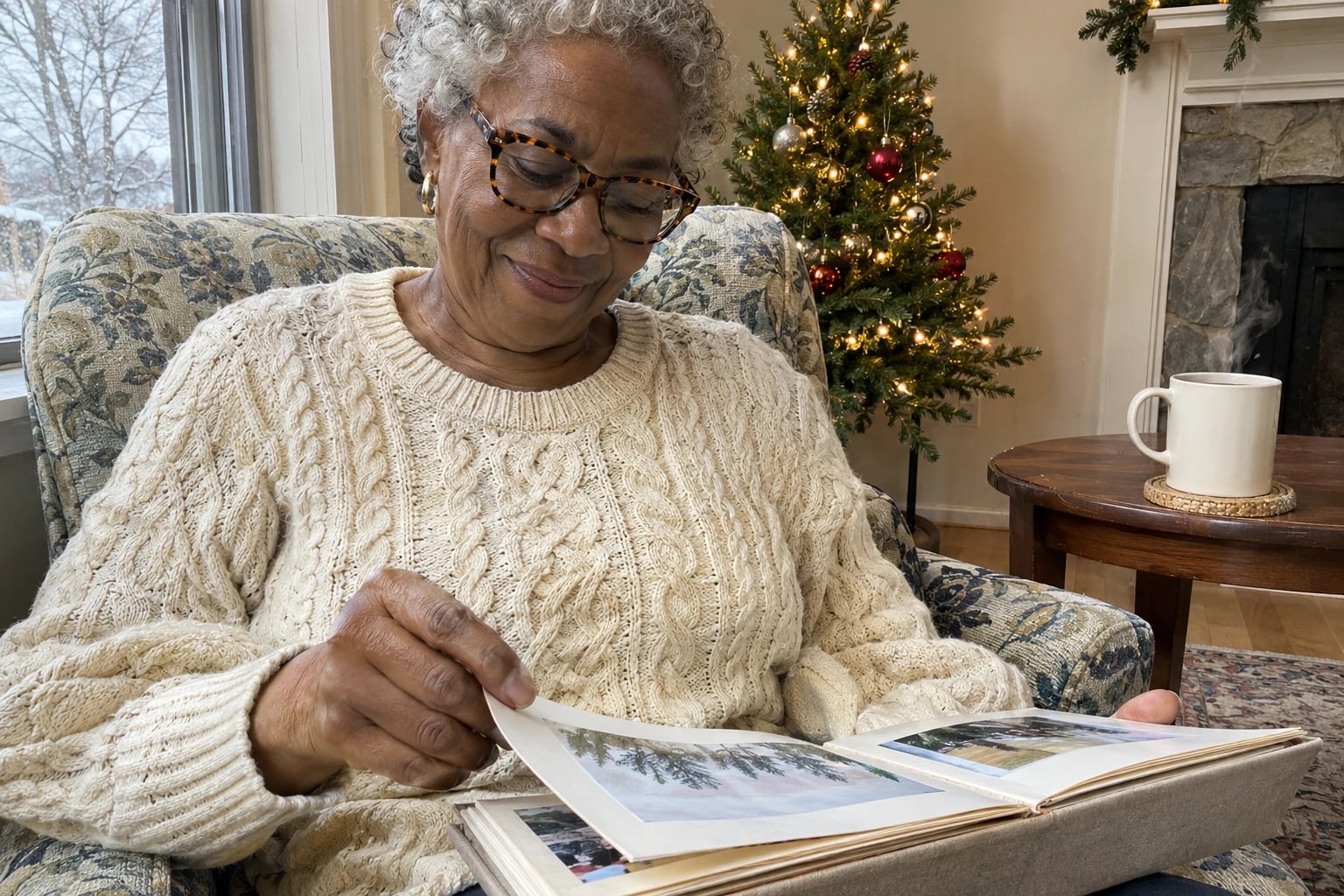
The big roasting pan lives on the top shelf of the hall closet, and for years it came down in mid-December without anyone thinking twice. This year it may stay up there.
Maybe the kids are with their in-laws. Maybe someone is gone, or a marriage ended, or the people you love are a plane ride away. Whatever the reason, you've probably felt the small drop in your stomach when someone asks what you're doing for Christmas.
You don't have to pretend it's fine. You also don't have to spend the day waiting for it to end. A day alone can be a good one, and the work starts now, in early November, while you still have every choice open.
Plan the day now, so it doesn't just happen to you
An empty day is the hardest kind. A day with a shape, even a loose one, is far easier to enjoy, and it's much easier to plan on a quiet November evening than on December 23.
Start with one question, suggested by Gabriela Murza of Utah State University Extension: what do the holidays mean to me? Leave aside what they're supposed to look like. Your answer might be rest. It might be music, good food, being outdoors, being useful, or quiet with nobody needing anything from you.
Then build the day:
- Write your answer down in three or four words. Stick it on the fridge.
- Split the day into morning, afternoon and evening, and give each one a single anchor. Not a schedule, just one thing to look forward to.
- Add one thing that stretches you a little. A solo matinee, a hike you've never done, a recipe that scares you. Psychologist Adam Brown of The New School says doing even one thing that feels like going out on a limb is enough; moderately hard tasks build confidence.
- Plan Christmas Eve and December 26 too. The days around Christmas can be harder than the day itself.
- Write it all on your calendar, in ink, the way you'd write a dentist appointment.
Family law attorney Elise Buie gives this advice to people spending holidays without their kids after divorce, and it works for anyone: fill the open days with planned solo activities so they feel chosen instead of empty.
A finished plan might read: sleep in, walk at 11 while the light is good, roast chicken at 2, the movie you've been saving, a call with your sister at 6, bath and a new book at 9.
Your grown kids are somewhere else this year. Is that a snub?
Usually, no. It's usually the calendar.
Many married couples now alternate whose family they see each year, and if your son or daughter married into a family that also wants Christmas, every other year with the in-laws is ordinary.
It can still sting. Stinging and being slighted are two different things, though, and it helps to know which one you're dealing with.
It's worth a question if it happens every single year, or if nobody mentioned it until you asked. Ask once, plainly, without a hint of grievance in your voice:
"Are you two alternating years now? I'd love to get something on the calendar with you either way."
That one sentence tells you a lot, and it gives them an easy way to say yes to something.
People disagree, sometimes strongly, about whether in-laws ought to invite the other side's mother. It's kind when they do. When they don't, it says more about their household's habits than about how your children feel about you.
What usually works better than waiting for an invitation is moving your own celebration. A dinner the Saturday before. Breakfast together on the 27th. A trip to see the lights the week after. Grandchildren rarely care which date the presents arrive.
If you're the one changing plans, say so now. Telling family at the last minute is one of the top holiday mistakes to avoid.
And if the only way to be with someone on the 25th is a long drive through ice and snow, think hard before you go. A good afternoon together on a clear day in January counts for just as much, and it doesn't put you on a dark highway in a storm.
Getting through December, and Christmas Eve in particular
For many people, the weeks before Christmas are worse than the day. Every commercial seems to feature a long table, three generations and a golden retriever in a bow. You can turn that down. Record shows and skip the ads, choose streaming with no commercials, or lean on old movies you already love.
The darkness matters too, and it's easy to blame on the holidays when it may be something else. Seasonal affective disorder, usually called SAD, is a kind of depression that follows daylight, not the calendar. It's much more common in women and in people who live farther north.
If you've felt sluggish every winter for years, ask your doctor whether a light box makes sense for you. Either way, a walk in late morning daylight, when the sun is highest, is free and usually worth doing.
Then there's the glass of wine. If you take medications, alcohol deserves a second look at your age. With less muscle and body water, the same drink gives an older body a higher blood alcohol level than it used to.
Drinking to ease loneliness or poor sleep usually makes both worse. Alcohol can also be dangerous with sedatives, pain relievers and blood pressure drugs, and if you take any of those, it's worth a word with your doctor before the holidays.
If you enjoy a glass, pour it with dinner. Then make the late evening drink something else you look forward to: real hot chocolate, a good tea, cider warmed on the stove.
Christmas Eve deserves its own plan: a large Swedish study found heart attack risk was 37% higher on Christmas Eve, peaking around 10 p.m. The risk was greatest in people over 75 and those with diabetes or heart disease.
The researchers pointed to stress, grief and anxiety as possible triggers. Two practical things follow. First, if you have chest pain, pressure or sudden shortness of breath, call 911, holiday or not. Nobody is too busy and you're not bothering anyone.
Second, fill the evening hours with something gentle and absorbing so you're not sitting alone with the dread at 10 p.m. A candlelit service. A long call. A bath and a mystery you can't put down.
If you're invited to parties in December, decide ahead which events to attend and how long to stay. Drive yourself so you can leave when you want, even right after the carols.
Food and traditions worth doing for one
A whole turkey for one person is mostly leftovers and dishes. Here's what tends to be worth the effort and what isn't.
Worth it:
- The one dish you love most. A small roast chicken, a duck breast, a good steak, crab legs, or the casserole your mother made that nobody else in the family would eat. Make that, and skip the six sides.
- A breakfast you'd never make on a Tuesday. Eggs Benedict, cinnamon rolls, smoked salmon on a toasted bagel.
- A stocked fridge by the 22nd. Good cheese, bread, fruit, something sweet, whatever you'd want on hand if you didn't leave the house for three days. Then the stores on the 24th are somebody else's problem.
- Takeout, if you'd rather not cook. Many Chinese restaurants stay open on Christmas, and eating from the cartons in your pajamas is a long American tradition.
If you have dietary restrictions, this is the year they stop being a problem. Nobody's passing you a plate of things you can't eat. The whole menu is yours to build around what works for your body.
Probably not worth it: the full spread, the fancy table setting for one if it makes you sad, and any tradition you only kept because someone else expected it.
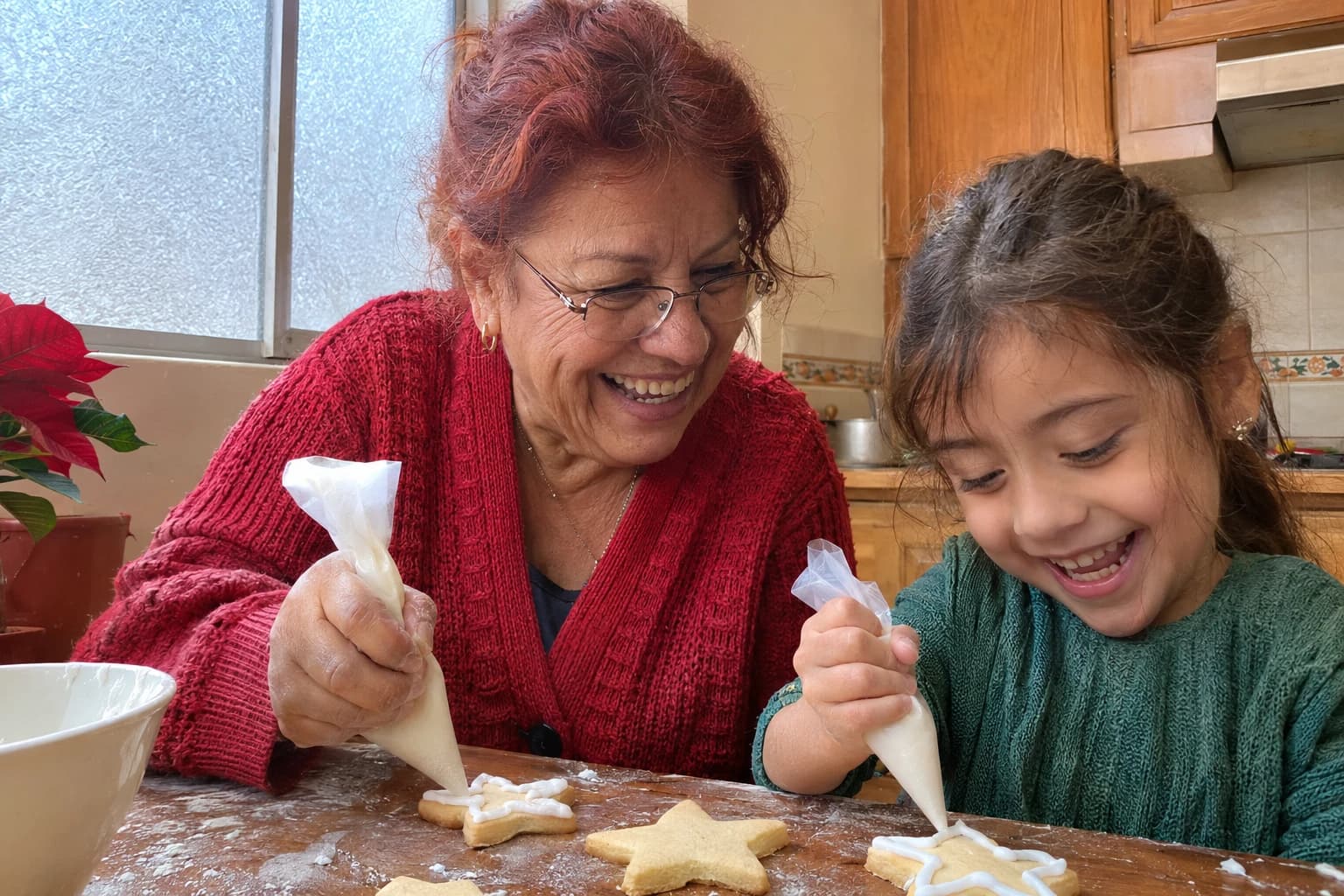
Go through your old traditions and keep one, drop one. Maybe you still want the tree but not the outdoor lights. Maybe the ornaments your kids made come out, and the formal ones stay boxed this year.
Then try one new tradition:
- A walk at first light, before the neighborhood wakes up.
- A big jigsaw puzzle that takes the whole day.
- Sorting a box of old photos with music on.
- A short drive to see the lights after dark.
- A letter to someone who has died, which can help when feelings feel stuck.
The Danes have a word, hygge, for cozy comfort at home: candles, a blanket, thick socks, a fire or a fire playing on the TV, a favorite sweater. It's a good guide for a day indoors.
If your usual pampering has lost its pull, that's common. Bubble baths and face masks wear thin when they're all there is. What tends to hold off boredom is something for your hands: kneading bread, knitting, a puzzle, a fixing-up project you've put off.
If you have pets, especially elderly ones you can't leave, they're both your reason to stay home and your company. Give them a long walk, a new toy and a share of the chicken.
And if you'd like to travel with them next year, a pet-friendly getaway is easier to book than most people expect.
If you want people around you, book it now
Early November is exactly the right time, because the good options fill up.
Volunteer. Holiday shifts at food banks fill fast, so phone your local food bank this week. It can point you to pantries that need help. Jobs include packing meal kits, helping at drive-through or mobile pantries, check-in, and delivering meals to neighbors.
If standing for a shift doesn't work for your body, delivery routes often mean sitting in your own car. And if in-person doesn't work at all, you can run a virtual food drive from your kitchen table.
Find an orphans' Christmas. That's the name for a dinner for people with nowhere else to go, and they're more common than most people realize. Ask at church, the community center, a senior center, or among friends who are divorced or widowed.
Or host one. Four people, everyone brings a dish, and you're the one who gets to say what time it ends.
Go to a service. Christmas Eve and Christmas morning services welcome strangers. You can sit near the back, sing what you know, and leave without talking to anyone if you'd rather.
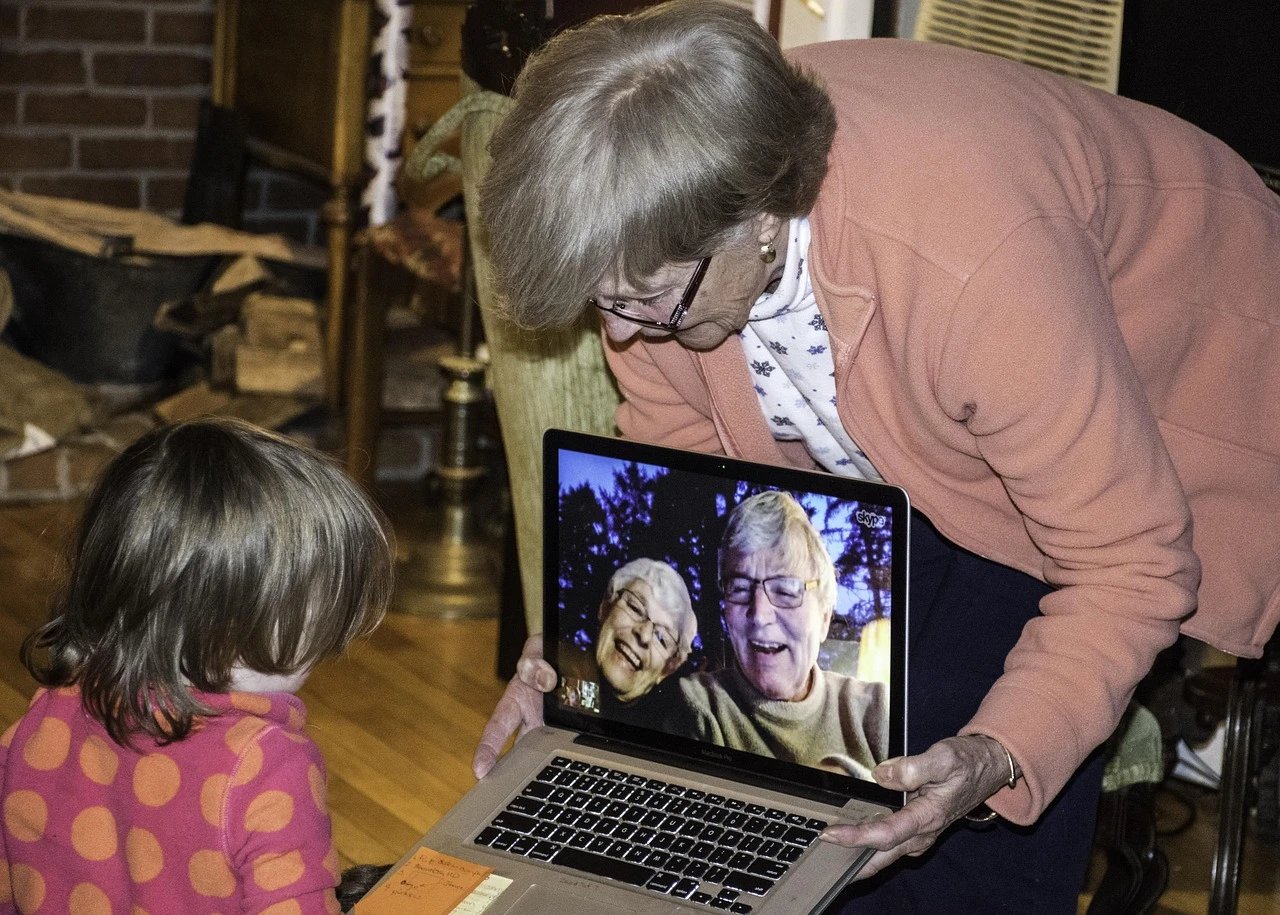
Set a call for a specific time. "I'll call you Christmas" tends to drift into evening and then into never. "I'll call you at 4" gets made.
Hearing matters here more than most people admit. Hearing loss goes with a higher risk of loneliness and isolation, and the link is stronger in women.
If long phone calls leave you tired, try a video call with captions turned on, or call at a quiet hour when the other house isn't full of kids. At community dinners, sit at the end of the table with your back to a wall, where noise comes from fewer directions.
Many people say a pity invitation, or a crowd you joined just to avoid being alone, made them feel lonelier than staying home would have. Run a quick check first.
Three out of four is a yes. Fewer, and your own plan may be the better day.
What to say when people feel sorry for you
You'll hear "Oh, you poor thing" at least once. Have your lines ready, and say them the way you'd mention the weather.
At the checkout, when the cashier asks about your plans: "Quiet one this year. I'm looking forward to it."
To the friend who keeps pressing an invitation you don't want: "That's so kind. I've got plans for the day, but could we do lunch on the 28th?"
To grown kids who feel guilty: "I'm genuinely fine with it. Let's pick our date."
To someone who won't let it go: "Honestly, I've got a roast chicken, a stack of books and nobody to clean up after. I'm all right."
And if you're not all right, you don't have to fake it. Grief counselors say pretending to be happy does more harm than good. A truer line works just as well:
"It's a hard year. I've planned something I like for the day, and I'd love a call."
It may help to know how common your situation is. Divorce after 50 is far more common than it used to be, and the share of adults 65 and older who are divorced has tripled since 1990.
Researchers call divorce after 50 "gray divorce." Add widowhood and families spread across the country, and plenty of people your age are on their own on December 25.
Some even find a quiet Christmas easier than one spent beside a spouse they've grown apart from. People who pity you rarely picture that.
When it feels heavier than a quiet day
Some Christmases are restful. Some are just hard, especially in a first year after a loss. Both are allowed.
Here's an honest question to ask yourself in the days before: are you choosing solitude, or pulling away? The difference matters, because lasting loneliness can lead to anxiety, depression and poor sleep.
Healthy solitude usually feels like relief. Withdrawal looks more like skipping meals, letting calls go unanswered, and staying in bed well past noon day after day.
If you're grieving, crying on Christmas is normal. It can help to keep a running list of what got you through past losses, so you can reach for it now. When painful holiday memories come, psychologist JoAnne Pedro-Carroll recommends meeting them with kindness: acknowledge them without letting them define the whole day.
Grief also throws the body off. Water, real meals and fresh air matter more than usual, and even a two-minute calming break, like slow breathing by an open window, helps.
There's help any hour, including Christmas Day:
- 988 Suicide & Crisis Lifeline. Call or text 988 anywhere in the US. It's for any kind of emotional distress, not only a crisis.
- The Friendship Line. If you're 60 or older and live in California, this 24/7 line offers someone to talk to, regular check-in calls if you ask, and virtual grief groups. It now serves California only.
- A warmline. That's a phone line for when you want to talk to someone kind, without being in crisis. Many states have one; search your state's name and "warmline."
- Grief support through hospice. If someone you love died in hospice care, call that hospice. Most offer grief support to families, and many run holiday groups open to the community.
Put 988 in your phone's contacts today, under a name you'll find, so it's there in December without searching.
The bottom line
Start this week by asking yourself one plain question: what do the holidays mean to you this year? Write the answer in a few words. Every choice after that gets easier.
If your answer is rest, plan a slow day with good food, a walk in daylight and one evening anchor for Christmas Eve. If it's people, call your food bank or ask about an orphans' dinner before Thanksgiving, while there's still room.
If the people you most want to see are busy on the 25th, pick another date with them now and put it on both calendars. And if the season already feels heavy, save 988 in your phone and tell one person you trust how you're really doing.
Up next
20 Last-Minute Christmas Gifts Over 50 You Can Still Get in Time
From merino hiking socks to a weekday matinee for two, these gifts can be picked up, emailed or booked in time, and none look rushed.
Read the list →

Reader quiz
Did you catch the details?
5 questions from this article. Finish them all to unlock the editor's bonus tip.
When you split Christmas Day into morning, afternoon and evening, what does the article suggest giving each part?
Did any of these feel familiar?
Know someone who needs this?
Sources cited in this article
This article links to 12 outside sources, listed here so you can read them yourself.
- What do the holidays mean to me? extension.usu.edu/mentalhealth/articles/what-is-i-want-to-be-alone-for-the-h…
- Doing even one thing that feels like going out on a limb is enough www.webmd.com/balance/features/cm/alone-for-holidays
- Fill the open days with planned solo activities www.psychologytoday.com/us/blog/the-heart-of-the-matter/202512/holidays-afte…
- Follows daylight, not the calendar www.nimh.nih.gov/health/publications/seasonal-affective-disorder
- Alcohol deserves a second look at your age www.niaaa.nih.gov/alcohols-effects-health/alcohol-topics/older-adults
- Risk was 37% higher on Christmas Eve medicalxpress.com/news/2018-12-higher-heart-christmas-eve.html
- Decide ahead which events to attend and how long to stay www.ncoa.org/article/7-tips-for-navigating-grief-during-the-holidays
- Fill fast www.feedingamerica.org/hunger-blog/how-volunteer-food-pantry-during-holidays
- Hearing loss goes with a higher risk of loneliness and isolation pure.johnshopkins.edu/en/publications/hearing-loss-loneliness-and-social-iso…
- The share of adults 65 and older who are divorced has tripled since 1990 www.bgsu.edu/news/2025/02/innovative-gray-divorce-research-from-bgsu-profess…
- Call or text 988 988lifeline.org
- This 24/7 line www.ioaging.org/friendship-line

Irina Byalik
Style Editor
Irina Byalik is a hairdresser and the owner of New Image Hair Salon in East Brunswick, New Jersey, with more than 20 years of experience. She came to the United States from Ukraine.
More from Irina Byalik