



How to Work Out During Menopause: What Helps and What Doesn't
Which workouts protect your muscles, bones and sleep now, and a simple week of walks and dumbbell sessions you can fit around everything else.

By Peter Byalik, Food & Home Editor
Updated · 15 min read
- Written by our food & home editor
- Cited 11 sources
- How we review
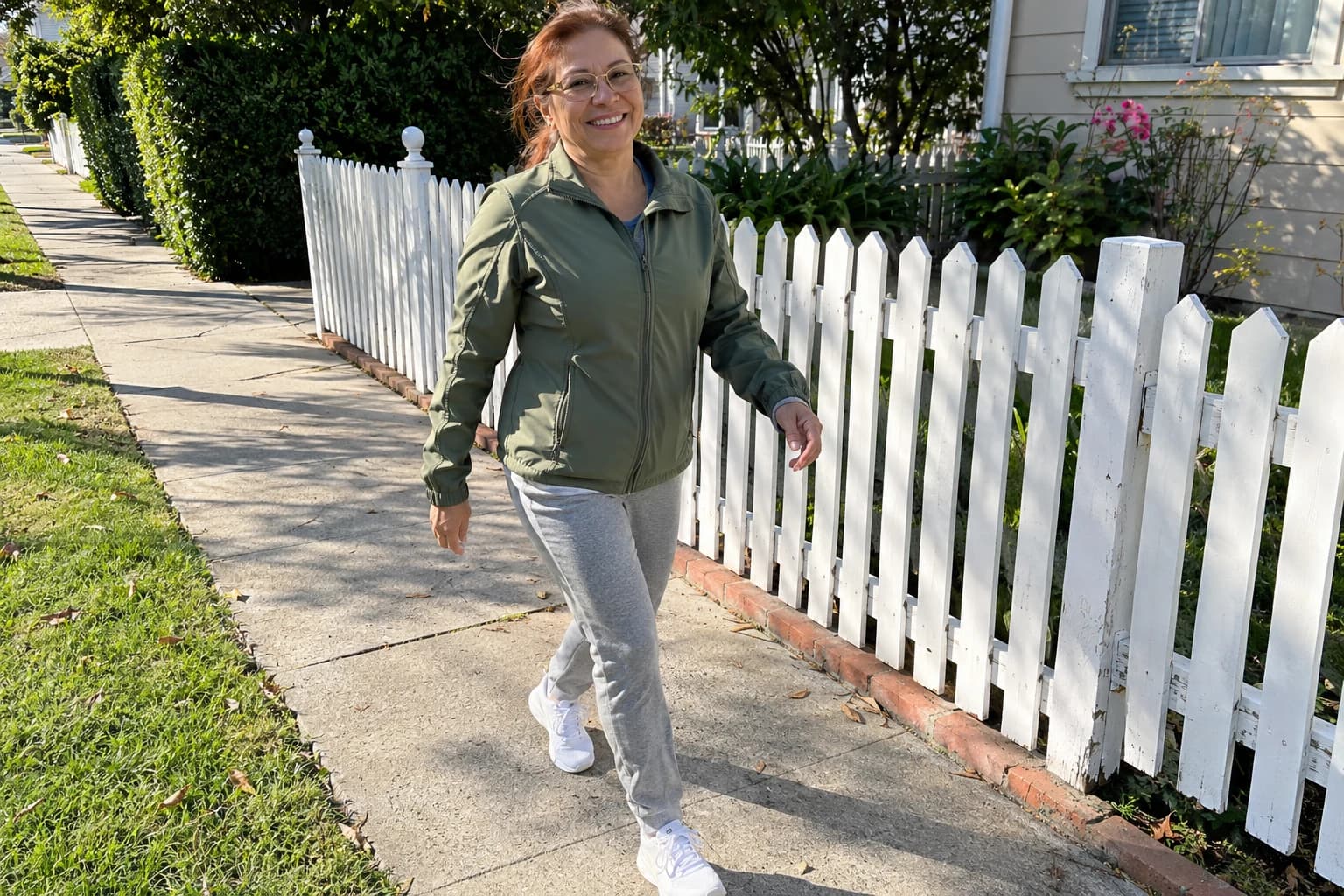
You still walk the same loop most mornings. It's the same 40 minutes past the same mailboxes, and your step count looks the same. But the waistband on your favorite pants has started to dig in anyway, and by 3 p.m. you could nap on the kitchen floor.
You haven't gotten lazy. Your body has changed underneath the routine. During the menopause transition, muscle slips away, fat moves toward the belly, and the workout that kept you steady at 42 no longer does the same job.
More miles won't fix that. A different mix of exercise will, and most of it fits into the time you already spend.
Why your old workout stopped working
Start with the weight, because it's what most women notice first. During the transition, women gain about 1.5 pounds a year on average. More of it lands on the belly and less on the hips and thighs.
That belly fat is often visceral fat, the deep kind packed around your organs. It's the kind doctors care most about for heart health. It's also why the scale can barely move while your pants fit differently.
The gain tends to peak in perimenopause, the years of change before your last period. Perimenopause can start 7 to 10 years before menopause is over. If you've been fighting this since your mid-40s, that timing fits.
Underneath the fat, muscle has been shrinking. After 40, muscle mass declines noticeably each decade if you don't work to keep it. The medical name is sarcopenia. Less muscle means you burn a little less at rest, lift groceries with a little more effort and tire sooner.
Here's the hopeful part. The steady gain usually levels off about two years after your last period. Weight you put on during the transition can come off, but it takes both food and exercise. As Dr. Monica Christmas, director of UChicago Medicine's menopause program, puts it, diet and exercise can't stand in for each other.
So the job of exercise changes now. Burning calories matters less. What matters more is holding on to muscle, protecting bone and keeping you moving enough that sleep and mood improve. Each part of that calls for a different kind of workout.
Start lifting weights, and here's how
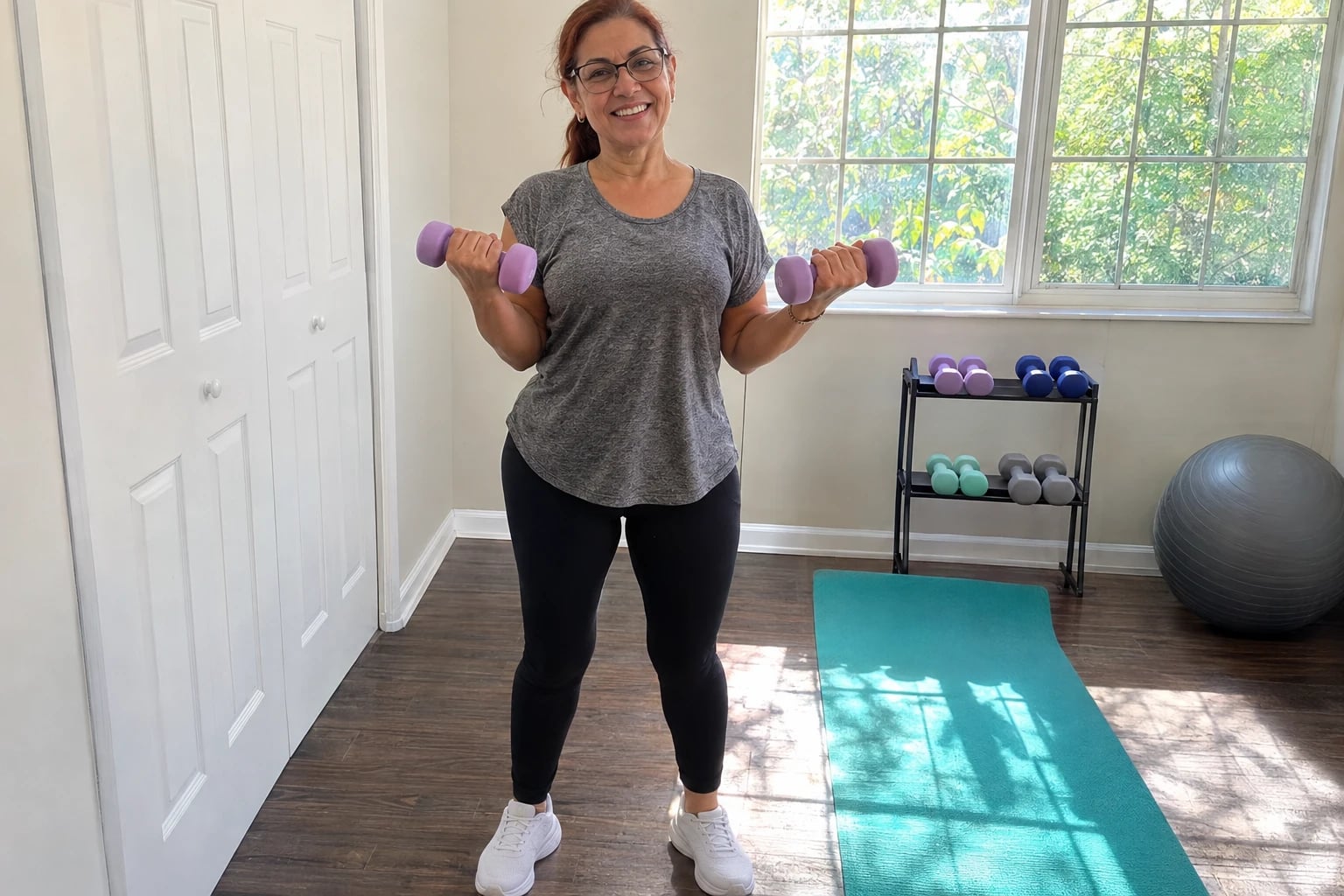
Strength training is the single biggest change most women need to make. The target for women in menopause is strength work for all your major muscle groups at least twice a week. You can do all of it at home. You don't need a bench or a gym.
Your first routine, about 25 minutes:
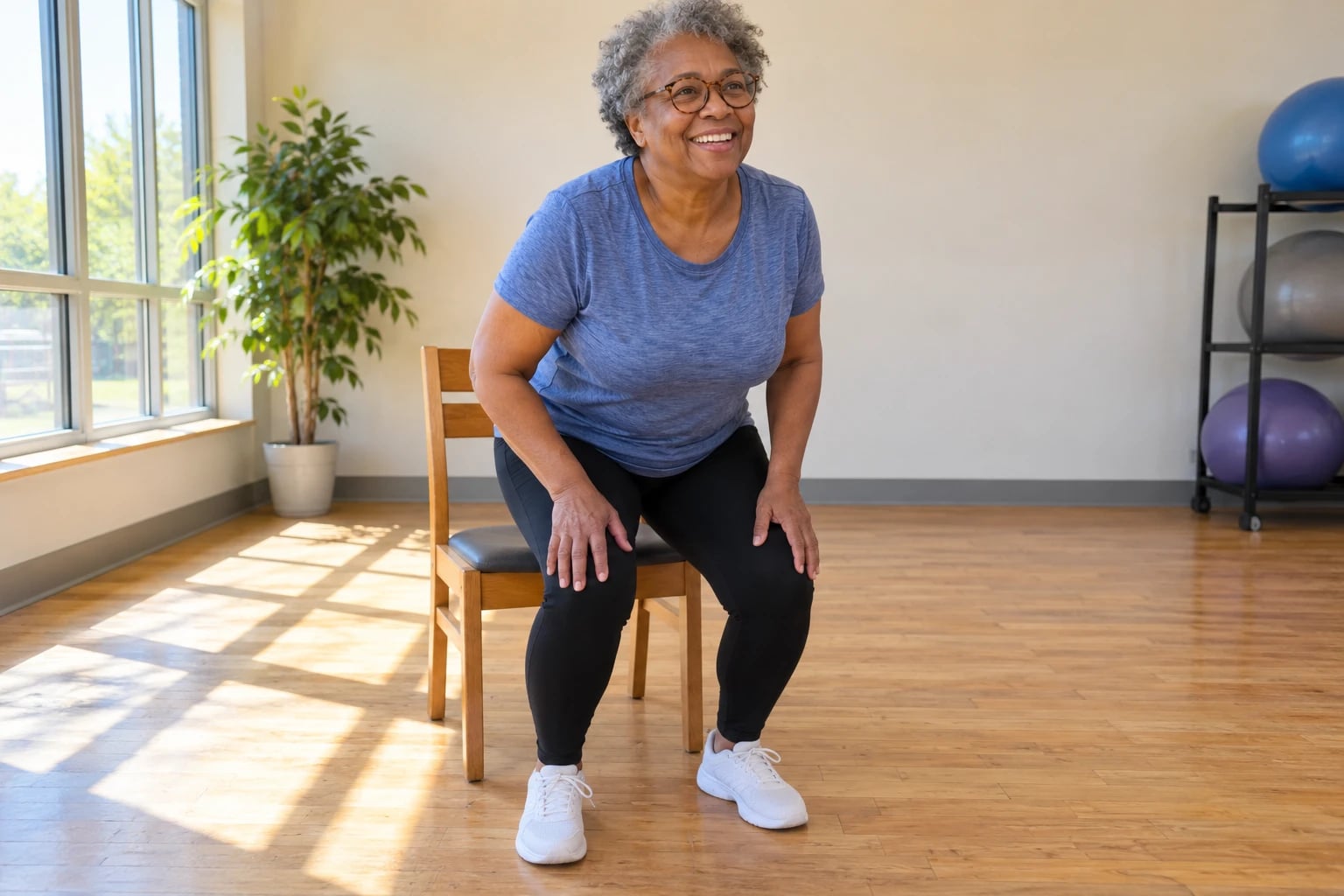
- Chair squats. Sit down on a sturdy kitchen chair and stand back up without using your hands. Do 10.
- Counter push-ups. Put your hands on the kitchen counter, step your feet back and lower your chest toward it. Do 10.
- One-arm rows. Rest one hand on the counter, hold a dumbbell in the other and pull it up toward your hip. Do 10 per side.
- Glute bridges. Lie on your back on a mat, knees bent, and lift your hips. Do 10.
- Seated overhead press. Sit in the chair and press two dumbbells from your shoulders straight up. Do 10.
- Suitcase carry. Hold a heavy dumbbell, or a full grocery bag, in one hand and walk the length of the hallway. Switch hands and walk back.
Go through the six moves, rest a minute or two, then go through them again. Once that feels easy, add a third round.
The question everyone asks is whether to start with 4-pound dumbbells or 15-pound ones. Use this test. Pick the weight where the last two or three reps of 10 feel hard, but your form still holds.
For most women, that means owning two pairs, because legs and back are much stronger than shoulders and arms.
The light pair, somewhere around 5 pounds, is usually right for overhead presses. The heavier pair, often 10 to 15 pounds, suits rows, carries and squats. Sticking with the same light dumbbells for months without going heavier is a common reason strength doesn't improve.
When 12 reps feel easy, go up a little. Trainers call this progressive overload. It means slowly lifting heavier over time, and it's what keeps muscle growing.
Muscle also needs food to build from. If you're active or lifting, aim for 1.2 to 1.6 grams of protein per kilogram of body weight a day. For a 150-pound woman, that's about 82 to 109 grams. Spread it out at 25 to 30 grams per meal.
If you've been doing intermittent fasting and eating two meals instead of three, that target gets hard to reach. Each meal has to carry more protein. If your fasting window leaves you short, a third meal may do your muscles more good than the fast does.
What your bones need from you
A woman can lose up to 20% of her bone density in the five to seven years after menopause. You can't feel it happening. Often the first sign is a broken wrist after a fall that shouldn't have broken anything.
Bone responds to two things: weight-bearing exercise and muscle-strengthening exercise. Weight-bearing means anything you do on your feet, so walking, dancing, stairs and tennis all count. The lifting routine above covers the muscle side.
Swimming and cycling are wonderful for your heart and gentle on your joints. But your body weight is supported while you do them, so they don't count as weight-bearing. If they're all you do, add some walking and the lifting routine twice a week.
You may have heard that heavy lifting can build bone, even in women who already have low bone mass. In one well-known trial called LIFTMOR, it worked.
Of the 101 postmenopausal women in that trial, 49 did heavy deadlifts, back squats and overhead presses, while the rest did a gentler home program for comparison.
The details matter, though. Those women were screened first. They spent a month on bodyweight moves before they touched a barbell, and every session was supervised. Others who lifted heavy without screening or anyone correcting their form have had compression fractures and tendon injuries.
So if you know you have osteoporosis, or its milder form, osteopenia, heavy lifting is worth doing only with a physical therapist or trained coach. Don't learn it alone from a video.
Not sure where your bones stand? Ask about a bone density test, often called a DEXA scan. It's routinely recommended for all women 65 and older, and from 50 to 64 if you have fracture risk factors. It takes a few minutes on a padded table, and the result tells you how carefully to train.
Cardio you'll keep doing, and whether long sessions backfire
Should you trade your long walks for short, hard intervals?
Only if you want to. HIIT means short, hard bursts with rests in between, such as 30 seconds of fast stair climbing and then a minute of easy walking. It packs vigorous effort into less time.
But steady, moderate cardio counts too, and the target lets you pick: 150 to 300 minutes a week of moderate cardio, or 75 to 150 of vigorous, or a mix.
Is your hour on the elliptical raising cortisol and wrecking your sleep?
You may have read that anything past 30 or 40 minutes spikes cortisol, the stress hormone. The exercise targets for women in menopause set no such limit, and an hour of moderate effort fits well inside them. What actually affects sleep for most people is timing. More on that below.
Does daily walking do anything for the belly?
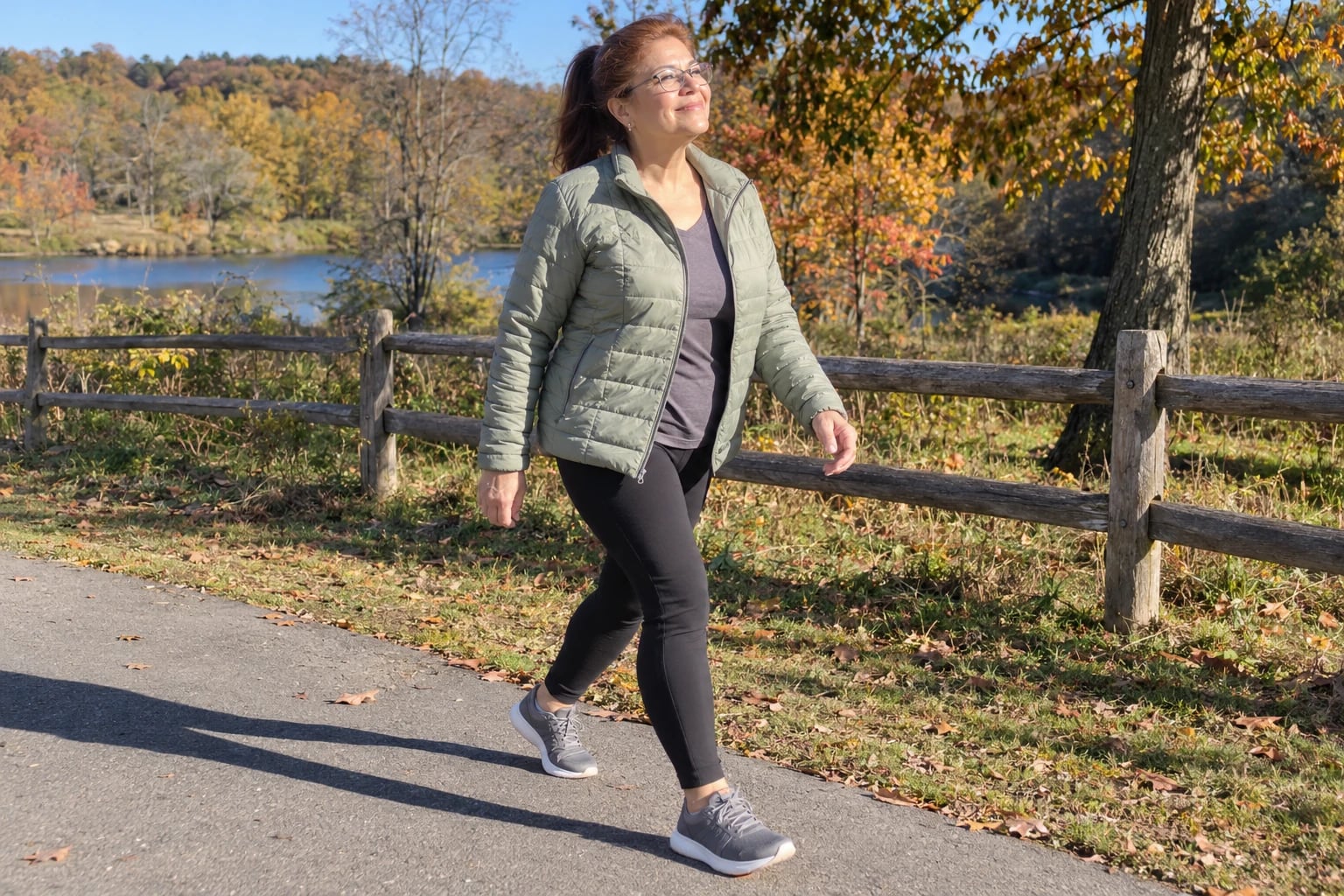
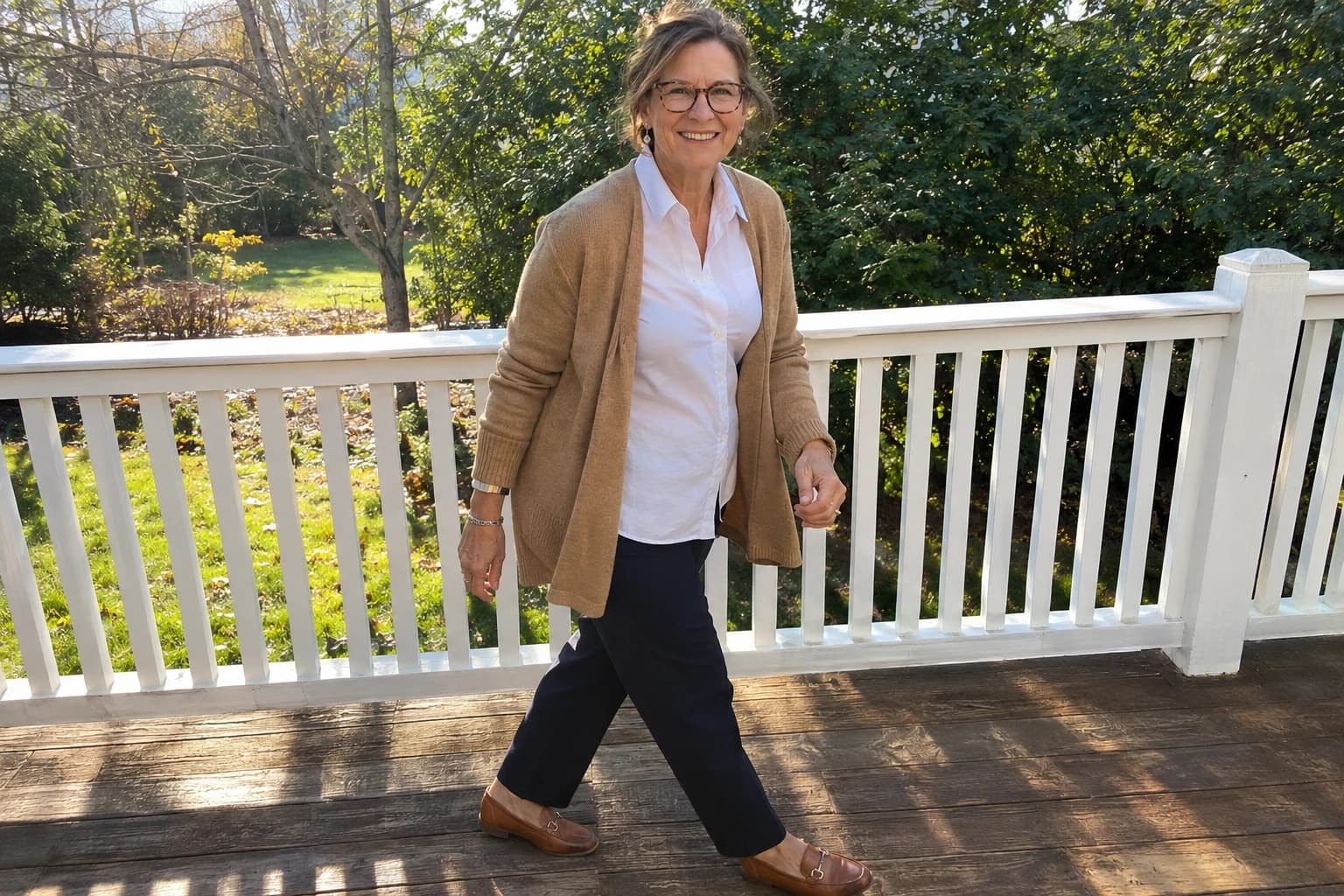
It looks that way. Women who did aerobic activity every day had about 6 fewer inches around the waist than women who sat most of the day. Brisk walking is the easiest place to start. That means 2.5 miles an hour or faster, quick enough that you'd notice if a friend fell behind.
What if you hate cardio?
Pick whatever you'll still be doing in March, whether that's dancing in the living room, a water aerobics class or pickleball with a neighbor. Your mood lifts within about five minutes of moving, so even the days you drag yourself out pay off fast.
Those checks come from the CDC's guide to measuring effort. They also work on days when you've slept badly and your usual pace suddenly feels like a 7.
Hot flashes and bad nights: when to work out
It's 6:40 a.m. You were up twice in the night, once kicking off the covers and once lying awake. The last thing you want is a workout that turns you into a furnace.
Here's what's worth knowing. Exercise won't make hot flashes or night sweats better or worse. So don't skip it out of fear, and don't expect it to cure them either. You can make the hour more comfortable, though.
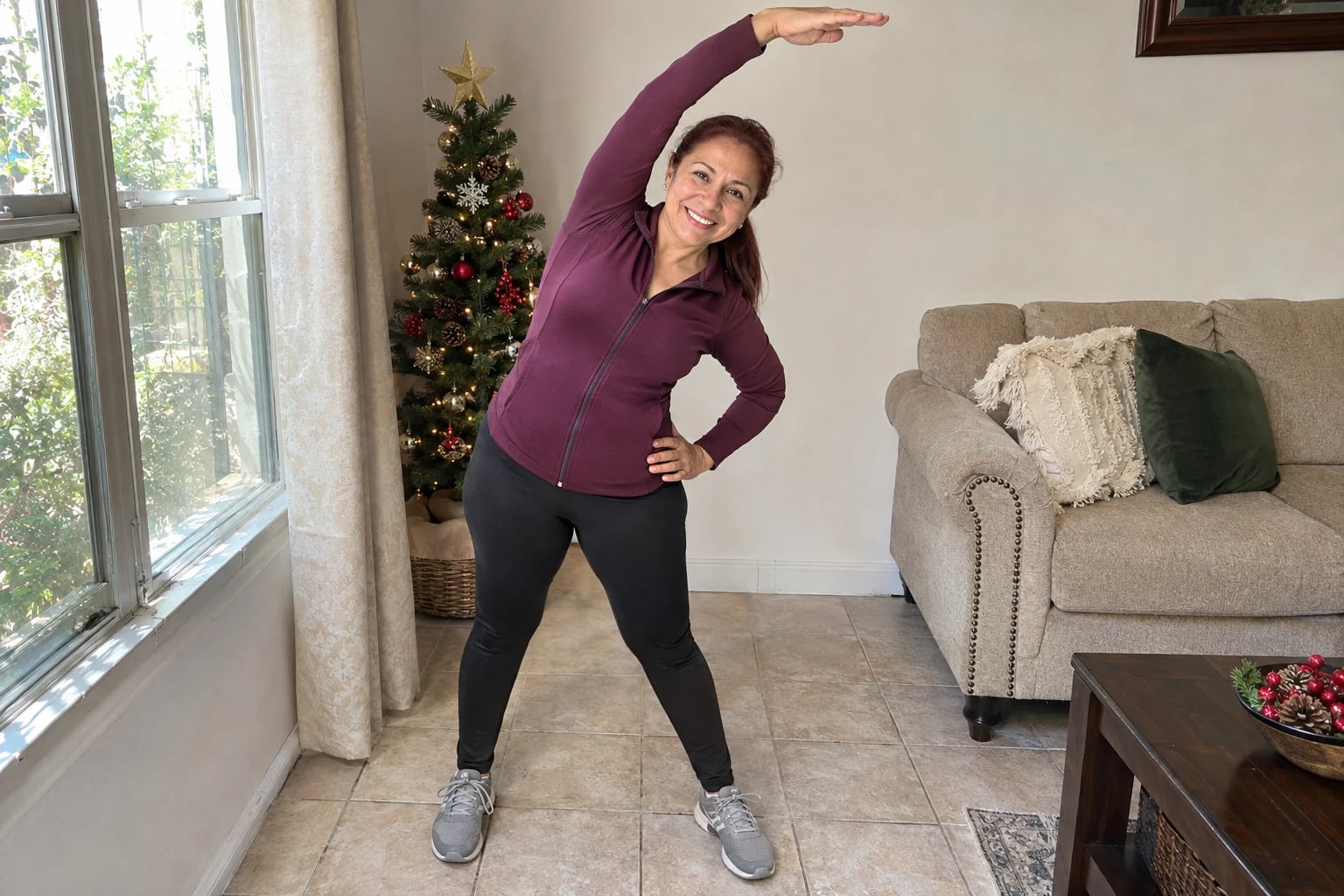
Work out in the coolest part of your day, which for most women is early morning. Wear layers you can peel off. Point a fan at your mat and keep cold water within reach. If a flash hits mid-set, pause and let it pass. It will.
For sleep, the rule is simple. Most people sleep better if they finish exercising at least an hour before bed. A 7 p.m. walk is fine. A hard class that ends at 9:45 may cost you some sleep.
Then there's the loop where you sleep badly, have no energy, eat more and sleep badly again. Exercise is one of the few places you can break it, and it doesn't take much.
On the worst mornings, 10 minutes counts. Do one round of the strength moves, or walk to the end of the block and back. You've still kept the habit.
Working around achy joints, a sore shoulder or a leaky bladder
Joint pain climbs at this stage. In one federal survey, 57% of women in perimenopause had muscle or joint pain, compared with 40% before. If your knees or wrists object to certain moves, swap them for gentler ones and keep training.
- Wrists hurt in planks? Do counter push-ups or a plank with your forearms on the edge of a sturdy table.
- Knees hate deep squats? Use a higher chair, so you're only sitting partway down.
- Afraid of hurting your back? Learn each move slowly with no weight, then add weight once you can do it the same way every time.
Shoulders deserve their own warning. Frozen shoulder, where the joint gets painful and then stiff, hits women between 40 and 60 hard, especially those with hot flashes and night sweats.
A Duke orthopedic surgeon notes that physical therapy can make it worse during the inflamed phase. If one shoulder is getting painful and losing its reach, see a doctor before you push through it with presses.
Leaking is even more common. About half of postmenopausal women have urinary symptoms. If you leak when you cough, jump or laugh, the medical name is stress incontinence. It's a reason to adjust your workouts. You don't need to quit them.
Swaps that are easier on the bladder:
- Pickleball instead of tennis
- Brisk walking instead of running
- Ballroom dancing instead of Zumba
- Swimming, cycling or seated aerobics on bad days
Those swaps come from Harvard Health's guide, which also points to some moves that strengthen your pelvic floor, the muscles that hold up your bladder and help control it.
Kegels are squeeze-and-release exercises for those muscles. Bridges, planks and clamshells help too. Breathe out during the effort part of each move, as you stand up from the squat or lift your hips, and less pressure pushes down on your bladder.
If you want to get back to running or jumping, a pelvic floor physical therapist is the person to see. Therapy lasts about 12 weeks on average, and many women notice improvement within as few as 12 sessions. The muscles often need to learn to relax and lengthen, as well as squeeze.
What doesn't help, or isn't worth your time
Some of what you've been doing is fine and just isn't doing the job you hoped. Here's the fair version.
Crunches for belly fat. You can't burn fat from one spot, an idea called spot reduction. In one OB/GYN's words, "There's no magic move or wand." Crunches won't hurt you, but those minutes do more good spent on squats and rows.
Adding cardio to make up for eating. More miles can't undo a diet that's working against you. What's on your plate has to pull its weight too.
Waiting for hormone therapy to fix the weight. Hormone therapy, or HT, can help with hot flashes and more, but it will not help you lose weight. Some women stay worn out even on HT. If that's you, look at sleep, protein and strength training before deciding the treatment failed.
Light weights forever. Lifting the same 4-pound dumbbells for months stops challenging your muscles. If your last reps feel easy, the weight is too light.
Heavy barbell lifting alone if your bones are thin. The payoff is real with supervision. Without it, the risk of injury is real too.
Here's what's worth keeping. If you love running and your joints and bladder are happy, keep running. If Zumba is the class you never miss, keep going and fit your twice-weekly lifting around it. The best cardio is the one you'll actually do.
A week you could actually follow
This plan is built for a week packed with work, errands and other people's needs. Each day's session is short enough to fit around those.
- Monday: Strength routine, about 25 minutes, before breakfast.
- Tuesday: Brisk 30-minute walk, maybe on your lunch break or during a kid's practice.
- Wednesday: 20-minute walk plus 10 minutes of balance work. Stand on one foot while the coffee brews, then walk heel to toe down the hallway.
- Thursday: Strength routine.
- Friday: Brisk 30-minute walk, or 20 minutes with intervals if you're feeling strong.
- Saturday: Something you enjoy for 45 minutes or more, like pickleball, a long walk with a friend, a dance class or yard work.
- Sunday: Rest, or an easy stroll.
That adds up to at least 125 minutes of moderate cardio, two strength sessions and some balance practice. A longer Saturday or a Sunday stroll gets you to the 150-minute target. Balance matters more each year, because a fall is what turns weaker bones into a broken hip.
If a week falls apart, keep the two strength days and let the rest slide. They're the hardest part of this to make up later.
Coming back after years away
If you haven't exercised in a long time, the way back is slower than you'd like, and that's how it should be.
Check with your doctor first if any of these apply to you:
- You have a heart condition, high blood pressure or diabetes.
- You've been told you have osteoporosis or osteopenia, or you've broken a bone in a minor fall.
- You have joint problems or a shoulder that's been getting stiffer.
- You get chest discomfort or unusual breathlessness on the stairs.
Stop right away and get help if you feel:
- Pain, pressure or tightness in your chest, arm, neck or jaw
- Dizziness or faintness
- Shortness of breath that's far worse than the effort should cause
- A racing or fluttering heartbeat that doesn't settle when you rest
- Sharp joint pain, as opposed to the dull ache of working hard
For your first month, do the strength routine with no weights at all. Learn the shape of each move. Walk at a pace you could hold a phone call at. Then add the dumbbells.
The first few weeks are the hardest, and they matter most for making this stick. Put your sneakers by the back door the night before.
Schedule the two strength days on your phone calendar like a dentist appointment. Expect to be sore the second day after your first sessions, not the first.
The bottom line
If you do one thing this week, do the strength routine twice. Lifting weights is the piece most women are missing, and it does the most for your muscles and bones.
Keep walking, and walk briskly enough that you can talk but not sing. Fit sessions in where you can, and finish at least an hour before bed.
How you build on that depends on you. If you have bone loss, add heavier lifting only with a physical therapist. If you leak, start with a pelvic floor therapist before you go back to jumping. If you have a heart condition, start with your doctor. Otherwise, start Monday.
Up next
How to Lose Belly Fat After 50: Realistic Tips That Work
Why your waist changes after menopause, what actually shrinks it, and why a cloth tape measure will tell you more than the bathroom scale.
Read the story →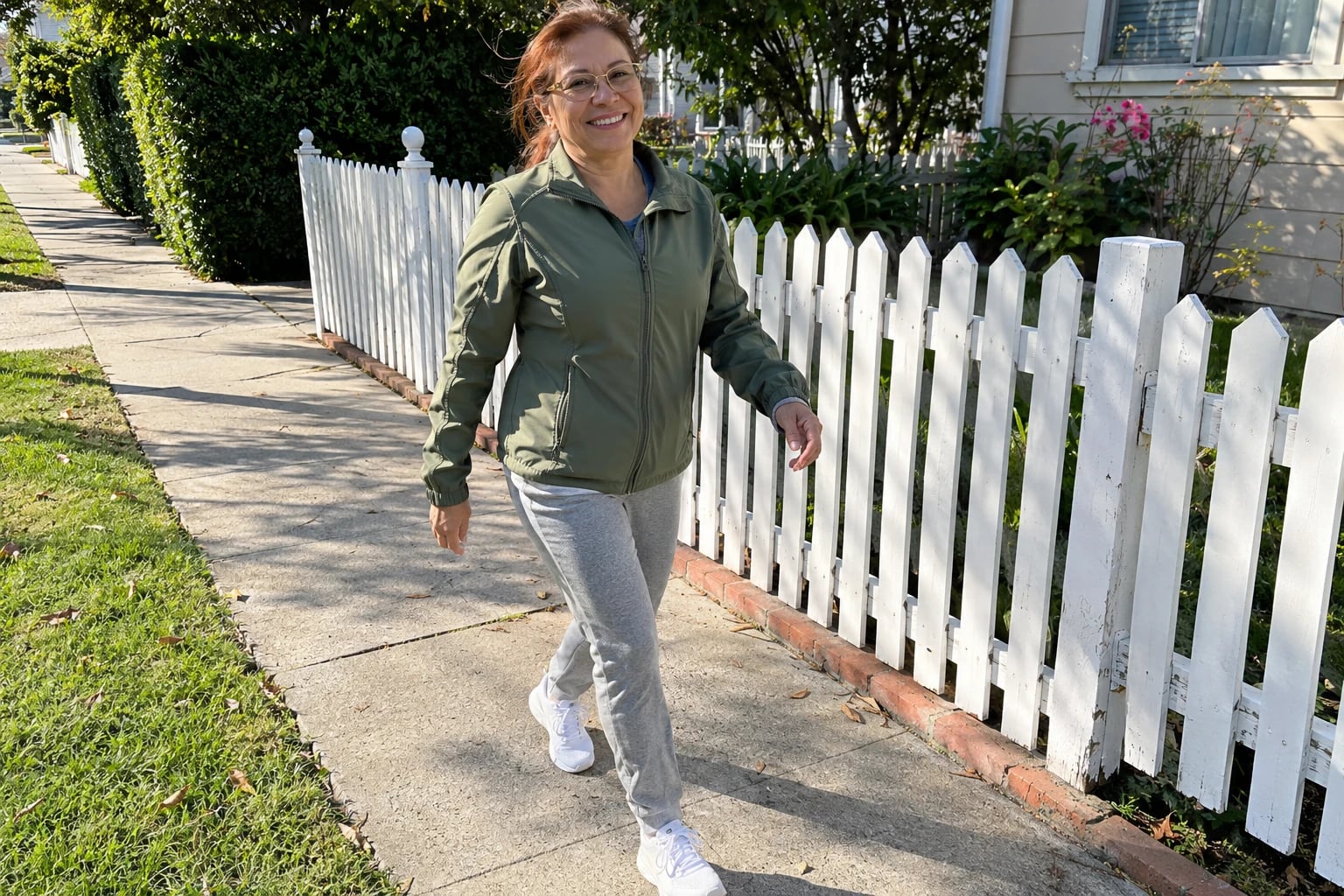

Reader quiz
Did you catch the details?
5 questions from this article. Finish them all to unlock the editor's bonus tip.
According to the article, how should you pick the right dumbbell weight for an exercise?
Did any of these feel familiar?
Know someone who needs this?
Sources cited in this article
This article links to 11 outside sources, listed here so you can read them yourself.
- About 1.5 pounds a year www.webmd.com/menopause/menopause-weight-gain-and-exercise-tips
- Strength work for all your major muscle groups at least twice a week mymenoplan.org/exercise
- 1.2 to 1.6 grams of protein per kilogram of body weight www.urmc.rochester.edu/news/publications/health-matters/why-exercise-is-esse…
- Up to 20% of her bone density www.bonehealthandosteoporosis.org/preventing-fractures/general-facts/what-wo…
- Compression fractures and tendon injuries melioguide.com/osteoporosis-exercises/liftmor-osteoporosis-osteopenia
- CDC's guide to measuring effort www.cdc.gov/physical-activity-basics/measuring/index.html
- 57% of women in perimenopause womenshealth.gov/menopause/menopause-symptoms-and-relief
- Physical therapy can make it worse during the inflamed phase ortho.duke.edu/news/why-midlife-women-face-surge-shoulder-pain-breaking-down…
- Half of postmenopausal women www.regionalonehealth.org/blog/2025/01/09/ask-the-experts-during-menopause-p…
- Harvard Health's guide health.harvard.edu/exercise-and-fitness/exercises-that-go-easy-on-the-bladder
- Will not help you lose weight www.uchicagomedicine.org/forefront/womens-health-articles/menopause-weight-g…

Peter Byalik
Food & Home Editor
Peter Byalik is a professional chef with more than 20 years of experience, including years running his own business. He came to the United States from Ukraine.
More from Peter Byalik