






23 Short Gray Hairstyles for Women Over 60
A visual guide to short gray hairstyles for women over 60, from pixies to wedges, with mirror checks for face shape, hair texture, and morning effort.
By Nora Bennett, Style Editor
Updated · 19 min read
The short answer: Pixies, bixies, chin-length bobs, shags, and stacked wedges offer different shapes for gray hair. Soft layers frame the face, while a defined outline helps fine hair look fuller. Natural texture, face shape, and daily styling time help determine the best fit. Short cuts need trims about every 4 to 6 weeks to hold their shape.
- Written by our style editor
- Cited 17 sources
- How we review
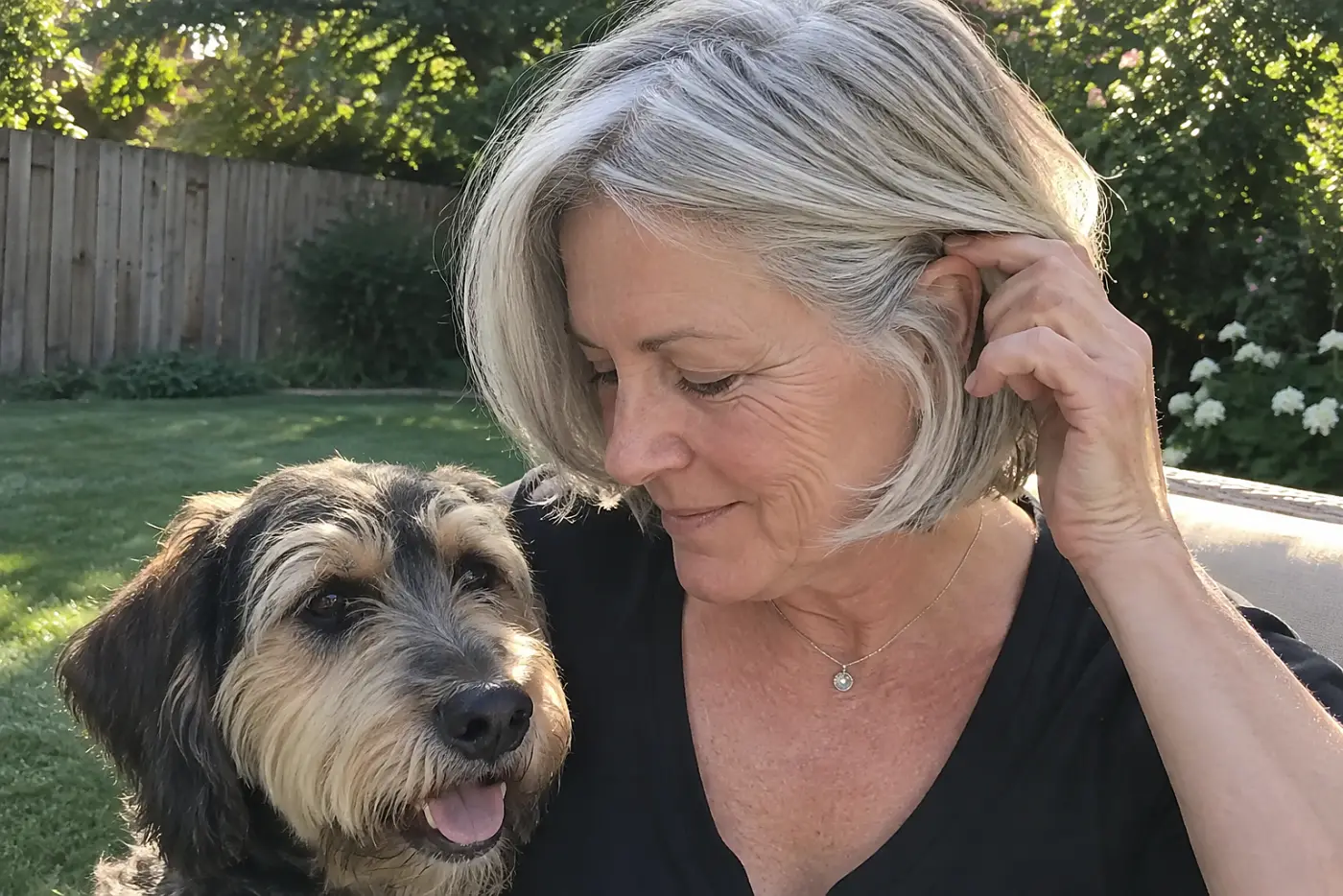
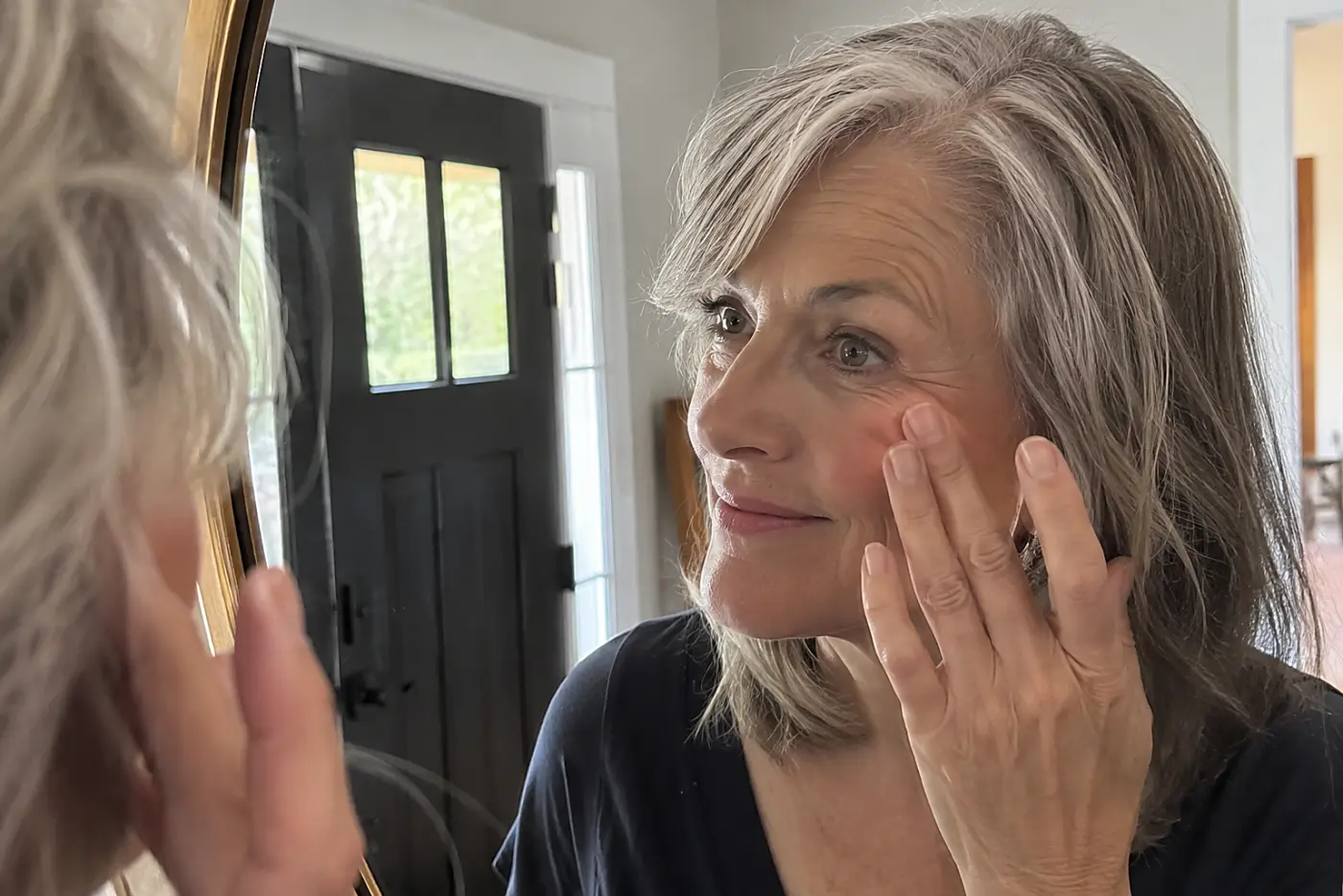
The bathroom mirror catches the part you didn't style: a silver section near your ear, flattened by your glasses. You have somewhere to be. Reaching for the brush shouldn't turn into a project, yet the wrong short cut demands one.
Before the next appointment, look at your hair dry. Notice where it bends, where it lies flat, and what happens when you tuck it behind an ear. Those clues matter more than a photo taken after a professional blowout.
23Classic Chin-Length Bob With Face-Framing Layers
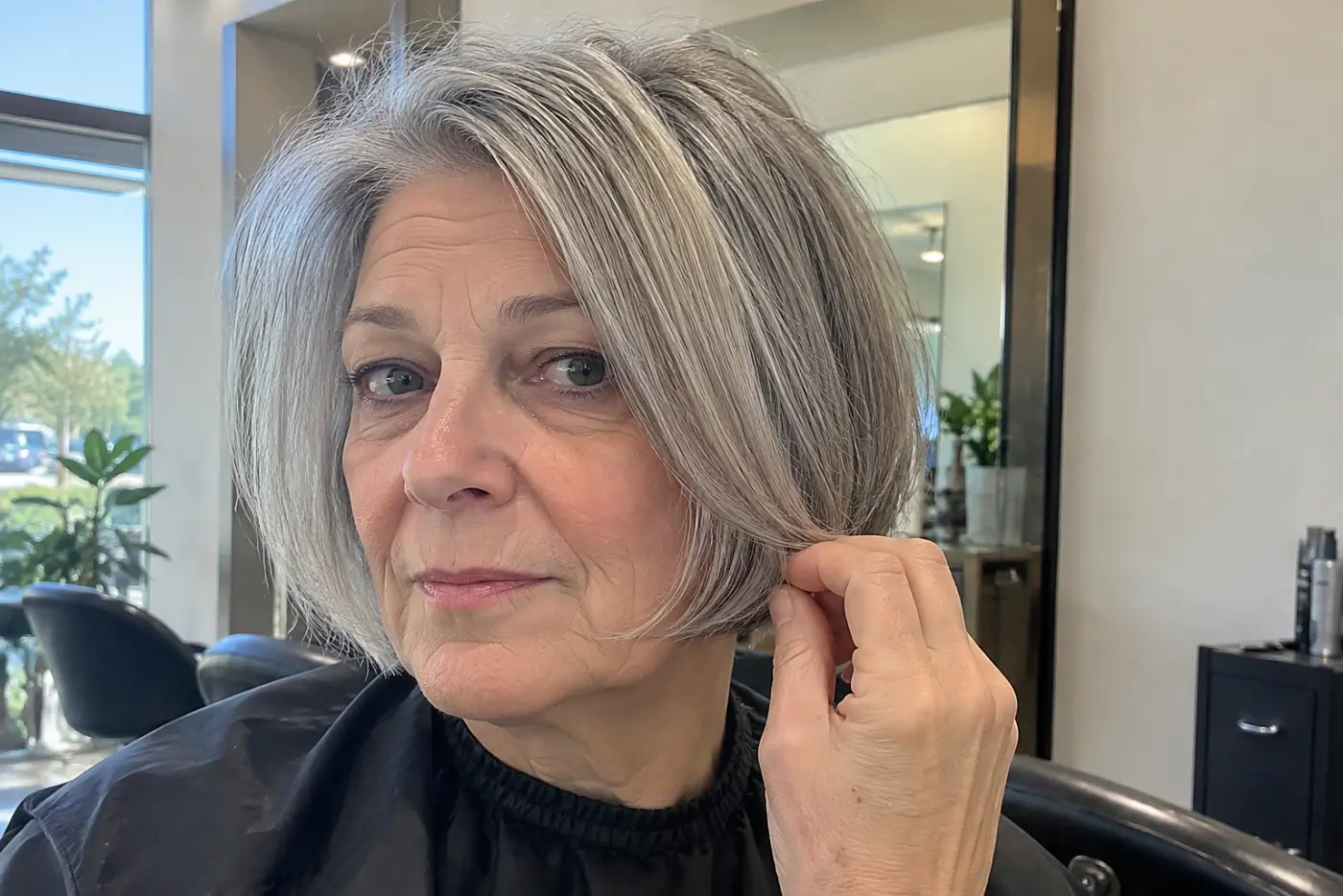
You leave the salon with a smooth bob. The next morning, its sides hang straight down, and the ends sit against your jaw like a shelf. The length wasn't the whole problem. The front needed movement.
AARP's hairstyle guide recommends layers and face-framing pieces to give a bob movement.
Keep the overall edge near your chin, then ask your stylist to show you where the shorter front pieces will land when dry. You want to see the cut beside your face, not only from behind.
If your face is long, bring up a side-swept fringe. Allure's face-shape guide suggests that pairing for softness and balance. Wear the finished cut home in your usual part. A bob that works only with the salon's part is a bob you'll have to negotiate with every morning.
22Textured Pixie Cut With Soft Side-Swept Bangs
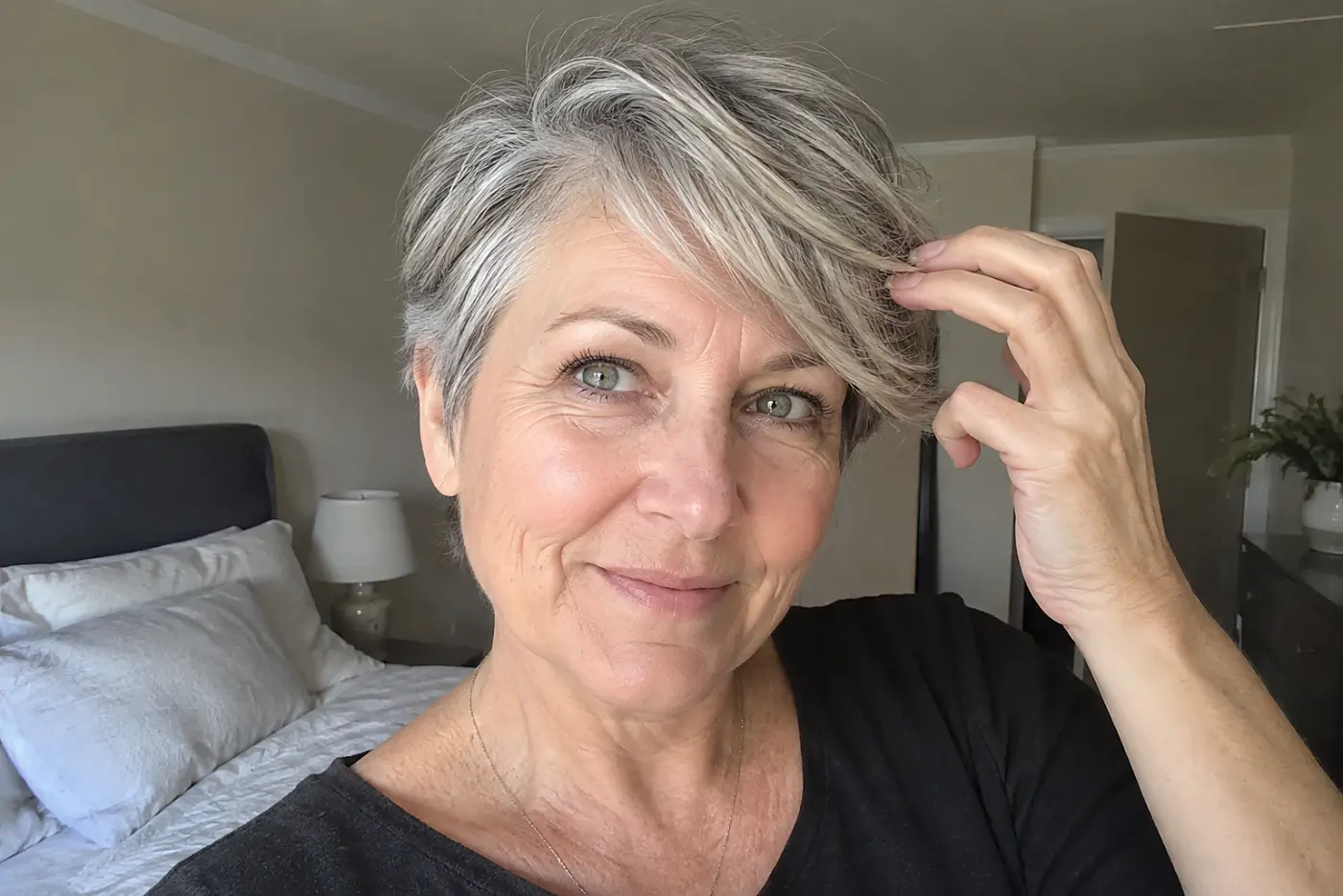
A pixie sounds easy until you picture every hair cut close to your forehead. Keep some length there. Side-swept bangs give you a piece to arrange without committing to a full fringe.
Celebrity stylist Chaz Dean says side-swept bangs “really soften up features” in Woman's World. Allure notes that a cropped pixie draws attention to cheekbones and bone structure.
Ask to see the bangs brushed across your forehead before the final snip. Then move them yourself. If they won't stay where you naturally put them, say so while you're still in the chair.
21Slicked-Back Pixie for Strong Bone Structure
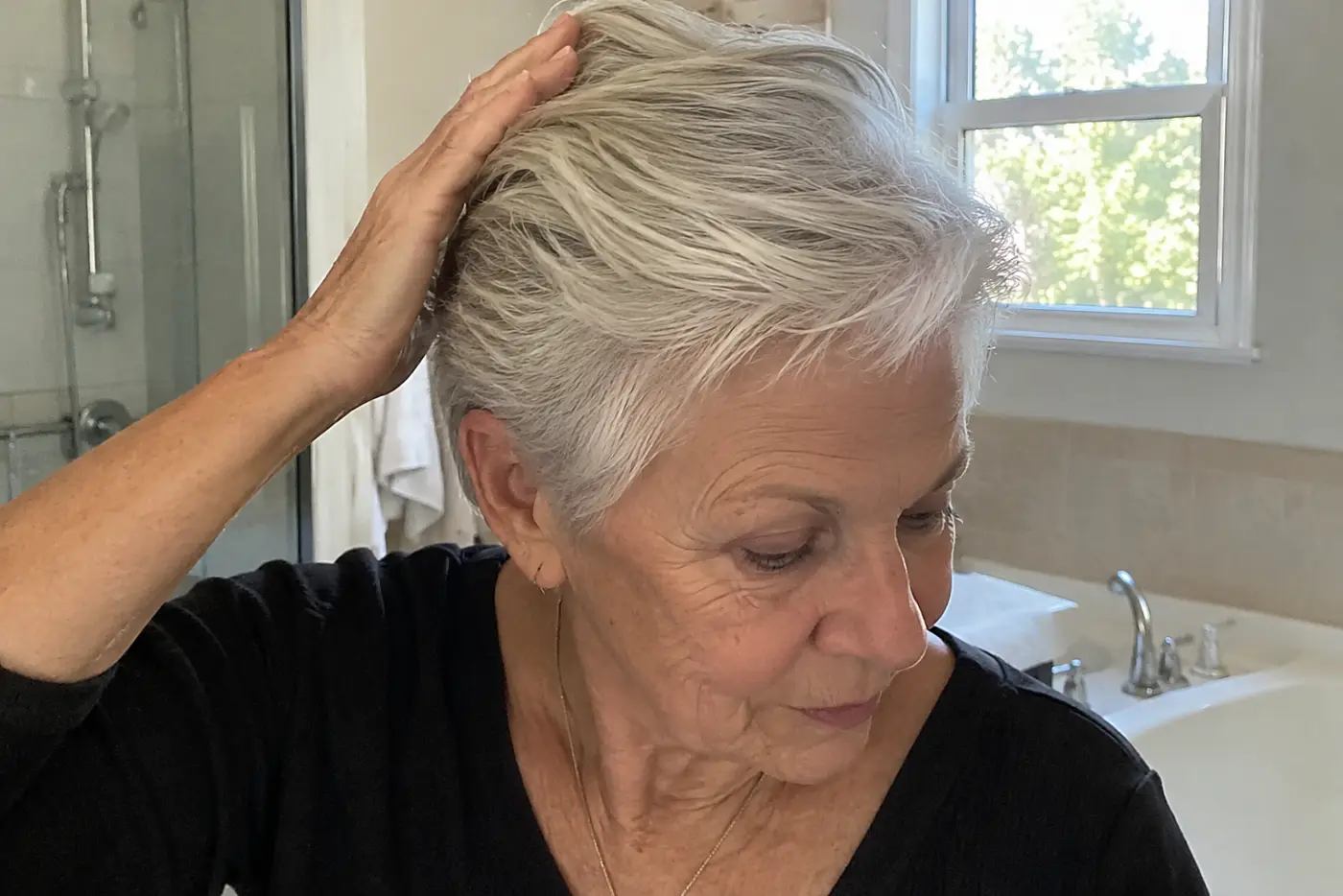
This is the pixie that puts your face fully in view. Allure points out that a cropped cut emphasizes bone structure, especially cheekbones. If you like your brows, earrings, or the shape of your jaw, a slicked-back finish gives them room.
Vogue's pixie guide shows how the finish shifts from ruffled to slicked with styling. Ask your stylist to demonstrate the slicked version, then put your own fingers through it before you leave.
What product did they use? How much? Ask them to show you what happens after you touch the front, because that is what you'll do the first time it falls forward.
Look at the profile, too. Does the hair hold where you want it, or does the front spring forward? This cut makes a strong entrance, but it asks for a morning decision.
If you prefer hair that settles without your help, keep reading for softer shapes. Short hair alone doesn't promise a short routine.
20Wavy Bob With Curtain Bangs
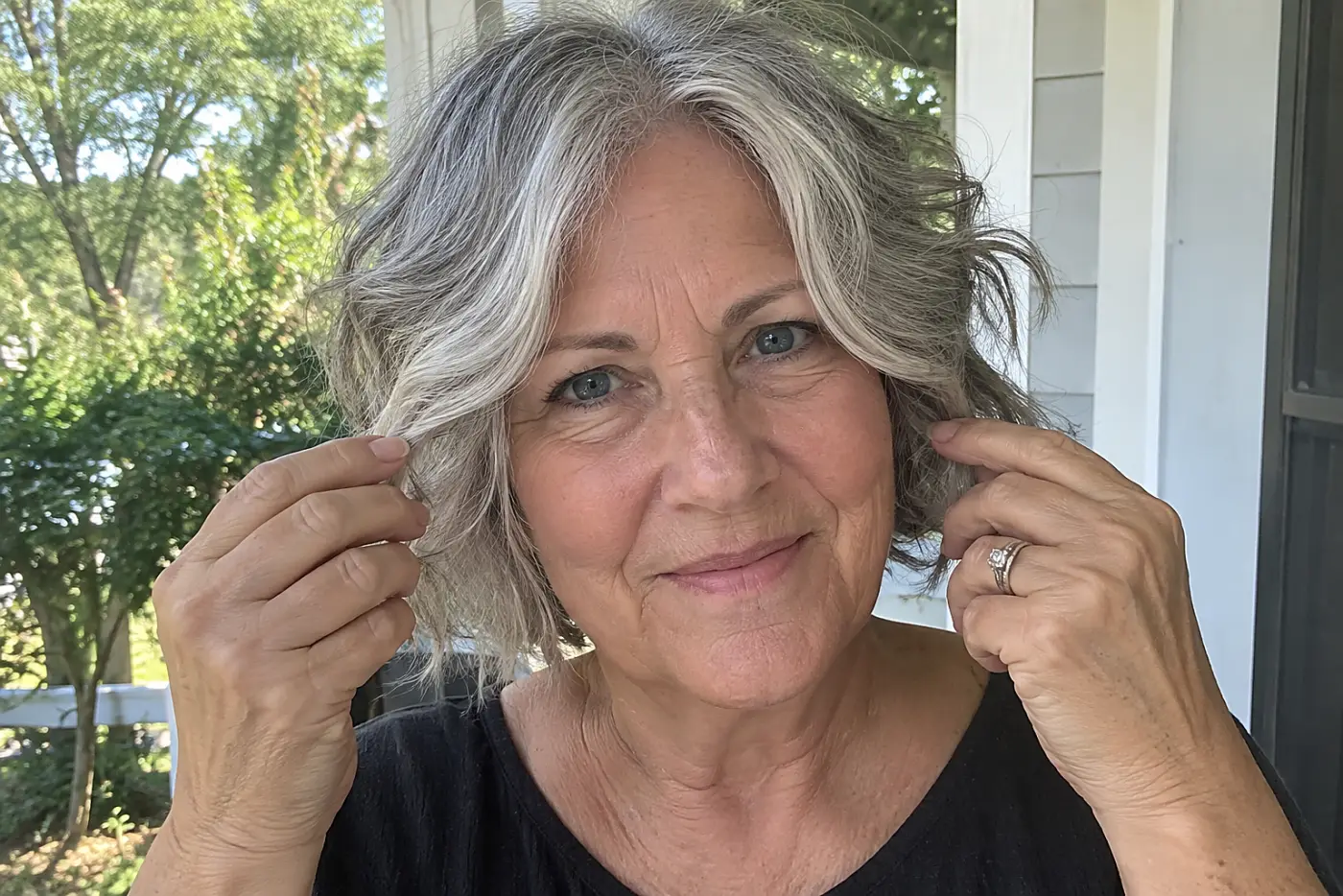
The test for curtain bangs happens after they dry without a brush. On a wavy bob, you want them to open around your face rather than form a solid fringe across it.
NewBeauty includes curtain bangs among the fringes that pair with bobs. Allure notes that a well-cut curtain fringe can air-dry with an intentional shape. Arrive with your usual wave visible so the stylist sees where it bends.
Point to the space you want clear around your eyes. Then ask to see the bangs dry without a round-brush finish. If you use a product on your waves, use the amount your hair already tolerates. Product shouldn't have to hold a badly placed fringe apart.
19Stacked Bixie Between Pixie and Bob
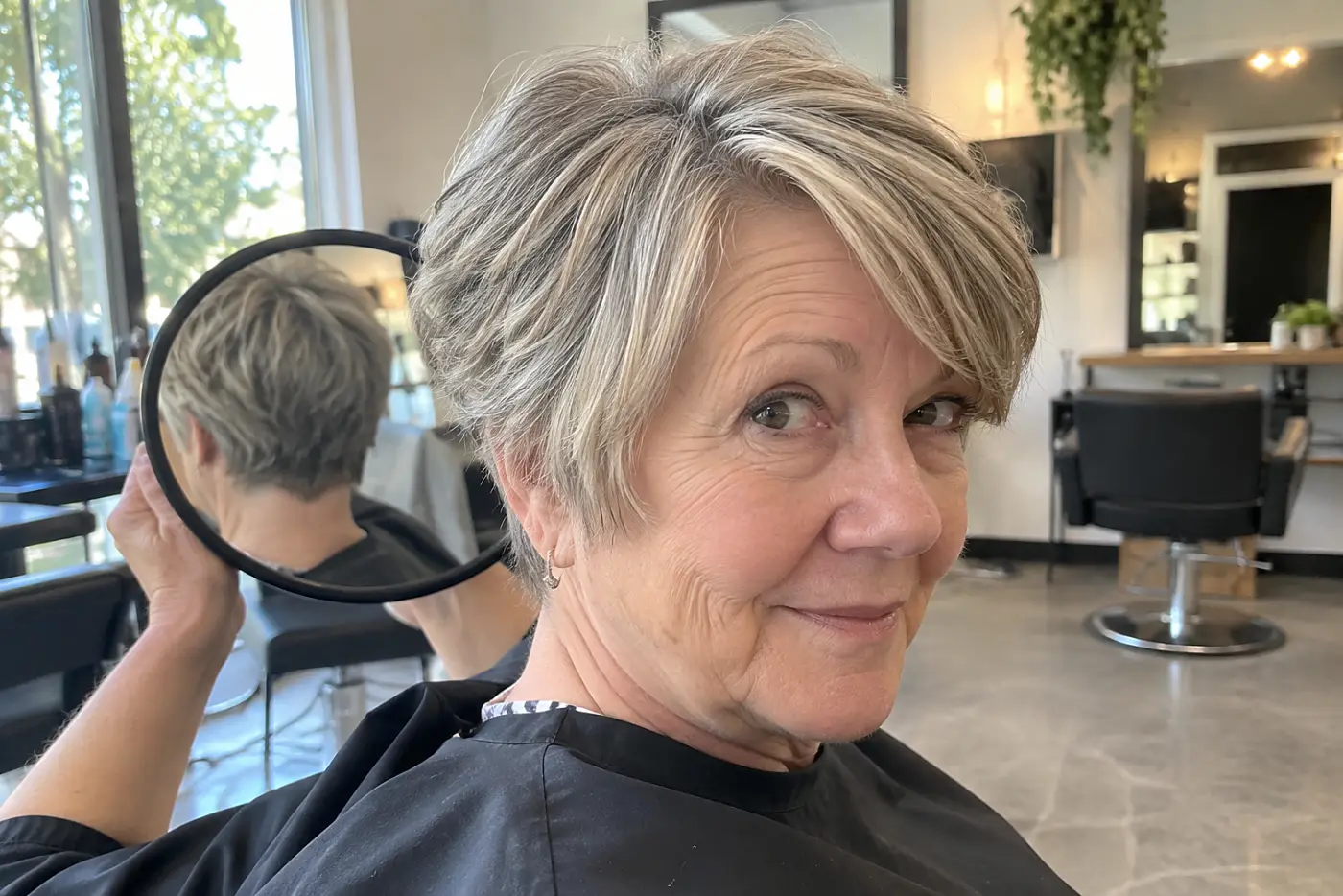
A bixie sits between a bob and a pixie. Vogue defines it as a hybrid with more softness than a classic pixie. You get short hair without giving up every piece around your face.
Allure calls the bixie a 2026 trend and points to natural texture as part of its appeal. For a stacked version, decide which front length you want to keep.
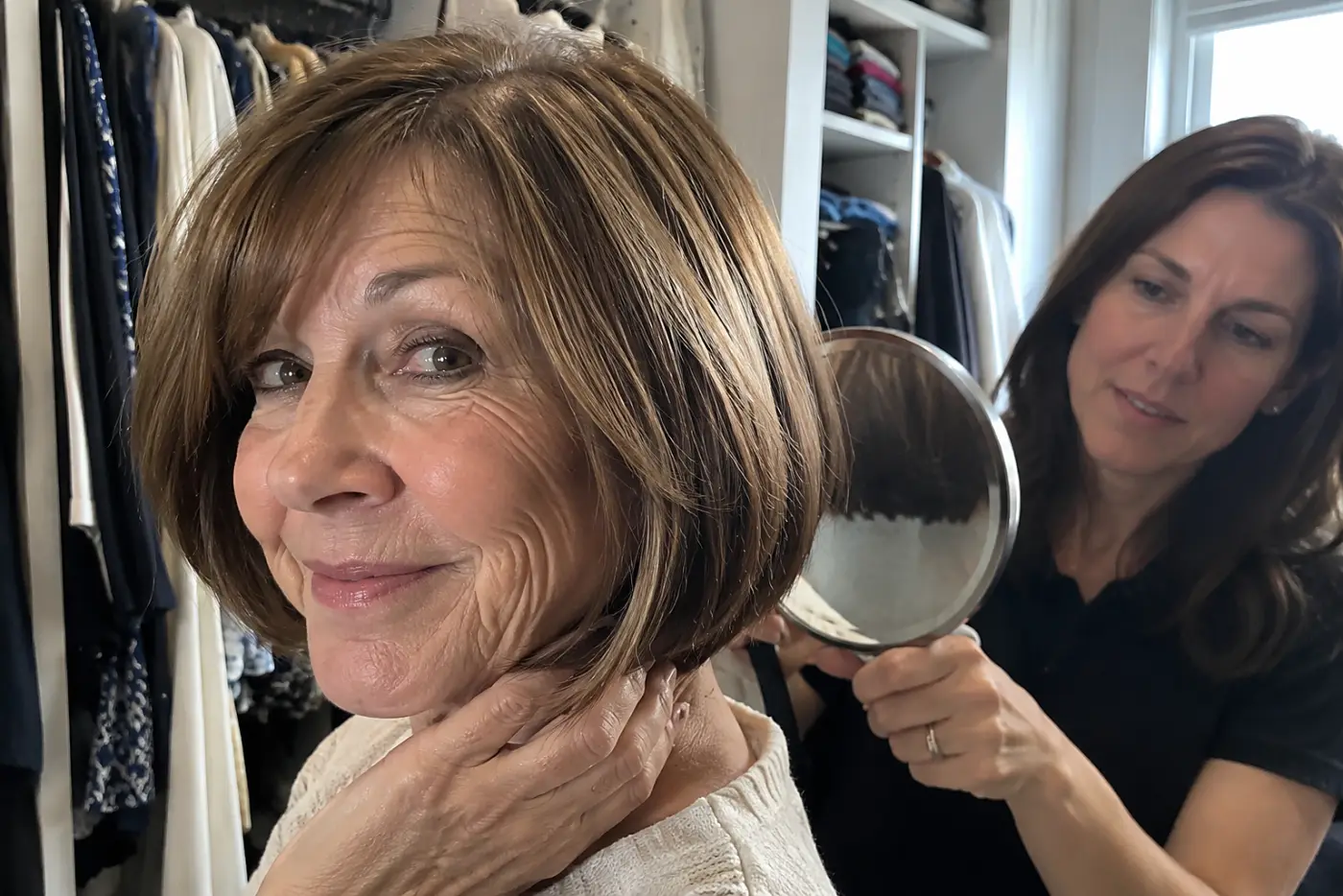
Then ask to see the back in a hand mirror. “Short in back” means different things to different people, especially when the front still brushes your cheek.
Turn your head in the chair. Does the shape move, or does it look arranged strand by strand? Try your usual ear tuck. If that hides the piece you liked most, tell the stylist before they finish.
A bend in your hair gives this cut something to work with. Ask to see it without a hot-tool finish, so you're judging the haircut rather than the styling appointment.
18Modern Crop With Subtle Undercut Sides
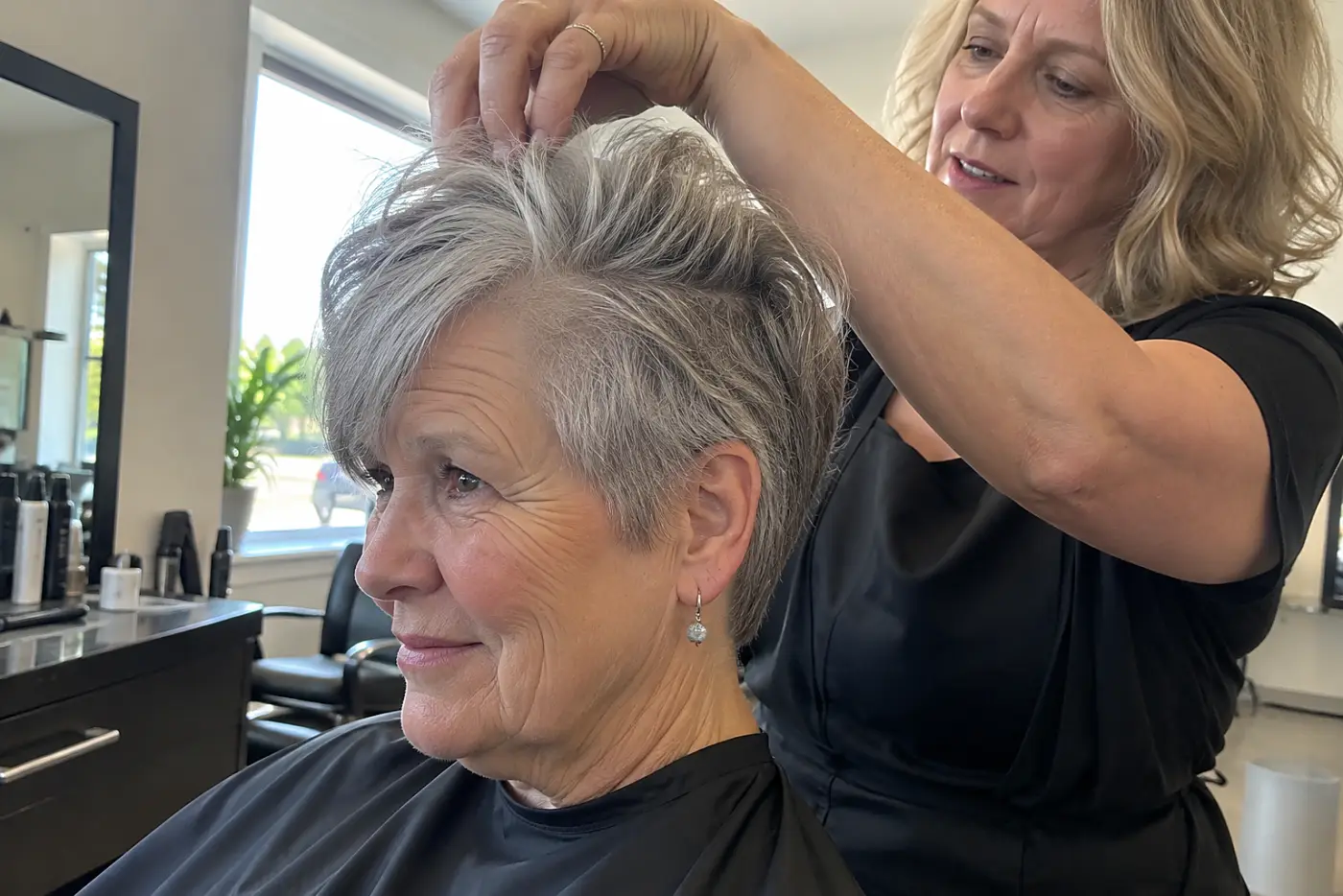
Thick hair cut short can push outward above your ears. You smooth it down, leave the house, and find the width has returned. An undercut removes some hair underneath the visible crop so the top sits closer to your head.
Redken's guide to short cuts and texture recommends removing bulk at the back or sides of thick hair.
Ask your stylist to lift the top section and show you exactly what would be cut beneath it. “Subtle” should mean something you both can point to.
If your hair is fine, pause before agreeing to the same treatment. Haircut.info's undercut guide warns that removing too much can leave fine hair looking sparse. Tell your stylist where you need coverage, especially near your part and temples. The goal is less bulk where you have plenty, not less hair where you don't.
17Classic Short Gray Wedge Haircut Over 60
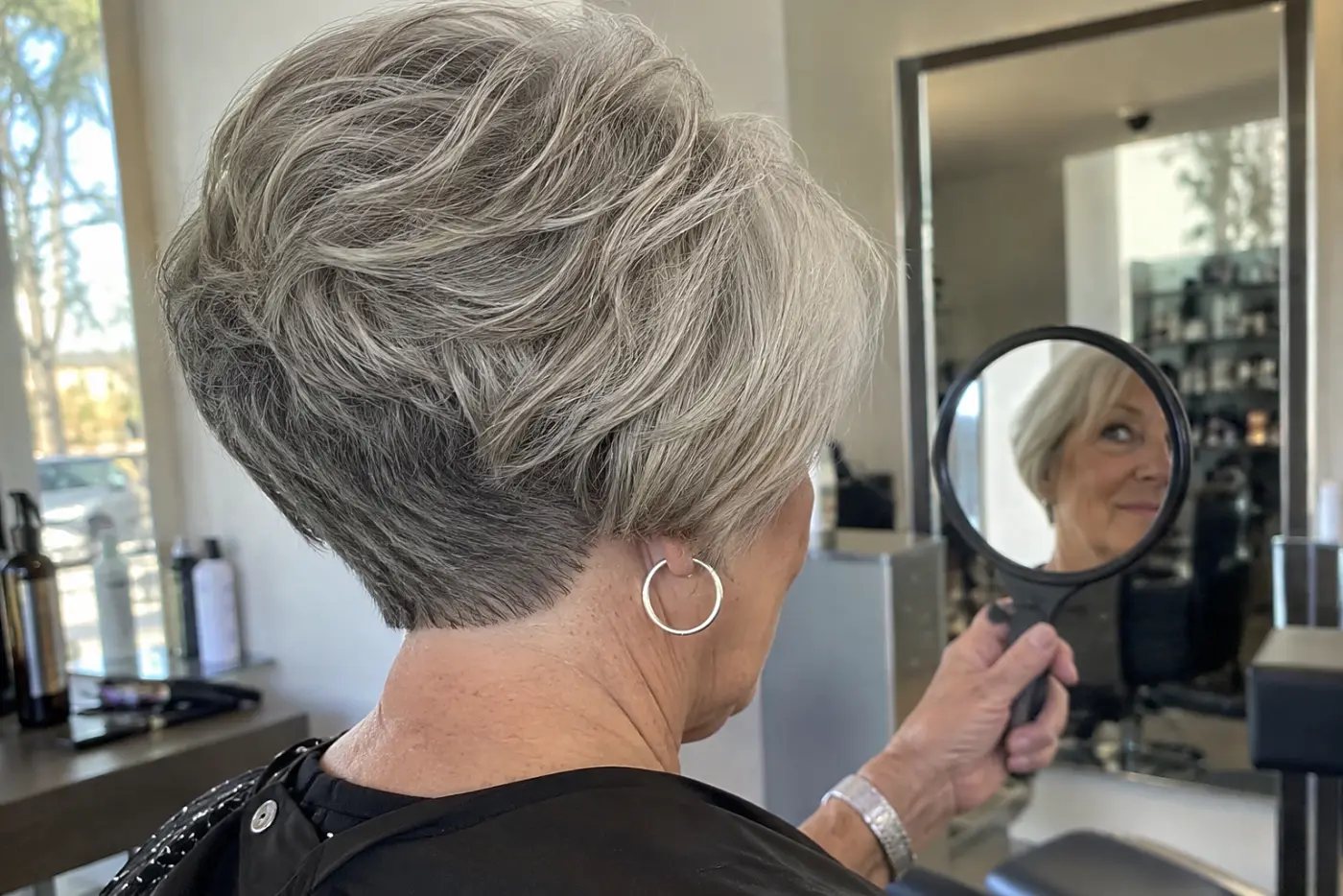
The wedge has been around long enough to carry a reputation. TIME's account of Dorothy Hamill's 1976 Olympics traces its surge in popularity.
Forget the old photo for a moment. Look at the construction: a close nape supports a fuller, graduated back. A hairdressing lesson from E-Hair College describes how graduated cutting builds that stacked shape.
Bring a side-view photo, not only a front view. Tell your stylist how full you want the back to look, then ask to see where the stack meets the nape in a hand mirror. You don't need to speak in cutting angles. You do need to agree on the outline.
Vogue's haircut guidance places short-cut upkeep around every 4 to 6 weeks. If the crisp nape is what sold you, ask how it will look before the next trim. Item #6 has a different priority: a wedge you needn't arrange each morning.
See more: 23 Rules About Dressing Your Age That Are Worth Ignoring →
16Asymmetrical Wedge With Longer Front Layers
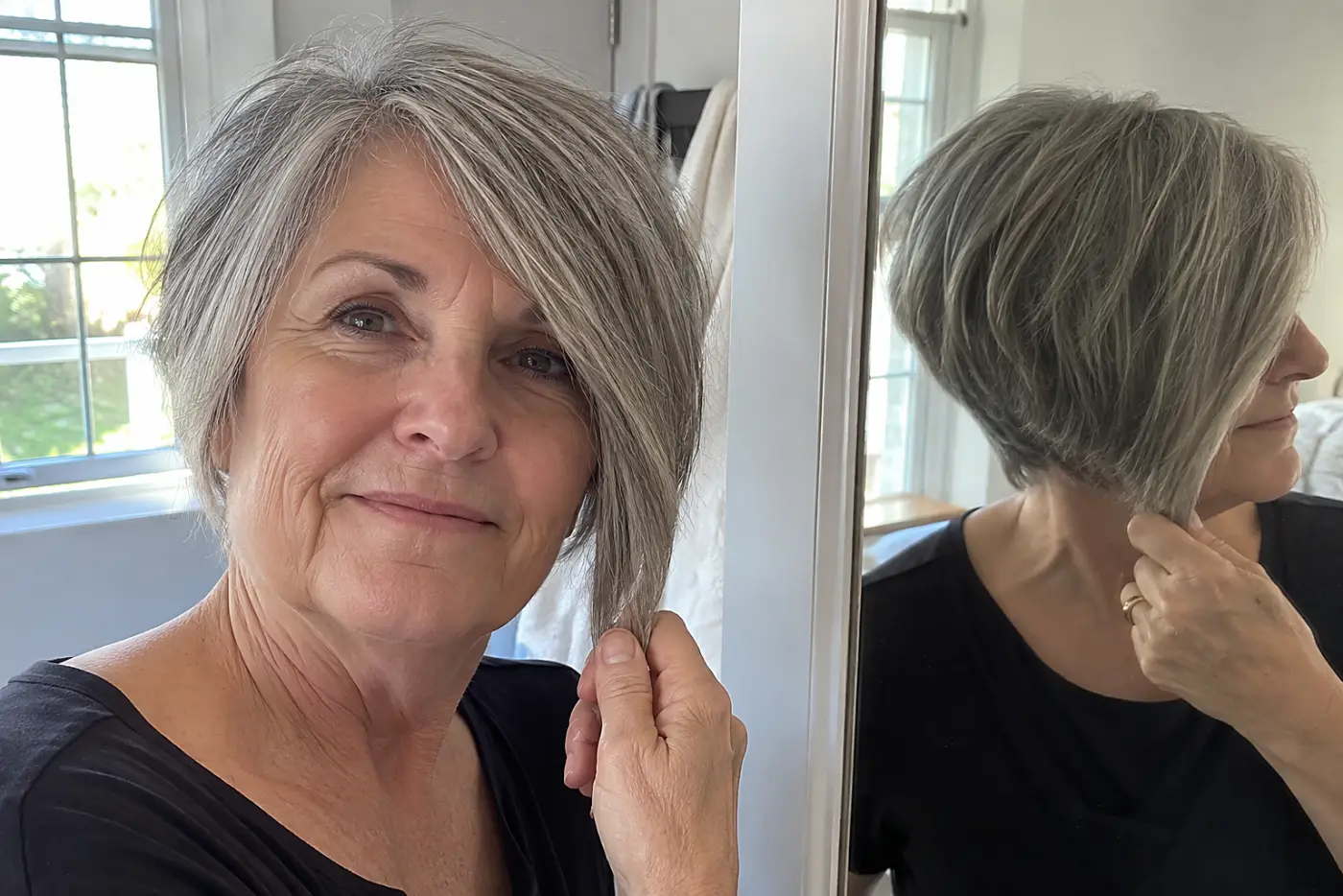
A round face doesn't require a face-hiding haircut. It needs a line that goes somewhere. Leave one front side of this wedge longer and the eye follows that angle instead of stopping at the widest part of your face.
Hair.com suggests asymmetrical bobs for adding angle to round faces. Allure's face-shape guide also points to asymmetry for breaking up width.
Before cutting, part your hair as you normally do and hold one front section lower than the other. Check the effect in the mirror with your chin level.
Tell your stylist which side you tuck behind an ear. Keep that habit in the plan; otherwise, the longer piece ends up tucked away every day. Then check the back. You still want a wedge with a clear nape, rather than an angled front attached to a shapeless back.
15Side-Swept Wedge Bob for Round Faces
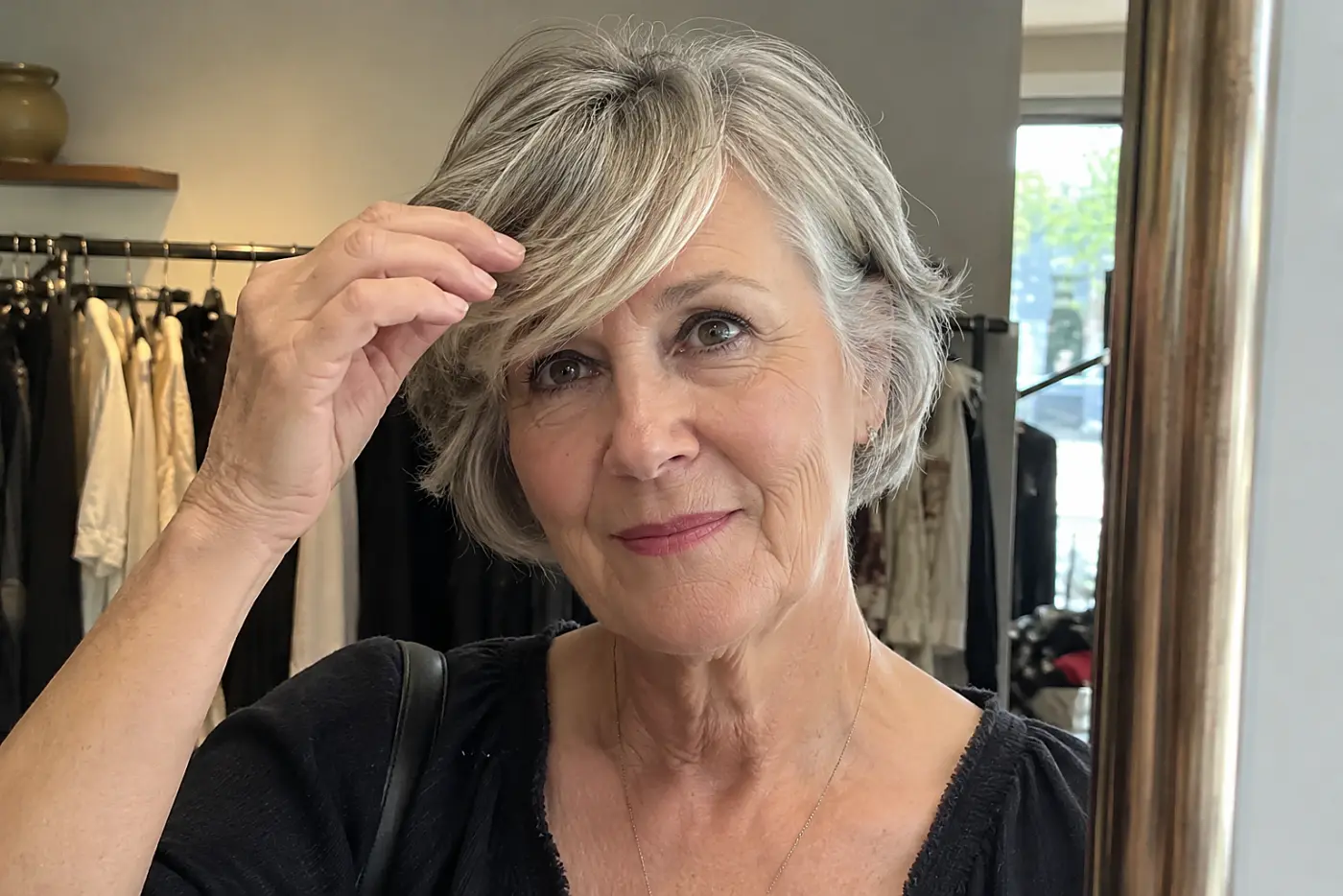
The wedge builds shape at the back. The side-swept fringe decides what happens at the front. If you have a round face and dislike a straight line across your forehead, ask for the fringe to travel diagonally.
Hair.com describes how an angled shape adds structure to a round face. Allure recommends side-swept elements for balance. Show your stylist where your part falls without help.
Then brush the fringe over with your fingers and let go. Does it stay clear of your eye? Ask for a length you can tuck aside on days you don't want bangs.
See more: 29 Ways to Dress for the Body You Have Now Without Giving Up →
14Tapered Pixie With Longer Top Layers
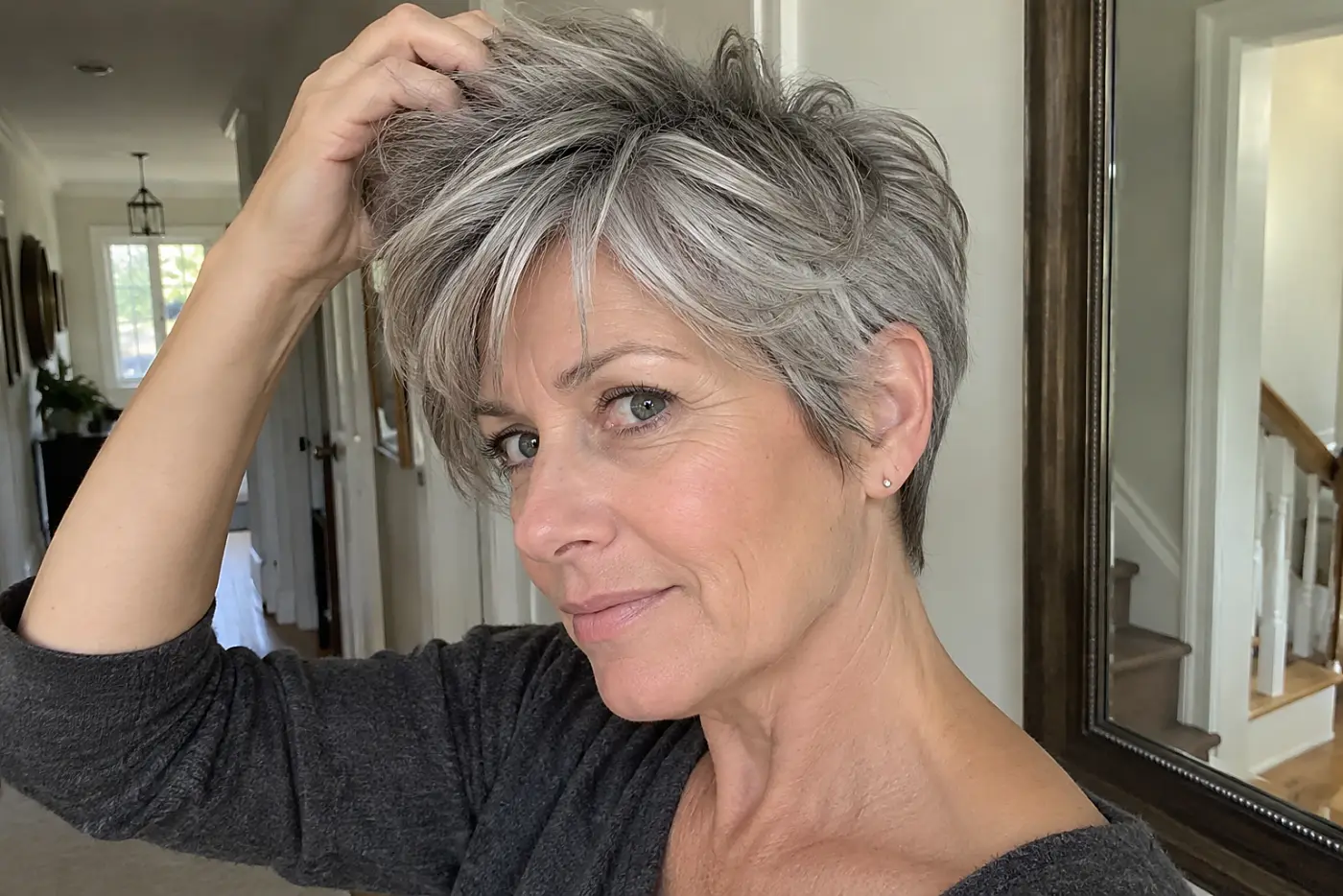
The nape fits close. The crown stays long enough to move. That difference is what keeps a tapered pixie from looking flat against your head.
Vogue's styling guide describes pixies with length at the front and crown for lift. Redken also pairs fuller top pieces with a shorter nape.
Tell your stylist where your hair collapses when dry. Ask them to leave enough there for you to lift it with your fingers.
Now touch the back of your head. Is the nape short enough for the top to read as fuller, or is everything the same length? Ask for the contrast you want to see. You should be able to move the crown pieces without rebuilding the whole cut. That's a much smaller morning job.
13Rounded Silver Pixie for Angular Features
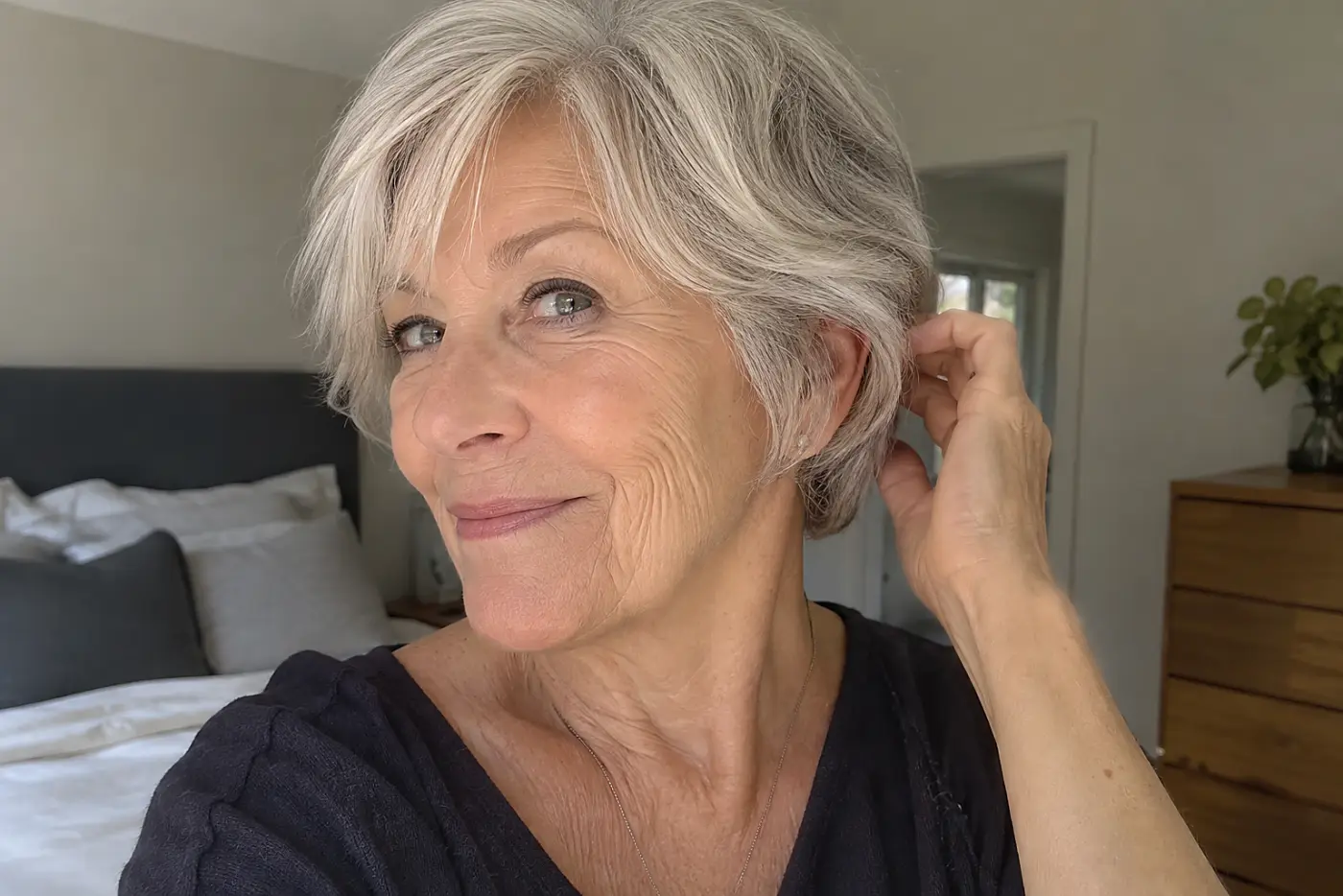
Stand in front of the mirror and brush your hair away from your cheeks. If you like the definition in your jaw but don't want every line emphasized, pay attention to the outline of a pixie.
Allure notes that cropped pixies draw attention to cheekbones and jawlines. A rounded top and textured edges change the way that emphasis reads. Vogue's soft-pixie guide describes a cut without a harsh back line, with detail around the face.
Ask your stylist to show you the outline behind your ears. Compare that curve with the front pieces before deciding whether it feels right. Keep those pieces movable enough to brush aside.
Try it while you are still in the chair. Move the hair the way you would before going out, then let go.
If the rounded shape disappears at once, ask what part of the cut is meant to hold it. You deserve to know what the scissors do and what your hands will have to do later.
See more: 24 Things Going Grey Does to How People Treat You →
12Shaggy Short Haircut With Wispy Ends for Women Over 60
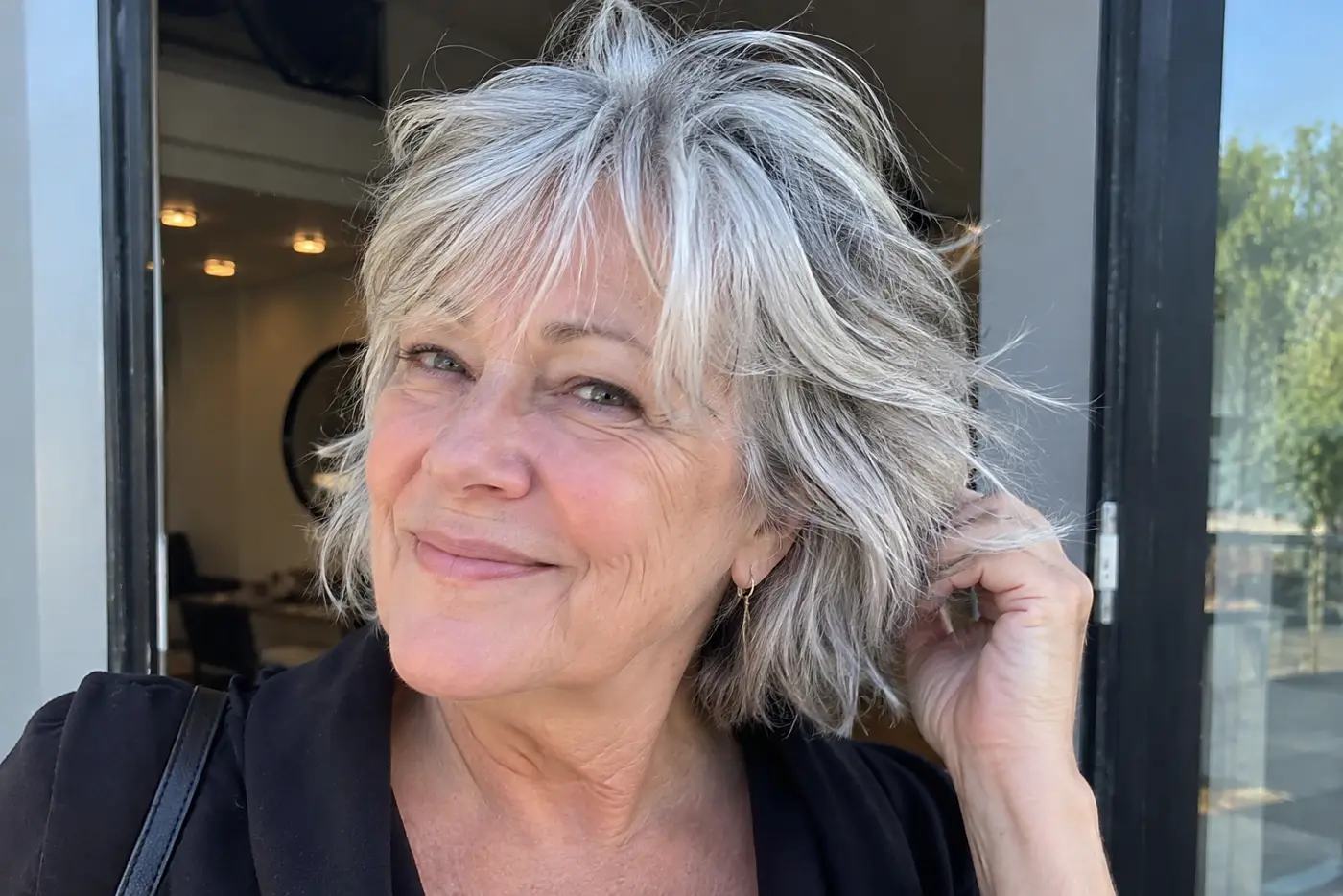
You asked for “layers” before. The result had a smooth top, a heavy middle, and ends that stuck out when you got home. For this crop, the placement of the layers matters more than the word itself.
AARP recommends an updated shag with layers throughout for medium-to-thick wavy hair. Allure's shag guide also focuses on removing bulk so waves and curls have room to take shape.
Show your stylist the area that expands as your hair dries. Ask what they'll remove there while keeping the ends light.
Don't judge the cut only after a smooth blowout. Have the stylist move it with their hands and show you the layers as your hair naturally sits. At home, the crop should look like it belongs to your waves. If you must flatten those waves every morning, the shag has missed the point.
11Shaggy Short Haircut With Curly Texture
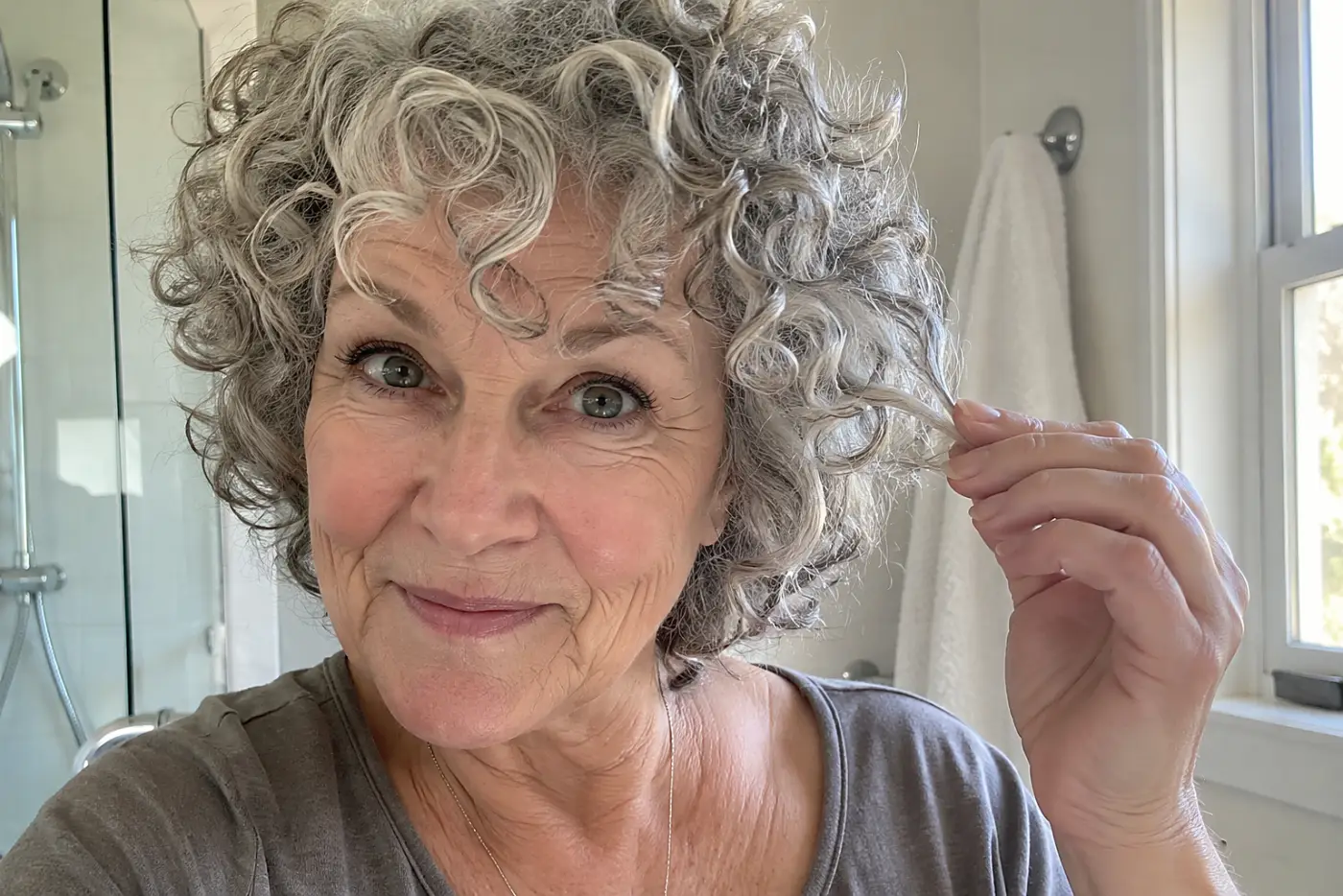
What if the quickest way to style your curls is to stop pulling them straight? A soft shag gives shorter curls near the face and leaves room for the rest to form its own outline.
Vogue's curly-shag guide puts the emphasis on giving natural texture the right framework. Allure's curly shag example shows how curly bangs join the shape without a daily blowout.
Bring your stylist a photo of your hair on an ordinary wash day, not only a picture of someone else's finished cut.
Ask to see where the shortest curls will fall once dry. A curl sitting across your eyes changes the routine, even if the rest of the shag looks effortless. Keep the front at a length you'll wear, then let the layers do their work.
10Curly Cropped Cut for Natural Texture
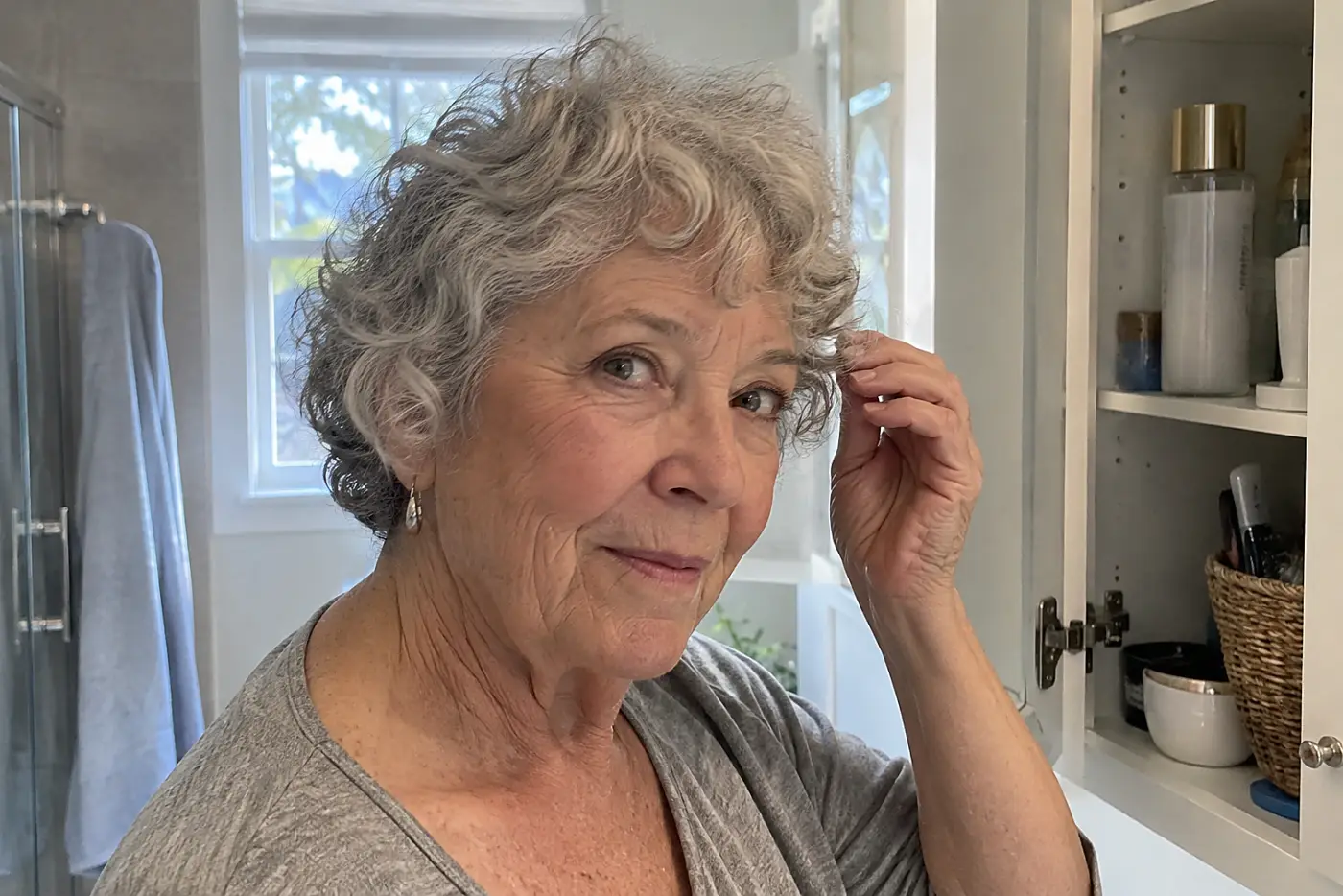
A cropped curl cut puts the pattern in view. The top has height; the sides follow the shape your curls make. NewBeauty's curly-cut guide includes short crops for showing texture without heavy styling.
The product question is simpler than it sounds: what keeps your curls defined after they dry?
Allure's curl-care guide stresses moisture and scalp care. Ask your stylist to use the kind of moisture routine you would use at home, then let the cut dry enough to reveal its outline. A salon finish built on extra steps won't answer your morning question.
Check the area around your ears before leaving. If you wear earrings, glasses, or both, those curls share the same small space. Move them as you normally would. Your cut should still have a shape after your hands have touched it.
9Voluminous Layered Bob for Fine Hair
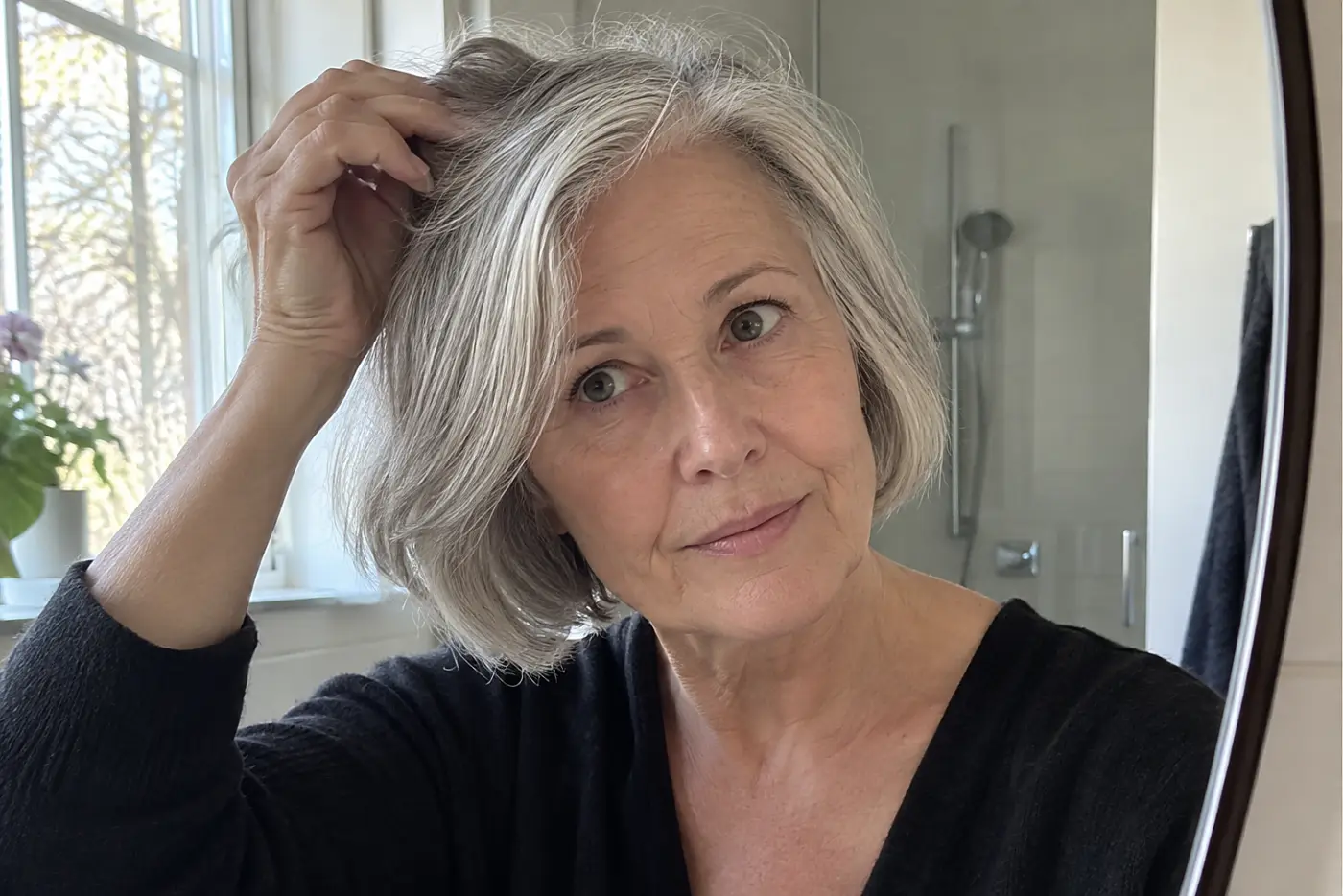
Fine hair has a particular trick: it looks full while the stylist's brush is underneath it, then loses that lift before you've taken off your coat. The cut needs an edge with substance, not layers everywhere.
Vogue's fine-hair guide recommends restrained internal layers or a blunt bob for the appearance of fullness. Allure also pairs subtle layers with root lift.
Tell your stylist you want to see the lower edge clearly, then ask where the layers will be hidden inside the shape.
When they finish, run your fingers under the top near your part and lift. Does the bob keep a full-looking edge when the roots settle again? That's the test to take home. Volume at the crown is welcome, but you shouldn't have to sacrifice the ends to get it.
8Graduated Bob With Swoop Bangs
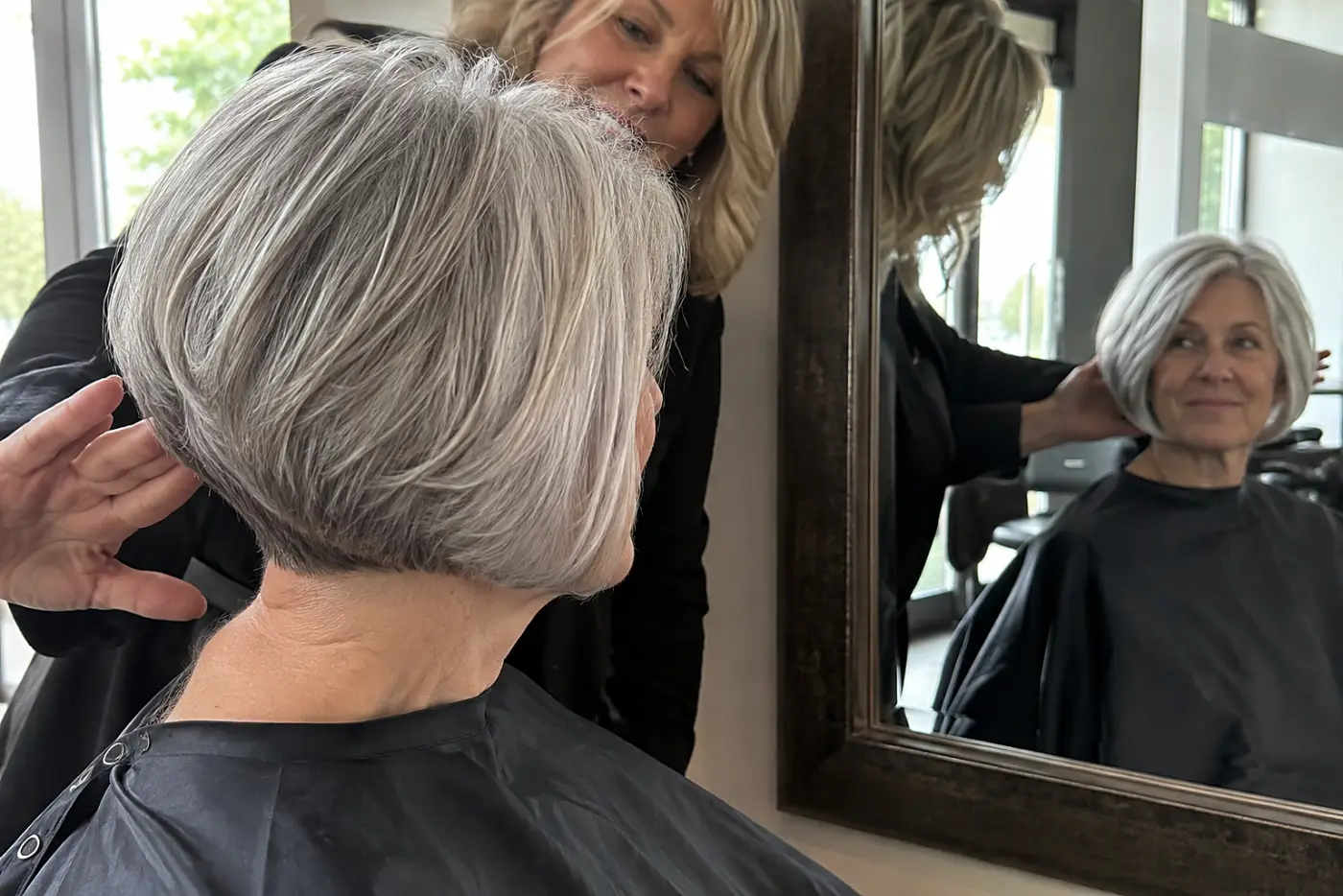
Look at this bob from the side. The back is shorter, the front travels lower, and the fringe sweeps across rather than dropping straight down. The shape gives your hair direction before you pick up a brush.
Redken's short-hair guide describes how graduation builds lift into a cut. Allure points to side-swept bangs for softening and balancing a bob. Ask your stylist to show you where the swoop ends when dry, especially if you wear glasses.
The word “swoop” invites a bigger fringe than you intended. Set the limit yourself: point to the spot where you want it to clear your eye. Then ask to see the cut from behind. The back needs its own clean outline, not merely shorter hair under a long front.
7Choppy Bob With Piecey Texture
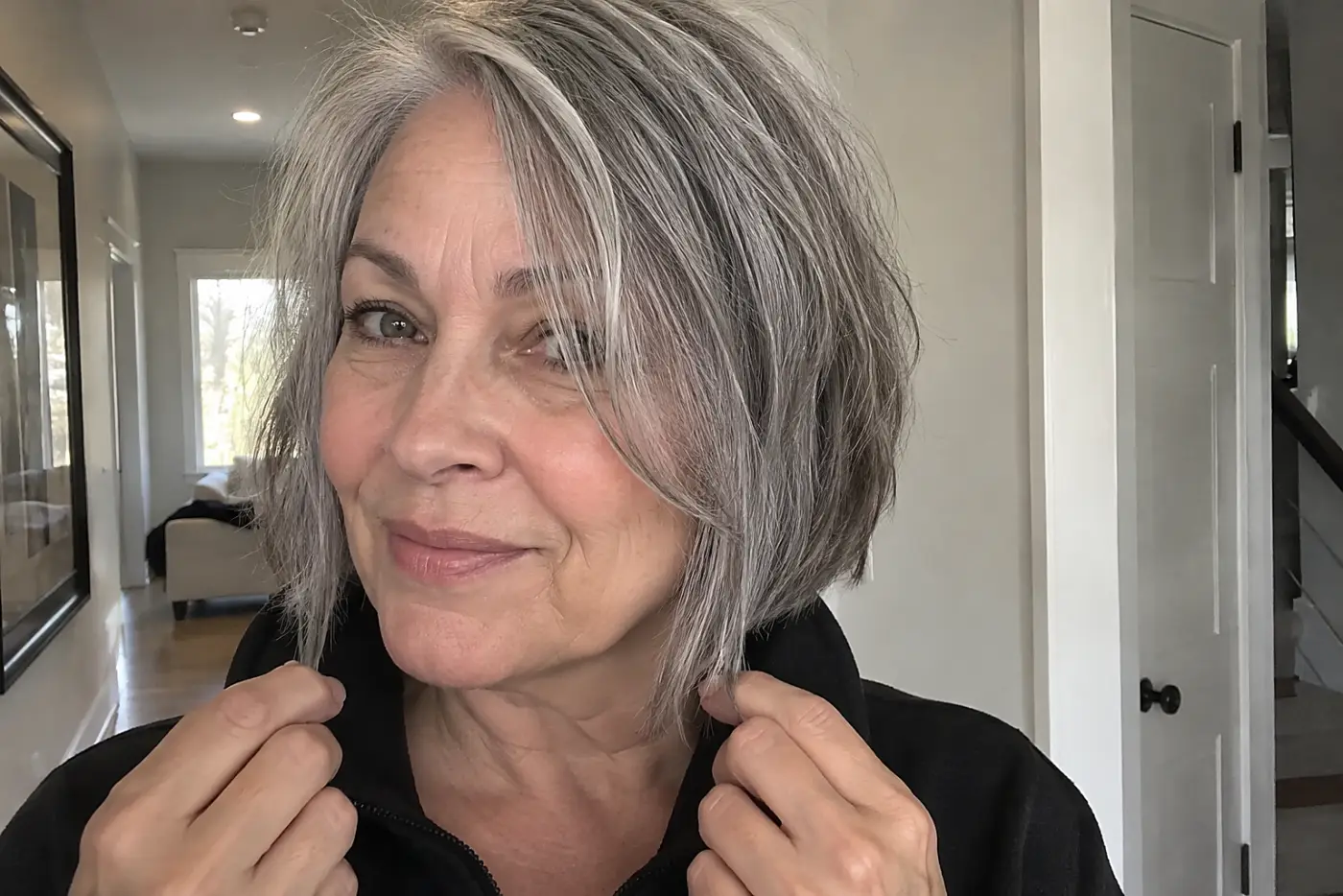
“Choppy” shouldn't mean see-through ends. If your hair is fine, keep the bottom line of the bob substantial and put the broken-up texture inside it.
Allure's fine-hair guide shows how softly layered bobs create movement. Vogue favors restraint with fine strands so the cut still looks full.
Ask your stylist to point out the baseline before adding texture. You want to know what's being kept as well as what's being cut.
Once it's dry, pull a small section forward against your clothing. Do the ends look full, or do they disappear into wisps? That's easier to judge away from the salon mirror's bright lights.
If you like the edge but want more separation on top, say exactly that. Have the stylist show you the piecey finish with their fingers, then try it yourself. You don't need every strand to land in a set position. You do need the bob's lower edge to remain visible after you stop arranging it.
6Low-Maintenance Stacked Wedge for Over 70
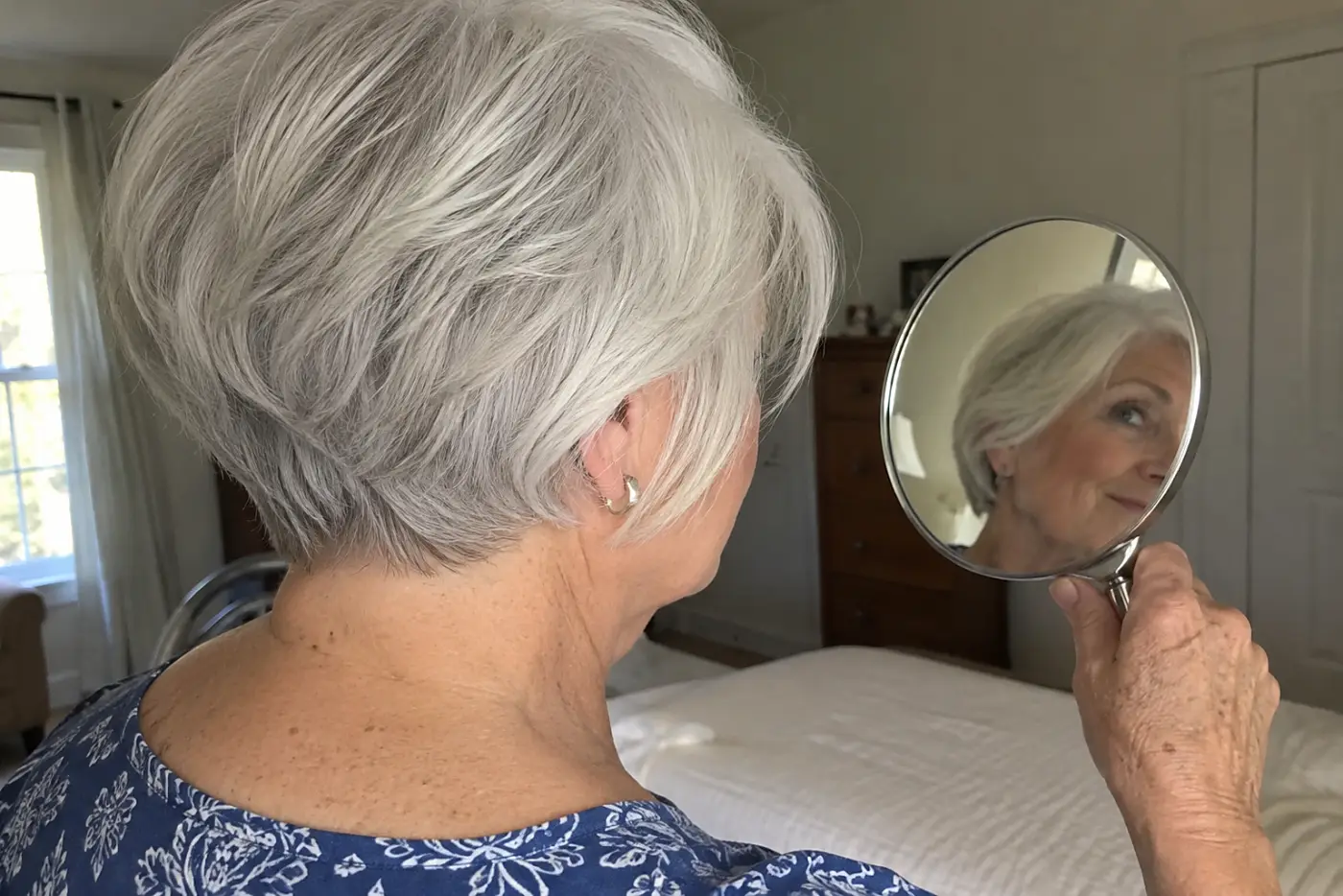
The close nape does the work here. Unlike the classic wedge in #17, this version is chosen for how it settles after you smooth it with your hand.
TIME's account of the wedge describes the appeal of a cut that falls back into place. The E-Hair College lesson on graduation shows how a precise stack gives the back its outline.
Ask for a dry-hair demonstration. Have your stylist move the back out of place, then let it settle without a brush. Check it from both sides, not just straight on. If the outline needs careful arranging, say so.
Gray or white hair isn't a request for the wedge you wore decades ago. Choose the outline that works with the hair you have now, then ask how it will be kept at the next trim.
5Easy Short Pixie Bob for Busy Mornings
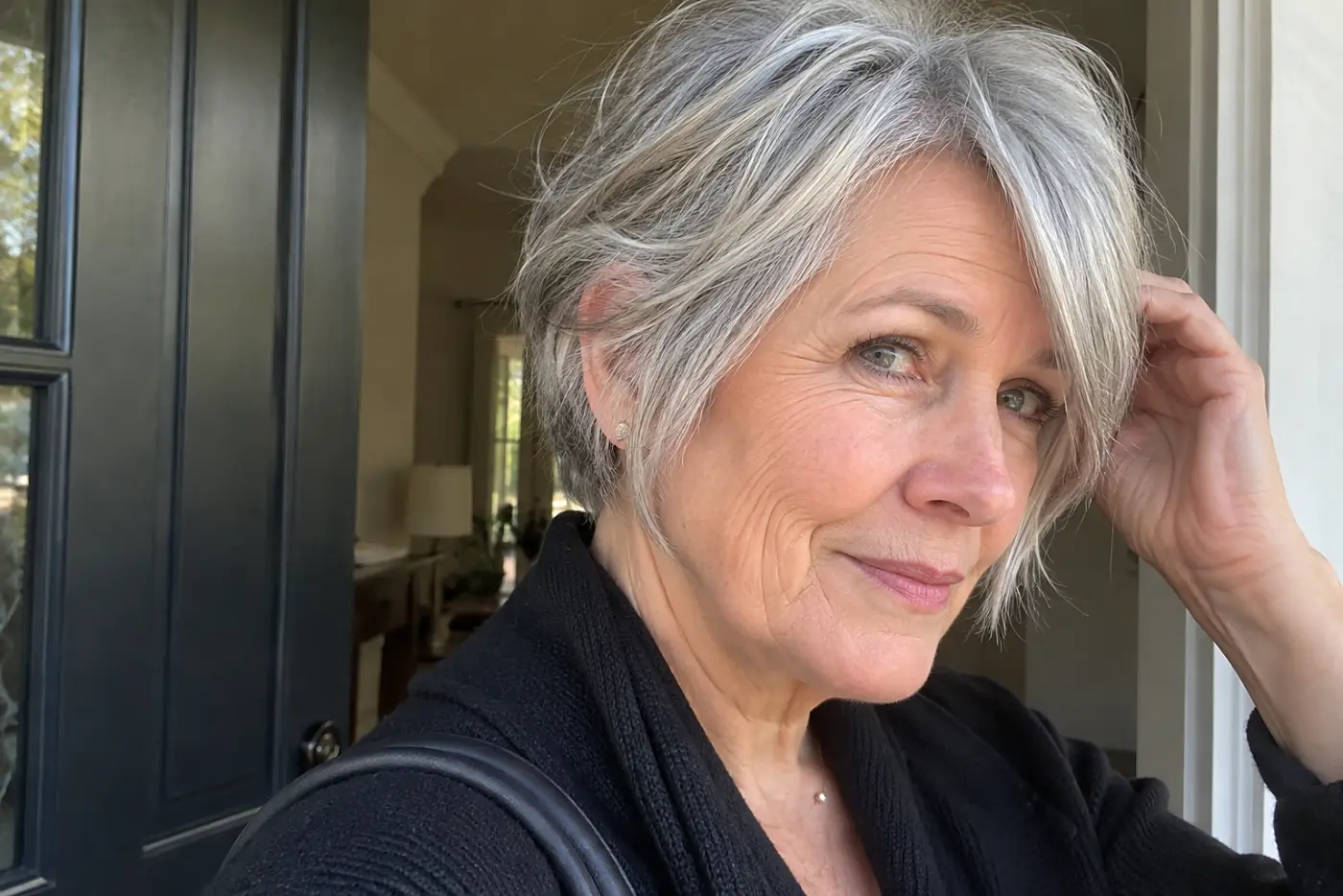
The alarm goes off. You wash your hair, put on a shirt, and need to leave before you've had a salon-quality thought. A pixie bob has to pass that morning test to earn the name “wash-and-go.”
Vogue's soft-pixie guide describes a cut that falls into shape with less styling. Allure makes a similar point about correctly cut curtain bangs that air-dry well.
Tell your stylist which parts of your hair dry flat and which parts turn outward. Those habits determine where to leave length.
At the salon, ask to see the cut without a round-brush finish. Run your hands through it and let it settle. If the front stays clear of your eyes and the back has an outline, you have a workable morning cut. If every piece needs separate attention, change the cut before buying another product.
4Easy Short Blow-Dry Bob With Root Lift
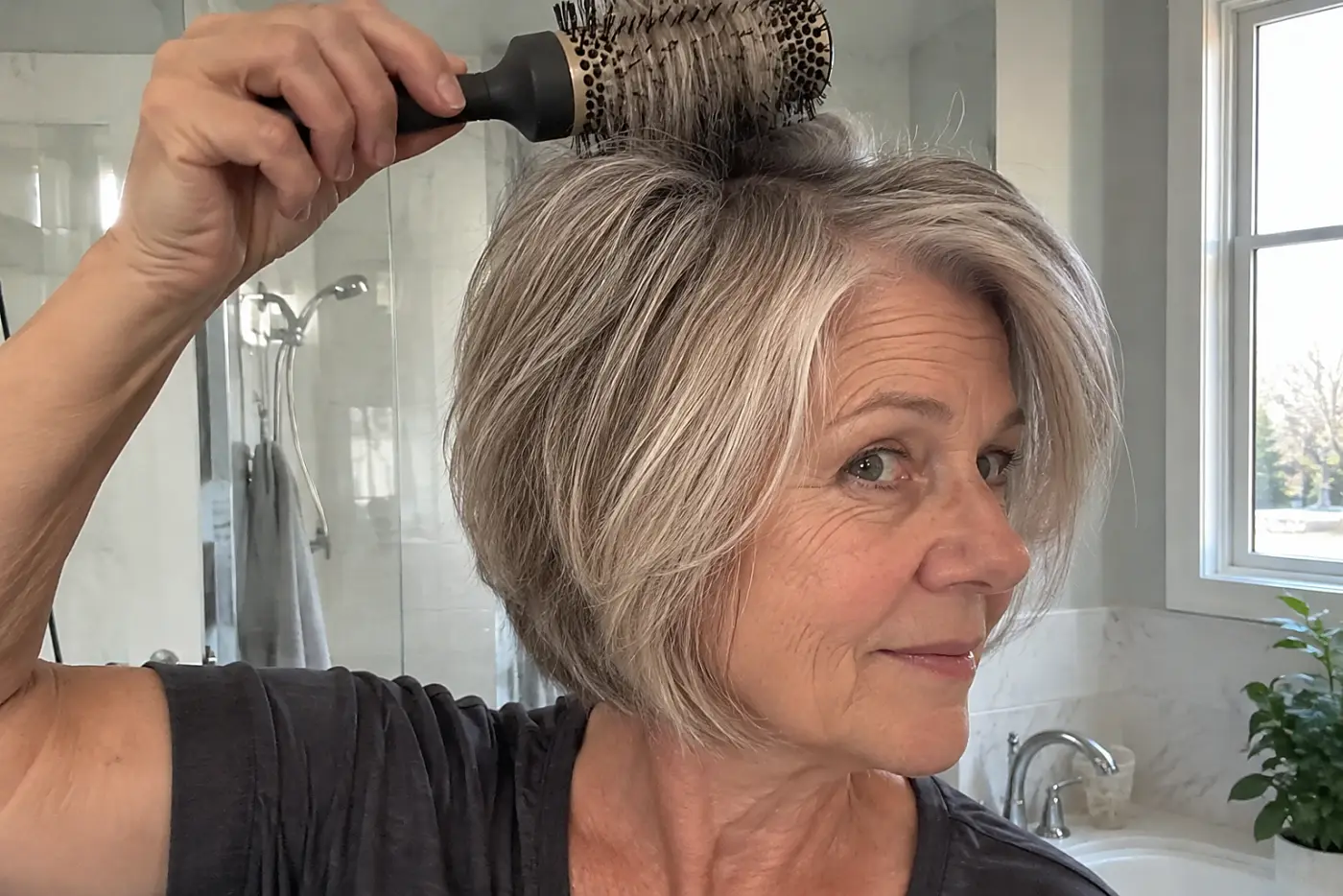
You don't mind using a dryer. You mind needing an elaborate routine to make the top of a bob stand up. Put the brush under the roots where your hair falls flat, lift, and direct the air there before moving to the ends.
Allure's fine-hair guide recommends root lift and light texture for a fuller-looking bob. Vogue points to restrained layering near the top to help create that lift. Ask your stylist to demonstrate one pass with a round brush, then take the brush and repeat it yourself.
If you need a product, ask for the type and amount used, not a shelf full of extras. Check the bob after the brush leaves your hair. It should have a clean edge even as the lift relaxes. That's what keeps a quick blow-dry from becoming a rescue mission.
3Face-Framing Lob With Minimal Styling
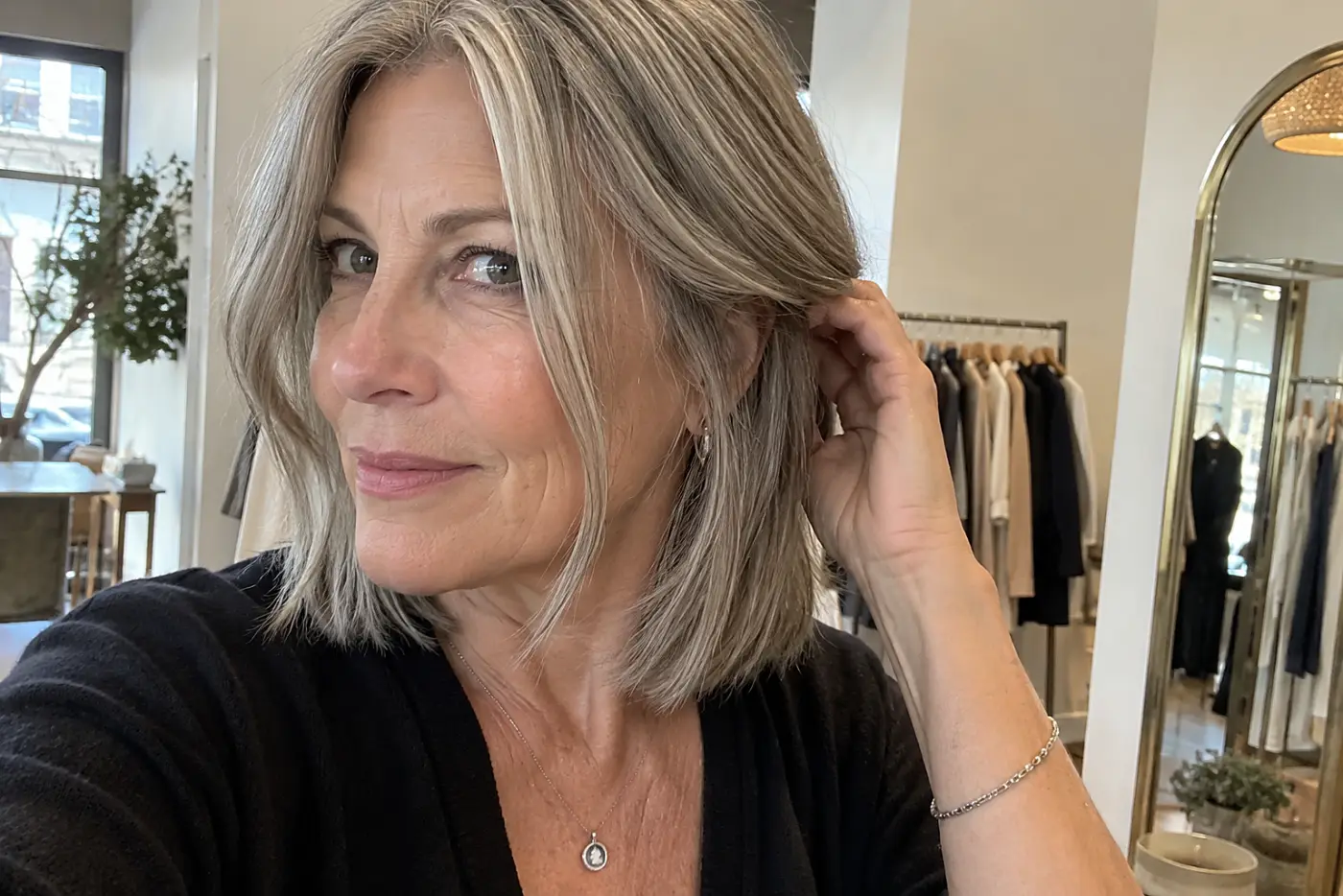
You're ready to cut your hair, but not ready to watch long front pieces fall onto the cape. The lob gives you a step between long hair and a chin-length bob. Add face-framing pieces, and you change the view in the mirror without cutting everything short at once.
NewBeauty pairs lobs with curtain bangs for a softer frame. Allure's curtain-bang guide shows how that fringe works across hair textures. Bring the front pieces forward before your stylist cuts them. Decide where you want them to land when you tuck the rest behind your ears.
A lob still has more hair to dry than a pixie. Be honest about whether that length helps you feel like yourself or leaves you doing the same old styling work. The right middle step gives you room to change your mind later.
2Side-Parted Bob for Glasses Wearers
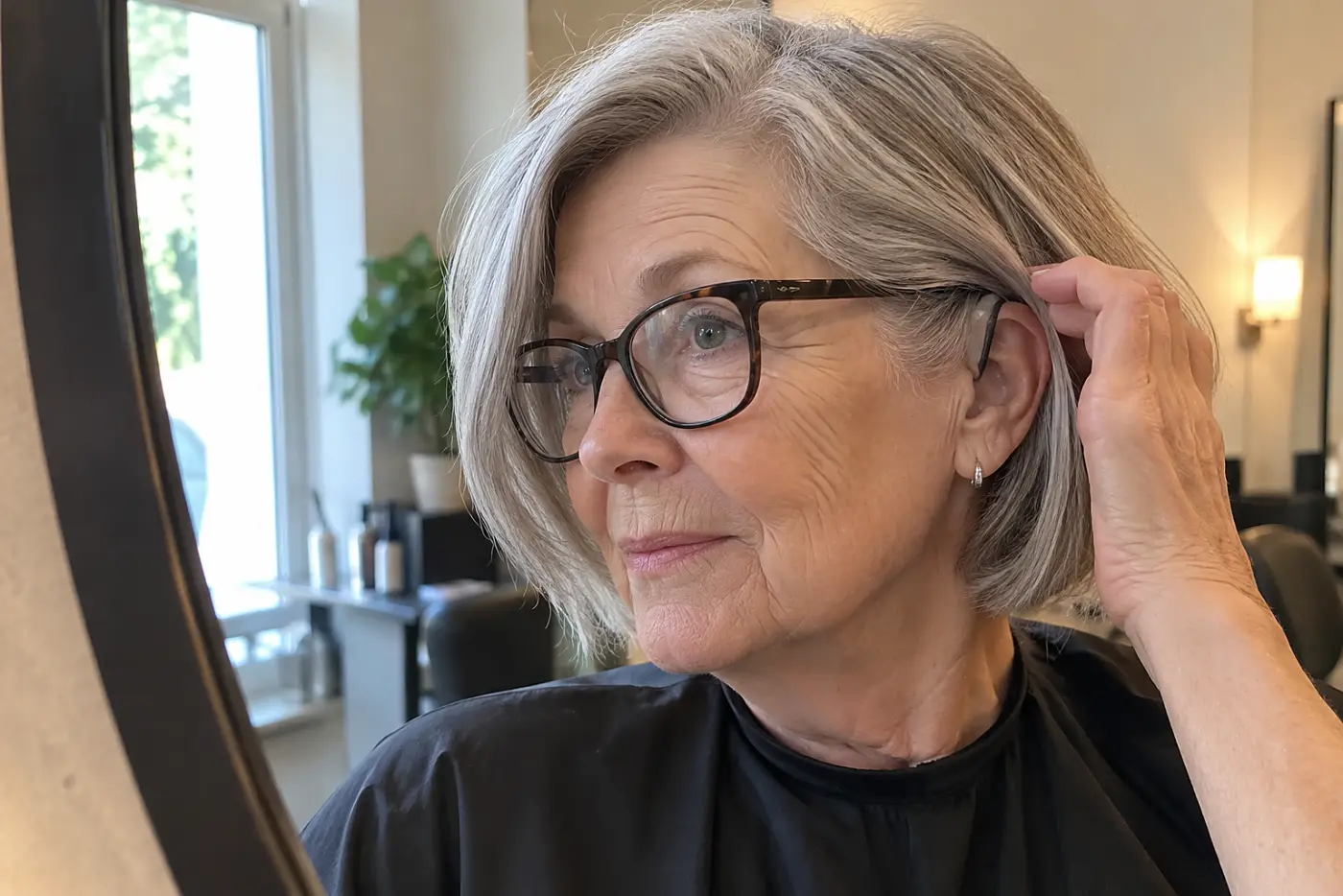
Put your glasses on before the final check in the salon mirror. A bob that looks balanced without them has another line to contend with once the frames are back on your face.
All About Vision's frame guide says frames should fit the width of your face without overwhelming it. Part your hair where you wear it and check whether the fringe crowds the top rim.
Have the stylist move the front pieces while you turn your head. They should stay out of your lashes and clear your view.
If you wear behind-the-ear hearing aids, check that fit too. Miracle-Ear's feedback guide notes that hair touching an aid can cause feedback. Oticon's care guidance advises keeping hairspray and gel away from it. Ask for enough room behind the ear to wear your equipment comfortably.
1Textured Pixie With Soft Crown for Thinning Hair
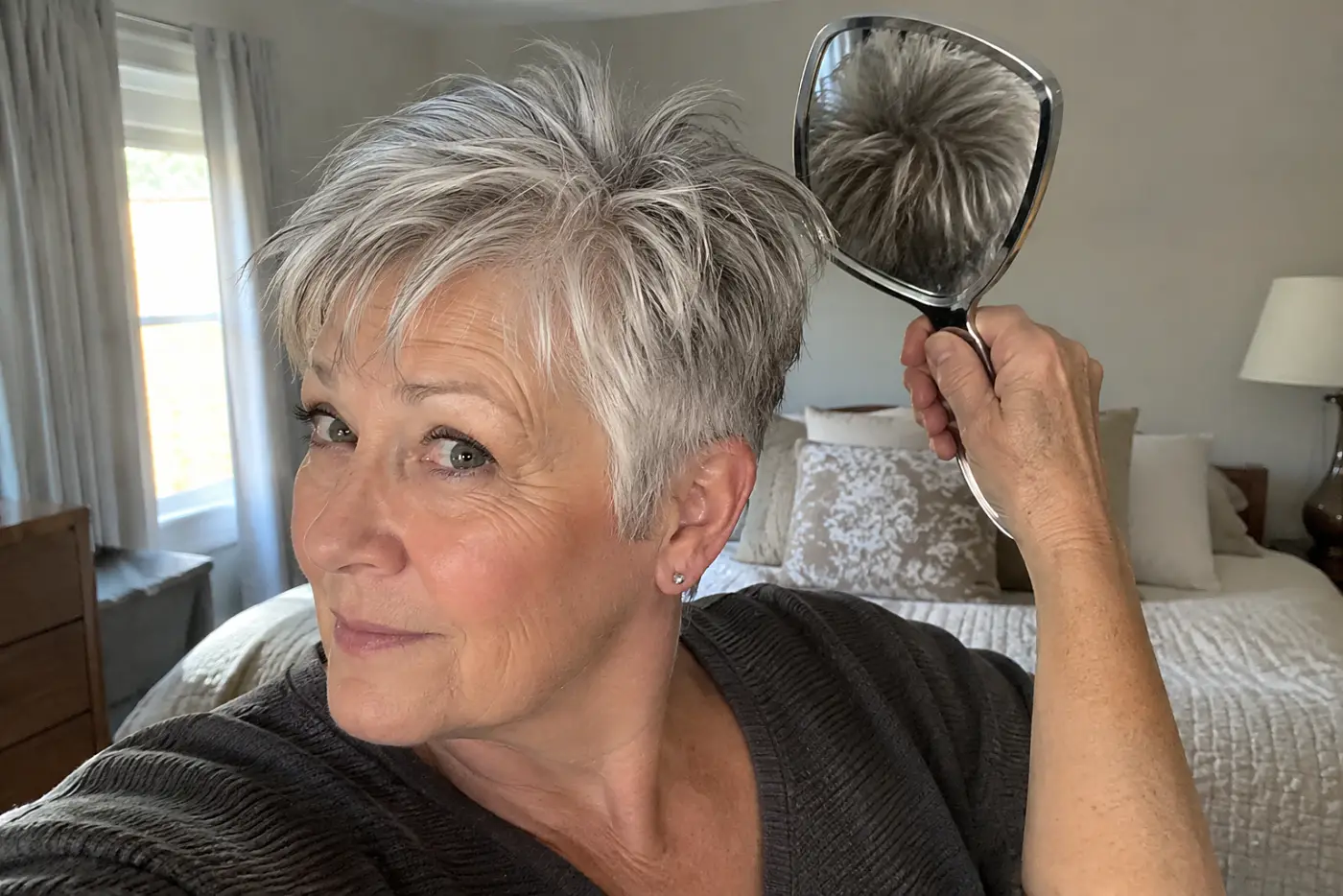
The hardest spot to judge is the crown. You see the front in the bathroom mirror, then catch the top of your head in a shop window or a photograph. If hair is thinner there, a very flat cut exposes exactly what you hoped to cover.
This pixie is built around that spot. Vogue's short-hair guide recommends soft top layering in pixies to help fine hair read as fuller.
Ask your stylist to leave movable pieces at the crown and show you how they fall over your usual part. Look at the result under ordinary overhead light, not only in the flattering salon mirror.
If scalp still shows and you want cosmetic coverage, the American Academy of Dermatology discusses powders and fibers that conceal show-through. They don't replace a haircut with enough hair left where you need it.
Before you pay, lift the crown pieces yourself and let them settle. See what remains visible. That's the version of the cut you'll meet tomorrow morning.
The bottom line
The easy-looking cut is the one shaped around what your hair already does. A wave, a flat crown, or a stubborn part belongs in the conversation before the scissors come out.
You arrive with your glasses, a photo of your hair on an ordinary day, and a clear answer about how much styling you'll do. You check the cut dry, from the side and back, before you leave.
Which part of your current haircut asks for work every morning? That is the part to show your stylist first.
Up next
20 Best Shampoos for Women Over 60 With Thinning Hair
A plain-English shortlist of shampoos, buildup fixes, and routine tweaks, including a purple-shampoo check for silver hair.
Read the list →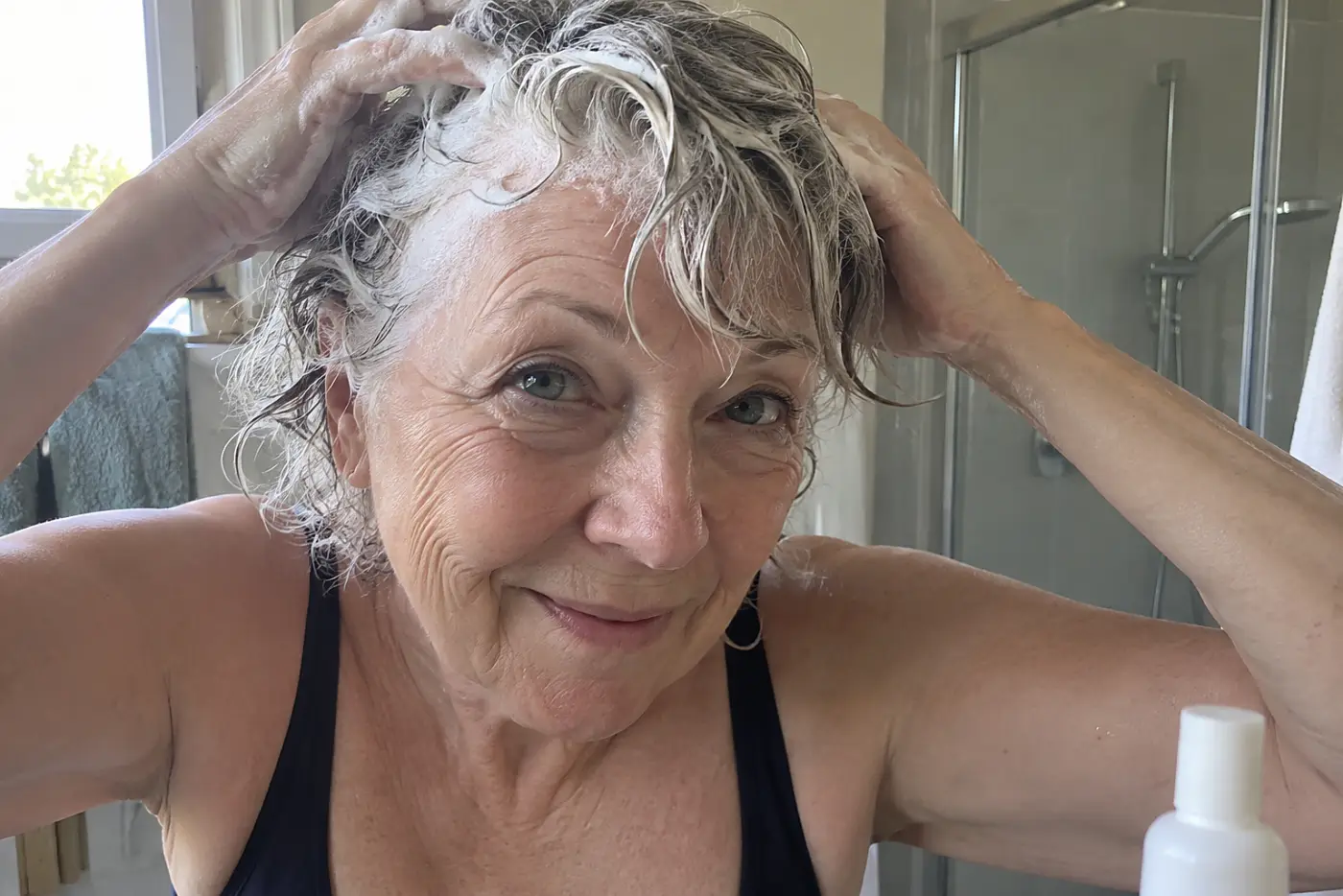

Reader quiz
Did you catch the details?
5 questions from this article.
What should you ask the stylist to show you about the shorter front pieces?
Questions people also ask
What are some trendy short hairstyles for women over 60?
The soft pixie, layered bob, shag, and bixie appear in current style guides. Allure calls the bixie a 2026 trend, while AARP highlights bobs and updated shags. Choose by your texture and styling routine rather than the trend name.
What are the best haircuts for flattering gray hair?
A layered bob adds movement; a soft pixie frames the face; a wedge builds shape at the back. AARP's haircut guide discusses bobs and shags, while Vogue's soft-pixie guide describes a less rigid outline. Look at the cut dry to see what it does with your gray hair.
What hairstyle is considered most youthful after 60?
There isn't a single cut that earns that title. NewBeauty features bobs with softer bangs, and Vogue describes a face-framing soft pixie. Pick the shape that draws attention where you want it and works with your morning routine.
How often should a short gray haircut be trimmed?
Plan on about every 4 to 6 weeks if you want a close short cut to keep its outline, according to Vogue's trim guidance. Modern Salon's pixie grow-out guide uses a similar clean-up window. Ask your stylist which part of your cut will lose its shape first.
Will a short haircut make my face look rounder after 60?
A short cut doesn't have to add width. Allure's face-shape guide suggests asymmetry and side-swept pieces for round faces. Hair.com also shows how an angled bob changes the outline.
Does gray hair need special shampoo care in a short cut?
Purple shampoo counters yellow tones, but overuse can leave an unwanted tint, as Healthline explains. UV exposure also contributes to changes in gray and white hair, according to research indexed by PubMed. Watch how your own hair responds rather than treating toning shampoo as an everyday requirement.
Did any of these feel familiar?
Know someone who needs this?
 Prime Journal · Free printable
The Closet Fit and Color Checklist
- A clearer view of colors beside your face.
- Clothes that pass the sitting and walking test.
- Shoes and repairs checked before anything gets replaced.
Free printable: The Closet Fit and Color Checklist. Enter your email and it is yours.
Sources cited in this article
This article links to 17 outside sources, listed here so you can read them yourself.
- AARP's hairstyle guide www.aarp.org/entertainment/beauty-style/best-womens-hairstyles.html
- Allure www.allure.com/story/cropped-pixie-haircut-trend
- NewBeauty www.newbeauty.com/view/bob-haircuts-for-women-over-50
- Vogue defines it www.vogue.com/article/bixie-haircut
- Redken's guide to short cuts and texture www.redken.com/blog/what-to-consider-about-your-hair-texture-before-short-ha…
- Hair.com www.hair.com/asymmetrical-bob-ideas.html
- Vogue's styling guide www.vogue.com/article/how-to-style-pixie-cut
- Vogue's soft-pixie guide www.vogue.com/article/soft-pixie-cut
- Allure's shag guide www.allure.com/gallery/shag-haircut-ideas-trend
- Vogue's curly-shag guide www.vogue.com/article/sterling-point-curly-shag-bo-bragasons-hairstylist
- NewBeauty's curly-cut guide www.newbeauty.com/view/best-haircuts-for-curly-hair
- Vogue's fine-hair guide www.vogue.com/article/best-haircuts-for-thin-hair
- Allure's fine-hair guide www.allure.com/gallery/best-haircuts-for-thin-hair
- Allure www.allure.com/story/curtain-bangs-trend-hairstyles
- All About Vision's frame guide d37id5jfbyuoag.cloudfront.net/en-au/eyeglasses/best-frames-for-face-shape
- Vogue's short-hair guide www.vogue.com/slideshow/short-hairstyles-for-fine-hair
- American Academy of Dermatology www.aad.org/public/diseases/hair-loss/types/alopecia/treatment
Nora Bennett
Style Editor
Nora writes about hair, clothes and grooming for people who have stopped asking permission: what to keep, what to let go, and what reads as taken care of.
More from Nora Bennett