


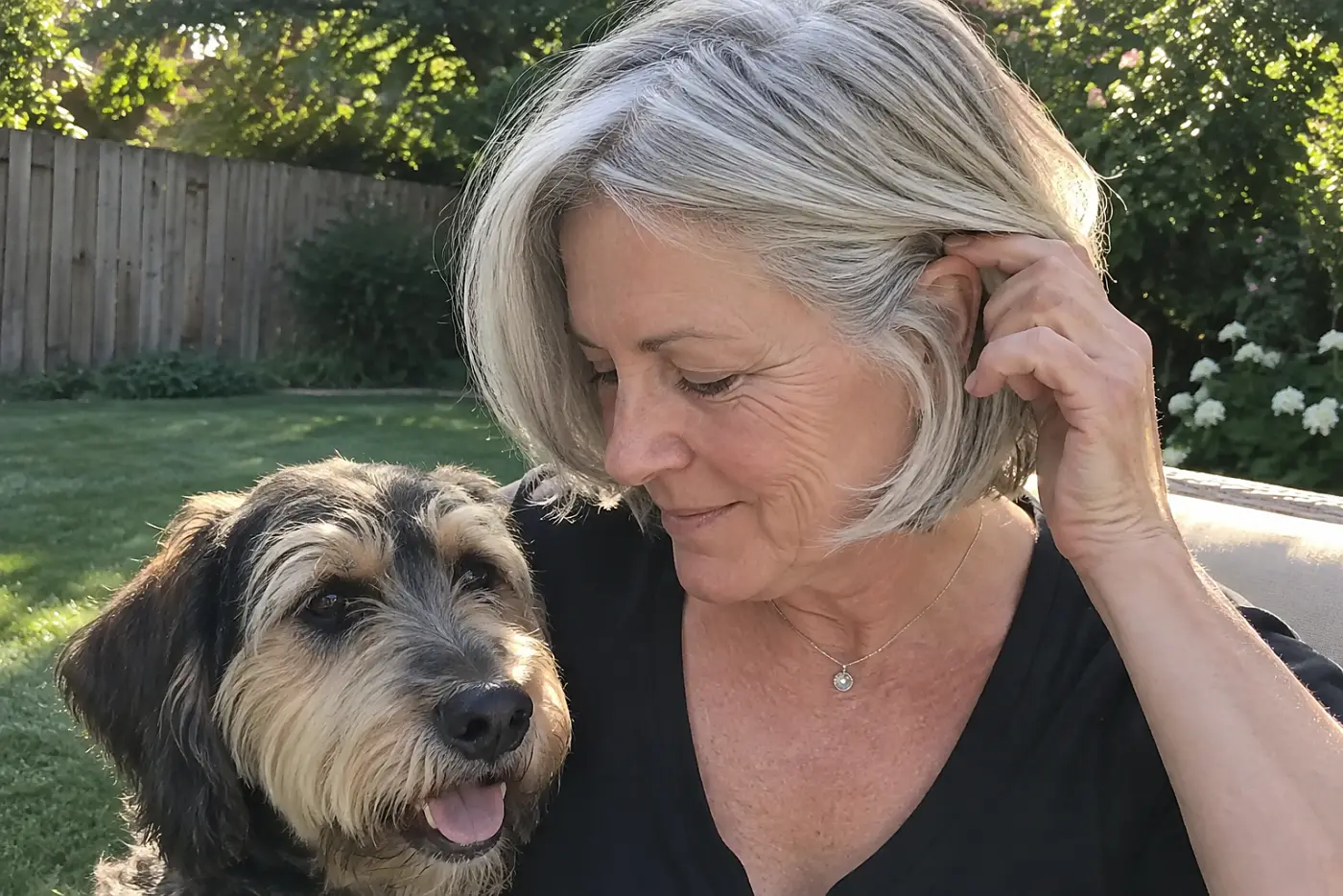
18 Low-Maintenance Chic Medium Hairstyles for Women Over 60
A collarbone lob with tucked ends needs a comb, not a round brush. Its shape still looks polished when you leave it to air-dry.
By Nora Bennett, Style Editor
Updated · 9 min read
- Written by our style editor
- How we review
Read to the end: #1 is the one cut you can check for an air-dry shape at the salon, and almost nobody asks for it.
Your brush is on the bathroom counter, and one side of your hair has turned under while the other points at the door. You have somewhere to be.
A useful medium cut doesn't require you to recreate the salon blowout; its shape should survive an ordinary morning and still look good from the side.
Here are 18 cuts with a clear plan for the first ten minutes.
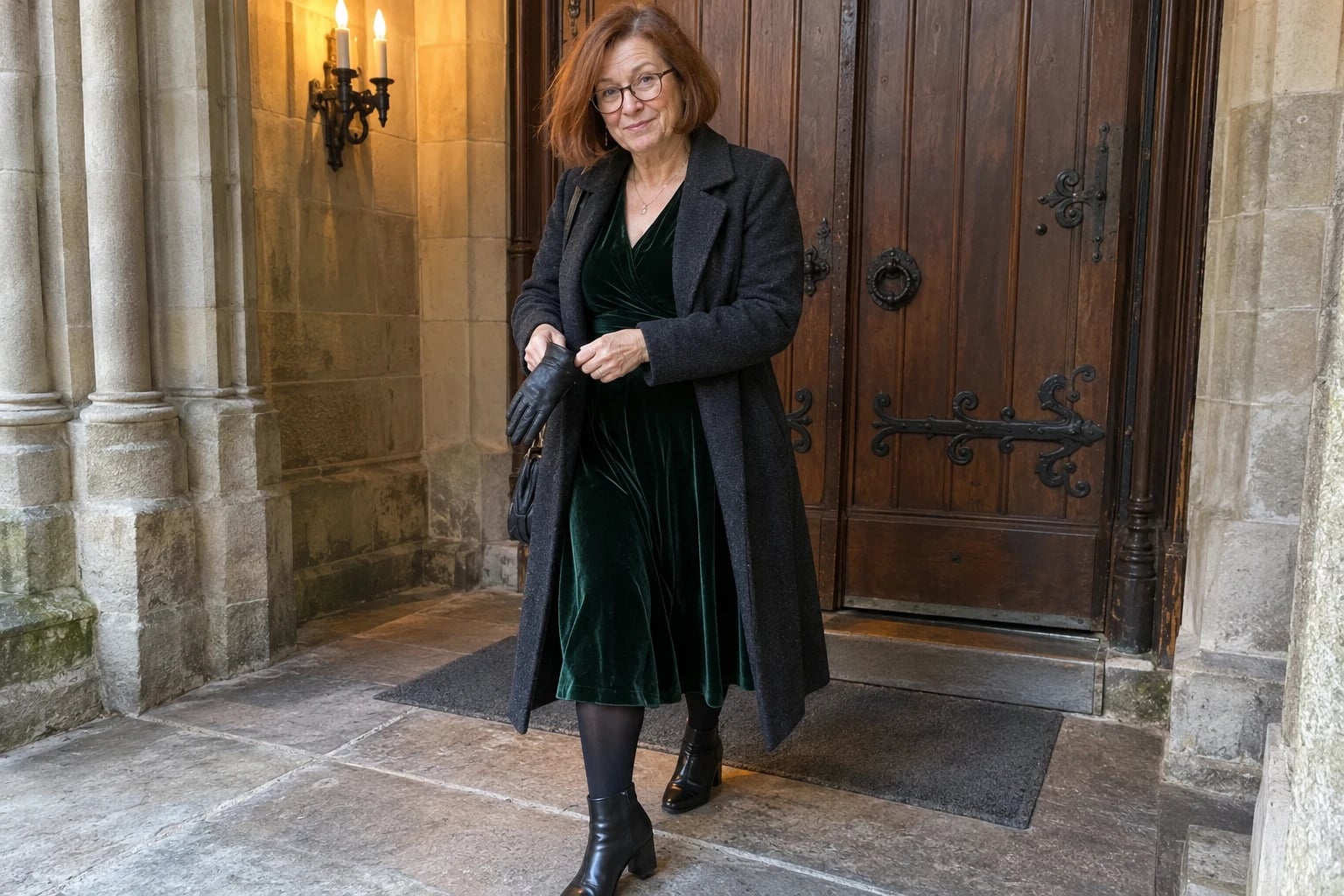
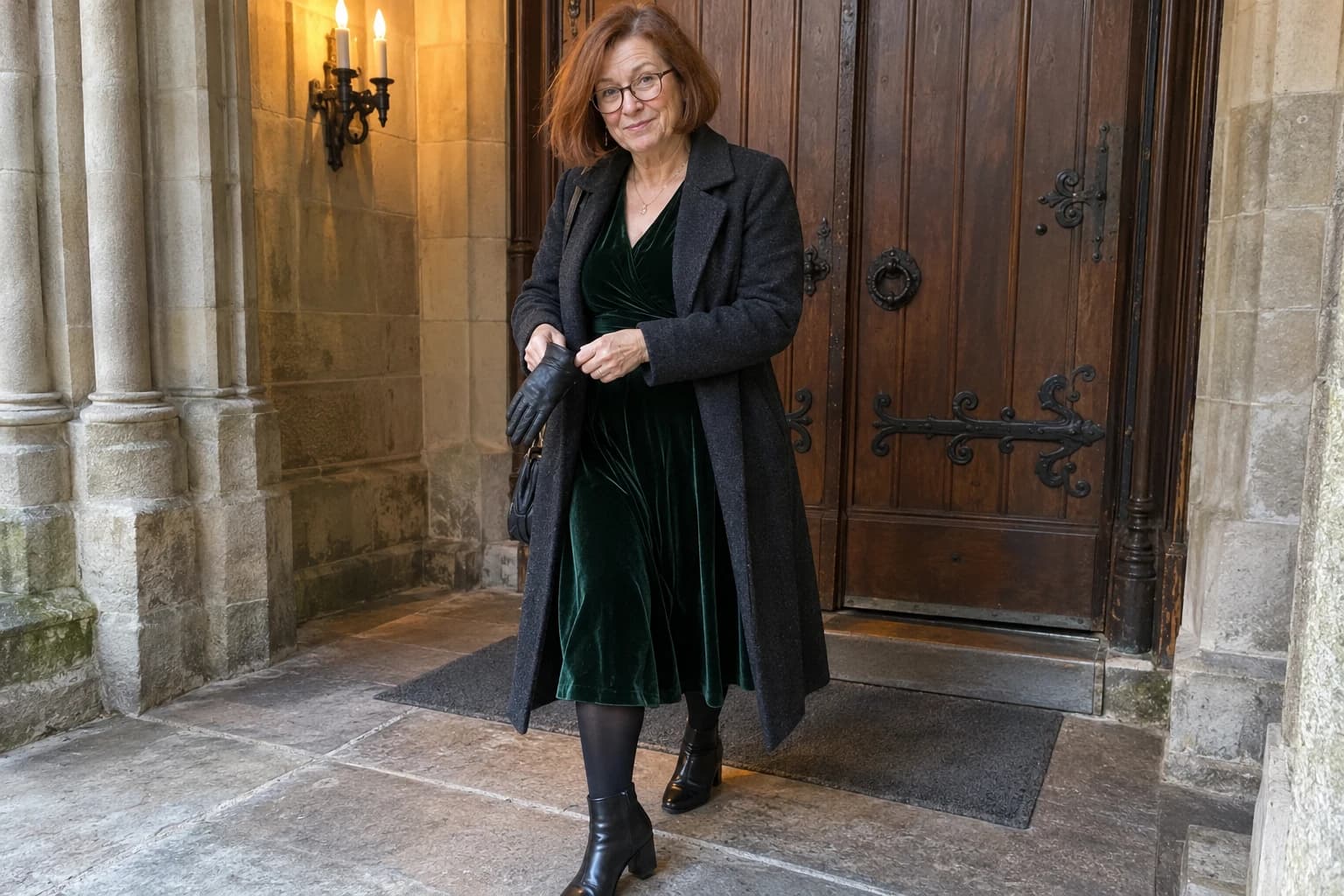
18The Collarbone Lob With Tucked Ends
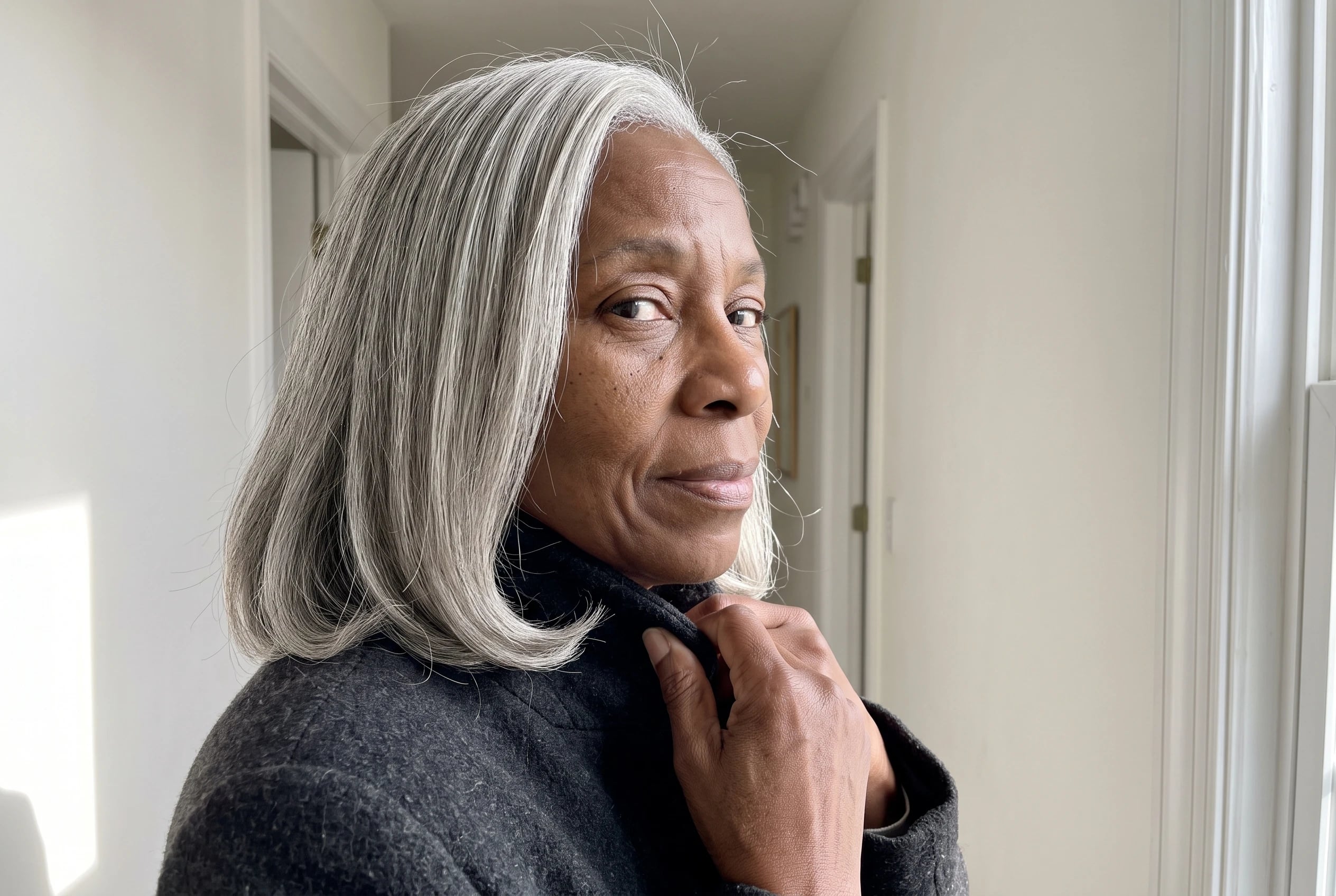
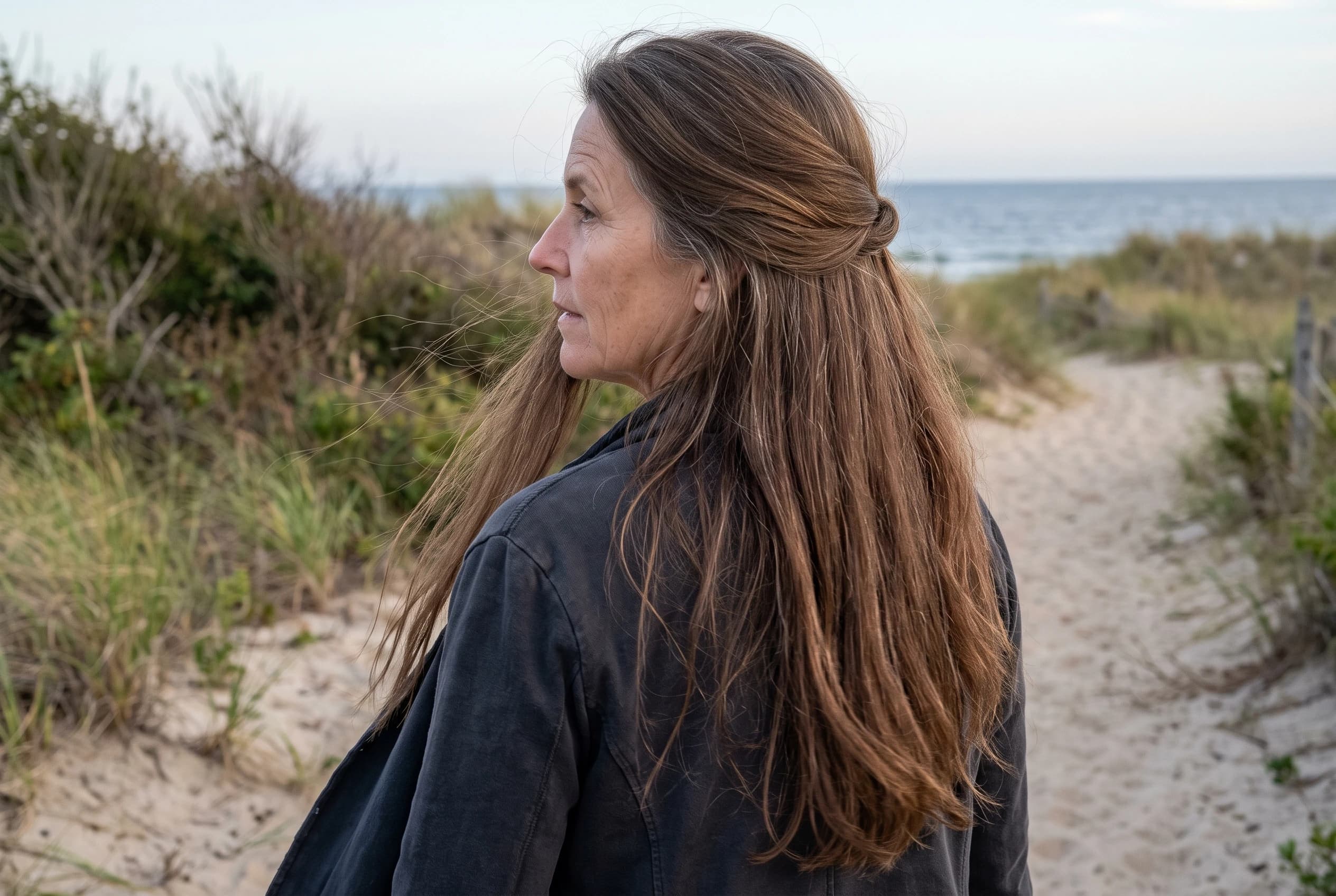
The ends turn inward just enough to clear her coat collar.
This blunt-edged lob suits straight or slightly wavy hair. Its collarbone length gives a round or oval face a longer line without leaving heavy hair on the shoulders. The tuck comes from the cut, not from rolling every section under a brush.
Ask for a collarbone edge with light shaping underneath. In the morning, comb your part into place and smooth the ends inward with damp hands.
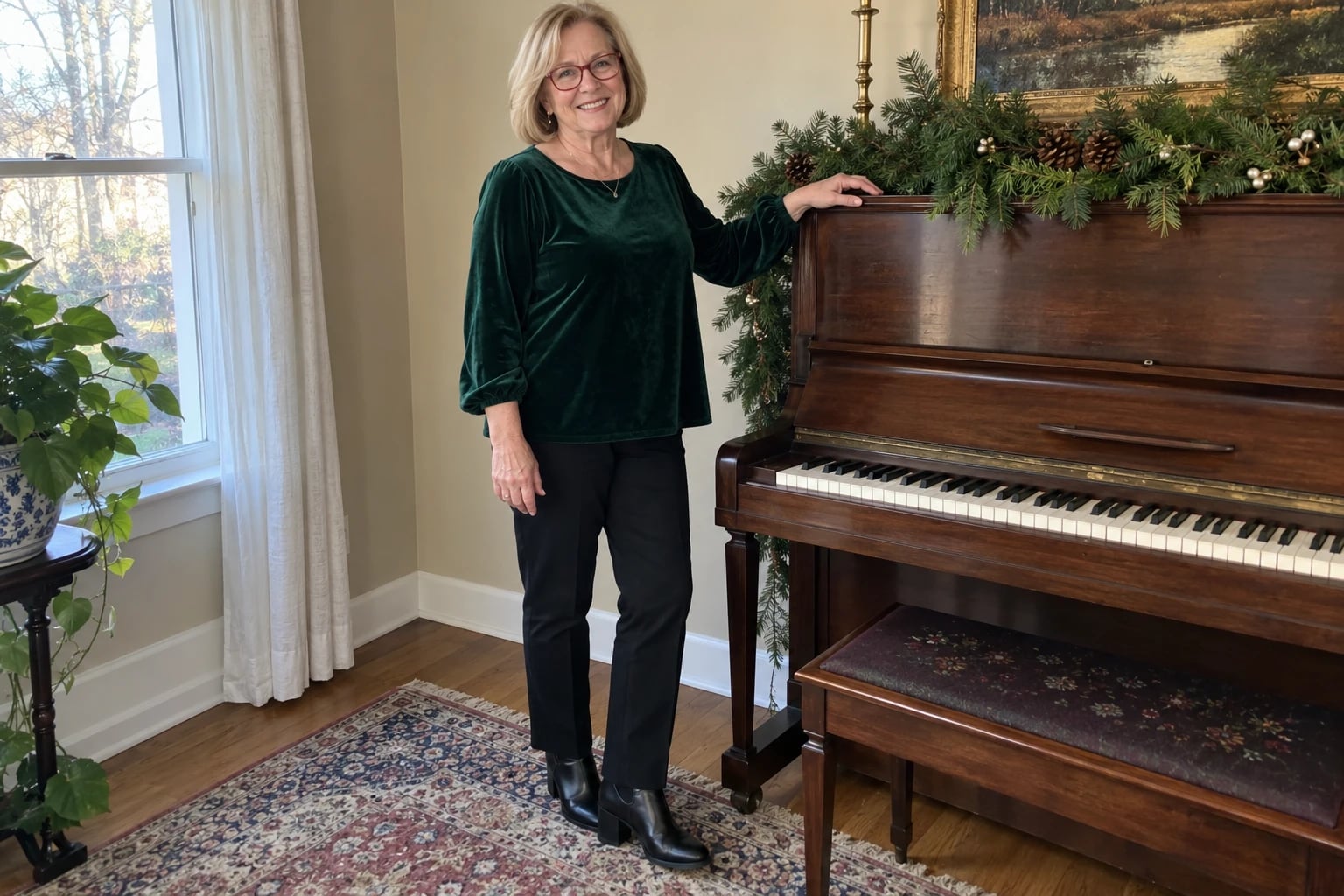
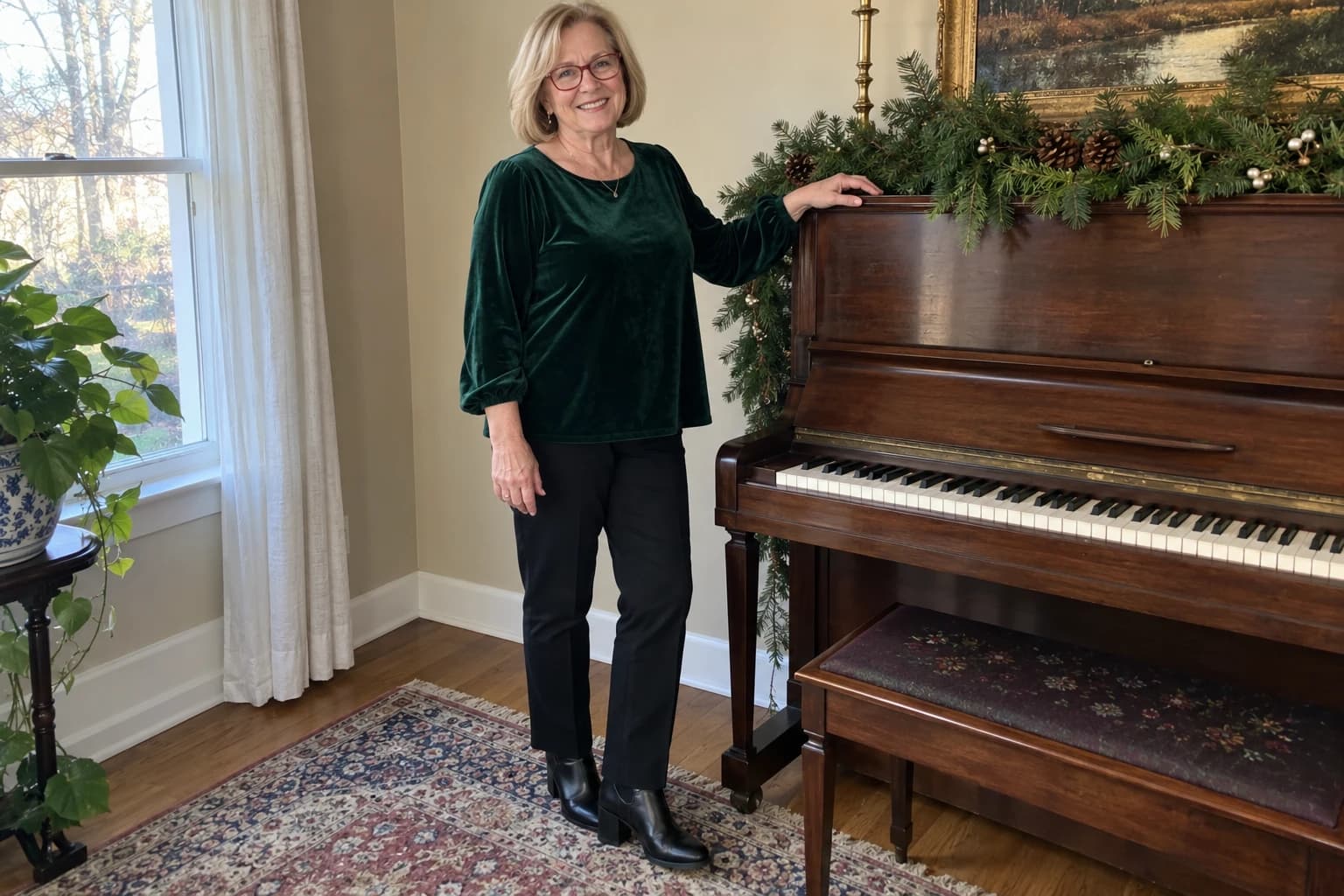
17The Shoulder-Length Cut With Face-Framing Layers
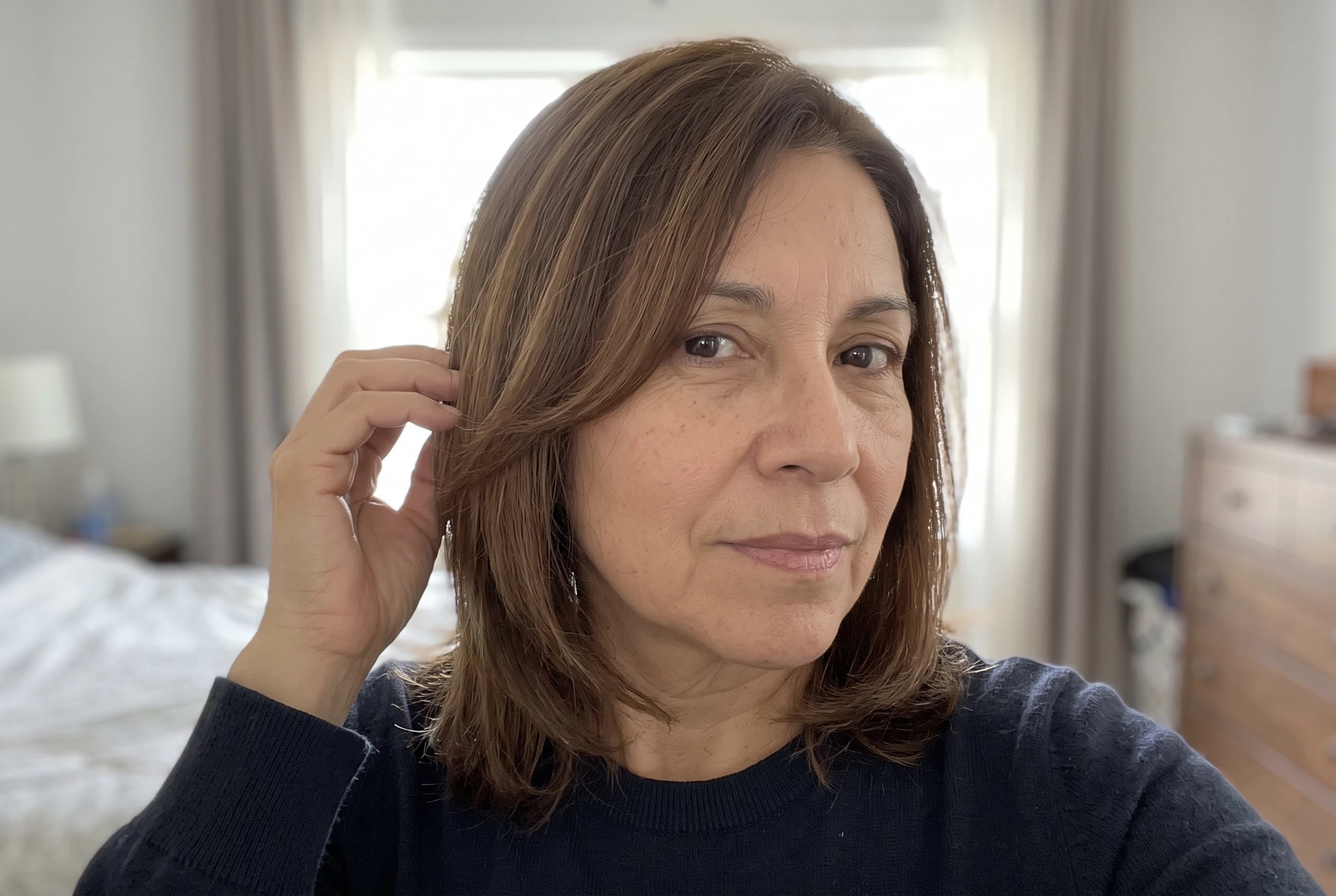
Shorter pieces follow her cheekbones; the rest rests on her shoulders.
Those front layers give thick, straight hair room to move without thinning every strand. They also draw attention toward the eyes on square and oval faces.
Keep the shortest piece near the cheekbone rather than at the temple, where it demands more work. Hair that falls into your face each time you bend over won't feel low-maintenance for long.
Ask your stylist to show where the front pieces land when dry. At home, part and finger-comb them away from your face.
See more: 12 Best Blushes for Women Over 60, and How to Wear Them →
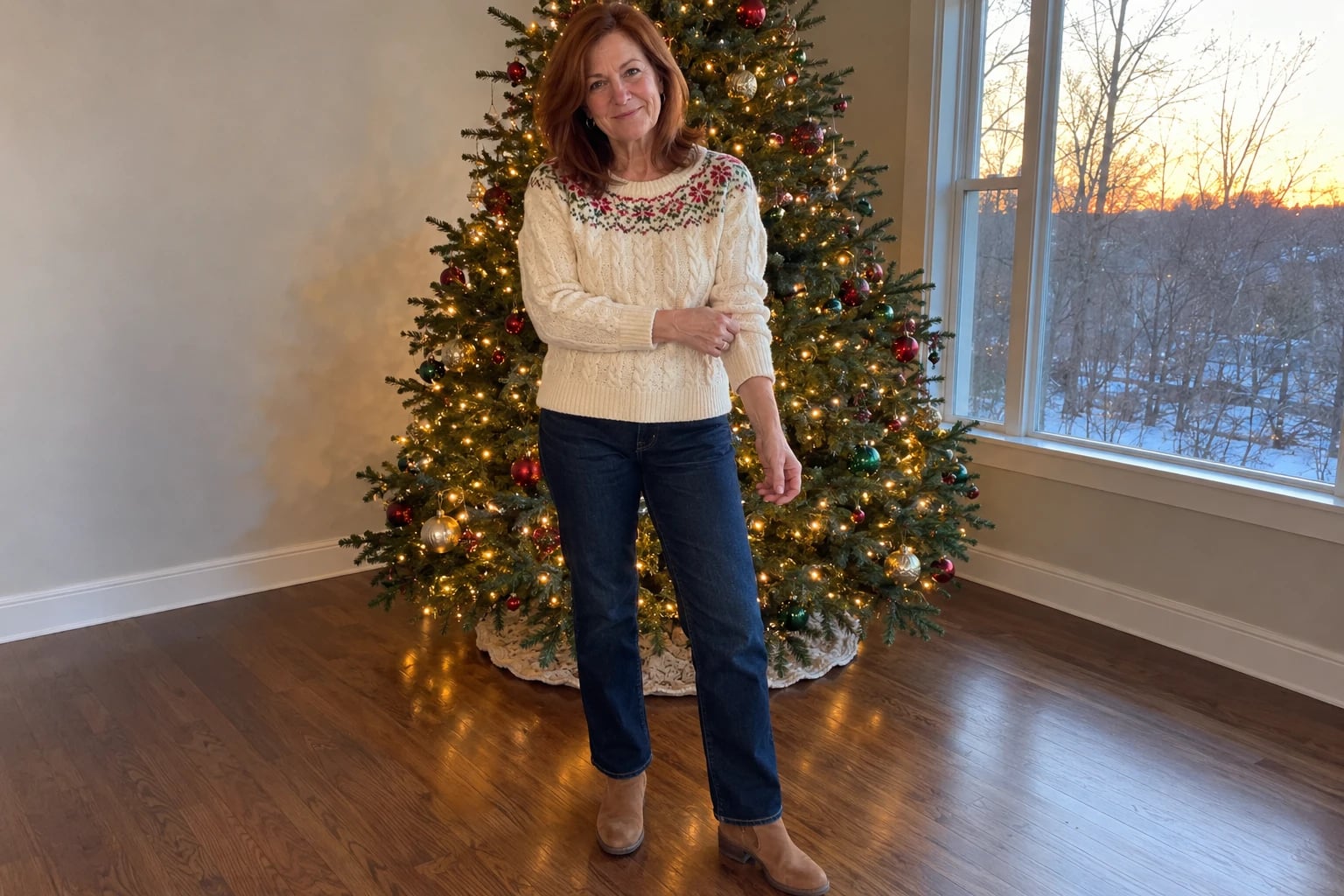
16The Chin-Length Bob With a Deep Side Part
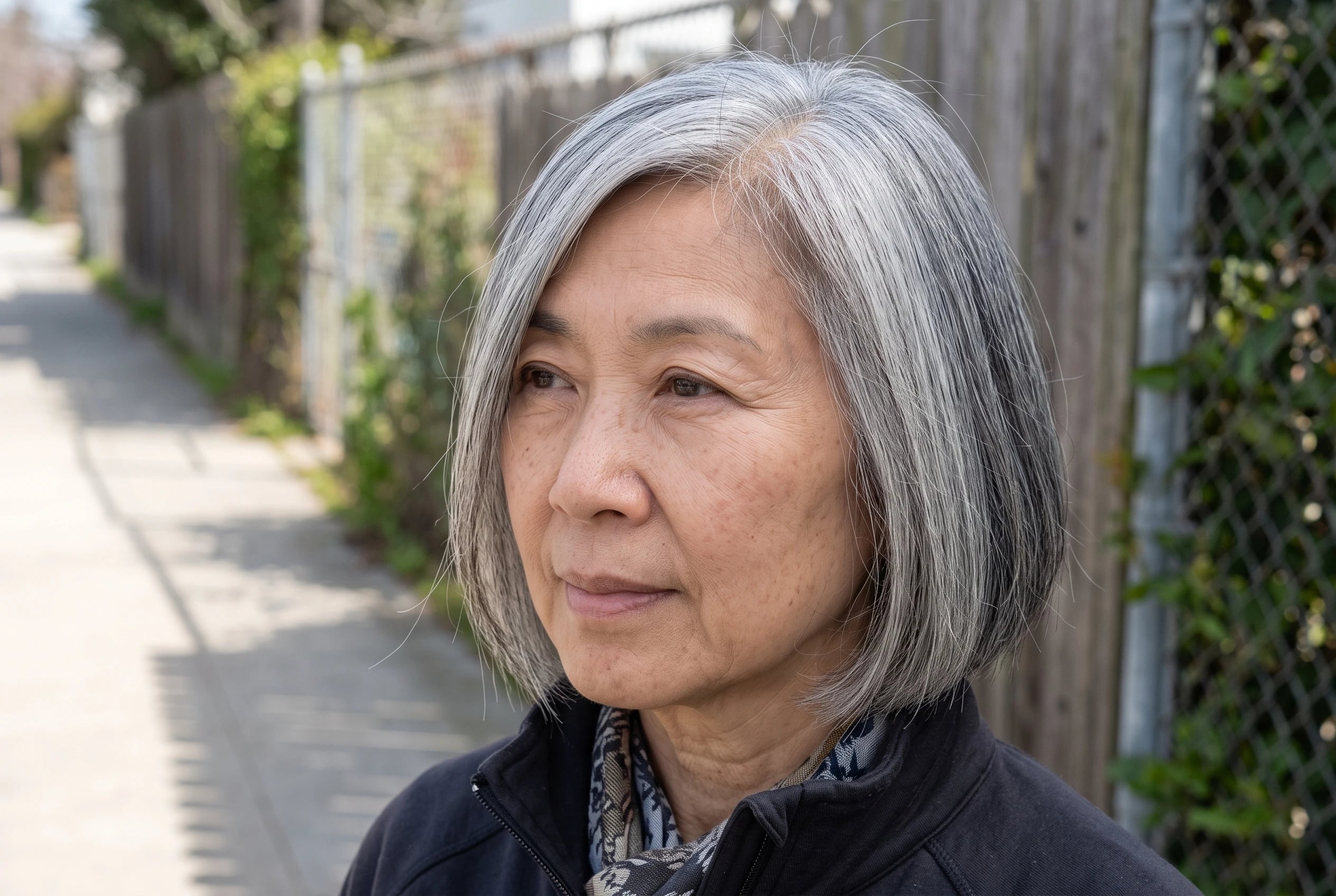
A deep part gives this neat bob a strong outline.
The chin-level edge works with straight, fine hair because it keeps the ends looking full. On an oval or heart-shaped face, the heavier side balances a narrower chin. There's no need to tease the crown.
Ask for a blunt chin-length bob. Move the part with a comb, then tuck the lighter side behind your ear.
15The Wavy Lob With Long Layers
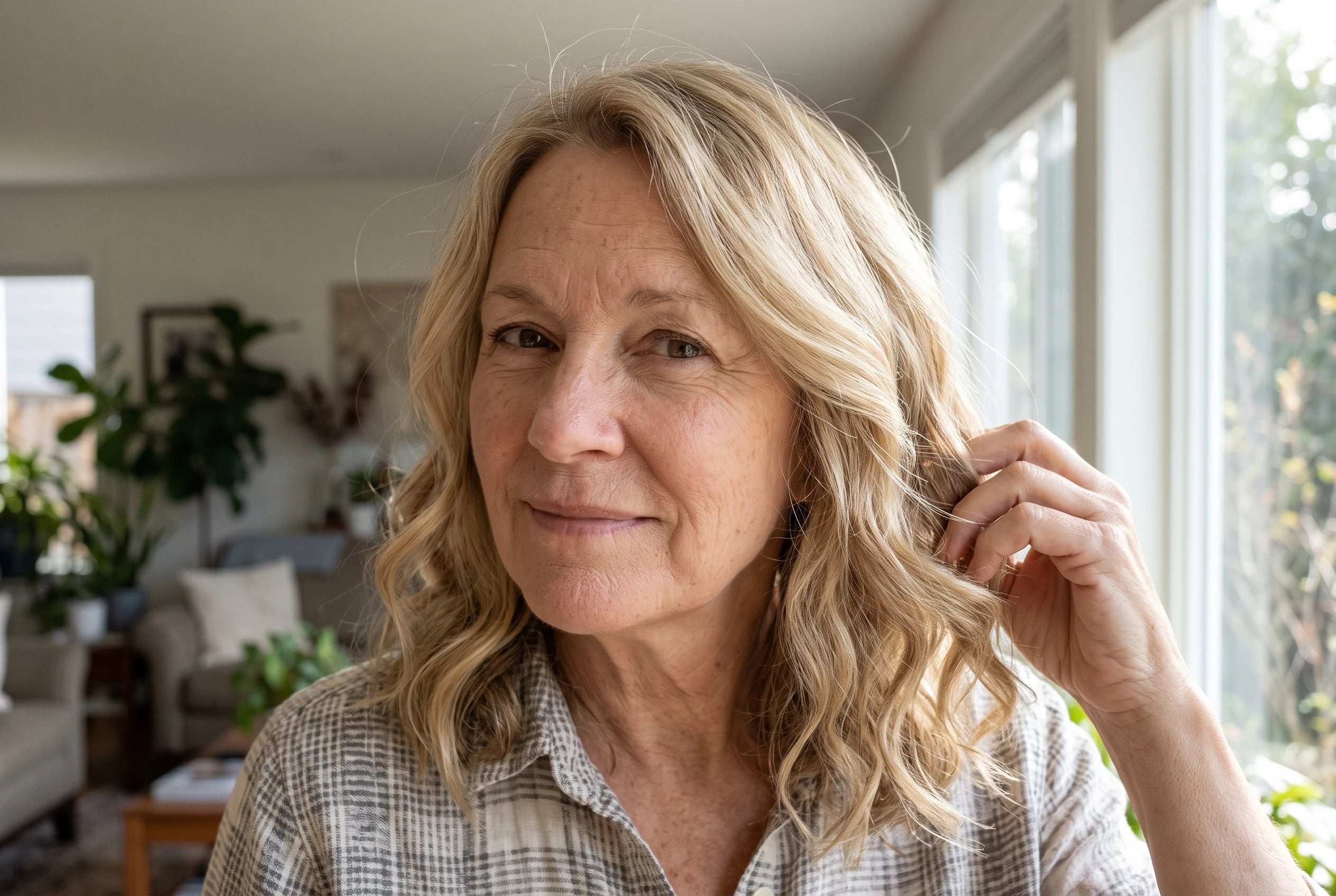
Loose bends break up the outline without hiding the collarbone.
This cut keeps natural waves from collecting in one wide shelf at the bottom. Long layers remove weight while leaving enough length for a loose tie.
It works well on thick, wavy hair and on square or round faces: the uneven bends interrupt a hard edge. Ask to see the shortest layer dry; wet waves spring up as they dry.
After washing, squeeze water out with a towel. Scrunch the lengths and leave them alone.
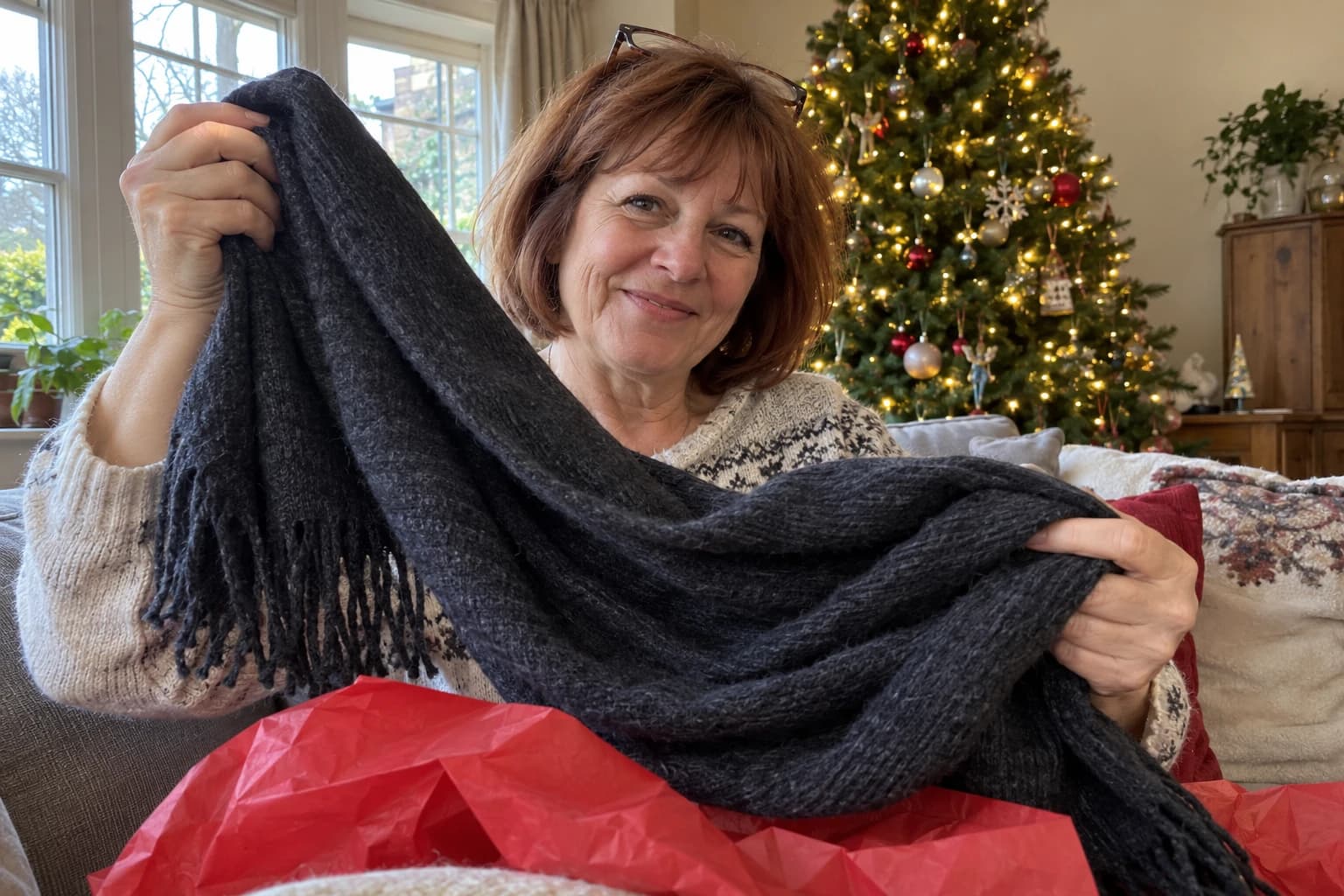
14The Shoulder-Grazing Cut With Curtain Bangs
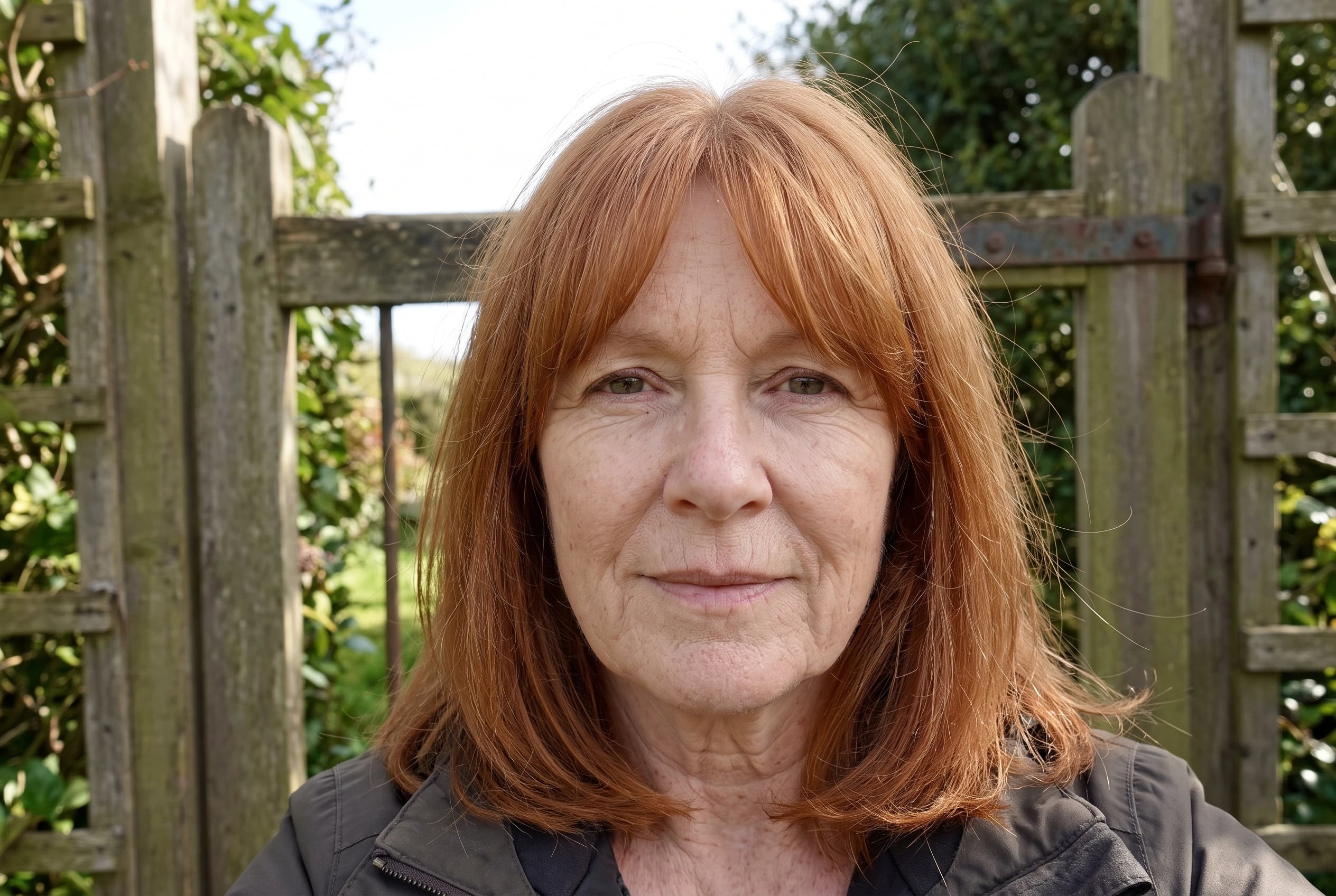
The bangs part at the center and skim both cheekbones.
Curtain bangs suit straight or wavy hair that already falls away from the face. They frame long and oval faces without putting a blunt line across the forehead. The length behind them stays near the shoulders.
Ask for bangs long enough to tuck behind your ears. Dampen the front, part it, and push each side outward with your fingers.
See more: 21 Best Eyeglasses for Women Over 60 →
13The Rounded Bob With a Soft Nape
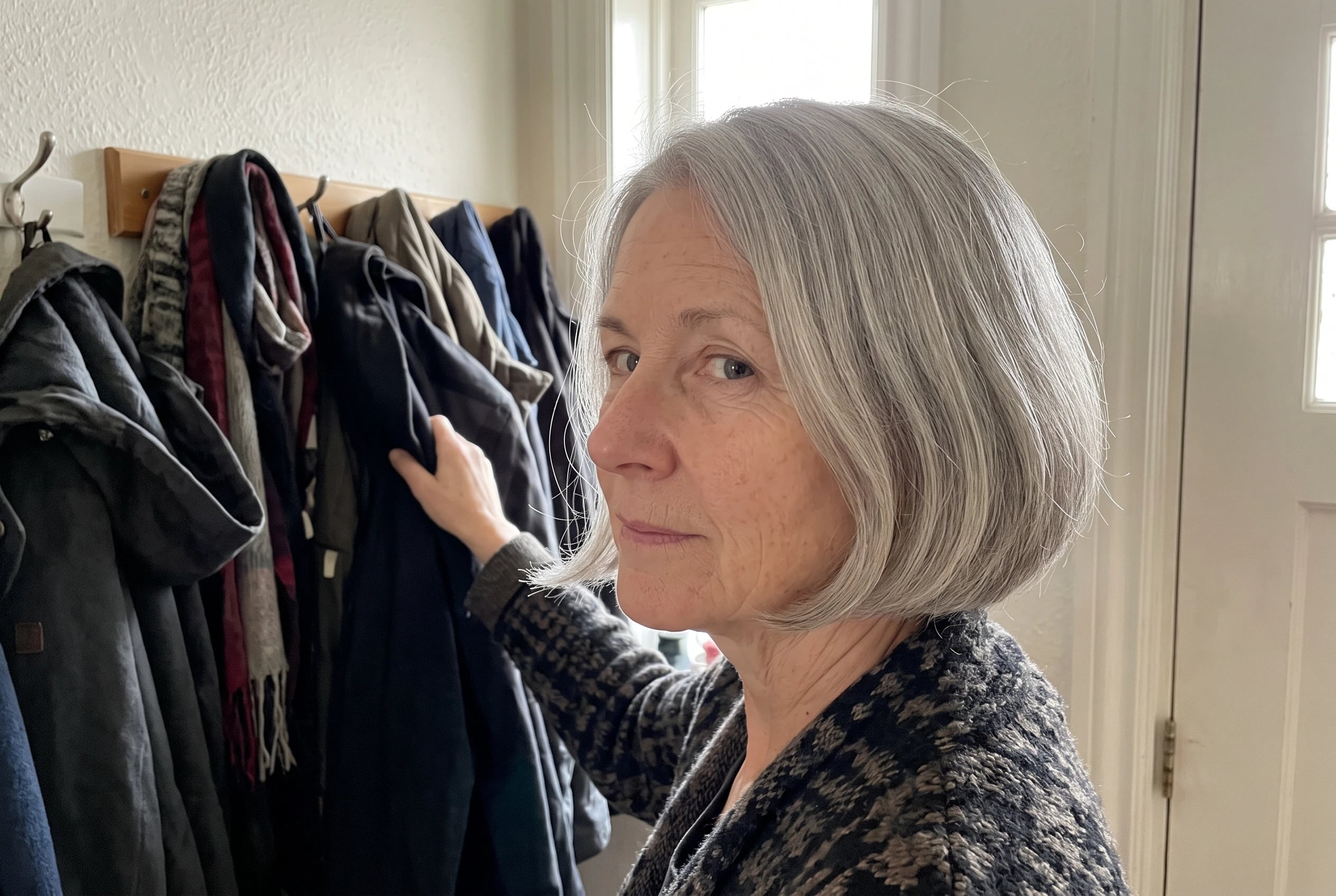
The back follows her head rather than flaring against her collar.
A rounded bob looks orderly without a brush-built curl. It suits dense, straight hair and balances longer faces with width at the jaw.
Keep its front edge below the chin so it remains a medium cut and clears your scarf. At the back, a neatly shaped nape prevents that triangular weight you see when hair grows out from a shorter bob.
Ask for a below-chin rounded bob with a clean nape. Comb it into place while damp; let the shape do the work.
12The Collarbone Cut With Wispy Bangs
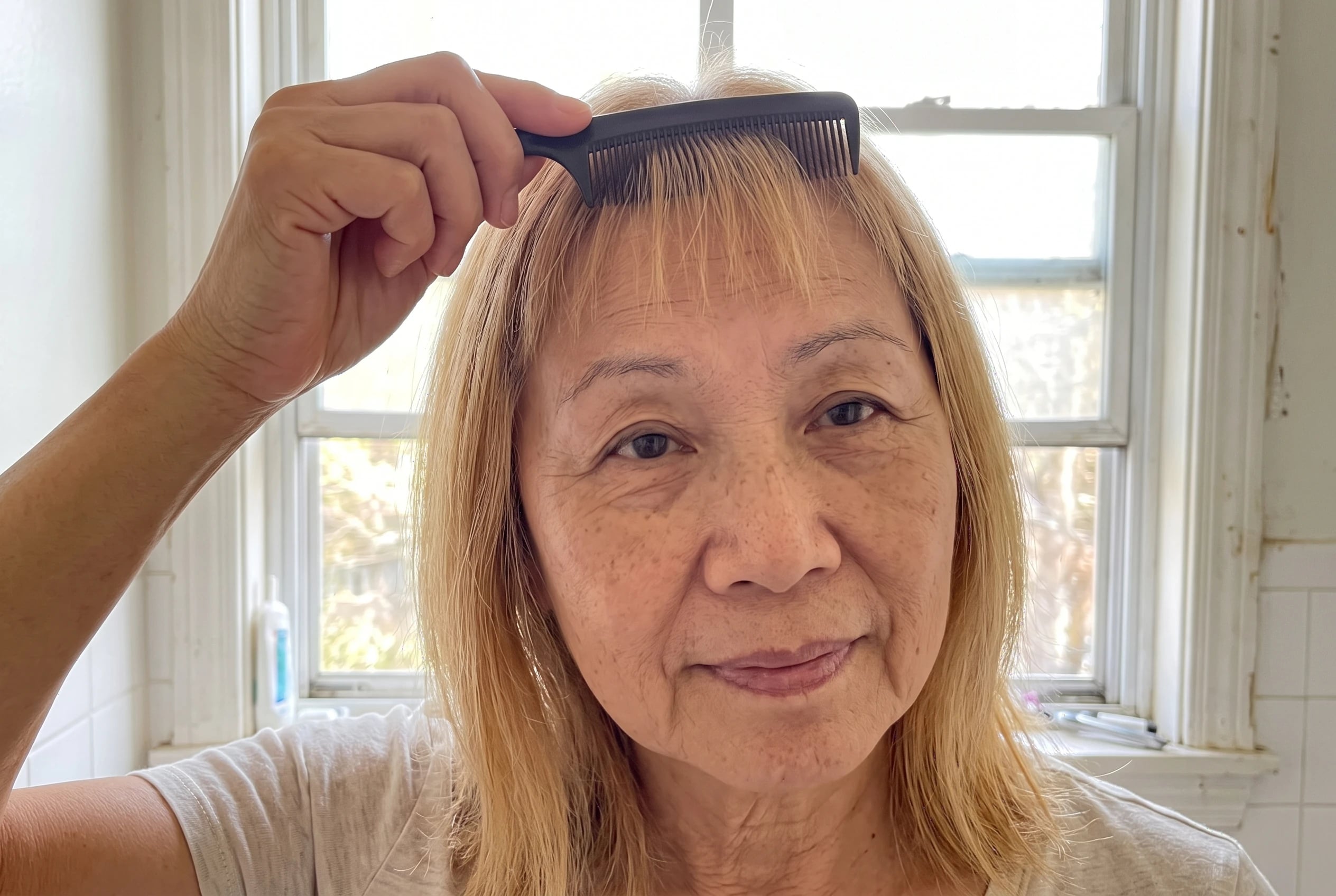
Fine bangs show her forehead instead of covering it.
This cut suits fine, straight hair because the fringe uses little of its fullness. On a high forehead or long face, the broken line feels less severe than a solid bang. The rest of the hair ends at the collarbone, with a blunt edge.
Ask for a sparse fringe that separates naturally. Comb the bangs first, then leave the lengths to air-dry.
11The Curly Cut With Shoulder-Length Layers
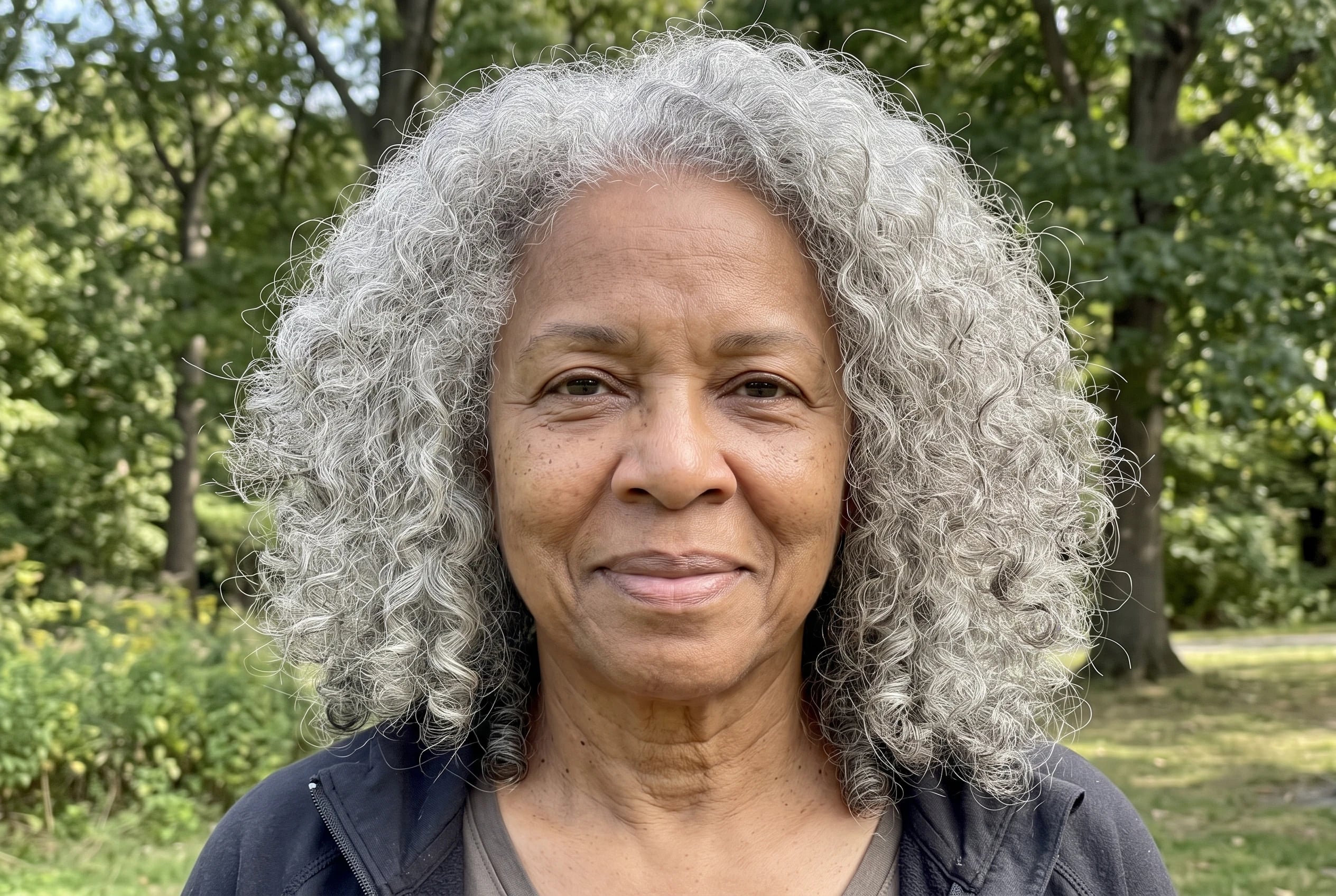
Each curl has space; the outline still reaches her shoulders.
Heavy, one-length curls spread at the bottom and sit flat above. Shoulder-length layers give natural curls a rounder shape without sacrificing the length you enjoy.
They suit oval, square, and heart-shaped faces, especially when a few curls land near the cheekbones. Ask to see the cut in its dry state; curl length changes after washing.
Wet your hands, press any stray curls back into their groups, and stop touching them. A full restyle isn't necessary.
See more: 20 Best Shampoos for Women Over 60 With Thinning Hair →
10The Lob With a Blunt Bottom Edge
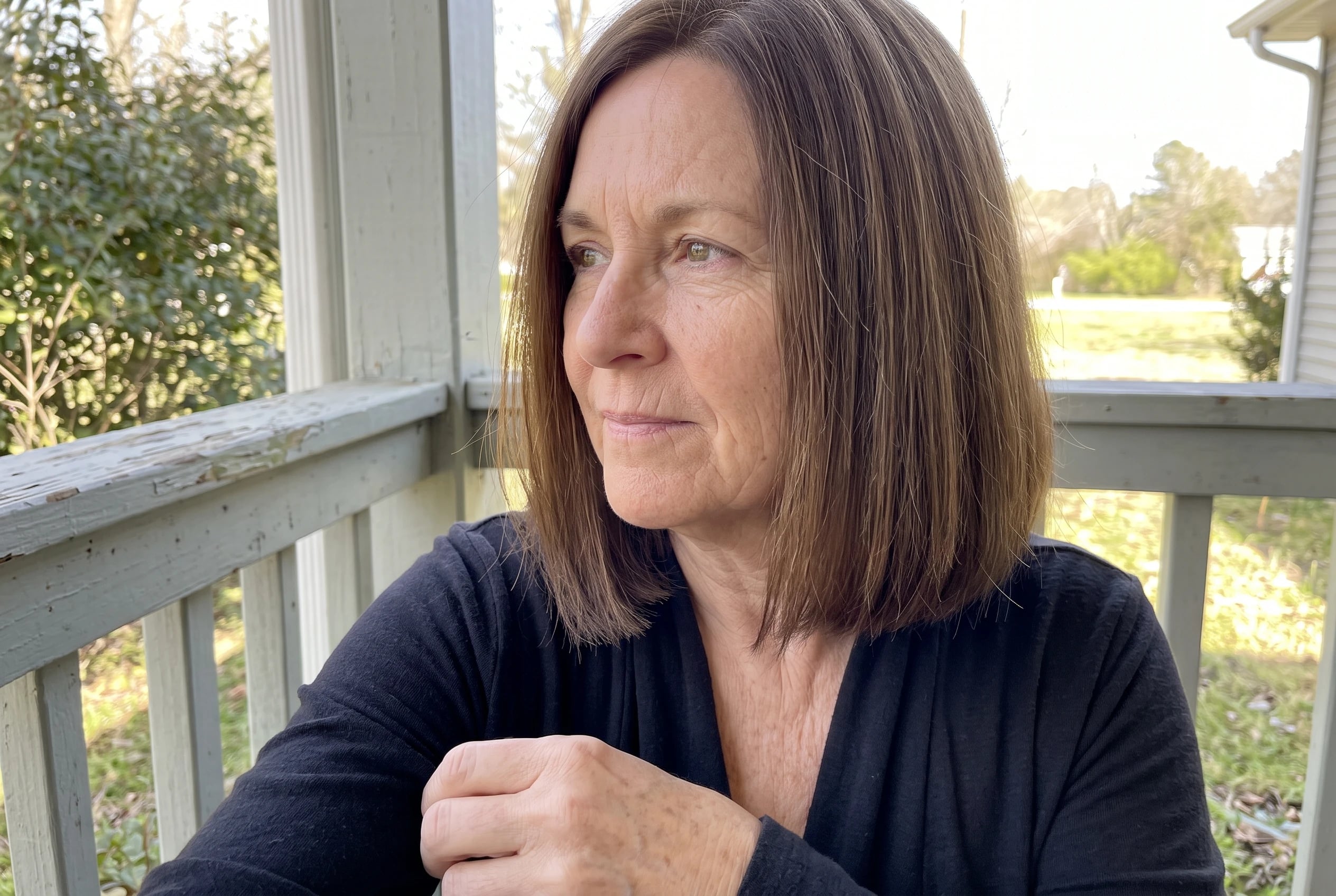
The straight lower edge makes thin ends look substantial.
This lob ends above the shoulders, where fine or straight hair won't rub against clothing all day. Its simple outline suits oval and round faces; a side part breaks up the width if you want it. Skip heavy layers that leave the last inch see-through.
Ask for a solid edge below the chin. Comb your usual part and smooth flyaways with slightly damp palms.
9The Shoulder Cut With Swooping Side Bangs
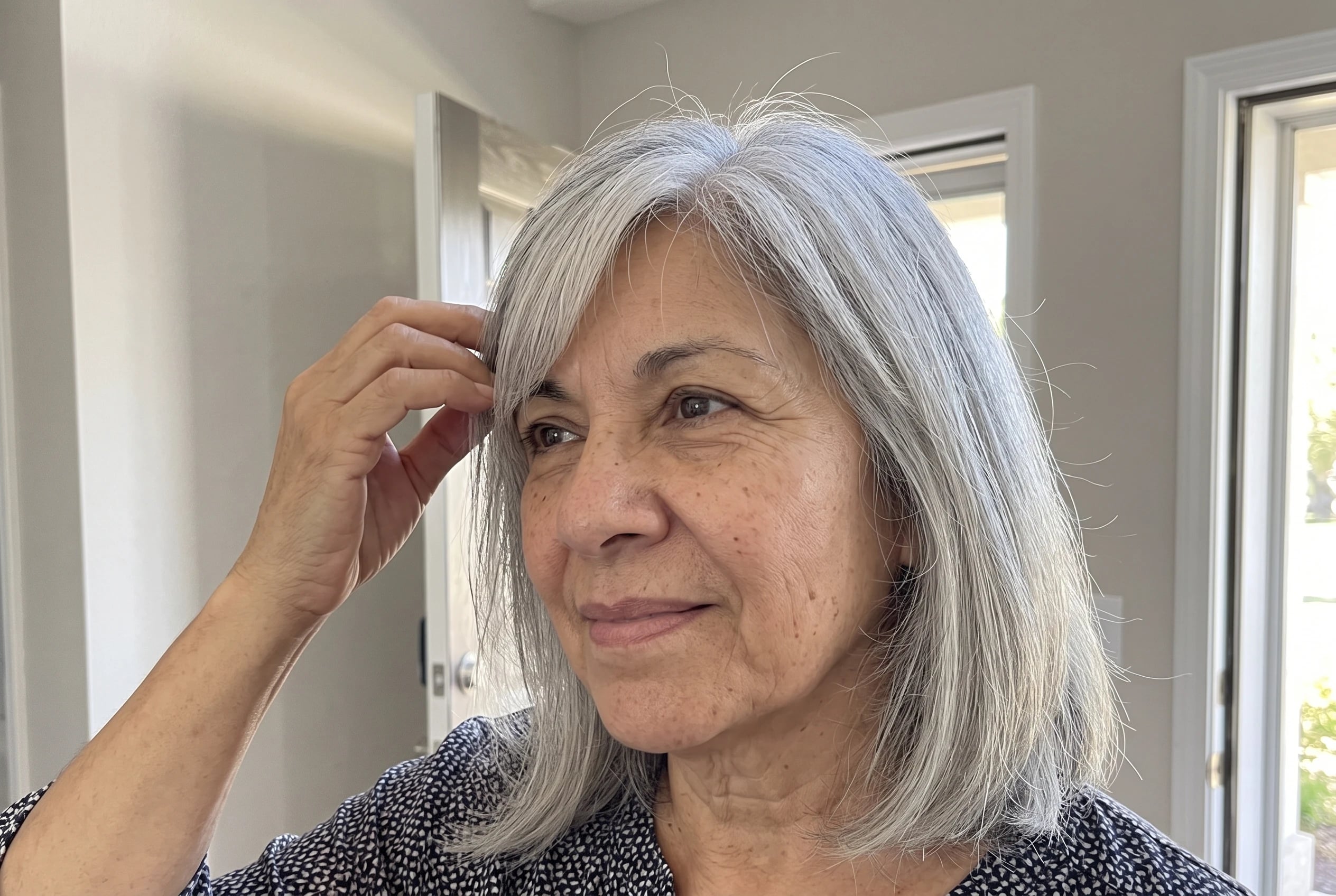
One broad section crosses her forehead and joins the side.
A long side bang gives straight or loose-wavy hair direction without needing a precise fringe trim. It works particularly well with a square face, where its diagonal line breaks up the jaw's strong outline.
Keep the bang long enough to join the side hair; a short sweep falls into your eyes by lunch. The main length rests on the shoulders.
Ask for a side bang that reaches your cheekbone. Dampen it and comb it across while it dries.
8The Mid-Length Cut With Invisible Layers
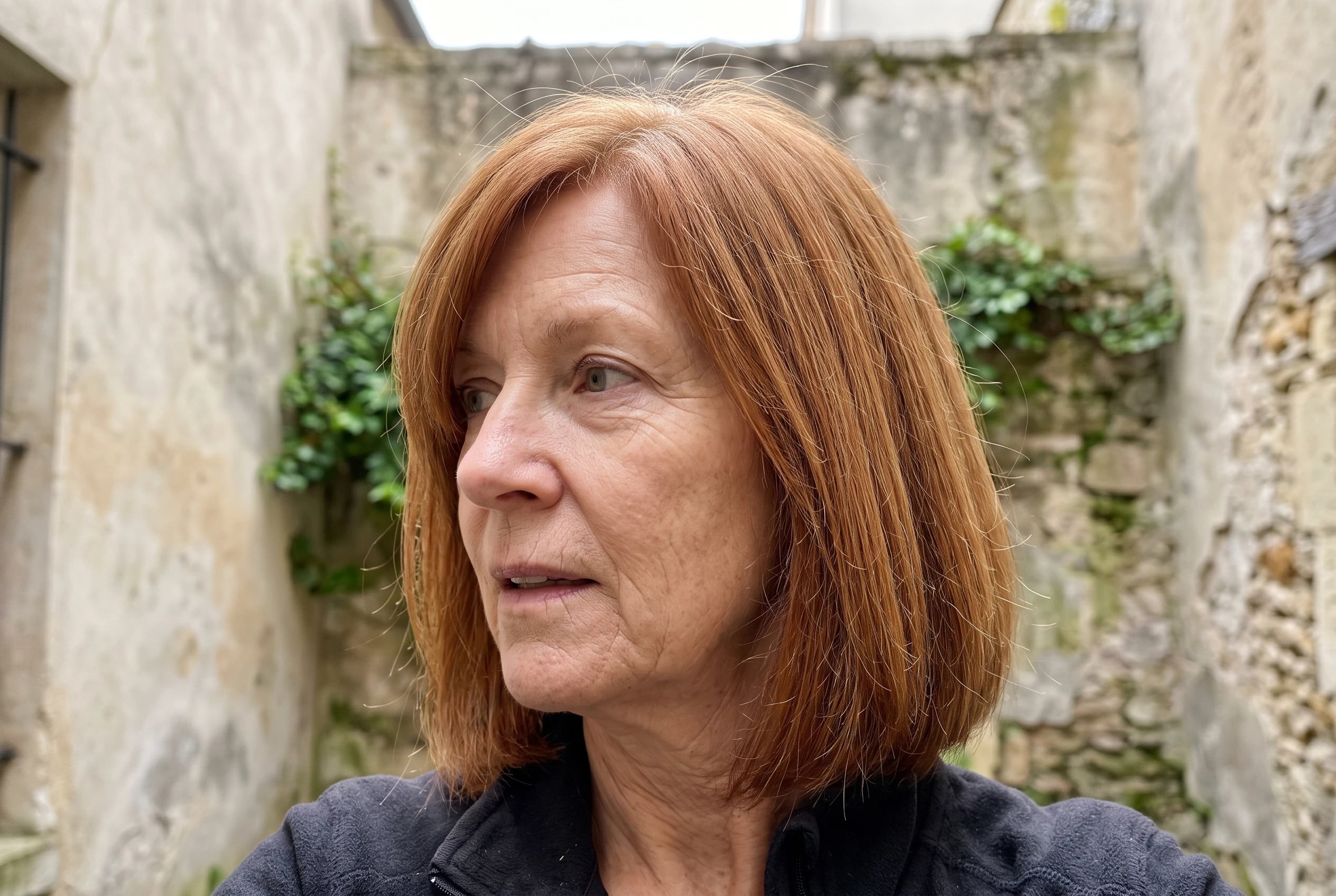
The ends look even, but the top doesn't sit flat.
Invisible layers take bulk from inside the cut, leaving a clean outline at shoulder length. They suit thick, straight or wavy hair and balance round or oval faces without obvious steps. Too many short layers defeat the point.
Ask for internal weight removal, keeping the outside edge full. Shake the hair loose after it dries, then set your part with your fingers.
7The Side-Parted Bob With Jaw-Length Front
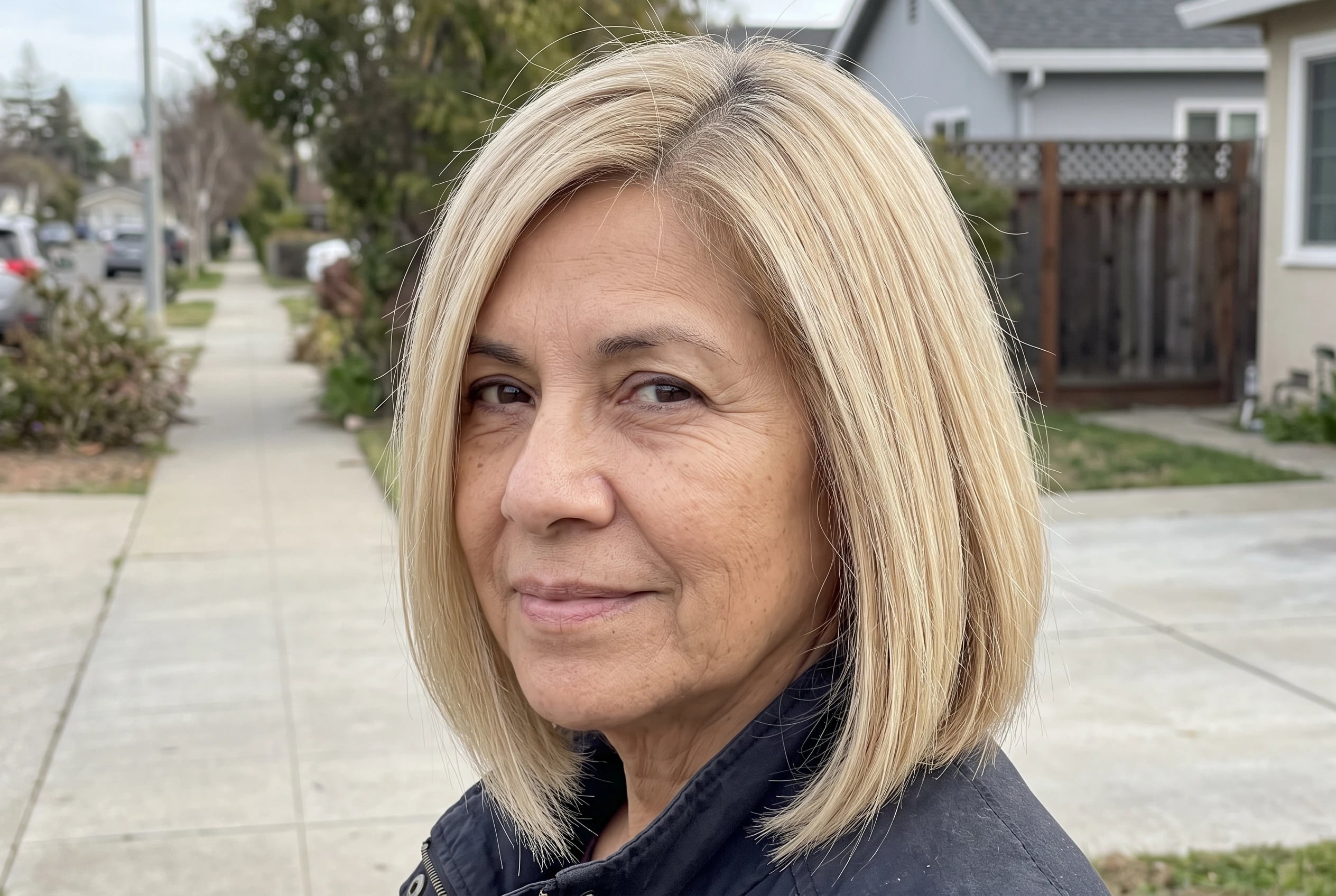
Its front edge grazes her jaw; the back sits slightly shorter.
The small angle keeps the weight forward, useful for fine, straight hair that looks thin when heavily layered. On heart-shaped and oval faces, it draws a clean line beside the cheek.
Keep the back below the chin: anything shorter turns this into a different, higher-maintenance cut. A dramatic angle demands careful styling, while this slight one holds its shape after air-drying.
Ask for a subtle angled bob, not a sharp wedge. Comb it forward while damp and tuck one side if it swings out.
6The Shoulder-Length Shag With Long Bangs
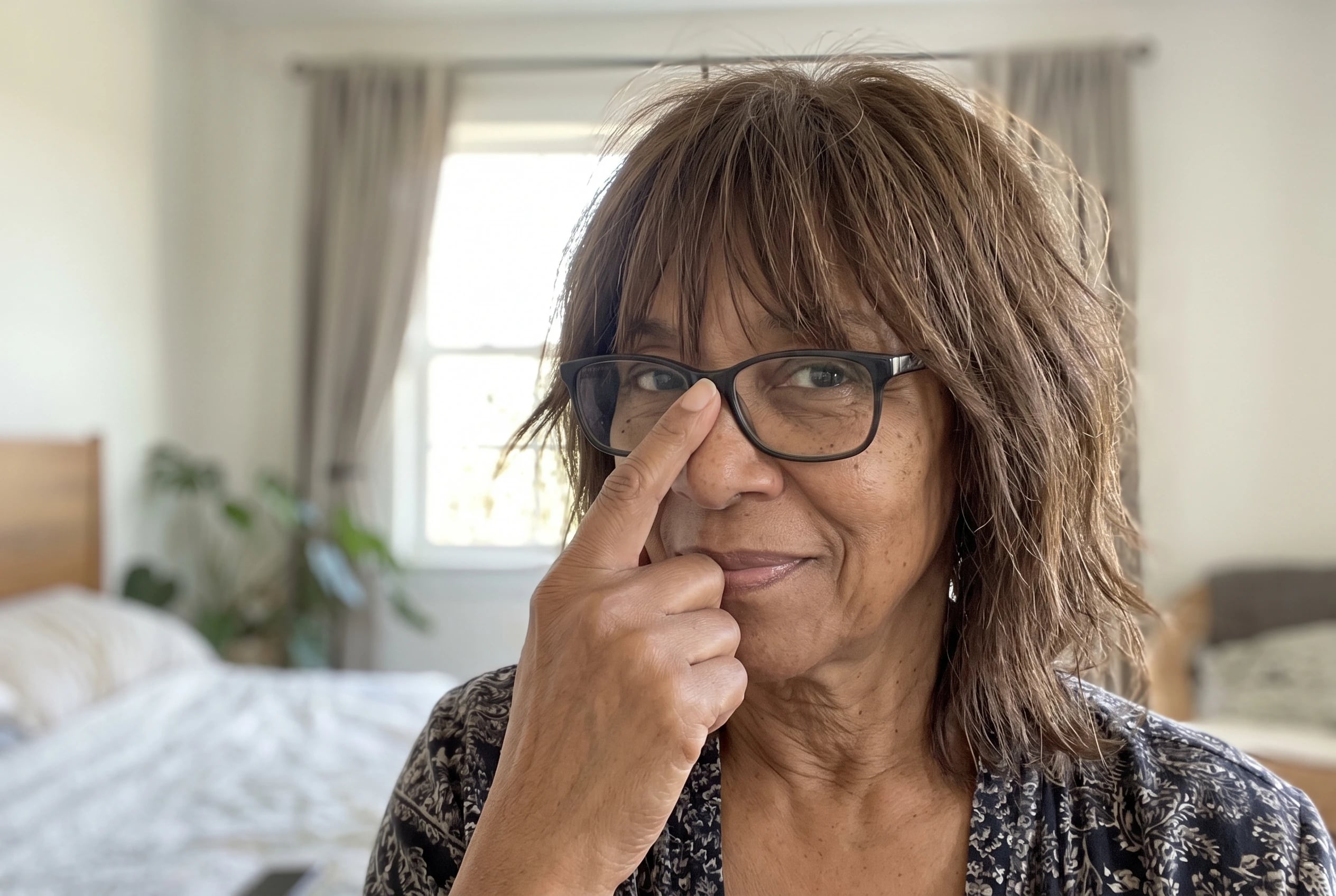
The long fringe and uneven ends frame her glasses.
A restrained shag works with natural waves and medium-density hair. The layers release weight around the crown while the ends still reach the shoulders.
On square and oval faces, those broken lines keep the cut from looking rigid. Short, choppy crown layers need more daily attention.
Ask for long shag layers with bangs below the brows. Scrunch the damp lengths, then let them dry.
5The Lob With One-Sided Ear Tuck
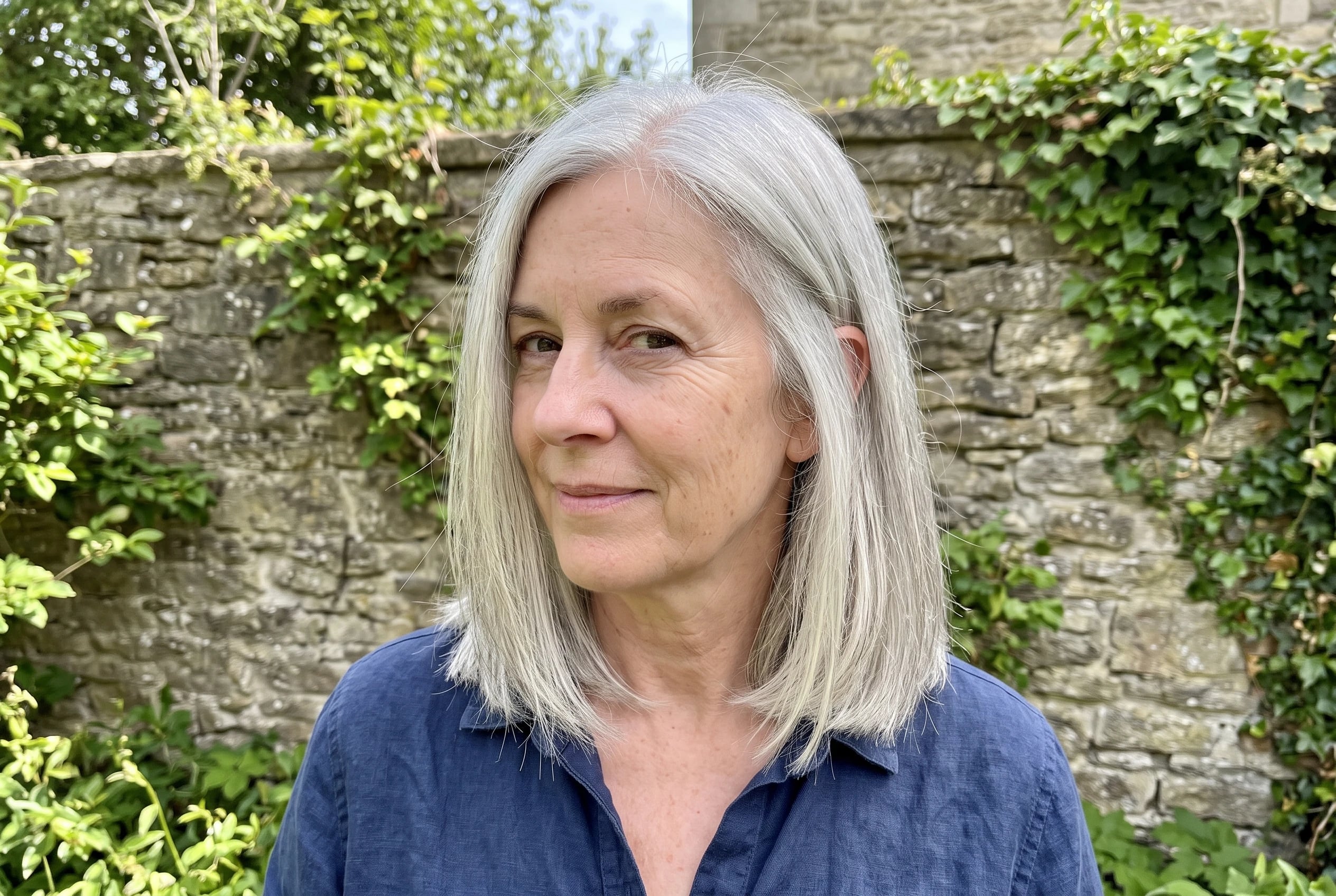
A clean side reveals her ear; the other stays loose.
This chin-to-collarbone lob needs no elaborate layers. It suits straight or loosely wavy hair and gives round faces an off-center line.
Fine hair keeps its weight if the bottom edge stays solid. The ear tuck is part of how you wear it, so check that the shorter side reaches comfortably behind the ear.
Ask for a near-blunt lob that works with your natural part. Comb it, tuck one side, and leave the ends alone.
4The Layered Cut With Outward Ends

The tips turn away from her face above the shoulders.
Long layers let straight or lightly wavy hair bend outward without the stiff flip of a set hairstyle. The shape opens up round and heart-shaped faces while keeping the bulk below the jaw.
It needs enough length to swing freely. If the ends turn inward at home, don't spend your morning forcing a flip; the cut should follow the bend your hair already makes.
Ask for shoulder-length layers starting below the chin. Sweep damp front pieces back with your fingers and let the ends fall where they land.
3The Curly Lob With a Side Part
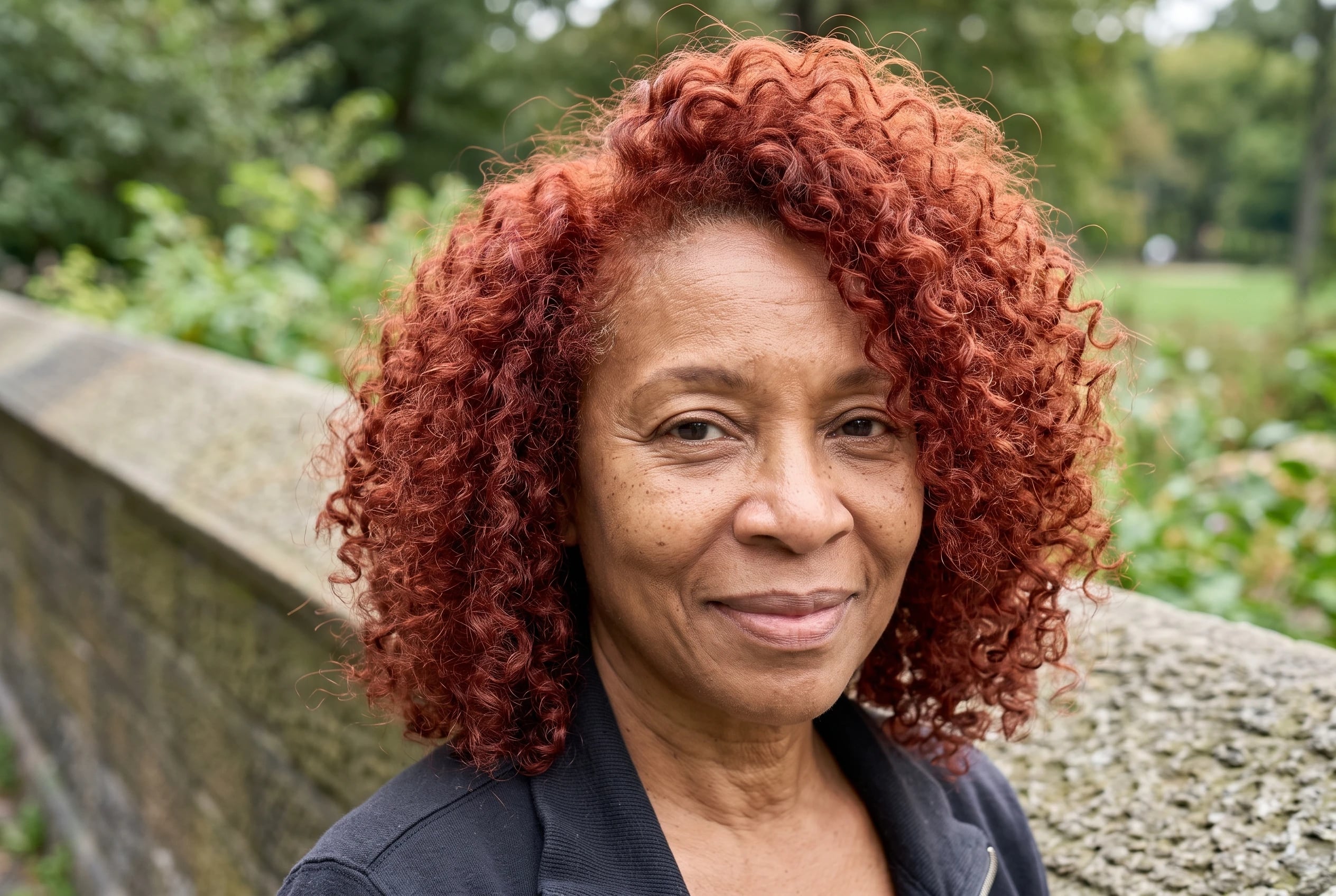
The side part lifts the roots; curls sit near her collarbone.
This lob keeps enough weight for natural curls to hold together instead of turning into short, separate tufts. It suits dense curls and oval or long faces, where the side volume widens the outline.
The ends sit around the collarbone when dry, not just when wet. Ask your stylist to check the outline after the curls settle.
In the morning, mist flattened sections with water. Press them into their curl groups, set the side part, and leave them to dry.
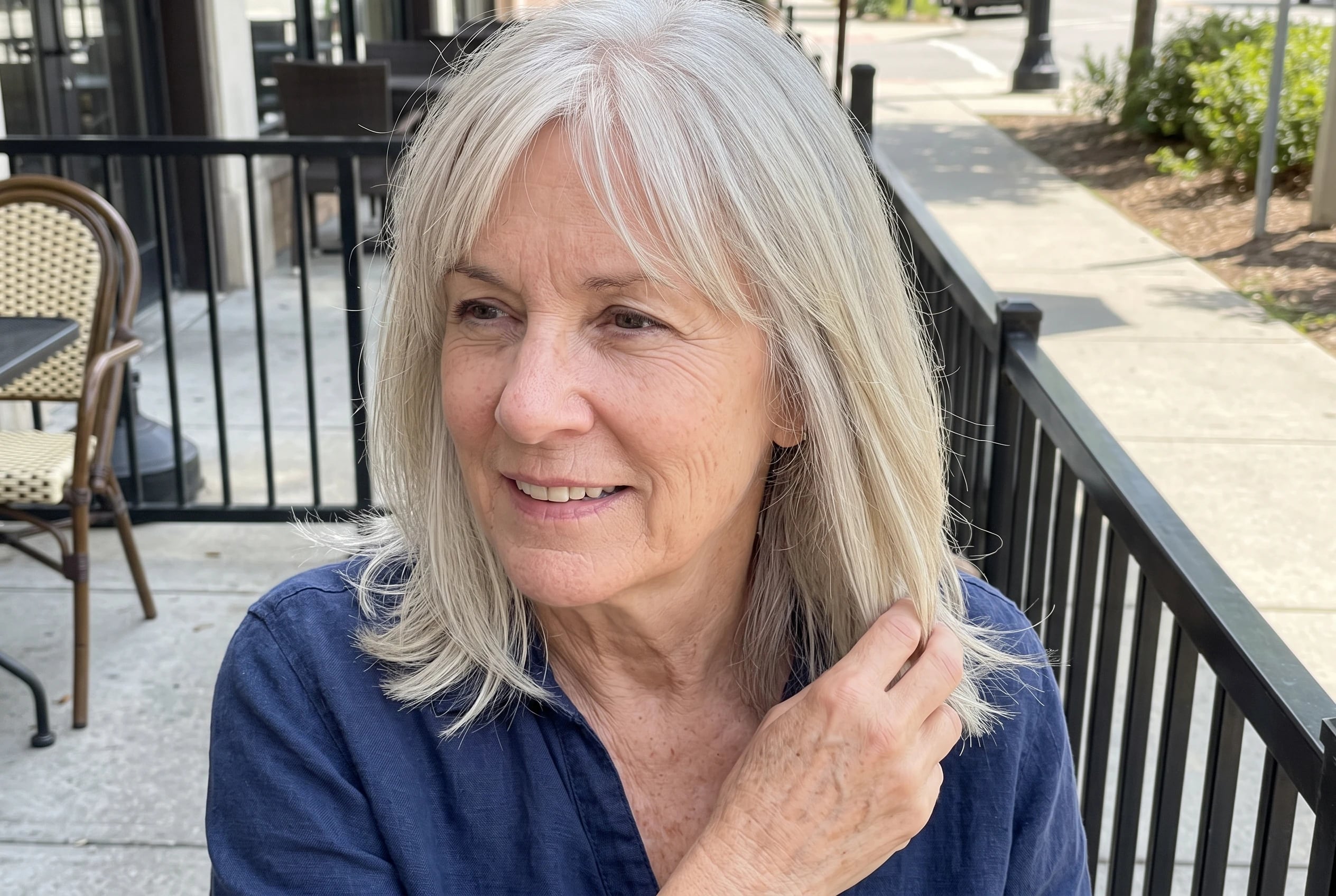
2The Shoulder Cut With a Blunt Fringe
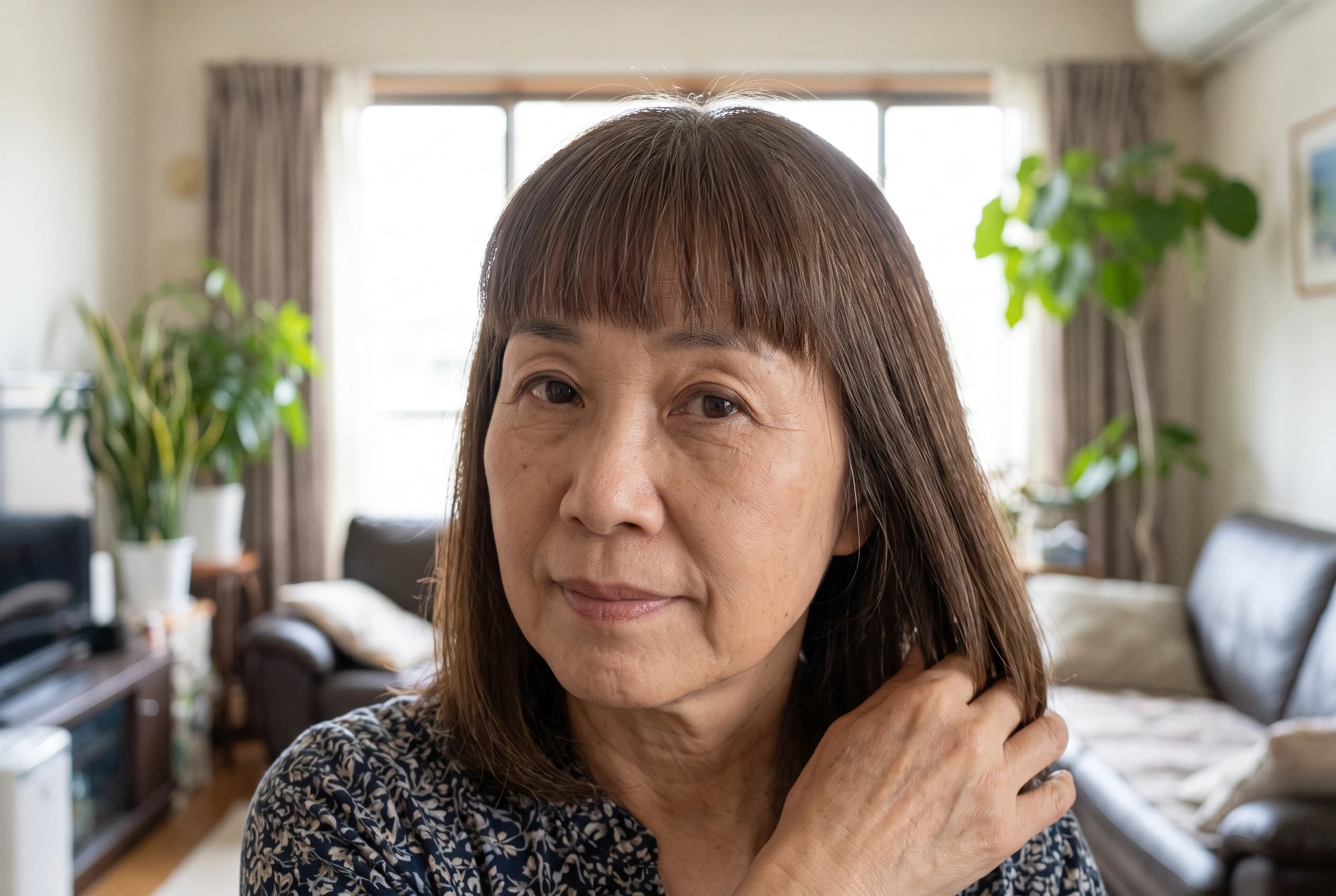
A straight fringe sits above her brows; the lengths brush her shoulders.
This cut works best with straight hair that dries in one direction. The full fringe gives an oval or long face a firm horizontal line. Cowlicks at the hairline add morning work, so check yours before committing. Keep the shoulder-length ends largely one length.
Ask for the fringe to be cut dry. Comb it into place after washing, then let the rest dry without fuss.
1The Air-Dry Lob With Natural Part
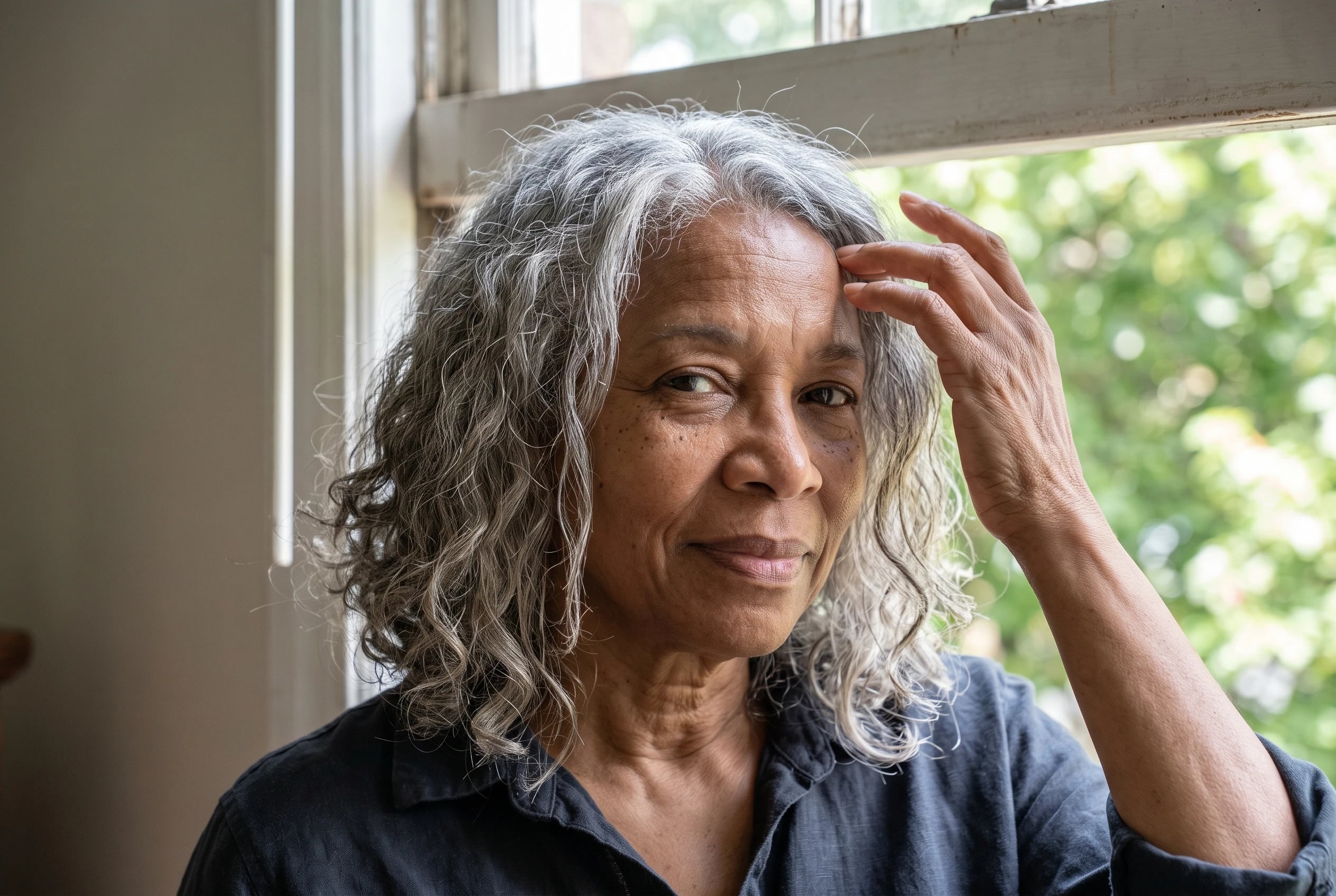
Her hair follows its own part, with a clear collarbone edge.
This cut suits straight hair and loose waves. A full edge helps fine hair, while internal layers lighten thick hair. At the collarbone, the front falls where you choose to part it. Judge that shape without a round brush.
Ask your stylist to finish it dry, using your natural part and no blow-dry. At home, comb the part, smooth the front with damp hands, and go.
The bottom line
All 18 cuts keep enough length to move and enough shape to survive a rushed morning.
You already know which side of your hair behaves and which one needs help. Take that knowledge to the chair. Which cut matches the way your hair dries at home?
Up next
23 Short Gray Hairstyles for Women Over 60
A visual guide to short gray hairstyles for women over 60, from pixies to wedges, with mirror checks for face shape, hair texture, and morning effort.
Read the list →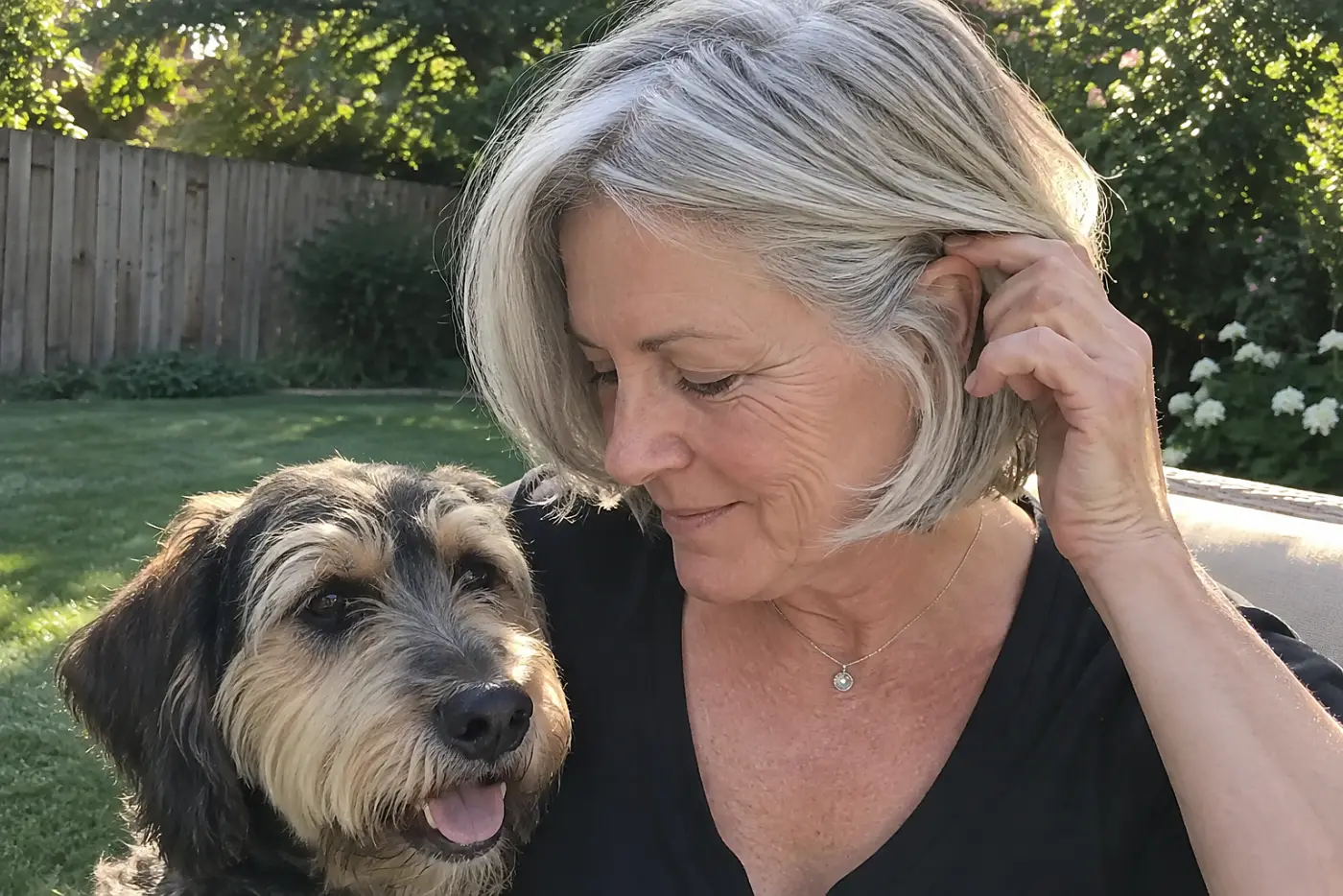
Reader quiz
Did you catch the details?
5 questions from this article. Finish them all to unlock the editor's bonus tip.
What should you use to smooth the ends inward in the morning?
Did any of these feel familiar?
Know someone who needs this?
Nora Bennett
Style Editor
Nora writes about hair, clothes and grooming for people who have stopped asking permission: what to keep, what to let go, and what reads as taken care of.
More from Nora Bennett