
21 Shoulder-Length Haircuts for Women Over 60 With Fine Hair
Hidden layers, cut underneath a smooth one-length top, give fine hair movement and body without leaving the ends looking thin and see-through.
By Nora Bennett, Style Editor
Updated · 12 min read
- Written by our style editor
- How we review
Read to the end: #1 is a cut that still looks full on the days you skip the blow-dryer, and the Bonus gives you the exact words to ask for it.
Fine hair means each strand is narrow, so it holds a bend for less time than thick hair. That's why a morning shape is often gone by lunch. The fix starts with the cut, because weight kept at the ends makes hair look thicker.
Here are 21 shoulder-length cuts for fine hair, each with what to tell your stylist and a quick way to style it, with a blow-dryer or without.
21Feathered Sides Swept Back From the Face
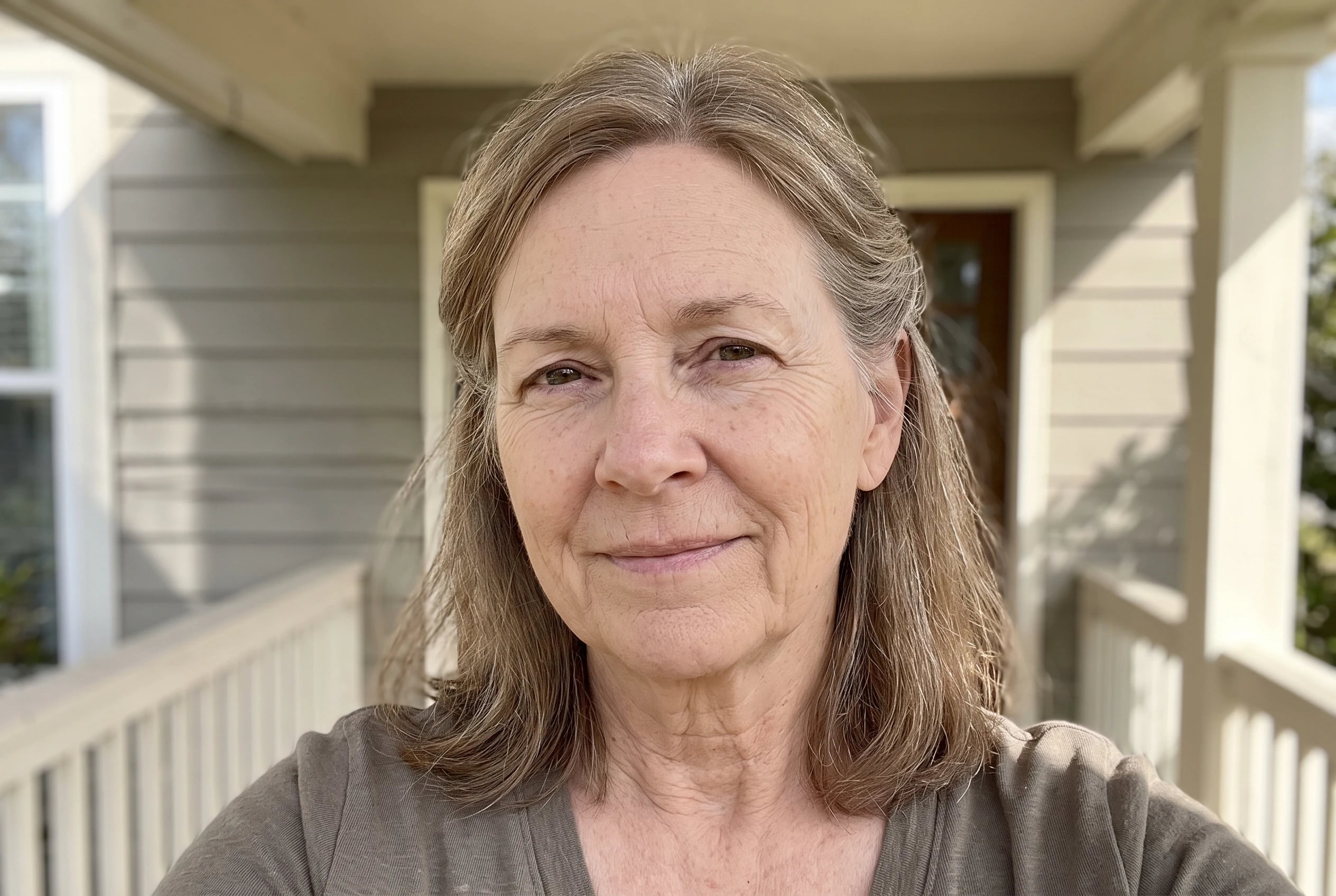
The back is cut blunt, in one straight line, and ends at the top of the shoulders. Only the front few inches are feathered, which is the 1970s word for short, angled layers brushed back off the face.
Kept to the front, feathering lifts fine hair at the temples; done all the way around, it leaves the ends wispy. Two self-grip rollers at the temples, left in while you dress, set the wings on air-dry days.
Tell your stylist, "Feather the front only, and keep the back blunt at my shoulders."
20An Asymmetric Lob, Longer on One Side
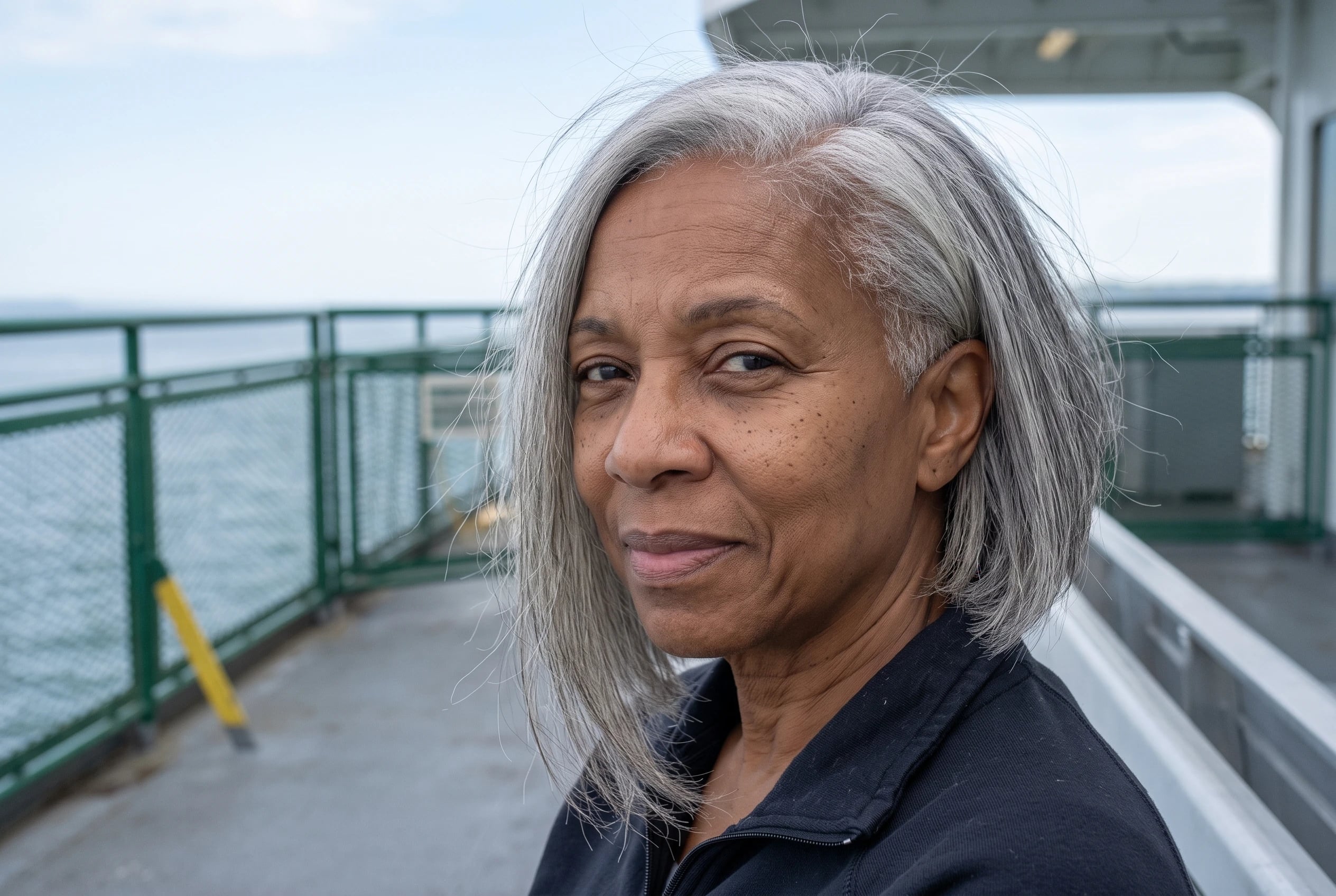
One side grazes the collarbone, and the other stops an inch higher.
A lob is a long bob, meaning any bob that ends between the jaw and the collarbone. The longer side carries more hair, so it looks thick even when your hair is fine.
A deep part on the short side sends even more hair across. It dries straight on its own, and the short side tucks behind your ear.
Point to the side your hair already falls toward, and have the extra inch go there.
19Shoulder-Length Curls Cut Dry, One by One
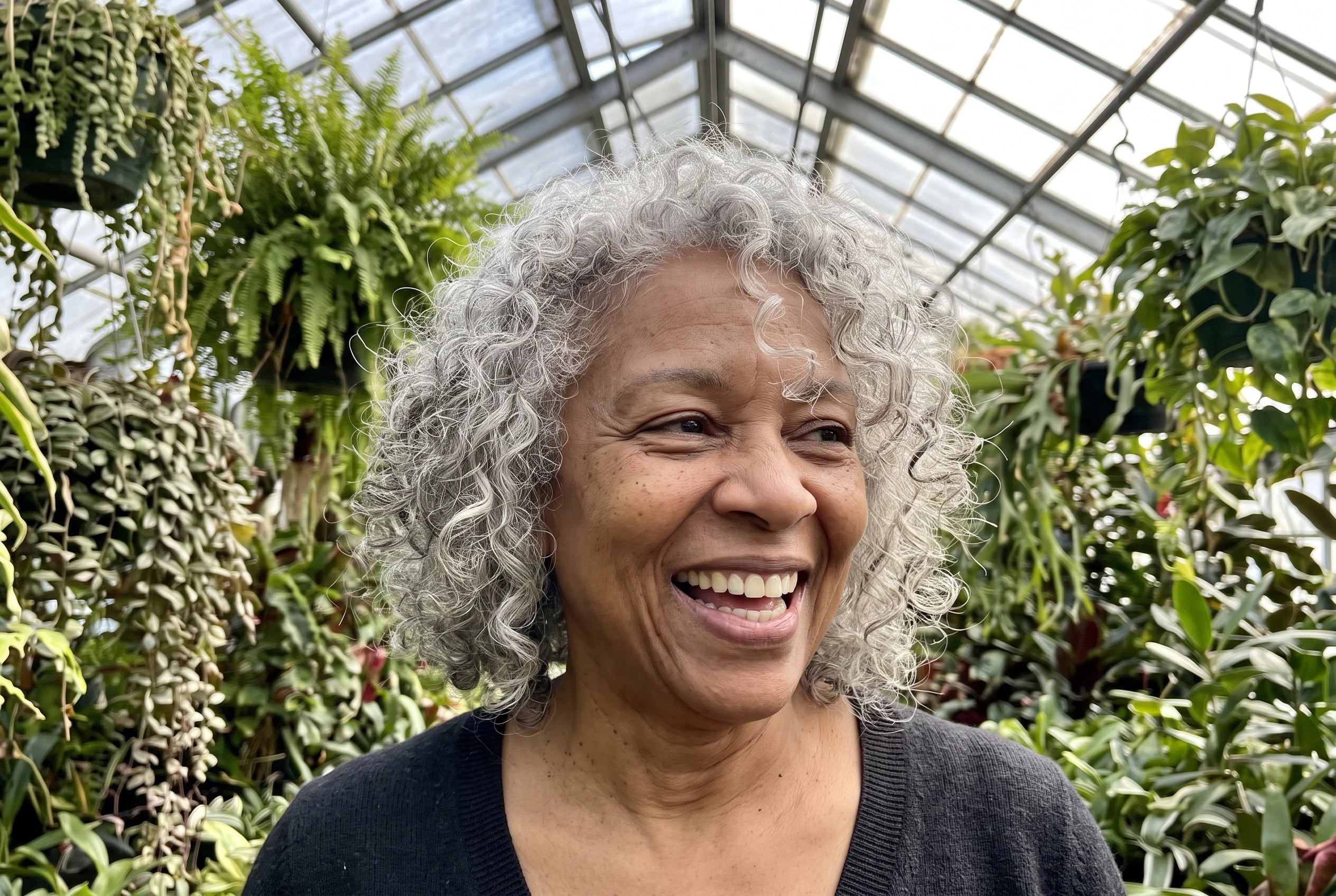
Fine curls shrink as they dry, so a curl cut wet at the shoulder can end up near the jaw.
A dry cut, done curl by curl, puts the length where you want it and rounds the outline, so the curls stack instead of spreading wide at the bottom. After washing, scrunch in leave-in conditioner and let it dry untouched.
Before you book, ask whether anyone at the salon cuts curly hair dry, because not every stylist does.
18Wispy Bangs Over Collarbone-Length Ends
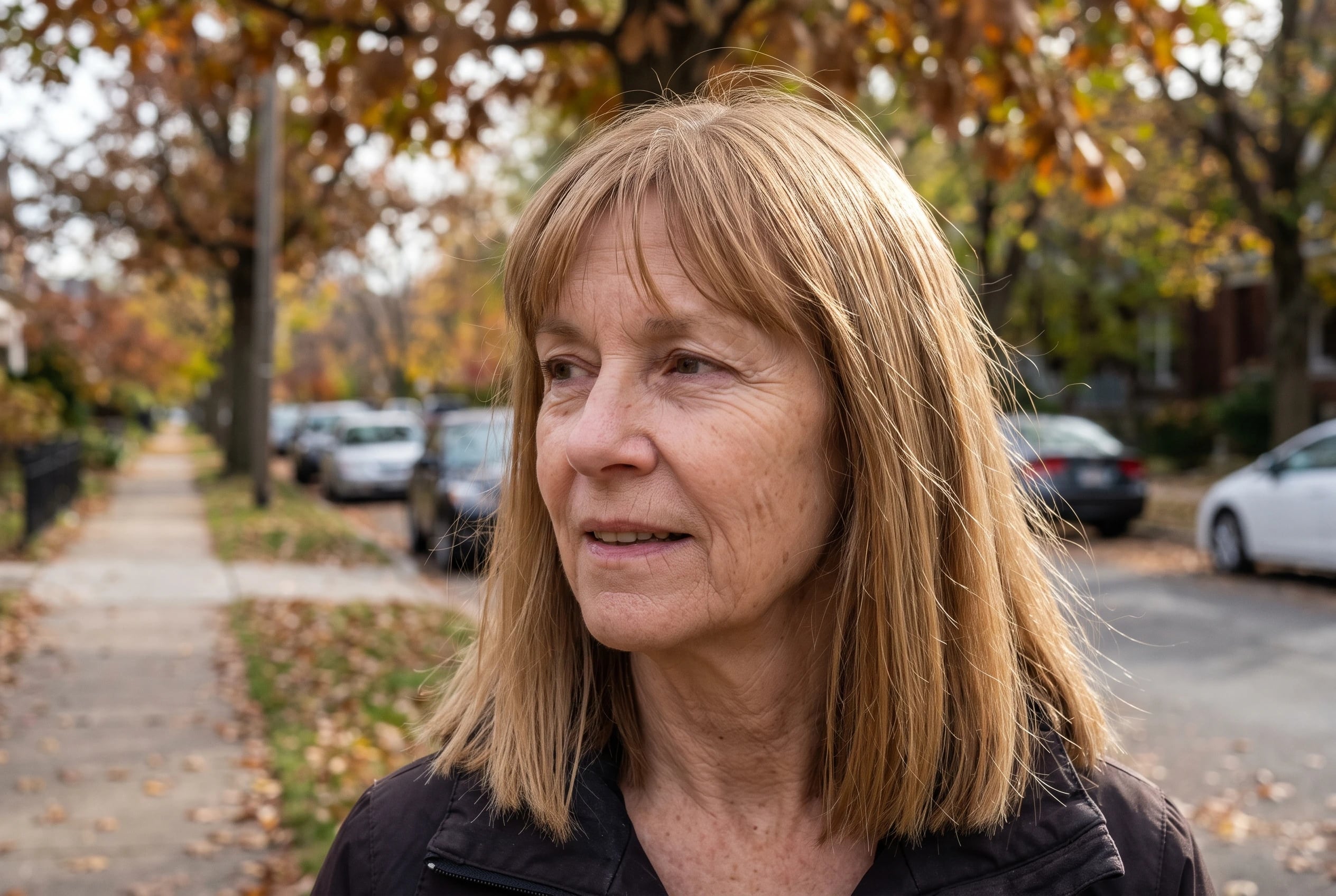
Wispy bangs are cut thin and slightly uneven, so a little forehead shows through. They take only a small section from the front, so the rest, cut blunt at the collarbone, keeps its weight.
Dry them for half a minute, pushing them side to side with your fingers, and let everything else air-dry.
Have the bangs taken from a small triangle at the front, thin enough to see your forehead through.
See more: 26 Stunning Long Hairstyles for Women Over 50 to Try in 2026 →
17The 1990s "Rachel," With Half the Layers
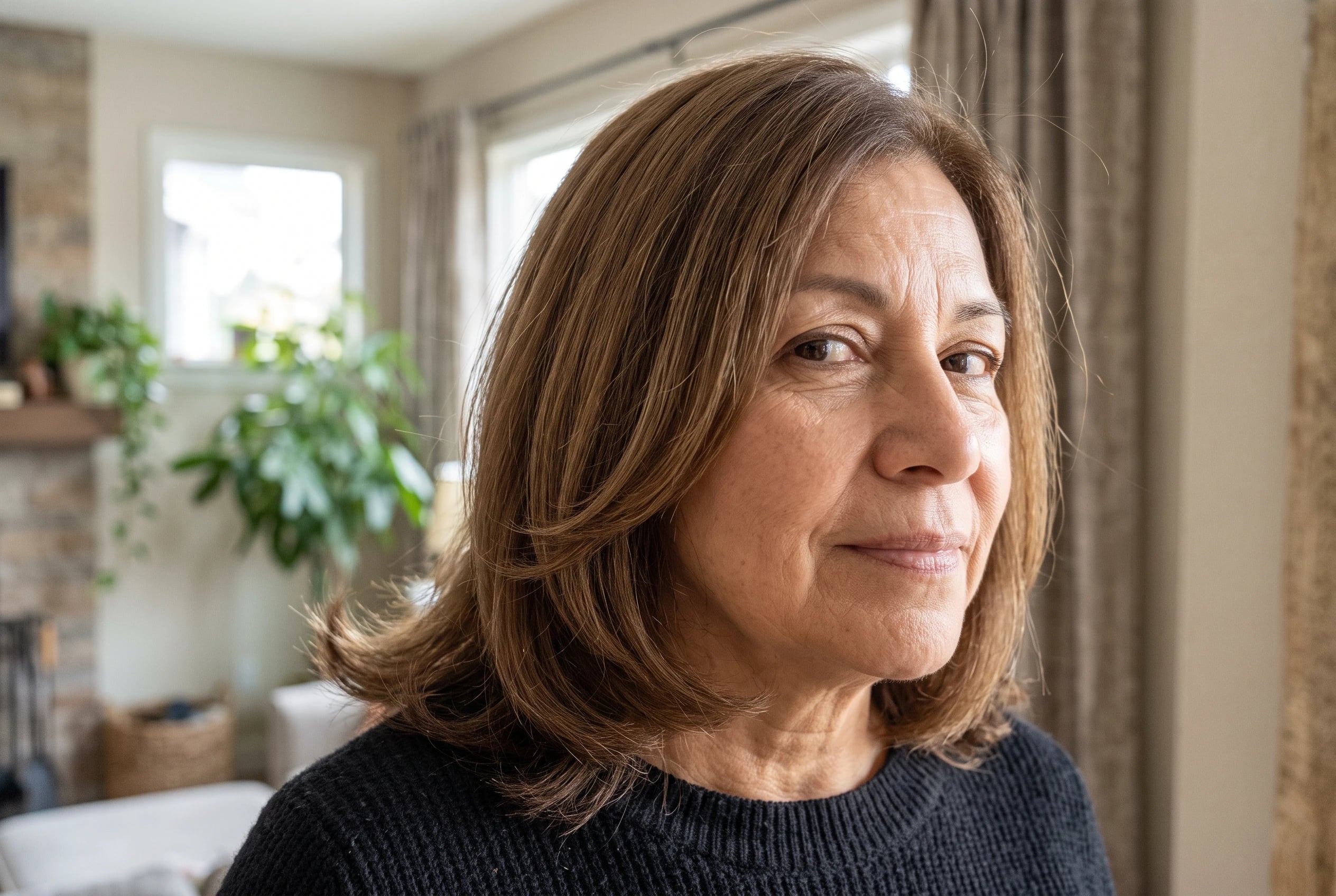
Rounded layers start at the chin and curve in toward the face, with the ends at the top of the shoulders.
The layers stay around the face and at the crown, the top back of your head, because layers all over leave fine ends thin.
The original, worn by Jennifer Aniston on Friends in the mid-1990s, had layers all over.
It needs a round brush and about five minutes each morning, so skip it if you want a cut that air-dries.
Tell your stylist, "The Rachel, with half the layers and a solid bottom inch."
16Beveled Ends That Curve Under at the Shoulder
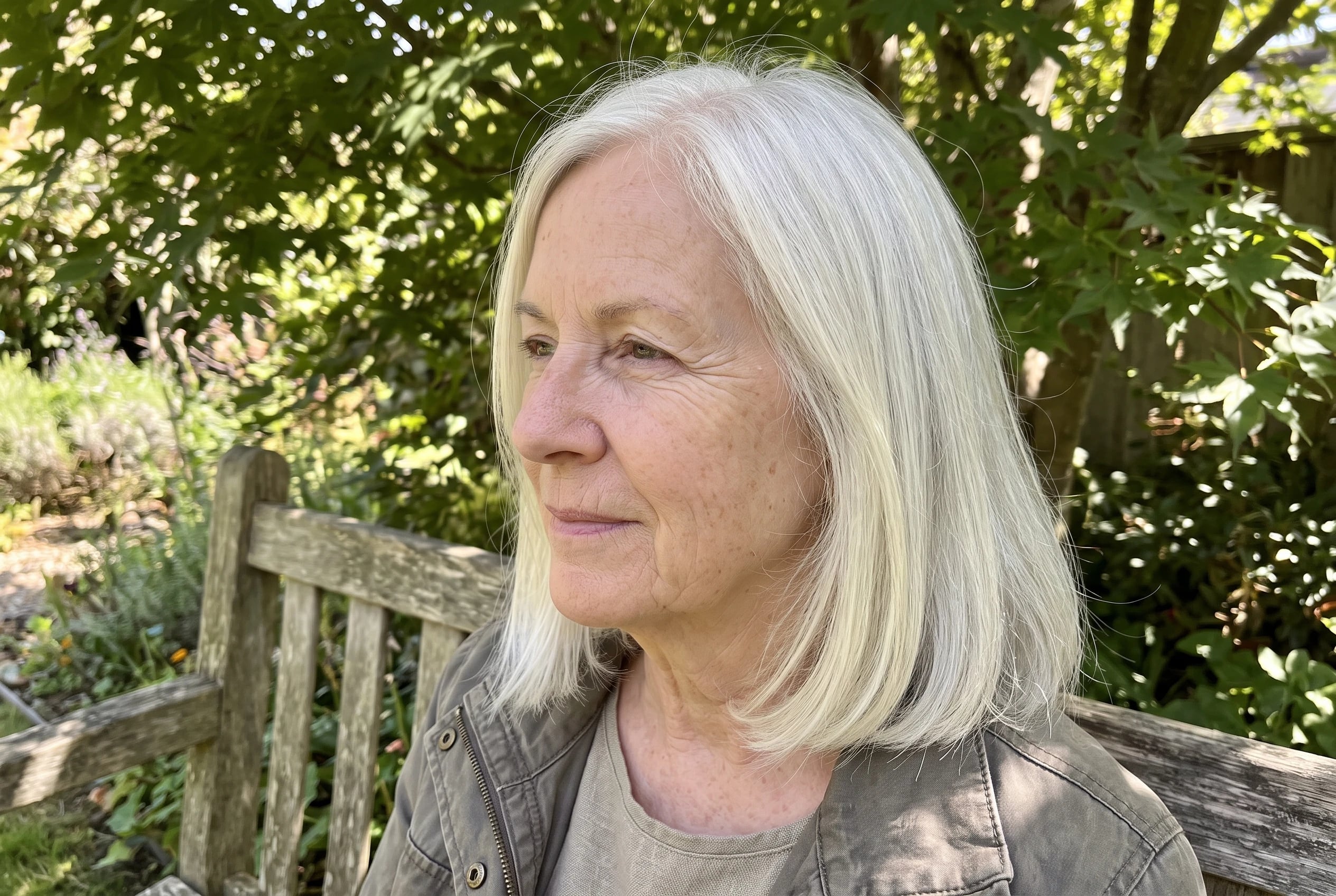
From the side, the edge has the rounded look of a 1950s pageboy.
Beveling means the hair underneath is cut a fraction shorter than the top layer, so the top curves over it without a curling iron. That curve makes a fine edge look round and thick, and it suits straight hair that hangs limp.
On air-dry days the shape mostly holds; with a blow-dryer, pull the ends under with your fingers for the last minute.
Ask for a blunt shoulder-length cut with a slight bevel, so the ends turn under.
15Bottleneck Bangs Over Shoulder-Length Ends
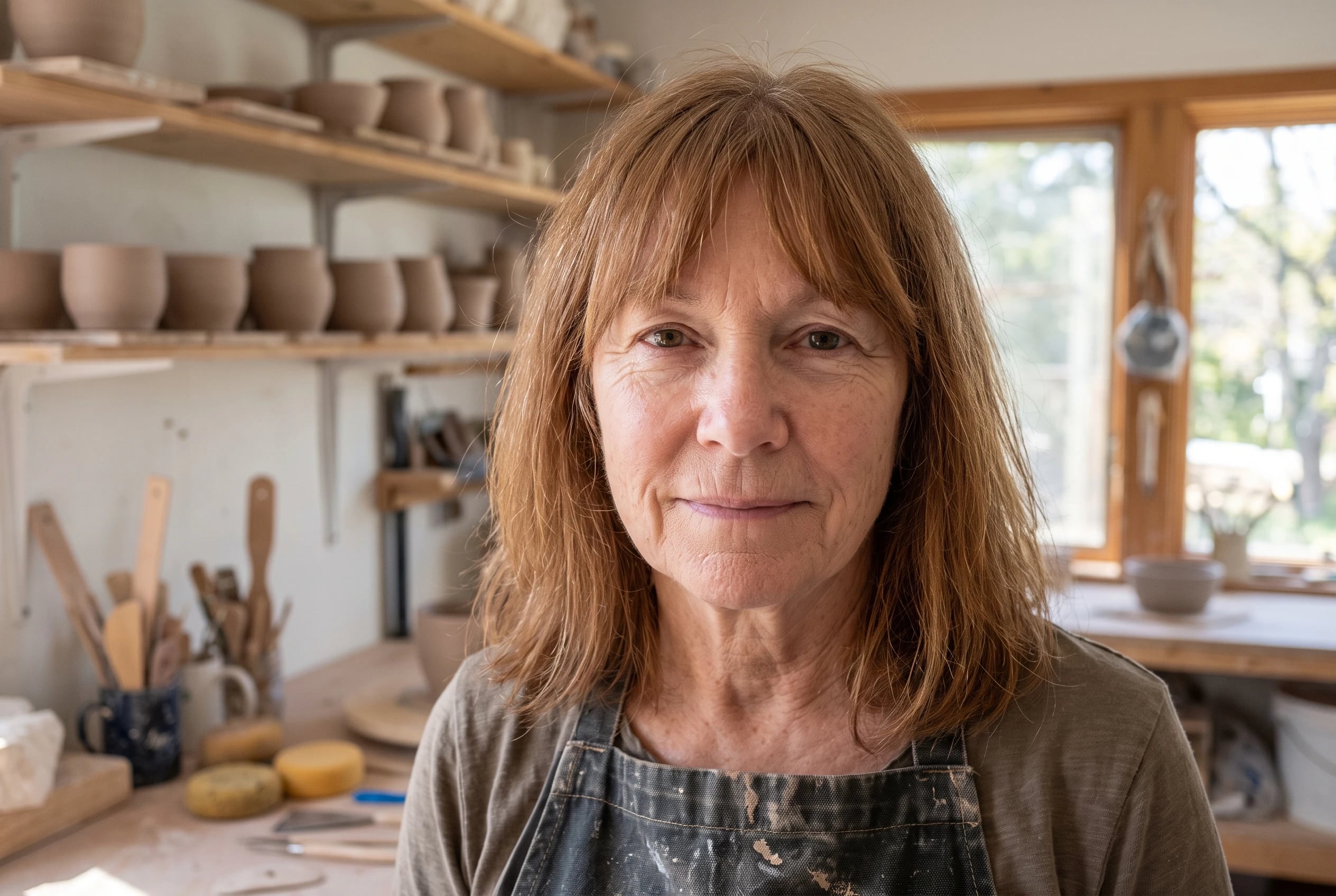
Bottleneck bangs are short in the middle and longer at the sides, like the neck of a bottle.
The center stops at the brows and the sides slope toward the cheekbones, then blend into ends at the shoulder. Because the sides join the rest of the hair, a small section gives your face a full frame.
Push the sides outward with your fingers while they dry, with or without a blow-dryer.
The words to use are "middle at my brows, sides at my cheekbones, and a narrow section."
14The 1960s Flip at the Shoulder
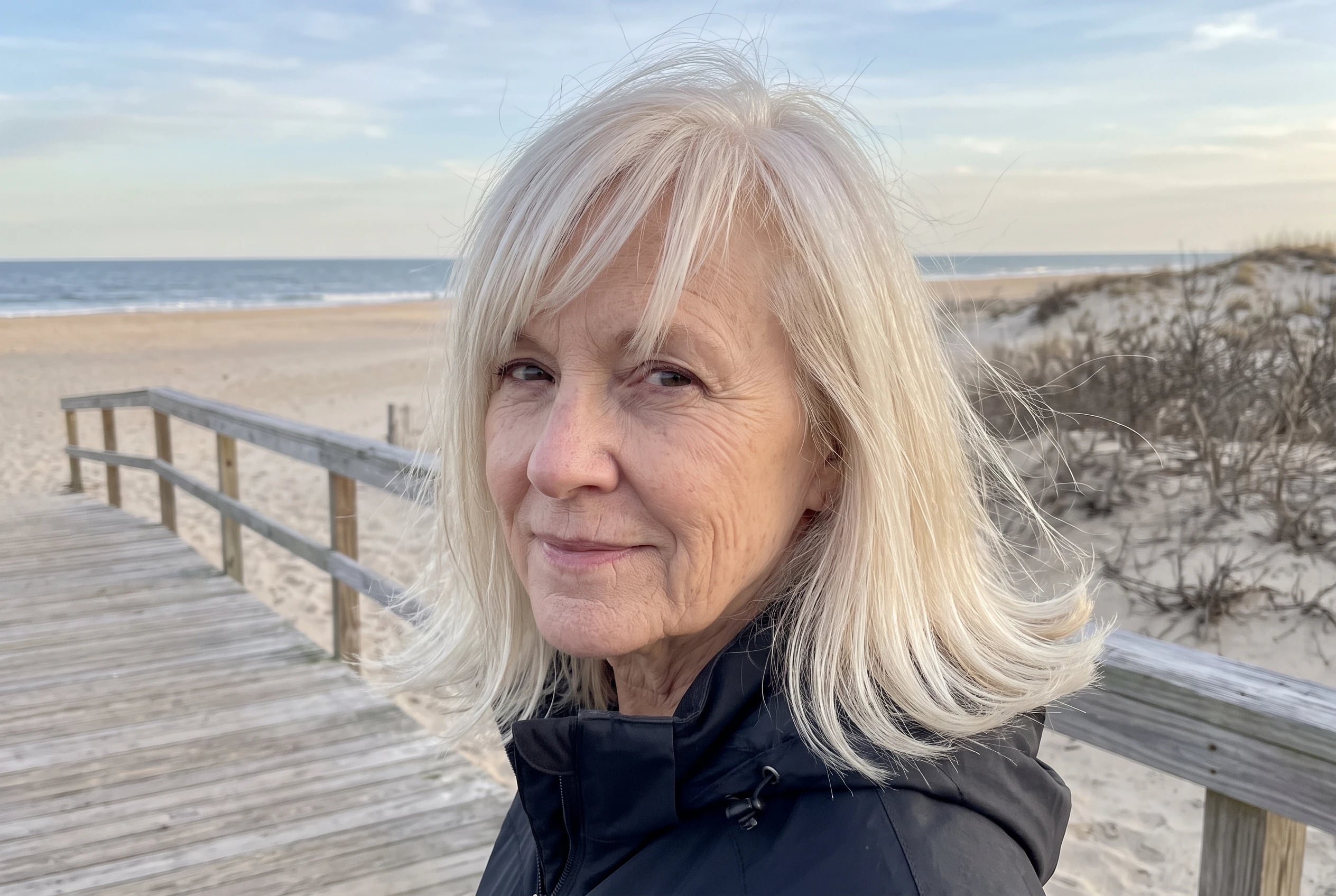
Seen from ear to ear, the curl sits at the same height all the way around.
Hair that lands on the shoulder flips out anyway, so this cut turns the habit into the style. The 1960s version was set on big rollers; a flat iron turned outward at the ends does it in about three minutes.
Some fine hair holds a flip better the day after washing, so if yours does, wash it the night before and flip the ends in the morning.
Ask for blunt ends that land exactly on the top of your shoulders.
13Short Layers at the Crown, Solid Ends
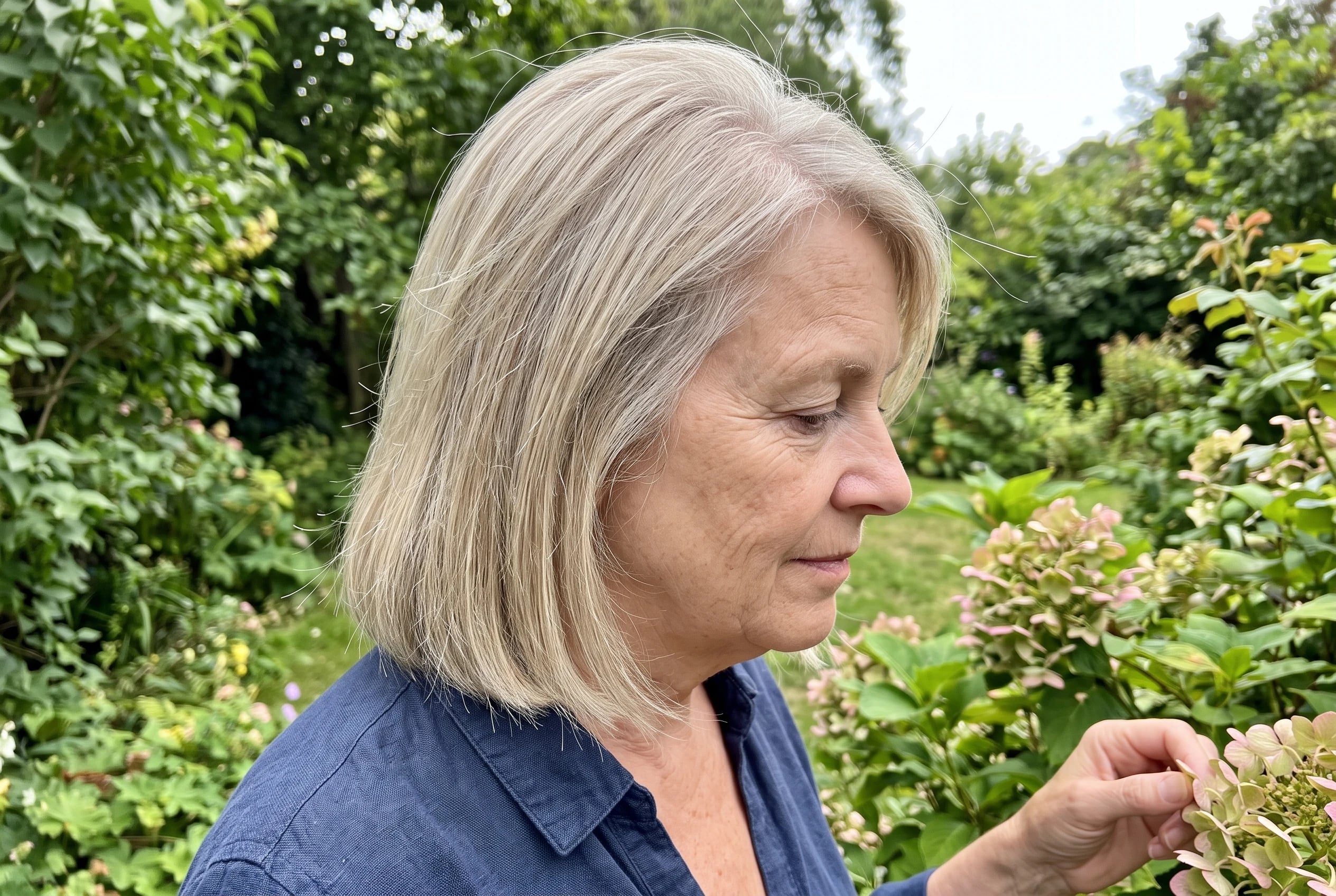
Is the top of your head the first part to go flat?
A few short layers are cut only at the crown. Shorter hair weighs less, so it lifts at the root, while everything below stays one length at the shoulder.
Without a blow-dryer, slide two small clips under the crown hair at the roots while it dries, then take them out.
Say you'd like the crown layers kept at about four inches or longer, so they lift without sticking straight up.
12A Choppy Lob With Point-Cut Ends
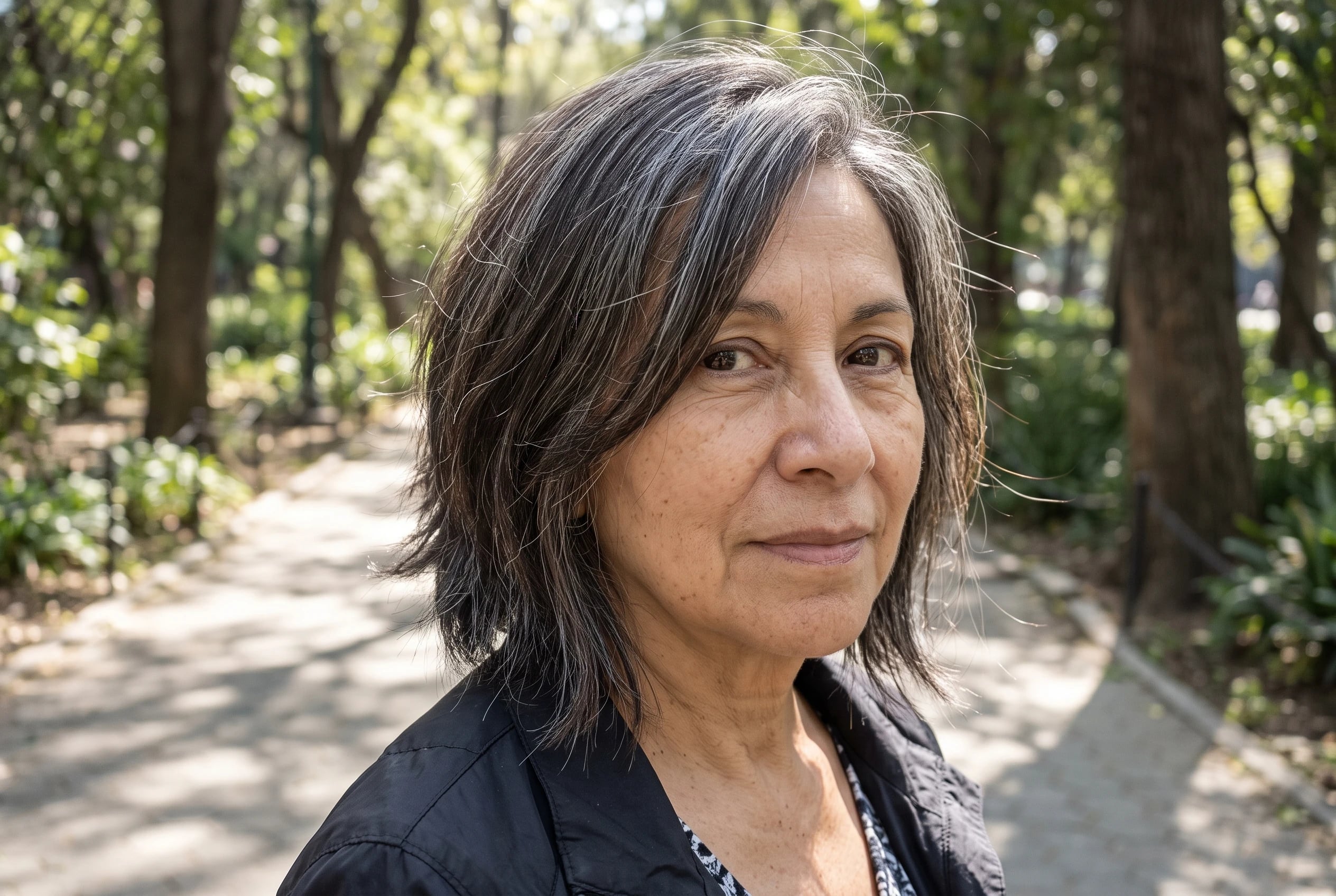
The edge sits just above the shoulders and is notched in tiny V's.
This is point cutting, where the stylist snips straight up into the ends with the tips of the scissors. It softens a blunt line that looks too severe on straight fine hair and removes very little weight.
Scrunch in a light texture spray, which gives each strand a little grip, and let it air-dry.
Ask for point cutting on the last half inch only, so the ends stay thick.
11Long Side-Swept Bangs at the Cheekbone
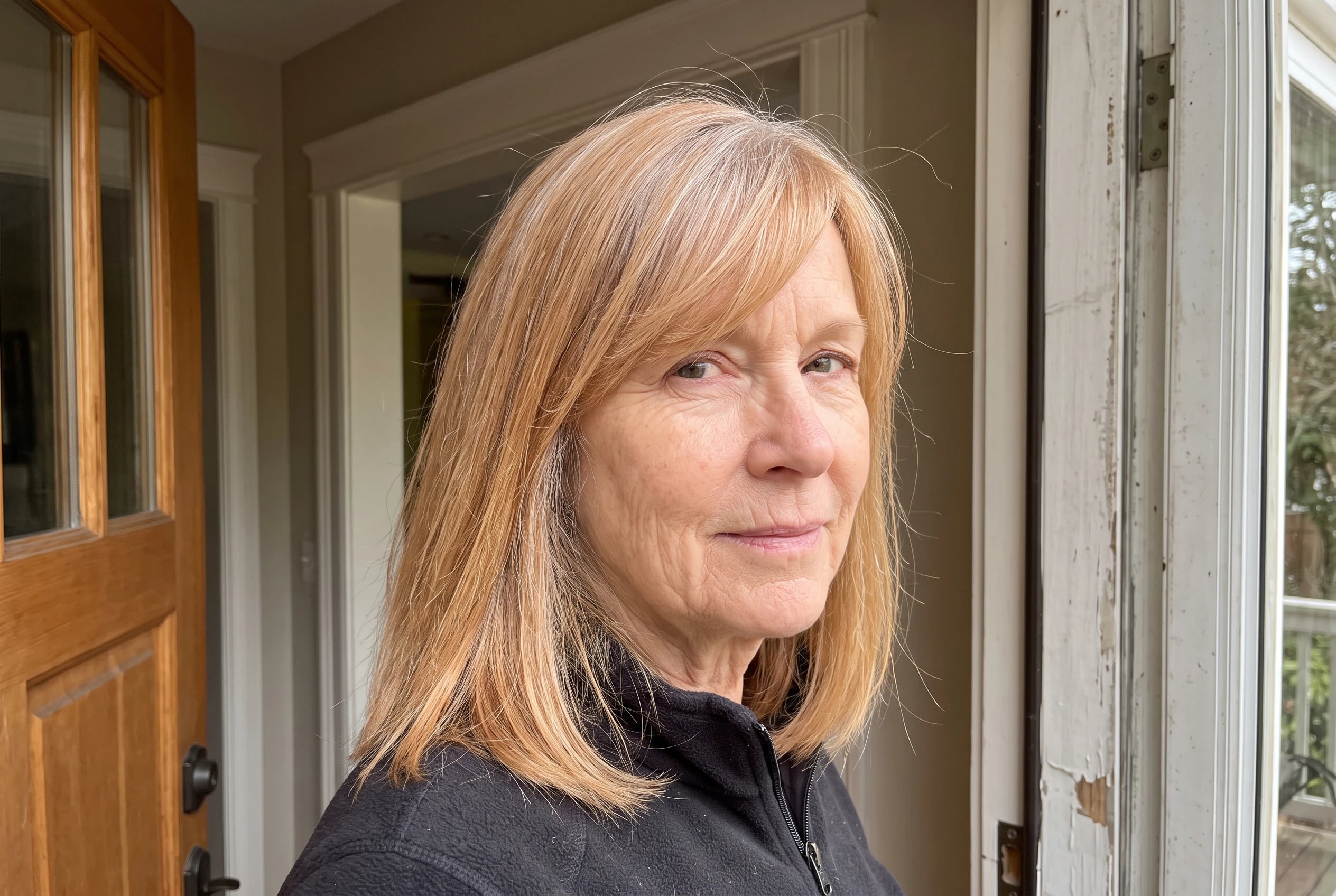
Side-swept bangs are long bangs cut on an angle, from the brow on one side to the cheekbone on the other.
The sweep lays extra hair across one side of the forehead, so the front looks fuller from a small section. Because they're already long, they tuck behind your ear on days you don't want them, and they grow out more easily than short bangs.
Push them into place with your fingers while they're damp, and let the rest dry on its own at the shoulder.
Show your stylist where your part sits, and have the bangs run from there to the top of your cheekbone.
See more: 12 Best Blushes for Women Over 60, and How to Wear Them →
10Ends Cut in a Shallow U at the Back
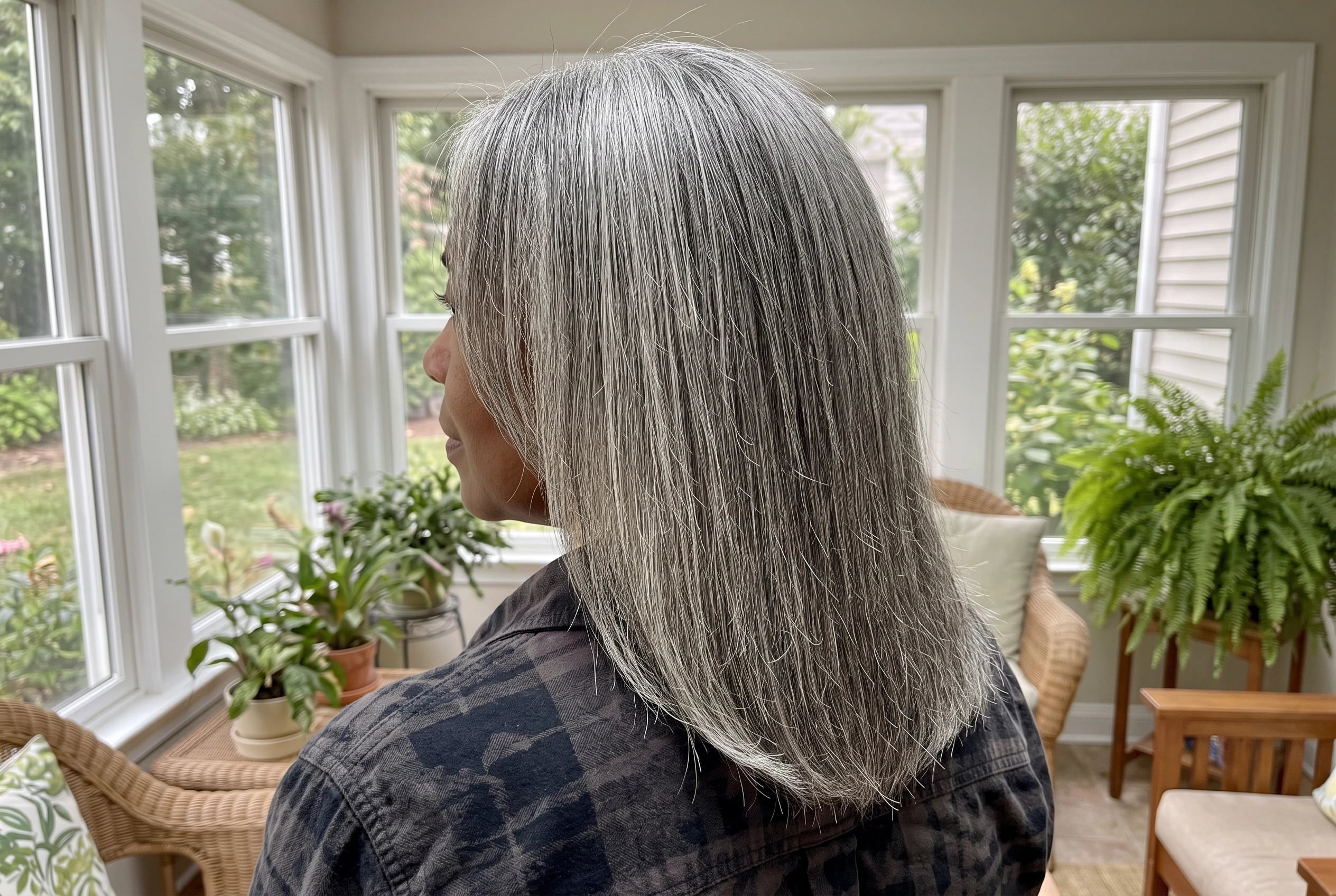
The sides stop just above your shoulders, and the ends curve lower across the back, longest at the middle.
Because the curve is shallow, most strands still end close together, so the ends stay thick. From behind, it looks softer than a straight line, and with no layers or bangs to set, it's easy to air-dry.
Comb the back straight down while it's damp, so the curve dries smooth.
Ask for a shallow U at the back, with the middle only a little longer than the sides, because a deep curve thins the ends.
9Blunt Bangs at the Brows, Shoulder-Length Ends
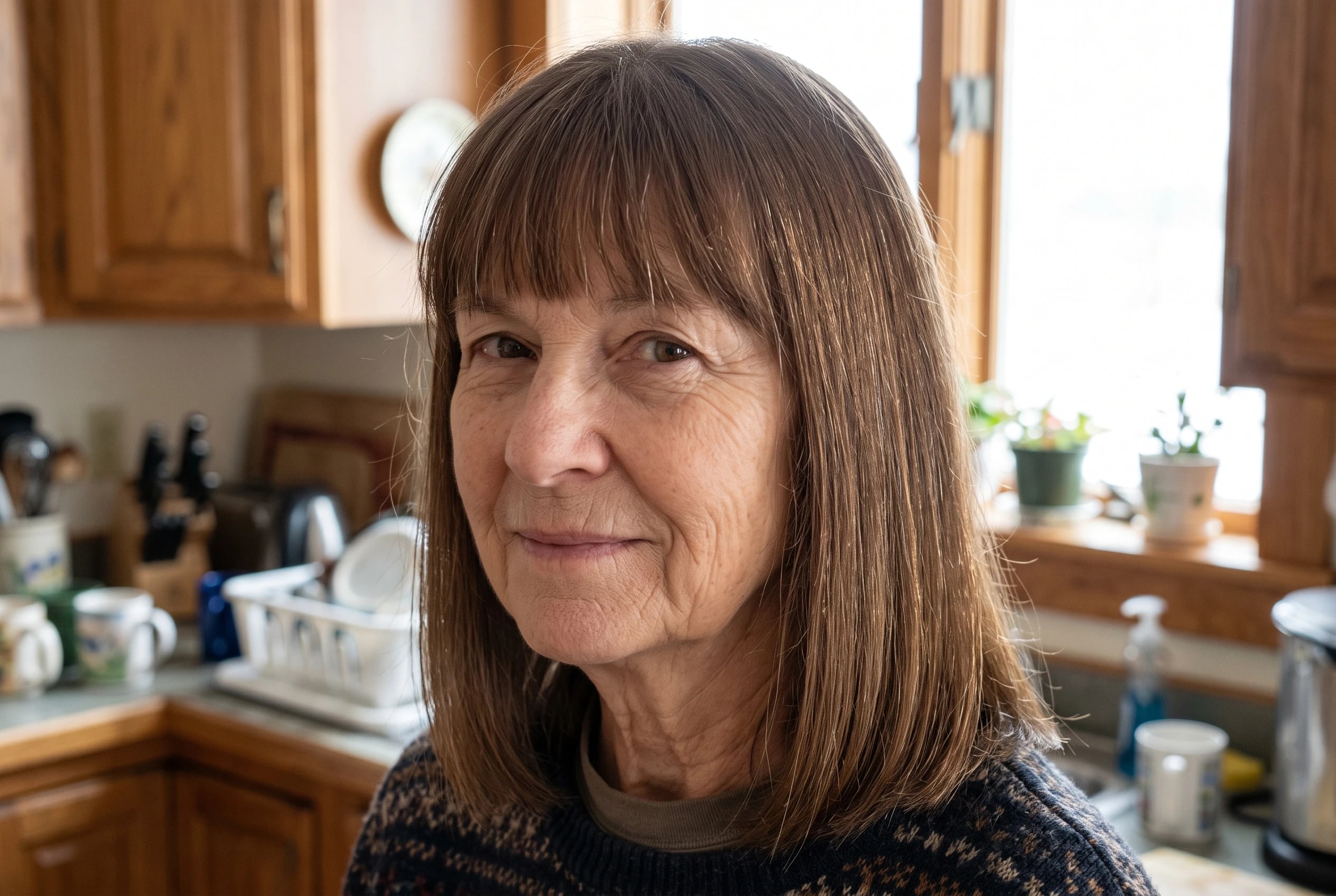
There's no forehead showing through these bangs.
Full bangs take a deep section from the top of the head, and that much hair looks dense even on fine hair.
They grow into your lashes within weeks, so skip them if you won't come back for trims between cuts.
Comb them flat while they're wet and leave them alone to air-dry; they dry first.
Ask for bangs that touch your brows when dry, since wet bangs cut at the brows dry shorter.
8A Deep Side Part Over Shoulder-Length Ends
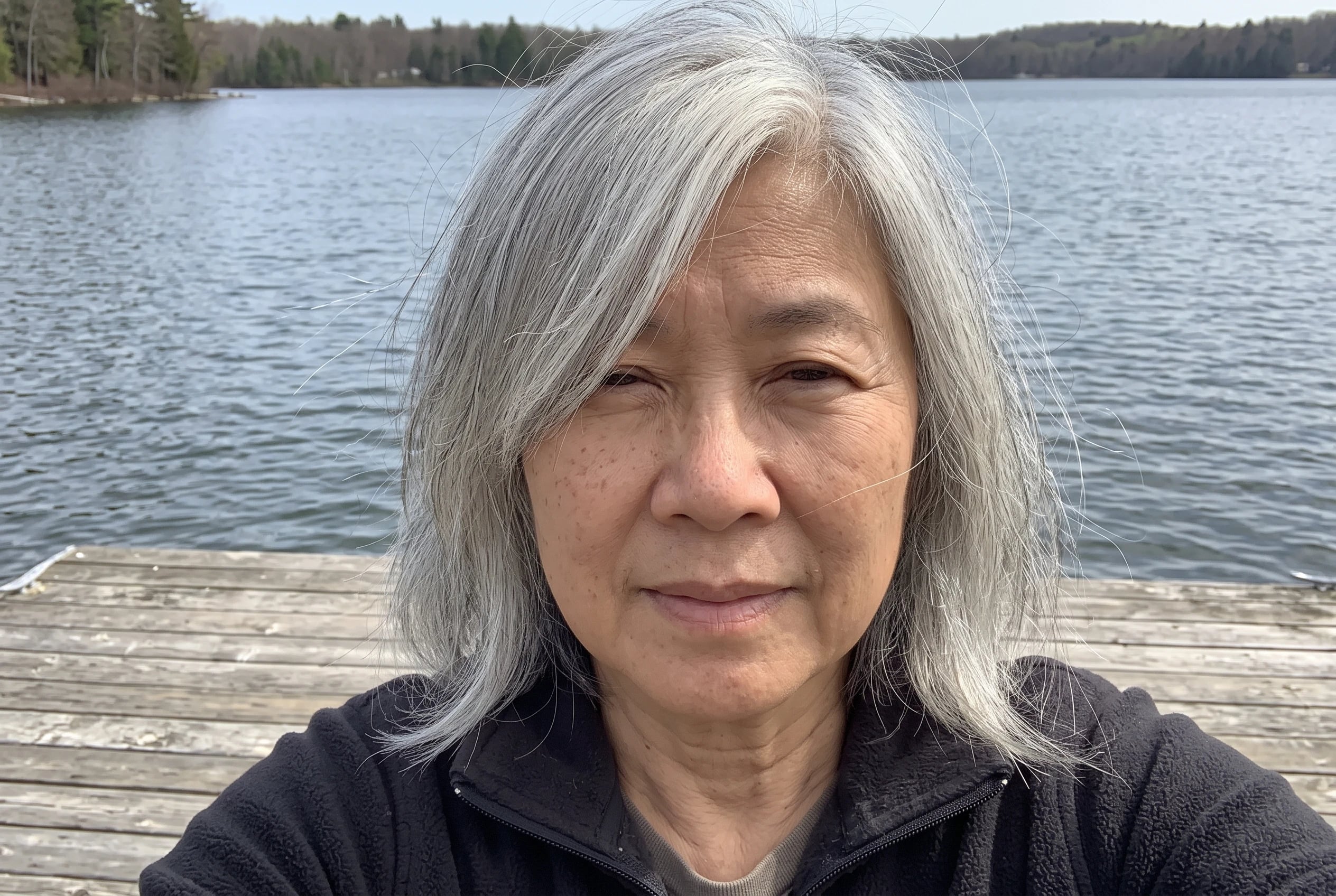
Move your part an inch or two closer to one ear and the hair at the top lifts, because it now falls against its usual direction.
The deep part sends a heavy sweep across one side of your face, so that side looks fuller. Set the part with a comb while your hair is wet, then lift the roots with your fingertips as it air-dries.
Tell your stylist where the new part goes before the cut starts, so the line is cut to fall evenly from it.
7A Wavy Lob Cut to Air-Dry
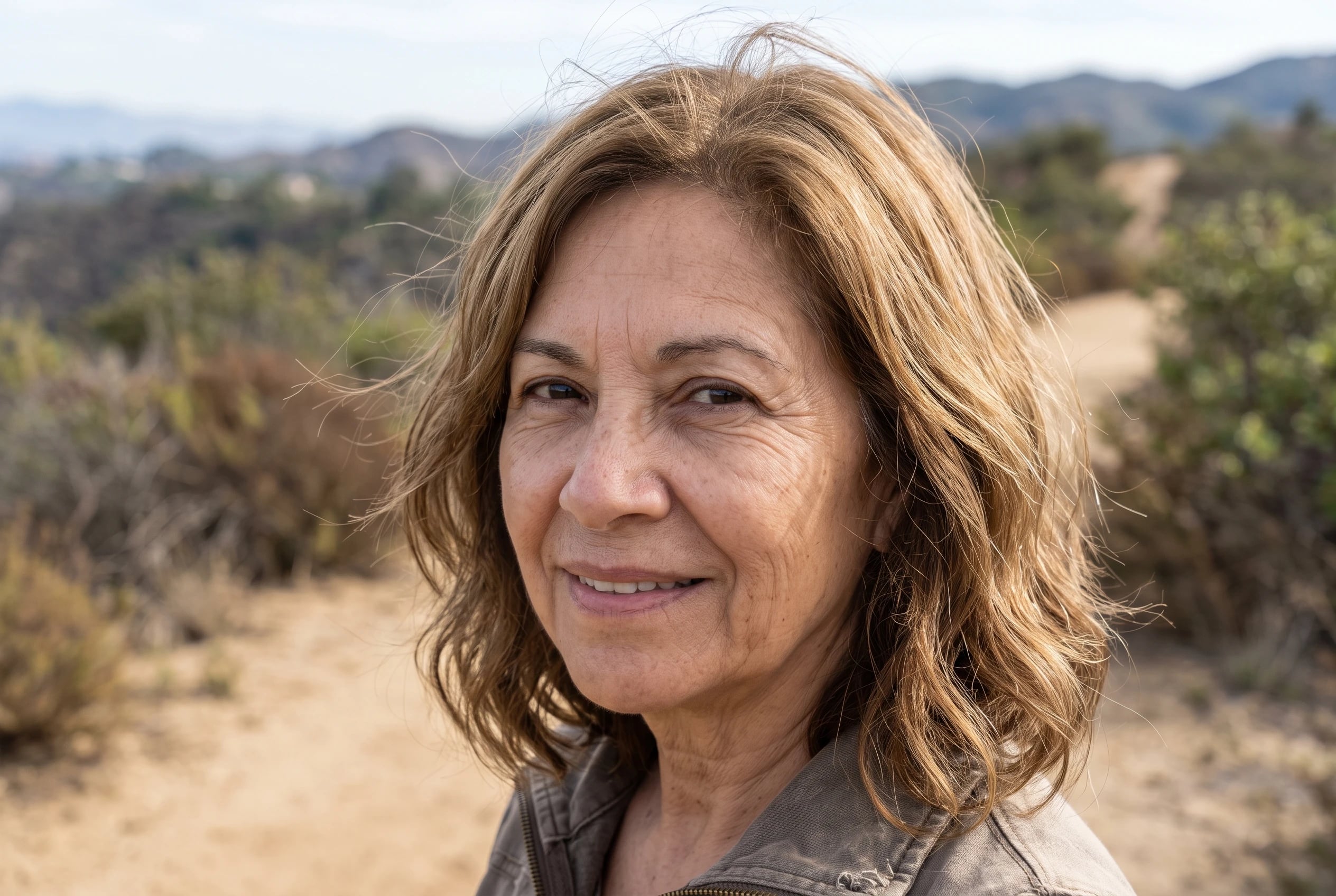
Does your hair dry with a bend in it if you leave it alone?
This lob follows that bend, with the ends at the collarbone and only a few long layers near the face. Waves make fine hair look fuller because each bend takes up more room than a straight strand.
Scrunch it with a towel and let it dry, or speed it up with a diffuser, a bowl-shaped attachment for the blow-dryer that spreads the air so waves don't frizz.
Arrive with your hair washed and air-dried, so the stylist can see where your waves fall before cutting.
See more: 20 Best Shampoos for Women Over 60 With Thinning Hair →
6Curtain Bangs Over a Blunt Shoulder Line
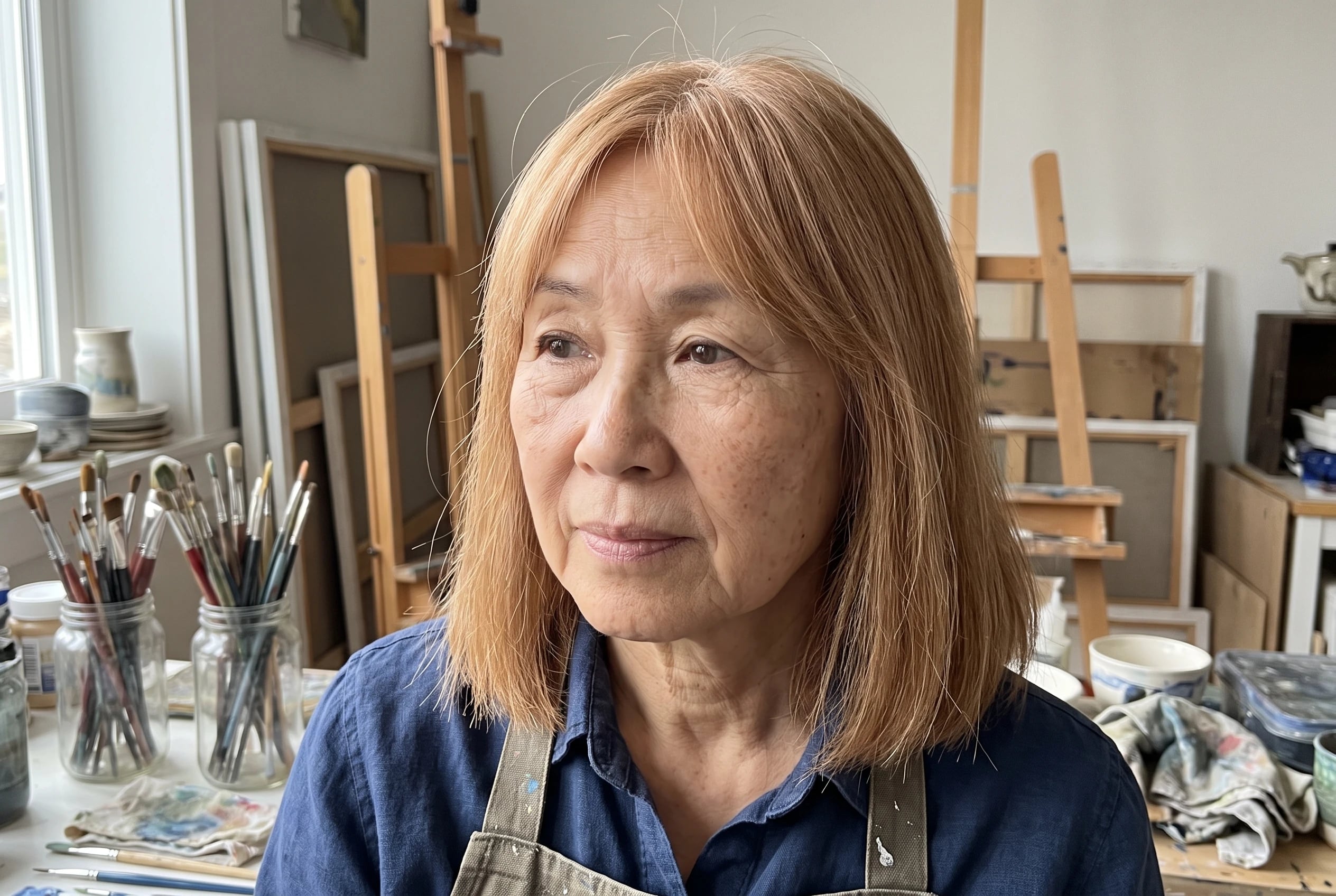
The bangs open in the center like a pair of curtains and fall to either side, ending near the cheekbones.
They add width at the cheekbones, which balances the straight weight of a blunt line at the shoulder, and they show most of your forehead. That suits you if you've never liked heavy bangs.
Blow them back and out with a round brush for a minute; air-dried, they fall flatter but still part on their own.
Start with the shortest point at the bridge of your nose, and go shorter next time if you want.
5Hidden Layers Under a One-Length Top
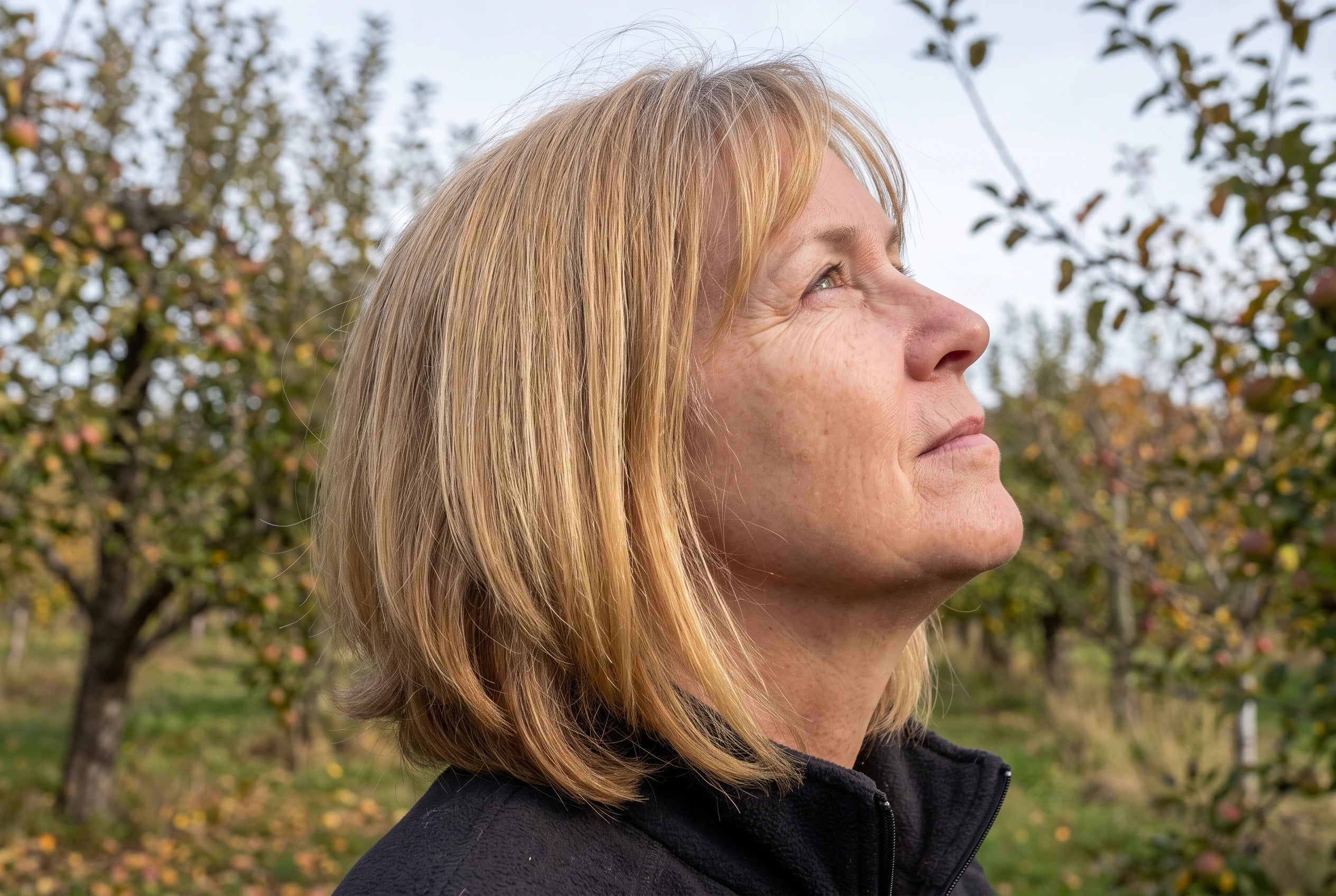
From the outside, it looks like one length at the collarbone.
Hidden layers, also called ghost layers, are cut into the hair underneath while the top section stays long. The shorter hair below props up the hair on top, so you get body without the thin ends that visible layers can leave.
Let it air-dry, then tip your head over and shake out the roots with your fingers.
Ask for hidden layers underneath and a top section left long enough to cover them.
4An A-Line Lob, Longer in Front
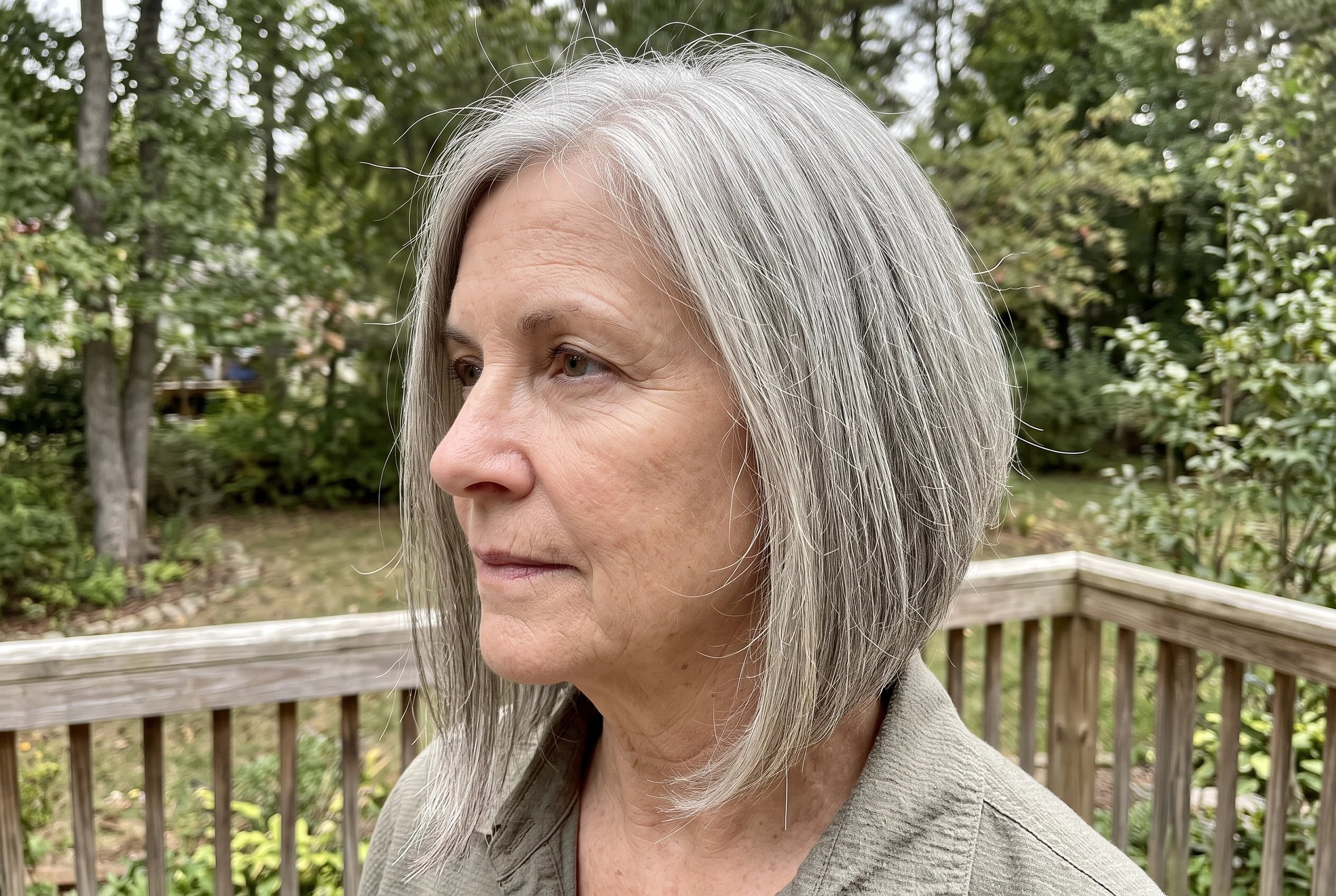
An A-line lob is shorter at the back of the neck and longer toward the front, so from the side the edge slopes down toward the collarbone.
The shorter back carries less weight, so the back of the head looks rounder, and the long front keeps fullness around your face. A slight slope still shows when it air-dries, while a steep one looks best blow-dried every day.
Ask for it this way: "Front at my collarbone, back about two inches shorter."
3A Shoulder Shag With Choppy Bangs
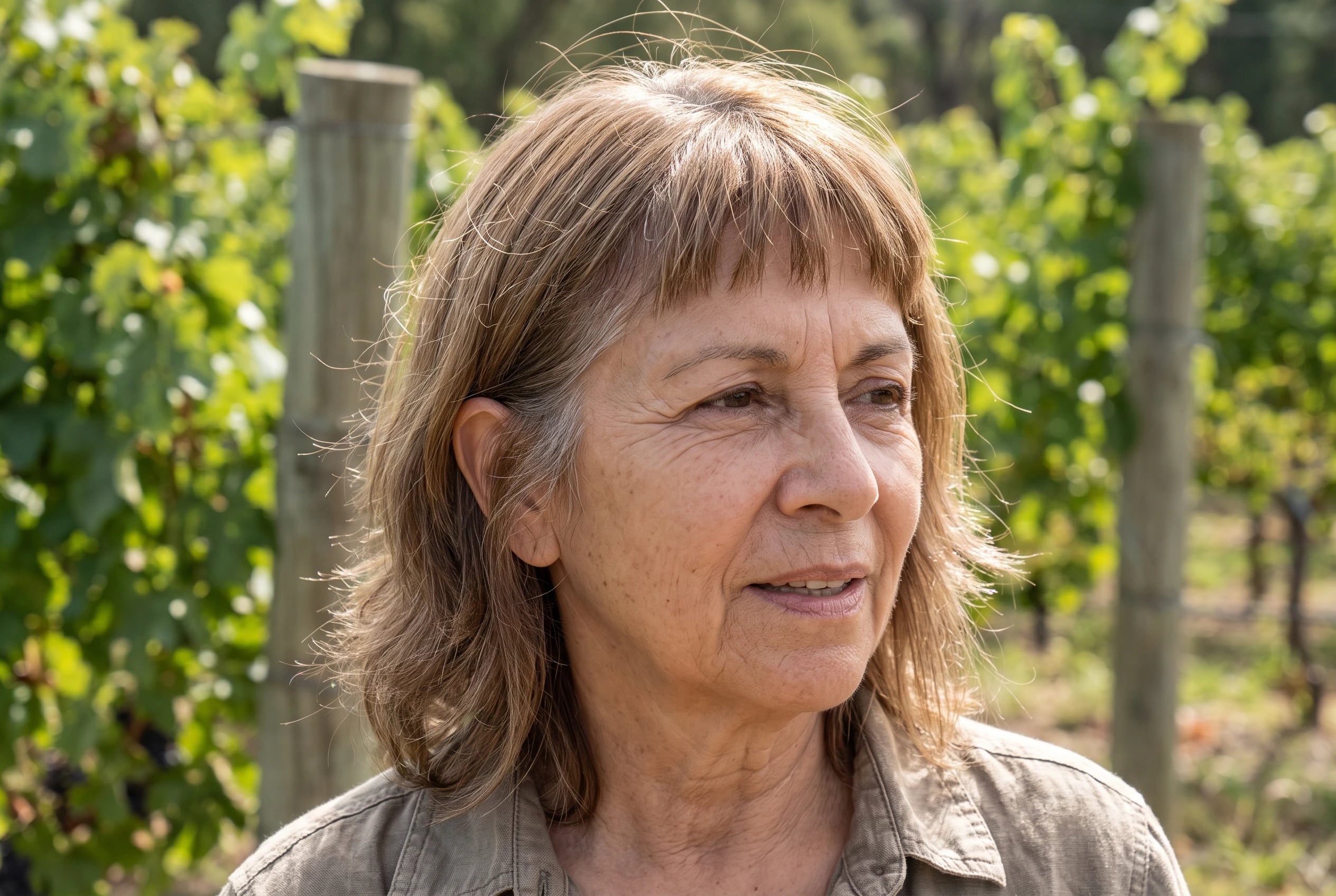
Layers start at the cheekbones and lengthen toward the shoulders, with short, broken-up bangs across the brow.
All those layers take weight off the crown, so the top sits higher, and the slightly messy finish air-dries well. The look goes back to the shag Jane Fonda wore in the 1971 film Klute.
The ends come out lighter than on a blunt cut, which is the one real trade-off for fine hair.
Ask for a soft shag with layers from the cheekbones down, choppy bangs and the bottom inch left solid.
2Face-Framing Layers That Start at the Chin
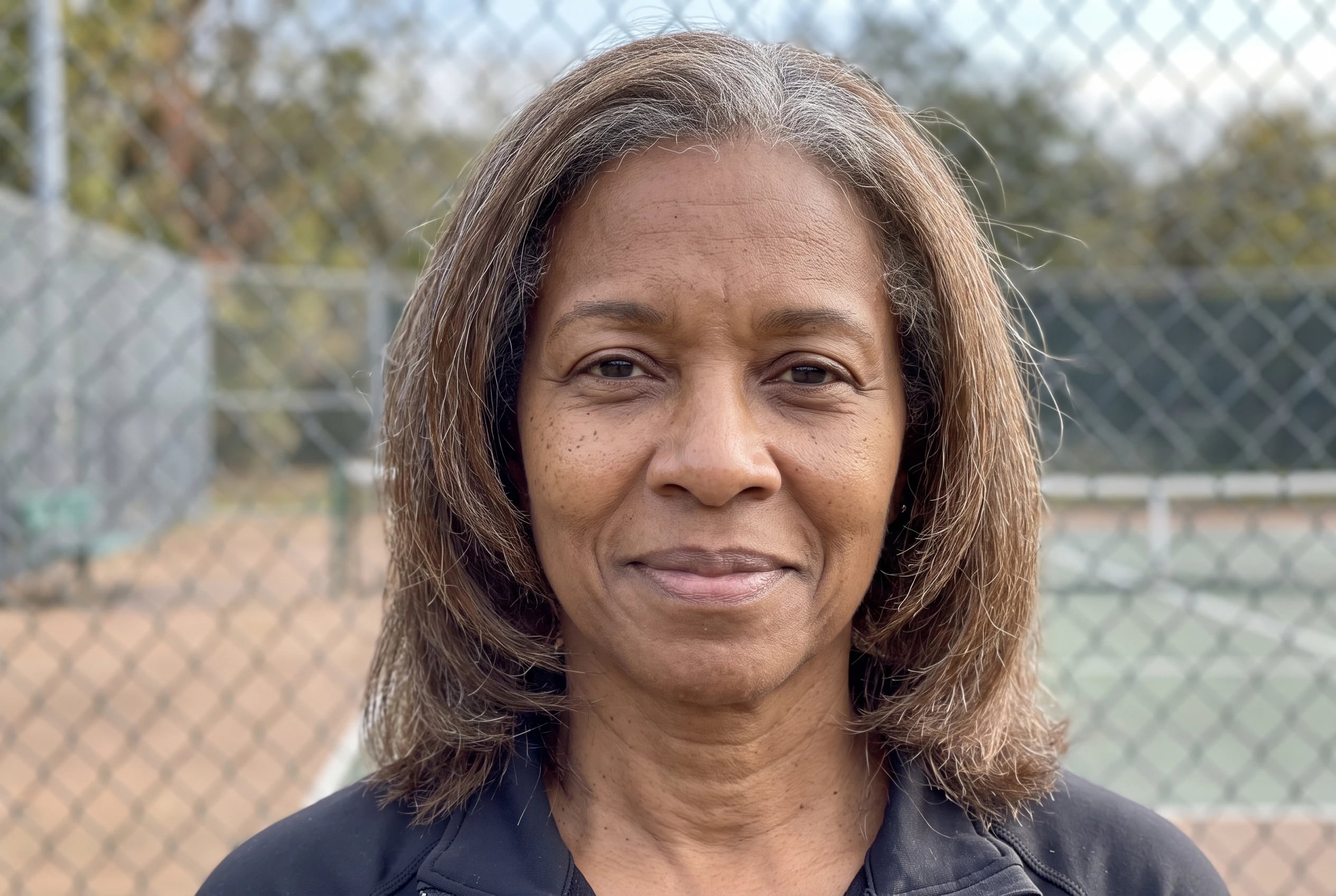
Everything behind the ears stays one length at the shoulder.
Only the front pieces are layered, starting at the chin and lengthening until they meet the ends. That puts movement around your face while the back keeps its weight, so fine hair still looks thick from behind.
Twist each front piece away from your face while it's damp and let it air-dry that way.
When you ask for it, touch your chin, because "short layers in front" can mean the cheekbones to one stylist and the chin to another.
1A Blunt Cut That Ends at the Collarbone
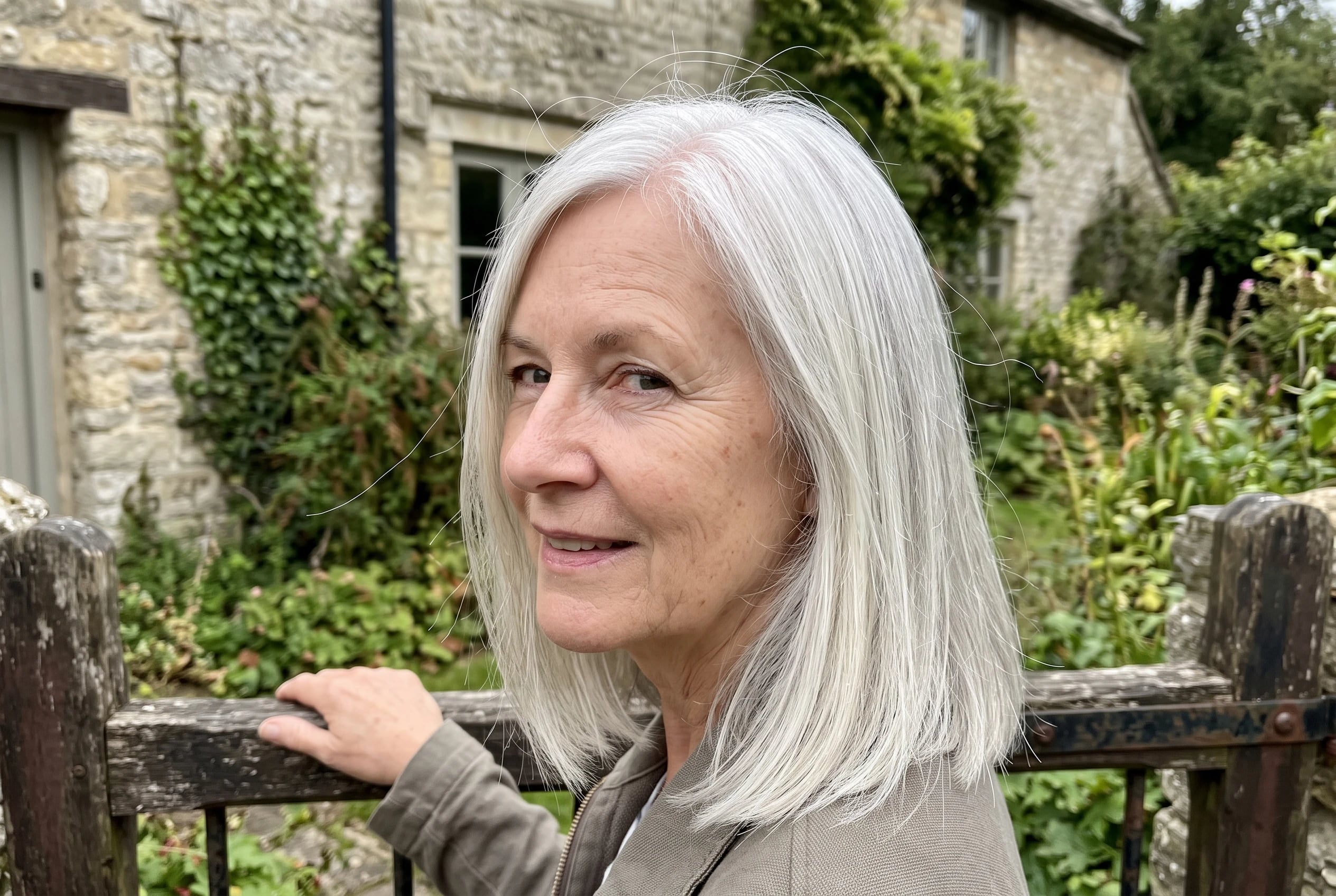
When every strand ends on the same line, the edge is as dense as your hair gets.
At the collarbone, the ends fall past the shoulders instead of flipping on them, and the length is short enough not to drag the roots down. It's also long enough to pull back into a low ponytail on a gardening day.
Let it dry with your part in place, and the dense edge still looks full without a blow-dry.
Take the script in the Bonus below to your next appointment, and use it before your hair gets wet.
The bottom line
Choose by how your hair dries when you leave it alone. Straight hair that drops flat wants a blunt line or hidden layers. Hair that dries with a bend will get more from the wavy lob or the dry-cut curls.
If you're torn, book the blunt cut at the collarbone first. Layers and bangs can be cut in at your next visit, but once they're in, it takes months to grow that weight back.
Up next
23 Layered Hairstyles for Women Over 50 to Try
A jaw-length gray bob keeps its bottom edge full, while layers inside give thin hair room to move.
Read the list →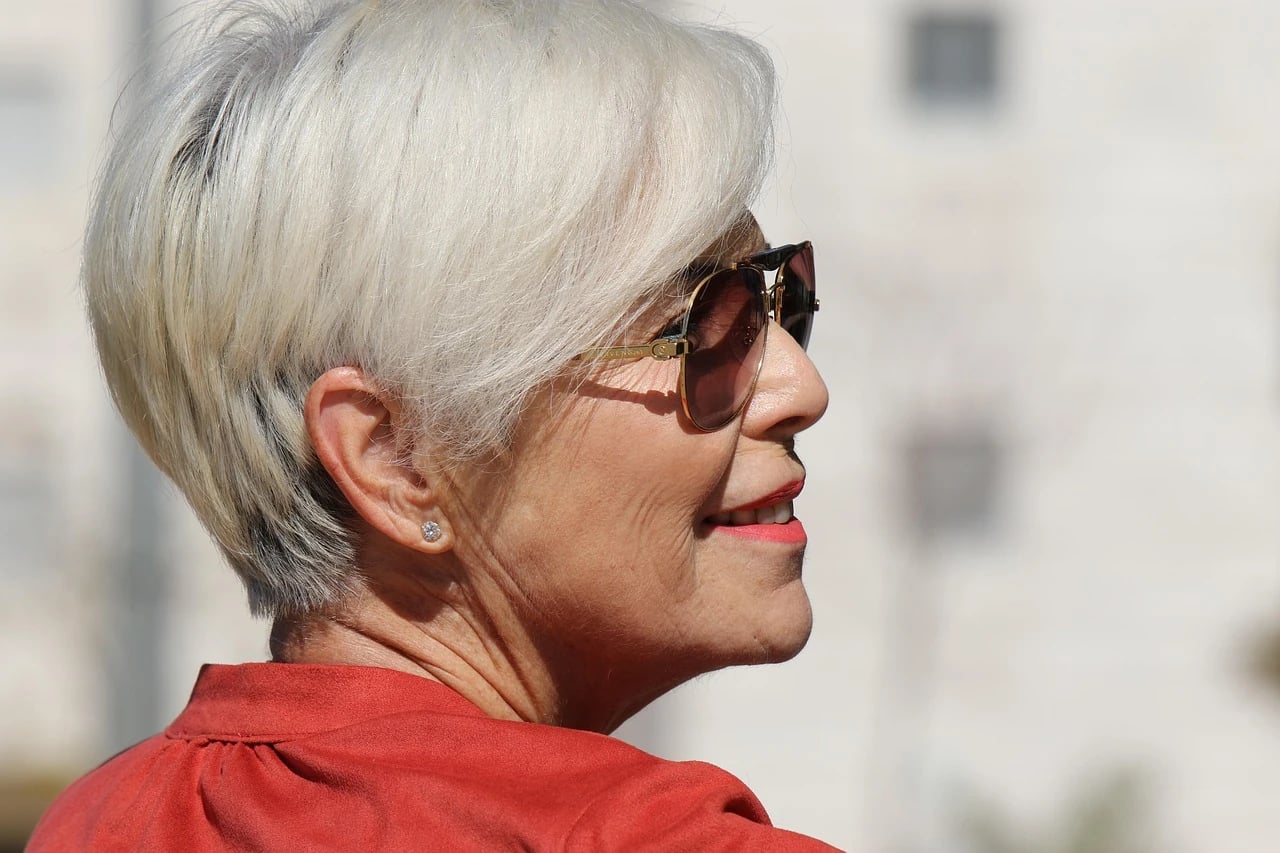
Reader quiz
Did you catch the details?
5 questions from this article. Finish them all to unlock the editor's bonus tip.
What should you ask the salon before booking a cut for shoulder-length curls?
Did any of these feel familiar?
Know someone who needs this?
Nora Bennett
Style Editor
Nora writes about hair, clothes and grooming for people who have stopped asking permission: what to keep, what to let go, and what reads as taken care of.
More from Nora Bennett