









20 Tai Chi Exercises for Women Over 50
Slow weight shifts, chair options, a weekly plan, and a sturdy dining chair make it easier to start moving without rushing your balance.
By Dr. Alan Pierce, PT, DPT, Health Reviewer
Updated · 16 min read
The short answer: Tai chi exercises for women over 50 start with slow weight shifts, arm movements, and breathing. Practice beside a sturdy chair, or do arm movements while seated. A trial found fewer falls among older adults who practiced tai chi. Short sessions count toward weekly activity goals, so choose a routine you can repeat at a pace you control.
- Written by our health reviewer
- Cited 10 sources
- How we review
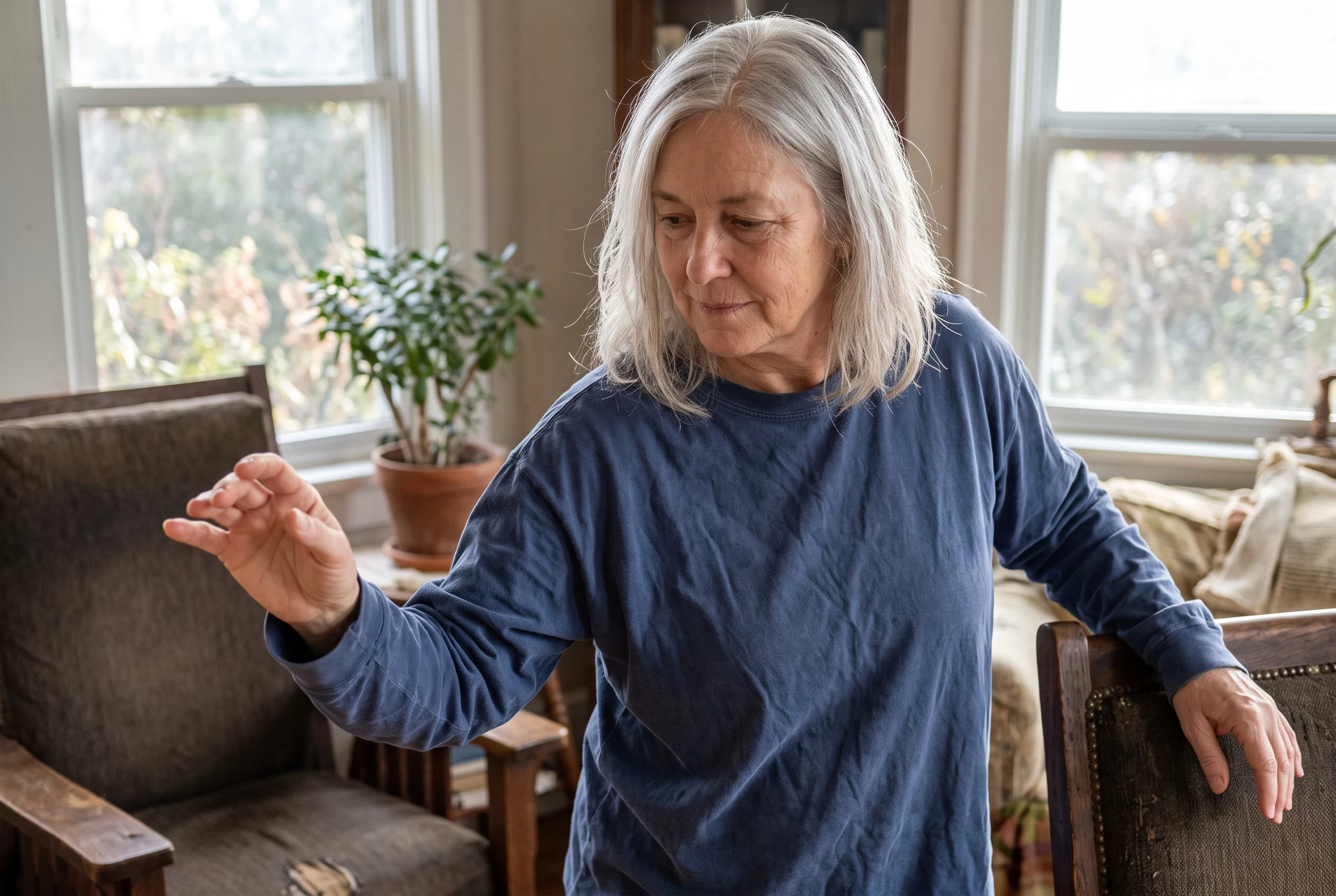
The chair sits within reach. You lift one heel, then notice how quickly your hand wants the chair back. Nothing dramatic happened. Still, that small wobble explains why a video full of graceful turns doesn’t feel like an invitation.
Start closer to the floor you trust. Keep the steps small, give your weight time to settle, and leave the chair where you can find it without looking. Speed can wait.
20Standing Weight-Shift Warm-Up for Balance

Stand behind a sturdy chair, with a hand resting on its back. Shift some weight onto one foot, then return to the middle. Repeat toward the other foot. Keep both feet down while you learn where the movement goes.
Notice what happens before you shift. Does your chest lean first? Do your toes grip the floor? Slow the transfer until you can move without a last-second catch.
The National Institute on Aging’s *Workout to Go* includes balance work beside a sturdy chair. Its one-foot drill lists 10 to 15 repetitions per leg. That drill comes later. For now, both feet stay available.
If shifting sideways feels uncertain, sit and press a little more weight into one side of the chair, then the other.
19Shoulder Rolls Before the First Arm Sweep
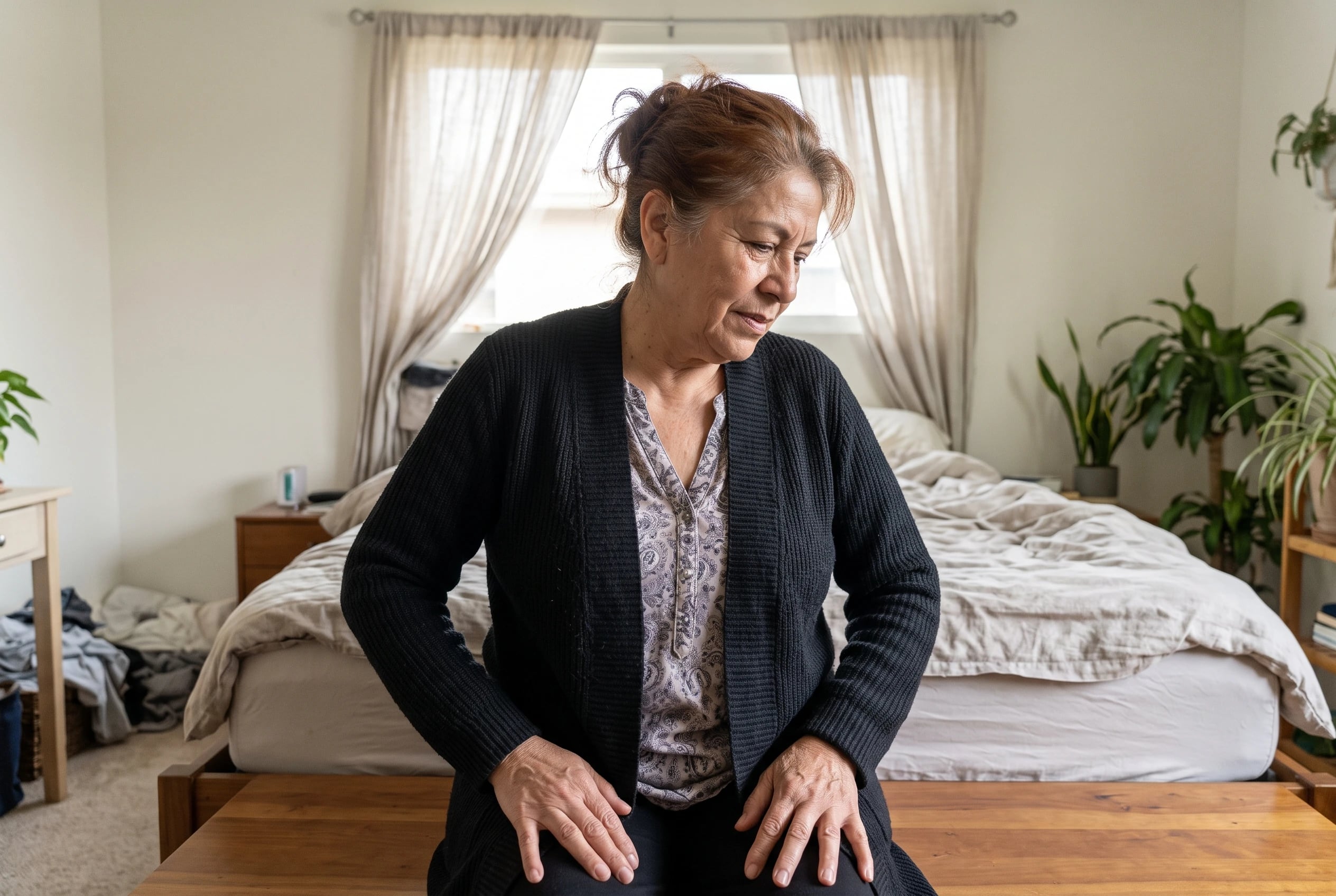
A shoulder roll is a small rehearsal, not a test of how far your joints will go. Sit or stand, let your arms hang, and draw a comfortable circle with your shoulders. Reverse direction. Let your neck stay out of it.
How many? Ask your instructor for the count used in class. Practicing alone, notice whether each circle feels comfortable before doing another.
If one hand is holding the chair, leave it there. You can roll that shoulder later while seated. The next warm-up adds a turn. There’s no prize for doing it without support.
18Knocking on the Door of Life Twist
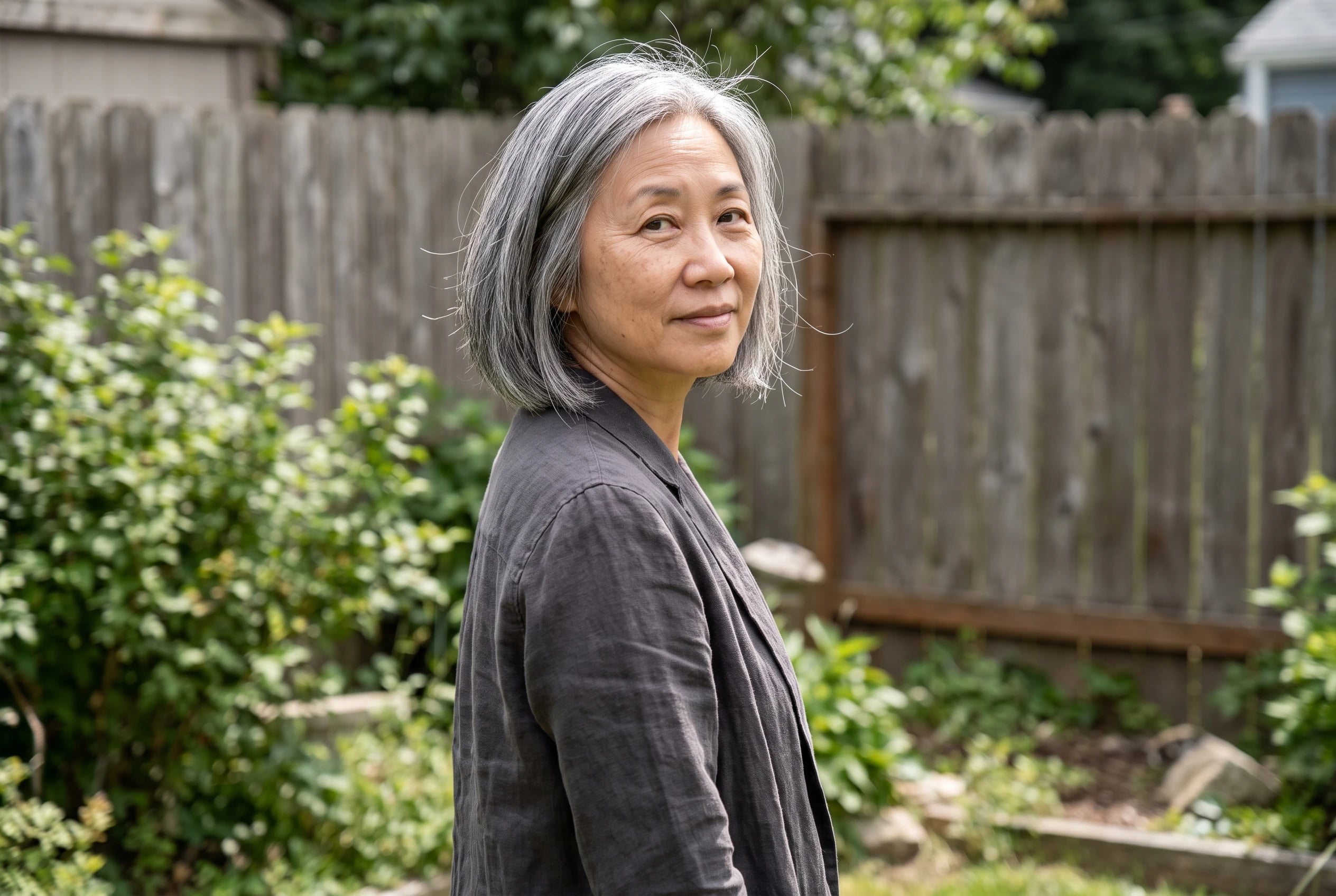
Imagine turning to see who walked into the room without swinging your head ahead of your body. That gives you the scale for *Knocking on the Door of Life*, a qigong warm-up shown in a Maine Public instruction video.
Stand with a chair nearby. Let your arms hang and turn your trunk a little to one side, then through the middle to the other. As your arms follow, let your hands tap where they land comfortably.
The movement’s name refers to the lower-back area called *Mingmen* in the tradition. You don’t need to locate a special spot or tap harder.
If standing turns make you uneasy, sit upright and try the same small rotation. Stop before the turn pulls you off center.
17Small Torso Twists Beside a Chair
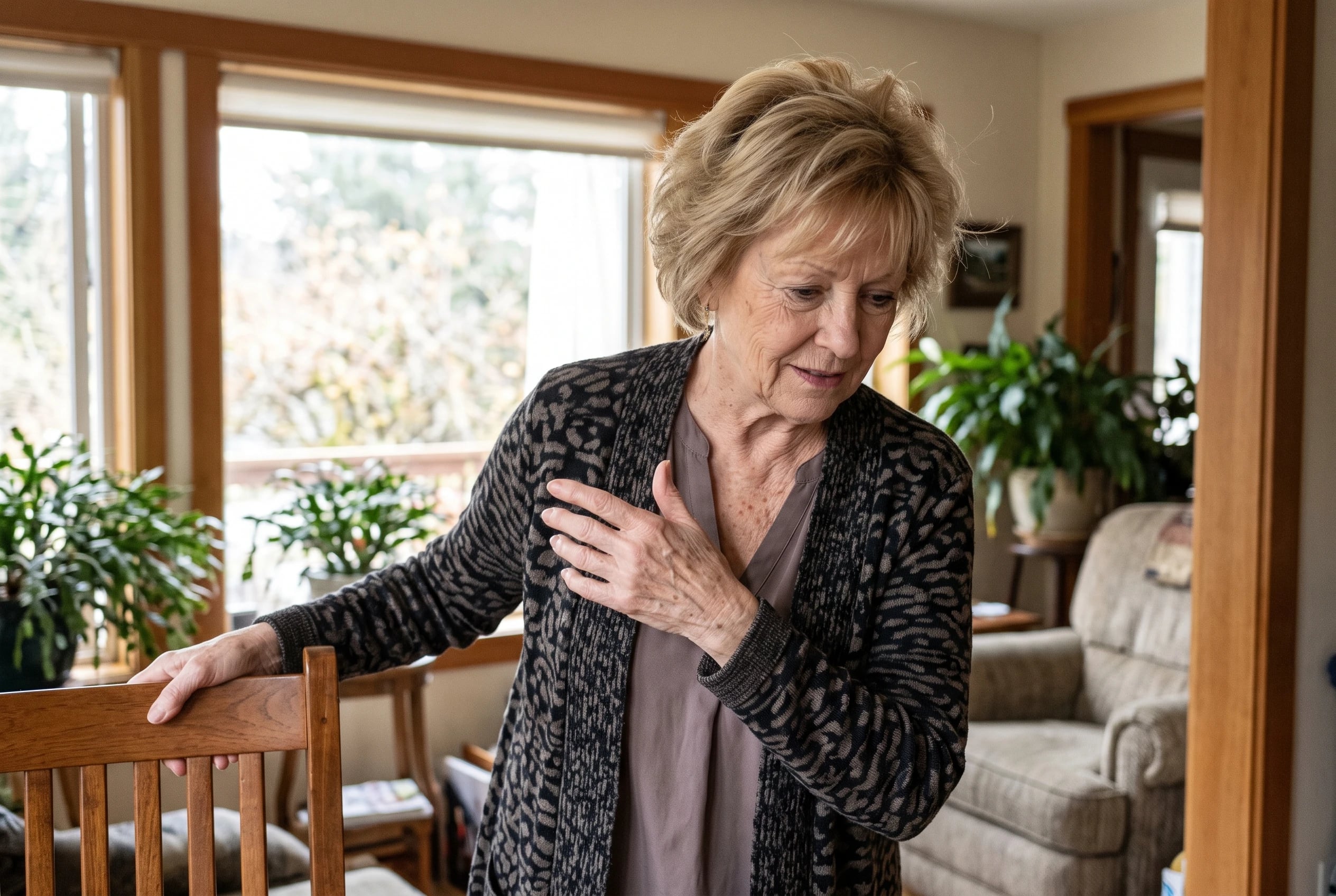
For this version, skip the swinging arms. Place a hand on the chair, look straight ahead, and turn your chest a little toward one side. Come back to center before turning the other way.
Watch your hips. Do they stay over your feet, or follow your chest until you need to catch yourself? Make the turn smaller if you lose your place.
If you’re following a routine, use its directions for a repetition count. Otherwise, let your control set the stopping point. Keep a hand on the chair from the start rather than waiting until you need to grab it.
The useful distinction is between turning and lurching. Finish each turn where you intended, with room to begin the next.
16Energy to the Sky Overhead Stretch
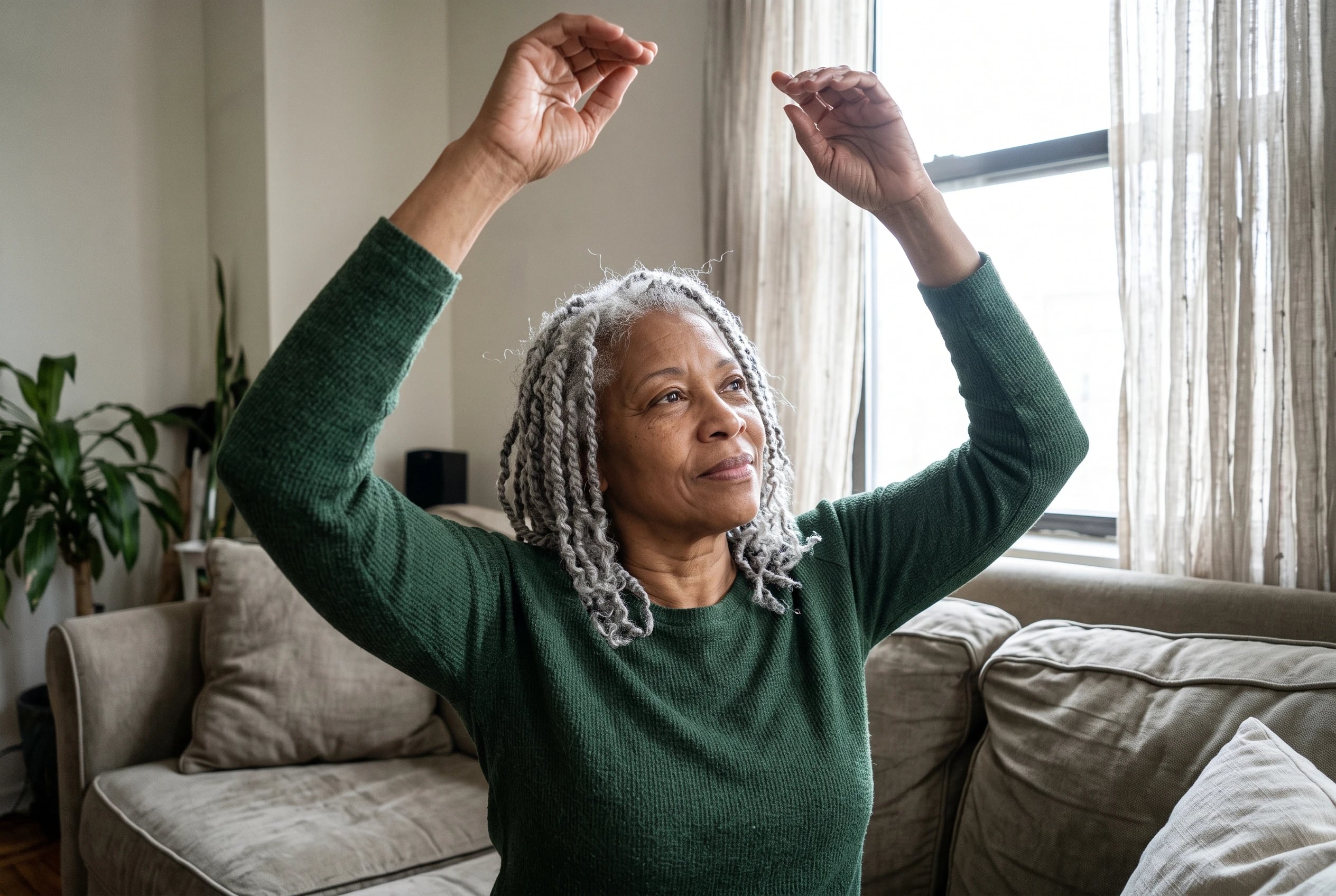
Start with your hands in front of your body. Raise them at a pace your shoulders can follow, and reach toward the ceiling. Lower your arms without letting them drop. If overhead movement feels too large today, make the reach lower.
This is a version of *Two Hands Hold Up the Heavens*, the opening movement in the Eight Brocades, or Baduanjin. The University of Manchester’s Eight Brocades guide lists it first. Its name is vivid, but the action is ordinary: lengthen upward, then return.
Try it near a chair before moving into the middle of a room. Notice whether looking at your hands tips your head back or shifts your weight toward your heels. Keep your gaze forward if that feels steadier.
A seated reach works too. Move through a range you control on the way up and the way down.
15Drawing the Bow Across Your Chest
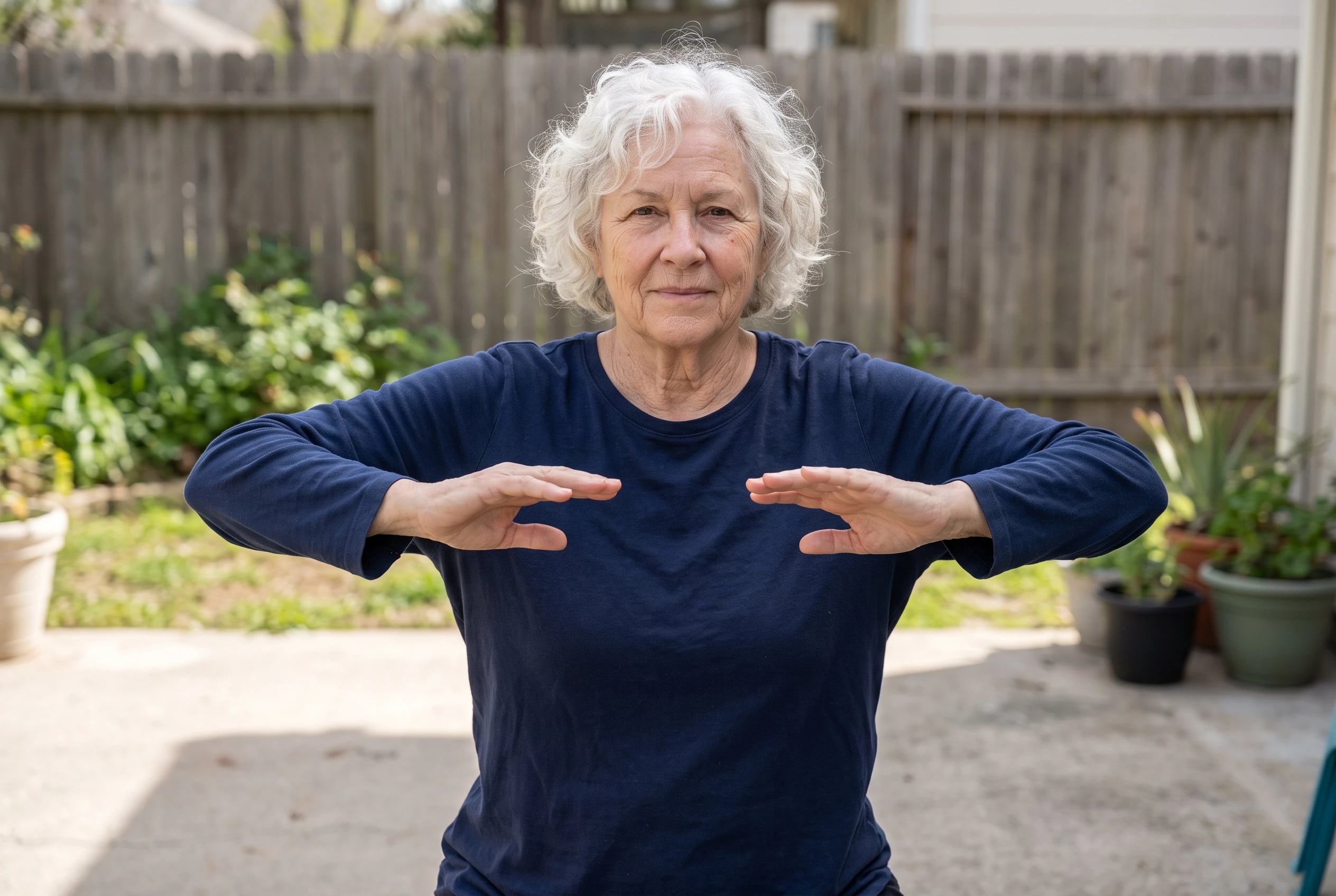
Take a stance wider than your walking stance, with your knees comfortable. Bring your arms in front of you. Draw them apart, as though opening a bow across your chest, then return them toward the middle.
*Drawing the Bow to Shoot the Hawk* belongs to the Eight Brocades. A BMJ Open supplement describing Baduanjin movements pairs the wide arm pull with a mini horse stance. You don’t have to squat deeply to learn the arm pattern.
Turn your attention toward the side you’re opening without throwing your weight that way. Can you bring your arms home as smoothly as you opened them?
If the wide stance feels unsteady, bring your feet closer or do the arm movement seated. Choose that version before you start, rather than changing position halfway through a pull.
14Separating Heaven and Earth Palm Stretch
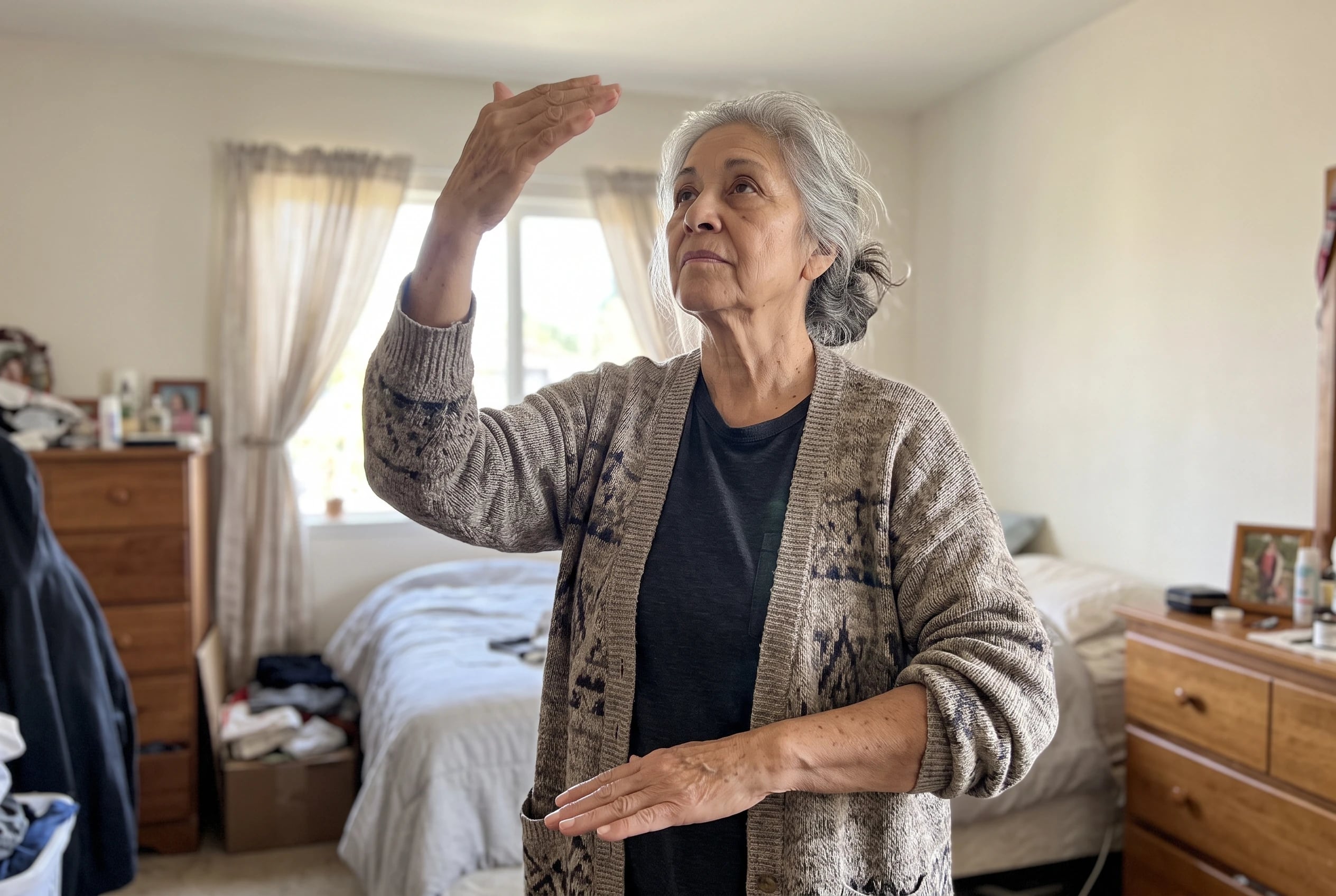
This one asks your hands to disagree. Face one palm upward and the other downward. Let the upper hand travel toward the ceiling while the lower hand moves toward the floor. Bring them back toward the middle, then switch sides.
The Eight Brocades movement is called *Separating Heaven and Earth*. Wudang Academy’s Baduanjin guide describes the opposing palm directions. You’re lengthening through your upper body, not forcing either arm to its farthest point.
Try the pattern while seated if tracking opposite hands takes all your attention. Once they feel familiar, stand beside the chair.
Notice when you start reaching with your whole body instead of your arms. Shorten the reach and keep your feet where you set them. A smaller movement that returns cleanly is enough.
13Part the Wild Horse’s Mane Flow
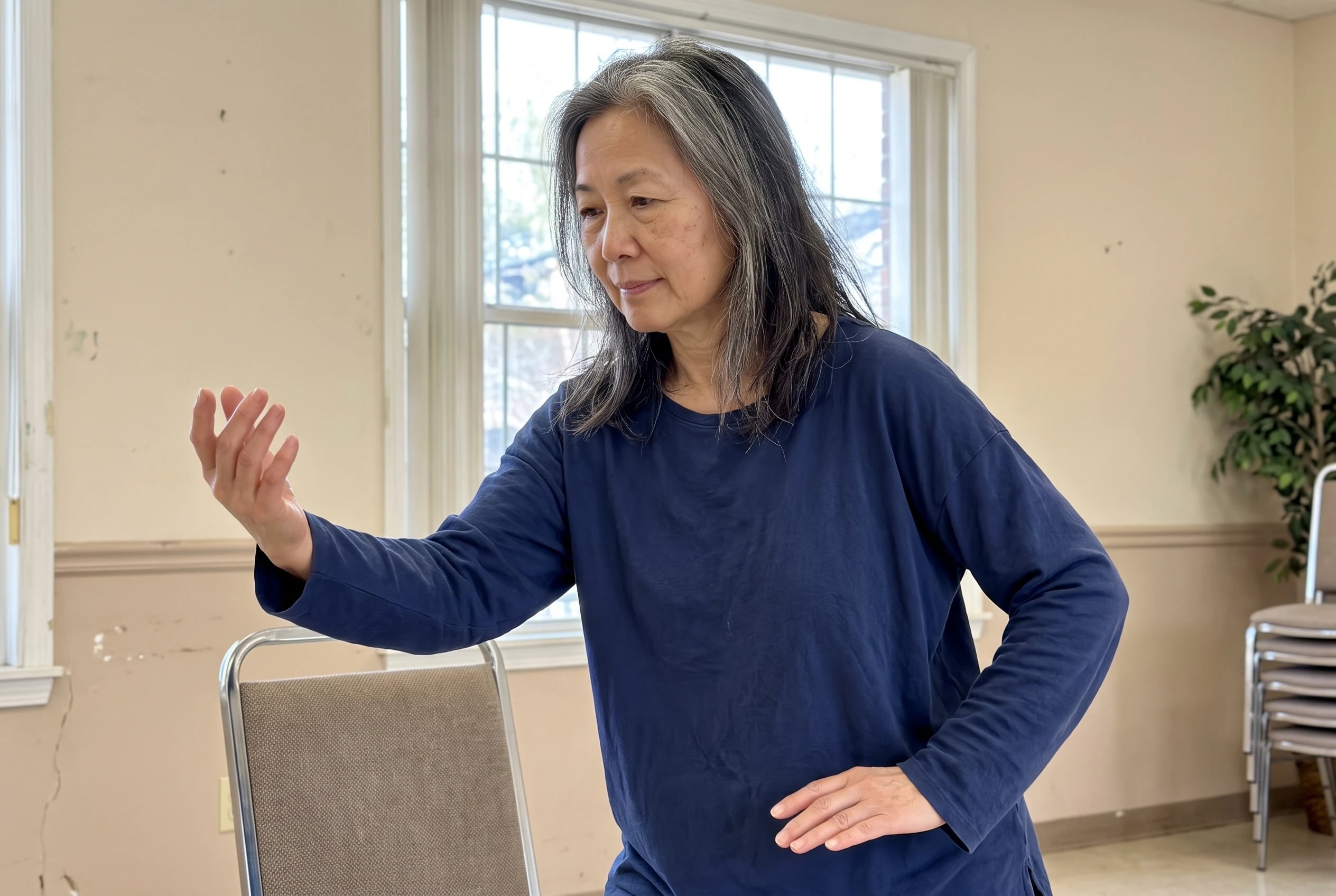
Hold your hands in front of you as if they’re around a small ball. Shift your weight, then let one hand travel forward while the other lowers. Return to a comfortable starting position before trying the other side.
*Parting the Wild Horse’s Mane* appears in the Yang-style 24-form movement list. In a taught sequence, the hands, waist, and feet work together. At home, learn their jobs separately. Follow the hands while seated, then try the weight transfer beside a chair.
Once those pieces feel familiar, put a small step between them. Move your foot, set it down, and give your weight time to arrive. Keep the step short enough that you don’t have to chase your balance.
If the hands confuse the timing, let them rest while you practice the step. A finished form can wait.
12Painting a Rainbow With Your Arms
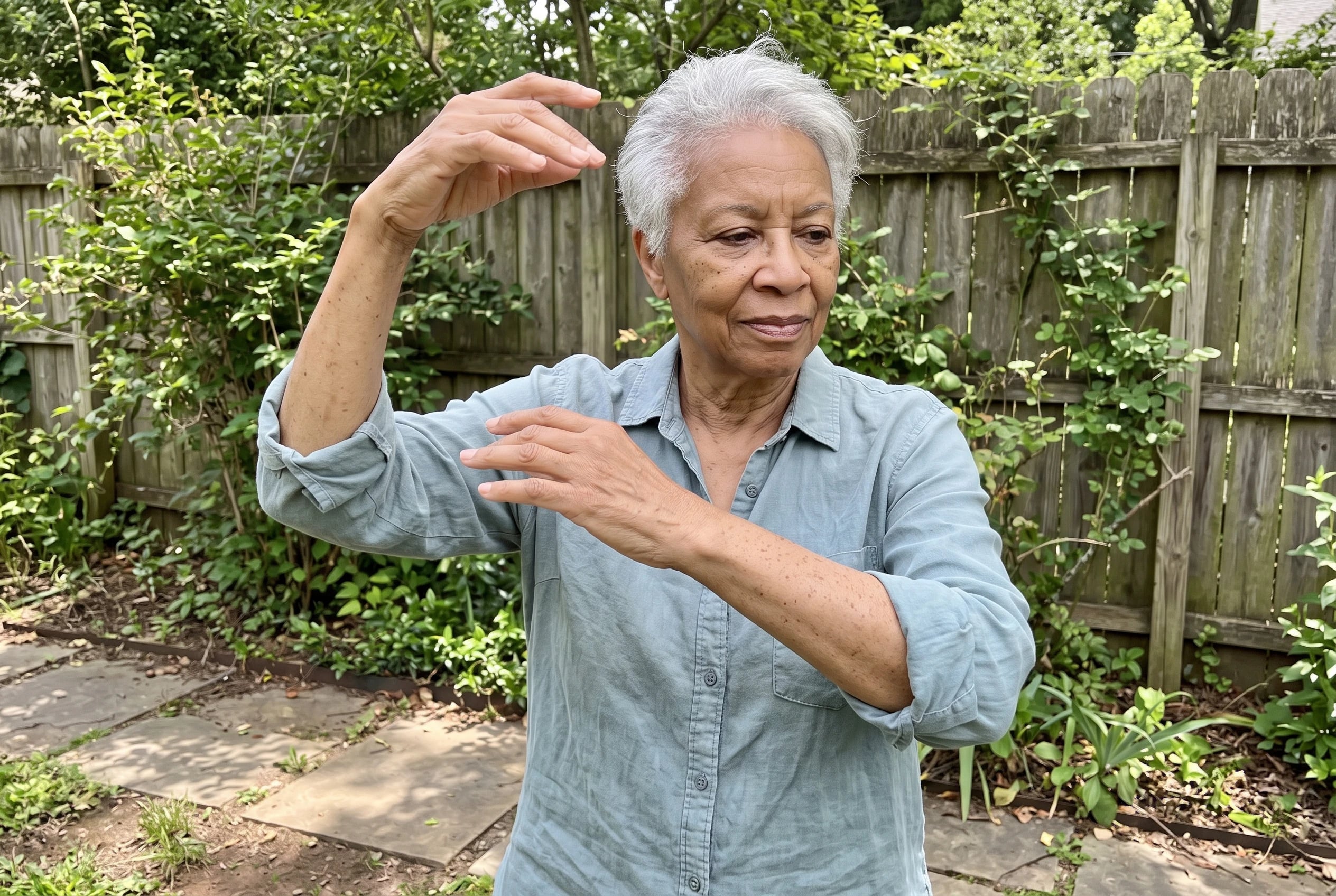
Raise your arms into a comfortable curve. Let your weight travel toward one side as your arms follow, then move back through the middle. Picture a low arc rather than trying to reach across the room.
*Painting a Rainbow* is named and pictured as movement three in a Warrnambool City Council tai chi booklet. You’ll also see the name *Dancing with Rainbow*. Those names suggest an arm path, not a target you have to touch.
Begin with both feet planted. Move your arms first, then add a modest side-to-side weight shift if you feel secure. Seated, follow the same arm arc and stay centered on the chair.
Watch for the instant your shoulders creep toward your ears. Bring your arms lower and let them travel again.
11Mini Horse Stance Beside the Chair
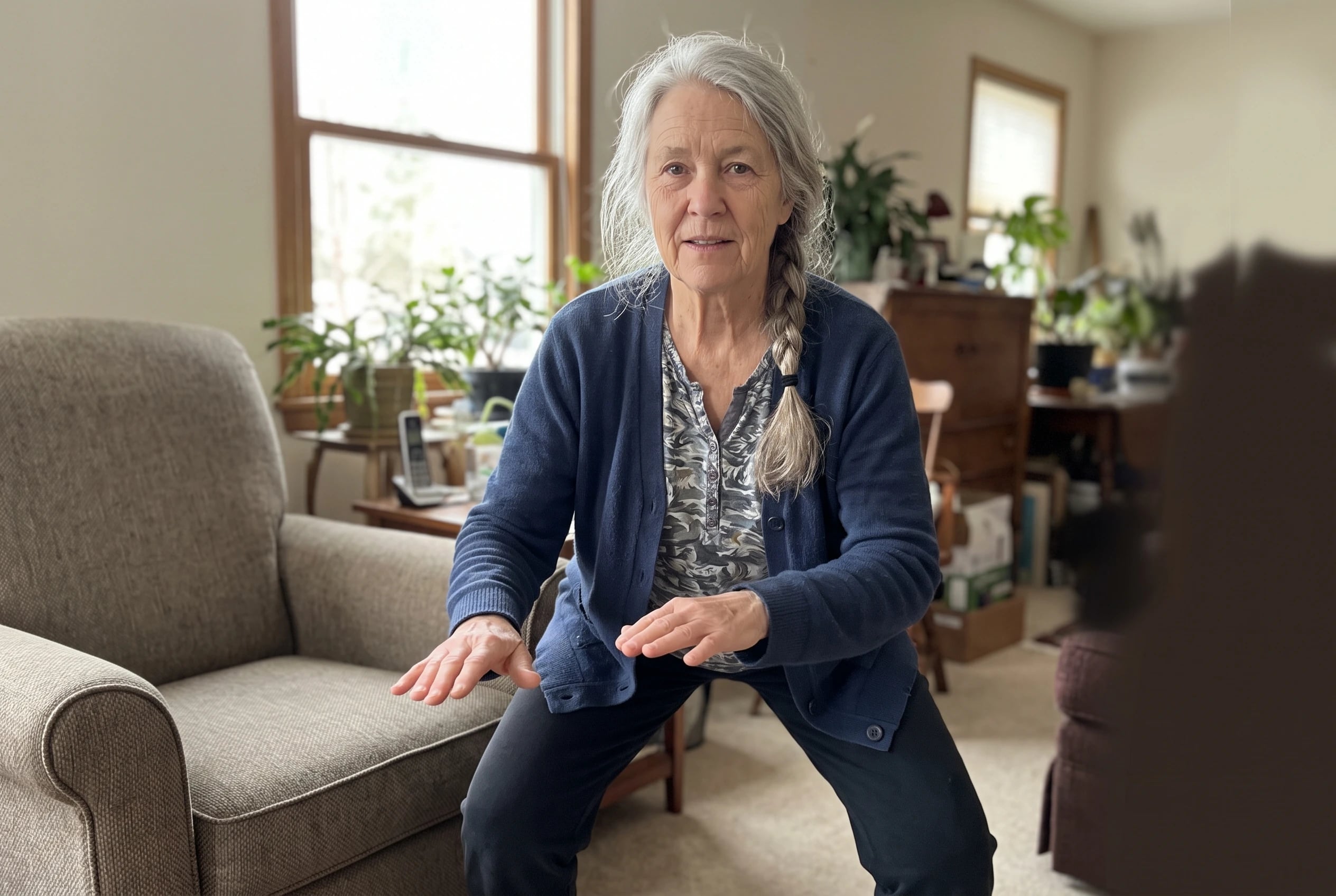
A horse stance sounds grander than it needs to look. Stand with your feet wider than usual and bend your knees a little. Pause where you feel in charge of the position, then straighten. That’s enough range for a first try.
A Texas A&M–Corpus Christi martial arts curriculum describes horse stance as a foundation for leg strength and stability. Treat this wide-stance move differently from a chair exercise. Keep support beside you, and don’t lower yourself farther just because a demonstration does.
Can you straighten without rocking forward? If not, reduce the bend or narrow your stance. Notice whether one foot is doing nearly all the work.
Return to an even stance before the next attempt. For a seated alternative, leave this standing move out and use the arm flows in #7. Matching the shape of a squat isn’t worth losing your footing.
10Single-Leg Lifts Behind a Sturdy Chair
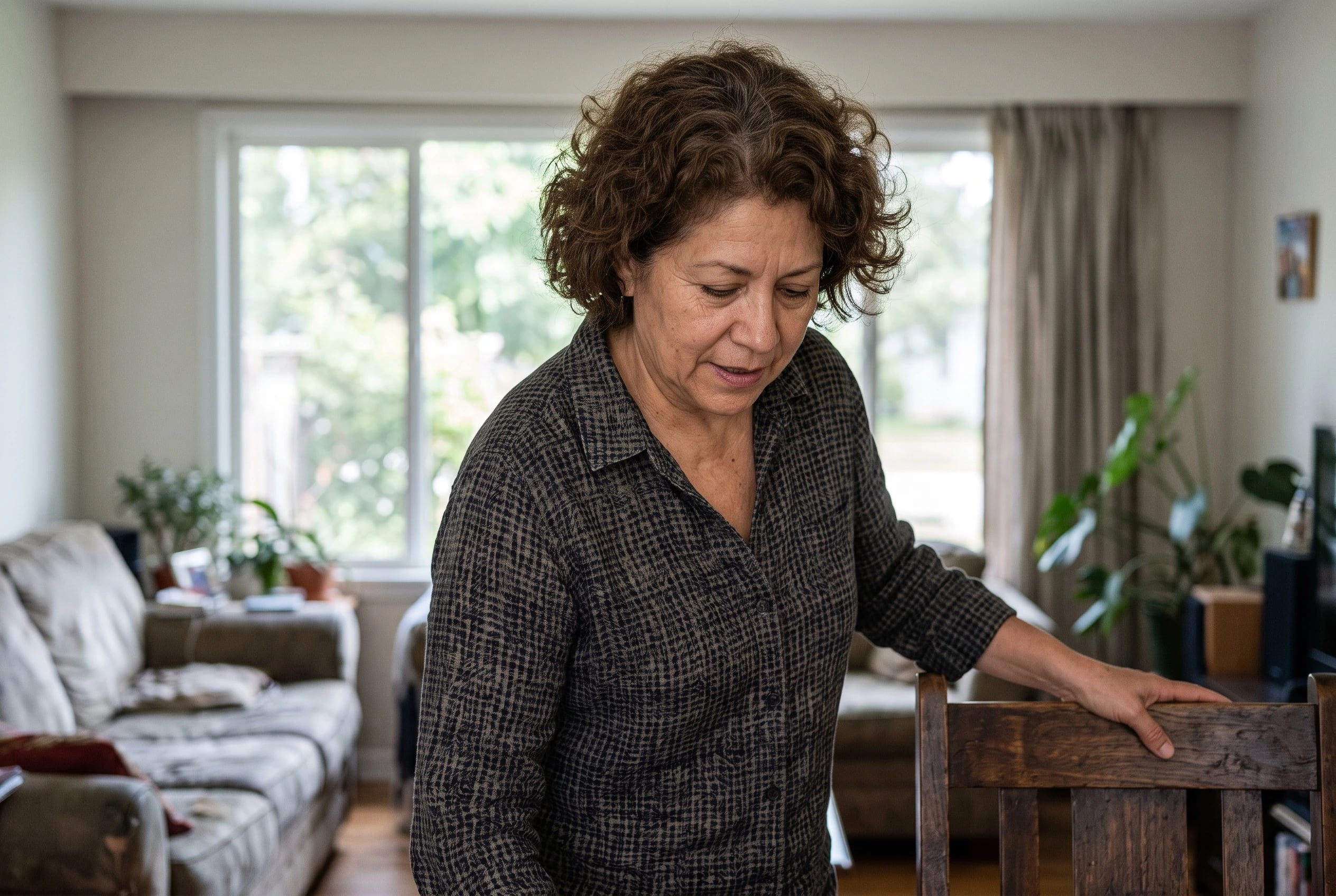
Here is where the chair earns its spot in the room. Stand behind it and hold the back. Move your weight onto one leg, then let the other foot leave the floor a little. Set it down with care before changing sides.
The National Institute on Aging balance routine places a one-foot drill behind a sturdy chair and lists 10 to 15 repetitions per leg. Start by learning one controlled lift and landing. The printed count isn’t a reason to continue after your control changes.
Don’t turn this into a contest over knee height. Look ahead rather than down at the moving foot, and keep the handhold you need.
If lifting the foot makes your trunk lean away, set it down and reset. The transfer matters, including the moment your foot meets the floor again.
9Wave Hands Like Clouds Side Steps
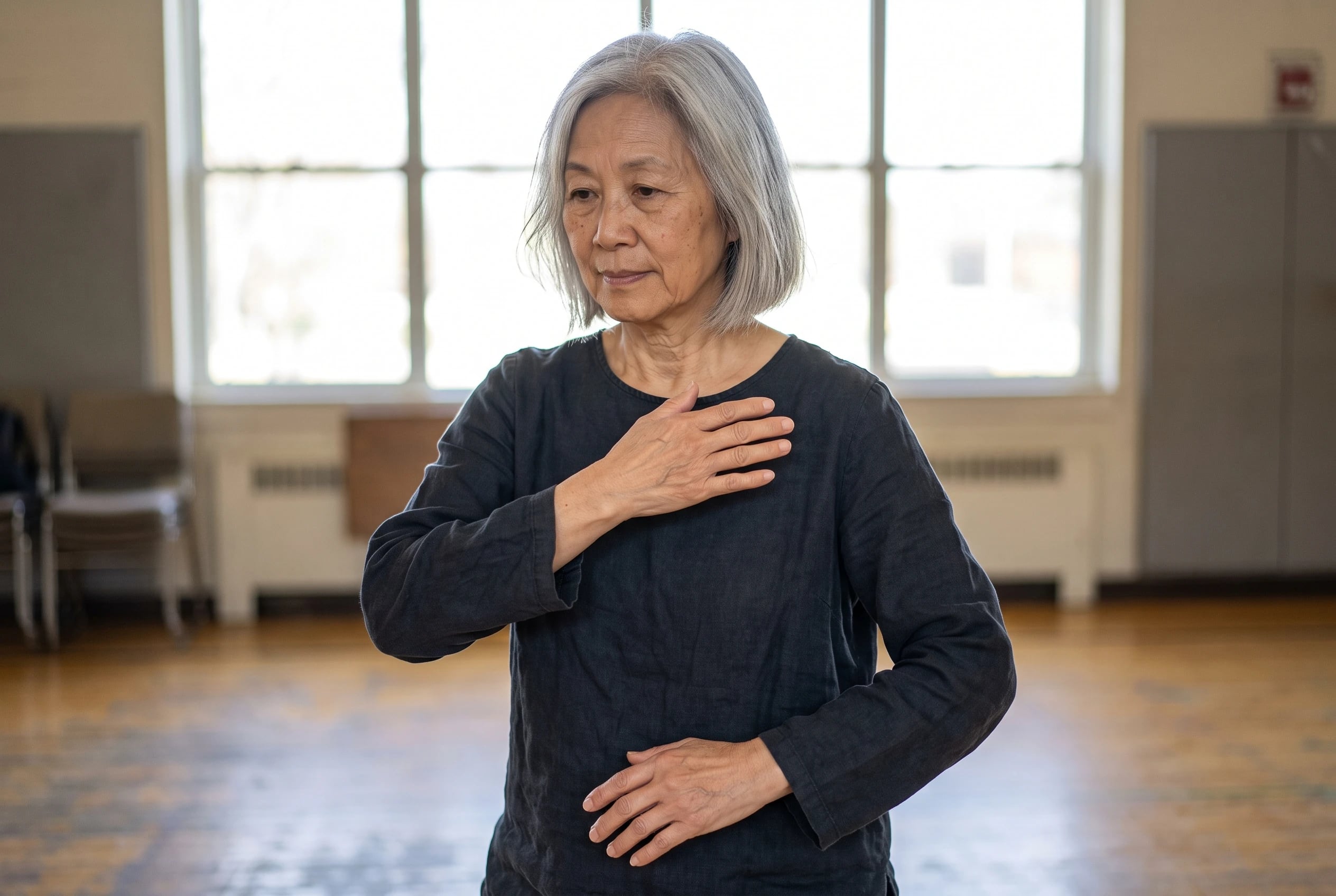
Stand beside a sturdy chair and picture your hands passing across a window. As one hand rises, the other lowers.
Turn your waist a little to guide them, then reverse the pattern. Harvard Health names Wave Hands Like Clouds as a classic tai chi move.
Practice the hands while your feet stay still. When that stops demanding all your attention, add a small step to the side. Set the stepping foot down before bringing the other foot toward it. Let the arms follow your waist instead of flinging them ahead.
Separate the pieces again whenever they get tangled. Do the side step with your arms at rest, or do the hand pattern seated. Neither version needs a large reach.
The movement should leave you knowing exactly where both feet are.
8Tai Chi Walking Across a Clear Room
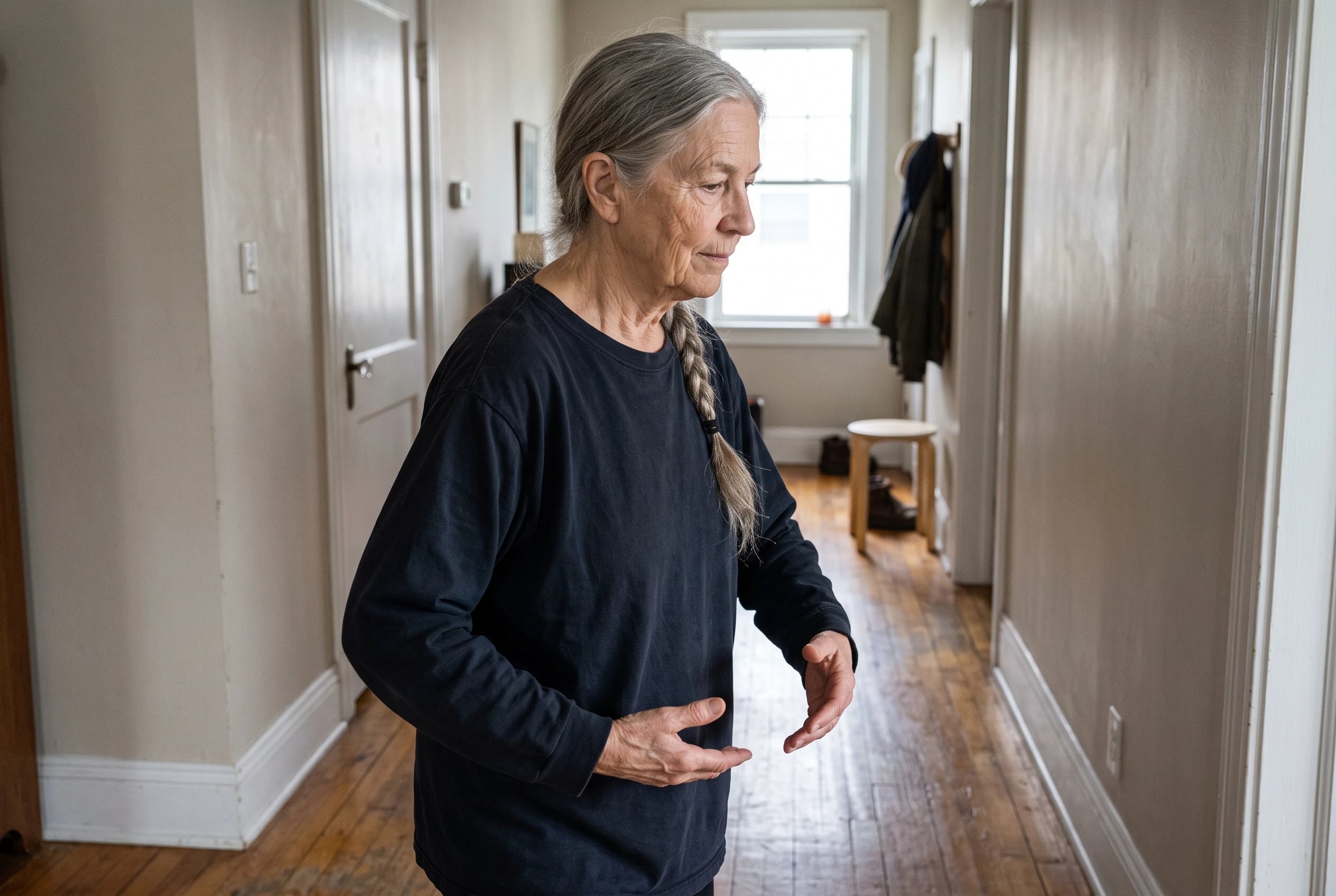
You reach the hallway, and the rug edge catches your eye. Before practicing, clear the path. The CDC STEADI home-safety checklist calls attention to tripping hazards and lighting.
Now walk slowly across a clear stretch of floor. Shift weight onto the standing leg, place the other foot ahead, and let it settle before you move onward. Turn around in your usual safe way rather than adding a new pivot.
A 2018 randomized trial in *JAMA Internal Medicine* studied older adults at high risk of falling. The tai chi group had fewer falls than the comparison exercise group.
The trial studied a program, not this single hallway walk. Use the walk to rehearse careful weight transfers, and keep the floor clear.
See more: 26 Daily Activities for Seniors That Give a Day Its Shape →
7Chair Tai Chi for Seated Movement
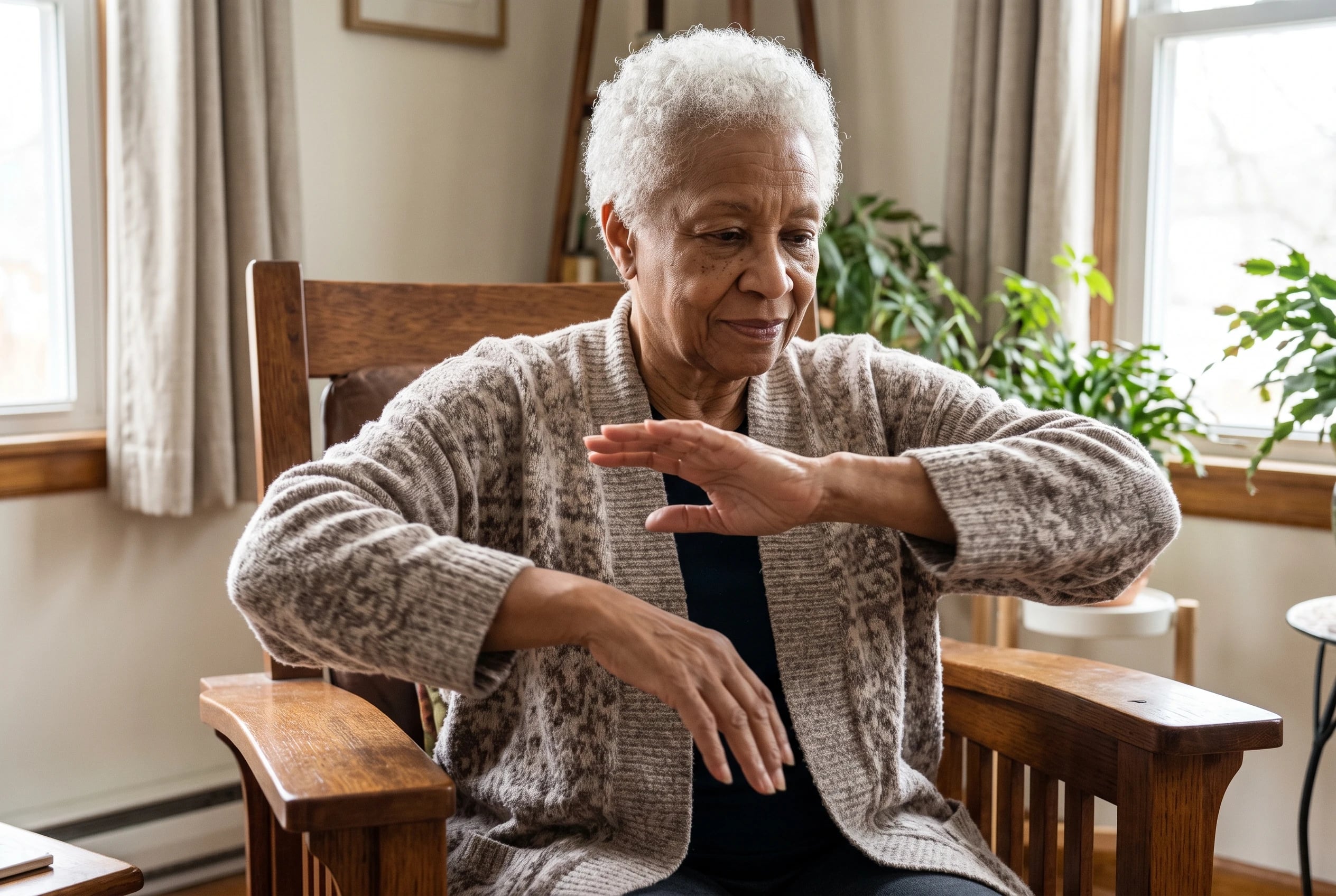
Choose a sturdy chair and sit where your feet reach the floor. Start with an arm pattern you already know: the low rainbow arc or cloud hands without the side step. Let your trunk turn only as far as you remain comfortably seated.
Chair work has evidence of its own. A randomized trial of sitting tai chi found improvements in balance control and eye-hand coordination among older adults compared with controls. An NIH *News in Health* article also notes that tai chi movements are done sitting as well as standing.
Make the seated version clear enough to repeat: feet planted, movement within reach, and a pause before you change direction. Don’t copy a standing video by lifting a foot or leaning far out of the chair.
If you want a seated sequence tailored to you, ask a tai chi instructor to demonstrate an adaptation of the form you’re learning.
See more: 20 Best Recliner Chairs for Seniors →
6Qigong Breathing After the Last Move
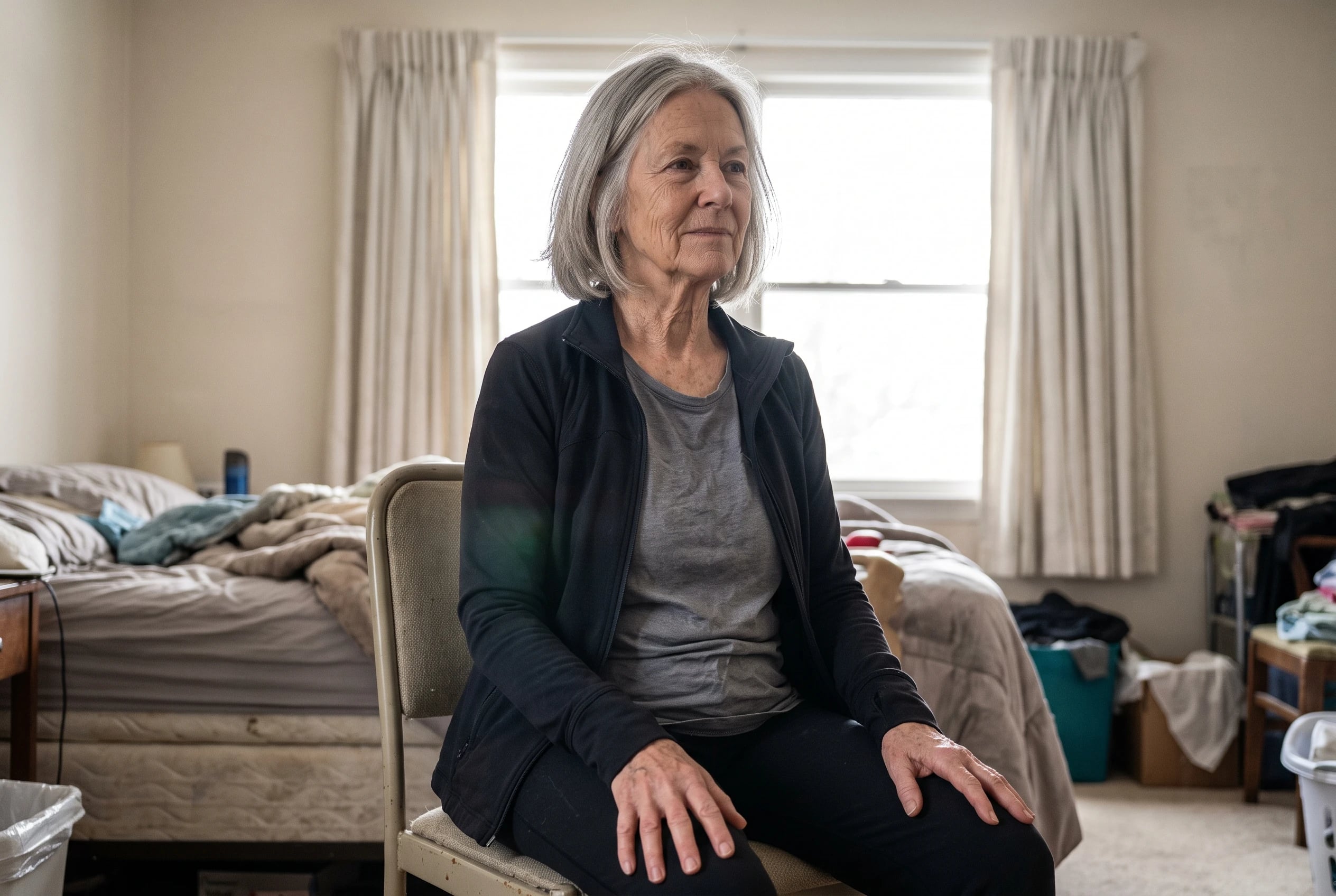
When the movement ends, don’t rush straight to the next chore. Sit or stand in a steady position and let your arms rest. Breathe in slowly through your nose, then breathe out slowly. MedlinePlus’s relaxation-breathing instructions describe that inhale-and-exhale pattern.
The National Center for Complementary and Integrative Health describes qigong as a practice that combines movement, breathing, and attention. Keep this finish uncomplicated. Notice the air going in and out without turning your breath into another balance challenge.
If you catch yourself holding your breath during an arm movement, pause and breathe normally.
This cool-down gives your session a clear ending, whether you practiced seated, standing, or both. Notice how you feel before you walk away from the chair.
5Seven Basic Tai Chi Moves to Recognize
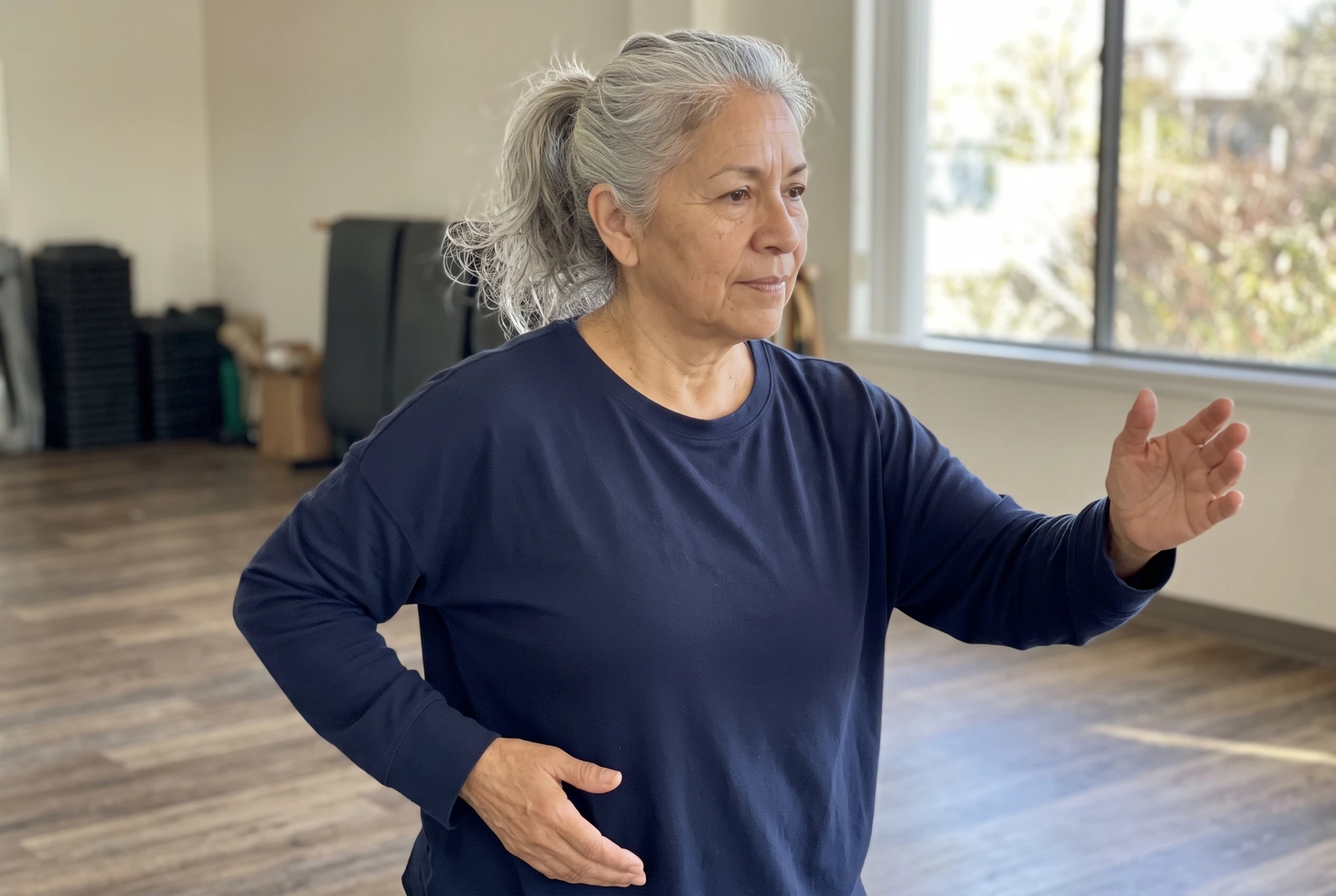
A beginner class uses names that sound like a story. You don’t have to memorize that story before moving. This seven-move checklist comes from the Yang-style 24-form list:
1. Commencing Form: the opening movement.
2. Parting the Wild Horse’s Mane: separating hands with a weight shift.
3. White Crane Spreads Wings: a posture to watch an instructor demonstrate.
4. Brush Knee: a form to learn before improvising it.
5. Play the Lute: another posture to recognize in a sequence.
6. Repulse Monkey: a form to observe before adding steps.
7. Wave Hands Like Clouds: waist-led hands with sideways movement.
Pick the form your instructor teaches first. Learn where your feet finish before linking it to the next movement.
We’ve practiced pieces of two of these above. For the others, a demonstration will tell you more than guessing from the name.
4Free Tai Chi Routine for Adults Over 70
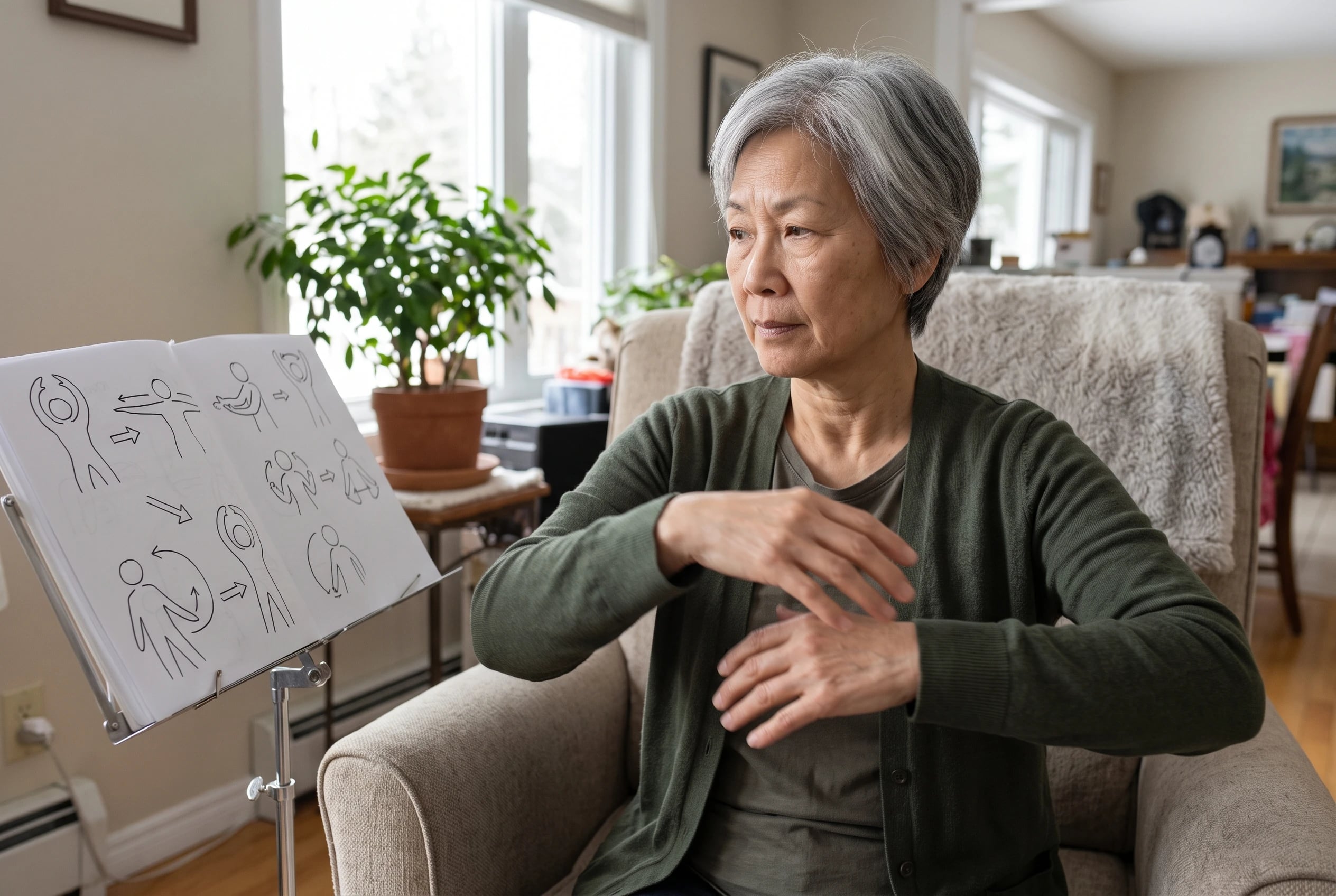
If you’re over 70 and an online class moves faster than you want, start with a routine you control. The National Institute on Aging’s free *Workout to Go* supplies a 10 to 15 minute exercise structure with balance, strength, and stretching. It isn’t a tai chi course.
Use its chair-supported approach to pace tai chi movements you’ve learned elsewhere. Try a seated rainbow arc, then a supported standing weight shift if that feels steady. Finish seated with slow breathing. Leave out the standing part if today calls for a chair session.
Age doesn’t dictate which version you must use.
For a taught class, ask the host what it costs before you register. The handout isn’t a free instructor, and a local class won’t necessarily be free. It does give you a way to structure practice without buying a video.
See more: 23 Habits of the Happiest Retirees →
3Tai Ji Quan Classes for Beginners Over 60
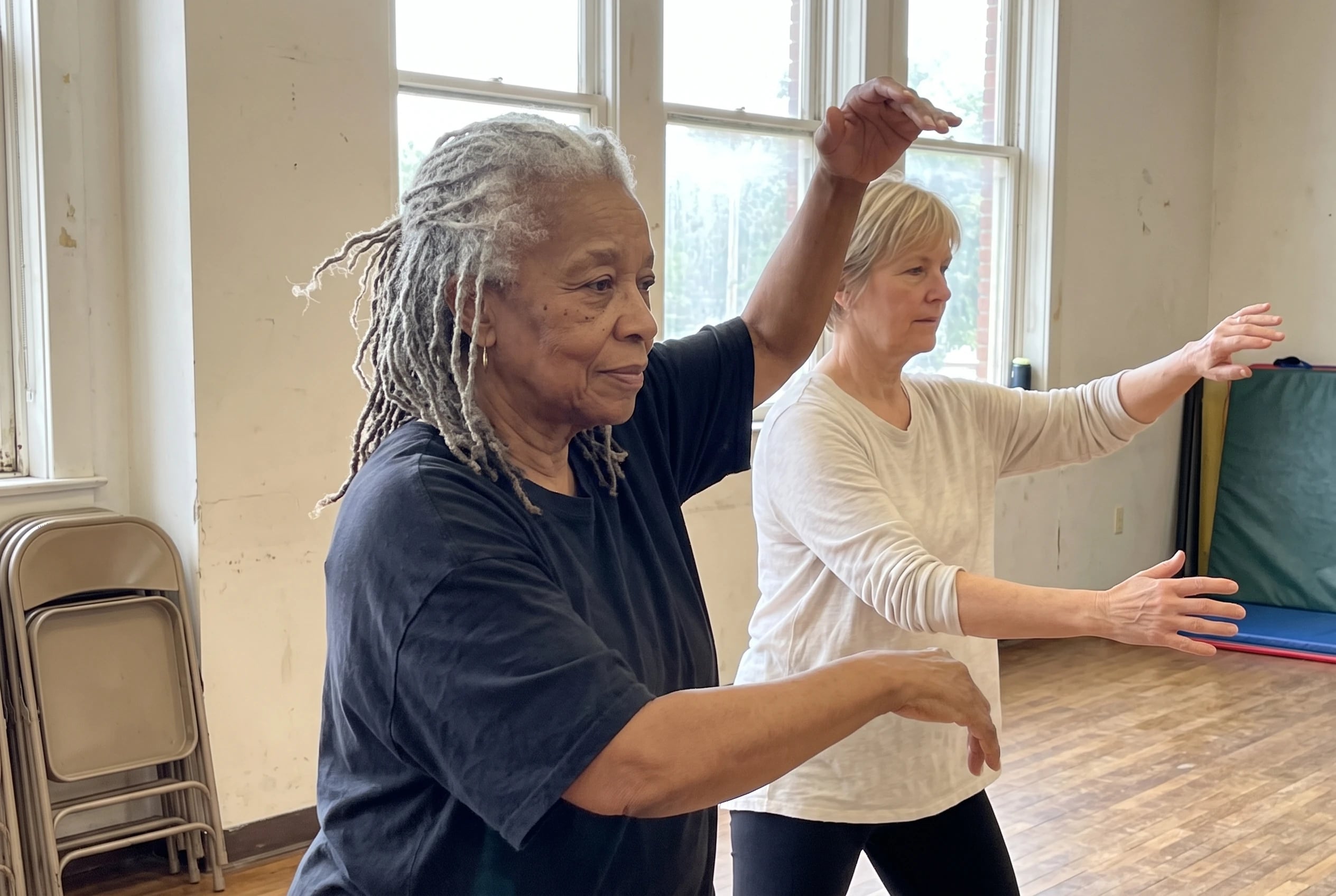
A class solves a problem a video can’t: someone sees the moment you rush a turn or reach past your balance. *Tai Ji Quan: Moving for Better Balance* is an evidence-based fall-prevention program listed by the Administration for Community Living.
The National Council on Aging’s program description gives a common schedule of two sessions a week for 24 weeks. That describes a course you return to, rather than a move you watch once and hope to remember.
To find a nearby class, check the National Council on Aging’s evidence-based program listings and contact the host. Ask: “Is this Tai Ji Quan: Moving for Better Balance? What does the current course cost?”
If seated practice matters to you, ask how that particular instructor handles it. Get the answer before you make the trip.
2Harvard’s Tai Chi Course and Free Lessons
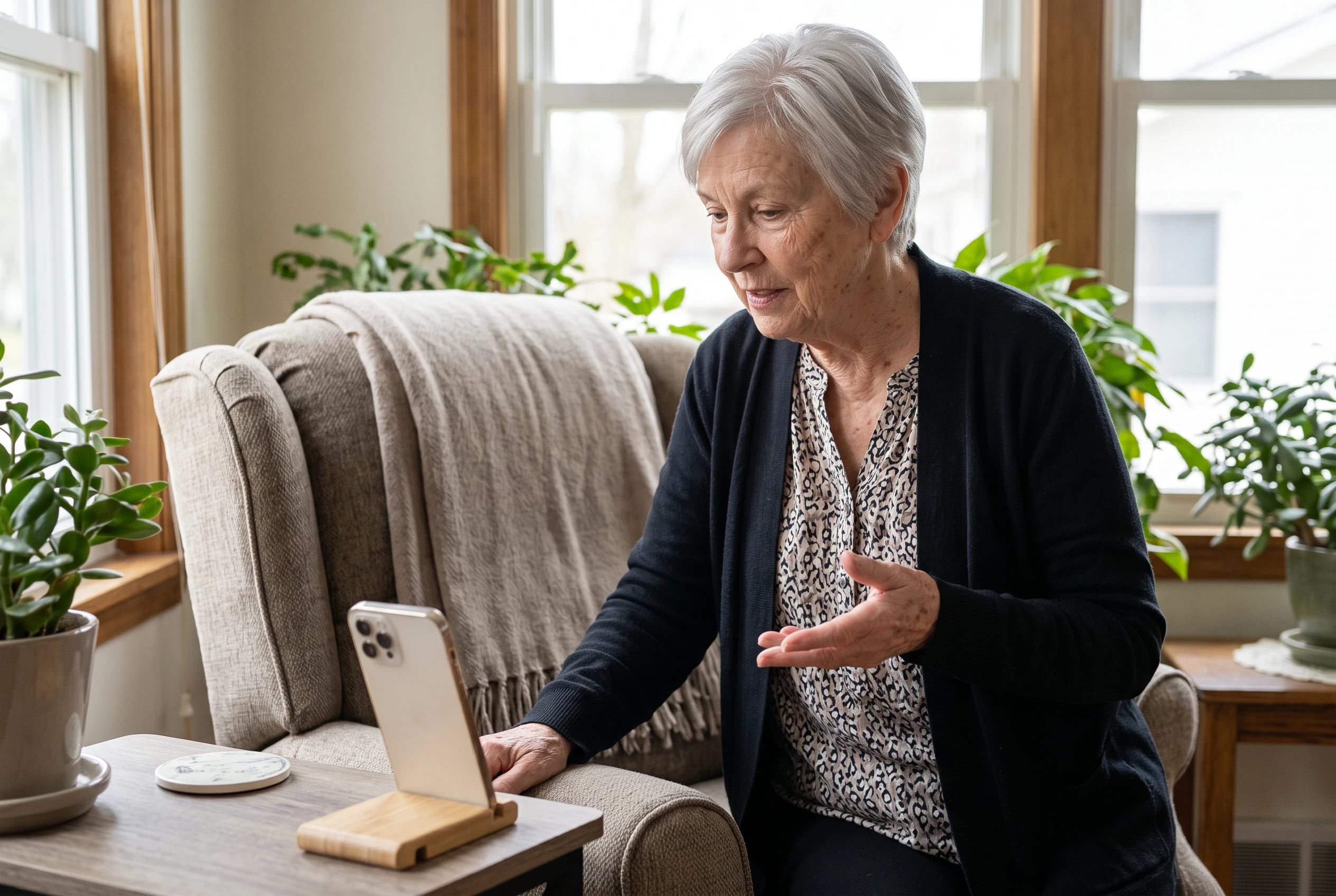
You’ve opened a promising lesson page, then spotted the price before the first movement. Check what’s free before giving it your afternoon.
Harvard Medical School’s *An Introduction to Tai Chi* describes 20 video demonstrations narrated by Peter Wayne, PhD. It is a course, not a promised free program. Check its current price on the course page if you want that format.
For a free first step, Tai Chi Productions offers a beginner lesson. The Tai Chi for Health Institute also posts free lessons from Dr. Paul Lam. Watch one all the way through before joining in.
On the second viewing, put a chair beside you and follow only the movement you control. If a lesson moves too fast, pause it. A useful video leaves you knowing what your feet did.
1Daily Tai Chi Exercises for Women Over 50
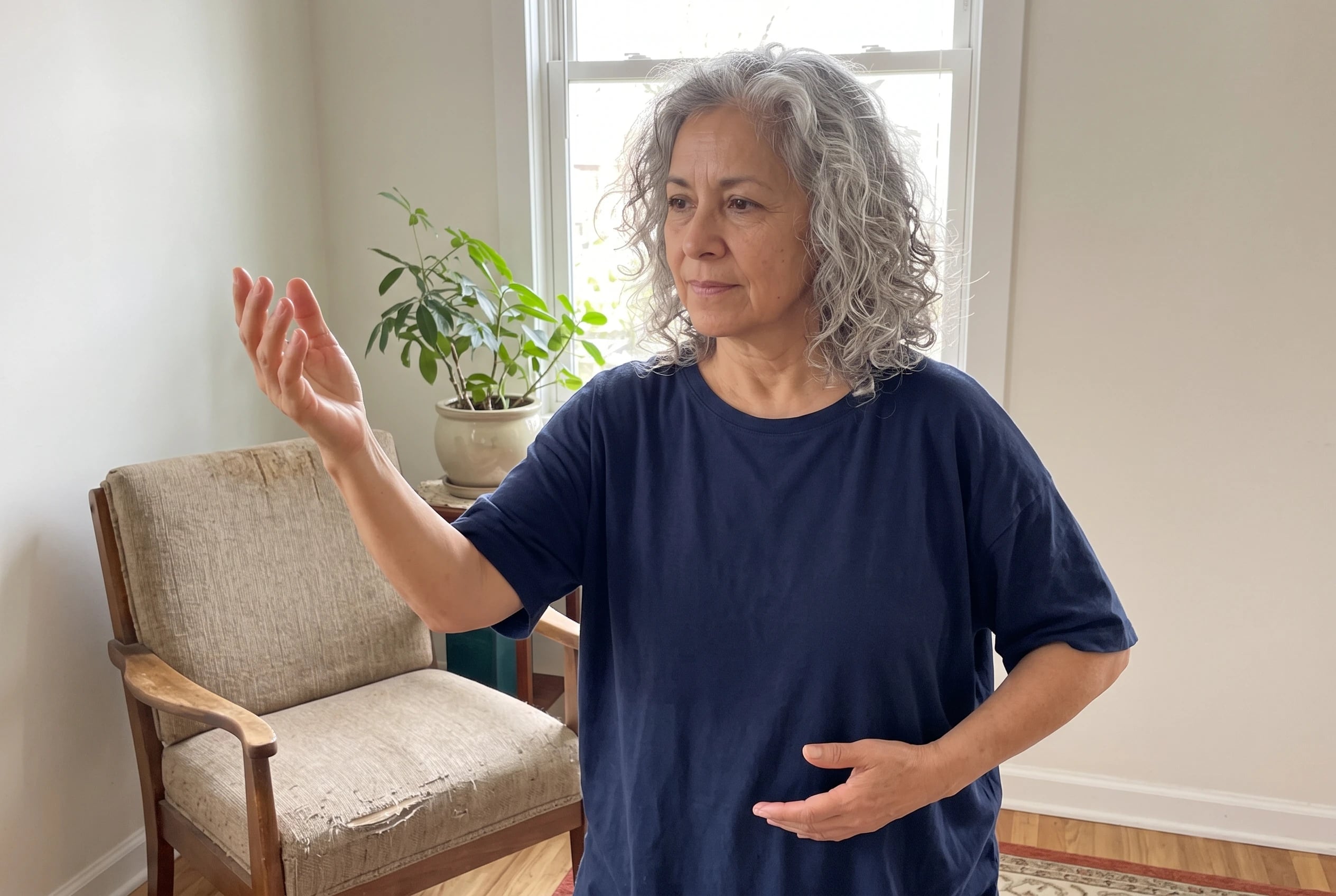
The most useful home routine begins with a decision: what will you do if a move stops feeling steady? Make that choice before the video starts. Clear your floor, place the chair within reach, and choose a seated movement to switch to if standing no longer feels right.
Set aside 15 minutes. Begin with weight shifts. Next, try an overhead reach and the opposing-palms stretch. Follow with cloud hands while your feet stay still. If you feel steady, add a side step. Finish with tai chi walking or a seated arm flow, then slow breathing.
That order has a purpose. You learn where your weight is before asking your feet to travel. You also have a way to finish the session without forcing the last move.
If a step unsettles you, return to the feet-still version. If standing feels wrong today, use seated arm movements and breathing. Neither change requires you to start over or complete a form you can’t control.
The National Institute on Aging’s *Workout to Go* provides a 10 to 15 minute template with balance and stretching. This home sequence adapts its structure; it isn’t a tested NIA tai chi prescription.
The U.S. Physical Activity Guidelines questions and answers explain that the former 10-minute minimum was removed. A shorter session still counts toward your weekly activity.
The bottom line
The thread through these moves is control: know where your weight is, give your foot time to land, and keep support within reach. A named form is worth learning, but its name won’t steady the floor for you.
The well-prepared version of you has cleared a space, chosen a chair, and saved a lesson she can follow at her own pace. She also knows which movement to leave out today.
When you try a weight shift, what tells you your foot is ready for the next step?
Up next
26 Five-Minute Exercises for Seniors
A head-to-toe menu of 5-minute exercises for seniors using a sturdy chair, a kitchen counter, and, if you want one, a soft ball.
Read the list →

Reader quiz
Did you catch the details?
5 questions from this article.
During the first standing weight shifts, what should you do with your feet?
Questions people also ask
Is tai chi really good for women over 50?
A 2018 *JAMA Internal Medicine* trial found fewer falls among high-risk older adults who practiced tai chi than among comparison groups. A review of bone-density studies found possible benefits after menopause, but rated the evidence low to moderate quality. Balance is the stronger reason to start.
Is tai chi good for losing belly fat female?
Tai chi doesn’t target belly fat. Harvard Health’s calorie chart estimates roughly 120 to 180 calories in 30 minutes across the body weights it shows. Choose it for movement and balance rather than expecting one session to produce major weight loss.
Does the 7-minute tai chi workout really work?
A specific 7-minute tai chi workout hasn’t been tested in the research cited here. The U.S. Physical Activity Guidelines say activity no longer needs to last 10 minutes to count toward weekly totals. Seven minutes gives you practice, but it isn’t the same as a studied fall-prevention course.
Is there a free tai chi exercise program?
Yes. The Tai Chi for Health Institute posts free beginner lessons online. For local classes, check the National Council on Aging’s fall-prevention program listings and ask the host about the current fee. Medicare.gov says Original Medicare doesn’t cover gym memberships; check your own plan for any added fitness benefit.
How often should women over 50 do tai chi?
The U.S. Physical Activity Guidelines recommend 150 to 300 minutes of moderate activity each week. They also recommend balance work on three or more days for older adults at risk of falling. That weekly target covers activity overall, not a required amount of tai chi alone.
Can tai chi help with menopause symptoms?
Evidence is limited. A randomized study of perimenopausal women reported improved symptom scores after 48 weeks of tai chi. That finding doesn’t promise relief for any particular symptom or person.
Did any of these feel familiar?
Know someone who needs this?
 Prime Journal · Free printable
The Everyday Health Readiness Checklist
- A clearer path from bed to bathroom
- A medicine list ready for the pharmacist
- A symptom story and follow-up plan you can use

Free printable: The Everyday Health Readiness Checklist. Enter your email and it is yours.
Sources cited in this article
This article links to 10 outside sources, listed here so you can read them yourself.
- Maine Public instruction video video.mainepublic.org/video/better-balance-HN9Xtz
- BMJ Open supplement describing Baduanjin movements bmjopen.bmj.com/content/bmjopen/14/11/e087684/DC1/embed/inline-supplementary…
- Yang-style 24-form movement list www.goldenbambootaichi.com/yang-24-form-list.html
- Harvard Health names Wave Hands Like Clouds www.health.harvard.edu/heart-health/for-mellow-movement-that-helps-your-hear…
- CDC STEADI home-safety checklist www.cdc.gov/steadi/pdf/patient/customizable/checkforsafety-brochure-final-cu…
- Randomized trial of sitting tai chi pubmed.ncbi.nlm.nih.gov/25060039
- National Center for Complementary and Integrative Health www.nccih.nih.gov/health/qigong-what-you-need-to-know
- Administration for Community Living acl.gov/programs/falls-prevention/evidence-based-falls-prevention-programs
- Harvard Medical School’s *An Introduction to Tai Chi* learn.hms.harvard.edu/programs/introduction-tai-chi
- U.S. Physical Activity Guidelines questions and answers odphp.health.gov/our-work/nutrition-physical-activity/physical-activity-guid…
Dr. Alan Pierce, PT, DPT
Health Reviewer
Alan is a physical therapist who specializes in helping adults over 50 stay strong and mobile.
More from Dr. Alan Pierce