



24 Trips for Seniors With Mobility Issues
A room-by-room, port-by-port guide to cruises, resorts, bus tours, cities, and the shower bench worth checking before you go.
By Margaret Hale, Travel Editor
Updated · 16 min read
The short answer: Cruises with accessible cabins, low-activity motorcoach tours, and adults-only resorts with mobility-accessible rooms offer trips with less walking. Washington, D.C., San Antonio, Scottsdale, Amelia Island, Las Vegas, and San Diego have transit, trail, or beach-access options. Before booking, confirm the exact room features, boarding method, walking distances, and step-free route.
- Written by our travel editor
- Cited 15 sources
- How we review

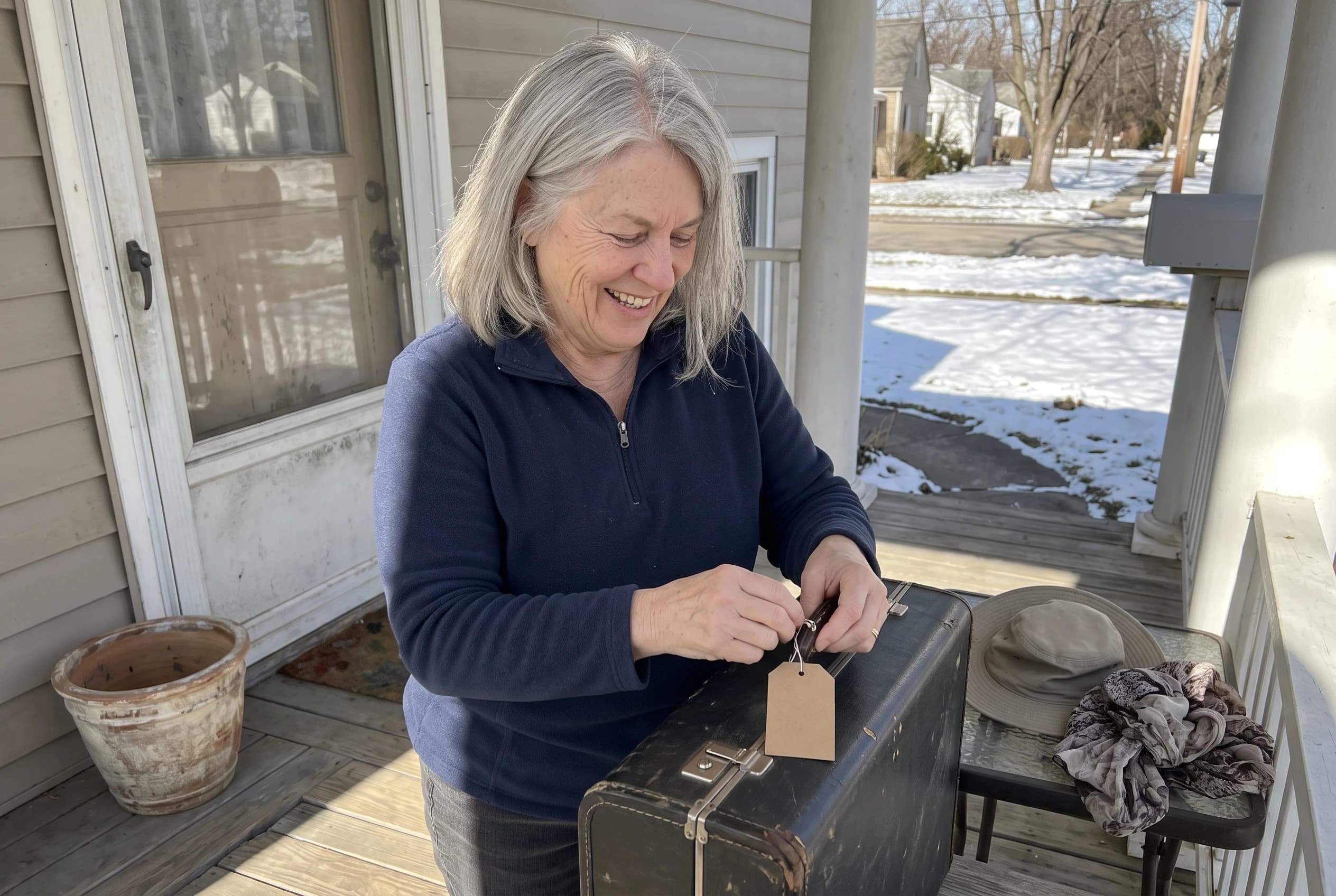
The suitcase is packed. Then you picture the gangway: narrow, moving, with people waiting behind you. That image has a way of taking the pleasure out of a trip before it starts.
You don’t need someone to promise that every stop will be easy. You need to know where the bench is, whether the shuttle takes your chair, and what happens when the planned route has stairs. Those answers give you room to look forward to the view.
24Ocean cruise for seniors with mobility issues
On an ocean cruise, the ship carries your room from place to place. That cuts out repeated packing and hotel changes. The cabin still needs a close look if stepping over a tub edge is out of the question.
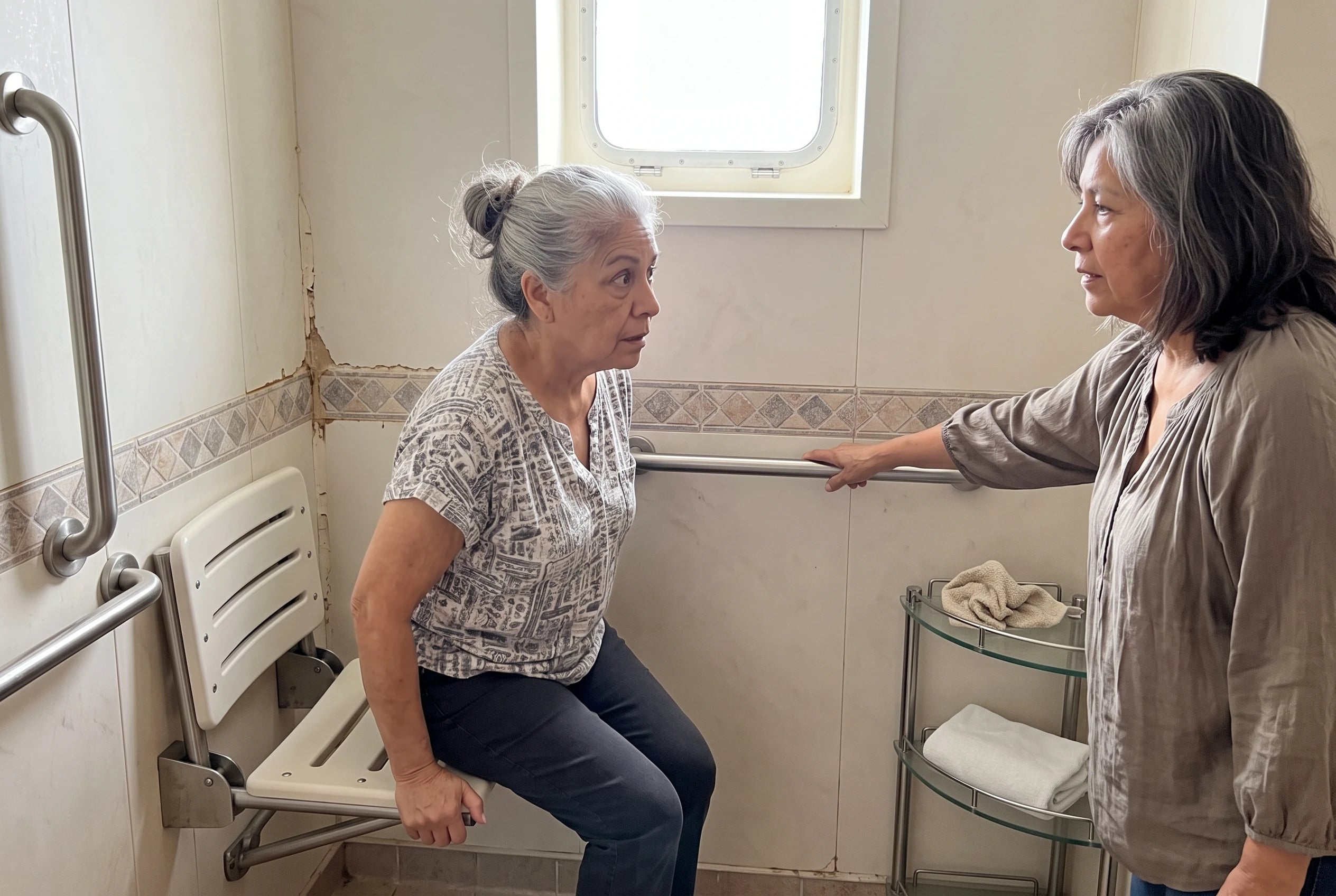
Royal Caribbean’s accessible staterooms have a 5-foot turning radius in sleeping, sitting, and bathroom areas. Their roll-in showers include a fold-down bench. The line holds these cabins for guests with disabilities until other rooms in the same category sell out.
Choose the accessible category while booking. Then check the cabin’s distance from an elevator. That walk matters each time you return for your glasses, a sweater, or a rest.
See more: 25 Things First-Time Cruisers Over 60 Wish They'd Known Before Booking →
23River cruise with elevators on board
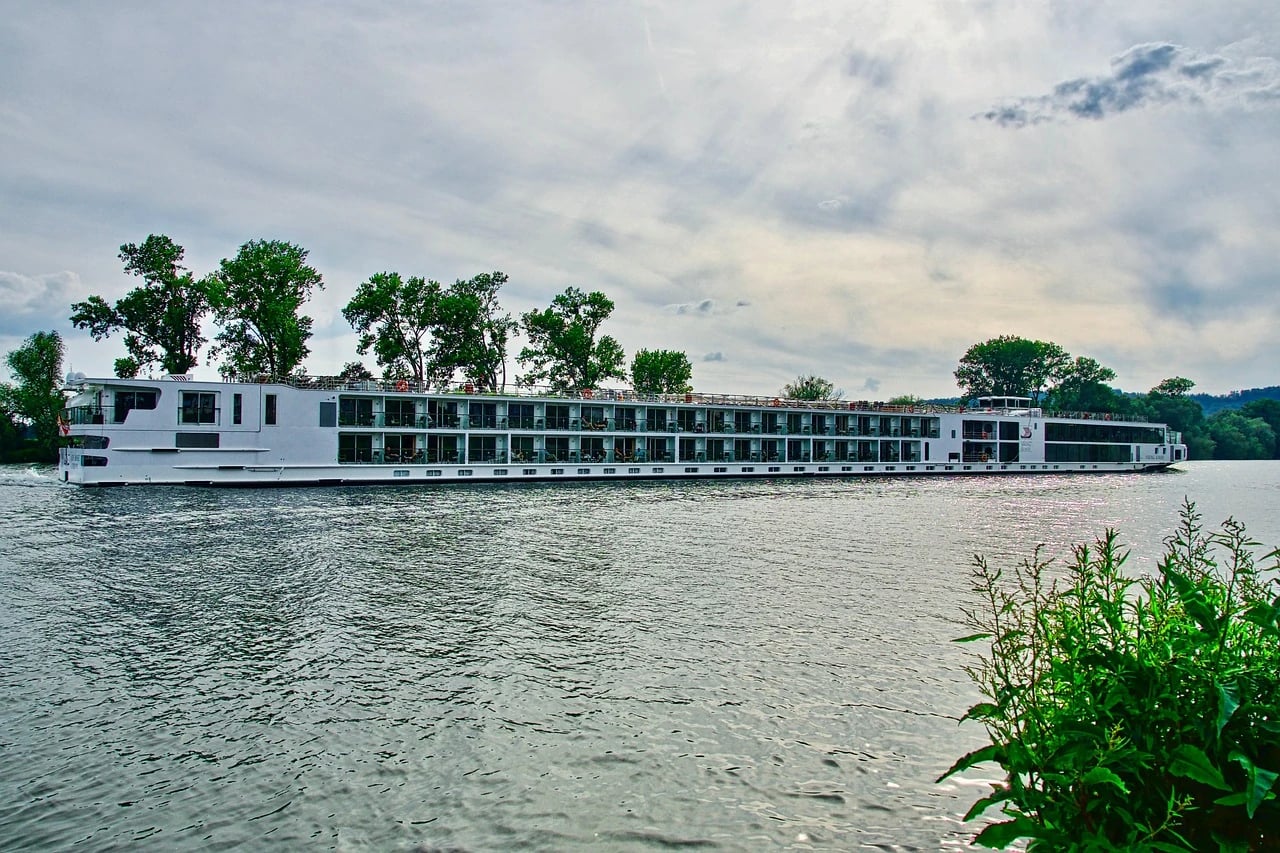
A river cruise puts the changing view right outside the window. Before falling for an itinerary, find out how you’ll move through the vessel and off it.
American Cruise Lines lists designated accessible staterooms and two elevators that take mobility devices on its vessel classes. Its FAQs note grab rails in every bathroom, but some older vessels have limited elevator access. The ship name matters here. Ask which decks the elevators serve on the vessel you’re booking.
Then check the route from ship to shore at each stop. An elevator near your cabin solves the trip to dinner. It tells you nothing about the gangway.
22Adults-only all-inclusive resort in Jamaica

For all inclusive vacations with limited walking adults only, start with the room category, not the beach photograph. A resort’s size tells you little about the route between your bed, meals, and a place to sit outside.
Hyatt Zilara Rose Hall in Jamaica is adults-only. Its FAQs confirm mobility-accessible rooms, including roll-in shower options, and a wheelchair-accessible resort layout.
Use the accessibility filter when choosing a room. Ask the resort which elevator and route connect that room type to the dining areas you want. Make your choice on that route.
21Bus tours for seniors with limited mobility

“Light walking” means little until you know where it happens. Is it a short stretch from the coach to a seat, or time on your feet at every stop?
Collette rates tours at Activity Levels 1 through 4. Level 1, called “Light,” is the least active. A Tour Manager and on-tour transportation are included. That rating helps you choose a tour to investigate, not a seat on every outing.
Ask how far you’ll walk at each stop and what the ground is like. Tauck’s pace guidance also raises a different test: extended coach rides. Tauck does not provide one-on-one walking assistance. Check how you’ll board the coach and what happens if you skip a stop.
20Grand Canyon shuttle and scenic drive

At the canyon rim, it’s tempting to follow everyone toward the next viewpoint. You don’t have to make that choice with a crowd gathering behind you.
All Grand Canyon park shuttles are wheelchair accessible. The National Park Service also has a printed Accessibility Guide on request. Pick the stop you want before the bus doors open, so the ride takes you toward a view you’ve chosen.
Prefer to stay with your car? The 23-mile Desert View Drive is open to private vehicles year-round and has multiple viewpoints. Yaki Point is shuttle-only. Leave it off a driving-only route, and decide where you’d like to stop before you set out.
19San Antonio River Walk cruise
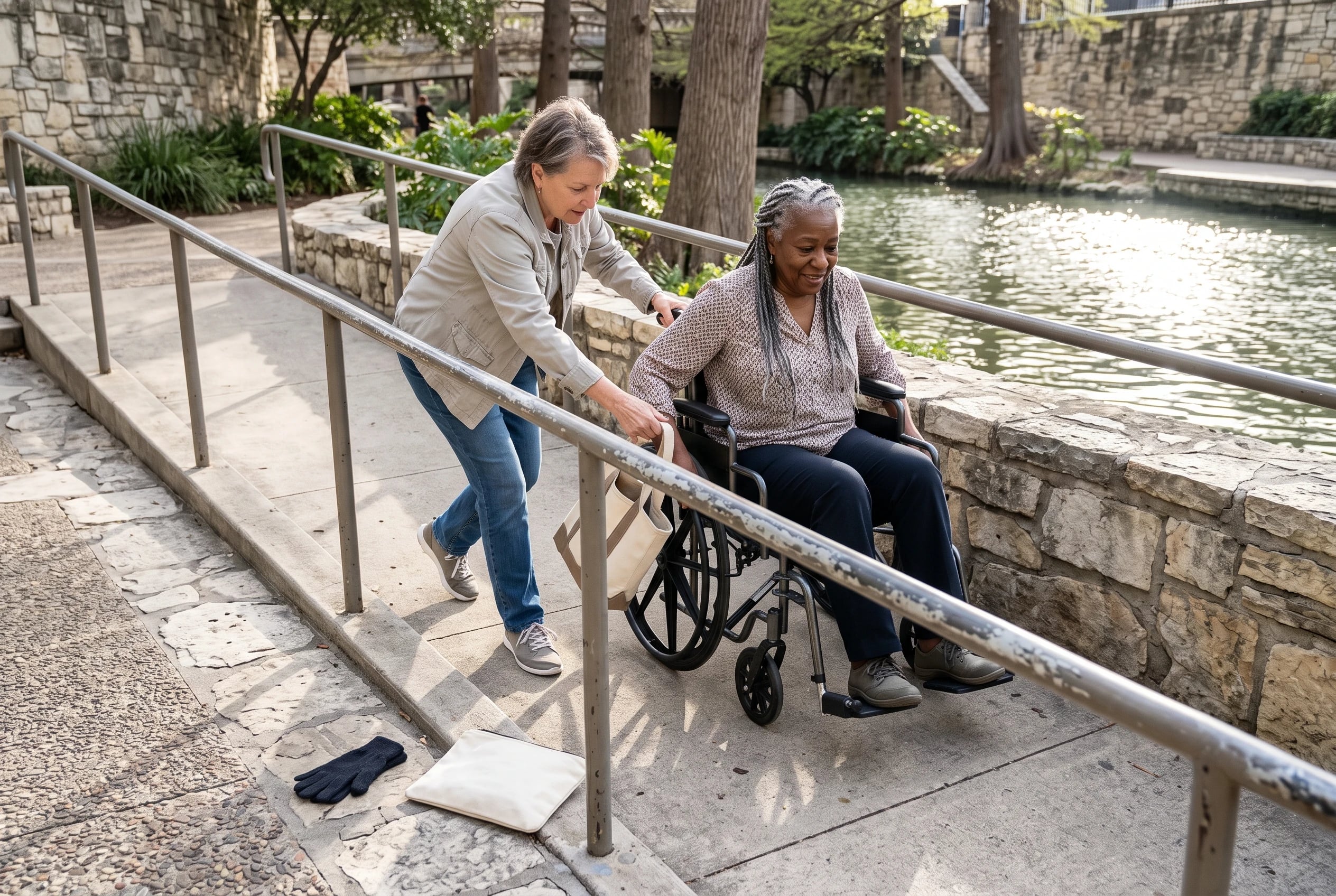
San Antonio has added ramps, pathways, and new elevators at more than 50 River Walk locations. The city’s accessibility maps help you choose where to enter and leave the river level.
GO RIO operates cruises on the River Walk. If the boat is your main event, check boarding for the departure you want. Tell the operator about your mobility device and ask where you’ll board.
Use the city map for the route to the river. Use the operator’s answer for the boat. Settle both before buying a ticket.
18Scottsdale resort with a barrier-free trail

You want a desert morning, not a hike spent calculating how far it is back. Choose the room and the trail as carefully as the destination.
The Fairmont Scottsdale Princess lists 20 mobility-accessible rooms across seven room types. Features include roll-in showers with bench seats. Compare room descriptions before choosing one: the word “accessible” alone doesn’t identify your bathroom.
For time outdoors, the City of Scottsdale identifies the Jane Rau Nature Trail in the McDowell Sonoran Preserve as barrier-free. Find its trailhead and arrange your ride there before leaving the resort. Check the distance you want to travel on the trail, then turn back on your own schedule.
17Amelia Island beach day on a Mobi-Mat
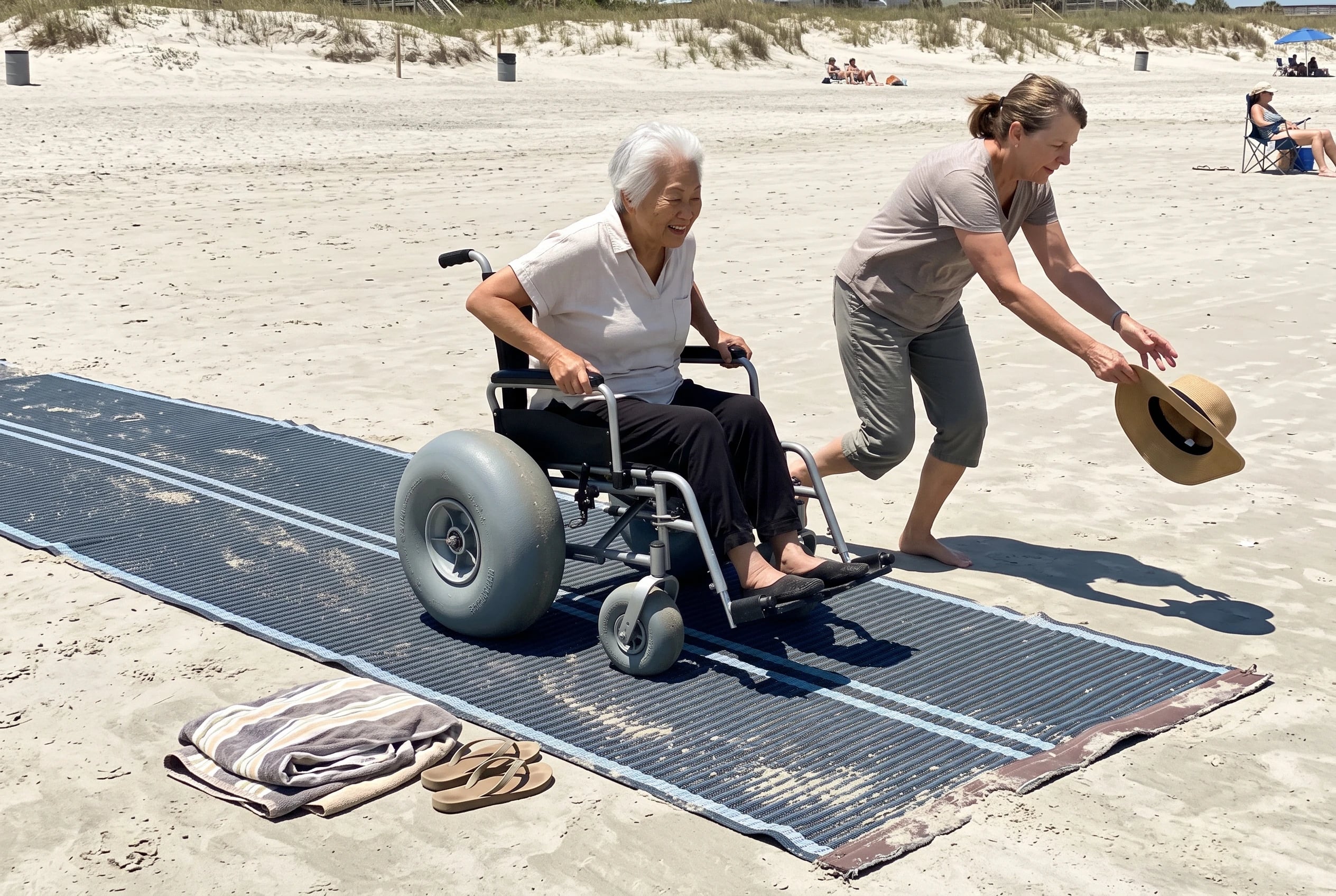
Getting to the beach and crossing the sand are different tasks. Amelia Island identifies a Mobi-Mat at Main Beach for wheelchair access. A Fernandina Beach vendor also rents beach wheelchairs.
Check the mat’s condition and location before you go. If you need a beach chair, ask the vendor about pickup and return. Then choose where you’ll leave the car and where you’ll turn back.
The outing doesn’t need a long walk to count. Make it an hour by the water and leave while you still want to stay.
See more: 25 Fears About Falling That Keep People Home, and the Fixes That Get Them Out →
16Washington, D.C. monuments and Metro day

A monument day goes wrong when each sight looks close to the next on a map. On your legs, those distances tell another story.
Start with a Metro stop rather than a long walk across the Mall. The National Park Service identifies the major monuments and memorials as wheelchair accessible.
WMATA reports accessible rail and bus service, with station elevators and accessible faregates. Those facts give you a route to plan, rather than a promise that every stretch will feel short.
Want time indoors? Smithsonian museums lend manual wheelchairs for free. Check your station elevator and museum entrance before leaving. Then choose the sights you care about most, instead of trying to cover every path on the map.
15Las Vegas Strip trip by monorail
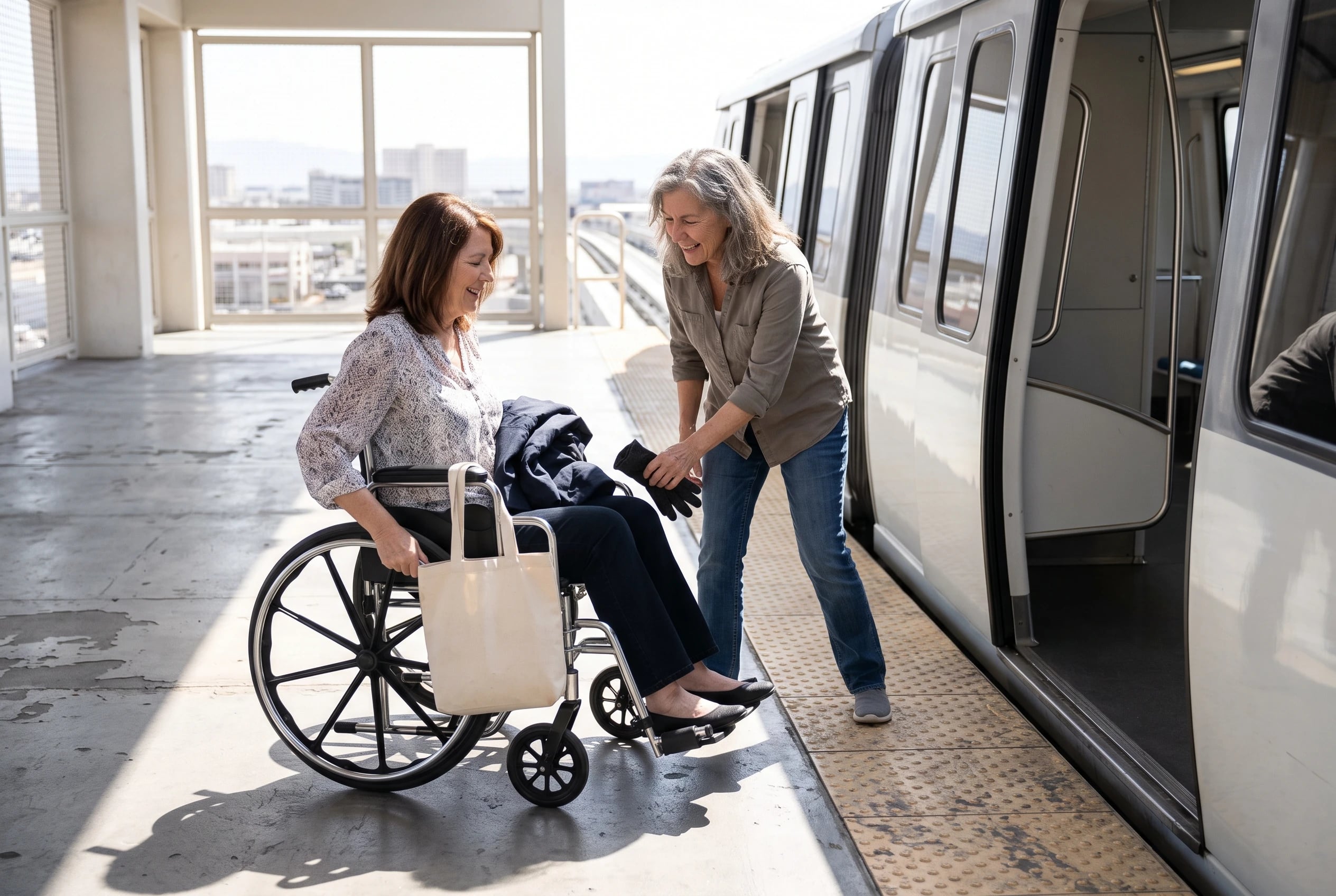
The Strip’s bright buildings look close together. Work backward from the station you’ll use and the room where you’ll end the night.
Every Las Vegas Monorail station has an elevator and level boarding. That removes stairs from the station plan. It doesn’t settle the route from the station to your destination, so check that stretch too. Look up the current pass price for your dates.
Wynn and Encore publish accessible room features, including roll-in showers and lowered counters. Choose the feature you need, then ask about the route from the hotel entrance to that room. The last walk of the evening deserves as much thought as the first.
14San Diego beach and zoo outing

A beach morning and a zoo visit ask different things of your body. Give each its own plan.
The City of San Diego runs a free Beach Wheelchair Program at designated beaches. Choose a participating beach and check the chair arrangements before leaving your lodging.
Inside the San Diego Zoo, a complimentary ADA shuttle operates, and wheelchairs and scooters are available to rent. Check the shuttle route and rental arrangements ahead of your visit. Pick the exhibits you care about most, leave room for a rest, and end the outing when you’re ready.
13Palm Springs downtown hotel stay

“Walkable downtown” doesn’t tell you whether your chosen afternoon works. Set your own route: hotel entrance, a destination, somewhere to pause, and the trip back.
The Renaissance Palm Springs lists mobility-accessible rooms with roll-in showers and accessible routes to its amenities. City planning documents describe a pedestrian-oriented downtown with enhanced sidewalks. Neither tells you the distance from your room to the place you want to visit.
Check that route before booking. A short outing you enjoy beats a longer one that makes you dread getting back.
12Barcelona hop-on, hop-off bus tour

A sightseeing bus lets you watch Barcelona go by and save your walking for the stops that matter.
Barcelona Bus Turístic says every bus has an access ramp and a wheelchair space. Check where you’ll board and where you’ll get off. Find the current fare for your travel date rather than relying on an old screenshot.
Sagrada Família lists free admission for a person with a disability and one companion. Check its ticket instructions and entrance arrangements before you go. That leaves more of the day for looking up at the building.
11New York City museum and park day

Picture the curb outside the museum. A good New York day starts with knowing which entrance has no steps before the traffic light changes.
The Met identifies its Fifth Avenue entrance at 81st Street as step-free. You can borrow a manual wheelchair there for free. Start at that entrance, then see a few galleries well rather than chase the whole collection.
For the next leg, the MTA reports that its roughly 6,000 buses have ramps or lifts. If Central Park is on your list, use the Conservancy’s map of step-free routes. Choose one mapped stretch before you go: museum entrance, bus stop, park path.
10Alaska cruise with ranked shore excursions

The Alaska view from a ship is one thing. A shore excursion adds a dock, a vehicle, and someone else’s timetable.
Royal Caribbean uses Level 1 and Level 2 labels for accessible shore excursions. It lists Icy Strait Point among its accessible ports. Compare the physical demands of the outing you want, including boarding and time spent standing. A port on a list doesn’t make every tour there suitable for you.
Holland America warns that some shoreside facilities and tenders run by others aren’t fully accessible. Check whether your sailing uses a dock or a tender at each port. Give yourself a shore plan you want and an onboard plan you’d also enjoy.
9Easy trips for seniors at a nearby hotel

Try a hotel near home before a trip with flights and transfers. One night lets you notice what a room feels like without managing an airport too.
Call about the feature you need: a roll-in shower, grab bars, or the distance from the elevator. The Justice Department’s hotel reservations rule requires hotels to describe accessible features online or by phone.
It also requires them to hold accessible rooms for guests with disabilities until other rooms of that type sell out.
Book the room type that fits, rather than a standard room with a request attached. Once there, try the bathroom. Follow the route to breakfast. Return to your room when you’re tired, not only when you’re fresh.
What takes effort? Which door or turn would you want to ask about next time? The stay gives you a test you can repeat without committing to a longer journey.
8Easy train trips for seniors with a companion

A train gives you a seat, a window, and time together without putting either of you behind the wheel. Organize the station part first.
Amtrak lists a 10% discount for a passenger with a disability and a 10% discount for one companion. Check the current eligibility and identification terms when booking.
At major stations, Red Cap staff provide free baggage and escort help and coordinate wheelchair lifts. Tell Amtrak what station help you need at both ends when you book. With boarding settled, your companion gets to travel beside you instead of searching for assistance.
7Custom trip through an accessible-travel specialist

An advisor earns a place in your plans by finding answers you haven’t been able to get. Test that in the first conversation.
The Travel Leaders directory has an “Accessible Travel” filter among more than 2,800 listed agents. Special Needs Group trains advisors through its Certified Accessible Travel Advocate program. A filter or credential gives you people to interview, not a guarantee about a trip.
Ask a prospective advisor who contacts the hotel about shower types and who checks transfers. Then ask what happens when a supplier gives an incomplete answer. You’re looking for someone willing to follow up, not someone who calls every destination accessible.
6Travel scooter rented at your destination

Bringing your own scooter means handling it through each stage of travel. Renting at the destination shifts your questions to delivery, fit, and cost.
As a changing price example, Scootaround’s Seattle page lists standard scooter rentals from about $38 a day for a 3-day rental. The price varies by city and dates; check the rate for your trip. Ask where delivery and return happen, then check whether the scooter fits your room and transport.
Flying with a battery-powered device takes another check. The FAA allows one spare battery up to 300 Wh, or two up to 160 Wh each, in carry-on baggage. Airline policies can be stricter. Give the airline your device and battery details before travel.
See more: 27 Small Comforts Frequent Travelers Over 60 Never Leave Home Without →
5Carry-on medical kit for travel
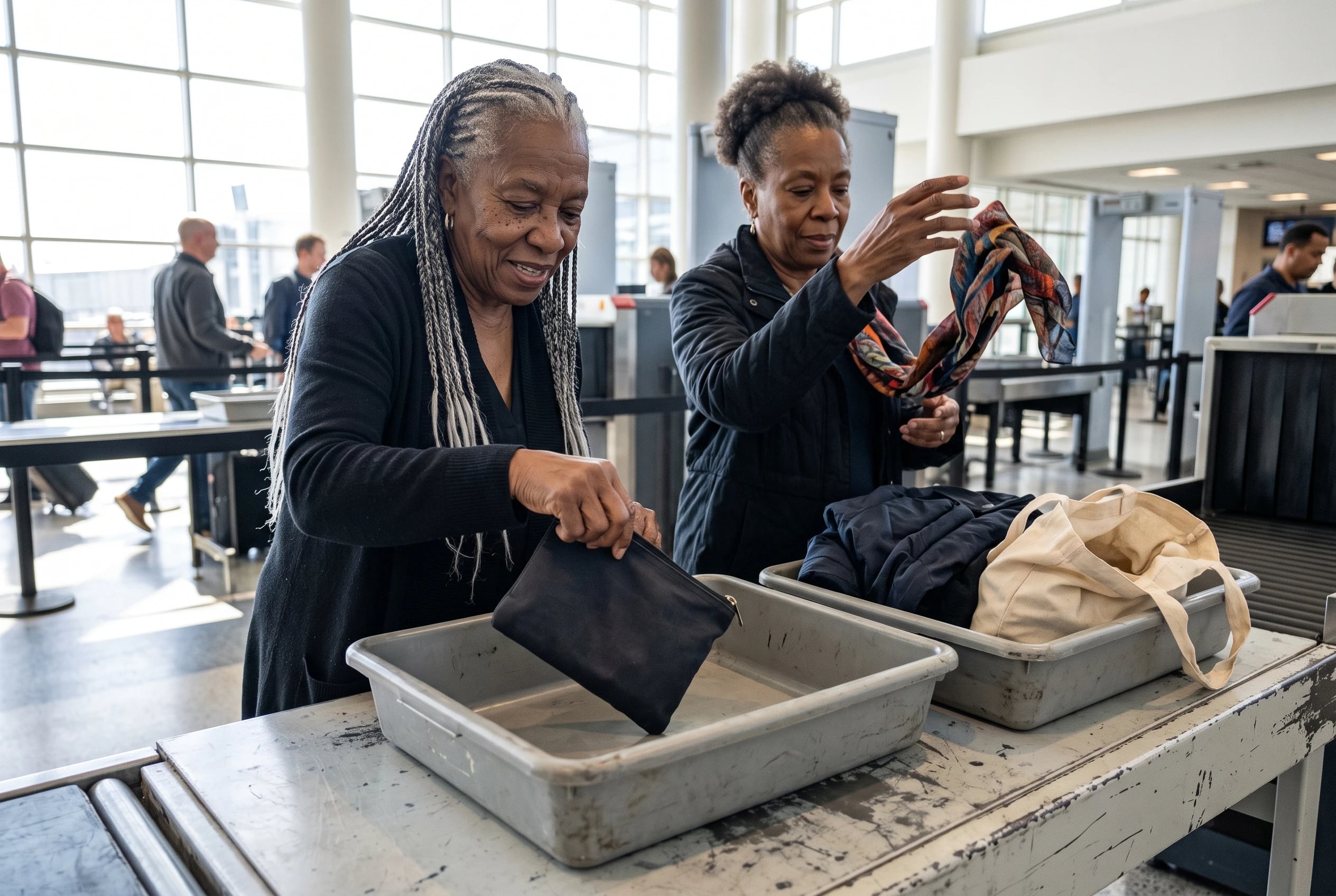
Put what you need during a delay where you can reach it. A checked bag won’t help while you’re waiting at a gate.
The TSA allows medically necessary liquids and medications over 3.4 ounces in carry-on baggage when you declare them for extra screening. TSA Cares assists travelers with disabilities. Keep those items together so you can identify them at the checkpoint.
If you travel with oxygen equipment, ask the airline about your device before booking. The FAA permits portable oxygen concentrators that meet 14 CFR 121.574. Passengers cannot use their own oxygen cylinders in flight; oxygen used in flight must be airline-provided.
See more: 23 Things That Make a Trip Harder After 65, and What Seasoned Travelers Do About Them →
4Hotel reservation with a confirmed roll-in shower
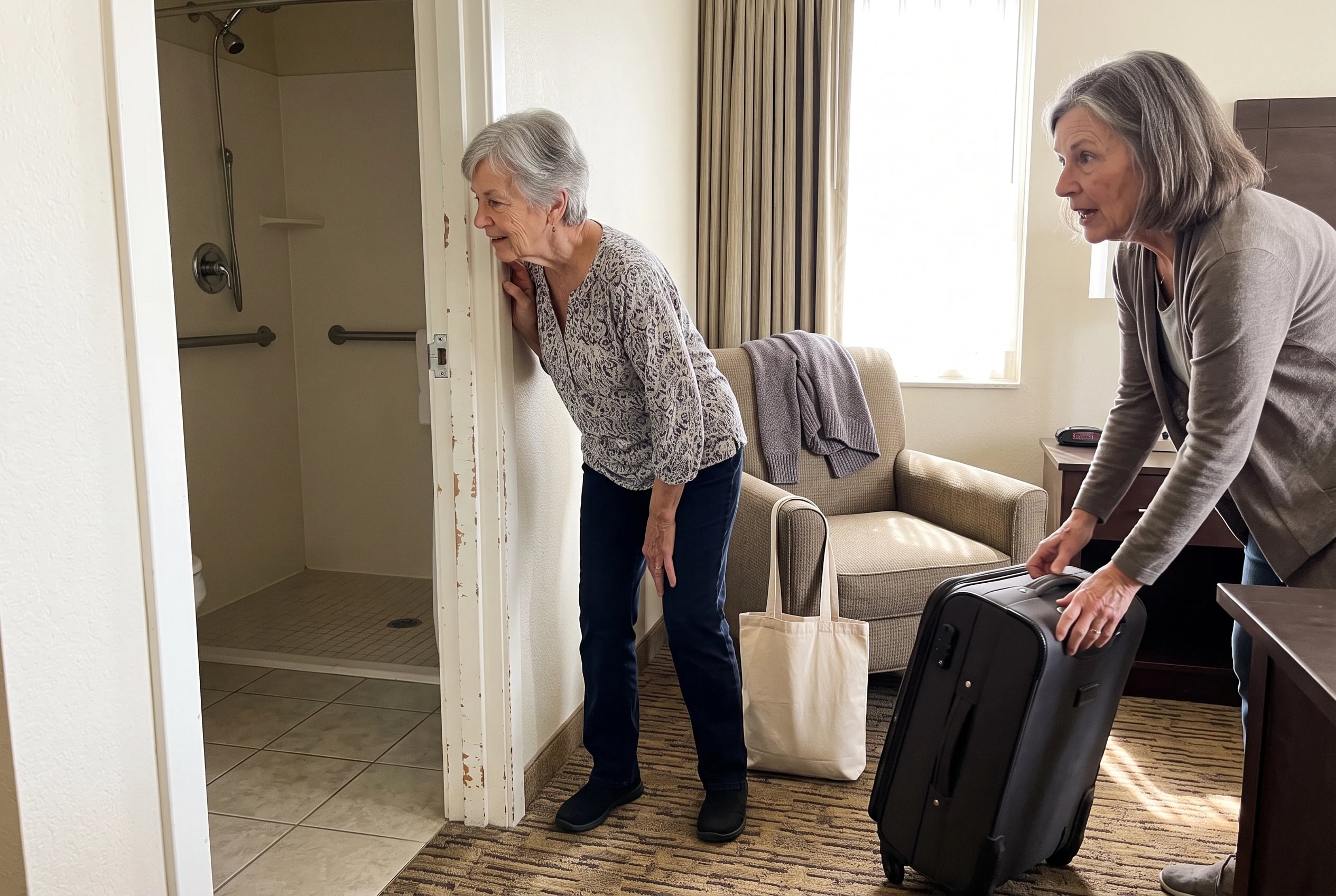
The desk clerk says your room is accessible. You ask about the shower. There’s a pause.
A Justice Department settlement with Marriott addressed barriers to reserving accessible rooms and identifying features such as roll-in showers online. Choose the room type by that feature, rather than booking a standard room with a note attached.
The federal hotel reservations rule also requires a booked accessible room to be removed from other reservation systems. That protects the specific room from being double-booked. Save your confirmation number for check-in.
Your first night away should begin with a room key, not a debate about the bathroom.
3National park trip around shuttle hours
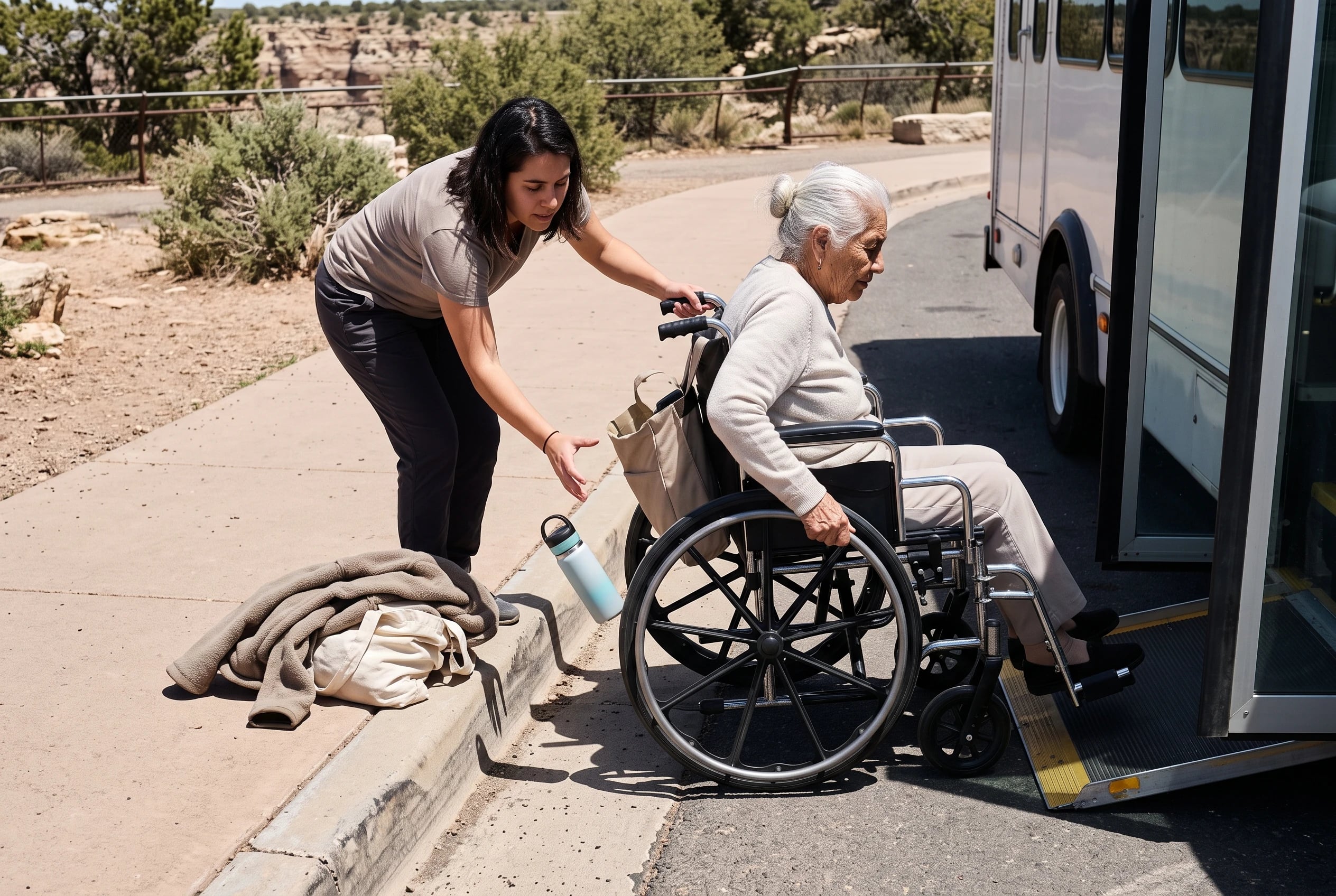
A shuttle runs on its own clock, not yours. The answer to “when do I get back?” matters before you leave your car.
At the Grand Canyon, every park shuttle is wheelchair accessible. That still leaves the schedule to check. Look up the route and operating hours for your visit date, then mark the return stop you want to use.
If the timing doesn’t suit your day, change the plan before boarding. Desert View Drive remains open to private vehicles year-round. Decide whether a drive fits better than the shuttle route, and choose a stopping point you can reach by car. You’ll know where the day ends as well as where it begins.
2Cruise shore excursion vetted before booking
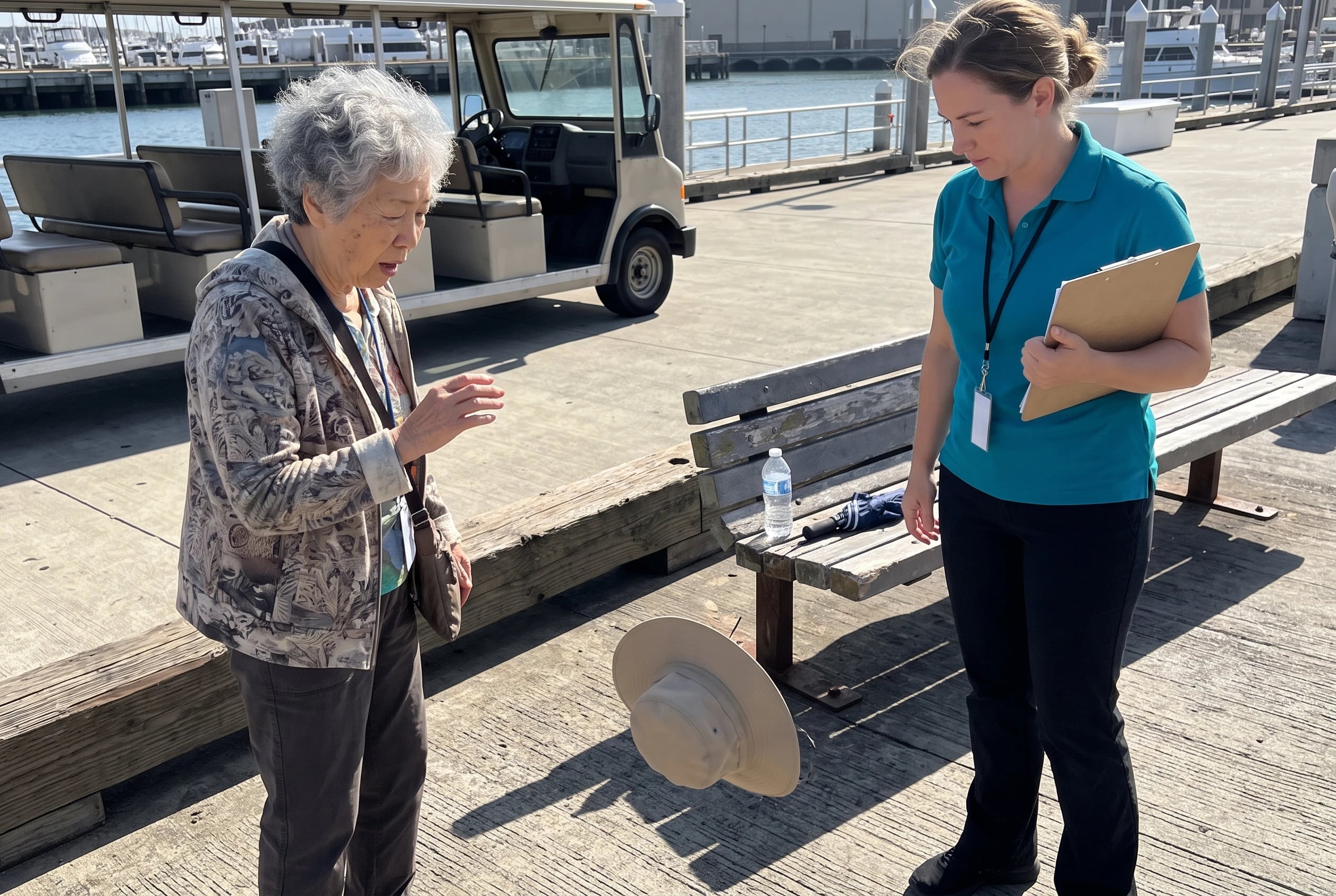
Does “accessible excursion” mean you can stay in your chair for boarding? Does it mean there are no steps at the destination? Ask about the specific tour before paying.
Princess directs guests to its Access Office for accessible shore excursions. Its terms note that tours outside the United States aren’t assured to meet full ADA standards. Tell the office about your device. Ask how you’ll board the vehicle and enter each stop.
Royal Caribbean’s Level 1 and Level 2 descriptions offer another way to compare physical demands. Read the requirements for the outing you want. The answer you need belongs to that excursion on that sailing, not to the port in general.
1Any tour booked only after written accessibility specs

What does the seller mean by “accessible”? Before you pay, ask them to describe your route from the vehicle door to the place where you’ll sit. Get the answer in writing, with step counts, ground surfaces, elevator access, and boarding methods.
Measurements make the question harder to brush aside. The U.S. Access Board sets a minimum clear doorway width of 32 inches in accessible areas. Turning space calls for a 60-inch diameter or a T-shaped turn.
If there’s a bus lift, ask about its load and platform. The Federal Transit Administration describes a lift designed for at least 600 pounds on a 30-by-48-inch platform.
Those standards don’t describe every doorway or vehicle on your tour. The operator must tell you what you’ll use. Send one message with your device’s width and weight, the route you need, and the questions the itinerary leaves open.
Then compare the reply with your actual plans. An answer that skips the boarding method isn’t complete. “Please tell me the step count and lift dimensions for my departure” is a fair question. Book when the reply describes a trip you can take.
The bottom line
The trips that leave you free to enjoy yourself have something in common: someone checked the awkward part before departure. The shower. The gangway. The last stretch from the bus.
The well-prepared version of you has the room category saved, the boarding answer in writing, and a shorter route ready if the day calls for one. She still gets to change her mind.
Which part of a trip has made you hesitate, and what answer would help you choose where to go next?
Up next
27 Reasons People Say Their Best Trips Came After 60
A station bench and an open afternoon give you something after 60 that a packed itinerary can't: time to notice where you are.
Read the list →
Reader quiz
Did you catch the details?
5 questions from this article.
After choosing an accessible cabin, what should you check about its location?
Questions people also ask
What are the best vacation destinations for seniors with mobility issues?
Washington, D.C., San Antonio, Scottsdale, Amelia Island, Las Vegas, and San Diego each have access options worth investigating. The National Park Service lists wheelchair-accessible National Mall monuments, while the City of San Antonio publishes River Walk accessibility maps. Choose by the routes and activities you want, then check the details for your dates.
What trips do not require a lot of walking?
Look at cruises with accessible cabins, low-activity coach tours, and resorts where your room has the shower you need. Royal Caribbean describes roll-in showers in its accessible staterooms, and Collette calls Level 1 its least active tour level. Ask about walking and boarding at each stop before committing.
Where is the best place to vacation for disabled people?
There isn’t one answer for every traveler, but Washington, D.C., is a strong choice for museums and monuments. The Smithsonian lends manual wheelchairs for free, and Metro describes its rail and bus network as fully accessible. Plan the entrances and transit stops for the sights you choose.
What are some good all-inclusive resorts for seniors with limited mobility?
Hyatt Zilara Rose Hall in Jamaica is adults-only and lists mobility-accessible rooms, including roll-in shower options. Book the specific room type you need. Before arrival, ask the resort to confirm its features and the route to the places you’ll use.
Can I bring my own wheelchair or mobility scooter on a cruise or tour?
Cruise lines provide guidance for personal mobility devices, but check boarding for your sailing and shore plans. Royal Caribbean publishes accessible excursion information; ask your cruise line about your device at each port. If you’re flying, give the airline your device and battery details and check the FAA’s mobility-device rules.
How do I know if a tour is really accessible before I book?
Ask for the doorway width, turning space, step count, route surface, and vehicle boarding method in writing. The U.S. Access Board gives a 32-inch clear doorway minimum and a 60-inch turning-space measure for accessible areas. For a bus lift, the Federal Transit Administration describes a 600-pound design load and a 30-by-48-inch platform.
Did any of these feel familiar?
Know someone who needs this?
 Prime Journal · Free printable
The Easier Trip Planning Checklist
- Your bookings and documents checked before departure.
- Your walking routes and rest stops planned ahead.
- Your hotel room and return journey checked.

Free printable: The Easier Trip Planning Checklist. Enter your email and it is yours.
Sources cited in this article
This article links to 15 outside sources, listed here so you can read them yourself.
- Royal Caribbean’s accessible staterooms www.royalcaribbean.com/experience/accessible-cruising/accessible-staterooms
- Hyatt Zilara Rose Hall www.hyatt.com/zilara/en-US/mbjia-hyatt-zilara-rose-hall/faqs
- Collette www.collette.com/en-us/tours/north-america
- Grand Canyon park shuttles www.nps.gov/grca/planyourvisit/accessibility.htm
- City of Scottsdale www.scottsdaleaz.gov/Preserve
- National Park Service www.nps.gov/nama/planyourvisit/accessibility.htm
- Las Vegas Monorail www.lvmonorail.com/stations
- City of San Diego www.sandiego.gov/park-and-recreation/activities/trs/beachwheelchair
- Mta.info www.mta.info/document/105911
- Justice Department’s hotel reservations rule archive.ada.gov/regs2010/factsheets/title3_factsheet.html
- Faa.gov www.faa.gov/hazmat/packsafe/wheelchairs-mobility-devices
- Tsa.gov www.tsa.gov/news/press/factsheets/tsa-travel-tips
- Princess www.princess.com/legal/excursion-terms-conditions
- U.S. Access Board www.access-board.gov/ada/chapter/ch04
- Federal Transit Administration www.transit.dot.gov/regulations-and-guidance/civil-rights-ada/frequently-ask…
Margaret Hale
Travel Editor
Margaret has covered travel for 25 years and has ridden every long-distance train route in the U.S. at least once.
More from Margaret Hale