










25 Healthy High-Protein Foods for Women Over 50
A carton, a tin, and a bag from the freezer give you far more choices than another plain chicken breast.
By Dr. Alan Pierce, PT, DPT, Health Reviewer
Updated · 14 min read
- Written by our health reviewer
- Cited 11 sources
- How we review
The blender sits on the counter, still sticky from yesterday's shake. You want to stay strong enough to carry groceries upstairs, but you don't want every meal to feel like homework.
Protein helps build and repair muscle. Food doesn't do that work alone.
Resistance exercise matters too. The National Institute on Aging recommends strength work at least 2 days a week. Meanwhile, dinner tastes better when you actually want to eat it. Start with foods you'd put on a plate even if nobody had told you to eat more protein.
25Peanut Butter Beside an Apple

Peanut butter earns its place when you need food before leaving the house. Spread it on apple slices or toast rather than eating from the jar while the kettle heats.
Two tablespoons provide about 7 grams of protein, according to USDA FoodData Central. That's useful for a snack, but modest for a whole meal. Add milk or an egg when breakfast needs staying power.
The jar matters, too. Stir natural peanut butter when you first open it, then keep it as the label directs. For a change, spread it on celery and add raisins. You get the same easy snack without another piece of toast.
24Cottage Cheese Under Sliced Tomatoes
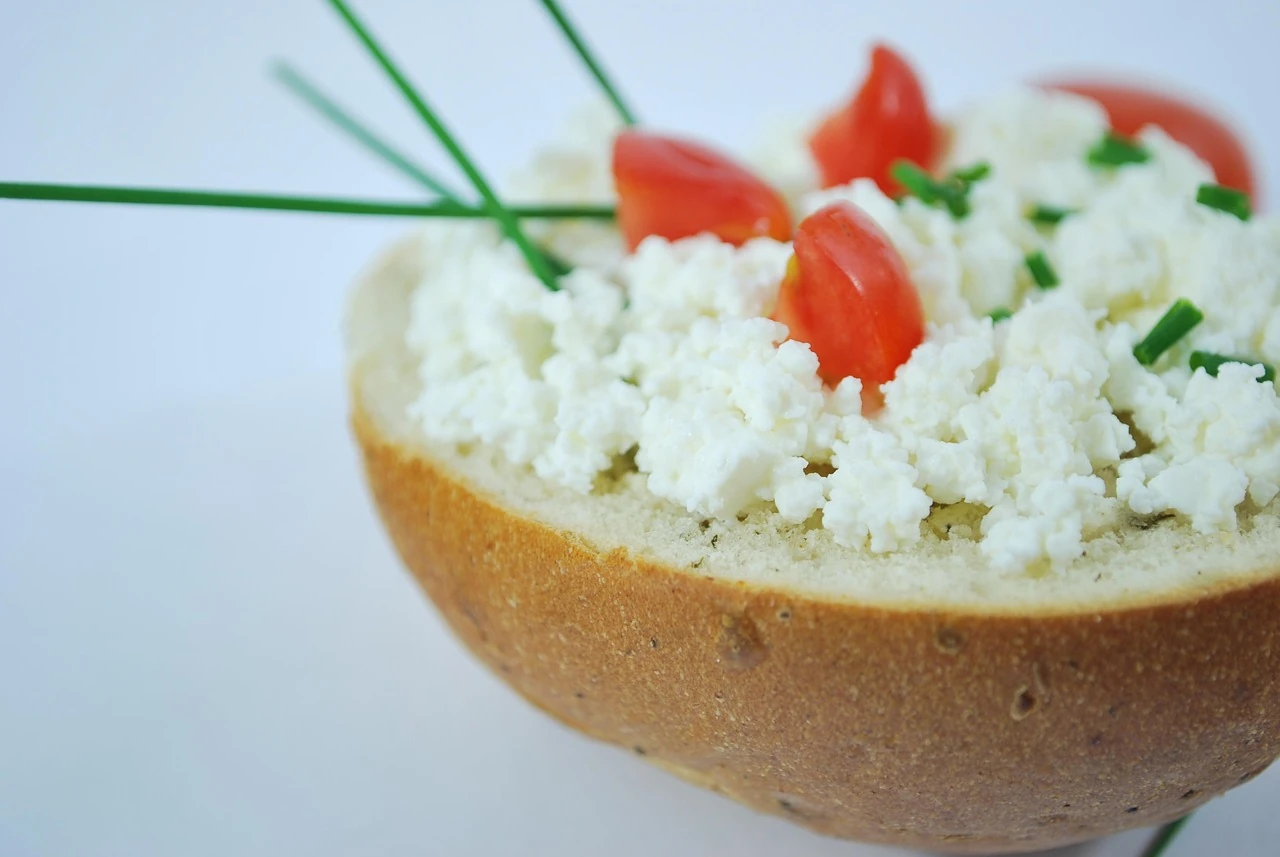
If sweet breakfasts leave you hungry, go savory. Spoon cottage cheese into a bowl, add tomatoes and black pepper, and finish with olive oil or chopped herbs. You get the feel of a small lunch without cooking one.
A half-cup of cottage cheese has about 12 grams of protein. Compare labels before choosing a tub: sodium varies, and a reduced-sodium version tastes better with your own seasonings than with no seasoning at all.
Check the serving size first. The FDA's Nutrition Facts label guide helps you compare protein and sodium in the portion you'll eat.
23Frozen Edamame With Chili Flakes
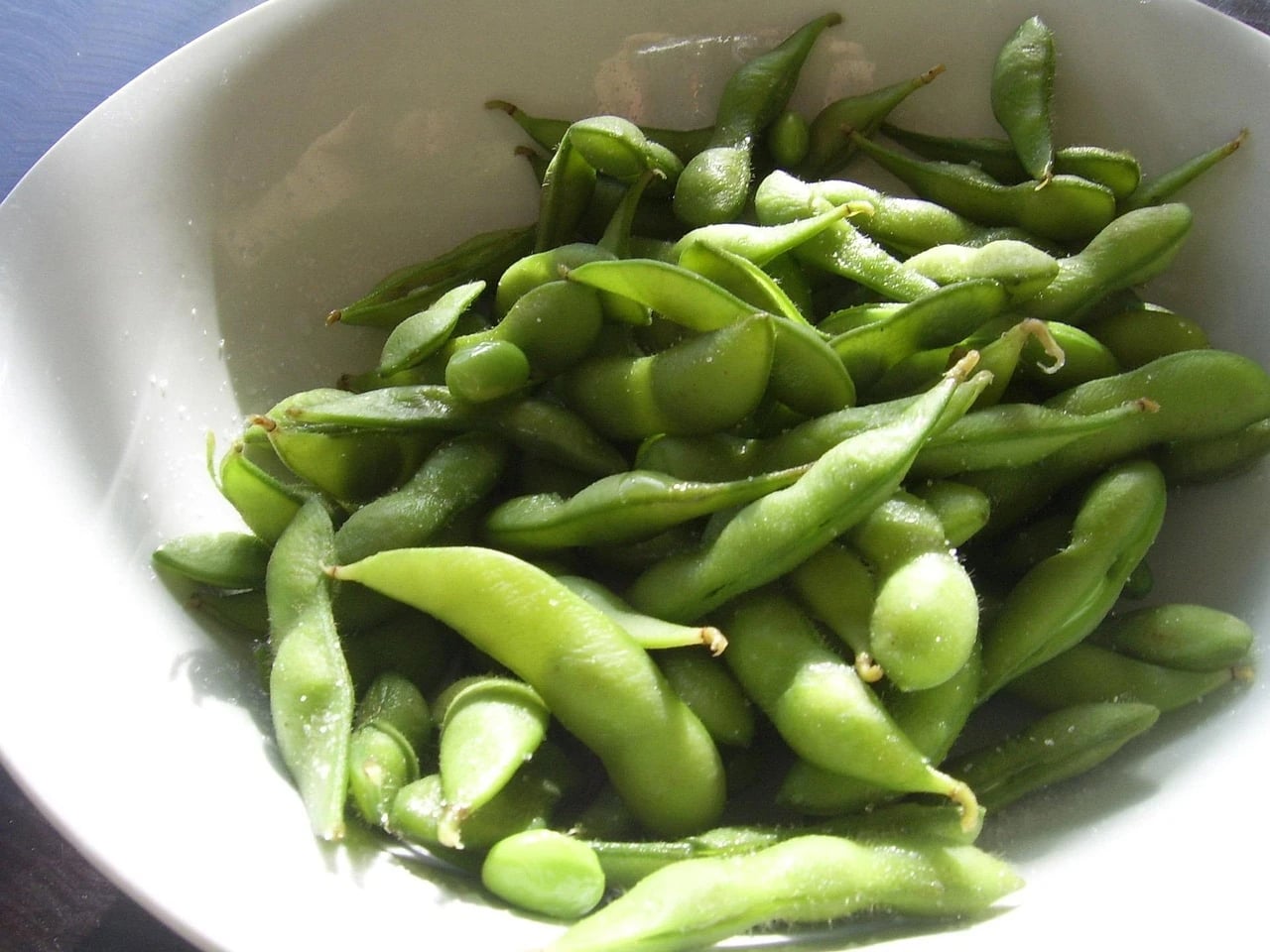
There's a bag in the freezer for nights when chopping feels unreasonable. Heat shelled edamame, add chili flakes and a squeeze of lemon, and eat it warm.
A half-cup of shelled edamame provides about 9 grams of protein. Put it beside leftover rice and vegetables, or eat it while dinner cooks. Soybeans count as a protein food on USDA MyPlate, so the bag does more than fill a vegetable slot.
Look for *shelled* on the package. Otherwise, you'll spend dinner pushing beans out of pods when you wanted to sit down.
22Plain Greek Yogurt in the Fridge
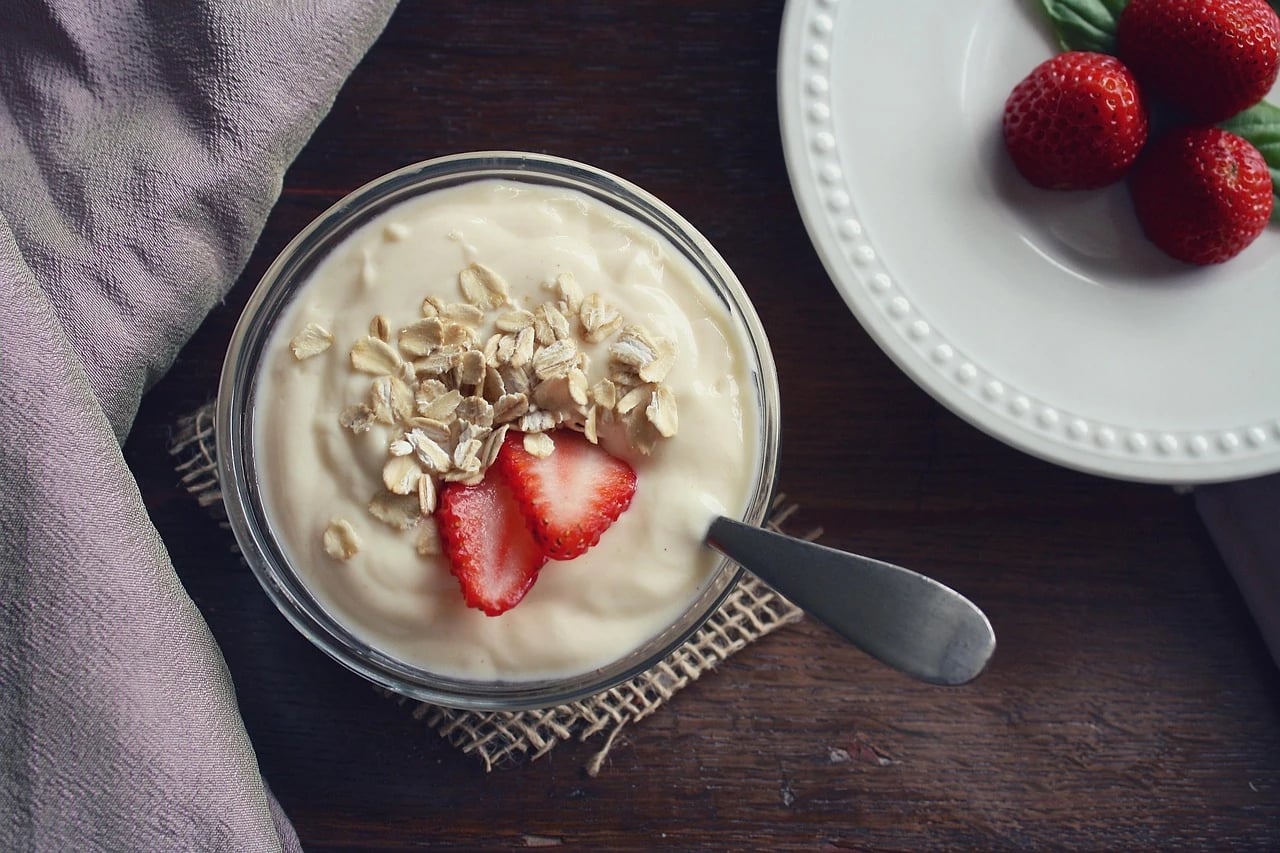
The words “Greek yogurt” don't settle the protein question. Pick up 2 plain tubs and read the labels side by side. Protein amounts differ by brand and serving size; flavored versions bring added sugar into the decision.
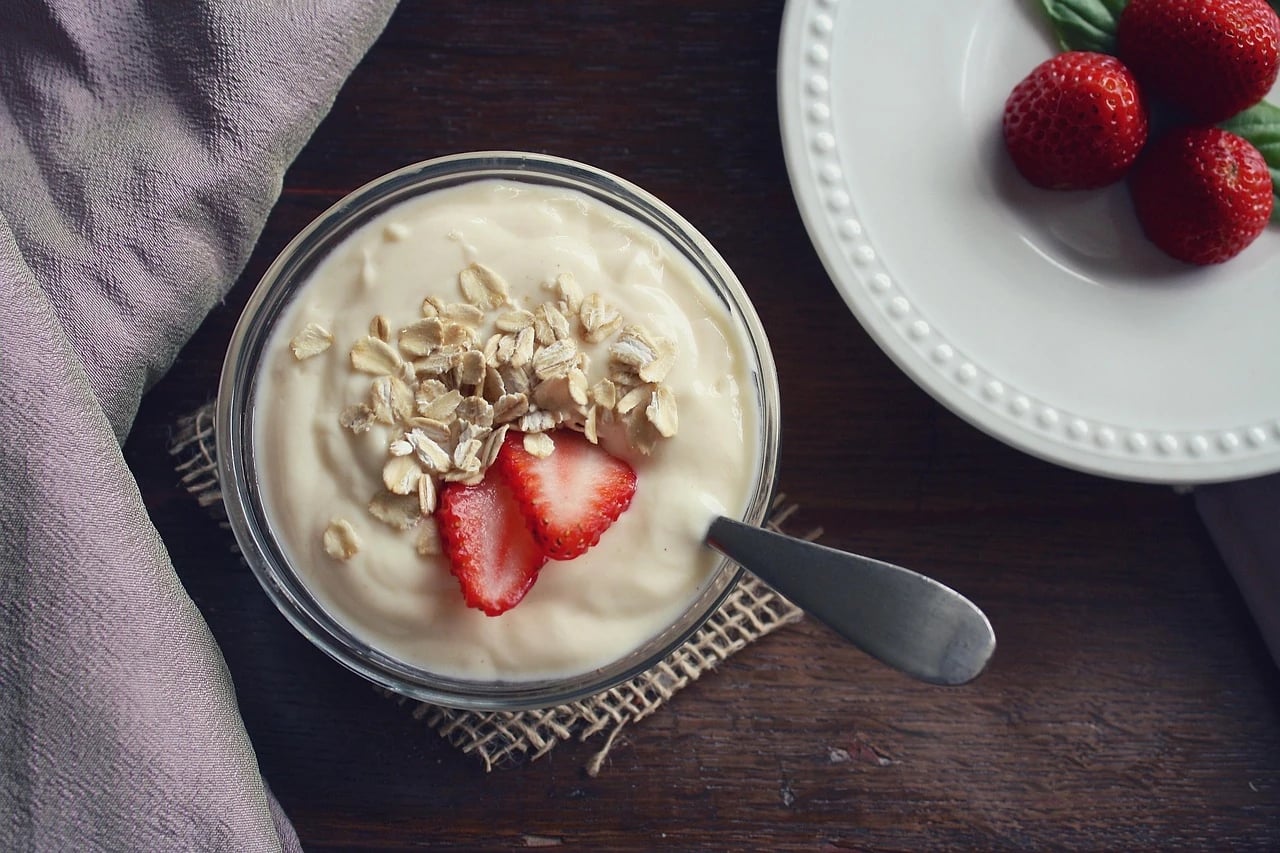
For a meal that feels like dessert, add berries, cinnamon, and chopped nuts. For a savory dip, stir in garlic and lemon, then drag cucumber through it. Same tub, different afternoon.
A single-serving container provides roughly 15 to 20 grams of protein. If you're comparing sugars, use the *added sugars* line, not the larger total sugars number. Milk contains sugar naturally; the FDA separates the two on the label.
21Black Beans in a Warm Taco

Open a can of black beans, rinse them, and warm them with cumin. Spoon them into a tortilla with salsa, cabbage, and a squeeze of lime. Dinner is nearly done.
A half-cup of cooked black beans brings about 8 grams of protein, along with fiber. Rinse canned beans under water before heating them. The American Heart Association recommends rinsing to reduce sodium; it also clears away the thick canning liquid.
Keep tortillas in the freezer if they tend to go stale in your bread drawer. Warm one in a dry skillet while the beans heat. Add an egg when you want a bigger meal.
20Eggs Beyond the Breakfast Hour
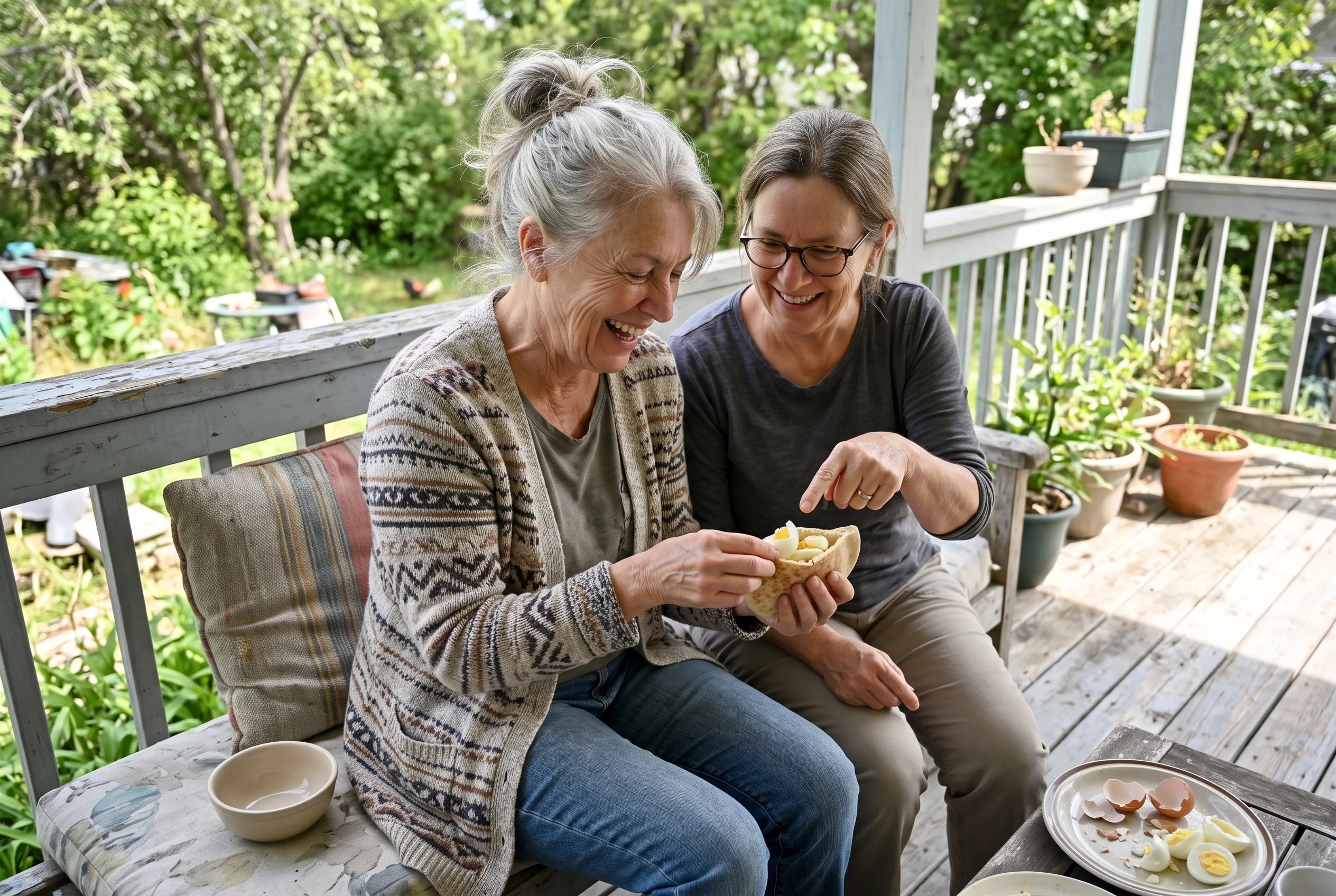
An egg belongs wherever a meal needs finishing. Slide one over sautéed greens and toast, or tuck chopped hard-boiled eggs into a pita with pickles and lettuce.
One large egg supplies about 6 grams of protein. Two eggs get you further, especially beside beans or whole-grain bread. There's no need to save them for a particular hour.
If cholesterol is a concern, talk with your clinician about how eggs fit your diet. The American Heart Association looks at the broader eating pattern, not eggs in isolation.
See more: 26 Daily Activities for Seniors That Give a Day Its Shape →
19Bone-In Sardines on Crackers
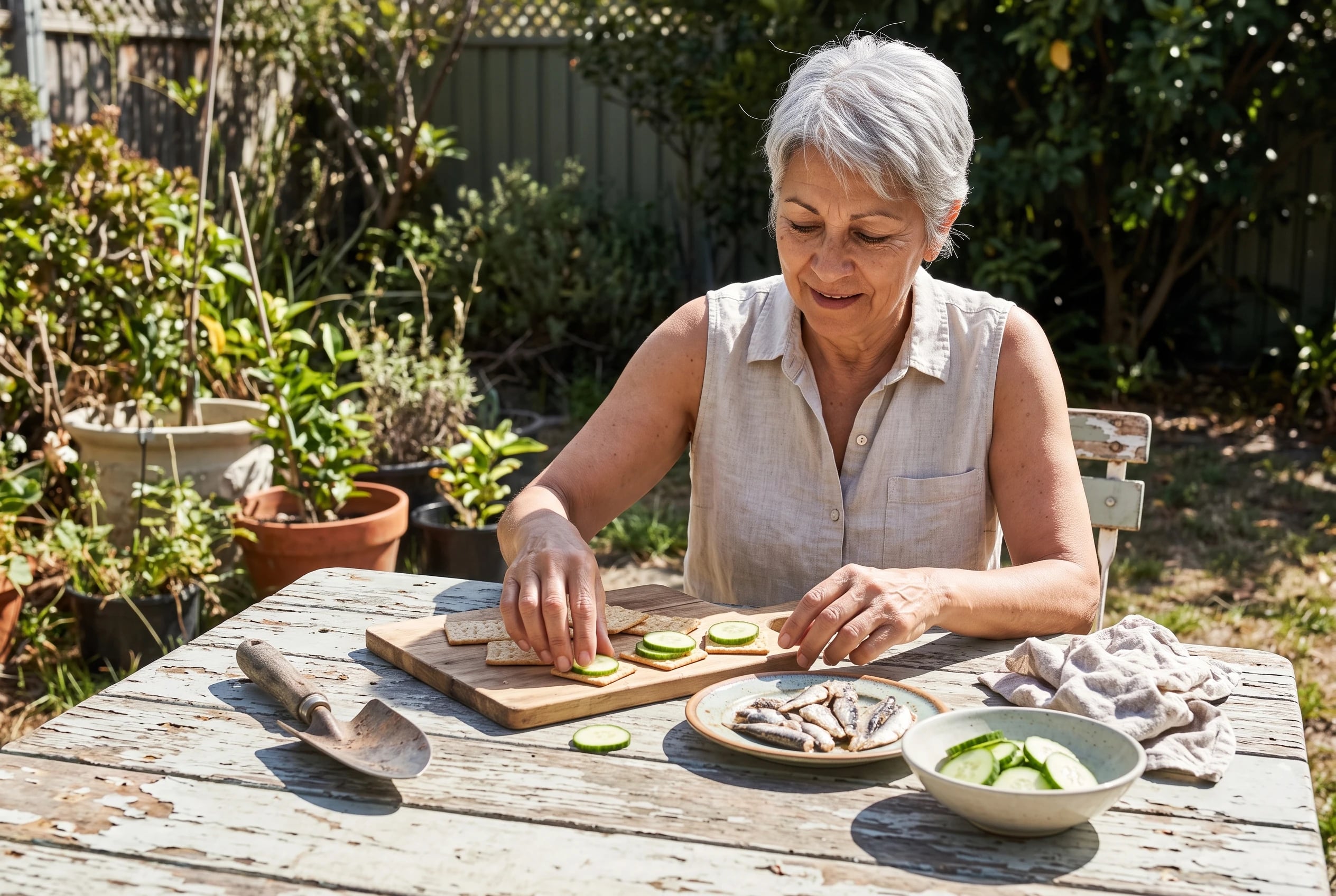
Those tiny, soft bones have a purpose. Sardines with edible bones supply calcium alongside protein, and you don't need to pick the bones out. Mash the fish with lemon if their texture catches your attention.
A small tin provides roughly 20 grams of protein; tin sizes differ. Set the sardines on crackers with mustard and cucumber slices. Their strong flavor stands up to both.
Check whether the tin holds water, oil, or sauce before you open it. An oil-packed tin needs little extra dressing. Keep crackers nearby, and lunch requires no stove.
18Canned Salmon Mixed With Herbs
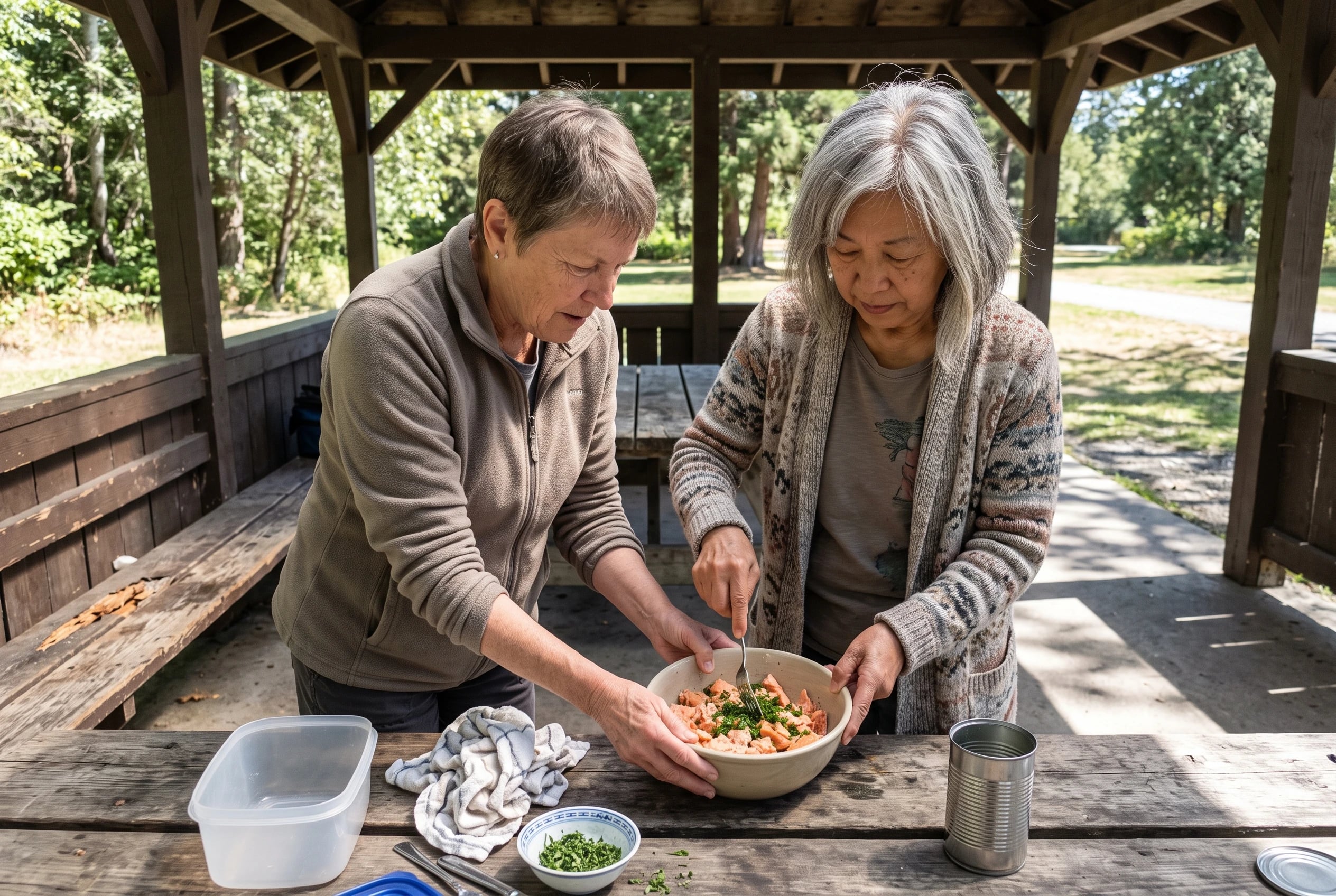
A can of salmon becomes lunch before the toaster finishes. Drain it, add plain yogurt or a little mayonnaise, then fold in chopped celery, dill, and lemon. Put it on toast or in lettuce leaves.
Don't remove the soft bones unless the texture bothers you. They crush with a fork and supply calcium. A 3-ounce portion of canned salmon has roughly 17 grams of protein; the amount in a whole can depends on its size.
Salmon also supplies omega-3 fats. When you're choosing fish for the week, the FDA's Advice About Eating Fish places salmon among its “Best Choices.”
17Lentils in a Tomato Pot

A pot of tomato sauce smells like dinner long before the lentils are tender. Add cooked lentils to jarred sauce, then spoon it over pasta or roasted vegetables.
A half-cup of cooked lentils provides about 9 grams of protein. Their fiber is another reason to keep them around. If dried lentils feel like a project, buy them canned, rinse, and heat.
For a thicker sauce, mash some lentils against the side of the pot. Leave the rest whole. A spoonful of vinegar at the end brightens sauce that has simmered too long. Refrigerate the extra sauce for another meal.
16Pumpkin Seeds in Your Bag
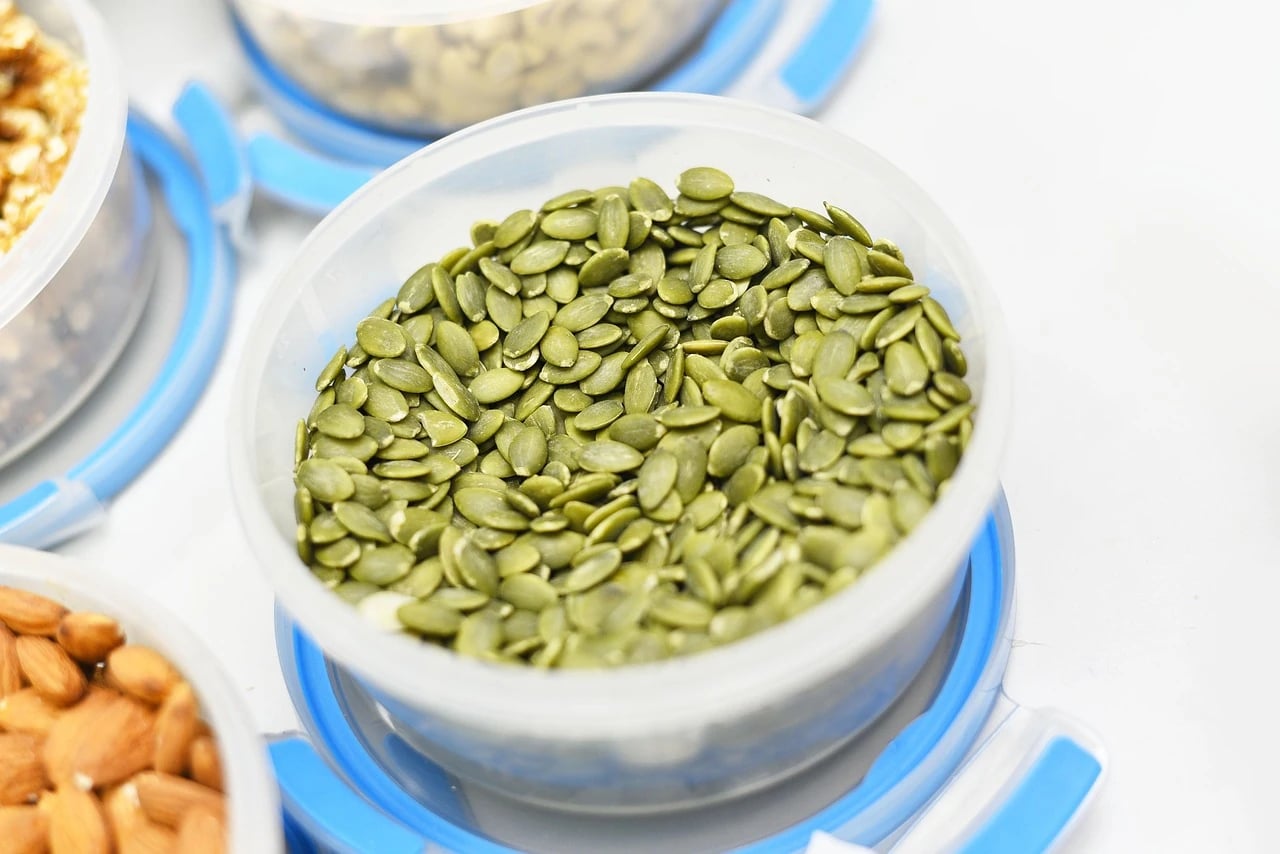
A small container of pumpkin seeds beats the snack you forgot to pack. They travel without a cooler and add crunch to soup, salads, or yogurt.
An ounce of roasted pumpkin seeds has roughly 8 grams of protein. Pour that amount into a bowl once, so you know what it looks like; handfuls are hard to judge from a large bag.
Unsalted seeds leave the flavor decision with you. Try smoked paprika at home, or scatter them over a pear and a piece of cheese. That tastes like a snack chosen on purpose.
15Cheese Beside Whole-Grain Crackers

Cheese doesn't need to carry lunch alone. A 1-ounce piece of cheddar has about 7 grams of protein. Add crackers, sliced peppers, and fruit, and you have something worth sitting down for.
Cut the cheese before you're hungry, rather than peeling slices from the package at the open fridge. If you're watching sodium or saturated fat, compare cheeses by the same serving size. The labels tell a more useful story than the color of the wrapper.
For a lunch you can carry, pack the crackers separately. Nobody wants damp crackers at the park. Add a hard-boiled egg if you need the plate to hold you until dinner.
14Split Pea Soup From the Stove
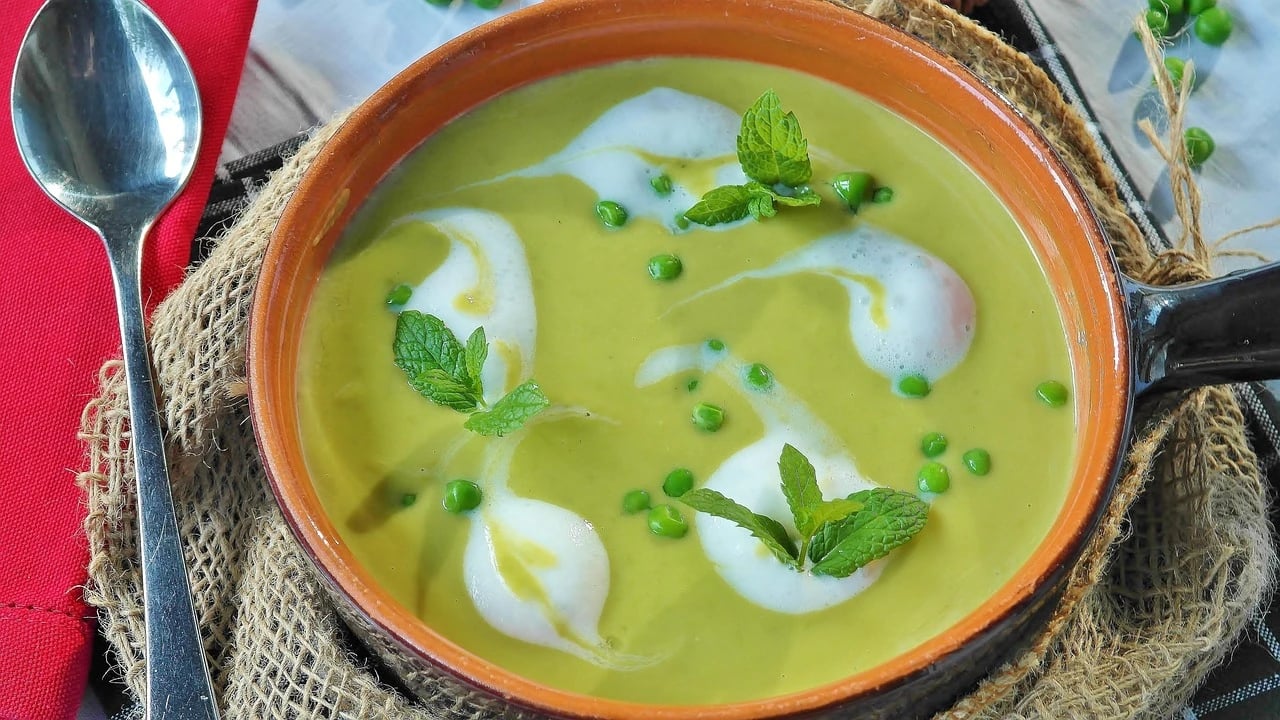
The soup pot handles the meal while you do something else. Simmer split peas with onion, carrots, garlic, and water or broth until the peas break down. Finish with vinegar or lemon. That sharp last note keeps a thick soup lively.
A cup of cooked split peas provides about 16 grams of protein, according to USDA FoodData Central. Soup portions and added ingredients change the total in your bowl.
Make extra and freeze it in portions you'll actually eat. When a cold afternoon arrives, you won't have to decide between cooking from scratch and eating crackers over the sink.
13Tempeh Browning in a Skillet
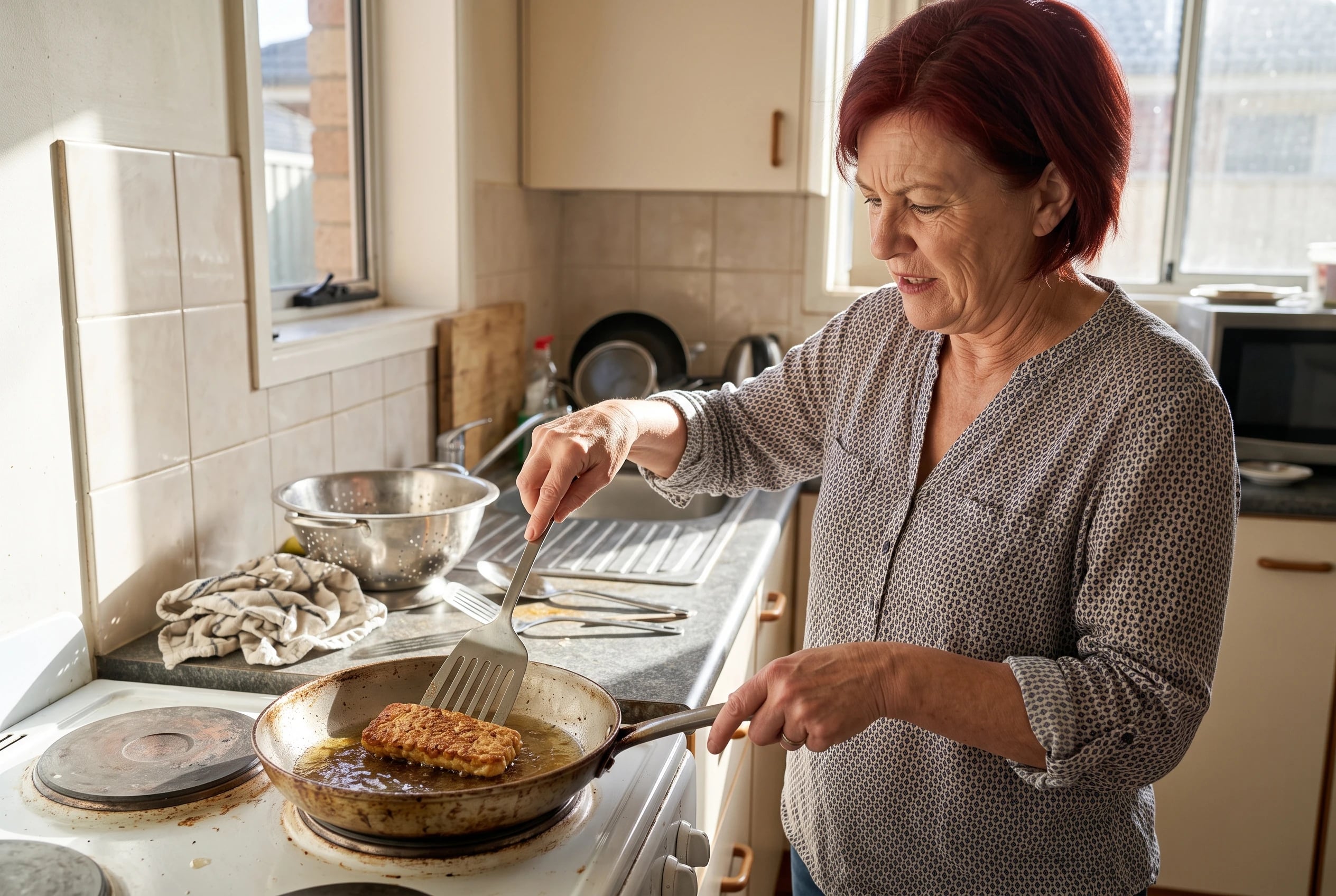
If tofu's soft texture never won you over, try tempeh. Its firm, chewy pieces brown in a hot skillet. Toss them with soy sauce, ginger, and a little honey, then add steamed broccoli.
A 3-ounce serving has roughly 15 grams of protein, with the amount varying by brand. Tempeh is made from fermented soybeans, so it has a different bite from tofu.
Cut it into thin strips for better browning. Give the pieces room in the pan before adding sauce; a crowded skillet leaves them pale. Leftovers fit into a wrap with shredded carrots and a spoonful of the same sauce.
12Tofu From the Cold Shelf
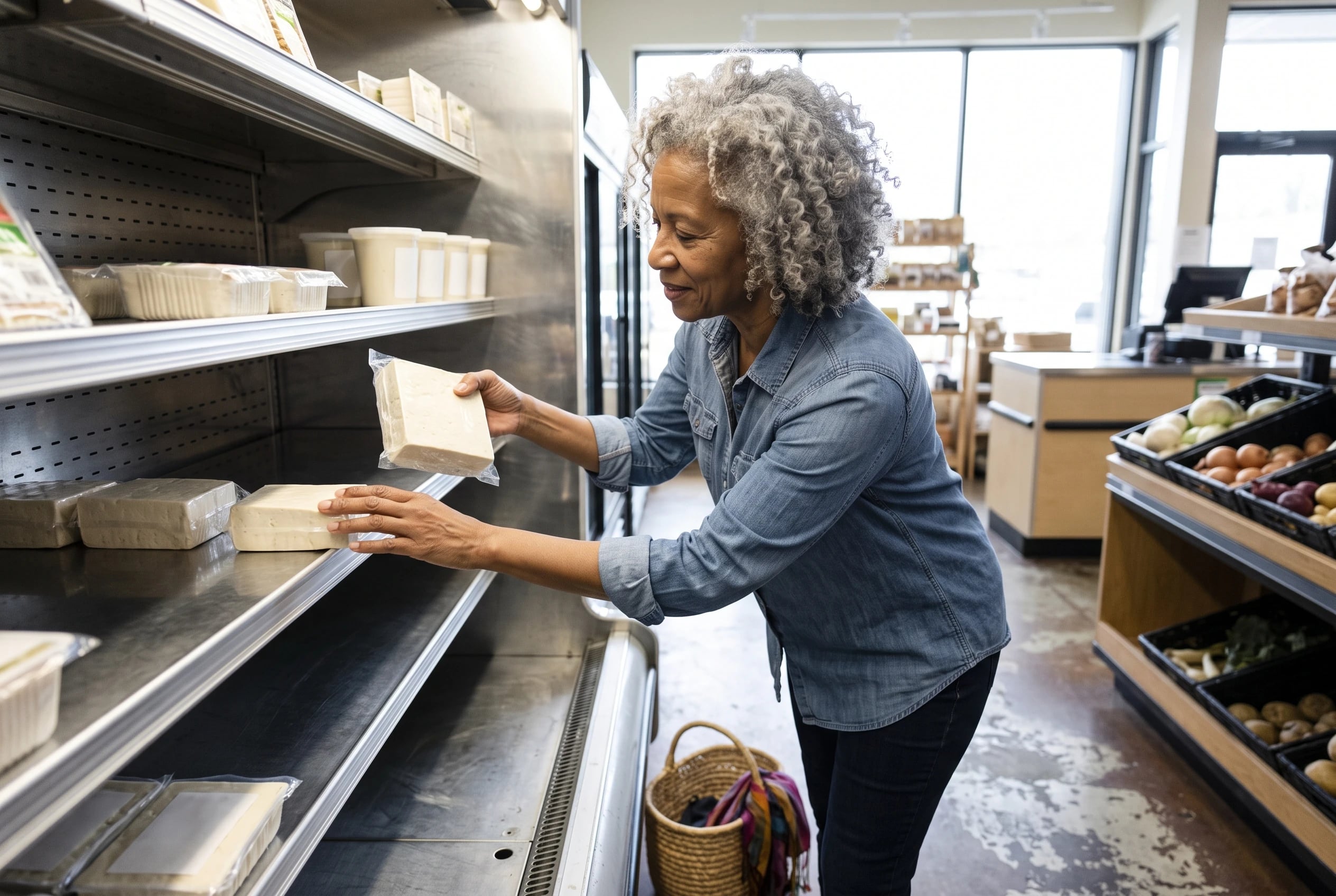
Which tofu belongs in the cart? Choose extra-firm when you want cubes that hold up in a skillet. Choose silken for a smooth soup or sauce. Then read the package: protein per serving changes with the style and brand.
Press extra-firm tofu between clean towels, cut it, and brown the pieces before adding sauce. That order gives the edges a chance to turn golden.
If calcium matters in your food choices, check the ingredient list for calcium sulfate. The NIH Office of Dietary Supplements calcium fact sheet lists calcium-set tofu as a source. The calcium amount belongs to the specific package in your hand.
11Quinoa Beneath Roasted Vegetables
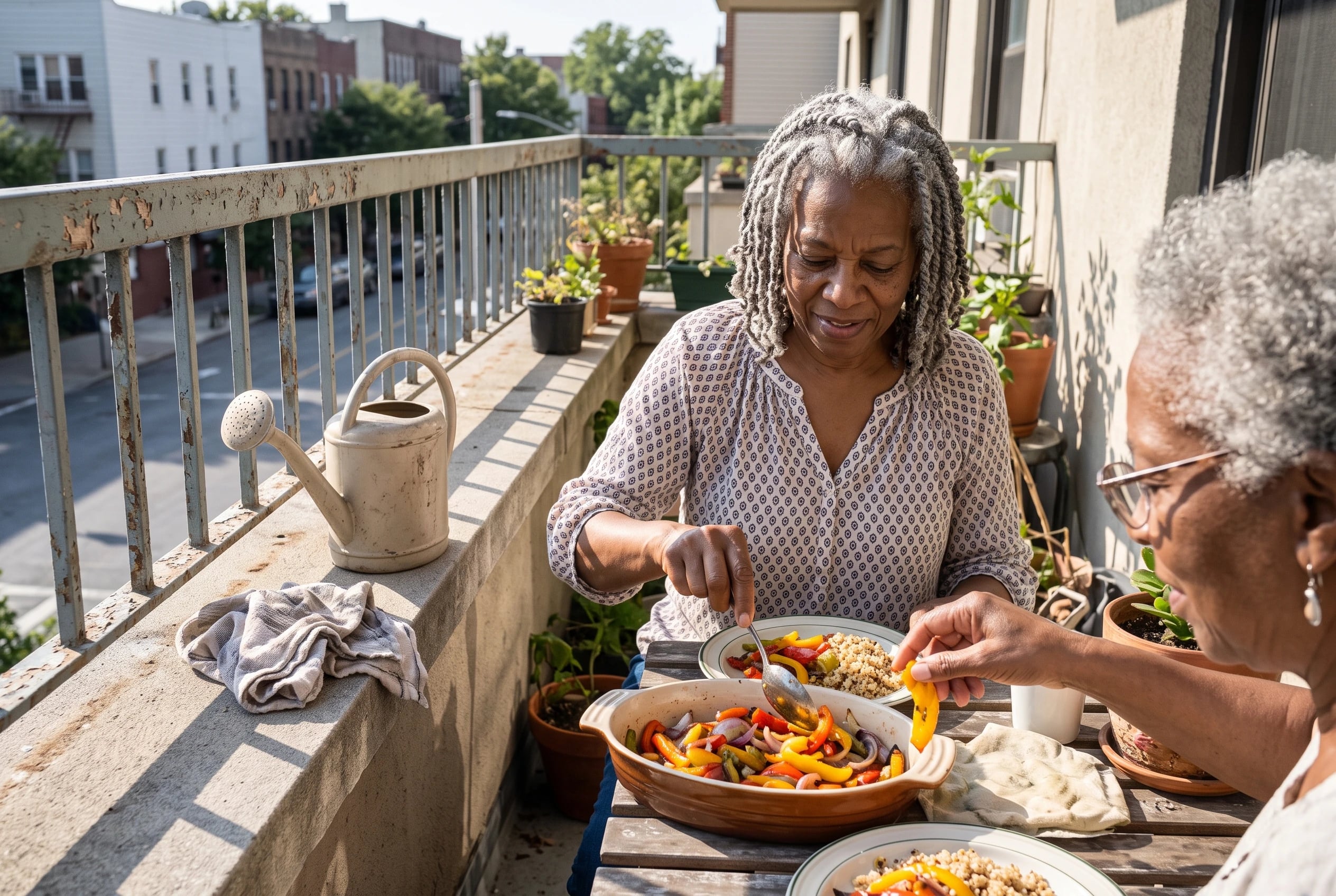
Quinoa makes a good base for whatever vegetables survived the week. Spoon roasted carrots and zucchini over it, then add a sharp dressing.
One cup of cooked quinoa has about 8 grams of protein. That's a contribution, not the entire plan. Top the bowl with a protein food from elsewhere on this list if you want a more substantial meal. Cold leftovers hold up well for lunch.
Rinse dry quinoa if the package directs you to. Cook it while the vegetables roast, then spread leftovers in a shallow container to cool before refrigerating. Tomorrow's bowl needs only dressing and a fork.
See more: 24 Best Hamstring Stretches for Seniors, Standing, Seated and in Bed →
10Chickpea Flour in a Savory Pancake

A bag of chickpea flour looks unpromising until it hits a skillet. Whisk it with water and a pinch of salt into a pourable batter. Add scallions or grated zucchini, then cook it like a thick pancake.
Start with the recipe on your package for the flour-to-water amount. Chickpea flour absorbs liquid differently from wheat flour, so a straight swap in your usual pancake recipe gets frustrating.
A quarter-cup of chickpea flour supplies roughly 5 grams of protein. Serve the pancake with tomato salad and yogurt sauce. It has crisp edges and a proper dinner feel, without requiring a chicken breast on the side.
9Tuna Tucked Into a Pita
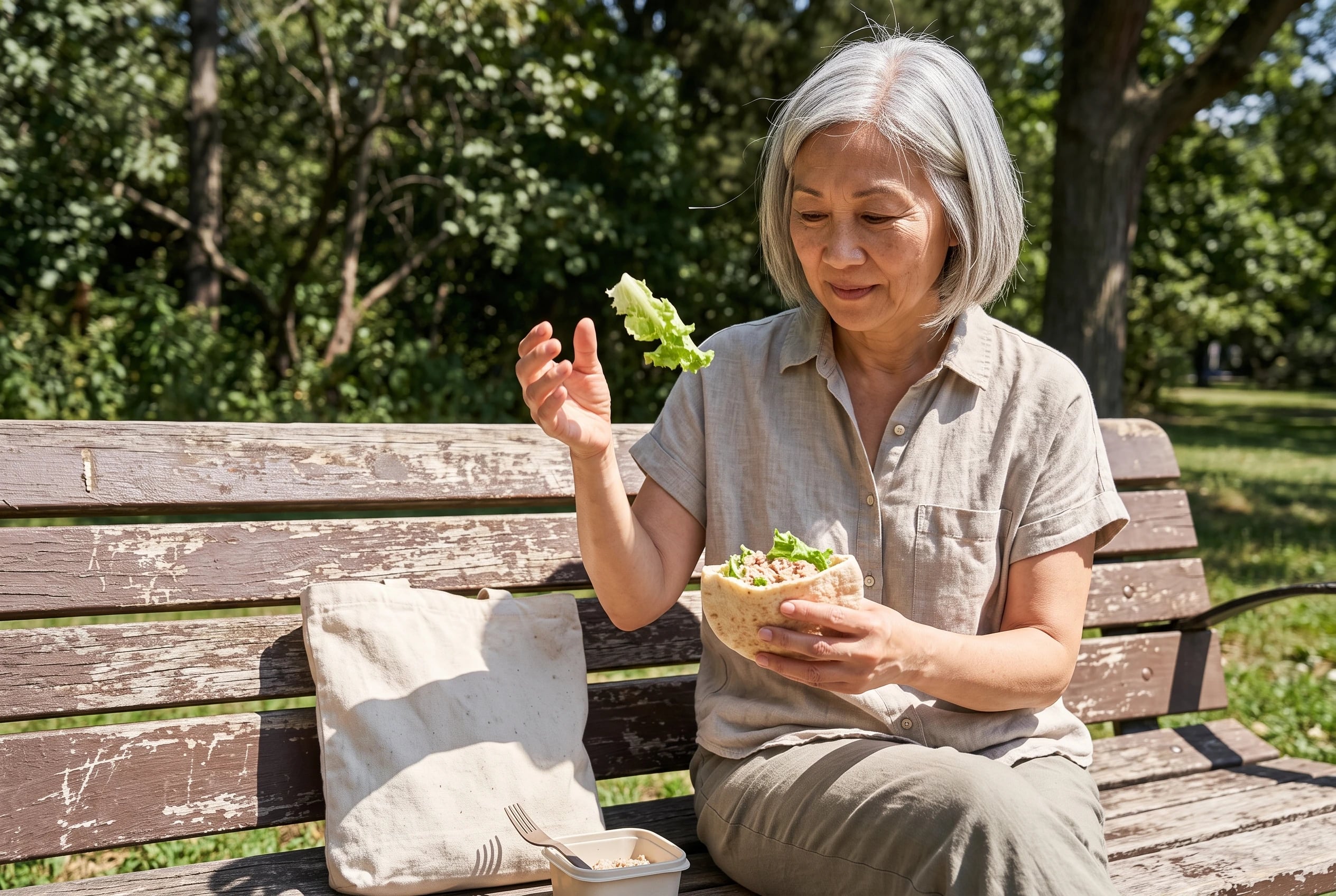
Keep a small can of tuna for the lunch that slipped your mind. No thawing, cooking, or trip to the store. Mix it with mustard and chopped pickles, then tuck it into a pita with lettuce.
A 3-ounce portion of canned light tuna supplies roughly 20 grams of protein. If tuna is on your menu regularly, check the FDA's Advice About Eating Fish. Canned light tuna and albacore sit in different categories.
Buy the kind you'll eat. A pantry shelf full of tins you dislike won't solve lunch. Keep a spare pita in the freezer for the day the bread is gone.
8Shrimp Tossed With Garlic

Shrimp cooks fast enough to beat the urge to order dinner. Thaw frozen shrimp in the refrigerator, then pat it dry. Toss it in a skillet with garlic and olive oil until it turns opaque. Add lemon after the heat is off.
Three ounces of cooked shrimp provide about 20 grams of protein. Frozen shrimp lets you thaw only what you plan to cook.
Food safety matters with seafood. The FDA's seafood safety guidance says to cook most seafood to 145°F. Use a food thermometer when appearance leaves you guessing. Now dinner needs only vegetables and bread to catch the garlic oil.
7Roasted Chickpeas in a Container
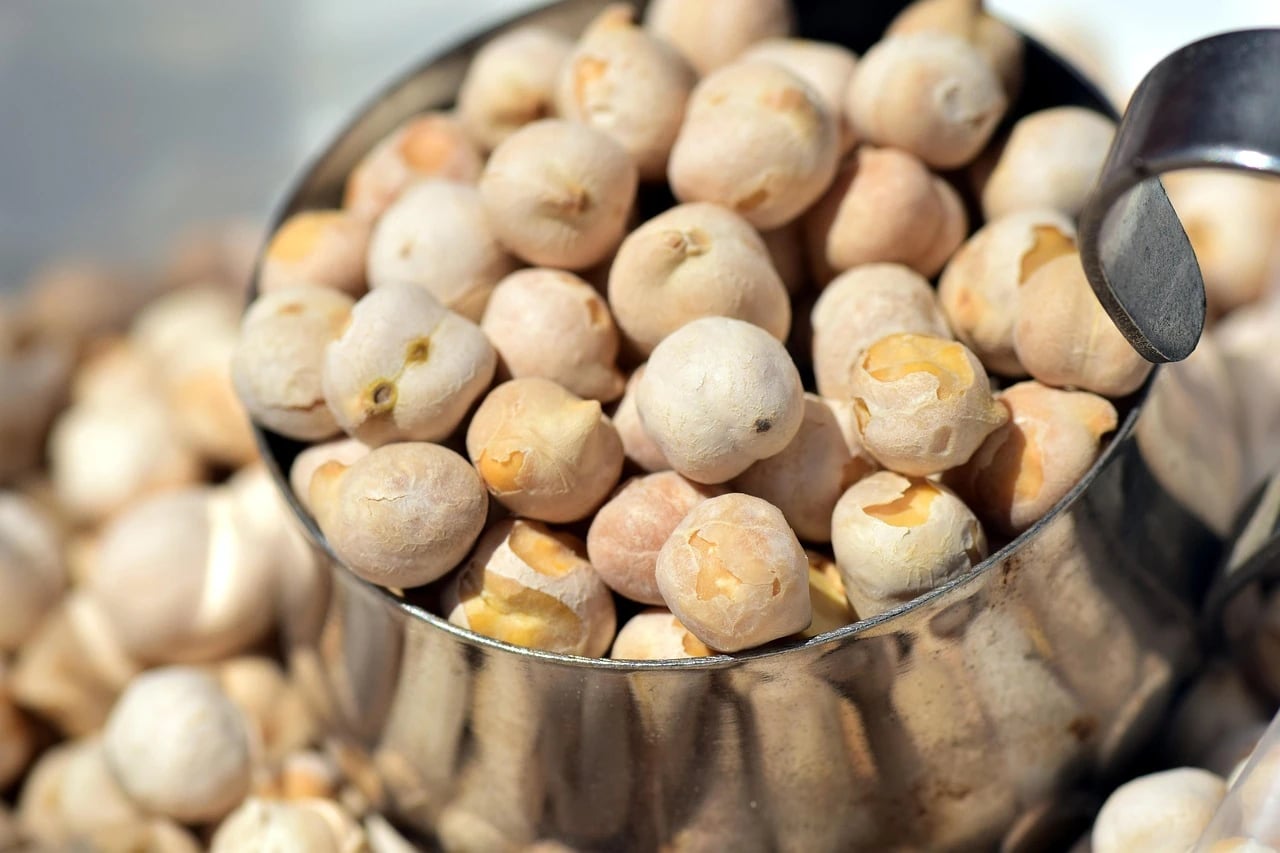
Roasted chickpeas sound like a snack for someone with spare time. The shortcut is simple: drain canned chickpeas, dry them well, toss with oil and spices, and roast until crisp.
A half-cup of cooked chickpeas has about 7 grams of protein. Drying them first matters. Damp beans steam instead of crisping, even after you've waited for the oven to heat.
Eat them warm over a salad or with a piece of fruit. Store leftovers in a covered container, but expect the crunch to fade. The next day, scatter them over soup and let them soften in the broth.
6Turkey Meatballs in Tomato Sauce

The useful part of a meatball is its flexibility. Make a batch with ground turkey, egg, breadcrumbs, and seasonings. Brown them, then finish them in tomato sauce. Freeze extras for a night when the stove feels far away.
A 3-ounce serving of cooked ground turkey supplies roughly 22 grams of protein. The total in homemade meatballs shifts with what you mix in.
Use a thermometer instead of guessing from the outside color. The USDA's safe temperature chart sets 165°F for ground poultry. Tuck the finished meatballs into a roll, spoon them over pasta, or eat them with roasted peppers.
See more: 29 Thirty-Minute Dinners for Two →
5Milk Poured Over Warm Oats
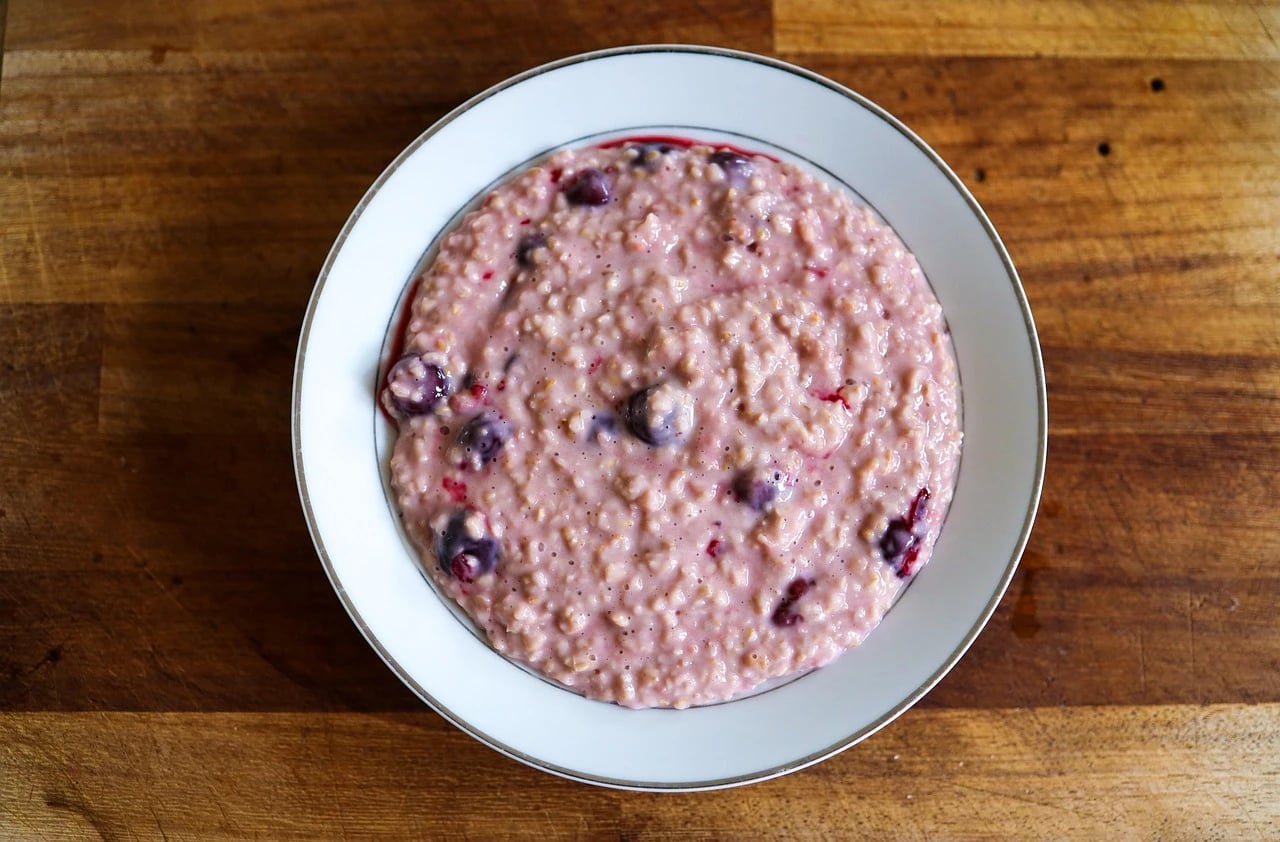
Oatmeal made with water is fine. Oatmeal made with milk brings extra protein before you add a topping.
One cup of dairy milk supplies about 8 grams of protein. Stir in cinnamon and frozen berries, then finish with chopped walnuts. If you choose plant milk, read the carton rather than assuming it matches dairy milk: protein amounts differ between types.
For oatmeal that sticks to the pan, heat the milk over low heat and stir. A bowl of oats from yesterday also loosens with a splash of milk. Either way, breakfast takes less thought than pulling out the blender.
4White Beans Mashed With Lemon
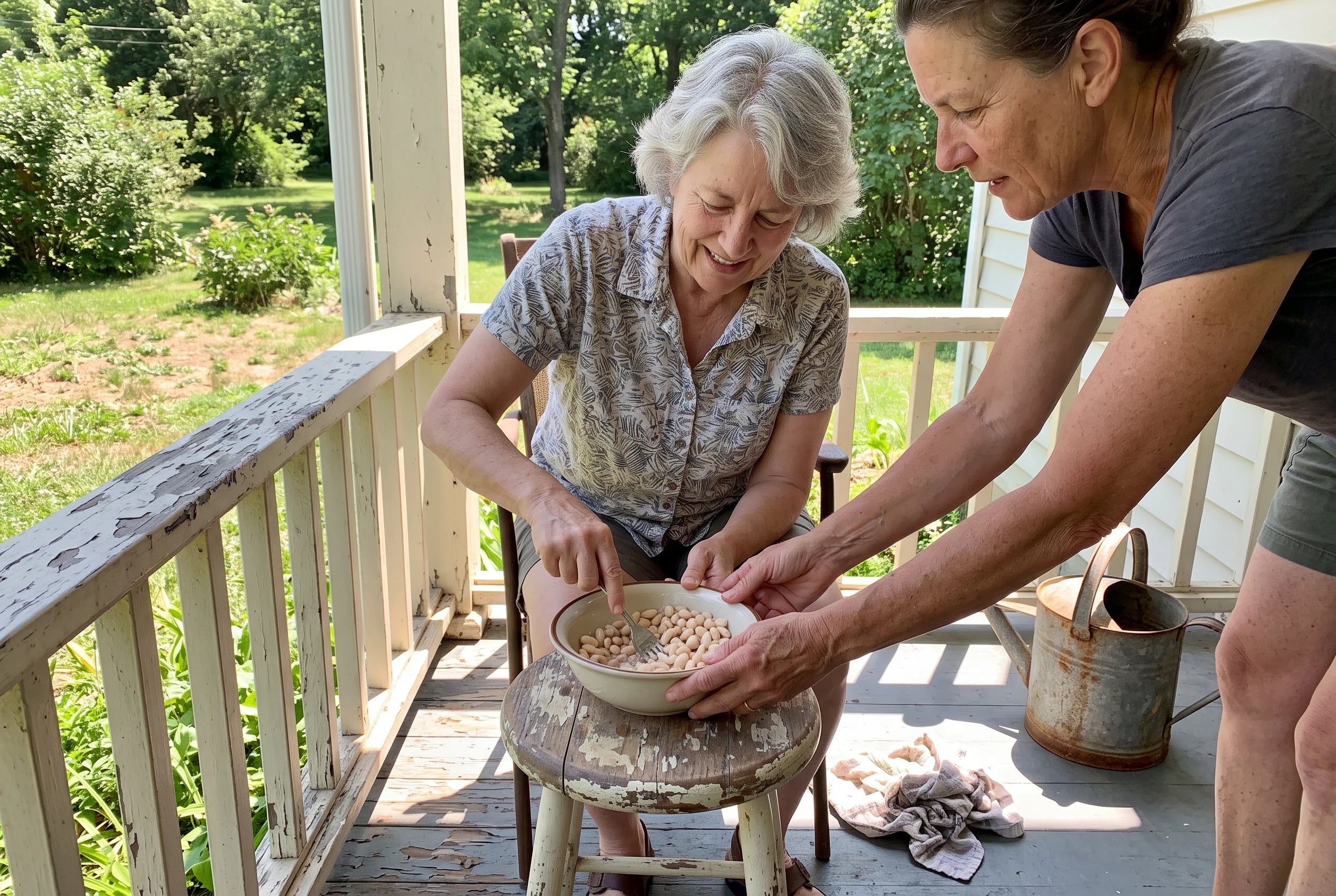
A can of white beans turns into a spread with a fork. Drain and rinse, then mash with lemon, olive oil, and garlic. Leave some beans whole for texture.
A half-cup of cooked white beans provides about 8 grams of protein. Spread them on toast under tomatoes, or scoop them up with carrots. If you have leftover roasted vegetables, fold them in and call it lunch.
This also rescues a plain bowl of soup. Stir in a scoop, warm it through, and the broth gains body without cream. Before buying a flavored bean dip, look at the ordinary cans on the shelf. Your own lemon and garlic do the interesting work.
3Pork Tenderloin Cut Into Medallions
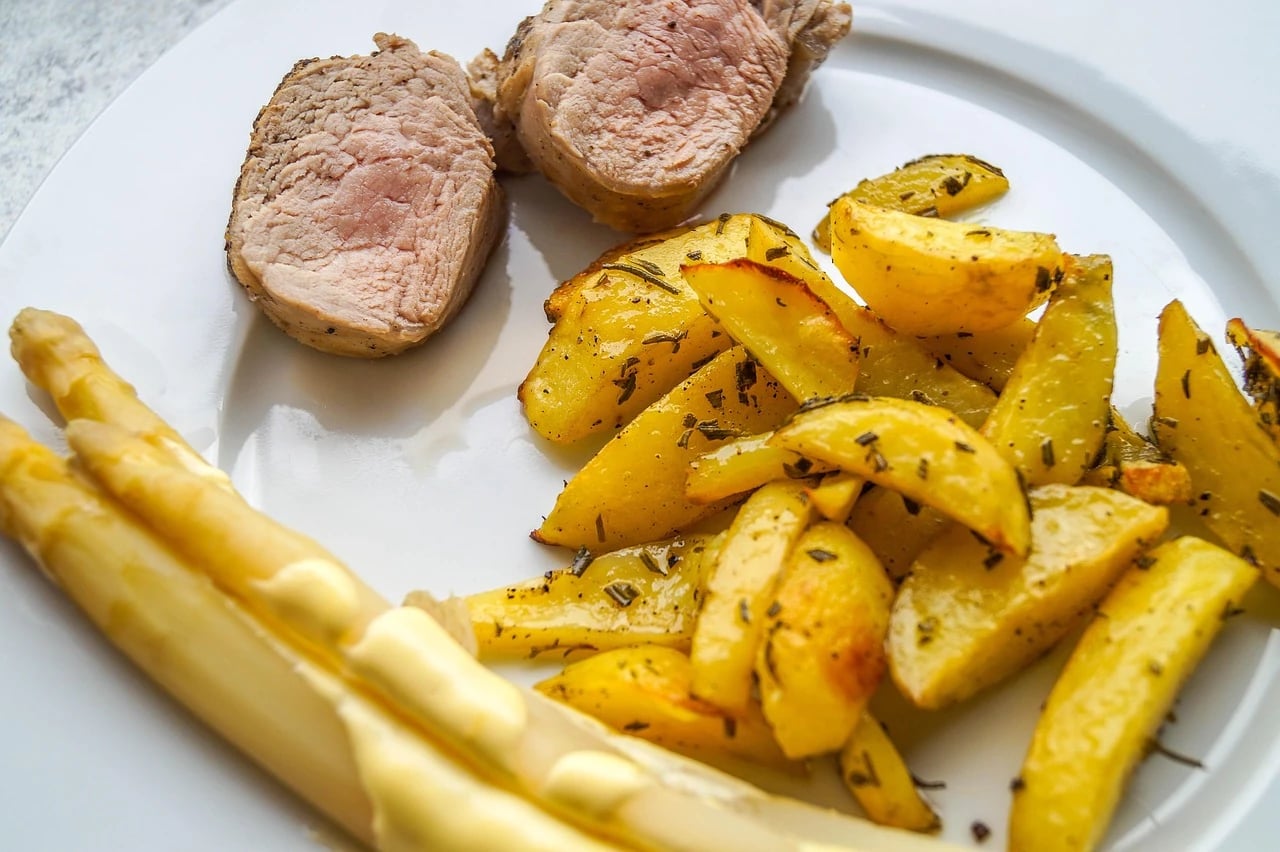
Pork tenderloin deserves a place beyond Sunday dinner. Cut leftovers into thin slices for a sandwich with mustard and apple. Or sear medallions for a quick supper with cabbage.
A 3-ounce cooked portion provides roughly 22 grams of protein. For fresh pork cuts, the USDA's safe temperature chart gives 145°F followed by a 3-minute rest. That's a thermometer job, not a color test.
Let the cooked meat rest before slicing. Then cut across the grain for pieces that feel less chewy. Cold slices work with crunchy slaw, so the next meal doesn't need another hot pan.
See more: 26 Five-Minute Exercises for Seniors →
2Beef Strips Over a Warm Salad

A small steak becomes a different dinner when you slice it thinly across the grain. Lay the strips over greens, roasted potatoes, and onions. The beef shares the plate instead of taking it over.
Three ounces of cooked lean beef bring roughly 22 grams of protein. Beef also supplies iron and vitamin B12, nutrients listed in NIH Office of Dietary Supplements fact sheets.
Cook extra when you already have the skillet out. Tomorrow, the cold slices go into a sandwich with horseradish or onto a bowl of vegetables. You did the hot work once.
1Rotisserie Chicken With Store-Bought Slaw
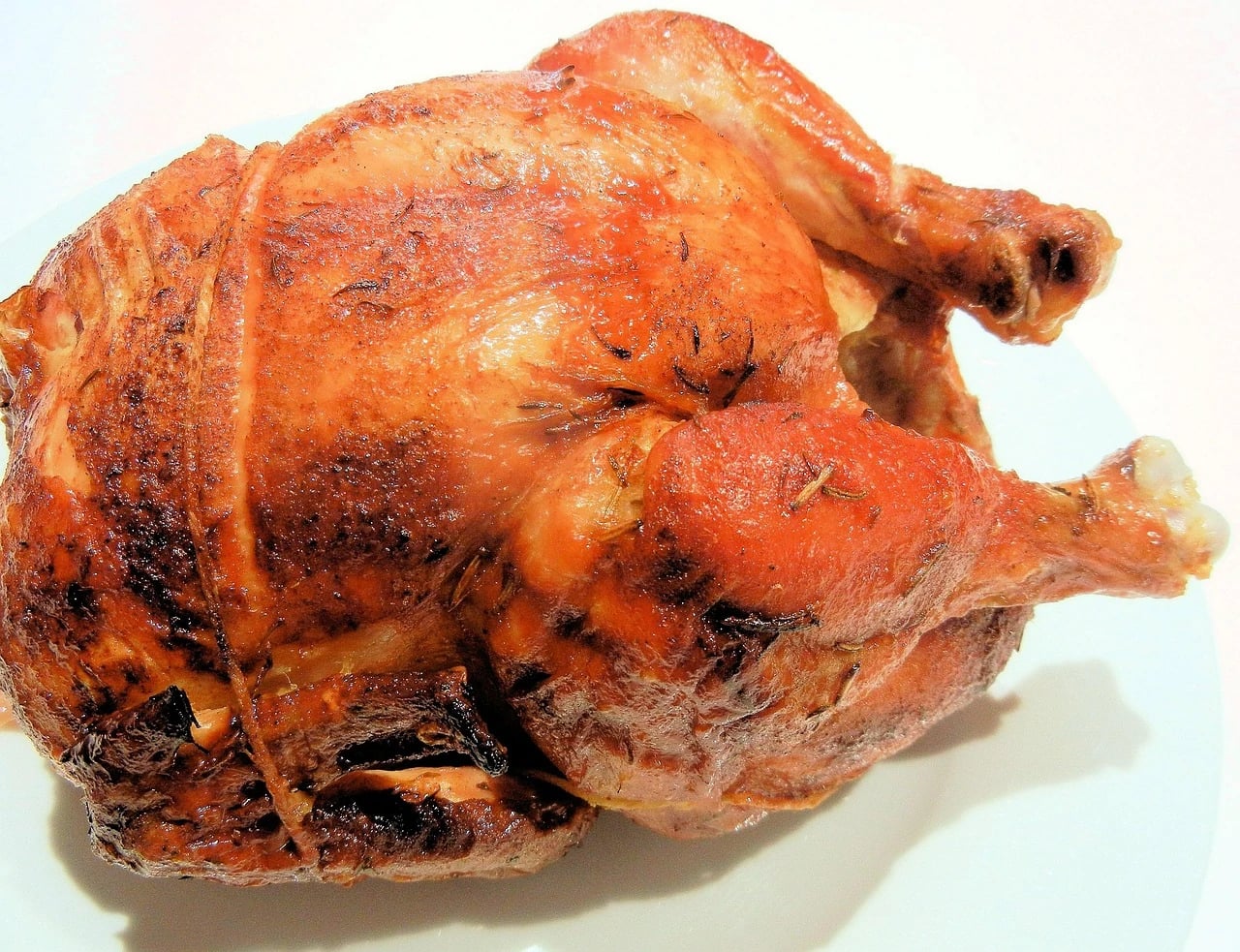
Some evenings, strength starts with opening the refrigerator. Pull cooked chicken from a rotisserie bird, pile it beside store-bought slaw, and add bread or a microwaved potato. There's a real dinner without a raw chicken breast in sight.
A 3-ounce portion of cooked chicken breast provides roughly 26 grams of protein. Dark meat has protein too, so take the piece you want rather than treating dinner like a test.
Refrigerate leftovers within 2 hours of bringing the chicken home. The USDA's leftovers guidance says to use cooked leftovers within 3 to 4 days or freeze them.
Before you put the container away, pull enough chicken for another meal. Tomorrow it goes into a tortilla with slaw, or onto greens with a dressing you already like. No blender to wash.
The bottom line
The foods here work because they fit into meals you already recognize. A tin becomes lunch. A can of beans makes soup more filling. A carton turns toast into breakfast.
The well-prepared version of you has a few of those choices ready in the fridge, freezer, or cupboard. She has also checked 3 days of meals and noticed where protein is missing. The National Academies' Dietary Reference Intake sets an adult baseline of 0.8 grams per kilogram of body weight per day.
If you have kidney disease or a prescribed protein limit, follow your clinician's plan before adding more. Otherwise, which meal would you change first, and what would you enjoy eating there?
Up next
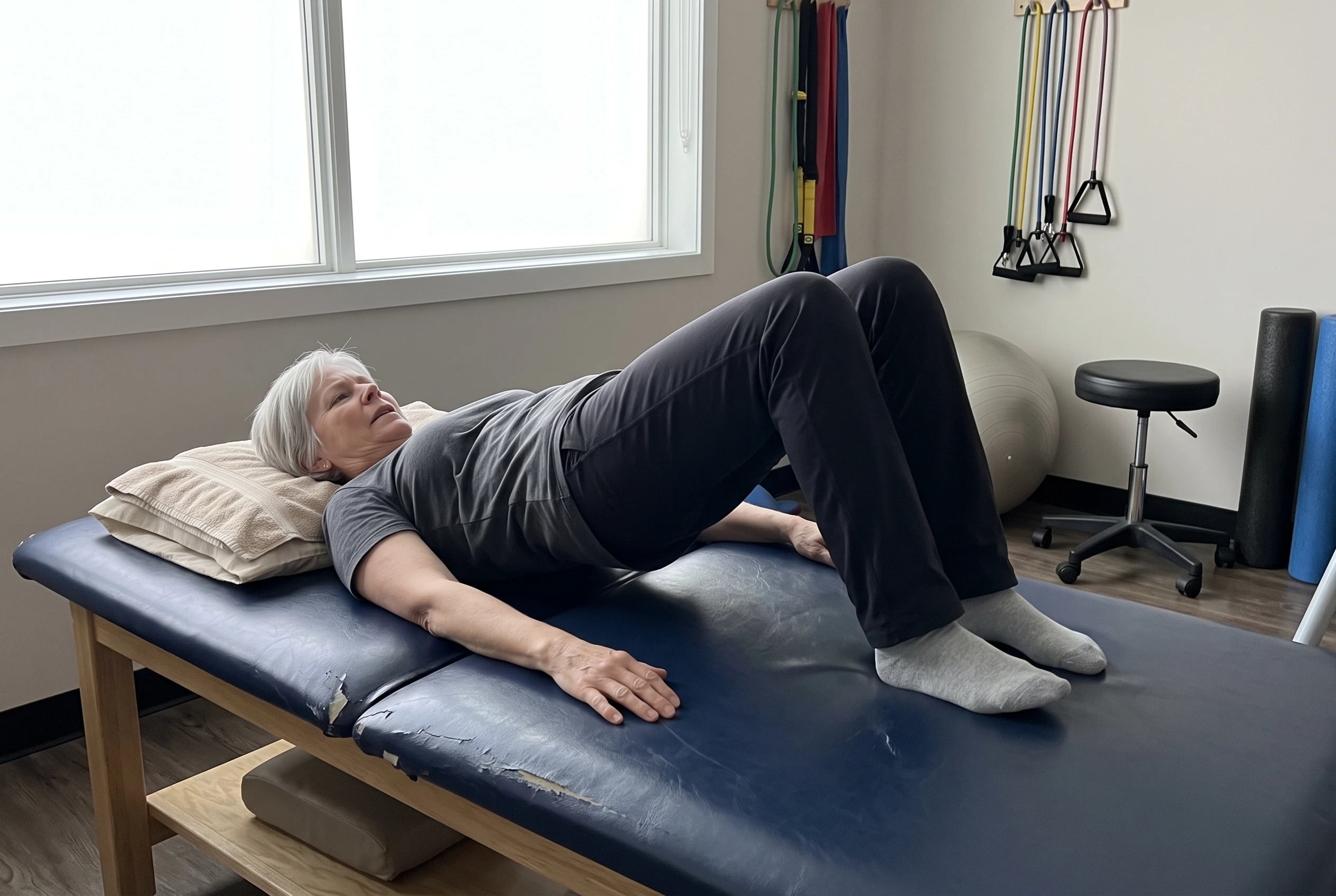
20 Tai Chi Exercises for Women Over 50
Slow weight shifts, chair options, a weekly plan, and a sturdy dining chair make it easier to start moving without rushing your balance.
Read the list →

Reader quiz
Did you catch the details?
5 questions from this article.
What should you check first when comparing cottage cheese tubs for protein and sodium?
Did any of these feel familiar?
Know someone who needs this?
 Prime Journal · Free printable
The Everyday Health Readiness Checklist
- A clearer path from bed to bathroom
- A medicine list ready for the pharmacist
- A symptom story and follow-up plan you can use

Free printable: The Everyday Health Readiness Checklist. Enter your email and it is yours.
Sources cited in this article
This article links to 11 outside sources, listed here so you can read them yourself.
- National Institute on Aging www.nia.nih.gov
- USDA FoodData Central fdc.nal.usda.gov
- FDA's Nutrition Facts label guide www.fda.gov/food/nutrition-facts-label/how-understand-and-use-nutrition-fact…
- American Heart Association www.heart.org
- FDA's Advice About Eating Fish www.fda.gov/food/consumers/advice-about-eating-fish
- NIH Office of Dietary Supplements calcium fact sheet ods.od.nih.gov/factsheets/Calcium-HealthProfessional
- FDA's seafood safety guidance www.fda.gov/food/buy-store-serve-safe-food/selecting-and-serving-fresh-and-f…
- USDA's safe temperature chart www.foodsafety.gov/food-safety-charts/safe-minimum-internal-temperatures
- NIH Office of Dietary Supplements fact sheets ods.od.nih.gov/factsheets/list-all
- USDA's leftovers guidance www.fsis.usda.gov/food-safety/safe-food-handling-and-preparation/food-safety…
- National Academies' Dietary Reference Intake nap.nationalacademies.org
Dr. Alan Pierce, PT, DPT
Health Reviewer
Alan is a physical therapist who specializes in helping adults over 50 stay strong and mobile.
More from Dr. Alan Pierce