











23 Habits of the Happiest Retirees
From a walking route to a written money plan, the 9 habits of happy retirees offer a starting point for making an ordinary week feel good.
By Linda Cho, CFP®, Money Editor
Updated · 18 min read
The short answer: Across these 23 habits, the strongest themes are regular movement, meaningful pursuits, close relationships, and a flexible routine. A written money plan and open talks at home support those choices. You don't need to adopt every habit. Start with one that makes an ordinary day feel worth getting up for, then give it a place in your week.
- Written by our money editor
- Cited 18 sources
- How we review

On the first Monday without work, the alarm stays silent. By noon, the coffee mug is still beside the sink, and nobody needs an answer from you. That freedom feels wonderful until the day asks a harder question: What do you want to do with it?
A satisfying retirement takes more than a full calendar. Some habits give your week shape; others leave room to change your mind. You don't have to adopt every one. Notice which parts of the day already feel good, then give them somewhere to happen again.
23A weekly faith or community gathering

A standing date gets you out the door even when staying home sounds easier. It also gives people a reason to notice when you're missing. For some, that's a faith service. For others, it's a community gathering with familiar faces and a regular time.
In a study of 74,534 U.S. women followed for 16 years, frequent religious service attendance was associated with lower all-cause, cardiovascular, and cancer mortality. The JAMA Internal Medicine study found a link, not proof that attendance caused those outcomes.
Choose a gathering you want to return to, rather than one you think you ought to attend. Afterward, stay long enough to learn someone's name. Next week, you'll have a familiar face to look for.
22Daily movement in the 9 habits of happy retirees

The CDC recommends 150 to 300 minutes of moderate aerobic activity a week for adults 65 and older. Add strength work on at least two days, plus balance activities. You don't need to turn your morning into a fitness event.
Start with a route you can picture: around the block, through the park, or down the street to a friend's porch. Put shoes where you'll see them.
If the weather changes, keep an indoor route in mind so the decision isn't over before you've begun. Movement also creates a natural break between breakfast and whatever comes next. Pick something you enjoy enough to repeat.
See more: 26 Five-Minute Exercises for Seniors →
21A realistic, written financial plan

A plan has to survive contact with your actual life. Write down the income you expect, the bills that keep coming, and the spending you want to protect. Include the trips, classes, and visits that make retirement appealing.
A budget that leaves those out isn't describing the retirement you're trying to fund.
Then put Social Security on the page. For people born in 1943 or later, waiting past full retirement age earns delayed retirement credits of 8% a year.
Those credits stop at age 70, according to the Social Security Administration. Check your own benefit estimates before deciding when to claim.
Don't assume every future year will look like the first one. The *Journal of Financial Planning* describes a “spending smile”: inflation-adjusted retiree spending tends to fall, then rise late in life.
Revisit the page when a bill changes or a new plan matters to you. A written plan gives you something to revise instead of a number to worry about in your head.
20A new purpose beyond your work identity

When you worked, someone expected you somewhere. Retirement removes that demand, including the parts you were glad to leave. Still, being needed for something you choose feels different from having a day with no claims on it.
A study of 6,985 U.S. adults age 50 and older linked lower life purpose with higher mortality over four years. That finding, published in JAMA Network Open, doesn't turn purpose into a prescription.
What do you want to keep showing up for?
Perhaps you're teaching someone to sew, tending a garden, or helping a neighbor get to an appointment. Give the activity a place in your week. You don't need a new title to make a useful contribution.
19Three or more core pursuits you return to
A hobby fills an afternoon. A core pursuit makes you glad to see that afternoon coming. In survey work summarized by Wes Moss, the happiest retirees averaged 3.6 core pursuits, compared with 1.9 among unhappy retirees. Those are group averages, not a quota you need to meet.
Which pursuits pull you back even after a frustrating attempt? Which put you in touch with other people, or give you something new to learn? Moss ties having three or more to greater retirement happiness.
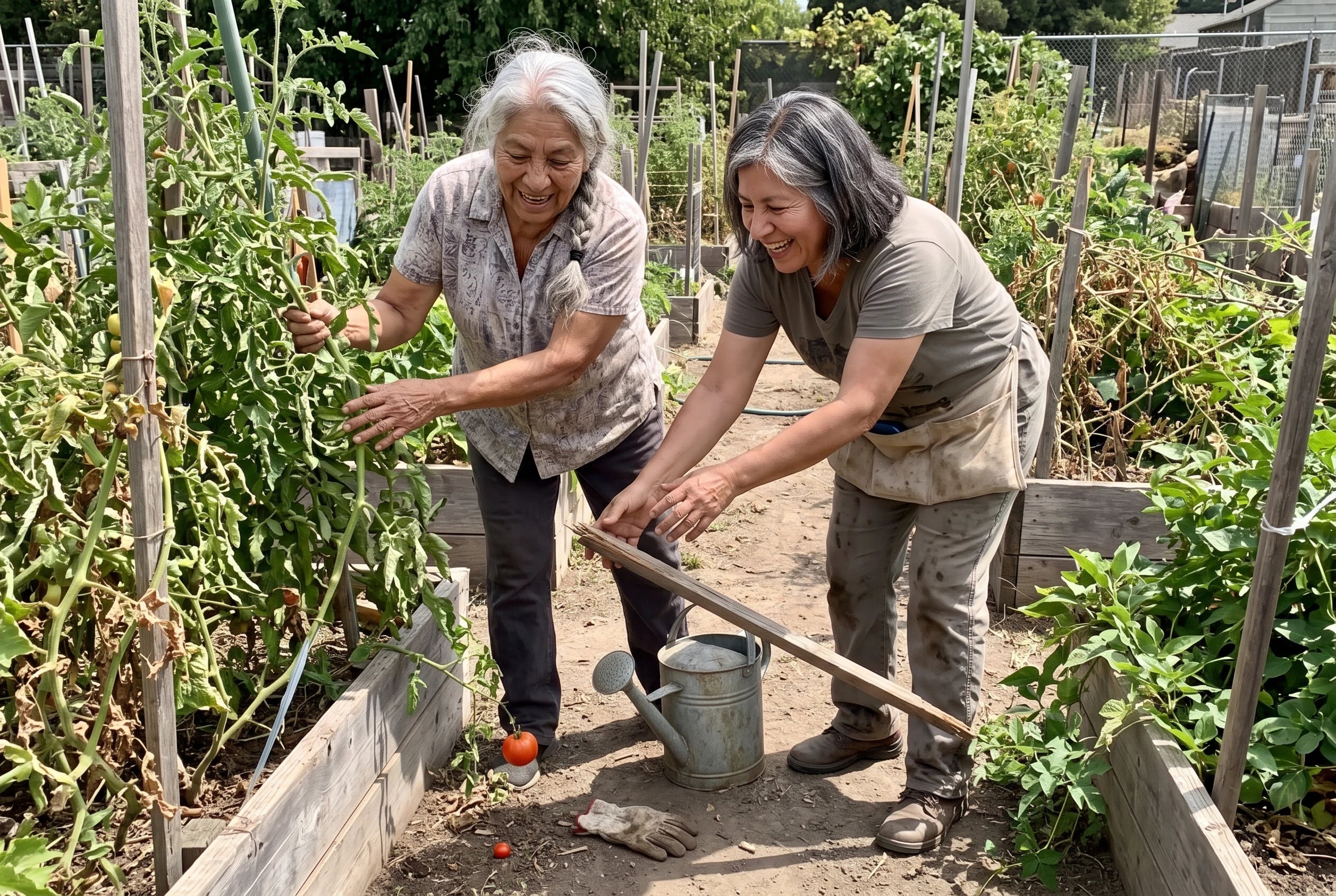
You don't need to be good at any of them. A half-finished quilt and a stubborn patch of tomatoes still give you reasons to begin again.
If your list feels thin, borrow an hour from something you've been meaning to try. Notice whether you want to give it another.
18Two or more real vacations each year

Vacation doesn't have to mean a distant airport. The point is leaving your usual round of errands and giving a stretch of time a different shape.
Wes Moss reported in an *Atlanta Journal-Constitution* column that the happiest retirees in his survey took an average of 2.4 vacations a year, compared with 1.4 for the unhappiest. That describes the people surveyed; it doesn't set a travel requirement for you.
Think first about the break you want. A visit with a friend gives you company. Time somewhere unfamiliar gives you a change of scene. Put the cost beside each idea before either one becomes a promise.
There is pleasure in the lead-up, too. A study of 1,530 people found vacationers were happier before their trips than non-vacationers. Choosing a date gives you something to anticipate, long before you pack a bag.
17A growing circle of close friends

Who gets the call when something funny happens? Who hears about the appointment you're dreading? Close friendship is built in those exchanges, not in the number of contacts on your phone.
Harvard's long-running Study of Adult Development identifies the quality of relationships as the strongest predictor of later-life health and happiness.
The National Institute on Aging also links loneliness and social isolation with risks including heart disease, depression, and cognitive decline.
Think of someone you've missed talking to, then send a specific invitation: “Are you free Thursday?” Keep making room for new friends as well. A neighbor you wave to is not yet a confidante, but the next conversation has to start somewhere.
Friendships need time that hasn't already been promised to every other part of your life.
16A local club with familiar regulars
The first visit to a group feels awkward. You don't know where to stand or whether anyone will remember your name. The second visit is where a place begins to feel familiar.
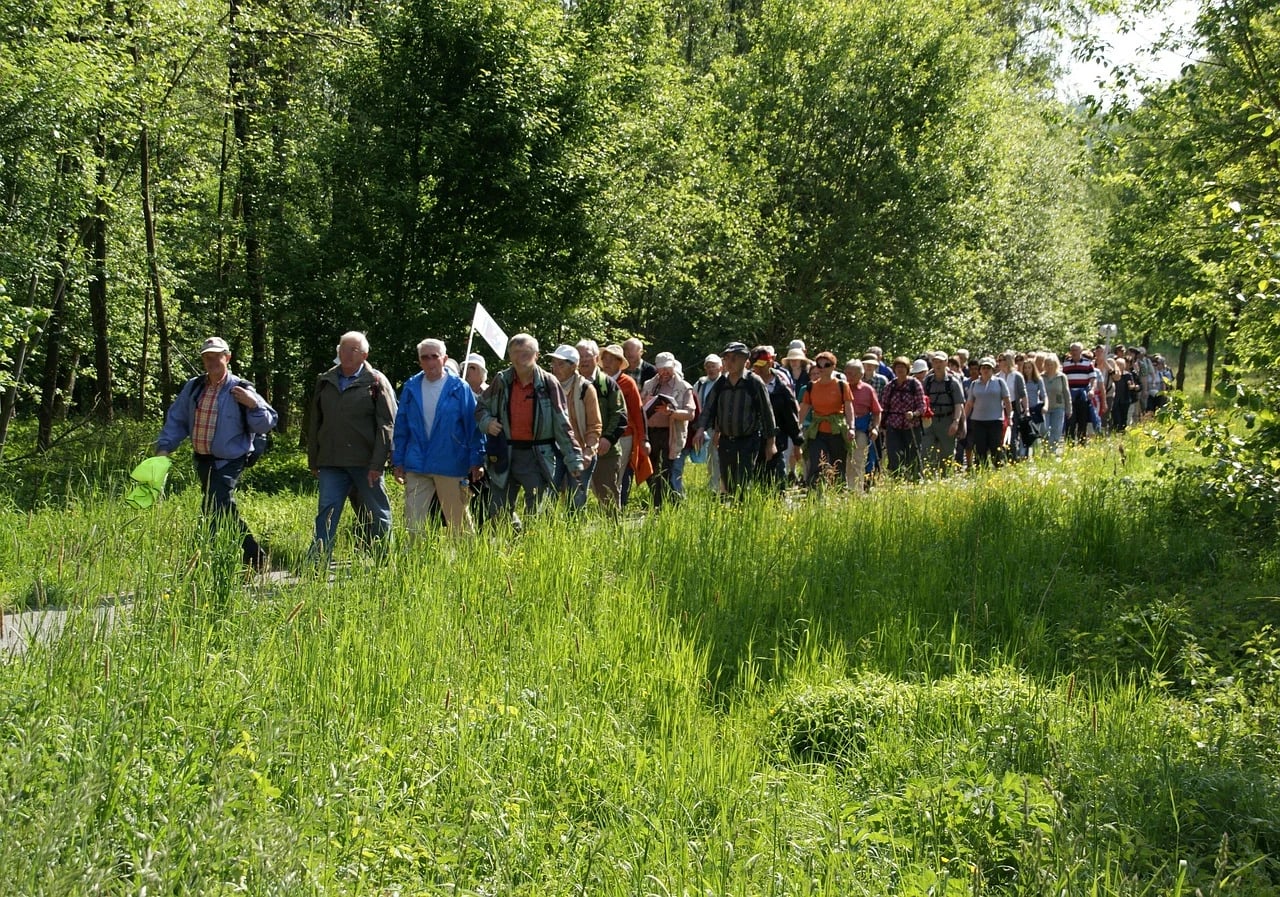
You can look for walking groups, book discussions, and local events on Meetup. Members can search for groups and events for free; organizers pay a subscription. Check an event's details before you go, then save the next date if you enjoyed it.
A review of “third places” describes how settings such as libraries and cafés support social engagement. A club adds another useful feature: the same people have a reason to return.
Give a promising group another visit before you decide it isn't yours.
15A home near family with independence intact
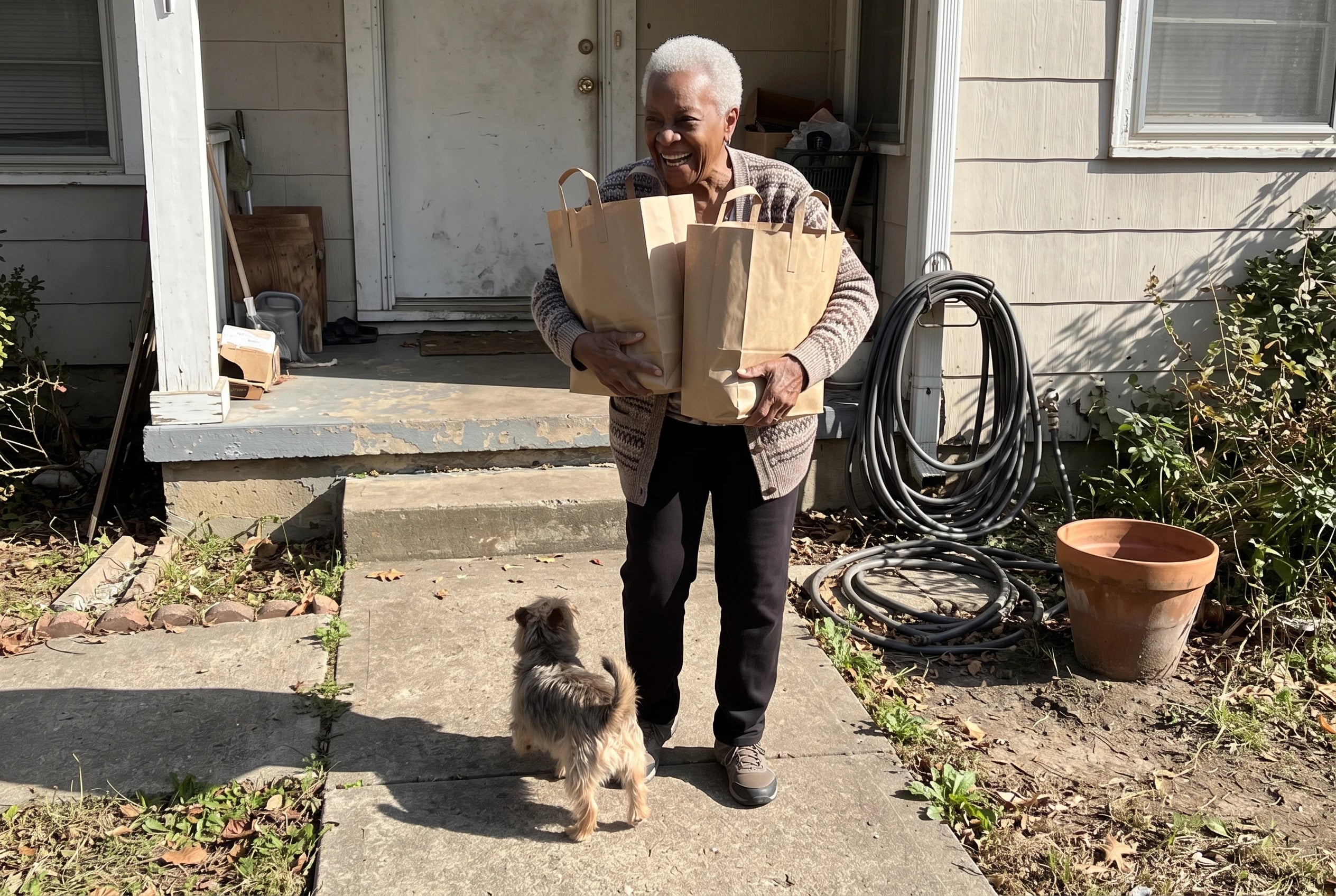
Living near your adult children can make an ordinary visit easier to arrange. It doesn't mean they become your transportation plan, bill-paying service, and whole social life. The distance that works is the one that leaves you room to run your own day.
In Pew Research Center's figures, 28% of women age 60 and older lived alone, compared with 18% of men.
Living alone says little by itself about how connected someone feels. It does make the practical details of a home worth examining.
If a move is on your mind, test an ordinary weekday there. How would you get groceries or see a friend? Who would help with a bill that doesn't make sense?
The National Institute on Aging describes services such as transportation, bill help, and home health support. Find out what's available where you'd live, rather than building a plan entirely around family favors.
See more: 25 Walkable Cities for Retirees →
14A flexible daily routine that sticks
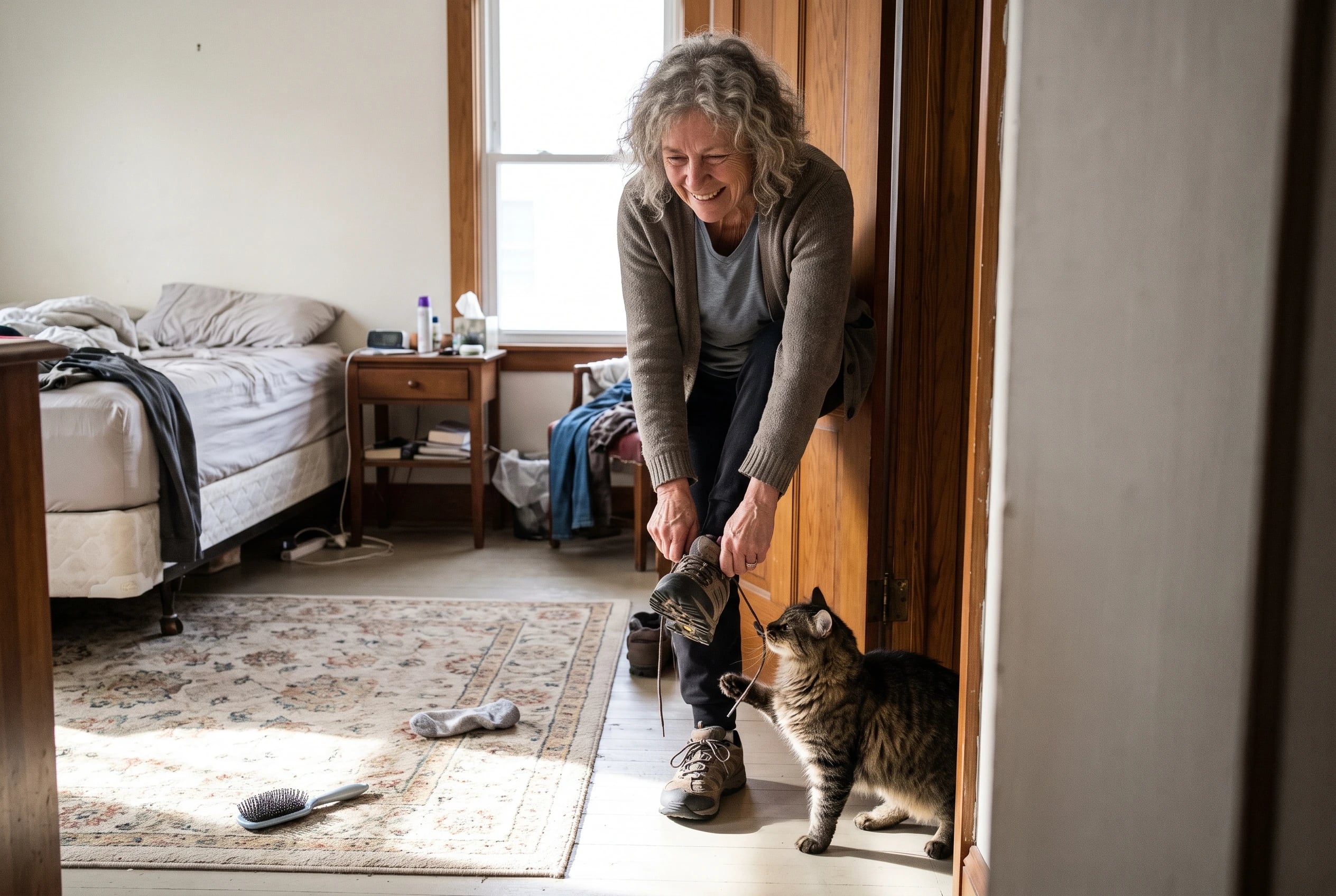
Your old schedule had hard edges. A retirement routine needs a little give. Try anchoring the morning with breakfast, movement, and one reason to leave the house.
Leave open space after that for errands, company, or a long afternoon doing exactly what you please. The CDC's weekly activity guidance fits into 30-minute sessions on most days. That's a useful place for movement on the calendar, rather than an order to fill every hour.
The National Institute on Aging points to regular physical and mentally stimulating activity as supports for cognitive health. On a day that goes sideways, keep the smallest part of your routine: put on your shoes, read the next chapter, or call the person you meant to call.
A routine earns its place when it still works after you miss a day.
13A new skill with room for mistakes
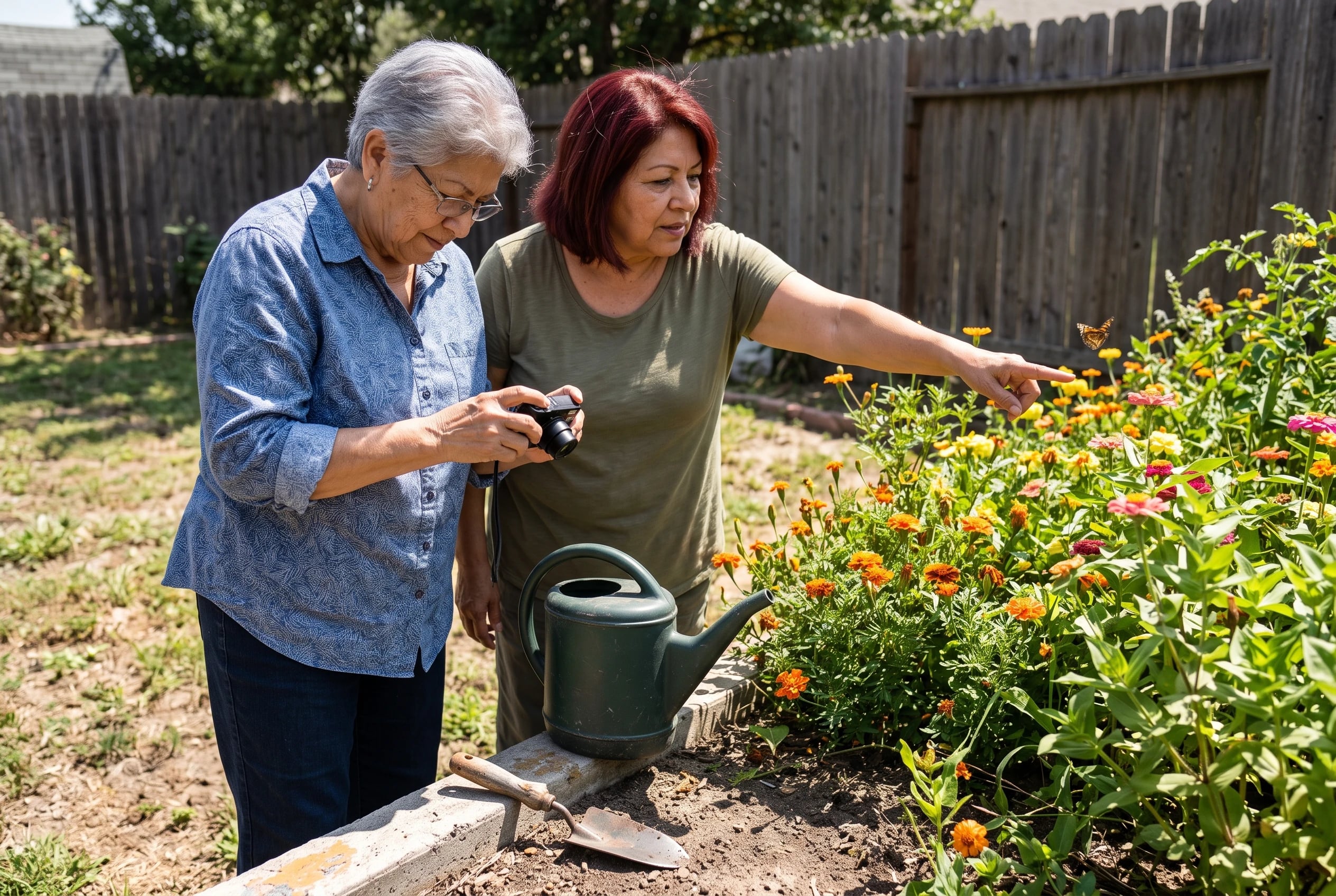
The first photographs look flat. The quilt squares don't line up. That's part of learning something that asks more of you than repeating what you already know.
In the Synapse Project, older adults learned demanding new skills like digital photography or quilting. Their episodic memory improved more than it did in groups doing less challenging activities. The finding doesn't mean you need either hobby. It gives you a reason to leave room for difficulty.
Choose a subject you've been curious about, then practice it rather than only read about it. Take a class or try a project you can't finish in an afternoon.
Notice whether you're looking forward to the next attempt. A skill gives you progress you can feel without turning retirement back into a job.
12Regular volunteering or mentoring hours

If you miss being useful to other people, choose a task that actually needs doing. A student needs a tutor. A local organization needs a dependable volunteer. Someone learning a trade needs a patient mentor.
A study of older adults linked 200 or more hours of volunteering a year with about 40% lower risk of hypertension. The published study found an association, not a promise that taking a volunteer shift will change your blood pressure.
The payoff you notice first could be much simpler: people know you're coming.
AmeriCorps Seniors RSVP is one place to look for tutoring, disaster response, and tax help opportunities for people 55 and older. Ask what a role involves before you commit. You'll enjoy it more if the work suits your skills and the hours suit your life.
11A gratitude note beside the bed
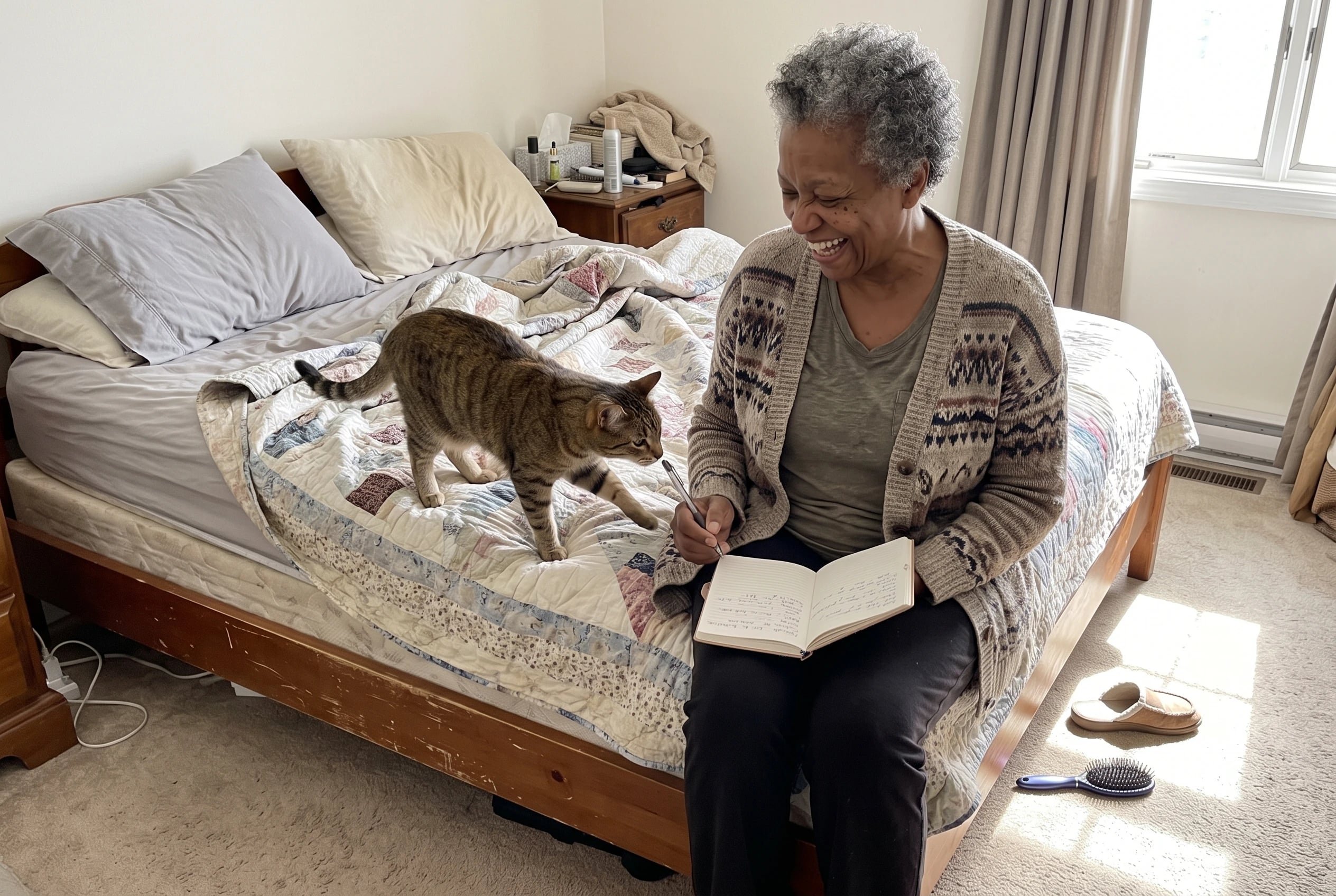
The day's unfinished tasks have a way of speaking loudly at night. Give something else a line on the page: the neighbor who stopped to chat, a good pear, the light across the bedroom wall.
In randomized trials, people who kept gratitude lists reported better positive mood and well-being than people listing hassles or neutral events. You don't have to pretend a hard day was wonderful. Write down something specific you appreciated alongside whatever else was true.
If paper isn't your habit, UC Berkeley's Greater Good Science Center offers the free Thnx4 journal. Keep the entry short enough that you'll make another one.
10One uncomfortable new experience each year
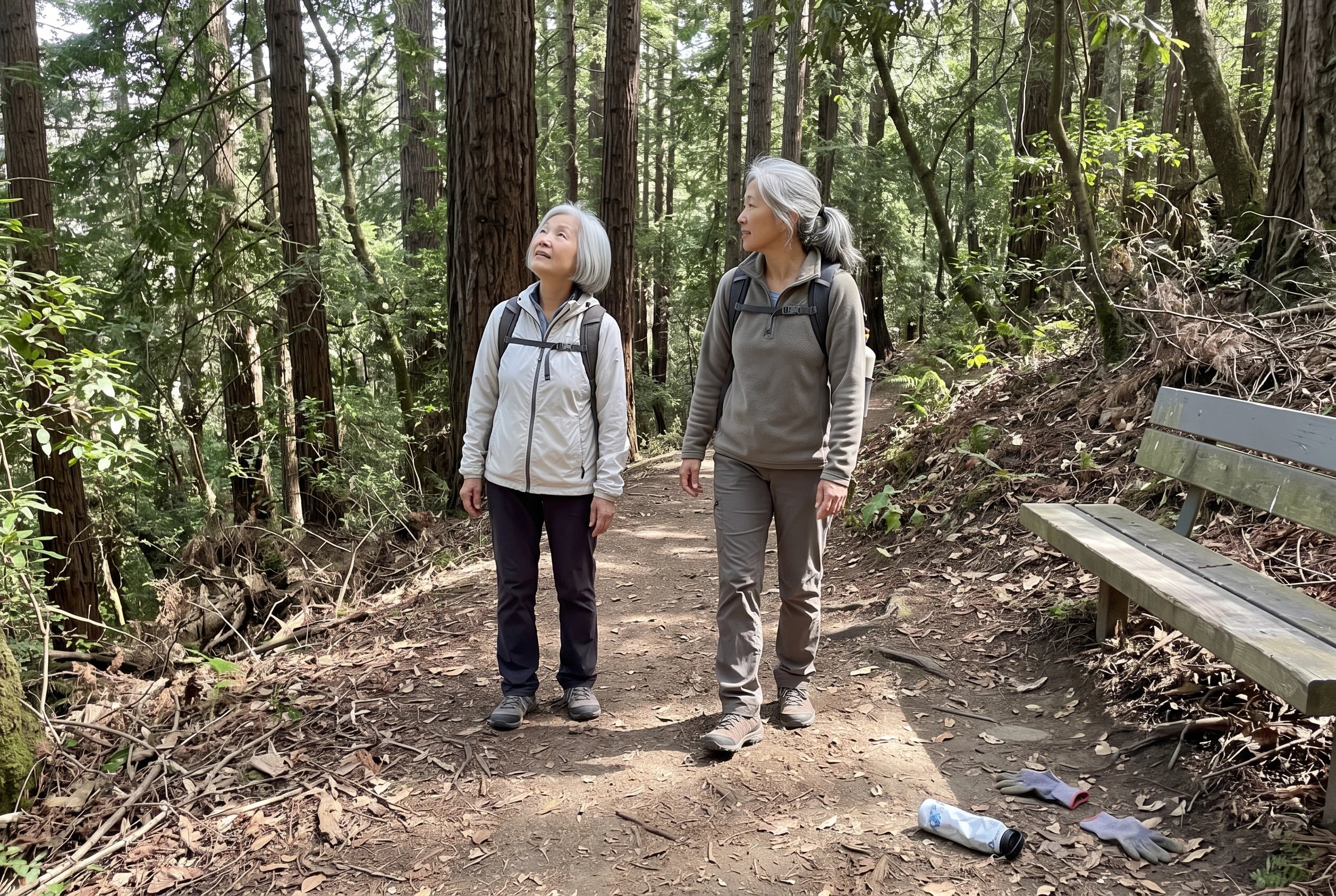
You get to the trailhead and realize you've never walked this path. For a moment, turning back sounds sensible. Then you see where the trail goes.
The new thing needn't be dramatic. It could be visiting a place alone, joining a class where you know nobody, or trying an art form that leaves you feeling clumsy. In a study of older adults, brief “awe walks” increased joy and other positive emotions compared with the control group.
Choose an experience that interests you enough to outweigh the nerves. Put a date beside it, and decide what you'd need to feel prepared.
If the first try is disappointing, you've still learned something useful about the next one. Retirement gives you room to be a beginner without asking permission.
9Preventive screenings on your calendar
It's easier to keep a screening date than to spend an afternoon trying to recall when you last went. Look up your records before the calendar gets crowded.
If you're beyond an age range shown here, don't guess whether a screening is finished for you. Bring your history to an appointment and ask which tests are due. For colorectal screening, ask how the available options differ, then note the choice you make.
Put the next date somewhere you'll see it. A phone reminder is easier to find than a card at the bottom of a purse. When you book, check the date of your last test rather than relying on what feels recent.
See more: 22 Medicare Enrollment Checks Before Next Year's Coverage Starts →
8A monthly money talk the happiest retirees know
A small purchase can become an argument about something much larger: who gets to decide what retirement is for. Give money its own appointment, away from the checkout line and the moment a bill arrives.
Fidelity reports that only 29% of couples regularly discuss day-to-day finances. In Wes Moss's work, the happiest retirees reportedly spend one to two hours a month talking about money together. Use that as a prompt, not a required meeting length.
Start with “What spending felt worth it this month?” Then look at bills, upcoming plans, and anything either of you has been avoiding.
End by writing down the next decision and who will gather the information. You want both people to know what the money is doing, even if one of you has always handled the accounts.
See more: 25 Numbers That Show How Much Retirees Spend Per Month →
7Daily solo time for retired couples
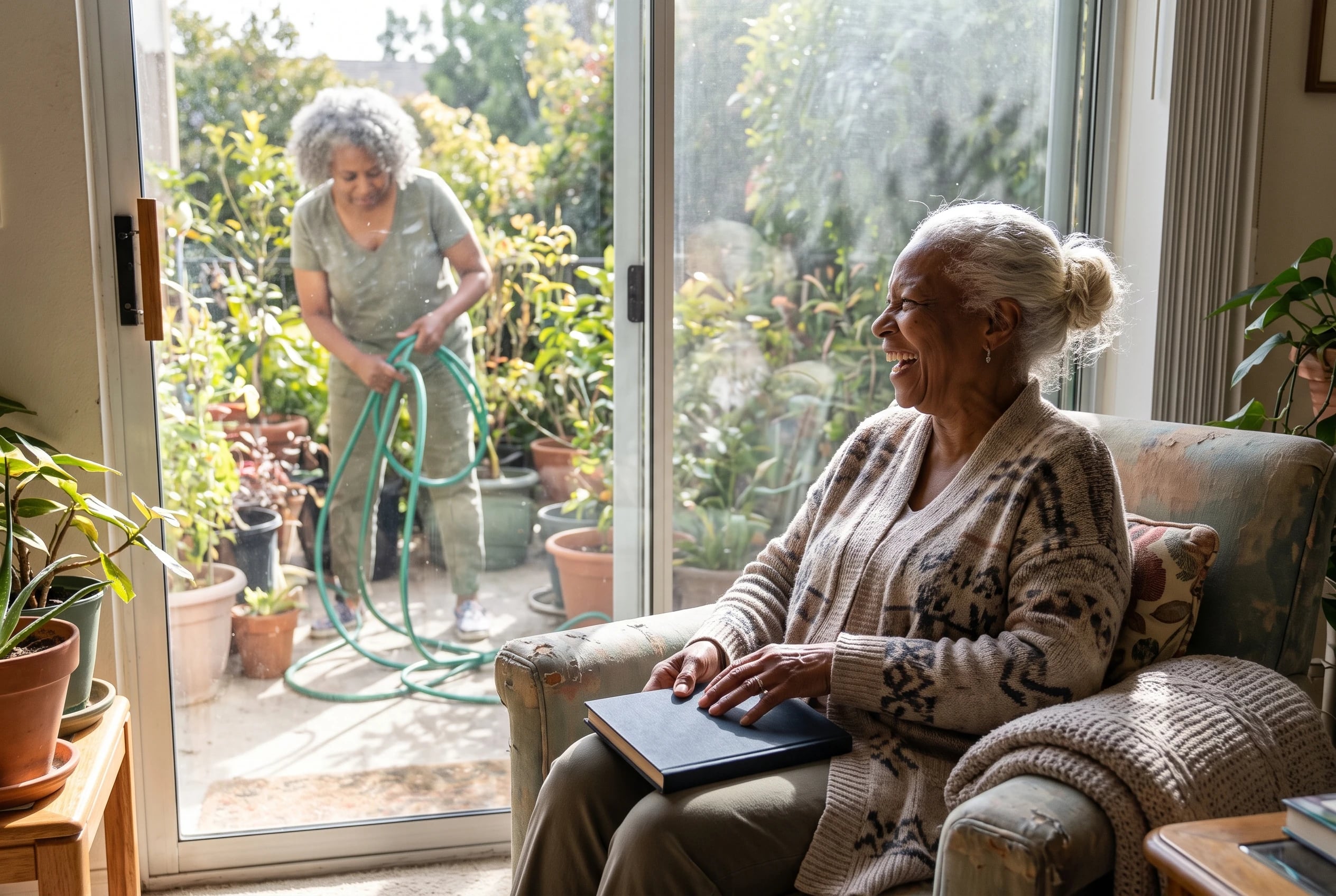
Retiring together can make a house feel unexpectedly small. You don't need a disagreement to want an hour apart.
One of you reads upstairs while the other works in the yard, and both get to choose how to spend that time.
Research on self-chosen solitude in older adults links it with peaceful mood and better emotion regulation. The important part is choice. Feeling shut out is different from closing a door because you want to think.
Say what you need without making it a verdict on your partner: “I'm going to read until lunch. Want to do something together afterward?” Protect the same freedom for the person you live with.
Shared plans feel better when neither person has to surrender every private hour to keep them.
6A joint bucket list for retired couples
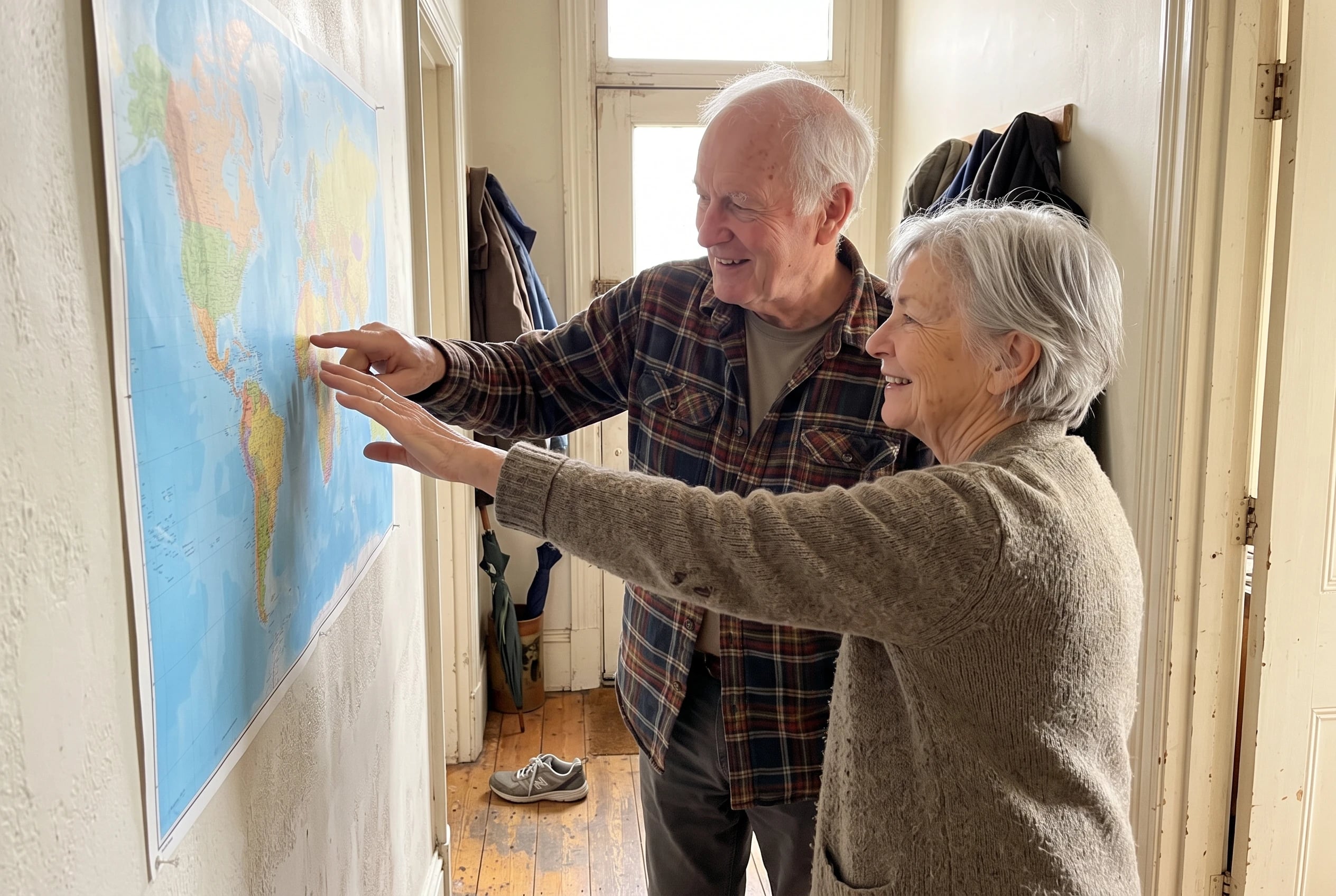
Put the ideas somewhere you can both see them: a concert, a class, a visit to family, or a town you keep talking about. Then ask which ones each of you actually wants. The list gets better when it holds two people's wishes, including the ones that don't match yet.
Fidelity's guidance for couples urges explicit talks about retirement timing, location, and lifestyle goals. A shared list makes those words concrete. “Travel more” turns into a destination, a season, and a cost to discuss.
Choose something small enough to put on the calendar now. The vacation study described earlier found higher happiness before departure among people with a trip ahead.
Planning gives both of you a voice in what happens next, whether the first date on your list is a journey or an evening close to home.
5Shared hobby activities for retired couples

Try an activity where you can enjoy being together without having to talk the entire time. You could dance, tend a garden, or go to a class. Neither person has to be the expert.
The National Institute on Aging links participation in hobbies and leisure activities with health and independence. If a fitness class appeals, SilverSneakers offers beginner-friendly options.
It's included at no extra cost with many Medicare Advantage or Supplement plans. Check your own plan for access before you go.
Agree to try an activity, then ask each other afterward what was fun and what wasn't. A shared hobby works when both people want to return.
If only one of you does, keep the good part: you've found a new interest for one person and opened space to find another together.
4A third place outside the house

A library can become more than somewhere to return books. You begin to recognize the person at the desk, the neighbor near the shelves, the room where people gather.
Researchers studying Columbia's ElderSmile outreach described how bringing services into places people already gathered improved access and engagement. A separate review found that community facilities, local businesses, and green spaces support social connection.
Look for a place near home where you'd feel comfortable lingering: a park, café, library, or community center. Go at a time you're willing to repeat.
You don't have to turn every visit into a conversation. Familiarity grows while you're there doing something you wanted to do anyway.
3A clear picture of what the happiest retirees know

What the happiest retirees know, in Wes Moss's survey work, comes down to several parts of life getting attention. His retirement style summary links an average of 3.6 core pursuits, three to four close social connections, and regular travel with higher happiness.
Those findings describe patterns among people surveyed. They don't tell you to book a trip you can't afford or collect hobbies you don't enjoy.
They do offer a way to look at a thin week. Is there something absorbing to do? Someone you want to see? Something ahead that you're looking forward to?
Pick the missing piece you feel most, then make a plan small enough to try this month. If your calendar already holds plenty, don't add another obligation to satisfy a survey.
2A map of five retirement phases
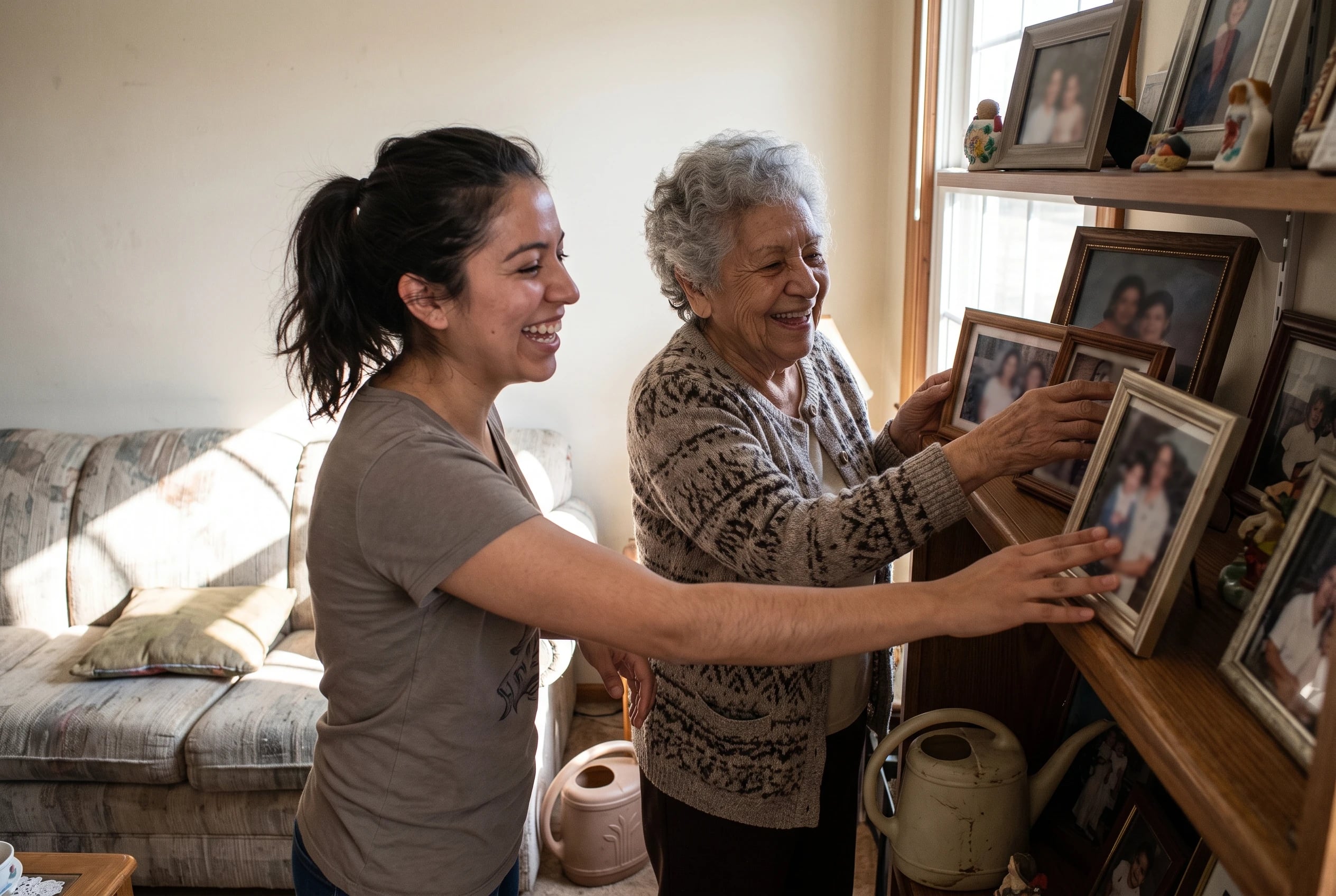
The early freedom has a name in Robert Atchley's retirement model: Honeymoon. The letdown when novelty fades is Disenchantment. After that comes Reorientation, as you build new goals and structure, followed by Stability, when a routine feels settled.
Atchley called the final phase Termination, when serious health loss or a return to work or caregiving ends the retirement role. The overview of his model is a map, not a schedule. You don't have to pass through every phase or follow them neatly in order.
If a day feels flat after an exciting start, resist treating that feeling as proof you made the wrong choice. Ask what has disappeared from your week besides work: company, challenge, a reason to get dressed by morning.
The answer gives you somewhere practical to begin.
1A weekly ritual for checking in together

Choose a day, a route, and someone you'd like beside you. Make the weekly check-in walk a date you protect, whether you're with a spouse, a friend, or an adult child. This time belongs to the conversation; getting outside gives it a place to happen.
If you're with a partner, try questions that invite a real answer: “What felt good this week?” “What's been worrying you?” “What shall we make time for next week?”
The Gottman Institute's Rituals of Connection focuses on reliable moments couples set aside for each other. A shared walk turns that intention into an appointment. It won't replace a week's worth of activity, and it needn't solve everything you talk about.
By the time you get home, you'll know what deserves a place on next week's calendar. Keep the same route if you like it. Change the questions when life changes.
The bottom line
The habits that last have somewhere to live: a day on the calendar, a familiar place, a person expecting to see you. They leave enough open space for retirement to feel like yours.
The well-prepared version of you has written down the money decisions, made room for people and pursuits, and kept a plan she can change.
Which part of your week already feels worth repeating?
Up next
26 Daily Activities for Seniors That Give a Day Its Shape
A menu sorted by mobility, company, and cost, with library-card options and a weekly schedule you can put to work.
Read the list →


Reader quiz
Did you catch the details?
5 questions from this article.
What should you check before deciding when to claim Social Security?
Questions people also ask
How to stay happy after retirement?
Give your week room for movement, meaningful activity, close relationships, and a routine you can live with. The CDC recommends 150 to 300 minutes of moderate activity each week for adults 65 and older. Harvard's Study of Adult Development puts particular weight on the quality of your relationships.
What is the $1,000 a month rule for retirees?
It's a planning calculation, not a promised income. At a 4% initial withdrawal rate, roughly $300,000 in savings works out to about $12,000 a year, or $1,000 a month, at the start. Returns and spending change, so use the calculation as a question for your plan; Wes Moss discusses the rule.
What are the five emotional stages of retirement?
Robert Atchley's model names Honeymoon, Disenchantment, Reorientation, Stability, and Termination, as described in the ERIC overview linked above. The names describe possible shifts from early freedom through building a settled routine. You won't necessarily experience every phase or move through them in order.
What is the number one mistake retirees make?
There isn't a supported ranking that names one mistake for everyone. A useful problem to prevent is leaving both the financial plan and the desired daily life unwritten. Fidelity reports that only 29% of couples regularly discuss day-to-day finances; talk through spending, timing, and lifestyle before either person assumes you're in agreement.
What do the happiest retirees do differently?
In Wes Moss's retirement style summary linked above, happier retirees report more core pursuits, close connections, and regular travel. Those are associations, not instructions to take trips or hobbies that don't fit your life. Look for pursuits and people you're eager to make time for.
What are good activities for retired couples?
Try a shared class, a planned trip, or a regular visit to a local place where you both enjoy spending time. SilverSneakers offers classes through many eligible Medicare plans; check yours before attending. The vacation study linked above also found enjoyment in anticipating a trip, so planning one together is part of the experience.
Did any of these feel familiar?
Know someone who needs this?
 Prime Journal · Free printable
The Everyday Money Checklist
- Your upcoming bills and automatic payments stay in view.
- Your account access and family loans have clear boundaries.
- Your Medicare questions are ready before you call.
Free printable: The Everyday Money Checklist. Enter your email and it is yours.
Sources cited in this article
This article links to 18 outside sources, listed here so you can read them yourself.
- JAMA Internal Medicine study jamanetwork.com/journals/jamainternalmedicine/fullarticle/2521827
- CDC recommends www.cdc.gov/physical-activity-basics/guidelines/older-adults.html
- Social Security Administration www.ssa.gov/benefits/retirement/planner/delayret.html
- JAMA Network Open pmc.ncbi.nlm.nih.gov/articles/PMC6632139
- Moss ties having three or more www.wesmoss.com/news/how-to-find-your-core-pursuits
- Study of 1,530 people pmc.ncbi.nlm.nih.gov/articles/PMC2837207
- Study of Adult Development news.harvard.edu/gazette/story/2023/02/work-out-daily-ok-but-how-socially-fi…
- Pew Research Center's figures www.pewresearch.org/short-reads/2019/07/03/on-average-older-adults-spend-ove…
- Synapse Project pmc.ncbi.nlm.nih.gov/articles/PMC4154531
- Published study pmc.ncbi.nlm.nih.gov/articles/PMC3804225
- AmeriCorps Seniors RSVP www.americorps.gov
- Randomized trials pubmed.ncbi.nlm.nih.gov/12585811
- Fidelity reports www.fidelity.com/learning-center/women-talk-money/planning-with-your-partner
- Fidelity's guidance for couples www.fidelity.com/learning-center/personal-finance/retirement-decisions-for-c…
- National Institute on Aging www.nia.nih.gov/health/healthy-aging/what-do-we-know-about-healthy-aging
- Retirement style summary www.wesmoss.com/news/whats-your-retirement-style
- Overview of his model files.eric.ed.gov/fulltext/ED195635.pdf
- USPSTF recommends www.uspreventiveservicestaskforce.org/uspstf/announcements/final-recommendat…
Linda Cho, CFP®
Money Editor
Linda is a certified financial planner who spent two decades advising retirees before joining Prime Journal.
More from Linda Cho