









25 Simple Ways to Simplify Your Home When Decluttering After 60
A calmer home starts with a clear hallway, an empty shelf, and permission to stop before Saturday disappears.
By David Ruiz, Home Editor
Updated · 12 min read
- Written by our home editor
- Cited 12 sources
- How we review
The linen closet door catches on a towel every time you open it. Behind that towel sit sheets for a bed you no longer own. You straighten the stack, shut the door, and promise yourself you'll deal with it later.
Later sounds like a whole weekend. It sounds like deciding what your mother would have wanted and whether a perfectly good sheet deserves a new home. But you don't have to settle all that to open the door without a fight. Start with the thing that catches.
25The sheets for the old bed
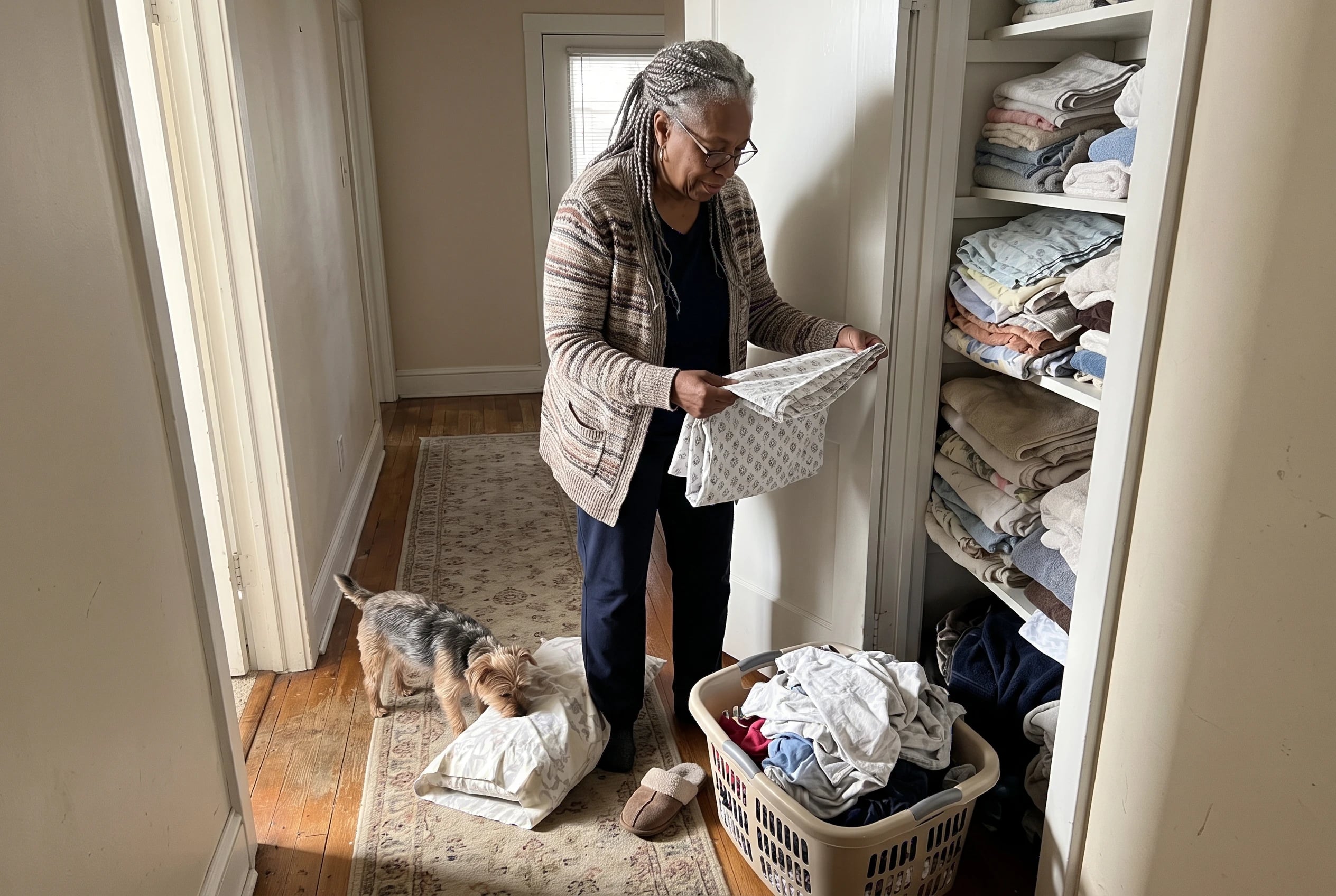
Do you still own a mattress that fits them? Check the size tag before you unfold anything. If the answer is no, put the clean set in a donation bag and keep the closet space.
Don't turn this into a search for every linen you've ever bought. You've answered the question that matters for these sheets.
24The mugs behind the mugs

You reach for the same mug each morning while six others wait behind it. Pull out every mug and return the ones you actually reach for. Put the extras in a box for donation.
Keep a guest mug if you want one. You don't need a place setting for a crowd that gathers somewhere else now. The shelf should hold what happens in your kitchen, not every visit it has ever hosted.
Before you close the cupboard, slide your favorite mug in without shifting another one. That small bit of room is the result you're after.
23The path through the hallway
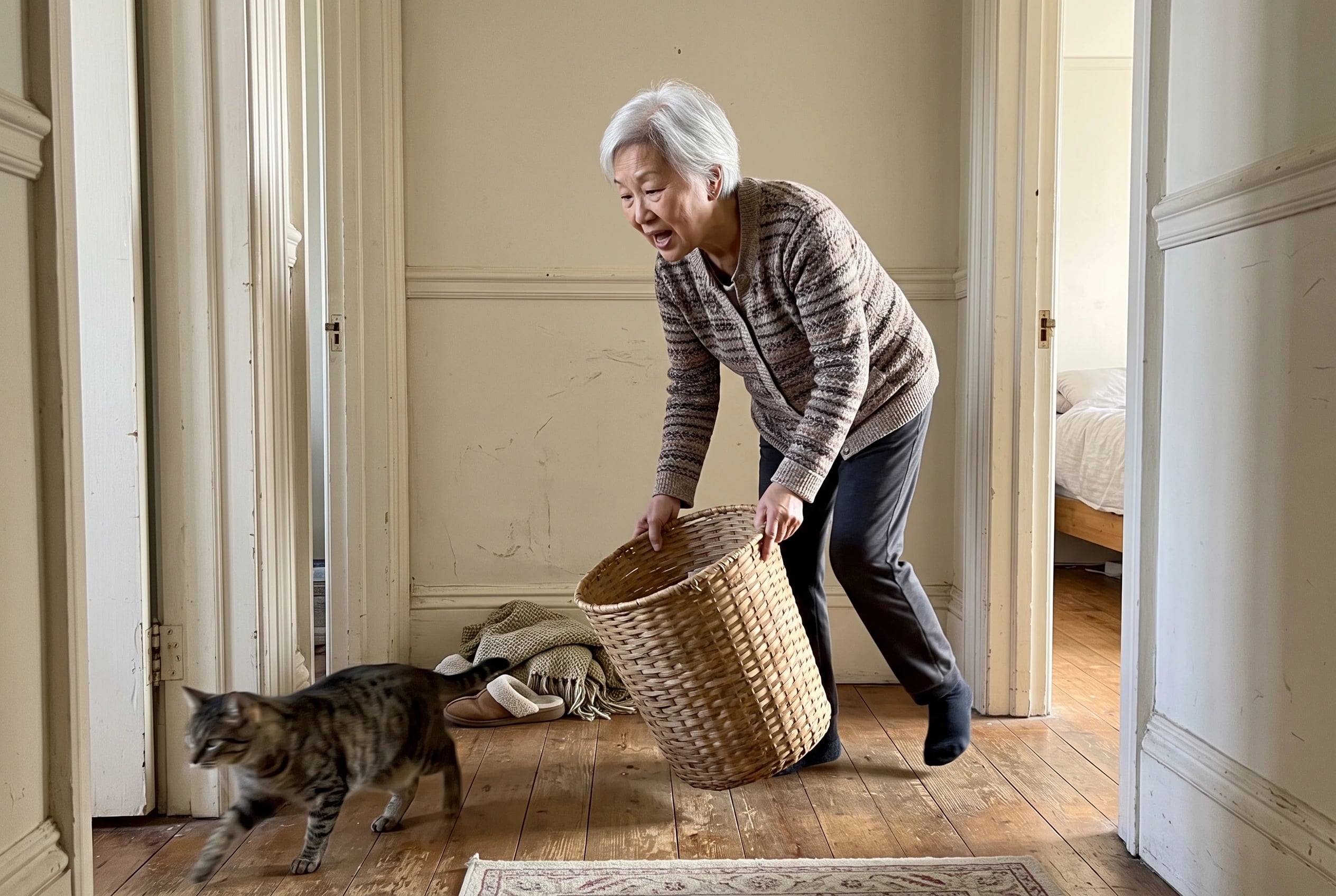
Walk from your bedroom to the bathroom with the lights on. Look at the floor, not the shelves. Shoes, baskets, and cords don't belong in that route.
Check both ends of the hallway, especially the space beside each doorway where things get dropped in passing. Then walk the route again after dark and notice what you have to step around.
The National Institute on Aging recommends keeping walkways clear to help prevent falls. Move the obstacles before sorting their contents. A safe path matters more than a finished room.
22The expired medicine in the bathroom

Take everything out of the medicine cabinet and read the labels. Set aside expired products and prescriptions you no longer use. Keep current medicine where its label tells you to store it.
For the rest, search for a nearby collection site through the DEA's National Prescription Drug Take Back Day site. The FDA also publishes disposal instructions. Check those before putting medicine in the trash or flushing it. Remove personal information from empty containers.
You don't have to organize every bathroom drawer today. Finishing this cabinet gives you one less place to hunt when you need something.
See more: 26 Daily Activities for Seniors That Give a Day Its Shape →
21The coat you keep apologizing for
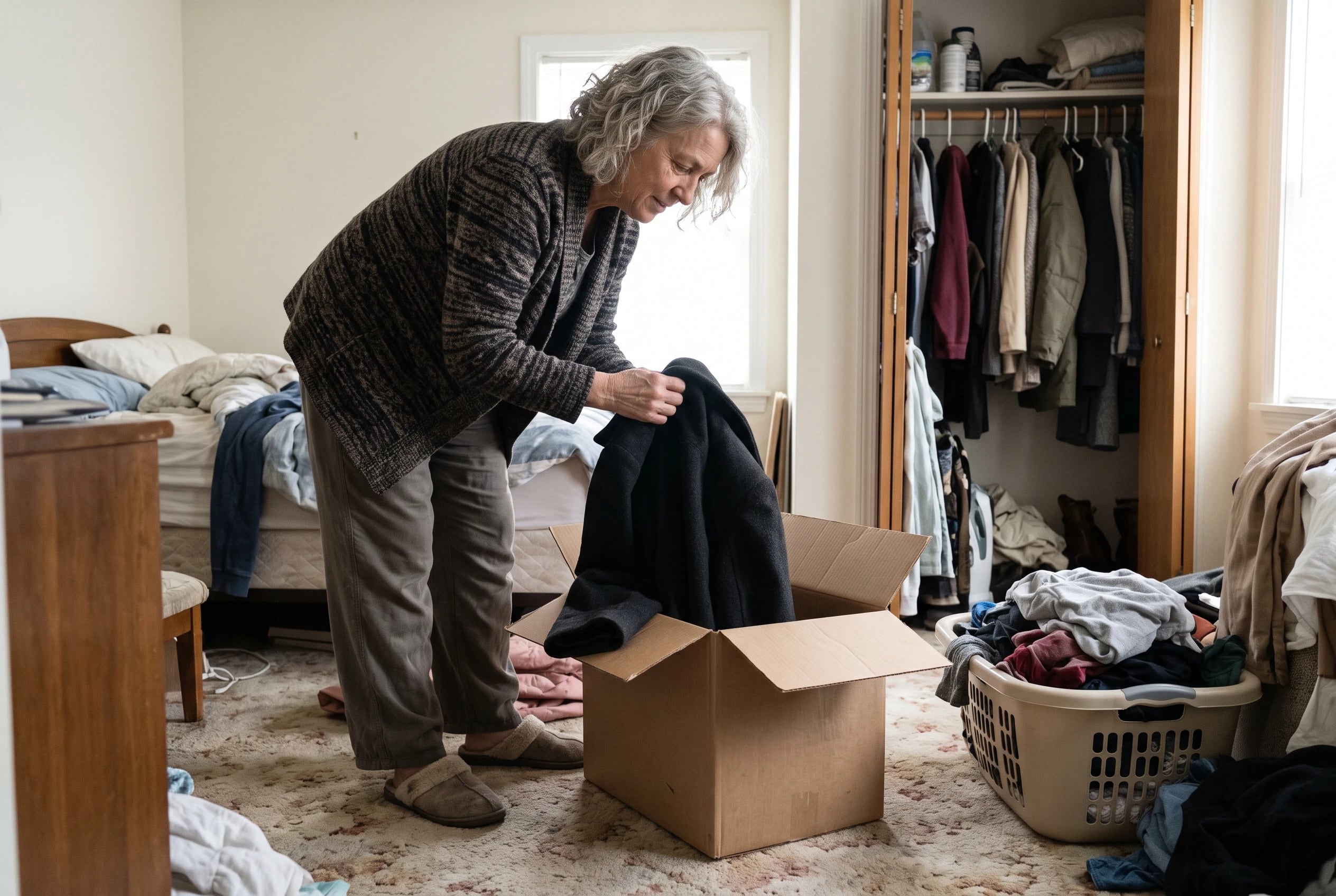
When someone offers to take an old coat off your hands, do you explain its history? Try this instead: “It doesn't fit the life I have now, but it's still in good shape.”
Then put it in the donation bag. No one needs a defense of your decision. The coat kept you warm; giving it away doesn't undo that.
20The instruction manuals in the drawer
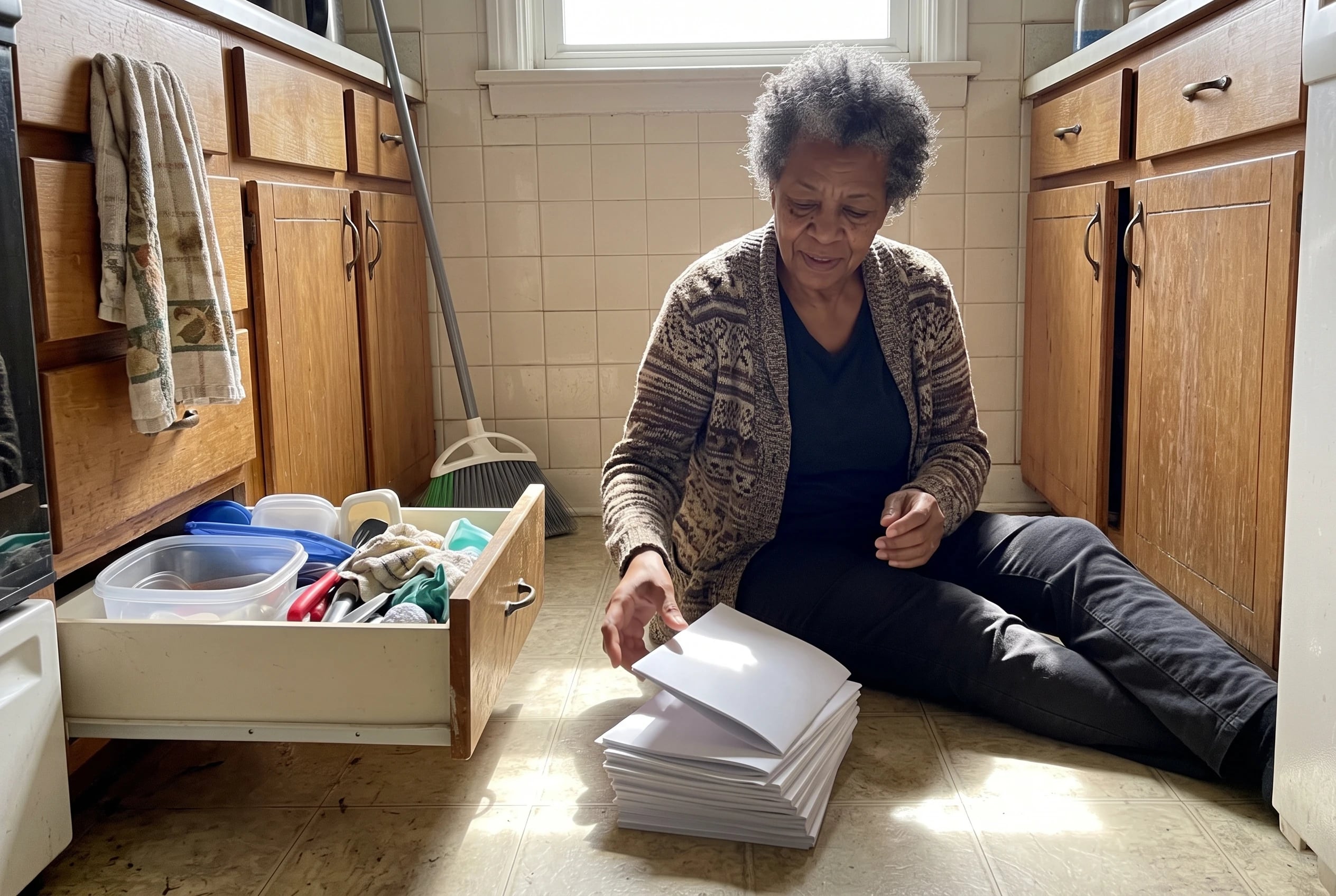
The drawer jams because it holds booklets for a toaster, a printer, and appliances that left years ago. Match each manual to something you still own. Recycle the rest.
Before tossing a booklet for a current appliance, check the manufacturer's website for a downloadable copy. Keep the paper version if its diagrams or handwritten notes help you. Otherwise, write the model number on a label inside the appliance door or in your phone.
Next time you need instructions, you'll know what you're looking for instead of digging through a drawer.
19The guest towels nobody reaches for
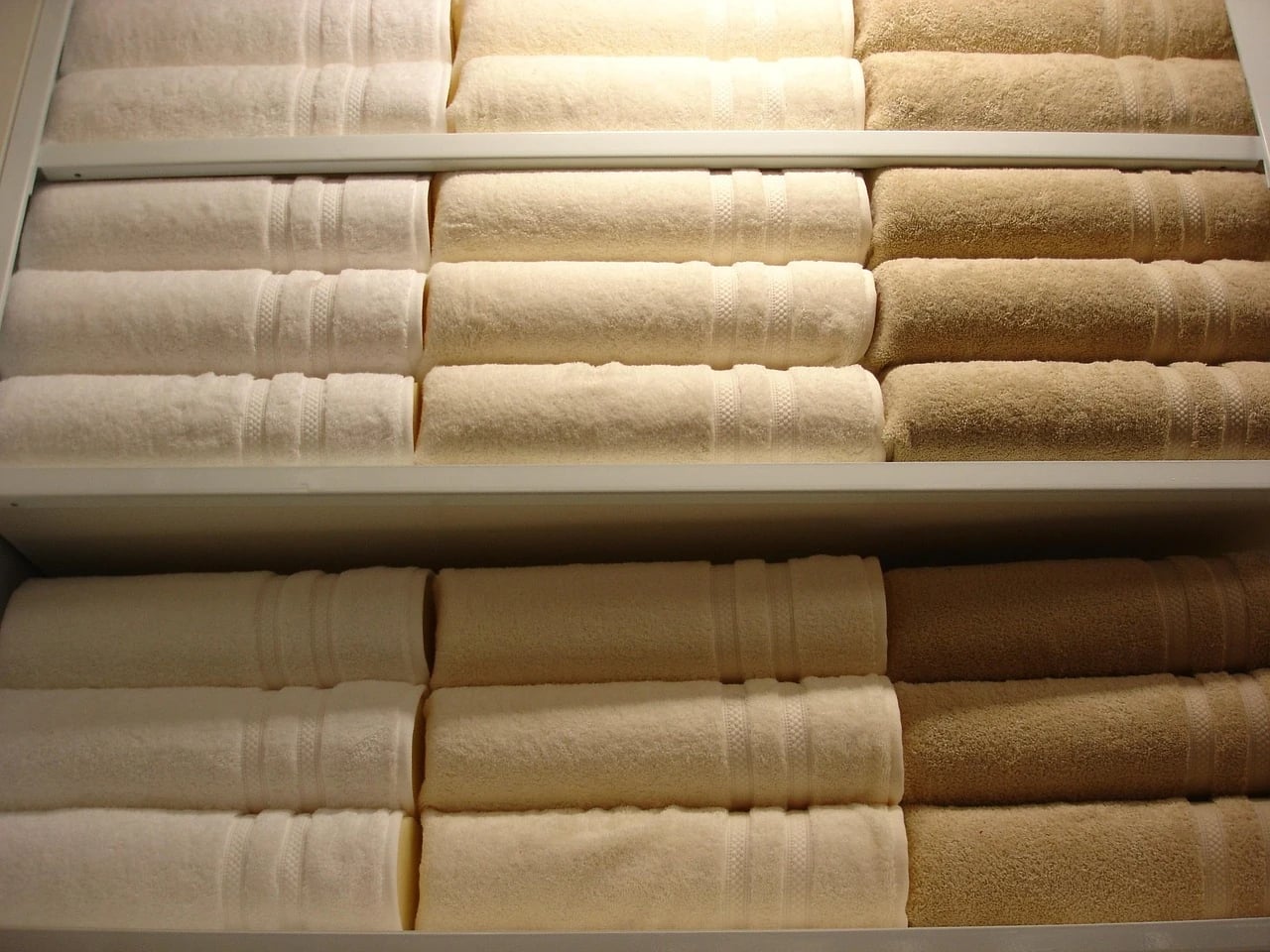
That stack looks tidy until you lift it. Some towels are scratchy, and others never quite dried after their last wash.
Keep the ones you'd hand a guest without an apology. Offer clean extras to a local animal shelter after checking its donation list.
Move worn towels to a rag pile only if you'll use them there. A rag pile can fill a shelf, too.
See more: 24 Things to Do With an Empty Nest →
18The extension cord across the floor
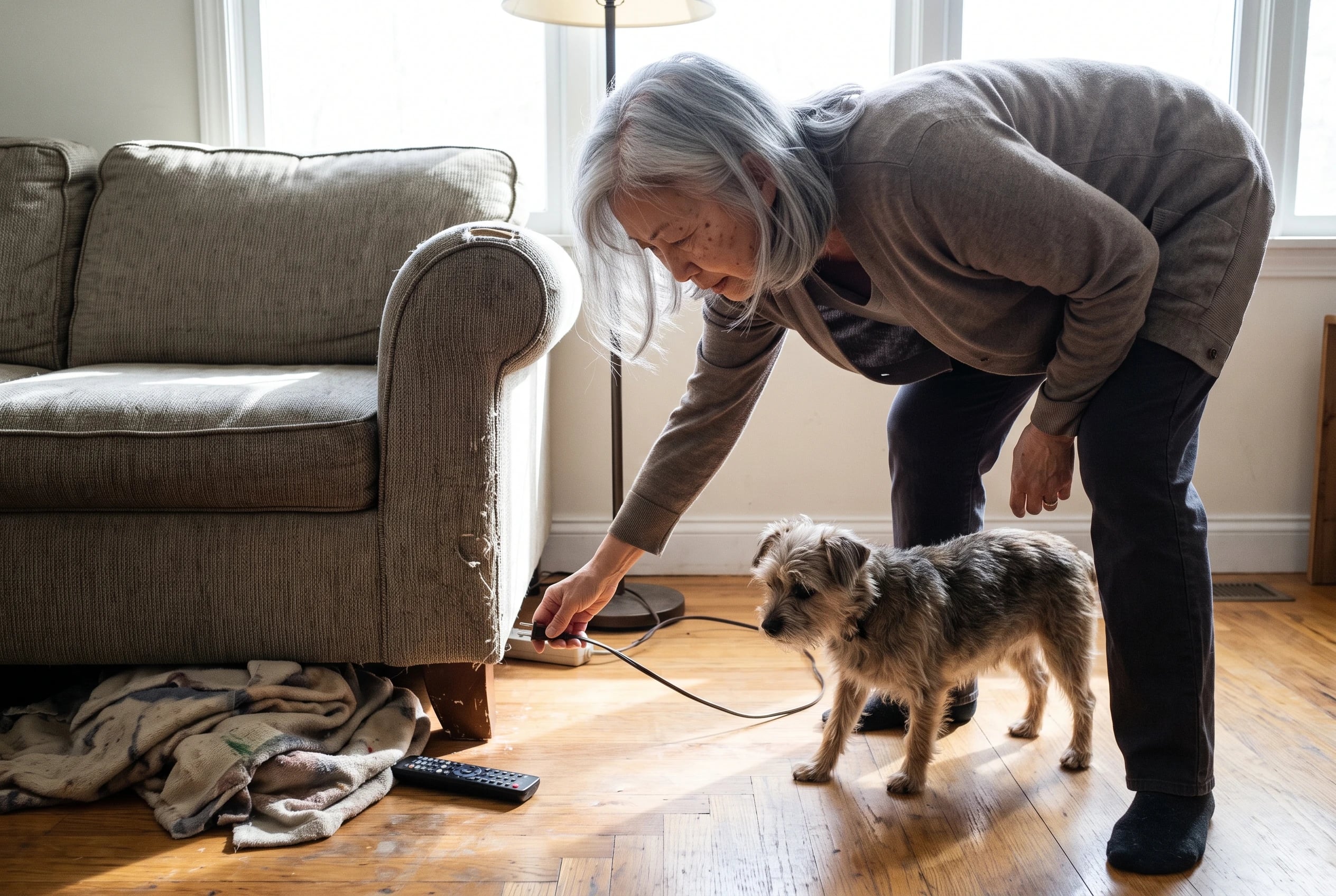
A cord crossing the living room tells you something needs a better place. Unplug the device and ask whether it belongs closer to an outlet. Don't hide the cord under a rug.
That lamp has stayed put for years, but its extension cord was meant for temporary use. The Electrical Safety Foundation International gives that guidance. Have a licensed electrician assess the outlet situation; until then, change the room layout or leave the lamp unplugged.
There's no virtue in keeping a furniture arrangement that makes you step over a cord.
17The duplicate can openers
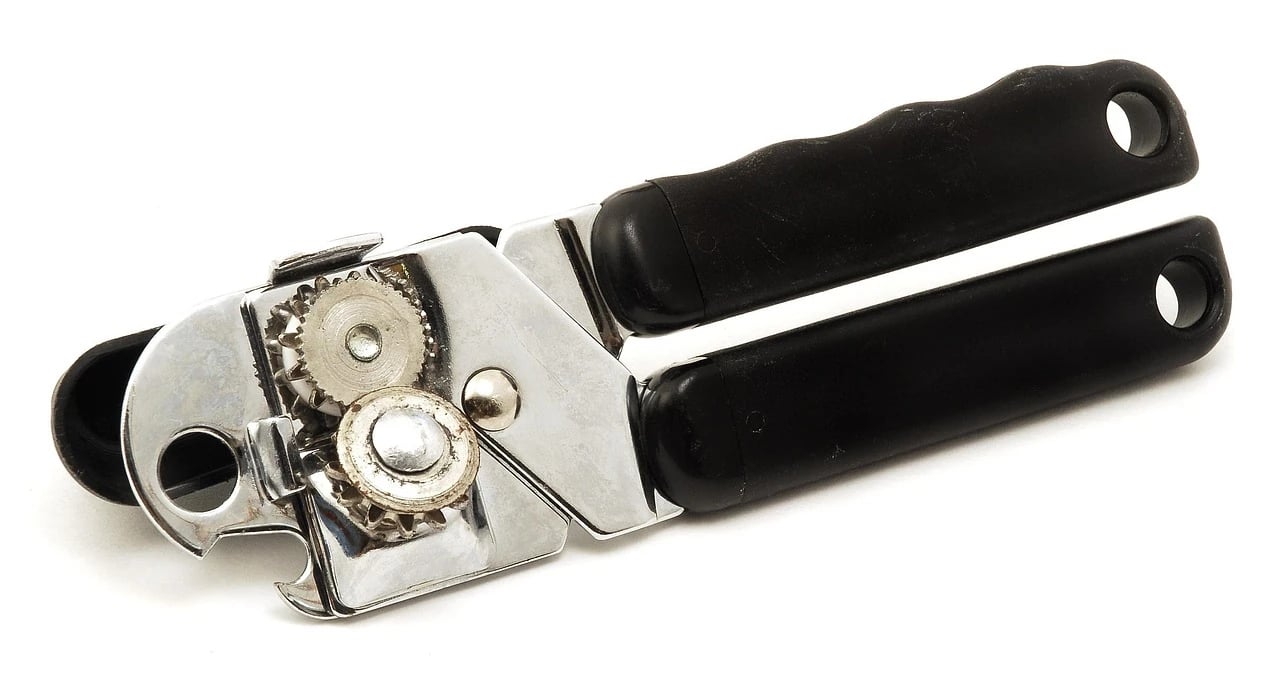
One can opener glides around a lid. Another leaves you fighting the handle. Lay them on the counter and test each one on a can before deciding which stays.
Keep the opener that works without a struggle. If a spare earns its place in your kitchen, keep it, too. Otherwise, discard the broken one and put the working extra with things headed out. A single test settles the drawer without emptying the rest of it.
16The photograph box under the bed
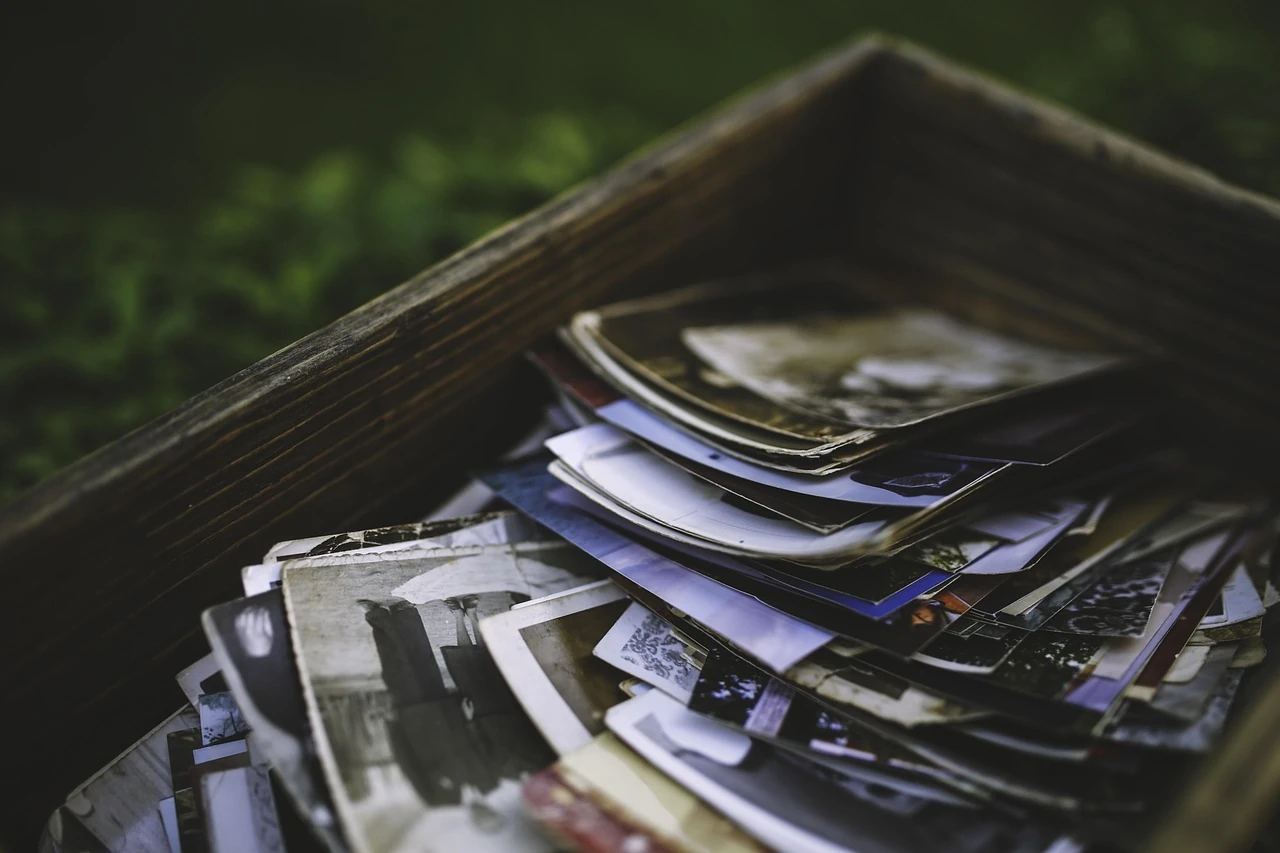
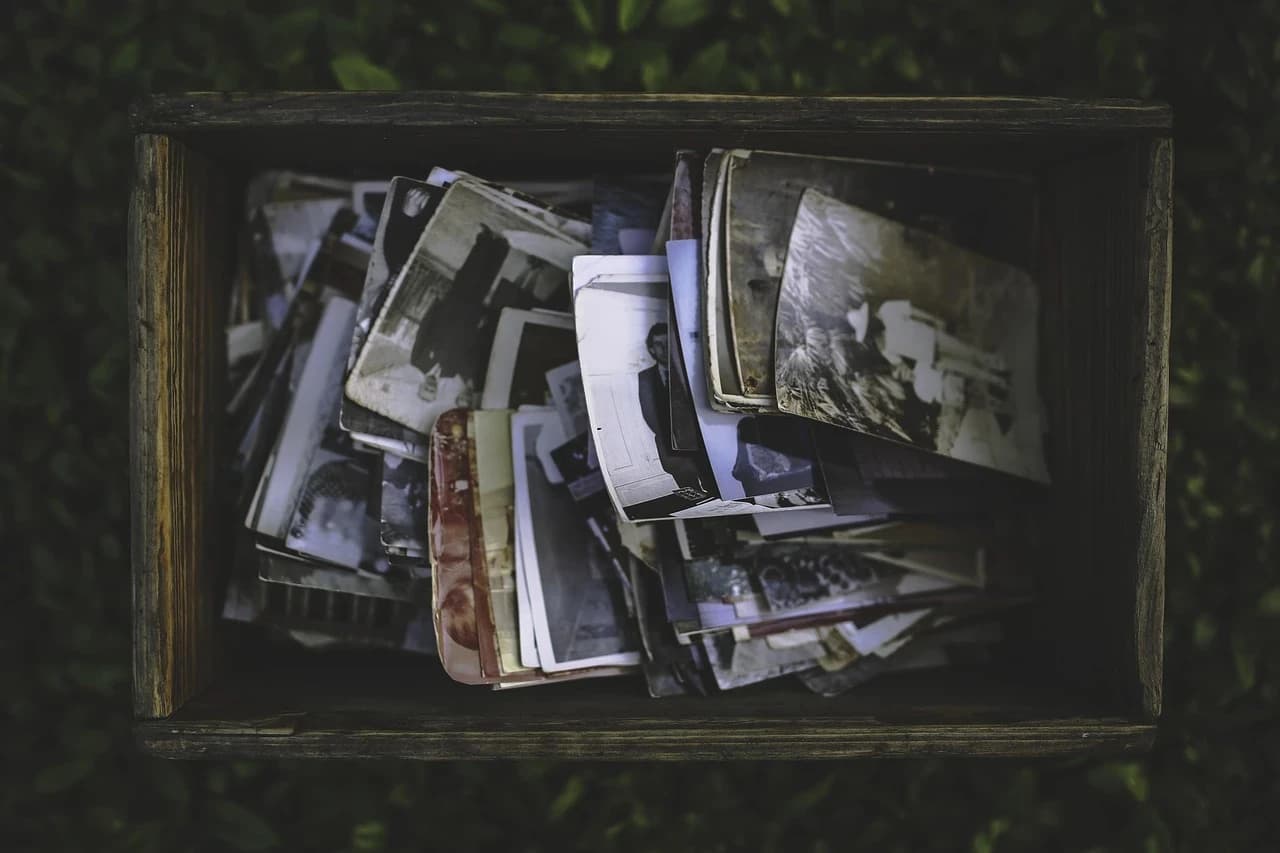
You pull out a shoebox and find a picture of yourself at a picnic. Forty minutes vanish. That's fine if you wanted an afternoon with the photos. It's frustrating if you came in to clear floor space.
For now, write “photos” on the box and put it somewhere accessible. Don't mix it with things headed for donation. The Library of Congress advises handling and storing photographs with care; a dry, stable indoor spot beats a damp basement.
You've made one decision today: these need their own session. Put the box away and finish the space you came to clear.
15The hotel toiletries in the basket

What will you actually use from that basket? Empty it onto a towel and keep the unopened products you'll reach for soon. Check with a local shelter before offering the rest.
Throw out leaky or dried-up bottles. A free item still takes up bathroom space.
Next time you travel, leave the miniature bottle behind unless you know you'll use it.
14The paint cans from old rooms
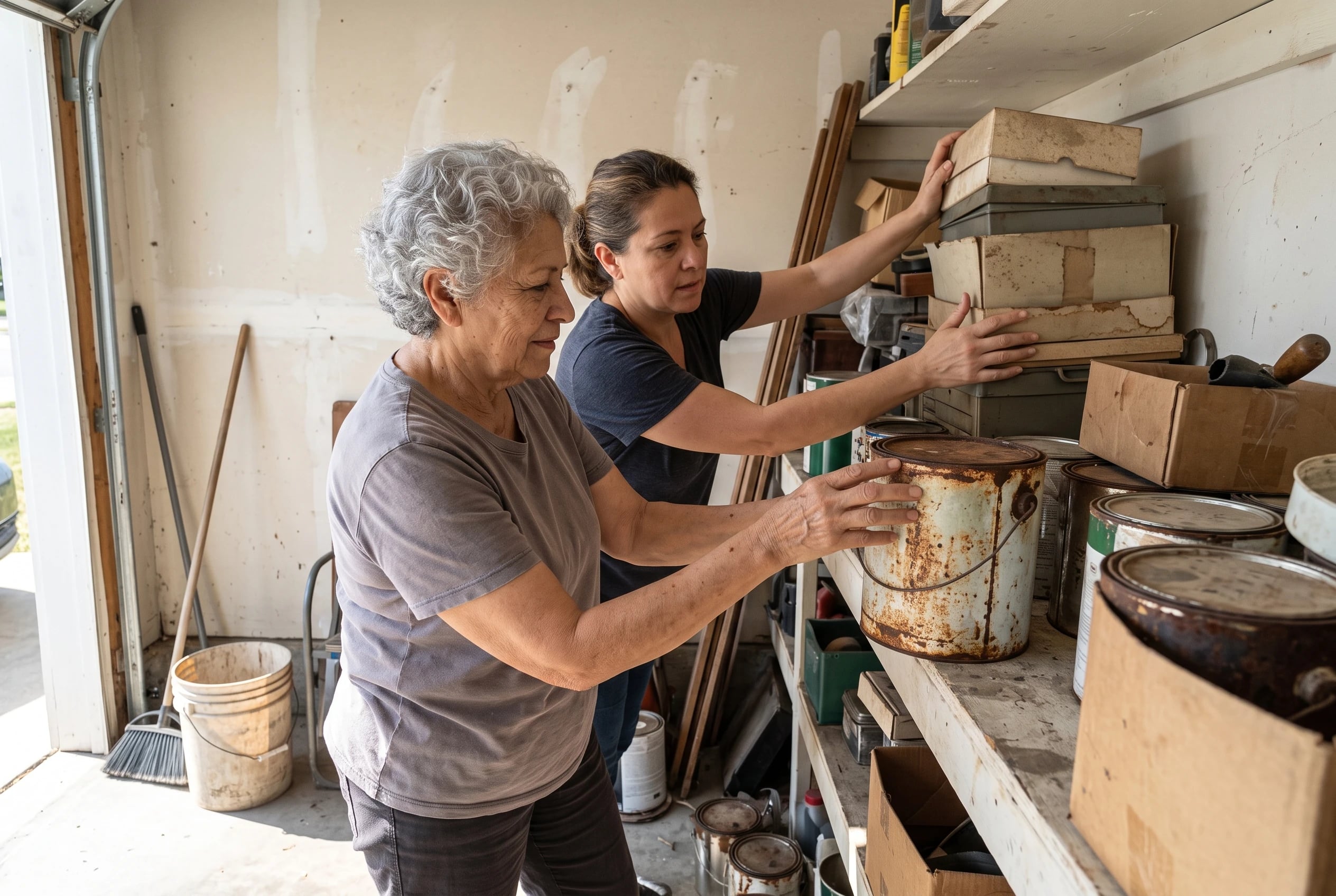
Line up the cans where you can read them. First, match each color to a wall you still have. Save a small amount for touch-ups if the paint is usable and the lid seals.
Then check your town or county's household hazardous waste instructions. Disposal rules differ by place and by paint type. EPA and Earth911 provide information to help you find local options. Don't pour leftover paint down a drain.
If a label is unreadable, don't guess what is inside. Set the can aside for your local waste office's advice. The point is to clear the shelf without creating another problem.
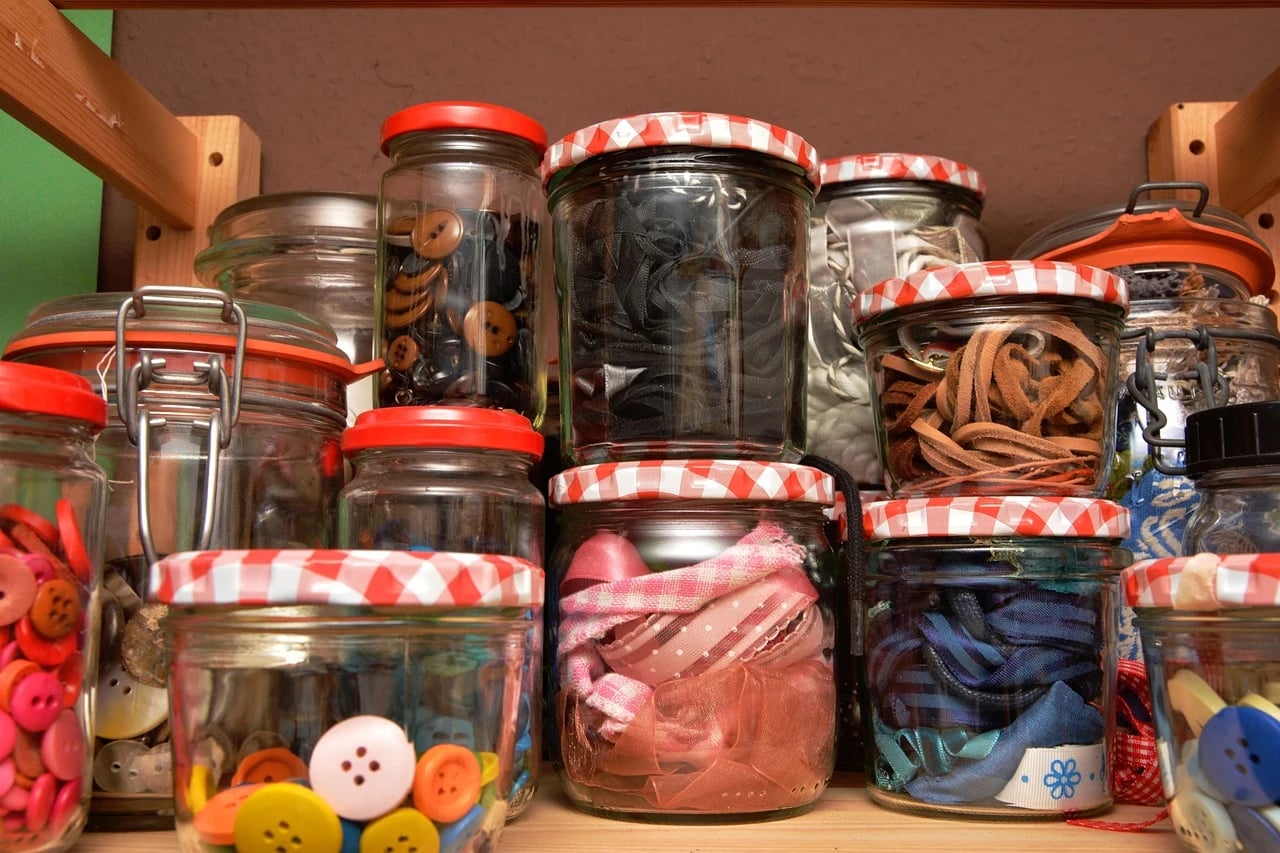
13The spare buttons in the tin
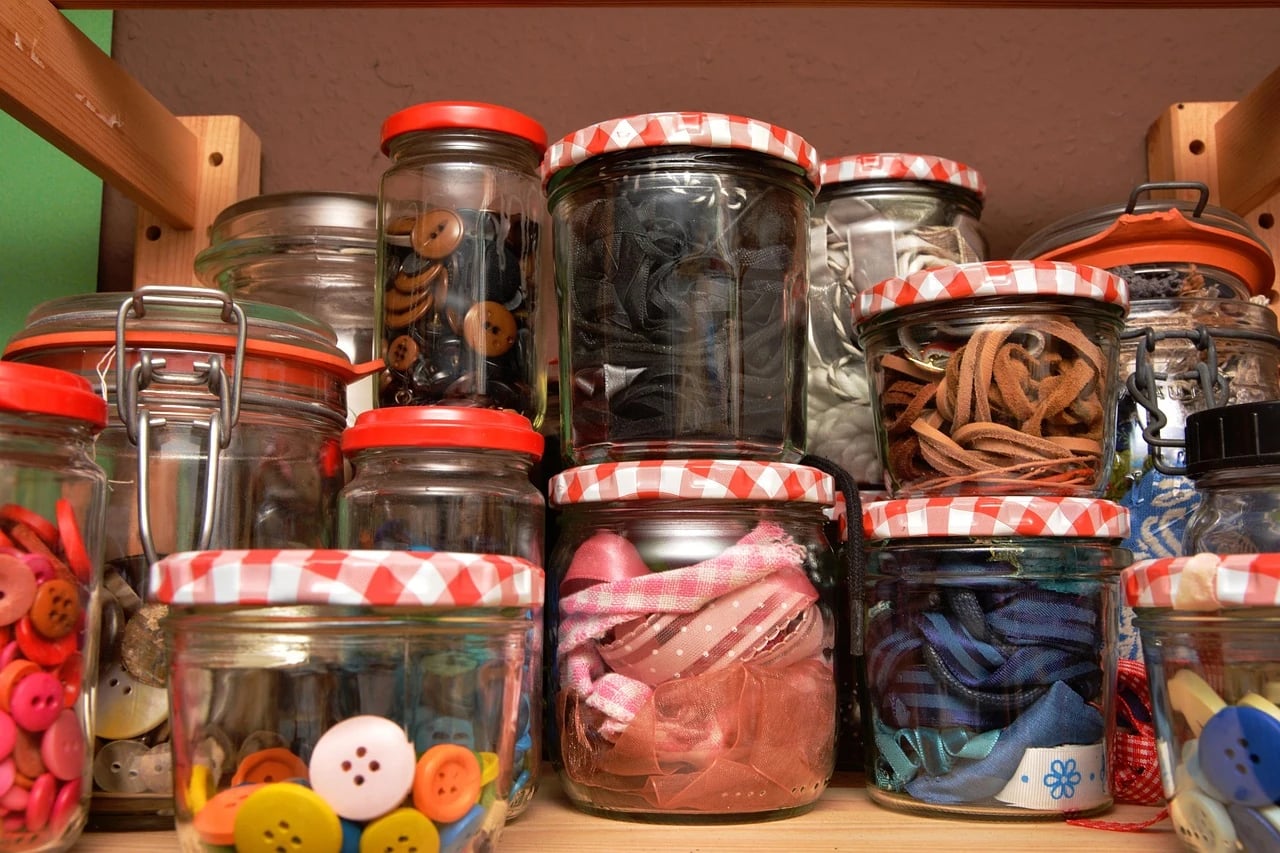
Which garment does this button belong to? If you can't answer after looking through your closet, the button isn't serving as a spare.
Keep a few for clothes you still wear. Put the rest in a sewing kit you'll use, offer them to a craft group that accepts supplies, or let them go. You aren't required to store every button a manufacturer taped to a price tag.
12The flowerpots by the back door

You step outside for the mail and shift the same stack of empty pots with your foot. Decide how many fit the planting you actually do. Wash and keep those; give away the extras.
Check each pot for cracks before passing it on. A neighbor who gardens will know whether she wants them, but don't leave a stack at her door without asking.
Once the pots are gone, stand in the doorway. Is there room to carry a bag through without turning sideways? That space earns its keep every day.
11The serving platter for big dinners

Your sister asks why you're giving it away. You don't need to make a case against every holiday meal it held.
Say, “I loved using it, and I don't have room for it now. Would you like it?” Give her a clear chance to say no.
If she passes, choose another destination. The platter's history doesn't require permanent storage in your cabinet.
10The passwords tucked into cookbooks

While clearing a shelf, you find a slip of paper with a password on it. Pause before dropping it in recycling. Someone reading that paper has a way into an account.
Move passwords to a password manager or another secure system you already use. Use a different password for each account, as the Cybersecurity and Infrastructure Security Agency recommends. Turn on multifactor authentication where it's offered. If a password has been sitting in an exposed spot, change it.
Then check cookbooks, desk drawers, and the shelf beside your router for other slips. Shred papers that show account details. This is one sorting job where the contents matter more than the paper clutter.
9The reusable bags in the trunk
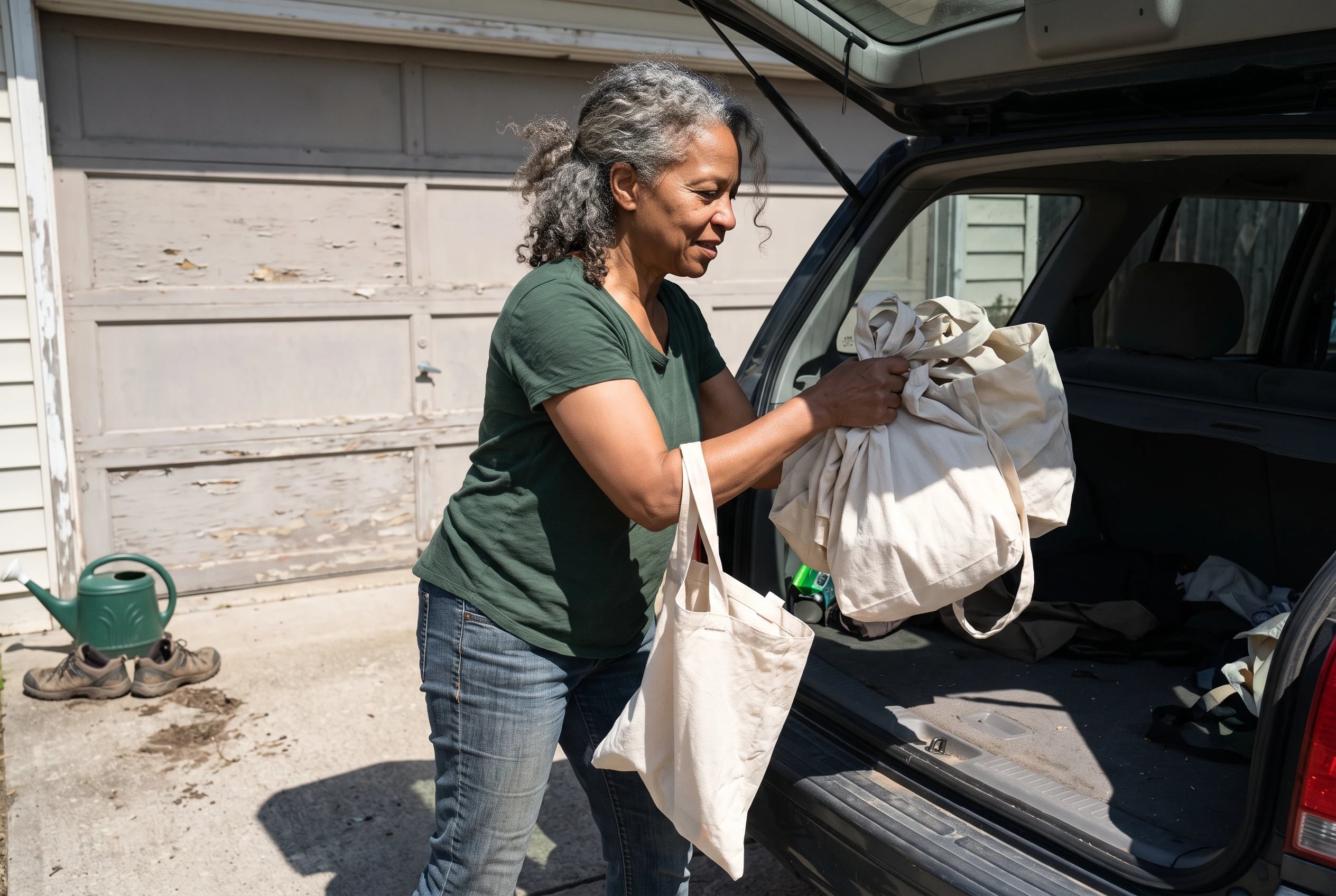
The trunk is full of bags, yet you still leave the store carrying groceries in your arms. Keep the bags you take into stores and put them where you'll grab them before leaving.
Try bringing two or three on your next ordinary trip. If that's enough, set aside the clean extras and donate them where they're accepted.
Torn bags don't belong in a donation pile. Check your local recycling program's rules before putting them in a bin. The goal is room to load groceries without moving a mound first.
8The chair that collects clothes
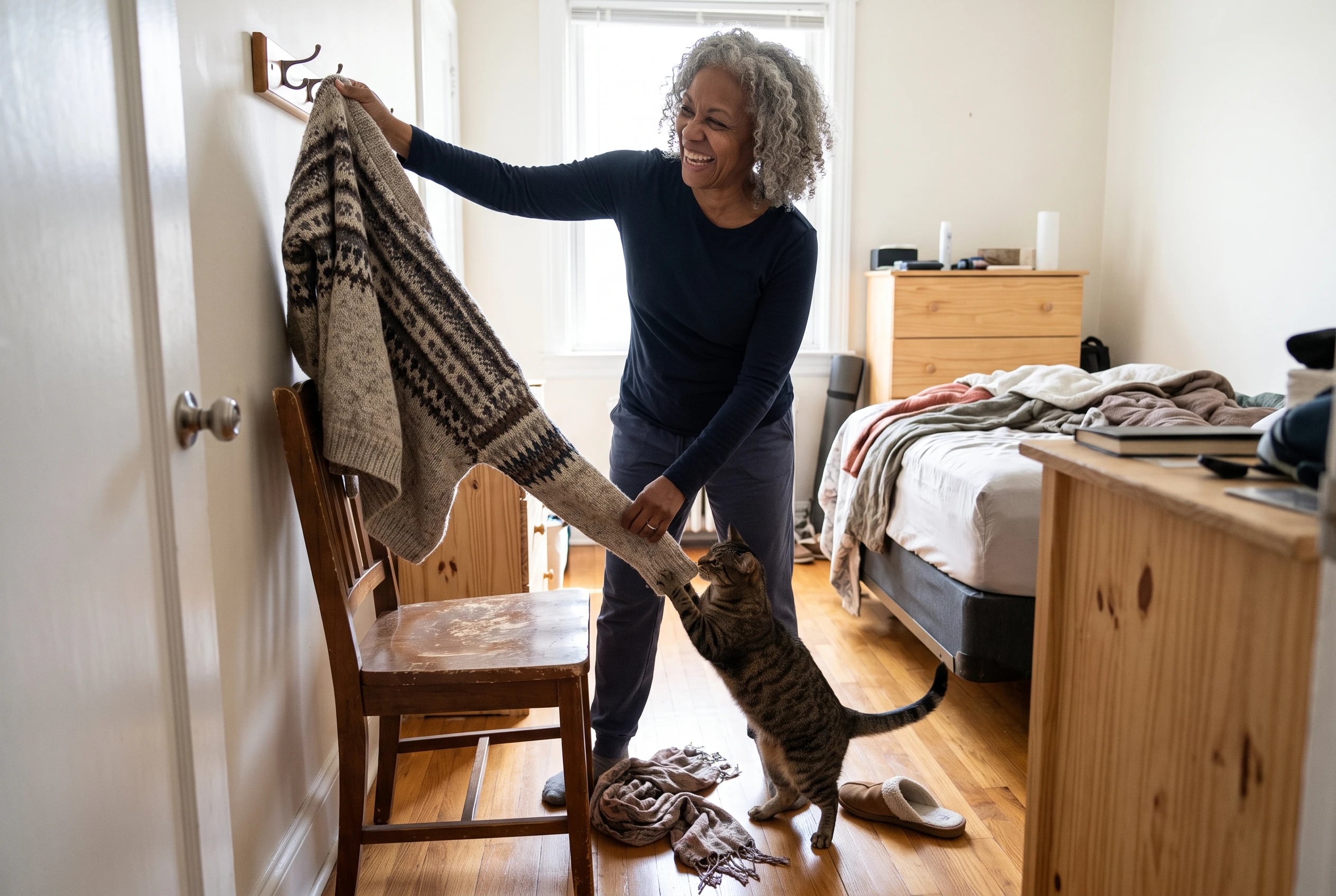
A chair becomes a closet when putting clothes away takes too many steps. Look at what landed there. Clean clothes need an easy place to go; worn clothes need a hamper or hook.
Move the chair's contents once, then watch what returns. If sweaters keep piling up, clear a reachable shelf for them. If clothes worn once land there, add a hook behind the door.
Don't scold yourself for using the chair. It's showing you where the room needs a better landing spot. Once that spot exists, you get the seat back.
See more: 20 Best Recliner Chairs for Seniors →
7The outdated maps in the glove box

At a stoplight, you reach for a tissue and pull out an old street map instead. Empty the glove box when you're parked. Keep the vehicle papers you need and anything you use on the road.
Recycle outdated maps and take loose receipts inside for review. Leave the compartment easy to open. You're clearing a small space, but it's one you need at inconvenient moments.
6The mystery keys on the ring
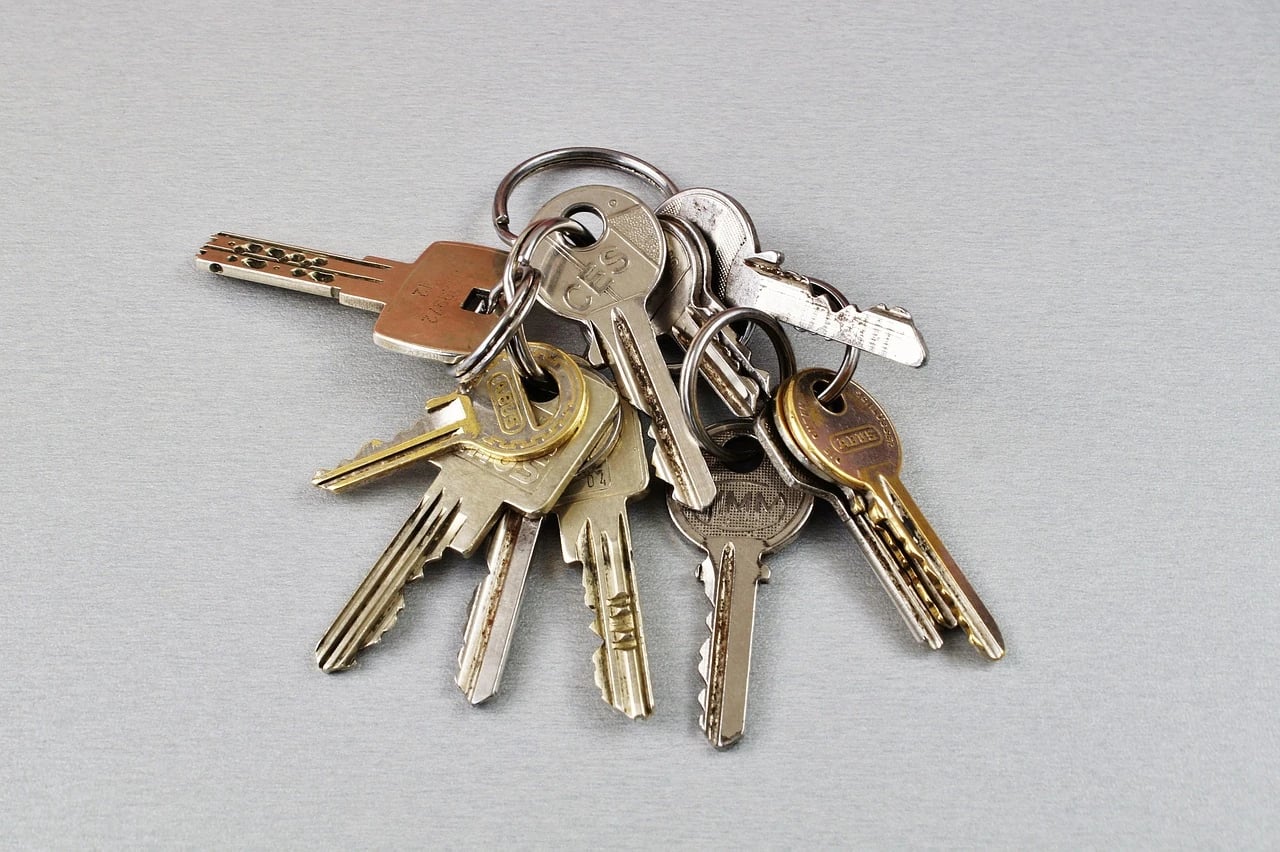
Take the loose keys out of the drawer and test them only on locks you own. Label confirmed keys before they return to the drawer. Don't attach an unknown key to your everyday ring and hope you'll remember it.
If a key belongs to a lock you replaced, set it aside for disposal. Ask your local recycling program how it handles metal keys. If you rent or belong to a building with shared access, check before discarding a key you were given.
Before an old key leaves, remove any address label attached to it. That small step keeps the drawer clear without sending a labeled key out of your home.
5The half-used cleaning bottles

Open the cabinet under the sink and group like products together. Keep the cleaners you reach for. Read each label before you decide what to discard.
Never mix leftover cleaners to empty bottles. The Poison Control site warns that mixing household chemicals is dangerous. Ask your local waste office how to dispose of products you won't use.
When the cabinet goes back together, put the products you use in front. The space behind them doesn't need a replacement.
4The old phone in the dresser

Before donating or recycling a phone, back up anything you want, sign out of accounts, and erase it through the device's settings. Remove the SIM card if it has one. Don't toss it into a household recycling bin.
Need the steps for your particular device? Search the Federal Trade Commission's consumer advice on getting rid of an old phone before you hand it over. Your town's electronics recycling program or a manufacturer take-back program can tell you where it goes next.
If you can't turn it on, don't hand it to a stranger as a working phone. Ask the recycler how it handles data on devices that won't power up.
3The vase from a loved one

“I remember who gave me this” and “I want to keep this vase” are different sentences. You get to say both aloud before choosing.
If the vase stays, give it a place you enjoy seeing. If it goes, take a photo if you want the reminder. Then offer the vase to someone who likes it. Your memory doesn't have to live in a cupboard.
See more: 23 Habits of the Happiest Retirees →
2The highest shelf in the closet

You pull down a box and discover something you forgot you owned. Before deciding its fate, look at the shelf itself. If reaching it means standing on a chair, move anything you use to a lower spot.
The Centers for Disease Control and Prevention advises using a sturdy step stool rather than a chair when you need to reach up. Ask someone to help with a heavy box. No box of holiday lights is worth a fall.
Once the shelf is empty, return only things you rarely need and can retrieve safely. You don't have to fill the space because it's there.
1The exit bag beside the door

Choose a sturdy bag or box and give it a place near the door. When you find a clean, usable thing you no longer want, put it there. Don't start a fresh debate each time you pass it.
Check the receiving organization's donation rules before you go. Goodwill and Habitat for Humanity ReStore list ways to find local locations, but each location sets its own acceptance rules. Keep broken or stained items out of the bag.
When the bag is full, put the drop-off into an errand you're already making. Then bring the empty bag home. This is the part that makes the other decisions stick: things leave the house without waiting for a weekend devoted to sorting.
The bottom line
The quickest gains come from matching your space to the life you're living now. A clear route to the bathroom matters more than a perfectly arranged storage bin.
The well-prepared version of you has a safe place for what stays and a working way for what leaves. Which object in your home keeps asking you to move it out of the way?
Up next
28 Steps on the Downsizing Checklist for Seniors, in Order
A measured doorway, a labeled donation bag and one box that stays with you turn a daunting move into decisions you can check.
Read the list →

Reader quiz
Did you catch the details?
5 questions from this article.
What should you check before deciding whether to donate sheets for an old bed?
Did any of these feel familiar?
Know someone who needs this?
 Prime Journal · Free printable
The Everyday Home Safety Checklist
- Clearer routes from the front door to your bed.
- Working lights and alarms where you need them.
- House details ready when a repair needs attention.
Free printable: The Everyday Home Safety Checklist. Enter your email and it is yours.
Sources cited in this article
This article links to 12 outside sources, listed here so you can read them yourself.
- National Institute on Aging www.nia.nih.gov
- DEA's National Prescription Drug Take Back Day www.dea.gov/takebackday
- Fda.gov www.fda.gov
- Electrical Safety Foundation International www.esfi.org
- Library of Congress www.loc.gov
- Epa.gov www.epa.gov
- Earth911 earth911.com
- Cybersecurity and Infrastructure Security Agency www.cisa.gov
- Poison Control www.poison.org
- Centers for Disease Control and Prevention www.cdc.gov
- Goodwill www.goodwill.org
- Habitat for Humanity ReStore www.habitat.org/restores
David Ruiz
Home Editor
David writes about the house you have and the one you might move to: staying put, downsizing, repairs, and the small changes that stop a fall.
More from David Ruiz