













24 Things to Do With an Empty Nest
When you search “empty nest what to do,” start with the small decisions that give your days shape: a morning plan, a call you both want, and time set aside for yourself.
By Ruth Ellison, Family Editor
Updated · 17 min read
The short answer: Empty nest syndrome isn't a medical diagnosis. It's a transition that brings sadness, worry, or loneliness when a child leaves home. Start by naming what you miss. Then set a check-in plan with your child, establish a daily routine, and make time for interests, work, movement, and other people. You don't have to fill every hour.
- Written by our family editor
- Cited 11 sources
- How we review

The cereal box is still in the cupboard. The shoes that used to block the door are gone. You reach for your phone to ask whether your child got home, then remember that home now means somewhere else.
The house hasn't changed much, but the hours inside it have. That gap deserves more than a project to keep you busy. It deserves your attention, and a few choices that belong to you.
24A Full Life Beyond Parenting

Picture an ordinary Tuesday that doesn't rely on anyone needing a ride, a reminder, or dinner. Who would you talk to? What would get you out the door? What would you want to finish before bed?
Write answers under four plain headings: people, movement, work, and pleasure. Leave space for answers you haven't found yet. This is a sketch, not a promise to reinvent yourself by Friday.
The National Institute on Aging includes staying active and addressing social isolation in its healthy-aging guidance. Your list puts those ideas where you can see them.
Circle the heading with the least written beneath it, then choose one small thing to try this week. Ask whether you enjoyed it before adding anything else. A full life grows from days you want to take part in, not days packed to capacity.
See more: 23 Habits of the Happiest Retirees →
23A Visit and Holiday Plan Together
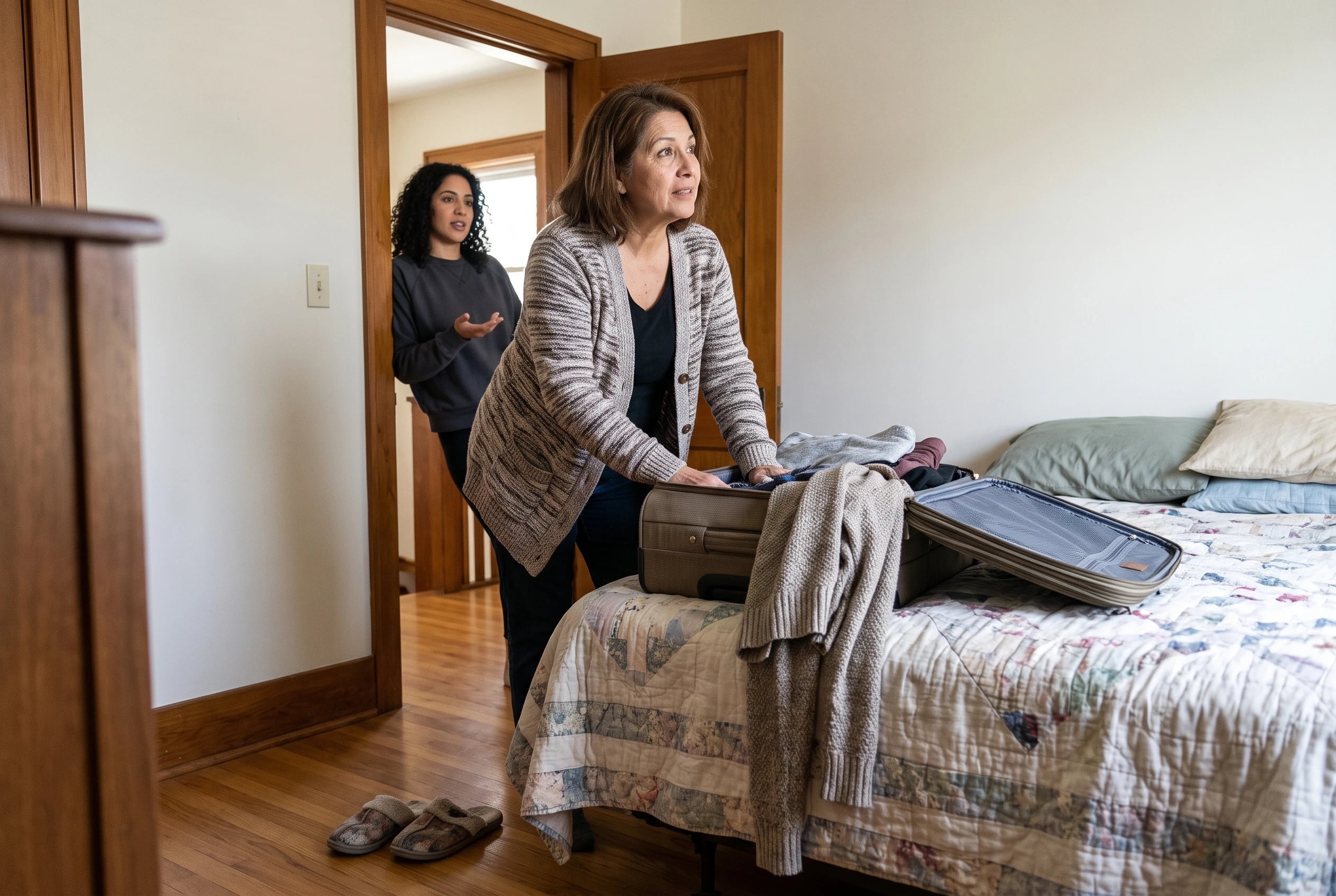
Visits feel easier when neither of you has to guess what the other expects. Your child wants room for other plans. You want time together that doesn't happen by accident.
Try this: “I'd love to have dinner together while you're here. Which evening works?” Ask early about holiday plans, then listen before filling the calendar.
A visit has travel, shared space, and other people's plans attached to it. If plans change, you'll have an agreement to revisit rather than a disappointment neither of you named.
22A Therapist or Support Group Conversation

What if your usual ways of getting through the day aren't working? You don't have to arrive with a neat explanation or decide in advance what kind of help fits.
Tell a therapist or group leader what's happening in ordinary language: “Since my child moved out, I can't settle into my days.” If you'd rather begin by asking about a group, say that. Ask when it meets and what happens at a first visit.
NAMI's HelpLine provides information and referrals to local services and supports. It isn't a crisis line. Ask which options are near you, how to contact them, and whether they meet in person or remotely. Write down the details before you hang up.
You aren't committing to tell your whole life story. You're finding out what help is available when the ways you've tried aren't enough.
21A Journal Page for Mixed Feelings
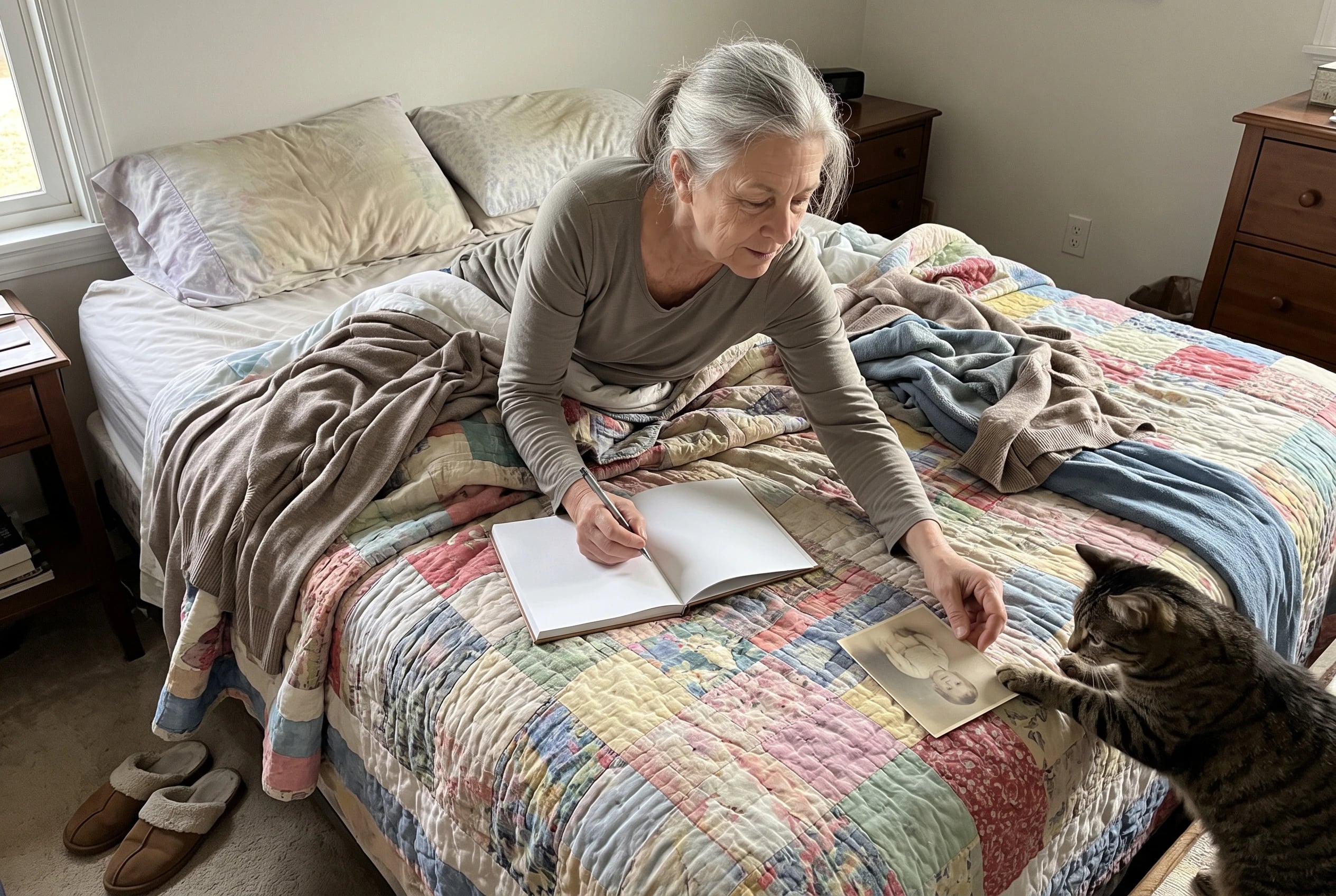
You find a school photo while clearing a drawer. One memory leads to another, and you lose track of what you meant to do.
Open a page and write three sentences: “Today I noticed...” “What surprised me was...” “Tomorrow I want...” Stop there if that's enough. Tomorrow, write about what happened rather than what you think you should have felt. The page is private.
The American Psychological Association's coverage of expressive writing describes how writing about difficult transitions helps people cope and make meaning. If a blank notebook feels too grand, use the back of an envelope. The point is to give a crowded thought somewhere to go.
20A Bucket List From Before Kids
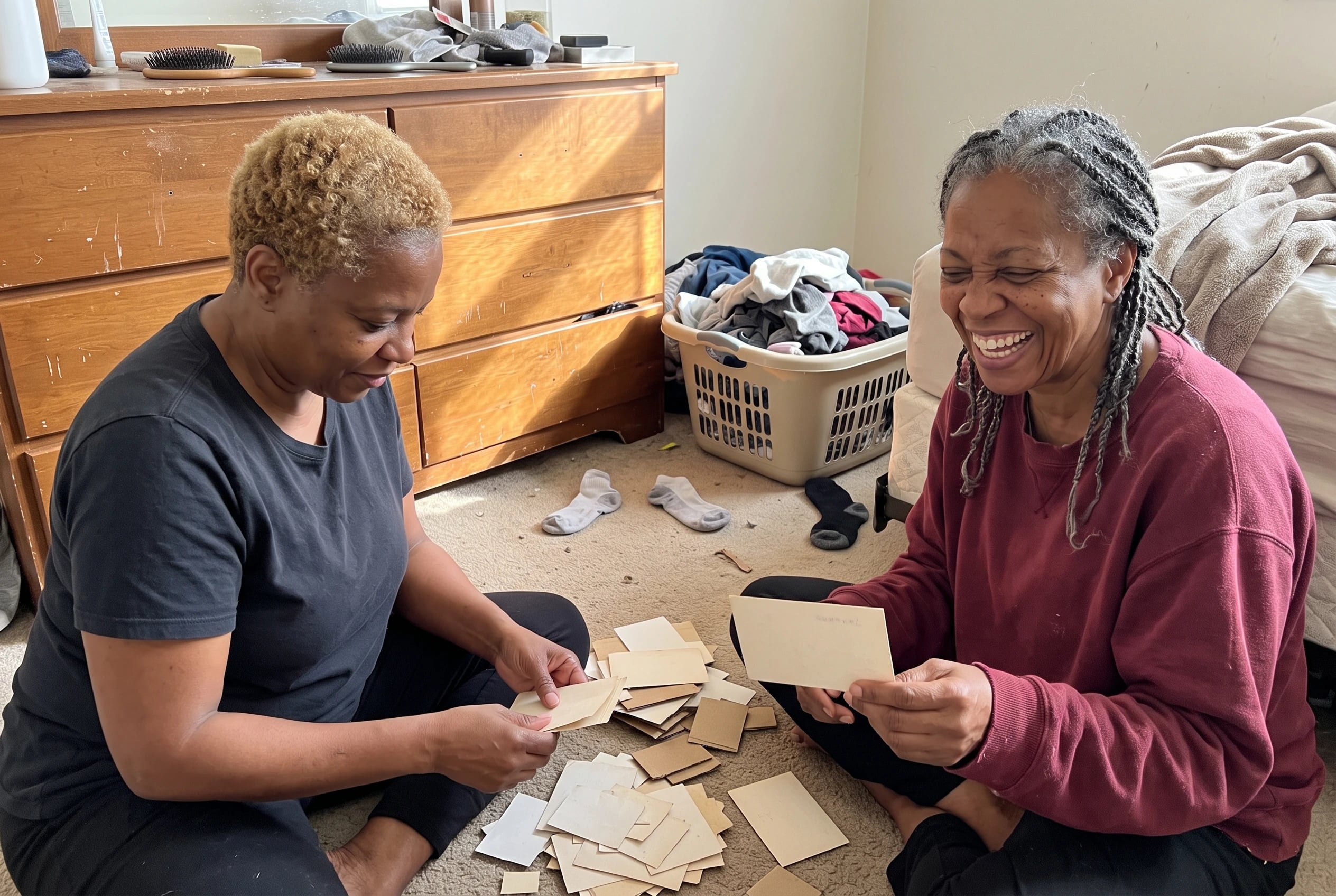
Before schedules filled your kitchen counter, what did you want to learn, make, or see? Some answers have stayed with you. Others won't fit the person you are now. Cross those out without ceremony.
Start a list with three prompts: “I was curious about...” “I stopped doing...” “I'd try it if nobody needed me home by dinner.” Keep the answers specific enough to act on. “Make something” becomes “find the sewing box.” “Travel” becomes “look at my calendar.”
Don't turn the list into another set of duties. Choose an entry you can test in an afternoon without buying anything. If you enjoy the hour, give it another. If you don't, you've learned something useful about your life as it is, not the one you imagined years ago.
19A Decluttered Corner of Your Home

The extra hangers, old sports gear, and wrapping paper didn't become your responsibility just because your child moved out. Pick one corner that bothers you each time you pass it. Leave the rest alone for now.
Make a keep pile, a pile to ask about, and a pile you already know can go. Keep your child's belongings out of the last pile until you've agreed on what happens to them.
For a craft or office corner, The Container Store's elfa Utility Pegboard was listed at about $30 to $41 for the board, with accessories extra. Check its current price before buying. First, see whether an empty shelf would do the job. Clearing space doesn't require filling it again.
18A Fitness Routine You Chose

Start with movement you'll repeat, not a plan that requires a new personality. Walk before lunch. Do strength work where the floor is clear. Choose a balance exercise you'll remember to do.
The CDC's guidance for older adults sets a weekly target of at least 150 minutes of moderate aerobic activity. Short bouts count.
It also calls for muscle-strengthening on at least two days and balance work. Those targets give you something to build toward, rather than a reason to dismiss a short walk.
Put movement beside something already in your day: after coffee, before an errand, or when you once started dinner for everyone. Mark what you actually did, not what the calendar said you would do.
If you're beginning after a long break, make the next session easy to start. Shoes by the door beat an elaborate plan you don't want to repeat.
17A Club or Class With Familiar Faces

A class gives you a reason to leave the house. Going back gives you a chance to know people beyond introductions. Look for a subject you'd attend even if you knew nobody there.
For example, OLLI at UC Berkeley is built for learners 50 and older. Its annual membership was about $100 in 2026, with courses priced separately. If you're elsewhere, check a nearby program's course page and ask what membership and classes cost now.
Don't judge the idea by the first awkward hello. Choose something that meets again, then stay a little after class to ask another person what brought her there. You aren't auditioning for a whole new circle. You're making it easier for a familiar face to become a friend.
16A Pet for the House You Have Now

The silence after the front door closes is real. So is the daily work of caring for an animal. Give both facts room before deciding.
Picture an ordinary day, not the welcome-home scene. Where would a dog go while you're away? Who would handle care during a trip? Would a cat suit your routine better, or would you rather visit someone else's pet for now?
If the answers point toward adoption, talk with a local shelter about the animal in front of you. Ask what the shelter knows about its routine, then compare that with yours. Find out what care and costs you would take on. The first lonely evening doesn't have to set a deadline.
15A Local Cause for Your Time

You know how to show up, notice what's missing, and get a job done. Ask a local organization what work needs doing regularly, then decide how much time you want to give.
If you also need paid work and current experience, look into the Department of Labor's Senior Community Service Employment Program. For eligible job seekers 55 and older, SCSEP provides assignments at nonprofit and public agencies.
They run about 20 hours a week and pay at least the applicable minimum wage. You'd earn while adding recent work to your résumé.
Volunteering and SCSEP are different arrangements. Ask which you're applying for before you commit.
14An Empty Nest Mom's Old-Friend Message

An old friend's name appears in your contacts. You remember how long it's been and start drafting an apology long enough to need its own envelope. Put that draft away.
Send this instead: “I thought of you today. Would you like to take a walk or get coffee next week?” Give her a clear invitation and room to decline. If she doesn't answer, reach out to someone else rather than turning silence into a verdict on the friendship.
Being an empty nest mom doesn't require you to keep every old relationship intact. It does give you a chance to make regular connection part of your week. The National Institute on Aging includes social connection in its healthy-aging guidance. Put the next meeting on your calendar before you part.
13A Date Night With Your Spouse

What do you talk about when the evening no longer revolves around a child's plans? Start there. Ask what your spouse wants more of now, and answer the question yourself. Dinner at home counts if you put your phones away and stay with the conversation.
Date night doesn't have to lead to sex. If you want physical closeness and dryness or pain gets in the way, tell your clinician plainly.
Cleveland Clinic says genitourinary syndrome of menopause affects at least half of postmenopausal women. Discuss what you're experiencing with a clinician who knows your circumstances, rather than pushing through discomfort.
If your relationship feels strained, make the invitation smaller: a walk, a shared meal, an honest question. You don't have to produce a sparkling evening on command.
12An Empty Nest Travel Dream Abroad

An old passport turns up while you're looking for something else. Before searching for flights, write down what draws you to this trip now. Is there a place you still want to see, or is it the chance to spend unhurried time away?
If someone would travel with you, ask whether they share the plan. Then check your documents, available time, and the entry requirements using official government information for the place you've chosen. Find out what you need before paying for anything.
Give the idea a place to live while you work out what you're willing to spend. You don't have to book a trip to take the dream seriously.
See more: 23 Best Vacations for Retirees →
11An Empty Nest Travel Day Alone

Nobody else wants to go where you want to go. That leaves you with a choice you didn't have while every departure needed family approval.
Build a solo trip around the part that appeals to you: choosing when to leave, lingering somewhere you like, or waking without a group plan. If an overnight stay feels like too much to arrange, begin with a day out on your own.
Work out how you'll get there and back. For an overnight booking, read the cancellation terms first. Tell someone you trust where you're going because that's how you prefer to travel, not because you need permission.
When you're home, notice what you enjoyed. Was it the place, the pace, or making every choice yourself? Let that answer guide another outing.
10An Empty Nest Travel Weekend Away
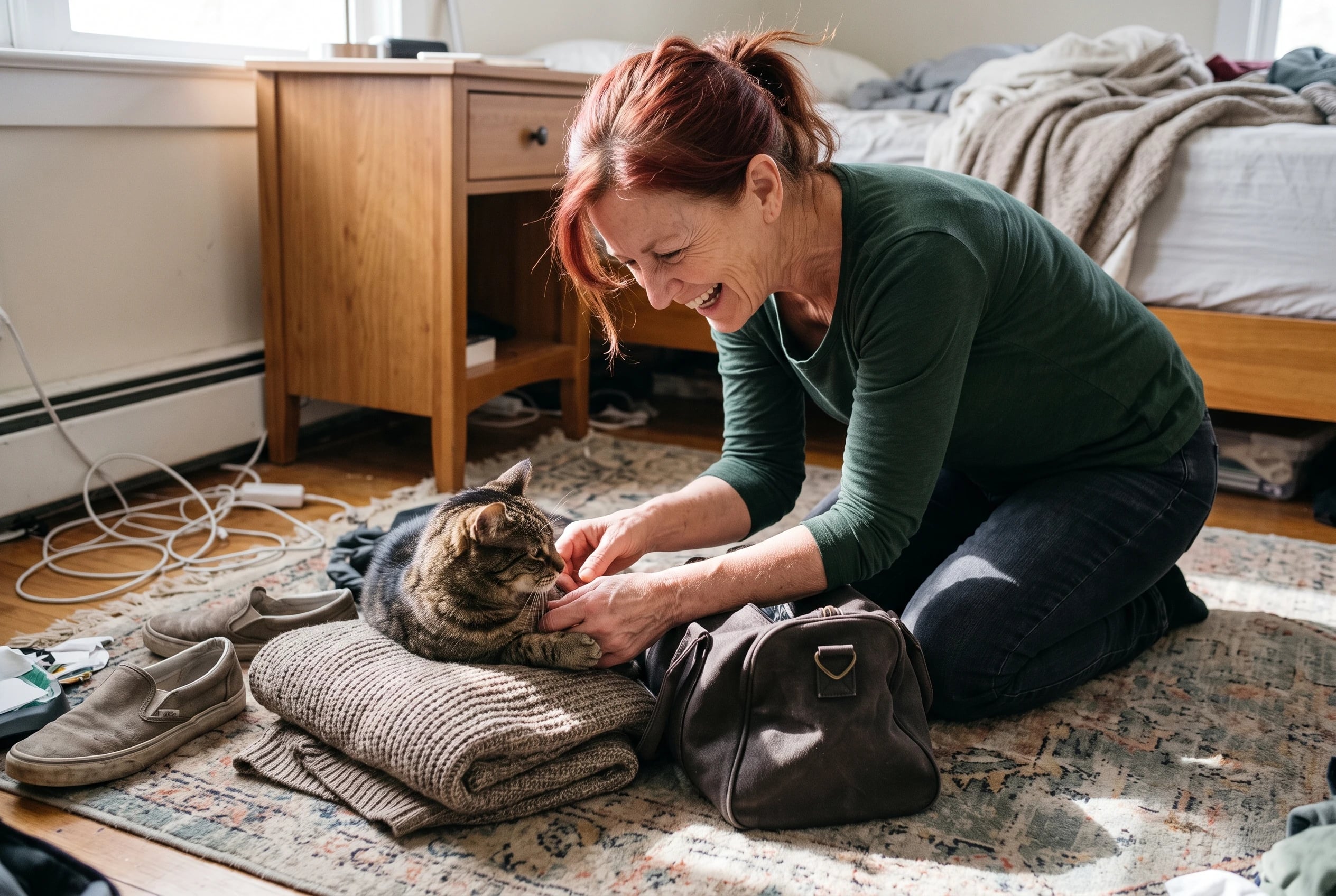
The school calendar no longer decides which weekends are open. Now the question is whether you want to go away at all.
If you do, start with the hours available. Ask your travel companion when you're both free to leave and when you want to return. Decide how much of that window you're willing to spend getting there.
Then check arrival, departure, and cancellation terms against those hours. If they don't fit, choose another weekend. An open date is an option, not an order to pack.
9A Returnship or Fresh Job Search

A résumé gap looks much larger to you than the work you've done since your last paid role. Start by writing down the tasks you want to be paid to do now. Find openings that match those tasks before revising your résumé.
Path Forward describes returnships as paid roles for people returning to work with résumé gaps. Most run three to four months. That gives you a useful search term when you want current experience instead of another afternoon worrying about the gap.
You can also browse AARP's Job Board, which lists openings with employers committed to multigenerational hiring. Save roles that interest you, then compare their requirements with your experience.
Choose one role to apply for before polishing every line of your résumé. An application tells you more about the next step than trying to settle your whole career at once.
8A Budget for the Household Now

Start with what changed. Pull up the last three bills for groceries, utilities, and anything you paid for your child. Mark which costs have actually fallen and which still belong in your budget. Don't spend a saving you haven't seen.
The Consumer Financial Protection Bureau's budgeting worksheet uses a starting split: about 50% for needs, 30% for wants, and 20% for savings or debt payoff. Compare that guide with your own numbers rather than forcing every bill into it.
If moving is on your mind, separate the question from a decision to sell. Write down what you'd gain and what you'd give up besides floor space.
The IRS's home-sale guidance describes an exclusion of up to $250,000 in gain, or $500,000 for married couples filing jointly, when its tests are met. Check the IRS sale-of-residence page and those tests before treating the proceeds as money you have.
7A Small Business From Home

What do people already ask you to make, find, or do? Put that answer beside what you're willing to repeat for a paying customer. The overlap is a better starting point than buying supplies for an entire store.
If you want to sell online, compare a storefront with individual listings. Shopify's Basic plan was about $39 a month, or about $29 a month when paid yearly. Etsy's 2026 fee guidance listed about 20 cents per listing plus a 6.5% transaction fee. Check both companies' current pricing before opening an account.
Work out the costs for one sale, including materials, shipping, and your time. Then try to sell one item or service. You'll learn whether you enjoy the work and whether the price makes sense before giving the business a room of its own.
6A Degree or Course You Want

Finishing a degree is a different goal from enjoying a class. Decide which one you mean before looking at a tuition page.
For a degree, list the credential you want and the work you expect it to help you do. Western Governors University's 2026 catalog listed flat tuition by six-month term. Most undergraduate terms ran about $3,760 to $5,325. Check the current catalog, program requirements, and total cost before applying.
If you want to learn without pursuing a degree, a course through OLLI at UC Berkeley is another model. Its 2026 annual membership was about $100, and courses carried separate fees. Look for a class whose reading or assignments sound worth doing. The right choice fits your purpose and your week.
5A Language Lesson or Musical Instrument

Your first practice session doesn't need an audience. Pick a language you want to speak or an instrument you want to hear in your home. Give it a regular place in the day.
Fender Play listed guided lessons at about $20 a month or $150 a year. Rosetta Stone listed an all-language annual plan at about $127. Check each company's current offer and renewal terms before paying.
If you want to try an instrument, borrow one or ask about a lesson before buying it. Keep the first goal small: finish a lesson, play a phrase, or say something aloud without stopping to correct yourself.
Repeat the same small task and notice what gets easier. You get to be a beginner at something nobody is grading.
4A Hobby Room in the Old Bedroom

The door is open, and the room is caught between its old job and whatever comes next. Before moving furniture, ask your child which belongings they want to keep. Agree where those things will go.
Then choose what you want to do there. Sewing needs a different clear space from painting or reading. Put the chair, lamp, or work surface in place before buying organizers. Try the room for an afternoon and notice what you keep reaching for.
An IKEA SKÅDIS pegboard was about $25 for a 22-by-22-inch board in the research provided. Check its current price and wall-mounting needs before buying. You don't owe the room a complete makeover.
Let it become useful while leaving room for your child to visit, and for you to change your mind.
3A Weekly Texting and Calling Plan

How much contact feels good to both of you? Ask directly, while neither of you is upset about a missed call.
“I'd love a regular time to catch up. What works with your week?” gives your child room to answer. Choose whether that check-in is a call or a text exchange. Agree on what to do when plans change. A missed Tuesday shouldn't become a week of guessing.
Cleveland Clinic's empty-nest advice recommends a weekly check-in that works for parent and child, so you stay connected without hovering. Keep the plan simple enough to use.
When worry sends you toward another message, look at what you agreed. Decide whether anything needs saying now. You'll still have things to tell each other when you talk.
2Empty Nest Ideas for a Morning Routine

The old morning had built-in cues. Someone needed breakfast, a ride, or a last-minute signature. When those cues go, choose an anchor that belongs to you.
The National Institute on Aging recommends about seven to nine hours of sleep for older adults. It also recommends consistent bed and wake times, including on weekends.
Pick a wake-up time you can keep. Put something after it that gets you dressed and into the day: a walk, a class, work, or coffee with a friend.
Write tomorrow's first action on the calendar tonight. Keep the rest of the morning loose enough to live in. Your routine doesn't need to account for every hour. Its job is to help you begin the day without waiting for somebody else to tell you what needs doing.
1Naming Grief in Your Empty Nest
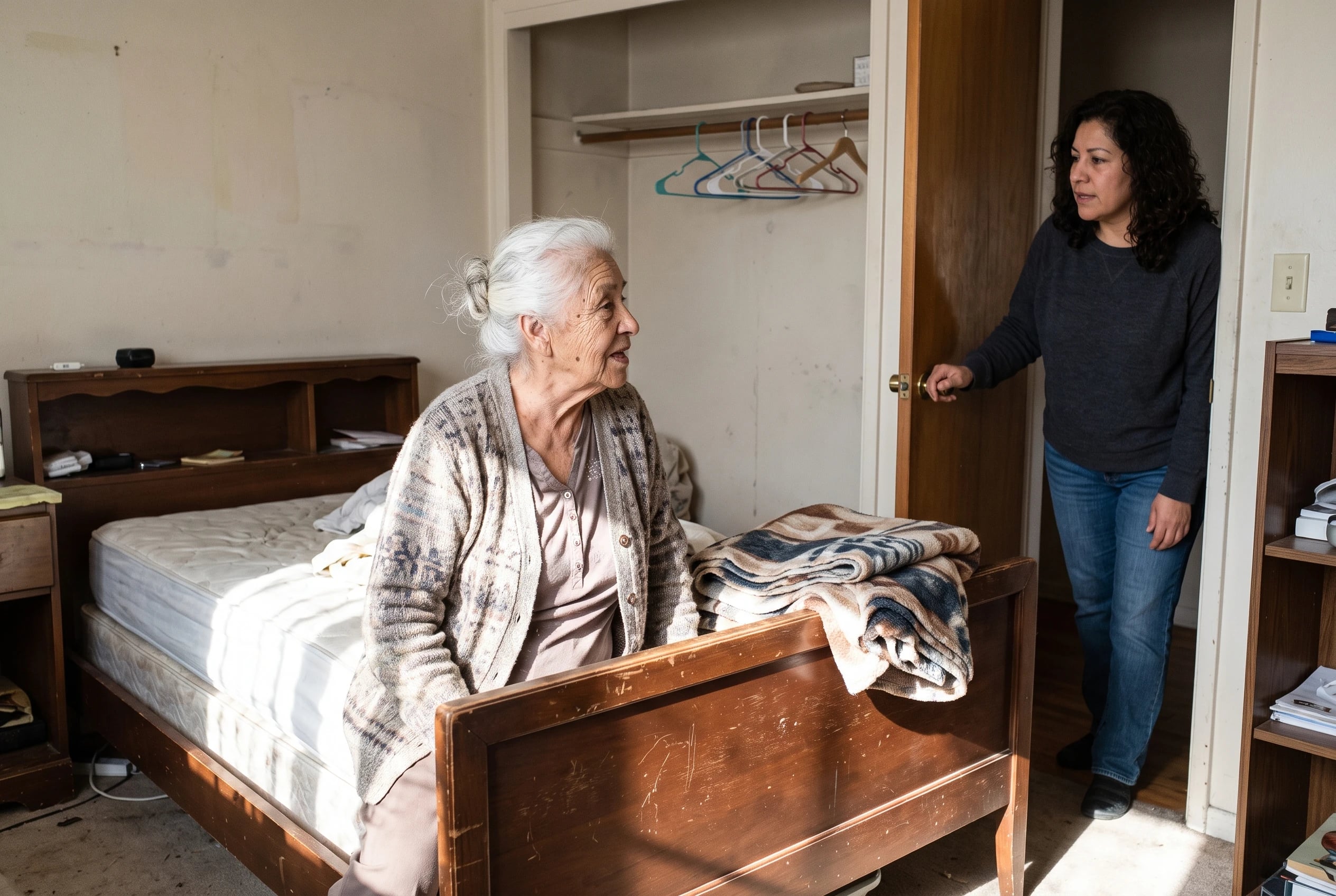
The urge is to find a task that will make this feeling stop. Before choosing one, name what you've lost. You're still a parent. What changed is the ordinary closeness of sharing a home and being needed in familiar ways.
The American Psychological Association says grief follows significant life changes, not only deaths. There's no single normal timeline. Mayo Clinic describes empty nest syndrome as a common experience, not a medical diagnosis.
You don't need a diagnosis to say, “I miss our old days.”
Try saying it without adding “but I should be happy for them.” You can be happy for your child and miss the sound of them coming through the door. Neither feeling needs to cancel the other.
Stay with what the sentence tells you before reaching for the next task. Which part of the day feels different? What, exactly, do you miss about it? A clear answer gives you a place to begin. It doesn't demand that you stop missing it.
The bottom line
The ideas on this list have something in common: each gives you a choice where there used to be an obligation. You don't have to make them all.
The well-prepared version of you has agreed on a way to stay in touch, looked honestly at her days, and chosen one thing to try for herself. She hasn't stopped missing anyone.
What have you been reaching for lately that no longer needs to be there, and what would you like to put in its place?
Up next
26 Daily Activities for Seniors That Give a Day Its Shape
A menu sorted by mobility, company, and cost, with library-card options and a weekly schedule you can put to work.
Read the list →


Reader quiz
Did you catch the details?
5 questions from this article.
In “A Full Life Beyond Parenting,” what should you do after circling the heading with the least written beneath it?
Questions people also ask
Is empty nest syndrome a mental illness?
No. Mayo Clinic describes it as a common experience, not a diagnosable condition. Sadness, worry, and loneliness still deserve attention, especially when they keep you from getting through your day.
Which is an example of an empty nest?
The APA Dictionary of Psychology defines an empty nest as the family home after children leave. For example, your adult child moves out for work or college, and you adjust to the changed household.
How do I stop worrying about my child after they leave?
Agree on a check-in time that suits you both. Cleveland Clinic recommends this as a way to stay connected without hovering. When worry rises between calls, turn to a plan you made for your own day instead of sending another message automatically.
Who is most at risk for empty nest syndrome?
Cleveland Clinic identifies primary or sole caregivers, parents of an only child, and people with limited social support among those who face a harder adjustment. A strained relationship, being newly single, or going through perimenopause or menopause also belongs on its list. These circumstances don't predict how you personally will feel.
What helps with empty nest sadness day to day?
Keep a regular sleep and wake time, and make room for movement and contact with other people. The National Institute on Aging recommends a consistent sleep schedule; the CDC gives older adults a weekly activity target. Choose a step you can repeat rather than trying to fill the whole day at once.
Did any of these feel familiar?
Know someone who needs this?
 Prime Journal · Free printable
The Family Essentials Checklist
- Your wishes written down and shared with the right person.
- Your medicines and emergency contacts ready when needed.
- Your family plans settled before anyone counts on them.

Free printable: The Family Essentials Checklist. Enter your email and it is yours.
Sources cited in this article
This article links to 11 outside sources, listed here so you can read them yourself.
- National Institute on Aging www.nia.nih.gov/health/healthy-aging/what-do-we-know-about-healthy-aging
- NAMI's HelpLine www.nami.org/nami-helpline
- CDC's guidance for older adults www.cdc.gov/physical-activity-basics/guidelines/older-adults.html
- OLLI at UC Berkeley olli.berkeley.edu/join
- Senior Community Service Employment Program www.dol.gov/agencies/eta/seniors
- Returnships pathforward.org/what-are-returnships
- Consumer Financial Protection Bureau's budgeting worksheet files.consumerfinance.gov/f/documents/cfpb_building_block_activities_analyzi…
- Cleveland Clinic's empty-nest advice newsroom.clevelandclinic.org/2026/09/09/tips-for-dealing-with-empty-nest-syn…
- National Institute on Aging www.nia.nih.gov/health/sleep/sleep-and-older-adults
- American Psychological Association www.apa.org/topics/families/grief
- Mayo Clinic newsnetwork.mayoclinic.org/discussion/how-you-can-enjoy-the-empty-nest
Ruth Ellison
Family Editor
Ruth writes about grown children, grandchildren, ageing parents, and the conversations families put off, in the words of the people involved.
More from Ruth Ellison