
22 Activities for Grandparents and Grandkids
A recipe card, a shoebox of photos and a free scavenger hunt give you ways to fill the next visit without filling your calendar.
By Ruth Ellison, Family Editor
Updated · 16 min read
The short answer: Activities for grandparents and grandkids include baking a family recipe, playing cards, sharing a large-piece puzzle, building a blanket fort, tending a container garden and recording family stories on a phone. Video games, cooking calls and local outings give older grandchildren a part in the plan.
- Written by our family editor
- Cited 14 sources
- How we review
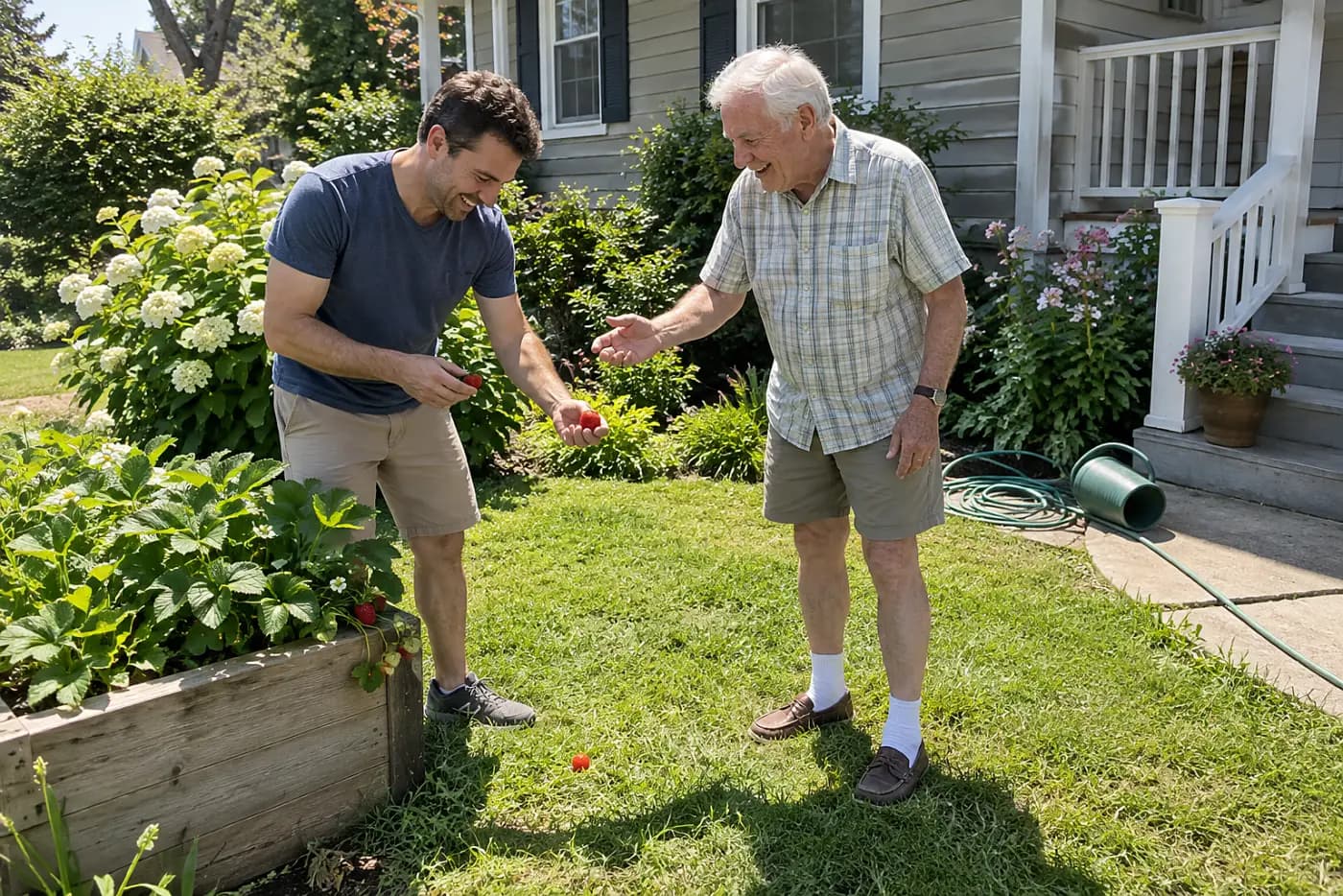
The visit is going well until the familiar question arrives: “What should we do now?” You glance at the clock. There’s a deck of cards in the drawer, a phone on the counter and a child who has outgrown the games you remember.
Start with what’s already there. Give an older grandchild some say in the plan, and give yourself permission to sit down. Time together doesn’t need an admission ticket or an afternoon on your feet. It needs something both of you have a part in.
22Family recipe activities for grandparents and grandchildren

Pull out the recipe card with the butter stain. The grandchild who used to stir batter now wants to know why you make this dish, or why nobody else makes it quite the same way. That’s a good reason to bring the card back out.
Give each of you a job. You read the instructions, and your grandchild takes charge of measuring or mixing. Then switch for the next step. If following a written recipe feels frustrating for a younger child, the USDA’s MyPlate “Look and Cook” cards show tasks in pictures.
You don’t have to produce a perfect family heirloom. A crooked batch still gives you something to taste together and a story to tell while you clean up.
See more: 27 Old-Fashioned Comfort Food Recipes Grandma Made →
21Card game activities for grandparents and grandkids
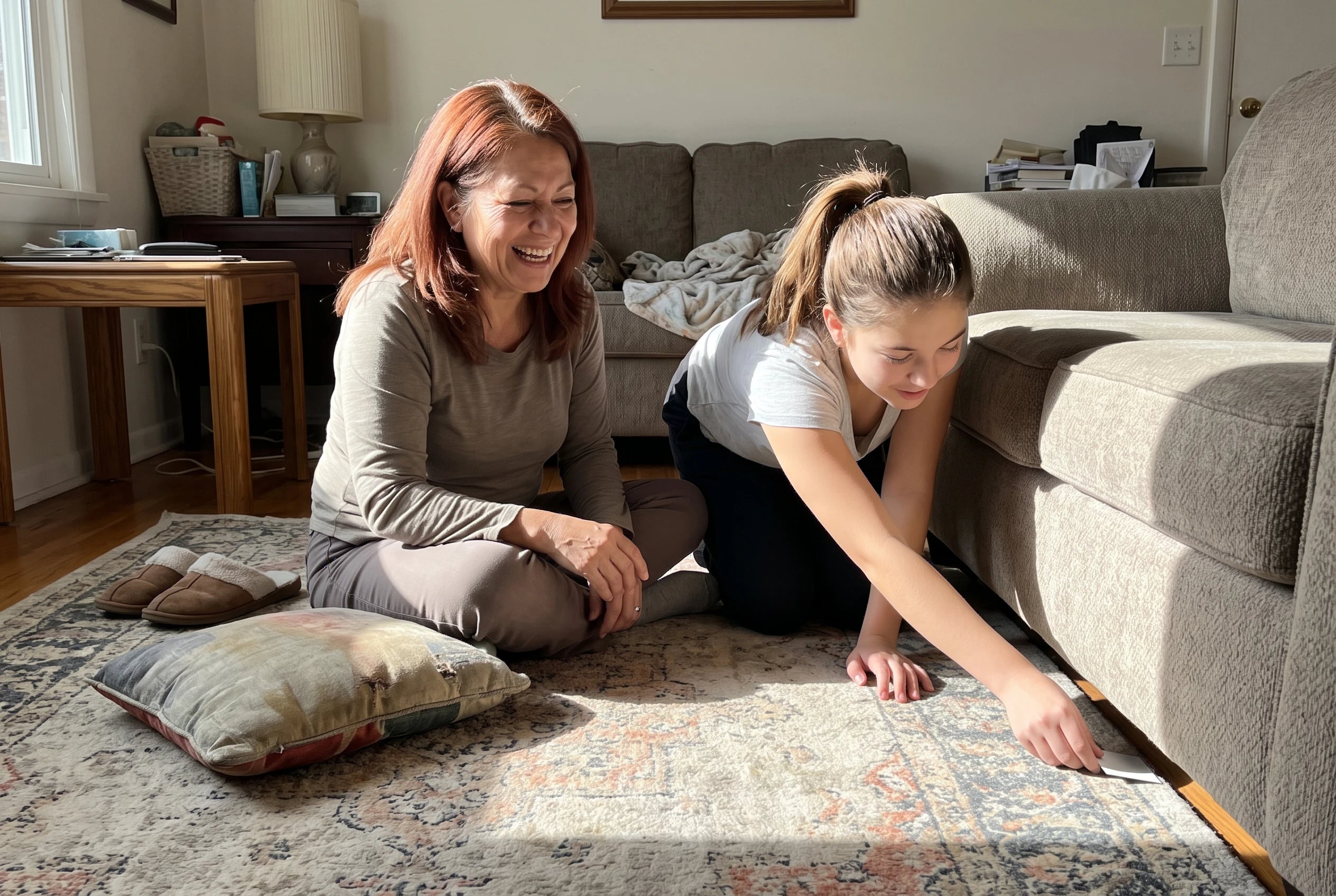
A deck fits in a coat pocket and asks nothing of your knees. It gives an older child room to challenge you, too.
Before the first card lands, settle the rules. Mattel’s UNO instructions list ages 7 and up and 2 to 10 players. They spell out wild and draw cards, worth checking before a house-rule dispute takes over.
For a younger player, try Go Fish. Bicycle Cards’ rules have players ask for a rank and collect matching books of four. Let the child explain how their household plays, then agree on one version together. The rules discussion is brief; the pleasure is in seeing how fiercely they want to win.
20A large-piece jigsaw puzzle by the window
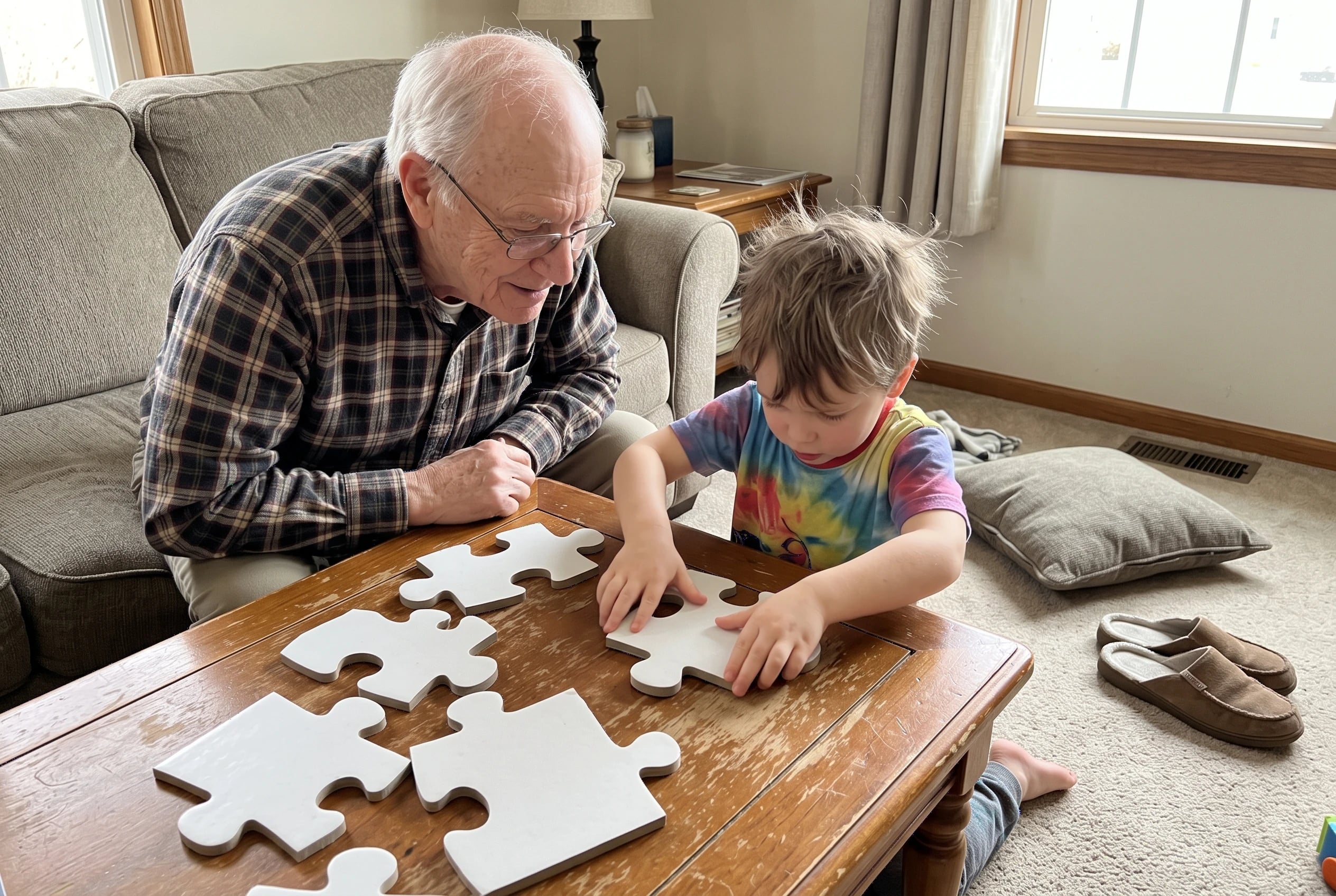
A puzzle lets you talk when you feel like talking. It also lets you both go silent without the afternoon feeling awkward. Put one near a window and leave it there for the visit instead of treating it like a race.
If small pieces are tiring to see or pick up, look for a large-format puzzle. Ravensburger’s Large Format 300-piece puzzles use oversized pieces for easier handling and visibility.
Your grandchild can sort by color while you look for edges, or you can trade jobs halfway through.
The puzzle needn’t be finished before they leave. An unfinished corner gives them something familiar to return to.
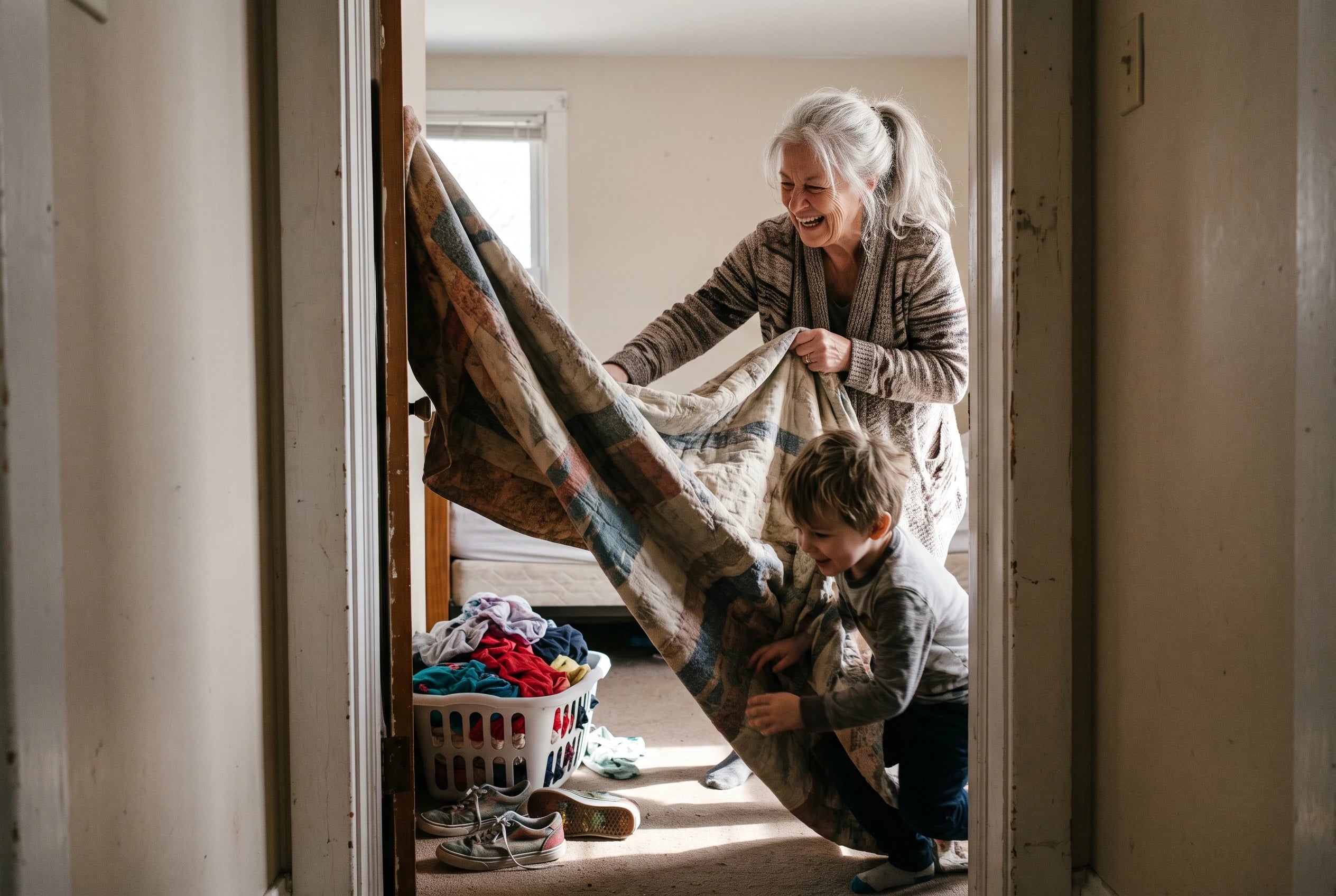
19An indoor blanket fort with storybooks
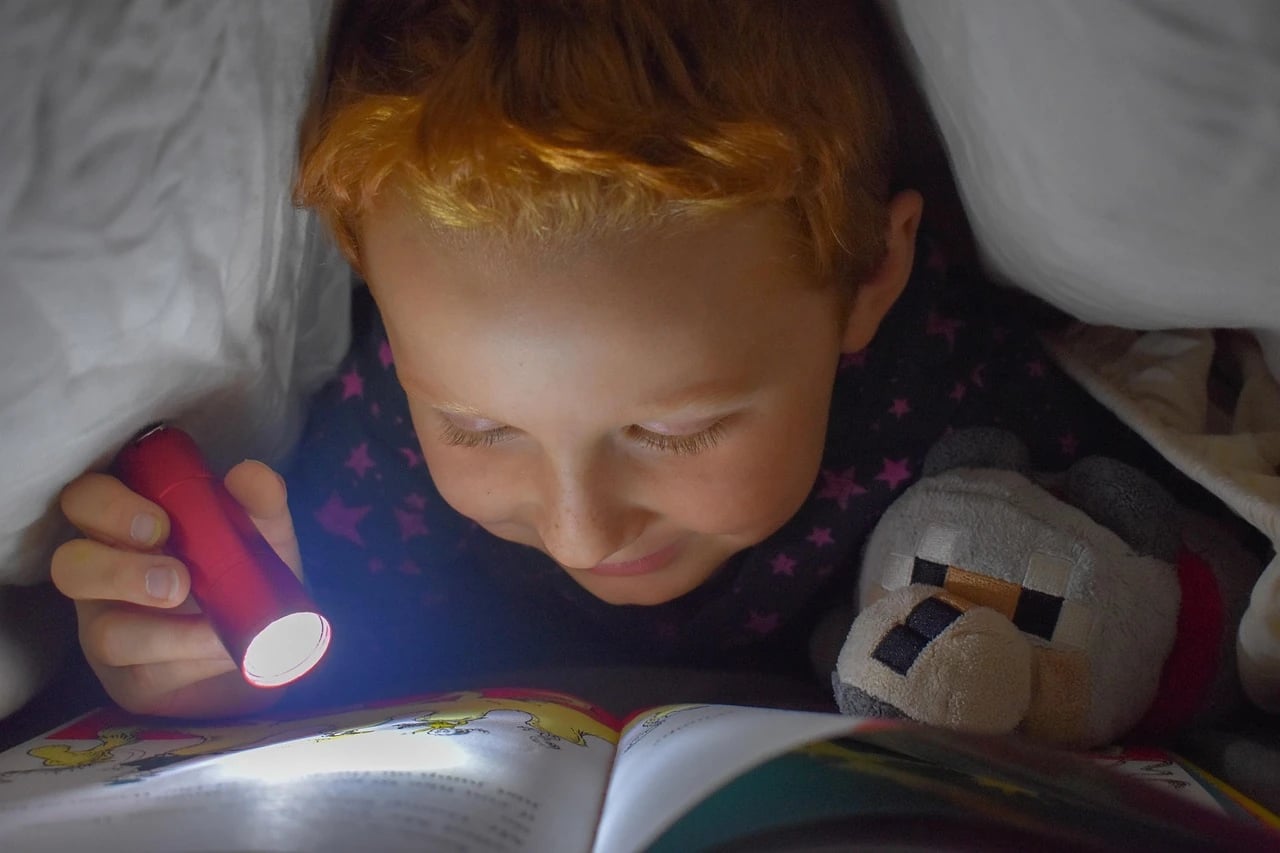
You reach for the blanket, and your grandchild heads straight for the cushions. Soon the living room has a doorway that neither of you planned. Let them choose where it goes while you stay in charge of the books.
Keep the build within reach. A blanket and cushions give you a place to sit. For a more involved project, PBS KIDS for Parents shows a fort made with rolled-newspaper triangles.
Once you’re inside, hand over the choice of story. Older grandchildren might prefer telling you one of their own. If you lose the thread, ask what happened next. They know the answer, and they’ll tell you which parts you got wrong.
Leave the fort up until the visit ends. The child who announces they’re too old for story time might still want to show someone else the doorway they built.
18Container gardening with grandma and herbs
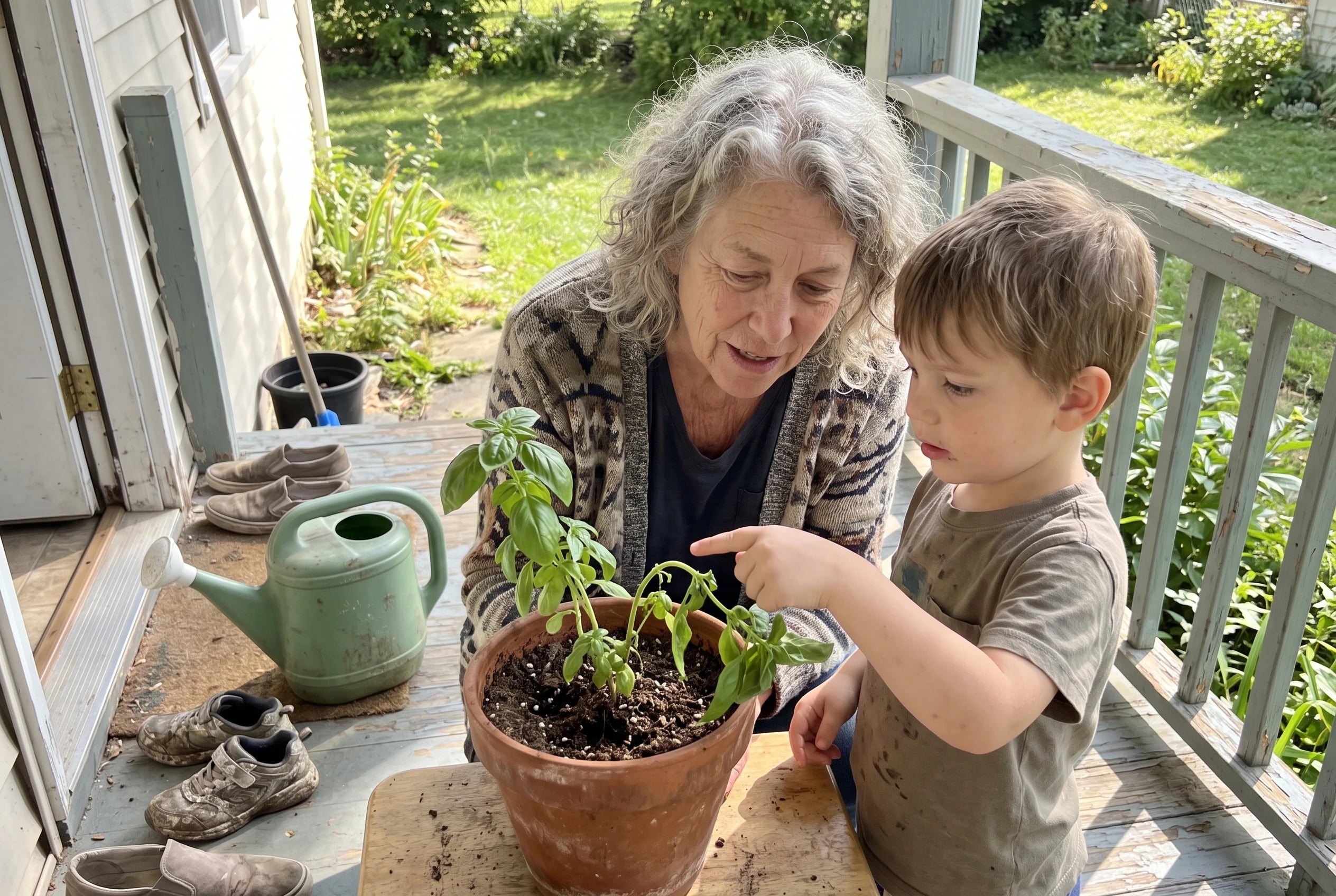
“Gardening with grandma” needn’t mean spending the afternoon bent over a yard. A container puts the work closer to your hands, and a plant caddy helps you move a heavy pot. The University of Maryland Extension describes container growing for herbs.
Let your grandchild choose a herb or flower they want to recognize on the next visit. Put the container where you’ll both remember to look at it.
If you’re growing perennial herbs for food, Iowa State Extension advises harvesting only the top third to encourage regrowth. Ask which leaves look ready, then compare notes the next time you’re together. The shared job is to notice what changed, including the days when a leaf looks worse.
17A nature walk with leaf clues
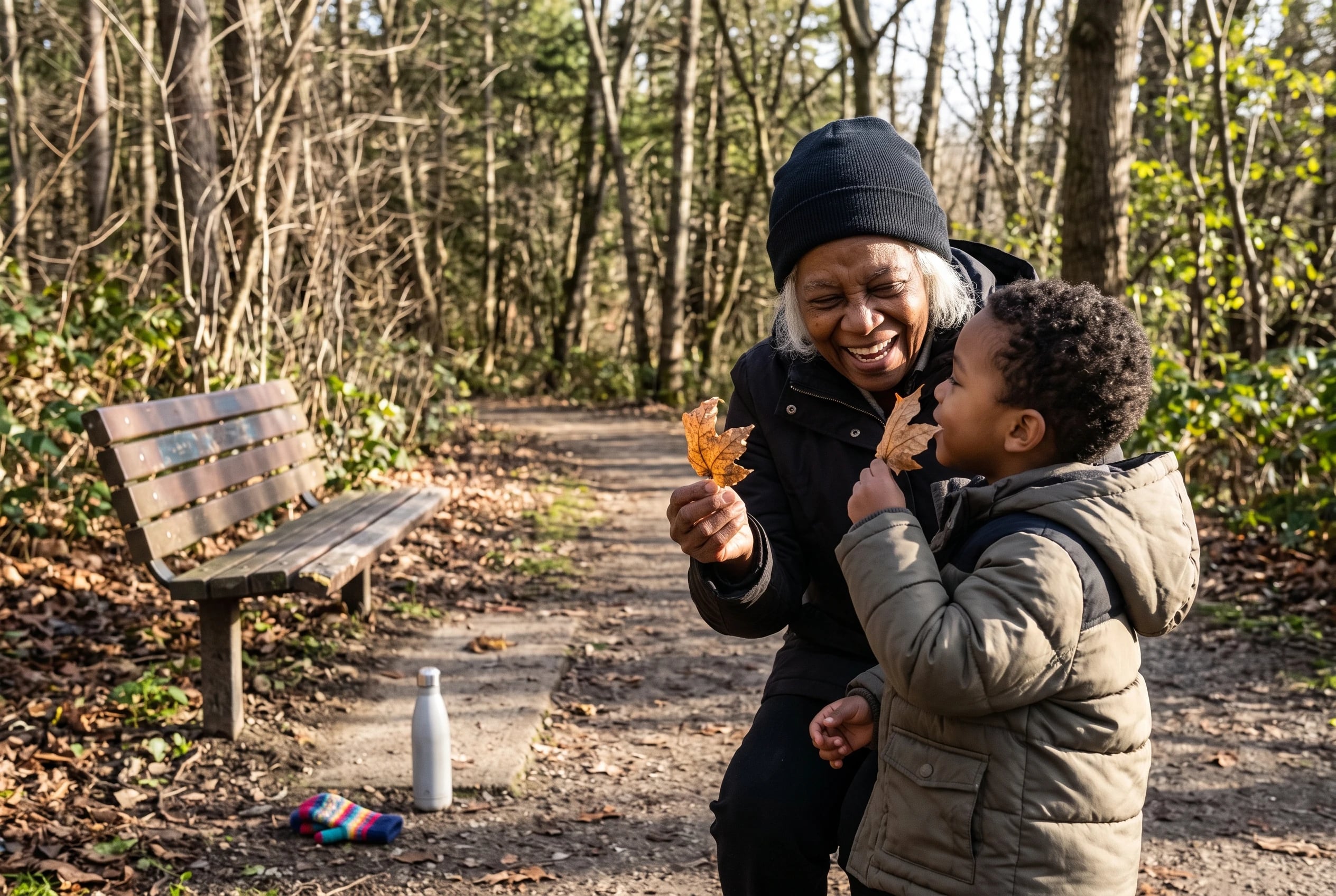
Here’s the test: find two leaves that look alike until you hold them side by side. Is the edge smooth or jagged? Does the tree’s bark offer another clue? Suddenly, the shortest path through the park has plenty to do.
The National Park Service has a free Junior Ranger senses scavenger hunt for a backyard or local park. The Arbor Day Foundation’s tree-identification guides use leaf shape, bark and fruit when you want to put a name to a find.
Set a turnaround point before you leave. Your grandchild gets the hunt without you ending up farther from home than you intended. Bring one leaf home to compare with what you find next time.
16A surprise outing to the zoo
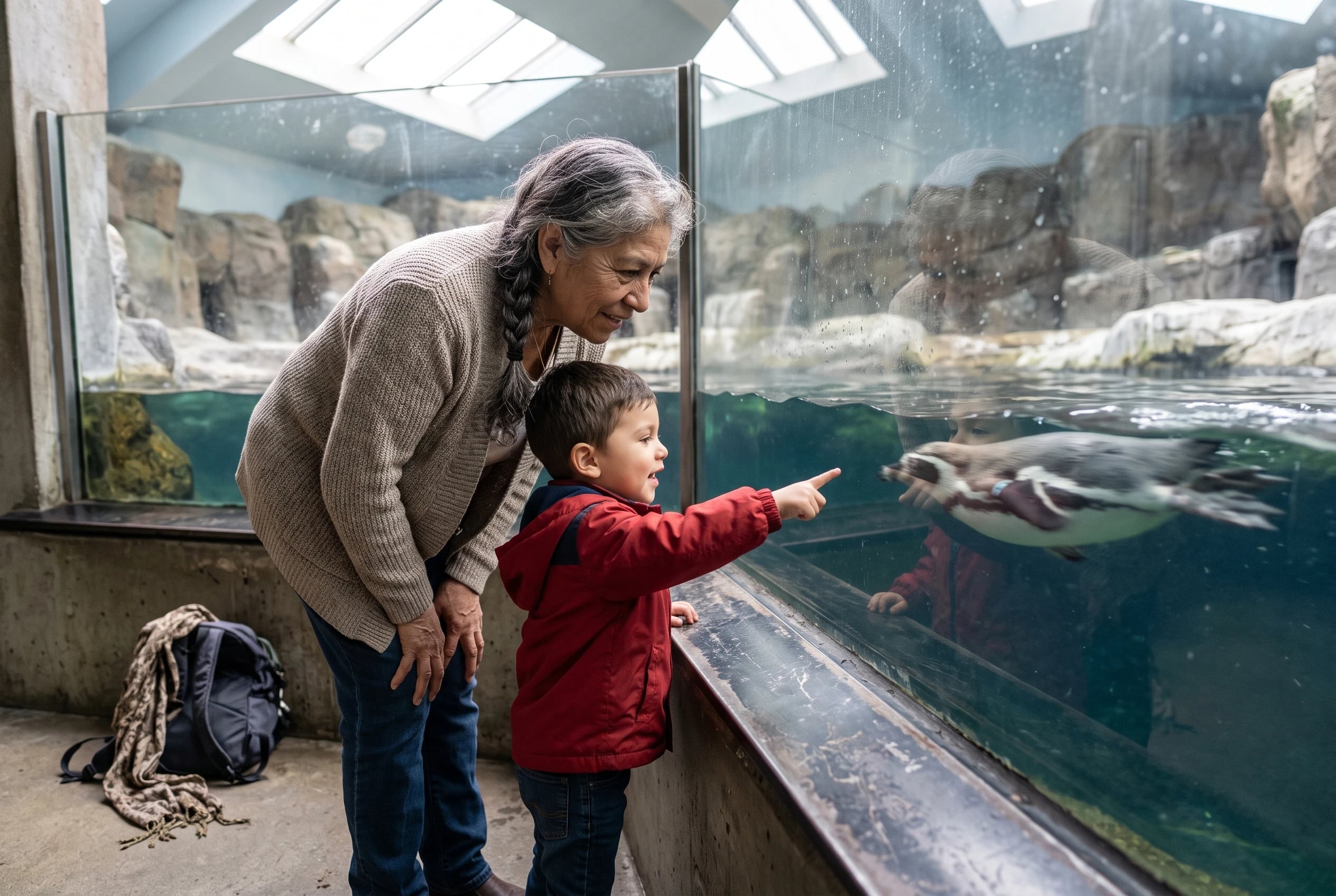
The surprise doesn’t have to be the destination. Hand your grandchild a card that says, “You’re choosing what we see first.” Suddenly the zoo trip belongs to both of you.
For a zoo near you, check the Association of Zoos and Aquariums directory. Then look at the zoo’s own hours, admission page and map before you announce the trip. A map gives you a chance to see where you’d stop for a rest.
Pick the animal you most want to see; let your grandchild pick another. If their choice sends you across the grounds, discuss the route before you start. You’ll have a plan, but they still get to lead you somewhere.
See more: 25 Strategies Grandparents Use to Travel With Grandkids and Actually Enjoy It →
15A video game your grandchild teaches
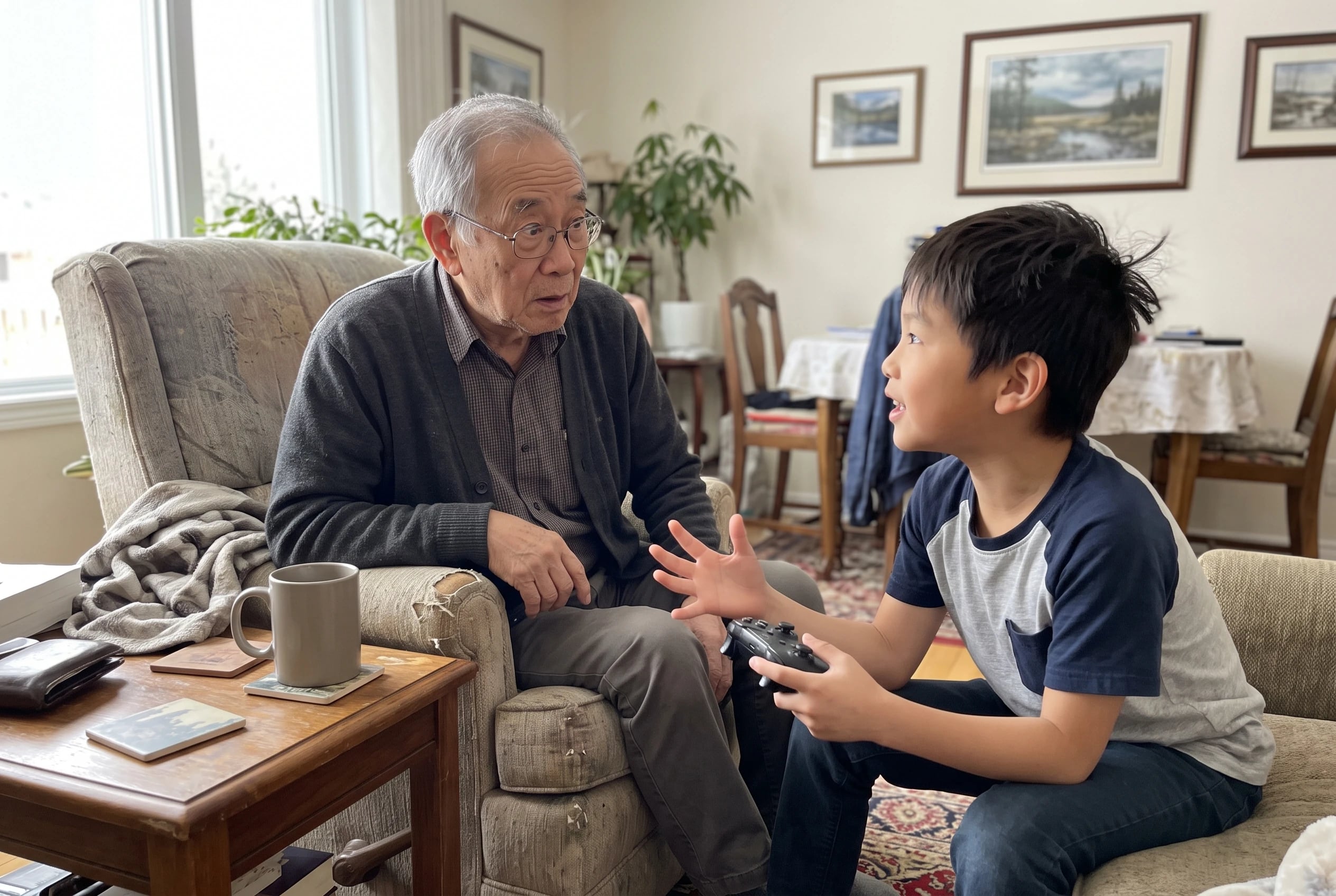
Hand over the controller and ask, “What do I press first?” That question gives an older grandchild a role they rarely get with you: teacher. You get to be a beginner without pretending otherwise.
Ask them to show you the screen before anyone starts scoring. Then play a round and have them explain the part you missed.
The American Academy of Pediatrics encourages adults to explore children’s favorite games with them, rather than leaving them to play alone.
If you need a title to discuss, Mario Kart 8 Deluxe carries an E for Everyone rating from the ESRB and supports local play. Ask what your grandchild already owns before buying anything. Their favorite game is the invitation; your curiosity is the activity.
14Scrapbooking ideas for grandparents and family photos
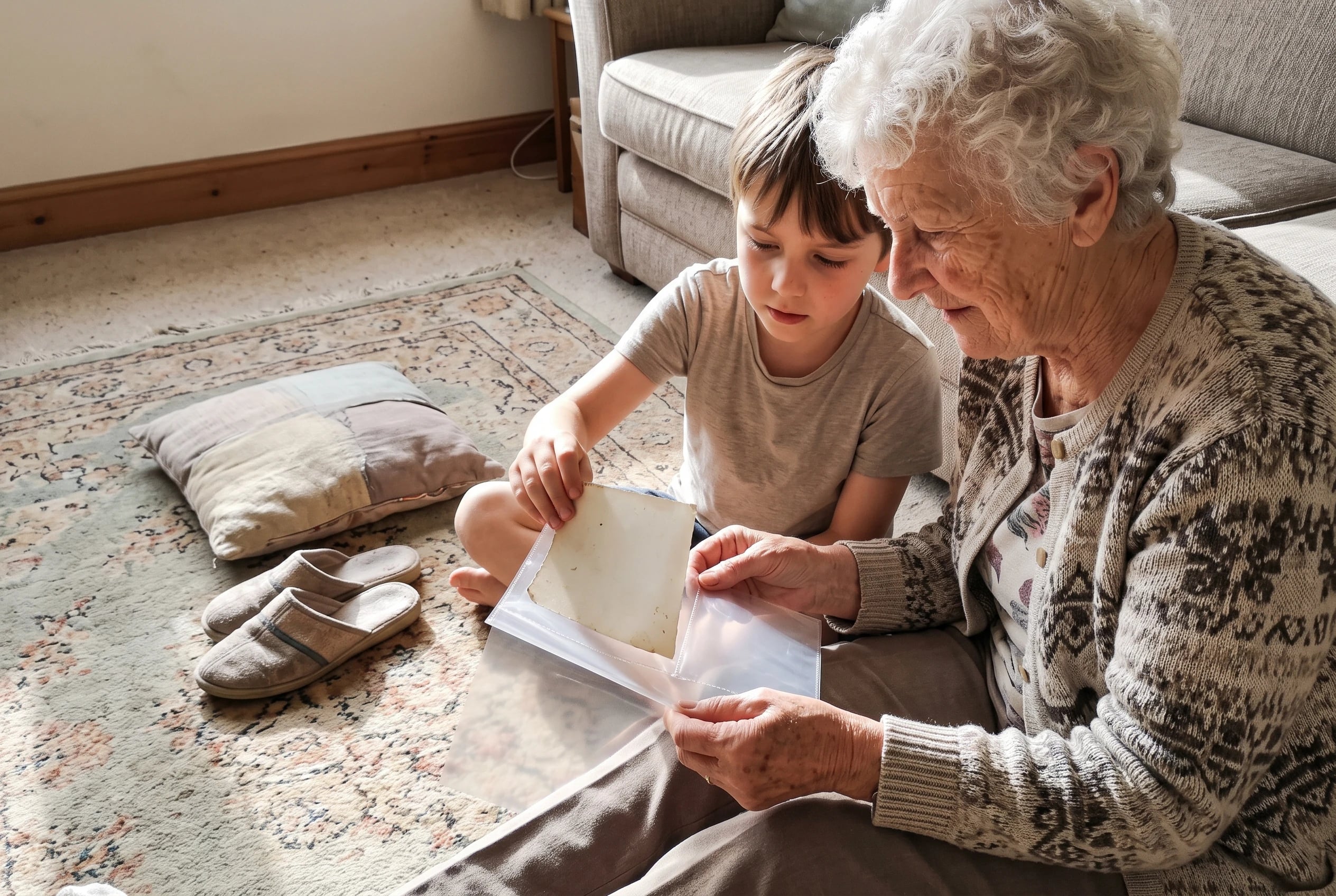
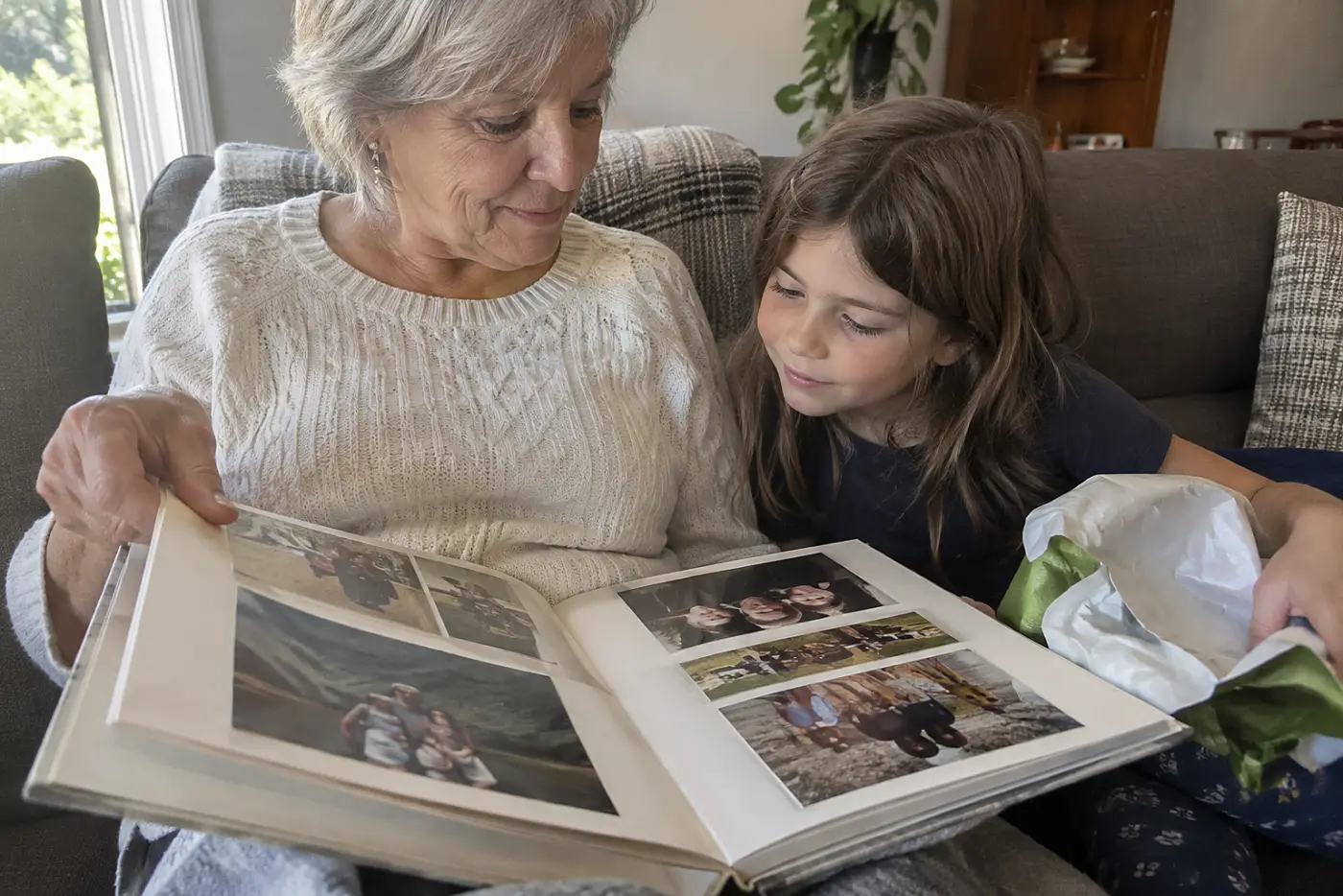
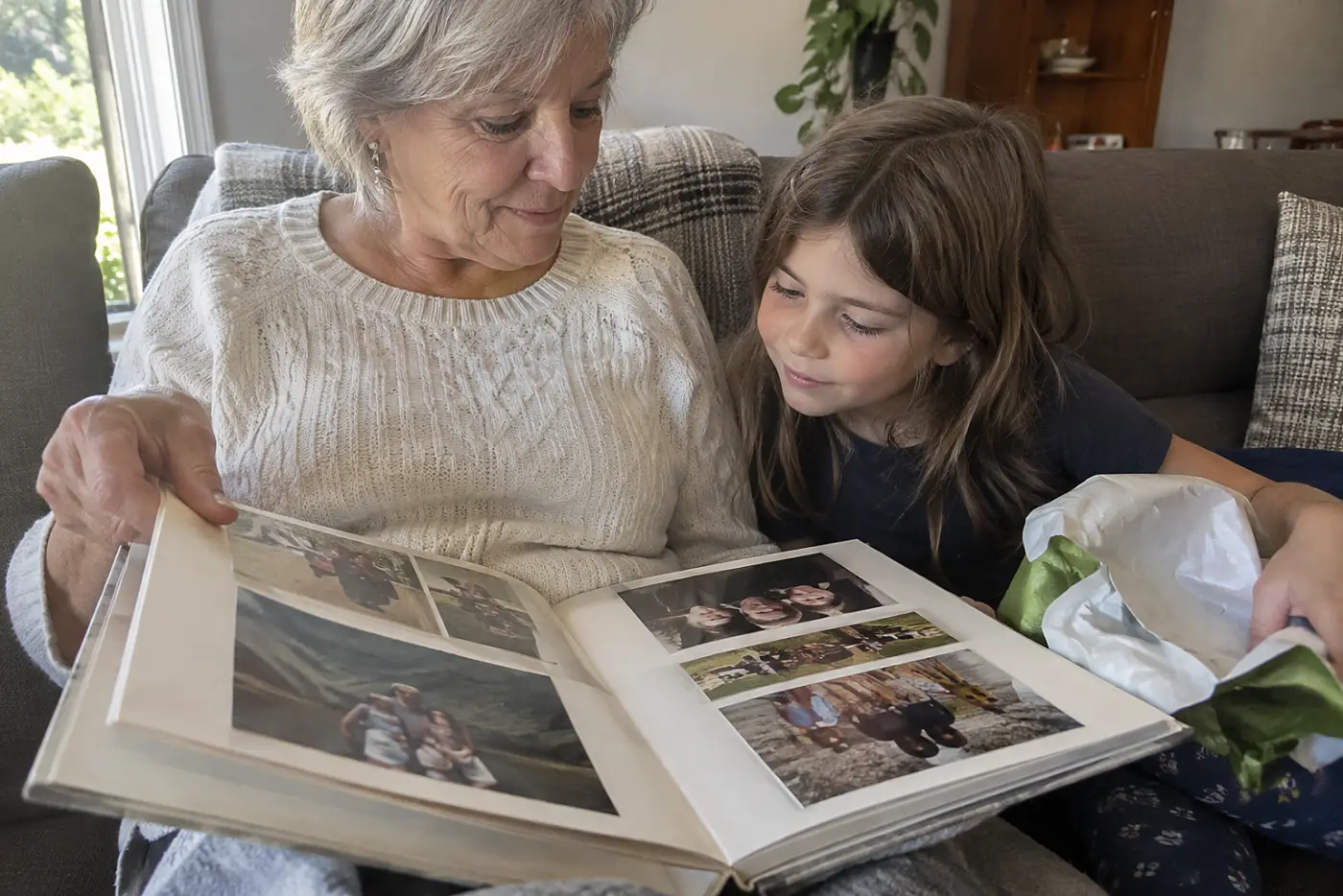
A shoebox full of photographs asks for decisions. Which picture goes first? Who is standing beside you? What happened just outside the frame? Those questions give an older grandchild something to do besides smile at pictures of people they’ve never met.
Start with a small group of photos and let them choose a theme, such as a vacation or the old house. A whole shoebox is too much to sort in an afternoon.
Write down the names while you still remember them. For keepsakes you want to preserve, the Library of Congress recommends acid- and lignin-free paper and sleeves.
Skip the elaborate layout if it slows you down. Put a photo beside a sentence only you could supply. Ask your grandchild what they’d want to know if they found that picture years from now. Their question might be the best caption on the page.
See more: 27 Things Every 1970s Kitchen Had That Your Grandchildren Have Never Seen →
13A phone recording of your stories
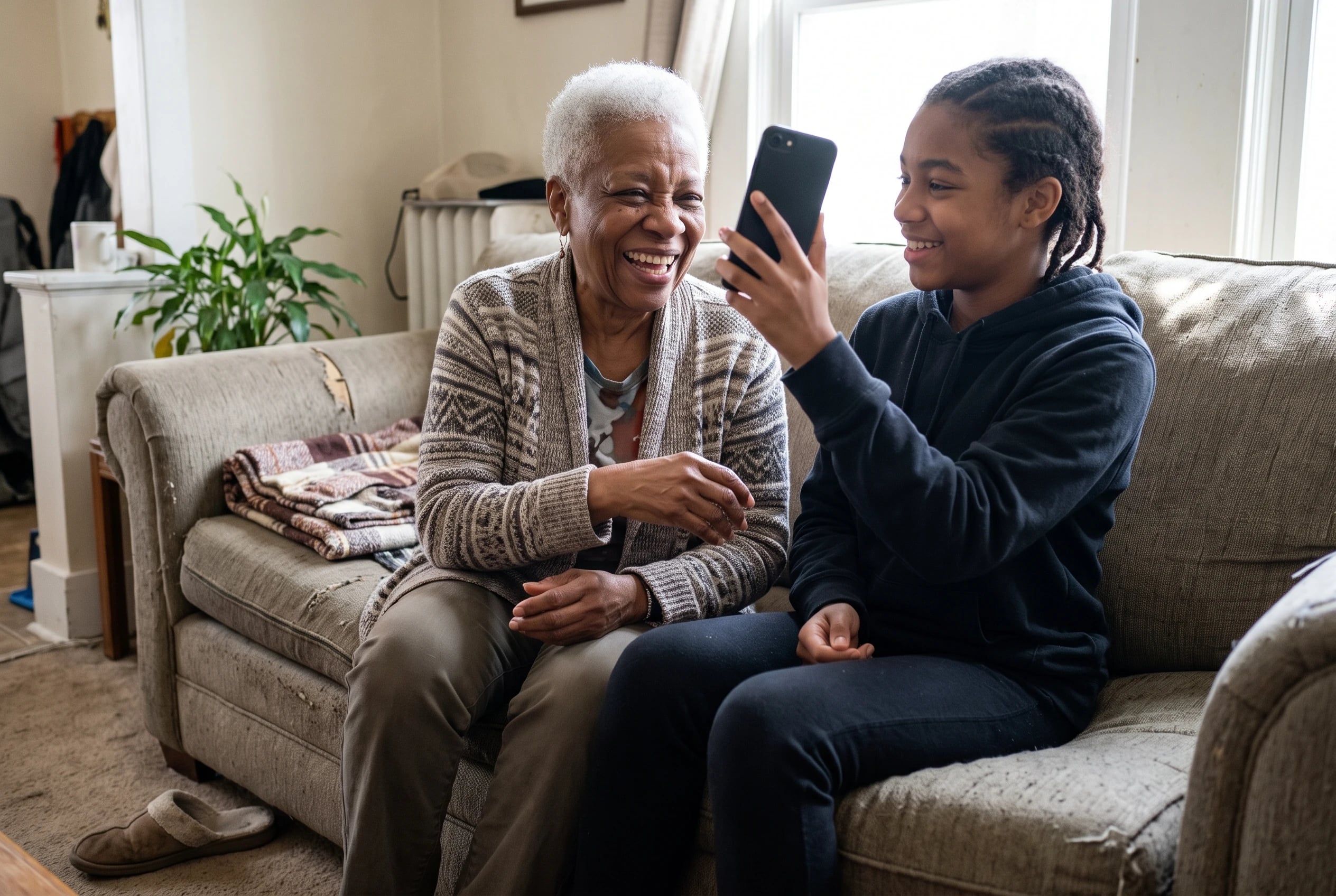
A recording catches the pause before your answer and the laugh your grandchild makes when they interrupt. Those parts rarely survive in a family tree.
Invite them to ask about one ordinary memory: a room you loved, a meal someone made or a day that went wrong.
The free StoryCorps App supplies interview questions and records the conversation. It also gives users an option to upload recordings to the StoryCorps Archive and the Library of Congress.
Check that both of you agree before uploading. If sharing isn’t what you want, use your phone’s recorder and decide together where the file will stay. Ask your grandchild to tell a story too. An interview feels much better when each person gets a turn.
See more: 27 Things Grandmothers Notice That Nobody Else Does →
12A board game for their age
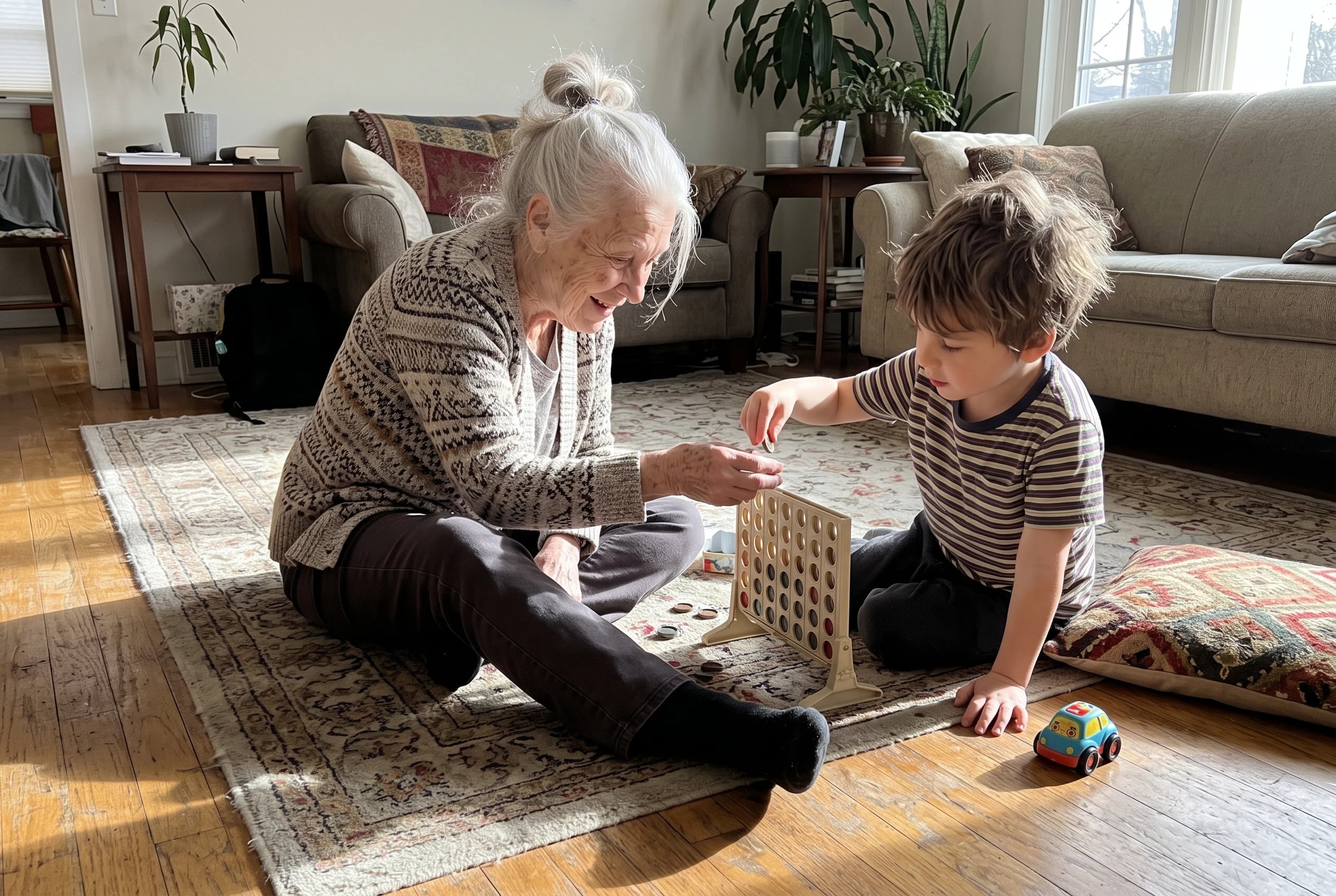
The game you loved with a toddler won’t hold the same child’s attention forever. Look at what they enjoy now, then choose a box with rules both of you want to follow.
HABA’s First Orchard is cooperative and labeled for ages 2 and up. Hasbro lists Connect 4 for ages 6 and up. With one, you share a side; with the other, you face each other across the grid. Let your grandchild choose which kind of afternoon this will be.
11Art supplies among things for grandparents
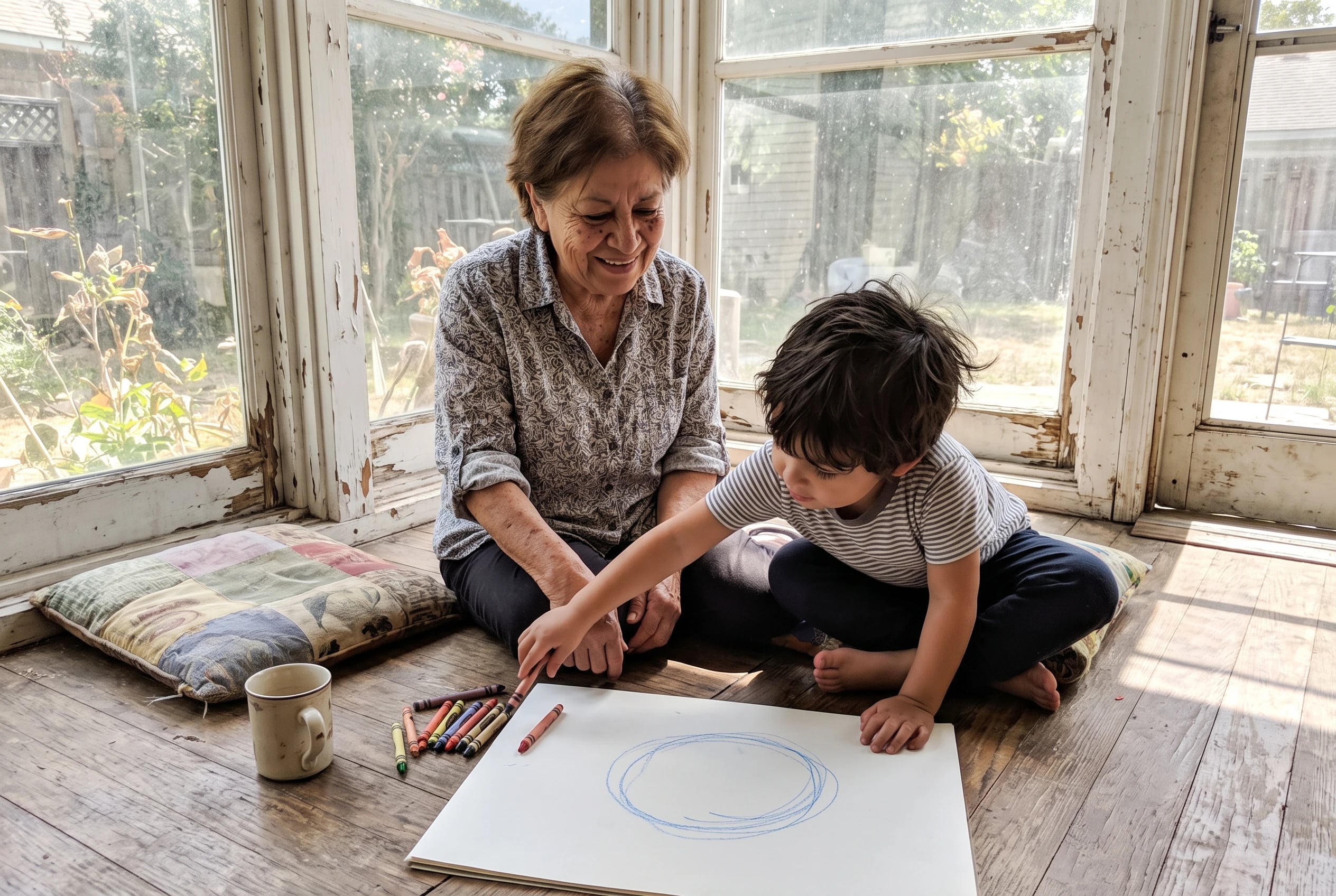
The hardest part of a craft afternoon is finding the scissors while someone asks what comes next. Keep paper and drawing tools together, then bring them out when the visit needs a change of pace.
For a ready-made choice, Target lists the Crayola Mini Inspiration Art Case with markers, crayons and coloring pages. It’s labeled non-toxic for ages 3 and up. Check the package’s age label when choosing supplies for a younger child.
Don’t assign the same picture to both of you. Ask your grandchild to draw a place they’d take you, while you draw a place you remember. Swap pictures and ask what each person included. Even if neither drawing looks like the place, the conversation will.
10A shared recipe over a video call
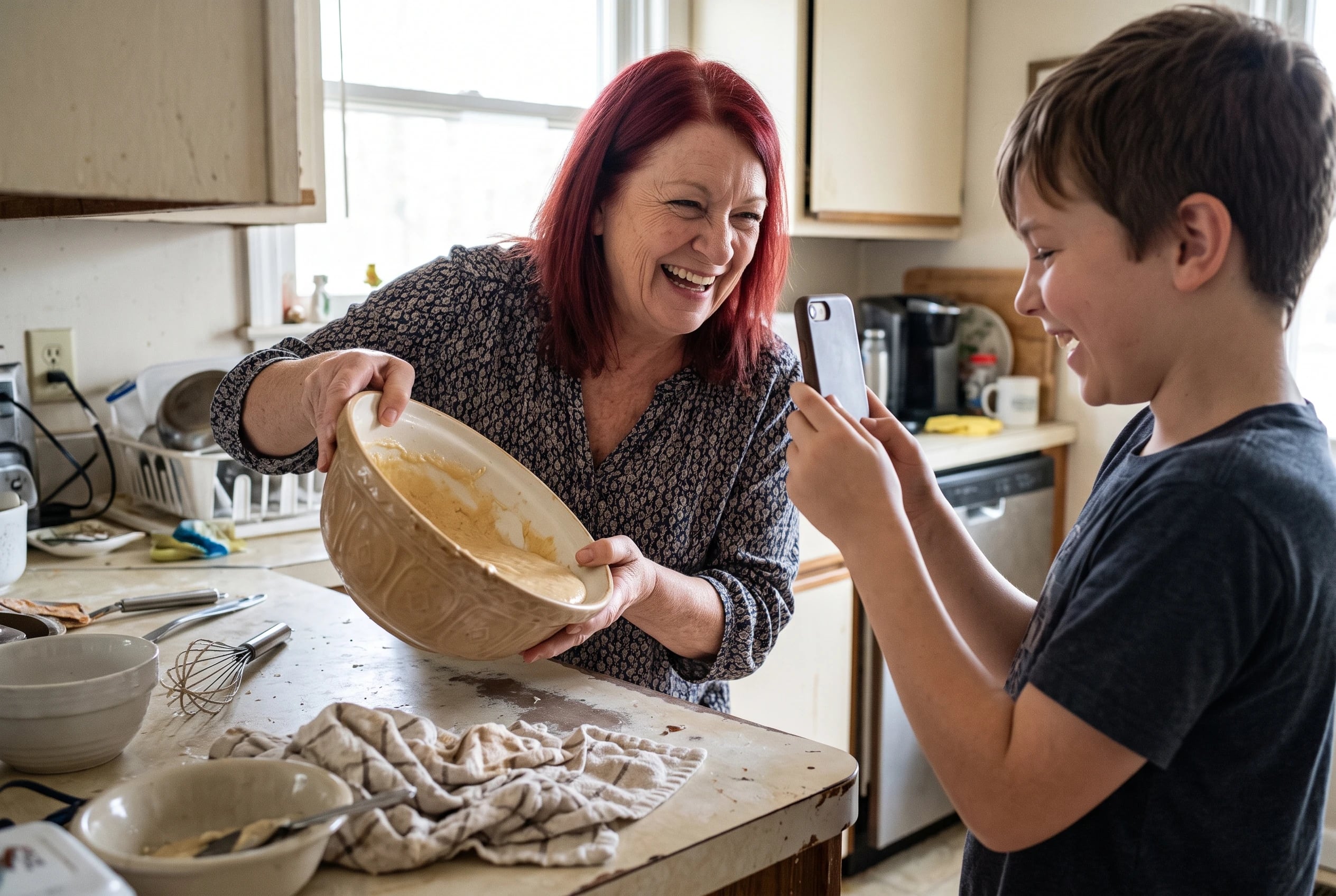
Your grandchild is in another kitchen, holding up an ingredient to the camera. You’re in yours, trying to see what they’ve chosen. It’s a little chaotic, which gives you something real to share.
Pick a short recipe before the call and agree with their household on ingredients and adult help. The USDA’s Veggie Omelet in a Mug is a microwave recipe to consider. Set your phones where each cook can see the other’s hands, then take turns describing the next step.
If cooking stalls, keep talking. Ask your grandchild to describe what happened in their kitchen while you check yours. Did they make a different choice? Would either of you make it again?
You don’t need matching results. A video call gives each of you a view into the other’s kitchen, including the mishaps that would never appear in a recipe card.
9An I Spy video-chat game
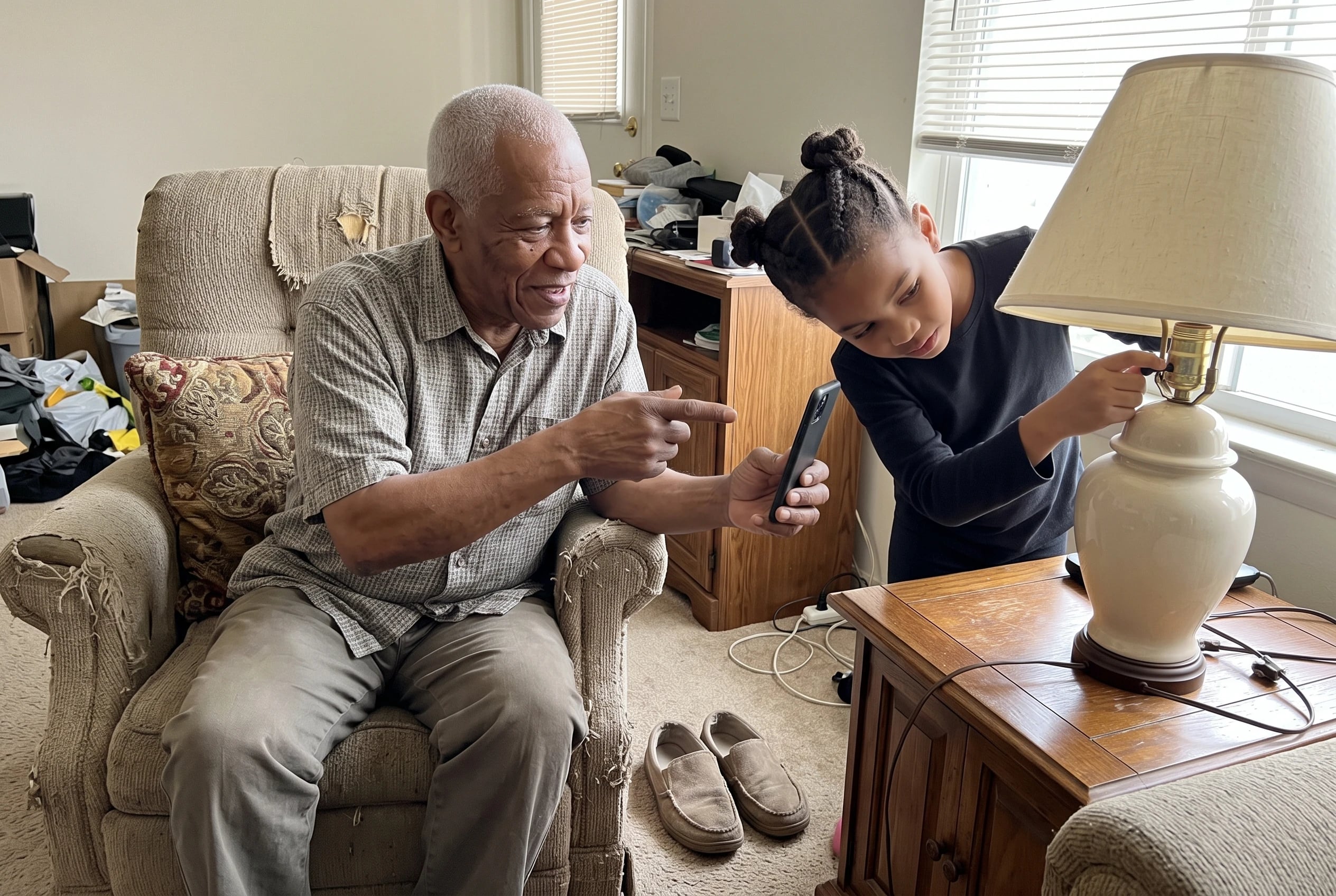
Look at what’s visible behind your grandchild before you start. A lamp? A striped cushion? If they can see something behind you, you already have a game.
In I Spy, give a color or first letter and let them guess the object in your camera view. Switch roles so they choose what you must find.
For an older child who wants a tougher puzzle, try Twenty Questions: think of a person, place or thing, then answer up to 20 yes-or-no questions.
Move the camera only after the guess. If one of you needs to leave early, say whose turn comes next time. A call that ends with an unfinished question gives the next one an easy beginning.
8A produce choice at the farmers market
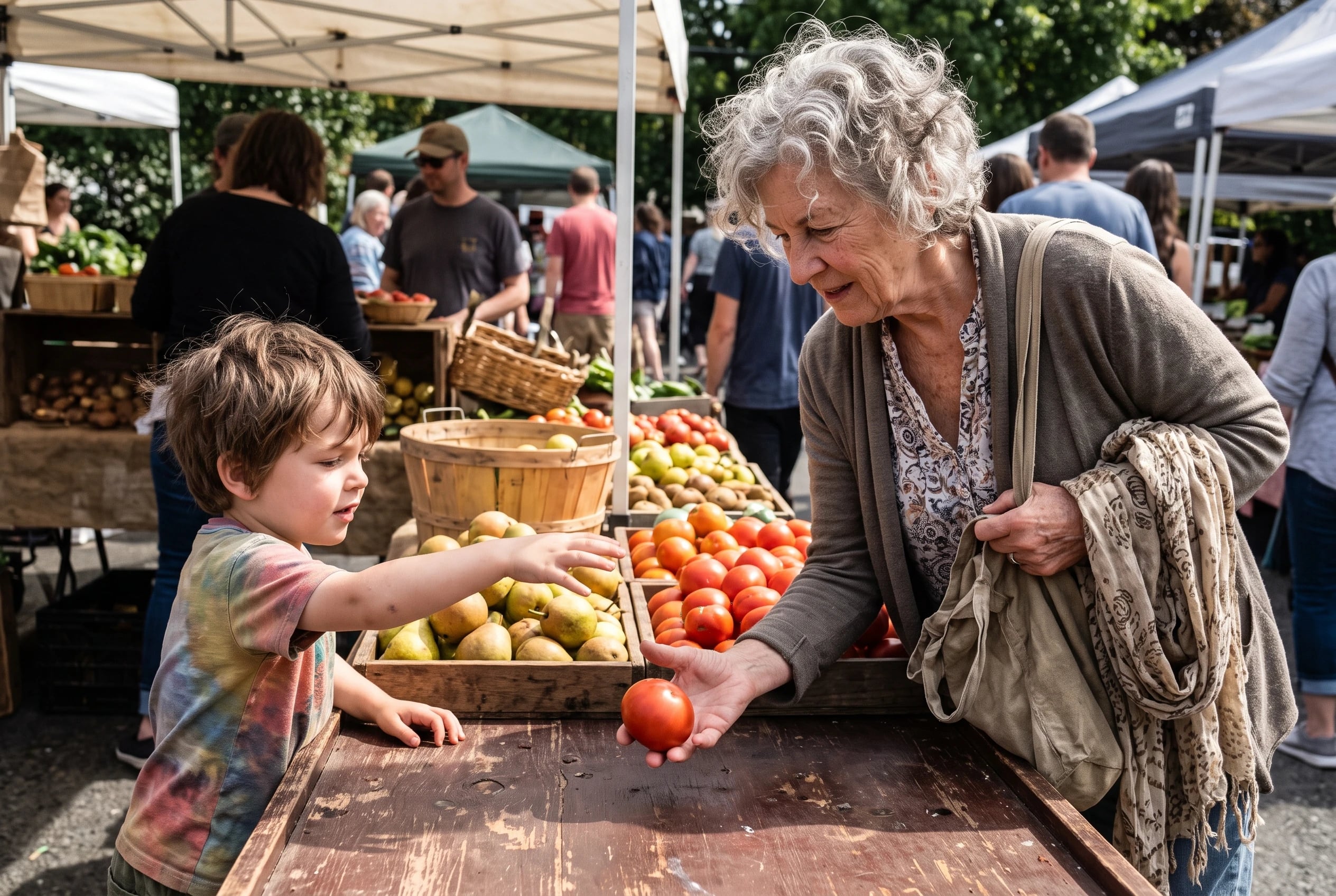
Give your grandchild a choice they can carry: pick something neither of you has eaten lately. Then walk the stalls and ask what they’d make with it. You’re sharing the errand, not trailing after each other.
Check the USDA National Farmers Market Directory for locations, hours, products and listed payment methods before heading out.
If you plan to use SNAP benefits, USDA also has a finder for markets that accept them. Check the market’s details rather than assuming every stall takes the same payment.
You can keep the trip small. Look, choose, buy and go home. Preparing what you picked later gives you another conversation, even if you decide neither of you likes it.
7A family tree full of questions
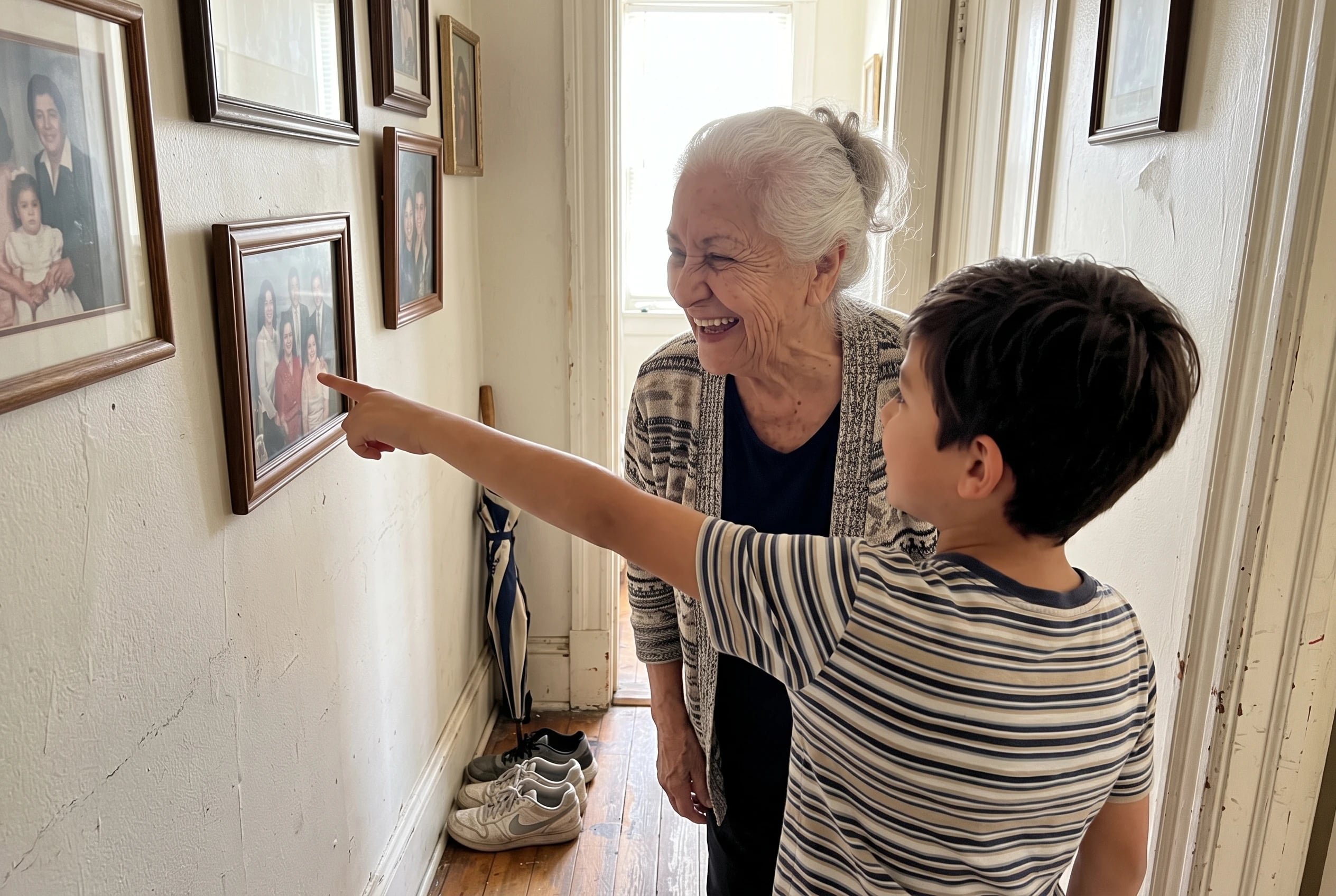
Names alone don’t hold a child’s attention for long. A name beside a story does. Start with someone your grandchild knows, then ask what they’d like to learn about the people who came before.
The National Archives has free printable family-tree charts and forms. FamilySearch also offers a free account for building and sharing a tree. Neither tool requires you to arrive with every answer.
When you reach a blank space, write down the question instead of guessing. Who knows that person’s middle name? Where did they live? Your grandchild can help decide whom to ask. A family tree becomes much more interesting when they see that you’re still learning the history too.
6A walk around your block
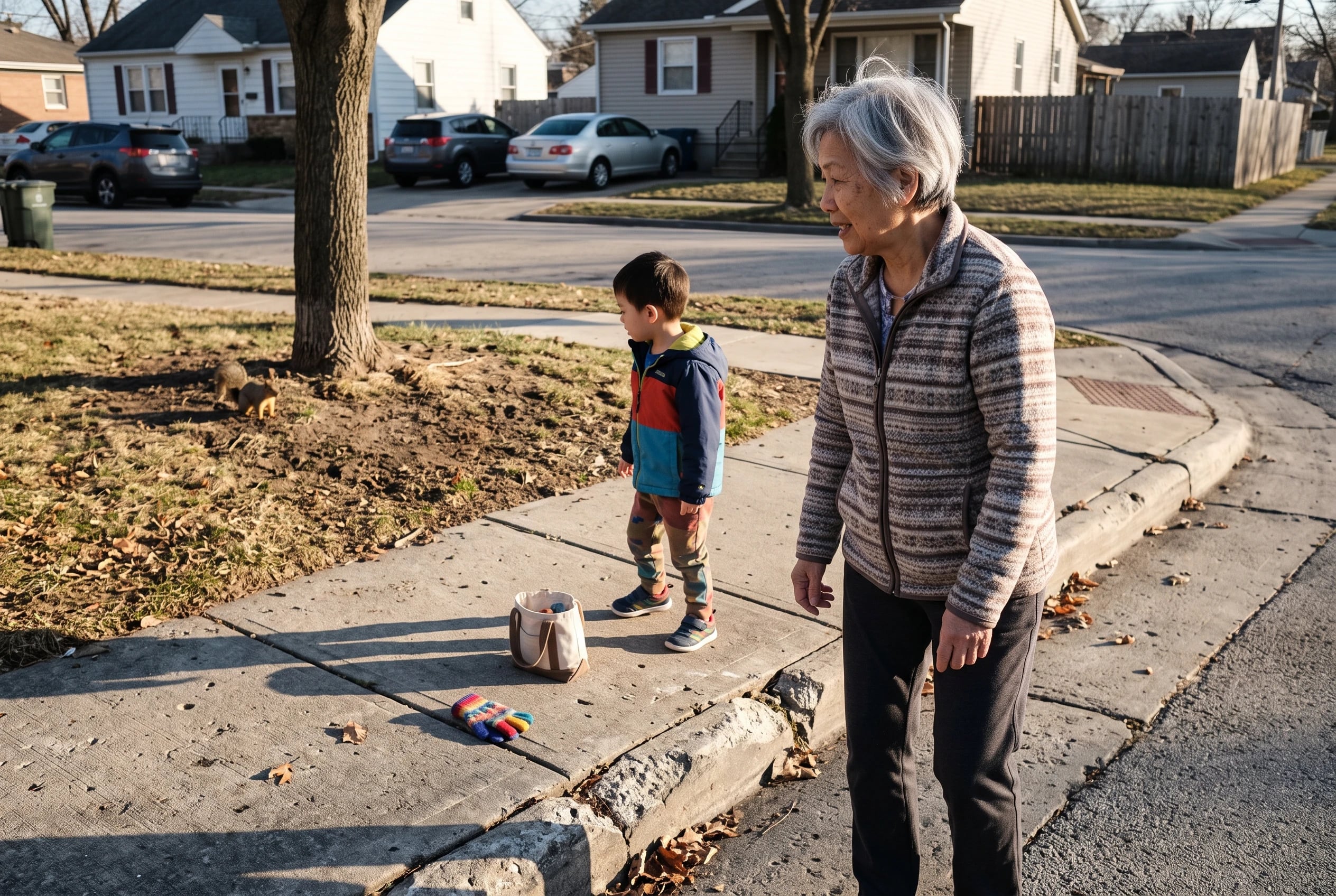
Before you put on your shoes, choose the route you want to take. Tell your grandchild where you’ll turn back. That takes the pressure off keeping up with a pace you didn’t choose.
The CDC recommends at least 150 minutes of moderate activity each week for adults 65 and older, and says short 5-minute stretches count.
You don’t need to turn a visit into an exercise target. A brief walk gives you time to talk and a clear place to stop.
At dusk, the National Institute on Aging advises using sidewalks or paths and wearing reflective clothing or carrying a flashlight. Ask your grandchild what they’ve noticed on this street lately. They’ve walked through a different week than you have.
5A seated make-believe shop
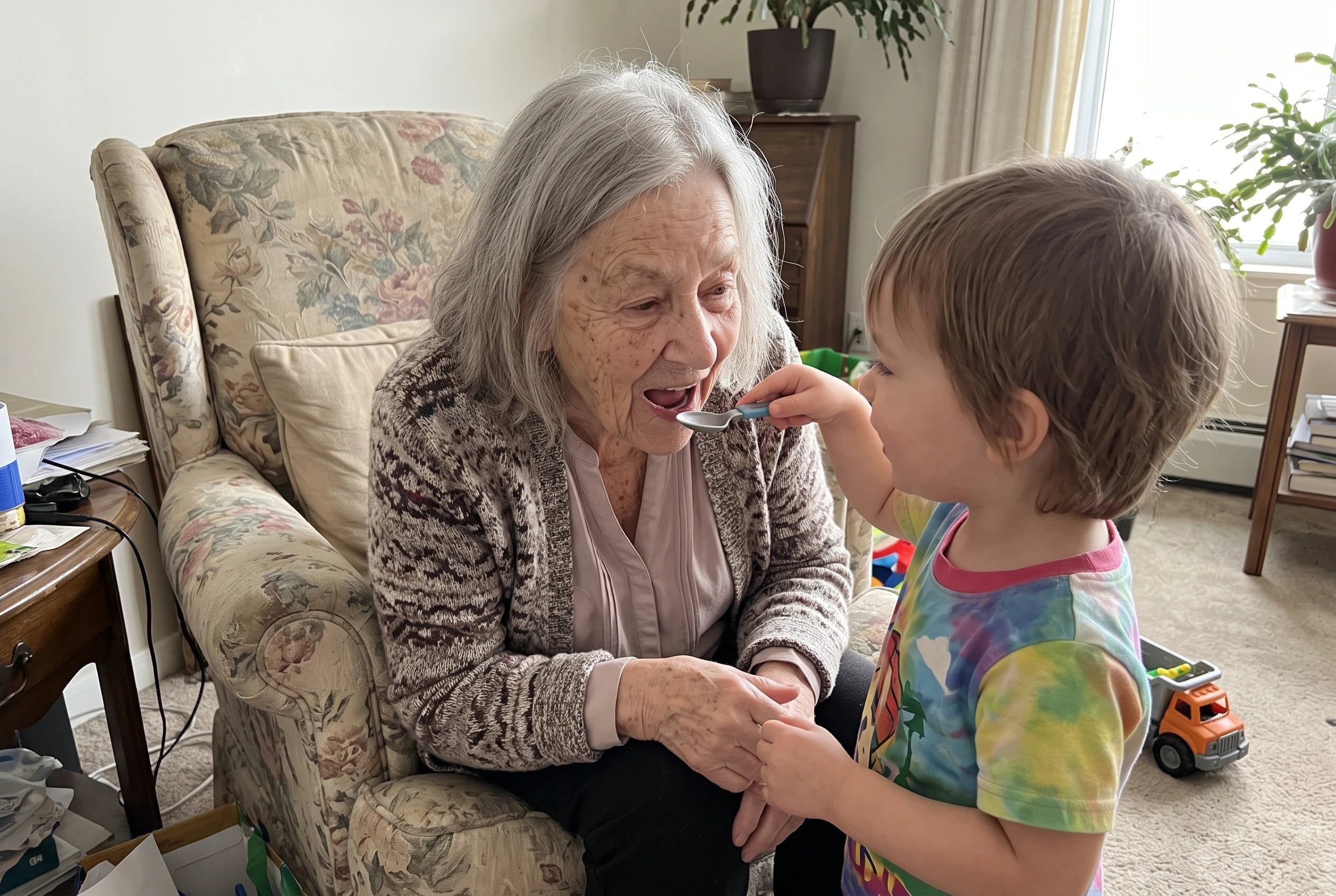
Your grandchild arrives in a hat and announces that you’re the customer. Good. Take the seat you’ve been assigned and ask what the shop sells. They’ll handle the running around.
If they want a new scene, offer a familiar role: doctor, chef or teacher.
The American Academy of Pediatrics suggests those kinds of pretend-play prompts and encourages adults to join in. You don’t need costumes or a prepared story.
Follow their rules for a while. Then give them a problem to solve: “I’ve ordered soup, but I can’t find a spoon.” Their answer takes the game somewhere neither of you planned, while you stay comfortably in your chair.
4A popcorn movie with an old favorite
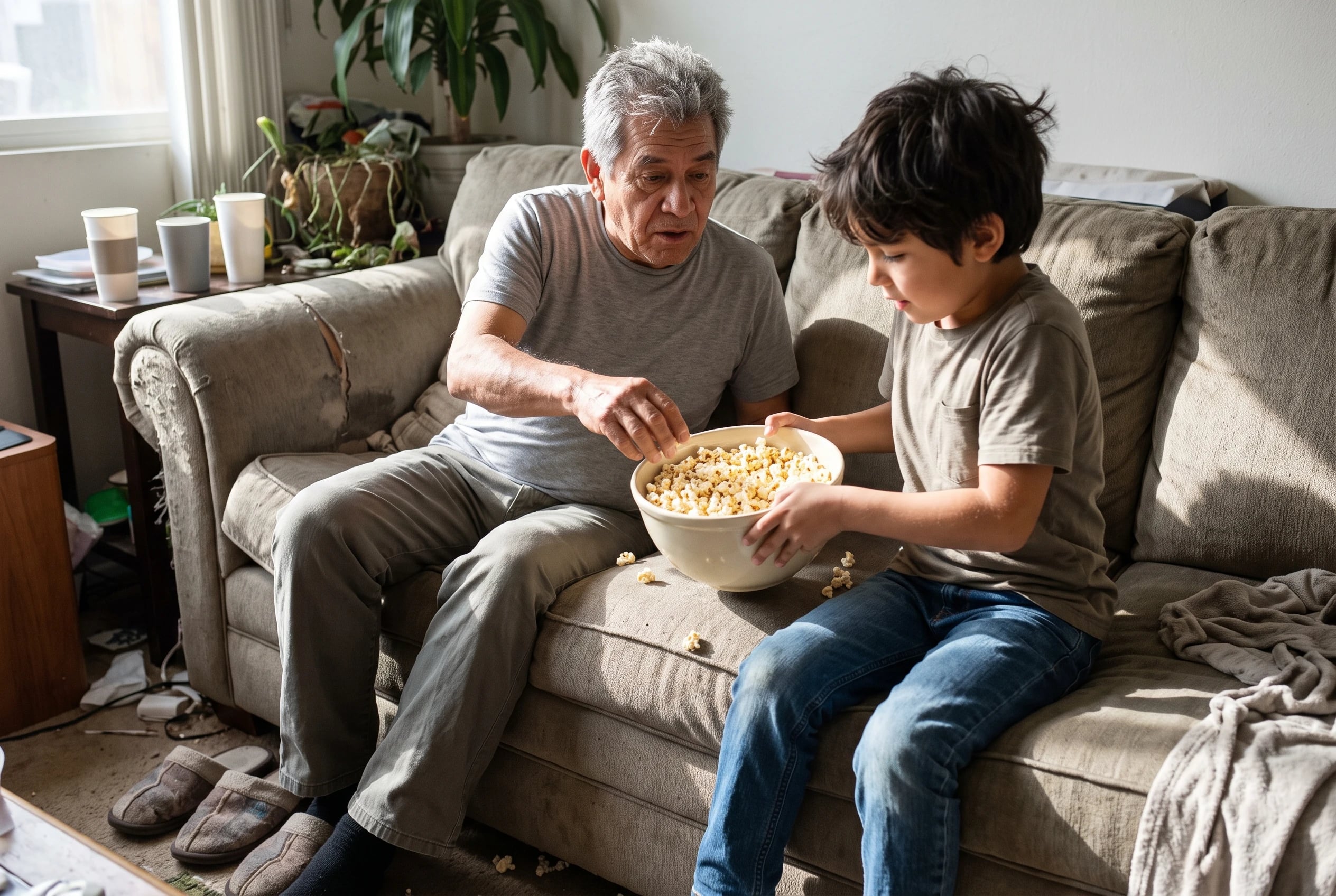
An old favorite sounds perfect until your grandchild sees the opening and asks why you chose it. Tell them. Was it funny to you? Did someone take you to see it? The answer is part of the afternoon.
Before you settle in, check the Motion Picture Association’s ratings guide and the film’s rating with their household. G, PG, PG-13 and R give you a way to discuss a title before pressing play. Let your grandchild suggest another film for next time.
Put popcorn in a bowl if that’s your tradition. USDA’s Agricultural Research Service identifies popcorn as a whole-grain snack with fiber. Pause when someone has a question. There’s no theater usher telling you to be silent.
3A backyard hunt for household objects
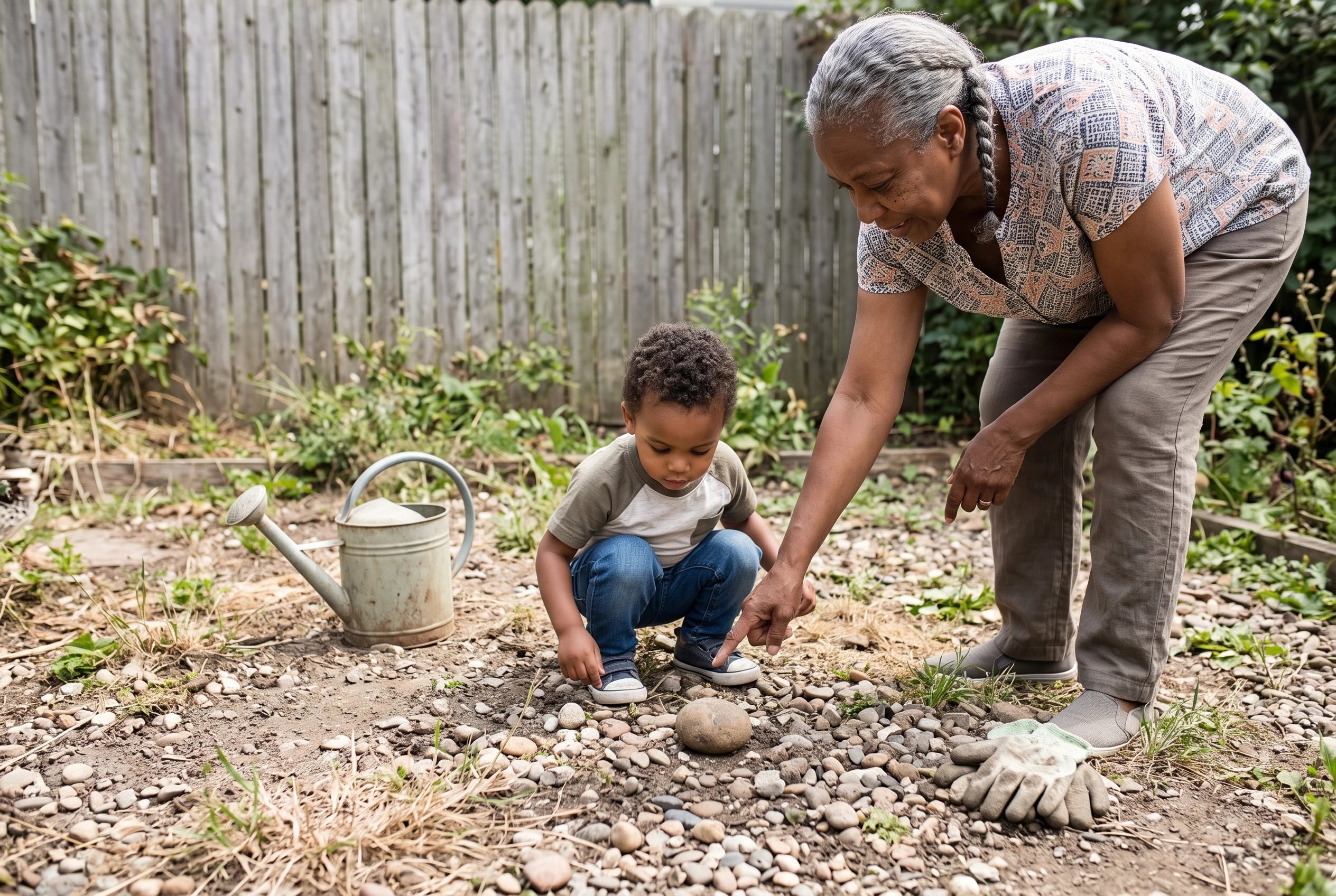
You have the place; your grandchild needs a reason to explore it. Choose things they can spot without pulling apart drawers: a round stone, something that casts a shadow or an object that rattles.
The National Park Service offers Junior Ranger scavenger hunt ideas you can adapt for a yard. Read the prompts together, then trade roles. Your grandchild looks while you call out clues; afterward, they give you clues from wherever you’re sitting.
Ask an older child to make the next set of clues. Put aside anything that requires climbing or opening a cupboard. Then try their list without asking for hints until you need one.
You’ll learn what they notice when they think you aren’t looking. They’ll learn whether you remember where you put the rattling object.
2A local aquarium budget day
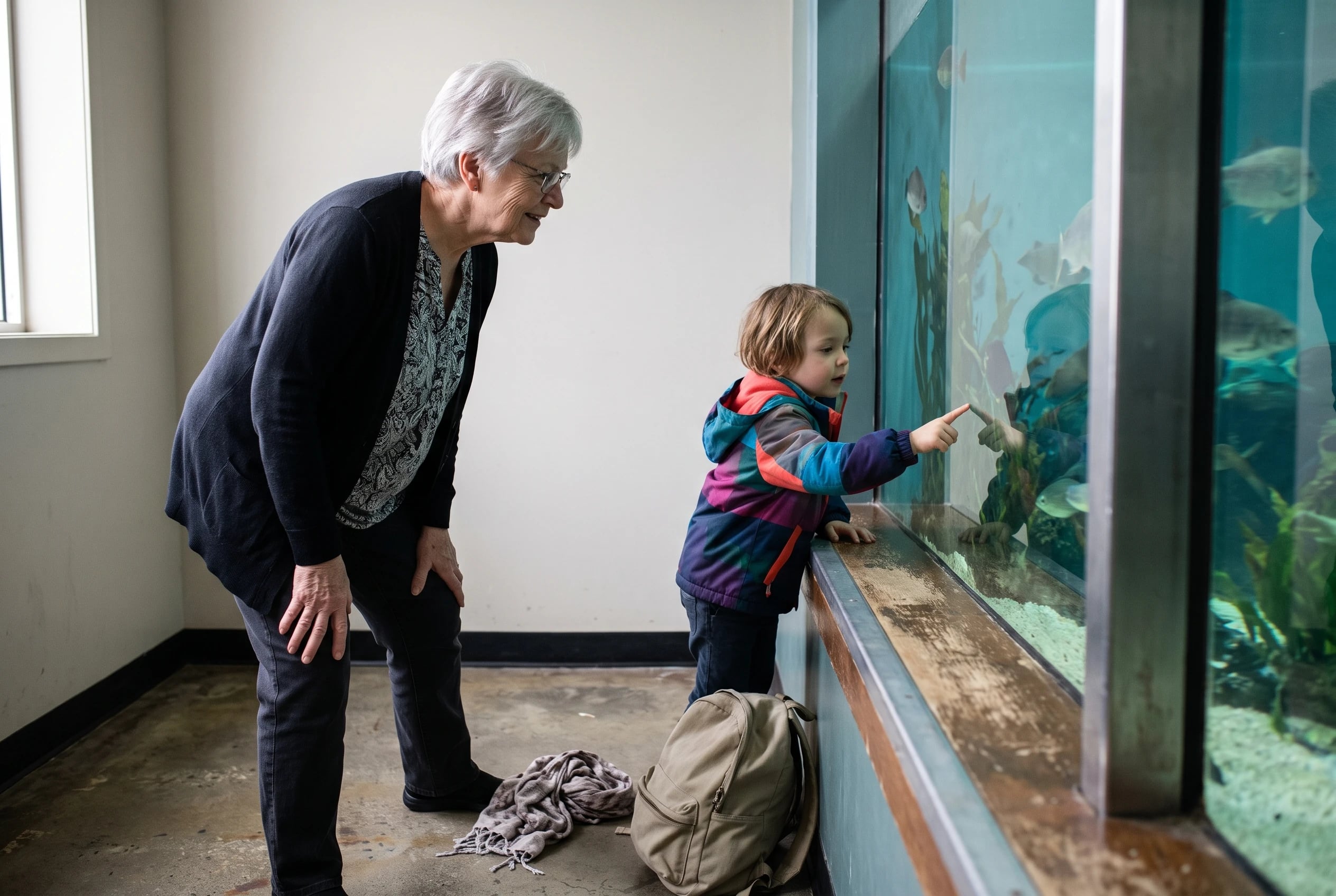
The admission page deserves a look before you promise an aquarium visit. Check the date, ticket types and current prices, then ask your grandchild which exhibit matters most to them. One clear choice gives a shorter outing a focus.
Two Georgia examples show why checking matters. Georgia Aquarium advertises $20 general admission on select Tuesdays in 2026. The University of Georgia Aquarium lists children’s admission at about $6. Those are different visits with different prices, not a guide to what aquariums cost everywhere.
Find your local aquarium and read its current admission page. Look at the hours, too, before you decide when to go. If the price doesn’t fit, you haven’t disappointed anyone by making a promise first.
At the aquarium, let your grandchild choose a tank to linger beside. You don’t have to see every one. Leave while you still want to hear what they liked, and ask about it on the way home.
1A container vegetable growth record
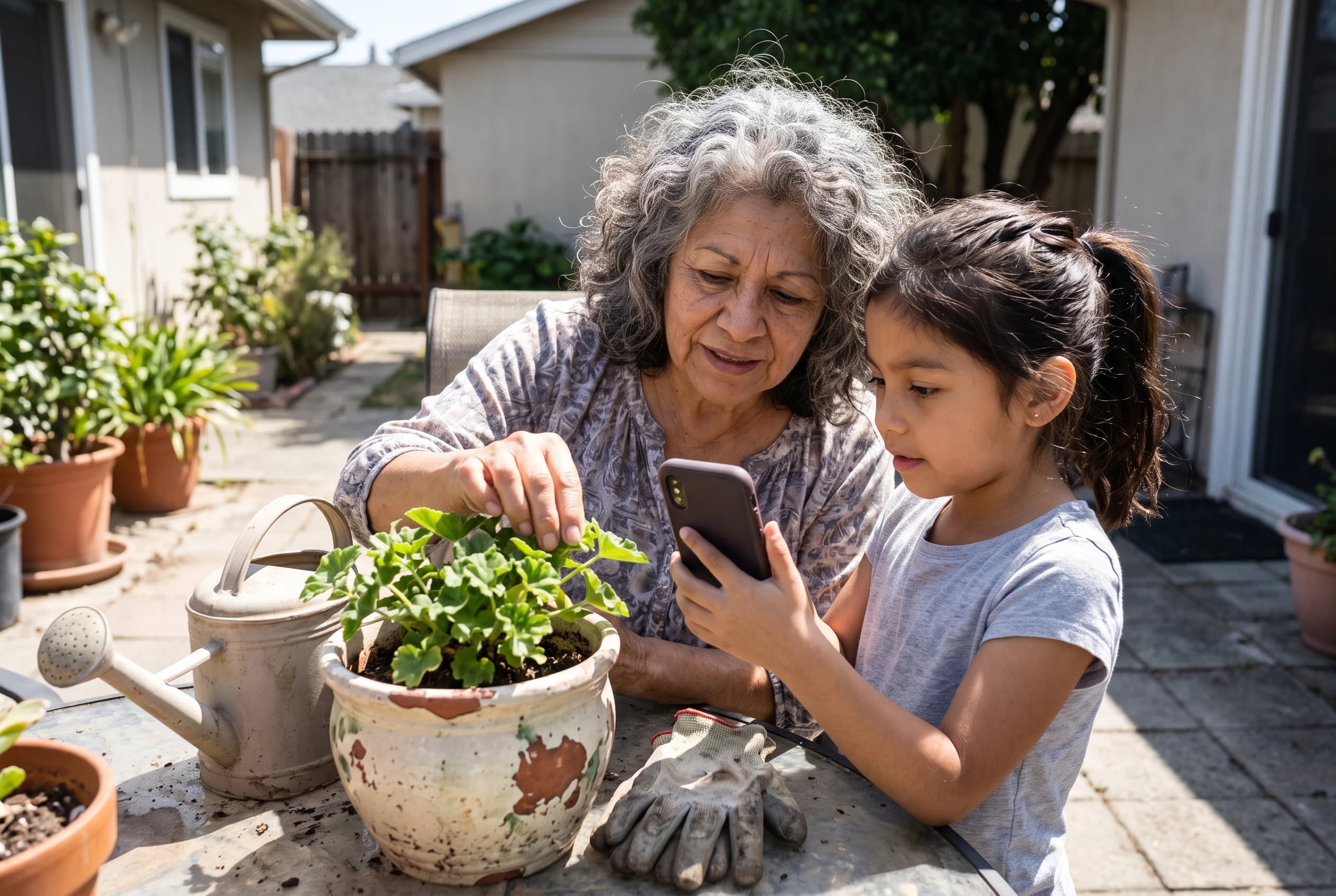
Choose a container vegetable project you’re willing to check between visits. Give your grandchild the first job: decide where you’ll keep the record. A photo on your phone works; so does a mark on a calendar. Keep it somewhere you’ll actually use it.
The University of Maryland Extension says most vegetables grow in containers. Read its container guidance together before you buy a plant, so you can choose a setup that fits your space and reach. If the container will be heavy, its guidance suggests a plant caddy for moving it.
At each visit, look before you do anything else. What grew? What looks different from the last photo? If your grandchild lives far away, send a picture and ask them what they notice. Let them decide which change deserves the next picture.
You won’t control every leaf. That’s part of the appeal: even after they’ve gone home, there’s something new to check together.
The bottom line
The activities that last are the ones you’re both willing to return to. A game has another round. A photograph has another question. A plant has another day of growth.
Keep a small choice ready for your next visit, then let your grandchild help decide what happens. You’ve already done the useful preparation when you know what fits your space, your energy and their current interests.
Which familiar thing at your house have they made interesting again?
Up next
25 Things Grandchildren Remember That You Never Notice Doing
A kitchen stool, a spare button, and a pause before you answer give a grandchild a place in your day.
Read the list →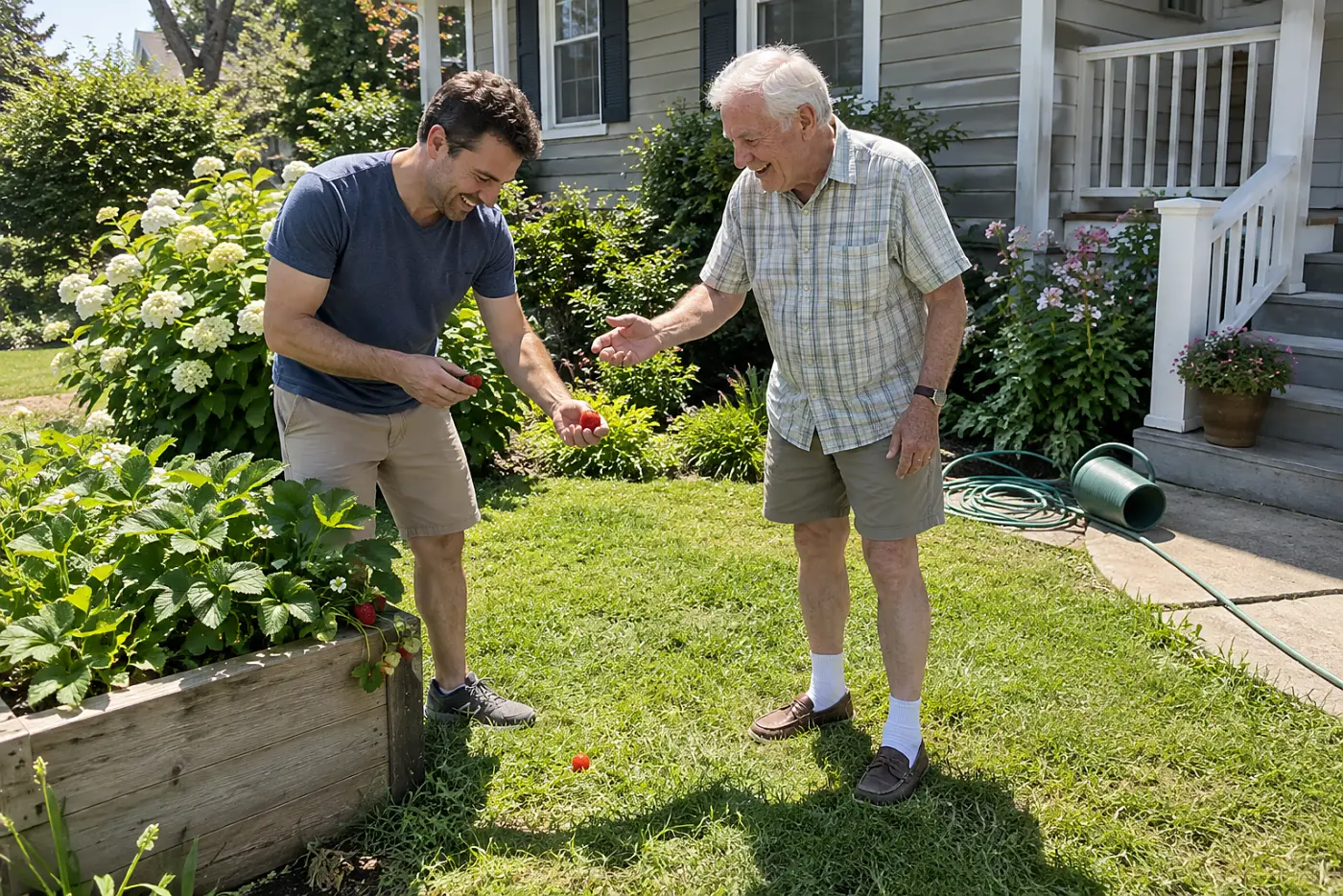
Reader quiz
Did you catch the details?
5 questions from this article.
What should you settle before the first card lands in a game with your grandchild?
Questions people also ask
What can grandparents do to connect with grandchildren?
Ask a grandchild to teach you a game, or watch something together and talk about what you see. The American Academy of Pediatrics encourages that kind of shared screen time. To keep a family story, the free StoryCorps App guides a recorded interview and offers an archive option.
What are 10 fun activities I can do at home?
Try baking, cards, a large-piece puzzle, a blanket fort, drawing, pretend play, a board game, a shared video game, a phone interview and a family tree. Start with what you own and let your grandchild choose. PBS KIDS for Parents has a fort project using common materials if you want a build to follow.
How do I keep my grandchildren entertained?
Offer a choice between two activities, then take part instead of managing every minute. A craft, story or game gives you room to change course when attention fades. The American Academy of Pediatrics suggests sitting with children during games and shows, asking questions and letting them explain what they enjoy.
What are some activities I can do on Grandparents Day?
Bake a recipe, play cards, make a drawing together or tend a container herb. Choose something you can do side by side without an elaborate schedule. The American Academy of Pediatrics’ HealthyChildren.org guidance on the power of play emphasizes shared play and conversation.
What are good low-cost activities for grandkids visiting?
Try a neighborhood walk, a blanket fort or a backyard hunt. The National Park Service offers a free scavenger hunt, and the National Archives provides free family-tree charts. Choose the one that suits the space and weather you have.
What are good activities when a grandparent has memory loss or limited mobility?
Sit together with photos or a drawing project, and choose an activity that fits the day. For an outdoor walk, the National Institute on Aging advises using sidewalks or paths. It also recommends a flashlight or reflective clothing after dark.
Did any of these feel familiar?
Know someone who needs this?
 Prime Journal · Free printable
The Family Essentials Checklist
- Your wishes written down and shared with the right person.
- Your medicines and emergency contacts ready when needed.
- Your family plans settled before anyone counts on them.
Free printable: The Family Essentials Checklist. Enter your email and it is yours.
Sources cited in this article
This article links to 14 outside sources, listed here so you can read them yourself.
- MyPlate “Look and Cook” cards www.fna.usda.gov/tn/myplate
- Mattel’s UNO instructions service.mattel.com/instruction_sheets/J4299-0520.pdf
- Large Format 300-piece puzzles www.ravensburger.us/en-US/products/jigsaw-puzzles/puzzles-for-adults/mischie…
- PBS KIDS for Parents www.pbs.org/parents/crafts-and-experiments/camp-out-with-newspaper-forts
- University of Maryland Extension www.extension.umd.edu/resource/growing-vegetables-containers
- Free Junior Ranger senses scavenger hunt www.nps.gov/articles/000/junior-ranger-stretch-your-senses-scavenger-hunt.htm
- Association of Zoos and Aquariums directory www.aza.org/find-a-zoo-or-aquarium
- American Academy of Pediatrics www.healthychildren.org/English/family-life/Media/Pages/watch-together.aspx
- Library of Congress www.loc.gov/preservation/outreach/workshops/public/ScrapbookCare.pdf
- StoryCorps App storycorps.org/participate/storycorps-app
- USDA National Farmers Market Directory www.ams.usda.gov/local-food-directories/farmersmarkets
- National Archives www.archives.gov/research/genealogy/charts-forms
- Cdc.gov www.cdc.gov/moving-matters/older-adults
- American Academy of Pediatrics www.healthychildren.org/English/family-life/power-of-play/Pages/pretend-play…
Ruth Ellison
Family Editor
Ruth writes about grown children, grandchildren, ageing parents, and the conversations families put off, in the words of the people involved.
More from Ruth Ellison