









26 Fun Hobbies for Retired Women to Enjoy Their Free Time
Find a reason to leave the house, meet people, and look forward to Tuesday, starting with a library card and a pair of comfortable shoes.
By Ruth Ellison, Family Editor
Updated · 14 min read
- Written by our family editor
- Cited 8 sources
- How we review
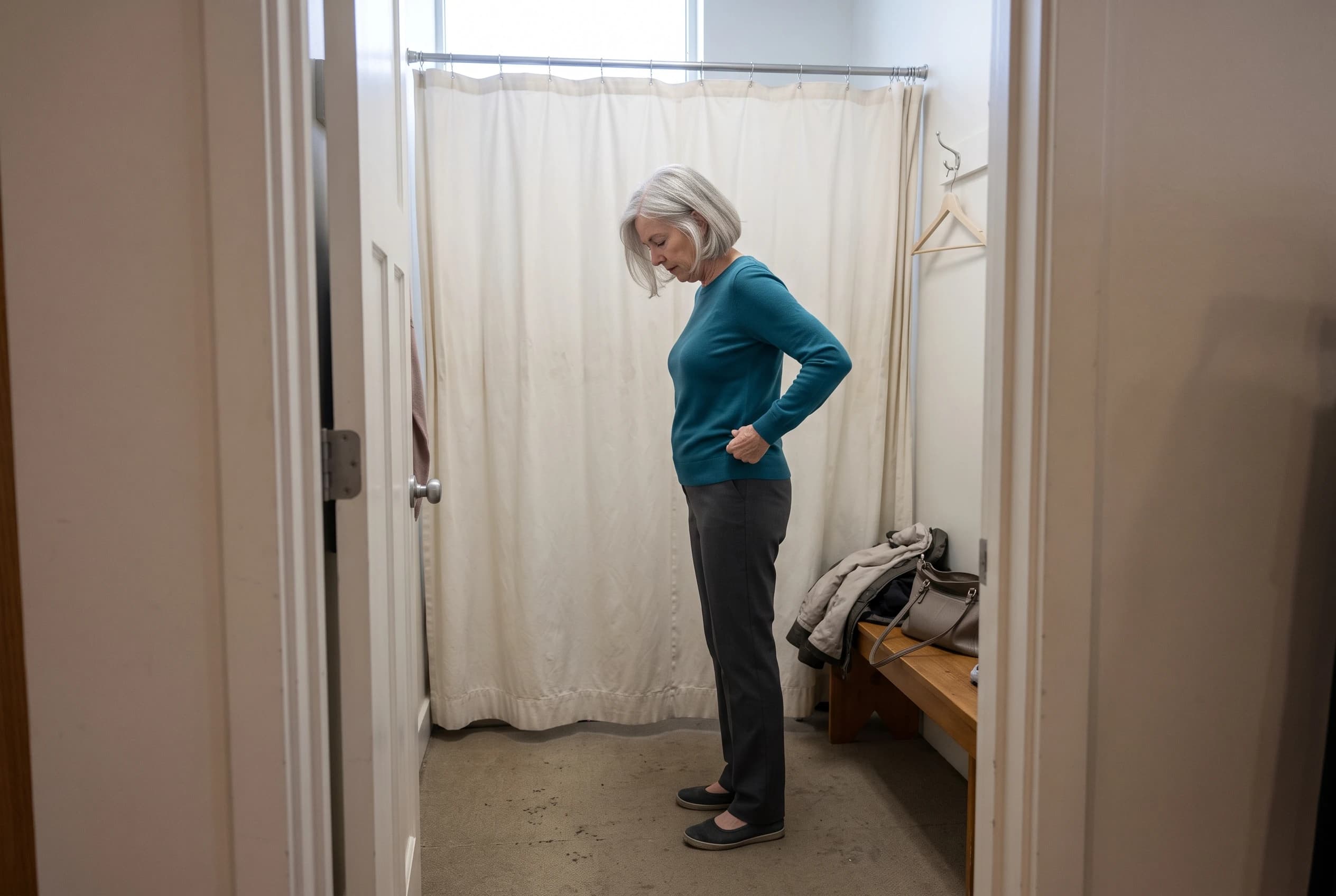
At 10 on a weekday morning, the coffee cup is empty and the whole day is still ahead of you. That freedom sounded wonderful before retirement. Now the house is so still you hear the refrigerator click on.
A good hobby gives the day a destination. You go somewhere, put your hands to work, and learn who else shows up. Some begin at home, then lead you out the door. None requires you to become good at it before you're allowed to enjoy yourself.
26Paint Watercolors in a Community Art Room
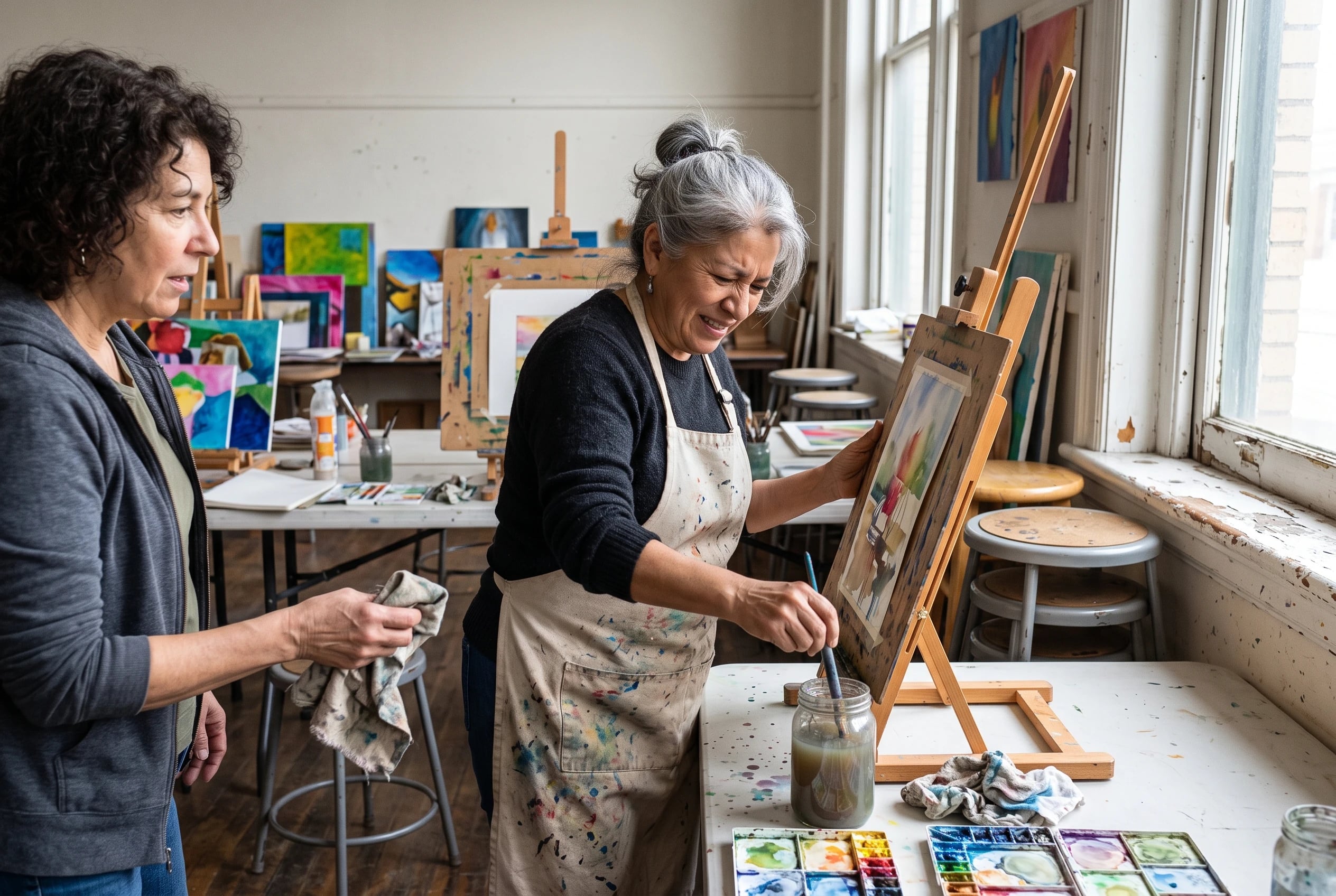
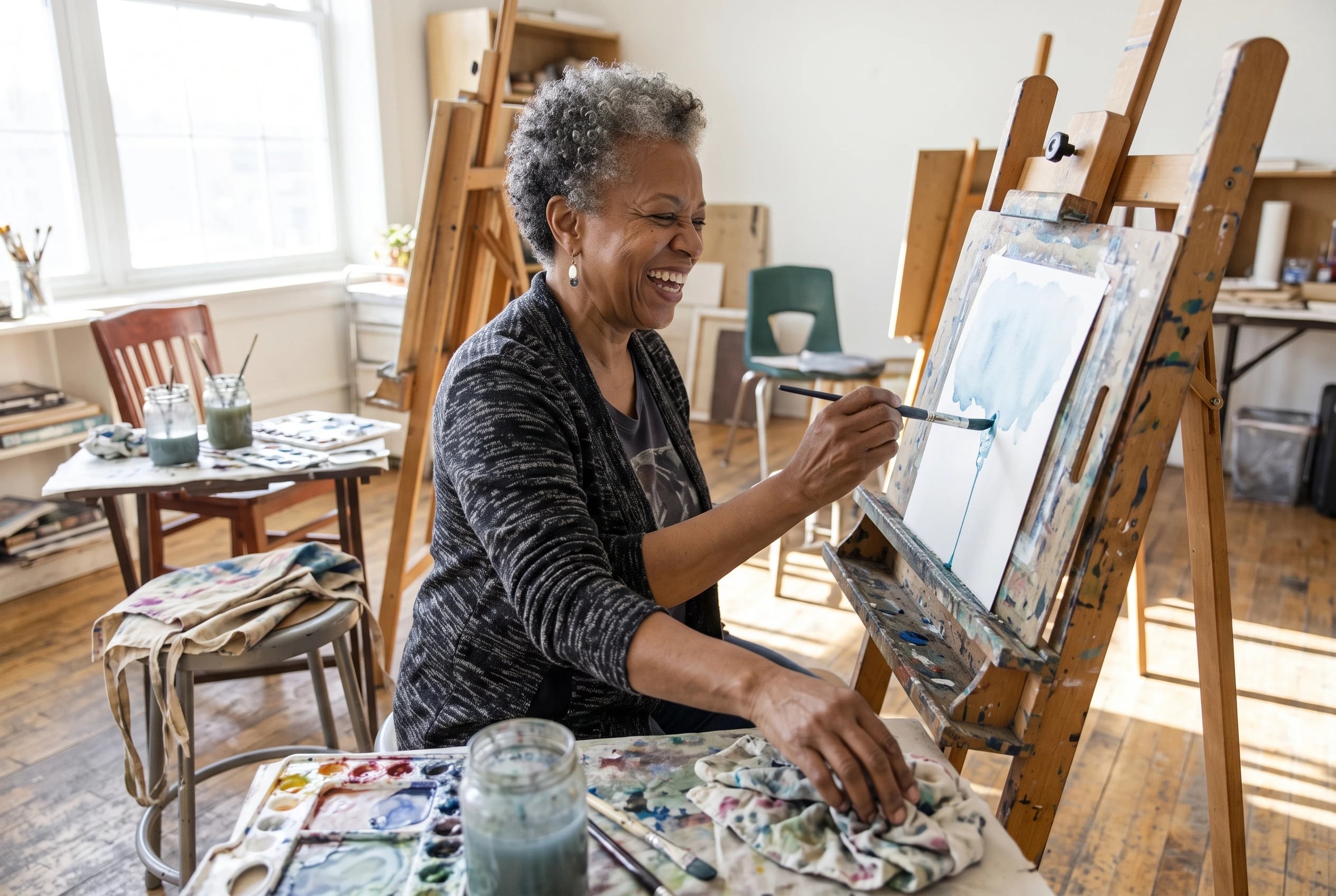
A watercolor class gives you a place to make a mess that isn't your kitchen. Look for a beginner session at a community art center or parks department. Ask whether brushes and paint are included before buying a kit; class fees vary by town.
The pleasure starts before the picture looks like anything. Someone beside you has mixed the perfect blue, and someone else wants to know how you got that green. Take home the painting, even if you only like one corner of it.
25Join a Library Book Discussion

Do you finish a novel and wish someone else had read that ending? Check your public library's events calendar for a book discussion. Ask at the desk which group welcomes newcomers and whether copies are available to borrow. With a library copy, your first visit is free.
You don't need a polished opinion. Bring one question or mark one passage that annoyed you.
A lively disagreement beats an evening of agreeing with the television. If the assigned book doesn't appeal, try the next meeting. You'll learn as much about the group as the novel.
See more: 24 Things to Do With an Empty Nest →
24Mend Clothes at a Sewing Circle
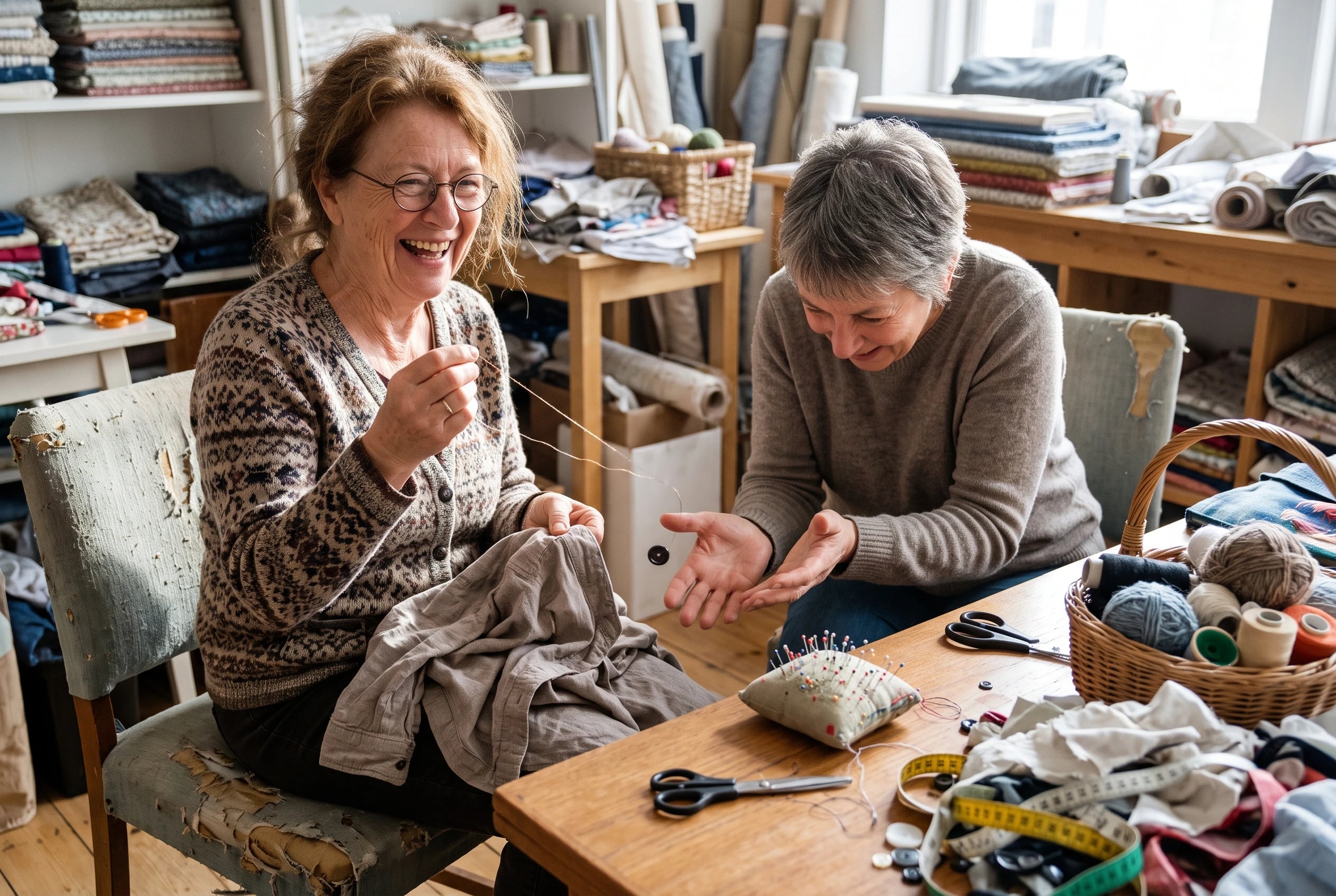
That shirt with the missing button is your entry ticket. A sewing circle needs thread, needles, scissors, and something to mend; ask whether the host has spare supplies. Check fabric shops, libraries, and community centers for an open gathering. Admission ranges from free to a class fee.
Start with a repair you can finish there. It's satisfying to leave wearing something you fixed, especially after hearing three other ways to sew on that button.
23Walk a Trail With a Group
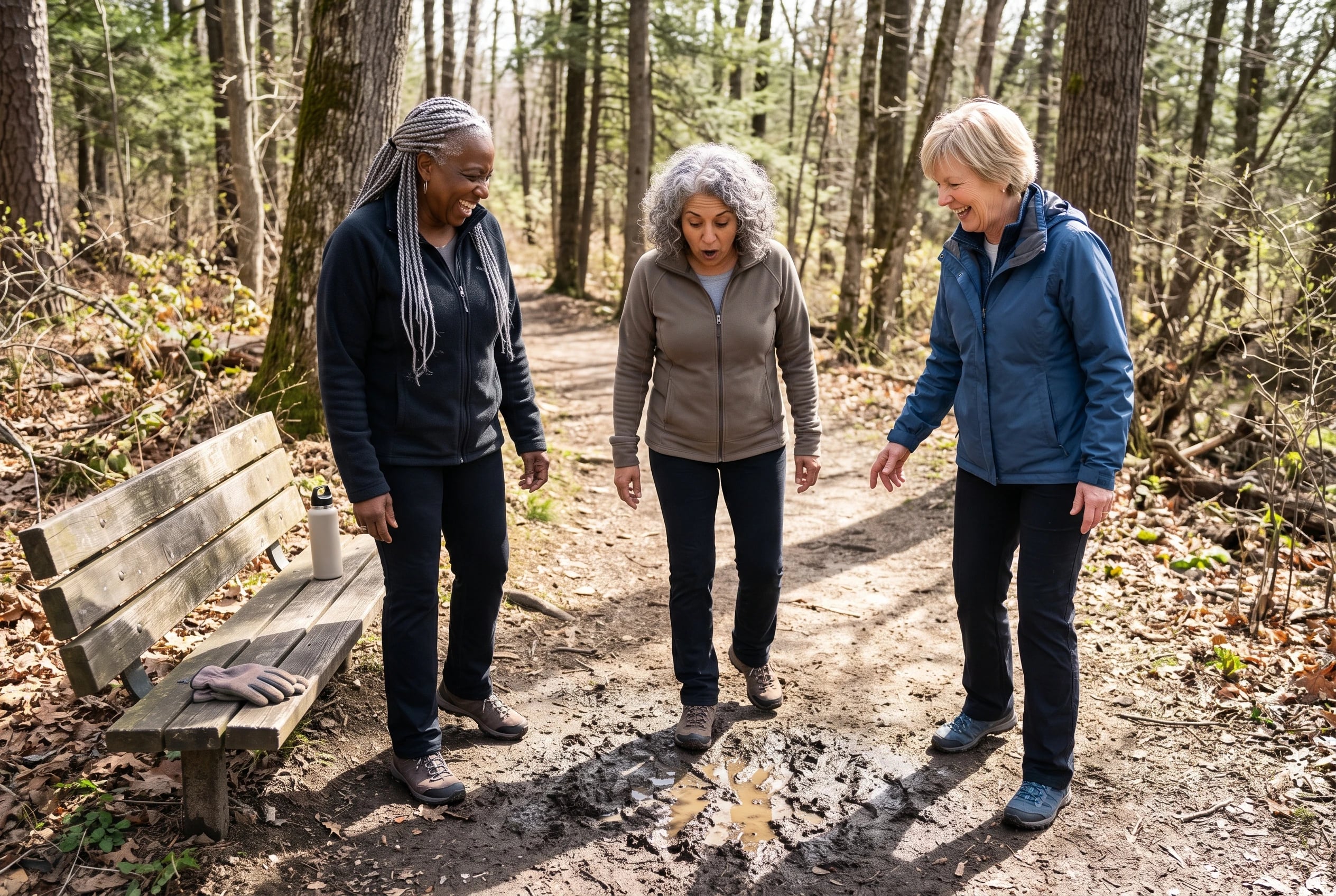
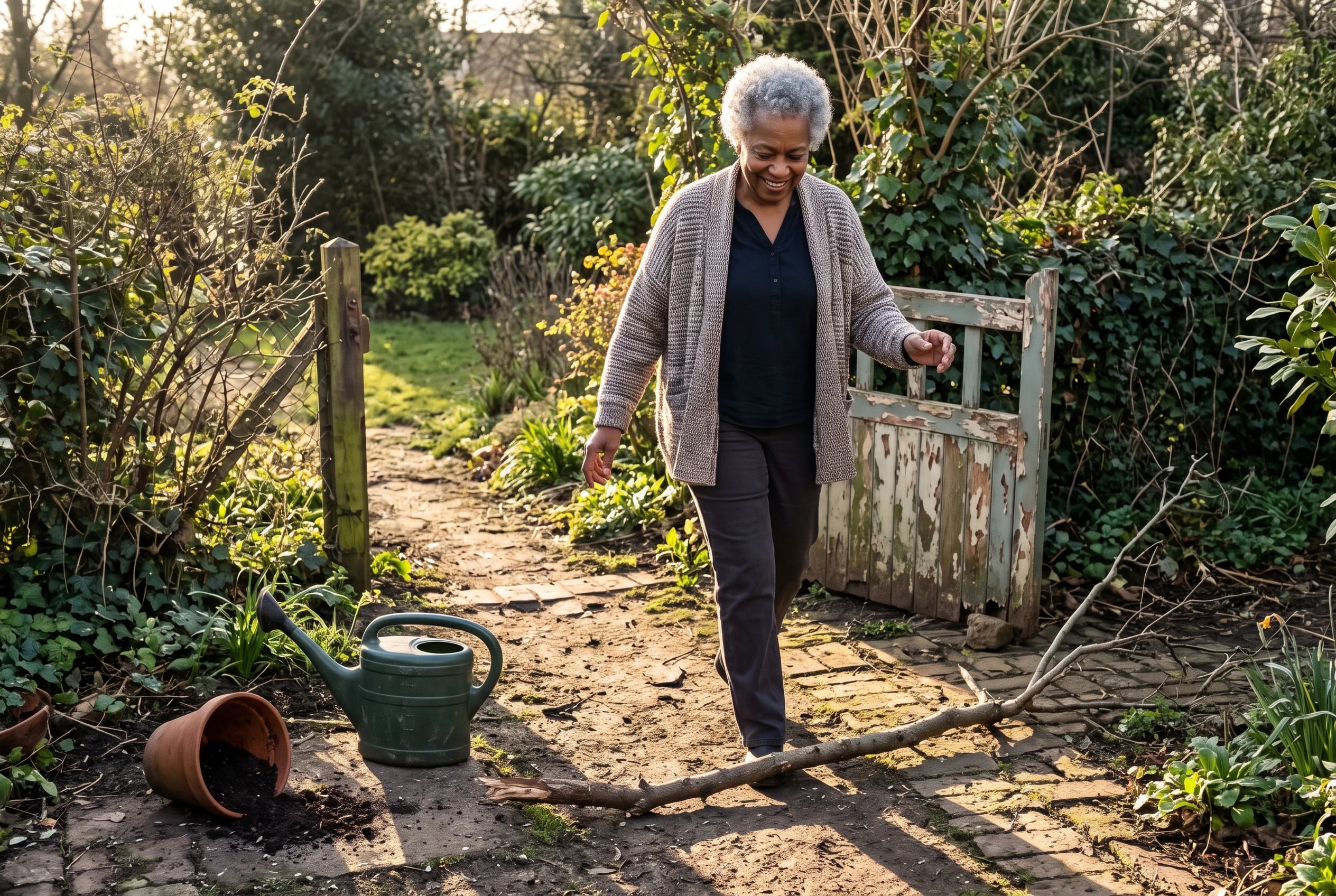
The first group walk feels less awkward when you know the route. Look at your parks department calendar or an American Volkssport Association club. Check the meeting point, distance, terrain, and any fee before leaving home. Wear shoes you've already walked in and bring water.
Arrive 10 to 15 minutes early. That gives you time to say, “It's my first walk with this group. Where do people gather?” Some groups move quickly; others pause to look at birds or buildings. The right pace lets you finish wanting to return.
Once you know a route, invite someone along on a day without a scheduled walk. Keep taking that route with the group, and you'll notice who else comes back.
22Spot Birds in a Nearby Park

Take a short walk with one question: Which bird made that sound? You need no binoculars to begin. Bring water, pause near trees, and note the bird's size and color. The Audubon Society has identification guides and local chapters; ask about beginner outings and any fee.
Birding gives you a reason to stop without feeling you've fallen behind.
Try the same path twice and see what changes. Keep a list on your phone of birds you recognize, then bring a mystery sighting to the next outing. Another pair of eyes helps when the bird won't sit still.
21Learn to Knit at a Yarn Shop
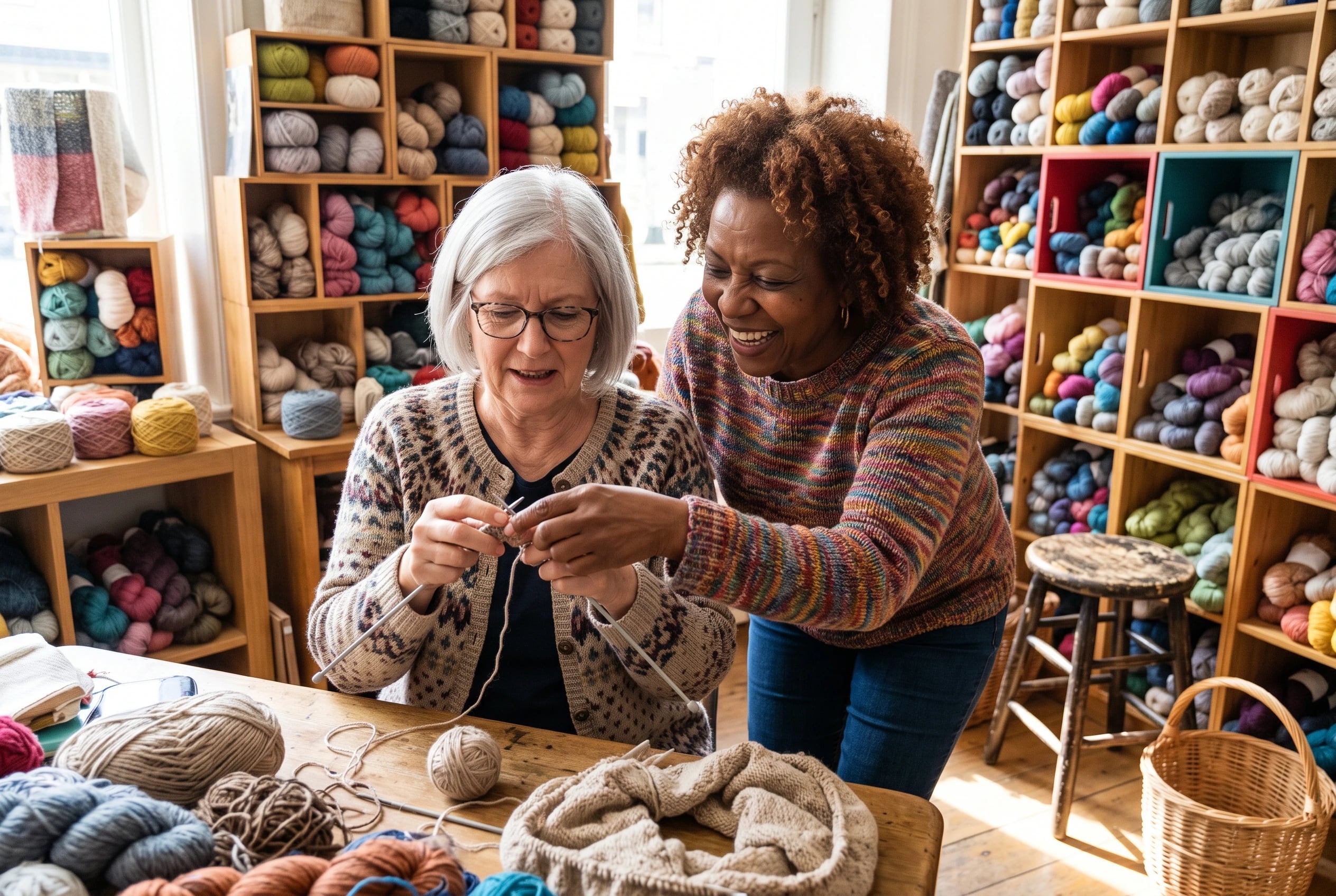
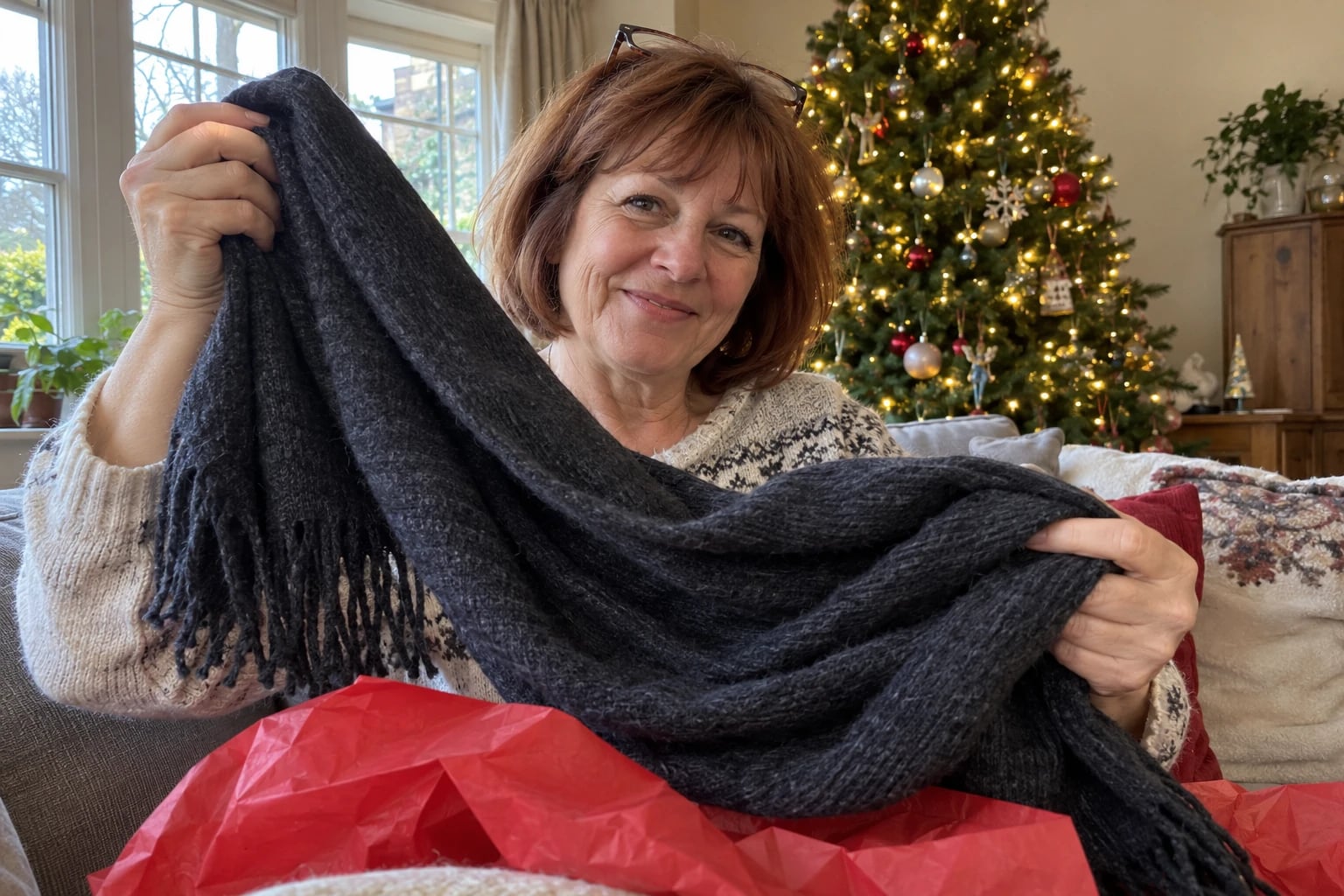
Yarn shops have sample projects that let you see what a beginner class produces. Visit one and ask for a first project that uses one pair of needles and one ball of yarn. Get the class price, length, and materials list before paying. A scarf is familiar; a dishcloth gets finished sooner.
At the gathering, someone will spot a dropped stitch before it travels down the whole row. That's part of the appeal. You have something to do with your hands while conversation takes its own course.
If a shop class costs more than you want to spend, check your library calendar for a knitting group before buying supplies.
20Play Cards at a Community Center

“I haven't played in years. Is there a beginners' table?”
That sentence gets you further than standing in the doorway. Check a community center schedule for bridge, euchre, or another card game. Ask whether the session is free, whether partners are assigned, and what rules newcomers should learn. Bring reading glasses if you use them.
Cards give people a reason to learn your name. First, you're the person across the table. By the end, someone is asking if you'll be back. If you liked the game, put its next meeting on your calendar before you leave.
19Grow Herbs in a Shared Garden
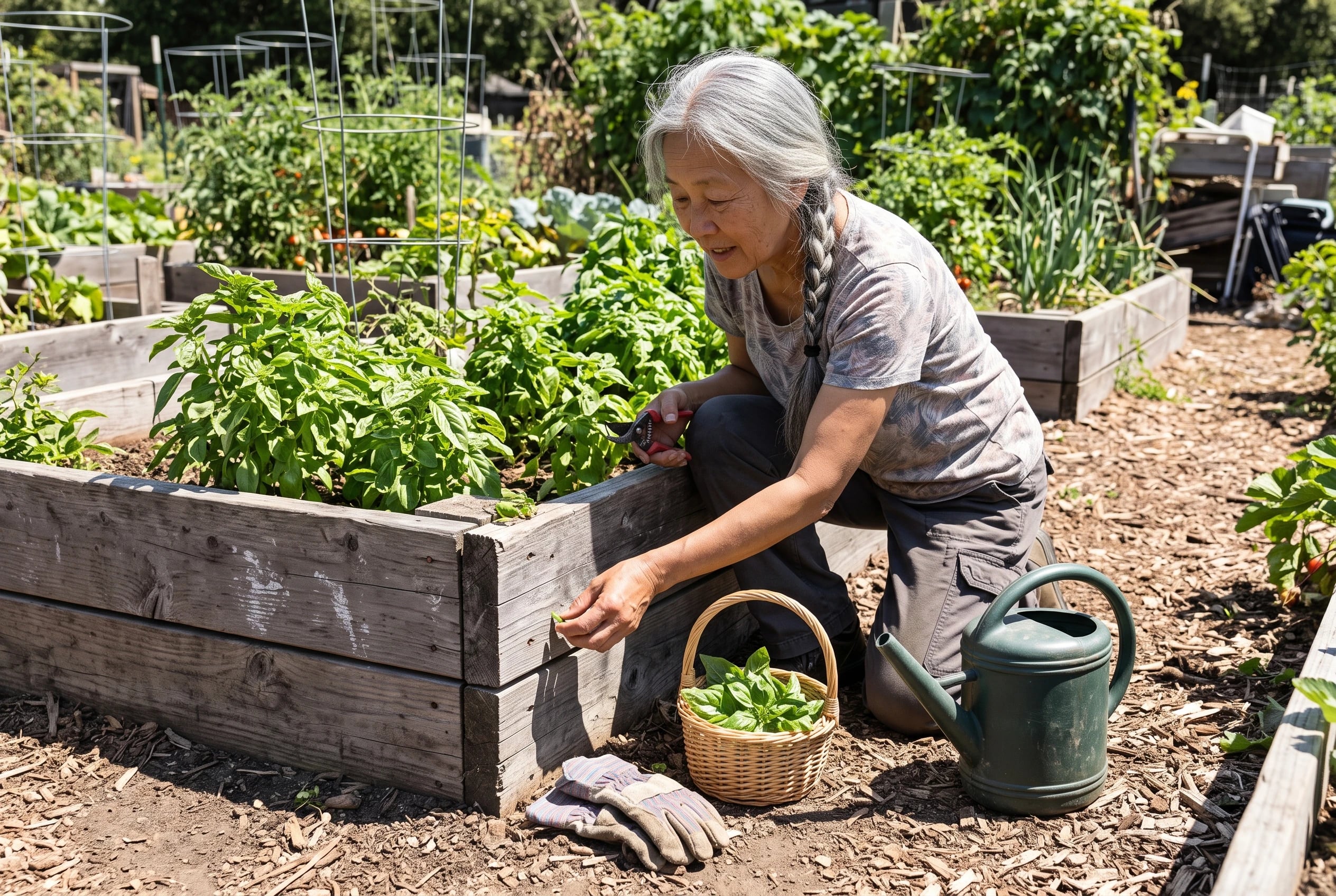
The smell of basil on your fingers is worth the trip. Ask your parks department about community gardens and their open plots, shared workdays, water access, and fees. Shared tasks let you try gardening before taking responsibility for a plot.
Bring gloves and shoes you don't mind getting dirty. If bending is difficult, ask whether raised beds or seated jobs are part of the garden's setup.
Workdays put you beside people long enough for conversation to happen. You also go home knowing which plant is yours to check next time. For planting advice suited to your area, look up your county office through the Cooperative Extension System.
18Try a Beginner Pickleball Session
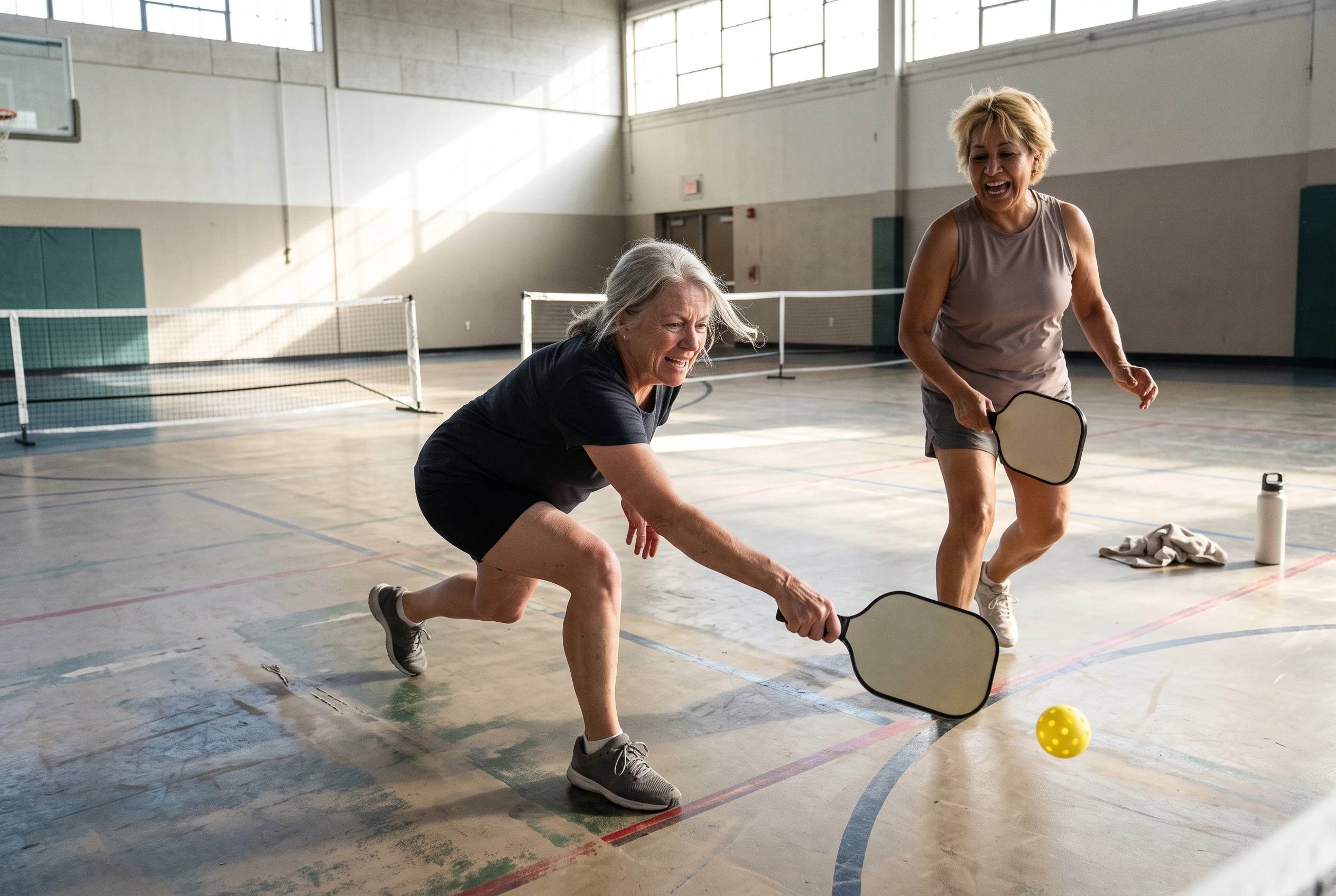
Before buying a paddle, find out whether a recreation center lends one. Ask for a beginner session, its fee, and whether court shoes are required. The USA Pickleball site has rules if you want a look before playing.
Watch a game, then try a few hits. Your first goal is to learn where to stand and who calls the score.
The game gets lively fast, and a regular court gives you familiar faces. If the first session moves too quickly, ask the organizer which session is meant for people learning the rules.
17Sing With a Community Choir
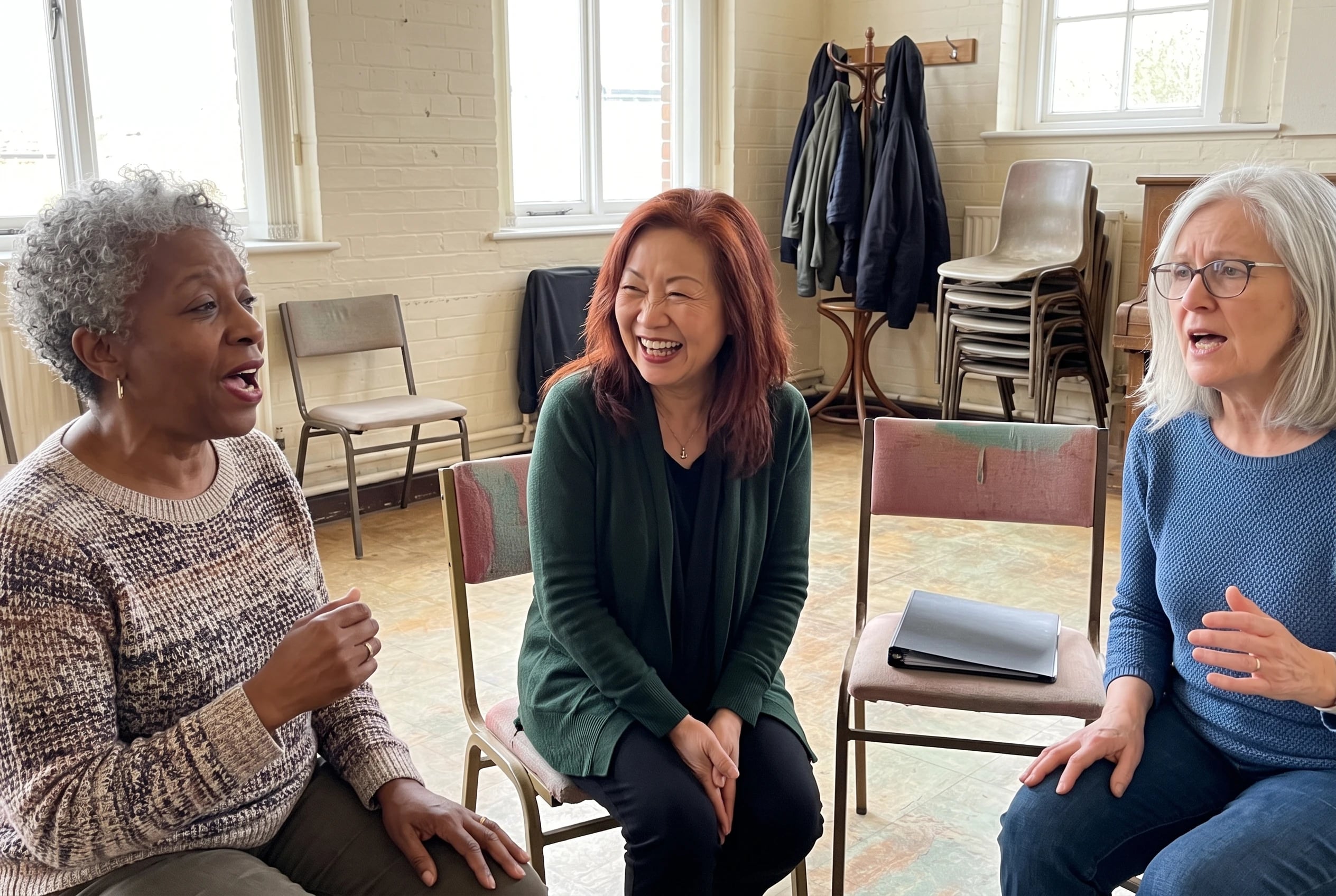
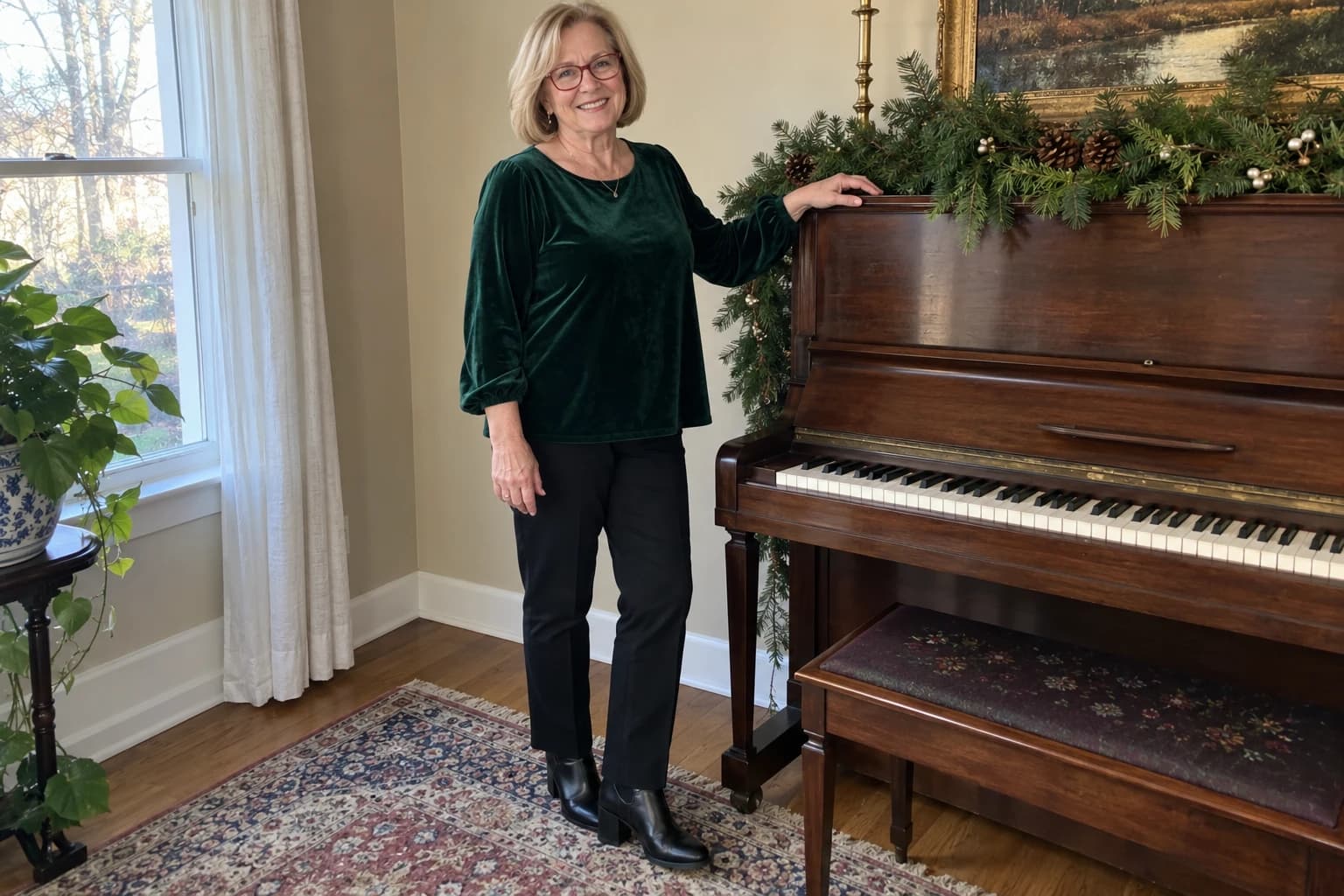
The woman beside you loses her place, finds it, and smiles. Choir rehearsals have room for that.
Search local arts calendars or ask at a church or community center about a choir open to newcomers. Find out whether there is an audition, a membership fee, and music you must buy. If you prefer a cappella singing, Sweet Adelines International has a chapter finder.
Go to a rehearsal before deciding your voice isn't ready. You'll hear how the director teaches a passage and whether the group feels welcoming. Singing with other people gives you a part in a sound you couldn't make alone. The concert is fun; recognizing your section when you walk in next week is better.
16Press Leaves Into Handmade Cards
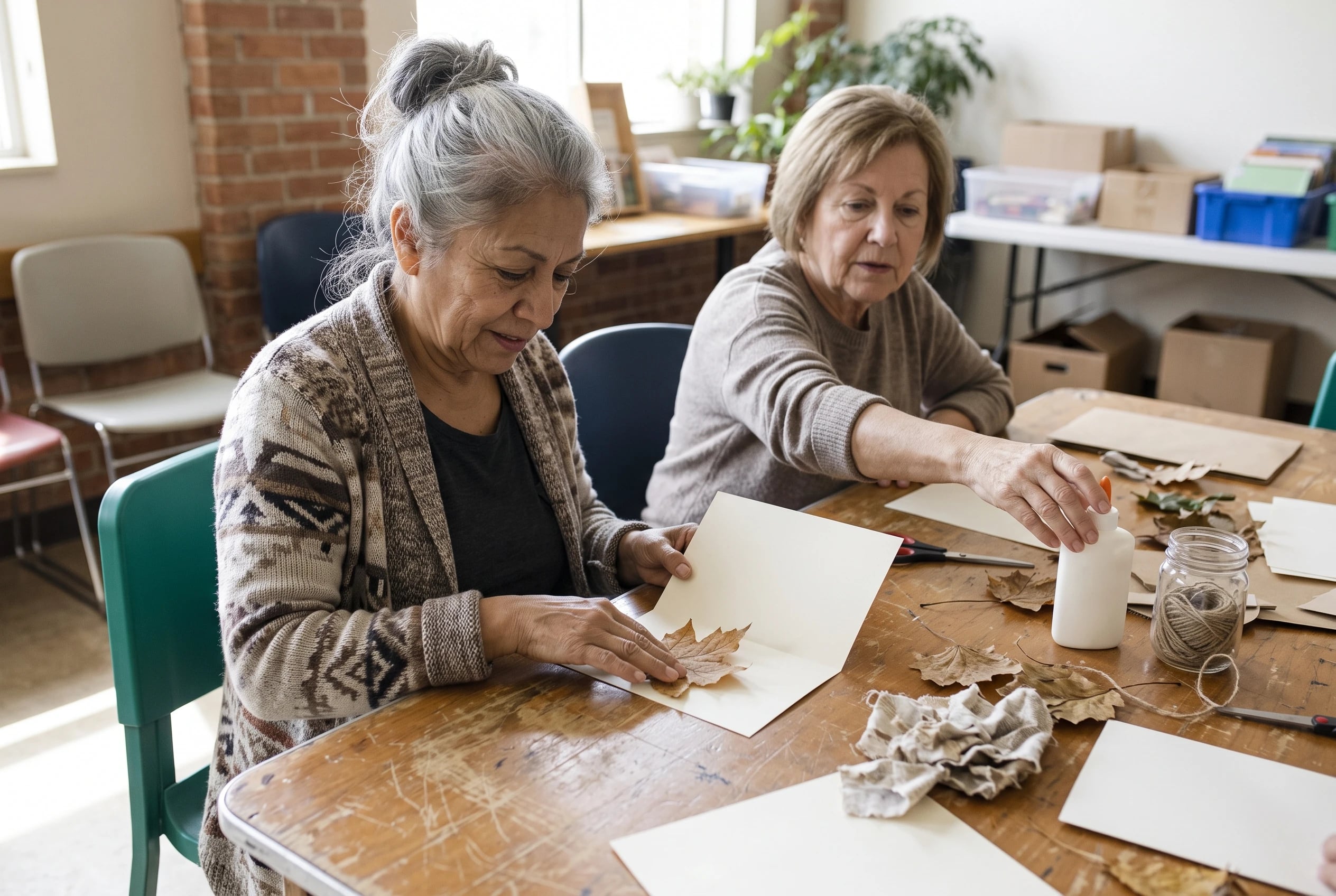
Start with leaves gathered where collecting is allowed. Place them between plain sheets of paper under a heavy book until dry, then attach them to blank cards with glue. Use supplies already in your drawer for the first try.
For company, look for a card-making session at a library or craft store and ask about the class fee and supplies.
Your cards give you an easy reason to write someone, then a reason to make another batch. Try making 3 with different leaves. At the next session, someone else's way of arranging them will give you a fresh idea.
15Take a Local History Walking Tour
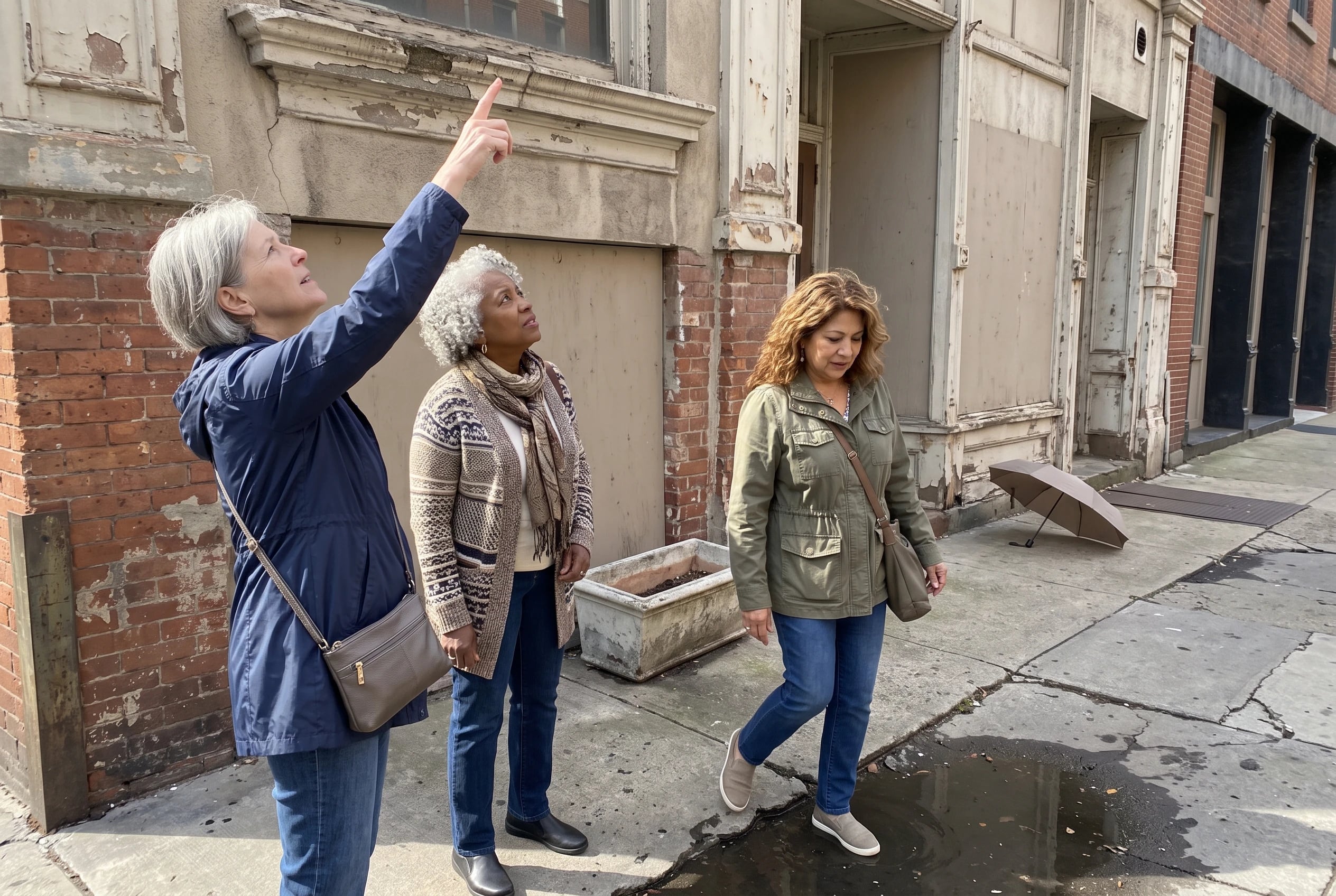
The storefront you've passed for years has a story. Search your historical society or library calendar for a guided walk. Check the route length, stairs, restroom stop, and price. Bring comfortable shoes and a question about a building you've always noticed.
A guide supplies the first conversation. Afterward, other walkers have stories about the same streets, including what stood there before you moved to town.
Some tours repeat the same route; choose a different neighborhood next time. Your familiar town starts offering places to point out when a friend visits. If the tour price puts you off, check the library and historical society calendars for a free walk before making plans.
14Fold Paper at an Origami Meetup
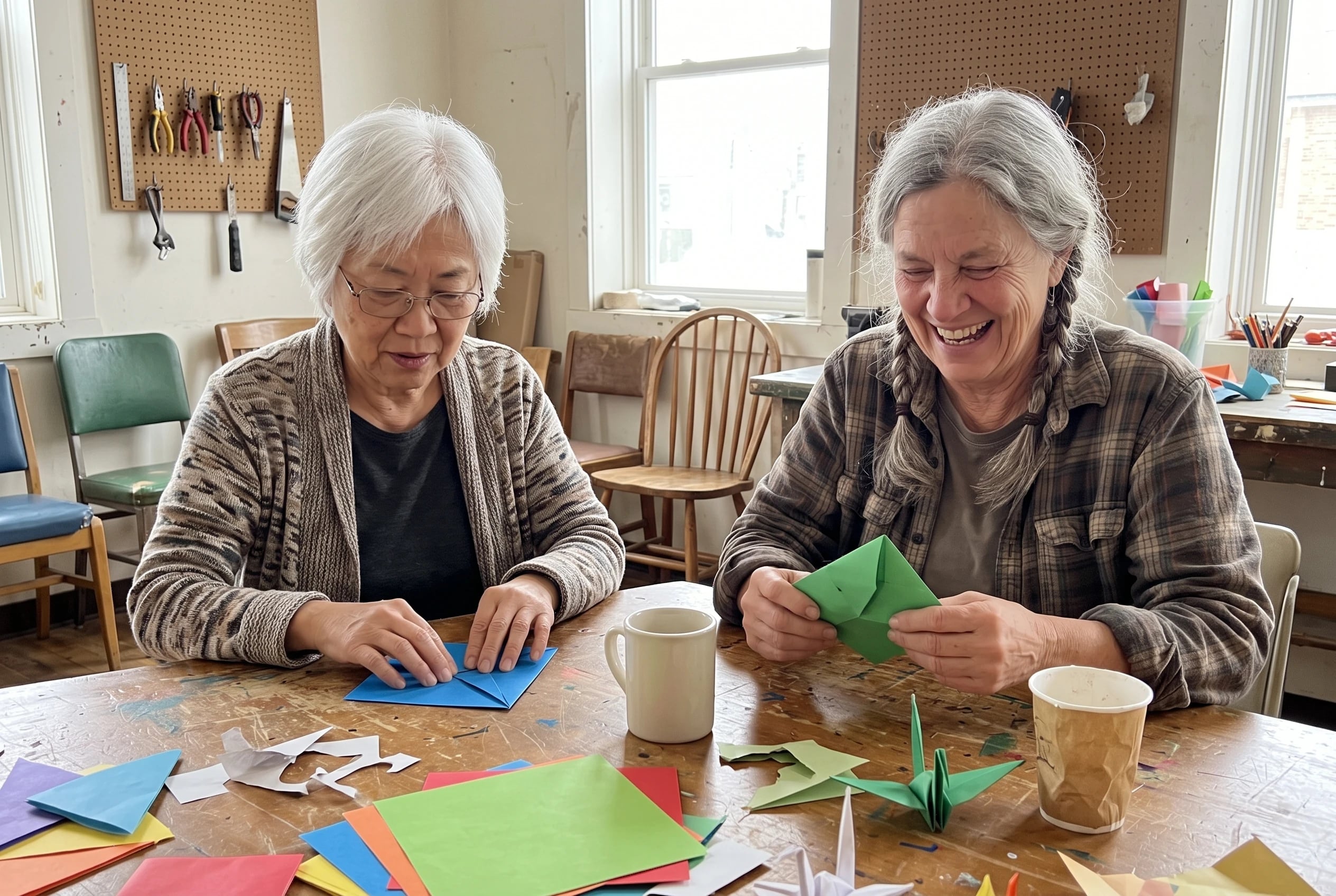
One square of paper is enough to begin. Look for an origami gathering at a library or art center, and ask whether paper is supplied. A first session ranges from free to a class fee.
Pick a simple model and follow the person beside you when the diagram gets confusing.
Nobody needs to admire the finished crane. The fun is that a small piece of paper held everyone's attention for a while. Bring another square home and try the folds again. You'll know exactly where to ask for help next time.
13Photograph Your Neighborhood on Foot
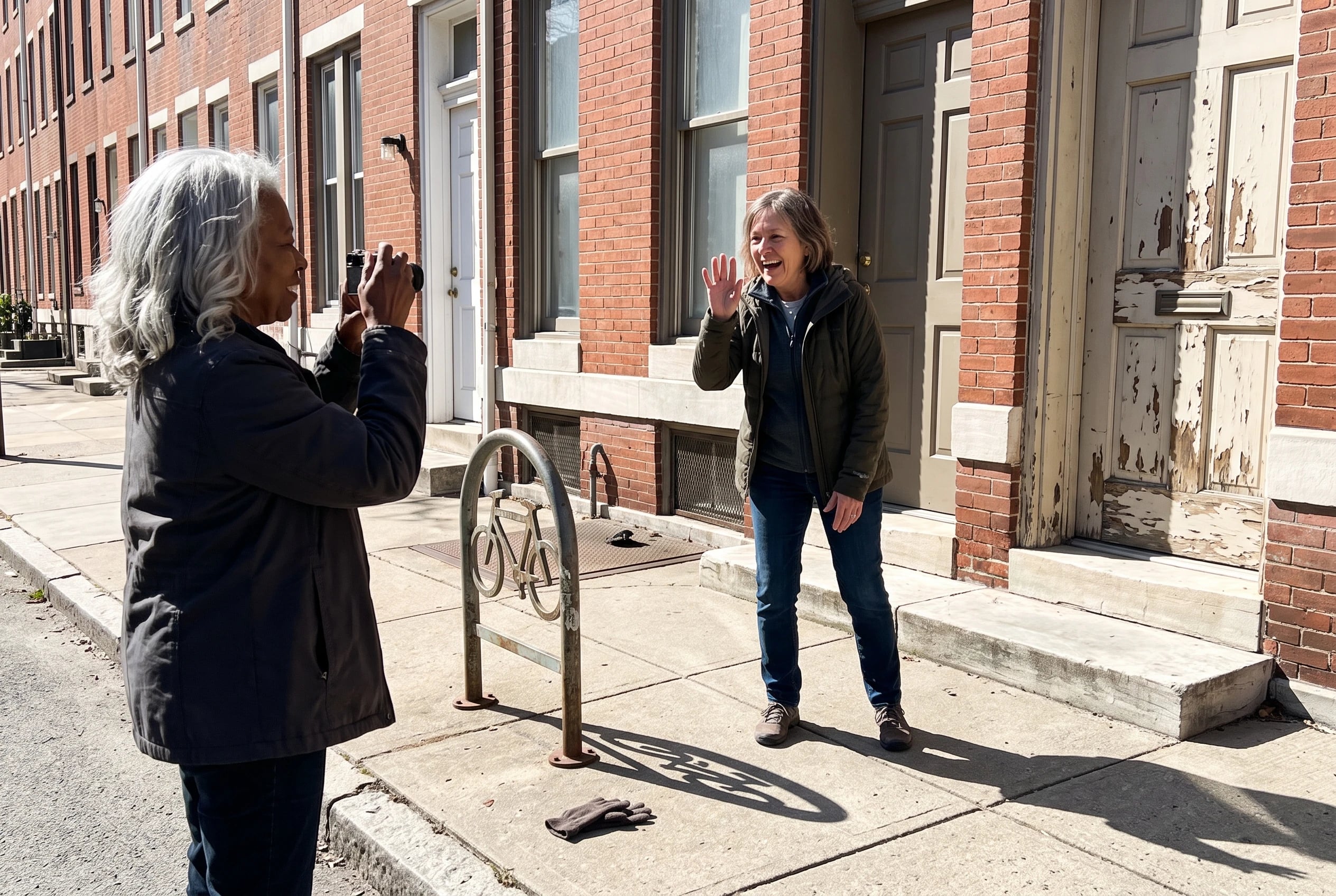
Give your camera a job: photograph doors, window boxes, or the colors on one block. A phone camera is enough. Walk in daylight where you feel comfortable, and take the same route on another day.
To make it social, ask a community art center about a photo walk. Check its price and whether you need anything beyond a phone.
Showing someone a picture opens a better conversation than asking, “How was your week?” You start noticing what another walker sees, too. Turn your favorite subject into a weekly walk; the changes give you fresh pictures without a new destination.
Photograph buildings and public scenes. Ask before taking a close picture of a stranger.
12Bake Bread for a Potluck
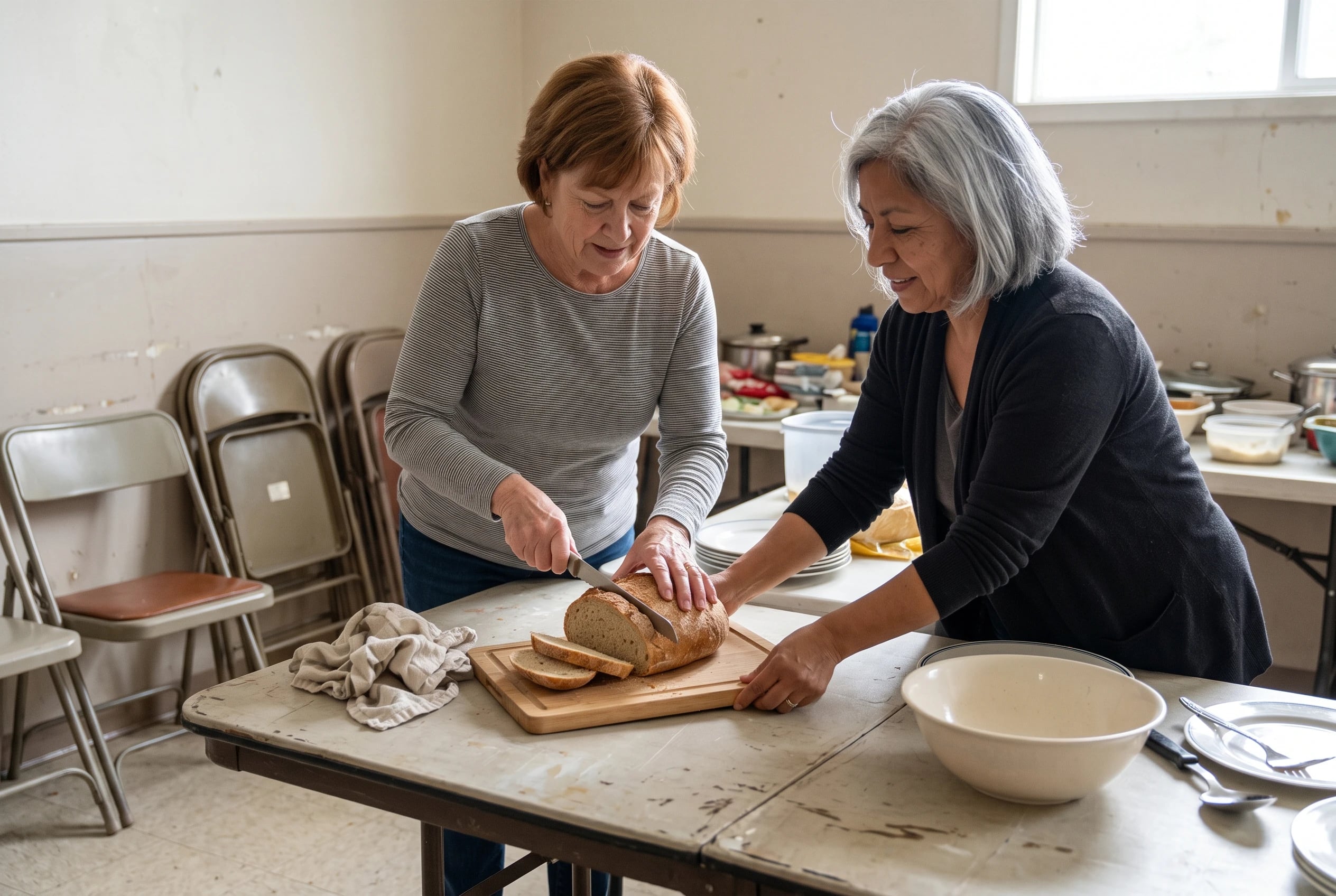
Bread starts at home with flour, water, yeast, and a bowl. Follow a recipe from a cookbook at the library, then bring a loaf to a community potluck whose host welcomes homemade food. Check the event listing for admission and food rules first.
The first loaf doesn't need a handsome crust. Someone will ask what kind it is, and you've got a story to tell while you cut it.
You get the pleasure of baking without eating the whole loaf alone. If you enjoy the process, try the same recipe again before changing it. You'll have something specific to ask another baker at the next potluck.
11Learn Partner Dancing at a Social
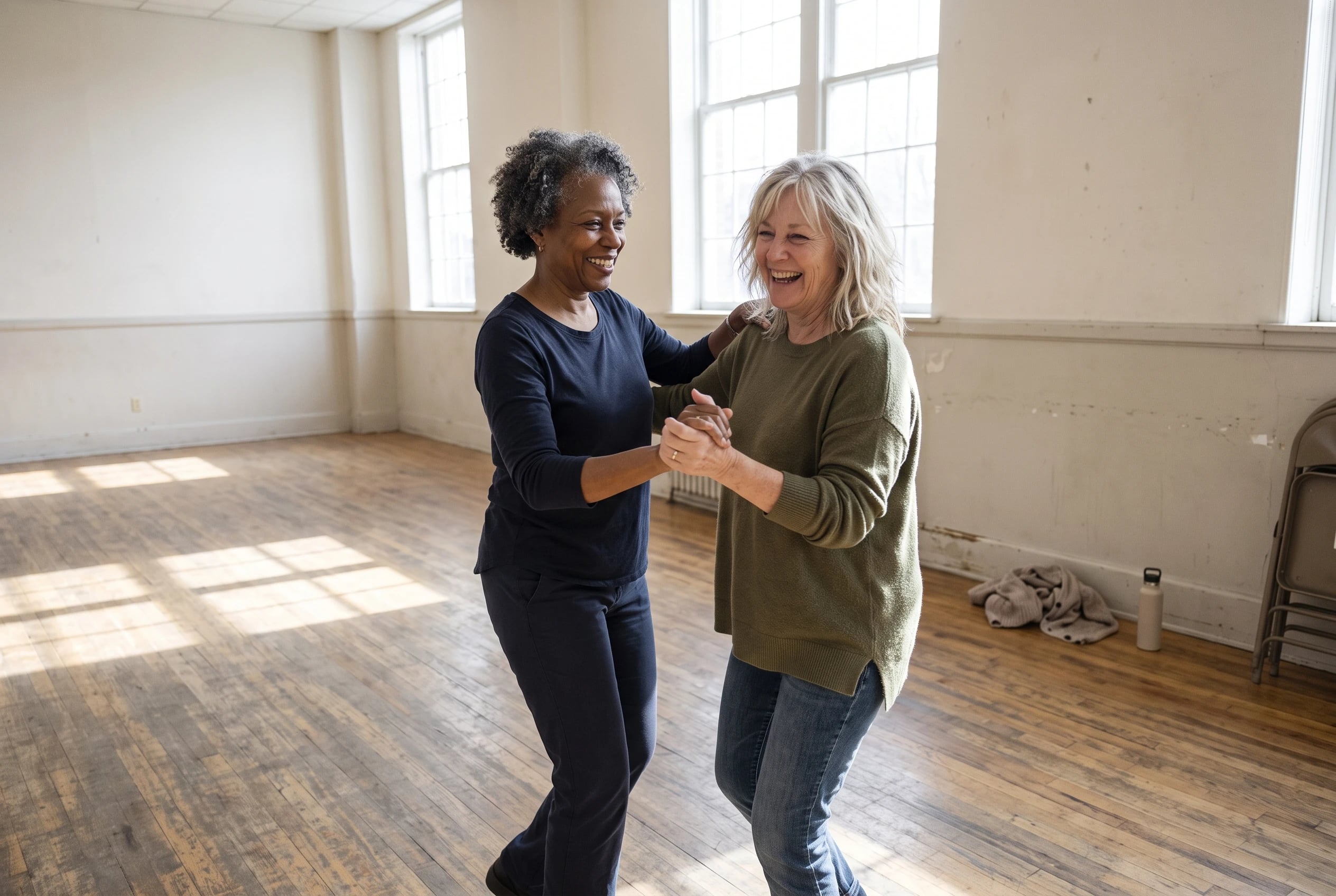
Walking into a dance alone takes nerve. So give yourself a smaller first step: arrive for the beginner lesson, when everyone is learning where to put their feet.
Find one through a dance studio, parks department, or community center. Ask whether you need a partner, what shoes to wear, and whether the lesson and social dance have separate fees. Some events rotate partners; confirm that before you go.
Stay for one song after the lesson. You'll know the group's steps and have met people before the music gets louder. A wrong turn lasts a moment. The next song gives you another try, and soon there's a familiar face when you come through the door.
10Collect Stamps From Your Own Mail

Why buy a collection before you know what interests you? Save stamps from letters you receive, then choose a theme: flowers, places, or designs you remember. A small envelope holds your first finds.
Ask a local stamp club about an open meeting and any dues. The American Philatelic Society lists clubs and beginner resources.
Looking closely at a stamp gives you a question to take to the meeting, even if your collection fits in your pocket. Ask someone how they store their finds before spending money on an album.
9Read a Play With Local Actors
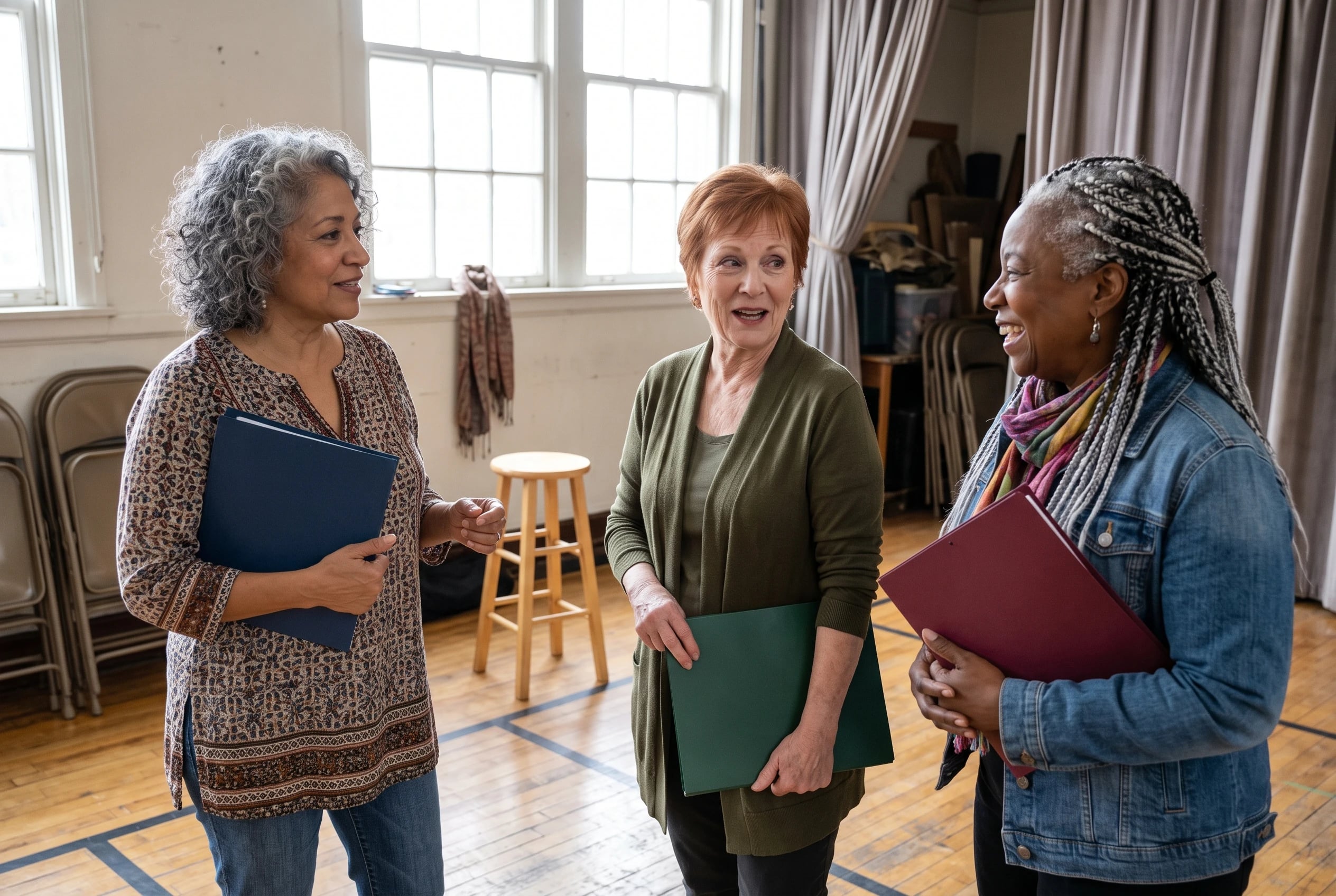
At a first play reading, nobody expects you to know your lines. Look for a community theater's open reading or a library drama group. Ask whether newcomers participate, whether scripts are provided, and whether attendance costs anything.
Choose a small part and listen for your cue. The story changes when people say it aloud, especially when someone finds a joke you missed on the page.
You can enjoy the group without auditioning for a staged show. If you leave curious about another character, ask when they read again. Take a different part next time and hear how your view of the story changes.
8Sketch Plants at a Botanical Garden
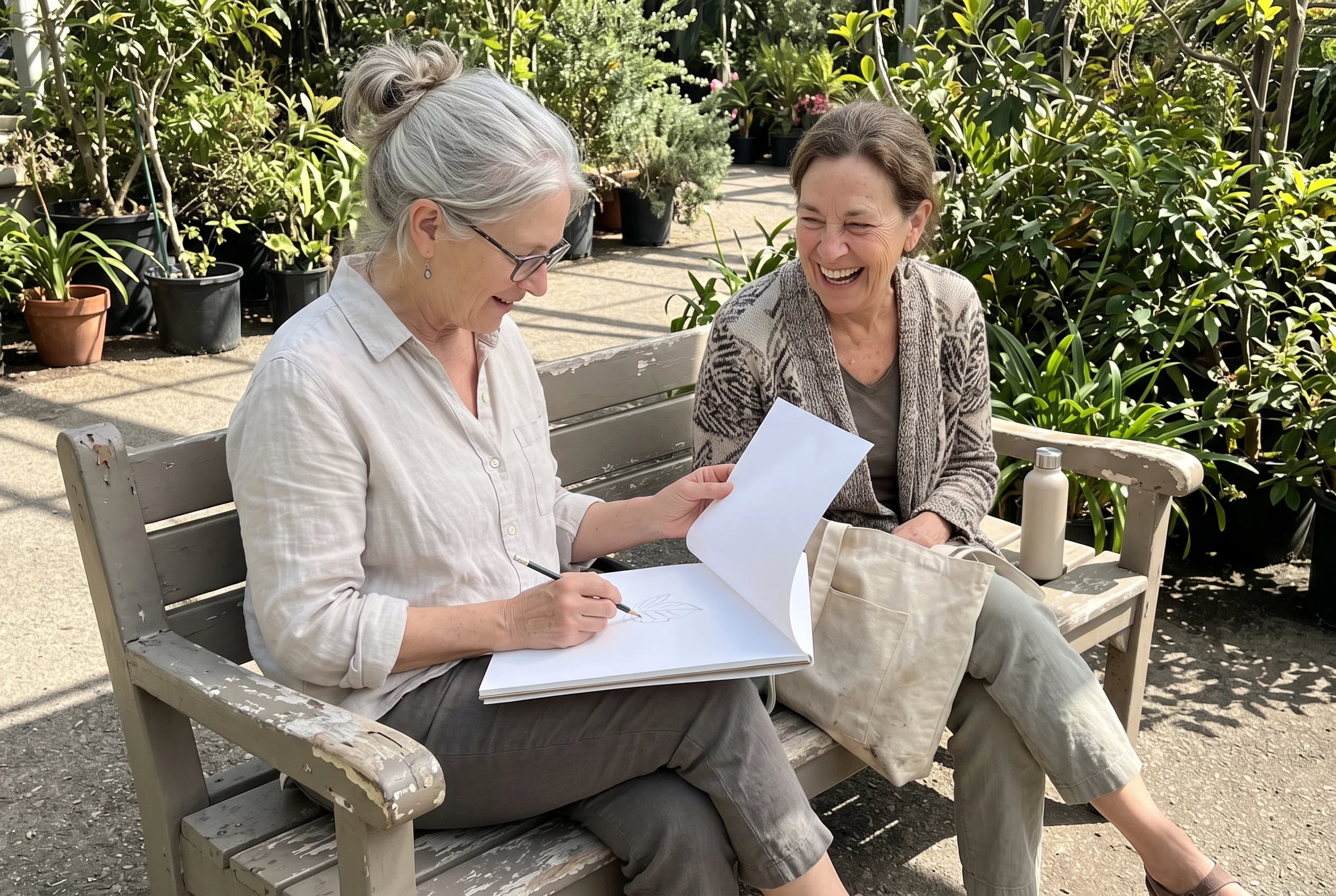
Bring a pencil and a small sketchbook to a public garden. Check admission and hours on the garden's own site; a neighborhood garden gives you a free first outing. Sit where you won't block a path.
Draw one leaf for 10 minutes. Look up more than you look down.
On the way out, ask about sketching sessions or garden programs. You already have a subject for the next visit, and the drawing needs no frame. Return to the same plant later in the season and see which details you notice then.
7Repair Bicycles at a Volunteer Workshop
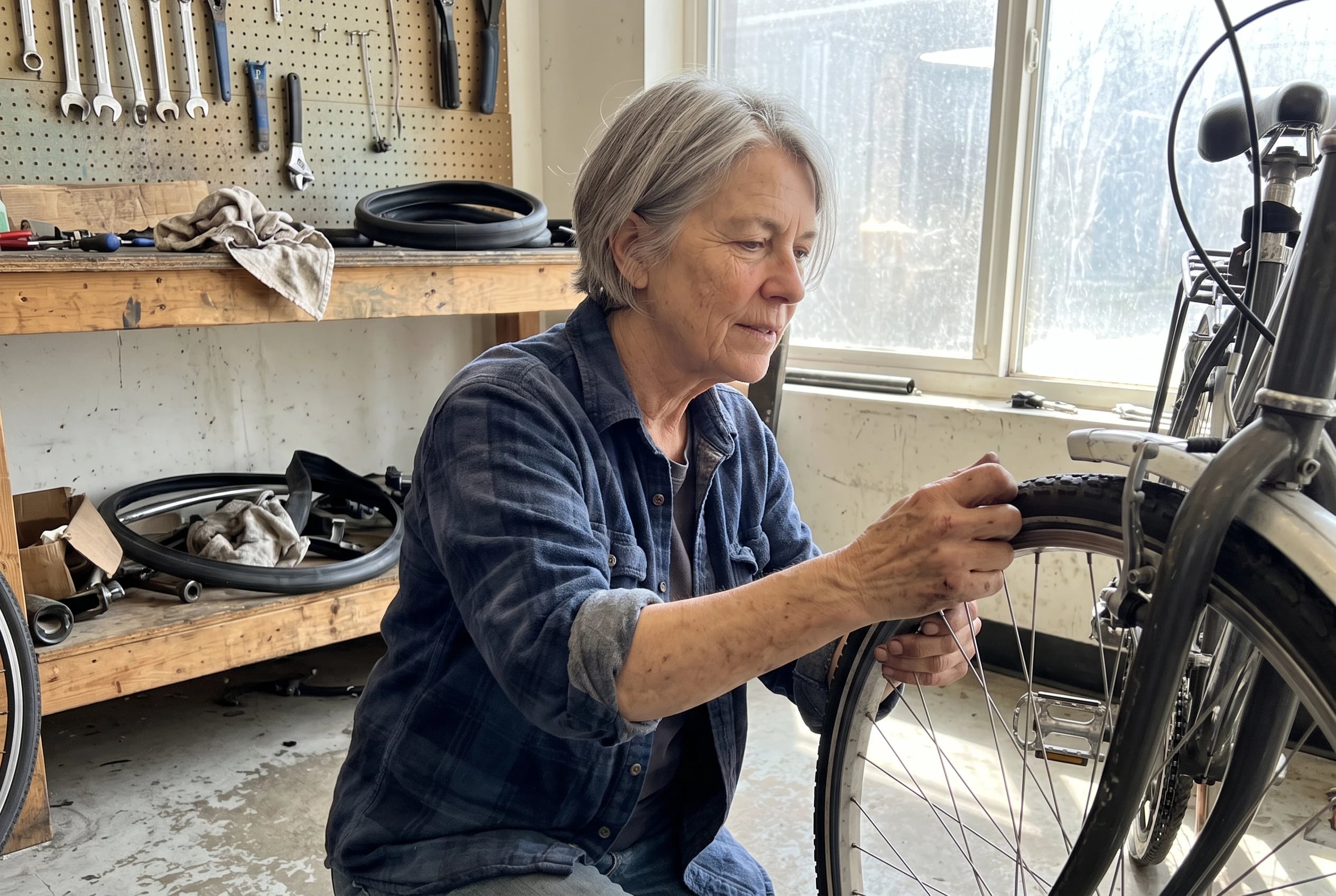
A dusty bicycle rolls into a repair workshop. Someone checks the tires; someone else sorts the parts needed to get it moving. You don't have to arrive knowing how to true a wheel.
Find a local bicycle co-op or community repair workshop and ask when volunteers are trained. Check whether shifts are free and whether gloves or closed-toe shoes are required.
Start with a task the supervisor shows you: sorting parts, checking tires, or cleaning a donated bike. Watching a repair gives your hands a job to learn next.
The reward is visible at the end of a shift. A bike that arrived dusty and unusable rolls toward the door, and you know whose hands worked on it.
6Make Pottery in an Intro Class
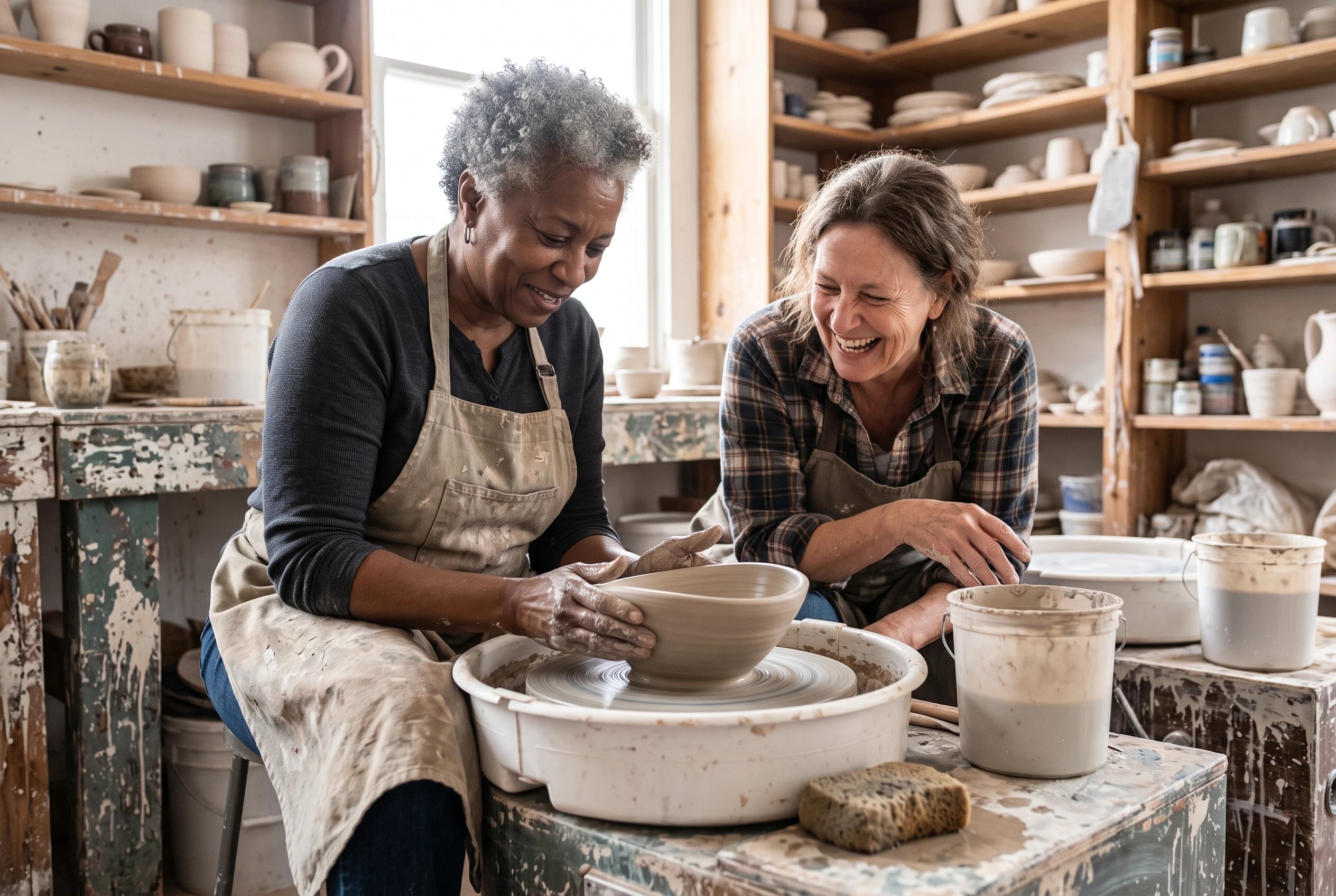
Clay is forgiving about fingerprints. That's good news when your first bowl leans to one side.
Ask a community art center for an introductory hand-building class, its full price, and whether clay and firing are included. Wear clothes that wash easily. Ask when finished pieces are ready for pickup before you book; fired work isn't something you'll carry home that day.
Make a small bowl rather than chasing a perfect vase. The people around you are also discovering what happens when a wall gets too thin. You'll have something to pick up after firing, which gives you a reason to return.
5Practice Tai Chi in the Park

Watch part of a beginner class before joining. Check your parks department or community center schedule for a session, its fee, and what happens when it rains. Wear comfortable clothes and shoes that let you stand securely.
A class gives you movements to practice at home without turning practice into a solitary obligation. Follow the instructor at a pace that feels steady.
If a movement hurts, stop and ask for another way to do it. The appeal is the attention: for a while, you're watching where your hands and feet go instead of watching the clock.
See more: 20 Tai Chi Exercises for Women Over 50 →
4Follow a Geocache Trail Nearby
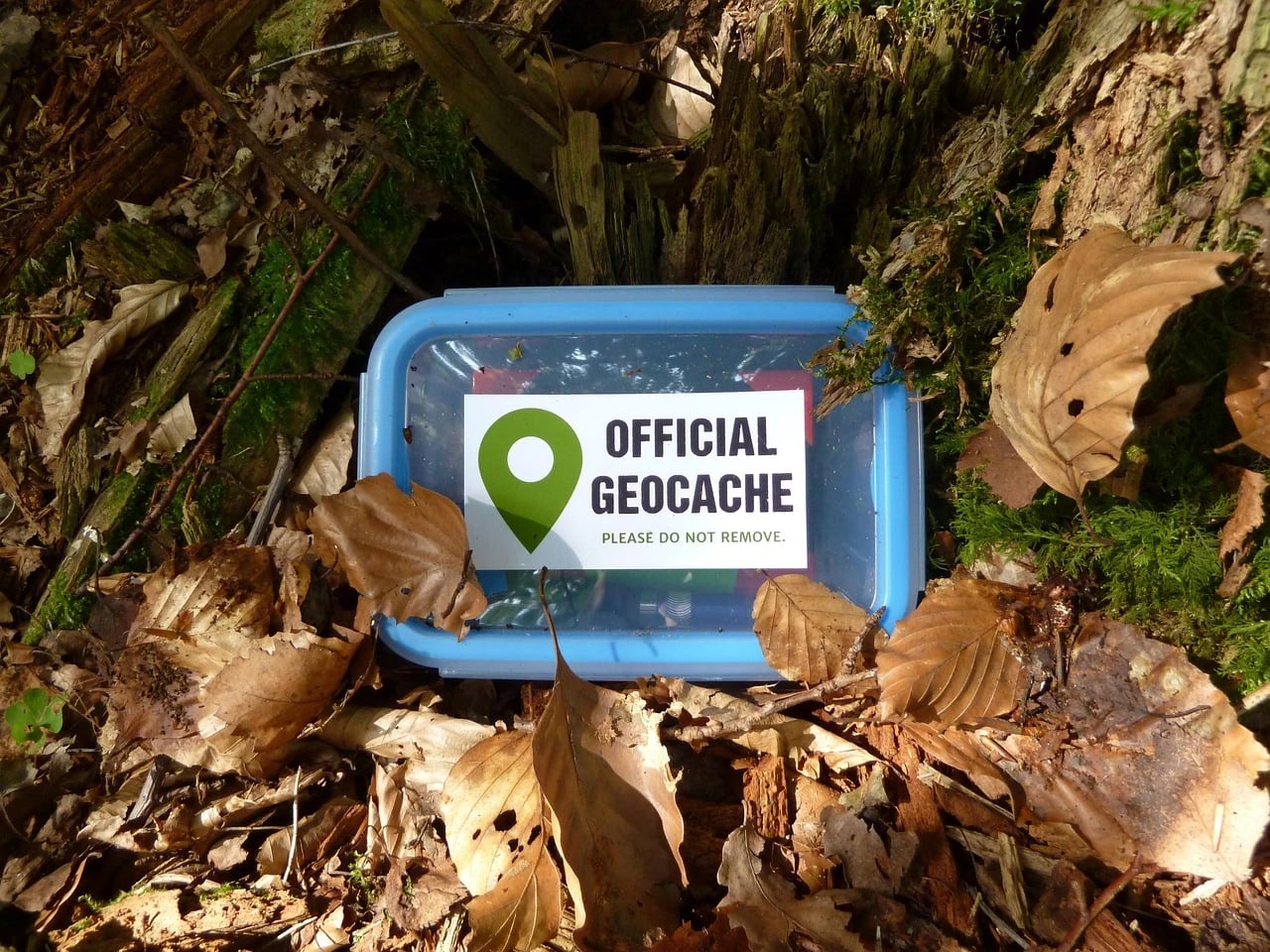
A geocache is a hidden container listed by location. Create a free basic account at Geocaching, choose an easy cache in a familiar public place, and use your phone to find it. Check the listing for terrain before leaving.
Bring a pen for the logbook. Put the container back where you found it.
For company, invite a friend to search with you; having 2 sets of eyes turns a short walk into a shared hunt. After your first find, choose another cache on a different route. The search gives you a reason to explore a place you've passed without stopping.
3Learn an Instrument in a Group
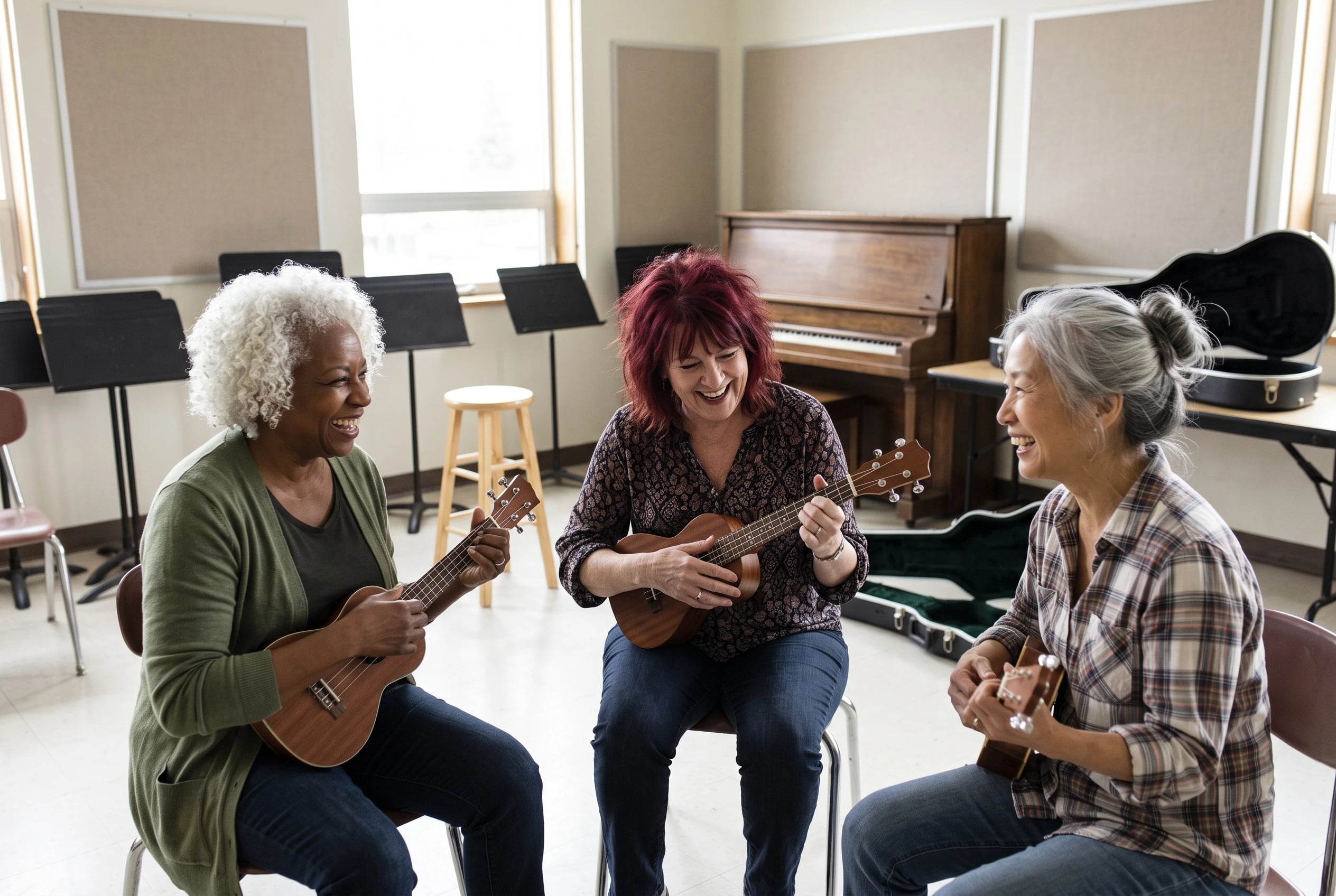
A keyboard, ukulele, or hand drum gives you a reason to listen closely to the person beside you. Search a music school or community center for an adult beginner group. Ask what instruments are available to borrow, what the course costs, and what you'll practice between meetings.
Don't buy an instrument before the first class. Try holding it, making a sound, and repeating a short pattern.
At home, give yourself a few minutes with that pattern rather than trying to master a song. The next class feels different when you recognize the opening notes.
2Record Stories for Your Family

Choose a story you tell well: the first place you lived alone, a holiday that went wrong, or how you met a friend. Record it on your phone. Listen once, then decide what detail you left out.
For company, look for a library storytelling group and ask about any fee. StoryCorps also has prompts for conversations.
You bring the memory; other people give you the pleasure of hearing where their stories go. Start with one story, not your whole life. Make another recording next week, or ask a friend to trade stories around a prompt.
1Volunteer on a Regular Museum Shift
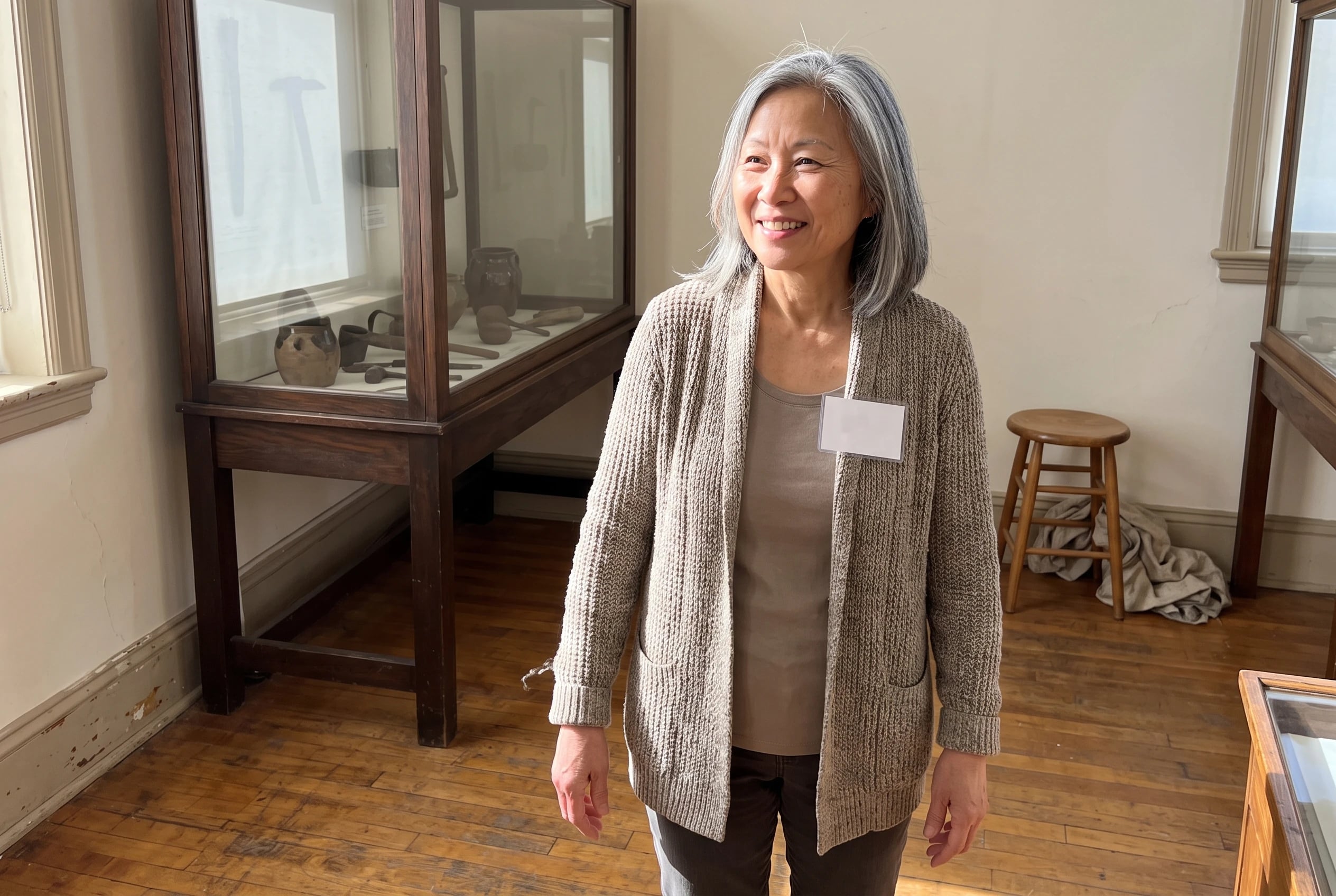
Pick a museum you actually enjoy visiting, whether it holds quilts, trains, paintings, or town photographs. Ask its volunteer coordinator what roles are open, what training involves, and how shifts are scheduled. Volunteering costs nothing, though you should check parking or transit costs before committing.
Visit as a guest first. Notice whether you'd enjoy spending time in those rooms and talking with the people who come through.
Then try a role that suits you. Some work puts you on the floor with visitors; other work happens behind the scenes. Ask to see the space where you'd work so you know what a shift feels like beyond the job description.
A regular shift gives you something retirement took away: people expecting you at a certain place. You'll learn their names, develop answers to visitors' questions, and have a reason to come back.
You don't have to choose a lifelong commitment. Ask what the first shift looks like, then decide whether you want the next one.
The bottom line
The hobbies that stick give you a place to go and someone to recognize when you arrive. Cost and skill matter, but so does wanting to come back.
The well-prepared version of you has checked a schedule, asked about the fee, and put one first visit on the calendar. Which place have you been meaning to walk into? Pick one from this list and make that call today.
Up next
26 Daily Activities for Seniors That Give a Day Its Shape
A menu sorted by mobility, company, and cost, with library-card options and a weekly schedule you can put to work.
Read the list →

Reader quiz
Did you catch the details?
5 questions from this article.
What should you ask before buying a watercolor kit for a class?
Did any of these feel familiar?
Know someone who needs this?
Sources cited in this article
This article links to 8 outside sources, listed here so you can read them yourself.
- American Volkssport Association ava.org
- Audubon Society www.audubon.org
- Cooperative Extension System extension.org
- USA Pickleball usapickleball.org
- Sweet Adelines International sweetadelines.com
- American Philatelic Society stamps.org
- Geocaching www.geocaching.com
- StoryCorps storycorps.org
Ruth Ellison
Family Editor
Ruth writes about grown children, grandchildren, ageing parents, and the conversations families put off, in the words of the people involved.
More from Ruth Ellison