
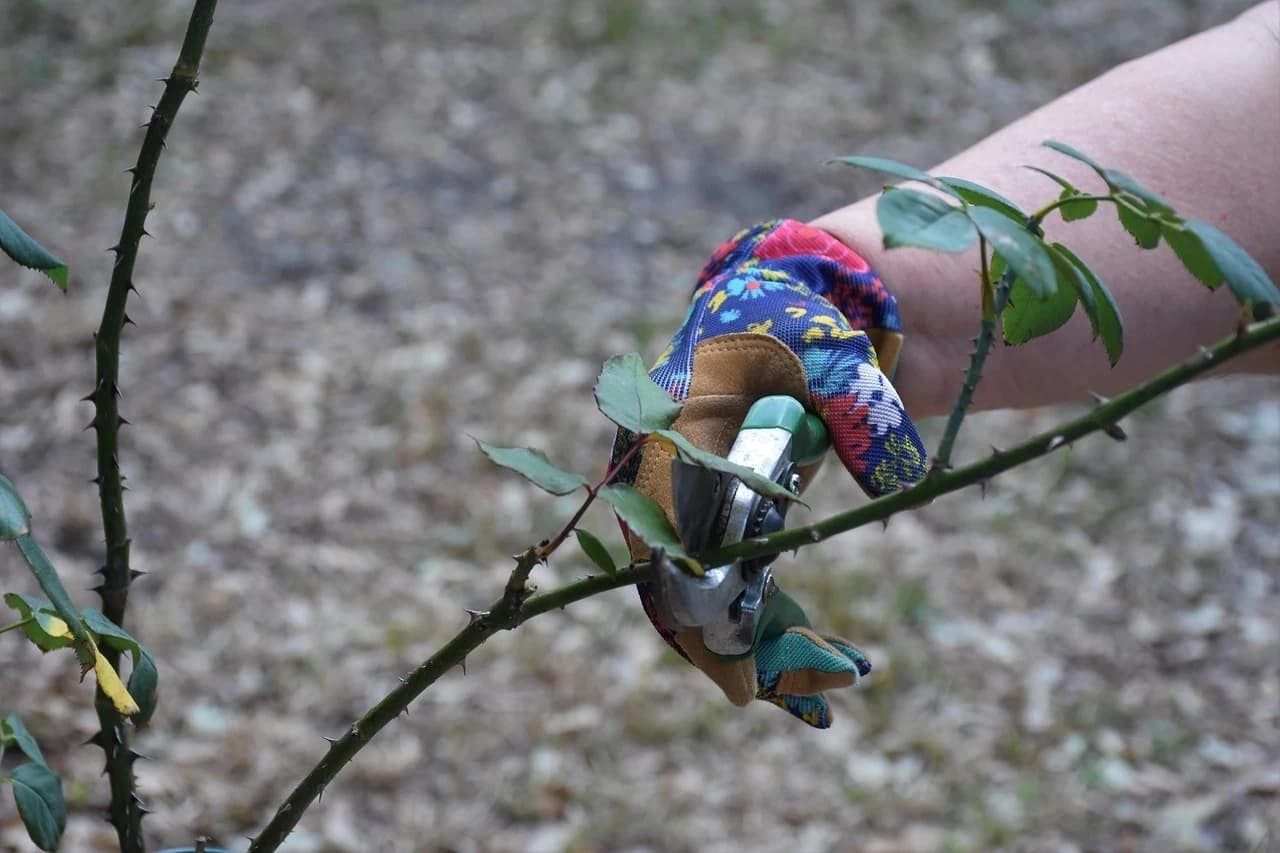






21 Container Gardening Ideas for Seniors
Grow flowers, herbs, and vegetables without returning to ground-level beds, starting with a wheeled plant caddy you can move yourself.
By June Marlow, Garden Editor
Updated · 16 min read
The short answer: Container gardening for seniors starts with pots that have drainage holes and lightweight potting mix, not garden soil. Set plants at a comfortable working height, pick compact varieties, and use a rolling caddy or self-watering container when lifting and repeated watering trips get difficult. The goal: a garden tended without kneeling.
- Written by our garden editor
- Cited 13 sources
- How we review
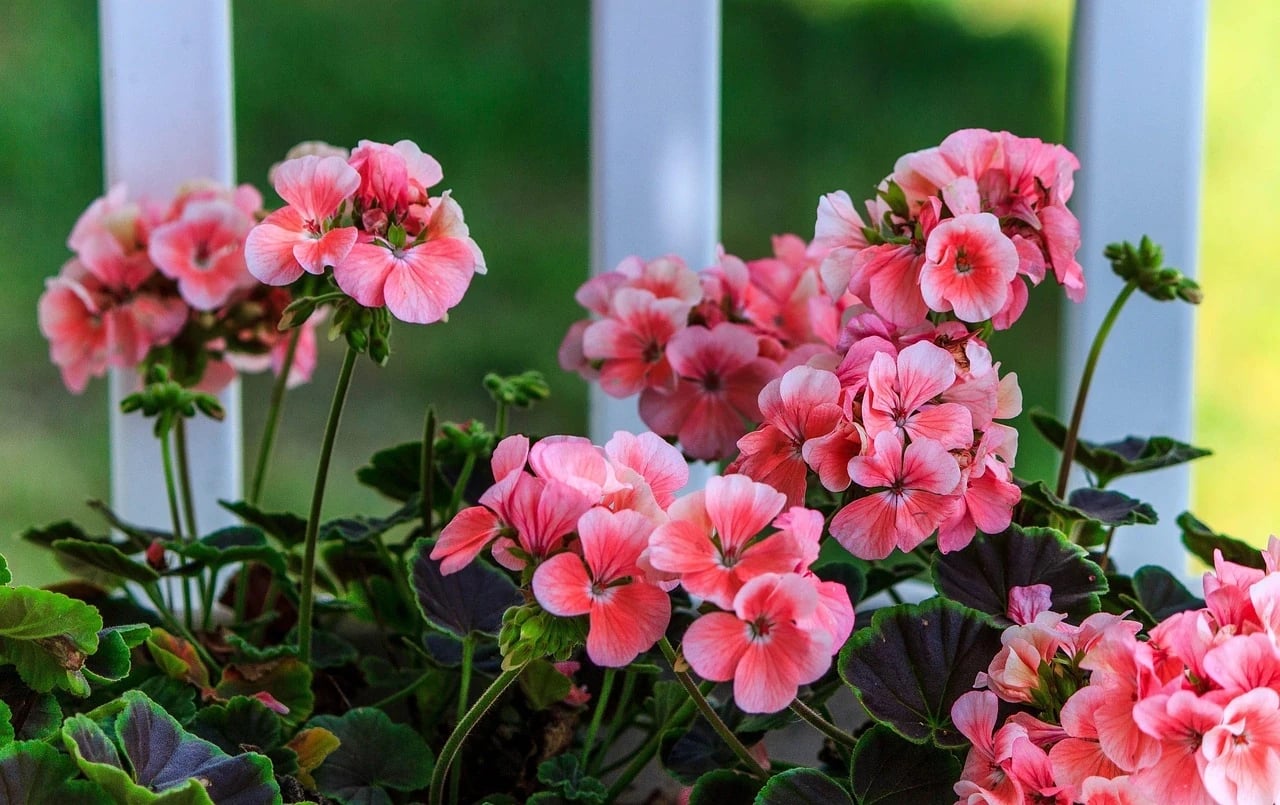
There’s a particular moment when the garden starts asking too much. You’re standing with a plant in one hand, looking at the spot where it belongs, and calculating how you’ll get back up after putting it there.
The plant still matters. So does the dirt under your nails. What needs changing is the distance between your hands and the work. A pot on a porch, a basket within reach, or a planter you tend standing up keeps the growing part and leaves some of the strain behind.
21Pot Sizes for Tomatoes, Peppers, and Beans

A tomato seedling looks small enough for any spare pot. Once it grows, that first choice matters. Check the container’s volume before you fill it; a wide-looking pot doesn’t tell you how much mix it holds.
Arizona Cooperative Extension suggests about 2 gallons per bush bean plant and about 5 gallons per tomato or pepper plant.
Illinois Extension gives different sizes for particular varieties: a 1-gallon pot for one ‘Patio’ or cherry tomato, and a 2-gallon pot for two pepper plants.
Those guides serve different plants and growing conditions. If the label names a compact variety, compare it with the Illinois guidance. Otherwise, start by checking the larger container sizes. You don’t need to carry the filled pot to find out it was too small.
20Drainage Holes Beneath Every Plant Pot

A lovely ceramic pot is useless as a planting container if water has nowhere to leave. NC State Extension’s gardener handbook says containers need drainage holes so roots don’t stand in water and develop rot.
Turn the pot over before buying it. Illinois Extension notes that multiple holes work better than a single one. If your favorite decorative pot has no holes, Virginia Tech Extension advises drilling them or setting a planting pot with holes inside it.
With the liner approach, lift it out to water and let it drain before returning it. That extra step is worth deciding on now, while the pot is empty and light.
19Soilless Potting Mix Without Bottom Rocks
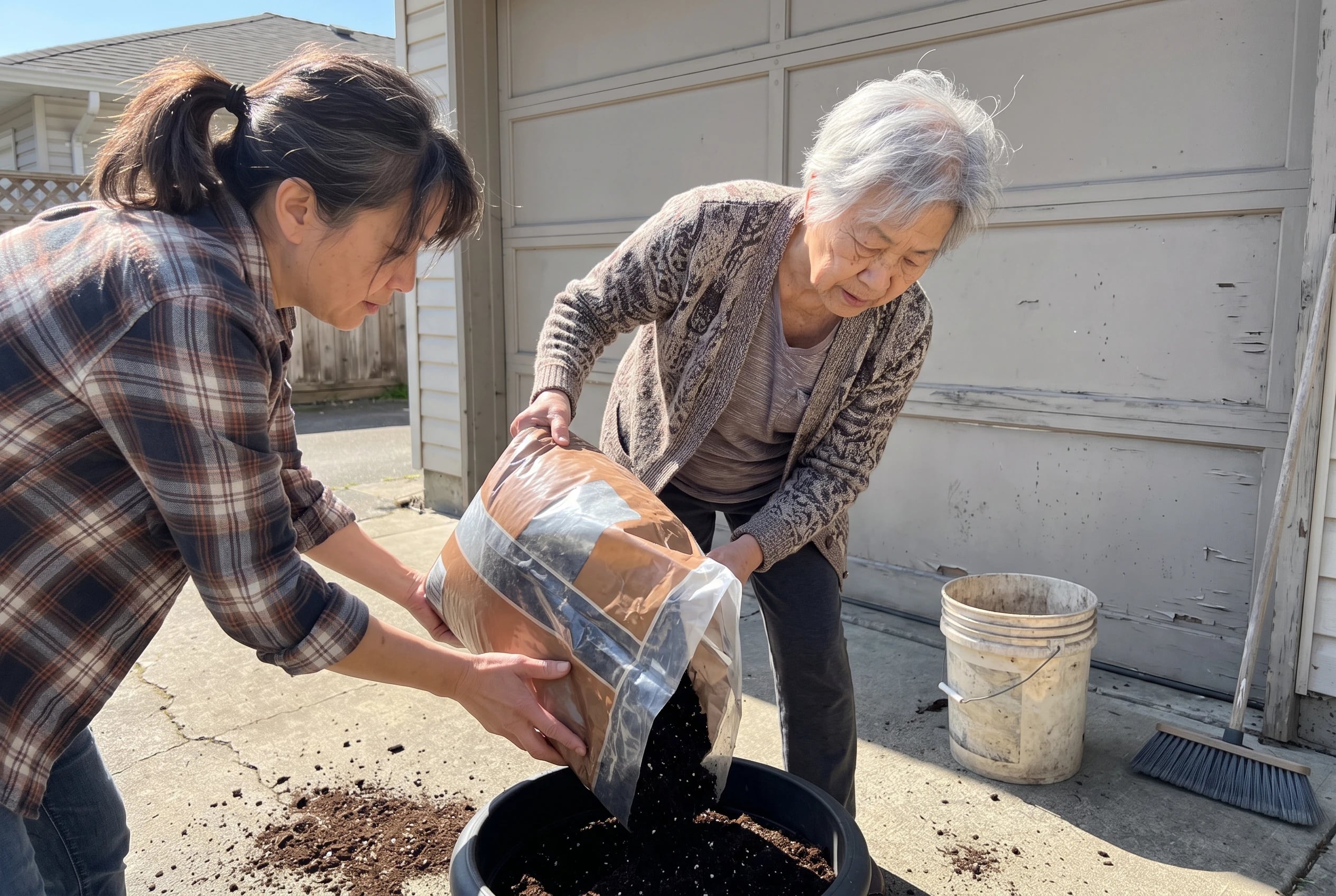
The old habit is tempting: scoop soil from the yard, put rocks in the bottom, then add the plant. Both choices work against drainage in a container.
Iowa State University Extension recommends commercial soilless potting mix because garden soil compacts in pots. Oregon State University Extension says a coarse layer beneath the mix can inhibit drainage rather than improve it.
Buy a bag labeled potting mix, not garden soil. Put the empty pot where it belongs first, then bring the mix to it in smaller amounts. Leave the drainage holes open.
This is the part worth getting right before the roots go in. Afterward, fixing what’s beneath them means repotting.
18A Calendar for Feeding Container Plants
Pots don’t get a fresh supply of nutrients from the surrounding ground. Feeding belongs on the gardening calendar, but it needn’t become another daily task.
First, read the potting-mix bag. If fertilizer is already included, University of Georgia Extension says you can wait 2 to 3 weeks after planting. Then use a water-soluble fertilizer every 2 to 3 weeks during the growing season.
Penn State Extension describes another approach: slow-release fertilizer at planting, followed by soluble fertilizer every 2 to 4 weeks.
Pick a routine and mark the next feeding where you’ll see it. Recheck the product label before measuring; guessing at the scoop isn’t a gardening shortcut.
17A Thriller, Filler, and Spiller Flower Pot
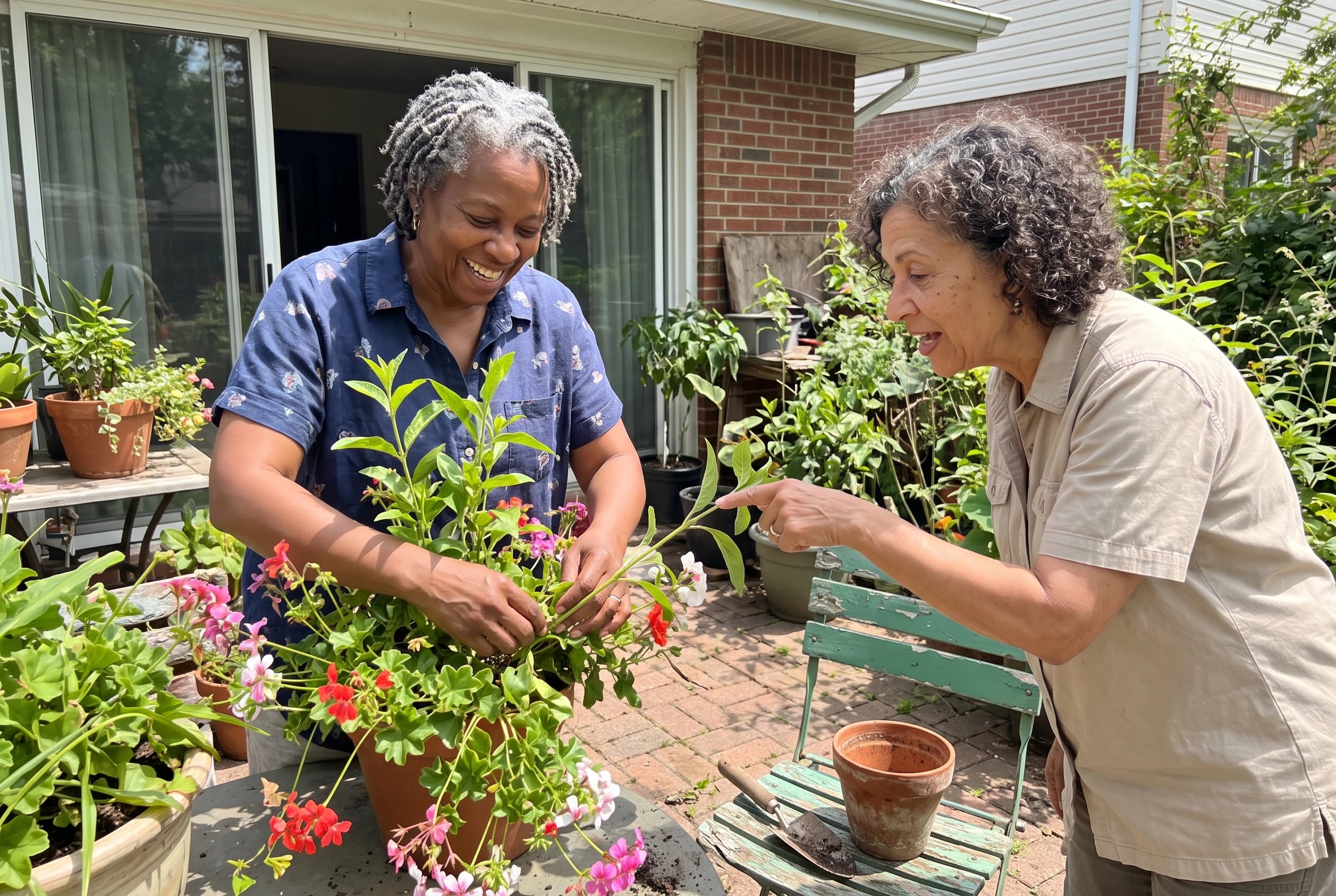
You’ve seen those full flower pots that look composed rather than crowded. They follow an easy arrangement: one upright focal plant, one mounded plant, and one trailing plant.
Oklahoma State University Extension calls them the *thriller*, *filler*, and *spiller*. The Proven Winners design guide places the upright plant at the back when you view the pot from one side. For a pot seen all around, it goes in the center.
The trailing plant goes near the rim. The mounded plant fills the space between them.
Stand where you’ll usually see the container before choosing plants. A porch pot against a wall needs its best view facing out. It’s easier to settle that while the pot is empty.
16Full-Sun Geraniums and Zinnias in Pots
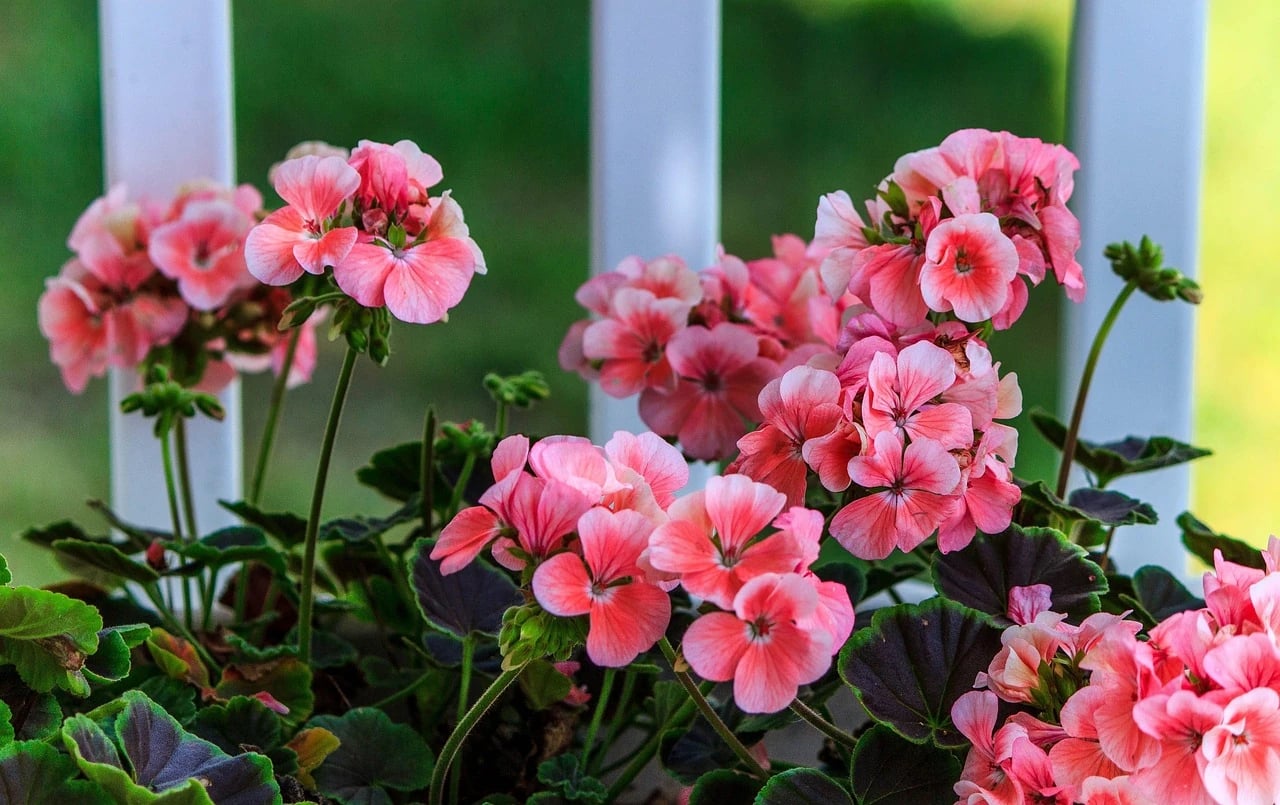
Look at the spot first, then choose the flowers. Annual geraniums grow best with at least 6 hours of direct sun, according to Iowa State University Extension. They’re well suited to containers.
University of Wisconsin Horticulture also lists many zinnias as good container plants for full sun.
Watch the spot on a day you’re home. A porch that feels sunny during morning coffee could be shaded by lunchtime. Count the direct-light hours before buying plants, then place the pot where you won’t have to stretch to care for it.
15Shady-Porch Pots of Begonias and Coleus
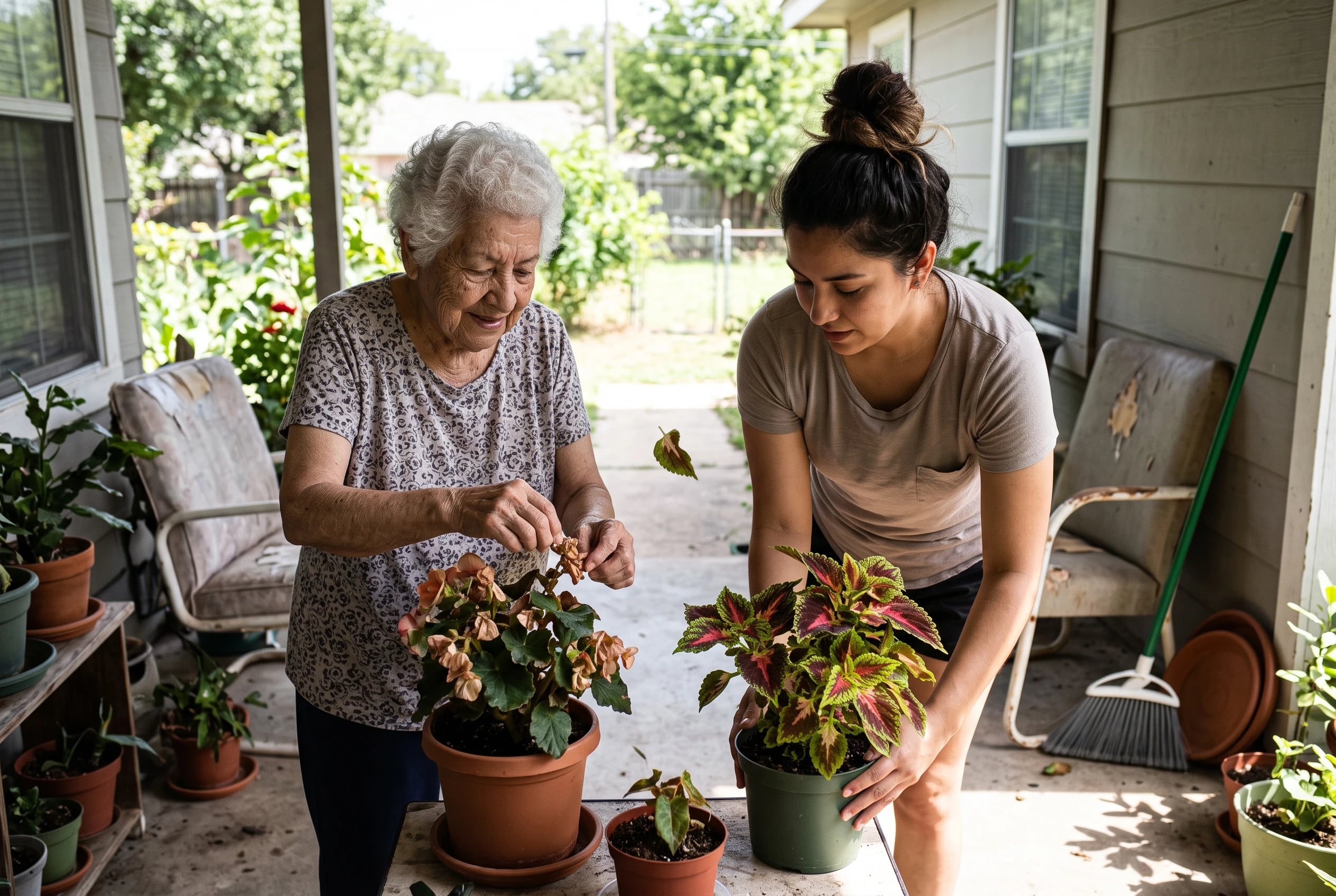
Your porch doesn’t have to be sunny to hold a flower pot. Illinois Extension names begonias and coleus as reliable annuals for shade that do well in containers.
Choose the spot where you already spend time. A pot beside the porch chair is easier to notice than one tucked around a corner. You’ll see when the mix needs attention, and you’ll get to look at the plants you bothered to grow.
No room beside the chair? Iowa State University Extension includes trailing coleus and impatiens among its choices for shady hanging baskets. Settle the basket’s height before filling it. Watering should take a comfortable reach, not a step stool.
14Compact Tomato and Eggplant Varieties for Pots
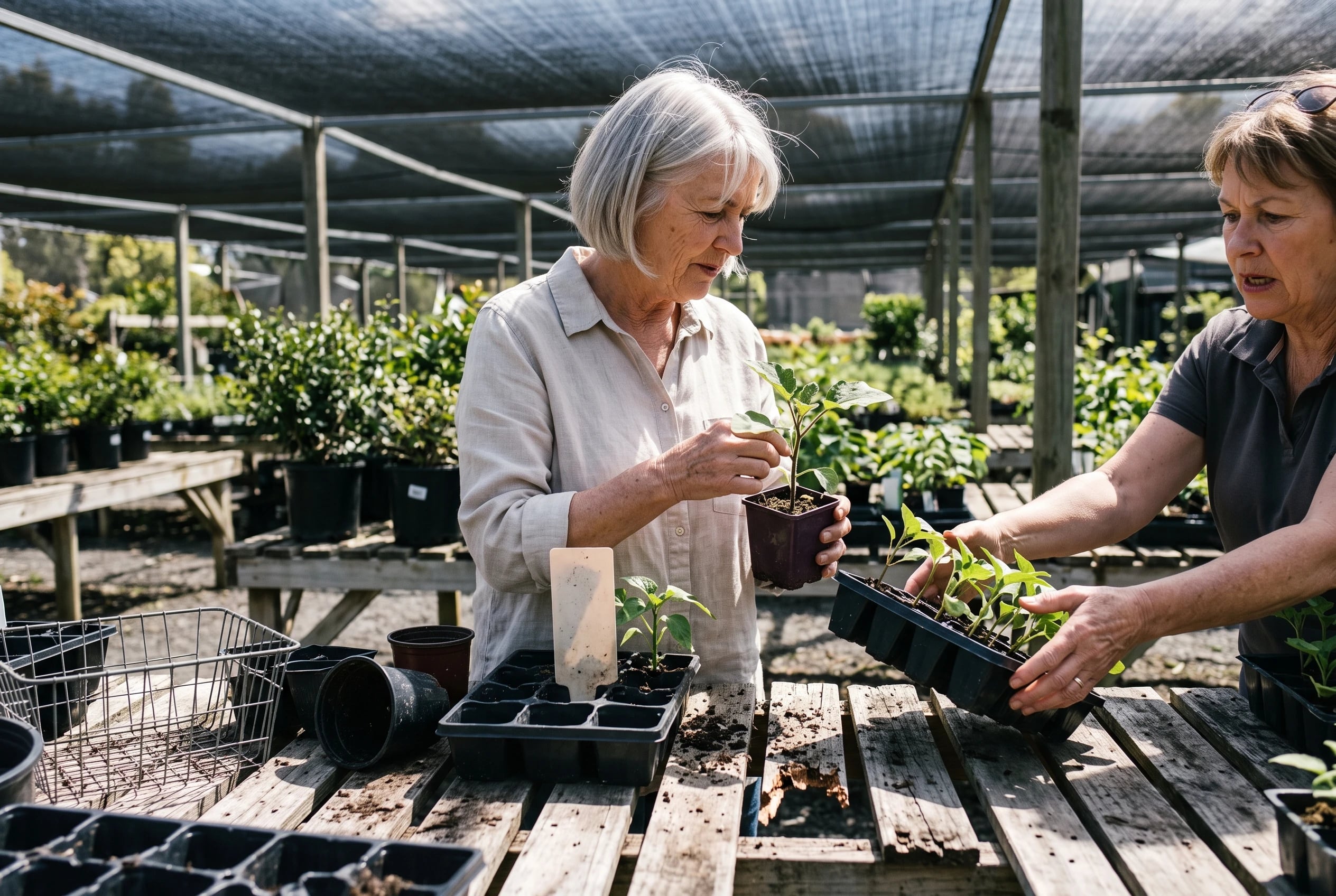
At the nursery, tomato seedlings look much alike from a few steps away. Read the variety tag before one goes into your cart.
Illinois Extension lists ‘Pixie’ cherry and ‘Patio’ tomatoes for 1-gallon containers. Burpee describes ‘Sweetheart of the Patio’ as a compact container tomato. Renee’s Garden selected ‘Little Prince’ eggplant for containers and small spaces.
Those names are examples, not a shopping list. Check the pot recommendation for the variety you choose, especially when several kinds share a store display.
The aim is to tend a plant you want to eat, rather than wrestle its container into a bigger one halfway through the season.
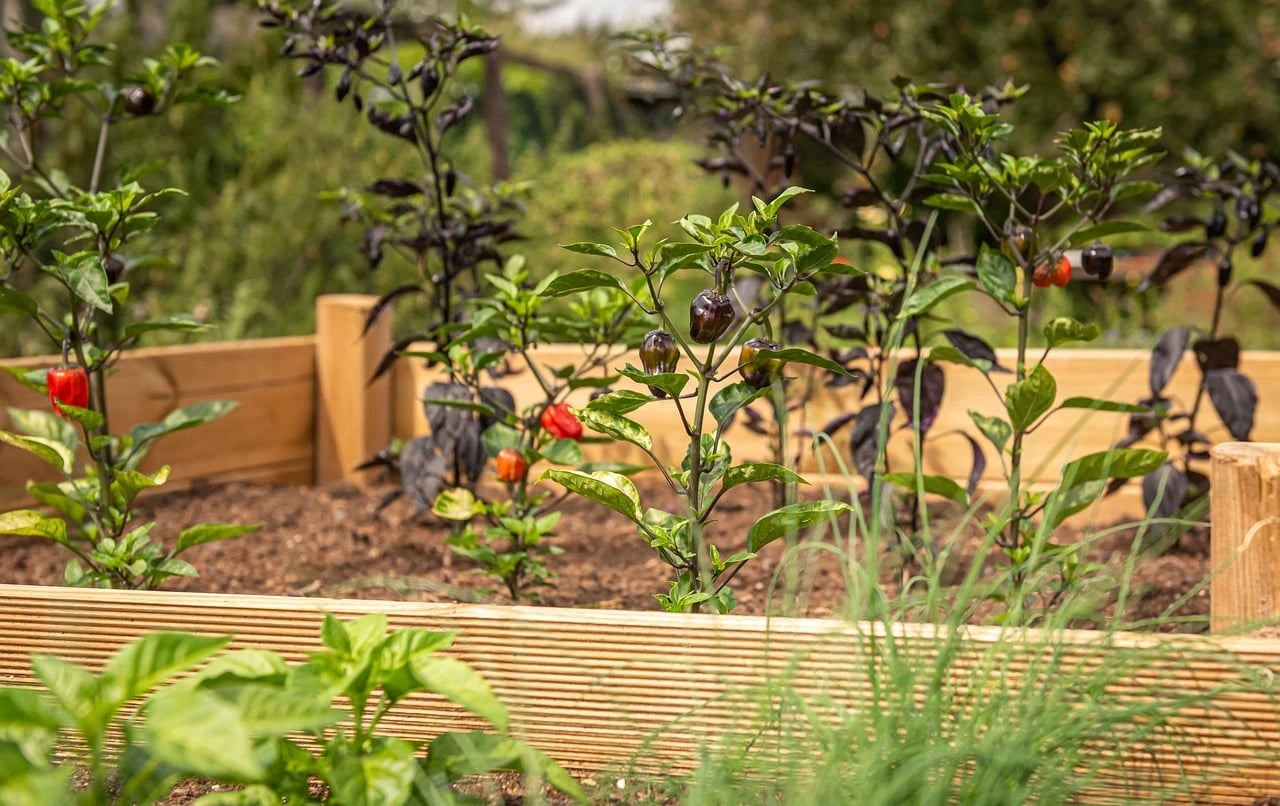
13A Tomato, Bean, and Pepper Container Garden
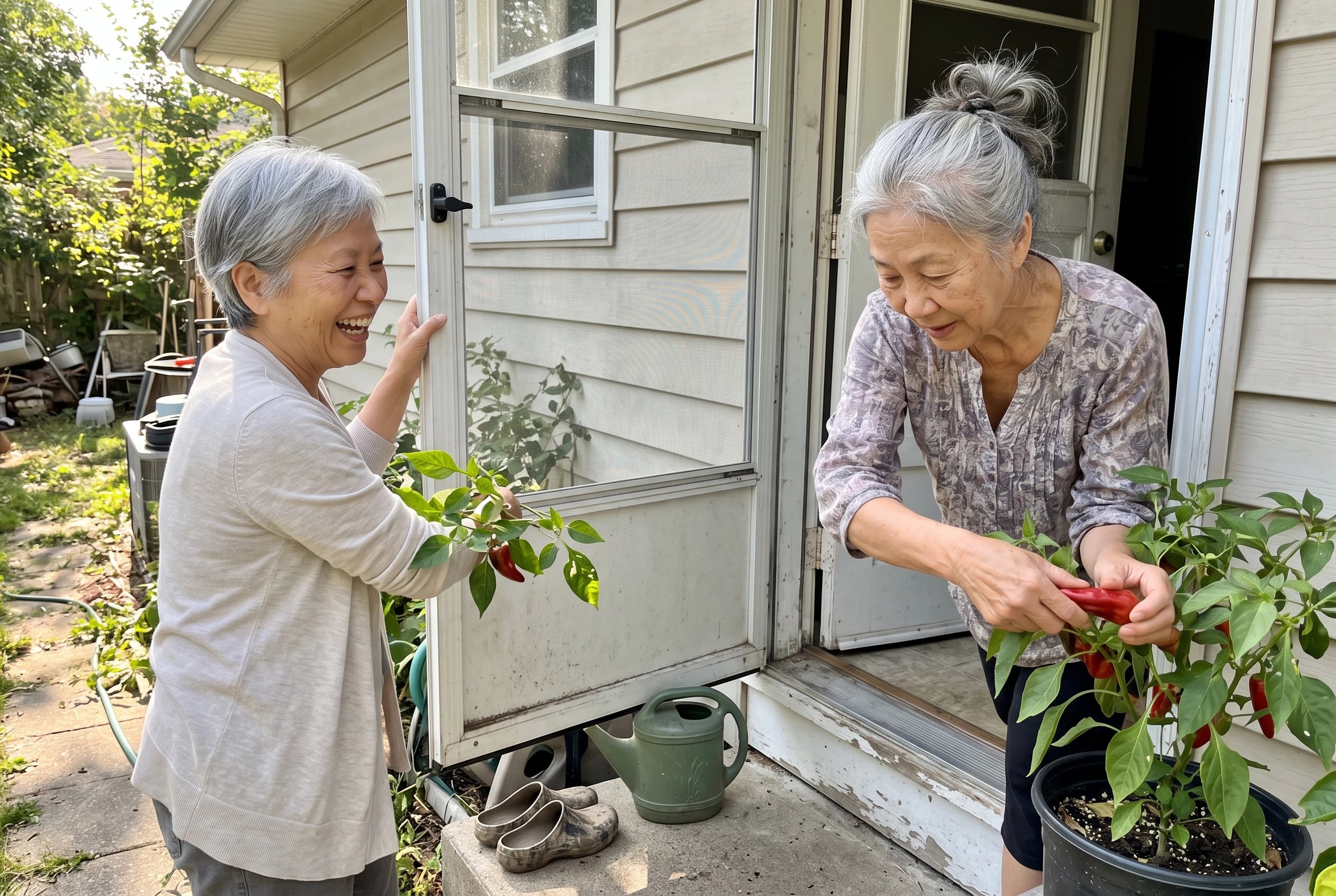
Which vegetables would you actually bring inside and eat? Start there.
University of Maryland Extension includes tomatoes, beans, and peppers among popular container crops. Tomatoes and peppers bear over a period, a quality Virginia Tech Extension recommends when space is tight.
Now picture yourself picking them. Leave room to stand beside each container and reach the plant. Check that the hose reaches, too. A row pressed against a wall looks tidy until the pot at the back needs attention.
Begin with the crops you’ll enjoy tending and eating. Leave space for yourself among them.
12A Windowsill Herb Pot for Indoor Gardening for Seniors

Indoor gardening for seniors doesn’t require turning a room into a greenhouse. A herb pot beside a bright window lets you keep growing when the porch isn’t where you want to work.
Light is the deciding factor. University of Maryland Extension recommends a south- or west-facing window with at least 5 hours of sun daily for indoor herbs, or supplemental light. It also recommends lightweight soilless mix.
Check the window before planting. Notice when direct sun reaches the sill and when it leaves. If the hours fall short, choose supplemental light rather than putting a pot there and hoping.
Place the herb where you can water it without leaning across a sink. Iowa State University Extension includes window boxes among its herb-container options and advises light, periodic feeding. One reachable pot is enough to bring the growing indoors.
See more: 23 Habits of the Happiest Retirees →
11An AeroGarden Harvest for Low-Light Counters
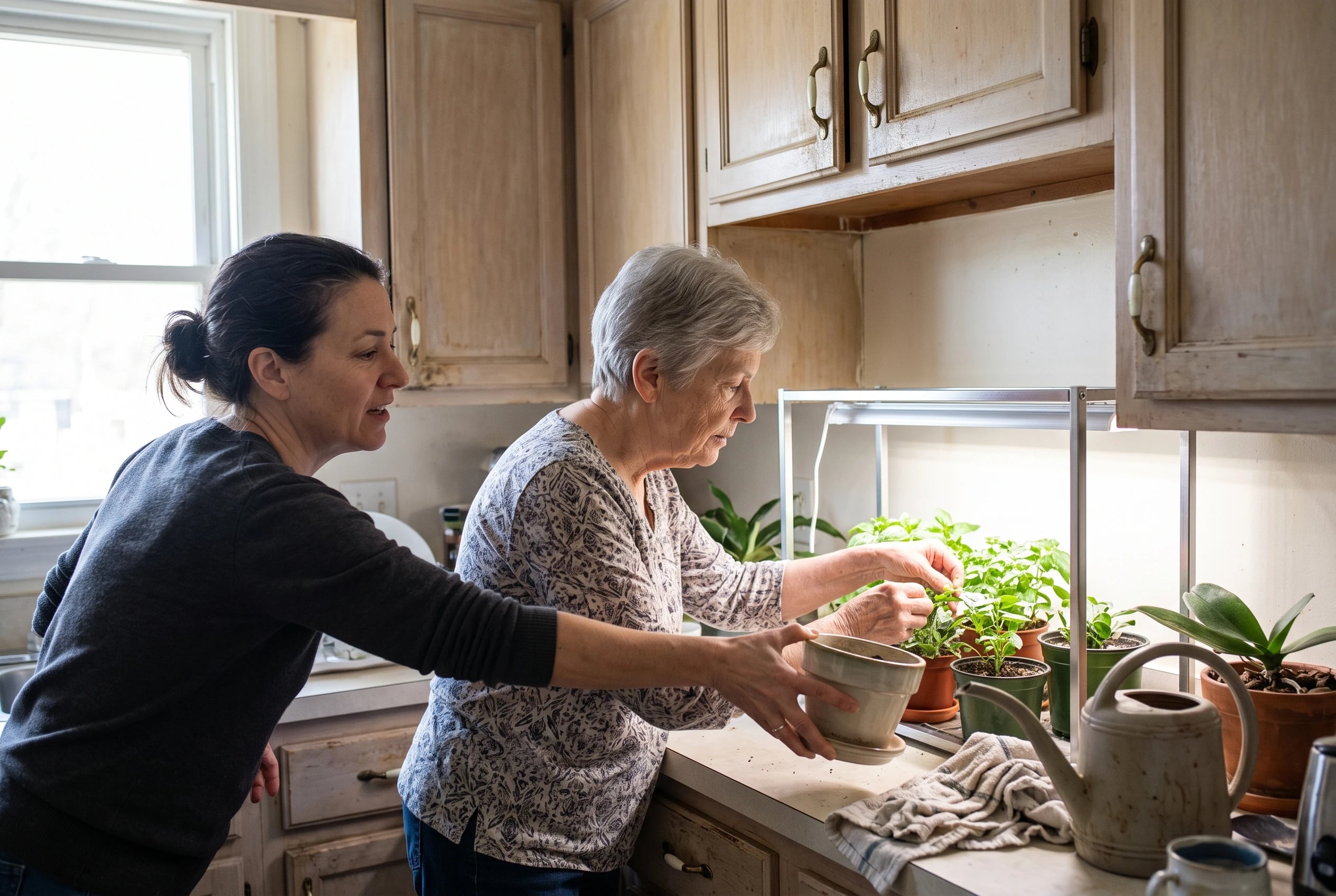
A dark kitchen counter won’t give a windowsill herb pot the light it needs. If that’s your available growing space, a unit with its own light changes the setup.
The AeroGarden Harvest is a countertop hydroponic unit with a built-in LED. The research lists it on sale around $82, but a sale price won’t tell you what it costs today.
It’s a different kind of gardening from filling a pot with mix. Look at your counter: is there room to reach the unit without working around a crowded sink? Where would the light sit in that space?
If getting your hands into potting mix is the part you love, keep an outdoor container too. This one serves the low-light spot.
10A Hanging Basket Within Standing Reach

A hanging basket sounds convenient until it’s suspended above your head. Then every watering becomes a reach, a lift, or a trip for a stool.
AARP’s gardening guide suggests baskets so you can stay upright instead of bending to ground-level pots.
Make that advice practical: stand where the basket will hang and touch the place you’d need to water. If it’s awkward when your hands are empty, lower the basket location before planting.
Iowa State University Extension lists basket plants for sunny and shady sites. Match the plants to the light, but settle the height first. You want the pleasant job of checking flowers at eye level, not another chore for your shoulders.
9A City Pickers Box for Easy Gardening
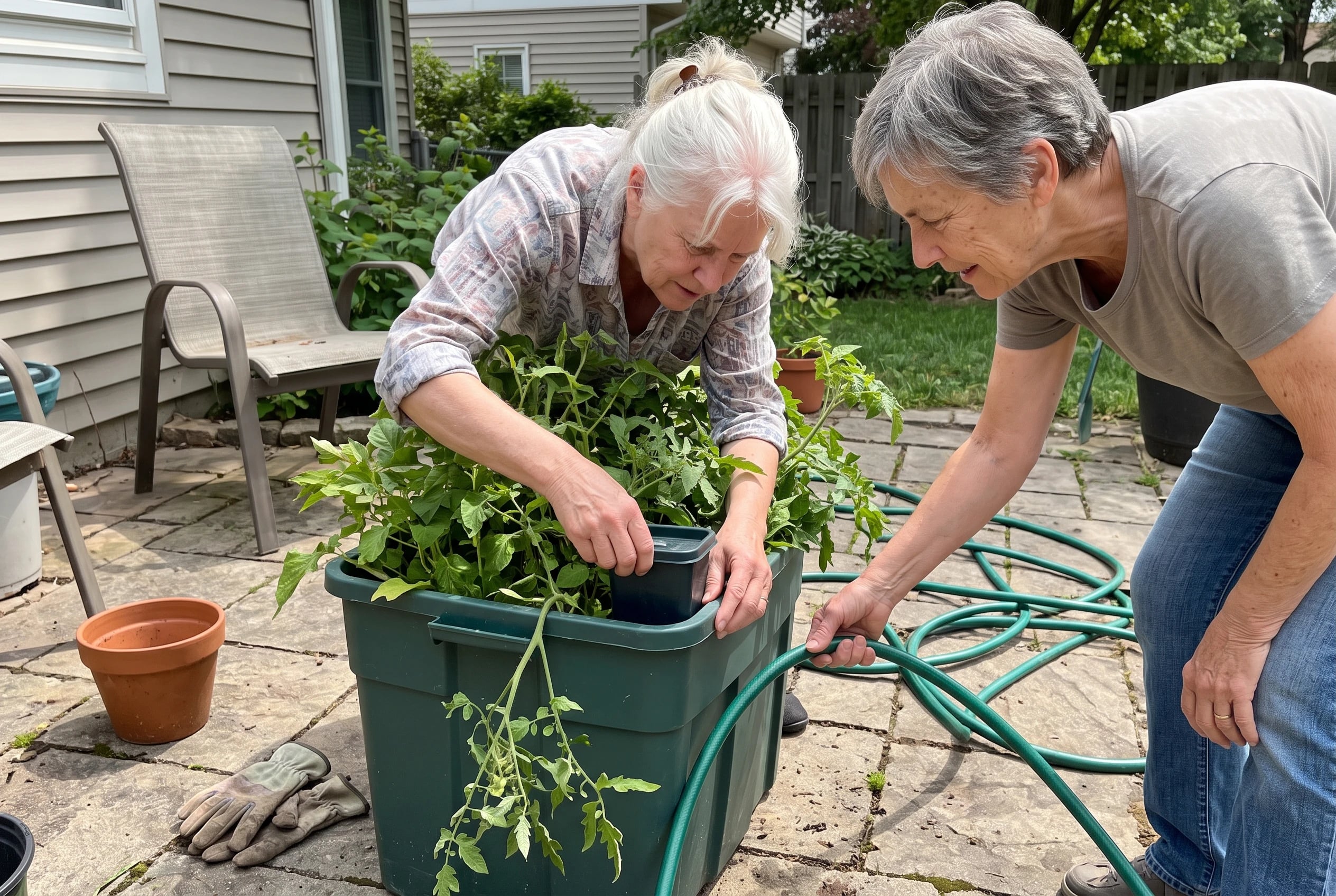
A self-watering container doesn’t remove watering from the job. It changes how you do it. The City Pickers grow box has a 2-gallon reservoir, wicking that draws water into the mix, and overflow holes for excess water.
The research lists it around $76; check the current price before buying. Decide where the box will live before filling it. A full box is a different thing to move from an empty one.
Look at the route from the hose to its fill point. Is that spot comfortable to reach? Where will overflow go? The reservoir stores water, but you still need to check the plants.
8A Telescoping Wand for Distant Pots
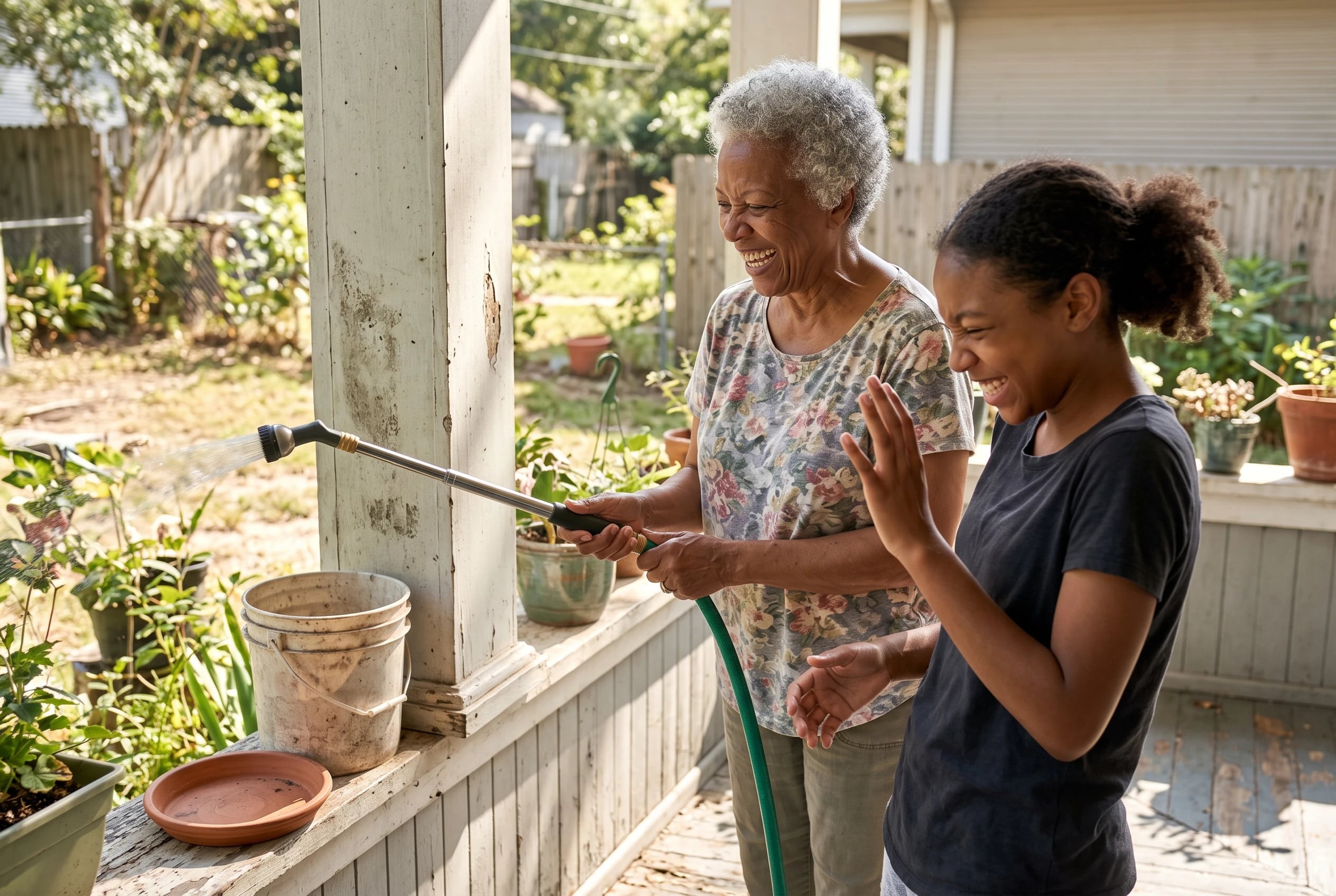
The last pot in a row is always the one that asks you to lean across the others. A telescoping wand brings the water farther than your arm needs to go.
The Expert Gardener wand extends to 38 inches. The research lists it around $14; check the current price before shopping. Stand where you normally water and see whether you can reach each pot without twisting. Move the pots, not your back, if one is still too far away.
A timer is a separate choice for a spigot-fed setup. Orbit’s B-hyve hose timer automates watering, with app scheduling available on compatible setups. You still need to watch what happens at the plants.
Iowa State University Extension advises checking container soil daily in summer. Weather and pot size change the pace. The wand makes the check-and-water routine easier to carry out.
7A Bloem Caddy Beneath a Heavy Pot
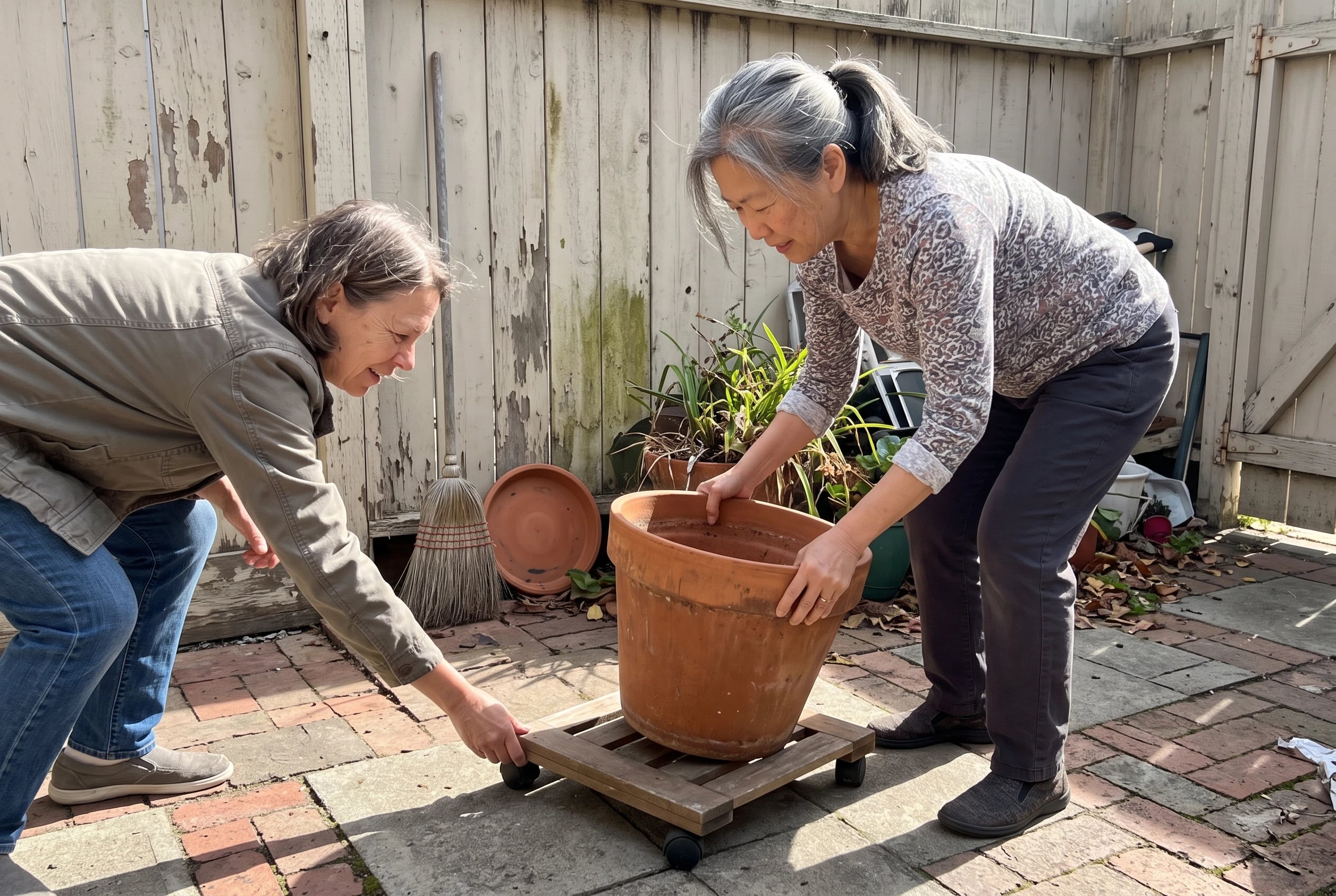
Set a pot on its wheels *before* filling it. That’s the useful moment for a rolling caddy, not after you discover the finished container won’t budge.
The Bloem 16-inch plant caddy is rated to hold up to 125 pounds. The research lists it around $25; check the current price. It lets you roll a pot across a patio rather than carry it.
Measure the bottom of your pot against the caddy’s platform. Then try rolling the empty pot along the route it needs to travel. If the maneuver feels clumsy now, change its home before the mix goes in.
6A Lightweight Resin Planter Instead of Concrete

Pick up two empty planters of the same size and the difference is plain. The Home Depot’s product listings give you a comparison: a 20-inch resin planter weighs about 5 pounds. Comparable 20-inch concrete planters weigh roughly 19 to 21 pounds.
That weight is there before you add potting mix, water, or a plant. If you plan to move a pot yourself, start with the empty container you’re willing to handle.
There’s no need to replace a concrete planter you love if it already has a good home. Treat it as a pot that stays put. For a new container that has to shift across the porch, ask to lift the empty display pot first.
Then picture that same pot wet and full. What felt easy in the shop deserves a second thought.
5A Low-Maintenance Garden Table at Standing Height
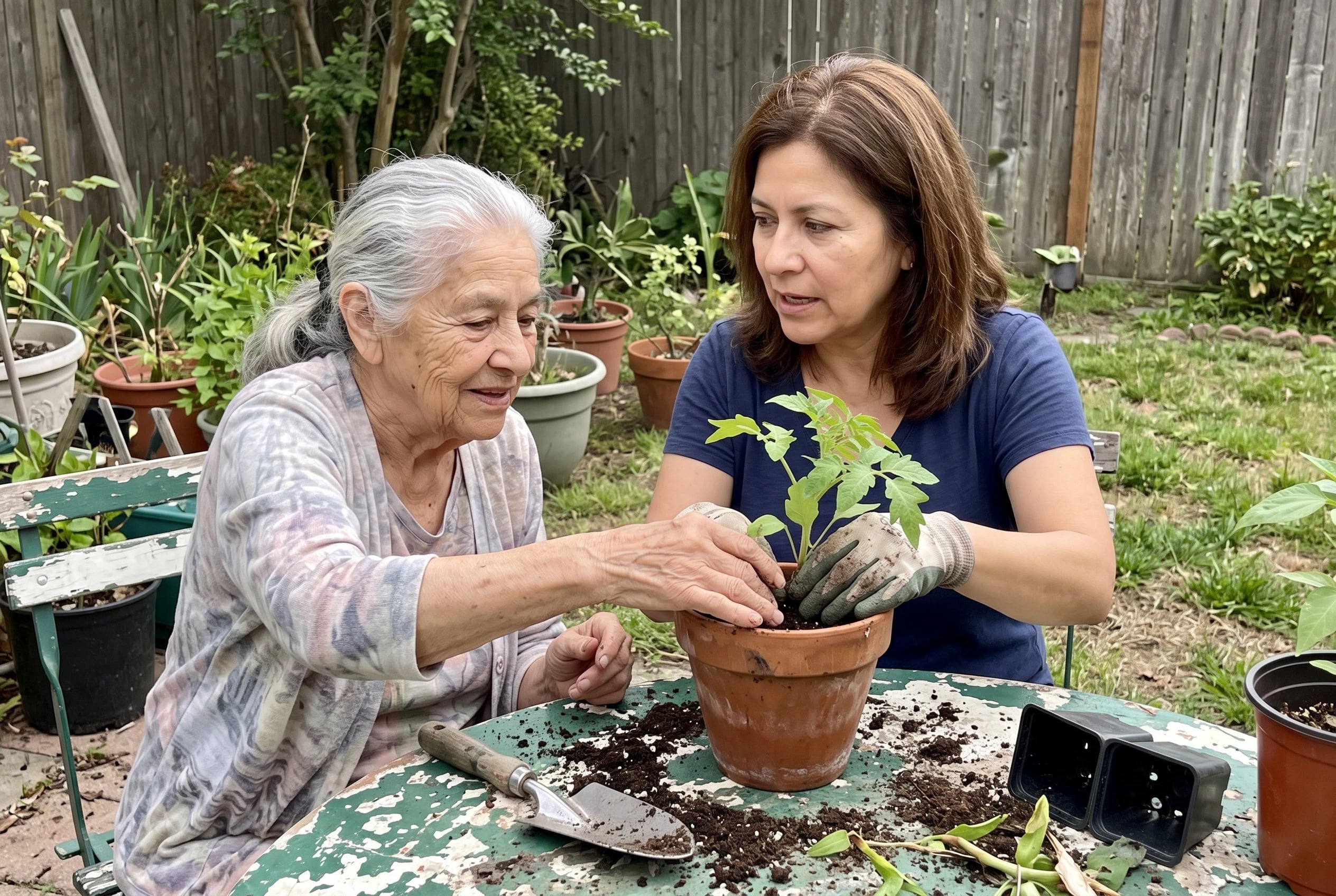
You know the part of planting that takes the most negotiation: getting down to the soil, then standing again. A garden table moves the soil up to you.
NC State Extension describes table planters as a standing-access choice that cuts deep bending. It’s one way to keep planting by hand without returning to ground-level beds.
Before choosing a table, stand at it as if you were placing a seedling. Reach across the growing area. Can you tend the far side without folding over the edge? Check where water drains, too, especially on a porch.
The point is to keep the motions you like: making a hole, settling a plant, brushing mix from the rim. Leave the repeated trip to ground level out of the plan.
See more: 20 Tai Chi Exercises for Women Over 50 →
4A Keter Urban Bloomer Elevated Planter

A raised planter earns its place when its working height suits *you*. The Keter Urban Bloomer stands 31 inches tall and has a drainage plug. The research lists it around $103; check the current price.
Oklahoma State University Extension notes that raised planting reduces bending, kneeling, and stretching. Still, a number on a product page isn’t the same as standing in front of a planter.
Mark 31 inches against a wall or a piece of furniture and test the height with your hands.
Then think about the plug. Where will the water go when you open it? Choose a spot where you can get to it without reaching behind a full container.
If the height and access work, an elevated planter gives your hands a familiar planting job at a different level.
3An Arthritis-Friendly Pad and Wagon Seat
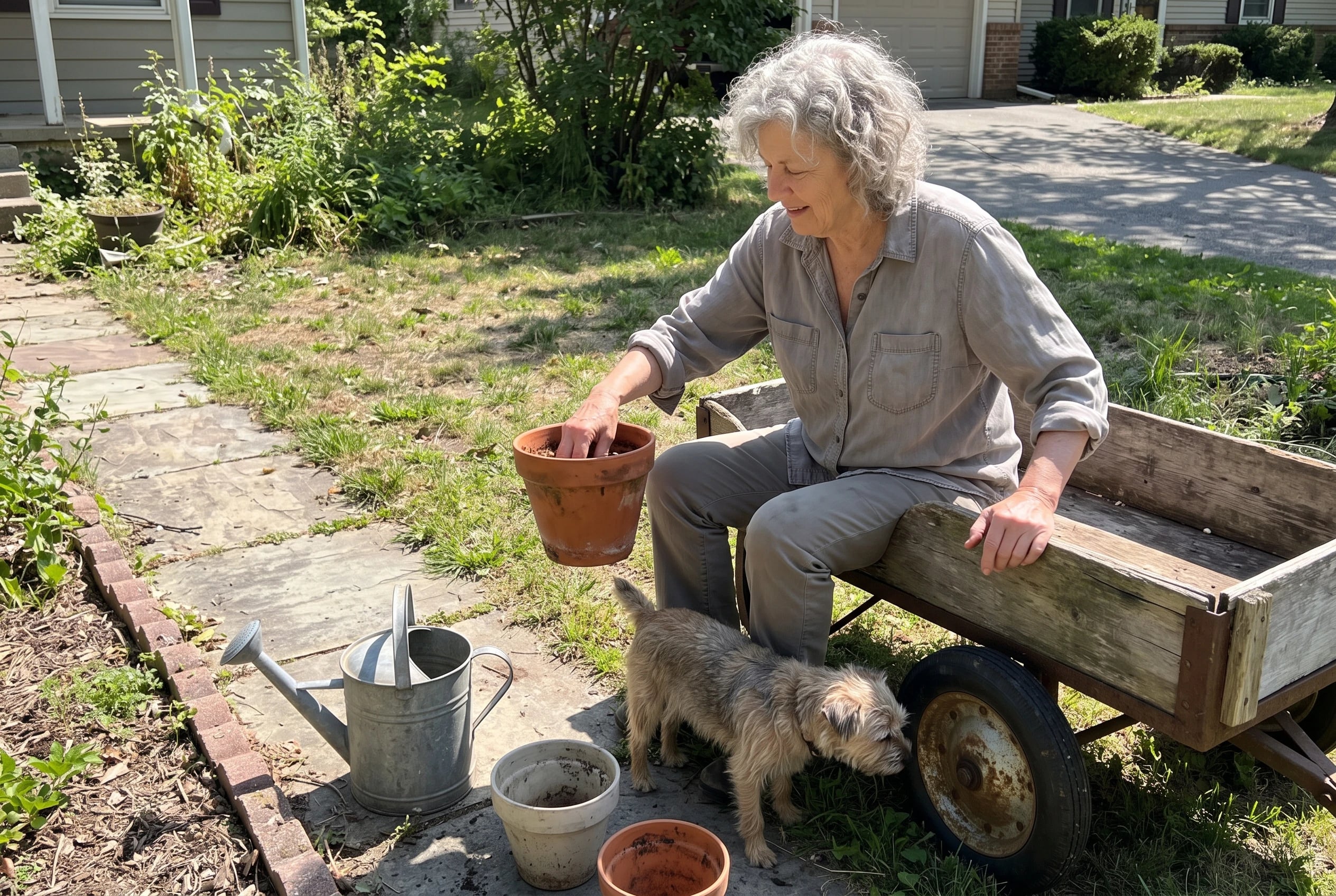
On days when you want to work with a ground-level plant, make a place to pause before you start.
The Arthritis Foundation suggests a kneeling pad or a scooter wagon for sitting while you work. It also recommends raised beds or flower boxes to avoid stooping.
Choose the tool for the task you’re actually doing. A pad helps when you intend to kneel; a seat changes the job when kneeling is the part you want to skip. Neither is a reason to lift a full planter. Leave that job to a rolling base or place the pot before filling it.
AARP’s accessible gardening tips ask you to consider your own hand and back mobility. You know which movement makes you put the trowel down. Arrange the work around that answer.
See more: 26 Five-Minute Exercises for Seniors →
2A Railing Planter on a Small Porch
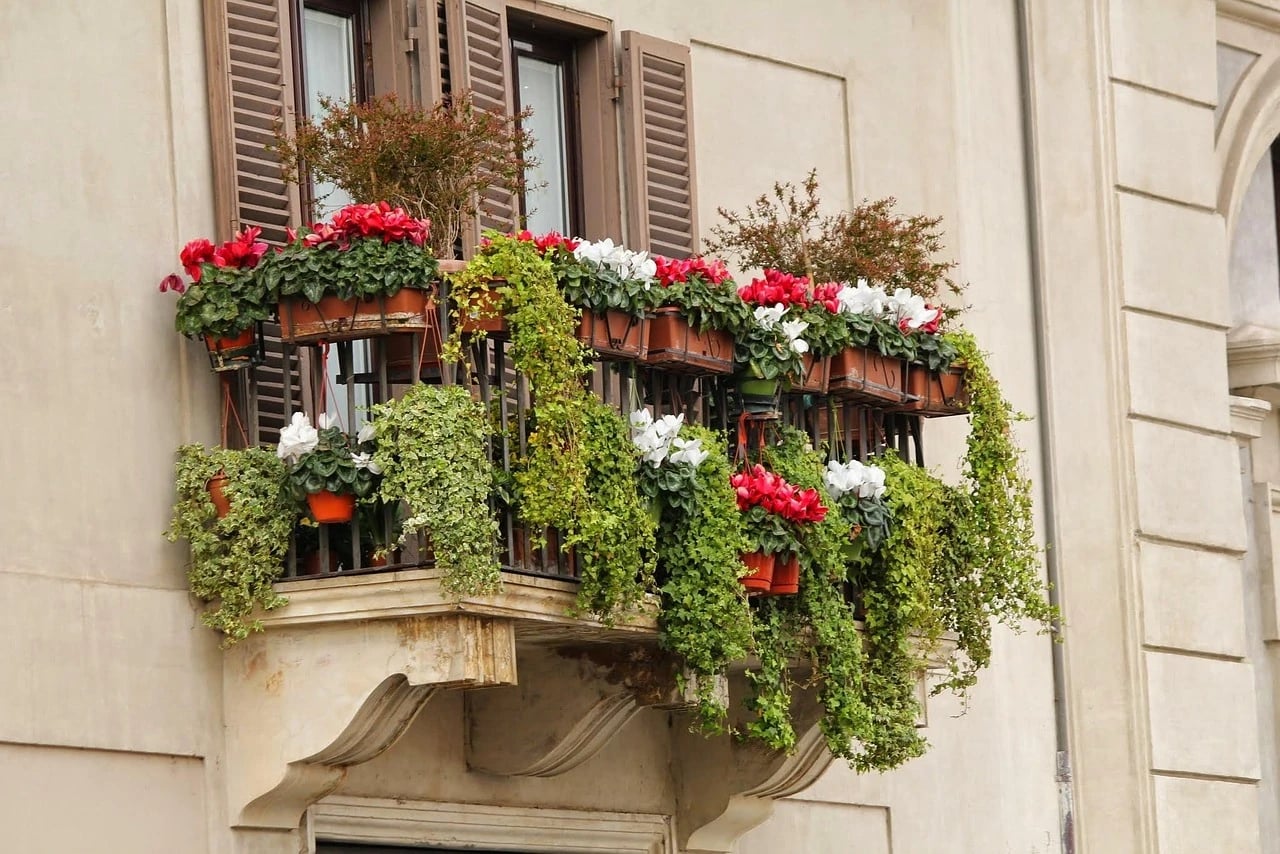
A narrow balcony still has a useful edge. A railing planter puts plants above the floor and frees the space where your feet need to go.
Don’t buy one on looks alone. First, check that it fits your particular rail and sits securely where you’ll tend it. Stand beside that spot and mimic watering and removing a spent flower. You should be able to do both without leaning over the rail. Check your building’s rules before attaching a planter.
If a rail isn’t suitable, a compact standing-height planter is another way to use a small footprint. NC State Extension points to garden tables for accessible work in tight spaces.
Keep the walkway clear. The garden belongs where you can reach it, not where you must squeeze past it.
1A Full Waist-High Container Gardening Setup for Seniors

Start with the place where you want to work. Stand there, or sit if that’s how you plan to garden. Move your hands through the whole job before a pot or a bag of mix arrives. Where will you set down a seedling? How far will you reach to tend it?
Now follow the water. Trace the path from the hose to the growing space. Find the spot where excess water will leave the container, and check whether you can get to it. If the route makes you twist or reach behind the planter, move the empty setup.
The pieces have separate jobs. A raised container brings the planting surface up. A rolling base moves a heavy pot across the patio.
A long watering wand reaches a pot without asking you to lean across the others. AARP’s raised-bed guidance describes less back-bending during planting, weeding, and harvesting when you work from a raised planting space.
Test the arrangement again from the position you’ll use on an ordinary day. Can you reach the far side? Is there room for your feet and the hose? Change whatever makes you brace yourself while everything is still empty.
Then add the mix. The garden is ready for the work you want to keep doing.
The bottom line
The best container is the one you can tend on an ordinary day. Give water a way out, put the plants within reach, and decide where filled pots will live before they get heavy.
The well-prepared version of you has already tested the working height, cleared a path for the hose, and chosen a few plants worth checking each morning.
Which part of gardening do you most want to keep: planting, tending, or picking what you grew?
Up next
19 Gardening Tools for Seniors With Arthritis
A side-handled watering can, a raised bed, and a ratcheting pruner offer different ways to keep working when gripping or bending hurts.
Read the list →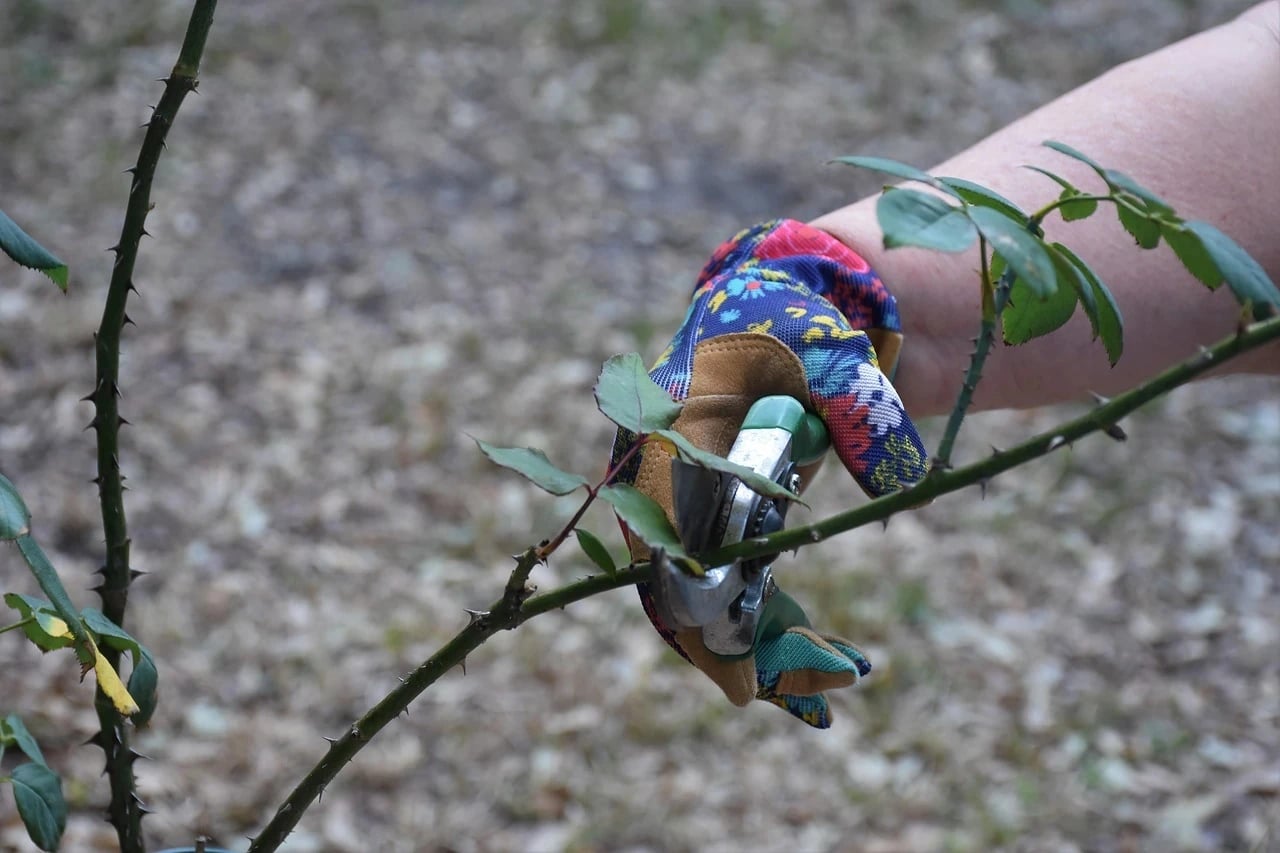
Reader quiz
Did you catch the details?
5 questions from this article.
What should you check before filling a pot for a tomato or pepper plant?
Questions people also ask
What are the easiest vegetables to grow in a container garden?
University of Maryland Extension lists salad greens, peppers, eggplant, tomatoes, beans, beets, radishes, squash, and cucumbers as container choices. For a manageable start, choose compact tomatoes, bush beans, or peppers and give them 6 to 8 hours of direct sun.
What is the most common mistake with container plants?
Poor drainage is a leading problem: roots left standing in water develop rot, according to NC State Extension’s gardener handbook. Putting rocks beneath the mix doesn’t fix it; Oregon State University Extension says a coarse bottom layer can impede drainage.
What are some good garden ideas for seniors?
Try a raised planter or garden table at a height you can work from while standing. A hanging basket within reach, a rolling caddy, and a watering wand also keep routine jobs off the ground. AARP and the Arthritis Foundation recommend adapting the garden to the movements that are comfortable for you.
How often should I water a container garden?
It changes with the weather, pot size, and plant size. Iowa State University Extension says small pots in hot, windy weather need water once or twice a day, while large pots in cool weather need it once or twice a week. Check the soil daily in summer, then water thoroughly so excess drains out.
What size pot do I need for vegetables?
Arizona Cooperative Extension suggests about 2 gallons per bush bean plant and about 5 gallons per tomato or pepper plant. Illinois Extension lists a 1-gallon pot for one compact ‘Patio’ or cherry tomato and a 2-gallon pot for two pepper plants. Check the variety as well as the crop before choosing.
Did any of these feel familiar?
Know someone who needs this?
 Prime Journal · Free printable
The Easier Garden Care Checklist
- Clearer paths before you carry tools or water.
- Better watering decisions based on soil, not leaves.
- Smaller jobs that fit your reach and energy.
Free printable: The Easier Garden Care Checklist. Enter your email and it is yours.
Sources cited in this article
This article links to 13 outside sources, listed here so you can read them yourself.
- Arizona Cooperative Extension extension.arizona.edu/publication/container-gardening-southwest-desert
- NC State Extension’s gardener handbook content.ces.ncsu.edu/extension-gardener-handbook/18-plants-grown-in-containers
- Iowa State University Extension yardandgarden.extension.iastate.edu/faq/i-would-grow-few-vegetables-containe…
- Penn State Extension extension.psu.edu/container-vegetable-gardening-four-keys-to-success
- Illinois Extension extension.illinois.edu/container-gardens/growing-vegetables-containers
- University of Maryland Extension www.extension.umd.edu/resource/growing-vegetables-containers
- University of Maryland Extension www.extension.umd.edu/resource/growing-herbs-containers-and-indoors
- AARP’s gardening guide www.aarp.org/home-living/get-started-gardening.html
- Iowa State University Extension yardandgarden.extension.iastate.edu/how-to/care-plants-growing-containers
- NC State Extension extensiongardener.ces.ncsu.edu/news/accessible-gardening-raised-beds-contain…
- Oklahoma State University Extension extension.okstate.edu/articles/2025/gardening_seniors_disabilities
- Arthritis Foundation www.arthritis.org/health-wellness/healthy-living/daily-living/life-hacks-tip…
- AARP’s accessible gardening tips www.aarp.org/home-living/accessible-gardening-tips
June Marlow
Garden Editor
June writes about gardens you can still manage: what to plant, which jobs matter each season, and the tools that spare your knees and back.
More from June Marlow