25 Things Grandchildren Remember That You Never Notice Doing
A kitchen stool, a spare button, and a pause before you answer give a grandchild a place in your day.
By Ruth Ellison, Family Editor
Updated · 16 min read
- Written by our family editor
- How we review
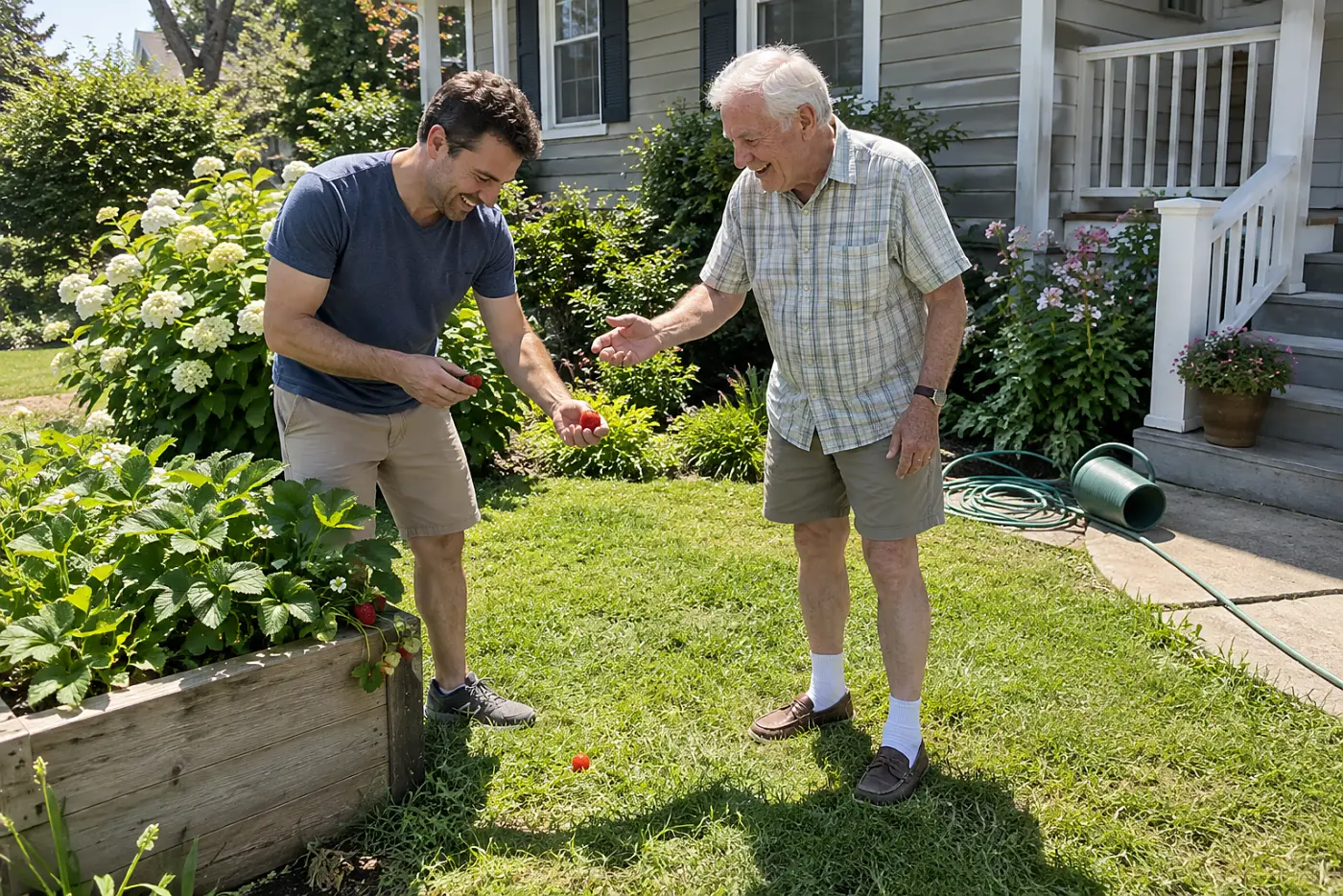
Read to the end: #1 is the voice-saving habit that preserves a grandchild’s story, and almost nobody starts it now.
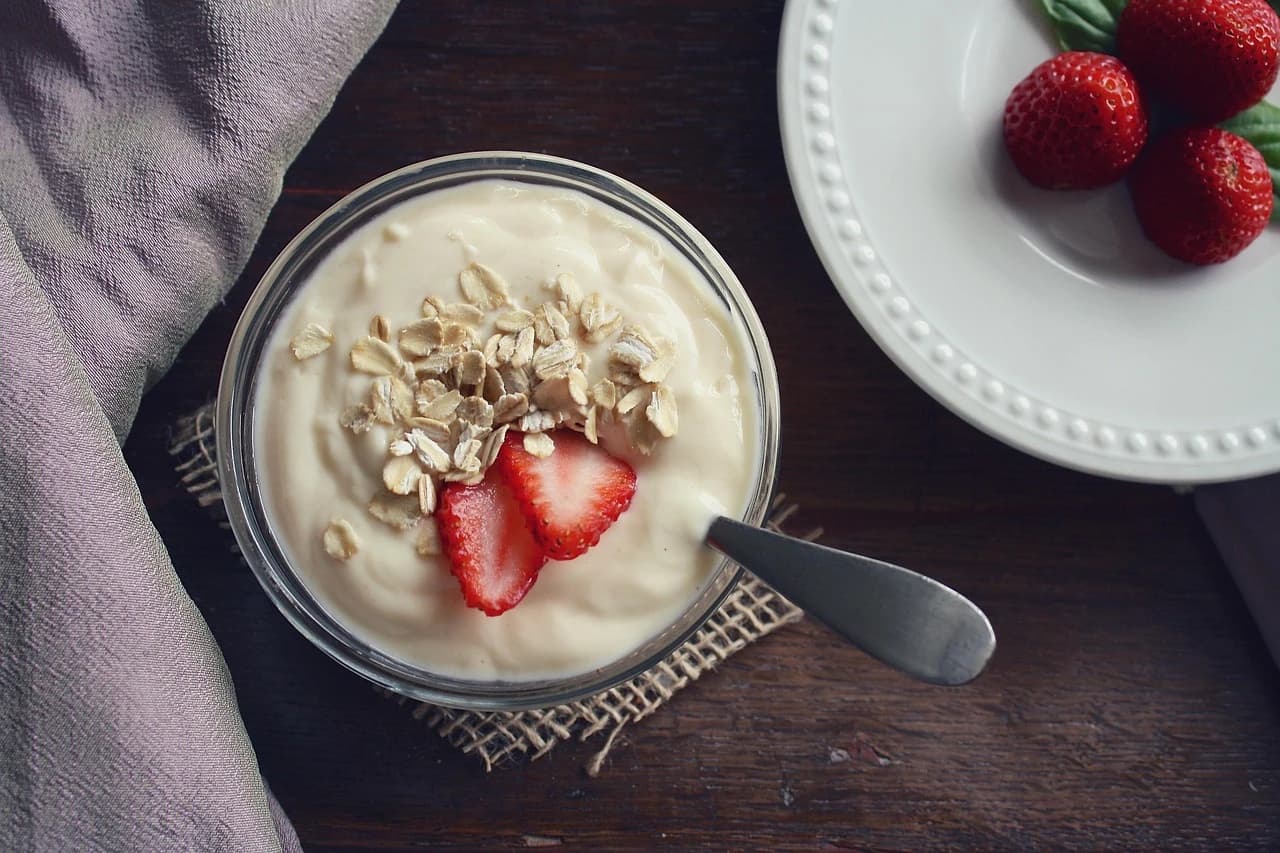
A child drags a kitchen stool across the floor while you rinse strawberries. The stool legs scrape the tile. You hand over a berry to taste, then go back to the colander. Nothing about the moment asks for a photograph.
A birthday gift arrives with a card and a date. The ordinary things happen again and again, until a child knows what being with you feels like. That repetition gives a small gesture its staying power, even when nobody remembers the day it began.
Here are 25 things worth noticing.
25The berry you hand over first
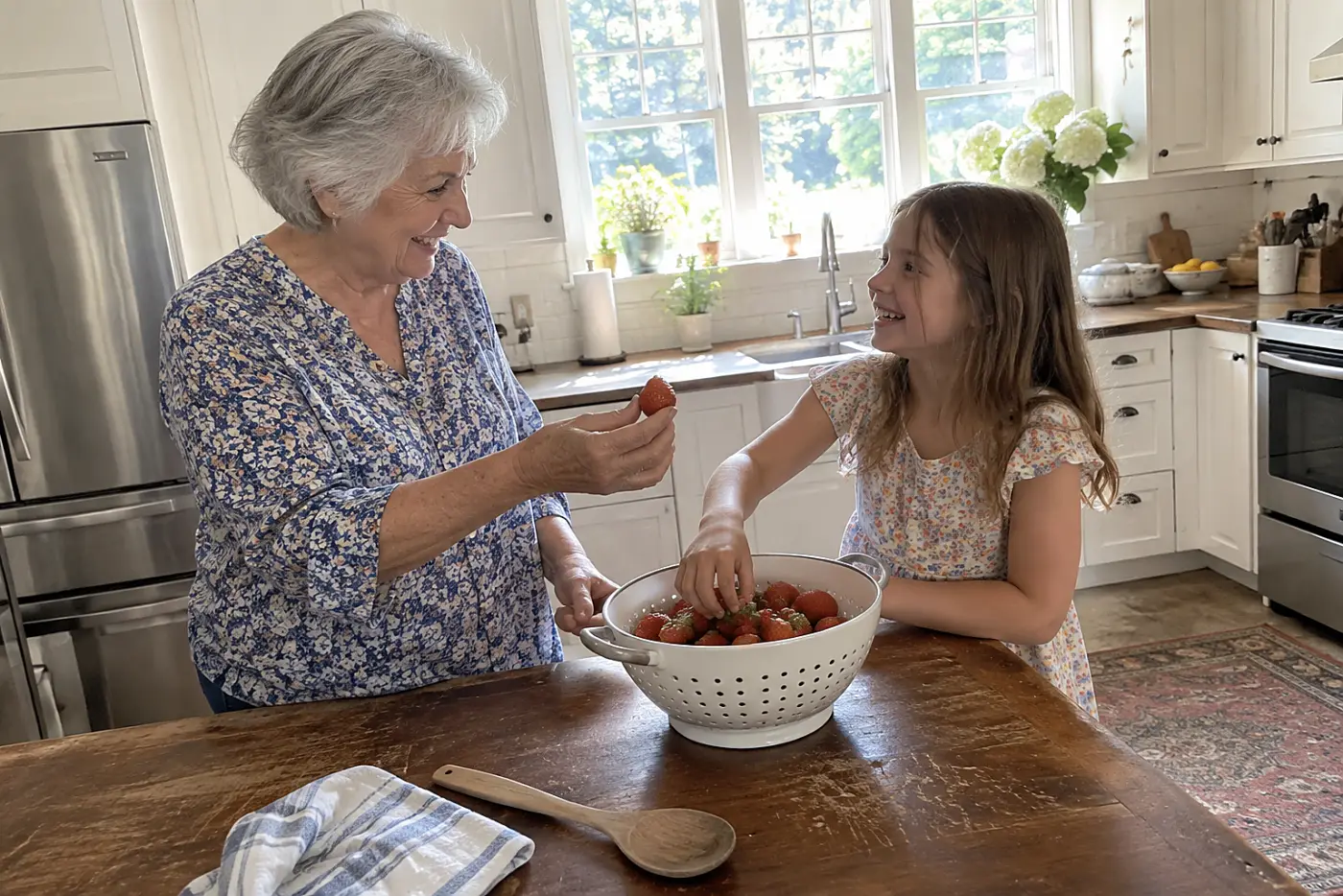
Children notice who gets the first taste.
You offer a strawberry while the rest are still wet in the colander. The child eats it beside you, before the fruit reaches the table. For that minute, they’re part of getting the food ready.
Skip that small invitation every time, and snack time stays a delivery service. The good part is being included before everything is ready, while you’re still deciding what goes on the plate.
This week, hand over the first berry, peach slice, or piece of toast. Say, “Tell me if this one is good enough to serve.” Wait for the verdict before you carry the rest to the table, even if the answer is just another bite.
Then watch what happens when you leave room for an answer.
See more: 19 Things to Know When One Set of Grandparents Is Favored →
24The pause after a wrong answer
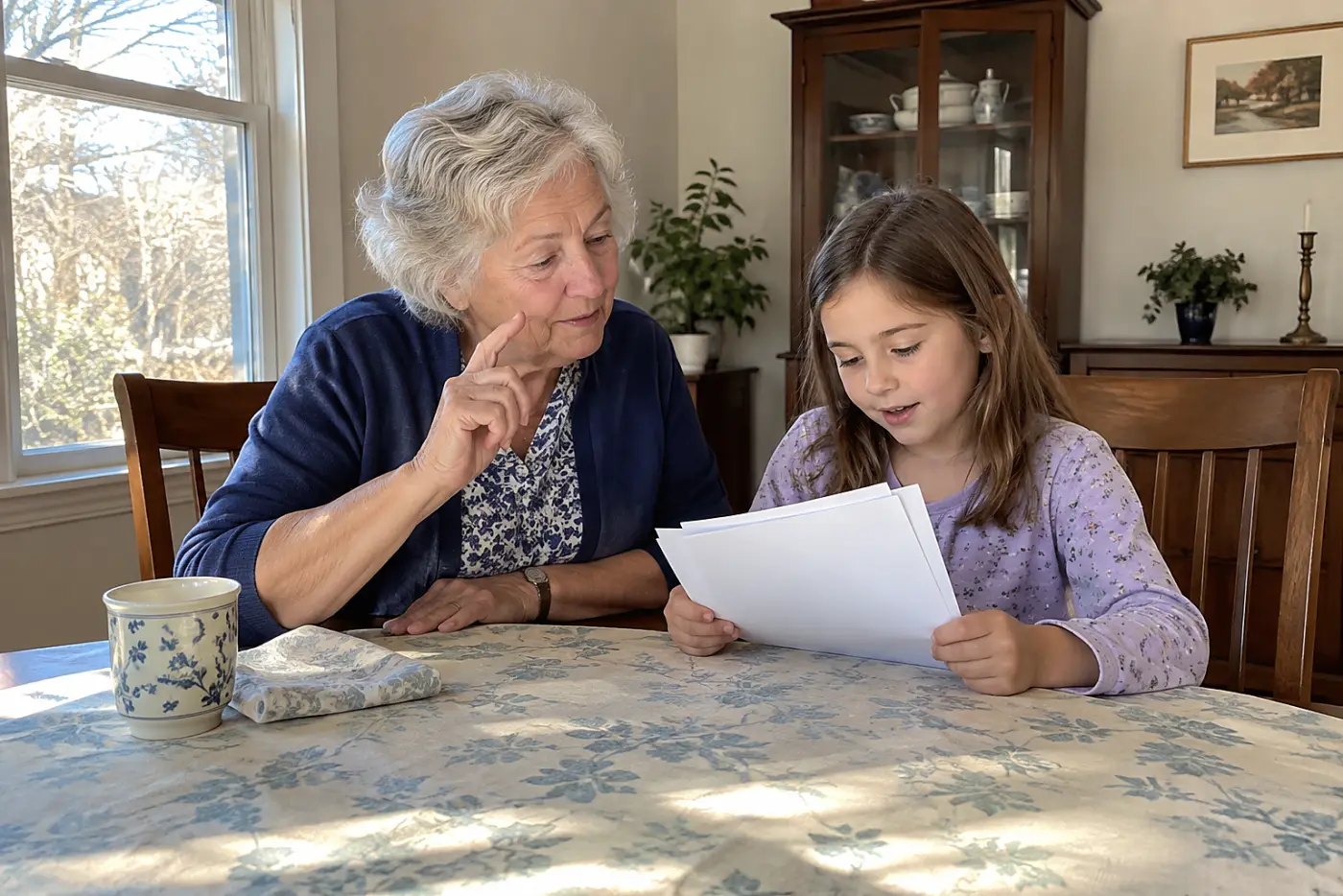
A child remembers how long you let a mistake sit.
At the table, a grandchild guesses the wrong word in a story. You wait, then ask what made that answer seem right. The question lets the child try again without having to defend the first guess.
Correct every answer at once, and the child learns to watch your face for approval instead of thinking aloud. The book gets finished, but the conversation ends early. You never hear the clue they thought they saw on the page.
This week, pick one moment when an answer is wrong and leave a little space. Ask, “How did you get there?” Listen to the whole explanation before you add yours. You don’t have to pretend the answer was right, and you don’t have to turn the mistake into a lesson.
The next thing they notice is what you keep within reach.
23The drawer with the loose buttons
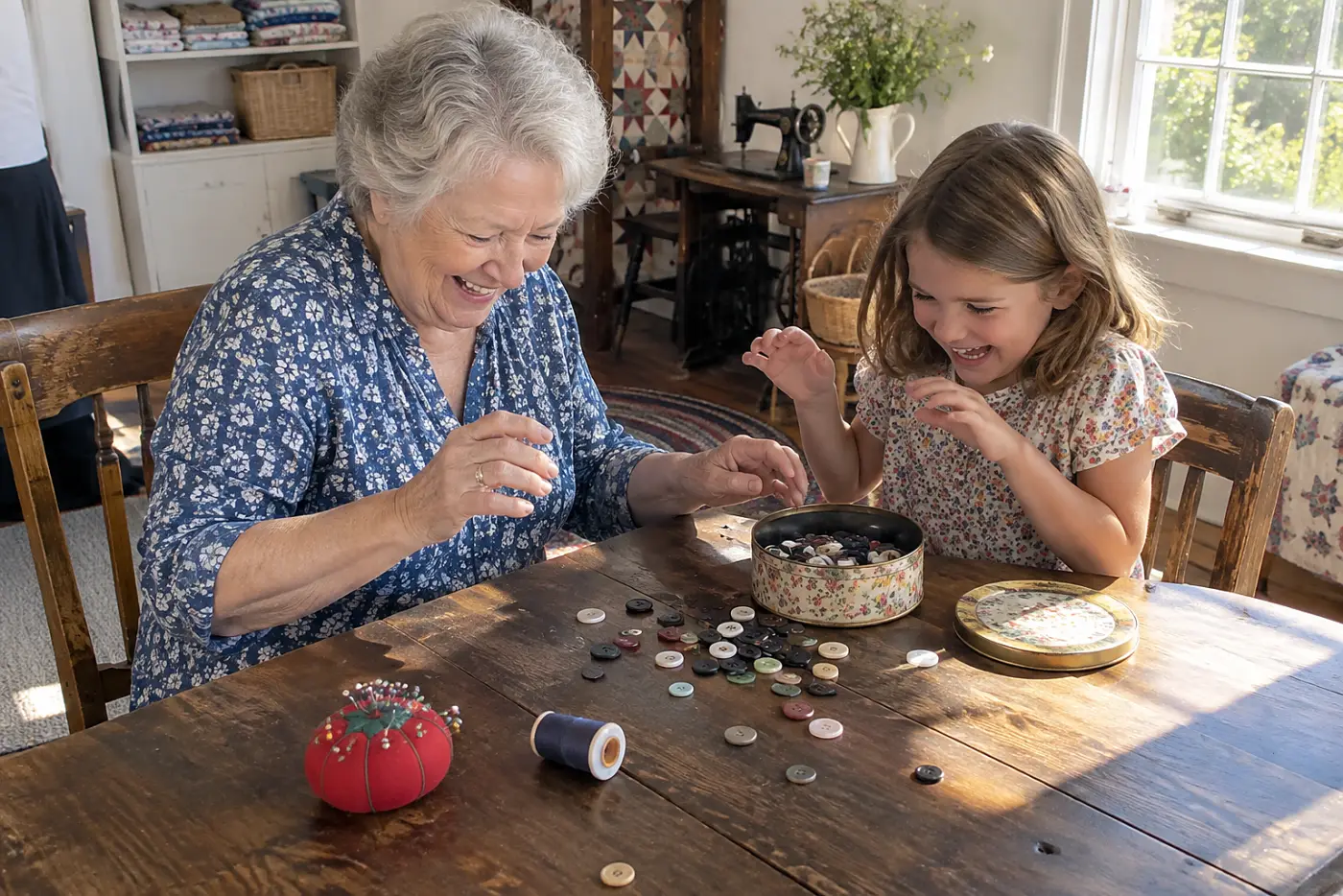
That drawer is more interesting than the toy box.
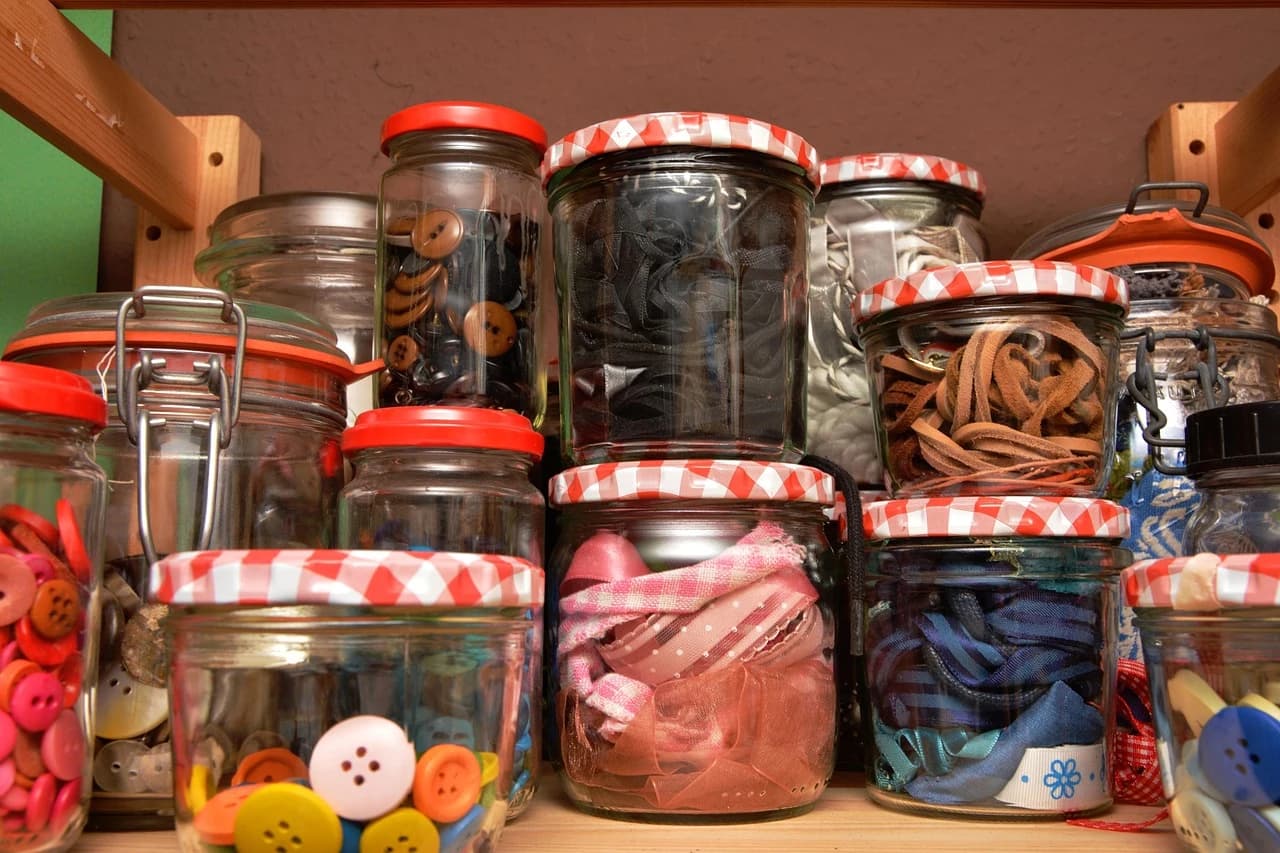
You pull out a button to mend a shirt. Your grandchild sees the mismatched colors, the old tin, and the way you choose a close match. The shirt they wore yesterday has a small problem you know how to fix.
Throw the shirt aside, and the child misses the small act of fixing something you own. The object survives because you bothered. They also miss the chance to choose a button with you.
This week, let a grandchild choose between two buttons while you hold the shirt. Say, “Which one would you put here?” Keep the needle in your hands; the decision is enough. If the buttons are small, put them away when you finish.
Another familiar object waits in a different room.
22The chair you pull beside yours
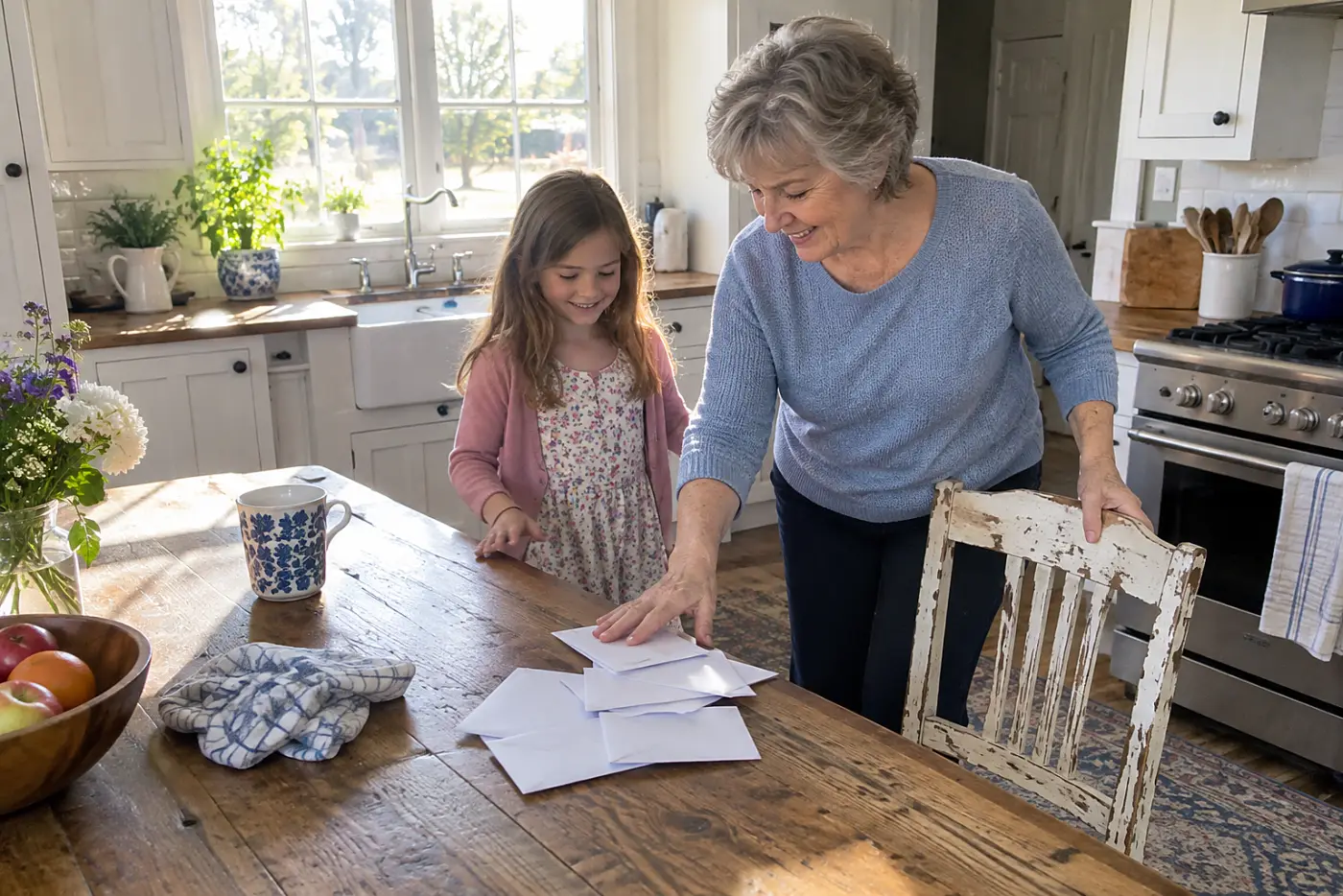
Where you put a chair tells a child plenty.
You make space beside you while you sort mail, peel carrots, or fold towels. The child sees the work up close and hears the little remarks you make as you go. Ordinary jobs become time together because there’s a place to sit.
If the only invitation comes when everything is finished, your grandchild sees the polished table but never the person who cleared it. Sitting nearby needs no special plan. It lets a child join the hour you already have.
This week, set an extra chair beside the task you’re already doing. Say, “You can sit here while I finish this.” If the child wants to help, offer one small part: matching socks, passing envelopes, or finding the towels with blue edges.
A seat matters even more when someone walks in upset.
21The glass of water before questions
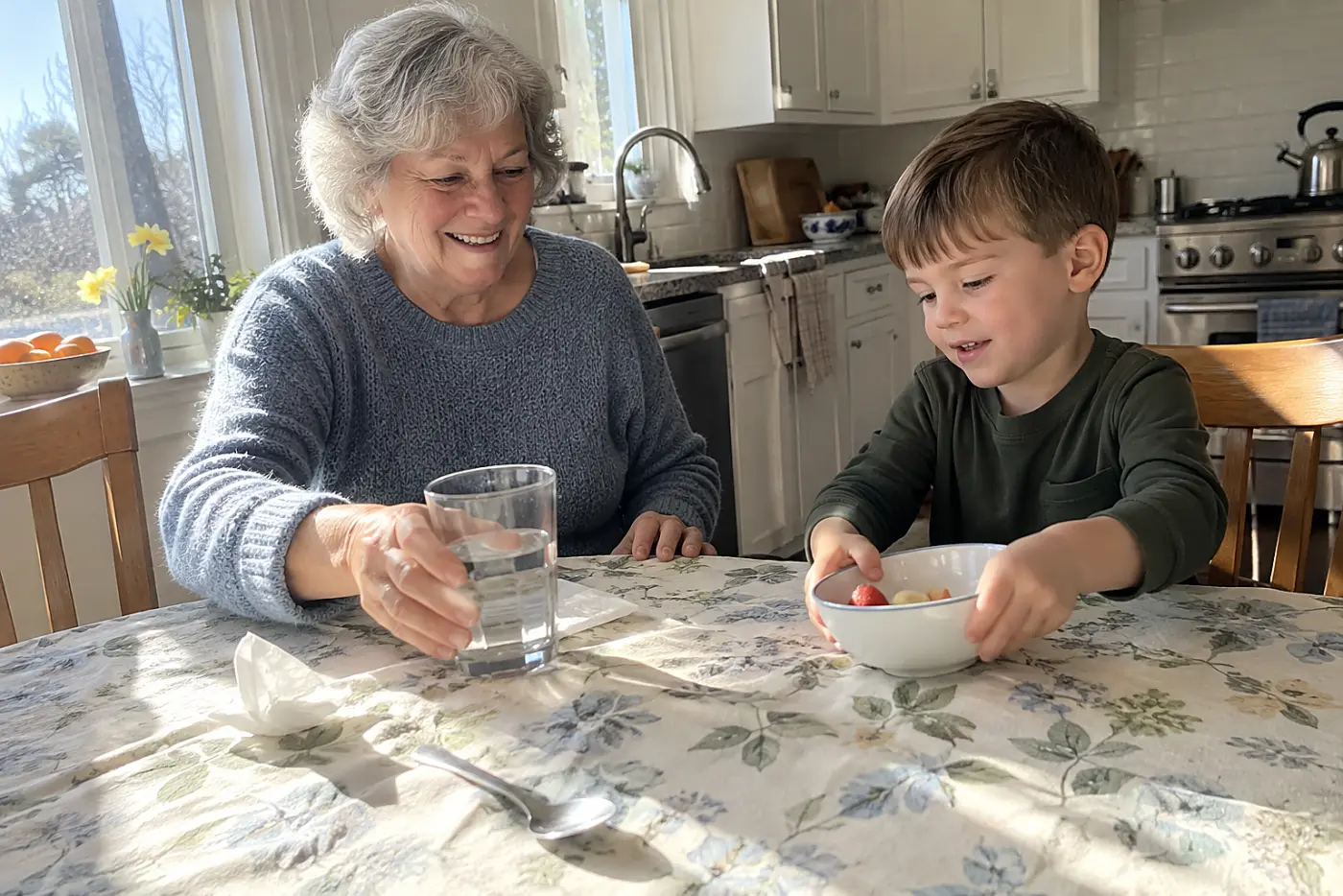
A thirsty child doesn’t need an interview.
After a hard school day, you put down a glass of water. They drink while you keep doing the dishes. Once the rush of arriving is over, they decide what to tell you. They haven’t had to explain themselves before taking off their coat.
Demand the story at the door, and you receive the shortest version. A minute spent settling in leaves room for details later. Even if no story comes, the glass is still there when they need it.
This week, offer a drink or a seat before asking what happened. Say, “I’m here when you feel like telling me.” Then let the silence do its work.
They also watch how you handle your own sharp moments.
20The apology you make at the table
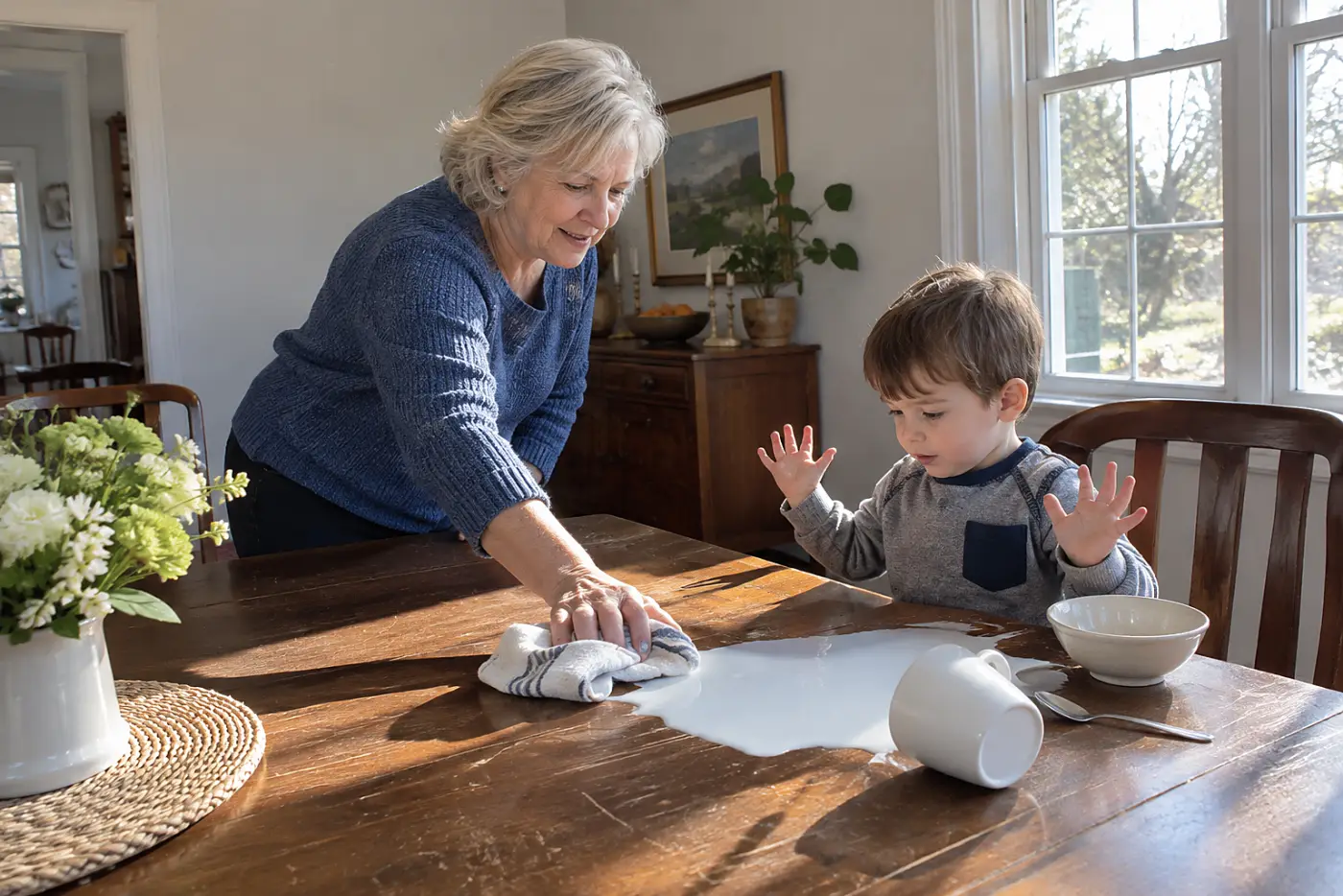
Children hear the first words after you snap.
You raise your voice over spilled milk. Then you return to the table and say what you did: you snapped, and you were wrong. You wipe the floor without asking the child to comfort you.
Leave the moment hanging, and the child has to guess whether your anger was their fault. A clear apology gives them words for a mistake they will make themselves. The spilled milk is one problem; the way you spoke is another.
This week, if you speak sharply, name the action before you explain anything else. Say, “I raised my voice. I’m sorry.” Then deal with the milk, the late bus, or the burnt pan. Don’t add a speech about how tired you were. The child already saw the mess; they need to see what you do next.
There is another kind of repair they notice from across the room.
19The phone you turn face down
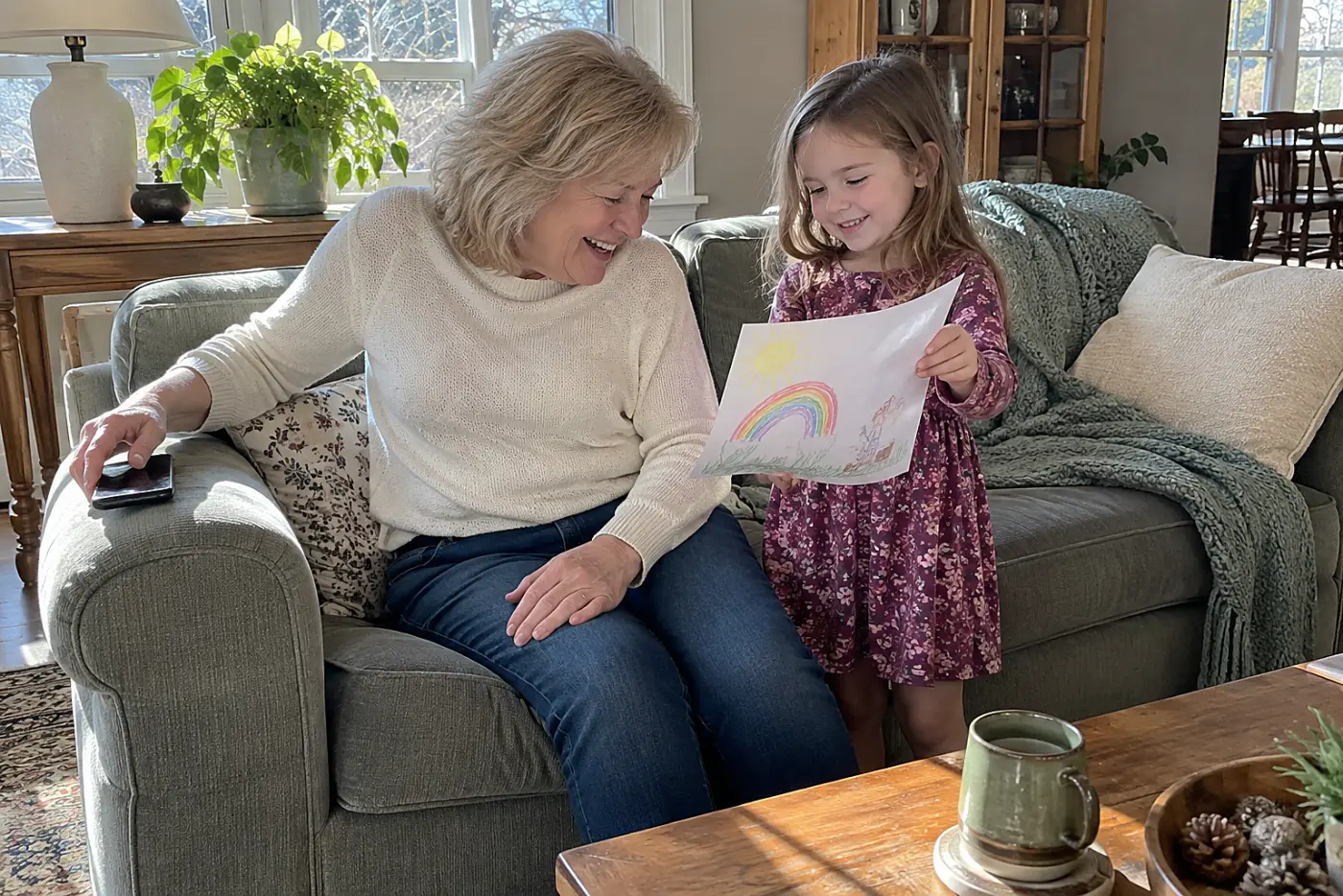
A screen tells children when you’ve stopped listening.
You put your phone face down while a grandchild describes a drawing. They see your eyes stay with them as they point out the dog, the door, and the purple sky. If you need to answer a call, you tell them before picking it up.
Keep checking alerts, and they begin trimming the story. You lose the parts they hadn’t planned to say. The drawing has details you won’t spot without hearing where the child points.
This week, move your phone aside for one whole conversation. Say, “Start at the beginning. I want to see what you made.” Let them choose where the beginning is.
Next, notice what you do when the story reaches a stranger.
18The name you give the cashier
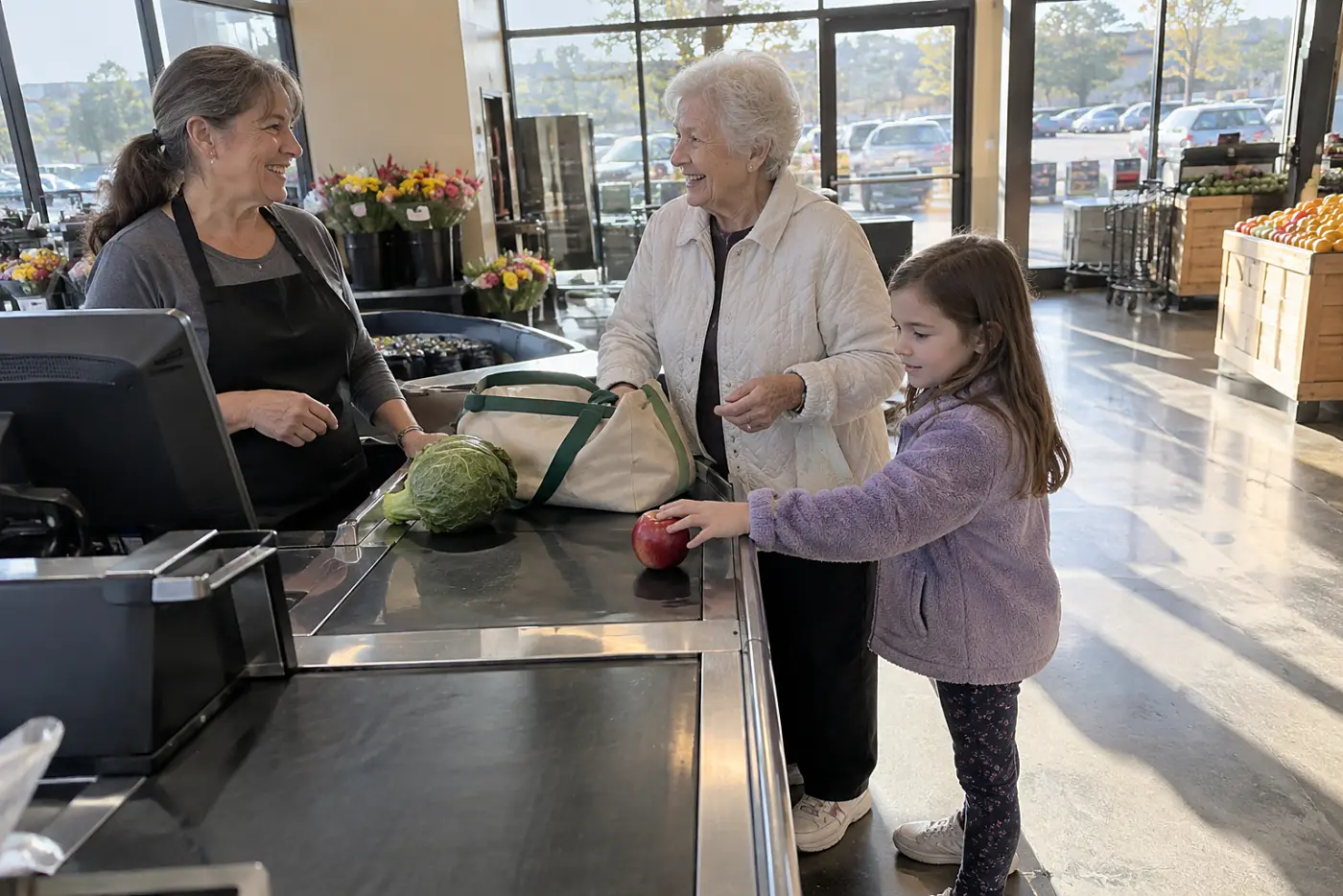
A grandchild hears how you speak across a counter.
You thank the cashier, read the name on the badge, and use it once. The child hears a full sentence instead of a command tossed at someone doing a job. Later, they have that sentence to borrow.
If you treat the person at the register as part of the machine, the child learns that habit too. A name makes the exchange personal without holding up the line. The bags still get packed, and everyone moves on.
This week, on an errand together, let your grandchild hear you thank someone plainly. Use the badge if you’ve read it: “Thanks, Rosa. Have a good afternoon.” Don’t ask the child to perform the same courtesy on cue. Let them listen while you carry the bag and head out.
Someone closer to home gets the same close attention.
17The way you greet their friend
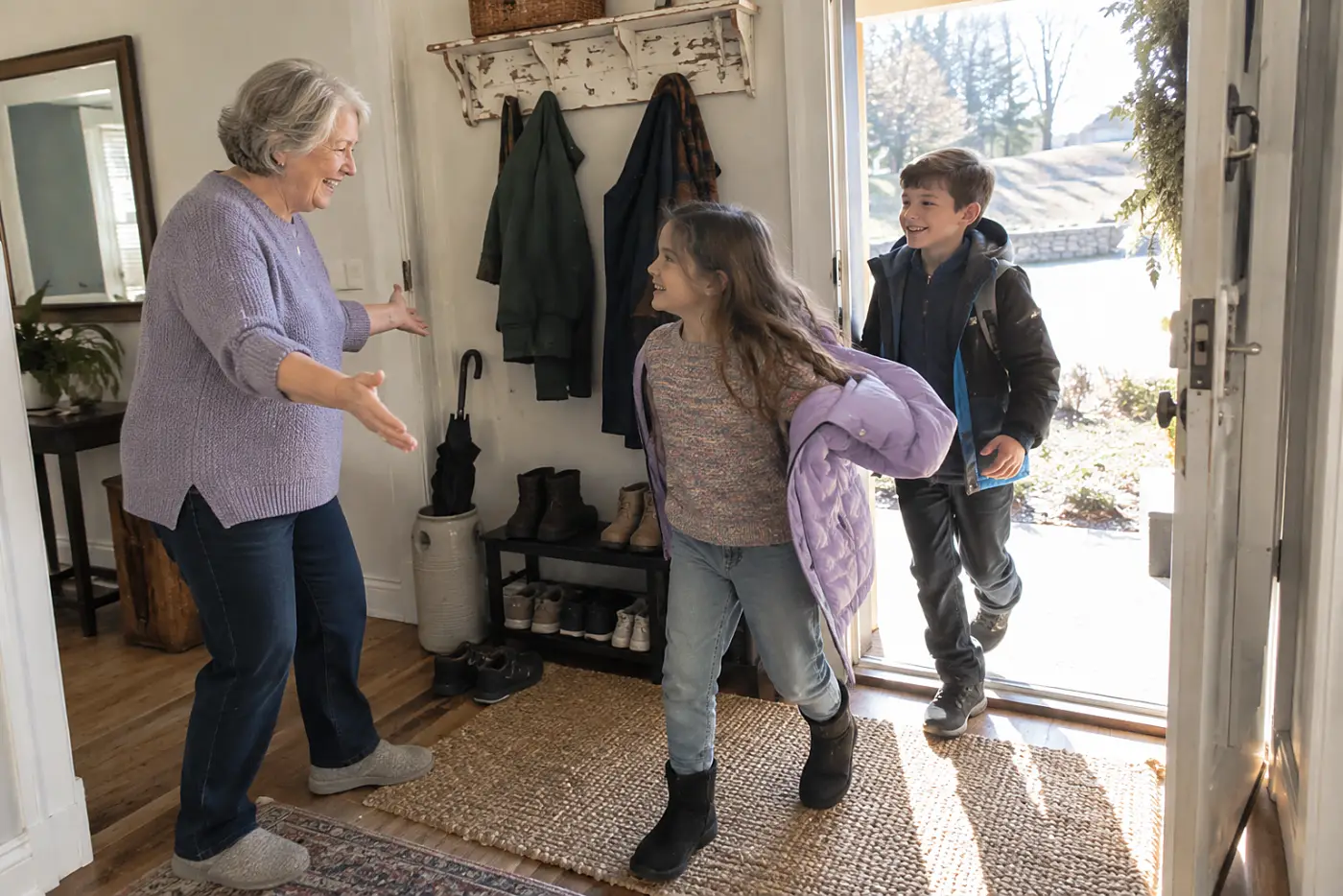
A friend remembers whether you learned their name.
Your grandchild brings someone through the door. You look up, say hello, and make room for another pair of shoes near the mat. The visitor has a place before any activity starts.
Ignore the friend, and your grandchild spends the visit managing an awkward guest. You miss a chance to show how people are welcomed in your house. Their friend also learns whether it’s easy to come back.
This week, greet the next friend by name and point out where coats go. Say, “Come in, Maya. Your shoes can go right here.” Then return to what you were doing.
The child is listening when a familiar name comes up too.
16The story behind a scratched baking pan
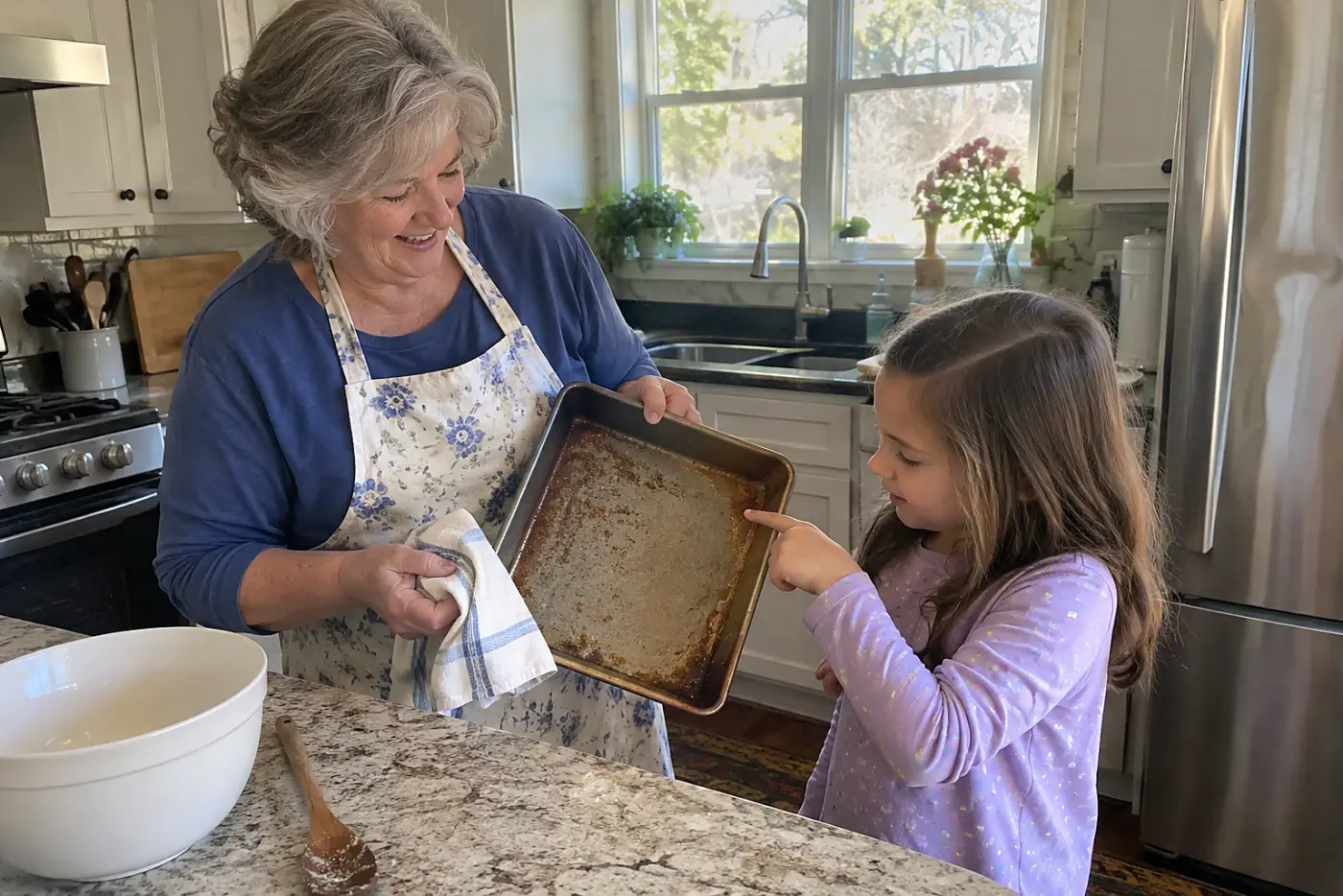
A scratched pan carries a story no gift tag has.
You reach for the same pan when it’s time to make cornbread. A grandchild asks about the dark corner, and you tell them how it happened. The pan goes into the oven with its scratch and its story.
Replace every battered tool without a word, and the child never learns why you kept using that one. The point isn’t to save every old pan. It’s to tell the story while you both have the pan in front of you.
This week, choose one object you still use and tell the child one true thing about it. Say, “See that dent? I dropped this when your mother was little.” Let a question change which part of the story you tell next. Ask what they see on the pan before you put it away.
An object lasts longer in memory when their hands have helped.
See more: 27 Things Every 1970s Kitchen Had That Your Grandchildren Have Never Seen →
15The flour you let them spill
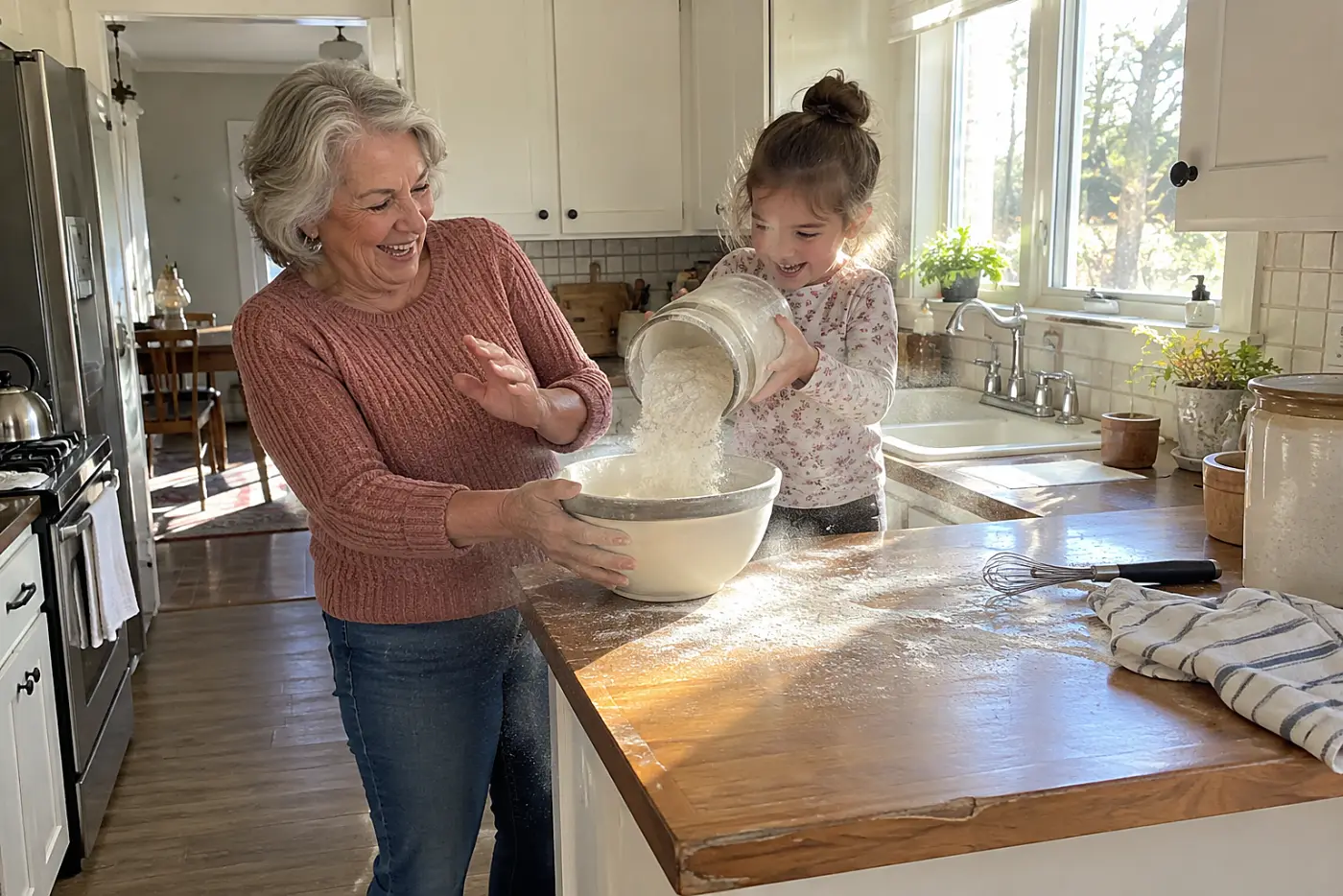
A spotless counter gives a child nothing to remember doing.
You let your grandchild measure flour into a bowl. Some lands on the counter, and you hand over a cloth after the batter is mixed. Their scoop went into the recipe, even though some of it missed.
Take the scoop away at the first spill, and the recipe becomes something they watched. The extra cleanup bought a turn at the work. A child who helped also knows which part was theirs when you serve it.
This week, choose one step they can do and set the bowl within reach. Say, “You pour it; I’ll hold the bowl.” When flour misses, show where the cloth lives.
They will remember who had a job when dinner was served.
14The place card written in their handwriting
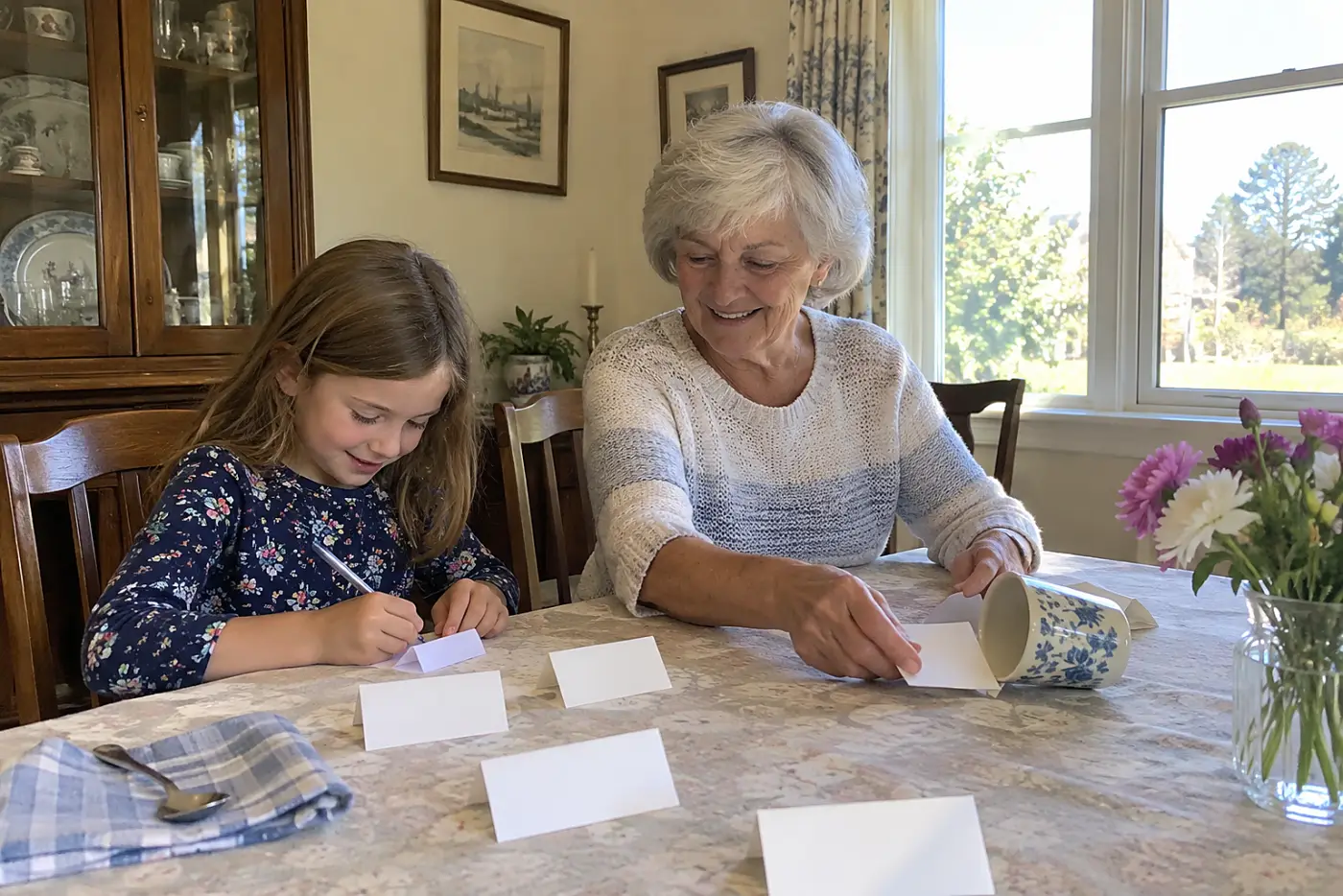
A place card looks different when the child wrote it.
You give your grandchild a pen and the names of the dinner guests. They write each name, ask how to spell an unfamiliar one, and decide which card sits by each plate. Their choices shape where people will sit.
Write every card yourself, and the table looks tidy but carries none of their work. A guest reading a name sees that a child helped prepare the meal. Your grandchild hears the guest say that name aloud.
This week, hand over the job before people arrive. Say, “Will you make the cards for the table?” Leave the letters as they wrote them unless they ask for help. Then put the cards out where the guests will find them, including the one with your own name on it.
Another piece of their work deserves space after the meal.
13The drawing taped beside the calendar
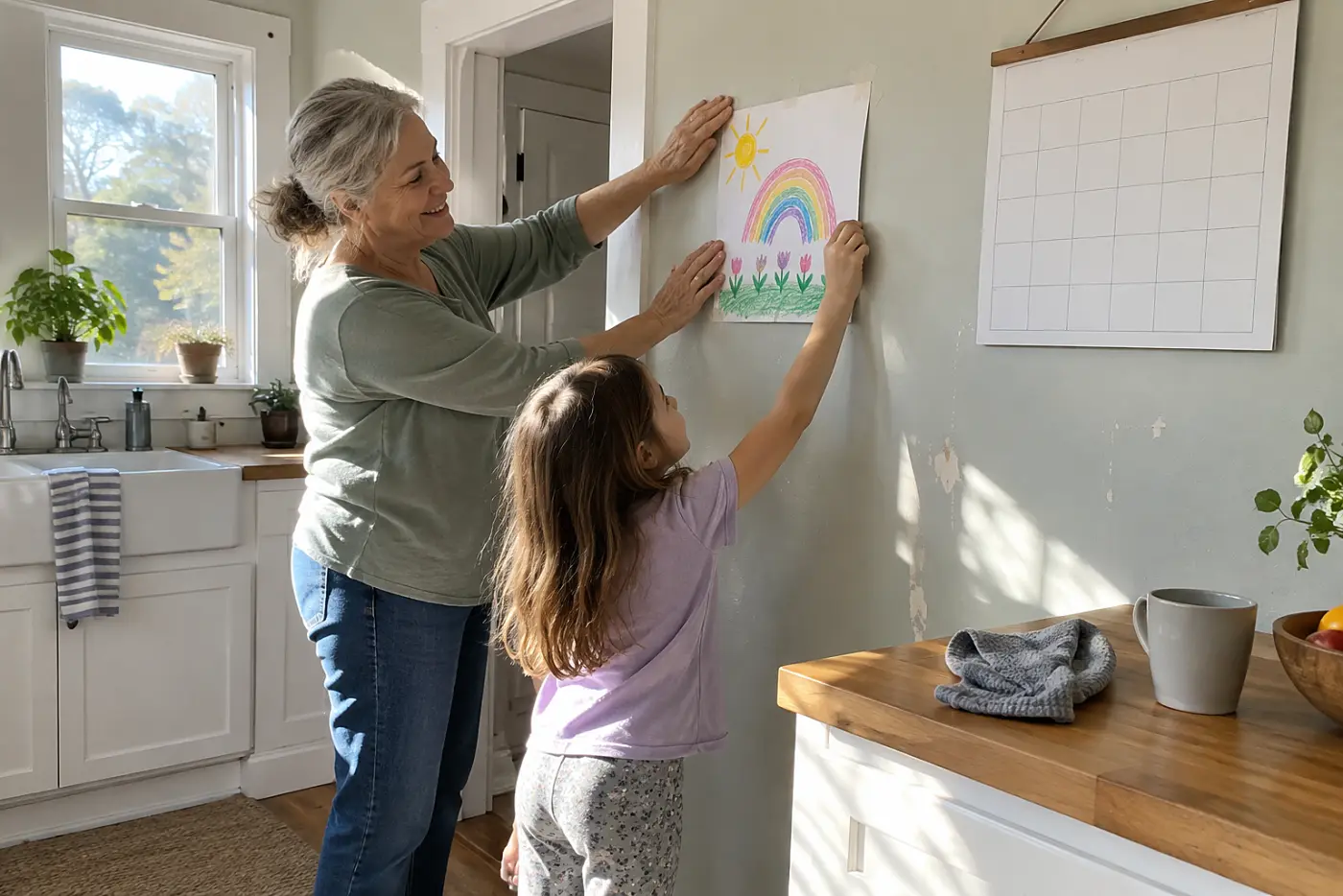
Children look for their work after they leave.
You tape a drawing beside the kitchen calendar. When your grandchild returns, it’s still there, curled at one corner from the steam. They know which wall to check without asking whether you liked it.
Put every drawing straight into a pile, and they never see what you chose to live with. Wall space says more than another round of praise. A picture on the kitchen wall joins your ordinary mornings.
This week, hang one piece where you spend time, not where it stays out of sight. Say, “I put this where I’ll see it when I make breakfast.” Ask before you remove an older one. Keep drawings at least 3 feet from the stove, where paper can catch fire.
The next keepsake takes up no wall space at all.
12The word you learn from their game
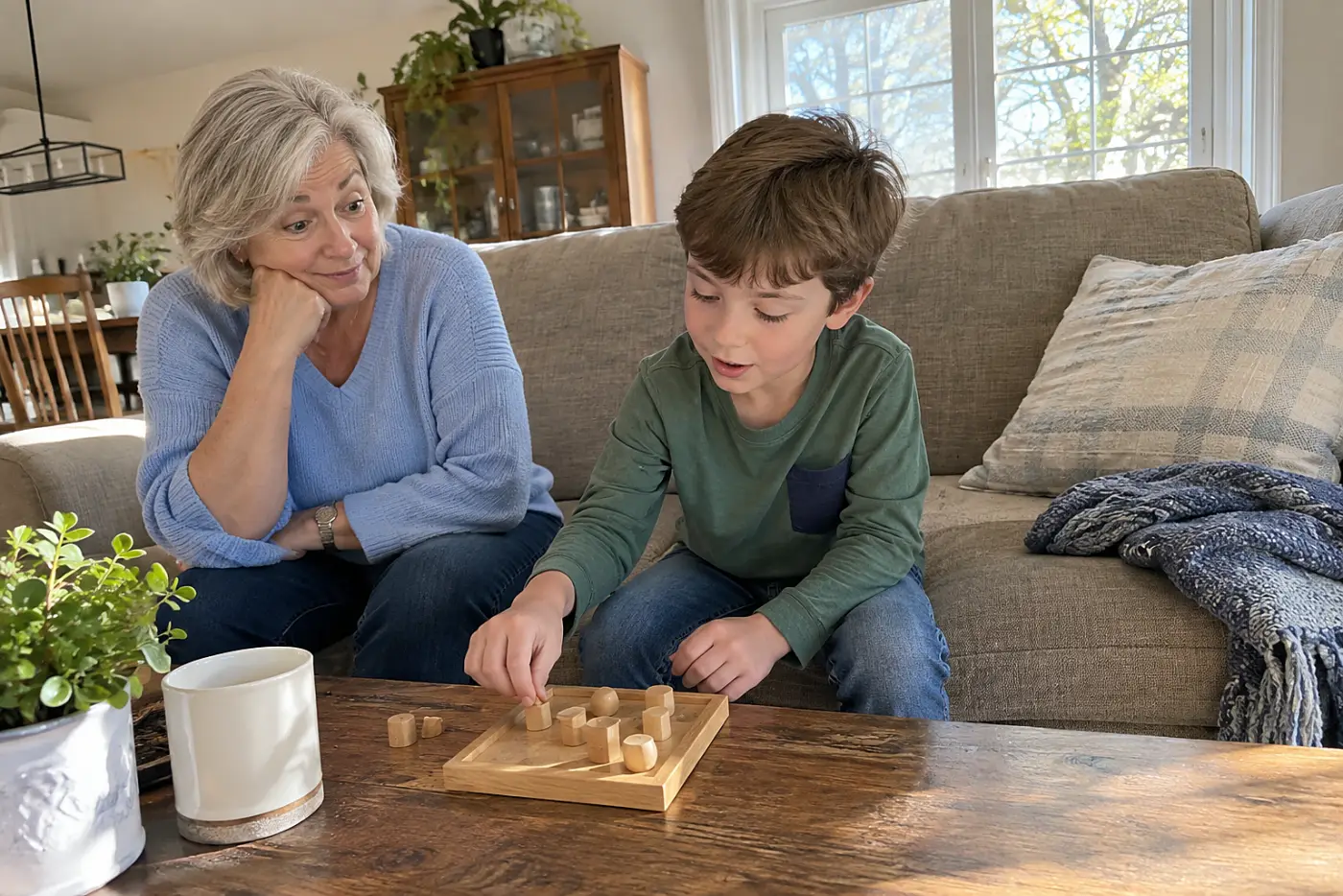
Learning one word from them changes the conversation.
Your grandchild explains a game you don’t play. You ask what one word means, then use it when you talk about the game. They hear you trying to follow their world without pretending you already know it.
If every new interest gets a blank stare, they stop bringing it up. You don’t need to master the rules or buy the console to listen well. Remembering one word gives you a way to ask about it later.
This week, ask for one term from the game, sport, or hobby that’s taking up their time. Say, “What does that word mean when you play?” Let them explain it in their own order. If you get it wrong, let them correct you without making a joke at your own expense.
The lesson goes both ways when you show them something you know.
11The song you play twice
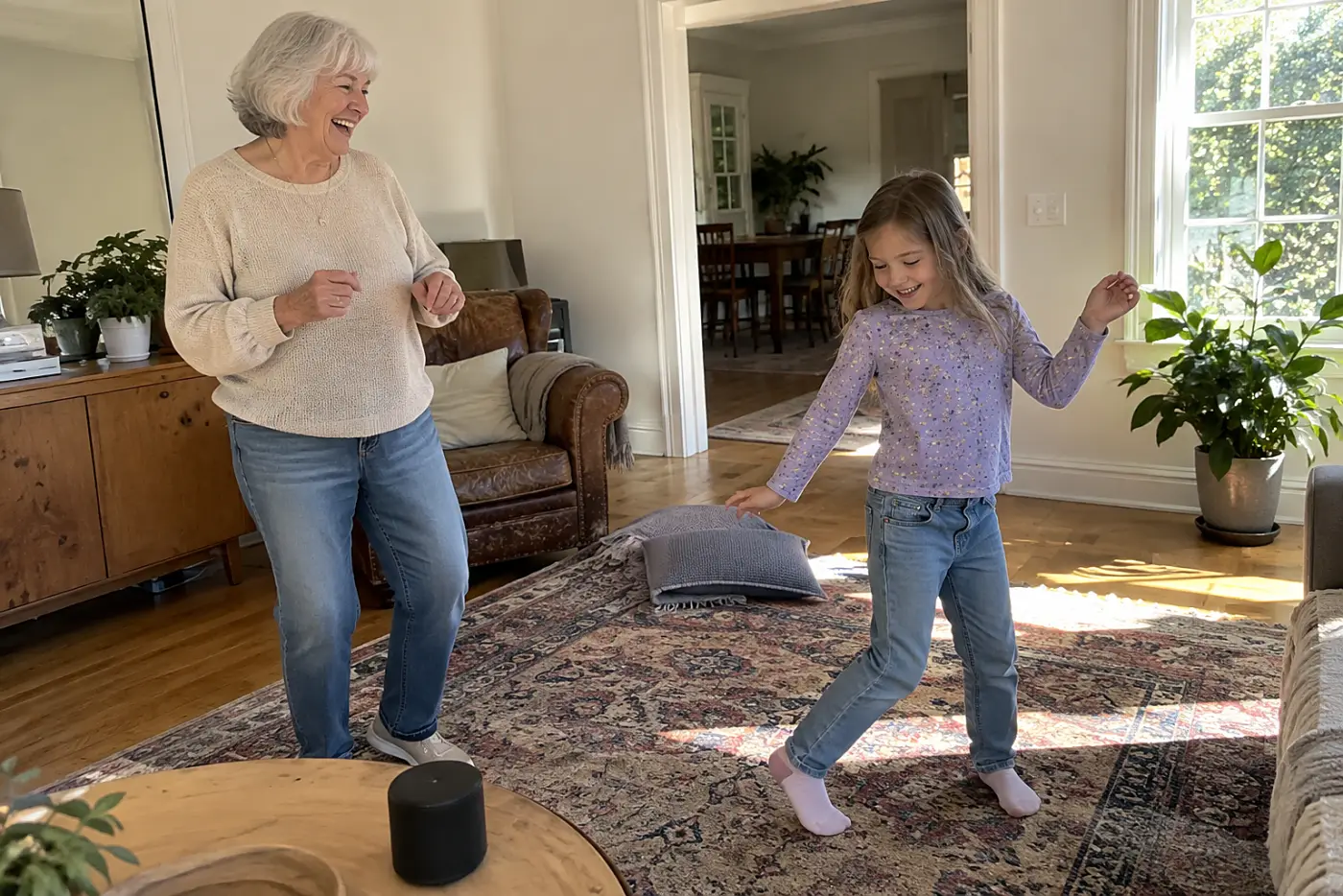
The second playing tells them you heard the request.
A grandchild asks for the same song again. You put it on and watch for the part they were waiting to hear. When it arrives, you know why they asked you to stay.
Refuse the repeat every time, and you miss what caught their ear. They wanted to share that part with you. The song’s name matters less than the bit they point out.
This week, replay one song and ask what they like about it. Say, “Show me the part you mean.” Listen for the drum, the voice, or the line they sing first. Ask for another listen if you missed it.
Another sound in your house has a story attached.
10The sound of your front door opening
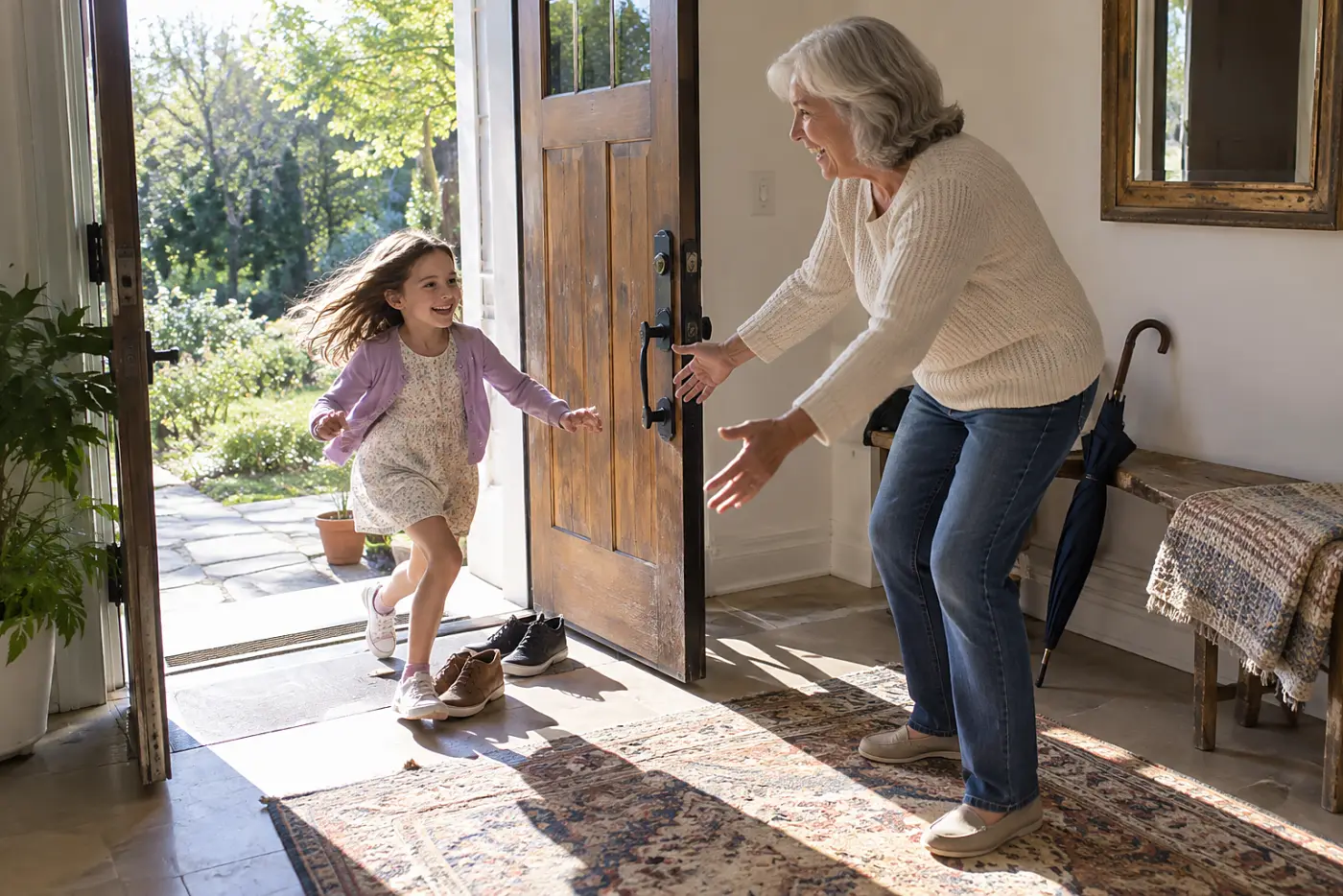
Your greeting starts before you say a word.
A child hears your steps, the latch, and your voice calling from the hall. They learn that arriving at your place has a familiar sound. The greeting belongs to that doorway, not to a special occasion.
Rush past them while you finish a task, and the first minute feels different. You don’t have to put down a hot pan. You do need to let them know you’ve noticed they’re there.
This week, greet your grandchild from wherever you are, then come over when your hands are free. Say, “I heard you come in. Tell me where your coat is going.” Leave time for the answer; they have their own arrival story.
The way you mark their departure matters as well.
9The wave you keep giving at the car
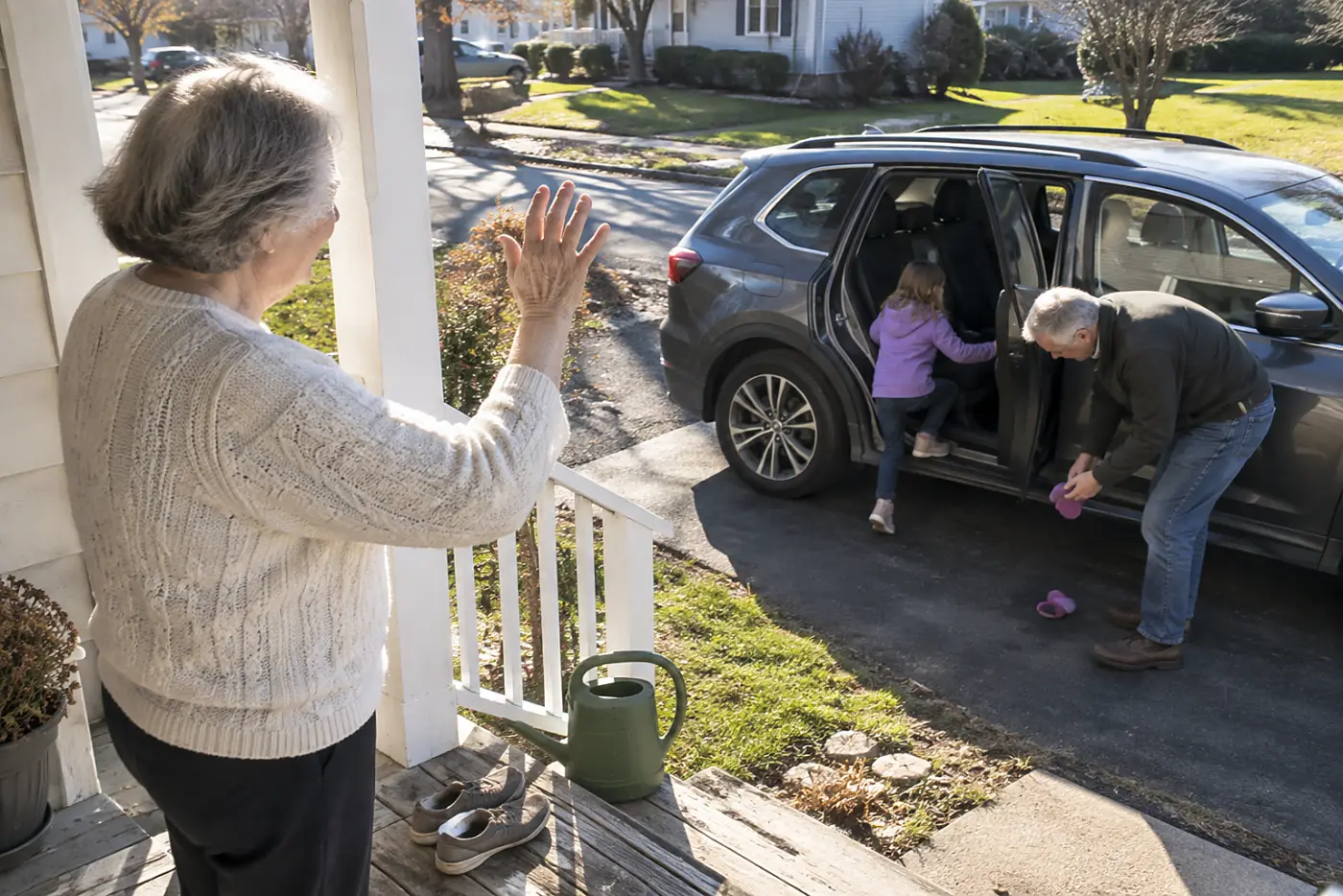
The child looks back before the car turns.
You stand where they can see you and wave as they pull away. The wave is the last piece of the visit they take with them. They know where to look for you.
Go inside at once, and they see an empty doorway when they glance back. Those few seconds are worth your time. A child who looks back is still part of the goodbye.
This week, wait at the window or porch until the car moves off. Say goodbye before they get in, then stay for the wave. You don’t need a grand gesture; just be there when they look.
Between hello and goodbye, they notice how you use time.
8The five minutes you stay on the floor
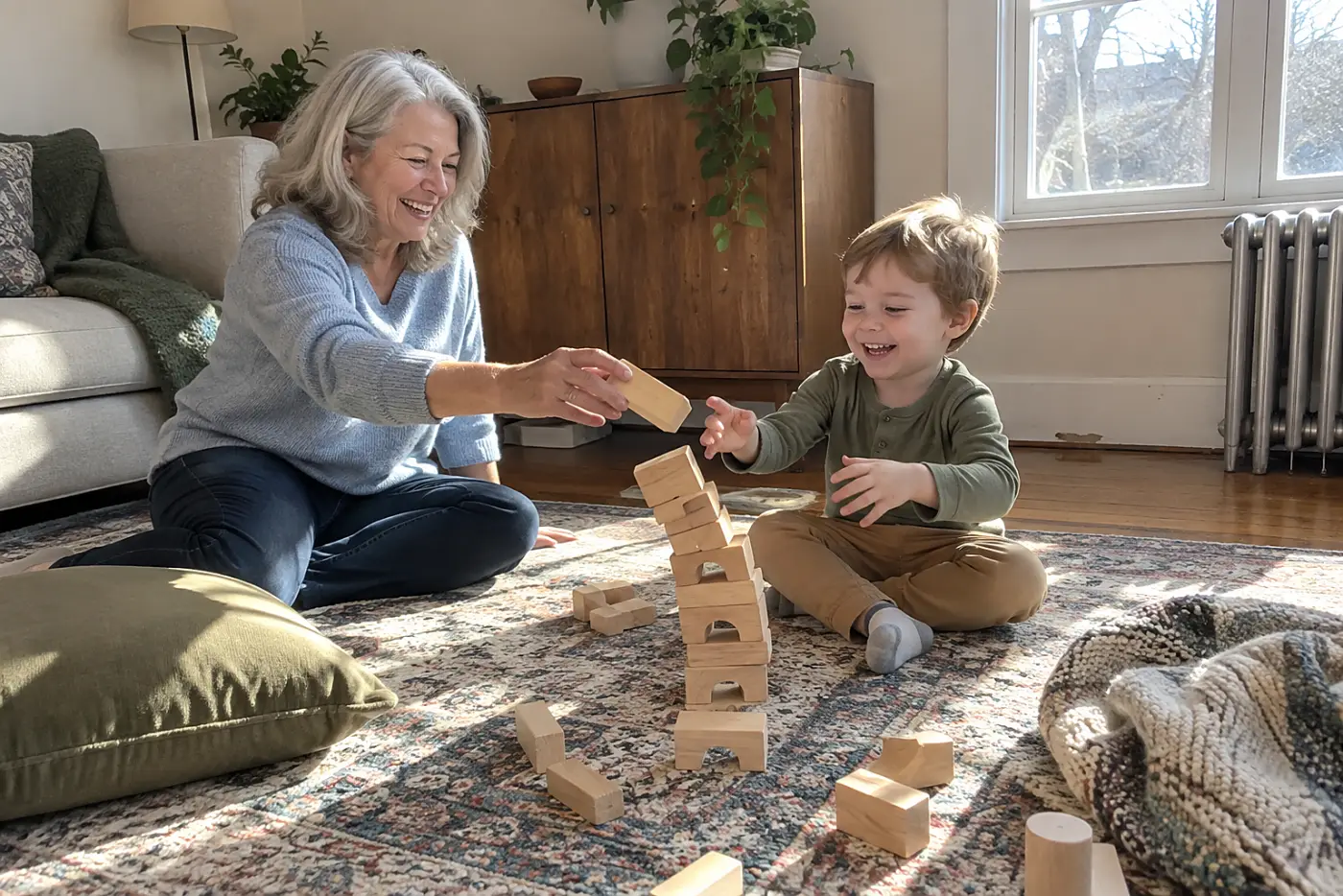
The best part of a visit isn’t always the outing.
You sit on the floor while a grandchild builds a tower. They pass you a block, reject your placement, and tell you where it belongs. For a while, their plan sets the pace.
If you keep steering play toward a finished result, you miss the rules they are making as they go. The tower matters less than the fact that you stayed to see it fall and start again.
This week, join one game without taking charge. Ask, “Where should this piece go?” Follow the answer, even if it makes the tower wobble. Put a cushion under yourself if you need one, or pull up a low chair. When it’s time to stand, say so and watch one more move before you leave.
After play, they still have things to tell you.
7The question you ask the next time
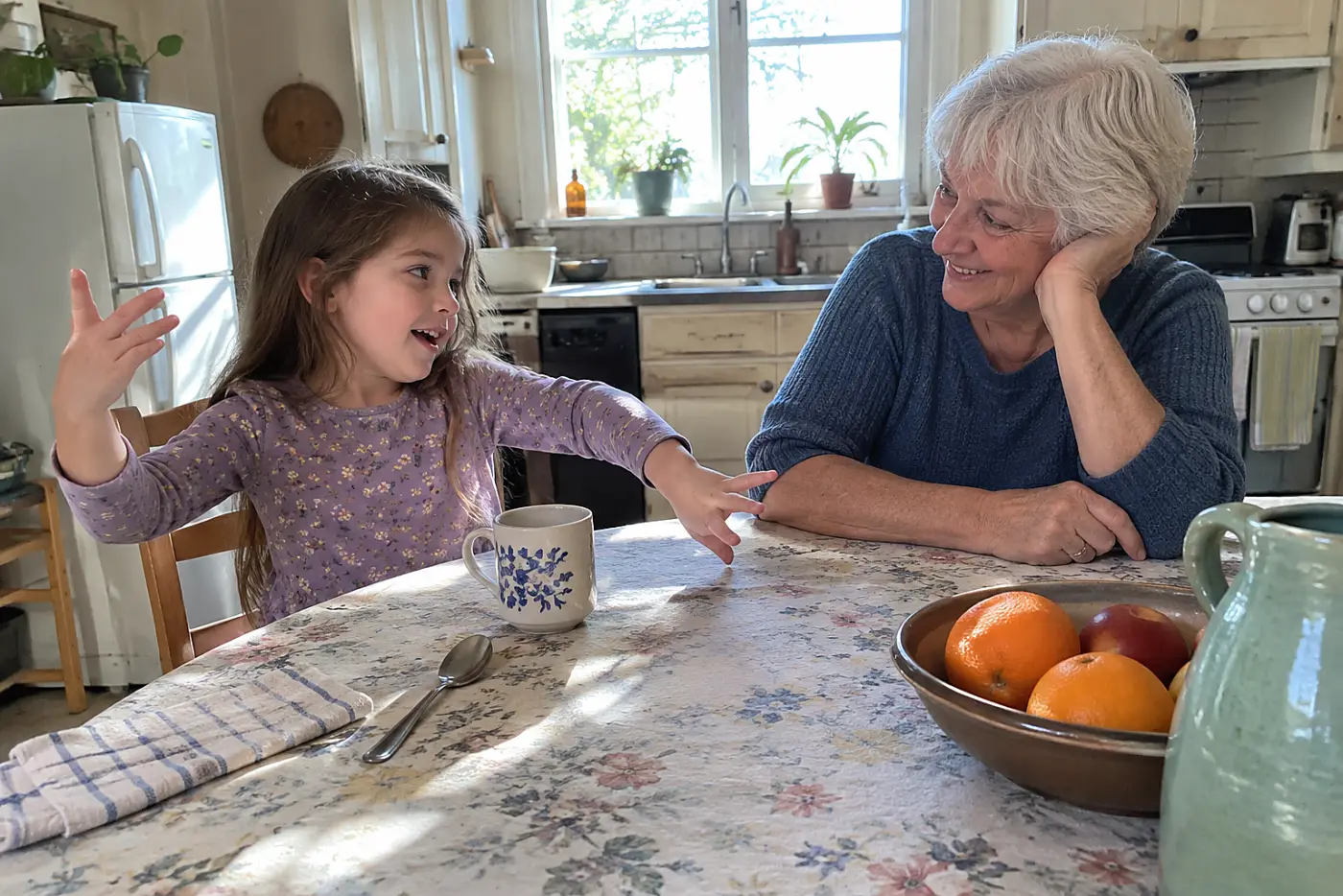
Remembering their answer gives it weight.
Last visit, your grandchild mentioned a class play. This visit, you ask how rehearsal went before anyone reminds you. Their answer picks up a conversation you already started together.
Forget every follow-up, and each conversation starts from scratch. They learn which details stayed with you. A small question tells them last week’s news didn’t vanish when they left.
This week, write one detail on the calendar after a visit, then ask about it next time. Say, “How did the play rehearsal go?” If plans changed, let them tell you; the question still shows you listened.
A harder conversation asks for something other than a follow-up.
6The silence you leave after bad news
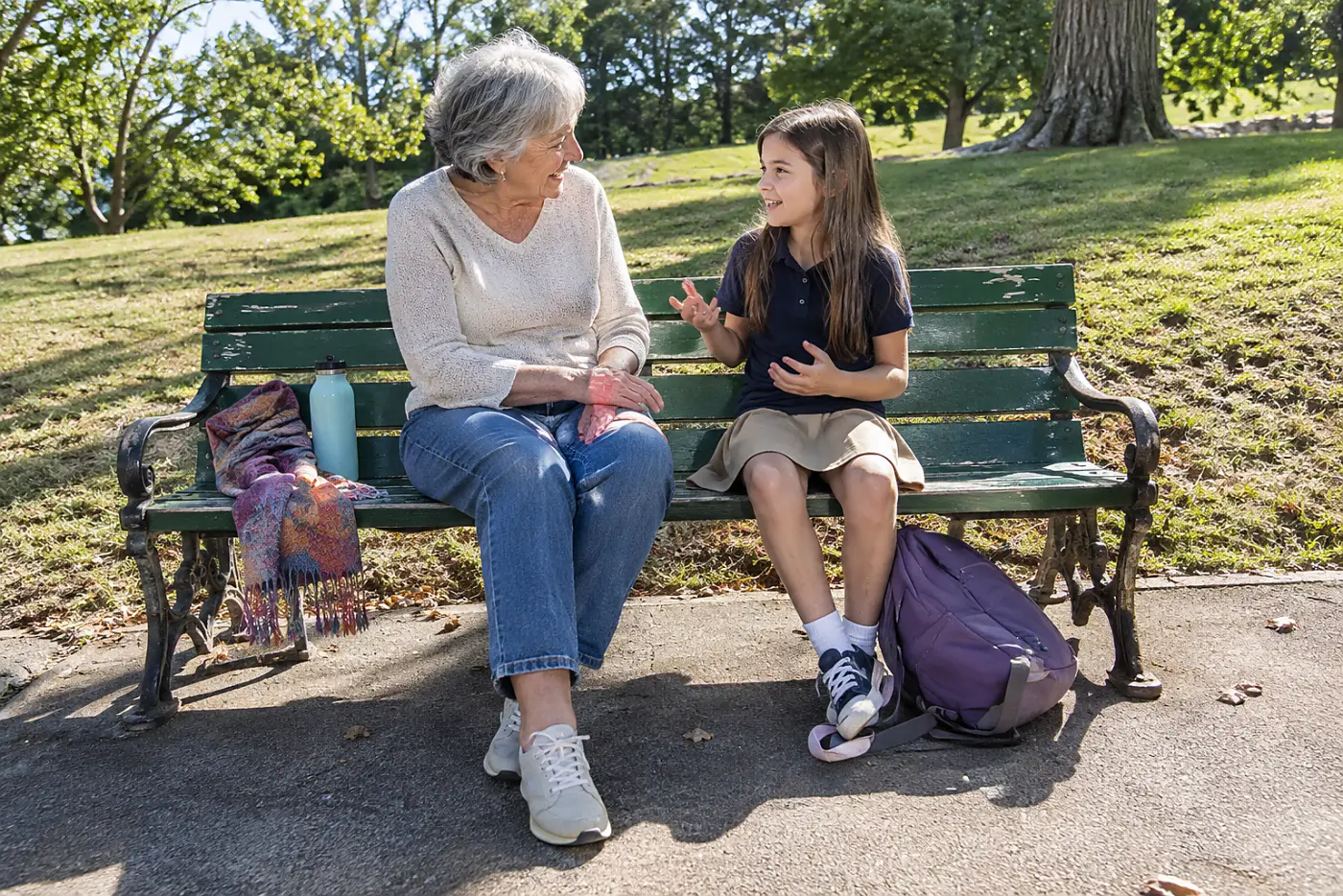
Children notice whether you rush to fix their hurt.
A grandchild tells you a friend stopped sitting with them. You let them finish, then stay beside them without announcing what the friend meant. After a pause, you ask what happened next.
Jump straight to advice, and you never hear what the child needs to say. A short silence gives them room to add the part that felt hardest. You also avoid guessing at a story they haven’t finished.
This week, when a grandchild brings you bad news, wait until they finish the first telling. Ask, “Do you want me to listen, or help you think about what to do?” Accept the answer. If they’re younger, use fewer words: “I’m listening.” You can offer a snack or a walk after they’ve had their say.
What you share about your own life counts too.
5The mistake from your own childhood
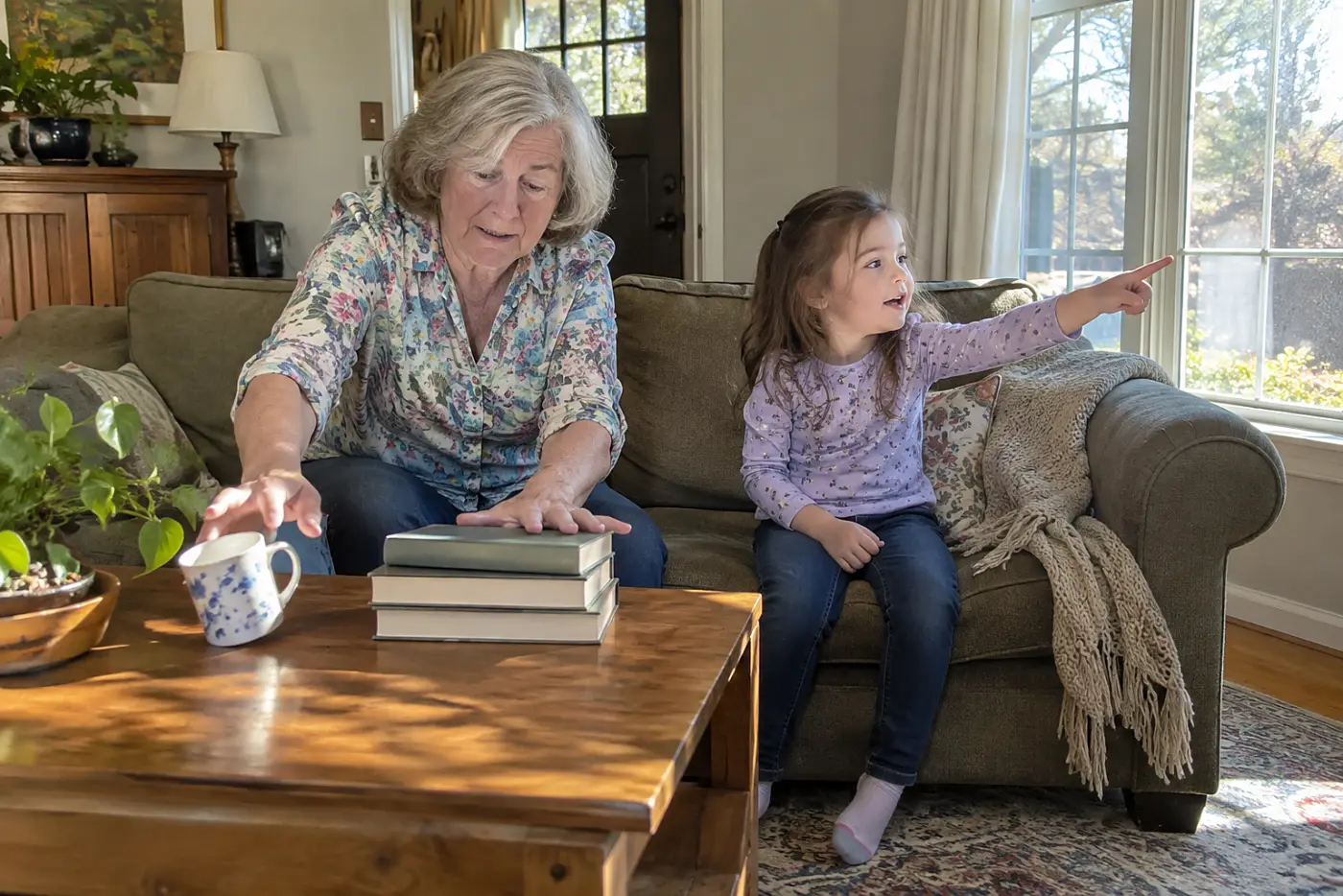
A real mistake beats a perfect childhood story.
You tell a grandchild about losing a library book and dreading the walk back. They hear what you did next, including the awkward part. They also hear your voice telling a story that belongs to you.
Give them only stories where you got everything right, and they have nowhere to put their own mistakes. A true account gives them company. You don’t need to make the ending neat.
This week, choose one childhood mistake you can tell plainly. Say, “I was scared to admit this one.” Finish with what actually happened, not a lesson you added years later.
The story will land differently when they hear what matters to you now.
See more: 18 Things First-Time Grandparents Learn the Hard Way: How to Be Grandparents →
4The route you walk at their pace
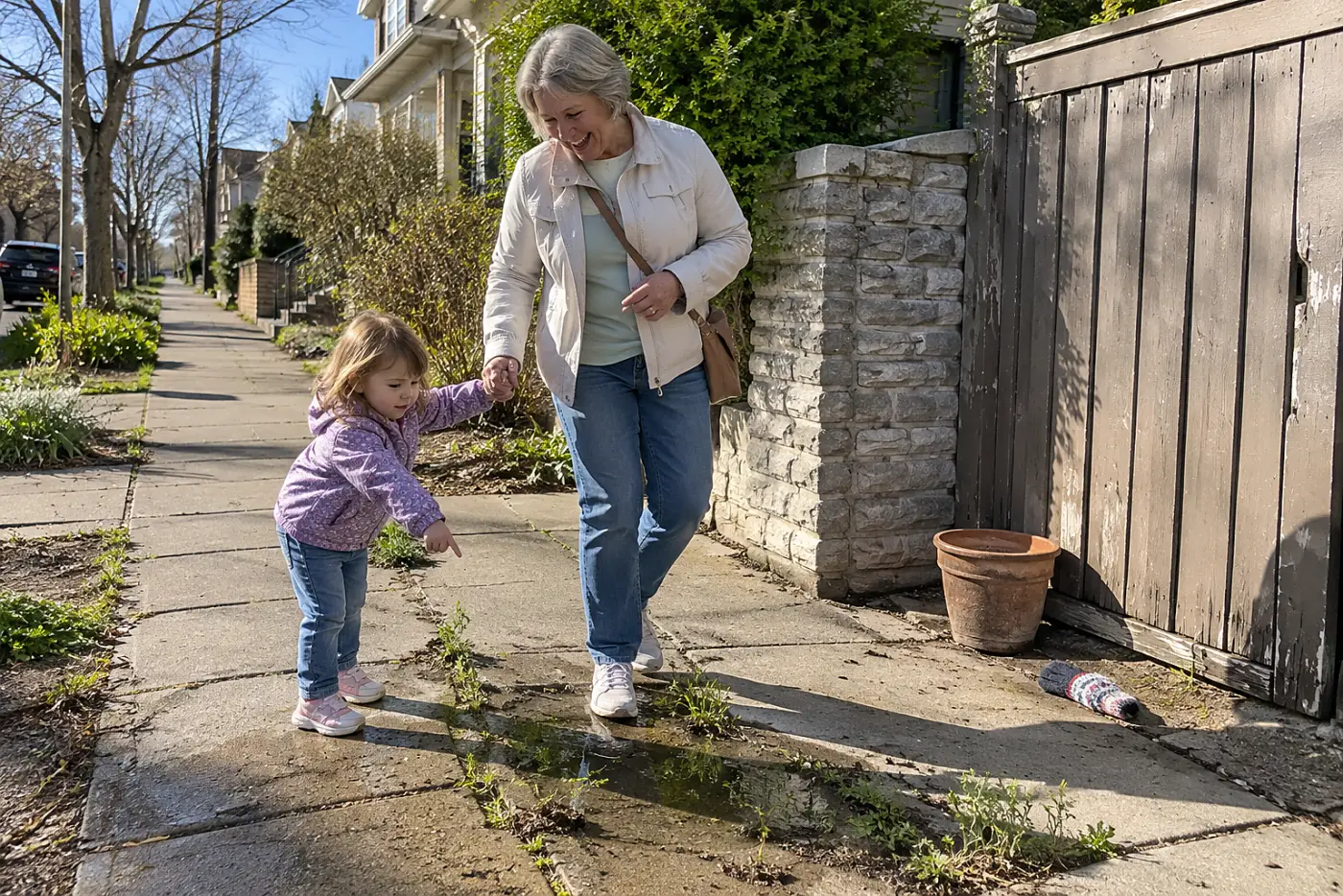
A shortcut can erase the best part of a walk.
On the way to the park, your grandchild stops at a cracked sidewalk square. They point to the weeds growing through it, then check the next crack before moving on. You've taken this same block for years without seeing either patch, let alone knowing which one they'll stop at next.
Pull them along on a fixed schedule every time, and the walk becomes travel between destinations. They remember getting there, but they lose the chance to show you what they've been tracking along the way, week after week.
This week, leave a little extra time for a familiar walk you've done together before. Say, "Show me what you always look for on this block." Follow their route, even if it crosses to the other side of the path. On the way home, notice whether they stop in the same spot, or a new one.
They'll notice what you let them bring back, too.
3The note you tuck into their suitcase
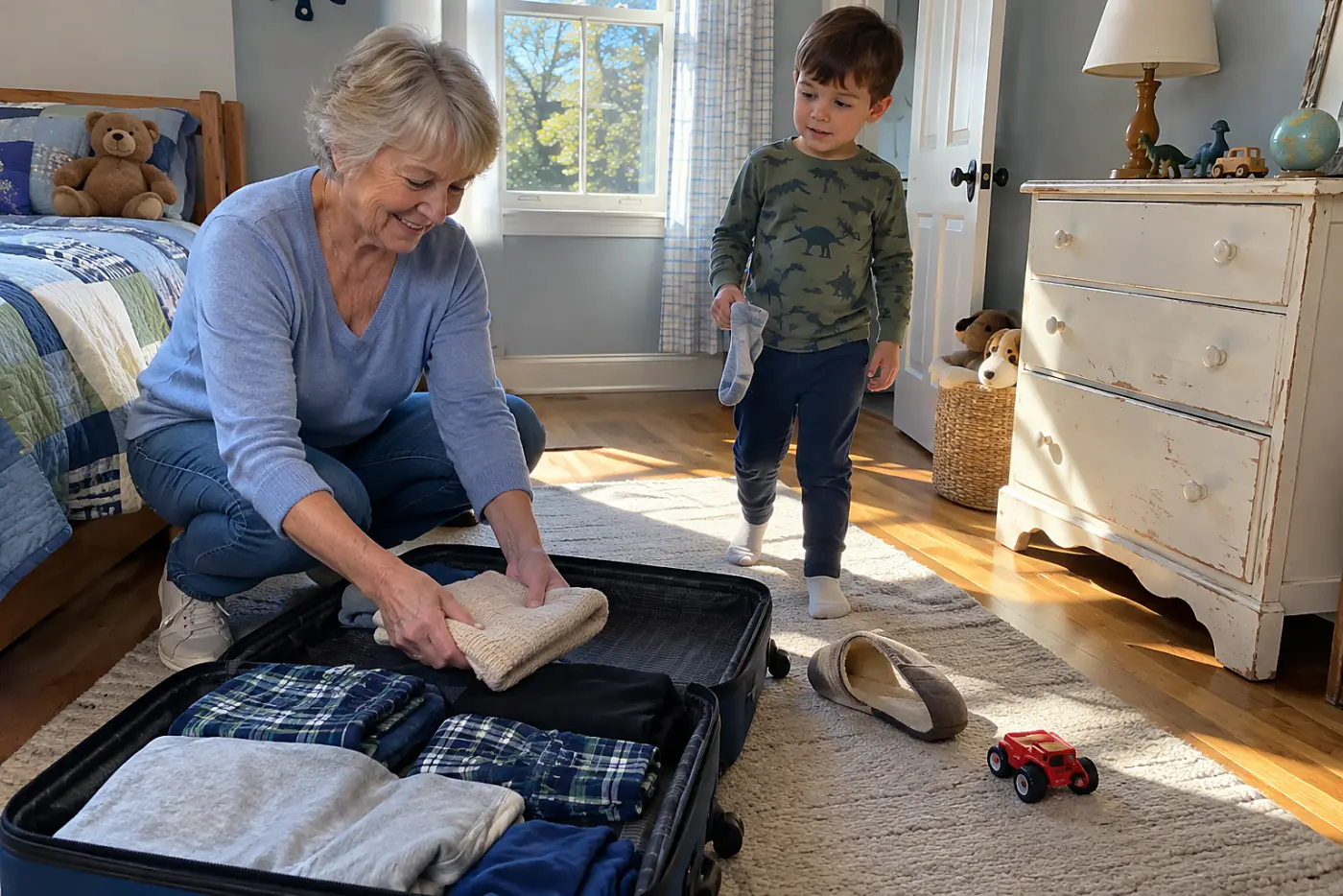
A packed bag is missing something only you would write.
Before your grandchild leaves, you tuck a note beside their pajamas. You mention the card game you played and the rule they insisted you remember. Later, when they unpack, they find proof that the visit stayed with you too.
Without the note, that small exchange belongs only to the day it happened. A few written words give them something to find after the goodbye, when your house is no longer around them.
This week, write one true detail from a visit on a piece of paper. Say, “I put something in your bag for when you get home.” Let them open it later.
The next visit gives you something else to put into words.
2The promise you put on the calendar
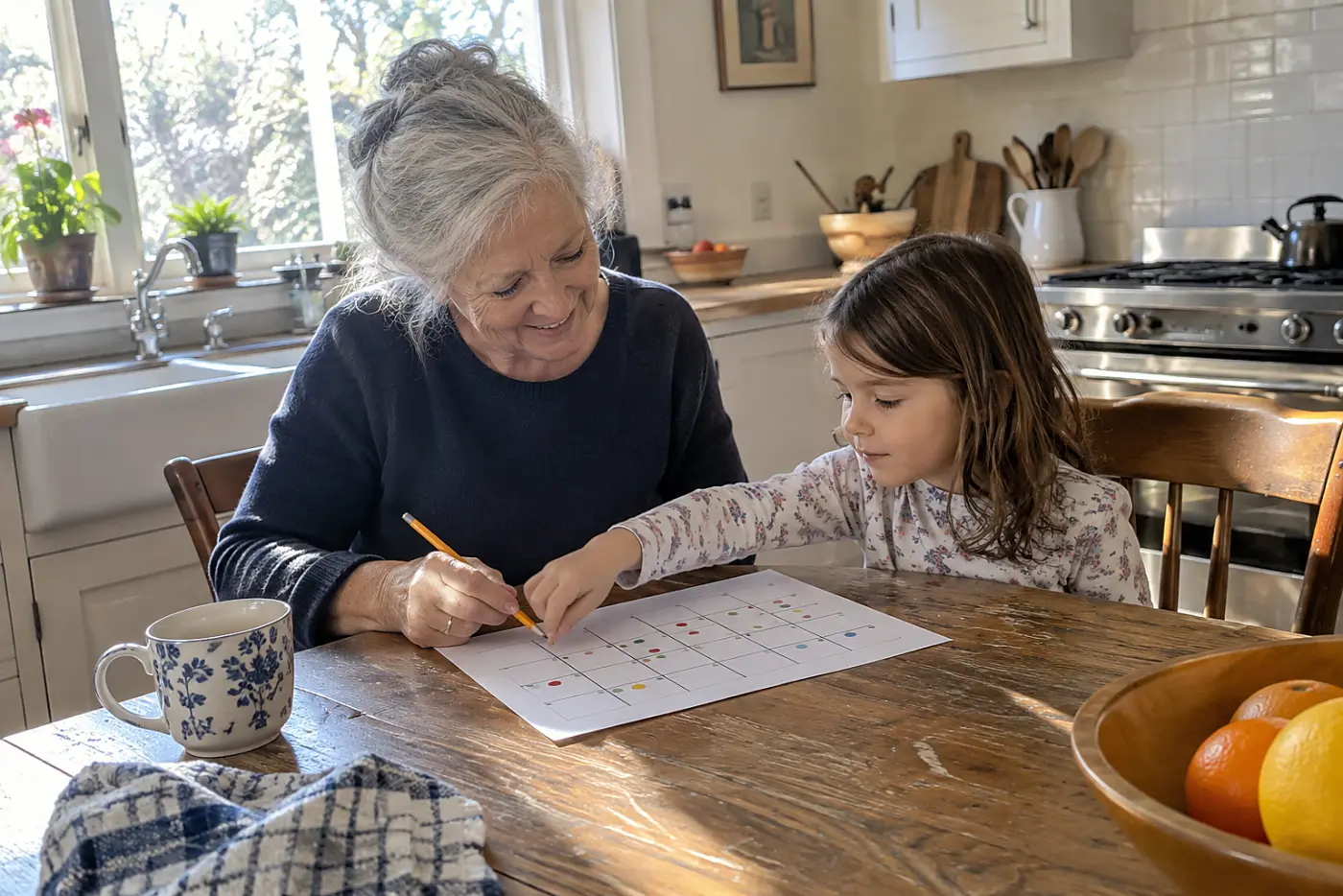
A kept promise has a date attached.
You say you’ll come to a game, call on Sunday, or finish a puzzle together. Then you put it on your calendar and do it. If plans change, you tell the child before they sit waiting.
A large gift doesn’t erase the hour a child spent looking for you in the seats. They remember who said they’d be there and who followed through. The empty seat has a date too.
This week, choose one promise you already made and check the date, time, and place. Say, “I’ve got your game on my calendar for Saturday at ten.” If travel or work makes that uncertain, don’t promise the seat. Offer a call afterward and put that on the calendar instead.
Keep the promise small enough that you can honor it. Then think about a day when you can’t be there at all.
There is one thing you can save for that day.
1The story you record in your own voice
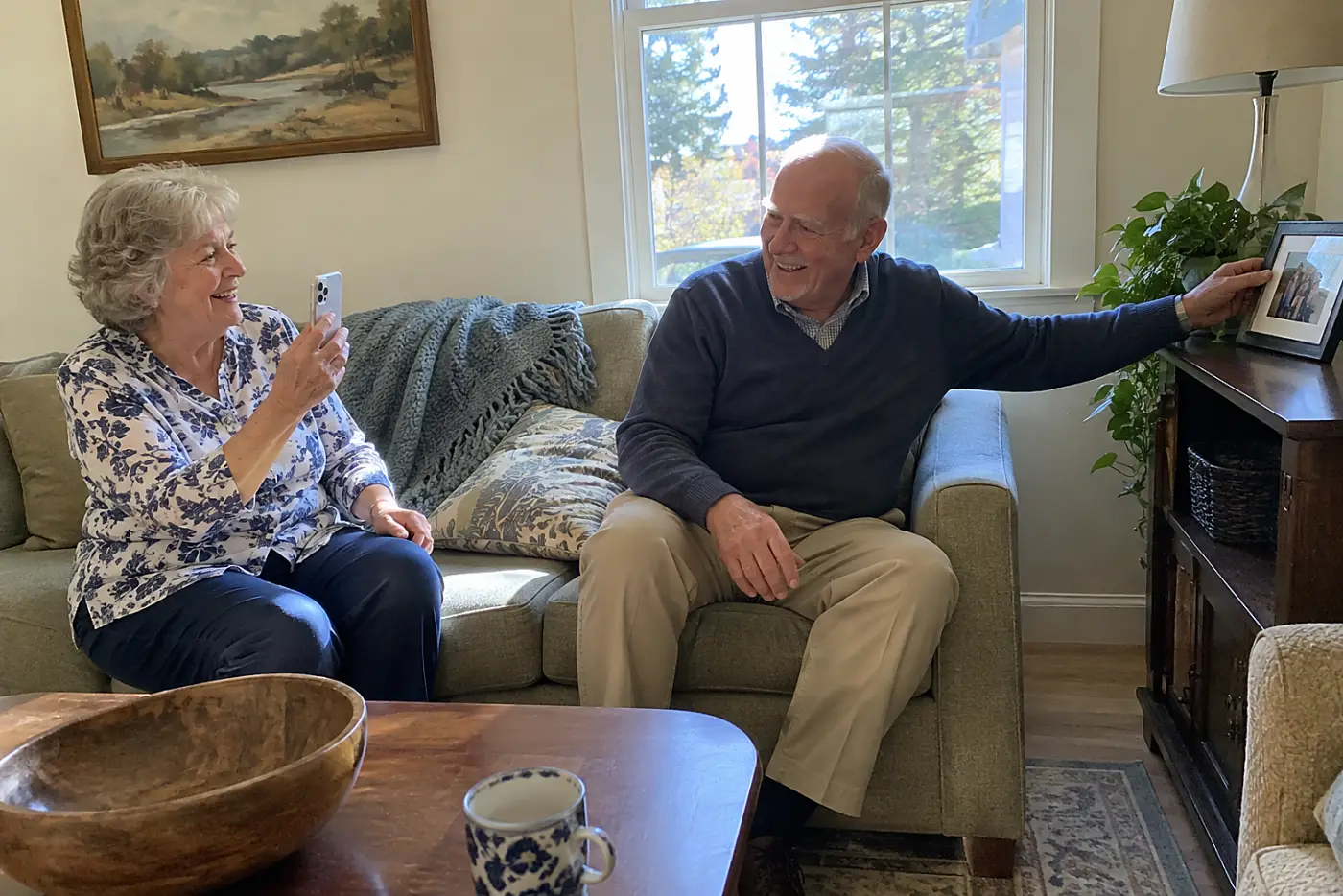
A photograph can’t tell the story the way you do.
Your grandchild knows your laugh and the way you say their name. A voice recording holds those sounds alongside a story only you can tell. Once it’s saved, they can hear it again without waiting for you to remember every detail in person.
Put it off until the story feels complete, and the little details slip away. No birthday speech or polished family history is required. Start with one true scene: a meal you made together, the day they learned to ride, or the first time they walked through your door.
This week, use the voice recorder on your phone and speak for one minute. Say, “I want to tell you about the day we made pancakes and got batter on the floor.”
Then add what you saw, what the child said, and why you still think of it. Save the file with the child’s name and the date in the title. Send a copy to the child’s parent or guardian, or share it directly if the child is old enough to keep it.
The recording is small. The next story is still waiting.
The bottom line
Across these 25 moments, children notice the place you make for them in ordinary life. They find it in things you do again.
The best-prepared version of you has kept a promise, made room at the table, and saved one story in your voice.
Which of these has already happened in your family?
Up next
22 Activities for Grandparents and Grandkids
A recipe card, a shoebox of photos and a free scavenger hunt give you ways to fill the next visit without filling your calendar.
Read the list →
Reader quiz
Did you catch the details?
5 questions from this article. Finish them all to unlock the editor's bonus tip.
After a grandchild gives a wrong answer, what does the article suggest asking?
Did any of these feel familiar?
Know someone who needs this?
Ruth Ellison
Family Editor
Ruth writes about grown children, grandchildren, ageing parents, and the conversations families put off, in the words of the people involved.
More from Ruth Ellison