












26 Signs Your Family Sees You Differently Since You Turned 70
A slower voice at dinner can become a pharmacy call before anyone asks what you want or what help you need.
By Ruth Ellison, Family Editor
Updated · 18 min read
- Written by our family editor
- Cited 9 sources
- How we review

Read to the end: #1 is the signature pause that protects your choice, and almost nobody asks for it.
The serving spoon is still in your hand when your daughter starts explaining the dinner plan. She slows down on each word. Across the table, everyone else gets the usual pace, the little interruptions, the jokes. You get a careful voice and a long pause before anyone expects an answer.
She thinks she’s being considerate. But the same assumption follows you from dinner into appointments, bank calls, and decisions about your house. A change in tone becomes a change in who gets asked first, who holds the paper, and who has time to read it.
Here are 26 signs and ways to answer them.
26The Slow Voice Across the Table

A slower voice changes the conversation before you answer.
Someone draws out ordinary words, then waits as though you missed the point. The extra pause invites another person to fill it. By the time you speak, they’re explaining what you already understood.
That pattern costs you a place in the conversation. It also gives the family a false measure of how much help you need. If everyone else hears the usual pace, the difference is worth naming right there.
This week, answer at your normal pace instead of matching theirs. Say, “I heard you. Talk to me the way you always have.”
Then listen for who starts answering in your place.
25The Answer Given Before Yours

Someone else starts supplying your answer in front of you.
At the restaurant, the server asks whether you want coffee, and your son says you’ve had enough. The server looks to him for the next answer. A habit that began as help has made him the person others address.
The price is small at lunch and larger at an appointment. Once someone else answers the first question, the next question goes to that person too. You lose the chance to say what you want, including when you’ve changed your mind.
This week, choose one low-stakes moment and answer before anyone takes over. If they interrupt, say, “Thanks. I’ll answer for myself.”
Watch whether they return the conversation to you or keep going.
24The Pharmacy Call Made Without You
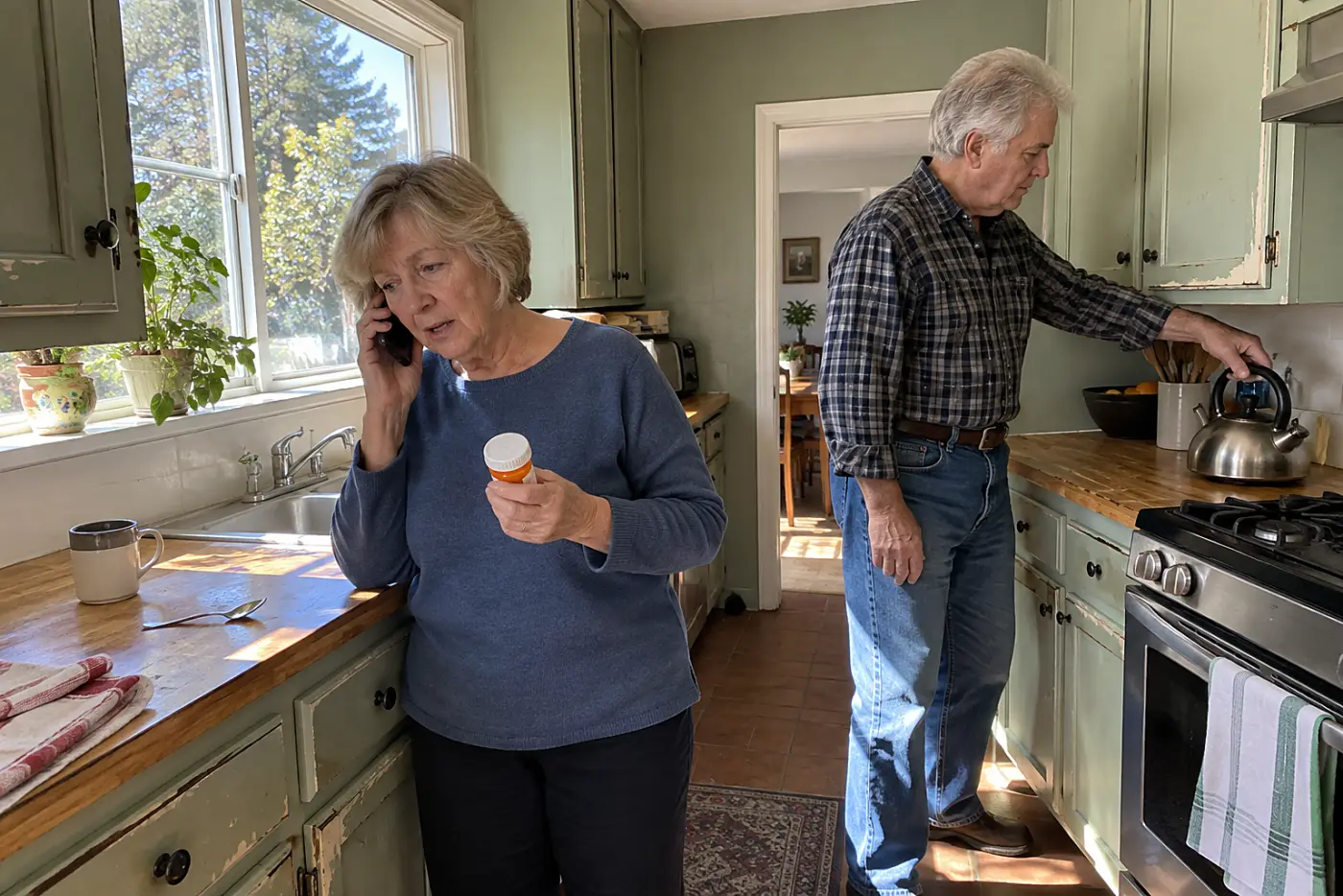
A prescription question turns into a family conference without you.
A relative calls the pharmacy about your refill, then reports a decision back to you. The pharmacist has heard their description of the problem, not yours. Even a well-meant call leaves out what you were trying to ask.
A refill is a poor place to discover that your account lists someone as its usual caller. Ask the pharmacy whom it contacts about problems and which permissions it has on file. Have the prescription bottle beside you so you can give the exact name and refill number.
This week, call the pharmacy yourself with that bottle nearby. Say, “Please call me first about this prescription.”
The next question is who gets into the exam room.
23The Exam Room Conversation Over Your Head

Your doctor’s question lands, but someone else answers it.
A relative comes in to help remember details. Soon the doctor asks them when your pain began, while you sit between them. The doctor needs your account first; your companion can add what they saw afterward.
If a question about symptoms never reaches you, the visit record loses your version of the story. Read the visit summary in the patient portal afterward. If a fact is wrong, ask the office how to request a correction.
For the formal process, the HHS Office for Civil Rights explains how to request an amendment to a medical record. Your own account of the visit belongs in that conversation, even when a companion helped you remember details.
This week, tell your companion what help you want before the appointment starts. In the room, say, “Please ask me first, then let her add anything I missed.”
That same seating arrangement can follow you beyond the doctor’s office.
22The Car Keys Handed to Someone Else
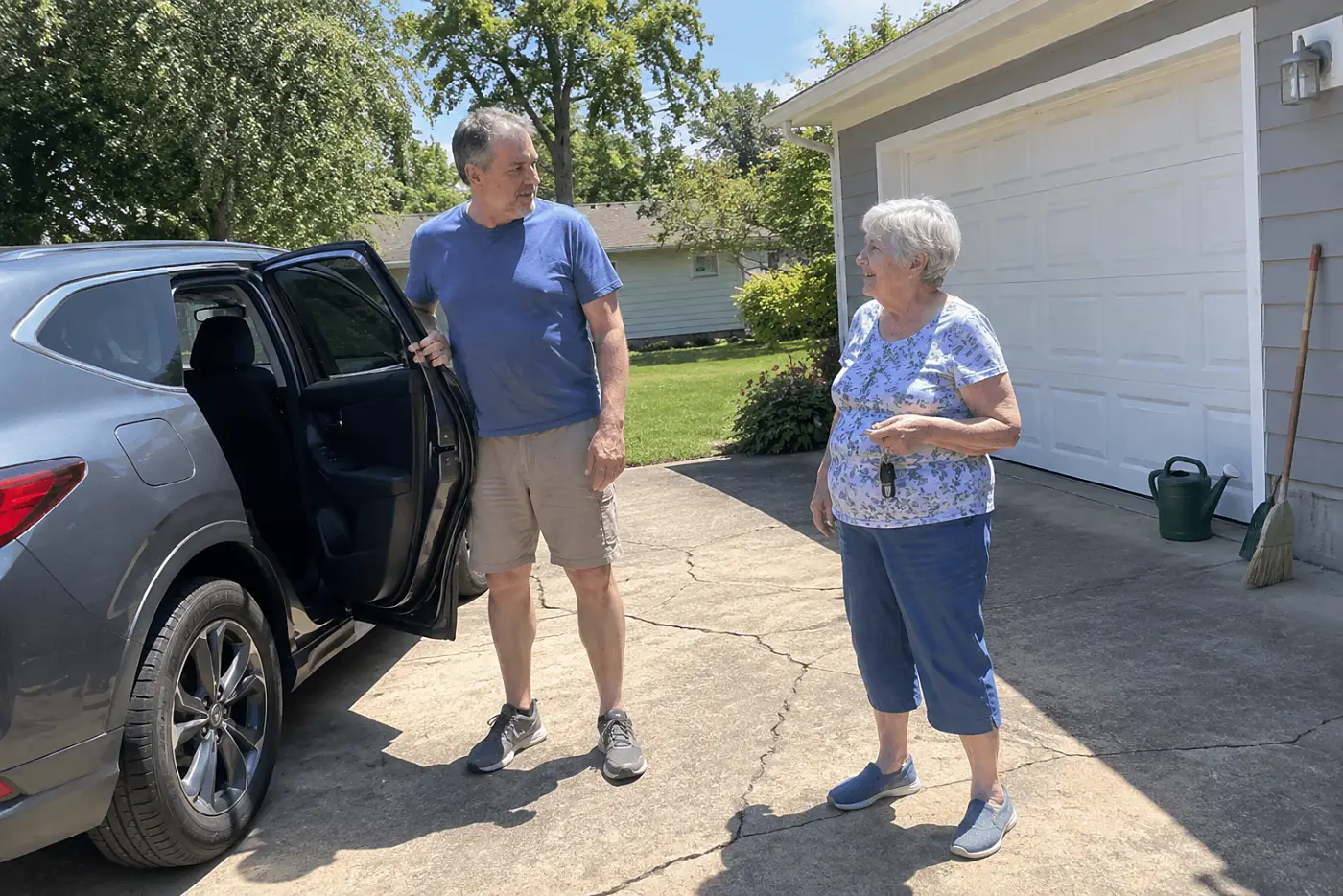
Your keys become a family vote instead of a conversation.
A relative takes them after hearing you missed a turn. Nobody asks where you were driving or what happened at the intersection. One event becomes a verdict about every trip.
Driving rules and medical reporting differ by state. Before a missed turn becomes a claim about your license, check the process with your state motor vehicle agency. Family members can describe a concern; they don’t write the driving rules.
This week, ask what specific drive concerns them. Say, “Tell me the trip you’re worried about, and let me answer.”
Next, notice who controls the rides you accept.
21The Ride Scheduled Without Asking You

A ride sounds helpful until it replaces your plans.
Your niece announces that she’ll take you to the grocery store Thursday. She means well, but Thursday was for the library. You intended to shop Friday. Now refusing the ride looks like refusing help rather than keeping your own schedule.
A standing ride also tells the rest of the family you no longer make those trips yourself. Before long, people discuss your week with the driver instead of asking you. You end up explaining plans you already made.
This week, put the trips you’ve chosen on your calendar first. Say, “Thanks for offering. Ask me before you put a ride on the schedule.”
Notice whether the next plan arrives as an invitation or a notice.
20The Dinner Invitation Sent Through Your Daughter
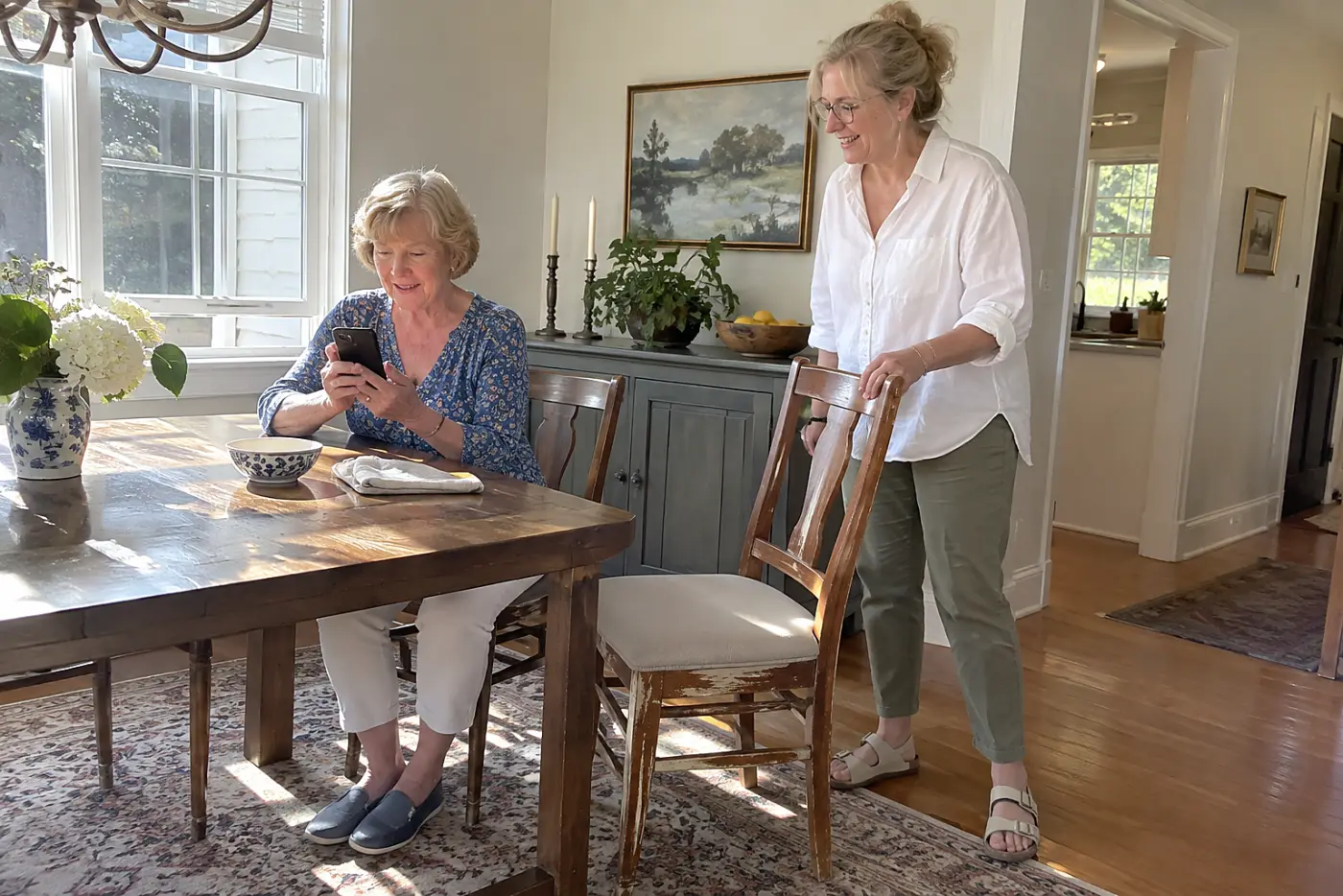
Your daughter gets invited, then receives your invitation too.
A cousin texts her the time and asks her to “bring Mom.” The plan reaches you after the guest list is settled. You’re still welcome, but somebody else has become the person who accepts for you.
That route costs you the ordinary choice to say yes, decline, or arrive separately. It also makes a missed message look like your silence. An invitation addressed to another person cannot tell the host when you’re free.
This week, text the cousin directly with your own number. Say, “I’d love to hear about plans from you. Please invite me directly.”
Then check where family news goes first.
19The Group Chat That Leaves You Out

Family updates reach you as summaries after everyone else replies.
A birthday plan takes shape in a group chat you aren’t in. Later, someone reads you the result and says they didn’t want to flood your phone. You never got to suggest the date that suited you.
Being spared notifications sounds kind. Being spared the discussion means your availability becomes a detail to fix afterward. The chat also holds the address and time, which a spoken summary leaves out. You shouldn’t need a second person to retrieve the plan.
This week, ask to be added to the chat where plans are made. If alerts bother you, change that chat’s notification setting on your phone. Say, “Include me in the messages. I’ll decide which alerts I want.”
The next exclusion is harder to spot because it happens at your own table.
See more: 25 Reasons Adult Children Pull Away, According to the Children →
18The Family Meeting Held in Your Kitchen

Your kitchen table becomes a meeting you didn’t call.
Relatives gather to discuss the stairs, the bills, or the spare bedroom. You hear the topic once everyone is seated. They arrived prepared; you’re expected to respond on the spot.
That puts you at a disadvantage in your own home. A concern deserves time for you to gather facts and decide who belongs in the room. Asking for a topic first also separates a real question from a plan someone has already drafted.
This week, stop a meeting that begins without an agenda. Say, “Write down what you want to discuss, and I’ll choose a time.”
Watch what happens when someone starts checking your rooms.
17The Cupboards Opened During a Visit

A visit turns into an inspection when nobody asks first.
Your sister opens the cupboard to check whether you have food. Then she checks expiration dates and tells others what she found. An empty shelf has a plain explanation: you were shopping tomorrow.
The intrusion has another cost. Relatives who hear the report get her account of your kitchen before they get yours. What began as a question about groceries becomes a conversation about whether you manage the house.
This week, decide what help, if any, you want with shopping. Keep the conversation at the table. Say, “Ask me what I need before you open my cupboards.”
The same concern tends to surface next around what you eat.
16The Dessert Removed From Your Plate
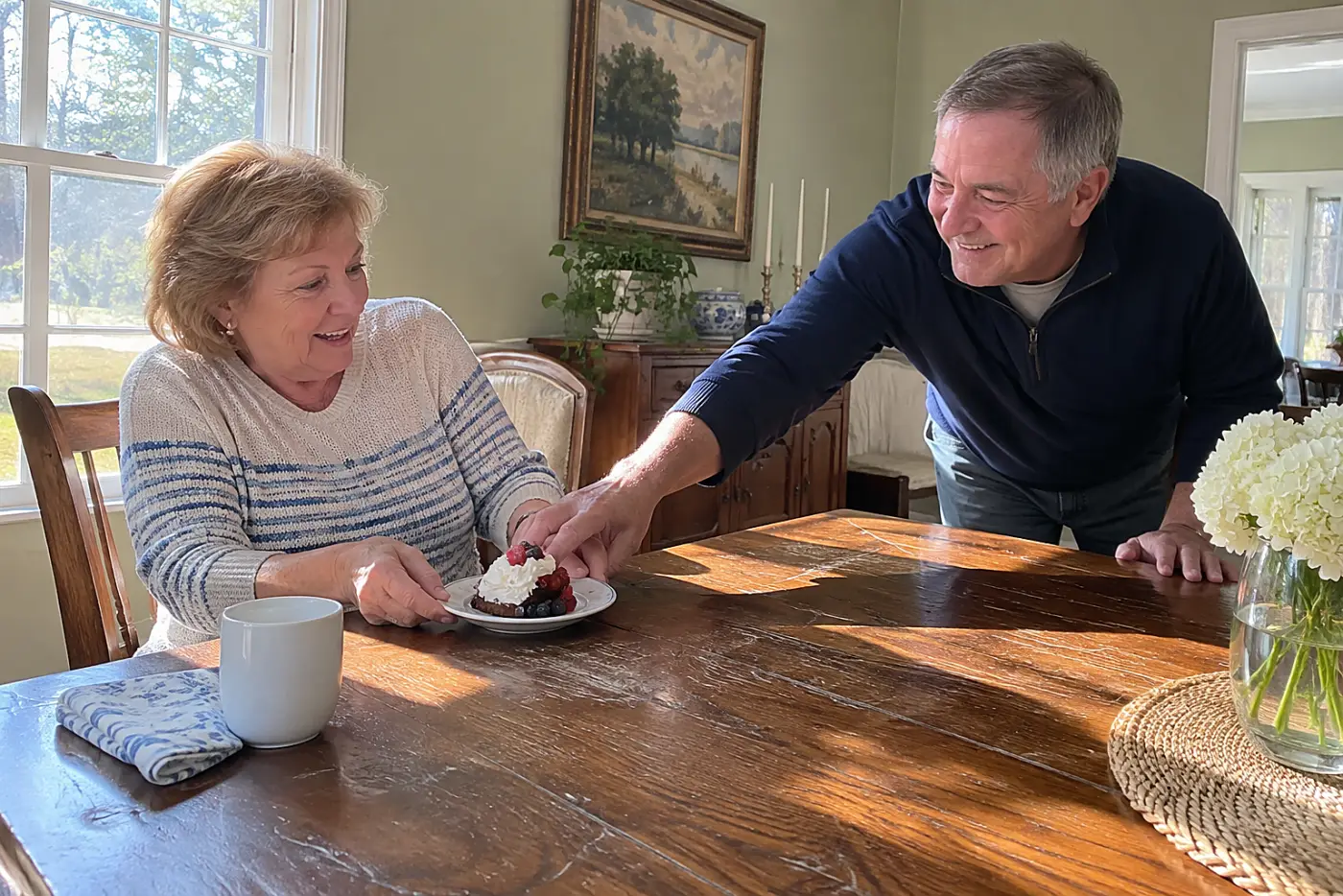
Your dessert disappears because someone else has made a rule.
A relative remembers a health warning and lifts the cake away. They haven’t asked what your clinician told you or what you chose today. The table now treats your meal as a task to supervise.
If a food instruction exists, you need the actual instruction, not a family version passed around at dinner. Ask your clinician what applies to you. A vague warning repeated by relatives is no substitute for knowing what was said and why.
This week, bring the question to the person who gave the advice. Say at dinner, “Leave my plate with me.”
After food, the next target is the medicine cabinet.
15The Pillbox Filled Without Your Agreement

The pillbox looks familiar, but you didn’t fill it.
Someone sorts tablets to be helpful, using an old list or guessing which bottle goes where. You then face a week of pills you didn’t check. The FDA’s medication information gives you a place to check medicine labels and safety guidance.
If a dose looks unfamiliar, don’t use memory to settle the question. Compare the bottle and your current medication list, then call the pharmacist before taking a pill you cannot identify. That is a different issue from whether the person meant well.
This week, tell anyone offering help exactly which task you want them to do. Say, “Don’t fill this for me. I’ll ask if I want help.”
A pillbox is visible; changes to your accounts are easier to miss.
14The Bank Statement Redirected to Another Address
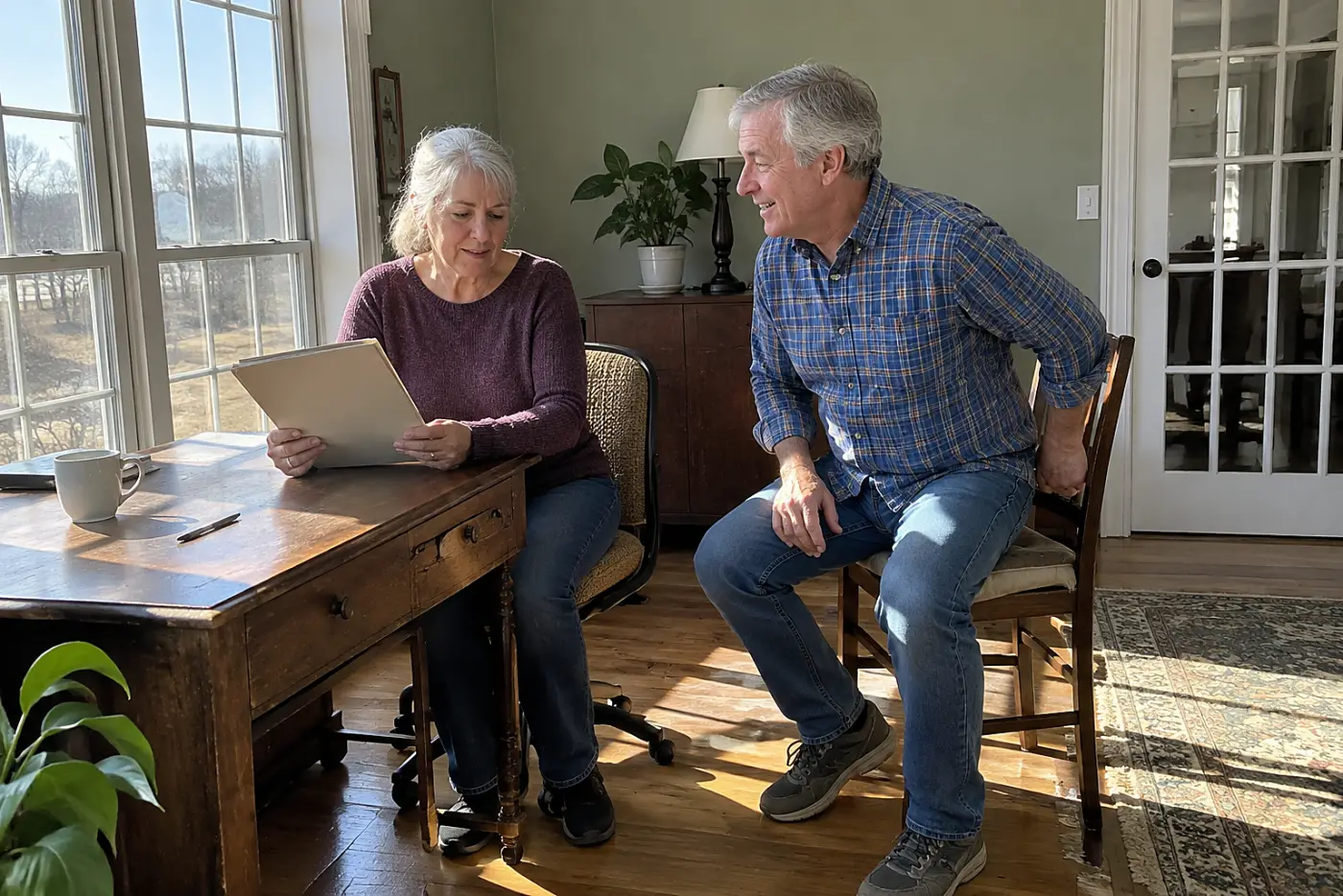
A missing envelope gives someone else the first look.
Your statement stops arriving, and a relative says they switched it to paperless. You haven’t seen the account activity or agreed on where notices go. A shortcut has changed who spots a problem first.
Before calling it a misunderstanding, ask the bank what mailing and online settings it shows. The CFPB covers financial exploitation of older adults; use its information if an account change troubles you. You don’t need to accuse anyone to check where your statements went.
This week, review those settings with the bank yourself. Say, “Please tell me where my statements go and who has online access.”
There’s another bank document that deserves its own look.
13The Joint Account Form Pushed Across the Table
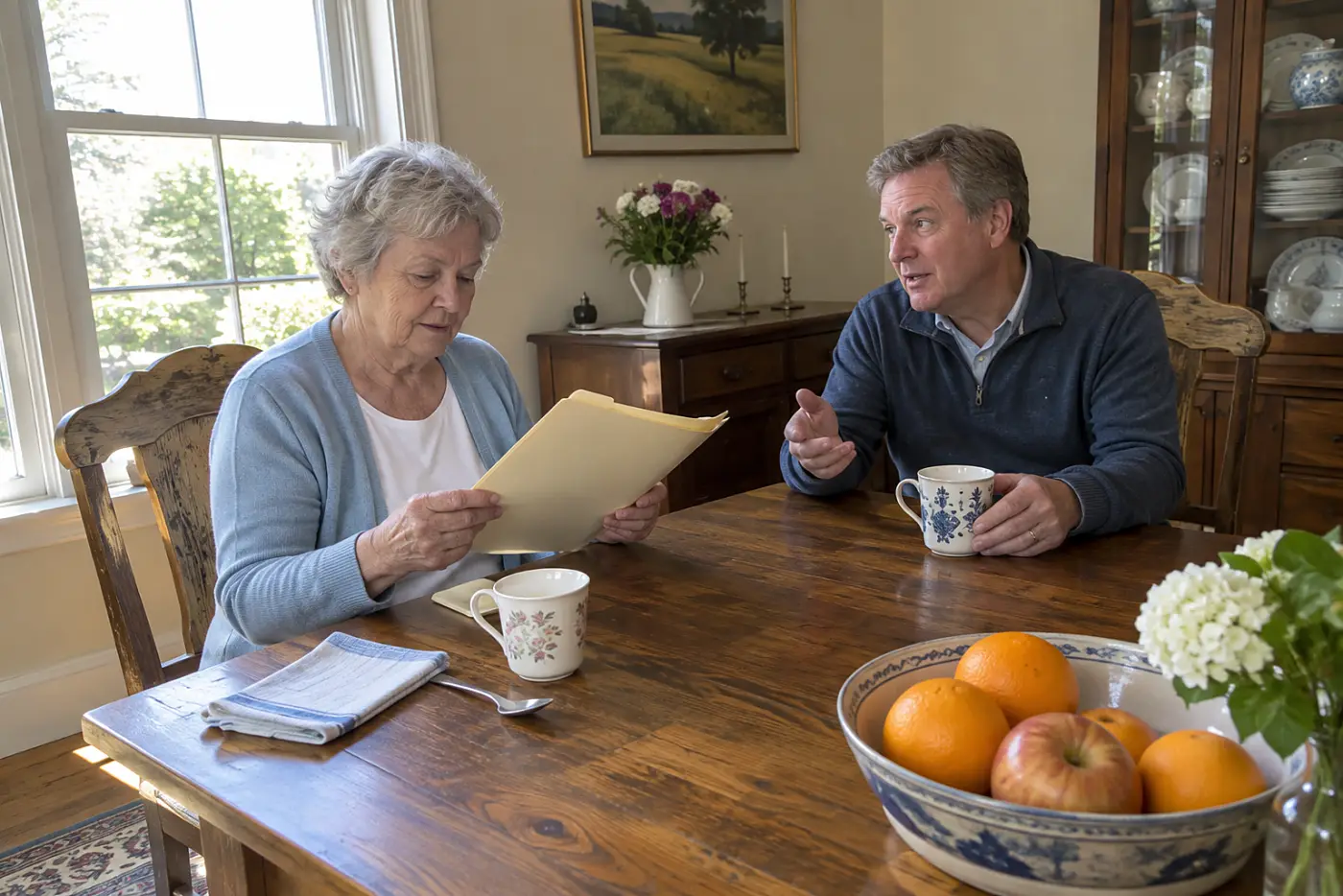
A joint account changes more than who pays bills.
Someone says adding their name will make errands easier. A joint owner has access to the account, and the account terms matter. That differs from giving someone a specific task to handle for you.
Before signing, ask the bank what each signer can do and what happens after an owner dies. The FDIC describes deposit ownership categories. That broad description won’t tell you what the form across the table says about this account. Have the bank employee walk through it with you.
This week, take the unsigned form to a bank employee without the person urging you to sign. Say, “Show me exactly what this changes before I decide.”
A card in someone else’s wallet presents a separate question.
12The Debit Card Kept in Someone Else’s Wallet
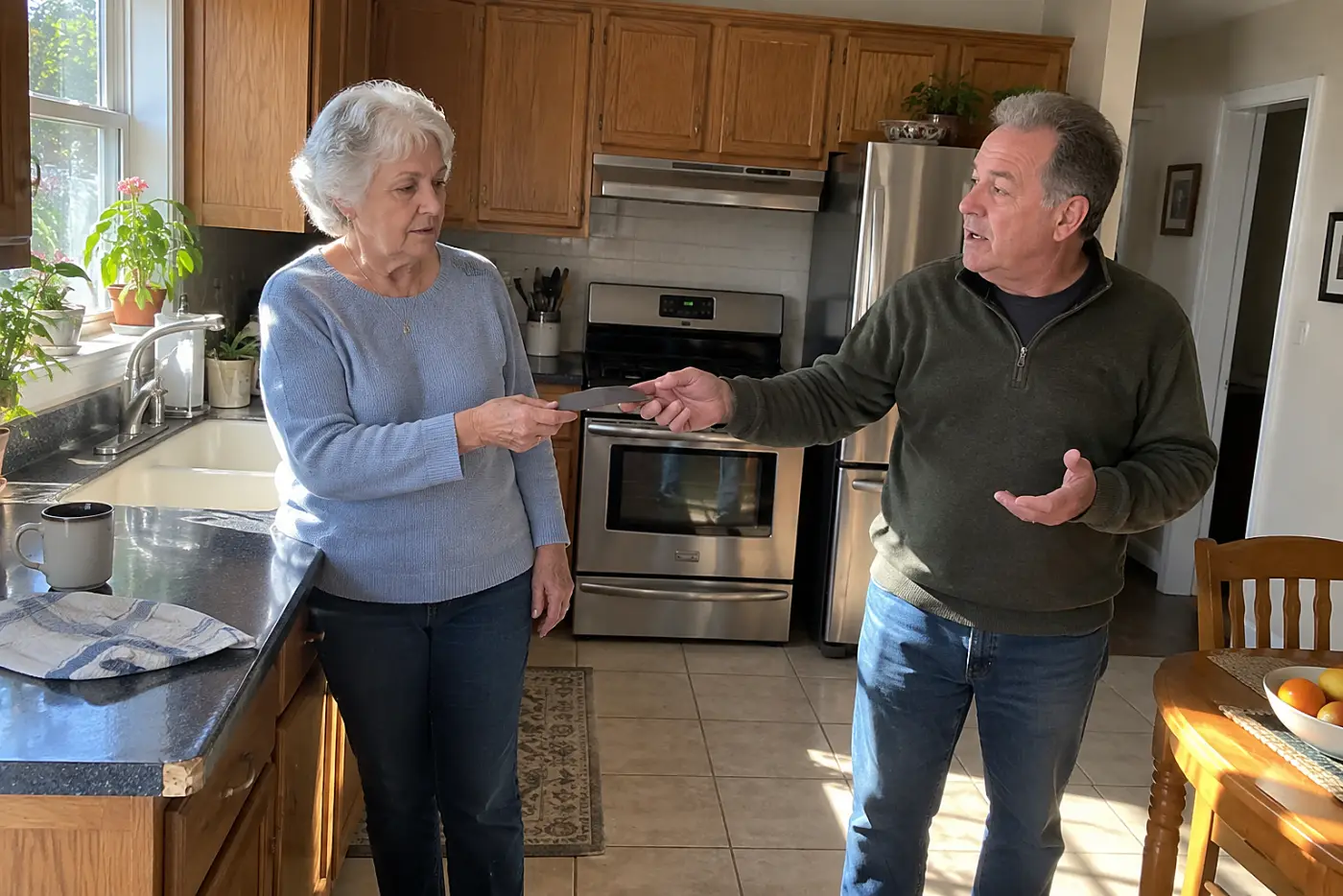
Your card leaves with a relative after a simple errand.
They bought the groceries, then kept the card for next time. Future purchases no longer require you to hand it over. You also lose the chance to review each amount before it leaves your account.
A receipt is useful, but it doesn’t replace checking the transaction on your statement. If you see a charge you don’t recognize, contact the bank promptly. For an unauthorized debit-card transaction that appears on your statement, reporting it within 60 days of the statement date protects your right to dispute it under federal rules. Ask how the charge was made instead of trying to reconstruct the errand from memory.
This week, get the card back and review recent transactions yourself. Say, “Bring my card home today; we’ll settle errands another way.”
Now look at the paperwork someone wants to arrange.
Worth knowing
- Joint-account test: ask what each owner can withdraw.
- Card test: match each errand receipt to a transaction.
- Unknown charge: call the bank promptly.
11The Power of Attorney Draft You Never Requested
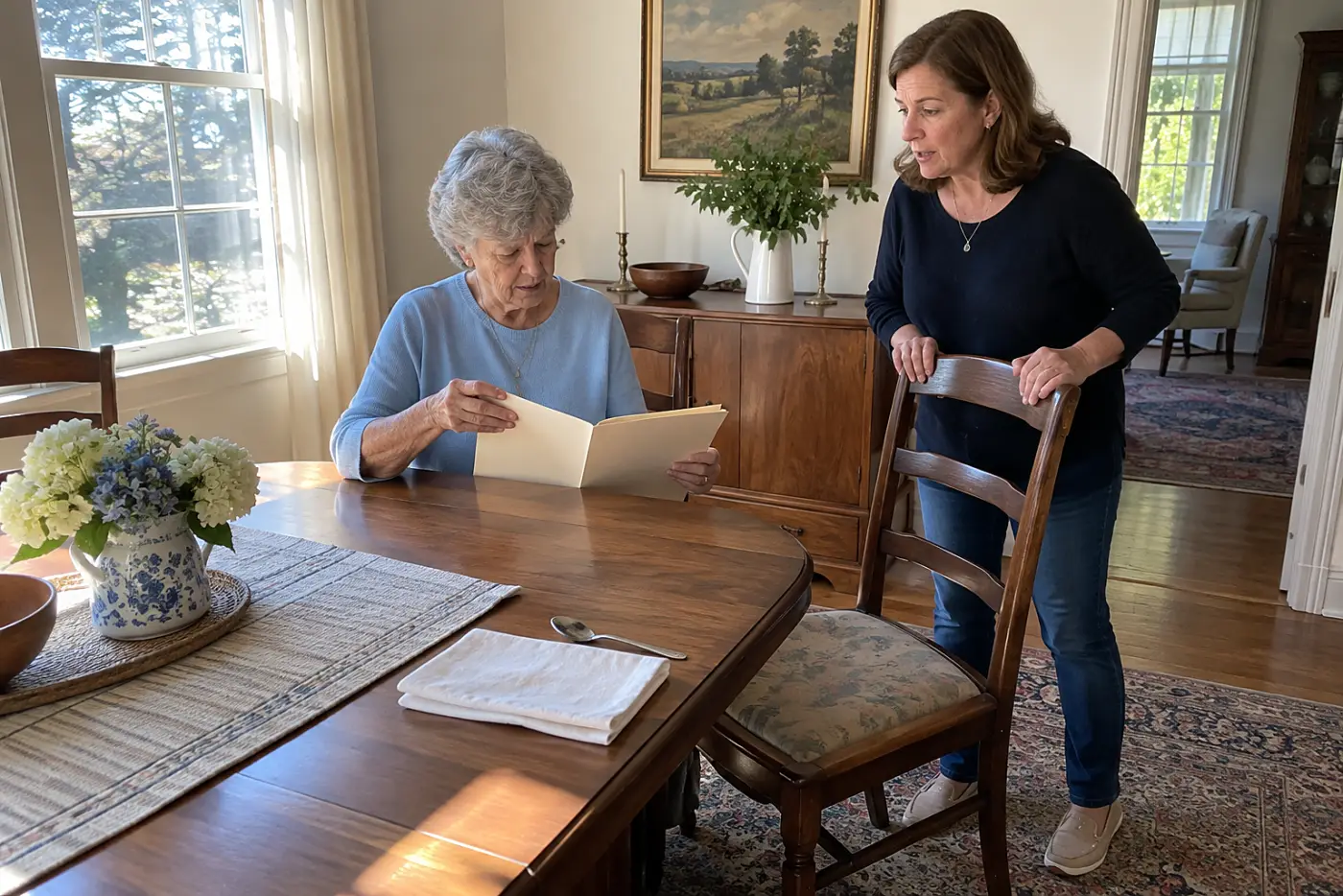
A draft appears before you’ve chosen the person or the job.
A relative prints a power of attorney and points to the signature line. These documents give another person authority over stated matters; the powers and effective date belong in the text. Your state’s rules and the words on that page determine what the signer grants.
The risk begins when urgency replaces reading. A signature on the wrong draft hands over powers you didn’t intend. The Consumer Financial Protection Bureau’s guides for managing someone else’s money describe an agent’s duties, but they don’t choose an agent for you.
This week, keep the draft unsigned and arrange your own review with a lawyer in your state. Say, “I’ll decide who serves and what authority the document gives.”
Notice what happens when the talk moves from authority to your home.
10The Spare Room Measured for a Move
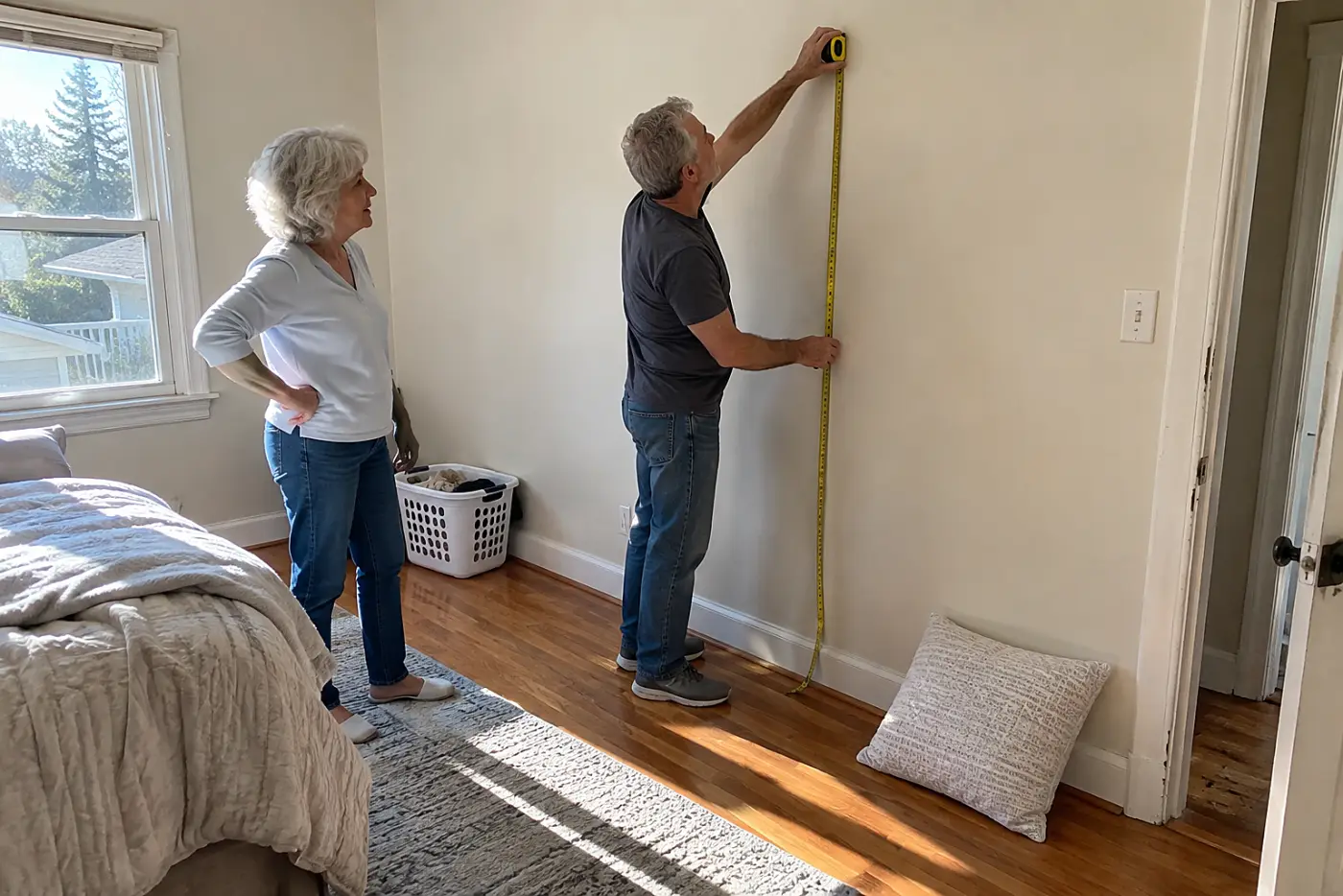
Someone measures a room before asking whether you’re moving.
Perhaps they want you nearer family and have pictured where your furniture would go. A tape measure makes their idea look like an arrangement already underway. Your current home gets discussed as a problem to solve.
Moving has costs that no one knows until they price your situation. Ask for written estimates before treating a floor plan as a decision. Also ask who proposed the move and whether anyone has started making calls in your name.
This week, state whether you’re considering a move at all. Say, “Put the tape measure away. I haven’t decided to move.”
The next suggestion concerns the house you still occupy.
See more: 25 Small Changes That Let You Stay in Your Home Ten More Years →
9The House Sale Discussed as a Done Deal

Your house enters a conversation as though it’s already for sale.
A relative mentions an agent, a price, or a smaller place while talking to someone else. Soon you’re being asked whether to keep the piano, not whether you want to sell. Each practical question makes the original assumption harder to challenge.
A sale requires more than a family consensus. A seller’s agent commission can run about 2% to 3% of the sale price, and the amount is negotiable. Check the deed and read any document you’re asked to sign. If you want outside help weighing housing choices, look at the counseling resources on HUD’s website before anyone contacts an agent for you.
This week, ask the person raising the sale to stop contacting agents about your home. Say, “If I decide to sell, I’ll choose the agent and make the calls.”
The deed is one document; the mail arriving at that address is another.
At a glance
- Power-of-attorney test: read the powers and effective date.
- Move test: ask whether you agreed to consider one.
- House-sale test: no agent calls on your behalf without your request.
See more: 24 Signs Your House Has Become Too Much, Before Your Children Say It →
8The Mail Opened Before You See It

An opened envelope tells you who got there first.
A relative sorts your mail and sets aside anything they call stressful. They now decide which bill, invitation, or notice reaches you. You cannot act on a letter you haven’t seen.
Look at the sender and date before anyone files the envelope. For a bill or official notice, the printed instructions tell you where a reply goes. An unopened stack also lets you see what arrived without relying on someone else’s account.
This week, choose a place where unopened mail waits for you. Say, “Please leave my letters sealed. I’ll ask if I need help.”
One missing envelope leads to a harder question about your phone.
7The Phone Password Someone Else Knows
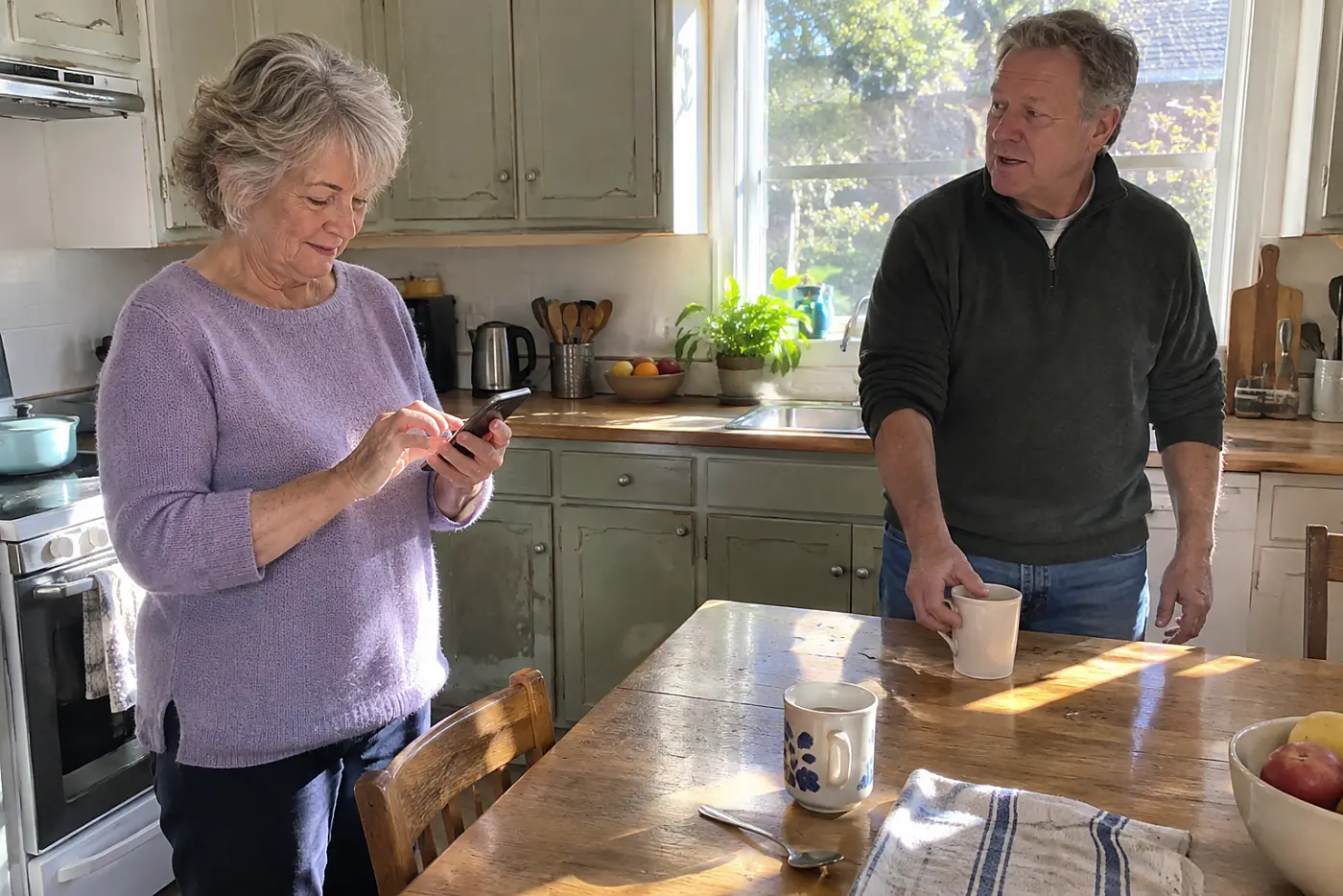
A shared password outlives the errand that prompted it.
Your grandson needed to fix a setting, so you told him the phone code. Later, another relative uses it to read a message or answer a call. The person who helps with a device now sees conversations you meant to keep private.
A phone holds more than photographs. It receives bank alerts, appointment reminders, and password-reset messages. On an iPhone, Apple’s Safety Check includes tools for reviewing sharing and access. Android settings also let you review screen locks and app permissions.
This week, change your passcode if someone has used it without asking. Then review who knows it and what help you actually want with the phone. Say, “Ask before opening my messages, even if you’re fixing something.”
The next boundary sits inside the contacts list.
6The Contact Removed From Your Phone
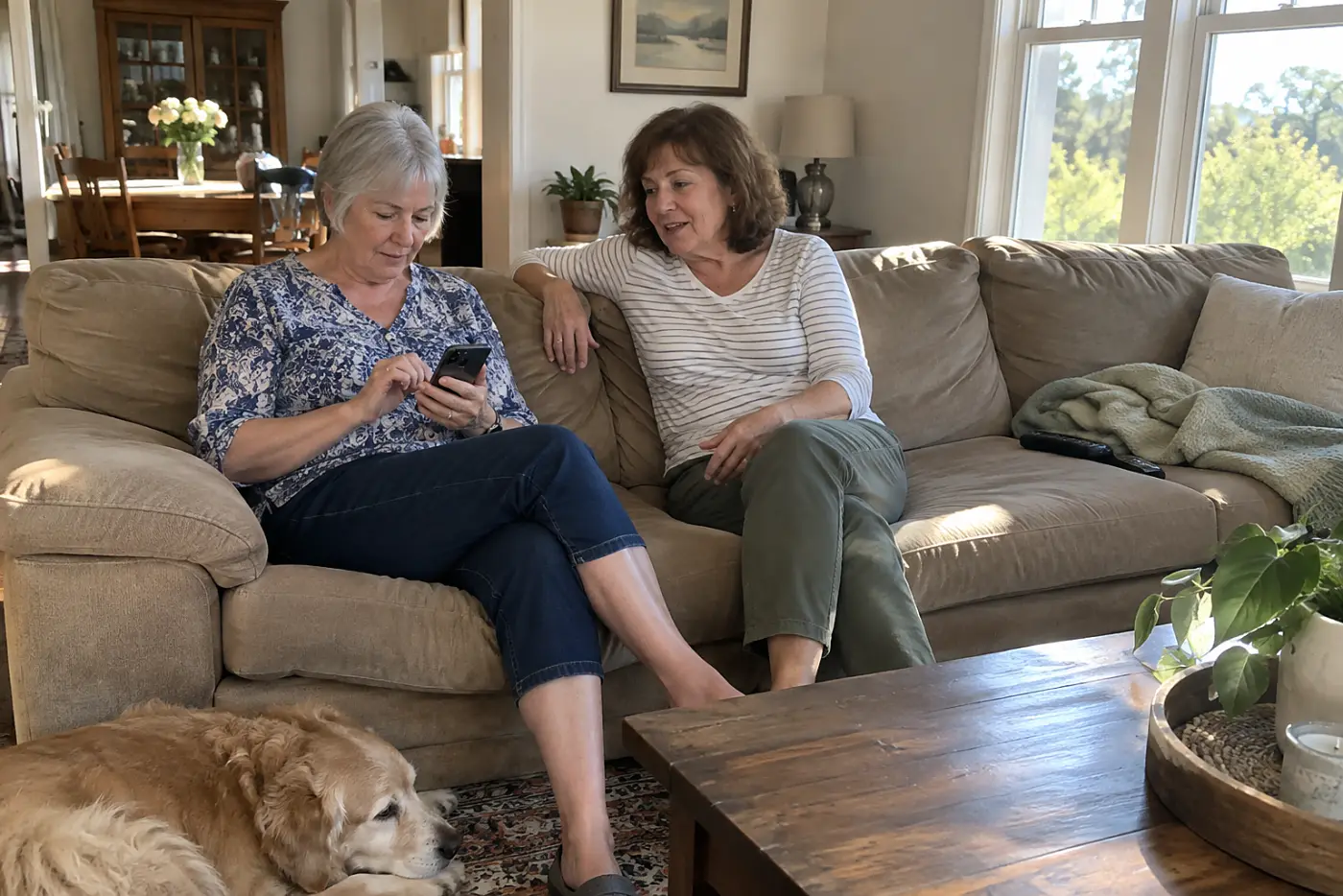
A missing name cuts off a friendship without a discussion.
Someone deletes a contact after deciding that person tires you out or asks too much. The calls stop looking familiar, and you lose the number you used. You weren’t given the choice to step back.
If a contact is missing, check recent calls, messages, and any contact backup before assuming the person stopped calling. Ask the friend directly if you want to. That conversation belongs to the two of you, not whoever last handled the phone.
This week, review your contacts with no one editing beside you. Say, “Don’t remove people from my phone without asking.”
A missing name is visible once you look; a changed story travels farther.
5The Family Story About Your Memory
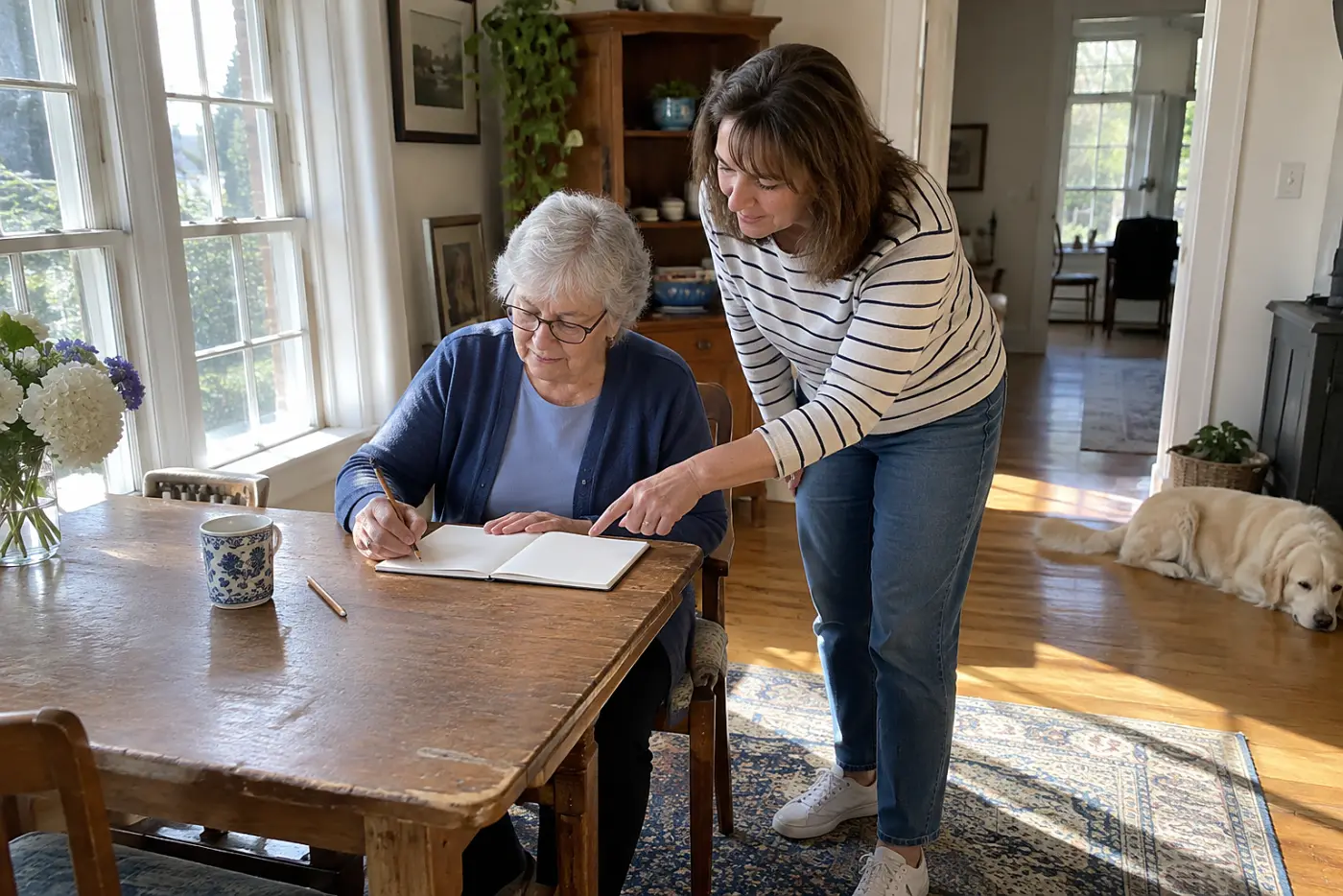
One forgotten name becomes the story told about you.
At a gathering, someone retells the moment you called a neighbor by her sister’s name. Another relative adds an appointment you rescheduled. By the next visit, people speak to you slowly, waiting for you to slip again.
You deserve to know the exact events behind a concern. If you’ve noticed a change yourself, write down examples and discuss them with a clinician. The National Institute on Aging has guidance on memory, aging, and when to seek an evaluation.
This week, ask the person spreading the story which events worry them and when those happened. Say, “Tell me what you saw, not what everyone has started calling it.”
Even a fair concern should reach you before it becomes a family label.
4The Grandchildren Told to Watch You
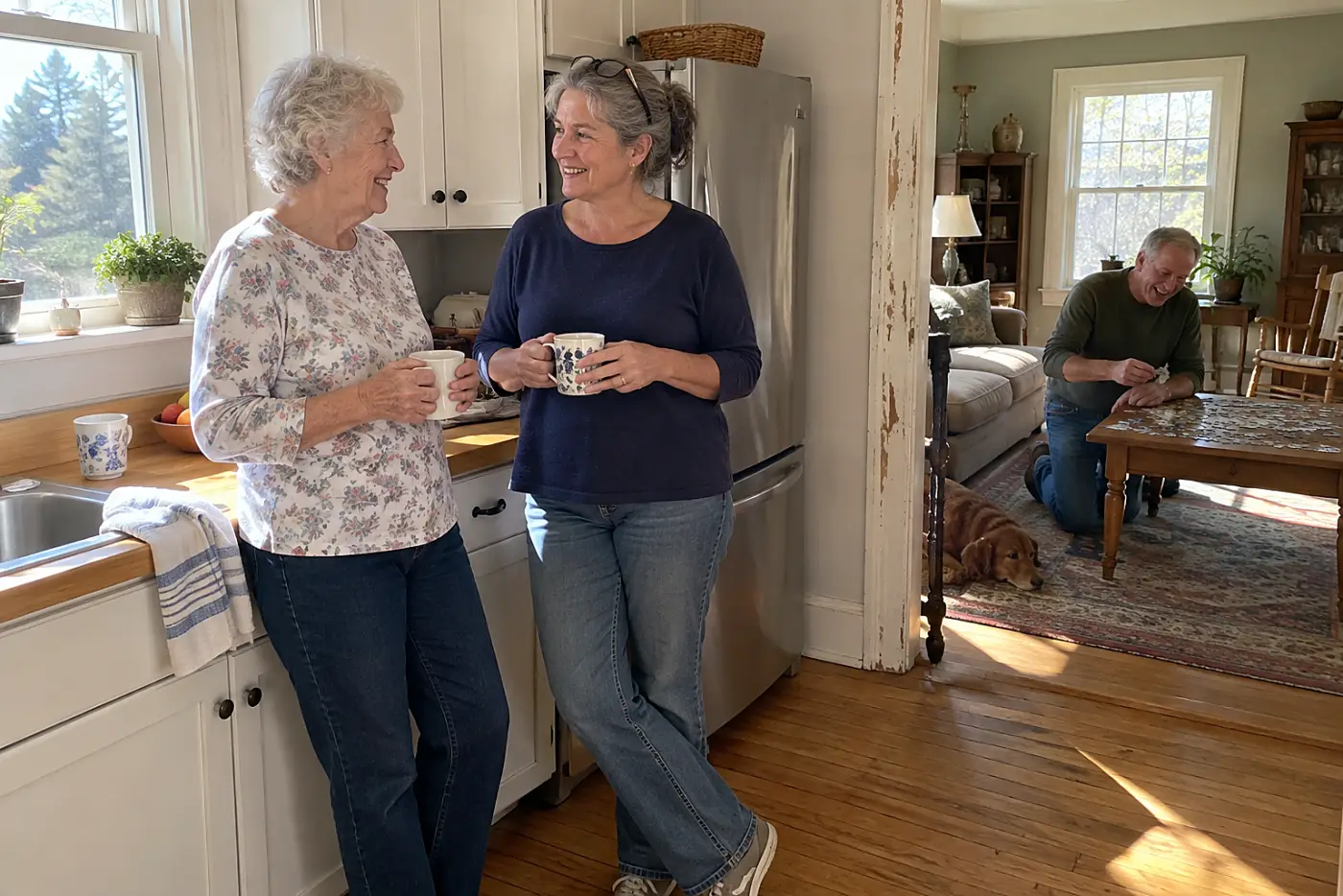
A child starts treating a visit like an assignment.
An adult tells your grandchild to make sure you eat or remember where you put things. The child repeats those instructions while you’re together. Your ordinary time with them turns into a report for their parent.
Children need room to be grandchildren, not the family’s observers. Ask the adult what concern led to the instruction. Then talk about it without making the child carry messages between you.
This week, speak to that adult away from the child. Say, “Bring concerns to me. Don’t give the kids a job monitoring me.”
The next report starts when you leave the room.
3The Side Conversation Outside Your Door

People stop talking when you come back into the room.
You hear your name through the half-open door, then a sudden change of subject. Later, someone presents the decision as though everyone agreed. You weren’t there for the questions, the doubts, or the chance to say no.
A private conversation between relatives is their choice. A decision about your appointments, money, home, or schedule needs your participation. Ask which part concerns you before debating the outcome.
This week, name one decision you learned about afterward and ask who made it. Say, “If this is about my life, bring the question to me before you make a plan.”
Then notice whether they hand you the paper behind the plan.
2The Form Placed Where They Want a Signature
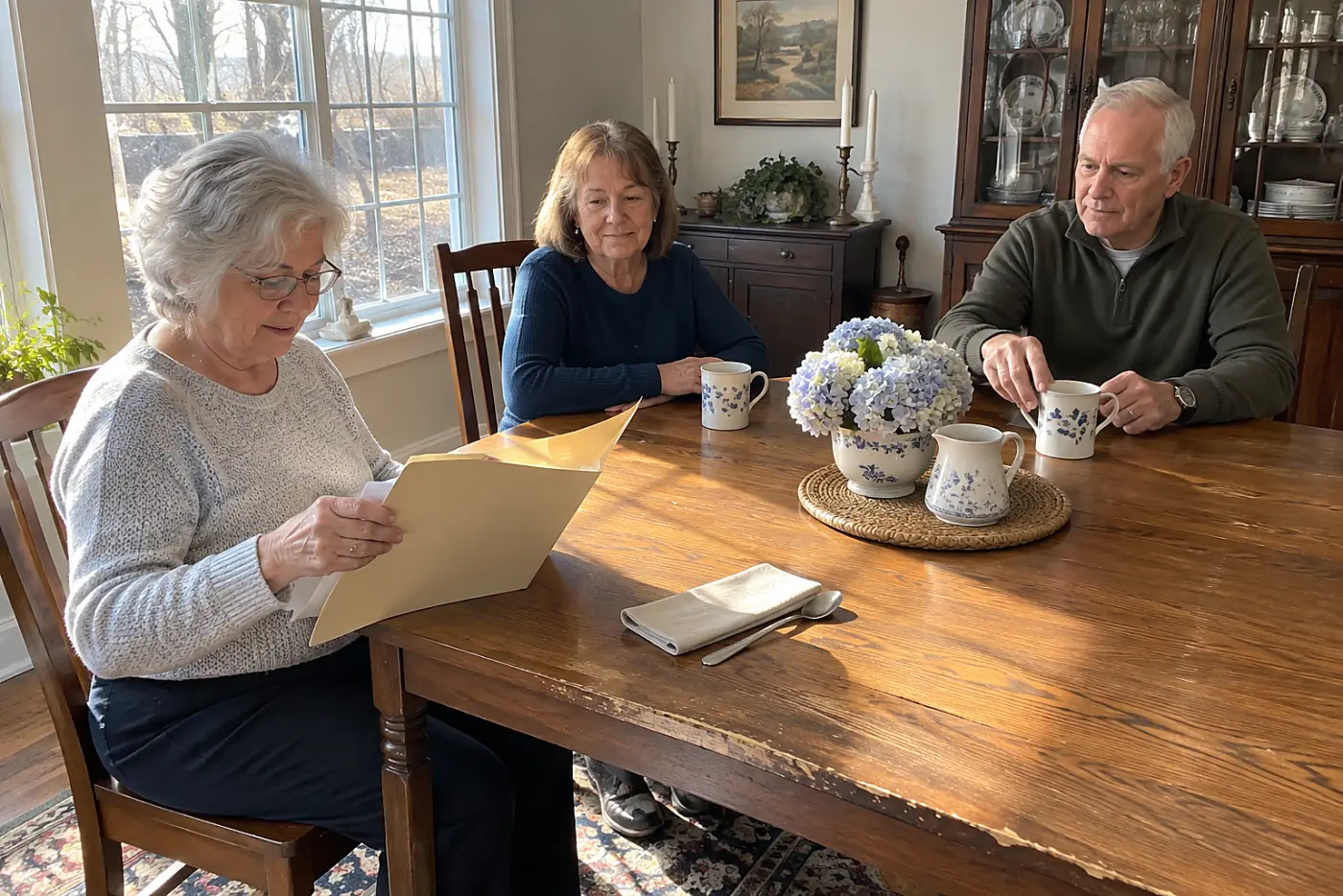
A signature request arrives after the details sound settled.
Someone gives you a form at the end of a long conversation and points to the line. You haven’t read the title or checked whether blank spaces remain. The pressure comes from the people waiting, not from the page.
Signing records agreement with what the form says, not what someone summarized aloud. If it concerns health care, MedlinePlus explains advance directives. State requirements differ, so check yours before using a form someone else printed.
This week, ask for the document’s title and a complete copy before discussing a signature. Say, “Tell me what this document is called. I want to read every page.”
The person waiting beside the pen is the next thing to address.
1The Pen Passed Around at Dinner

The pen reaches you while everyone else is still talking.
A relative sets paperwork beside your plate and says the bank needs it for help with the account. Someone else keeps explaining while you turn the first page. You haven’t seen the rest of the form, and dinner is no place to check account terms.
Once you sign, the words on the paper matter more than the reassuring summary given across the table. Waiting also gives you a chance to speak with the bank yourself. No family vote requires you to finish paperwork before dessert.
This week, move the form away from the plate and keep it unsigned until you’ve read it alone. Say, “Please give me the complete form. I’ll read it first and tell you my decision afterward.”
Notice who insists that reading it alone is unnecessary.
The bottom line
Across these 26 signs, the pattern is a question directed around you before it reaches you.
You’ve identified which choices are yours, who holds access, and what help you actually want.
Which of these has already happened in your family?
Up next
29 Conversations Families Keep Putting Off Until It's Too Late
A hospital call can turn an ordinary question into a decision nobody knows how to make. The unopened envelope is still on the counter.
Read the list →

Reader quiz
Did you catch the details?
5 questions from this article. Finish them all to unlock the editor's bonus tip.
Before calling the pharmacy yourself, what does the article say to have beside you?
Did any of these feel familiar?
Know someone who needs this?
Sources cited in this article
This article links to 9 outside sources, listed here so you can read them yourself.
- HHS Office for Civil Rights www.hhs.gov/ocr/index.html
- FDA’s medication information www.fda.gov/drugs
- CFPB www.consumerfinance.gov
- FDIC www.fdic.gov
- Consumer Financial Protection Bureau’s guides for managing someone else’s money www.consumerfinance.gov/consumer-tools/managing-someone-elses-money
- HUD’s website www.hud.gov
- Safety Check support.apple.com/guide/personal-safety/welcome/web
- National Institute on Aging www.nia.nih.gov/health
- MedlinePlus medlineplus.gov/advancedirectives.html
Ruth Ellison
Family Editor
Ruth writes about grown children, grandchildren, ageing parents, and the conversations families put off, in the words of the people involved.
More from Ruth Ellison