












25 Reasons Adult Children Pull Away, According to the Children
A canceled Sunday dinner rarely explains the distance; the clue is what happened at the table before anyone canceled.
By Ruth Ellison, Family Editor
Updated · 17 min read
- Written by our family editor
- Cited 1 source
- How we review

Read to the end: #1 is the repair question that invites an honest answer. Almost nobody asks it without defending themselves.
Your phone lights up beside the grocery list. The message says your daughter can't make Sunday dinner. You type, “No problem,” then delete the question you've wanted to ask for six months. At the store, you keep checking the screen as if another message might explain the first.
A missed meal looks like the problem because it's the part you can see. The harder part is the pattern each person carries into the conversation, including things the other person remembers differently. Those patterns are worth examining without pretending every family has the same story.
What follows are 25 places to look.
25The weekly dinner that became an obligation

A standing invitation can start to feel like a summons.
You put dinner on the calendar because you want to see them. They start arranging work, children, and their own plans around a meal they never agreed to attend every week. When they decline, your disappointed voice becomes part of the cost of saying no.
The empty chair hurts you, while filling it has begun to feel like a duty rather than a visit. That difference is hard to hear when you've already set the table. It matters more than whether the roast is ready.
This week, send one invitation without a follow-up question or a reminder about who else is coming. Say, “I'd love to see you Sunday, and another day is fine if Sunday doesn't work.” Give them a real chance to choose.
But dinner isn't the only place where an invitation turns into pressure.
24The phone call that requires an immediate answer

A ringing phone doesn't always arrive as a simple hello.
You call because you miss them. They see your name during a meeting, a school pickup, or their first hour alone all day. If the next message asks why they didn't answer, the call now carries two tasks: respond and account for the delay.
That changes what happens when the phone rings again. They wait until they have enough time and energy for both tasks. A short call becomes harder to start, even when they want to hear your voice.
Count the messages after one missed call. Three check-ins before dinner tell a different story from one message saying you hope to talk soon. If something is urgent, put the reason in the first message instead of making them guess.
This week, try leaving the reason for your call in a text. Say, “Nothing urgent. I wanted to hear how your week went. Call when you have time.” Then let the message stand. The silence afterward gives them room to choose a time, but it doesn't tell you what else they've been carrying.
23The advice offered before the story ends
An unfinished story leaves no room for a solution.
Your son mentions trouble at work, and you suggest a meeting with his boss before he has explained what happened. He says “It's fine,” though he was still working out what to tell you. Next time, he gives you the ending after everything is settled.
You lose the chance to know his life while he's living it. He loses a place to speak without preparing a defense, and neither of you learns what kind of help he wanted. An answer offered too soon changes the next story he brings you.
This week, listen through one entire story before answering. Ask, “Do you want ideas, or do you want me to hear you out?” If he asks for ideas, start with what he has already tried.
The next conversation has another trap: the words you use afterward.
22The joke retold at the family table

A familiar joke can make someone dread dessert.
You tell the story about her disastrous first job because everyone laughed the first time. She remembers the humiliation, and now her partner and children hear it, too. If she objects and the table calls her sensitive, she has to defend herself in front of the same audience.
The story has become a family performance. You remember affection; she remembers asking you to stop and hearing it again.
Watch what happens before you retell an old story. Does she join in, change the subject, or leave the room? Her face gives you more to work with than the laughter around the table.
This week, retire one story she's asked you to drop. Say, “I've told that story after you said you disliked it. I won't tell it again.” Don't ask her to confirm that you meant well. She needs to see what happens at the next gathering before she believes the promise.
21The living room visit with a surprise guest

A surprise guest changes the terms of the visit.
Your daughter agrees to coffee with you. She arrives to find a sibling she avoids sitting on the couch. Now leaving looks rude, and staying means having a conversation she didn't choose.
One ambush makes the next invitation harder to trust. Even a peaceful afternoon won't erase the moment she walked through the door. Before accepting another invitation, she has to wonder who will be waiting inside.
This week, tell her who will be there before she agrees. Say, “It will be just us. If that changes, I'll tell you first.” Don't make her refusal the next thing you discuss with the guest.
The guest list matters; so does who hears what was said.
20The private story shared with a sibling

A confidence stops feeling private once it travels.
Your son tells you about a rough patch in his marriage. You mention it to his sister because you're worried. She brings it up at a birthday lunch, and he learns that telling you also meant telling the family.
From his side, the path is plain: he spoke, the news spread, and nobody asked him first. Your reason for sharing doesn't give him control back. He'll keep the next hard thing to himself until it's over, or tell someone outside the family.
Think about how you would feel if a private detail from your own marriage reached the table before you were ready to discuss it. That doesn't require deciding whether his problem was serious enough to share.
This week, stop passing along news that belongs to someone else. Say, “I told your sister something you shared with me. I was wrong to do that.” Then leave space for his answer. He decides what you hear next.
19The grandchild photo posted without permission

A photo leaves the family chat in seconds.
You love the picture of your grandson asleep on the sofa. His parents haven't posted his face online, but you add the photo to Facebook. Their first request to take it down turns into an argument about pride.
They now have to wonder what happens to the next photo they send. That costs you access to ordinary moments, not merely permission to post. The FTC's guidance on sharing children's photos is another reason to ask before putting a child's picture online.
This week, remove any image a parent has asked you to remove. Say, “I'll ask before posting another picture of him.” Don't repost it in a smaller group without asking.
And the rules don't end with a screen.
See more: 27 Things Grandmothers Notice That Nobody Else Does →
18The rules for a child ignored at home

A small exception can become a large warning.
Your grandson asks for a snack his parents told you to avoid. You give it to him and ask him not to mention it. The snack matters, but the secret matters more: he has been placed between adults who should handle their own disagreement.
His parents hear that their rule becomes optional when they leave the room. They also hear that you asked their child to carry the risk of telling them. Even if your own children grew up with different rules, this child lives under theirs.
Write down any house rules you don't understand before the next visit. Ask the parents about those rules away from their child, rather than testing them while he's with you.
This week, tell them about an exception you made. Say, “I gave him the snack after you told me not to, and I shouldn't have asked him to keep it from you.” Accept their answer about the next visit without asking the child to explain for you.
17The house key used without asking

A spare key isn't an open invitation.
You step inside to leave soup on the counter. Your daughter comes home to find someone has been in her kitchen. She doesn't feel helped; she checks what else was moved.
A key meant for emergencies loses its purpose when it becomes a shortcut. She faces a choice she never wanted: confront you or change the lock. Neither choice makes the next visit feel easy.
This week, agree on what counts as an emergency, and keep the key out of ordinary errands. Ask, “Would you rather I leave things at the door unless you invite me in?” Let her set the rule for her home.
The door is one boundary; money draws another.
16The loan brought up during an argument

Money changes the weight of an ordinary disagreement.
You helped with a car repair. Months later, a dispute about a holiday ends with, “After everything I've done for you.” The repair bill has entered a conversation that wasn't about money, and your child now hears the help as a debt with no clear end. A car repair can run from a few hundred dollars to more than $1,000, which makes the difference between a gift and a loan worth stating plainly.
If it was a loan, its terms needed saying when you offered it. If it was a gift, bringing it back during a fight changes what the gift meant to them. Either way, the next offer of help comes with a question they can't settle from your words alone.
Look at the last time money came up between you. Was it during a discussion of repayment, or when you wanted them to agree with you?
This week, settle the terms of any unpaid loan in writing. Say, “I brought up the car repair to win an argument. I won't do that again.” The next offer will have to stand on clearer ground.
15The holiday plan announced before they answered

A date becomes pressure when everyone else knows it.
You tell relatives your son is hosting Thanksgiving. He hasn't said yes, but now each person who mentions the plan makes refusing harder. He ends up correcting the whole family for a promise he never made.
He'll give less information about future holidays if every possible plan becomes public. That's a loss for you, too. A tentative idea needs to stay between the people making it until each has answered.
This week, ask him before you tell anyone where he'll be. Say, “I spoke too soon about Thanksgiving. I'll correct what I told the family.” Make those correction calls yourself.
The calendar is crowded enough without an audience.
14The comparison with a more available sibling

Comparison gives both children a role they didn't choose.
You say his sister calls every Friday. You hope he'll hear that you want more contact. Instead, he hears that every call will be measured against hers, and she becomes the standard neither of them agreed to set.
His next call has a job to do before he even says hello. If he calls on Saturday, will that count? If the conversation lasts ten minutes, was it enough? A person who expects a grade starts keeping the exchange shorter.
Think back to your last request for more time together. Did you say what you wanted from him, or bring someone else's name into it? Those are different conversations.
This week, ask for a time without mentioning another child. Say, “I'd like to talk more regularly. Would a call this weekend work for you?” Let him answer for his own schedule. His sister's schedule belongs to her.
13The apology followed by an explanation

An apology loses its place when the defense begins.
You say you're sorry for shouting. Then you explain the long drive, the stressful week, and what your daughter said first. She has to decide whether to accept the apology or argue each point.
The original harm disappears beneath a new dispute over your reasons. She leaves with more work than she brought in. This is about an action you took, not about proving which version of an old event is accurate.
This week, apologize for one action without adding its cause. Say, “I shouted at you at dinner. I'm sorry.” Give her time to answer, even if that answer isn't forgiveness.
But one apology cannot carry a whole history by itself.
12The childhood memory corrected on sight
A correction can turn a memory into a contest.
Your daughter describes feeling alone after school when she was twelve. You remember arranging rides and being home most afternoons. Both memories matter to the people holding them, but listing your evidence first tells her the conversation is about who wins.
She came with a memory that still hurts. If she must prove it before you listen, she has little reason to bring the next one. You don't have to claim you remember something you don't.
Notice the moment you reach for dates, receipts, or a sibling who remembers it your way. Pause before inviting a witness into a talk about her childhood. The witness won't tell you how she felt walking through the door.
This week, ask what she remembers most sharply about that time. Say, “I remember it differently, but I want to understand what those afternoons felt like for you.” There is more than one afternoon to discuss.
11The political argument revived at dinner

The same debate can consume every shared meal.
You ask about an election while passing the potatoes. Your son answers briefly, and you press until someone leaves the table. Next month, he skips dinner rather than repeat the exchange.
Losing the argument isn't what he's avoiding. He's avoiding a meal where declining the subject leads to more questions. Eventually, the table itself reminds him of the debate.
This week, keep one dinner free of topics he's declined to debate. Say, “We disagree, and I won't turn tonight into another argument.” If the subject comes up, change it yourself instead of waiting for him to leave.
What happens at the table follows him home.
10The partner treated as a temporary visitor

A partner notices when the welcome has an expiration date.
You invite your son for lunch and add that his wife is welcome, too. Then you ask him privately whether the marriage is going well. He goes home to someone who felt excluded at lunch and now learns you questioned the relationship afterward.
He doesn't have to agree with every choice his partner makes. He does have to decide whether visiting you puts her under inspection. Repeated small slights make that decision less about one lunch and more about where they feel at ease together.
Look at how you address invitations. Do both names appear before the plan is set, or does one arrive as an afterthought? Ask your son directly what felt unwelcome instead of asking him to manage his partner's reaction for you.
This week, invite them both by name if you want to see them both. Say, “I asked about your marriage behind her back. I understand why that made lunch uncomfortable.” Hear what follows before planning another meal.
9The favor counted in front of others

Public gratitude can feel like a bill.
You mention at a party how often you babysit. You expect a thank-you. Your daughter hears a private arrangement becoming proof that she's taking too much from you.
Now asking for help risks another announcement. She starts paying for care or arranging less time together, and she stops asking before she knows whether you're available. A paid sitter can cost $15 to $30 an hour, so neither of you should have to guess whether the favor is becoming too much. Neither of you has had a private talk about the limits of the favor.
This week, discuss those limits directly with her, including which evenings work for you. Say, “I shouldn't have brought up babysitting at the party. Let's talk privately about what works.” Keep that agreement out of the next party conversation.
Help has another edge when it comes with instructions.
8The chore redone while they're watching
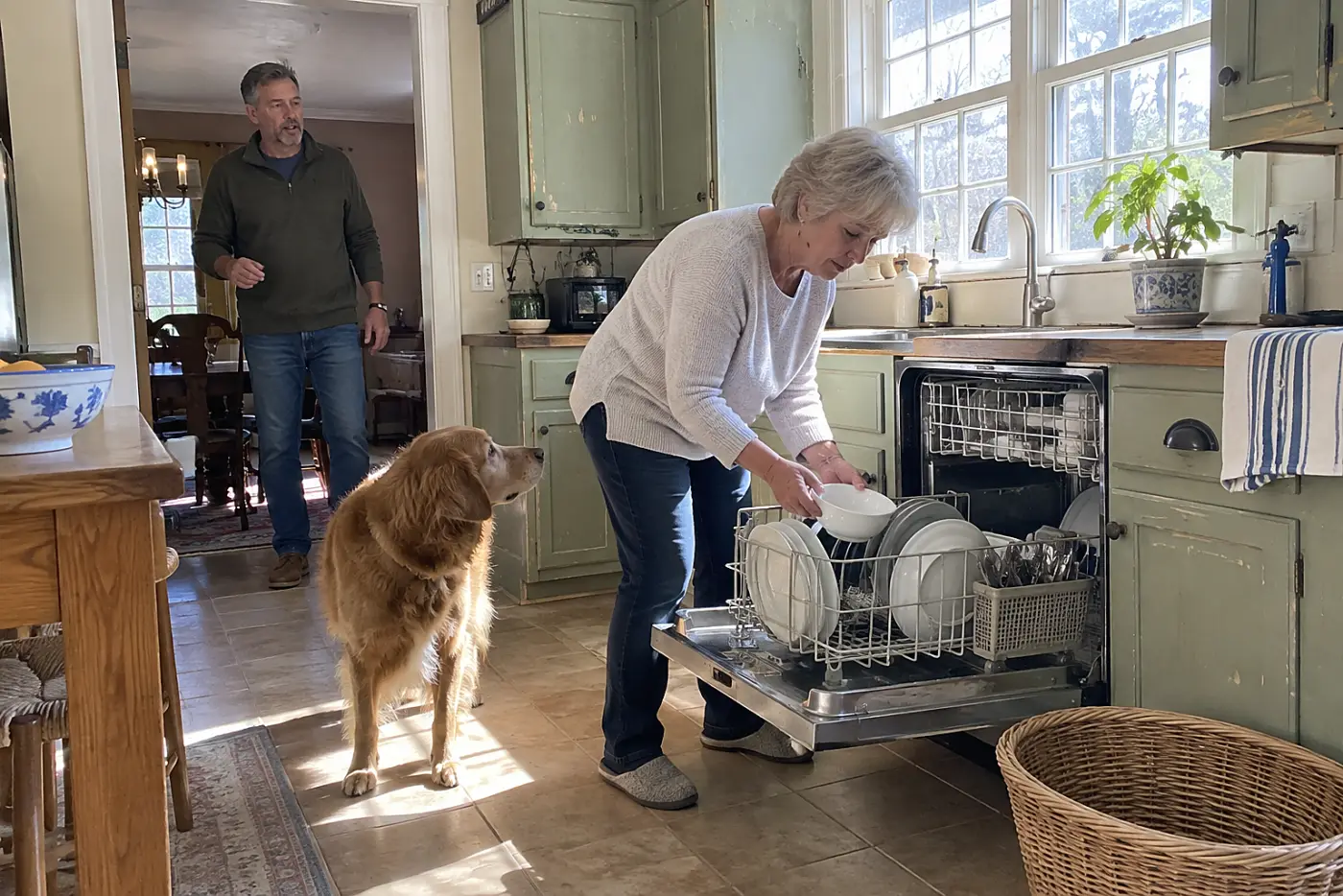
A redone chore sends a message without words.
Your son loads the dishwasher at your house. You rearrange every plate before he has left the kitchen. You know where the tall glasses fit, but he sees that his help has to pass inspection.
If this happened throughout his childhood, the dishwasher carries more history than the plates. He stops offering help, then visits less because an afternoon together feels like another chance to get something wrong. You get the kitchen you wanted and less of his company.
Ask yourself whether the arrangement matters enough to correct in front of him. If a glass truly needs moving, explain why. Otherwise, wait and let the chore be done.
This week, thank him for a task without inspecting it aloud. Say, “I rearranged the dishes right in front of you. That was discouraging.” Listen if he tells you it wasn't only about the dishes.
7The health scare shared as a test

A health update shouldn't require someone to guess the urgency.
You mention a test result but won't say what the doctor told you. Your daughter worries, calls repeatedly, and learns later that the follow-up was already scheduled. Next time, she waits for facts before reacting.
That delay will hurt when you truly want company. She needs a clear request, not a test of how frightened she sounds. If you're waiting for an appointment, tell her that much instead of leaving her to fill the gap.
This week, tell her what you know and what remains unknown. Say, “The appointment is Tuesday. I'd like you to call me afterward.” You don't owe every detail, but say plainly what you're asking her to do.
A clear request also leaves room for a clear answer.
6The request for visits without an end time

An open-ended visit is hard to fit into a life.
You ask when your son will come by. He asks what you had in mind, and you answer, “Whenever you want.” You mean he is welcome. He hears a visit with no clear beginning, end, or reason, and waits until he has an entire free afternoon.
Then you feel rejected because he hasn't appeared. He feels accused because he never knew whether a short visit would count. Neither of you has said the small practical thing that would make a yes easier.
Choose a real window before sending the invitation. A cup of coffee between errands is still time together. Don't turn a half-hour visit into a discussion of why he can't stay longer.
This week, offer one day and one end time. Say, “Would you come for coffee Saturday from two to three? I'd like to see you, even for an hour.” His answer to that request will tell you more than his silence after “whenever.”
See more: 24 Things to Do With an Empty Nest →
5The boundary answered with hurt feelings

Their no doesn't need a second hearing.
Your child says they won't discuss their salary. You say you were only interested, then describe how painful it is that they won't trust you. The subject has changed from their boundary to your hurt.
They must comfort you to keep the salary private. Eventually, avoiding the whole conversation looks easier than setting the boundary again. They bring fewer ordinary stories, since those stories have led back to the same question.
This week, practice accepting one no without explaining your intent. Say, “Okay. We don't need to talk about your salary.” Leave the salary out of later conversations, including the next family dinner.
The next step is harder when there's no reply at all.
See more: 29 Conversations Families Keep Putting Off Until It's Too Late →
4The childhood nickname used instead of her name

She asked you to stop using it two years ago.
You call your daughter by her childhood nickname when you introduce her to a neighbor, and it slips out again at her workplace. She has told you she wants her given name used. The old name still comes to your mouth first.
To you, the nickname holds years of affection. To her, each use says her request carries less weight than your memory of who she used to be. She stops introducing you to new people, and you lose the chance to know how she wants to be seen now.
This week, write her name where you'll see it before the next visit, and use it even when she's out of earshot. Say, “You've asked me to stop using that nickname. I'll use your name from now on.”
A name is one habit to break. The next one is harder to notice.
3The visit spent looking at your phone
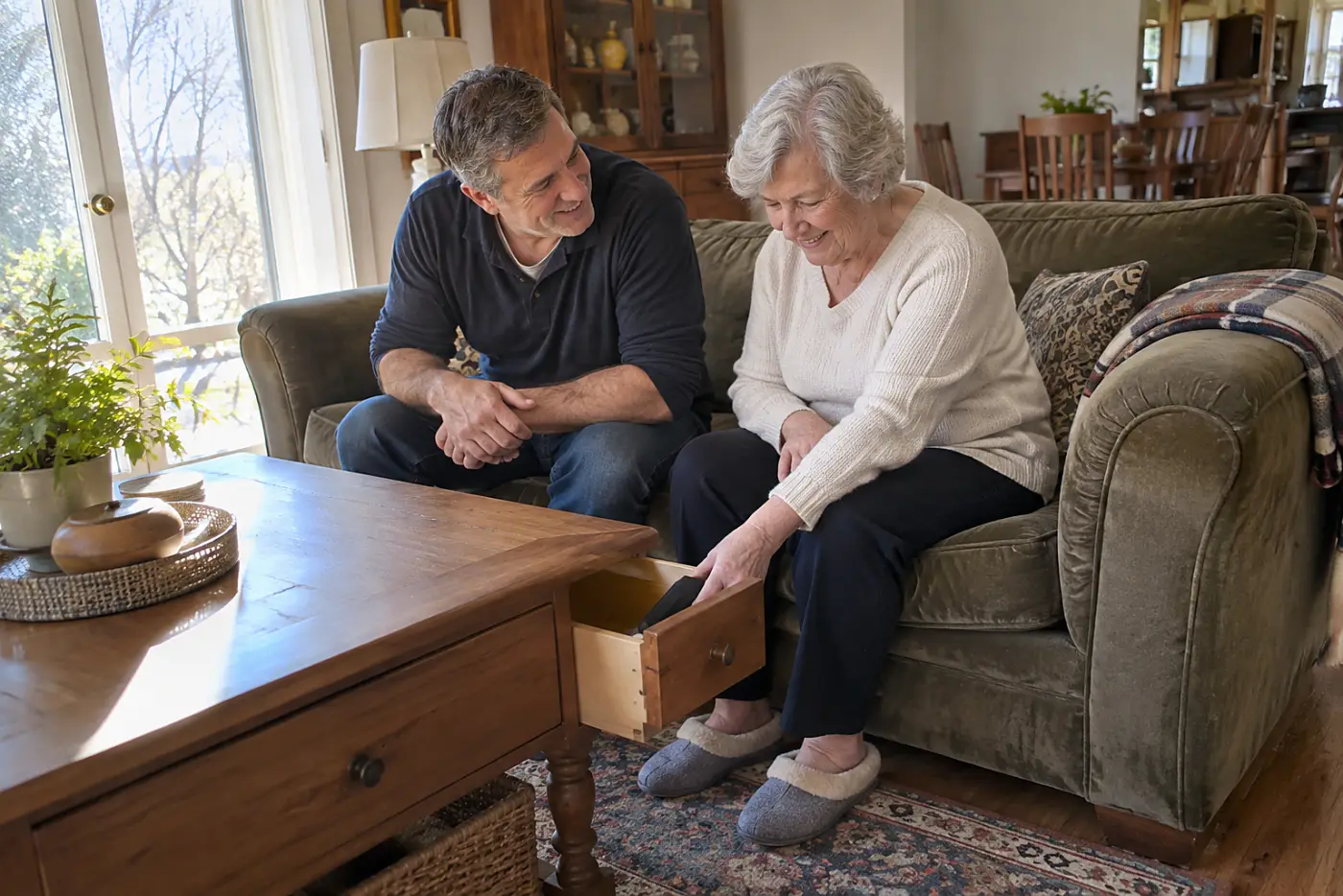
He drove over to tell you something, and you missed it.
Your son starts telling you about a change at work. You glance at a notification and answer it. He repeats the last part after you ask. When you pick up the phone again, he finishes the story but leaves out his decision.
He came to talk it through. Next time, he has less reason to visit.
This week, put your phone in another room before he arrives. Say, “I kept checking my phone while you were talking. I'm sorry. What did I miss?”
But listening brings its own risk.
2The unanswered message treated as a verdict

A blank screen invites you to write their motive.
You send a message about meeting for lunch. By evening, you have decided they are punishing you. Your next text asks why they never make time, so a simple scheduling question becomes an accusation they have to answer.
There are other explanations for a delayed reply, but guessing them won't settle anything either. You know the message has no answer. You don't yet know why. A second message written from that gap gives them your conclusion before they've spoken.
Read your follow-up before sending it. Does it ask a new question, or demand that they defend themselves? If you're worried about an immediate safety issue, say what worries you. Otherwise, keep the lunch invitation separate from the fear it stirred.
This week, send one plain follow-up about the plan. Say, “Are you free for lunch this weekend? If not, another time works.” Their answer, or continued silence, is information. The story you build around it is still yours.
1The question about what made contact hard

A request for more calls won't explain why calls stopped.
If contact has thinned, asking for more calls tells your child what you want. Asking what made contact hard gives them a different choice: whether to tell you what changed. Their answer belongs to them, including the parts you remember differently.
The question has no deadline. If you demand an answer today, the invitation becomes another demand on their time. If they've asked you not to contact them, respect that request rather than sending this question.
This week, write a brief invitation to talk, but send it only if contact is welcome. Say, “I want to understand what made contact with me hard. If you're willing to tell me, I'll listen without arguing.” Put down the phone before adding a second message.
When an answer arrives, the next words matter most.
The bottom line
Across these 25 reasons, distance grows when contact comes with a cost the other person hasn't agreed to pay.
The best-prepared version of you has named what you did. She has made one clear invitation and left room for an answer.
Which of these has already happened in your family?
Up next
27 Things Adult Children Say That Hurt More Than They Know
A remark beside the kitchen sink can stay with you for weeks because it turns a choice you made into a problem for someone else to solve.
Read the list →

Reader quiz
Did you catch the details?
5 questions from this article. Finish them all to unlock the editor's bonus tip.
If your call is urgent, what should you put in the first message?
Did any of these feel familiar?
Know someone who needs this?
Sources cited in this article
This article links to one outside source, listed here so you can read it yourself.
- FTC's guidance on sharing children's photos consumer.ftc.gov
Ruth Ellison
Family Editor
Ruth writes about grown children, grandchildren, ageing parents, and the conversations families put off, in the words of the people involved.
More from Ruth Ellison