











27 Things Adult Children Say That Hurt More Than They Know
A remark beside the kitchen sink can stay with you for weeks because it turns a choice you made into a problem for someone else to solve.
By Ruth Ellison, Family Editor
Updated · 18 min read
- Written by our family editor
- Cited 9 sources
- How we review
Read to the end: #1 gives you an emergency-planning opener that turns “we’ll figure it out” into a conversation, and almost nobody asks for it.
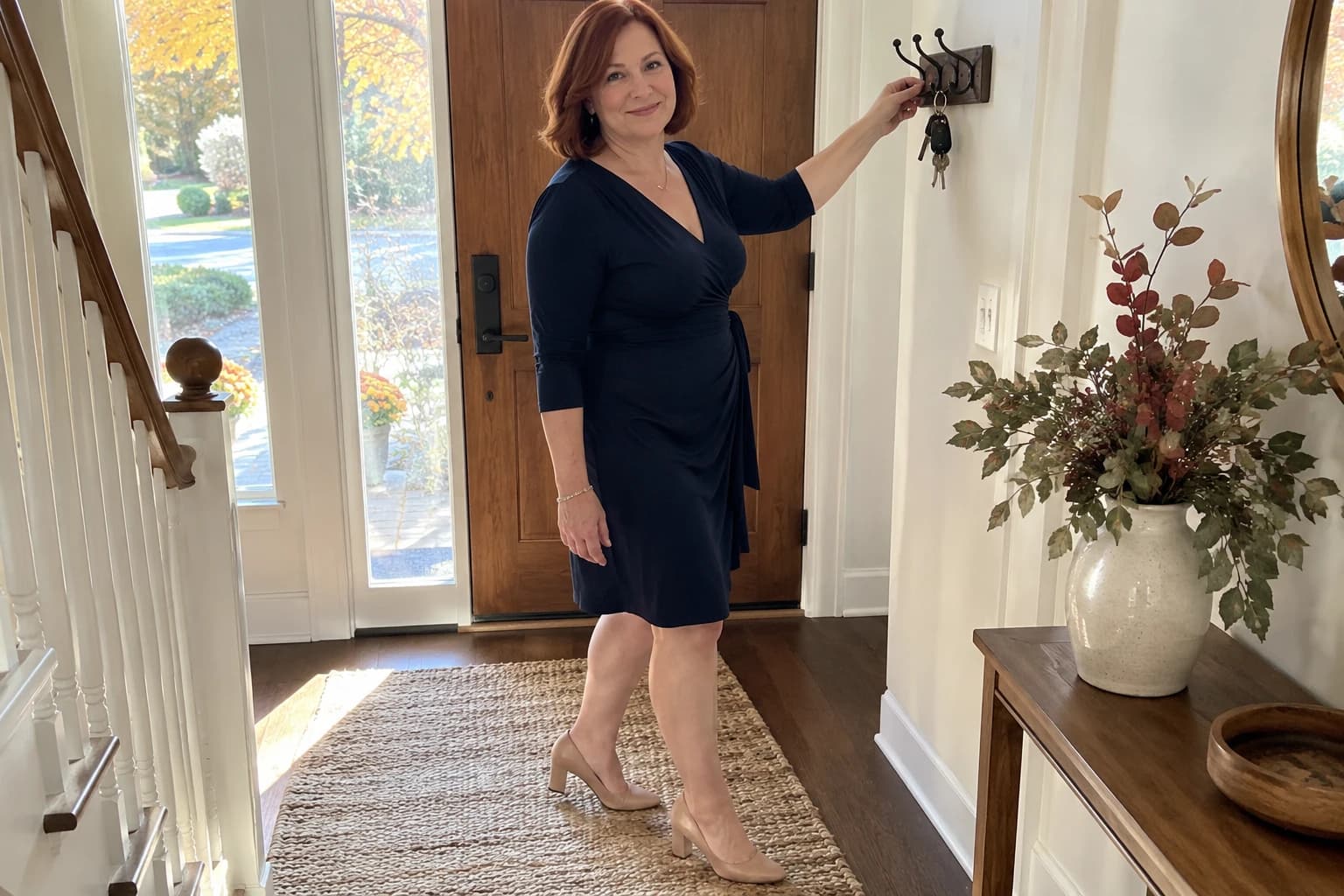
Your daughter is leaving after dinner. She puts her glass beside the sink, reaches for her keys, and says, “We should probably talk about whether this house is too much for you.” You say goodnight. Later, while washing that same glass, you hear the sentence again.
She thinks she raised a practical question. But she raised it on her way out, leaving you no time to ask what she meant or tell her how it landed. The timing turns an ordinary concern into a verdict you’re left to carry alone.
Here are 27 remarks worth bringing back into the conversation.
27The house comment made at the door
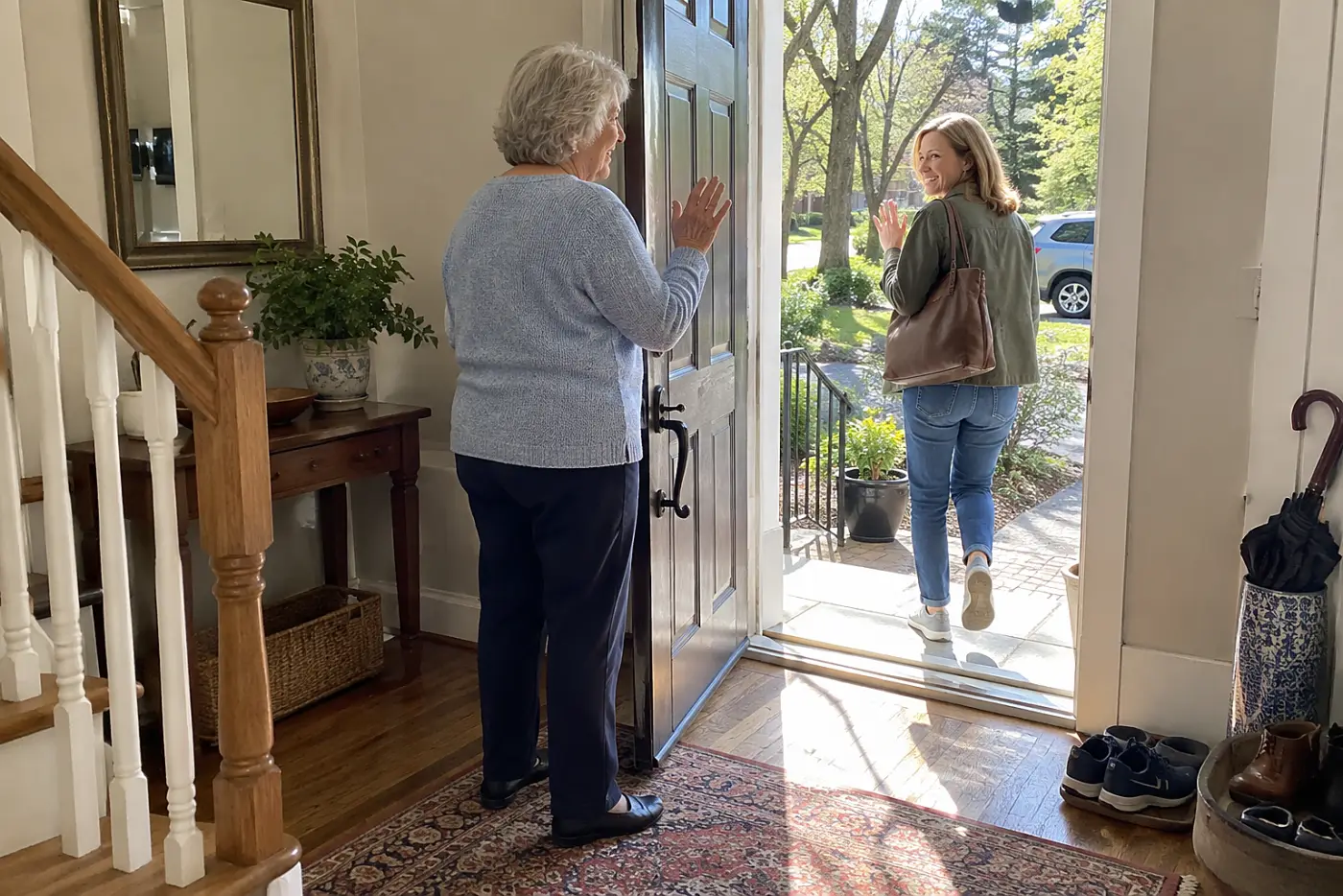
A sentence tossed over a shoulder leaves you holding it.
When your child says the house is “too much,” you hear more than a question about gutters or stairs. You hear an assessment of your whole life, delivered without waiting for an answer.
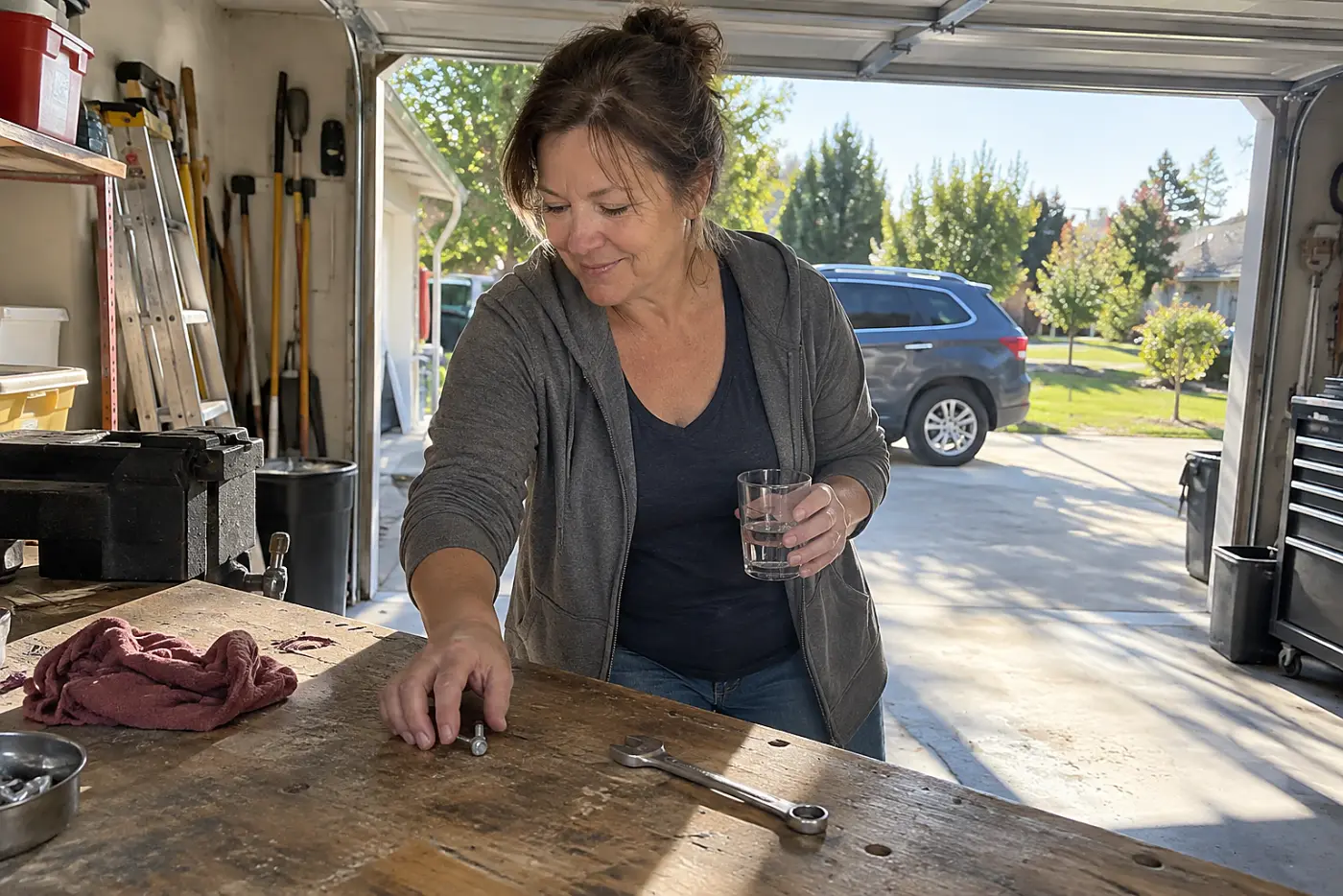
The sting grows each time you pass a repair you already planned to handle. Your child never learns that you’d priced the work or chosen to leave it alone.
This week, pick one actual task behind the remark: the yard, the roof, or the stairs. Say, “I heard what you said at the door. Which part of the house worries you?”
That question gives you something to discuss besides the size of your life. Next, notice who else gets to decide what help looks like.
26The grocery cart your daughter tries to take

“Let me do that” lands differently when nobody asked.
You’ve steered a loaded grocery cart through this store for years. Your daughter reaches for the handle, and taking it back turns a small errand into a public contest. You’re left choosing between accepting help and making a scene.
She intended to spare you a chore. You’re thinking about the next trip, when she’ll reach for the cart before you’ve touched it. Even the bags in the trunk feel like part of the contest now.
At the store this week, keep hold of the handle if you want to push. Tell her, “I’ve got the cart. Please take the bags when we get to the car.”
That leaves another moment when someone else reaches first.
25The restaurant bill handed to your son

The bill crosses the table without passing you.
Your son says, “I’ll get this,” and reaches for the folder before you’ve looked at it. He intends a treat; you wanted the pleasure of buying him dinner.
Paying is also a way of hosting. Lose the chance repeatedly, and every meal starts to feel like an outing arranged for you. The server has already taken the folder, so correcting your son now feels like staging a dispute over the check.
Before your next dinner, say who’s paying while you’re still choosing the restaurant. “I invited you, and I’d like to treat you this time.”
The check is small. What happens when the subject is your money at home?
24The bank app opened over your shoulder
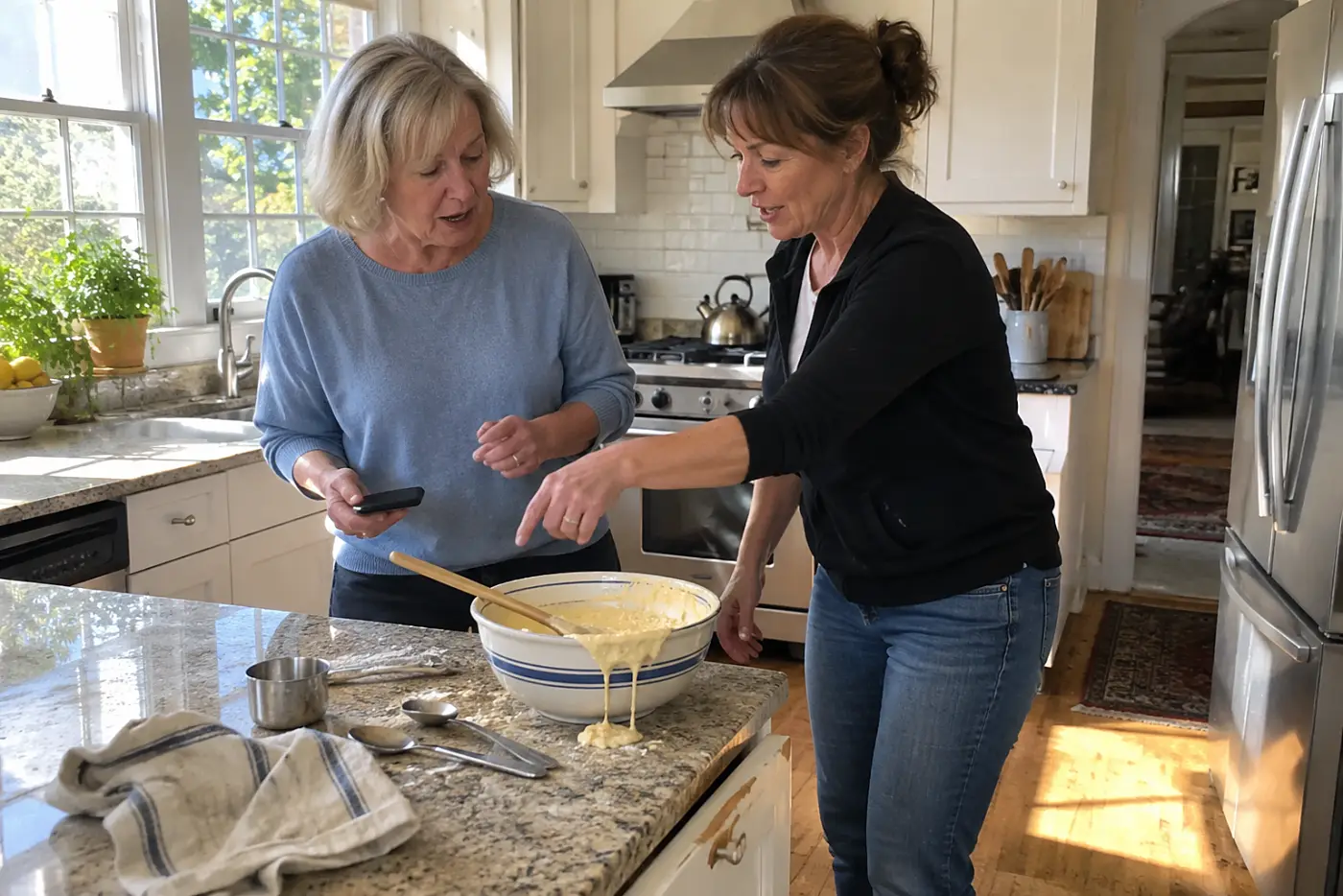
A glance at your phone becomes an audit.
Your child sees a transfer on the banking screen and asks why you moved the money. You were checking a balance, not inviting a review. Now you’re explaining a private decision while the screen is still in your hand.
Privacy matters even when there’s nothing to hide. The Consumer Financial Protection Bureau has resources on protecting older adults from financial exploitation. That concern gives no relative automatic access to your accounts. If you need help later, you still get to discuss what information that help requires.
This week, decide what account details you want to share, if any. Say, “I’ll ask if I want help with banking. Please don’t read my screen.”
Then check who has access to the device itself.
23The new phone your child sets up
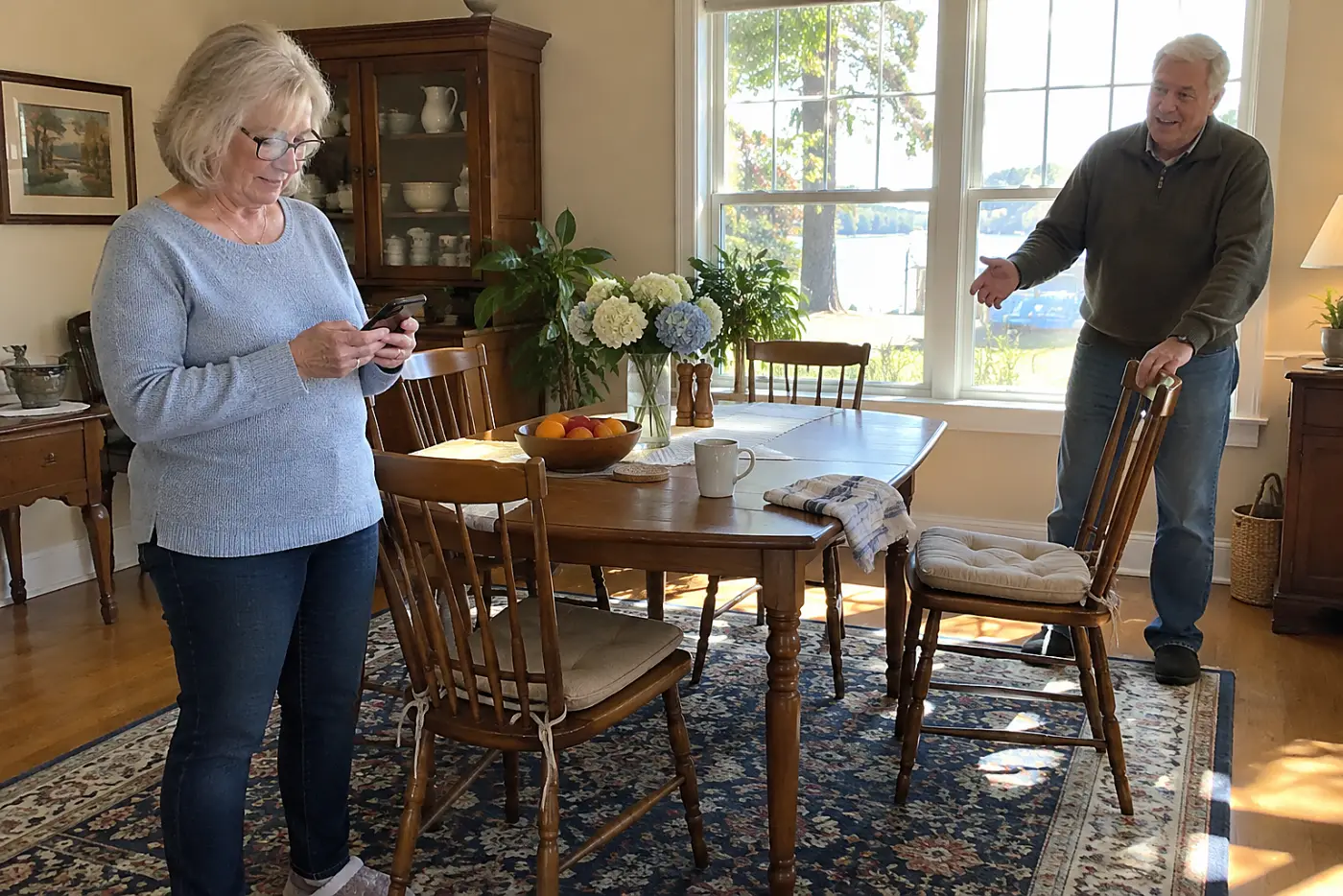
Your phone comes back with choices you didn’t make.
Your child means to help, then changes the notifications, moves the apps, and signs in with an email address you don’t recognize. The next time you need a code, you’re hunting for settings in your own phone.
Account recovery starts with knowing which email and phone number receive security messages. Without that knowledge, a quick setup today becomes another request for help later. The Federal Trade Commission has advice on securing accounts and spotting messages that try to steal sign-in codes.
This week, open the account settings together and write down the recovery email you control. Say, “Show me what you changed, then let me decide what stays.”
You still need a way to learn the next task yourself.
22The computer lesson delivered too fast

“Just click there” is useless after the screen changes.
Your child moves the cursor, finishes the task, and calls it a lesson. You watched the result but never got to repeat the steps. Next time, you’re stuck with the same question and less desire to ask it.
A five-minute rescue leaves out the part you wanted to learn. You also lose the chance to see where a wrong click takes you and how to get back.
Choose one task this week, such as attaching a photo to an email. Say, “Please talk me through it while I use the mouse. Don’t take over.” Repeat the task once while your child watches, then keep the steps in your own words.
Someone else’s hurry shows up well beyond a screen.
21The drive home offered without asking

A ride offer turns into a ruling about driving.
Your child says, “I don’t think you should drive tonight,” when you’d planned to leave before dark. The concern deserves a hearing. The decision also deserves more than a pronouncement in the driveway.
If something specific happened on the road, you need to know what it was. Otherwise, every future drive sits under a cloud you can’t address. The National Highway Traffic Safety Administration publishes information on driving and aging, but a page won’t tell you what your child saw tonight. Darkness can reduce the distance illuminated by low-beam headlights to about 250 feet. That gives you a condition to discuss without treating age alone as the answer.
This week, ask for the event behind the concern. Say, “What did you see that worried you? Tell me plainly.”
A concrete answer opens a conversation. An audience makes one harder.
20The joke told across the dinner table

Your child’s laugh arrives before you can answer.
Someone tells a story about your driving, your cooking, or the name you forgot. People laugh because your child is laughing. You spend the next course deciding whether correcting the story will make dinner worse.
The room remembers the joke longer than the explanation you never gave. If you let it pass to keep the peace, your child hears permission to tell it again. You still have to sit through dessert with the people who heard it.
After dinner this week, name the particular joke rather than the whole evening. Say, “Please don’t tell the driving story for laughs again. I didn’t enjoy being the punch line.”
You shouldn’t need to perform good humor to stay at your own table. A private family story has a different kind of audience.
19The childhood story told for you
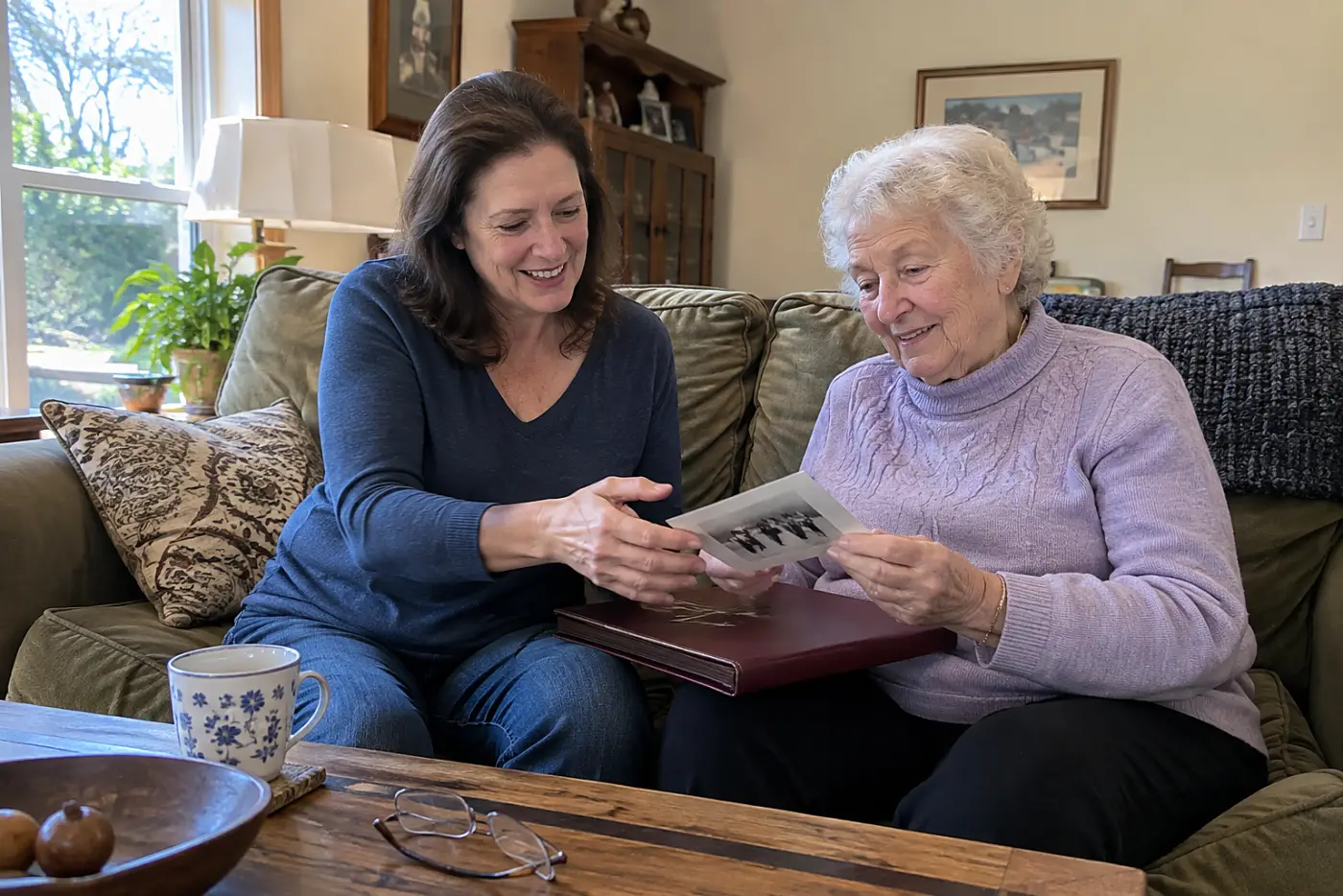
Your memory gets edited while you’re sitting there.
Your child recalls a holiday and says, “You always hated those trips.” You remember packing sandwiches, singing in the car, and enjoying parts of it. Disagreeing now sounds like an argument over their childhood.
Both accounts belong to the people who lived them. If yours disappears, the story your grandchildren hear has only one narrator.
This week, add one detail you remember without correcting every word. Say, “I remember those trips differently. Let me tell you about one good day.” You don’t have to win the whole story to make room for your part.
Old stories lead easily to judgments about old decisions.
See more: 25 Things Grandchildren Remember That You Never Notice Doing →
18The question about why you kept it

A box of dishes becomes a test of judgment.
Your child opens a cupboard and asks why you still have the chipped serving platter. You see the meals it held; they see a shelf that needs clearing. Neither view requires the other person to be foolish.
Once “Why do you keep this?” becomes the answer to every object, you stop inviting anyone to help you sort. That leaves the cupboards exactly as they were. The platter is still there, but now you’re bracing for a remark each time you open the door.
Choose one shelf this week and decide what you want to keep there. Say, “You don’t have to want this platter. I do.” Then ask which space your child actually needs to use, if space is the concern.
The harder comments concern what you choose to do outside the house.
17The class called a waste of money

Your new interest gets priced before it gets noticed.
You mention a pottery class, and your child asks whether you’ll really use it. You paid for the class because you wanted to go, not because the bowls must earn back the fee. A studio class can cost about $30 to $80 per session; the price buys the time there, not a promise of useful bowls.
Defending every pleasure as practical takes the pleasure out of telling your family about it. Eventually, you stop sharing what fills your week.
This week, go to the class and tell your child what you made. If the question returns, say, “I enjoyed paying for this. I’m not looking for a return on it.”
A hobby is one choice. Your friendships attract their own reviews.
16The friend your family keeps dismissing

“You see her a lot” sounds like a warning.
Your child has met your friend twice and dislikes the amount of time you spend together. You know who calls when plans change, who remembers your birthday, and whether you enjoy the afternoon.
You deserve a question before an accusation. If your child has seen a specific request for money or heard a threat, ask for those details rather than defending the whole friendship. The Eldercare Locator is a federal service for finding local aging resources if a concrete safety concern needs outside help.
This week, find out what they’re reacting to. Say, “Tell me what she did that concerns you. Please leave the guesses out.”
You still choose whom to invite through your door.
15The dating question asked like a joke
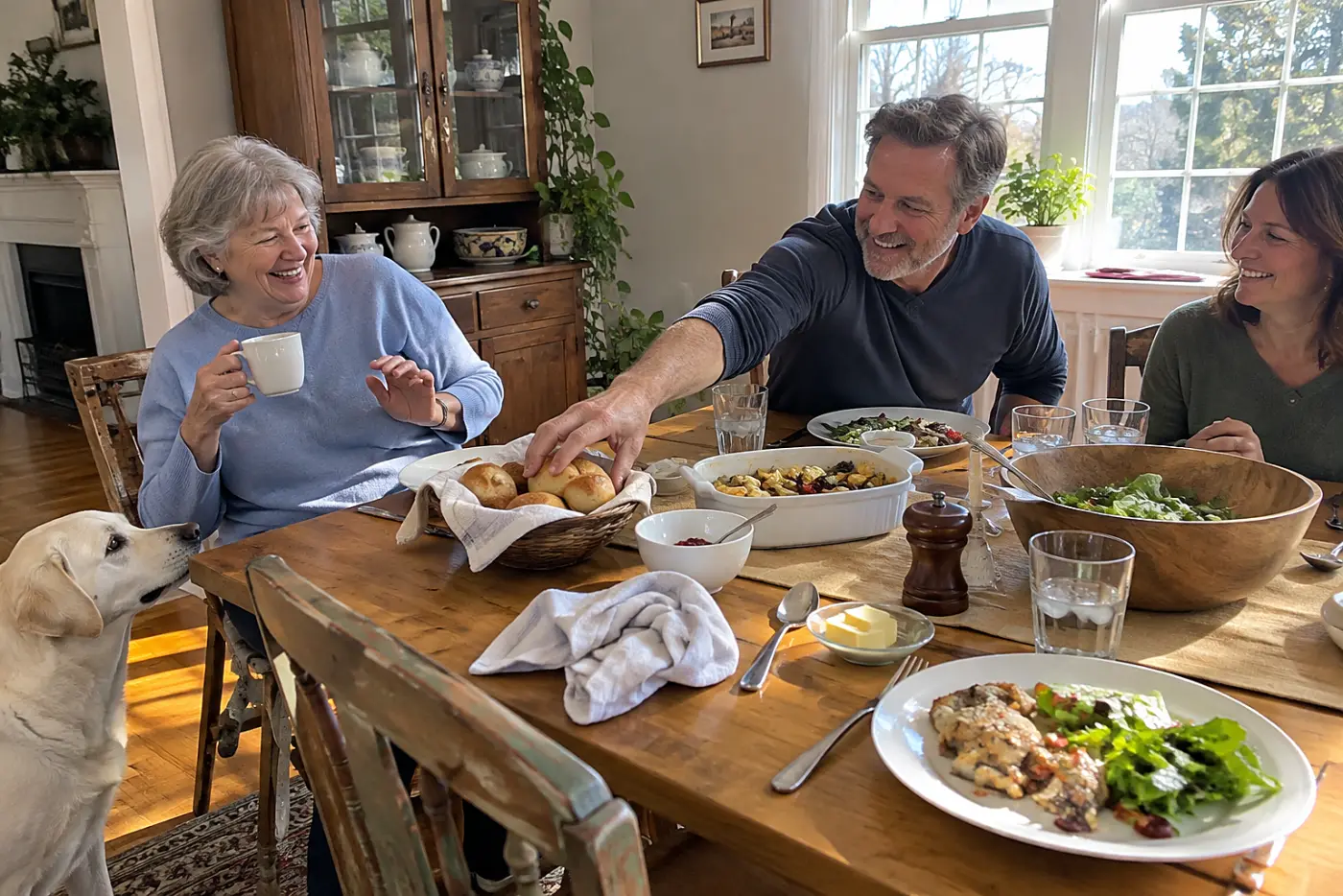
A laugh turns your private life into entertainment.
Your child asks whether you have a “boyfriend,” using the teasing voice from middle school. You weren’t planning to discuss your date over Sunday lunch, and now staying silent looks like a confession.
You decide whom to tell and when. If you rush to explain, you lose the chance to share good news on your own terms. Even saying you had a pleasant evening feels harder once someone has turned it into a joke for the table.
This week, decide what part of your dating life you want discussed at family meals. Say, “I’ll tell you about someone when I’m ready. Please don’t tease me about it.”
Other private matters slip out through a speakerphone.
14The speakerphone button pressed without warning

Your private call suddenly has another listener.
You begin telling your child about a difficult appointment. Then another voice says hello from the car. You hadn’t agreed to share the story with a spouse, a grandchild, or anyone else.
Even a loving listener changes what you’ll say. Once you know calls are shared, you begin editing your words before you’ve learned who’s in the room.
At the start of your next call, ask who can hear you. Say, “Before I get into this, am I on speaker, and is anyone else there?” If you hear another voice after you’ve started, stop and ask again.
Privacy is harder to recover once a family group hears the news.
13The family text announcing your news

Your news arrives on everyone else’s phone first.
You tell one child about a medical test or a move you’re considering. They post an update to the family group, and replies begin before you’ve told the other people yourself.
Now you’re managing reactions to a decision you haven’t finished making. A message sent with love still takes away your chance to choose the words. You face questions about a test before you know its results, or opinions about a move before you’ve seen the place.
This week, mark any news you want kept between two people. Say, “I’m telling you, not the group. I’ll send an update when I’m ready.”
The next intrusion happens in the exam room.
See more: 19 Things to Know When One Set of Grandparents Is Favored →
12The doctor’s question answered by your child

The doctor asks you, and another person answers.
Your child knows the dates and wants the visit to go well. But the clinician needs to hear what you feel, when it started, and what matters to you. A second account belongs in the conversation after yours.
Before the appointment, list the symptoms and questions you want to bring up. A routine primary care visit can be scheduled for roughly 15 to 30 minutes, so bring the concern you most want answered to the start of the visit. Medicare offers guidance for preparing for doctor visits, including bringing questions and a medication list.
This week, agree on your child’s role before you enter the room. Say, “Let me answer first. Then please add anything I missed.” If the pattern continues, ask the clinician for a moment alone.
The paperwork handed across the desk raises a separate question.
11The form pushed toward your child
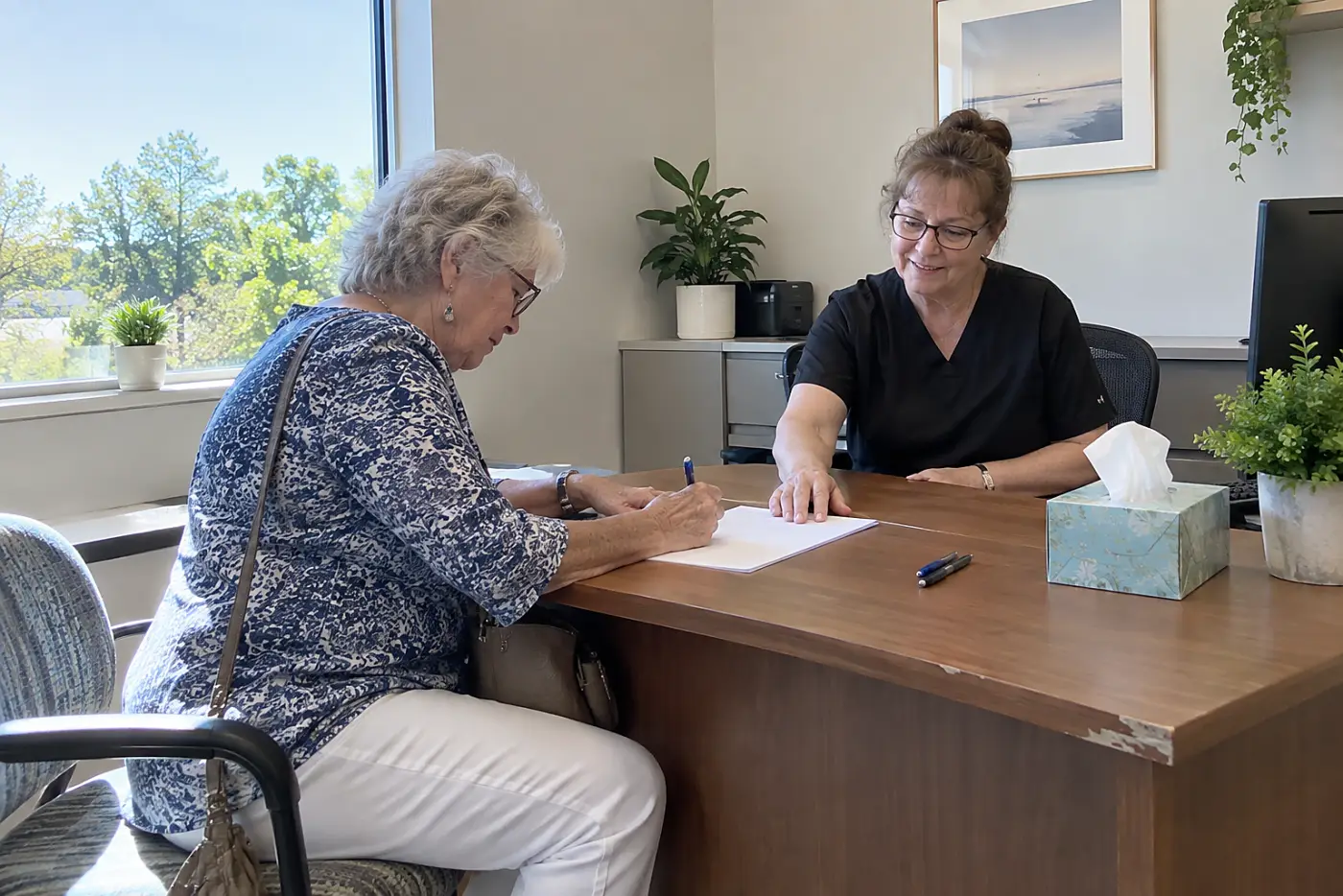
The clipboard bypasses the person whose visit it is.
At the desk, your child takes the form and starts filling in your history. They know some answers; you know which answers are yours to give and which need checking.
An incorrect medication or phone number follows you past the waiting room. You also lose the chance to see what information the office has on file. The Office of the National Coordinator for Health Information Technology has information about seeing and correcting information in your health record.
At your next visit, take the form yourself and ask for reading help if you want it. Say, “I’ll fill this out. You can help me check it afterward.”
A different piece of paper carries choices well beyond one visit.
10The power of attorney treated as permission
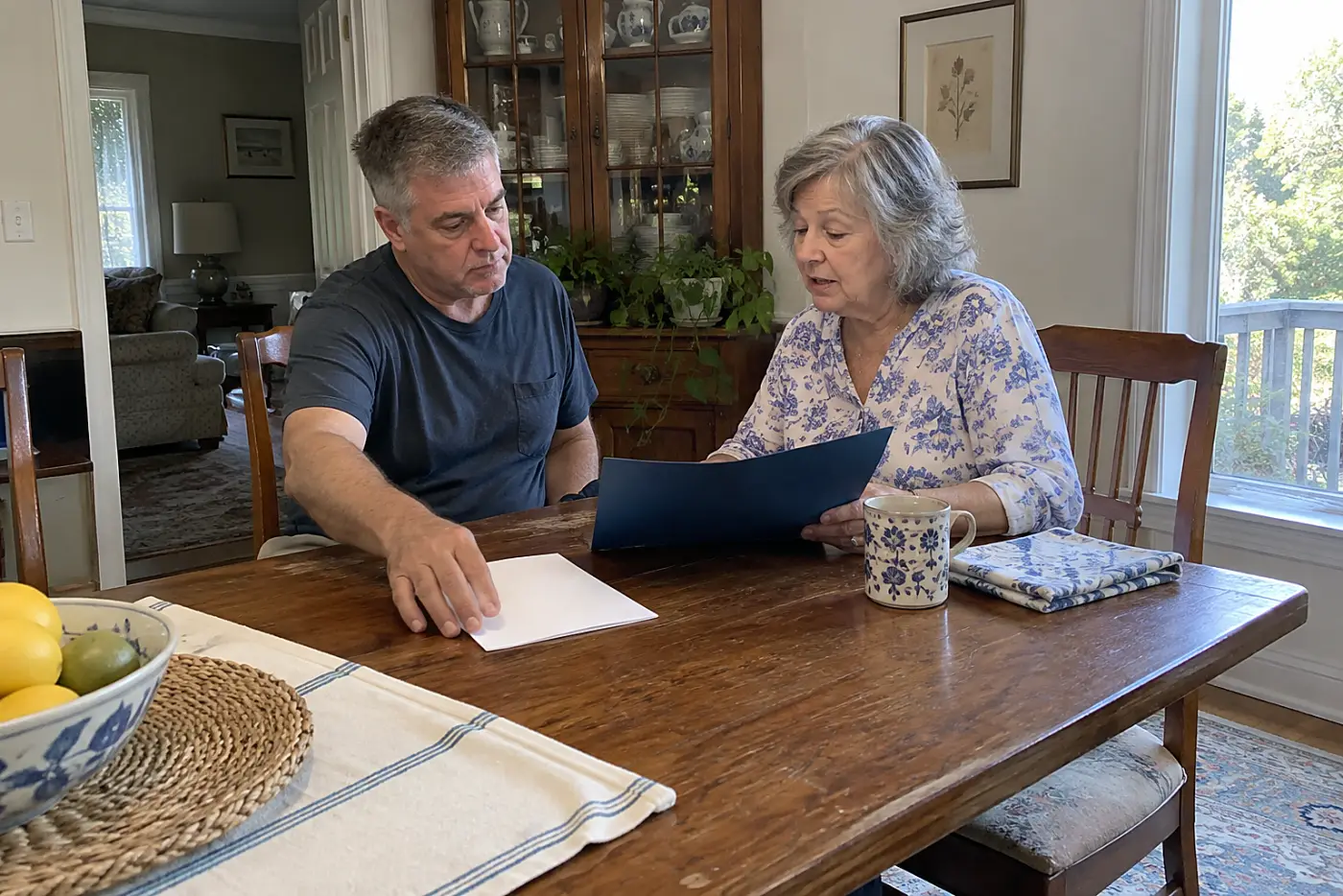
A signed document gets mistaken for a family vote.
Your child says, “I have power of attorney,” as if that settles every disagreement. A power of attorney names an agent and sets out that agent’s authority in the document itself. It doesn’t turn your preferences into background noise.
If the wording is unclear, look at the signed document rather than arguing from memory. State rules differ, so take questions about its reach to a lawyer licensed in your state.
This week, put your copy where you can find it and read it with the person you named. Say, “Let’s look at what I signed before either of us says what it allows.” If you need legal help finding someone local, start with your state bar association.
The National Institute on Aging has material on planning ahead for care. Another conversation starts when someone assumes a health decision has already been made.
9The treatment choice someone states for you

“I know what Mom wants” ends the discussion early.
Your child speaks with conviction because you’ve talked before. You’re the one facing today’s decision, and the details deserve a fresh answer from you. First, hear what the care team is proposing. Then say what matters most to you about the choice.
A past conversation helps explain your values. It doesn’t replace telling the care team what you want now. If the available choices have changed, an old answer leaves your child guessing about today’s question.
Before your next appointment, write down the question you need answered before deciding. Say, “Thank you for remembering our talk. I want to hear the options myself.”
Then check whether your written instructions say what you intend.
8The advance directive left in a drawer
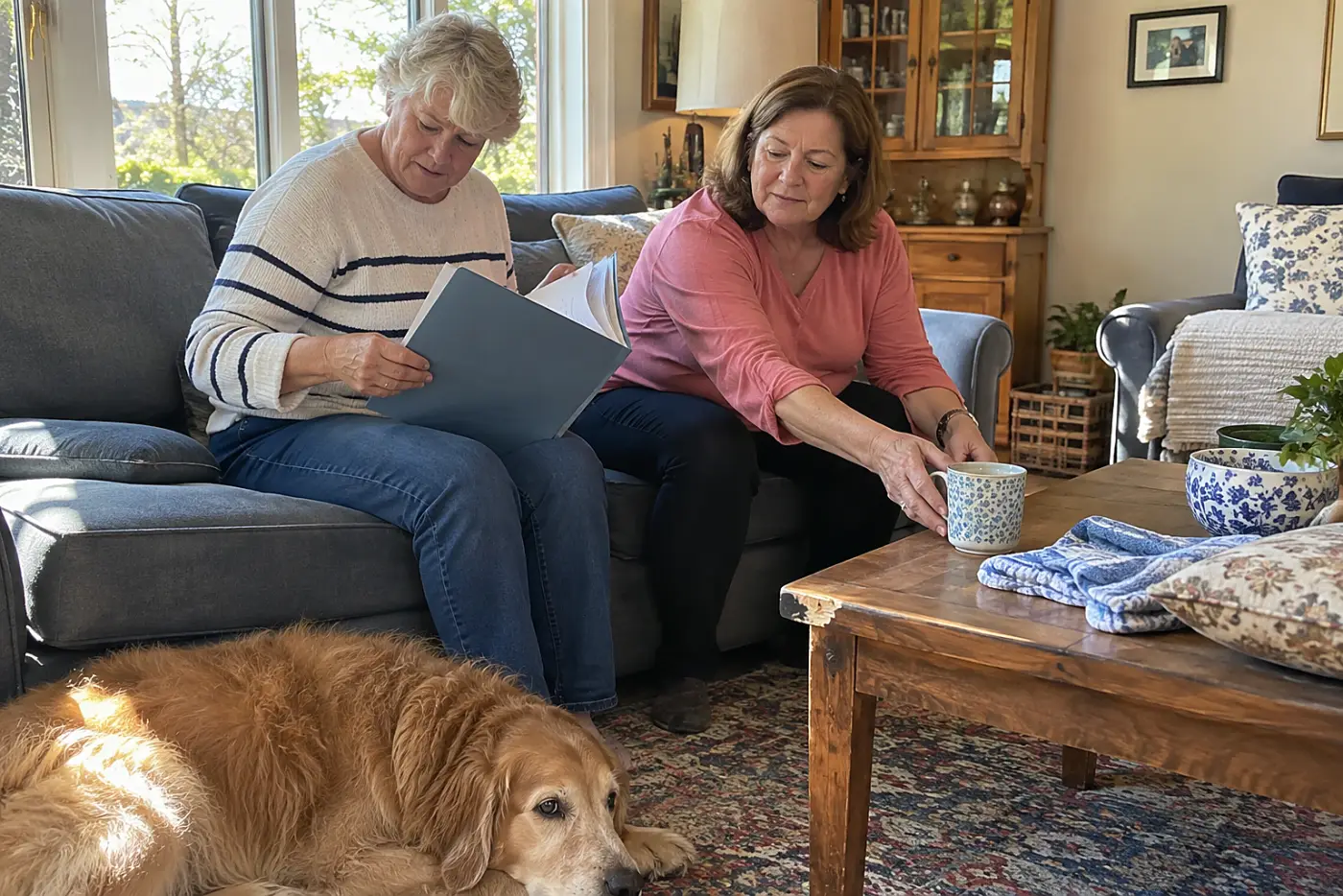
“They know my wishes” puts a lot on memory.
You told your children what you would want in a hard medical situation. Later, one remembers the conversation differently, and another knows nothing about it. The drawer holds a document nobody has read.
An advance directive gives you a place to record instructions and name a health care decision-maker. Forms and signing rules vary by state; MedlinePlus describes the documents and points readers toward state information.
This week, find the document you signed, or ask your health care team where to get your state’s form. Say, “I want you to read what I wrote, then tell me what questions it raises.” Give the people involved access to the current version.
The way they discuss your health day to day matters, too.
See more: 29 Conversations Families Keep Putting Off Until It's Too Late →
7The hearing aid used to dismiss you

“Put your hearing aids in” replaces an answer.
You missed a word at a crowded table, and your child treats the whole exchange as settled. You still want to know what was said. Guessing from everyone’s faces leaves you out of the conversation.
Noise, distance, and people talking at once make speech harder to catch. The National Institute on Deafness and Other Communication Disorders has guidance on hearing and communication. You need the missed words repeated, not a debate about whether you were paying attention.
At the next meal, ask for the sentence, not an apology. Say, “I missed that last part. Please face me and say it again.”
Being heard works both ways when a child comments on your memory.
6The forgotten name brought up again
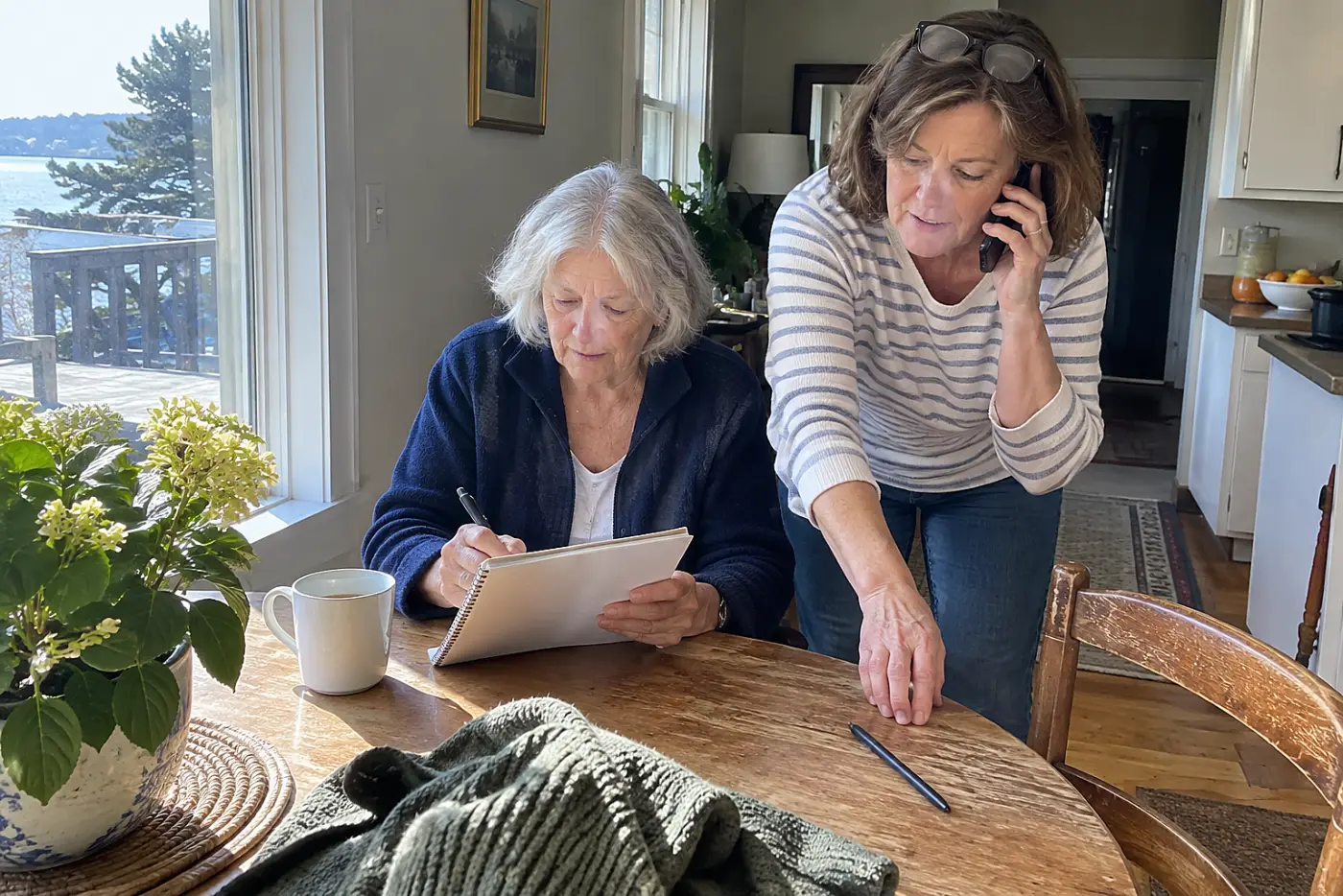
One lost name becomes proof of everything.
You forget a neighbor’s name, and your child brings it up days later. You remember the conversation, the street, and why you were asking. The one missing name now gets cited whenever you disagree.
The National Institute on Aging describes differences between ordinary forgetfulness and more serious memory problems. If your child is concerned, specific events give you something to take to a clinician. A broad verdict gives you nothing to check.
This week, ask your child what else they’ve noticed, with dates and events. Say, “Tell me what happened, not what you think it proves.” Write down your own questions for a health care visit if the concern persists.
Then notice what happens when the family turns one missed word into a nickname.
5The nickname that follows one mistake
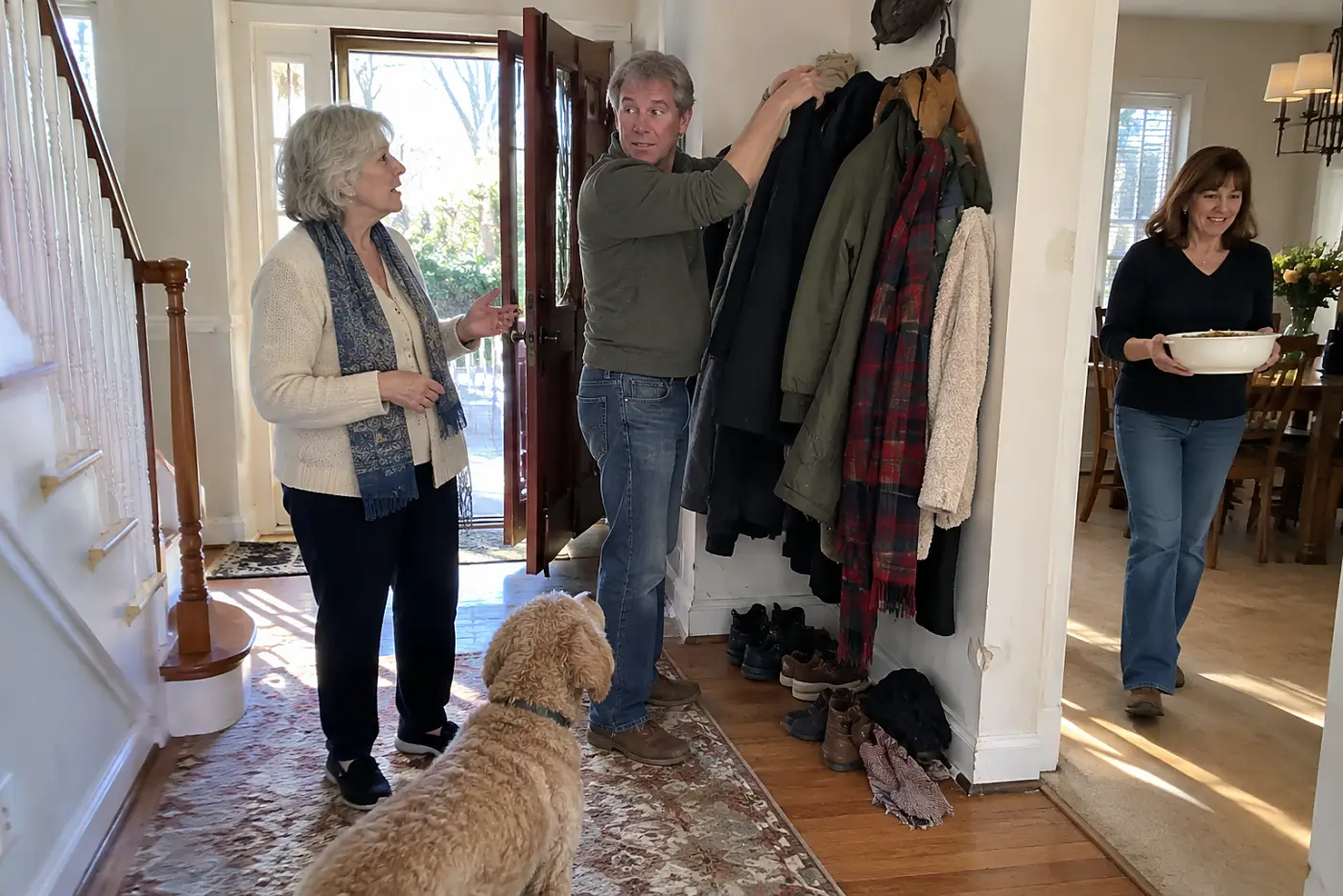
A family nickname keeps an old embarrassment alive.
You misplace your keys once, and someone calls you “the absent-minded one.” Everyone knows the story. Nobody notices how often you find the keys, make the plans, and get everyone out the door.
A joke repeated at each gathering becomes the name people use before listening to you. You shouldn’t have to earn your way out of it.
This week, ask the person who started it to stop. Say, “I know you mean it as a joke. I don’t want that nickname anymore.”
The next label sounds kinder, which makes it harder to challenge.
4The compliment about being independent

“You’re doing so well on your own” has an edge.
Your child says it after you fix a shelf or book a trip. You wanted to share a small success. Instead, the praise sounds like relief that you haven’t needed them.
The words leave you wondering which parts of your ordinary week have become a test. You start hearing approval where you wanted company. If you object, you’re left explaining why a compliment hurt.
Next time, tell your child what you were hoping to share. Say, “I’m pleased the shelf is fixed. You don’t need to grade how I’m doing.” Then ask about their week, if that’s the conversation you wanted.
Another compliment becomes harder to hear when it compares you with other people.
3The comparison to someone else’s mother
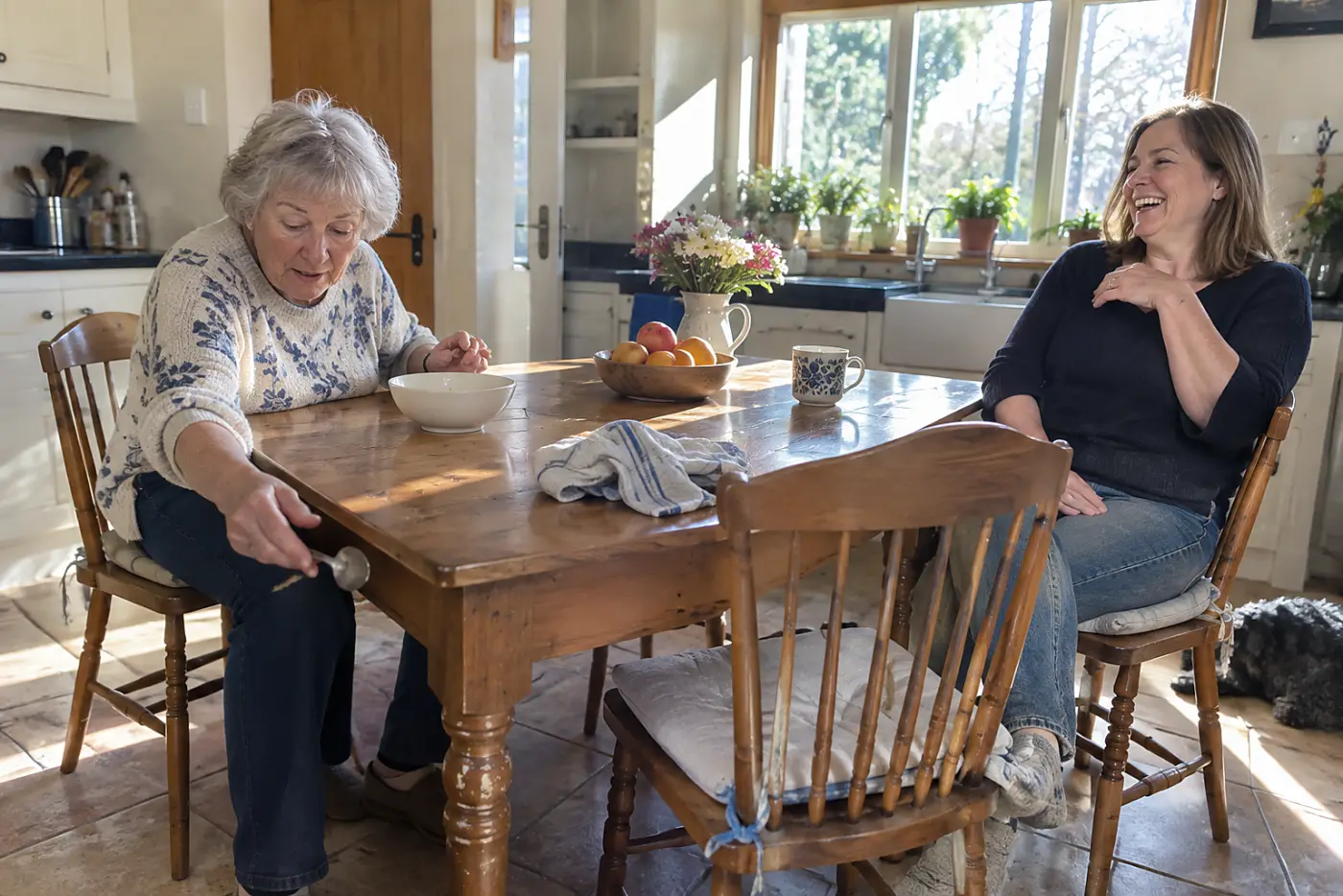
Another mother enters a conversation she never joined.
Your child mentions a friend’s mother who sold her house or stopped driving. Her reasons and circumstances belong to her. Yours deserve to be heard without a stranger standing in for the argument.
Comparisons skip the one detail you need: what your child is asking *you* to consider. Until they say it, you’re defending yourself against a story.
This week, bring the conversation back to your own situation. Say, “What decision do you want to discuss with me?”
The answer takes care of the comparison. It won’t erase an invitation that never came.
See more: 27 Things Grandmothers Notice That Nobody Else Does →
2The holiday plan made around you
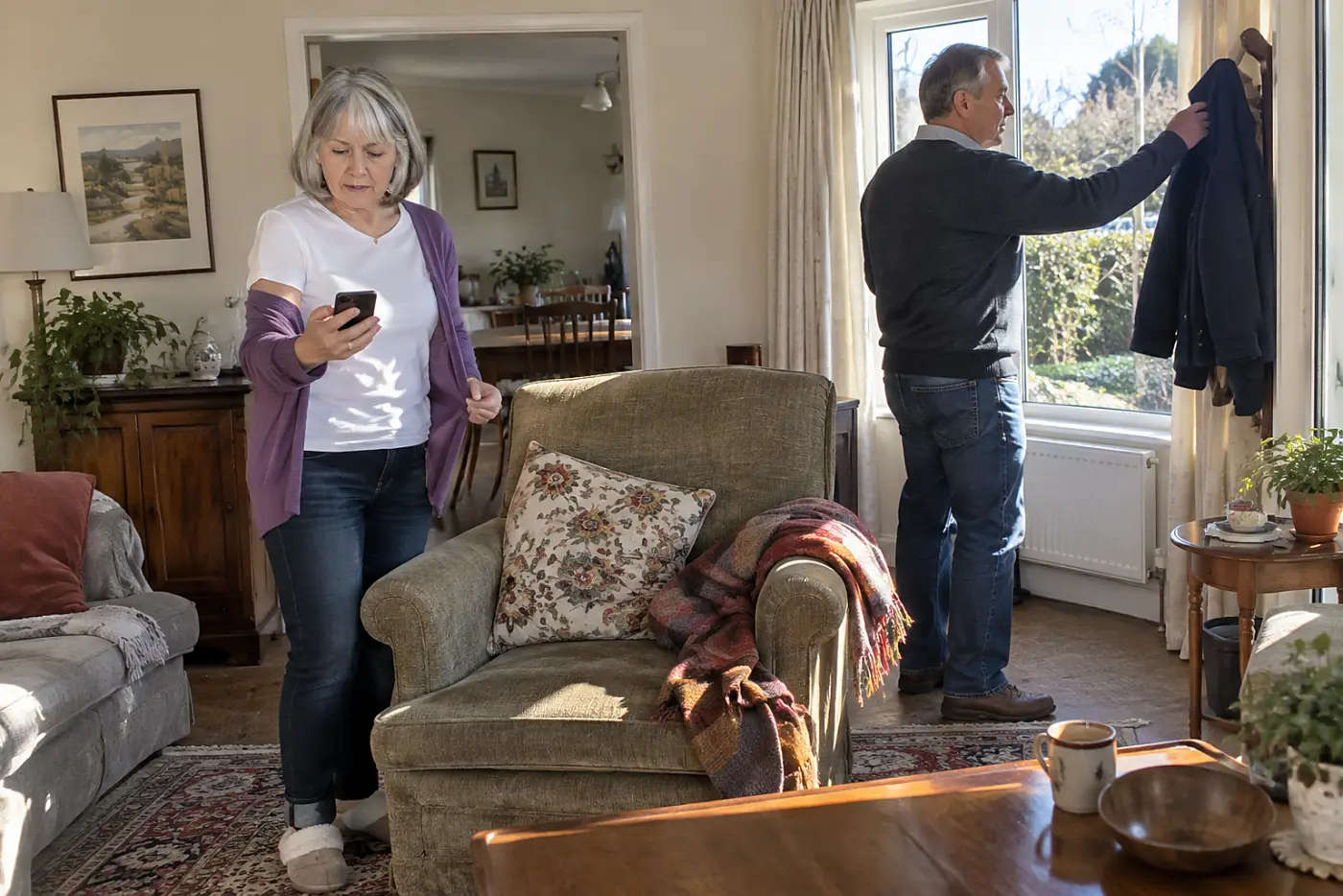
“We figured you’d prefer staying home” removes your choice.
Your children make holiday plans and tell you afterward. They thought travel would tire you out, or that you wouldn’t enjoy the noise. You were never asked whether you wanted the trip.
An invitation gives you room to decline. Being told what you’d prefer makes declining the only choice left, after everyone else has decided. You also lose the chance to suggest a shorter visit or a different way to get there.
This week, ask about the next gathering while plans are still being made. Say, “Please invite me and let me decide whether I’m up for it.”
You’re asking for a place in the conversation, not a guaranteed seat at every table. The same request is harder when a comment has already hurt you.
1The emergency plan postponed until later
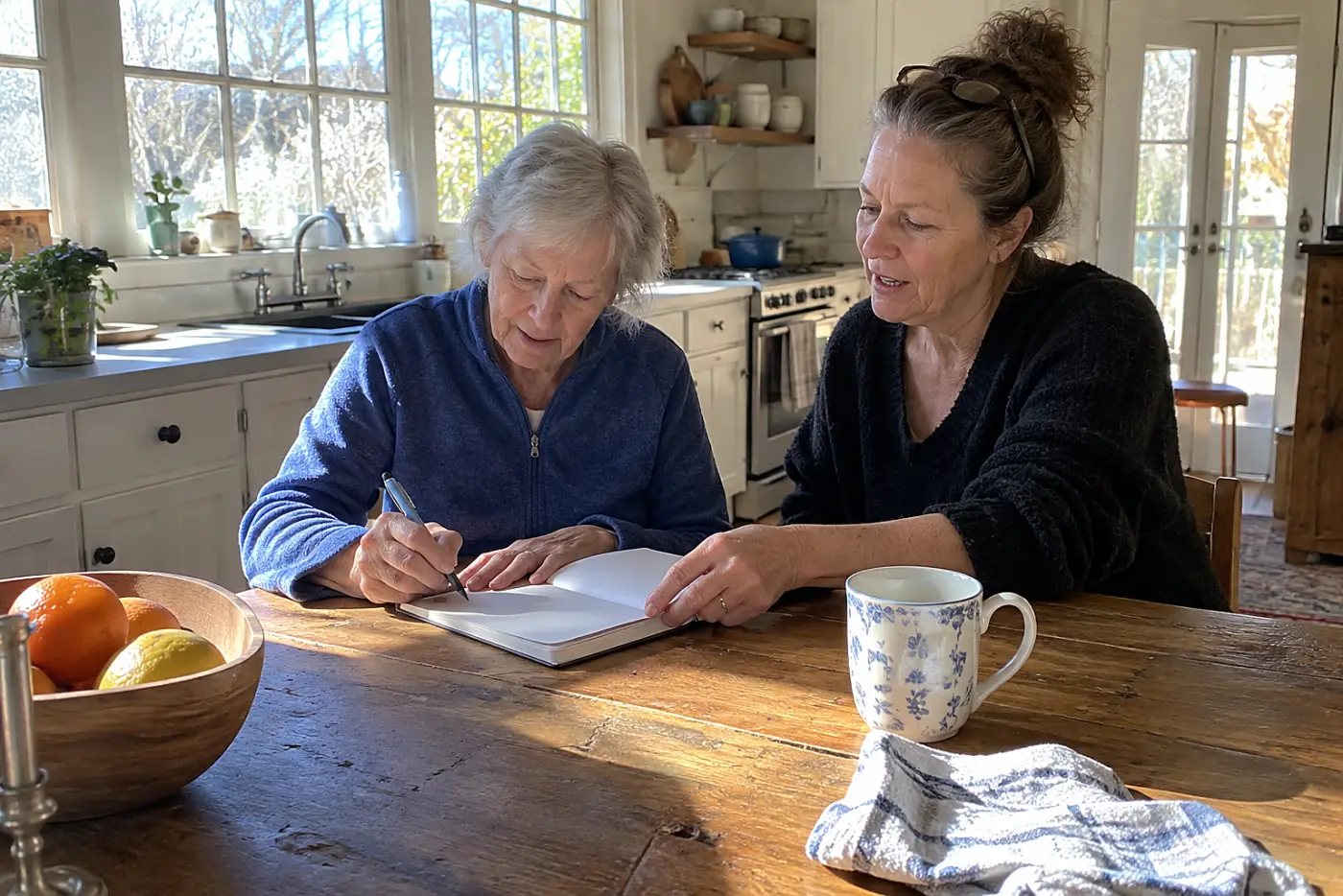
“We’ll figure it out” leaves the hard question unanswered.
You try to discuss what happens if you need help after a hospital stay. Your child says, “We’ll figure it out when the time comes.” They mean to reassure you. You hear that nobody wants to name what happens first, who gets called, or what help you’d accept.
If you wait for an emergency, the next conversation happens under pressure. A discharge conversation is a poor time to discover that you and your child pictured different plans. Your child still needs to hear what you mean by “help,” rather than filling in that word alone.
This week, choose one scenario: getting home after a hospital stay. Say, “When you say we’ll figure it out, I hear that we’re putting it off. Who would I call first if I needed help getting home?”
Write down the answer and agree on a time to discuss the next step. One answer leaves another question waiting.
The bottom line
Across these 27 remarks, someone reaches a conclusion about your life before asking for your account of it.
The best-prepared version of you has written down the sentence that stayed with her. She still has to decide when to bring it back.
Which of these has already happened in your family?
Up next
26 Signs Your Family Sees You Differently Since You Turned 70
A slower voice at dinner can become a pharmacy call before anyone asks what you want or what help you need.
Read the list →


Reader quiz
Did you catch the details?
5 questions from this article. Finish them all to unlock the editor's bonus tip.
In “The new phone your child sets up,” what should you write down after checking account settings?
Did any of these feel familiar?
Know someone who needs this?
Sources cited in this article
This article links to 9 outside sources, listed here so you can read them yourself.
- Consumer Financial Protection Bureau www.consumerfinance.gov
- Federal Trade Commission consumer.ftc.gov
- National Highway Traffic Safety Administration www.nhtsa.gov
- Eldercare Locator eldercare.acl.gov
- Medicare www.medicare.gov
- Office of the National Coordinator for Health Information Technology www.healthit.gov
- National Institute on Aging www.nia.nih.gov
- MedlinePlus medlineplus.gov/advancedirectives.html
- National Institute on Deafness and Other Communication Disorders www.nidcd.nih.gov
Ruth Ellison
Family Editor
Ruth writes about grown children, grandchildren, ageing parents, and the conversations families put off, in the words of the people involved.
More from Ruth Ellison