











27 Things Women Over 70 Say They Finally Stopped Caring About
A guest list, a shoe box, and an unreturned invitation reveal how much work you can stop doing for others.
By Nora Bennett, Style Editor
Updated · 20 min read
- Written by our style editor
- Cited 9 sources
- How we review
Read to the end: #1 is a calendar action that protects an afternoon, and almost nobody writes it in first.
The restaurant menu has small type, the lights are low, and someone across the table is waiting for you to choose. You reach for your glasses instead of pretending you can read the specials. Dinner carries on.
That tiny move says more about freedom than a speech ever will. The glasses were always in your bag; what changed was your willingness to let someone see you use them.
Here are 27 things worth setting down.
27Reading the menu without your glasses

Squinting through dinner makes someone else’s comfort your job.
Put the glasses beside your plate before the server returns. Good light and larger print make reading easier; neither requires a performance from you. The National Institute on Aging’s vision information is worth a look if menus have grown harder to read even with your usual lenses. Don’t let embarrassment delay an eye exam when your sight changes.
This week, put the glasses you actually use in the bag you take out. Say, “Give me a minute to read that.”
The menu is handled, but there’s still the question of what to wear.
26Wearing the same favorite jacket twice

A good jacket deserves another outing, especially one you enjoy.
If it fits, suits the weather, and has sound seams, it has already passed the practical tests. The idea that guests keep a tally of your clothes gives an imaginary audience far too much power.
Think of the jacket hanging by the door: you know how its pockets feel and which scarf sits well above its collar. Those are better reasons to choose it than whether someone saw it at lunch last month.
A second wearing costs you nothing. Buying a replacement to avoid a remembered photograph costs closet space as well as money, even before you decide what to do with the old one.
This week, put that jacket on for an ordinary errand, then wear it again somewhere you want to go. If anyone remarks on it, say, “I like this one, so I wore it.” You don’t owe a story about how long you’ve owned it, either. The jacket is yours to enjoy as many times as you please.
The same freedom gets tested closer to your feet.
See more: 23 Things in Your Closet Keeping You Stuck in 2009 →
25Choosing walking shoes for a party

Painful shoes can take an evening away from you.
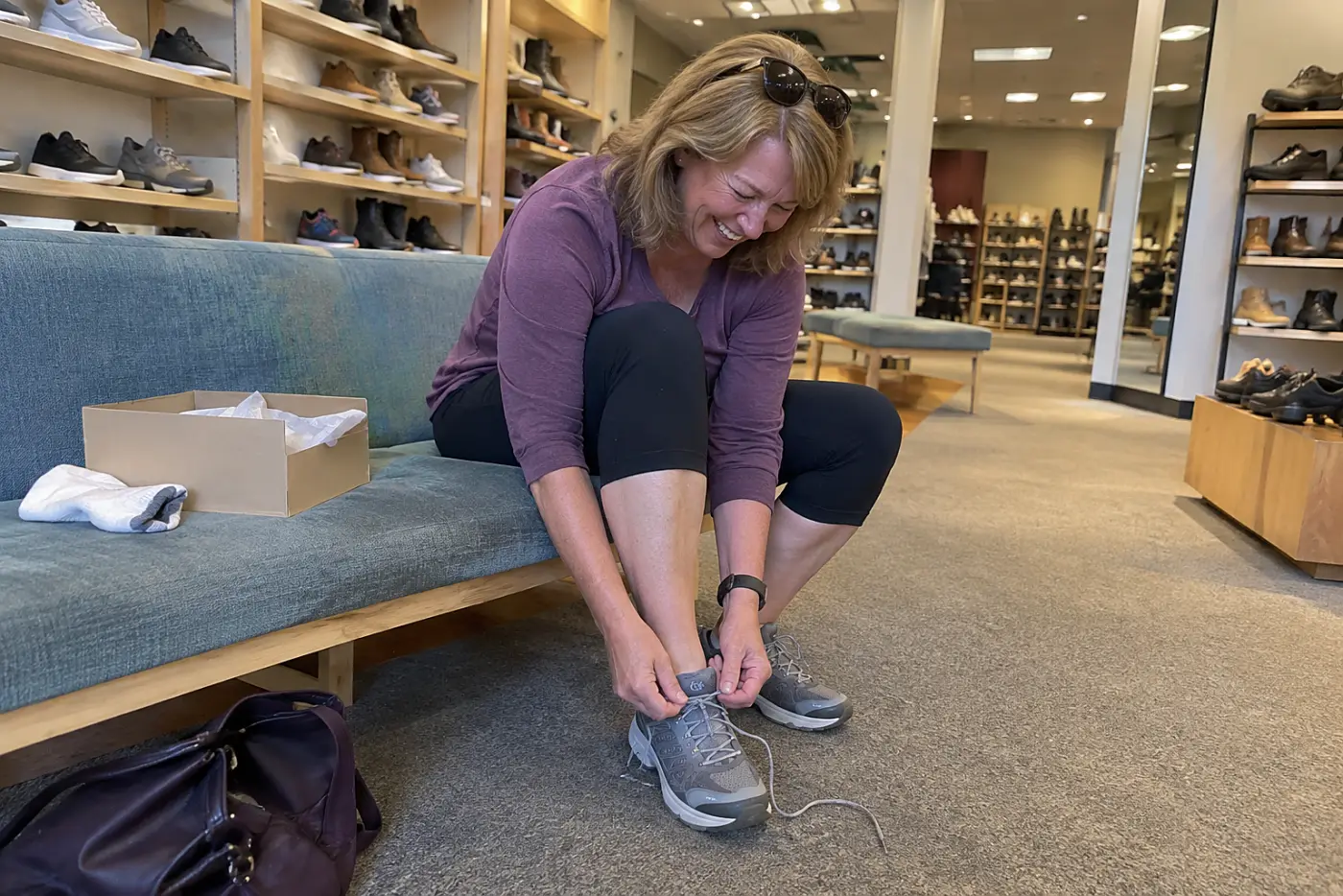
Try party shoes on at home with the socks or stockings you’ll wear. Walk across the kitchen, turn, and stand still. If your toes hurt there, they won’t thank you at the venue. You’ll spend the evening looking for a chair instead of the person you came to see.
This week, choose a pair you trust and put it by the outfit. Say, “I’m wearing shoes I can stay in.” Then leave the other pair in the closet.
The outfit settles; the mirror has another request.
24Covering every strand of gray hair

The appointment has started running your week instead of serving you.
Color takes planning: you book, travel, sit, pay, and book again when the roots appear. A salon color can cost $75 to $200 or more per visit, depending on the service and where you live. None of that is wrong if you enjoy the result. It’s worth noticing, though, when you’re going only because someone else might notice a silver part.
Growing it out has its own awkward stretch. A stylist can cut for the hair you have now, rather than keep shaping it around the color you used to maintain.
The American Academy of Dermatology has information on caring for aging hair. Use it for scalp and hair questions, not as a vote on what shade belongs on your head. If you stop coloring, your routine changes, and so does the line in your calendar where the appointment sat.
This week, look at your next salon booking before you confirm it. Say to your stylist, “Show me a cut that works with the gray coming in.” Keep the color appointment if you want it; keep it because the choice feels like yours.
The mirror still holds smaller habits.
See more: 24 Things Going Grey Does to How People Treat You →
23Checking lipstick in every window

A reflection can turn a pleasant walk into inspection.
A quick look before you leave the house has a purpose. Checking each dark shop window afterward asks you to judge your face again and again. The glass isn’t even a good mirror: street light and passing cars distort what you see. There’s no useful correction to make on a sidewalk every few minutes.
This week, check your lipstick once where the light is decent. Put it away and keep walking. If a friend spots a smudge, she’ll tell you. Say, “Thanks, I’ve got it,” and carry on.
Sooner or later, someone else will have a view about your appearance.
22Answering comments about your changing body

Someone names your body, and suddenly dinner needs a defense.
You can let the comment end where it began. A remark about weight, wrinkles, or what’s on your plate gives you no duty to report on your health. Even a question framed as concern doesn’t require a public answer.
A subject change works best when you make it before the table joins in. Ask about the garden, the trip, or the pie.
For a change that concerns you, speak with your clinician away from dinner. MedlinePlus, from the National Library of Medicine, has patient information you can read before an appointment. A guest’s reaction is no substitute for that conversation. You lose the meal when you try to satisfy the guest instead.
This week, practice one short reply aloud before the next gathering. Say, “I’m fine talking about something else.” Then ask a real question and listen to the answer. You need no clever comeback, and you need no account of what happened at your last checkup. The point is to get your own evening back.
The table has other ways of claiming your time.
21Serving a homemade dessert every time

A store-bought cake doesn’t erase the invitation.
When you host, dessert comes after the shopping, cleaning, cooking, and dishes. Adding a baking project because guests expect your old recipe changes how you spend the hours before they arrive. A supermarket cake can run $15 to $40; check the bakery case before deciding whether to bake. Put the energy where you want it: conversation, a favorite dish, or a quiet hour before the doorbell. Guests still get dessert.
This week, decide what you’ll serve before making the grocery list. Buy the cake if that suits you. Say, “I picked up dessert so I’d have more time with you.”
There’s another household job that never seems to stay finished.
20Keeping the house ready for surprise visitors

An unannounced knock doesn’t turn your home into a showroom.
The kitchen gets used, the mail lands, and a chair holds the sweater you took off. If someone arrives without arranging a visit, she has walked into a real day. You’re free to invite her in, talk at the door, or arrange another time. Cleaning in anticipation of an imagined inspection steals hours before anyone even knocks.
That pressure grows when you treat every room as public. The bathroom guests use needs supplies; the spare room with sorting piles has another purpose right now.
A visitor who sees a stack of books has learned only that you own books. The National Institute on Aging has guidance on preventing falls at home; clear walking paths matter more than polished shelves.
This week, make one path through the room easy to walk and leave a harmless pile alone. If the doorbell rings at a bad time, say, “Today doesn’t work for a visit. Call me and we’ll make a plan.” You’re allowed to keep the afternoon you already had.
Once people come inside, the objects on the shelves have their own pull.
19Saving dishes nobody wants to use

The good plates sit untouched while you wash the chipped ones.
You kept a set for company, yet company now eats at the kitchen table. When a dish survives every move but never reaches a meal, ask what job you want it to have. Use it, give it to someone who wants it, or let it go. Keeping it solely because it cost something won’t bring that money back.
This week, take out one piece and serve lunch on it. Then decide whether the rest deserve shelf space. Say, “These are for today.” After lunch, notice what else you’re storing for a later occasion.
18Keeping an outfit for an old size

The dress in the back asks you to live in another year.
You open the closet looking for something to wear today, then meet an outfit kept for a body you had before. Maybe its fabric feels lovely; maybe it carries a memory. Neither fact means it must stay on a hanger among your working clothes.
Set it aside as a keepsake if that’s its real role. Otherwise, let someone wear it while the seams and fabric still hold up.
A closet full of clothes you don’t put on makes getting dressed slower. It also crowds the pieces that fit and feel right. Keep one garment for its story if you want, but don’t make every old size a promise you’re required to fulfill.
This week, try on that outfit once, in daylight, without treating the result as a grade. Keep it for a named reason or remove it from the closet. Say, “I’m making room for clothes I wear now.” The empty hanger is useful; leave it where you can see it.
Clothes take up space, but other leftovers take up whole afternoons.
17Finishing a book you dislike

The bookmark has become a tiny unpaid obligation.
A library book has a return date, not a demand that you finish it. Stop at the chapter where your interest ends. If it’s your own copy, put it on a giveaway shelf or pass it to a friend who wants that subject. The pages you leave unread cost less than the evenings you force through them.
This week, close one book you keep postponing. Return it or move it off your bedside table. Say, “This one wasn’t for me,” without writing a review to defend yourself.
The next unfinished thing has other people’s names attached.
16Sending holiday cards out of duty

A card list can outlive the relationships it once marked.
The names sit in an address book, copied from year to year. Some belong to people you see; others are there because removing them feels like a verdict. Sending a card is a kind gesture when you want to send it. It becomes work when you dread buying stamps, signing a stack, and keeping track of who sent one back.
You don’t have to make a public announcement or settle what each friendship means. A letter to one person you miss is different from a mailing to people you no longer know.
The USPS lists current postage, if mailing costs belong in your decision; check there rather than guessing from stamps left in a drawer.
This week, take out last year’s list and circle the people you want to write to. Send to those people, or send no cards this season. Say, “I’m writing fewer cards this year, but I wanted to write to you.” The ones you leave off have room to contact you, too.
Then comes the harder question: which invitations still deserve a yes?
15Accepting every dinner invitation

A free evening fills up before you’ve chosen how to spend it.
Someone asks, you answer quickly, and only later remember the early start next morning. An invitation gives you a choice, not a deadline to prove you’re friendly. Check your calendar before accepting. Leave time between plans because you want it there, not because anyone has granted permission.
This week, pause before replying to one invitation. Look at the day before and the day after. Say, “Thank you for asking. I’m going to pass this time.” A kind no keeps the relationship intact while leaving the evening yours.
Once you decline, the urge to supply a reason starts working.
14Explaining why you left a gathering early
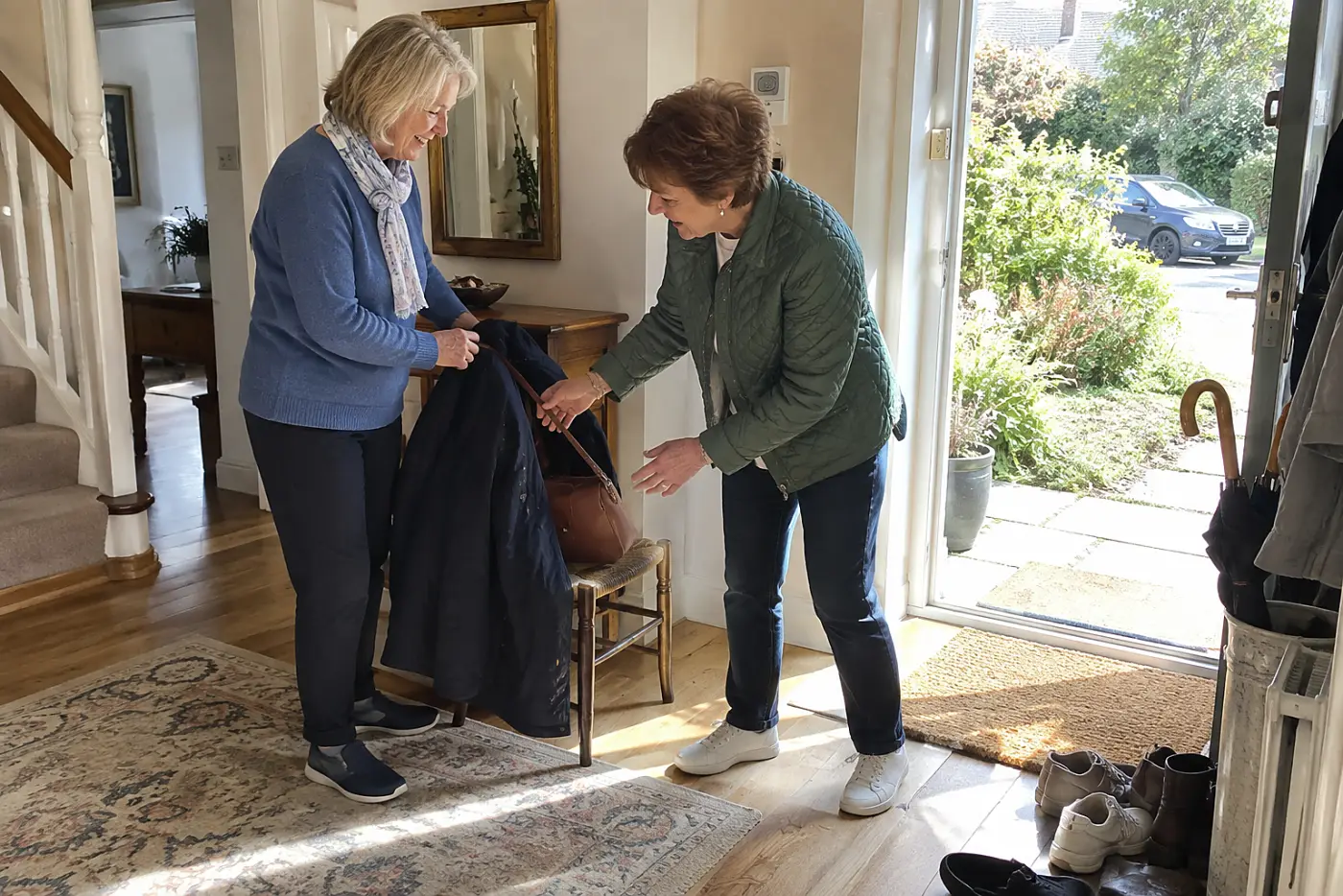
Leaving after dessert shouldn’t require a courtroom statement.
You came, enjoyed yourself, and reached the point where you wanted to go home. A long explanation gives everyone a detail to question: the drive, your bedtime, tomorrow’s plans. Thank the host, collect your coat, and leave before the conversation turns into a negotiation. You’re responsible for saying goodbye, not for winning approval.
Hosts need to know you’re going so they don’t wonder where you went. They don’t need a full account of the rest of your night. If you have a ride arranged with someone else, settle that practical detail before you stand up. Otherwise, “I’m heading home” is enough.
This week, think of the next event on your calendar and decide when you’d like to leave. You can change your mind while you’re there. When it’s time, say, “I had a lovely time. I’m heading out now.” Don’t add a reason unless there’s one you want to share.
The next request arrives through a screen rather than across a room.
13Replying to every message at once

A notification pulls you away from what’s in front of you.
Phones show messages when they arrive, not when you’re ready to answer. A family group chat can keep sounding while you’re eating, walking, or talking with a friend. Silence its alerts and check it at a time you choose. If someone needs urgent help, arrange how they should call you.
This week, open the chat’s notification settings and turn off its alerts. Tell the group, “I read these later. Call me if something is urgent.” The messages remain there when you return.
The sound stops, though the pictures keep coming.
12Posting photographs for other people’s approval

A lovely lunch turns into a hunt for the best angle.
You can take a picture and keep it. Once you post, comments and reactions arrive on their own timetable, and a private hour becomes something to monitor. Decide what the photograph is for before you put it online. If you want a friend to see it, send it to that friend. If you want to remember the day, save it in an album.
The Federal Trade Commission has consumer advice about privacy and social media. Check who can see a post before you share a picture that includes someone else. A photo of a grandchild or friend belongs to more than your camera roll. Ask before posting it.
This week, take one photograph without opening a social app afterward. Look at it that night and decide whether to keep, send, or share it. Say, “I’d like this one for myself.” Then put the phone down and return to the people, food, or view that made you reach for it.
A camera isn’t the only place other people’s eyes follow you.
11Letting strangers judge your lunch order

The waiter asks what you want, and the table goes quiet.
Someone else’s choice of salad doesn’t make your order a statement. Read the menu, think about appetite and taste, and choose the meal you came for. If you need information about ingredients, ask the restaurant directly. Your dining companions aren’t entitled to turn lunch into a discussion of your plate.
This week, pick what you want at one meal out. Ask the server any practical question you have. Say, “I’ll have the pasta, please.” Then let the next person order without defending yours.
After lunch, the bill brings another kind of pressure.
10Paying for the whole table by default

The check lands near you, and an old habit reaches for it.
Treating people feels good when you choose it. It feels different when the group assumes you’ll pay because you always have. Set the plan before anyone orders: separate checks, one host, or a shared bill.
Restaurants handle bills differently, so ask your server early if you want separate checks. That gives everyone a clear expectation while changes are still simple.
Money and affection shouldn’t need to stand in for each other. If you want to buy your niece lunch, tell her it’s your treat. If you want to meet friends without paying for the group, tell them that, too. The Consumer Financial Protection Bureau has tools for reviewing spending if these meals have become a line you’d rather change.
This week, choose the bill arrangement before your next outing. Tell the group when you make the plan, then repeat it to the server when you sit down. Say, “Let’s do separate checks today.” Anyone disappointed has heard the arrangement in time to decide what to order.
And money isn’t the only thing people assume you’ll provide.
9Lending out things you want back

The borrowed serving dish disappears into someone else’s cupboard.
If you care where an object ends up, a loan needs a return plan. Agree on a day and a way to get it back before it leaves. A photograph on your phone helps you remember which dish went where; it needn’t become an accusation.
This week, choose one outstanding loan and send a direct message. Say, “I need my blue dish back this week. When can I pick it up?” You’re asking for your own thing, without apologizing for remembering it.
Possessions are easier to retrieve than time already given away.
8Taking every favor someone offers you

An offer of help can become a plan you never wanted.
A person says she’ll sort your cupboards, drive you, or handle a phone call. Gratitude arrives first; then you realize you wanted to do it yourself. Help works when it solves a problem you’ve named. You can accept one part, refuse another, or ask the person to wait. Taking an offer isn’t the price of keeping a good relationship.
That matters when a task touches your privacy. A helper cleaning out drawers will see papers and objects you haven’t chosen to share. Someone making a call for you needs details you might prefer to give yourself. Decide on the task before inviting anyone into it.
This week, revisit one offer you accepted too fast. Name the part you welcome and the part you’ll handle. Say, “Thanks for offering. I’d love a ride, but I’ll make the appointment myself.” The other person gets a clear job, and you keep the decisions you want to make.
There’s a tougher version when someone asks you for help.
7Being everyone’s first call for errands

Your Tuesday disappears one small request at a time.
A ride, a parcel, and a quick stop each sound manageable alone. Together they use the day you meant to spend differently. You can care about people and still ask them to make another plan. A clear answer gives them time to do that.
This week, look at one recurring errand you’ve taken on. Decide whether you want to continue, change the day, or stop. Say, “I can’t do the Thursday run anymore, so please make another arrangement.” Their next step belongs to them.
The next request is harder because it carries a family name.
6Hosting every family celebration at your house

A family date appears, and your kitchen becomes the venue.
You know where the extra chairs live and how much food everyone eats. That knowledge makes hosting easier for the family, not effortless for you. Before anyone assumes you’re holding the meal, ask who wants to take it on this time.
A restaurant, another house, or a picnic changes the work as well as the address. Handing over the gathering doesn’t mean handing over every tradition. Bring a dish you love making, or arrive with nothing but yourself. If relatives want the old menu, they can organize the shopping, cooking, and cleanup that come with it.
This week, raise the venue question while the next date is still being discussed. Don’t wait until you’ve already bought groceries. Say, “I’d like to come, but I’m not hosting this one. Who wants to plan it?” Leave a pause for somebody else to answer. How the family handles that pause tells you what needs to change before the holiday arrives.
Once the meal moves, another old role becomes visible.
5Remembering every relative’s birthday alone
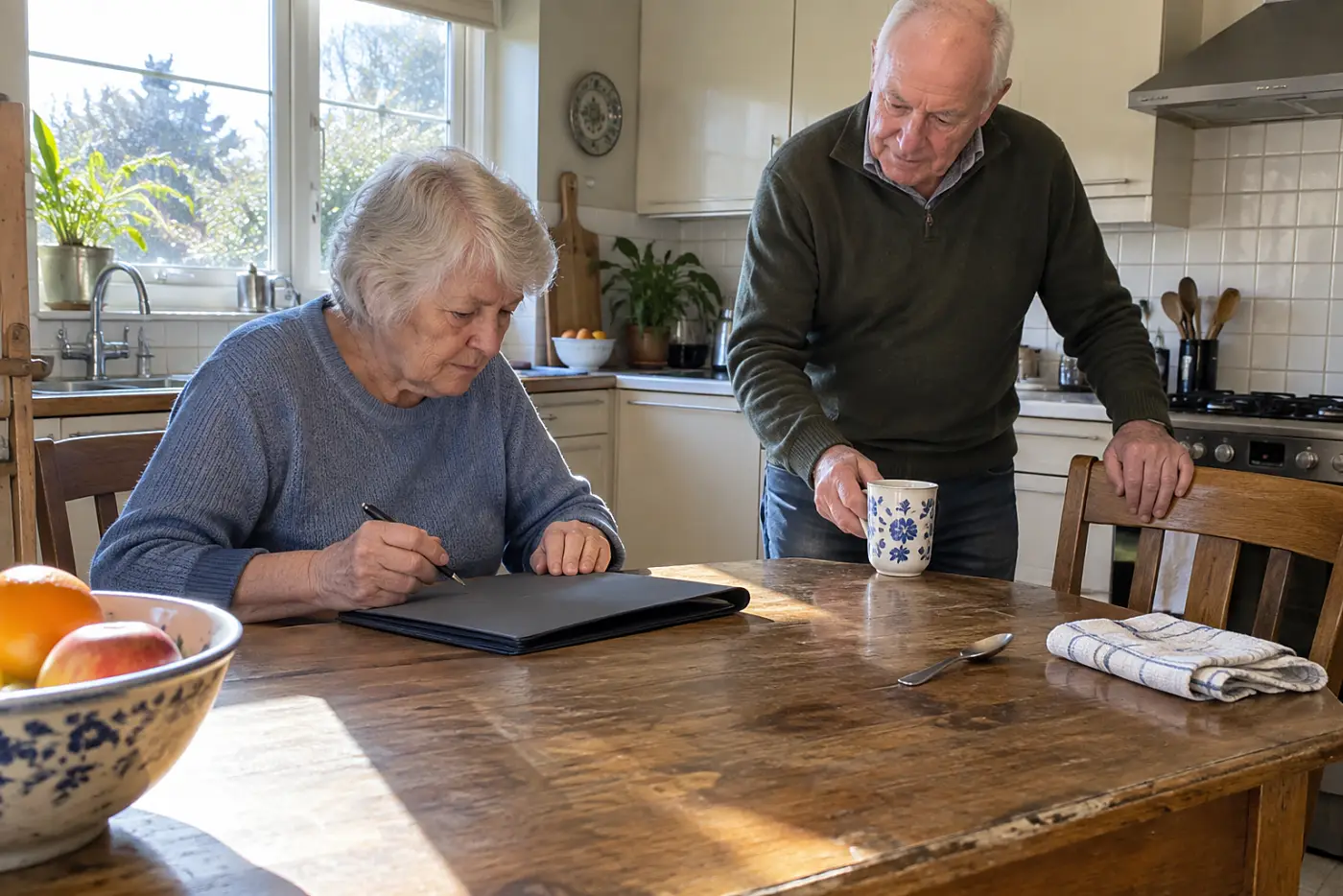
The family calendar has been living inside your head.
You send the reminder, buy the card, and tell everyone whose birthday comes next. When you stop, another adult has to look up a date and act on it. That’s a fair thing for an adult to do.
This week, put the dates you personally want to mark in your own calendar. Tell relatives, “I’m not sending birthday reminders anymore, so save the dates you need.” A forgotten card then belongs to its sender, not to you.
The same old job appears when relatives disagree.
4Settling arguments between grown relatives

Two adults disagree, and both reach for your phone.
You know their histories, which makes you tempting as a referee. Listening to each person for an hour rarely gives you the power to solve the dispute. Before you take a side or carry a message, ask whether either person has spoken directly to the other. If they haven’t, return the conversation to its owners.
You can still care about both of them. You can listen for a short time, say you won't pass messages, and make your own plans with each.
If threats or safety concerns arise, treat those as serious facts rather than a family disagreement to smooth over. The National Domestic Violence Hotline is there for confidential support when abuse is involved.
This week, decide what you’ll say the next time a relative asks you to relay a complaint. Say, “I love you both, but I won’t carry messages. Please tell her yourself.” Put down the phone before you’re assigned a reply to deliver.
Another kind of family pressure arrives as advice about where you belong.
3Defending your choice to live alone

Your front door doesn’t need a family vote.
Relatives have questions about stairs, driving, and emergencies. Hear the practical question beneath a worried tone, then answer only what you choose. Keep a working smoke alarm, clear paths, and an emergency contact plan for yourself. Ready.gov has checklists for preparing for emergencies at home.
This week, write down whom you’d call if the power went out or you needed a ride. Tell a concerned relative, “I’ve made a plan. I’m staying here.” You needn’t defend every room you love.
That home has a front door for visitors, too.
2Opening the door to every drop-in visit
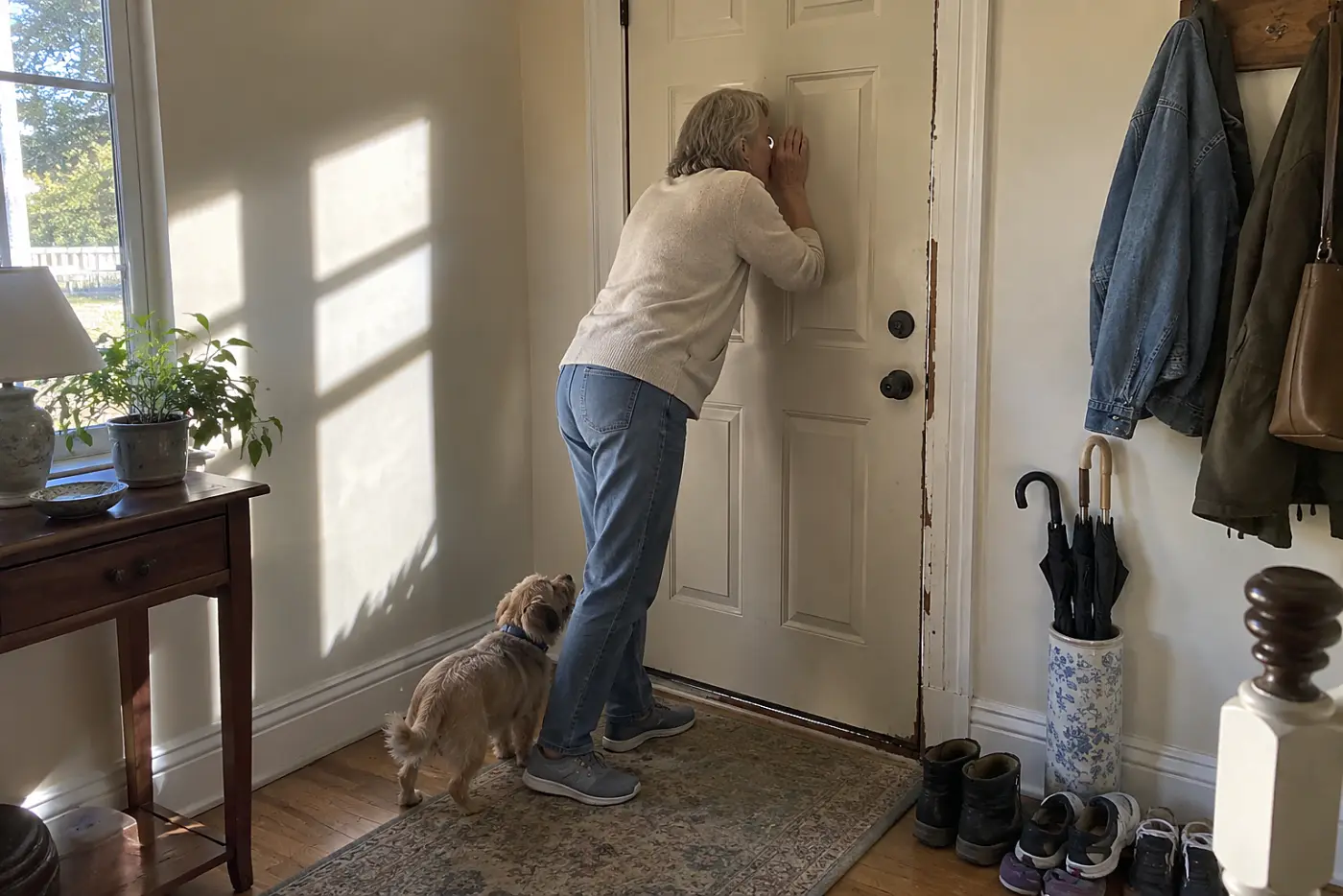
A knock interrupts your day; it doesn’t own it.
Look through the peephole or window before opening. You can speak through the door, answer by phone, or leave an unexpected visit unanswered. If someone says they’re from a utility or agency, use a number from your bill or the agency’s official website to check. Don’t use a number supplied at the door.
A relative’s unplanned visit is different from a stranger’s, but the boundary still belongs to you. Ask for a call ahead if you want one. The Federal Trade Commission’s consumer advice covers scams involving unexpected visitors and impersonators; read it before a convincing stranger stands on your step.
This week, decide what you’ll do when the bell rings during dinner or a nap. Tell regular visitors your plan before they make the trip. Say, “Please call first. I don’t answer the door to unplanned visits.” A person who wants to see you can arrange a time.
The door is closed. Now look at what’s already filling the hours inside.
1Writing your own time on the calendar first

An empty square invites everyone else to claim it.
Appointments and family plans look firm once they’re written down. The afternoon you wanted for yourself stays invisible until you give it a place. Put it on the calendar before you answer the next request. It doesn’t need an impressive name.
This week, choose one open block and write what you’ll do: read, walk, mend, or sit. When someone asks for that time, say, “I have plans then. Another day works.” Keep the appointment with yourself.
The small method below makes that first entry easier to keep.
The bottom line
Across these 27 things, the pattern is the work you once did to keep other people comfortable. Some of it still matters to you; some of it has become a habit you can put down.
You’ve made a place for what matters to you before the next invitation arrives.
Which of these has already happened in your family?
Up next
25 Gifts for Women Over 60 They'll Actually Use
From a jar opener to a cutting board engraved with a family recipe, these picks earn their place in her home.
Read the list →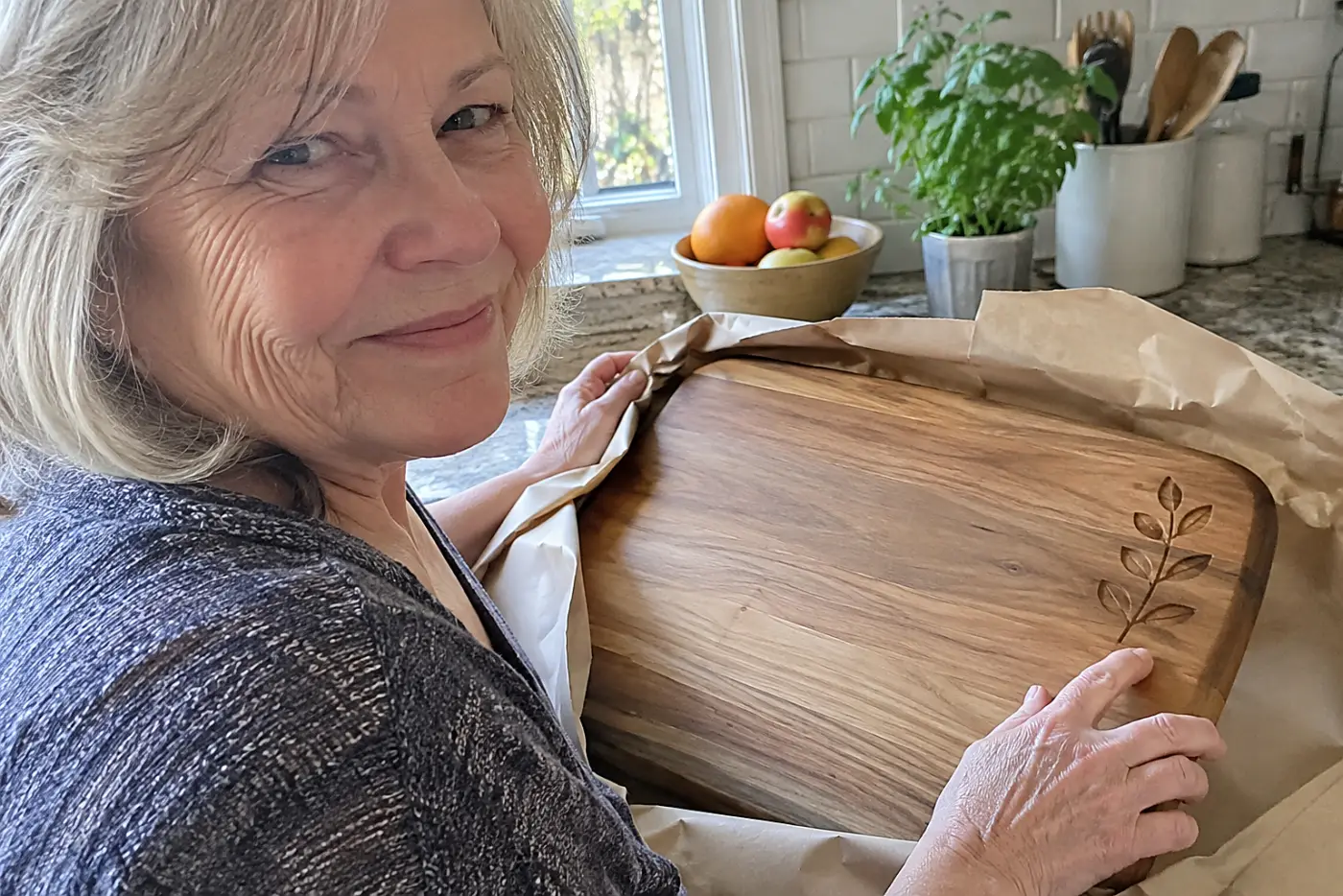


Reader quiz
Did you catch the details?
5 questions from this article. Finish them all to unlock the editor's bonus tip.
What does the article suggest doing at home before wearing party shoes to an event?
Did any of these feel familiar?
Know someone who needs this?
Sources cited in this article
This article links to 9 outside sources, listed here so you can read them yourself.
- American Academy of Dermatology www.aad.org
- MedlinePlus medlineplus.gov
- National Institute on Aging www.nia.nih.gov
- USPS www.usps.com
- Federal Trade Commission www.ftc.gov
- Consumer Financial Protection Bureau www.consumerfinance.gov
- National Domestic Violence Hotline www.thehotline.org
- Ready.gov www.ready.gov
- Federal Trade Commission’s consumer advice consumer.ftc.gov
Nora Bennett
Style Editor
Nora writes about hair, clothes and grooming for people who have stopped asking permission: what to keep, what to let go, and what reads as taken care of.
More from Nora Bennett