











27 Things in Your Closet Keeping You Stuck in 2009
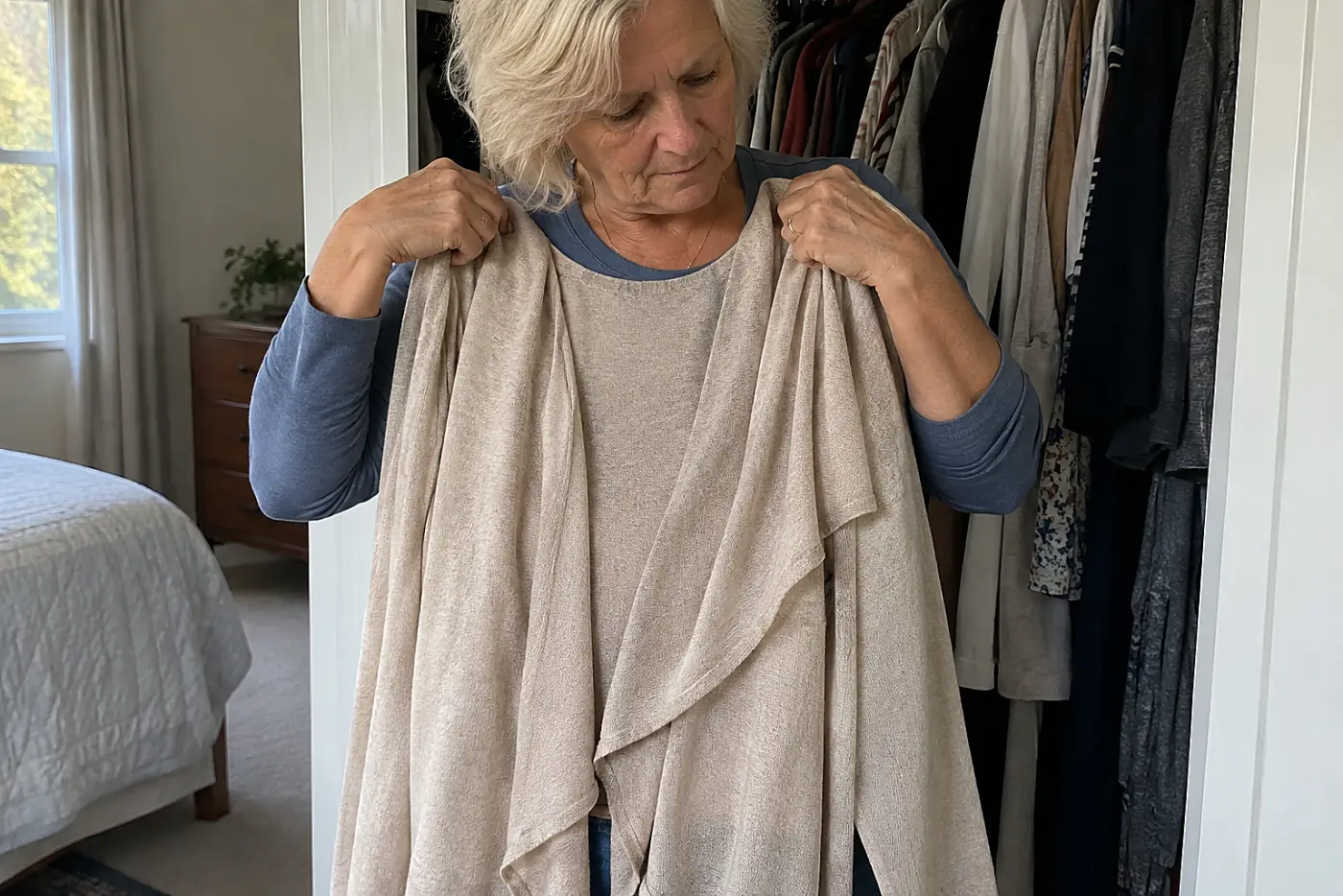
That long cardigan by the door isn't a mistake, but it deserves a fresh look before you wear it again.
By Nora Bennett, Style Editor
Updated · 10 min read
- Written by our style editor
- How we review
Read to the end: #1 is the one closet check that makes a new outfit from old pieces, and almost nobody does it.
A cardigan hangs from the back of the closet door, its hem brushing the light switch. You bought it for work, wore it through a hard winter, and still reach for it when getting dressed feels like one decision too many. Nothing is wrong with remembering that life. You just don't have to put its uniform on again.
Here are 27 things worth looking at with fresh eyes.
27The Tunic With Leggings

The tunic falls almost to your knees over black leggings.
That pairing made rushed mornings easy. The trouble starts when the tunic hides the waist, pockets, and shape of every pair of pants beneath it. You end up dressed for an errand even when you meant to go somewhere else.
Try the tunic with straight pants, or keep the leggings for days when comfort is the whole point.
26The Long Waterfall Cardigan

Its loose front panels swing past your hips when you walk.
That waterfall shape gave office clothes a soft layer without the bulk of a jacket. After years on a hanger, some fronts curl inward or hang unevenly. Check the shoulder seam, too. A sweater that slides backward asks for adjustment all day, however much history sits in its sleeves.
Wear it with a narrow top if it sits right. Otherwise, release it.
25The Statement Necklace With Huge Beads

Glossy beads crowd the neckline before your face comes into view.
That necklace once finished a plain dress in seconds. Now the weight matters as much as the color. If the clasp twists forward or the strand knocks against your chest, the outfit becomes a job to manage.
Keep the strand you enjoy wearing, and give the heavy one an honest afternoon test.
24The Shrug Over a Dress

The little knit shrug ends just below your shoulder blades.
It had a purpose: covering bare arms without hiding a dress you loved. That cropped back still works with the right neckline. But if its elastic edge grips your upper arms, you'll remember it at every table and every doorway. The dress deserves better than a companion you keep tugging into place.
Put both on together before the next occasion; keep the shrug only if you forget it's there.
23The Jeans With Heavy Back-Pocket Stitching

Bright thread loops across both back pockets of your jeans.
You remember choosing that pair because the denim felt sturdy. Turn around in the mirror and look at the stitching, not your body. If the decoration competes with every top you own, the jeans are making decisions for you.
Keep them if you love the pattern; otherwise, try a plain-pocket pair.
22The Very Low-Rise Jeans

The waistband sits below your hip bones when you stand.
Low-rise denim demanded constant attention, especially in a chair. You learned which tops stayed down and which seats required a jacket behind you. That isn't nostalgia; it's a dressing strategy you no longer need to follow. The jeans deserve a fair try-on, not another decade stored beneath the good sweaters.
Sit, stand, and reach for a shelf in them; if the waistband needs guarding, let the jeans go.
21The Cap-Sleeve Office Blouse

Tiny sleeves perch at the edge of your shoulders.
The blouse looked crisp under a jacket. On its own, those sleeves pinch or ride up when you lift your arms. There's no prize for making a blouse work only while you stand still.
Try it without the jacket and move around the room; keep it only if it passes.
20The Pencil Skirt With a Tight Hem

The narrow skirt pulls across your knees as you take a step.
A pencil skirt made sense for a desk, a meeting, and shoes you kept under that desk. If your day now involves stairs, a car, and a longer walk, test the skirt against that day. Fabric that fits at the waist still has to let you move. The skirt doesn't get credit for belonging to an old job.
Walk up stairs in it, then decide whether its place is in your closet or in someone else's.
19The Peep-Toe Platform Pumps
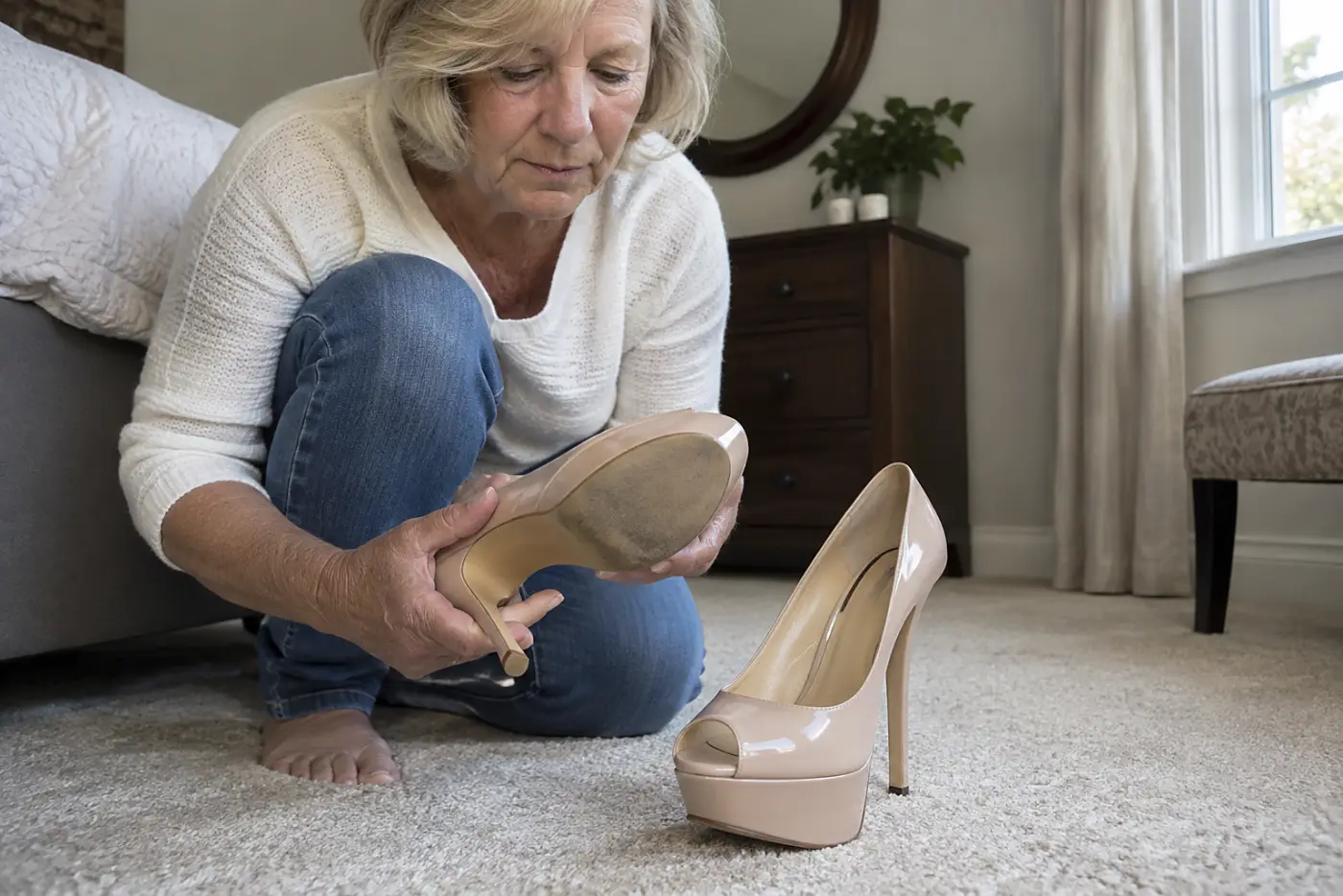
A small opening shows your toes above a thick platform sole.
You wore those pumps to weddings and late dinners. Look at the soles now: old adhesive and worn heel tips change how a shoe feels underfoot. A beautiful pair isn't useful when you can't trust your next step.
Have a cobbler inspect them if you still want to wear them.
18The Ballet Flats With Elastic Heels
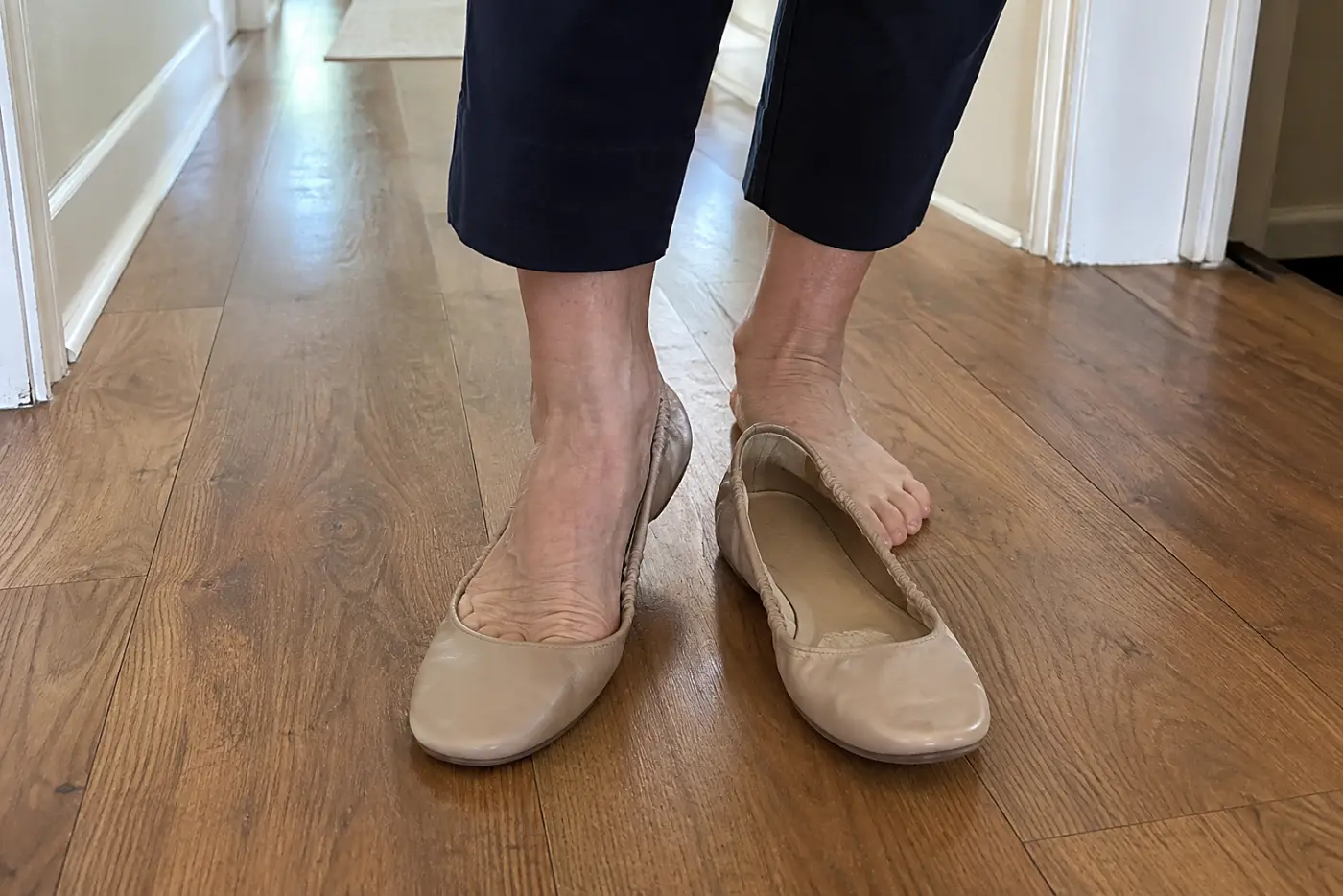
The elastic heel folds inward beside a flattened leather toe.
Those flats once lived in a handbag as relief from heels. Now the elastic leaves a mark, or the sole bends where it shouldn't. A familiar shoe gets a pass because you remember its first comfortable day. Look at the pair in front of you instead, especially if the lining has worn through at the heel.
Try them for a walk around the block; discard them if your toes grip to keep them on.
17The Skinny Scarf at the Neck

A narrow printed scarf sits tight against your collarbone.
It dressed up a plain shirt without changing the shirt. If the knot needs fixing whenever you turn your head, the scarf has become another small task. The print itself still belongs to you.
Tie it to a bag handle instead, or wear it loose with an open collar.
See more: 29 Colors That Wash You Out After 50, and the Ones That Don't →
16The Cropped Denim Jacket

The denim jacket stops well above the top of your pants.
You remember throwing it over summer dresses. Try that combination again before deciding the jacket is dated; the shorter length still shows the dress beneath. The problem is a hem that hits exactly where you keep pulling your clothes down. One inch of discomfort becomes a whole evening of fussing.
Wear it with two dresses you own, then keep it only if neither outfit needs constant adjustment.
15The Ruffled Front Blouse
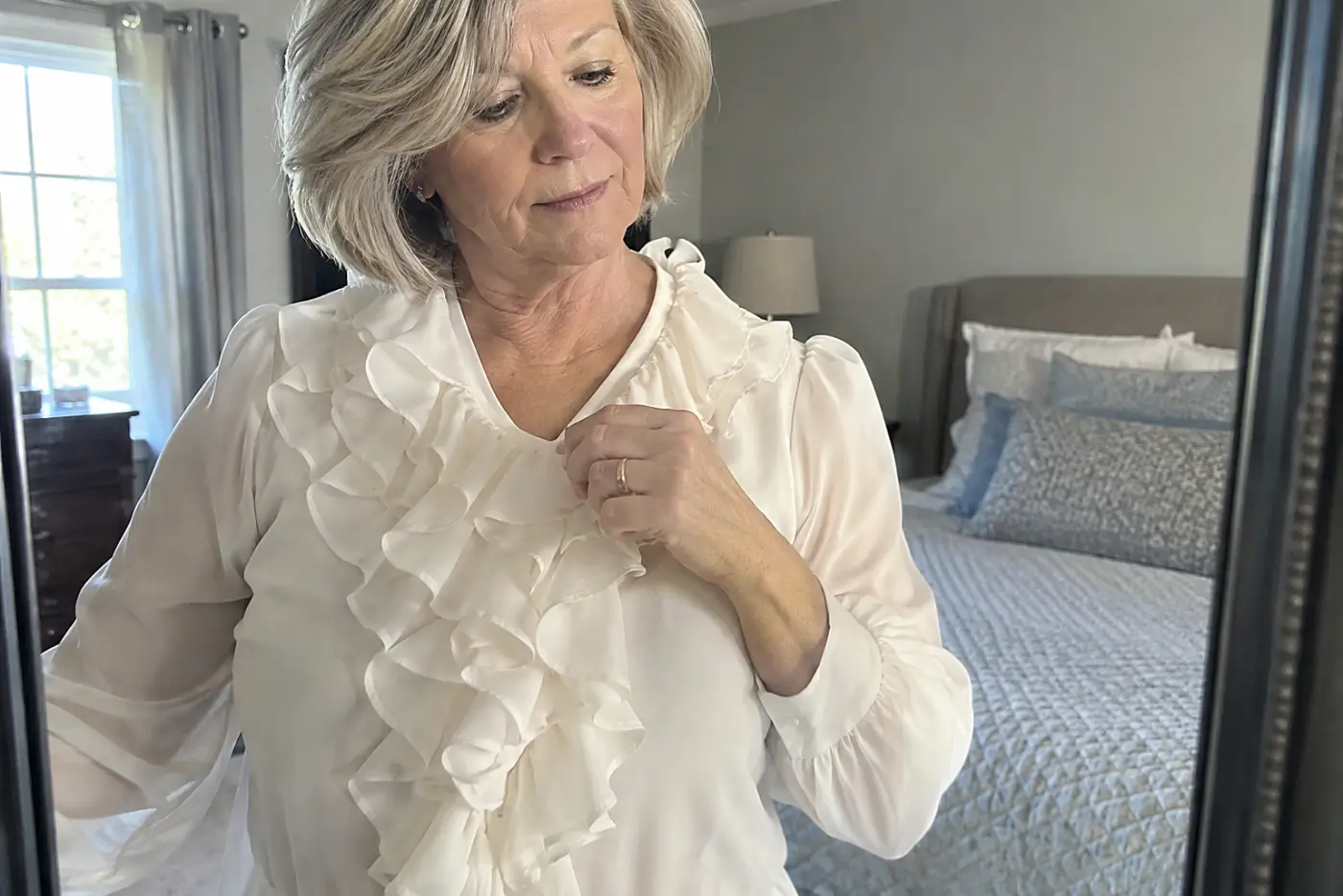
Rows of ruffles run down the front of your blouse.
The detail once stood in for a jacket at work. Under a cardigan, those layers bunch; under a necklace, they fight for space. The blouse deserves room if you still enjoy it.
Wear it alone with plain pants, or pass it on without saving it for a job you left.
14The Empire-Waist Jersey Dress

A seam cuts across the dress just below your bust.
The soft jersey was easy to wear through a long day. Wash it, hang it, and watch where the fabric falls. If the skirt clings to tights or the seam creeps upward, the dress isn't doing its old job anymore. You don't owe it a new one because it carried you through a busy stretch.
Try it with the shoes you wear now; if you keep correcting the seam, let it go.
13The Belt Worn Over Everything
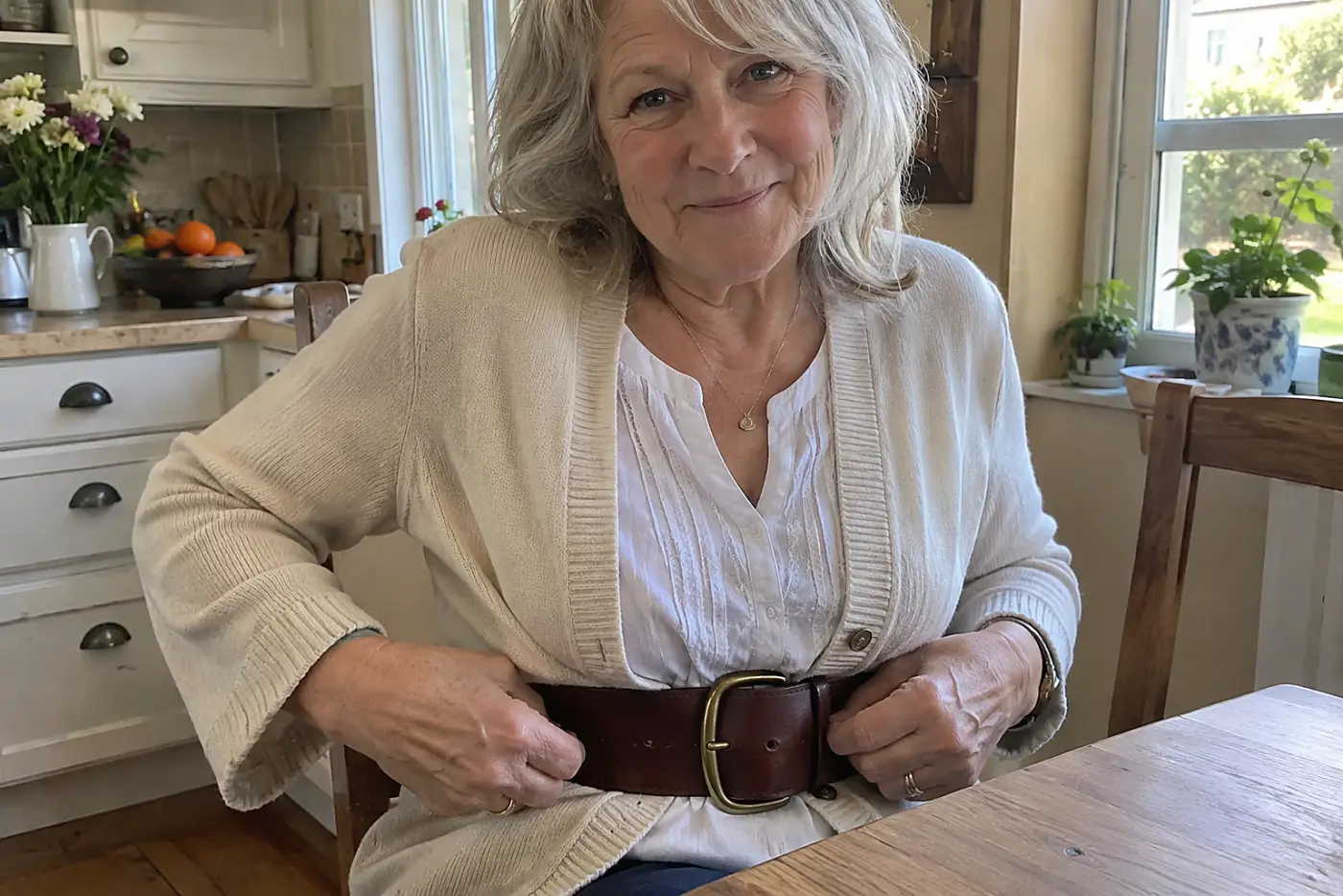
A wide belt crosses your cardigan and blouse at once.
That belt made loose layers look intentional. It also turned sitting down into an adjustment. If you unfasten it before lunch, it isn't earning its hook in the closet.
Try it over one dress that needs shape, and stop asking it to rescue every outfit.
12The Sequined Evening Top

Small sequins catch the light along the shoulders and hem.
You kept it because it marks a good night, or the hope of another one. Pull it out before the invitation arrives. Missing sequins leave bare spots, and a scratchy lining won't improve while it waits. If it still fits and feels good, there's no reason to hide it behind office clothes.
Wear it with dark jeans to dinner; pass it along if you're keeping the memory rather than the top.
See more: 27 Makeup Habits From Your Thirties That Work Against You Now →
11The Bolero From a Wedding

The short satin bolero ends above your waist.
It matched a dress for one wedding, down to the shine. Since then, you've moved it aside every time you reach for something useful. You don't need to keep the bolero to keep that day.
Photograph the outfit together, then donate the layer if it has no life beyond the picture.
10The Distressed Jeans With Rhinestones

Rhinestones flash beside a frayed patch on one thigh.
You picked them when getting dressed felt like permission to be louder. Keep that permission. The question is whether these jeans still express it, or whether you now reach for something else each time you want to feel seen. Check the stones, too; missing ones leave their outlines in the fabric.
Wear them out once this month if you love them. Otherwise, make room for clothes that speak for you now.
9The Camisole Under Every Neckline

A lace-edged camisole peeks above the front of your shirt.
That extra layer kept plunging necklines from becoming a daily calculation. Now check whether it bunches under the top or shows where you didn't intend. You're allowed to prefer coverage without wearing two shirts.
Keep the camisoles that sit flat, and retire the stretched ones.
8The Oversized Hobo Bag
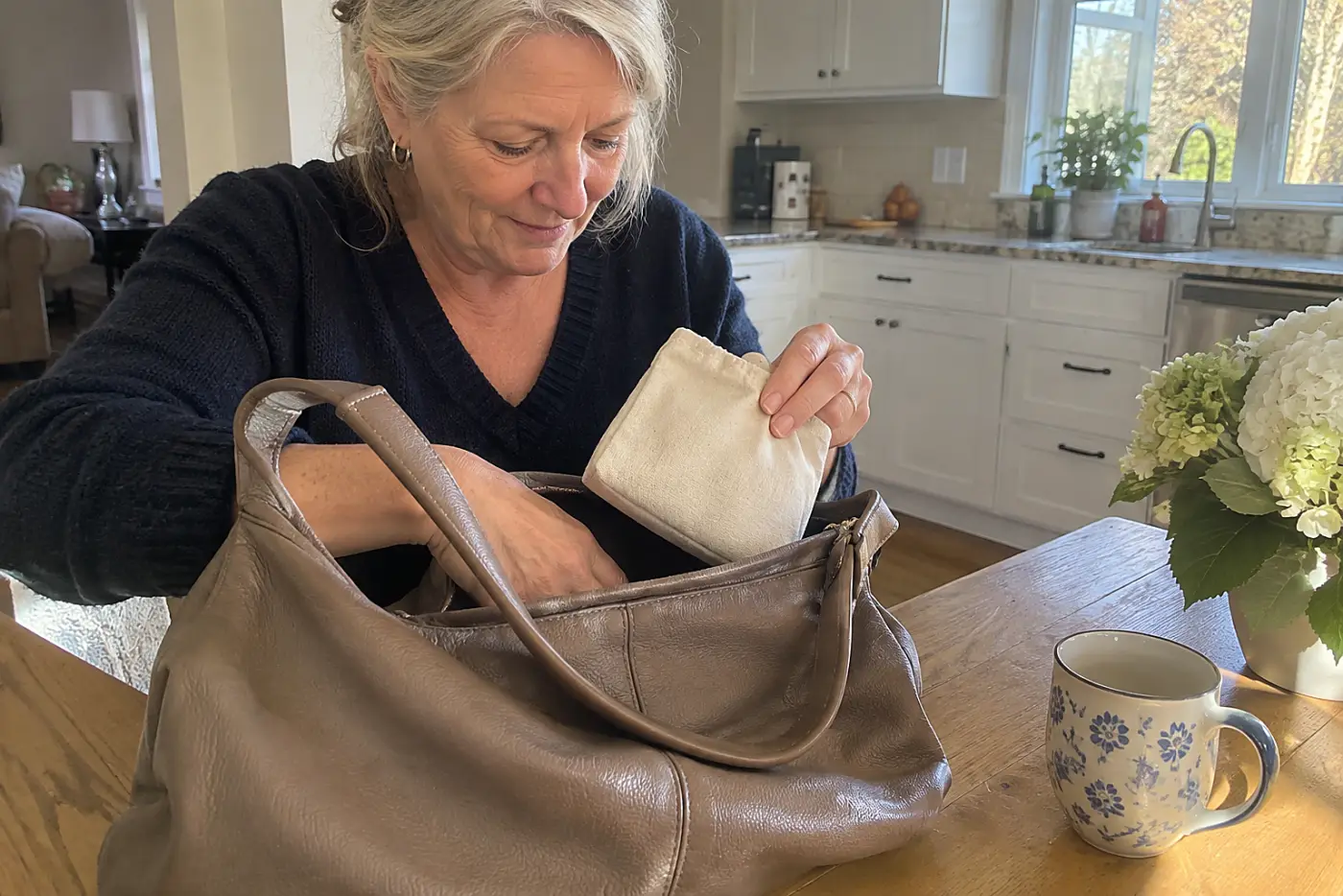
The soft bag slouches against your leg, nearly empty.
It held everything for the people who needed you: keys, receipts, tissues, a spare pair of glasses. Maybe it still does. Empty it onto the table and see what belongs to today's life. A bag that hurts your shoulder deserves scrutiny, even if it got you through years of being prepared.
Carry only what you use for a week; then decide whether the bag still fits the job.
7The Matching Handbag and Shoes
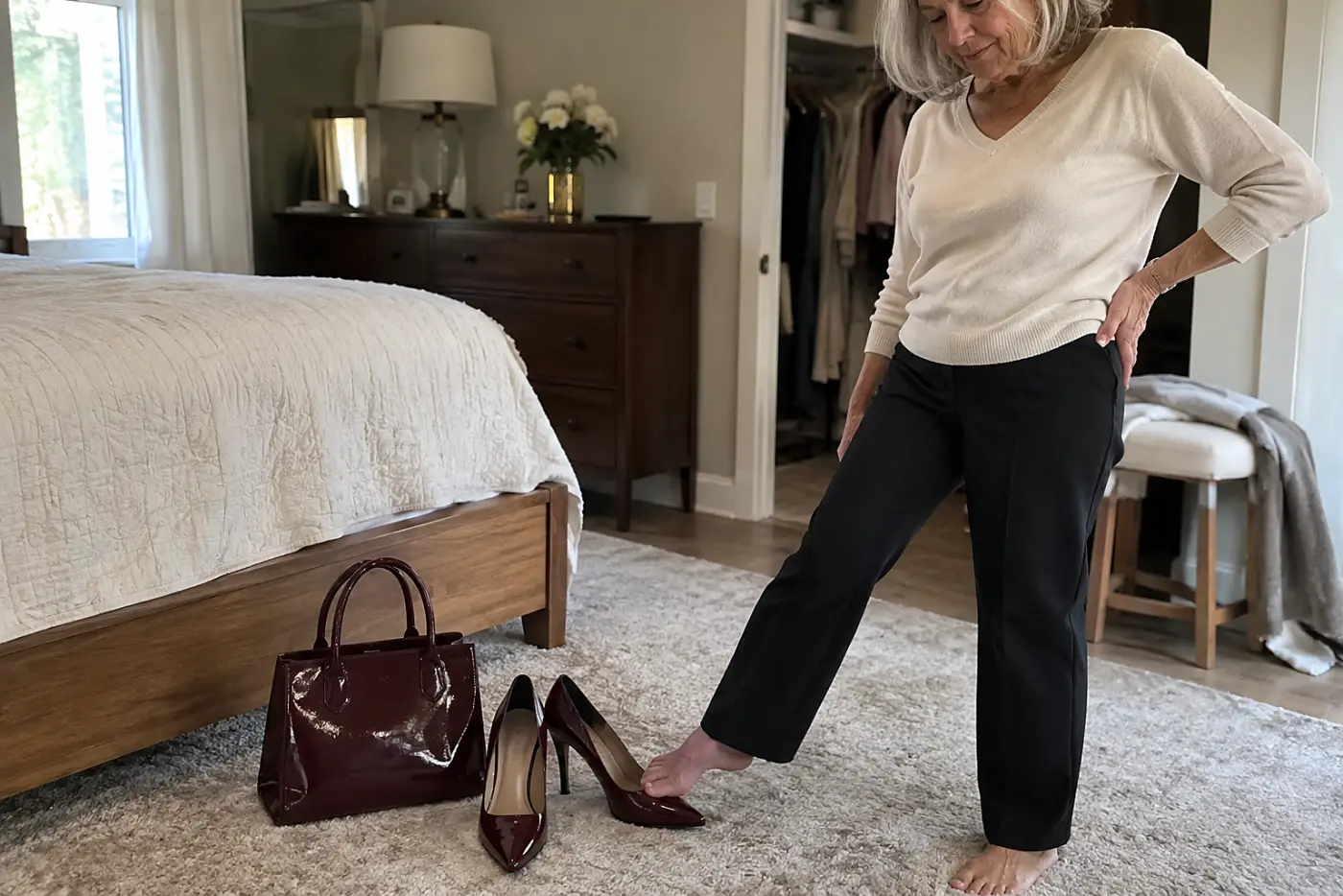
Your handbag and pumps share the same glossy burgundy finish.
They made an outfit feel finished when you had little time. If both pieces still suit the clothes you wear, enjoy them. But don't keep wearing uncomfortable shoes because the bag is good.
Separate the pair; give each piece its own reason to stay.
6The Faux-Leather Jacket With Peeling Cuffs

Black flakes collect inside the sleeves when you take it off.
You wore that jacket after hours, over jeans and a T-shirt. It was the part of your closet that belonged to nights out, not meetings. Now the coating peels where your wrists rub the cuffs. It leaves marks. Check the collar, too, especially where it touches your neck. No amount of careful hanging will make a peeling surface stay put.
Run a finger along both cuffs and the collar. If the surface comes away, let it go. Look for a jacket whose sleeves leave your hands clean.
5The Shapewear Shorts Beneath the Dress
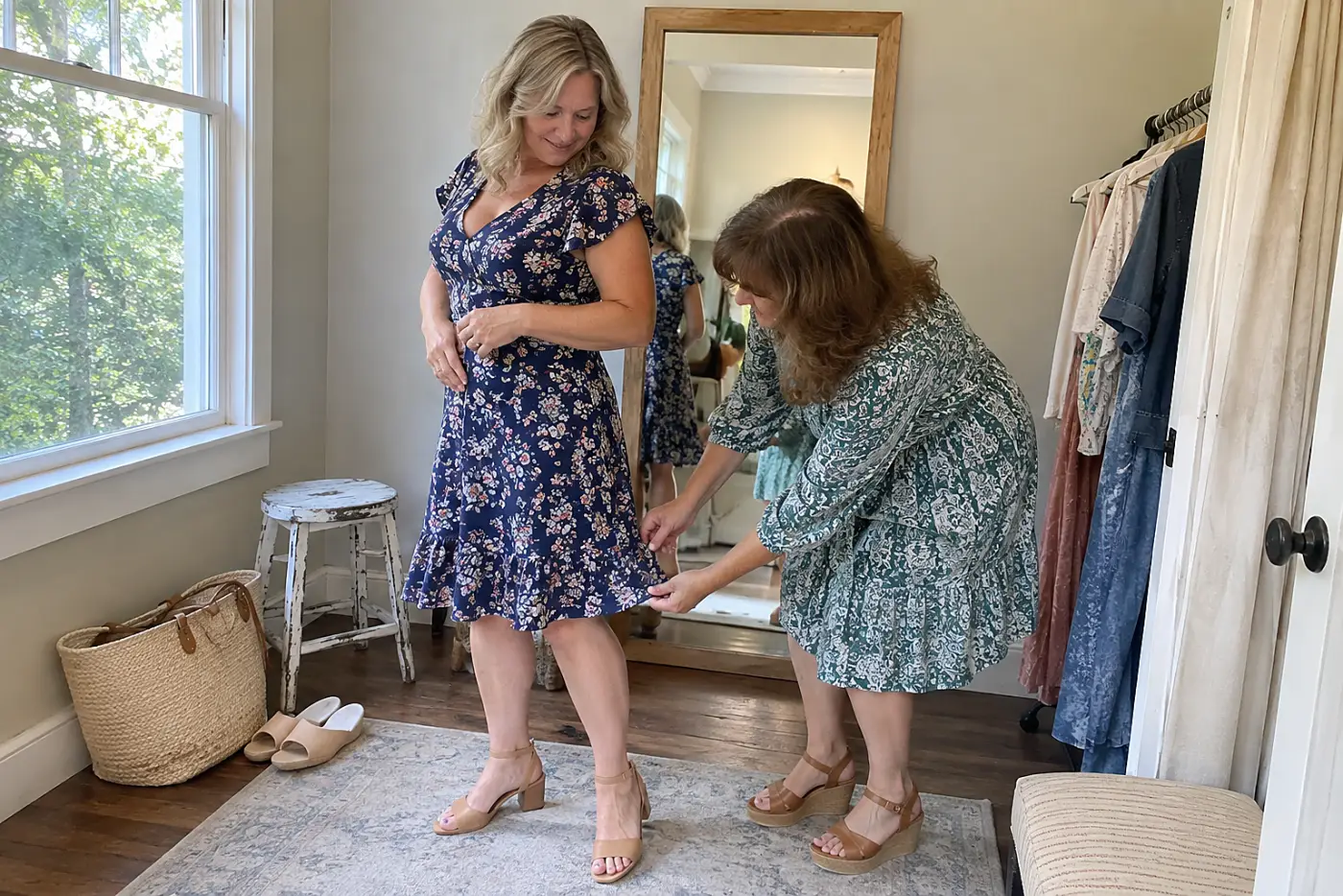
The shorts roll at the waist before you leave home.
You bought them for one dress. The smooth line looked good in the mirror, but the waistband changed the evening. You learned to straighten it after dinner, then again before a photograph. You stopped sitting back in your chair. Nobody else needed to see the shorts for them to take up space in your mind. They made an ordinary night feel like a fitting room you couldn't leave.
Try the dress with the underwear you reach for today. Sit down. Stand up. Walk across the room, then sit again for a few minutes. Notice whether you think about the dress or the layer underneath it. If the dress works, keep it. If it needs shorts you dread wearing, let the dress go too.
4The Wool Sweater With Moth Holes

Daylight reveals three small holes near the sweater's folded hem.
You wore the wool sweater through cold mornings and kept folding it away each spring. The holes need a decision before the first cold day sends you reaching for it again. Check the elbows and underarms, too. One neat repair is different from fabric thinning across the whole sweater. And don't put it back beside the other wool until you've checked those pieces.
Hold it against a window to find every hole. Set aside the pieces with damage, then decide which sweater is worth mending.
3The Heavy Coat With Worn Lining
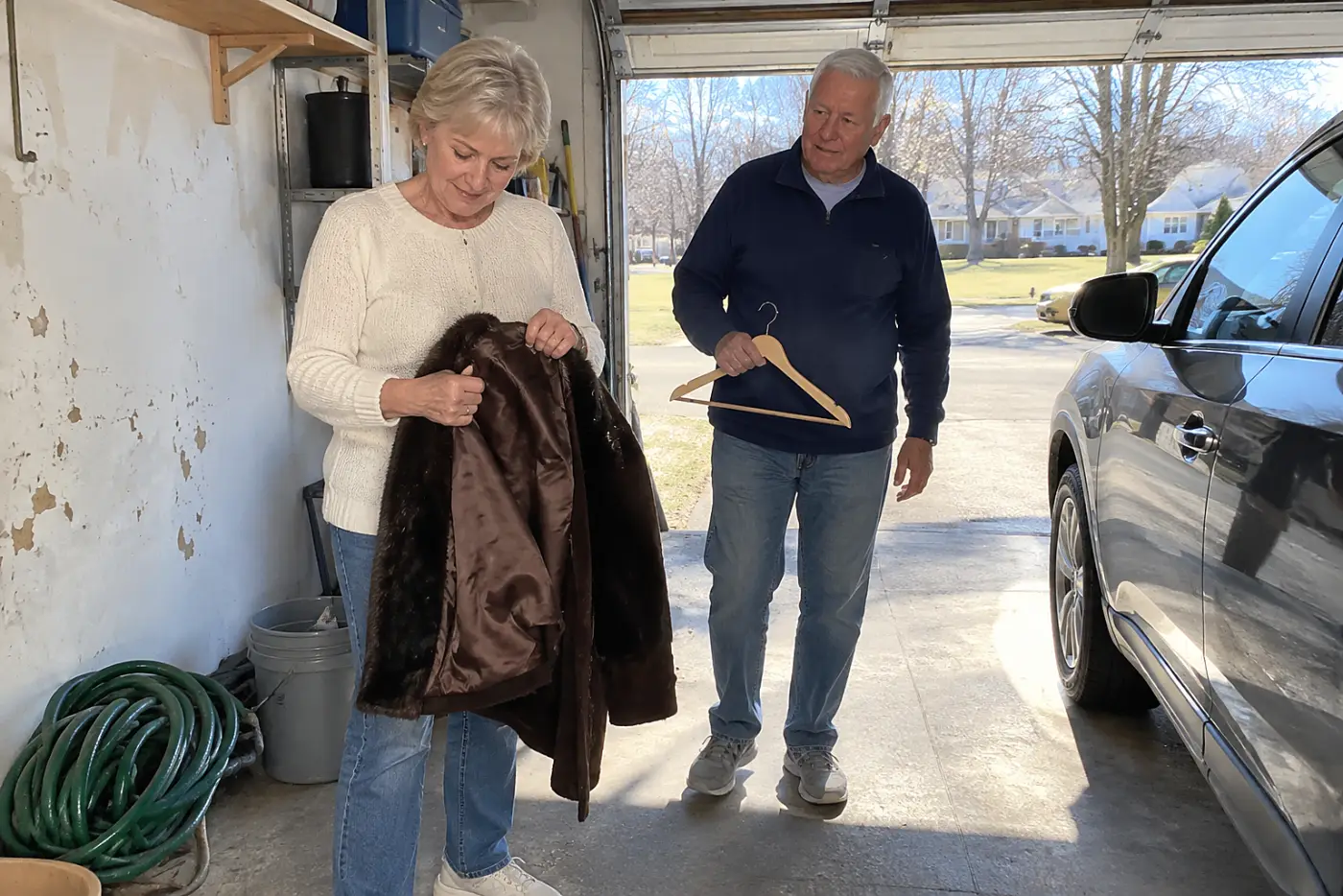
The coat's satin lining bunches behind your knees as you walk.
You bought it for long waits outside and cold trips home. Now you drive most places, and the thick coat stays on your shoulders indoors because there's nowhere to put it. Its lining catches when you get out of the car. That's a practical problem, not a verdict on the coat's past. Look at the underarms and pocket openings: friction wears those spots before the outside shows its age. A sound outer shell doesn't fix a lining that pulls every time you move.
Put it on over the clothes you wear now. Sit in a chair, stand, and take a short walk. If the lining grabs, ask a tailor whether it's worth repairing. Keep the coat only if its warmth and weight suit your days.
2The Blazer From Your Old Office

The blazer hangs stiffly, its padded shoulders still holding their shape.
You wore it when your day needed authority on sight. That memory counts, but the jacket needs to fit the shoulders you have today. Put it over a shirt you actually wear, not the blouse that retired alongside it. Look at the sleeve length and button it while seated.
Keep it if it works with your current clothes; otherwise, let the old office keep its place in memory.
1The Whole Outfit Still on One Hanger
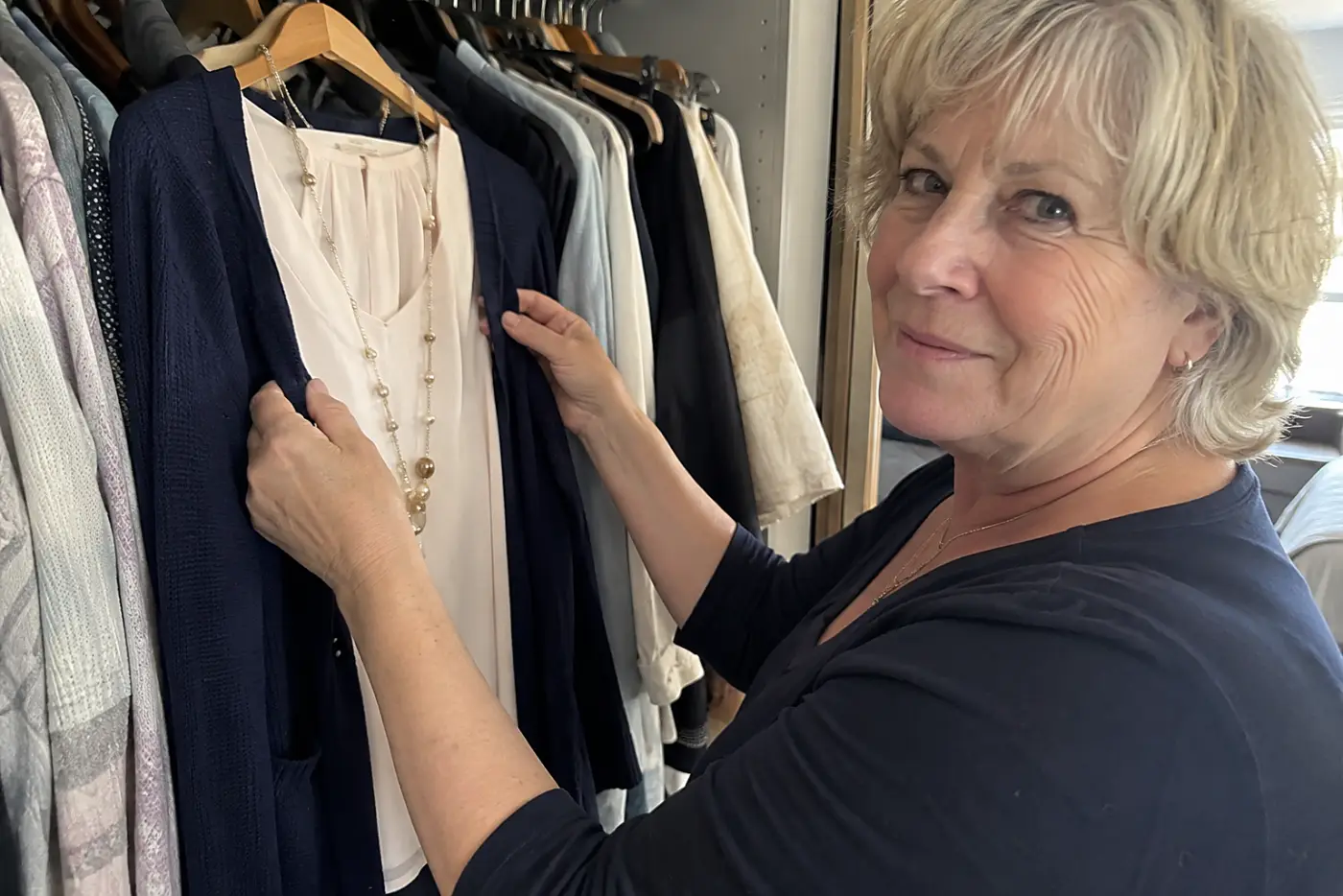
The blouse, cardigan, and necklace hang together like a workday waiting.
You assembled them when mornings were crowded. Keeping them together saved thought, but it froze three useful pieces in one old arrangement.
Take each one off the hanger. Pair the blouse with pants you wear now. Try the cardigan with a different top and the necklace against a bare neckline. There's a new outfit here without a shopping trip.
Test the pairings in daylight. You'll also see which pieces only belonged to the old set.
Break up the set today, photograph the combination you like, and give each leftover piece a separate decision.
The bottom line
These 27 things share a pattern: they solved a problem for the life you had then. You know that, so you test them against the days you have now.
Which one is still in your closet?
Up next
29 Outfit Habits That Make You Look Older Than You Are
A jacket that once looked sharp now hangs past your knuckles. Before replacing it, check where the shoulder seam sits.
Read the list →


Reader quiz
Did you catch the details?
5 questions from this article. Finish them all to unlock the editor's bonus tip.
What does the article suggest trying with the tunic instead of leggings?
Did any of these feel familiar?
Know someone who needs this?
Nora Bennett
Style Editor
Nora writes about hair, clothes and grooming for people who have stopped asking permission: what to keep, what to let go, and what reads as taken care of.
More from Nora Bennett