












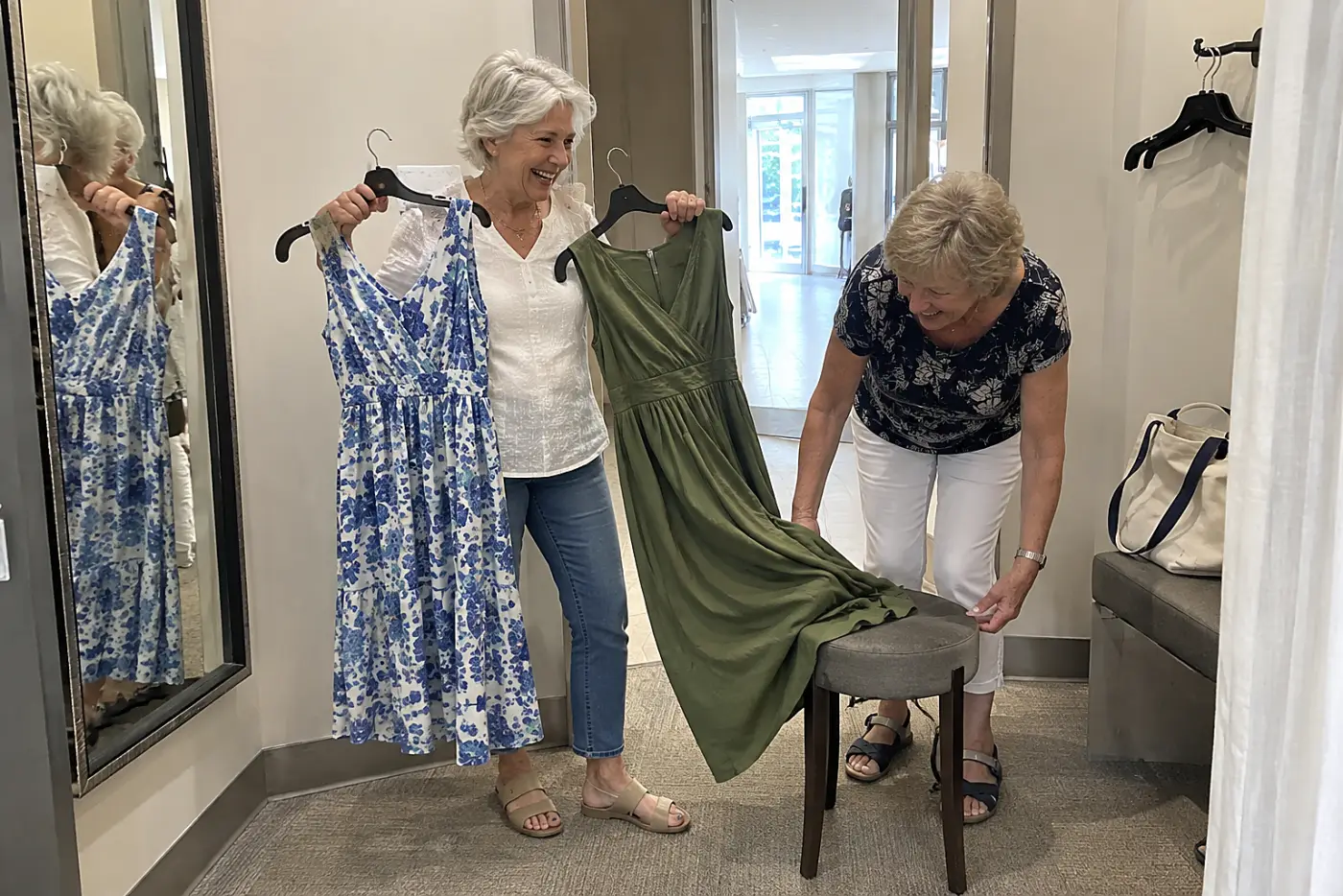
27 Reasons Women Over 50 Feel Invisible, and Ways to Be Seen Again
A meeting chair, a fitting-room mirror, and a phone contact card show how someone else ends up holding your turn.
By Nora Bennett, Style Editor
Updated · 16 min read
- Written by our style editor
- Cited 5 sources
- How we review

Read to the end: #1 delivers the sentence that gets your interrupted turn back, plus a way to practice it.
At the checkout, you set a blue carton of milk beside the card reader. The clerk asks the younger woman behind you whether she found everything. You’re holding the card. You’re paying. Somehow, the question went around you.
It’s tempting to blame your face, hair, or age. But being overlooked also happens through routines: who gets greeted, who holds the pen, whose name goes on the email. Those routines give you places to intervene.
Here are 27 places to start.
27The name missing from the introduction

A nameless introduction makes you easier to overlook later.
At a gathering, someone introduces you by your relationship to another person. The group hears a connection but learns nothing to ask you about. That first exchange sets the terms for the next one.
If nobody learns your name, you spend the evening waiting for someone else to supply it. You’re allowed to do that part yourself.
This week, add your name and one detail to the next introduction. Say, “I’m Elena’s aunt, and I’m the one who brought the lemon cake.”
Then watch what happens when someone else enters the conversation.
26The fitting-room mirror you keep avoiding
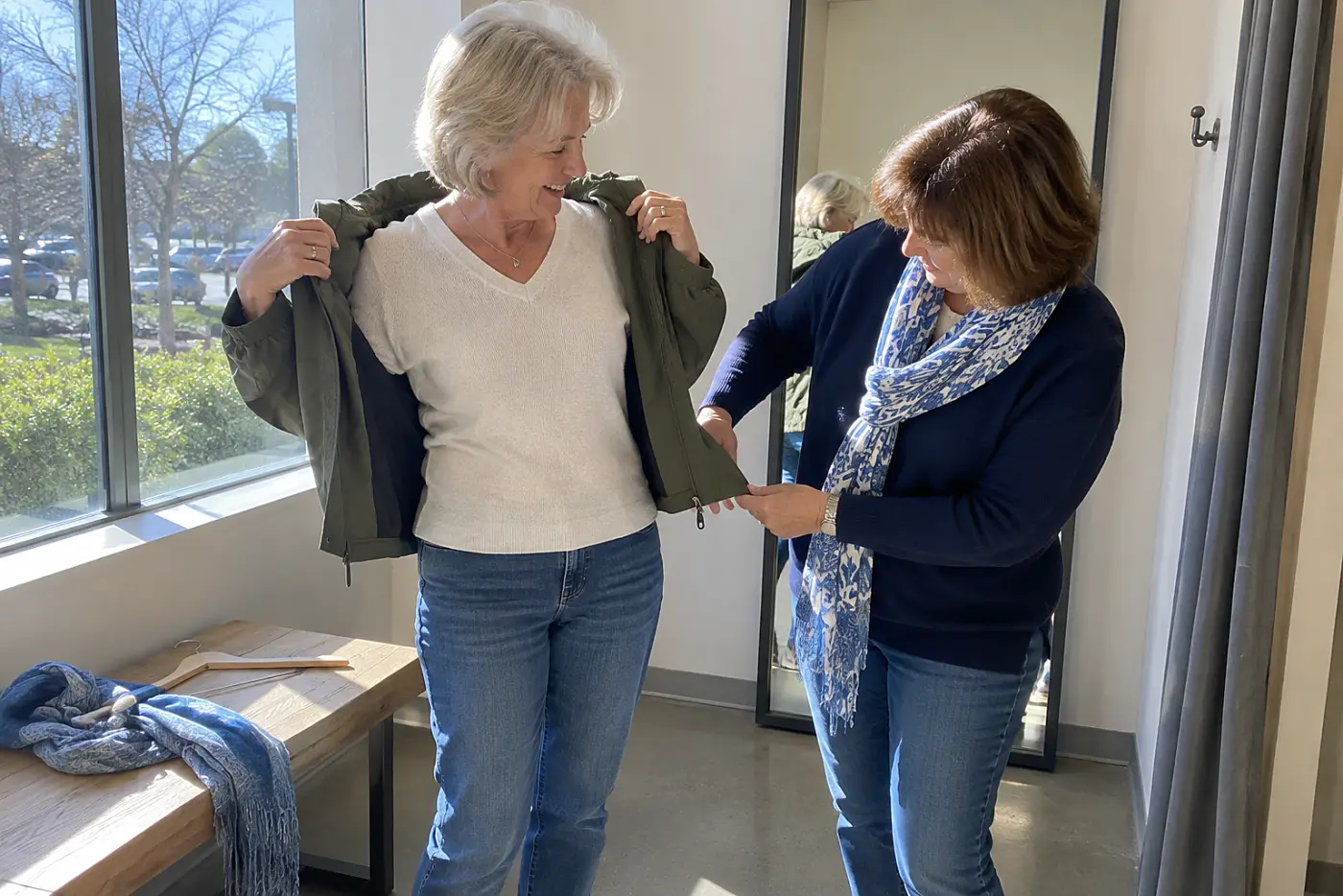
Bad lighting gets mistaken for a verdict about your face.
An overhead bulb throws shadows beneath your eyes. A low mirror changes how clothes appear from the shoulders down. Neither tells you how the jacket looks in daylight.
Leave without another look, and you risk blaming your body for the room’s setup. That jacket deserves a fair test before you reject it or buy it.
This week, step near the store window before deciding. Turn sideways, check the hem, and look at your face without the overhead glare. Stand about 3 to 6 feet from the mirror to see the whole outfit rather than one detail. Tell the sales associate, “I’d like to see this in daylight.”
The next problem begins before you reach the mirror.
See more: 29 Outfit Habits That Make You Look Older Than You Are →
25The size label inside the jacket

A printed size can take over a whole afternoon.
Brands use different measurements and cuts. Once you decide the number on the tag is the problem, you stop checking the shoulder seam, arm movement, and hem. A jacket that fits your life matters more than its label.
The cost is practical: you leave with something you won’t wear, or leave empty-handed when another cut was right there. A sleeve that pulls when you reach forward won’t improve because the tag says the number you wanted.
This week, try two adjacent sizes and raise both arms in each one. Say, “Please bring the size that lets me move, whatever its number.”
Clothes still need to suit the room you’re walking into.
24The invitation labeled casual dinner
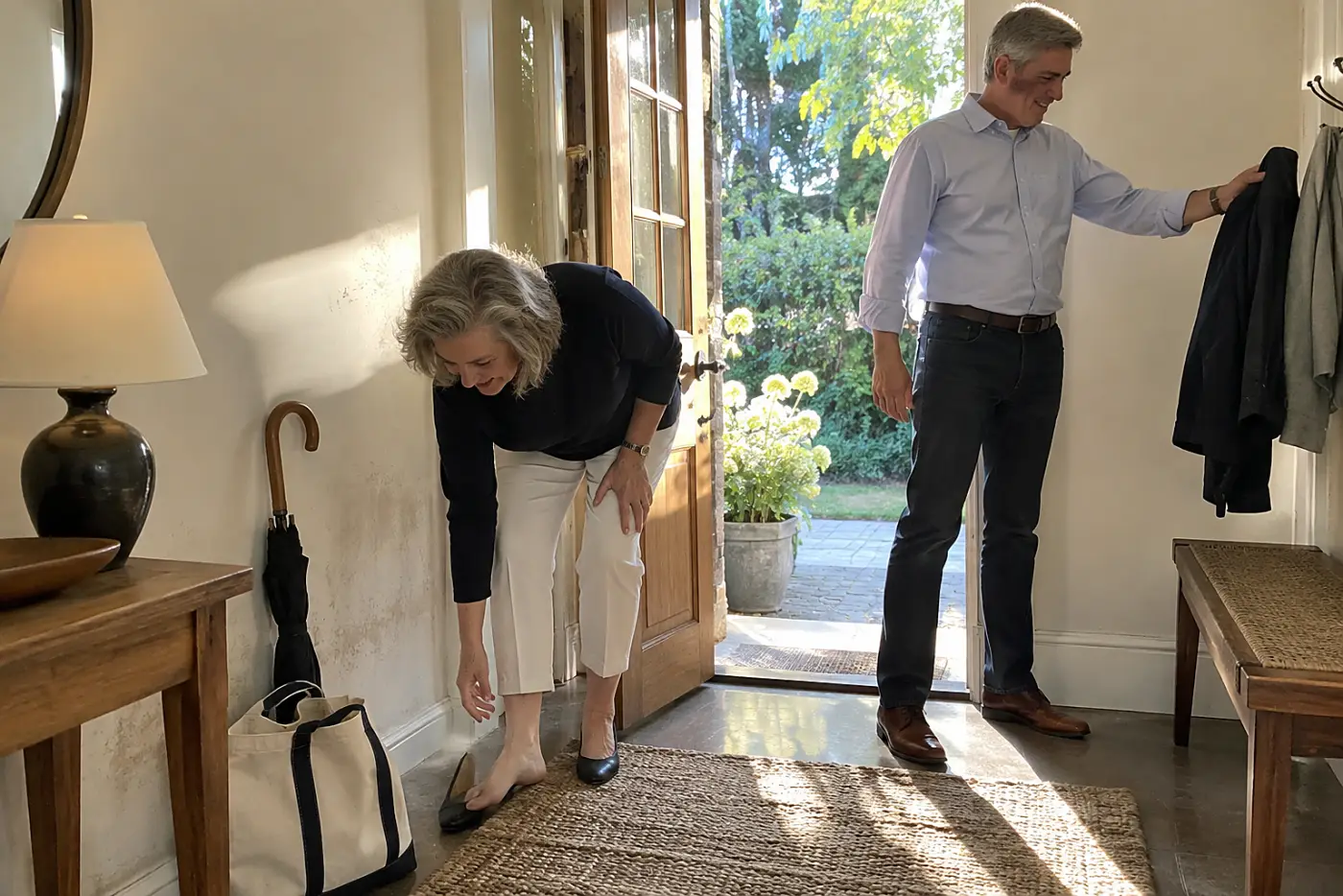
A vague dress code makes you do all the guessing.
“Casual” describes the host’s mood, not the shoes guests will wear. You check the invitation again, change twice, and arrive busy comparing yourself with everyone else. The host never meant to give you a puzzle.
That attention belongs to the conversation, not your hemline. If the dinner includes a walk or an outdoor table, the shoes matter more than anyone’s verdict on your outfit.
This week, ask the host one plain question before choosing clothes. Say, “Are we talking jeans at the table or something dressier?”
Once you arrive, another small decision shapes how you enter.
23The seat at the far end

The last empty chair can turn into your assigned place.
At a table, people speak first to those they face. Sit beyond the main cluster and you have to interrupt two conversations just to enter one. Nobody needs to intend harm for that arrangement to leave you out.
You’re entitled to choose a seat before others decide where you belong. If your hearing is better on one side, that’s another reason to move early rather than spend dinner catching fragments.
This week, arrive in time to choose a chair near the middle. Say, “I’m going to sit here so I can hear everybody.”
A better seat helps, but the room can still get too loud.
22The restaurant table beside the speaker

Music steals words before you get to answer them.
A speaker near your table competes with consonants, which carry much of what people say. You miss the setup of a story, then hesitate to join in. To others, that pause looks like disinterest.
Dinner becomes a string of guesses instead of a conversation. Asking everyone to repeat the punch line gets tiring for you and for them, while the speaker keeps playing.
This week, listen for the music before anyone orders. If it drowns out the person beside you, ask the host for another table. Say, “Could we sit somewhere I can hear my friends?”
There’s also a check worth making outside the restaurant.
21The hearing test you keep postponing

Missing one word can make your answer seem strange.
When speech sounds blurred, you fill gaps from context. That works until you answer a different question from the one asked. People move on, and you’re left wondering why the exchange went flat.
The National Institute on Deafness and Other Communication Disorders describes hearing tests and the signs worth bringing to an appointment. The American Speech-Language-Hearing Association recommends hearing screenings every 3 years for adults ages 50 to 60. A hearing evaluation gives you clearer evidence than another dinner spent pretending you caught every word.
This week, book a hearing check if you’re regularly asking people to repeat themselves. Tell the clinician, “I hear voices, but I lose words when there’s background noise.”
Even with every word clear, someone else can take over your answer.
20The form handed to your companion
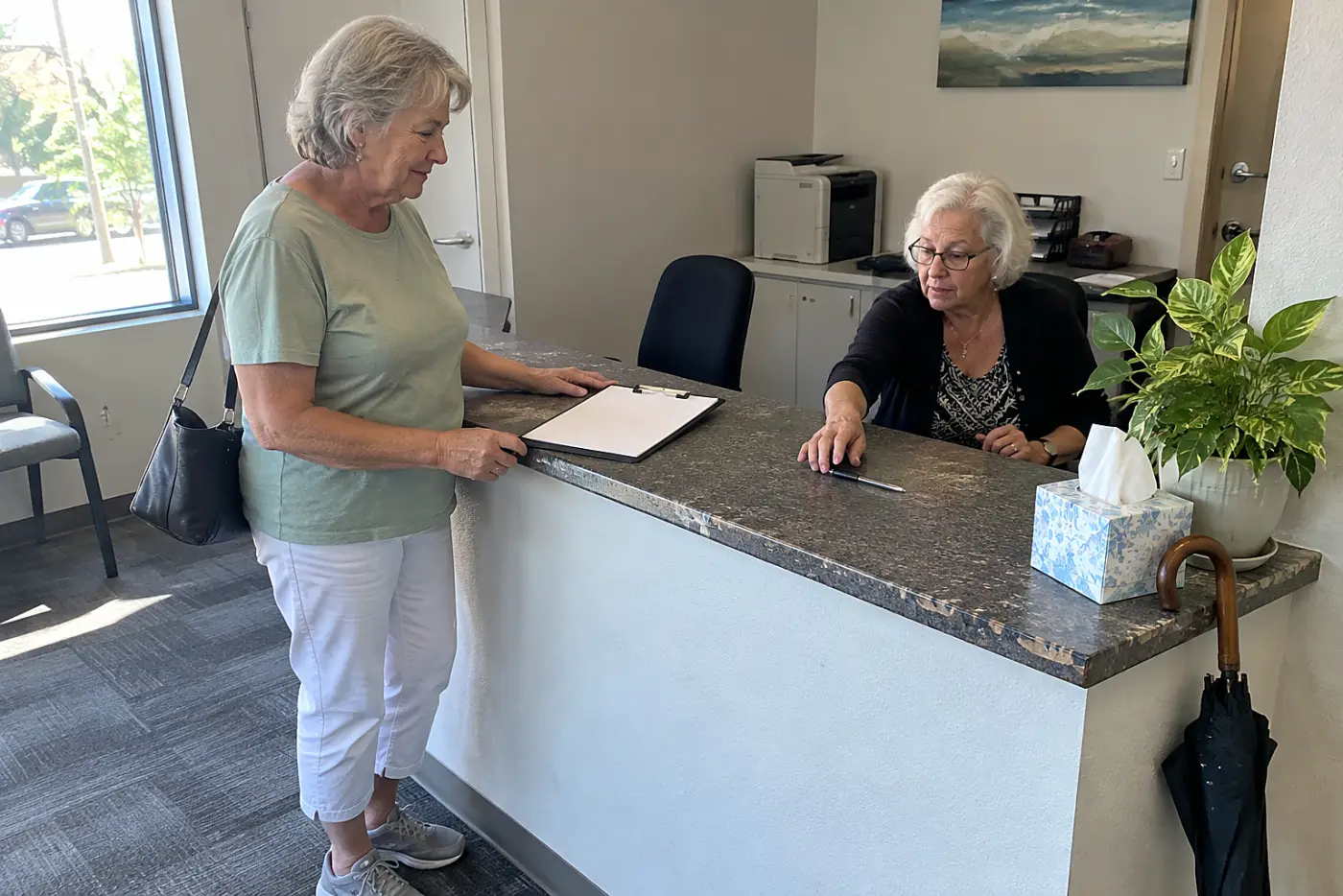
The pen often decides who gets addressed next.
At an appointment, a receptionist hands paperwork to whoever stands closest. Staff then direct follow-up questions toward the person holding the form. That small handoff has changed who appears to be in charge.
You lose the chance to describe your own symptoms first. Check the contact fields while the form is in your hands, too. A companion sitting beside you needn’t become the person the office calls.
This week, take the form yourself at check-in and read each field before signing. Say, “I’m the patient; please give the paperwork to me.”
The exam room brings a second chance to set the order.
19The first minute of your appointment

A companion’s summary can crowd out your own account.
Clinicians work from the story they hear. If someone else opens with their interpretation, you spend precious time correcting the frame before you reach what brought you in. Write down your main concern beforehand so you can lead with it.
The Agency for Healthcare Research and Quality urges patients to prepare questions for medical visits. You don’t need a speech. One clear sentence about what changed, when it started, and what you want answered gives the clinician something useful.
This week, put those three points on a card and bring it in your hand. Say, “I’d like to explain what I’ve noticed before we hear anyone else’s view.”
Later, check whose account ended up in writing.
18The patient portal note after the visit

A written summary can preserve someone else’s version.
After an appointment, you open the portal to find out what the clinician recorded. Read the visit notes and instructions separately: one describes the conversation, while the other tells you what to do next.
If your main concern is missing from the note, bring it up before your next visit starts. Otherwise, you’ll spend that appointment rebuilding the story from memory.
This week, compare the note with the question card you brought to the visit. Say to the office, “My main concern isn’t reflected here. How do I share that with the clinician before my next visit?”
Outside the clinic, another record decides who receives the call.
17The contact name on the account

An old contact can keep speaking for you.
An account opened years ago still has the phone number or email you entered then. If the business contacts that person first, you hear about the issue after someone else has framed it.
Before the next notice arrives, check who receives it. The Consumer Financial Protection Bureau advises checking accounts for activity you don’t recognize, but that won’t fix an outdated contact field.
This isn’t about cutting trusted people out. It’s about knowing where notices go and who is authorized to discuss the account.
This week, check the contact information and authorized users on one account. Tell the representative, “Please confirm which number receives account notices and who is listed to speak with you.”
The name people use in person takes work too.
16The nickname that never felt like yours

A familiar nickname can erase the name you chose.
People keep using an old name because nobody interrupts the habit. Each introduction repeats it, and correcting the next person starts to feel harder than letting the name pass again.
Then you answer to a name that doesn’t feel like yours. At a crowded table, someone hearing that nickname for the first time has no reason to know it bothers you.
This week, correct it the next time it happens, before the conversation moves on. Say, “I go by Margaret now.” You don’t need to give the history behind your choice.
A name matters most when someone leaves space for its owner to speak.
See more: 27 Things in Your Closet Keeping You Stuck in 2009 →
15The question answered across your chair

A direct question deserves an answer from you.
At a family meal or appointment, someone asks what you want. Another person answers before you begin. If you let that exchange pass, the group learns to look at them the next time too.
Correcting it doesn’t require a fight. It requires turning toward the questioner and giving your own answer. If help is needed afterward, you can ask for it yourself.
The National Institute on Aging’s *Talking With Your Doctor* advice suggests telling the doctor what matters to you. That’s a reason to keep your first turn in the exam room, not leave your account entirely to a companion.
This week, notice one question directed at you and answer it before anyone adds a summary. Say, “Thanks, I’ll answer that myself.”
Some people don’t need to answer for you to claim the conversation.
14The story retold before you finish

A familiar storyteller can take the ending from you.
You begin an account, and someone supplies the punch line. They know the story, but the room was listening to your telling of it. If you laugh and stop, the group gets their version instead.
After enough interruptions, you stop starting stories at all. The detail you wanted to share, perhaps the part nobody else knew, never reaches the table.
This week, keep your place instead of surrendering the story. Turn back to the person who was listening and pick up at your last sentence. Say, “Hold on, I want to finish telling this.”
At work, that same move happens with ideas rather than stories.
13The idea attributed to someone else

An idea loses its owner during a fast meeting.
You suggest a change. Conversation moves, then a colleague repeats it and gets the response you were waiting for. If the record contains only their name, next week’s follow-up goes to them.
Federal age discrimination protections cover workers age 40 and older, as the Equal Employment Opportunity Commission states. That doesn’t make every meeting slight a legal claim. For a repeating workplace pattern, keep dates, the words used, and who was present.
This week, send a short follow-up after one meeting that names your proposal and the next step. Say, “I’m glad we’re discussing the idea I raised; I’d like to take part in putting it together.”
Before the meeting begins, there’s another way to claim a place.
12The agenda item you submit early

An agenda decides whose concerns get airtime.
When your question comes only at the end, the group is tired or out of time. Send it before the meeting so the chair sees it beside other business.
Otherwise, “anything else?” becomes your allotted moment. A written request also puts your words in front of people who prepare before the meeting; they don’t have to catch your point in a rushed closing minute.
This week, email one precise request before the agenda is settled. Give the chair a topic and the decision you want discussed. Write, “Please add five minutes to discuss the new schedule.”
Speaking in the room still takes a moment of space.
11The pause after you start talking

A rushed opening invites someone else to fill it.
If you begin with an apology or trail off while choosing words, another person reads the pause as an opening. Then you spend your turn trying to get it back. A prepared first sentence helps you get the point into the room before that happens.
You don’t owe a flawless performance. You do need enough space to finish a thought. In a meeting, one sentence about the decision you want is clearer than a long preface about why you’re raising it.
This week, write that opening sentence before your next group discussion. Say, “I have a point about the schedule, and I’d like to finish it.”
A clear opening still needs someone to know you’re in the conversation.
10The event badge turned backward

A flipped badge makes introductions harder than necessary.
At an event, people glance at names to reopen a conversation. When your badge faces your coat, they have to ask again or keep walking. It turns a small return visit into another first introduction.
You miss the easy return to a conversation you enjoyed. If there’s a place to write your name, use the name you want people to remember. Check that the badge stays visible when you move.
This week, turn it outward before entering the room. Look in a hallway mirror or ask the person beside you whether it’s readable. Say, “We met earlier; I’m Margaret.”
What happens after the event matters more than that badge.
9The follow-up message you never send

A good conversation disappears without a next step.
You meet someone who shares your interest, then wait to hear from them. They’re doing the same thing. By the time either of you acts, the details that made the exchange warm have faded.
A message gives both of you something to pick up. It doesn’t need to sound like a job application or ask for a grand friendship. Refer to one thing you discussed and suggest one small plan. Put a date within the next two weeks in your message so the invitation is easy to answer.
This week, message one person within 24 hours of meeting them. Write, “I liked talking about the garden; would you want to visit the plant sale together?”
That works only if the invitation reaches the person meant to see it.
8The group chat you muted

A muted thread still contains the invitations.
You silence a busy chat to stop the constant pings. Later, a plan gets settled there and nobody contacts you separately. They think you saw it because your name is still in the group.
You turn up late or hear about the outing afterward. Muting notifications stops alerts; it doesn’t tell the group which plans need a direct message.
This week, check one muted group and choose a time to read it. If a plan needs your answer, reply in the thread so nobody has to guess. Say, “I keep this chat muted, so please text me directly for plans with a deadline.”
A direct invitation works better when it names what you want.
See more: 27 Things Women Over 70 Say They Finally Stopped Caring About →
7The invitation with no actual date

“We should get together” leaves you waiting.
Without a day or place, neither person has a plan to accept. The phrase sounds warm, then vanishes into errands and other messages. A specific invitation gives the other person a real choice.
Being seen includes being remembered when plans are made. It also includes making plans without waiting for someone else to choose you first. If the answer is no, you can still ask another person.
The National Institute on Aging’s social isolation and loneliness information puts connection on the health agenda. It won’t put coffee on your calendar; a date and a place will.
This week, invite one person to one place at one time. Say, “Would you like to get coffee at the library café on Thursday afternoon?”
Plans bring you together, but attention has to stay in the room.
6The service counter ticket still in your hand
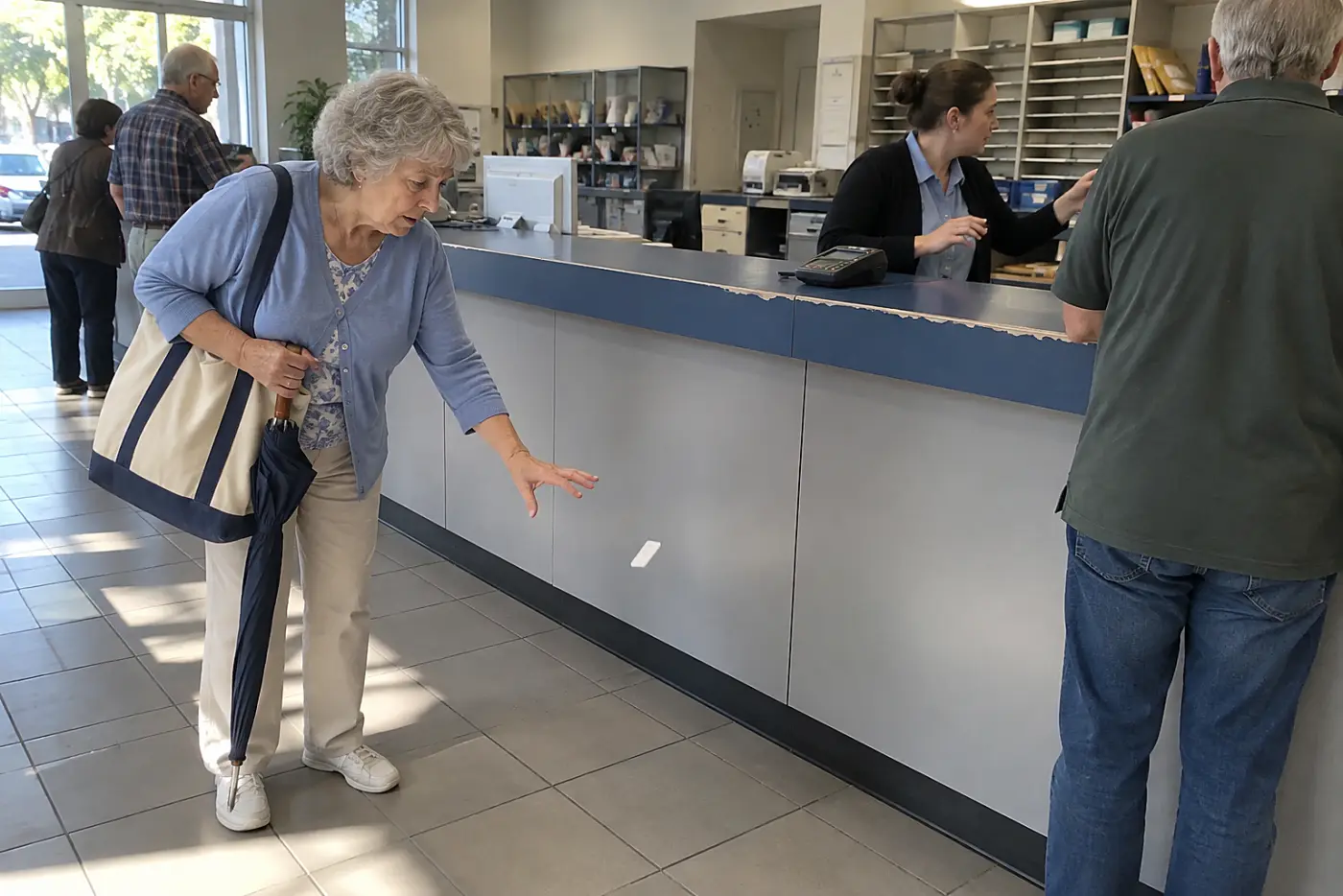
A missed ticket number sends your turn to someone else.
At a crowded service counter, staff call the next number while you search your bag. You don't answer, so they call another number. The person behind you steps forward, and the clerk begins helping them.
The ticket is proof of your place in the queue, but it won't speak for you. Once the next transaction starts, you have to explain what happened while another customer waits. That makes a small mistake feel like a public argument.
This week, keep the ticket in your hand until you're called. Check the display when the room gets noisy. If your number passes, step toward the counter and show the ticket. Say, “That was my number. Are you ready for me now?”
Once you're at the counter, watch where the answer goes.
5The repair estimate with an unexplained signature line

An extra signature line can stall a decision that's yours.
You bring your car in for a repair and receive an estimate with two signature lines. Before the clerk fills in either one, ask what each signature authorizes. One line could belong to the shop rather than a second customer; the paper itself should settle that question.
Guessing costs you control over what you approve. It also leaves you without a clear copy of the work you agreed to. Don't sign a blank section or let someone else supply your name and number.
This week, read the approval section before the work begins. Ask the clerk to point to the line you'll sign and show you the completed estimate. Say, “What does my signature authorize, and which number will you call about the repair?”
The paper matters again if the finished work raises a question.
4The volunteer shift assigned without asking
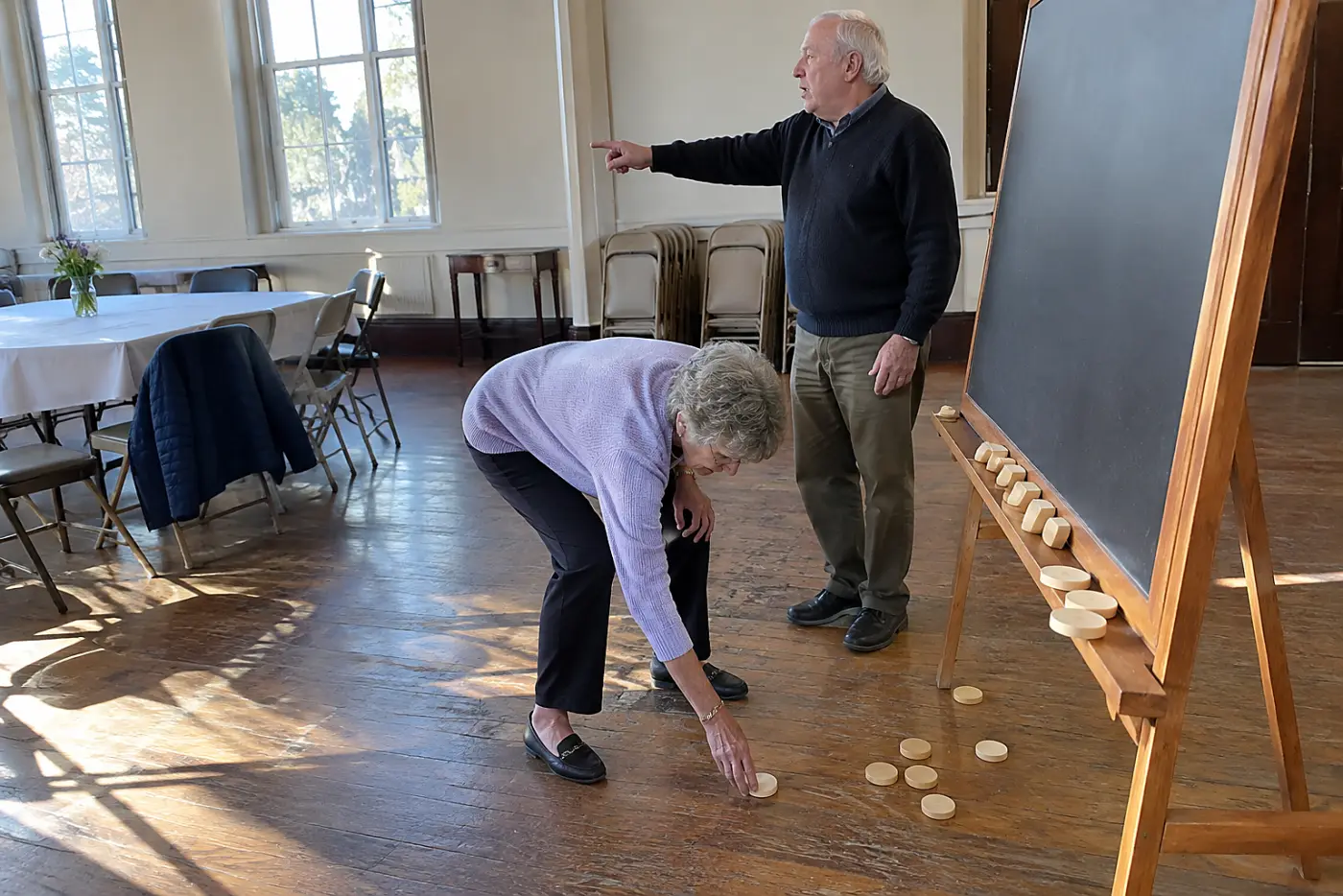
A familiar task can become your permanent assignment.
You help at an event once, and the organizer puts you on the same task next time. Because you know where the supplies live and how the sign-in sheet works, assigning you there saves a conversation. Nobody asks whether you'd like to do something different.
The next event starts with your name already beside the old task. New volunteers meet you there and assume it's the only part of the event you want. Meanwhile, the work that brought you in stays with someone else.
Reliability deserves thanks, but it shouldn't become a locked door. The longer the assignment goes unchallenged, the easier it is for the organizer to plan around your silence. You lose a chance to use skills the group hasn't seen.
This week, look at the next shift list before you confirm it. Choose one job you'd rather try and tell the organizer while assignments are being made. Say, “I can show someone how the sign-in table works, but I'd like a turn greeting visitors.”
If the answer is no, ask when that job opens next. Put your name beside the answer so the request doesn't vanish after the event.
A different task changes what you do, but who decides when you leave?
3The family pickup time chosen without you
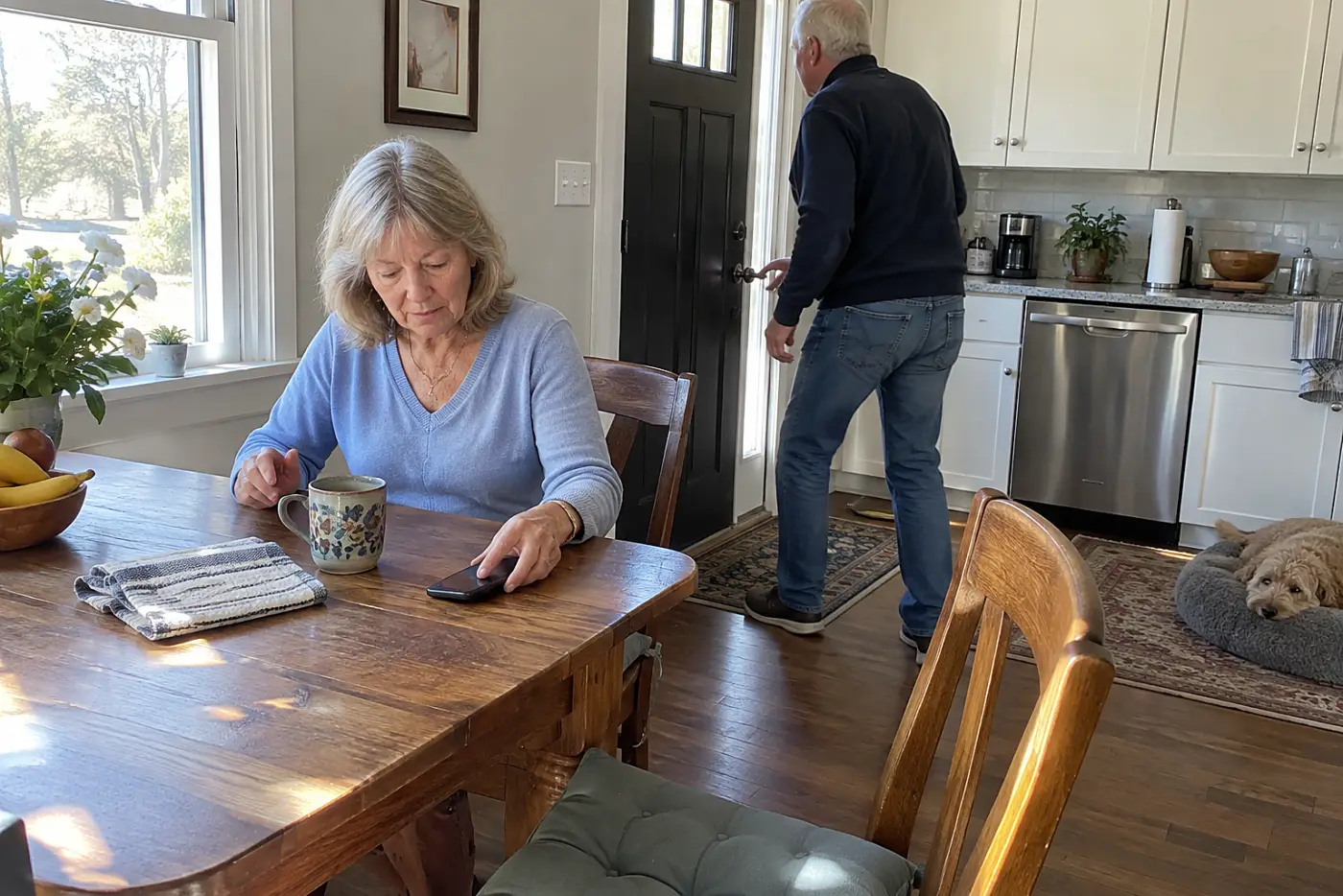
A plan made around your car can take over your afternoon.
In a family text, someone volunteers you to drive to the airport. Others settle on a pickup time before you open the thread. By then, changing the plan feels harder than accepting it.
Your availability wasn't checked, yet everyone is counting on your ride. Leave the message unanswered and they'll keep planning around a yes you never gave.
This week, read the pickup plan before anyone books around it. Reply with the time you can offer, or say you can't drive. Say, “I haven't agreed to the airport run. Please check with me before putting my name down.”
Even when the time is yours to choose, someone still has to listen to the answer.
2The phone faceup between you

A glowing screen breaks a small moment of attention.
You’re telling someone something, and their eyes drop to a notification. Your sentence continues, but you’ve lost their gaze and the place where they last listened. Repeating it from the beginning turns one story into work.
If it keeps happening, important stories stay untold. The American Psychological Association discusses how phones intrude on face-to-face attention, but you don’t need a study to notice when the table goes silent.
This week, turn your own phone face down and ask for the same during one conversation. Say, “Can we put our phones away for 10 minutes? I want to tell you something.”
Then comes the harder moment: keeping the floor once you have it.
1The sentence you practice before interruption

An interruption takes your turn before your point lands.
Someone starts speaking across you. The natural response is to stop, then hope they hand the moment back. If they don’t, the group moves forward without hearing what you were saying.
A prepared sentence removes the hardest part: finding words while you’re annoyed. You don’t need to explain your age, list past slights, or apologize for continuing. State that you weren’t finished. Then return to the point you were making, even if another person has already begun a new one.
This week, say the sentence aloud twice before you need it. At the next interruption, say, “I wasn’t finished. I’d like to complete my point.”
The words work best when you already know what you’re returning to.
The bottom line
Across these 27 moments, people follow the name, seat, screen, or voice that claims their attention first.
You’ve prepared when you’ve checked the details others use to reach you and practiced the words you want ready.
When has someone looked past you, and what did you do next?
Up next
27 Things Women Over 60 Stop Apologizing For
A fitting-room mirror, a dinner bill, and a family calendar each invite an explanation you don't owe; a prepared answer helps you keep the choice.
Read the list →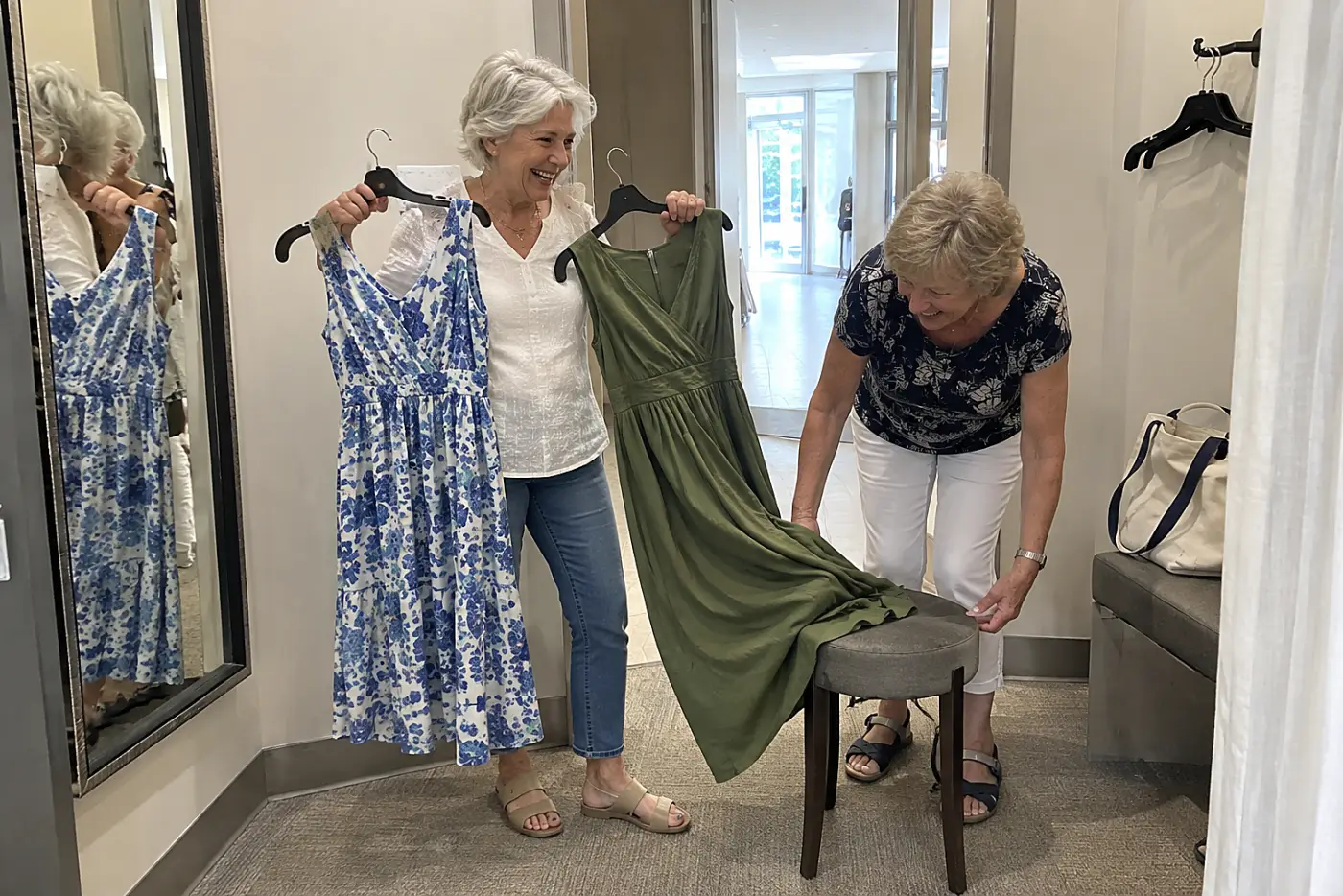


Reader quiz
Did you catch the details?
5 questions from this article. Finish them all to unlock the editor's bonus tip.
Where does the article suggest checking a jacket before deciding whether to buy it?
Did any of these feel familiar?
Know someone who needs this?
Sources cited in this article
This article links to 5 outside sources, listed here so you can read them yourself.
- National Institute on Deafness and Other Communication Disorders www.nidcd.nih.gov
- Agency for Healthcare Research and Quality www.ahrq.gov
- Consumer Financial Protection Bureau www.consumerfinance.gov
- Equal Employment Opportunity Commission www.eeoc.gov/age-discrimination
- American Psychological Association www.apa.org
Nora Bennett
Style Editor
Nora writes about hair, clothes and grooming for people who have stopped asking permission: what to keep, what to let go, and what reads as taken care of.
More from Nora Bennett