










27 Things Women Over 60 Stop Apologizing For
A fitting-room mirror, a dinner bill, and a family calendar each invite an explanation you don't owe; a prepared answer helps you keep the choice.
By Nora Bennett, Style Editor
Updated · 15 min read
- Written by our style editor
- Cited 4 sources
- How we review

Read to the end: #1 gives you a written script for stopping an unwanted apology before it starts. Almost nobody rehearses it.
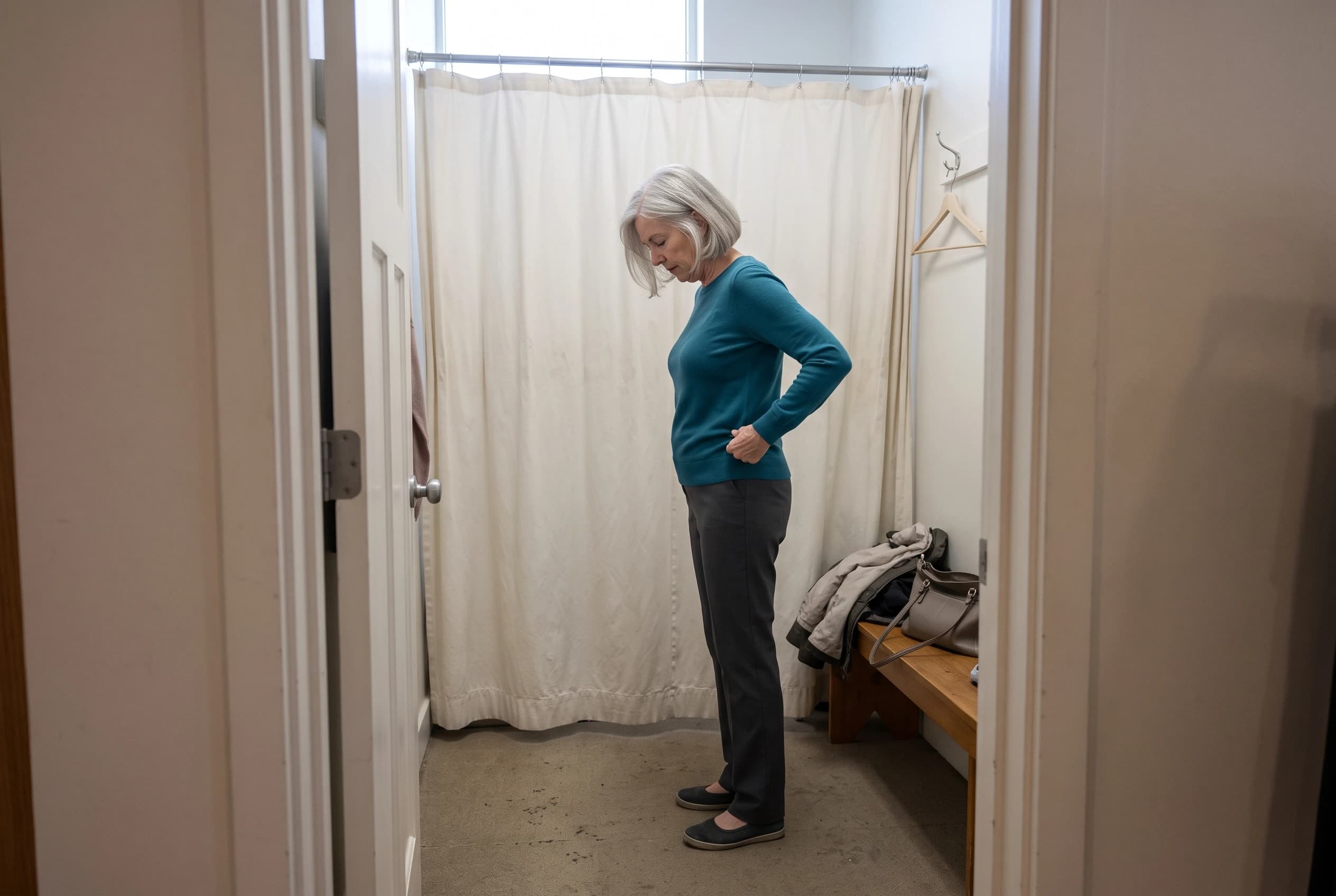
A sales associate hands you a dress in the size you wore years ago. Under the fitting-room light, you reach for the next size, then hear yourself explaining why. You hold both hangers while she waits for an answer you never needed to give.
The assumption is that an explanation keeps the moment pleasant. But the size on a tag helps you buy a dress; it doesn't call for a personal history, and neither do the choices waiting outside that fitting room.
Here are 27 things to stop apologizing for.
27The larger size on the dress tag

A dress that pulls at the buttons doesn't fit.
Sizes change across brands, cuts, and fabrics. First, find the cut that works on your body today. Then check how it feels when you sit, reach, and breathe, rather than trusting the number sewn into the neck.
Buy the smaller number to spare yourself a comment, and dinner becomes an evening spent watching a seam. The tag stays hidden; the fit goes everywhere with you.
This week, try two sizes and sit down in both before choosing one. If an associate asks which you want, say, "I'll take the one that fits."
The same test of whose comfort matters starts before you reach the fitting room.
26The flat shoes beside the heels

Sore feet can cut an evening short.
A heel changes how weight lands on your foot. That matters when the evening includes a walk from the parking lot, stairs, or a long wait for a table. The invitation tells you where to go; it doesn't choose the shoes that get you home.
Blisters are a poor souvenir from a night out. Keeping a pair that pinches because it looks right in a photograph gives the photograph too much say.
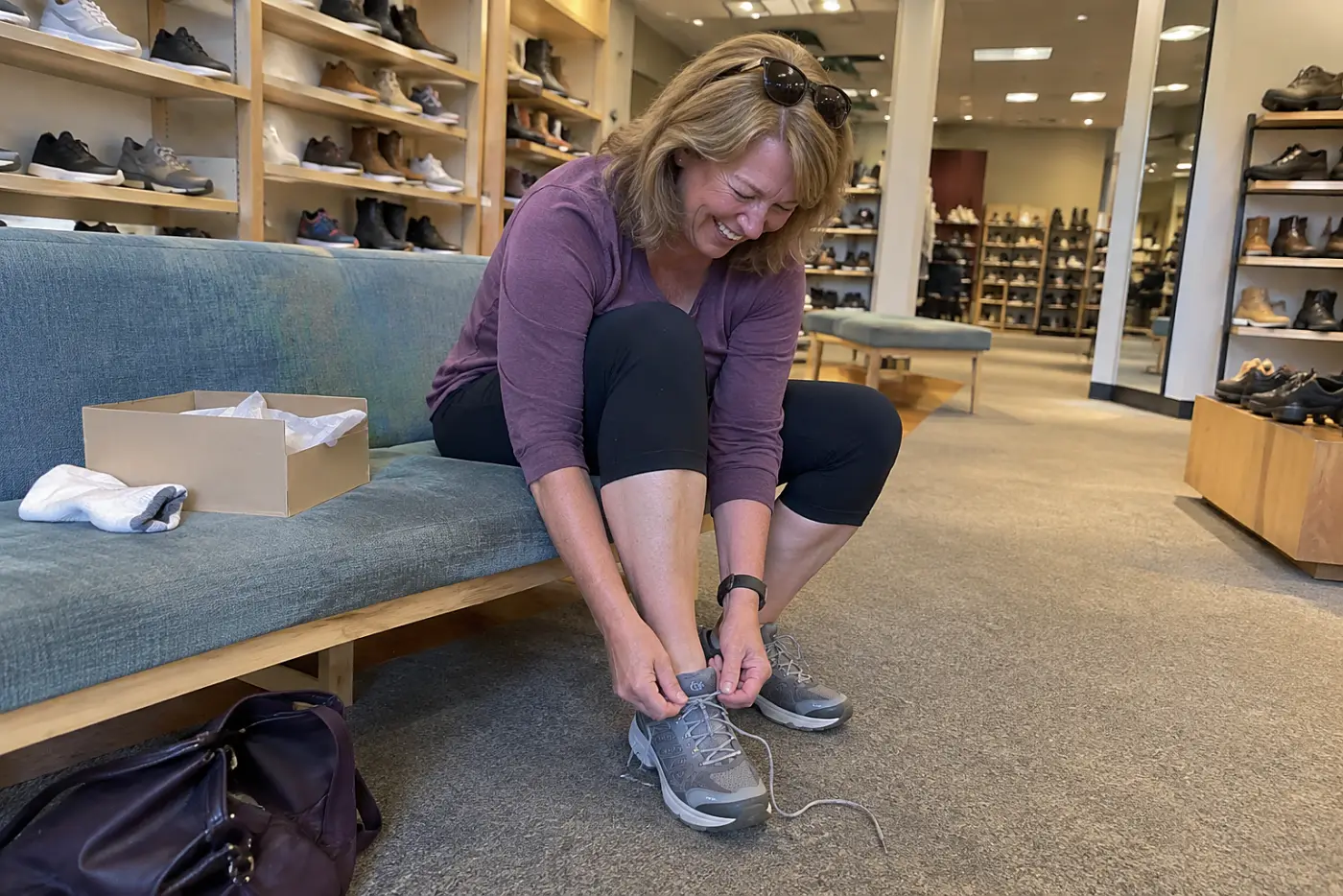
This week, stand in the shoes you'd wear to an event, then walk across a hard floor. Say, "These are the shoes I'm wearing."
And once you're dressed, another old rule waits at the mirror.
See more: 29 Outfit Habits That Make You Look Older Than You Are →
25The gray hair in the mirror

Gray roots do not require an explanation.
Hair color takes appointments, money, and upkeep. A salon color appointment can cost about $75 to $200, depending on the service and where you live. Letting gray grow changes none of the decisions you make at work or at home. If you want to stop coloring, you don't have to wait until every inch matches; the growing-out stage belongs to you too.
Keeping an appointment you resent costs an afternoon you wanted back. Keeping it to avoid a relative's remarks hands that relative a vote on your calendar.
This week, look at your next color booking and decide whether you want it. If someone comments, say, "I like my hair this way."
There are other things you're allowed to leave visible.
See more: 24 Things Going Grey Does to How People Treat You →
24The bare face at breakfast

Your face does not need a reason to appear.
Makeup is a tool you pick up when you want its effect. Breakfast, a video call, and a trip to the mailbox don't turn it into an obligation. Someone else's comment about looking tired tells you what they expected, not what you must fix.
A rushed morning gets shorter when you add a routine for somebody else's comfort. If you like the routine, keep it; if you don't, the unused lipstick belongs in the drawer.
This week, leave the house once without the product you use from habit. If a friend remarks on it, say, "This is my face today."
Next comes a choice people feel entitled to make for you.
23The bright coat in your closet

A bright coat needs no age limit.
Color catches your eye, then changes how an outfit looks. There is no birthday when a red coat stops doing that job. Wear it because you like seeing it on the hook, and because it works with the clothes underneath.
Leave it there to satisfy someone else, and you've given them your closet. The coat you've paid for takes up the same space whether you wear it or hide it.
This week, take the coat out and put it on for an ordinary errand. Say, "I was glad I bought it."
The harder test arrives when the invitation has a dress code.
See more: 27 Things in Your Closet Keeping You Stuck in 2009 →
22The dress you wear twice
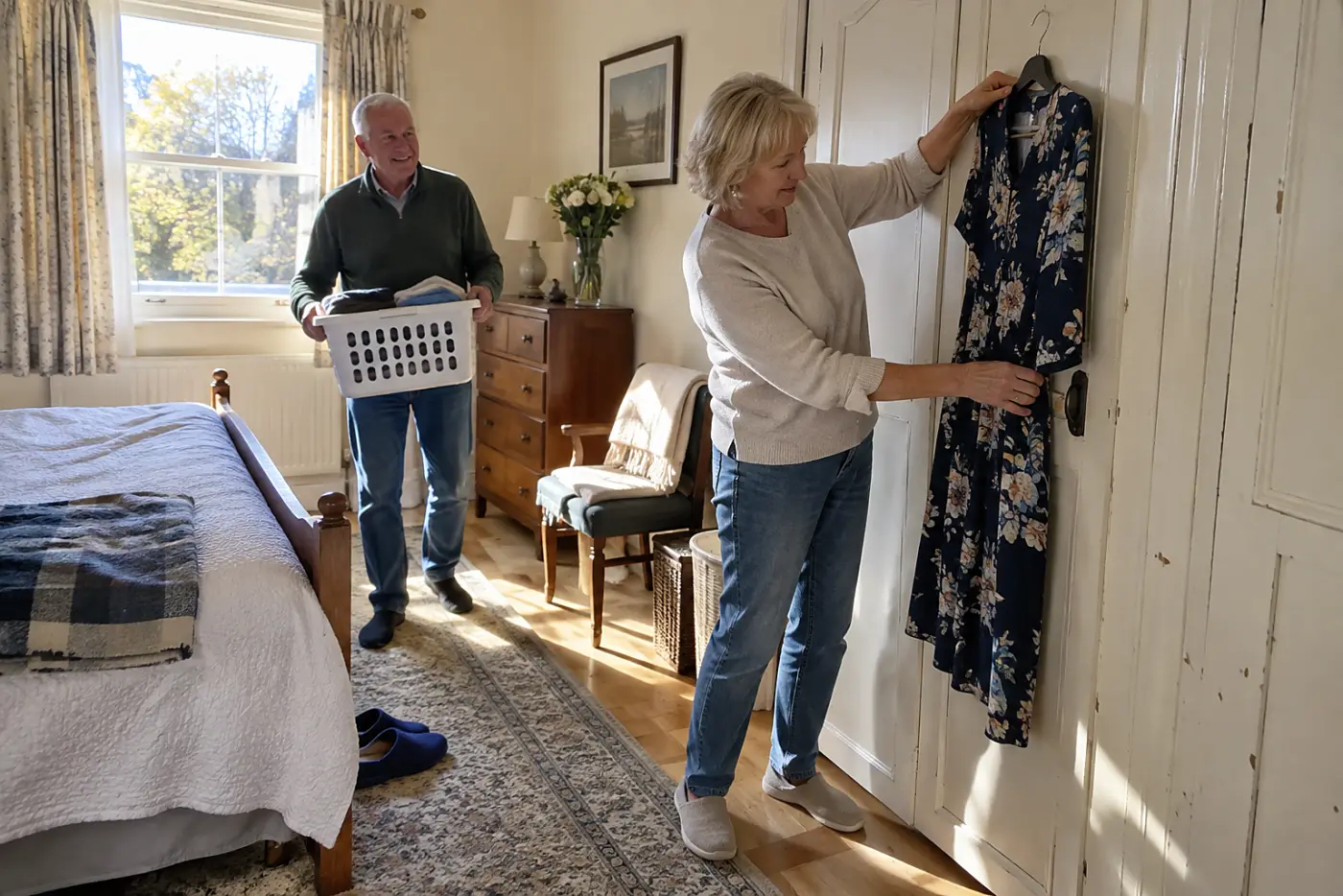
A good dress deserves a second outing.
A party invitation does not erase the clothes you own. Wearing the same dress again saves you a shopping trip and puts something familiar on your back. Check the zipper, hem, and fit, then spend your attention on the people you came to see.
Buying something unwanted for a single photograph takes money from plans you chose. A new occasion dress can cost $100 to $300 before alterations. Your closet shouldn't need a fresh receipt whenever somebody brings a camera.
This week, hang an outfit you'd happily repeat where you can see it. If anyone recognizes it, say, "Yes, I wore it before. I like it."
The next thing worth repeating has nothing to do with clothes.
21The story you tell again

A repeated story still belongs to you.
Families repeat favorite stories around tables. Someone remembers the cake; someone else remembers who dropped it. The details change as people join in, and a listener who knows the ending has room to tell her part.
Apologizing before the first sentence teaches everyone to interrupt it. That little warning turns a memory you wanted to share into something the room has to permit.
This week, tell the story when it fits the conversation. Say, "You know this one, but I love telling it."
Even with a good story, you don't owe the room all evening.
20The party you leave early
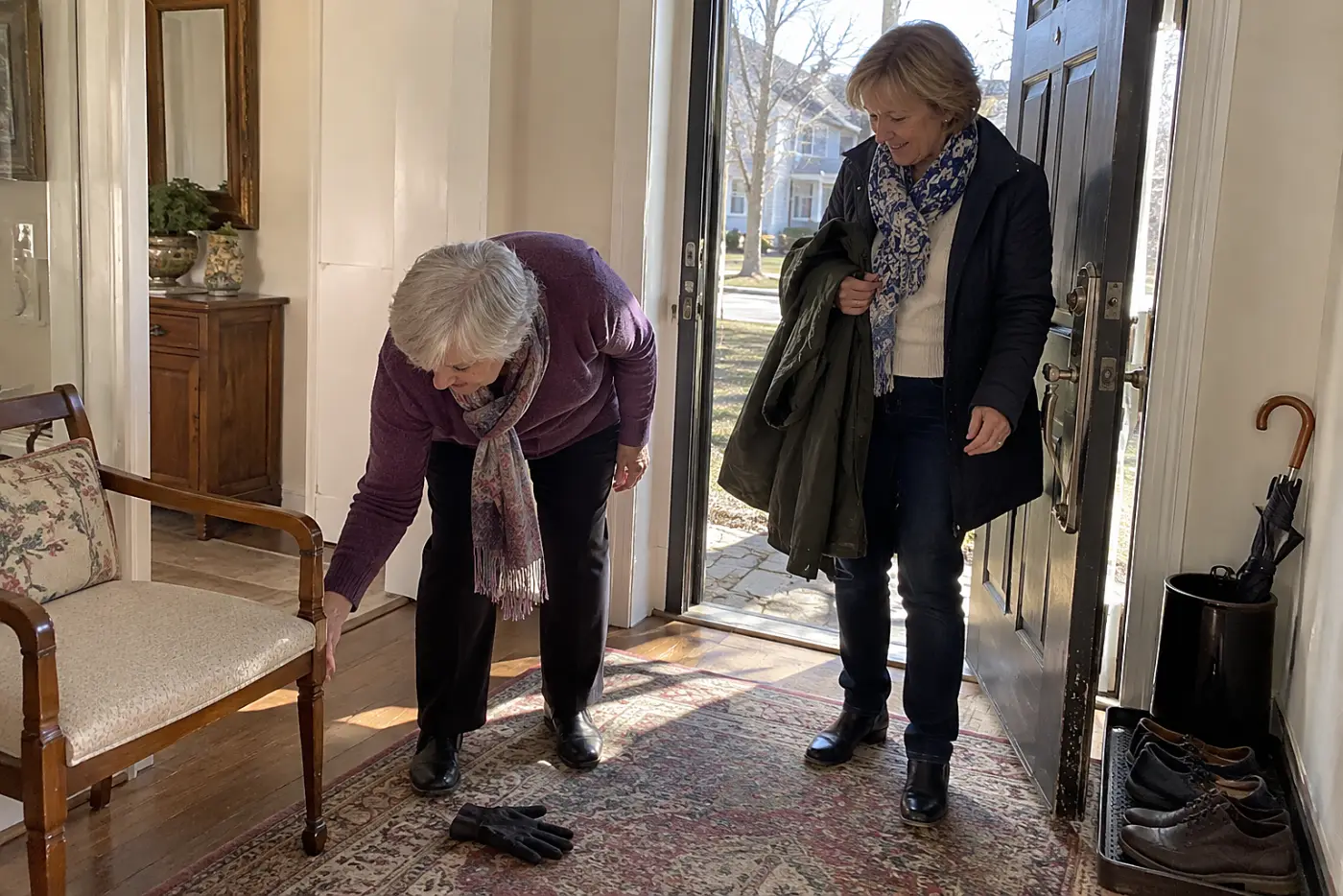
The door is there when you're ready.
An invitation tells you when a gathering starts. It doesn't set the hour you must stay, even when somebody says, "Already?" Thank the host, collect your coat, and leave while you're still glad you came.
Staying past your limit turns a good visit into an endurance test. Then the last hour, rather than the laughter before it, is what you remember on the way home.
This week, decide your leaving time before the next party. Tell the host, "I had a lovely time, and I'm heading home."
Then look at the invitations you never wanted to accept.
19The dinner invitation you decline

An open evening isn't public property.
Your calendar has room for dinner only when you want dinner. A long explanation hands the other person a list of objections to solve. Give an answer first, before the conversation turns into a search for a different restaurant or date.
Say yes to avoid discomfort, and you've traded an entire evening for a brief exchange. The person inviting you gets a clear answer; you get to keep the plans you made with yourself.
This week, decline one invitation you don't want. Say, "Thank you for thinking of me, but I won't be there."
A blank square on the calendar has its own uses.
18The afternoon marked for doing nothing

Rest does not need a doctor's note.
A blank afternoon has a place in a busy life. If you fill it each time somebody asks, you lose the chance to decide what to do when it arrives. You can read, nap, or stare out the window without producing anything.
Giving away that time leaves the tasks you chose for yourself crowded into tomorrow. A full calendar is visible to other people; the reason you left a square blank doesn't have to be.
This week, mark one afternoon as unavailable on your calendar. Say, "I have plans that afternoon," and leave the plans unnamed.
The phone is another place people reach for your time.
17The call you let ring
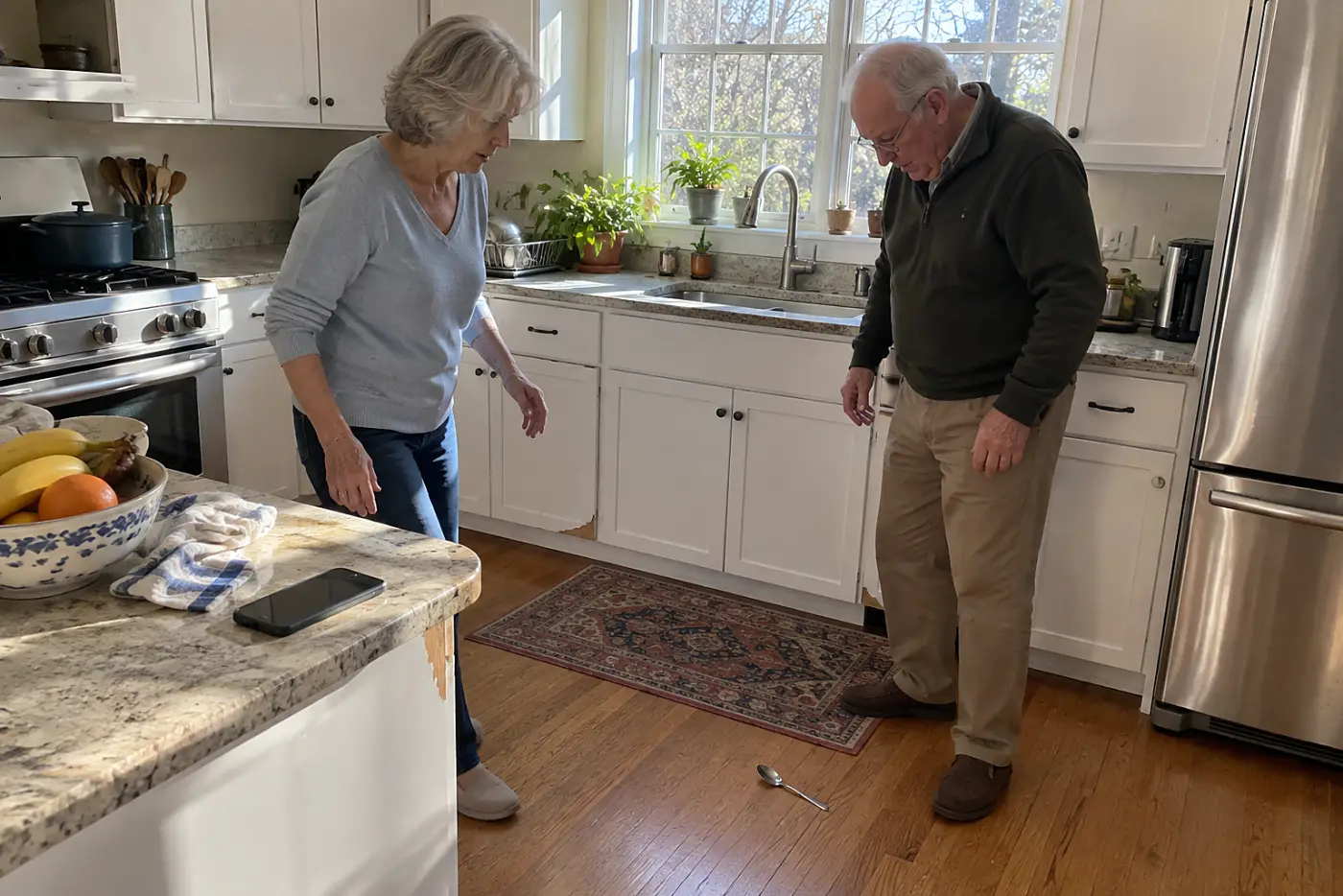
A ringing phone asks; it doesn't command.
A call interrupts whatever you were doing. Voicemail gives the caller a place to leave the reason, and you choose when to reply. If someone needs an answer before a set time, a message gives you more to work with than the sound of a ring.
Answering every call trains your day around other people's timing. Your book closes, the pan stays on the stove, and the conversation in front of you stops mid-sentence.
This week, let one nonurgent call go to voicemail. When you return it, say, "I heard your message and have time now."
The next boundary arrives in person, with a task attached.
16The favor you turn down

A request is still a request.
Someone asks because they need help, not because your time belongs to them. Answer the question they asked, rather than opening your calendar for inspection. When you offer reasons, the other person gets a chance to solve each one while your answer gets lost.
Agree when you lack the time, and the favor lands on plans you already made. Guilt won't pick up the errand, clean the house, or finish the work waiting afterward.
This week, decline one task you can't take on. Say, "I can't do that Friday."
For a standing commitment, one Friday's answer won't settle the matter.
15The childcare schedule you set
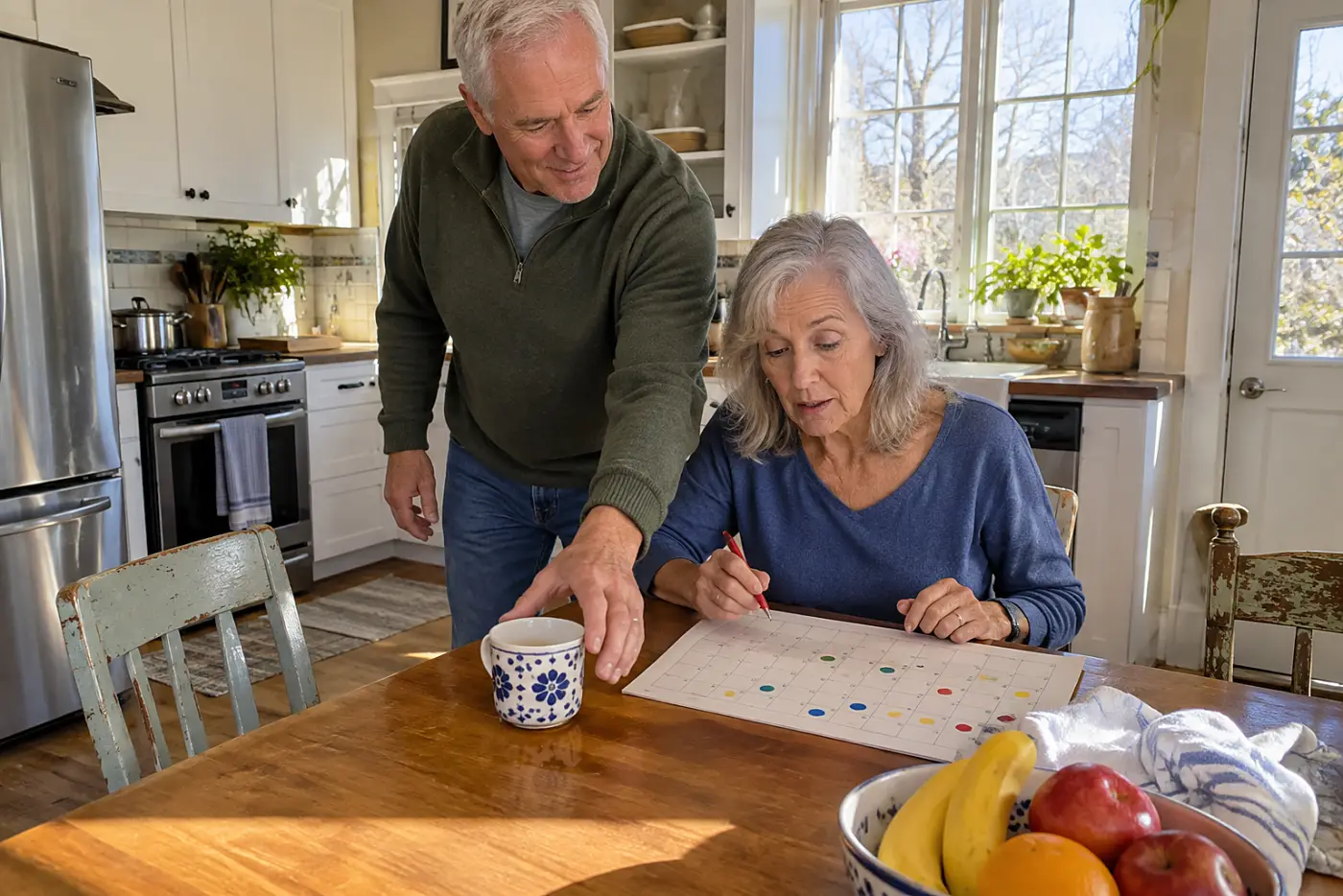
Loving a grandchild does not make you permanently available.
Childcare takes attention, travel, and time. A standing arrangement works when the adults agree on the days and the pickup time. Write those details down before anyone assumes next Thursday is covered or makes plans around your unspoken yes.
Without a clear schedule, a change in plans becomes your emergency. The grandchild still needs care; the disagreement is between adults who should have settled the hours first. Compare local caregiver rates before agreeing to regular help: even $20 to $30 an hour adds up across an afternoon.
This week, write down the days you want to help and the time you need to leave. Say, "I can do Tuesdays until five, but not Thursdays."
Family plans also have a way of spreading beyond the calendar.
14The house you keep for yourself

Your spare room is not a vacancy sign.
A room in your home is space you use, even with an empty bed. A visit has a start and an end; decide both before the luggage comes through the door. If the guest asks to stay longer, that's a new request, not an automatic extension.
Leave the dates vague, and you inherit a conversation nobody wants to start. You also lose the chance to plan your own morning in the rooms you pay for and keep.
This week, set arrival and departure dates for the next guest. Say, "I can host you from Friday through Sunday."
Money brings its own assumptions about what you owe.
13The restaurant bill you split

The bill does not need a speech.
When friends agree to split dinner, each person knows the plan before ordering. If you want separate checks, ask when the server first comes by. That gives the server a chance to keep track of each order without sorting plates and payments at the end.
Paying for food you didn't order is an odd price for avoiding one sentence. If your entrée costs $20 and someone else's costs $40, splitting those two entrées evenly puts an extra $10 on your share before tax and tip. Waiting until the bill arrives also leaves your friends guessing which arrangement you wanted.
This week, settle the check plan before a meal out. Tell the server, "Could we have separate checks, please?"
The next money decision is yours alone.
12The purchase you make for yourself

Your own money needs your own decision.
A piano lesson, a coat, or a weekend away has a price. Check it against the bills and goals you've chosen. Put the cost where you can see it, decide what else that money would do, and make the choice yourself.
Explain every purchase, and the pleasure arrives with a defense attached. The question is whether it fits your plans, not whether somebody else would spend the same money.
This week, price one thing you've wanted and decide whether it fits. Say, "I've planned for this, and I'm buying it."
Even plans paid for in advance need room to change.
11The trip you take alone
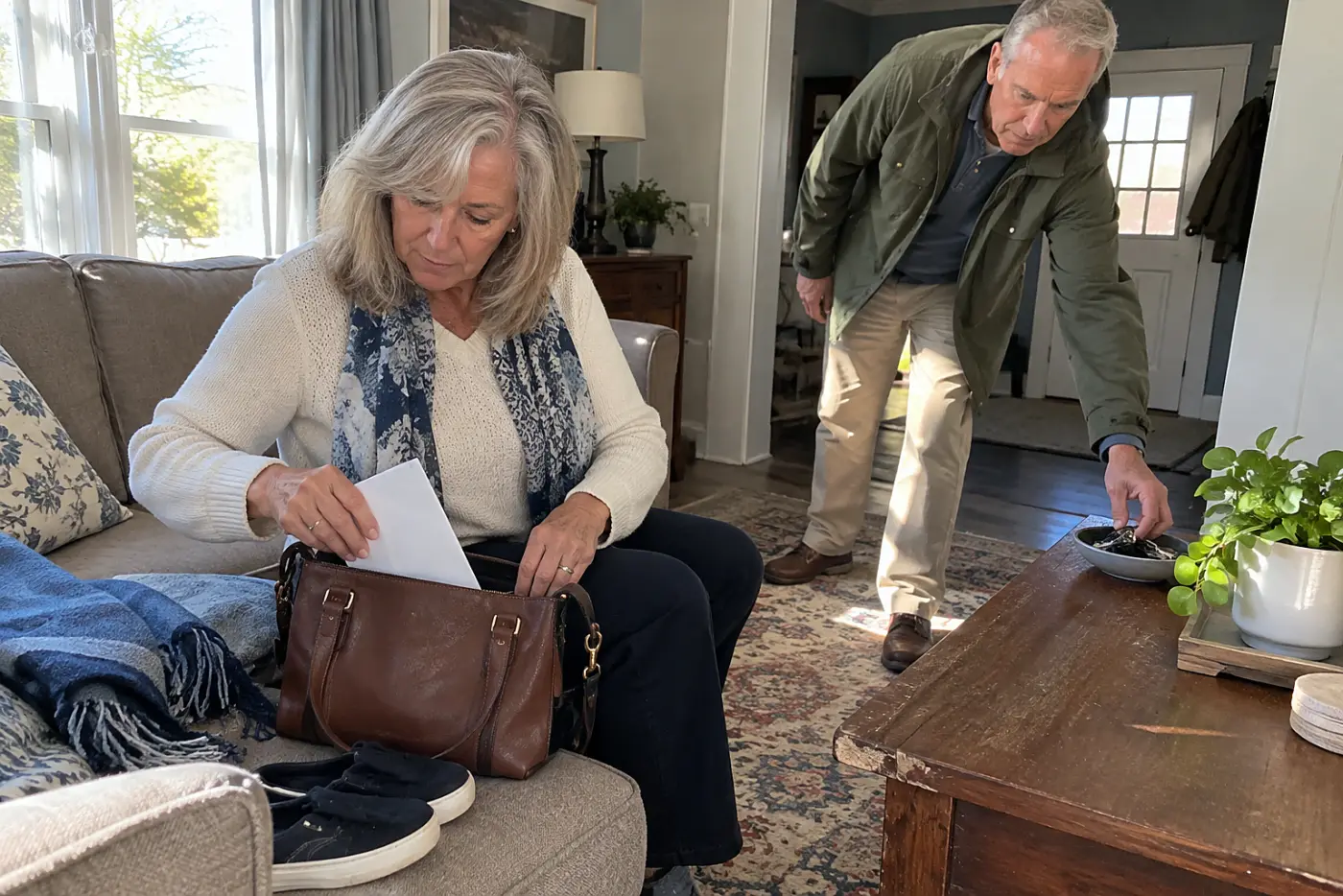
One ticket is a complete booking.
Traveling alone lets you pick the place and the pace. It also puts every reservation in your hands, so keep the confirmation numbers and address together. Share your itinerary with a person you trust because you want a backup, not permission.
Waiting for a companion means your trip follows someone else's calendar. Before paying, check how you'll get from the station or airport to your first stop, especially if you arrive after dark. Compare that route's fare with your lodging price; an airport ride can add $30 to $80 to your arrival costs.
This week, look up one destination and check that first route. Say, "I'm taking this trip on my own."
The place you choose matters less than who gets to choose it.
10The neighborhood you choose next

An address is not a family vote.
Where you live shapes errands, friendships, and the walk to your door. Other people can tell you what worries them. You still decide which daily life you're moving toward, after seeing the street at the times you'll use it.
Choose only to end an argument, and you'll live with that bargain. A quick visit on a sunny afternoon won't show you the bus stop after dusk or the walk home with groceries.
This week, visit a neighborhood at the time you'd run errands there. Say, "I've heard your concerns, and I'm deciding where I live."
A choice about your body belongs even closer to home.
9The question you ask the doctor

A short appointment can swallow an unanswered question.
The clinician has a schedule; you have to live with the plan afterward. Write your question before the visit, and ask it before the conversation turns to the door. If a new medicine comes up, ask what it's for and what to do if a dose is missed.
Leave confused, and the next step lands on the kitchen counter as a bottle or a form. The National Institute on Aging has advice on preparing for a medical visit, but your own question belongs at the top of your list.
This week, put that question in your phone or on paper. Say, "Before I go, I need to understand this part."
Understanding the plan still leaves one decision in your hands.
8The treatment choice you make

Your signature follows your own decision.
The American Medical Association's Code of Medical Ethics describes informed consent as a conversation about options, risks, and benefits. Ask what happens if you wait. Then decide with the information in front of you, rather than nodding because the visit has run long.
Nodding to end an awkward conversation doesn't tell the clinician what you want. The National Library of Medicine's MedlinePlus gives you a place to look up a condition or treatment afterward, using the name written on your paperwork.
This week, write down one choice you need explained. Say, "Please walk me through the other options."
That conversation deserves the same room as your daily preferences.
7The name you ask someone to use
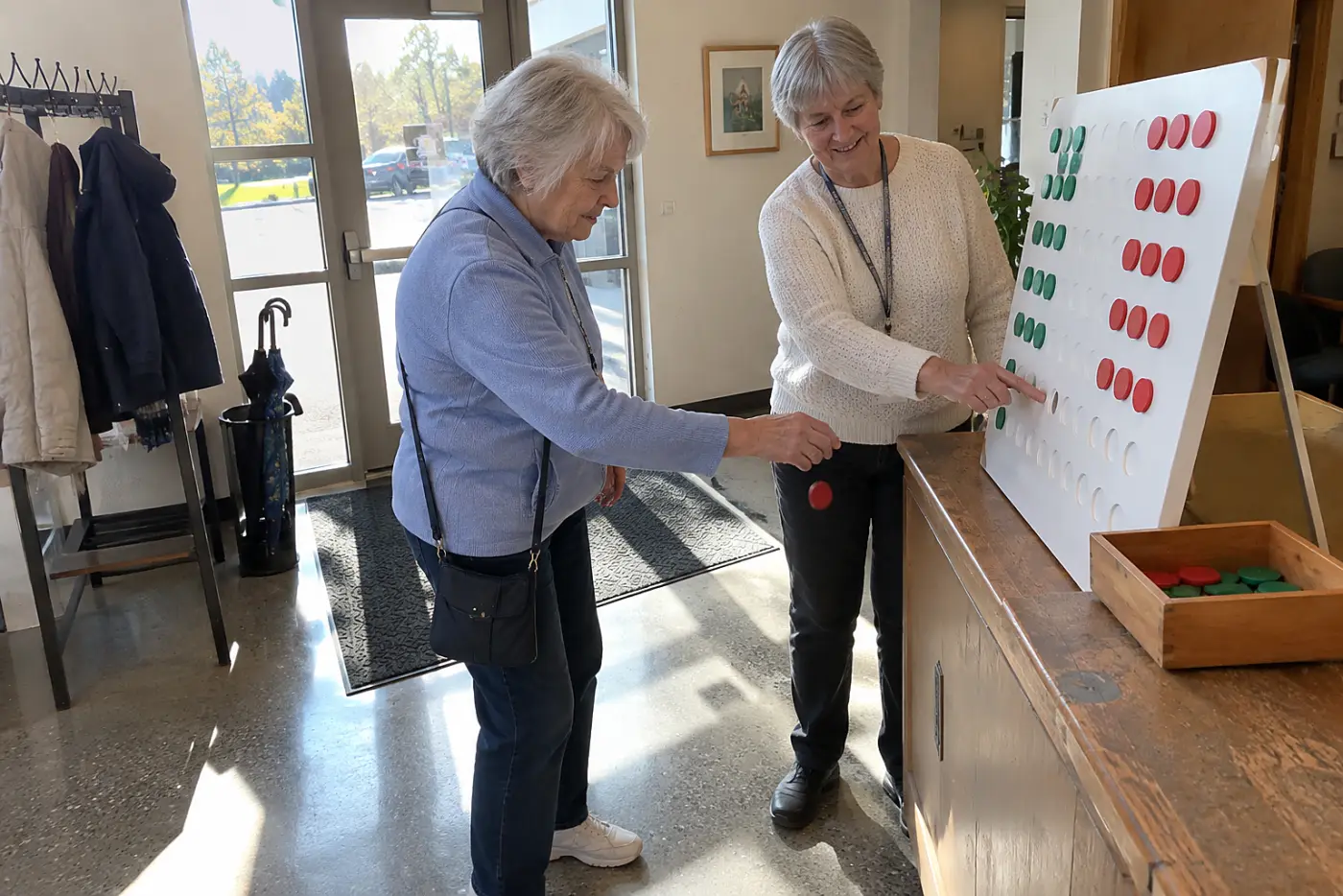
A wrong name wears on a conversation.
People learn what to call you by hearing it. Correct them when it happens, before the wrong name settles into introductions. You don't need to supply a history of your marriage or family to make the correction count.
Let it pass every time, and you'll keep meeting yourself under someone else's choice. A familiar setting isn't a reason to keep answering to a name you no longer use.
This week, check how your name appears in one place you use. Say, "I go by Margaret now."
For the next decision, words prepared ahead of time help.
6The photograph you decline to post

A good photograph doesn't have to become public.
A friend takes a picture at a gathering and reaches for her phone. Once it's posted, other people choose whether to share it, save it, or comment on it. You get to enjoy the afternoon without making your face available to people you've never met.
If you wait until the picture is online, removing the original post won't retrieve copies already saved or shared elsewhere. Saying something before she posts it is easier than tracking it down afterward. You don't have to blame the lighting, your hair, or the way you look in the shot. The decision is about where the picture goes.
This week, decide whether you want photos of yourself posted from your next gathering. Tell the person taking one, "I'd love a copy, but please don't post it."
A photograph isn't the only thing people assume you'll put on display.
See more: 27 Reasons Women Over 50 Feel Invisible, and Ways to Be Seen Again →
5The family recipe you keep unchanged

Your recipe doesn't need a committee.
A relative tastes the pie and suggests a different crust. The card in your drawer records your oven temperature and when to pull out the pie. Those details make the dish yours to prepare.
Change the method to stop the comments, and the pie no longer comes out the way you wanted. Anyone who wants another version has an oven at home.
This week, make one dish by your own recipe. If someone offers instructions, say, "Thanks. I'm making it this way today."
There are other familiar places where a suggestion starts to sound like an order.
4The hearing aids you wear openly

Your hearing aids belong in the conversation.
When you miss a word, guessing keeps the talk moving but leaves you without the sentence you needed to hear. Put your hearing aids in before the room fills up. If you still miss words, move closer and ask the speaker to face you.
A hearing aid doesn't erase background noise. At a crowded table, dishes clatter and several voices compete for your attention. Sitting where you see people's faces gives you another way to follow the talk. You shouldn't have to pretend you caught a punch line just to keep dinner moving.
Nodding at a question you didn't catch leaves someone waiting for an answer you never meant to give. It also leaves you out of the exchange while everyone else moves on. The National Institute on Deafness and Other Communication Disorders has advice on hearing aids, including getting used to them and caring for them. At the gathering itself, asking for the missed words remains your call.
This week, check the batteries or charge before you leave, then put the hearing aids in. Say, "I missed that last part. Would you say it again while facing me?"
Hearing the words is one thing; deciding what to share is another.
3The health question you leave unanswered at dinner

Your medical news isn't a dinner-table update.
Someone asks about a diagnosis or a recent test while everyone is eating. The question puts your health in front of the whole table, including people you haven't chosen to tell.
Give details to fill the silence, and those details become news for others to repeat. You don't owe the group a report on your body.
This week, choose which health topic you'll keep private. If it comes up, say, "I'm keeping that between me and my doctor. How was your trip?"
The next test is what happens when someone asks you to decide on the spot.
2The work request you answer after thinking

An immediate yes can take over your week.
A colleague asks while you're standing at the printer or opening your inbox. You hear the task before you've checked the deadline or what must move to make room. Pausing lets you learn what is being asked without treating your first reaction as a promise.
Say yes on the spot, and the work you already owe still waits for you. An hour to check your schedule is shorter than an evening spent undoing an answer you gave too fast.
This week, pause before accepting one request at work or in a volunteer role. Say, "Let me check what I have due, and I'll get back to you."
That pause leaves one word to keep out of your answer.
1The apology you remove from your answer
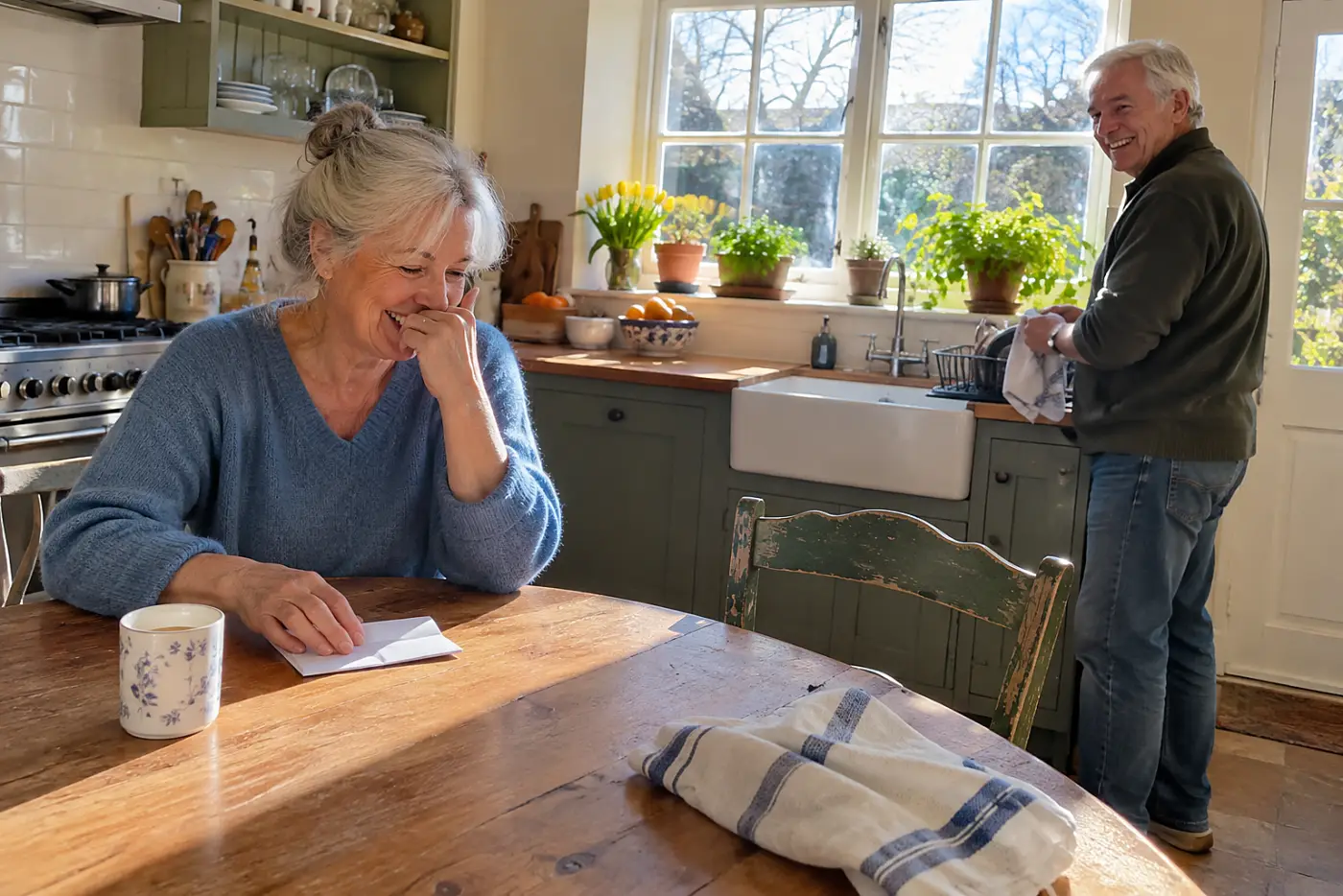
An unnecessary apology gives away the start of your answer.
When a request catches you off guard, "Sorry" slips out before you've decided anything. That first word sets you up to defend a choice you haven't made. Keep a written reply ready instead: acknowledge the request, give your answer, and stop.
An explanation you offer too soon invites negotiation, even when the decision is settled. Put the sentence on a note in your phone or beside the calendar, where you can find it while someone waits.
This week, write one sentence for a request you expect to hear and practice it aloud. When it comes, say, "Thanks for asking. I won't be doing that."
The words are ready; the note still needs a place to live.
The bottom line
Across all 27, the pattern is the same: other people ask for an explanation where an answer will do.
The best-prepared version of you has tried the shoes and checked the calendar. She has practiced the sentence before anyone presses her.
Which of these has already happened in your family?
Up next
27 Things Women Over 70 Say They Finally Stopped Caring About
A guest list, a shoe box, and an unreturned invitation reveal how much work you can stop doing for others.
Read the list →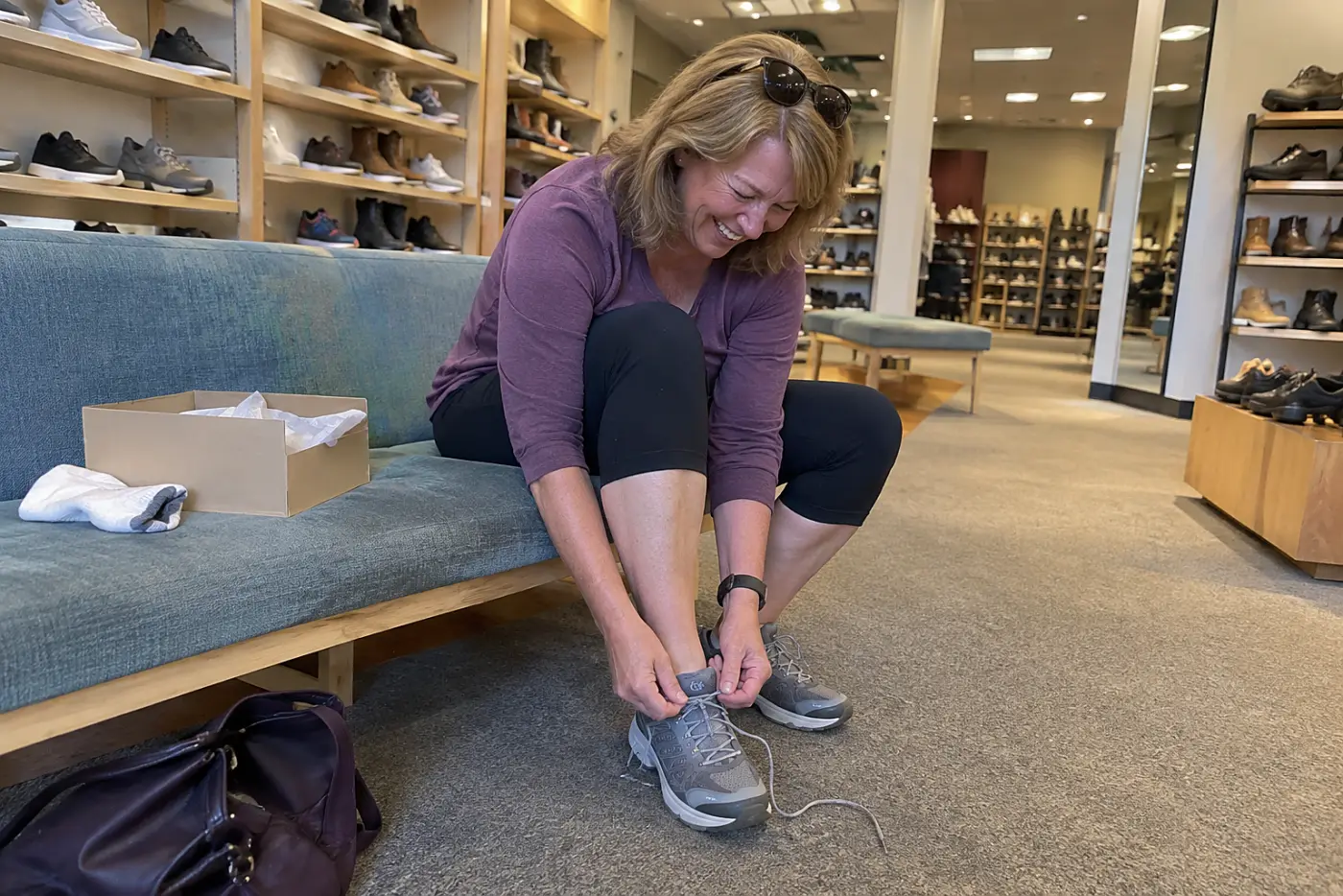


Reader quiz
Did you catch the details?
5 questions from this article. Finish them all to unlock the editor's bonus tip.
What does the article suggest doing before choosing between two dress sizes?
Did any of these feel familiar?
Know someone who needs this?
Sources cited in this article
This article links to 4 outside sources, listed here so you can read them yourself.
- National Institute on Aging www.nia.nih.gov/health
- American Medical Association's Code of Medical Ethics code-medical-ethics.ama-assn.org
- National Library of Medicine's MedlinePlus medlineplus.gov
- National Institute on Deafness and Other Communication Disorders www.nidcd.nih.gov/health/hearing-aids
Nora Bennett
Style Editor
Nora writes about hair, clothes and grooming for people who have stopped asking permission: what to keep, what to let go, and what reads as taken care of.
More from Nora Bennett