






27 Things Grandmothers Notice That Nobody Else Does
A forgotten coat, a changed pickup plan, a child watching the doorway: small clues travel differently through a family.
By Ruth Ellison, Family Editor
Updated · 16 min read
- Written by our family editor
- Cited 7 sources
- How we review
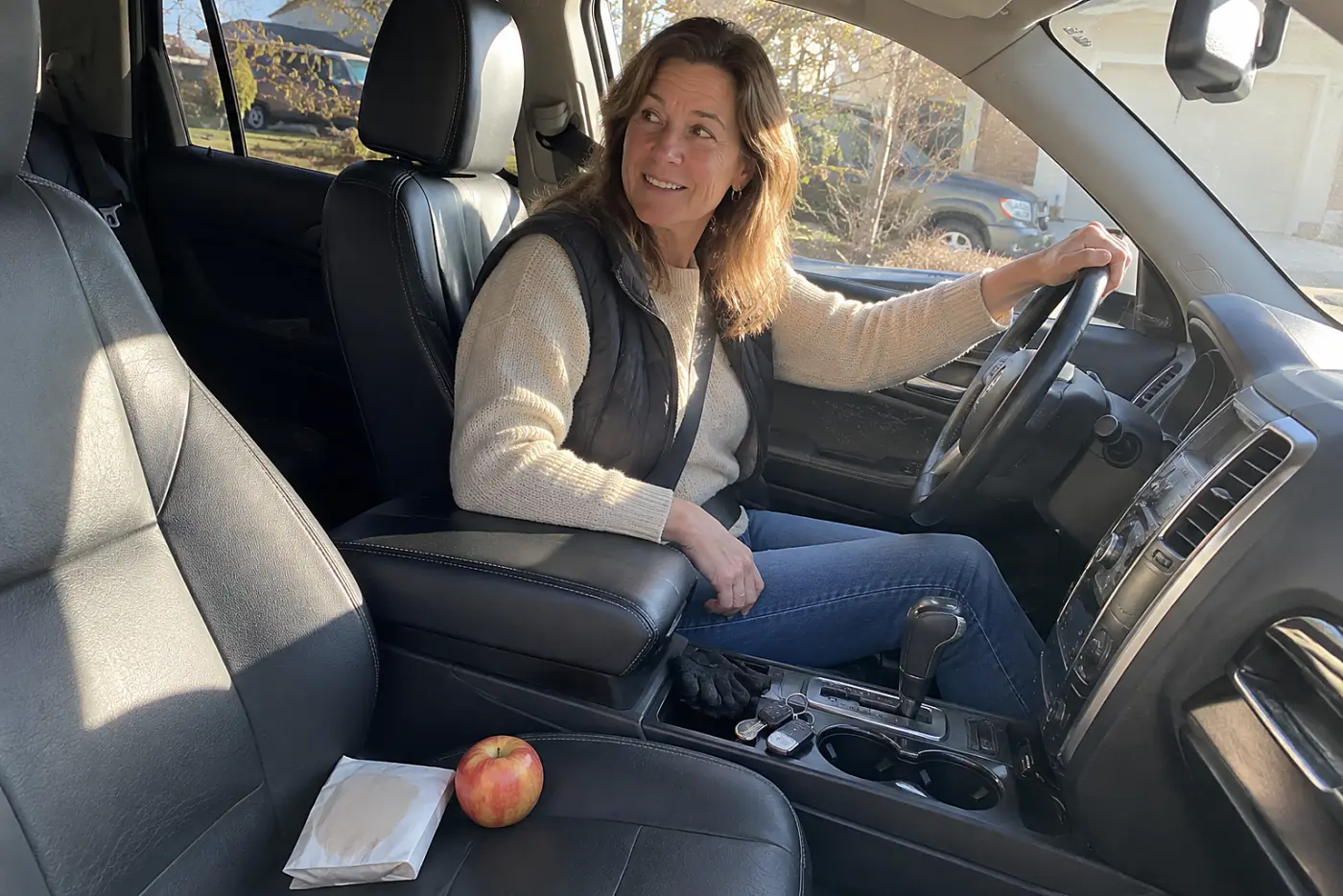
Read to the end: #1 is the written record that preserves a child’s exact words, and almost nobody keeps it.
At the kitchen table, your granddaughter keeps folding the paper corner of her sandwich wrapper. Her dad says she loves the new school. She nods without looking up, then asks what time you’re leaving.
Someone has already answered the big question for her. That doesn’t answer the smaller one in front of you: what made her check the clock three times during lunch? You don’t need to declare a crisis to notice a change.
Here are 27 things worth looking at twice.
Editor’s note: These observations are not diagnoses. For medication questions, check with the child’s parent and pharmacist; for suspected harm, contact Childhelp or your local child protection agency.
27The coat left behind after pickup
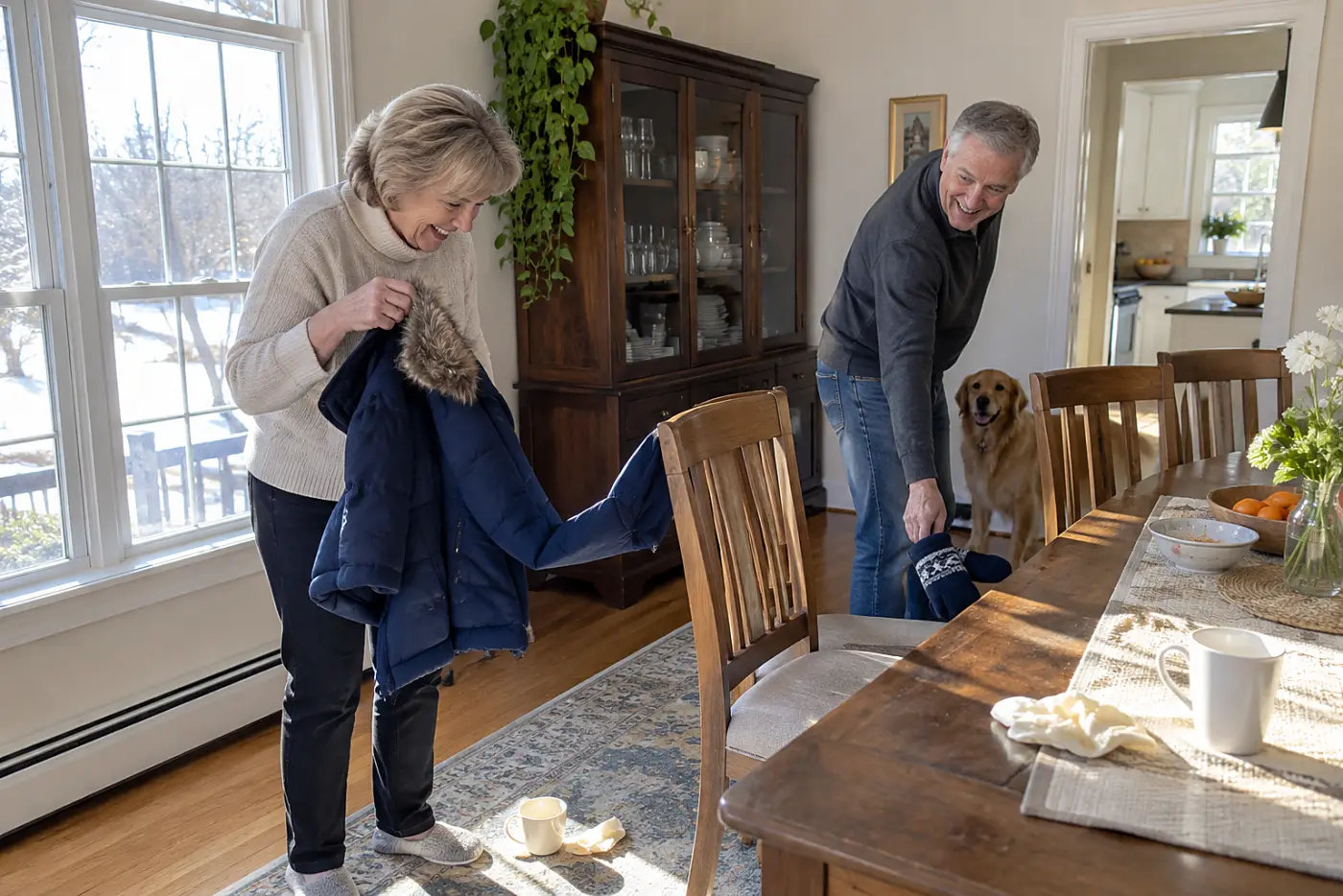
A child can leave a coat to delay goodbye.
The coat sits on your chair long after everyone has gone. You recall her stopping beside it on the way out, then following her father to the car. Those details give you a question, but they don’t tell you what she meant.
A forgotten glove or water bottle presents the same opening. If you return it without a word, you lose the chance to hear whether she noticed it was missing.
Put the coat where you’ll see it this week, then ask about it on your next call. “Did you mean to leave this here, or shall I bring it over?” Listen to her answer before offering a plan for getting it back.
The answer leaves room for a different question.
26The phone passed over before the answer
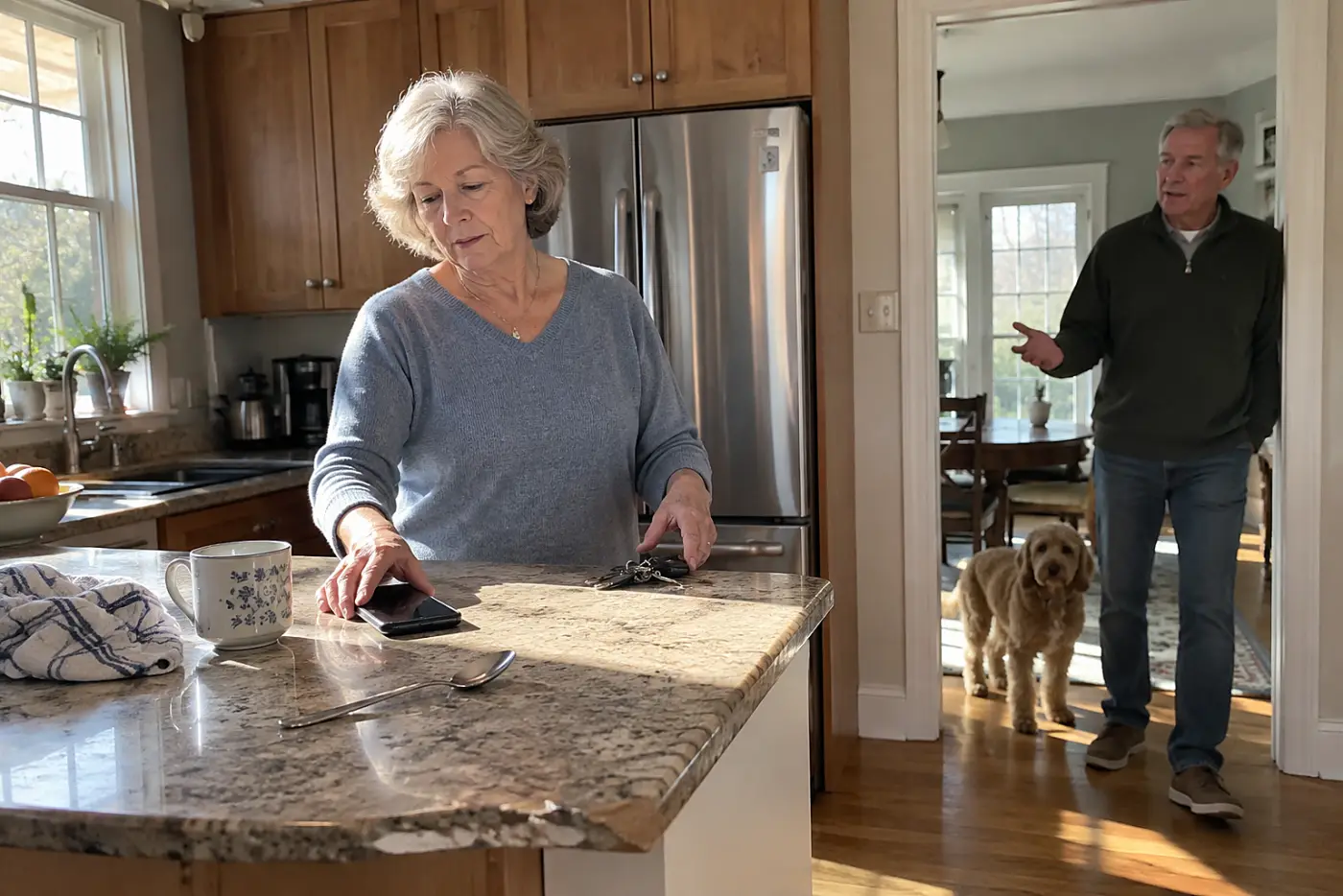
The call changes when someone else holds the phone.
You ask your son when he’s free, and your grandchild answers first. Then he takes the phone and gives a different day. No single mix-up tells you why, but repeated changes tell you which plans need checking.
Family arrangements live in calendars, texts, and people’s heads. The person driving the child needs the final version. Otherwise, you’re left waiting with dinner in the oven, or a child is waiting for a ride that nobody confirmed.
This week, send a short text after making plans. Put the day, time, and pickup person in one line. “I have Saturday at ten, with you driving her over. Is that right?”
Once the plan is clear, notice who still has trouble keeping it.
25The lunchbox that comes home untouched
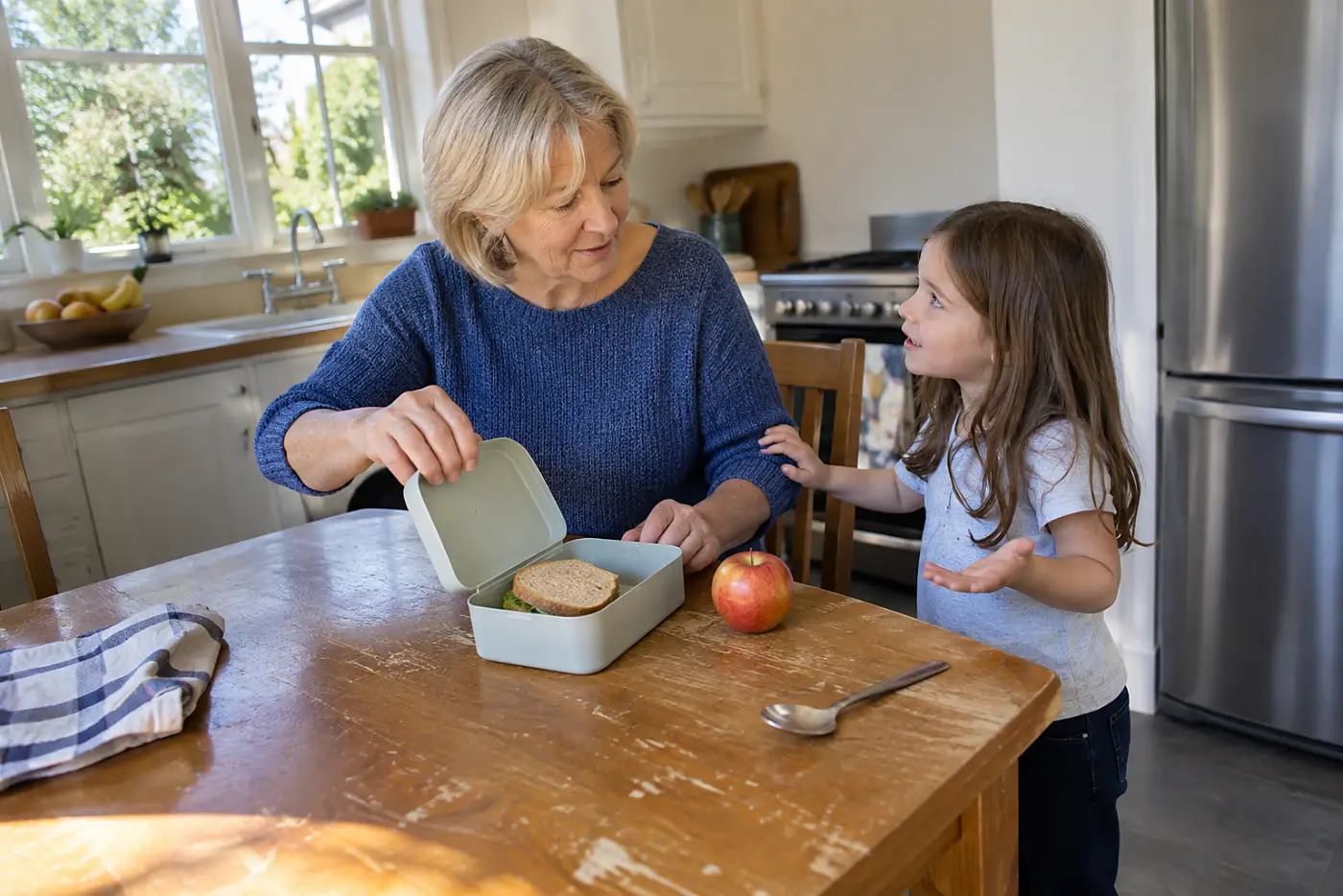
An untouched lunch deserves a question before a verdict.
You open the lunchbox and find the apple still whole. Children skip food for countless reasons, from a short lunch period to a stomachache. Ask what lunch was like before asking why the food wasn’t eaten.
If it happens again, the school nurse or teacher has a piece of the picture you don’t. A hungry afternoon is worth addressing even when the cause is ordinary.
Check the lunchbox together after school this week. “Was there time to eat, or did something happen at lunch?” If she says lunch felt rushed, pass that detail to her parent rather than guessing why the apple came home.
Listen for what comes after the first answer.
24The shoes that suddenly hurt
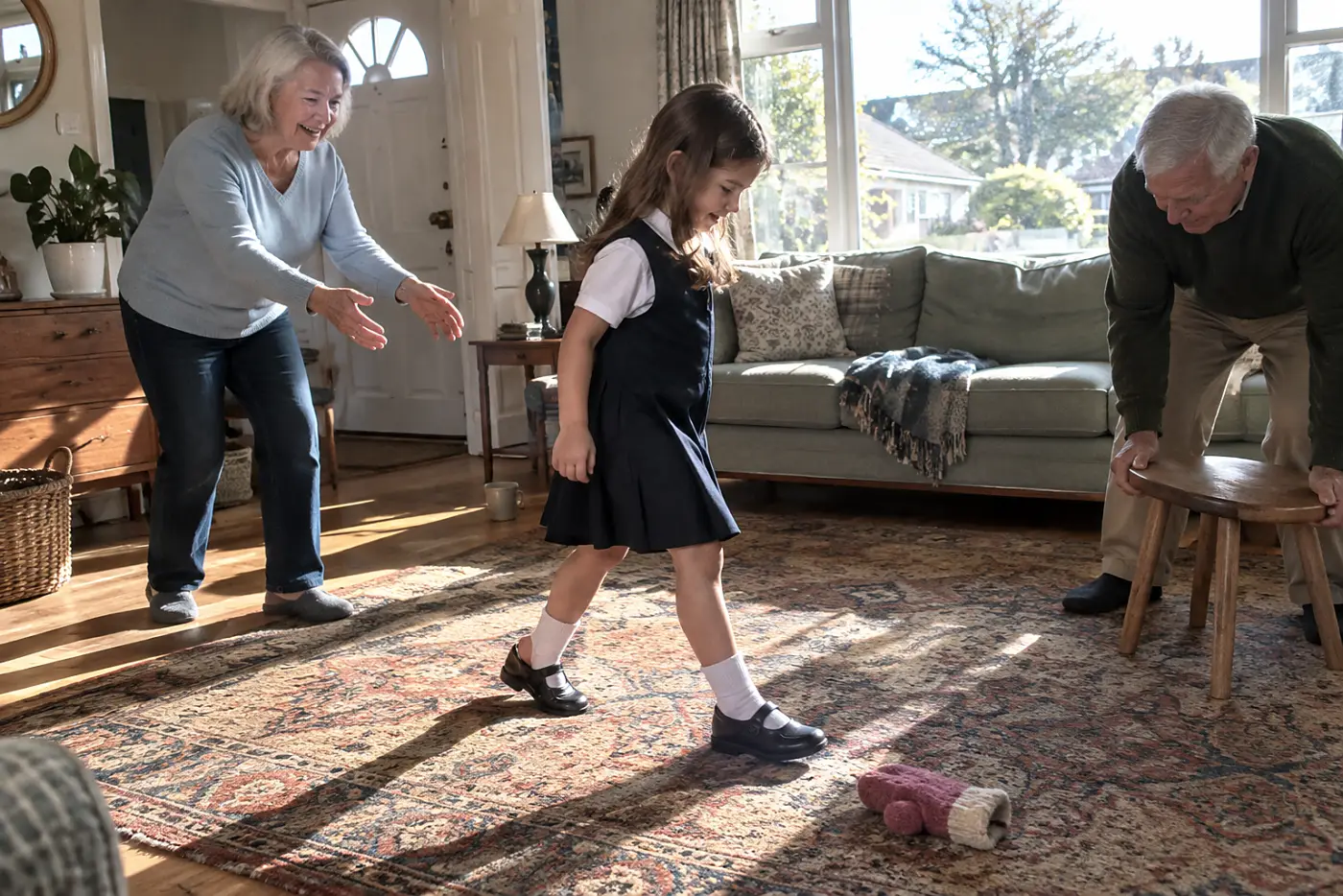
A child outgrows shoes before anyone announces a growth spurt.
She sits on the floor and presses her thumb against a toe. By afternoon, she’s walking on the sides of her feet. A shoe that still looks fine from above can pinch across the front or rub the heel.
Pain changes how a child moves through the day. It can make recess, a walk home, or even a trip through the grocery store harder than anyone realizes.
This week, ask her to stand in both shoes and walk across the room. Check for red marks after she takes them off. “Do these hurt anywhere, or do you just want different shoes?” If she says they hurt, tell the person buying the next pair exactly where.
A sore foot is easy to see once somebody stops her long enough to ask.
23The drawing with one person missing
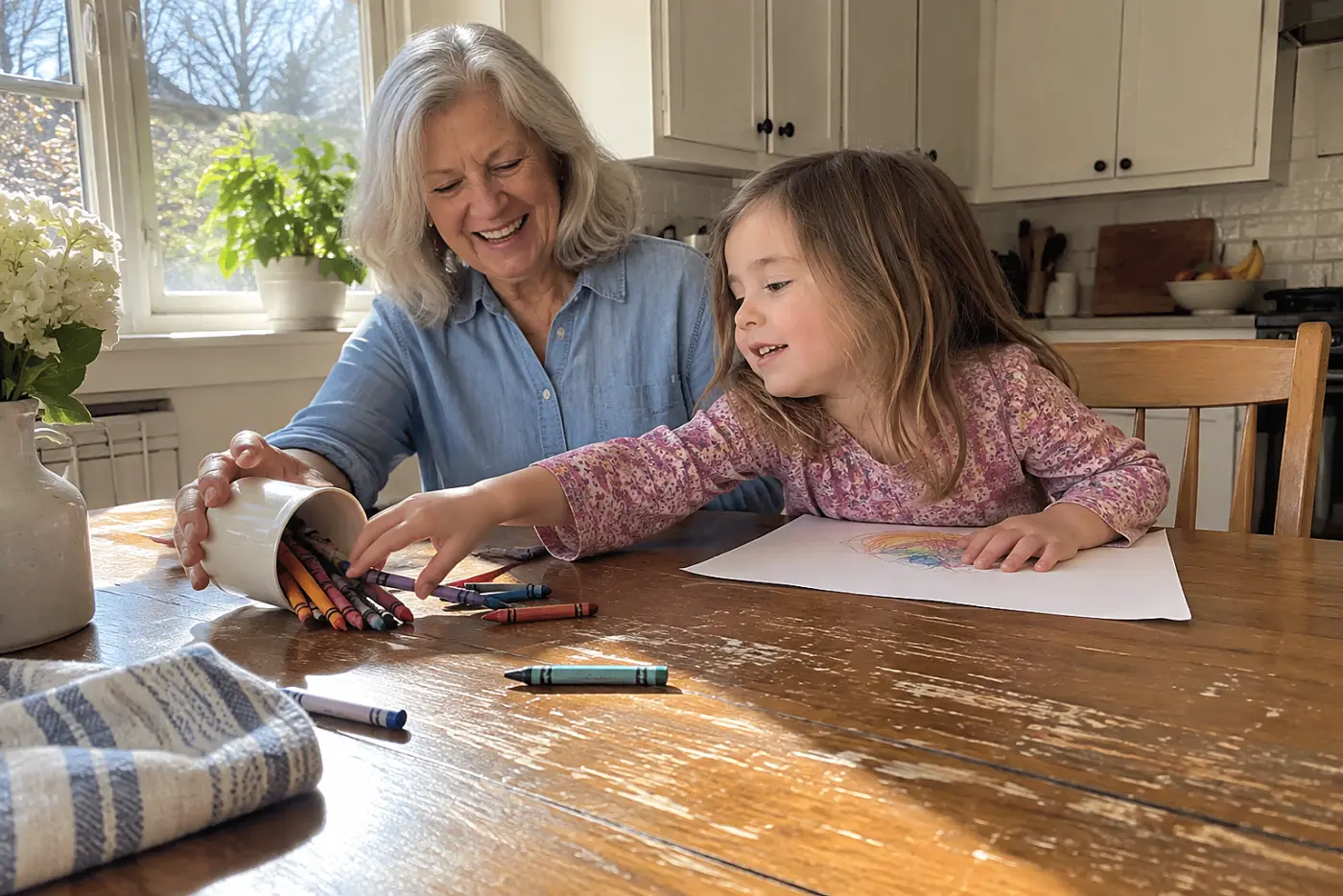
A missing face invites curiosity, not an accusation.
Your grandson draws the kitchen table and leaves one chair empty. He could be drawing what he saw yesterday, or making space for a dog. Ask him to tell you about the picture rather than supply its meaning yourself.
An adult’s guess can shut down the story before it starts. The drawing belongs to him, and so does the explanation.
Sit beside him with the paper this week. “Tell me who’s here.” If he points to the empty chair, let him keep talking.
What he chooses to name matters more than what you guessed.
22The apology spoken before the question
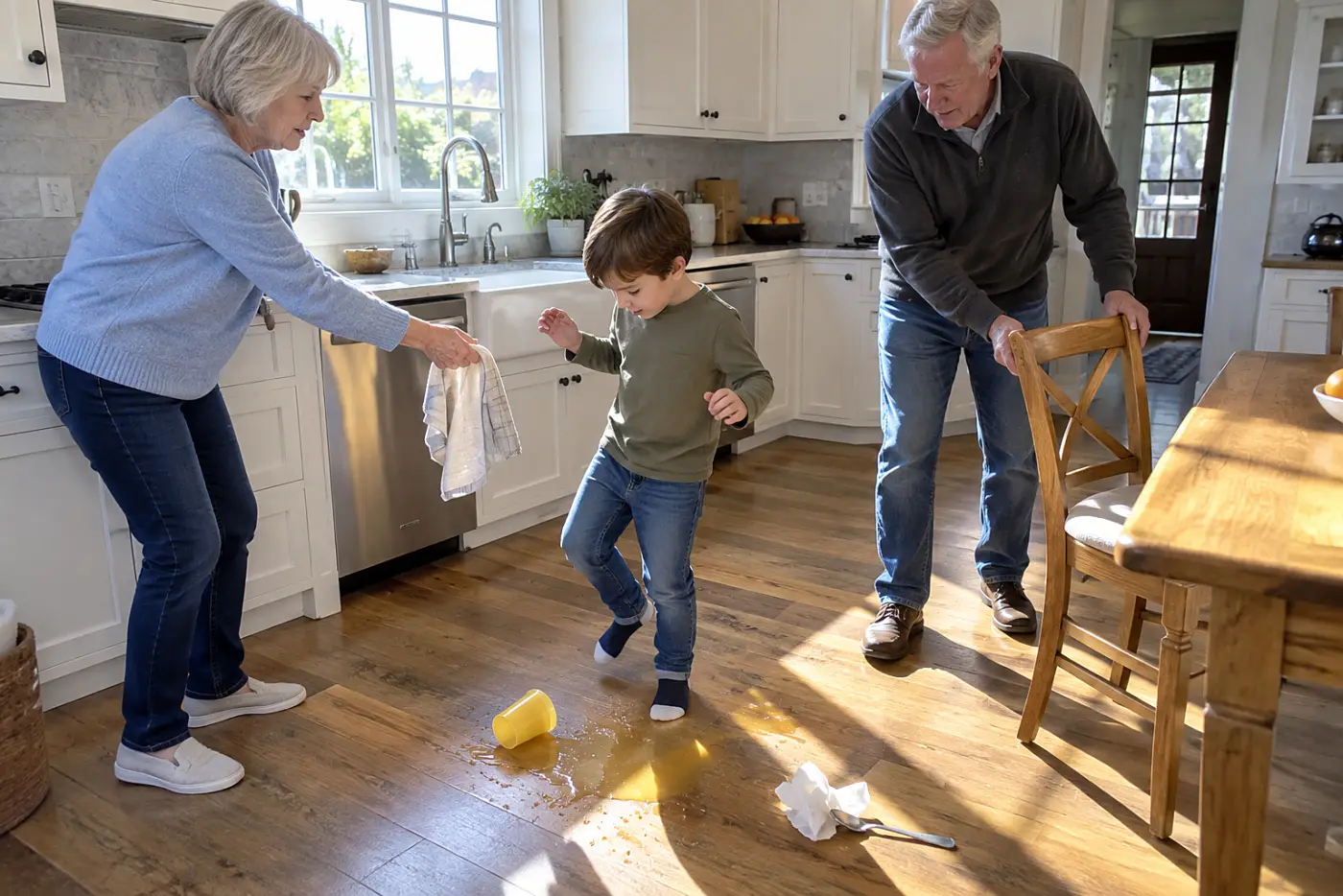
A child says sorry before you know what happened.
The juice spills, and she apologizes before reaching for a towel. She might be worried about the mess, or simply eager to fix it. Watch what follows: does she help clean up, or keep watching your face?
The difference matters because your response becomes part of what she expects next time. A spill shouldn’t require a long defense. Neither should a broken crayon or a dropped plate.
This week, hand her a towel before asking for the story. Say, “We’ll clean it up. Are you all right?” Save questions about how it happened until the floor is dry. If her fear seems larger than the mishap, ask her parent how things have been going at home without deciding what the answer must be.
Notice whether her shoulders come down before she speaks again.
21The birthday invitation never mentioned aloud
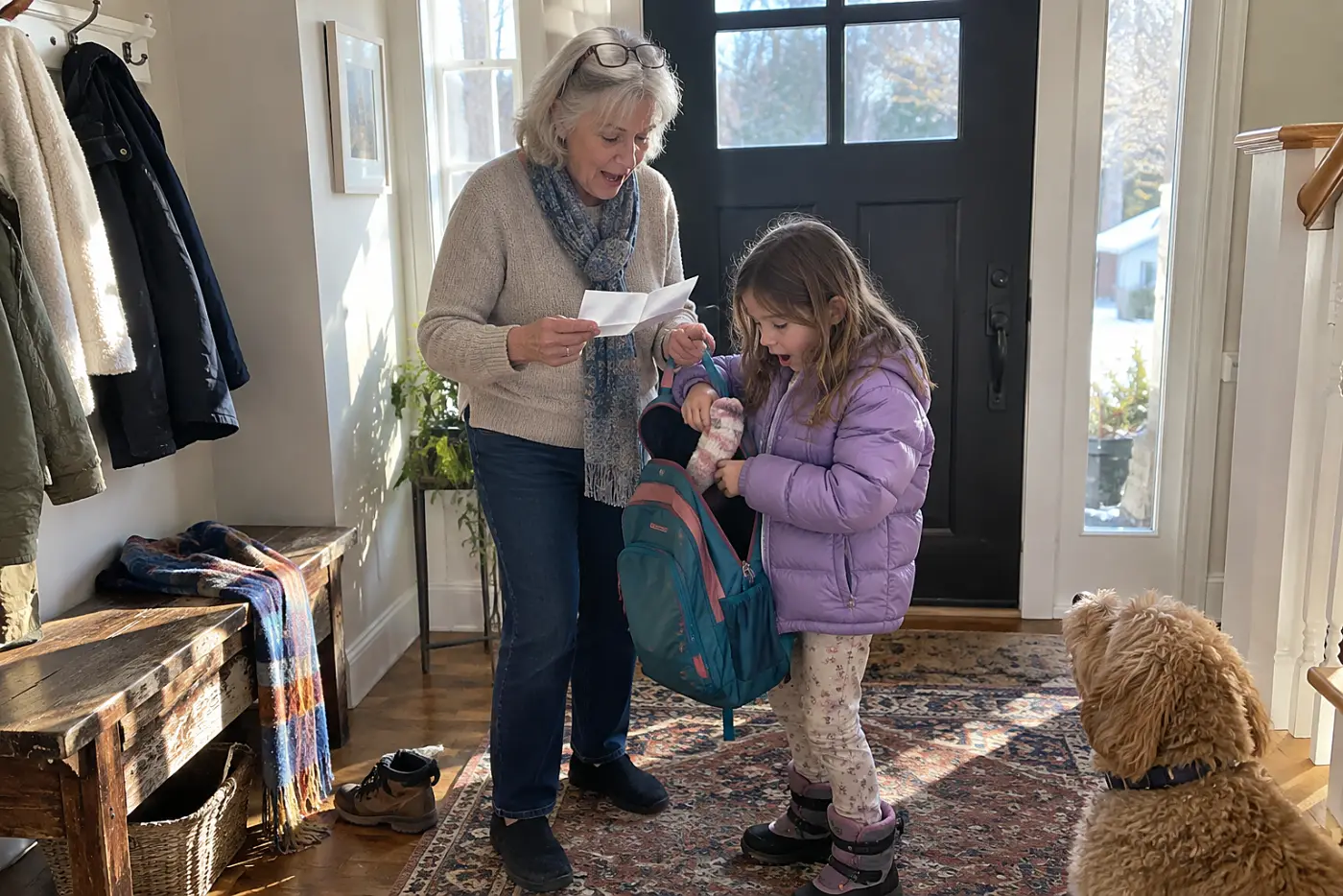
An invitation sits unopened at the bottom of the bag.
You find it while looking for a missing sweater. The party is on Saturday, and the reply date has passed. Before you offer to drive, find out whether the child knew about it and wanted to go.
The cost of guessing is small on paper and large at the kitchen table. You could promise an outing that a parent has already declined.
This week, pass the invitation to the parent and ask one plain question. “Did you see this, and has she told you what she wants?”
Her answer is another part of the plan.
See more: 29 Conversations Families Keep Putting Off Until It's Too Late →
20The school form signed in haste
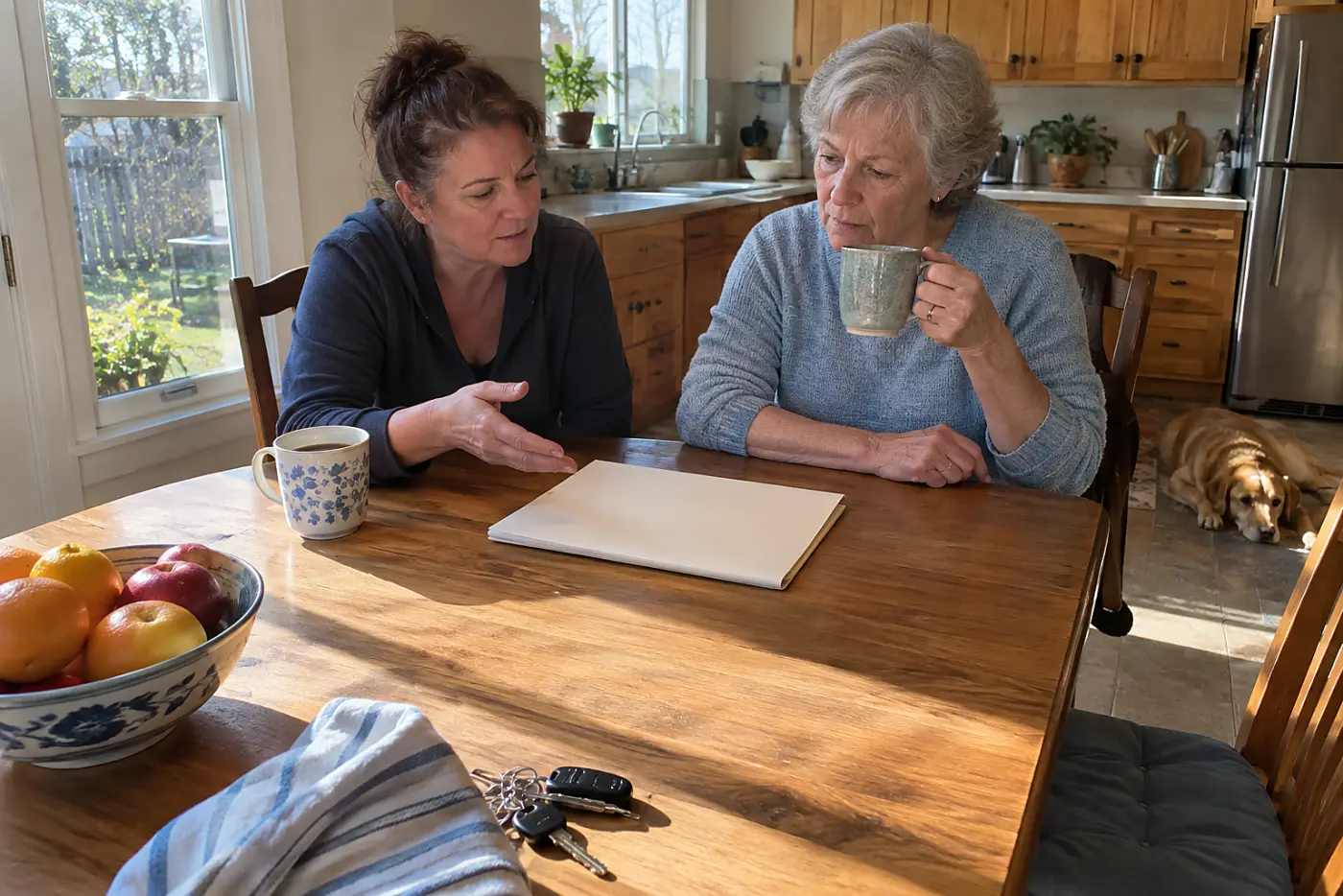
A rushed signature can hide a practical problem.
The form needs a field trip contact, but the number written there belongs to an adult who works without a phone nearby. The school will use the contact information it has.
A signature alone doesn’t put the right person within reach. Read the boxes that ask who picks up, who answers, and who has permission. Those are different jobs, even when your name appears beside all three.
If you’re listed, you need to know what the parent expects and what the school has recorded. An old work number leaves a gap that nobody sees until the office calls.
This week, ask to see the current school contact sheet with the parent present. Don’t ask the school to change a parent’s instructions on your word alone. “If I’m your backup, let’s check that the number and pickup details are right.”
Then watch what happens when the school actually calls.
19The emergency number nobody tested
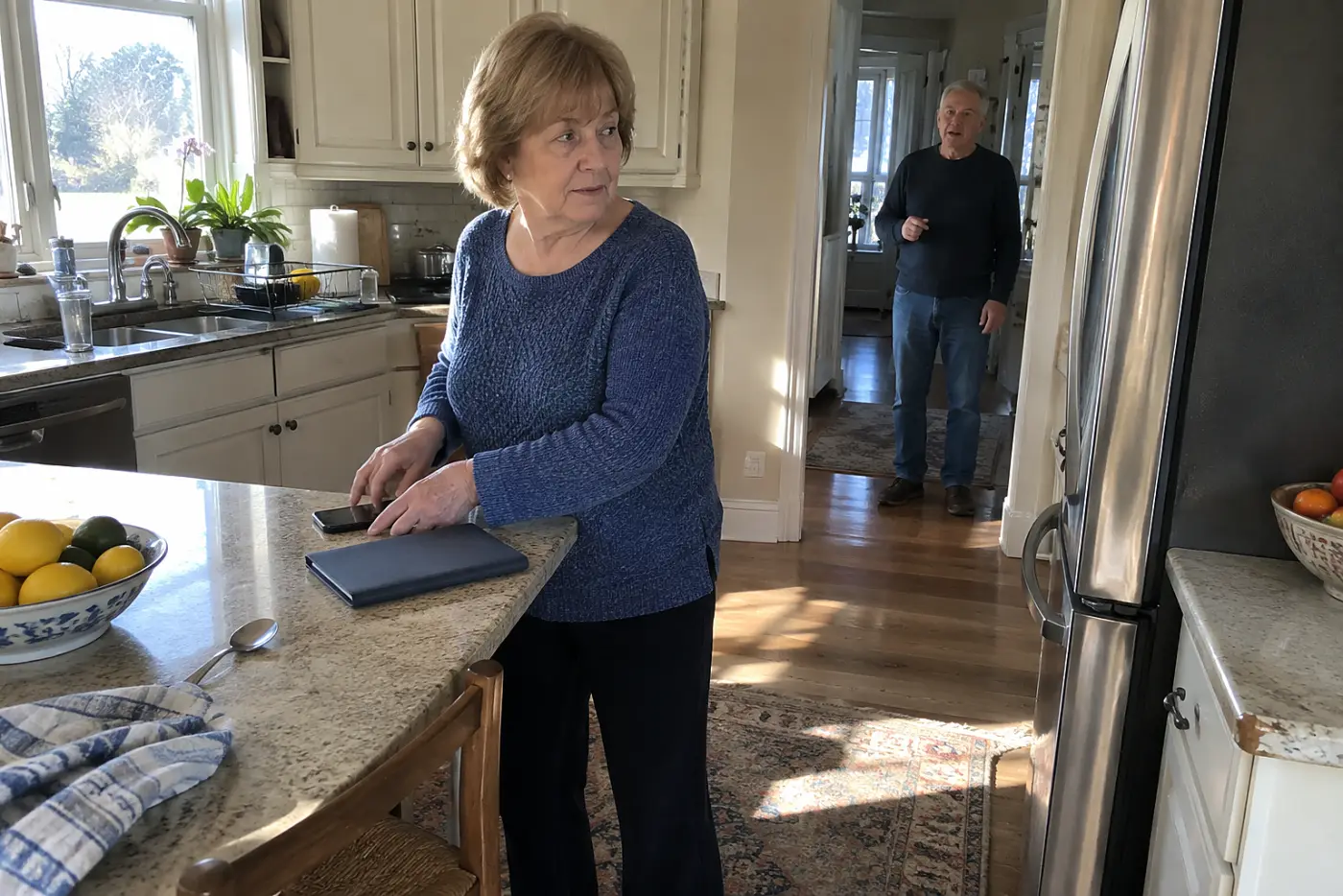
A phone number is only useful when someone answers.
Your name is on the refrigerator list, but your phone silences unknown callers. The school’s number has never rung through, so nobody has spotted the gap. A child waiting in the office won’t know which setting stopped the call.
The list needs to work during a meeting, a drive, or a grocery run. Written permission and a reachable phone are separate things.
This week, save the school’s main number in your contacts and check your call settings. “If they call me first, what number will show up?”
There’s another kind of message that never reaches the right adult.
18The group chat where a child disappears
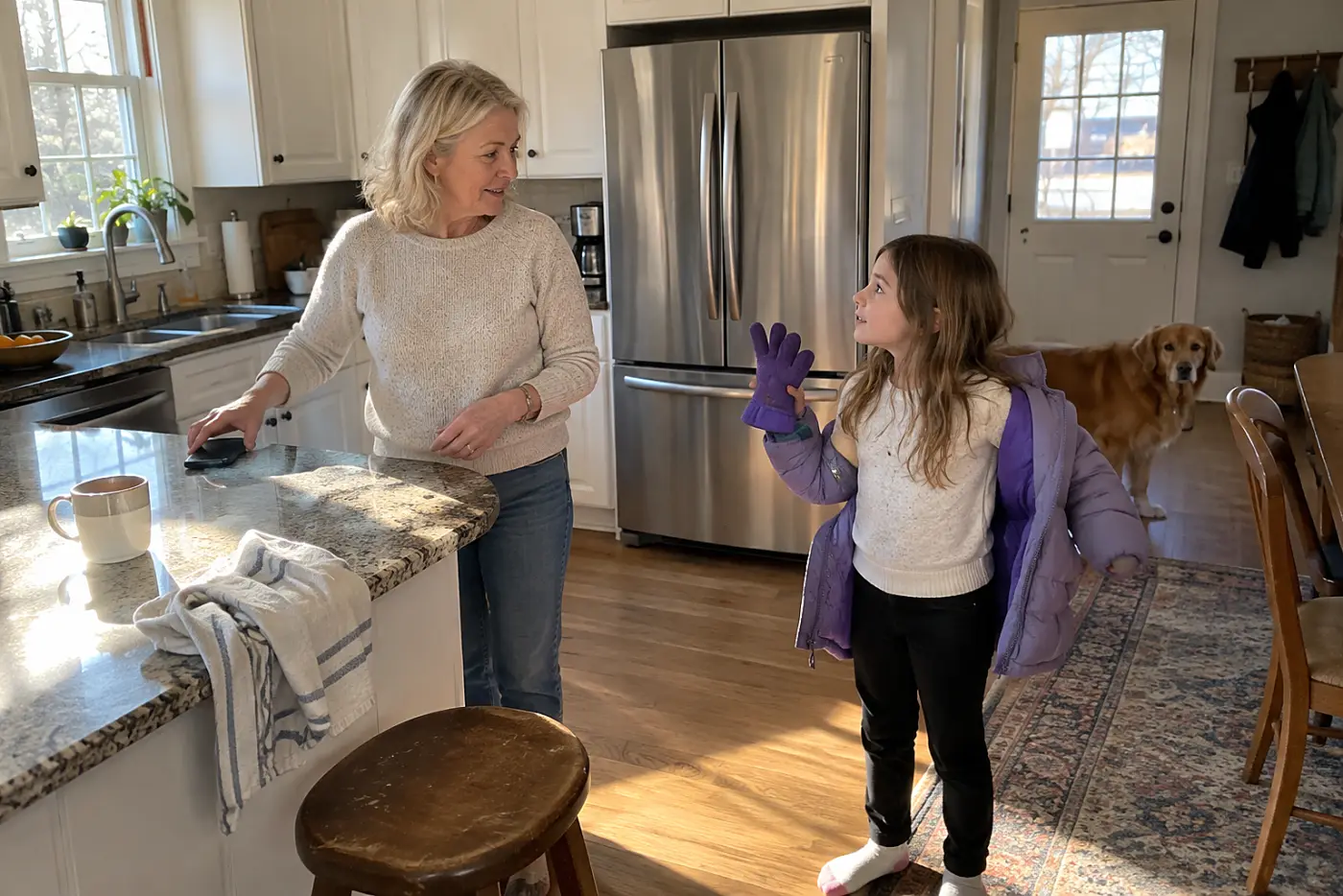
The adults settle plans while the child stands nearby.
A group chat fills with pickup times, snacks, and who owes whom a ride. The child’s worry about the visit gets reduced to a thumbs-up from someone else. Messages make coordination quick; they also make it easy to mistake agreement among adults for agreement from a child.
A child doesn’t get to run every family plan. Still, knowing whether she has a test, a friend’s party, or a hard goodbye changes how you arrange the day.
This week, ask the parent when the child will hear the final plan. Then speak to her without making a promise you can’t keep. “Saturday is the plan I’ve heard. What do you want to know about it?”
The schedule is settled, but the handoff still has its own story.
See more: 26 Ways to Stay Close to Grandchildren Who Live Far Away →
17The backpack packed for another house
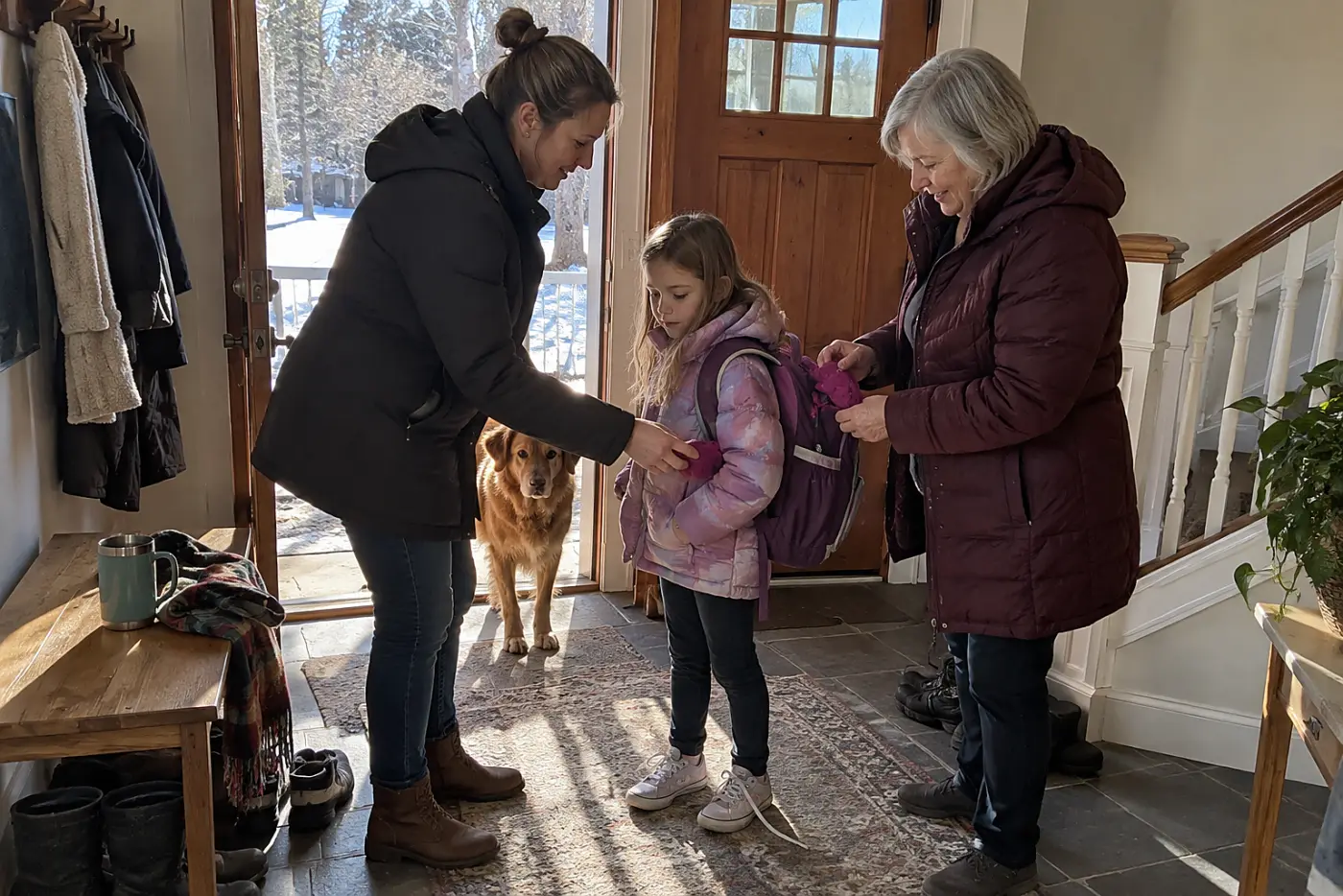
A child shouldn’t have to remember every adult’s house rules.
The backpack has homework, pajamas, and a charger, but no inhaler case. Perhaps the medicine is already at the other home. You need the parent’s answer before the child leaves, not a guess in the driveway.
For a child with a prescribed medication, the current instructions matter. Don’t rely on an old label or a child’s memory to settle a dose.
This week, review the bag with the parent before pickup. “What needs to travel with her, and what stays here?”
One missing object can turn the whole visit into a scramble.
See more: 19 Things to Know When One Set of Grandparents Is Favored →
16The charger that never makes the trip
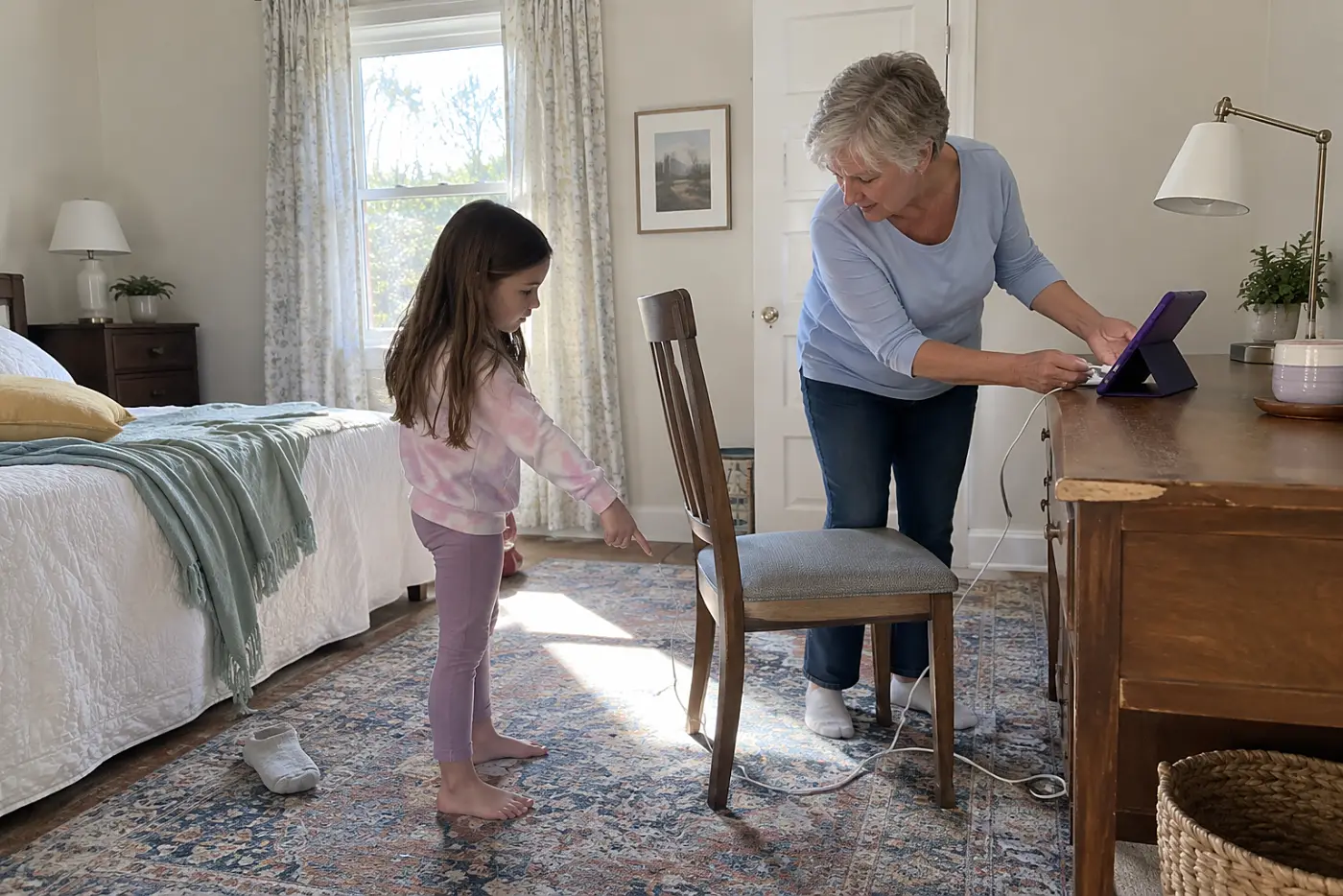
A dead device can break a familiar routine.
Your grandson settles himself by calling home after dinner. The tablet arrives with a flat battery and no charger. He isn’t upset about a screen alone; the expected call now depends on finding a cord that fits.
It’s easy for adults to call this fussiness. To him, a small object held the plan together. If the device also carries schoolwork or an agreed way to reach a parent, the missing charger needs a fix before bedtime. A replacement cable runs about $10 to $20, but it has to fit the device.
This week, put a compatible charger in the visit bag, with the parent’s agreement. Confirm the calling plan rather than assuming a device means unlimited access. “What time were you expecting his call?”
Then ask what happens when the person on the other end doesn’t pick up.
15The changed greeting at the door
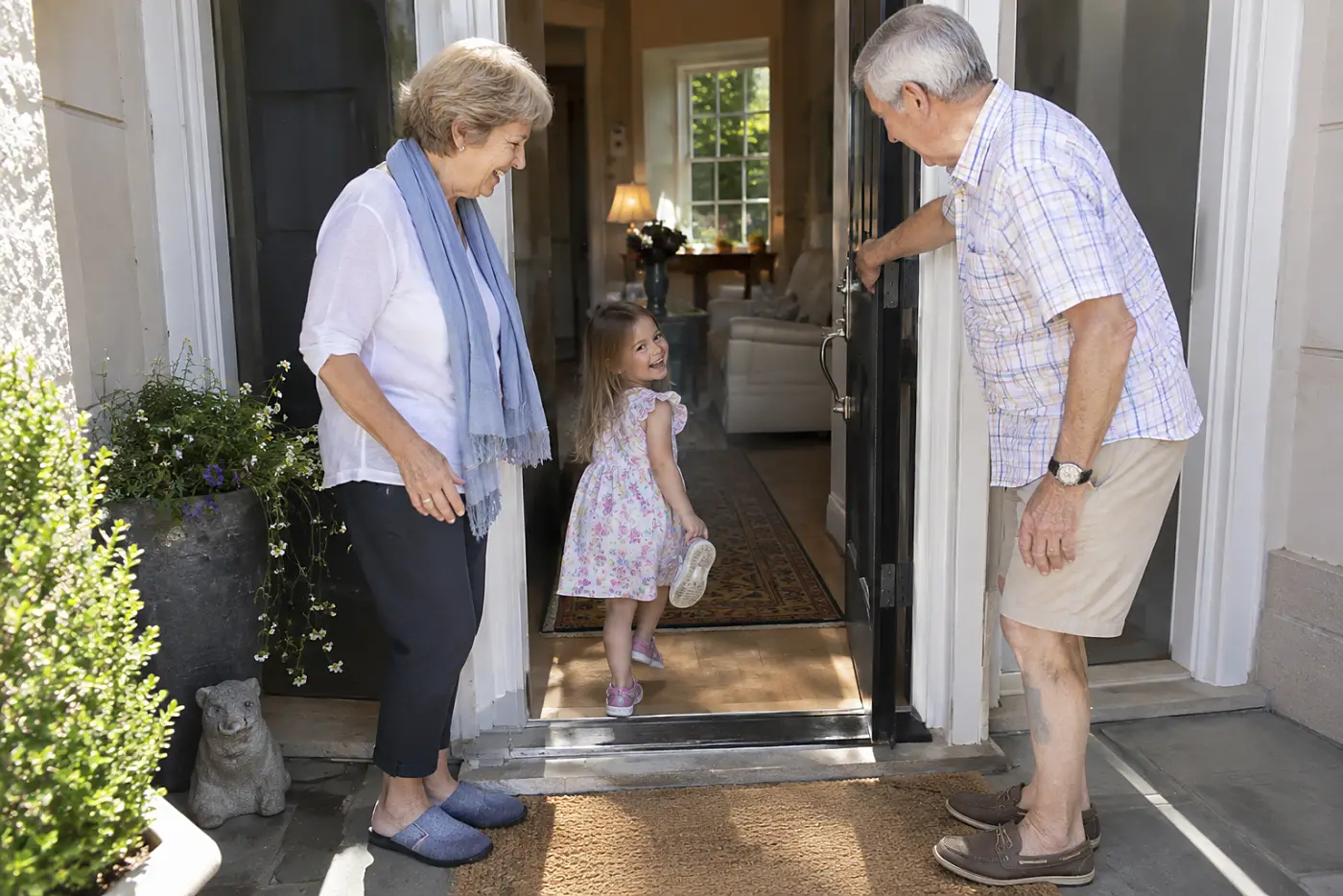
The greeting disappears before anyone discusses a change.
She once ran straight in. Now she stays behind her mother’s leg and looks at your face. Children change their habits, and a doorway gives them little time to adjust. Let her enter without asking her to perform delight.
Calling the change out in front of everyone gives her another job: making the adults feel better. That job belongs to the adults.
This week, leave her a clear path to come in at her own pace. “I’m glad you’re here. Your book is where you left it.”
See what she does once nobody is watching.
14The joke repeated after a child stops laughing
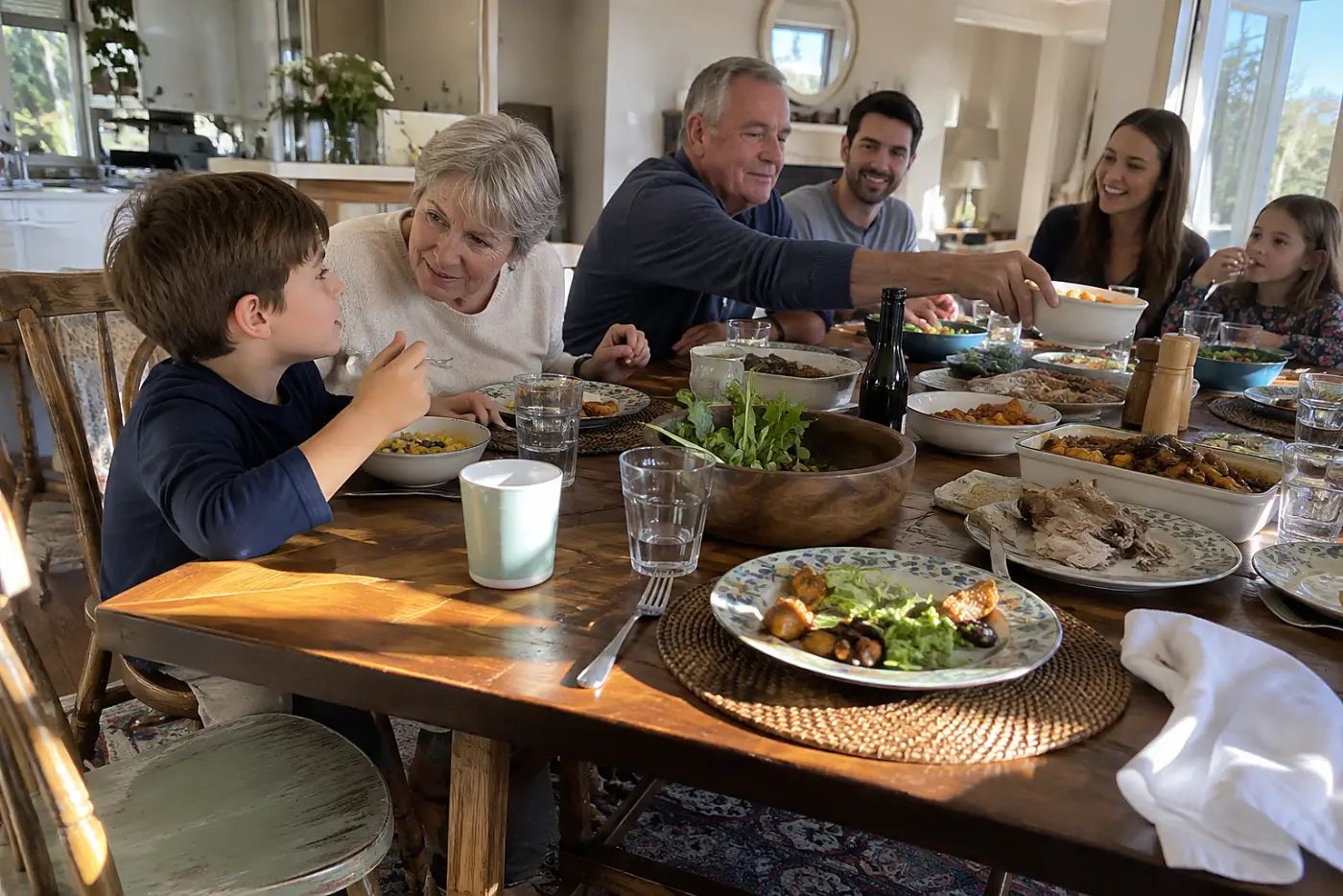
A joke keeps going after its audience has left.
Someone calls the child by a nickname she no longer likes. The adults laugh because they remember the old story. She looks down at her plate. Repeating a joke after that point teaches her that saying stop won’t change much.
You don’t need to scold the table to interrupt it. You do need to hear the child’s answer when you ask which name she wants.
This week, use her chosen name and ask privately whether the nickname bothers her. If it does, speak to the adult who uses it. “She told me she doesn’t like that name. Let’s use the one she asked for.”
The next test comes when she says no to something everyone else wants.
13The hug requested in front of everyone
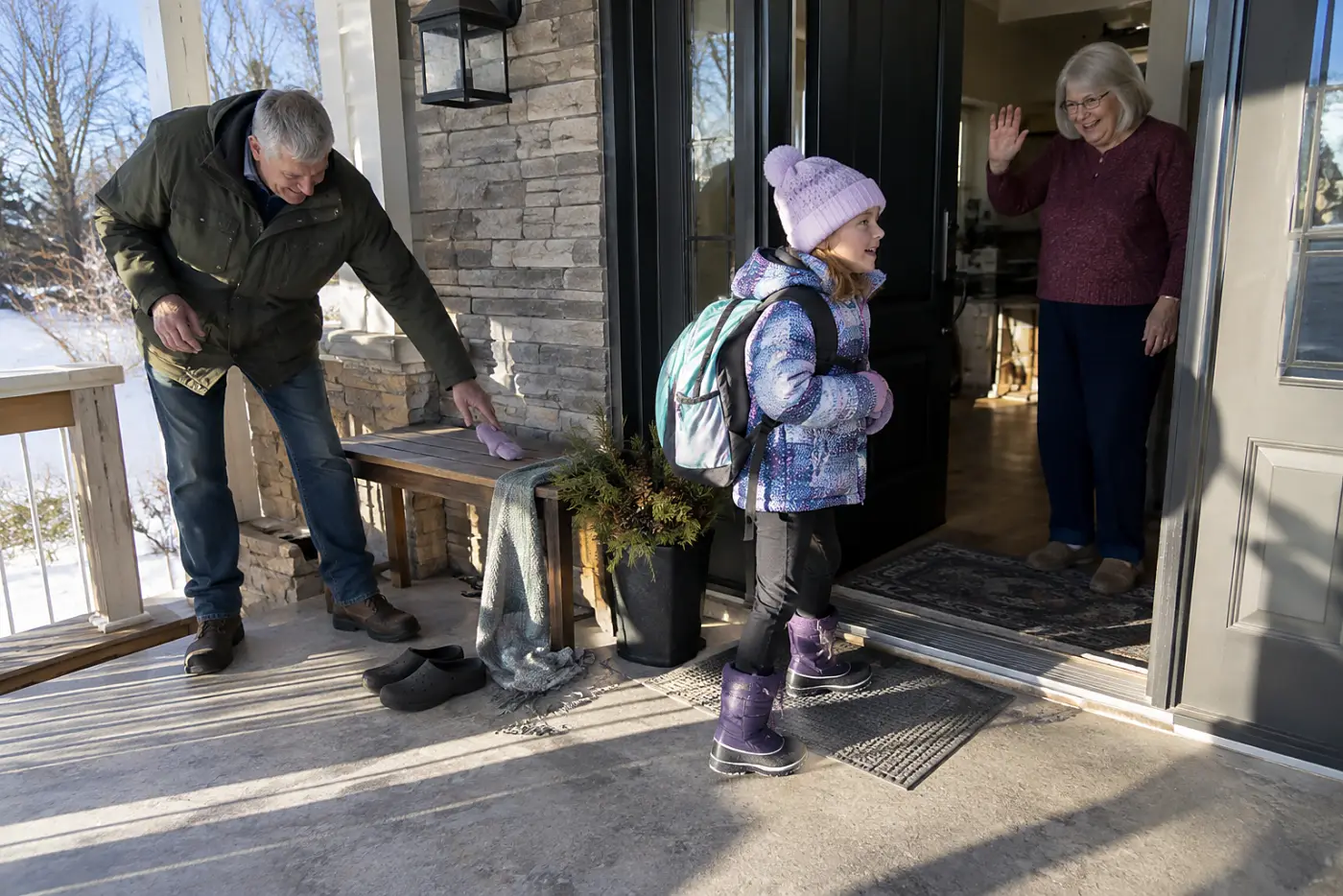
A public request can make no feel expensive.
“Give Grandma a hug” lands in a room full of waiting adults. The child has to choose between touch and disappointing someone she loves. You get a warmer welcome when the choice is real.
RAINN teaches children that their bodies belong to them. You can put that principle to work at your own front door without turning it into a speech.
This week, offer a wave, a hello, or a hug. “You choose how we say goodbye today.”
The room learns from your answer, too.
12The parent’s exhausted answer in the driveway
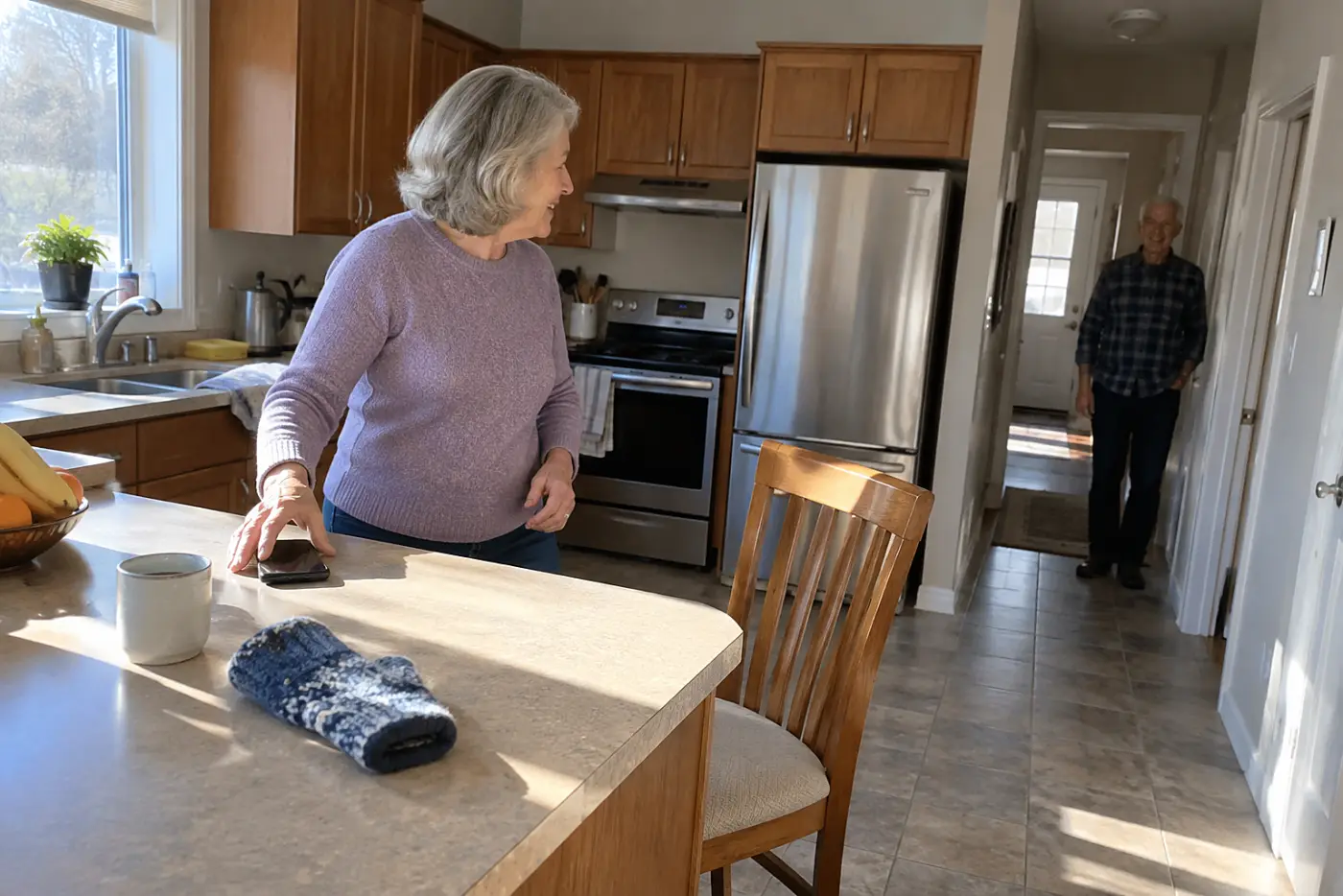
The driveway answer is shorter than the real answer.
You ask how things are going as bags change hands. Your daughter says, “Fine,” while looking for the car keys. She has a child buckling in, a schedule to keep, and no privacy. The driveway is built for leaving.
If you treat that answer as a full report, you’ll miss the chance to offer useful help. If you press right then, you risk turning the exchange into one more demand.
This week, send a specific offer later, when she has space to answer. Name a task you can actually do, and give her room to decline. “I can take the kids on Thursday while you make that appointment. Would that help?”
A yes will tell you what help looks like; a no still leaves another question.
See more: 27 Things Adult Children Say That Hurt More Than They Know →
11The meal a parent never touches

The child eats while the parent moves food around.
At Sunday dinner, everyone notices the toddler refusing carrots. You notice your son hasn’t taken a bite. He’s serving plates, fetching water, and answering messages before his own food goes cold.
A missed meal alone proves nothing. It does tell you that a general “Let me know if you need anything” leaves all the planning with him.
This week, pack him a plate before clearing the table. “Do you want to eat here while I handle the dishes?”
Watch whether he gets to finish it.
10The medicine bottle beside the sink
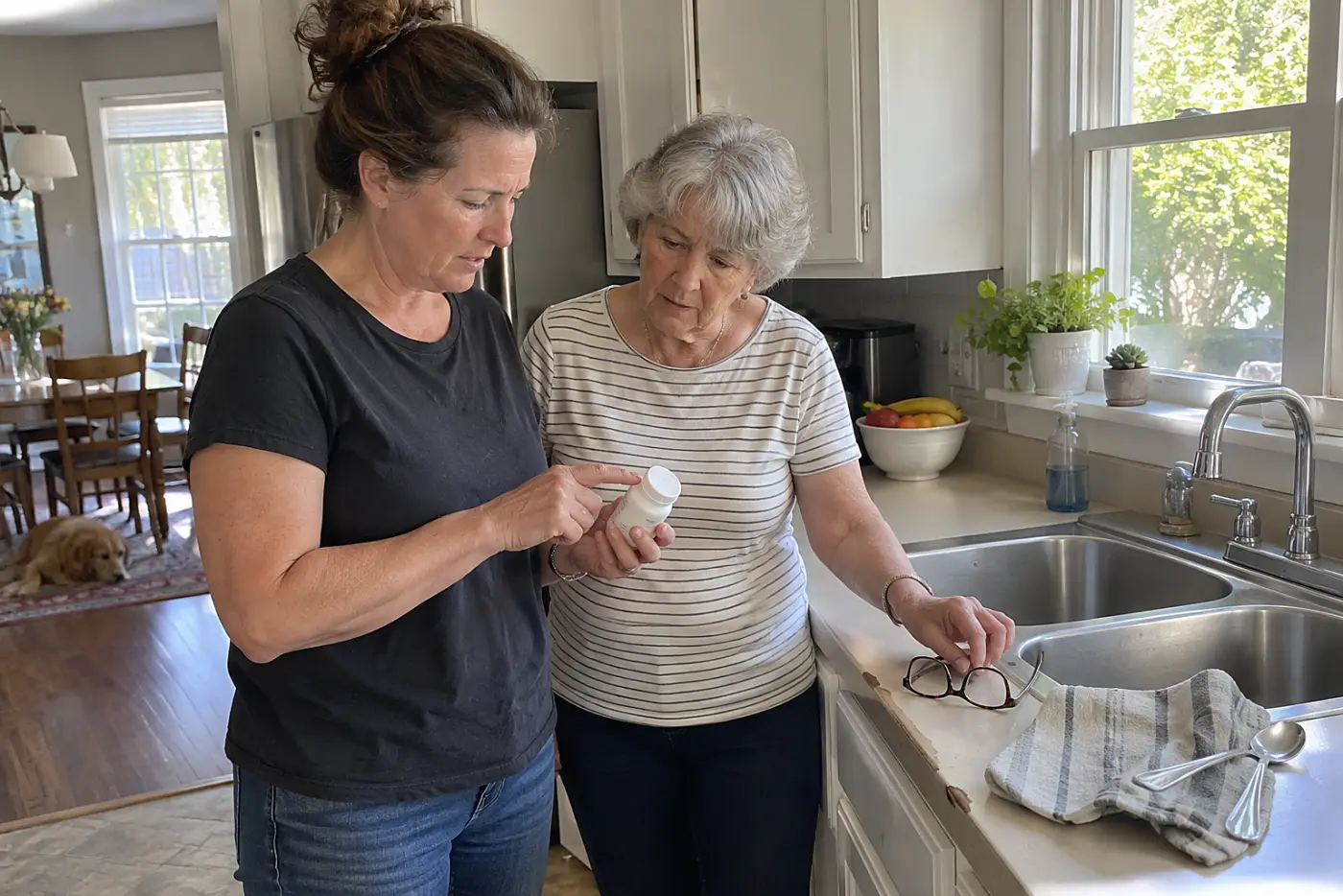
A familiar bottle can still raise a new question.
You see a child’s prescription beside the kitchen sink, away from its usual spot. The label tells you whose medicine it is and how it was prescribed, but it won’t tell you whether today’s dose was given. Guessing risks a missed dose or a second one.
If the label leaves you unsure, use the FDA to check medicine safety advice, and call the child’s pharmacist before giving a dose. A shared dosing log helps adults track medicine when care moves between homes.
This week, ask the parent who gives each dose and where they record it. Move the bottle out of reach if a child can get to it, with the parent’s knowledge. “Before I give anything, where do I check the last dose?”
The same handoff problem follows a child beyond the kitchen.
9The car seat installed for convenience
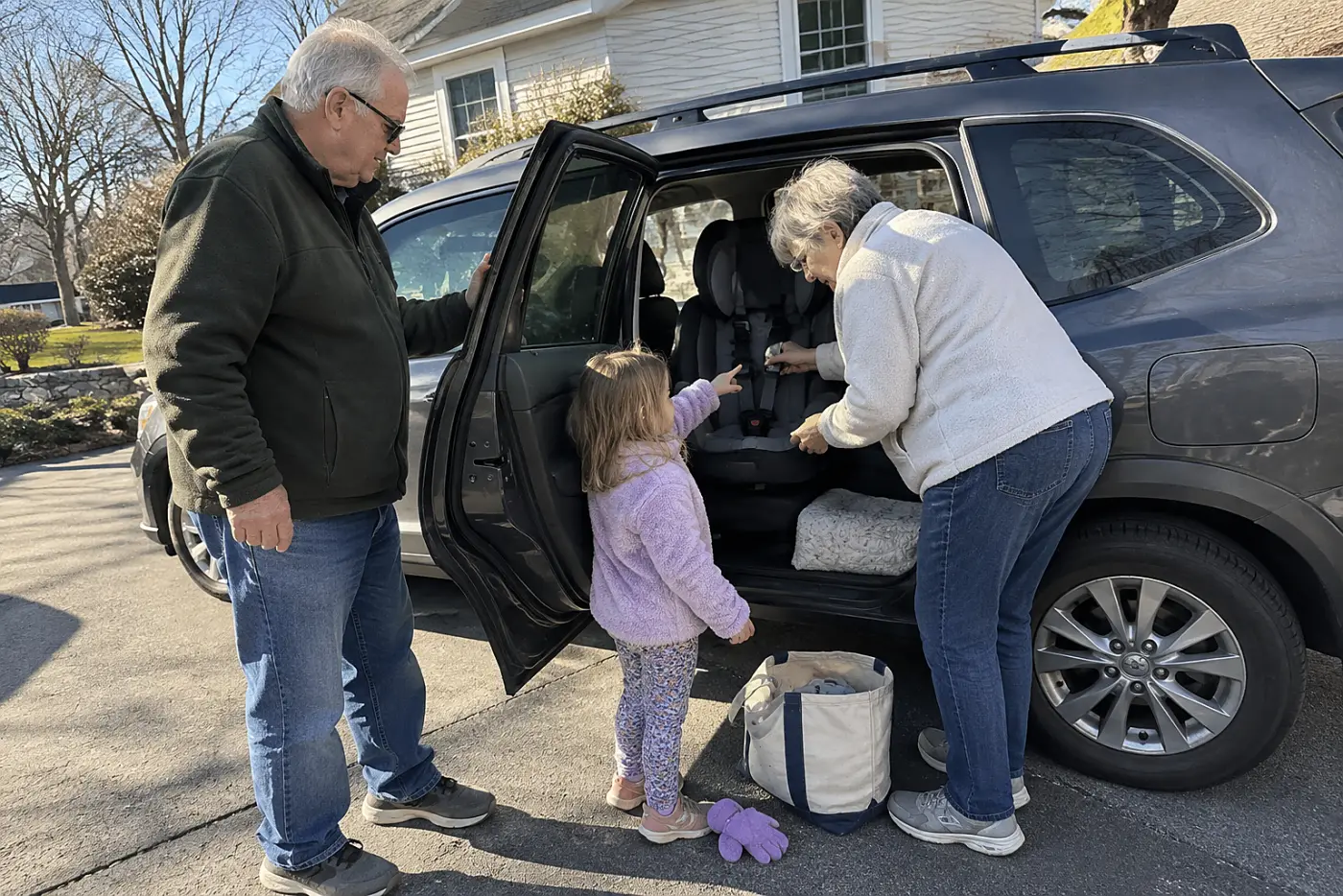
A quick transfer can leave a seat installed wrong.
The seat moves from one car to another, and everyone is late. A tight pull at the belt path checks movement where the seat attaches, not at the headrest. The child’s harness needs its own check.
The seat manual and vehicle manual belong together because both guide installation. If the seat still looks wrong to you, NHTSA lists places to find a certified technician for a second check.
This week, read both manuals before the next drive and check the seat at the belt path. “Can we look at this together before I take her?”
There’s one more place where a familiar routine deserves a fresh look.
8The bedtime story cut short twice
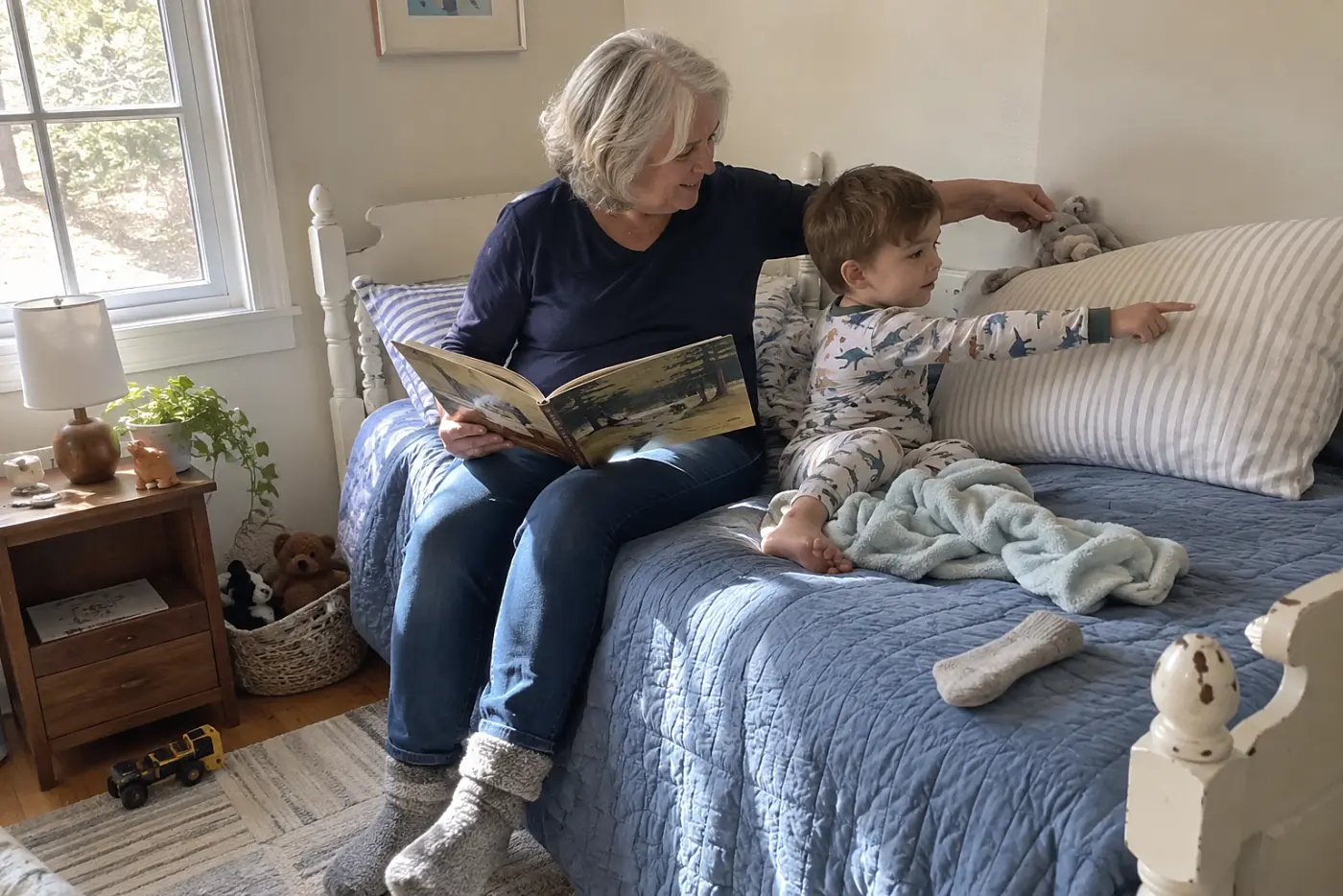
A skipped story changes more than bedtime.
At your house, he asks for the same book every visit. Lately, he stops halfway and asks when his mother is coming. You can answer the time without claiming to know why he asked. Then see whether he wants the rest of the story.
Bedtime strips away the noise that fills the afternoon. A change there deserves a calm report to the parent, especially if it repeats. Don’t send a diagnosis disguised as a story about the child.
This week, note the exact question and the nights it happened. Keep the answer you give him short and true. “Mom said she’ll be here after breakfast. Do you want me to keep reading?”
What he asks next is worth hearing word for word.
7The sentence adults finish for her
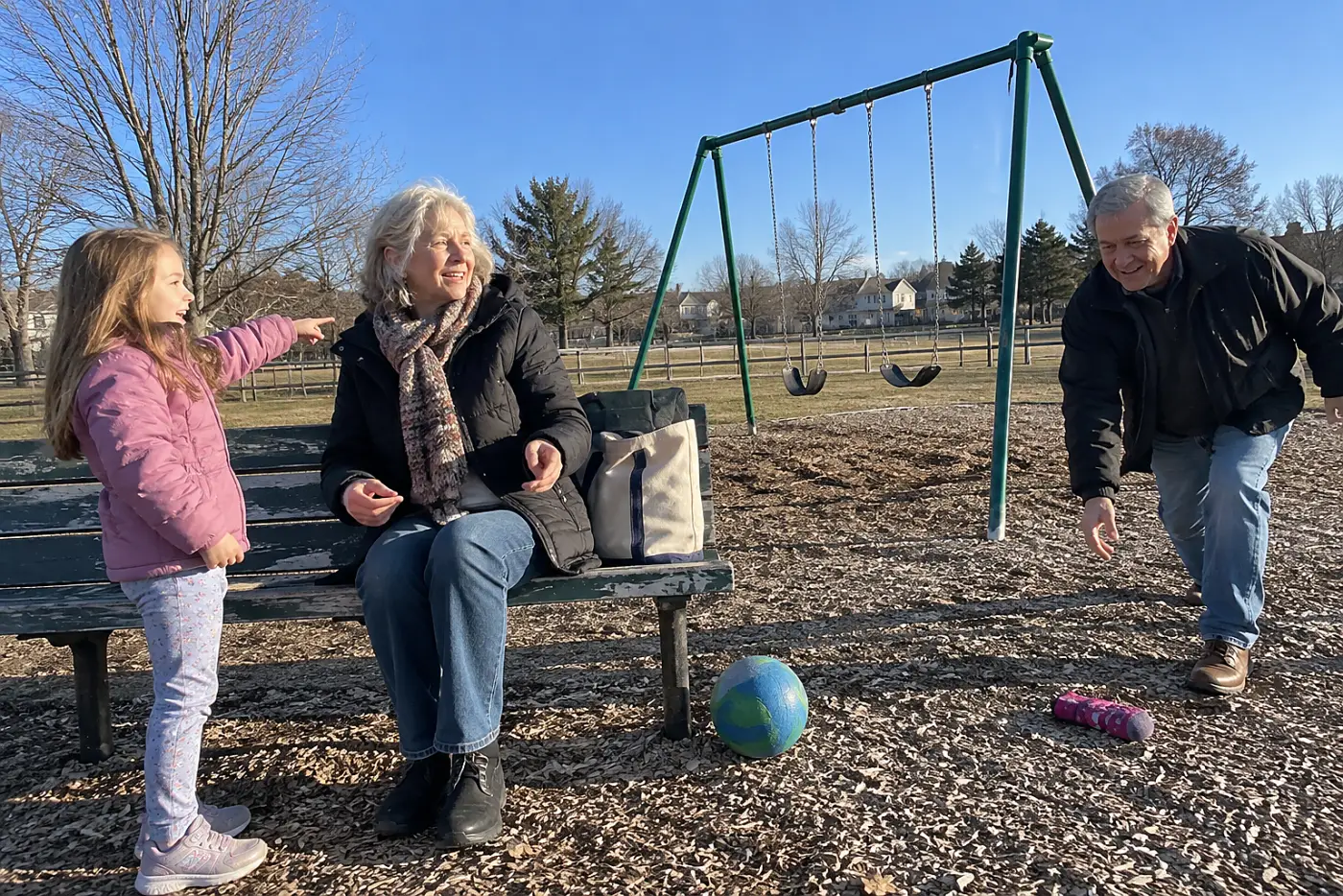
A child’s answer gets edited while she speaks.
You ask what happened at recess. She starts with “I was scared,” and an adult jumps in with an explanation about a game. The adult’s account has a place. It shouldn’t replace the child’s unfinished sentence.
The American Academy of Pediatrics urges adults to take children’s feelings seriously, even when a quick explanation would make the room more comfortable. You don’t need a perfect question. You need to leave a pause long enough for her words.
This week, ask her one open question and wait. “What happened next?”
Then resist the urge to improve her answer.
6The playground game she watches from the bench
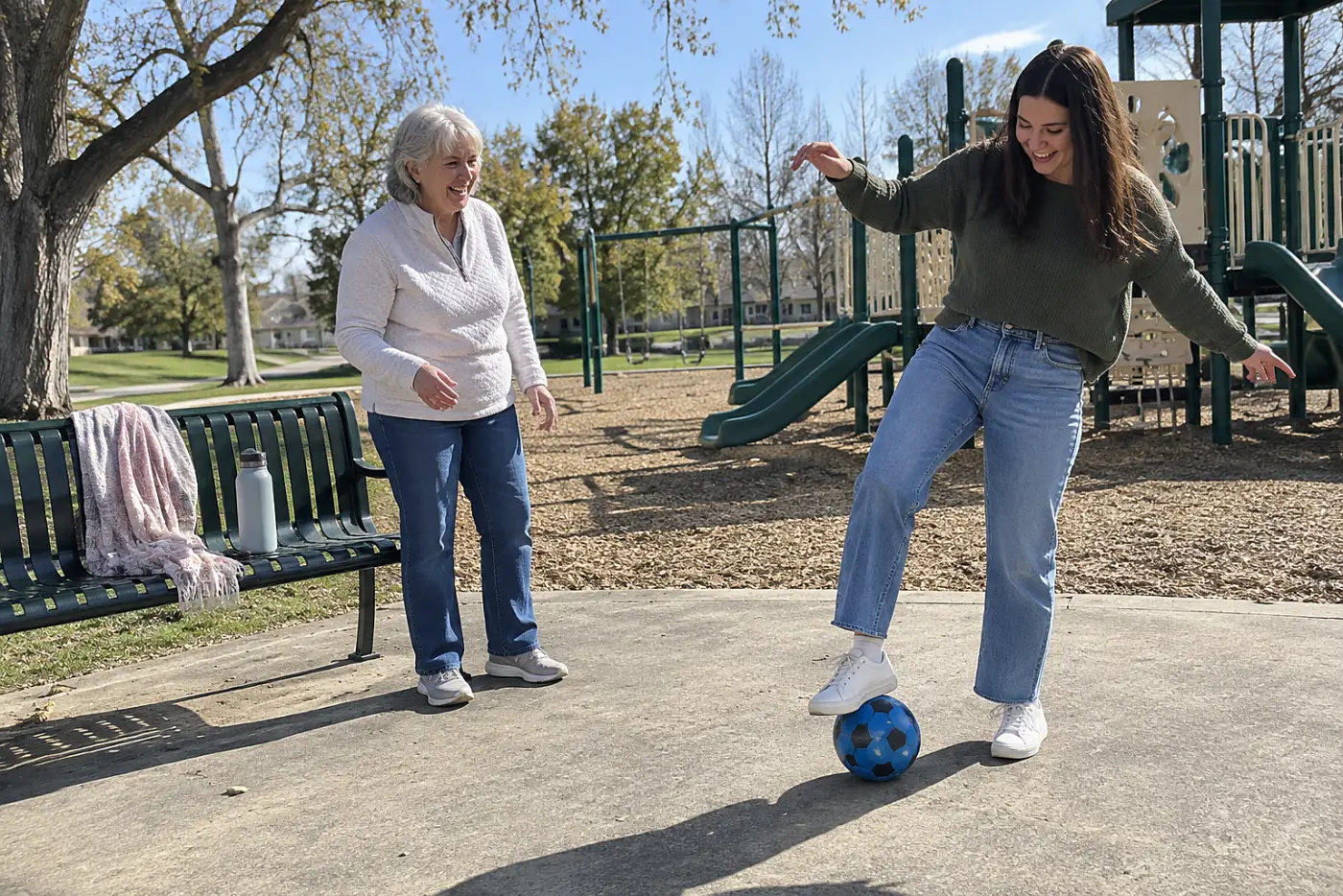
She brings her ball but never joins the game.
At the playground, your granddaughter follows the other children with her eyes. When they divide into teams, she stays by the bench and rolls the ball under one shoe. Then the game starts without her. You don't know whether anyone invited her in, and she hasn't told you.
Calling the other children unkind puts words in her mouth. It also skips the practical question: does she know how to enter a game already underway?
This week, wait until you're walking home to ask. “I saw you watching. Did you want to play?” If she says yes, ask whether she'd like you to help her find an opening next time.
The next clue needs attention before the trip home.
5The wet swimsuit kept on after swimming
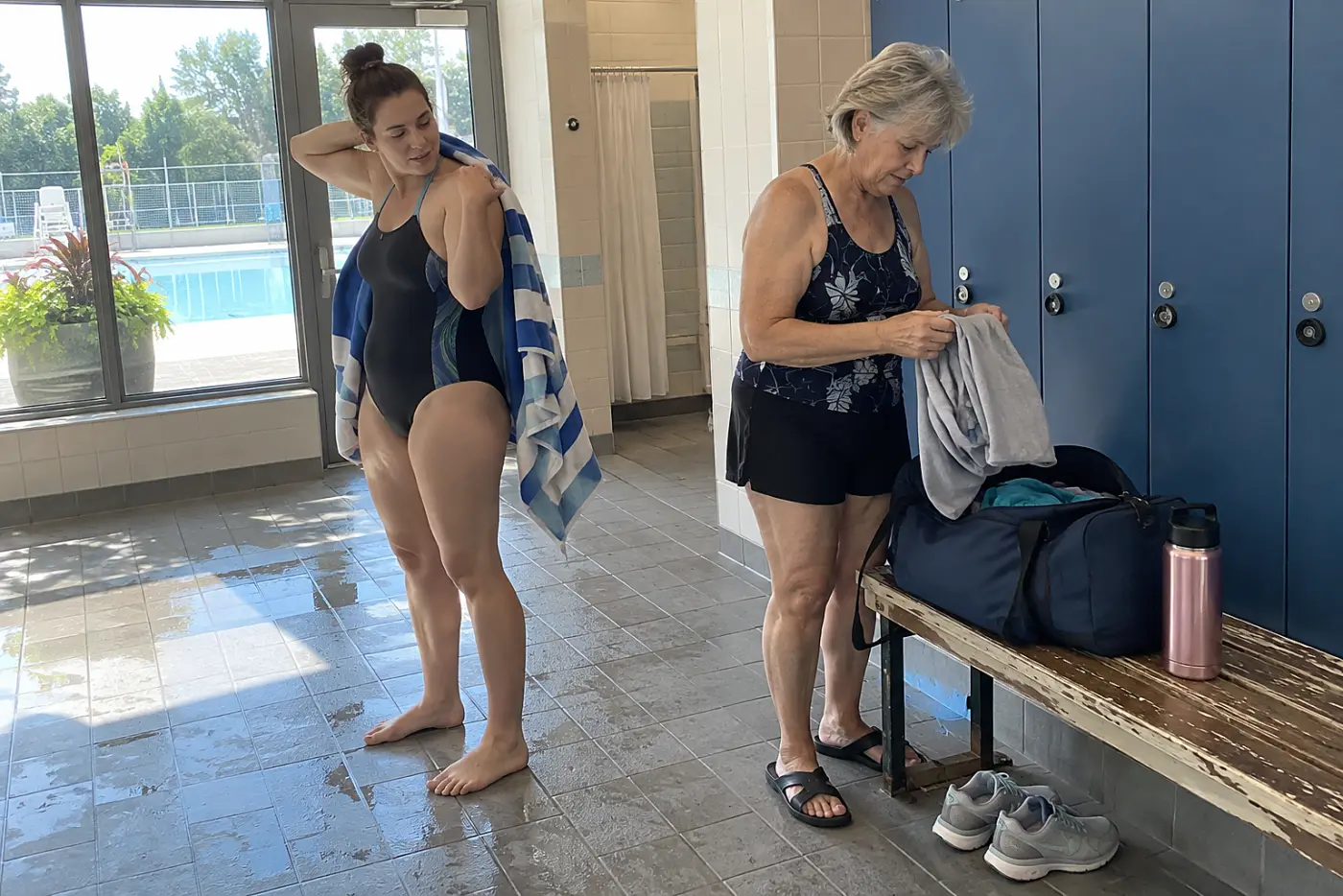
The swim ends before anyone notices she's cold.
She leaves the pool with the other children but keeps her wet swimsuit on while they change. You see her rubbing her arms. She says she's fine, yet stays near the locker room door instead of going inside.
Wet clothes stay against her skin for the ride home if nobody stops. The question is whether she has dry clothes and a place where she feels comfortable changing.
This week, check the bag before the next swim, then ask her away from the group. “Do you have what you need to change?” Follow her parent's arrangements if she asks for help.
Another child needs you to notice what's missing before an outing begins.
4The hearing aid left out before a visit
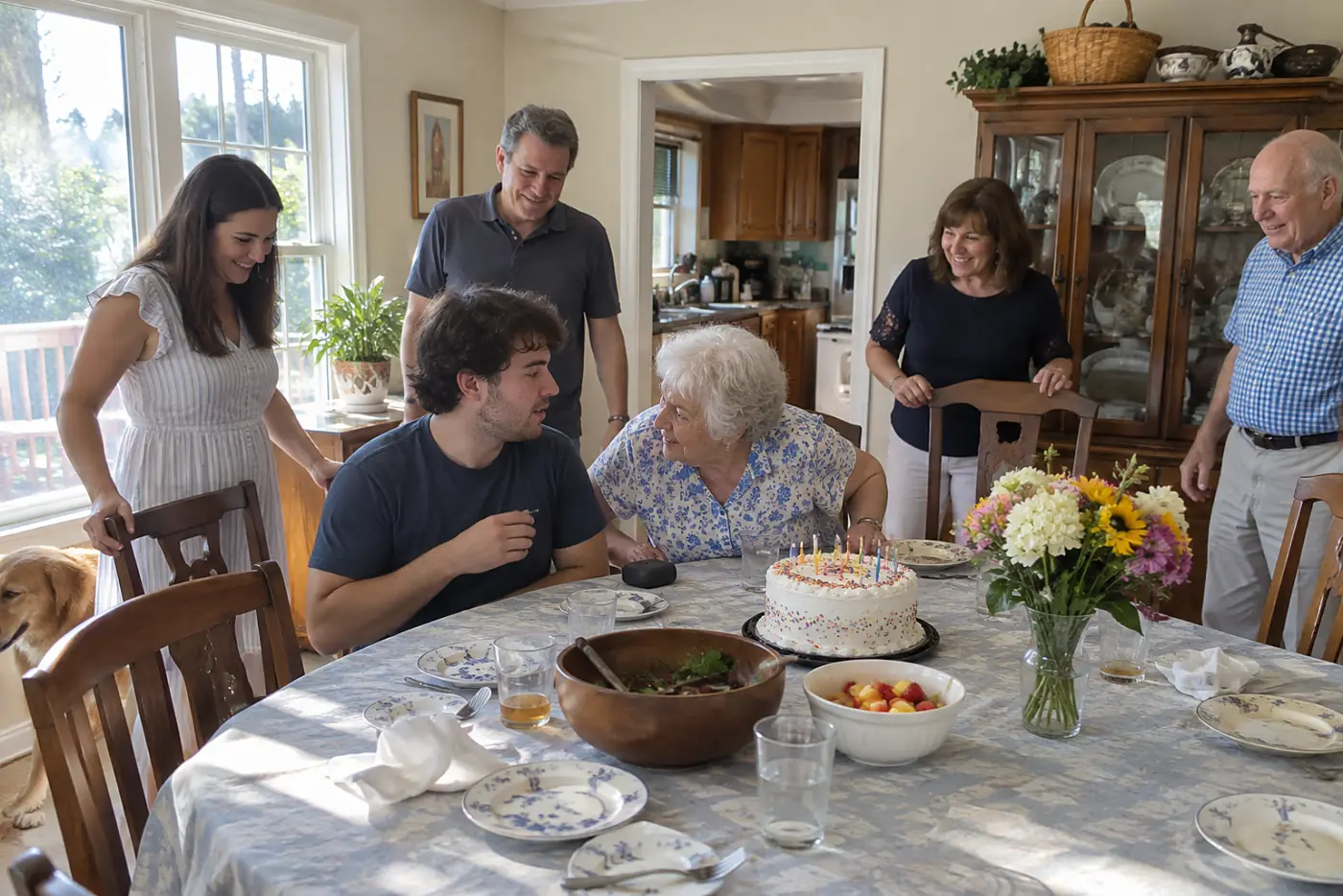
The missing hearing aid turns a busy room into guesswork.
At the birthday party, your grandson watches each speaker's face before he answers. Music plays behind him, and cousins call from across the table. His hearing aid is in its case beside his coat. Nobody stopped to ask why he left it there.
A child who misses a question looks as though he's ignoring it. Repeating it louder across the room draws attention without clearing up what he heard. The device might need a battery, or he might need a break from the noise. Ask him rather than choosing an explanation.
Without that check, adults keep talking past him through cake, presents, and the ride home. He has to work out which instructions were meant for him, then bear the blame when he misses one. A hearing aid case on a shelf won't answer for him.
This week, ask his parent about the device before the next gathering. With their help, check whether it is working, but don't put it in his ear without asking him. “It's noisy in here. Do you want your hearing aid, or shall we talk somewhere else?” Move beside him and wait for his answer before changing the plan.
Even when a child hears every word, the order adults speak in matters.
3The dessert list read before dinner
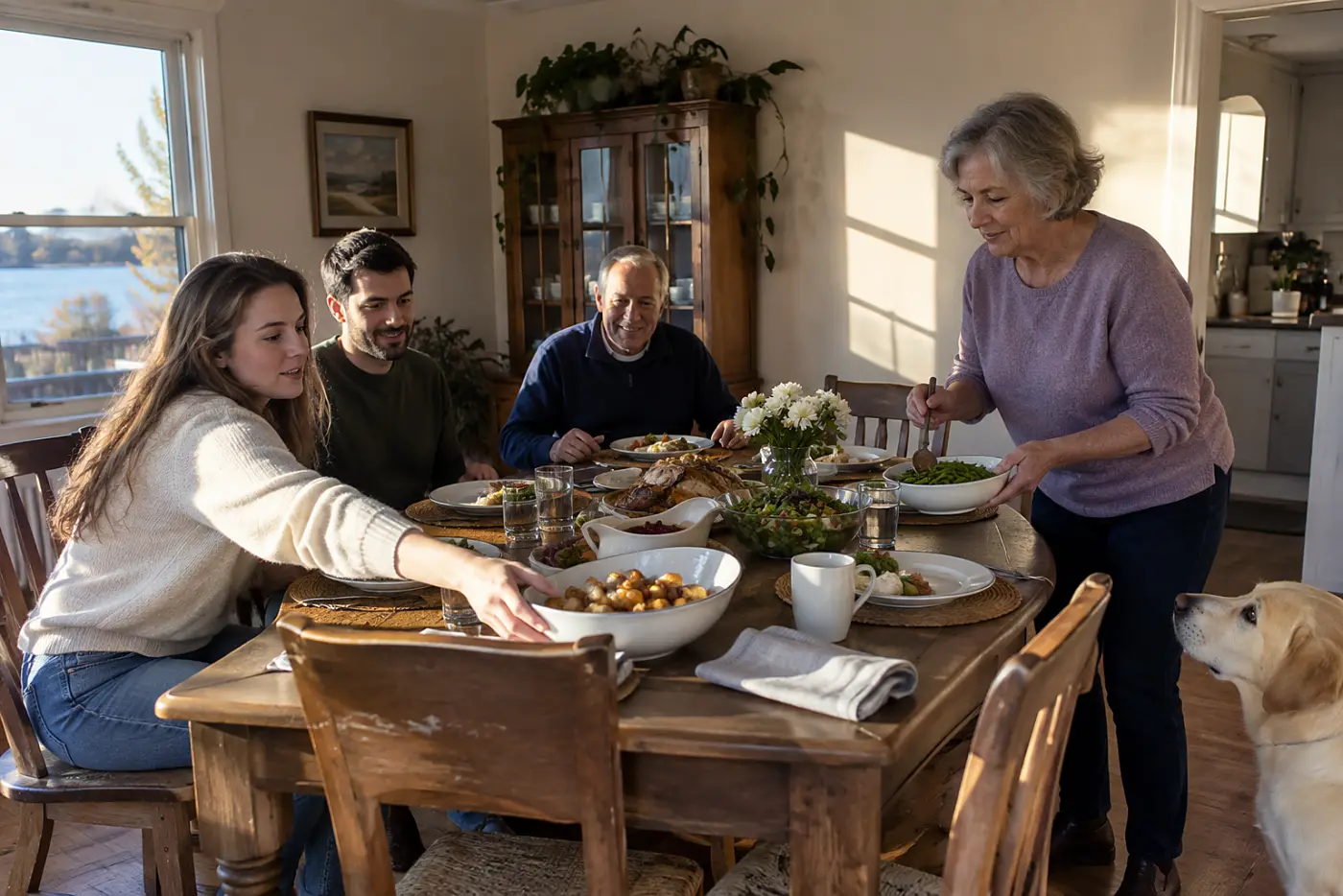
The dessert list turns one child into the exception.
At dinner, an adult reads out what everyone brought. Then someone mentions a food your granddaughter avoids, and the serving spoons start moving. She waits while the adults decide which dishes are safe for her.
If she has a food allergy, a glance at the table isn't enough. Ingredients and shared utensils matter. The parent who knows her current plan needs to answer before food reaches her plate.
This week, ask that parent about the dishes before serving begins. “Which food is hers, and which utensils should stay with it?”
The next question is whether anyone heard her own answer.
2The detail you tell a parent first
Your concern can sound like a verdict.
You saw a child freeze when a particular adult entered. If you lead with what you think it means, the parent has to defend someone before hearing what you saw. Start with the event instead: where you were, who entered, and what the child did.
If you suspect abuse or a child is in immediate danger, don’t wait for a family meeting. Call 911 for immediate danger. The Childhelp National Child Abuse Hotline helps you think through what to do next. Your state child protection agency handles reports under state rules.
This week, choose a private moment and give the parent the plain details. Don’t question the child repeatedly to strengthen your account. “I noticed she went still when he came in. Have you seen that?”
After the conversation, one small task protects the details from fading.
1The dated note with her exact words

The most useful detail is the one you don’t rewrite.
After a visit, you remember a child’s sentence clearly. By the next week, your memory has attached an explanation to it. A dated note separates what she said from what you thought it meant.
That separation matters if you later speak with a parent, doctor, school counselor, or child protection worker. A child’s disclosure needs help, not a family investigation. The CDC has child abuse information if you need to check a concern, but don’t delay getting help for a child in danger.
Write the date, place, people present, and the child’s words as closely as you remember them. Put your own observations on another line.
Don’t prompt her to repeat a troubling account for the sake of a better note. If she tells you about harm, listen, thank her for telling you, and seek help. The National Children’s Alliance describes why trained interviewers, rather than relatives, handle detailed questions.
This week, make a private note after the next conversation that worries you. Keep it somewhere a child won’t find it. “I wrote down what she said because I want to get the details right.”
The hard part is knowing where to begin when the page is blank.
The bottom line
Across these 27 moments, a small detail gets lost when an adult supplies the answer too soon.
The best-prepared grandmother has checked the practical arrangements, listened without filling the silence, and kept facts apart from guesses.
Which of these has already happened in your family?
Up next
25 Things Grandchildren Remember That You Never Notice Doing
A kitchen stool, a spare button, and a pause before you answer give a grandchild a place in your day.
Read the list →

Reader quiz
Did you catch the details?
5 questions from this article. Finish them all to unlock the editor's bonus tip.
After making plans, what details does the article say to confirm in one text?
Did any of these feel familiar?
Know someone who needs this?
Sources cited in this article
This article links to 7 outside sources, listed here so you can read them yourself.
- RAINN rainn.org
- Fda.gov www.fda.gov
- NHTSA www.nhtsa.gov
- American Academy of Pediatrics www.healthychildren.org
- Childhelp National Child Abuse Hotline www.childhelphotline.org
- Cdc.gov www.cdc.gov
- National Children’s Alliance www.nationalchildrensalliance.org
Ruth Ellison
Family Editor
Ruth writes about grown children, grandchildren, ageing parents, and the conversations families put off, in the words of the people involved.
More from Ruth Ellison