






25 Grandparent Names From Languages Around the World
A dictionary-checked guide to grandparent names in different languages, with a phone-friendly chart to help you choose one.
By Ruth Ellison, Family Editor
Updated · 17 min read
The short answer: Spanish uses Abuela and Abuelo; Italian uses Nonna and Nonno; German and Dutch use Oma and Opa. French has Grand-mère and Grand-père, and Tagalog/Filipino has Lola and Lolo. Mandarin, Hindi, and Swedish have separate names for grandparents on the mother’s and father’s sides, rather than one word for each role.
- Written by our family editor
- Cited 15 sources
- How we review
The car seat clicks shut. From the back seat comes a bright, hopeful “Grandma?” You turn around, but the word feels like a coat somebody else picked out for you. You love the child who said it. You still want a say in what comes next.
A name from your family’s language gives you something to hold onto. So does a nickname you choose together. Before one sticks, though, check what it means.
This is a compilation drawn from dictionaries and language references, not a ruling on what your family must say. Your relatives know the names that lived in their home.
25Spanish Names Abuela and Abuelo
Abuela means grandmother in Spanish; abuelo means grandfather. The Royal Spanish Academy lists these kinship terms. They’re clear choices when Spanish is part of your family’s speech or history.
Try saying a candidate name in the ordinary sentences it will need to live in: “Come sit with Abuela,” or “Abuelo’s at the door.” A word that looks beautiful on a list has a different job when a child calls it across a room.
There’s room for your preference, too. Ask the people who use Spanish in your family how they say the word aloud. Let them hear the name you’re considering before it lands on every birthday card.
24Italian Names Nonna and Nonno
Nonna is Italian for grandmother, paired with nonno for grandfather. Treccani’s Italian dictionary records that pairing. If you grew up hearing either word, choosing it might bring back a voice you haven’t heard in years.
Italian also has a way to specify sides of the family: *nonni materni* and *nonni paterni* mean maternal and paternal grandparents. The everyday name itself stays familiar. You needn’t turn a child’s greeting into a family-tree lesson.
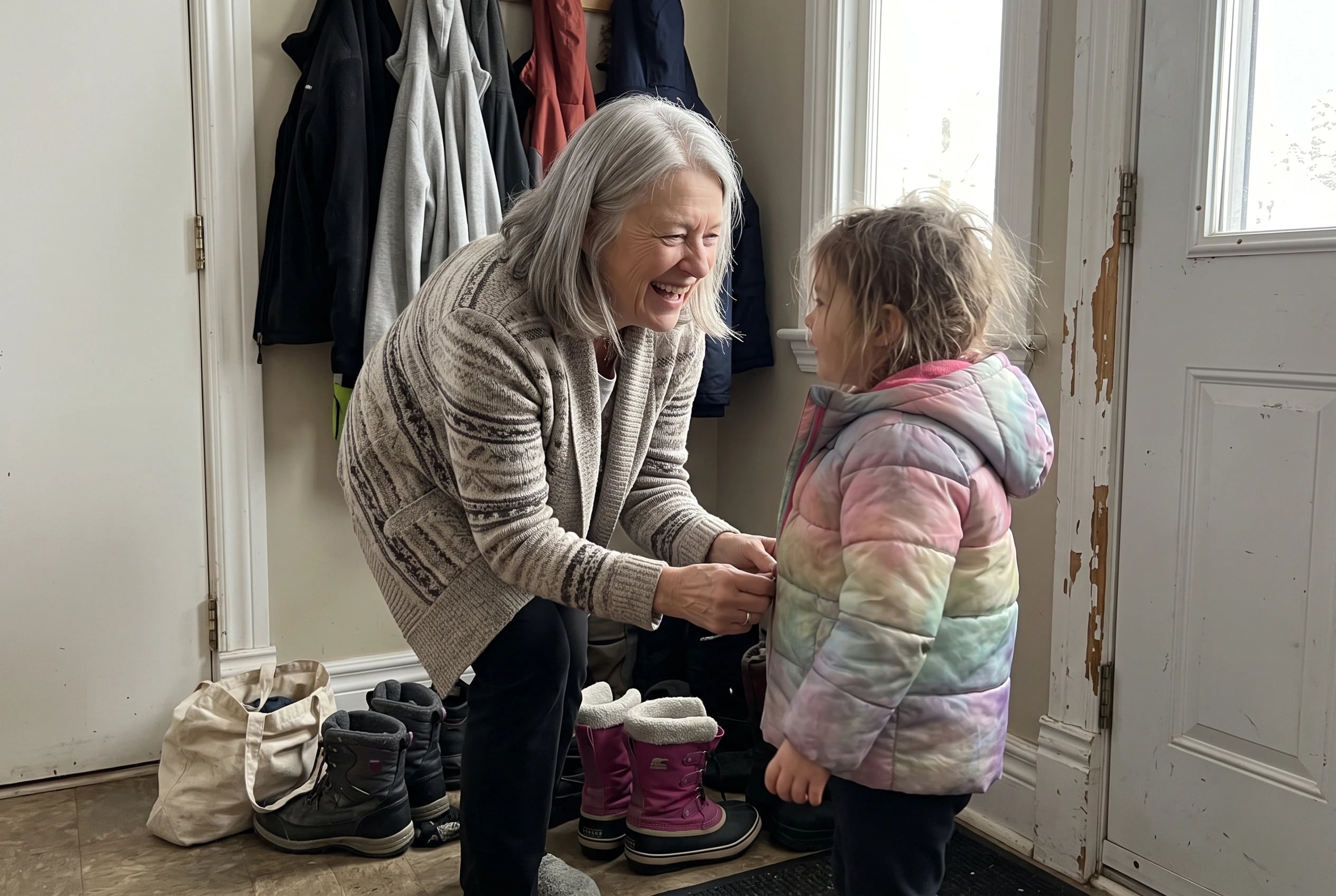
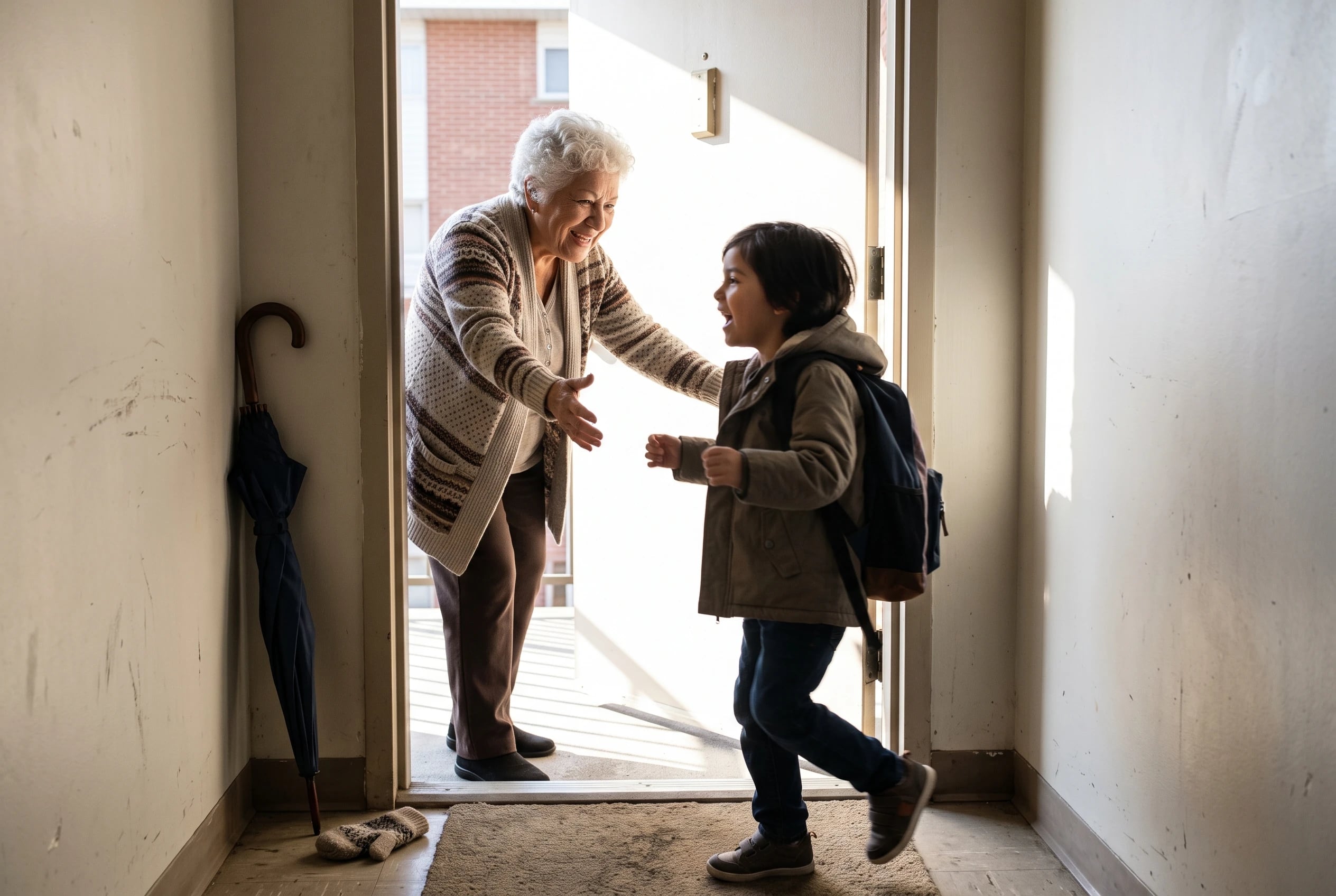
Say Nonna while doing something you’ll actually do together, like fastening a coat or opening the front door. Does it sound like a name you’ll answer to? That test matters as much as how it looks in a dictionary.
23German and Dutch Names Oma and Opa

Two languages share the familiar pair Oma and Opa. In German, Duden records Oma as a colloquial word for grandmother; Opa means grandfather.
Dutch speakers use Oma and Opa in everyday speech, too. If your family has a Dutch branch, ask someone from it how they use the words at home. The Dutch Language Union is a language authority, but its homepage isn’t a dictionary entry for this pair.
That overlap is handy if your family has German and Dutch branches. It does not tell you which branch a name honors. For that, ask the relative who remembers hearing it at home.
Oma is short enough to fit on the first line of a child’s drawing. More important, it leaves space for your own story: whose Oma did you know, and what did she do when you came through her door?
22French Names Grand-mère and Grand-père

The French words are grand-mère for grandmother and grand-père for grandfather. Larousse defines grand-mère; the French lexical resource CNRTL records grand-père.
These names look close to their English counterparts on a screen. Still, a familiar-looking word deserves the same out-loud test as an unfamiliar one. Ask a French speaker in your family to say it, then try it in the voice you use with a child.
Perhaps you want the full word. Perhaps the family already uses something shorter at home. Keep those separate in your mind: the dictionary tells you what grand-mère means, while the people around you decide what they’ll call you.
21Russian Names Babushka and Dedushka
Бабушка, written *babushka* in English letters, means grandmother in Russian. Дедушка, or *dedushka*, means grandfather. Gramota.ru’s dictionary portal records babushka.
If Russian appears in an old letter, a family recipe card, or a relative’s voice, look at the original writing as well as the English letters. That gives you a firmer link to the word your family knew.
You don’t have to master a new alphabet to choose a name. You do want to know what you’re choosing. Show the written word to someone in the family who reads Russian, if that person is available. Ask which form they remember hearing addressed to a grandparent.
20Greek Names Yiayia and Papou

The Greek-Language.gr school dictionary defines γιαγιά, often written *yiayia*, as the mother of either your dad or your mom. The modern Greek word παππούς, given here as *papou*, means grandfather.
That definition answers a practical question: Yiayia doesn’t belong to one side of the family.
What matters next is whether you feel at home hearing it directed at you. Try it during a real exchange: “Yiayia’s here,” said from the doorway. Or let a child say, “Show Papou what you made.”
If Greek is part of your family’s life, ask a speaker how they write and say the name. Greek-Language.gr also lists an older, learned form for grandfather. A family memory is worth checking against the word you intend to use.
19Polish Names Babcia and Dziadek
Babcia means grandmother in Polish family use, according to the Wielki słownik języka polskiego. Dziadek means grandfather.
You might remember a grandparent’s voice but not how anyone spelled the name. If an old card survives, compare its spelling with Babcia. Then ask a Polish-speaking relative what they hear when they say it.
Choosing without that memory? Start with the meaning: Babcia is a Polish word for a grandmother. That gives you an answer when a curious grandchild asks, “Why do I call you that?”
18Mandarin Names for Each Family Side

In Mandarin, the relationship determines the word. A father’s mother is 奶奶, nǎinai; his father is 爷爷, yéye. A mother’s mother is 外婆, wàipó; her father is 外公, wàigōng.
The Chinese kinship overview also records northern alternatives, 姥姥, lǎolao, and 姥爷, lǎoye, for the maternal grandparents. Those are choices tied to family speech, not extra names to assign at random.
Pause before picking the one whose sound catches your ear. Which parent connects you to the grandchild? That question sorts the main terms.
The character 外, pronounced *wài*, marks the maternal side in wàipó and wàigōng. Keep that detail ready for the child who eventually asks why their grandparents have different names. If relatives use a northern term, ask them how they say it rather than replacing it from a list.
17Hindi Names for Each Family Side

Ask whose parent you are. In Hindi, that answer leads you to the name. A father’s father is दादा, dādā; a father’s mother is दादी, dādī. A mother’s father is नाना, nānā; a mother’s mother is नानी, nānī.
These pairings appear in a linguistics paper on Hindi kinship terms. The words look similar in English letters, so write down the relationship before you choose by sound.
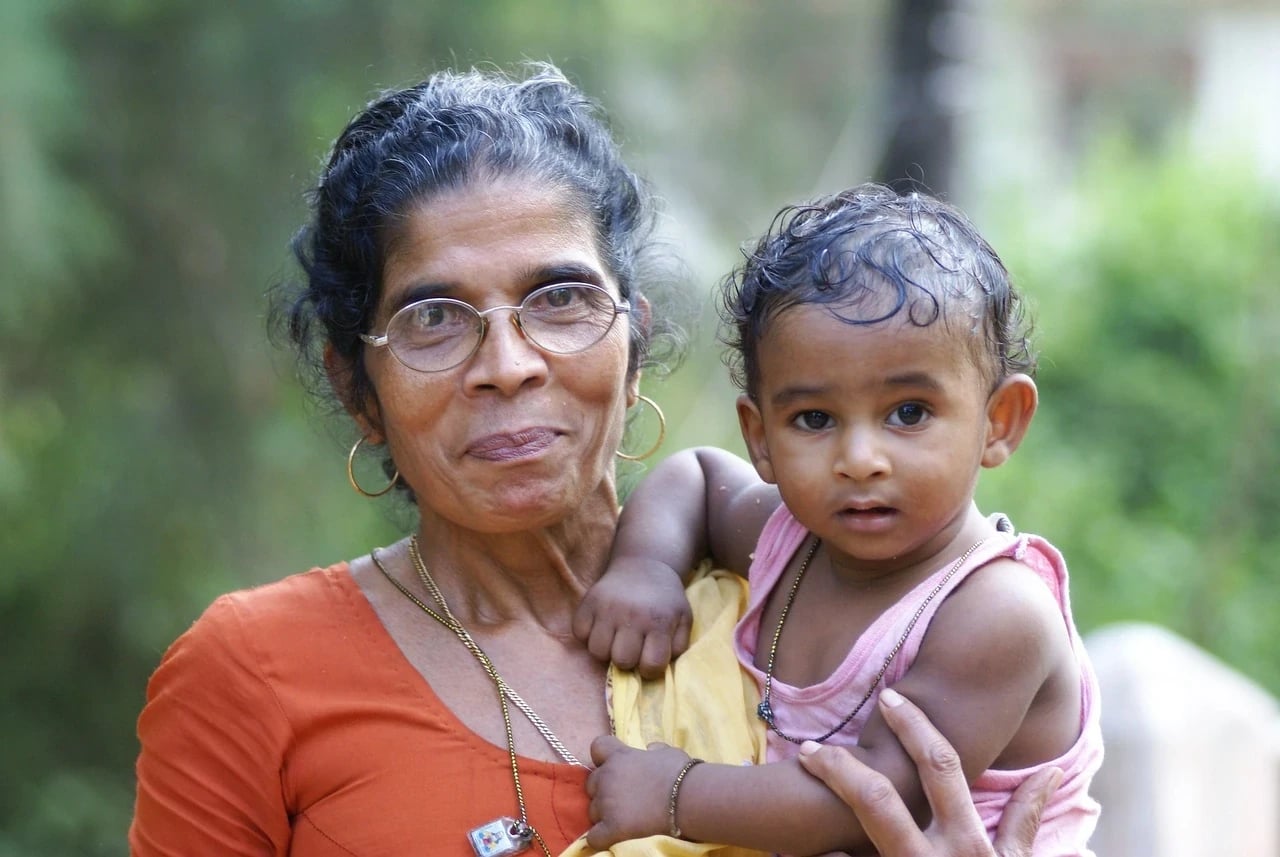
If your child is this baby’s mother, Nānī is the grandmother term in this set. If your child is the father, it’s Dādī.
Then ask what the family already says. A name carries more easily when the people introducing you to the child know which word they’re using. Keep the written form handy if you want to share its meaning later.
16Japanese Names Obaasan and Ojiisan
A Japanese education vocabulary sheet gives 祖母, *sobo*, and おばあさん, *obaasan*, for grandmother. The NINJAL dictionary gives おじいさん, *ojiisan*, for grandfather. Those are the forms supported by those references.
You might have heard Obaachan and wondered whether to use it instead. The vocabulary sheet cited here records *obaasan*, so ask a Japanese speaker in your family about the form you want to say. Don’t treat a spelling from a name graphic as a substitute for that conversation.
Write the form you mean on your phone. Say it with the person who knows the language. You’re looking for a word both of you recognize and a name you’ll want to answer to when the child calls.
15Korean Names Halmoni and Halabeoji
할머니 means grandmother in Korean, whether she is the father’s mother or the mother’s mother. The National Institute of Korean Language’s dictionary gives *halmeoni* as an English rendering. You’ll also see *halmoni* used for its pronunciation.
할아버지, rendered *halabeoji*, means grandfather.
If you search by English letters and find different spellings, compare the Korean writing first. It gives you something steadier than competing versions in the Roman alphabet.
Ask the relative who knows Korean to say 할머니, then say it back. A voice test helps you choose the word you meant, rather than the spelling that happened to catch your eye.
14Lola Means Grandma in Filipino
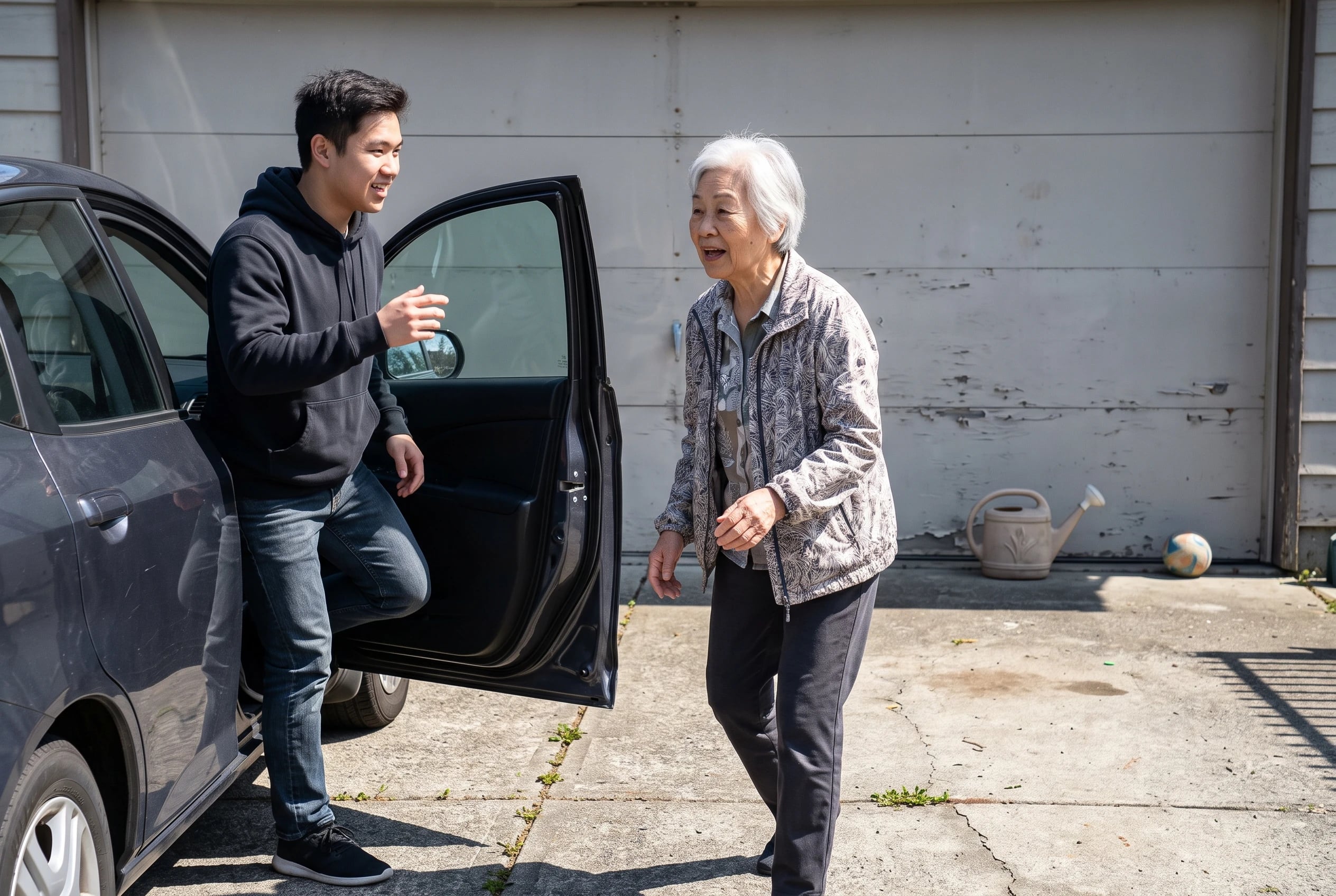
If you’re asking, “Lola means grandma in what language?” the answer is Tagalog/Filipino. Lola means grandmother, and lolo means grandfather. The pairing appears in a bilingual dictionary held by ERIC, the U.S. education research archive.
That’s a firmer answer than a name list that offers Lola without telling you where it comes from. If Filipino is part of your family’s heritage, ask who used the word before you and how it was said at home.
The name is brief and easy to put in a sentence: “Lola’s picking you up.” Its meaning stays specific. You’re choosing a Tagalog/Filipino grandmother word, and you’ll have a clear answer when the child wants to know why.
13Hebrew Names Savta and Saba
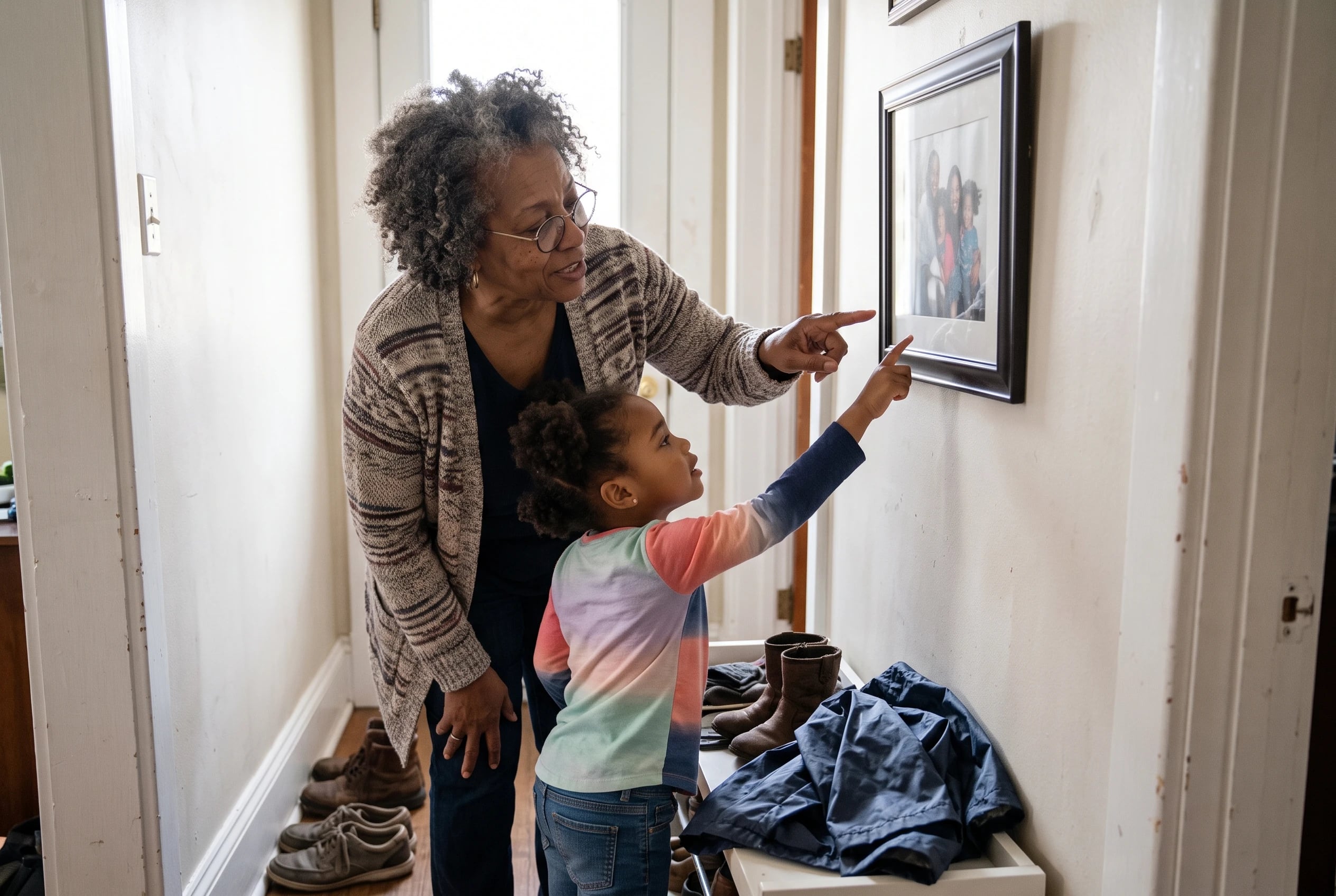
In Hebrew, סבתא, savta, means grandmother, and סבא, saba, means grandfather. The Pealim Hebrew dictionary records savta and has a separate entry for saba.
If these are words you heard at home, say both aloud and notice which voice comes back to you. A name tied to a person you loved weighs differently from one you first saw on a list.
“I’m thinking of Savta. What did we call yours?” That’s enough to begin a family conversation. Keep the Hebrew spelling beside the English letters if you’d like the child to see both as they grow.
12Yiddish Names Bubbe and Zeyde
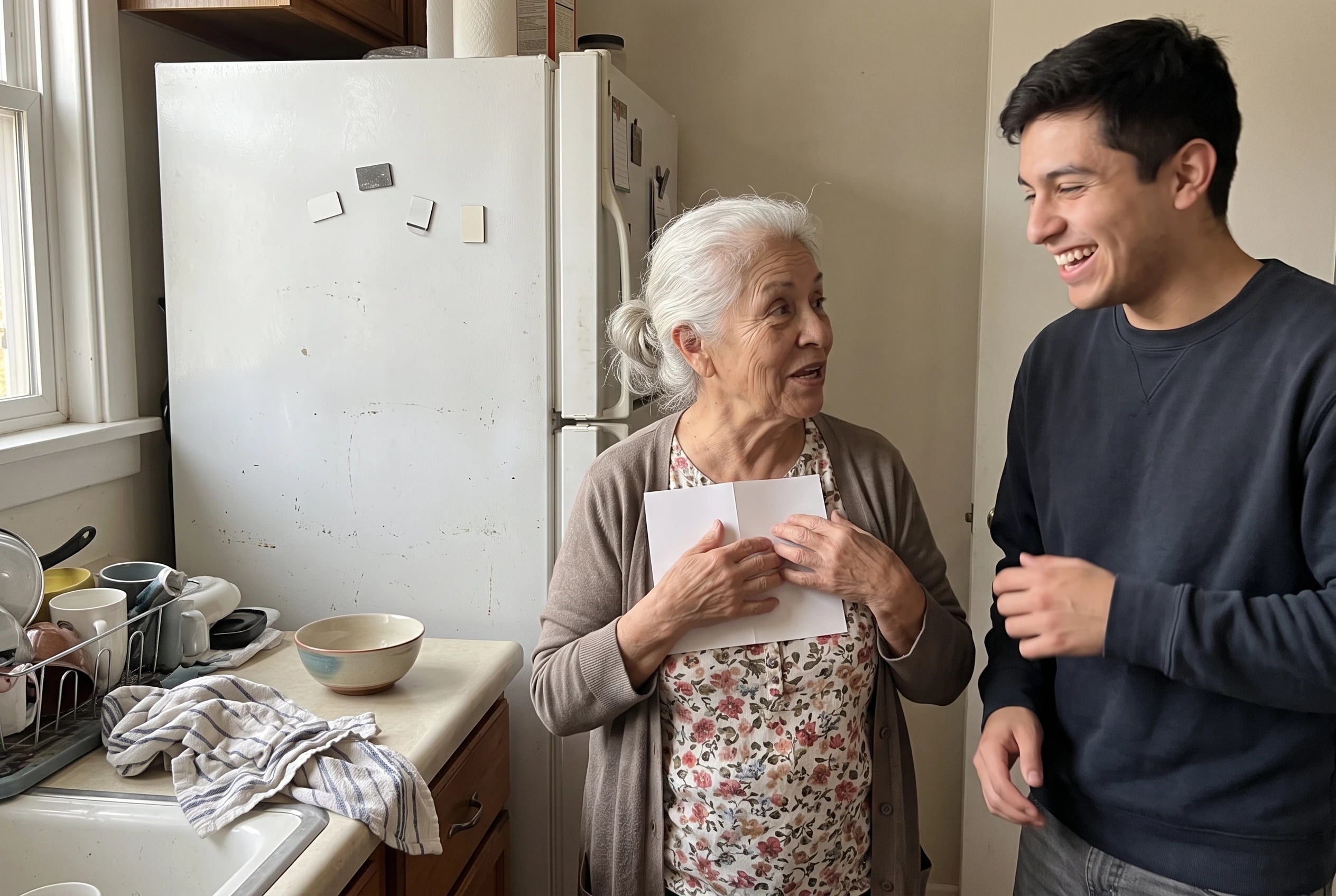
Bubbe is a Yiddish-derived English spelling for grandmother, recorded by Dictionary.com. Zeyde is a grandfather term also written *zaydeh* or *zeydeh* in English.
A different spelling on a cousin’s card needn’t mean a different grandparent. If an old birthday card survived, look at the signature. Ask whether anyone remembers the sound of the word, not only its letters.
Choosing one now? Tell the family which spelling you want on the child’s cards. Then listen to how the name sounds in conversation. A dictionary establishes the meaning, while your family gives the name its place in the household.
See more: 27 Old-Fashioned Comfort Food Recipes Grandma Made →
11Arabic Names Jadda and Seedo
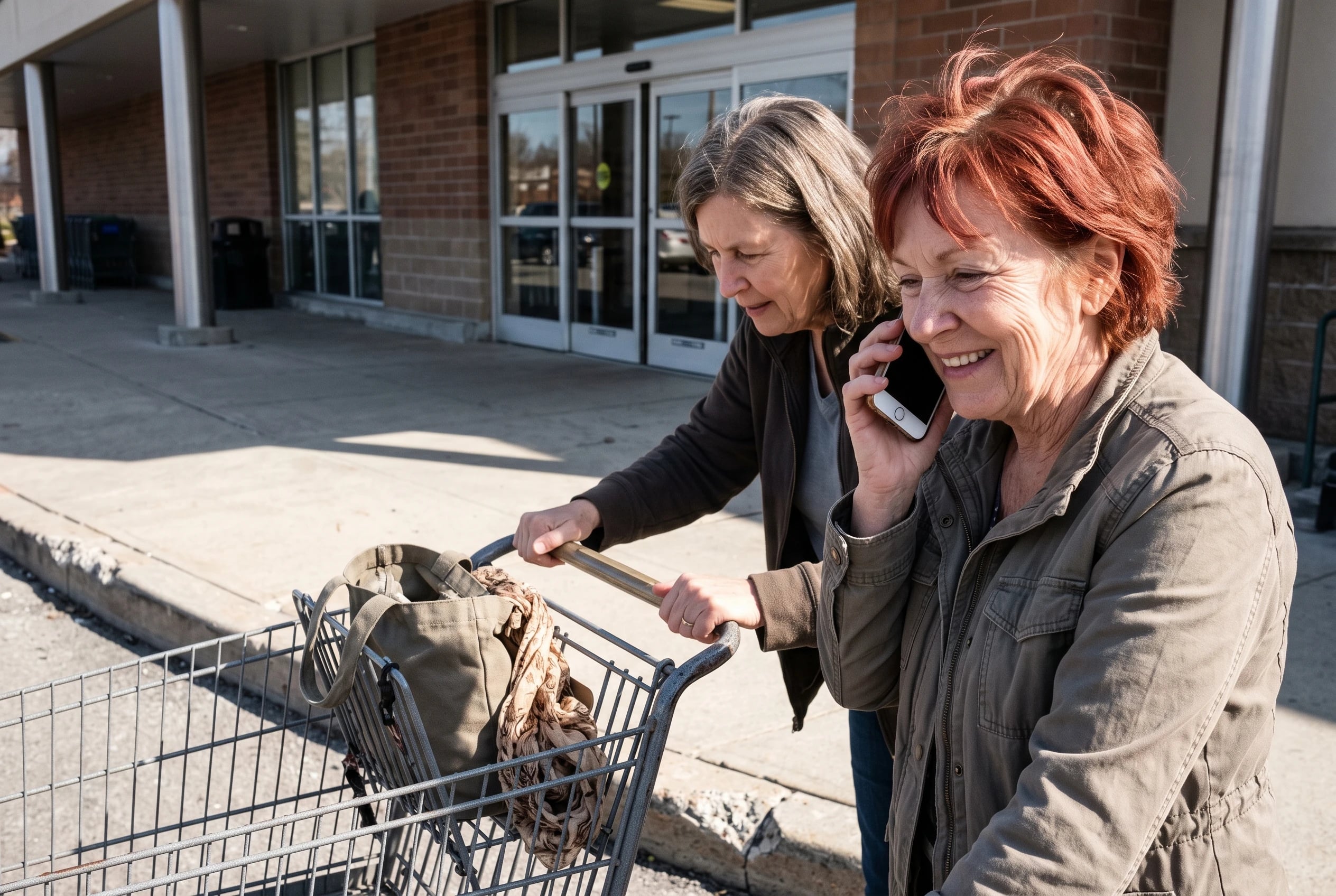
جَدَّة, rendered *jadda* or *jedda*, means grandmother in Arabic. The Cambridge English-Arabic Dictionary gives the term. Seedo, also written *sīdo*, appears as a grandfather term in Levantine Arabic, alongside forms such as *jiddo* and *jaddo*.
Notice the difference in scope. Jadda is given here as an Arabic grandmother word; Seedo is a regional grandfather form. If you’re hoping to echo a particular relative’s speech, ask which version that relative used.
Put the candidates in a short voice message to someone who knows the family’s Arabic. Hearing their answer beats deciding that one English spelling must be correct everywhere. Once you’ve settled on a form, use it in everyday conversation.
10Swahili Names Bibi and Babu
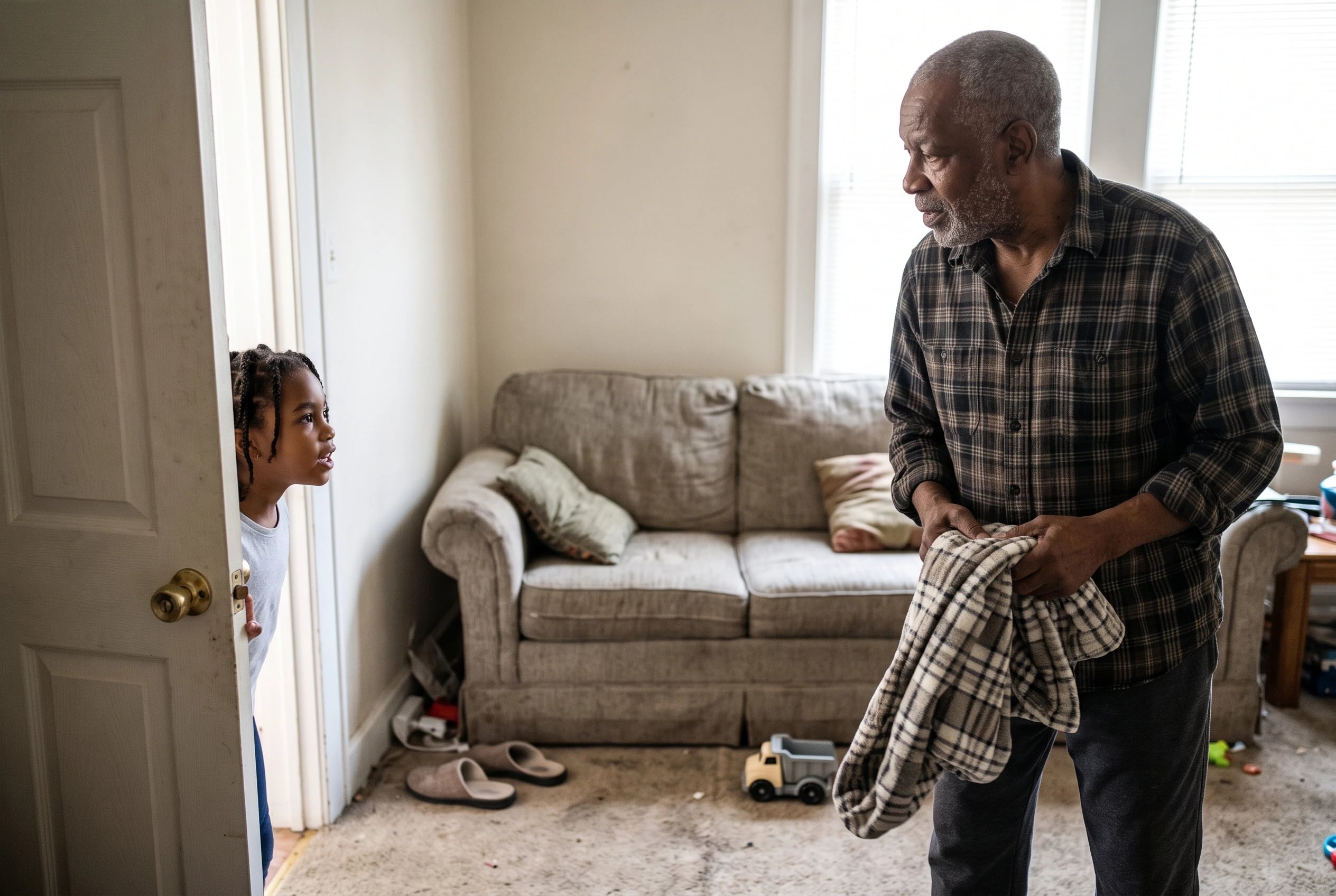
Bibi means grandmother and babu means grandfather in the University of Kansas Swahili glossary. The same pairing appears in TUKI English-Swahili dictionary materials.
Picture a child calling from another room. Would you know at once that “Bibi!” meant you? A short word still has to work in the house, not only on a list.
If Swahili is spoken in your family, ask someone who uses it to put Bibi or Babu into a sentence. Listen to how the name sits among the other words. Then try it yourself the next time you greet the child.
9Zulu Grandmother Name Gogo
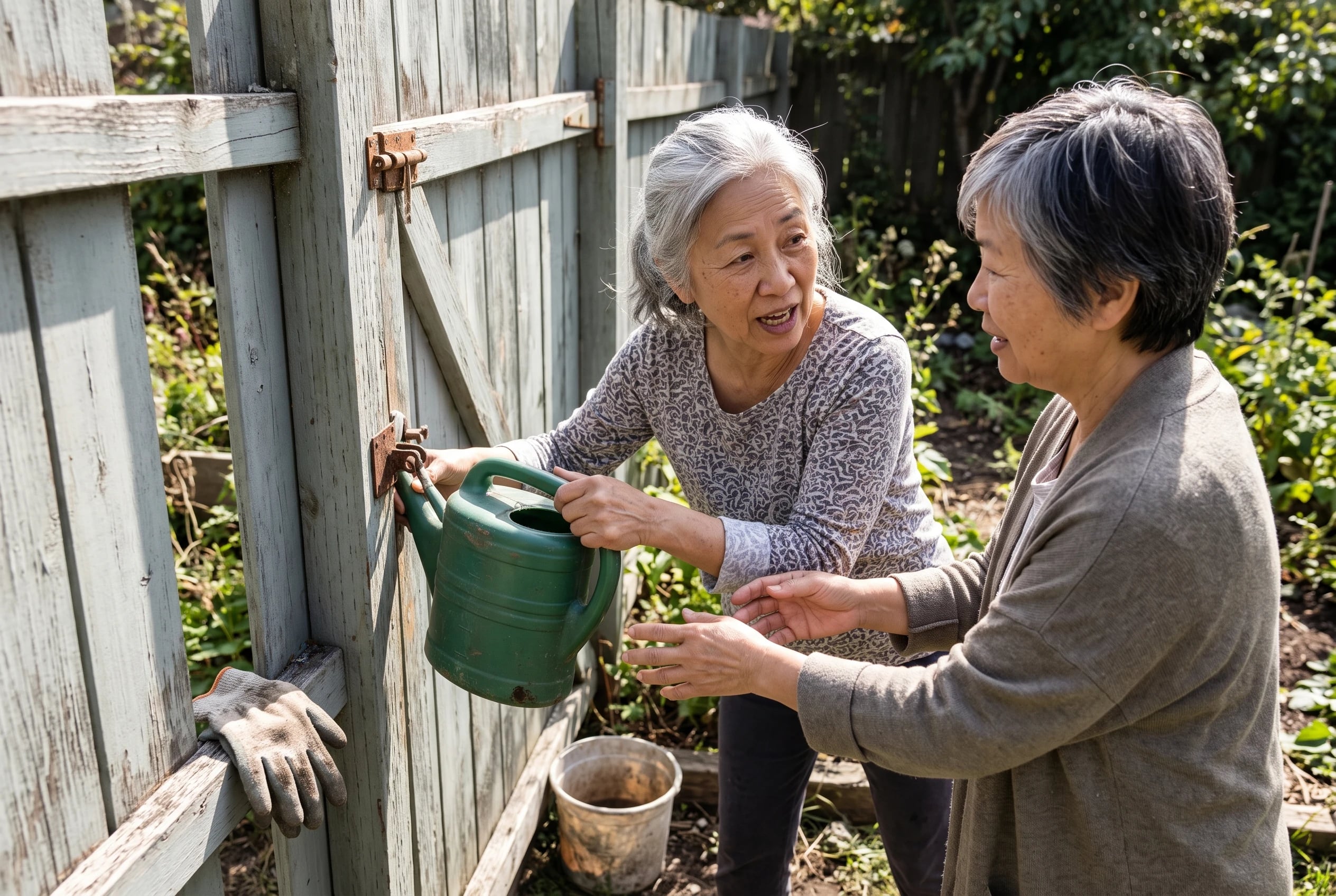
Ugogo means grandmother in isiZulu. Gogo also serves as a respectful title for an elderly woman or grandmother, according to the Dictionary of South African English. The dictionary traces Gogo to the Zulu form used when addressing someone.
That detail matters. A list that translates Gogo as “Grandma” leaves out its use as a title. If it was part of how people addressed a woman in your family, ask them to tell you about her.
Who said it? To whom? You’ll learn more from that exchange than from a name printed on a mug. Let its meaning stay attached to the people who used it.
8Swedish Names for Four Grandparent Relationships
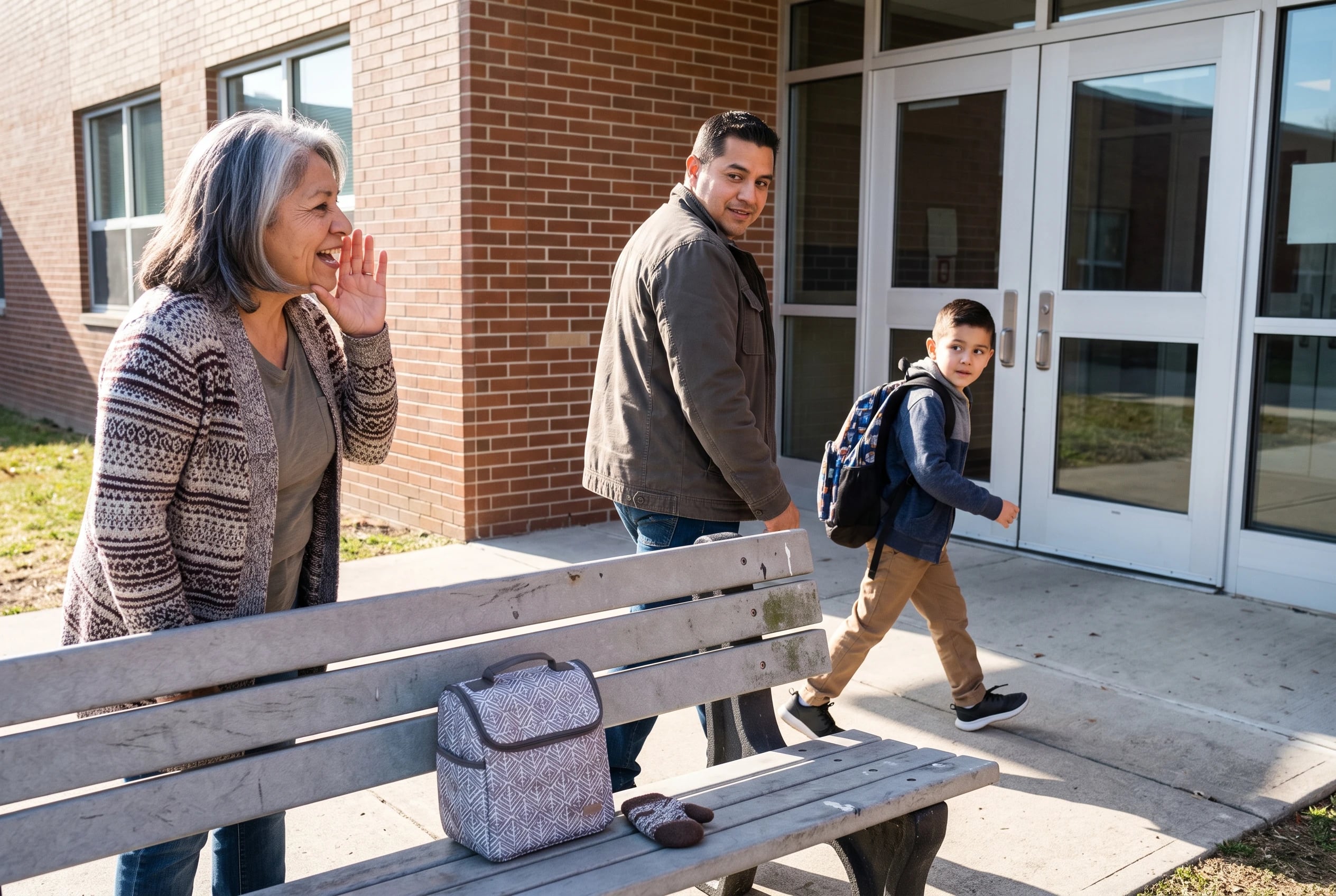
Swedish gives each relationship its own name. Mormor is your mother’s mother; morfar is your mother’s father. Farmor is your father’s mother; farfar is your father’s father. The grandparent terminology overview lists all four.
You don’t have to memorize them as a set. Start with the grandchild’s parent who is your child. If that parent is the mother, you’re looking at *mormor* or *morfar*. If that parent is the father, look at *farmor* or *farfar*.
There’s a family path inside each word. Write the right one in a message to the baby’s parents and ask them to say it aloud. Settle on the relationship first; then see whether the name feels like yours.
See more: 25 Things We Remember About Growing Up in the 50s and 60s →
7Amma Grandma Name and Indian Regional Terms
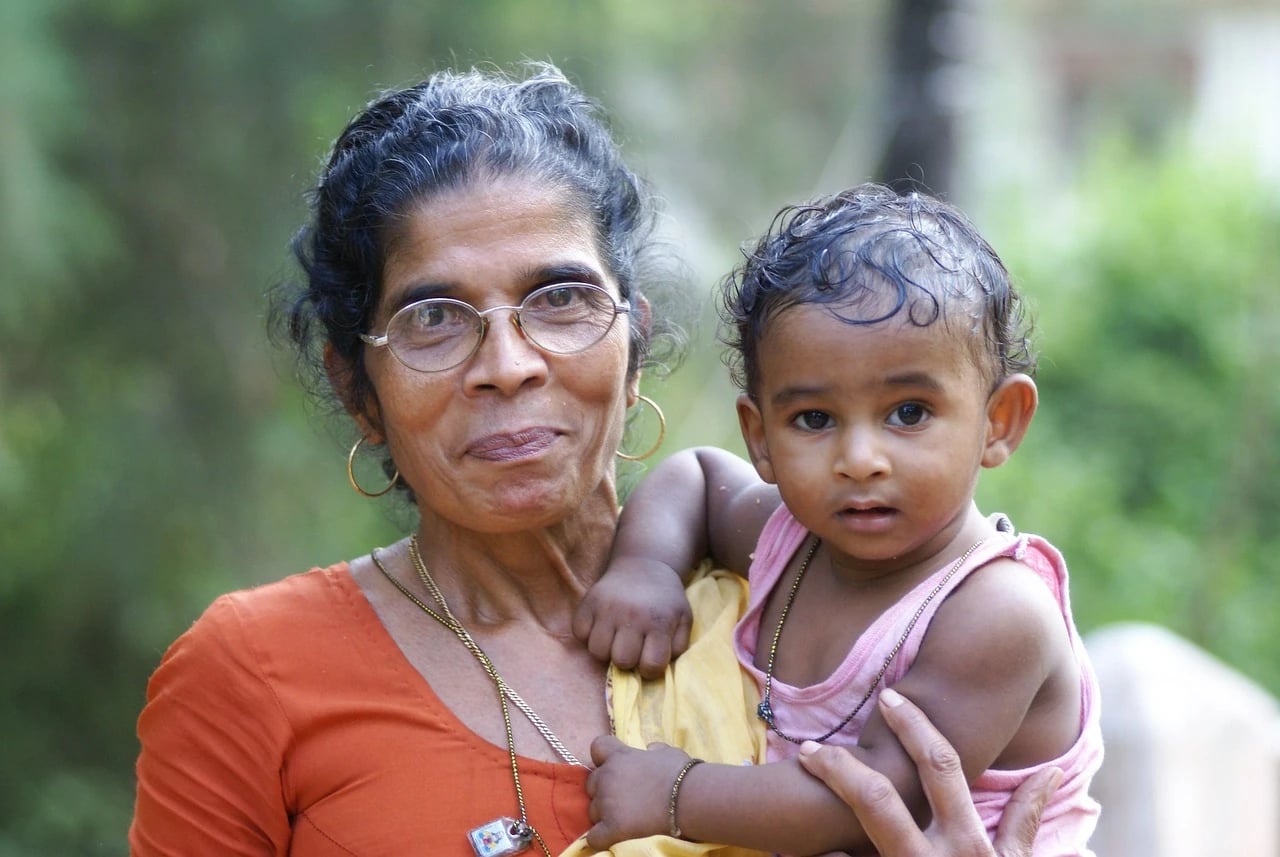
If you searched for an “amma grandma name,” check the language before choosing a word. In Telugu, అమ్మమ్మ, ammamma, means *maternal grandmother*. In Kannada, ಅಜ್ಜಿ, ajji, means grandmother. In Tamil, பாட்டி, pāṭṭi or *paati*, means grandmother.
These aren’t interchangeable names from a single Indian word list. Omniglot records the Telugu maternal term; a Tokyo University of Foreign Studies Kannada-English dictionary records Ajji. The Agarathi Tamil dictionary records Paati.
Say which connection you hope to honor: a Telugu-speaking mother, a Kannada-speaking household, a Tamil-speaking grandparent. Then ask someone from that part of your family what they called their grandmother. Ammamma’s maternal meaning is especially worth checking against your place in the child’s family.
6Irish and Scottish Gaelic Grandparent Names
For an Irish grandfather, the Foras na Gaeilge dictionary records daideo. Scottish Gaelic has seanmhair for grandmother and seanair for grandfather, as shown in LearnGaelic’s family vocabulary.
Irish and Scottish Gaelic are distinct languages. Find out which language your relative spoke before choosing from either set.
The Scottish Gaelic words carry the literal senses “old mother” and “old father.” If that meaning appeals to you, keep the full word beside it, not only the English gloss. For a Welsh family name, check a Welsh language dictionary or ask a Welsh-speaking relative for the specific word your family used.
5Jewish Grandfather Names Saba and Zeyde
“What do Jews call their grandpa?” has more than one answer. Saba is Hebrew for grandfather or grandpa, recorded by the Pealim Hebrew dictionary. Zeyde, also seen as *zaydeh* or *zeydeh*, is a Yiddish grandfather term used in Jewish English.
The useful question is which language belonged to the grandfather you’re remembering, or which one your family speaks now. Ask an aunt, sibling, or cousin what was said at home. Their answer gives you more than a spelling; it gives you a voice.
For the matching grandmother words in this list, look back to Savta in Hebrew and Bubbe in Yiddish. You don’t have to choose matching names, but you should know which language each comes from.
4A Chart of Grandparent Names Across Languages
Keep this chart for the moment someone asks what a name means. It brings together words checked in the language sources throughout this list. It keeps names that identify a particular family side out of misleading, one-word columns.
| Language | Grandmother | Grandfather | | --- | --- | --- | | Spanish | Abuela | Abuelo | | Italian | Nonna | Nonno | | German and Dutch | Oma | Opa | | French | Grand-mère | Grand-père | | Russian | Babushka | Dedushka | | Greek | Yiayia | Papou | | Polish | Babcia | Dziadek | | Japanese | Obaasan | Ojiisan | | Korean | Halmeoni, also written halmoni | Halabeoji | | Tagalog/Filipino | Lola | Lolo | | Hebrew | Savta | Saba | | Yiddish | Bubbe | Zeyde | | Arabic and Levantine Arabic | Jadda | Seedo, Levantine | | Swahili | Bibi | Babu | | isiZulu | Ugogo; Gogo as a title | Check a family language source | | Kannada | Ajji | Check a Kannada dictionary | | Tamil | Paati | Check a Tamil dictionary | | Irish | Check an Irish dictionary | Daideo | | Scottish Gaelic | Seanmhair | Seanair |
The sources include the Royal Spanish Academy, Duden, Larousse, Gramota.ru, the National Institute of Korean Language, and Pealim. For Mandarin, Hindi, Swedish, and Telugu Ammamma, use the relationship-specific entries above. Save a name with its language and meaning, not only its English-letter spelling.
See more: 25 Ideas to Celebrate a 60th Birthday →
3What Do You Call Your Grandparents Instead
What do you call your grandparents when *Grandma* and *Grandpa* don’t fit? A nickname made within your family gives you another route, without claiming to be a translation from a language in this list.
Ask how your family’s nickname began. Did someone choose it, or did a child start saying it? You can get that answer from the people who were there. A dictionary won’t tell you the history of a name made at home.
You don’t need a source to justify a personal name inside your own household. You do need to tell people what you want them to say. Put your choice in a message to the baby’s parents, then use it yourself when you speak to the child.
Keep the story with the name. A chart won’t know it, but a child who asks you about it will.
See more: 19 Things to Know When One Set of Grandparents Is Favored →
2Languages That Name Each Family Side
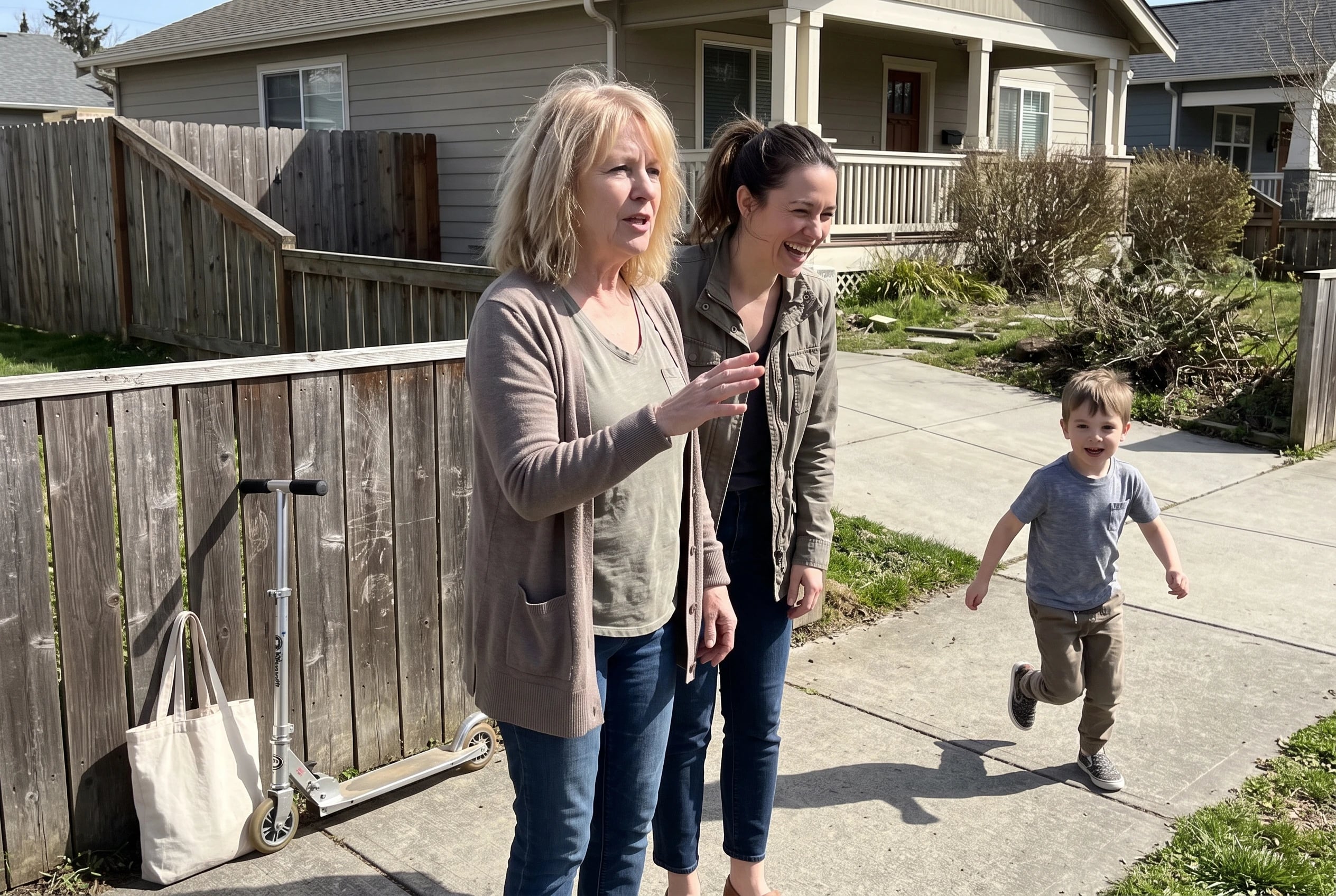
Three languages in this list show why a pleasing sound isn’t enough. Mandarin marks maternal grandparents with 外, *wài*, in words such as *wàipó* and *wàigōng*. Hindi has a different pair for each side of the family. Swedish builds the relationship into each of its four terms.
The Hindi kinship paper and the Swedish grandparent overview record those pairings. A guide to Chinese family terms explains the maternal marker in Mandarin. Before you choose from any of these sets, trace the child’s path to you through their mother or father. That step matters more than which word looks best on a card.
1A Grandparent Name With Its Real Meaning
Start with the sentence you hope to tell the child: “You call me this because…” If you can’t finish it yet, hold off on putting the name on a birthday card.
Make a record of your candidate in your phone. Write the word in its original script if the language source gives it. Beside it, put the source’s meaning in plain English. Record whether it names a grandmother, a grandfather, or a particular family relationship. Leave a space where you haven’t checked.
That space matters. An English-letter spelling alone doesn’t tell you how a relative said the word. Nor does a beautiful sound tell you which person the word describes. Go back to the dictionary or language reference for the definition, then bring the written form to someone who knows your family’s speech.
Ask a direct question: “Is this what you remember hearing?” Listen before you settle on the spelling people will use. If the answer differs from your list, find out whether the difference is in pronunciation, writing, or meaning.
Finally, let the child’s parent hear your choice in an ordinary sentence. The name has to belong in daily conversation, not only in your phone. Keep the definition with it, so you’re ready when the child asks why it’s yours.
The bottom line
A grandparent name has a sound, a meaning, and sometimes a precise place on the family tree. Check all three before you settle on one.
The prepared version of you has written down the word, asked the person who knows the language, and said it aloud where the child will hear it.
What name did you call your own grandparents, and whose voice do you hear when you say it?
Up next
22 Activities for Grandparents and Grandkids
A recipe card, a shoebox of photos and a free scavenger hunt give you ways to fill the next visit without filling your calendar.
Read the list →
Reader quiz
Did you catch the details?
5 questions from this article.
What does the article suggest doing before choosing Abuela or Abuelo for everyday use?
Questions people also ask
Lola means grandma in what language?
Lola means grandmother in Tagalog/Filipino; lolo means grandfather. Both appear in the bilingual dictionary held by ERIC.
What do Jews call their grandpa?
In Hebrew, saba means grandfather or grandpa, according to the Pealim dictionary. Zeyde, also spelled *zaydeh* or *zeydeh*, is a Yiddish grandfather term used in Jewish English; Wiktionary records zeyde.
What do you call your grandparents?
You might use a language term such as Spanish *abuela* or Italian *nonno*, or choose a personal family nickname. The grandparent terminology overview shows another difference: Swedish names change according to whether the grandparent is on the mother’s or father’s side.
Do all languages use different words for maternal and paternal grandparents?
No. Spanish uses abuela and abuelo without building the family side into those words. Mandarin and Swedish have distinct terms for each side, as shown in the Chinese kinship and grandparent terminology overviews.
What is the Filipino word for grandfather?
Lolo means grandfather in Tagalog/Filipino. It’s paired with lola, meaning grandmother, in the bilingual dictionary held by ERIC.
Did any of these feel familiar?
Know someone who needs this?
 Prime Journal · Free printable
The Family Essentials Checklist
- Your wishes written down and shared with the right person.
- Your medicines and emergency contacts ready when needed.
- Your family plans settled before anyone counts on them.
Free printable: The Family Essentials Checklist. Enter your email and it is yours.
Sources cited in this article
This article links to 15 outside sources, listed here so you can read them yourself.
- Royal Spanish Academy www.rae.es/dpd/abuelo
- Treccani’s Italian dictionary www.treccani.it/vocabolario/nonna
- Duden www.duden.de/rechtschreibung/Oma
- Larousse www.larousse.fr/dictionnaires/francais/grand-m%C3%A8re/37854
- Gramota.ru’s dictionary portal gramota.ru/poisk?dicts%5B%5D=48&mode=slovari&query=%D0%B1%D0%B0%D0%B1%D1%83%…
- Wielki słownik języka polskiego wsjp.pl/haslo/podglad/5052/babcia/2857721/w-rodzinie
- Chinese kinship overview en.wikipedia.org/wiki/Chinese_kinship
- Linguistics paper on Hindi kinship terms journals.rudn.ru/linguistics/article/view/26001
- National Institute of Korean Language’s dictionary krdict.korean.go.kr/eng/dicSearch/SearchView?ParaWordNo=27375&nation=eng
- Bilingual dictionary held by ERIC files.eric.ed.gov/fulltext/ED335965.pdf
- Pealim Hebrew dictionary www.pealim.com/dict/5721-savta
- Cambridge English-Arabic Dictionary dictionary.cambridge.org/us/dictionary/english-arabic/grandmother
- University of Kansas Swahili glossary olrc.ku.edu/swahili-glossary
- Dictionary of South African English dsae.co.za/entry/gogo/e02711
- Foras na Gaeilge dictionary www.focloir.ie/en/dictionary/nid/daideo
Ruth Ellison
Family Editor
Ruth writes about grown children, grandchildren, ageing parents, and the conversations families put off, in the words of the people involved.
More from Ruth Ellison