









19 Things to Know When One Set of Grandparents Is Favored
The closest house isn’t always the closest relationship. Here’s how to read the pattern, handle the calendar, and build a bond that belongs to you.
By Ruth Ellison, Family Editor
Updated · 18 min read
The short answer: When one set of grandparents is favored, look first at distance, regular contact, and the parent’s role in arranging time together. In a national study, about 80% of teens said their closest grandparent lived nearest. That pattern doesn’t measure anyone’s love. A warm, dependable relationship matters more than matching another grandparent’s hours.
- Written by our family editor
- Cited 17 sources
- How we review
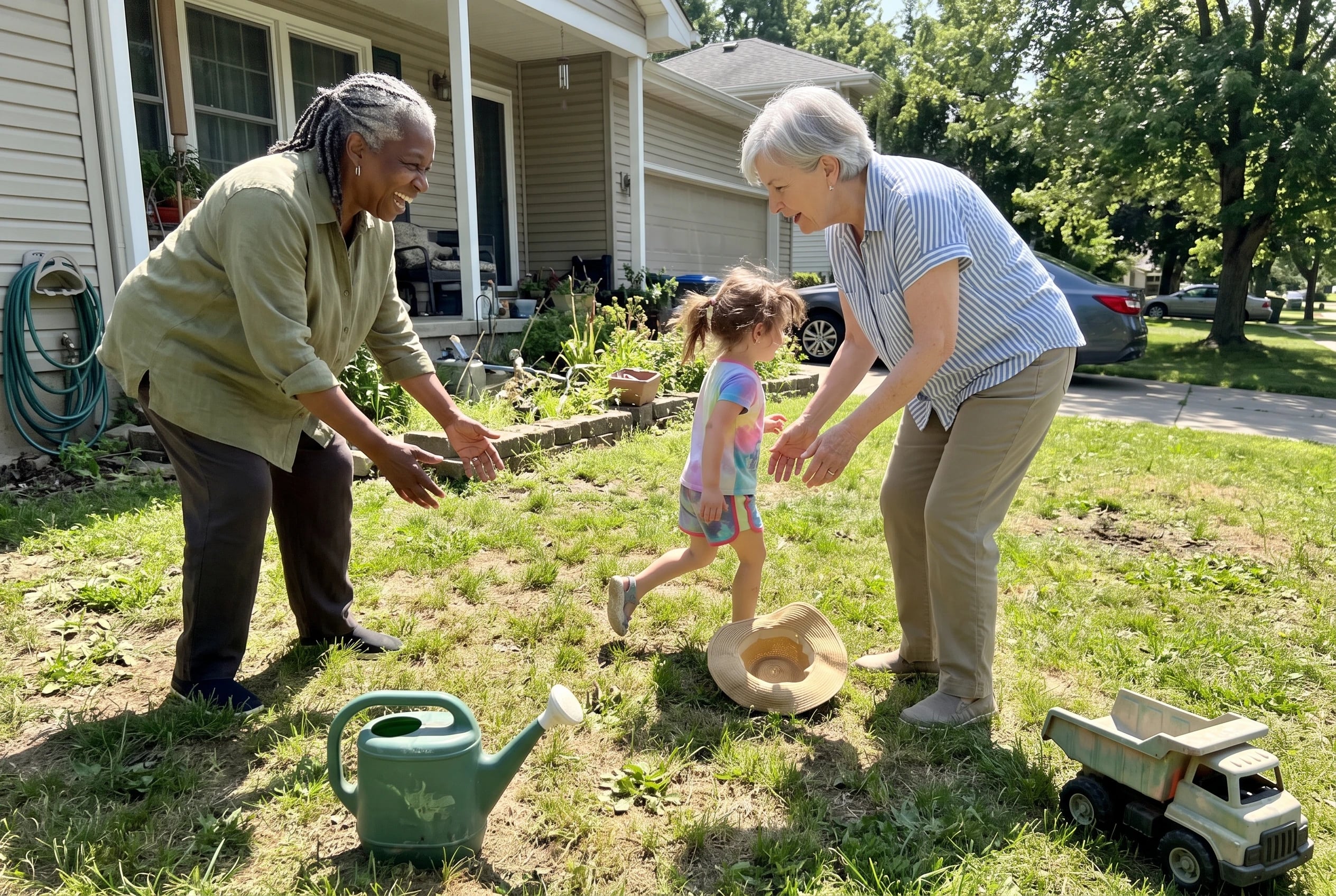
On the front lawn, a child runs past your open arms and straight to the other grandmother. You smile, because making a scene would put the child in an impossible spot. Later, the moment follows you home.
You love that child. You also know affection isn’t a prize handed out fairly at every gathering. Still, the ache is real. Before you buy another gift or ask your adult child to settle a contest, look at what the child’s days actually contain. The answer starts there.
19The maternal grandmother closeness pattern
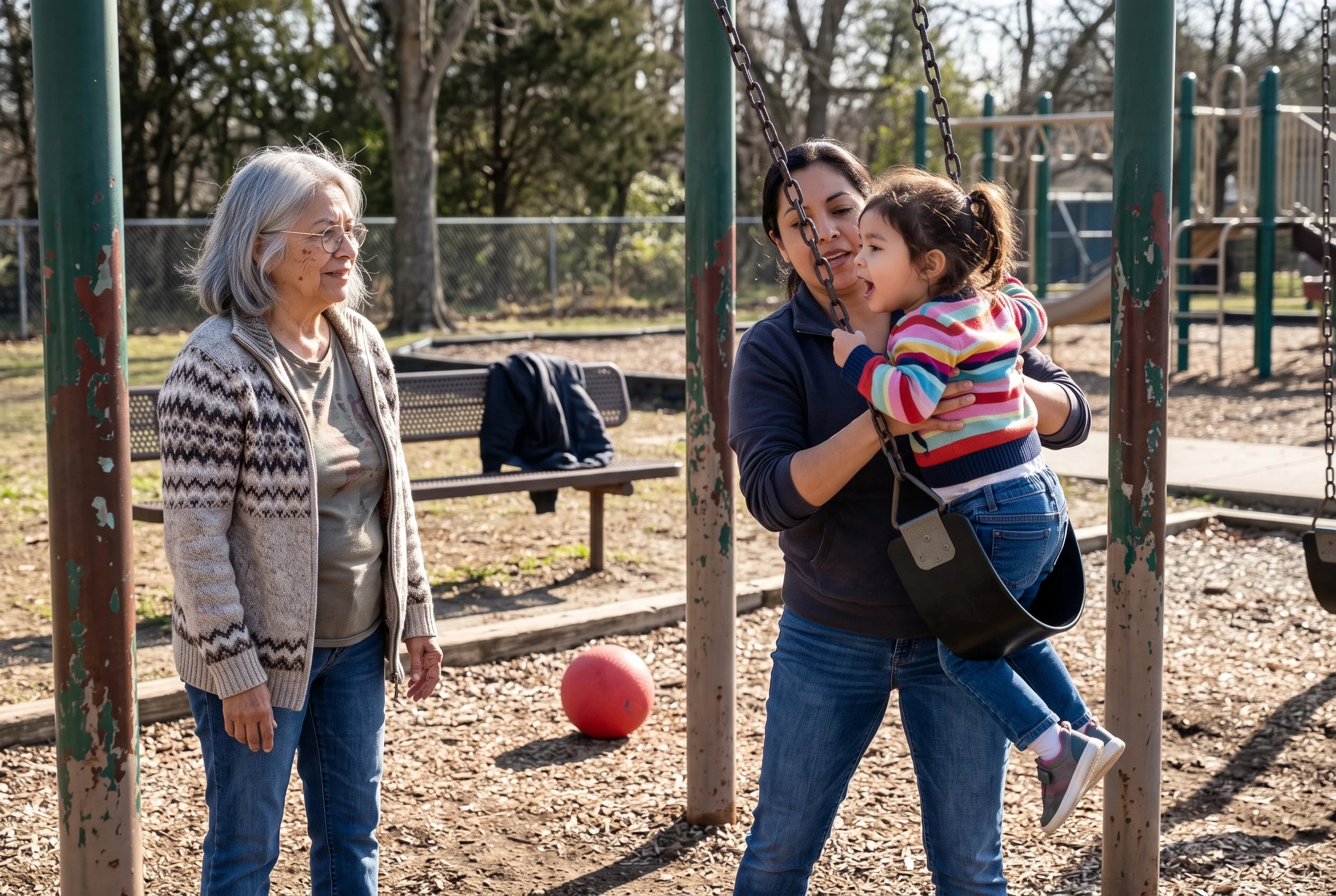
At a family gathering, it’s tempting to read every lap a child chooses as a verdict. Research offers a wider view.
A review of grandparent investment describes a pattern across many societies: maternal grandmothers, as a group, tend to invest more in grandchildren. Researchers call this a matrilateral bias.
That finding describes groups, not the grandmother standing beside you at a birthday party. It cannot tell you why this child went to her first. Nor does it rank how much either of you loves the child. Newer work in *Biology Letters* continues to test how lineage and a grandparent’s sex relate to involvement.
So notice the pattern without treating it as a sentence. Ask yourself what the child experiences with each grandparent: who is nearby, who handles ordinary afternoons, and who gets invited into daily life. Those answers give you something more useful than a label for your side of the family.
18When one set of grandparents is favored nearby
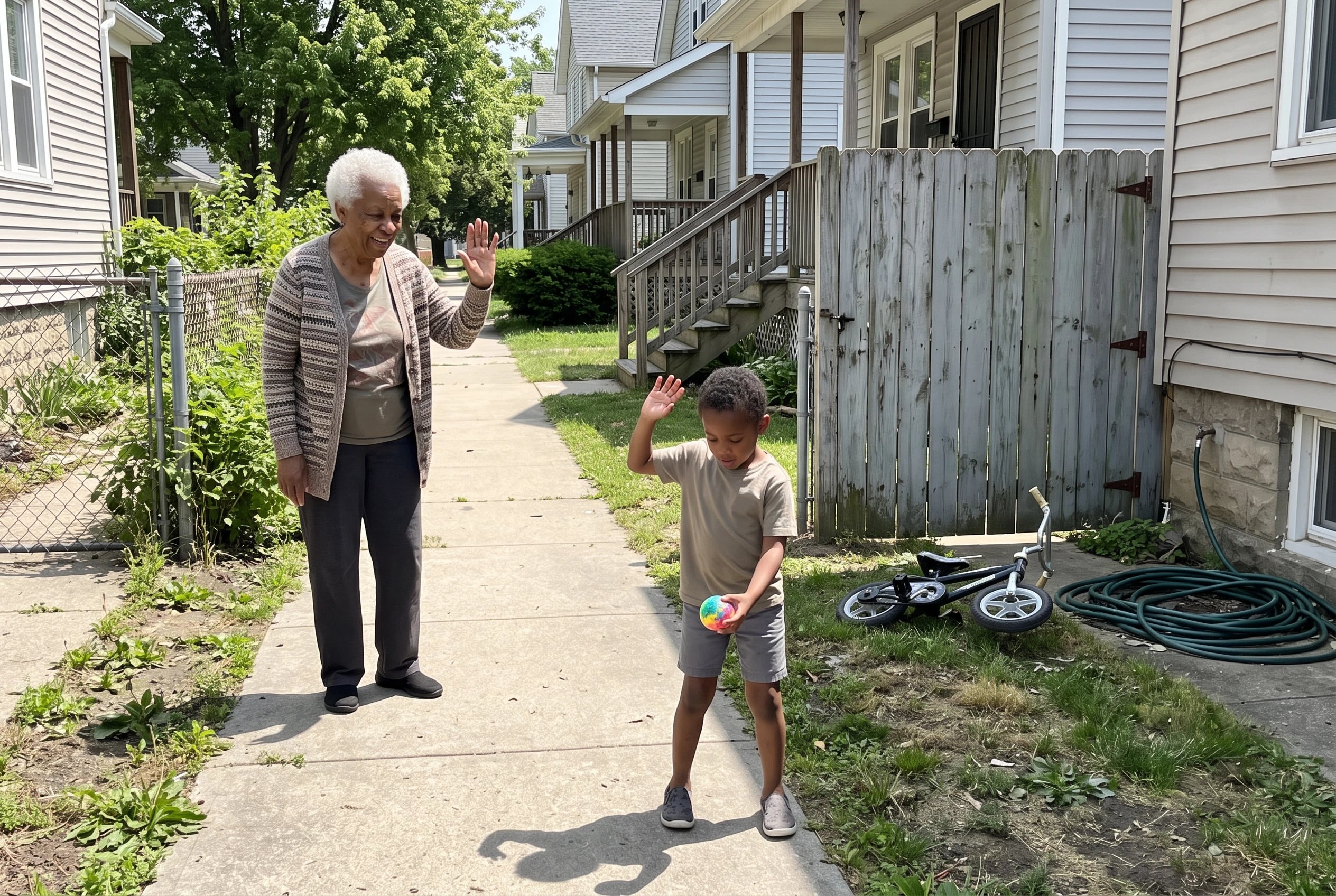
About 80% of teens in a national U.S. study said the grandparent they felt closest to also lived nearest. That’s a striking figure if you’re the one who has to travel for a visit.
A nearby grandparent is available for the uneventful moments. The child sees a familiar face between celebrations, not only across a crowded room. Researchers call the opportunity created by living nearby *structural solidarity*, one part of a broader intergenerational relationship model.
Distance doesn’t make your affection smaller. It changes what the child has had a chance to experience. Before comparing gifts or holiday invitations, compare the ordinary contact each household has.
Then choose a repeatable way to be present from where you live. A brief exchange the child recognizes as yours gives you a better starting point than trying to outdo the grandparent next door.
17Six factors behind grandparent closeness

Think beyond visits. The intergenerational solidarity model names six parts of a family relationship. They are distance, contact, emotional closeness, shared values, felt obligation, and help exchanged.
Use those parts as questions, not a grading sheet. How easy is it for your grandchild to see you? When you meet, do you have time to talk? Do you know what interests the child now? Has your relationship with the parent made visits comfortable or tense?
One answer needn’t match the others. You could live far away and still have a conversation the child looks forward to. You could live nearby yet spend every visit in a room full of adults, barely speaking to the child. Proximity opens a door; it doesn’t conduct the visit for you.
A review of grandparent relationships found stronger links between relationship quality and grandchild outcomes than between sheer involvement and those outcomes. Pick the part you can improve. Trying to win all six at once will leave you staring at the other family’s schedule instead of your own relationship.
16Your mental tally of gifts and visits
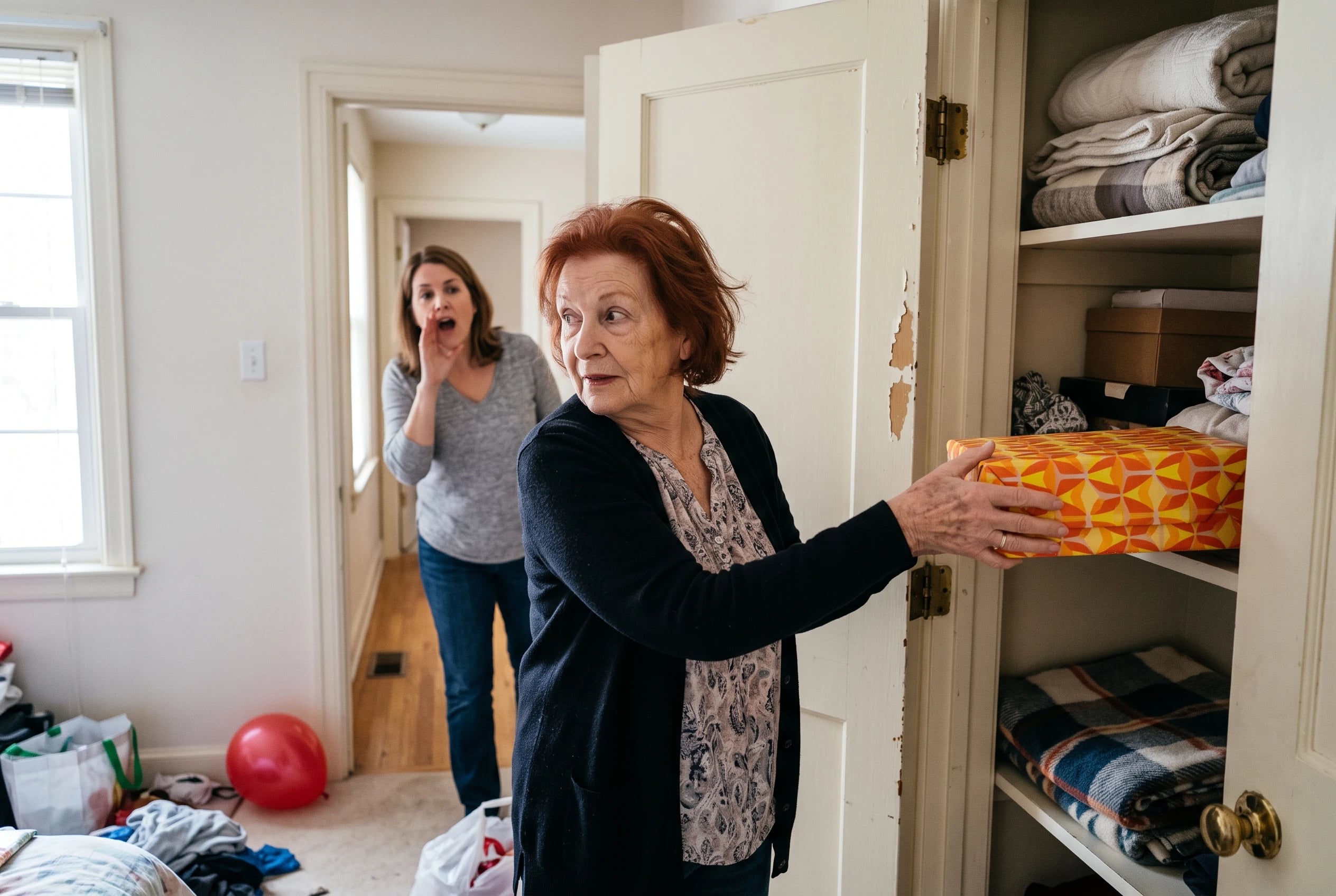
Do you know who got the longer visit last Sunday? What about who brought the larger present? If those details return to you each time the family meets, a private ledger has started to run the show.
Psychology Today’s discussion of scorekeeping identifies tallies of time and gifts, along with talks framed as proof of unfairness, as signs worth noticing.
An APA summary of social comparison research links frequent comparison with envy and negative feelings.
You don’t have to pretend a real imbalance feels fine. Put down the ledger long enough to ask a different question: What happened between you and the child during *your* last visit? That answer tells you more than the gift count.
15An adult child caught between grandparents
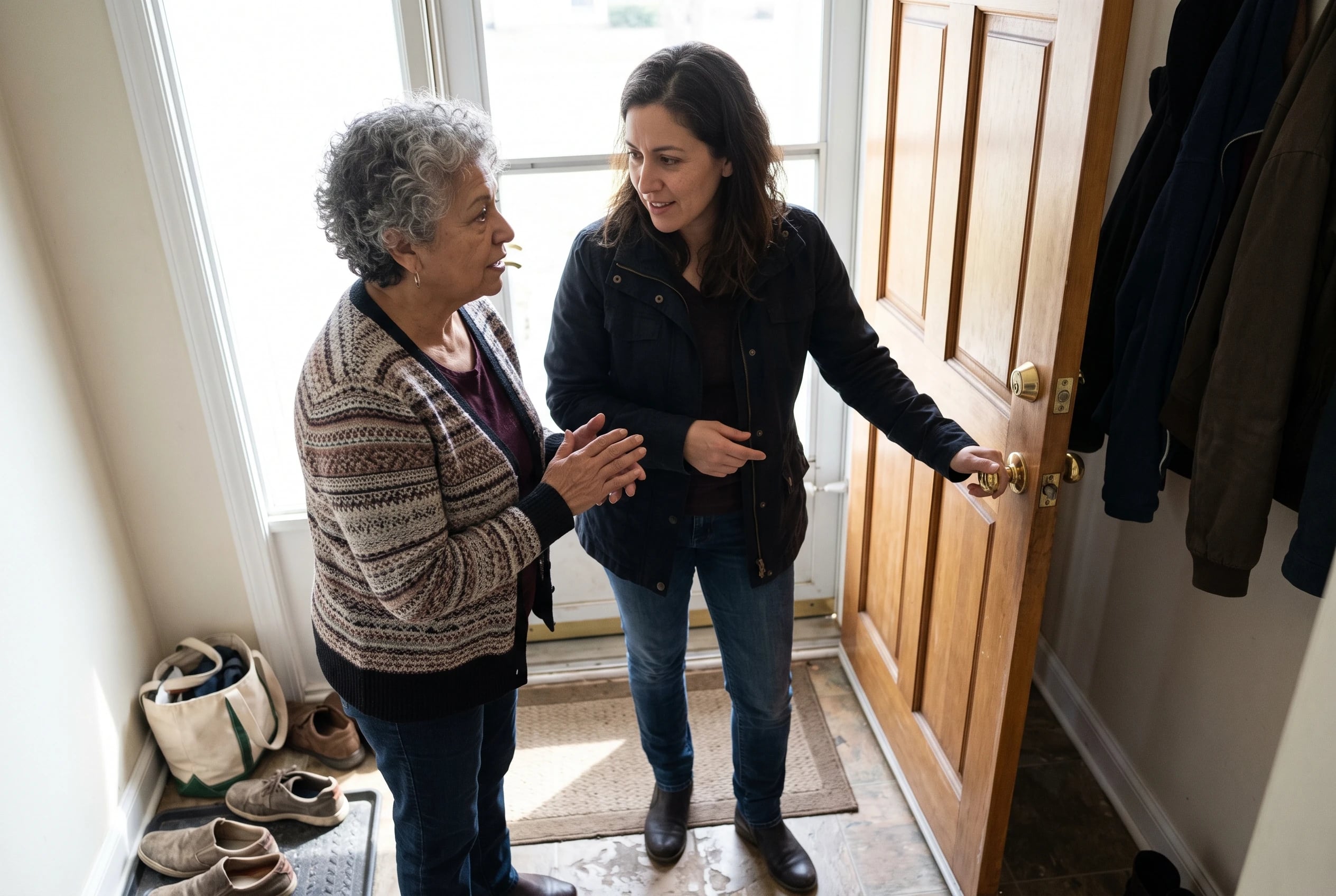
The visit ends, and you call your daughter to ask why the other grandparents got more time. She listens. Then she has to carry your hurt into a relationship she also needs to manage.
The Bowen Center for the Study of the Family calls this sort of arrangement a triangle: tension between people pulls someone else into the middle.
It puts a heavy job on the person who did not create the dispute. Research on adolescents drawn into parent conflict also links that position with worse adjustment.
Your adult child is the right person to ask about the household’s schedule. She isn’t the right person to appoint as judge of which grandparents deserve more affection. Keep your request about something she can answer: “Could we find a time for me to see you and the kids next month?”
That gives her room to respond without delivering a verdict on the other family. If the answer is a date, put it on your calendar. If it’s a refusal, listen to the reason before you decide what to ask next.
14A toddler’s routine and a teen’s world
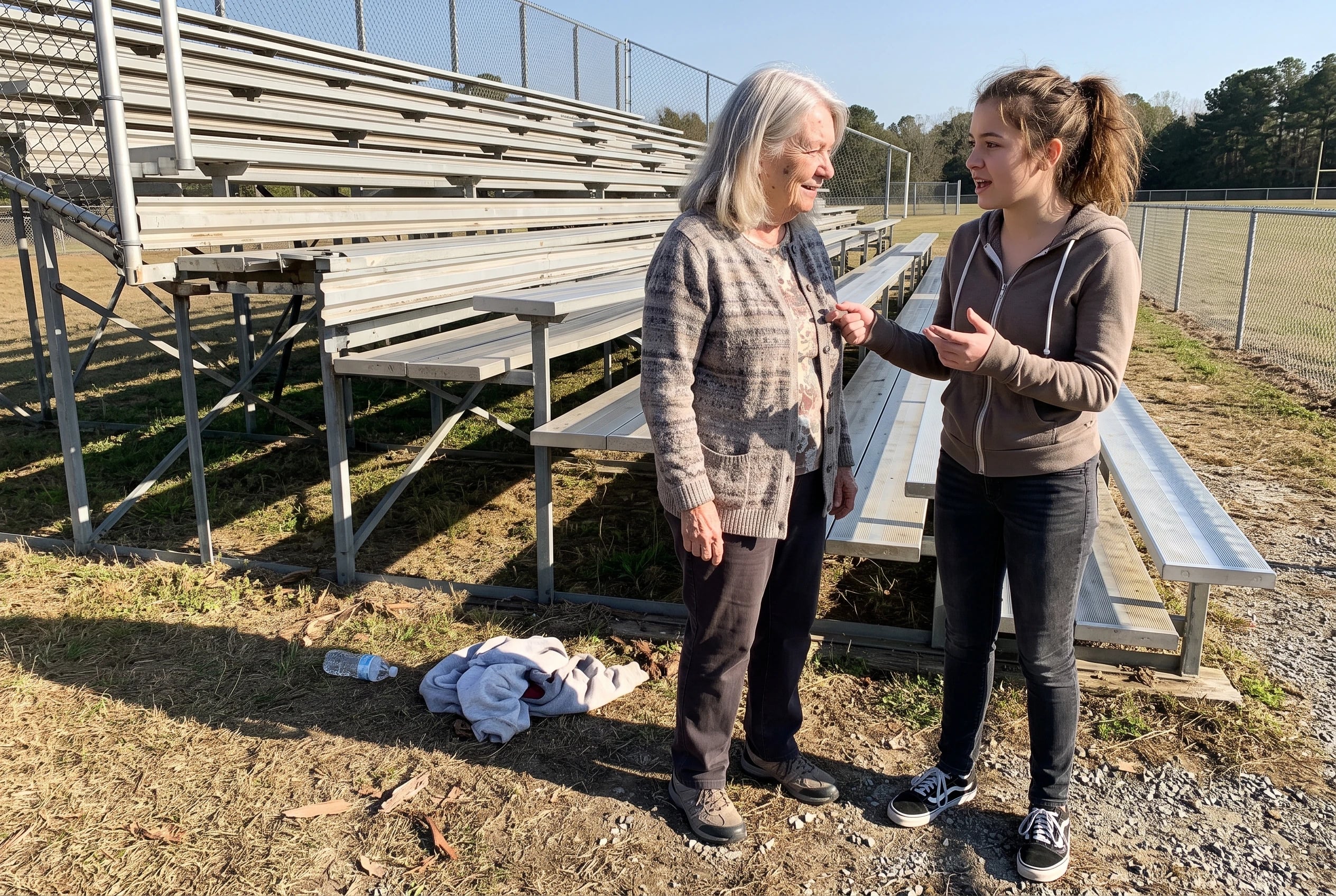
The toddler reaches for the grandparent who knows where the snacks are kept. Years later, that same child barely looks up before going out to see friends. Neither moment tells the whole story.
Grandparent childcare helps explain some early closeness. A Federal Reserve report on U.S. households found that roughly 28% to 30% of parents leaned on grandparents for childcare in recent years. The grandparent doing that work gets time with the child that no holiday visit duplicates.
Later, the rhythm changes. In a study following young people from fourth through tenth grade, closeness and support from grandparents tended to dip while conflict rose. Growing interest in peers and independence was part of that shift.
If a teenager answers you in a short burst, don’t measure it against the toddler who wanted another story. Meet the child at the stage in front of you. Ask about something specific they care about, then give them room to answer in their own time.
See more: 24 Things to Do With an Empty Nest →
13The golden child’s children
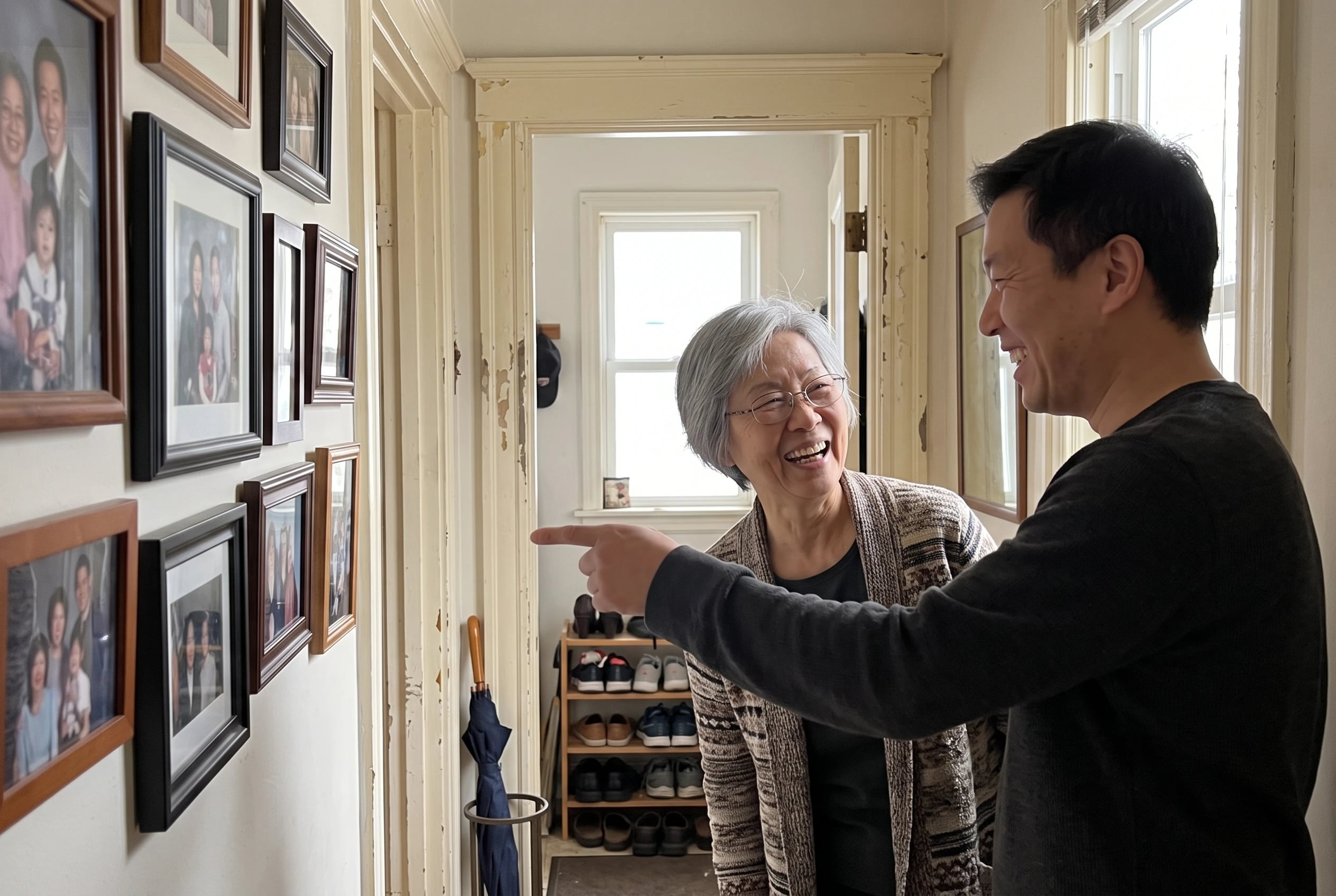
You remember who got the easy invitations when your children were young. Now that child’s children seem to spend the easiest afternoons with you, too. Or perhaps you’re watching that ease from the other side.
This pattern has roots older than the grandchildren. Research on closeness across generations found that a parent’s relationship with her own parents predicts her children’s closeness to those grandparents.
Yesterday’s ease or strain travels through an adult relationship before it reaches the grandchildren. Research on linked generations also examines how closeness and conflict carry forward through family ties.
That doesn’t prove someone is still playing favorites. It means today’s visit schedule has a history. A parent who feels at ease in a grandparent’s home has an easier time bringing a child there. Old strain makes an invitation harder to arrange, even when the grandparent and child enjoy each other.
If that history involves you, resist making the grandchild repair it. Address the adult relationship as its own relationship. Ask your child what would make a visit easier for the household, then listen without turning the answer into a debate about the past.
12A parent choosing the visit schedule

The birthday invitation arrives after another family plan is already in place. It stings more when the person sending it is your own child.
Parents shape access to grandparents. A study of grandparents in young people’s lives describes the parent’s role in mediating those relationships. Your warmth matters, but the person managing the family calendar also decides which visits are simple to arrange.
Start with a request that has edges: “I’d love an afternoon with you and the kids. Is there a date next month that works?” A specific invitation gives your child something to accept, change, or decline. “Why do they always get more?” invites a defense of every past decision.
Pay attention to the reply. A declined date followed by another suggestion differs from a string of unanswered invitations. You deserve to see the pattern clearly. You also need to know which part of it your child is willing to discuss, rather than arguing with a calendar you cannot control.
11A stepgrandparent sharing the Grandma title
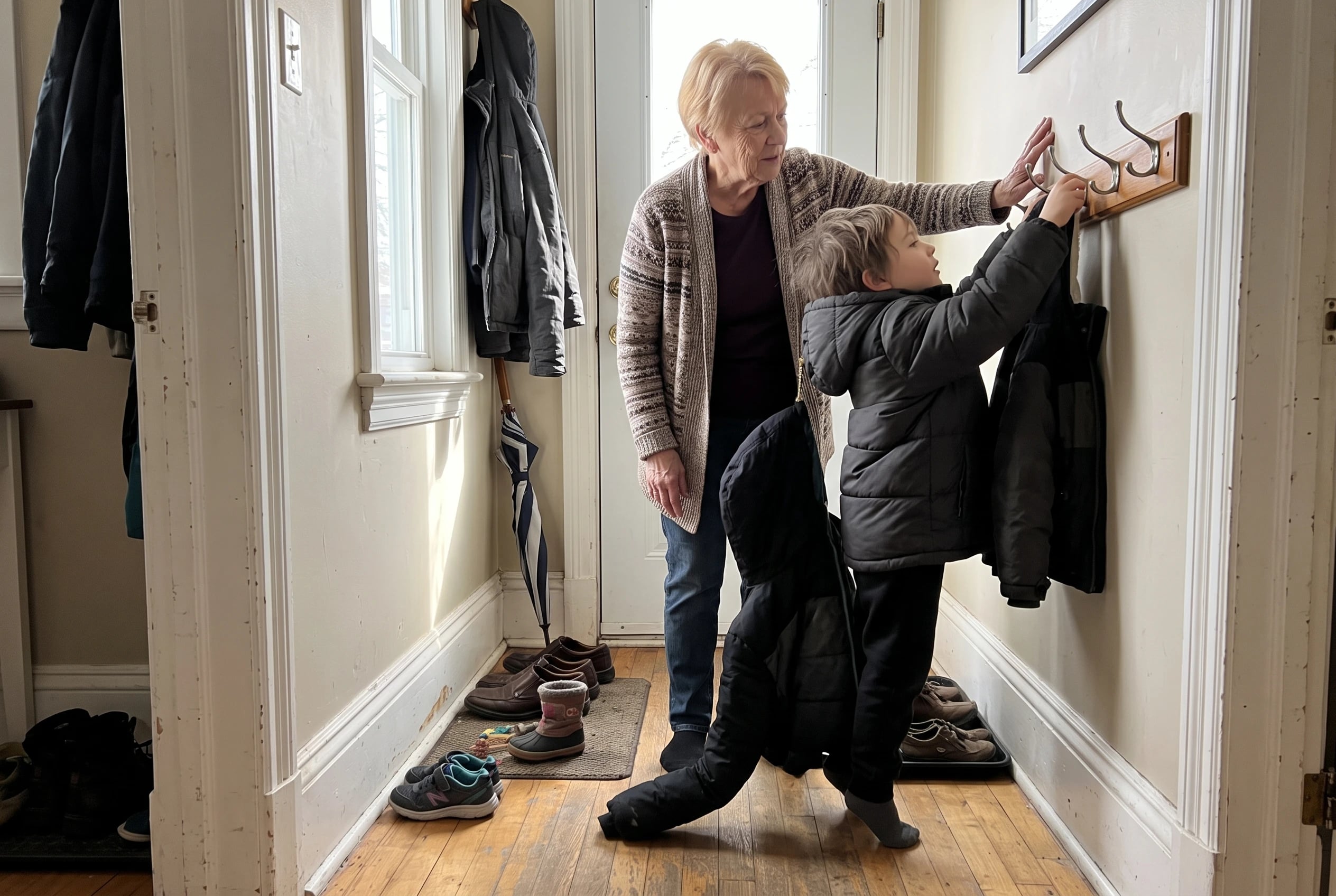
A child calls someone else “Grandma,” and the name catches in your throat. In a blended family, the question of what to call each adult sits alongside older ties, distance, and the parent’s comfort with visits.
A study of stepgrandparent relationships found lower average contact and closeness than in biological grandparent ties. Distance and conflict were linked with less closeness still. An average is not a script for any particular child.
Don’t make the child settle a title dispute. Ask the parent what names the household uses, then choose a name the child is comfortable saying.
If another grandparent shares the title, let the relationship tell the child who you are. Your familiar greeting, your interest in their latest project, and the way you listen belong to you.
The American Academy of Pediatrics’ kinship-care guidance recognizes varied caregiver arrangements and stresses the child’s interests. Keep that child out of any adult contest over who has earned a word.
See more: 25 Grandparent Names From Languages Around the World →
10A favored grandparent’s next move
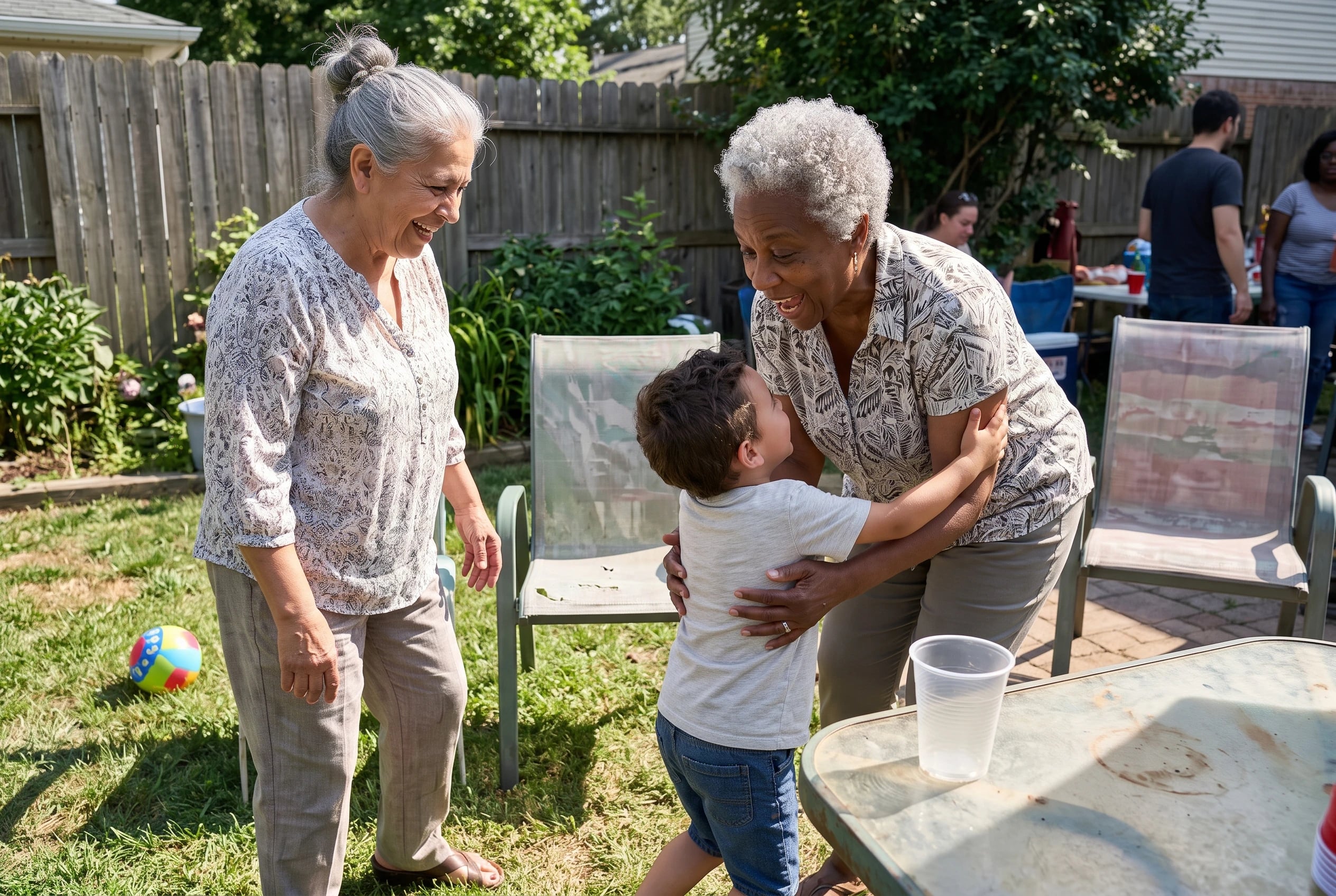
Perhaps the child runs to you first. You notice the other grandmother standing with her hands free, trying not to show that she noticed.
You don’t have to apologize for a close bond. You do need to leave the child free to enjoy other people who love them.
If an awkward moment needs words, keep them about your own actions: “I’ll give you two some room to visit.” Avoid announcing what the child “really prefers” or asking the parent to confirm it.
For harder family talks, the American Psychological Association’s guidance on family arguments favors specific, non-blaming language. Stick to what happened and what you’ll do next. A speech about fairness in front of the child pulls everyone into a contest they didn’t ask to enter.
If you also provide childcare, follow the parents’ current safety and household rules. HealthyChildren.org’s advice for grandparents who provide care emphasizes working with parents on those standards. Being the favored grandparent is no reason to make their job harder.
9A less-favored grandparent’s weekly text
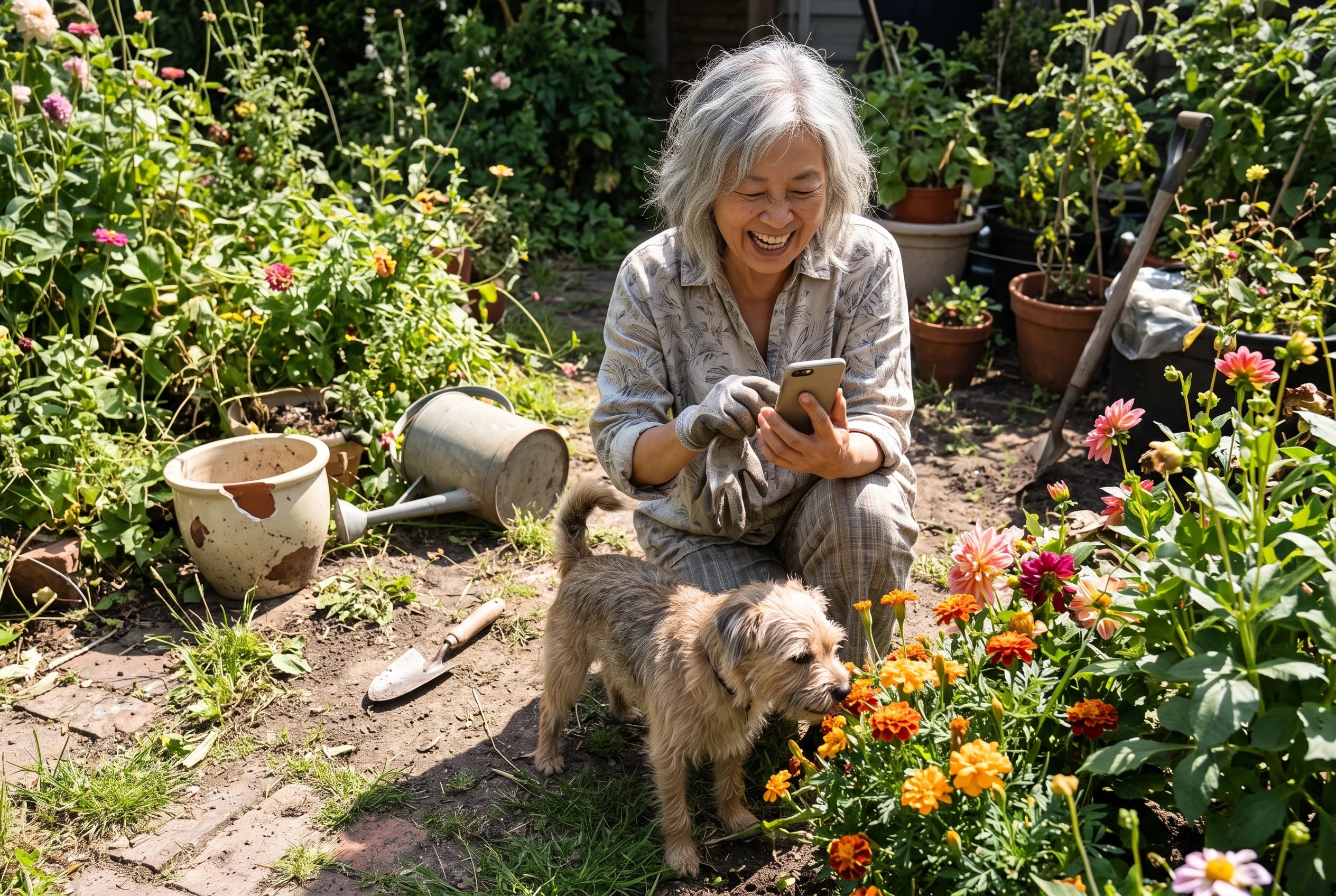
A phone message has one advantage over a grand gesture: the child has space to answer when ready. Start with something you already share. “I saw a red bird by the fence. What have you spotted lately?” works better than “You never call me.”
Pew Research Center looked at U.S. grandparents who connected at least monthly. Among them, 25% used texts, 16% used email, and 13% used social networking.
Those figures describe how people connected, not a rule for how often you should message.
Ask the parent which channel suits the child and the household. Then send something easy to receive and easy to answer. A photo of the flower you planted together gives the child a shared memory to pick up. A demand for a prompt reply turns a small opening into work.
Watch for a response rather than counting messages sent. If the child tells you about a school play, ask how it went the next time you speak. That small follow-up shows you heard them.
8A four-part script to the adult child
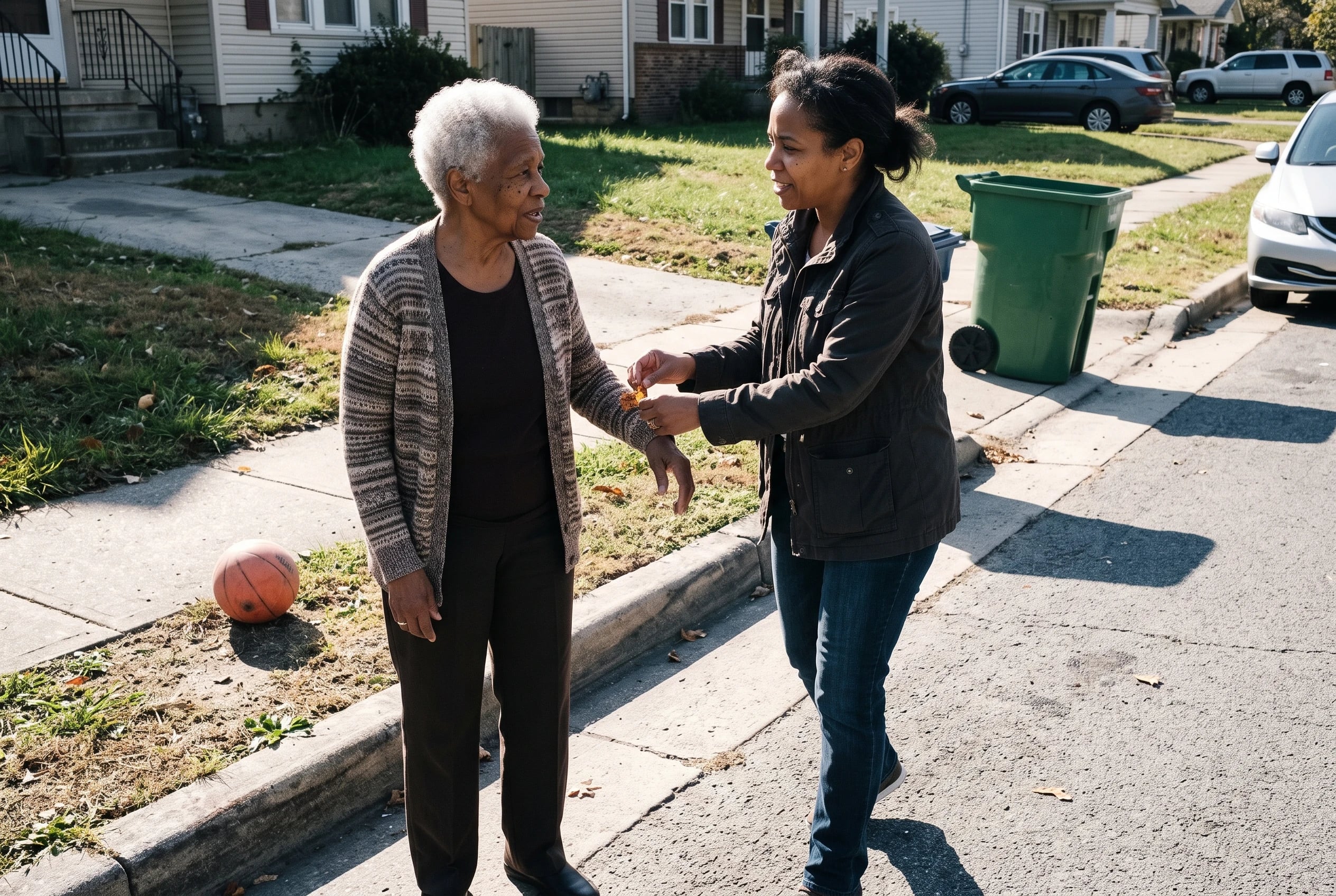
The conversation goes badly when it begins with a case for the prosecution. You have a better chance of being heard if your child knows what you observed, how you felt, and what you’re asking for.
The Center for Nonviolent Communication’s four-part process puts those pieces in order: observation, feeling, need, request.
Say it in your own voice. You could try: “When I hear about a visit after it’s arranged, I feel left out. I value time with the kids. Would you help me plan an afternoon together?”
Then stop. Let your child answer. A request is not a disguised order, and the conversation will tell you more if you make room for an honest reply. If the answer is no, ask what part doesn’t work. Keep the other grandparents’ names out of it unless a specific scheduling conflict requires them.
7A soft startup with the other grandparents

The other grandmother doesn’t control your child’s calendar. Still, she might be the person you need to speak with about a shared event. Choose one issue you can both act on, rather than opening every old grievance.
Utah State University Extension’s conflict guidance recommends appreciation, “I” language, and attention to one problem at a time. Put that into ordinary words: “I know we both want her to enjoy the day. I’d like us to leave the seating plan to her parents.”
You’ve acknowledged a shared wish and stated a clear request. There’s no accusation to answer before the practical question gets heard.
If the reply turns into a dispute over who matters more, end the comparison. “I don’t want the kids caught in that conversation. Let’s ask their parents what they need from us.” That’s enough. You aren’t required to negotiate affection with another adult.
6A boundary after talks have failed
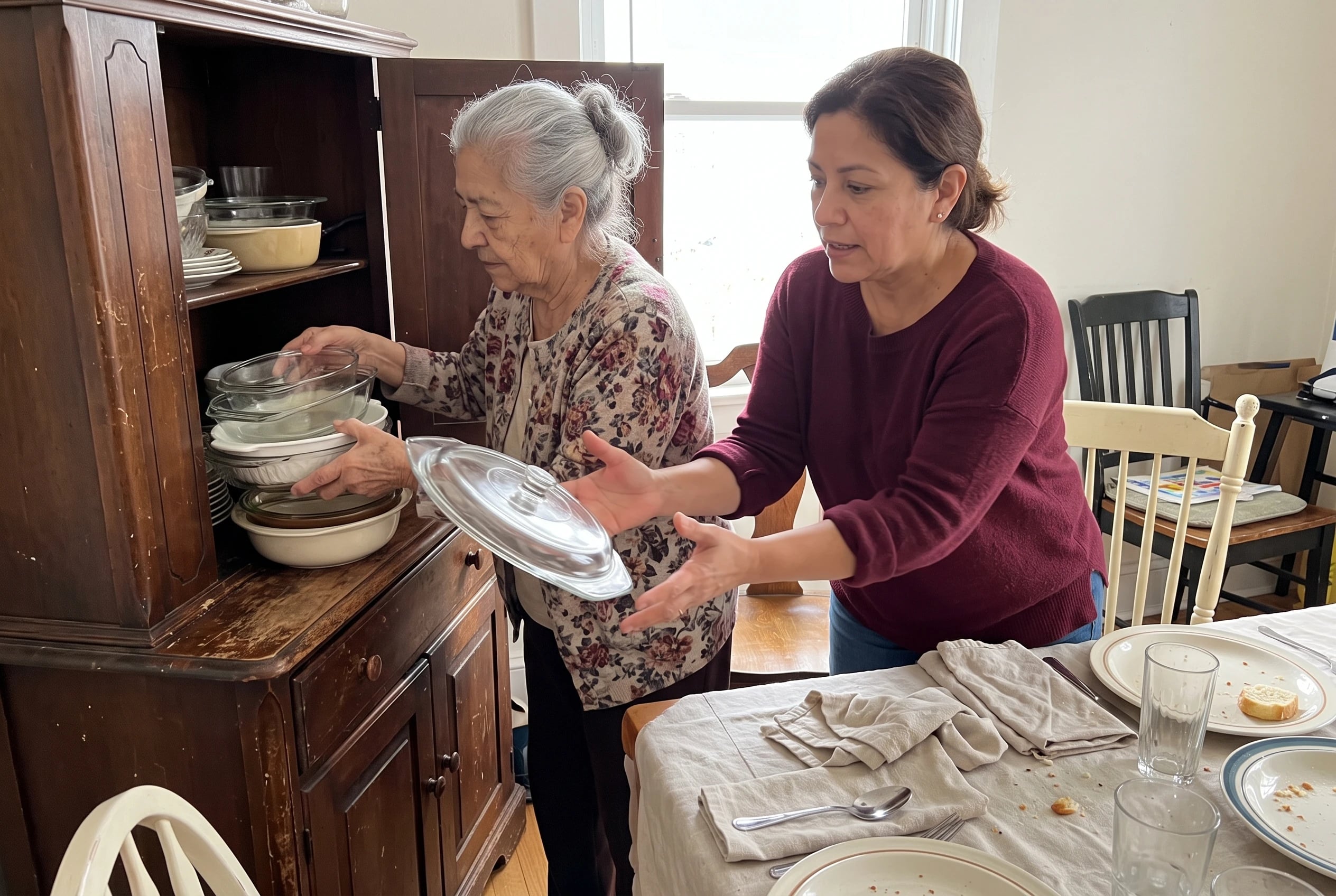
The invitation arrives with a condition you’ve already said is too much. Perhaps you’re expected to host everyone, handle the food, and be cheerful while your request for time with the grandchildren goes unanswered.
You’ve raised it. The arrangement hasn’t changed. Now decide what *you* will do. “I can come for dessert, but I can’t host this year” is a boundary you can keep without asking anyone else to change their feelings.
Mayo Clinic Health System’s holiday stress guidance recommends deciding what you can take on and sticking to those limits.
A boundary works best when it describes your availability or conduct, not a punishment designed to force a better invitation.
Give the family enough notice to make another plan. Then follow through without reopening the entire grandparent dispute. They still decide how to divide their time. You decide whether the invitation in front of you works for you.
See more: 29 Conversations Families Keep Putting Off Until It's Too Late →
5A holiday request made early and directly
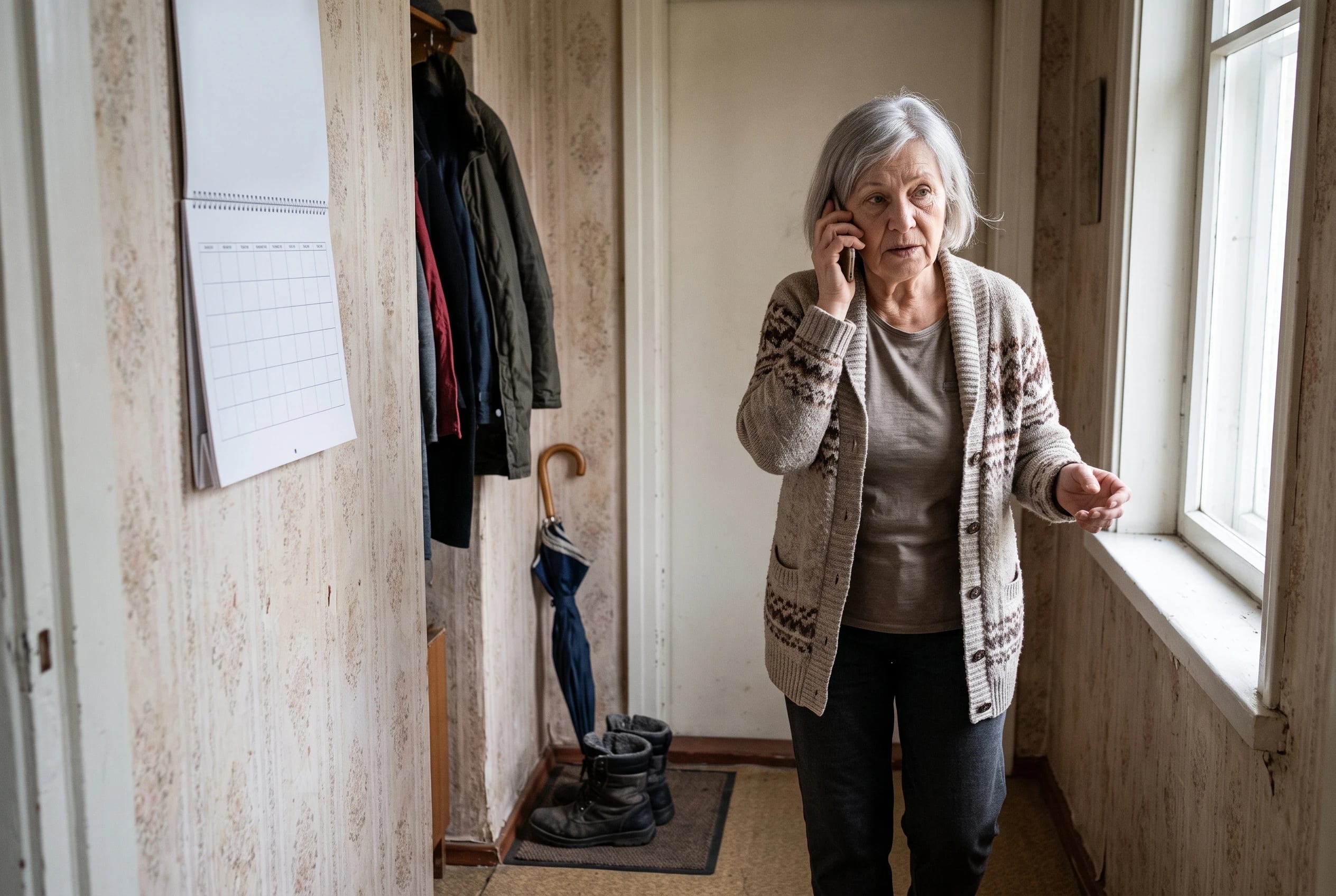
The holiday meal is still far off, but you’re already wondering whether to keep the whole day free. Don’t build a plan around a hoped-for invitation. Ask.
Etiquette guidance from the Emily Post Institute, as reported by *The Washington Post*, supports requesting time with adult children early and directly. It also calls for considering a spouse’s family. You could say: “I’d love to see you over the holiday. Would a breakfast or another day work for your household?”
That gives your child choices without making either set of grandparents the obstacle. If you have a limit, state it as well: “I’m making my plans soon, so please let me know when you know what works.”
Mayo Clinic Health System advises planning ahead and keeping holiday expectations realistic. In practice, that means keeping your own day alive while the answer is pending. The child’s family has a schedule to make. You have one too.
4A wedding seating chart for grandparents
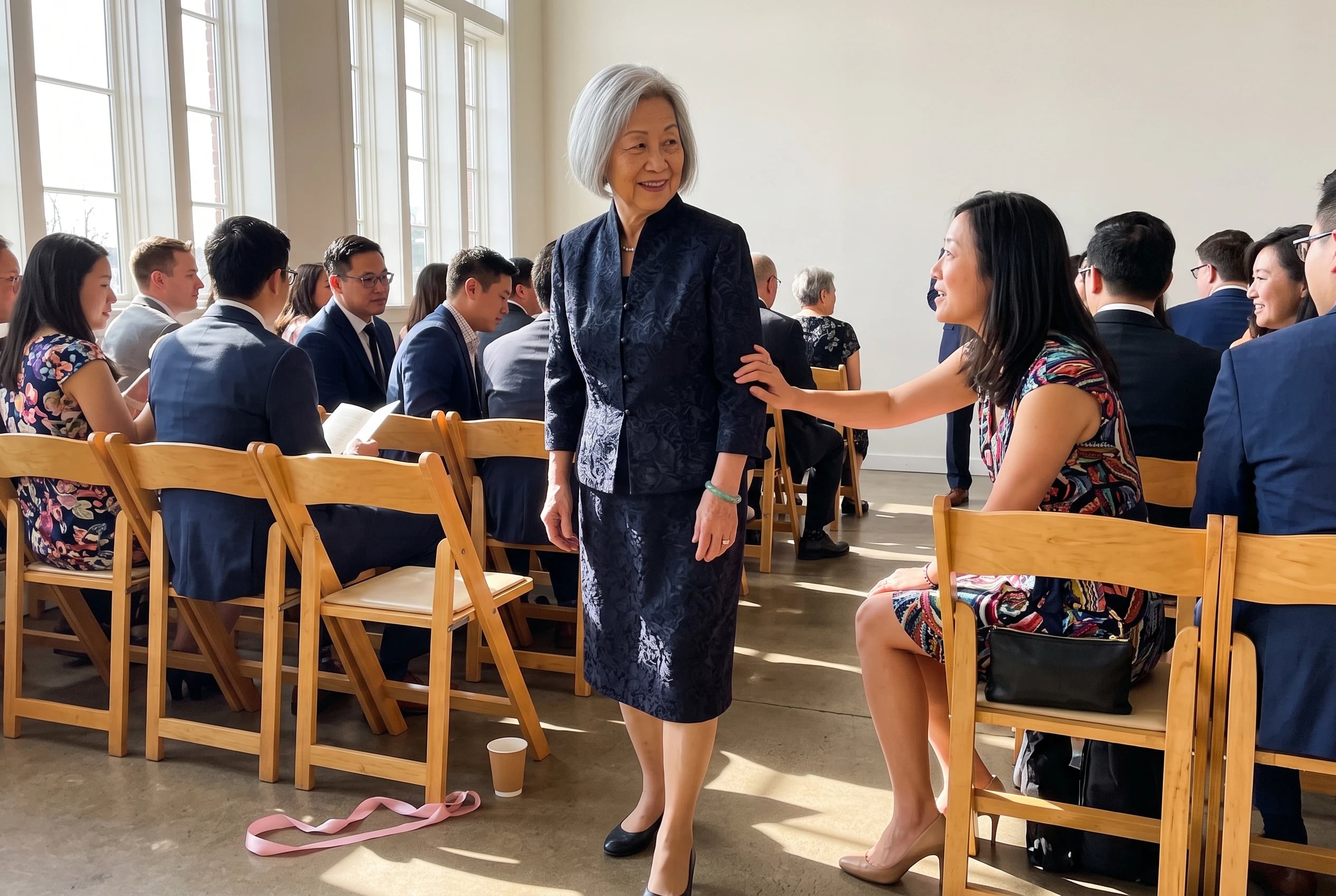
Wedding seating puts private family tensions in public view. A chair near the front starts to look like a measure of love, even when the couple is trying to fit relatives into a ceremony space.
The Emily Post Institute’s wedding seating guidance covers places for grandparents and arrangements involving divorced or step families. Its receiving-line guidance also addresses divorced parents. Those details exist because family arrangements differ. There is no single chair that settles every history.
If you’re asked for your needs, answer the practical question. Say who you need to sit with or whether a particular arrangement creates a conflict. Then leave the seating decision with the couple and whoever is helping them plan.
On the day, look toward the ceremony. A seating chart shows where people will sit, not the size of your place in the bride’s or groom’s life. You can protect the relationship by refusing to turn a chair into a test.
3A graduation ticket split among grandparents
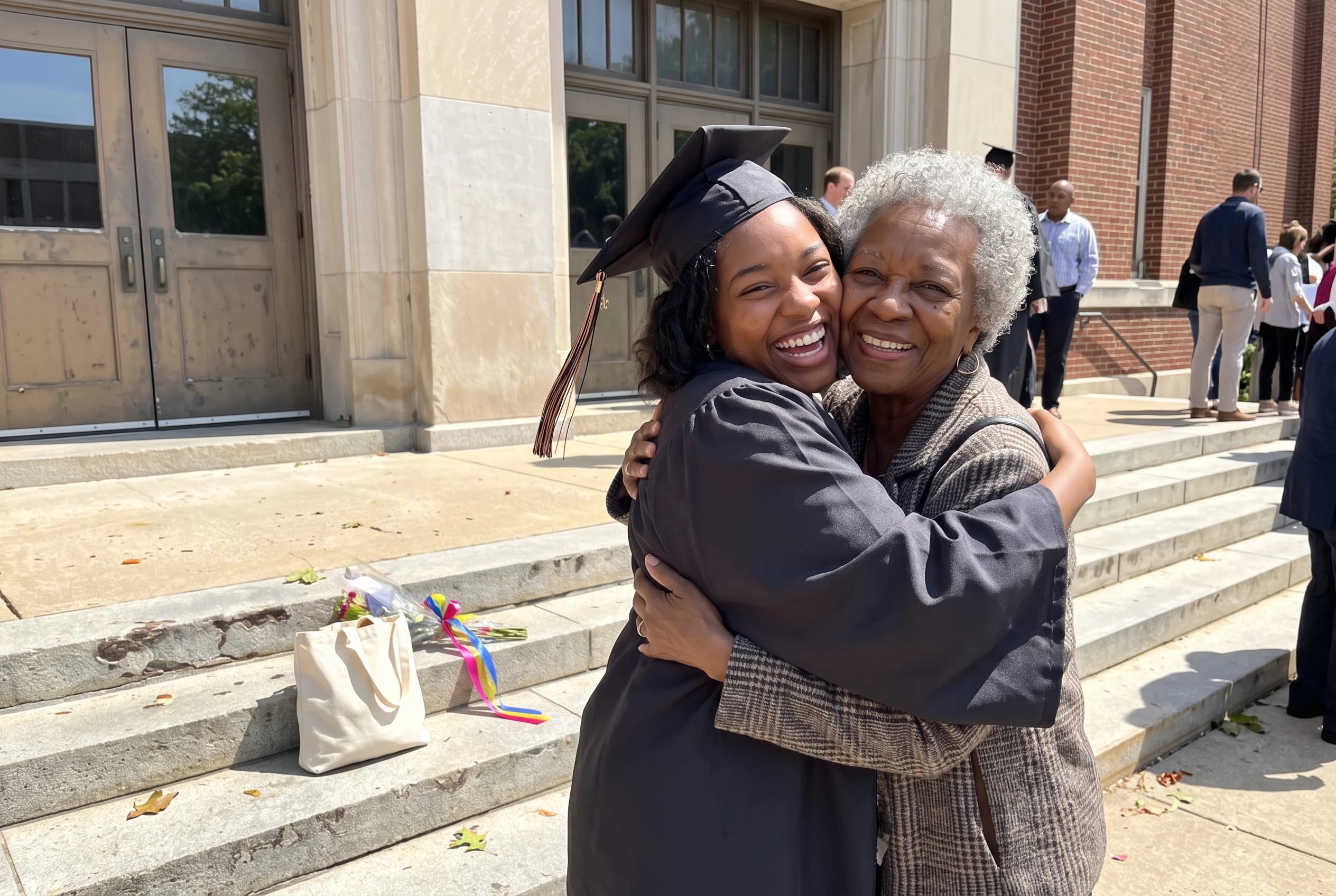
Before deciding who was “chosen,” check how many people the graduate was allowed to invite. A ticket cap turns a family wish list into a hard limit.
The number differs by school and event. The cited commencement pages list 10 tickets at Seattle Pacific University. They list six at the University of Vermont and eight at Cal State Fullerton.
Check the graduate’s current ceremony page before making plans. These examples aren’t a promise about another school or year.
Ask the parent or graduate how the tickets are being allocated, once, without putting the graduate on trial. If you cannot attend, ask whether there’s another time to congratulate them. The celebration of their work needn’t begin and end at the door to the ceremony.
2A reply to “I like Grandma better”
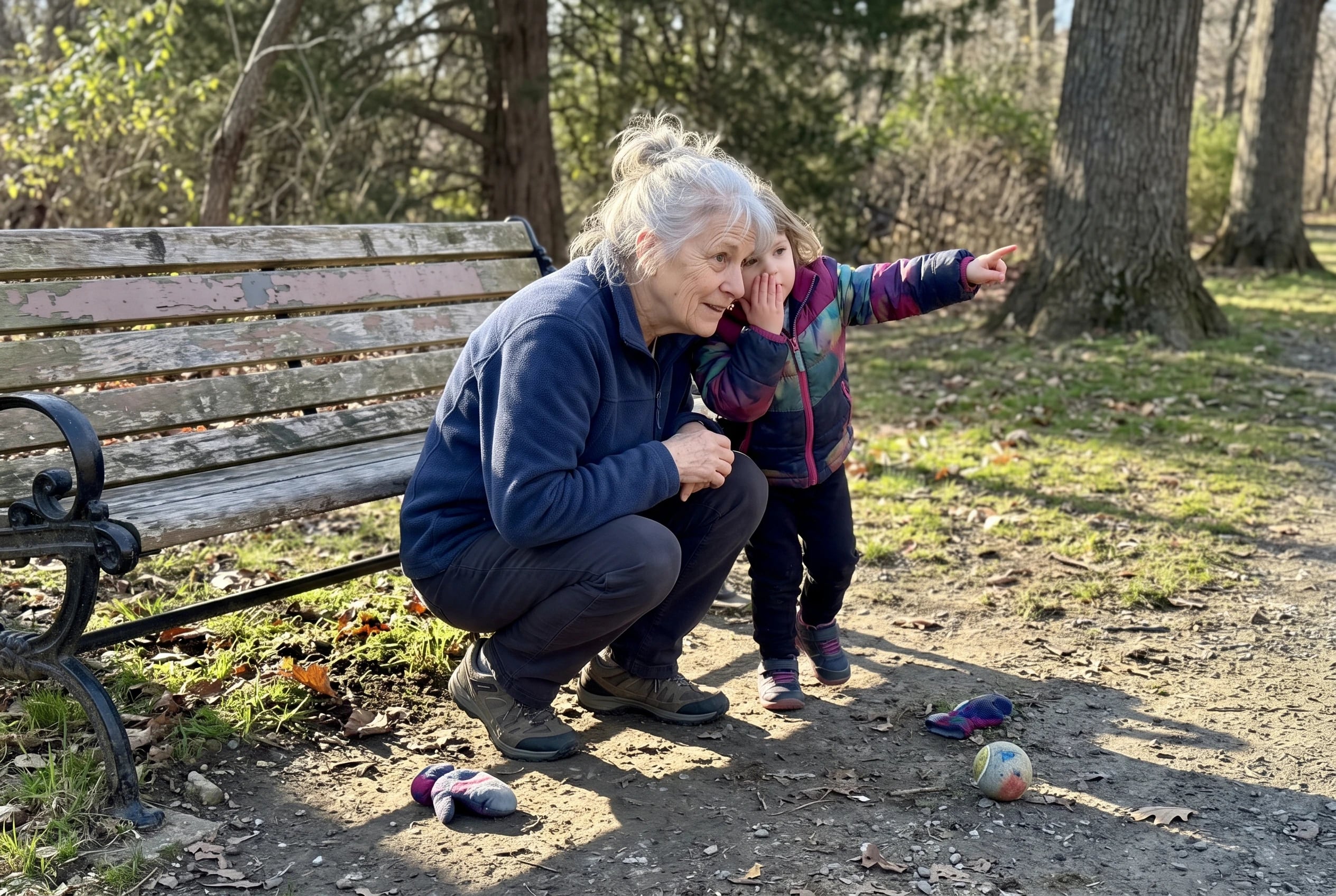
“I like Grandma better.”
That can land hard, especially when you’ve been working so carefully to make time together good. The child doesn’t need your hurt handed back. Pause, look at them, and listen for what they enjoyed.
The CDC’s parenting guidance on communication recommends paying attention and reflecting a child’s feelings. Try: “You had a wonderful time baking with her. What did you make?” You’ve heard the child without asking them to withdraw their words.
Then return to the time you have together. “I’m glad you had fun. After lunch, you and I are going to the park.” The CDC’s guidance on giving directions supports clear, positive plans for young children.
Skip “But I bought you a present” and “Which grandma do you love most?” A child’s excitement about someone else leaves room for a good afternoon with you. Give them that afternoon.
1A distinct bond built on your own terms
The hardest part is admitting you feel jealous without letting jealousy choose your next move. The American Psychological Association’s discussion of envy treats comparison as a human feeling. It points you toward actions grounded in your own values.
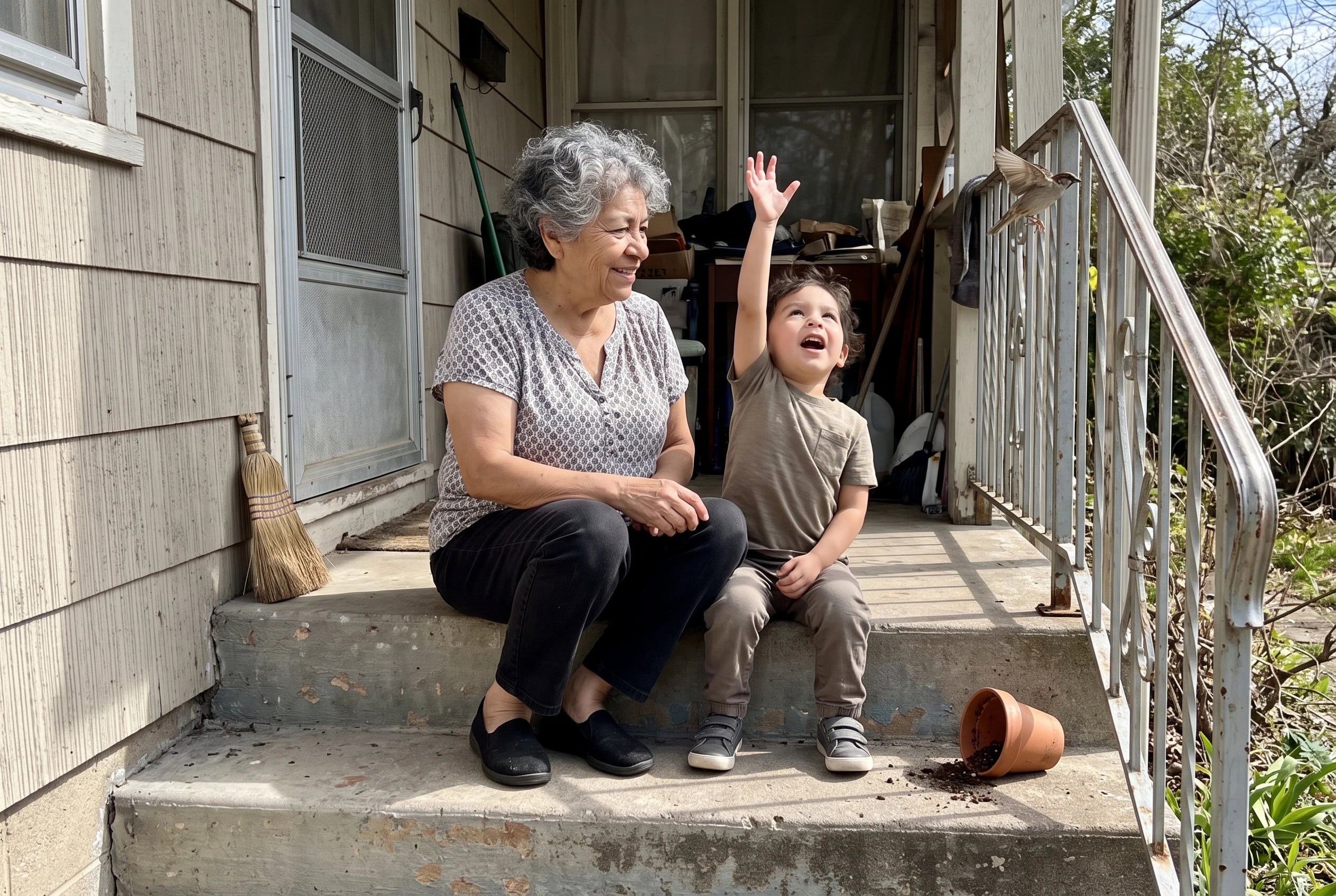
Choose one thing you and the child both enjoy. It could be noticing birds from the front step, singing in the car, or talking about a book. Invite the child into that moment again when you have the chance. Let the ritual grow from what happens between you, rather than copying the other grandparents.
A review of grandparent relationships found stronger links between relationship quality and grandchild outcomes than between the amount of involvement and those outcomes. That doesn’t guarantee a child will choose your lap at the next party. It gives you a sounder place to put your effort.
Pay attention to what the child asks to do again. Remember it. Next time you meet, start there. This is a relationship the two of you make together.
The bottom line
A child’s favorite place to run reflects the life they know, not a fair accounting of everyone who loves them. Distance, family history, the parent’s calendar, and the child’s age all shape that moment.
You’ve looked at the practical barriers, made a request without asking anyone to judge the other grandparents, and chosen a way to spend time that feels like yours. The next visit still has to be lived.
What have you and your grandchild enjoyed together that nobody else thought to plan?
Up next
22 Activities for Grandparents and Grandkids
A recipe card, a shoebox of photos and a free scavenger hunt give you ways to fill the next visit without filling your calendar.
Read the list →
Reader quiz
Did you catch the details?
5 questions from this article.
What does the article suggest comparing before you compare gifts or holiday invitations?
Questions people also ask
Who is usually the favourite grandchild?
There’s no fixed rule. In a national study of U.S. teens, about 80% said their closest grandparent also lived nearest. The parent’s relationship with a grandparent helps shape the child’s closeness too.
What to do about grandparent favoritism?
Name a specific concern and ask for a workable change, such as a visit or clear gift guidelines. Use “I” language rather than asking a child to choose sides. The American Psychological Association’s family argument guidance supports specific, non-blaming talk; if talks fail, decide what limits you will keep.
Which grandparent has the biggest impact on grandchildren?
There’s no ranking that fits every family. A review of grandparent relationships found stronger links between relationship quality and grandchild outcomes than between sheer involvement and those outcomes. That gives you more reason to build a good relationship than to compete for the most hours.
At what age do grandkids lose interest in grandparents?
There’s no set age when interest ends. In longitudinal research on young people’s ties with grandparents, closeness and support tended to dip from fourth to tenth grade as conflict rose. A changing teenage relationship isn’t proof that the bond is over.
How can a grandmother stop feeling jealous of the other grandparents?
Notice when comparison has replaced attention to the time you actually share with the child. The American Psychological Association’s discussion of envy points toward recognizing the feeling and choosing actions that reflect your values. Make a plan you can carry out with your grandchild, rather than one aimed at beating another grandparent.
What are the signs of grandparent favoritism?
Look for patterns in contact, warmth, and help exchanged, rather than judging a single gathering. Those are among the dimensions in the intergenerational solidarity model described in the United Nations paper on family ties. A gap in visits tells you something about access; it does not, by itself, tell you whom a child loves more.
Did any of these feel familiar?
Know someone who needs this?
 Prime Journal · Free printable
The Family Essentials Checklist
- Your wishes written down and shared with the right person.
- Your medicines and emergency contacts ready when needed.
- Your family plans settled before anyone counts on them.

Free printable: The Family Essentials Checklist. Enter your email and it is yours.
Sources cited in this article
This article links to 17 outside sources, listed here so you can read them yourself.
- Review of grandparent investment pmc.ncbi.nlm.nih.gov/articles/PMC5584434
- National U.S. study pmc.ncbi.nlm.nih.gov/articles/PMC3462462
- Intergenerational solidarity model www.un.org/esa/socdev/unyin/documents/egm_unhq_oct07_bengtson.pdf
- Psychology Today’s discussion of scorekeeping www.psychologytoday.com/us/blog/liking-the-child-you-love/201709/3-signs-sco…
- Bowen Center for the Study of the Family www.thebowencenter.org/triangles
- Research on closeness across generations pmc.ncbi.nlm.nih.gov/articles/PMC3041964
- Study of stepgrandparent relationships journals.sagepub.com/doi/10.1177/0192513X19886638
- American Psychological Association’s guidance on family arguments www.apa.org/topics/stress/family-arguments-holidays
- Pew Research Center www.pewresearch.org/social-trends/2015/09/11/on-grandparents-day-will-you-ca…
- Center for Nonviolent Communication’s four-part process www.nonviolentcommunication.com/pdf_files/4part_nvc_process.pdf
- Mayo Clinic Health System’s holiday stress guidance www.mayoclinichealthsystem.org/hometown-health/speaking-of-health/coping-wit…
- Emily Post Institute’s wedding seating guidance emilypost.com/advice/wedding-ceremony-seating-arrangements
- CDC’s parenting guidance on communication www.cdc.gov/parenting-toddlers/communication
- American Psychological Association’s discussion of envy www.apa.org/news/podcasts/speaking-of-psychology/envy.html
- Seattle Pacific University spu.edu/university-leadership/vp-academic-affairs/commencement/undergraduate
- University of Vermont www.uvm.edu/commencement/ticket-information-commencement-events
- Cal State Fullerton www.fullerton.edu/commencement/graduating-students/registration.php
Ruth Ellison
Family Editor
Ruth writes about grown children, grandchildren, ageing parents, and the conversations families put off, in the words of the people involved.
More from Ruth Ellison