












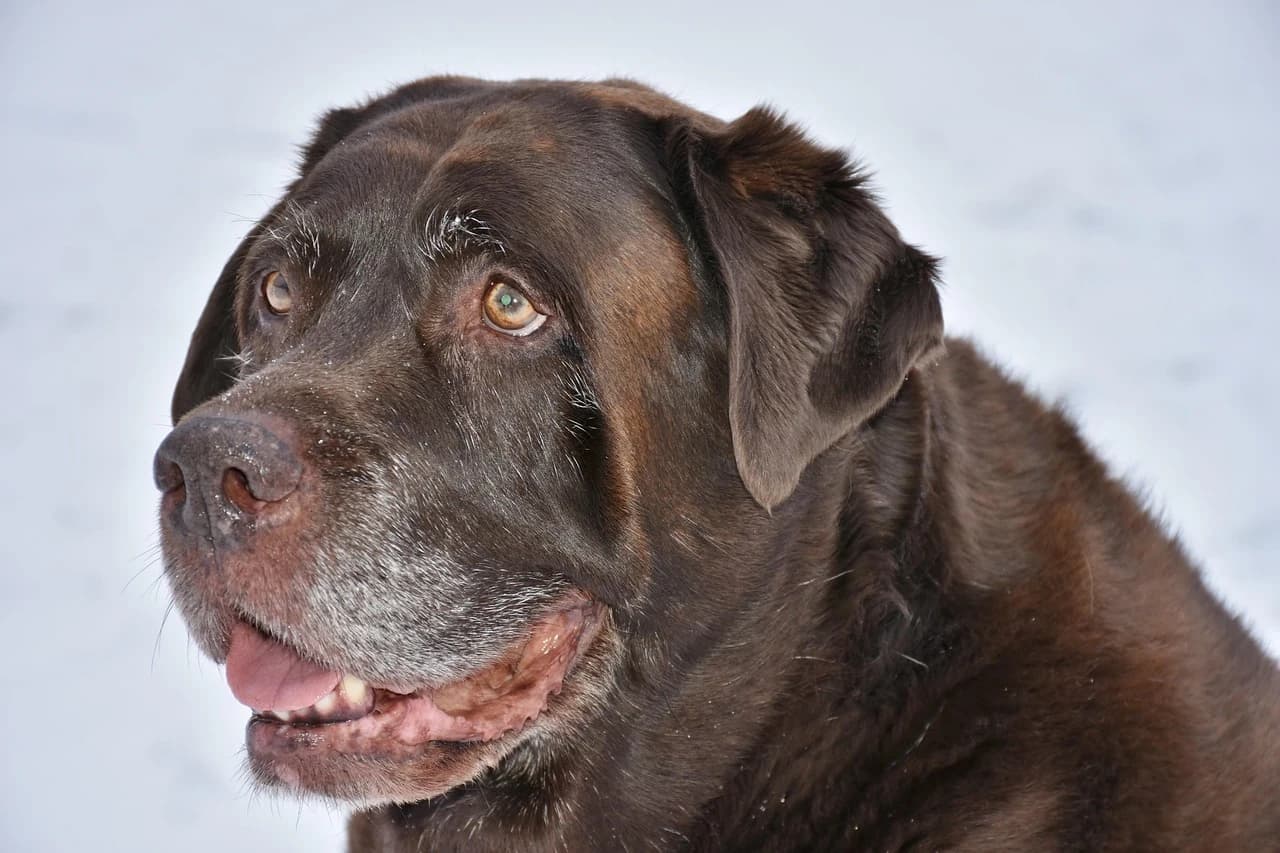
21 Best Dogs for a Senior Woman
The best dog for a senior woman is one she can walk safely; this guide puts leash manners, grooming, vet bills, and a backup caregiver beside the breed names.
By Ruth Ellison, Family Editor
Updated · 17 min read
The short answer: A calm adult dog whose size, walking pace, and grooming needs fit your life is the strongest choice. Cavalier King Charles Spaniels, Shih Tzus, Maltese, and Bichon Frises are small companion-breed possibilities. Meet the individual dog, ask about health and leash habits, and check senior-pet adoption programs before deciding.
- Written by our family editor
- Cited 20 sources
- How we review

The leash tightens at the curb. Your fingers close around the handle, and the dog spots a squirrel before you do. That small jolt matters more than a photograph of a dog asleep on a sofa.
So does the coat you'll have to brush when your hands ache, and the vet visit you'll need to pay for. You deserve the company without pretending those jobs disappear.
Start with the dog you could hold steady on an ordinary Tuesday. Then ask what living together would demand on a difficult one.
21Cavalier King Charles Spaniel for Lap Companionship

If you want a dog beside you while you read, the Cavalier King Charles Spaniel deserves a look. VCA Animal Hospitals describes a gentle dog strongly attached to people, weighing 13 to 18 pounds. Its listed lifespan is 12 to 15 years.
That size looks manageable on a breed page. In person, you'll want to know whether the dog walks beside you or surges toward every passing dog. Take a short walk together before deciding. A willing lap companion still has to get safely from the front door to the sidewalk.
There is a health question worth raising early. VCA lists mitral valve disease as a significant concern for the breed. Ask what the shelter, breeder, or current owner knows about the dog's heart history. Then discuss screening with your veterinarian. Affection is a reason to meet this breed, not a reason to skip that conversation.
20Shih Tzu for Quiet Indoor Living

Picture an afternoon with a dog at your feet and no long hike on the calendar. PetMD's Shih Tzu guide says a 30-minute walk plus indoor play satisfies many Shih Tzus. Vetstreet describes the breed as adaptable to apartments.
That sounds simple until hair grows toward the dog's eyes. PetMD notes that face and eye hair needs regular attention to prevent irritation. Before you adopt, decide whether you'll handle those trims or book someone else to do them.
If holding scissors near a restless face feels like too much, count the grooming appointment as part of the commitment.
Then watch the dog after play. Does it settle near you, or keep asking for more? Breed descriptions tell you what to explore. The dog in front of you tells you what your afternoons would feel like.
19Maltese for Tiny Low-Shedding Comfort

A Maltese is small enough to make lifting seem easy. VCA lists the breed at under 7 pounds, with a lifespan of 12 to 15 years and low shedding.
Try this before falling for the size: imagine getting the dog into a carrier when you're tired and it would rather leave the room. During a visit, ask the handler to show you how that Maltese responds to being picked up. Tiny doesn't mean still.
The coat has its own demands. VCA's grooming guidance calls for daily brushing to prevent tangles in coats that mat. If you'd rather book grooming, ask a local groomer what care the dog's coat needs between visits.
Low shedding changes what lands on your clothes. It doesn't erase the work that keeps the dog comfortable.
18Bichon Frise for Cheerful Adaptable Temperament

Some dogs turn a trip across the room into a social occasion. The Bichon Frise has that bright, people-focused appeal. VCA Canada's breed profile lists a weight of 12 to 18 pounds and a lifespan of 14 to 15 years.
The curly coat sheds little, but grooming needs are high. If brushing hurts your hands, find out what a groomer would take over and what still needs doing at home. Then watch the dog's energy during a visit.
A friendly greeting is lovely; you also need to see whether the dog settles when the greeting ends. Give yourself permission to prefer a calmer individual Bichon.
Ask the person who knows the dog, “What does she do after she's had company?” That answer matters on the days when you want company without a commotion.
17Pomeranian for Indoor Games and Company

A Pomeranian's walk doesn't have to be an expedition. VCA's breed profile says indoor games and short walks with time to sniff meet many of the breed's exercise needs.
That's appealing when distance is the problem but you still want a dog to play with.
Don't let the small frame hide the coat. The United Kennel Club breed standard describes seasonal shedding and regular brushing for a Pomeranian's double coat. Hold a brush during a visit, if the owner or rescue allows it, and see how the dog reacts.
Ask what happens when the game is over. You want a dog who enjoys attention at a pace you can keep. A short walk is only a relief if the rest of the day feels comfortable together.
16French Bulldog for Cool-Weather Apartment Life

A French Bulldog doesn't need a running partner. The French Bull Dog Club of America warns that the breed has low tolerance for heat and strenuous exercise. Gentle activity fits that limit. It doesn't turn the limit into a convenience.
Think about the hottest stretch between your door and the place the dog uses outdoors. If that route is exposed and hard to change, ask a veterinarian how you'd manage warm-weather outings before committing.
Ask about the dog's breathing and weight, too. VCA notes that weight management matters for breathing risks. Then meet the dog and walk together at your normal speed. Notice whether you feel steady when it changes direction.
An apartment-friendly schedule is helpful, but it doesn't outweigh breathing concerns or the force you feel through the leash.
15Pug for Affectionate Short-Walk Bonding
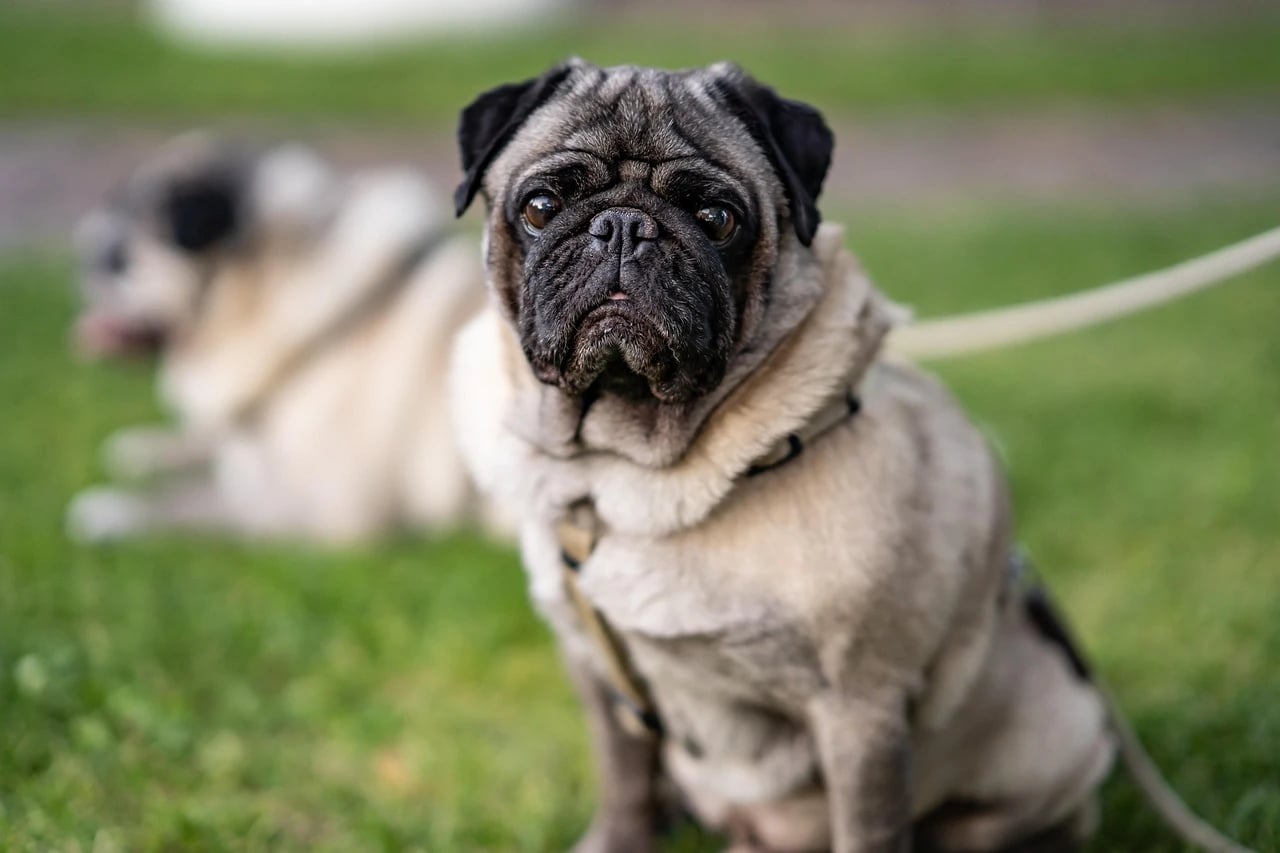
The Pug's low bark level sounds appealing if your walls are thin. VCA lists a typical weight of 14 to 18 pounds and a lifespan of 13 to 15 years. Its breed guide describes a leisurely walk or quick game as daily exercise.
Now picture the same walk in summer. PetMD warns that a Pug's short-faced structure limits heat tolerance. A shorter outing is a health precaution, not a day off from thinking about the weather.
Before you decide, ask the current caregiver what breathing looks like during an ordinary walk. Discuss any concerns with a veterinarian. Then sit with the dog after the first greeting. You want to know what the company feels like when neither of you is moving.
See more: 26 Five-Minute Exercises for Seniors →
14Havanese for Trainable Indoor Company

“Show me what this dog knows” is a fair request at a meeting. The Havanese Club of America describes the breed as playful, intelligent, trainable, and non-quarrelsome. That gives you a reason to look closer, not a promise that training is finished.
Ask the handler to demonstrate a familiar cue. Then try it yourself with their guidance. Does the dog stay interested when a stranger gives the cue? Do you enjoy the exchange, or does it already feel like another demanding task?
PetMD describes Havanese as responsive to reward-based training. That still takes your time and attention. If puppy lessons sound exhausting, ask to meet a dog whose everyday manners are already known.
13Miniature Poodle for a Lower-Shedding Coat

The Miniature Poodle changes where the coat work happens. VCA rates its shedding below average, while its curly coat needs regular grooming. Less hair on the sofa doesn't mean less attention to the dog.
Vetstreet describes Miniature Poodles at around 12 to 15 pounds and notes their intelligence and trainability. Those qualities appeal if you like teaching household routines. Ask the current caregiver what the dog does when left to entertain itself.
Before choosing one for its coat, contact a groomer. Describe the dog you hope to adopt and ask what care you'll need to manage between appointments. If reaching down to brush legs is painful, say so. The right coat for your house must also work for your hands.
12Yorkshire Terrier for Small-Space Company

About 7 pounds. Roughly 7 to 8 inches tall. Those are the Yorkshire Terrier figures in VCA's profile, which lists a lifespan of 11 to 15 years.
Now leave the idea of a purse out of it. Picture the dog walking with you through a busy doorway. If it darts between your feet, light weight won't help you feel steady.
VCA pairs low shedding with high grooming needs for the silky coat. See how the dog handles a brush and a short walk before you picture a carrier.
11Chihuahua for Modest Daily Exercise

A small apartment doesn't rule out a dog. Petco's Chihuahua guide describes the breed as suited to small spaces with regular, modest exercise.
If lifting is your concern, ask to practice with the dog while someone experienced is beside you. The dog's small frame eases handling, but cooperation matters. Notice whether it settles against your hands or squirms when you try to move it.
Then look beyond the easy-to-lift moment. You'll still take the dog out, make room for play, and work out how it behaves when visitors arrive.
Ask the current owner to describe a normal day rather than its best day. The useful question isn't whether a Chihuahua fits inside your home. It's whether that dog's routine fits yours.
See more: 26 Daily Activities for Seniors That Give a Day Its Shape →
10Boston Terrier for Friendly Apartment Manners

The Boston Terrier has a people-oriented, easygoing reputation in VCA's breed profile. PetMD describes moderate exercise needs and apartment suitability. That combination sounds promising if you want a friendly dog without planning long outings.
Look at the route you actually walk, though. Is there shade when it's hot? PetMD warns that Boston Terriers need heat monitoring because of their short-faced structure. Ask the current caregiver what precautions they follow.
During a meeting, walk past a mild distraction and notice the leash in your hand. You'll learn more from that short stretch than from a breed label.
A pleasant dog who changes direction faster than you feel steady doing so needs more leash work before solo walks. Friendly manners include the ones you need outside your front door.
9Breed Comparison Chart for Weight, Energy, and Lifespan

The weights overlap. The energy descriptions don't. That's why choosing by pounds alone leaves out a large part of your day.
| Breed | Weight | Energy | Lifespan | |---|---|---|---| | Cavalier King Charles Spaniel | 13 to 18 pounds | Moderate | 12 to 15 years | | Pug | 14 to 18 pounds | Moderate | 13 to 15 years | | Bichon Frise | 12 to 18 pounds | Moderate to high | 14 to 15 years |
The figures come from breed profiles by VCA Animal Hospitals and VCA Canada. They aren't predictions for a dog you haven't met.
Use the table to narrow a conversation, not end one. If restful afternoons matter most, the Bichon's energy description deserves a closer look. If the Pug appeals, put heat precautions on your list. With a Cavalier, bring up heart history.
Then compare the descriptions with what you feel on a walk together. A chart can't tell you whether a dog's sudden turn shifts your balance, or whether it settles when you sit down.
See more: 24 Things That Change When Your Cat Becomes a Senior: How Old Is Considered a Senior Cat? →
8Low-Shedding Breeds for Allergy-Sensitive Homes

No dog is truly hypoallergenic. VCA's allergy overview makes that point clearly. Lower shedding is worth considering, but a breed name can't promise how you'll feel around a dog.
A Miniature Poodle has below-average shedding, according to VCA. Maltese also shed little. The Bichon Frise sheds little but calls for substantial coat care, as PetMD's breed guide explains.
Put grooming beside shedding on your list rather than treating them as the same thing. If allergies worry you, spend time with the individual dog before agreeing to adopt.
Meet indoors if that's where you'll share most of your time. Notice your own reaction, then ask how the coat is maintained. You deserve an answer about both the air in your home and the work in your hands.
7Small Breeds for Weak Grip or Arthritic Hands
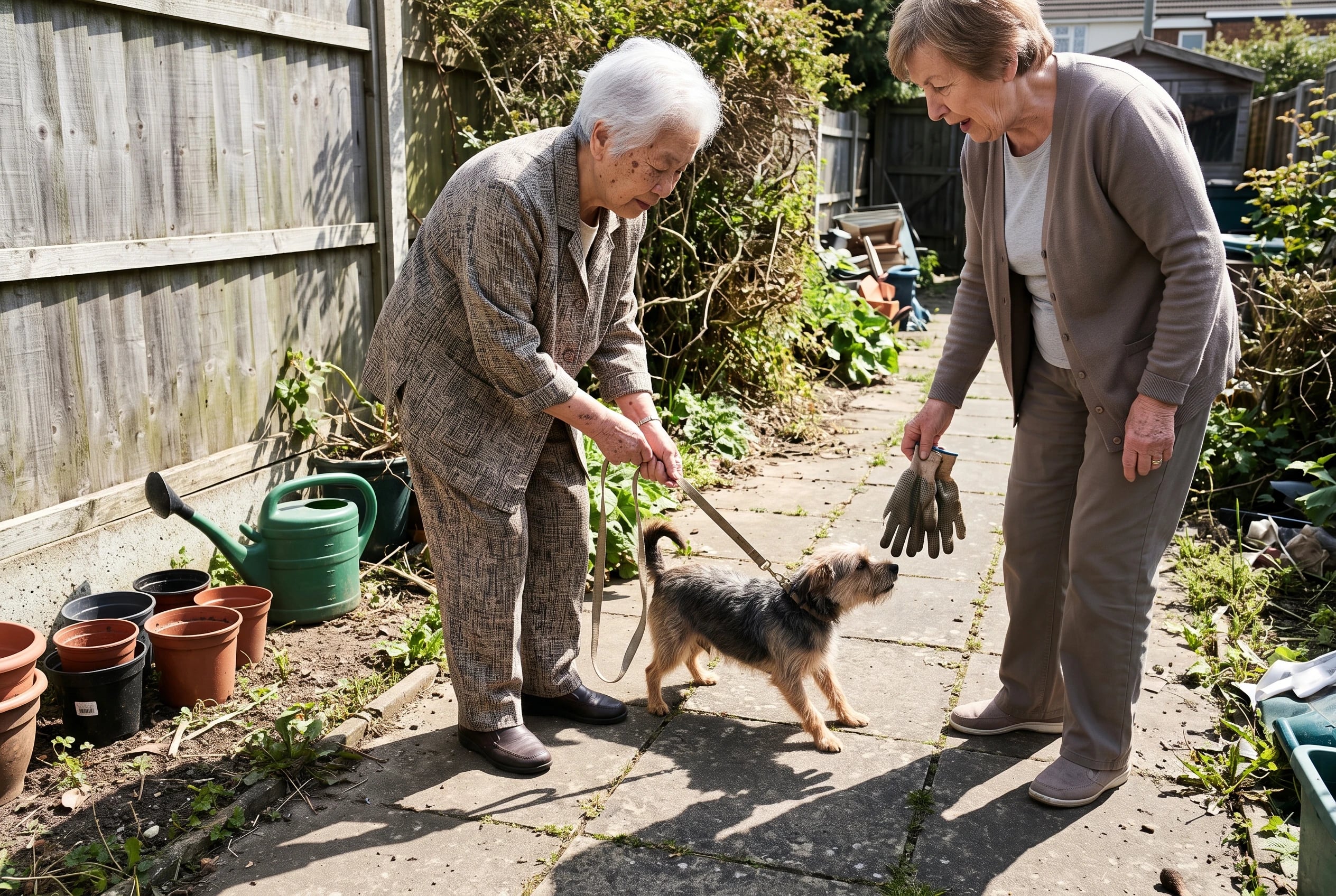
The dog pulls; your hand and your feet both have to respond. Harvard Health reports a rise in fractures linked to walking leashed dogs among older adults. That makes leash behavior an adoption question, not an afterthought.
The Maltese weighs under 7 pounds in VCA's breed profile. The Cavalier King Charles Spaniel is listed at 13 to 18 pounds. Those sizes give you possibilities to explore, not guarantees of a safe walk.
Ask to hold the leash while the dog passes a distraction. If your grip tightens or your balance shifts, take that feeling seriously.
The SPCA of Texas describes front-clip and dual-clip harnesses as control options. You need equipment you can fasten and a dog whose pace you can match. Neither solves the other's problem alone.
6Apartment Breeds and Building Pet Rules

You find a dog who settles beautifully in a small room. Before you make plans for its bed, call the building office.
Vetstreet describes the Shih Tzu as adaptable to apartments. PetMD describes Boston Terriers as apartment companions with moderate exercise needs and heat precautions. Neither breed profile tells you what your lease permits.
Ask the property manager for its current pet rules. Check size or number limits, required paperwork, and where dogs are allowed to go.
In qualifying HUD-assisted housing for older adults or people with disabilities, 24 CFR Part 5, Subpart C addresses common household pets. Property rules still apply.
HUD withdrew separate 2020 assistance-animal guidance in 2025. Don't rely on an old summary as your building's current policy.
Get the answer before you promise a dog a home. It spares both of you a decision made against rules you hadn't seen.
5Dog Ownership Costs on a Fixed Income
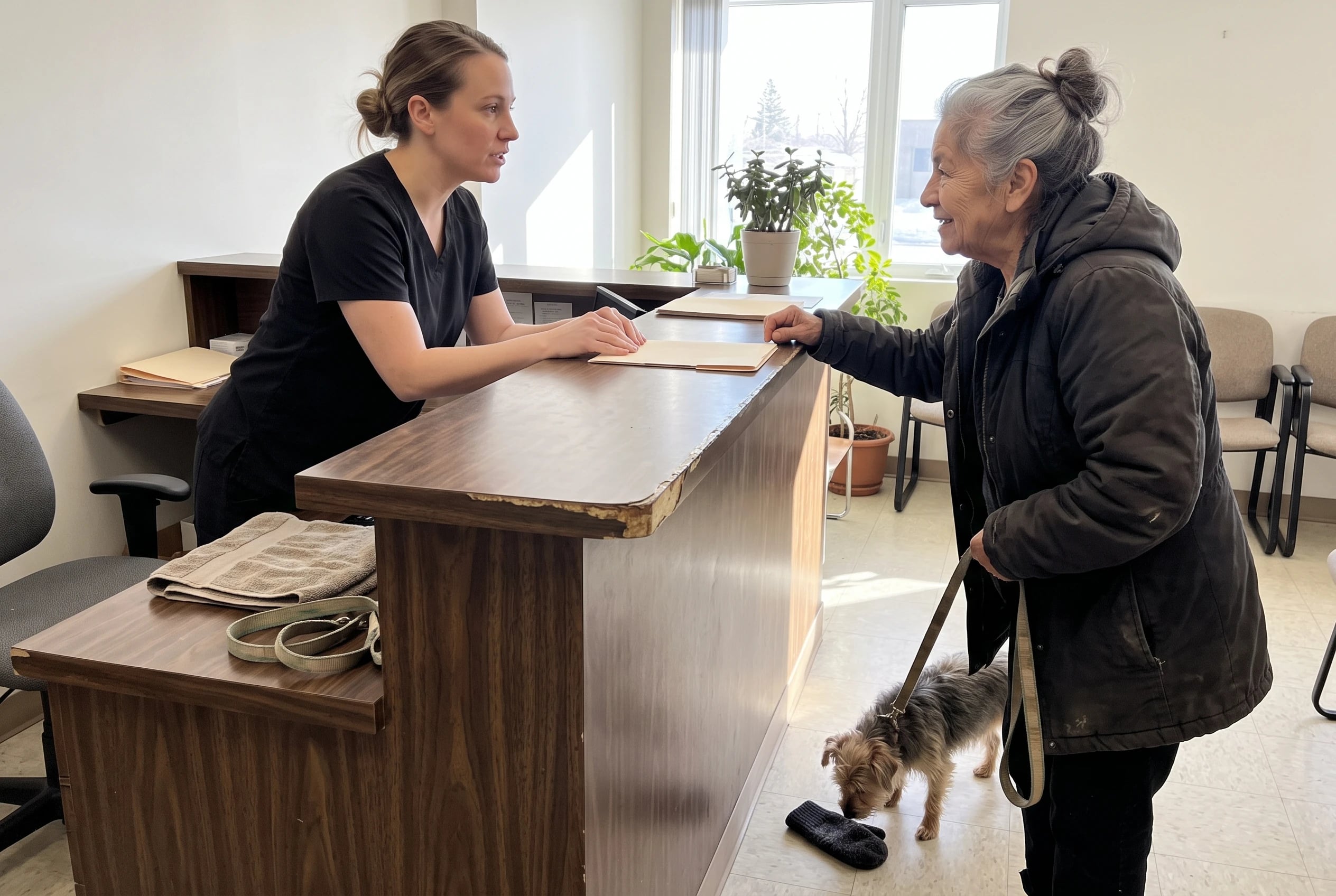
A waived adoption fee feels good. It doesn't pay the next vet bill.
In a 2021 estimate, the ASPCA put first-year dog expenses at roughly $3,000 to $3,500. That dated range is a budgeting prompt, not a quote for your dog today.
Ask a local veterinarian for routine-care prices and a groomer for the coat work your chosen dog needs.
NAPHIA's 2025 report puts the average dog accident-and-illness insurance premium at about $750 a year as of year-end 2024. That isn't a current quote. Get one for the dog you're considering, and read what the policy excludes.
Write the resulting monthly amount beside your other household costs. Include food, grooming, routine care, and an unexpected vet visit. If the total pinches now, pause before adopting. The dog's needs won't wait for a more convenient month.
4Mixed-Breed Shelter Dogs With Known Habits
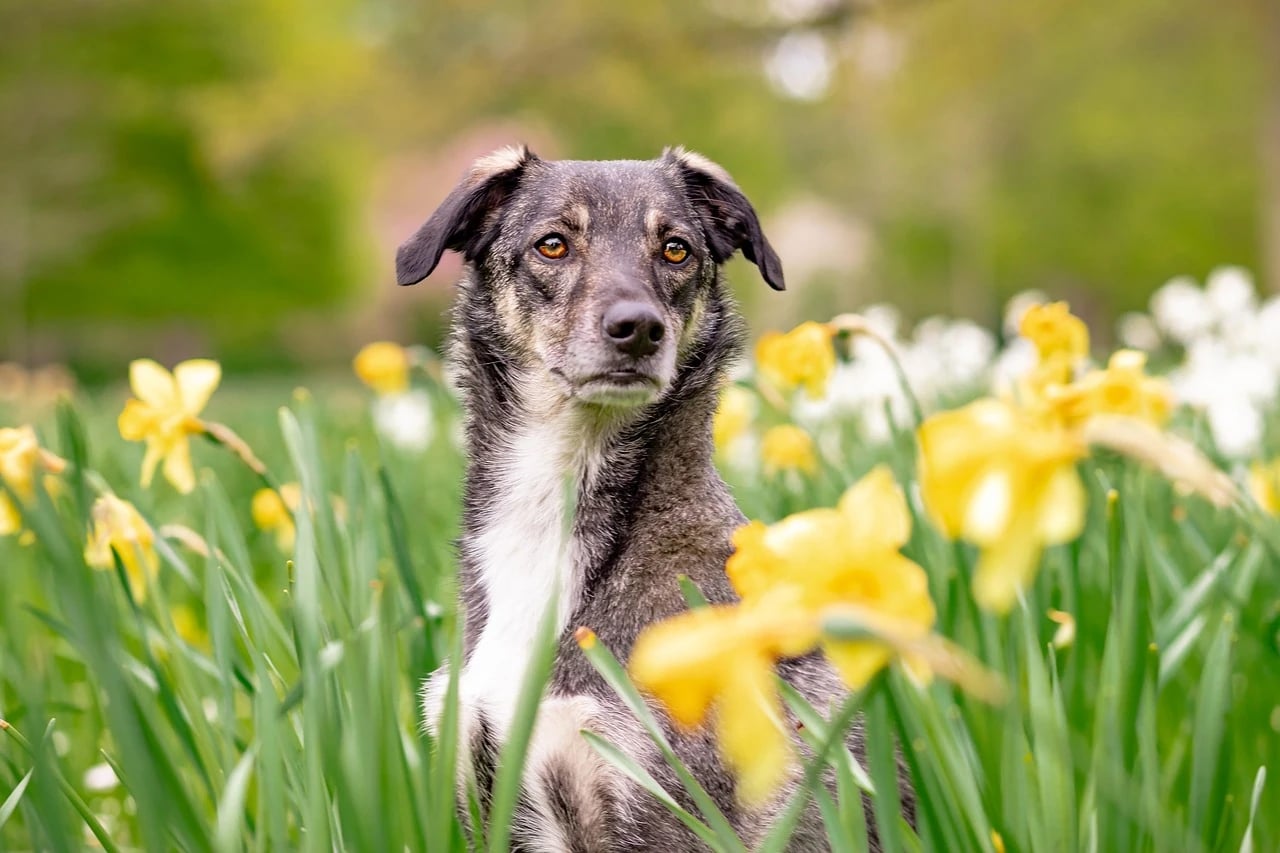
The kennel card says “mixed breed.” That label tells you less about daily life than the dog standing beside it.
A mixed-breed dog isn't automatically healthier than a purebred. A University of California account of a UC Davis review looked at 27,254 dogs and found differences across inherited disorders. Don't treat an unknown ancestry as a clean bill of health.
Instead, use the visit to find out what the shelter knows about this dog. Ask about health history and what its caregivers have seen during handling. If there are foster notes, ask to read them.
Then keep an honest space for what nobody knows yet. A missing answer isn't proof of a problem, but it is a reason to keep asking before you commit. Choose the dog in front of you, not a health promise attached to the word “mix.”
3Pet Trust and Future Care Instructions

What happens to your dog if you have to stay elsewhere for care? You don't need to predict that day. You do need to choose who would step in.
Start with a conversation, not a legal form. Ask a person you trust whether they would take the dog or arrange care. Tell them about the dog's routine and the vet you use. If they agree, put their contact details somewhere the person checking on you would find them.
The ASPCA says all 50 states and Washington, DC, have pet-trust laws. Its pet-trust primer describes instructions covering food, veterinary visits, and ongoing care.
ElderPet provides a sample durable power of attorney for pet care that shows how to name someone to act during incapacity.
Take those examples to an estate-planning lawyer for advice suited to your state and circumstances. Most important, ask your chosen person now. A name in a document can't care for a dog unless that person knows the job is theirs.
2Front-Clip Harness and Walking Gear

Before buying walking gear, practice the walk. A harness doesn't make a dog stop lunging, and a secure clasp doesn't help if your fingers can't close it.
The SPCA of Texas equipment guide describes front-clip harnesses as a way to reduce pulling leverage. An East Bay SPCA escape-prevention guide discusses dual-clip setups for added control.
Ask a shelter worker or trainer to fit the gear on the dog, then try fastening it yourself.
Walk in an ordinary place, with ordinary distractions. Feel what happens when the dog turns. If the leash pulls your arm or shifts your footing, say so before you leave. You need more than a product recommendation; you need a workable match.
Grooming tools deserve the same test. The ASPCA's grooming guidance discusses nail care, including grinders. If clippers strain your hands, ask a groomer to show you the alternatives and what they'd charge to do the job.
1Adult Rescue: Best Dog for Senior Women

A dog whose daily habits are known gives you something a breed description cannot: a clearer picture of life together. An adult or senior rescue dog lets you ask about its walking pace, grooming, and health before deciding whether you fit each other.
Start by telling the shelter what you need. “I want a dog I can hold steady on a walk and care for on a hard day.” Then meet the dog, take that walk, and leave yourself time to think.
A senior-adopter program can ease the first expense. Muttville's Seniors for Seniors program says it waives its $250 adoption fee for adopters 62 and older.
PAWS lists a $50 dog adoption price for adopters 60 and older taking home a senior pet. Pets for the Elderly helps pay adoption fees for adopters 60 and older at participating shelters.
Programs and fees change, so confirm the current terms with the shelter before visiting. The fee break matters. The dog you'll walk tomorrow matters more.
The bottom line
The breed list gives you possibilities. The dog's behavior on a leash, its care routine, and your budget decide whether one belongs in your home.
The well-prepared version of you has checked the building rules, met the dog, priced its care, and spoken with a backup caregiver. She hasn't had to dismiss her worries to make room for affection.
When you've known a dog you loved, which part of living together made an ordinary day better?
Up next
28 Ways to Tell When Your Dog Is a Senior, and What Changes
A size-by-size age chart, plus the changes you can spot on a walk or bring up at the vet, gives you a number to check against.
Read the list →
Reader quiz
Did you catch the details?
5 questions from this article.
What should you do with a Cavalier before deciding whether its size is manageable?
Questions people also ask
Should a 70 year old get a dog?
Yes, if the dog's walking pace, care needs, housing requirements, and cost fit your life. The American Heart Association links dog ownership with more physical activity, while Harvard Health highlights leash-related fall and fracture risk. Meet the dog and take a walk together before deciding.
What is the calmest dog for seniors?
There is no single calmest breed. VCA describes Cavalier King Charles Spaniels as gentle and attached to people. The cited profiles also describe Shih Tzus, Maltese, and Bichon Frises as small companion dogs. Spend time with the individual dog after the excitement of a greeting has passed.
Is 82 too old to get a dog?
Age alone doesn't tell you whether a dog fits. Muttville runs a senior-adopter program, and the ASPCA describes ways to plan for a pet's future care. Choose a dog you can handle, then arrange a willing backup caregiver.
What is the most low maintenance dog?
Decide which kind of work you want to reduce. VCA describes gentle exercise for Pugs, but heat precautions matter; its Miniature Poodle profile describes lower shedding with regular grooming. A dog with known habits gives you a clearer view of the work ahead than a breed promise.
What is the best dog for an elderly woman living alone?
Look for a small, affectionate dog whose leash manners and daily routine feel comfortable when you're on your own. The Havanese Club of America describes a trainable companion breed; a Cavalier or Shih Tzu also deserves a meeting. Check building rules and ask someone you trust to be your backup caregiver.
How do you choose a dog breed for limited mobility?
Start with the walk you can comfortably take, then meet dogs whose pace fits it. Harvard Health explains the fall risk from leashed-dog walking, and the SPCA of Texas discusses front-clip harnesses. Test the dog's leash behavior and make sure you can fasten its gear yourself.
Did any of these feel familiar?
Know someone who needs this?
 Prime Journal · Free printable
The Family Essentials Checklist
- Your wishes written down and shared with the right person.
- Your medicines and emergency contacts ready when needed.
- Your family plans settled before anyone counts on them.

Free printable: The Family Essentials Checklist. Enter your email and it is yours.
Sources cited in this article
This article links to 20 outside sources, listed here so you can read them yourself.
- VCA Animal Hospitals vcahospitals.com/know-your-pet/cavalier-king-charles-spaniel
- PetMD www.petmd.com/dog/breeds/shih-tzu
- VCA's grooming guidance vcahospitals.com/city-cats/know-your-pet/grooming-and-coat-care-for-your-dog
- VCA Canada's breed profile vcacanada.com/know-your-pet/bichon-frise
- VCA's breed profile vcahospitals.com/animal-health-hospital/know-your-pet/dog-breeds/pomeranian
- French Bull Dog Club of America frenchbulldogclub.org/breedinformation
- Vcahospitals.com vcahospitals.com/know-your-pet/pug
- Havanese Club of America havaneseclubofamerica.org/faq-items/what-is-havanese-personality-like
- Vcahospitals.com vcahospitals.com/know-your-pet/dog-breeds/miniature-poodle
- VCA's profile vcahospitals.com/know-your-pet/yorkshire-terrier
- Petco's Chihuahua guide www.petco.com/pet-education/dog/breeds/chihuahua
- PetMD www.petmd.com/dog/breeds/boston-terrier
- VCA's allergy overview vcahospitals.com/brown/know-your-pet/hypoallergenic-dog-breeds-is-there-such…
- Harvard Health www.health.harvard.edu/healthy-aging-and-longevity/walk-your-dog-break-a-bone
- 24 CFR Part 5, Subpart C www.law.cornell.edu/cfr/text/24/part-5/subpart-C
- 2021 estimate www.aspca.org/pet-care/general-pet-care/cutting-pet-care-costs
- University of California account of a UC Davis review www.universityofcalifornia.edu/news/mutts-arent-always-healthier
- ASPCA says www.aspca.org/pet-care/pet-planning/pet-trust-laws
- SPCA of Texas equipment guide spca.org/file/Dog-Walking-Equipment.pdf
- Muttville's Seniors for Seniors program muttville.org/seniors_for_seniors
Ruth Ellison
Family Editor
Ruth writes about grown children, grandchildren, ageing parents, and the conversations families put off, in the words of the people involved.
More from Ruth Ellison