












28 Ways to Tell When Your Dog Is a Senior, and What Changes
A size-by-size age chart, plus the changes you can spot on a walk or bring up at the vet, gives you a number to check against.
By Ruth Ellison, Family Editor
Updated · 19 min read
The short answer: A dog’s senior years begin in the final 25% of their expected lifespan, not on one universal birthday. As a guide, giant dogs over 90 pounds reach that stage around ages 6 to 7; large dogs, 8 to 9; medium dogs, 8 to 10; and small dogs, 8 to 11.
- Written by our family editor
- Cited 21 sources
- How we review
Your dog pauses at the bottom of the stairs. By the time you’ve set down the laundry basket, she’s climbed them and claimed her usual spot. Was that pause new? Suddenly, every white hair on her muzzle looks important.
You don’t need to decide what that pause means from across the room. Age gives you a starting point, and changes from her usual habits give you something useful to tell the vet. One slow climb doesn’t settle the question.
28When is a dog a senior age chart
The first number to check is your dog’s weight. The American Veterinary Medical Association’s senior-pet guide gives different starting ages for different sizes:
These are ranges, not appointments with a birthday cake. Find the row that fits your dog, then think about what has changed in her daily life.
A dog younger than her row’s range still deserves attention if she’s suddenly acting differently. A dog inside the range doesn’t have to look frail. Keep the chart handy for your next vet visit, but let the dog in front of you supply the details.
27What age is a small dog considered senior

A little dog who still races you to the front door doesn’t feel old. That energy doesn’t erase her age, but her small size changes when the senior label fits.
The AVMA puts dogs under 20 pounds in the senior range at about 8 to 11 years.
There’s room within that range for an individual dog. Under the American Animal Hospital Association’s life-stage definition, senior begins in the last quarter of expected life.
If a small dog’s expected lifespan is 14 years, that calculation puts the start at about 10½. Use the range as a prompt for a conversation, not a verdict based on her face. Tell the vet what she still does with ease, too.
26Medium breed age and weight range
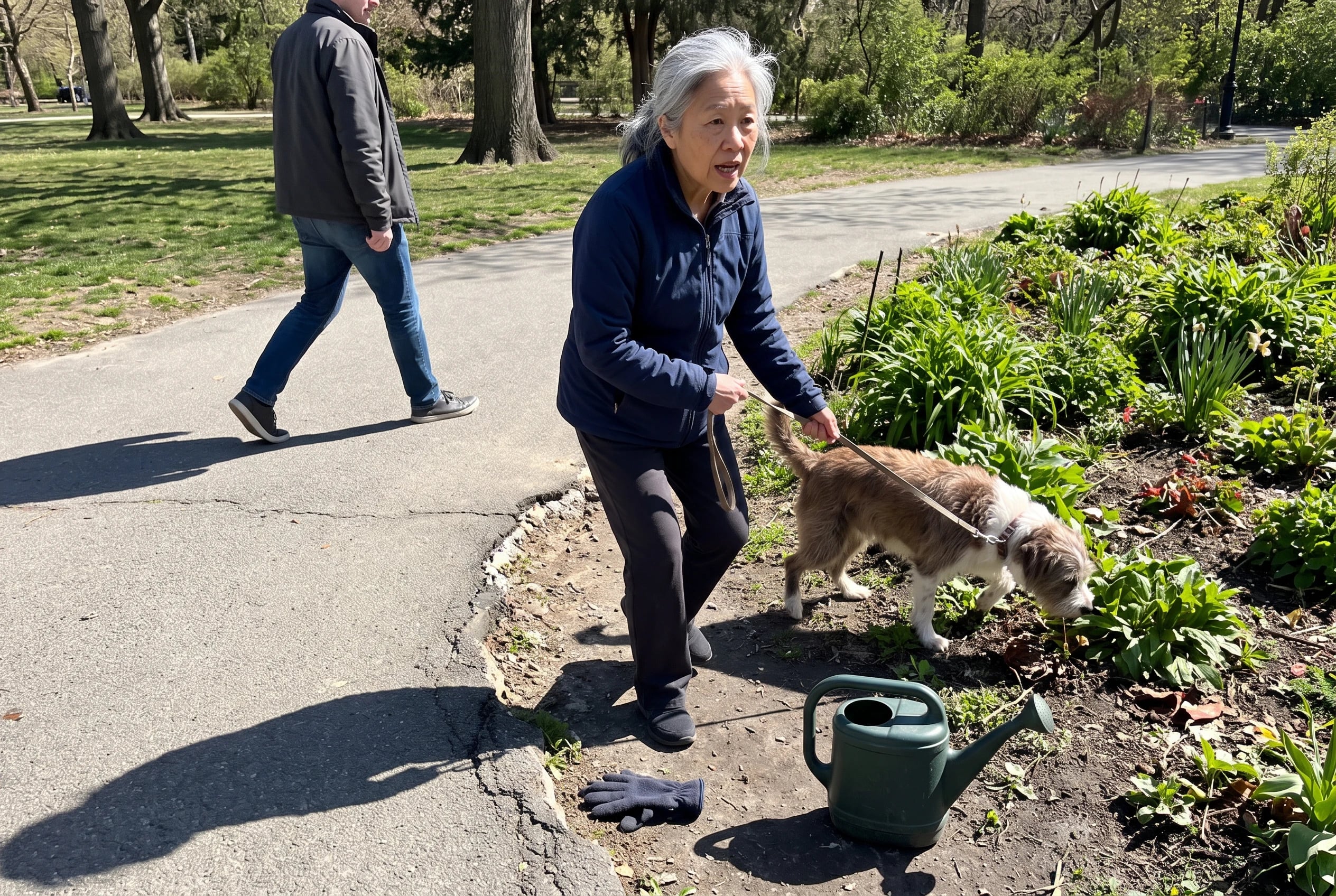
Your dog still pulls toward every interesting smell on the block. Does that mean she’s too young for a senior conversation? Her walks tell you what she enjoys, but they don’t settle her life stage.
For a dog weighing 20 to 50 pounds, the AVMA gives 8 to 10 years as the senior range. Suppose your dog is nine and her walks look much as they did last year. Her age still belongs in the conversation at her next exam.
Tell the vet what has stayed the same as well as what has changed. That gives you a clearer picture than trying to judge her by one sleepy afternoon.
25What age is a large dog considered senior

The dog taking up most of your sofa still wants to play. For a dog weighing 50 to 90 pounds, though, the AVMA gives 8 to 9 years as the senior range.
Large dogs reach this life stage earlier than small dogs, as the American Kennel Club explains. Don’t borrow the timeline of a friend’s tiny dog. Check your own dog’s weight and age first.
Then notice whether getting up, finishing a walk, or settling after activity looks different from a year ago. Those observations give the vet more to work with than the number alone.
24Giant breed senior age range
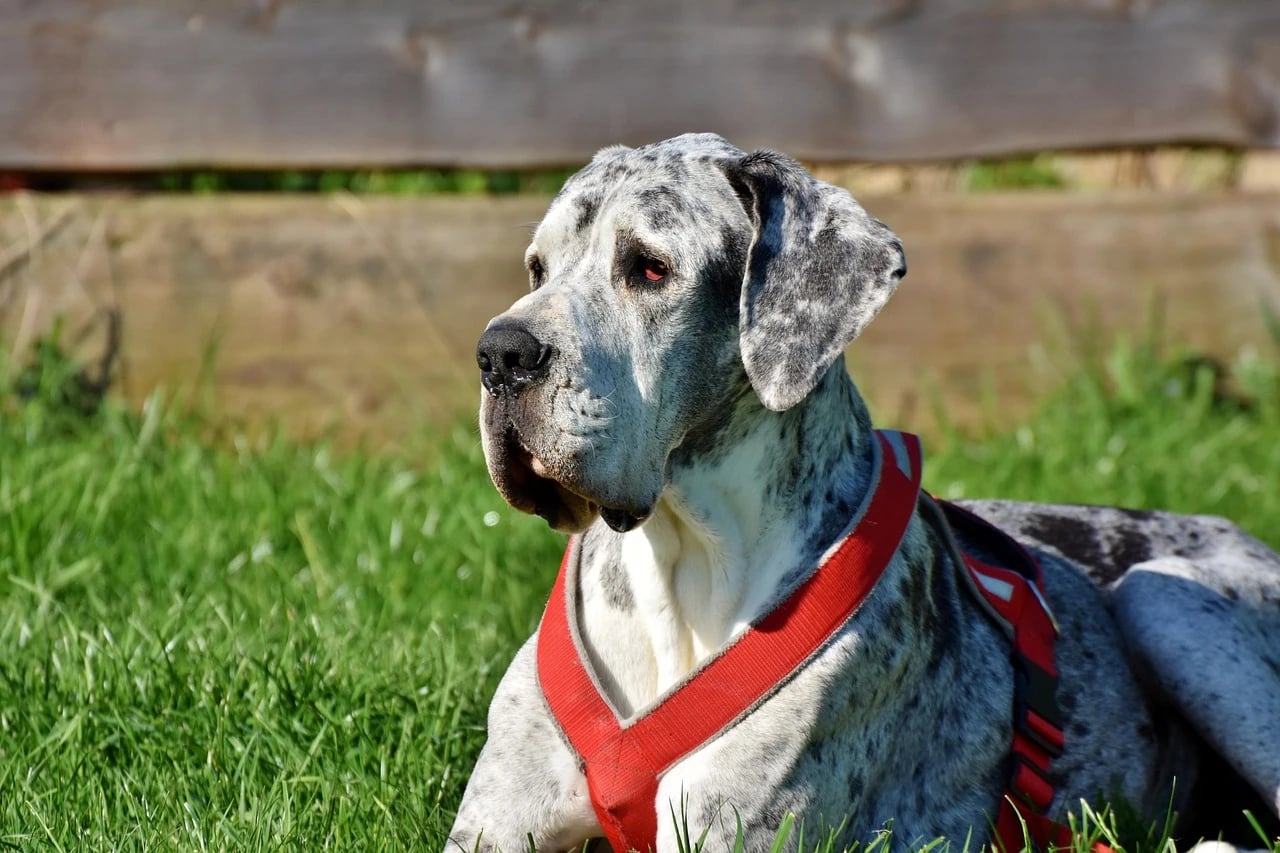
Six sounds young when you remember bringing home a puppy who could fit beside your shoes. The size of the adult dog changes the timeline.
A dog over 90 pounds reaches the AVMA’s senior range at about 6 to 7 years, earlier than any other size group in its chart. If your giant dog has just reached that age, bring up senior care at the next wellness visit.
You don’t need a dramatic symptom to start the discussion. Tell the vet how your dog gets up after resting and how far she wants to walk. Those ordinary details are easier to compare later. They also give you a reason to watch her routine without inspecting every step for trouble.
23Senior ages for familiar dog breeds

Breed examples give the size chart more texture. The ages below come from applying AAHA’s final-quarter rule to published life-expectancy estimates. They are calculations, not promises about an individual dog.
| Breed | Expected lifespan | Approximate senior start | |---|---:|---:| | Labrador Retriever | 11 to 13 years | 8 to 10 years | | Golden Retriever | 10 to 12 years | 7½ to 9 years | | German Shepherd Dog | 7 to 10 years | about 5¼ to 7½ years | | French Bulldog | 10 to 12 years | 7½ to 9 years |
The Shih Tzu lifespan estimate reported in the research is about 12.8 years. Applying AAHA’s rule puts its calculated senior start near 9½. If your dog’s breed isn’t here, ask your vet which lifespan estimate fits her rather than borrowing another breed’s number.
22The seven dog years myth
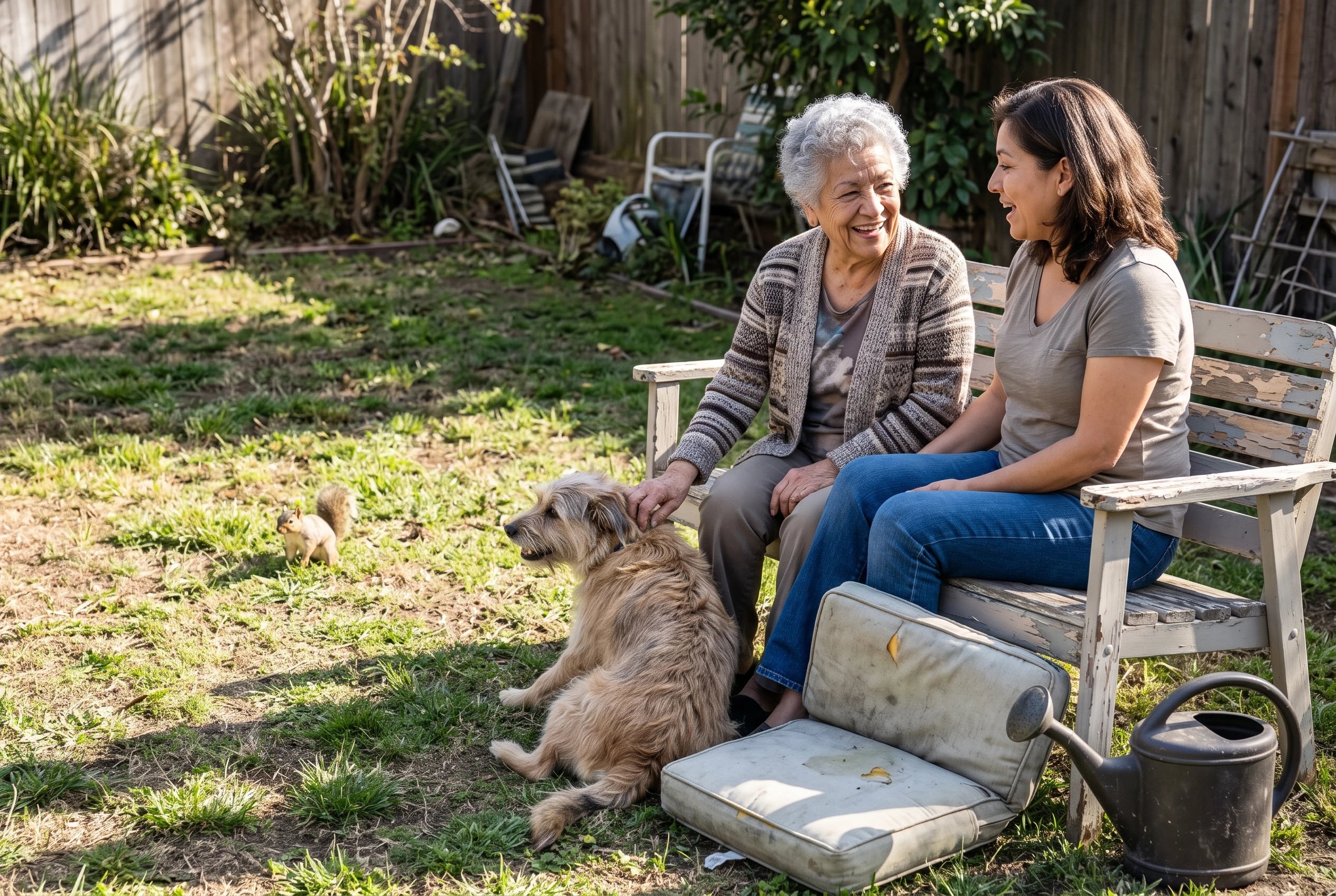
“Seven dog years for every human year” is easy to remember. It’s a poor way to decide whether your dog needs senior care.
The AKC’s guide to dog years says the familiar one-to-seven rule has been debunked.
A 2020 *Cell Systems* study also described dog-to-human aging as a curve, not a straight multiplication.
Its formula is far less handy than the old saying, and it doesn’t replace knowing your dog’s size and health. For the question you actually have, skip the human-age conversion. Start with her weight, age, and recent changes. That gets you closer to a useful vet conversation than any supposed human birthday.
21The AAHA final-quarter lifespan calculation
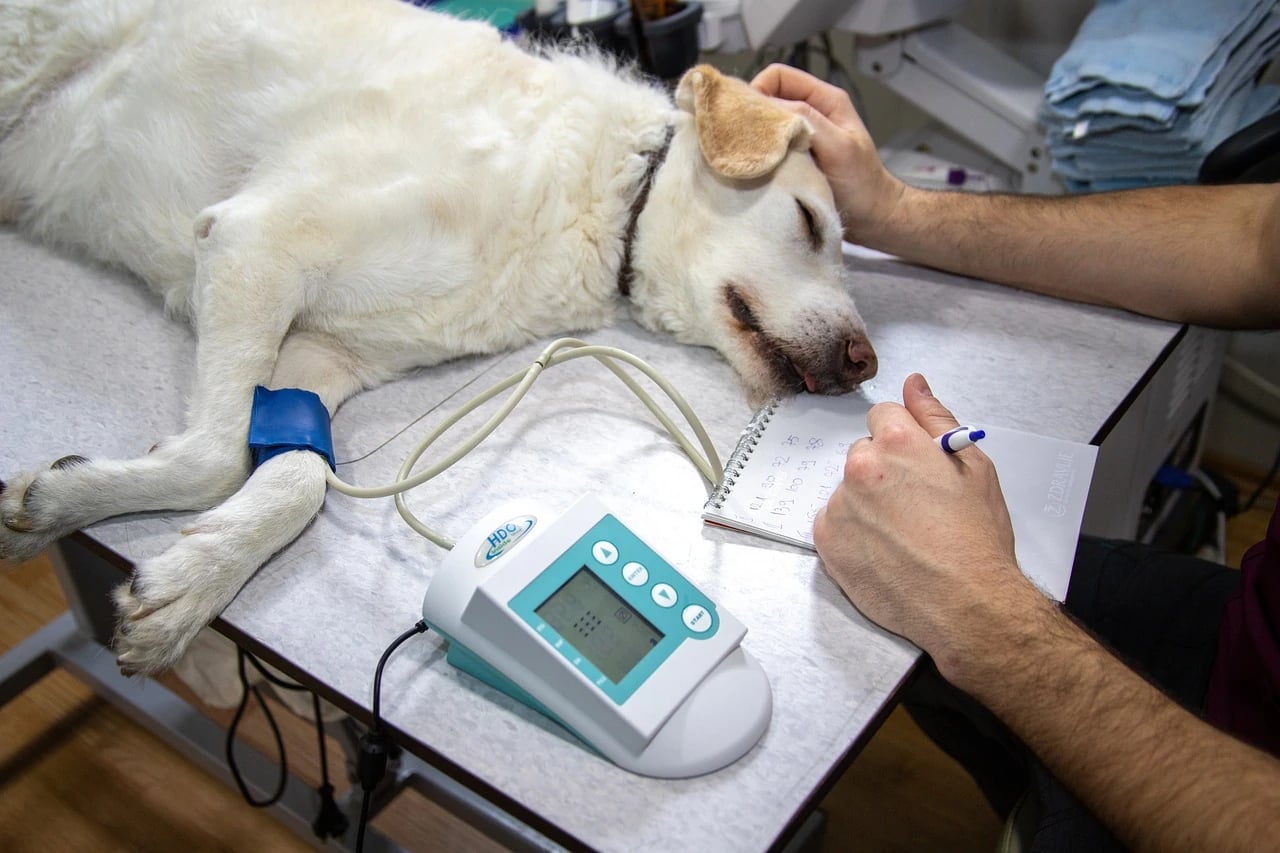
Here’s the arithmetic behind the label. AAHA defines the senior stage as the last 25% of a dog’s expected lifespan. Multiply that lifespan by 0.75 to estimate when the stage begins.
That explains why one birthday doesn’t work for every dog. It also shows the limit of the calculation: you need an expected lifespan before doing it. A number taken from another breed won’t answer the question for yours.
Ask your vet which estimate fits your dog, especially if she’s a mix. The result tells you when to pay closer attention. It doesn’t tell you how long she has left.
20Vet definitions and senior food labels

“Senior” on a food bag and “senior” in an exam room don’t answer quite the same question.
AAHA uses an expected-lifespan definition for the life stage. The AKC says many vets begin screening conversations around age seven, then adjust for size.
Meanwhile, AAHA’s nutrition guidance says there is no AAFCO-defined nutrient profile for “senior” dog food. Foods carrying that label differ by maker.
If you’ve noticed “senior” printed on a bag, don’t treat it as a diagnosis or an instruction to switch. Ask what your dog’s weight, muscle condition, and health say she needs.
19Gray muzzle and changing coat
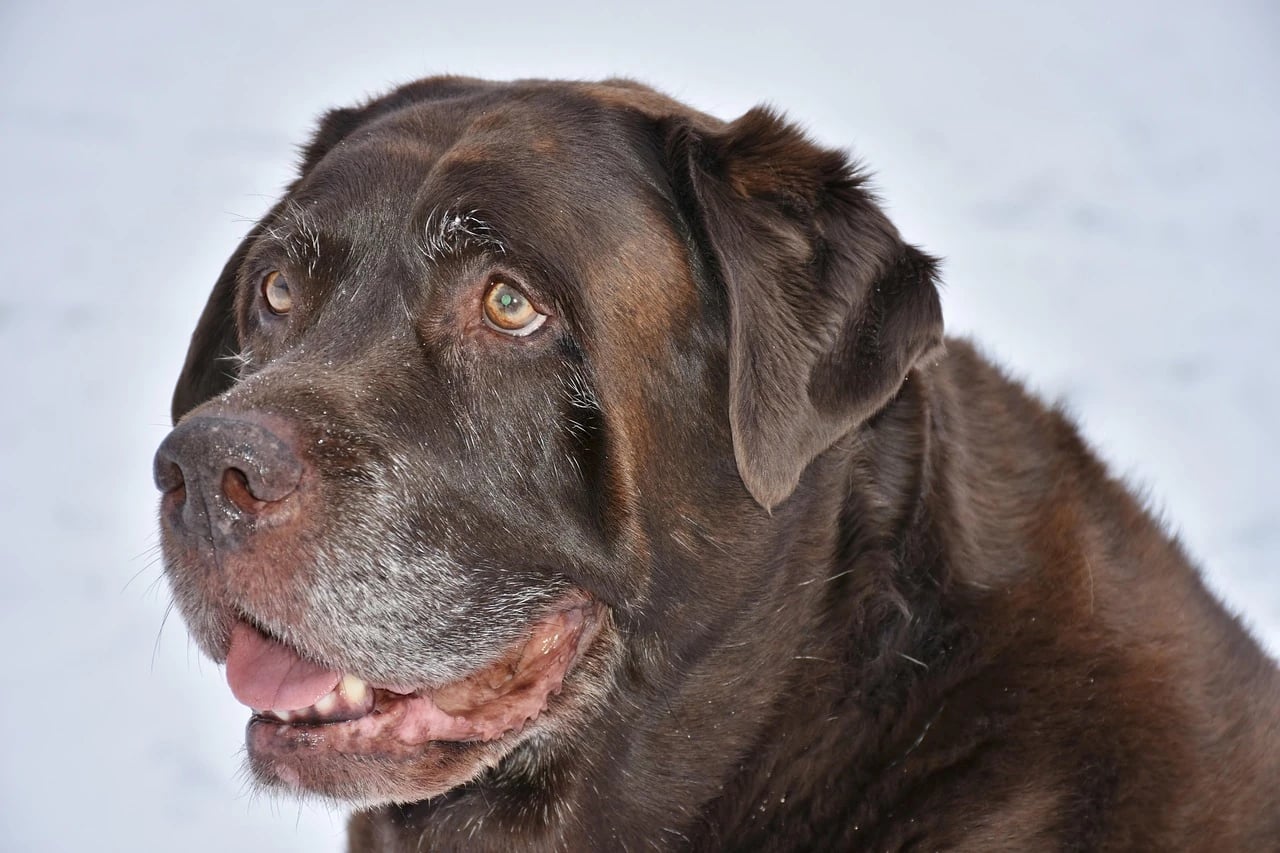
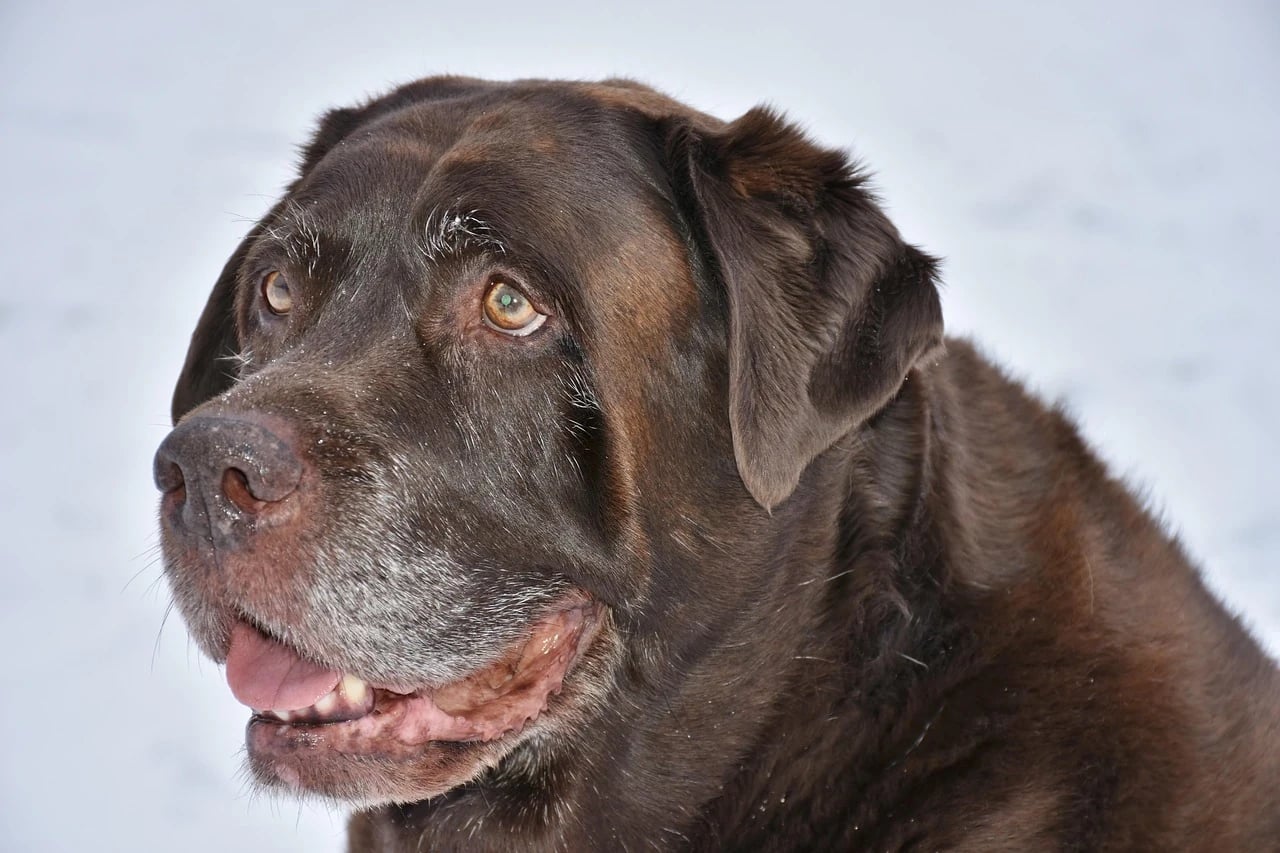
That first white hair beside her nose is hard to miss. A gray muzzle is common in mature adult dogs, and the AKC’s age-estimation guide also notes changes in coat and skin with age.
Gray alone won’t tell you whether your dog has entered the senior stage. It won’t tell you she feels unwell, either. If the change is gradual and everything else looks familiar, add it to your picture of her aging.
If you don’t know her birthdate, it becomes one clue to bring to the vet. Her teeth, eyes, and muscle tone belong in that conversation as well.
18Bluish eye haze and cataracts
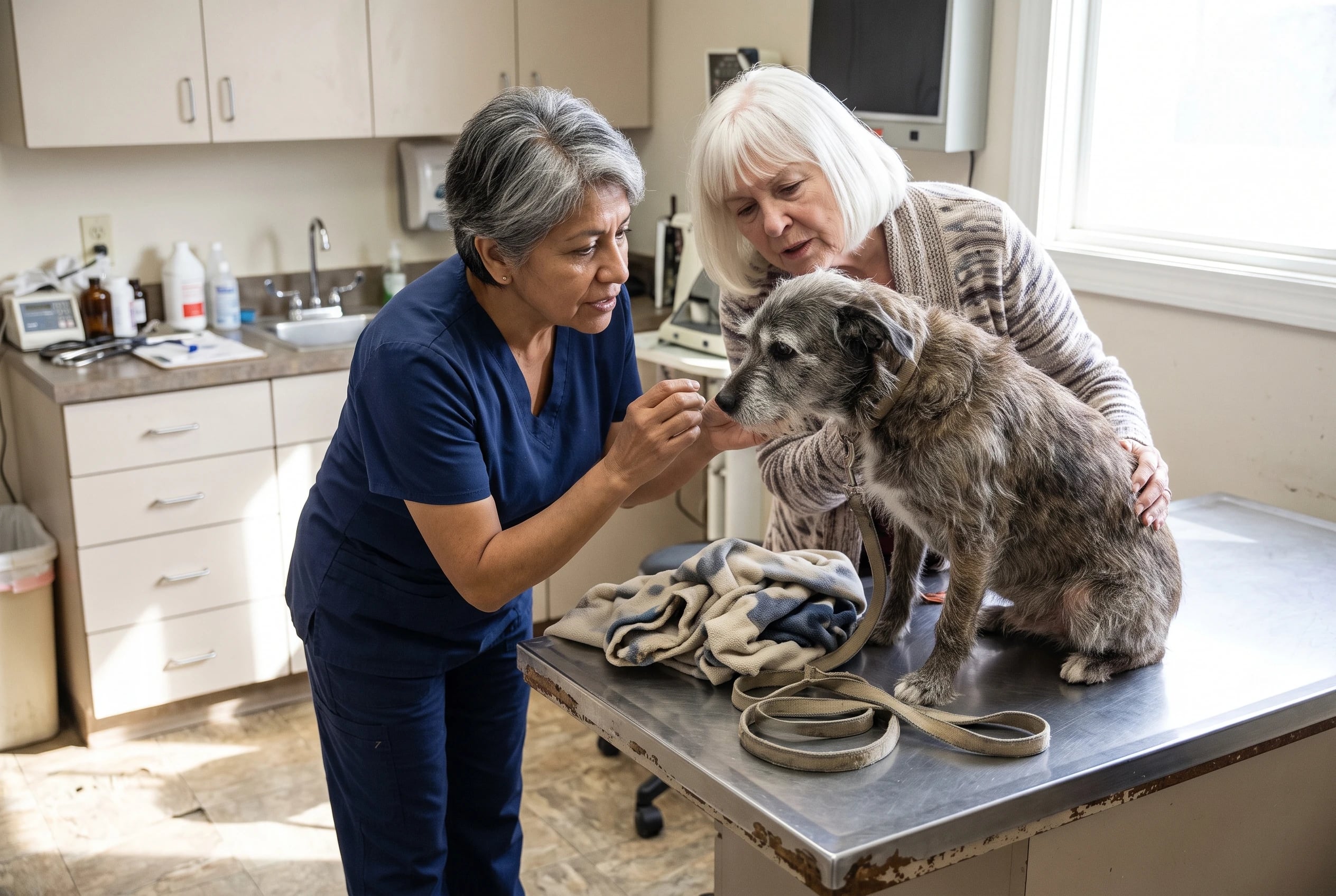
You catch a bluish shine in your dog’s eyes when she turns toward a window. It’s tempting to call it a cataract from across the room. An eye exam matters here.
The American College of Veterinary Ophthalmologists distinguishes nuclear sclerosis, an age-related bluish lens haze, from cataracts. Cataracts are lens opacities that impair vision. Nuclear sclerosis usually has much less effect on sight. A vet eye exam, with dilation when needed, tells them apart.
Tell the vet what you see and whether your dog’s behavior around the house has changed. Don’t make her eye color do all the explaining.
17Hearing loss behind missed commands

You call from the hallway. No response. Then your dog turns when she sees you and comes over as if nothing happened.
Reduced response to sound is a sign of acquired deafness, according to the Merck Veterinary Manual’s guide for dog owners. The AVMA also notes that older dogs respond less well to voice commands as hearing declines. That gives you another possibility besides “she’s ignoring me.”
Notice which sounds still get a response, and mention the pattern at her exam. In the meantime, get her attention where she can see you rather than repeating the same call from another room. Compare what happens with a voice command and what happens when she sees you.
16Shorter walks and longer naps
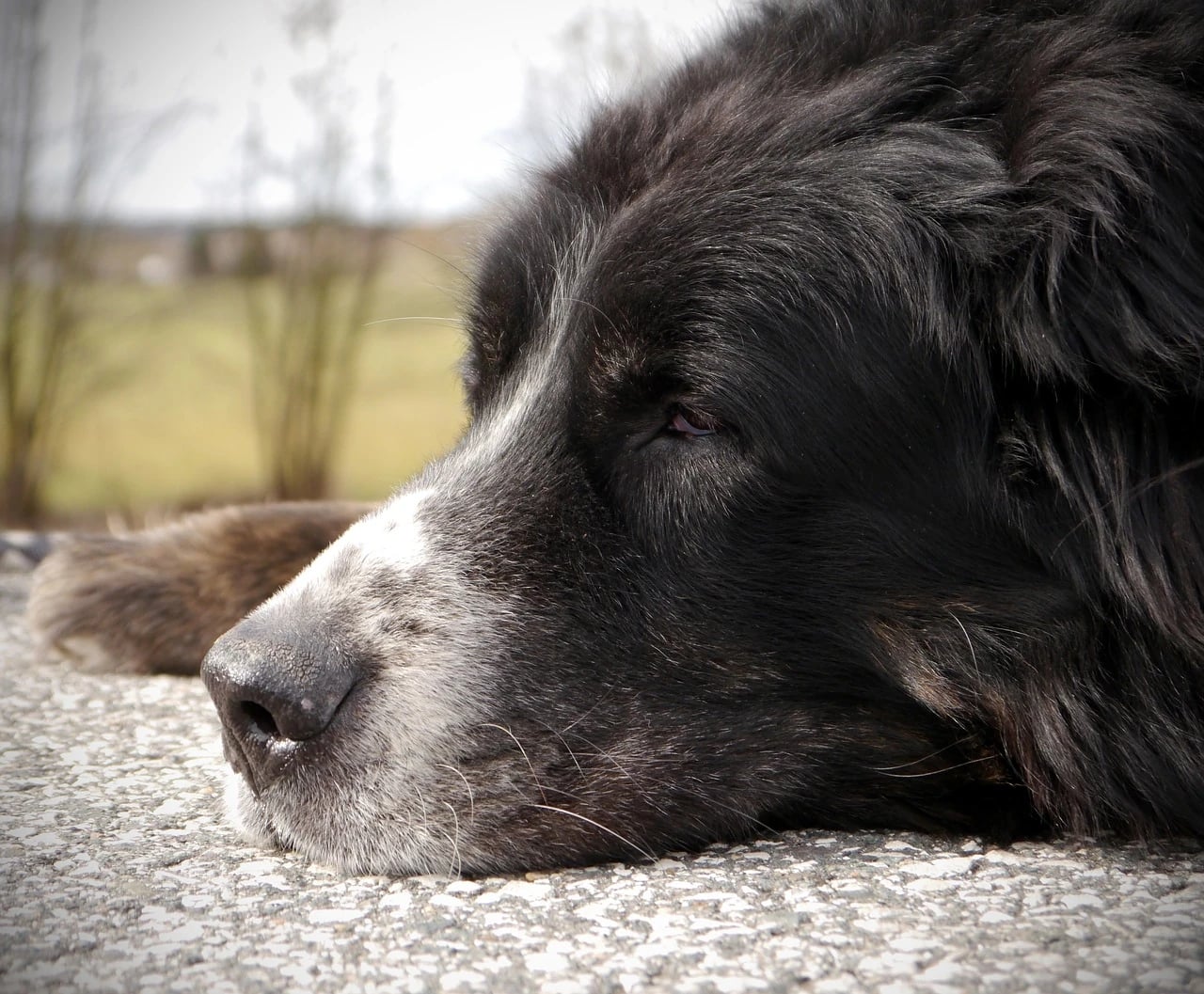
The walk that once ended with your dog asking for more now ends with her heading straight for her bed. A longer nap or a shorter outing is worth noticing, particularly when it becomes her new pattern.
The AKC lists more sleep and reduced energy among senior changes. AAHA’s senior pain-management guidance includes adjusting exercise as part of a mobility plan. That doesn’t mean stopping walks.
Tell the vet how far your dog goes comfortably and what happens afterward. “Slower” is useful information. “She stopped halfway up our usual hill” is better.
See more: 26 Daily Activities for Seniors That Give a Day Its Shape →
15Weight gain and sudden weight loss

The scale at the vet gives you a fact your eyes can miss. A fuller waist and a thinner back end are different changes, and both deserve a closer look.
The AVMA warns that excess weight raises health risks in older dogs. Sudden weight loss calls for prompt veterinary evaluation. AAHA’s nutrition guidance for senior pets also notes that energy needs change with age while preserving muscle remains important.
If your dog’s weight has shifted, bring her recent weights and describe any change in appetite. Don’t cut food or buy a new bag based only on a birthday. First find out which change you’re trying to address.
14Stiff joints on the stairs

At the bottom of the stairs, your dog stops and looks up. She eventually climbs, but the pause has become familiar. It’s worth telling the vet about, even if she still runs for the doorbell.
Osteoarthritis is a common chronic condition in senior dogs, and AAHA’s pain-management guidance pairs treatment with changes at home. The American College of Veterinary Surgeons’ arthritis overview likewise describes a combination of approaches.
Describe the movement, not your guess at the diagnosis: “She pauses before the stairs after a nap.” That gives the vet something specific to examine. It gives you a way to notice whether a care plan helps.
13Disorientation and new house accidents

A dog who stands in a familiar room looking lost, wakes at unusual hours, or starts having house accidents needs more than the word “old.”
The AKC’s dog dementia guide describes canine cognitive dysfunction and the DISHAA signs vets use for screening. Those signs include disorientation, changes in interactions and sleep, house-soiling, changes in activity, and anxiety. You don’t have to memorize the initials.
Write down what happened, where it happened, and whether it has happened again. Those signs don’t prove dementia.
A veterinary review indexed by PubMed stresses checking for other medical causes, including pain and metabolic disease. Bring the notes to your vet rather than trying to settle the question yourself.
12Teeth and senior dental exams

Your dog still eats dinner, so her mouth seems fine. Yet eating alone won’t answer what a dental exam will show.
The AVMA flags greater dental disease risk in senior dogs.
Senior visits include a look at the teeth and gums, and dental X-rays are part of some workups.
AAHA’s senior diagnostic-test table includes dental considerations in planning care.
At the visit, ask what the exam showed and whether your dog needs a fuller dental assessment. That’s a more useful question than deciding her teeth look all right during a quick glimpse at home.
11Health conditions on the vet’s radar
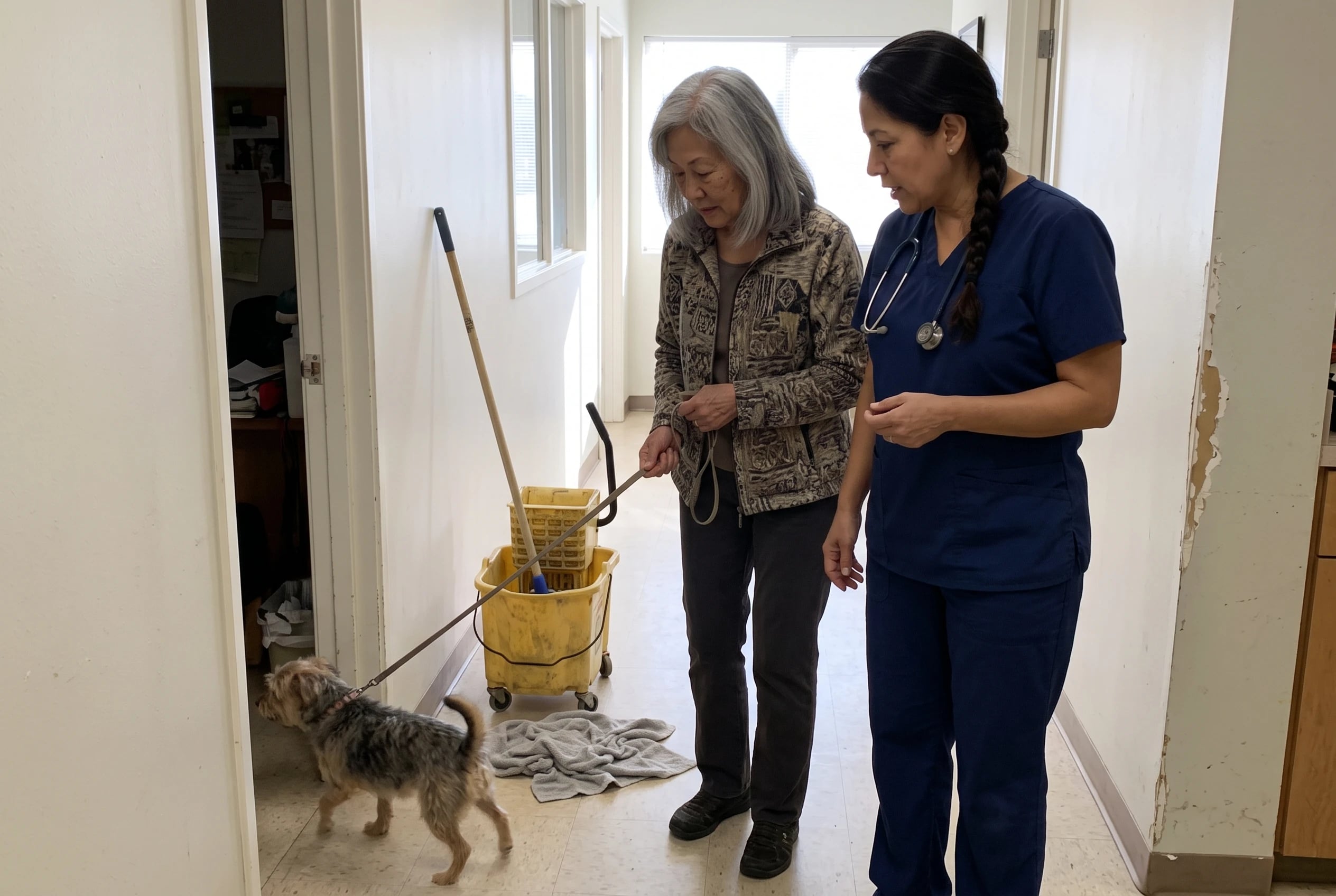
A senior checkup covers more than gray hairs and stiff legs. The AVMA’s senior-pet guide lists heart disease, kidney and urinary disease, liver disease, and diabetes among health concerns in older dogs. Its list also includes joint and bone disease, obesity, and cataracts.
That list is not a forecast for your dog. It explains why a vet asks about drinking, eating, movement, and behavior when you came in to discuss a slower walk.
Before the visit, think through what has changed since her last exam. Tell the vet about a new habit, even if it seems unrelated to the reason you booked. The detail you nearly leave out is still worth saying.
10When is your dog considered senior for vet visits
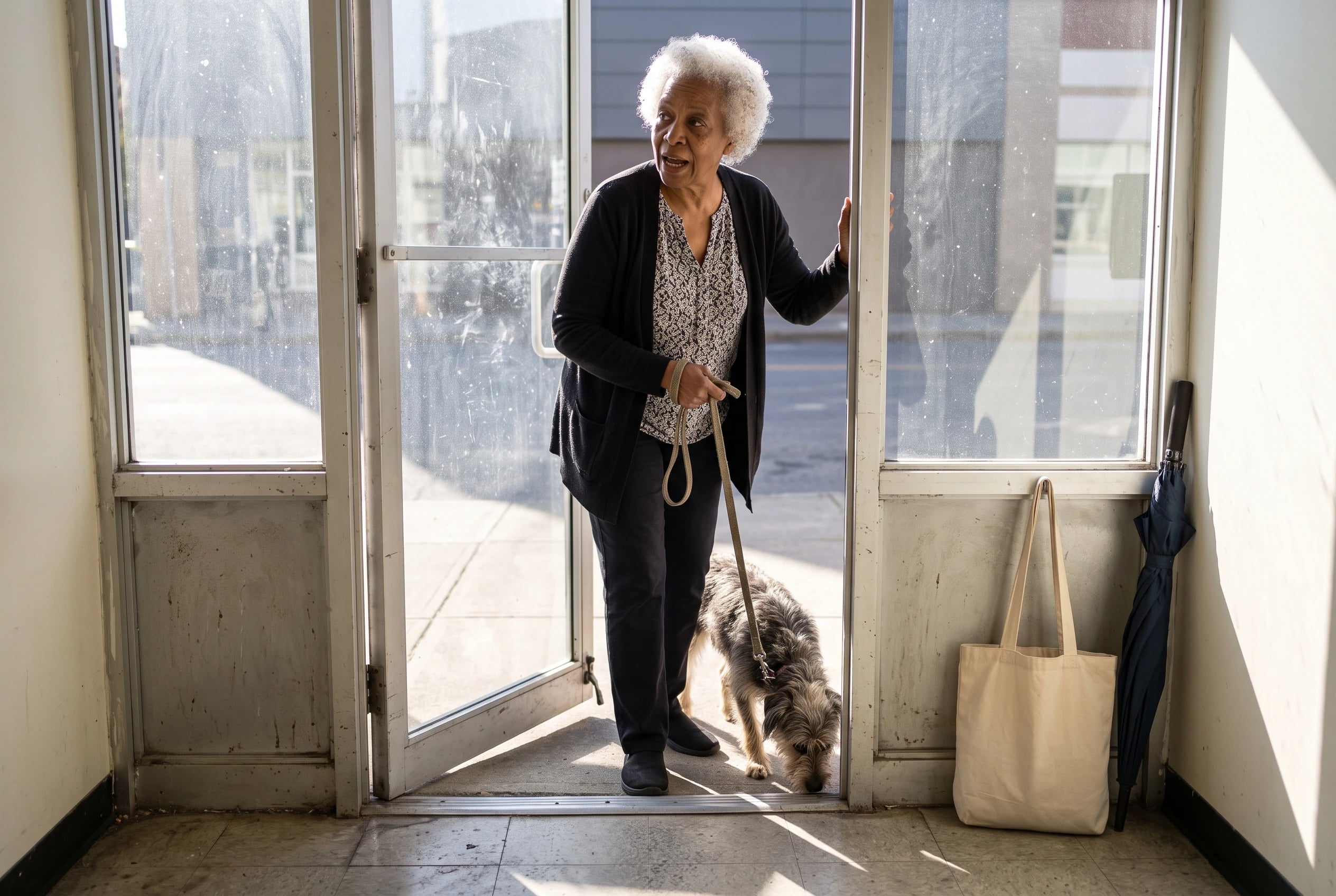
When is your dog considered a senior for the vet’s calendar? The answer follows her life stage and size, not one date shared by every dog.
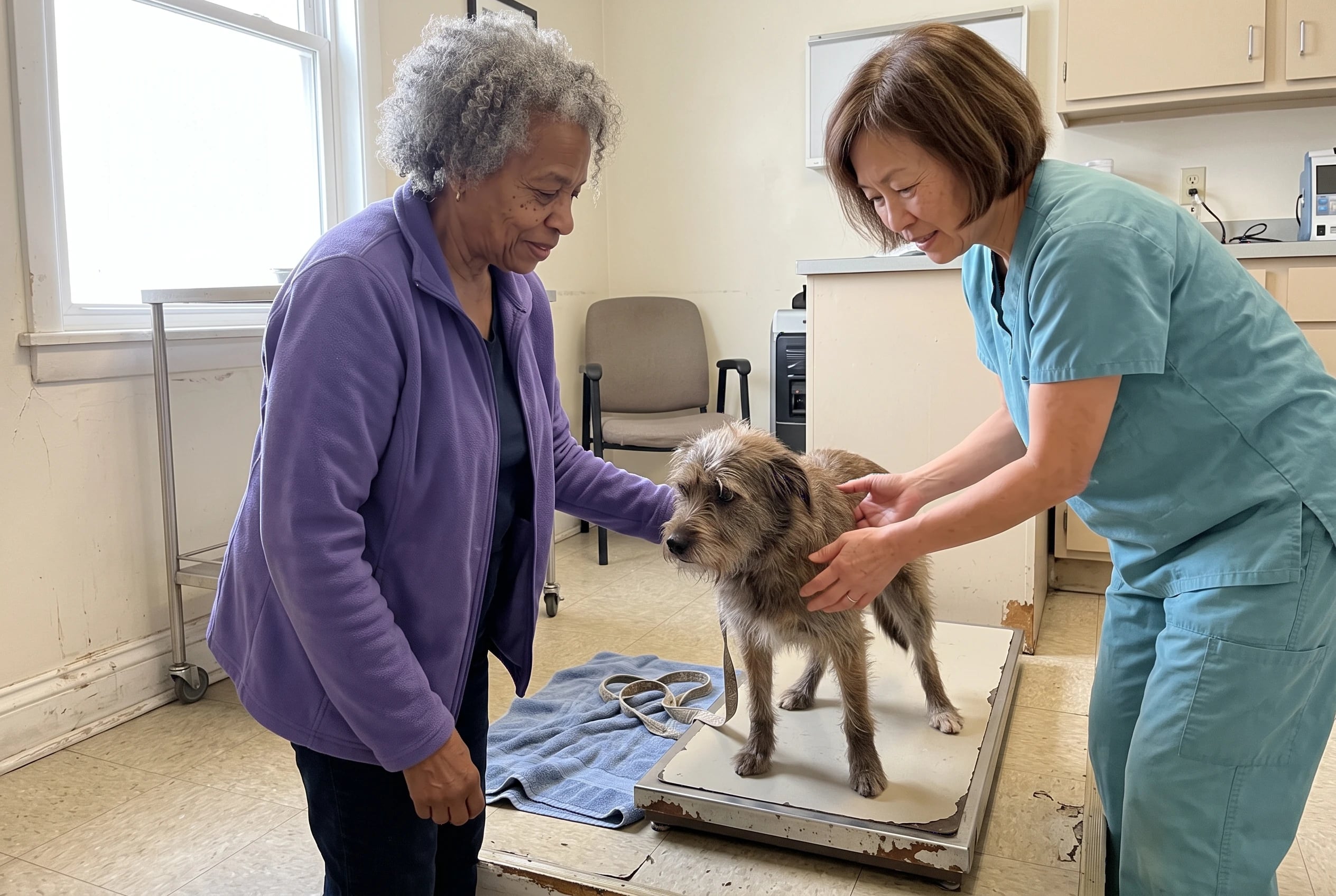
AAHA’s advice for senior pets calls for wellness visits twice a year. The AVMA also recommends senior exams and screening, including bloodwork and dental checks. A dog whose last visit was routine can look different by the next yearly appointment.
Ask your vet when to schedule the next senior exam and which checks make sense for your dog. Put that date in your phone before you leave. Then you won’t have to wait for a worrying change to remind you.
9Senior food and the birthday switch

The bag says “senior.” Your dog has reached the age on a chart. It still doesn’t follow that her dinner has to change tonight.
AAHA advises against switching food solely because of age. There’s no AAFCO “senior” nutrient profile that makes every bag with that word meet the same senior-specific standard. Weight, muscle condition, and health give the vet better reasons to recommend a change.
If your dog is doing well on her current food, ask whether there’s a reason to change it. If she has gained weight or lost muscle, say so. The useful question is what the new food would address, not whether the label matches her birthday.
8Ramps, mats, and a better bed

Watch the route your dog takes from bed to door. A slick patch of floor, a high jump onto the sofa, and a difficult bowl position each ask something of an aging body.
AAHA lists ramps, nonslip mats, supportive harnesses, elevated bowls, and orthopedic beds among home changes for senior mobility. You don’t need to buy them all. Start with the place where you already see hesitation.
A mat helps where footing is the problem; a ramp or stairs changes a jump your dog now avoids. Tell the vet which movement you’re trying to make easier. That keeps the purchase tied to your dog rather than to a catalog’s idea of an old dog.
See more: 21 Best Dogs for a Senior Woman →
7Early changes around age seven
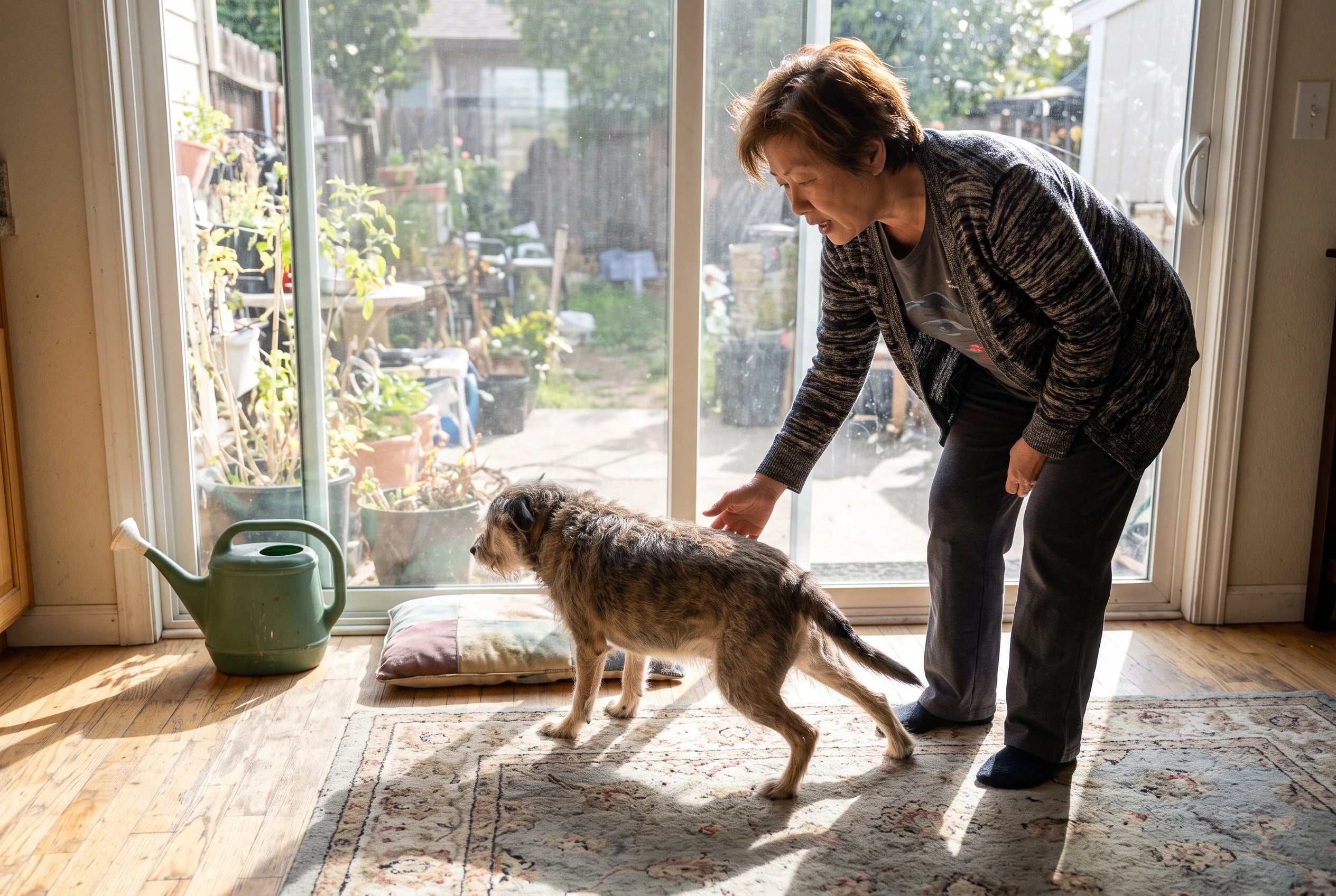
Seven is a useful age to start noticing patterns, but it isn’t a senior birthday for every size. For a giant dog, the AVMA’s senior range has begun. For a small dog, it lies ahead.
Look for small changes from *your* dog’s usual routine: stiffness after rest, longer sleep, or less energy on a familiar walk. The AKC lists these as early senior signs. A bluish lens haze is another change to show the vet, since it needs to be distinguished from a cataract.
Write down when you first noticed a change. That’s more helpful at the exam than trying to remember whether it started last week or last season.
6More noticeable changes around age ten
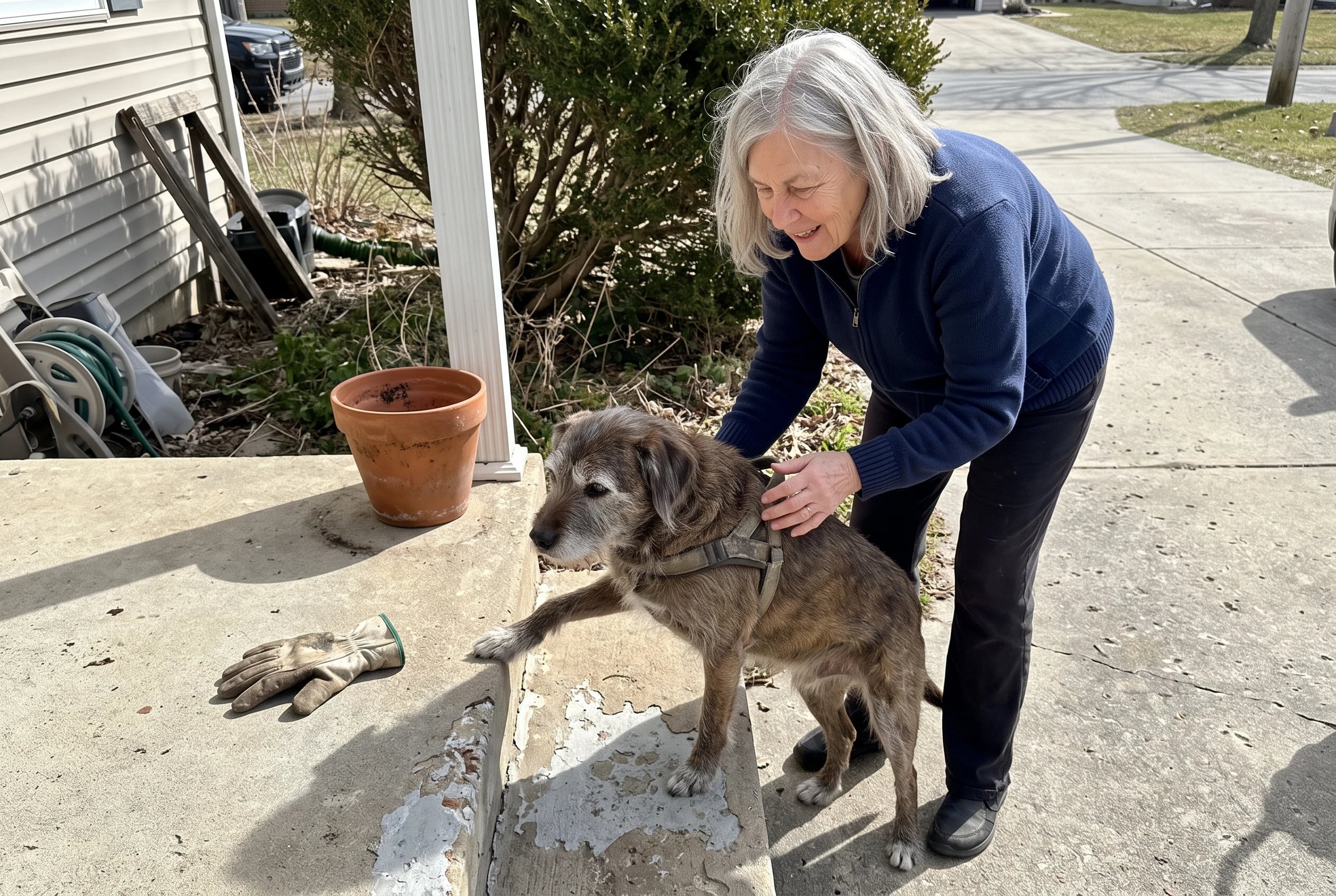
By ten, a dog in any AVMA size bracket has reached or passed that bracket’s senior starting range. What you see still matters more than the round number.
Stiffness that was once brief becomes easier to spot during everyday movement. AAHA’s senior care guidance calls for a tailored approach to pain and mobility.
Dental risk is higher, too, so the exam can include a discussion of whether dental imaging is needed.
Bring up the awkward parts of the day: rising from a bed, taking stairs, finishing a walk. Tell the vet which movement has changed, rather than saying only that your dog seems older. Those details help decide what to check next and give you something clear to compare after the visit.
5New concerns around age twelve
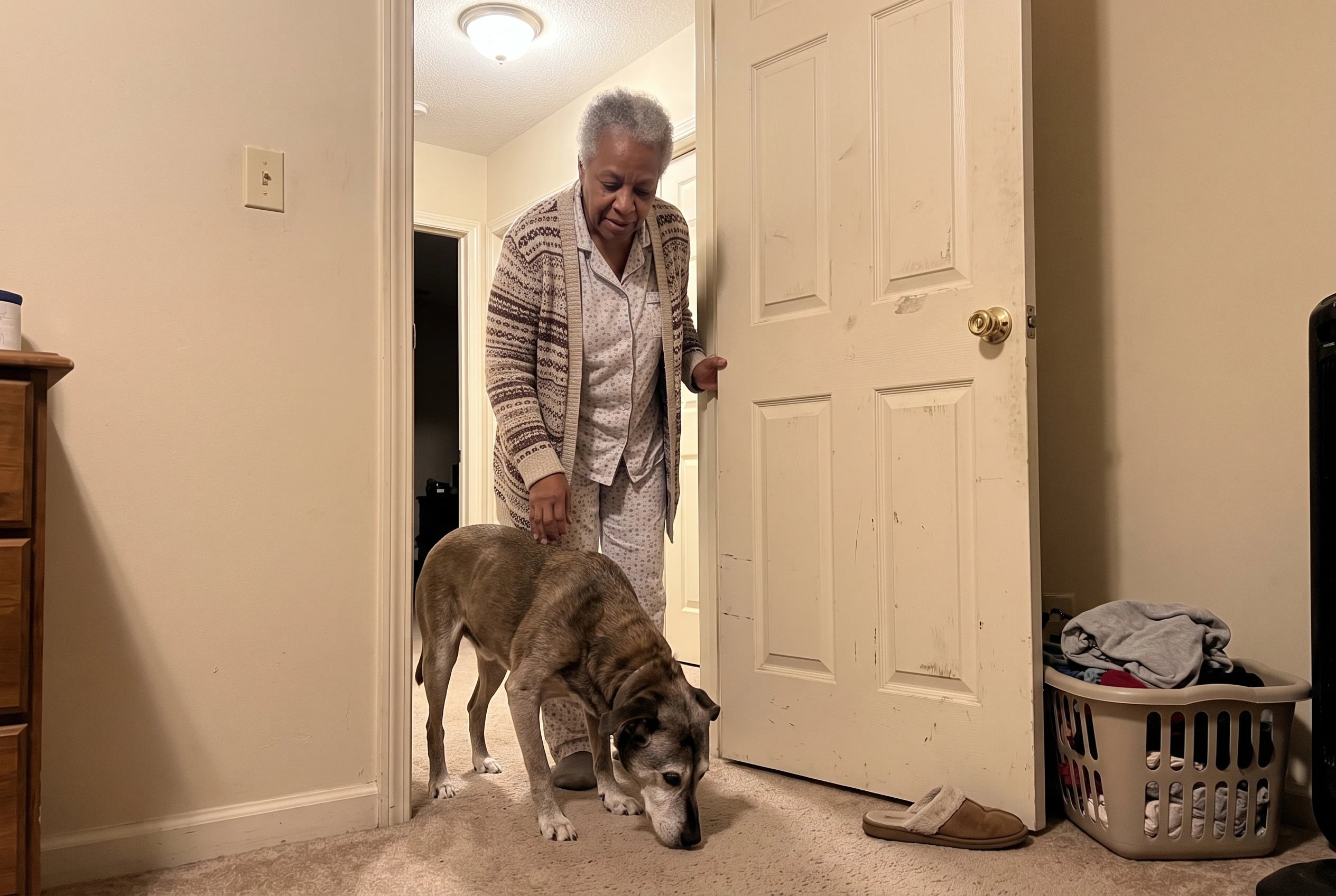
Twelve isn’t a dividing line between ordinary aging and illness. It is an age to take new behavior seriously.
The AKC’s guidance on cognitive changes in older dogs describes changes in orientation, sleep, activity, interactions, anxiety, and house habits. The AVMA also lists heart, kidney and urinary, liver, and diabetic conditions among senior health concerns.
If your dog has begun waking at night or seems unlike herself, give the vet a concrete example. Describe what changed before deciding what caused it. That keeps a medical problem from being dismissed as “just twelve.” Age belongs in the conversation, but it shouldn’t end the conversation.
4Years remaining after the senior stage begins
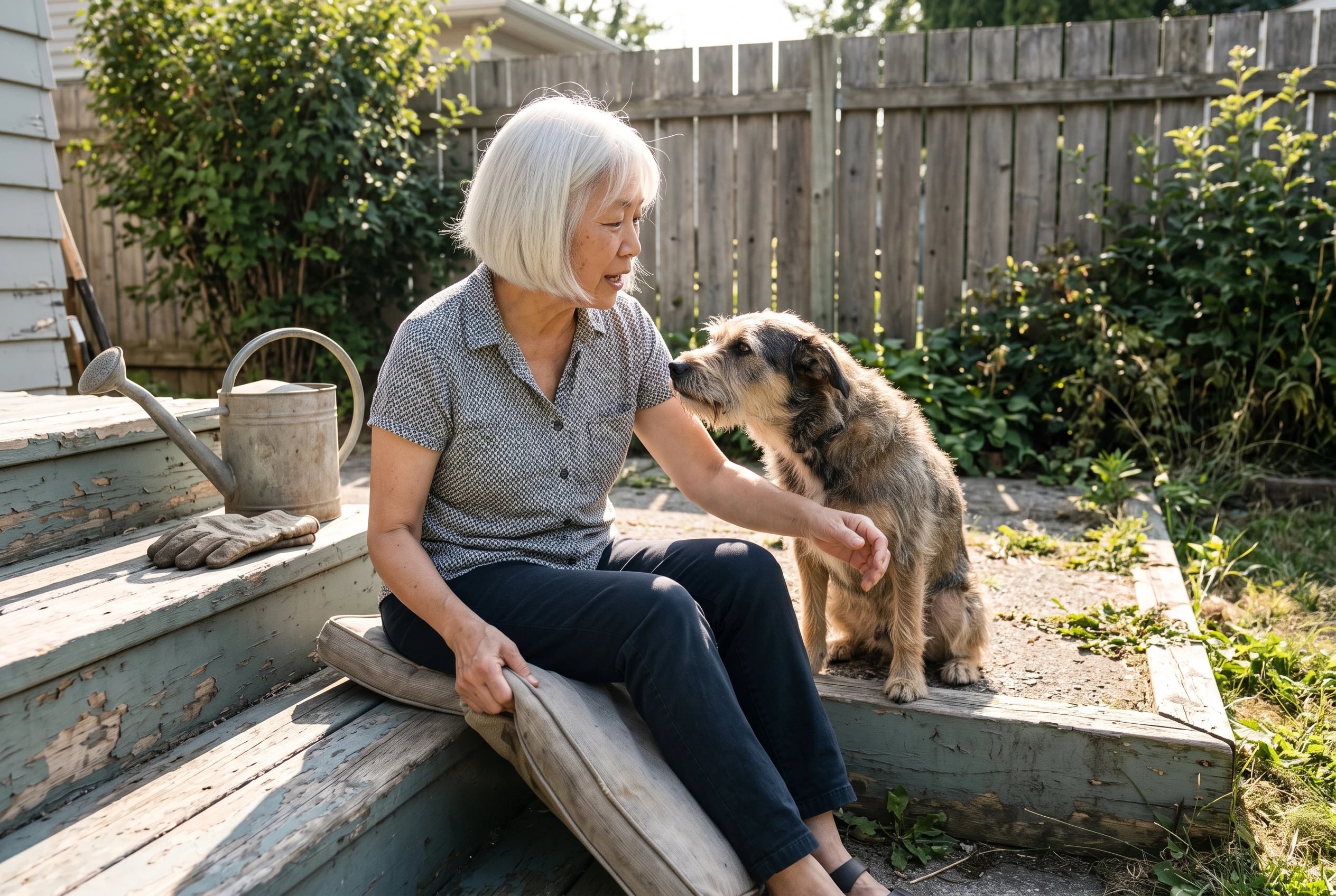
The phrase “final quarter of expected lifespan” sounds like a countdown. It isn’t a prediction for the dog beside you.
By AAHA’s definition, a dog with a 12-year expected lifespan enters the senior stage around nine. The arithmetic leaves about three years to that estimate. Your dog hasn’t been assigned three years by a chart. Expected lifespan is a population guide, not her personal deadline.
For perspective, U.S. clinical life tables based on 2013 to 2019 data estimated dog life expectancy at birth at about 12.7 years.
A 2024 U.K. analysis found a median near 12½ years.
One is an estimate at birth; the other is a median. Neither tells you the remaining years for a dog already beside you.
Breed, size, and health change the picture. Keep the focus on how your dog is doing now and what has changed since her last exam.
See more: 29 Conversations Families Keep Putting Off Until It's Too Late →
3Age clues for a rescue dog
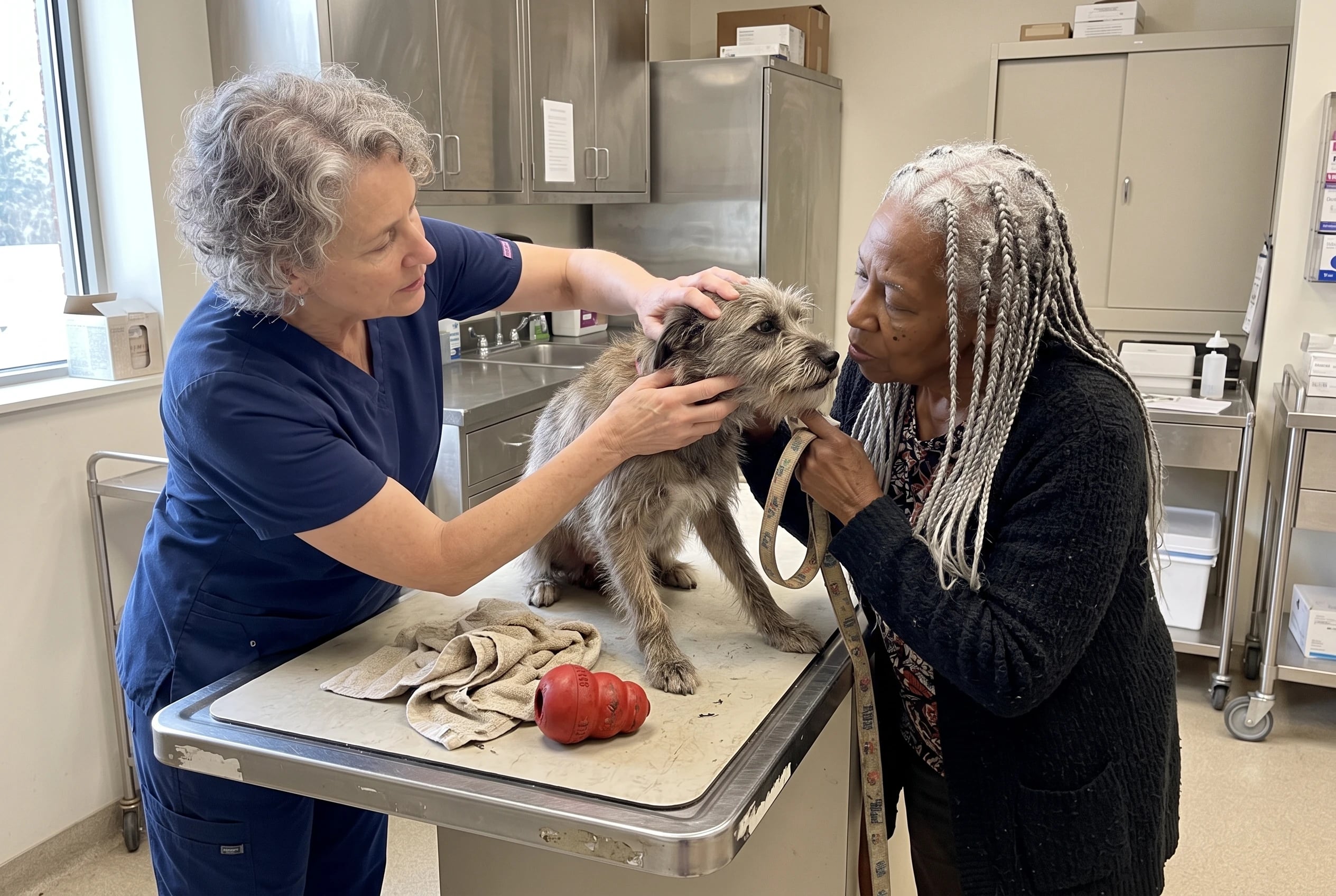
When the paperwork offers only an estimated birthday, you’re allowed to be unsure. Even a vet’s age estimate is an estimate.
The AKC identifies several physical clues: tooth wear and tartar, gray around the muzzle, muscle tone, and changes in the lenses of the eyes. Ask your vet to look at the clues together rather than treating one gray patch as a birth certificate.
Then compare the estimated age with the AVMA size range. A small dog’s senior range begins around 8 to 11; a giant dog’s, around 6 to 7. You can still make a useful plan without knowing the exact year she was born.
2Sudden changes that resemble old age
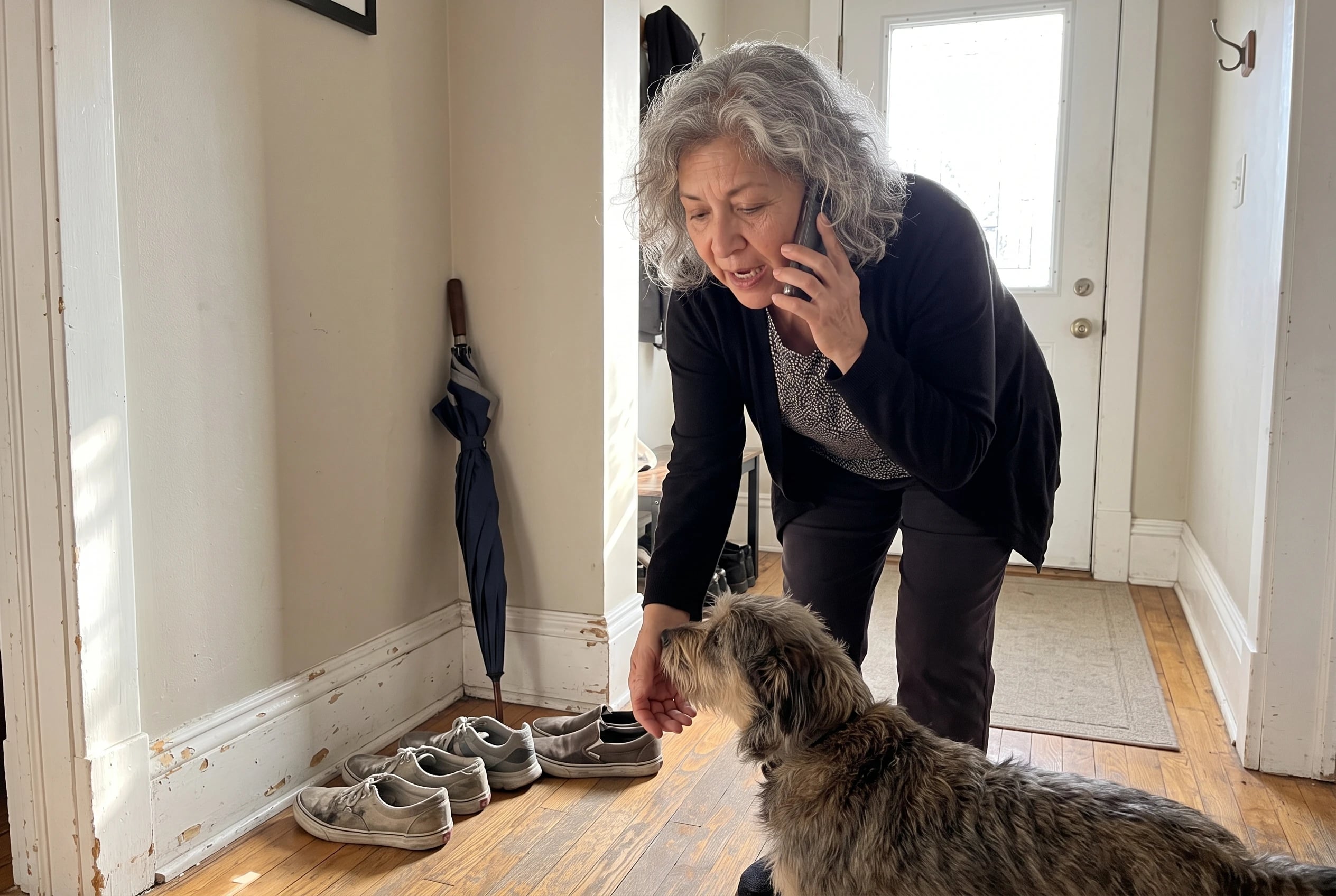
An older dog loses weight quickly, and everyone calls it aging. That assumption can cost her an exam she needs.
The AVMA says sudden weight loss in a senior dog warrants prompt veterinary evaluation because it can signal disease. Confusion-like behavior deserves a proper check, too. The veterinary review indexed by PubMed advises ruling out medical causes, including pain and metabolic disease, before settling on canine cognitive dysfunction.
When a change is sudden, call the vet and describe the change itself: what happened, when you noticed it, and how your dog acted before. You don’t need to arrive with a diagnosis.
1Is my dog a senior now self-check
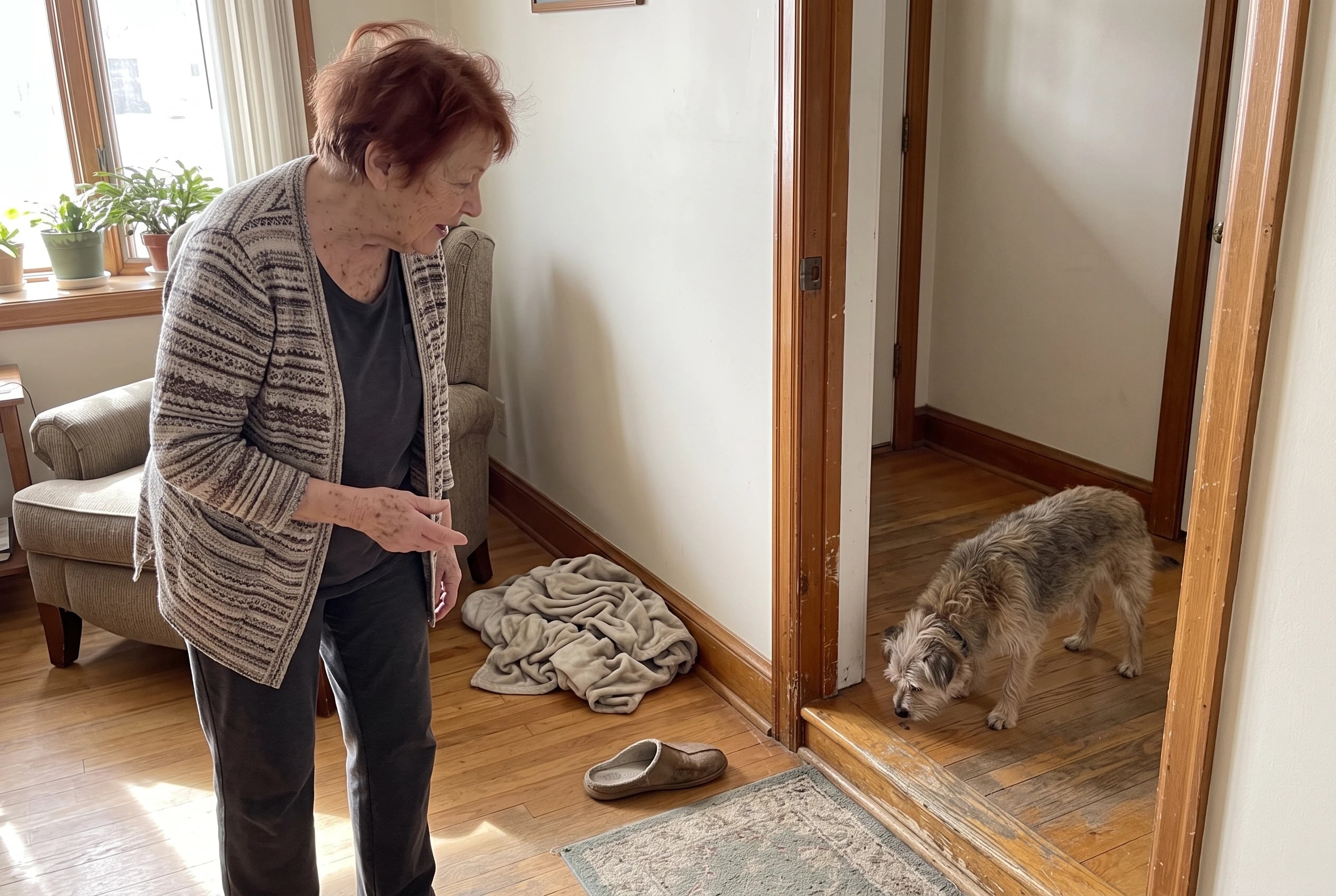
You’ve checked her age against her size. Now watch something no chart records: how your dog moves through the rooms she knows.
Does she pause as if unsure where to go? Has her sleep pattern shifted, or have house accidents begun? The AKC’s DISHAA screening signs include disorientation, changes in sleep and interactions, house-soiling, altered activity, and anxiety.
A veterinary review says pain and metabolic disease should be ruled out before those signs are attributed to cognitive decline.
One odd moment doesn’t give you a diagnosis. Write down what happened and tell the vet, especially if it happens again. That record gives the exam something firmer than the fear you felt when you first saw her stop.
The bottom line
Size gives you a starting age. Changes in your dog’s own habits tell you what to bring to the vet. Neither one, by itself, explains every slow morning or white hair.
The prepared version of you has her weight and age handy, has noticed what changed, and knows when the next exam is booked. What did your dog do that first made you wonder whether she was getting older?
Up next
27 Reasons a Senior Dog's Legs Give Out, and What Helps at Home
A checklist of possible causes, hallway fixes, and signs that mean you should call the vet tonight.
Read the list →

Reader quiz
Did you catch the details?
5 questions from this article.
What should you check first when using the senior age chart?
Questions people also ask
What age do dogs slow down?
There’s no single age. The AVMA’s senior-age guide starts giant dogs at about 6 to 7 years and large dogs at 8 to 9. It puts medium dogs at 8 to 10 and small dogs at 8 to 11. If your dog’s energy changes suddenly, tell the vet rather than attributing it to age.
What is the 7-7-7 rule for dogs?
No reliable veterinary or research source in the material used for this article establishes a “7-7-7 rule” for dog aging. If you see the phrase, ask the person using it which veterinary source defines it. For a senior-age estimate, use the AVMA’s size ranges or AAHA’s final-quarter definition instead.
How rare is a 20-year-old dog?
A dog reaching 20 is well beyond the lifespan estimates in large datasets. The cited research does not give a population-wide percentage for dogs reaching that age. U.S. life tables estimate life expectancy at birth at about 12.7 years. A 2024 U.K. study summary reports a median near 12½ years; neither figure gives the odds for your individual dog.
What age do most dogs pass away?
Large-scale estimates put dog lifespan around 12 years, with wide differences by breed and size. U.S. clinical data from 2013 to 2019 estimate life expectancy at birth at about 12.7 years. A 2024 U.K. analysis found a median near 12½ years.
Is my dog a senior at 7?
That depends on size and expected lifespan. Seven falls in the AVMA’s senior range for giant dogs, while small dogs reach their range later. AAHA defines senior as the final 25% of expected life, so ask your vet which timeline fits your dog.
Did any of these feel familiar?
Know someone who needs this?
 Prime Journal · Free printable
The Family Essentials Checklist
- Your wishes written down and shared with the right person.
- Your medicines and emergency contacts ready when needed.
- Your family plans settled before anyone counts on them.

Free printable: The Family Essentials Checklist. Enter your email and it is yours.
Sources cited in this article
This article links to 21 outside sources, listed here so you can read them yourself.
- American Veterinary Medical Association’s senior-pet guide ebusiness.avma.org/files/ProductDownloads/mcm-client-brochures-senior-pets-2…
- American Animal Hospital Association’s life-stage definition www.aaha.org/resources/life-stage-canine-2019/canine-life-stage-definitions
- American Kennel Club explains www.akc.org/expert-advice/health/is-your-dog-senior
- Golden Retriever www.akc.org/dog-breeds/golden-retriever
- German Shepherd Dog www.akc.org/dog-breeds/german-shepherd-dog
- French Bulldog www.akc.org/expert-advice/dog-breeds/french-bulldog-right-for-you
- AKC’s guide to dog years www.akc.org/expert-advice/health/how-to-calculate-dog-years-to-human-years
- 2020 *Cell Systems* study pmc.ncbi.nlm.nih.gov/articles/PMC7484147
- AAHA’s nutrition guidance www.aaha.org/resources/2021-aaha-nutrition-and-weight-management-guidelines/…
- AKC’s age-estimation guide www.akc.org/expert-advice/advice/how-to-tell-dog-age
- American College of Veterinary Ophthalmologists www.acvo.org/tips-treatments-tricks/cataracts-vs-nuclear-sclerosis
- AAHA’s senior pain-management guidance www.aaha.org/resources/2023-aaha-senior-care-guidelines-for-dogs-and-cats/pa…
- AAHA’s nutrition guidance for senior pets www.aaha.org/resources/2023-aaha-senior-care-guidelines-for-dogs-and-cats/nu…
- AKC’s dog dementia guide www.akc.org/expert-advice/health/dog-dementia
- Veterinary review indexed by PubMed pubmed.ncbi.nlm.nih.gov/41442884
- AAHA’s senior diagnostic-test table www.aaha.org/wp-content/uploads/globalassets/02-guidelines/2023-aaha-senior-…
- AAHA’s advice for senior pets www.aaha.org/resources/aging-with-grace-how-to-support-your-senior-pet
- AAHA’s senior care guidance www.aaha.org/resources/2023-aaha-senior-care-guidelines-for-dogs-and-cats
- Cognitive changes in older dogs www.akc.org/expert-advice/health/do-dogs-get-alzheimers
- U.S. clinical life tables based on 2013 to 2019 data pubmed.ncbi.nlm.nih.gov/36896289
- 2024 U.K. analysis www.ljmu.ac.uk/about-us/news/articles/2024/2/1/dog-longevity
Ruth Ellison
Family Editor
Ruth writes about grown children, grandchildren, ageing parents, and the conversations families put off, in the words of the people involved.
More from Ruth Ellison