












22 Reasons Your Senior Cat Yowls at Night
From a low-sided litter box to a blood pressure check, here’s how to spot what’s troubling him and make a plan for calmer nights.
By Ruth Ellison, Family Editor
Updated · 18 min read
The short answer: Senior cat yowling at night can signal pain, cognitive changes, hyperthyroidism, high blood pressure, kidney disease, or hearing or vision loss. A veterinary exam, bloodwork, and a blood pressure check help identify the cause. Don’t punish the crying. Once urgent problems are ruled out, a steadier routine, evening activity, and changes to his surroundings can help.
- Written by our family editor
- Cited 12 sources
- How we review
The clock reads 3:17. Your cat stands in the hall, calling at a wall he has passed for years. You turn on a lamp and follow him to a full food bowl. Then he calls again.
After enough broken nights, you start weighing two fears: that something hurts, and that the vet will find nothing while both of you keep losing sleep.
The sound alone won’t tell you what’s wrong. A missed jump, a change at the food bowl, or a wet patch beside the litter box gives you something firmer to bring to the appointment.
22Sore joints at his favorite sleeping spot
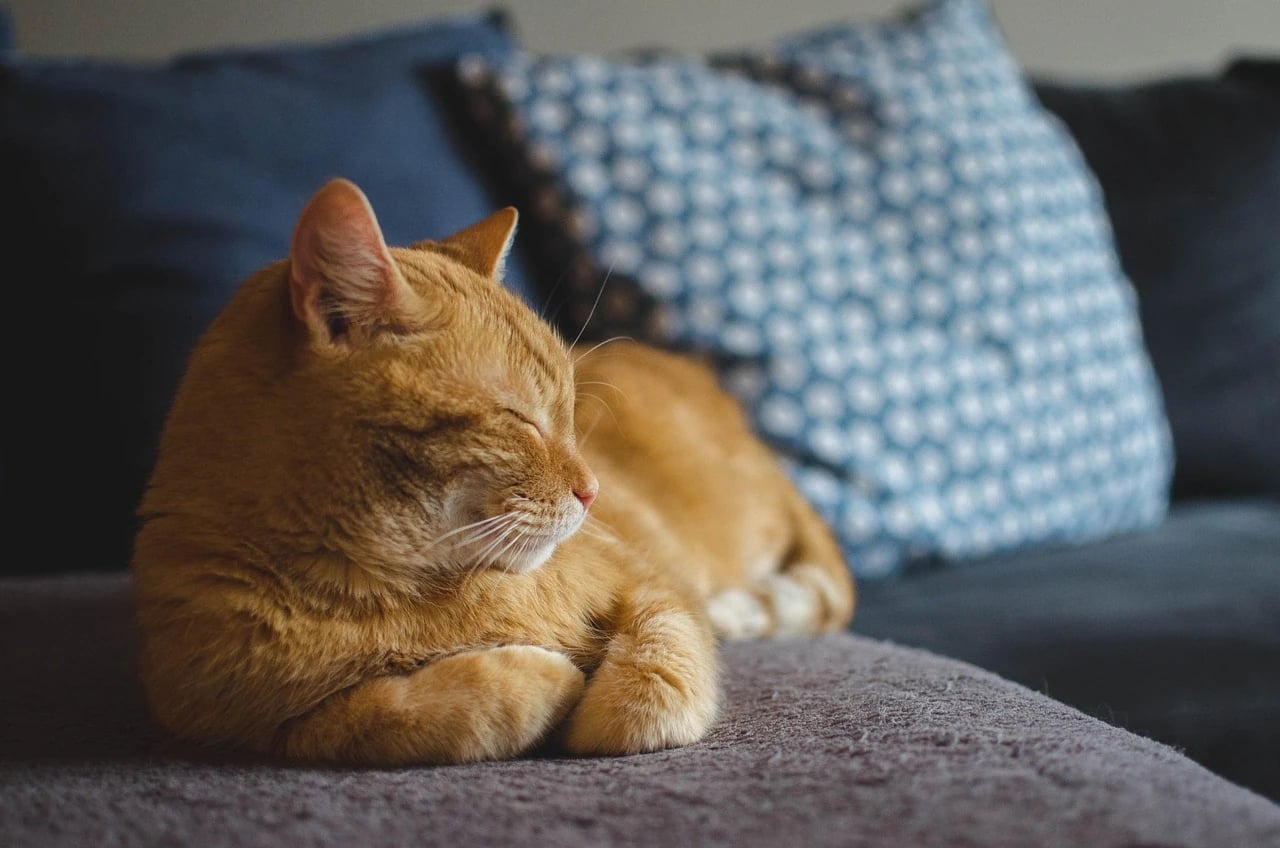
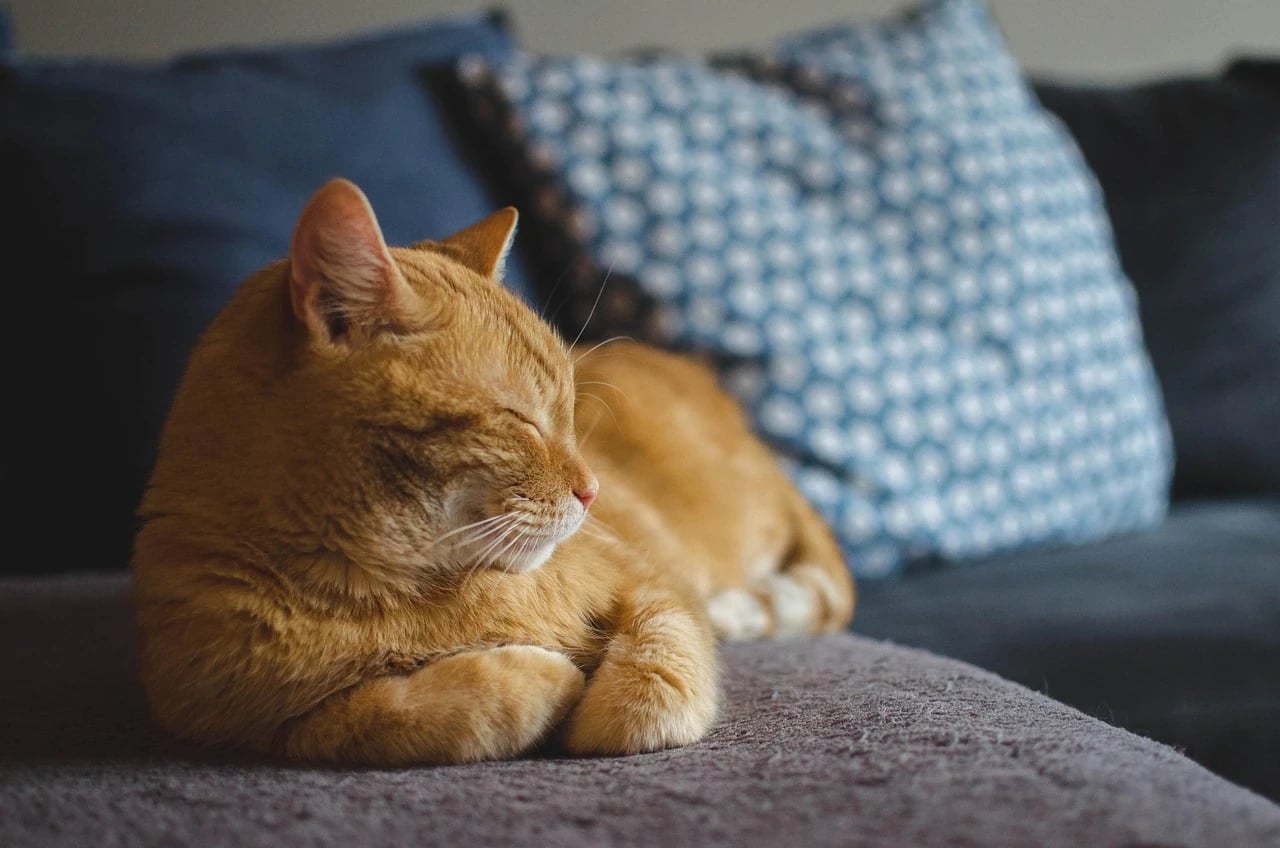
He reaches the sofa, pauses, then stays on the floor. Later, you hear him calling from the hallway. Those moments are worth connecting.
Cornell Feline Health Center says osteoarthritis in older cats shows up as slower movement and withdrawal. The MSD Veterinary Manual also identifies pain as a cause of nighttime restlessness and calling.
Watch what happens before he cries. Does he hesitate before a jump or take longer to lie down? Tell the vet what you’ve seen, even if he walks normally across the exam room.
Cornell says an arthritis check draws on his history, an exam, and X-rays. Your account of the living-room sofa belongs in that history. So does the change in where he chooses to sleep. A cat who once took the high cushion and now stays below it is giving you a detail worth reporting.
See more: 20 Best Recliner Chairs for Seniors →
21Dental pain beside a full food bowl
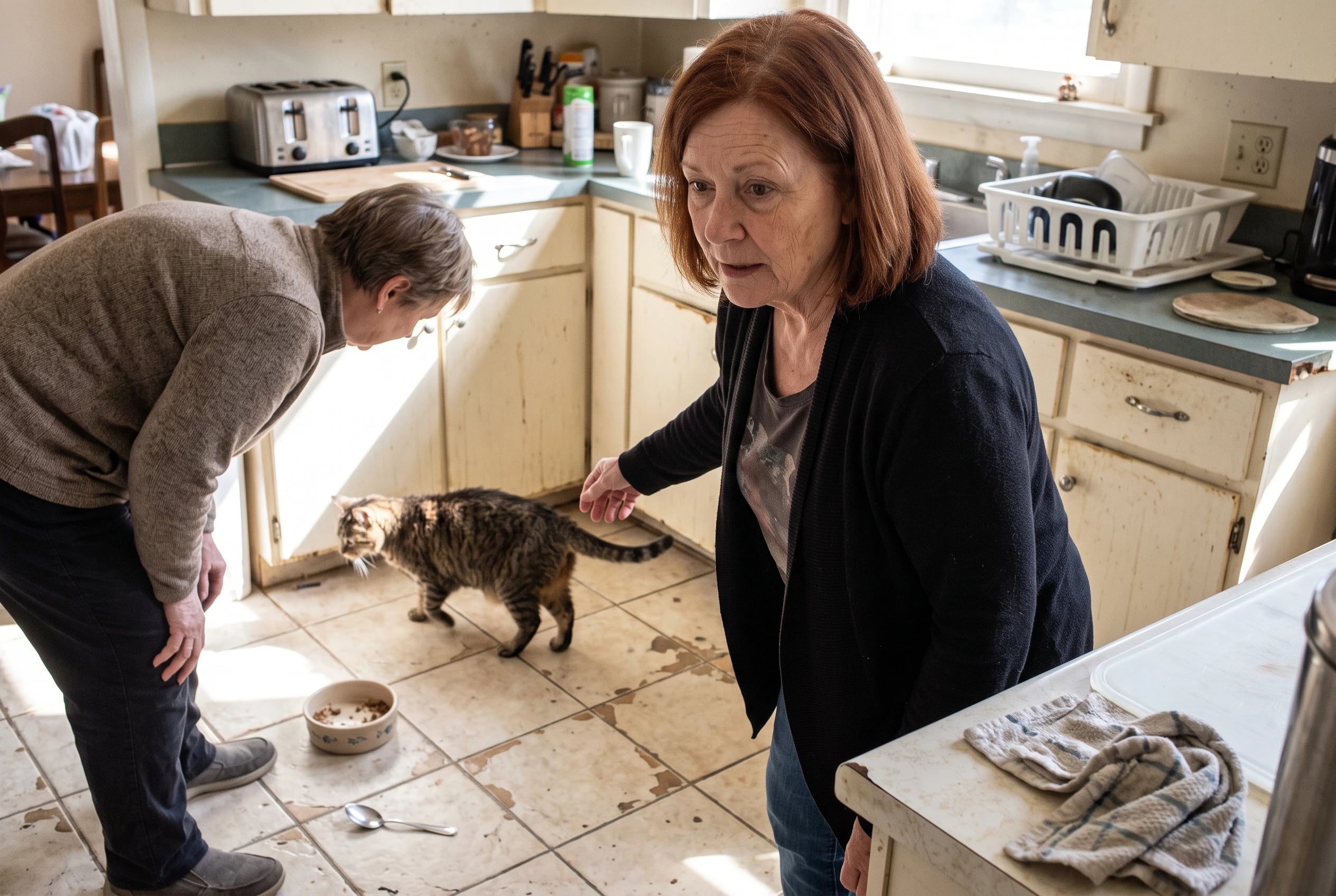
A full bowl at bedtime doesn’t settle the hunger question. Look at what your cat does when he reaches it. He approaches, tries to eat, then leaves food behind.
Cornell reports that 50% to 90% of cats over age 4 have some form of dental disease. Dental disease causes serious pain and reduced appetite.
That matters when an older cat starts crying at night and seems interested in food without finishing it.
Ask for an oral exam rather than assuming the bowl needs topping up. Painful tooth resorption is one condition Cornell says is treated by removing the affected tooth to relieve pain.
You don’t need to identify a bad tooth yourself. Notice the change in eating, and bring that detail with you. If he walks away again, remember how much food he left and whether he returned to it.
20Feline cognitive dysfunction and nighttime confusion
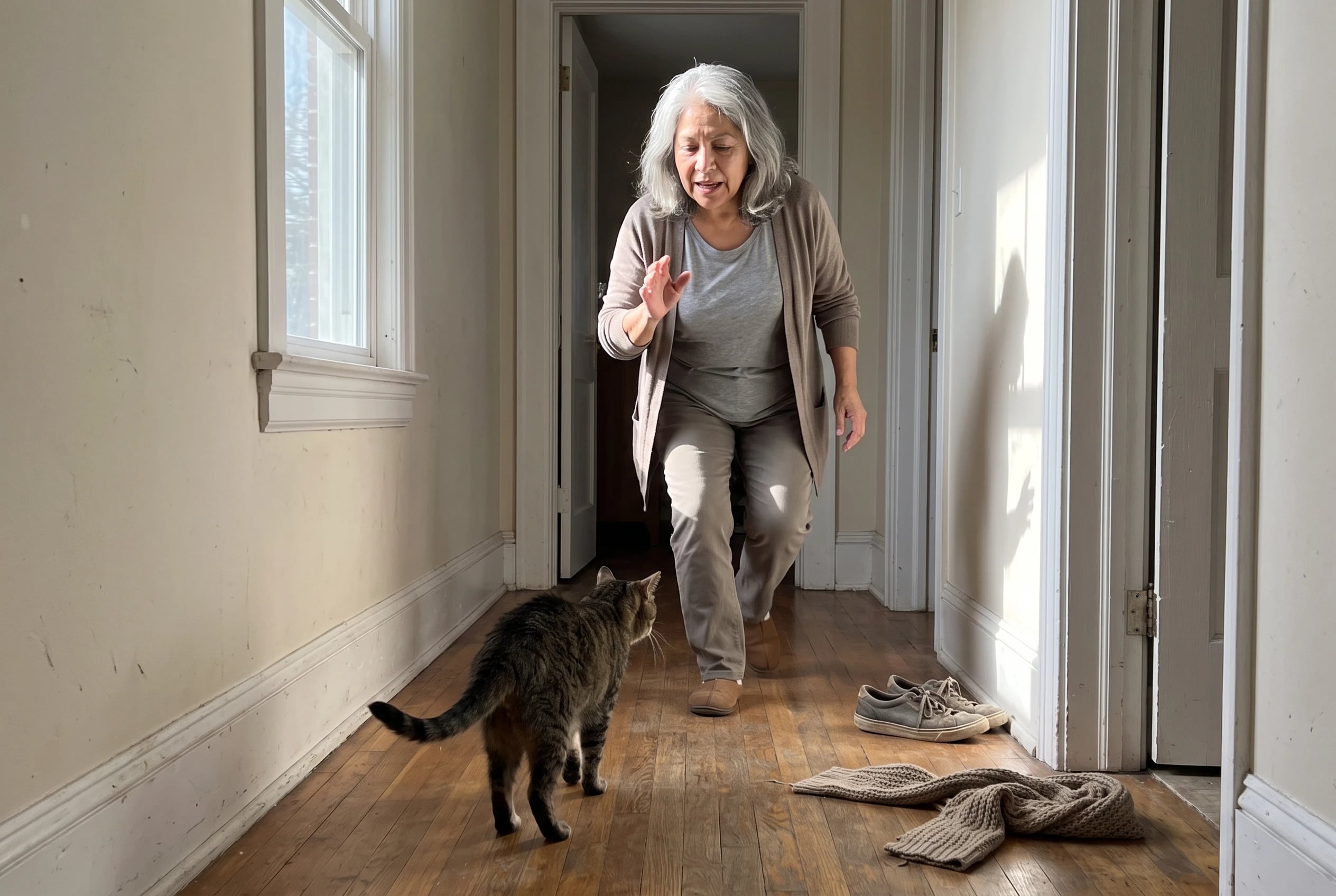
Your cat has lived in this house for years. Now he stands in a familiar room and calls. If his sleep has shifted and he has started missing the litter box, tell the vet about all three changes.
Cornell describes feline cognitive dysfunction as confusion, changed sleep and wake cycles, house soiling, and loud calls at night.
Signs start at age 10 or older. The MSD Veterinary Manual calls increased vocalization the most frequently reported behavior change in aging cats.
Dementia is a possibility, not a diagnosis you have to make from the hallway. Pain, thyroid disease, and high blood pressure also deserve attention before his calls are put down to age.
Write down where he stood and what he did after you approached. “He cried again” tells the vet less than “he seemed unable to find the doorway.”
That detail feels small at 3 a.m. By daylight, it gives the vet a better picture of his night. It also keeps a frightening label from crowding out other things the vet needs to check.
See more: 28 Ways to Tell When Your Dog Is a Senior, and What Changes →
19An overactive thyroid behind restless pacing
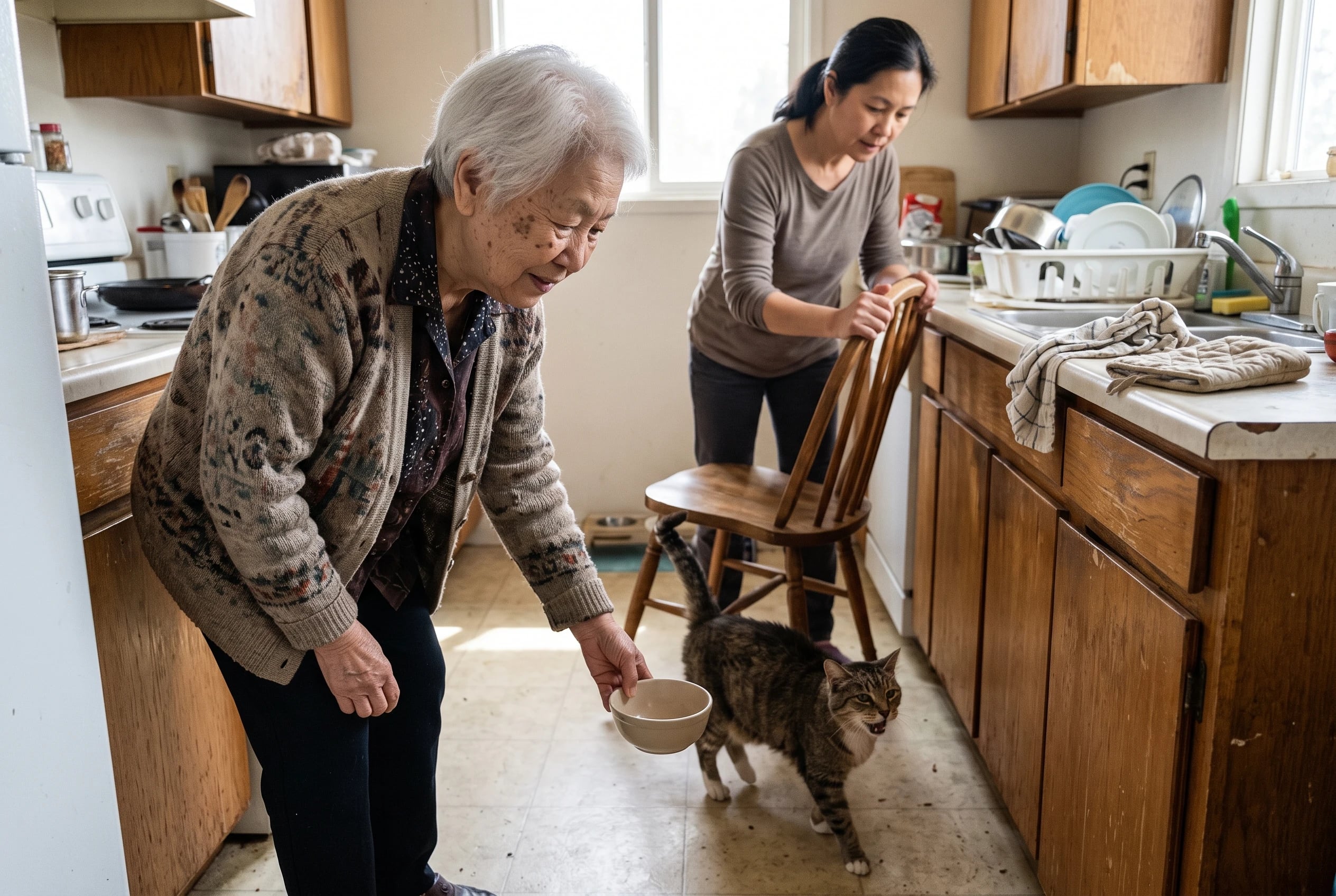
He’s asking for food, yet he’s losing weight. At night, he seems unable to settle. That pairing deserves a thyroid conversation.
Hyperthyroidism in cats causes weight loss despite increased appetite and brings restlessness, Cornell says. It also has links to heart disease and high blood pressure.
Tell the vet about the appetite and weight change together. Cornell’s Animal Health Diagnostic Center says a T4 blood test is commonly used to diagnose hyperthyroidism. A refill of the food bowl won’t answer the question that test addresses.
If you’re half asleep when he asks for another meal, it’s understandable to focus on feeding him. In daylight, recall whether the extra requests came with weight loss or a change in his activity. Those details tell a clearer story than the hour on the clock.
18High blood pressure behind sudden confusion
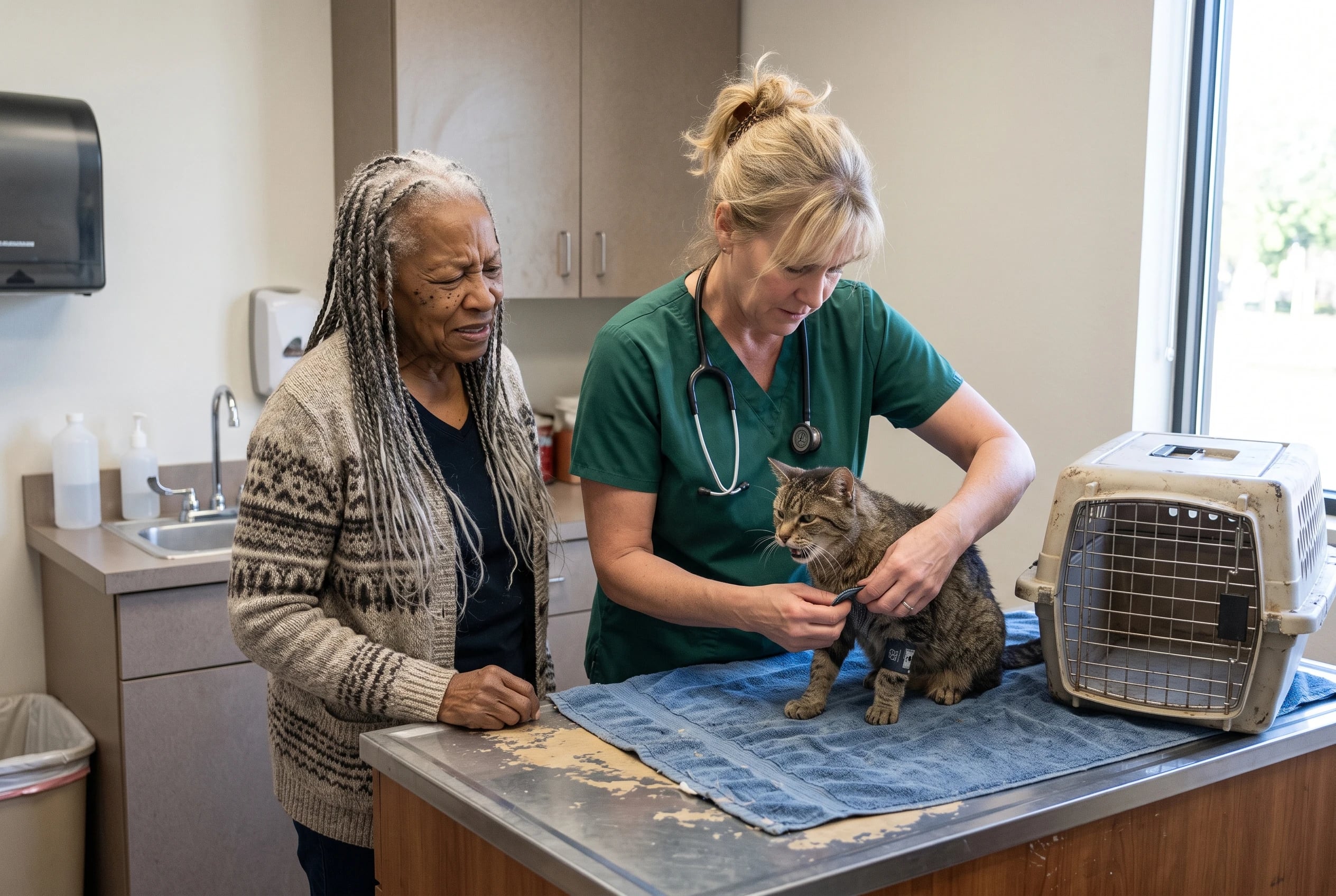
Cornell estimates that 15% to 40% of cats with high blood pressure show brain-related changes. A cat can seem lost, become unsteady, behave differently, or have a seizure.
High blood pressure is linked to kidney disease or hyperthyroidism, according to the MSD Veterinary Manual. Sudden blindness is another warning sign. A cat calling as he wanders a familiar room needs attention, especially if he seems unsteady or unable to see.
Describe what changed in the way he finds his way around. If his vision has suddenly changed, don’t wait for a routine visit. Cornell explains that prompt treatment of high blood pressure linked to blindness allows some retinal reattachment.
The timing matters more than getting the wording of your phone call perfect. Say what he did, where he was, and whether the change came on suddenly.
17Kidney disease beside the water bowl
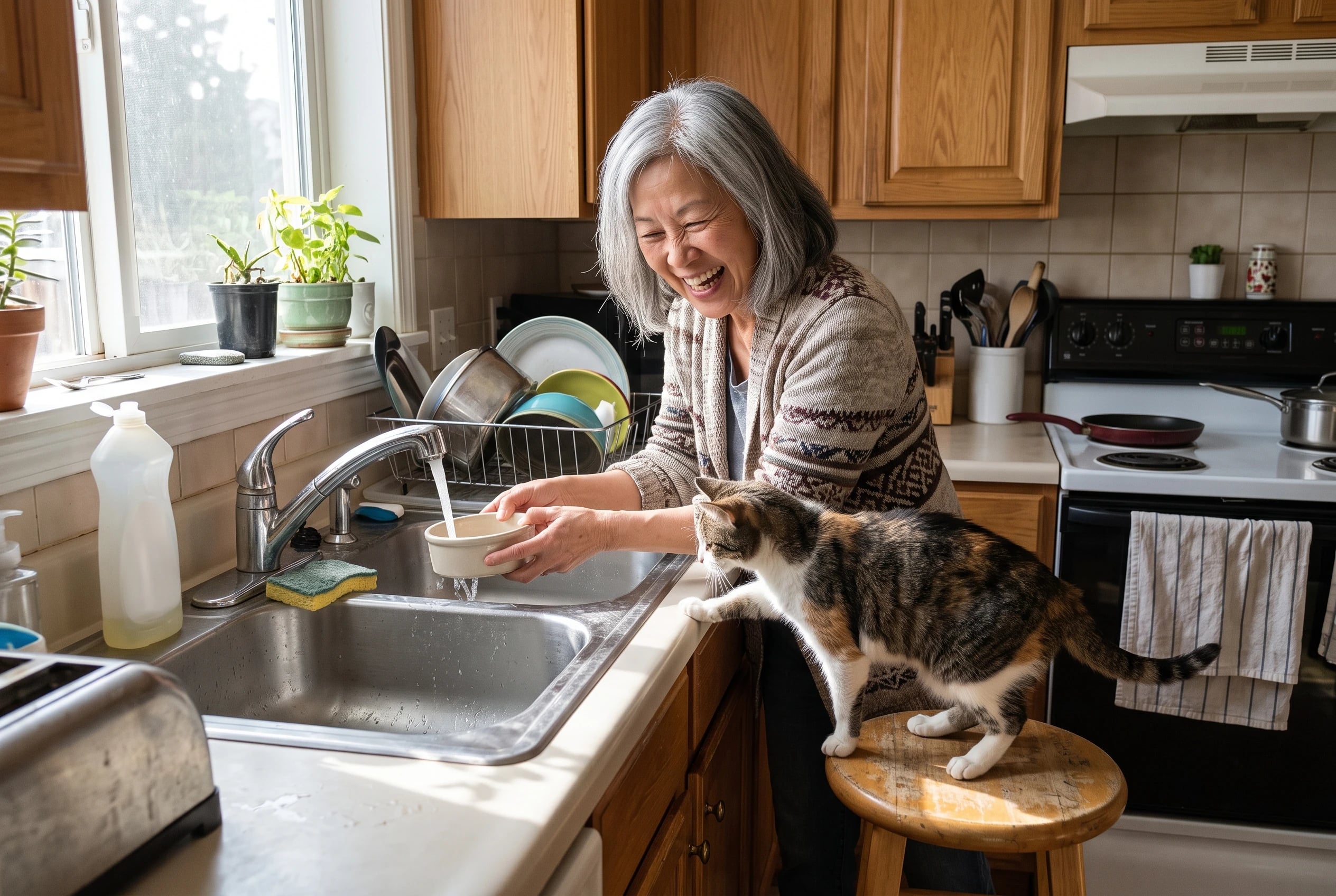
Chronic kidney disease affects up to 40% of cats over age 10 and up to 80% over age 15, according to Cornell.
So a change in drinking deserves more than a fresh refill and a second thought.
Look at the litter box, too. Tell the vet if you’ve noticed changes there alongside the nighttime calls. You don’t have to work out which change came first before you call.
Kidney disease and high blood pressure occur together. Cornell notes that high blood pressure brings eye and brain-related problems. Report a cat who seems distressed or lost at night, along with the changes at the water bowl.
Don’t decide which condition explains the yowl on your own. Describe the drinking, the litter, and the calls in the same conversation.
The bowl is something you see every day. A change there is easier to describe than a yowl, and it gives the appointment a firmer starting point.
16Sudden vision loss in a familiar hallway
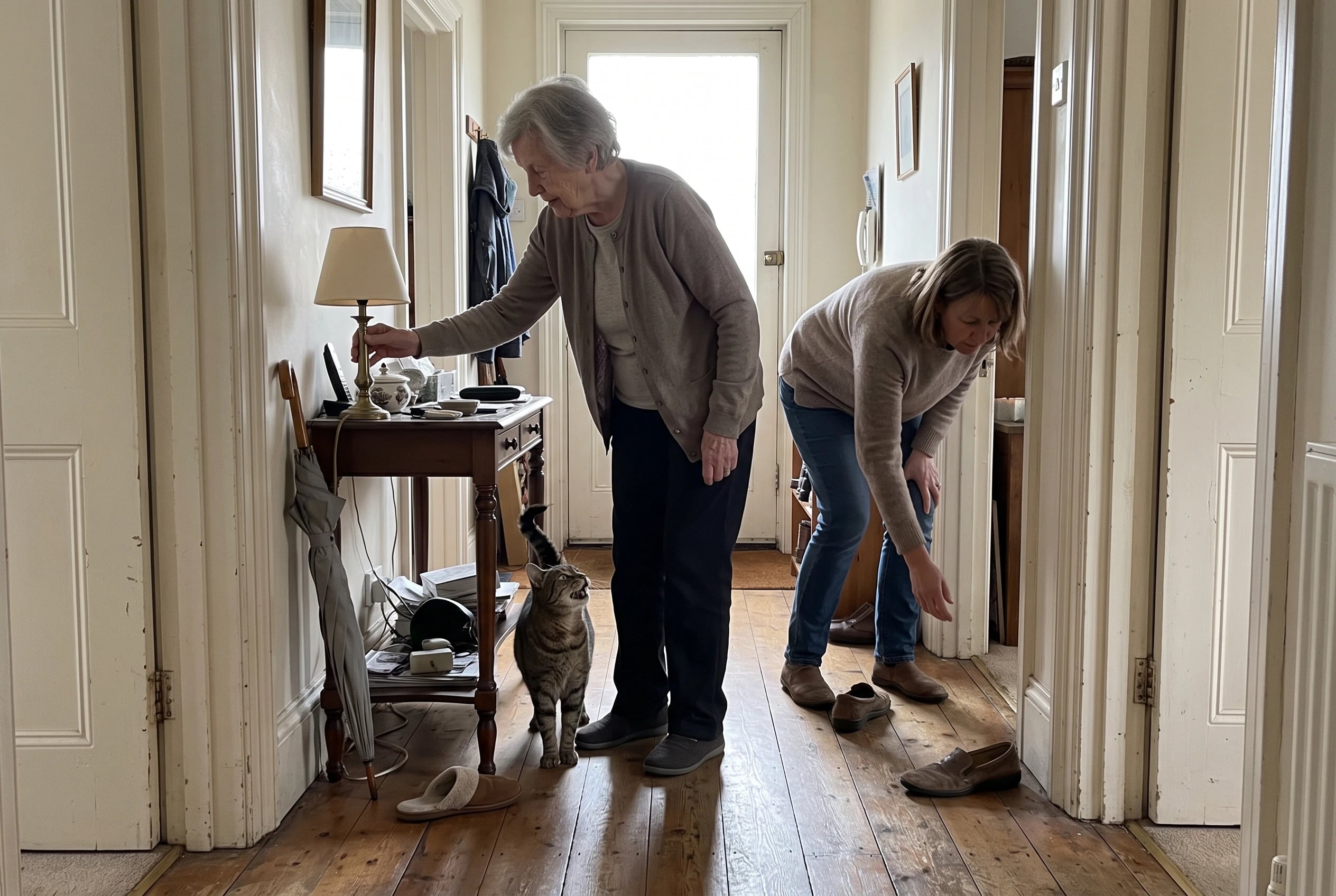
Turn on the hall light and watch your cat move. Is he bumping into familiar furniture? Are his pupils dilated?
High blood pressure causes retinal detachment and sudden blindness. Cornell says prompt treatment allows some retinal reattachment in some cats.
The MSD Veterinary Manual also lists dilated pupils and vision loss among signs of retinal trouble.
A lamp helps you see what’s happening. It isn’t the answer to sudden blindness. Call the vet or an emergency clinic and describe the change plainly: “He’s bumping into things he knows.”
Don’t wait to see whether he finds his way after breakfast. A cat who stops crying when you pick him up still needs attention if his sight has changed. The cry draws you into the hall; what you see once you get there tells you how fast to act.
15Hearing loss behind louder nighttime calls
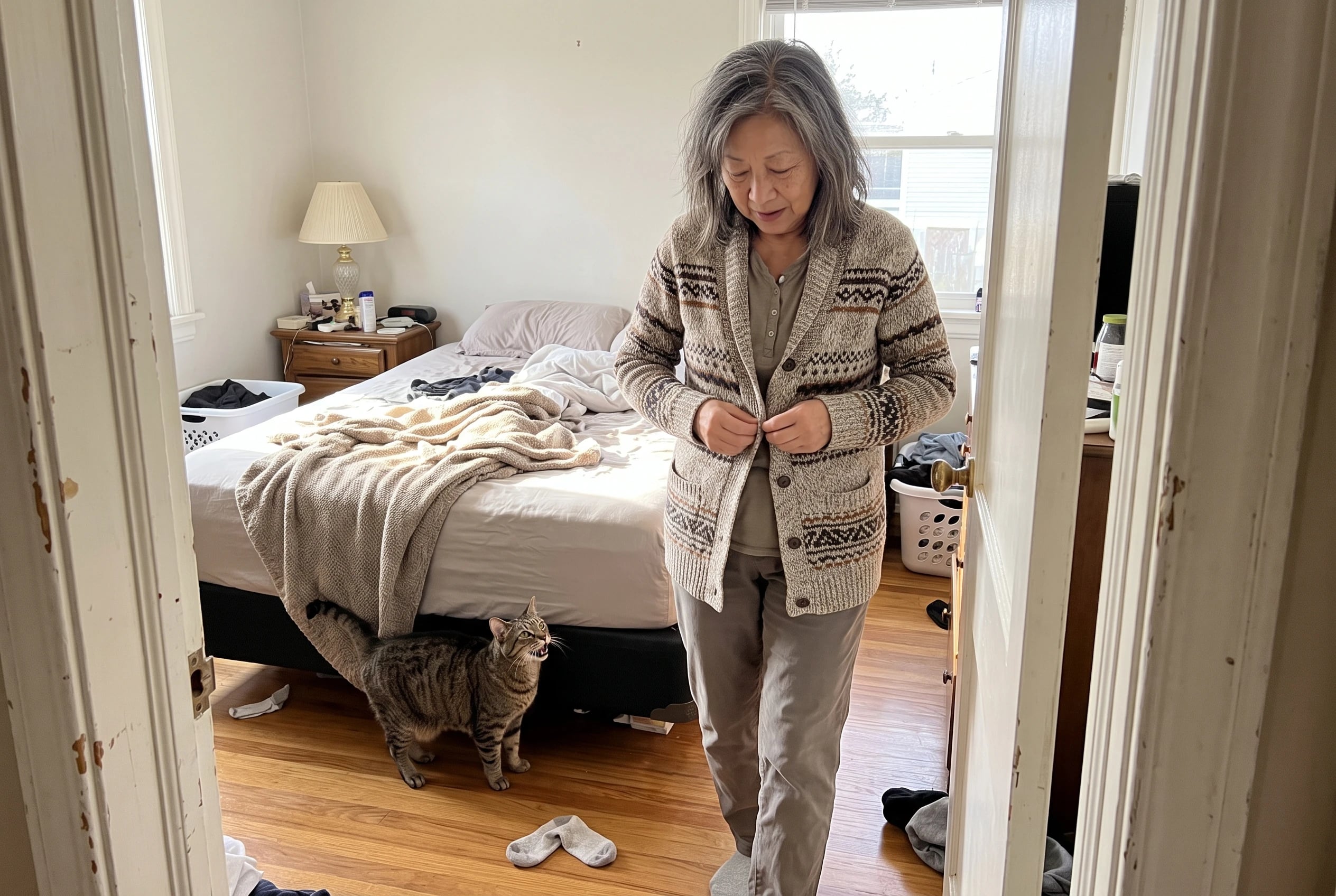
Does his voice sound louder even though you’re standing nearby? Hearing loss offers one explanation.
In comparisons of deaf and hearing cats, deaf cats called much louder, according to a study listed on PubMed. A change in volume is worth mentioning, even if the louder call is the only thing you’ve noticed so far.
Notice how he responds when you come into view. Then tell the vet about both changes: his voice and his response to sound. The MSD Veterinary Manual identifies BAER testing as the test that confirms deafness.
You don’t have to arrange that test before making an appointment. You do need to avoid deciding that a louder call is deliberate. If you’ve been answering him from another room, notice what changes when he actually sees you. That difference is worth describing.
14Hunger before the early morning alarm
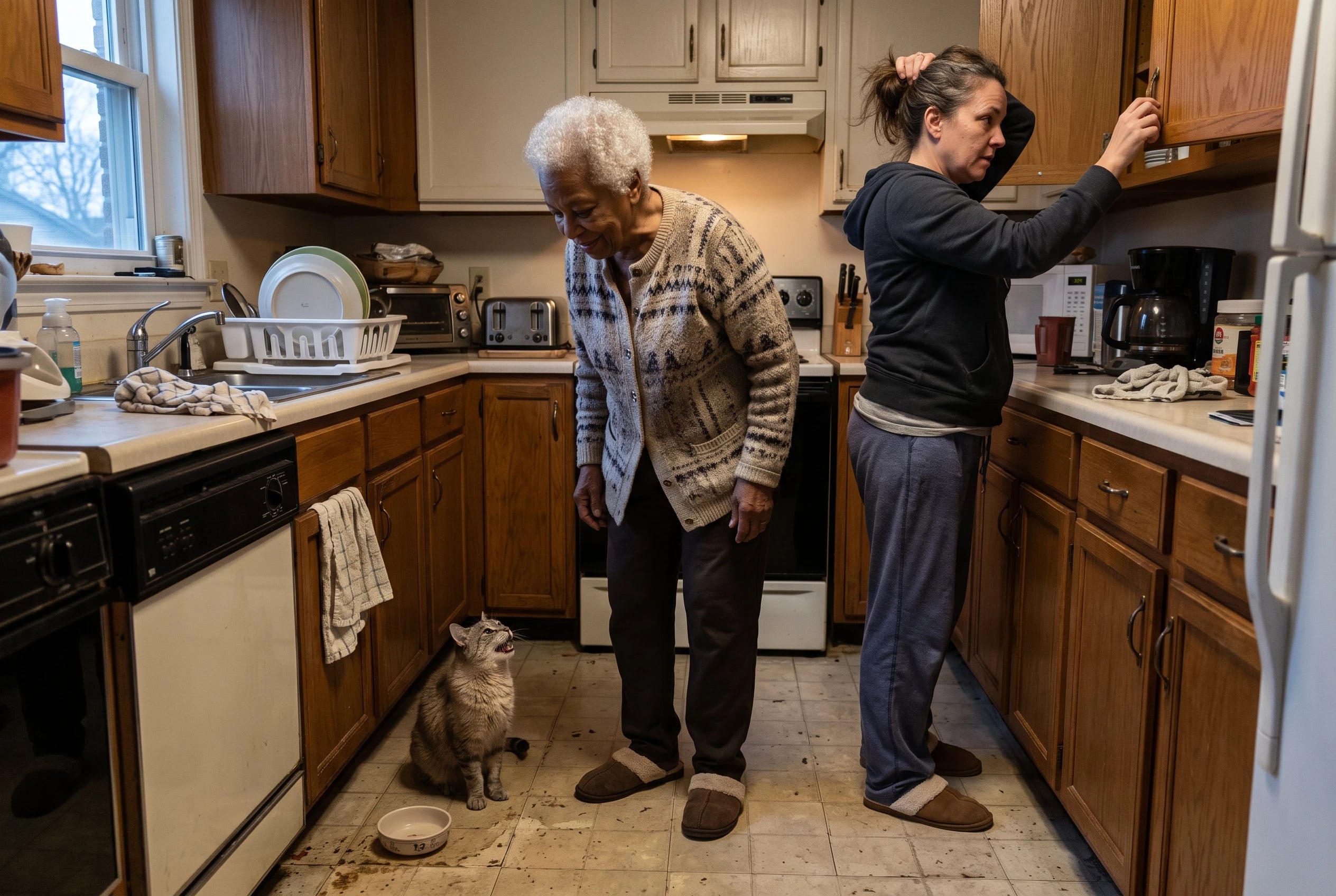
The familiar sequence goes like this: a yowl, your feet on the floor, and food in the bowl. Before changing the schedule, look back at item #19. A cat eating more while losing weight needs a thyroid check, not an automatic refill.
Once medical causes have been addressed, meal timing is worth testing. VCA Animal Hospitals recommends adjusting feeding times and keeping cats active in the evening to reduce nighttime meowing.
Keep track of when he last ate and when the calls start. If the timing repeats, move part of his planned food later rather than adding food each time he wakes you.
A timed feeder is another way to deliver a scheduled serving without making your appearance the signal that breakfast has arrived. First, though, find out whether the food request belongs to a pattern of weight or behavior changes.
13Too little play before bedtime

A day spent asleep in the sunny chair leaves room for activity when you want the house to settle. Before treating that as the whole answer, remember the older cat who stopped jumping because his joints hurt. Play has to fit the cat in front of you.
The Ohio State Indoor Pet Initiative recommends scheduled daily play to help cats sleep longer and disturb you less at night. Its guidance on sleeping habits also connects daily play with less nighttime activity.
Try an evening session he willingly joins. Watch whether he follows the toy or walks away, and tell the vet if movement looks uncomfortable.
You’re gathering information as well as giving him something to do. If he enjoys the routine, keep it predictable. If he doesn’t, don’t turn bedtime into another struggle. The point is to notice his response, not to wear him out at any cost.
12Separation anxiety after the house settles
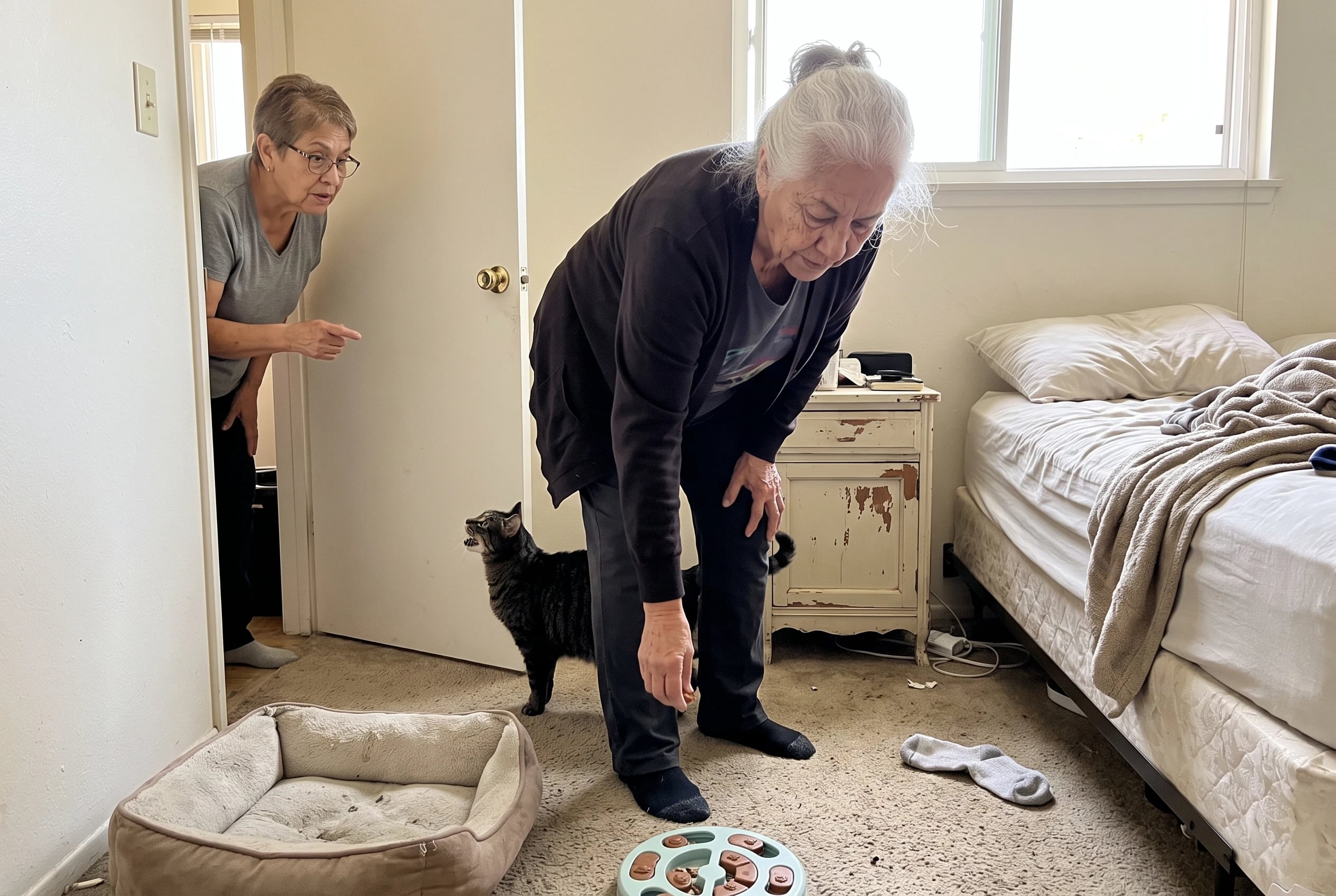
During the day, he follows you from room to room. At night, your bedroom door closes and the calls begin. That pattern is worth describing without blaming him for wanting company.
Some single indoor cats become anxious when left alone, according to the Ohio State Indoor Pet Initiative. It suggests activities such as food puzzles.
Senior-cat life-stage guidance from AAHA and AAFP also says nighttime calls reflect anxiety, changes in thinking, or changes in hearing and sight.
Put a food puzzle into his waking routine if he uses one. Note whether the calls start when you leave, or whether they happen while you’re beside him, too.
Then bring that pattern to the vet. An anxious cat still deserves a medical check. A painful or confused cat shouldn’t have to pass an anxiety test before getting one.
See more: 21 Best Dogs for a Senior Woman →
11An outdoor cat at the window

Before you go to bed, look at the window your cat watches. A visiting cat on the other side gives him something to react to, while the glass prevents him from reaching it.
Cornell describes outdoor cats seen through windows as triggers for arousal and redirected aggression. Closing the shade removes that view. The MSD Veterinary Manual also links unreachable triggers with anxiety-related calls.
Check whether the yowling happens beside a particular pane. Close the shade before dark and see whether that changes the pattern. You have a simple test that doesn’t require waking to search the yard.
If he still calls from other rooms, you’ve learned something useful: the window wasn’t the whole explanation. Keep that observation alongside the other changes you’ve noticed. A shade deals with a view, not every reason an older cat cries out.
10A bedtime response that keeps repeating
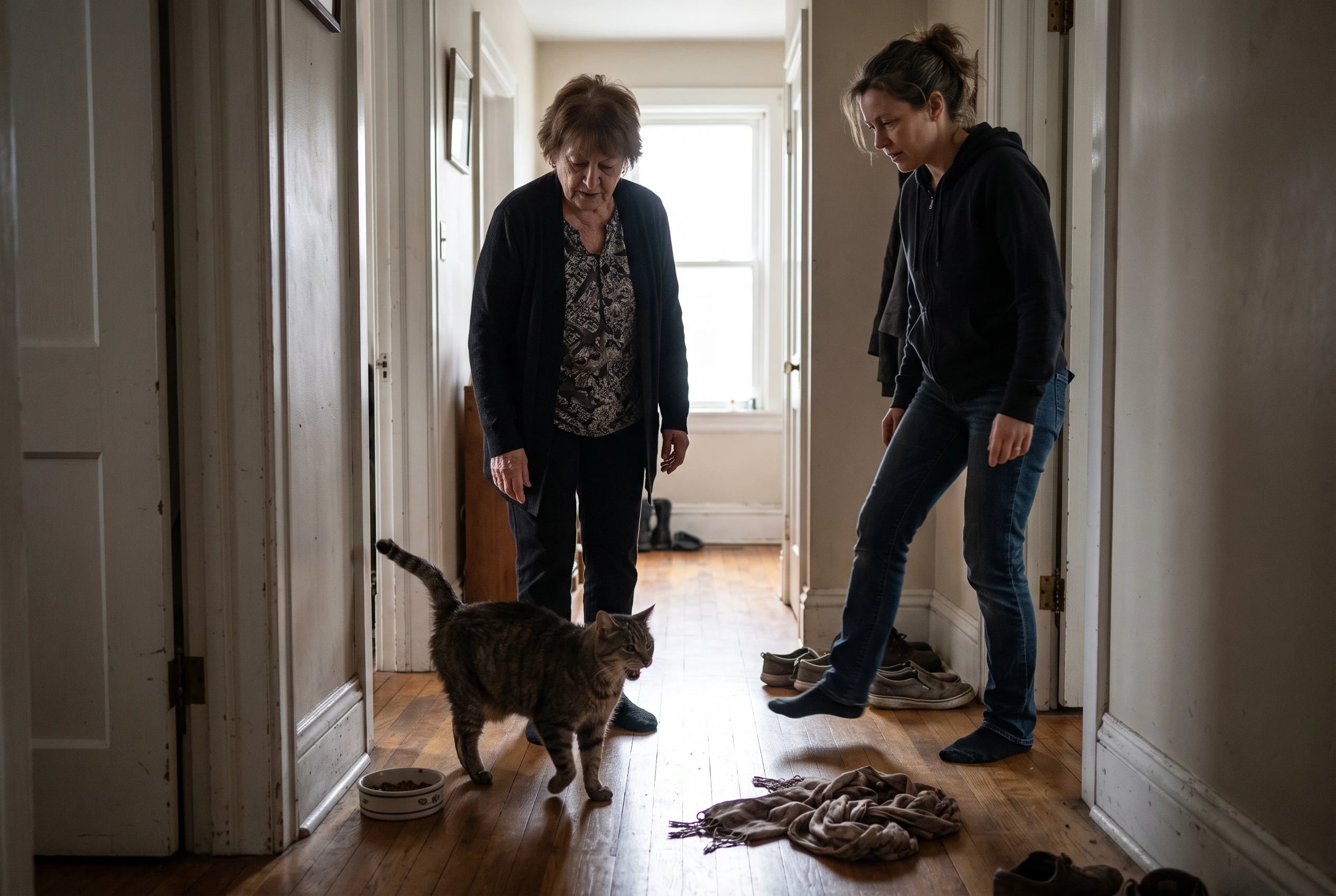
You sit up. He yowls. You give him a little food, and the house goes still. The next night, the sequence returns.
A cat who learns that loud meowing brings a response tends to repeat it, the animal charity PDSA notes. That doesn’t mean every nighttime call is a learned habit. Rule out pain and illness before treating the sound as a request you should ignore.
For now, record what happens. The MSD Veterinary Manual recommends noting how frequently a cat calls, how long it lasts, and what stops it.
Was it food, your presence, or a light switching on? A few clear observations beat a tired guess.
Once the vet has checked him, you have a pattern you can discuss rather than a battle to win at bedtime. Cornell warns that punishment teaches cats fear of the owner and worsens behavior problems. Neither of you needs that added to the night.
9Circling and other neurological changes
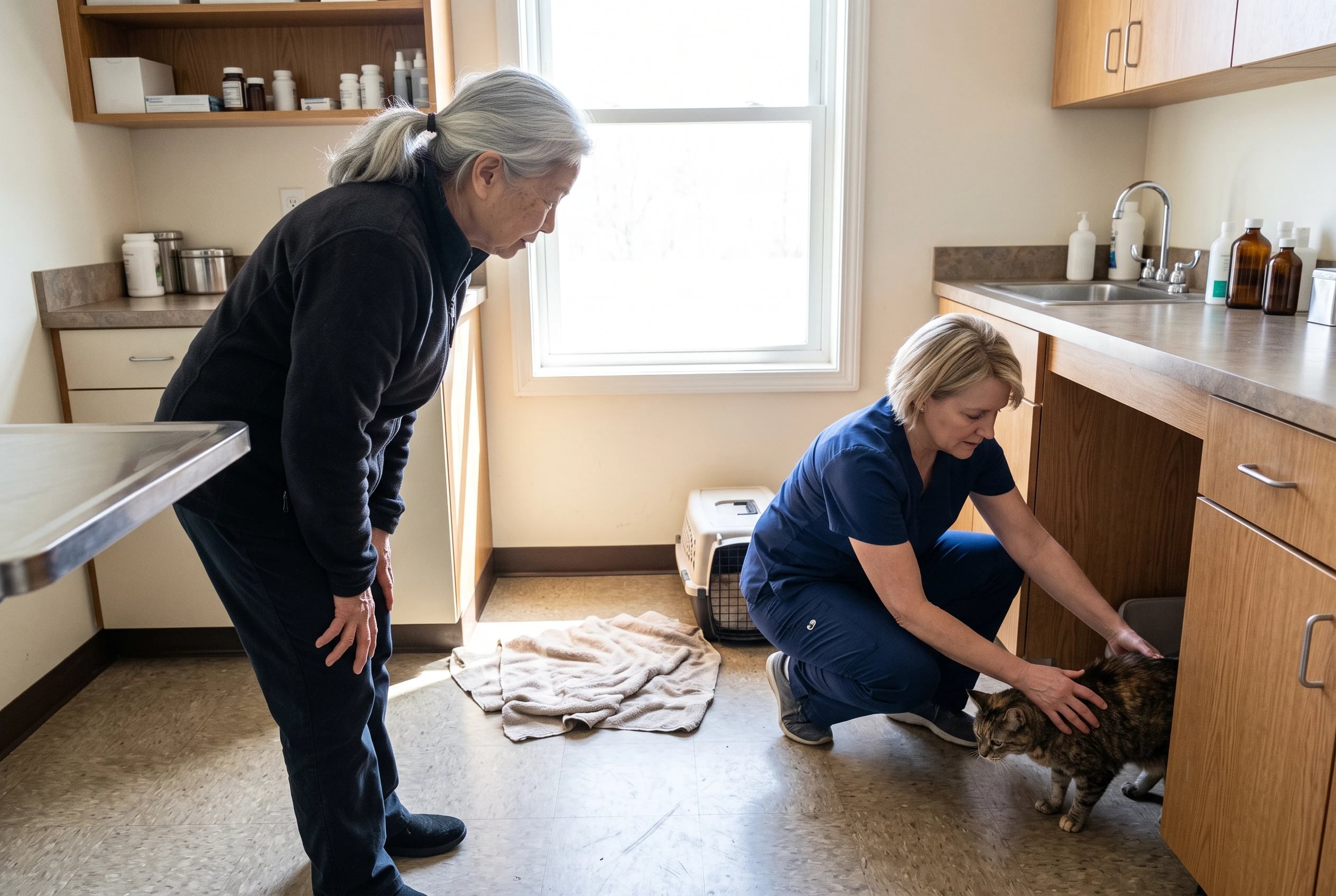
A yowl alone gives you few clues. Circling, a seizure, or a new problem seeing gives you a different call to make.
The MSD Veterinary Manual lists those signs with serious disease of the brain or nerves. It also notes that behavior after a seizure can look like confusion.
Tell the vet what you saw and in what order. “He walked in circles after the episode” is clearer than “he acted odd.” You don’t need to name a disease while standing in the dark.
8Litter box accidents alongside the yowling
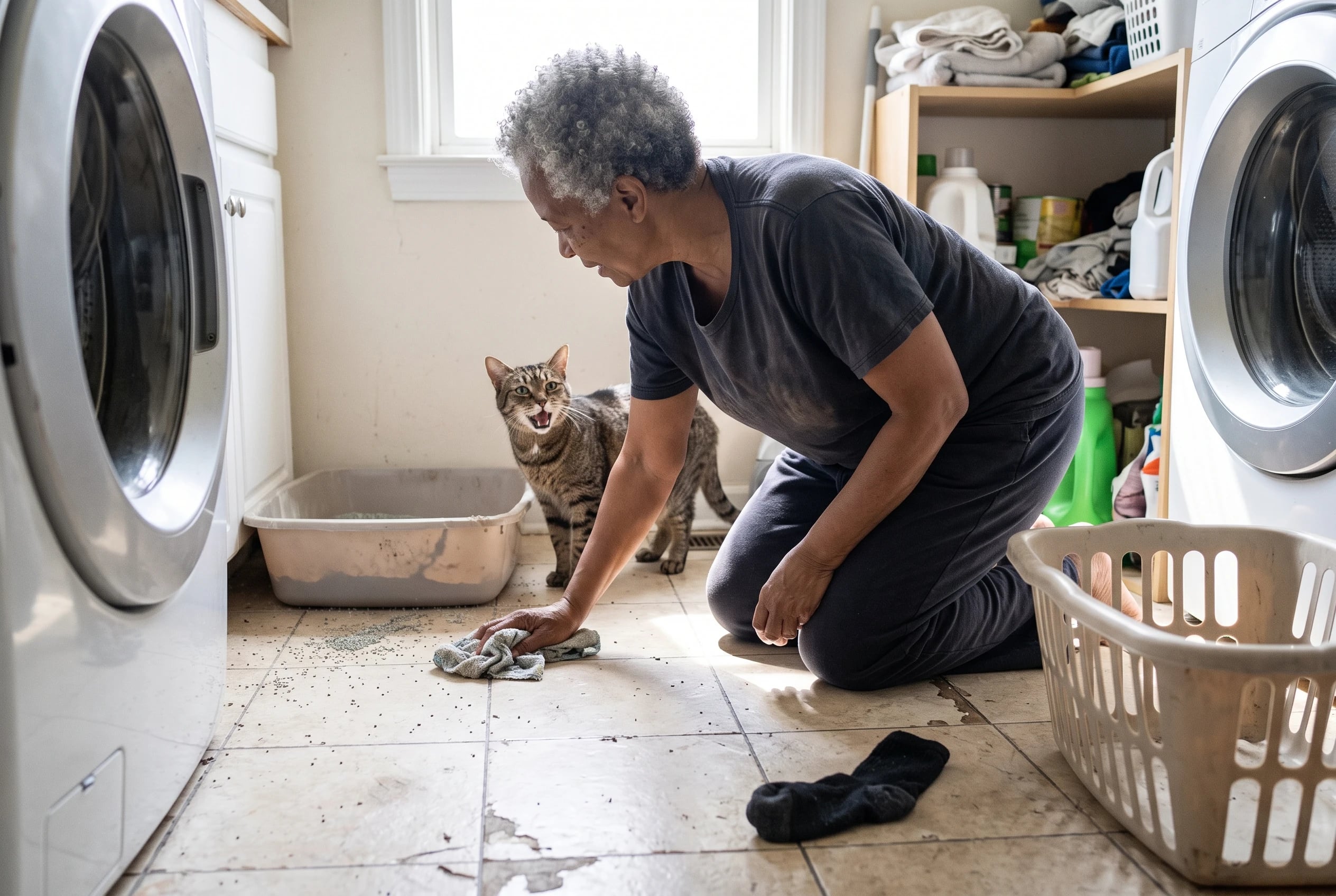
If you’ve asked, “Why is my older cat peeing outside the litter box?” while also listening to him cry at night, put those facts together for the vet. The damp spot and the sound both belong in the story.
Cornell lists kidney disease, diabetes, and hyperthyroidism among medical causes of house soiling.
Arthritis is another practical problem: a cat with sore joints has trouble climbing into a high-sided box in time. Cornell also links changes in thinking with both house soiling and nighttime calls.
Notice where the accident happens. Right beside the box? On another floor? Tell the vet when it started and whether it began around the same time as the yowling.
Cleaning the floor matters, but it won’t answer why a cat who knew the box has stopped reaching or using it. Both changes deserve a place in the same conversation.
7A litter box your older cat can use

For an older cat facing a tall box, the front wall is the problem. A lower entry gives him a way in without the same climb.
Cornell recommends low-sided litter boxes in consistent locations for cats with joint pain. Put one where your cat can reach it. Don’t move his only box and ask him to find its new home overnight. Feline guidelines on a cat’s home setup also stress ready access to litter boxes.
If you’re searching for how to get an older cat to use the litter box, this is a concrete change to make while the vet checks for illness.
A low-entry KittyGoHere senior box was listed at about $50 by a retailer in 2026; check the current price before buying. The name matters less than an entrance your cat can manage. Watch him approach the box you provide. That tells you more than the product description will.
6A nightlight in a predictable room
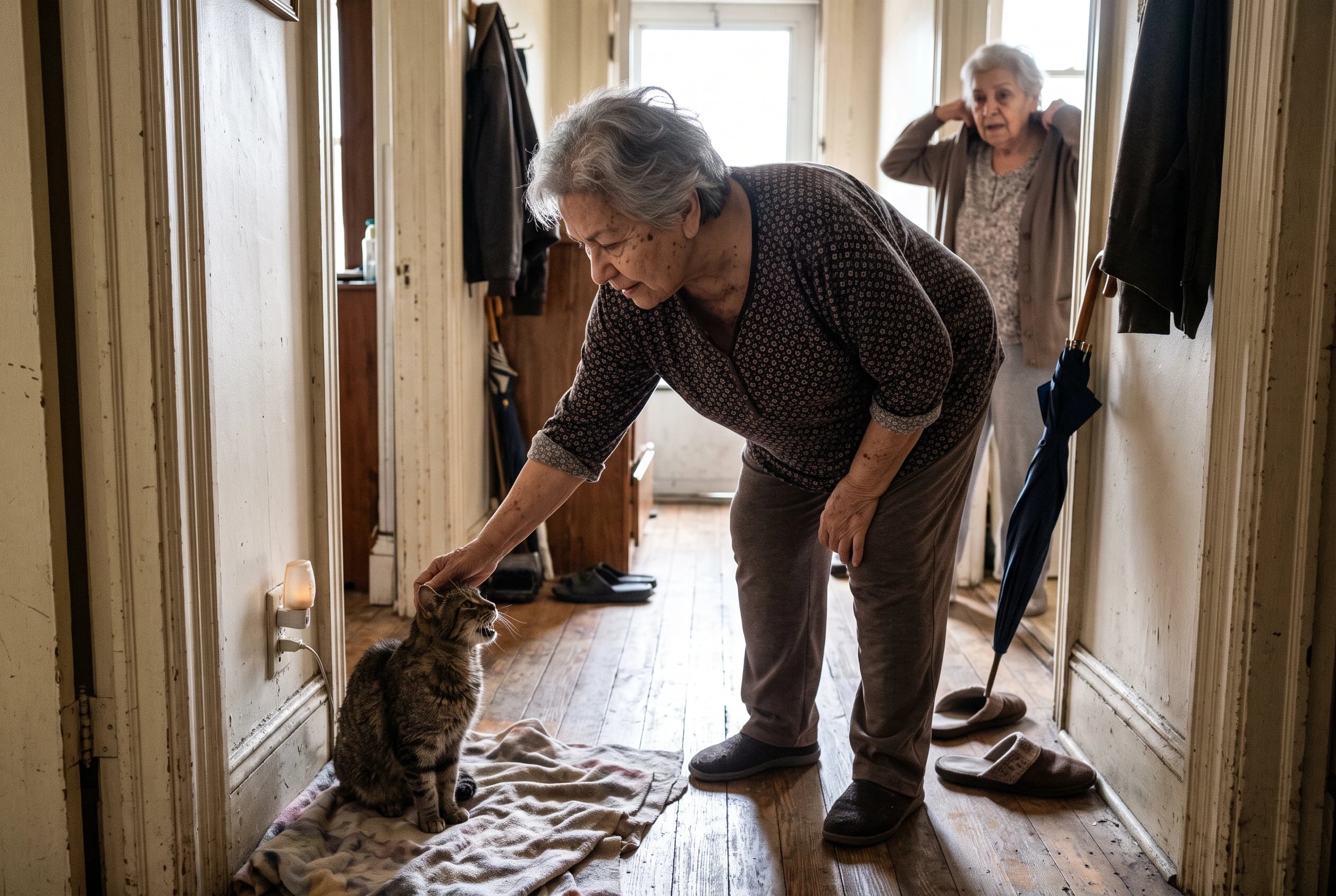
A nightlight is a small change. Keep it near the route your cat uses, and leave his familiar resting place where it is. You’re making the room easier to move through without rebuilding his world after dinner.
Predictable routines reduce feline stress, according to the Ohio State Indoor Pet Initiative. It also suggests low-volume radio or white noise to mask confusing outside sounds during a change in surroundings.
Try the light and a steady, low sound, then notice whether the calls change. If he heads down the same hallway each night, that’s a place to start observing.
Don’t let an improvement talk you out of a vet visit if he’s also losing weight, drinking more, or seeming lost. A calmer room helps him tonight; it doesn’t identify an illness.
5An evening meal on a timer

If he expects you at the bowl before dawn, an automatic feeder changes who delivers the meal. It also lets you schedule a serving rather than deciding, half asleep, how much food to add.
VCA recommends shifting feeding times and keeping cats active in the evening to address nighttime meowing. The PetSafe 5-Meal feeder portions food into scheduled servings. One retailer listed it at about $60 in 2026; prices vary, so check before ordering.
Use his planned food for the evening and overnight servings rather than treating the machine as an extra snack source. That keeps your test about timing, not about feeding him more.
If he’s newly ravenous or losing weight, tell the vet first. A timer changes breakfast delivery. It can’t tell you why his appetite changed.
4A pheromone diffuser near his resting place
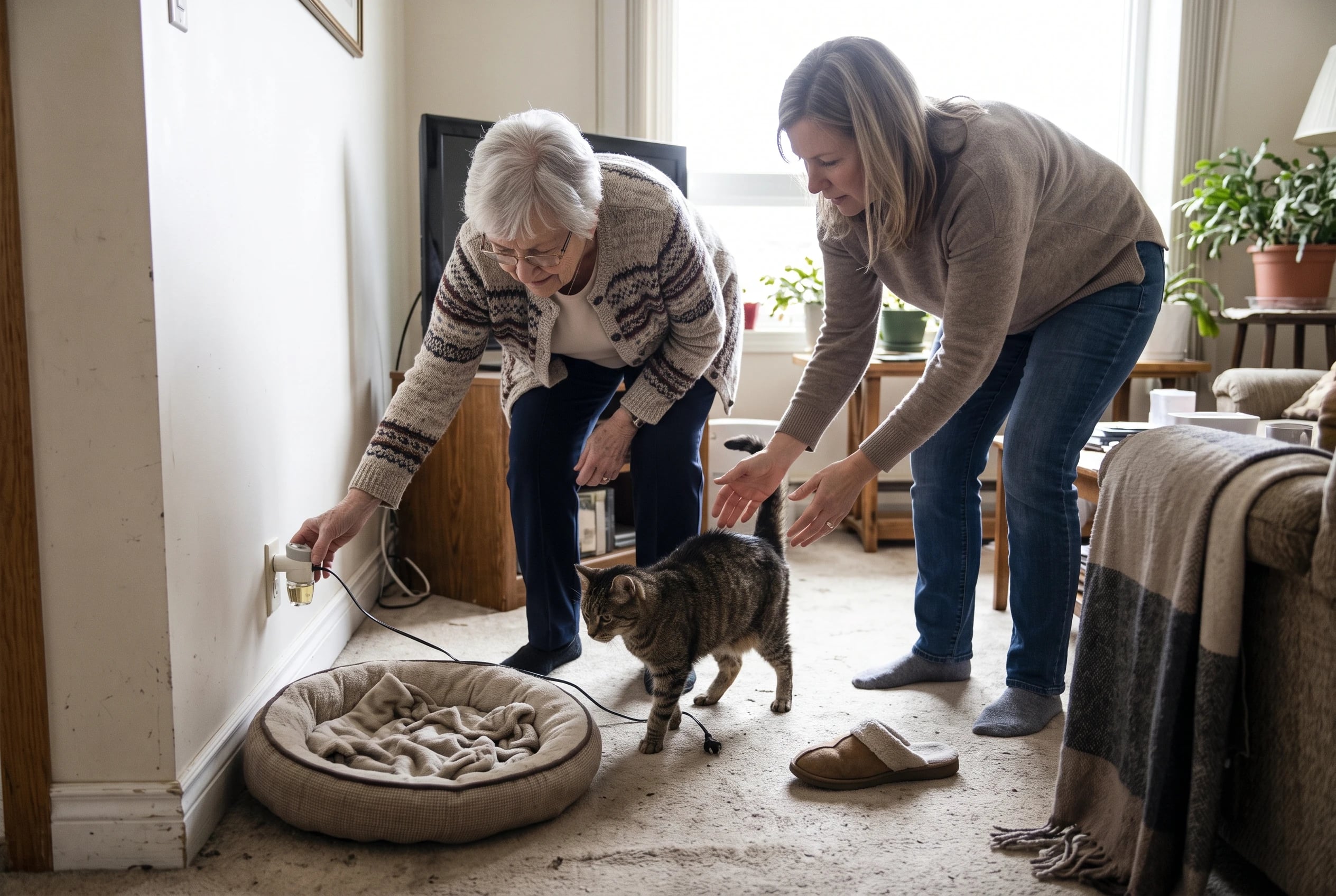
A diffuser sounds appealing when you’re exhausted. Be clear about what you’re buying.
The maker describes FELIWAY Classic as a product based on a cat’s facial pheromones, marketed for signs of stress.
It says one diffuser covers up to 700 square feet, with refills lasting up to 30 days. Senior-cat guidelines note pheromones as an option for reducing stress.
That makes a diffuser something to discuss when anxiety is part of the picture. It doesn’t replace an exam for a cat who is crying because he hurts, has lost his sight, or has a medical condition.
Spend on it for the job the maker claims it does, not as a promise that the yowling will stop. If the calls continue, you haven’t failed to make the room calm enough. You still need to know what’s happening with your cat.
3Vet-guided medication instead of a sleep aid
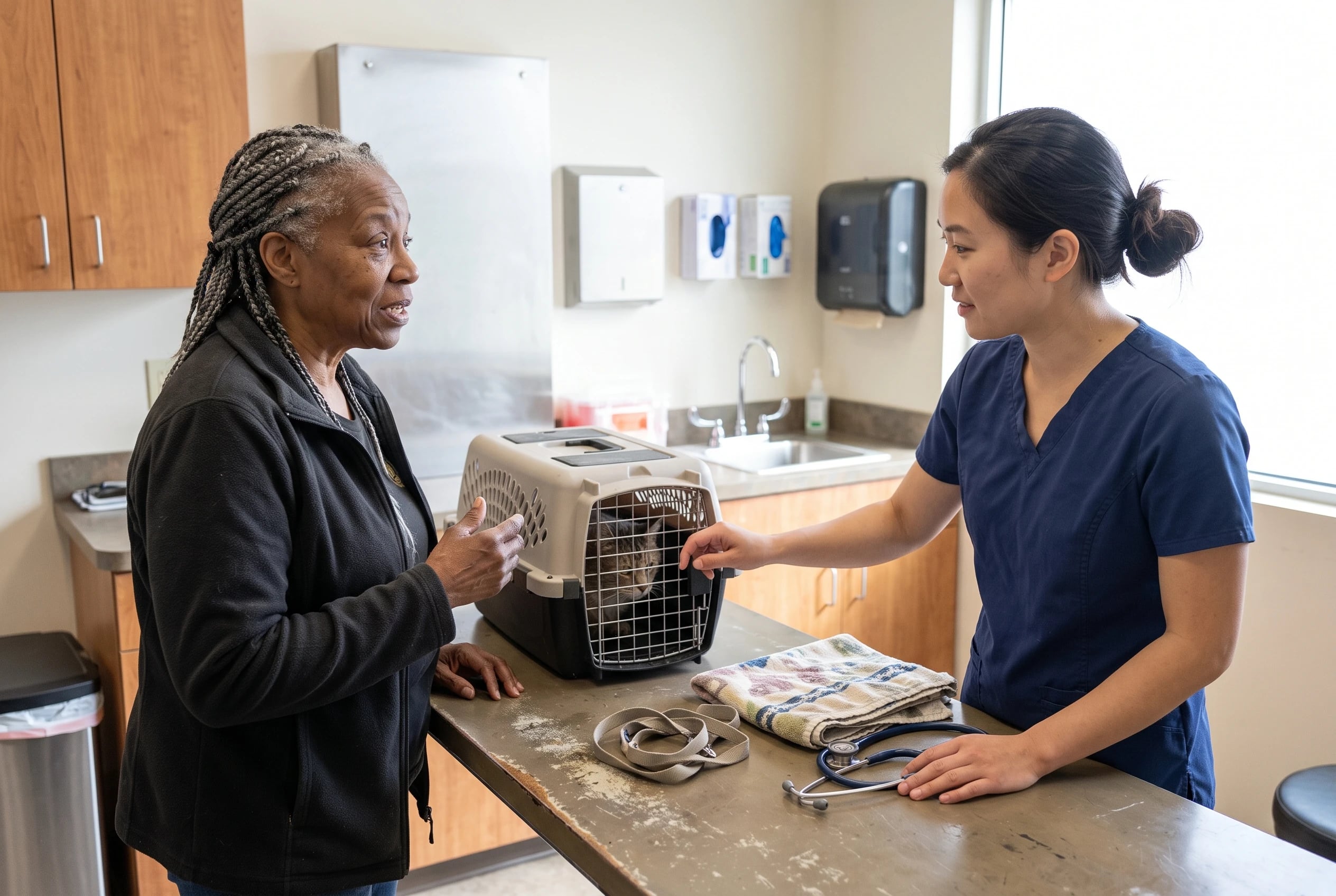
When the nights stretch on, the bathroom cabinet starts looking like a solution. Don’t give your cat a human sleep product without speaking to his vet.
Medication choices depend on the cause the vet finds. The AAFP End-of-Life Toolkit lists gabapentin as one pre-visit option for stress. It notes that the drug causes agitation in some cats. That is a vet-guided example for a stressful visit, not a home prescription for nighttime crying.
Merck Veterinary Manual’s guidance on poisoning warns that human melatonin products contain added ingredients, including xylitol, that are toxic. Ask the vet what they’re treating before you ask what to give him.
Pain, anxiety, and confusion don’t all call for the same answer. When you describe the nights, include what you’ve already tried and what happened afterward. That keeps the conversation on your cat rather than on the sleep product in the cabinet.
See more: 29 Conversations Families Keep Putting Off Until It's Too Late →
2Emergency signs during a nighttime cry
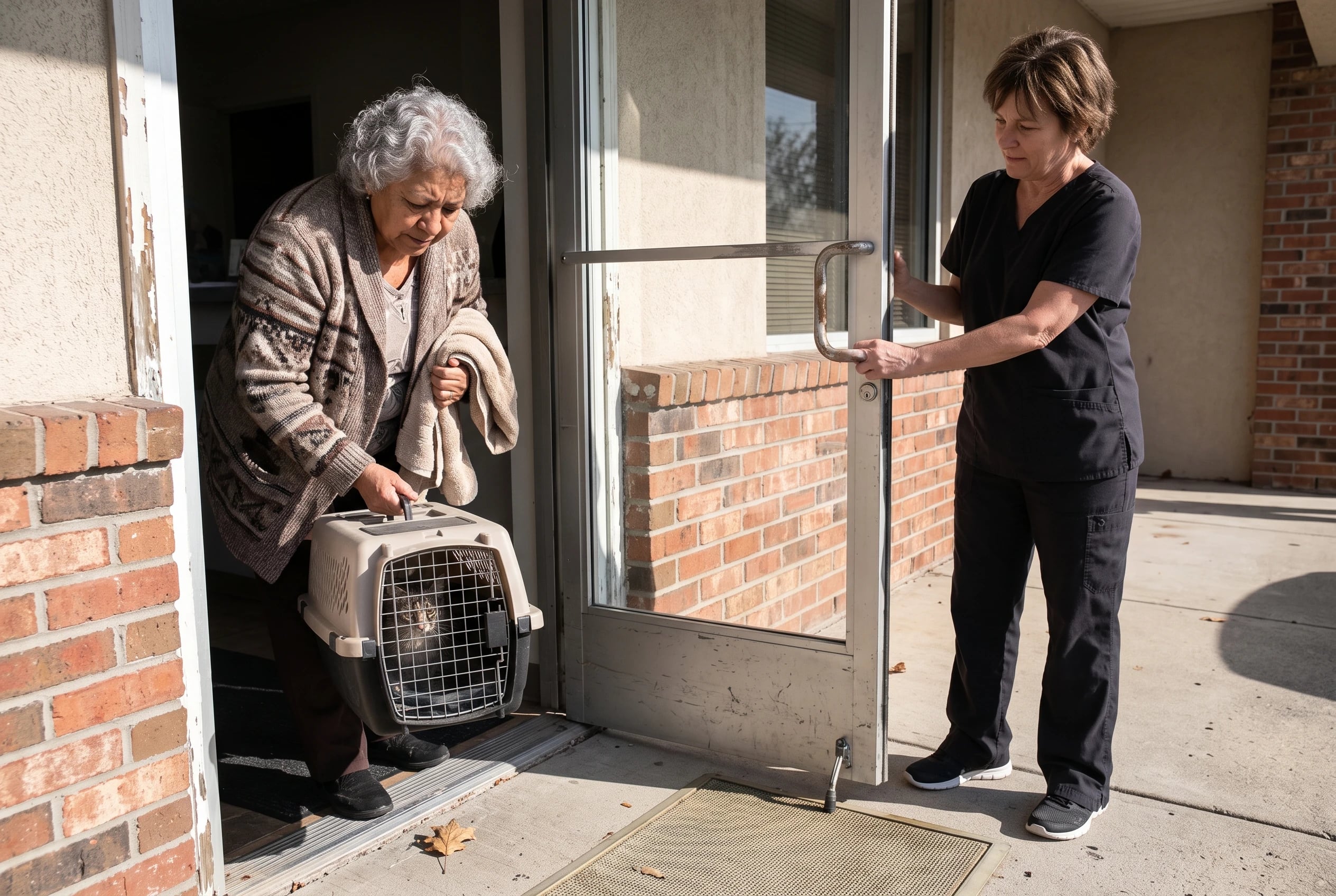
Some nights call for the phone, not another experiment with dinner or the lights. Look at your cat before you start trying to settle him.
Cornell identifies sudden blindness linked to high blood pressure as urgent; prompt treatment helps preserve vision in some cases.
PDSA calls labored or open-mouth breathing an emergency. The MSD Veterinary Manual’s emergency guidance flags severe pain and seizures for immediate care.
If you see one of those signs, call an emergency veterinary clinic. Tell them what you’re seeing, not just that he’s yowling.
They need to know about the breathing, vision, pain, or seizure before you arrive. Save the experiments with food, light, and sound for a night without those warning signs.
1A senior cat yowling at night workup
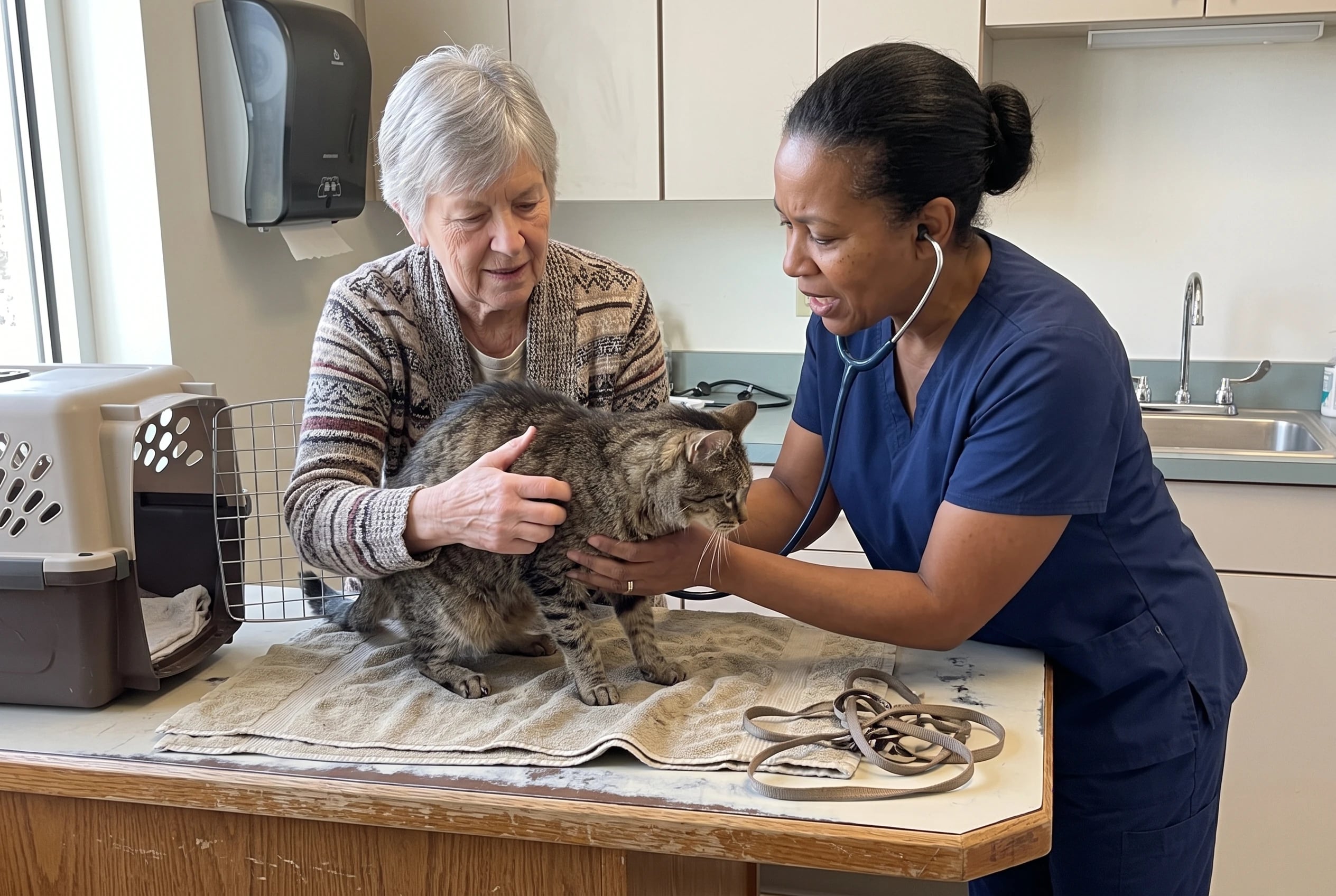
After another broken night, making the appointment is the useful move. You don’t need a diagnosis ready. Tell the clinic: “My older cat has started yowling at night. I’d like an exam and to talk about what changed.”
Bring the details you know: when the calls began, how long an episode lasts, what he does before it, and what stops it. Add changes in food, water, movement, vision, and litter box habits. The MSD Veterinary Manual recommends those details in a behavior history.
The 2021 AAFP Feline Senior Care Guidelines describe these checks in senior care. Ask which ones your vet recommends for your cat and what the estimate covers.
For a price reference, one U.S. clinic’s 2026 list put a senior panel at about $145 for cats age 7 and older. That example included blood and urine tests, but not a blood pressure check. Get your own clinic’s estimate so you know what’s included before the visit.
The appointment gives your notes a purpose. Instead of trying to choose a cause from a sleepless hallway, you’re giving the vet the changes you’ve seen and asking what needs checking.
The bottom line
The sound gets your attention. The changes around it tell a fuller story: a missed jump, an unfinished meal, a wetter litter box, or a cat who no longer finds the doorway.
The prepared version of you has checked for emergency signs, noted what changed, and made the vet appointment. You haven’t had to diagnose him at 3 a.m.
What happens in the minute before your cat calls out? That’s worth watching tonight and describing to the vet.
Up next
How Old Is Considered a Senior Cat? 24 Changes to Watch For
An age chart, a missed jump, and the changes worth describing to your vet.
Read the list →


Reader quiz
Did you catch the details?
5 questions from this article.
If your cat approaches a full bowl but leaves food behind, what should you ask the vet for?
Questions people also ask
How do I get my elderly cat to stop yowling at night?
Start with a veterinary exam to check for pain, thyroid disease, kidney disease, high blood pressure, and changes in thinking. Then use the findings to set a predictable routine and consider evening play, a later meal, or help for anxiety. Don’t punish the crying; AAHA and AAFP’s senior-cat guidance puts medical and home needs first.
What are end of life signs in an elderly cat?
Persistent pain despite treatment, severe confusion and distress, or disease that keeps getting worse despite care warrant a quality-of-life conversation. None of those signs makes the decision by itself. The AAFP senior-care guidelines support reviewing your cat’s exam findings, test results, and daily behavior with the vet.
What is cat dementia howling?
It’s nighttime calling associated with feline cognitive dysfunction. Cornell lists confusion, altered sleep and wake cycles, and house soiling among the other signs. A vet needs to check for medical causes of the same behavior before settling on that explanation.
What is sundowning in cats?
“Sundowning” is a familiar name for evening confusion, but it isn’t an official veterinary diagnosis for cats. Cornell’s description of cognitive dysfunction includes nighttime calling and changes to the sleep and wake cycle. Describe the behavior and its timing to your vet rather than relying on the label.
Why is my older cat peeing outside the litter box?
Cornell lists medical causes including kidney disease, diabetes, hyperthyroidism, and urinary problems. Arthritis also makes a high-sided box hard to enter. Tell the vet about accidents, particularly when they began alongside nighttime yowling.
How can I get my old cat to use the litter box again?
Have the vet check for illness first. Then provide a low-sided box in a consistent, easy-to-reach place; Cornell recommends that setup for cats with joint pain. Put accessible boxes on the floors your cat uses rather than making him travel farther when he needs one.
Did any of these feel familiar?
Know someone who needs this?
 Prime Journal · Free printable
The Family Essentials Checklist
- Your wishes written down and shared with the right person.
- Your medicines and emergency contacts ready when needed.
- Your family plans settled before anyone counts on them.

Free printable: The Family Essentials Checklist. Enter your email and it is yours.
Sources cited in this article
This article links to 12 outside sources, listed here so you can read them yourself.
- 50% to 90% of cats over age 4 have some form of dental disease www.vet.cornell.edu/departments-centers-and-institutes/cornell-feline-health…
- Cornell describes feline cognitive dysfunction www.vet.cornell.edu/departments-centers-and-institutes/cornell-feline-health…
- Hyperthyroidism in cats www.vet.cornell.edu/departments-centers-and-institutes/cornell-feline-health…
- 15% to 40% of cats with high blood pressure show brain-related changes www.vet.cornell.edu/departments-centers-and-institutes/cornell-feline-health…
- Chronic kidney disease affects up to 40% of cats over age 10 and up to 80% over age 15 www.vet.cornell.edu/departments-centers-and-institutes/cornell-feline-health…
- Cornell says prompt treatment allows some retinal reattachment www.vet.cornell.edu/departments-centers-and-institutes/cornell-feline-health…
- Ohio State Indoor Pet Initiative recommends scheduled daily play indoorpet.osu.edu/cats/problem-solving/increasing-activity
- MSD Veterinary Manual recommends noting how frequently a cat calls, how long it lasts, and what stops it www.msdvetmanual.com/cat-owners/behavior-of-cats/diagnosing-behavior-problem…
- Cornell lists kidney disease, diabetes, and hyperthyroidism among medical causes of house soiling www.vet.cornell.edu/departments-centers-and-institutes/cornell-feline-health…
- FELIWAY Classic us.feliway.com/products/feliway-classic-starter-set?variant=32818193072263
- MSD Veterinary Manual’s emergency guidance www.msdvetmanual.com/emergency-medicine-and-critical-care/evaluation-and-ini…
- 2021 AAFP Feline Senior Care Guidelines pmc.ncbi.nlm.nih.gov/articles/PMC10812122
Ruth Ellison
Family Editor
Ruth writes about grown children, grandchildren, ageing parents, and the conversations families put off, in the words of the people involved.
More from Ruth Ellison