










How Old Is Considered a Senior Cat? 24 Changes to Watch For
An age chart, a missed jump, and the changes worth describing to your vet.
By Ruth Ellison, Family Editor
Updated · 20 min read
The short answer: The 2021 AAHA/AAFP guidelines call cats senior at 11 to 14 years and geriatric at 15 or older. AAFP’s public age chart uses 10 and older for senior and recommends checkups at least every six months from that age. Cats aged 7 to 10 are mature adults, though some need closer monitoring before reaching either senior cutoff.
- Written by our family editor
- Cited 15 sources
- How we review

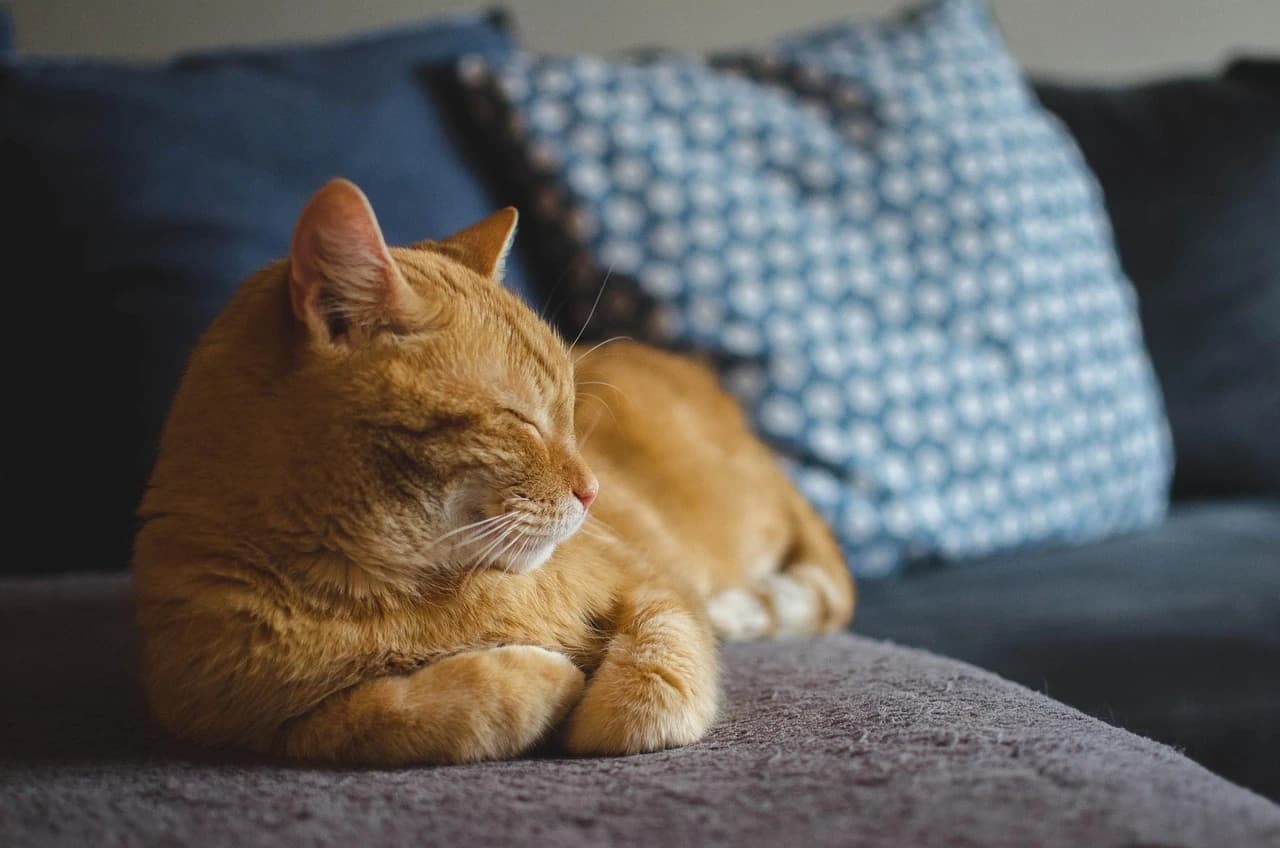
The cat pauses below the bed she used to reach in one leap. She looks up, takes another route, and settles as if nothing happened. You’re left wondering whether you saw an age change or just an unhurried afternoon.
An age label gives you a place to start. What she does with that bed, her bowl, and her litter box gives you something to tell the vet. One missed jump is an observation. Seeing the same hesitation again gives you a pattern.
24A Senior Cat Age Chart by Stage

Start with the AAHA/AAFP life-stage chart. It puts kittenhood through the first year, young adulthood at 1 to 6, and mature adulthood at 7 to 10. Senior covers 11 to 14; geriatric begins at 15.
Here’s the senior cat age chart in one place. If you’ve forgotten her exact birthday, use the age in her veterinary record rather than guessing from her coat or her speed on the stairs.
| Life stage | Cat’s age | | --- | --- | | Kitten | Birth through 1 year | | Young adult | 1 to 6 years | | Mature adult | 7 to 10 years | | Senior | 11 to 14 years | | Geriatric | 15 years and older |
The AAFP Cat Friendly chart draws one boundary differently: it labels cats 10 and older senior. Neither chart says something happens overnight when a new birthday arrives. Use the stages to frame a conversation, then describe the cat in front of you.
23How Old Is Considered a Senior Cat?
The answer is 10 or 11, depending on the chart. The AAHA/AAFP life-stage guidelines define senior as 11 through 14. AAFP’s public chart starts its senior label at 10. Both come from veterinary organizations; they draw the boundary differently.
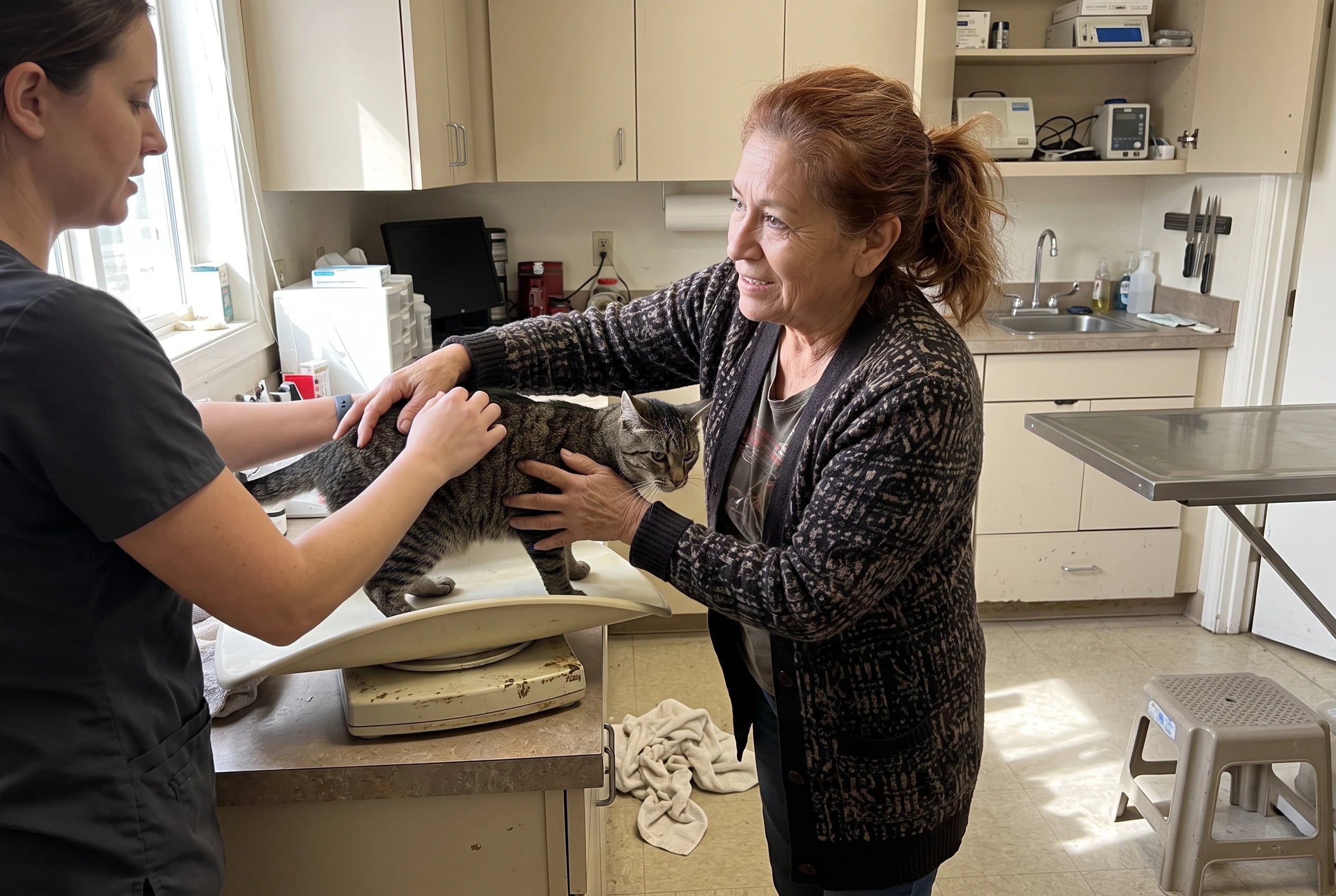
That distinction matters when your cat has just turned 10 and someone tells you she isn’t a senior yet. AAFP’s public chart advises checkups at least every six months from that age. You don’t need to settle an argument about the label before booking an appointment.
Ask her clinic one practical question: “When should I bring her back?” Then tell them what prompted you to ask. Her age belongs in that conversation, but so does the jump she stopped making last week. The second detail tells the vet far more about her day.
See more: 21 Best Dogs for a Senior Woman →
22A Seven-Year-Old Cat’s Mature Adult Label
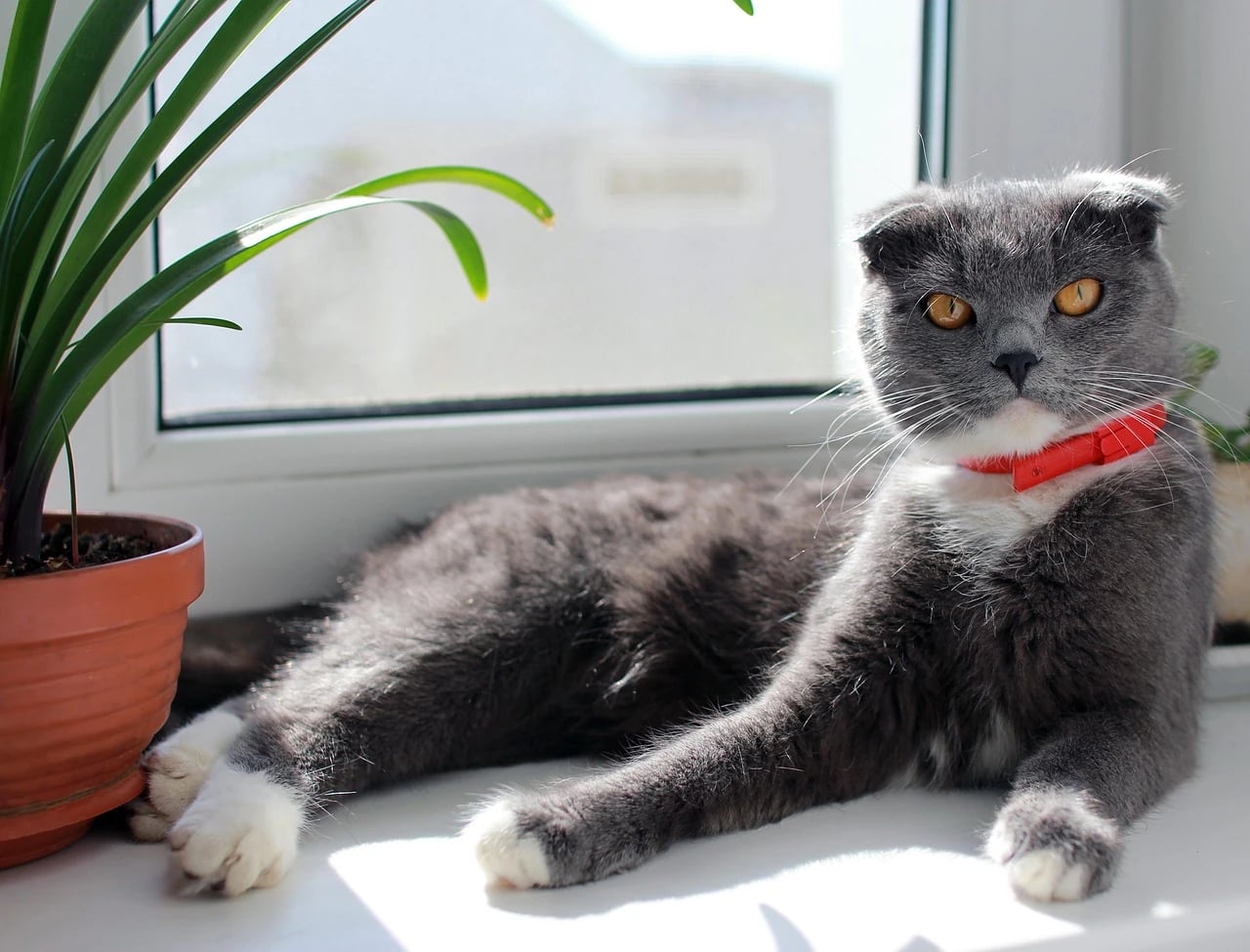
Seven sounds old for a pet you still picture as a kitten. Yet the AAHA/AAFP chart puts cats from 7 through 10 in the *mature adult* stage, not the senior stage.
The AAFP Senior Care Guidelines note that breed and genetics put some cats on a senior-care path as early as 8. For your 7-year-old, compare today’s jumping, appetite, and coat with her own earlier habits. Bring a change to the vet rather than waiting for a new label.
21A Cat-Years-to-Human-Years Conversion
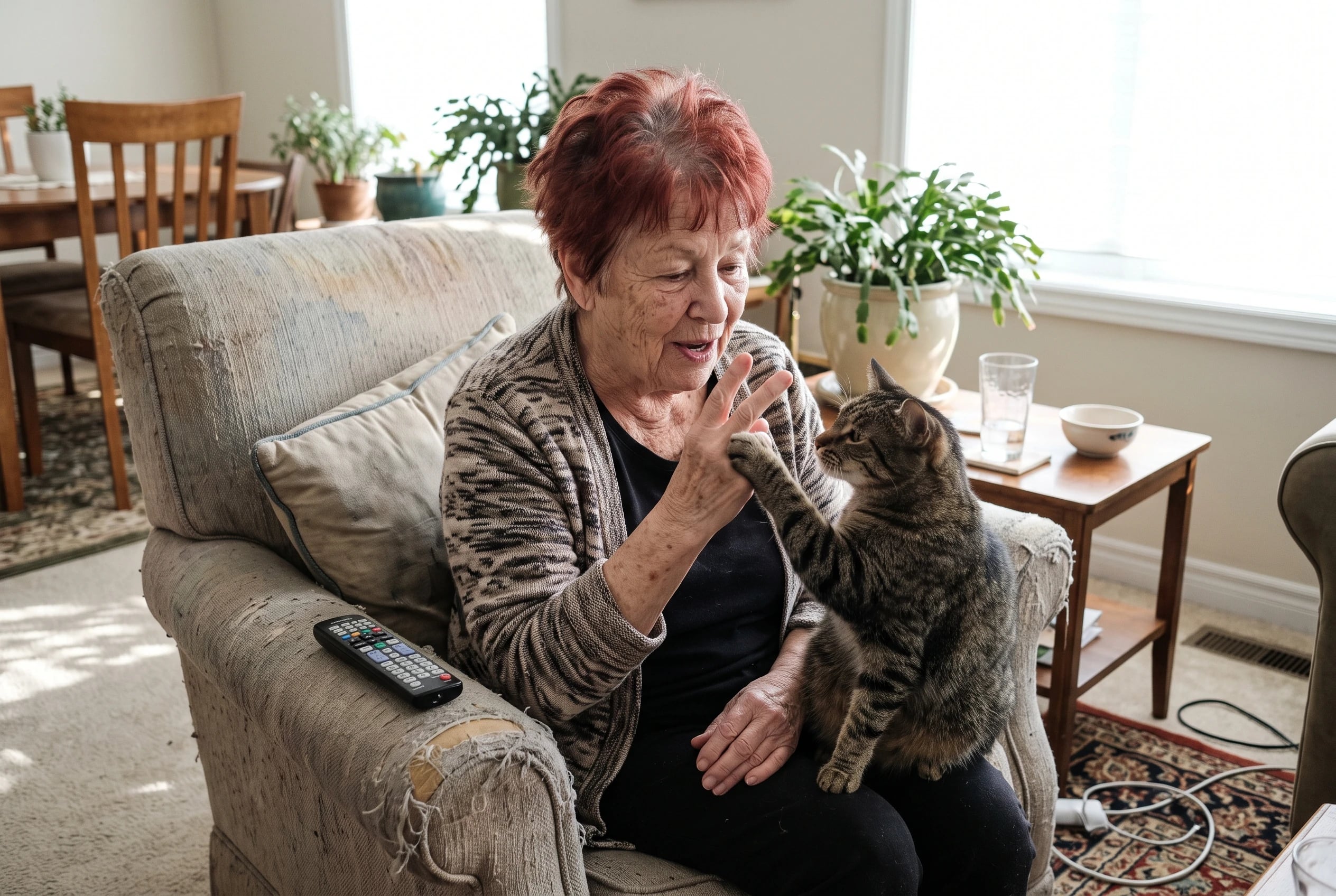
Multiplying every cat year by the same number gives you the wrong picture. The AAFP Cat Friendly chart counts the first year as about 15 human years. The second adds about 9, bringing the total to 24. Each later year adds about 4.
By that chart, a 10-year-old cat is roughly 56 in human-year terms. At 15, she’s roughly 76. Those numbers offer perspective when a cat who still looks youthful starts taking a different route onto the sofa.
They aren’t a health test. Two cats with the same birthday need different conversations if one is leaping to the windowsill and the other has stopped. The conversion describes age, not comfort.
Use it to understand the pace of aging, then watch what your own cat does tomorrow morning. Where does she go first? How does she get there? The answer belongs in your description of her, even if you never mention human years again.
20A Cat’s Geriatric Stage After Fifteen
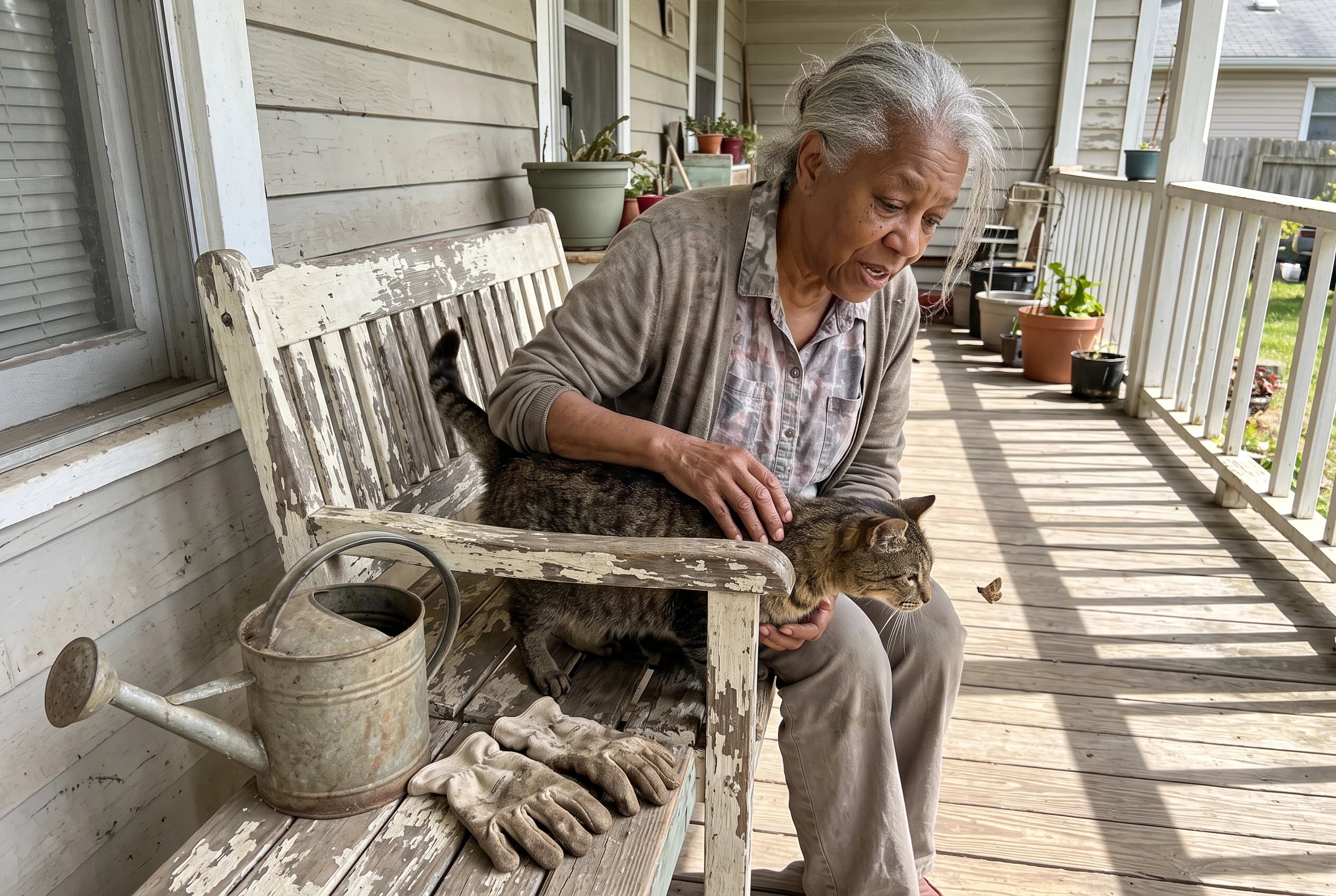
At 15, the AAHA/AAFP life-stage guidelines move a cat into the geriatric, or end-of-life, stage. That wording lands hard when she’s still waiting by her bowl each morning.
The AAFP Senior Care Guidelines also stress that geriatric needs reflect health, not a birthday alone. Your cat’s age calls for closer follow-up; it does not tell you how she spent today. Notice what remains easy and enjoyable for her, alongside what takes effort.
At the next visit, try describing a morning instead of giving a verdict. “She came to breakfast, then stayed downstairs instead of following me up.” It gives the vet a behavior to discuss.
If yesterday looked different, say that too. An old cat still has a daily life, and you’re the person who sees its details. Bring both the familiar habits and the new ones into the exam room.
19A Senior Cat’s Longer Sleeping Hours
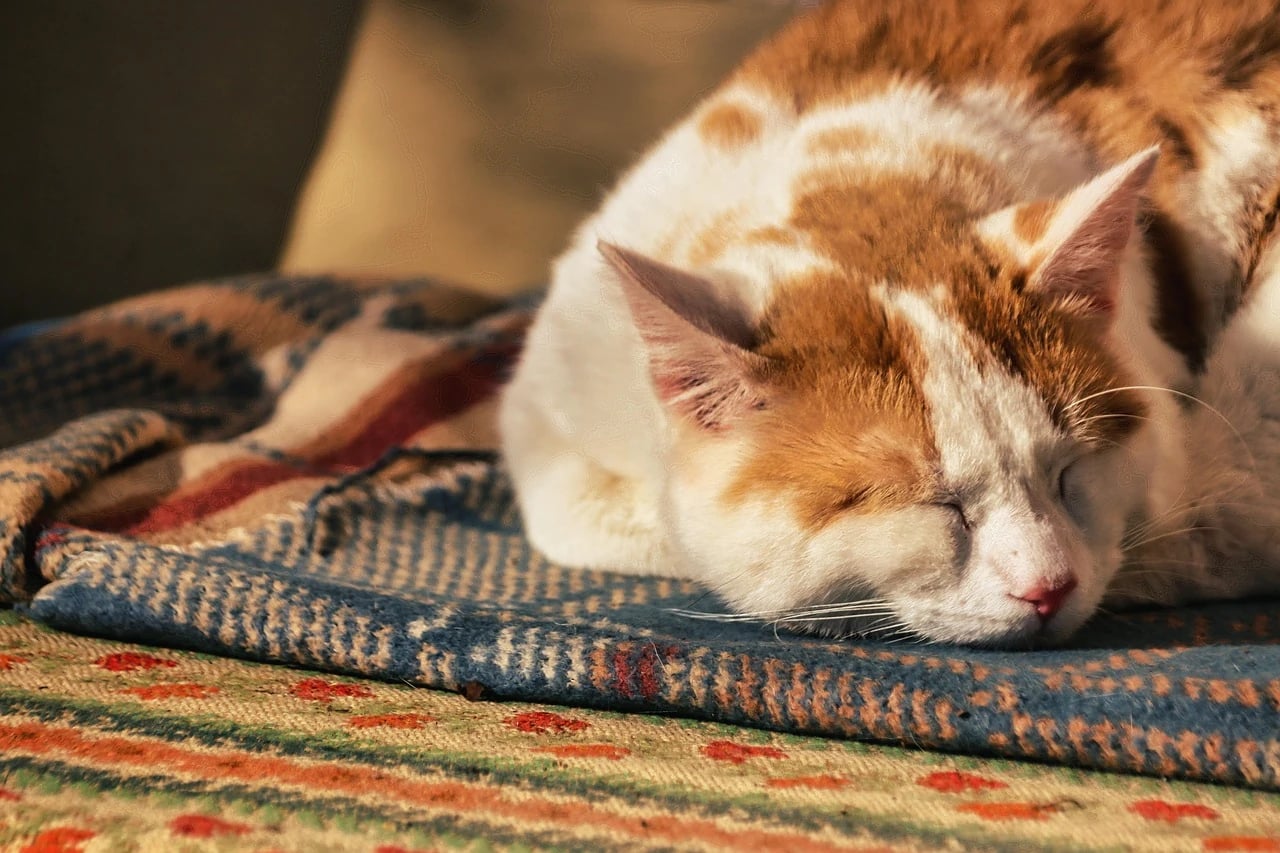
The sunny chair has become her whole afternoon. Before you write that off as age, think about what she does when she gets up. Does she head for food as before? Has she stopped joining you somewhere she used to go?
VCA’s guide to aging cats says more sleep or less activity is a clue to pain or illness. It also reports signs of osteoarthritis on radiographs in more than 90 percent of cats older than 10.
An X-ray finding doesn’t tell you precisely what your cat feels. Her behavior gives the vet another piece of the picture. Make a note of the place she no longer visits and whether that change happened gradually.
“She no longer comes upstairs at bedtime” says more than “she sleeps a lot.” If she still arrives for dinner but skips the stairs afterward, include both halves. They show what she’s choosing to do and what she’s leaving out.
18A Stiff Cat Avoiding Favorite Jumps

Watch the route, not just the destination. A cat who once sprang onto the windowsill now stops at a chair first. Another stands below the bed, considers it, and walks away.
Reluctance to jump and stiffness are signs of arthritis in VCA’s arthritis guide. The FDA’s cat osteoarthritis guide also points to reduced grooming and trouble around the litter box.
Taken together, those changes are worth reporting even when she still gets where she wants to go.
Record the jump she avoids and when you first noticed it. If she takes the usual route later, film it. You’ll have something concrete to show the vet instead of trying to imitate the hesitant step in an exam room.
Then look around at home. Does her favorite resting place now require the jump she’s avoiding? Notice whether she uses a chair as a halfway point or stops trying altogether. A changed route is useful information, even before you know why she changed it.
See more: 27 Reasons a Senior Dog's Legs Give Out, and What Helps at Home →
17A Senior Cat’s Changing Weight
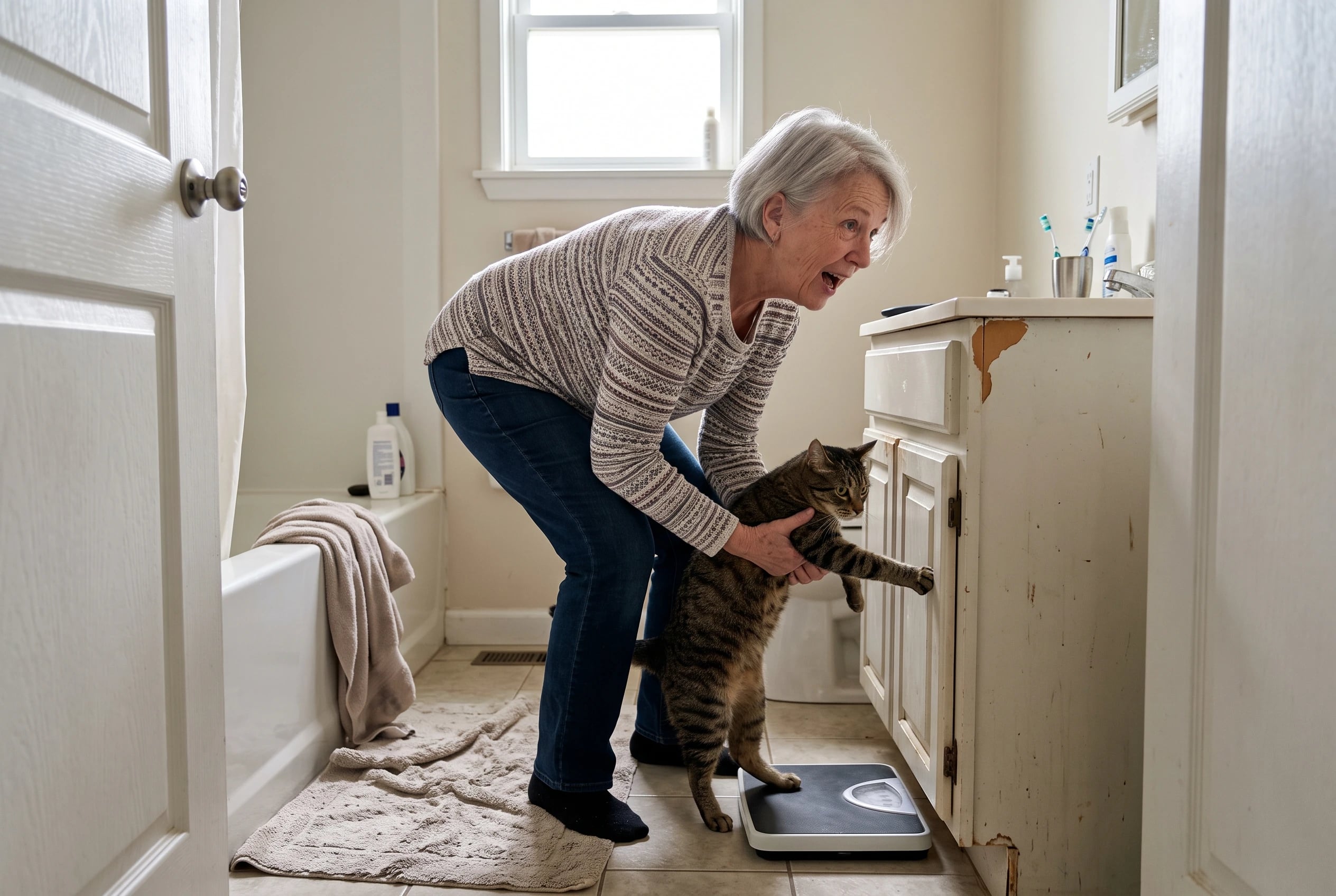
Fur hides a slow change. You notice it when you lift her, or when her back feels different beneath your hand. Weight gain belongs in the conversation too; memory alone is a poor way to compare one visit with the next.
VCA’s guide to recognizing illness in cats says chronic illness brings slow, subtle weight loss. Merck’s kidney disease guide links weight loss with increased thirst and urination. Neither tells you the reason for a change you feel at home.
Ask the clinic to compare her recorded weights. Write down the dates so you have a starting point for the next visit. Report a shift even if she’s still eating dinner.
Keep this question about the direction of her weight, rather than guessing at a disease. When you next lift her, you’ll have a recorded comparison instead of “I think she feels lighter.” Appetite becomes a more specific clue later in this list.
16Mats in a Senior Cat’s Coat
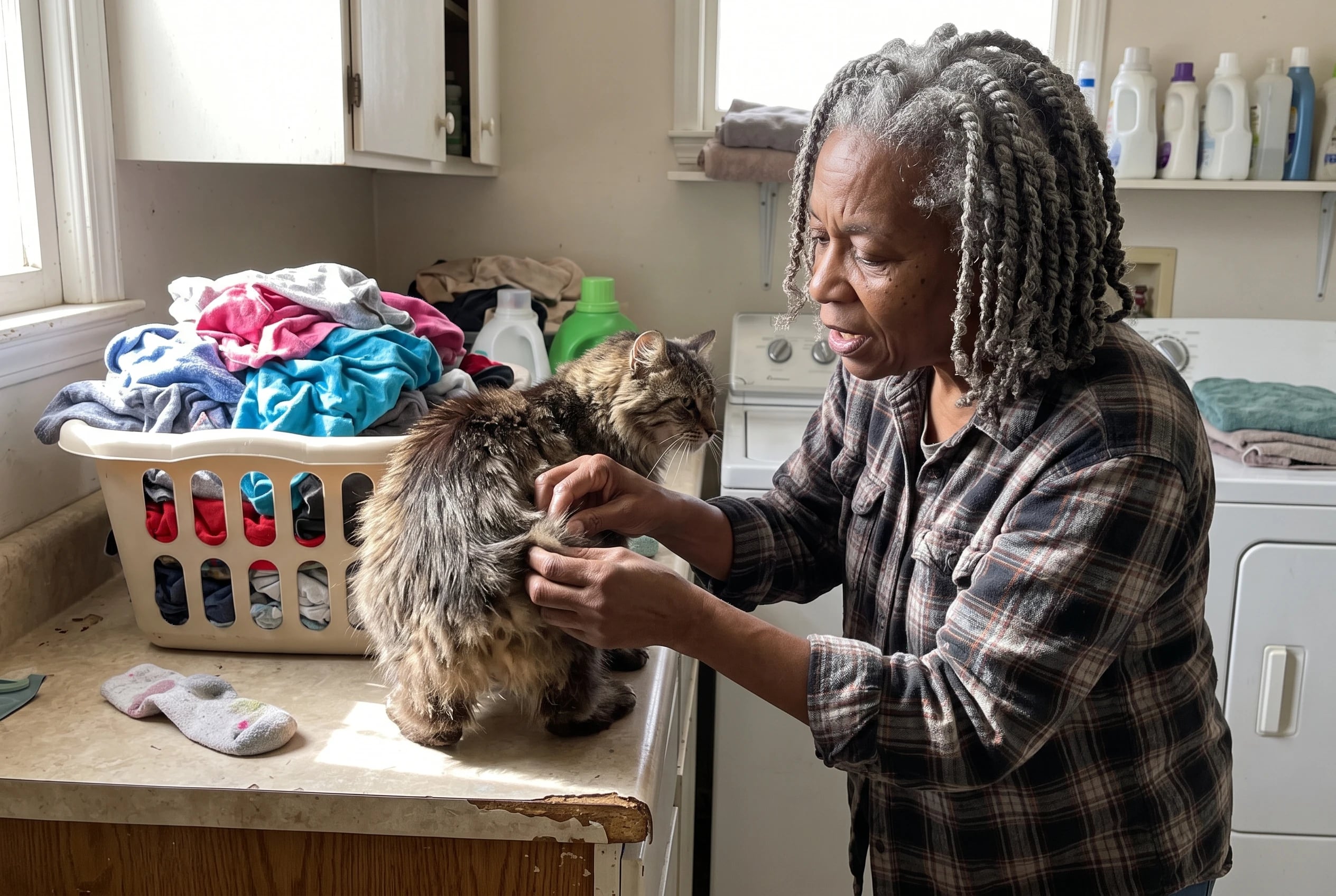
A mat near the hind end says more than “she’s getting messy.” Cats need to twist to groom there. VCA’s aging-cat guide notes that spinal arthritis makes that movement difficult, leaving some older cats with mats or a dull coat.
Run your eyes over the places she used to keep smooth. Is the change limited to her back or hindquarters? Has she also stopped jumping? Tell the vet both details rather than treating the coat as a separate cosmetic problem.
You can describe where the mats are without deciding what caused them. A coat she once kept tidy is part of her daily routine. The change gives the vet another reason to ask about comfort and movement.
Notice how she behaves when you touch that area, and tell the clinic if you’ve seen a change. The location matters more than a general complaint that her fur looks older. It points to a task she used to manage for herself.
15Litter Box Misses Beside the Pan

The puddle is beside the box, not across the room. That position matters. A cat with stiff joints has to step over the rim, turn, and settle into place before she uses the pan.
VCA’s arthritis guide and the FDA’s cat osteoarthritis guide both list litter box trouble among arthritis clues. Look at the height of the entrance and watch whether she hesitates before going in.
Tell the vet where the misses land. Add any changes in her thirst or movement, even if they seem unrelated. Then look at the box itself: could she step into it without clearing such a high side?
Scolding won’t answer why a familiar task has become difficult. Neither will moving the pan before you’ve noticed how she approaches it. Watch the route once, then explain exactly where she stops or struggles.
14A Cat’s Cloudy, Hazy-Looking Eyes

A blue-gray haze catches the light when she turns toward you. It’s tempting to call it a cataract, but the two changes aren’t the same.
VCA’s guide to lenticular sclerosis describes an aging change in the lens that usually causes little vision loss. Merck’s guide to lens disorders describes cataracts as opacities that impair vision.
You can’t settle the difference by studying her eyes across the room. Have the vet examine them, especially if she’s having trouble finding her way. Tell the clinic what you’ve seen: the haze itself, a change in how she moves, or both.
The name of the change matters because its effect on sight differs. An eye that looks cloudy deserves an exam, not a guess from a photograph. If you’ve noticed her pausing at a familiar doorway, include that detail rather than assuming the haze explains it.
13A Cat Ignoring Familiar Calls
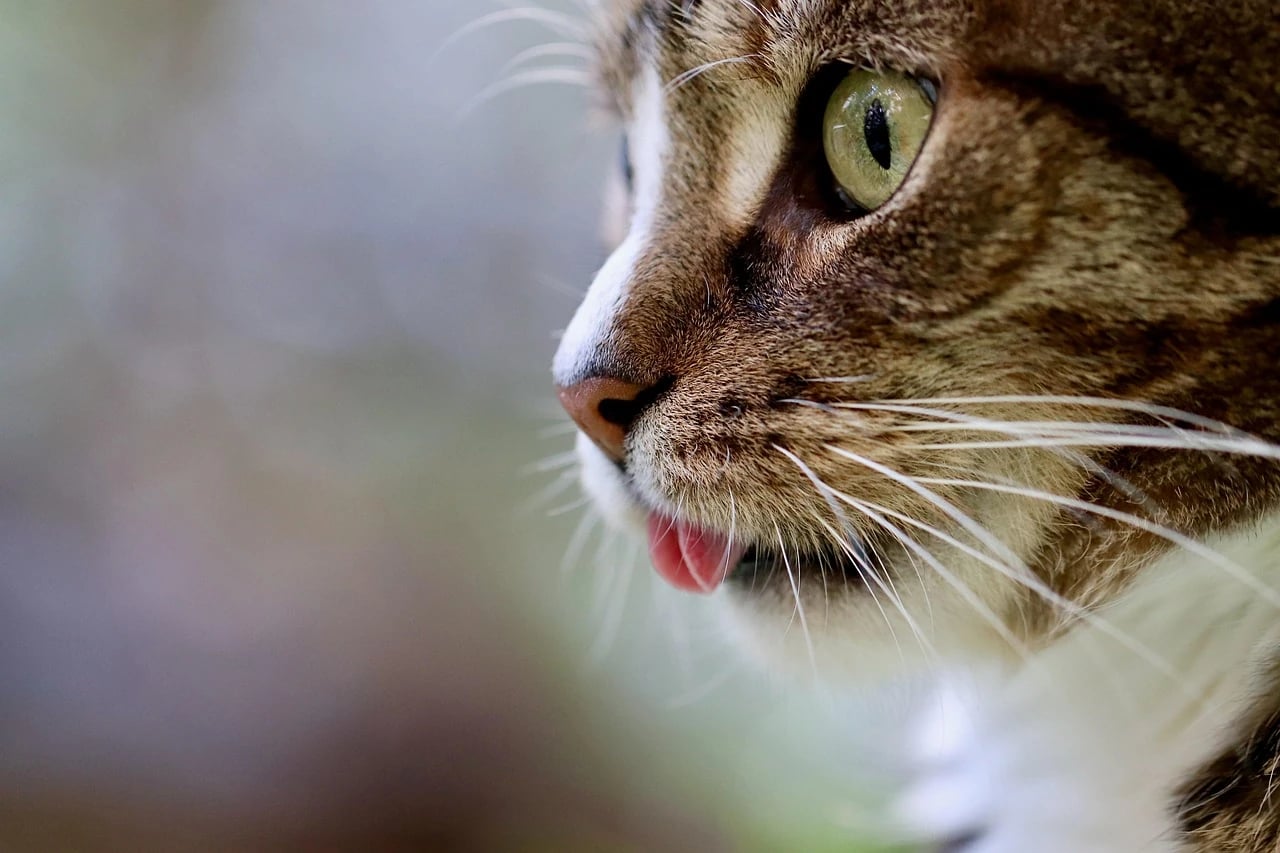
You call from the doorway. She keeps facing the window, then turns when you walk into view. Before deciding she’s ignoring you, consider what she heard.
Merck’s guide to deafness in cats says hearing loss is acquired with age and that partial or one-sided loss is hard to notice.
VCA’s guide to living with a deaf cat notes that the signs are especially easy to miss when other cats share the home.
Tell the vet what happens when you call from outside her sight, and what happens when she sees you. If another cat is usually first to respond, mention that as well. You’re looking for a pattern, not trying to catch her failing a test.
Think back to where you stood each time she responded. Seeing you walk into the room is different from hearing your voice before you appeared. That distinction gives the clinic a clearer account than “she doesn’t listen anymore.”
12A Senior Cat Yowling at Night

It’s dark, everyone is in bed, and she calls from the hallway. Night yowling is unsettling precisely because you can’t ask what’s wrong.
VCA’s guide to feline cognitive dysfunction lists night vocalization, disorientation, changed interactions, and disrupted sleep among its signs. A review of cognitive changes in cats also tracks changes in house-soiling and activity.
Note where she is when she calls. Does she seem unsure where to go in a room she knows? Has her daytime routine shifted too? Bring the pattern to the vet rather than assigning it a name yourself.
One noisy night tells less than repeated changes in how she moves through familiar rooms. Keep the details close enough to hand that you won’t forget them after a full night’s sleep. Include what happened before bedtime and what she did when you came to her.
11A Cat Dropping Food at Dinner

The pieces land beside the bowl. She comes back to eat, but chewing looks awkward. Don’t dismiss that as fussiness about a new flavor.
VCA’s dental disease guide lists dropped food, trouble chewing, drooling, and bad breath as dental clues. The American Veterinary Medical Association’s dental-care guide says pets’ teeth and gums should be checked at least once a year.
Tell the vet which food she drops and whether eating has slowed. If she’s also losing weight, mention that in the same conversation. A cat who approaches the bowl and leaves food behind gives you a different observation from a cat who never comes to dinner.
The bowl gives you an observation. The mouth exam gets closer to the cause. Before the visit, notice whether the trouble happens throughout the meal or only after she has started eating. You don’t need to examine her mouth yourself to give a useful account.
10A Thirsty Cat With Dull Fur
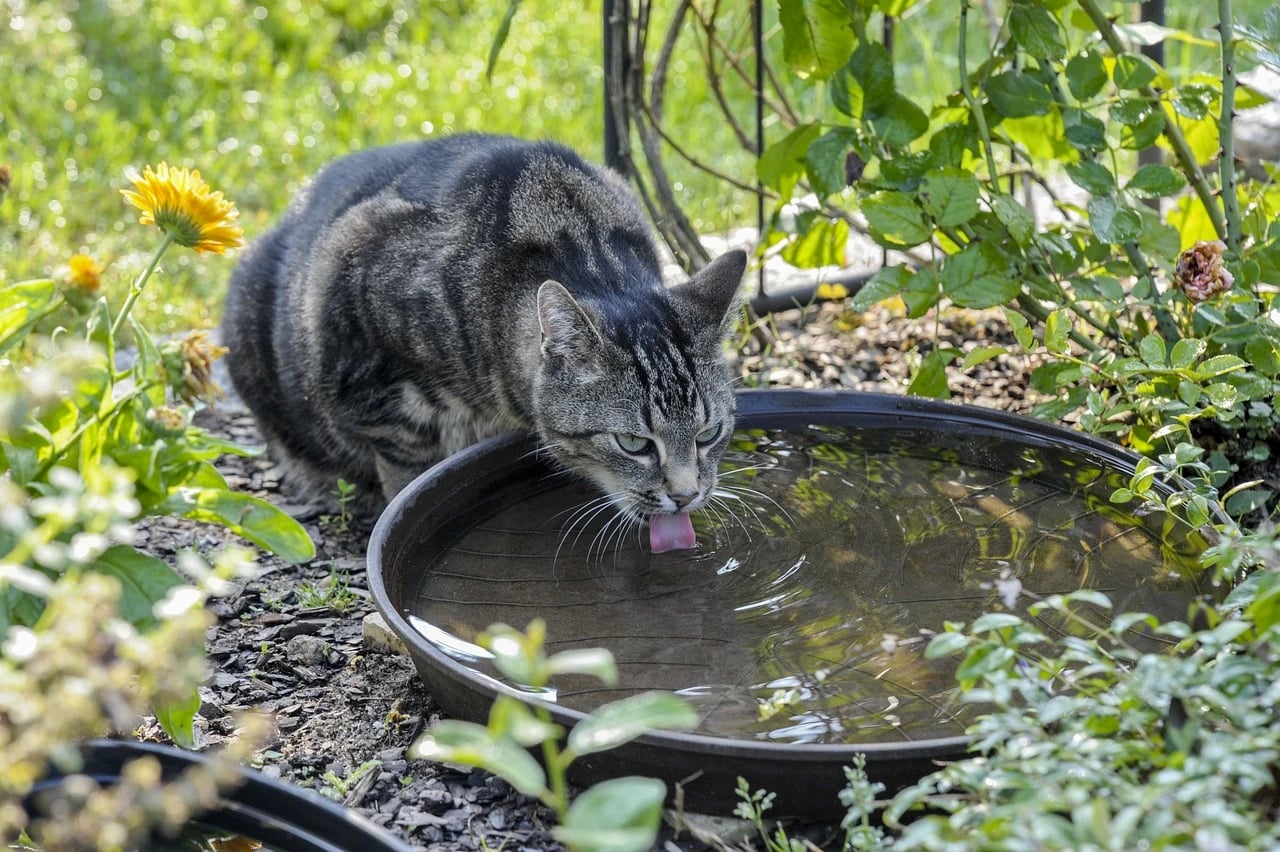
Ask yourself three things: Is she drinking more? Does her coat look duller? Does she feel lighter when you pick her up?
Merck’s guide to chronic kidney disease lists increased thirst and urination, weight loss, poor appetite, and a dull coat among its signs. None of that adds up to a diagnosis from the kitchen floor.
Call the clinic with the changes you’ve seen, including trips to the litter box. Ask which tests the vet plans to run and what they’ll check. Merck describes blood and urine tests and blood pressure among the checks used in diagnosis.
Which change came first? Think about whether you noticed the water bowl, her weight, or her appetite changing before the others. That history belongs beside the results. It also keeps a cluster of observations from turning into a guess about what she has.
9A Hungry Cat Still Losing Weight

She finishes dinner and asks for more. Yet her body looks thinner. Appetite and weight moving in opposite directions are worth saying together.
VCA’s hyperthyroidism guide describes weight loss despite increased appetite in middle-aged and older cats. It puts the average age at about 12 and lists increased thirst and hyperactivity among other signs.
That combination makes this different from noticing a change on the scale alone. Has she begun asking for another meal? Is she drinking more, or acting busier than before?
Tell the vet, “She’s eating more and losing weight,” then add those details. Ask whether thyroid testing belongs in her visit. The food bowl isn’t where you make the diagnosis; it’s where you first noticed the contradiction. Bring that contradiction intact, rather than describing her only as thin.
8A Heavier Senior Cat’s Diabetes Risk

Extra weight deserves attention before a cat looks sick. Merck’s guide to feline diabetes links obesity with insulin resistance and higher diabetes risk. It lists increased thirst, increased urination, and weight loss among signs to notice.
A study indexed by PubMed found about 2.2 times higher diabetes risk among cats weighing at least 6.8 kilograms, roughly 15 pounds. That finding isn’t a diagnosis or a target weight for your cat.
Ask the vet to assess her weight against earlier visits, rather than using that study’s cutoff as a judgment at home. If she’s drinking more while losing weight, lead with those observations when you call.
Weight history matters; so does the direction it’s moving now. “She’s always been a big cat” doesn’t describe what happened since her last exam. Ask the clinic for the recorded weights and use those instead of an impression formed through fur.
7A Lump Found During a Checkup
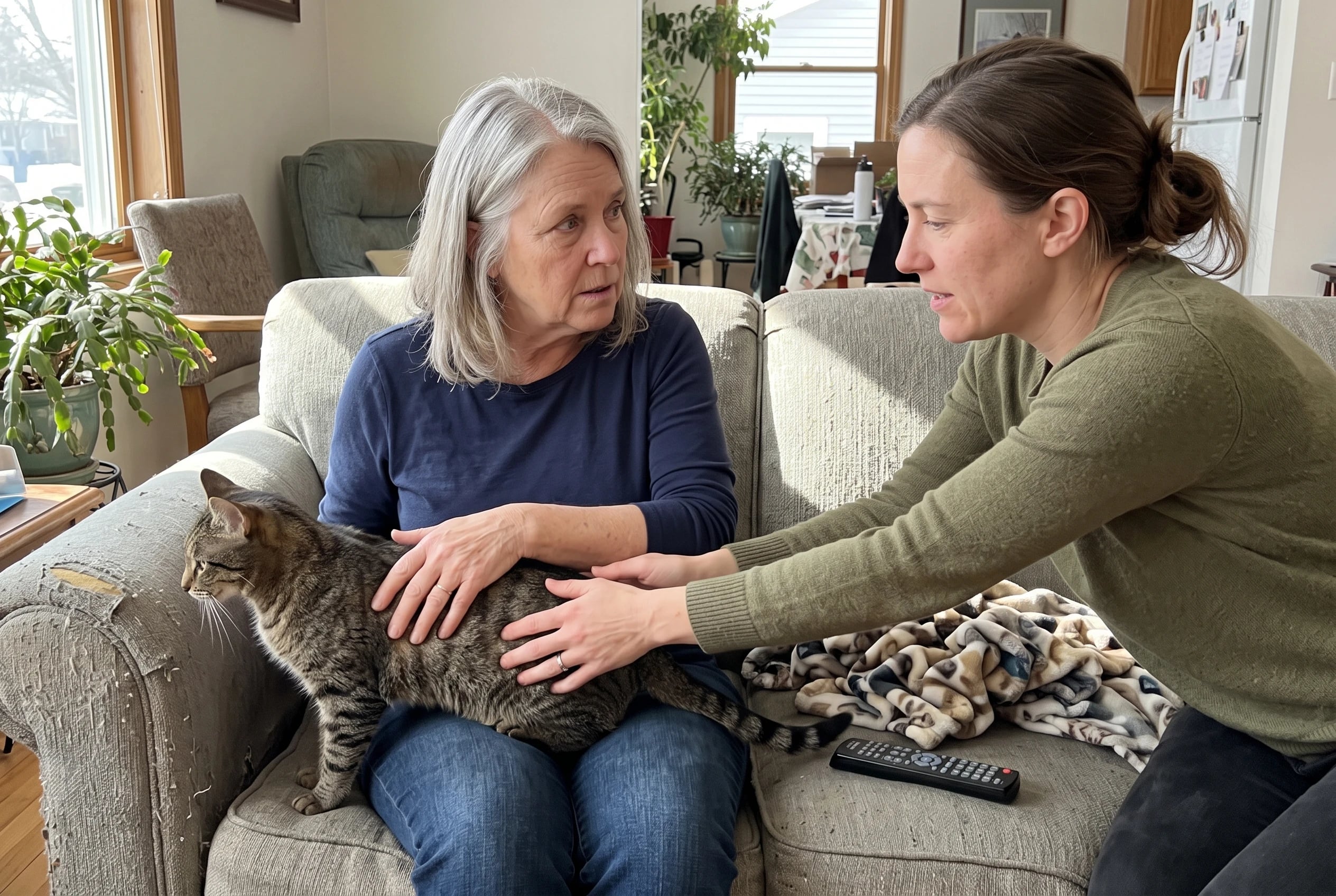
You feel a bump while stroking her side. You’re not sure how long it’s been there. Write down where you found it, then arrange a vet exam rather than trying to identify it by touch.
Merck’s overview of cancer in animals says cancer risk rises with age and is more common in pets over 10.
VCA’s guide to mammary tumors in cats places those tumors mainly in middle-aged to older cats, around 10 to 12 years.
Those facts explain why a new lump belongs on the appointment list. They don’t tell you what this bump is. When you call, describe its location and when you first felt it.
If your cat dislikes being handled there, tell the clinic that too. You don’t have to supply a theory before someone examines her. Knowing where to point is enough to begin the conversation.
6Vet Visits on a Shorter Calendar

A yearly appointment is easy to remember: the same season, the same carrier, the same protest from the back seat. For an older cat, that calendar gets tighter.
The AAFP Senior Care Guidelines recommend checkups every six months from ages 10 through 15. After 15, they recommend every four months. The point is to see what has changed while the last exam is still fresh in your mind.
Put the next visit on the calendar before you leave the clinic. Then you’re comparing her with a recent exam rather than trying to recall last year’s weight or stiffness.
If you’re weighing costs, ask your clinic for its exam fee and proposed tests. A visit schedule doesn’t tell you the full bill. Getting the estimate before the appointment also lets you ask what the vet expects to learn from each proposed test.
See more: 29 Conversations Families Keep Putting Off Until It's Too Late →
5A Full Senior Bloodwork Panel

“She seems fine” is useful information. It isn’t a blood result. The AAFP Senior Care Guidelines describe screening older cats with a complete blood count, blood chemistry, urinalysis, blood pressure, and thyroid testing.
Ask which of those your vet plans to run. A blood count looks at blood cells; chemistry checks measures tied to organ function. A urine sample adds information a blood sample alone won’t supply. Thyroid testing matters when appetite and weight tell different stories.
VCA’s senior wellness guide explains why screening matters when disease isn’t obvious at home. If you’re unsure what’s included, request an itemized estimate before samples are taken.
Bring earlier results if your cat changed clinics. Then ask which findings the vet wants to compare at her next visit. A list of test names becomes more useful when you know what changes the clinic will track for your cat.
4A Bag of Senior-Formula Cat Food

The word *senior* on a bag doesn’t settle when your cat needs a new diet. Iams Proactive Health Senior 7+ starts its label at 7. Royal Canin Aging 12+ targets cats 12 and older.
That gap tells you a label is a product category, not a medical instruction. The Iams example is a 7-pound bag. If price matters, check the current shelf tag and compare it with what your cat eats now; retail listings change.
Before changing food, ask the vet to look at her weight trend and health. VCA’s feeding guide says an older cat’s nutritional needs and medical conditions should drive the choice.
Bring a photo of the bag she already eats. Your question isn’t “Is she old enough for senior food?” It’s “Does this food still fit her?” Include any change at the bowl, such as food she has begun leaving behind. The label on a new bag won’t explain that change by itself.
3A Ramp, Low Pan, and Warm Bed
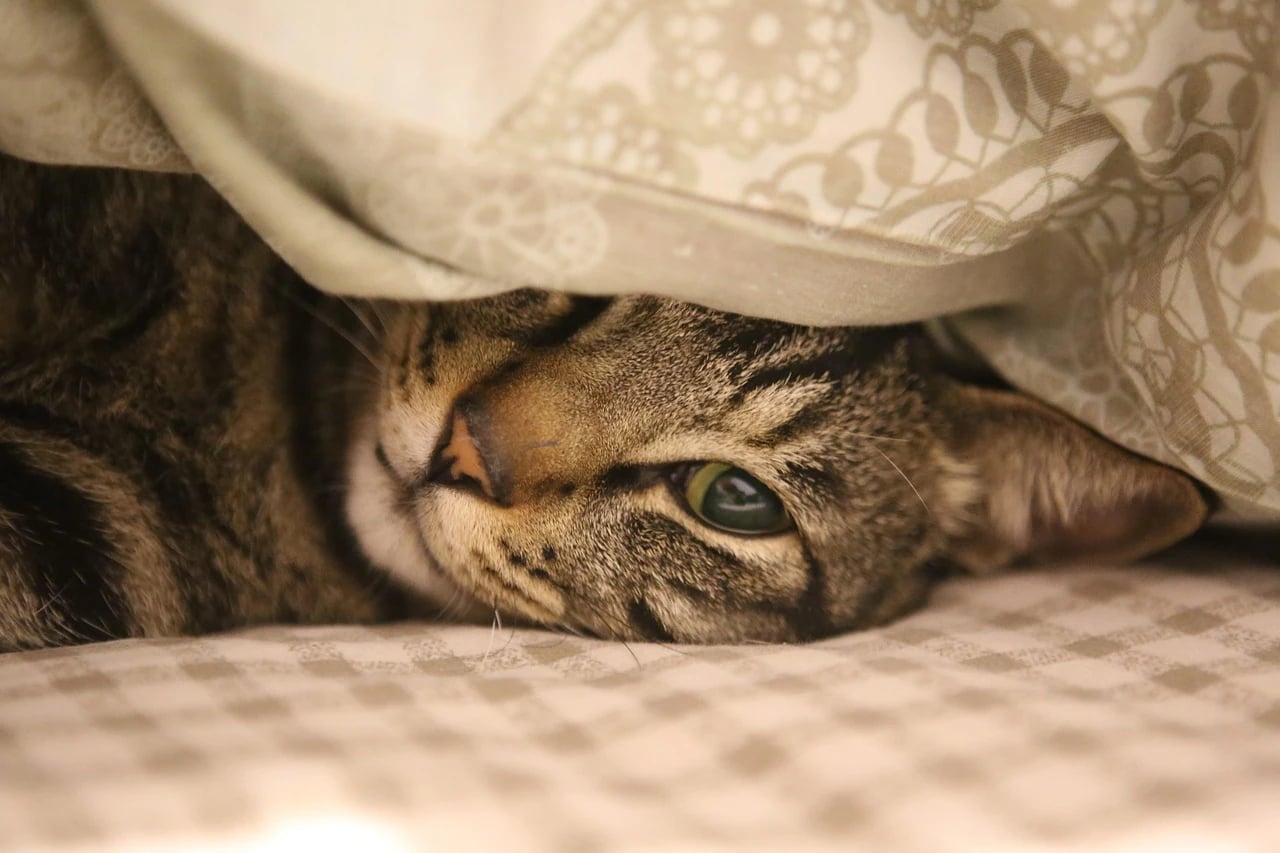
Look around from cat height. Which task asks for the biggest step: reaching the bed, entering the litter box, or climbing into her sleeping spot?
A low-entry pan removes some of the climb into the box. Petco lists a So Phresh low-entry senior pan.
For a favorite high bed, the PetSafe CozyUp ramp gives her a carpeted route up. Petco also lists K&H heated cat beds for a warm resting place.
Check current prices and measurements before buying. Choose the obstacle she actually faces, put the easier route where she already likes to go, then watch whether she uses it.
A ramp across the room won’t help a cat who always approaches the other side of the bed. Likewise, a new pan belongs where she already expects to find one. Her route through the house tells you which purchase, if any, solves a real problem.
See more: 26 Daily Activities for Seniors That Give a Day Its Shape →
2A Joint Supplement Added to Meals
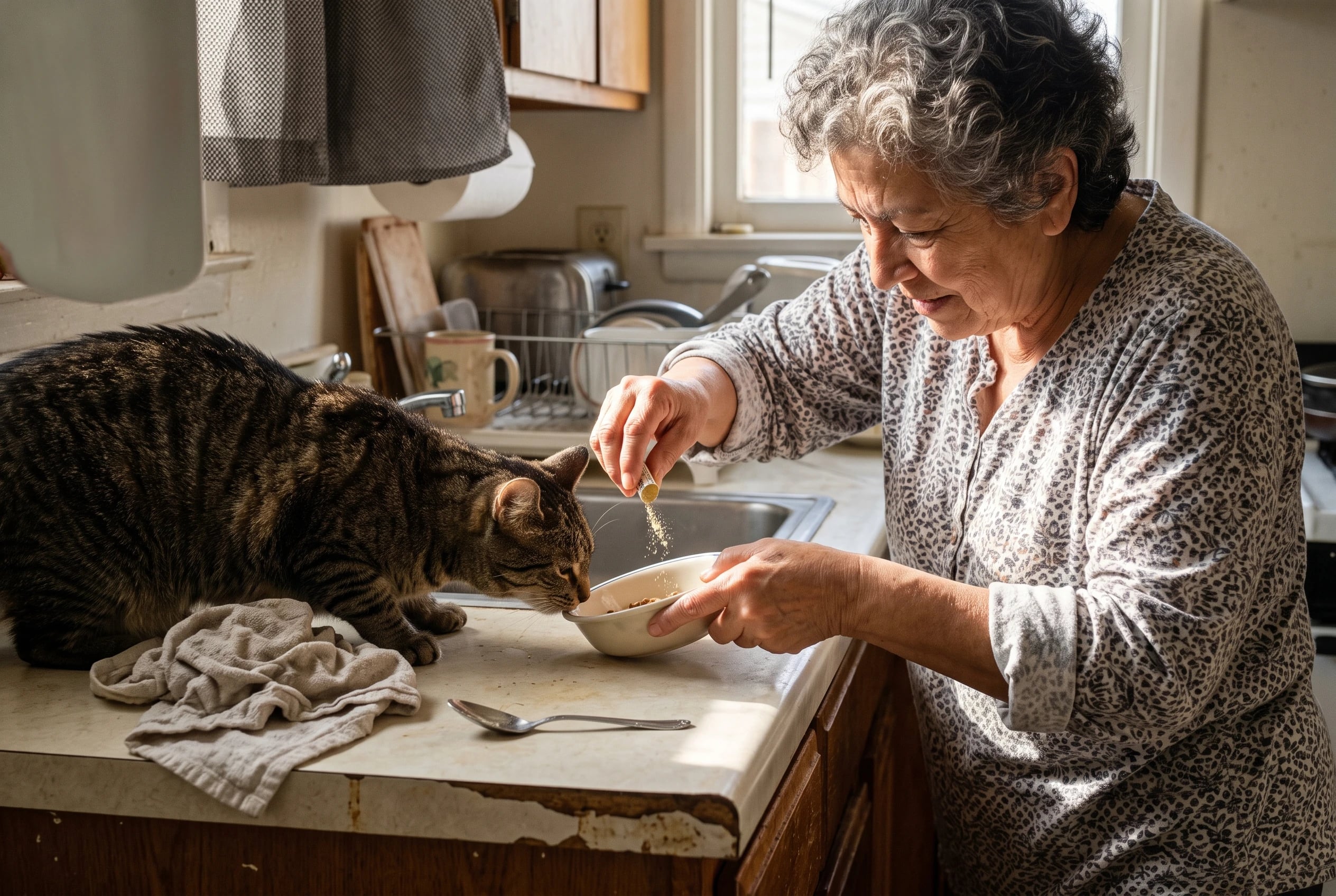
The sprinkle capsule looks like a simple fix when she’s stiff. Cosequin for Cats Maximum Strength is sold to support joint cartilage, with capsules designed to be sprinkled on food. That’s the maker’s description, not proof that it will address your cat’s discomfort.
A 2024 consensus review supports omega-3-enriched diets and supplements for signs of feline osteoarthritis. It’s a separate question from whether the Cosequin capsule belongs in her bowl.
Bring the product name to the vet before adding it to dinner. Ask what improvement to watch for and when to check back.
Keep noticing the jump, the grooming, and the litter box. If those tasks haven’t changed, the sprinkle itself isn’t an answer. Your cat’s movement gives you the better follow-up question.
1A Senior Cat’s Quality-of-Life Check

This is the check to use when “she seems older” no longer tells you enough. The Lap of Love quality-of-life scale gives you seven things to consider: Hurt, Hunger, Hydration, Hygiene, Happiness, Mobility, and More good days than bad.
Look at the cat you know. Is she eating? Keeping herself clean? Reaching the places she wants? Does she still seek out what she enjoys? Write down what happened today, then look again tomorrow. Include the good afternoon as well as the hard morning.
Imagine arriving at the clinic after a rough night. It’s hard to remember whether she enjoyed sitting with you earlier in the week. A few dated observations keep that whole stretch of days in view. Bring them to the vet and talk through what has changed.
The AAFP Senior Care Guidelines recommend rechecks as often as every four months for cats older than 15. Pain and quality of life belong in those visits. You don’t have to make a decision while staring at a checklist alone.
The bottom line
A birthday tells you which chart to read. A change in your cat’s routine tells you what to bring to the vet. Neither requires you to decide, alone, what’s wrong.
You’re better prepared when you know her recent weight, her usual route to the bed, and the changes you’ve seen at the bowl or litter box. Put the next appointment on the calendar and bring those details with you.
What was the first small change you noticed in your cat?
Up next
22 Reasons Your Senior Cat Yowls at Night
From a low-sided litter box to a blood pressure check, here’s how to spot what’s troubling him and make a plan for calmer nights.
Read the list →

Reader quiz
Did you catch the details?
5 questions from this article.
If you have forgotten your cat’s birthday, where does the article say to check her age?
Questions people also ask
What age do most cats pass away?
A UC Davis study of more than 3,000 cats reported a median age at death of 14 years. A separate prospective aging study reported a median of 15.2 years. A median describes the cats studied, not how long your cat will live.
Is it common for a cat to live 20 years?
It happens, but 20 was well above the median in the UC Davis study, which recorded a maximum age above 21. The AAHA/AAFP life-stage guidelines place cats 15 and older in the geriatric stage. Reaching 20 is possible; it isn’t the age to assume when planning her care.
Is 17 very old for a cat?
Yes. The AAHA/AAFP guidelines classify cats 15 and older as geriatric. The AAFP human-age chart puts 17 cat years at roughly 84 human years. Her daily comfort and health still need judging on their own terms.
What age do cats start to decline?
There’s no birthday on which every cat declines. The AAHA/AAFP guidelines call ages 7 through 10 mature adulthood, while VCA’s aging-cat guide describes changes in activity and mobility worth noticing as cats grow older. Compare your cat’s habits with her own past, not with an age label alone.
Is a 7-year-old cat a senior?
No. Under the AAHA/AAFP life-stage guidelines, a 7-year-old is a mature adult. The AAFP Senior Care Guidelines note that some cats need senior-style care as early as 8, so ask what monitoring fits yours.
What age is senior cat food for?
The label varies by product: Iams Proactive Health Senior 7+ starts at 7, while Royal Canin Aging 12+ targets cats 12 and older. A label alone doesn’t tell you what suits your cat’s weight or health. Ask your vet before switching.
Did any of these feel familiar?
Know someone who needs this?
 Prime Journal · Free printable
The Family Essentials Checklist
- Your wishes written down and shared with the right person.
- Your medicines and emergency contacts ready when needed.
- Your family plans settled before anyone counts on them.

Free printable: The Family Essentials Checklist. Enter your email and it is yours.
Sources cited in this article
This article links to 15 outside sources, listed here so you can read them yourself.
- AAHA/AAFP life-stage chart www.aaha.org/aaha-guidelines/2021-aaha-aafp-feline-life-stage-guidelines
- AAFP Cat Friendly chart catfriendly.com/wp-content/uploads/2021/06/AAFP_CatAgeToHumanAge.pdf
- VCA’s guide to aging cats vcahospitals.com/know-your-pet/aging-cats
- FDA’s cat osteoarthritis guide www.fda.gov/animal-veterinary/animal-health-literacy/osteoarthritis-cats-mor…
- VCA’s guide to lenticular sclerosis vcahospitals.com/know-your-pet/lenticular-sclerosis-in-cats
- Merck’s guide to deafness in cats www.merckvetmanual.com/cat-owners/ear-disorders-of-cats/deafness-in-cats
- VCA’s dental disease guide vcahospitals.com/know-your-pet/dental-disease-in-cats
- Merck’s guide to chronic kidney disease www.merckvetmanual.com/cat-owners/kidney-and-urinary-tract-disorders-of-cats…
- VCA’s hyperthyroidism guide vcahospitals.com/redmond/know-your-pet/hyperthyroidism-in-cats
- Merck’s guide to feline diabetes www.merckvetmanual.com/cat-owners/hormonal-disorders-of-cats/disorders-of-th…
- Merck’s overview of cancer in animals www.merckvetmanual.com/special-pet-topics/cancer-and-tumors/introduction-to-…
- AAFP Senior Care Guidelines journals.sagepub.com/doi/pdf/10.1177/1098612X211021538
- PetSafe CozyUp ramp www.petsafe.com/p/cozyup-bed-ramp/62399
- Cosequin for Cats Maximum Strength www.cosequin.com/product/cosequin-for-cats-maximum-strength
- Lap of Love quality-of-life scale www.lapoflove.com/Pet_Quality_of_Life_Scale_DrMcVety.pdf
Ruth Ellison
Family Editor
Ruth writes about grown children, grandchildren, ageing parents, and the conversations families put off, in the words of the people involved.
More from Ruth Ellison