








25 Things We Remember About Growing Up in the 50s and 60s
From a black-and-white TV to a dime comic book, these memories recall the people who made an ordinary afternoon unforgettable.
By David Ruiz, Home Editor
Updated · 22 min read
The short answer: Growing up in the 1950s and 60s meant outdoor play with little adult supervision, familiar neighbors, and dressing up for errands. Families gathered around black-and-white TVs while children rode bikes, traded baseball cards, and played with Hula Hoops. Polio, school civil defense drills, rock and roll, and the social changes of the 1960s were part of that childhood too.
- Written by our home editor
- Cited 15 sources
- How we review
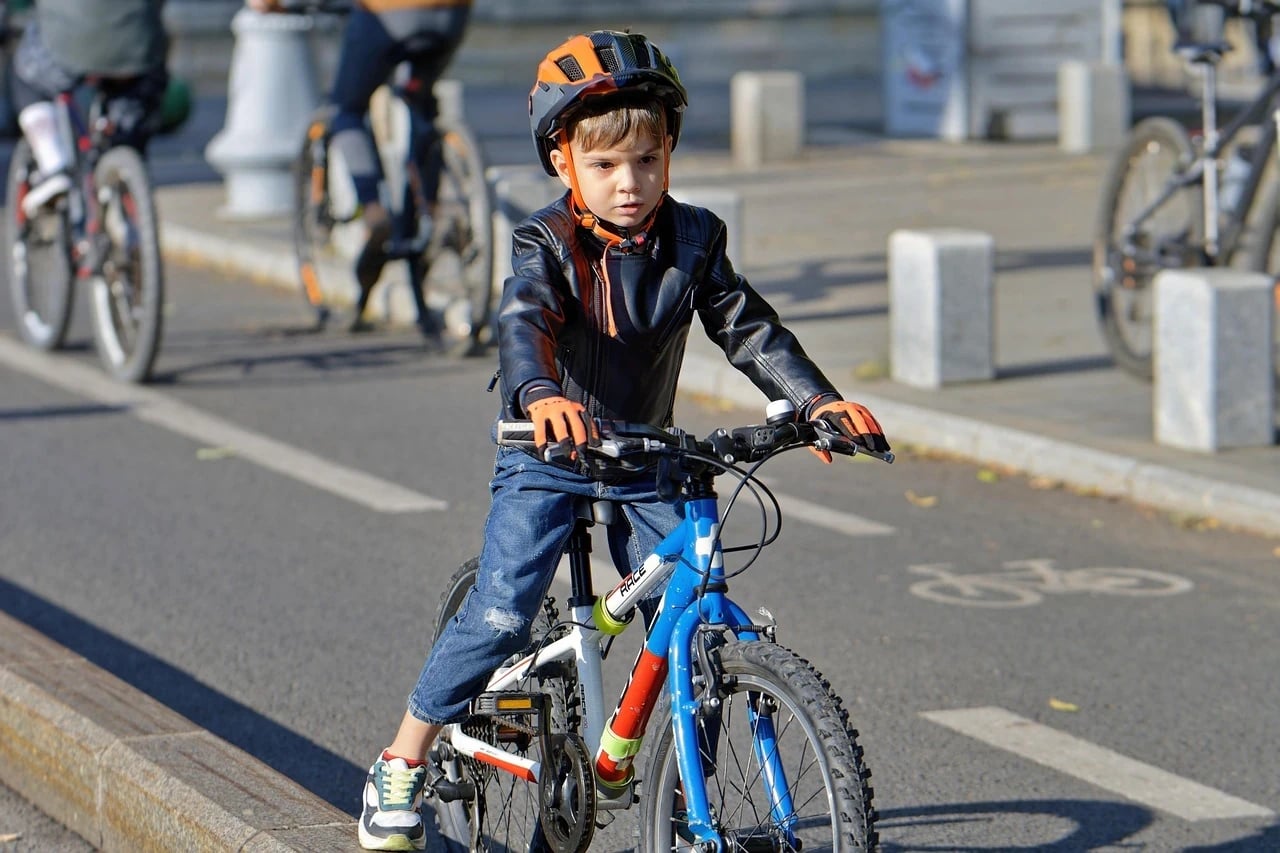
A screen door shuts behind you. The air smells like cut grass, and somebody down the block is calling a name that isn’t yours. You have a bicycle, no watch, and a rough idea of when supper starts.
That memory holds more than a pleasant afternoon. The grown-ups were nearby but out of sight. The other children knew where to find you. By the time you got home, you had news your mother hadn’t heard yet. And years later, one small detail can bring back the whole block.
25The Neighbors You Knew Growing Up in the 50s and 60s
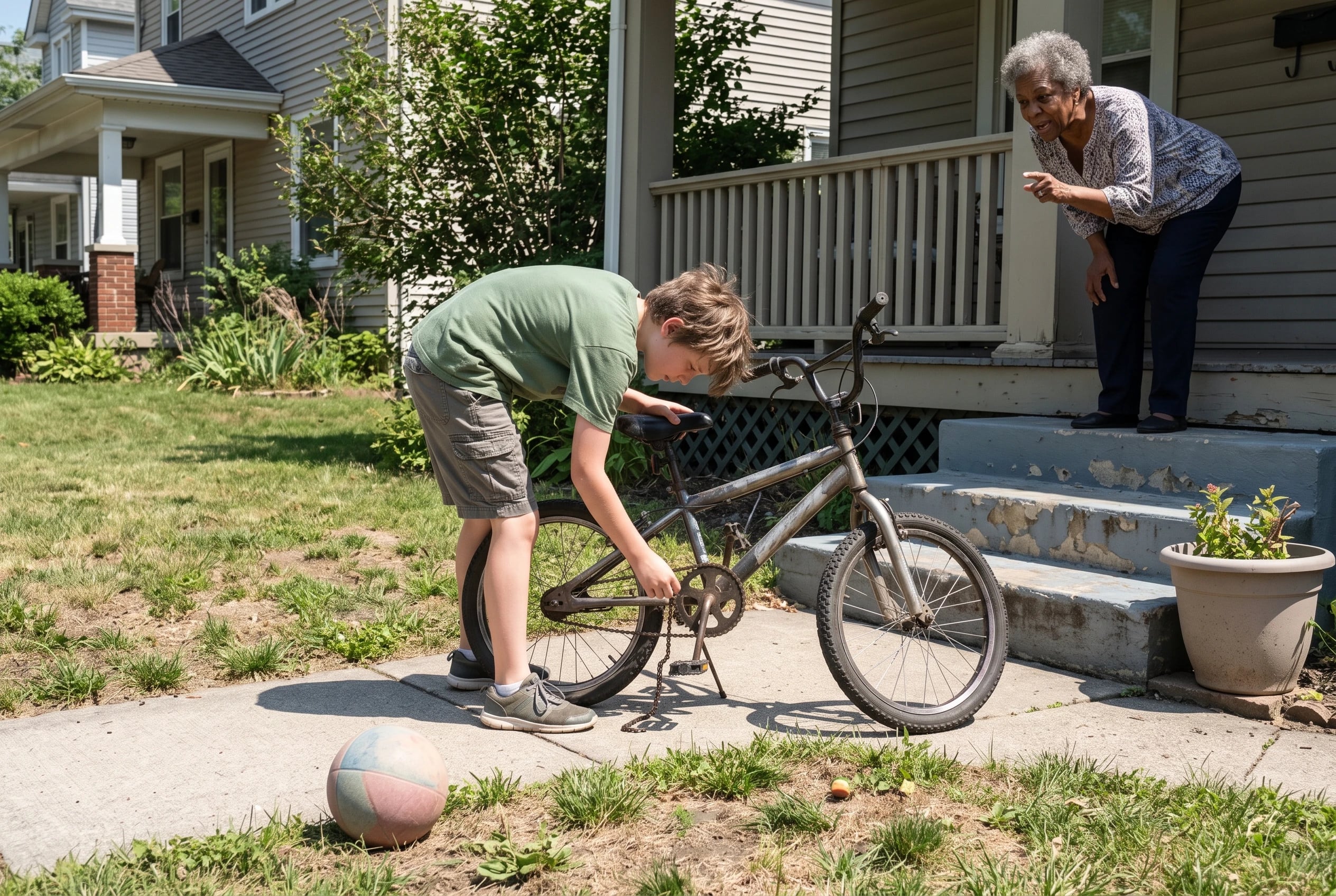
You came home through the front door, and somebody already knew where you’d been. Perhaps a neighbor had seen your bicycle outside another house. Perhaps she had called across the street while you were still playing.
A whole block could feel like an audience. When you were behaving, that felt reassuring. When you weren’t, word traveled faster than your bike.
Writer Jane Jacobs gave part of that arrangement a name: “eyes on the street.” In her 1961 account of city life, ordinary people watched what happened outside as they went about their days. She described that watchfulness in *The Death and Life of Great American Cities*.
There were children to watch. Pew Research Center puts the peak of U.S. births at about 4.3 million in 1957.
On a block full of children, a game could begin when someone stepped outside.
What did the neighbor call you when you wandered into view? You might remember her voice more clearly than her face.
24Hats and Gloves of a 1950s Childhood
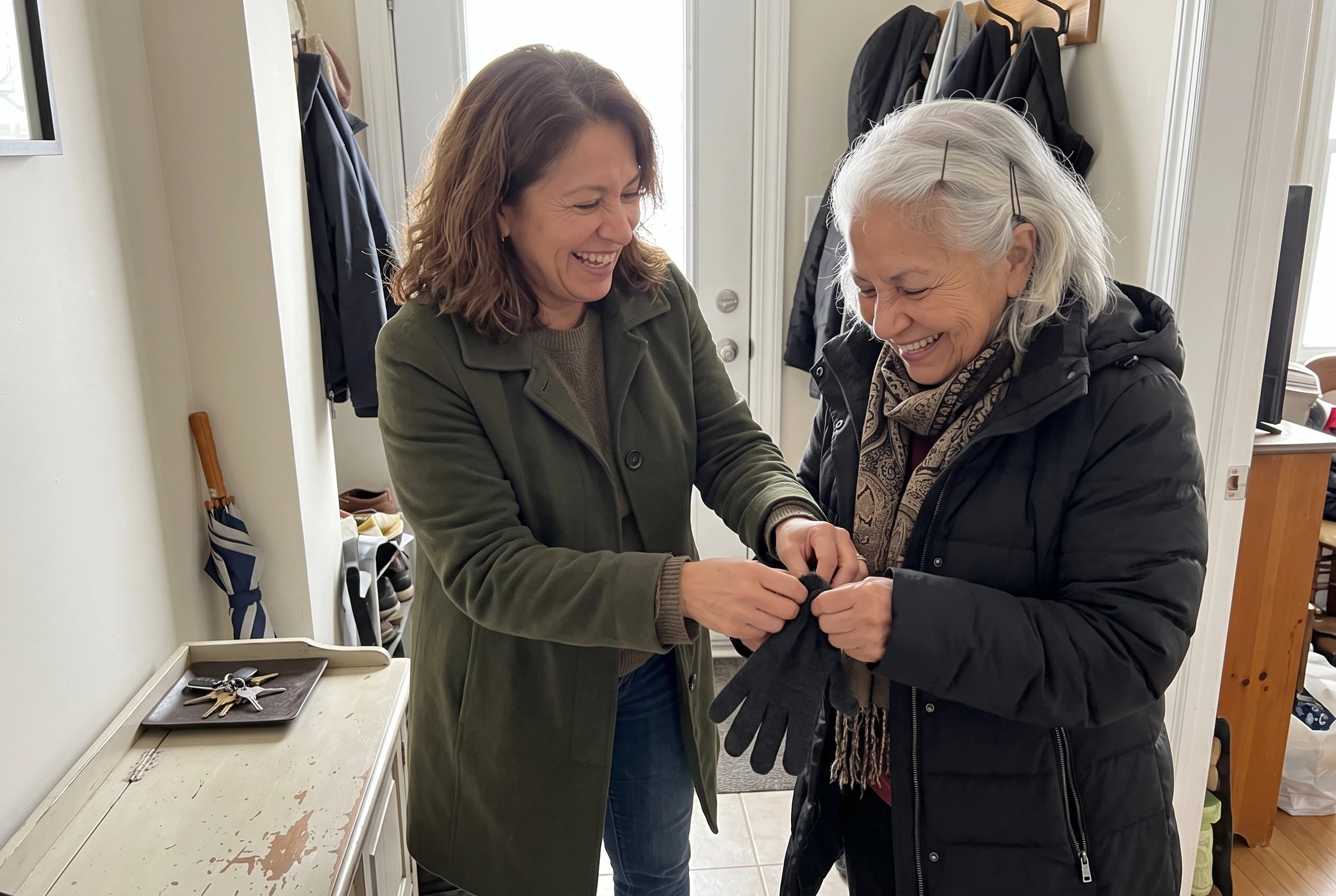
The gloves weren’t for cold weather. They belonged with an outfit.
Picture a woman getting ready to go into town. She reaches for her hat, then checks the drawer for the right pair of gloves. A child waiting by the door sees the small ritual but has no reason to think it remarkable. That’s simply how she leaves the house.
The Philadelphia Museum of Art describes hats and gloves as vital to the fashionable woman’s appearance on city streets in the 1950s and early 1960s. The RISD Museum traces the later change, when those formal rules loosened.
What you wore depended on your household and where you were going. The memory here is the care given to an ordinary trip. You stood at the door while someone adjusted a hat for an errand that would barely call for shoes today.
Does your family still have the gloves? Check the box where the dress-up things were put away. Their shape might bring back the person who wore them before you can picture her face.
23The Television Set of a 1950s Childhood

By 1960, television had become familiar household furniture. The U.S. Census Bureau’s housing report found a set in about 87% of occupied households, up from 12% in 1950.
Within a childhood, a once-uncommon possession had become the thing everyone looked toward.
A show came on, and everyone who wanted to see it gathered in the same room. You couldn’t take the screen upstairs or start the program again later. The person nearest the set had a job when something needed adjusting.
It was still likely to show a black-and-white picture. The Washington Post reported that color sets did not outsell black-and-white sets until 1972.
What stayed with you? Perhaps the program. Perhaps the chair you were allowed to pull closer, or the sight of your family looking in the same direction. If a family snapshot shows that TV in the corner, you know exactly where everyone else sat.
22School Desk Drills of a 1950s Childhood
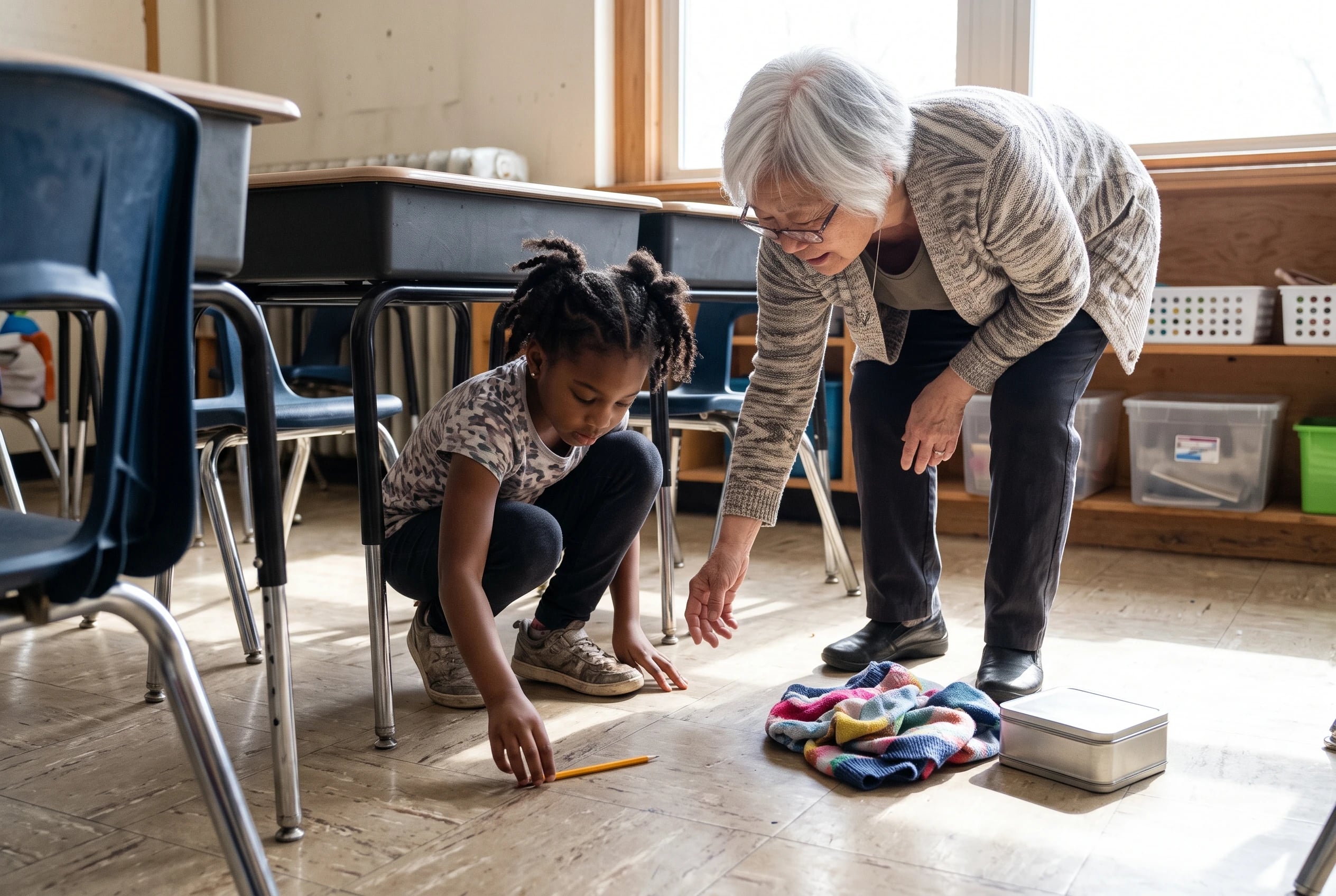
The instruction came, and down you went. From under the desk, the classroom looked strange: chair legs, shoes, the floor you usually never studied so closely. Then the drill ended, and the room became a classroom again.
The Library of Congress describes the Federal Civil Defense Administration’s 1951 film *Duck and Cover*. Bert the Turtle helped teach children to get under cover during a nuclear alert. School civil defense guidance also circulated that year.
A child could follow the instruction without grasping the scale of what the adults feared. You knew where to put your body. That was the part handed to you. The larger worry belonged to the grown-ups, though you heard enough to carry some of it home.
One person recalls the sound of desks moving. Another remembers laughing with a friend, then feeling bad for laughing. Ask a former classmate what stands out. You might get an answer unlike your own. Both of you were in the same room, looking at the same floor.
21Bike Rides Growing Up in the 50s and 60s
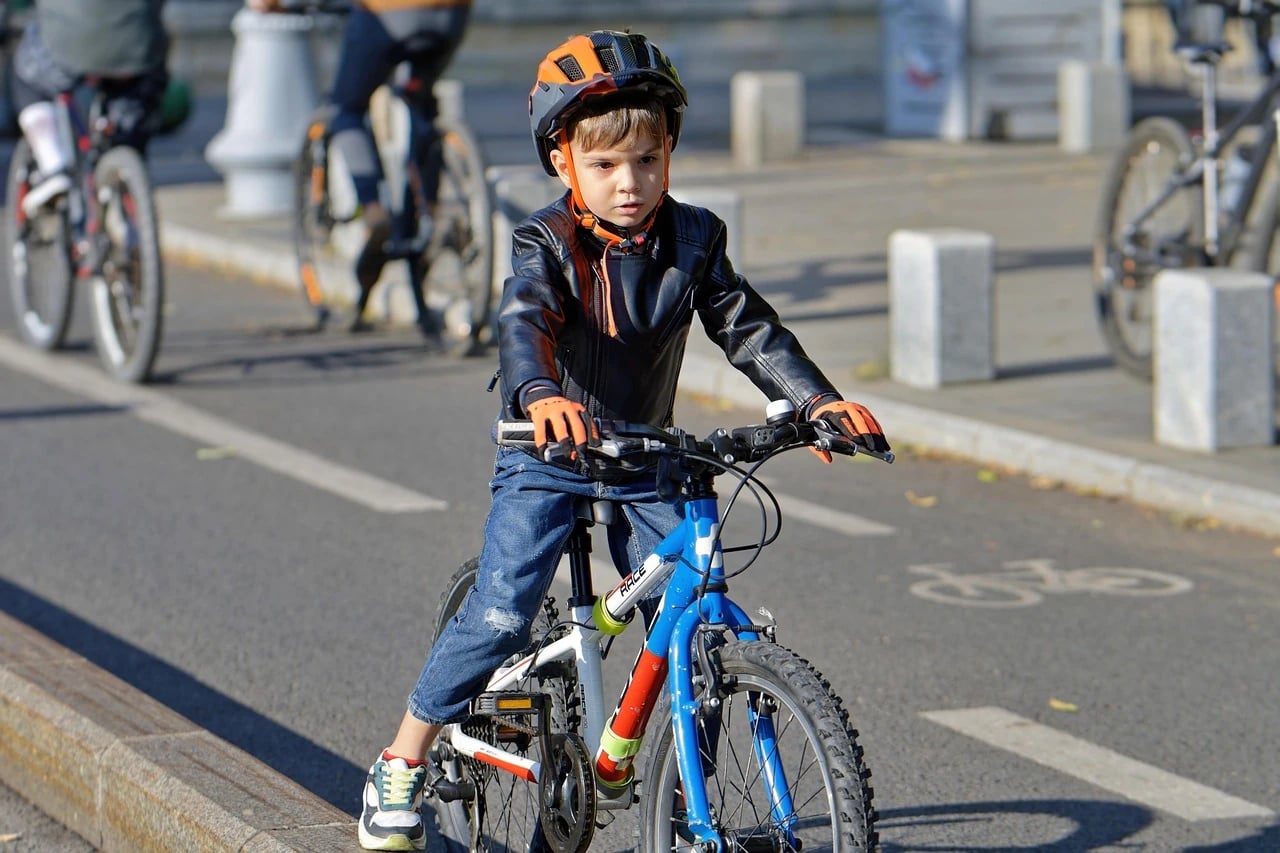
The bicycle went wherever the road took it. Wind caught your hair; nobody had remembered to bring a helmet. On a car ride, the back seat offered a view between two grown-ups, with no belt crossing your shoulder.
Those memories sit in a different safety era. NHTSA says federal requirements for seat belts in new passenger cars began January 1, 1968. The CDC’s bicycle-helmet history places the modern helmet’s arrival in 1975.
Remembering a ride fondly doesn’t require defending the risks. The breeze was real. So was the lack of protection. You can tell both parts of the story without turning childhood into a safety lecture or pretending every tumble ended harmlessly.
Next time an old car photo turns up, look past the paint and the proud driver. Where are the children sitting? What do you notice now that you had no reason to notice then?
20Dime Comics Growing Up in the 50s and 60s
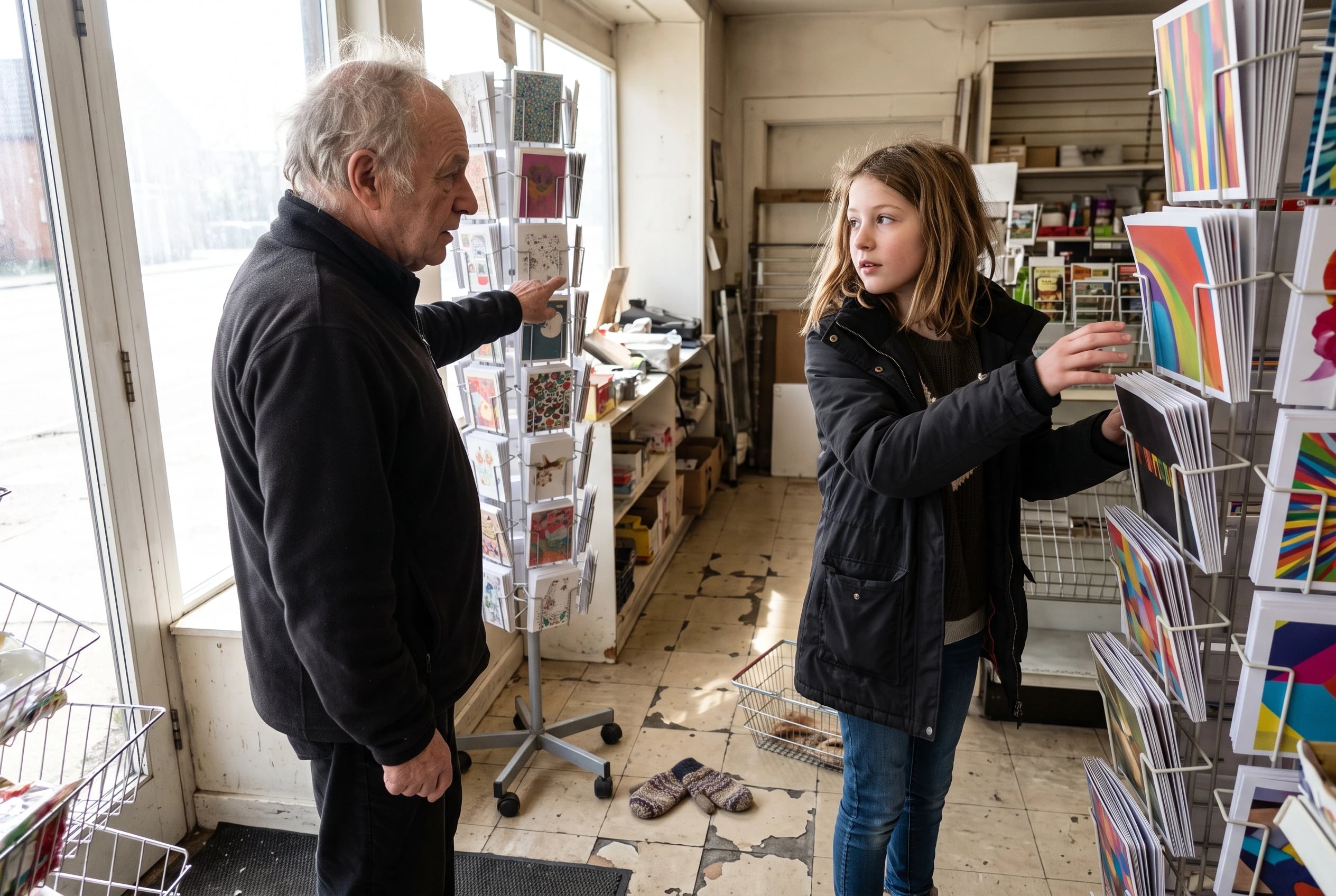
A comic book cost a dime, and that dime had a destination. You carried it to the shop knowing what you wanted, then spent much longer deciding which cover deserved it.
Comichron’s cover-price records show the 10-cent comic holding on through 1961. A Houston Chronicle account recalls 1952 Topps baseball-card wax packs selling for 5 cents, with cards and gum together.
The object mattered, but so did everything you did with it afterward. A card became something to compare, swap, protect, or lose. A comic went home bent against your side because you wouldn’t put it down. Even the wrapper could stay in a pocket until laundry day.
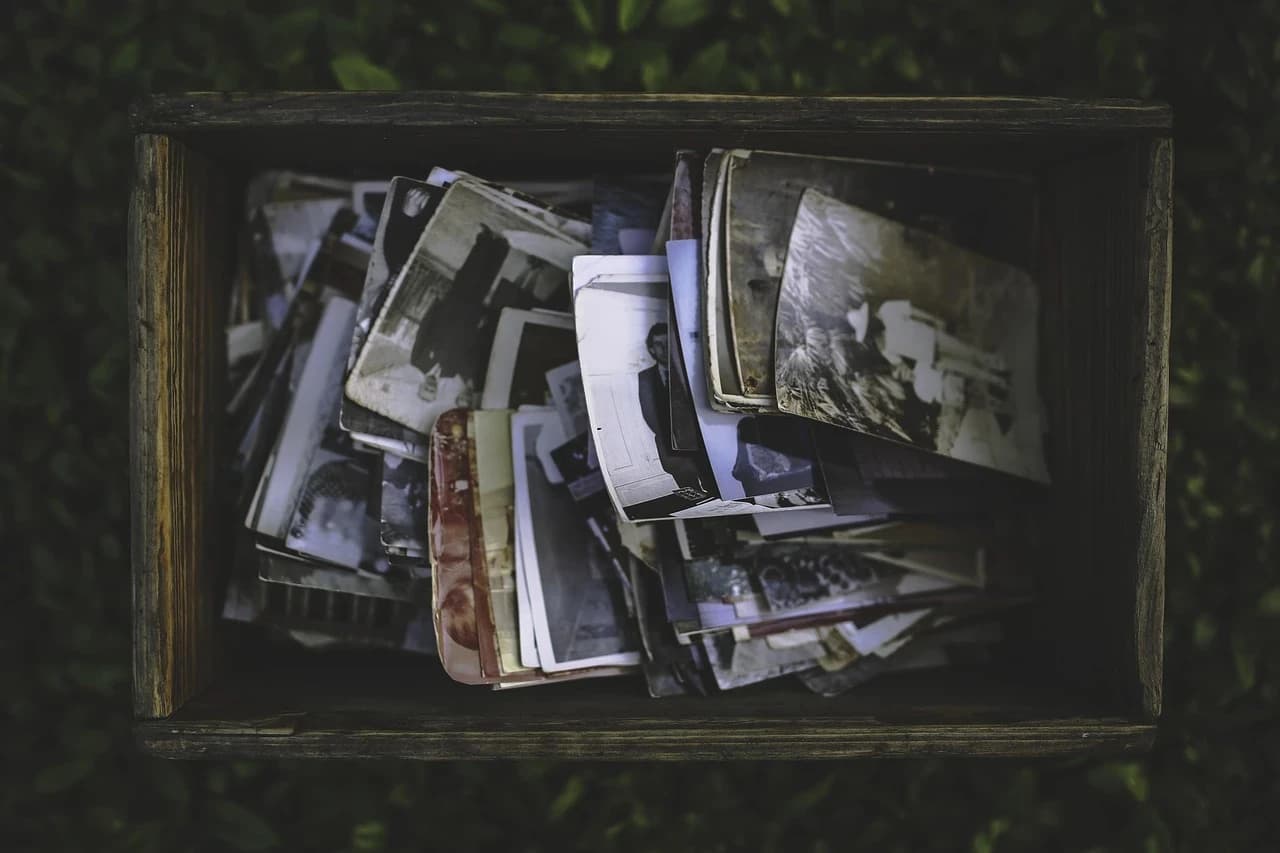
If you still have a box of cards, open it before you look anything up. Which player did you keep because you liked him? Which card has a crease from being handled? A price guide won’t tell you why that one survived. You will.
19Toys Growing Up in the 50s and 60s
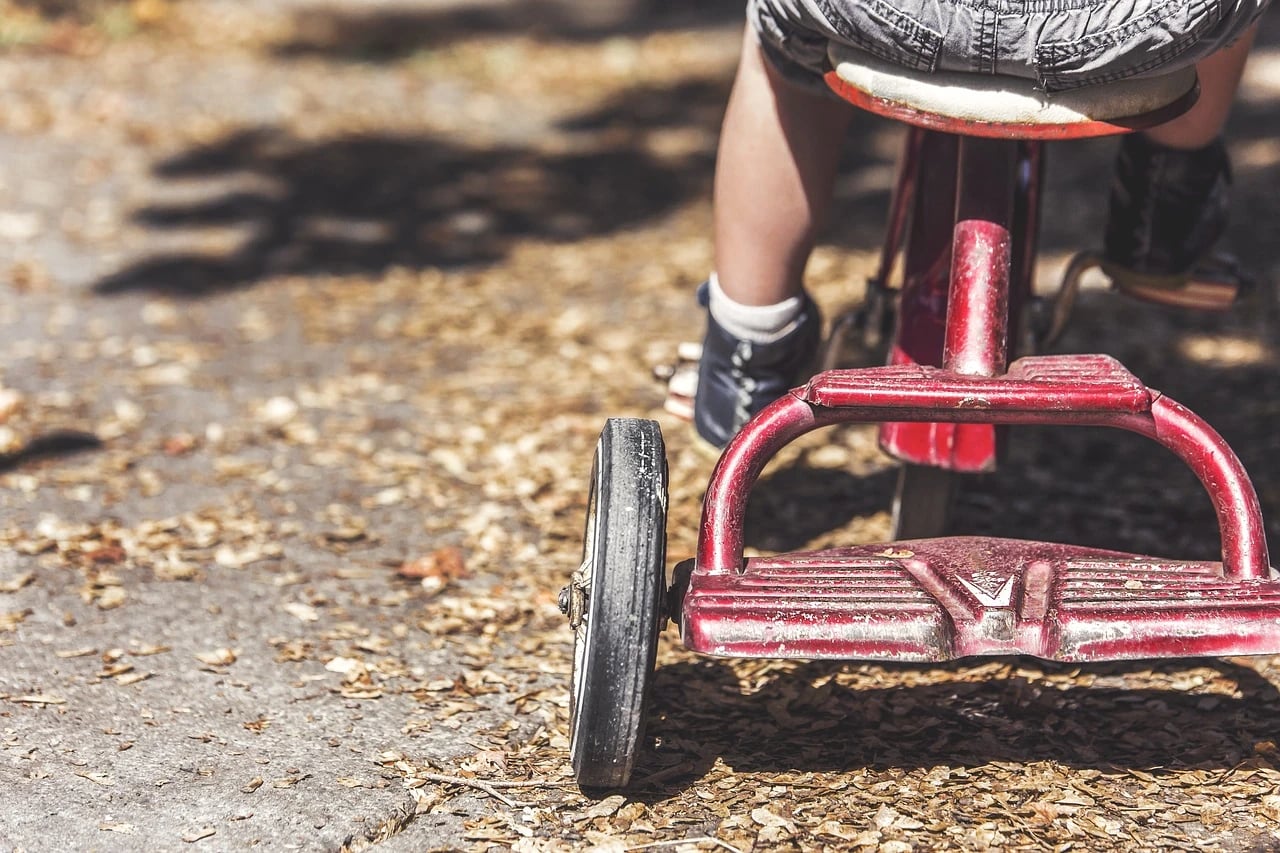
A Hula Hoop asks for a particular little shove. Get it wrong, and the hoop drops around your ankles. Get it right, and everyone nearby insists they can do better.
The craze was enormous. Smithsonian Magazine reports that more than 20 million Wham-O Hula Hoops sold in six months in 1958, at about $1.98 each. One hoop gave a whole group a turn, whether anyone was good at it or not.
The Slinky was older, invented in the 1940s, yet it became part of postwar play. Smithsonian Magazine preserves its history too. You set that simple coil moving, watched closely, and tried again.
Then there was the homemade go-cart. Its exact parts depend on who built yours, so let the family photograph settle that argument. The fun was watching someone test a contraption they had spent all afternoon making. Did your household have a toy everyone shared, or a project nobody trusted you to ride first?
See more: 17 Jell-O Mold Recipes From the 1950s →
18Elvis on TV Growing Up in the 60s
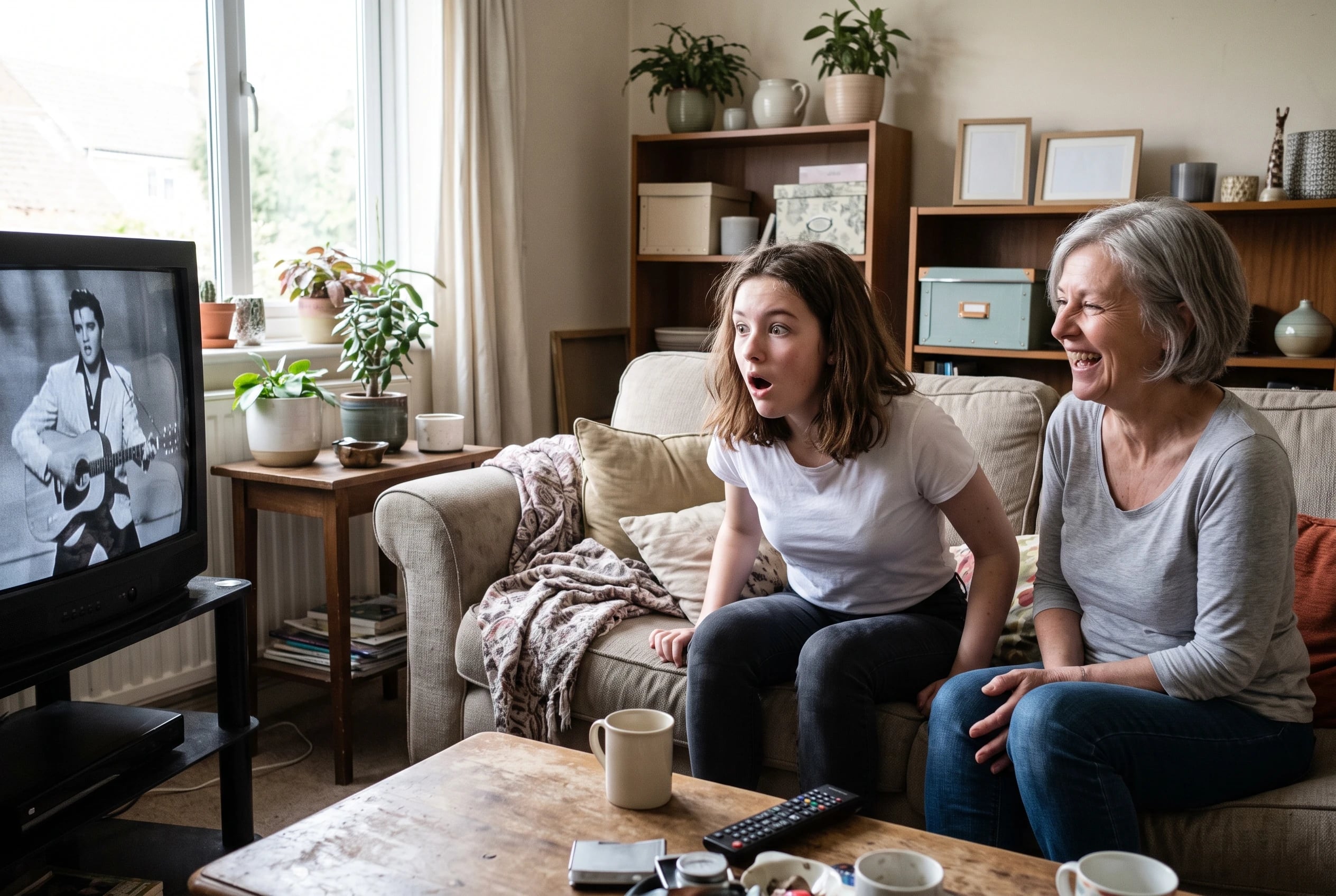
Somebody called you into the room because Elvis was on. You didn’t need a lesson about why the grown-ups were reacting. Their faces supplied it. Someone loved what they heard; someone else had plenty to say about it.
His first *Ed Sullivan Show* appearance, on September 9, 1956, drew an estimated 60 million viewers, according to EdSullivan.com. Graceland’s history records “Heartbreak Hotel,” released earlier that year, as his first number-one hit.
Those are big numbers. Inside a house, the moment was smaller and more personal: who turned up the sound, who stayed to watch, who declared the fuss ridiculous and remained in the room anyway.
If you were a child then, perhaps you remember an older sister’s excitement more clearly than the song. That counts. Music enters a family through people. Years later, a voice from that room can return the moment the record starts.
17Mod Clothes Growing Up in the 60s
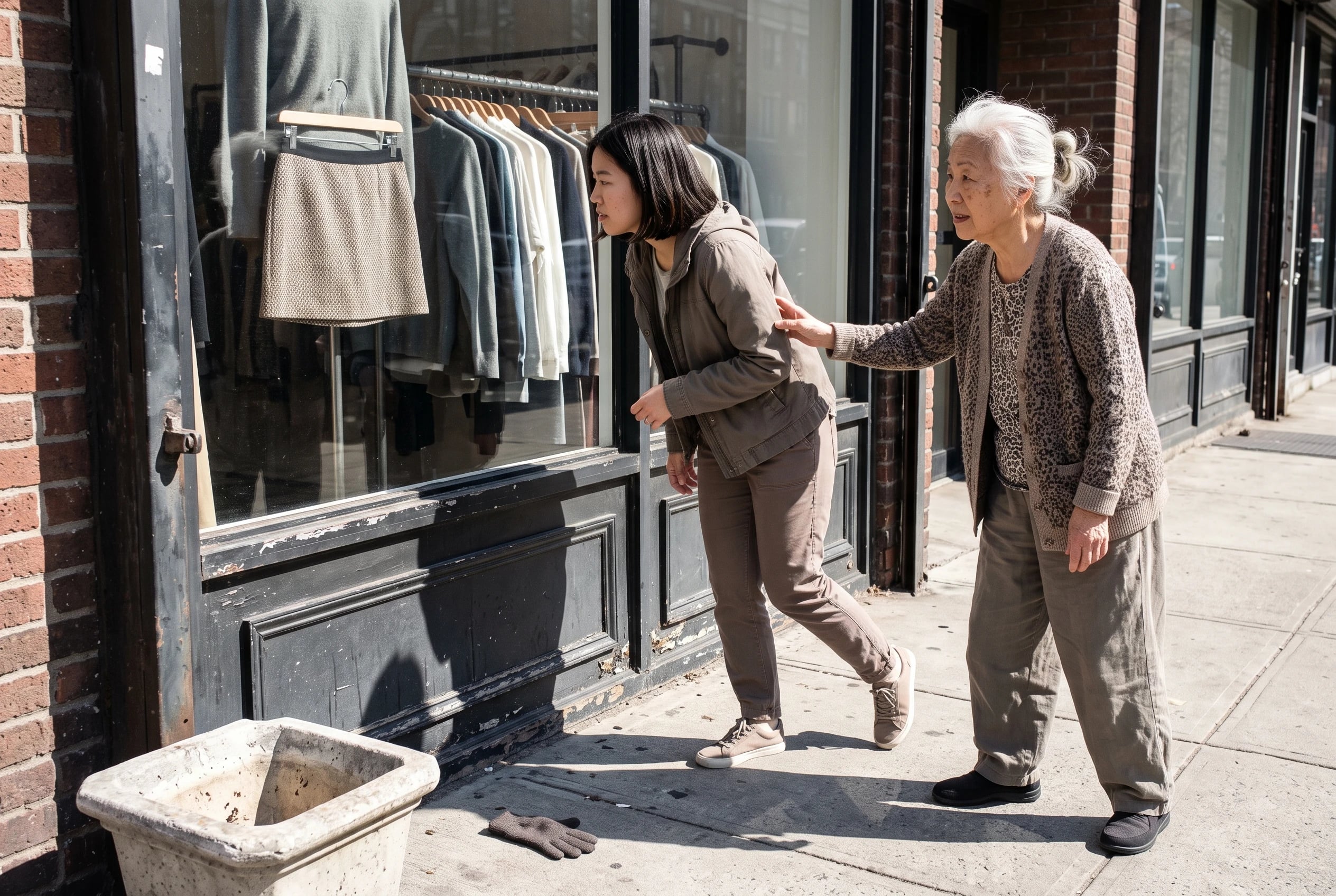
The clothes began to look younger. A shorter skirt in a shop window made that visible before anyone at home had agreed what to think of it.
The Victoria and Albert Museum credits Mary Quant with helping popularize the miniskirt and youth-focused style of the mid-1960s. Those designs crossed the Atlantic. What you wore, or wanted to wear, became part of a family conversation that could get loud.
The decade’s deeper changes were happening far beyond a closet. The National Archives records the Civil Rights Act of 1964, which outlawed discrimination in public accommodations and employment. That law reached into places where people worked, shopped, and sought service.
A hemline and a federal law belong to very different stories. Still, you lived through both changes in ordinary places. Perhaps you saw one in a store window and heard arguments about the other at supper. Childhood gives you those impressions before it gives you the words to explain them.
16Phone Exchanges Growing Up in the 60s

“Give me the number,” someone said, and you recited it as a word followed by digits. The exchange was part of its sound. Even now, you might hear your mother’s voice when you try to say the old household number.
The switch to all-number calling began in 1958, replacing exchange names such as “KLondike 5.” By the mid-1960s, most areas had converted. Local telephone directories announced the change as it reached each area; the Library of Congress holds an example.
Try saying the exchange you remember aloud. Does the rest of the number follow?
If it does, there’s a good chance you still know exactly where the phone stood when you first learned it. A string of numbers has no such picture attached. The old exchange had a sound, and that sound belonged to a particular house.
15Cassette Tapes Growing Up in the 60s

The record was yours until someone else asked to hear it. You lifted a 45 by its edges, put it on the player, and waited for the song you had chosen to fill the room.
The Library of Congress dates RCA Victor’s introduction of the 7-inch, 45 RPM single to 1949. Its size made one song feel like a possession you could hold. You knew which side you wanted before it started.
Then music became something you could put on tape. Philips introduced the Compact Cassette in August 1963. Cassette recorders spread later in the decade, giving you another way to keep and share what you heard.
The formats overlapped in real homes. A record player didn’t vanish the day somebody brought in a tape recorder. You used what was there.
If an old cassette turns up now, look at the handwriting on its case before trying to play it. The title tells you the music; the handwriting tells you who gave it to you.
14Drive-In Nights of a 1950s Childhood
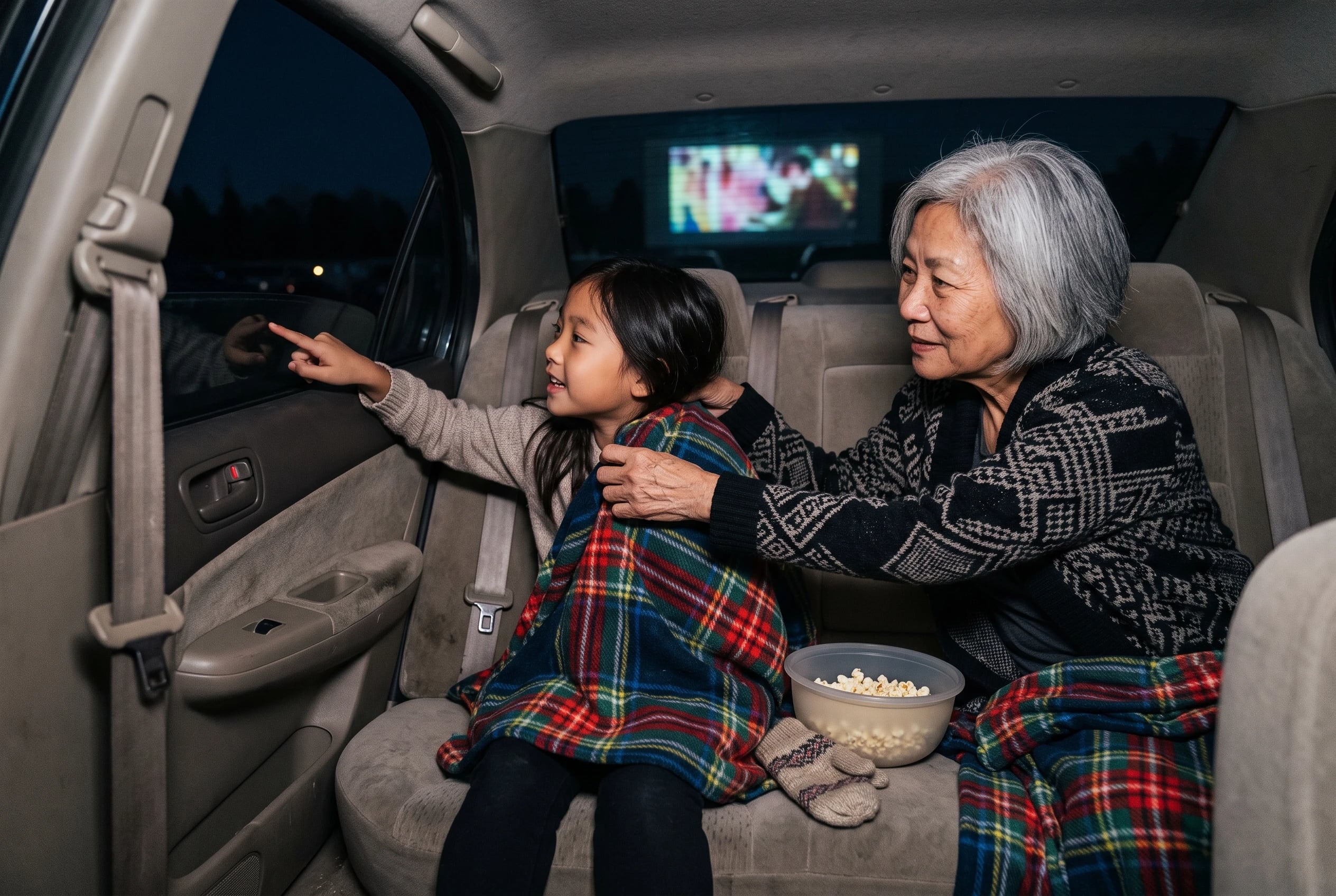
The movie began outside the car. You arrived while the sky still held some light, settled in, and waited for the screen to matter more than everything around it. That pause before dark is part of the memory too.
At their 1958 peak, the United States had about 4,063 drive-in theaters, according to Smithsonian Magazine. Family travel had its own familiar backdrop: Route 66, designated in 1926, became a road-trip corridor in the postwar decades.
Maybe your family took that road. Maybe your long drive followed another highway entirely. What mattered from the back seat was less the route number than the next stop, the view through the glass, and whether the person beside you would move over.
Look at a family trip photo and ask who took it. Somebody is missing from every picture taken by a relative. That person saw the movie screen, the roadside stop, and the children in the back seat too.
13Tupperware Parties of a 1950s Childhood
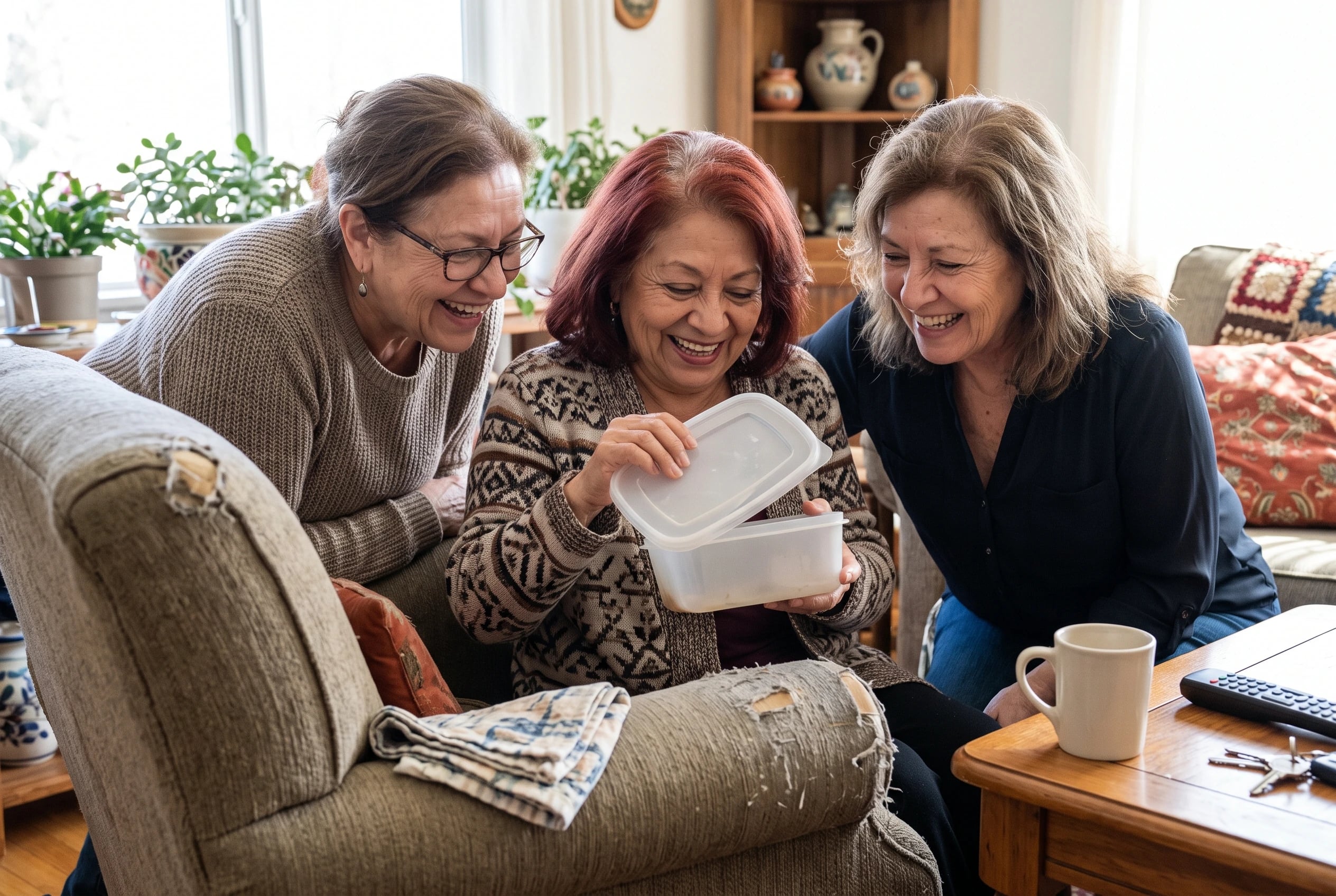
The containers came out, and the adults wanted to see how they worked. A child at the edge of the room watched the lids, the food, and the faces of people who had come to visit.
Those gatherings were also business. The Smithsonian’s account of Tupperware parties describes Brownie Wise’s role in building the home-party model. She became vice president of Tupperware Home Parties, Inc. in 1951. The Smithsonian Archives Center holds papers from that period.
For you, the party had another appeal. Company changed the sound of the house. A backyard barbecue did the same: voices moved outside, people came and went, and you knew the usual supper routine had been set aside.
Think of the woman who hosted those gatherings in your family. Did she seem to enjoy being in charge, or was she happiest once everyone had gone? The containers have a history. The answer belongs to the person you knew.
See more: 22 Dishes on a 1960s Dinner Party Menu, Course by Course →
12Polio Vaccines in a 1950s Childhood

A parent’s face tells a child more than an announcement does. You might remember being taken for a vaccine without remembering the discussion that came before it. At home, the grown-ups understood why the appointment mattered.
The scale of the fear was real. The CDC’s polio history records more than 21,000 U.S. cases of paralytic polio in 1952. Salk’s vaccine arrived in 1955, followed by Sabin’s oral vaccine in 1961. Cases fell rapidly after vaccination.
The story wasn’t free of painful setbacks. The CDC’s vaccine safety history describes the 1955 Cutter incident and the tighter federal oversight that followed.
A family memory might center on a school visit, a trip to a clinic, or a parent who finally stopped worrying aloud. Ask a sibling what she recalls. One of you might remember the place. The other might remember the hand holding yours. Together, those details get closer to what that day meant at home.
11Diner Booths Growing Up in the 60s

Smithsonian Magazine traces the American diner’s long pull as a gathering place. Its mid-century booths and counters drew people who wanted food, conversation, and a seat with a view of the door. Library of Congress photographs preserve diners along Route 66.
Which seat did you choose? The best one let you see who had just walked in. A diner gave you a drink, a place to sit, and time with friends before you had somewhere else to be.
If yours was a soda fountain instead, remember the counter. You watched the person behind it while you talked, with somebody else close enough to hear. Part of being a teenager was finding a place where you could stay for a while.
Who sat across from you? A familiar counter looks different once you remember the friend who leaned over it to share a piece of news.
See more: 27 Old-Fashioned Comfort Food Recipes Grandma Made →
10Gas Lines and Bell-Bottoms Growing Up in the 70s
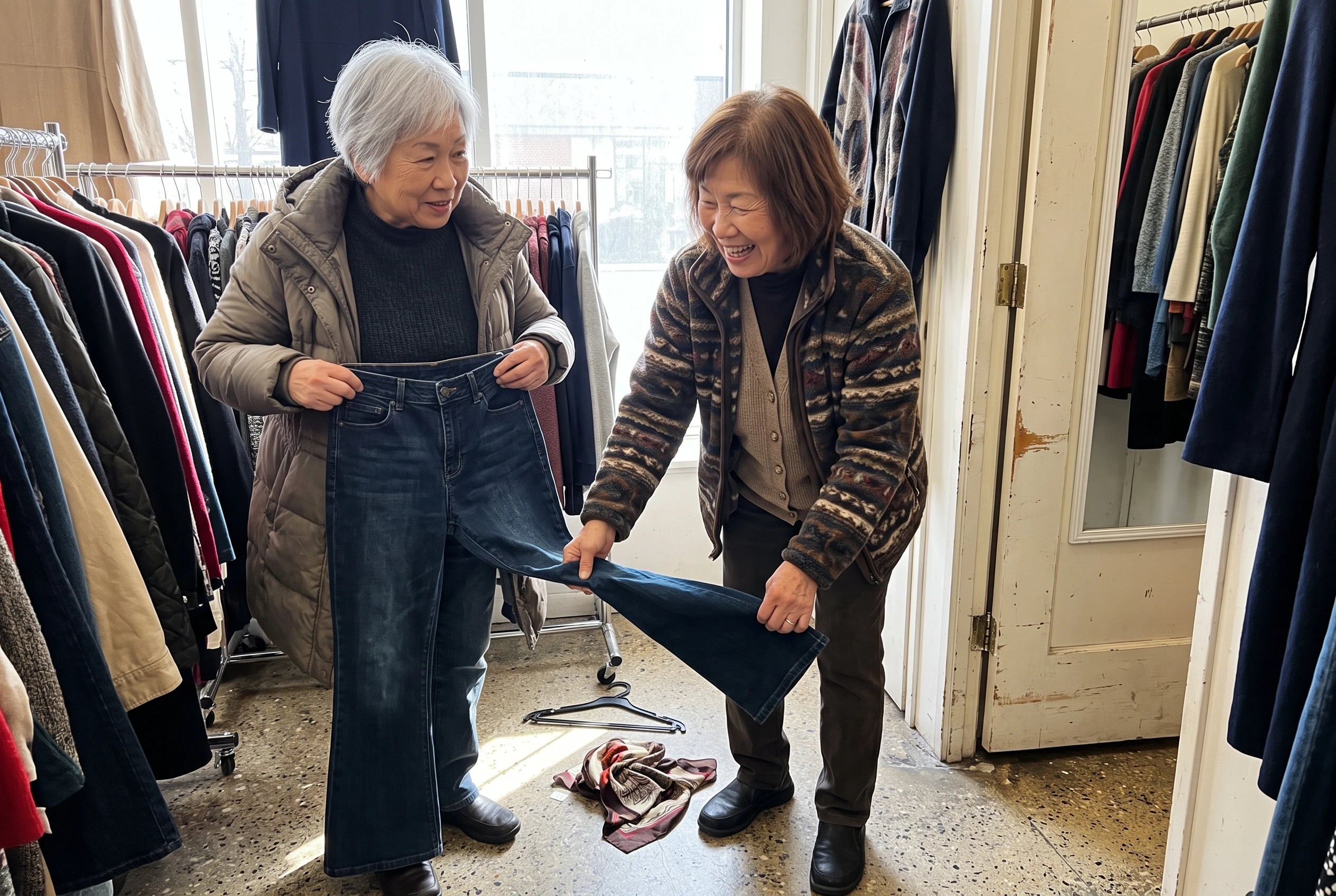
A pair of bell-bottoms in a photograph tells you more about a particular afternoon than a broad label for a decade. Who wore them? Where was the picture taken? The person standing beside you might remember the errand that brought you there.
A gas-line story needs the same care. Find its place and date in a local newspaper before attaching it to your own childhood. The research for this article supplies no verified date for a particular line, disco outing, or clothing purchase.
Start with what your family kept. A dated photograph, a record sleeve, or a newspaper clipping gives you something to check. Then ask the person who was there what happened before the picture was taken.
That answer might place the memory after your childhood in the 50s and 60s. It still belongs to the life that followed, without making every familiar image a scene you personally lived.
See more: 25 Bathroom Ideas Straight From the 1970s: 70s Bathroom Ideas to Keep or Update →
9Civil Rights Marches Growing Up in the 70s
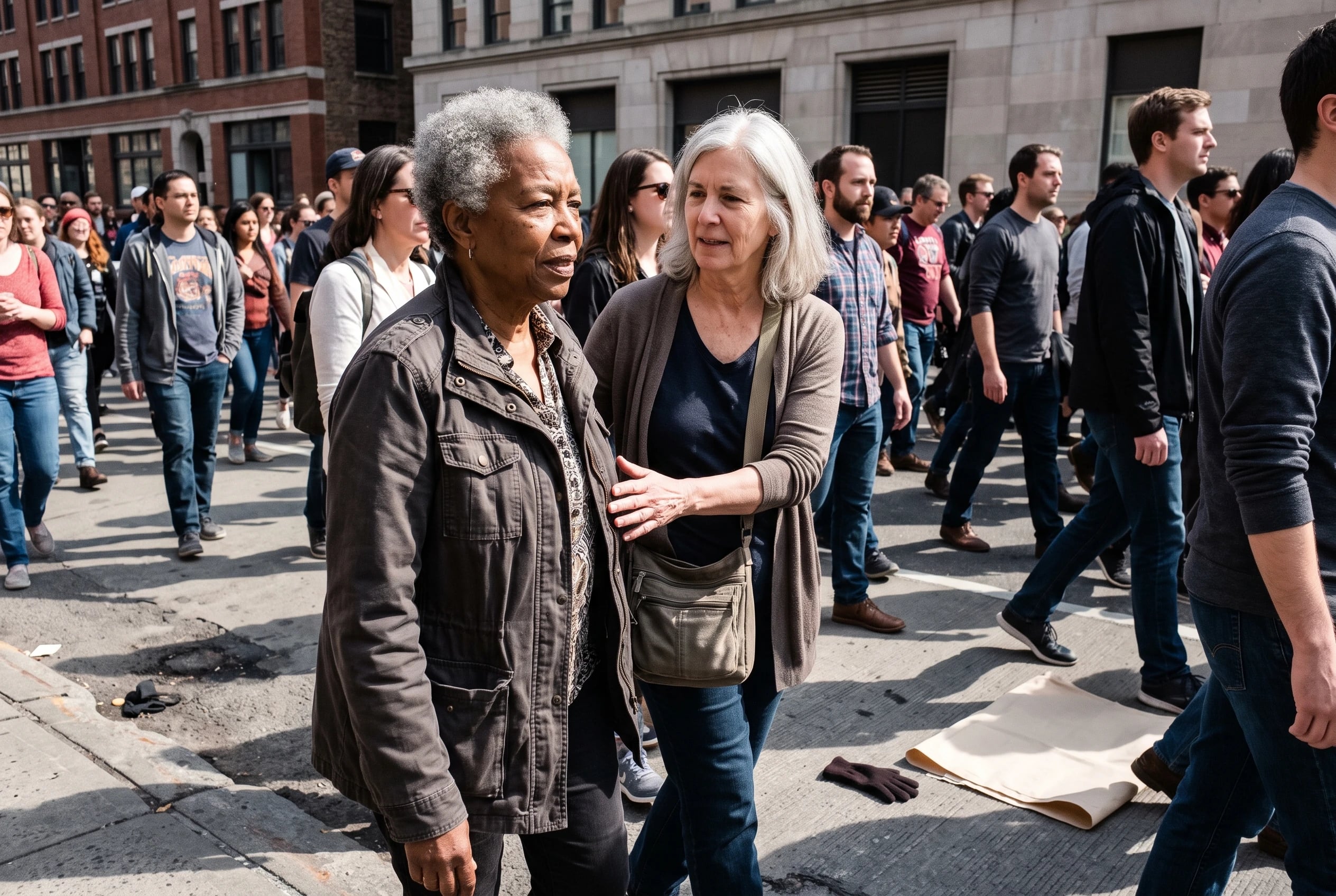
If someone in your family remembers a civil rights march, begin with their account. Where did they go? Who went with them? Ask what happened afterward, rather than filling the silence with a scene borrowed from television.
The Civil Rights Act of 1964 outlawed discrimination in public accommodations and employment, among other areas. The National Archives preserves the law. It does not tell you whether anyone in your family marched.
For that, find a dated clipping, a photograph, or the person who was there. Read the place name before asking someone to identify the faces. A family story becomes clearer when its witnesses get to say what they saw.
If there was no march in your own childhood, don’t borrow one for the sake of a neat memory. Ask what people discussed at home when the law changed. Their answer belongs to your family, even when it doesn’t fit the picture you expected.
8Four Events on a Family Calendar
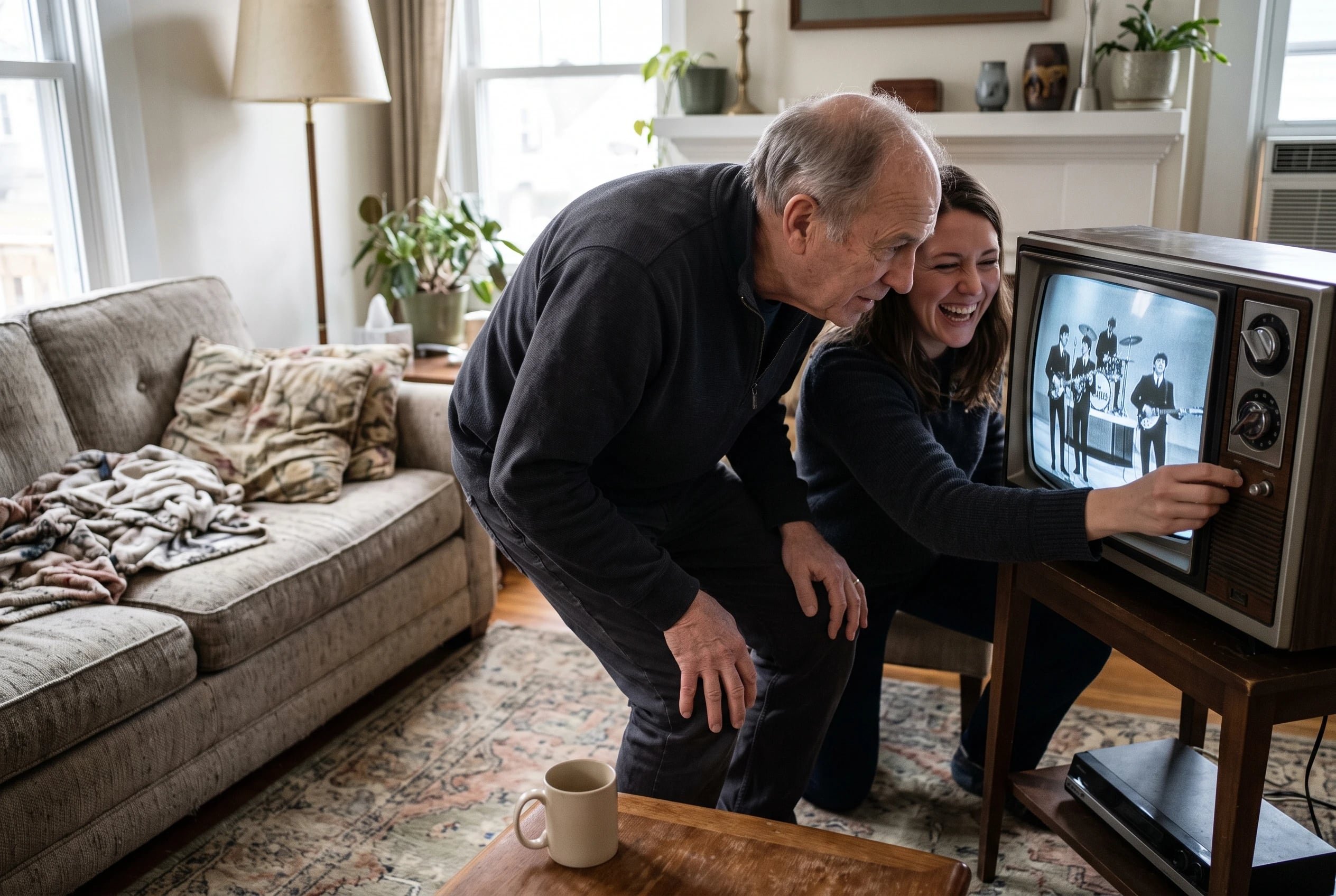
A life doesn’t arrive in tidy chapters. Still, certain years help place the memories you and your family tell.
In 1955, Salk’s polio vaccine arrived. The CDC records Sabin’s oral vaccine following in 1961. Between those dates, Elvis Presley appeared on *The Ed Sullivan Show* in 1956, according to EdSullivan.com.
Then came 1964. The Civil Rights Act became law, as the National Archives records. The Beatles made their *Ed Sullivan Show* debut that year. Their appearance drew an estimated 73 million U.S. viewers.
Those dates put public events in order. Your own timeline gives them a setting: the house where you watched television, the person who took you for a vaccine, the conversation after the news.
Ask a sibling to place a family move or school year alongside them. You might find that each of you has been telling the same decade from a different room.
7House and Car Prices Compared With Now

“How much did that cost?” is a wonderful question until everyone at the reunion gives a different answer. Someone remembers the sale price of a house. Someone else remembers the payment. Both insist they’re talking about the same thing.
Start with an object and a year. Find the house address, the car’s model year, or the place where you bought the Coke. Then look for a dated sale record, an advertisement from your town, or a receipt your family kept. Write down what the figure describes before comparing it with a present-day price.
A house price won’t tell you the down payment. A car ad won’t tell you what your family paid. Even a remembered Coke price needs a place and a date.
The research for this article supplies no verified period prices for those purchases. Your family’s receipt or a dated local advertisement is the way to get one. Ask: “That’s our car. Do you remember where we bought it?”
6The Family Landline Compared With Now

The phone rang, and the nearest person answered. If the call was for you, someone called your name through the house. If the caller was a friend you didn’t want questioned about, too bad: the person who picked up already knew.
By the mid-1960s, most areas had converted from named exchanges to all-number calling, according to the history of that change. Period telephone directories in the Library of Congress collection show how local conversions were announced.
The ring still reached everyone. You waited for a call where others could hear it, passed on messages, and hoped the line would be free when you needed it.
Where did your family put the phone? Describe that corner to a sibling. She might remember the chair you sat in, or the hallway where she stood while waiting for you to hang up. The call itself is gone; the place where it happened remains clear.
5Childhood Car Rides Compared With Now
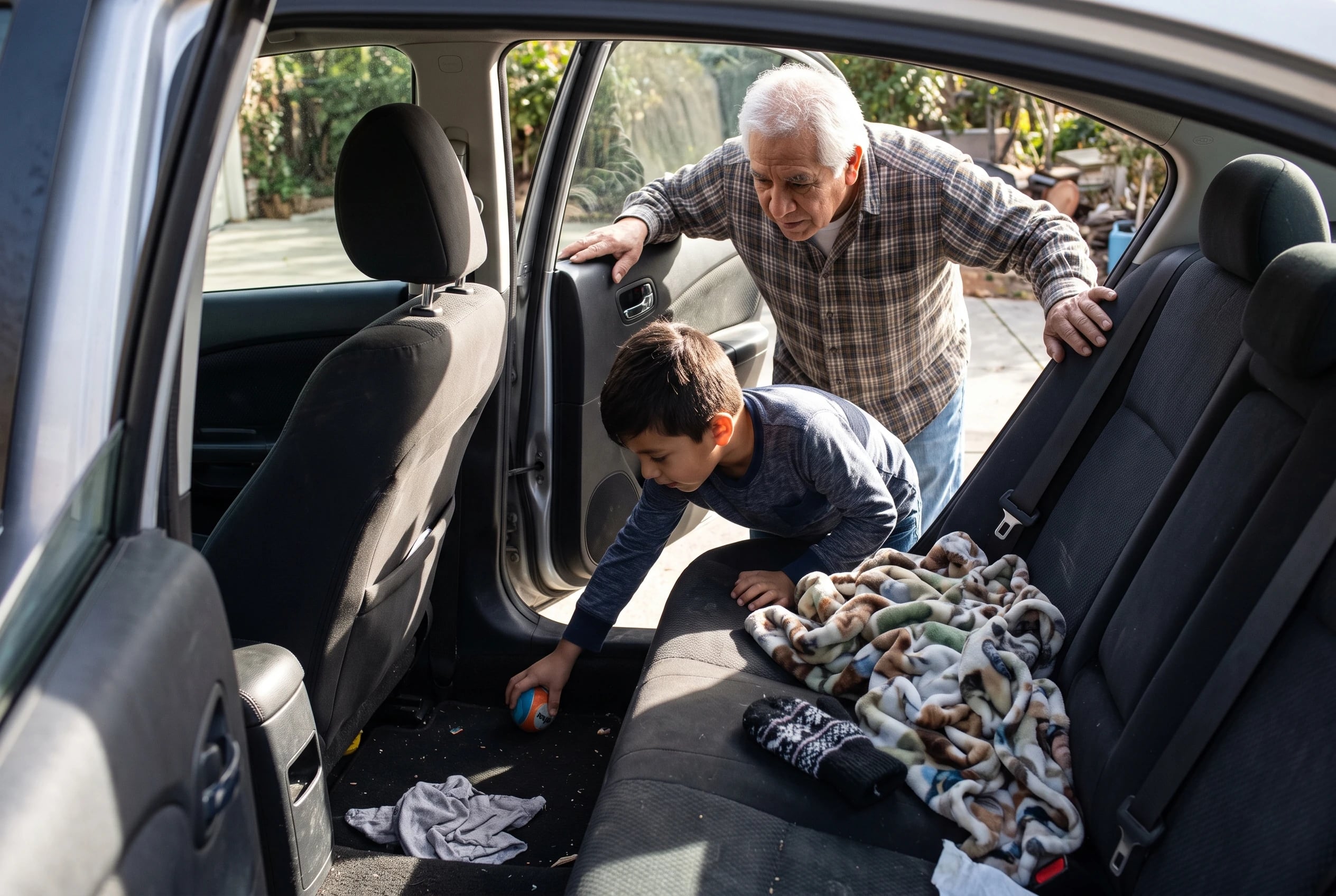
Look at a childhood car photo and start with what you see. You’re there, perhaps smiling toward the camera. Now look at how you’re seated. A picture shows what your family used; it does not, by itself, establish what the law required for that car.
NHTSA’s standards history traces changing vehicle-restraint requirements after the first federal seat-belt rule for new passenger cars took effect in 1968. Child-restraint standards continued to develop through the 1970s. If you want to check a particular model year, start with that history rather than guessing from the photograph.
Away from home, there was no cell phone in your pocket for a quick message. Your family agreed on a time or place. If plans changed, finding a phone became its own task.
Ask a sibling which mattered more in your house: arriving at the agreed time or explaining why you were late. The answer says something about how your family handled the space between leaving and coming home.
4After-School Freedom Growing Up in the 70s
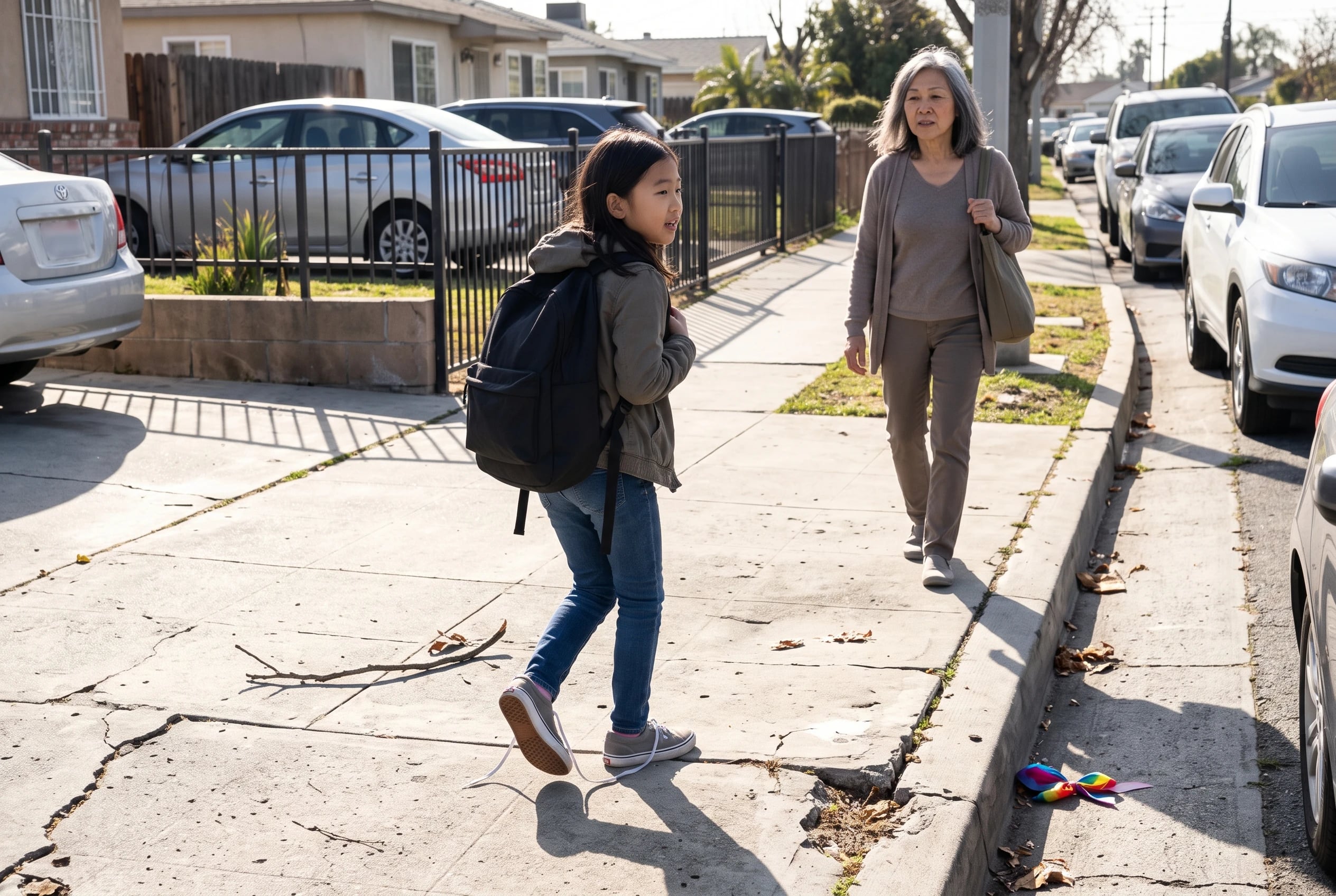
The school day ended, and for a while you made the decisions. Which way home? Stop to talk, or keep walking? There was room between leaving school and arriving at the front door that belonged to you.
Research reviewed in *Active Travel Studies* documents a multidecade decline in children’s independent mobility since the 1970s. It gives a name to the difference between many remembered childhood journeys and the trips children make with adults now.
“Latchkey” describes some households, but it doesn’t describe every afternoon. You could have a parent at home and still take that walk without an adult beside you. Or you could carry a house key and go straight inside to start whatever needed doing.
Which route did you choose when nobody was directing you? Draw it from memory. Put in the corner where you paused and the house you hurried past. Your sister’s route from the same school might reveal a completely different neighborhood.
3Red Rover Games Growing Up in the 70s
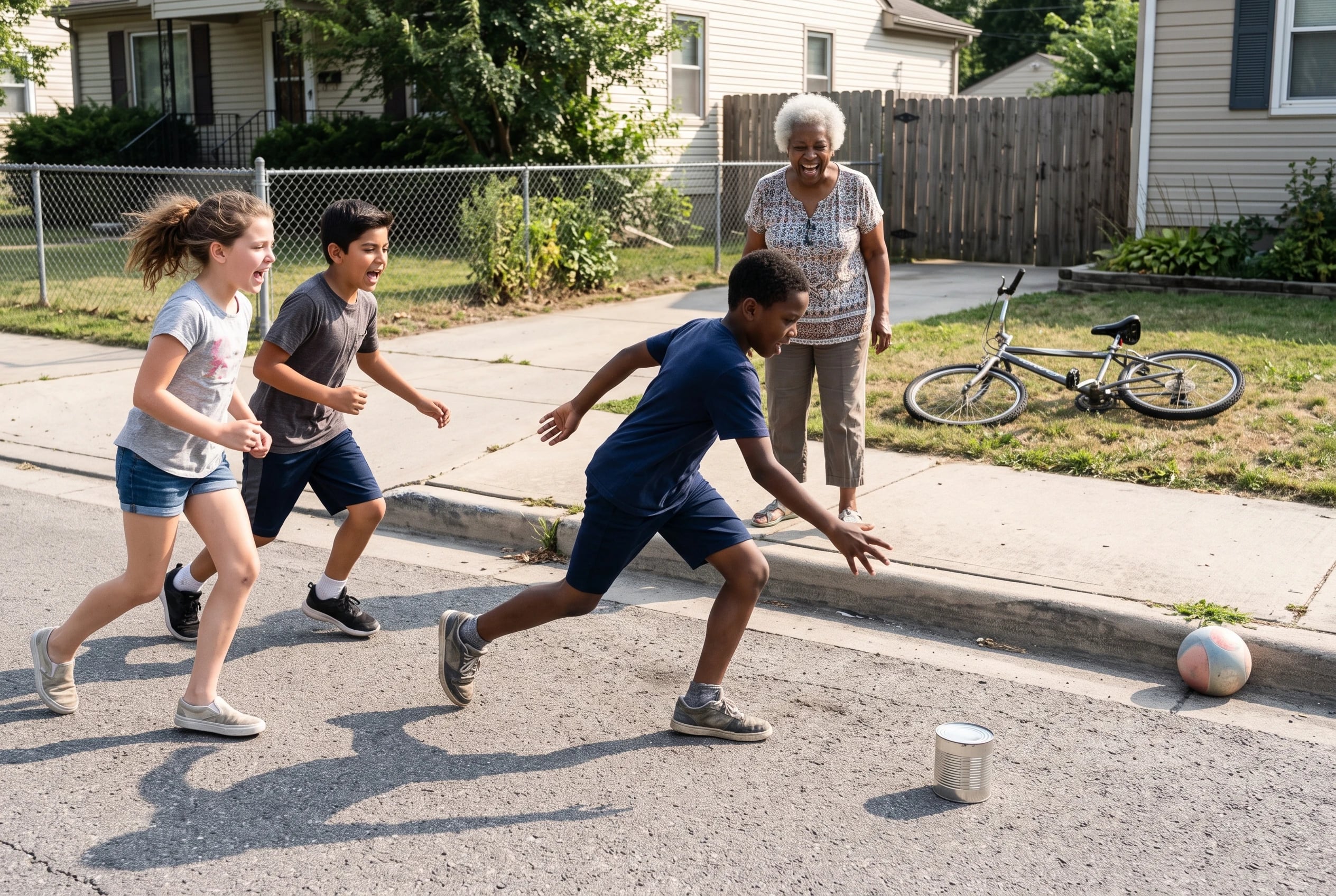
Which game did your group call for first: Red Rover or kick the can? You can name it without needing a history of playground games. The harder part is remembering who always insisted on changing the rules.
A game needed other children, a place to gather, and an agreement that lasted long enough to begin. You watched who had gone home and who had arrived. You noticed who wasn’t speaking to whom. Those details changed the teams before anybody started running.
No reliable source in the research establishes how widely either named game was played. To pin down your own group, find a photograph of the children from your block and try to name each one. Ask a friend which game everyone chose and where you played it.
One name will lead to another. Someone remembers who ran fastest. Someone else remembers who refused to play after an argument. Keep those differences. They tell you more about your particular group than a claim that every neighborhood played alike.
2The Baby Boom Generation Name
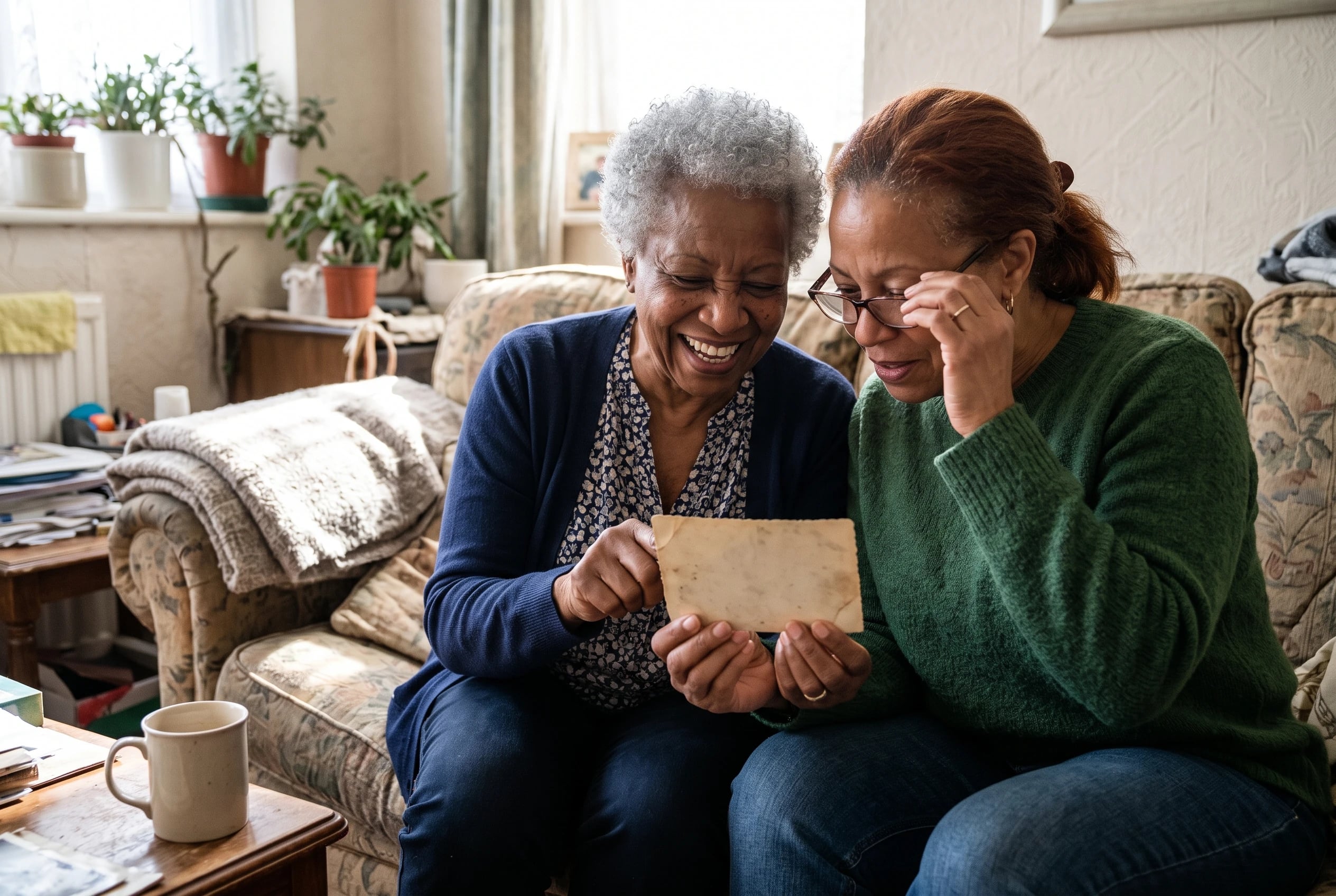
What do people call a child of the 1960s now? First, check the birth year.
Pew Research Center defines the U.S. Baby Boom generation as people born from 1946 through 1964. Under that definition, many people who spent childhood years in the 1960s are Baby Boomers.
The label tells someone when you were born. Your sister remembers the house, the street, and the years you shared.
1Streetlights Growing Up in the 50s and 60s

You saw the light change before anyone called you. There was enough time to finish the game, or so you said. Then a lamp above the street came on, and you knew the argument you’d make at home: you were already leaving.
A 2007 U.S. House hearing transcript recalls the parental rule to “come in when the streetlights came on.” Columbia University’s *Elders Project* oral history preserves that curfew in someone’s account of neighborhood life.
The same few words carried children home from different streets. They also marked the moment you had to leave whoever was still playing. Perhaps you said you’d see them tomorrow. Perhaps you were annoyed that the light near your house came on before another one down the road.
But which street was yours? Picture it from where you stood when the light came on. You know which house was closest. You know who still had to fetch a bike and who had already disappeared indoors.
Send this memory to your sister and ask one question: “Which streetlight did we watch?” She might name a corner you’ve forgotten. She might say you always stayed out until someone came to get you. Either way, you’ll hear your own childhood told back to you.
The bottom line
The things you remember had people attached: the neighbor at the window, the friend with the cards, the parent who heard the phone ring.
The well-prepared version of you has found the old photograph, turned it over for a date, and asked someone else to name the child at the edge of the frame.
Which small detail would your sister remember that you don’t?
Up next
23 Forgotten Social Habits of the 1960s
A milk bottle, a class ring, and a stamped envelope bring back the deliveries, dances, rules, and prices that shaped daily life.
Read the list →


Reader quiz
Did you catch the details?
5 questions from this article.
In this item, what could a neighbor notice before you got home?
Questions people also ask
What was life like growing up in the 1950s?
Children played outside, while family leisure included television, drive-ins, and road trips. The U.S. Census Bureau found TVs in about 87% of occupied households by 1960. Parents also lived with polio fears before vaccination drove cases down, as the CDC documents.
What was growing up in the 60s like?
Youth music and fashion became highly visible: EdSullivan.com estimates that 73 million U.S. viewers watched The Beatles’ 1964 debut. That same year, the Civil Rights Act outlawed discrimination in public accommodations and employment, as the National Archives records. A child’s experience of those changes depended on her family and community.
What are children of the 60s called?
Many fall within the Baby Boom generation. Pew Research Center defines that U.S. generation as people born from 1946 through 1964. “Child of the 60s” describes years you remember; Baby Boomer describes a birth-year range.
What major events happened in the 50s and 60s?
The CDC dates Salk’s polio vaccine to 1955 and Sabin’s oral vaccine to 1961. The National Archives records the Civil Rights Act of 1964. On television, Elvis Presley appeared on *The Ed Sullivan Show* in 1956, followed by The Beatles in 1964, according to EdSullivan.com.
Did children in the 50s and 60s have more freedom?
A U.S. House hearing transcript recalls children being told to return when the streetlights came on. A review in *Active Travel Studies* documents declining independent mobility among children since the 1970s. Those sources support the memory of greater freedom, though no single childhood experience describes every neighborhood.
What was it like growing up in the 70s compared to now?
Safety rules and ways to reach home were different. NHTSA traces changing vehicle-restraint standards, while the CDC dates the first state bicycle-helmet laws to the late 1980s. Without a cell phone, you and your family had to agree when you would return.
Did any of these feel familiar?
Know someone who needs this?
 Prime Journal · Free printable
The Everyday Home Safety Checklist
- Clearer routes from the front door to your bed.
- Working lights and alarms where you need them.
- House details ready when a repair needs attention.
Free printable: The Everyday Home Safety Checklist. Enter your email and it is yours.
Sources cited in this article
This article links to 15 outside sources, listed here so you can read them yourself.
- Pew Research Center www.pewresearch.org/chart/the-baby-boom-generation-76-million-births-occurre…
- Philadelphia Museum of Art www.philamuseum.org/exhibitions/ladies-choice-american-womens-fashions-19501…
- U.S. Census Bureau’s housing report www2.census.gov/library/publications/decennial/1960/housing-volume-1/4196244…
- Library of Congress www.loc.gov/static/programs/national-film-preservation-board/documents/duck_…
- NHTSA www.nhtsa.gov/interpretations/nht67-127
- CDC’s bicycle-helmet history www.cdc.gov/transportation-safety/calculator/bike-helmet.html
- Smithsonian Magazine www.smithsonianmag.com/arts-culture/iconic-hula-hoop-keeps-rolling-180969355
- EdSullivan.com www.edsullivan.com/elvis-presley-makes-his-ed-sullivan-show-debut-70-years-l…
- Victoria and Albert Museum www.vam.ac.uk/articles/introducing-mary-quant
- National Archives www.archives.gov/legislative/features/civil-rights-1964/civil-rights-act-196…
- Route 66 www.nps.gov/articles/route-66-1926-1945.htm
- Smithsonian’s account of Tupperware parties americanhistory.si.edu/explore/stories/parties-plastic-how-women-used-tupper…
- CDC’s polio history www.cdc.gov/pinkbook/hcp/table-of-contents/chapter-18-poliomyelitis.html
- The Beatles made their *Ed Sullivan Show* debut www.edsullivan.com/the-beatles-american-debut-on-the-ed-sullivan-show-1964-2
- 2007 U.S. House hearing transcript www.govinfo.gov/content/pkg/CHRG-110hhrg35982/pdf/CHRG-110hhrg35982.pdf
David Ruiz
Home Editor
David writes about the house you have and the one you might move to: staying put, downsizing, repairs, and the small changes that stop a fall.
More from David Ruiz