









23 Forgotten Social Habits of the 1960s
A milk bottle, a class ring, and a stamped envelope bring back the deliveries, dances, rules, and prices that shaped daily life.
By David Ruiz, Home Editor
Updated · 19 min read
The short answer: Forgotten social habits of the 1960s included doorstep milk delivery, shared telephone party lines, school sock hops, formal dinners, and handwritten thank-you notes. Children had more freedom to travel around their neighborhoods, while women at some colleges faced curfews and stricter housing rules than men. Smoking remained permitted in places later covered by smoke-free laws.
- Written by our home editor
- Cited 15 sources
- How we review
Picture the milk bottle beside the door. Before anyone inside has spoken, it tells you something about the household: somebody placed an order, somebody made a route, and somebody will carry the bottle in. A childhood memory can begin with a detail that small.
The 1960s weren't one shared American childhood. Where you lived, what your family could afford, and which rules applied to you all shaped the day. Still, certain sounds and objects bring back a whole room: a ringing phone, a record dropping onto a turntable, a stamp pressed onto an envelope. Which ones belonged to yours?
23Milk Delivered Straight to the Door

You open the door and find milk waiting there. No trip down a supermarket aisle, no question about whether anyone remembered to stop on the way home.
USDA economists found that home delivery of fluid milk was dominant in the 1950s and 1960s, even as supermarket sales grew.
It was a familiar household arrangement, but it had a cost behind the scenes. Another USDA analysis found delivery costs were higher for milk brought to homes than for milk sold through stores. The doorstep bottle required a delivery route as well as the milk itself.
If you want to see the arrangement rather than only remember it, Oberweis Dairy still lists home delivery in parts of the Midwest. Check its delivery area and checkout price first. The old feeling starts at the door, but the bill belongs to the present.
22Chatting on a Shared Telephone Party Line
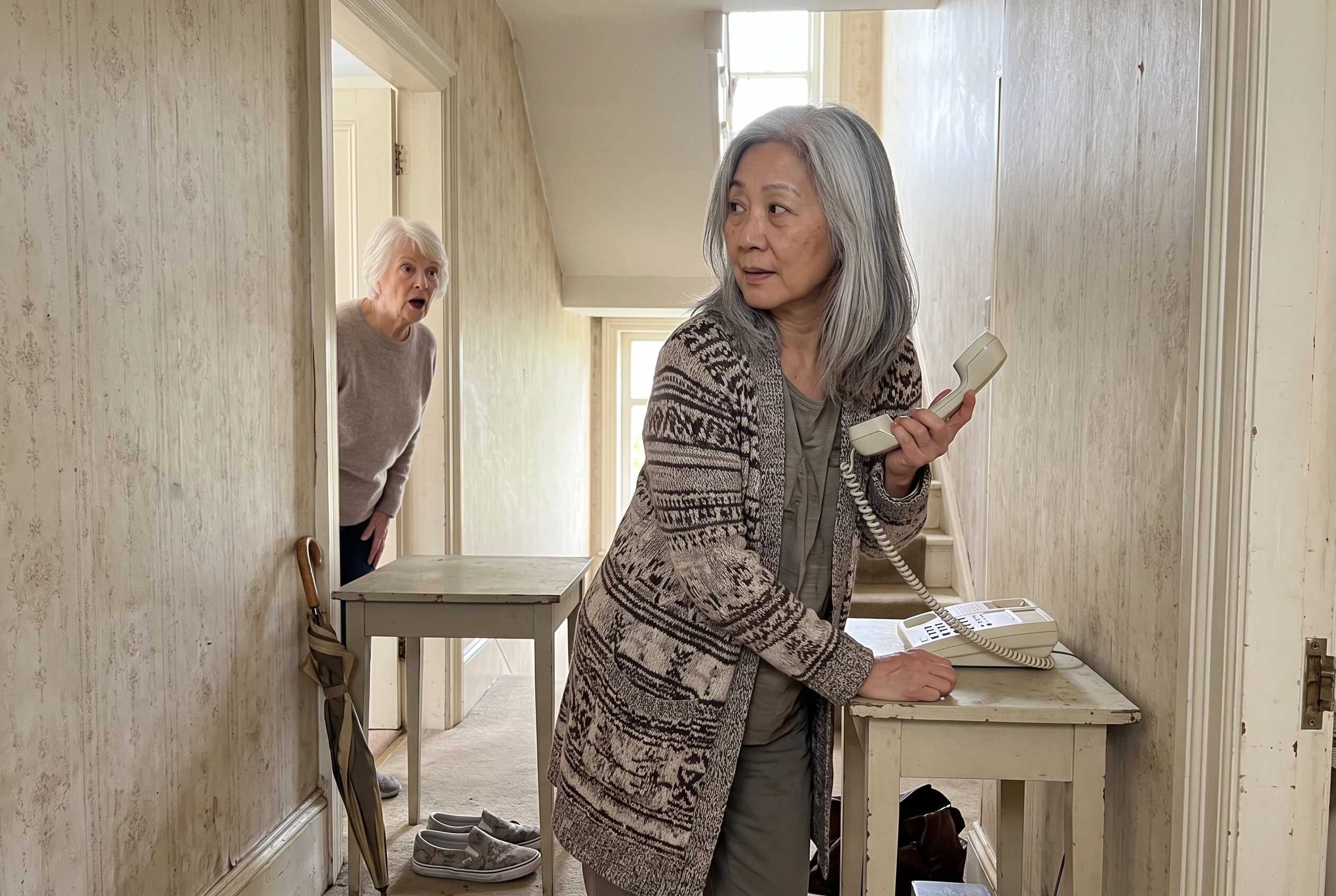
Did you wait for your turn to make a call? A party line put several subscribers' telephones on one circuit, according to Collins Dictionary. Your household had a phone, but the line itself wasn't entirely yours.
The Smithsonian's AT&T/Bell film collection includes a film called *Party Lines*. That title points to something a child had to learn: making a call involved other households. A ringing phone didn't promise privacy, and finding the line busy called for patience rather than another device.
Push-button dialing didn't end that setup overnight. A Bell System historical account dates the commercial debut of touch-tone dialing to November 1963. Party lines lasted longer in rural areas.
Ask yourself what you remember more clearly: the sound of the ring, or the pause before you picked up and spoke.
21Saturday Night Sock Hops at School

The gym looked different without its usual purpose. There was music, room to dance, and no shoes on the floor.
A sock hop was an informal dance popular among high-school students, especially in the 1950s and into the 1960s. Collins Dictionary places it in gyms and cafeterias. The socks served a practical purpose too: dancers took off their shoes to protect the gym floor.
That detail gives the memory its texture. You didn't enter a special dance hall. You returned to a school space you already knew and used it for something else.
Was yours a crowded gym or a cafeteria with chairs pushed aside? The name survives. The particular floor, and who stood beside you on it, belongs to you.
20Smoking Allowed in Offices and Hospitals
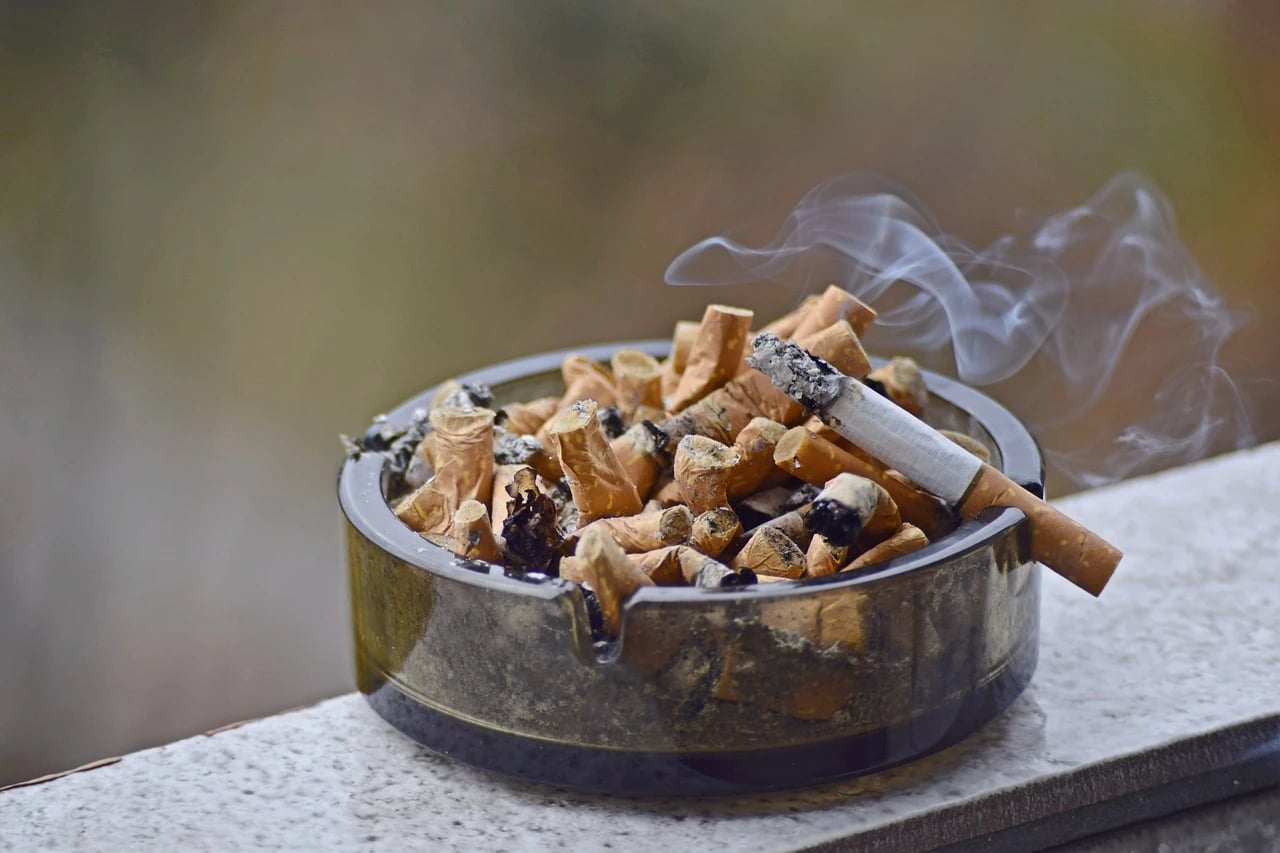
An ashtray in a workplace or hospital makes for a jarring memory now. Back then, rules that barred smoking from those spaces were still being made.
Consider the timeline. A CDC account describes Minnesota's requirement for hospitals statewide to be smoke-free by 1990. A later CDC review counted comprehensive statewide smoke-free laws in 26 states by 2010. Those dates show how long the change took.
Remembering smoke in a public room doesn't mean you miss breathing it. You can recall where an ashtray stood, who reached for it, and what the room smelled like without wanting it back.
Some habits disappeared because people decided that a shared space needed different rules. This one changed the room itself.
19Formal Family Dinners With No TV
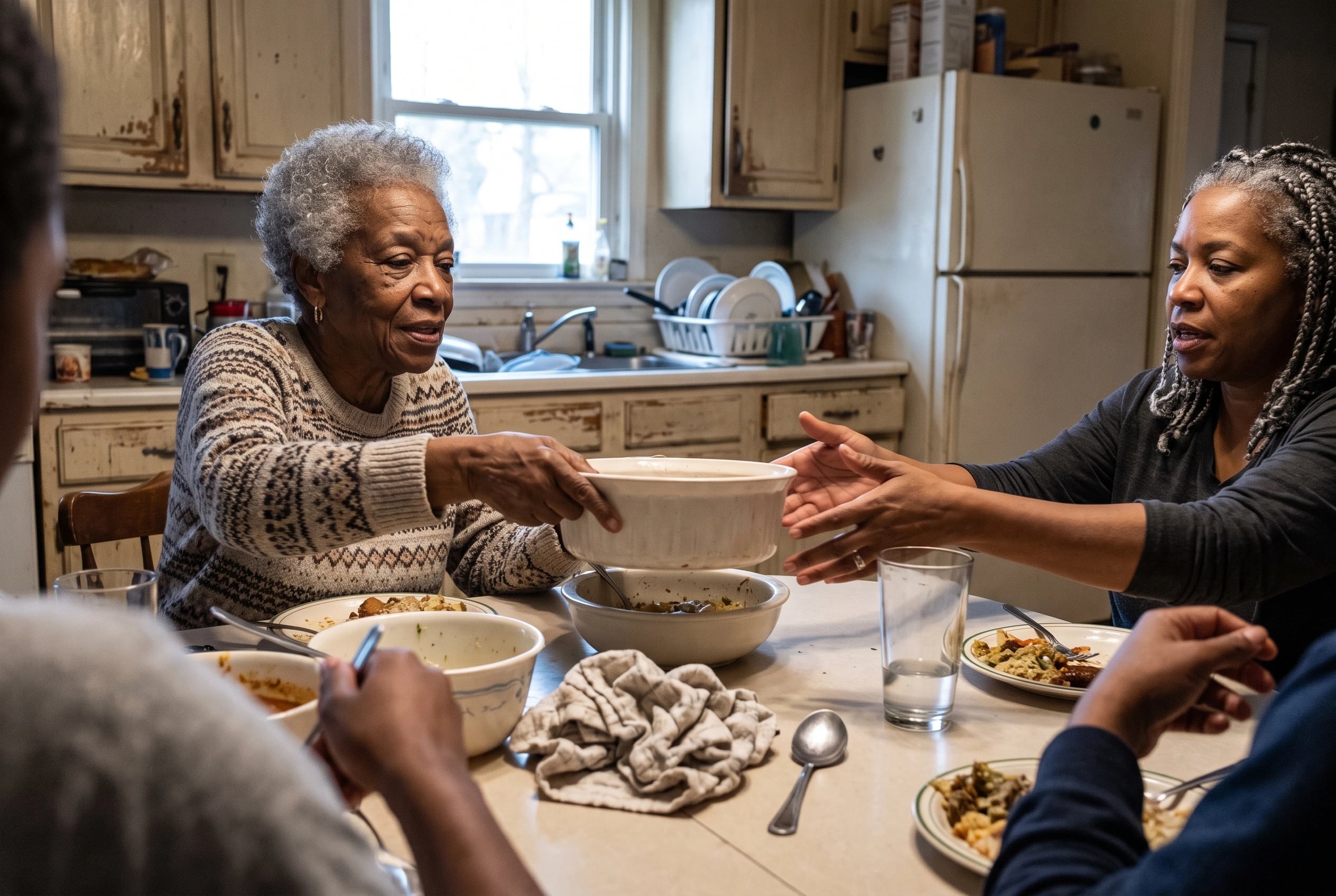
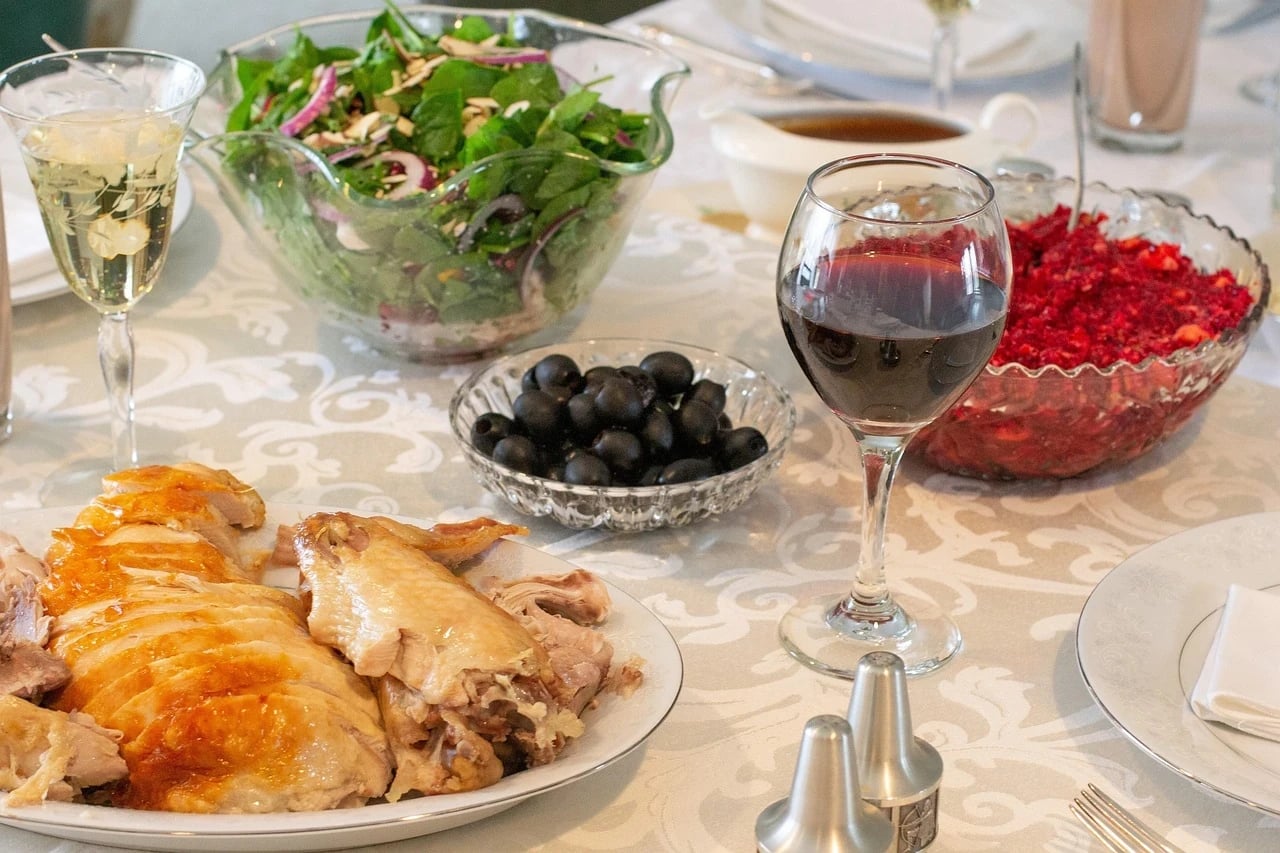
Someone passes a dish. Someone else asks for it back. The conversation keeps going because there's nothing playing at the table to take over.
The Emily Post Institute's dining guidance still treats a meal as a social occasion. It pays attention to place settings, passing food, and the people eating together. That guidance doesn't prove every 1960s family ate formally.
It does put words to a rule you might remember hearing: pay attention to the table.
Your dinner could have been lively, tense, funny, or all three before the plates were cleared. A television left off didn't guarantee good conversation. It did make the people at the table harder to tune out.
Try remembering one meal without naming the food first. Who passed the serving dish? Who waited for everyone else? Those small movements tell a family story.
See more: 22 Dishes on a 1960s Dinner Party Menu, Course by Course →
18Sunday Best Clothes for Church
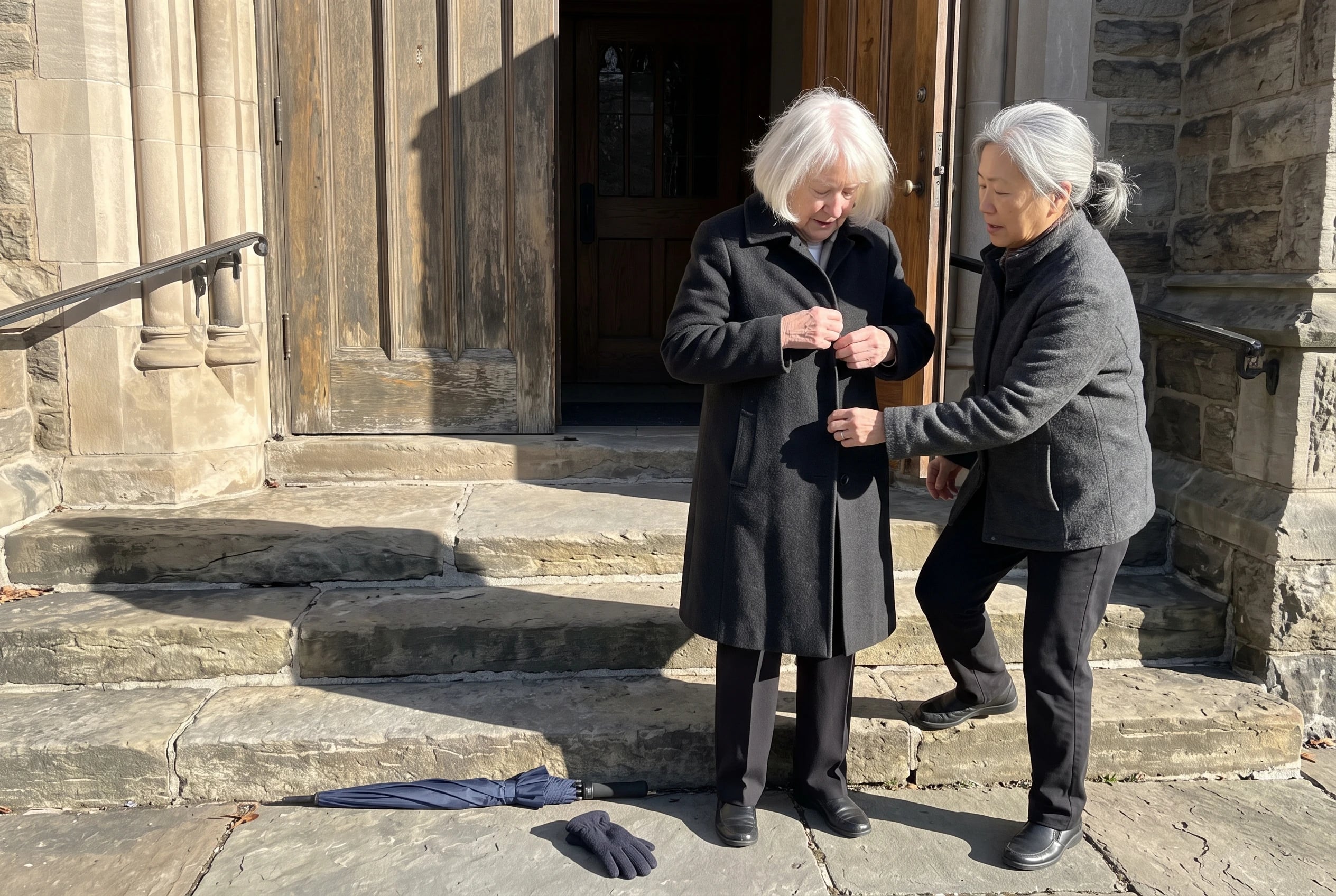
There were clothes for the rest of the week, and then there were the ones set aside for Sunday. The phrase "Sunday best" meant a person's finest clothes, especially those suited to churchgoing, according to Collins Dictionary.
The custom had a large setting. Gallup reports that nearly half of American adults said they had attended religious services in the previous week during the late 1950s and early 1960s.
What did getting dressed involve in your home? Perhaps the clothes were laid out beforehand. Perhaps they were saved carefully because they had to last.
The attendance figure can't tell us how it felt to stand still while someone checked your collar.
17Kids Sent Outside to Roam the Neighborhood
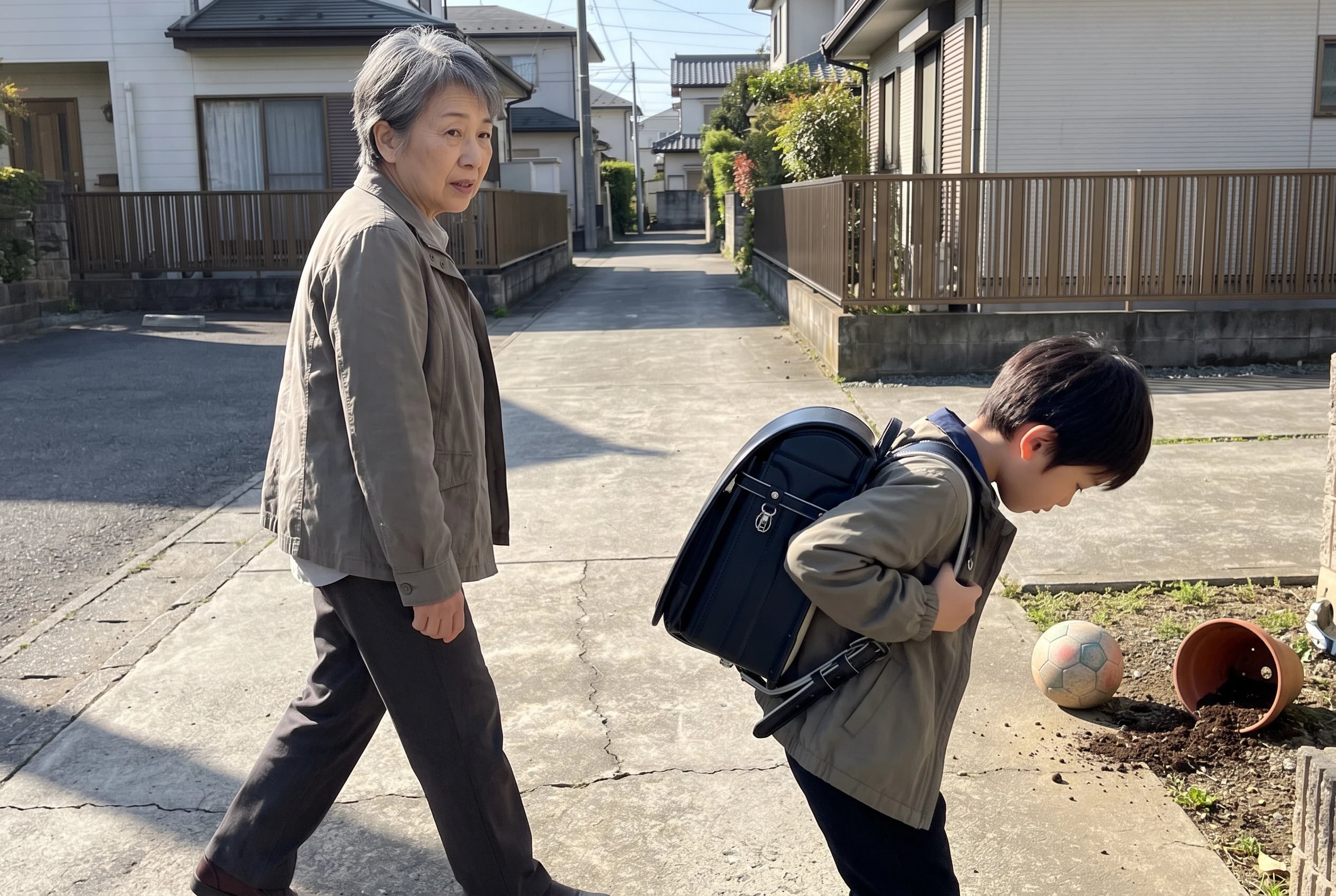
Where were you allowed to go without an adult? The answer depended on your household and your street. Travel records offer one measure of how children moved.
About 47.7% of students in kindergarten through eighth grade walked or biked to school in 1969. By 2009, the share was 12.7%, according to the CDC's Safe Routes to School material.
Those figures describe trips to school, not every hour children spent outside. Nor do they tell us whether a parent walked alongside each child. Still, they give you a dated point of comparison for a route you remember taking.
A walk gives a child a different view of a neighborhood. You learn which route is shorter and which one has someone you hope to meet. You also learn where your own family's boundary lies.
Think of the farthest place you went alone. Was it school, a friend's house, or a corner your family never knew about? The route matters as much as the destination.
16Handwritten Letters Mailed to Relatives

You finish a letter, fold it into an envelope, and decide whether anything needs adding before you seal it. After that, the words have to travel without you.
A phone call let you hear a relative's answer right away. A letter asked you to choose the words before you knew the answer. You could add a line in the margin or start over. Once the envelope was sealed, the exchange was out of your hands.
That delay is part of what an old letter holds. You see what someone thought was worth reporting, and what they assumed you already knew. The ordinary details are often the ones that bring a room back.
If a letter is still tucked in a drawer, look at the address before reading it. A former street, a familiar hand, or the name someone used for you can bring back the exchange before you reach the first sentence.
15The Sears Christmas Catalog in the House

Before the name *Wish Book* appeared, there was already a Sears Christmas catalog. Sears Archives dates the dedicated Christmas catalog to 1933. Its history of the Wish Book says that name first appeared on the Christmas catalog in 1968.
That distinction is worth making if you remember a catalog from early in the decade. You don't have to call it by a later name to recognize what it meant in your house.
A catalog also left evidence of how people looked at it. You could return to a page, compare choices, or show somebody else what had caught your eye.
Remember where yours landed when it arrived. Was it kept in one place, or did someone carry it off before you had a chance to look? Your answer gives that catalog a home, not only a date.
See more: 25 Bathroom Ideas Straight From the 1970s: 70s Bathroom Ideas to Keep or Update →
14Thanksgiving Without Black Friday Talk
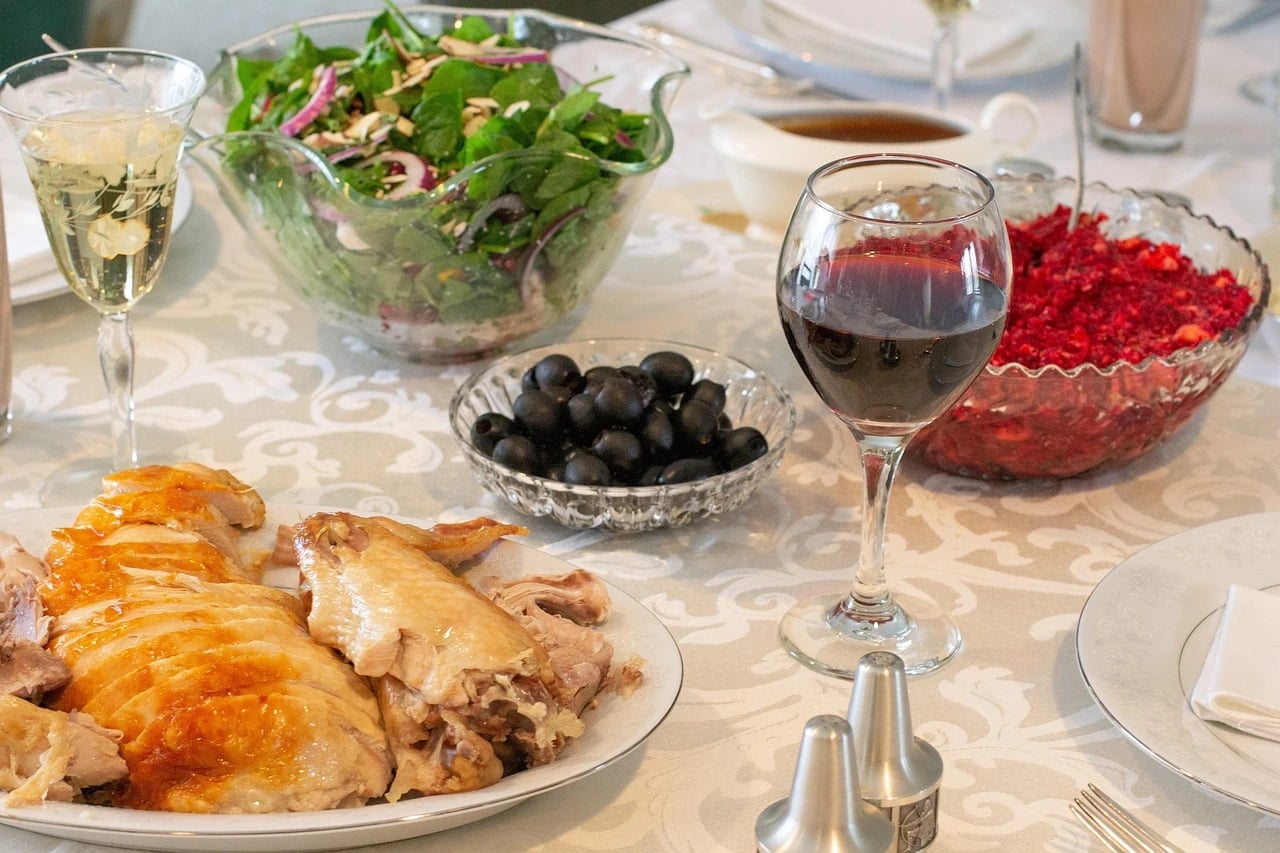
The day after Thanksgiving existed, of course. The national shopping phrase attached to it came later.
The *Philadelphia Inquirer* traces "Black Friday" to Philadelphia police usage around the 1950s and 1960s. Its account says the term didn't spread nationally until the late 1980s or early 1990s. History.com places the familiar retail-profit explanation in the 1980s.
So if your Thanksgiving memories have no "Black Friday" in them, you haven't forgotten a slogan. It hadn't entered most of the country's holiday talk.
What did people discuss while the dishes were being cleared? The answer will differ from house to house. It's worth separating your family's actual conversation from a phrase that now seems impossible to escape.
See more: 27 Old-Fashioned Comfort Food Recipes Grandma Made →
13Going Steady With a Class Ring
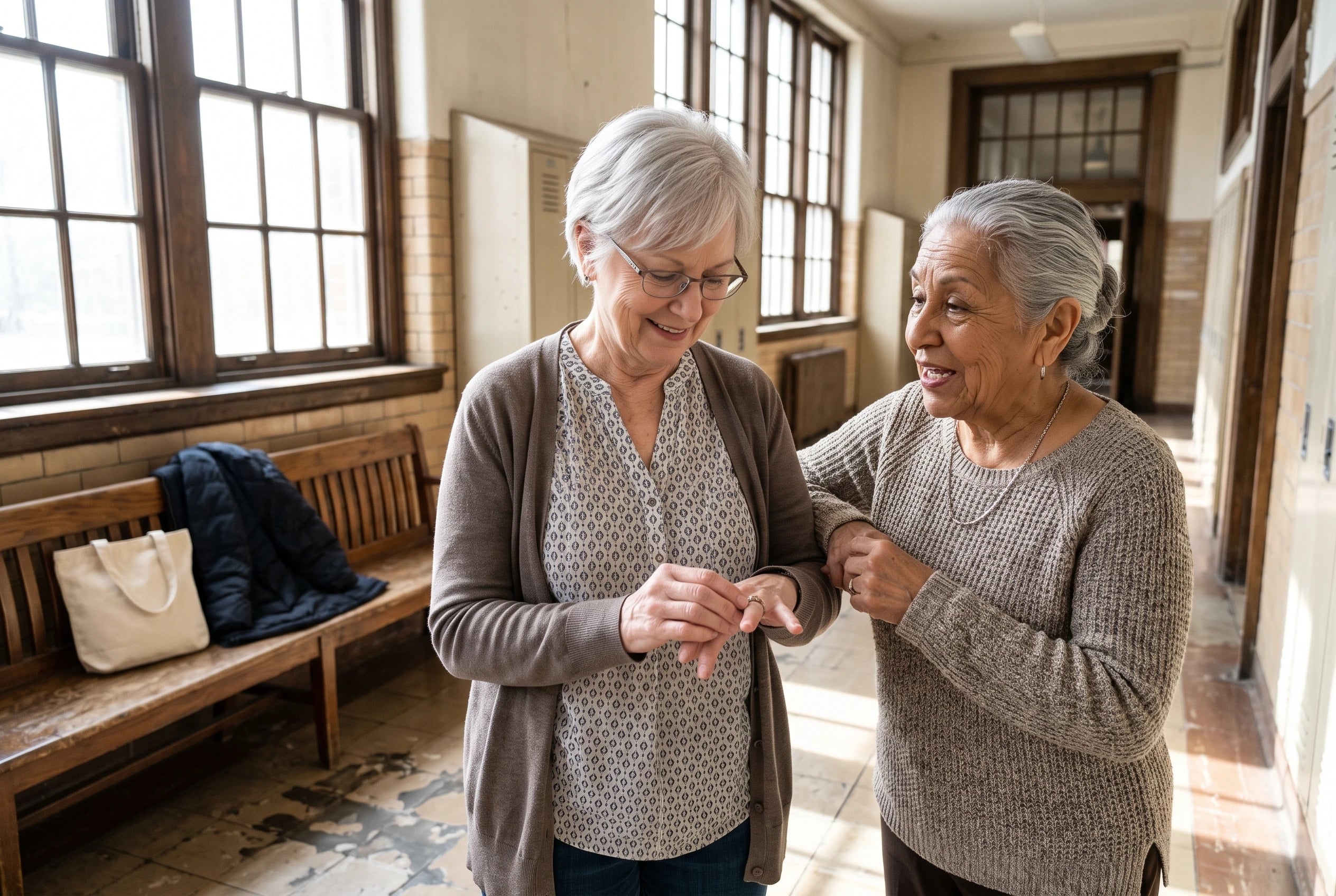
A class ring on someone else's hand could say something without a conversation. Historian Beth Bailey describes the going-steady custom through visible tokens: a boy's class ring, a letter sweater, or matching friendship rings worn on the left ring finger.
The object did social work. Other people could see it, ask about it, or understand it without asking. That made a private relationship public in a particular school setting.
It also made the moment of giving something memorable. Perhaps you recall the ring itself, or the effort to keep it from slipping off. Perhaps your school used a sweater instead. Bailey's examples leave room for those differences.
If you have one of those objects now, what comes back first: the person who gave it to you, or the moment someone else noticed?
12Chaperoned Dates and Strict Curfews
A date has its own clock when someone expects you home at a set hour. Stories about chaperones and front-door curfews belong to individual households; the research here doesn't establish one rule for every family.
Campus rules leave a firmer record. The University of Michigan's account of women's housing rules describes curfews imposed on women under *in loco parentis* policies. By 1968, many campuses were beginning to relax or abolish such restrictions.
University of Iowa archives preserve records of the Associated Women Students from the late 1960s. Along with the Michigan account, they point to dorm hours as a campus issue, not proof of a curfew in your own house.
A household could argue over a deadline at the front door. A university could put the deadline into its housing rules. If you remember hurrying back from a date, which clock were you racing: your family's, or your school's?
11Door-to-Door Encyclopedia and Vacuum Salesmen
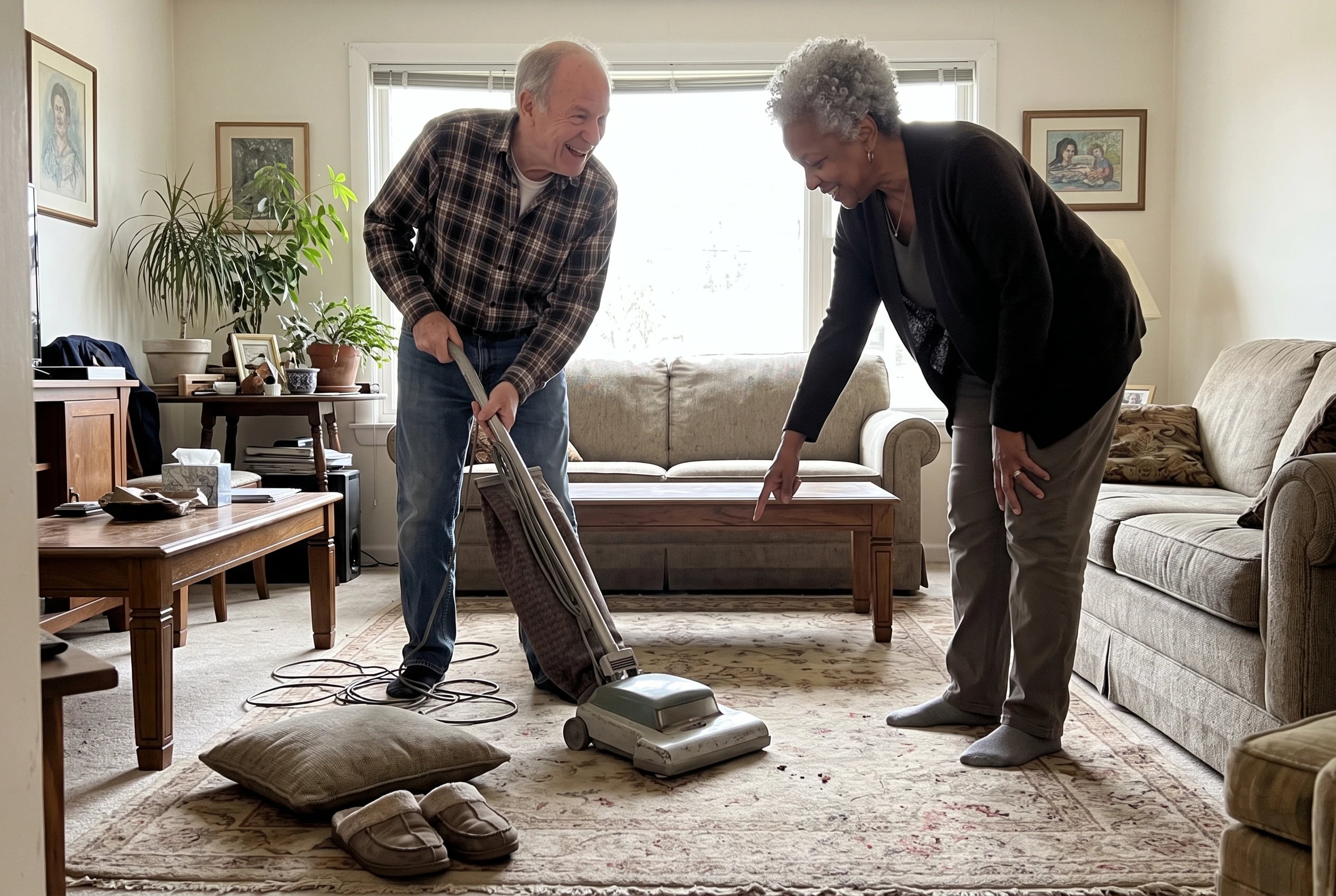
The salesperson at the door had a reason to ask to come inside. A demonstration put the encyclopedia or vacuum in front of the household that would have to decide whether to buy it.
An FTC case record describes Encyclopaedia Britannica starting salespeople door to door. The Kirby Company says it has offered in-home vacuum demonstrations since 1920. Case Western Reserve University's Encyclopedia of Cleveland History puts Kirby's parent company's door-to-door sales force at about 4,000 in 1956.
For the buyer, the decision came with the salesperson still standing there. For a child watching from another room, the visit was an interruption with its own sounds and rules.
You might remember the object being shown. You might remember the adult who decided whether to let the visitor in. Both were part of the same doorstep transaction.
10Howdy Doody at Its Scheduled Hour
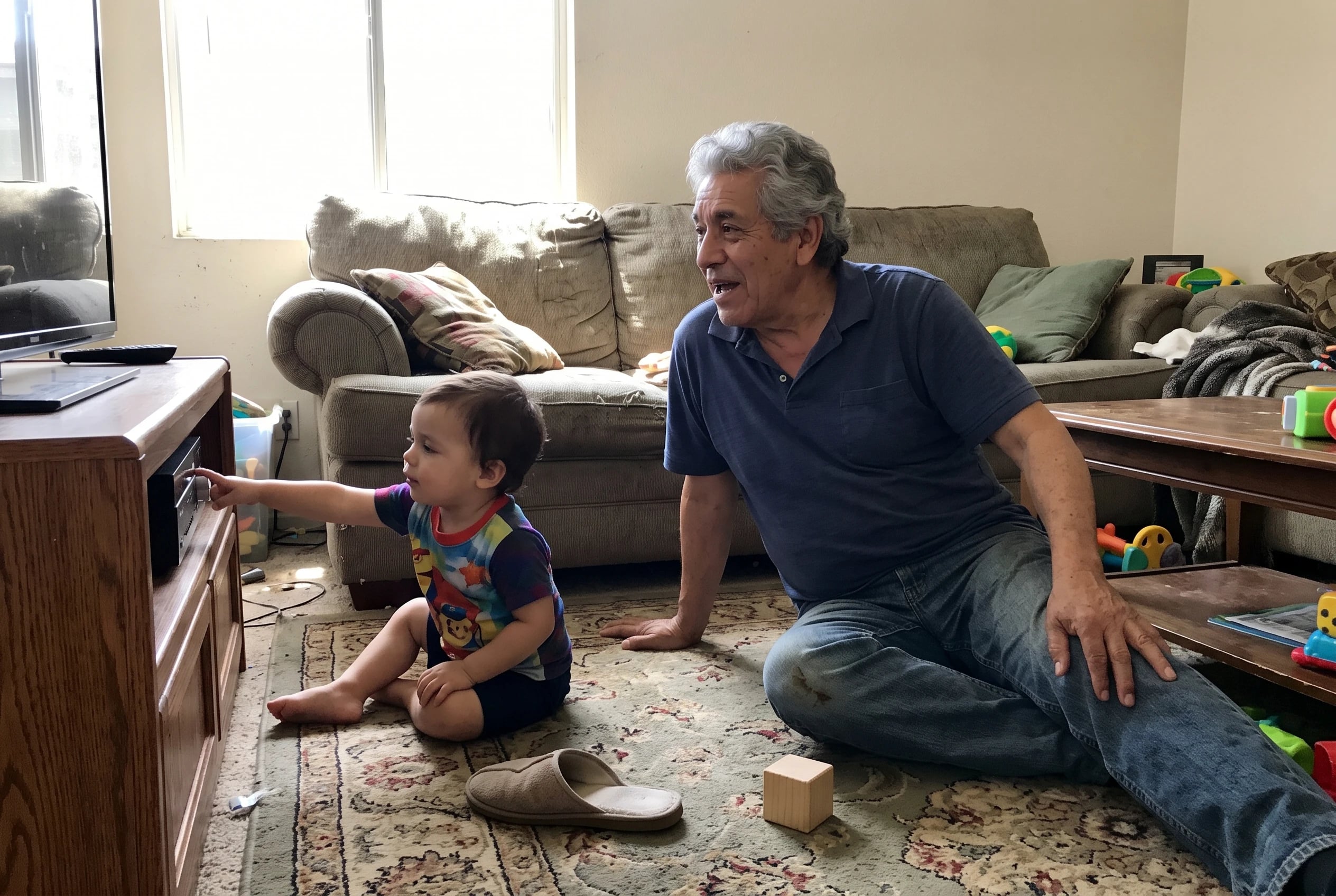
The Smithsonian's account of *Howdy Doody* dates the children's show from 1947 to 1960. Its final year belongs to the start of this decade, not to the whole 1960s.
The Library of Congress also describes Saturday morning children's programming as a household ritual in the late 1950s and 1960s. One child remembers the end of *Howdy Doody*. Another remembers arranging Saturday morning around a different show.
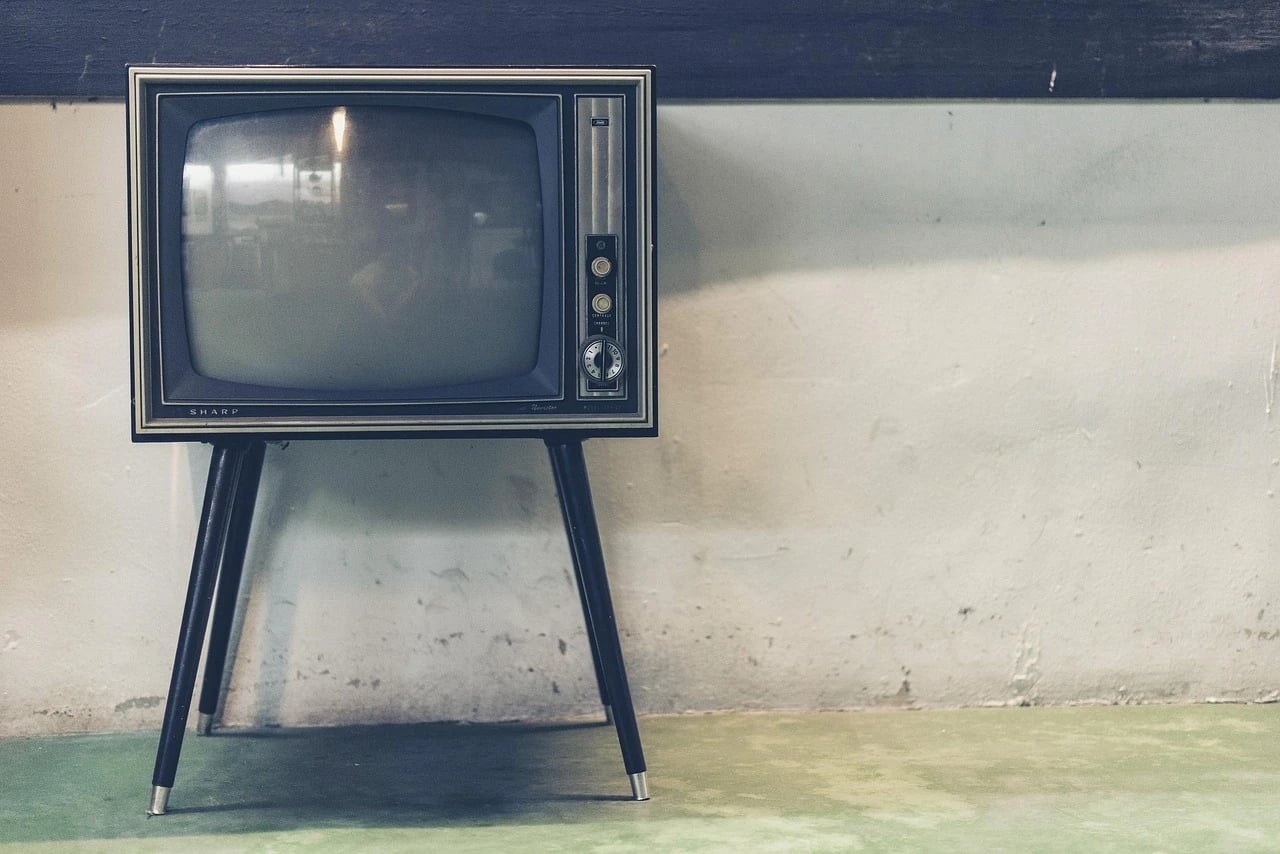
Either way, the set the schedule. You had to be there when the program came on. If you missed it, you couldn't ask the television to start again.
A particular spot on the floor might be what you remember best. The room and the hour belonged together.
9Hi-Fi Stereos and Living Room Record Hops
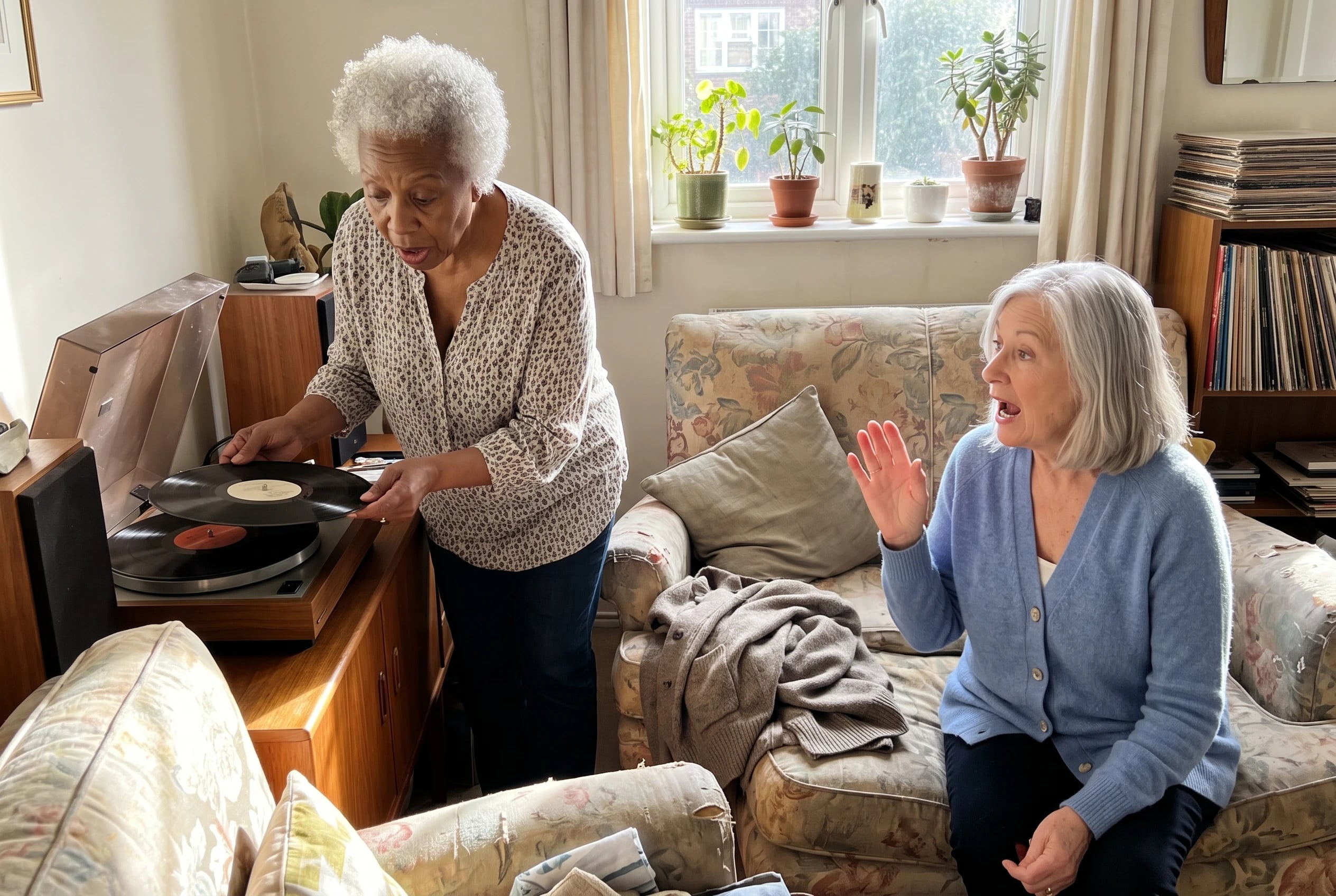
Who got to choose the next record? That small decision could change the room.
A record hop was an informal dance built around recorded music, according to the reference overview cited in the research. It could take place at home or in a school space. The name describes the music source, not what happened at every gathering.
In a living room, someone had to put the record on. The dancers paused when it ended, and the person by the player picked what came next. If you remember the furniture pushed back, you know exactly how much space your household was willing to give the music.
Nobody had to dance for the gathering to matter. Someone sitting nearby still heard each change of song. Try naming the person who tended the player. That detail gives the room its people back.
8How Women Were Treated in 1960s Dress Codes
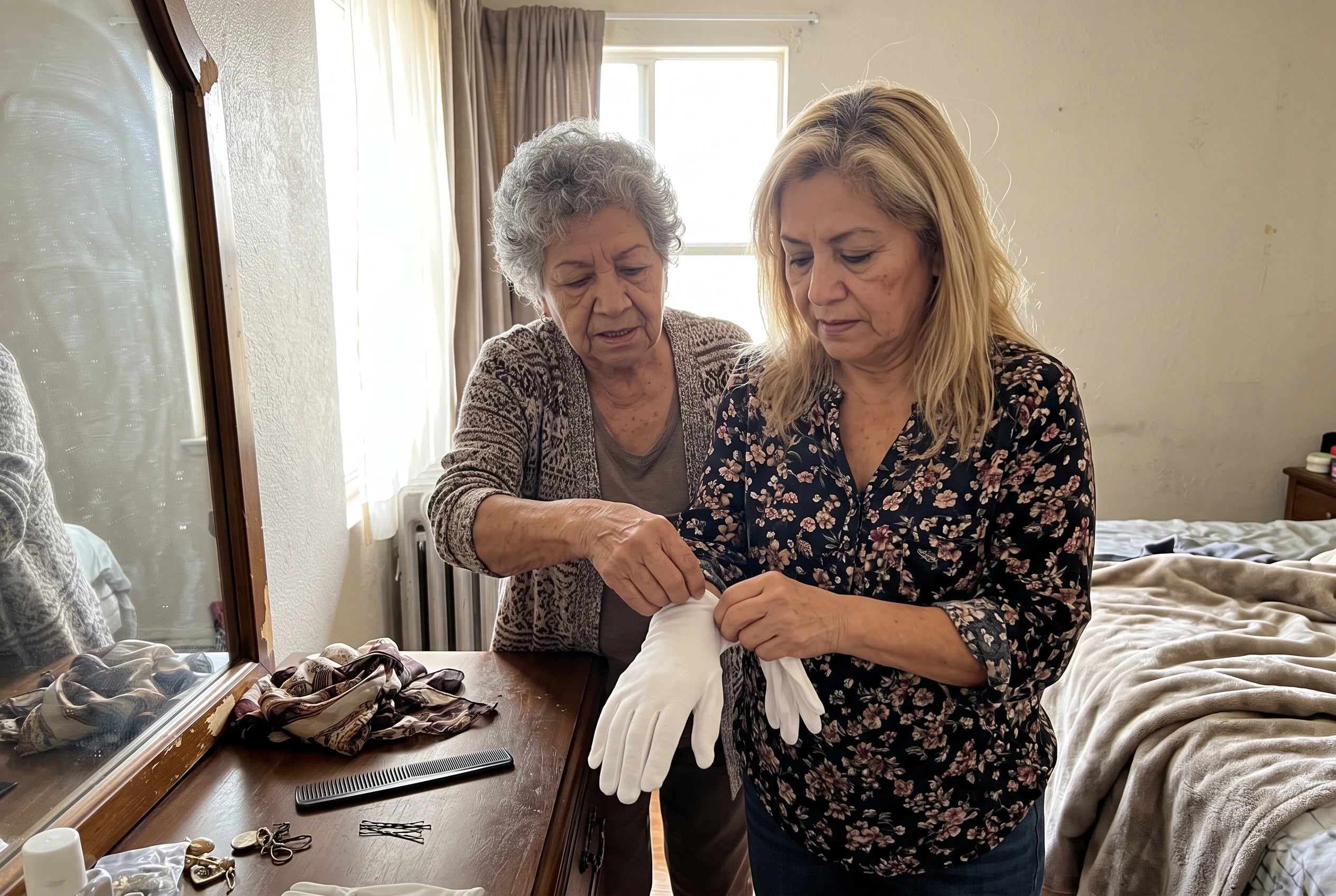
How were women treated in the 1960s? Clothing gives part of the answer. Expectations about looking respectable reached right down to what went under a dress.
The Metropolitan Museum of Art notes that girdles were still marketed in the 1960s, with foundation garments changing as fashions shifted in the 1970s. The FIT Fashion History Timeline says girls were still required to wear white gloves for some special occasions.
Neither detail tells you what every woman wore. Both show that rules about appearance remained active while new styles were arriving. The person who liked a fresh hemline could still be told what counted as properly dressed for a particular event.
You don't have to miss a girdle to remember buying one, wearing one, or seeing it laid out with the clothes for an occasion. Who set the standard in your home, and who got to ignore it?
7Mod Miniskirts and Beatnik Turtlenecks
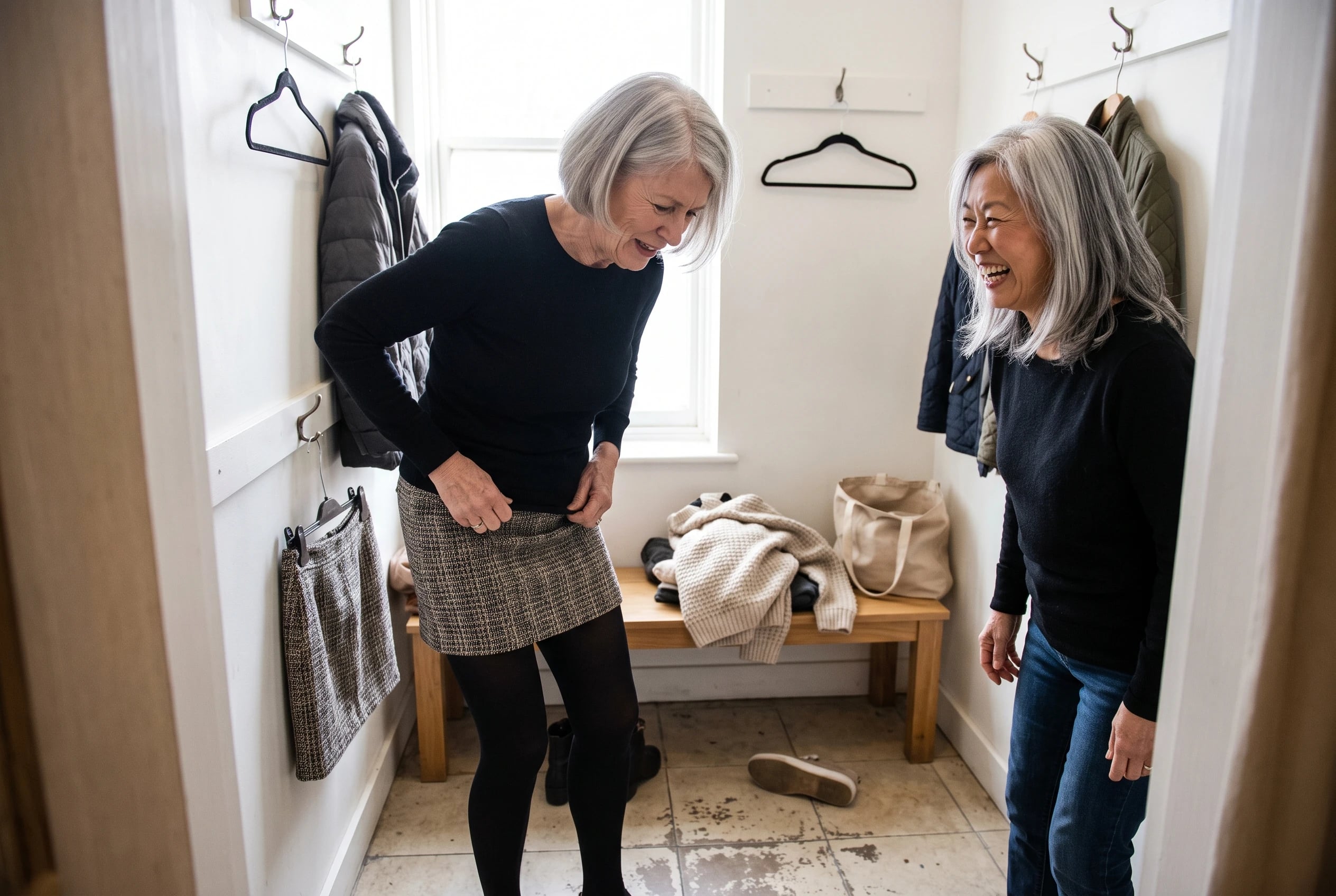
Put the two looks side by side: the mod miniskirt and the beatnik's black turtleneck and beret. They belong to different images of the decade. A single picture of "1960s fashion" rarely tells the whole story.
The Victoria and Albert Museum places the rise of mod and mini styles in the middle of the decade. Designers including Mary Quant and André Courrèges were associated with the look.
Dictionary.com records the black turtleneck and beret as a beatnik stereotype rooted in an earlier look. A style seen in a magazine didn't have to appear in your closet.
Perhaps you tried one of these looks. Perhaps you watched someone else wear it while your own clothes stayed much the same. Which outfit seemed daring where you lived? The place you wore it is part of the answer.
6TaB Soda and New Diet Drinks
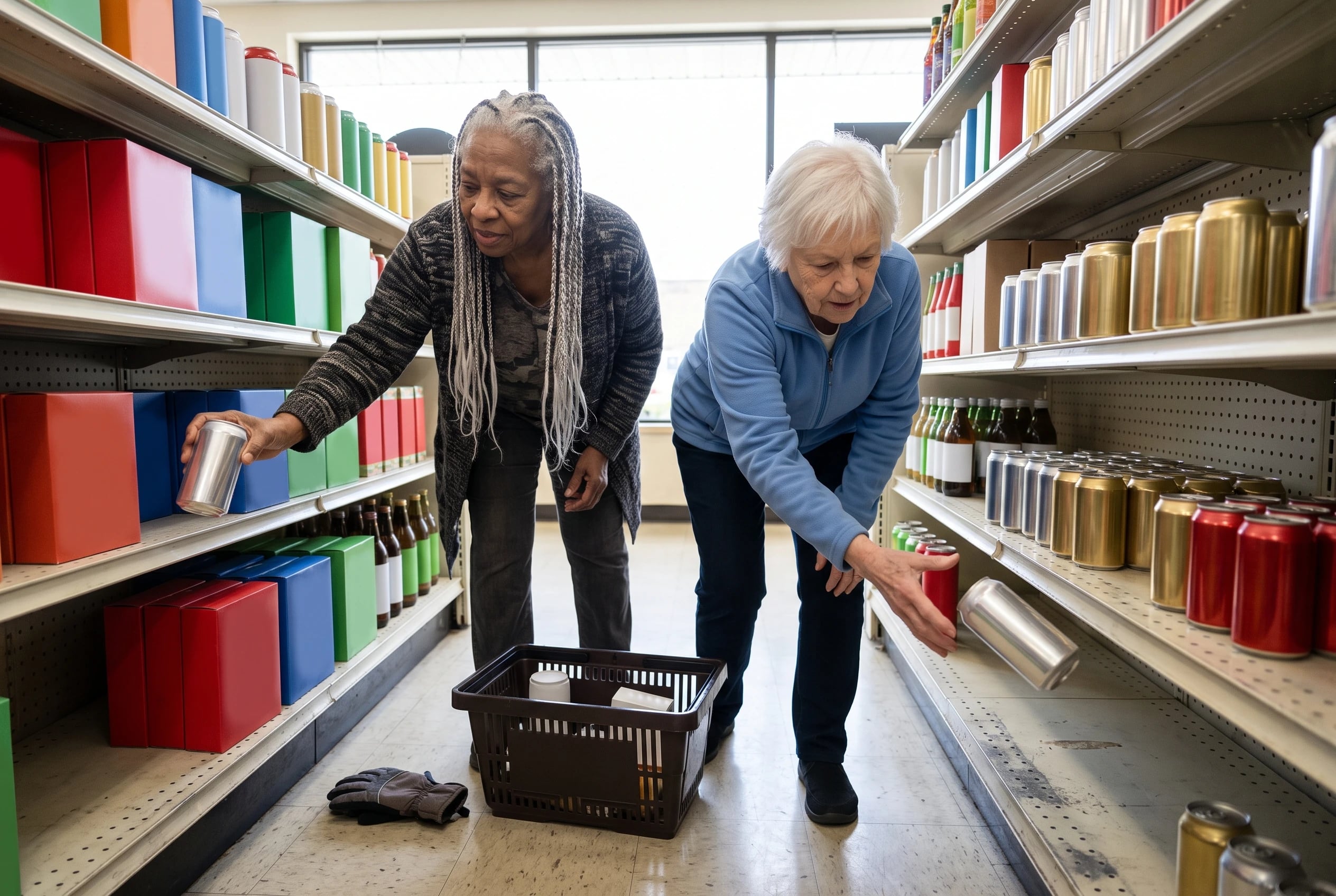
A new drink has a way of becoming part of an ordinary errand. You see the can, bring it home, and find out who wants to try it.
TaB made its debut in 1963 as Coca-Cola's first low-calorie cola, according to the Smithsonian's National Museum of American History.
Diet Coke didn't arrive until 1982. Coca-Cola's history of Fresca describes the sugar-free citrus drink's wider rollout in the mid-1960s and its 1967 New York debut.
Those dates give TaB and Fresca their own place in the decade. They weren't substitutes remembered only because of drinks that came later.
What did your household call a treat to drink? The answer could be a brand, or simply the sound of a can opening in a room you still remember.
See more: 17 Jell-O Mold Recipes From the 1950s →
5Rotary Phones and Memorized Neighbor Numbers

Put a finger in the dial, turn it to the stop, and let it return. Then do it again. A number took time to enter.
The Bell System's history of touch-tone dialing gives November 1963 as its commercial debut. That didn't replace rotary phones all at once. An FCC historical table puts telephone service in about 78.3% of U.S. households in 1960.
If you knew a neighbor's number by heart, where did you learn it? Repeated dialing could fix a sequence in memory. So could seeing it written near the phone.
Think of the numbers that stayed with you long after you needed them. A rotary dial gave each one a physical rhythm. You didn't tap and move on; you waited for the dial to come back before starting the next digit.
4Paper Road Maps on the Front Seat

A road map takes up space. Open it in a car, and somebody has to hold the folds while somebody else looks for the route.
AAA's TripTik strip-map service began in 1937, well before the 1960s road trip you remember.
AAA still offers an updated TripTik planner, and Rand McNally still publishes road atlases. The map hasn't vanished, even if it no longer sits on every front seat.
The old task was shared. One person drove; another followed the road and watched for the next turn. A wrong turn meant finding your place again on the page.
Do you remember being handed the map, or being told to leave it alone? Both answers say something about how decisions were made in that car.
3Handwritten Thank-You Notes After Gifts

The gift was opened. Then came the second task: telling the giver what it meant.
The Emily Post Institute says a handwritten thank-you is always correct, especially when you didn't thank someone in person. Its guidance also calls for notes after occasions such as showers, dinner parties, and major favors.
The habit asked you to sit with a gift for another moment. A short note still needed enough thought to sound like you rather than a copied line.
If writing one feels awkward now, name the gift and say what you'll do with it. That's enough to begin. Boxed thank-you cards are still sold, but a card doesn't supply the part the giver wants: your own words.
Did someone make you write notes before you could return to playing? If so, what part of that lesson stayed?
2How Women Were Treated Under 1960s Campus Curfews
Were women's dorm curfews really different from men's rules? At campuses that enforced *in loco parentis* policies, yes. Universities set nightly hours and stricter housing rules for women, as the University of Michigan's campus history documents.
The issue wasn't only what time a student got home. It was who held the authority to set that time. A woman old enough to attend college still had to answer to housing rules applied specifically to her sex.
Change came through argument and action, not a sudden shift in everyone's opinion. Campus records from the late 1960s show women challenging those rules. The University of Nebraska-Lincoln's history project documents that period of reform. Many campuses began relaxing or ending curfews around 1968.
If you lived under such a rule, remember the practical details. Did you plan backward from the deadline? Did a friend face a different rule in another building? Those details show what a policy felt like after dark.
1How Much Did a 1960s Stamp Cost
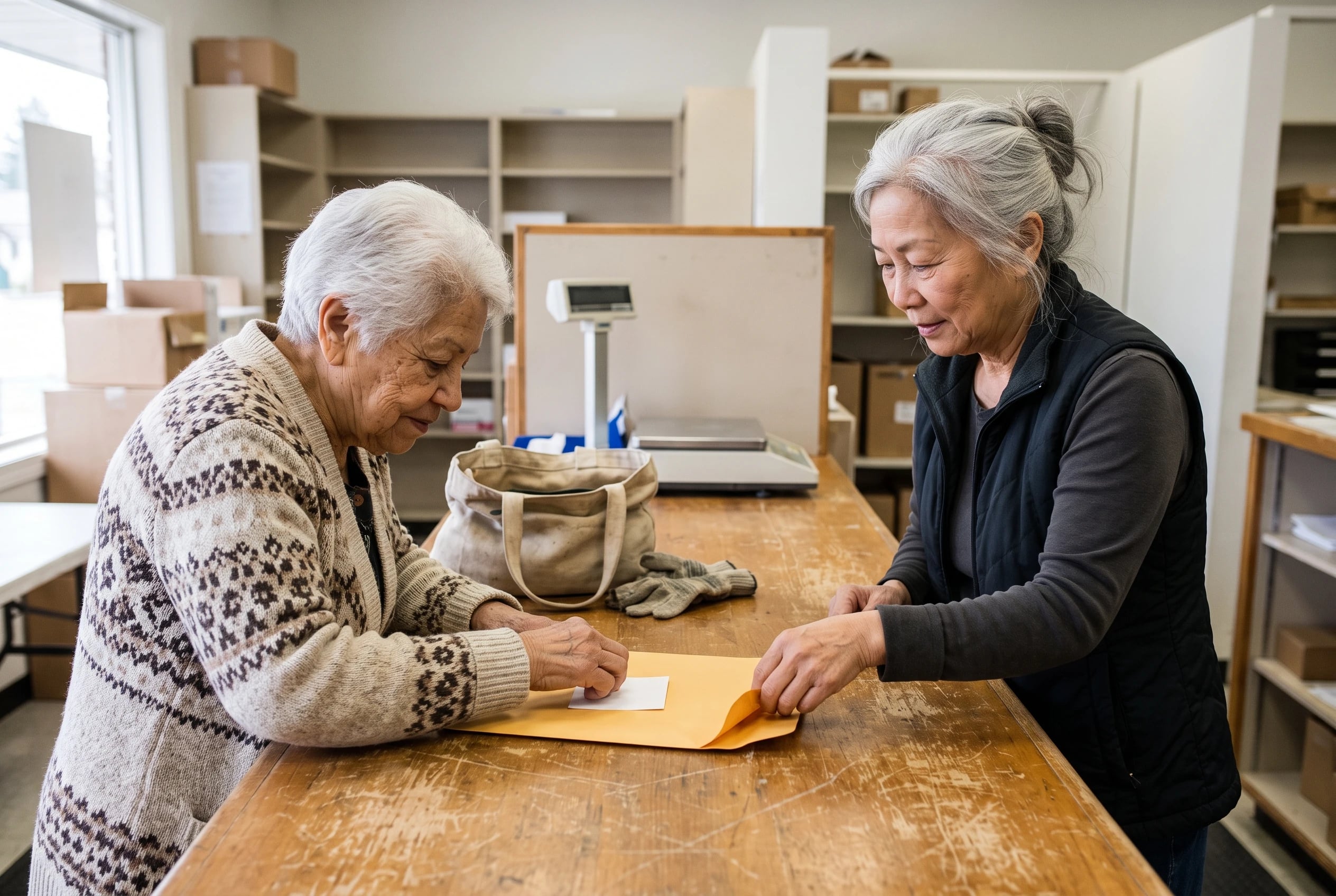
If you've kept an old envelope, take it out before you try to date the letter inside. Look first at the stamp and then at the postmark. The two marks answer different questions.
The USPS rate history gives the first-class letter rate as 4 cents from 1958 through 1962. It rose twice during the 1960s:
The stamp gives you a rate to check. The postmark gives you a mailing date. Compare them with the address and return address. You might recognize a street someone left, a name they stopped using, or a move you couldn't have placed before.
Don't assume the stamp alone dates every word inside. Nor should you separate the letter from its envelope once you've matched them. Put them together, and the next person won't have to guess which address went with which news.
The USPS mail-volume history counts about 63.7 billion pieces of mail in 1960 across all classes. That isn't a count of personal letters. It shows the scale of the system behind this small household expense.
A four-cent stamp is a price from a record. The name a relative wrote on your envelope is a fact only you might recognize. Check both before you put it away.
The bottom line
These habits didn't all disappear for the same reason. Stores replaced some deliveries. New rules changed shared rooms. Other customs faded as people questioned who had to follow them.
You already have pieces of the record: a route to school, the feel of a dial returning, an envelope with an old address. Put a name and a place beside one memory while you still recall them.
Which small rule or ritual from your childhood would somebody get wrong if you weren't there to tell them?
Up next
25 Things We Remember About Growing Up in the 50s and 60s
From a black-and-white TV to a dime comic book, these memories recall the people who made an ordinary afternoon unforgettable.
Read the list →

Reader quiz
Did you catch the details?
5 questions from this article.
What should you check before trying the home milk delivery service mentioned in the article?
Questions people also ask
What were some of the social issues in the 1960s?
Civil rights struggles, opposition to the Vietnam War, and women's liberation shaped the decade. On campuses, women also challenged curfews and housing rules. The University of Michigan's campus history documents how those rules became a focus of change.
What are 5 slang words from the 1960s?
"Cool," "square," "dig," "groovy," and "beatnik" are examples associated with the era. Dictionary.com's entry for "beatnik" describes the label and its familiar stereotype. Slang varied by place and social circle, so the words you heard at home or school could differ.
What were social norms in the 1960s?
Customs differed by household, but churchgoing, children's independent trips, and formal table manners all appear in the historical picture. Gallup reports that nearly half of adults attended religious services in the previous week during the late 1950s and early 1960s. The CDC's Safe Routes to School material puts the share of students walking or biking to school at about 48% in 1969.
What are three social movements from the 1960s?
The Civil Rights Movement, women's liberation, and the anti-Vietnam War movement were three major movements of the decade. Campus reform was one part of the wider push over women's freedom and authority. The University of Nebraska-Lincoln's history project records challenges to women's campus rules in the late 1960s.
How were women treated in the 1960s?
There wasn't one experience for every woman. At some universities, women faced nightly curfews and housing rules stricter than men's, as the University of Michigan's account shows. FIT's fashion history timeline also records white-glove requirements for girls at some special occasions, even as styles changed.
How much did things cost in the 1960s?
A first-class letter stamp cost 4 cents through 1962. It rose to 5 cents from 1963 through 1967, then to 6 cents starting January 7, 1968, according to the USPS rate history. For a different household price, check a dated receipt or period advertisement from your own area before attaching a number to the memory.
Did any of these feel familiar?
Know someone who needs this?
 Prime Journal · Free printable
The Everyday Home Safety Checklist
- Clearer routes from the front door to your bed.
- Working lights and alarms where you need them.
- House details ready when a repair needs attention.
Free printable: The Everyday Home Safety Checklist. Enter your email and it is yours.
Sources cited in this article
This article links to 15 outside sources, listed here so you can read them yourself.
- USDA economists esmis.nal.usda.gov/usda-esmis/files/000000000/p8418r52g/h989r641g/AER757.pdf
- Bell System historical account memorial.bellsystem.com/pdf/thetouchtonedial.pdf
- CDC review www.cdc.gov/mmwr/PDF/wk/mm6015.pdf
- Emily Post Institute's dining guidance emilypost.com/advice/dining-etiquette
- Gallup news.gallup.com/poll/166613/four-report-attending-church-last-week.aspx
- CDC's Safe Routes to School material archive.cdc.gov/www_cdc_gov/policy/hi5/saferoutes/index.html
- Smithsonian's account of *Howdy Doody* www.americanhistory.si.edu/collections/object/nmah_670111
- The Metropolitan Museum of Art www.metmuseum.org/pt/essays/twentieth-century-silhouette-and-support
- Victoria and Albert Museum www.vam.ac.uk/articles/the-miniskirt-myth
- Coca-Cola's history of Fresca www.coca-colacompany.com/about-us/history/fresca-lived-up-to-its-tagline-for…
- AAA still offers an updated TripTik planner www.ace.aaa.com/content/ace-www/en/travel/triptik-travel-planner.html
- Emily Post Institute emilypost.com/advice/thank-you-notes-to-send-or-not-to-send
- University of Michigan's campus history michiganintheworld.history.lsa.umich.edu/dangerousexperiment/exhibits/show/s…
- USPS rate history about.usps.com/who/profile/history/domestic-letter-rates-since-1863.htm
- USPS mail-volume history about.usps.com/who/profile/history/pieces-of-mail-since-1789.htm
David Ruiz
Home Editor
David writes about the house you have and the one you might move to: staying put, downsizing, repairs, and the small changes that stop a fall.
More from David Ruiz