










23 Dance Moves From the 50s and 60s
From the Stroll’s facing lines to the Twist’s swivel, here are steps, record titles and TV moments that bring the old dance floor back.
By David Ruiz, Home Editor
Updated · 17 min read
The short answer: Dance moves from the 1950s and ’60s ranged from partnered jitterbug and cha-cha to the Stroll’s facing lines and the Hand Jive’s clapping pattern. In the ’60s, the Twist, Mashed Potato, Pony, Hitch-Hiker, Jerk and Swim brought steps people performed without a partner hold. Hit records and television appearances helped carry the dances from one floor to another.
- Written by our home editor
- Cited 18 sources
- How we review

A record starts, and somebody’s hands remember before her feet do. She claps, slaps her knees, and grins: the Hand Jive.
Across the room, someone calls a different name for the move you’re showing. That happened then, too. A step might have a record, a television moment and a version learned from the person beside you.
If you want to show a grandchild, begin with the shape you remember: two lines, a heel swivel, or a thumb flicked over your shoulder.
23The Stroll’s Two Facing Lines
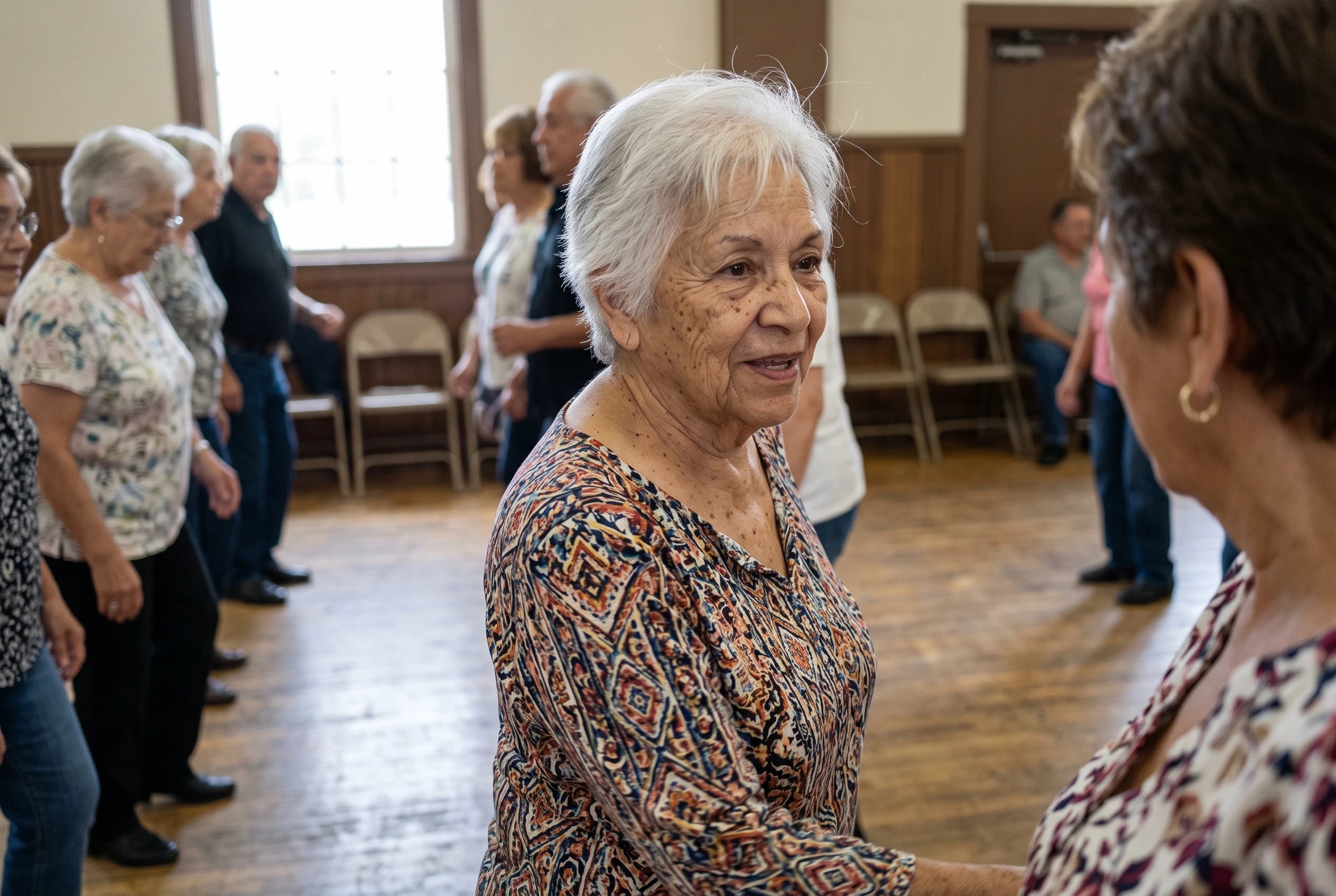
Picture the floor divided down the middle. You stand in one line, facing dancers in the other. Each line side-steps while people take turns traveling through the open lane. That’s the Stroll: the shape of the room is as much a part of it as the footwork.
Stanford University Social Dance documents side steps along the lines and a Camel Walk down the center. Try marking the two sides of a hallway with your hands before anyone starts moving. It gives a grandchild the part that’s hardest to explain in words: whose turn comes next.
A Library of Congress photograph catches teenagers doing the Stroll on *American Bandstand*. Look at the lines first. Even in a still picture, you can see how the dancers made room for one another.
22The Hand Jive’s Seated Hand Pattern

Your feet can sit this one out. The Hand Jive is built from patterned claps and hand motions, performed seated or standing in place. The rhythm lives above your knees, which makes this an easy memory to share even when nobody wants to clear the floor.
Johnny Otis’s “Willie and the Hand Jive” gave the move a record people knew. The song reached No. 9 on the Billboard Hot 100 in 1958. Put it on if the name alone hasn’t brought the movement back.
Start with a steady pulse in your hands, then add the claps and motions you remember. Let the person beside you copy the pattern before you speed it up. You’ll soon find out which part stayed in your fingers all these years.
21The Bop’s Sock-Hop Footwork

Dick Clark remembered the Bop arriving on *American Bandstand* in summer 1957. In his memoir *Rock, Roll & Remember*, he wrote that it “became our first big dance.”
That line helps place the Bop in your memory. It belongs to the early rock-and-roll floor, before every new record seemed to arrive with its own named move. Clark gives you a time and a television floor, though not a single step everyone performed alike.
Remember how *you* moved? Put on the record that comes to mind and mark its beat with your feet. Show the step you learned from the person beside you. You don’t need to settle every variation before you start.
20The Jitterbug’s Swing Spins and Twirls
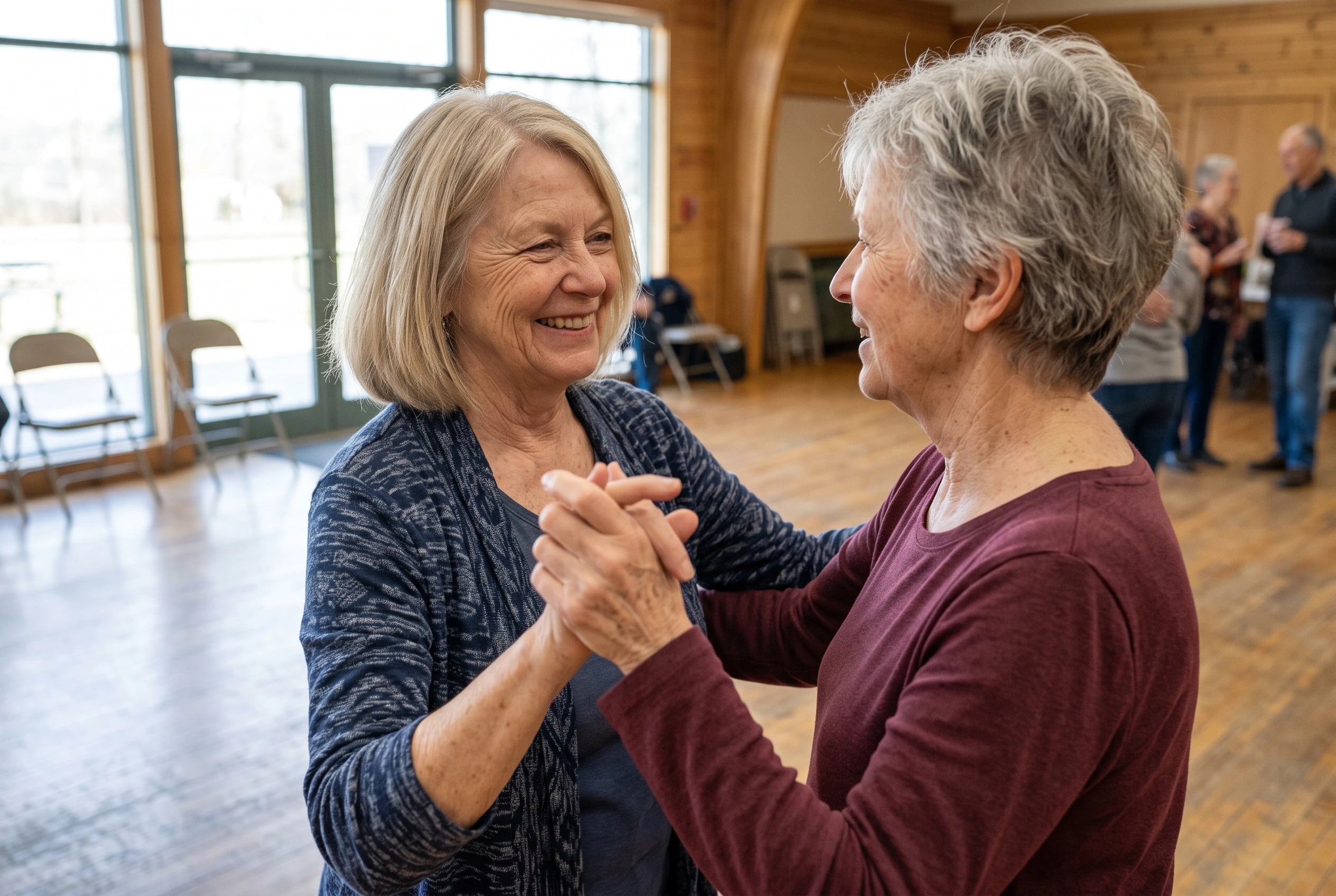
The Jitterbug had a history before the 1950s. Its roots reach back to swing styles of the 1930s and ’40s, including the Lindy Hop and jive. EBSCO’s account describes spins, twirls and improvised footwork that carried into 1950s social dancing.
That helps explain why a turn, rather than a record title, brings this one back. You move with someone and respond to what that person does. The exchange changes as the music goes on.
If you’re showing a grandchild, begin face to face. Mark the beat with your feet, then show where a turn would go. Keep it small enough to feel comfortable. Let your partner answer with a movement of her own, and see what you both remember.
19The Cha-Cha’s Cuban Music and Basic Step
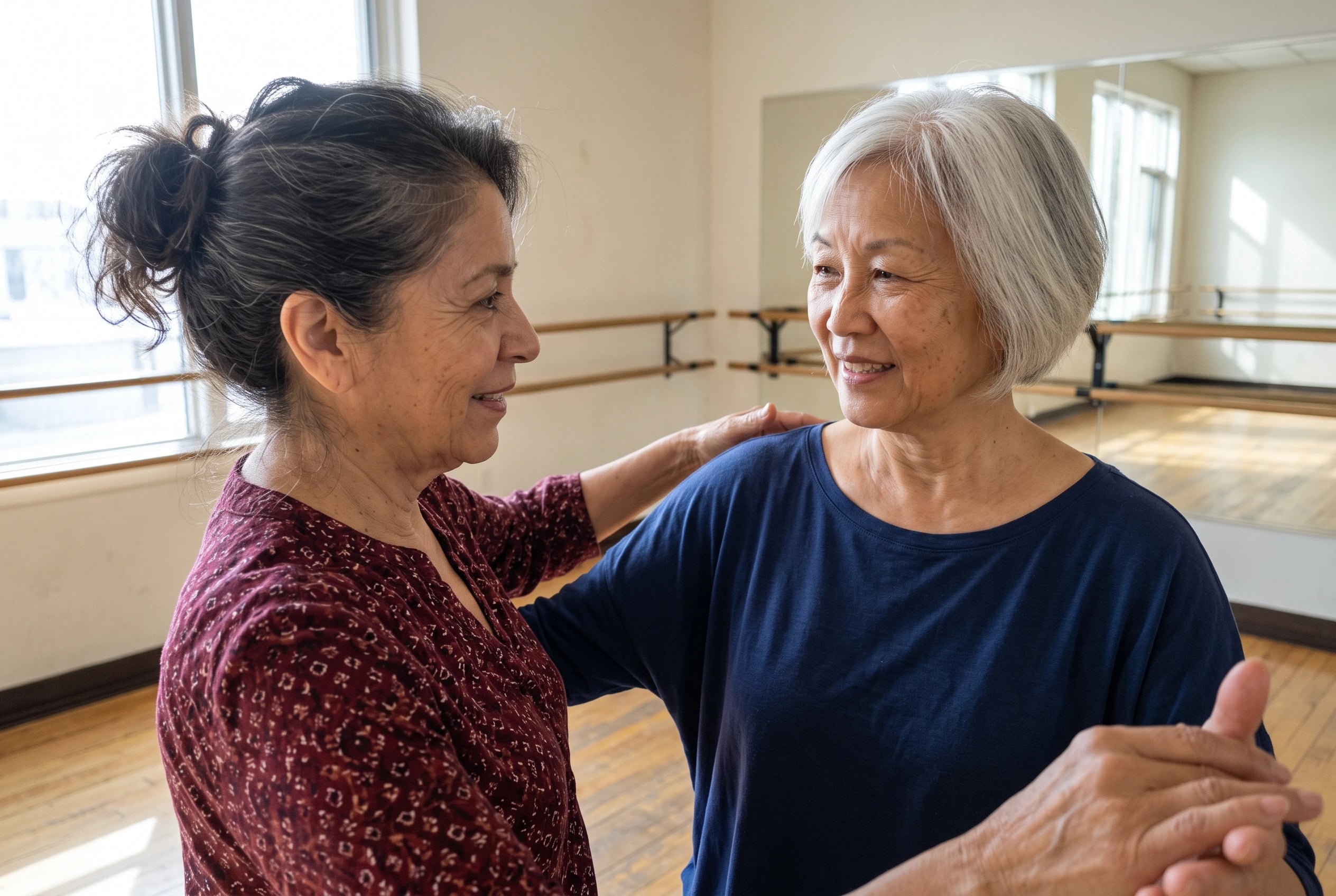
Hear the count before you move. The Cha-Cha developed from Cuban social dancing and cha-cha-chá music associated with composer Enrique Jorrín in the early 1950s. The Library of Dance’s history places the music and movement together.
Say “cha-cha-cha” aloud, then take small steps to match the sound. Face a partner and try the rhythm together. If you learned the step in a class, you have another clue: teaching steps were standardized by 1956, according to the *Musicultures* journal.
Does a class version feel different from what you did at a party? Start with the song you remember. Your feet will tell you more than an argument over the count.
18The Twist’s No-Touch Dance Floor

Chubby Checker’s 1960 television performances helped send the Twist far beyond one floor. Its appeal was plain when people stood up: partners faced each other without taking a partner hold. You could join in without waiting to be led through a turn.
That freedom changed the look of a room. Two people could move together while each kept her own space. If you’re showing the motion, start with a comfortable swivel and let your arms follow. There’s no prize for forcing a bigger turn through your knees.
Checker’s “The Twist” has a chart history to match its reach. It’s the [only non-holiday single to reach U.S.
No. 1 in two separate chart runs](https://www.loc.gov/static/programs/national-recording-preservation-board/documents/TheTwist.pdf), in 1960 and 1962. If you remember the record coming around again, that’s one reason.
Want to check the step itself? The Library of Dance describes the dancers facing each other in “challenge position.” That phrase catches what the move felt like on a crowded floor: you watched the person opposite you, then answered in your own way.
17The Mashed Potato’s Backward Heel Swivel
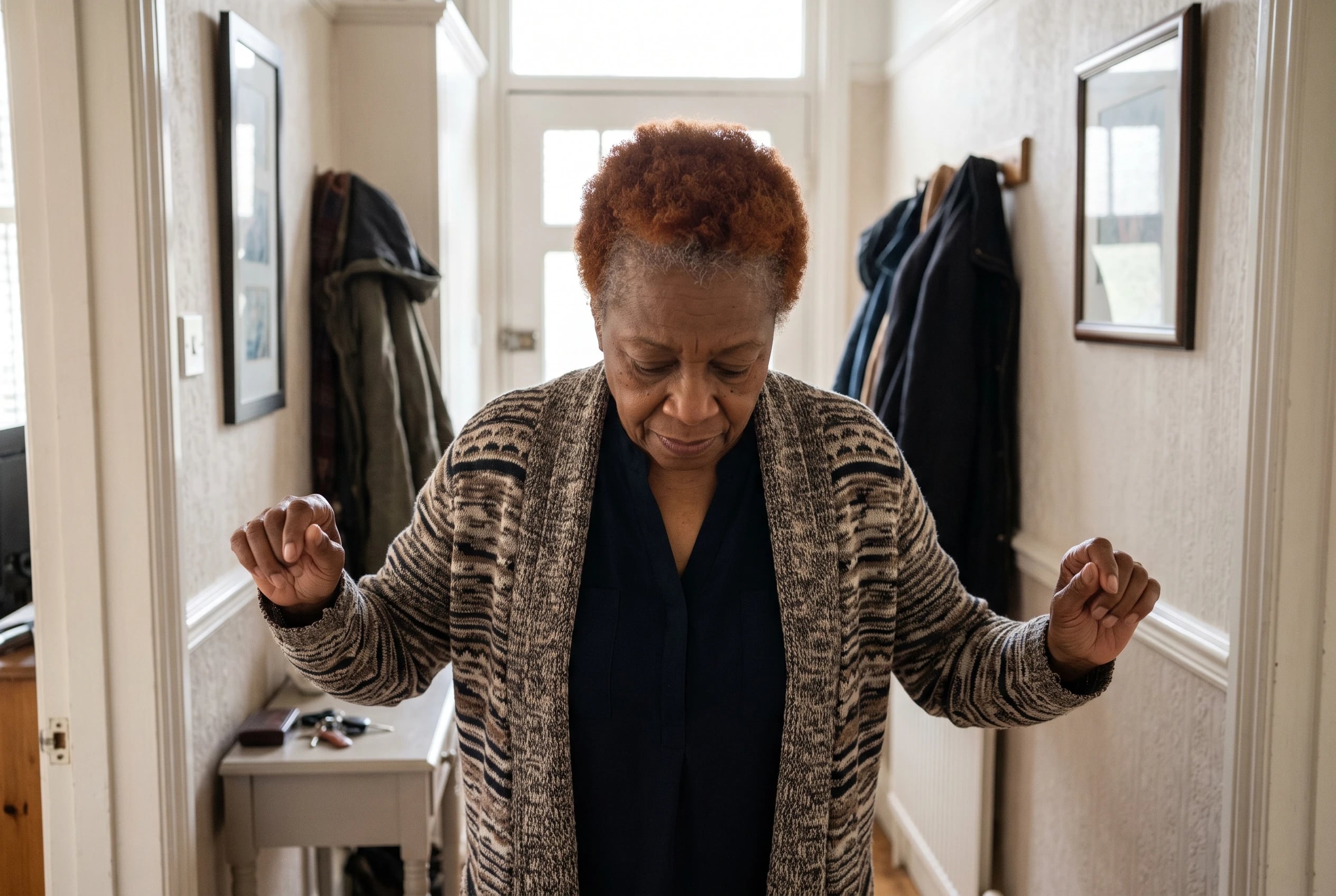
Dee Dee Sharp’s “Mashed Potato Time” put a name on the movement in 1962. Once you hear the title, it’s tempting to move your whole body. Look at the heel instead. That’s where this step becomes recognizable.
The Mashed Potato) starts with a slight step back on one foot. Shift your weight and swivel the heel inward and outward. Try it slowly before adding the record; you want to see what your foot is doing.
It shares a family resemblance with the Twist, but that backward step gives you a useful clue. Show the detail to someone who says all the swivels look alike. Then switch feet and see whether the movement matches the one you remember.
See more: 27 Old-Fashioned Comfort Food Recipes Grandma Made →
16The Hitch-Hiker’s Thumb-Over-Shoulder Gesture

You already know the gesture: thumb up, angled back over the shoulder. Repeat it to the beat and the Hitch-Hiker begins to appear. The Library of Dance connects the move to Marvin Gaye’s 1962 “Hitch Hike.”
Try the thumb motion while stepping in place. Let your shoulders move with it. You don’t need to travel anywhere to make the name clear to a child watching you.
Marie Cartmell also described a four-wall Hitch-Hiker line routine in 1964, according to the Library of Dance. If your remembered version turns to face another wall, keep going. The thumb connects the simple gesture to the longer routine.
15The Pony’s Prancing Traveling Steps
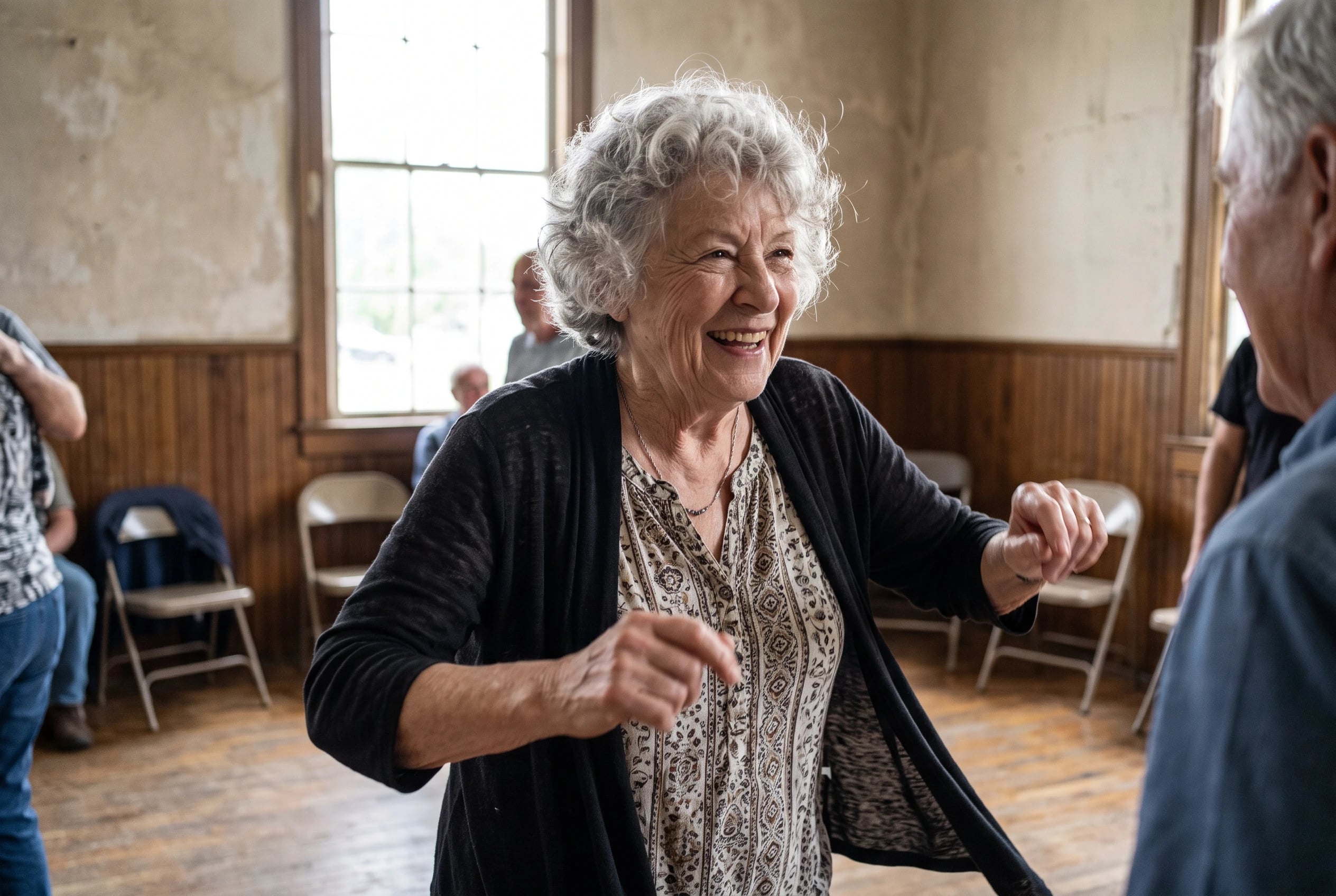
The Pony looks like its name sounds. Take light prancing steps, then let the pattern travel across the floor. Dick Blake’s 1965 *Discothèque Dances*, documented by the Library of Dance, taught it with triples and singles.
Start in place so you can feel the change between those steps. Once the rhythm settles, move a little to one side. Face another dancer if that helps you recall how you learned it.
“Pony Time,” popularized by Chubby Checker in 1961, is the record that helps pin down the memory. Play the song, say the move’s name, then show the prancing step. Those cues give someone watching you a way in without a long explanation.
14The Watusi’s Movie Name and Hit Record

Where did the name come from? The answer remains uncertain. It may have drawn from Tutsi dance scenes in *King Solomon’s Mines* or from its sequel, *Watusi*. Those films appeared in 1950 and 1959, but neither possibility identifies a single inventor.
There’s a firmer musical marker. Ray Barretto’s “El Watusi” became a gold-record hit in 1963, as the National Endowment for the Arts notes. If that record is what you hear when someone says the name, put it on.
Ask the person beside you which song brings the movement back. A remembered room or record gives you a better place to begin than an origin story nobody has pinned down.
13The Jerk’s Repeated Arm Throws
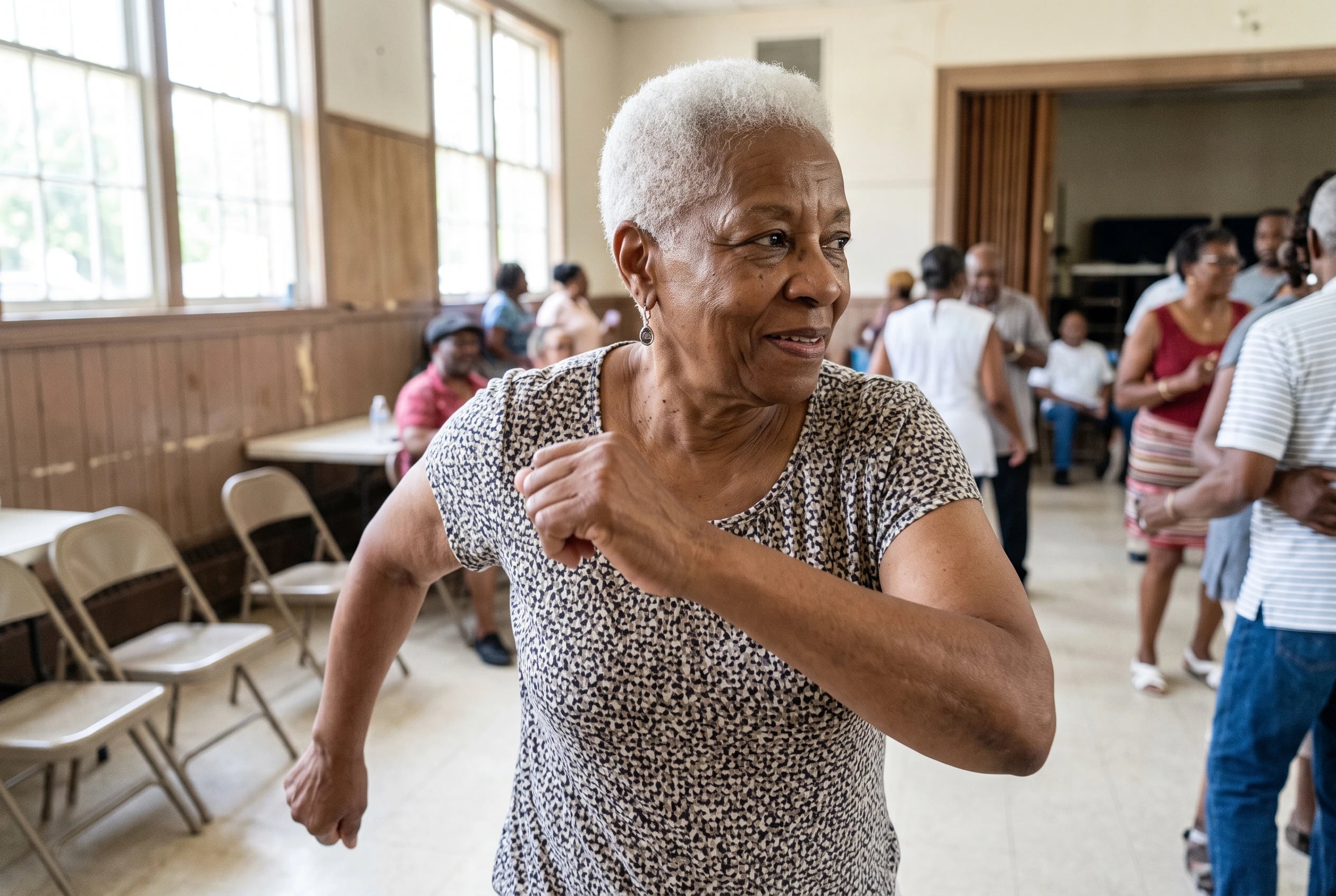
Here the arms give away the move. The Library of Dance’s Jerk reconstruction describes repeatedly moving them into and out of position while you groove. Keep a beat in your feet, send your arms outward, bring them back, and repeat.
Try it once without music. The motion looks abrupt on purpose. Add a record, and those sharp changes begin to make sense against the beat. You don’t need a partner hold or a line of people to show what the name means.
The Capitols’ 1966 “Cool Jerk” drew on an already popular move. That order matters. If you remember another record beneath your steps, keep it; the song title doesn’t get to overrule your floor.
12The Swim’s Make-Believe Pool Strokes

No pool required. Sweep an arm as though you’re doing the crawl. Try a backstroke, a breaststroke or a side stroke, and let your feet keep time beneath the pantomime. The Library of Dance describes all four, plus a playful squat that suggests going underwater.
A grandchild gets this one before you finish the first stroke. Show the arms, then add whatever flourish you remember. You can stay upright and still make the joke clear.
Bobby Freeman’s 1964 “C’Mon and Swim” supplies the period track. Put it on after your demonstration. First let someone guess the name; then give the movement its beat.
11The Monkey’s Opposing Hips and Hands

Which way do your hands go when your hips swing the other way? Try that contrast slowly. In the 1965 Boston Monkey, hips and hands moved in opposition, according to the Library of Dance.
The Monkey had variations, so don’t force a single routine onto a memory learned at a party. Start with the opposing motion. Add the arm gesture you recall after your body finds the beat.
This name belongs to the wider set of novelty moves that followed the Twist craze. A person could hear the name, watch a friend and join without arranging a partner first. Which version did you learn?
10The Madison’s Called Group Sequence
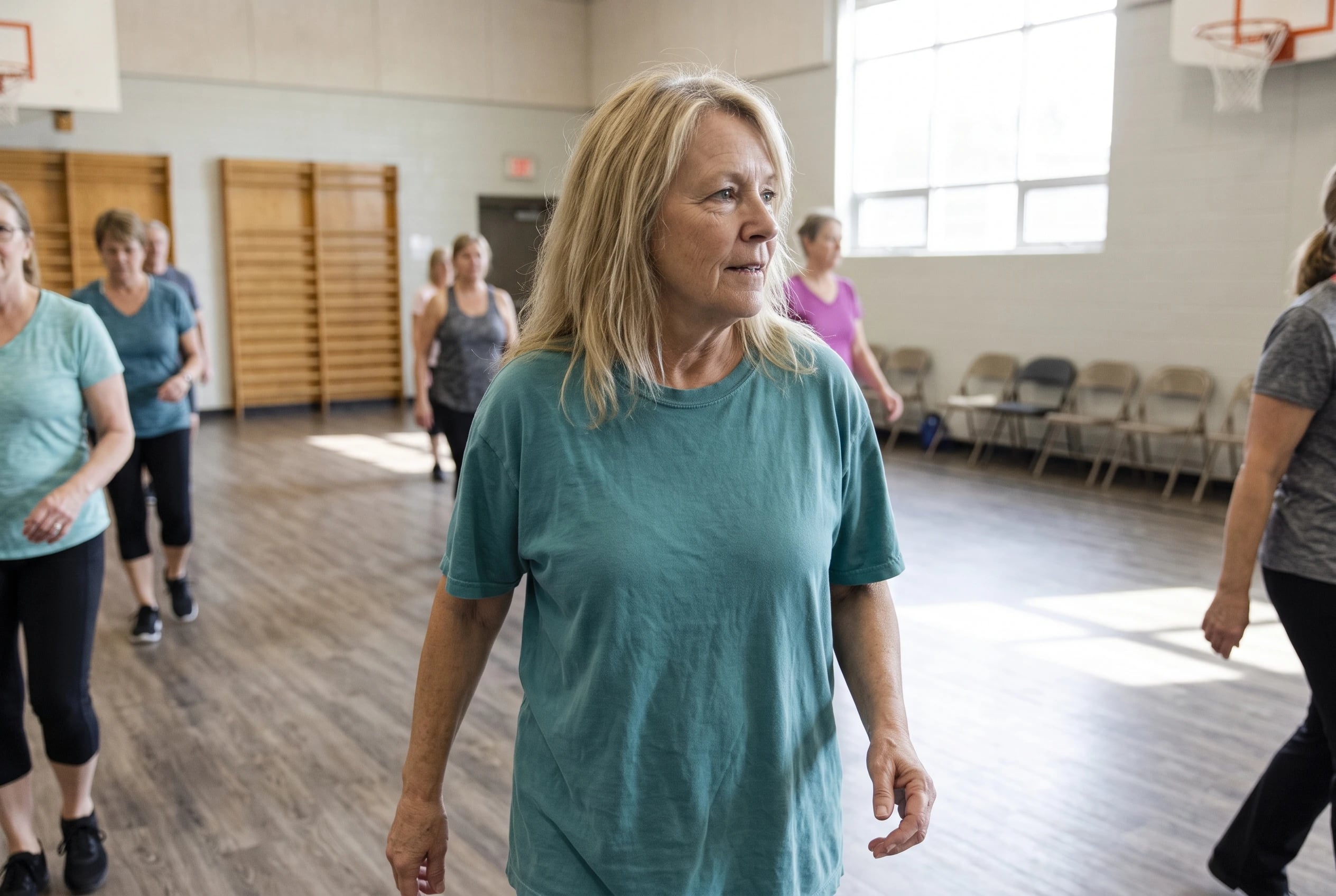
For the Madison, everyone faces the same direction. No couple takes the center. No partner has to lead. The group follows a sequence, and a caller tells people which figure comes next.
Stanford University Social Dance describes the Madison as the first modern line dance, dating it to around 1957 to 1959. That’s a useful distinction when two different floor patterns have blurred in your memory.
The Ray Bryant Combo’s 1959 “Madison Time” prompted figures on the record. You heard the cue, then moved with the people beside you. The voice mattered as much as the melody.
To show its structure at home, have everyone stand side by side, facing the same wall. Call a movement before anyone takes it. Then change the call. Even without every old figure, the group will understand what made the Madison work.
9The Twine’s Chicago Beat and Slauson’s Coast
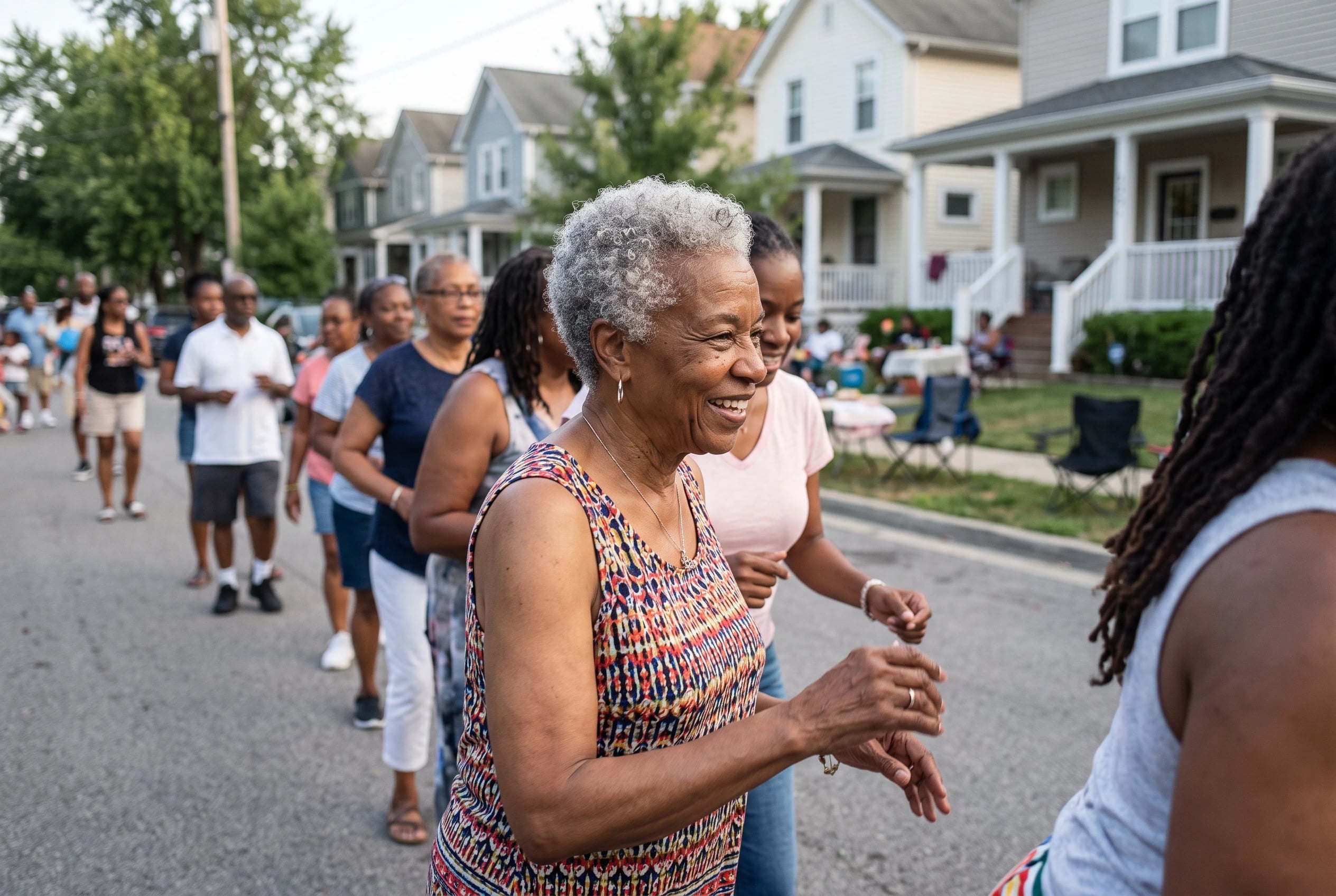
Two names, two local floors. The Twine was a Chicago teen move that reached a wider audience through Alvin Cash & the Crawlers’ “Twine Time” in 1965, as *Music Business* reported.
Across the country, the Slauson was a West Coast line routine associated with Round Robin’s 1964 “Do the Slauson.” A period *Cash Box* item also noted a follow-up called “Slauson Town.”
If those titles run together in your memory, begin with the records rather than guessing at a shared step. Play one, then the other. Ask where you first heard each name: at school, from someone on the floor, or on a record. Keeping the places distinct gives both moves room to come back.
8The Hully Gully’s Turn and Shake’s Shudder
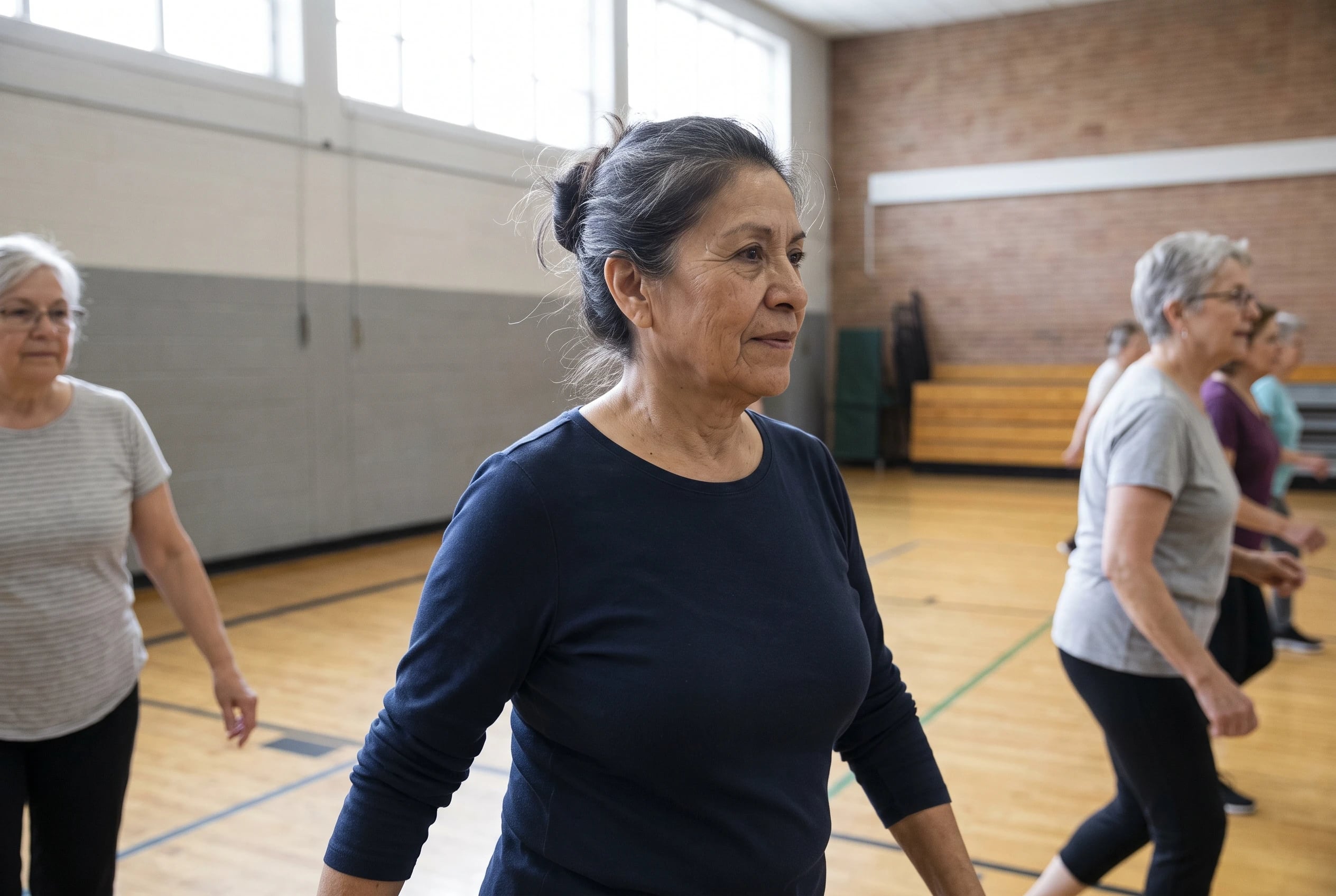
Make a quarter-turn. Now repeat the line sequence facing another wall. That change of direction is the Hully Gully’s telling detail. Stanford University Social Dance credits it with bringing the turning pattern to line dancing around 1959 to 1961.
The Shake gives you a contrast, not another wall to face. In the mid-1960s, it emphasized tense, jerky movement in the limbs and head, without fixed steps.
Show the two ideas separately. For the Hully Gully, gather a line and point out the next wall before turning. For the Shake, let each person move without a caller. The first name reminds your group where to go; the second leaves the choice to you.
7The Funky Chicken’s Comic Wing Motion

Rufus Thomas’s “Do the Funky Chicken” arrived in 1969, with an LP following in 1970. The song took a comic chicken pantomime into a national fad. It belongs at the late edge of these records.
For a family demonstration, tuck your elbows near your sides and let them suggest wings. Keep the movement small at first. The joke is visible without flapping across the room.
It joined the no-touch moves that followed the Twist: names people could call out, followed by movements everyone could try on the spot. If somebody remembers a bigger version than yours, give her space to show it. How you played the joke was part of the fun.
6The Loco-Motion’s Follow-Along Lyrics

Little Eva’s “The Loco-Motion” does some of the teaching itself. Its lyrics cue movement, and people have performed it in a line. Put on the record and listen before explaining anything. You’ll hear where the singer asks people to join.
The song reached No. 1 on August 25, 1962. The date fixes the record in time, but its instructions are the useful part on your floor.
Stand in a row with room to move. Follow the cues you hear and let the line find a shared rhythm. If someone asks you what comes next, play that part again. For once, you have a record ready to help with the answer.
5American Bandstand Among 1960s Dance Shows

If you first saw a step on *American Bandstand*, you had company across the country. ABC’s national run began in 1957, and the show helped shape teen trends. The screen showed you where people stood, whom they faced and how they moved when the record began.
A Library of Congress photograph shows teenagers doing the Stroll on the show. Nobody had to stop the music for viewers to study the floor. You watched, remembered what you could and tried it later.
The *Encyclopedia of Television* traces the program’s national reach. Think back to the first time you recognized a step on that screen. Did you know it already, or did you try it afterward because you’d seen other teenagers do it?
See more: 19 Candies and Gums From the 1960s: 1960s Chewing Gum and More →
4Shindig! and Hullabaloo, Dance Shows of the 60s
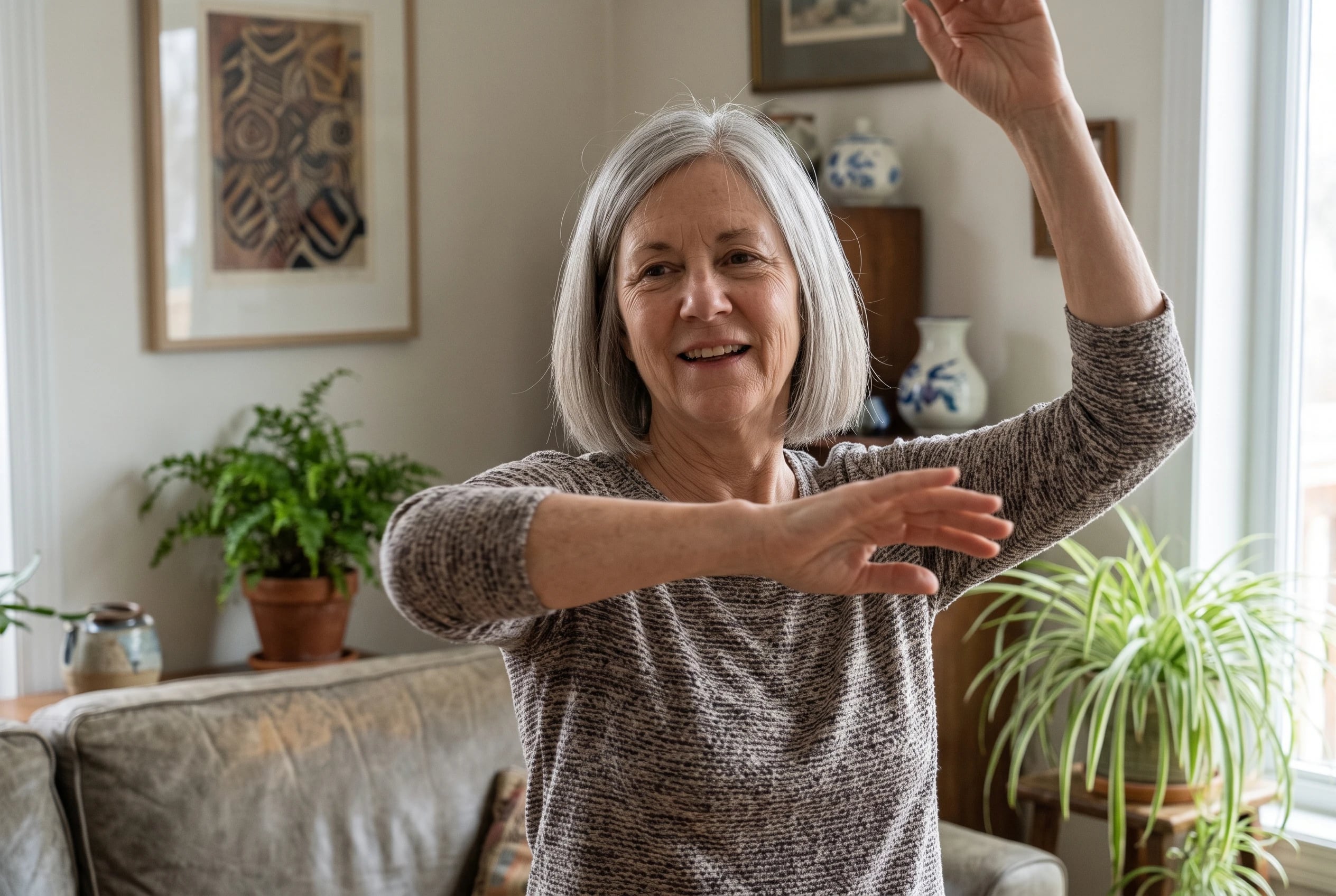
Two prime-time programs gave you performers to watch alongside current pop acts. *Shindig!* aired on ABC from September 1964 to January 1966, with a house troupe choreographed by David Winters. *Hullabaloo* aired on NBC from January 1965 to April 1966.
*Hullabaloo* featured “Hullabaloo-A-Go-Go” dancer segments. Its London inserts were hosted by Brian Epstein. Those details help separate the shows if the names have blurred together over time.
Unlike a crowded teen floor, a troupe had space to make every arm motion visible. You could watch the full movement, then try the part you liked at home. Which program’s dancers do you picture when a familiar record starts?
See more: 25 Bathroom Ideas Straight From the 1970s: 70s Bathroom Ideas to Keep or Update →
3The Nitty Gritty and Northern Soul Records

Shirley Ellis released “The Nitty Gritty” in 1963. In January 1964, *The Judy Garland Show* featured a performance choreographed by Robert Banas. That televised version gives you something specific to look for if the song title doesn’t restore the step.
There’s another route back to records from this era. UK Northern Soul clubs later championed fast, rare American soul music. That was a later scene, not another stop on a 1960s television schedule.
Start with Ellis’s record and see what movement returns. Then think about where you first heard the title. Was it the show, a record someone played, or a person calling it out on the floor? The route matters when you’re trying to recover your own version.
See more: 17 Jell-O Mold Recipes From the 1950s →
2The Peanut Duck’s Uncertain Record Credit
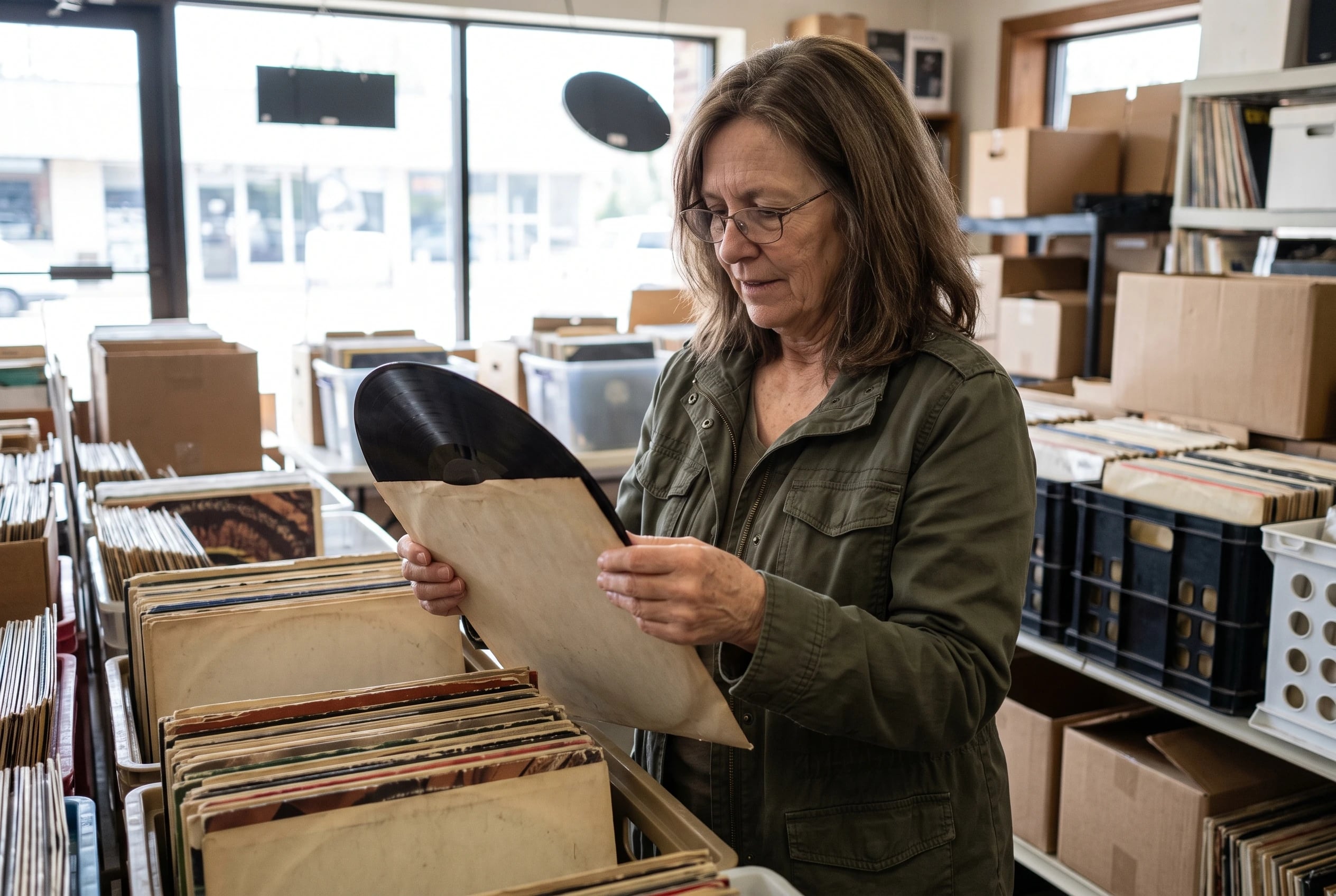
Here’s a record mystery worth keeping a mystery. “The Peanut Duck” circulated in the UK Northern Soul scene on an uncredited 1960s acetate. Later reissues used the name “Marsha Gee,” but Fire Records says the singer’s identity remains debated.
So if you remember the title but can’t place the performer, the uncertainty isn’t yours alone. Write down the record name exactly as you heard it. Don’t let a disputed credit turn into a firm answer through repetition.
Jackie Lee’s “The Duck” is a separate marker. Released in 1965, it rode a duck-dance craze onto the Billboard charts into early 1966. Put the titles side by side if you’re sorting a record collection or a memory. They share a bird, but they aren’t the same song.
1Low-Impact Ways to Dance Them Today
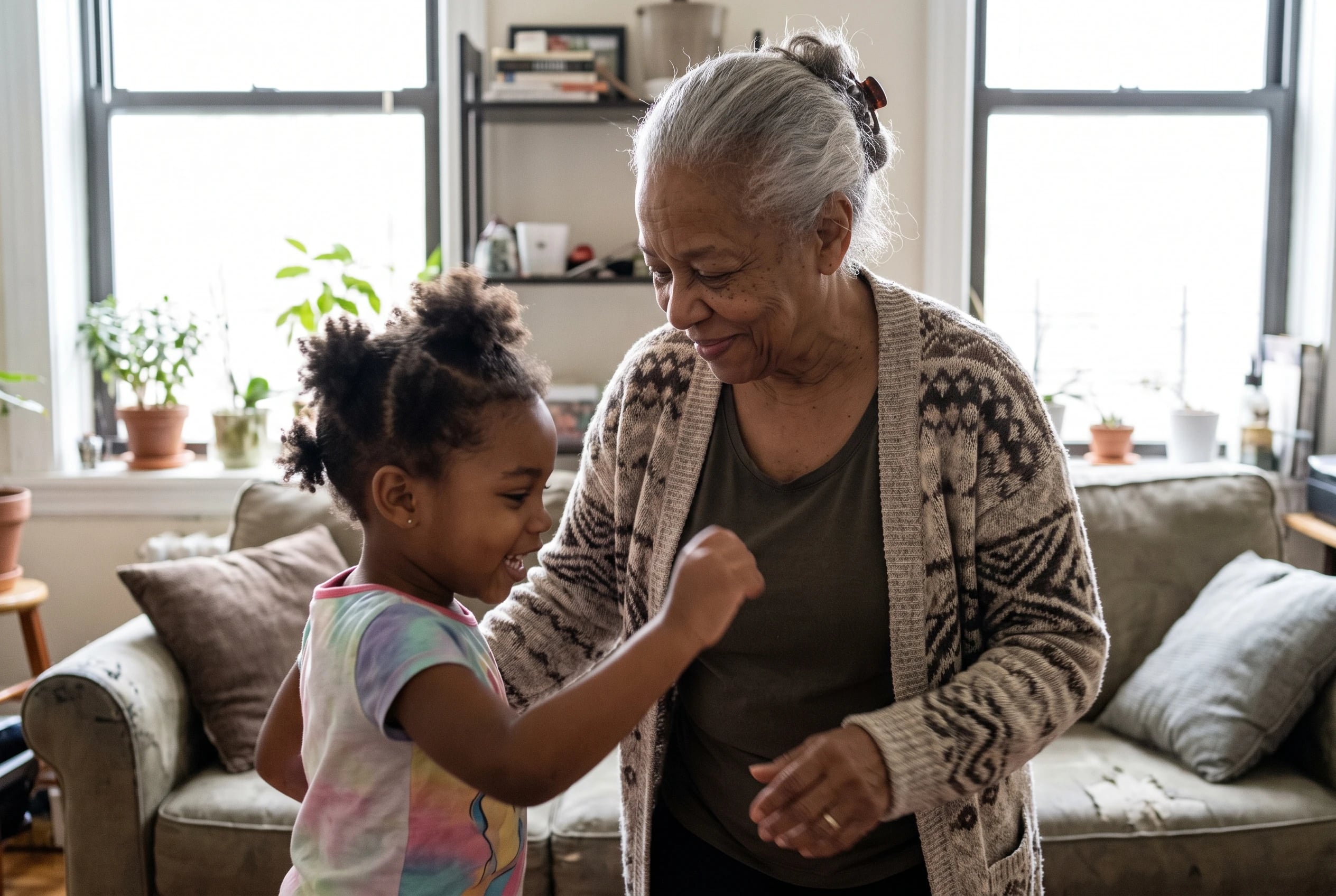
You’ve got the names back. Now choose one movement you’d enjoy doing in your living room. Start small enough to find the beat without jumping or trying to match an old performance exactly. Your smaller version still shows someone how the movement works.
The Arthritis Foundation recommends stepping instead of jumping and choosing a tempo that feels safe. Keep your steps low to the floor.
If standing doesn’t appeal today, sit and mark the rhythm with your hands. You get to decide how much of a move feels right now.
The CDC’s activity guidance sets a target of at least 150 minutes of moderate aerobic activity a week for older adults; dancing counts. Build up gradually rather than treating one favorite record as an assignment.
Want company? SilverSneakers lists live online Cardio & Dance classes. Check its current listings and your eligibility before planning around one. Or ask a grandchild to choose a record, clear a little floor and watch what your hands remember first.
The bottom line
Some steps need a partner. Others need a line, a record, or enough space to swing your arms. Their names bring back different kinds of rooms.
The prepared version of you has picked a song, cleared a little floor and chosen a step that feels right today. No one needs to get every turn right before the music starts.
Which name brought a movement back before you’d finished reading it?
Up next
25 Things We Remember About Growing Up in the 50s and 60s
From a black-and-white TV to a dime comic book, these memories recall the people who made an ordinary afternoon unforgettable.
Read the list →
Reader quiz
Did you catch the details?
5 questions from this article.
In the Stroll, where do dancers travel when it is their turn?
Questions people also ask
What dances did they do in the 50s and 60s?
They danced partnered styles such as jitterbug and cha-cha, the Stroll in facing lines, and solo moves such as the Twist, Mashed Potato and Swim. The Library of Dance’s fad-dance collection shows how many named steps joined the floor in the ’60s.
What are some iconic dance moves from the 1950s?
Try the Stroll, Hand Jive, Bop, Cha-Cha and Jitterbug. Stanford University Social Dance documents the Stroll’s two facing lines, while Dick Clark’s *Rock, Roll & Remember* recalls the Bop’s 1957 *American Bandstand* moment.
What are some popular 60s style dance moves?
The Twist, Hitch-Hiker, Pony, Watusi, Jerk, Swim and Hully Gully are names worth trying aloud. The Library of Dance’s discothèque index collects period descriptions and reconstructions if you want to check a movement.
What are 10 popular dance moves?
A useful set is the Stroll, Hand Jive, Cha-Cha, Jitterbug, Twist, Mashed Potato, Hitch-Hiker, Pony, Watusi and Jerk. They cover partner, line and no-touch dancing; the Library of Dance’s fad-dance collection documents the ’60s names.
What was the dance craze called in the 1960s where you stood in two lines?
That was the Stroll. Dancers stood in two facing lines and took turns moving down the center. It began in the late 1950s and remained familiar into the early ’60s.
What TV shows taught people to dance in the 1960s?
*American Bandstand* let viewers watch teenagers move on a nationally broadcast show. *Shindig!* on ABC and *Hullabaloo* on NBC featured house dancers alongside pop acts; their broadcast histories are documented in the *Encyclopedia of Television* and the Paley Center’s collection.
Did any of these feel familiar?
Know someone who needs this?
 Prime Journal · Free printable
The Everyday Home Safety Checklist
- Clearer routes from the front door to your bed.
- Working lights and alarms where you need them.
- House details ready when a repair needs attention.

Free printable: The Everyday Home Safety Checklist. Enter your email and it is yours.
Sources cited in this article
This article links to 18 outside sources, listed here so you can read them yourself.
- Stanford University Social Dance socialdance.stanford.edu/Syllabi/Stroll
- Library of Congress photograph www.loc.gov/pictures/item/00650701
- Song reached No. 9 on the Billboard Hot 100 in 1958 en.wikipedia.org/wiki/Willie_and_the_Hand_Jive
- EBSCO’s account www.ebsco.com/research-starters/history/jitterbug-dance
- Library of Dance’s history www.libraryofdance.org/dances/cha-cha/dit
- Library of Dance connects the move www.libraryofdance.org/dances/hitch-hike
- Library of Dance www.libraryofdance.org/dances/pony
- National Endowment for the Arts notes www.arts.gov/honors/jazz/ray-barretto
- Library of Dance’s Jerk reconstruction www.libraryofdance.org/dances/jerk
- Library of Dance describes all four www.libraryofdance.org/dances/swim
- Library of Dance www.libraryofdance.org/dances/boston-monkey
- Madison as the first modern line dance socialdance.stanford.edu/Syllabi/Madison.pdf
- Stanford University Social Dance credits it socialdance.stanford.edu/Syllabi/Hully-Gully.htm
- Reached No. 1 on August 25, 1962 www.history.com/this-day-in-history/august-25/little-eva-earns-a-1-hit-with-…
- Fire Records says the singer’s identity remains debated www.firerecords.com/the-mystery-of-the-peanut-duck
- Arthritis Foundation recommends www.arthritis.org/health-wellness/healthy-living/physical-activity/other-act…
- CDC’s activity guidance www.cdc.gov/physical-activity-basics/guidelines/older-adults.html
- Live online Cardio & Dance classes tools.silversneakers.com/Search/OnlineClasses
David Ruiz
Home Editor
David writes about the house you have and the one you might move to: staying put, downsizing, repairs, and the small changes that stop a fall.
More from David Ruiz