







28 Steps on the Downsizing Checklist for Seniors, in Order
A measured doorway, a labeled donation bag and one box that stays with you turn a daunting move into decisions you can check.
By David Ruiz, Home Editor
Updated · 19 min read
The short answer: A downsizing checklist for seniors starts with deciding whether to move, setting a timeline and measuring the new space. Sort belongings room by room into keep, donate, sell, gift and discard groups, beginning with a low-sentiment cabinet. Secure important documents, arrange donations and movers, then keep medications and identification with you on moving day.
- Written by our home editor
- Cited 16 sources
- How we review
The cabinet door catches on a stack of serving bowls. Behind them sits the dish you forgot you owned, and suddenly clearing one shelf feels like deciding what your whole life was worth.
You don't have to make that decision at the cabinet. First, find out what the new home will hold and what must stay safe. Then make the smaller choices. Some things leave your house; others need a record before they go. That difference is what keeps a rushed cleanout from becoming a regret.
28A written reason for moving

Before you touch a box, write down why you're considering a move. Is the house hard to maintain? Are stairs or bathroom access changing what you do each day? Would a different location put needed support closer?
The National Institute on Aging frames the decision around safety, mobility, daily activities and available help. It also describes ways to remain at home with changes or services.
Clearing cupboards doesn't commit you to moving.
Put your reasons beside the alternatives. If the decision is already made, the note still helps. When you reach a hard-to-part-with object, you'll have a reason grounded in your life, not someone else's idea of what your home should look like.
See more: 24 Reasons People Over 70 Refuse to Move, and Which Ones Hold Up →
27An eight-week moving timeline
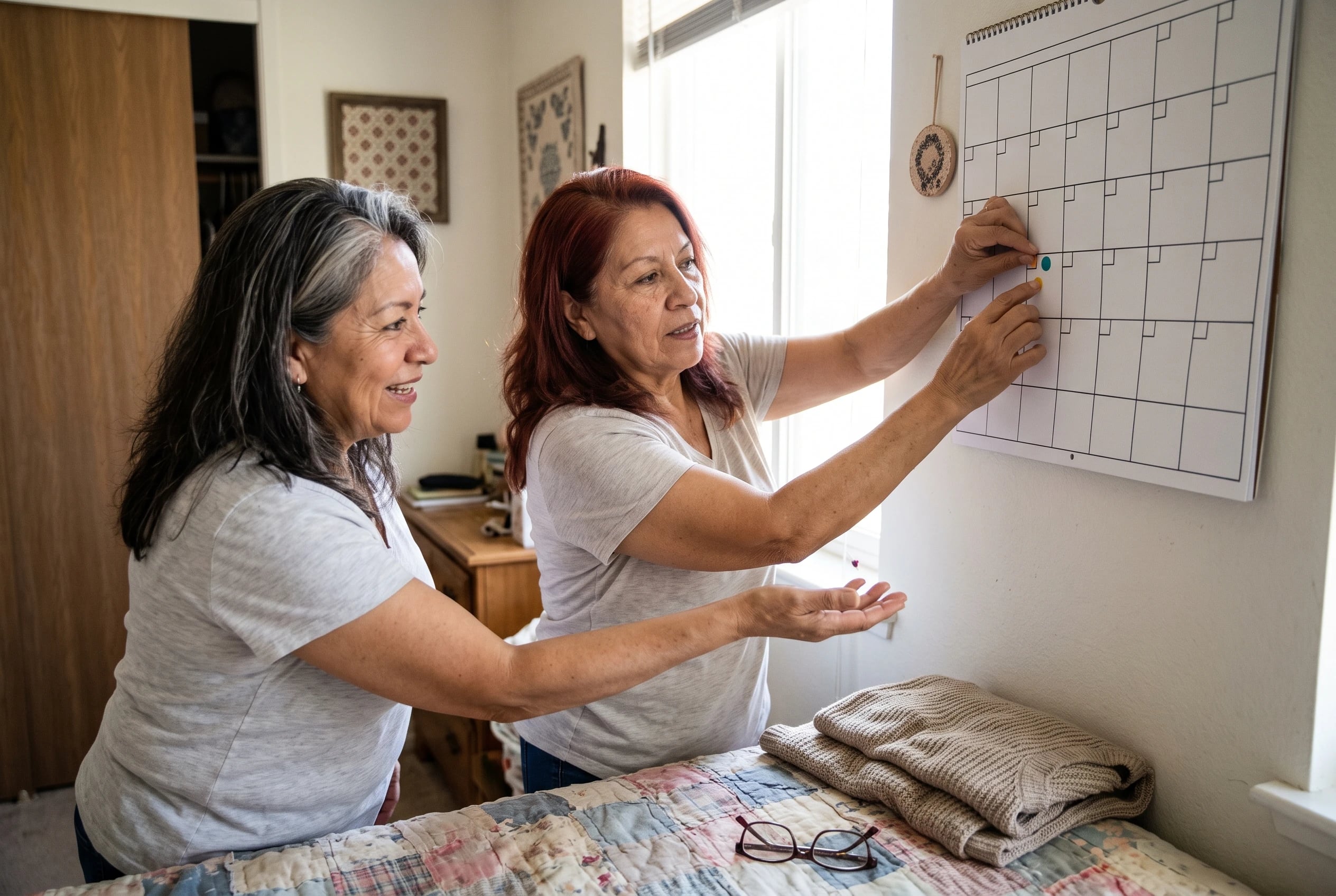
A move needs dates before it needs cardboard. Work backward from moving day, using the Federal Motor Carrier Safety Administration's moving checklist to catch tasks that begin well before the truck arrives.
Eight weeks gives this version room for sorting and pickups; adjust it to your actual schedule.
| Time before moving day | What to do | | --- | --- | | 8 to 6 weeks | Confirm the move, measure the new home and start low-sentiment rooms. | | 6 to 4 weeks | Gather documents, arrange donations and compare movers. | | 4 to 2 weeks | Finish selling or gifting items and arrange mail forwarding. | | Final week | Confirm the mover, prepare the new space and pack essentials. |
If you're hiring an interstate mover, leave time to read *Your Rights and Responsibilities When You Move*. FMCSA says the mover must give you that booklet before pickup. Put each deadline on the calendar now, while there's still room to change it.
26A measured floor plan of the new home
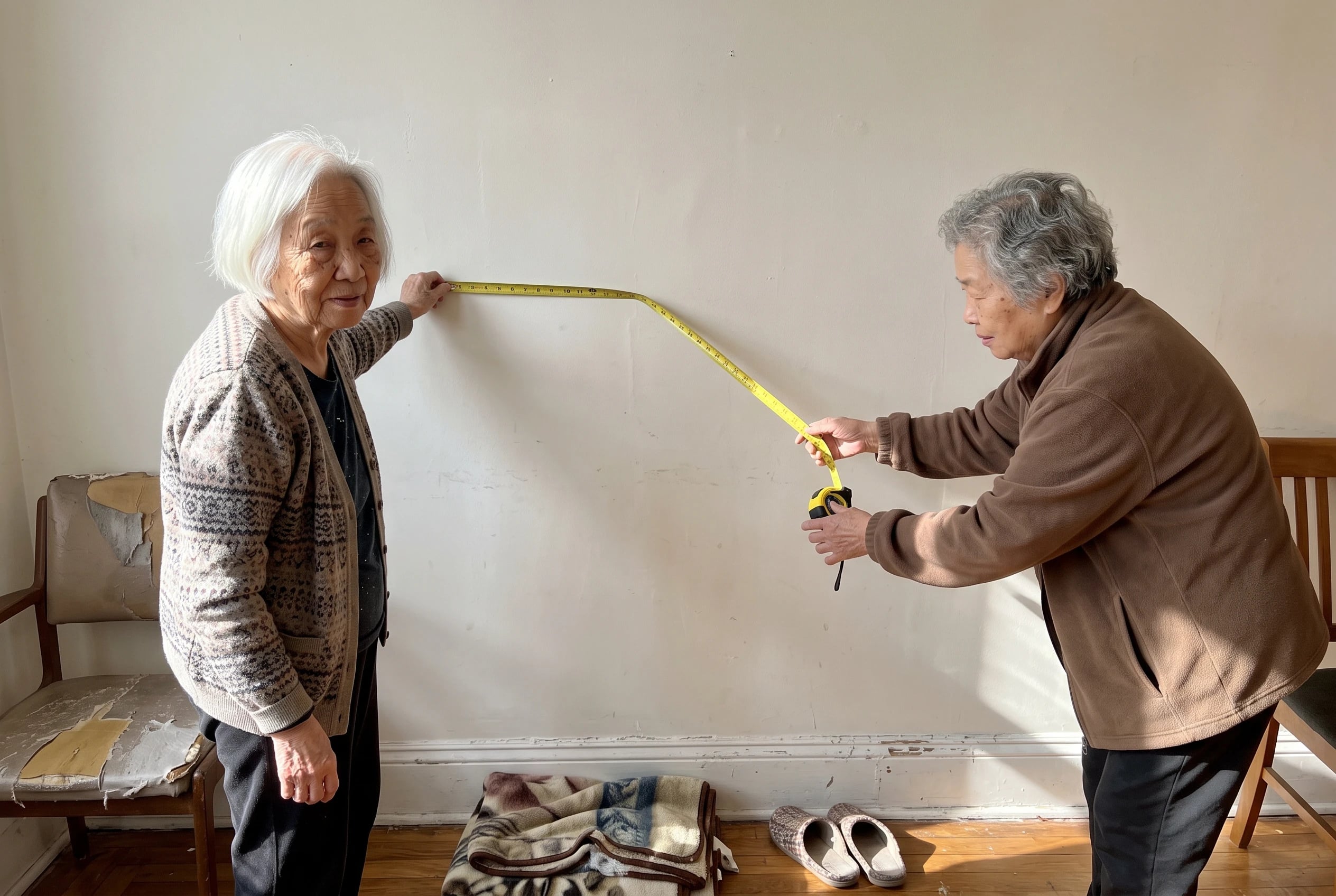
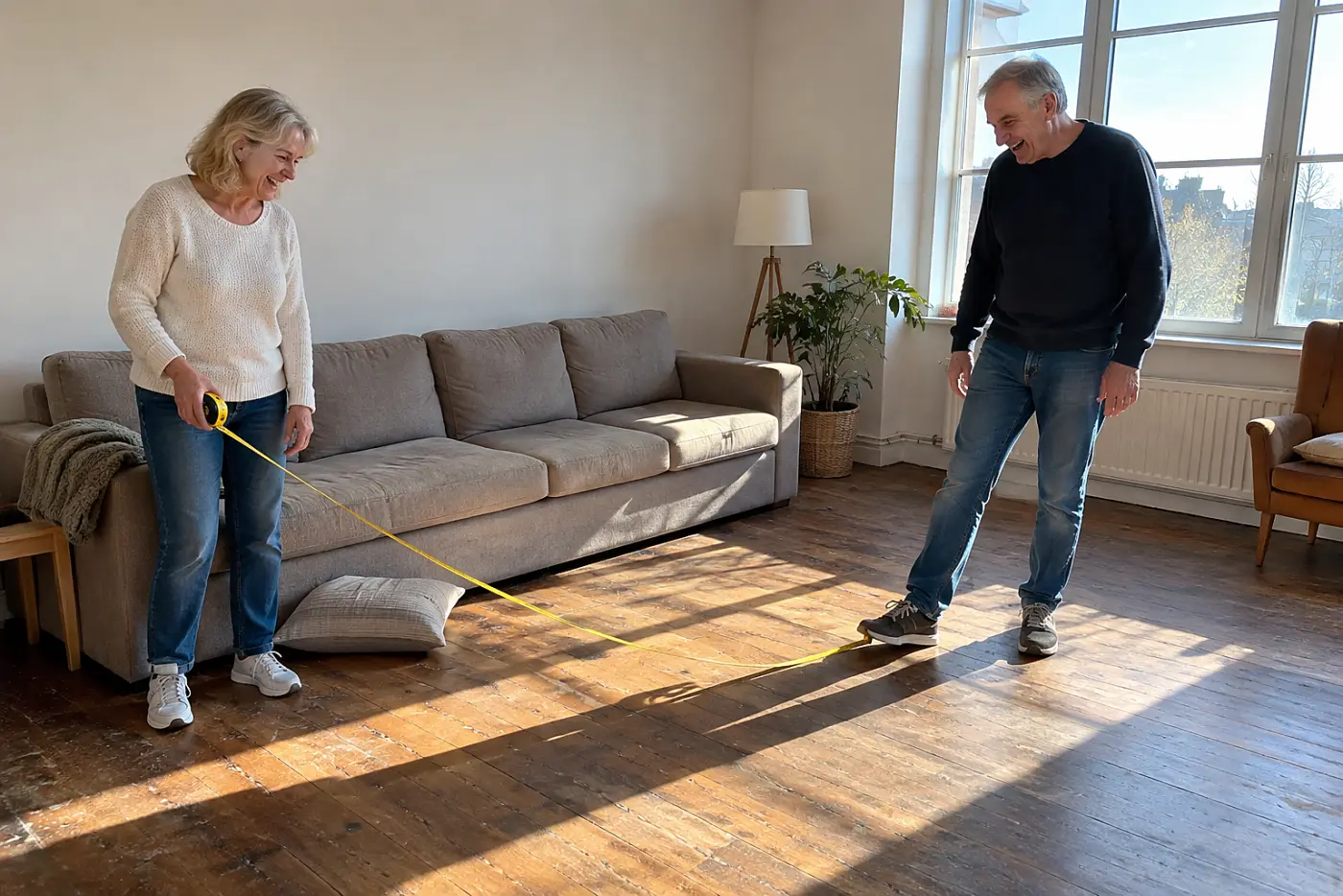
Ask for a floor plan, then check it with a tape measure if you have access. Mark the usable length of each wall and the positions of doors, windows and built-ins.
A drawing without those details invites a sofa to land in front of the only easy route across the room.
Next, sketch the furniture where you'd actually use it. Open the drawn doors. Picture carrying laundry past the bed and walking to the bathroom after dark. AARP's HomeFit Guide stresses clear doorways and walkways when planning a layout.
Keep the measurements with your moving notes. You'll use them before you promise anyone a piece of furniture, and again before you pay to move it.
25A tape-measure check of big furniture
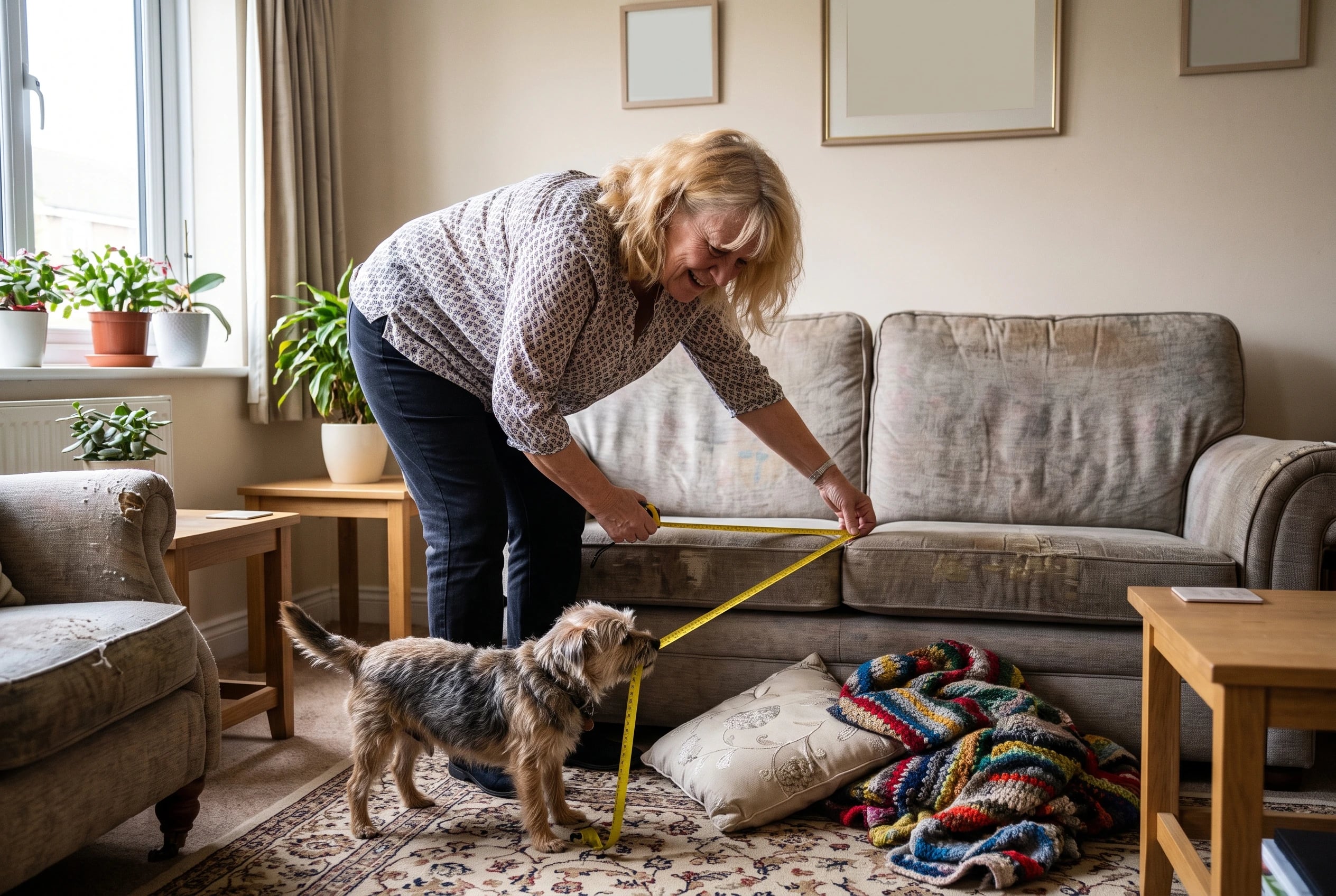
Measure the pieces you want to take, not the space you remember them occupying. Write down each item's width, depth and height. Then compare those numbers with the new room and the route into it.
For a quick reality check, Sealy lists a standard queen mattress at about 60 by 79 to 80 inches. That tells you nothing about the size of *your* bed frame, which needs its own measurement.
Check door openings, hall turns and where drawers or doors will swing. A piece that fits against a wall isn't a keeper if it blocks the route around it. Mark each piece as confirmed, uncertain or staying behind; don't book it onto the truck on hope alone.
24A secure binder of critical paperwork

Open the drawer with the unsorted envelopes before it disappears into a moving box. Gather wills, tax records, medical files, property papers and account information in a binder or labeled folders. Separate papers you'll need during the move from records you're keeping for the long term.
Don't use a blanket rule for shredding tax files. The IRS record-retention guidance gives a general three-year period and longer periods, including seven years for certain claims. Check the rule that fits each file before discarding it.
If you're choosing a fire-rated safe for paper, check its label for UL 72 Class 350. The ANSI/UL 72 standard identifies that class for paper records. Keep the folder you need for the move accessible, rather than burying it beneath a room label.
23Five decluttering and downsizing piles for seniors

Give every object a destination. Label five spots: keep, donate, sell, gift and discard. A sixth pile called “decide later” leaves you with the same room to sort twice.
AARP's spring-cleaning guide warns that a “maybe” pile slows progress. If an item needs information before you decide, write the question on a tag. “Will this chair fit?” has an answer; “maybe” doesn't.
Keep the donate and gift piles separate. Donation means finding a place that accepts the item. Gift means asking someone whether they want it. Neither destination is complete while the object is still sitting in your hallway.
See more: 24 Signs Your House Has Become Too Much, Before Your Children Say It →
22A first pass through one kitchen cabinet

Start with the cabinet that won't quite close. Take everything out, wipe the shelf and put back only what you use or have decided to bring. You'll get a finished space without asking yourself to settle the fate of every family photograph.
AARP's decluttering guide recommends a small space, such as a cabinet, for an early win. In the kitchen, duplicates give you decisions you can check: compare the new kitchen's storage with the pots, tools and dishes in front of you.
Set aside working small appliances and kitchenware you won't take. Goodwill of Greater Washington accepts many such items; check your local chapter's rules before you load the car.
21A closet clear-out by last wear
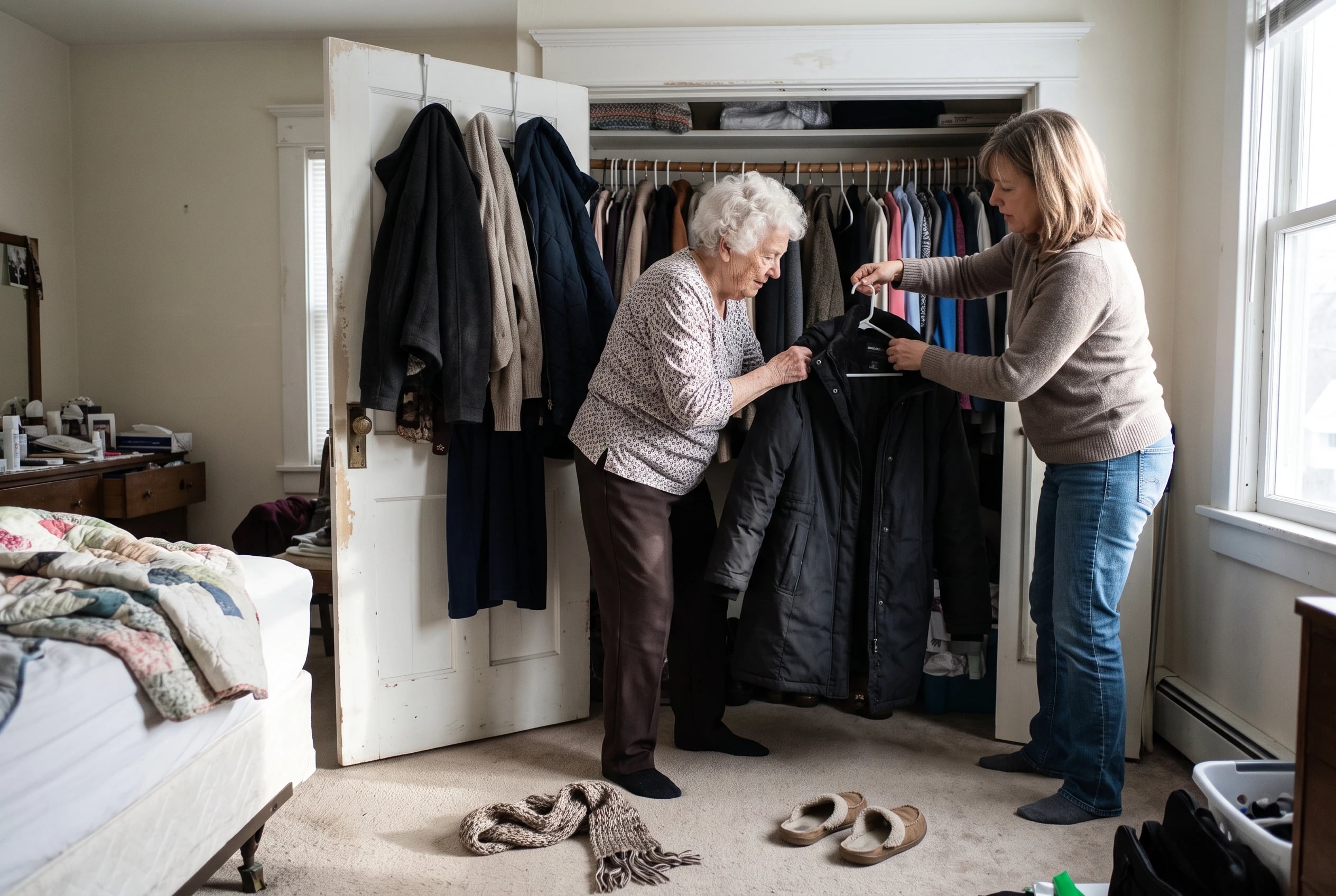
The coat at the back of the closet has an answer for you. When did you last wear it? Budget Dumpster's decluttering guide suggests putting clothing unworn in the last year into the “let go” pile.
That test gives you a place to start, not an order to discard a coat you still intend to wear. Look at what remains against the storage in the new home. Keep clothing for the life you're going to live there, including the things you reach for without thinking.
You know which shoes stay at the back for a reason. Make the call yourself; let help mean carrying the finished bags.
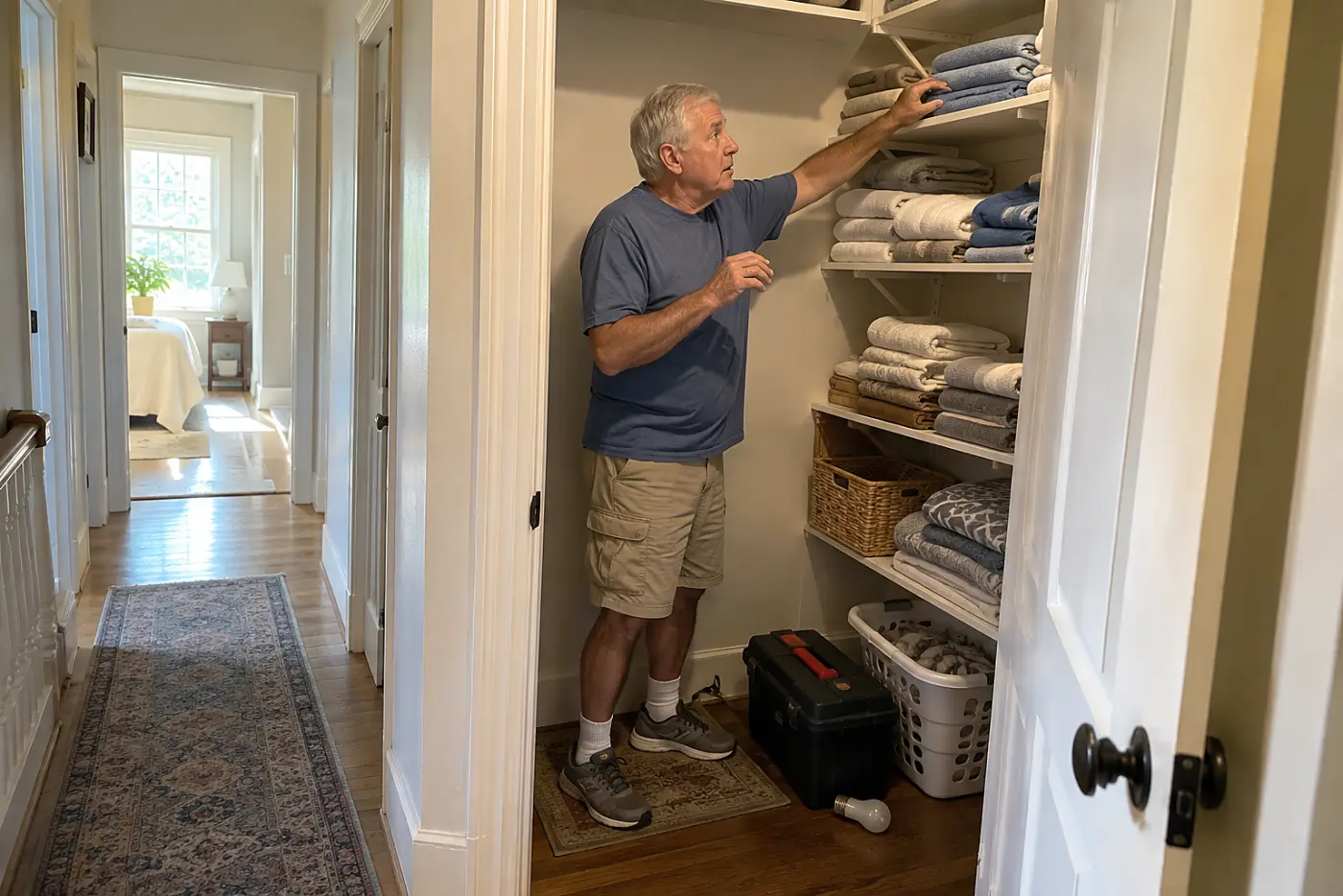
20A clean linen and towel sort

How many shelves will the new bathroom give you? Look at that space before you pack every towel from the old linen cupboard.
Match sets while they're still on the shelf. Keep what has a place in the new bathroom and bedrooms. Set usable extras apart from worn-out pieces rather than stuffing all of them into a donation bag.
Goodwill's national donation guidance lists linens and towels among items accepted at many locations. Check the receiving chapter's condition rules before you go.
Fold the keepers together. When packing begins, you'll know which towels belong in the new home.
19A garage and storage hazardous-waste sweep

A closed paint can on a garage shelf isn't ordinary trash. Neither are leftover cleaners, oil, batteries or pesticides. The Environmental Protection Agency identifies these as household hazardous waste and directs people to local disposal options.
Keep those containers separate while you find your local collection program. Don't pour contents onto the ground or into a storm drain; the EPA warns against both.
Check what your program accepts before loading the car, so one rejected can doesn't return to the garage. Go through the attic and basement on the same pass. An old box marked “tools” is easy to move unopened, but the products beside it need a disposal plan before moving day.
18One labeled box for keepsakes

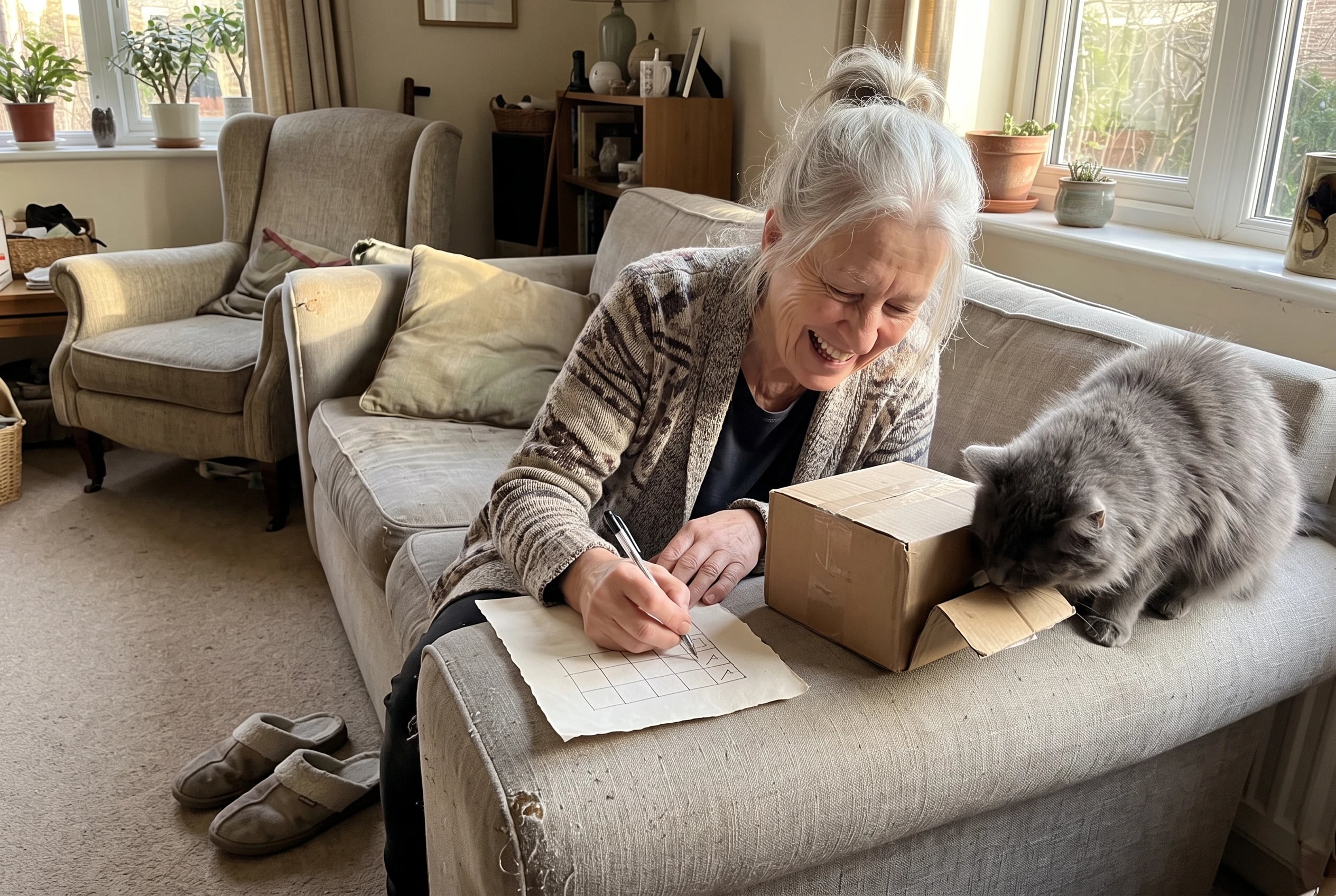
Choose a box for small memories before opening the sentimental drawers. A shoebox is a workable limit for letters, ticket stubs and the little objects that matter to you. The limit isn't a verdict on the people connected to them.
Vogue's account of Swedish Death Cleaning describes author Margareta Magnusson's labeled shoebox for small sentimental things. You don't have to adopt her whole approach to borrow the container test: which objects would you want to open and see again?
Take a photograph of something you want to remember without keeping the object. Then label the box for yourself, with words that tell you what's inside. It goes with the keeps, not into an unmarked pile of things someone else must guess about.
17A checked digital backup of photos

A scan helps only if you can find it again. Start with a small group of photographs or letters, give the files plain names and open them after saving. Check that the images are readable before you part with any original.
Cloud storage is one option. In 2026, Apple lists iCloud+ at about $2.99 a month for 200GB in the U.S. Google One lists a 100GB plan at about $1.99 a month. Check the current plan and price before signing up.
Keep the important paper originals identified in your records folder. A digital copy gives you access and another copy of the information; it isn't permission to shred a record before you've checked how long it needs to be kept.
16A furniture shortlist for the new footprint

Now make the hard furniture list. Write the pieces you truly want across the top, then assign each one a place on the measured floor plan. If the room has no safe place for a piece, move it off the truck list.
Size benchmarks won't tell you what fits your home. RentCafe's 2025 figures put the average U.S. one-bedroom apartment at about 735 square feet. Familiar furniture feels different when the room around it changes.
Use the plan rather than the average to decide. Draw the walkways after placing the bed, table and sofa. AARP's HomeFit Guide calls for clear routes; a lovely chair loses its place if everyone has to edge around it.
15A printable downsizing home checklist by room

If you want a printable downsizing home checklist, give each room its own sheet. The FMCSA moving checklist supplies dates; the CDC's Check for Safety supplies room-by-room hazard checks.
Neither knows what's in your hallway. Add each outgoing item's destination and pickup date. Use separate marks for “scheduled” and “collected,” so an arranged pickup doesn't look like an empty room.
14A scheduled pickup for donated items

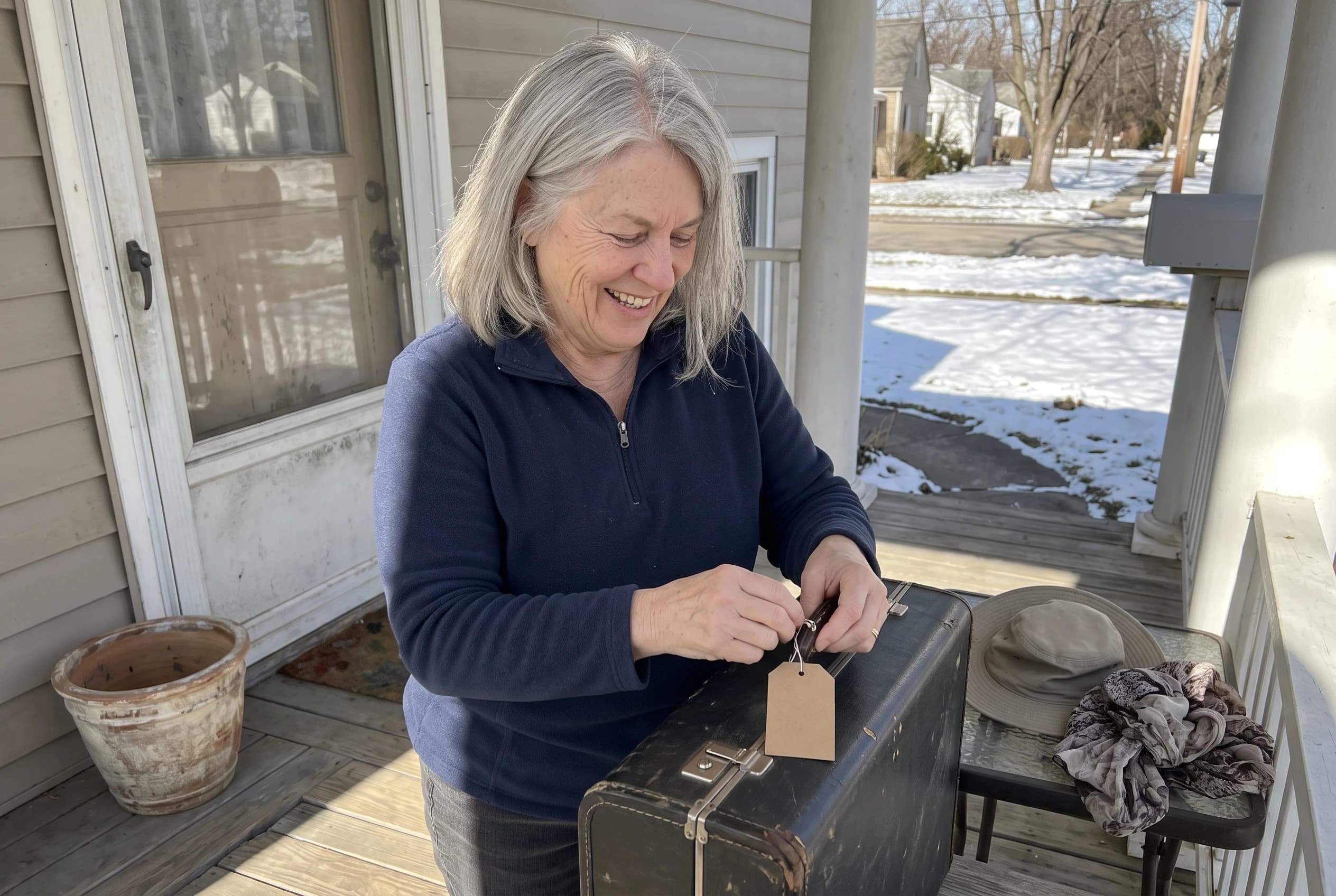
A donation isn't out of the house until someone has taken it. Photograph the items you plan to offer, check the charity's acceptance list and arrange a pickup date that comes before your packing deadline.
The Salvation Army lets you check pickup availability by ZIP code. Habitat for Humanity says ReStores pick up furniture in many areas; some pickups use the fee-based ReSupply service. Ask about any charge before you confirm.
Once a pickup is booked, give accepted items a single staging spot. Keep anything not yet accepted out of that pile. You'll know what is leaving, what still needs another destination and how much floor space you've actually recovered.
13A sale plan for valuable items

The china cabinet looks valuable, but its sale price isn't what you'll take home. Before choosing a route, compare the likely proceeds with the work of photographing, listing, answering messages and arranging collection.
AARP's estate-sale guidance describes commissions around 30% to 40%, with the rate tied to the sale. eBay's fee tables show fees around 13% plus a fixed charge in many categories; check the category and current terms before listing.
Set a decision date for anything unsold. Otherwise a piece sits between “sell” and “move” until the truck arrives. You still get to decide whether the return is worth the time, instead of letting the deadline decide for you.
See more: 25 Things You Feel the Day You Sell the House You Raised Your Kids In →
12An heirloom gift someone wants

“Would you like this?” is kinder than “I'm bringing this over.” Ask about a particular piece while there's still time for an honest answer. Give the person its story if that matters, then listen to the reply.
Swedish Death Cleaning, as described in Vogue, encourages talking with loved ones early about the things they actually want. AARP's downsizing advice also favors thoughtful family involvement rather than last-minute pressure.
Write the recipient's name on an accepted item and agree on how it will leave the house. If the answer is no, the object returns to your decision, not to a relative's closet by default.
See more: 23 Things in Your Attic Worth More Than You Think, and the Ones Worth Nothing →
11A safe disposal route for medicines

Set unwanted medicines aside from the household trash while you check the disposal route.
The Food and Drug Administration says a drug take-back program is the best option. The Drug Enforcement Administration has a locator for authorized year-round drop-off sites.
If take-back isn't available, follow the FDA's instructions for medicines not on its flush list. They call for mixing them with unappealing material and sealing them before putting them in household trash. Don't flush a medicine without checking that list.
Put old electronics on a separate errand list. Best Buy's recycling program accepts many devices, subject to its store rules. Check what your location takes before carrying a heavy item there.
10A vetted mover for the job
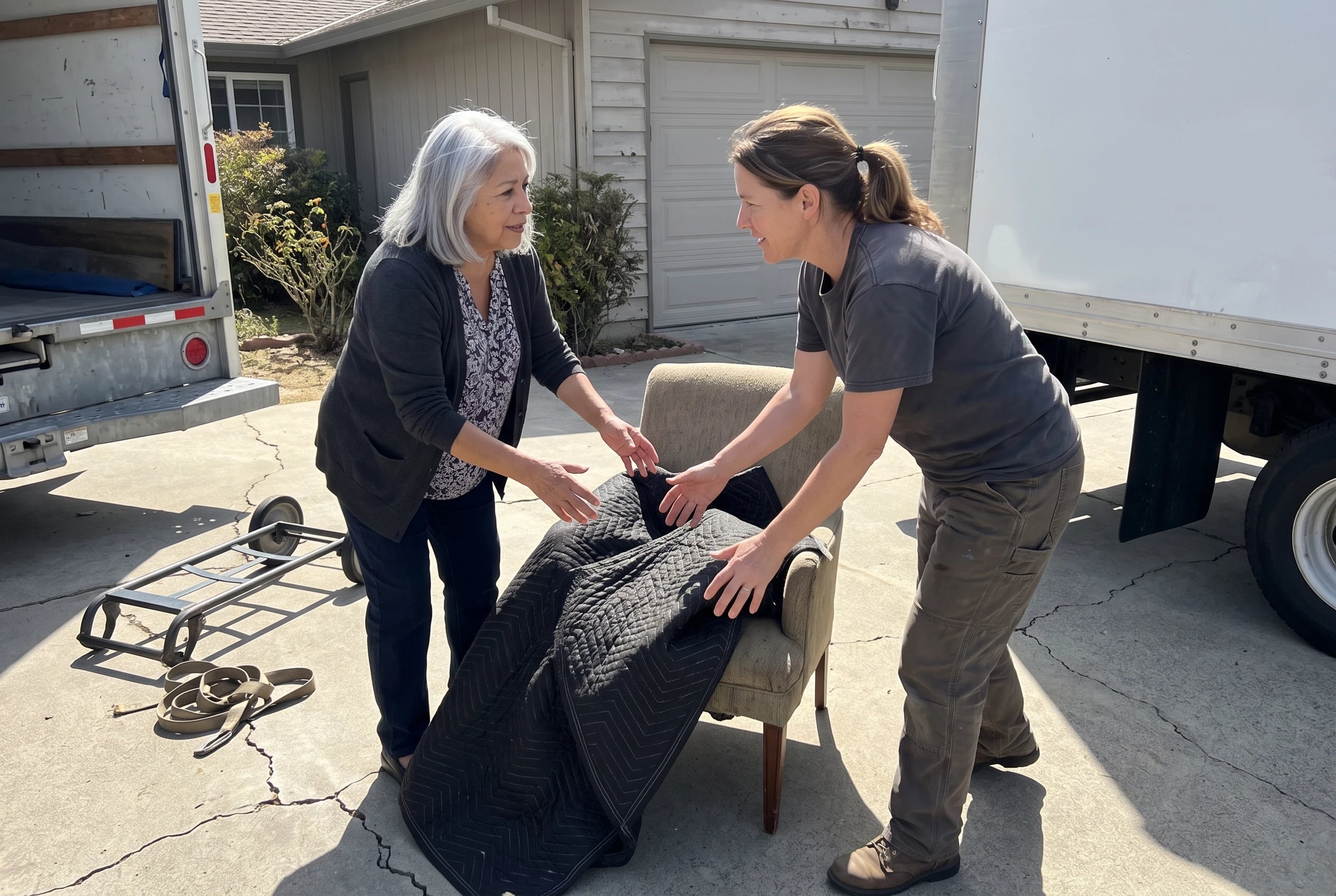
Sorting help and truck service aren't necessarily the same job. If you want help planning or packing, search the National Association of Senior & Specialty Move Managers directory. Ask each listed provider exactly what their service includes.
For an interstate truck move, use FMCSA's mover search tool to check registration, insurance and complaint history. Match the company in the search result to the company giving you the quote.
Tell each candidate what furniture is going, whether there are stairs and which items need special handling. Get the scope in writing. A quote for boxes and a truck isn't a quote for sorting a basement, so compare the work described as carefully as the price.
9A budget for hidden downsizing costs

The smaller home doesn't erase the cost of getting there. In 2026, Angi's moving cost guide puts a local move at about $1,700 on average, with a range of roughly $880 to $2,570.
Its long-distance range runs from about $2,700 to $10,000 or more.
These are benchmarks, not bids for your move. Ask for quotes that show what happens to boxes, furniture and anything left in storage. Then write down the date you'll empty a storage unit. A monthly bill is easy to overlook when its contents are out of sight.
8A calendar of hidden downsizing overlap costs
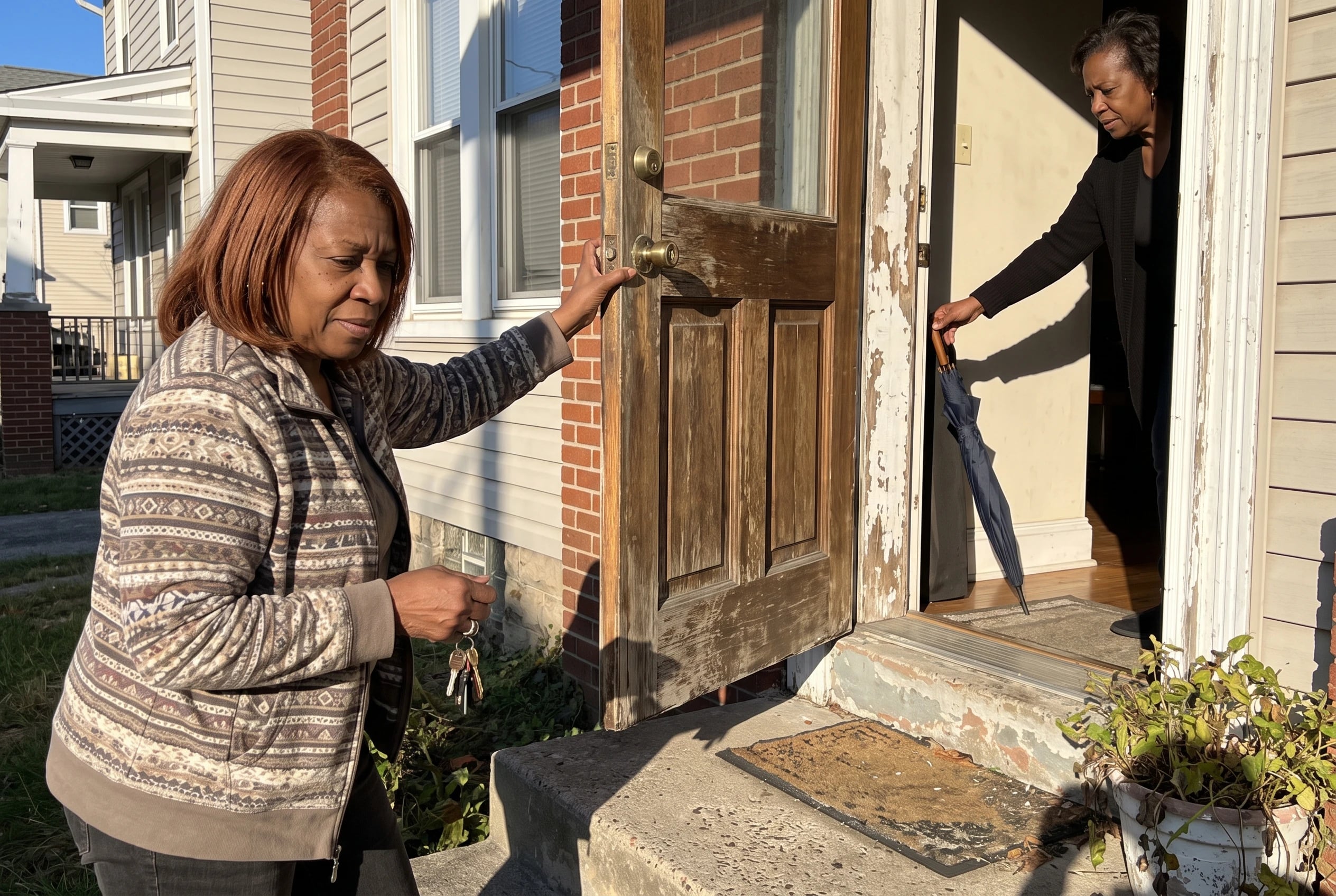
Draw a line for the old home and another for the new one. Mark when each housing payment is due, when utilities end and begin, and when you'll hand over keys.
The gap between moving out and being fully settled has a cost.
Angi's relocation guidance notes that starting utilities can involve deposits or first-month payments. Ask each provider what is due at the new address and when the old account closes. Keep the answers beside your move budget.
Leave a line for mail service during the overlap. Ask USPS when forwarding starts, then mark that date. The job here is to spot two homes' bills on the same calendar; updating each sender's records comes later.
7An open-first box for moving day
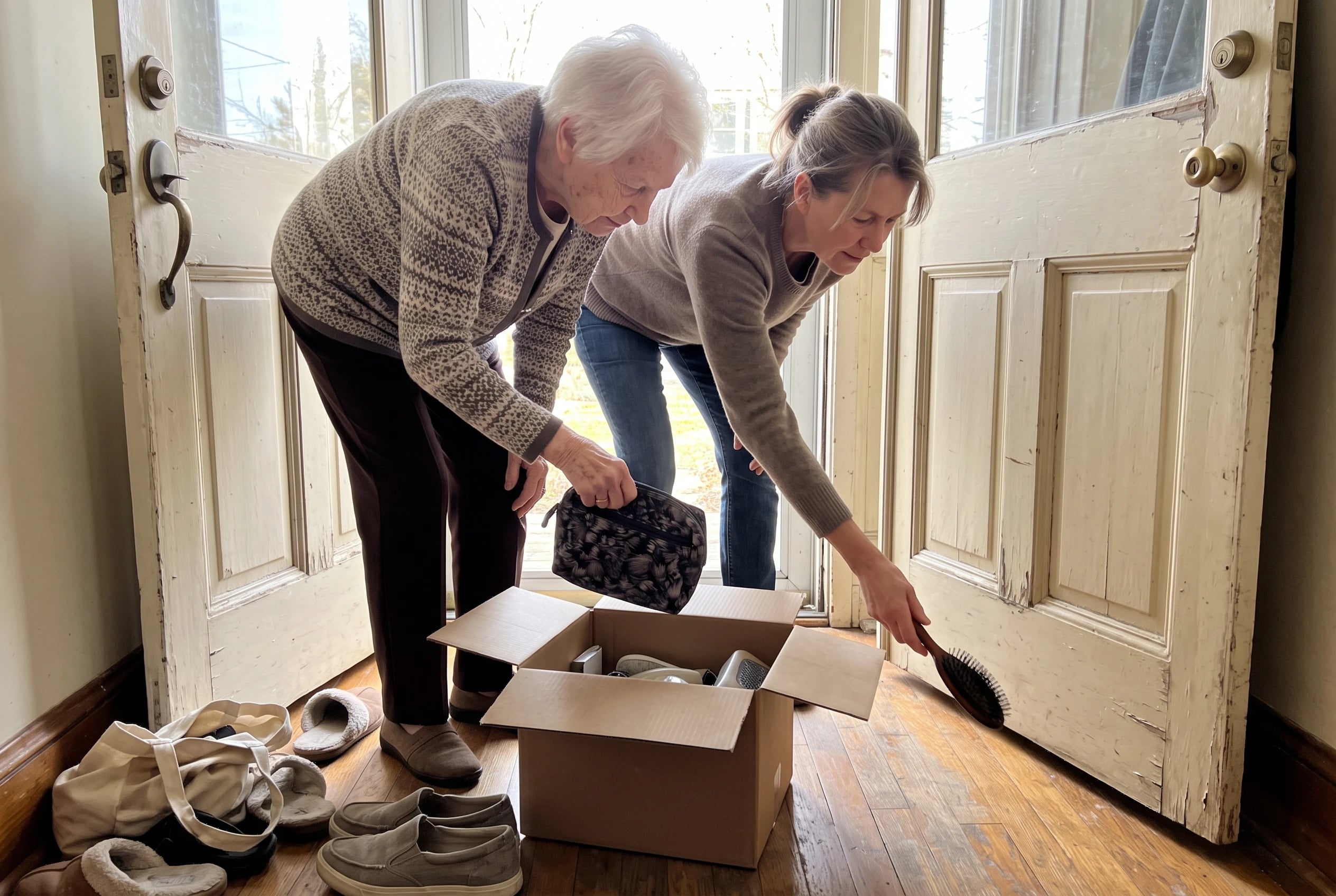
Pack the things you'll need before you unpack the bedroom. Put basic toiletries and a change of clothes together, then add what makes the new place usable on arrival.
Medications and identification stay with you, not in the truck. The FMCSA moving checklist treats moving-day essentials and valuables as items to safeguard. Carry the items you can't spend the evening searching for.
Mark the box so it won't be stacked behind the sofa. Think through your first night: what will you need after the helpers leave? Put those ordinary objects in reach. The point is to enter the new home without opening every carton to find a toothbrush.
6An apartment furniture and balcony check

Downsizing to an apartment puts shared-building rules beside your floor-plan measurements. RentCafe's 2025 figures put the average studio at about 460 square feet and the average one-bedroom at about 735. Neither figure tells you whether your sofa will turn through the actual doorway.
Test the route from the building entrance to the room, including lifts, hall turns and doors. Ask the building about move-in arrangements before booking the truck. Then check any rules that affect what you're bringing.
Don't assume the old grill belongs on the new balcony. Rules differ by jurisdiction and building. Nashville's Fire Marshal describes restrictions on charcoal and gas grills on apartment balconies, with limited electric-grill exceptions. Get the rule for *your* address before the grill goes into a moving box.
5A fall-proofing pass through the new home

Walk the new home as if you're arriving tired, carrying a bag, after dark. Where will you need light? Where does a rug edge meet a walking route? Clear those routes before boxes claim them.
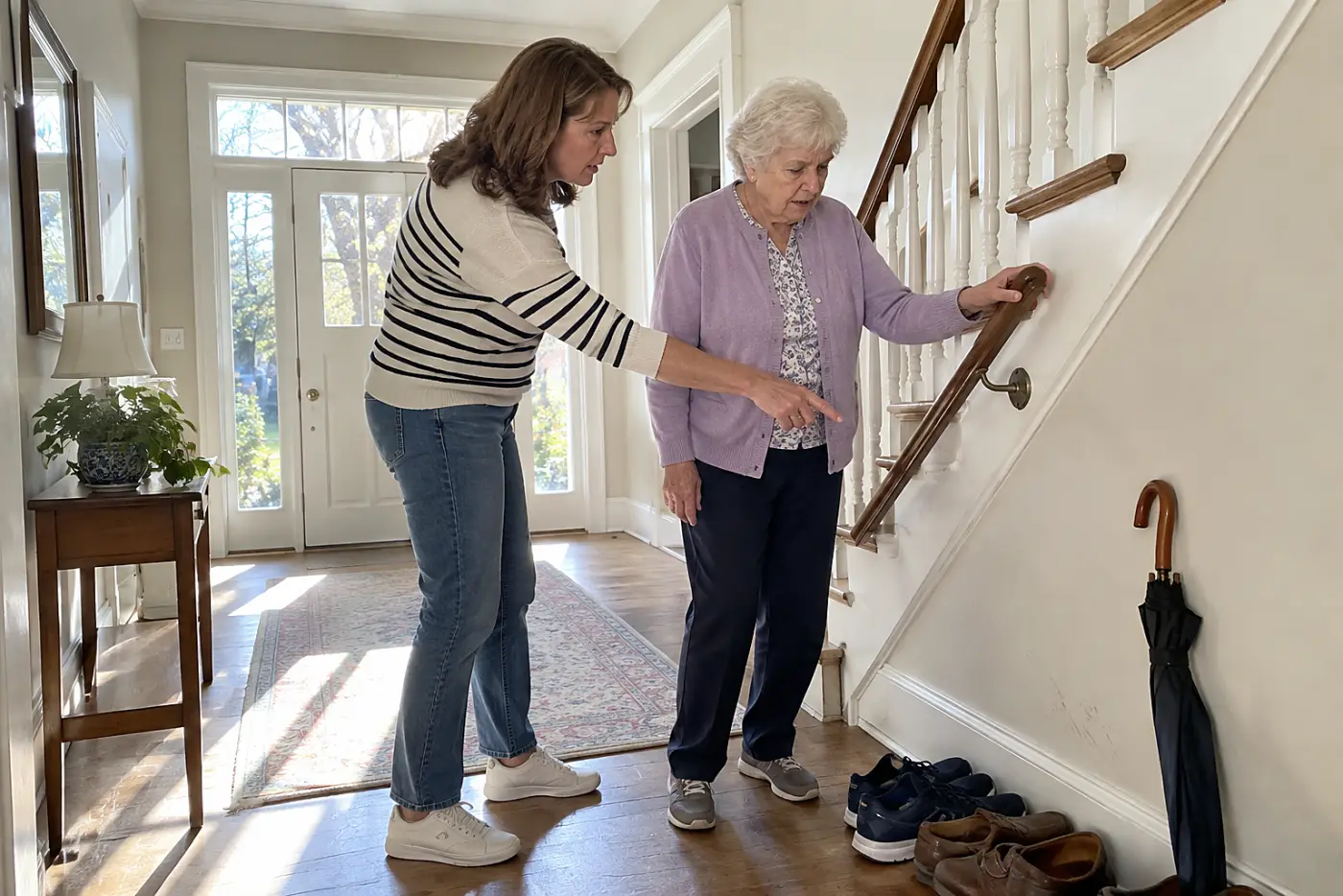
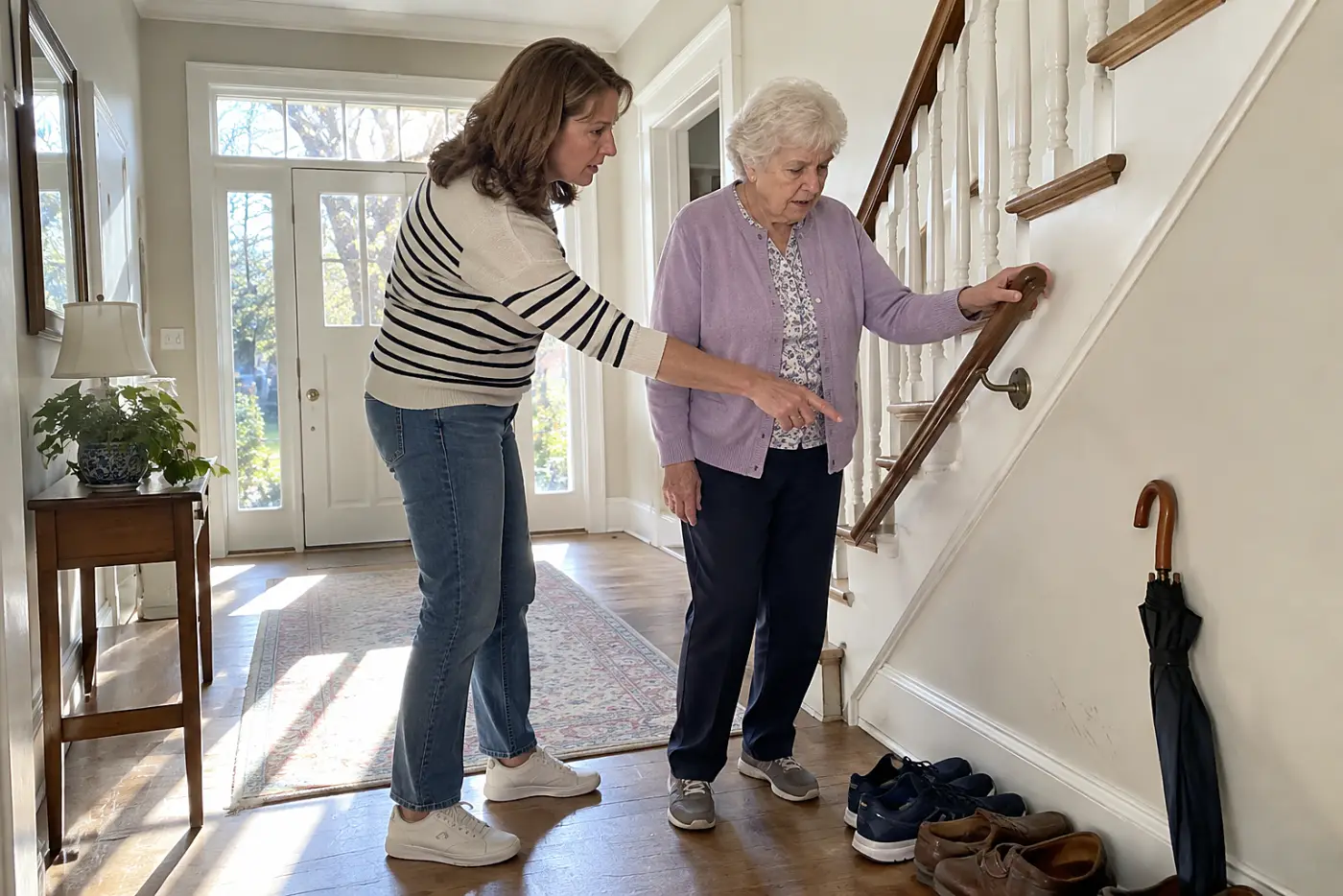
The National Institute on Aging's room-by-room fall guidance calls for better lighting, nightlights and mounted grab bars near the tub, shower and toilet. Use the CDC's printable safety checklist to check each room without relying on memory.
If a grab bar is needed, arrange its installation rather than leaving the task on a box marked “later.” The first trip to the bathroom happens before the last box is unpacked.
4A family meeting about heirlooms

Gather the people who want to be part of the heirloom decisions before the last packing day. Show them the particular items under discussion. Ask each person what they want, and let “nothing” be an acceptable answer.
AARP's downsizing guidance and Vogue's account of Swedish Death Cleaning both favor early, deliberate conversations. Early matters because a disagreement has space to be discussed before a truck is waiting outside.
Write down what you've decided and who will collect each accepted item. Keep the decision with your moving notes. This meeting doesn't hand over control of your belongings. It gives you a clear way to say what you're offering and to hear what others actually want.
3A first week that feels like yours

On arrival, make the routes usable before you arrange every shelf. Set up the bed, clear the path to the bathroom and put light where you'll reach for it at night. The National Institute on Aging recommends clear walkways, nightlights and grab bars in its fall-prevention guidance.
Then choose something familiar to put where you'll see it. Hang a photograph, set out the lamp you kept or give the favorite chair its place. You don't need to recreate the old room for the new one to feel like yours.
Leave boxes you're undecided about closed for now. Unpack what you chose with certainty and see how the rooms work before filling every open corner.
2An address and account update audit

Forwarded mail buys time; it doesn't tell every sender you've moved. File your address change with USPS, then update the address on your bank, insurance, medical, utility and other accounts directly.
As of 2026, USPS lists a $1.25 online identity-verification fee for a change of address and a 12-month forwarding period for eligible mail.
Check the current fee when you file. If you need bundled weekly reshipment rather than standard forwarding, read the separate USPS Premium Forwarding terms and price before enrolling.
Keep a list of accounts you've updated. As mail arrives, check the address printed on it and mark that sender done. A forwarded envelope is a prompt to fix the source, not proof the job is finished.
1A final walkthrough of both homes
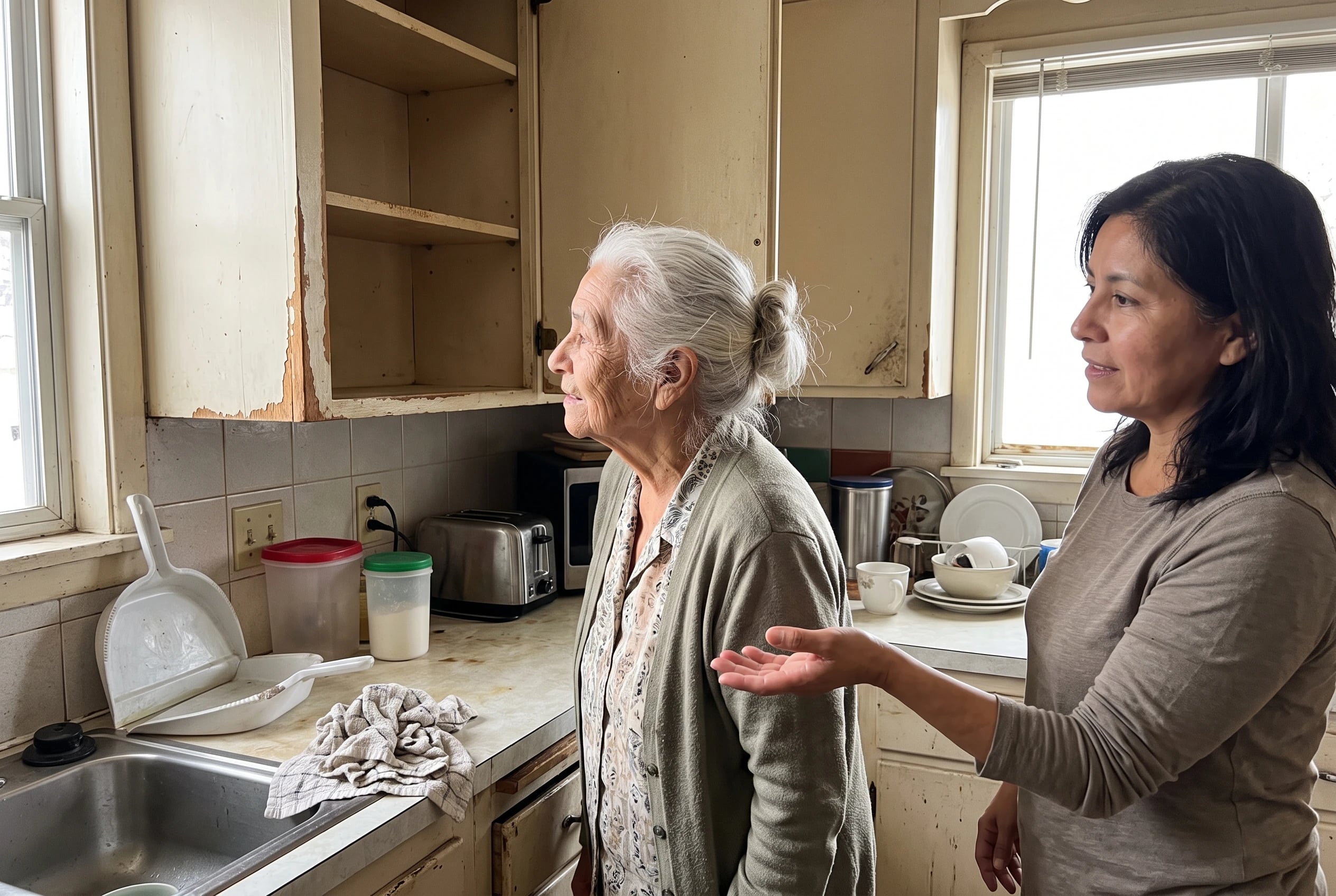
Before you hand over the old keys, walk each room without carrying a box. Look inside cupboards and behind doors. Check the garage, attic and basement against the destinations you chose for their contents.
Then walk the new home. Does the furniture sit where you measured for it? Are the routes to the bed and bathroom clear? Find the open-first box and the essentials you kept off the truck.
This is the last check that depends on being in both places. A dated list, a pickup booking and a careful floor plan got you here, but none tells you what is still on the top shelf. Give yourself time to look.
The bottom line
The safest order puts the decisions that prevent mistakes first: why you're moving, what fits, what needs protection and what has a confirmed destination.
By the time the truck arrives, you've measured the rooms, checked the records and arranged for things to leave. The move still takes work. It no longer depends on remembering everything at once.
Up next
29 Things People Wish They'd Measured Before Moving Day
A doorway width settles the sofa question. Stair turns, outlet locations, and the space around your bed decide much more.
Read the list →


Reader quiz
Did you catch the details?
5 questions from this article.
What should you mark on the new home's floor plan before deciding where furniture goes?
Questions people also ask
What not to do when downsizing?
Don't create a “maybe” pile; AARP's sorting guidance warns that it slows progress. Don't skip measurements before committing to move furniture. Keep medicines and hazardous household products out of the ordinary discard pile; follow the FDA's medicine guidance and the EPA's household hazardous waste guidance.
At what age should seniors downsize?
There is no set age. The National Institute on Aging points to safety, mobility, daily activities and available support when weighing whether to move. Those questions matter more than a birthday.
What to throw away when downsizing?
Start with things you no longer use and cannot donate, but separate anything that needs special disposal. The FDA recommends drug take-back for unwanted medicines, while the EPA directs you to local programs for hazardous household products. Check your local donation center before discarding usable linens or kitchenware.
What are some helpful downsizing tips for seniors?
Follow a dated plan such as the FMCSA moving checklist, then finish a small cabinet before tackling sentimental things. Measure furniture against the new floor plan and keep walking routes clear, as AARP's HomeFit Guide advises. Give every item you're letting go a destination and a date.
How early should I start downsizing before moving?
The FMCSA moving checklist starts tasks weeks before moving day. An eight-week plan gives you separate time for measurements, sorting, bookings and final packing. Start earlier if the work or your schedule calls for it.
What should I keep when moving to assisted living?
Ask the residence for its floor plan, furniture rules and packing guidance before choosing what to bring. Measure the pieces you want to keep against the actual room. Then confirm which personal items and documents the residence asks you to have available. Those answers should come from the place you're moving to, rather than an assumed packing list.
Did any of these feel familiar?
Know someone who needs this?
 Prime Journal · Free printable
The Everyday Home Safety Checklist
- Clearer routes from the front door to your bed.
- Working lights and alarms where you need them.
- House details ready when a repair needs attention.

Free printable: The Everyday Home Safety Checklist. Enter your email and it is yours.
Sources cited in this article
This article links to 16 outside sources, listed here so you can read them yourself.
- National Institute on Aging www.nia.nih.gov/health/aging-place/aging-place-growing-older-home
- Federal Motor Carrier Safety Administration's moving checklist www.fmcsa.dot.gov/protect-your-move/moving-checklist
- AARP's HomeFit Guide www.aarp.org/livable-communities/housing/info-2020/homefit-guide/.html
- IRS record-retention guidance www.irs.gov/businesses/small-businesses-self-employed/how-long-should-i-keep…
- AARP's decluttering guide www.aarp.org/home-living/smart-guide-home-decluttering
- Goodwill's national donation guidance goodwillintl.zendesk.com/hc/en-us/articles/1260805698630-Donation-Items-Acce…
- Environmental Protection Agency www.epa.gov/hw/household-hazardous-waste-hhw
- Apple lists iCloud+ www.apple.com/icloud
- CDC's Check for Safety www.cdc.gov/steadi/pdf/patient/customizable/checkforsafety-brochure-final-cu…
- The Salvation Army www.satruck.org/donate/choose
- EBay's fee tables www.ebay.com/help/selling/fees-credits-invoices/fee-tables?id=4822
- Food and Drug Administration www.fda.gov/consumers/consumer-updates/where-and-how-dispose-unused-medicines
- FMCSA's mover search tool www.fmcsa.dot.gov/protect-your-move/search-mover
- Angi's moving cost guide www.angi.com/articles/types-movers.htm
- National Institute on Aging's room-by-room fall guidance www.nia.nih.gov/health/falls-and-falls-prevention/preventing-falls-home-room…
- USPS lists faq.usps.com/articles/Knowledge/Change-of-Address-The-Basics
David Ruiz
Home Editor
David writes about the house you have and the one you might move to: staying put, downsizing, repairs, and the small changes that stop a fall.
More from David Ruiz