27 Things Your Body Starts Doing After 60 That Nobody Warned You About
A weaker thirst signal, a stiffer ankle, and a new pill can make the same afternoon feel alarming for different reasons.
By Dr. Alan Pierce, PT, DPT, Health Reviewer
Updated · 20 min read
- Written by our health reviewer
- How we review
Read to the end: #1 gives you a symptom note to use when calling a doctor, and almost nobody prepares one beforehand.
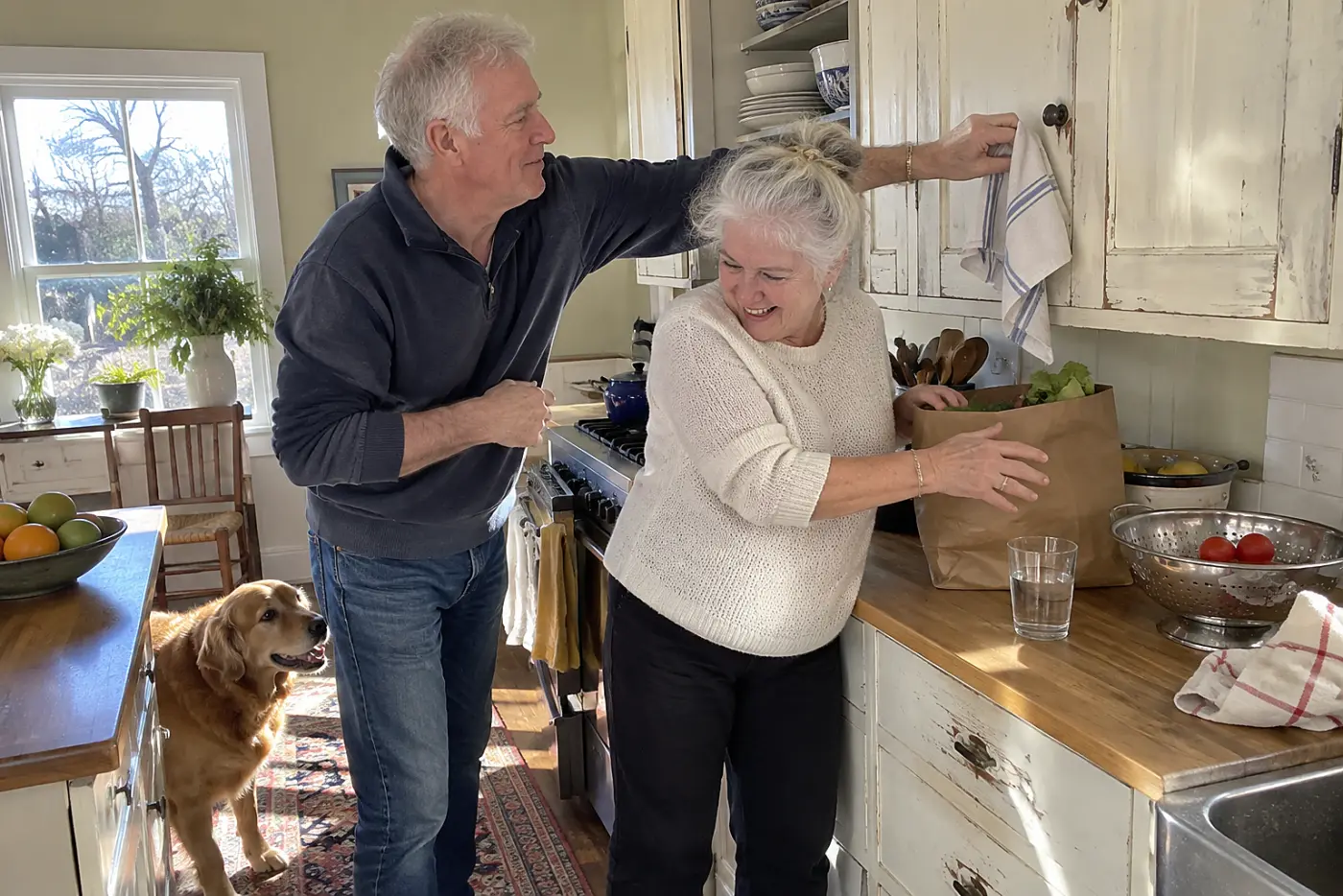
The grocery bag is still on the counter. You stood up to put away the milk, and the room seemed to shift. By the time you reached the sink, it had stopped. Now you’re deciding whether to mention it to anyone.
Getting older changes thirst, muscle, skin, sleep, and the way your body handles medicine. But age alone doesn’t explain a new symptom. The useful question is what changed, when it began, and what happened around it.
Here are 27 changes worth checking.
27The water glass you forget to finish

Thirst doesn’t always arrive before your body needs water.
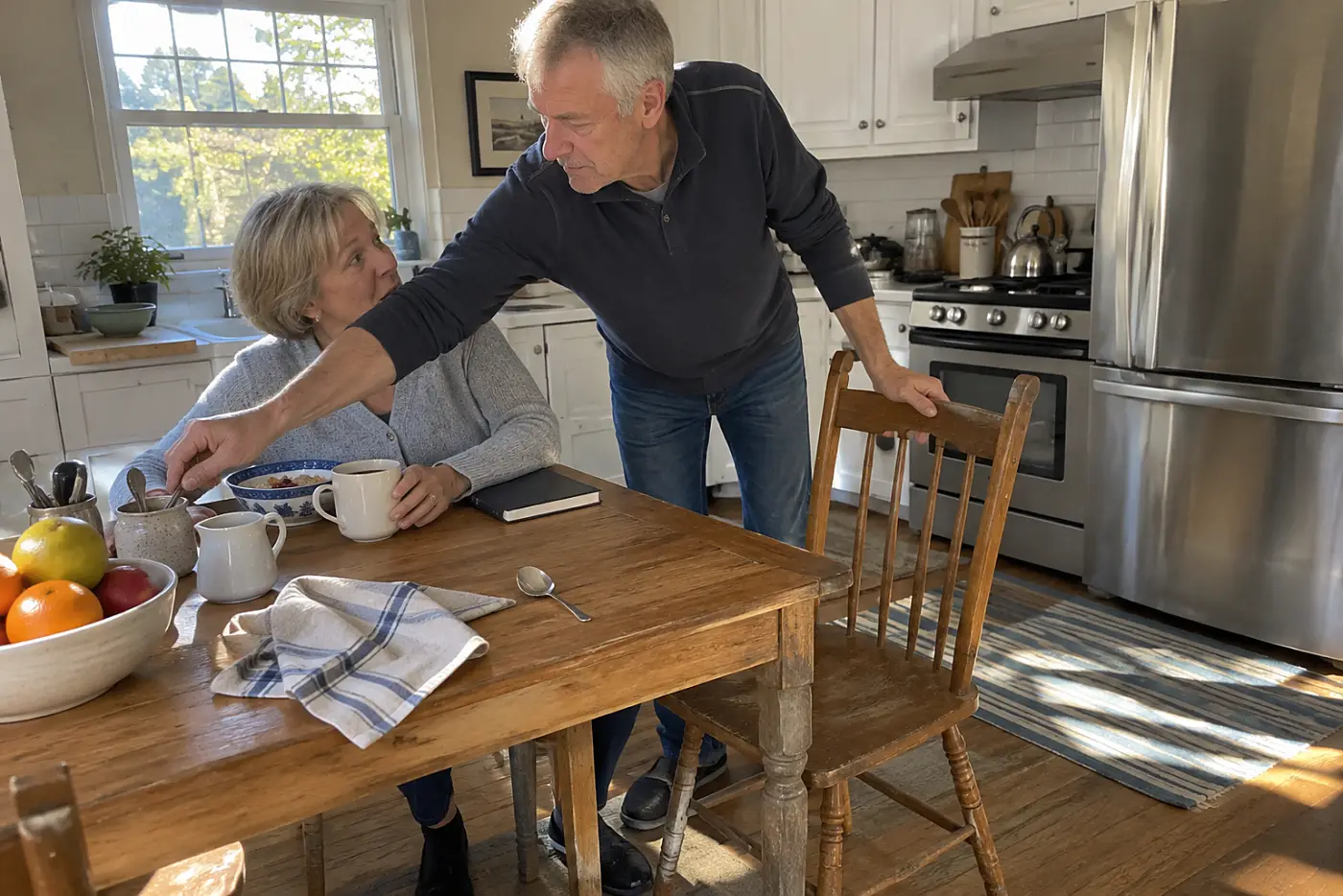
The sense of thirst can weaken with age. Fever, heat, diarrhea, and water pills increase fluid loss. Dark urine, a dry mouth, and dizziness give you more to go on than thirst alone.
Dehydration can make a dizzy spell worse. The National Institute on Aging advises watching fluid intake, especially when thirst is unreliable.
Put a glass beside meals this week and note how much you drink. If you take a water pill or have a fluid restriction, ask your clinician: “What should I drink on an ordinary day?”
And water is only part of what changes at night.
26The bathroom trip that breaks your sleep
A night trip to the bathroom can start in the afternoon.
Fluid timing matters, but it isn’t the whole story. Caffeine, alcohol, a water pill, and swelling in your legs all affect nighttime urination. When you lie down, fluid held in swollen legs returns to circulation. Your kidneys then have more fluid to clear. A bladder problem or sleep apnea also deserves consideration when nighttime trips become frequent.
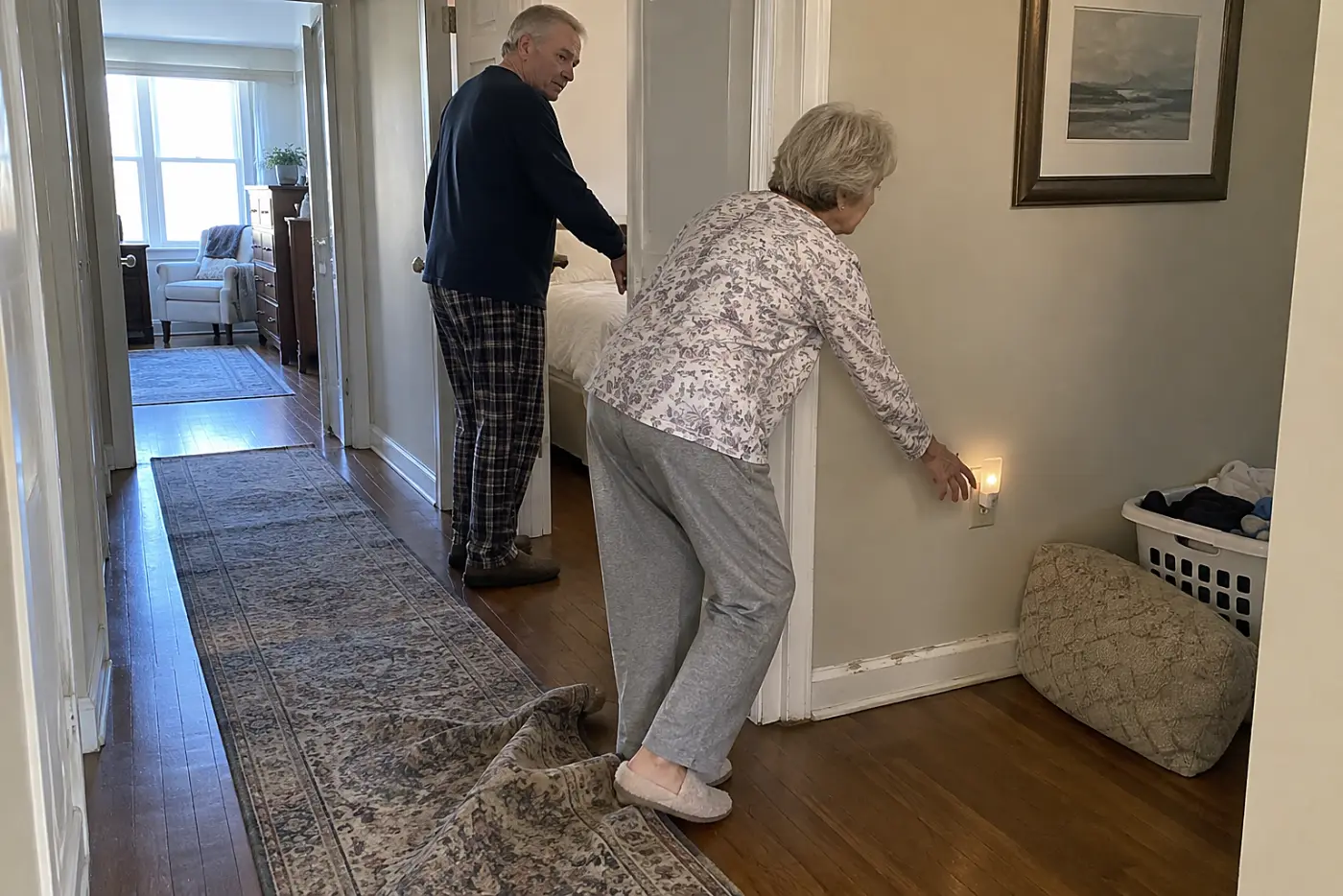
Cutting off every drink after dinner risks leaving you thirsty and dehydrated. Repeated trips raise your chance of falling in a dark hallway, especially when you’re still half asleep. The National Institute of Diabetes and Digestive and Kidney Diseases has information on bladder symptoms and when to seek care.
For three days this week, write down evening drinks, bathroom trips, and whether your ankles swell. Clear shoes from the path to the bathroom and turn on a night-light before bed. Then tell your clinician: “I’m getting up this many times, and my ankles look like this by evening.”
The next clue can show up before bedtime.
25The sock marks around your ankles
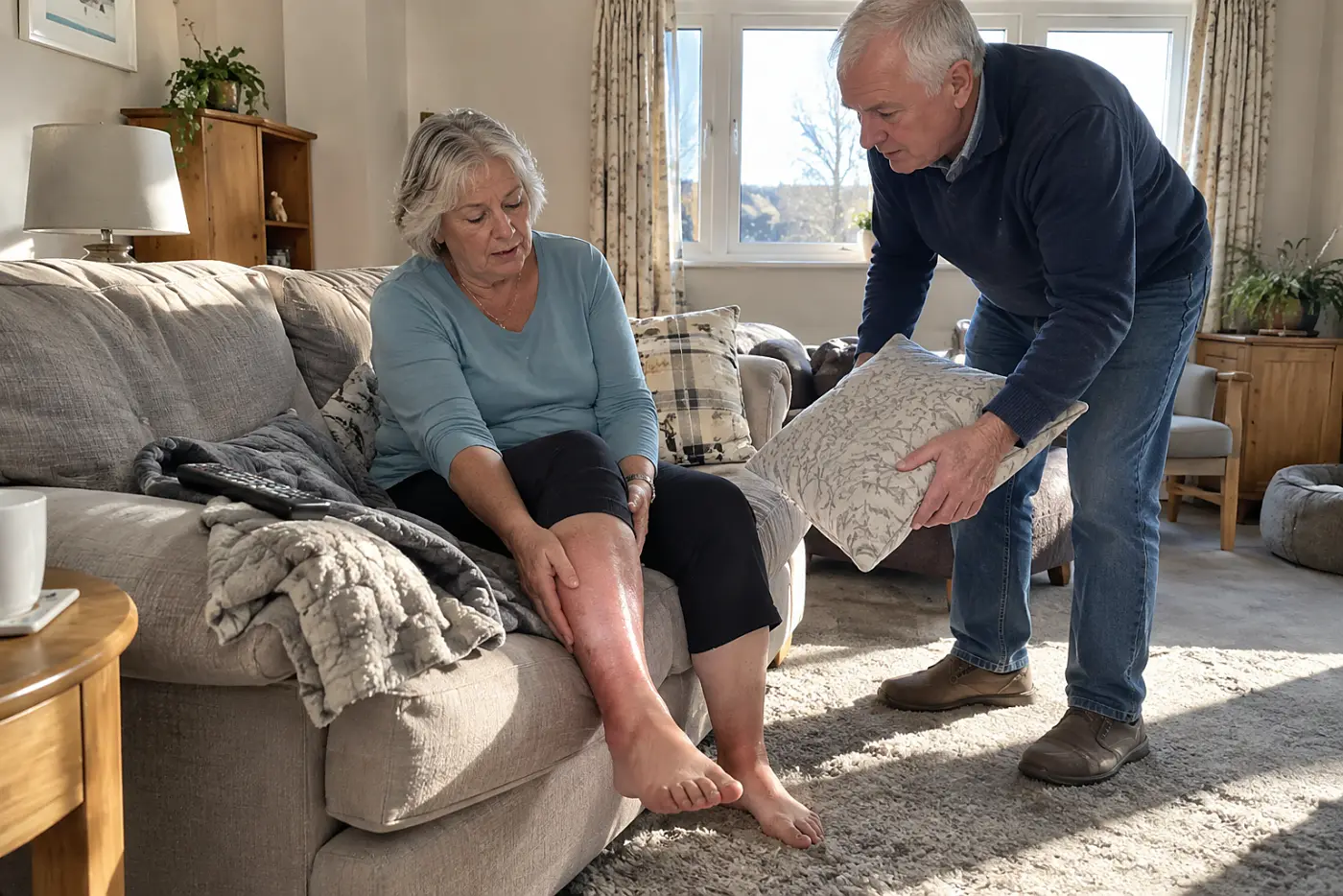
A deep sock mark is worth a second look.
Sitting and standing let fluid collect in the lower legs. Veins have a harder time moving blood upward, and some medicines add to swelling. Press a finger against your shin for a few seconds and check for a dent.
New swelling in one leg needs prompt medical attention, especially with pain or redness. Sudden shortness of breath or chest pain calls for emergency care.
This week, photograph swelling at the same time each day and list your medicines. Say, “Is this swelling from my veins, my medicine, or something else?”
Even without swelling, your legs leave clues.
24The chair you push off with both hands
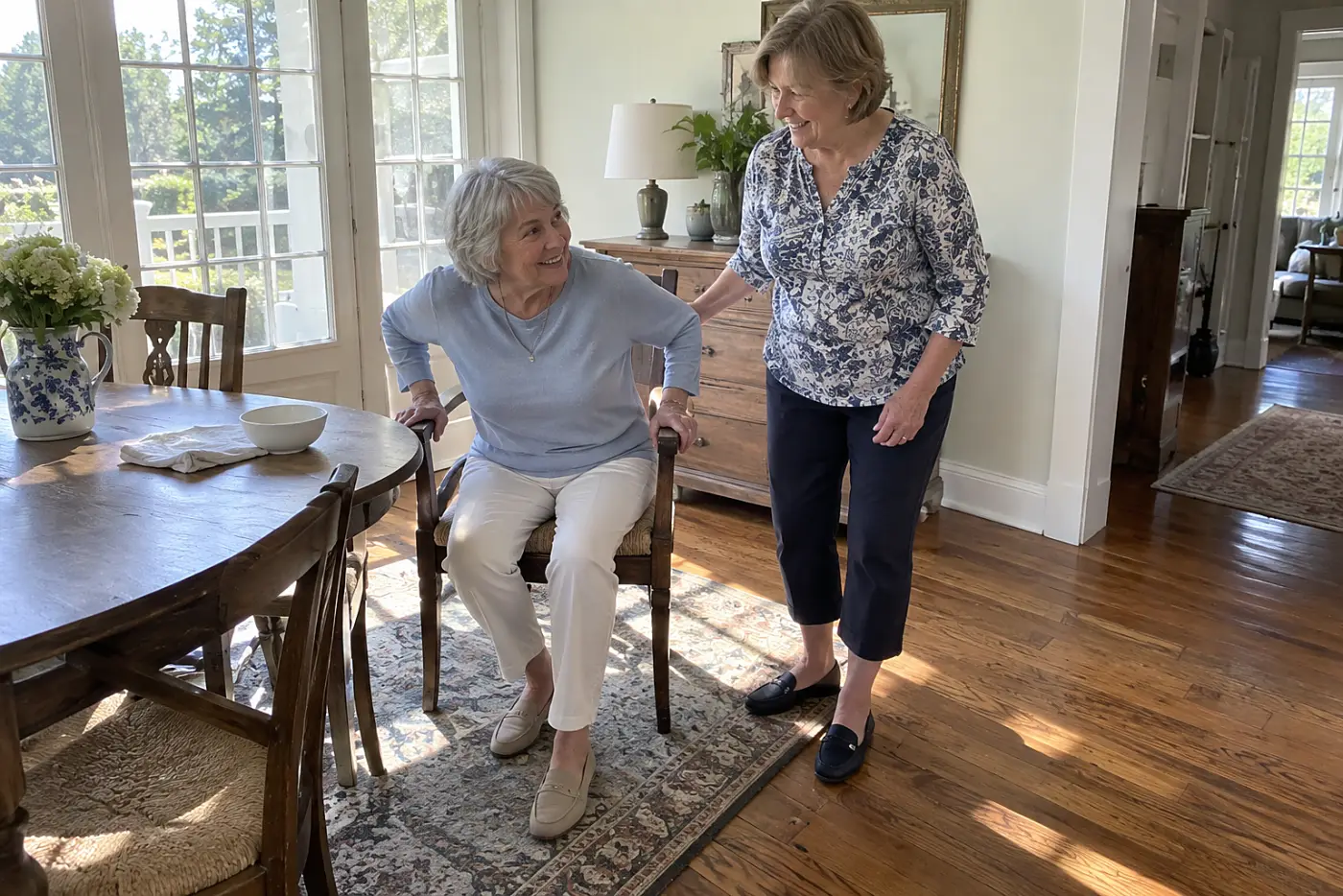
Standing up has become a small strength test.
Thigh and hip muscles do much of the work when you rise from a chair. With less muscle strength, your hands take over. Knee pain and a low, soft seat make the job harder. You’ll notice the difference on a firm dining chair before you notice it on the sofa.
The CDC’s older adult activity guidance includes muscle-strengthening activity. Losing the ability to rise easily also makes toilets, stairs, and getting off the floor harder. A sudden change in strength deserves medical attention rather than an exercise challenge.
Try standing from a firm chair once, with your arms crossed. Only do this if you feel steady. Keep the chair against a wall and have someone nearby if your balance is uncertain.
This week, tell your clinician: “I need my hands to stand now. Should I see a physical therapist?” A physical therapist can check strength and show you how to build it without aggravating a sore knee.
The floor gives your balance a different test.
23The rug edge that catches your foot

A familiar rug can become an unfamiliar obstacle.
A small drop in foot clearance matters when a toe meets a raised edge. Changes in vision, strength, or sensation also make recovery from a trip harder. The rug hasn’t moved, but your response to it has changed.
Falls are not an expected price of aging. The CDC’s STEADI program gives clinicians tools to assess fall risk.
This week, remove loose rugs or secure their edges and check the route to the bathroom. Tell your clinician about any fall, even without an injury: “I tripped at home, and I want my balance checked.”
The next stumble starts with a smaller movement.
22The foot that misses a stair
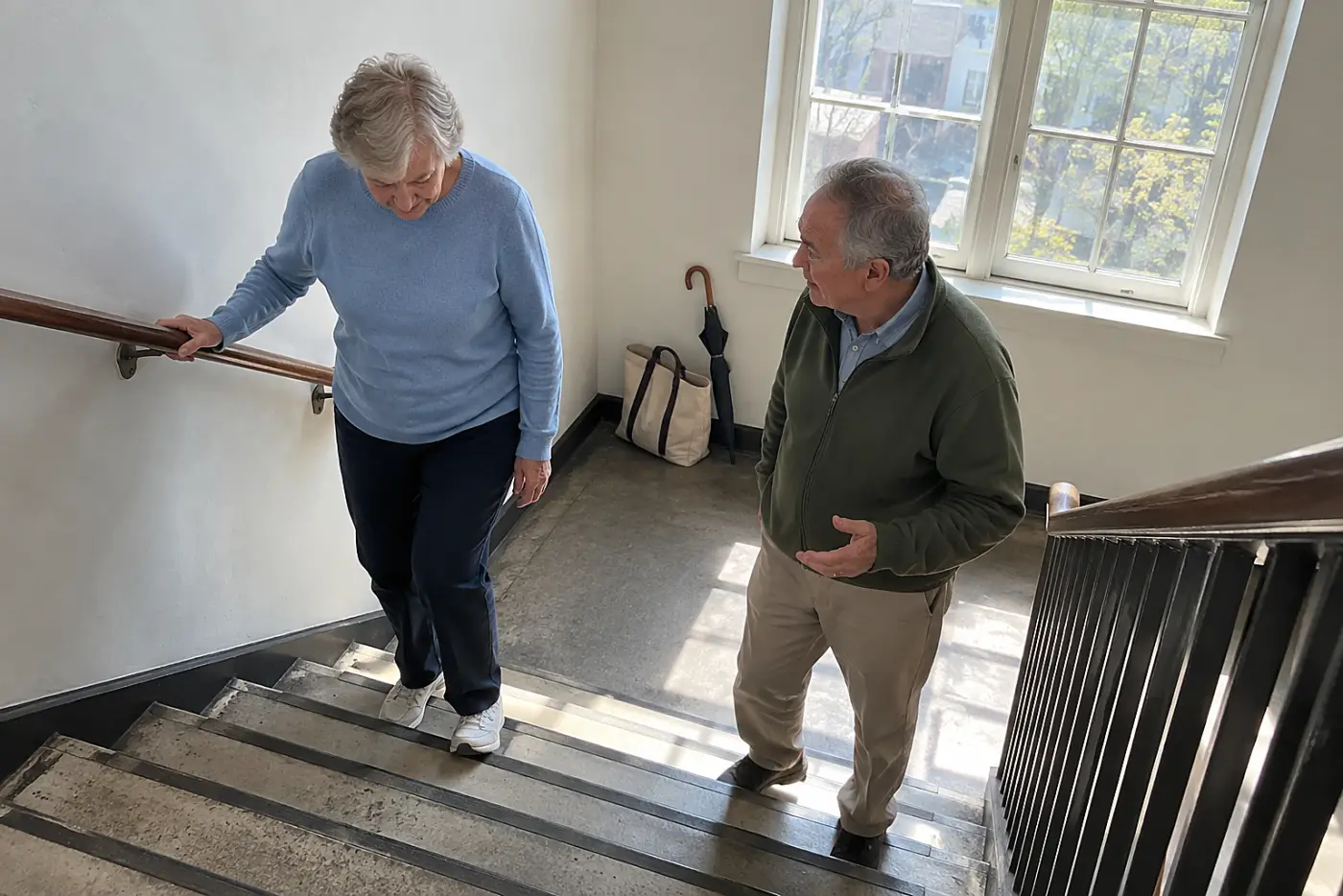
A stair exposes changes you miss on flat ground.
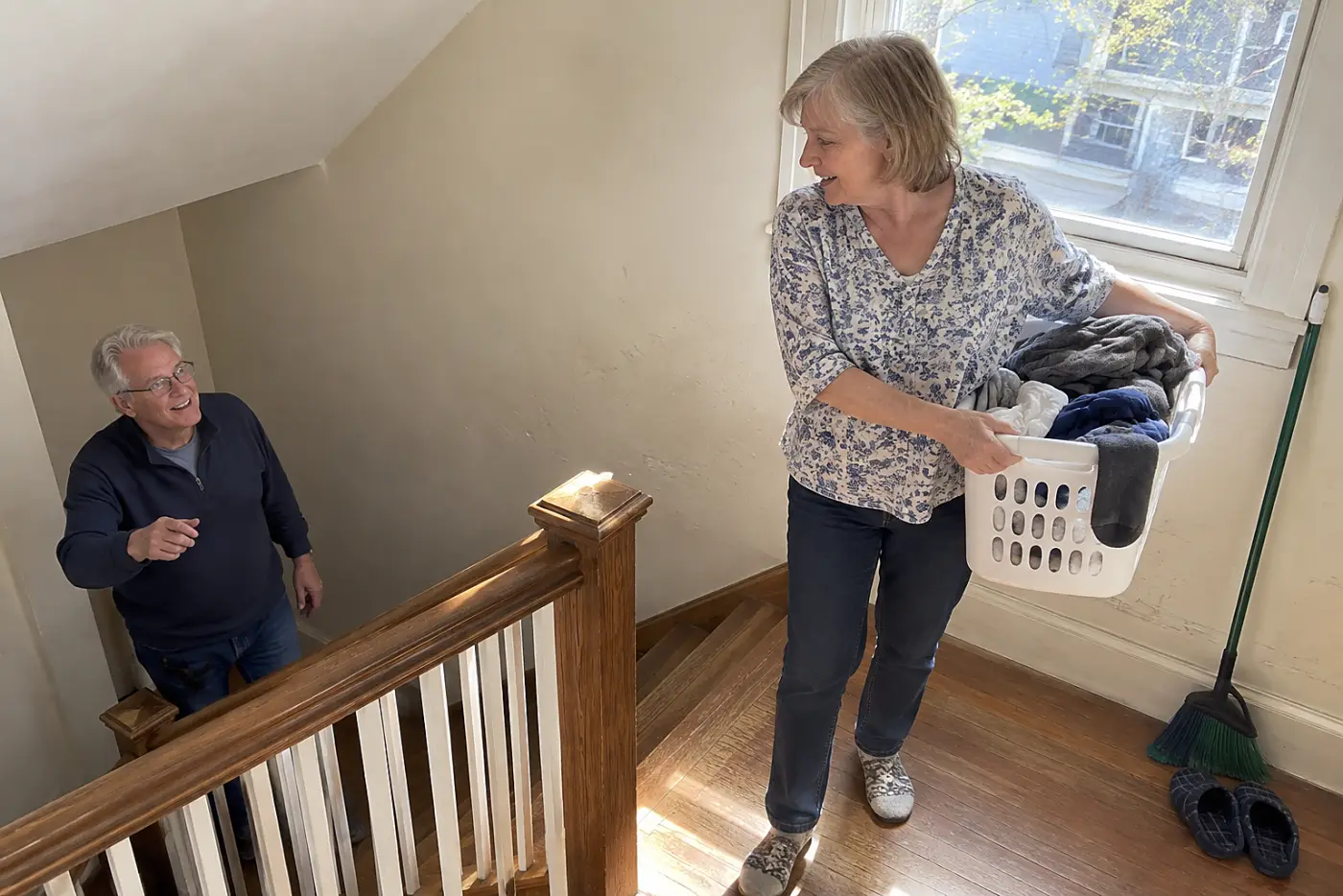
Your foot has to lift high enough, land securely, and support your weight. Limited ankle movement or weak hip muscles disrupt that sequence. Reduced feeling in the feet makes it harder to tell where a step begins. Poor lighting then removes another cue, even on stairs you’ve used for years.
One missed stair can cause a fracture or a head injury. If a foot has begun dragging suddenly, particularly with facial drooping, arm weakness, or speech trouble, call 911. The American Stroke Association describes those warning signs. A gradual change still warrants an appointment.
Watch which foot catches this week, and note whether it happens going up or down. Use the handrail every time instead of carrying bags in both hands. Ask your clinician: “Can you check my ankle movement, leg strength, and feeling in this foot?” Bring the shoes you wear on the stairs; their soles tell part of the story.
Your shoes hold another clue closer to the floor.
21The toes that stop feeling the bathmat
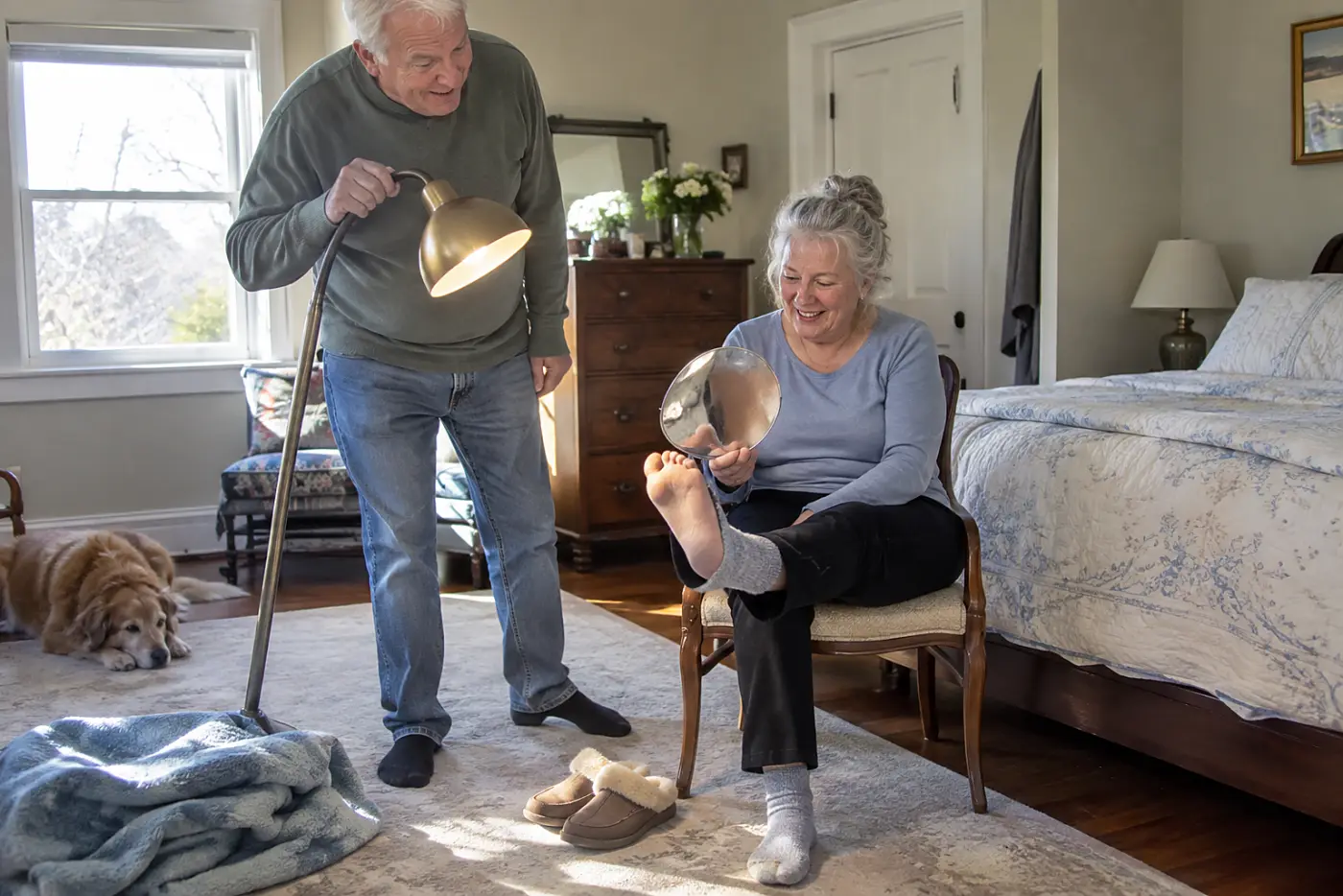
Numb toes change more than how the floor feels.
Nerves carry information about pressure and position from your feet to your brain. Diabetes, vitamin B12 deficiency, and other conditions can damage them. When sensation fades, you lose a warning that a shoe is rubbing.
A blister can go unnoticed. The NIDDK’s diabetes pages describe why daily foot checks matter when diabetes affects nerves.
Look at the soles of your feet this week, using a mirror if needed. Say, “My toes feel numb. Can we check the cause and examine my feet?”
The bathmat isn’t the only surface that feels different.
20The shower tap that feels hotter
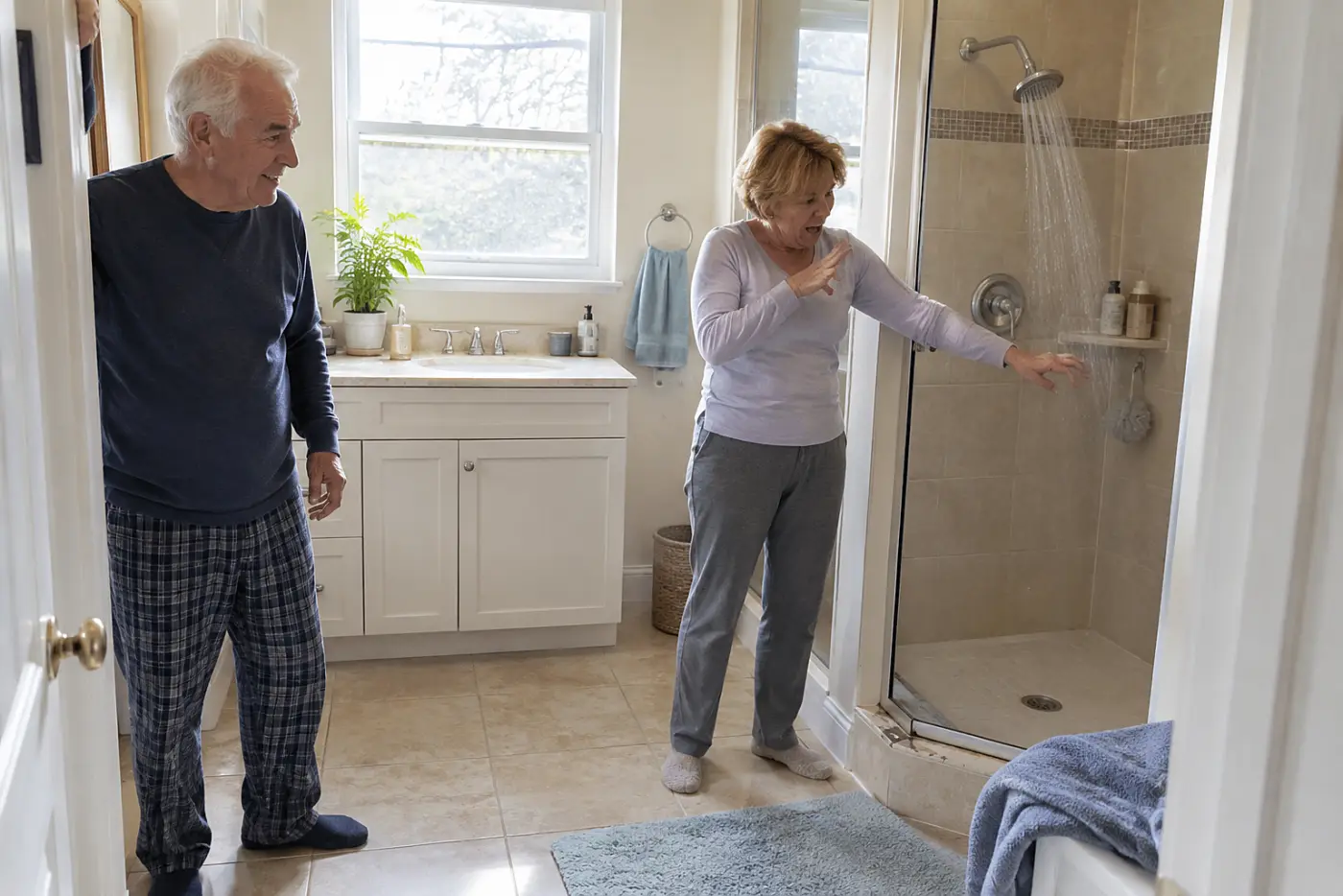
Hot water becomes riskier when your skin gives poor warnings.
Aging skin is thinner, and reduced sensation makes temperature harder to judge. Medicine, diabetes, or nerve damage can add to that problem. By the time water feels intolerable, skin has already had prolonged contact with it. A rushed shower also gives you less time to adjust the tap before stepping underneath.
A burn can break the skin and take time to heal. The American Burn Association provides burn-prevention guidance, including attention to scalds. If you have a burn with blistering, extensive redness, or severe pain, get medical advice rather than treating it as dry skin.
This week, test shower water with an unaffected hand before stepping in. If feeling in both hands has changed, ask someone you trust to help check the water temperature and your heater setting. Tell your clinician: “Heat feels different on my feet or hands. Should we check my sensation?” That question matters even if the skin still looks normal.
Skin itself has begun to answer differently, too.
19The bruise after a light bump
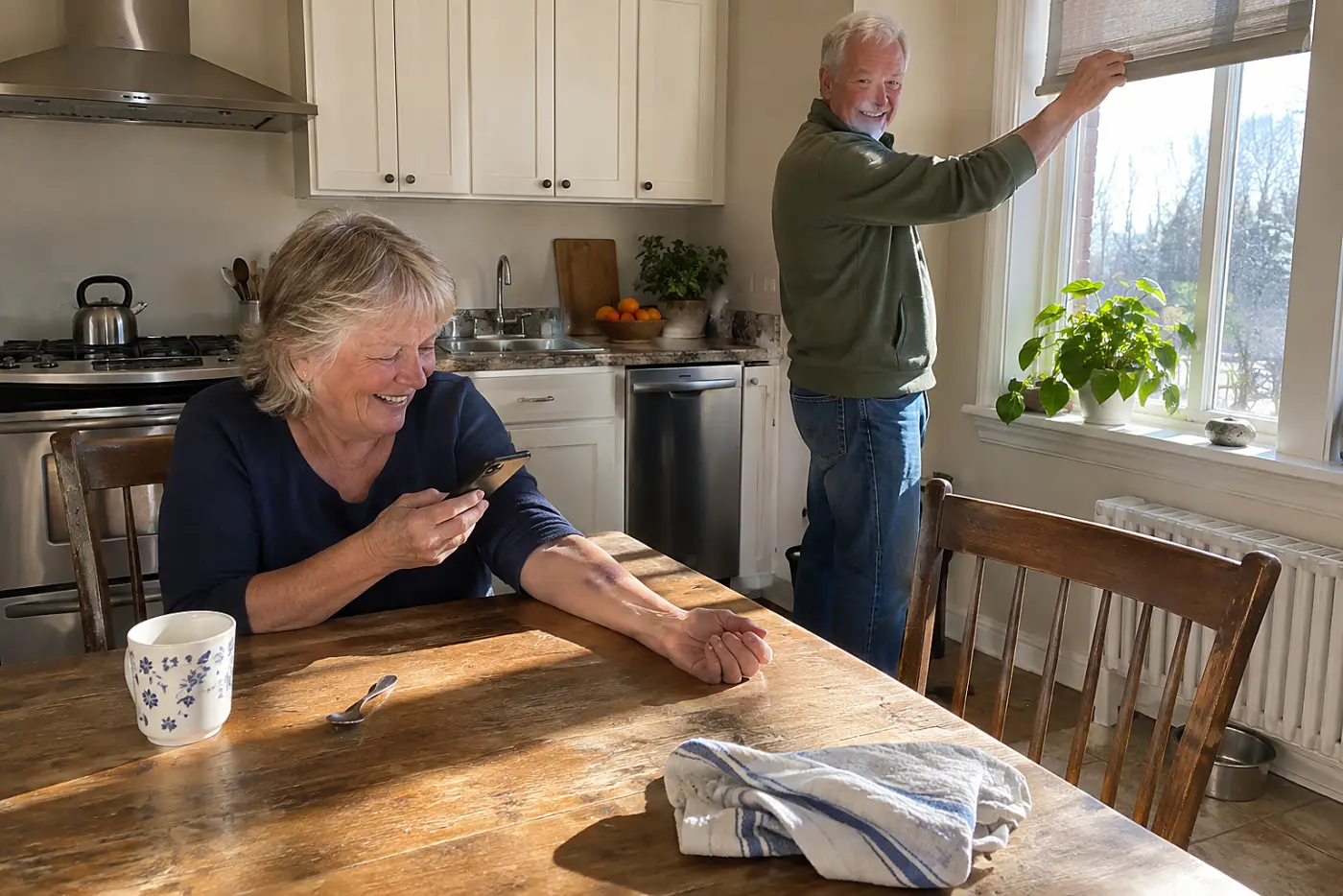
A small knock can leave a large purple mark.
Skin thins with age, leaving blood vessels less protected. Aspirin, blood thinners, and steroid medicines also contribute to bruising. The location and timing matter more than how dramatic the color looks.
Unexplained bruises, bleeding gums, or blood in stool need medical attention. Don’t stop a prescribed blood thinner on your own.
Photograph new bruises this week and write down any bumps you remember. Ask your pharmacist or prescriber: “Do any of my medicines make bruising more likely?”
The same skin needs a closer look when it breaks.
18The paper cut that takes longer to close

A tiny cut can become a stubborn daily problem.
Older skin tears more easily and repairs itself more slowly. Diabetes and poor circulation make healing harder. Repeated friction from a shoe or watchband keeps reopening the same spot. A cut that first looked harmless deserves another look after you’ve cleaned and covered it.
Ignoring increasing redness, warmth, swelling, pus, or fever risks missing an infection. A wound on a numb foot is especially easy to overlook. The CDC’s wound care guidance emphasizes cleaning wounds and watching for infection. A wound that isn’t improving needs a clinician’s assessment.
Wash a new cut with running water this week, cover it with a clean dressing, and check it daily. If you have diabetes, inspect both feet, including between the toes. Tell your clinician: “This spot isn’t closing, and here’s when it started.” Take a dated photograph so you can show whether it has changed instead of relying on memory.
One place you can’t inspect as easily is your mouth.
17The dry mouth beside the bed

Waking with a dry mouth has several suspects.
Saliva protects teeth and helps you swallow. Many medicines reduce saliva, and breathing through your mouth overnight adds dryness. A dry mouth that persists deserves a medication and dental review.
Without enough saliva, cavities and mouth infections become more likely. The National Institute of Dental and Craniofacial Research has guidance on dry mouth.
List your medicines this week, including allergy pills and sleep aids. Ask your dentist or clinician: “Could one of these be drying my mouth out?”
Your throat sends a different signal at meals.
16The sip that sends you coughing

Coughing during meals deserves more than a slower sip.
Swallowing takes coordinated work from your tongue, throat, and airway. Food or liquid entering the airway triggers a cough. Repeated coughing, a wet-sounding voice after drinking, or food sticking in your throat points to a swallowing problem. Dentures that don’t fit also change how well you chew before swallowing.
Repeated trouble raises the risk of food or drink entering your lungs. Pneumonia and poor nutrition are serious consequences. The National Institute on Deafness and Other Communication Disorders describes swallowing disorders and their warning signs. If you cannot swallow, cannot breathe, or feel food lodged in your airway, get emergency help.
This week, note which foods or drinks trigger coughing and when it happens. Sit upright for meals rather than eating while reclined. Tell your clinician: “I cough when I drink water, and I want my swallowing checked.” Don’t thicken drinks or remove whole food groups without an assessment; the right change depends on what is happening.
A quieter change can start even before you take a bite.
15The dinner that tastes strangely flat

A bland dinner isn’t always the cook’s fault.
Smell does much of the work you call taste. Aging, congestion, dental problems, and medicines can change what reaches your nose or tongue. A sudden change deserves attention, especially with other symptoms.
Adding salt to every meal raises sodium intake without fixing the cause. Poor flavor can also make you eat less.
This week, note whether you can smell coffee, soap, and dinner as well as before. Say, “Food tastes different. Can we review my medicines, mouth, and sense of smell?”
The amount left on the plate tells another story.
14The waistband that keeps getting looser
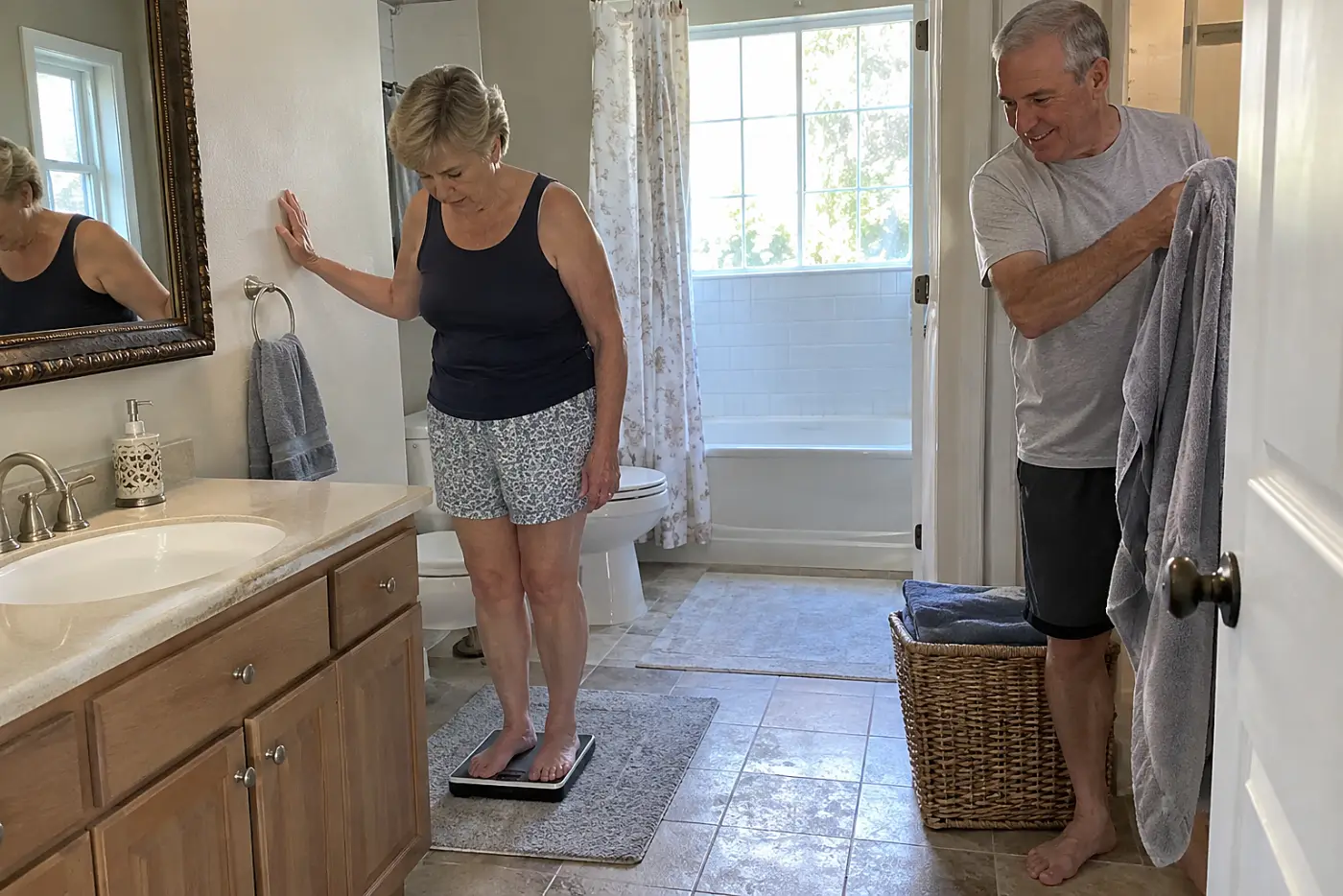
An unchanged menu doesn’t guarantee an unchanged weight.
Muscle loss, dental pain, medicine effects, illness, and less appetite all affect weight. You’ll spot a trend faster with a scale than with an old pair of jeans. Weight loss without trying needs a medical review, even if you feel pleased at first. The question is where the weight went and why.
The National Institute on Aging’s nutrition guidance discusses appetite and eating as you age. Losing muscle makes lifting groceries and getting up from a chair harder. A loose waistband alongside fatigue, pain, or trouble swallowing deserves prompt attention.
Weigh yourself once this week and write down the result. Check again under similar conditions, rather than weighing repeatedly throughout the day. Tell your clinician: “My clothes are getting loose, and I haven’t changed how I eat.” Bring a list of medicines and any new problems with chewing, swallowing, or shopping for food. Those details give the visit somewhere useful to start.
The scale also misses changes in the bones underneath.
13The pants hem that reaches the floor

A familiar hem brushing your shoes deserves checking.
Loss of height can reflect changes in the spine, including vertebral fractures. Those fractures don’t always announce themselves with a dramatic fall. Posture changes also affect where a hem lands.
Osteoporosis has no reliable warning sound. The U.S. Preventive Services Task Force recommends osteoporosis screening for women 65 and older, with earlier screening based on risk.
Measure your height this week and compare it with a past clinic record. Ask, “Has my height changed enough to check my bones?”
Another change can hide in the medicine cabinet.
12The pill bottle with a new warning

The same prescription can feel different later.
Your kidneys and liver help clear medicines from the body. Age-related changes, a new illness, or another prescription alter that process. Over-the-counter sleep aids and cold medicines belong in the review too. A new warning label matters because the full combination matters more than any single bottle.
Side effects resemble other problems: dizziness, constipation, dry mouth, confusion, and falls. Treating each symptom separately without checking medicines risks adding more pills to the pile. The National Institute on Aging’s medicines guidance advises keeping an up-to-date medication list.
This week, gather every prescription, supplement, and over-the-counter product you actually use. Include doses and the time you take them; a photo of each label works. Ask your pharmacist: “Could anything here cause dizziness or make another medicine work differently?” Don’t stop a prescribed drug because an article mentions a side effect. A prescriber can tell you what to change and how.
One symptom from that pile deserves its own question.
11The toilet trip that suddenly takes work

Constipation has more causes than too little fiber.
Less movement slows the bowel. Iron, opioid pain medicine, and other drugs contribute, while dehydration makes stool harder. Adding fiber without enough fluid leaves the original problem in place.
New constipation with blood in stool, severe pain, vomiting, or an inability to pass gas needs medical care. The NIDDK’s digestive health pages describe constipation warning signs.
This week, note bowel movements, new medicines, and changes in what you drink. Ask, “Which of my medicines affect my bowels, and what should I change first?”
Sometimes the problem is getting there in time.
10The key in the door before a leak

A sudden urge can beat you to the toilet.
Your bladder stores urine while muscles and nerves coordinate when to release it. Urgency becomes harder to manage when you’re fumbling with keys, clothing, or stairs. Caffeine and bladder irritation add pressure. A urinary tract infection is another possibility when the change is sudden and comes with burning or pain.
Leakage deserves an assessment, not a stack of pads without a plan. Blood in urine needs medical attention. The NIDDK’s urinary incontinence information describes different kinds of leakage; the kind matters because treatment differs.
For three days this week, record drinks, bathroom visits, leaks, and what you were doing beforehand. Keep the path and clothing easy to manage while you work out the cause. Say, “I leak when I get home and reach for the key. What type of bladder problem does that suggest?” You shouldn’t have to guess from an advertisement.
The bathroom can reveal a change that has nothing to do with your bladder.
9The mirror after a new chin hair
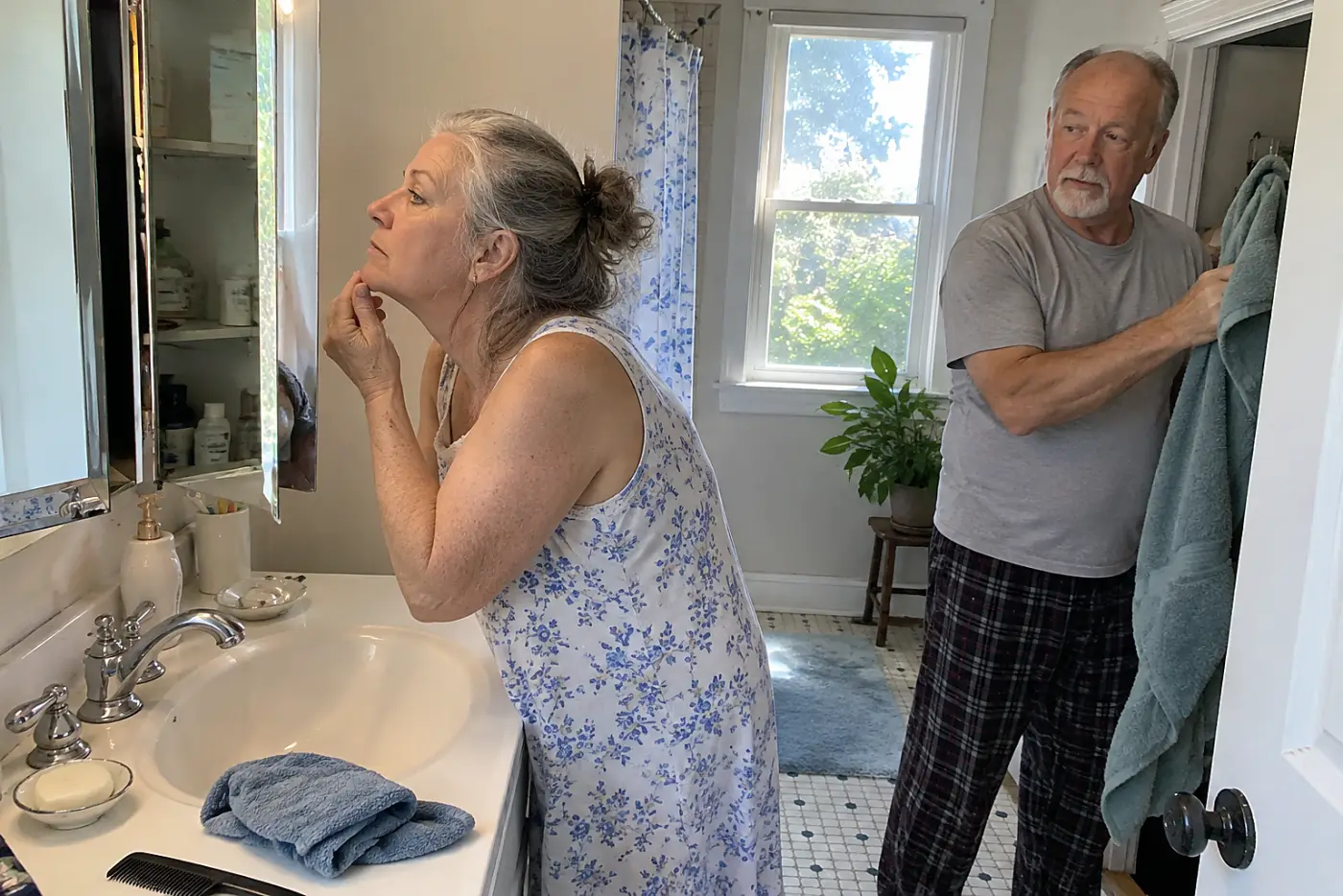
A few new facial hairs can catch you off guard.
After menopause, changes in the balance of sex hormones make coarse hair more noticeable on the chin or upper lip. Hair grows in cycles, so a plucked hair returns from another follicle.
Rapid new facial hair with a deeper voice or other sudden changes needs a medical review. Don’t dismiss a fast change because a slower one is familiar.
This week, note when the hair appeared and whether other changes followed. Ask, “Does the speed of this change call for a hormone check?”
The mirror has another measurement worth noticing.
8The reading glasses left by the lamp
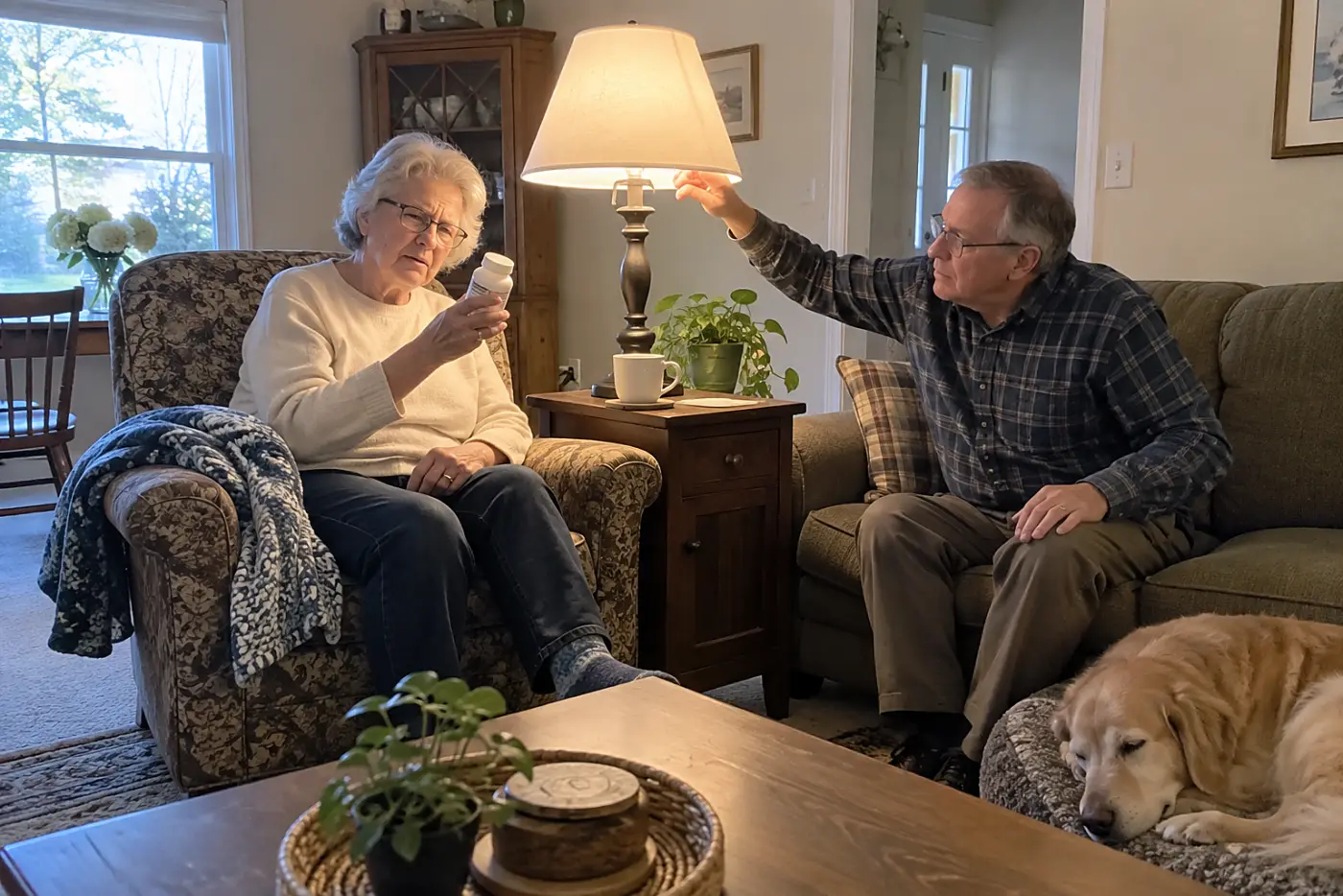
A brighter lamp starts doing more of the work.
With age, the pupil lets in less light, and the eye’s lens becomes less flexible. Reading small print gets harder, especially in dim rooms. Cataracts add cloudiness or glare. A sudden change in vision, flashes, or a curtain-like shadow needs urgent eye care rather than a stronger drugstore pair.
An outdated prescription raises the chance of misreading a pill label or missing a stair edge. The National Eye Institute has guidance on common eye conditions and warning signs. Driving at dusk deserves attention if headlights have started to blur your view.
This week, read a familiar label in good light and notice whether one eye performs differently. Arrange an eye exam if reading or driving has changed. Tell the eye doctor: “Headlights bother me now, and small print is harder even with my glasses.” Bring the glasses you use, including the spare pair from your purse.
Hearing can change the meaning of a conversation just as easily.
7The restaurant table where voices disappear

Background noise can swallow words before you notice.
Age-related hearing loss tends to affect higher-pitched sounds first. Consonants become harder to catch, while the room still sounds loud. That’s why turning up the volume doesn’t always restore the sentence.
Missed words can sound like missed attention. The National Institute on Deafness and Other Communication Disorders explains age-related hearing loss.
This week, notice whether one ear hears the phone more clearly. Ask for a hearing evaluation: “I hear voices, but I lose words when there’s background noise.”
The next mix-up happens in silence.
6The name that arrives after the conversation

A delayed name is frustrating, but the pattern matters.
Retrieving a word can take longer with age, especially under stress or poor sleep. Losing a name and remembering it later differs from forgetting an entire conversation. Medicines, hearing loss, and depression also interfere with attention. If you didn’t hear a detail clearly, there’s little to retrieve the next day.
Getting lost in a familiar place or struggling with routine tasks deserves medical attention. The National Institute on Aging’s memory guidance separates everyday forgetfulness from warning signs that need evaluation. Someone else noticing a change is useful information, not a verdict.
This week, write down a specific incident and whether the missing detail returned. Note sleep, new medicines, and whether you heard the conversation clearly. Tell your clinician: “I want to describe exactly what I forgot, rather than call it normal or dementia.” A concrete example is far more useful than a label.
Sleep is worth examining on its own.
5The four o’clock morning wake-up

Waking early leaves a long stretch before breakfast.
Sleep timing changes with age, but pain, alcohol, medicines, and sleep apnea also disrupt nights. Snoring with pauses in breathing deserves attention, especially with daytime sleepiness.
Driving while sleepy puts you and others at risk. The National Heart, Lung, and Blood Institute has information on sleep apnea.
For one week, record bedtime, wake time, naps, and morning headaches. Ask, “My sleep breaks at the same hour. What should we check before I try a sleep pill?”
The daylight hours have their own energy clues.
4The grocery bag that feels heavier
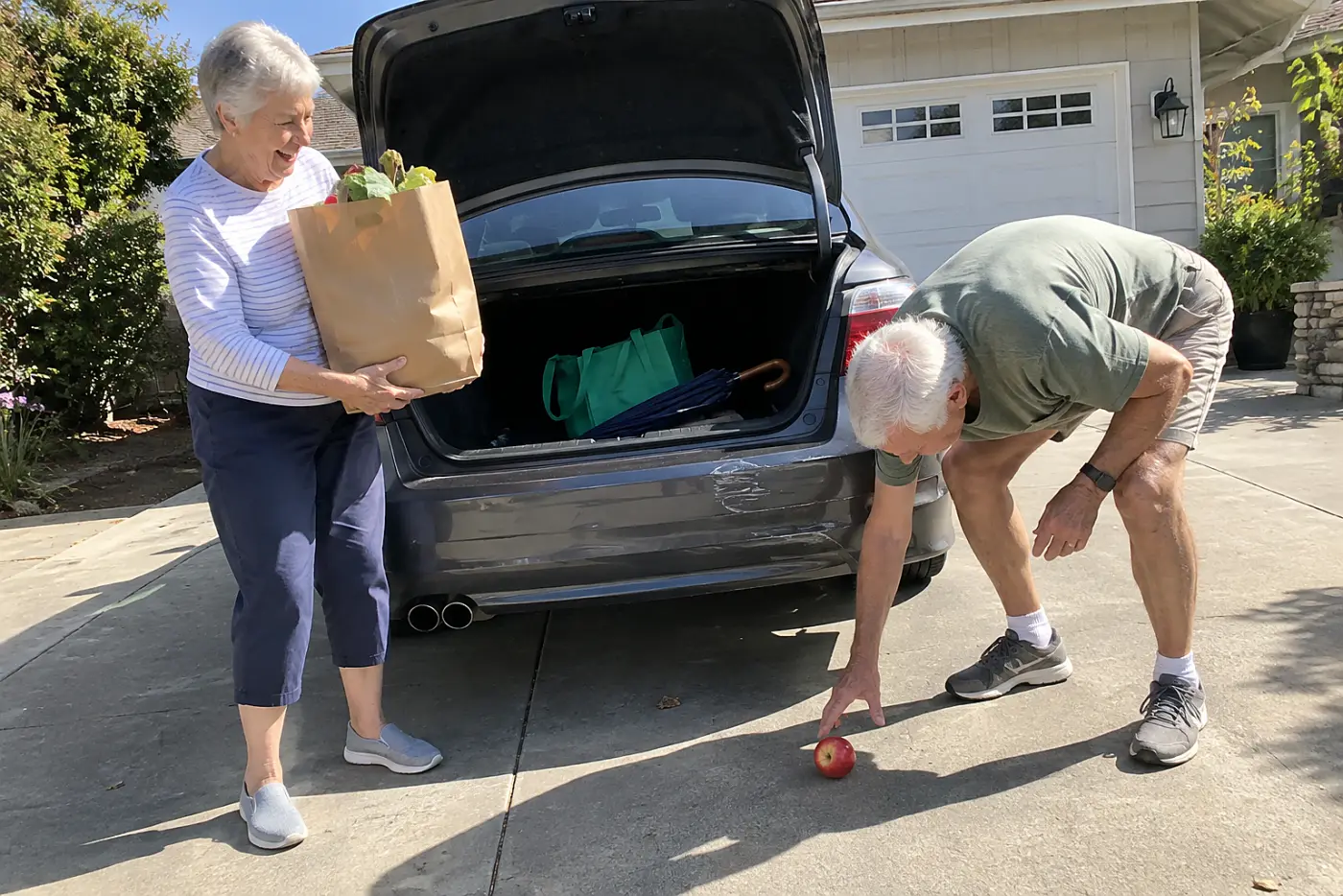
The bag didn’t gain weight on the drive home.
Muscle strength changes when you use muscles less, eat too little, or recover from illness. Anemia, thyroid problems, and heart conditions also cause fatigue. Compare the task with your own recent baseline, not with what someone else carries. A slow change and a sudden change lead to different questions.
Sudden weakness on one side, chest pain, or severe shortness of breath calls for emergency care. Persistent fatigue deserves a medical appointment. The National Institute on Aging’s exercise guidance includes strength work, but exercise isn’t a substitute for checking a new symptom.
This week, note one task that has changed, such as carrying a bag from the car. Write down when the change began and whether rest helps. Tell your clinician: “This grocery bag is harder to carry than it was last month. What should we check?” If the cause is loss of strength, you can make a plan after ruling out the problems that need treatment.
Another clue appears when you pause on the stairs.
3The stair landing where you catch your breath
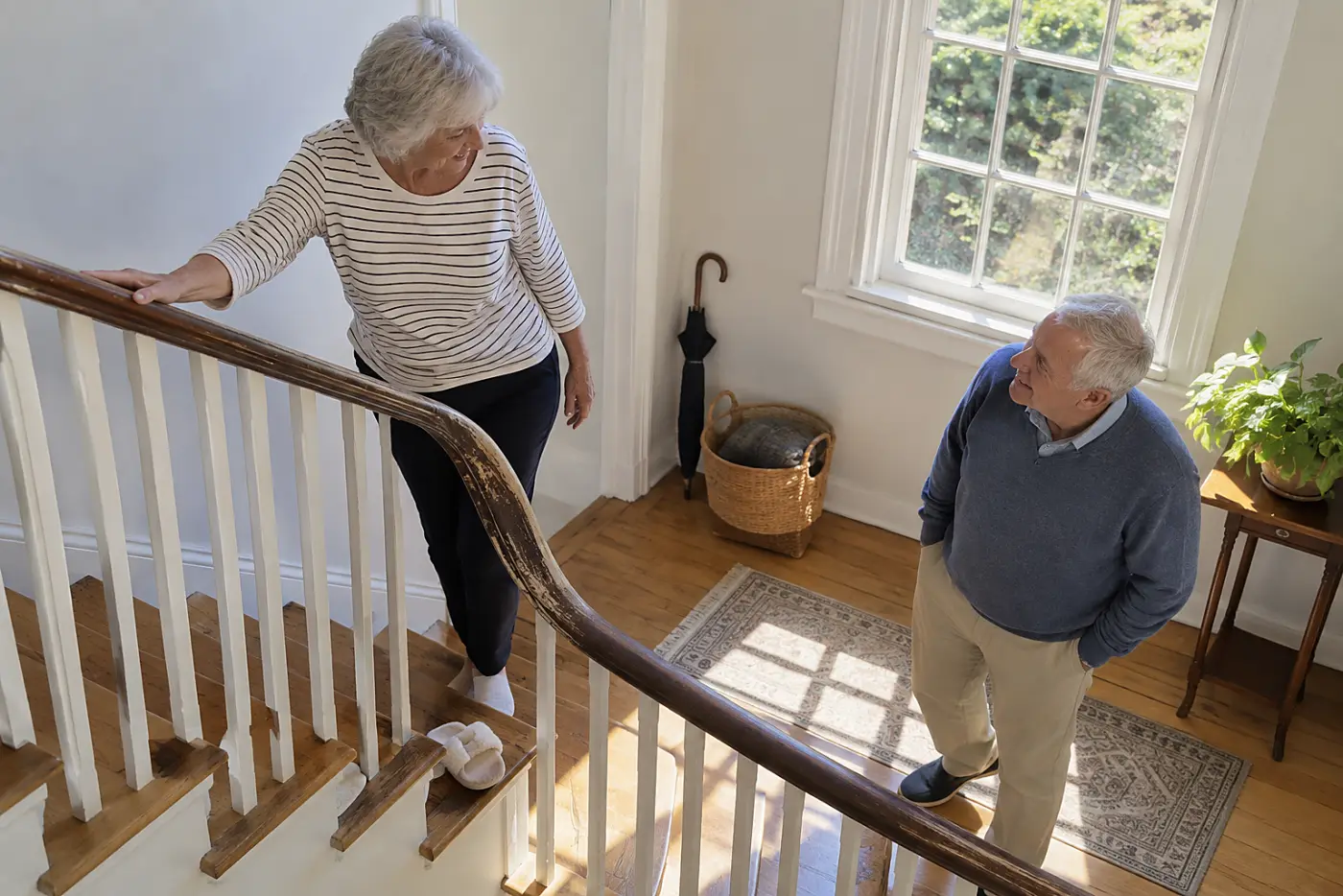
Needing a pause on familiar stairs deserves a date.
Fitness changes with activity, but new breathlessness also has heart and lung causes. Track whether it starts earlier on the stairs than before. Notice chest pressure, wheezing, or swollen ankles alongside it.
Chest pain, fainting, or severe trouble breathing requires emergency care. Don’t test yourself by climbing again to see if it happens twice.
This week, record the flight of stairs and where you had to stop. Tell your clinician: “I now stop at this landing to breathe, and I didn’t before.”
The next change happens when you stand still.
2The pause after getting out of bed
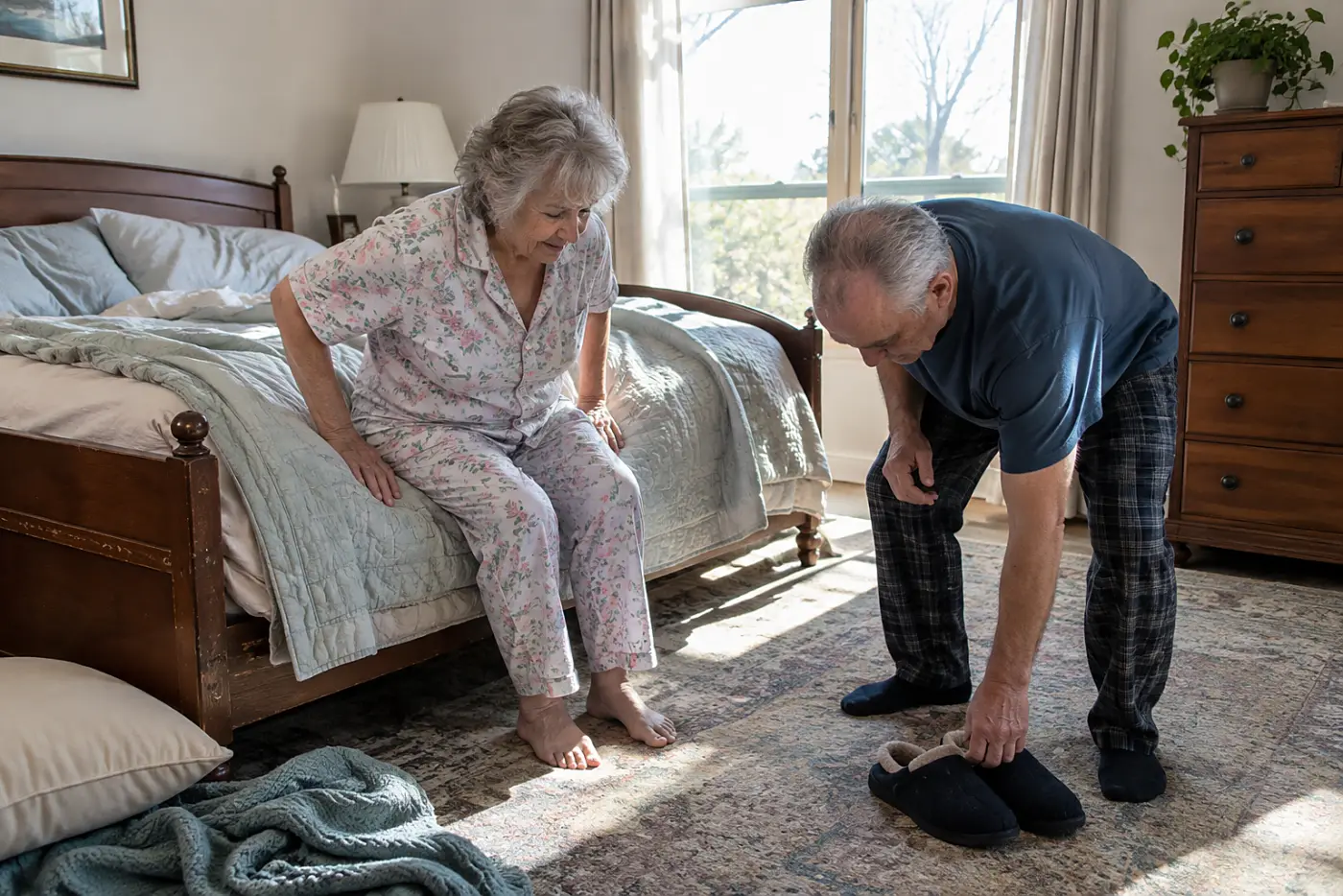
Standing can change blood pressure before your feet settle.
Blood pools in your legs when you rise. Your body responds by tightening blood vessels and adjusting your heart rate. If that response lags, blood pressure drops and you feel lightheaded. Dehydration and some medicines add to the problem. The spell can pass quickly, which makes it tempting to forget.
A brief dizzy spell still matters if you fall. Fainting, chest pain, or a new irregular heartbeat deserves prompt medical attention. The National Institute on Aging discusses dizziness and fall prevention as reasons to review health and medicines.
This week, sit at the bedside before standing and hold something stable when you rise. Write down whether the dizziness follows sleep, meals, or a medicine dose. Tell your clinician: “I get lightheaded when I stand. Will you check my blood pressure lying down and standing?” That check gives the visit more than a description of “feeling off.”
Before the next appointment, gather the details your memory won’t hold.
1The symptom note beside your phone

A vague symptom is hard to act on.
A clinician needs the start date, what changed, what triggers it, and what happens with it. Those details separate a gradual change from an emergency. They also help connect a symptom to a new medicine, an illness, a fall, or a change in eating. A note written after the moment beats trying to reconstruct Tuesday on Friday.
Waiting for the appointment without recording the change leaves important details behind. Sudden stroke signs, severe chest pain, or severe trouble breathing mean call 911, not make a note first. For everything else, a clear timeline helps you explain why you called.
Start a note on your phone or a sheet of paper this week. Record the symptom, when it began, how long it lasts, what you were doing, and any new medicine. Add one question you want answered. When you call, say, “This started on Tuesday, happens when I stand, and began after my prescription changed. How soon should I be seen?”
The note is ready. The next step is knowing when to use it.
The bottom line
The pattern across these 27 changes is simple: timing, triggers, and what else changed tell you more than age alone.
You’ve already done the useful work if you’ve written down a new symptom, checked your medicines, and called when something changed suddenly.
Which of these has already happened in your family?
Bonus: The symptom note beside your phone
- Write the date and time the symptom first appeared.
- Describe what happened in plain words: “I felt dizzy after standing,” not “My circulation is bad.”
- Add the trigger, how long it lasted, and anything else you noticed.
- List new medicines, illness, falls, or changes in eating and drinking.
- Call with the note in front of you and ask: “Based on these details, how soon should I be seen?”
Dr. Alan Pierce, PT, DPT
Health Reviewer
Alan is a physical therapist who specializes in helping adults over 50 stay strong and mobile.
You might also like