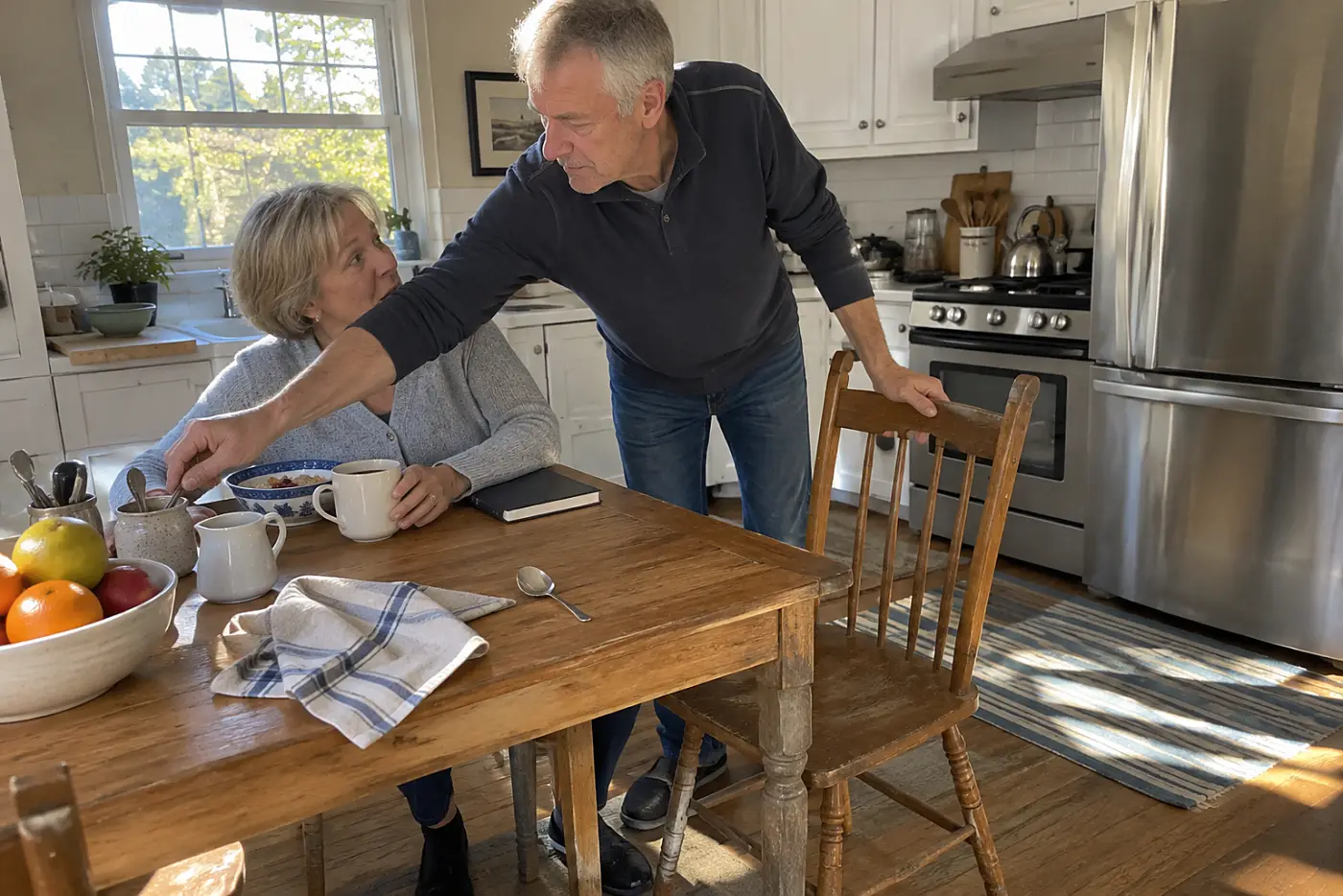
26 Signs You're Getting Older That Have Nothing to Do With Wrinkles
A shorter stride, a dim restaurant menu, and a missed doorbell each point to a different change worth checking.
By Dr. Alan Pierce, PT, DPT, Health Reviewer
Updated · 19 min read
- Written by our health reviewer
- How we review
Read to the end: #1 is a home test for a harder stair climb. Almost nobody times it.
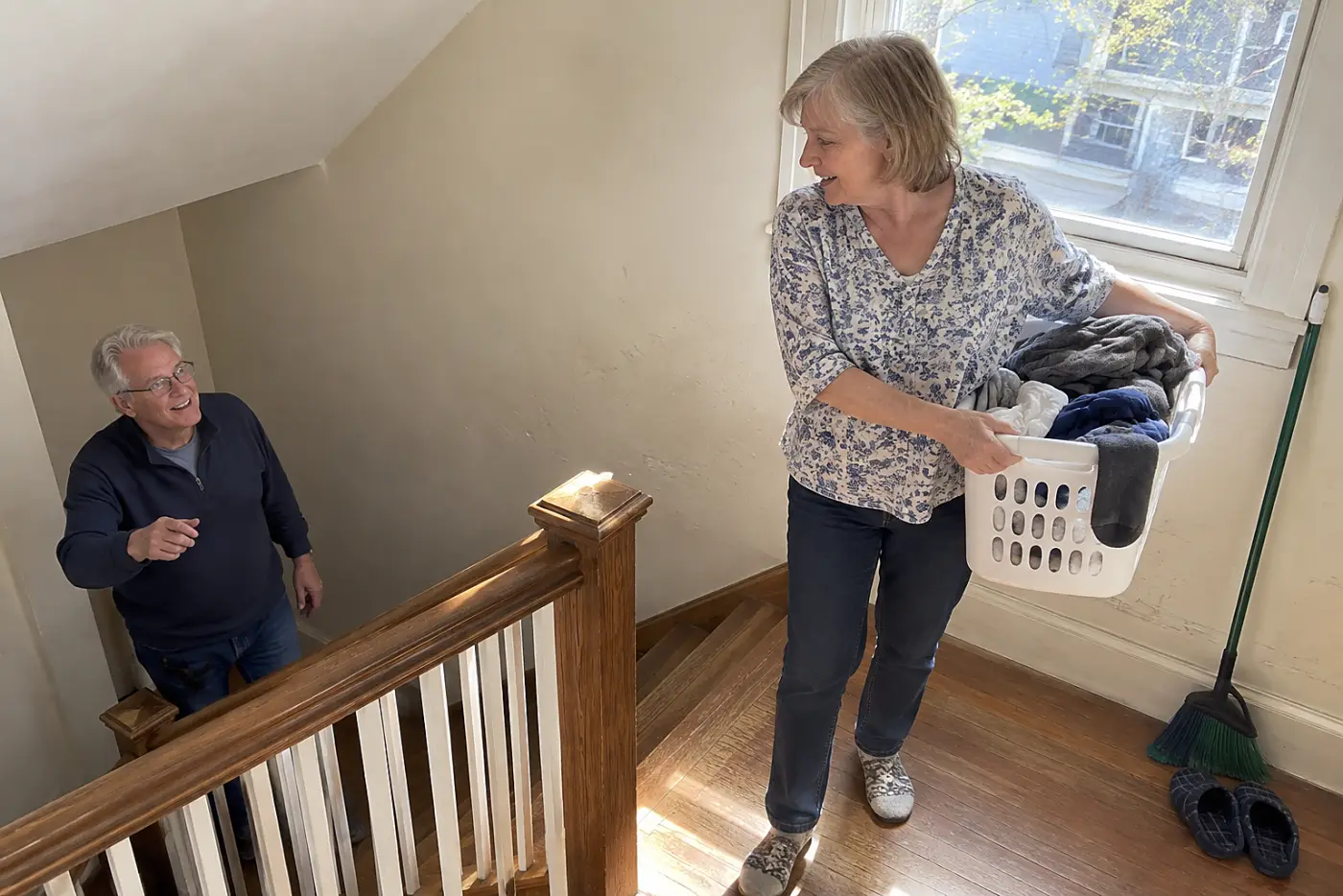
You reach the top of the stairs with a laundry basket pressed against your hip. Before you open the bedroom door, you stop to catch your breath. Last year, you carried the same basket up without thinking about it.
The mirror offers no explanation for that pause. Stairs demand work from your heart, lungs, muscles, and balance at once, so a change there tells you more than a new line on your face.
Here are 26 signs worth noticing, and what to do with them.
26The restaurant menu you hold farther away
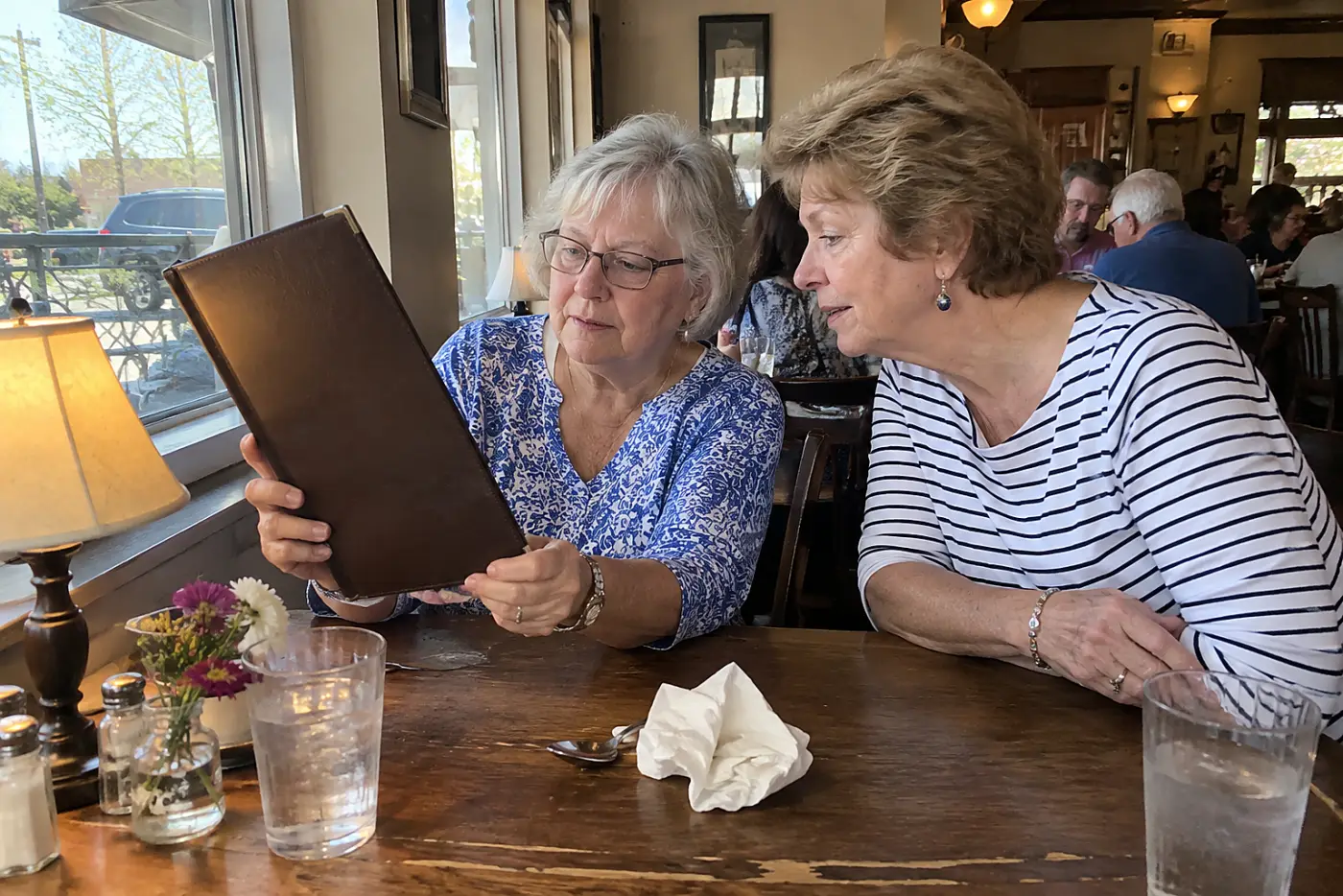
The small print disappears before the dessert arrives.
With age, the eye's lens loses flexibility, making close focus harder. This change is called presbyopia. Brighter light makes print easier to see, but it doesn't restore the lens's flexibility.
Squinting through medication labels is less harmless than squinting through a menu. If a label is hard to read, guessing at the directions risks a mistake. The National Eye Institute has information on changes in near vision.
Put the label you struggled with beside your reading chair this week. Book an eye exam and say, “Can you check my near vision and tell me which glasses I need?”
Then notice what happens when the room itself goes dark.
25The hallway light you switch on earlier
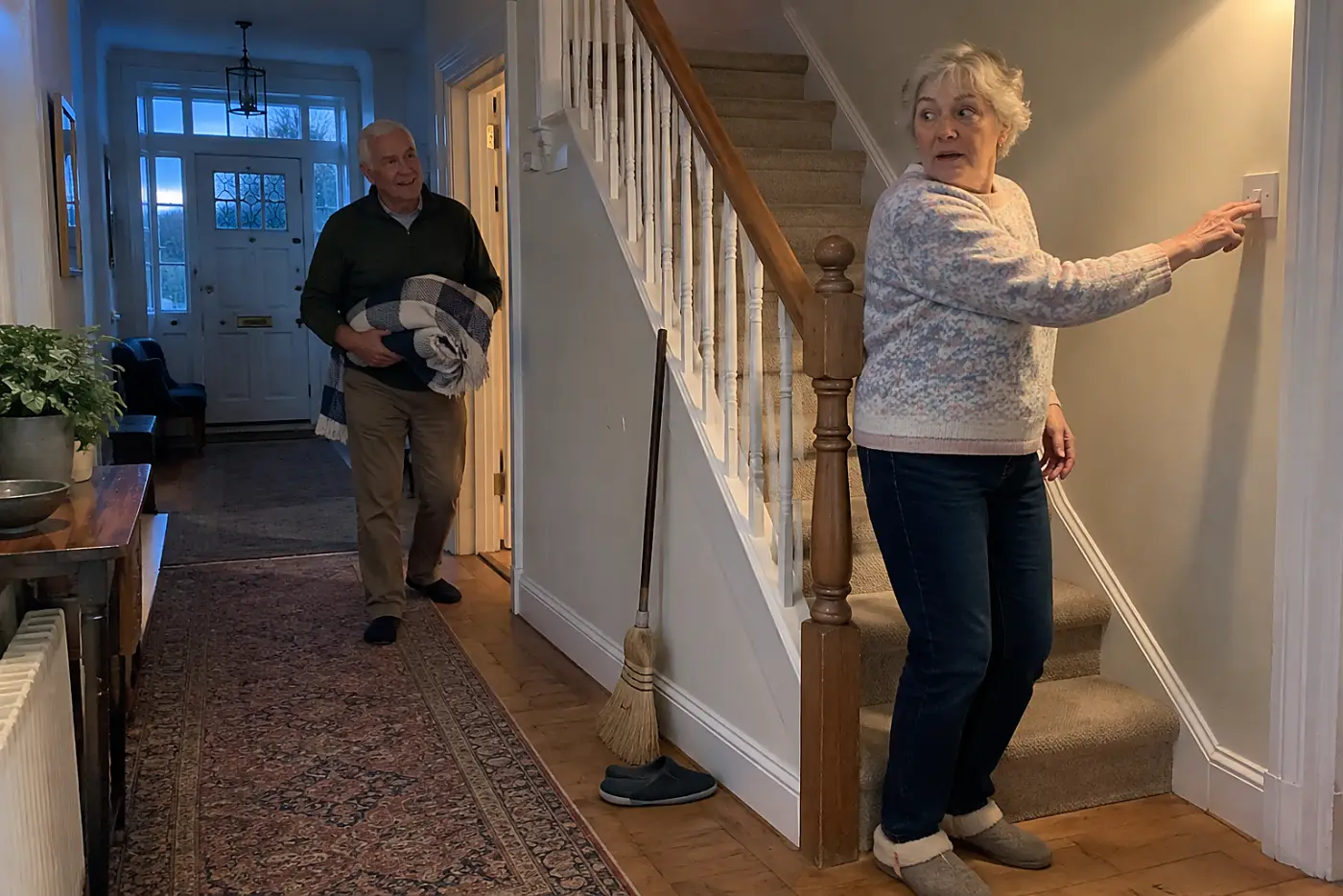
Dusk changes the route through your own house.
Aging eyes let less light reach the retina, while glare makes edges harder to pick out. The transition from a bright kitchen to a dim hallway takes longer than you remember. A stair edge that looked obvious at noon disappears against a patterned runner after dinner.
That matters when you carry a glass of water or step around a sleeping dog. The National Eye Institute has guidance on age-related vision changes, but your hallway is where the problem shows itself.
This week, walk the route you take from bedroom to bathroom after dark. Check each switch, replace failed bulbs, and look for shadows across the steps.
“I need to see the stair edges clearly at night,” is enough to tell an eye professional. If a fresh prescription doesn't solve the problem, ask what else needs checking.
Light isn't the only thing that changes when the house goes still.
24The doorbell you hear only from downstairs
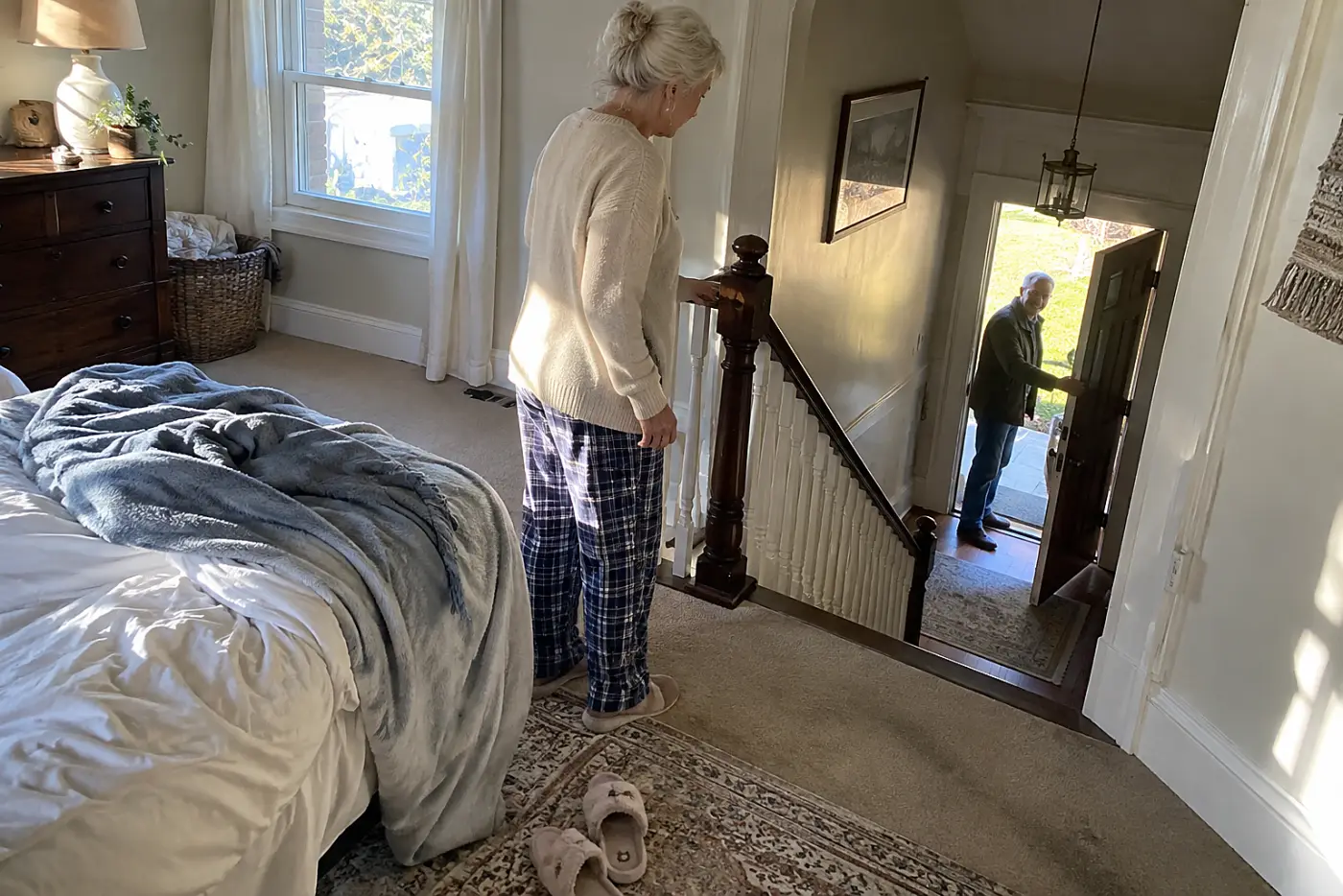
A familiar sound stops reaching the back room.
Age-related hearing loss tends to develop gradually and often affects higher-pitched sounds first. You fill in missed words from context, which hides the change until a bell, timer, or voice catches you out.
Missing the smoke alarm carries a different cost from missing a visitor. Test your alarms this week, then book a hearing test if household sounds seem faint.
“I hear the doorbell downstairs but not in the bedroom.” That detail gives an audiologist more to work with than “my hearing's bad.”
Now think about the voices that get lost in a crowd.
23The dinner conversation you lose in noise

Everyone laughs, and you missed the sentence.
Hearing speech in a noisy room takes more work than hearing one person across a quiet table. When parts of speech blur, you use attention to fill gaps. By dessert, that effort feels like exhaustion, even though you spent the evening sitting down.
The cost is more than an awkward reply. You start choosing a quiet night at home over dinner with friends because following the talk has become work. The National Institute on Deafness and Other Communication Disorders describes hearing loss as a reason people pull back from conversation.
This week, ask someone you trust whether you miss words in groups. Arrange a hearing evaluation instead of relying on the volume setting of the television.
“I do fine one-to-one, but I lose speech over restaurant noise.” Give that exact contrast at the appointment.
A crowded table isn't the only place where sound changes the rules.
22The television volume that bothers someone else
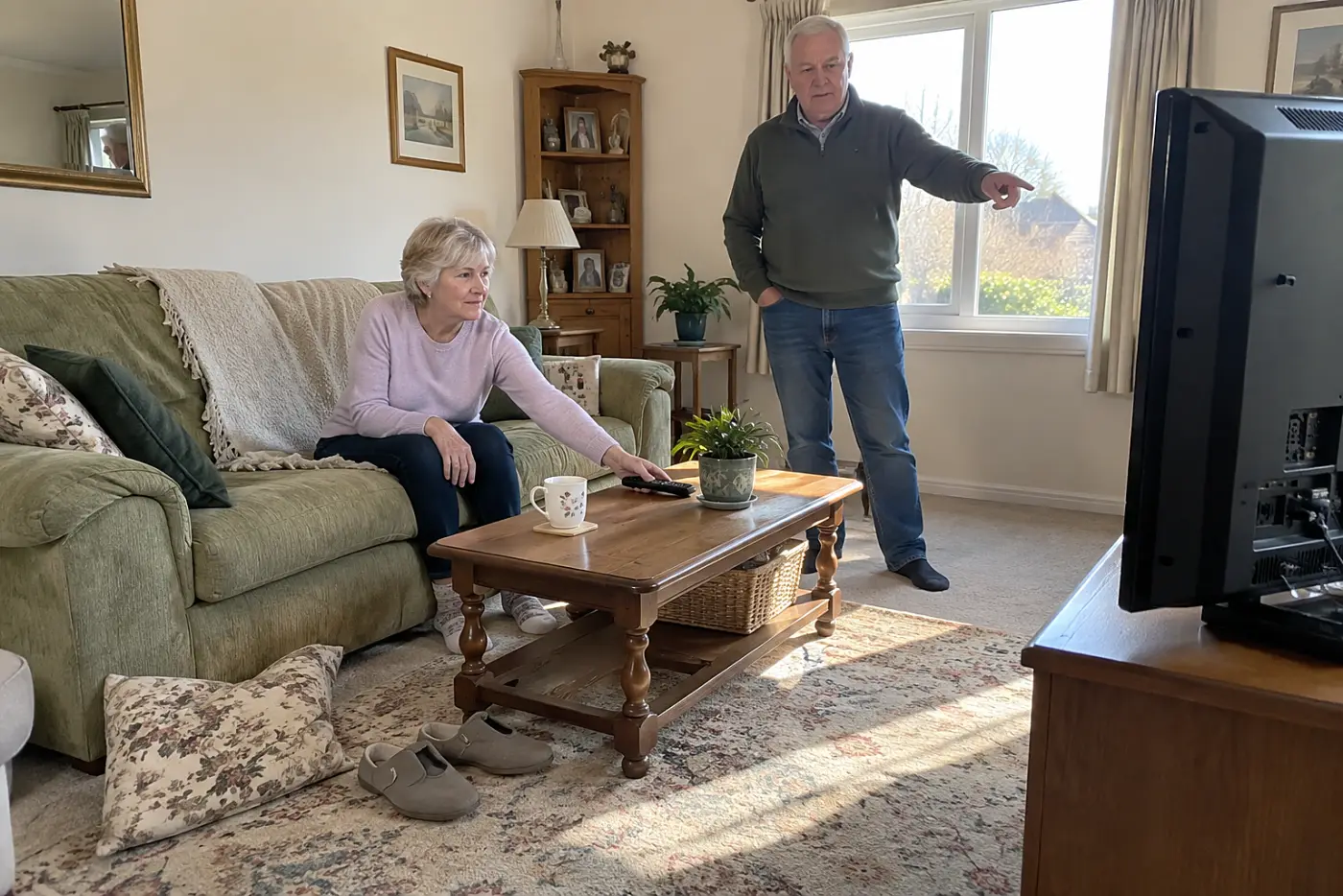
The volume rises before you notice it.
When speech sounds become less distinct, turning up the television boosts music and background noise too. Louder sound doesn't restore the missing clarity. Another person hears a blaring room while you still miss words, especially when a soundtrack covers the dialogue.
That mismatch matters beyond a disagreement over the remote. If speech stays unclear at a comfortable volume, turning it louder won't tell you which sounds you're missing. A hearing test checks more than your preferred setting.
Try captions this week and note which voices remain hard to understand. Tell a hearing professional, “The sound is loud enough, but the words aren't clear.”
A missed word is frustrating. A missed alarm deserves its own check.
21The smoke alarm you sleep through
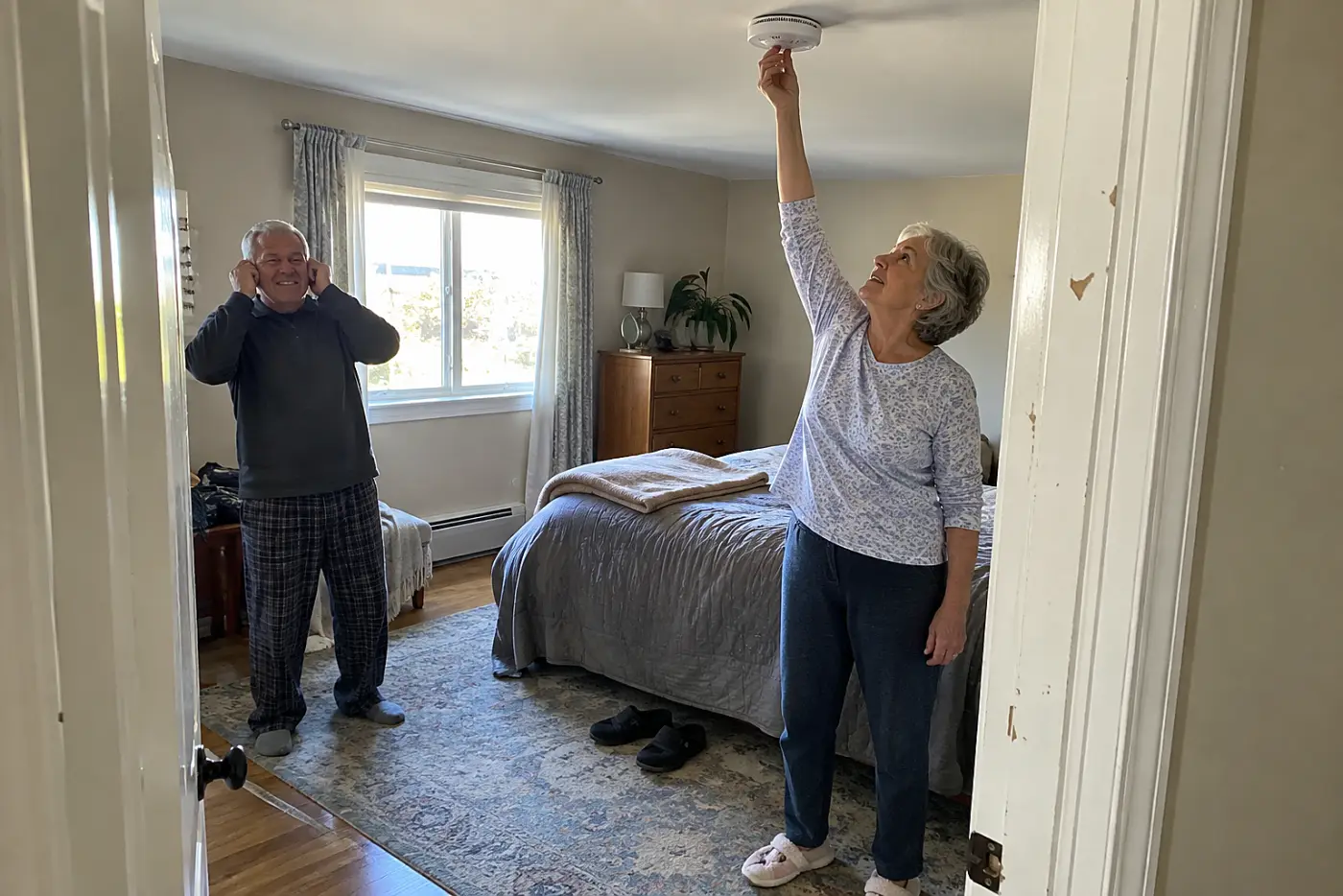
A working alarm has to wake you.
Hearing changes and closed bedroom doors reduce what reaches the bed. An alarm tested from directly beneath it tells you whether the device sounds; it doesn't tell you whether you hear it asleep.
The National Fire Protection Association recommends smoke alarms in each bedroom, outside sleeping areas, and on every level of the home. Local requirements differ, so check yours before moving or replacing devices.
This week, inspect alarm locations and expiration dates, then test each unit according to its instructions. If hearing is a concern, ask a fire safety professional about alarms with strobe lights or bed shakers.
“I need an alarm that will wake me with my bedroom door shut.” Say that at the store or when arranging an installation.
The next small failure happens without a sound at all.
20The jar lid that stays shut
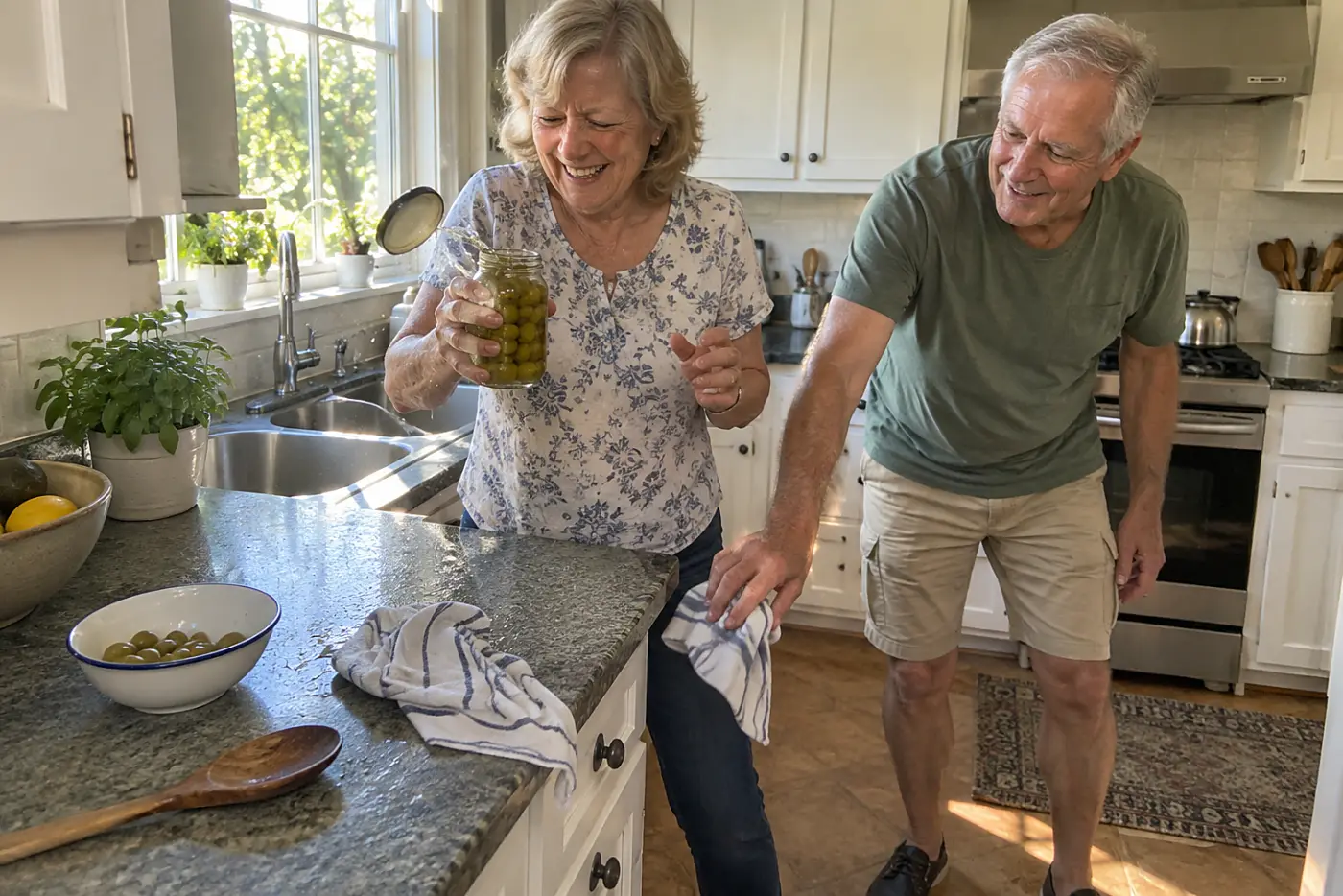
The lid wins before breakfast even starts.
Grip strength reflects work done by your hand, forearm, and nervous system. Arthritis pain can also make you release pressure before the lid moves. A stubborn jar alone doesn't identify the cause, but the same trouble with keys or buttons gives you more to report.
The difference matters when you carry grocery bags or open a medicine bottle without help. Pain and weakness call for different checks, so note which stops you first. Don't force a painful twist to prove your grip still works.
This week, notice whether buttons, keys, and grocery bags have also become harder. Tell a clinician, “My hand hurts when I twist, and jars have changed.”
The next test moves the work from your hands to your legs.
19The chair you push off with both hands
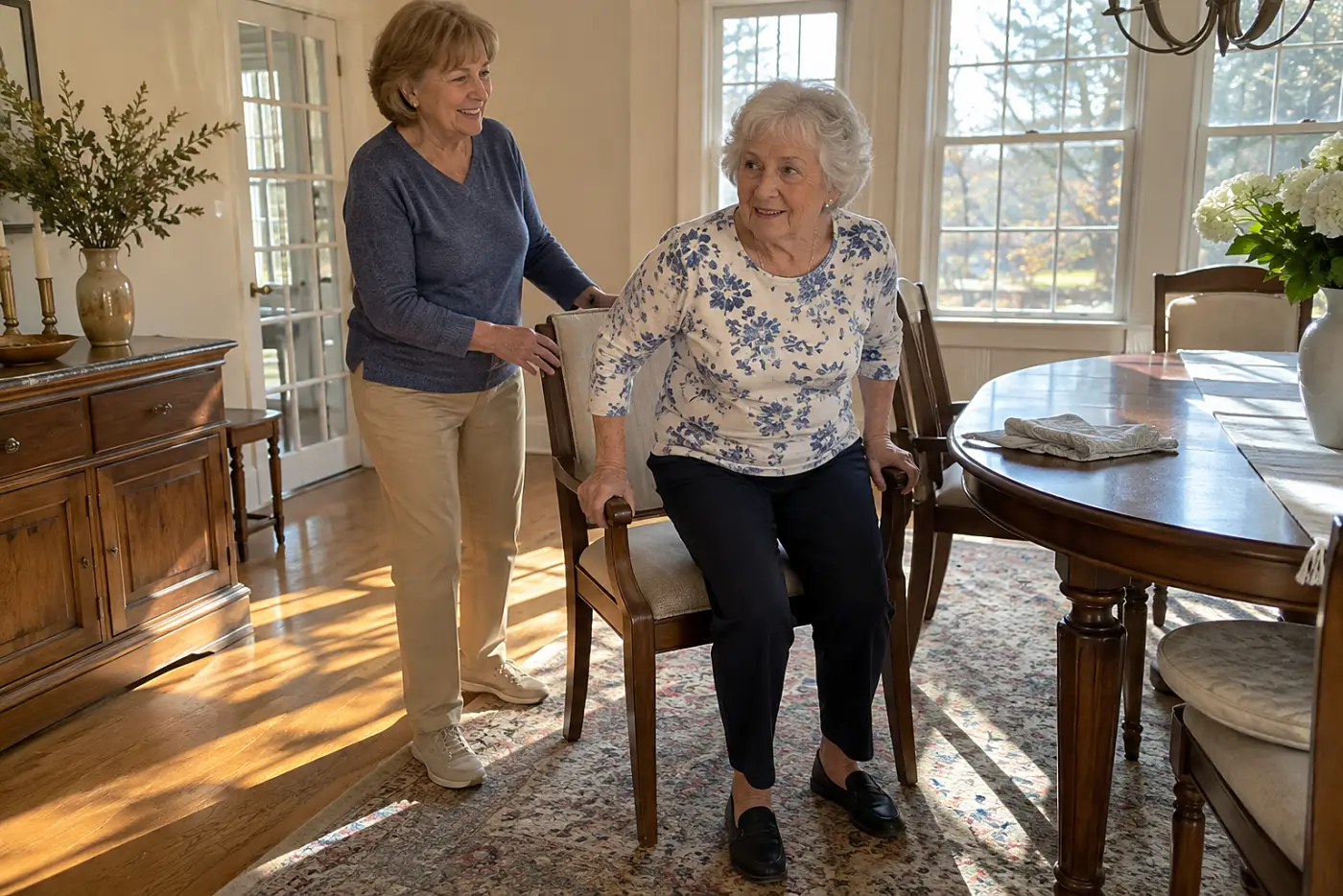
Getting up starts with a shove from the armrests.
Your thighs and hips supply much of the force needed to rise from a chair. When that force drops, your arms take over. A low sofa exaggerates the change because the trip from seat to standing is longer.
This matters when a public restroom offers no armrests, or when you need to stand quickly. The National Institute on Aging includes leg strength and balance among the physical abilities that support daily independence.
This week, try rising from a sturdy dining chair without using your hands, with someone nearby if you feel unsteady. Stop if you have pain, dizziness, or a fall risk.
“I've started pushing off every chair,” is a clear reason to ask a physical therapist or clinician to assess strength. Don't turn one difficult attempt into a private training program.
A chair gives you a warning before the floor does.
18The floor you hesitate to kneel on
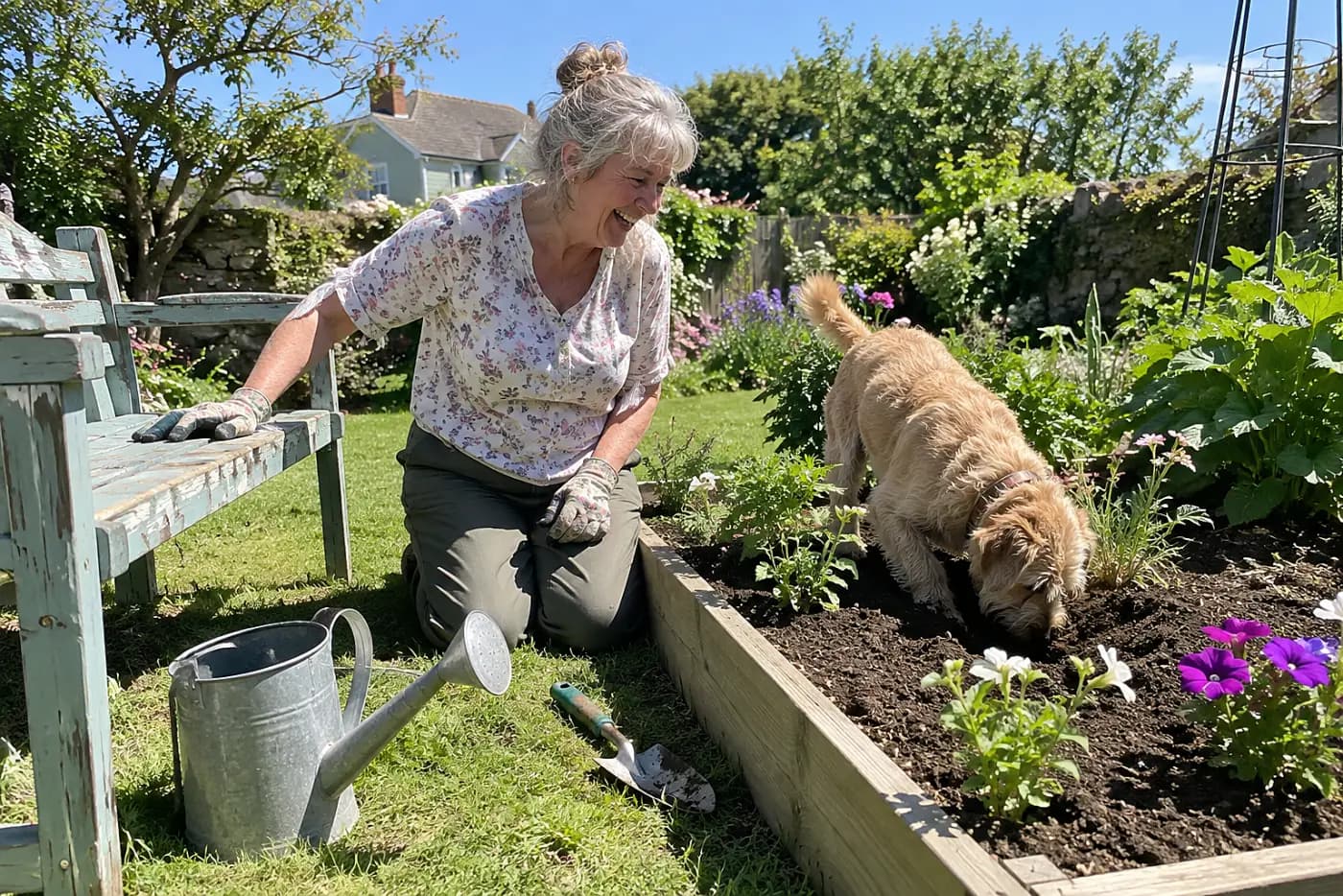
Going down feels easier than getting back up.
Knees, hips, and ankles bend deeply when you kneel. Standing again calls for leg strength and a plan for where to place your hands, especially if one joint hurts. A thick cushion eases pressure on a knee, but it won't supply the strength needed to rise.
This change reaches beyond gardening. If you drop something under a table, you need a safe route back up without pulling on a chair that slides. Pain on one side is another detail worth keeping.
This week, note whether gardening or picking up a dropped object sends you searching for furniture. Tell a physical therapist, “I need support to get up from the floor.”
There is another daily lift that gives your legs less warning.
17The toilet seat that suddenly feels low
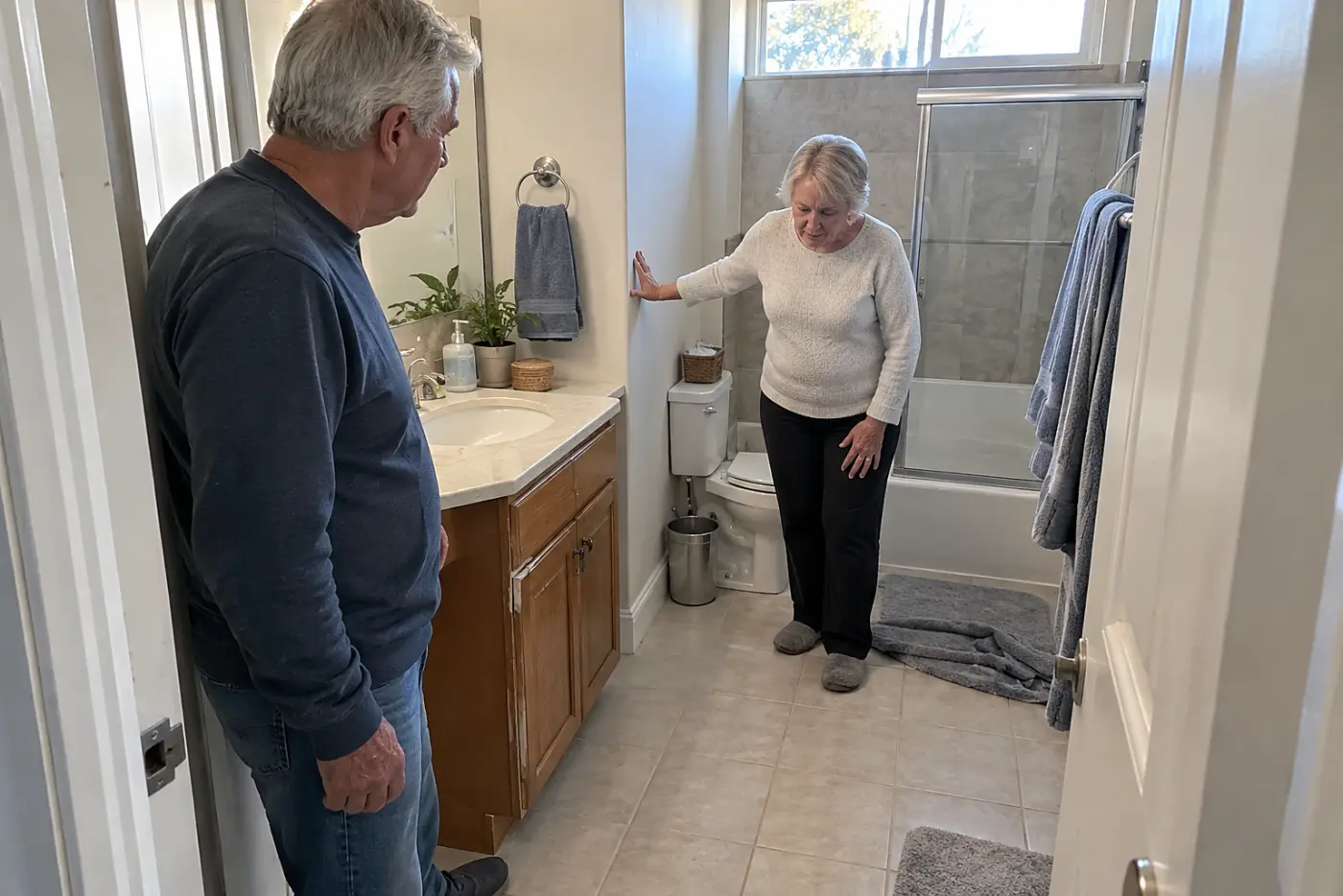
Your bathroom turns a small squat into hard work.
A toilet places your hips below your knees in many bathrooms. Rising asks your thigh muscles to lift your body while your feet stay planted. Reaching for the sink changes your balance and puts weight on a fixture that wasn't built as a grab bar.
The CDC's fall prevention resources point to bathroom hazards as part of a home safety review. A slip here leaves little room to catch yourself.
This week, look at where your hand goes when you stand. Clear the floor and ask a physical therapist or occupational therapist which support fits that bathroom.
“I pull on the sink to get off the toilet.” That sentence gives the professional the detail needed to assess the task.
The same muscles face a longer climb outside the bathroom.
16The curb you approach at an angle
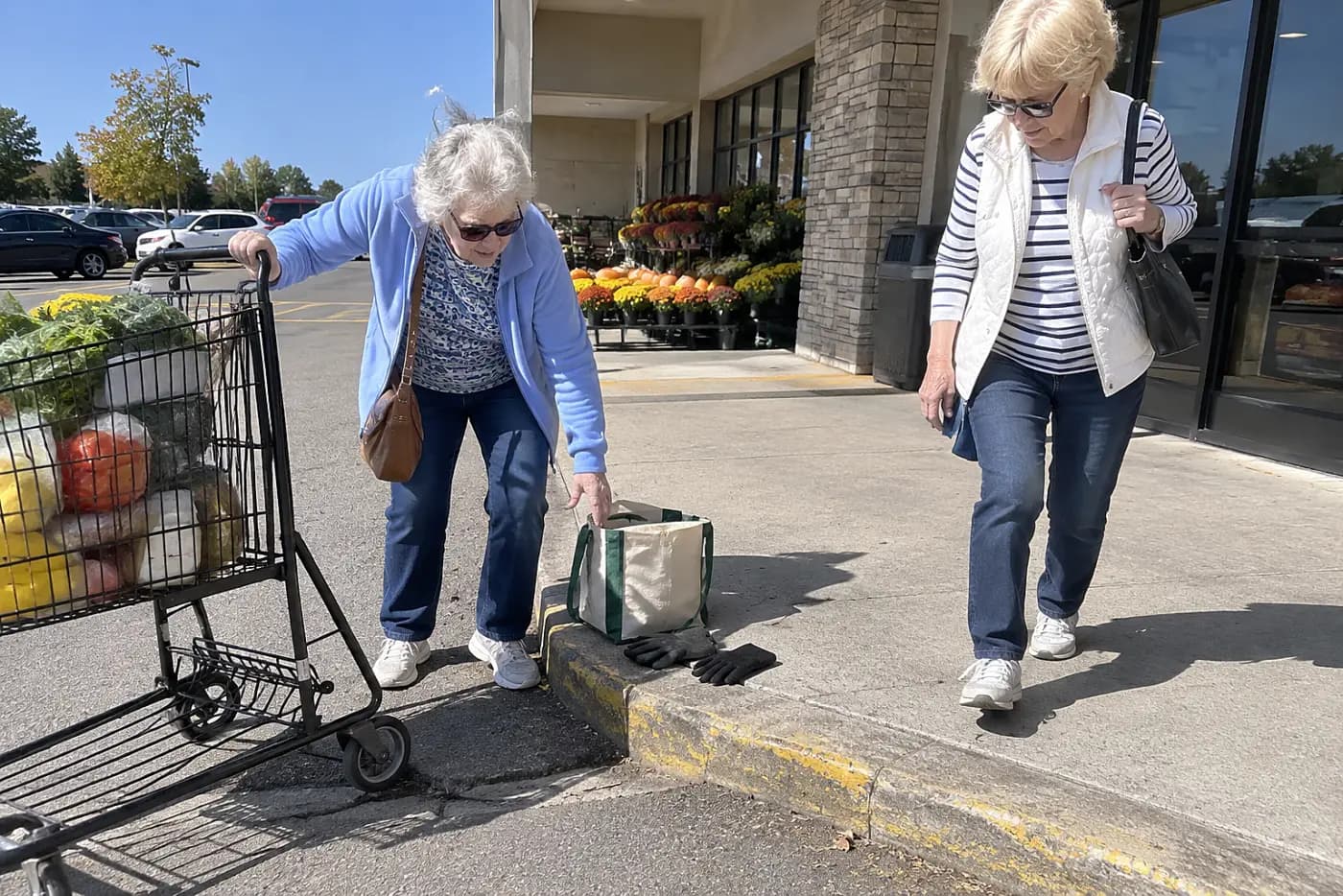
A curb becomes a decision instead of a step.
Stepping up asks one leg to lift and support your weight before the other follows. Turning sideways or reaching for a parked car changes the task. It also reveals that the old route feels less secure, especially when there is no railing to hold.
The curb outside a store has traffic behind you and bags in your hands. If one leg repeatedly refuses the first step, that pattern gives a physical therapist something specific to watch. Avoid using a moving car door for support.
This week, notice which leg leads and whether one side feels weaker. Tell a physical therapist, “I turn sideways to get up a curb.”
The next clue appears while both feet remain on level ground.
15The sidewalk crack you keep watching
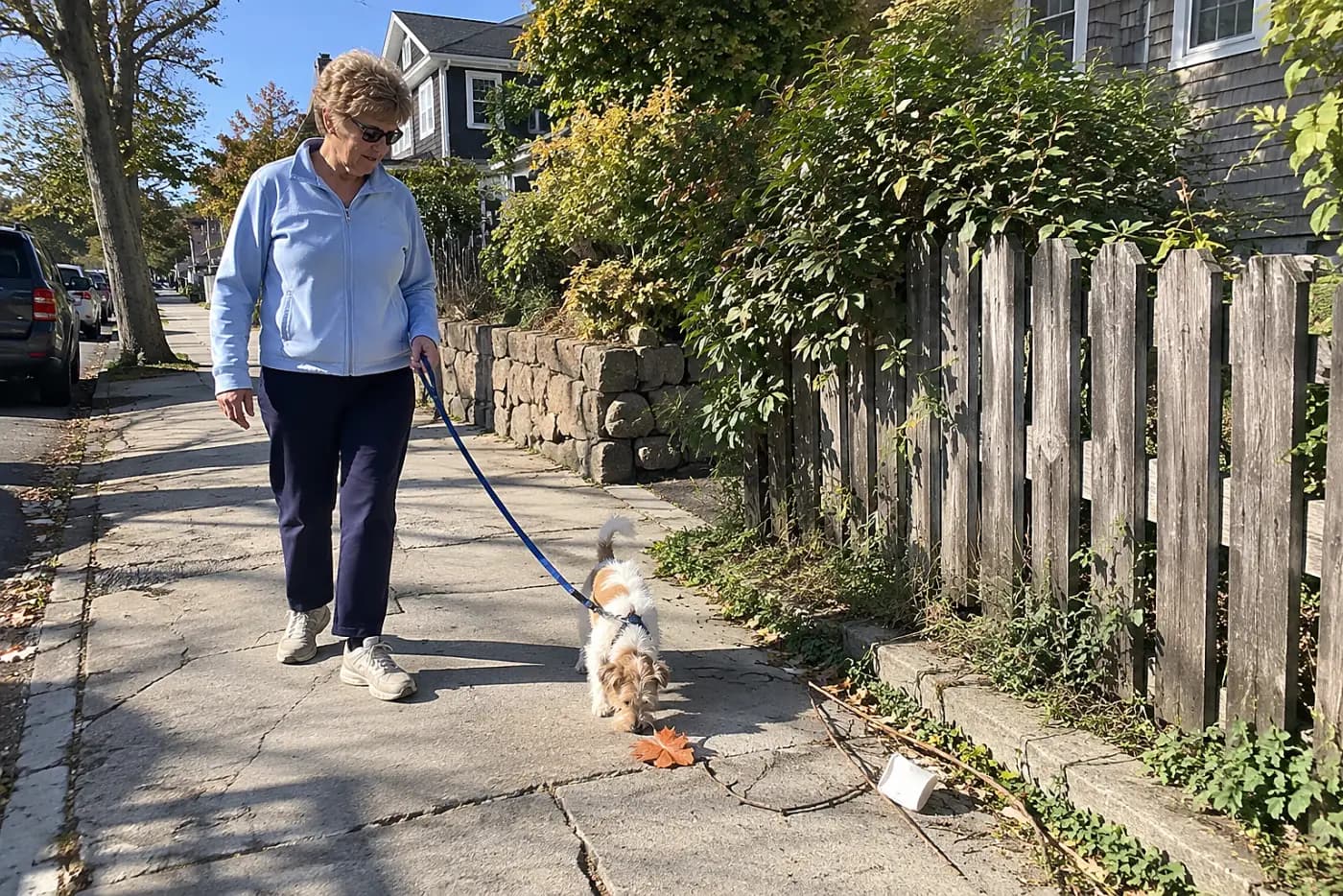
Your eyes stay fixed on the pavement ahead.
Balance uses information from vision, the inner ear, and sensors in your feet and joints. If one source gives less reliable information, you lean harder on the others. Looking down feels protective, but it also means you see less of the traffic and people around you.
A fall can begin with a change too small to notice until you trip. The CDC says falls are not an inevitable part of aging.
This week, notice whether you watch your feet on a familiar, clear sidewalk. Tell a clinician if you've tripped, started holding walls, or changed routes to avoid uneven ground.
“I keep looking down because I don't trust my footing.” Ask whether a balance assessment and a review of your vision and medications make sense.
Level pavement is only the easy version of the test.
14The gravel path you walk around
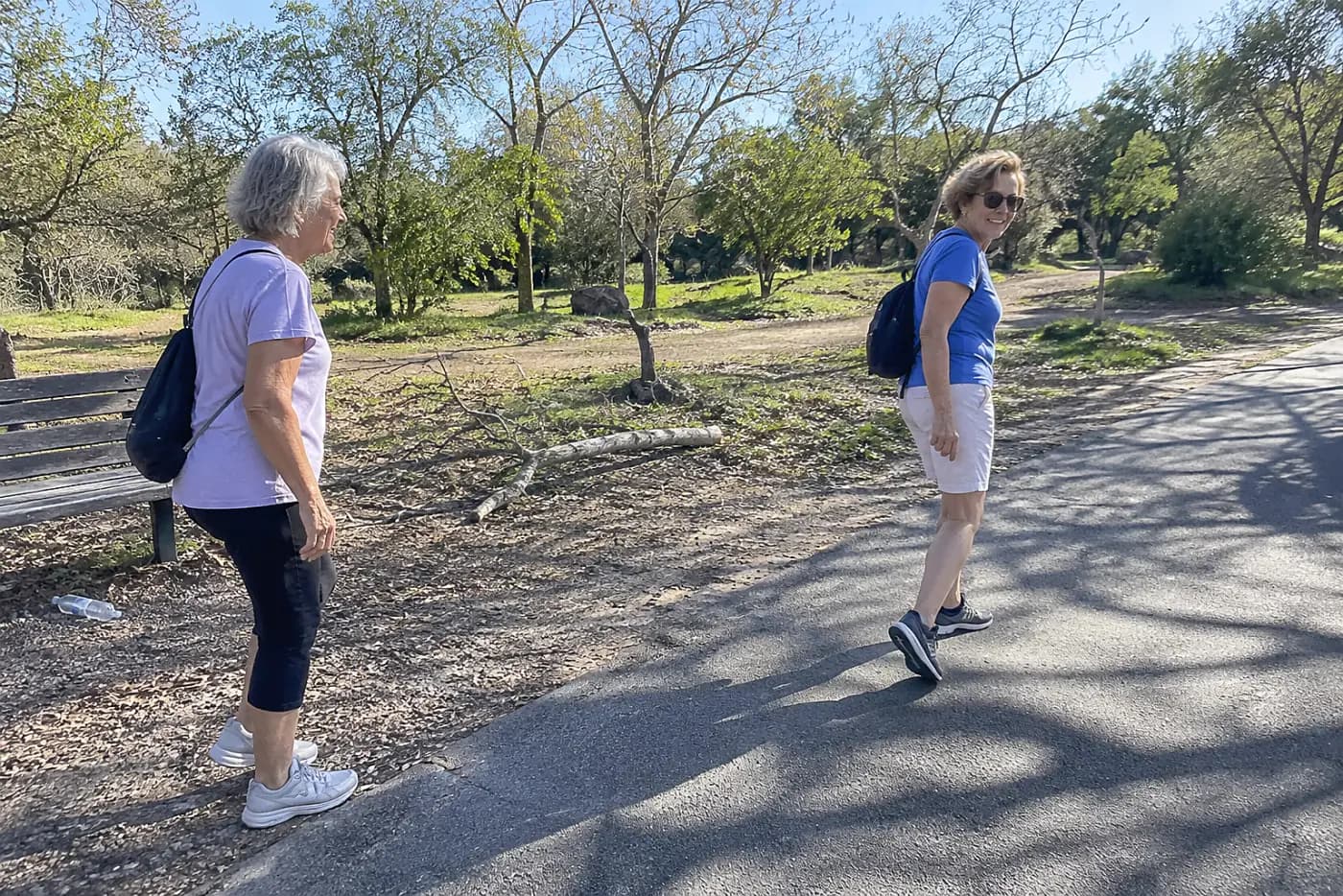
Loose stones turn each step into a correction.
Unlike pavement, gravel shifts under your foot. Your ankles and balance system must respond before your body leans too far. Shoes with worn soles change the task again, because the ground offers less reliable footing with every step.
Avoiding one path isn't a diagnosis, but changing familiar routes deserves attention. If you now walk the long way around the park, write down when that choice began. The detail helps separate a new balance problem from a path that has always been difficult.
This week, wear secure shoes and tell a physical therapist which surface you avoid. Say, “I feel steady indoors but not on gravel.”
Uneven ground leads to another surprise when the lights go out.
13The bedroom crossing after the lights go out
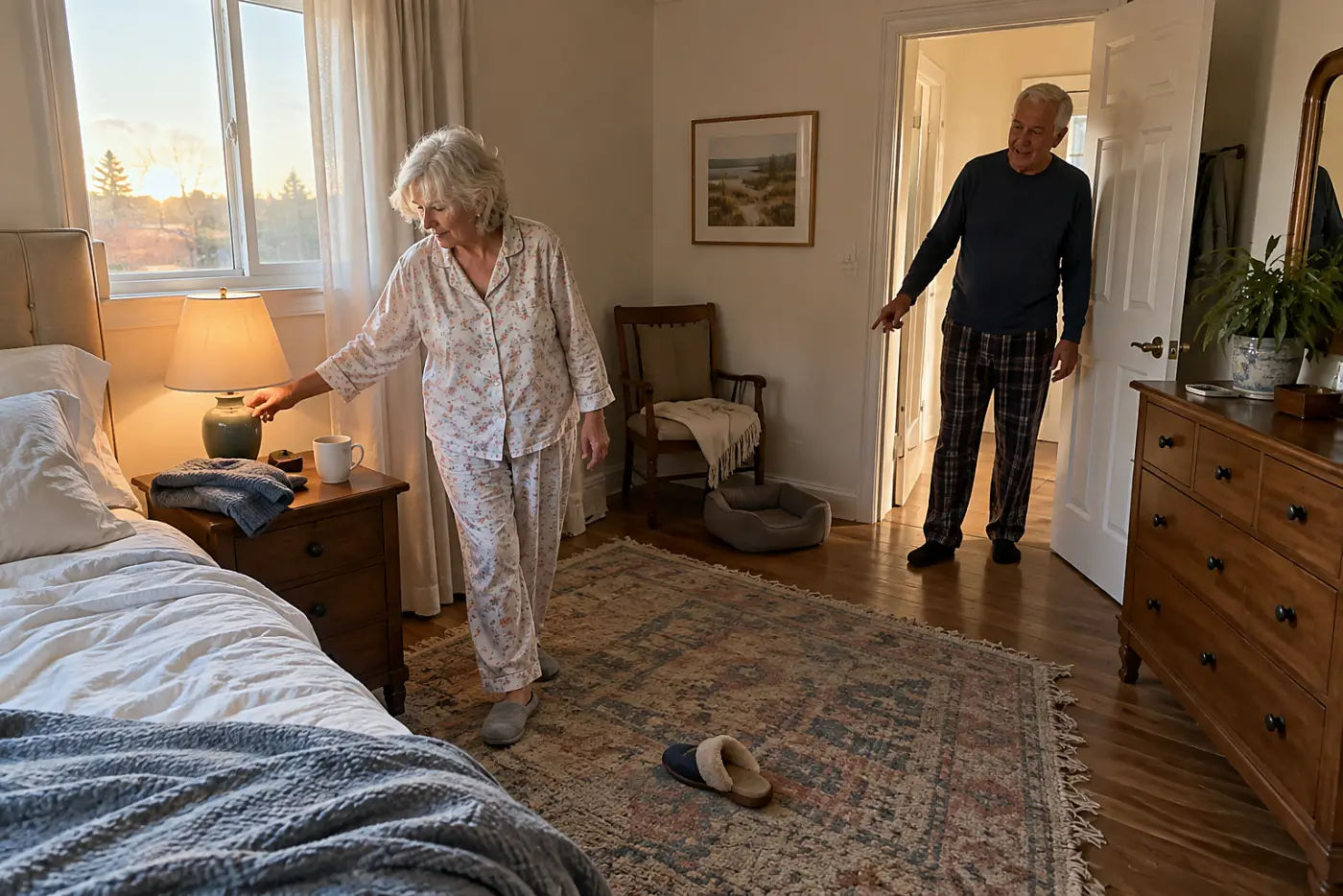
The furniture hasn't moved, but your route changes.
In darkness, your eyes give your brain less information about where you are. Balance then relies more on signals from your inner ear and feet. A loose rug or a pair of shoes becomes harder to spot before you step on it.
The National Institute on Aging recommends better lighting and removing tripping hazards as part of fall prevention at home. Waiting until the first fall means the room has already supplied its warning.
This week, clear the bedroom-to-bathroom route and add light that you can reach before standing. If you still feel unsteady, bring that detail to a clinician.
“I have to touch the dresser to cross the room at night.” Describe the route, not a vague sense of getting older.
Your balance has a second test when your head turns.
12The shelf you grab after looking up
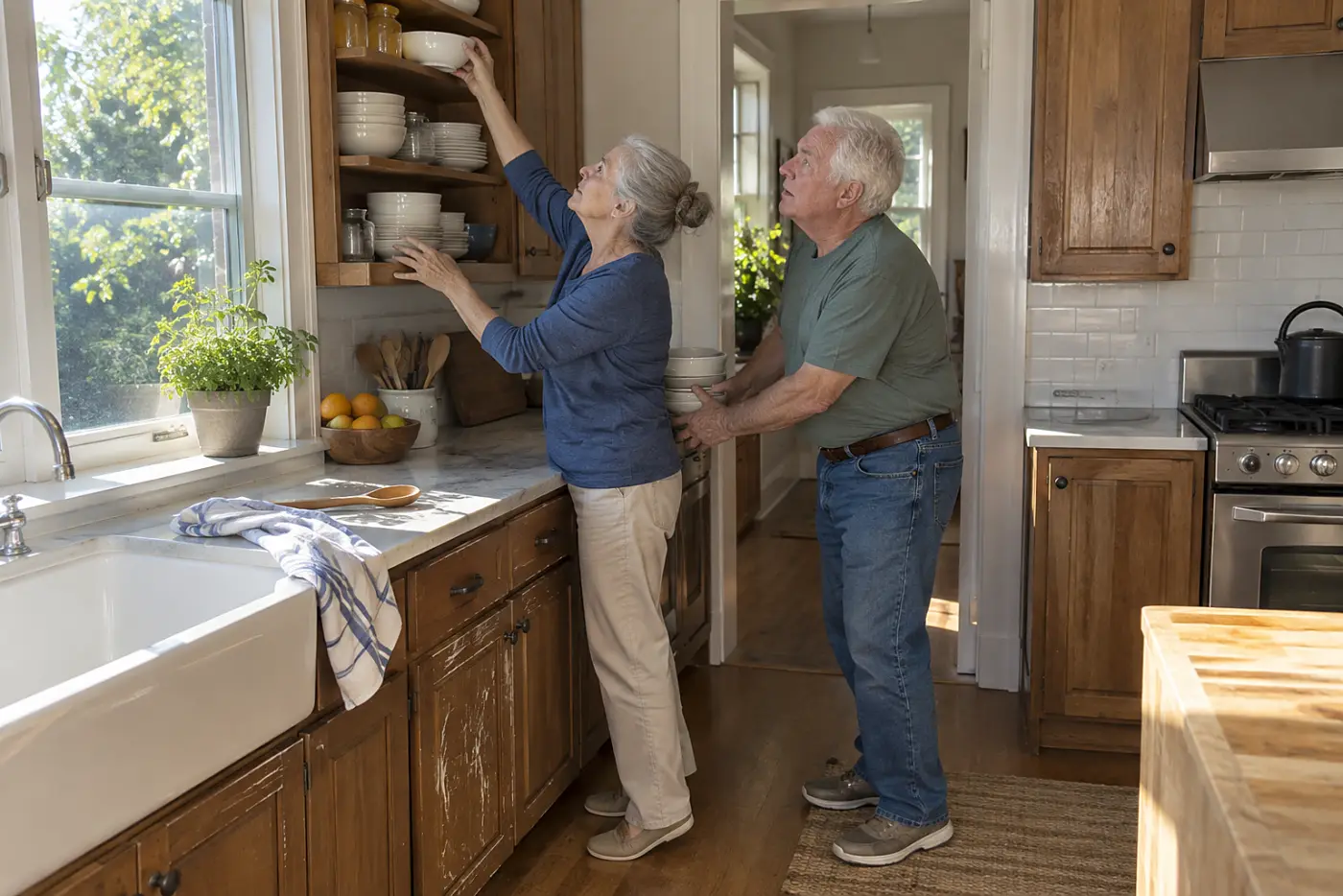
A high shelf makes the room seem to shift.
Looking up changes head position and narrows what you see around your feet. If the room spins, the cause needs assessment. Dizziness has several causes and isn't an ordinary aging milestone. Note whether it starts while looking up or only when you reach.
That difference matters if you also climb a stool to reach dishes. A spell at floor level is unsettling; a spell above the floor puts you at risk of falling. Set the task aside rather than testing it again alone.
This week, stop climbing stools if looking up makes you unsteady. Tell a clinician, “The room spins when I tip my head back.”
A different kind of warning starts when your feet leave the floor.
11The car seat you pause before leaving
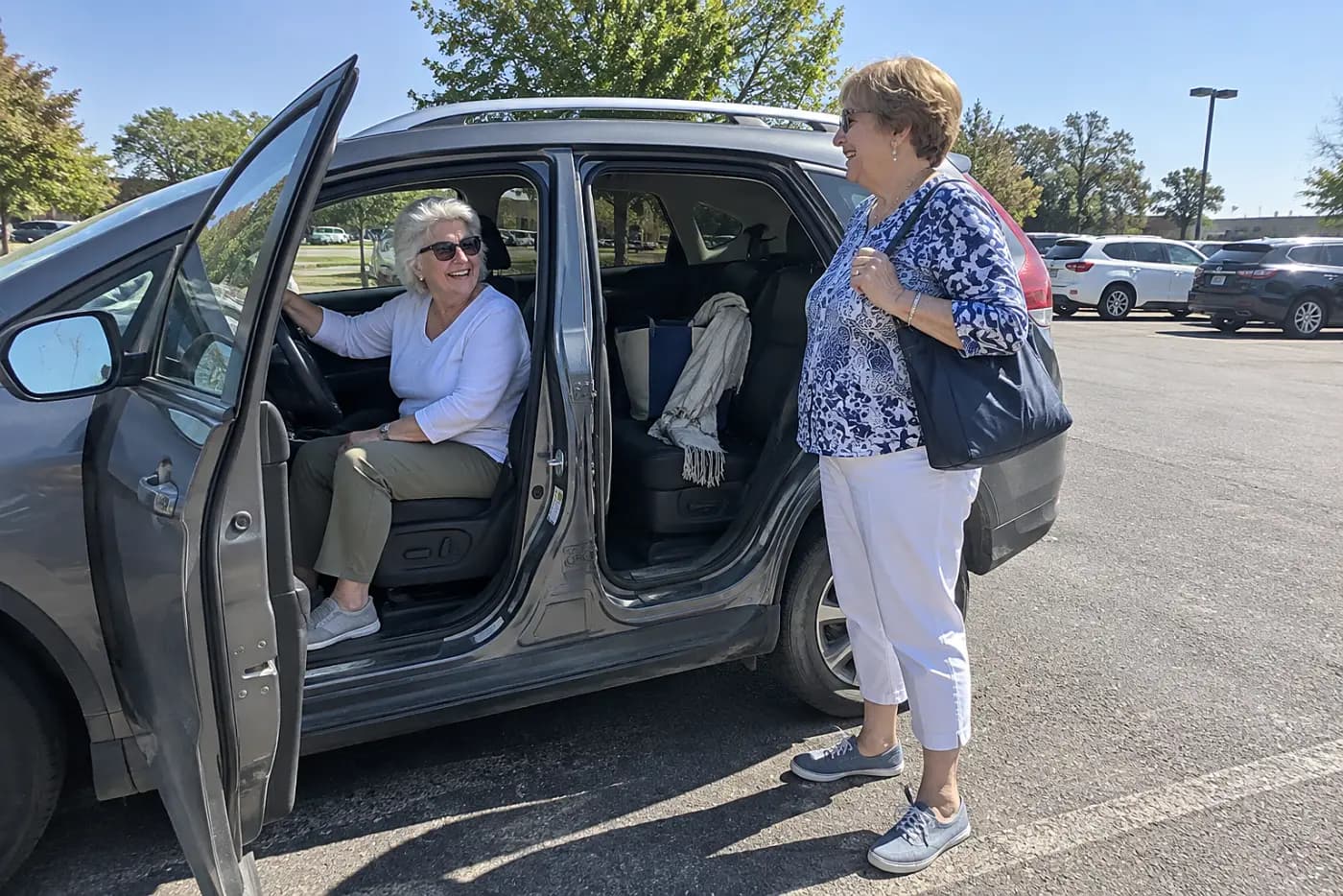
One foot reaches the pavement, and then you wait.
Getting out of a car combines a turn, a weight shift, and a rise from a low seat. Stiff hips change the turn; weaker legs change the rise. If you stand at once after a long drive, lightheadedness adds another problem.
A stumble beside traffic is a higher-stakes clue than a slow exit in your driveway. The National Highway Traffic Safety Administration has guidance for older drivers, but this part of the trip happens before you touch the wheel.
This week, notice which part stalls: turning, planting both feet, or standing. At your next visit, describe that step rather than saying you “have trouble with the car.”
“I pause after standing because I feel lightheaded,” is especially important to report. Let the clinician check blood pressure and review medicines.
That brief pause deserves attention indoors, too.
10The pause after standing up quickly
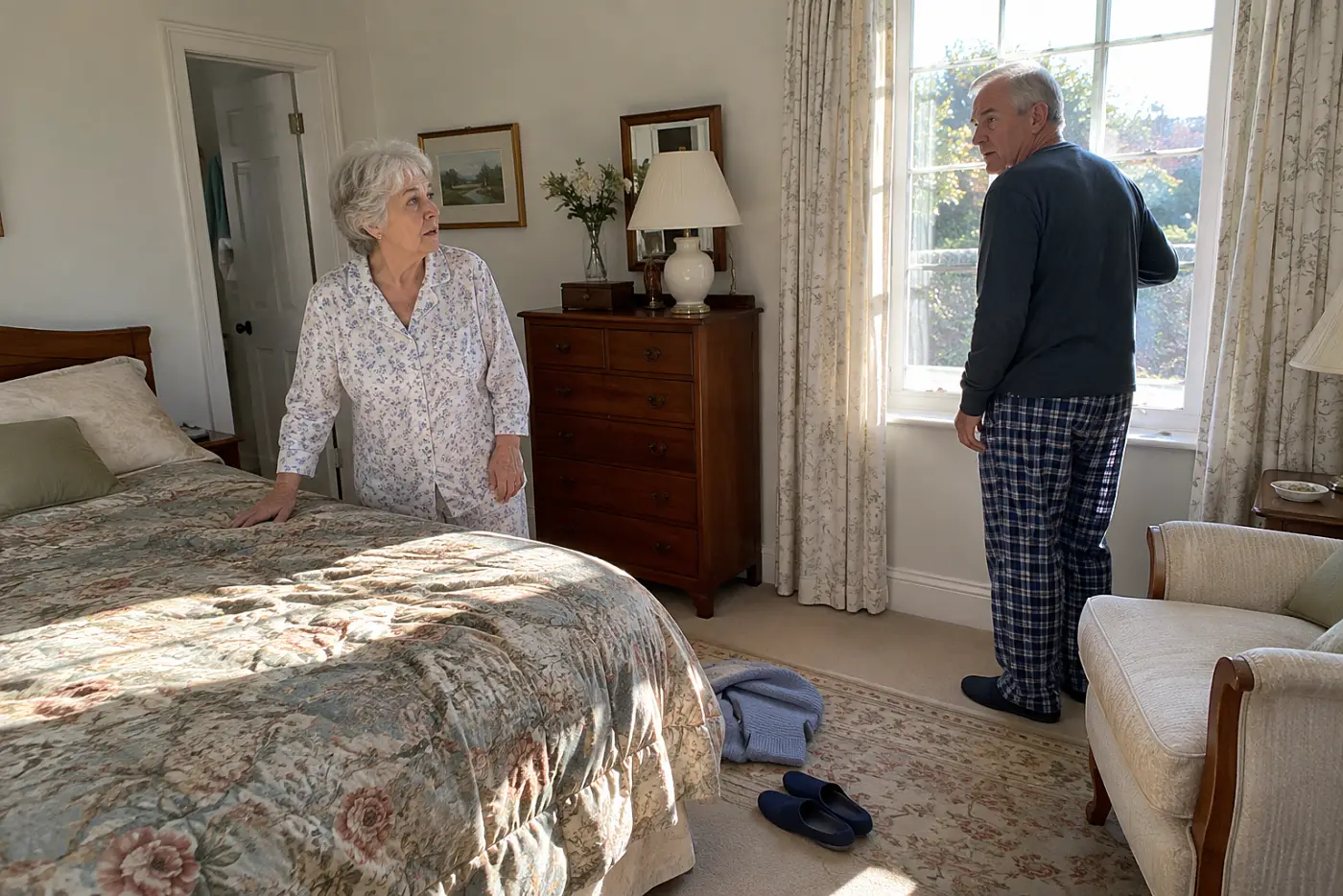
The room dims for a moment when you rise.
Blood pressure drops briefly when some people stand. Dehydration, illness, and medicines contribute to that drop; a clinician has to sort out which applies to you. Standing still until your sight clears is safer than taking the first step while the room looks dim.
A fall after getting out of bed leaves little time to catch yourself. Repeated episodes deserve a blood pressure check, including a reading after you stand. Tell the clinician if you have fainted.
This week, write down when the dimming happens and what you were doing first. Say, “I feel faint after I stand, especially in the morning.”
If the pause becomes a fall, the story needs more detail.
9The bruise with no remembered stumble
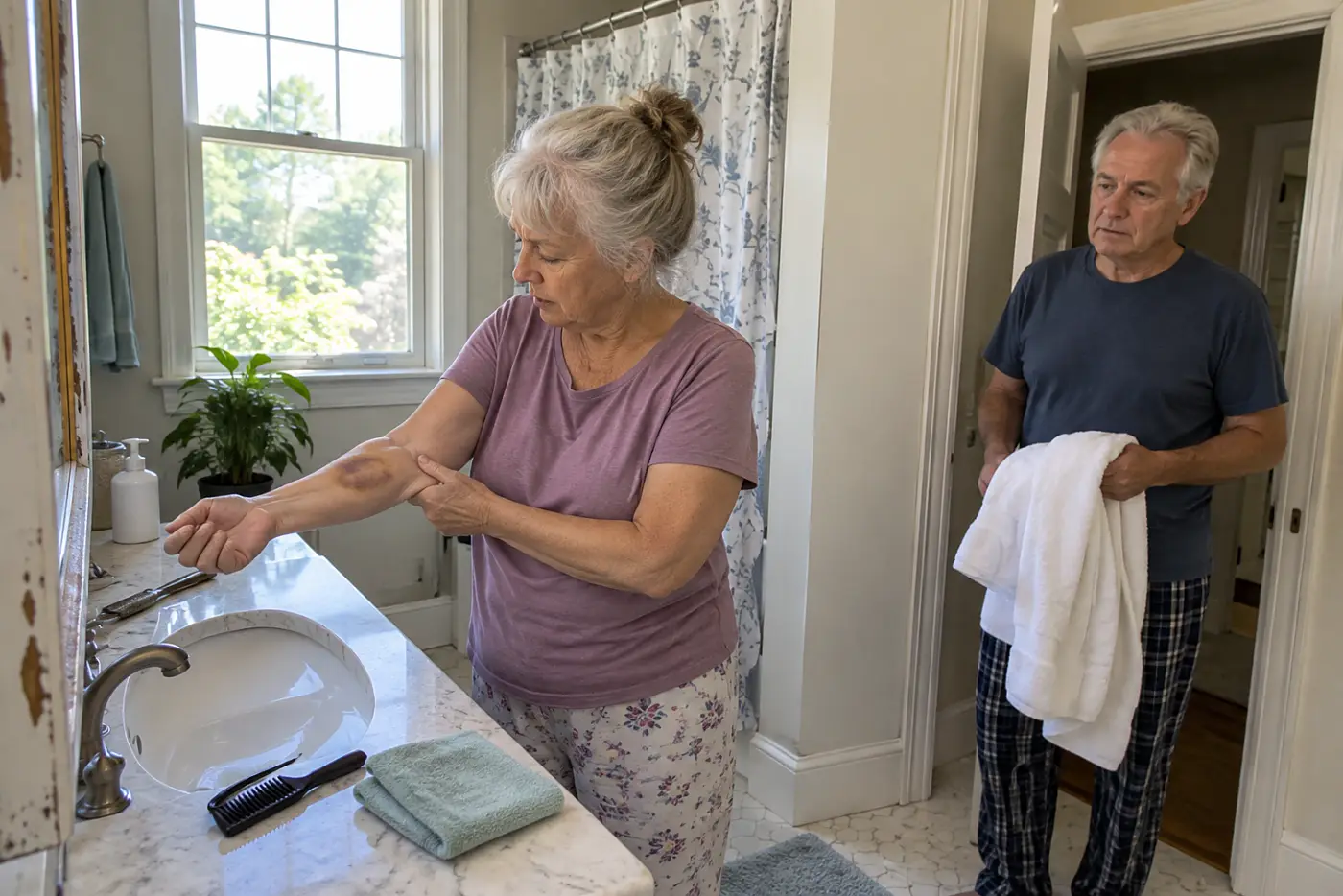
A bruise appears where you don't recall a bump.
Skin grows thinner with age. Bruises show up more easily. Blood thinners and other medicines also change bleeding risk. An unexplained bruise deserves a different look if it follows a fall or appears with other bleeding.
The MedlinePlus drug information pages let you check the warnings for a medicine you take. Don't stop a prescribed blood thinner on your own because you noticed a mark.
This week, photograph a new bruise and write down where and when you noticed it. Tell your prescriber promptly about unusual bleeding, a head injury, or bruising that concerns you.
“I found this bruise and don't remember hitting anything.” Bring your medicine list to that conversation.
The list itself has a way of growing unnoticed.
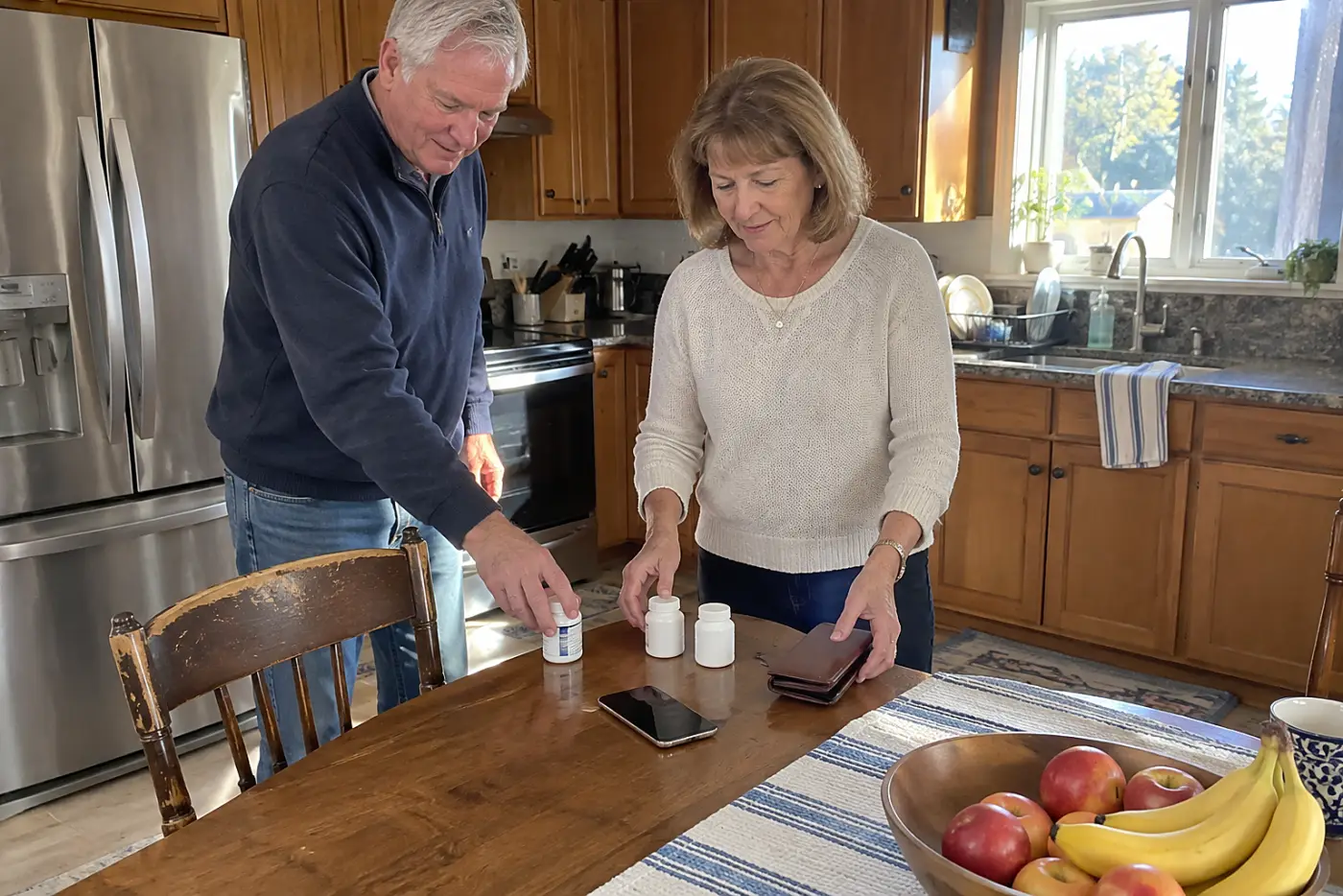
8The pill organizer that needs another row
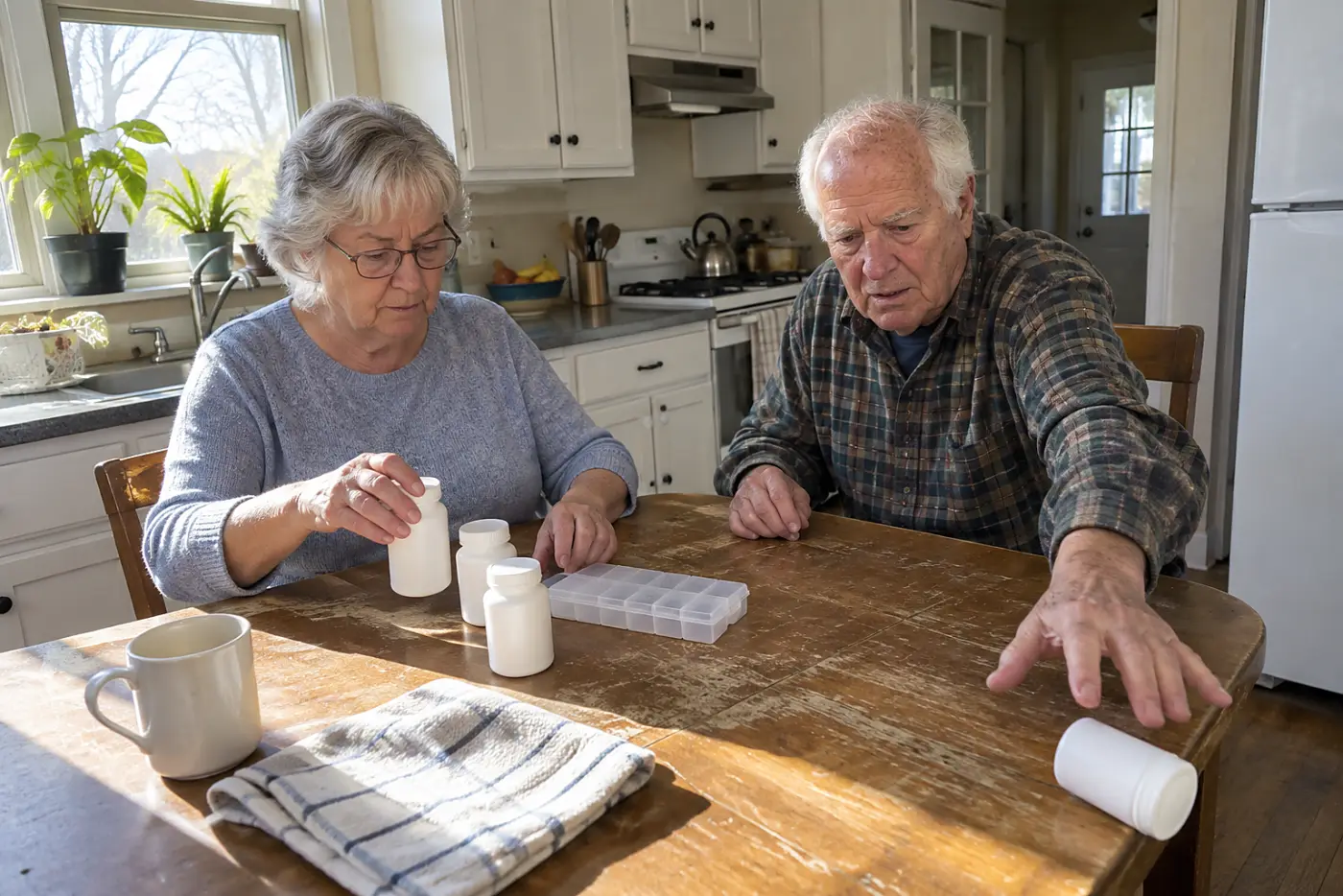
More pills mean more chances for a mix-up.
Prescription drugs, over-the-counter pain relievers, and supplements all belong on the same list. A new medicine changes the picture even if each bottle's directions look clear by itself. The name on a bottle matters, but so do the dose and when you take it.
A second organizer won't catch duplicate ingredients or a medicine that leaves you dizzy. Keep the original bottles until a pharmacist has checked the full list. Don't remove a prescribed pill on your own because the organizer looks crowded.
This week, gather every bottle before your next pharmacy visit. Ask, “Can we check this whole list for interactions and anything that raises my fall risk?”
One bottle deserves a closer look if nighttime trips have increased.
7The bathroom trip that breaks your sleep
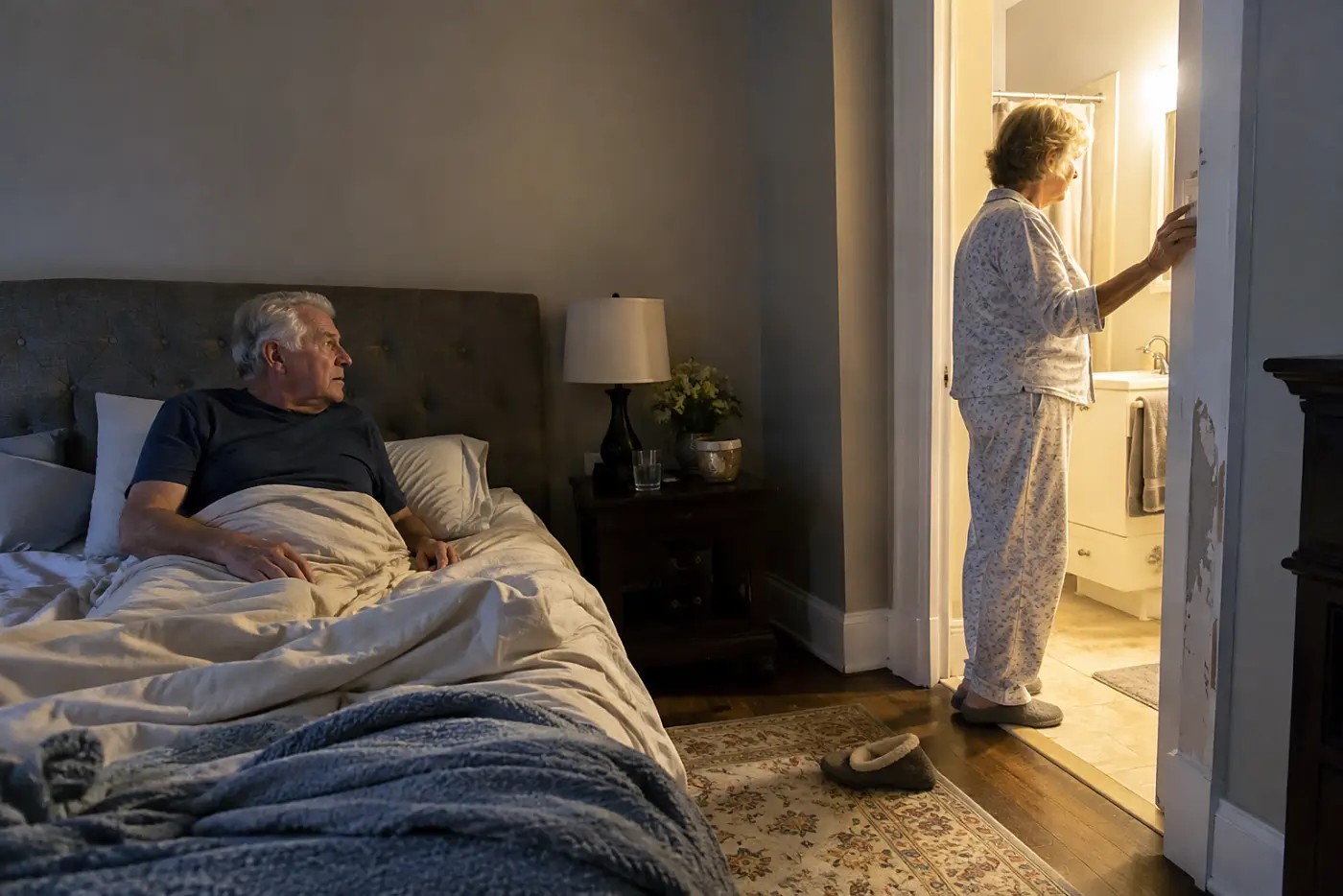
You wake because your bladder won't wait.
Nighttime urination has several causes, including fluid timing, sleep problems, and medical conditions. Getting out of bed half-awake adds a balance task to a dark room. Cutting off all fluids without advice risks trading one problem for another.
The National Institute of Diabetes and Digestive and Kidney Diseases provides bladder health information, but your own pattern is what a clinician needs. Note whether the urge wakes you or you wake first and then decide to go.
This week, keep a brief log of evening drinks, bedtime, and nighttime trips. Bring it to a visit if the pattern is new or disruptive.
“I get up to urinate, and I nearly fall on the way back.” Include the near fall, not only the bladder symptom.
A broken night's sleep shows up again the next afternoon.
6The afternoon nap you never needed
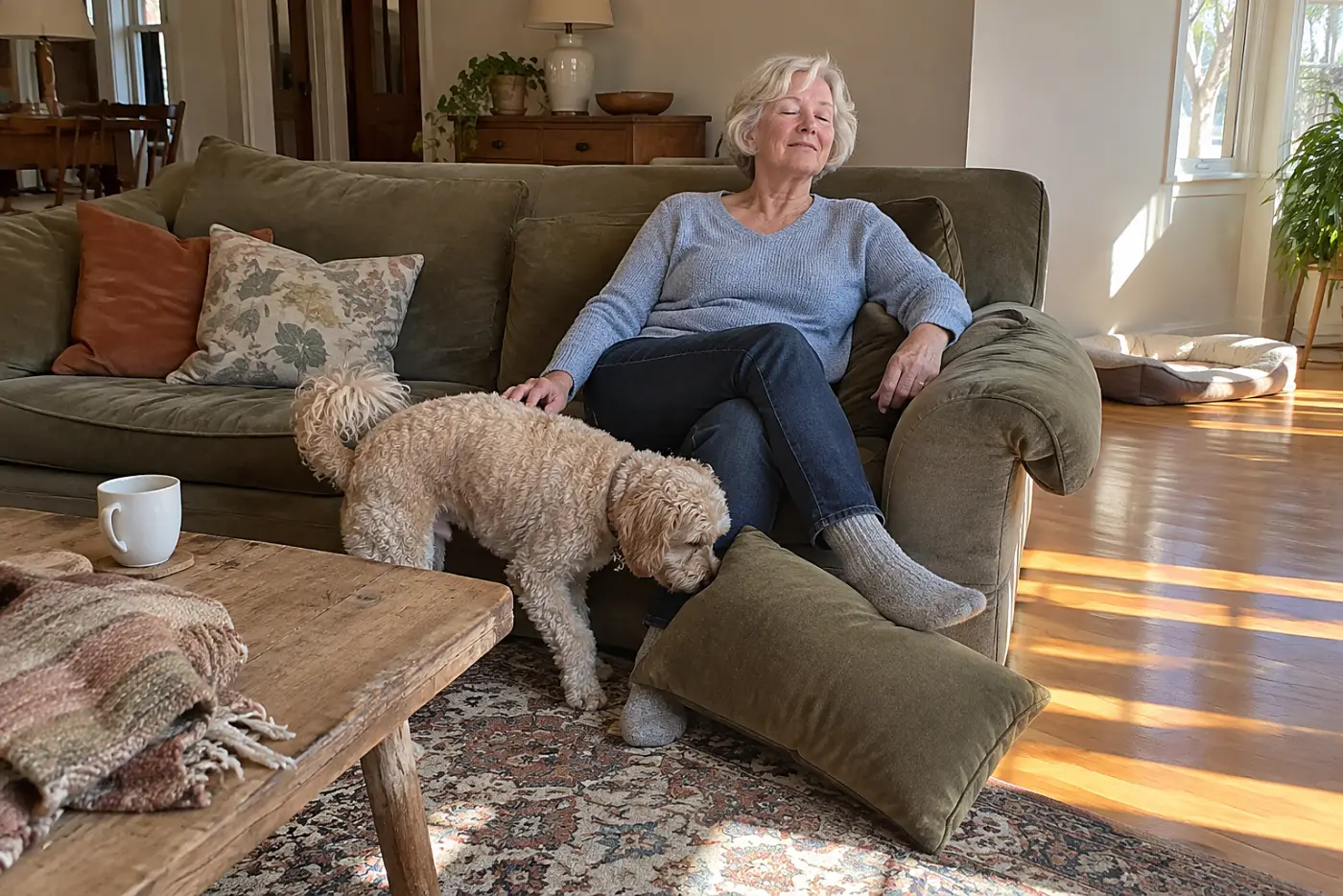
The couch starts calling before dinner.
Sleep changes with age, but persistent daytime sleepiness deserves a closer look. Poor sleep, sleep apnea, and medicine effects need different responses. Hours spent in bed won't tell a clinician whether sleep was broken by snoring, repeated waking, or a new prescription.
The cost shows up when you nod off over a book or avoid an afternoon errand. Don't assume a longer nap fixes the reason you're tired. If someone has noticed pauses in your breathing, write that down too.
This week, note your bedtime, wake time, naps, and any reports that you snore or stop breathing. Say, “I'm sleepy during the day despite a full night in bed.”
Tired legs tell a different story when you climb.
5The staircase landing where you stop
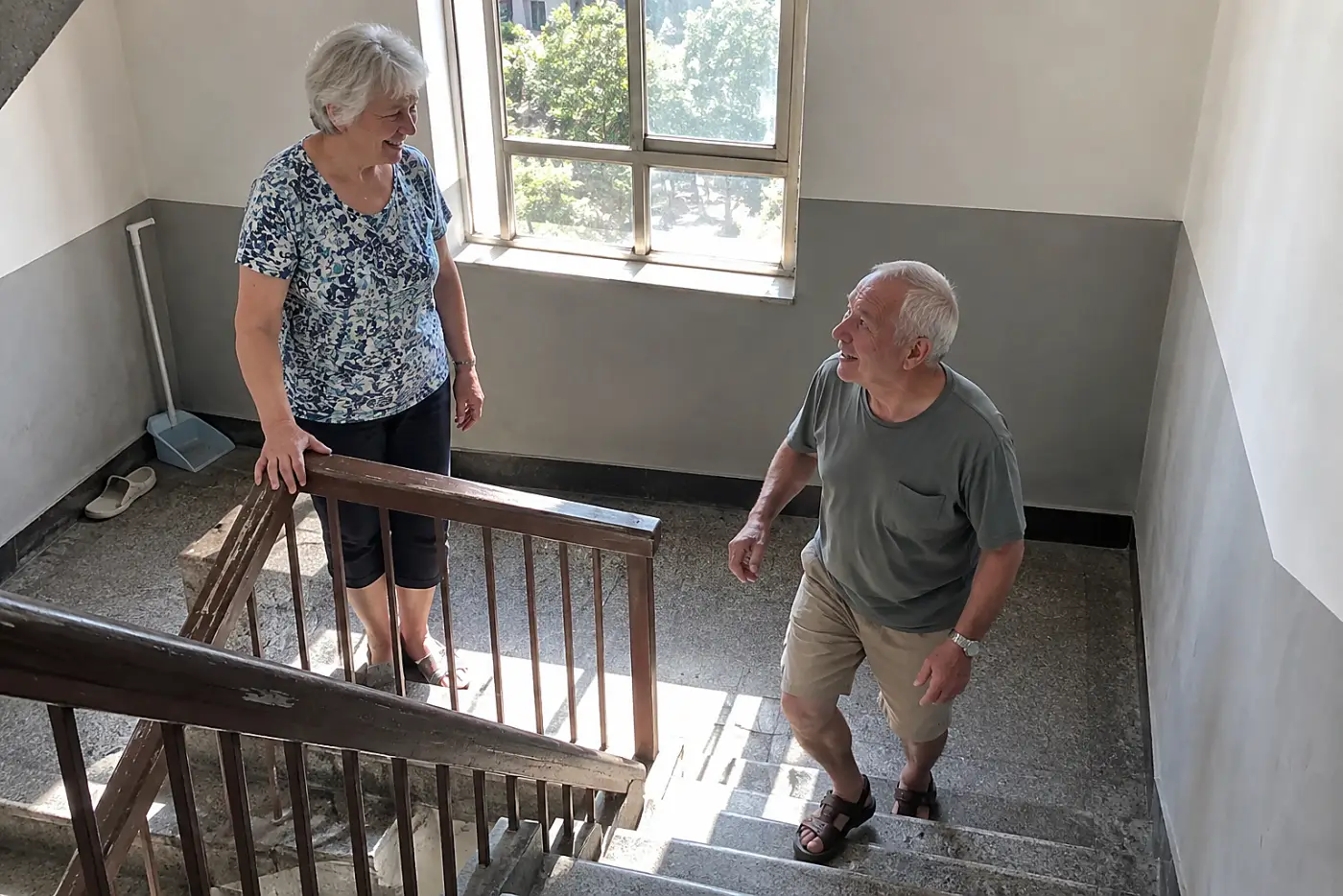
You reach the landing and need a breath.
Climbing stairs raises the demand on your heart and lungs. It also asks your leg muscles to keep lifting your body against gravity. A slower pace has many possible causes, so the change from your own usual climb matters more than anyone else's speed.
New breathlessness deserves medical attention, especially with chest pain, fainting, or shortness of breath at rest. The American Heart Association describes warning signs of heart trouble; severe or sudden symptoms call for emergency care.
This week, record how many stairs bring on the symptom and how long recovery takes. Don't repeat the climb just to prove you can.
“I used to carry laundry upstairs without stopping; now I stop at the landing.” That comparison helps a clinician decide what to check first.
The basket also puts weight on muscles that work between flights.
4The laundry basket you set down halfway
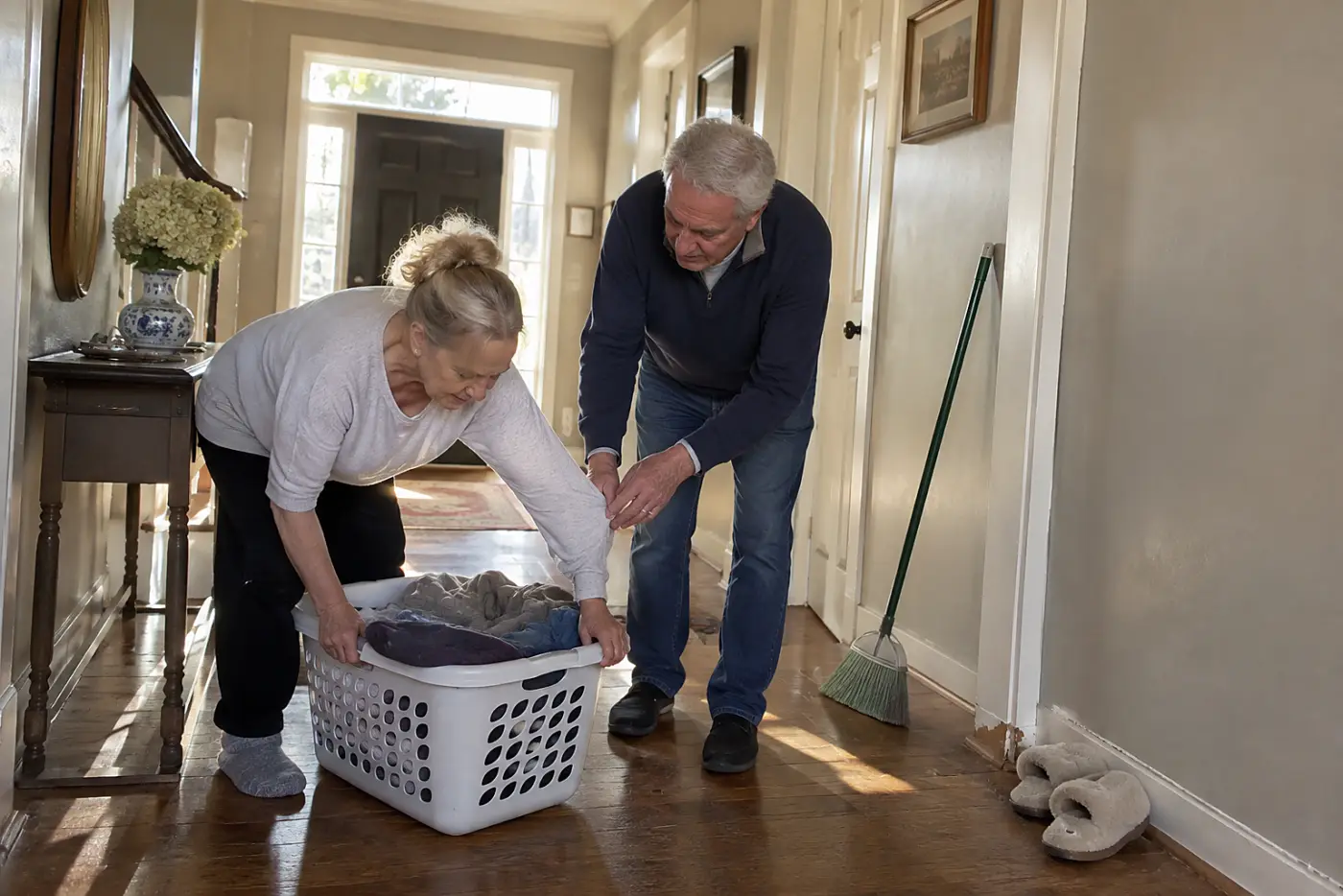
Your arms quit before the load reaches the bedroom.
Carrying weight challenges grip, shoulders, trunk, and legs together. Setting the basket down tells you where the task changed, though it doesn't reveal which part needs attention. A basket held away from your body also asks your back and arms to work harder.
The reason you stop matters. Pain in one shoulder points to a different problem from breathlessness that starts with any load. If carrying brings on chest pain or severe breathlessness, seek urgent medical care rather than trying a lighter basket.
This week, use smaller loads and note whether pain, weakness, or breathlessness makes you stop. Tell a clinician, “I set down the basket halfway across the room.”
A lighter load still asks you to bend for dropped clothes.
3The sock you sit down to put on
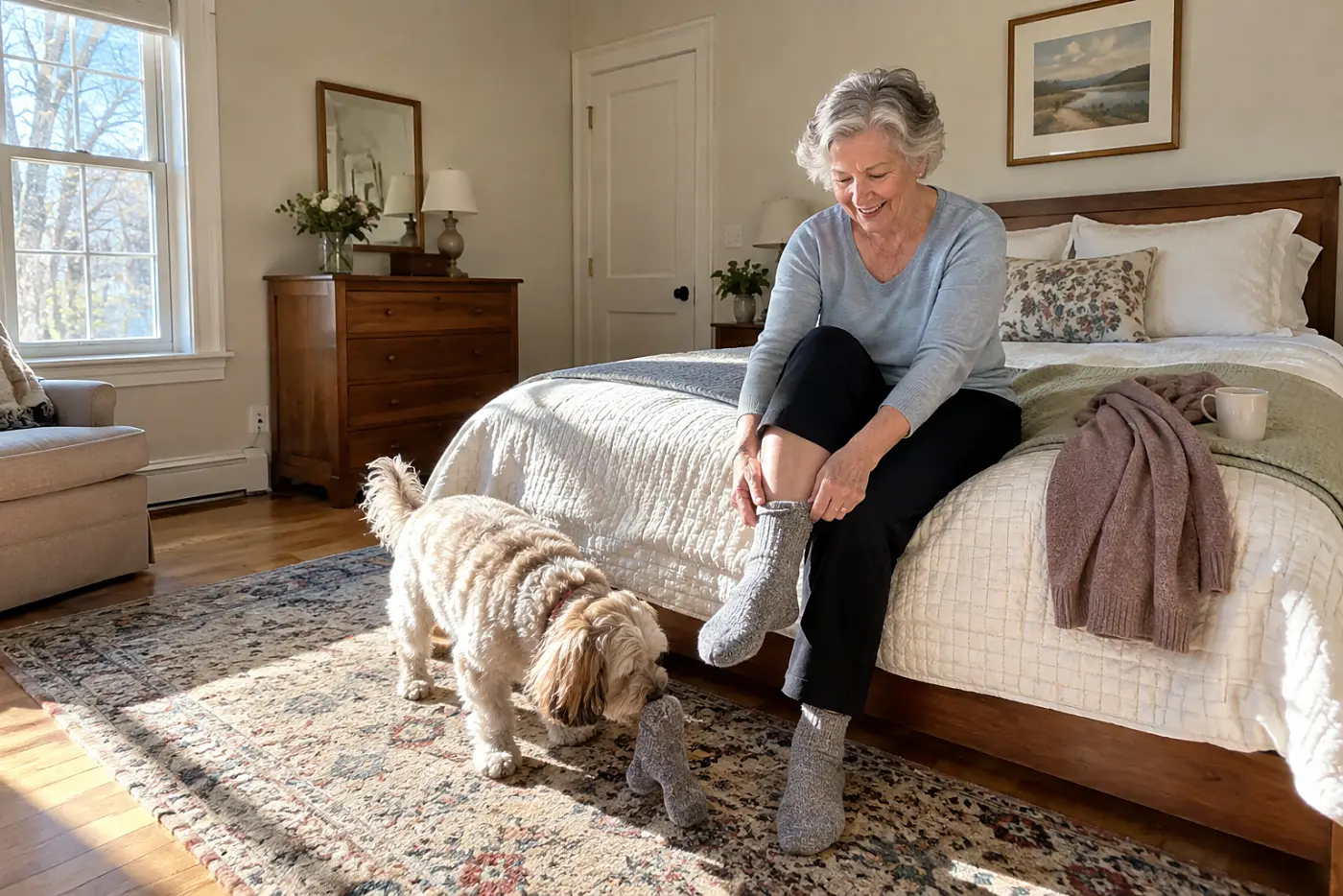
Standing on one leg no longer feels routine.
Putting on a sock while standing combines balance, hip motion, and enough strength to stay upright. Sitting down is a sensible choice. The useful clue is whether the change arrived gradually or appeared after pain, dizziness, or an injury.
The CDC's STEADI initiative gives clinicians tools to assess fall risk. You don't need to wait for a fall to mention that dressing has changed.
This week, keep sitting to dress and notice whether one leg feels less steady than the other. Clear shoes and clothes from the floor before you stand again.
“I've started sitting down for socks because I wobble on one leg.” Ask whether a balance assessment would help identify the cause.
That same balance demand appears when you hurry through a doorway.
2The doorway you catch with your shoulder
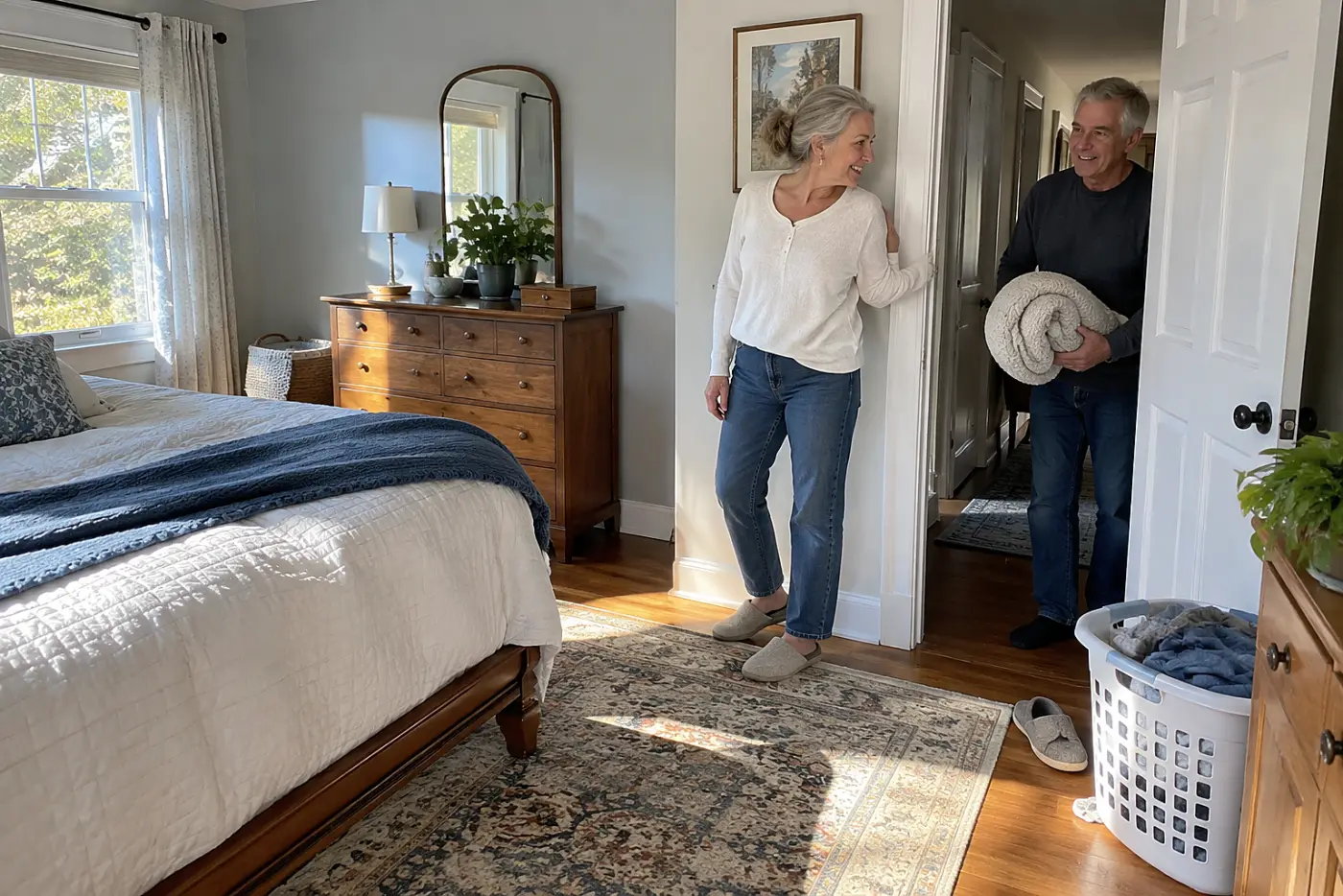
You clip a frame you've cleared for years.
A changed walking path has several possible causes, including vision, balance, joint pain, and reduced attention. The side you hit and whether it happens repeatedly are useful details. A doorway you clear every morning gives you a familiar place to notice the change.
One bump after carrying an awkward bag tells little. Repeated contact with the same side, especially after a sudden change, deserves a clinician's attention. Sudden weakness, facial drooping, or trouble speaking calls for emergency care.
This week, note the doorway, the shoulder that catches it, and when it happens. Tell a clinician, “I keep hitting the right side of my bedroom doorway.”
Before you decide what all these clues mean, measure one everyday movement.
1The chair walk you time at home
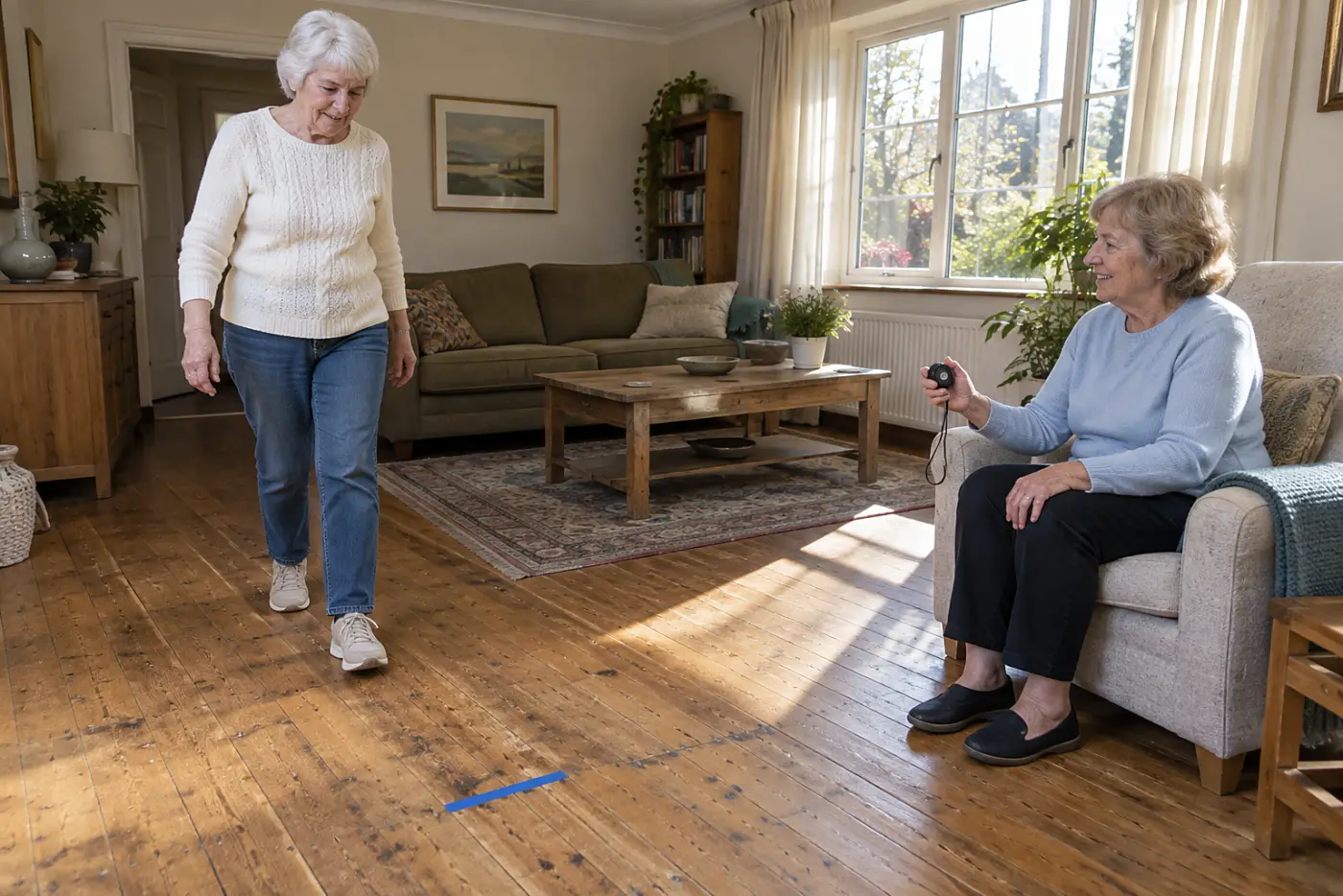
A slower walk deserves a number, not a guess.
The Timed Up and Go test begins in a chair. You stand, walk 10 feet, turn, return, and sit while someone times the whole sequence. The CDC's STEADI materials use this test as part of a fall-risk assessment, alongside other questions and checks.
One home result doesn't diagnose a condition. It does give you a repeatable detail to bring to a visit, especially if stairs, curbs, or nighttime walks have changed. Don't attempt it alone if you feel unsafe standing or walking.
This week, mark 10 feet on a clear floor and ask someone to time you in your usual shoes. Use your usual walking aid if you have one, and don't rush.
“My stairs feel harder, and this chair walk took me longer than before.” Ask a clinician to assess the change, rather than judging the number by itself.
Keep that result where you'll find it before the next appointment.
The bottom line
The pattern across these 26 signs is simple. Each one is a change in an ordinary task you used to do without planning it.
The best-prepared version of you has noted what changed. She has made the task safer today and brought a specific example to a clinician.
Which of these has already happened in your family?
Bonus: The home test for a harder stair climb
- Place a sturdy chair against a wall and mark a point 10 feet away on a clear floor.
- Sit back, wear your usual shoes, and use your usual walking aid if you have one.
- Ask someone to time you as you stand, walk to the mark, turn, walk back, and sit. Don't race.
- Write down the time, the date, and anything that felt unsteady. Skip the test if you cannot do it safely.
- Tell your clinician, “Stairs have changed for me. Here's what happened on the chair walk. Can we check my balance and strength?”
Dr. Alan Pierce, PT, DPT
Health Reviewer
Alan is a physical therapist who specializes in helping adults over 50 stay strong and mobile.
You might also like