25 Ways Grief Shows Up in the Body a Year Later
A year after a loss, a familiar date can wake your stress response and bring back jaw pain before you've checked the calendar.
By Dr. Alan Pierce, PT, DPT, Health Reviewer
Updated · 18 min read
- Written by our health reviewer
- How we review
Read to the end: #1 is the symptom timeline that puts new symptoms in order, and almost nobody brings it to the appointment.
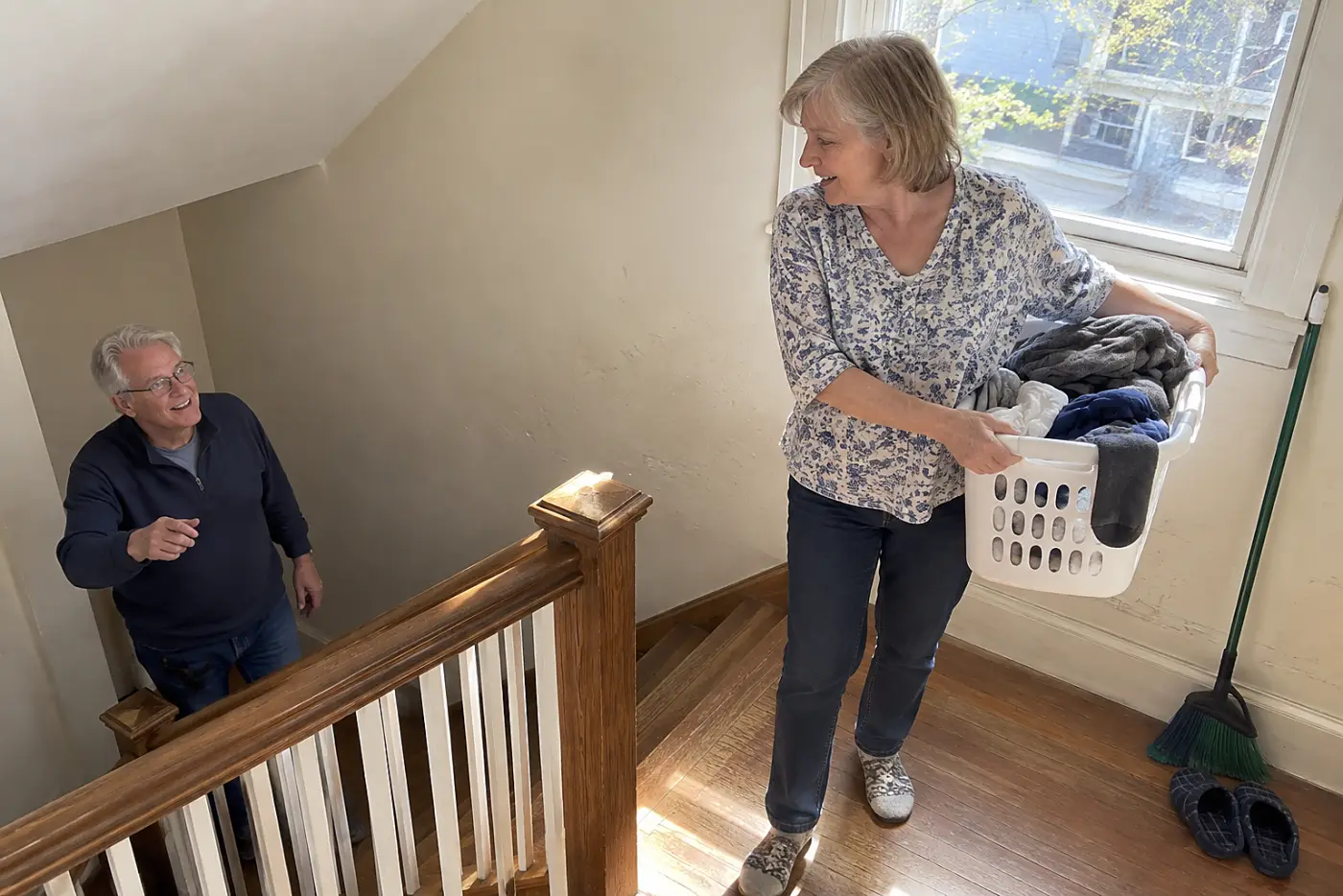
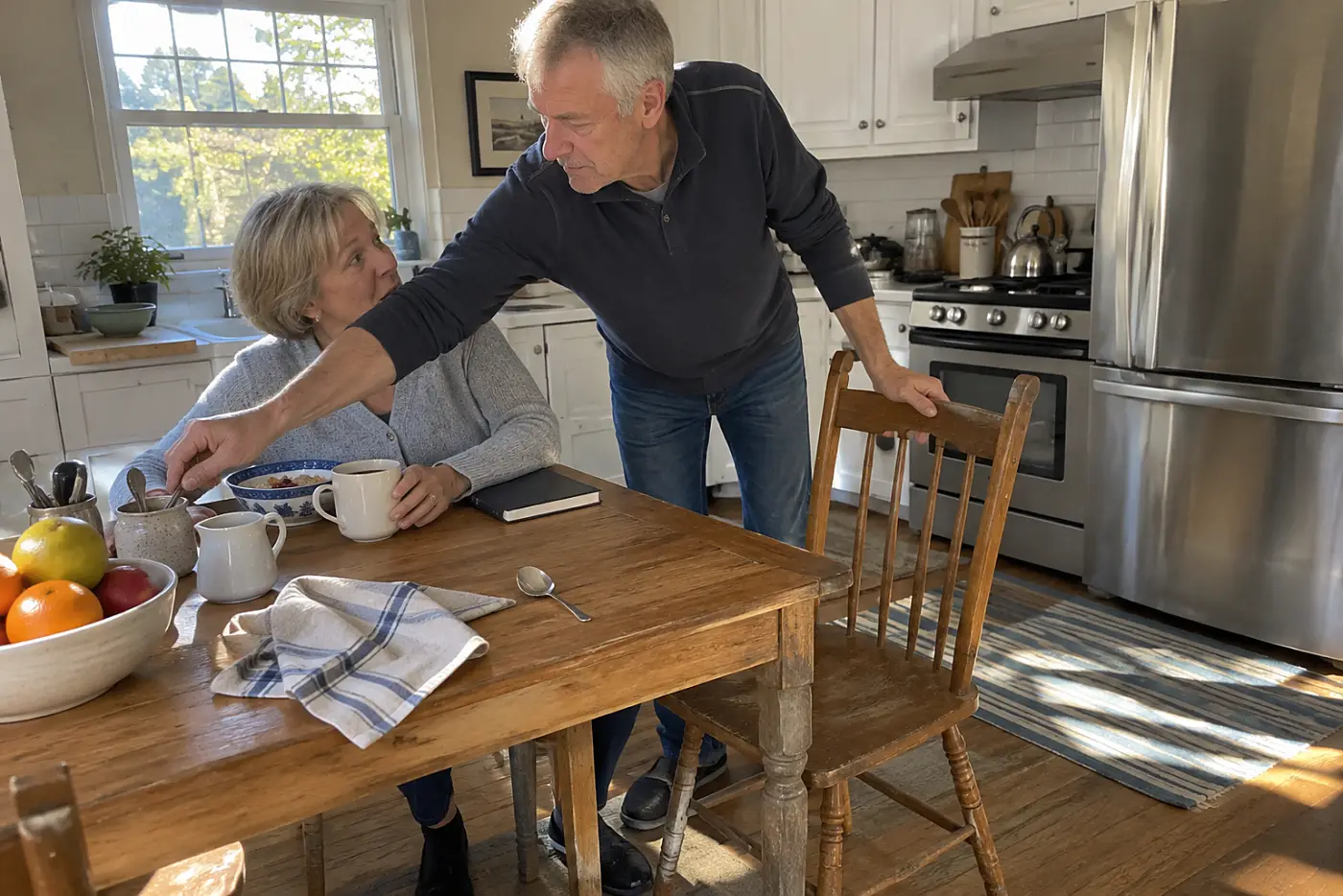
You reach for the coffee mug on the top shelf, and your jaw catches before your hand gets there. The loss was last year. You stand with the cupboard open, trying to remember whether it hurt yesterday. Later, you find the lunch you made still sitting on the counter.
That doesn't mean you failed to heal. Stress, changed routines, and illnesses that need care leave similar marks, so calling every new symptom grief carries its own risk.
Here are 25 places to look before you decide you're overreacting.
25The jaw you notice at breakfast
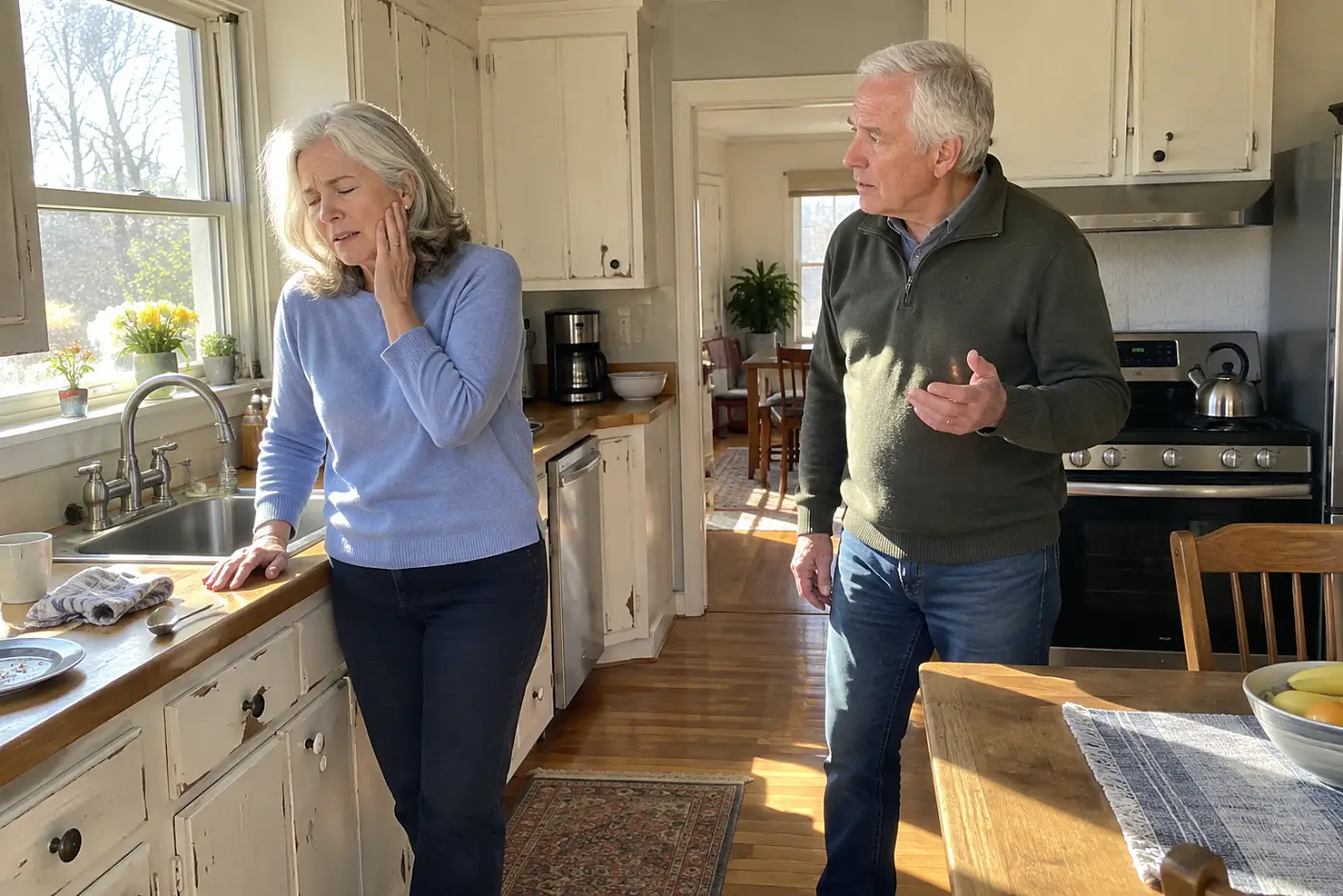
Your teeth stay busy while you're asleep.
Jaw muscles tighten with stress, and nighttime grinding leaves soreness around the joint. A morning headache or worn teeth gives your dentist more to work with than a guess about grief. A year after the loss, the ache still deserves a look.
Ignoring a cracked tooth turns a hard morning into a dental bill. This week, check whether your jaw hurts before coffee and whether chewing makes it worse. Book a dental visit if the pain keeps returning. “I've been waking with jaw pain. Would you check for grinding?”
The next clue sits lower down your neck.
24The shoulders that rise during phone calls
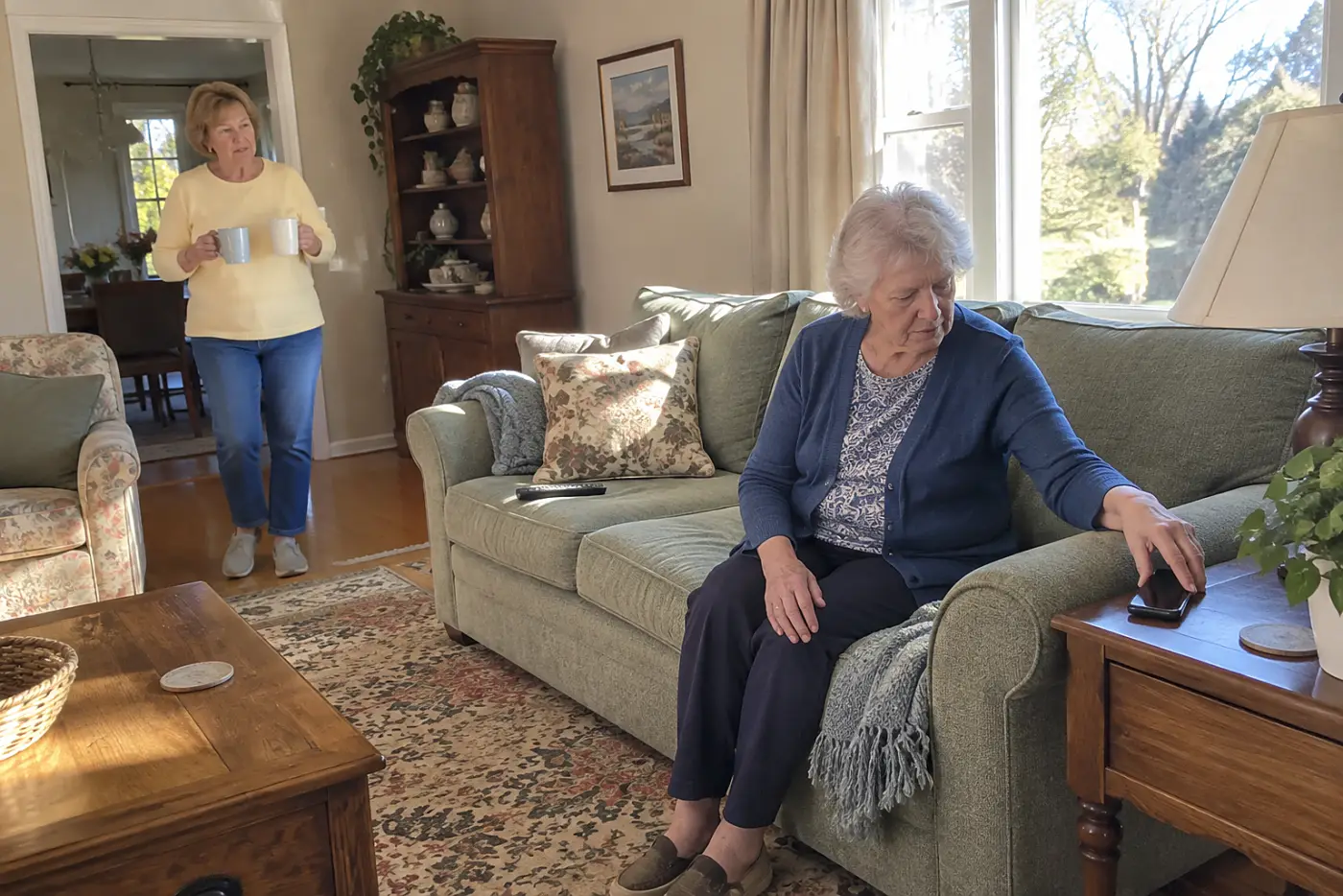
Your shoulders remember calls you'd rather forget.
After months of difficult conversations, you brace before answering. Your neck muscles stay contracted, and a long call adds time in one position. The result feels like a stiff neck the next morning, even when the conversation itself went fine.
If pain travels into an arm, or you notice weakness or numbness, don't file it under stress. A clinician needs to hear about those changes. This week, set the phone down after a call and notice where your shoulders sit. Then ask a physical therapist or clinician to assess pain that persists. “My neck tightens during calls, and I want to check the pain that's left afterward.”
For now, rest your forearms and let your shoulders drop while you breathe normally. Stop if movement worsens the pain. You haven't undone a year's habit in one try. Notice whether the same calls bring it back.
Another place to check is your chest.
23The breath you hold at the mailbox

A familiar envelope stops your breath before you open it.
Anticipation changes breathing before you see what's inside. Short breaths tighten muscles around the chest. The National Institute of Mental Health describes physical stress reactions, including aches and changes in sleep.
Chest pain, fainting, or severe trouble breathing needs urgent medical attention, whatever arrived in the mail. This week, notice whether the tightness starts before you touch the envelope. Tell your clinician about any new or recurring chest symptom. “This happens near the mailbox, but I don't want to assume that's the cause.”
Then notice what happens after you eat.
22The stomach that tightens before lunch

Your stomach remembers a date before you do.
The brain and gut communicate through nerves and hormones. A stressful morning changes appetite, bowel movements, and how strongly you feel normal gut activity. That doesn't mean every stomach problem starts in your head. Food, medication, infection, and disease belong in the picture too.
Blood in your stool, persistent vomiting, or unexplained weight loss warrants a medical call. Don't let a meaningful date delay that call. This week, write down when the discomfort begins and what you ate or took beforehand. Bring the record to your primary care clinician. “I notice this around certain dates, but I need help checking other causes.”
You don't have to prove which explanation is right before making an appointment. Describe what happens, how long it lasts, and what interrupts your day. Those details give the visit somewhere to start.
Even a mild stomach change shifts the rest of your day.
21The half-eaten sandwich on the counter

An empty plate isn't proof that you ate.
Meals disappear from the calendar after a household changes. You make lunch for one, answer a message, and find the sandwich hours later. Stress also changes hunger signals, so you notice fatigue before you notice an empty stomach.
Ongoing weight loss deserves a clinician's attention. This week, put lunch on a plate and sit down before answering your phone. Check whether you finish it and whether you've been skipping other meals. If eating remains difficult, say, “My appetite has changed since the death, and I'd like to check my weight.”
Food is only one part of the afternoon slump.
20The water glass still full at bedtime

A full glass on the nightstand tells a small story.
If meals and errands have lost their rhythm, drinking water slips too. Dehydration brings thirst, darker urine, and dizziness. Some medicines change fluid needs, so a blanket instruction to drink more isn't right for everyone.
Dizziness has other causes, including blood pressure changes and medication effects. Don't pin it on grief without checking. This week, notice when you drink and whether standing up makes you lightheaded. Tell your clinician if dizziness persists or you take medicine that limits fluids. “I've felt lightheaded when I stand, and I want to review my medicines and fluids.”
Keep the glass where you'll see it with a meal, rather than treating bedtime as your chance to catch up. If you have heart or kidney disease, follow your clinician's fluid advice. A note about dizziness helps more than forcing down water.
The night itself has another clue.
19The bed where four o'clock keeps returning

Waking at four becomes its own daily appointment.
Stress changes sleep, and a changed household changes nighttime sounds. Once you're awake, clock-watching and worry keep you alert. The National Heart, Lung, and Blood Institute describes how lost sleep affects attention and health.
Poor sleep makes driving and medication decisions harder the next day. This week, note bedtime, wake time, and daytime naps without judging the list. Bring recurring insomnia to your clinician. “I've been waking early for weeks, and I want help with my sleep.”
Before morning comes, there's another nighttime clue.
18The pillowcase damp after another dream

A vivid dream leaves your body wide awake.
Dreams pull old places and voices into the present without asking. You wake with a fast heartbeat, then spend the next hour checking the room and replaying the scene. The dream doesn't tell you how far along you are in grieving.
Repeated nightmares that disrupt sleep deserve attention, especially when you dread going to bed. This week, jot down how frequently you wake distressed and how long it takes to settle. Tell your clinician or therapist if it keeps happening. “I'm losing sleep after recurring dreams, and I'd like help with that.”
If you wake frightened, orient yourself to the room before reaching for your phone. Name the lamp, the window, and the floor beneath your feet. You don't have to interpret the dream at dawn. What matters for the appointment is the sleep you're losing and what follows you into daylight.
The next sign appears before your feet hit the floor.
17The headache waiting beside your alarm
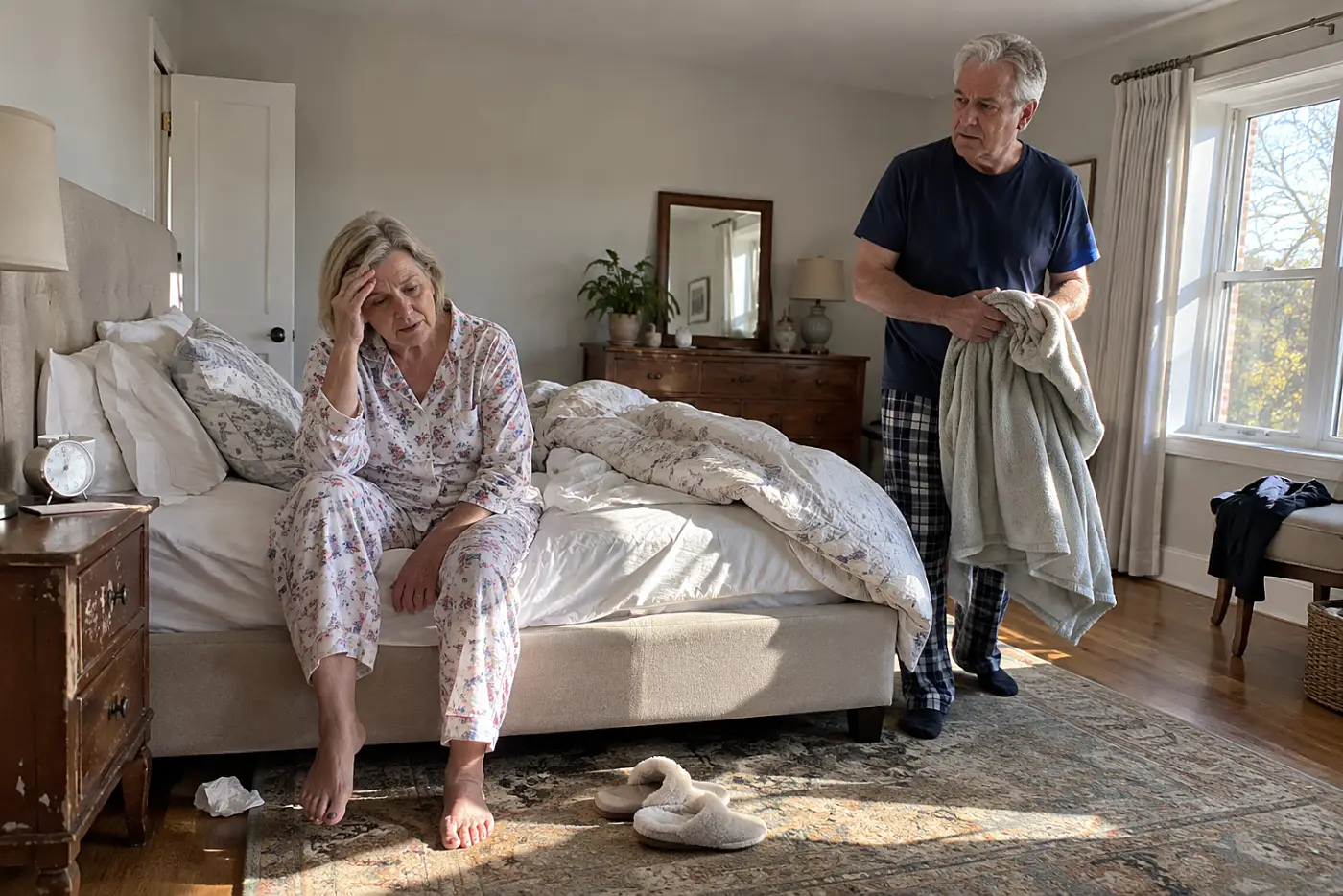
Morning pain makes yesterday's sleep harder to dismiss.
Sleep loss, jaw tension, and changes in caffeine all feed headaches. A new headache deserves its own history, not a borrowed explanation. The National Institute of Neurological Disorders and Stroke describes headache warning signs and types.
A sudden, severe headache needs immediate medical care. This week, record when pain begins, where you feel it, and any medicine you take. Tell your clinician if the pattern has changed. “These headaches are new to me, and I want to go through the timing.”
Next, watch what happens when you stand.
16The hand you put on the hallway wall
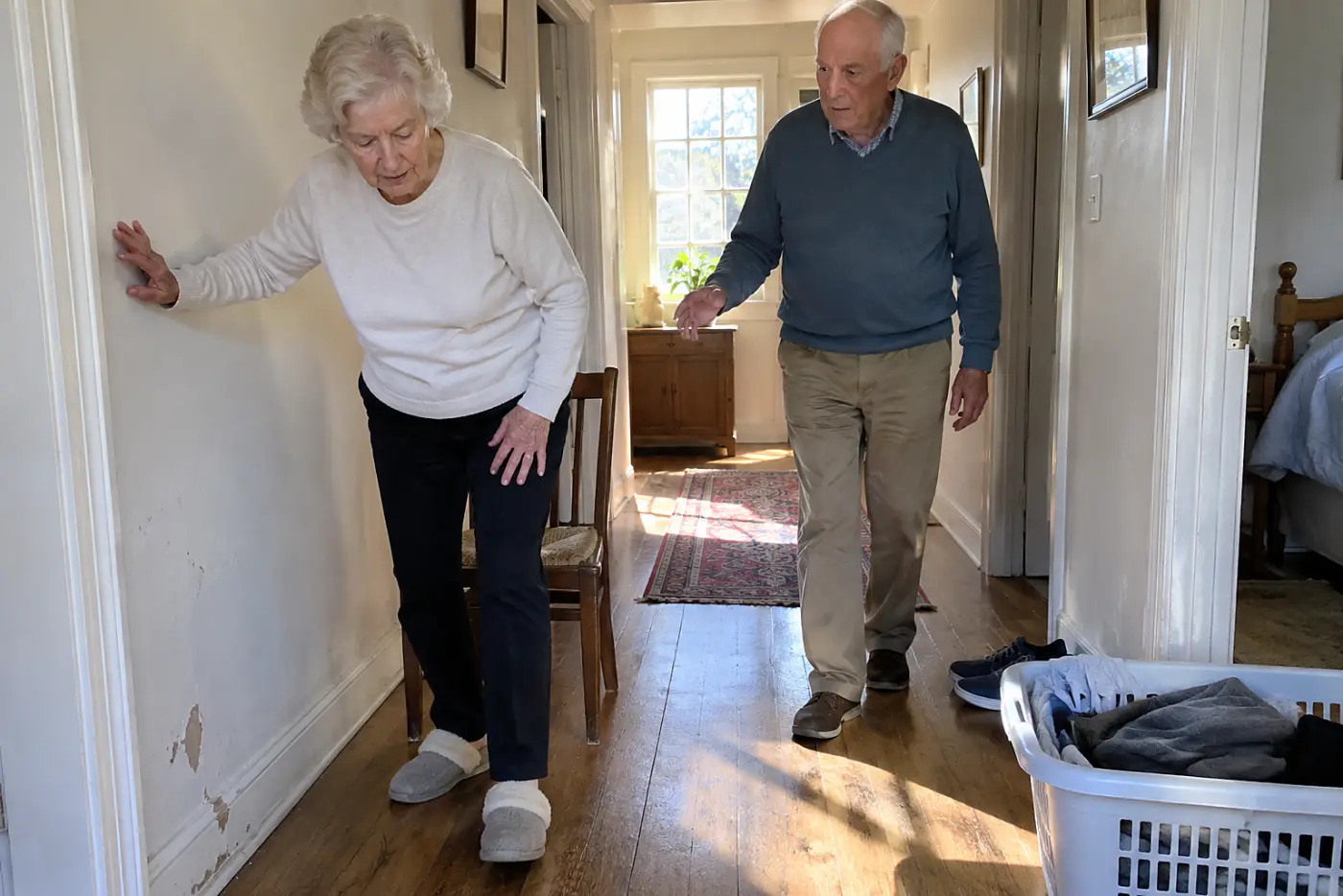
Reaching for the wall is information worth keeping.
Lightheadedness after standing has several possible causes. Blood pressure, medicines, dehydration, and illness all belong on the list. Disrupted eating and sleep don't tell you which cause is operating when the room tilts.
A fall changes your day in an instant. If you faint, seek medical care; if dizziness repeats, contact your clinician promptly. This week, write down when it happens and which medicines you took that day. “I have to steady myself after standing, and I'd like my blood pressure and medicines reviewed.”
Rise from bed in stages while you're arranging that visit. Sit at the edge first, then stand when you're steady. That step helps you get across the room safely, but it doesn't replace finding out why you're dizzy.
The walk across that room holds another clue.
15The pause on your usual walk

The route stayed the same, but you stopped sooner.
After a loss, walks disappear from the day without a formal decision. Less movement reduces endurance, and poor sleep makes exertion feel harder. Breathlessness has medical causes too, including heart and lung problems.
New breathlessness at rest, or on an easy walk you finished before, needs medical attention. Breathlessness with chest pain needs urgent care. This week, note which part of your usual route makes you stop and whether the change is new. Ask a clinician about it. “I get winded on a walk I used to finish easily.”
Don't push through a new breathing problem to test yourself. Keep the route and your stopping point in mind when you describe it. One walk doesn't establish the cause, but a familiar route makes the change easier to explain.
The next change shows up when you lift something.
14The grocery bag that feels heavier

The bag holds the same milk and oranges.
Strength fades when lifting, cooking, and outings fall away. A sore shoulder or poor night's sleep adds to the effort. Yet new weakness also calls for a medical check, especially when one side differs from the other.
Sudden weakness on one side of the body is an emergency. For a gradual change, don't settle for guessing how much strength you've lost. This week, notice which ordinary task changed first: bags, rising from a chair, or reaching overhead. Tell your clinician or physical therapist what you found. “I used to carry this bag easily, and now I can't.”
Try a sturdy chair rise only if it feels safe: stand without pulling on furniture, then sit with control. Stop if you're dizzy or in pain. That small test gives you a clear task to describe. It doesn't explain why the change began.
A painful joint changes the task in another way.
13The knee you keep out of the chair
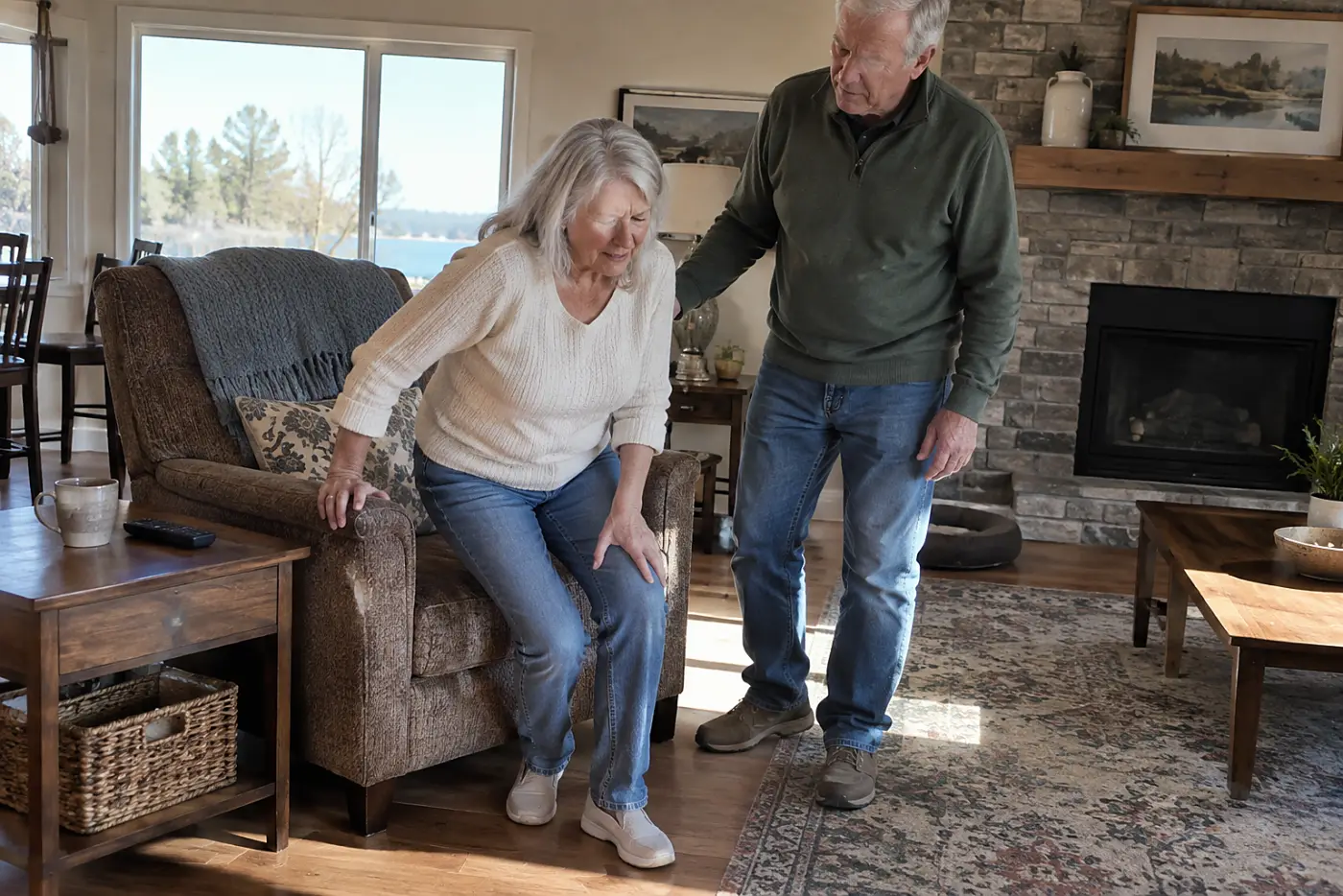
A chair reveals which leg you're protecting.
You shift weight away from a painful knee, then load the other leg more. That new pattern reaches your hip and back. Stress raises muscle tension and makes existing pain harder to ignore, but it doesn't diagnose the joint.
Swelling, redness, fever, or a joint that won't bear weight deserves medical attention. This week, watch how you stand from a firm chair and which leg does the work. Bring that observation to a clinician or physical therapist. “I've been protecting this knee, and now my other hip hurts.”
Keep a clear path around the chair so you don't twist while rising. Use its arms if you need them. Pain that changes how you move is worth describing even when the original ache seems familiar.
Another task puts a different load on your back.
12The backache after sorting the closet
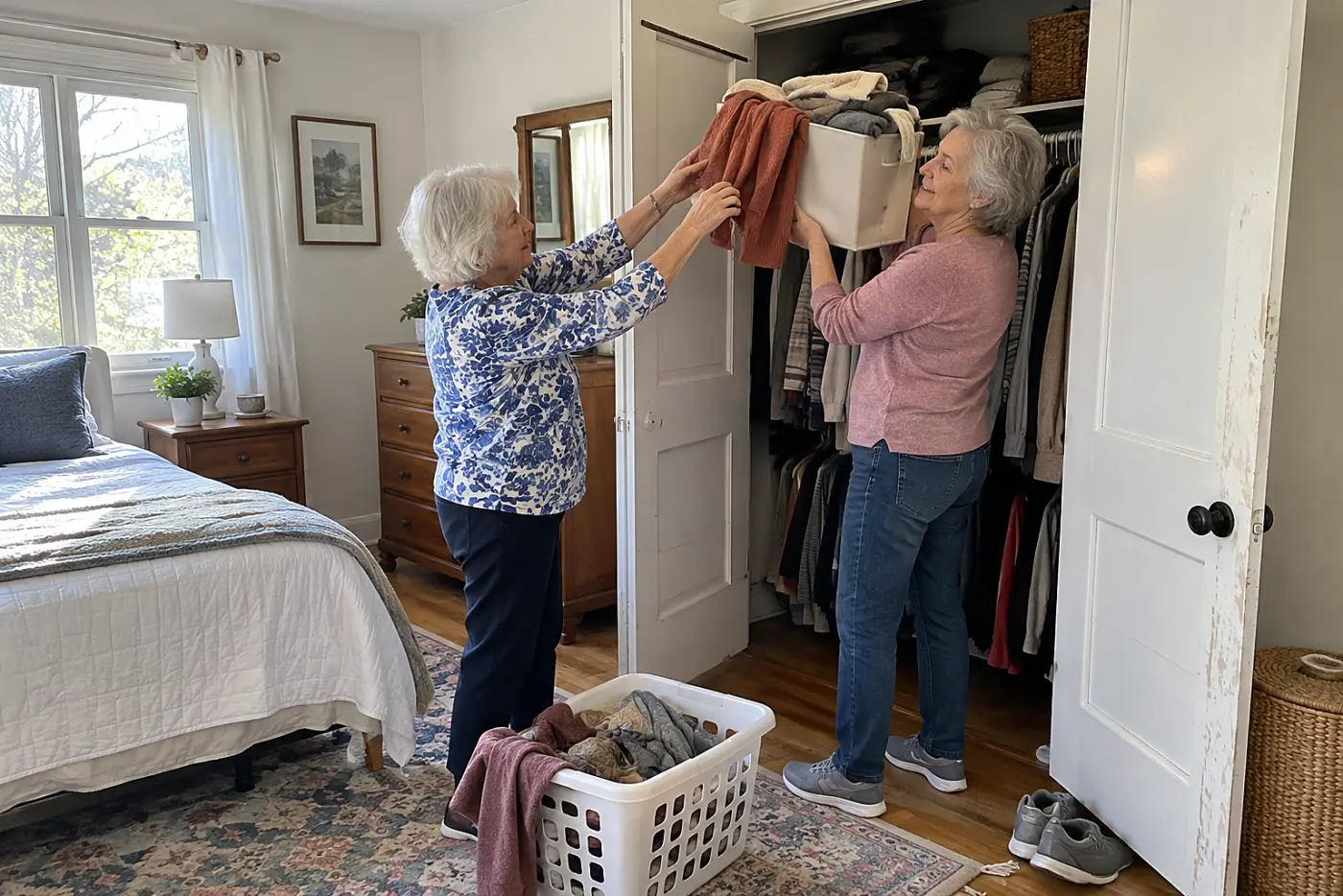
A closet holds you bent over longer than you think.
Sorting clothes means lifting boxes, reaching overhead, and sitting on the floor. If that work replaced your usual exercise, your back has less reserve for it. Stress tightens muscles on top of the strain.
New bowel or bladder control problems with back pain need urgent medical evaluation. This week, break sorting into shorter sessions and note which movement hurts. Tell your clinician if pain persists or starts traveling down a leg. “My back pain began after lifting boxes, and it hasn't settled.”
You don't need to finish the closet to establish when the ache began. Leave the heavy box where it is for now. The next warning sign might arrive without lifting anything.
11The racing pulse near a familiar address
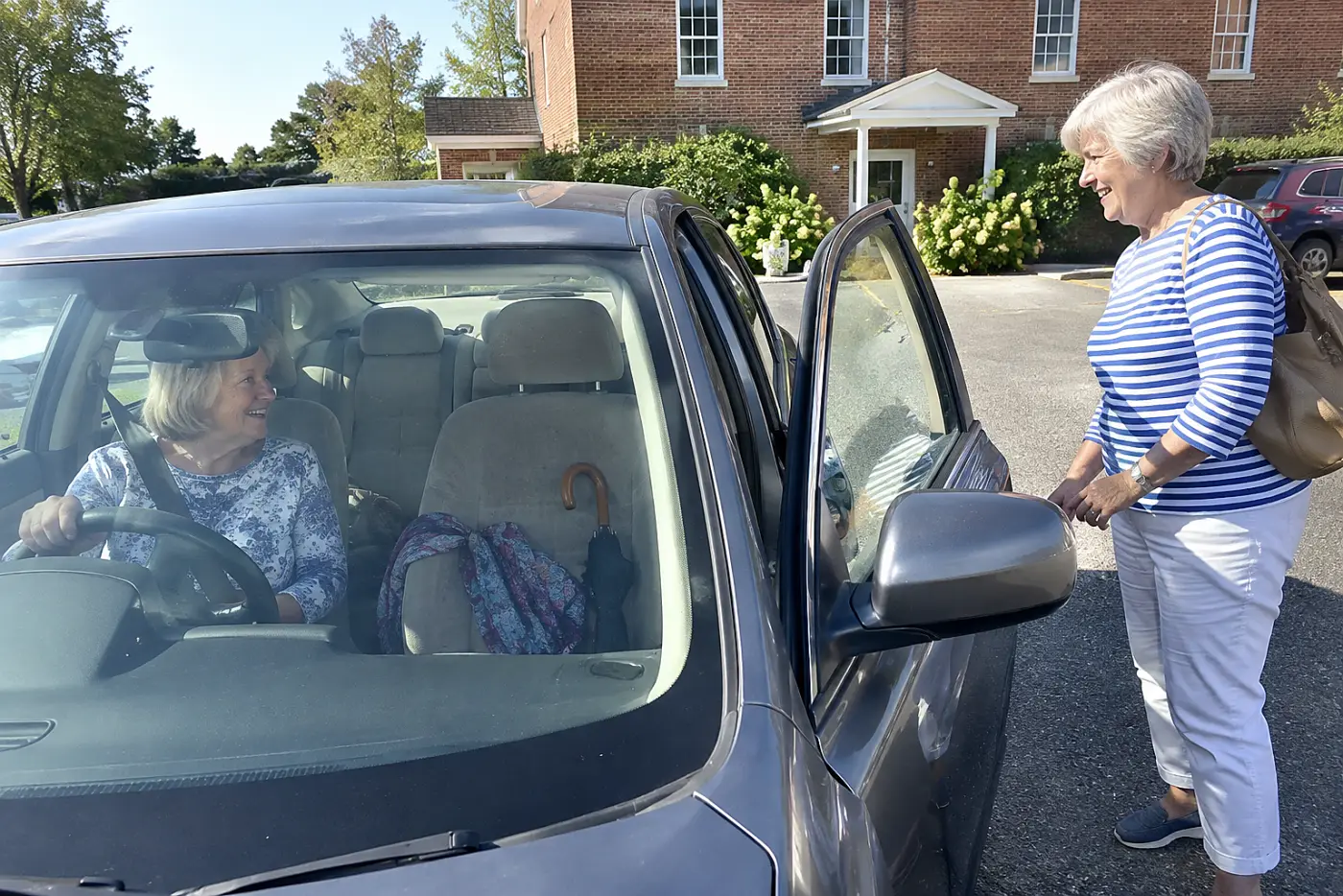
Your heart speeds up before the turn onto that street.
The body's stress response raises heart rate as it prepares for action. An address tied to a hospital or a final visit sets it off. But palpitations also follow caffeine, medicines, and heart rhythm problems, so the location alone proves nothing.
A fast or irregular heartbeat with fainting, chest pain, or severe shortness of breath needs urgent care. This week, note what you were doing, how long it lasted, and any other symptom. Share that with your clinician. “My heartbeat races near this address, but I want to rule out a heart problem.”
Don't test yourself by driving the route repeatedly. If an episode starts behind the wheel, pull over safely. Write down what happened once you're steady. A recognizable trigger is useful information; it isn't permission to ignore a new heart symptom.
The same alarm response lands in your hands.
10The shaking hand above the teacup
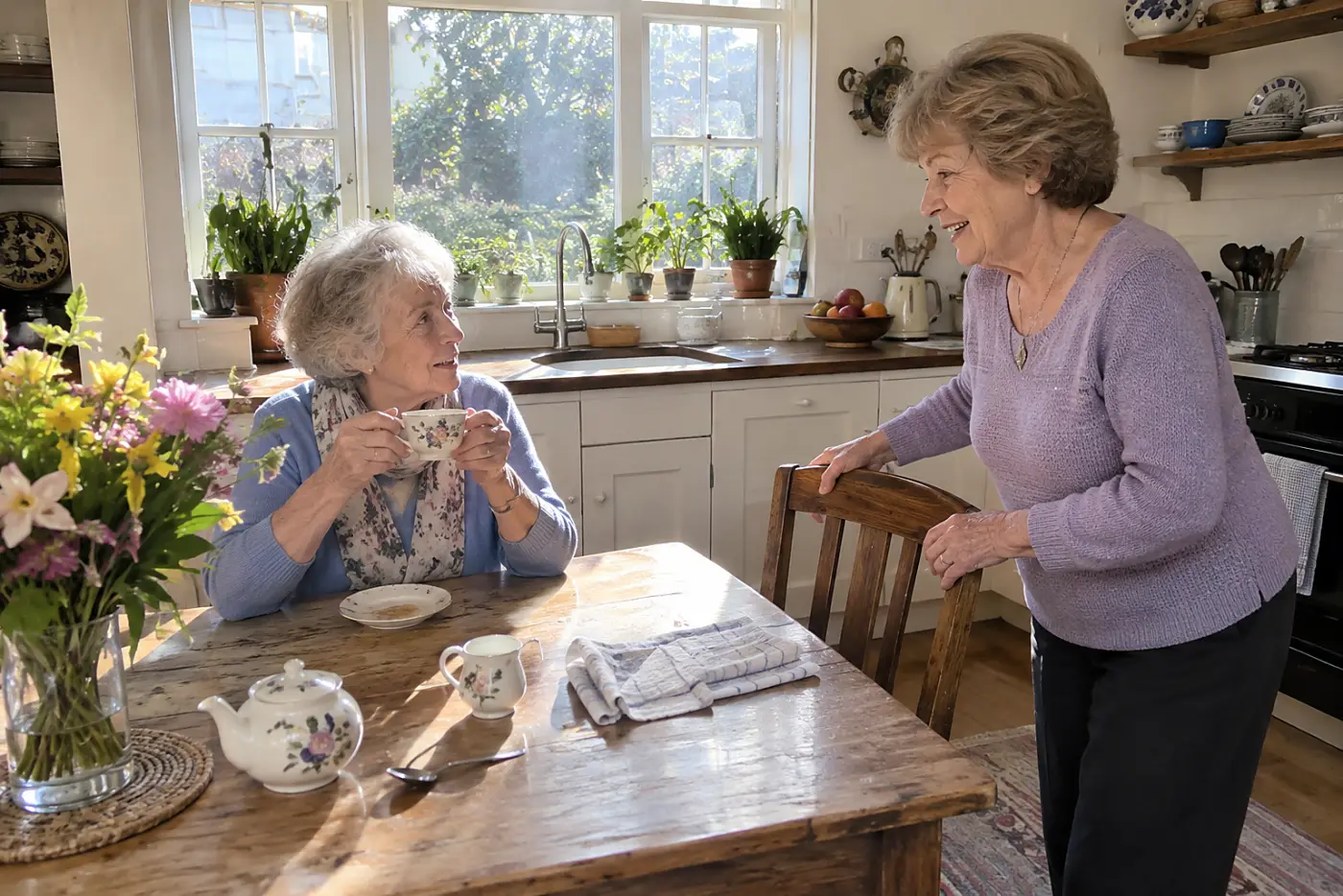
A trembling hand makes a small task feel public.
Adrenaline, missed meals, caffeine, and poor sleep affect steadiness. A new tremor has other possible causes, including medicine effects. The National Institute on Aging has information on health changes to discuss with a clinician.
Don't hide a new tremor because it appears on hard days. This week, notice whether it happens at rest or while reaching. Check whether it began after a medicine changed. Tell your clinician what you see. “My hand shakes when I lift a cup, and this is new.”
Now look at what gets you through the afternoon.
9The afternoon coffee that replaced a meal
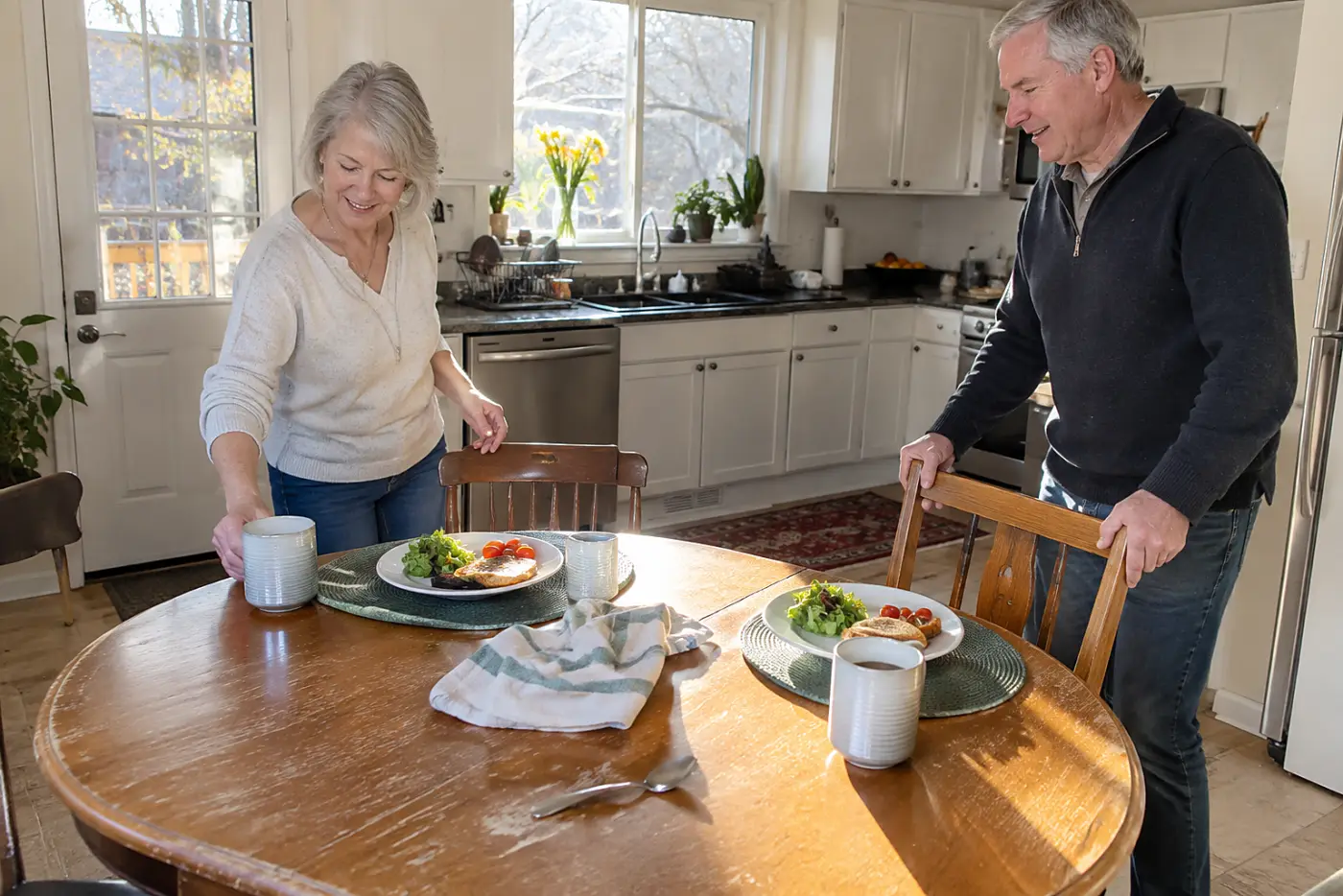
Coffee covers hunger until the evening crash.
When your usual lunch company is gone, the meal itself slips. Caffeine keeps you alert for a while, then interferes with sleep if you drink it late. It also worsens jitters or palpitations for some people.
The cost is a loop: less food, poorer sleep, then another cup to get moving. This week, eat something before your usual afternoon coffee and note whether your symptoms change. Ask your clinician about persistent palpitations or sleep trouble. “I rely on afternoon coffee now, and my sleep and heartbeat have changed.”
You don't need to quit coffee to notice the pattern. Check the cup size, timing, and whether you had lunch. If you're taking a new medicine, bring its name too. A plain record gives you and your clinician more to use than “I'm just tired.”
Later in the day, a different drink takes over that job.
8The wine poured beside the pill bottle

A bedtime drink and an old pill deserve one review.
Alcohol makes you drowsy at first, then disrupts sleep. It also interacts with medicines and worsens balance. A sleep aid left from the first weeks after the death creates another reason to check what's in your evening routine. The National Institute on Alcohol Abuse and Alcoholism has guidance on alcohol and medication risks.
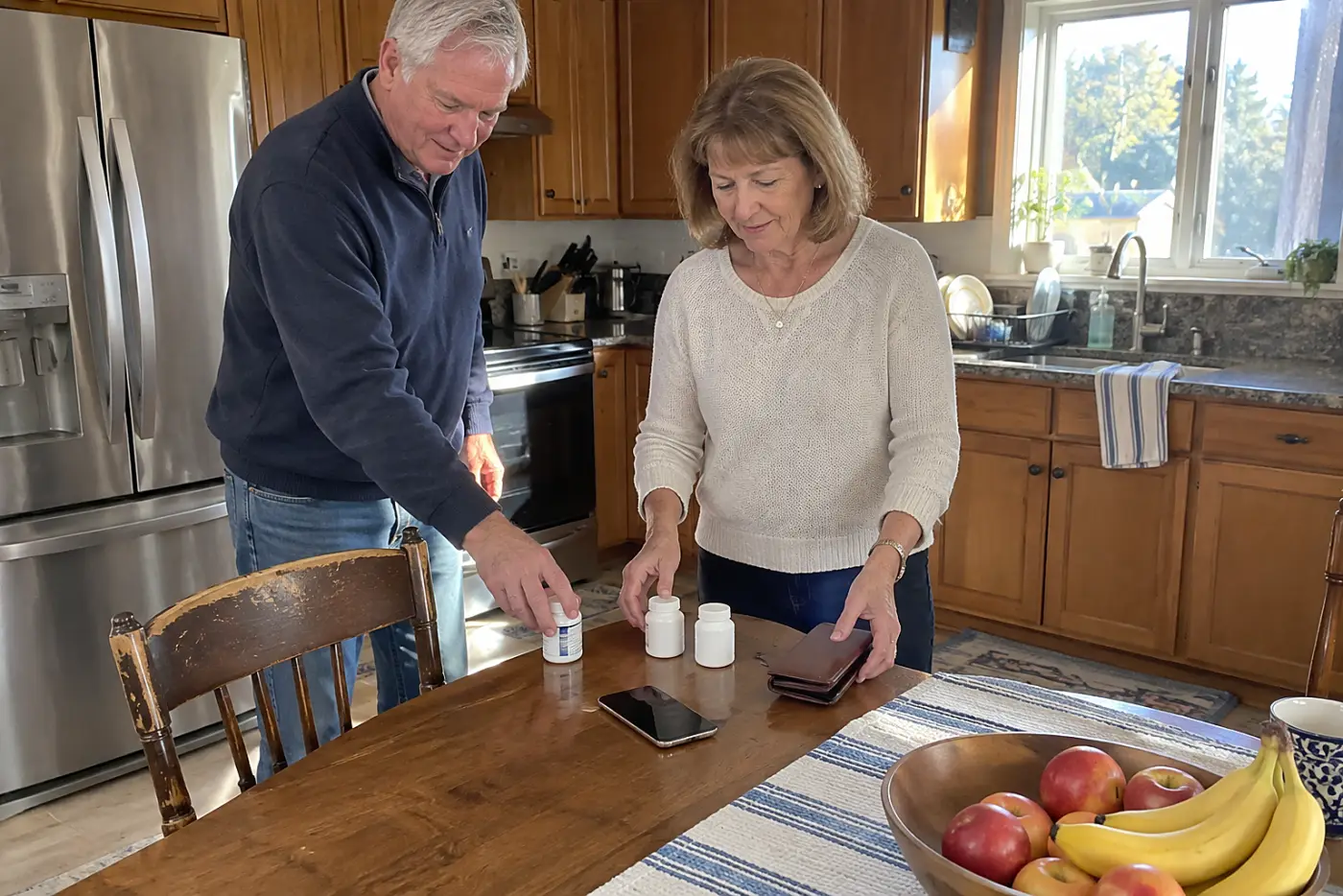
Drowsiness the next morning raises the chance of a fall. Don't stop a prescribed medicine abruptly on your own. This week, count what you pour and gather every pill bottle, supplement, and over-the-counter sleep aid. Take them to your pharmacist or clinician. “My evening routine changed after the death. Will you check these together?”
Read each label while you gather the bottles. Write down what you've actually been taking, since the printed directions might differ. The FDA's drug information is another place to check a medicine's official information.
A separate bottle might be missing altogether.
7The prescription refill left at the pharmacy
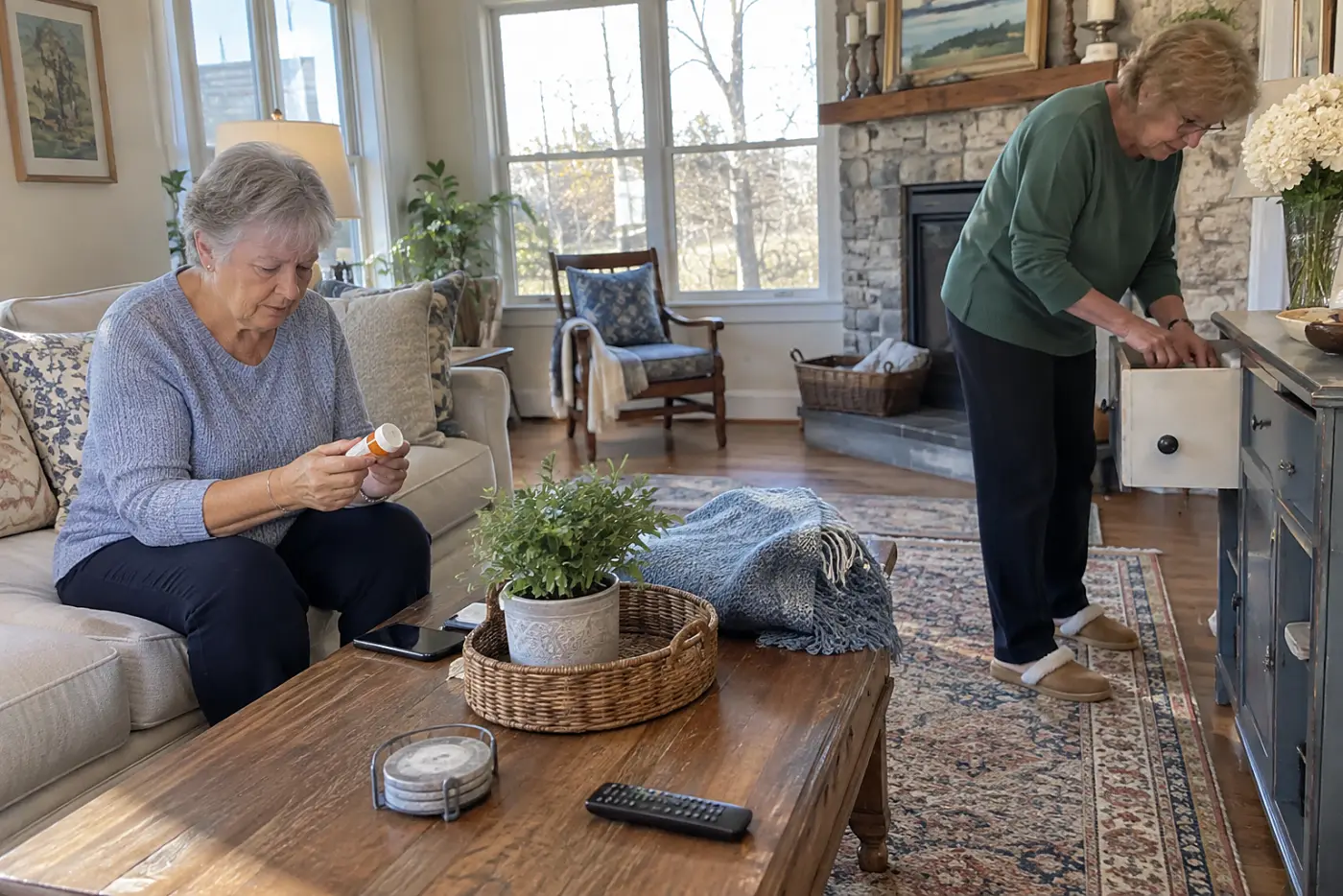
A missed pickup turns into missed doses.
Grief crowds the calendar with tasks that don't feel optional. A refill message gets buried, then a daily medicine runs out. The gap changes what you've actually taken, regardless of what the bottle's label says.
Stopping certain prescriptions suddenly has real risks, so guessing whether to restart isn't safe. This week, check each bottle for doses left and call the pharmacy about any gap. Have the medicine's name and the last dose you took ready. Tell the pharmacist, “I missed doses of this medicine. What should I do before taking the next one?”
The next lapse has no reminder from the pharmacy.
6The keys you keep finding in the freezer
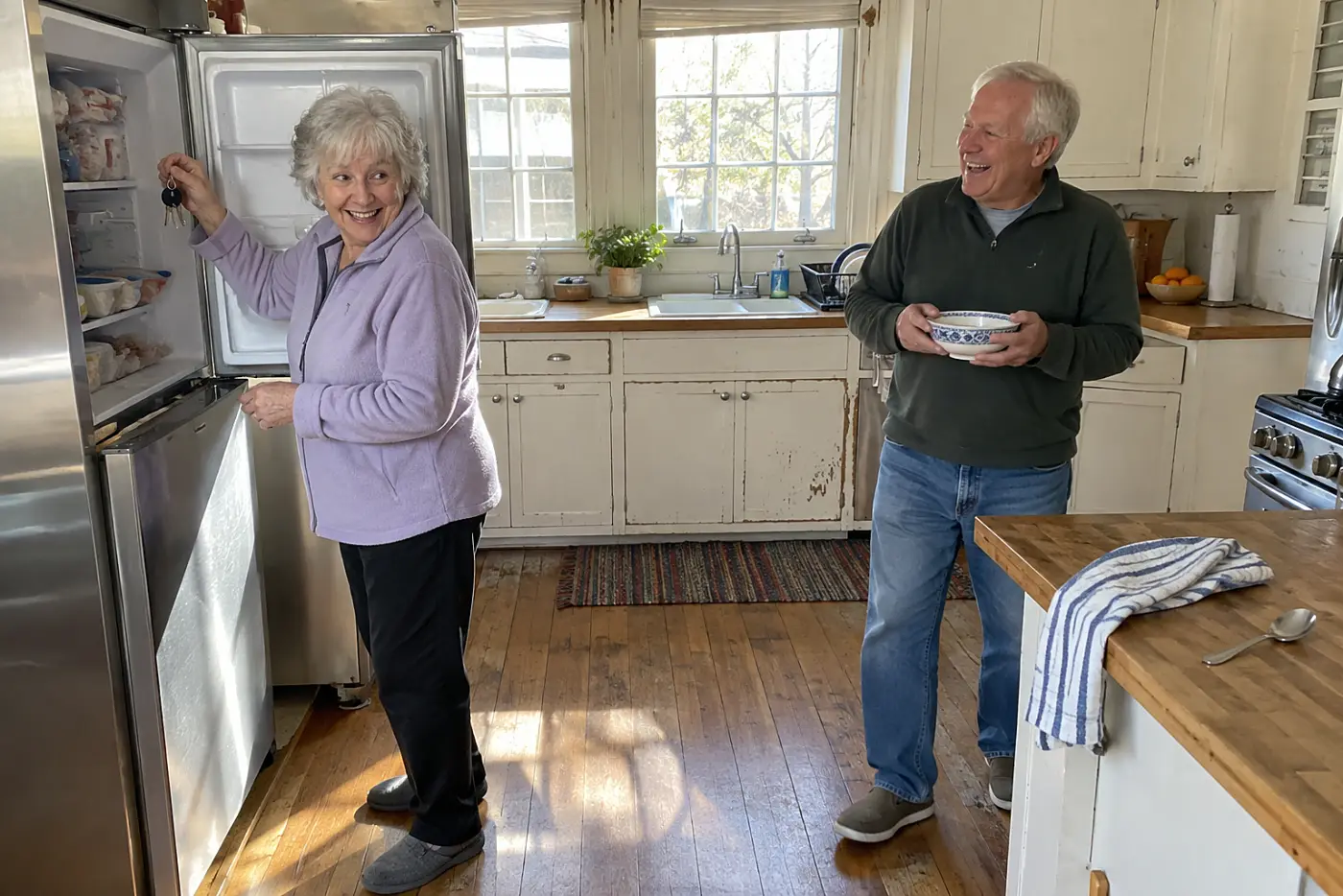
Misplaced keys are embarrassing; a pattern needs context.
Stress and poor sleep interfere with attention. You set the keys down while thinking about a bill, then have no clear memory of where they went. Medication effects and medical conditions belong in the conversation too.
The National Institute on Aging's memory information describes changes worth discussing with a doctor. If memory problems disrupt bills, cooking, or getting home, don't wait for an anniversary to pass. This week, write down two or three specific examples and when they happened. Bring them to a clinician, along with your medicine list. “I'm missing steps in tasks I used to manage, and I want that checked.”
Putting keys in one bowl helps with the next search. It won't answer why you forgot a bill or left the stove on. Keep the examples factual, including days when sleep was poor.
What reaches your ears first deserves its own check.
5The conversation you missed across the table

A missed answer looks like inattention from across the table.
Hearing changes leave gaps in a reply, especially when other people are talking. You answer the part you heard and miss the rest. The National Institute on Deafness and Other Communication Disorders describes hearing changes and testing.
Untreated hearing trouble makes conversations harder to follow, even on days you feel rested. This week, notice whether you lose words in a noisy room or during a conversation at home. Ask a clinician about a hearing check. “I'm missing parts of what people say, and I'd like my hearing checked.”
The room gets even harder to judge when you stop going out.
4The calendar with no ordinary plans

A blank calendar changes the amount you move.
Without a regular errand or visit, you sit longer and go outside less. That change affects sleep, appetite, strength, and how often another person notices you're unwell. The CDC's physical activity guidance describes the health value of regular movement.
A serious drop in daily activity is worth discussing, especially if you no longer do things you used to enjoy. This week, put one specific outing on the calendar and tell a clinician if leaving home feels impossible. “I've stopped making plans and moving around the way I used to.”
Choose a place with a purpose, such as returning a library book. You don't need to turn it into a social event or stay longer than you want. Note whether getting dressed, traveling, or being there is the hardest part. That distinction helps when you ask for support.
The calendar has another kind of blank space.
3The annual appointment you crossed off

A missed checkup doesn't pause your health.
Grief fills the year with paperwork and dates that feel more urgent. Blood pressure, screening, and medicine reviews still need their own place. The U.S. Preventive Services Task Force publishes screening recommendations your clinician applies to your history.
A canceled visit leaves new symptoms without a place to be heard. This week, check which routine visit you canceled or never booked. Look at your calendar or the office's last reminder if you don't recall. Call the office: “I missed my usual appointment, and I'd like to get back on the schedule.”
That appointment needs room for a difficult date, too.
2The date circled beside an old photograph

A circled date explains timing without explaining everything.
Birthdays, holidays, and the anniversary of a death bring back routines, places, and expectations. Your body reacts before you've counted the days. The American Psychiatric Association describes prolonged grief disorder, including persistent distress and disruption that call for assessment.
A hard anniversary by itself isn't a diagnosis. When grief keeps you from daily life, or distress grows instead of easing, ask a clinician or mental health professional for an assessment. This week, mark the dates when symptoms flared and what changed around them. Say, “These dates hit me physically, and I'm having trouble doing my usual things.”
The date belongs beside your symptoms, not in place of them. It shouldn't erase a new medical complaint. You can speak about grief and ask for a physical exam in the same visit.
There's one page that brings those details together.
1The symptom timeline you bring to your clinician
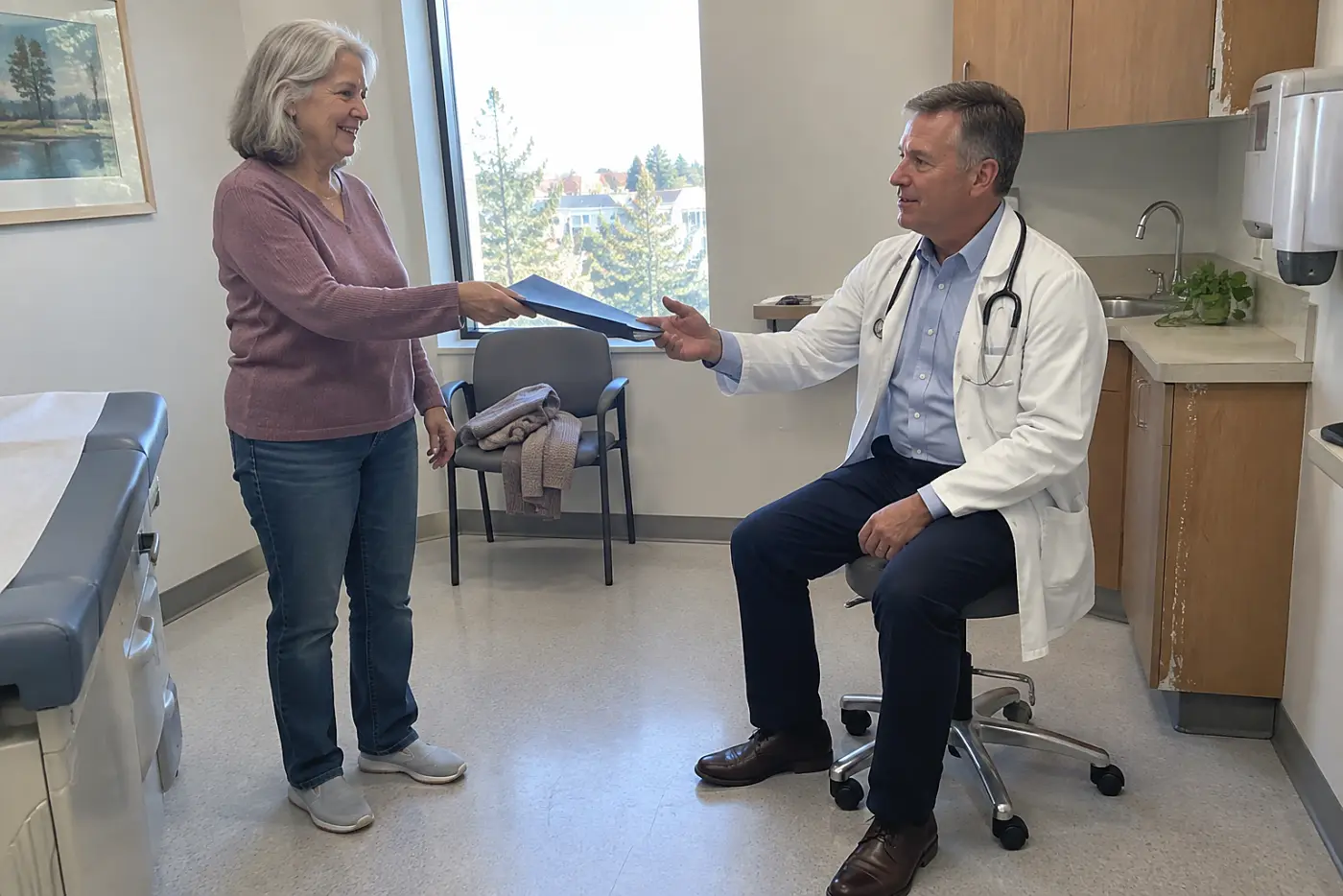
A familiar explanation hides a new illness.
Grief changes sleep, appetite, attention, and stress responses. Medical conditions and medicine changes produce similar symptoms. A timeline puts those possibilities in order, starting with what changed and when, rather than asking you to diagnose yourself.
This matters most when a symptom is new, worsening, or interrupting daily life. Don't wait another year to prove it will pass. Sudden weakness, severe trouble breathing, fainting, or new chest pain needs urgent care.
This week, take one sheet of paper and make four columns: date, symptom, what you were doing, and what else changed. Include sleep, meals, medicines, and dates tied to the loss. Bring the page to a clinician and say, “I thought this was grief, but I want to check what else is going on.”
Add the first day you remember the symptom, even if the date is approximate. Circle anything that has become more frequent. The MedlinePlus guide to talking with your doctor recommends bringing questions and details to a visit.
The lines below give that page a starting shape.
The bottom line
Across these 25 ways, grief changes routines and stress responses while unrelated health problems develop beside them.
The best-prepared version of you has written down what changed and booked the visit. The cause still needs checking.
Which of these has already happened in your family?
Bonus: The symptom timeline that puts new symptoms in order
- Draw four columns on one page: date, symptom, what you were doing, and what else changed.
- Add sleep, meals, medicines, and dates tied to the loss where they belong.
- Circle a symptom that is new, worsening, or keeping you from daily life.
- Bring the page to your appointment and say, “I thought this was grief. What else should we check?”
Dr. Alan Pierce, PT, DPT
Health Reviewer
Alan is a physical therapist who specializes in helping adults over 50 stay strong and mobile.
You might also like