23 Things People Wish They'd Done Before Their First Health Scare
After a friend’s ambulance ride, three small details suddenly matter: the allergy reaction, the house key, and who answers an unknown number.
By Dr. Alan Pierce, PT, DPT, Health Reviewer
Updated · 15 min read
- Written by our health reviewer
- How we review
Read to the end: #1 is a pocket-card test that puts critical details within reach, and almost nobody does it.
The phone is still on the kitchen counter. Your friend’s daughter is looking through drawers for a pill bottle while a paramedic asks about allergies. Across the room, your friend is trying to remember the name of a blood thinner.
The obvious plan is to handle everything at the hospital. By then, someone else is searching for facts you already know, and a rushed answer travels with you into the next room.
Here are 23 things to do before that call.
23Write down your current medication doses

A familiar pill becomes an unknown pill under pressure.
An emergency team needs the drug name, dose, and schedule. The bottle shows what was dispensed, but it doesn’t show that your doctor changed the dose last Tuesday.
Include prescriptions, over-the-counter drugs, vitamins, and supplements. The FDA has medication information, but an old printout still leaves your most recent change out of the conversation. That gap matters when someone asks what you took this morning.
This week, copy each label and add what you actually take. Ask your pharmacist, “Will you check this against the prescriptions you have on file?”
Then look at the reactions that a drug list alone won’t explain.
22Separate allergies from unpleasant drug side effects

Nausea and anaphylaxis don’t tell the same story.
Write the drug name beside the reaction it caused. “Penicillin allergy” gives a clinician less to work with than “amoxicillin caused hives and lip swelling.” If you don’t remember the reaction, write that down rather than filling the blank with a guess.
A vague entry delays a treatment decision while staff try to reach someone who remembers. An old entry also follows you from one chart to another. This week, check the allergy entries in your patient portal and correct what you know. Tell the office, “Please record the reaction, not just the drug name.”
That record still leaves out the bottles you bought yourself.
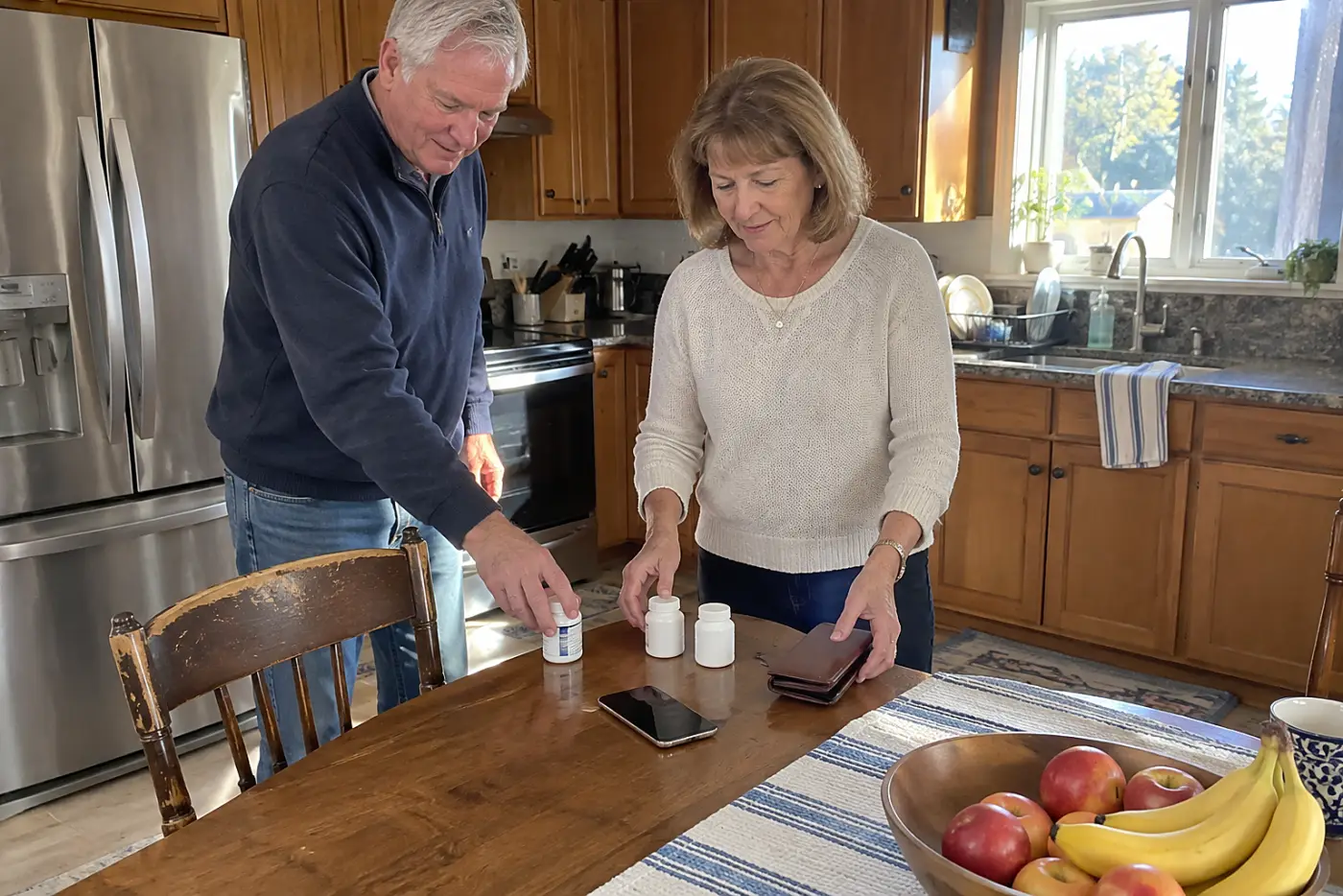
21Check the label on every supplement bottle

The gummy on the counter belongs in the medical conversation.
Supplements interact with prescription drugs. The NIH Office of Dietary Supplements keeps fact sheets on ingredients, including drug interactions, but the first step is knowing what is in your cabinet.
Look for the full ingredient list, not the name printed across the front. A product sold as “sleep support” contains more than its front label tells you; your clinician needs the ingredient names before reviewing a new prescription. Keep the package until you’ve captured that panel.
This week, photograph each label and add the product and dose to your medication list. Ask at your next visit, “Do any of these change how I should take my prescriptions?”
The next thing to record isn’t in a bottle at all.
20Take a baseline blood pressure reading

One number means more when you know its usual neighbor.
Blood pressure changes through the day. A home log gives your clinician readings taken outside an exam room, alongside the date and time.
The American Heart Association advises sitting with your back supported and feet flat before a reading. Don’t treat a single home number as a diagnosis. Write down the reading and let your care team interpret the pattern.
This week, ask your care team whether home checks fit your situation and which cuff size to buy. Say, “Can you show me how to take a reading you trust?”
There’s another set of numbers you’ll want before anyone asks.
19Save your recent test results together

A result in a portal is harder to find during a transfer.
When care moves from an urgent care center to a hospital, the next team needs the actual report, not your memory of “normal.” A lab value also makes more sense beside earlier values from the same test.
Start with your latest blood tests, imaging reports, and discharge papers. Don’t try to diagnose yourself from a flagged number; use the collection date and report to show what changed. A screenshot cropped above the date loses part of the story.
This week, download copies into a folder you can open on your phone. Ask your doctor’s office, “Where do I download the full report, including the date and reference range?”
The file is only as useful as the details you can describe.
18Record symptoms before the appointment starts

The first question is easier before the waiting room.
Write when the symptom began, what you were doing, and what changed. Include what makes it better or worse, rather than settling on “I felt strange.” Note when it stopped, too.
A missing start time makes it harder to explain what happened. The MedlinePlus health site has plain-language explanations, but your own timeline is the evidence you bring. Don’t wait for perfect wording.
This week, start a dated note for symptoms you want assessed. Say, “This began on Tuesday after breakfast and lasted about ten minutes.”
Next, make sure the person you need is reachable.
17Choose the person who gets called first

A name in your phone doesn’t grant hospital staff a plan.
An emergency contact tells staff whom to call. It doesn’t, by itself, let that person make medical decisions or open every part of your health record.
Pick someone who answers unknown numbers and knows where you keep essential information. Then tell that person what you expect: a call, a ride, help contacting others, or all three. A cousin three states away might coordinate calls, while the neighbor with your key handles the front door.
This week, confirm the number in each clinic portal and ask your person to save the hospital’s number if you know it. Tell them, “If a hospital calls, please answer and call me back if you miss it.”
A phone call gets help started; legal authority takes another step.
16Sign a health care directive for your state

Your preferences shouldn’t depend on a bedside guess.
A health care directive records treatment wishes or names someone to speak when you cannot. Forms and signing requirements vary by state, so use your state’s form and instructions. An unsigned draft leaves your chosen person holding a page you never finished.
The National Institute on Aging explains advance care planning. Start there if the terms are unfamiliar, then check the instructions on the form you’ll use. Don’t borrow a signature page from another state’s packet.
This week, find your state health department’s directive form, complete it, and follow its signing rules. Tell your chosen person, “I named you; let’s read this together.”
The signature matters less if nobody knows where the page went.
15Give your chosen person an accessible copy
A document locked away misses the moment it matters.
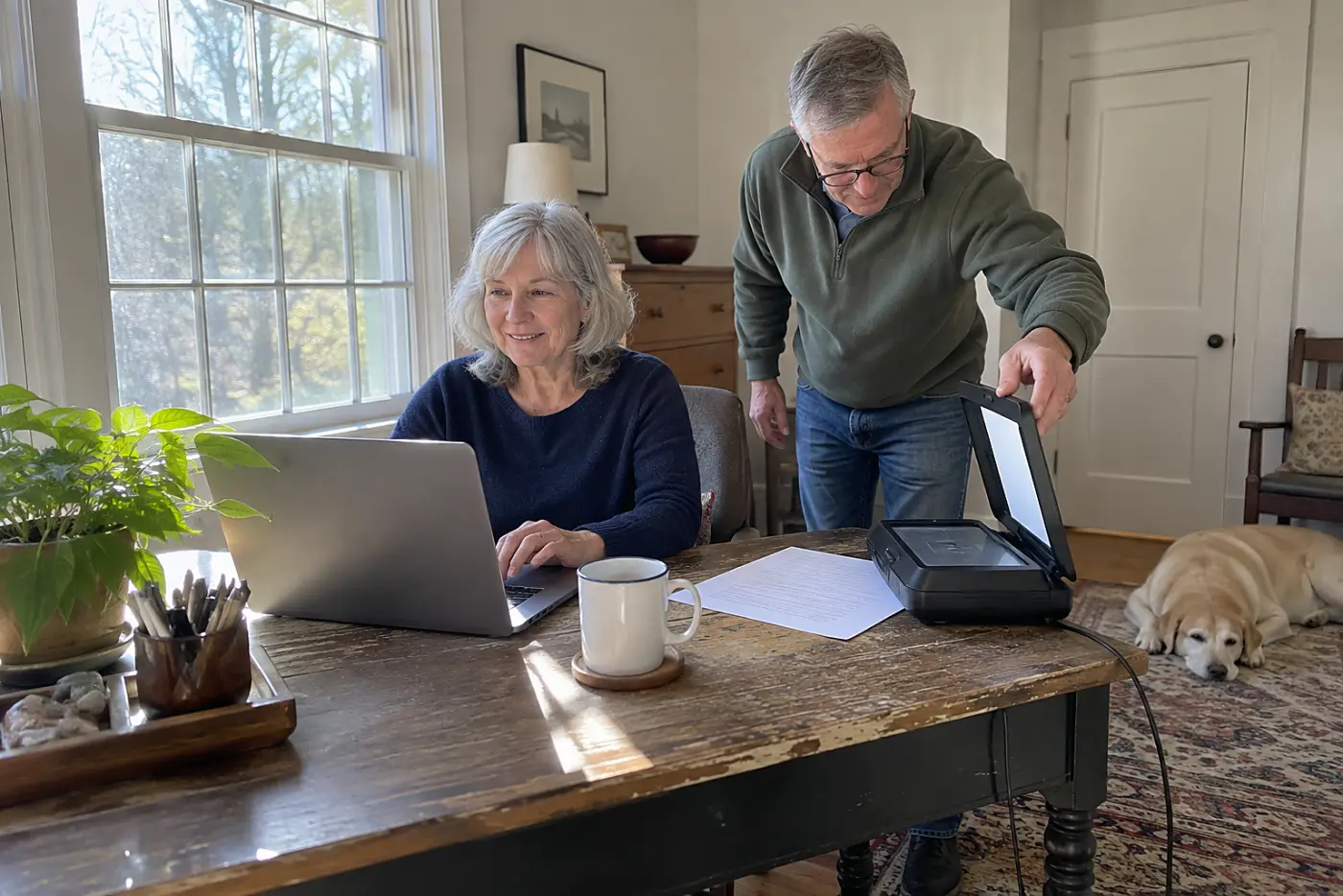
Hospitals ask for a directive when decisions arise. Your agent needs to find it without locating a safe key, guessing a password, or waiting for a lawyer’s office to open.
Keep the signed original where it stays safe, then share a readable copy. Add one to your patient portal if the portal accepts advance directives, and ask your primary care office to place one in your chart. Check that every page appears in the upload; a missing signature page creates another call.
This week, send your agent the copy and its storage location. Say, “Please open this file now so we know you can read it.”
Before an emergency, talk through the choices the form cannot spell out.
14Have the treatment conversation out loud

A checked box cannot explain what matters to you.
Your agent has to speak for you, not for what they would choose. Talk about outcomes you fear, treatments you would consider, and whom they should call for context. Give an example from your own life.
The form doesn’t settle every bedside question. Without a conversation, your agent faces those questions while trying to remember a passing remark from years ago. Write down the points you want to discuss before you sit together.
This week, set aside an uninterrupted conversation with your agent. Say, “If I couldn’t answer, what would you need to know to speak for me?”
Once you’ve talked, make room for the ordinary care you postponed.
13Book the visit you keep delaying
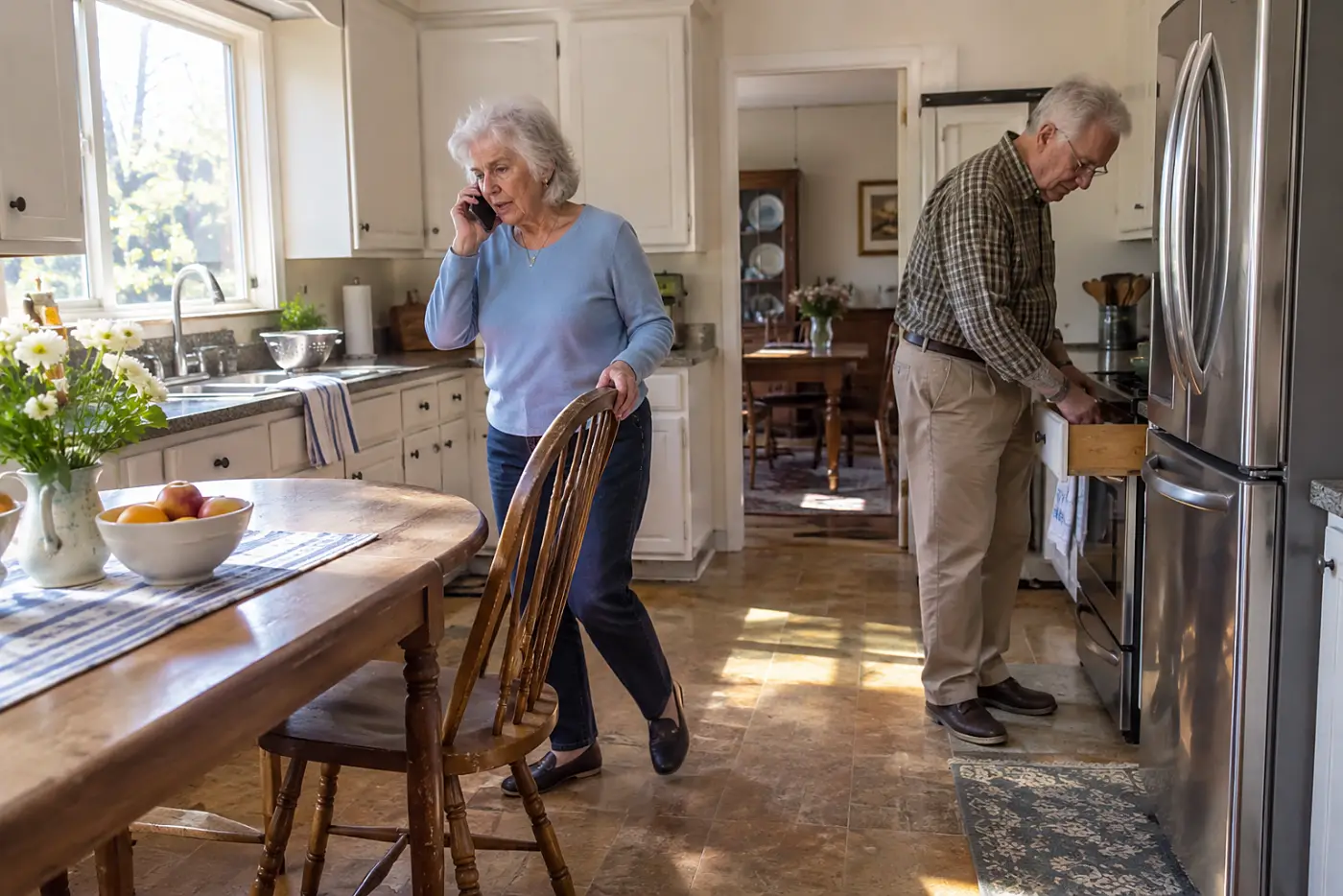
A symptom doesn’t become safer because the calendar is full.
At a visit, your clinician examines you, reviews medicines, and decides whether testing is needed. A screening visit serves a different purpose: it looks for problems before symptoms appear.
The CDC screening guidance lists cancer screening topics, but a new symptom calls for a conversation about that symptom. When you book, say what changed; don’t let it become a routine checkup by default. Write your questions before the appointment so the first one doesn’t vanish in the waiting room.
This week, make the appointment you’ve been putting off. Tell the scheduler, “I have a new symptom and need a visit to discuss it.”
After the visit, the next handoff is easy to miss.
12Check who receives an abnormal result

A portal notification isn’t a follow-up plan.
The clinician who orders a test needs a way to review the result and tell you what happens next. Before you leave, learn which office owns that step. Save the office number with the test name.
An abnormal result sitting unread loses time. So does a result you assume someone else has discussed with you. A portal flag doesn’t tell you whether you need another test, a visit, or no change.
This week, check your portal for outstanding tests and call the ordering office about anything without a plan. Say, “Who is reviewing this result, and when should I call if I haven’t heard?”
There’s another question worth asking before a new diagnosis changes the chart.
11Put family medical history on one page
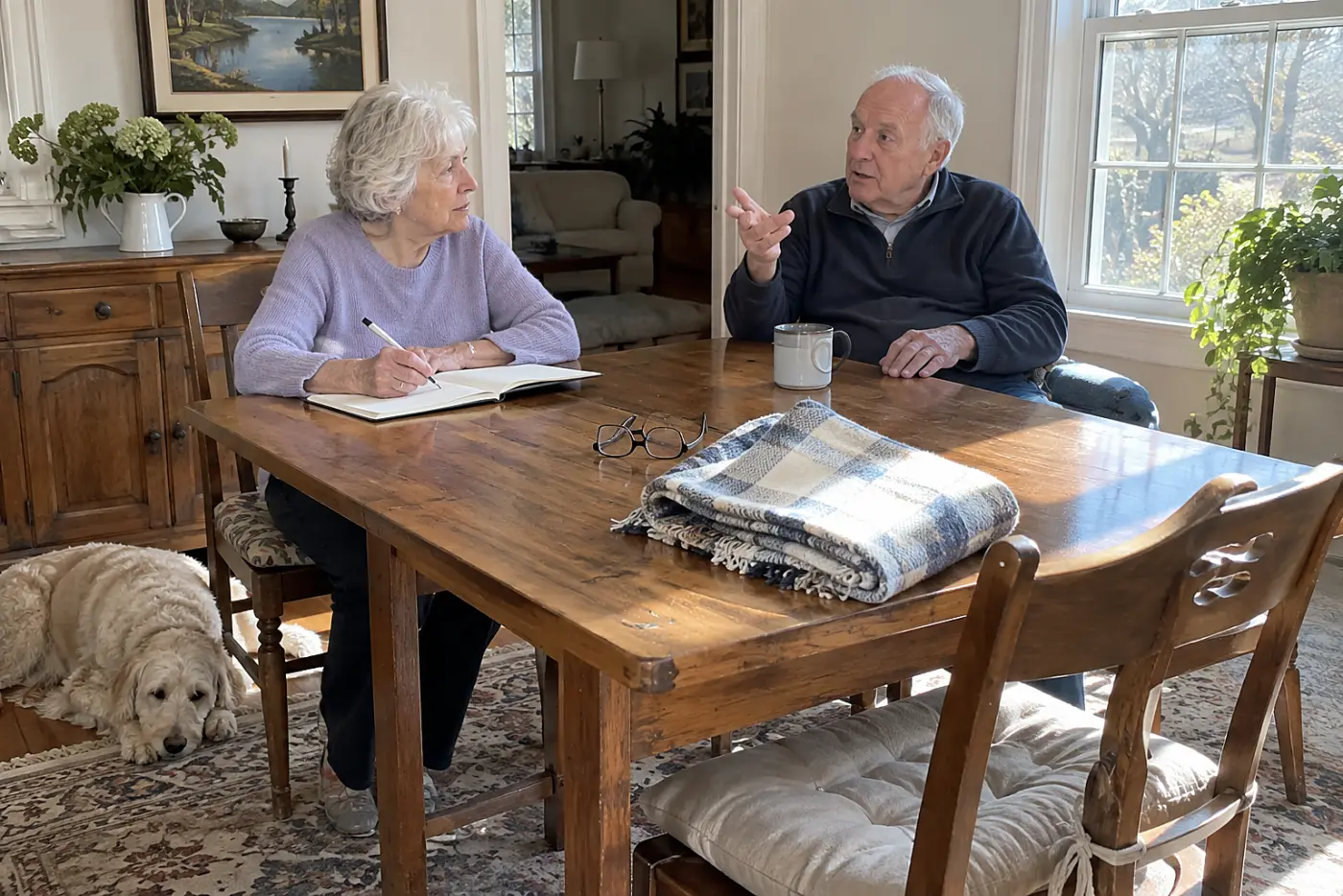
A relative’s diagnosis is more useful with a name and age.
A clinician looks for patterns across close relatives, including which condition each person had and how old they were at diagnosis. “Heart trouble runs in the family” hides the details that help guide the conversation.
Start with parents, siblings, and children. Add grandparents, aunts, and uncles where you know the facts. Leave blanks instead of guessing; you can fill them after a phone call. The CDC family health history guidance offers questions to ask relatives.
This week, write down known diagnoses and approximate ages. Ask a relative, “Do you remember what the doctor called it and how old she was?”
One family fact deserves special attention when you review your own records.
10Find the date of your last vaccine

“I had that shot” leaves out the timing.
Vaccine records from different pharmacies and clinics don’t always sit together. Your clinician needs dates and product names to review what comes next. A pharmacy receipt without the product name leaves another question.
The CDC adult immunization schedule changes, so check the current schedule rather than trusting a saved screenshot. Keep the dates together even if you received shots in different states. A missing record sends you back to a pharmacy when you’d rather be discussing care.
This week, gather pharmacy and portal records in one place. Ask, “Can we compare these dates with the current schedule?”
A shot record helps prevent one problem; the next check limits confusion during another.
9Test the emergency features on your phone

A locked screen shouldn’t hide the people to call.
iPhone Medical ID and Android emergency information put selected details where someone finds them without opening your messages. The steps differ by phone. Information you enter is visible from the lock screen, so choose what belongs there.
Add a contact number and the details you want available. Then ask someone you trust to locate the screen without your passcode. If they cannot find it, don’t count on a stranger finding it during a crisis. Repeat the test after you change phones.
This week, open your phone settings and review the emergency information. Tell your contact, “I listed you here; is this still the best number?”
A working phone won’t open the door when your hands are full.
8Decide who holds a spare house key

A hospital trip doesn’t stop the mail or feed the cat.
Someone needs a way in if you cannot get home. A spare key helps only when its holder knows they have it and you have their current number. Test the key in the lock before you hand it over.
Don’t put the hiding place in a public social media post. An untested copy leaves your helper standing on the porch. Think about the alarm code, too, if opening the door sets it off.
This week, give a working key to someone you trust and agree on what they’d check first. Say, “If I’m away overnight, could you check the house and feed the cat?”
Before anyone drives over, settle how you’ll get to care.
7Map your ride to urgent care

A worsening symptom is a poor time to compare routes.
Know where the nearest emergency department is and which urgent care location you would use for a non-emergency problem. Urgent care isn’t a substitute for an emergency department when symptoms point to an immediate threat.
The American College of Emergency Physicians provides patient information about emergency care. If you have severe chest pain, signs of a stroke, or serious trouble breathing, call 911 rather than driving yourself. For stroke signs, the CDC says to call 911 right away.
This week, save both locations and talk through a ride with someone nearby. Ask, “If I needed a ride to an appointment, could I call you?”
The route matters; so does knowing what the visit will cost.
6Find your plan’s emergency cost sharing
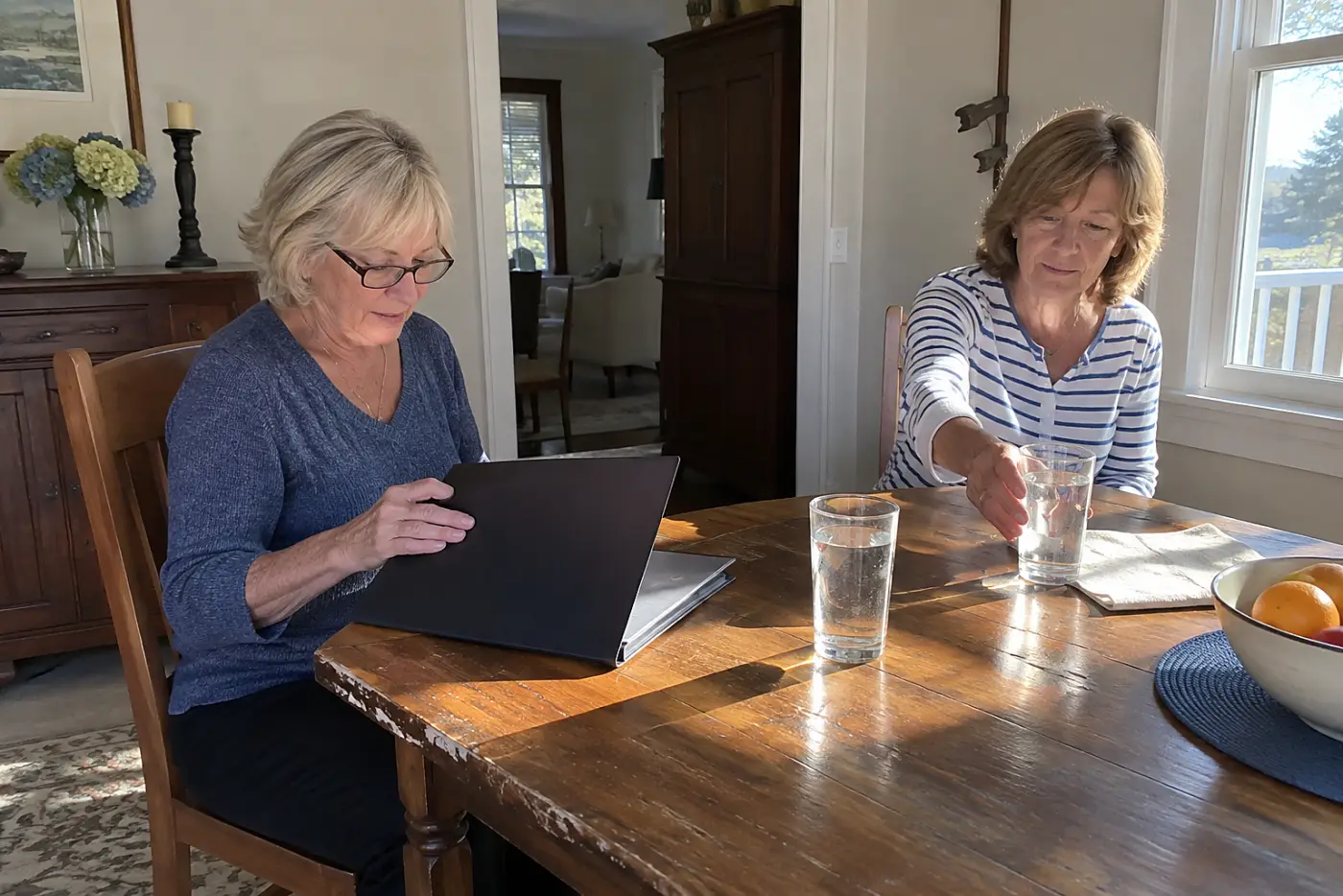
The emergency bill arrives after the decisions are made.
Your plan’s summary of benefits lists the deductible, copayment, coinsurance, and emergency room costs. Read those entries before you need them. Federal protections address certain surprise bills, but they don’t erase your plan’s normal cost sharing.
The CMS No Surprises Act page explains those protections. Save the current summary of benefits where you keep other household papers. If a term is unclear, point to the exact line when you call; don’t ask for a guess about the final bill.
This week, find your plan’s summary of benefits and save a copy. Ask your insurer, “Where do I find my emergency room cost sharing in this document?”
The bill comes later; the first hospital form arrives sooner.
5Review the contact names on your records
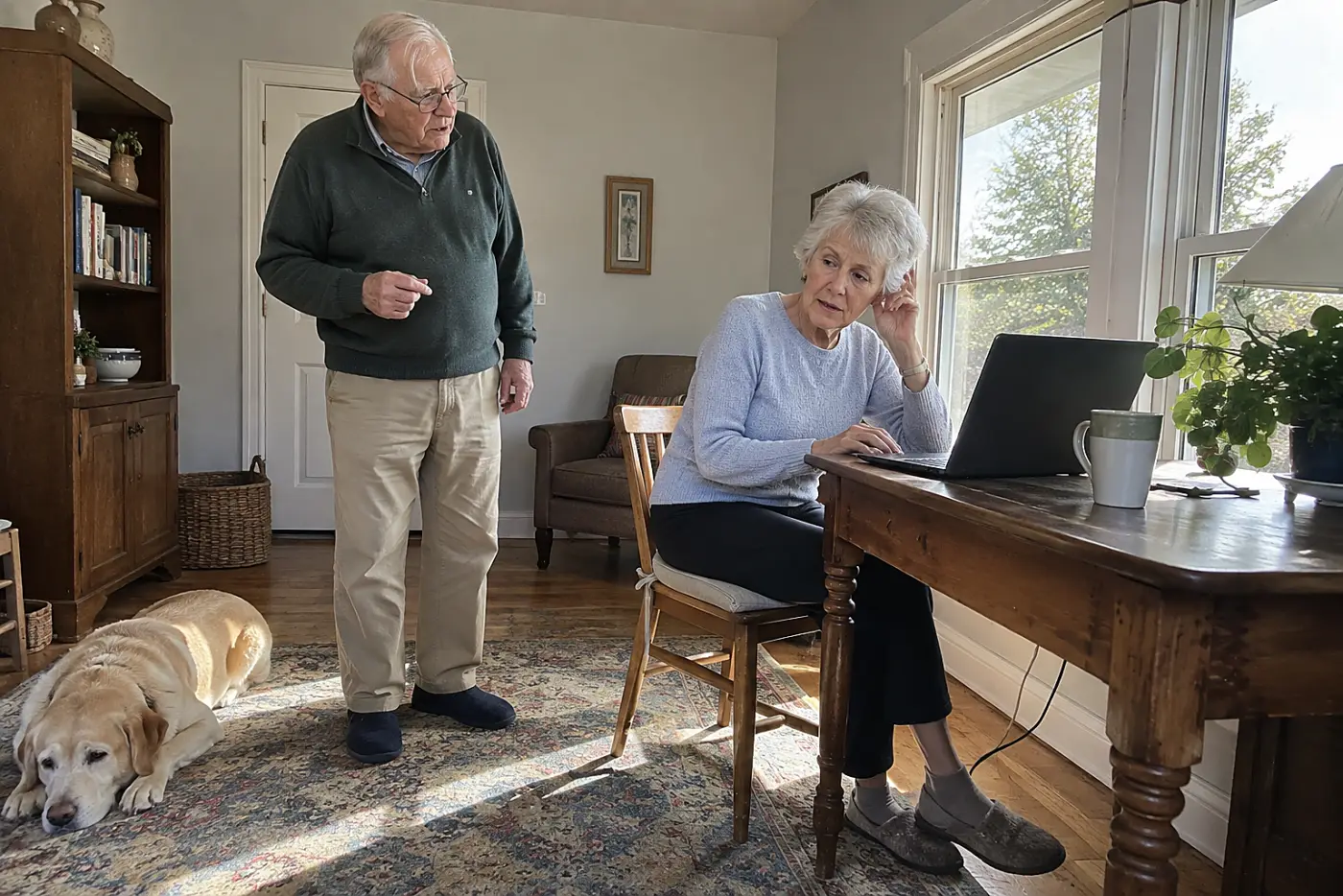
The wrong number sends the right call nowhere.
A clinic registration form, hospital chart, and pharmacy profile each hold contact details. Updating one doesn’t guarantee the others change.
Look beyond the person’s name. Check the phone number, relationship, and whether an old spouse or friend remains listed. If you want someone involved in conversations about your care, ask the office which permission form it uses; an emergency contact field alone doesn’t settle that question.
This week, review the contact section of each portal you use. Tell the front desk, “Please show me who is listed and what each person is allowed to receive.”
The people are current now; the next question is what happens at home.
4Clear the route from bed to bathroom

A dark hallway becomes a different place at midnight.
Shoes, loose rugs, and charging cords sit exactly where a tired foot lands. Better lighting lets you see the path before you take it. Walk the route at night, when the shadows and furniture look different.
The CDC’s STEADI program has fall-prevention materials for adults and clinicians. A clear path won’t help if the lamp is across the room. Put a light within reach before you stand, and check that the floor stays clear after bedtime.
This week, move each obstacle and test the path in the light you use at night. Say to anyone sharing the space, “Please keep this path clear after bedtime.”
Then check what you’d reach for if you stumbled.
3Put daily essentials within easy reach

Pain changes which shelf feels reachable.
After an injury or sudden illness, bending for a heavy pot or climbing for a pill bottle turns a routine task into a problem. Set up the rooms you use most while moving things is still easy.
Keep daily medicines, glasses, a phone charger, and water where you can reach them without a step stool. Leave the floor clear beside the bed and your usual chair. Put the charger near an outlet you can reach while seated; a dead phone is no help from the floor.
If balance is already a concern, discuss it with a clinician. Don’t wait for a fall to mention it.
This week, move the things you use every day to reachable shelves and drawers. Ask someone at home, “Could you walk through this room and spot anything I’d have to climb for?”
The house is easier to use now, but a plan still needs another person.
2Agree on a first-day help plan

“Call if you need anything” leaves the work to you.
Choose who would handle a ride, a pet, or a grocery run during the first day away from home. Give each person a clear job, then confirm they agree. Save their numbers where you’ll find them.
The plan fails if every helper assumes someone else has the key. It also fails when the only person named is out of town. Pick a backup for the task you cannot leave undone.
This week, send a short message naming the task and backup. Say, “If I went to the hospital, could you take the dog until I call?”
Now put the facts that travel with you in one place.
1Make a pocket emergency card and test it
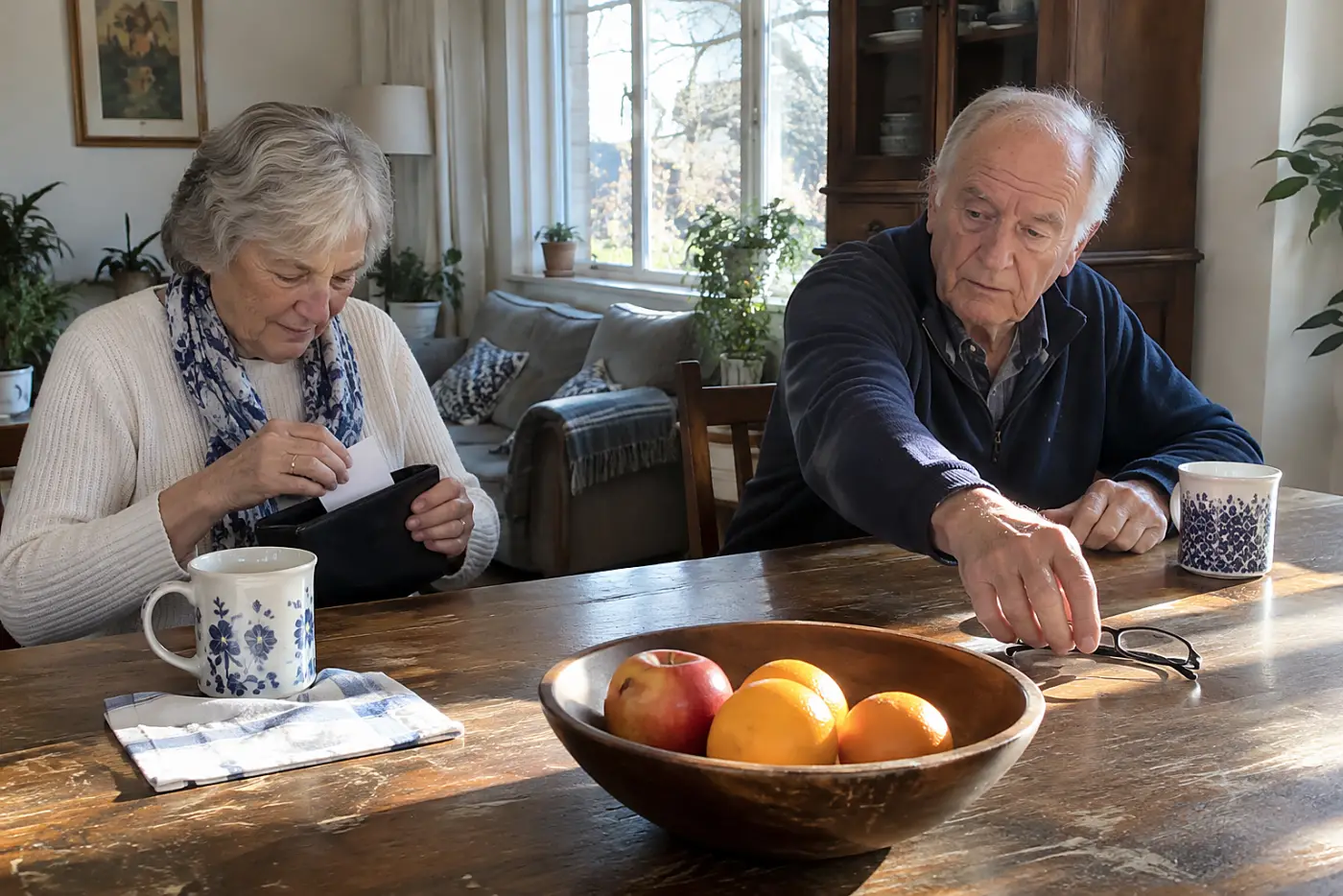
The best list is the one someone can find.
An ambulance crew starts with what you can tell them and what they can assess. If you cannot speak clearly, a small card gives them names and numbers to check against your bottles and medical record.
Put your name, date of birth, emergency contact, major conditions, drug allergies with reactions, and current medicines on it. Add doses and schedules if they fit legibly. Don’t cram an entire chart onto a card or assume it replaces a clinician’s review.
This week, write or print two copies. Put one in the wallet you actually carry and show the other to your chosen contact. Ask, “Can you find this card and read the allergy line without my help?”
A card no one can locate is another missing record.
The bottom line
Every item solves the same problem: a fact or job needs an owner before the rushed phone call.
You’ve done the hard part when records match and your chosen person knows their role. Your emergency details travel with you.
Which of these has already happened in your family?
Bonus: The pocket emergency card test
- Take your wallet out of the bag or coat you use most.
- Find the card without searching through your phone.
- Ask your chosen contact to read the allergy reaction and emergency number aloud.
- Correct anything that has changed, then put the card back where you found it.
Dr. Alan Pierce, PT, DPT
Health Reviewer
Alan is a physical therapist who specializes in helping adults over 50 stay strong and mobile.
You might also like