26 Signs You've Become the Parent to Your Parent
The shift shows up when the pharmacy calls your phone about a pill organizer your parent still insists they handle.
By Margaret Hale, Travel & Lifestyle Editor
Updated · 17 min read
- Written by our travel & lifestyle editor
- How we review

Read to the end: #1 is the appointment request that puts the whole picture before a doctor, and almost nobody prepares it.
The pharmacy calls while you're standing in the grocery aisle, holding a carton of eggs. Your mother's refill is ready, but the clerk has a question about another prescription. You know which one she means. Your mother, when you call, doesn't.
The flip rarely arrives with a family meeting. You start doing a few small things because they need doing, then discover that everyone expects you to know the answer.
These 26 signs show where that change has landed.
26The pharmacy calls your phone first

The pharmacy has made you its first stop.
A refill question lands with you before it reaches your parent. That saves a call, but it also makes you the person expected to know what was picked up. You find yourself checking the bag before anyone else notices it arrived.
If the dose changes, a missed message matters. A bottle at home still carries the old directions until someone checks the new label. This week, ask the pharmacy what contact information it has and whom it calls about refills. Say, “Please tell me which number you have for each of us.”
Then look at the bottles waiting at home.
25You count pills beside the kitchen sink

The pills in the organizer don't match the bottles.
Your parent says Tuesday's pills are done. Tuesday's compartment is full, while Wednesday's is empty. A mix-up tells you something happened; it doesn't tell you which pills were swallowed.
A second dose of some medicines is dangerous. Skipping others matters too. Before anyone takes another pill to “catch up,” call the pharmacist with the bottle names, strengths, and what you found.
This week, set the bottles beside the organizer and write down every label. Ask, “Can you help us check this week's pills against these instructions?”
Keep the note. The next clue sits beyond the pillbox.
24The refrigerator has more spoiled food than meals

The milk date is easier to read than dinner plans.
You open the fridge and find food your parent meant to eat. A full shelf tells you little about whether meals are being made. Check the freezer and trash too. You'll see whether prepared food was eaten or left untouched.
A missed meal matters differently from an old carton of milk. Ask what your parent ate yesterday, then check whether the ingredients and dishes match the answer. This week, make one meal together and watch which steps fall to you. Say, “Show me what you'd make if I weren't here.”
The answer leads to another kind of missed bill.
23The utility warning lands in your lap

The lights are on, but the notice is final.
You find a shutoff warning under store circulars. Your parent has money in the account, yet the bill never reached the payment pile. First check the due date and account number; then call the utility with your parent present.
A late bill alone proves little. A second unopened notice shows that the old system isn't holding. Don't set up automatic payments until you've checked whether the amount changes and which account would pay it.
This week, gather the last three utility bills and mark how each was paid. Say, “I'm sitting here with the account holder; what needs paying today?”
Once the lights are secure, the mail pile deserves another look.
22You sort their mail before they do

The envelope stack has become your weekly job.
You separate appointment letters from ads because your parent leaves both unopened. That makes you the filter for anything with a deadline. Your parent still sees a pile of envelopes; you see the one letter that needs an answer.
An ignored bill or renewal has a cost a missed coupon doesn't. If you take the whole pile home, your parent loses sight of what's arriving. This week, sort one pile together and set a single place for new mail. Say, “Which letters do you want to open yourself?”
The paperwork gets harder when it arrives by email.
21You know the password reset routine

You can unlock the account; your parent can't.
A forgotten password brings a code to a phone or email inbox. When you supply both, you're doing more than fixing a login. You're controlling the route back into the account.
A shared password also hides who changed an address or clicked a payment link. For banks, ask about their own authorized-user or trusted-contact process before sharing credentials. A trusted contact isn't the same as account access; ask the bank what each role permits.
This week, list the accounts whose codes come to your phone. Say, “Let's ask the bank how I should help without using your login.”
The account screen isn't the only place your name appears.
20You sign for every package at the door

The delivery driver recognizes you, not your parent.
You bring in boxes your parent forgot ordering. Look at the packing slips before calling anything a mistake. A subscription, a duplicate order, and an unfamiliar charge need different responses. Set the slips beside the boxes so neither of you has to reconstruct the order later.
An unknown charge belongs with the card issuer promptly. Even a familiar purchase needs attention if the same item keeps arriving. This week, match each package to a statement entry with your parent and check for repeat deliveries. Say, “Do you remember ordering this, or should we check the card?”
The boxes reveal where the money is going.
19You check the bank statement for strange charges

You recognize their groceries better than they do.
A new payee or repeat charge appears, and your parent can't place it. Compare the statement with receipts before assuming fraud. Then use the number on the back of the card to ask about any charge neither of you recognizes.
If a scammer is involved, delay gives them another opening. The Consumer Financial Protection Bureau has guidance on reporting financial exploitation; the bank handles the immediate account question. Don't accuse a relative based on one line.
This week, review a month of transactions together, in a place your parent chooses. Say, “Let's call about this charge while the statement is in front of us.”
That conversation gets harder when spending cash changes too.
18The wallet holds cash nobody can explain

The cash withdrawals keep appearing without a clear purpose.
Your parent has always used cash. What changed is the frequency or the amount, and neither of you knows where it went. A calendar gives you a less confrontational place to start than an empty wallet.
Ask about gifts, repairs, and anyone asking for cash. A withdrawal on the day of a repair tells a different story from one your parent doesn't recognize. This week, compare withdrawal dates with the calendar rather than demanding an accounting. Say, “I'm trying to match these dates to what happened that week.”
Next comes the bill someone else expects you to pay.
17A sibling assumes you will cover the gap

The family plan has your wallet built in.
You pay a bill to stop a crisis. Soon, a sibling treats that payment as your standing contribution. Your parent sees the problem solved; you see the charge on your card.
Keep a separate record of what you paid, and don't label it a loan after the fact. Repayment needs an agreement, not a shared memory. If you discuss ongoing help, name both the amount and the task before either becomes routine.
This week, send your siblings a plain list of expenses you've covered. Say, “I paid this bill; before another one comes, we need to decide who's doing what.”
Money isn't the only work that gets assigned without asking.
16Your calendar holds all their appointments

Their next visit lives in your calendar alone.
You booked it, arranged the ride, and remembered the paperwork. Your parent knows there's an appointment but not which office scheduled it. When the office calls to change the time, the call comes to you again.
A missed visit costs another round of calls and waiting. It also leaves your parent unable to answer a simple question about their own plans. This week, write the office name, date, and purpose on one card for your parent. Say, “Tell me which parts you want to handle next time.”
At the visit, watch who answers the questions.
15You answer the doctor's questions first

The exam room chair has become your seat.
The clinician asks about symptoms, and you answer before your parent starts. You hold details they forget, but speaking first hides what they remember and how they describe it. Let them answer, then add dated examples.
Under HIPAA, a clinician has rules for sharing information. Your parent can tell the office to include you in the discussion; ask staff how they record that choice. Being in the room doesn't give you a standing right to every record.
This week, ask your parent which questions they want you to help answer. At the visit, say, “Please ask her first; I have a few dates to add.”
The words you hear there deserve their own record.
14The same story starts three times

The story resets before lunch is over.
Your parent repeats a question after hearing the answer. Write down when it happens and what else was going on; don't turn one conversation into a diagnosis. Note whether the answer was heard clearly the first time.
Poor sleep, medicine problems, and illness also belong in the discussion. Without the surrounding details, everyone ends up debating whether the story was repeated at all. This week, note three specific examples and share them with a clinician when discussing the change. Say, “Can we talk about these changes and what needs checking?”
Dates matter when the change comes on fast.
13A sudden change gets blamed on age

Yesterday's confusion is treated like a new normal.
Your parent is suddenly disoriented, far sleepier, or unable to follow a familiar conversation. That's different from a slow change you've watched over time. An urgent medical assessment matters because infection, medicine effects, and other illnesses can trigger abrupt confusion.
If the change is sudden or comes with stroke signs, call 911. The CDC's stroke signs page lists face drooping, arm weakness, and speech trouble among the warnings. Don't wait for a routine appointment to collect more examples.
This week, tell everyone who checks on your parent what their usual behavior looks like. Say, “This started today; yesterday she could follow this conversation.”
Once the urgent question is settled, look at what happens overnight.
12The porch light stays on all night

The house has stopped following its old rhythm.
A light left on tells you little by itself. Pair it with missed calls, a wide-open door, or a parent who says they were awake and lost track of time. Ask what happened rather than guessing from the street.
Don't treat the porch as proof of a sleep problem. A door that doesn't latch is a problem you can check without settling that larger question. This week, ask about the previous night and test whether the door locks work. Say, “Did you mean to leave this on, or did something interrupt you?”
The doorway holds a more physical clue.
11You move rugs out of the hallway

The hallway has turned into an obstacle course.
You notice a curled rug edge while carrying groceries. Your parent steps around it without looking, because they know it's there. Knowing a hazard exists doesn't keep a toe from catching it.
Check the route from bed to bathroom in the light your parent uses at night. Move loose cords and rugs with their agreement, and check that shoes have backs that stay on. The National Institute on Aging has a home fall-prevention checklist if you want another set of eyes on the rooms.
This week, walk that route together after dark. Say, “Show me where you put your hand when you get up.”
The floor isn't the only place you notice a change.
10The car has fresh dents on both sides

The new marks don't have a clear story.
Your parent points to one scrape but hasn't noticed another. A dent isn't proof they drove badly; it is a reason to ask what happened. Check whether the second mark is new before building a story around it.
Check the lights, tires, and sight lines before the next trip. You need to know whether the car itself played a part, not just what your parent recalls. This week, ride along on a familiar errand if your parent agrees. Say, “I'd like to see the route with you before we decide anything.”
Then ask how they get around when they don't drive.
9You become the ride for every errand

Your car has replaced their own plans.
One ride to the dentist becomes every pharmacy trip, haircut, and grocery run. You start scheduling their day around your workday. Your parent loses the chance to decide when to leave.
Separate medical rides from errands before looking for help. Eldercare Locator can point you to your local Area Agency on Aging; ask that agency what transportation exists in your area. Write down each program's booking rules before promising a ride will appear.
This week, list the trips you made during the past month. Say, “Which trips do you want to keep making on your own terms?”
Travel depends on more than a driver.
8You read every form before they sign

The clipboard crosses the table to you.
Your parent asks what a form says before putting pen to paper. You read it because the print is small, the wording is dense, or they can't follow it today. Notice which part stops them before you take over the whole page.
A signature is hard to take back once a form leaves the desk. If your parent needs glasses, a copy to read at home solves a different problem than missing words on the page. This week, bring reading glasses, request a copy, and read the form aloud together. Say, “Let's pause until we both understand what this authorizes.”
One signature deserves a closer look than the rest.
7You hold a power of attorney nobody checked
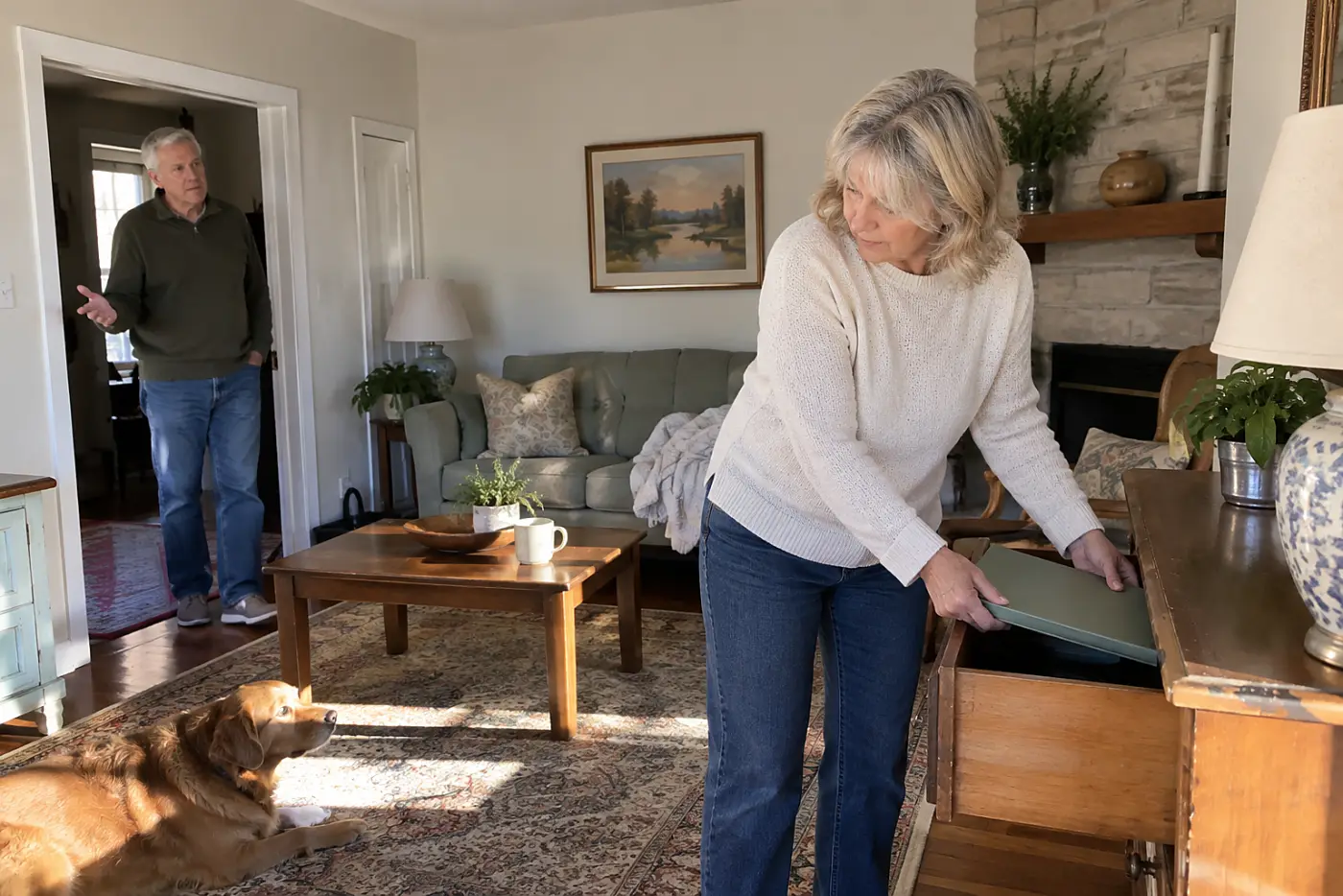
The document in the drawer has never been tested.
Your parent names you in a financial power of attorney, so the family assumes the bank will follow your instructions. The document's terms and state law control when your authority starts. A bank also needs to review what you present.
A health care directive is a separate document. Neither paper hands you permission to overrule a parent who still makes their own decisions. State rules differ, so ask a local elder-law attorney to review documents that are unclear. The American Bar Association has public resources on planning documents; a local attorney should address questions about yours.
This week, find the originals and ask each institution what it needs to review them. Say, “I have the document; what do you need to see before there's an emergency?”
The next question is what happens when no paper exists.
6The hospital asks who gets called

The admissions desk has no clear name.
Your parent is being treated, and staff ask for a contact. You know who to call first, but your siblings expect the same call. The name you give becomes the one staff use when they need to reach someone.
An emergency contact isn't a health care decision-maker. If your family confuses the two, a call to one sibling turns into an argument with the others. This week, ask your parent whom they want listed and where their health care directive is kept. Say, “Who should the hospital call, and who has your paperwork?”
After discharge, the calls don't stop.
5The discharge papers sit unopened

The ride home ends before the instructions do.
A hospital sends your parent home with medicine changes, follow-up appointments, and warning signs. You get them settled, then the papers go into a bag. By morning, nobody remembers which pill stopped.
Read the discharge list against the bottles at home. If the lists conflict, call the number on the papers or the dispensing pharmacist before changing the schedule on your own. Ask when the follow-up visit needs to happen, using the date printed there.
This week, put the papers beside the medicine bottles and make the calls together. Say, “These instructions don't match what we have at home; which list should we follow?”
Then ask who will do the daily tasks the papers assume are covered.
4You do the bathing without telling anyone
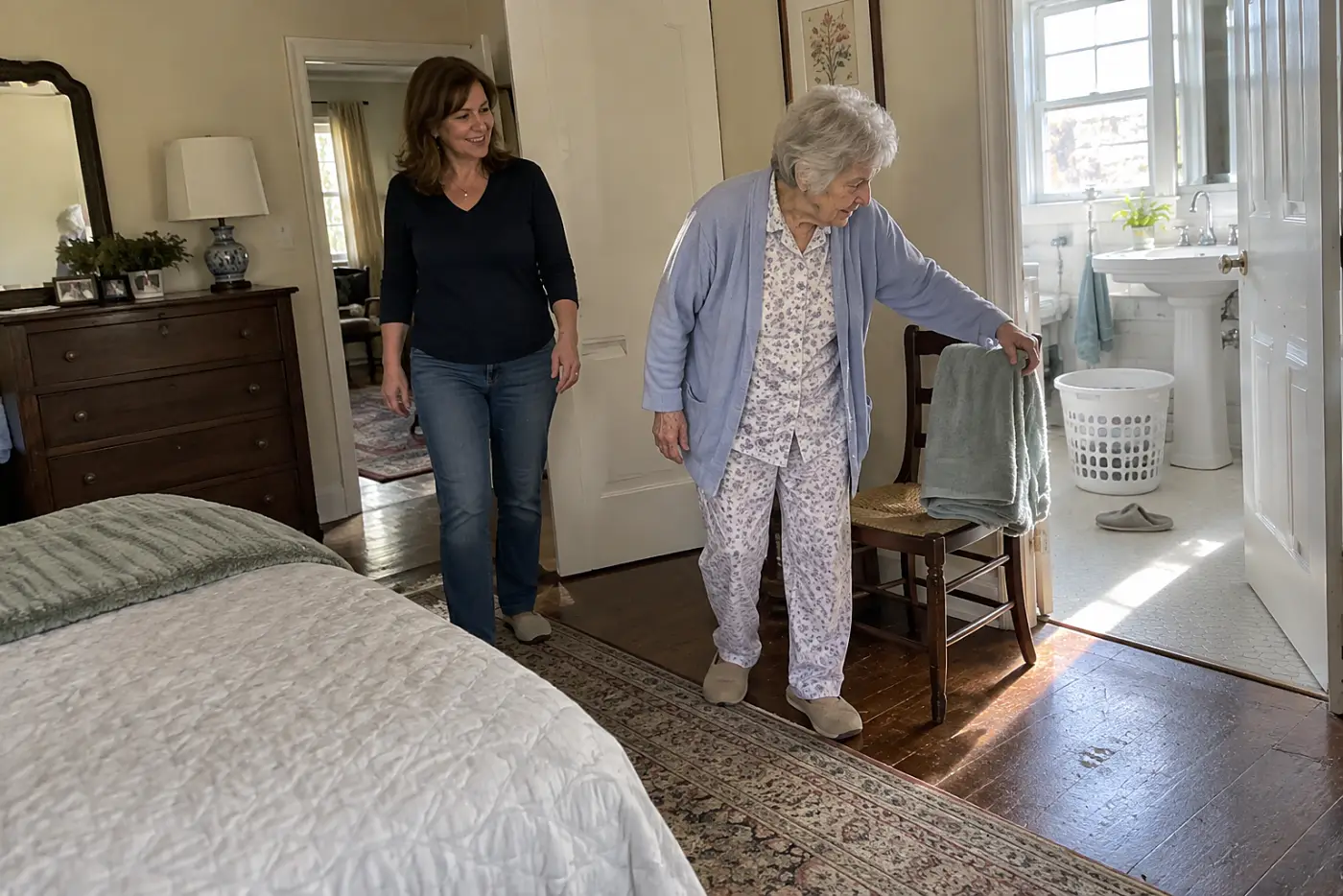
The bathroom door now closes behind both of you.
You help because your parent trusts you. Later, everyone else hears only that they're “doing fine.” Nobody hears that you stay until the towel is within reach and the floor is dry.
That silence makes it hard to plan your own time or ask what help your parent wants. It also leaves siblings picturing a routine your parent still handles alone. This week, ask which tasks they want you to keep and which they want done differently. Say, “I can help today; we need a plan for next week.”
The cost of that work has a paper trail.
3The care bill has no payment plan

The first invoice arrives before the family decides anything.
A facility quote, home care schedule, or rehab discharge plan puts a price beside a task you've been doing. Medicare does not pick up an ongoing bathing or dressing bill simply because your parent needs that help. Check Medicare.gov for the separate rules on skilled nursing facility care.
Ask for the current daily private-pay rate in writing. Then ask what the bill includes, when payment starts, and what notice the provider requires before services end. Medicaid.gov describes Medicaid long-term care; your state sets its eligibility and service rules.
This week, gather the proposed charges and find your state Medicaid agency's written rules if public coverage is part of the plan. Say, “Please show me the daily rate and everything billed on top of it.”
Even a funded plan needs another person in it.
2Nobody knows who comes when you cannot

The backup plan has your name twice.
You cancel an appointment because your parent needs you. If you get sick, the family has no agreed driver, key holder, or person to call. A name written down without that person's agreement won't get anyone through the door.
A list of willing people beats a list of assumed ones. The next missed call lands on your parent if everyone waits for you to answer. This week, ask two people separately what each will do, then put the answers beside your parent's phone. Say, “If I can't come Tuesday, will you take the call?”
Those names still need a shared picture of what's happening.
1You request one visit for the whole picture

Separate incidents keep getting treated as separate incidents.
The missed pills went to the pharmacist. The repeated questions came up at dinner. The fall, the bills, and the change in driving live in different conversations. No clinician has heard the sequence from start to finish.
A single visit gives your parent room to describe what's changed. It also gives you a place to bring dates, medicine bottles or a complete medicine list, and examples rather than a verdict. Ask for enough appointment time to discuss changes in memory, daily tasks, and safety.
Don't wait until you can name a diagnosis. The National Institute on Aging has information on memory and aging if you want to read before the visit. Sudden confusion still needs prompt assessment, not this future appointment.
This week, ask your parent to book a visit, or call together if they'd like help. Say, “We need time to discuss changes at home; what kind of appointment should we schedule?”
Before the call ends, find out what the office wants you to bring.
The bottom line
Across these 26 signs, the pattern is that small tasks have become your responsibility without a shared plan.
The best-prepared version of you has dates on paper. Your parent's wishes are there in their own words, with another name beside yours.
Which of these has already happened in your family?
Bonus: The appointment request for the whole picture
- Ask your parent which change they want raised first. Write their answer at the top of the page.
- Add three dated examples underneath. For each, note what happened before and what happened instead.
- List every medicine name and strength, including nonprescription pills. If the list is uncertain, bring the bottles.
- Call together: “We need a visit to discuss changes in memory, daily tasks, and safety. How much time should we book?”
- Before hanging up, ask what to bring and whether the office wants the page in advance.
Margaret Hale
Travel & Lifestyle Editor
Margaret has covered travel for 25 years and has ridden every long-distance train route in the U.S. at least once.
You might also like