




29 Signs the Clutter Is Really Grief
A coat stays on its hanger because removing it feels final, even when you need that closet space for your own clothes.
By David Ruiz, Home Editor
Updated · 17 min read
- Written by our home editor
- Cited 7 sources
- How we review
Read to the end: #1 is the one written agreement that protects his things while you clear a path, and almost nobody makes it.
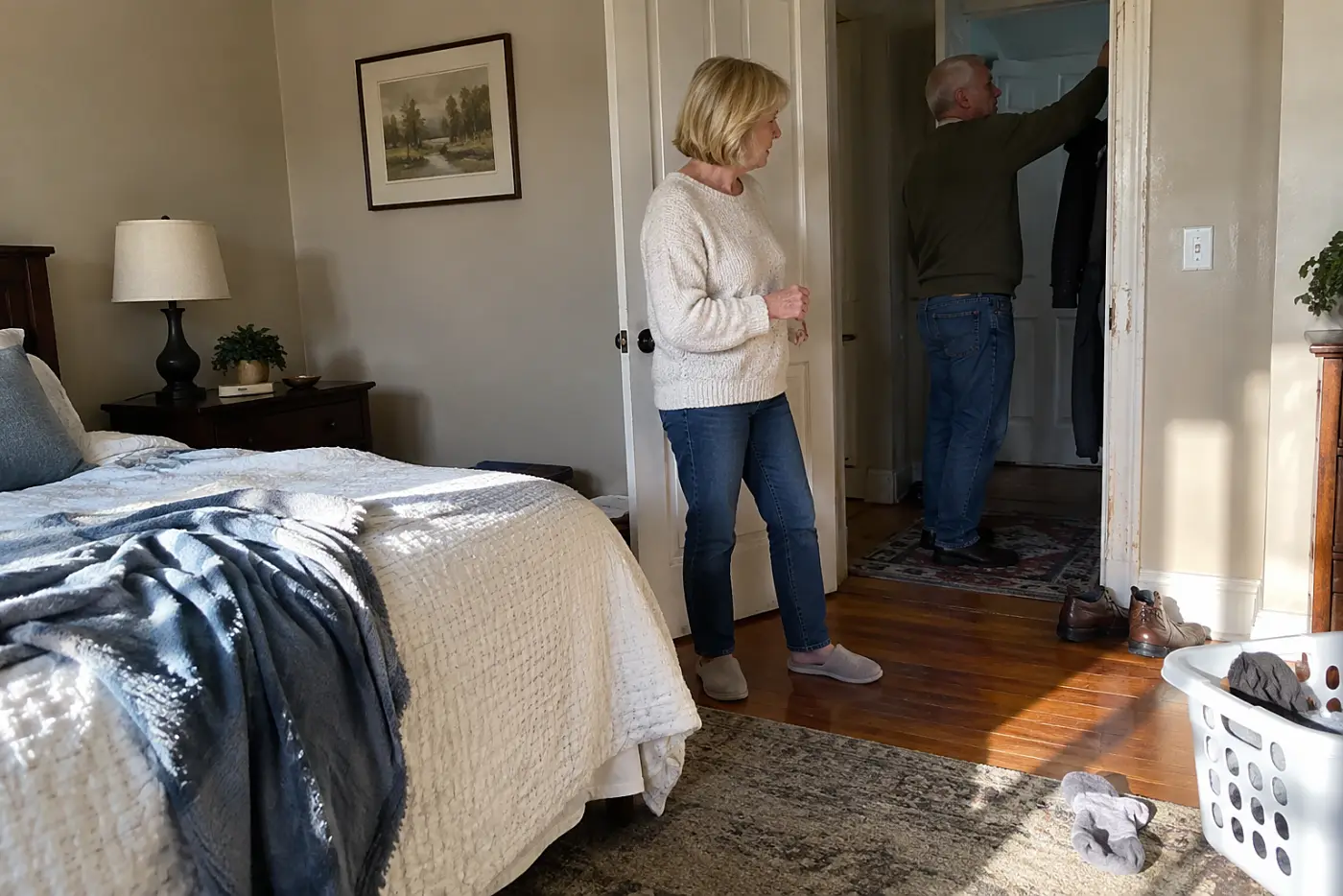
His shoes are still beside the bed. One lace has slipped under the other shoe, exactly where it landed. You stepped around them this morning to reach the window, then stepped around them again to make the bed. Now they're in the way of a drawer you use every day.
A messy room invites a trash bag and an afternoon of sorting. But his belongings carry decisions that an empty soda can never asks you to make: what stays, who gets it, and whether touching it means you're ready. You need room to live without treating every moved object as a goodbye.
Here are 29 signs that grief is holding the room in place.
29His shoes still block the bedroom door
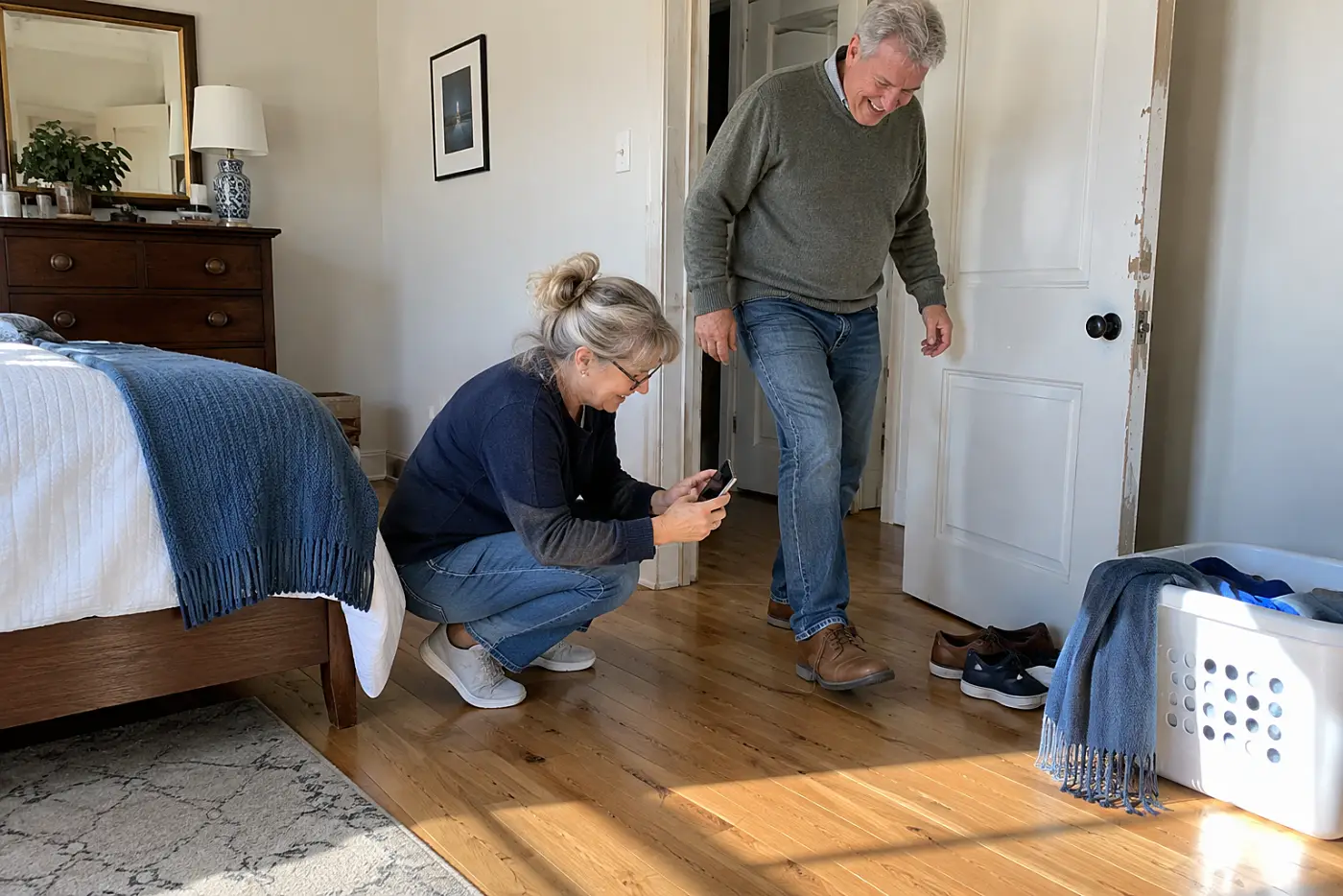
The shoes turn an ordinary doorway into a decision.
Every trip past them gives you another chance to move them. Moving them feels different from putting away your own shoes because their place still marks his last routine. The doorway stays crowded while you put off that distinction.
Soon, stepping around them becomes part of your own routine. The shoes have claimed space you need to cross, even though keeping them in that exact spot was never a decision you made.
This week, photograph the shoes where they are. Then place them somewhere safe without deciding whether they stay forever. Say aloud, “I’m clearing the doorway today, not deciding what these shoes mean.”
A doorway is one thing; a whole closet asks more.
28You keep his closet exactly as he left it
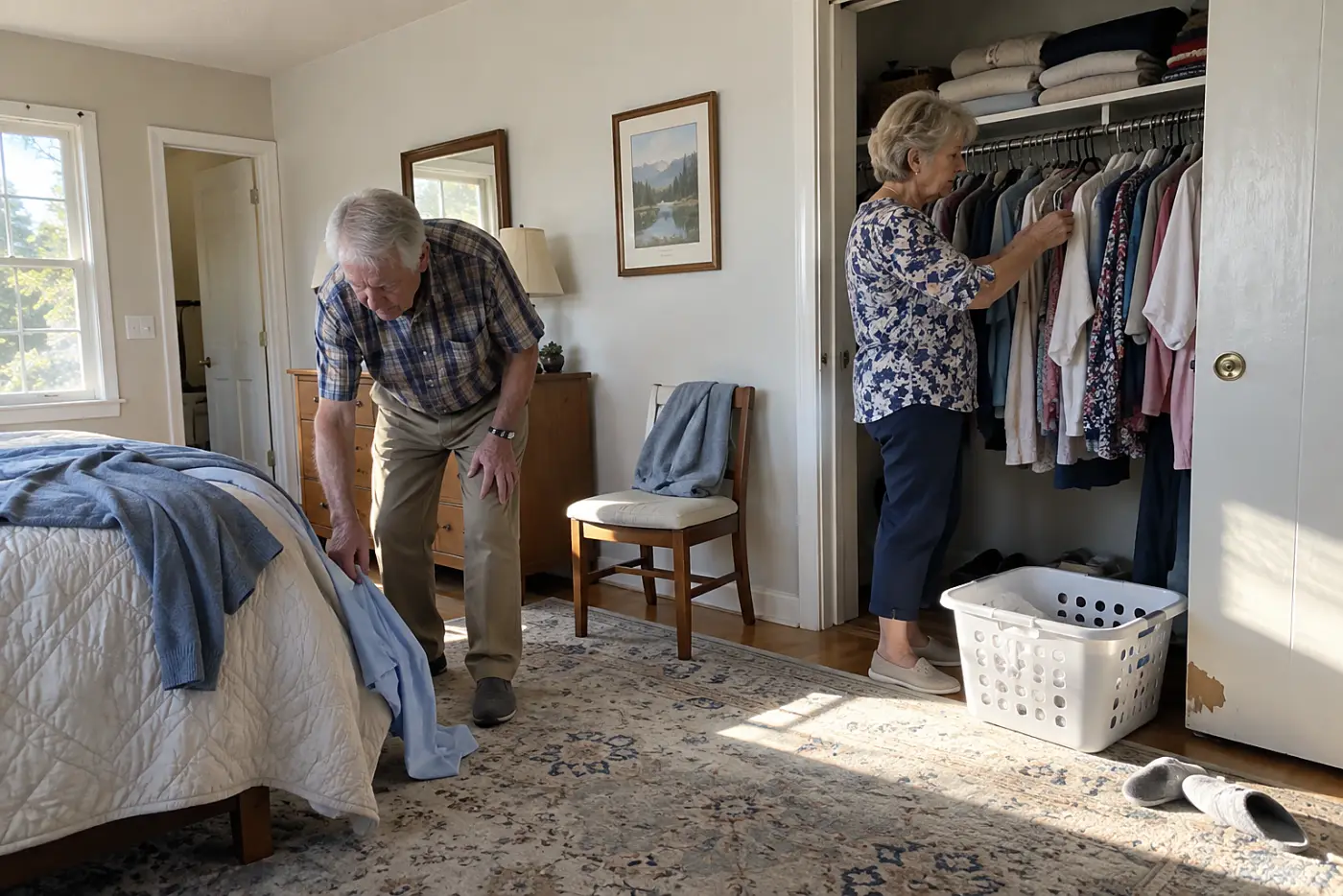
The closet still follows a schedule that ended.
His work shirts hang beside his weekend coat. Keeping that order lets you open the door and see a familiar life in one glance. Taking out a shirt breaks the arrangement, so even clothes that no longer fit anyone remain on their hangers.
Meanwhile, clothes you use end up on a chair. Grief has taken storage space from the person living in the room.
This week, move your current clothes into an easy-to-reach section. Leave his side untouched for now, and say, “I need room for what I wear, even while I’m keeping his clothes.”
The shirts are visible; smaller things hide inside them.
27His coat pockets still hold old receipts
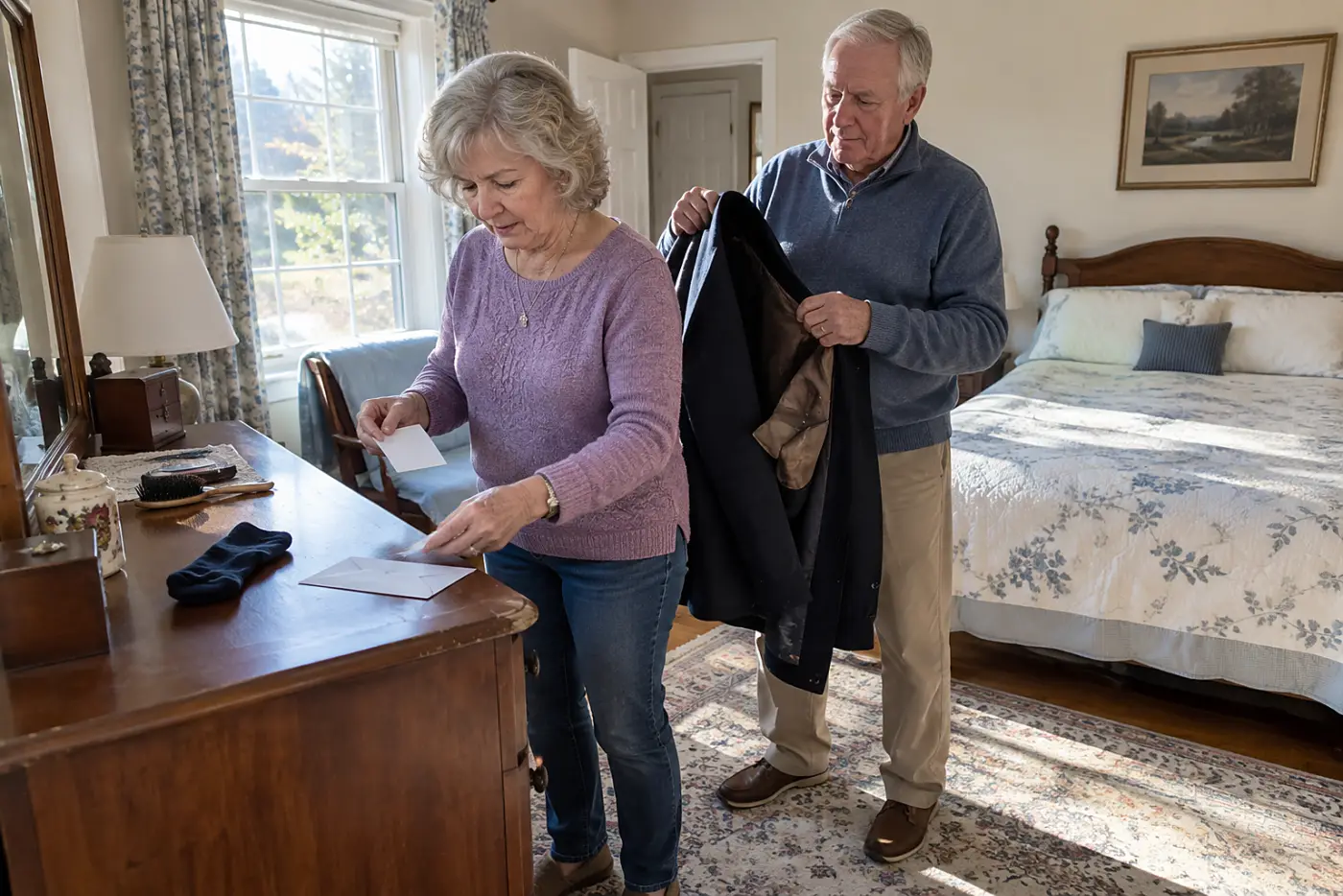
A receipt stays because his hand put it there.
You reach into a pocket and find parking stubs, a cough drop, a grocery list. The paper has little value, yet separating it from the coat feels like erasing a day you shared.
Without a place to put pocket finds, each discovery stops the job. The next time you reach for that coat, you'll face the same decision again.
This week, empty one pocket into a labeled envelope and return the coat to its hook. Tell yourself, “I can keep this paper without keeping it in the pocket.”
Then a less private kind of paper asks for attention.
26You save every envelope addressed to him
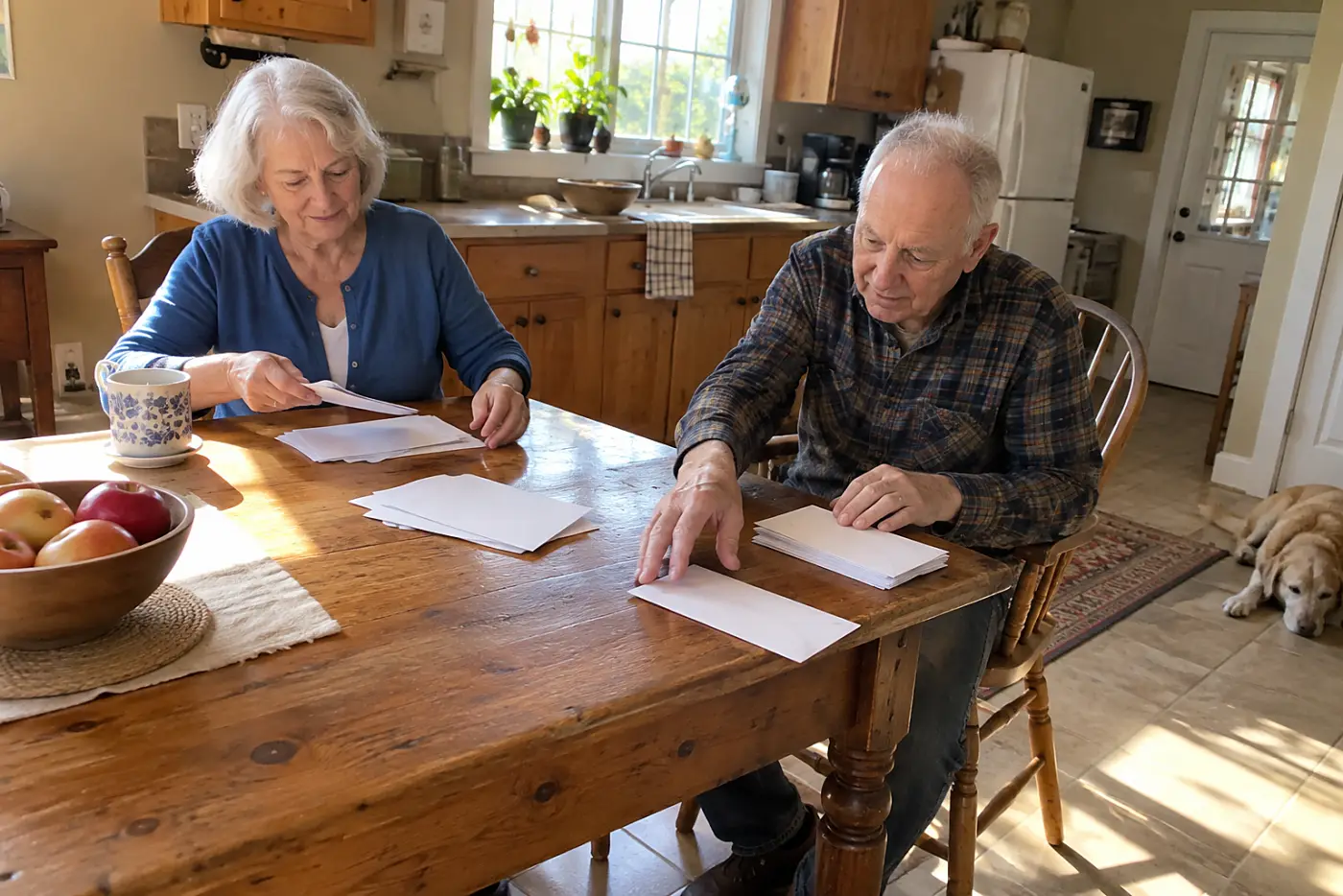
His name on an envelope still feels current.
Mail arrives after a death for many reasons. Some letters need action, while others are catalogs that will arrive again unless you stop them. Keeping both in one stack makes a grocery ad look as urgent as an insurance notice.
Open the stack with a pen nearby. Set aside anything from a bank, insurer, government agency, or creditor; you don't have to settle it today. For questions about debts, check the Federal Trade Commission before paying a bill from your own money.
This week, sort one pile by sender, without throwing out financial mail. Tell a helper, “Please read the return addresses with me, but don't make decisions for me.”
A box of mail has a purpose; an empty box holds another kind of hope.
25Empty gift boxes remain on the shelf
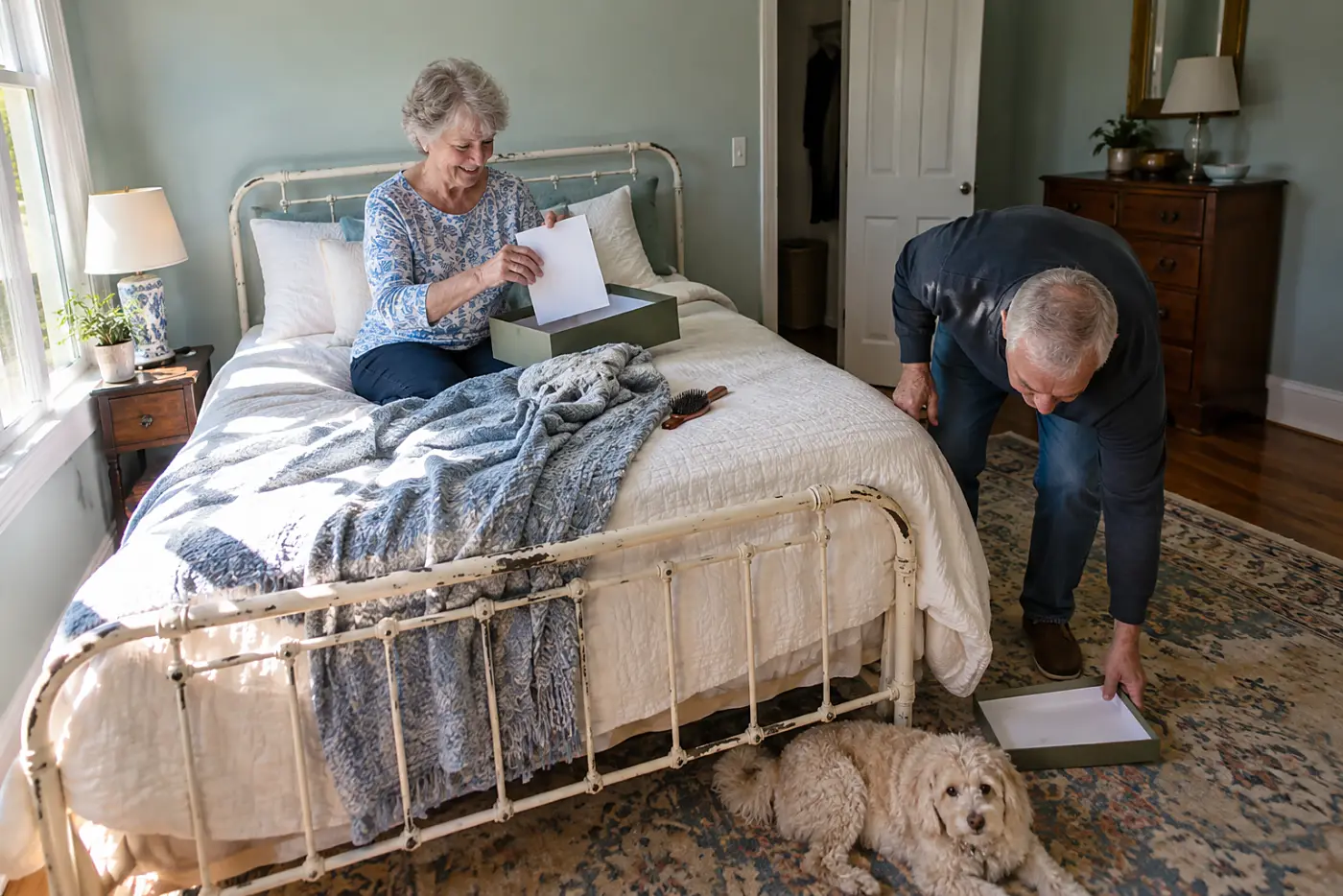
The boxes survived after the gifts were given.
A small jewelry box or watch case brings back the moment he handed it to you. Without that memory, it looks like packaging. That gap between what you see and what someone else sees makes even an empty box hard to discuss.
If another person clears the shelf, the box looks like the easiest thing to discard. Its story isn't written anywhere they can see.
This week, choose one box and put a note inside naming the gift and occasion. Keep the box if you want it. Say, “The story matters to me, so I’m writing it down before I decide.”
The next object still works, which makes the choice harder.
24His favorite mug stays beside the sink

The mug waits where his morning began.
A chipped handle or coffee stain tells you which cup was his without a label. Washing it and putting it away changes the kitchen's familiar outline. Leaving it beside the sink, though, puts a fragile object in the path of daily dishes.
You don't need to decide whether another person should drink from it. Give the mug a safe shelf where you can still see it. If that shelf is crowded, a small display stand costs about $5 to $15; you don't need to buy one to protect the mug.
This week, wash and dry it, then choose that shelf yourself. If someone reaches for it, say, “Please leave that mug there; I’m keeping it safe.”
A shelf protects one object, but a whole drawer is less simple.
23The kitchen drawer holds his spare keys
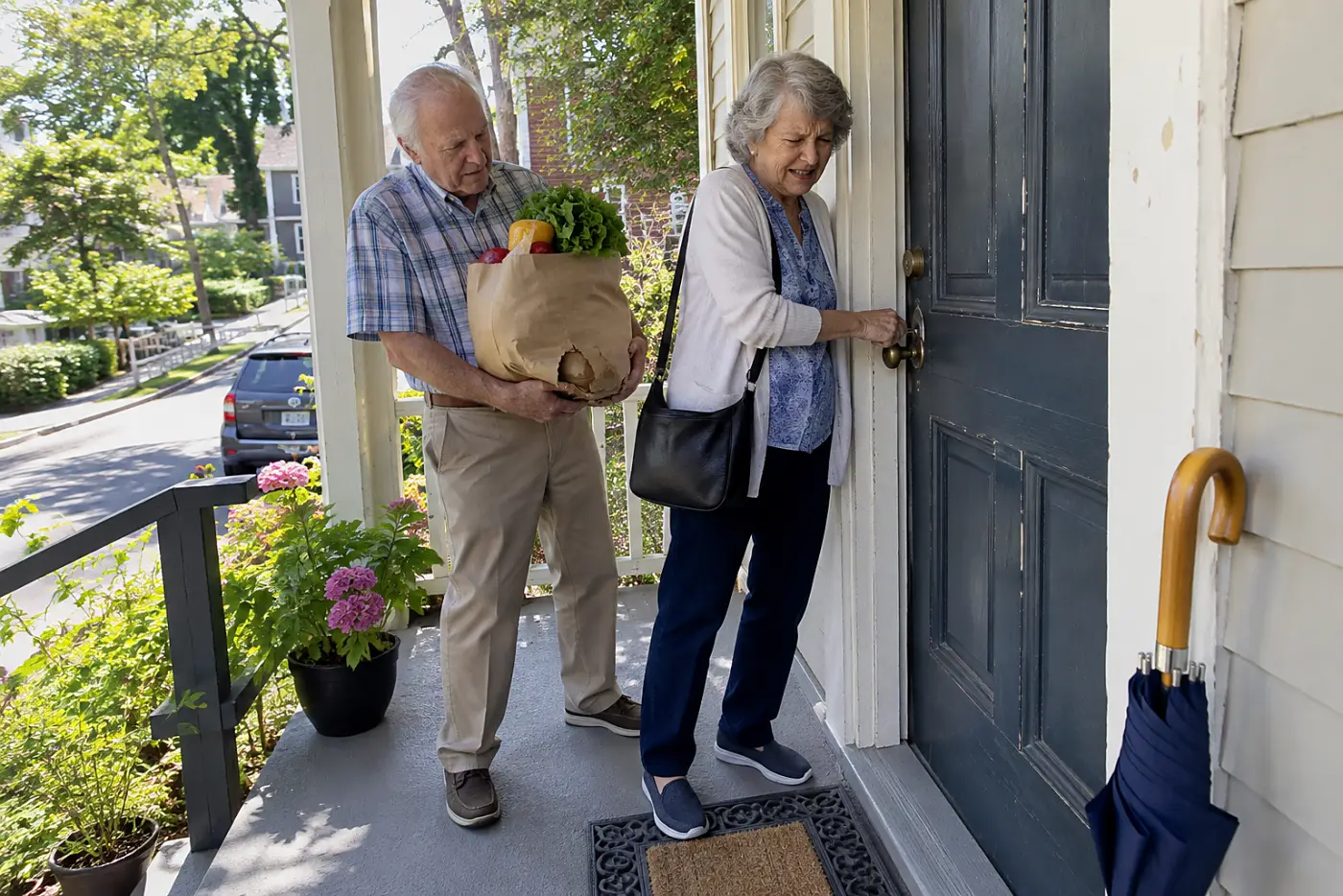
The keys no longer tell you what they open.
A ring from the kitchen drawer starts a search through doors, cars, and old padlocks. If you throw it away first, you'll never know whether it belongs to something still in use.
An unidentified key also keeps the drawer from being useful. Each time you find the ring, you repeat the search in your head and put it back. A label ends that small loop without asking you to give anything away.
This week, test each key against locks you own, and label the ones you identify. Don't test keys on property that isn't yours. Tell a helper, “Let's name these keys before anyone gets rid of them.”
A key leads to a door; a password leads somewhere less visible.
22His phone still receives account codes

A silent phone can hold access to daily life.
Banks and online services send verification codes to the number on file. Disconnecting his line before checking account records can make a login harder. Accessing his accounts also depends on your authority, not on possession of his phone.
Start with the Federal Trade Commission's identity theft guidance if you're concerned about misuse of his information. For account records, ask each company what documentation it requires from an executor or other authorized person.
This week, write down the phone's number and the companies that send messages to it. Say to the account provider, “What documents do you need before you’ll discuss this account with me?”
Digital records raise a question the paper files won't answer alone.
21You avoid the folder marked important papers
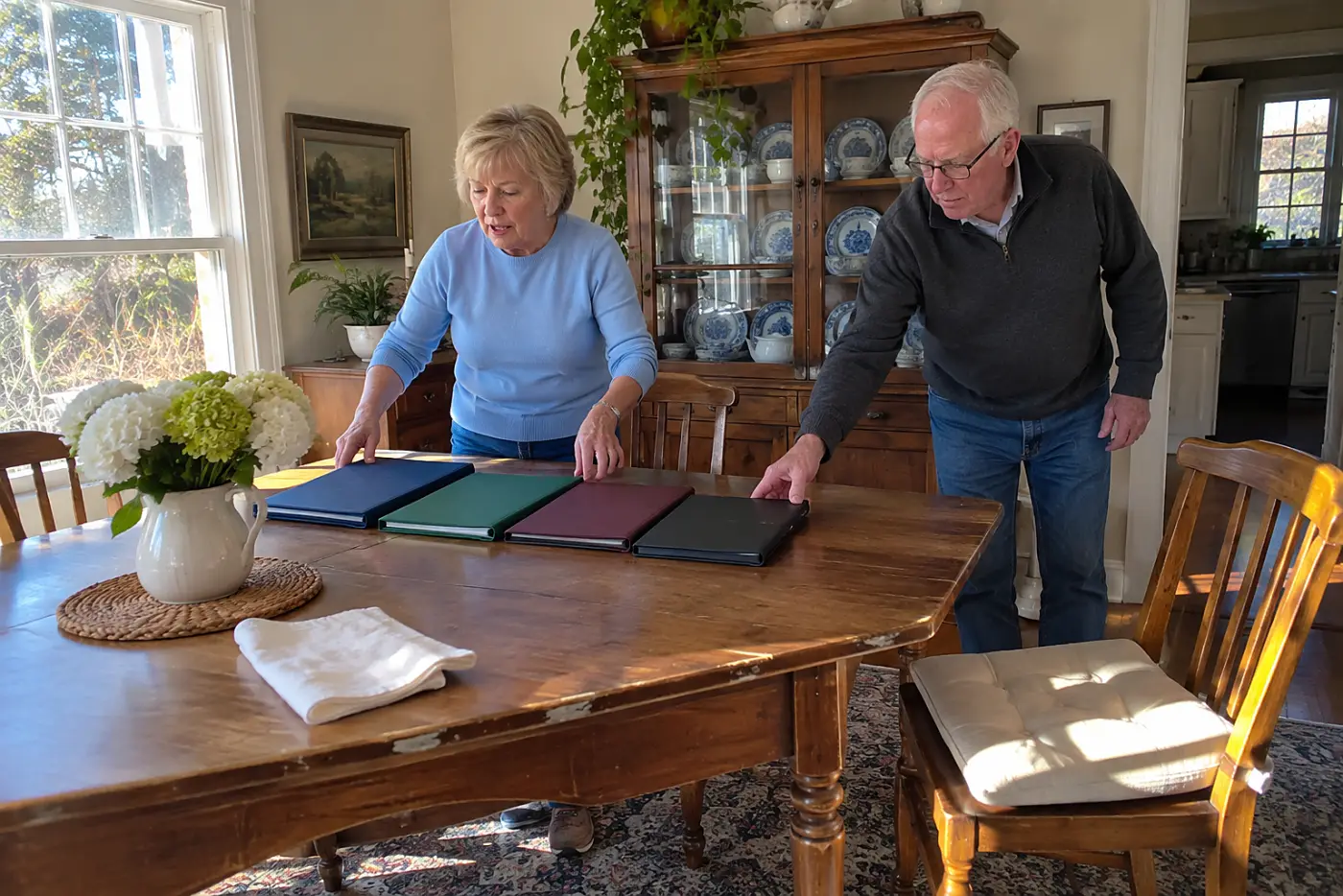
The folder asks questions that shirts don't.
A will, deed, or insurance policy points toward tasks with other people involved. That makes opening the folder feel like the start of a process you didn't choose. Yet the papers inside tell you which offices and companies to contact.
Until you know what's there, an urgent-looking envelope stays mixed with old copies and receipts. You also risk moving an original when all you meant to do was make room.
This week, make a list of document titles without removing originals. Keep the folder somewhere secure. Say to a trusted person, “I’m making an inventory today, not dividing anything.”
The inventory matters most when someone else wants the contents.
20His tools disappear into your garage
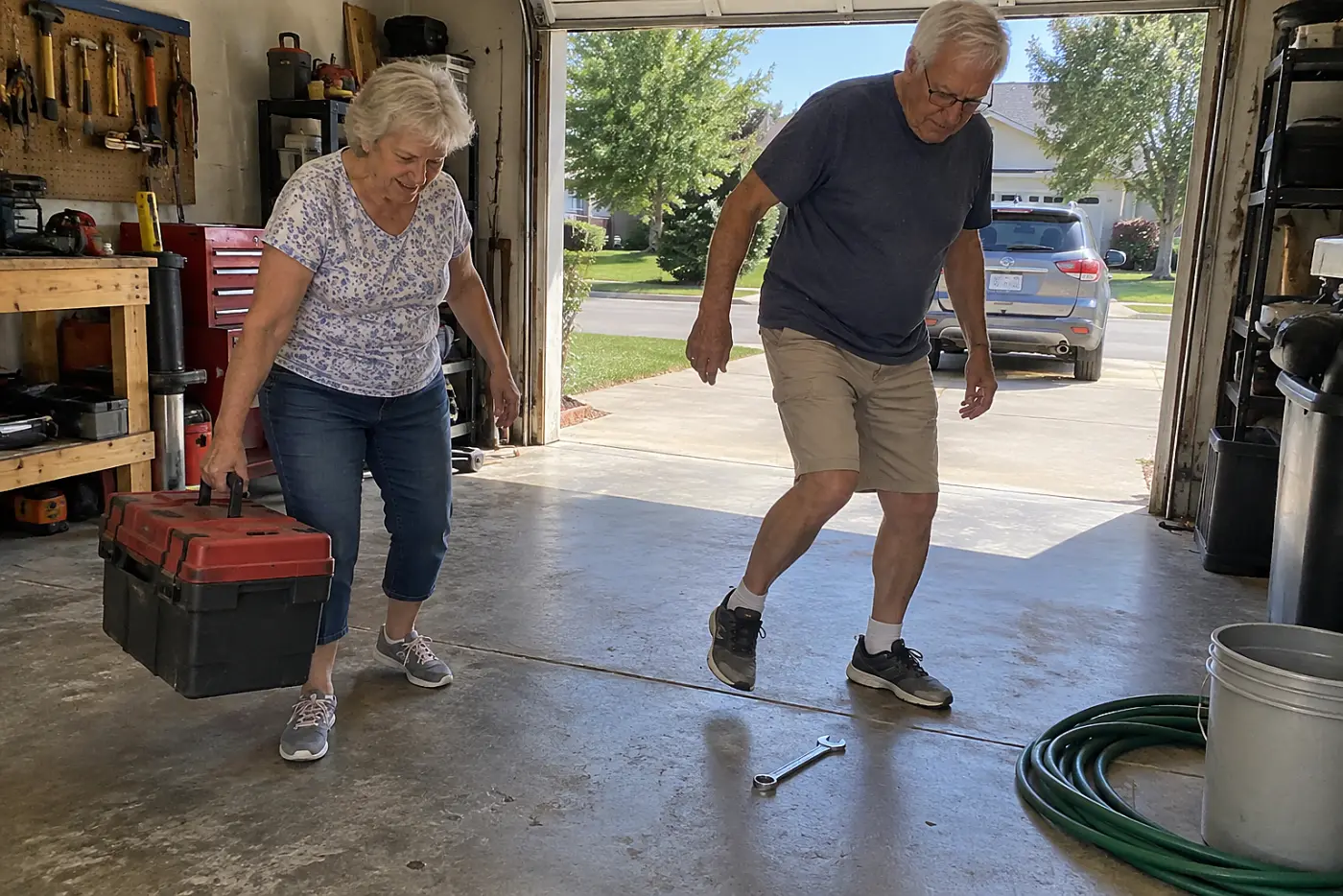
The garage fills when a decision has no deadline.
Each wrench has a use, and some have a story. You remember the shelf he built or the faucet he repaired. Sorting by price misses that history; keeping every duplicate leaves no room for the car or a clear path to the door.
Check the walking path first. The National Institute on Aging recommends reducing home fall hazards, including clutter in walkways. You needn't settle the fate of the tools to make the route safe.
This week, clear a path and group the tools by type. Tell anyone helping, “Move them off the floor, but don't give them away.”
The garage has space for piles; a guest room turns into one.
19The guest bed carries boxes of keepsakes
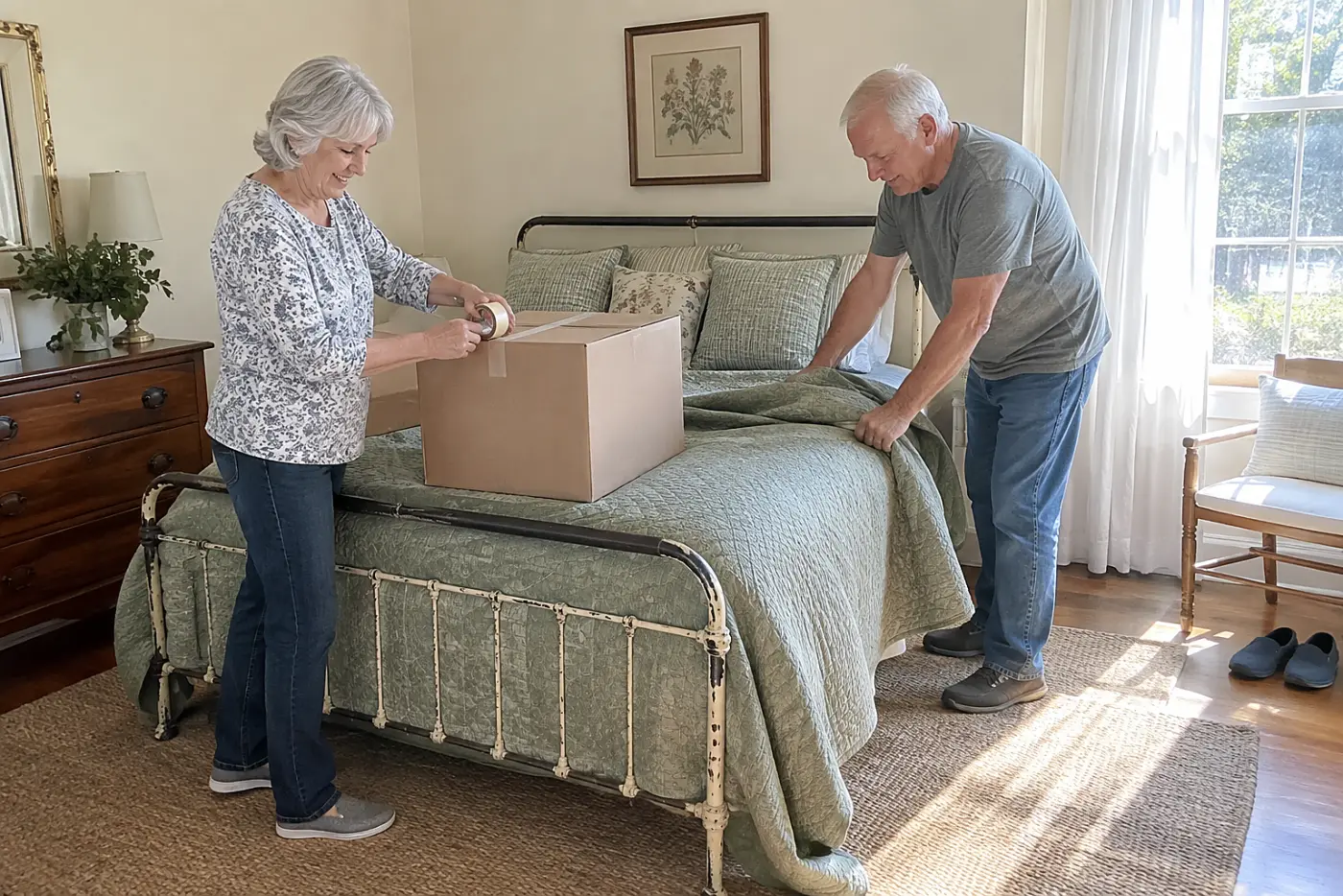
The bed has become a place to postpone choices.
Boxes protect photographs and small objects from casual handling. They also let you close the door when sorting feels too much. Soon, you can't use the room without opening a box, so the job grows larger in your mind.
If the labels say nothing, opening every box becomes the price of finding one thing. The bed stays covered even when you want someone to visit. If you need sturdier storage, lidded plastic bins cost about $10 to $25 each; label what you have before buying more.
This week, label each box with what's inside, without sorting the contents. Stack them where you can reach them safely. Say, “I want to know what's here before we talk about where it goes.”
One label will lead you to a face you know.
18Family photographs remain in the same shoebox
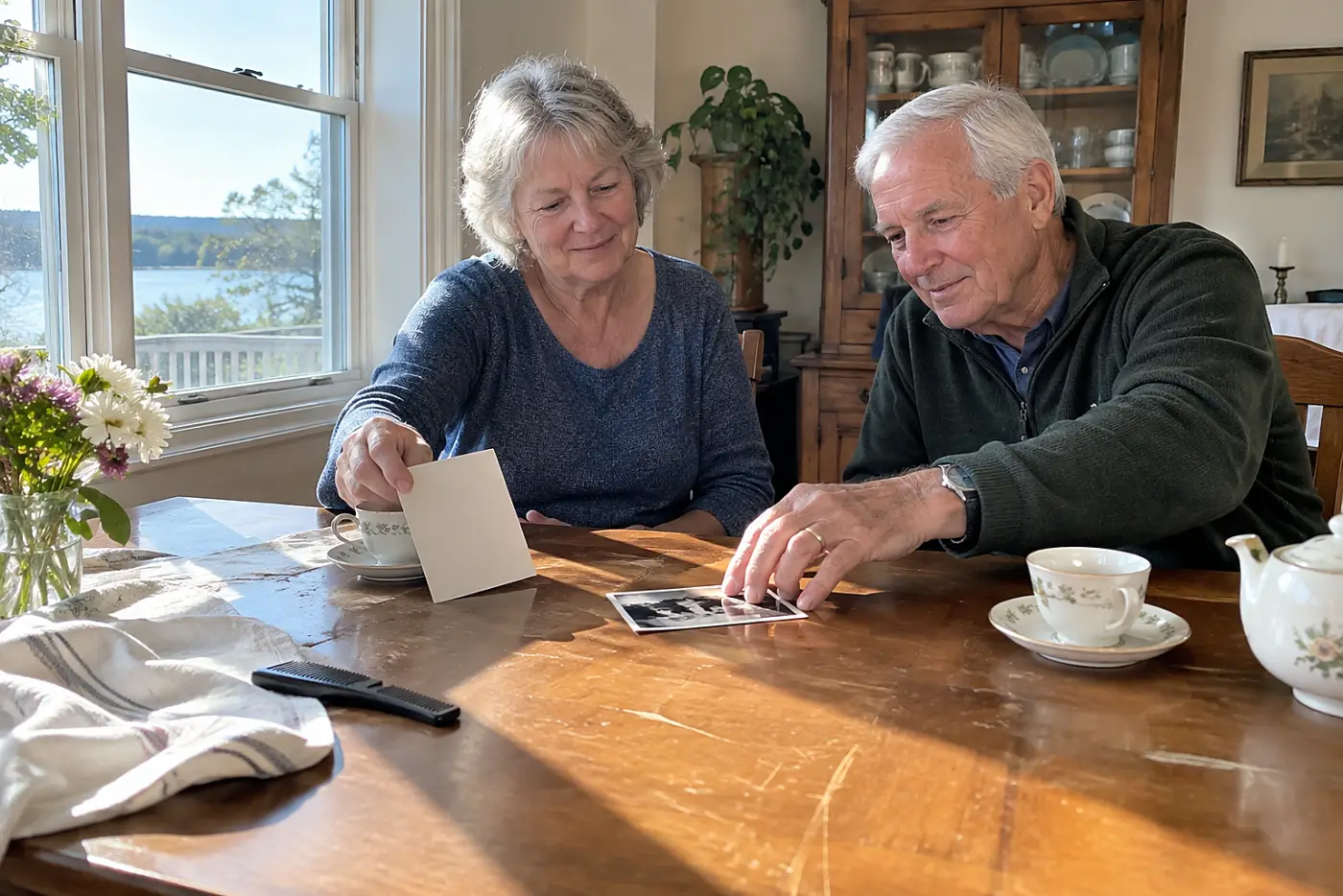
The shoebox keeps a century of faces anonymous.
His photographs include people you knew and people only he could name. Each time you put the lid back on, some of that knowledge stays locked away. You don't need to organize an album to save the names you still remember.
The Library of Congress has guidance on caring for photographs. Keep originals out of direct sunlight and handle them with clean, dry hands.
This week, take out a few photographs and write names on separate slips of paper. Say to a relative, “Tell me who you recognize, and I'll keep your answer with the photo.”
A photograph holds a face; a recording holds his voice.
See more: 24 Things Long-Married Couples Stop Saying, and What It Costs →
17Old voicemails stop you from changing phones
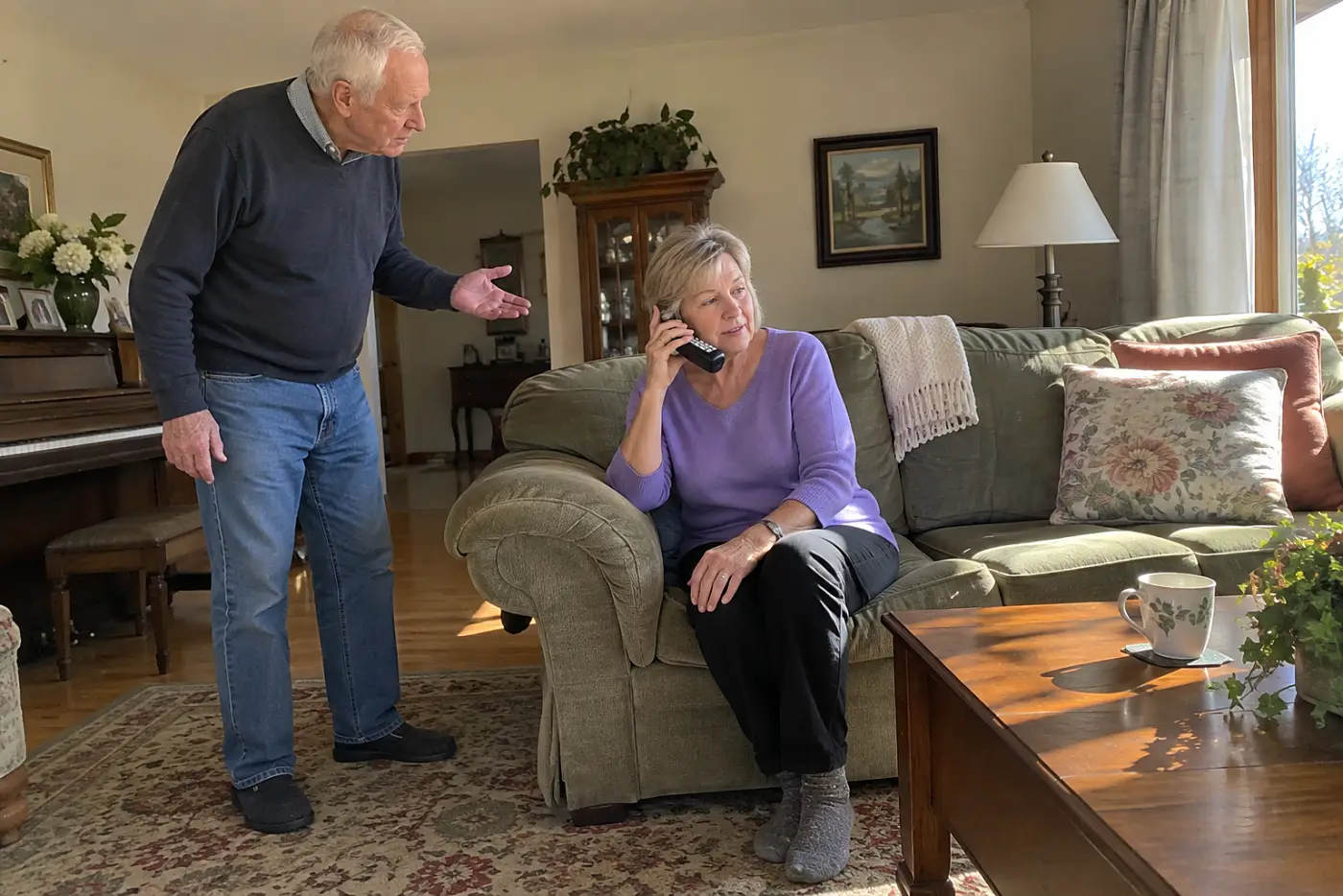
The message feels safer on the old phone.
A voicemail lives with a service or device, not in the air. Changing phones or service without checking how messages transfer risks losing access to his voice.
If that old phone fails before you save the message, you'll have fewer ways to hear it again. Keeping the device in a drawer protects neither its battery nor the account behind it.
This week, ask your carrier how to save the messages before changing anything. Make a second copy you can play on another device. Say, “Please show me how to preserve these voicemails before we move the number.”
His voice is stored electronically; his handwriting sits in plain sight.
16His handwritten lists stay on the refrigerator
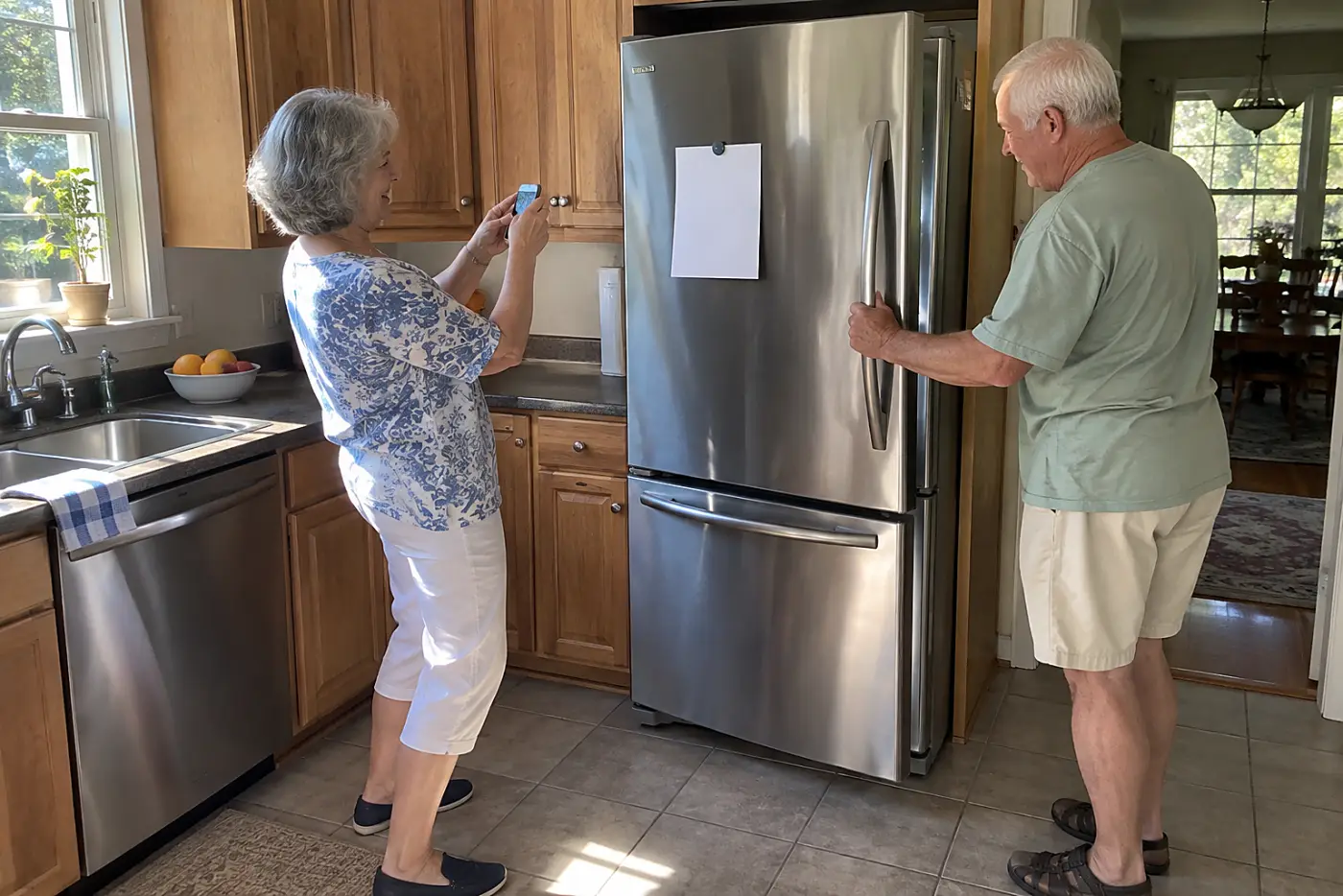
A grocery list has turned into a display.
You know the milk and bread are long gone. What keeps the paper there is the angle of his letters and the small choices he made without thinking. As the paper curls near the kitchen steam, you face a choice between leaving it in place and keeping it intact.
The National Archives offers advice on preserving family papers. A clean folder in a dry spot protects a list better than a refrigerator door beside the stove.
This week, photograph the list where it hangs, then place it in that folder. Tell someone who notices, “I saved the handwriting; I didn't throw the list away.”
Another mark he left is harder to put in a folder.
15The pencil marks remain on the doorframe
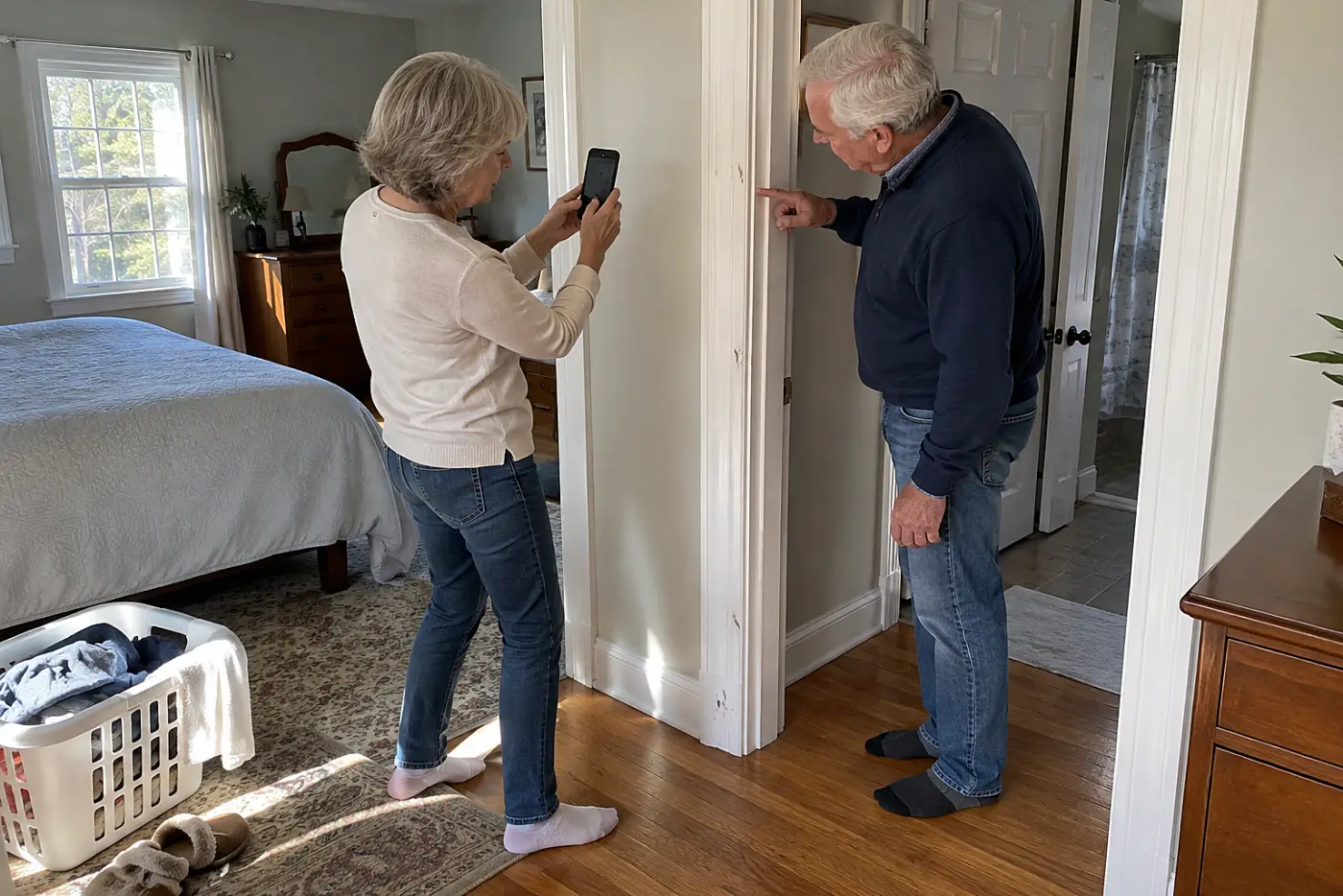
The marks still measure someone who stopped growing.
Maybe he marked a child's height, or maybe the lines record work on the house. Paint would cover them in minutes. Before that happens, the marks deserve a record of where they sit.
A close photo alone won't tell someone which doorway they're seeing. Once a coat of paint goes on, that missing detail is hard to recover. The full frame matters as much as the pencil lines.
This week, photograph the full doorframe and each close detail. Add a note explaining whose marks they are. Say to anyone planning repairs, “Please talk to me before painting this frame.”
Repairs bring other people into a room you kept unchanged.
14You cancel visits because of the dining table
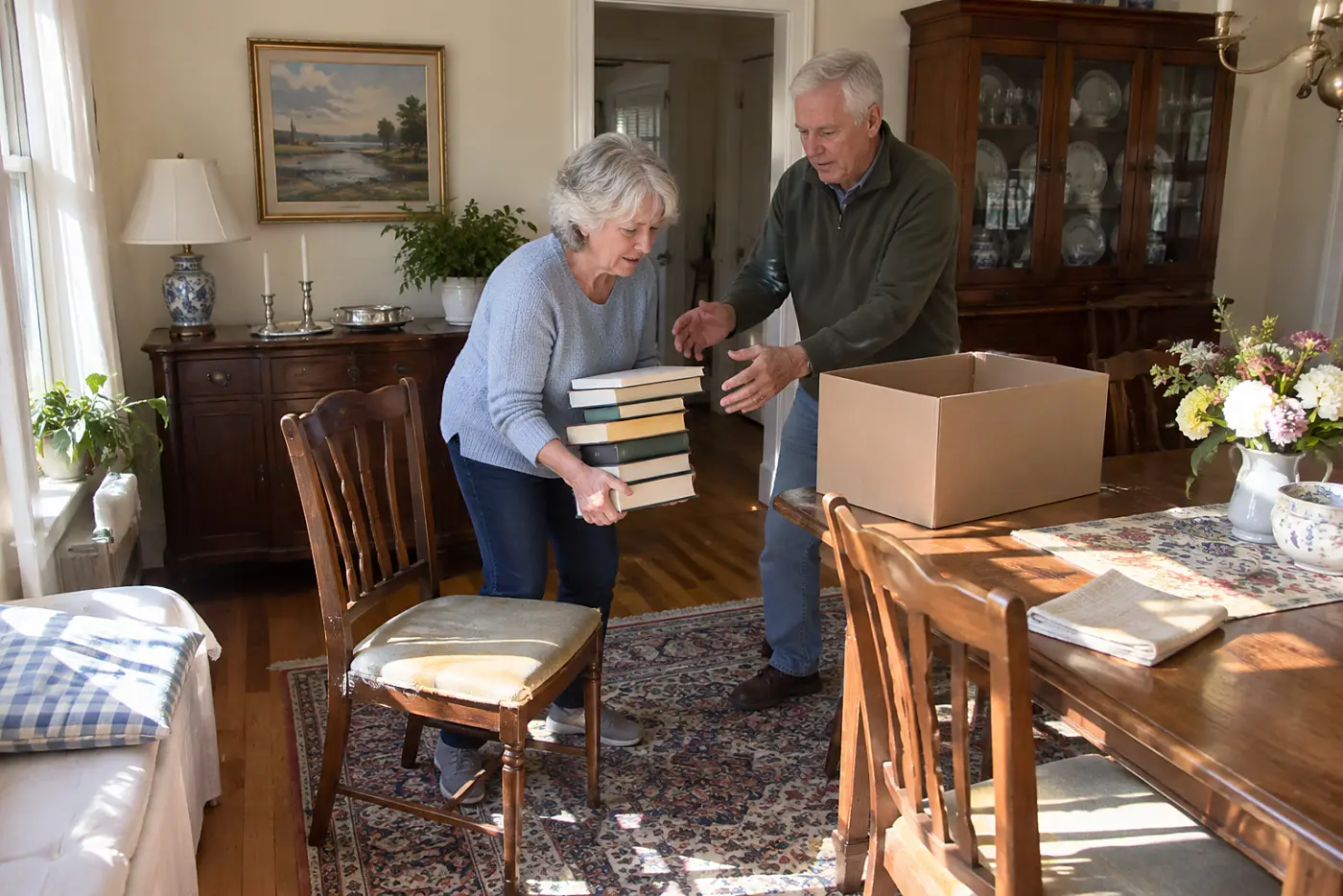
The table has become harder to explain than the loss.
His books, unopened cards, and loose papers cover the place where guests once sat. You postpone a visit rather than move them in front of someone. That gives the pile power over a part of life that still belongs to you.
Visitors don't need a cleared house. Still, the table should serve you when you want it. Moving its contents into a labeled container is different from throwing them out.
This week, clear one place at the table and invite one person you trust. Say, “The rest of the table isn't ready, but I'd like you here.”
That person will see how hard the smallest decisions are.
13You rescue items from the donation bag

The bag reaches the door, then comes back.
An object looked ready to leave until you pictured someone else carrying it away. Once that image appears, the earlier decision feels rushed. Pulling it back tells you the choice needs more time.
If the bag stays by the door, someone else could mistake it for a finished decision. You'd have to explain after the object was gone, rather than before anyone picked it up.
This week, label the bag “not ready” and put it out of your walking path. Leave its contents alone until you choose to look again. Tell your helper, “If I take something back, please leave it with me.”
A bag's contents are visible; boxes from childhood hold longer stories.
12His childhood boxes stay sealed
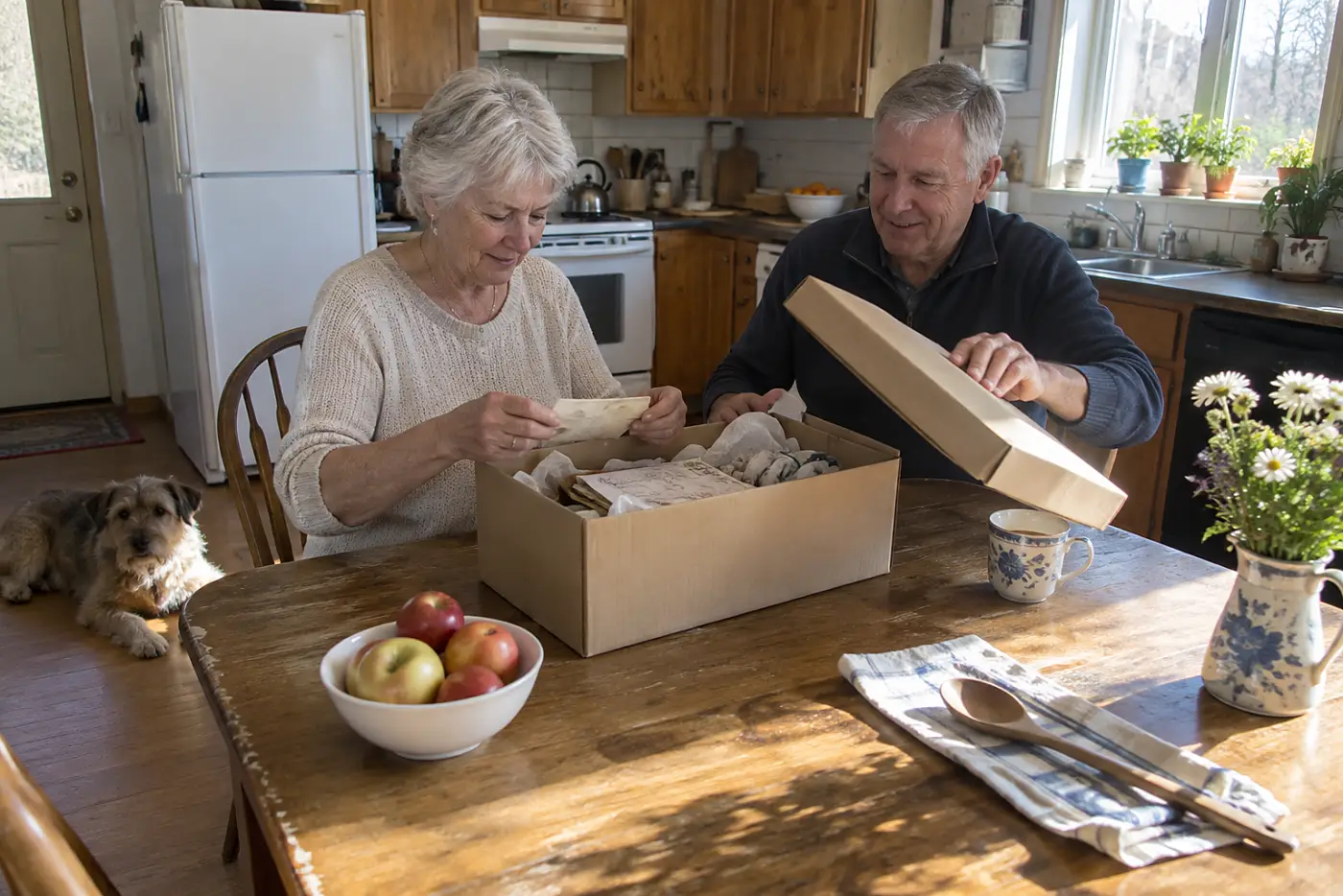
You fear losing a story you never heard.
A report card or photograph inside could answer a question about his early life. The sealed box preserves that possibility. It also keeps you from finding what is actually there and deciding how to care for it.
Opening a box doesn't commit you to keeping every item. Make room on a table and put clean hands on the lid.
This week, open one box with someone who knew his family, if you want company. Say, “Please help me identify things, not decide what I should keep.”
The next decision concerns something too large for a box.
11His chair faces the television each night
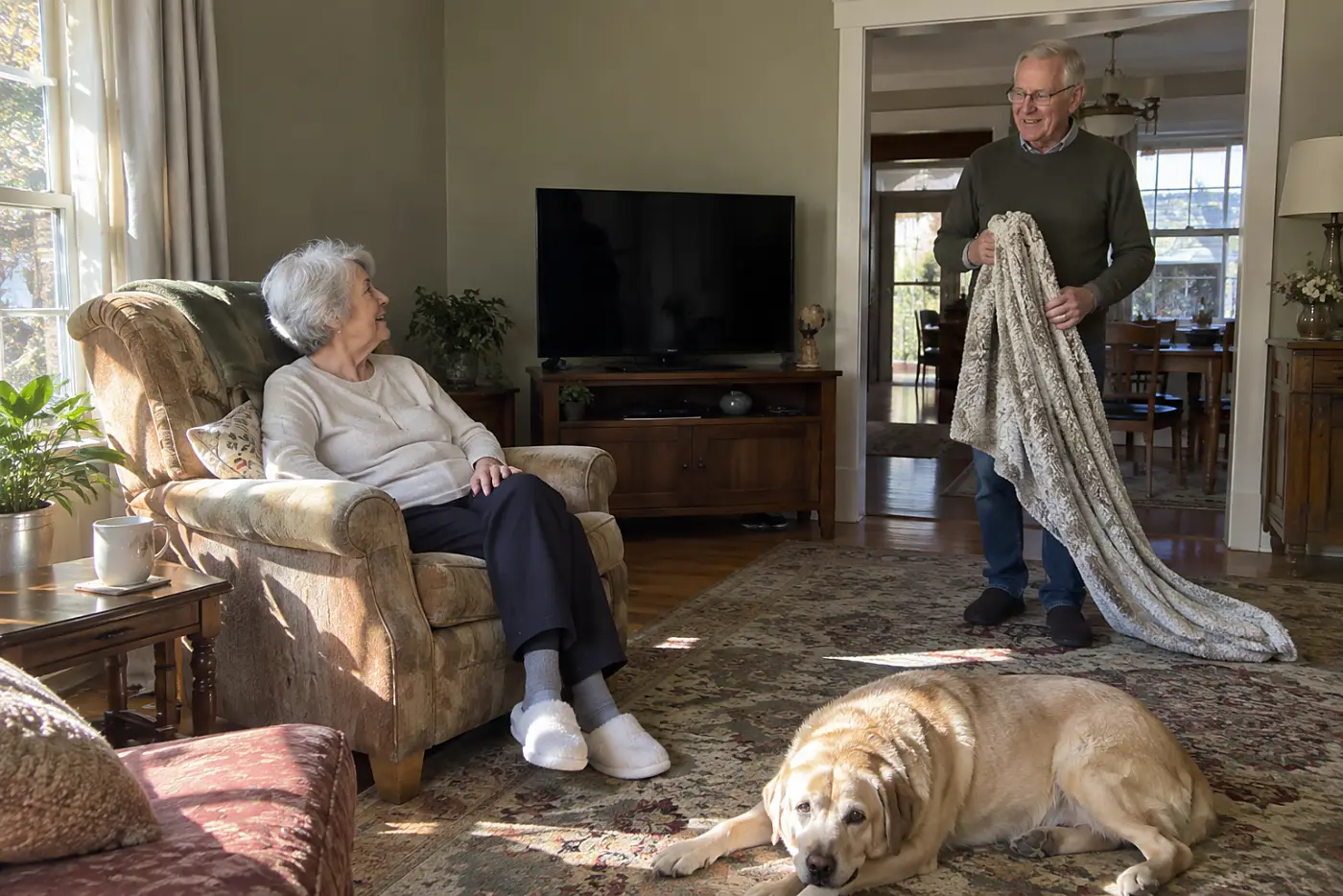
The chair still holds his place in the room.
Moving it would change the view from every other seat. Keeping it where it blocks a route makes daily movement harder. Both facts deserve your attention.
The route matters when you carry laundry or get up after dark. Leaving the chair exactly where it stands turns a memory into a daily obstacle, even though a small shift would leave it in the room.
This week, sit in the chair and notice what you want to keep about that corner. Shift it only if the path needs clearing. Say, “I want this chair here for now, with room to walk past it.”
Furniture has a place; gifts bring other people's wishes.
10Relatives ask for his things before you sort

Someone else's request puts a clock on your grief.
A niece remembers a watch; a brother wants the fishing rods. Their memories are real, but a request isn't a sorting plan. First, find out who has authority to distribute property under the estate process where you live.
The American Bar Association has public information on wills and probate. If you're handling the estate, check the will and ask the probate court or estate lawyer before handing over disputed items.
This week, write down each request without promising an object. Say, “I hear why you want it, and I'm recording requests while I check what the estate requires.”
A request for an object differs from a request to enter the house.
See more: 29 Conversations Families Keep Putting Off Until It's Too Late →
9Someone offers to clear the whole house
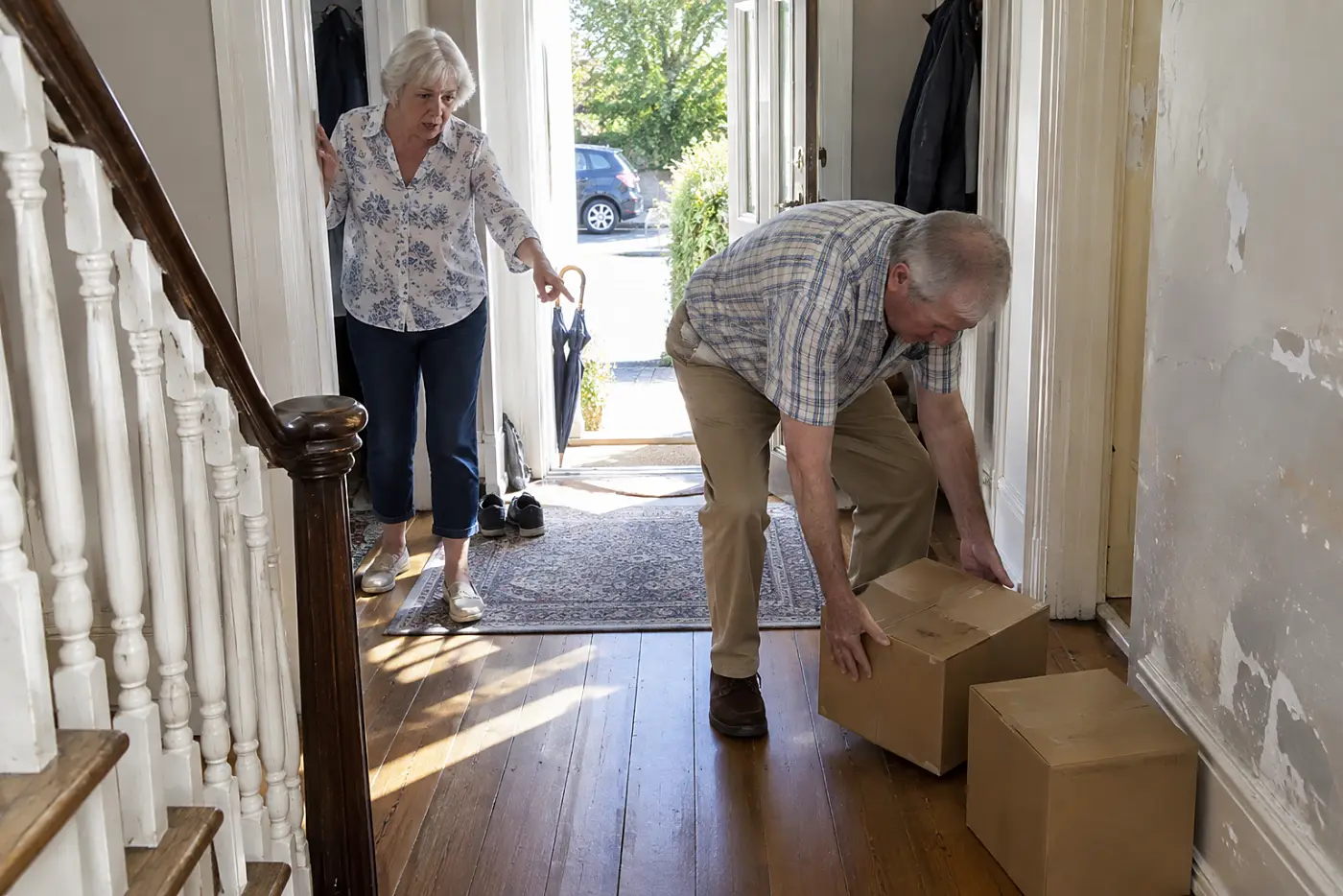
Help becomes frightening when it has no boundaries.
A relative sees work you shouldn't have to do alone. You see his belongings carried out before you've looked at them. Without an exact task, the word “help” means two different things.
An object could leave the house before you've looked inside it or decided whether to keep it. By then, asking for it back becomes another job on top of sorting.
This week, name one task that doesn't involve disposal, such as carrying boxes or clearing a walkway. Say, “Please help with that job only. Nothing leaves the house today.”
Before help arrives, there's one more thing to check.
See more: 28 Steps on the Downsizing Checklist for Seniors, in Order →
8The calendar still shows his next appointment
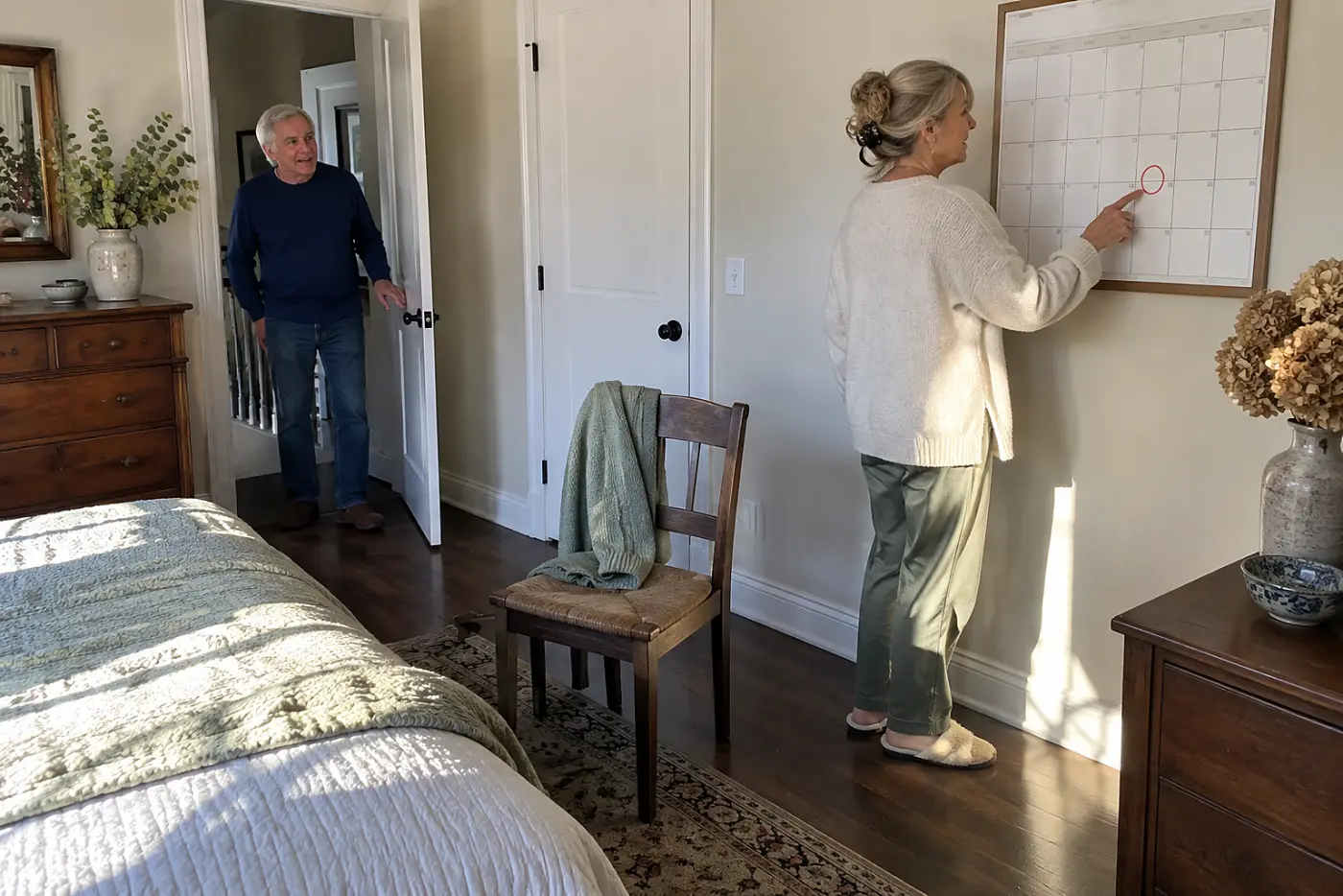
An appointment stays on the calendar after he is gone.
The reminder appears on your phone, or the date waits on the wall. Erasing it feels like changing a plan he made. So you dismiss the alert and leave the entry untouched. Next month, the same reminder appears again.
That repeated interruption takes a moment you didn't choose. It also leaves you checking whether an office still expects him. A calendar entry and an appointment aren't the same thing; only the office can tell you whether the booking remains active.
This week, call the office and ask them to cancel any appointment still booked in his name. Say, “I need to cancel his appointment, but I'm keeping the calendar entry for now.” Leave the entry visible if you want to see it.
Then another object in the room will remind you of a different date.
7You keep watering the plant he tended
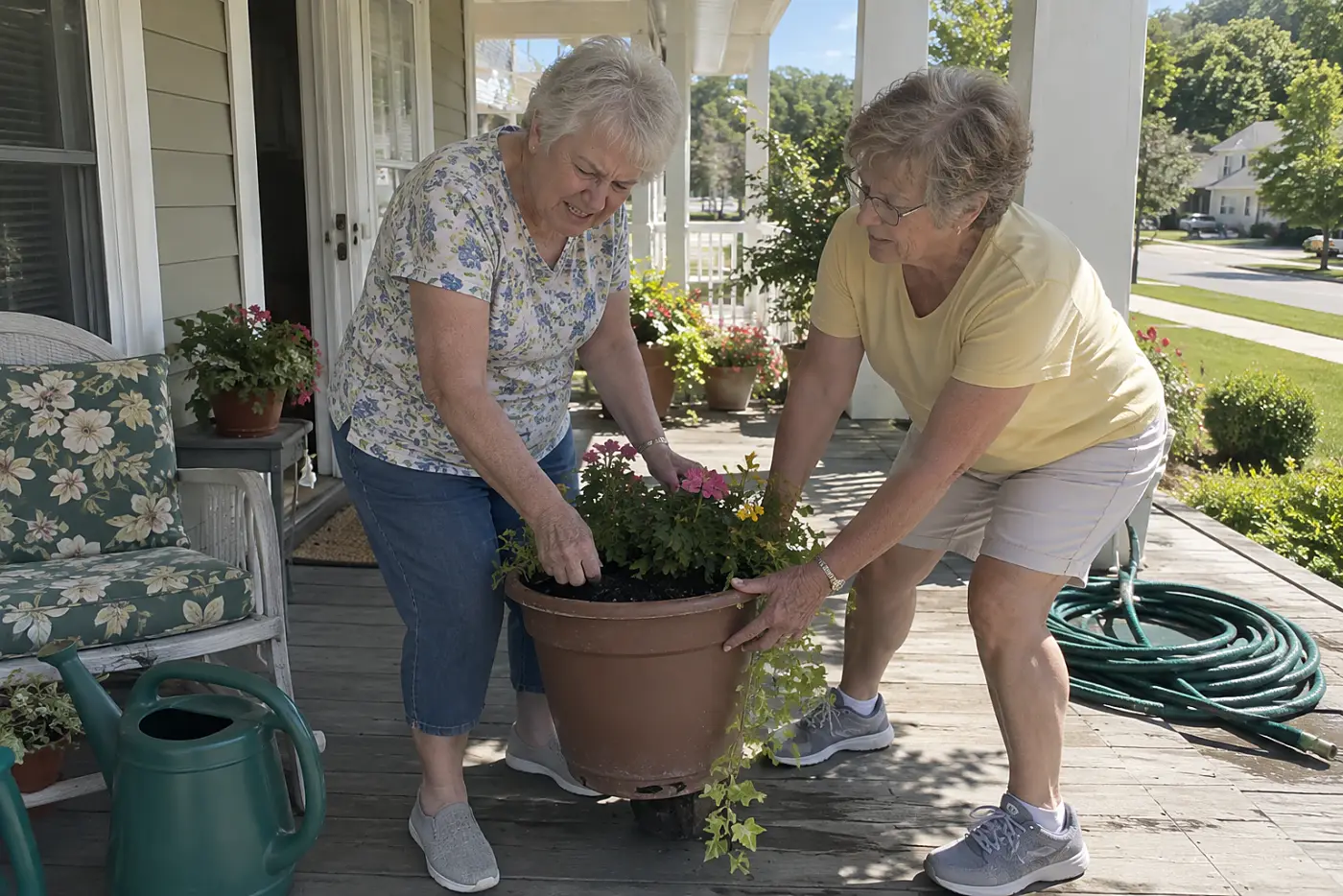
His plant needs care even when you can't face it.
You remember where he stood to water it. Now the soil dries while you avoid that spot, or you water it every time you pass, afraid that losing the plant would mean losing something of him.
Neither habit tells you what the roots need. Push a finger into the soil before adding water, and check that the pot drains. A plant that dies leaves you with a loss you hoped to prevent; an overflowing pot also damages the floor or sill beneath it.
This week, move the pot where you can reach it and look at the soil. Say to a friend, “Would you check this plant with me? I want to care for it, but I can't judge it today.”
The next thing waiting for you needs no water, yet still asks for attention.
See more: 26 Ways People Get Through Pet Loss: How to Handle Pet Loss →
6His half-finished puzzle covers the sideboard
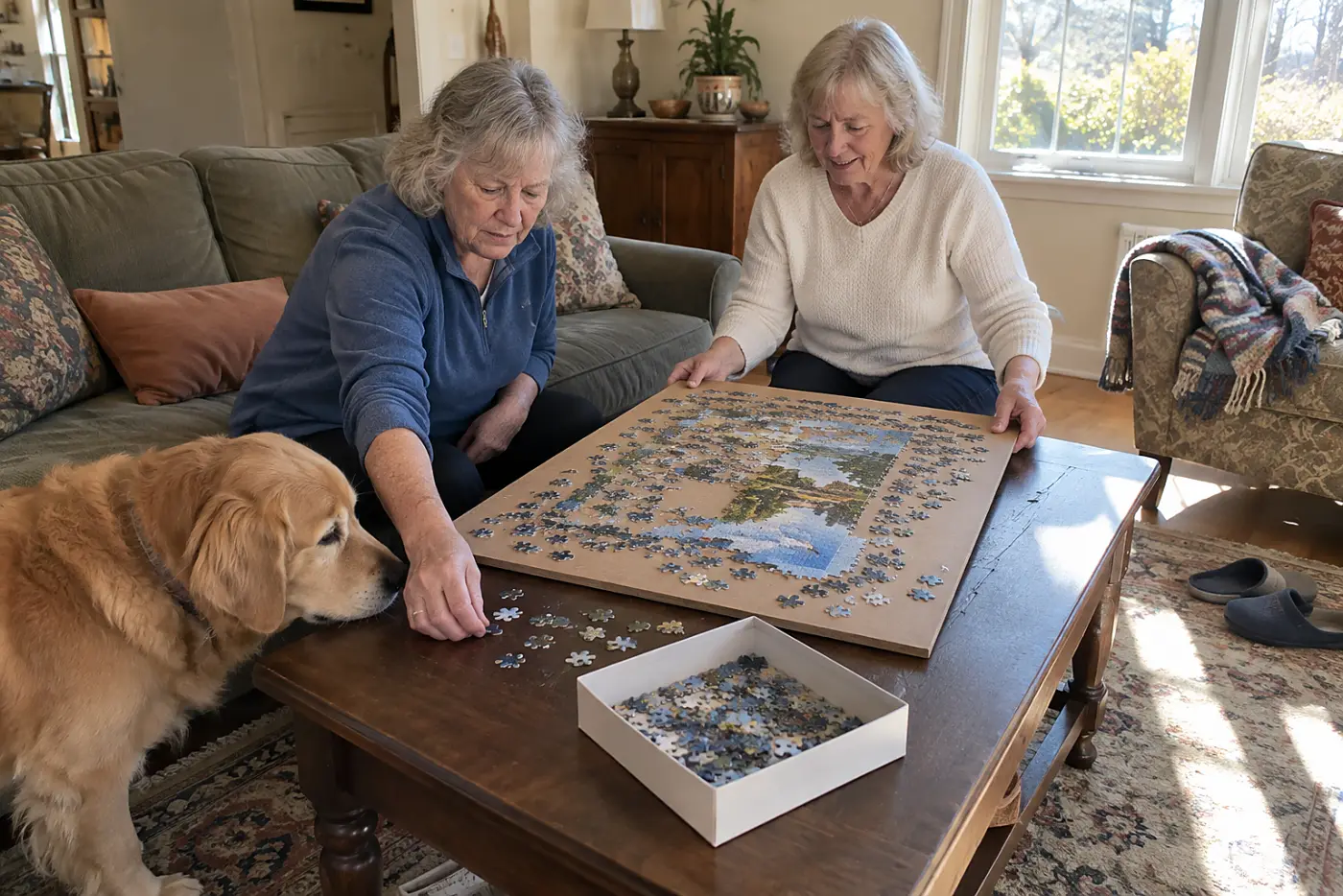
The last piece he touched has stopped the game.
A half-finished puzzle records an ordinary evening. Taking it apart feels like ending an evening you never expected to be the last, and the sideboard stays occupied while anyone who dusts nearby gets a warning not to touch it.
Loose pieces also go missing easily. Once the picture breaks apart by accident, you lose the chance to choose how it happens. You don't have to finish the puzzle to keep what that evening means to you.
This week, photograph the puzzle from above and take one closer picture of the loose pieces. Then decide whether to leave it in place or slide it onto a firm board you already own. Tell anyone cleaning, “Please don't move the puzzle until I've made a place for it.”
A board buys space, but the next object asks for a choice you can't photograph.
5His birthday card waits for words you never wrote
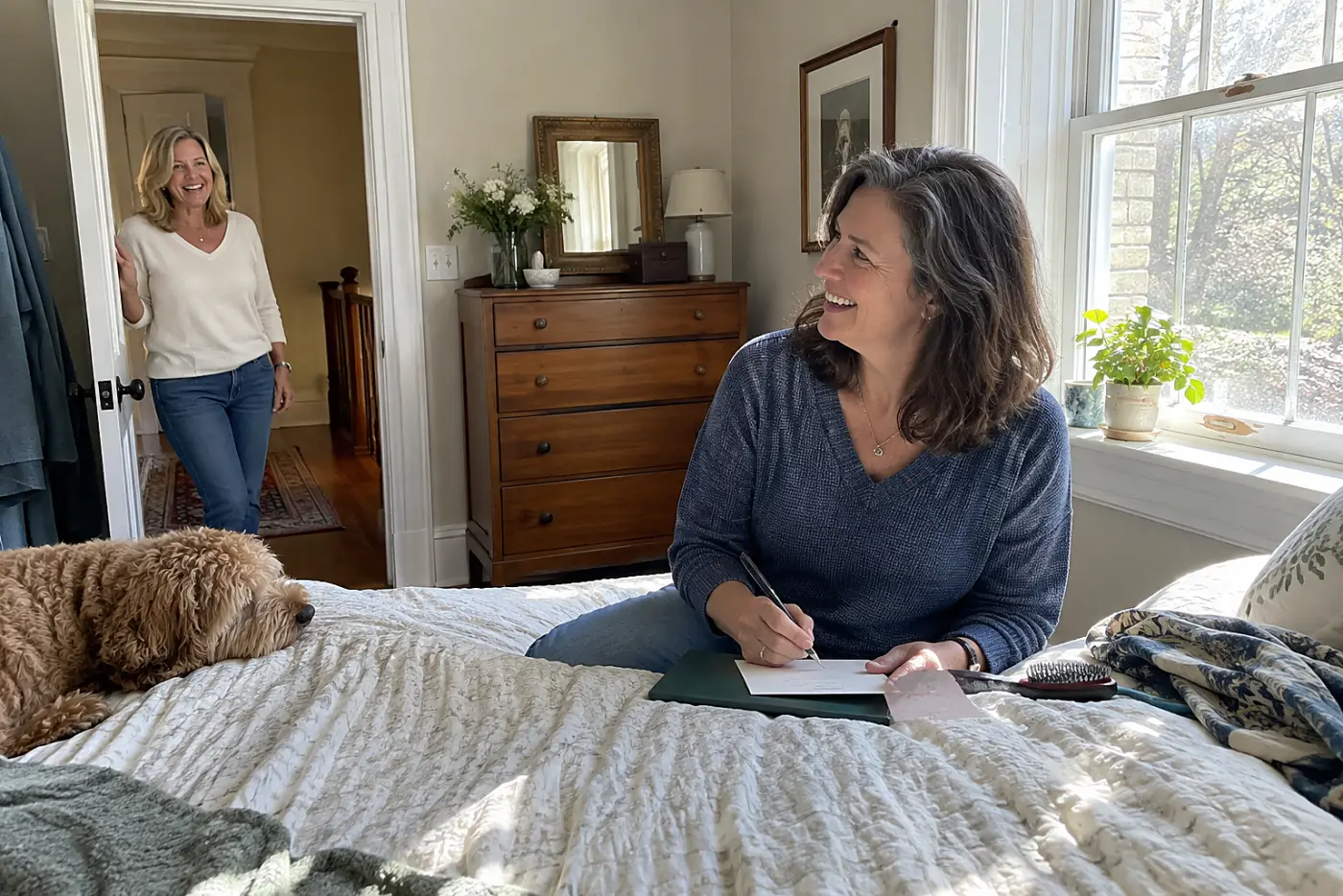
An unsigned card keeps a conversation from feeling finished.
You bought his birthday card before he died. You never wrote in it. Unlike the envelopes in the mail pile, this one holds words you meant to give him. Signing your name now feels strange when he can't read it.
Leaving the card blank means you meet that unfinished conversation whenever you open the stationery drawer. You don't have to decide whether anyone else will see what you write.
This week, open the card and write what you wanted to tell him. Put it somewhere you choose, sealed or unsealed. Say aloud, “I didn't get to give you this, but I still get to write it.”
Words stay on the page; another keepsake holds a sound.
4His radio remains tuned to his station
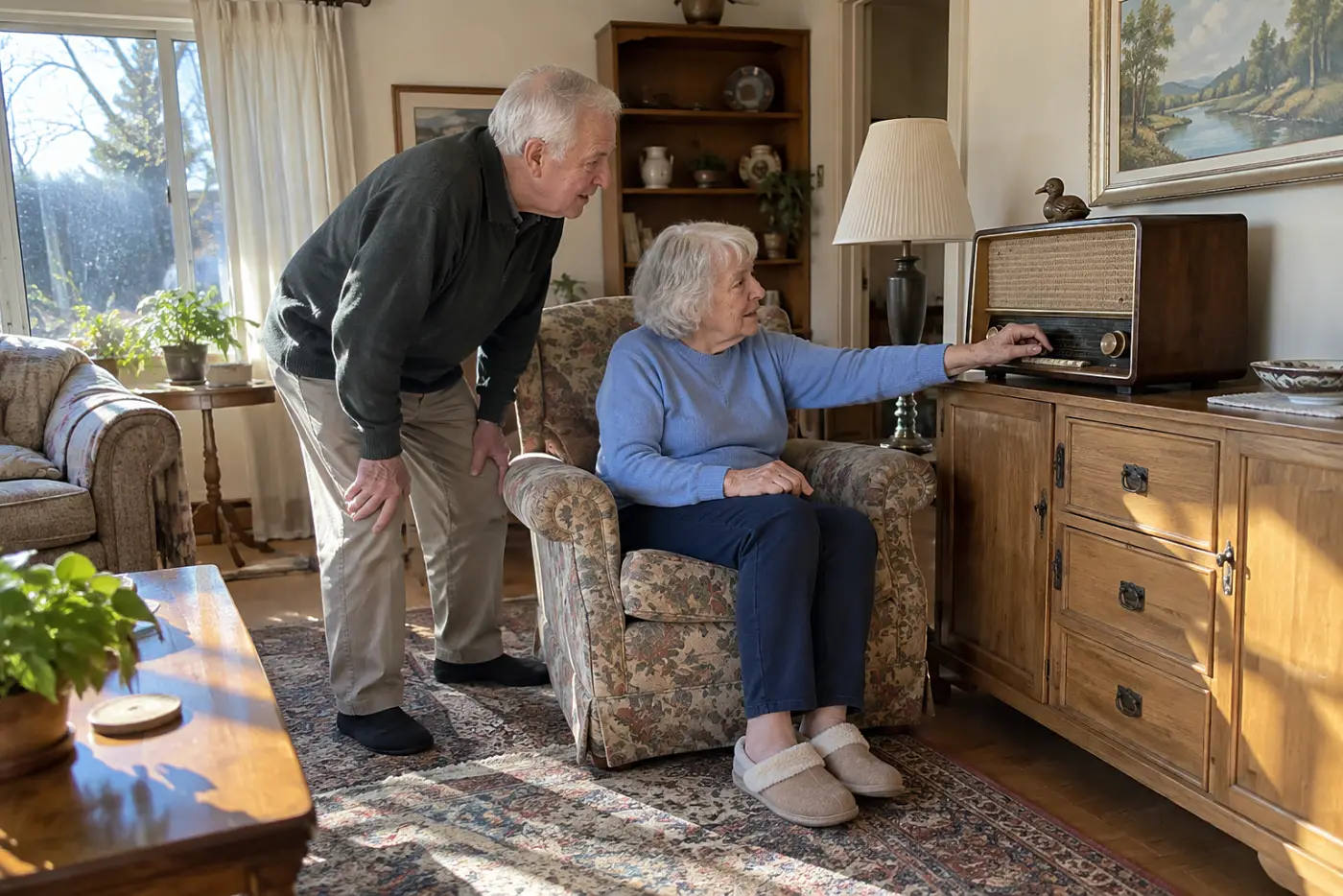
The radio is still set for someone else's morning.
You leave the dial where he left it, even if you never turn it on. Pressing a button feels like losing the station he knew by heart. Meanwhile, the radio takes up an outlet and a spot you use every day.
A preset is only a setting. You don't have to lose track of it. Write down the station name or frequency shown on the radio before changing anything. If it uses batteries, check the compartment for leaks while the set is off.
This week, turn it on once if you want to hear what he heard. Then choose whether to keep it plugged in, move it, or leave the dial untouched. Say, “I want to remember his station, and I need this outlet today.”
The dial holds one habit; the next object carries the shape of his hands.
3His gardening gloves hang by the back door
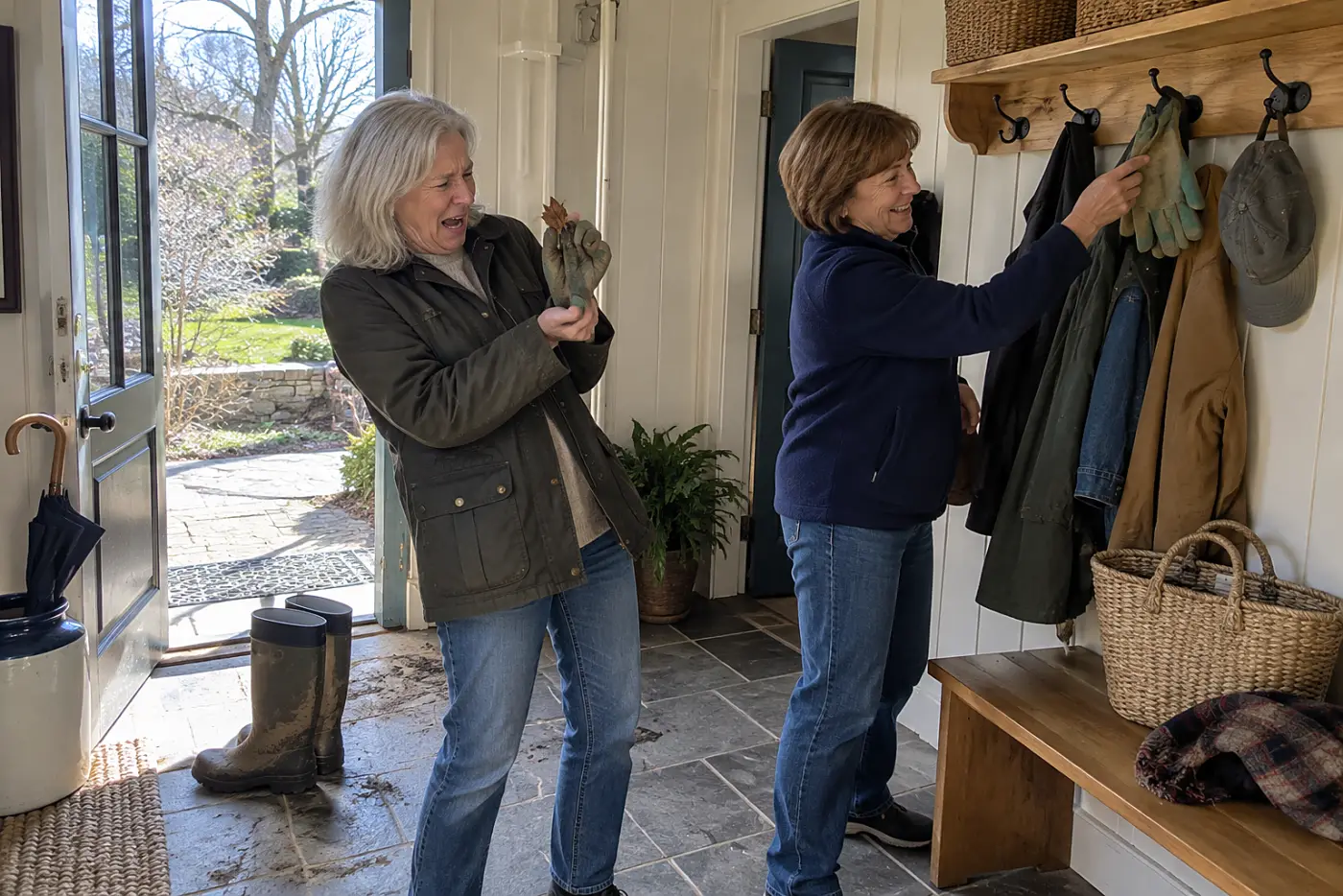
Damp gloves won't preserve the dirt he left in them.
You see soil caught in the seams each time you pass the hook. Washing the gloves would remove it, so you leave them hanging. But a wet cuff stays damp where the fabric folds against itself. Before you decide what to keep, mustiness becomes part of what you smell.
The gloves don't need to stay on the hook to stay his. If they're damp, drying them protects the fabric without scrubbing away the soil. Check the cuffs and fingertips with your hands. A dry outer palm tells you little about a wet lining.
This week, take the gloves down and feel inside each one. If they're damp, lay them open in a dry room until they're dry, then put them in a breathable box. Say, “I'm keeping the dirt in the seams. Please don't wash these.”
Once the hook is empty, you'll see what else has been waiting there.
2Unopened bags leave narrow walking paths
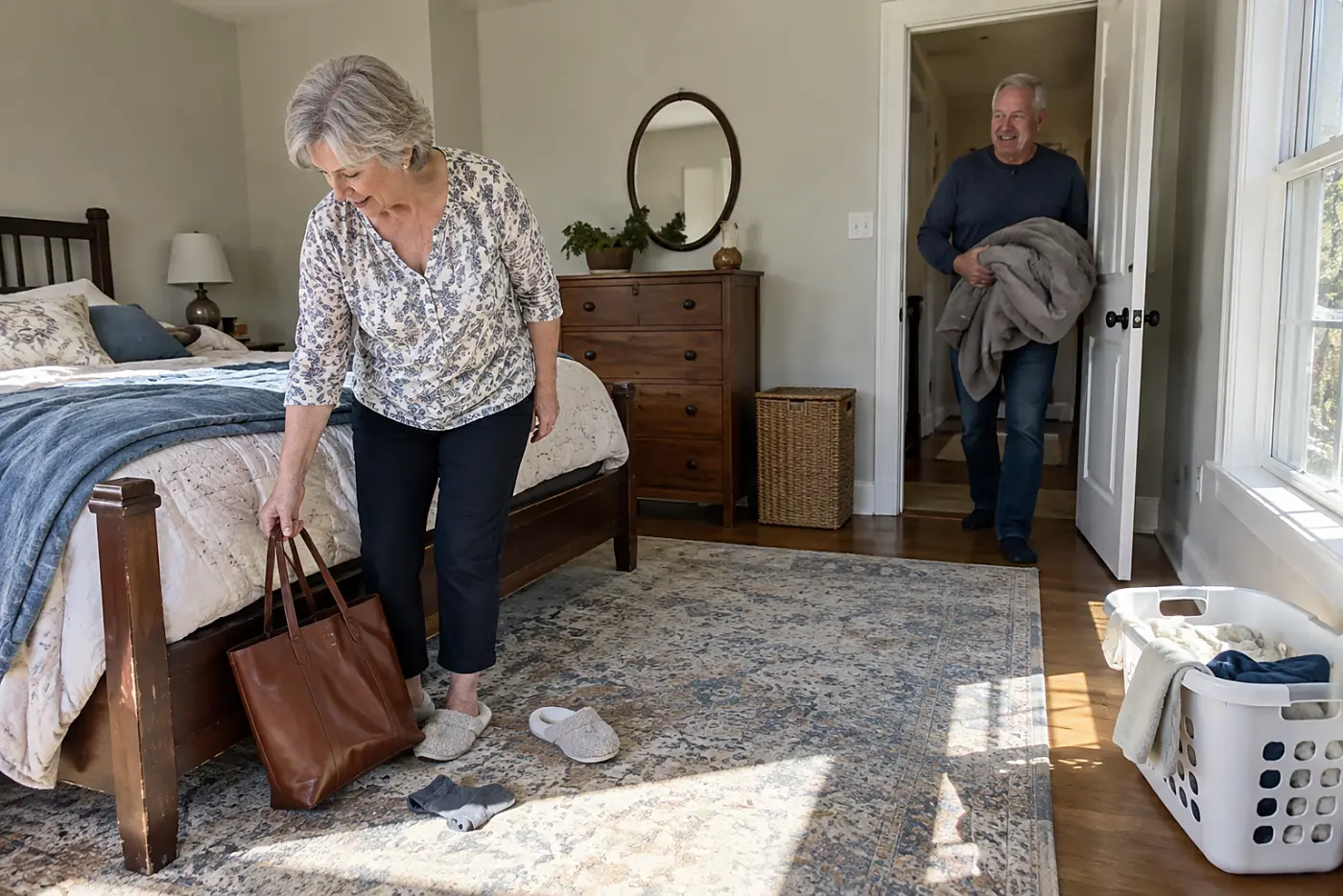
Keeping everything has begun to cost you space.
The bags protect items from a decision, but they also occupy the floor. A narrow path turns a trip to the bathroom into an obstacle course, especially at night. The Centers for Disease Control and Prevention has fall-prevention guidance that includes removing things you could trip over.
Clear the route first, without opening a single bag. Put the bags against a wall where they won't block doors, stairs, or vents. Aim for a walking path about 3 feet wide where the room allows; the contents remain yours to decide about.
This week, walk the route from bed to bathroom and move what catches your foot. Tell a helper, “We're making the floor safe; we're not sorting his things.”
Once the path is clear, you still need a way to keep it that way.
1A written agreement before anyone moves his belongings
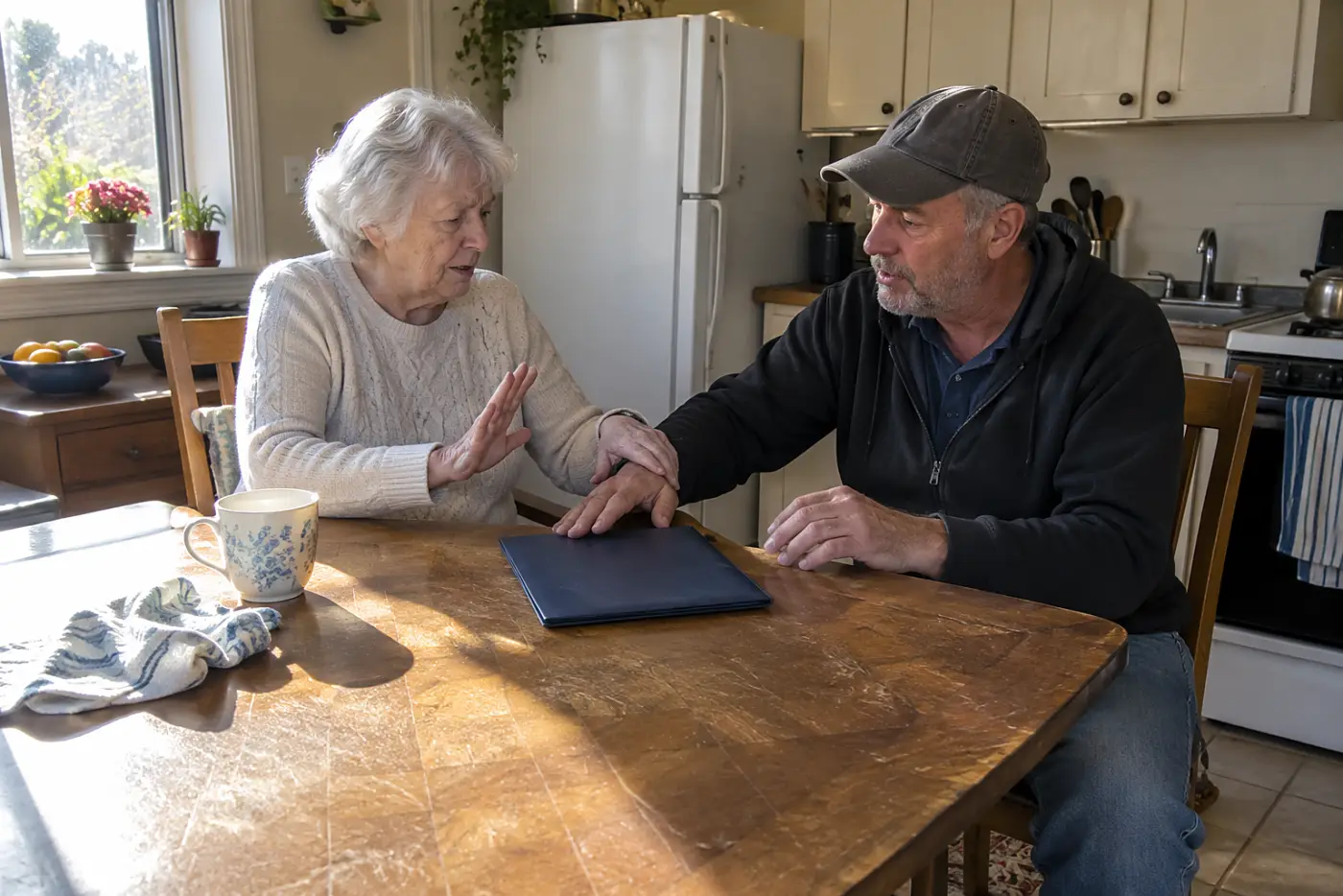
An unspoken plan leaves every object open to argument.
A helper thinks a bag marked “donate” is ready to go. You meant to look inside it once more. A written agreement gives both of you the same instructions before anyone lifts a box.
Keep it plain. Name the room or walkway to clear, where moved items will go, and what cannot leave the home. Choose who makes each decision. Put a date on the next check-in, so “for now” has a place on the calendar without becoming a deadline for giving anything away.
Without those details, a cleared path could leave you searching through new piles. Worse, something could leave before you've agreed to let it go.
If you're dealing with estate property, don't promise to distribute it before confirming your authority. Check the National Institute on Aging for planning resources, and ask your local probate court about the estate process where you live.
This week, write the agreement on one page and read it with your helper before starting. Say, “We can clear this path together, but nothing leaves the house without my agreement.”
Keep the page nearby. The next room will bring another decision.
The bottom line
Across these 29 signs, an object stays put when moving it seems to require a final answer. That pattern reaches from the shoes by the bed to the boxes in the next room.
The best-prepared version of you has made the paths safe and told helpers which decisions remain yours. She has recorded what matters, too.
Which of these has already happened in your family?
Up next
25 Things You Feel the Day You Sell the House You Raised Your Kids In
A pencil mark inside a closet door survives the packing. The closing papers give you a deadline for deciding how to keep it.
Read the list →
Reader quiz
Did you catch the details?
5 questions from this article. Finish them all to unlock the editor's bonus tip.
In this item, what should you do before moving the shoes to a safe place?
Did any of these feel familiar?
Know someone who needs this?
Sources cited in this article
This article links to 7 outside sources, listed here so you can read them yourself.
- Federal Trade Commission www.ftc.gov
- Federal Trade Commission's identity theft guidance www.identitytheft.gov
- National Institute on Aging www.nia.nih.gov
- Library of Congress www.loc.gov
- National Archives www.archives.gov
- American Bar Association www.americanbar.org
- Centers for Disease Control and Prevention www.cdc.gov
David Ruiz
Home Editor
David writes about the house you have and the one you might move to: staying put, downsizing, repairs, and the small changes that stop a fall.
More from David Ruiz