








29 Things That Go Wrong in a House the First Winter You Live Alone
A furnace filter, a shutoff valve, a dark hallway: each becomes a problem when the person who handled it is gone.
By David Ruiz, Home Editor
Updated · 17 min read
- Written by our home editor
- Cited 8 sources
- How we review
Read to the end: #1 is the emergency contact sheet that gets help through your door, and almost nobody makes one.
The bedroom window is cold to the touch, and the furnace has stopped halfway through the night. You know where the thermostat is. You don't know which company last worked on the furnace, or whether that clicking sound matters. There's an old service sticker on the cabinet, but the phone number has faded.
The obvious job seems to be learning how to fix everything he handled. You don't need to become the repair person; you need to know what to check, what to shut off, and whom to call.
Here are 29 things to check before the cold settles in.
29The furnace filter behind the return grille
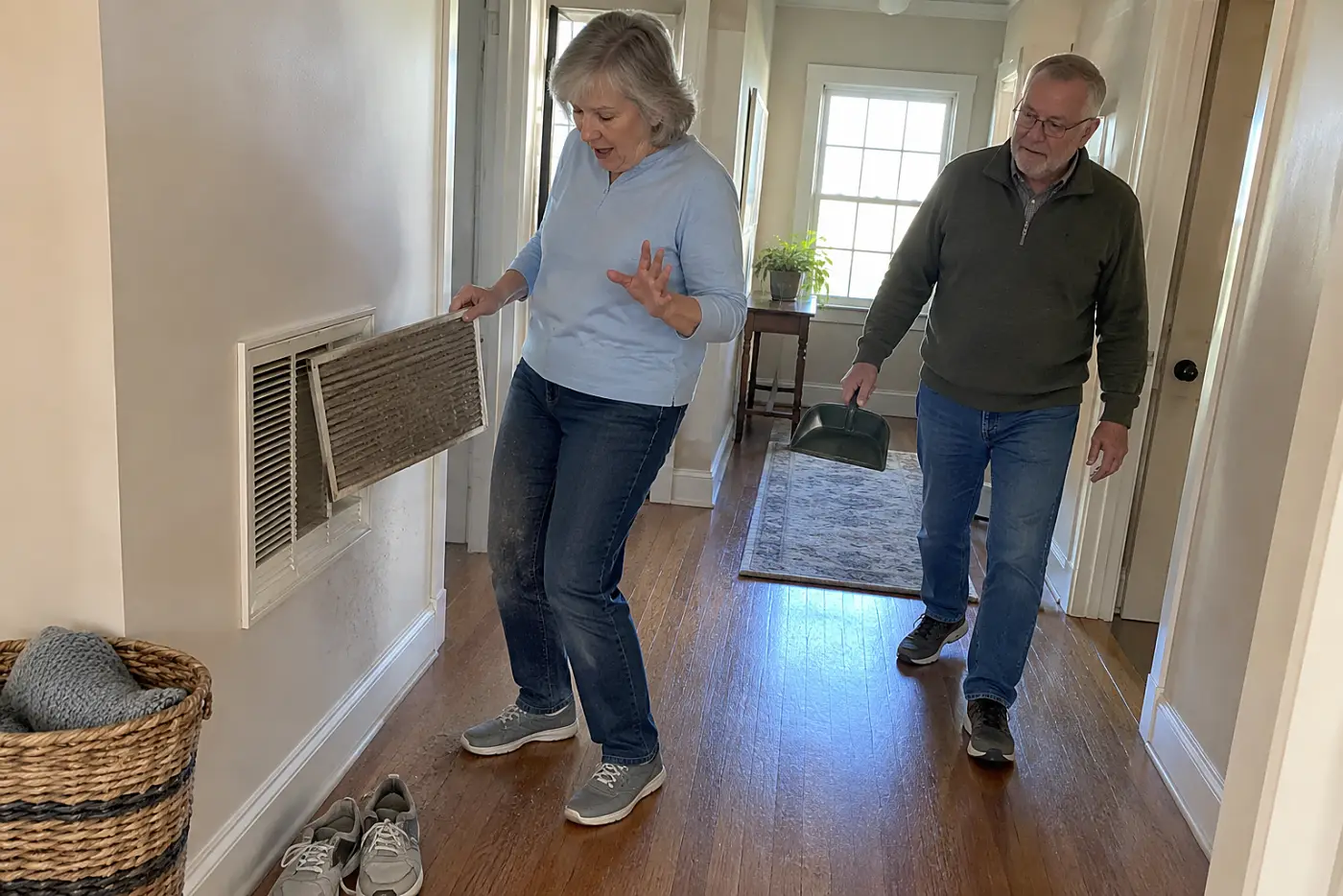
A clogged filter makes the furnace work harder for warm air.
The filter sits either behind a large return-air grille or inside the furnace cabinet. Air has to pass through it before the system heats and moves it. A filter packed with dust restricts that flow.
Waiting until the house feels cold leaves you guessing whether the filter or the equipment needs attention. A basic replacement filter costs about $5 to $20; photograph the size before shopping so you don't buy one that won't fit.
This week, find the filter, photograph its size, and check the arrow showing airflow direction before replacing it. At the hardware store, say, “I need this size, and I want to match the filter my system uses.”
Then check what the thermostat is telling the furnace to do.
28The thermostat set to fan instead of heat
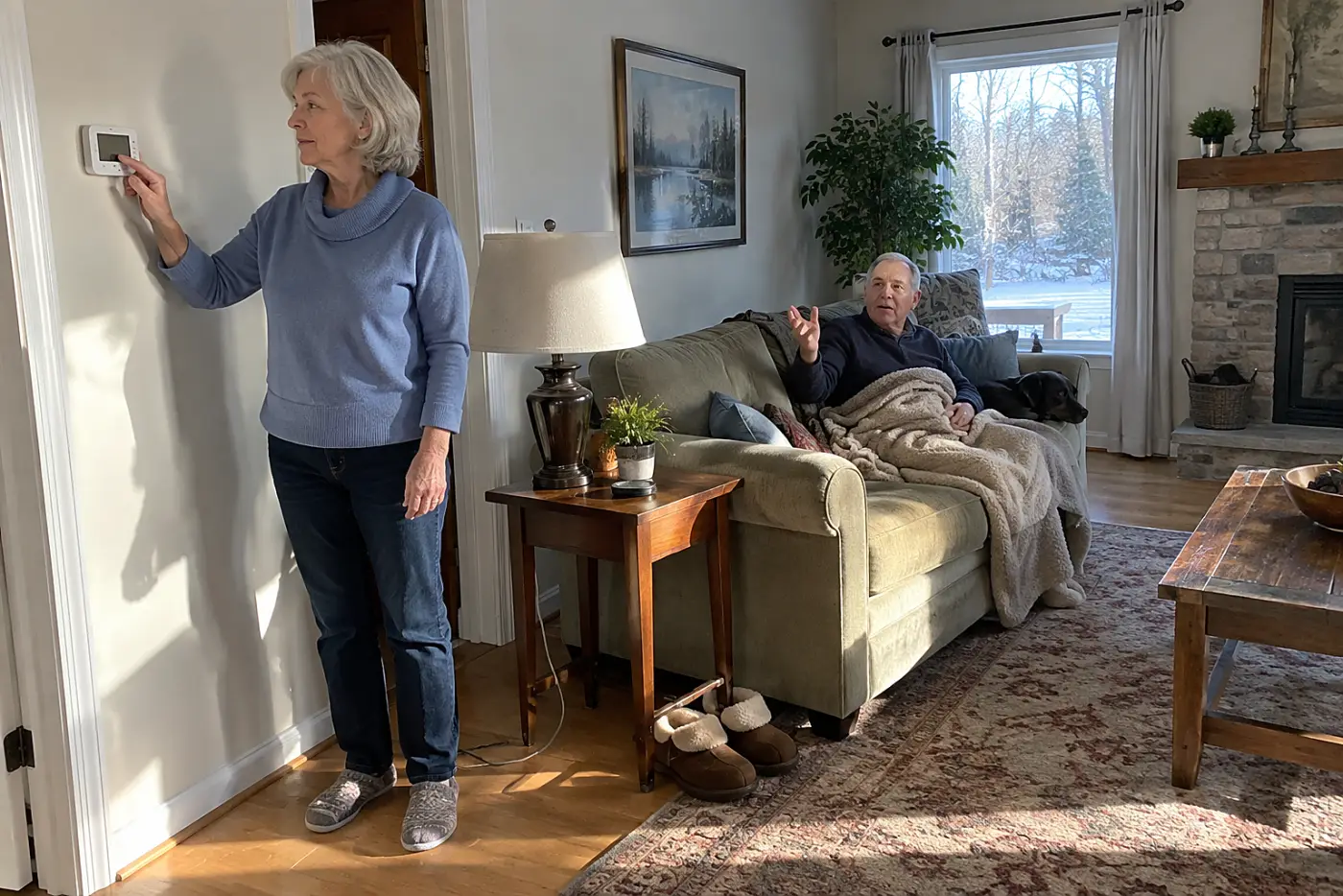
The fan runs, but the rooms never get warm.
A thermostat can move air without calling for heat. On many models, the fan setting marked “On” runs the blower continuously; “Auto” runs it when the system calls for heating or cooling. First confirm the mode reads “Heat,” then set the temperature above the room reading and listen for the system to start.
If nothing starts, note whether the thermostat screen is blank and whether the furnace has power. Those details save a service call from beginning with guesses.
This week, photograph the current settings and find the model number on the thermostat. If you call for service, say, “The thermostat is set to Heat, the room reads this temperature, and here is what happens when I turn it up.”
Before anyone opens the furnace cabinet, there's another device worth checking.
27The carbon monoxide alarm near the bedroom
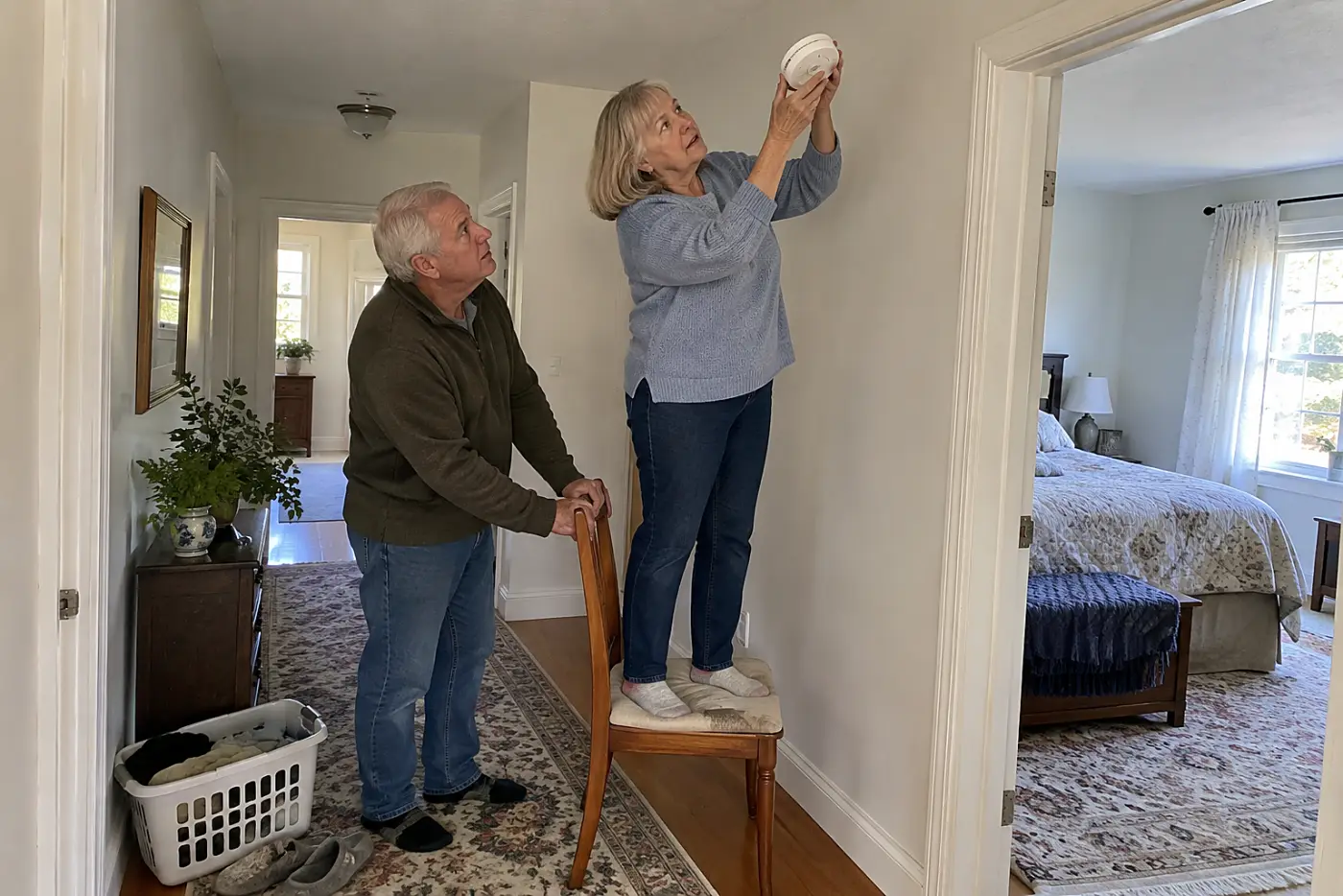
A silent house gives carbon monoxide no warning smell.
Fuel-burning furnaces and fireplaces produce carbon monoxide when something goes wrong. The gas has no smell, so a working alarm matters more than a familiar furnace sound. Press the test button and you've checked the electronics, not whether the alarm is past its replacement date.
The CDC says to leave the building and seek help if an alarm sounds. Don't hunt for the source first.
This week, check the date and placement instructions on each alarm. Ask the manufacturer, “Which alarm needs replacing before heating season? I can't read the date on this one.”
Next, look at the route the warm air takes outside.
26The snow blocking a furnace exhaust pipe
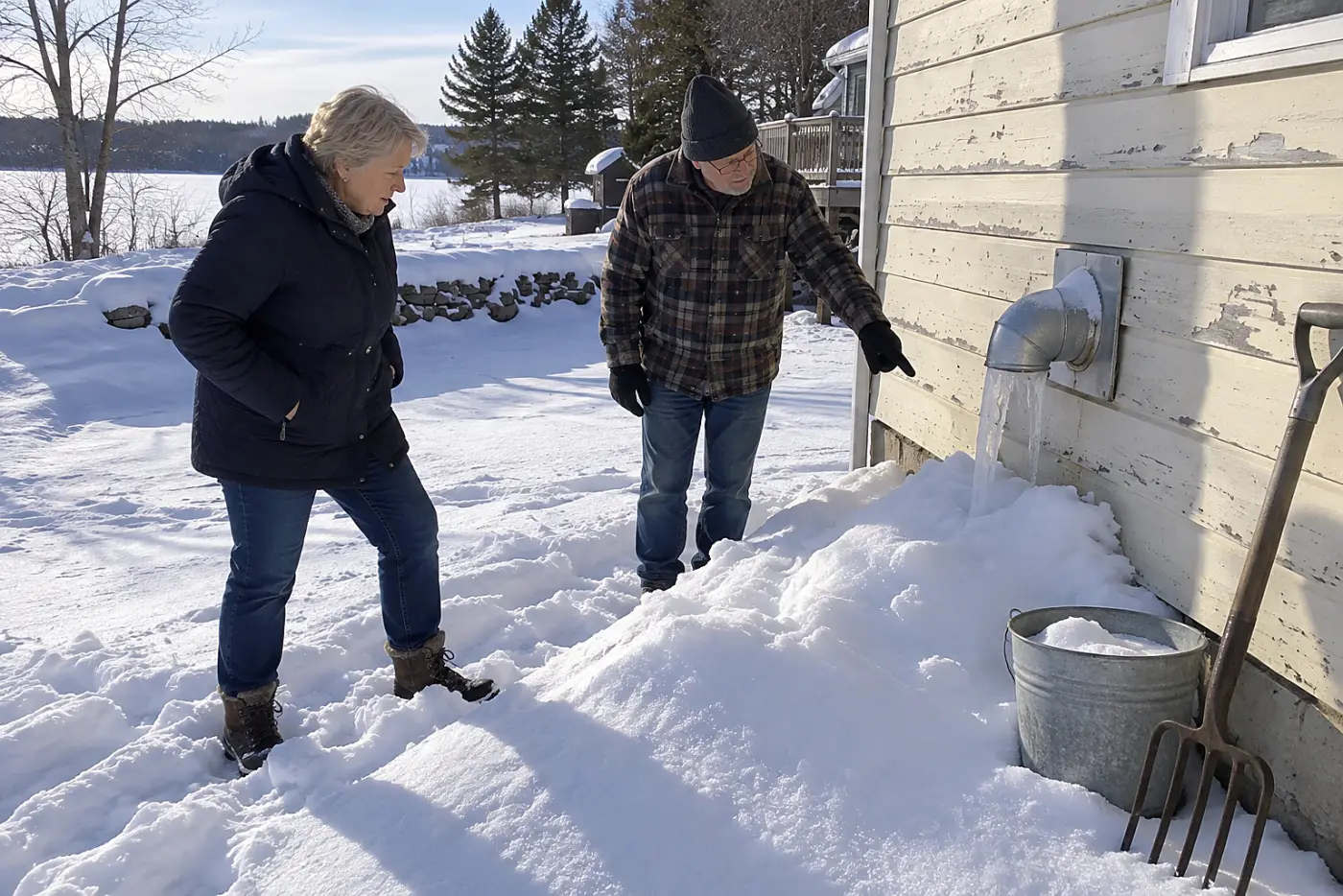
An exhaust pipe buried outside can stop the heat inside.
Some high-efficiency furnaces vent through plastic pipes on an exterior wall. Snow, ice, or leaves at those openings interfere with venting, and a furnace safety switch can shut the system down. The intake and exhaust pipes sit close together, so check both from the ground.
Don't climb a ladder or take apart the pipe to clear it. If the furnace stops after a storm, that outside view is valuable information for the technician.
This week, locate the vents while the ground is clear and photograph them from a safe standing spot. Tell the service company, “The furnace stopped, and I can see snow around the exterior vent.”
The next blockage starts inside a machine that looks less urgent.
25The dryer lint trapped in the exhaust duct
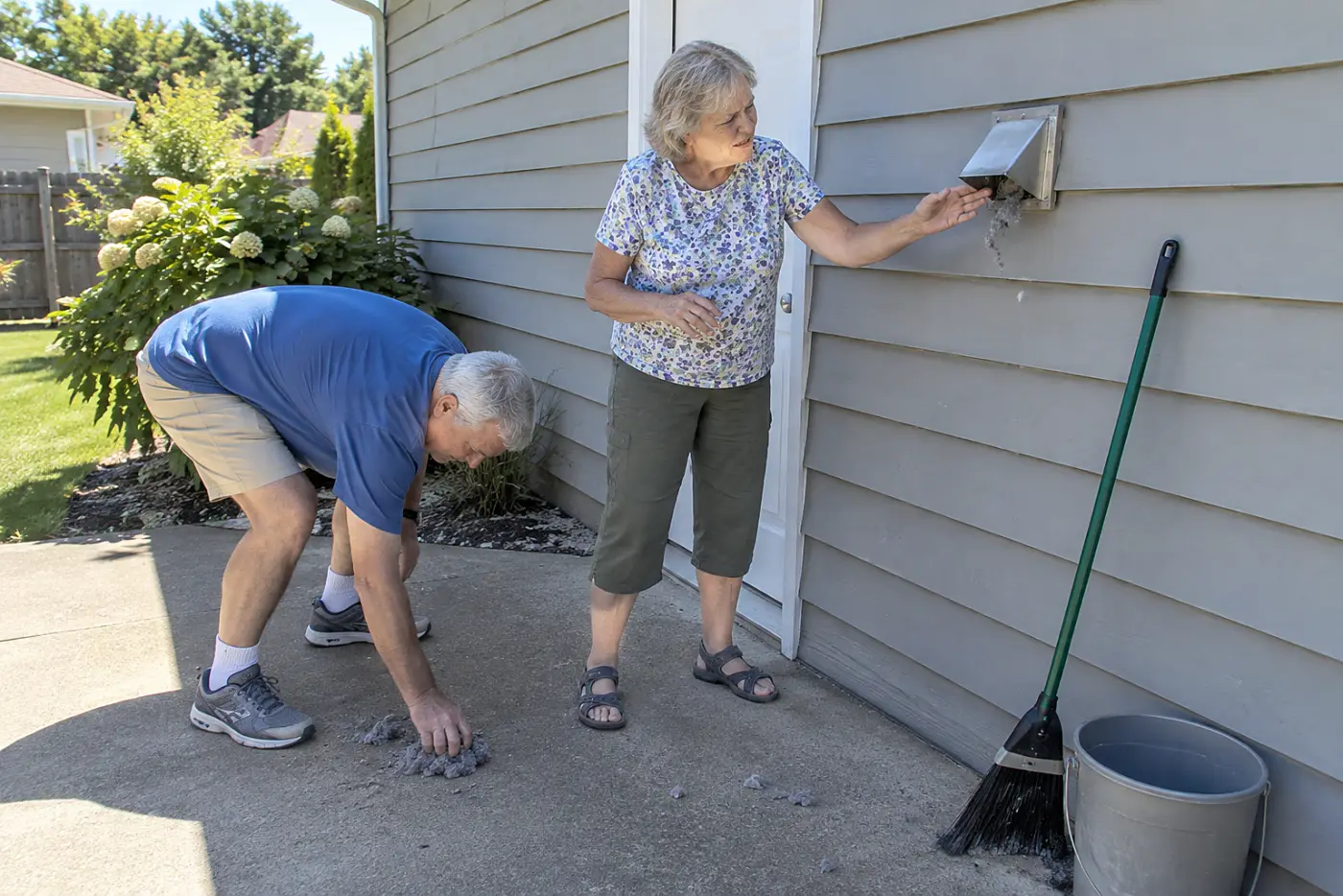
The dryer finishes, but the towels stay damp.
Lint builds beyond the removable screen, inside the duct that carries moist air outdoors. A blocked exhaust lengthens drying time and raises fire risk. The U.S. Fire Administration recommends cleaning the lint filter before every load.
A warm laundry room doesn't prove the vent is clear. Check the outside flap while the dryer runs. Professional dryer-vent cleaning costs about $100 to $200; ask whether the quote covers the full duct to the outside.
This week, pull out the lint screen, find the exterior outlet, and book duct cleaning if airflow is weak. Tell the cleaner, “Please check the full duct to the outside, not just the opening behind the dryer.”
Another appliance has a small opening that changes the whole room.
24The fireplace damper left open overnight
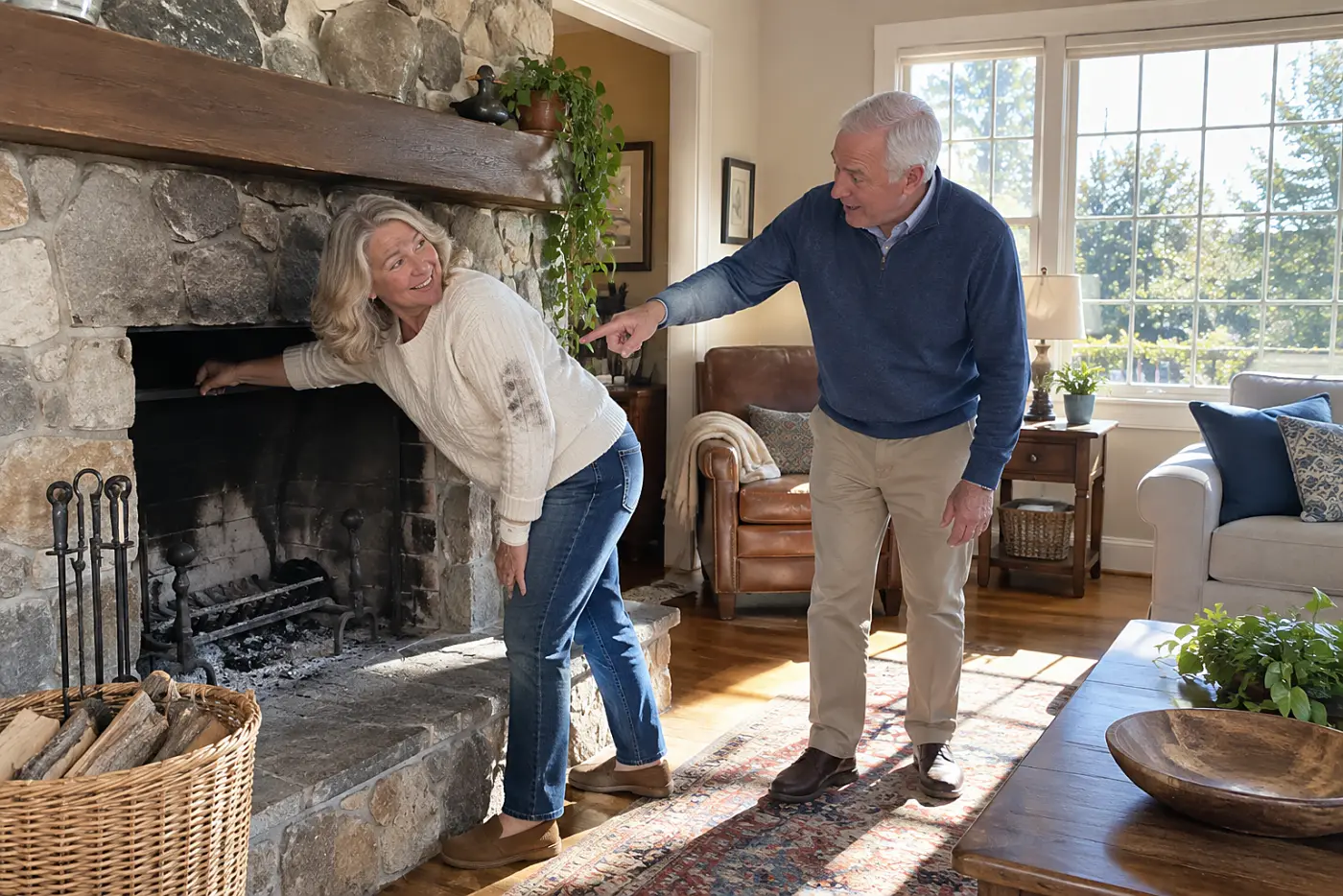
An open damper sends heated air up the chimney.
After a wood fire is completely out and the ashes are cold, an open damper lets warm room air escape. Closing it too soon traps smoke or combustion gases inside. Gas fireplaces have different venting rules, so use the instructions for the unit in front of you.
A fireplace that hasn't been inspected also carries a different problem: soot and creosote build up in the flue. The Chimney Safety Institute of America has guidance on inspection and chimney care.
This week, find the damper control and identify whether the fireplace burns wood or gas. Ask a chimney professional, “Can you show me when this damper should be open and what you found in the flue?”
While you're looking up, check where water leaves the roof.
23The gutter packed with frozen leaves
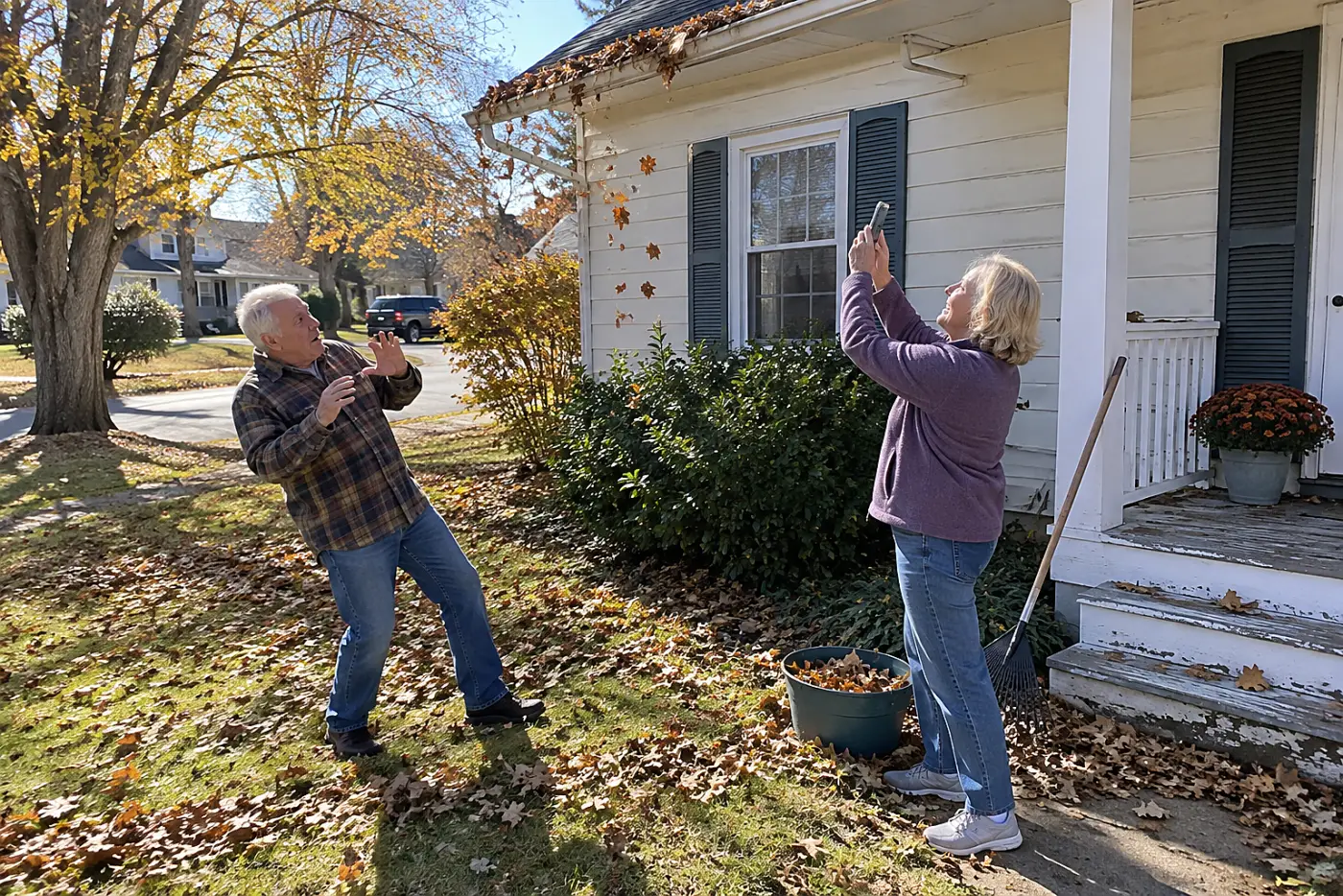
Water backs up where the roof meets the wall.
A gutter full of leaves blocks melting snow on its way to the downspout. Water then sits near the roof edge and works into weak spots. Icicles alone don't tell you what's happening underneath.
The first sign indoors is sometimes a stain, after the water has already passed the roof surface.
This week, walk the perimeter from the ground and photograph overflow marks, sagging gutters, and downspouts. Ask a gutter crew, “Can you clear the downspouts too, and show me where the water exits?”
Follow that water all the way to the foundation.
22The downspout emptying beside the foundation
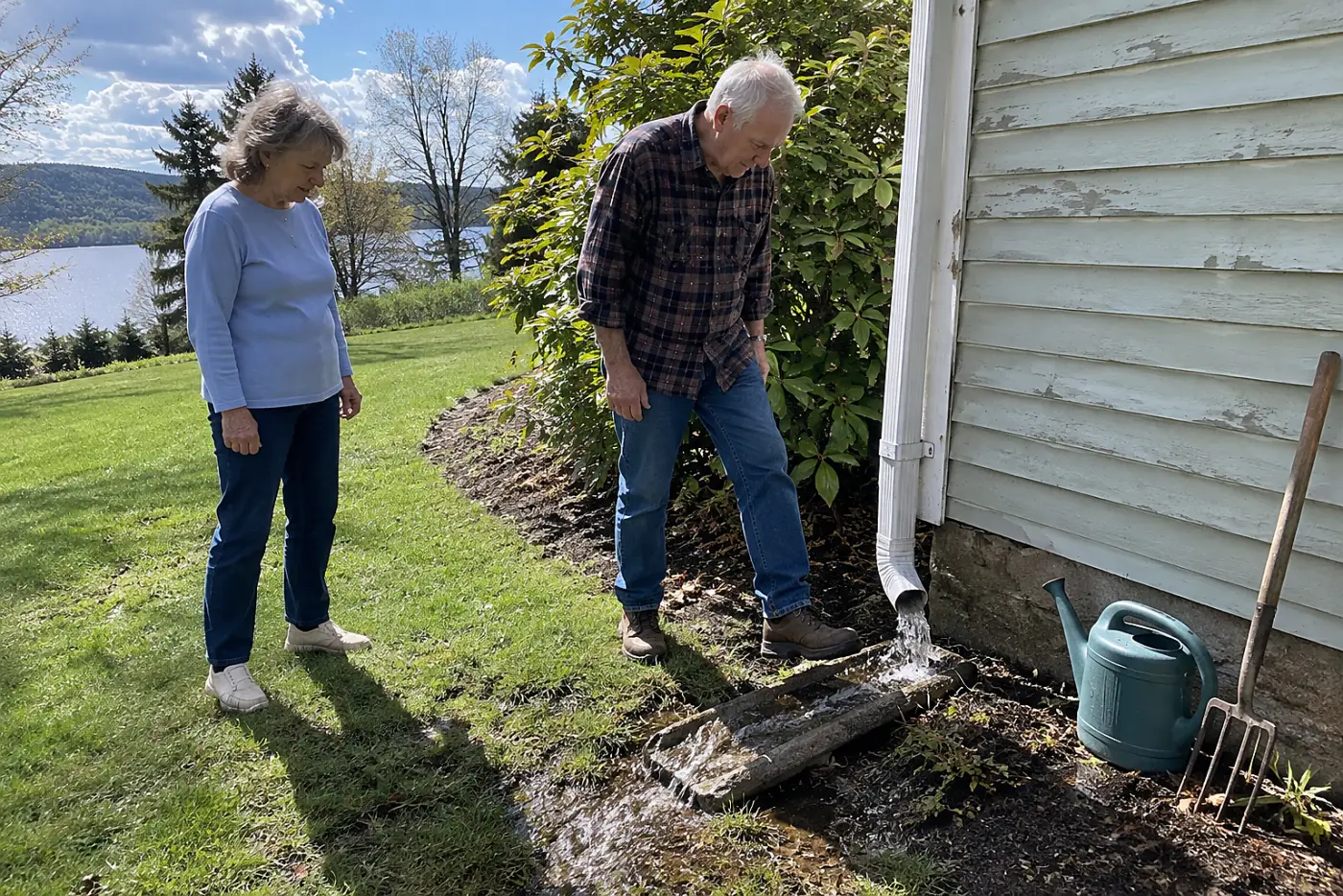
A clear gutter still dumps water against the house.
The downspout takes roof water to ground level. If its outlet ends beside the foundation, melting snow collects there and finds openings into a basement or crawl space. Ground that slopes toward the house compounds the problem.
An extension needs a clear path away from the building and away from a walkway where runoff freezes. Don't aim it onto a neighbor's property or into a place that blocks pedestrian access.
This week, watch one downspout during rain or a thaw, then photograph where the water goes. At a hardware store, say, “I need an extension that fits this outlet and directs water away from the house.”
Inside, a smaller water line has its own weak point.
21The washing machine hose behind the appliance
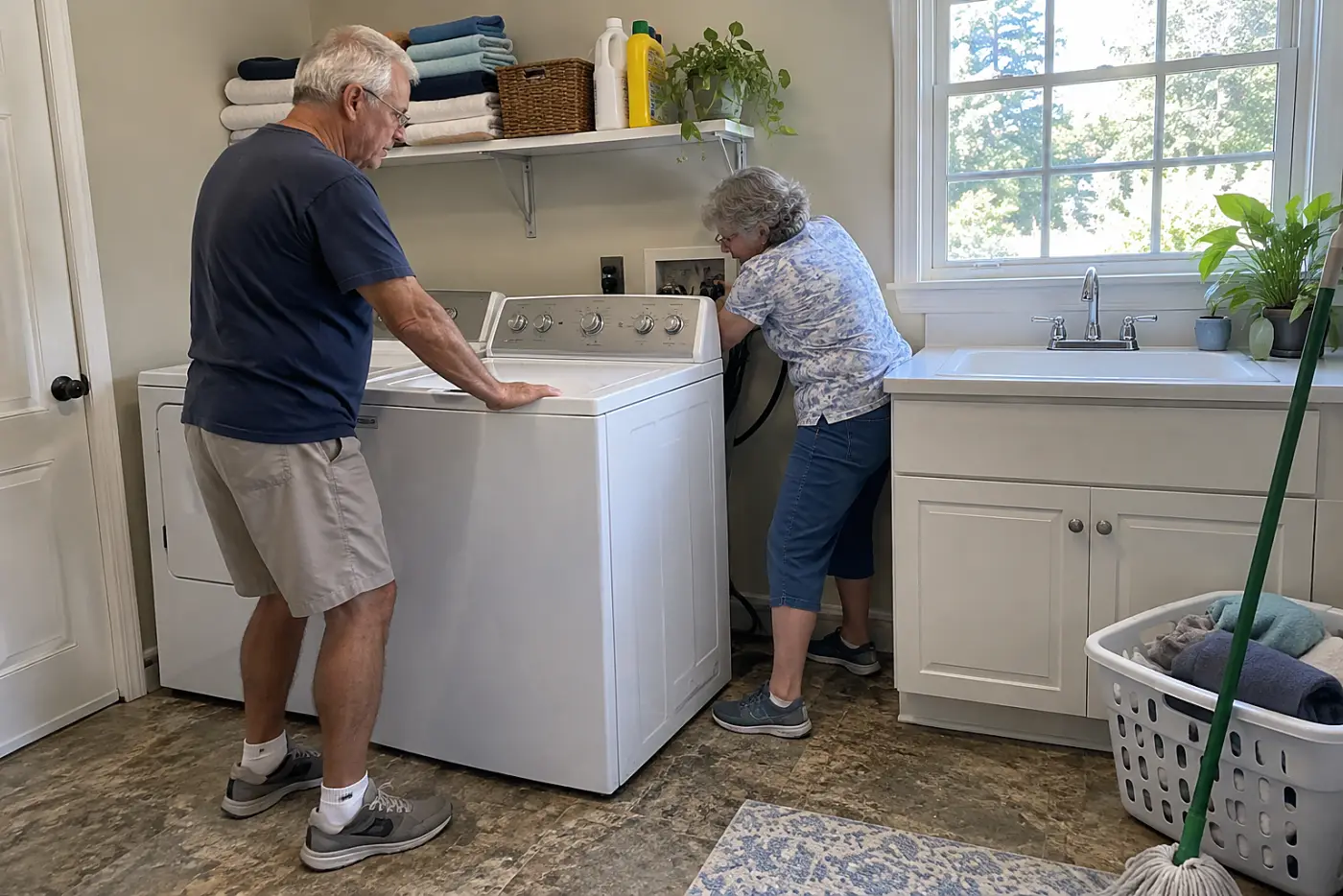
A washer hose can leak where nobody sees it.
The two supply hoses stay under pressure even when the machine is off. A cracked hose or loose connection can release water across the laundry floor. Pulling the washer out carelessly can strain the same connections.
Water damage gets worse while you're out, so the location of the shutoff valves matters now.
This week, find the hot and cold valves, check visible hoses for bulges or dampness, and photograph the setup. Tell a plumber, “Please inspect the hoses and show me how to shut off both washer supplies.”
Next, find the valve that matters when a leak isn't limited to laundry.
20The main water shutoff no one labeled
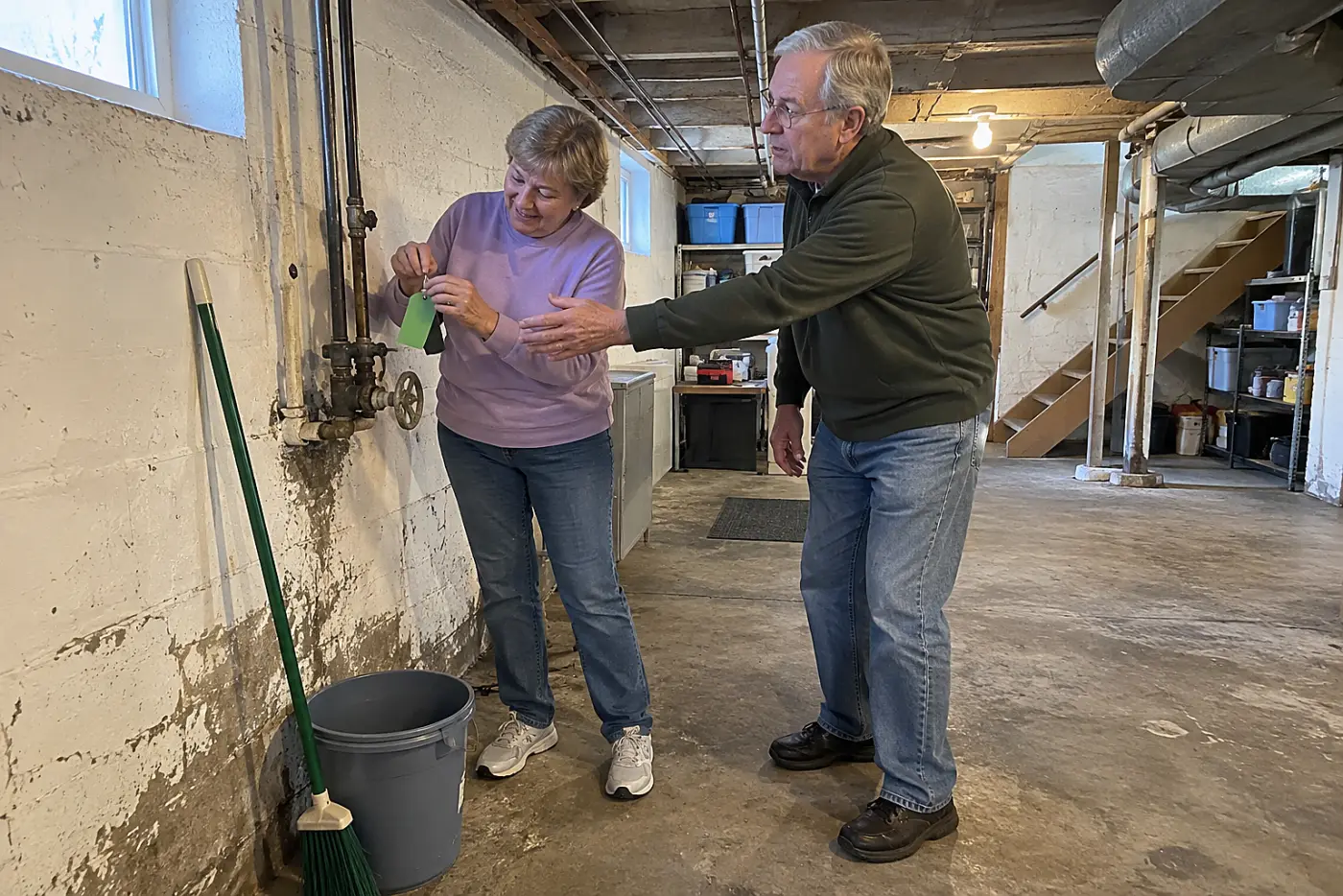
A burst pipe doesn't wait while you search.
The main shutoff stops water entering the house. It might sit near the water meter, in a basement, or where the service line passes through an exterior wall. Turning an old valve by force risks breaking it, so identification comes before a practice run.
A leak under a sink has its own fixture valve. If that valve fails or you can't reach it, the main shutoff becomes your next move. The American Red Cross includes utility shutoffs in its home emergency guidance.
This week, locate the main valve, clear the space around it, and put a label where you can see it. Ask a plumber, “Will you show me which valve shuts off the whole house, and tell me if it's safe to operate?”
Now look for the pipes most likely to need that valve.
19The pipe beneath the drafty kitchen sink
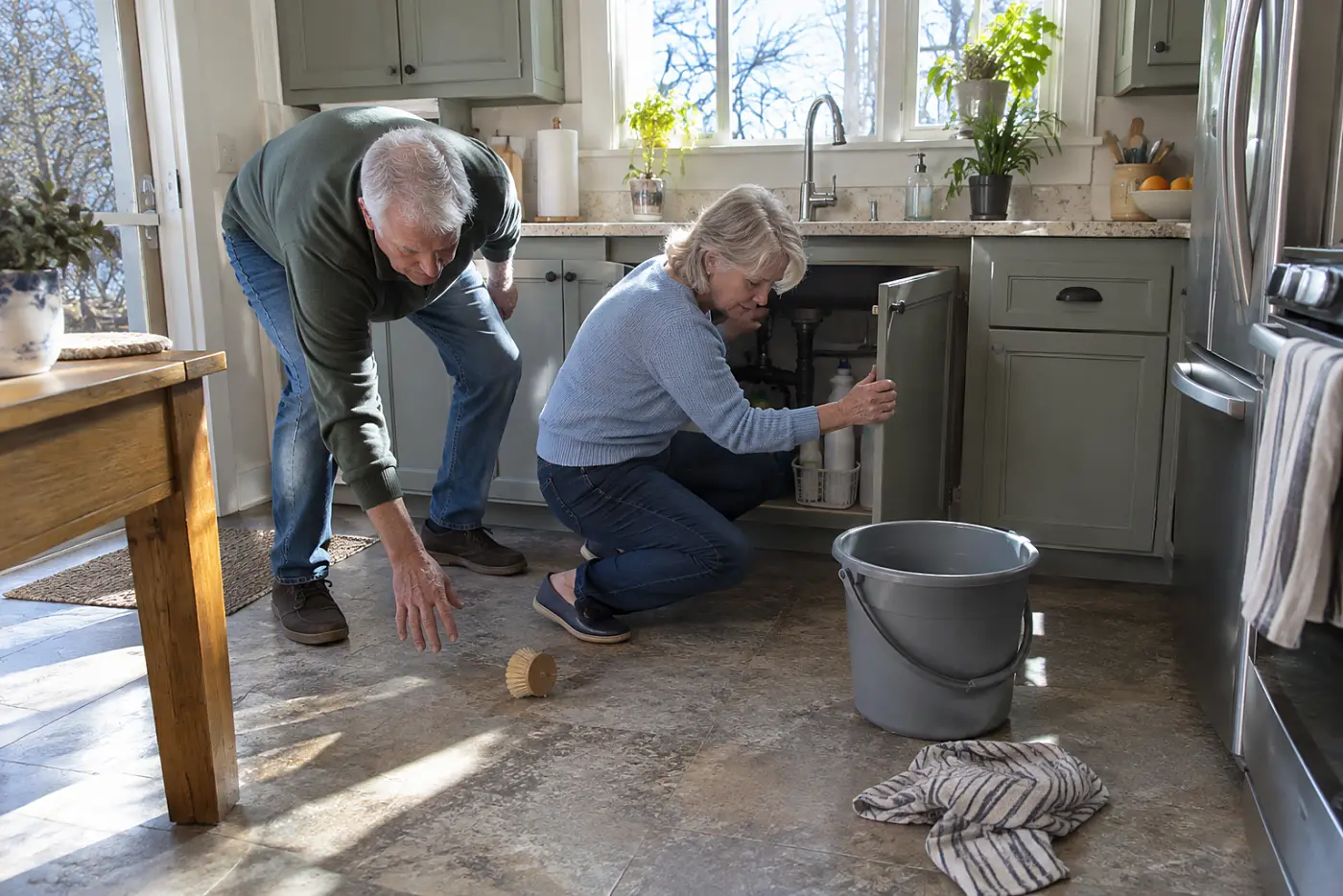
A cabinet door can hide a freezing pipe.
Pipes along an exterior wall lose heat faster than pipes inside warm rooms. A closed sink cabinet keeps room heat away from them, especially when a draft enters around the wall opening. Insulation doesn't fix an active air leak.
The American Red Cross advises protecting exposed pipes before freezing weather. A frozen pipe can split before you notice water.
This week, open the cabinet, feel for drafts, and identify the nearby fixture shutoffs. Tell a plumber, “This sink is on an outside wall. Where are its exposed pipes and draft gaps?”
The pipe outdoors needs a separate trip around the house.
18The garden hose left on the spigot
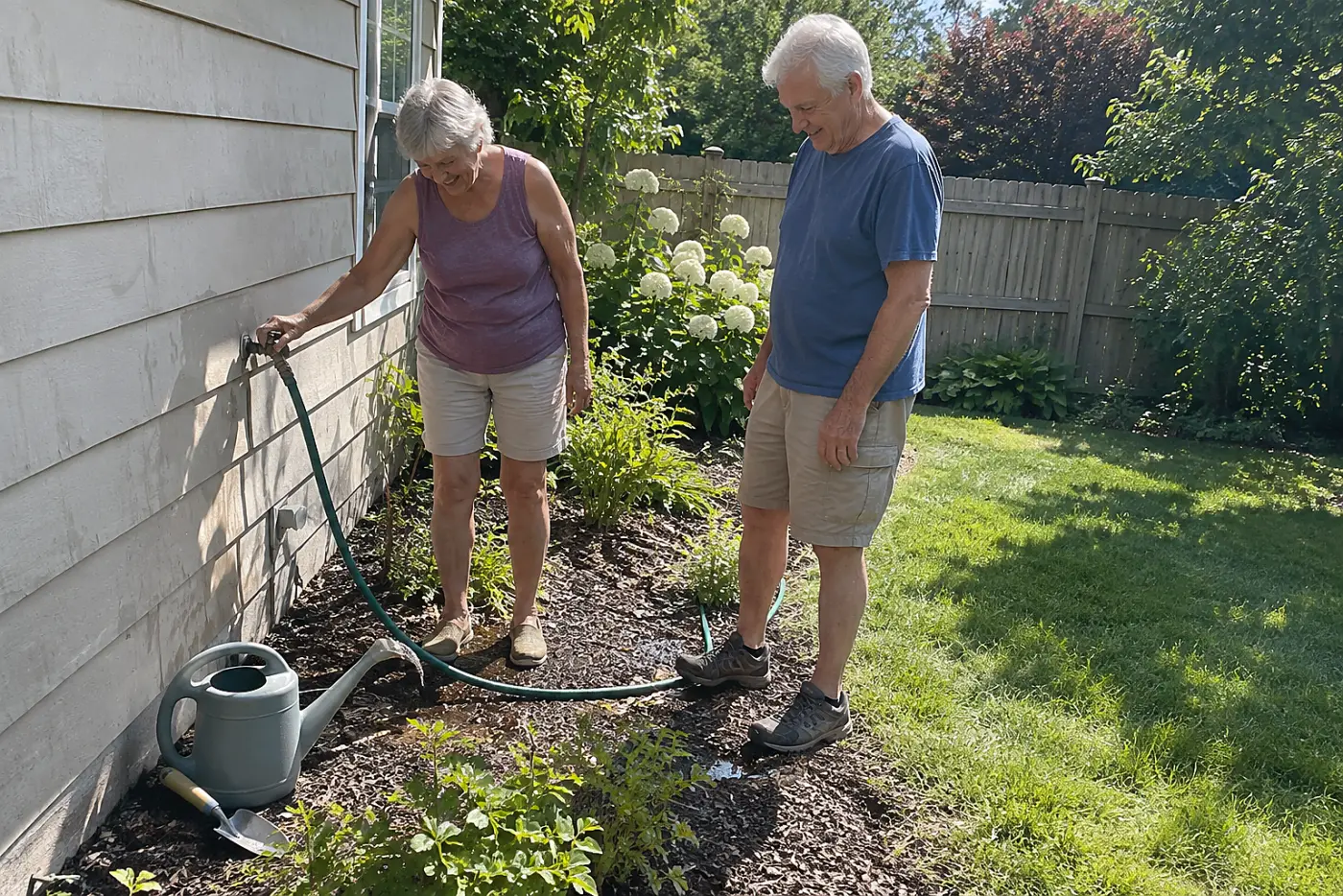
The hose stays attached, and the faucet freezes.
Water trapped in a hose keeps the outdoor faucet from draining as designed. In freezing weather, ice expands inside the faucet or the pipe behind the wall. The leak appears indoors later, when the ice thaws and water starts flowing.
A frost-free faucet still needs its hose removed. Its long stem puts the shutoff farther inside the house, but trapped water defeats that design. A replacement frost-free faucet costs about $20 to $50 before installation; shutting off water to a damaged faucet is more urgent than shopping for one.
This week, disconnect every hose, drain it, and find any indoor valve serving the outdoor faucet. Ask a plumber, “Is this faucet frost-free, and is there an indoor shutoff I should close?”
Once the outside water is handled, check what you're walking on.
17The porch light with a dead bulb
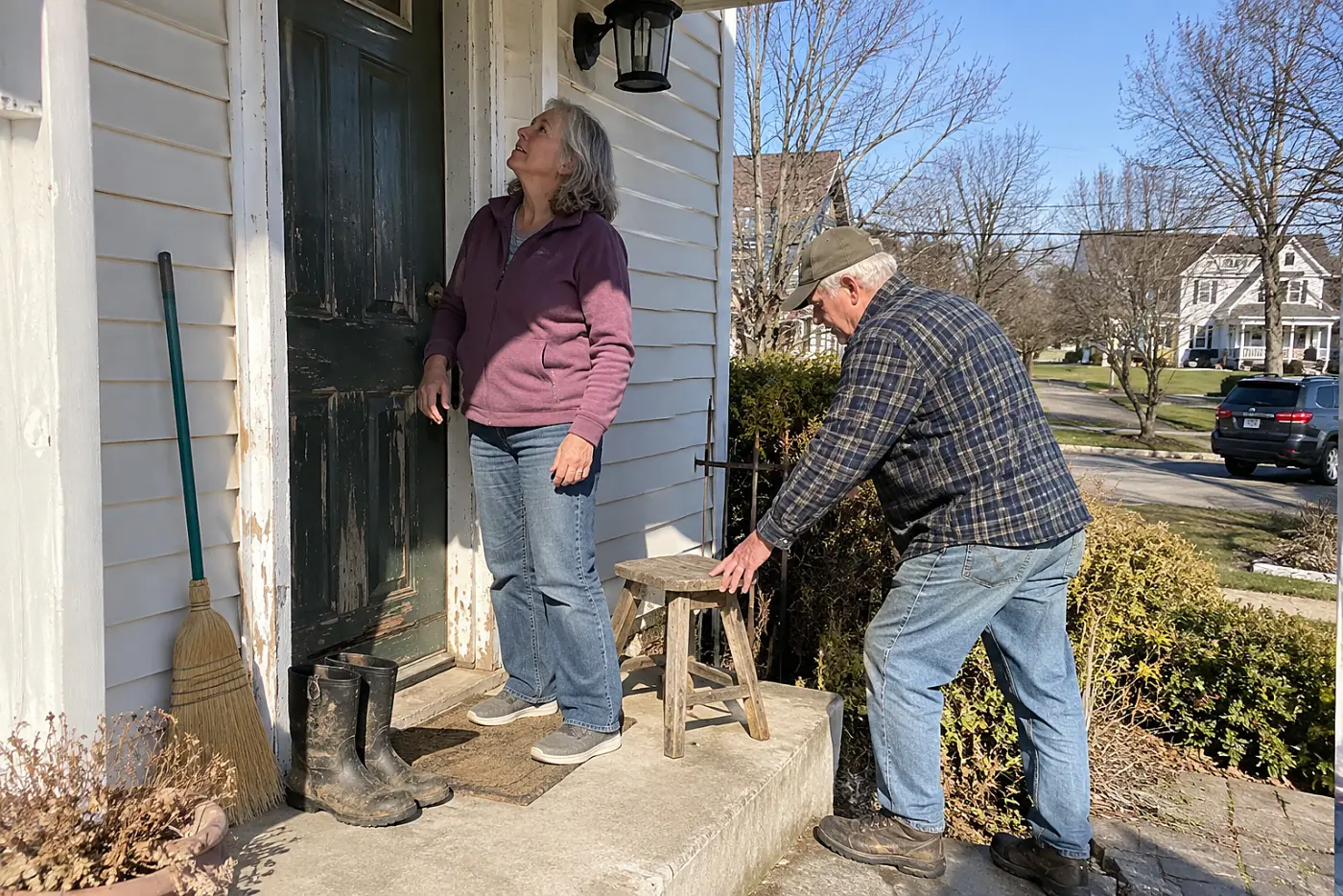
A dark step makes a winter errand harder.
The porch light shows the edge of the step when you bring in groceries after sunset. If its bulb is out, the switch inside gives you no warning until you're already at the door.
Ice is harder to spot in that shadow, especially beside a dark doormat.
This week, turn on every exterior light after dusk and note which fixtures stay dark. Ask an electrician, “Is this a bulb I can change from the ground, or does the fixture need repair?”
The next lighting problem happens when the power goes out altogether.
16The flashlight buried in the junk drawer
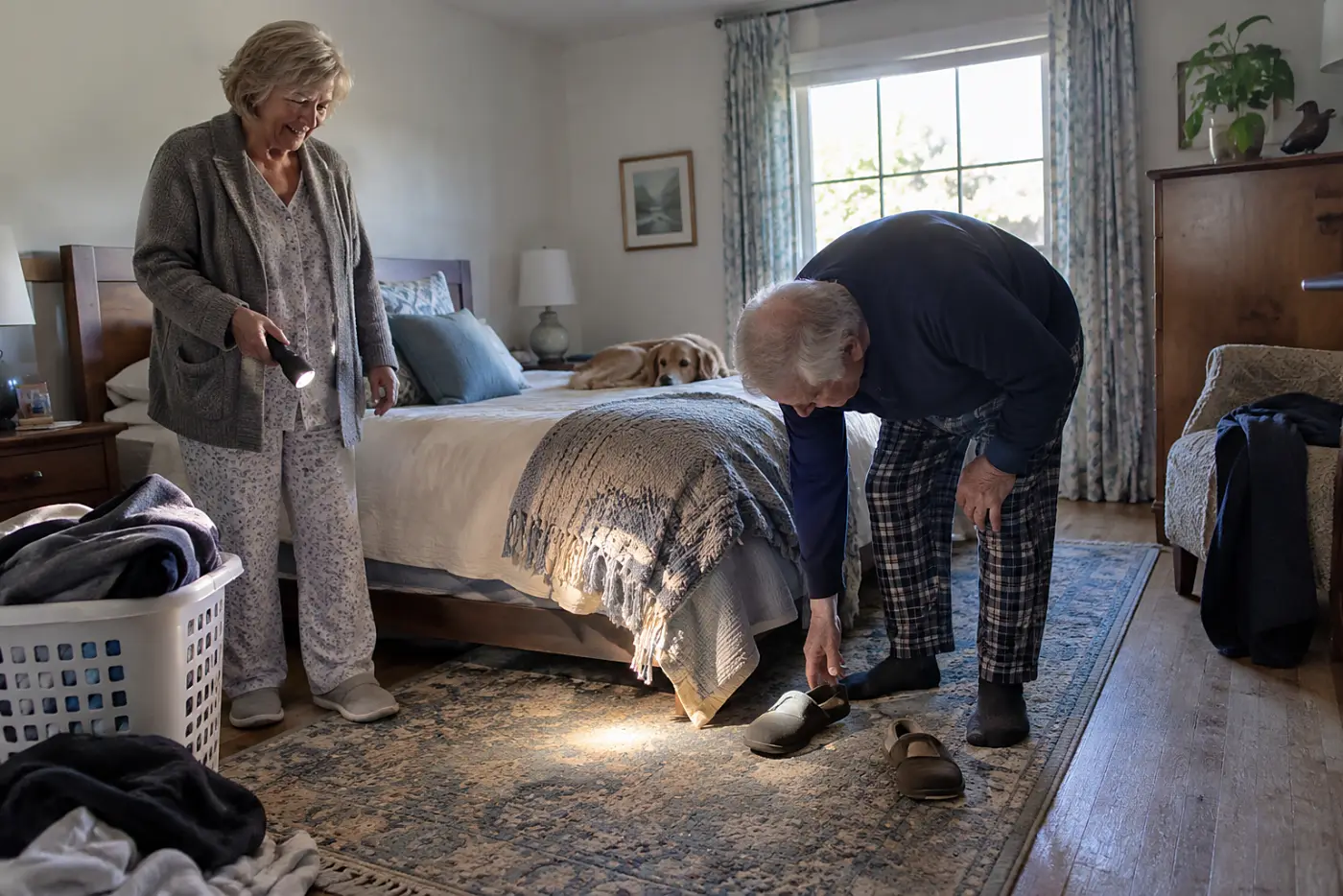
A power outage turns familiar rooms into obstacles.
The flashlight is useless if its batteries are flat or its drawer is behind a dark hallway. A phone light helps, but its battery also carries your calls and messages. Keep a separate light where your hand naturally goes first.
Ready.gov lists flashlights and extra batteries for emergency kits. Know how you'll charge a rechargeable light during an outage. A spare set of batteries belongs beside it. A basic battery-powered flashlight costs about $10 to $30; choose one you can turn on easily in the dark.
This week, test two lights and place one beside the bed and another near the main exit. Tell the person with a spare key, “The flashlight is in this drawer, and the batteries are beside it.”
Light helps you move. It doesn't keep a refrigerated meal cold.
See more: 29 Things People Are Relieved to Let Go Of When They Downsize →
15The refrigerator door opened during an outage
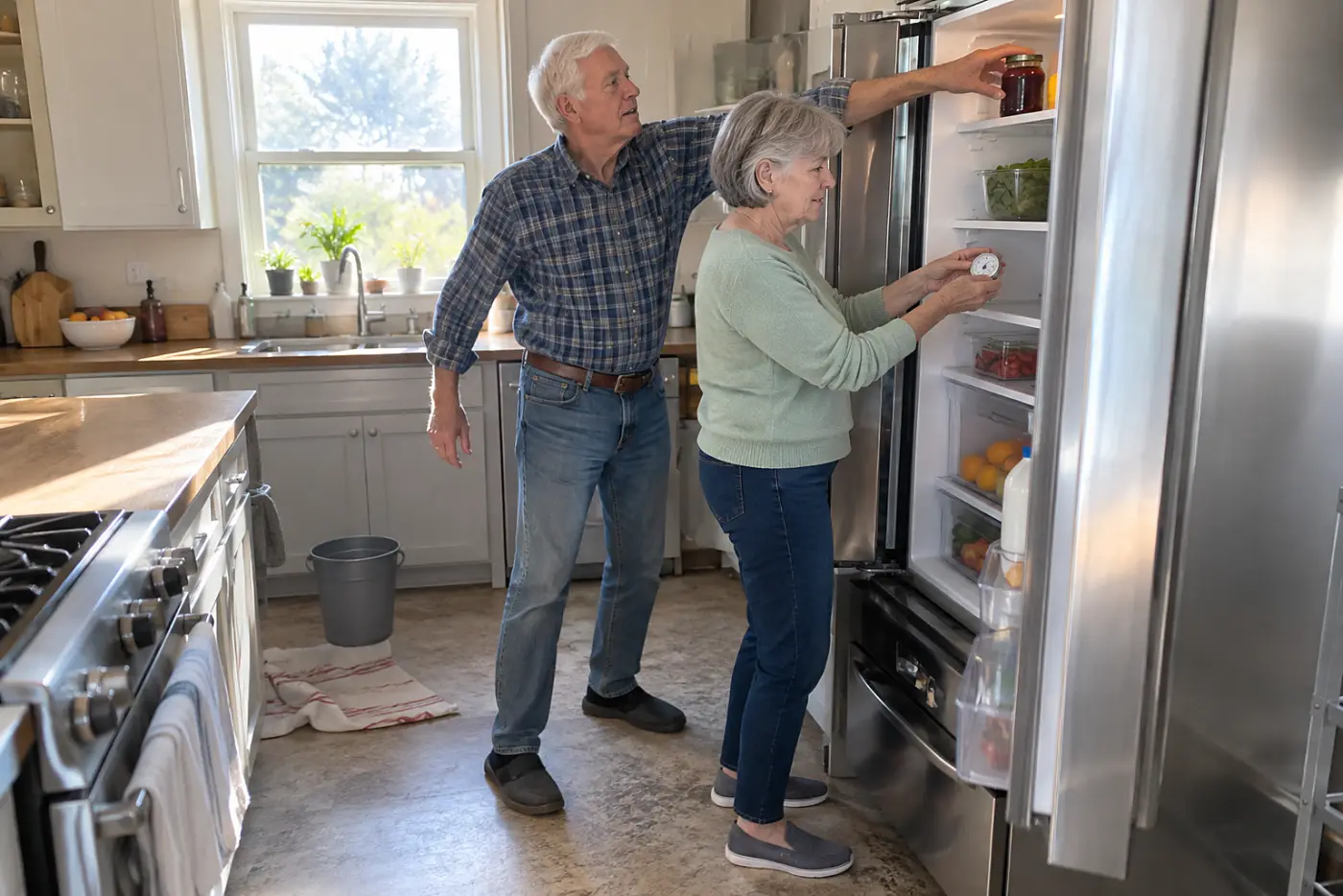
Checking the milk lets the cold air out.
A closed refrigerator holds its temperature longer than one opened for repeated checks. FoodSafety.gov says refrigerated food stays safe for about four hours during a power outage if the door stays closed. A full freezer holds its temperature for about 48 hours, or 24 hours if half full.
Those times assume the doors stay shut. Smell isn't a safe test for spoiled food.
This week, put an appliance thermometer in the fridge and freezer, then find a cooler before you need one. “How long was the power out?” is the first question to answer afterward.
The next outage problem starts before the power fails.
14The garage door release you cannot reach
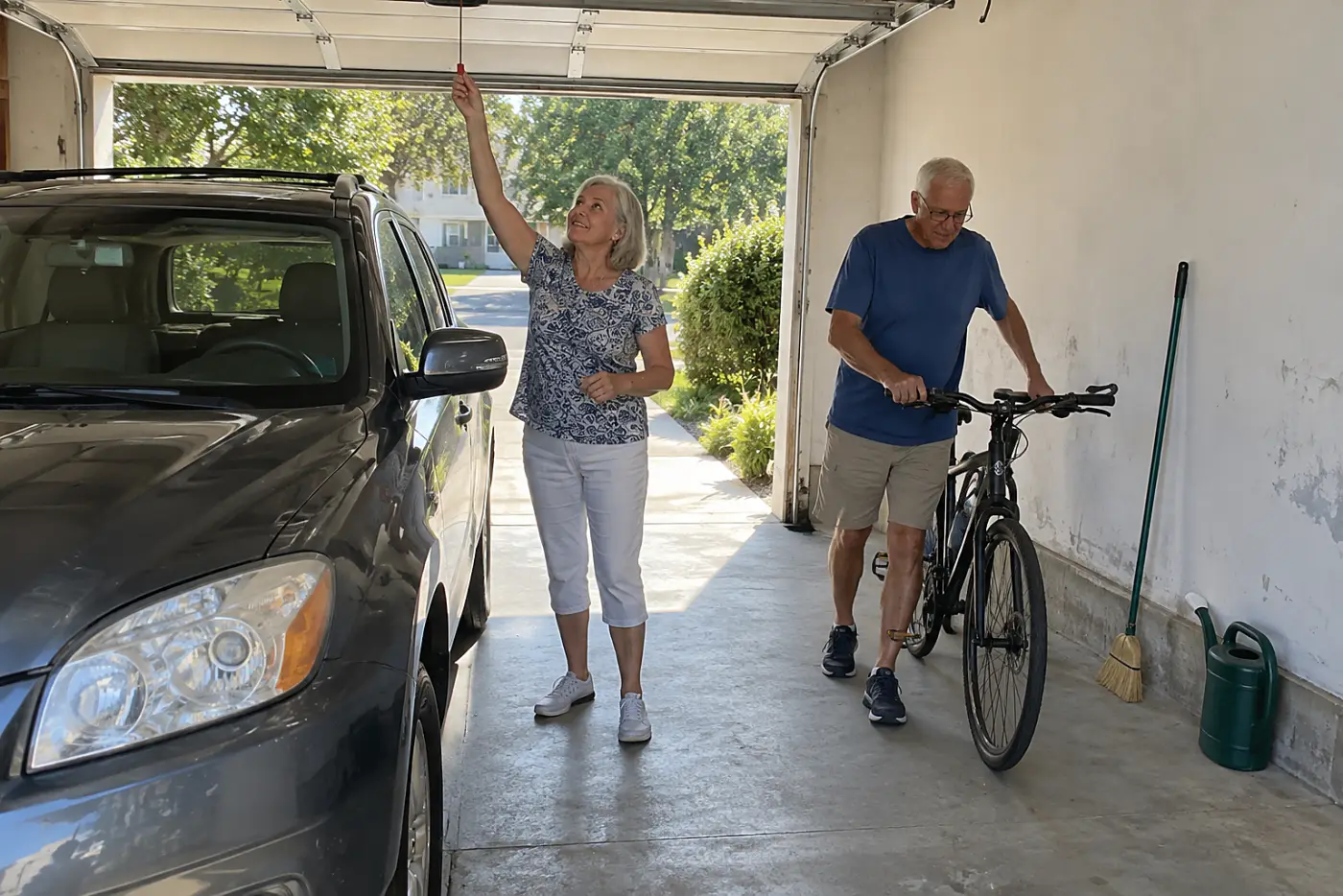
No electricity means the garage remote does nothing.
An electric garage door opener has a manual release, commonly a red cord hanging from the trolley. Pulling it disconnects the door from the opener so the door can be lifted by hand. A heavy, damaged, or frozen door is not a solo lifting job.
The release works from inside the garage. If the garage has no other entry, ask the installer about an exterior emergency release and its security implications.
This week, locate the cord without pulling it, and read the opener's instructions for reconnecting the door. Tell the installer, “I want to know how to leave this garage safely when the opener has no power.”
After you can get out, make sure help can get in.
13The spare key nobody else can find

A locked door slows help at the worst moment.
A neighbor can't check a leak or bring in supplies without a way inside. A key hidden under a mat creates a different risk. Choose someone you trust, and tell that person which lock the key opens.
If the locks changed since the spare was made, the key is only a piece of metal.
This week, test the spare yourself and give it to the person you've chosen. Say, “If I call because something's wrong at the house, this key opens the front door.”
Then look at what a service company will ask before entering.
12The service appointment you cannot verify
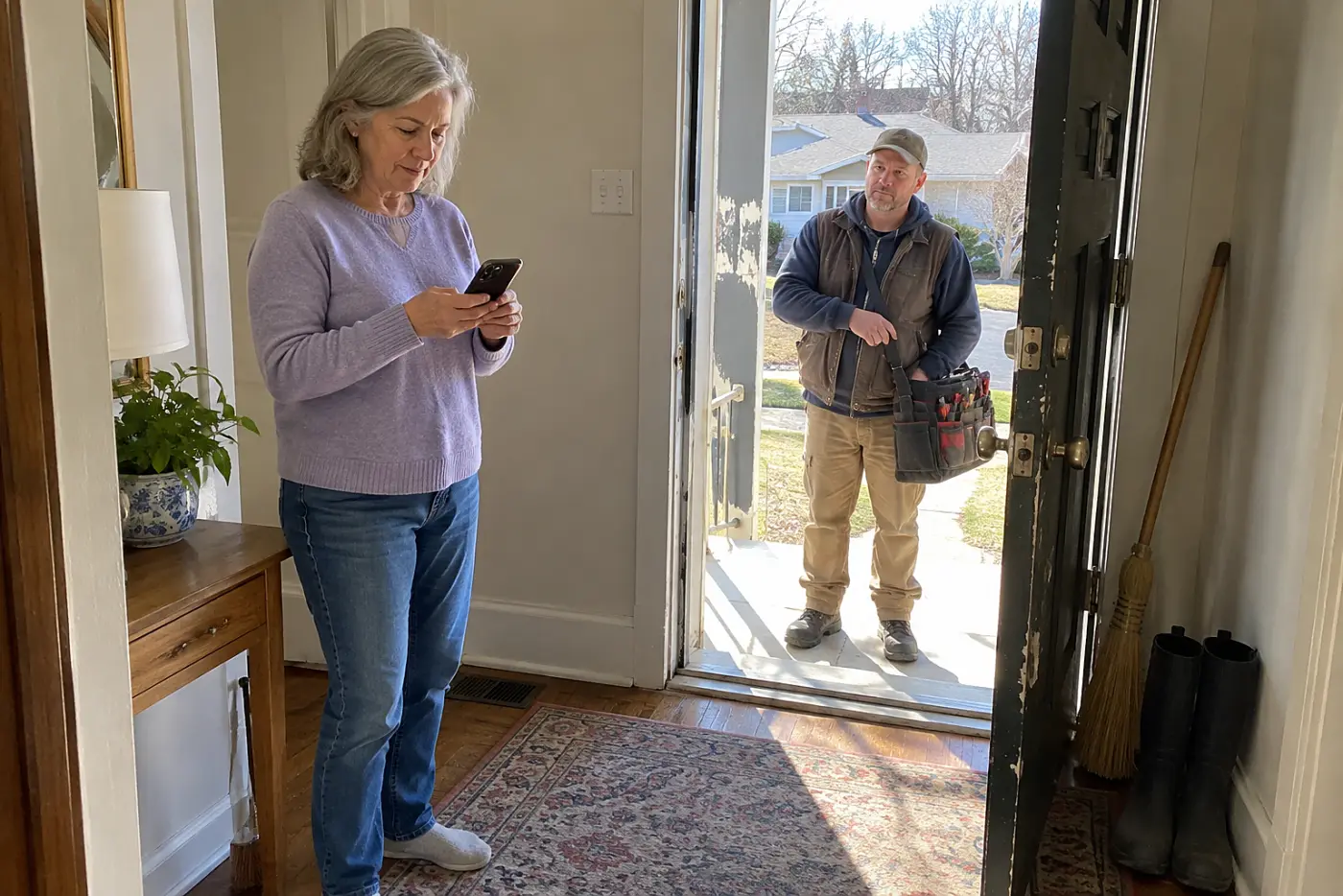
A stranger at the door says he came to fix the heat.
When you book a visit, the company should have your address, the equipment problem, and an appointment window. At the door, match the person's name and company to the booking. If something doesn't match, call the company using the number you saved when you made the appointment.
Don't use a number the visitor gives you to confirm the visit. The Federal Trade Commission advises checking a business independently before paying for home repairs.
This week, save the numbers for your utility and an HVAC company in your phone. When you book, say, “Who is coming, and how do I confirm their name before I open the door?”
A legitimate repair still needs a clear paper trail.
11The repair estimate missing a work description
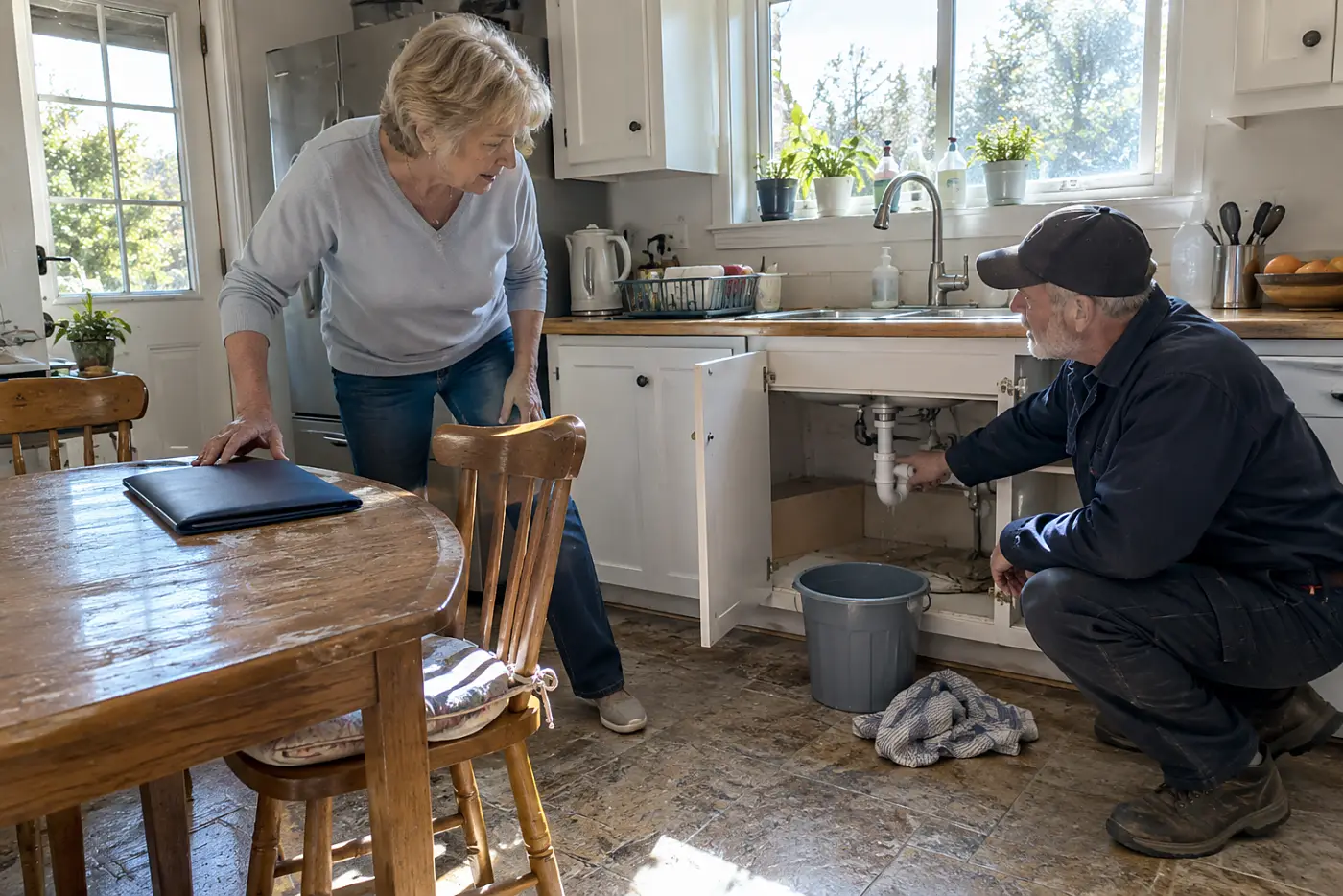
A price alone doesn't tell you what's being fixed.
When the heat is out, a number on a clipboard feels like an answer. Look for the fault the technician found and the work proposed. Without those words, you can't compare another quote or check the final invoice against what you approved.
A replacement part and a whole new system are different decisions. Check whether the estimate names the part, labor, and total. If it proposes replacement, ask what failed in the existing system.
This week, find past heating invoices and keep them together for the next service visit. Tell the contractor, “Please write down what failed, what you'll replace, and the total before work starts.”
Keep that folder close; the next document answers a different question.
10The homeowners policy you have not opened
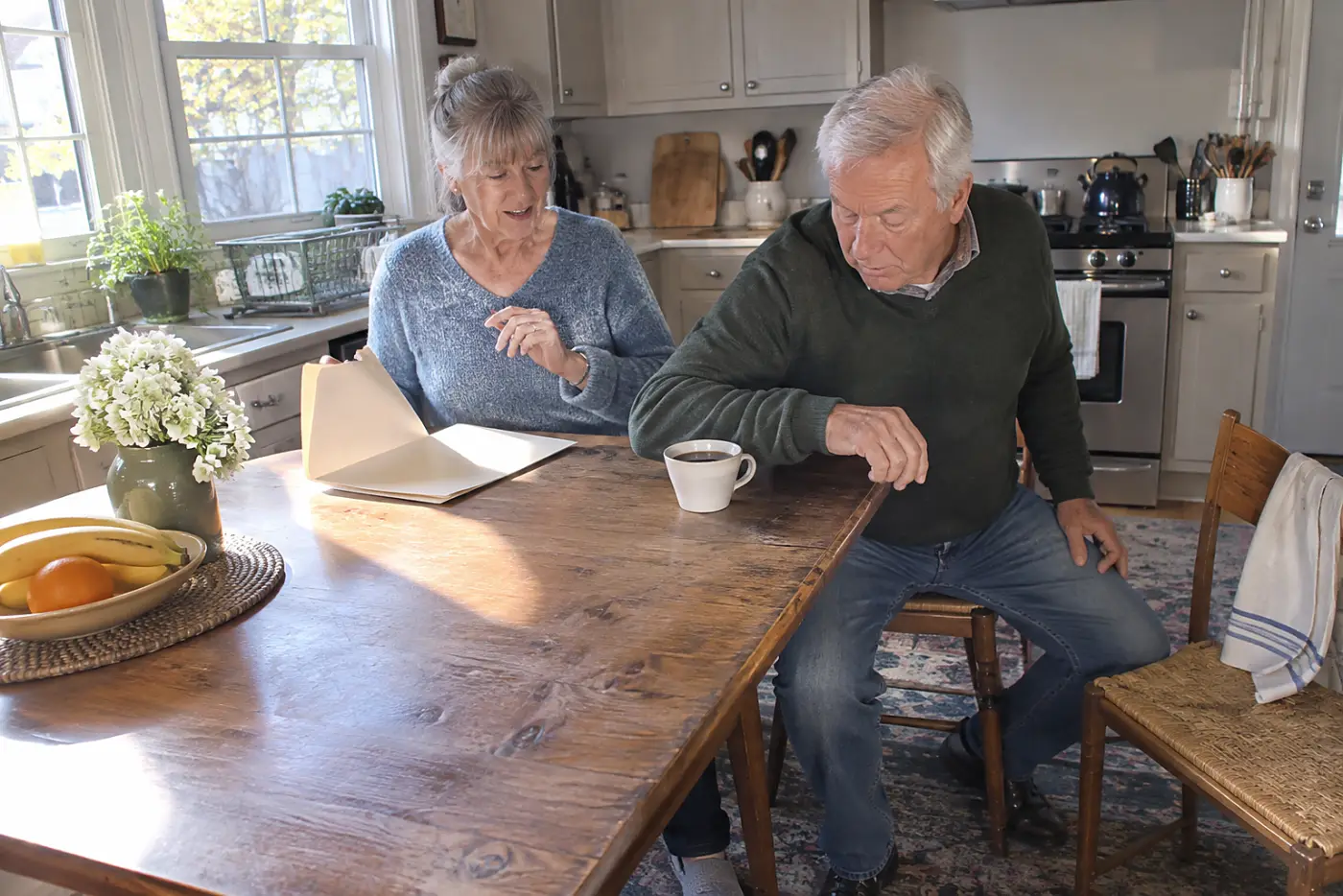
A policy in a drawer doesn't explain a winter claim.
Your policy pays for covered damage after you pay the deductible. Find that number on the declarations page before a pipe leaks. Water rising from outside is a separate flood insurance question, not a standard homeowners claim.
A sudden leak and damage left to grow through neglect raise different questions. Read the exclusions after the declarations page, then keep your insurer's claims number where you'll find it in the dark. The National Flood Insurance Program covers the flood question; your state insurance department is another place to check policy questions.
This week, find the declarations page and mark the deductible without guessing what a claim will pay. Ask the agent, “What does my policy say about frozen pipes, and what steps must I take while the house is vacant?”
The insurer won't know where your photos are unless you do.
See more: 23 Reasons Staying Put Costs More Than People Admit →
9The basement photos taken before a leak
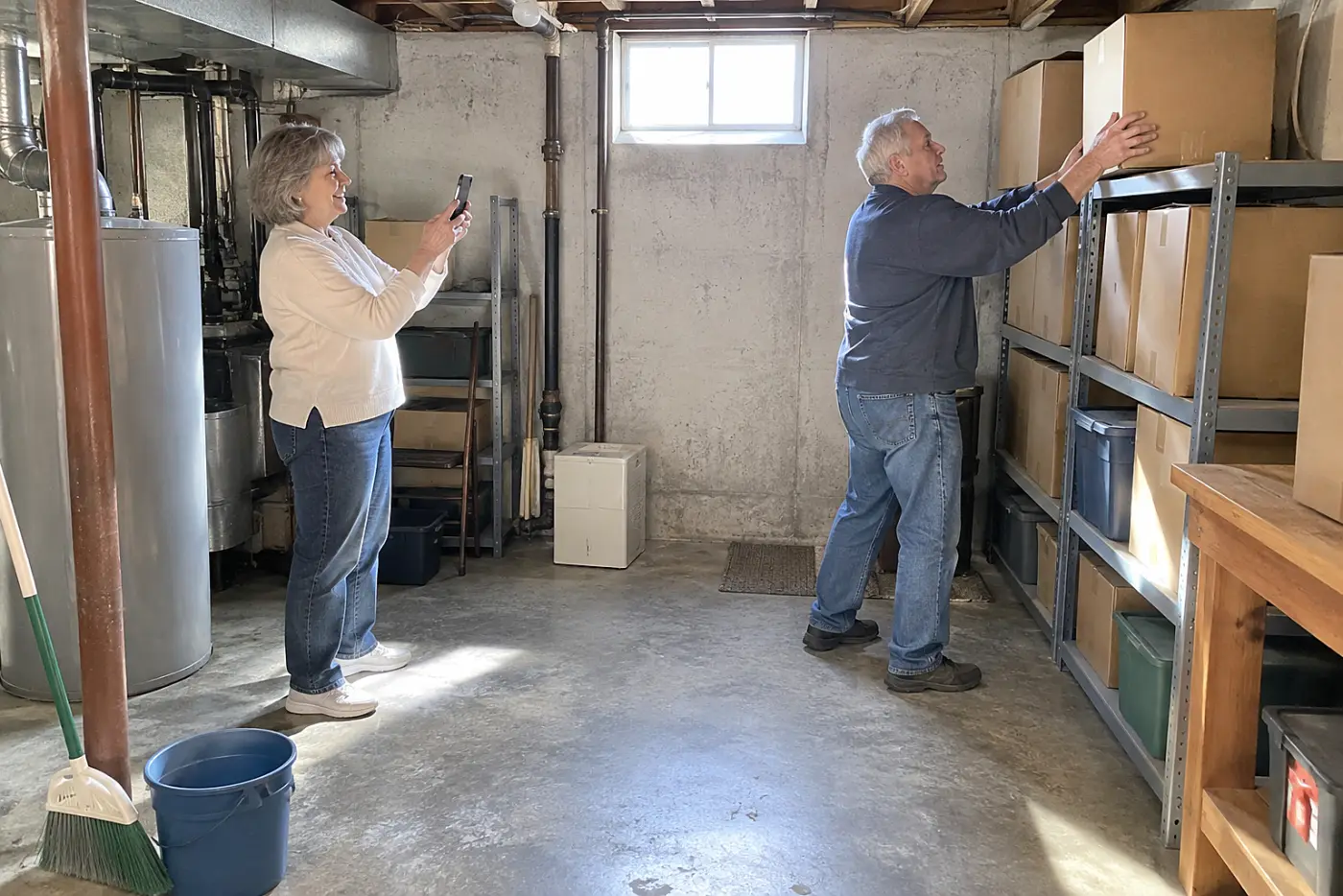
After water spreads, the old condition disappears.
Photos taken now show the floor, stored belongings, and the condition of the room before damage. If something leaks, new photos show where the water reached and what you moved.
Those images help you explain a claim without trying to recall every box in a wet room.
This week, photograph each basement wall, the floor, and any stored items of value. Tell the claims representative, “I have pictures from before the leak and from the day I found it.”
The same habit helps when the problem is outside.
See more: 29 Things People Wish They'd Measured Before Moving Day →
8The attic hatch left open after storage
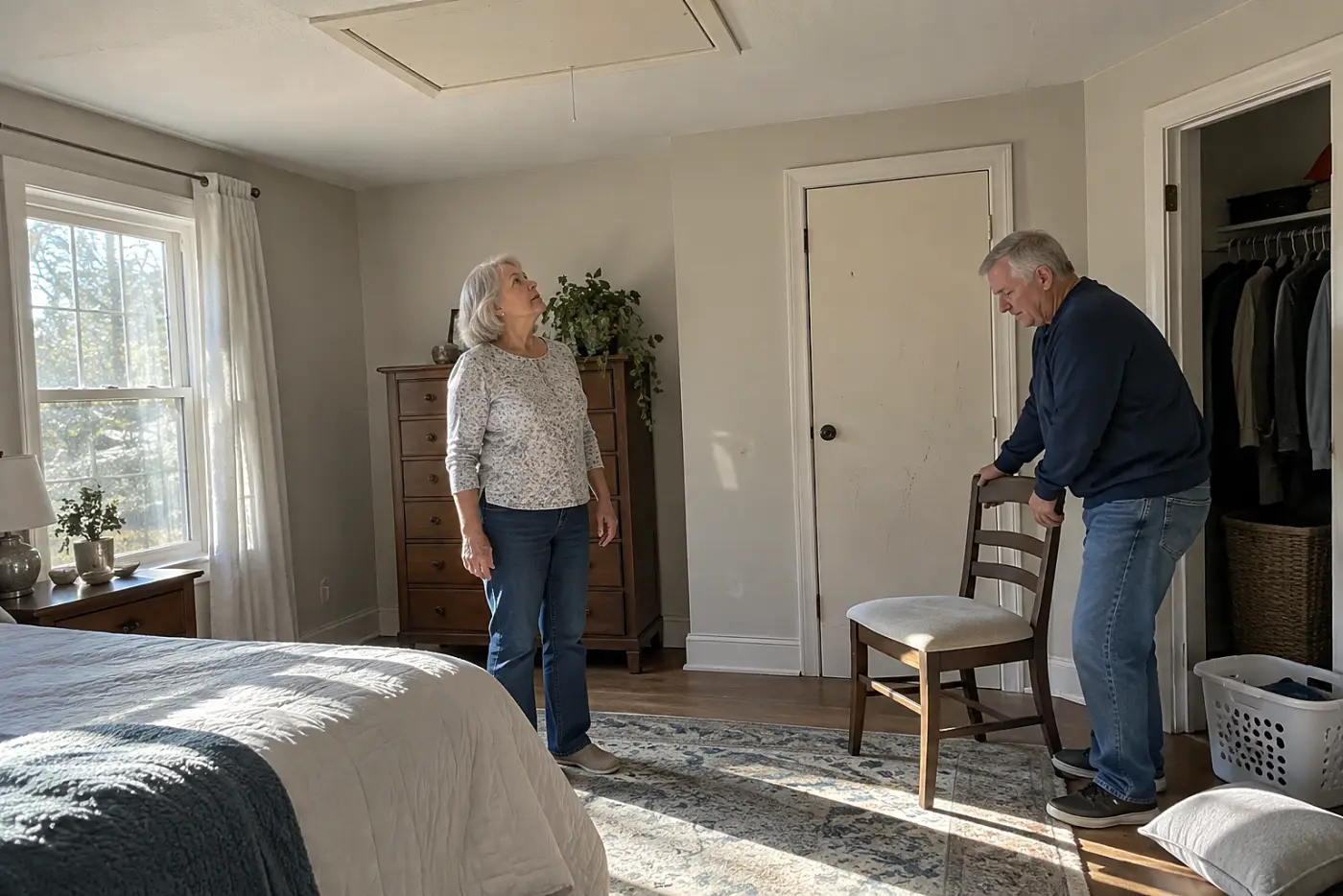
A loose attic hatch sends warm, damp air into the attic.
Warm air rises toward the ceiling. If the hatch doesn't sit flat, household air passes through the opening and cools against the roof deck. Moisture there can leave frost or damp insulation that you won't see from the room below.
You may notice a cold room long before you notice what happened above it. Turning up the thermostat won't close the opening.
This week, look at the hatch from the floor and check whether its edges sit flush. Ask a handyman, “Will you check the hatch seal and show me how it should close after I use the attic?”
While you're looking overhead, another winter problem announces itself at eye level.
See more: 28 Steps on the Downsizing Checklist for Seniors, in Order →
7The window lock that will not catch
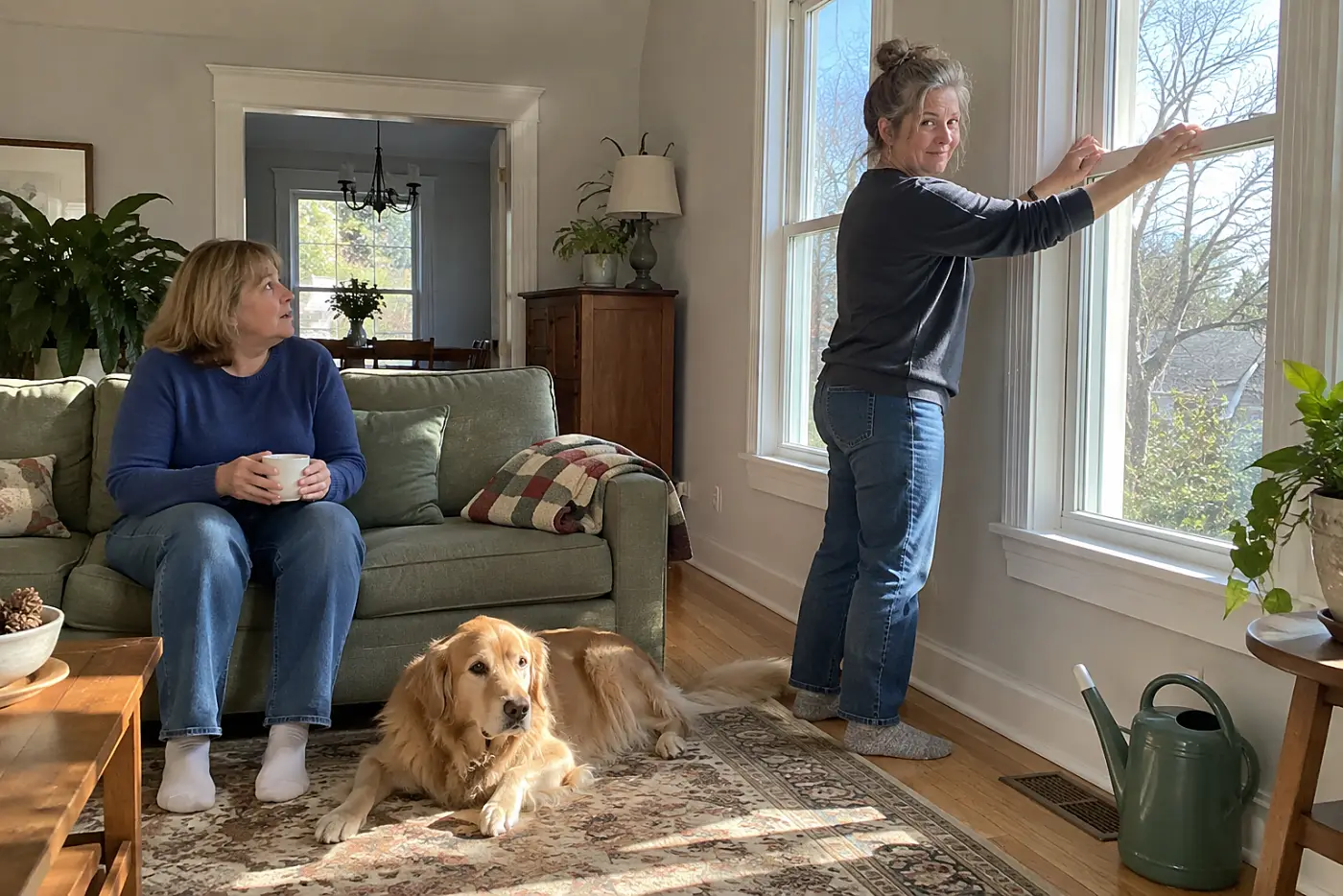
An unlocked sash leaves a thin gap for cold air.
On a double-hung window, the lock draws the two sashes together. If the upper sash has slipped down, the lock won't catch even when the lower one looks closed. A curtain hides the gap, so feel around the meeting rails before you blame the glass.
You lose heat through an opening that's easy to miss from across the room. Forcing the latch risks breaking it without closing the gap.
This week, check each reachable window, press the upper sash fully into place, and test its lock. If it still won't catch, tell a window repairer, “The sashes meet unevenly, and the lock won't close. Please check the alignment.”
The next bit of cold air enters at a door you use every day.
6The torn sweep under the back door
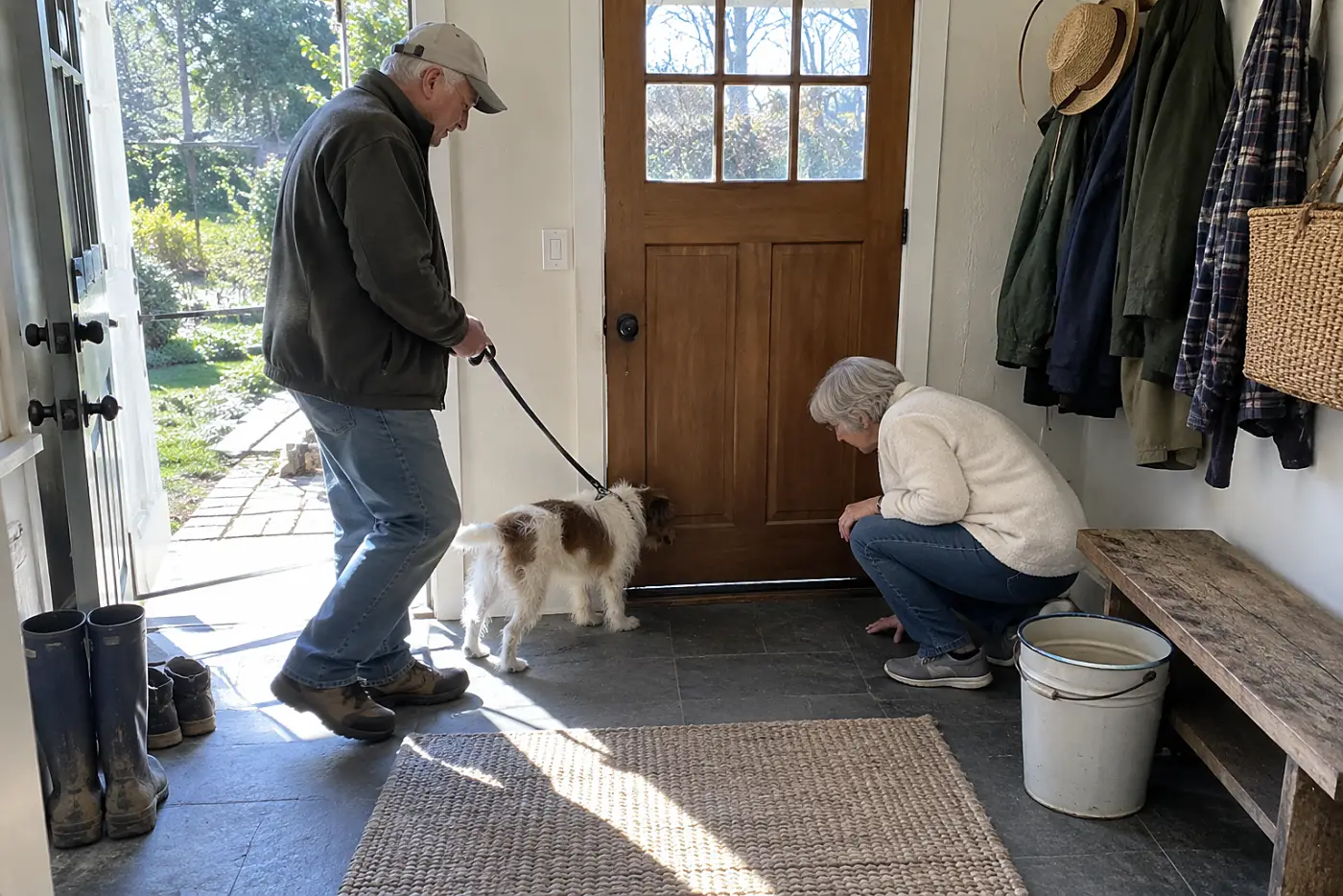
Cold air slips in beneath a closed door.
The sweep is the strip on the door's bottom edge. It should meet the threshold when the door closes. A tear or a pulled-loose strip lets a draft through near your feet even when the latch holds.
A rolled towel has to move whenever you open the door. The torn strip stays put and leaves the gap open.
This week, close the door and look for daylight along the bottom from inside. Photograph the sweep and tell a hardware store clerk, “I need a replacement that fits this door and clears the threshold.”
Once the door closes against the cold, check what happens when winter seals the house tighter.
5The bathroom fan dripping after a shower
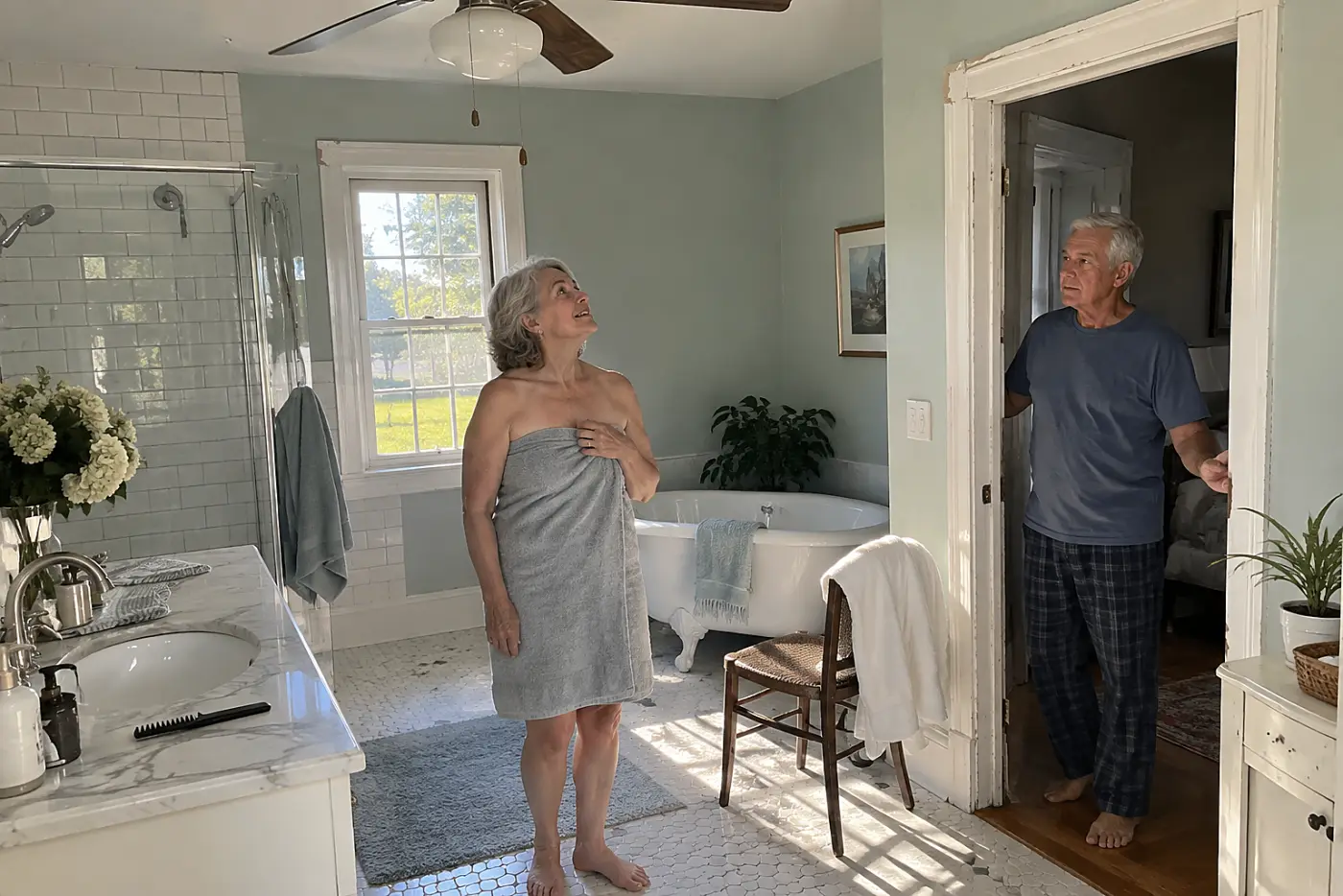
Water from the ceiling grille is not a plumbing leak.
A bathroom fan carries damp air through a duct to an outdoor vent. In cold weather, moisture condenses inside a poorly insulated duct or one that sags. It runs back toward the fan and drips after the shower ends.
Water around an electrical fixture deserves attention, even if the ceiling looks dry later. Don't pull the grille down and reach inside while the fan is powered.
This week, run the fan during a shower, then note whether water appears at the grille afterward. Tell a ventilation contractor, “The fan drips after showers in cold weather. Please check the duct's route and insulation.”
That vent is worth following outside, where a different opening draws unwanted guests.
4The mouse droppings behind the pantry shelf
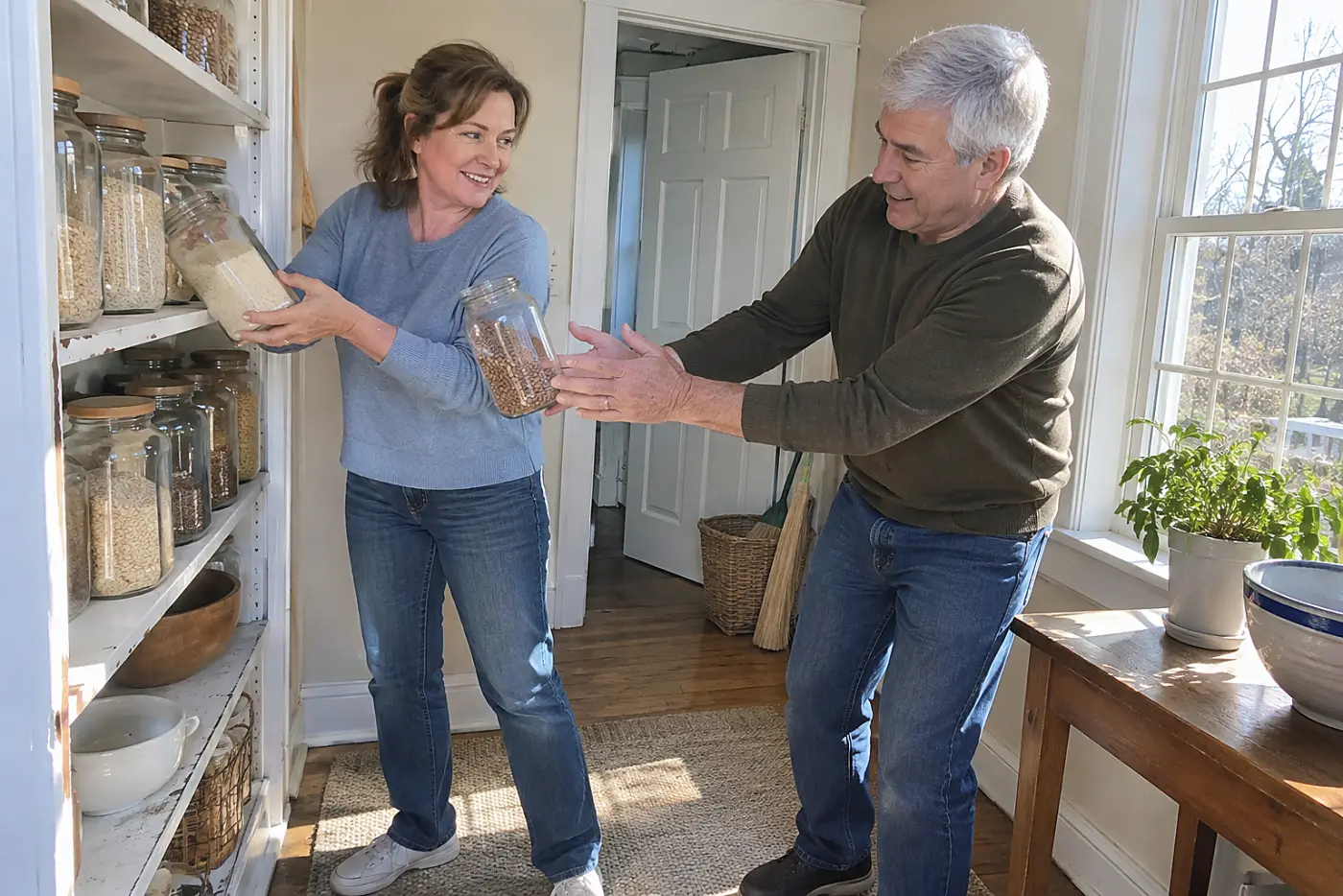
A few dark pellets mean something found a way in.
Mice enter through gaps around pipes and along exterior walls. Cold weather drives them toward food and shelter, so a shelf that was clean in fall looks different by winter. Droppings near packages point you toward the route, not necessarily the nest.
Don't sweep or vacuum dry droppings. Wet them with disinfectant before wiping them up, then seal the waste in a bag.
This week, move the food, inspect packages, and look for gaps without reaching into dark spaces. Tell a pest-control company, “I found droppings behind this shelf. Please show me where they're getting in before you seal it.”
An animal isn't the only thing winter brings into a house through a small opening.
3The chimney cap missing above the roof
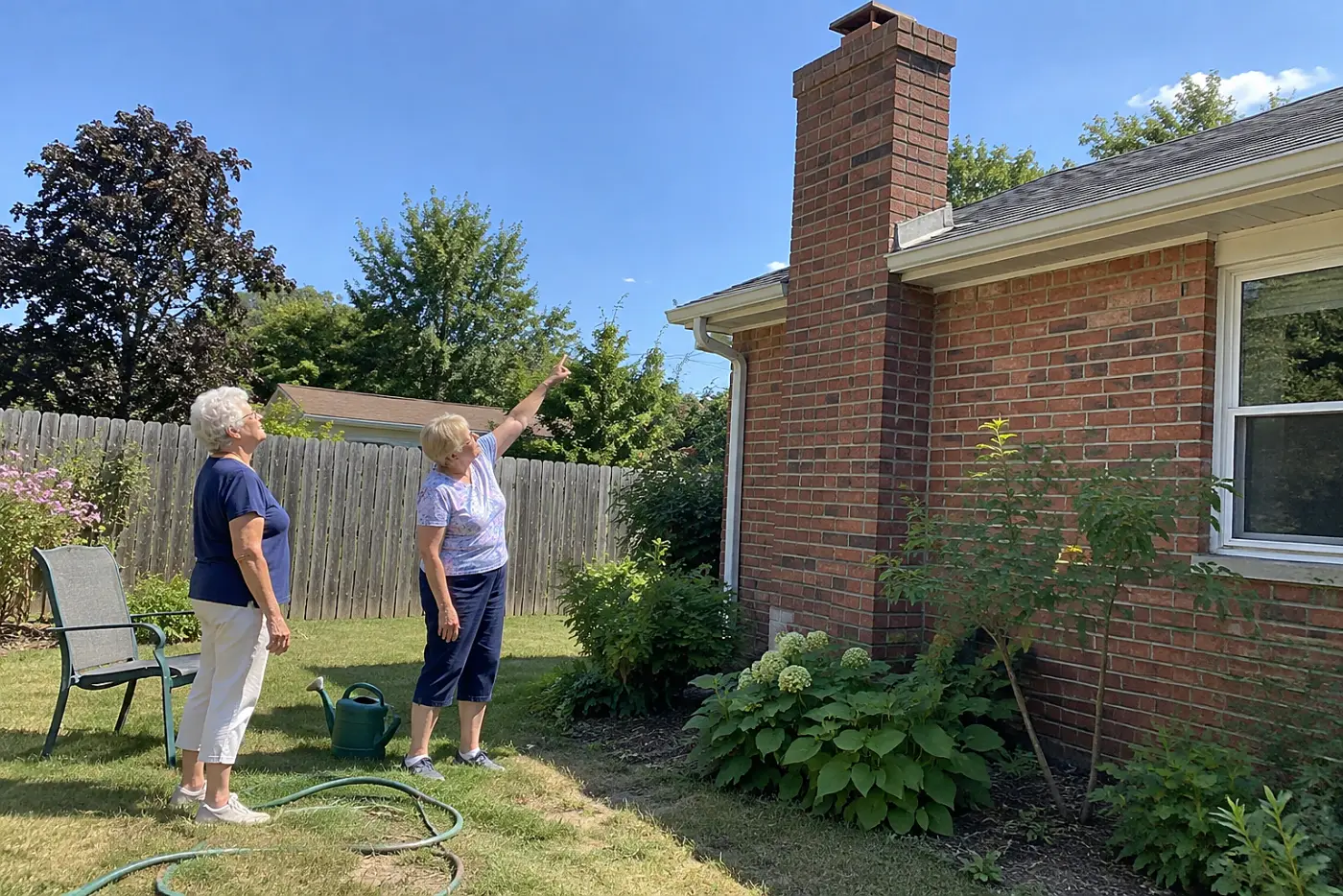
Rain and animals enter through an uncovered chimney.
A chimney cap covers the flue opening while leaving a path for exhaust. Wind, rust, or a past repair can leave the cap missing or damaged. From inside the fireplace, you can't see whether it is still there. Don't climb onto an icy roof to find out.
The cap does a different job from the damper inside. The damper controls the opening between the fireplace and flue; the cap keeps rain, leaves, and animals out at the top. Even a fireplace you haven't used all year needs this check before its first fire.
A nest or pile of leaves can block the path smoke needs to escape. Rain entering through an uncovered flue can leave stains on a ceiling or wall, and those marks won't tell you where the water started.
This week, look at the chimney from the ground and compare it with an older photo if you have one. Tell a chimney professional, “I know where the damper is, but I can't see the cap. Will you check whether it's secure and whether anything has entered the flue?”
Before another cold night, there's still one route into the house to inspect.
2The icy walkway no one else shovels
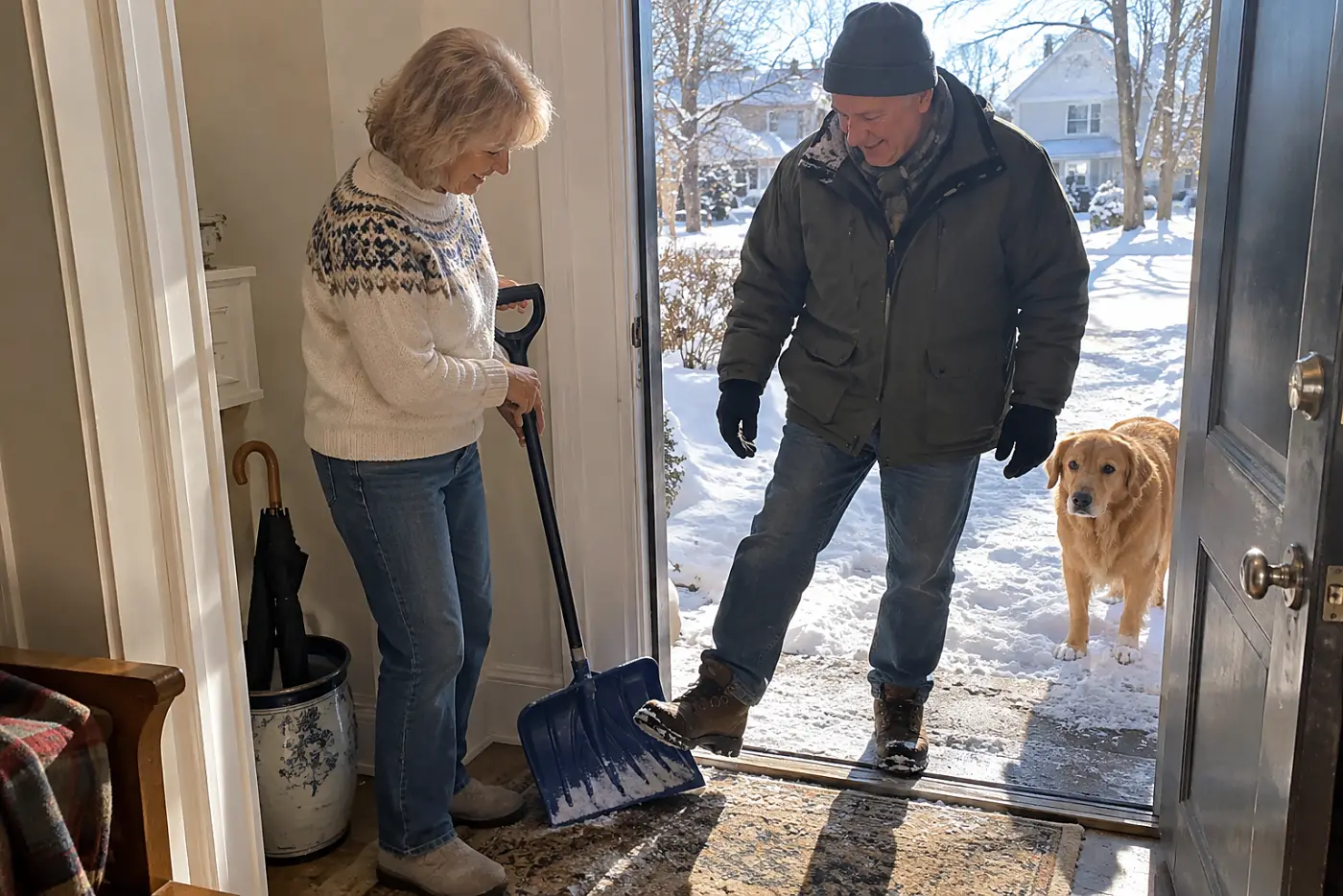
The snow stops, but your front step stays slick.
Packed snow becomes ice when it melts and refreezes. A clear strip from the door to the sidewalk matters for you, visitors, and anyone coming to help. City rules for sidewalk clearing differ, so check your local public works department before the first storm.
Waiting until a forecast arrives leaves you looking for a shovel, salt, or a person willing to come over.
This week, put the shovel where you can reach it without crossing ice and arrange backup help. Say, “When snow falls, can you clear the front walk and steps, and tell me when it's done?”
One last preparation ties the house, the phone, and that spare key together.
1The emergency contact sheet beside the door

When something breaks, the right number is suddenly missing.
A cold house needs the heating company's number; flowing water needs the shutoff location and a plumber. If you feel unsafe or face immediate danger, call 911. For the rest, a short sheet keeps you from searching old messages in a dark kitchen.
Put your full address at the top, including any unit number. Below it, list the utility outage line, plumber, heating company, insurer's claims line, and the person holding your spare key. Add where the main water shutoff sits and where to find a flashlight.
Keep a paper copy by the exit. During an outage, you can hand it to someone at the door without unlocking your phone or trying to remember a password.
This week, write the sheet, place it beside the exit, and send a photo to your key holder. Say, “If I call, the house numbers and shutoff location are on this sheet.”
Before the next storm, make sure the numbers work.
The bottom line
The first winter exposes the jobs that lived in someone else's head.
The best-prepared version of you has found the valves and tested the lights. She's lined up help and written down whom to call.
Which of these has already happened in your family?
Up next
25 Small Changes That Let You Stay in Your Home Ten More Years
A stair bulb, a reachable shutoff valve, and a measured bathroom doorway help you plan for the next decade without betting on a renovation.
Read the list →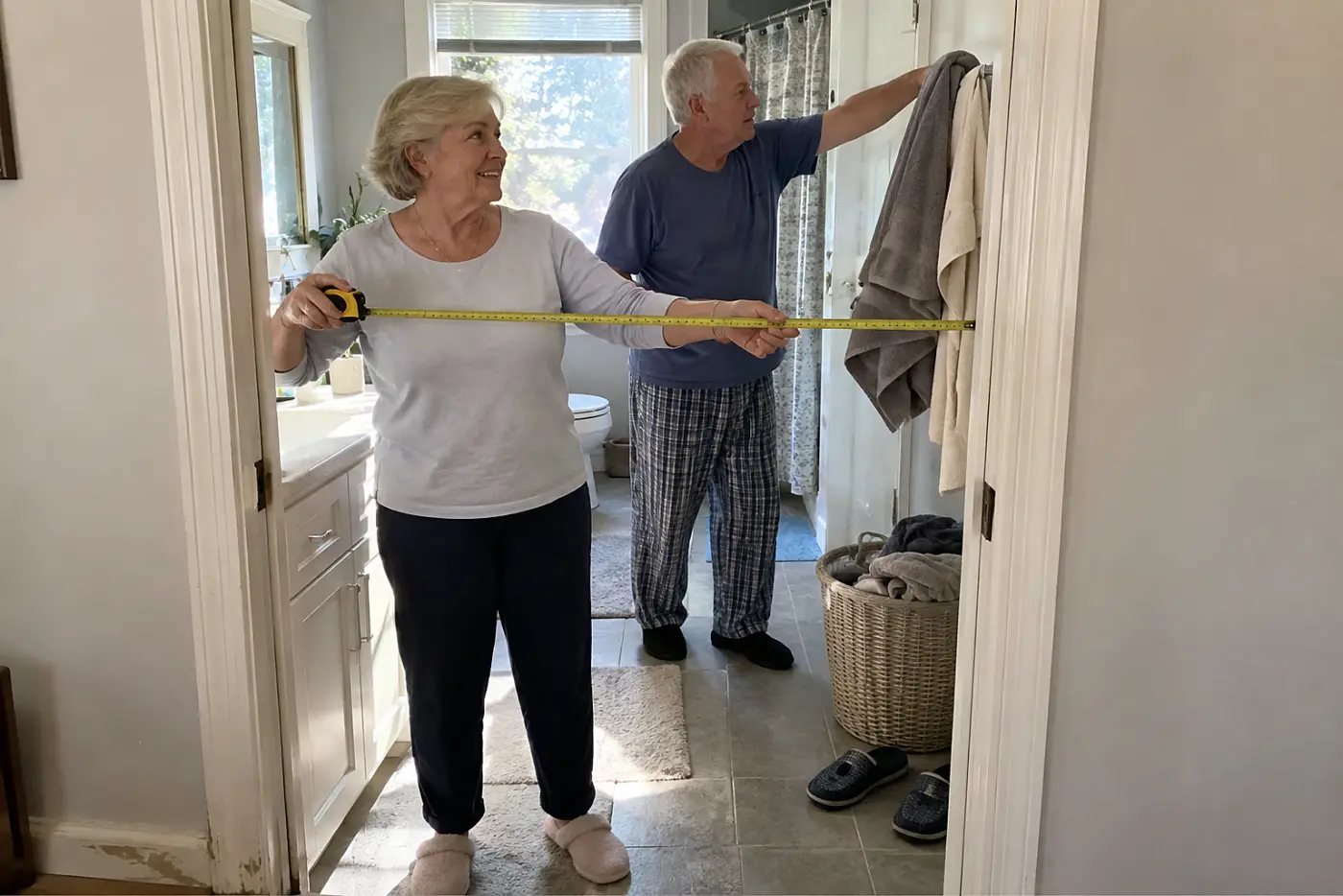

Reader quiz
Did you catch the details?
5 questions from this article. Finish them all to unlock the editor's bonus tip.
What should you check on the furnace filter before replacing it?
Did any of these feel familiar?
Know someone who needs this?
Sources cited in this article
This article links to 8 outside sources, listed here so you can read them yourself.
- Cdc.gov www.cdc.gov/carbon-monoxide
- U.S. Fire Administration www.usfa.fema.gov
- Chimney Safety Institute of America www.csia.org
- American Red Cross www.redcross.org
- Ready.gov www.ready.gov
- FoodSafety.gov www.foodsafety.gov
- Federal Trade Commission consumer.ftc.gov
- National Flood Insurance Program www.floodsmart.gov
David Ruiz
Home Editor
David writes about the house you have and the one you might move to: staying put, downsizing, repairs, and the small changes that stop a fall.
More from David Ruiz