







25 Things People Regret Giving Away When They Downsize
A cleared shelf looks like progress until you need the shoebox holding the only copy of a handwritten recipe.
By David Ruiz, Home Editor
Updated · 16 min read
- Written by our home editor
- Cited 3 sources
- How we review

Read to the end: #1 is the donation-center call that gives a mistakenly donated box its best chance of coming home.
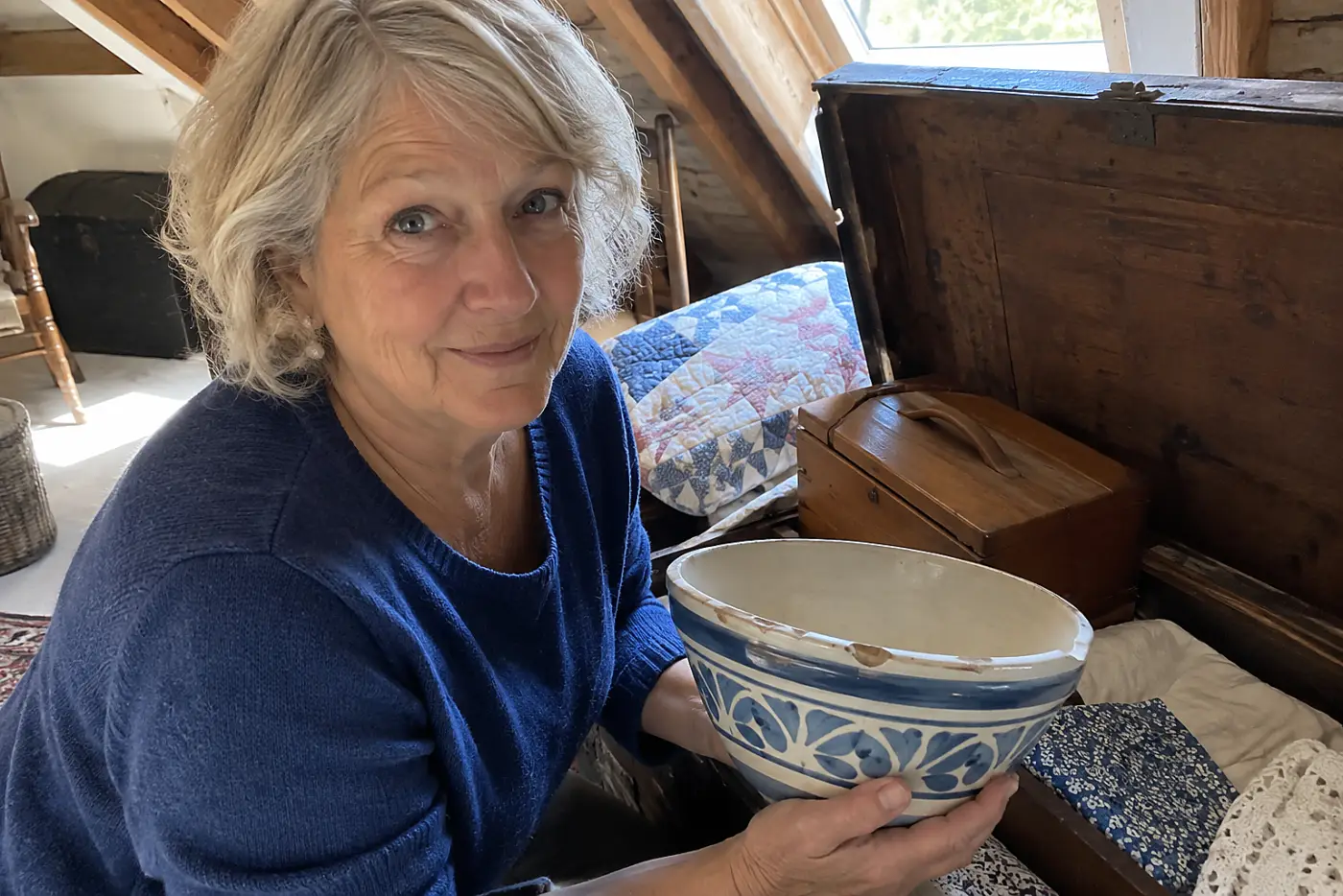
The donation bag was already in the trunk when you remembered the blue mixing bowl. It had a chip near the rim and fit the bread dough your hands knew how to make. The new kitchen had room for it after all.
Decluttering advice counts square feet, but it rarely counts what an object lets you do. A photo preserves the look of a bowl; it won't tell your hands its weight or give you back the recipe folded inside it.
These 25 things deserve a second look before the next box leaves.
25The cast-iron pan with your seasoning

A replacement pan arrives without decades of familiar cooking.
Cast iron keeps working when its surface is maintained and the pan stays dry. Lodge's cast-iron care guide calls for washing, drying, and a thin coat of oil. That old pan already suits your stove and your grip.
Give it away, and the replacement has to earn its place through use. A photograph won't help with Tuesday's cornbread.
This week, lift the pan and check whether it still fits your hand. Heat it on your stove before deciding, then ask yourself, “Would I cook with this tonight?” If the answer is yes, set it with the pans you use.
The next thing is easier to lose because it looks worn out.
24The recipe tin with handwritten cards

A typed recipe leaves out the marks you followed.
A grease spot tells you which card got used. A penciled correction tells you what changed after the first batch. Once the tin is gone, a family member's memory won't recover the exact note beside “bake until done.” The Library of Congress Preservation Directorate advises keeping paper away from heat, light, and moisture.
The loss shows up at the stove, when you reach for the version you trusted. A digital copy helps, but the handwriting itself matters too.
This week, photograph both sides of each card and put the originals in a clean, dry spot. Say, “I want the marked-up version, not a recipe from the internet.”
A different kind of instruction hides inside another drawer.
23The folder of appliance manuals
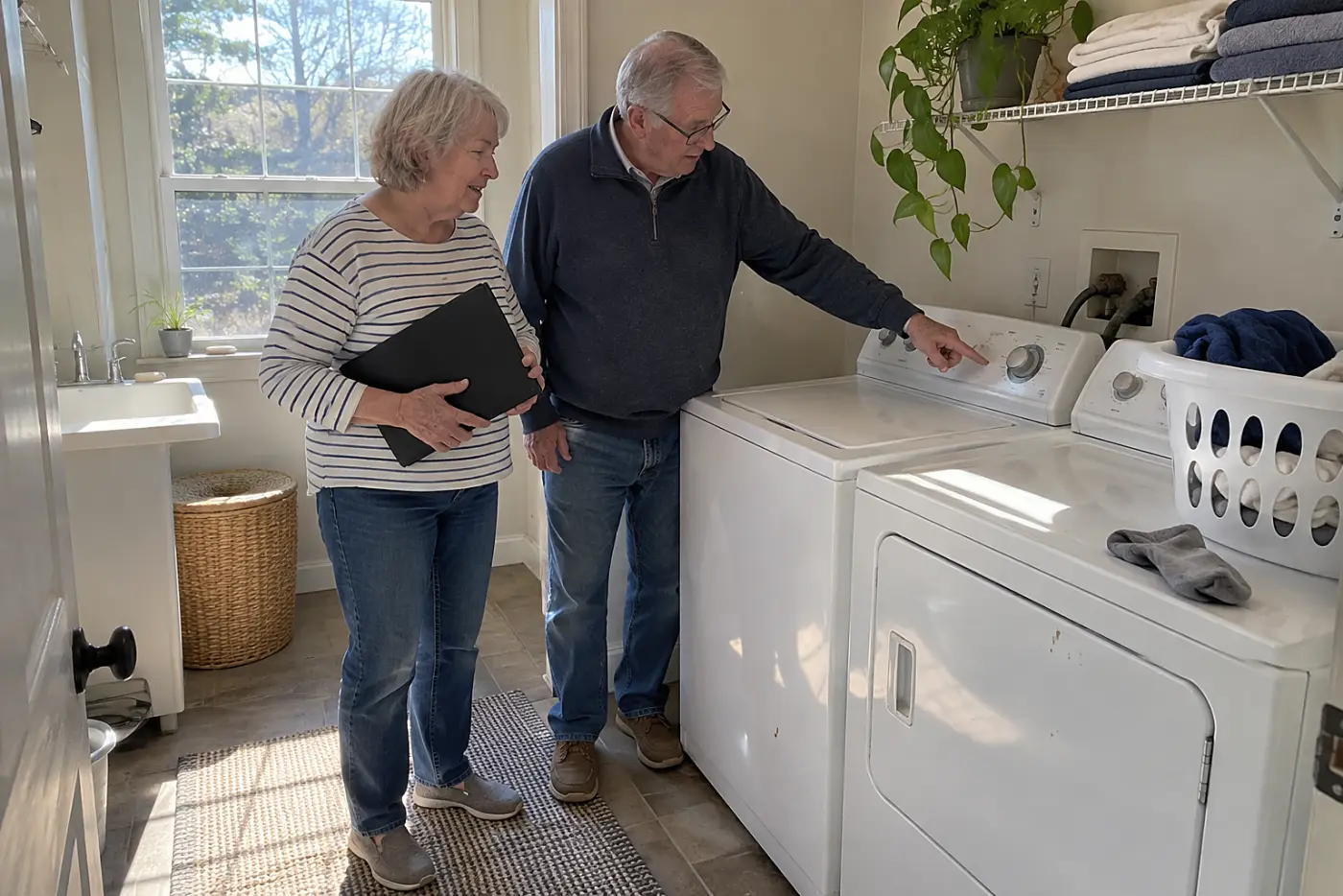
The manual disappears before the machine breaks.
Model numbers sit on labels, but the instructions describe your machine's settings. To find the right manual on a manufacturer's support page, read the full model number from the machine, not its name on the front. A washer sold under one name can have different controls across models.
Without that match, you waste time trying directions meant for another machine. You lose the notes you wrote beside the settings you actually use, too.
Check the folder this week and pull out manuals for appliances still in use. Photograph each model label and keep that picture with its manual. Say, “Let me find the exact model before we throw this away.”
Some papers are harder to replace than directions.
22The deed and closing papers
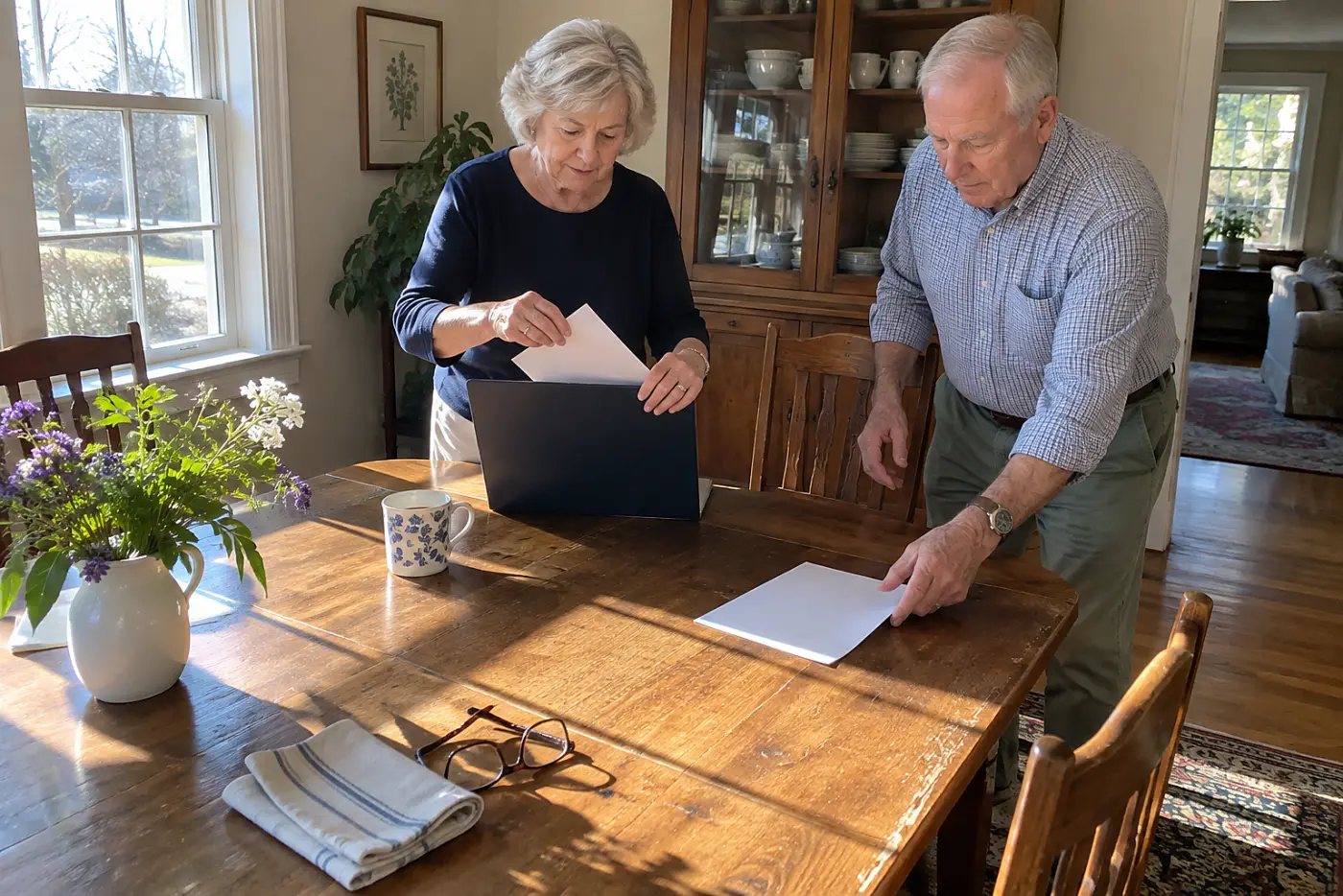
A deed tossed with old mail causes needless work later.
Ask your county recorder for a copy of a recorded deed if yours is missing. Your closing folder still deserves a search: it holds the title insurance policy, survey, and other papers that didn't become part of the recorded deed. Those papers answer different questions when you sell or settle an estate.
Without the folder, you must track down each document separately. An old lender or title company is harder to identify after you discard its paperwork.
This week, separate the closing folder from routine bills before anything goes into recycling. Check for the survey and title policy. Say, “Let's check this folder against the house paperwork before it leaves.”
The next papers answer a question no deed can.
21The letters with familiar handwriting
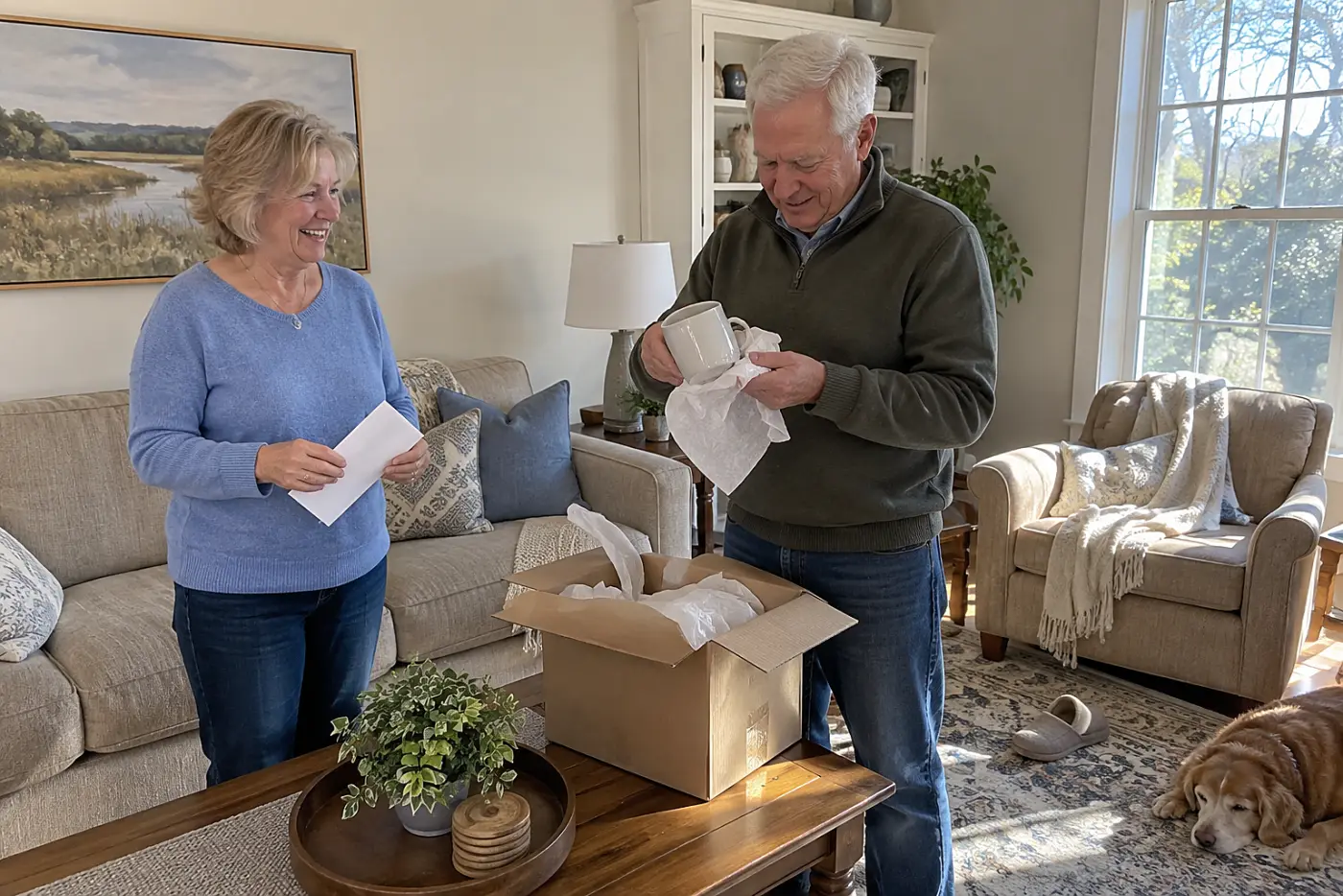
A scanned letter doesn't feel the same in your hands.
Postmarks place a message in time. Crossed-out words show what the writer changed before mailing it. Those details disappear when a box gets reduced to a few selected photographs.
You don't need to keep every envelope. Losing the only letter from someone you miss is different from clearing out duplicates.
This week, read the letters before choosing what stays. Say, “I want to decide which of these I can bear to lose.”
Paper isn't the only thing that carries a person's hand.
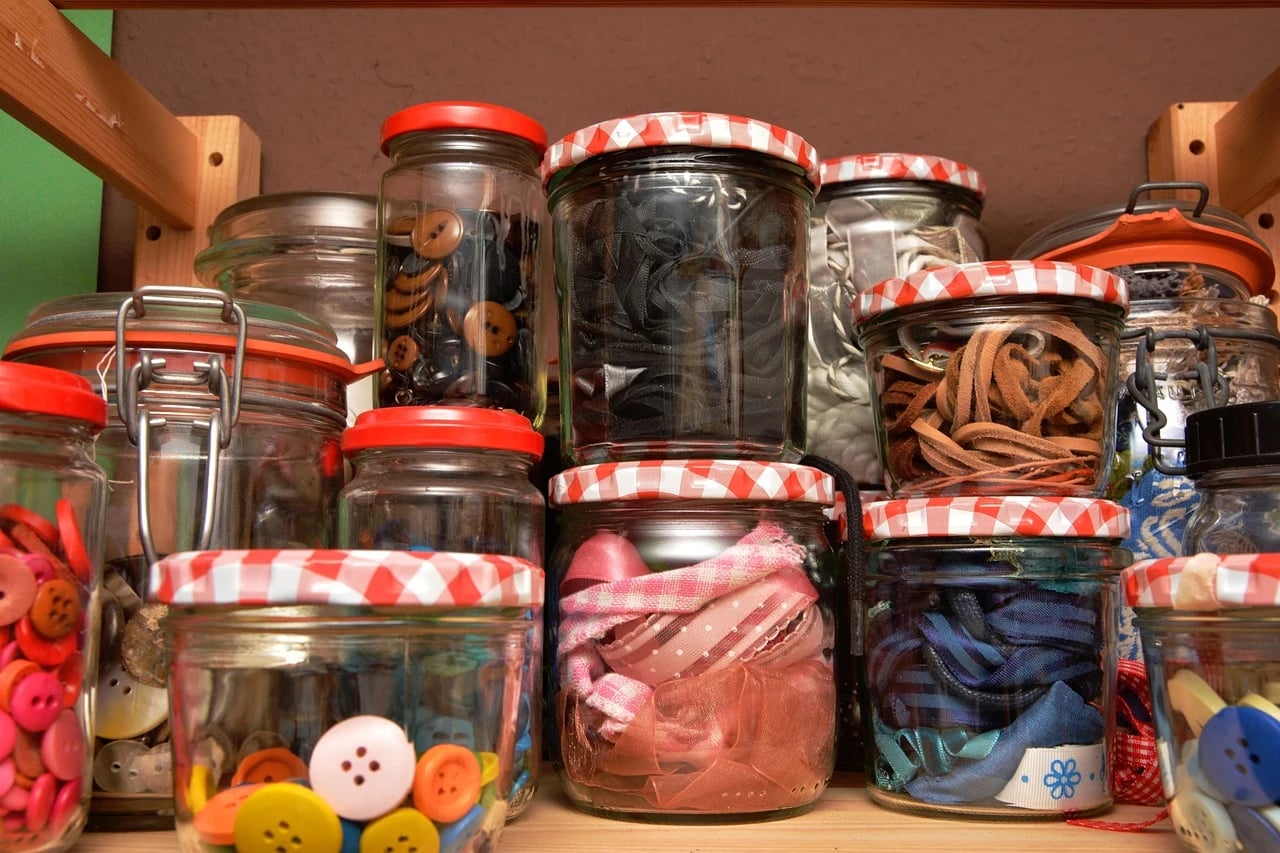
20The sewing box with spare buttons
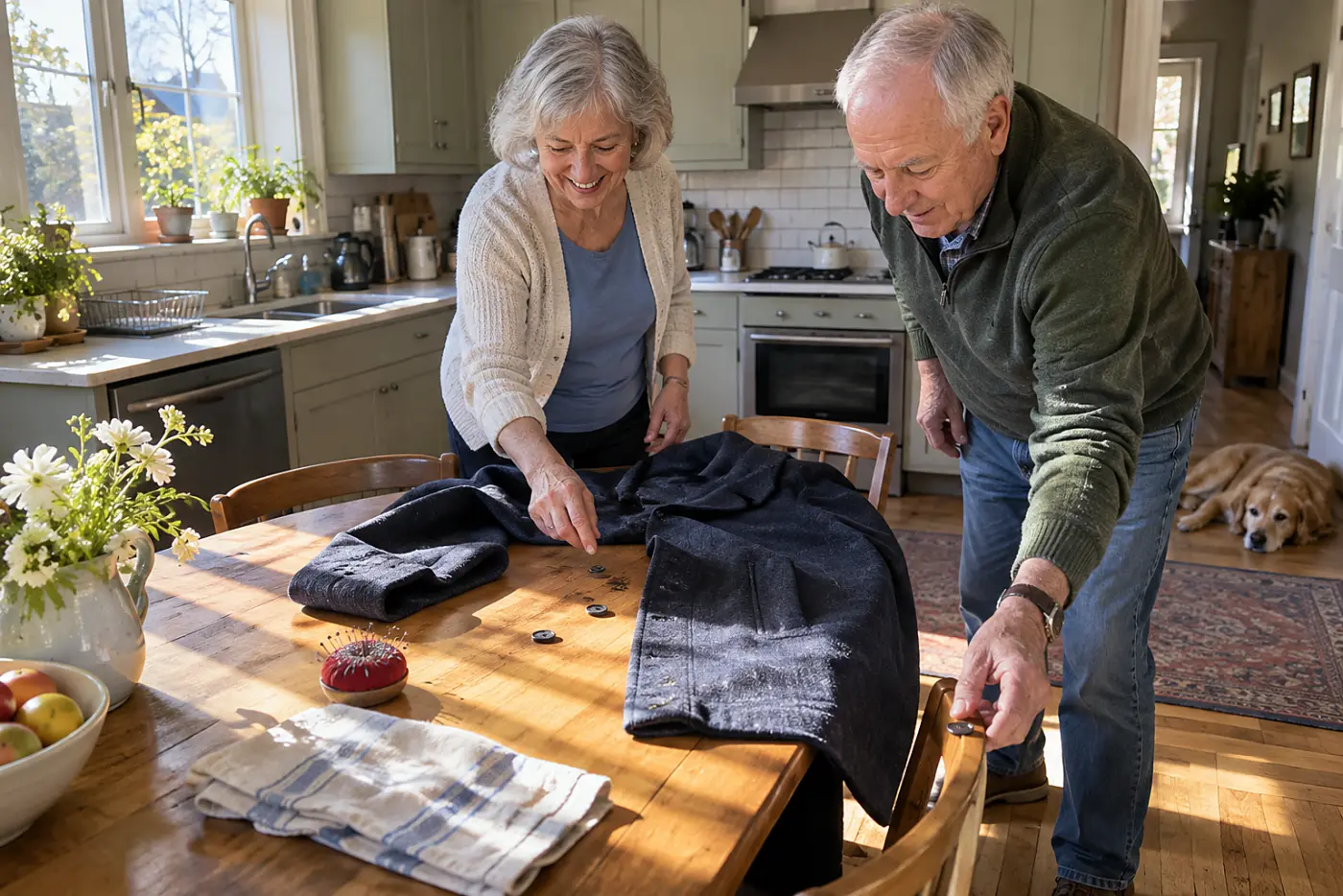
A spare button looks useless until one disappears.
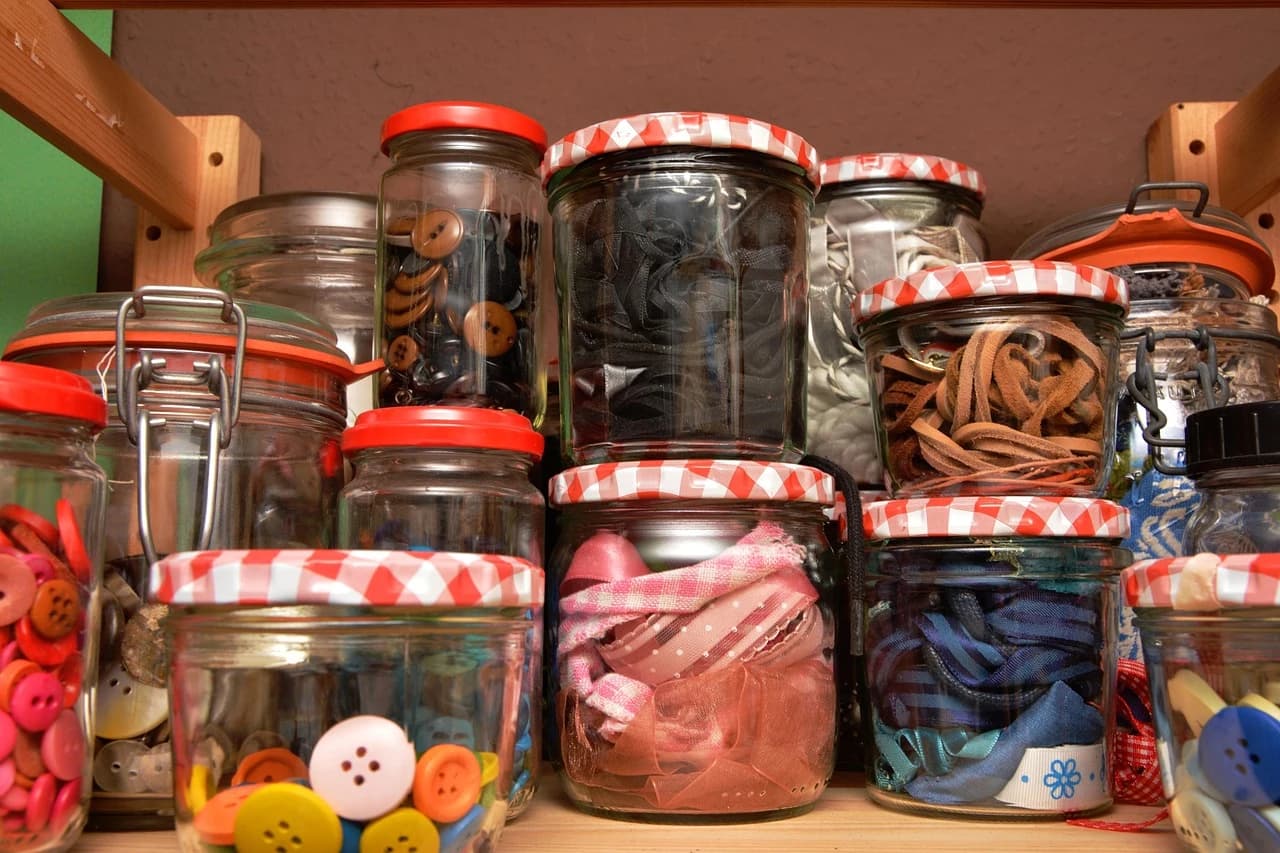
Buttons in a sewing box match coats and shirts you still wear. A loose zipper pull or a saved scrap of fabric gives a repair shop something to work from. If the box leaves first, the next repair starts with a hunt for a near match.
The cost isn't the button alone. It's the coat that stays unworn because its front no longer closes properly.
This week, spread the box on a table and match the obvious buttons to garments. Label the rest before you decide what goes. Say, “Let me check these against my clothes first.”
One small tool in the next drawer is even harder to improvise.
19The charger for an old camera
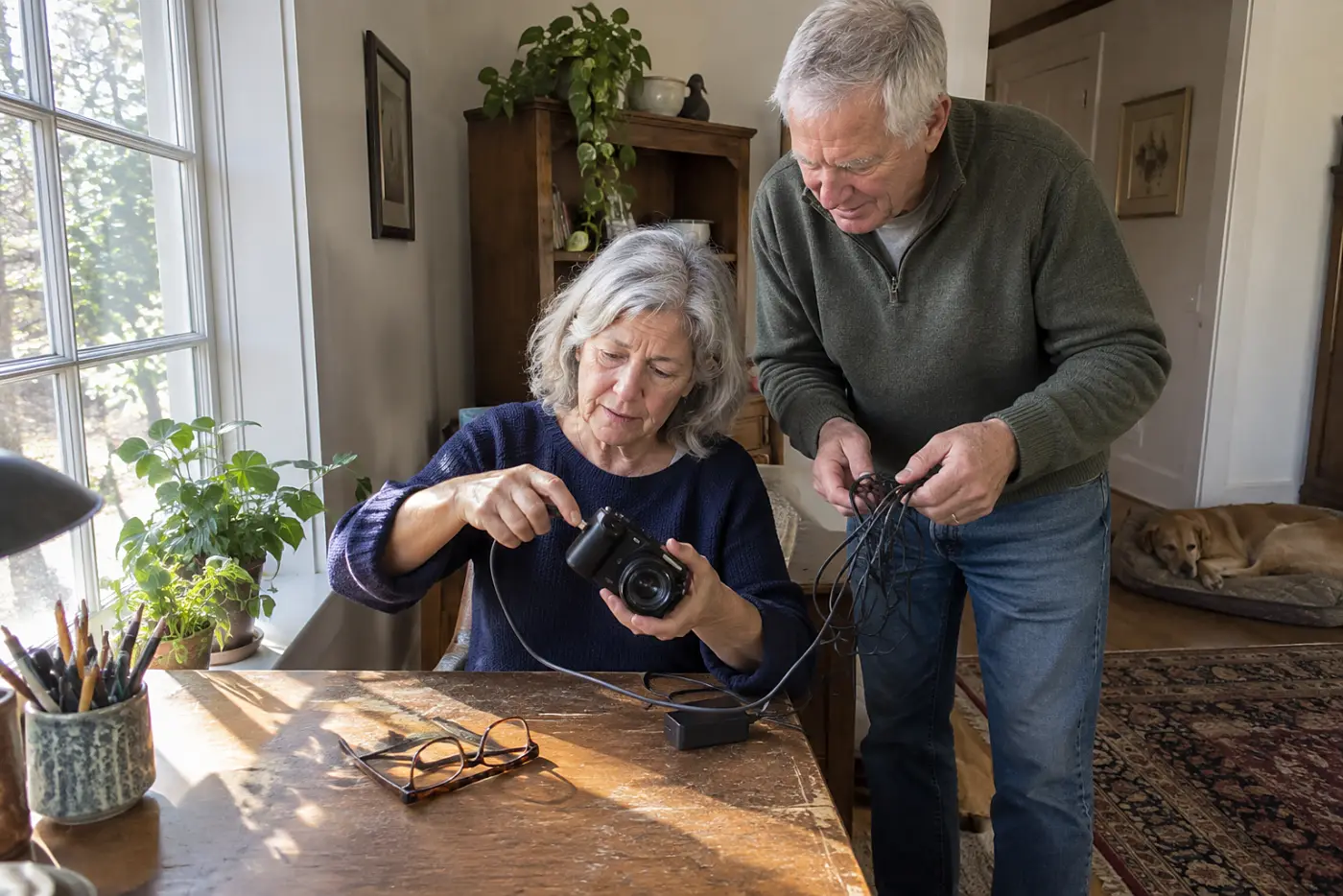
The camera survives while its charger takes the ride out.
A rechargeable camera battery needs a charger that fits its model. A drawer full of similar black cords makes the right one easy to misidentify. Giving away the cord strands photographs still stored on the camera's memory card when the battery runs down.
The camera maker's support page is the place to check the battery and charger model numbers. A replacement charger can run about $20 to $60, but a plug that fits isn't proof that the charger belongs to that camera.
Before donating old electronics this week, pair each device with its charger. Turn on the camera and check its card before clearing either drawer. Say, “I want the pictures off this camera before anything goes.”
Another collection holds images without needing electricity.
18The box of labeled family photographs
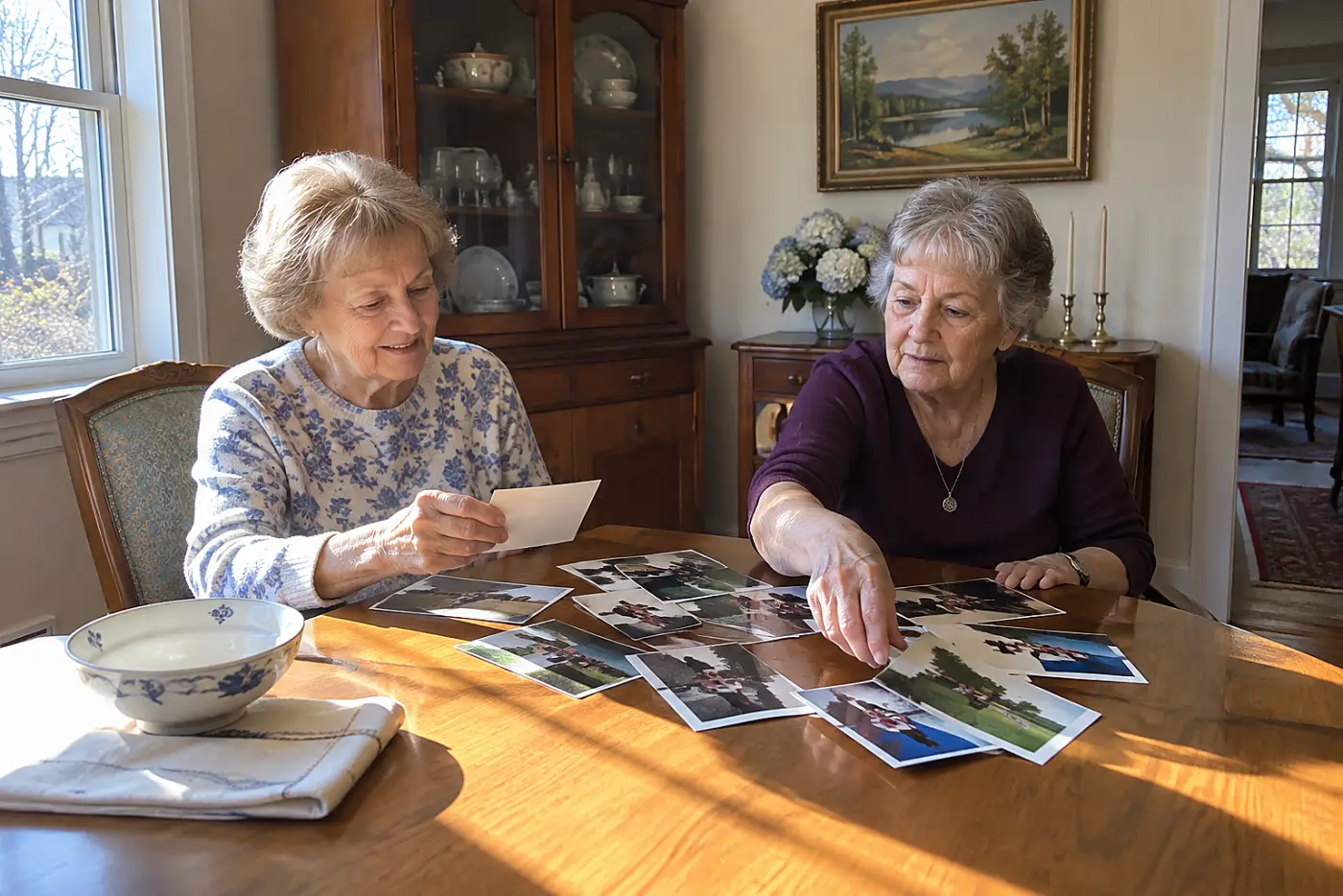
An unlabeled photo loses its people before its color.
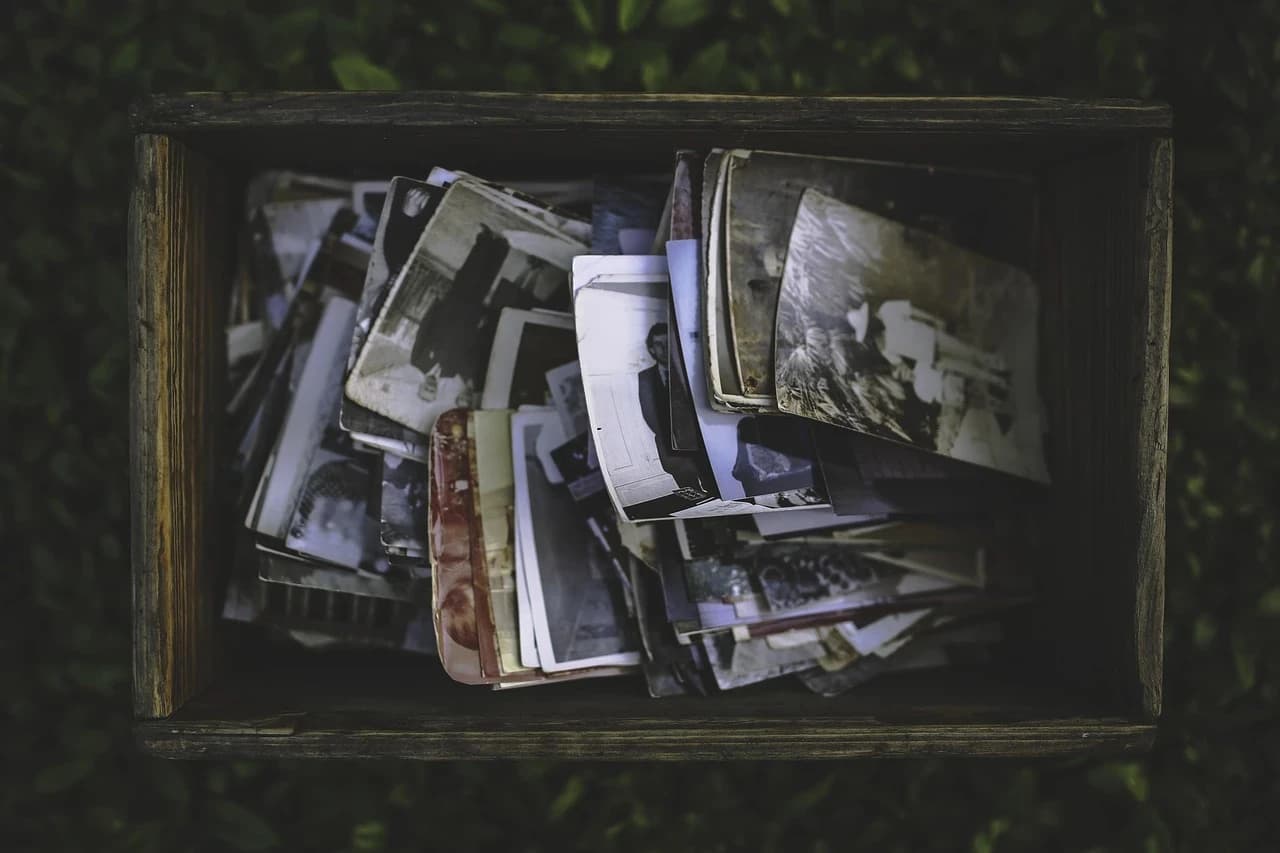
Names written on the back turn a face into someone you can tell a story about. Once the box leaves your house, the person sorting it has no way to identify everyone in the wedding picture. The National Archives' photograph preservation guidance calls for clean, dry hands and careful storage.
Without the labels, a later scan preserves faces but loses the names you knew. That's a hard gap to close after memories fade.
This week, keep the labeled originals together and scan the photos you want to share. Say, “Please don't separate the pictures from what's written on the back.”
The next object holds a family name in a less obvious place.
17The quilt with a stitched name

The blanket goes, and its maker's name goes with it.
A name stitched into a corner identifies who made a quilt or who received it. Folded on a shelf, that corner stays out of sight during a fast cleanout. A buyer at a donation shop won't know what to tell your family.
The Quilt Index, a public quilt documentation project, shows how much a maker's name adds to a quilt's story. Once the quilt leaves, that link leaves with it.
Unfold the quilt this week and check every edge before you decide. Photograph any stitched name beside the whole quilt, so the two stay connected. Say, “I want to see whether anyone signed this.”
A larger piece of fabric has a different claim on space.
16The dining table with extension leaves
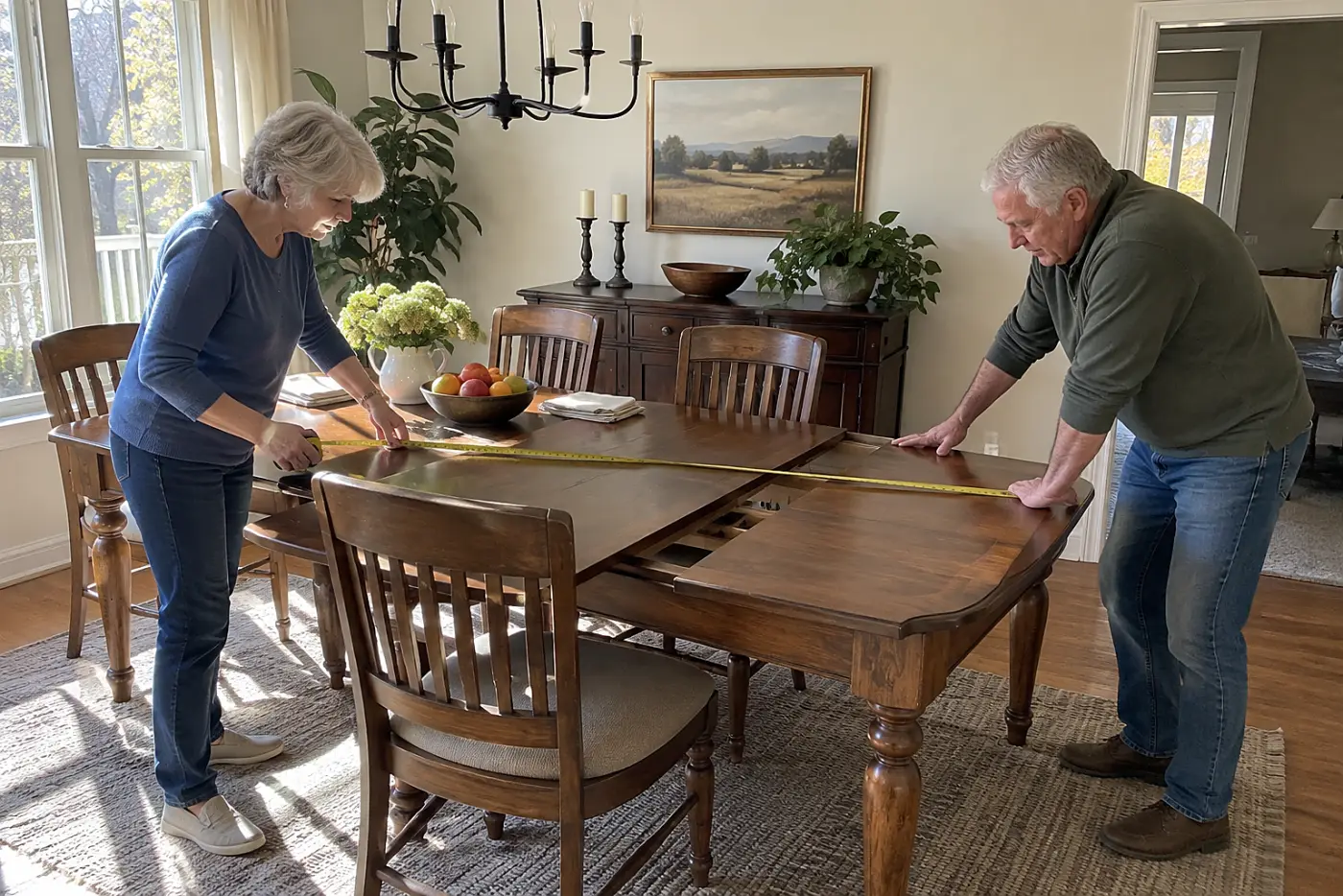
A smaller dining room makes the leaves look expendable.
Those boards let one table serve ordinary dinners and crowded holidays. Give them away separately, and the table loses the part that made it work when everyone came over. A replacement leaf has to match the table's shape, thickness, finish, and hardware.
You don't have to keep a table that blocks the room. But tossing its leaves before measuring the new space turns a decision into a guess.
This week, measure the table with and without its leaves in the new floor plan. Store any leaves you keep beside their matching hardware. Say, “Let's test the full table before we split up its parts.”
The next item takes up almost no space at all.
See more: 24 Signs Your House Has Become Too Much, Before Your Children Say It →
15The keys that open forgotten locks
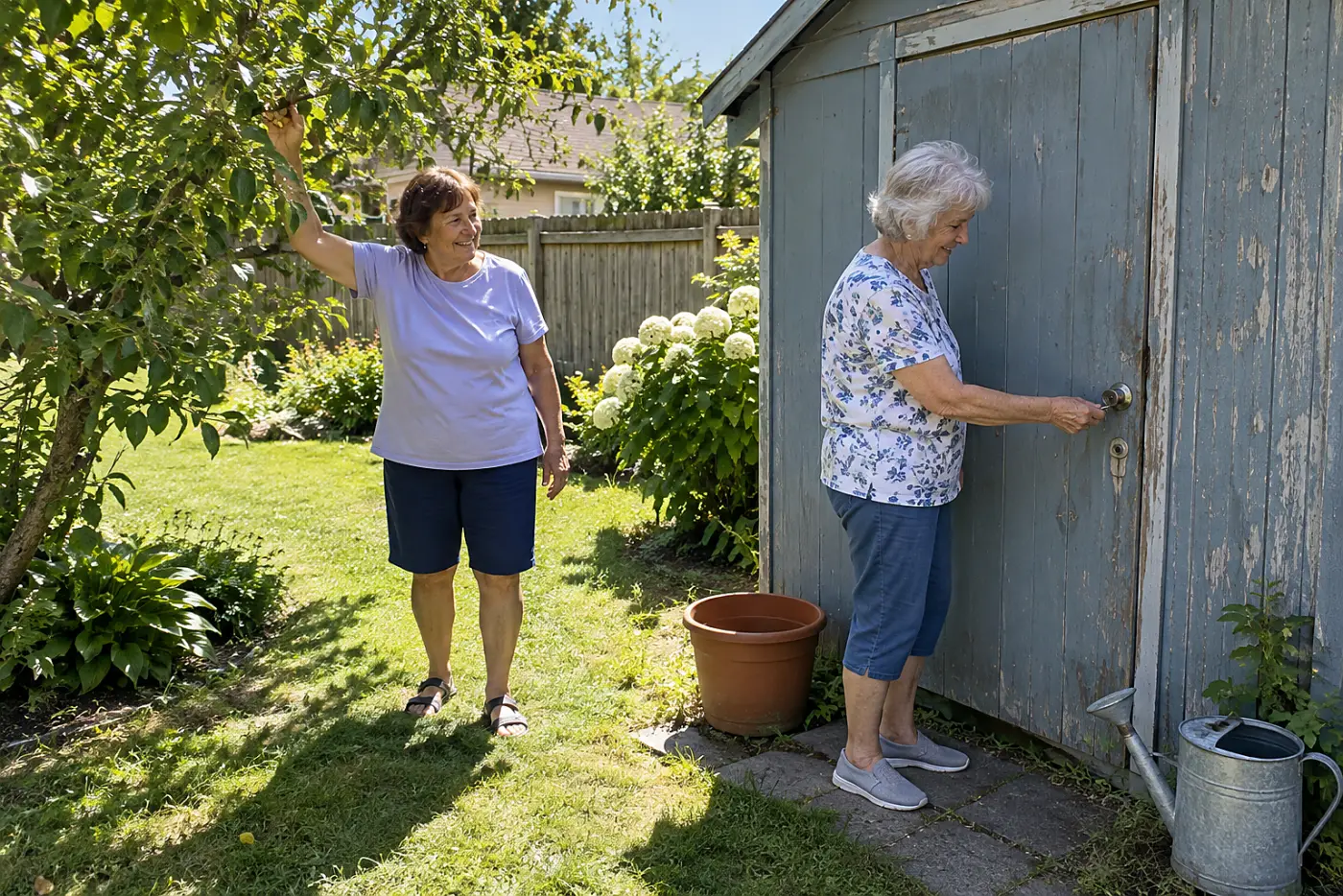
A mystery key looks like clutter until a lock resists.
Keys cut for a shed, filing cabinet, or old luggage aren't labeled by the locksmith after the fact. Once they're gone, you have to identify the lock and arrange another way in. A small ring saves more room than the problem it prevents.
The lock on a cabinet stays shut even if everything inside is yours. Guessing which key worked becomes harder after the boxes around it have moved.
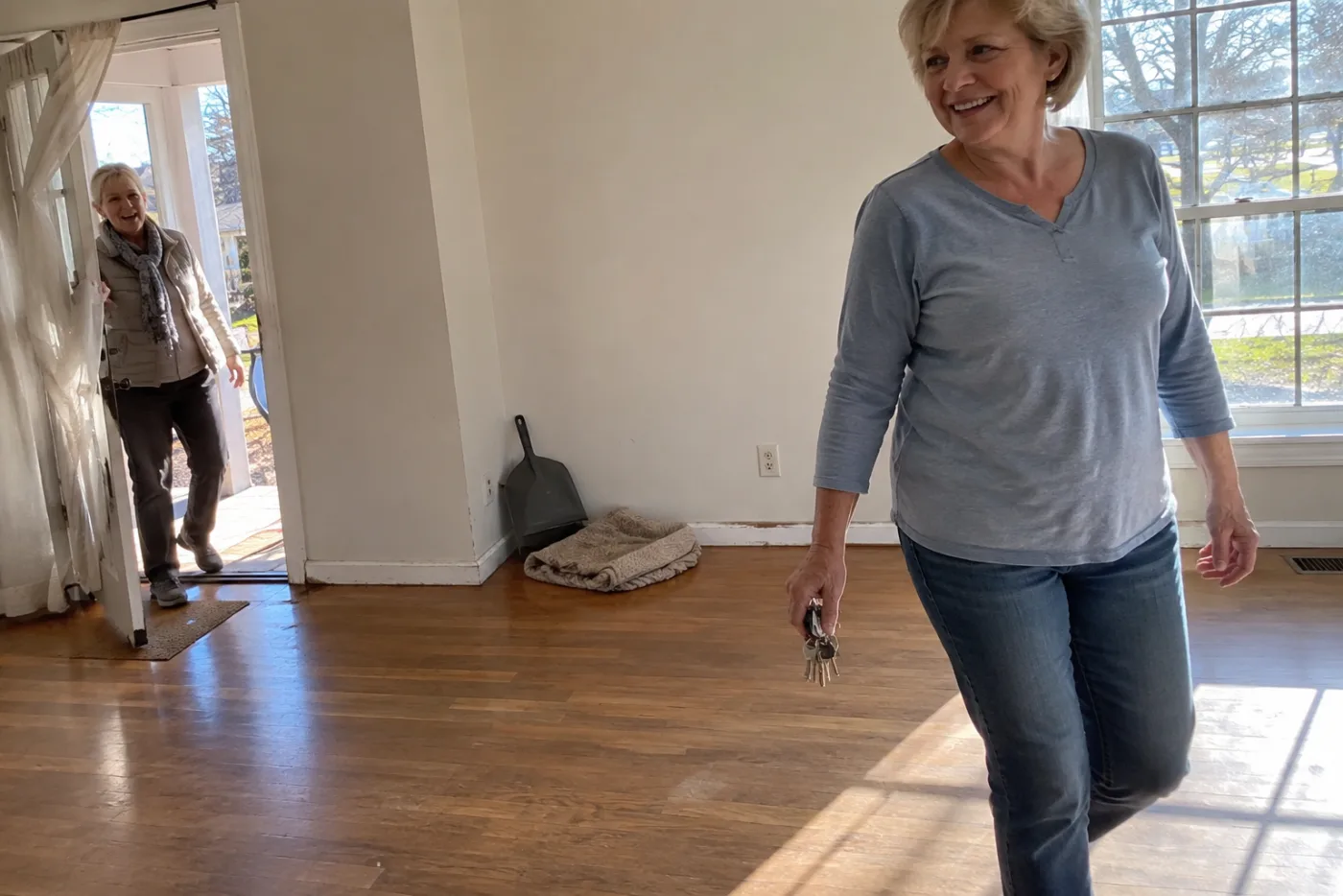
Test the loose keys this week and label the matches. Walk through the shed and garage before the key ring leaves the house. Say, “I'm keeping this ring until I've tried every lock.”
The next missing part is much bigger than a key.
14The bed frame's extra hardware
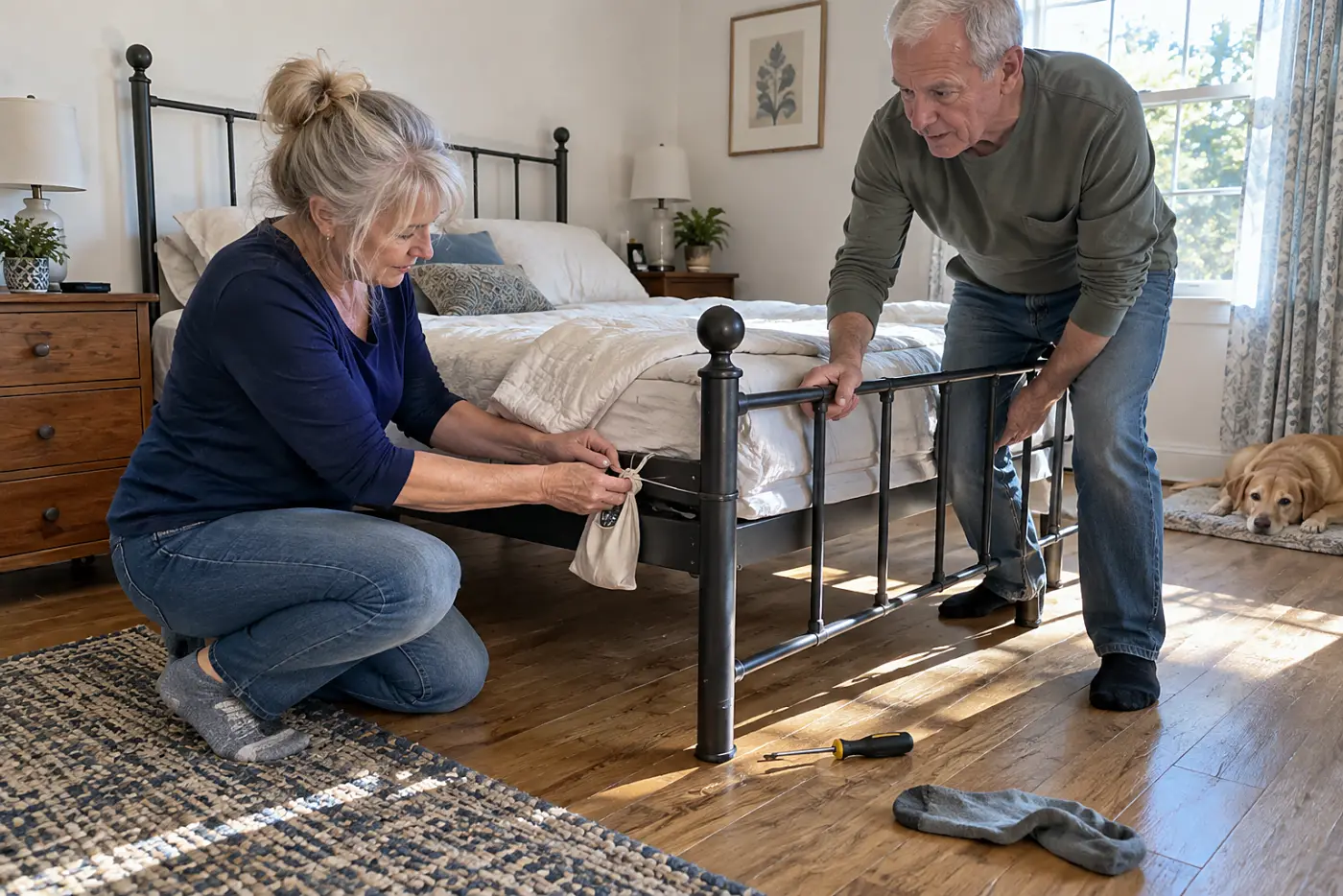
A bed frame travels badly when its bolts don't.
During a move, screws and brackets tend to land in an unmarked bag. If that bag gets donated with “extra parts,” the frame reaches the new bedroom without what holds it together. Before reusing an older frame, search the Consumer Product Safety Commission recall database by its maker and model.
The immediate cost is a bed you can't assemble that night. Guessing at hardware also risks damaging the frame.
This week, tape a labeled bag of original parts to the frame before the next move. Photograph how its joints fit together. Say, “These bolts stay with this bed.”
A missing piece elsewhere in the house changes the look of a whole room.
13The lampshade that fits the lamp

A bare lamp isn't the lamp you chose.
The shade controls glare, height, and the pool of light beside your chair. Its fitter has to match the lamp's hardware; the wrong attachment won't hold it in place. Give away the shade, and shopping from memory becomes a string of wrong shapes and wrong heights.
A replacement lampshade can cost about $20 to $80. One that looks right in a shop still has to work where you read. You'll notice the loss when the bulb shines straight into your eyes.
Set the lamp where you'll use it this week, shade included. Turn it on at night and check where the light lands. Say, “I want to see it lit before I decide.”
Another room holds an object no store can match exactly.
12The mirror cut for your hallway
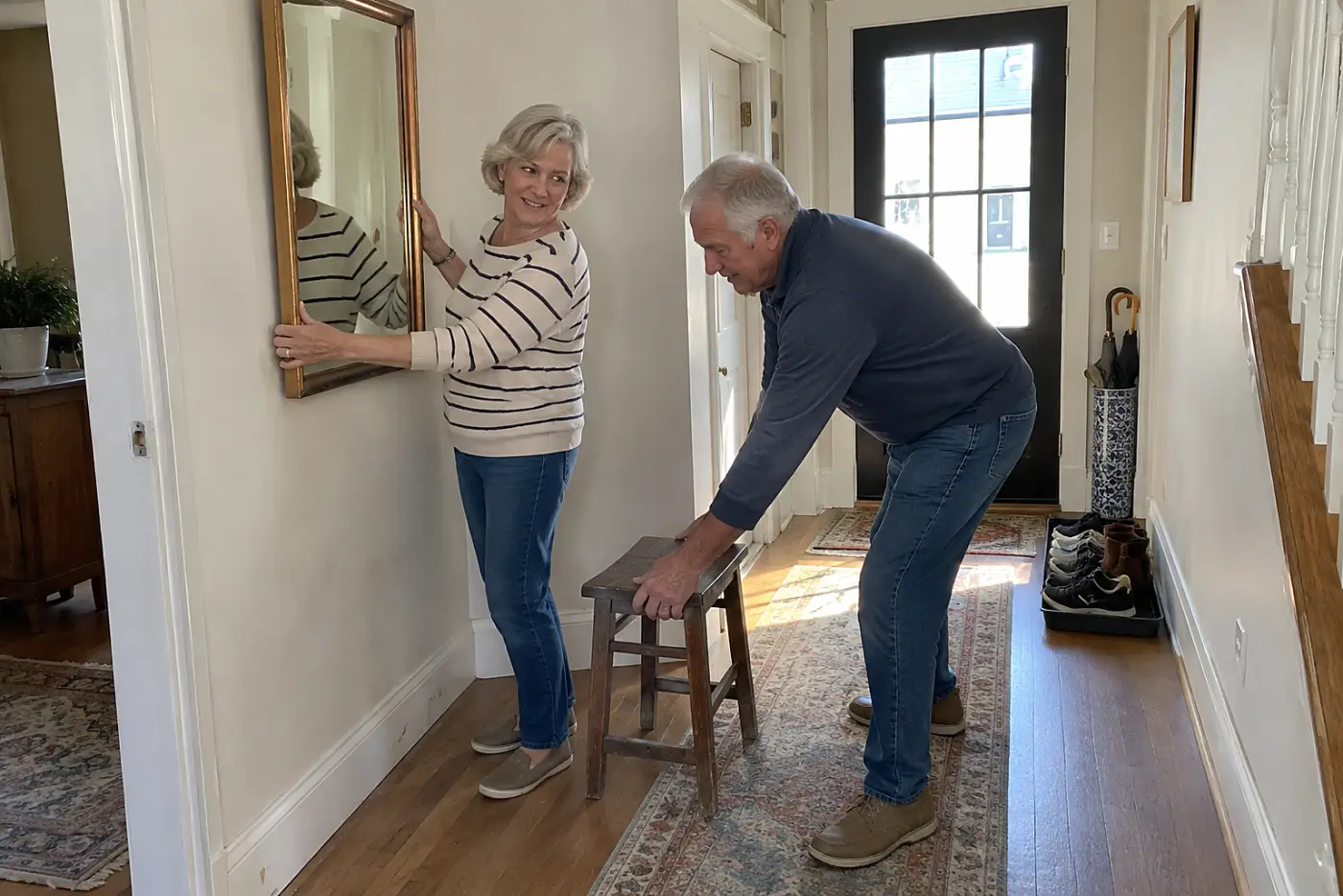
The mirror's size matters as much as its reflection.
A narrow mirror clears a door swing and fits between two pieces of trim. In a new home, it might solve the same awkward gap. Give it away before measuring, and you lose a piece already suited to a difficult spot.
The regret arrives when the replacement catches the door or looks wrong above the console. A tape measure gives you a better answer than a rule about keeping less.
This week, measure the mirror and the wall where it could hang. Photograph its backing and hanging hardware before packing it. Say, “Let's try the measurements before we call this too big.”
The next thing isn't valuable because it fits a wall.
11The ticket stubs in a shoebox
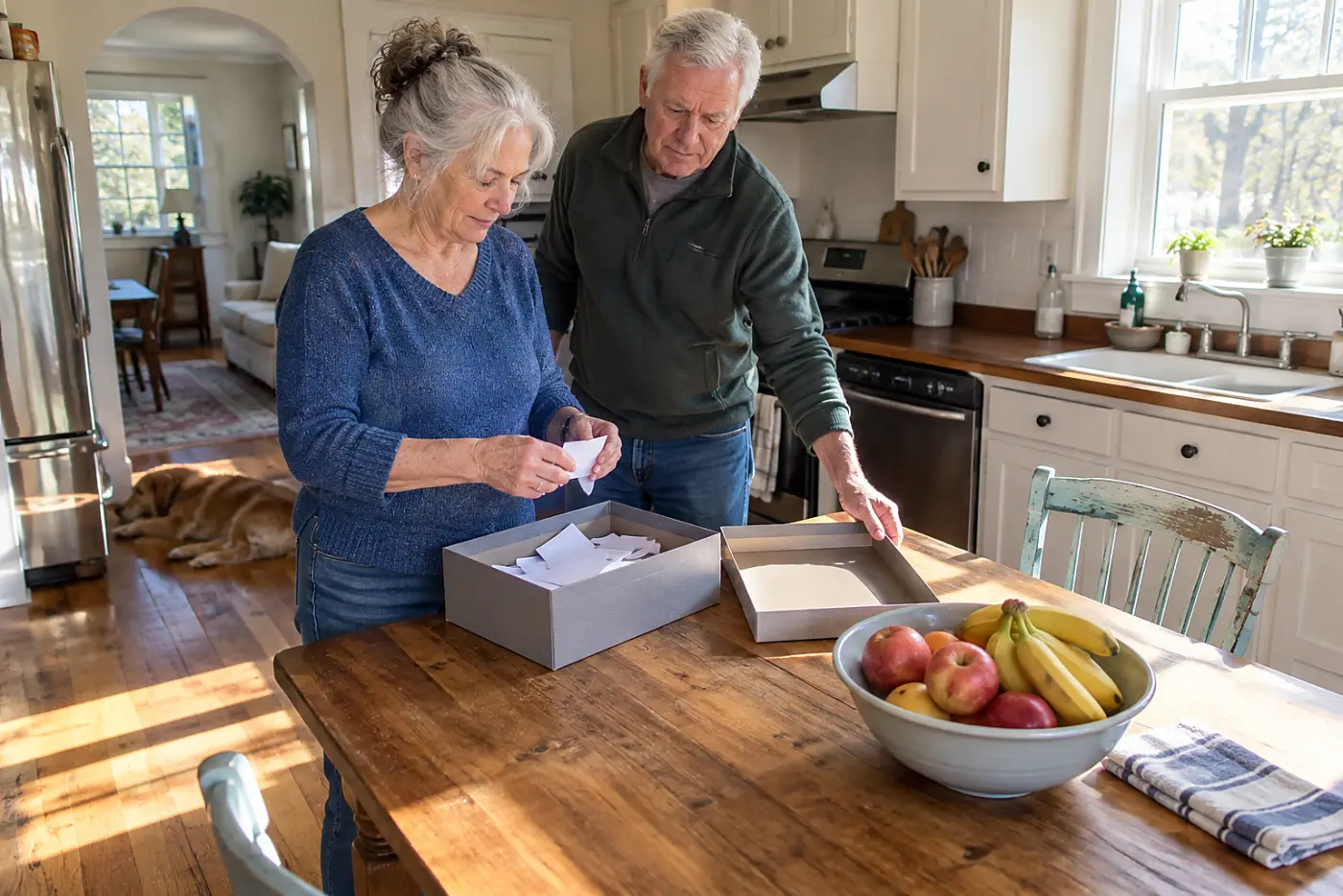
A stub looks like paper until you read its date.
Tickets pin a concert, trip, or ballgame to a place you remember. Once they're gone, photographs don't always tell you when that night happened. The box itself takes less room than the albums you kept.
A date on a ticket also helps you identify the people in a nearby photograph. Without it, “that summer” has to do the work of a place and a night.
Sort the stubs this week and keep the ones that unlock a story. Put each keeper with a photograph or write a name on a separate envelope. Say, “I want to remember which trip this came from.”
One small piece of paper can also settle a practical question.
10The contractor's written scope of work
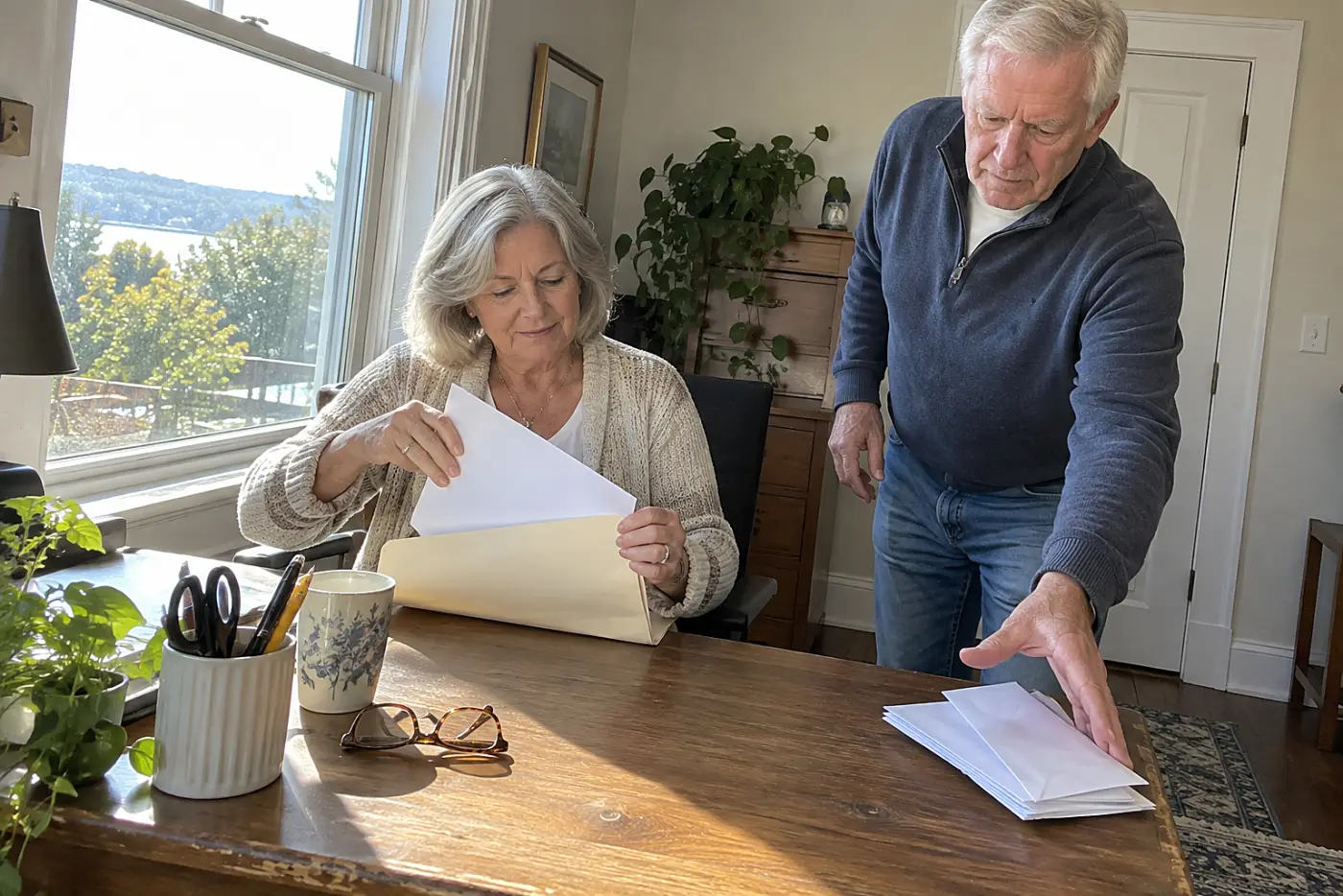
A countertop job fades into a bank statement.
The contractor's scope records what was installed, where, and when the work finished. A payment line doesn't tell you whether the job was a repair or an improvement. IRS Publication 523 explains how qualifying improvements figure into your home's adjusted basis when you sell.
Without a description of the work, you have less to support that calculation. Recalling the old kitchen from memory won't tell you what the crew replaced behind the wall.
This week, gather signed scopes and completed-work descriptions for major jobs into the property folder. Write the house address on loose pages. Say, “I need the paperwork that shows what was done, not just what we paid.”
The next record lives in a place people rarely photograph.
9The marks inside a doorframe
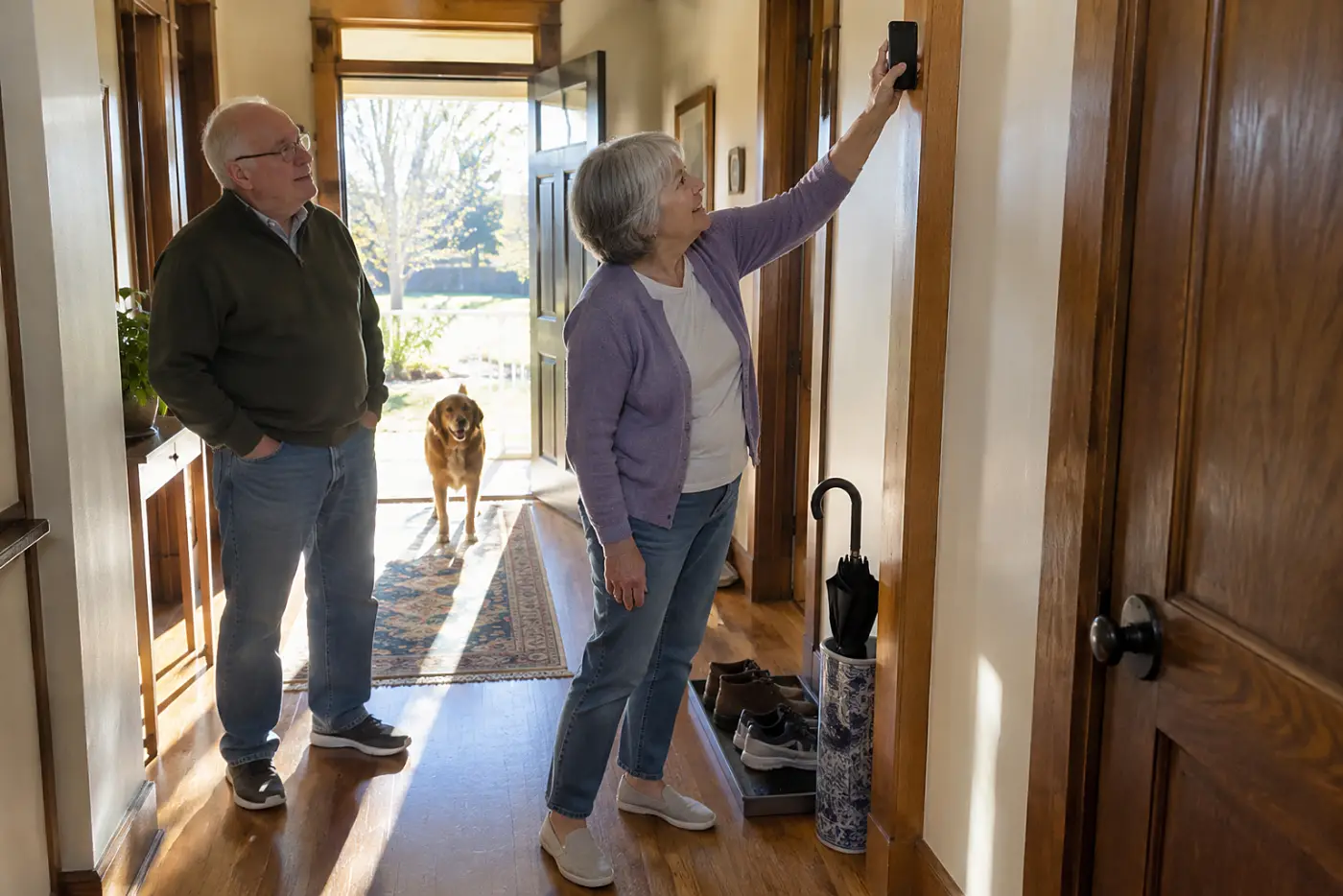
Fresh paint can erase a family's measuring stick.
Pencil lines on a doorframe mark heights and dates that won't move with you. Before leaving, photograph the whole frame and each mark close up, with a ruler beside it. Write down which name belongs to each line.
If the marks vanish, the dates become guesses. A close photo without the full frame loses where the marks stood in your home.
This week, record them before anyone patches or paints. Ask whoever remembers the names to check your notes while the lines are still visible. Say, “Give me ten minutes with this doorframe first.”
A different set of marks matters because you made them yourself.
8The craft tools fitted to your hands

A familiar tool can make an awkward task possible.
A pair of sewing shears, a garden pruner, or a crochet hook earns its place through repeated use. The grip and balance matter when your hands are tired. A newer version with a slimmer handle won't feel identical because it serves the same purpose.
Donate the tool, and you lose the exact one your hands already know. Replacing it takes a trip, a trial, and another place to store the wrong purchase.
This week, pick up each tool and do the motion it was made for. Keep the ones you reach for without thinking. Say, “I still use this, even if it isn't pretty.”
One household object earns its keep without being touched.
7The guest pillow that actually works

A flattened spare pillow looks ready for the bag.
Then someone stays the night, and the sofa cushion becomes the plan. A washable cover and a known place to sleep matter more than a matching guest-room set. You don't need a closet full of bedding to keep one good pillow.
A replacement pillow can cost about $20 to $60. The person arriving after a long drive needs somewhere to put their head that night. A pillow you already own settles one part of the visit before anyone rings the bell.
This week, check its condition and choose where it will live. Wash the cover, then make sure the pillow fits the place you've chosen. Say, “Let's keep the one our guests have used.”
The next thing protects a visit in a different way.
6The folding chairs behind the closet door
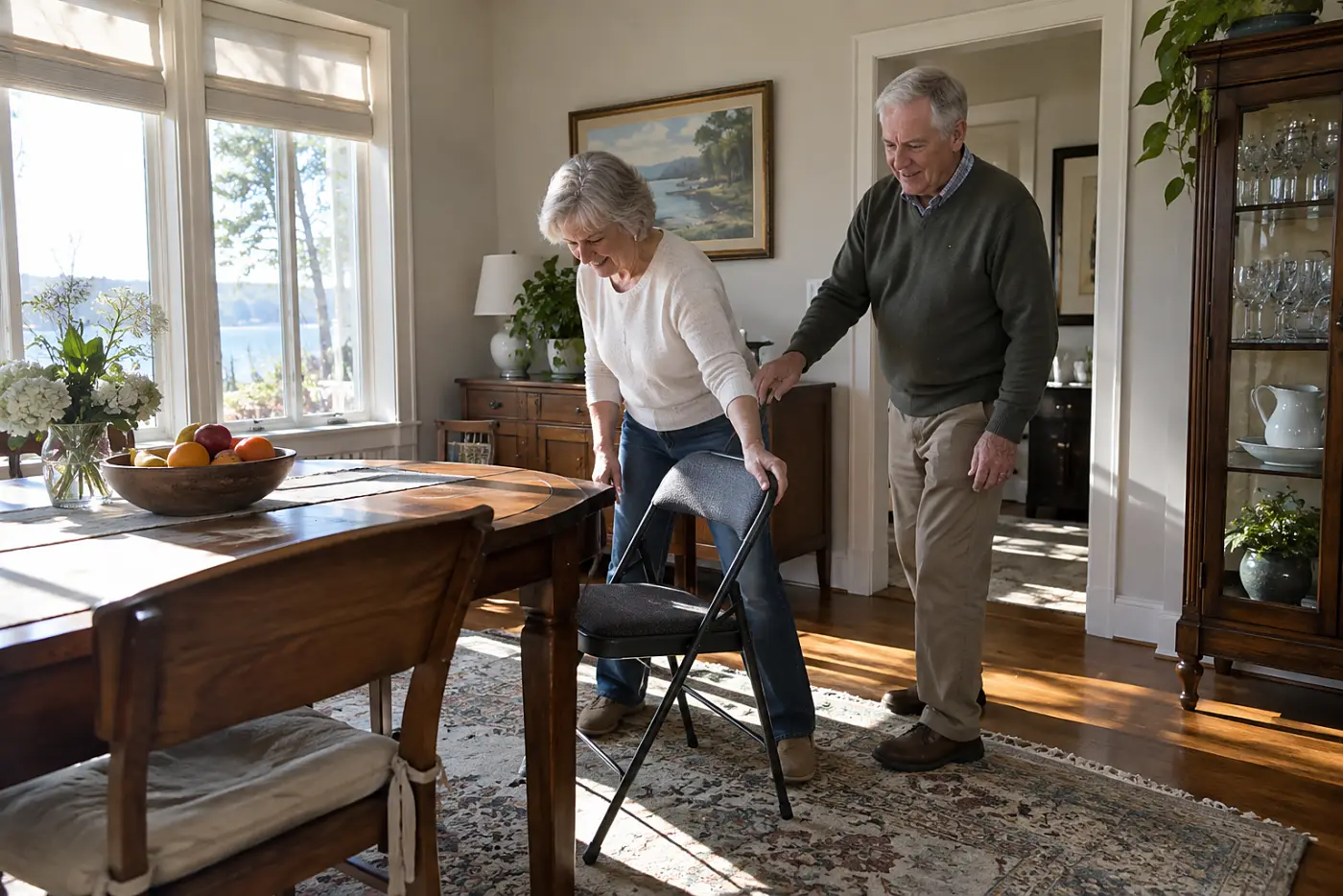
Extra chairs are the first furniture to go.
They spend most days folded, so their purpose disappears from view. Yet a birthday dinner or a crowded card game needs seats before it needs matching décor. Borrowing chairs works only when someone nearby has them available.
Giving away every spare chair sets a new limit on gatherings at your place. You find that out when people are already coming.
This week, count the seats you use when friends or family visit. Open each folding chair and check that it stands firmly. Say, “I want enough seats for the people I invite.”
The next object helps you welcome people without buying anything.
See more: 29 Things People Are Relieved to Let Go Of When They Downsize →
5The serving platter from family dinners
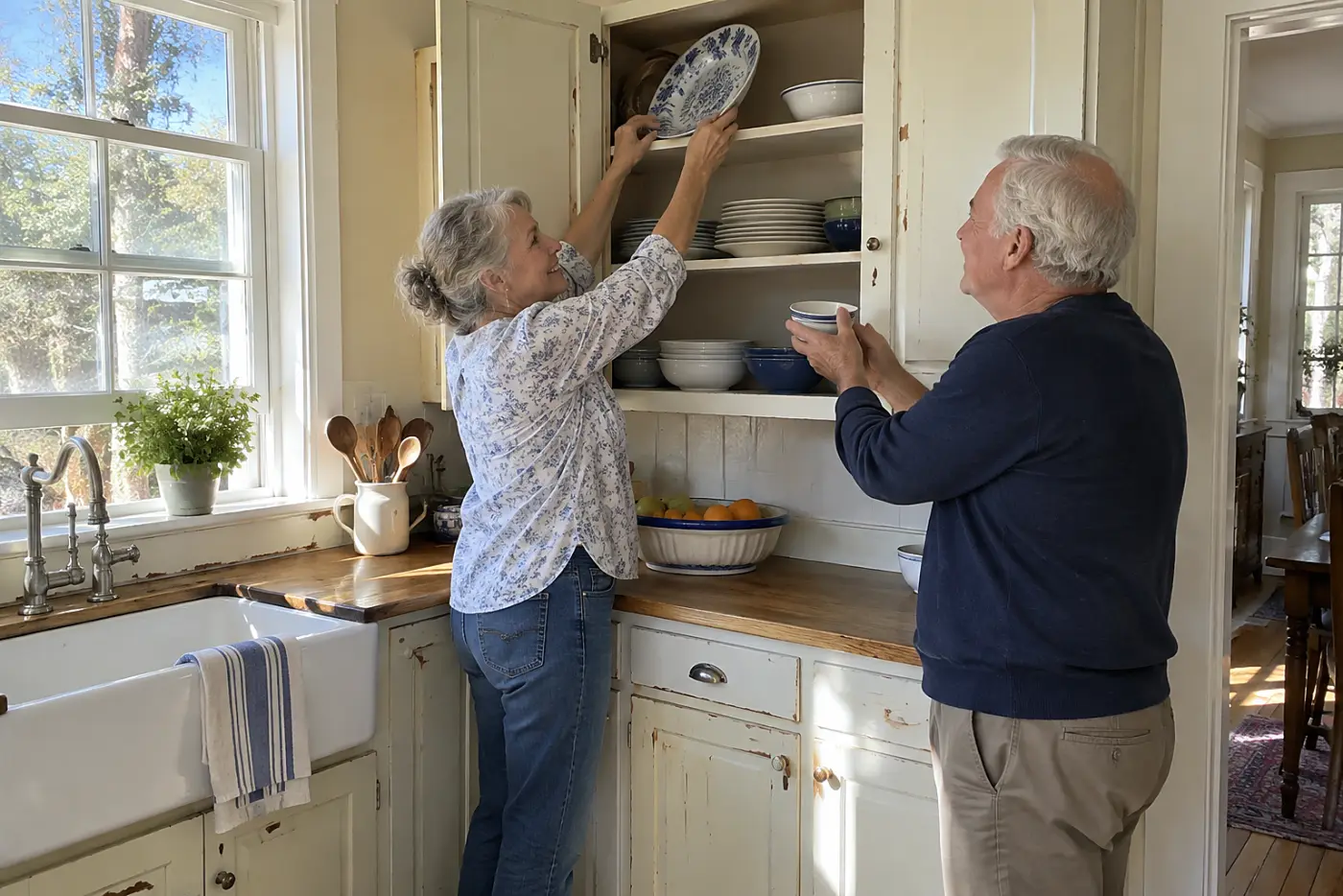
A large platter looks excessive beside two dinner plates.
Its job was never the nightly meal. It carried food across the table when more people came, and its size is why it worked. A smaller cupboard doesn't change that memory or the next holiday menu.
If you give it away, the roast still needs a dish wide enough to reach both ends of the table. The next gathering is a poor time to discover every remaining plate is too small.
This week, check whether the platter fits upright in one cabinet. Try lifting it from that shelf before deciding it has a home there. Say, “I'd rather keep this than buy another for the next dinner.”
Something even less practical still deserves a fair hearing.
4The chipped mug from someone you miss
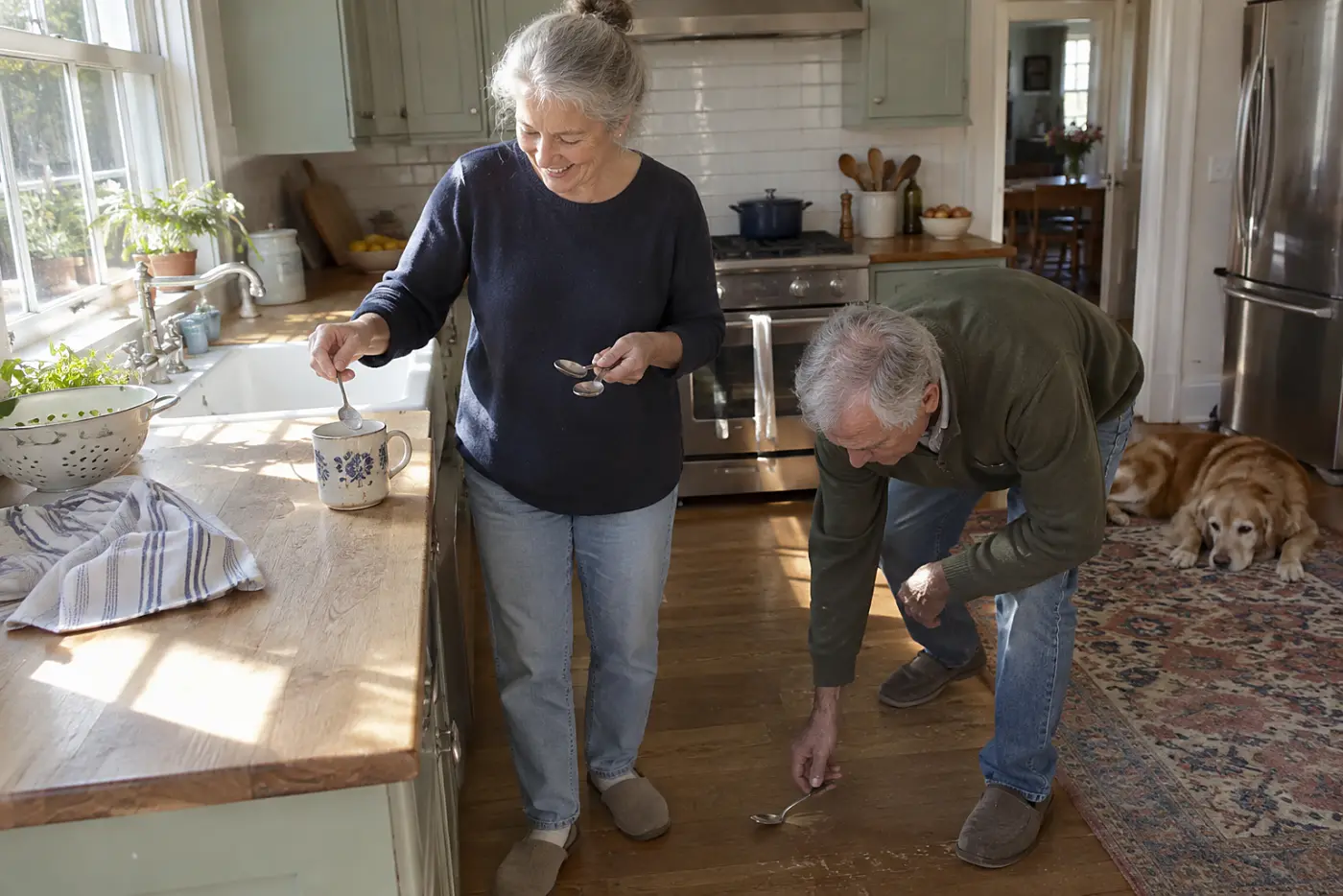
A chipped mug isn't automatically worth keeping.
If the chip sits on the drinking rim, stop using it for hot coffee. But the mug can hold pencils, teaspoons, or flowers while keeping its place in your day. The point is to choose its new job yourself, before someone calls it trash.
Once it leaves, a photograph records the picture on its side but not the weight of its handle. That difference matters when the person who gave it to you is gone.
This week, check the chip and decide whether the mug is safe to use. If it isn't, put it somewhere you'll still see it. Say, “This one stays because I know who gave it to me.”
Another object asks for a decision before it leaves the driveway.
See more: 29 Signs the Clutter Is Really Grief →
3The jewelry box with hidden compartments
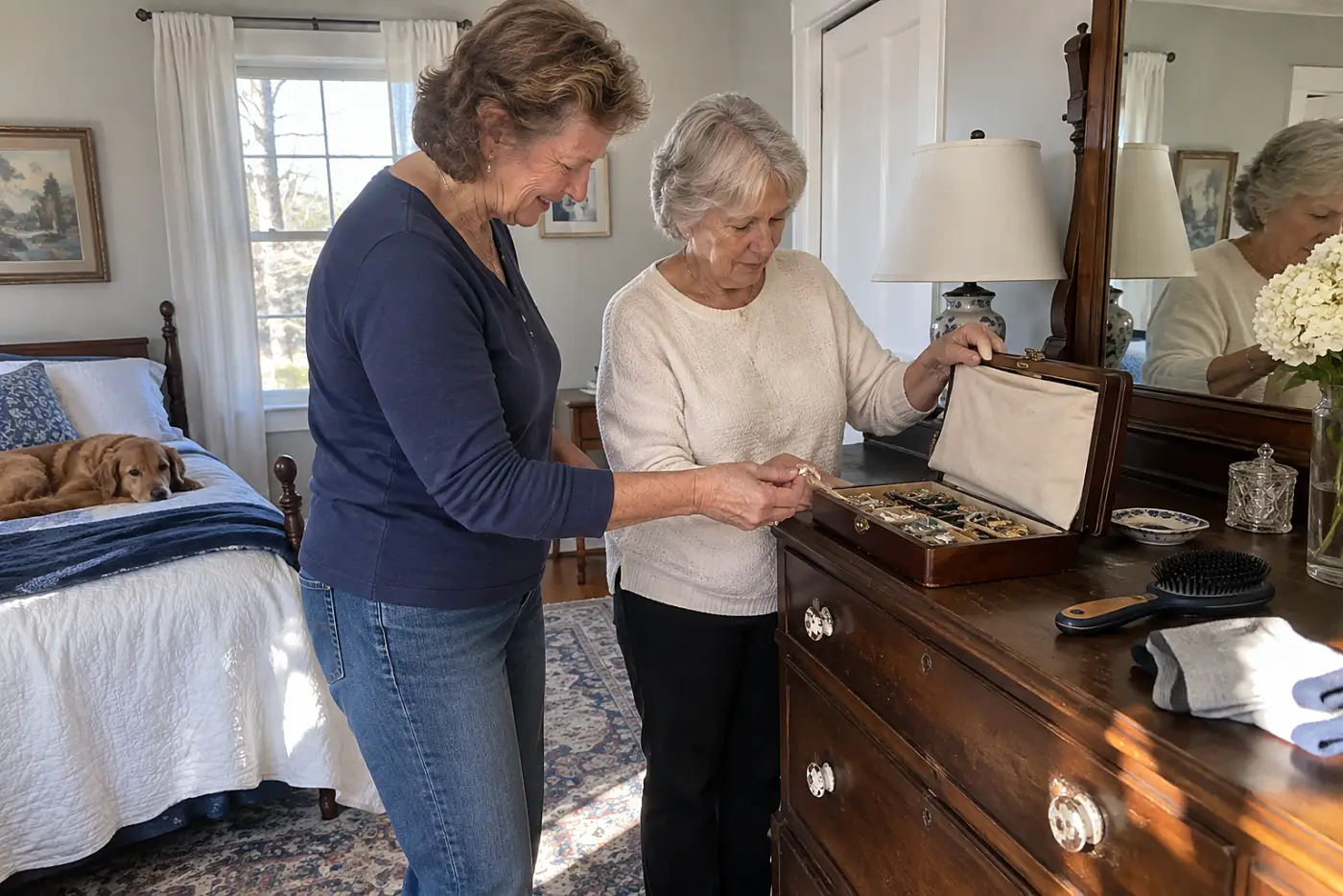
The empty-looking box has a second bottom.
Small earrings slip under a lining or into the fold of a cloth pouch. A fast donation sends the container away before anyone checks its seams. Drawers and side panels deserve the same search, even when the top tray looks empty.
Missing an earring is bad enough; giving away a piece with a family story is harder. You won't know it was inside by looking at the cleared dresser.
This week, empty the box onto a towel and lift every divider. Run a finger along the lining and check each pouch before closing the lid. Say, “I'm checking the compartments before this goes.”
A whole box can leave with even more still inside.
See more: 27 Reasons Your Mother's Jewelry Is Worth More Than You Think →
2The suitcase packed for the move
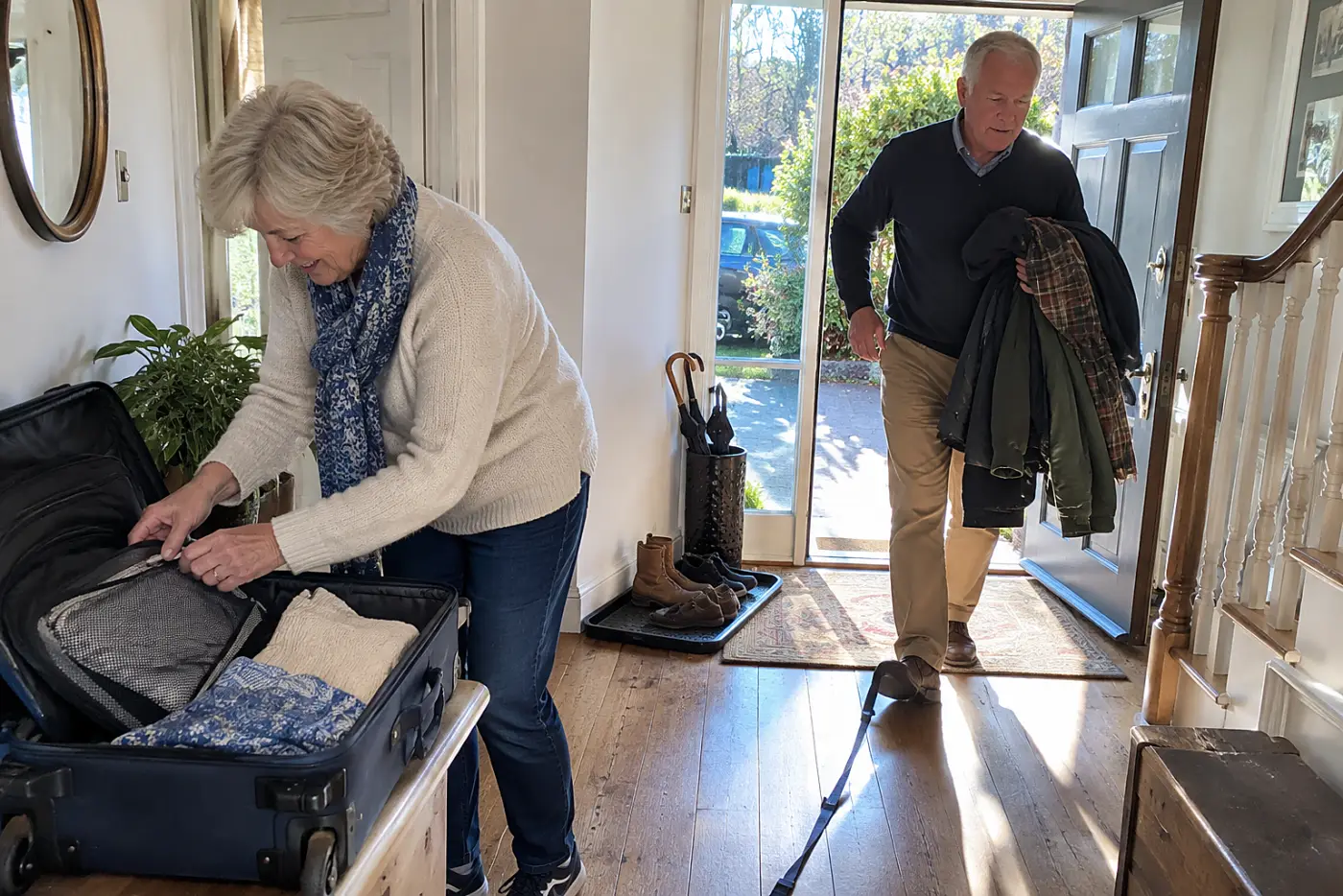
A suitcase labeled “donate” can hide your belongings.
Suitcases get used as moving containers because handles make them convenient. Later, a helper sees an old case by the door and assumes the whole thing is leaving. The contents go with it, including whatever you packed in the pockets.
That mistake is hard to spot from an empty shelf. By the time you remember where the missing item went, the suitcase has already traveled.
This week, unzip every pocket of every outgoing bag while it's still in your home. Leave each bag open after checking it. Say, “Nothing with a zipper leaves until I've looked inside.”
If a box has already gone, the next call matters more than another search.
1The donation-center call before sorting begins
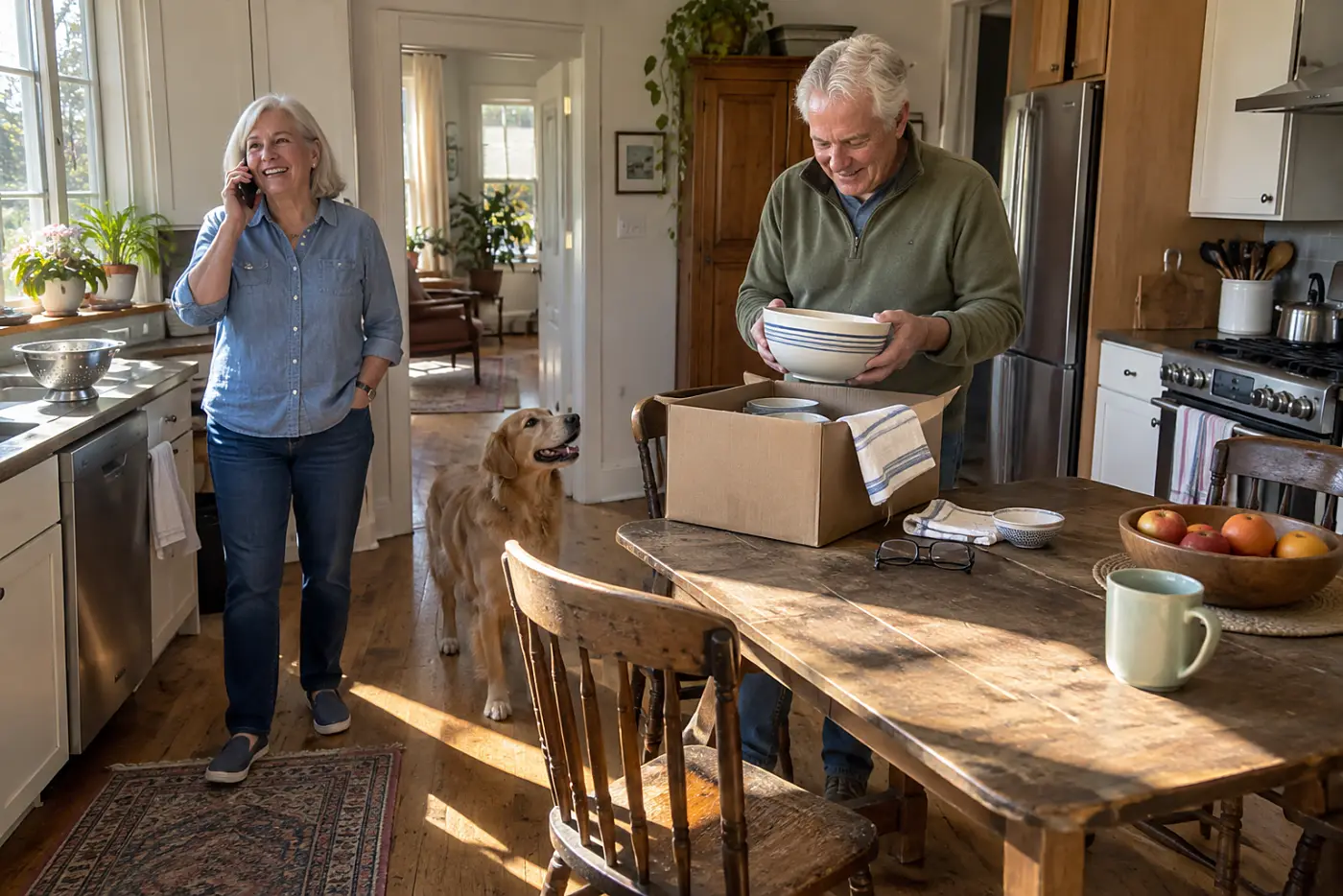
The box leaves your reach when sorting starts.
Find the drop-off location in your phone's map history, card activity, or donation paperwork. Call that location first, before searching the house again. Describe the container and one unmistakable item inside it, then ask whether staff have sorted the load or sent it elsewhere.
No center owes you the item back. The call still gives staff a place to look while the box is at that location.
This week, identify the location and the day you dropped it off. Write down what was in the box before you call. Say, “I dropped off a box by mistake. Has it been sorted, and is someone able to check?”
If the box moved, its destination is your next question. Write it down before the call ends.
The bottom line
The pattern behind all 25 losses is a decision made before you knew what the object held, did, or meant.
You've checked the pockets, matched the parts, and kept the things you still reach for. Anything that left by mistake needs a different kind of search.
Which of these has already happened in your family?
Up next
28 Steps on the Downsizing Checklist for Seniors, in Order
A measured doorway, a labeled donation bag and one box that stays with you turn a daunting move into decisions you can check.
Read the list →
Reader quiz
Did you catch the details?
5 questions from this article. Finish them all to unlock the editor's bonus tip.
What should you read from an appliance to find the right manual?
Did any of these feel familiar?
Know someone who needs this?
Sources cited in this article
This article links to 3 outside sources, listed here so you can read them yourself.
- Lodge's cast-iron care guide www.lodgecastiron.com/discover/cleaning-and-care/cast-iron
- Consumer Product Safety Commission recall database www.cpsc.gov/Recalls
- IRS Publication 523 www.irs.gov/publications/p523
David Ruiz
Home Editor
David writes about the house you have and the one you might move to: staying put, downsizing, repairs, and the small changes that stop a fall.
More from David Ruiz