










23 Things in Your Attic Worth More Than You Think, and the Ones Worth Nothing
That chipped Pyrex bowl deserves a closer look, but the stack of old newspapers probably doesn't.
By David Ruiz, Home Editor
Updated · 10 min read
- Written by our home editor
- How we review
Read to the end: #1 is the one check that protects a valuable find, and almost nobody does it.
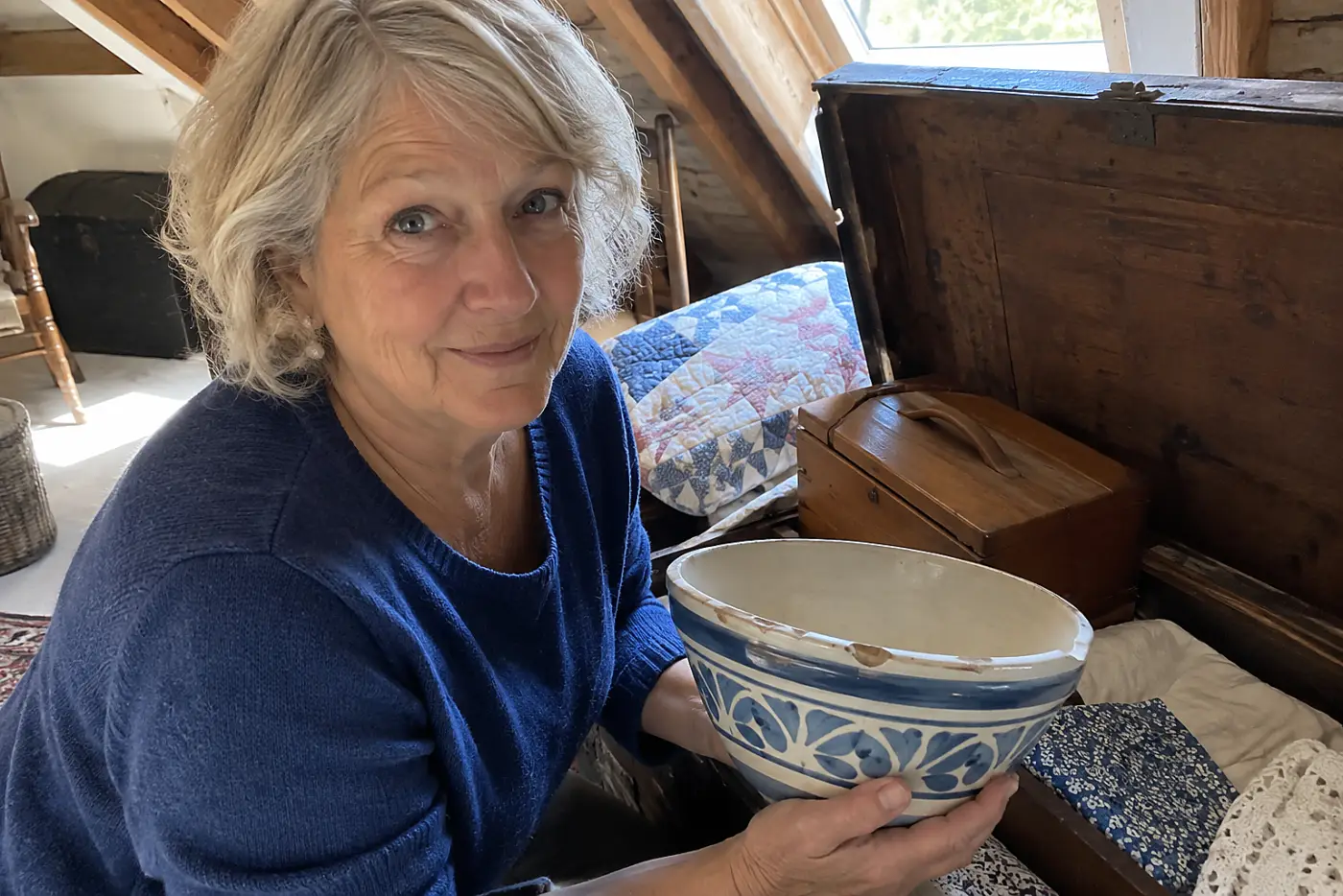
The attic hatch sticks, and the first box holds a chipped bowl wrapped in a dish towel. You remember using it. That doesn't tell you what a buyer will pay, and neither does the dust. Condition, maker, completeness and actual sales matter more than how long you've kept something.
Here are 23 things worth checking, keeping or finally letting go.
23The Box of Old Newspapers
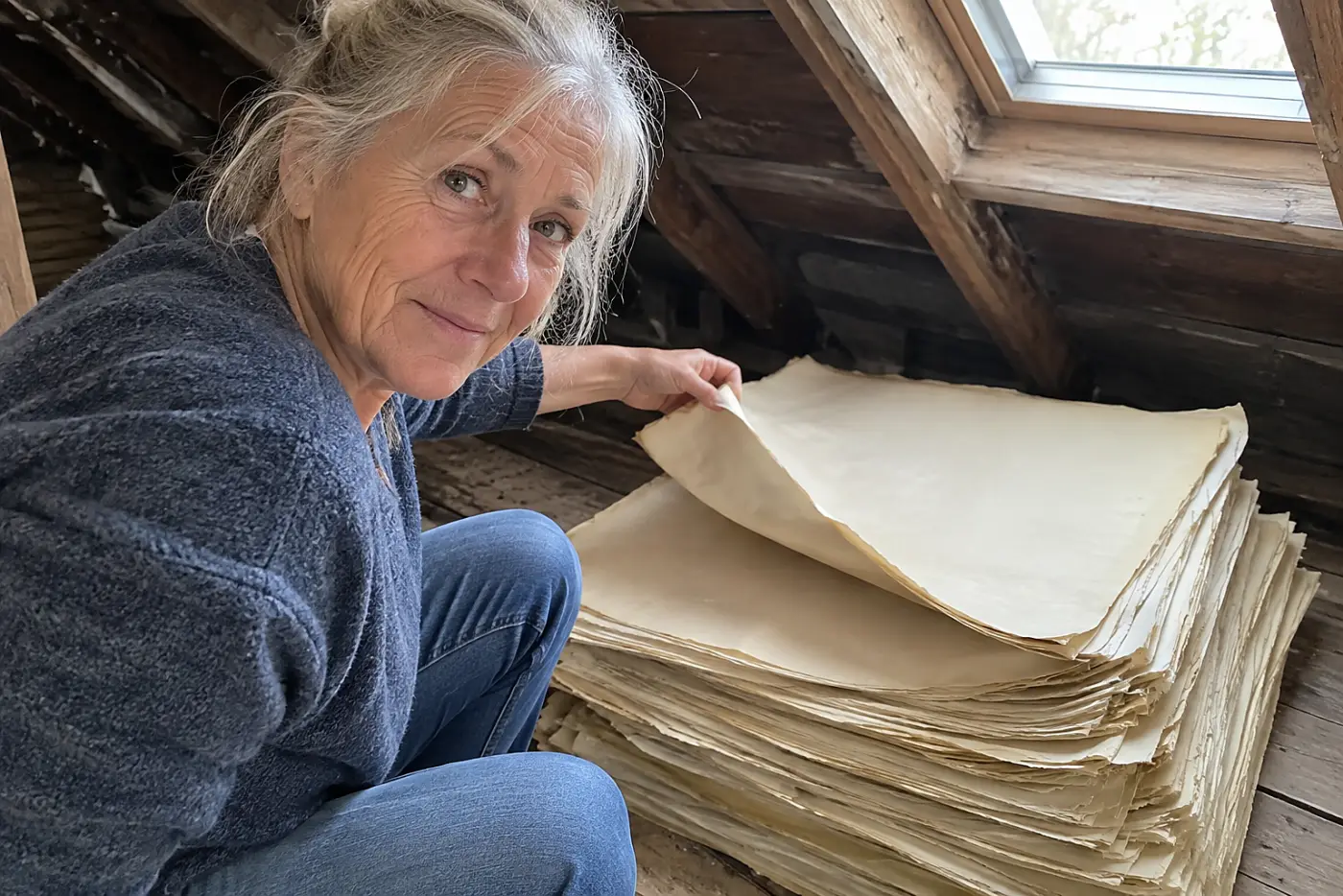
The yellowed stack looks historic until you unfold it.
Ordinary newspapers were printed in huge numbers, and attic storage leaves them brittle. A major event on the front page doesn't guarantee a buyer. Your family's clippings tell a different story, even when their resale value is small.
Keep the pages with a family connection and recycle the rest if local rules allow it.
22The Chipped Pyrex Mixing Bowl
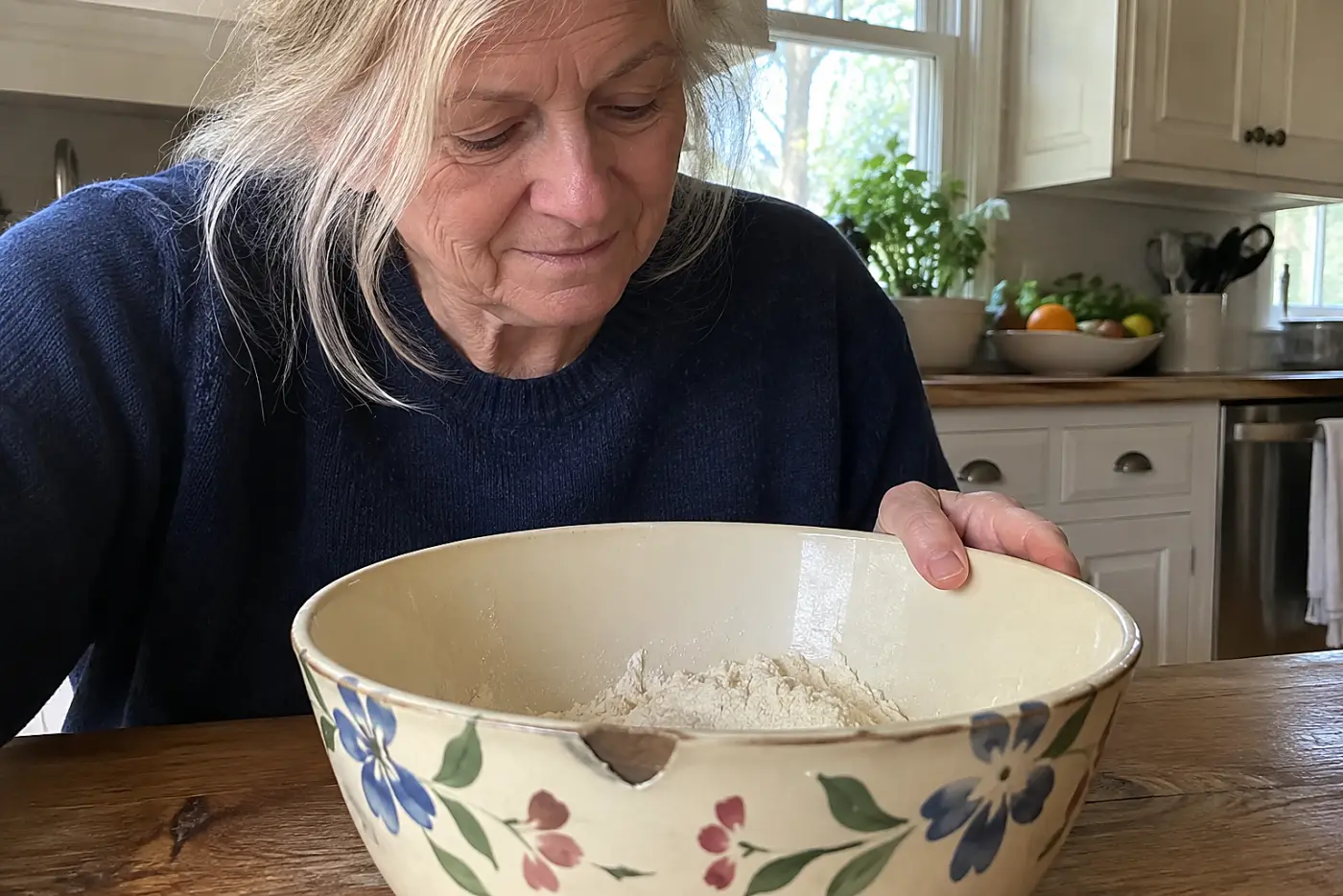
That bright bowl still has a place in your hands.
Older Pyrex bowls draw interest for their colors, patterns and complete nesting sets. A chip on the rim changes the picture: collectors check closely for damage, fading and dishwasher wear.
Some bowls use the same shape but carry different patterns, so the design matters as much as the dish itself. Set it on a towel before turning it over; another knock won't help.
Photograph the pattern and underside, then compare matching bowls in completed-sales listings.
See more: 27 Things Every 1970s Kitchen Had That Your Grandchildren Have Never Seen →
21The Cracked Porcelain Doll
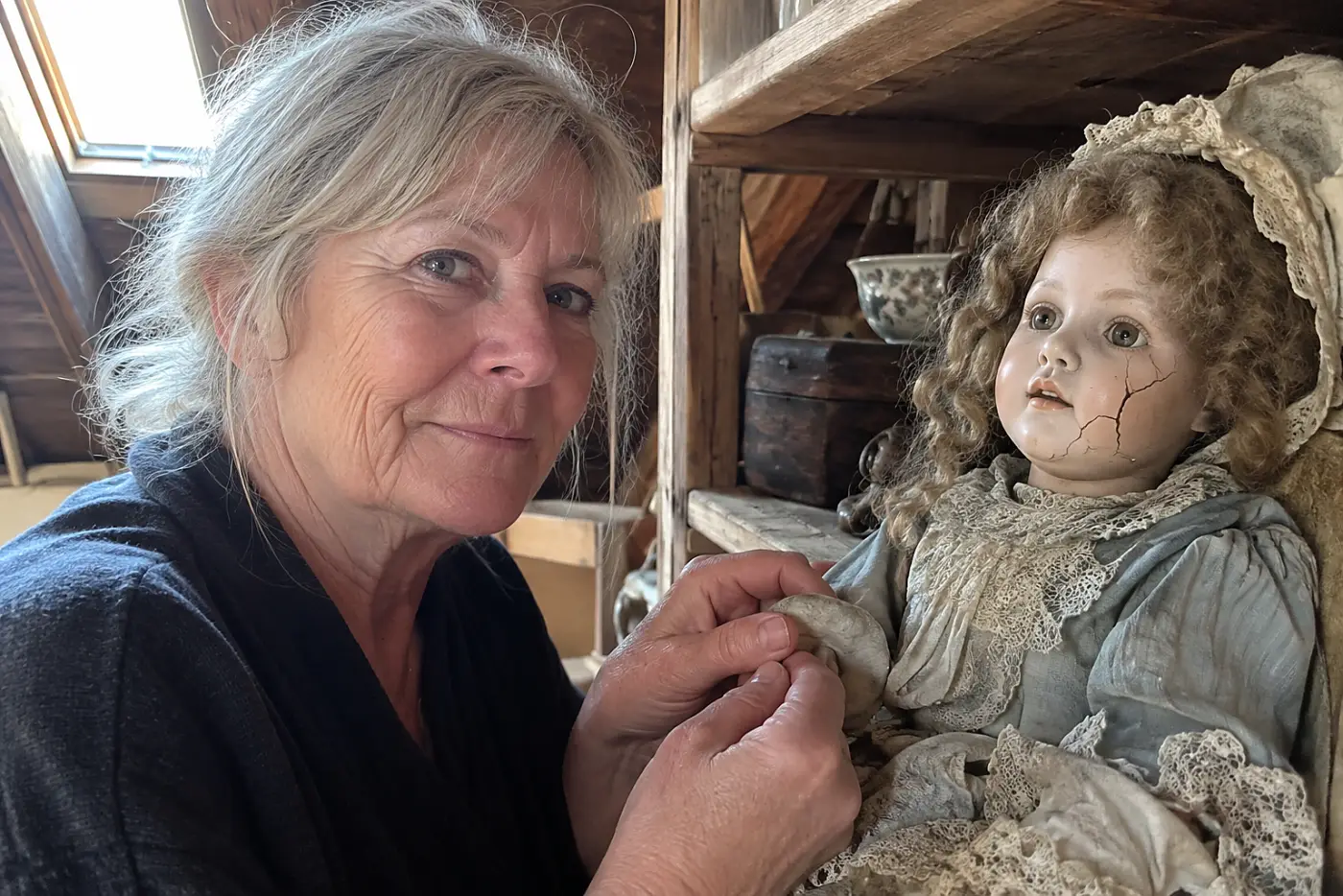
Her painted face survived; the crack across it didn't.
A doll's age alone doesn't establish value. Maker marks, original clothes and an intact body matter, while repairs and cracks need honest disclosure. The one you loved as a child still holds that memory without being a collector's prize.
Check the back of her head for a maker's mark before deciding where she belongs.
20The Cast-Iron Doorstop
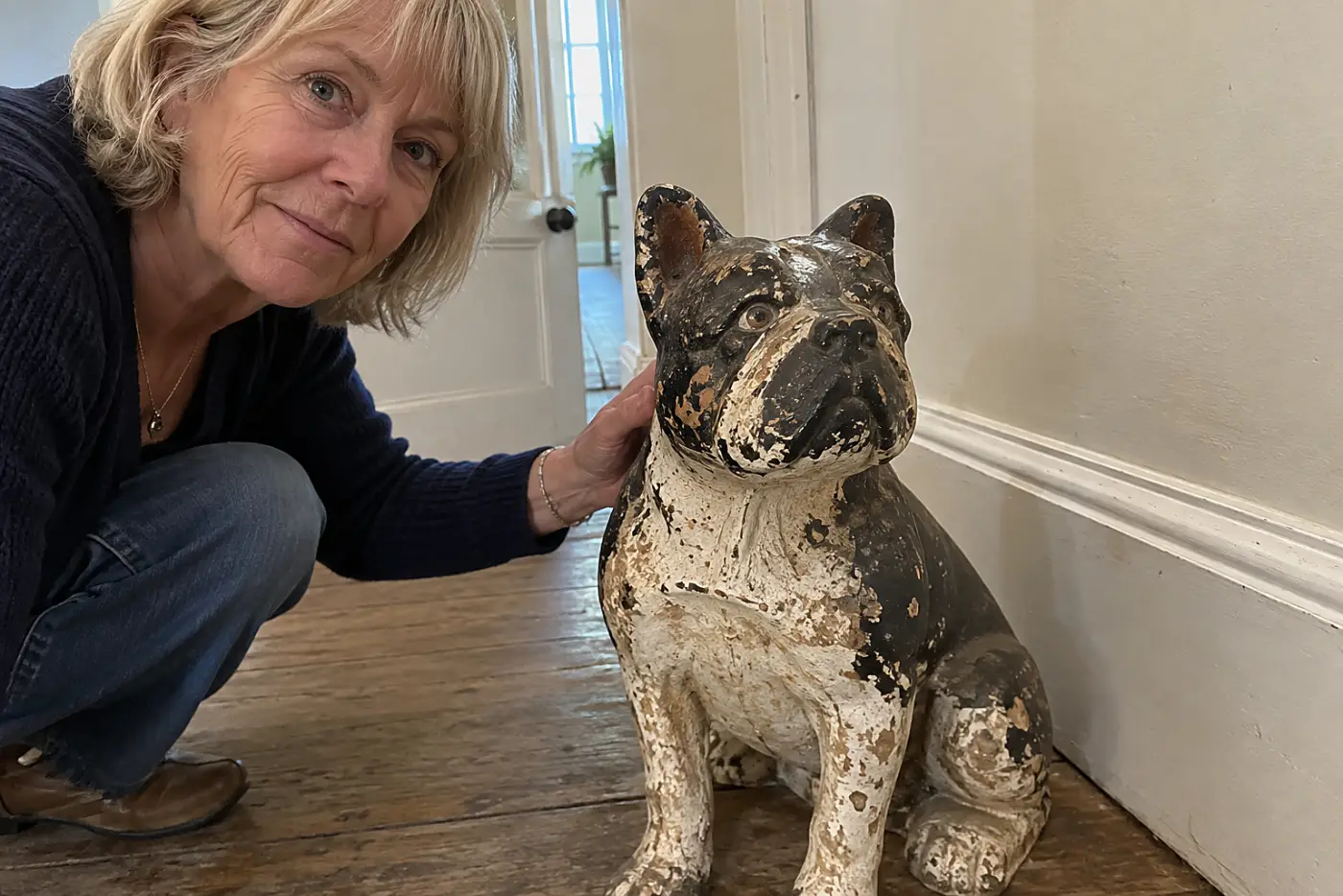
The heavy dog has chipped paint and unmistakable weight.
Cast-iron doorstops sat near doors, where scuffs were part of daily life. Older examples draw attention for their casting detail and original paint, but later reproductions share familiar shapes.
A seam, screw and paint surface deserve closer inspection than the animal's expression. Don't sand it to make it presentable; stripping old paint removes evidence a dealer wants to see.
Take clear photos of both sides and the underside for a local antiques dealer.
19The Loose Costume Earrings
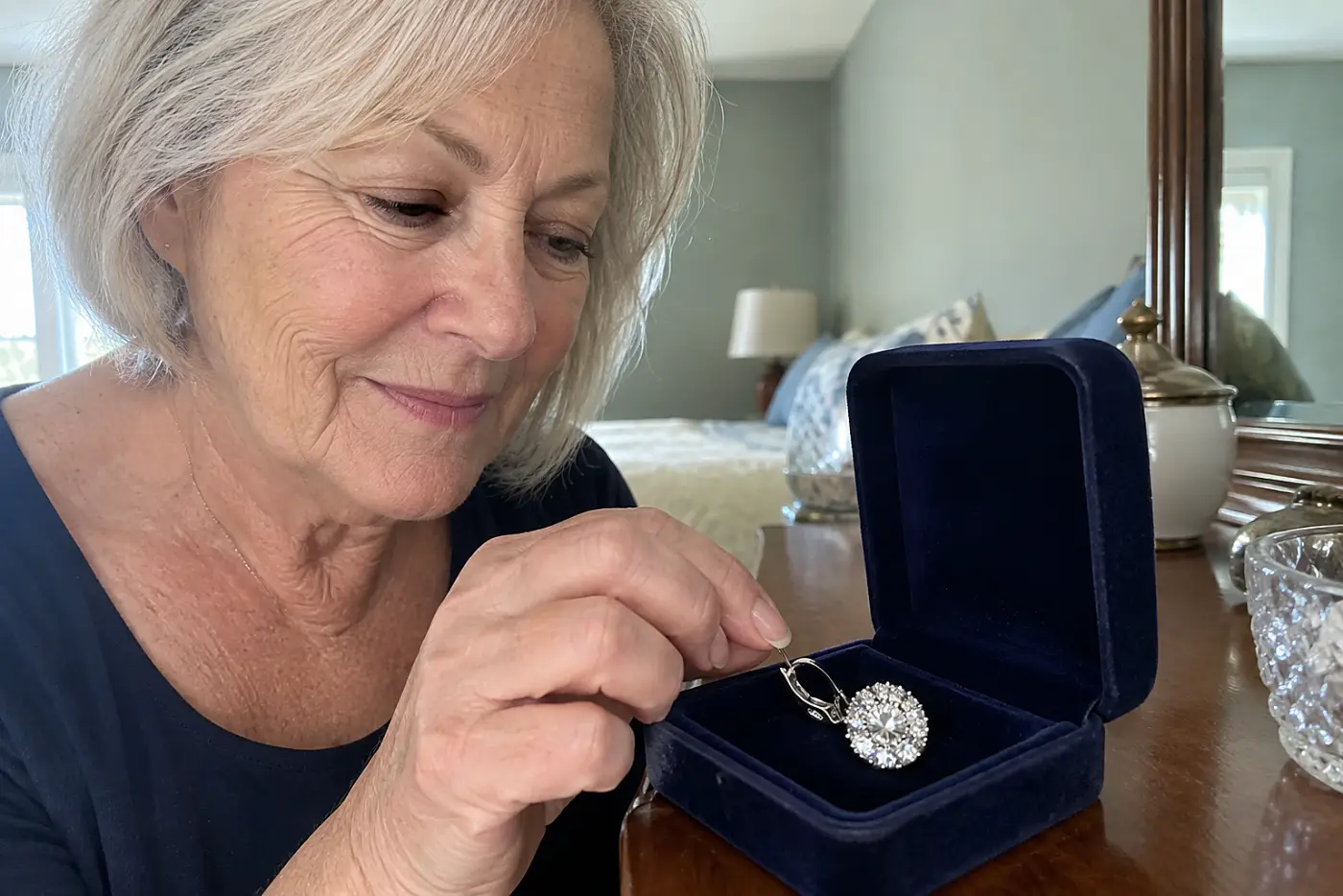
One glittering earring sits alone in a velvet box.
Costume jewelry needs a closer look than its name suggests. Signed pieces, intact stones and matching pairs stand apart from loose, damaged pieces. A missing mate matters unless someone wants the surviving earring for repair.
Look for a stamp on the clip or post before sorting the singles into a repair pile.
See more: 23 Things in Your Closet Keeping You Stuck in 2009 →
18The Painted Tin Lunchbox
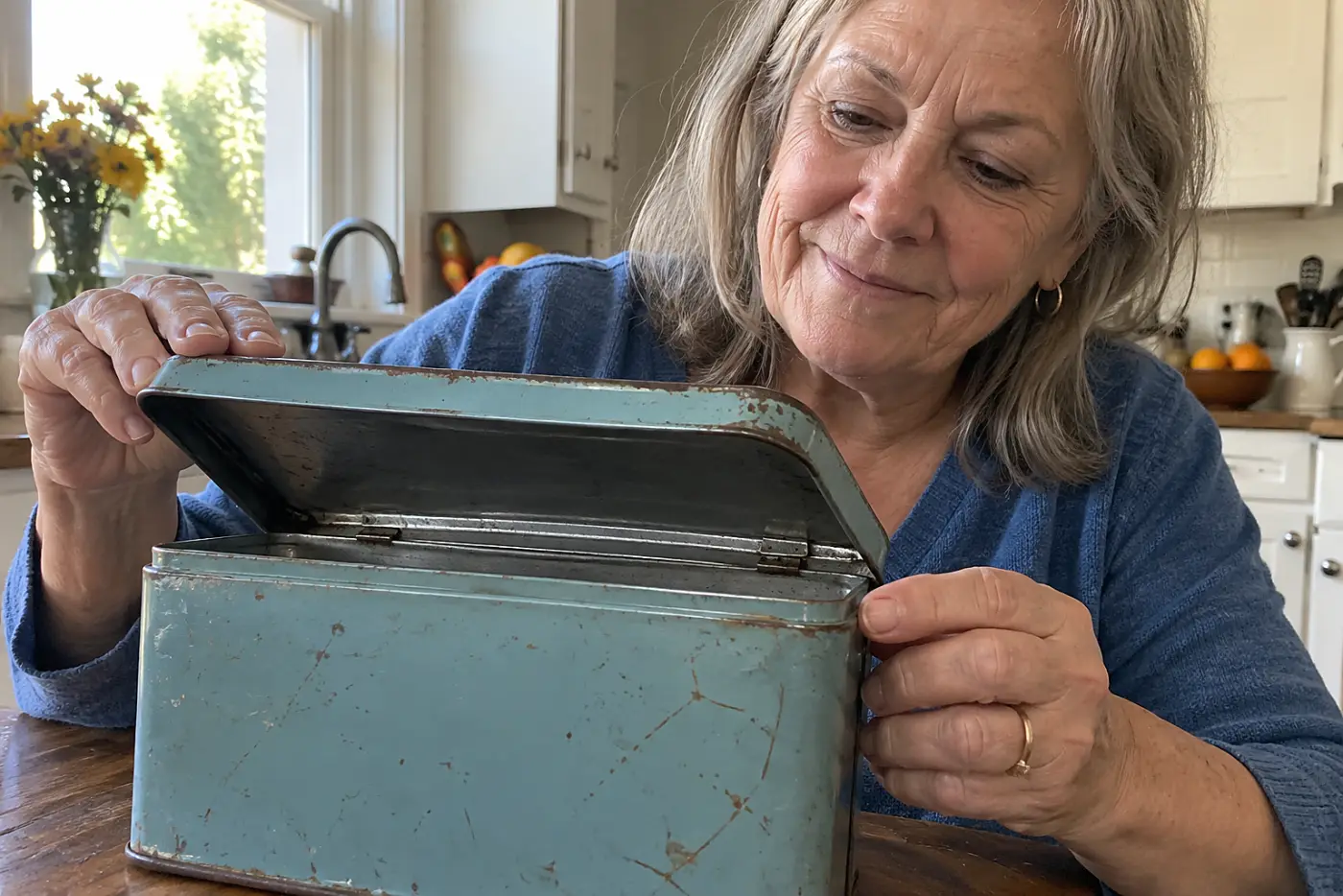
The metal box still carries its old classroom dents.
Illustrated lunchboxes had a hard working life. The matching thermos, intact handle and bright artwork give a collector more to consider than age alone. Rust along the bottom and a replaced latch change the comparison. Your memory of carrying it to school is real; a buyer will look first at what's left of the box.
Check inside for the thermos, then search completed sales for the same design and condition.
17The Stack of Paperback Novels

Their bent spines tell you they were read.
Most mass-market paperbacks are plentiful, even when the covers feel wonderfully familiar. Early printings, signed copies and striking cover art call for a separate check. The dog-eared beach read doesn't need to stay upstairs merely because it came from another decade.
Pull out signed or unusual copies, then donate the clean remainder.
16The Teak Sewing Box
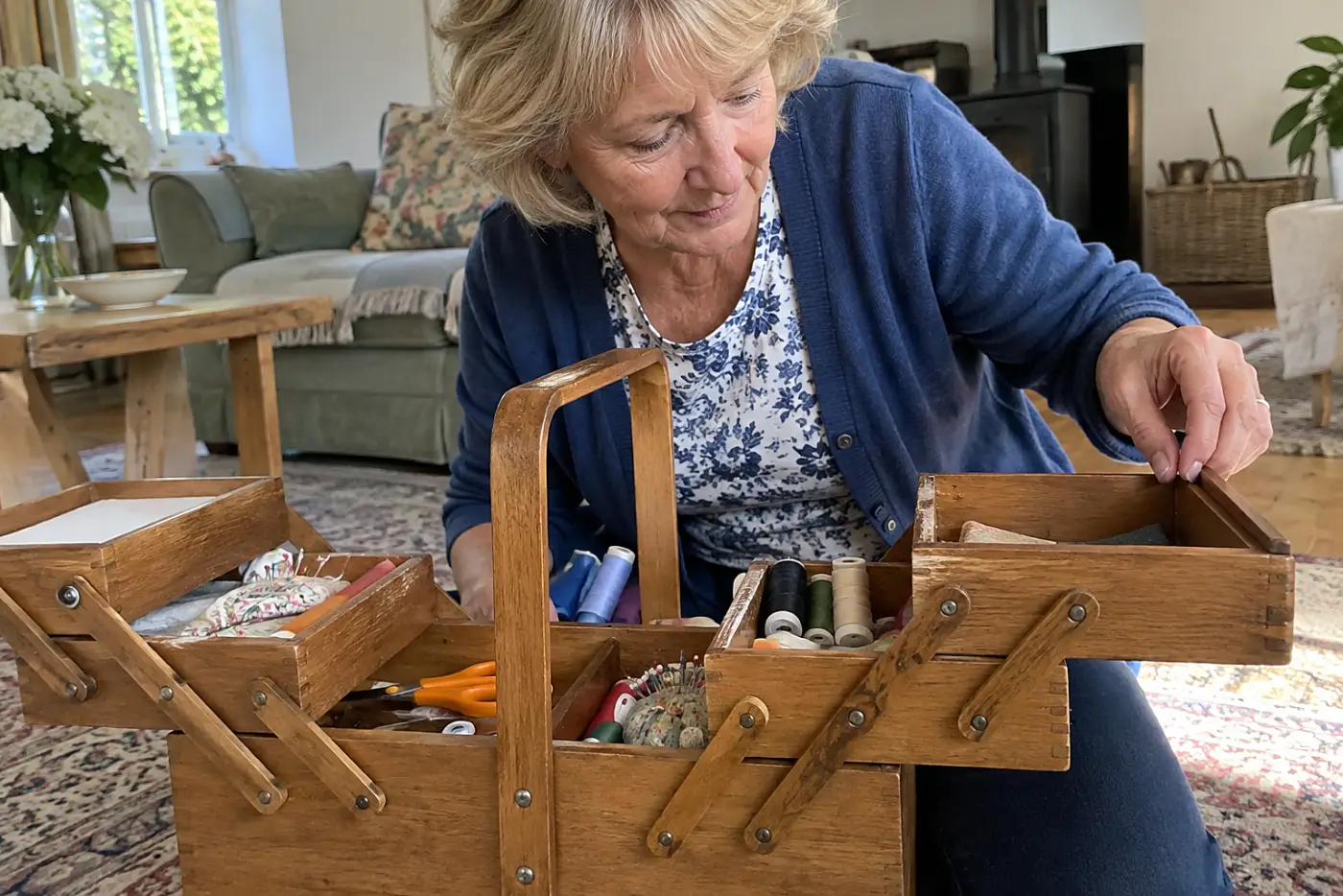
The folding wooden box opens like a small staircase.
Midcentury sewing boxes earned their space beside a chair: thread stayed visible without spilling across the floor. Solid joints, original legs and unbroken trays matter when someone wants to use one again.
Check underneath for a maker's mark, but don't assume an unmarked box is worthless. The loose hinge you meant to fix is part of its condition, not a secret to tuck away.
Open every tier, photograph the joints and compare completed sales for similar boxes.
15The Brass School Bell
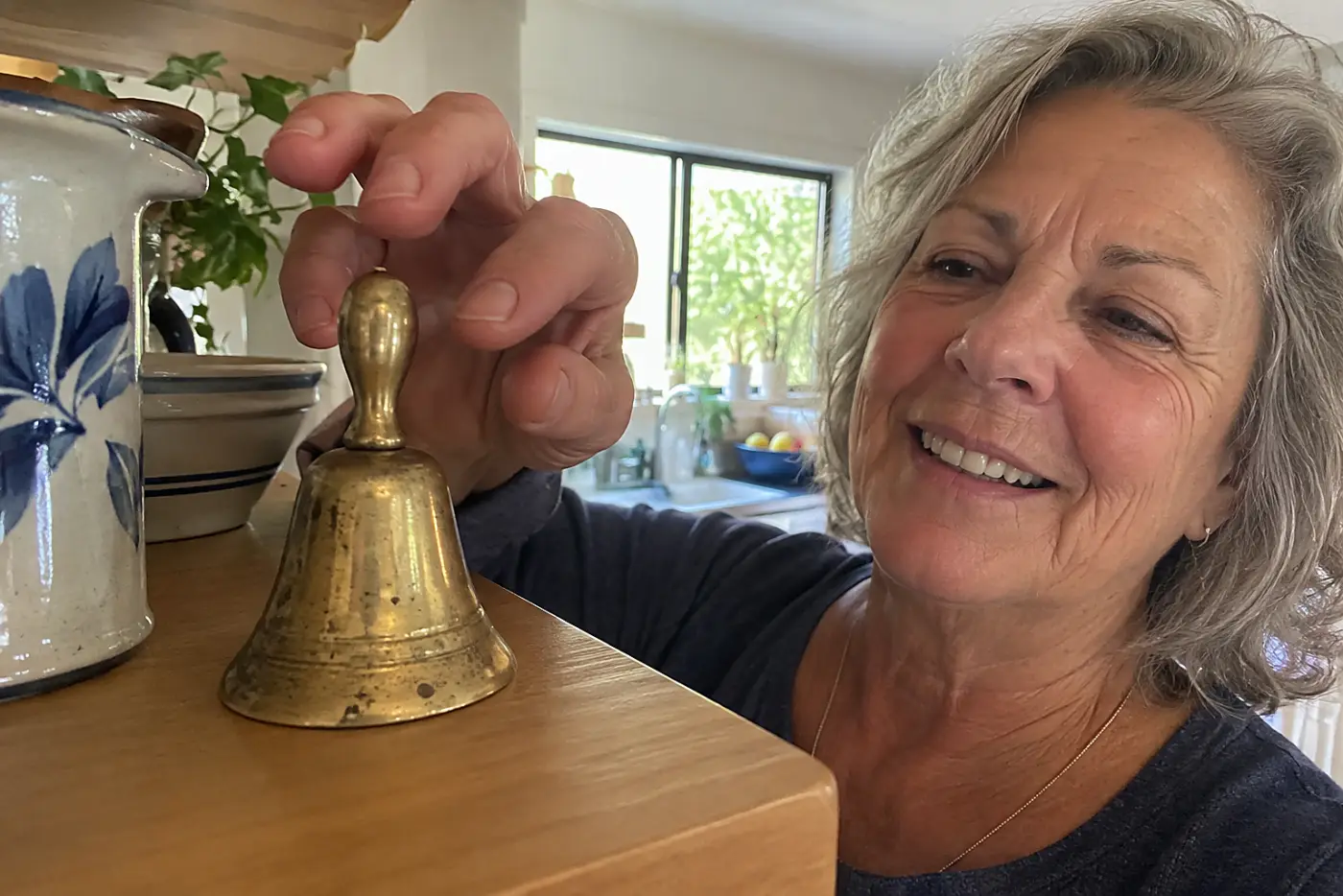
The little bell sounds clearer than it looks.
A plain brass bell isn't automatically rare. Its origin, markings and condition give you something to investigate; a family connection gives you a reason to keep it. If it sat on your grandmother's kitchen shelf, write that down now.
Check the handle and inside rim for marks, then decide whether its story matters more than a sale.
14The Hand-Stitched Quilt

The faded squares still show where somebody's hands worked.
A quilt holds more than fabric: worn shirt pieces, careful stitches and choices made at a kitchen table. Collectors look at age, design, condition and documented origin.
Stains, weak seams and missing patches need attention before it goes anywhere near a washing machine. If you know who made it, that name belongs with the quilt, even if you never sell it.
Spread it flat for photographs and ask a quilt specialist before cleaning or repairing it.
See more: 23 Signs the Clutter Is Really Grief →
13The Box of VHS Movies
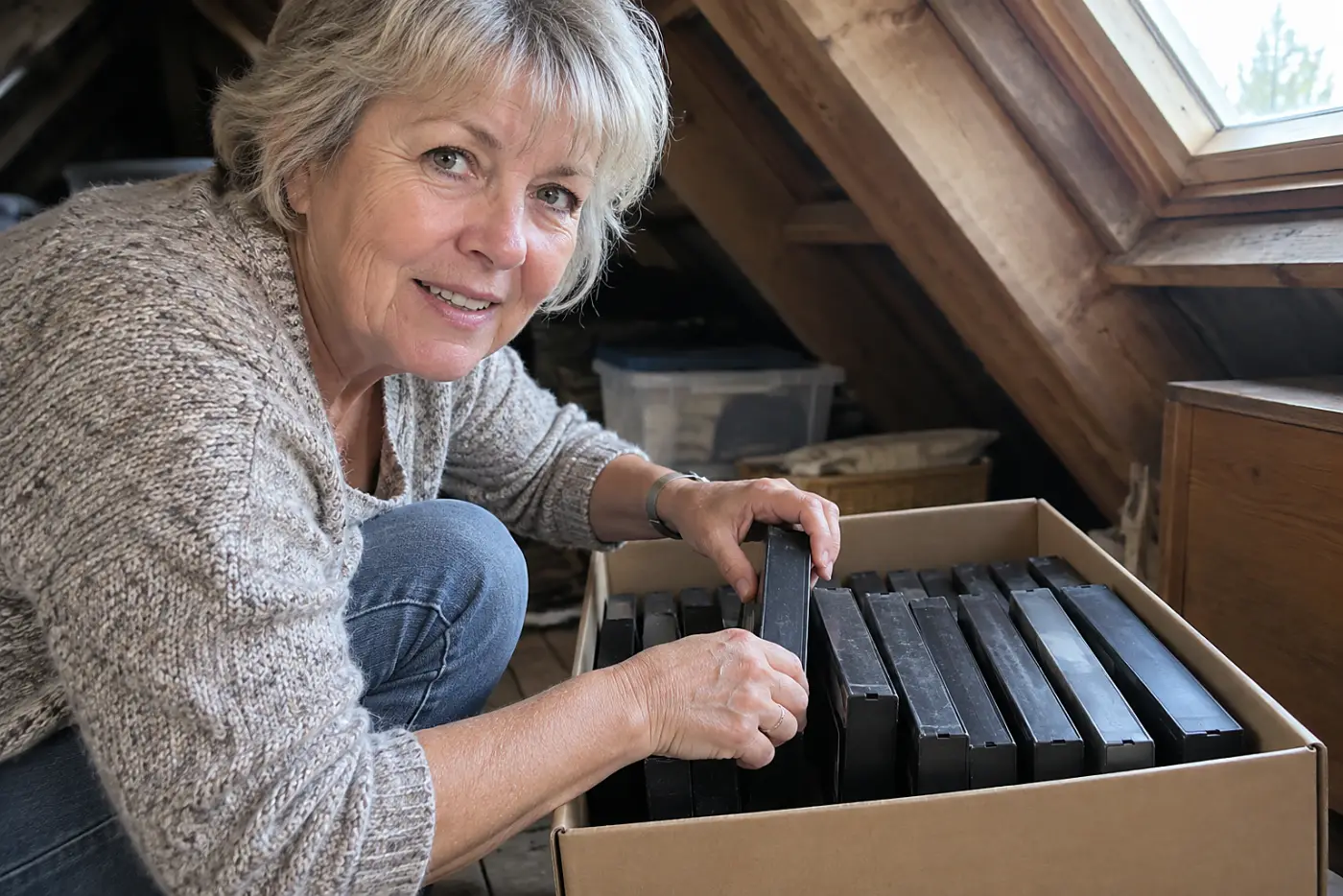
The plastic cases fill more space than the films.
Most common VHS releases don't become valuable because they're old or sealed. Unusual editions and genuinely scarce titles deserve individual checking, not a blanket price claim. That box of familiar movies is mostly a storage decision.
Search completed sales by exact edition, then check local recycling rules for the unsold tapes.
See more: 23 Rooms That Tell Visitors Your Age Without a Word →
12The Bakelite Bangle
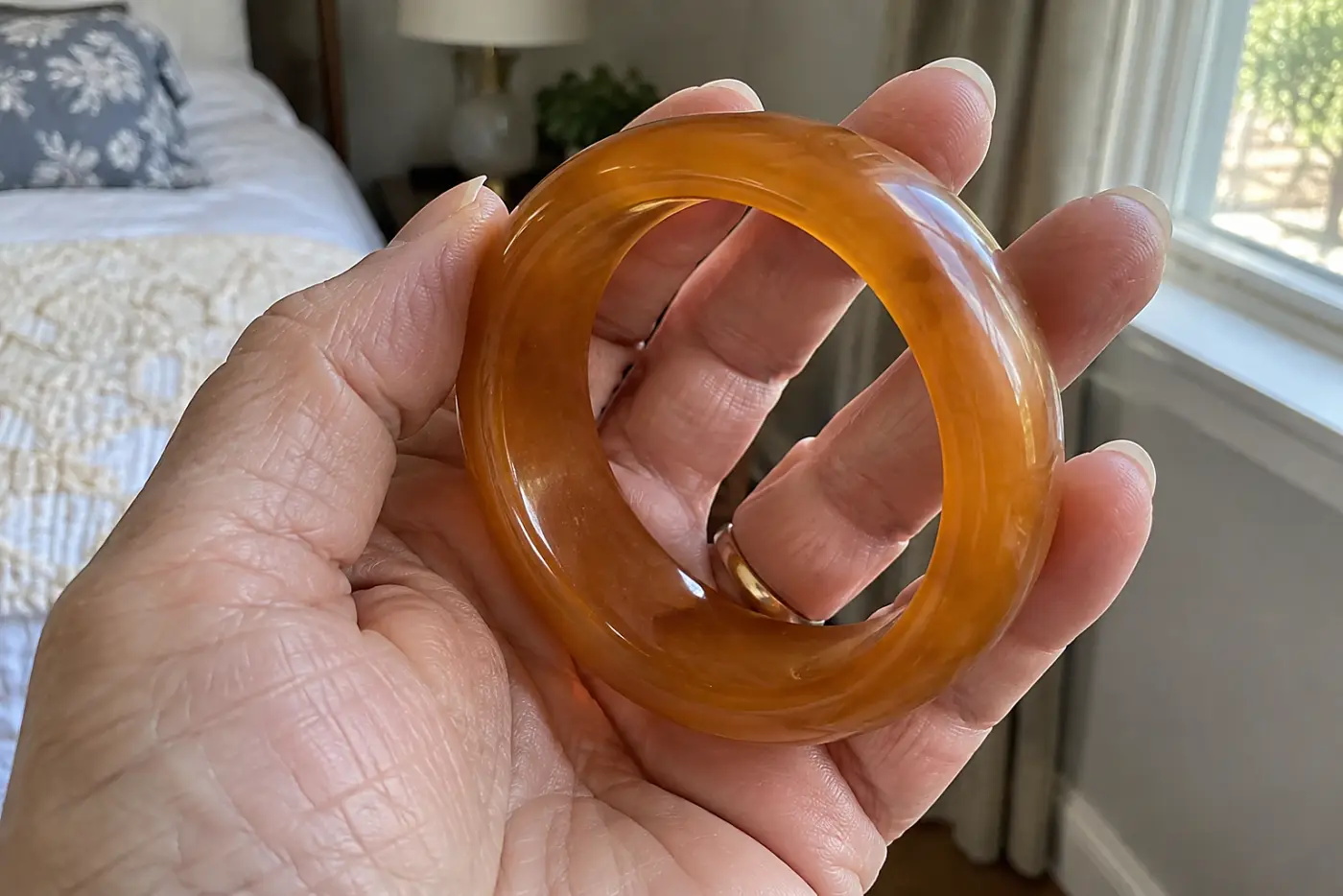
The thick bracelet looks warmer than ordinary plastic.
Bakelite jewelry appears in bold colors and substantial shapes, but other plastics resemble it. Cracks, repairs and heavy polishing affect what a collector sees. Don't try a hot-pin test on your bracelet; it damages the piece and tells you too little.
If your mother wore it every Sunday, photograph her wearing it alongside the bangle. That history belongs to you, whatever the material turns out to be.
Have a vintage jewelry dealer examine it before listing it as Bakelite.
11The Rusted Cookie Tins
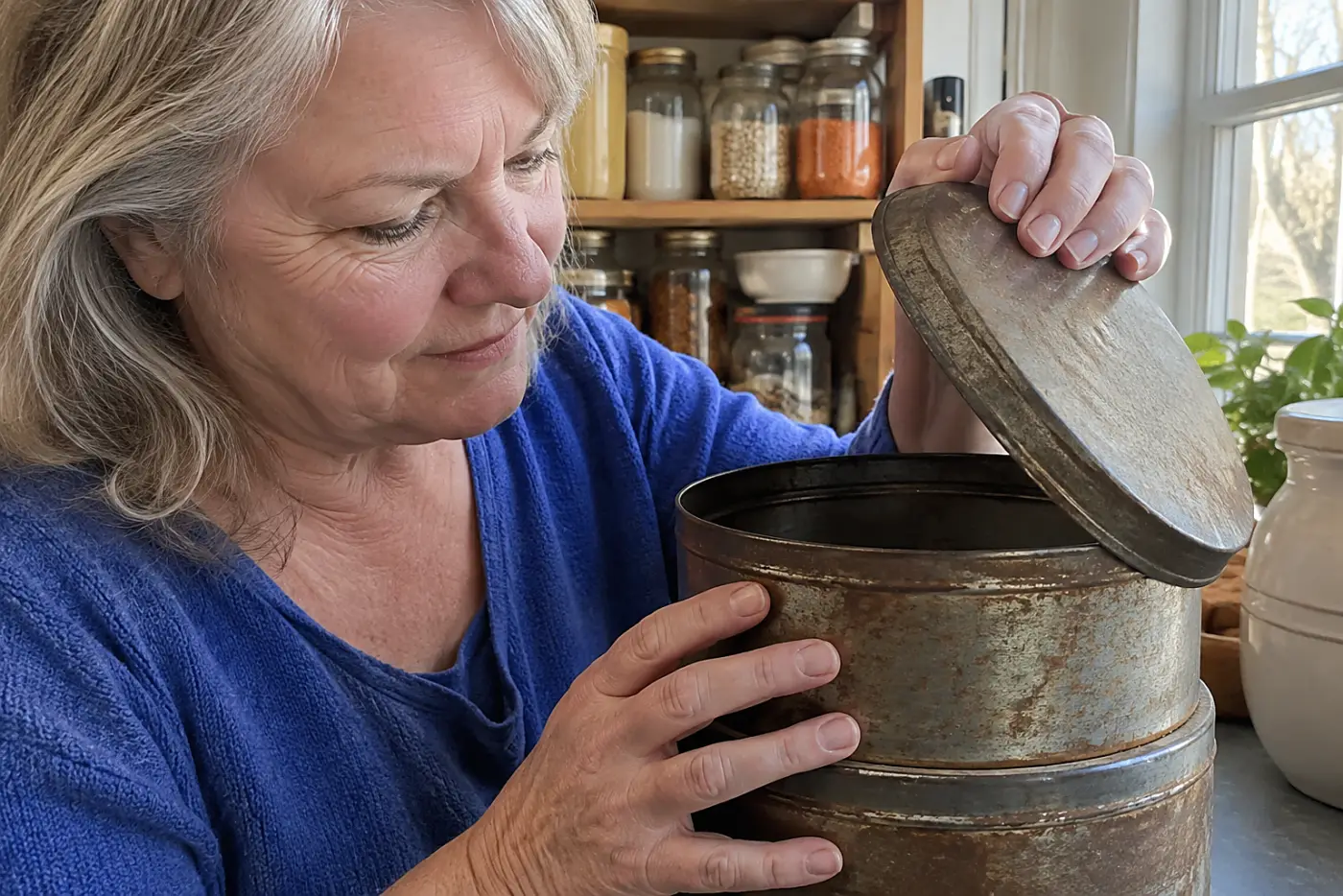
The bright lids hide rust along the bottoms.
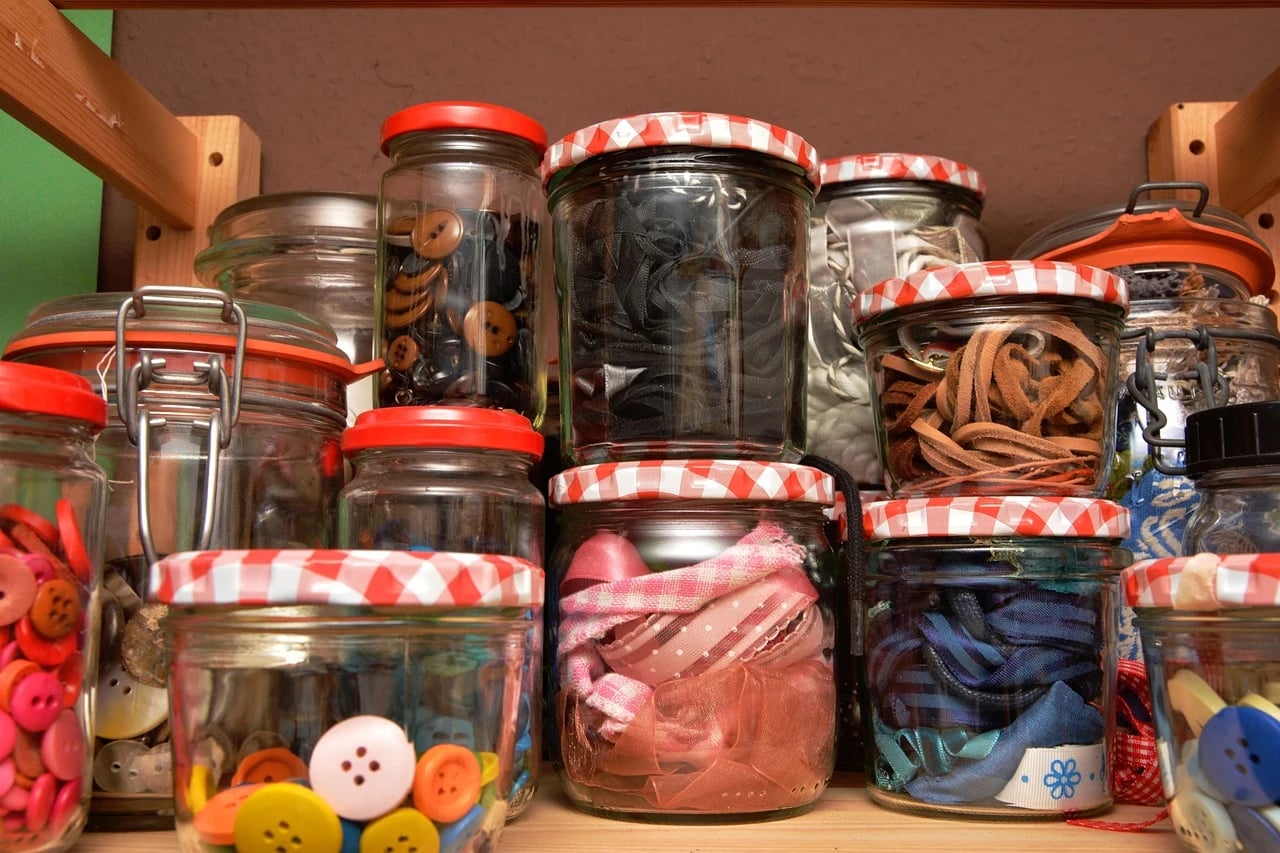
Decorative tins survived because they held buttons, receipts and holiday odds and ends. Common examples with dents or rust seldom justify keeping a whole stack. Your mother's button tin, though, still does its job.
Empty each tin onto a tray, keep the useful one and recycle the damaged extras where accepted.
10The Mechanical Wristwatch
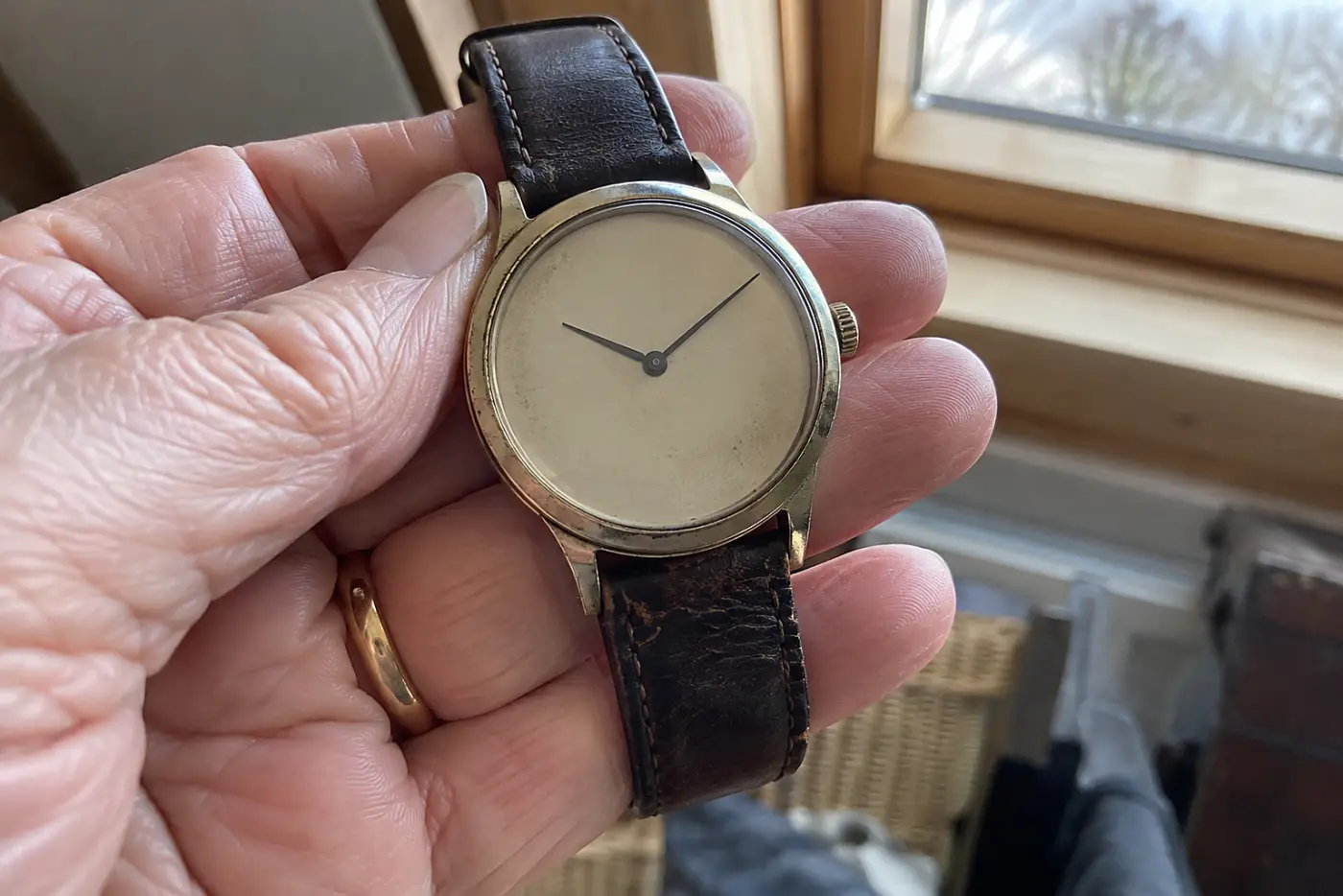
The watch has stopped, but its case still feels substantial.
A mechanical watch needs its maker, model and condition identified before anyone talks value. An original dial and matching parts matter; a shiny replacement isn't automatically an improvement.
Don't wind a watch that resists, and don't polish away the case details. You kept it because it belonged to someone. That history stays yours even if a repair costs more than you want to spend.
Photograph the dial and case back, then take it to a reputable watchmaker for an assessment.
9The Box of Old Cables
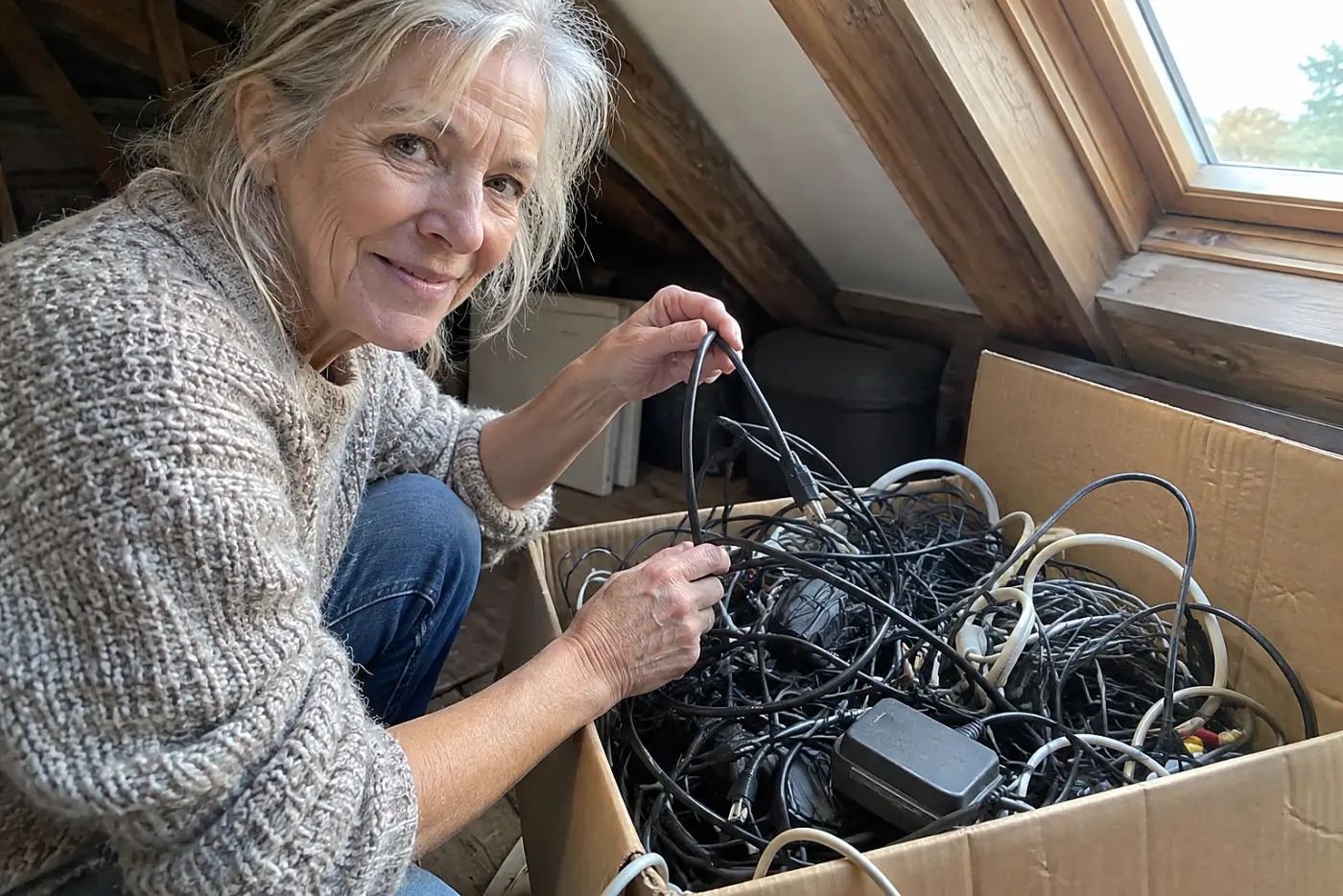
The tangled cords look like a problem you postponed.
Most obsolete household cables have little resale appeal. A cord attached to a working vintage device is different: separating them makes that device harder to demonstrate. Loose mystery cords don't deserve permanent attic space.
Match what you recognize to its device, then take the leftovers to an electronics recycler.
8The Framed Needlepoint
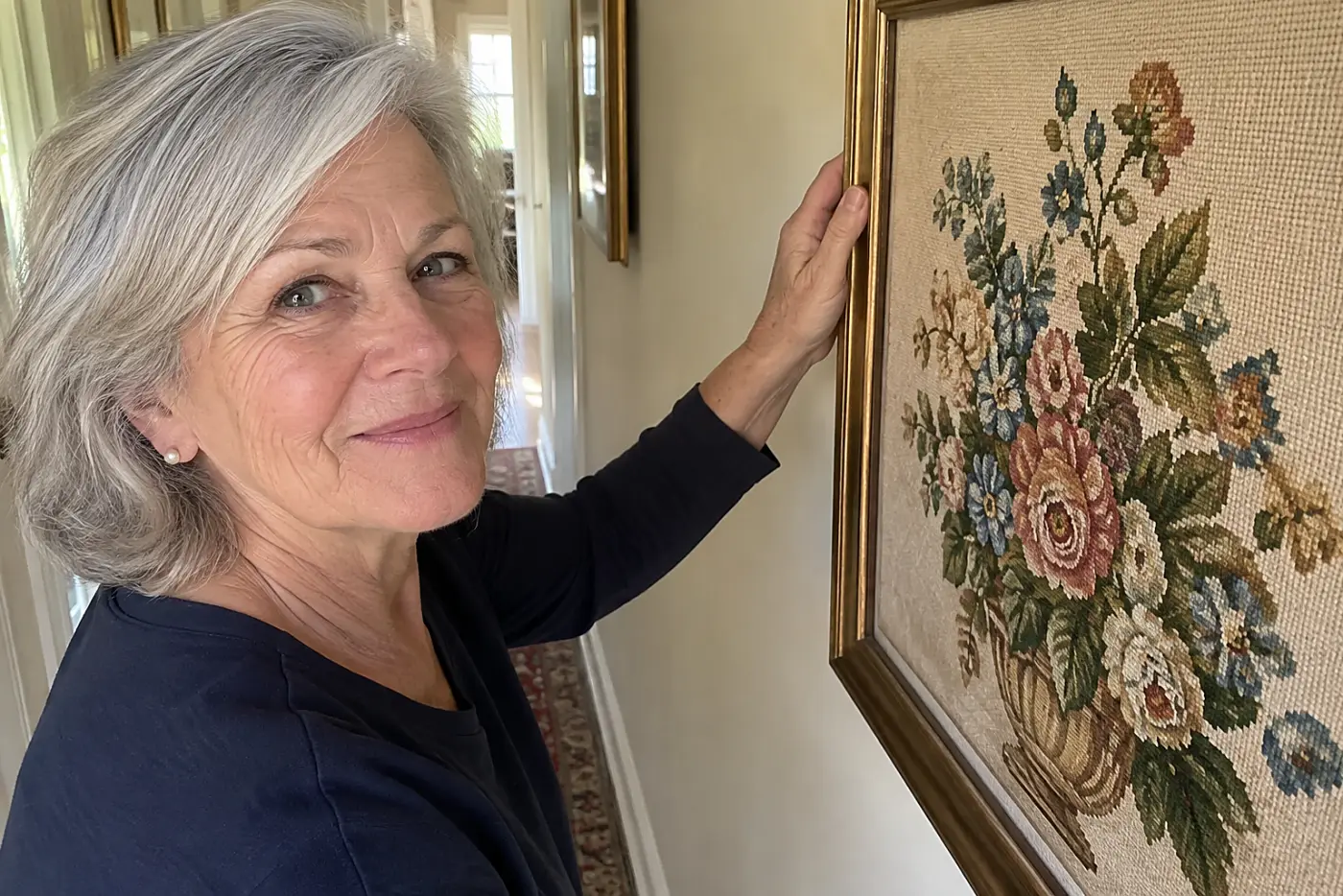
The small stitched scene has a familiar spot on the wall.
A handmade needlepoint brings back the chair, lamp and person who worked on it. Resale depends on the design, workmanship, condition and frame; hours spent stitching don't set the price.
Check the back before discarding an unwanted piece. A date or family note there matters more to you than to a stranger. Keep that information with the work, even if you change the frame.
Photograph both sides, then offer it within the family before seeking a buyer.
7The Hand-Crank Coffee Grinder
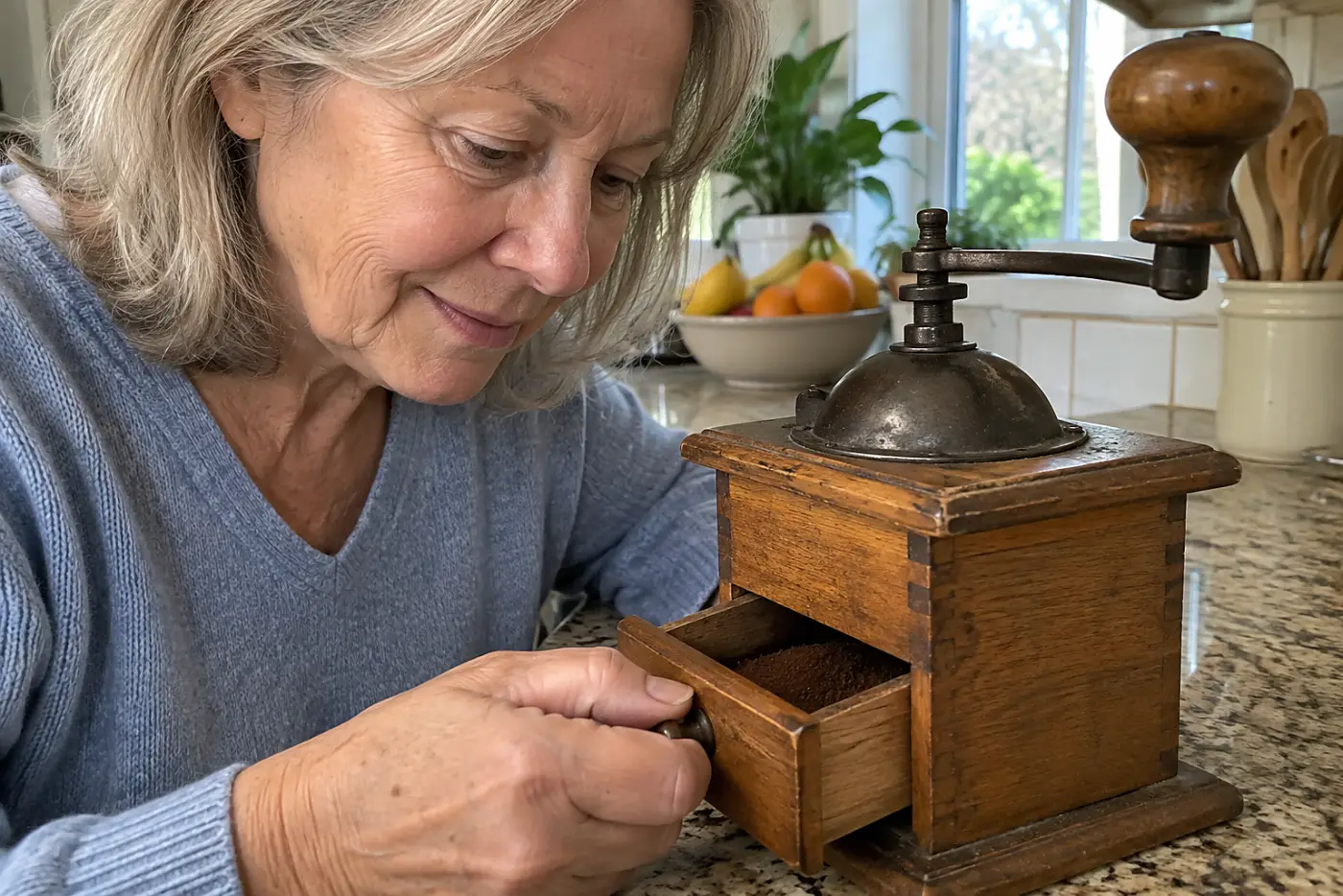
The wooden box still smells faintly of coffee.
Old grinders attract buyers who care about the maker, complete mechanism and original finish. A missing drawer or replaced crank deserves mention. Your grandfather's morning routine doesn't show up in a sales listing, but the grinder itself deserves checking.
Look for a maker's mark and photograph the burrs without taking the mechanism apart.
6The Rolled Movie Posters
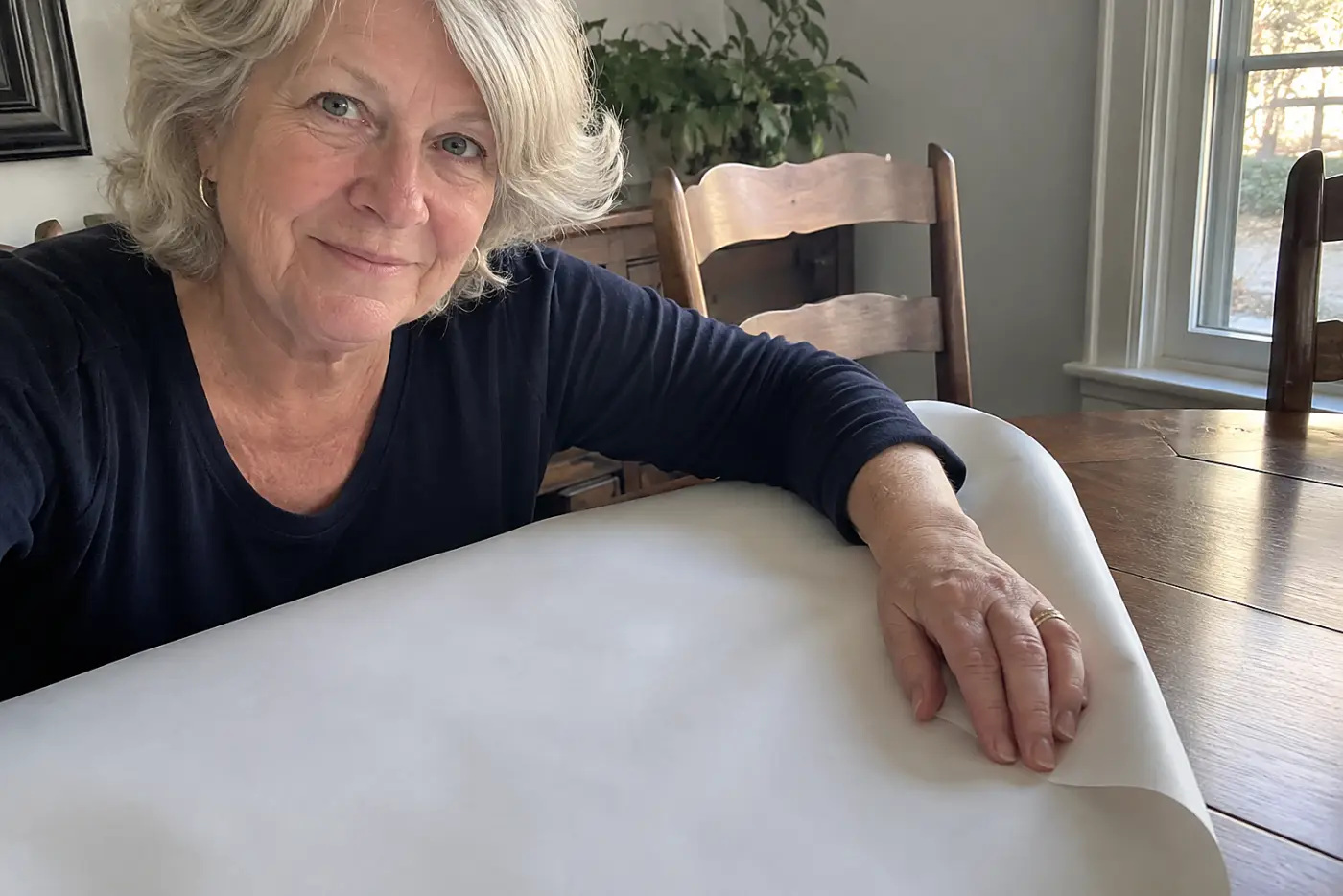
The paper curls back the moment you release it.
An original theatrical poster differs from a later reproduction, and the difference matters. Size, printing, condition and provenance all need checking before you assume the familiar image is valuable.
Pinholes and tape stains count. So does the way it was stored: folding and damp leave marks you can't wish away. That poster you saved after a first date still earns its place, regardless of the market.
Measure it, photograph the edges and consult a poster dealer before flattening or framing it.
5The Silverplate Serving Tray
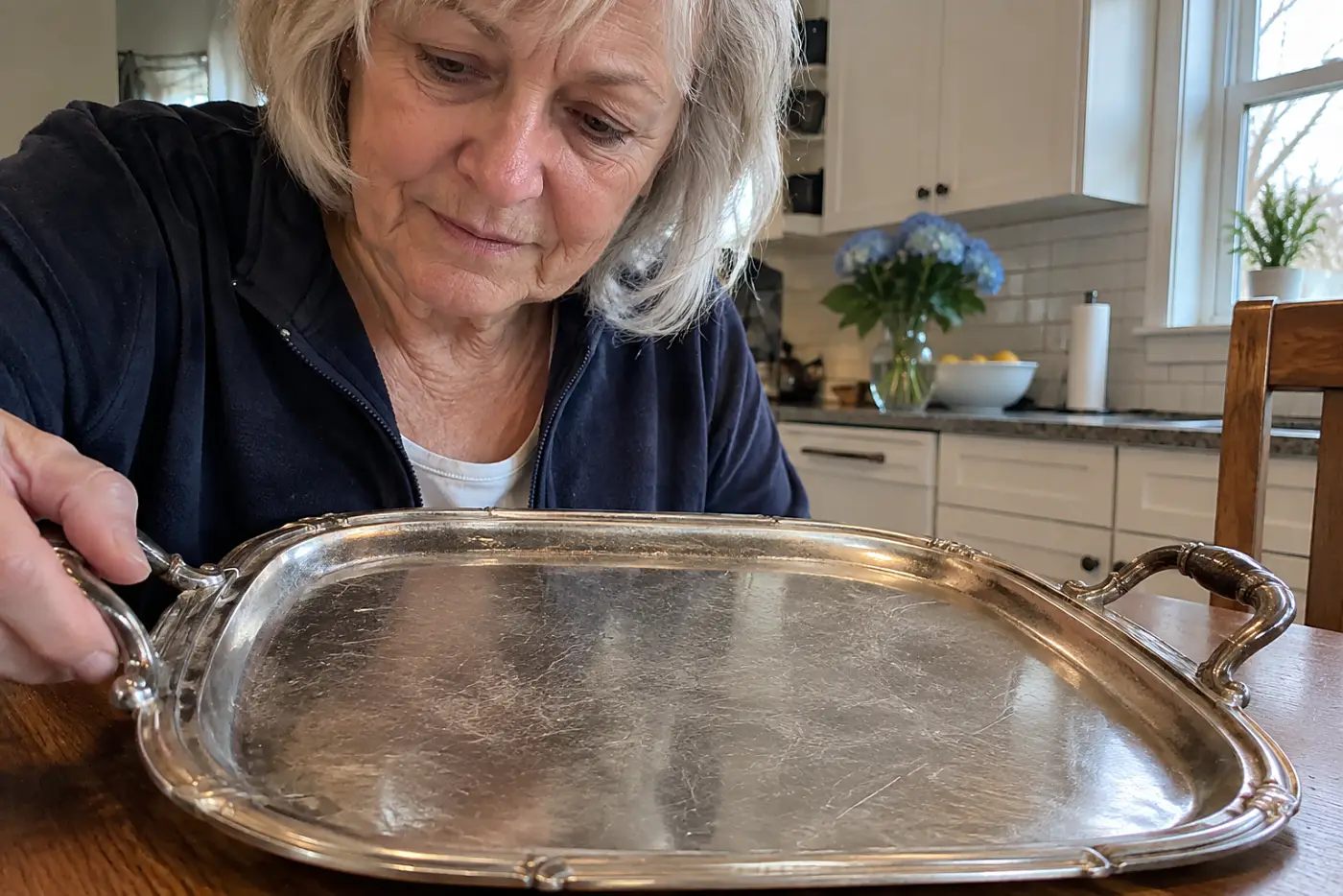
The tray gleams at the center and wears at the handles.
Silverplate is a layer over another metal, not solid silver. Worn plating and common patterns limit resale appeal, however grand the tray looked at family dinners. Those dinners are a fair reason to keep it.
Check for a maker's mark, then use the tray or pass it along without calling it sterling.
4The Wooden Rocking Horse

The worn saddle shows exactly where small hands held on.
An old rocking horse is easy to keep and hard to store. Original paint, sound joints, maker information and missing parts shape its appeal.
Loose rockers also raise a practical question if another child will ride it. Don't repaint the rubbed spots just to make it look new. The wear records use, and careless repairs erase details a specialist needs.
Test its stability without putting a child on it, then show detailed photos to a toy dealer.
3The Stack of Greeting Cards

The cards spill from a shoebox when you lift the lid.
Mass-produced cards rarely gain value simply by aging. Personal notes and signatures are different: they tell you who showed up for birthdays, illnesses and ordinary Tuesdays. You don't have to preserve every blank holiday greeting.
Keep the handwritten cards that carry a voice you miss, and recycle the rest where accepted.
2The Box of Vinyl Records
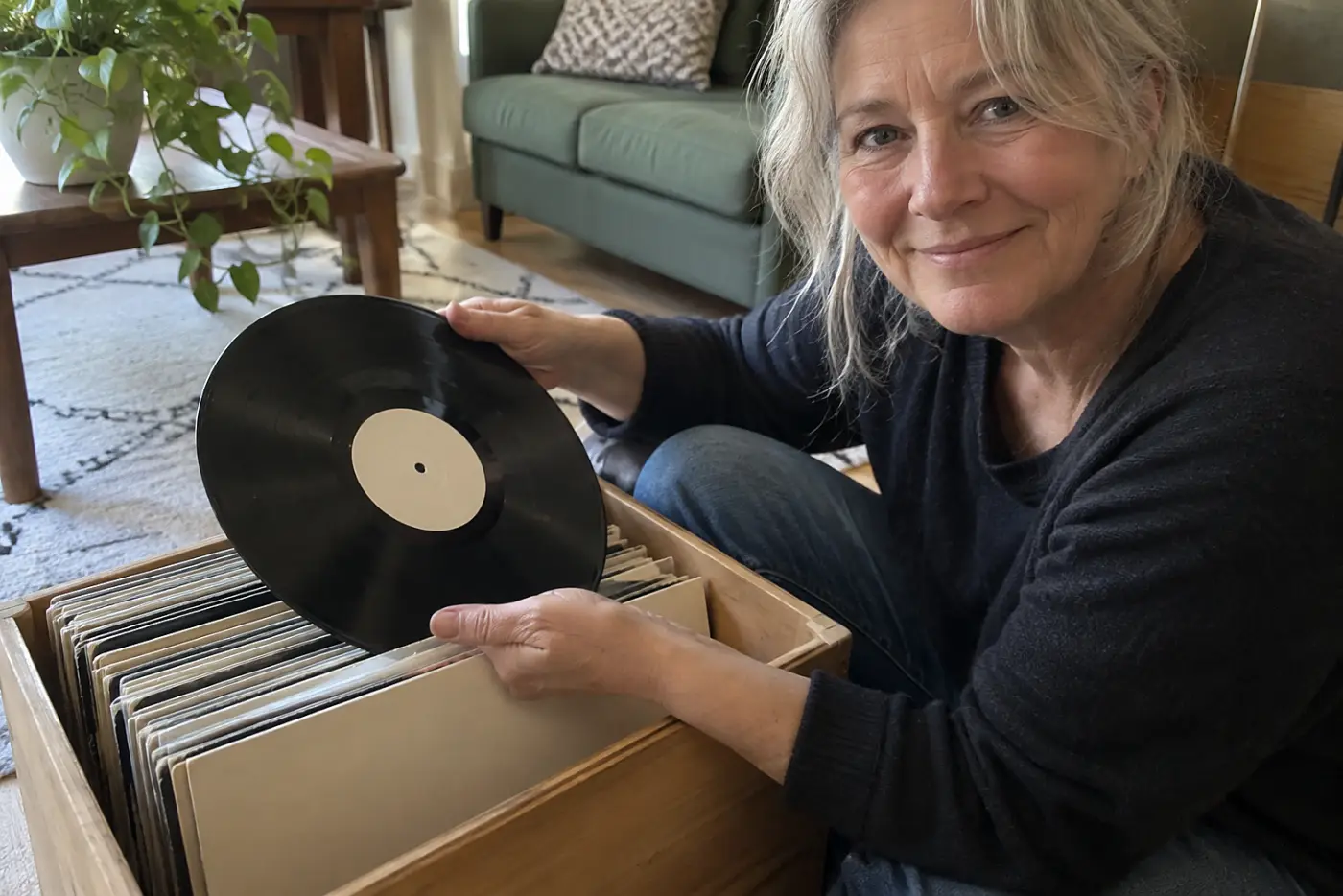
The paper sleeves stick out at uneven angles.
A record's value rests on the exact pressing, condition and demand for that release. The artist's name alone won't settle it.
Scratches, warped discs and worn sleeves change the comparison, while a different label or catalog number identifies a different pressing. Don't clean records with household spray or stack them flat for another decade. You kept the music; now check what you actually kept.
Read the label and runout markings, then compare that pressing with completed sales.
1The Underside of the Heirloom
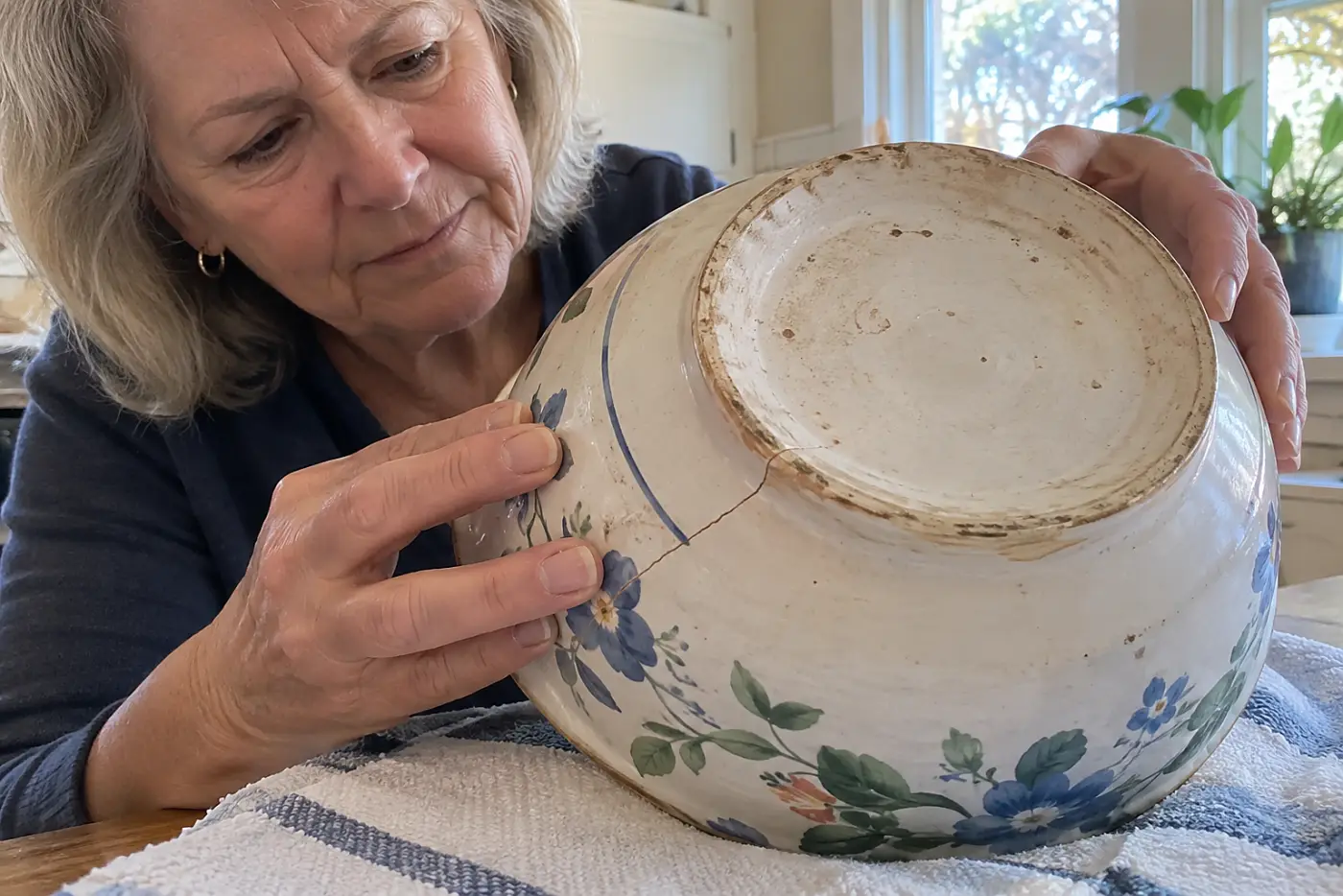
The plain underside holds the detail everyone skips.
That dish, lamp or small table has two stories: the one you remember and the one a buyer needs to identify. A maker's stamp, impressed number or surviving paper label narrows the search. Scrubbing off grime before checking risks taking the clue with it.
Photograph the underside in daylight before cleaning, donating or listing anything.
The bottom line
Across these 23 things, value follows identification, condition and completeness, while memory follows you.
If you know the difference, you check the marks first and keep the stories on purpose.
Which of these is still in your house?
Up next
24 Aging-in-Place Renovations Worth the Money
See which bathroom fixes, doorway measurements, and financing choices deserve a place in your renovation budget.
Read the list →


Reader quiz
Did you catch the details?
5 questions from this article. Finish them all to unlock the editor's bonus tip.
What does the article suggest doing with old newspapers that have no family connection?
Did any of these feel familiar?
Know someone who needs this?
David Ruiz
Home Editor
David writes about the house you have and the one you might move to: staying put, downsizing, repairs, and the small changes that stop a fall.
More from David Ruiz