










27 Rooms That Tell Visitors Your Age Without a Word
That brass-and-glass chandelier remembers every dinner, but the room beneath it doesn't have to stay in 1987.
By David Ruiz, Home Editor
Updated · 11 min read
- Written by our home editor
- How we review
Read to the end: #1 is the one thing that shows what deserves to stay, and almost nobody tests it.
The overhead light clicks on, and suddenly the brass chandelier, lace curtains, and oak dining set look like one decision you made decades ago. You didn't. They arrived one at a time, between meals, moves, and the ordinary work of living. Now the room feels older than you intended.
Here are 27 things that make a room tell its age, and what to do with each.
27The Brass and Glass Chandelier

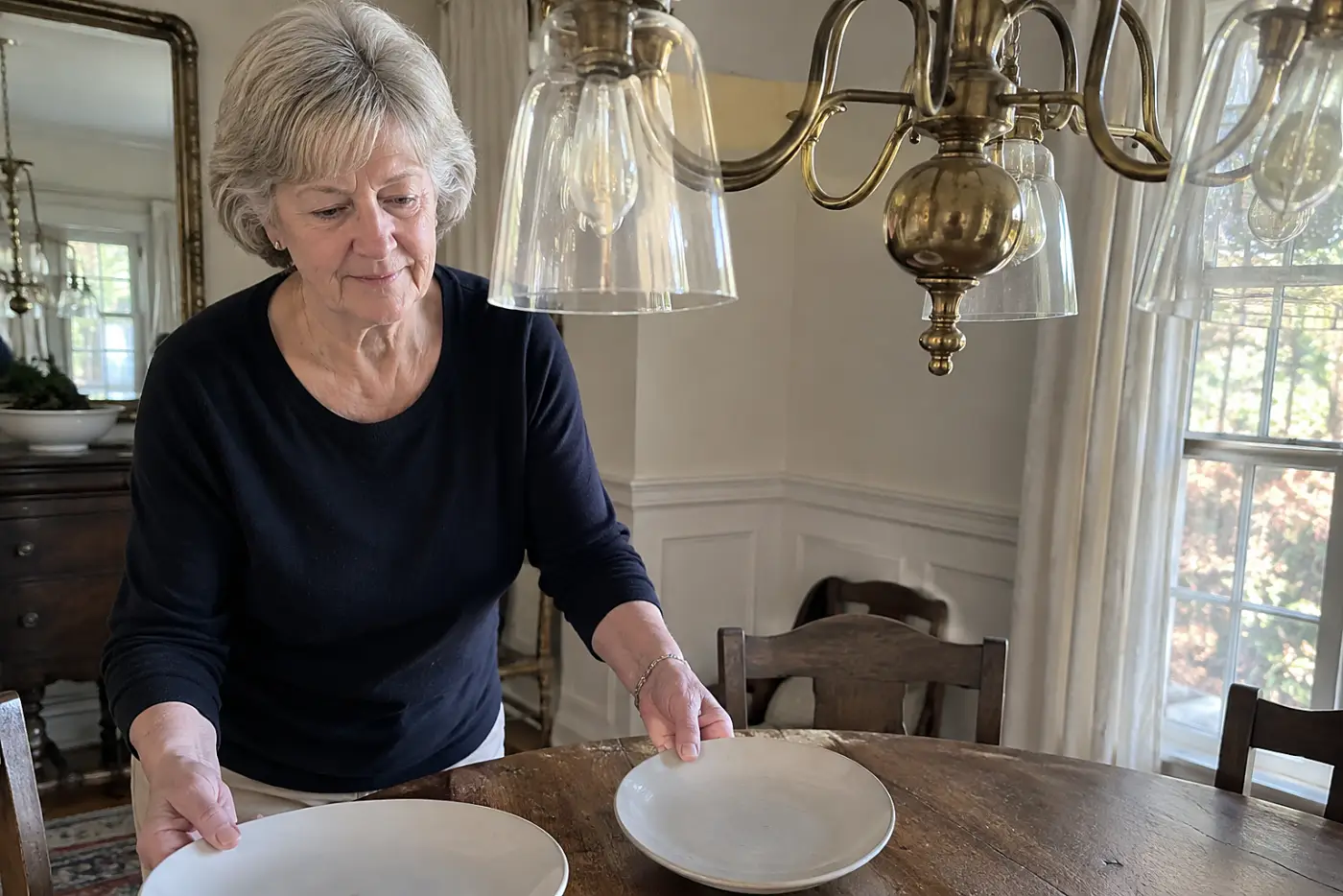
The scalloped glass shades hang over a familiar dinner table.
Brass fixtures with clear or frosted glass filled dining rooms in the 1980s and 1990s. This one still reaches the table. You still like its shape. The crowded room around it tells a different story, especially when every other surface holds another piece from the same era.
Keep it if it earns its place; otherwise, measure the table before shopping for its replacement.
26The Heavy Floral Valances
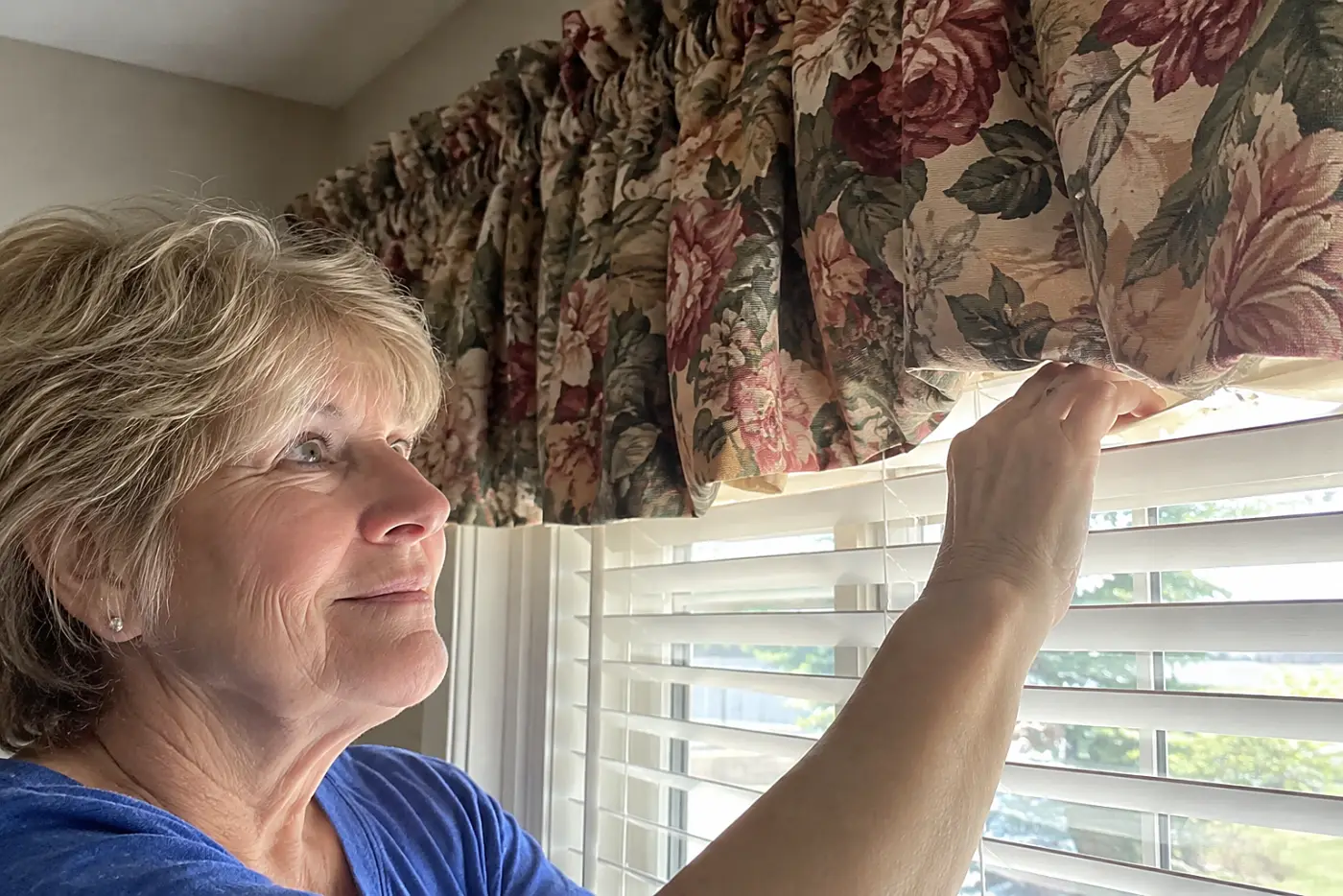
A padded floral swag sits above a perfectly good window.
Those valances once finished a room, especially when they matched the sofa or wallpaper. Now they cover the top of the glass, where daylight would enter. The fabric also traps dust in its folds. Pull one down and look at the window before buying anything new. You don't need a replacement just because there has always been fabric there.
Wash the window and live with the bare top for a week before buying new fabric.
25The Matching Oak Dining Set
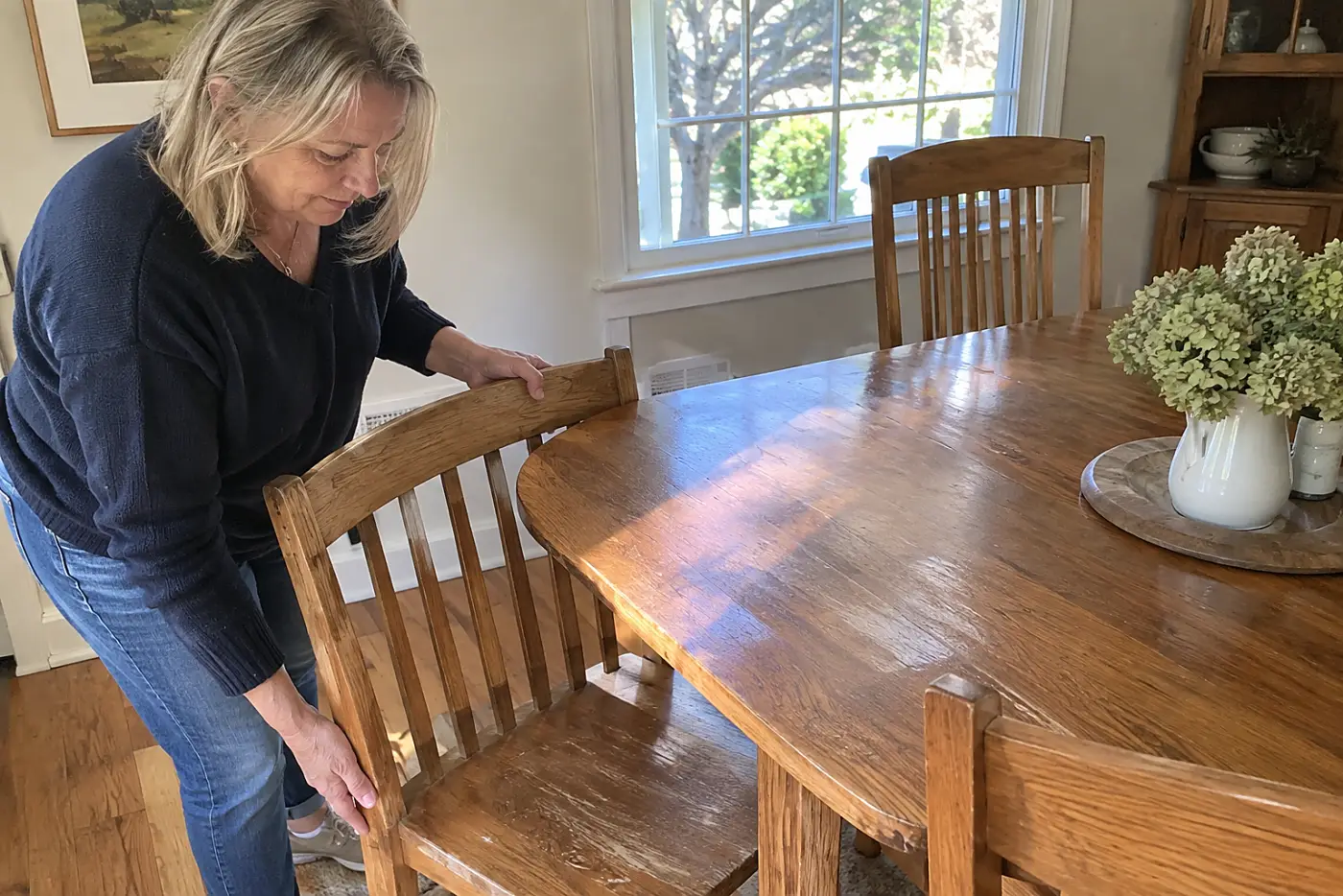
Six oak chairs line up behind a long table.
A complete set once settled the question of whether a dining room looked finished. Solid oak still does its job. The dated part is the strict lineup: matching chairs, matching hutch, matching centerpiece. The table has hosted enough meals to deserve a fair look on its own. A chair from another room gives you a quick way to see it differently.
Keep the sturdy table; try different chairs before replacing the whole set.
24The Glass-Front China Cabinet
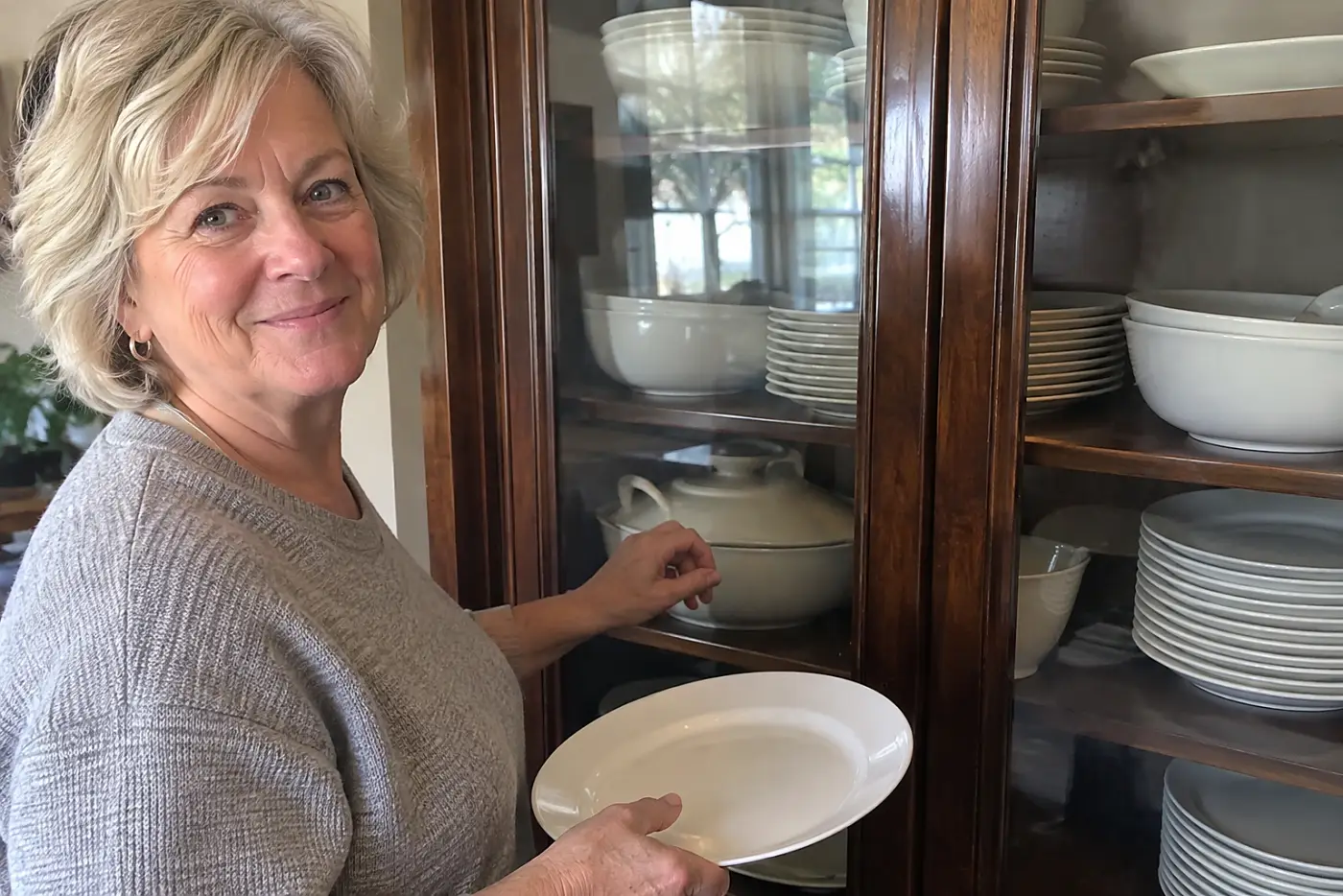
Wedding china stands behind glass beside the dining table.
A cabinet like this made sense when good dishes came out for holidays. Today the glass collects fingerprints while the plates wait for an occasion. That doesn't mean you must sell the cabinet or start eating off heirlooms every Tuesday. It means the cabinet's contents deserve another look.
Empty shelves show you whether you love the furniture or the history inside it. Take everything out, then return only the pieces you want to see from across the room.
23The Lace Curtains at the Sink

Little lace panels soften the view above the kitchen sink.
They gave privacy without blocking the whole window, which was useful when a neighbor's kitchen faced yours. Yellowed lace, though, makes clean daylight look dull. Fresh fabric won't fix a window that's covered from habit rather than need. Notice whether you still draw the panels across the glass, or just leave them there.
Stand outside at dusk with the kitchen light on; if nobody sees in, leave the glass clear.
22The Wallpaper Border Near the Ceiling
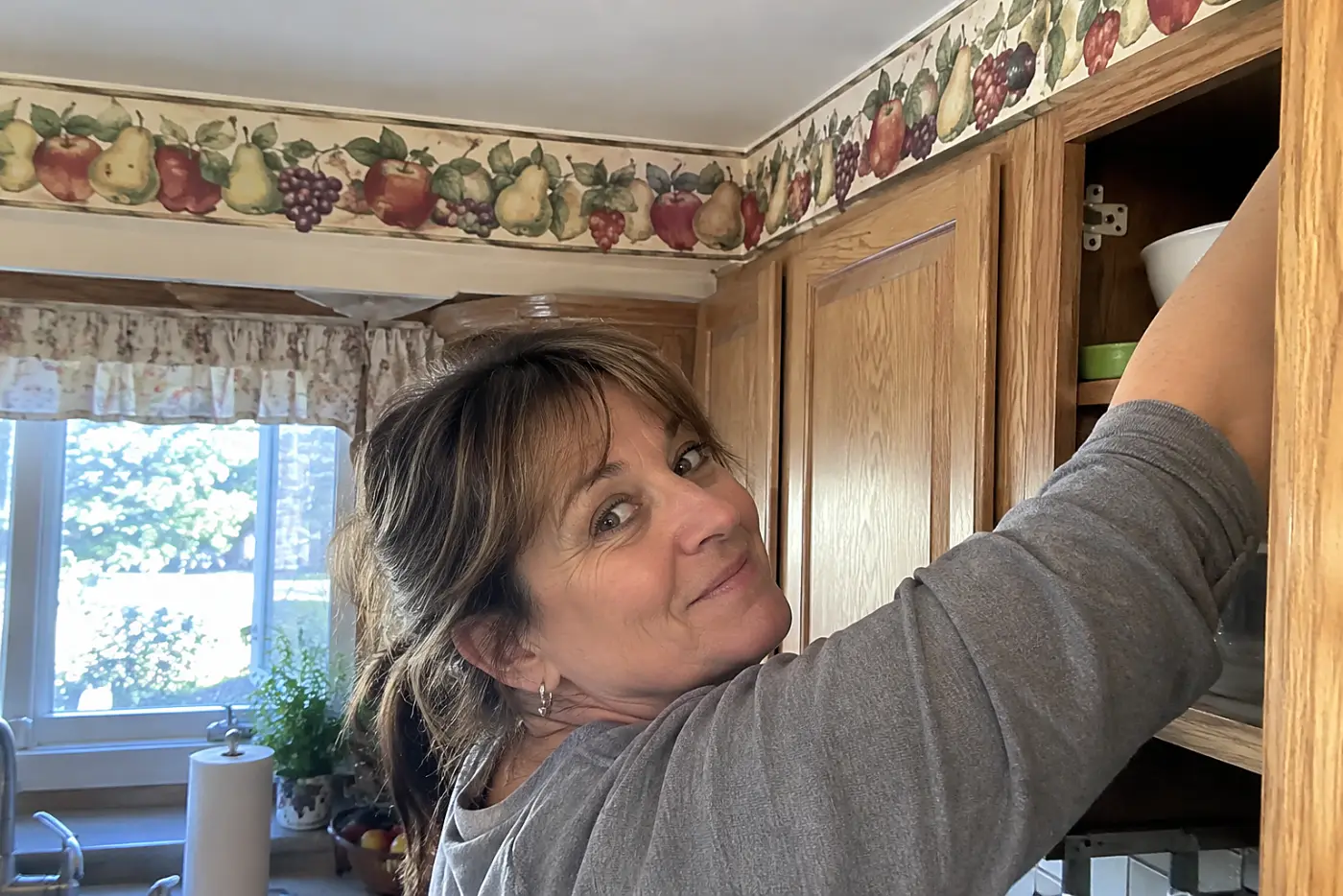
A narrow strip of fruit circles the kitchen ceiling.
Borders offered color without committing to a whole wall. Apples, ivy, and sunflowers had long runs in late twentieth-century kitchens. The strip pulls your eye upward, past the room you use every day. Removing it is less dramatic than replacing cabinets, though old adhesive takes patience. Start in a hidden corner and find out what holds it on before you reach for a scraper.
Lift a small section first; if the drywall paper tears, stop and choose a gentler removal method.
21The Avocado-Green Range Hood

That green hood still sits above the stove like an old appliance ad.
Avocado green belongs to the 1970s, but color alone doesn't make a working kitchen wrong. Grease, a weak fan, or a broken light matters more. Painting the hood without checking its condition only hides the useful question. Steam that hangs around after cooking tells you more about this fixture than its color does.
Clean the filter and test the fan before deciding whether the green stays.
See more: 25 Things We Remember About Growing Up in the 50s and 60s →
20The Faux-Tiffany Table Lamp

Amber plastic or stained-glass pieces glow beside the recliner.
The shade throws warm light, which explains why you kept reaching for that switch. But a dark shade also leaves a book page dim while the ceiling glows. A genuine stained-glass lamp and a mass-produced imitation deserve different treatment; don't assume either from a quick glance. Look for a maker's mark beneath the base if you're thinking of selling it.
Read in that chair tonight. Add a task light if the page looks dim.
19The Wall-to-Wall Beige Carpet

Beige carpet runs right up to every bedroom baseboard.
It covered cold floors and muffled footsteps, especially in houses built or remodeled before hard flooring dominated listings. Worn traffic paths tell visitors more than the color does. If the carpet is clean and comfortable, a new rug won't improve it. If it smells musty after cleaning, listen to that. The floor beneath it matters before you choose a replacement.
Pull back a closet corner to see what's underneath before committing to a new floor.
18The Honey-Oak Kitchen Cabinets
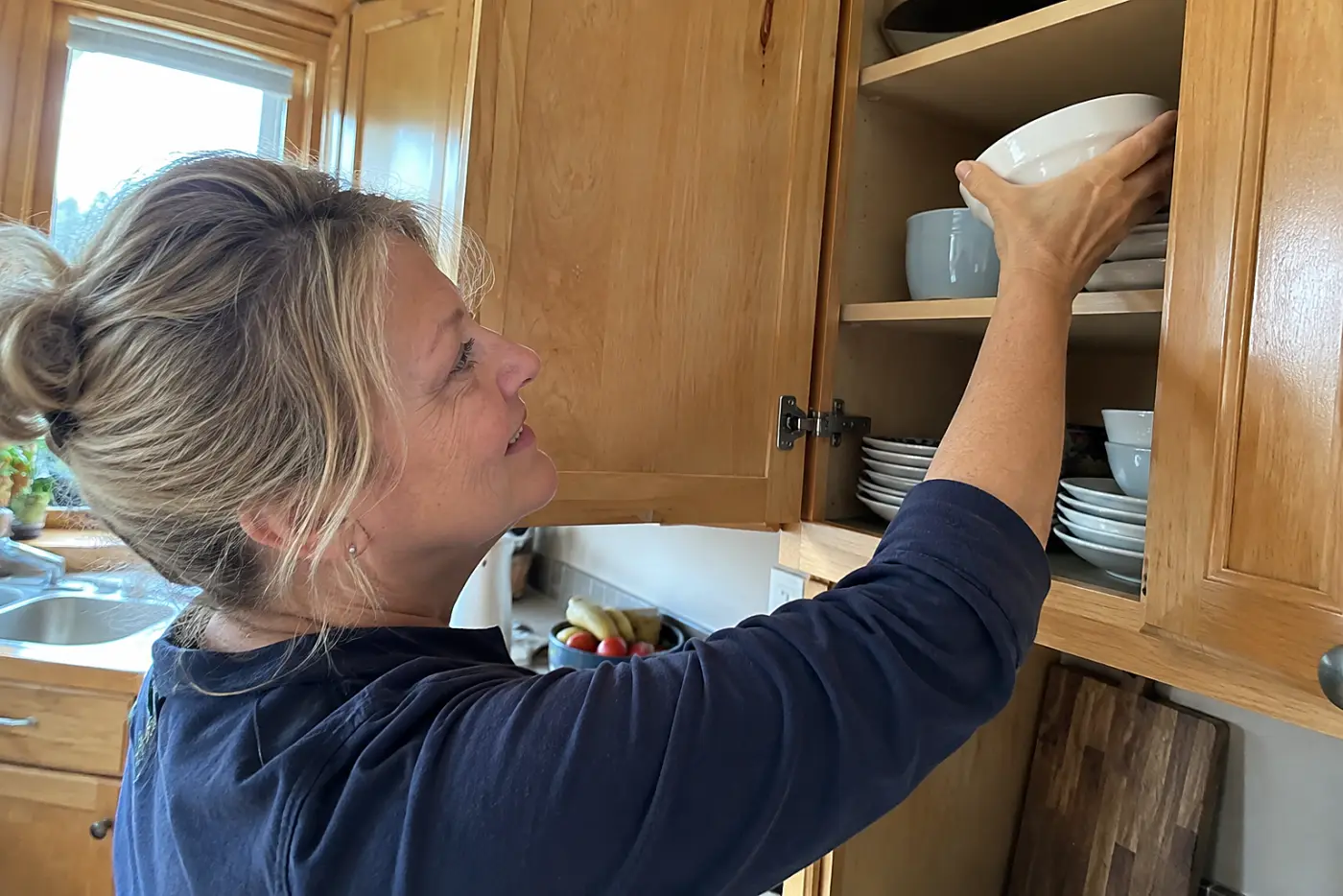
Orange-toned cabinet doors frame the dishwasher and sink.
Honey oak spread through kitchens in the 1980s and 1990s because it stood up to daily use. The wood grain isn't your enemy. Yellow bulbs, beige counters, and a busy backsplash pile warm tones on top of it. Paint is a big job, and it won't repair worn hinges or swollen doors. See the cabinets in good daylight before deciding their color caused the whole problem.
Change one bulb to a neutral white and clear the counters; then judge the oak again.
17The Glass-Block Bathroom Window

Squares of rippled glass hold the bathroom wall together.
Glass block gave privacy while letting light through, a fair bargain for a street-facing bathroom. Its thick grid now announces a particular remodeling era. Still, replacing a sound window creates work far beyond changing a towel color. Grout and surrounding paint have a larger effect than you think. Look at those edges before blaming the glass itself.
Clean the joints and paint the nearby wall before pricing a replacement.
16The Hollywood Vanity Light Bar
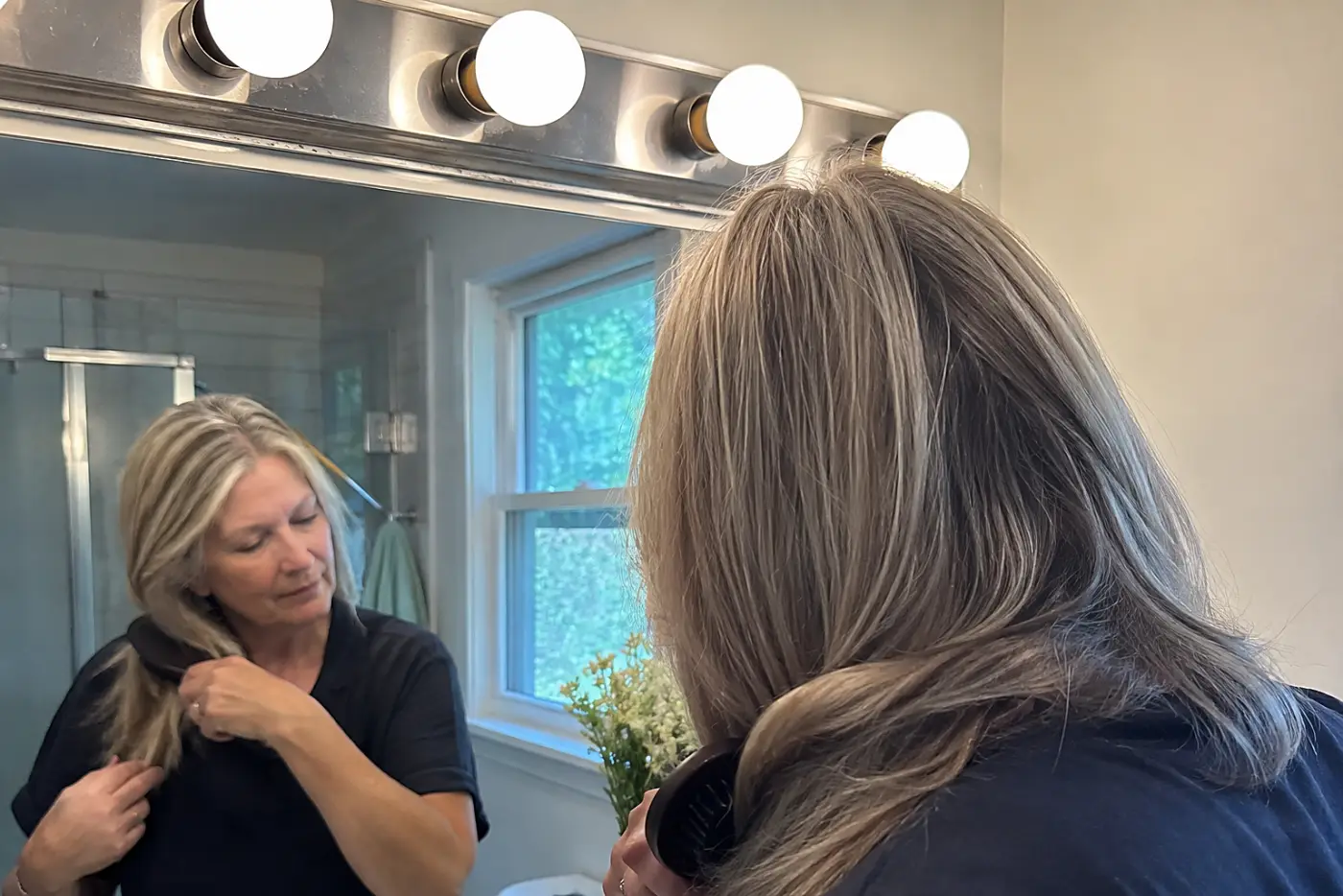
A row of exposed bulbs blazes above the bathroom mirror.
The strip was built to light a face evenly, and it does. What dates the room is the combination of shiny metal, bare bulbs, and a mirror stretching wall to wall. Dim bulbs turn the bathroom gloomy; harsh ones make every morning feel like an inspection. Before removing the fixture, notice whether side lighting would leave shadows where you shave or put on makeup.
Try warm white bulbs of the proper type and brightness first; keep the bar if you like the light.
15The Ceramic Bathroom Shell Dishes

Two peach-colored shells sit beside the bathroom faucet.
Seashell soap dishes and sponge holders belonged to bathrooms that matched every accessory. One shell is a memory. A shell on every surface becomes a theme you stopped choosing years ago. Ceramic pieces chip at the rim, where water and soap collect. Set one beside the sink and notice whether you reach for it.
Keep the one you still use; put the extras away and see whether the counter feels calmer.
14The Carpeted Bathroom Floor
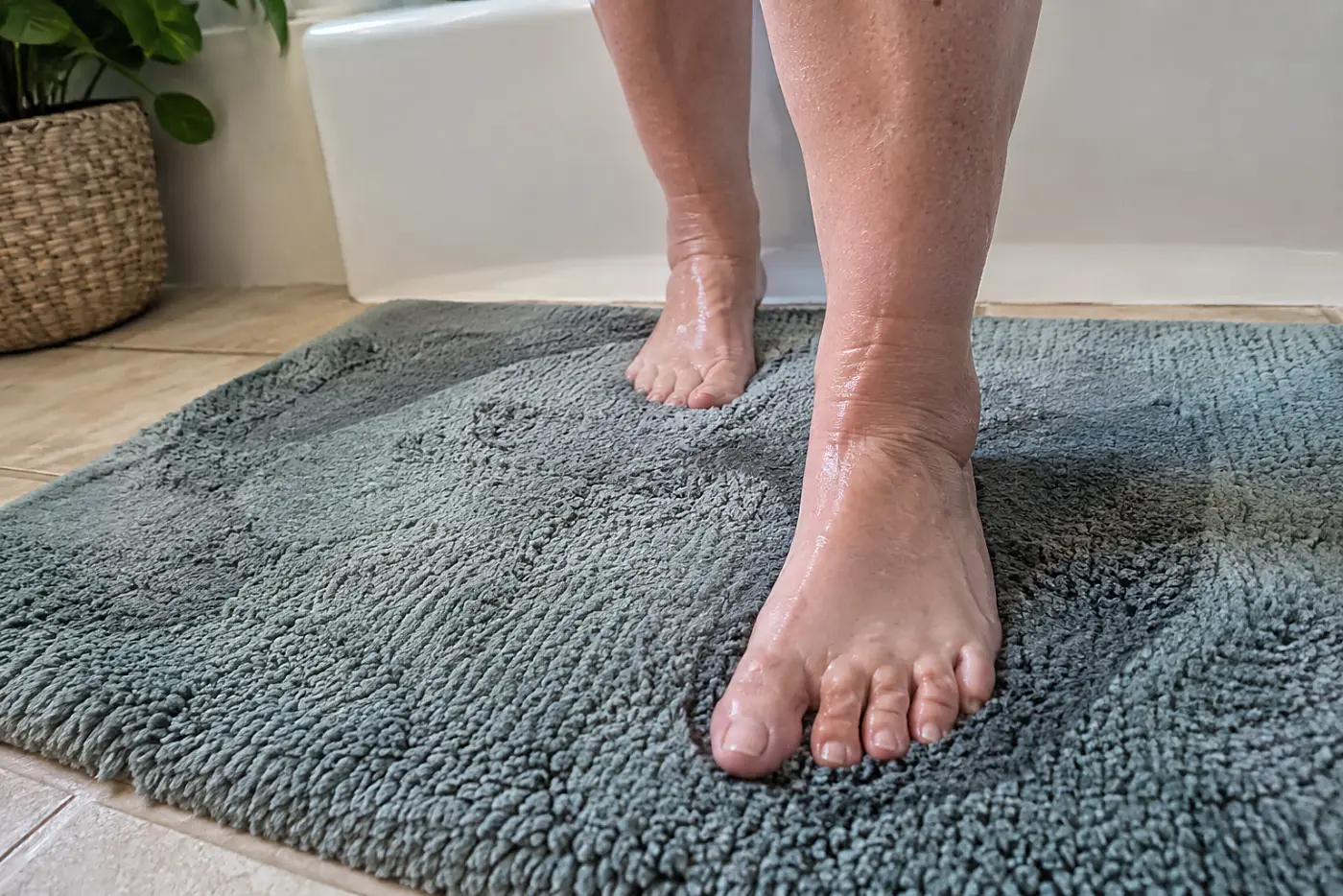
Carpet reaches the tub where wet feet land each morning.
It was chosen for warmth, not because anyone wanted a damp floor. Carpet beside a toilet or tub holds moisture where you can't see it. A washable bath mat gives your feet a soft landing without covering the whole room. If the subfloor feels soft, discoloration returns after cleaning, or a musty smell persists, this is past a decorating decision. The floor needs inspection before new material goes down.
Plan for a moisture-resistant floor, and have a qualified professional check any soft or damaged area first.
13The Recliner With the Cupholders

The wide recliner faces the television from its permanent spot.
It earned that spot through late movies, phone calls, and afternoon rests. Nobody needs permission to keep a comfortable chair. Still, cupholders, a tall padded back, and a cord across the floor dominate a small living room. The issue isn't your taste; it's whether the chair leaves room to walk. Watch the path people take past it tonight.
Keep the recliner, but pull it from the wall and clear a path around it.
12The Dark Wood Entertainment Center
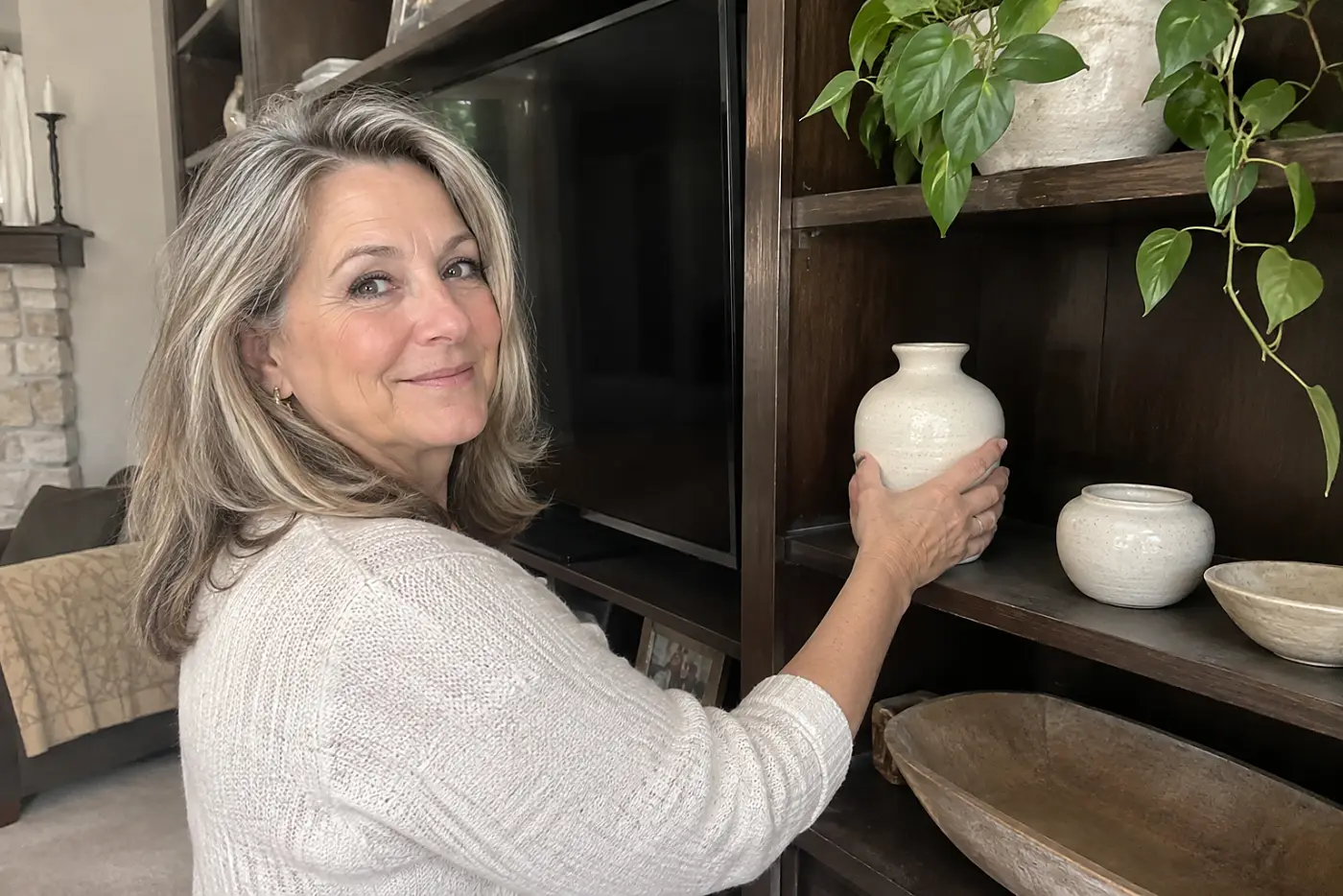
A tall wall unit surrounds a much smaller television.
Entertainment centers hid cables, tapes, speakers, and a bulky screen. Today's flat television needs less furniture, while the empty compartments keep demanding objects to fill them. Removing the unit is a real job: pieces are heavy, and its old footprint shows on carpet or paint. Photograph the shelves first if they hold family things you don't want lost in the shuffle.
Empty one compartment at a time, then measure the television wall before deciding whether to move the unit.
11The Curio Cabinet Full of Figurines
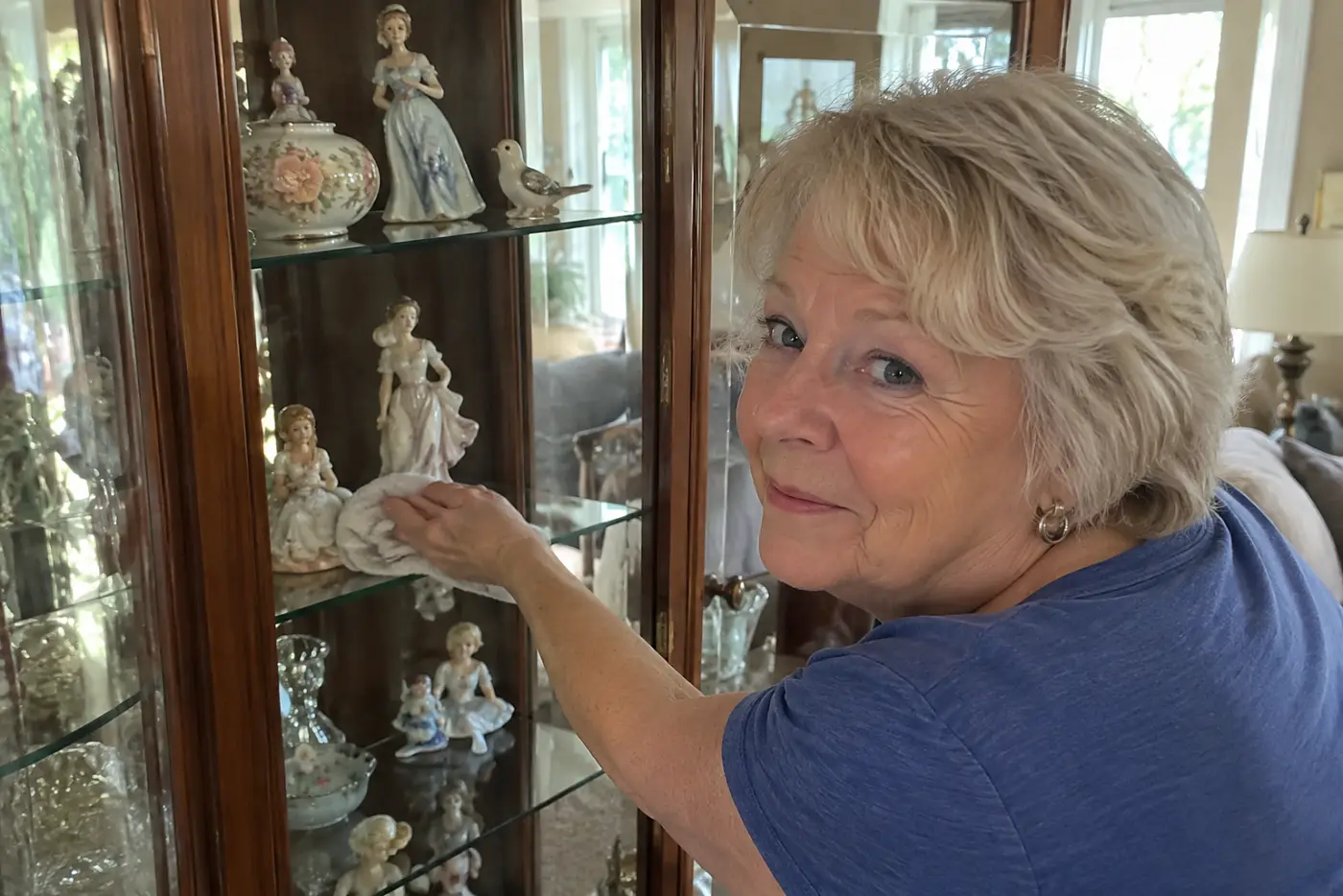
Glass shelves hold tiny figures in careful rows.
A curio cabinet gave small gifts and travel finds a place to be seen. The crowding came later, one birthday at a time. If you can't spot your favorite from the doorway, the collection is doing too much visual work. You needn't turn a memory into a donation deadline. Clearing one shelf lets the pieces you love come back into view.
Choose five favorites for the cabinet and box the rest safely for a second look.
See more: 29 Things People Are Relieved to Let Go Of When They Downsize →
10The Burgundy Accent Wall

One deep red wall sits behind the family-room sofa.
Burgundy had a strong run in late 1990s and early 2000s rooms. It gave pale carpet and beige upholstery somewhere to rest. Under warm bulbs, though, the red turns brown and pulls light out of the room.
You don't need to repaint because a color belongs to a decade. But if you've been moving lamps closer to read, the wall deserves scrutiny. Test paint on the actual wall, not a tiny card held near the window.
Paint a large sample in a lighter color and check it morning and night before covering the red.
9The Shaggy Toilet Lid Cover

A fuzzy cover grips the lid beside a matching rug.
The set promised a warm, coordinated bathroom. The lid cover, however, sits exactly where splashes and cleaning spray land. It also makes a simple wipe-down harder. That familiar color match isn't worth extra laundry if you stopped liking it. The floor mat still gives bare feet somewhere warm to land.
Remove the lid cover today; keep a washable floor mat if your feet need one.
8The Vertical Blinds Across the Slider

White slats rattle across the patio door when it opens.
Vertical blinds handled wide sliding doors better than many older window treatments. A broken chain or missing slat makes the whole wall look tired, even when the view is lovely. Replacing them without checking clearance risks curtains caught in the door. You also need to decide how much privacy the room needs after dark. That's a practical question, not a test of whether your house looks current.
Open the slider fully and measure the wall on both sides. Choose a covering that clears the handle.
7The Silk Ficus in the Corner

A dusty ficus stands where a real plant once struggled.
Silk trees filled corners without asking for water or sunlight. The plastic leaves give themselves away when dust settles on every edge. That empty corner doesn't owe anyone a plant, real or fake. It might be the space your room needs. From the doorway, notice how much floor the pot takes up. Then look again when it's gone.
Take the ficus out for a week before deciding what belongs there.
6The Brass Fireplace Tool Stand

A brass stand holds four tools beside an unused fireplace.
The poker, brush, shovel, and tongs once looked ready for a winter fire. Now their polished handles catch your eye before the hearth does. You remember tending the fire, but you can't remember the last time anyone lifted the poker.
That gap is how a room grows older without a single big decision. Check whether the tools belong to a working fireplace before you treat them as decoration. If they do, keep them close enough to use.
Pick up each tool and say, “I want the ones we use by the hearth.” Store the rest elsewhere, then look at the fireplace from the doorway. The next thing you notice may be under your feet.
5The Plastic Runner Down the Hallway
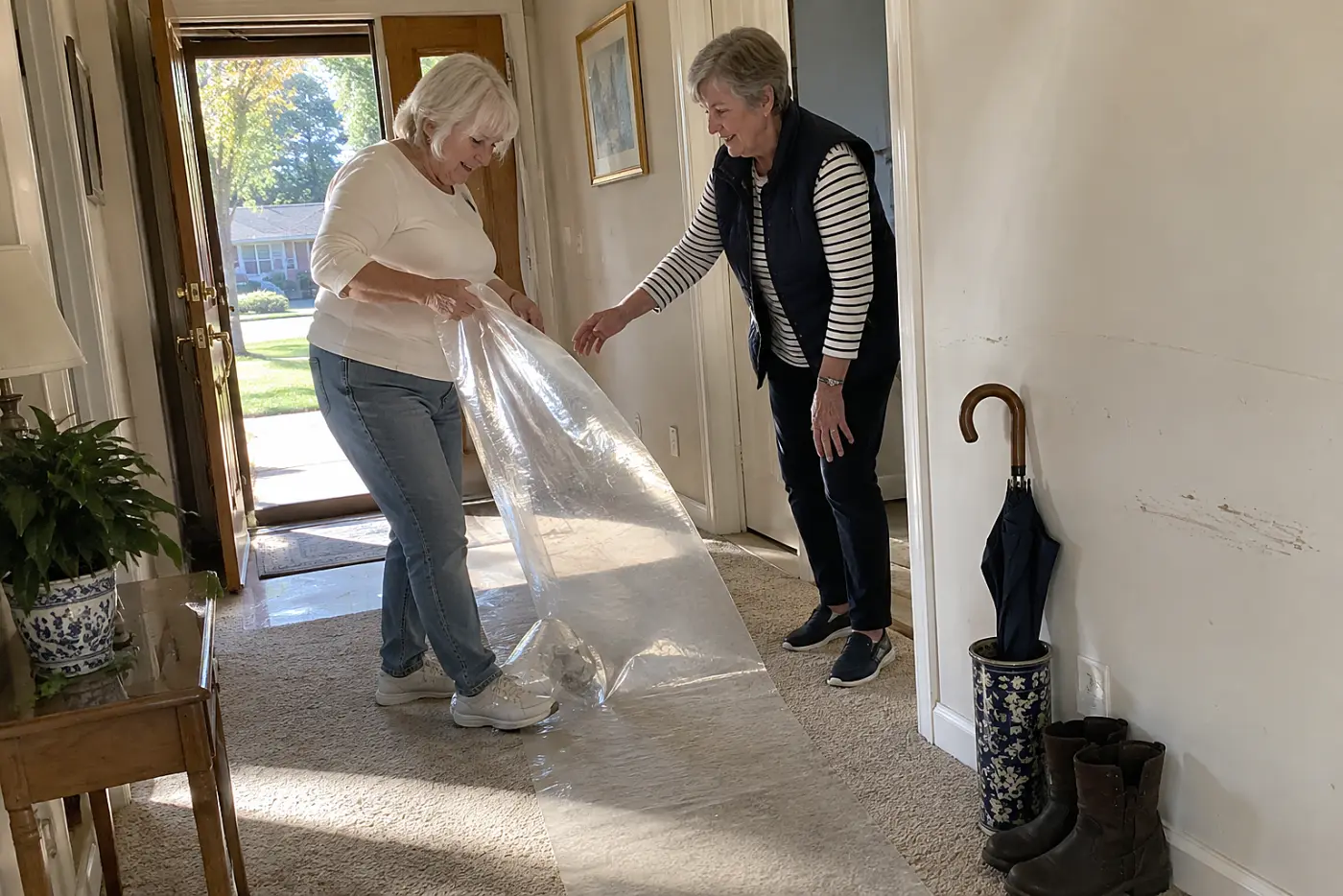
A clear plastic strip shines over the hallway carpet.
It went down to protect the carpet from muddy shoes and years of trips between rooms. Now its curled edge catches a toe. You protected the floor because the household was busy, not because you loved the look of plastic.
The runner is removable. The worn path beneath it is part of the room's history.
Take it up and watch how people use the hall without it. Say, “Let's leave the runner off and keep the walkway clear.”
4The Painted Letter Slot in the Door

A paint-stiffened flap cuts across the front door.
The slot once saved a trip to the mailbox. Later coats of paint caught its edges, until the flap stopped closing flush. That little gap lets cold air through the door you pass every day.
Test the flap from both sides. If paint holds it open, ask a door professional about freeing it without damaging the door. Say, “I want the slot to close properly.” Then step inside and see what the entryway says next.
3The Folded Quilts on the Stair Rail

Three folded quilts hang over the stair rail year-round.
They started there after a cold night, ready to carry back to the sofa. Over time, the rail became their shelf. You know which quilt you reach for; visitors see a staircase dressed for a winter that never ends.
Fabric left in bright light fades along the fold. More important, the quilts cover the rail just where your hand needs to land. A clear handrail matters every day, whether or not the quilts look good there.
Take them down and say, “Let's keep the rail clear.” Put the quilt you use near the sofa, and find the others a place away from the stairs.
See more: 27 Things in Your Closet Keeping You Stuck in 2009 →
2The Family Photo Collage Wall

Frames of different sizes climb the hallway wall together.
The pictures grew slowly: graduations, weddings, a dog you still miss. Their worth isn't in matching frames. But old glass, crooked rows, and faces lost in shadow keep you from seeing the people. A refresh means looking closely, not replacing the family with generic art.
Pick the photographs you stop for, clean their glass, and hang them where you can see the faces.
1The Oldest Thing You Still Use
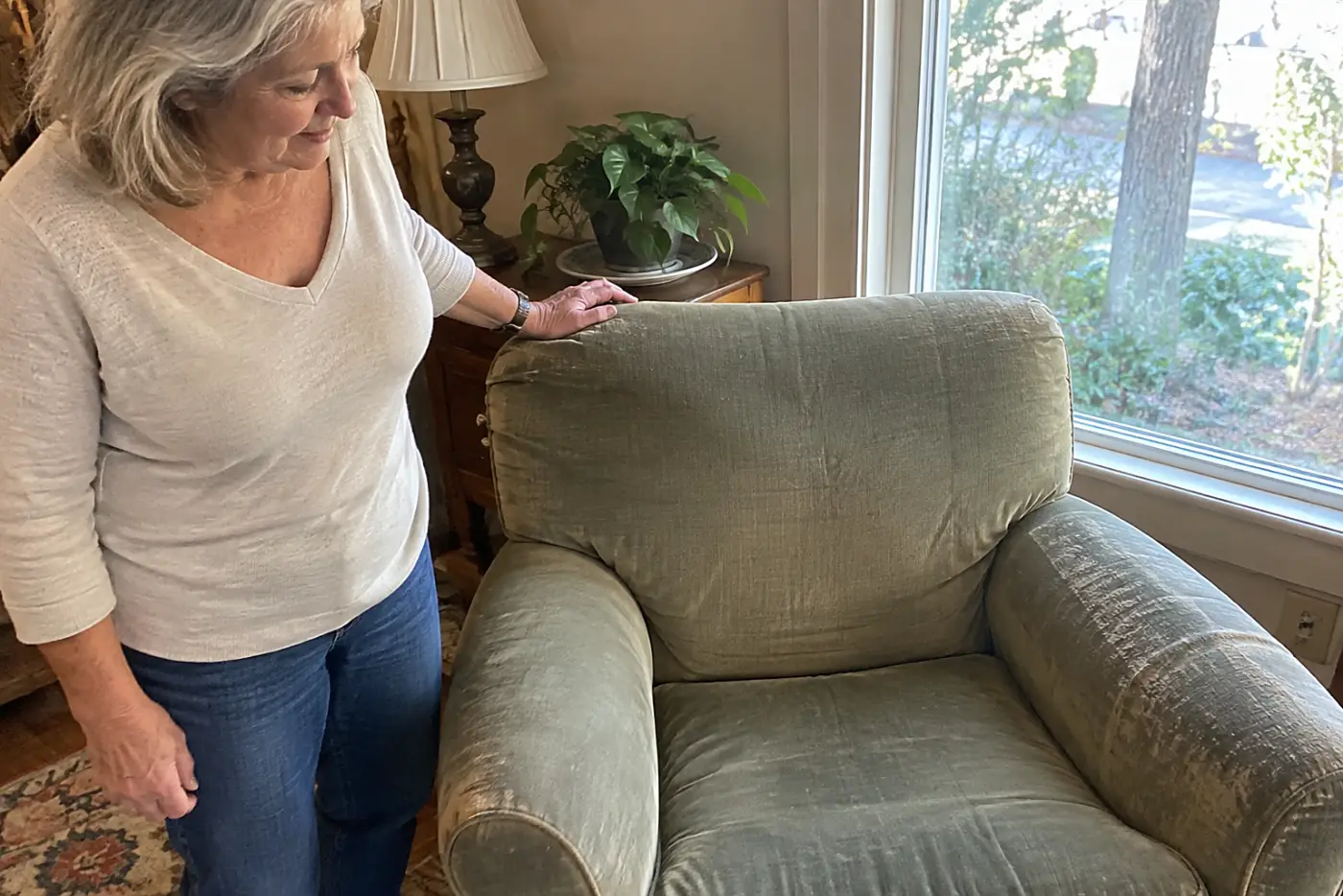
A worn chair sits exactly where your hand expects it.
It dates the room, and you reach for it every day. Here's the test: move it out of reach for a week. Notice each time you go looking for it. That tells you what a room photograph never will. A chair that fits your back earns space. One you walk around without sitting in deserves another look.
Use that week to decide whether the chair stays, rather than judging its age from the doorway.
The bottom line
These 27 details show their age when wear, crowding, or habit hides the reason you kept them.
You already know which things serve you; now test the ones you're unsure about. Which of these is still in your house?
Up next
27 Things Every 1970s Kitchen Had That Your Grandchildren Have Never Seen
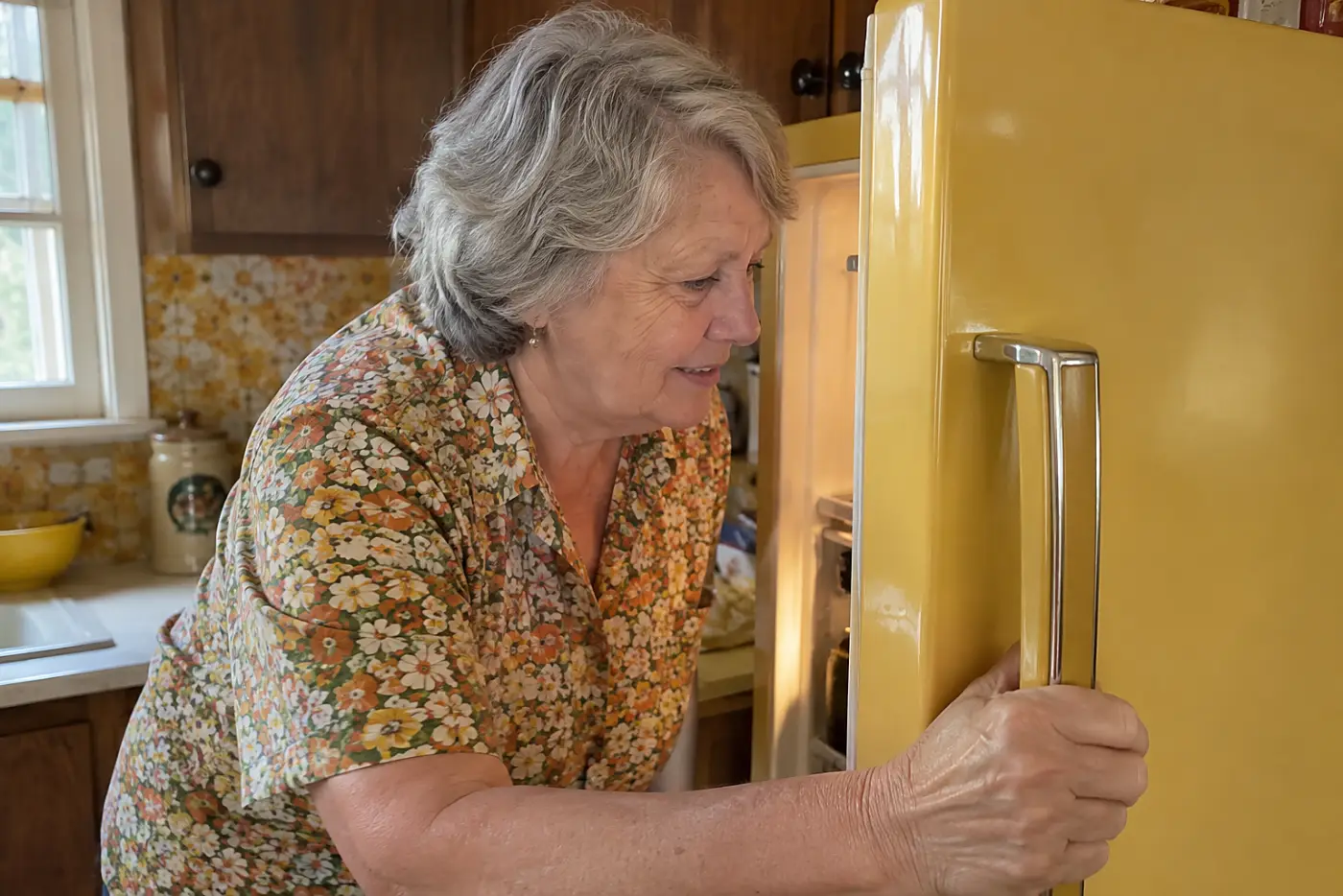
That harvest-gold refrigerator held school lunches and holiday leftovers. Magnets covered its door long before anyone thought about changing the color.
Read the list →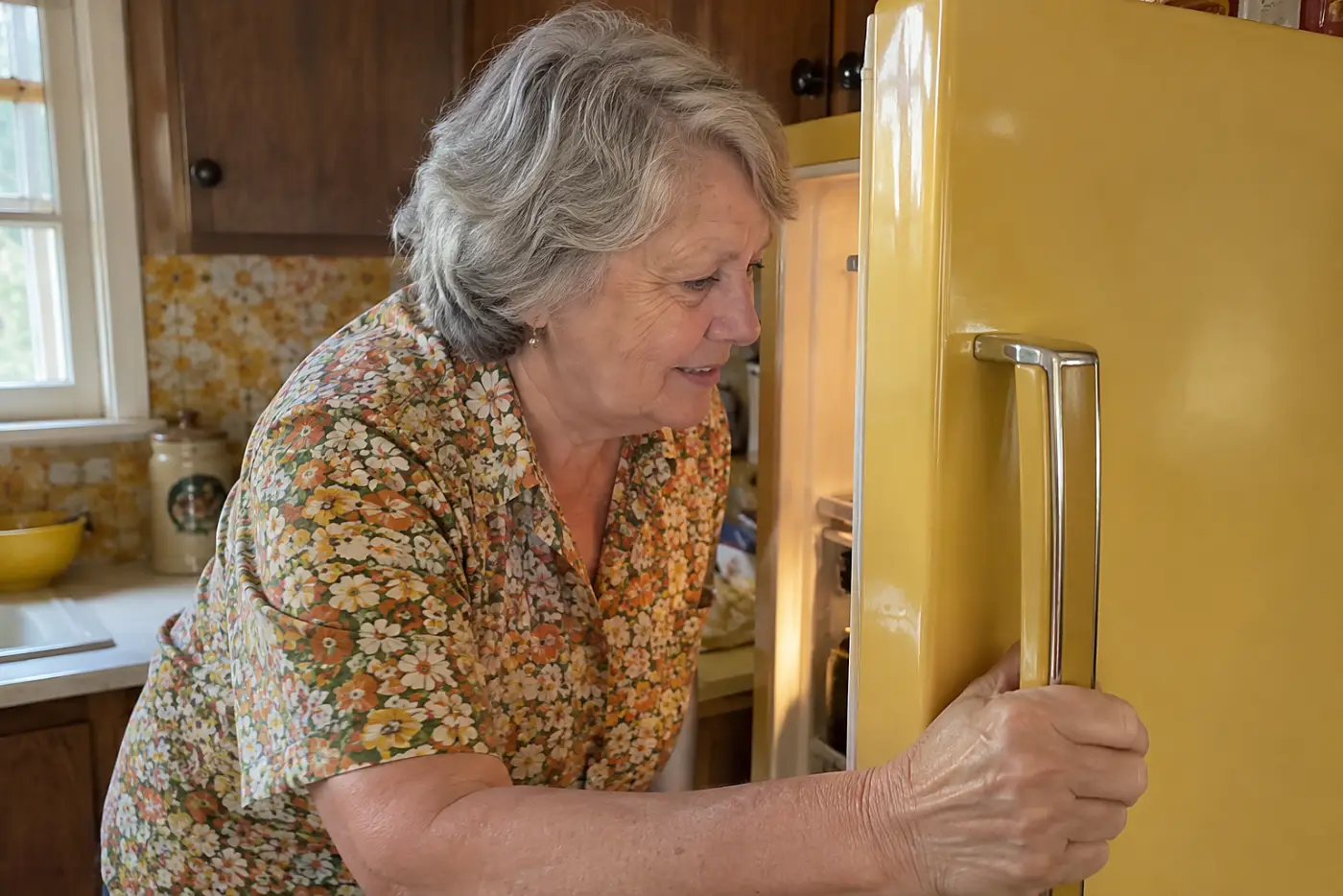
Reader quiz
Did you catch the details?
5 questions from this article. Finish them all to unlock the editor's bonus tip.
What should you measure before shopping for a replacement chandelier?
Did any of these feel familiar?
Know someone who needs this?
David Ruiz
Home Editor
David writes about the house you have and the one you might move to: staying put, downsizing, repairs, and the small changes that stop a fall.
More from David Ruiz