








27 Things Every 1970s Kitchen Had That Your Grandchildren Have Never Seen
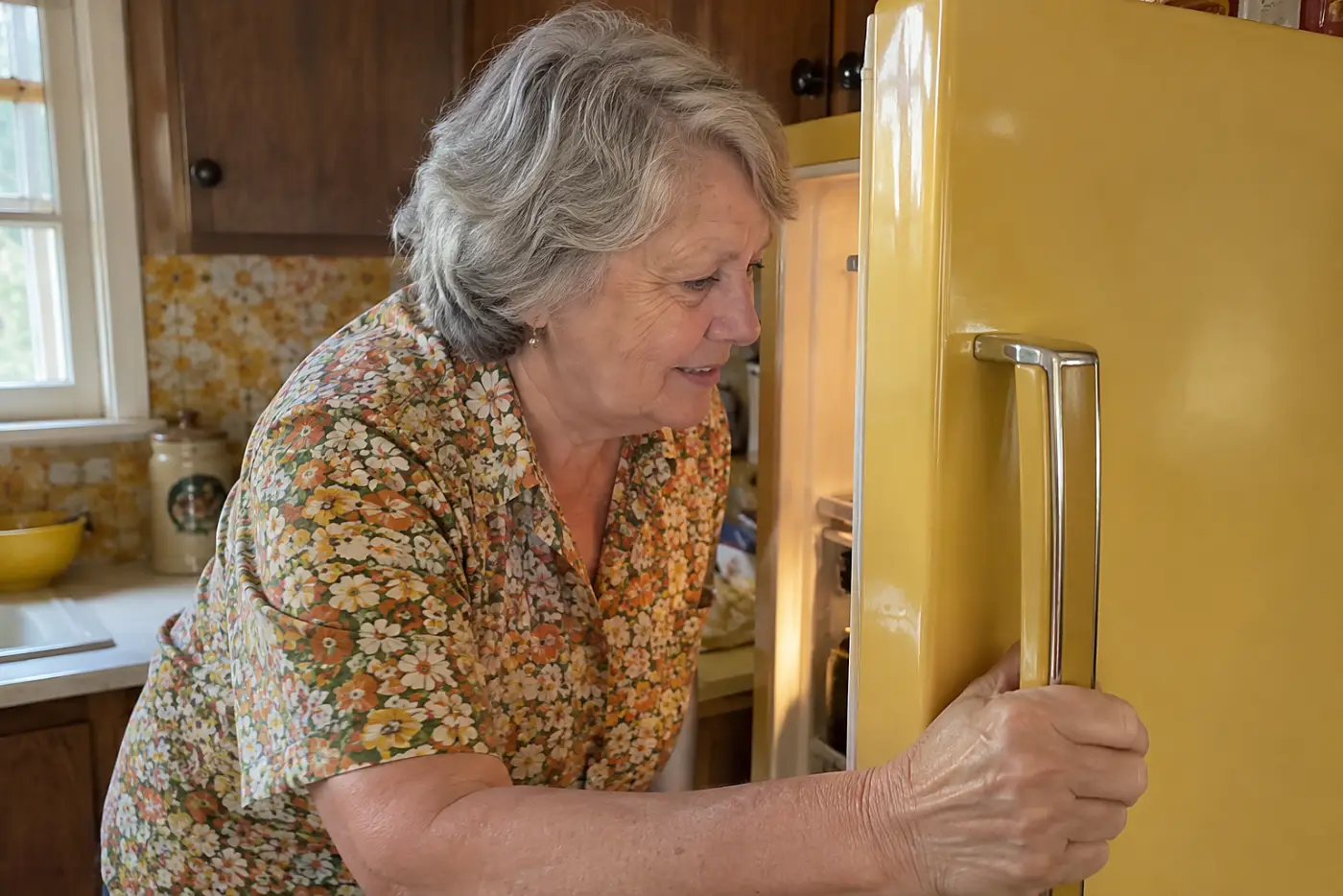
That harvest-gold refrigerator held school lunches and holiday leftovers. Magnets covered its door long before anyone thought about changing the color.
By David Ruiz, Home Editor
Updated · 11 min read
- Written by our home editor
- How we review
Read to the end: #1 is the scrap that identifies a lost dinnerware pattern, and almost nobody keeps it.
The refrigerator door shut with a heavy thump. Beside it, a wall phone cord stretched toward the stove while somebody checked dinner and kept talking. You remember the room by its colors, but also by the way everyone moved through it.
Here are 27 things that filled that kitchen.
27The Harvest-Gold Refrigerator
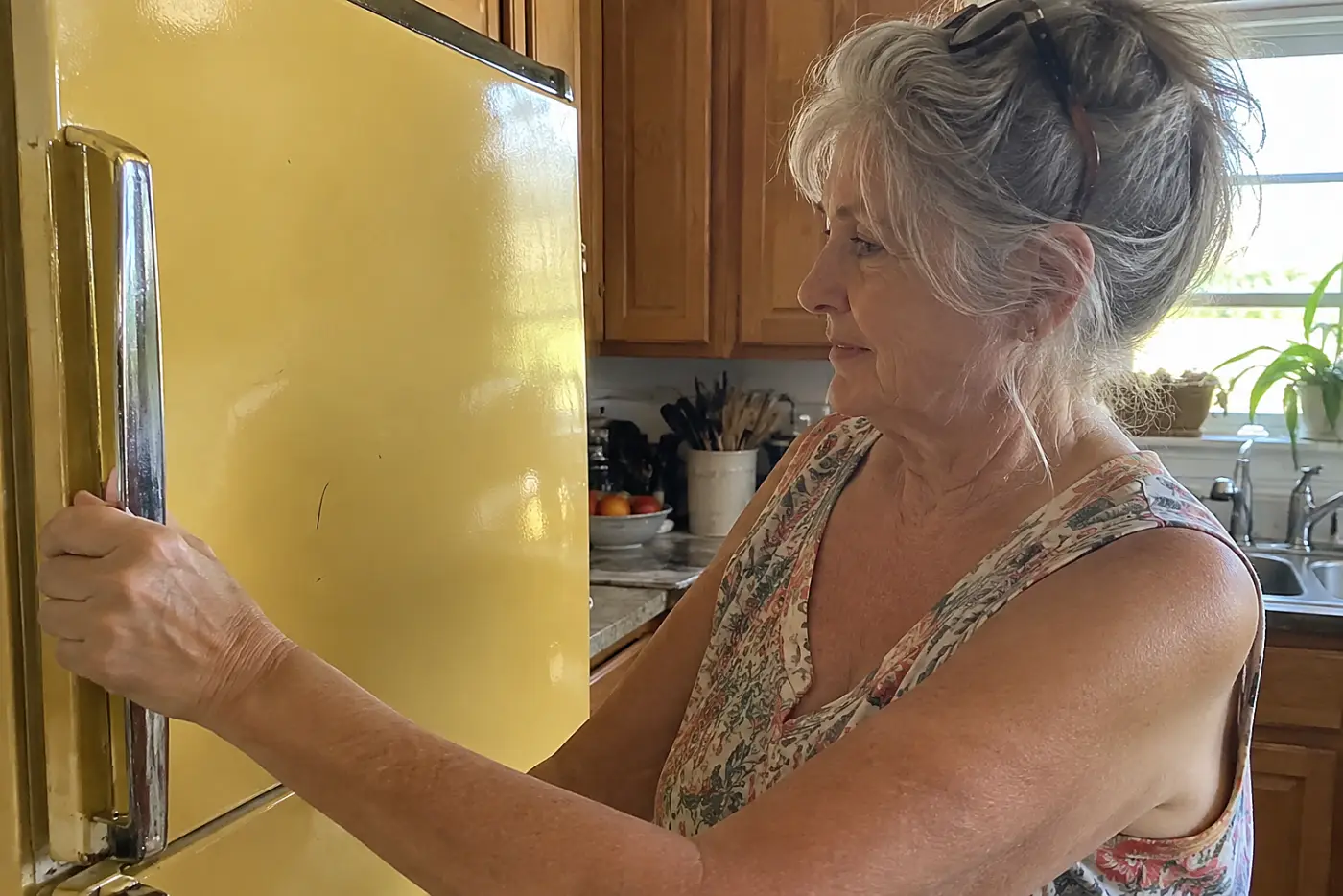
Harvest gold covered the door from handle to floor.
The color showed every child's handprint, and nobody mistook it for beige. That broad metal door held a week's reminders with magnets while the freezer gathered frost.
If yours still runs, check the door seals before deciding nostalgia alone earns it floor space.
26The Avocado-Green Stove
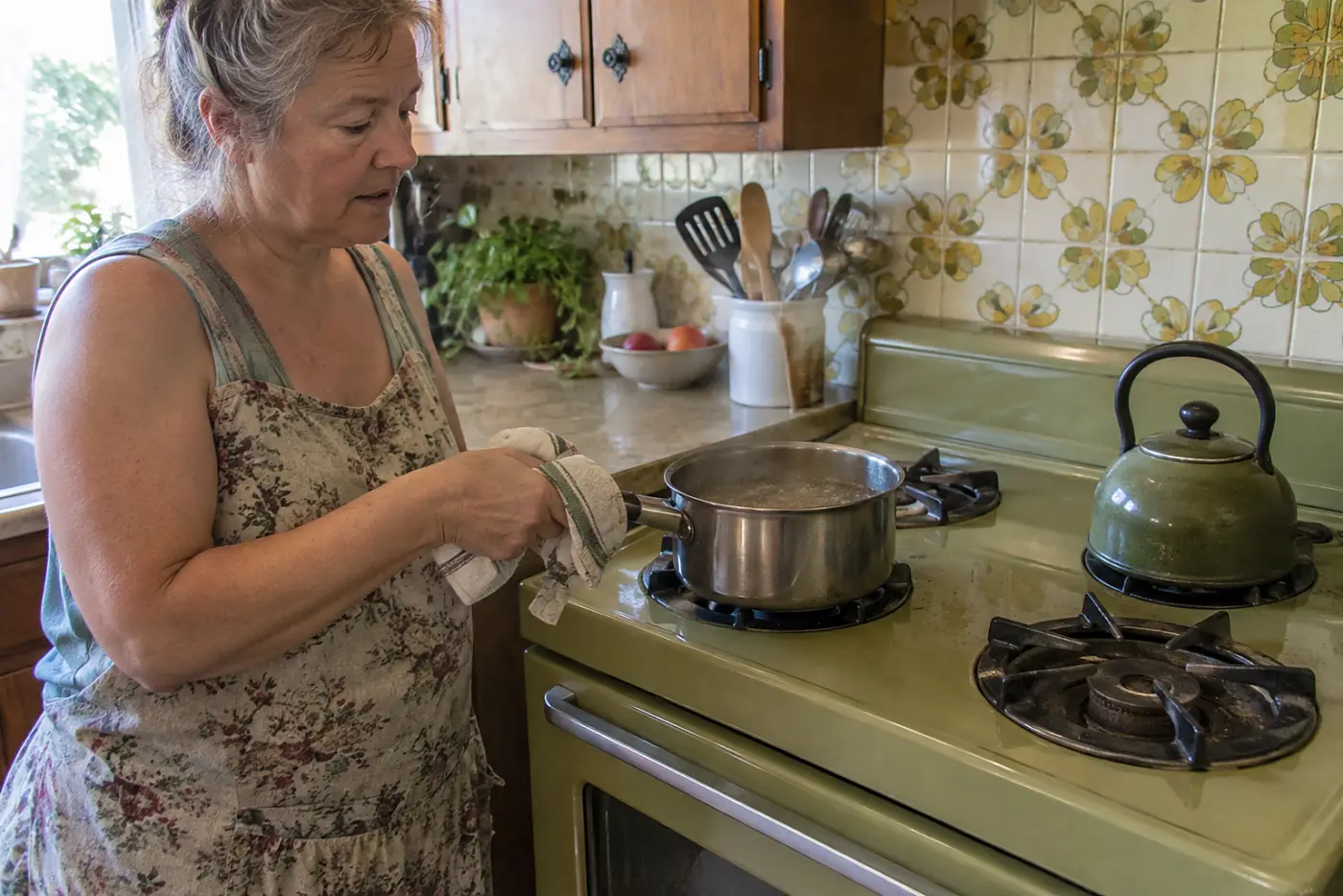
That green stove sat beneath a hood that matched it.
Avocado green turned an ordinary appliance into the room's loudest decision. Burner grates collected boiled-over soup, and the oven door opened onto birthday cakes and Sunday roasts. The hood pulled steam upward, or at least made a convincing noise while the windows fogged.
If the stove is gone, keep a photograph of the whole wall; it tells your family more than a close-up of a knob.
25The Brown Built-In Dishwasher
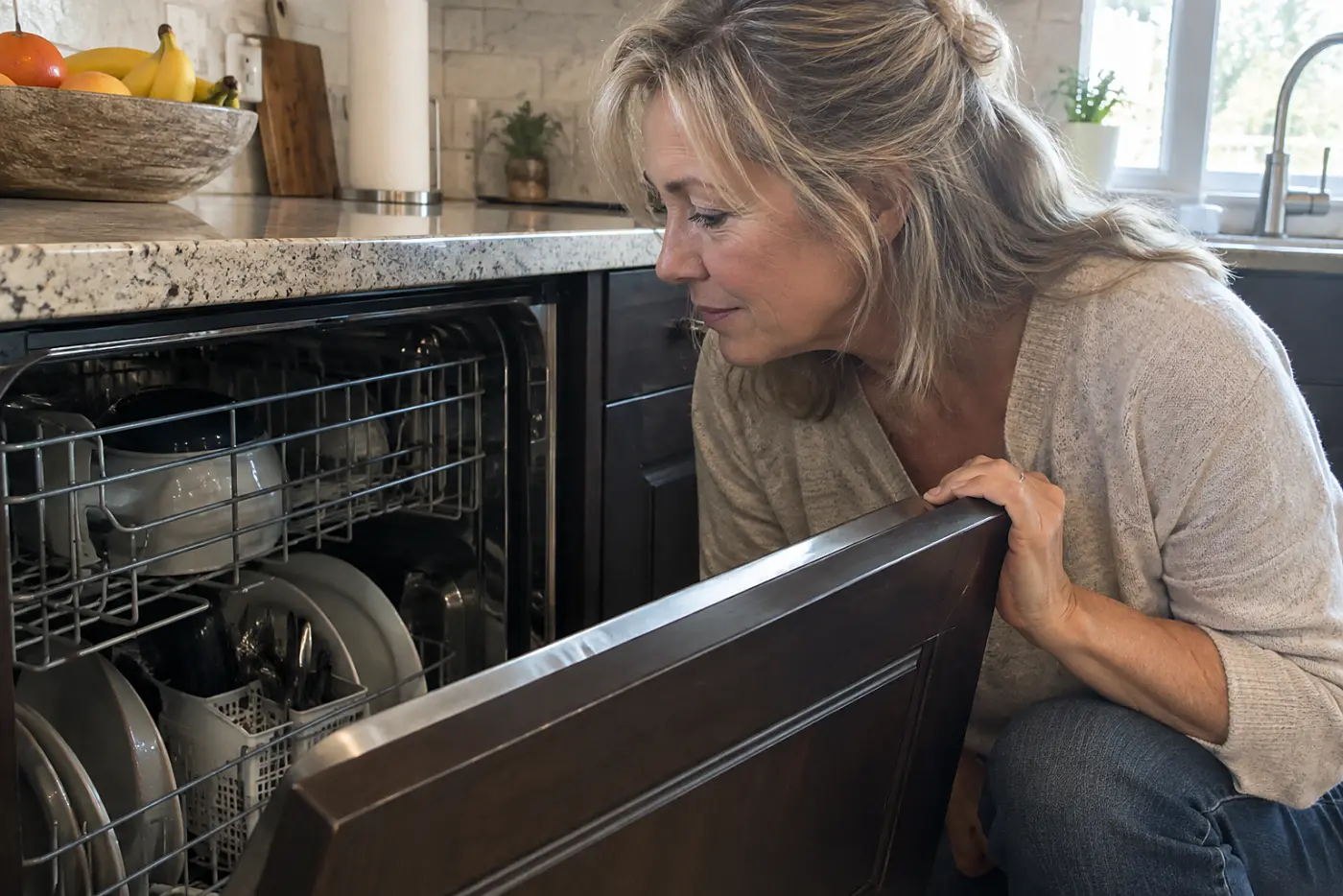
A dark brown door disappeared beneath the kitchen counter.
It wasn't sleek. It was the machine everyone argued about loading, with racks full of cereal bowls and forks that still needed rinsing. Its color worked with the cabinets because nothing else in that kitchen tried to be white.
Check the floor around an old dishwasher for dampness before you run it again.
24The Butcher-Block Laminate Counter
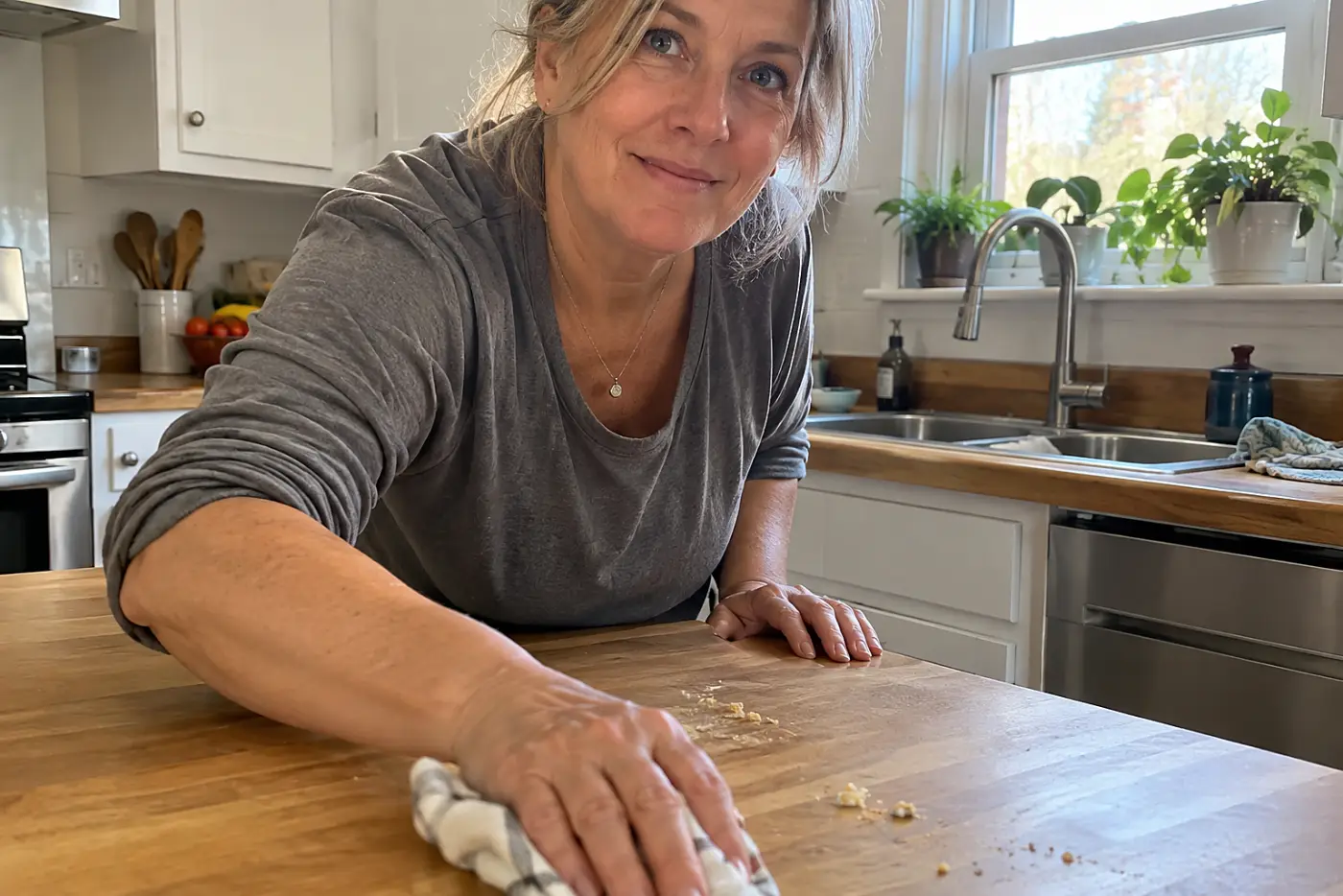
Little printed wood squares ran right up to the sink.
The pattern promised a butcher block, but the surface was laminate. A hot pan left its mark, and water found any loose seam near the sink. Still, those squares hid a great deal of toast crumb between wipe-downs.
Photograph the pattern before a remodel. If you want it back, ask a laminate supplier for a butcher-block print rather than buying a wood counter you never wanted.
23The Orange-and-Brown Wallpaper

Big flowers climbed the wall behind the breakfast table.
The orange petals weren't shy, and the brown outlines tied them to the cabinets. A single wall carried enough pattern for the whole room. Scrape it away and you lose a record of somebody's very firm taste.
Save a clean scrap during renovation, then date it on the back.
22The Dark Wood Cabinet Doors
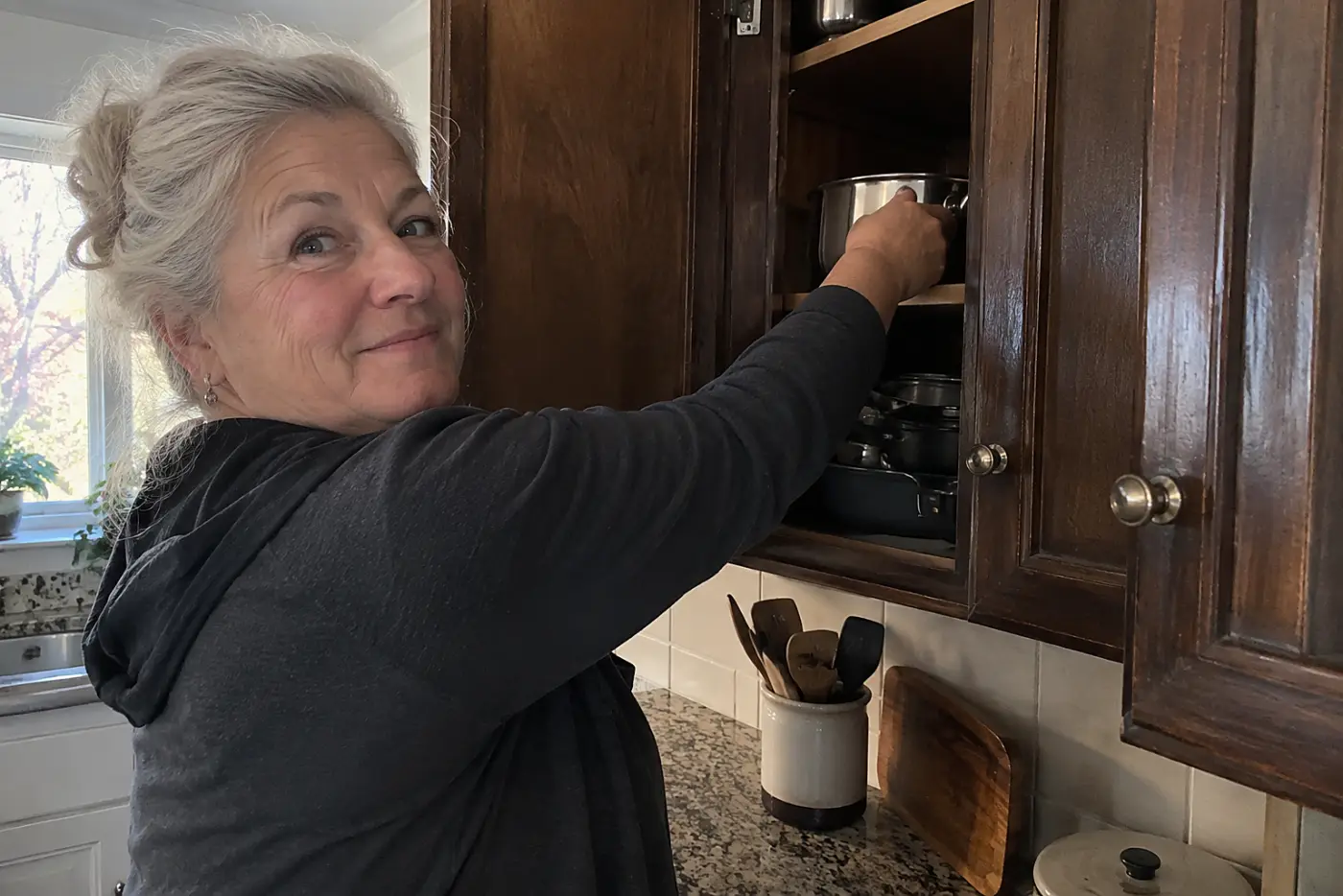
Those flat cabinet doors made the kitchen look darker.
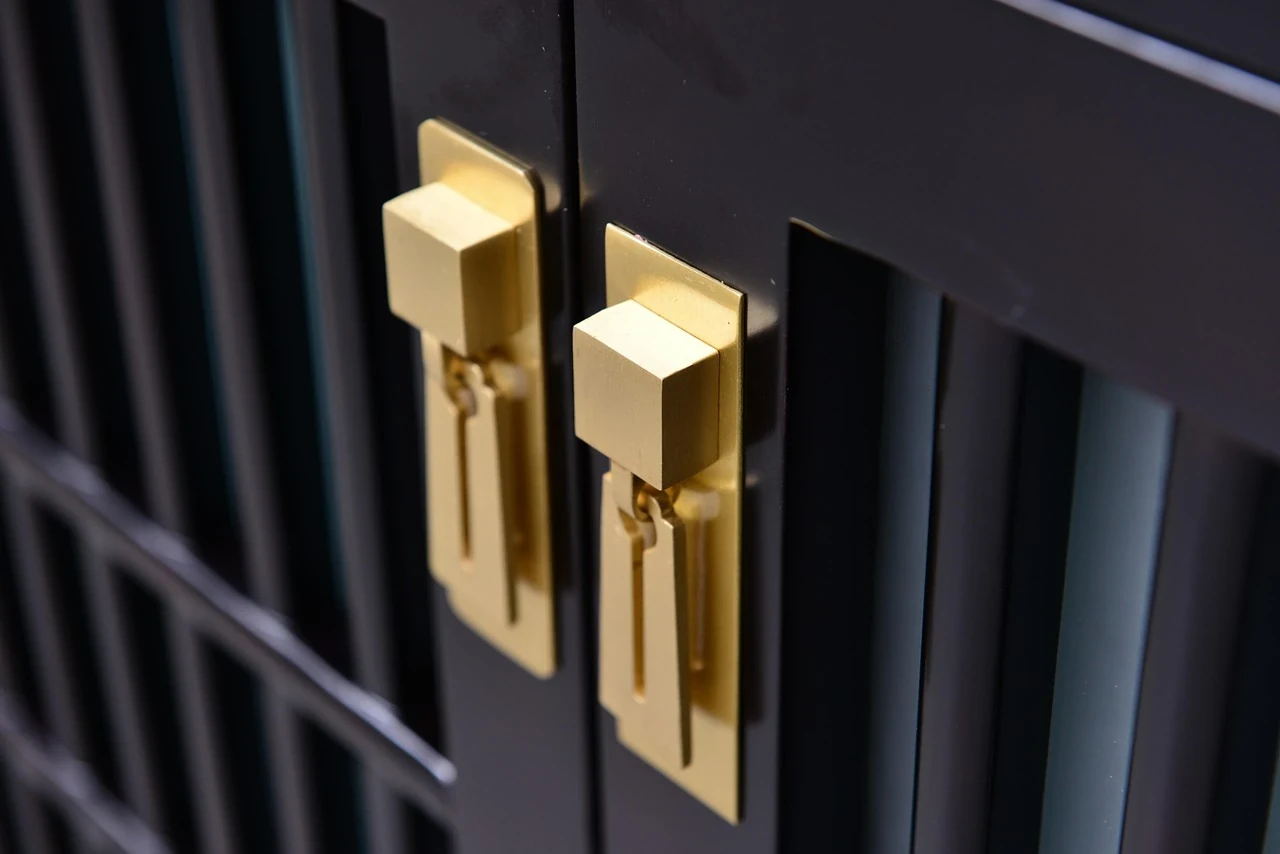
They also took daily handling without asking for much attention. Brass-colored pulls caught your fingers while you looked for the right saucepan. In a room full of gold and orange, the dark wood gave your eyes somewhere to rest.
Wash one door and its pull before judging the entire kitchen. Years of grease change the color you think you're seeing, especially above a stove that worked hard.
21The Scalloped Window Valance
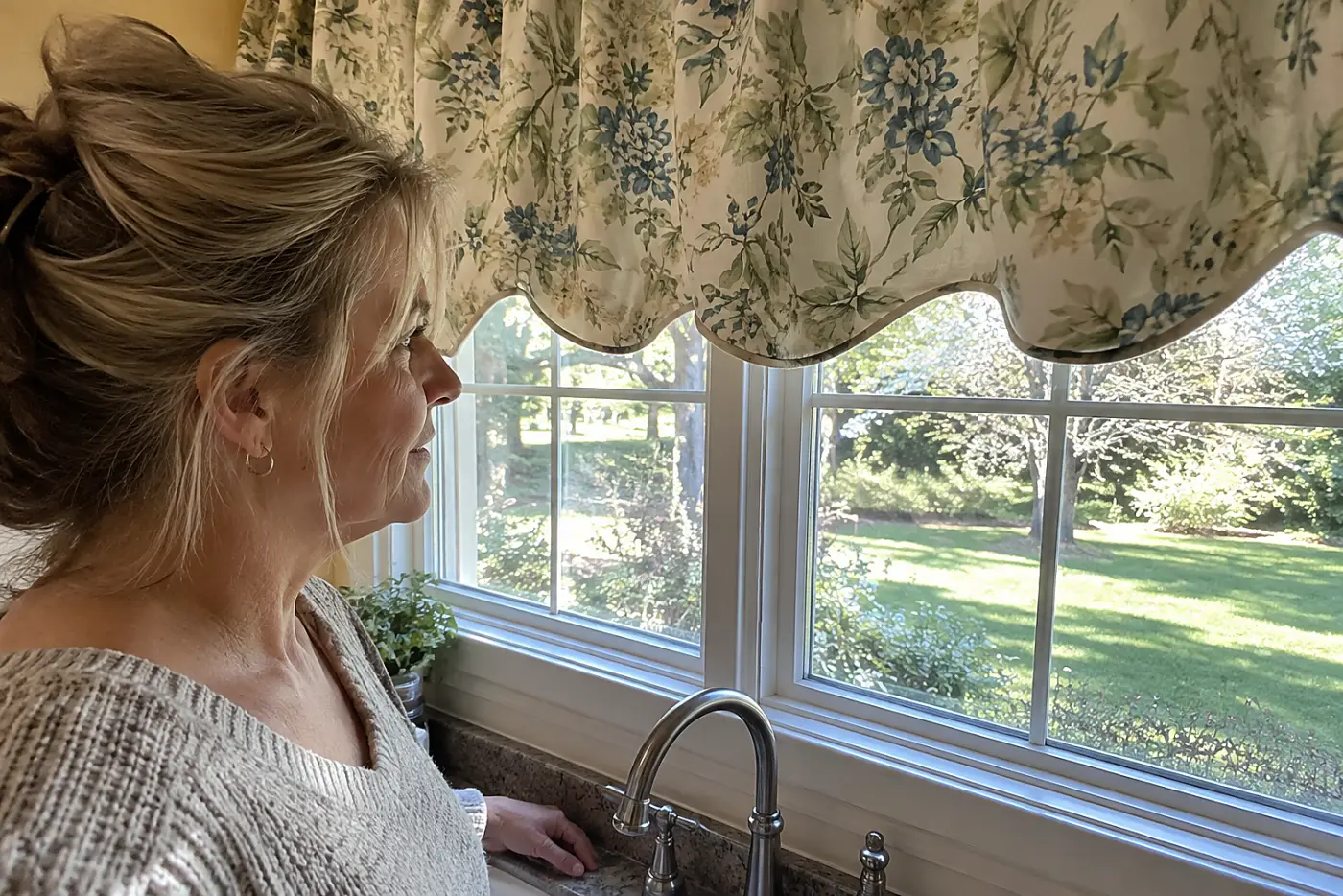
A short scalloped curtain framed the sink window.
It covered the top of the glass without hiding the yard. Someone picked its fabric to meet the wallpaper, the towels, or both. By supper, you knew who was home from the light over that sink.
Keep the valance if you love it; wash it before you measure for a replacement.
20The Woven Macramé Plant Hanger
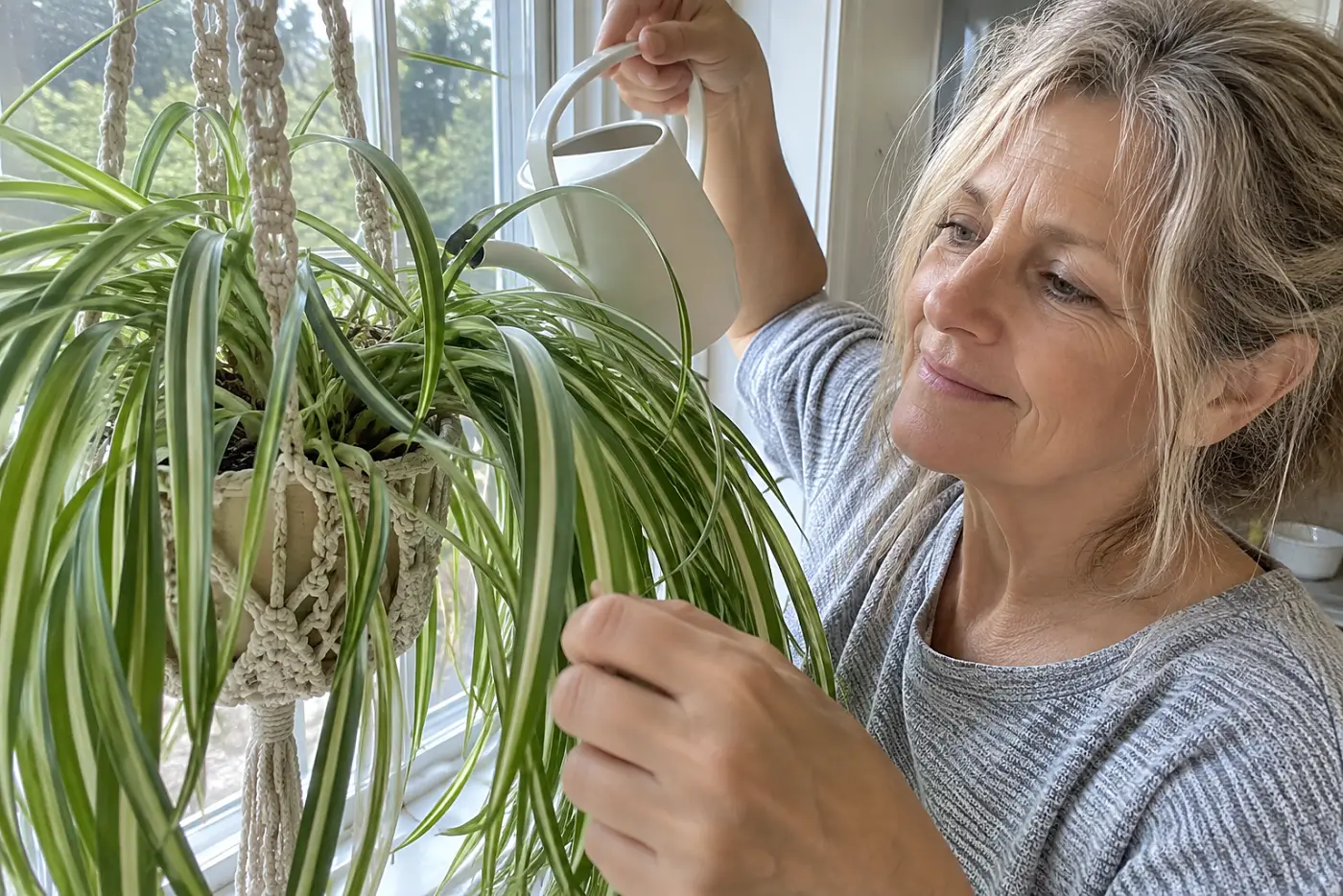
A spider plant dangled in a web of knotted cord.
The hanger freed the counter, though every watering required a little balance. Its long tails and wooden beads looked right beside a sunny kitchen window. When the plant sent down baby plants, they hung above the dishes like a second fringe.
Check the ceiling hook and the cord before you hang a pot there again. Old cotton fibers and a heavy wet planter make a poor bargain.
19The Bright Orange Mushroom Canisters
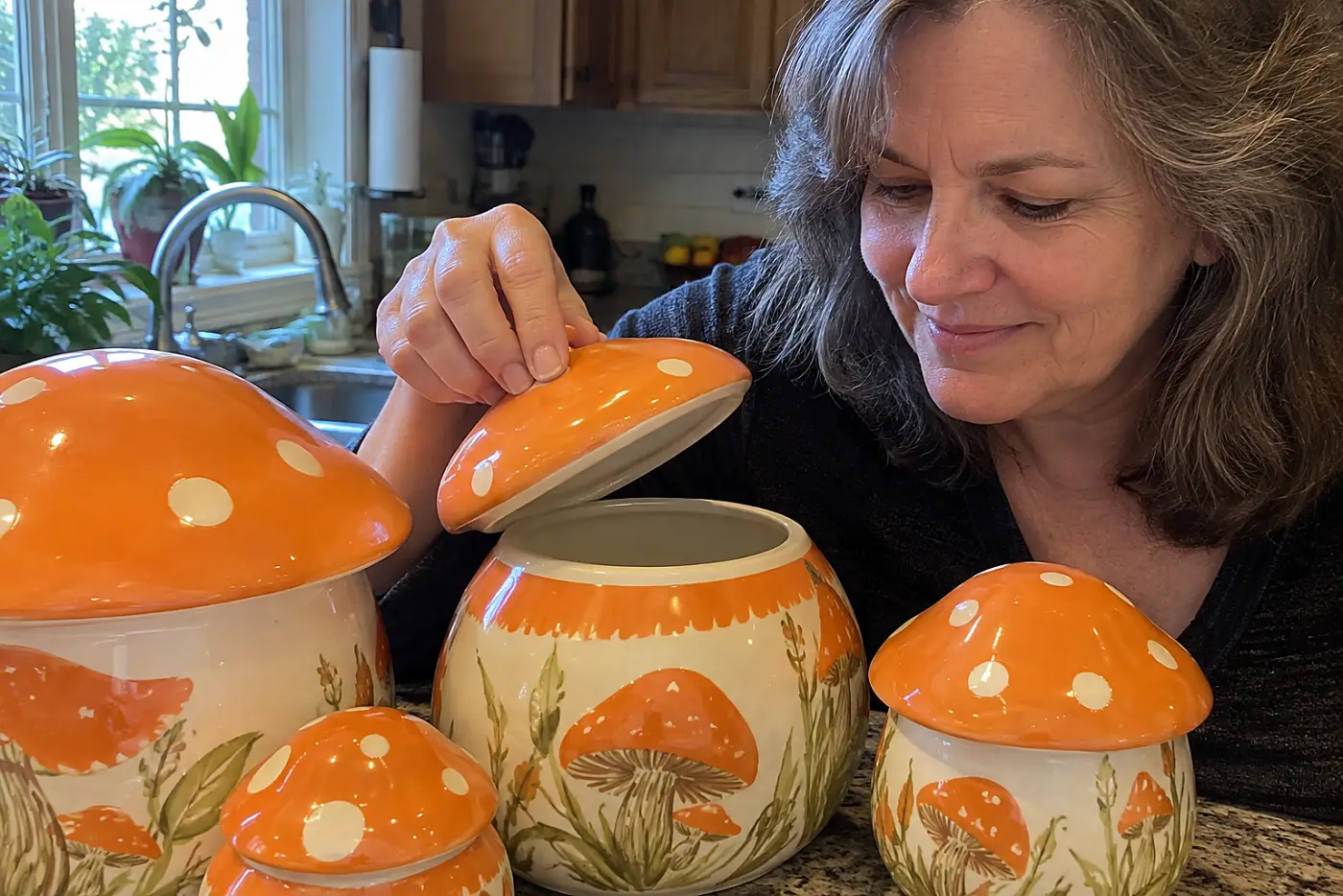
Ceramic mushrooms stood in a row along the counter.
One held sugar, another held coffee, and somebody always returned a lid to the wrong stem. Orange and brown glazes matched the walls without pretending to be serious kitchen equipment. The shapes were part of the joke.
Turn one over for a maker's mark, then check completed sales for the same pattern and condition.
18The Cork-Topped Glass Canisters
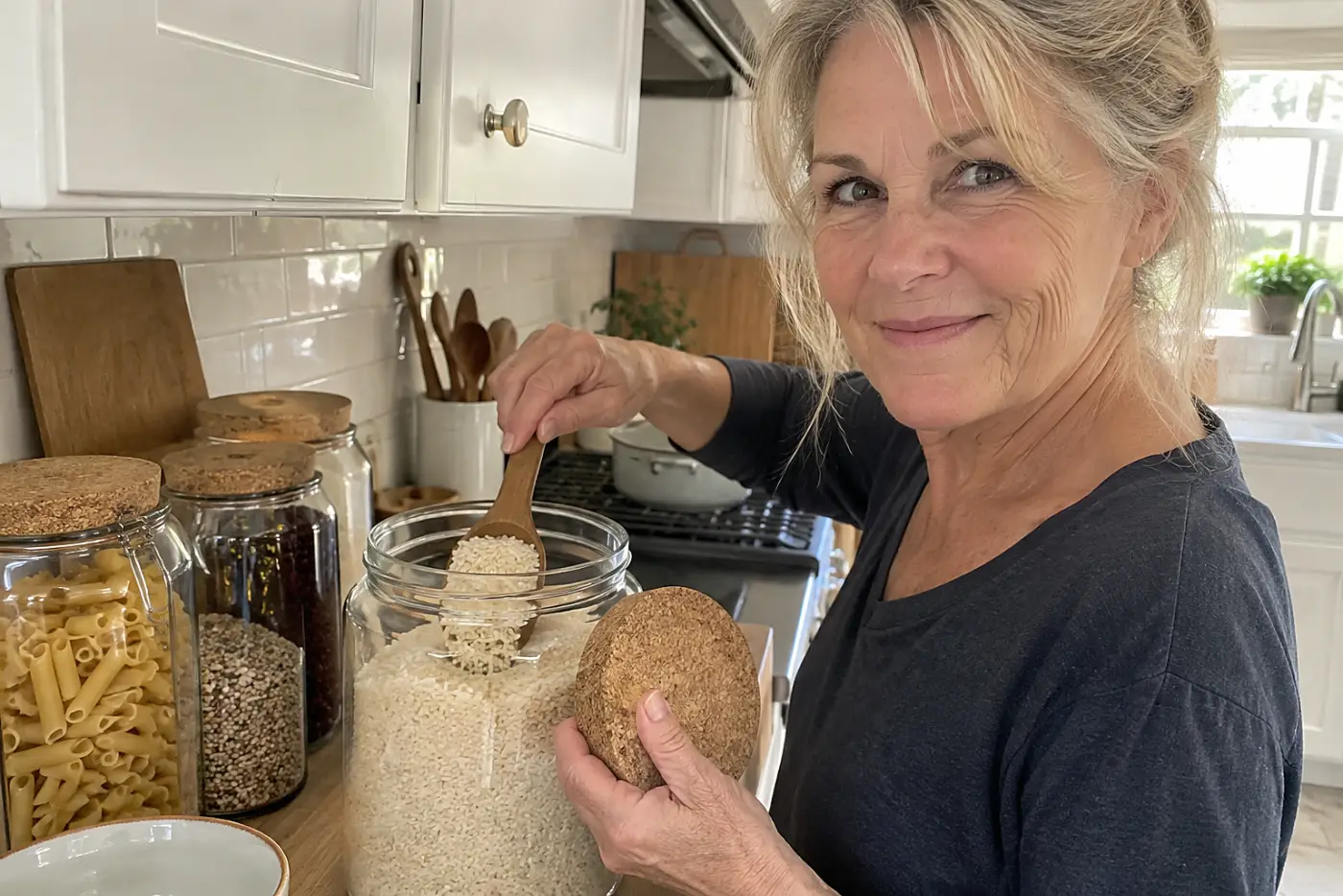
Clear jars wore thick cork lids beside the stove.
You saw the flour, rice, or dried beans without opening anything. The cork held the smell of the pantry, especially after years beside onions and frying oil. A mismatched set still looked like a set when the jars lined up.
Wash the glass, inspect each rim for chips, and replace a crumbling stopper. If you're using the jars for food again, make sure the lid sits securely rather than trusting the way it looks.
17The Wicker Bread Basket
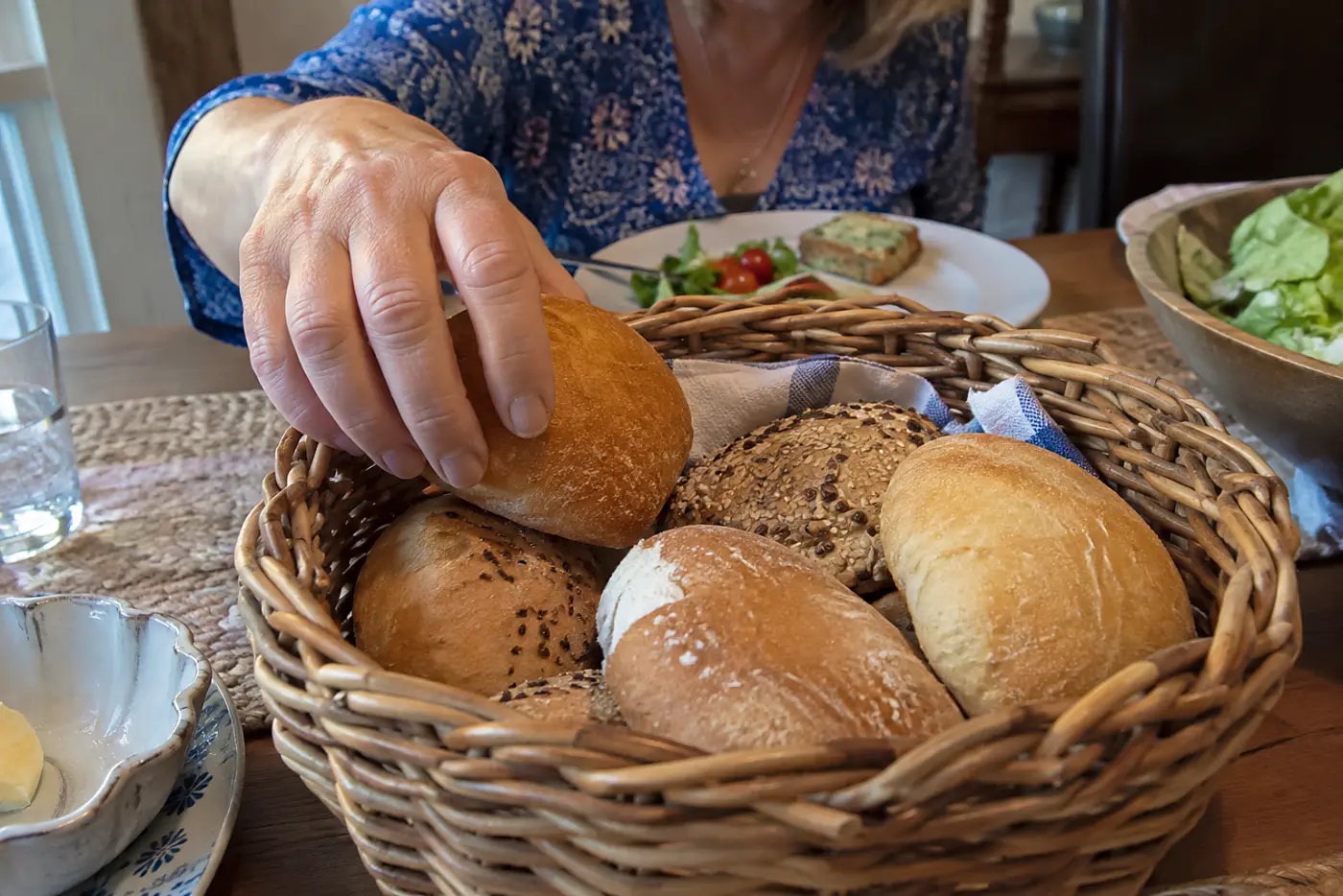
A shallow wicker basket landed in the middle of supper.
Dinner rolls sat under a cloth napkin while hands reached across the table. Its weave caught crumbs that a plate never would. The basket belonged to family meals, not a styled shelf.
Shake yours outdoors, then brush the weave before putting bread back in it.
16The Crochet-Trimmed Dish Towels
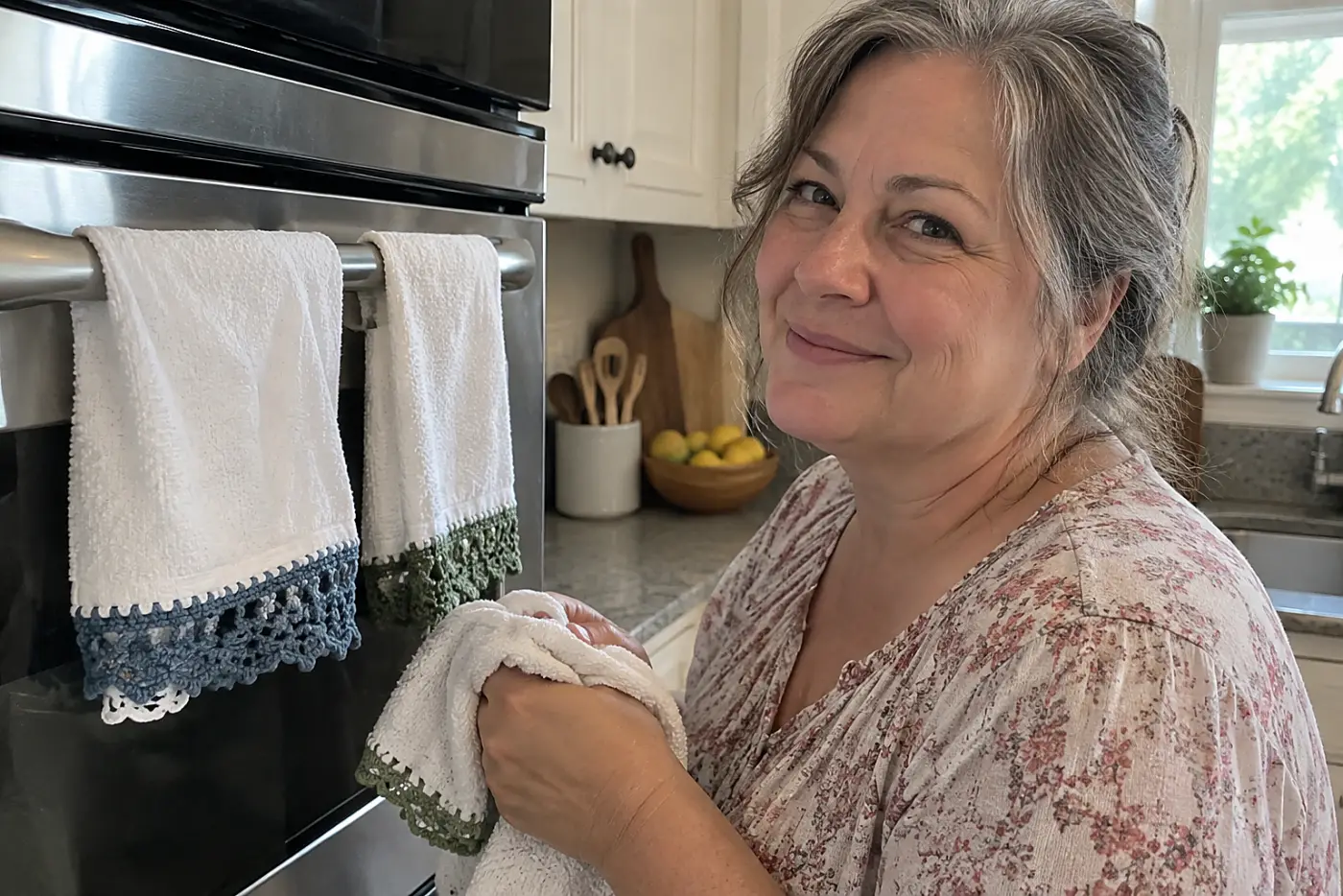
White towels hung from the oven handle by handmade loops.
Those crocheted tops let you button a towel in place. The cloth dried hands, wiped a spill, and carried the stain to prove it. Someone spent real time on a useful object that everyone else grabbed without thinking.
Keep the sound ones where you can reach them. If the cotton has worn thin, photograph the crocheted top before letting the towel go; that work deserves more than a trip straight to the trash.
15The Daisy-Patterned Vinyl Tablecloth
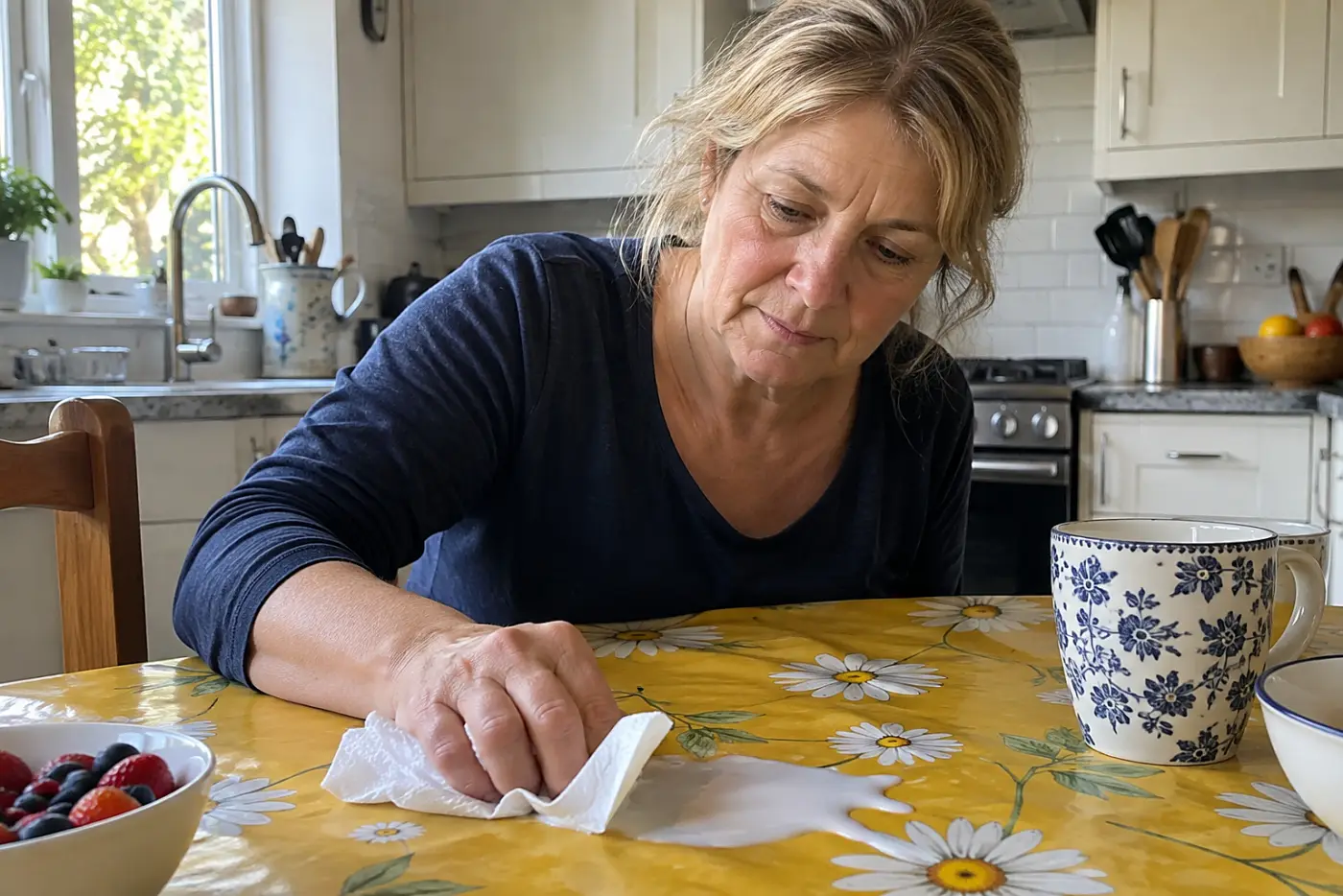
Yellow daisies covered the table right to its corners.
One pass with a damp rag cleared away spilled milk. Underneath, the table stayed presentable for company, even after homework and dinner happened on the same surface. The vinyl stuck to bare forearms in hot weather.
If yours is folded away, unfold it and check the creases before using it again.
14The Chrome-Legged Breakfast Table
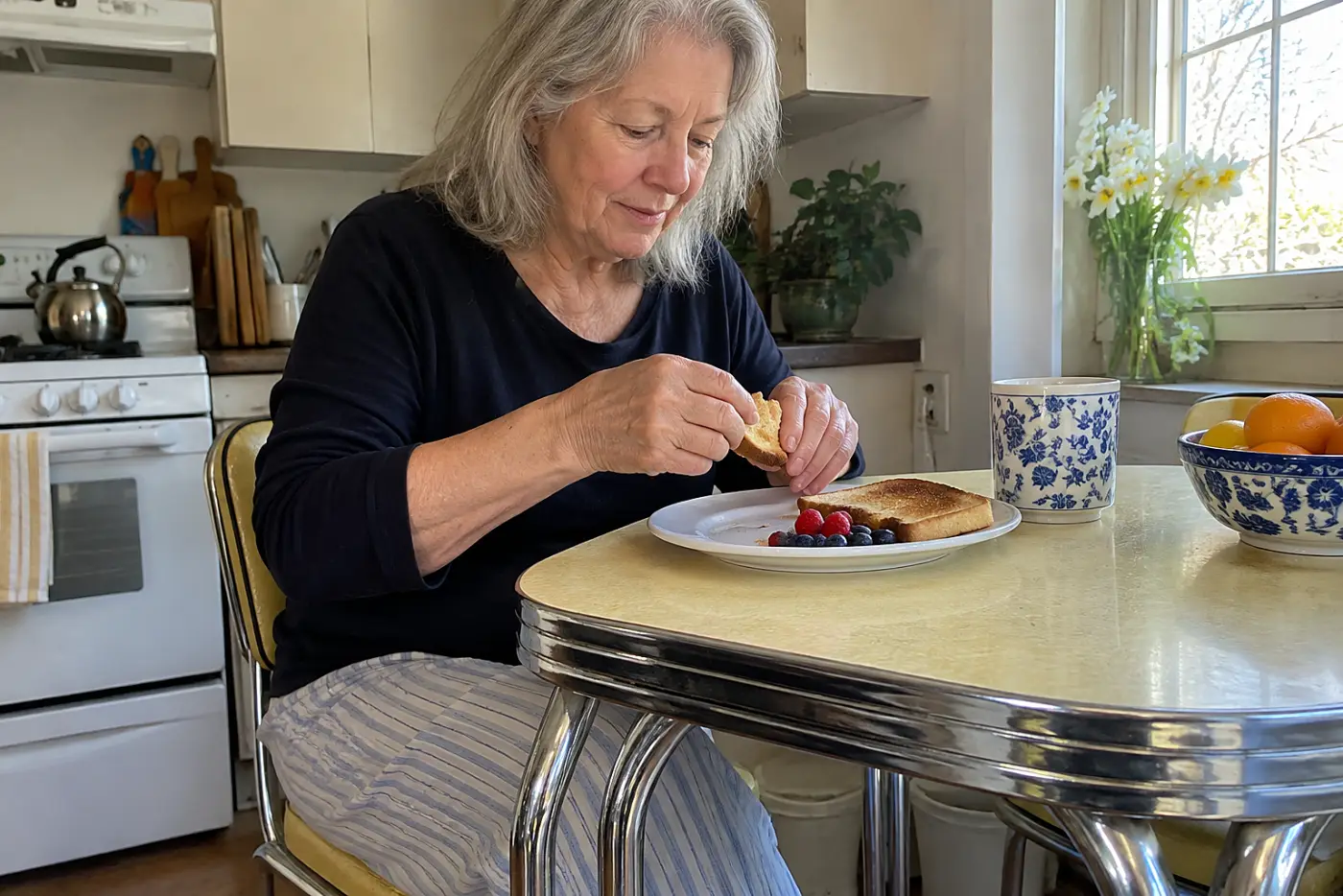
Chrome legs flashed beneath a little kitchen table.
The tabletop held toast, grocery lists, and the mail nobody sorted. Its chairs scraped against the floor whenever the whole family tried to sit down at once. This was where you ate without setting the dining-room table, which meant it saw more of your life.
Check the leg joints before trusting an old set with daily use. Keep the table if it fits your mornings, not because a decorator says chrome has returned.
13The Padded Vinyl Kitchen Chairs

The chair seats had seams that trapped every crumb.
Vinyl wiped clean, at least until a split exposed the padding beneath. The metal frames were light enough to drag over to the stove when another pair of hands was needed. Nobody called them heirlooms.
Press each seat and check the frame for wobble before you offer the set to someone else.
12The Wall Phone With the Long Cord
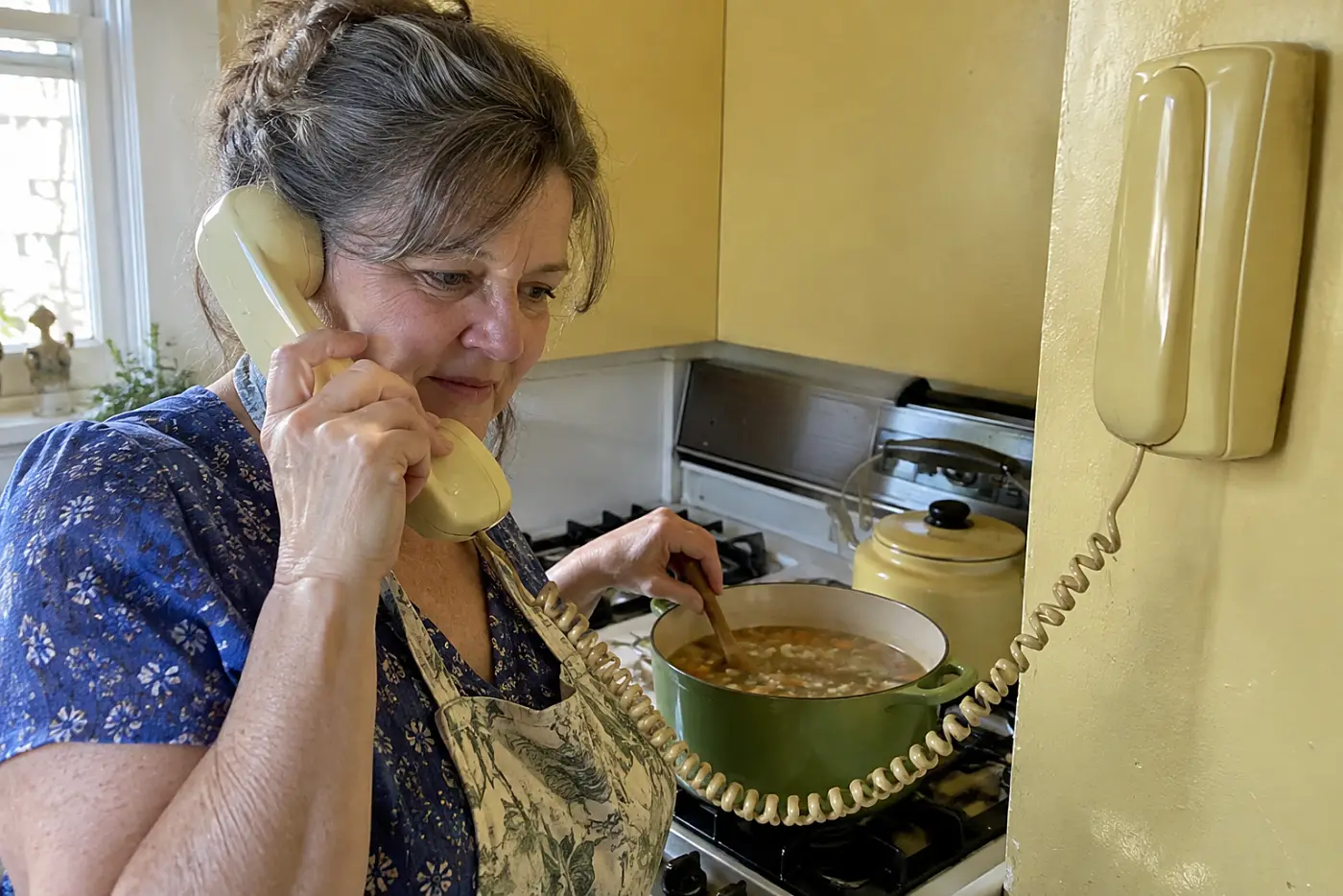
The handset reached the stove, just barely.
That stretched cord let you stir a pot while you talked. It also twisted around chair legs and snapped back when you let go. The phone had one job and a fixed place, so every conversation happened within earshot of somebody.
Keep an old wall phone for its shape if you love it. Don't assume it will work with your current phone service; check the connection first. Give the cord a look, too, before a visitor pulls on it.
11The Clock Above the Stove
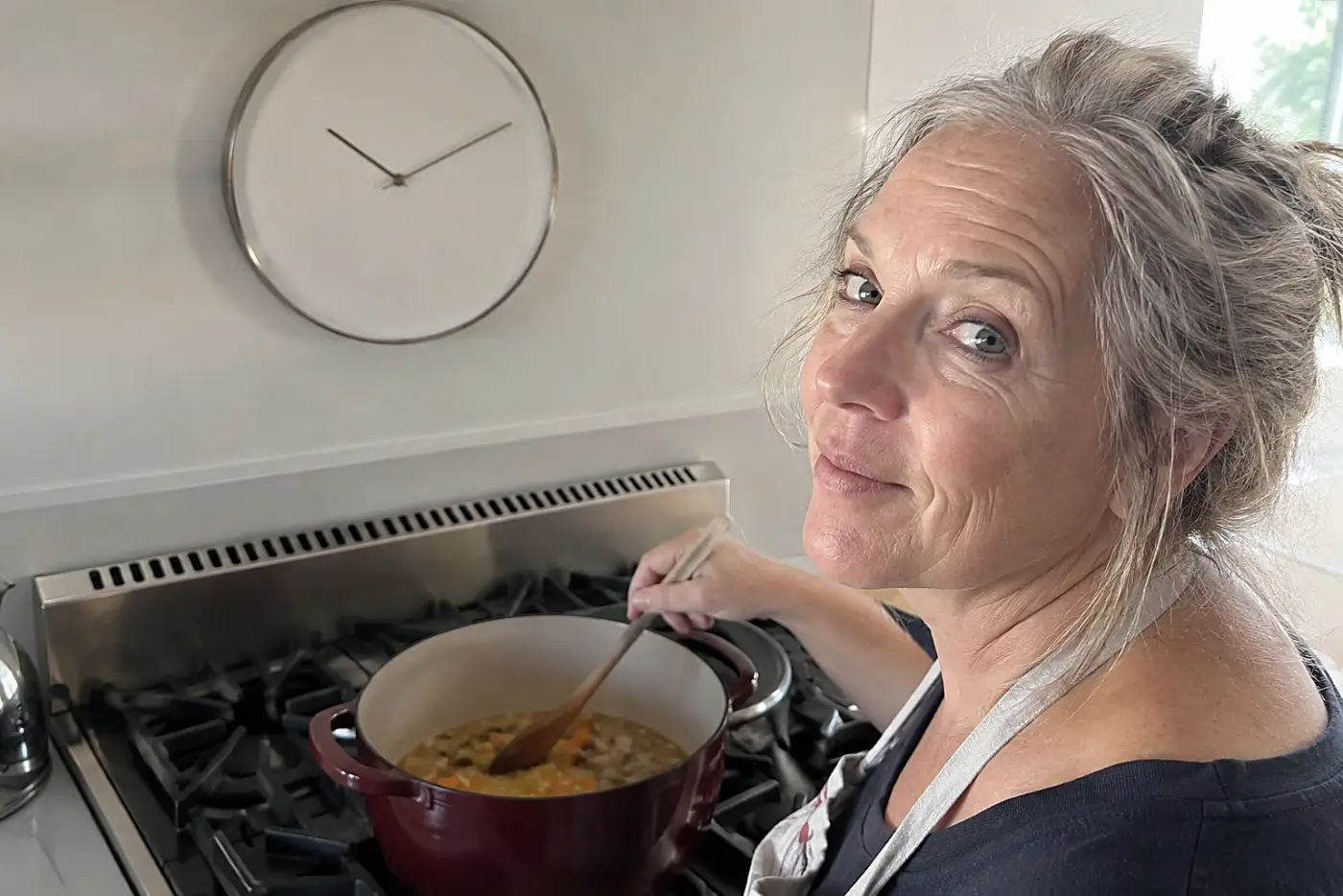
A round kitchen clock watched over every boiling pot.
You glanced up while waiting for pasta, toast, or the school bus. Grease collected on its face, even when the rest of the wall looked clean. That clock kept time for everybody in the house.
Wipe the case and check its mechanism before hanging it where steam reaches it again.
10The Electric Wall Can Opener
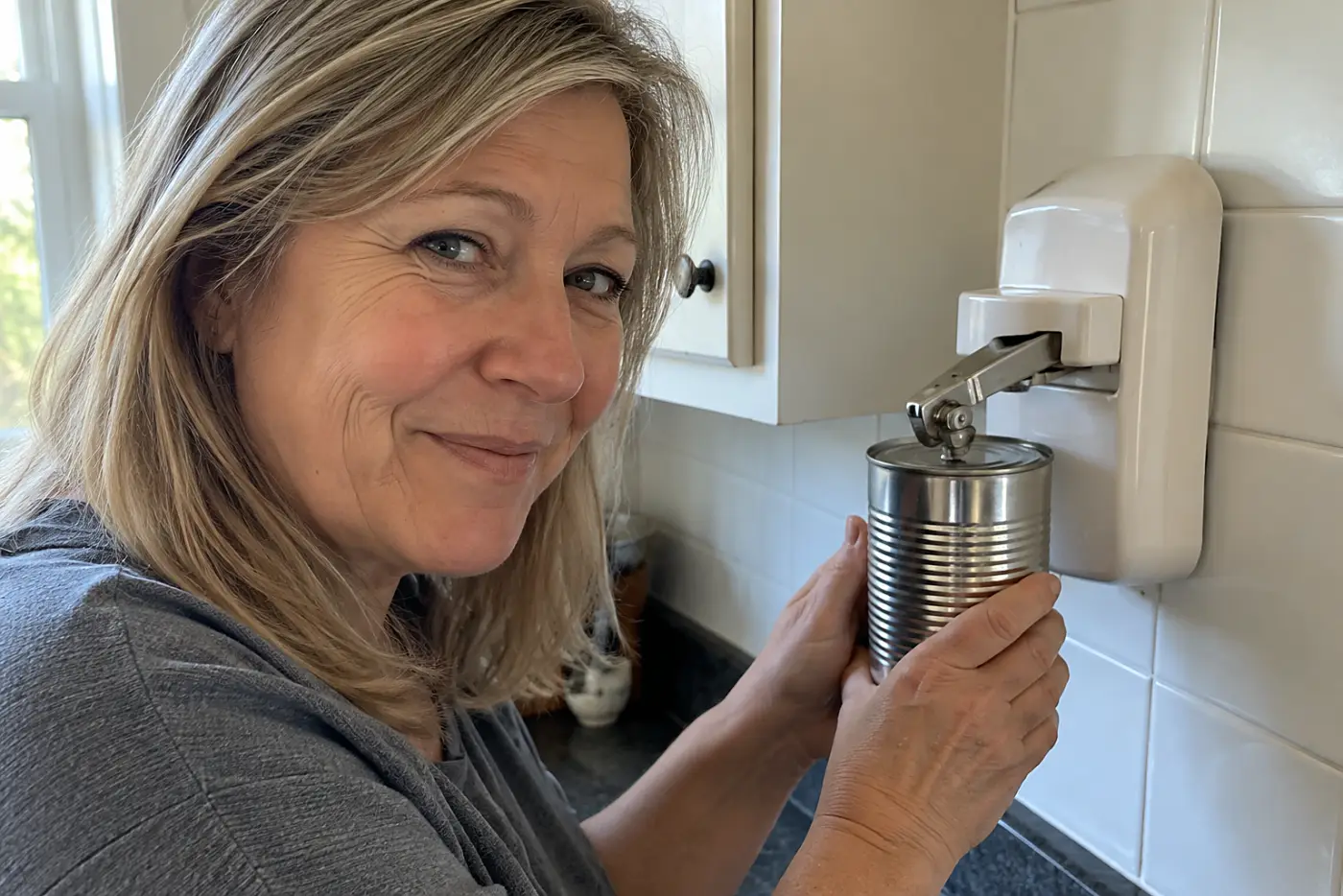
A wall-mounted opener held the can above the counter.
You lifted a tin into place and listened for the little motor to catch. Tomato sauce left a ring around the cutting wheel. Syrup from canned peaches stuck to the bracket beneath it. Nobody wanted to clean either spot before starting supper. Freed from a drawer, the opener stayed ready for soup, corn, and the emergency dinner nobody planned.
If you still own one, unplug it before cleaning the blade area. Check the cord for cracks along its length. If either part looks damaged, put the opener aside rather than testing it on one last can.
9The Electric Knife in Its Case
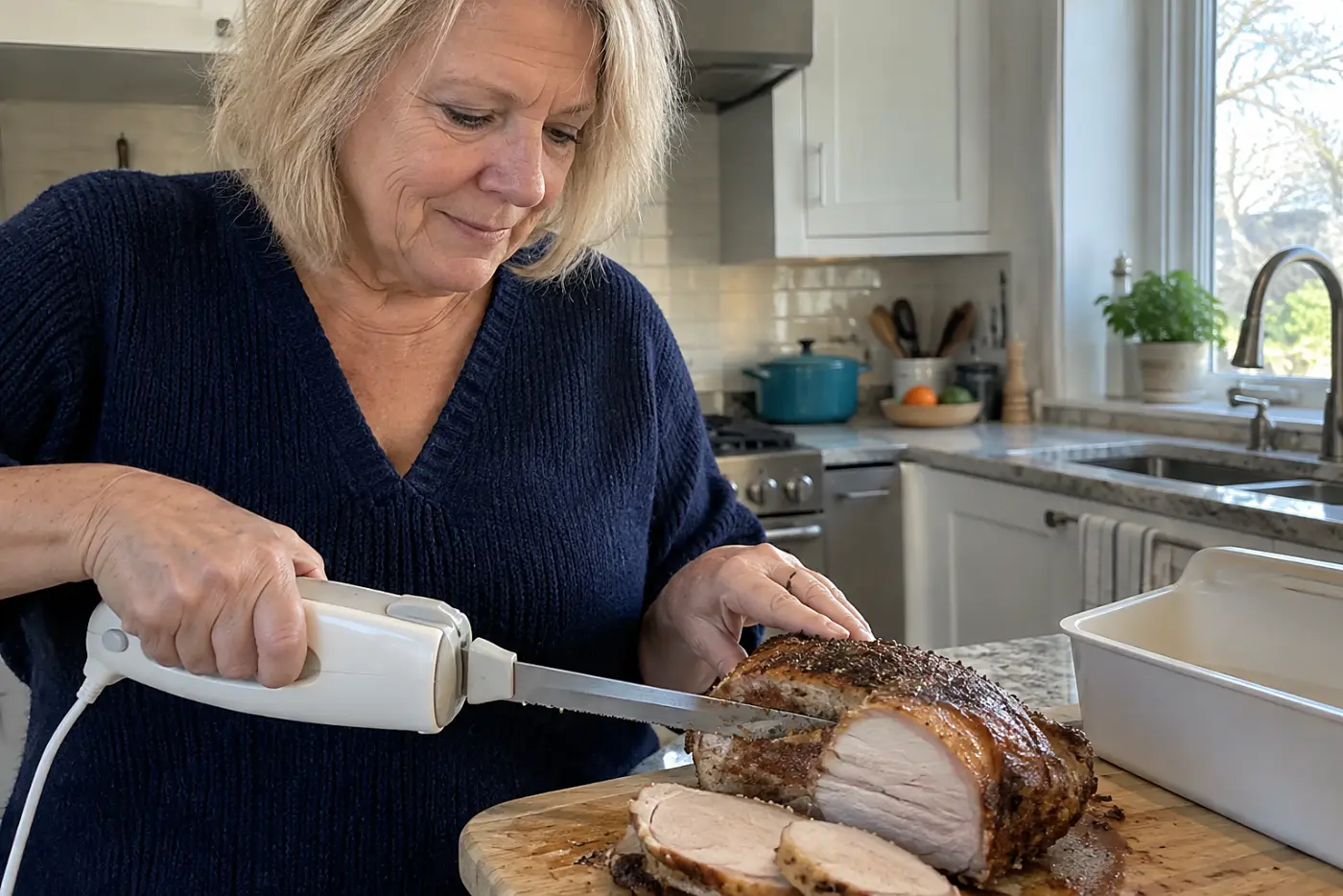
Two long blades waited together inside a plastic case.
At holidays, the knife came out for the roast or the turkey. Its motor buzzed through the dining room before anyone had a plate. The case made it feel like a special tool, even when it lived beside the everyday pans.
Inspect the cord and blades before plugging it in; don't use one with damaged parts.
See more: 23 Things in Your Attic Worth More Than You Think, and the Ones Worth Nothing →
8The Daisy-Print Slow Cooker
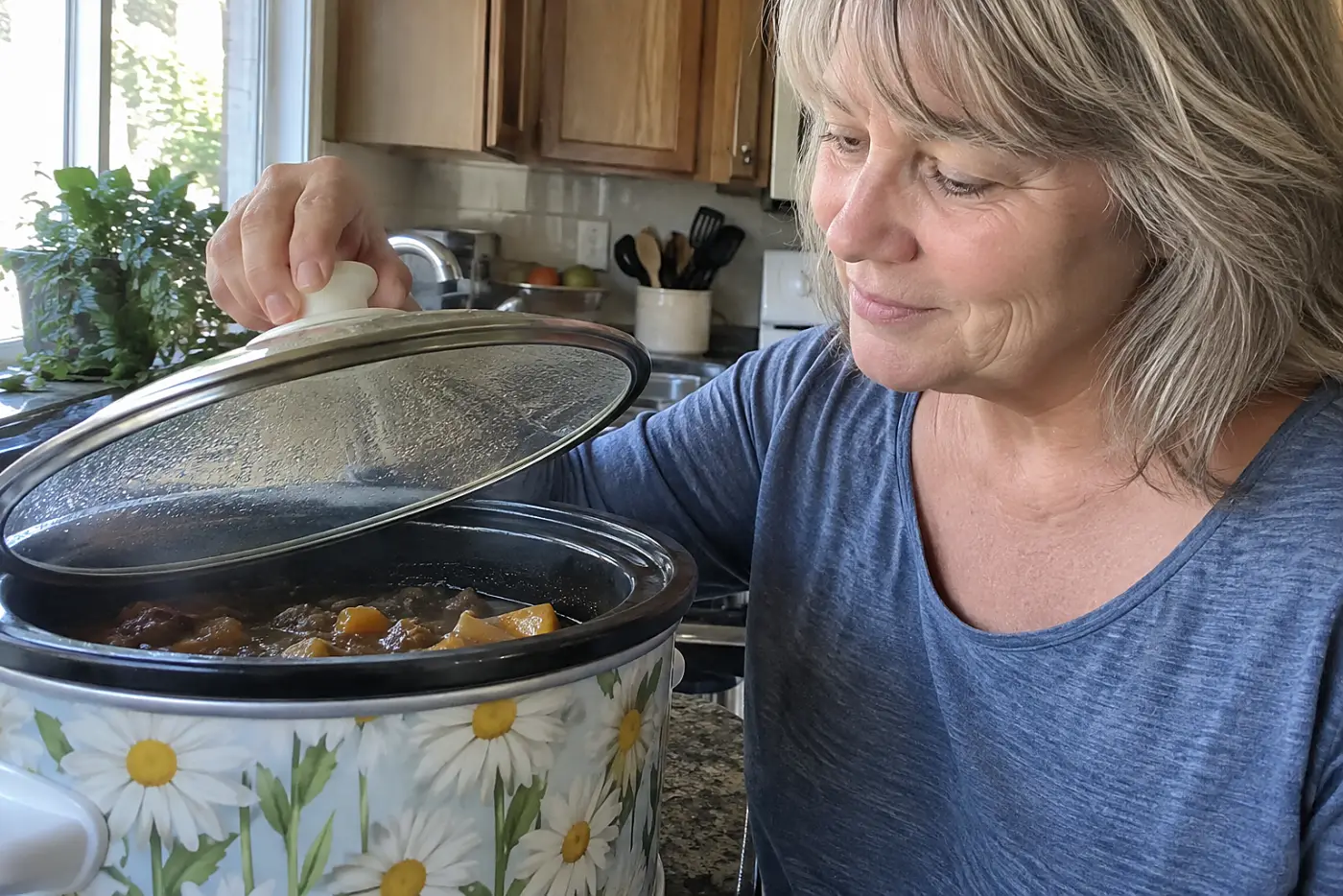
Flowers wrapped around the crock while dinner bubbled inside.
The cooker sat on the counter all afternoon without needing the oven. Its ceramic insert was heavy, and dried sauce collected around the rim after a rushed wash. That floral exterior made practical work look cheerful without hiding the work itself.
Lift out the insert and check it for cracks. If you're bringing the cooker back into service, inspect the cord and plug first. An old recipe card is worth keeping; unsafe electrical parts aren't.
See more: 17 Jell-O Mold Recipes From the 1950s →
7The Countertop Toaster Oven
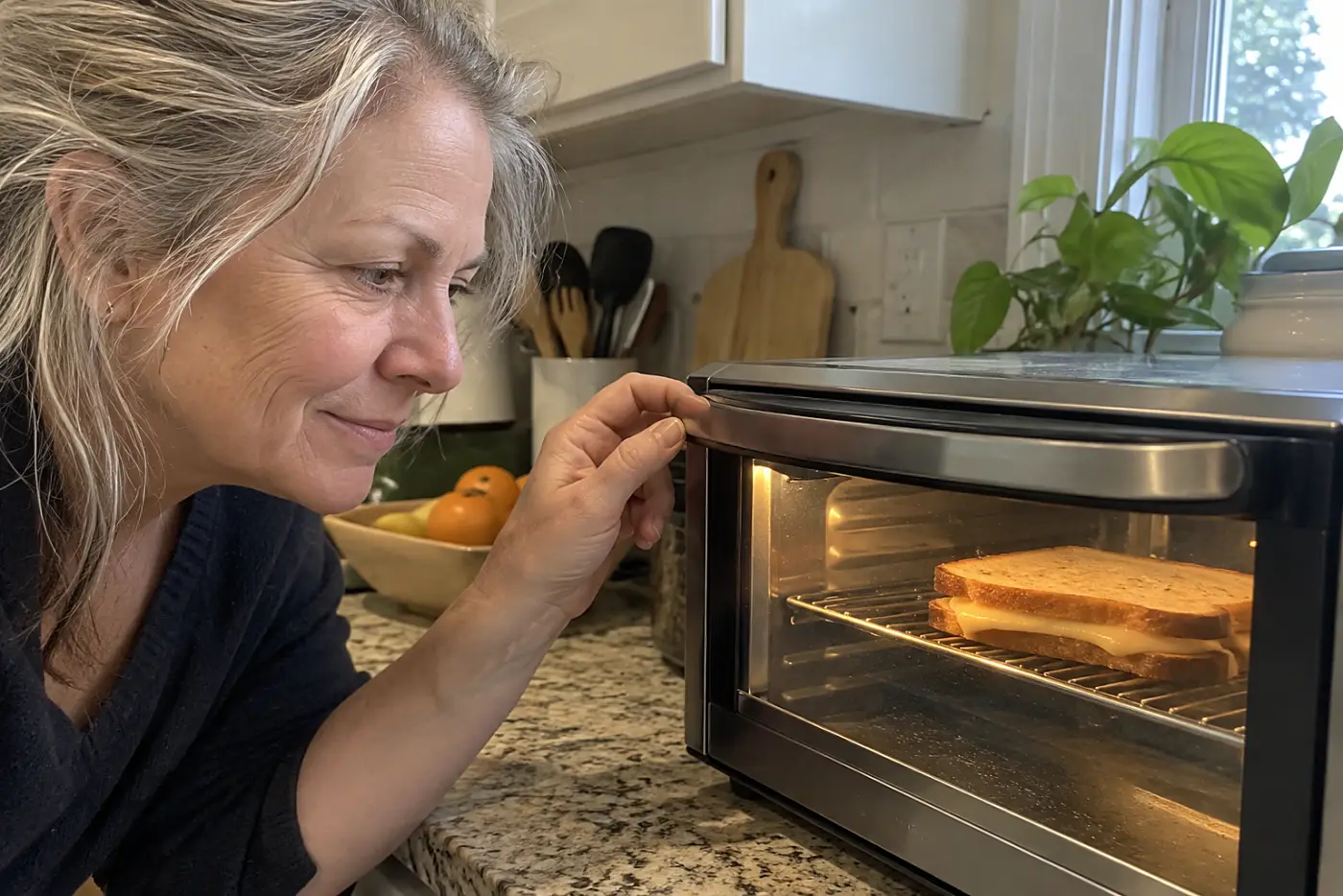
A squat metal oven sat beside the bread box.
It browned one sandwich without heating the big oven. Its tray filled with crumbs, and the front glass gave you a close view of cheese sliding off toast. Everyone knew exactly how long was too long.
Empty the crumb tray and inspect the cord before using an old one.
6The Metal Bread Box
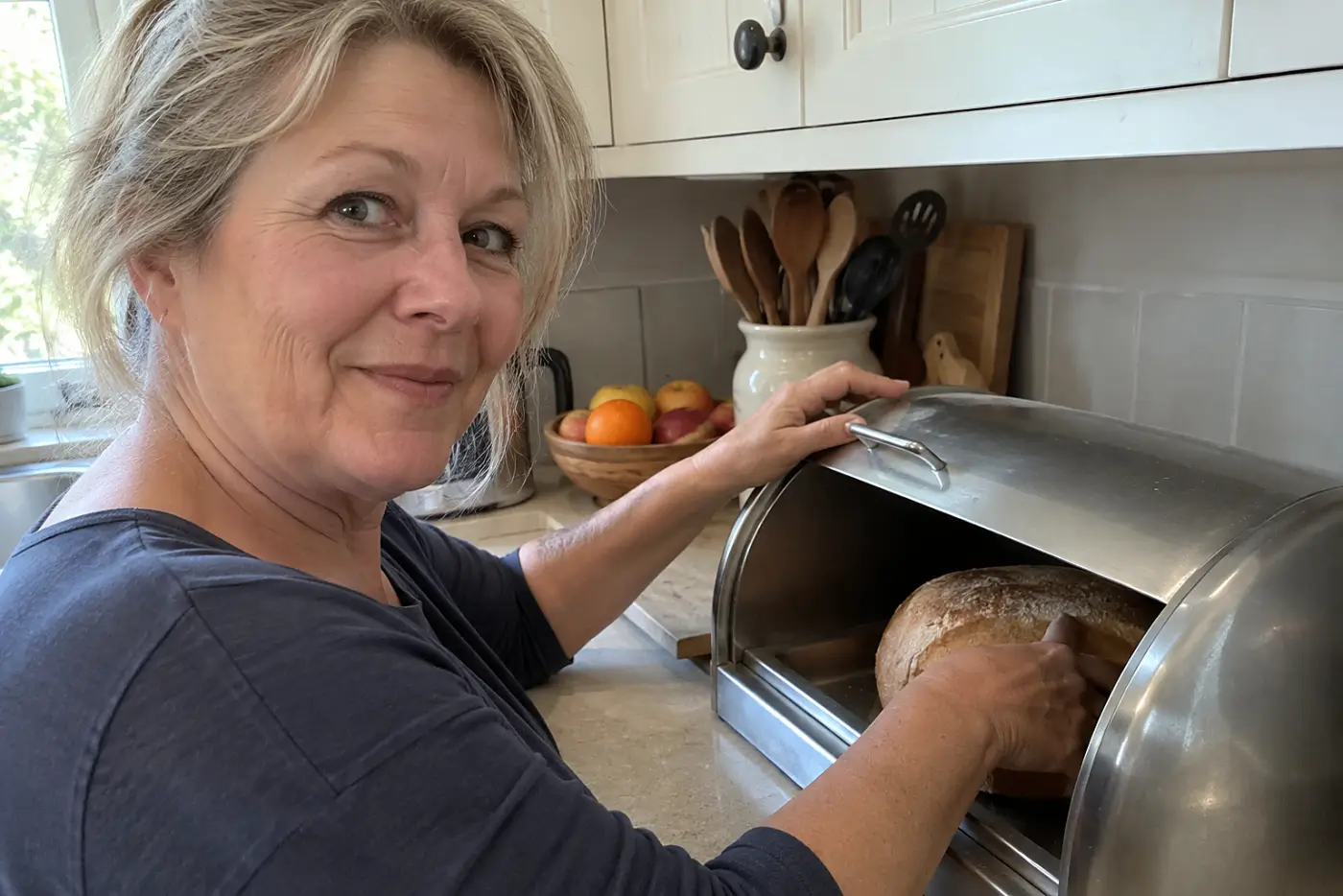
A hinged metal lid hid the loaf and the crumbs.
It took up counter space, but it spared the bread from being crushed under grocery bags. Some had rounded corners; others wore the same colors as the stove. Opening that lid was part of making lunch, as familiar as finding the butter.
If yours survives, clean the hinges and check inside for rust. Then decide whether it holds bread now or the pile of mail that keeps landing beside the toaster. Either job beats leaving it forgotten in a damp basement.
5The Mushroom-Shaped Salt and Pepper Shakers
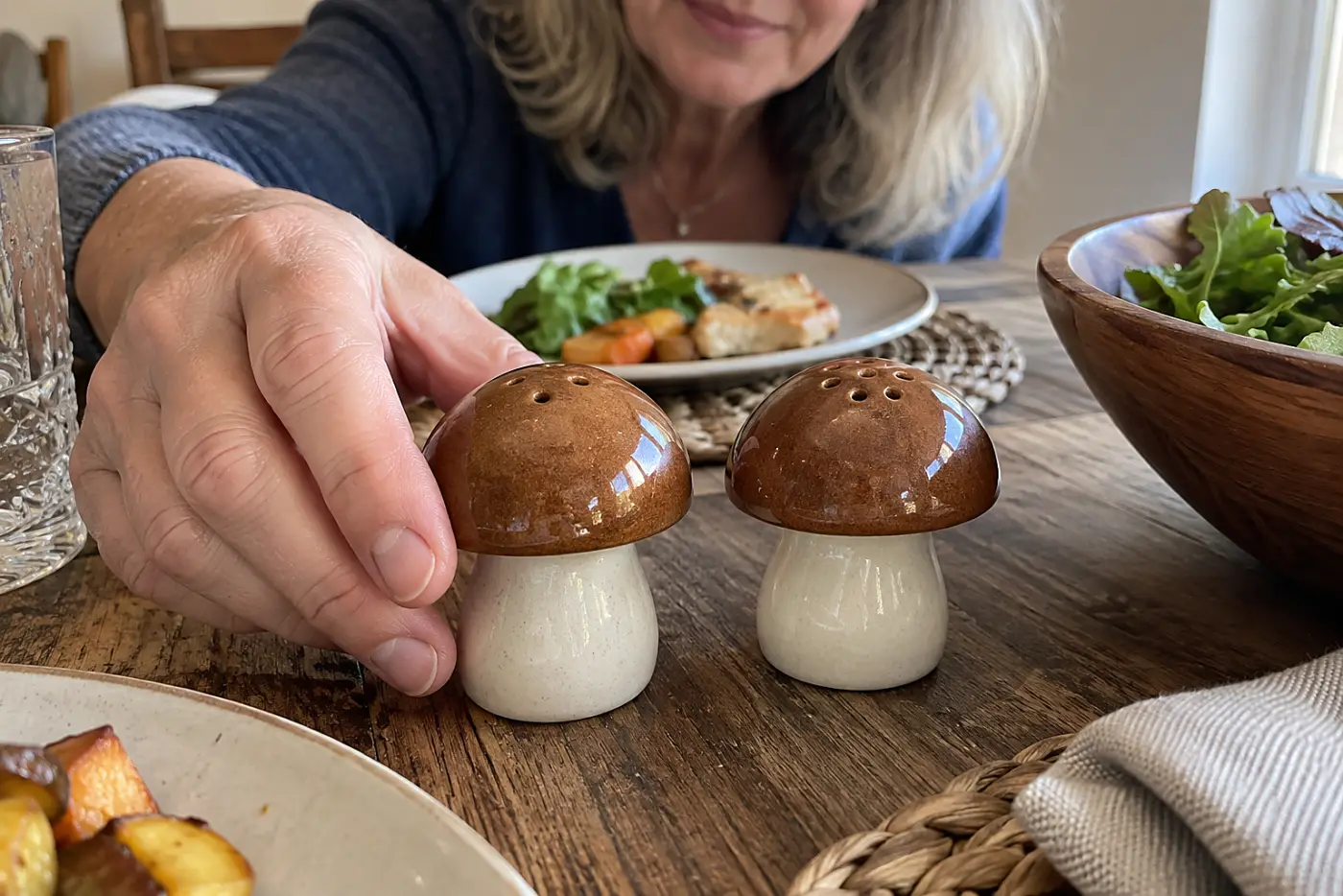
Two tiny mushrooms stood beside the dinner plates.
Their painted caps matched the bigger canisters on the counter. Salt clogged in humid weather, and someone tapped the bottom until far too much came out. That little pair was easy to lose during a move.
Check for chips and intact stoppers before passing yours along with the dishes.
4The Wooden Salad Bowl Set

A broad wooden bowl held the whole family's salad.
Smaller matching bowls came out when dinner called for something besides a sandwich. The wood darkened with handling, while serving utensils wandered into other drawers. A set with every piece still together tells a fuller story than one lonely bowl.
Wash wooden bowls by hand and dry them promptly. If you're assessing a set, look for cracks, maker's marks, and the original matching pieces. Check completed sales for comparable sets rather than trusting a hopeful asking price.
See more: 22 Dishes on a 1960s Dinner Party Menu, Course by Course →
3The Brown Glass Pitcher

Amber glass turned plain water dark on the table.
The pitcher felt substantial when it was full of iced tea. Its handle and lip took the knocks; the color concealed little scratches until sunlight caught them. Set against that gold refrigerator, it looked like it belonged.
Hold yours near a window to check the rim and handle for damage before you pour from it.
2The Pyrex Mixing Bowl Stack
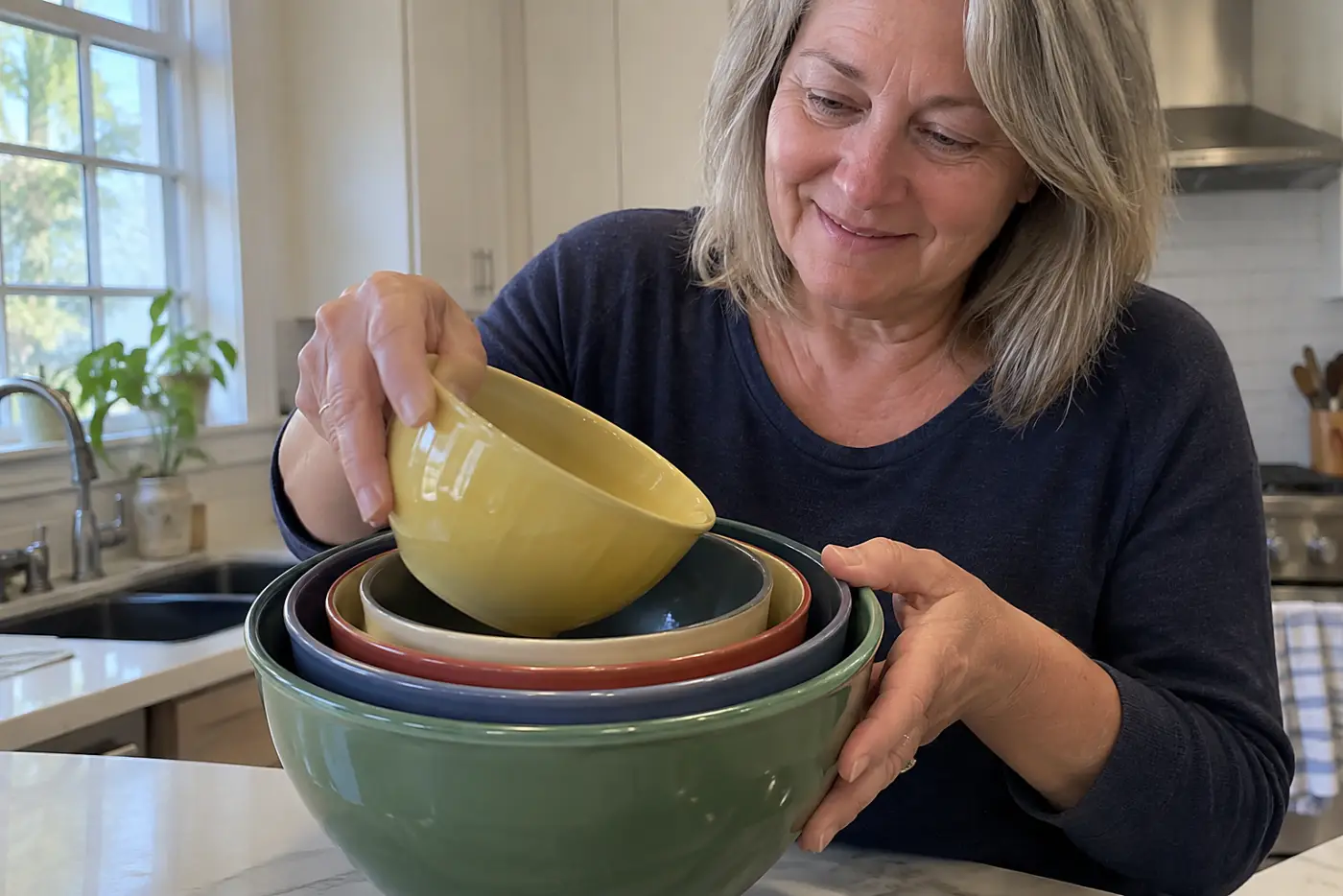
Colored bowls nested together beneath the kitchen cabinet.
The largest caught cake batter; the smallest held chopped onions. Different colors made it easy to grab the right size without reading a mark. Surviving sets have spent decades being washed, stacked, and carried to somebody else's kitchen.
Look beneath each bowl for its mark and inspect the rims in strong light. Don't put a vintage bowl over direct heat. If you have a full matching stack, photograph the bowls together before one disappears into a borrowed casserole dish.
1The Dinnerware Pattern Scrap
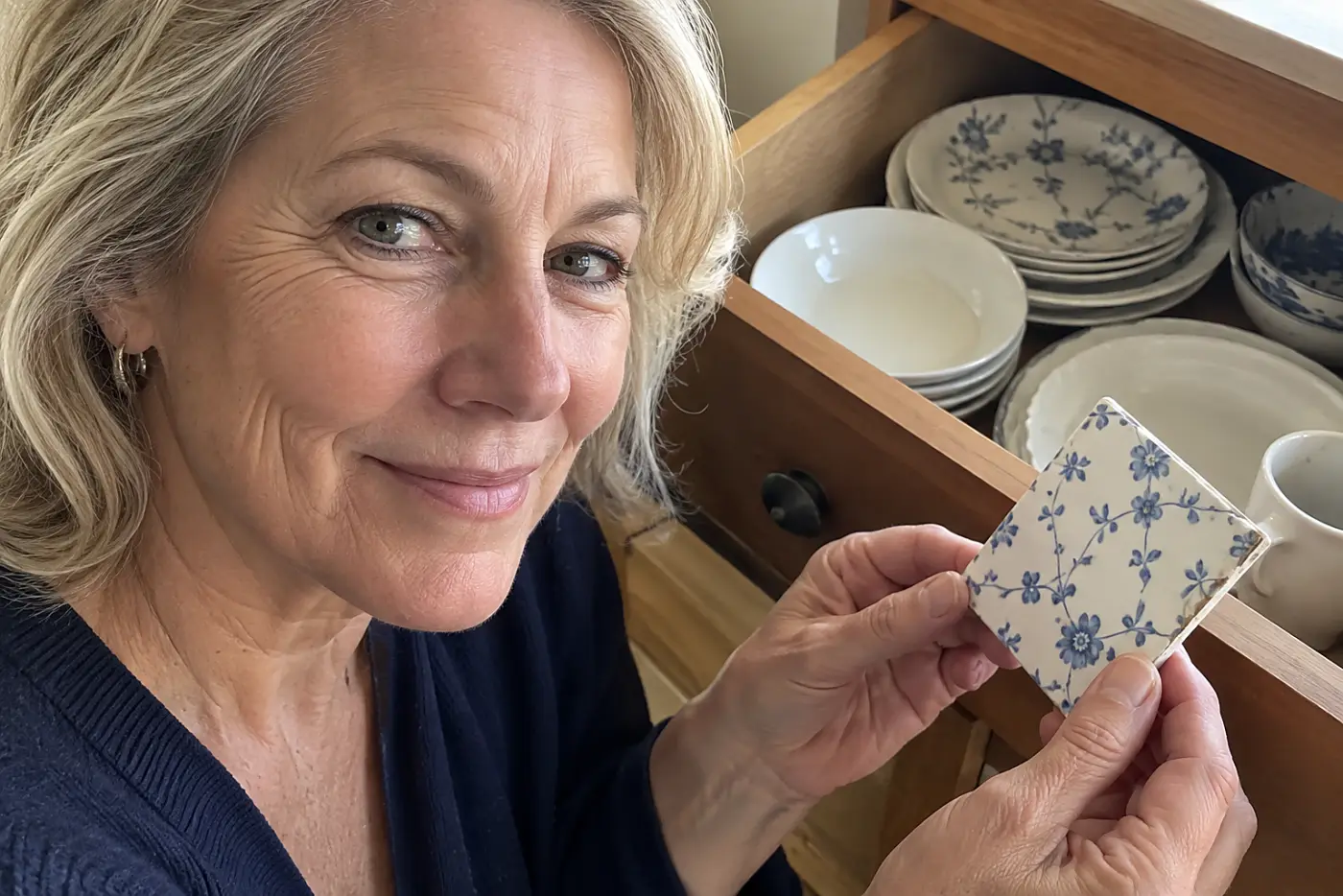
A broken patterned plate piece rested at the drawer's back.
That scrap was saved for a reason. A flower, colored rim, or stamped underside gave you something to match when a plate broke and the original box was long gone. Without it, the set became “those old dishes” and little else.
Keep the piece wrapped, and photograph both sides. It gives you a starting point for finding the pattern again.
The bottom line
These 27 things followed the daily traffic of a kitchen, from stove to table to the back of a drawer. You already know which pieces earned their place: keep those, and check the old electrical ones before use.
Which one did your mother have?
Up next
25 Retro 70s Bathroom Ideas to Keep or Update
From avocado tubs to foil wallpaper, these 70s bathroom ideas show what to keep, update, or embrace, with a tape measure before you spend.
Read the list →


Reader quiz
Did you catch the details?
5 questions from this article. Finish them all to unlock the editor's bonus tip.
What should you check before deciding whether to keep a working harvest-gold refrigerator?
Did any of these feel familiar?
Know someone who needs this?
David Ruiz
Home Editor
David writes about the house you have and the one you might move to: staying put, downsizing, repairs, and the small changes that stop a fall.
More from David Ruiz