










27 Rules Every 1960s Mother Enforced in the Living Room
The plastic sofa cover stayed put even when it stuck to the backs of your legs.
By David Ruiz, Home Editor
Updated · 11 min read
- Written by our home editor
- How we review

Read to the end: #1 is the one chair that helps you decide what to keep, and almost nobody asks why.
The screen door slaps shut. Before you reach the living room, you hear it: your mother calling from the kitchen, reminding you to take your shoes off. The sofa gleams beneath clear plastic. One edge has come loose, and the vinyl sticks to your bare leg when you stand.
Here are 27 living-room rules, from the front mat to the seat nobody touched.
27Shoes at the Front Mat
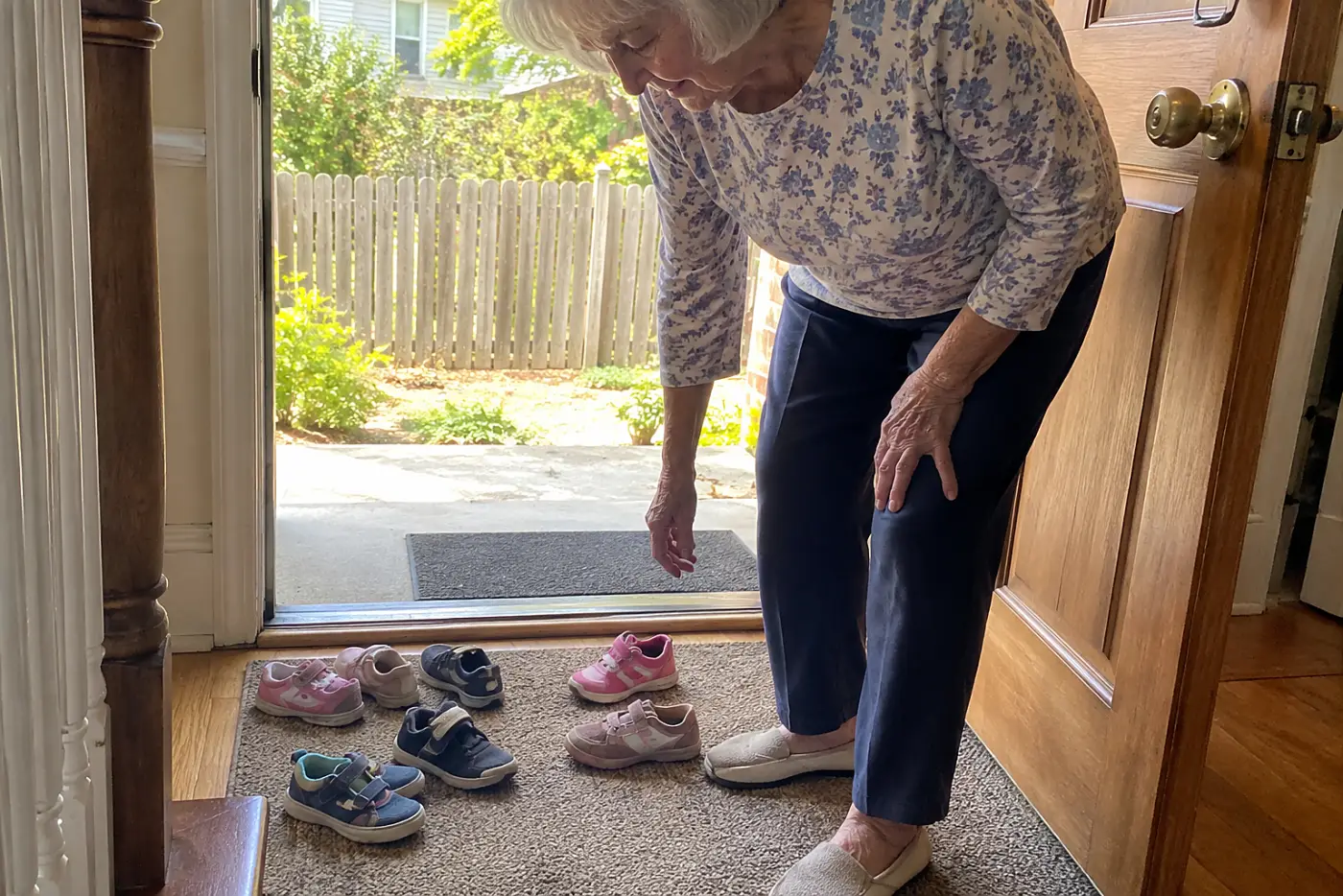
A row of small shoes stops at the living-room doorway.
The carpet wasn't the place for playground dust. That mat drew a line you learned to cross in socks, especially after someone had vacuumed. Guests got a little more leeway than children.
Put a mat where shoes actually come off, not where a spotless entryway photo says it belongs.
26Coats Away From the Sofa
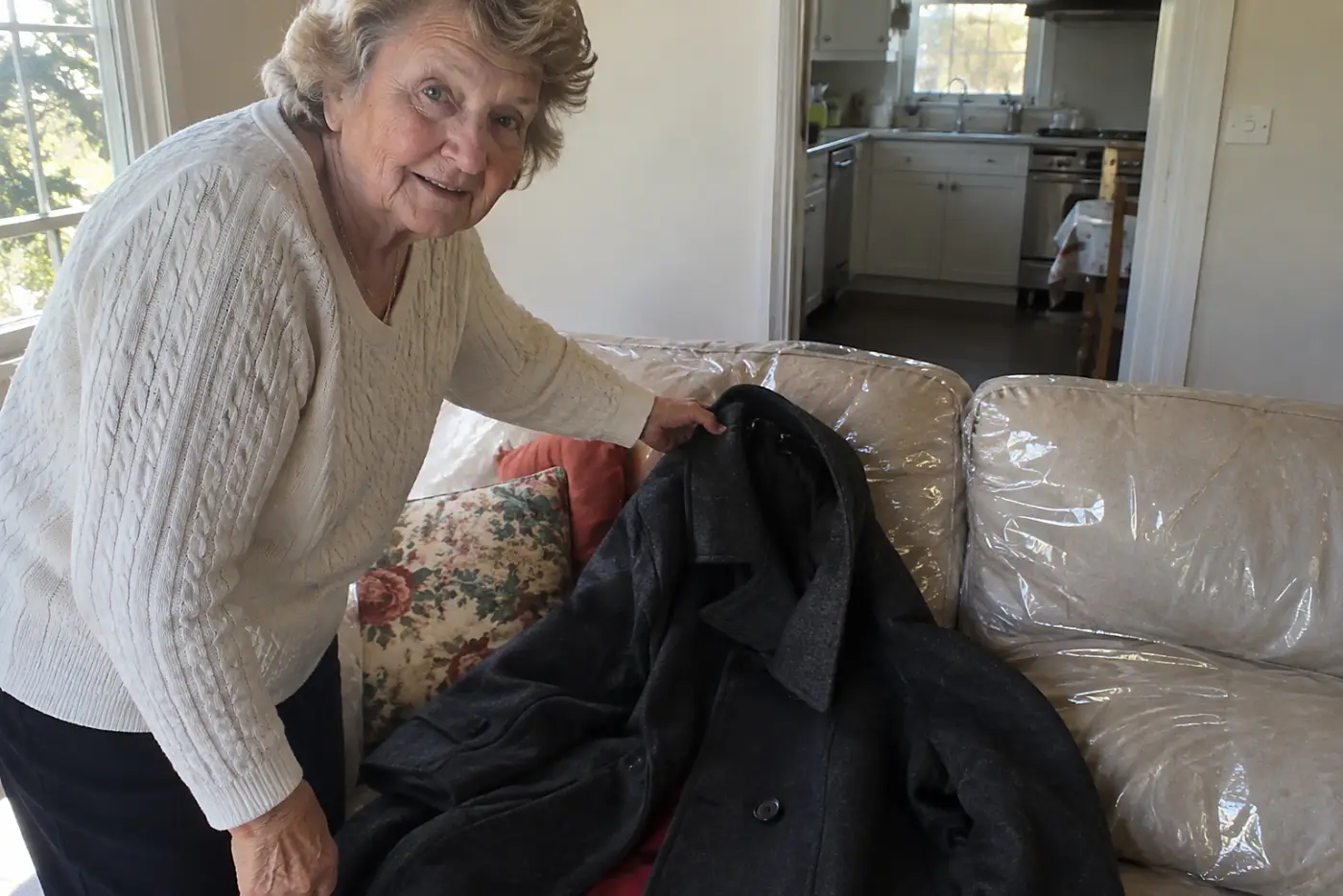
A wool coat lies across the sofa's plastic-covered arm.
Your mother saw wet sleeves, loose buttons and the hanger waiting three steps away. The sofa wasn't a cloakroom, even when company arrived all at once. If there was no closet nearby, coats ended up on a bedroom bed. You knew the route before the doorbell rang a second time.
Give guests a clear place for coats before they choose the nearest chair. A few empty hooks beat a rule you have to repeat all evening.
25The Clear Plastic Sofa Cover

Light catches the wrinkles across that familiar clear sofa cover.
It saved the upholstery from spills and tracked-in dirt. It also stuck to your legs in summer. The point wasn't comfort; your mother wanted the fabric underneath to last.
If yours survived in a closet, ask whether the sofa needs protection now.
24The Good Sofa Cushions
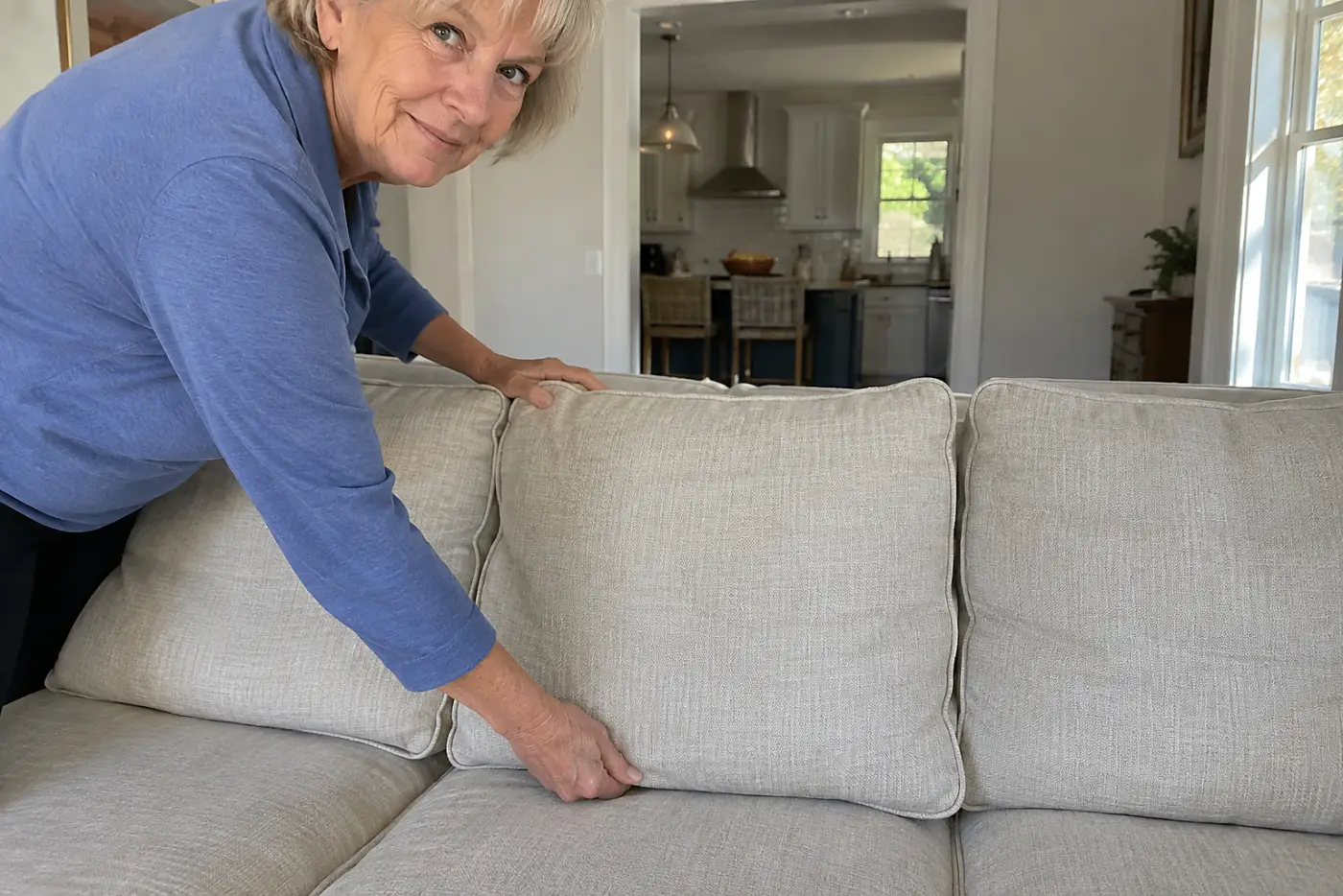
Three matched cushions sit straight against the sofa back.
They were for sitting, not building a fort. Pull one onto the floor, and the room looked wrong before you even finished playing. Matching cushions helped your mother keep one part of a busy house ready for visitors. That mattered when guests dropped in without calling first.
Let children use cushions meant for the floor. Keep the matched set if you love how it looks; retire the rule if you don't.
23The Arms of the Chair

A child perches on the rounded arm of an upholstered chair.
That arm wasn't built as a seat. Your mother saw the fabric stretching and the chair shifting beneath you. You saw the best view of the television.
Check older chairs for loose arms before anyone treats one as a perch.
22The Coffee Table Feet Rule
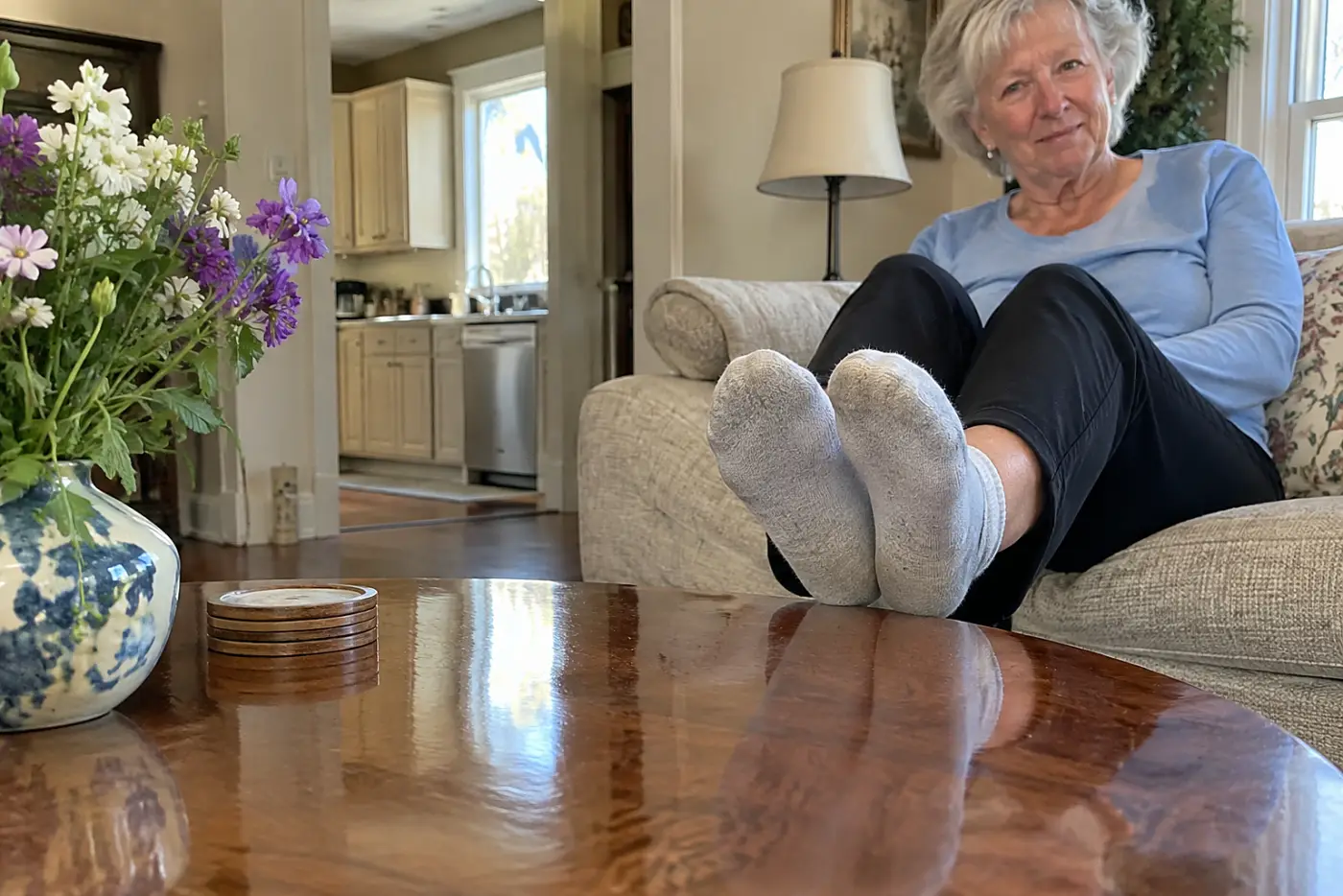
Socked feet hover inches above a polished coffee table.
The rule arrived before your heels landed. A 1960s coffee table sat right where everyone gathered, which made it irresistible when you stretched out. Your mother saw scuffs and a wobbly joint. You saw an empty surface at exactly the right height. Nobody needed to explain the look she gave you.
Use an ottoman for feet and let the coffee table hold the things you actually reach for. If yours wobbles, fix the joint before setting anything heavy on it.
21A Coaster Under Every Glass

A sweating glass leaves a ring beside an unused coaster.
Your mother could spot that ring from the doorway. Veneer and wood finishes made cold drinks a problem, especially when everyone gathered around the coffee table.
Put coasters where people sit, not in a drawer across the room. The rule works when the coaster is easier to reach than the tabletop.
20The Ashtray for Every Cigarette

A glass ashtray waits on the end table beside a chair.
When visitors smoked indoors, the ashtray kept ashes off the rug and furniture. It was a rule about containing the mess, not a sign that the smoke vanished. Children were sent to fetch an ashtray before a guest lit up. The heavy ones sat steady even when someone reached past them for a drink.
If one remains in your house, clean it and use it for keys or coins. Don't bring back the smoking rule with it.
19The Lamp Shade Boundary

A child's hand reaches toward the pleated shade beside the sofa.
Lamp shades bent, stained and collected fingerprints. Your mother knew the shade would show every dent when the light came on. You learned to use the switch without grabbing the fabric.
Check old shades for brittle lining, then keep little hands on the lamp base instead.
18The End Table Drawer
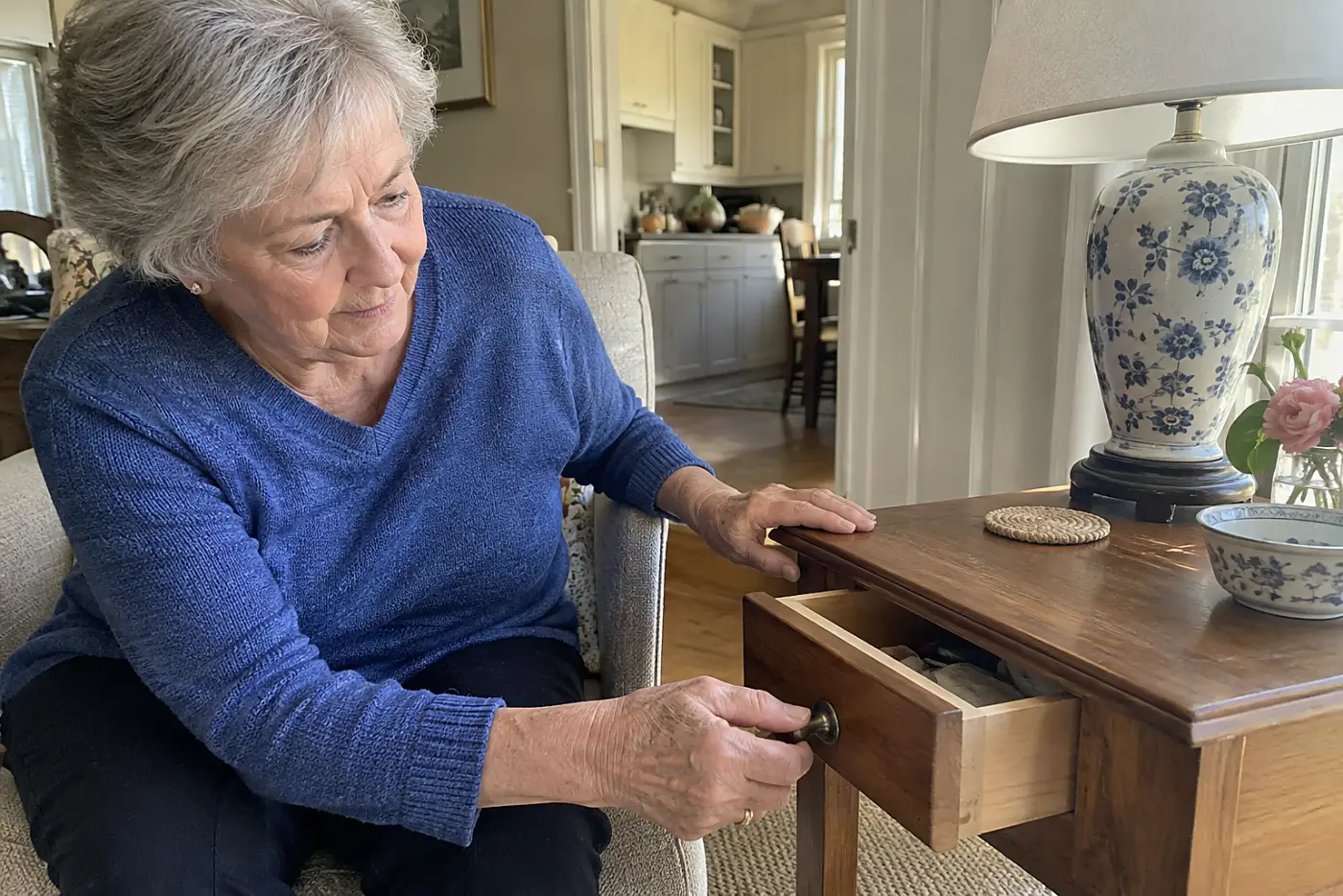
A small drawer sits closed beneath the table lamp.
You weren't supposed to rummage through it. Batteries, playing cards, spare bulbs and the good pen had to stay findable. Your mother didn't need a perfect drawer; she needed one place where the things used in that room stayed put. Open it without asking, and you'd have to explain what you were looking for.
Keep one drawer for living-room essentials. Clear out anything that belongs in another room before it becomes the drawer's permanent bottom layer.
17The Crochet Doilies Under Vases
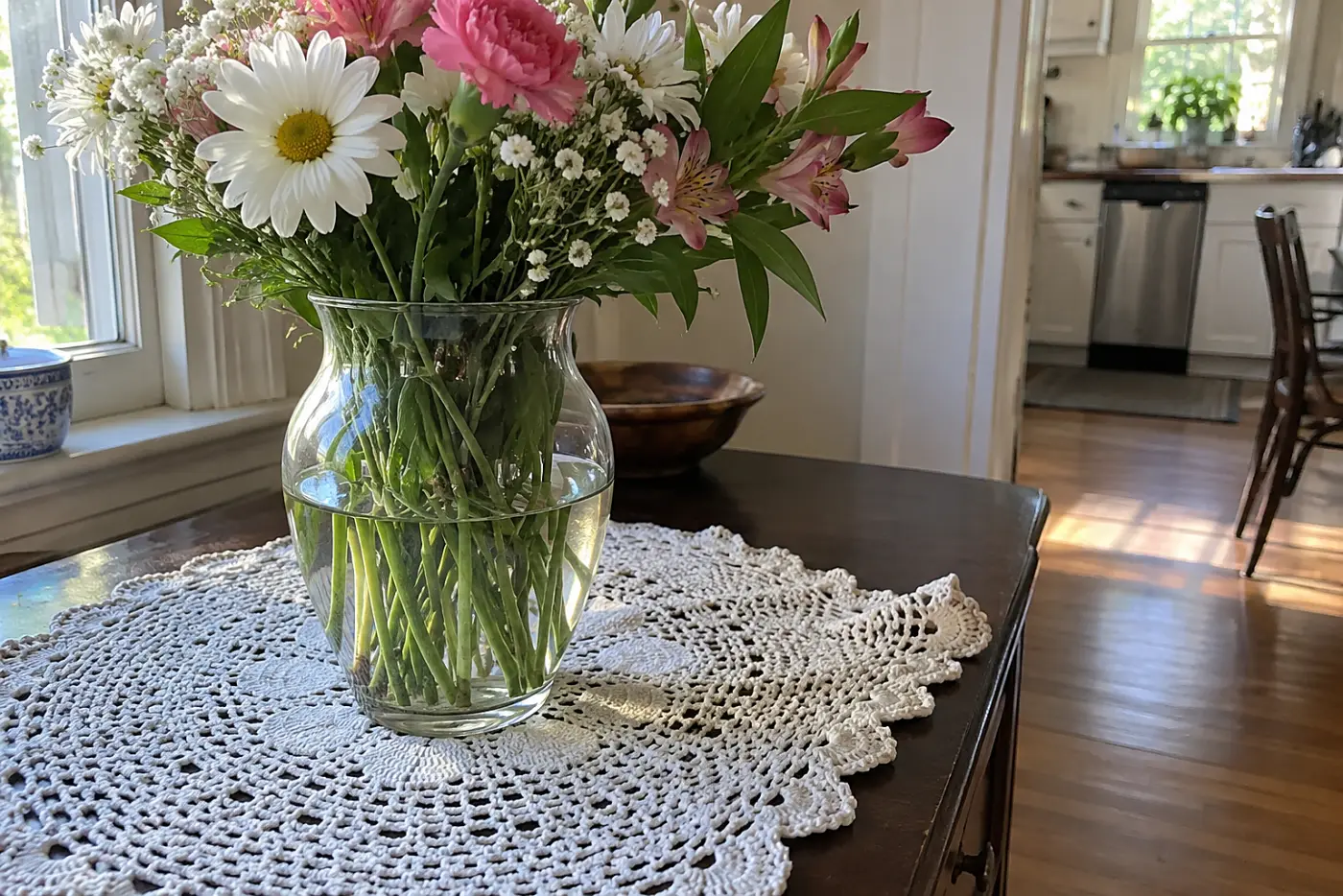
A white doily sits between a glass vase and polished wood.
It protected the table from scratches and water. Your mother straightened it after dusting because a crooked doily announced that somebody had moved the vase.
Keep one under a vase if you like it. Otherwise, use a plain mat that protects the finish without demanding constant adjustment.
See more: 23 Things Grandchildren Remember That You Never Notice Doing →
16The Living-Room Curtains
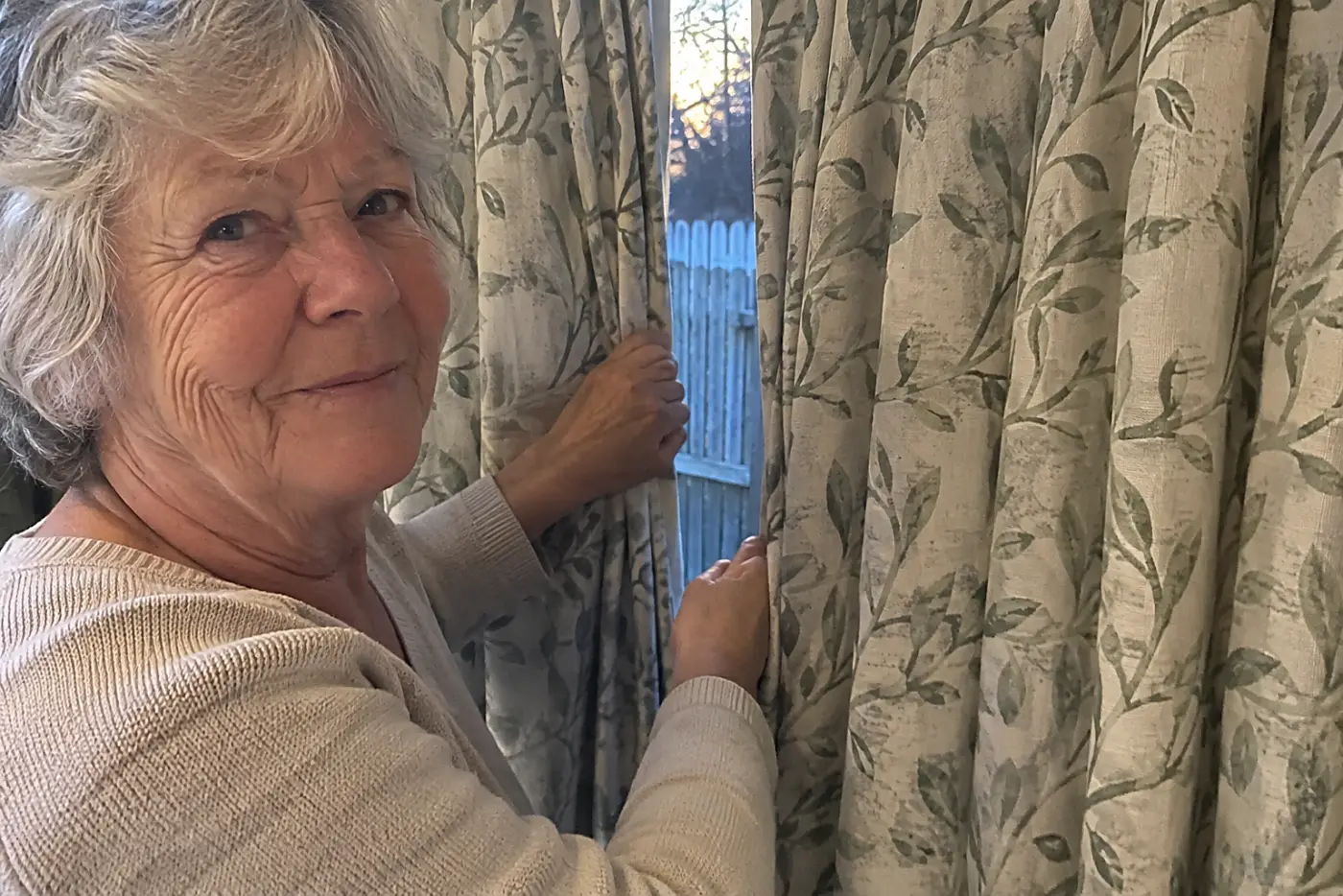
A hand pulls the patterned curtains across a darkening window.
Closing them marked the end of the afternoon. It kept the lit living room from becoming a display for the street and cut the draft at the glass. You weren't allowed to leave a gap just because you wanted to watch outside. Your mother wanted the whole window covered once the lamps went on.
Try the old rule for one evening if your room faces the sidewalk. Close the curtains before turning on the lamps and see how the room feels.
15The Window Shade Cord
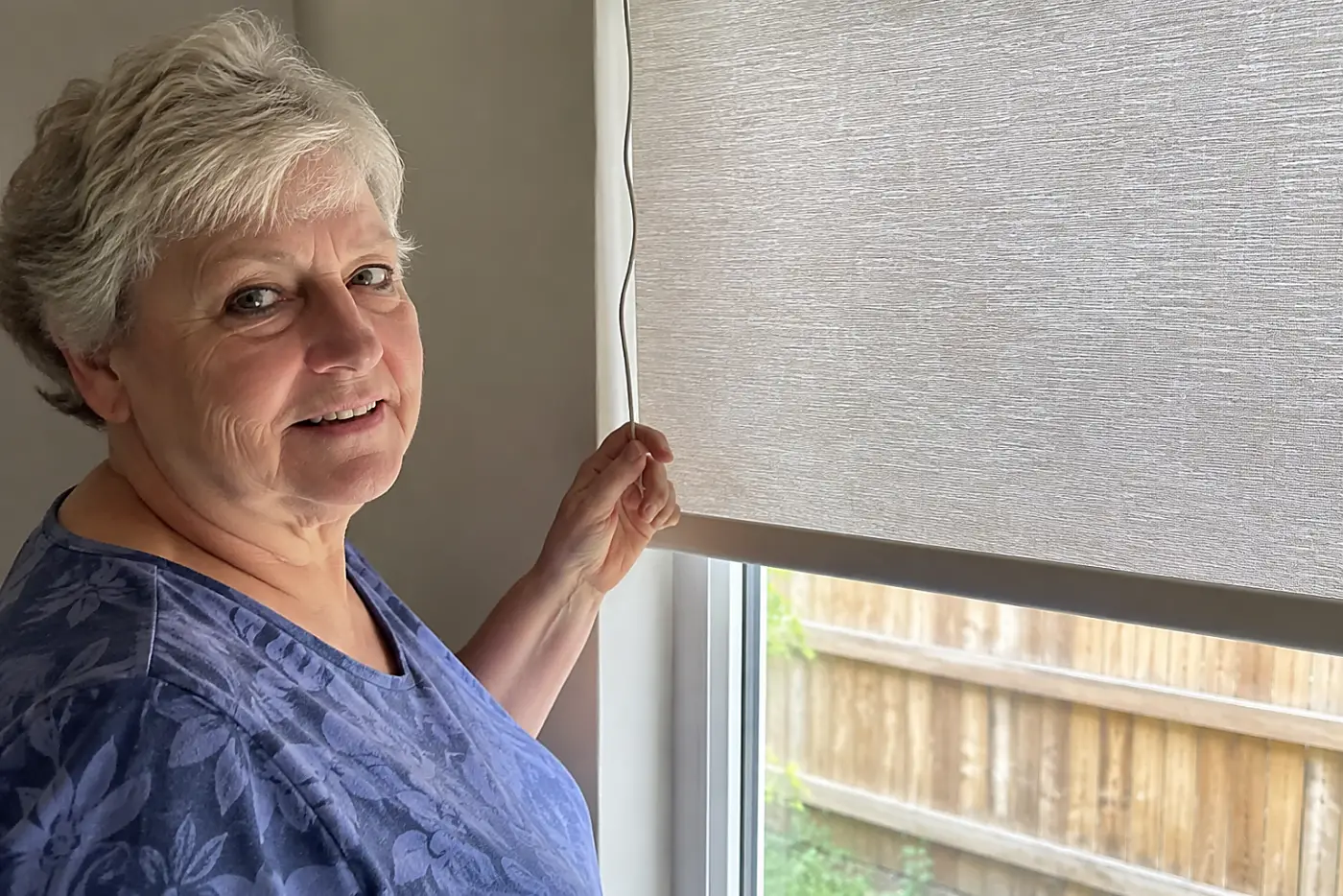
A thin cord hangs beside the lowered living-room shade.
You could raise the shade, but you couldn't yank it. One hard pull left the bottom crooked or sent the shade snapping upward. Your mother heard that sound from anywhere.
Keep dangling cords away from children; use a cordless shade when replacing an old one.
14The Thermostat Nobody Touched

A round thermostat hangs on the wall near the doorway.
The living room felt chilly, but that dial belonged to your mother. Heating the whole house for one cold child wasn't her plan. She'd tell you to put on a sweater, then check whether the windows were shut. The rule made sense to the person paying attention to every room, not just the chair nearest the window.
Keep the sweater within reach. If the same corner stays cold, check the window seal instead of arguing with the thermostat.
13The Television Volume Knob
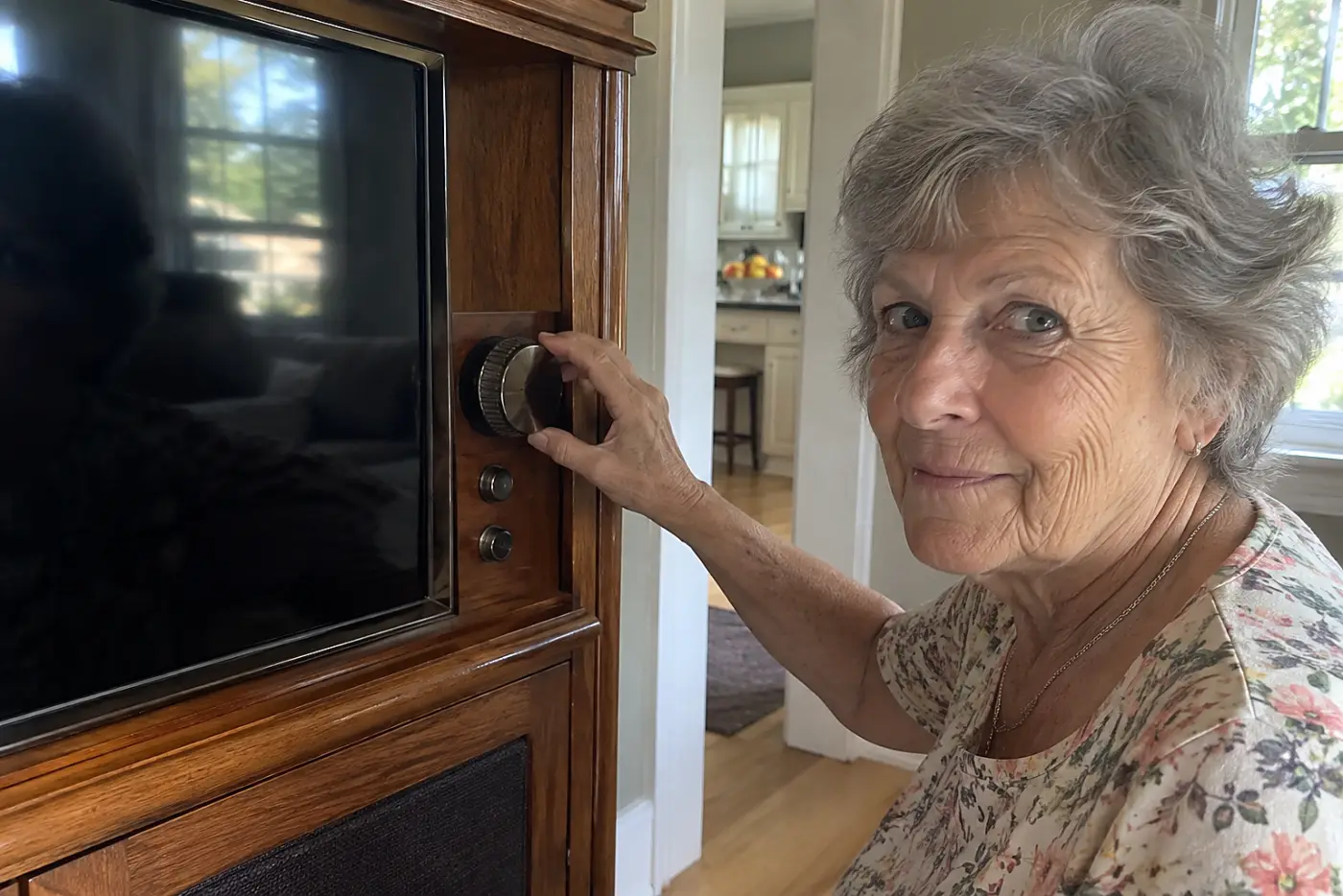
A hand rests on the television's round volume knob.
Turn it too high and a voice came from the kitchen. Your mother still wanted to hear the doorbell, the phone and the people in the room. The TV didn't outrank them.
Set the volume so a conversation beside you doesn't turn into shouting.
12The Living-Room Television
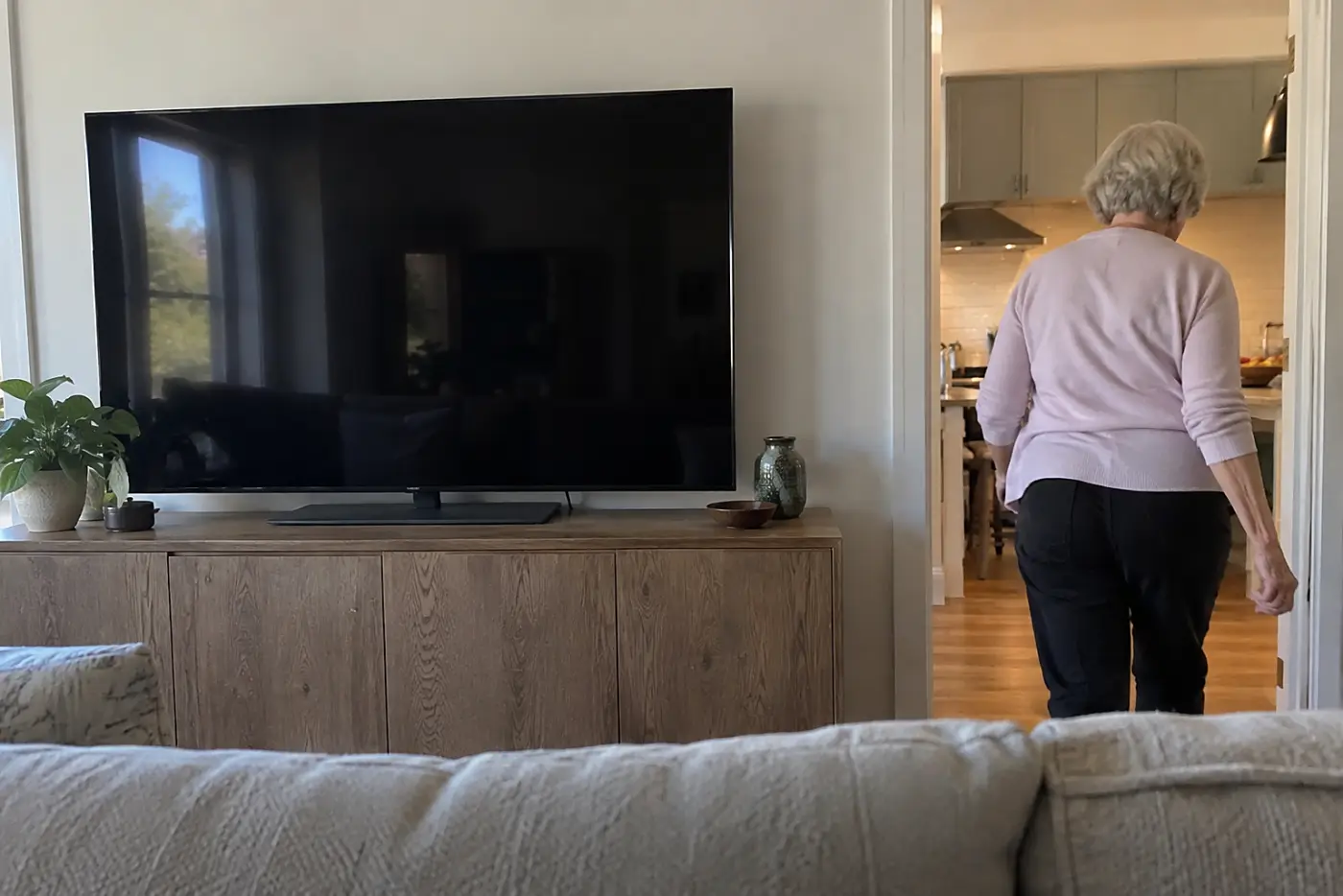
The television glows across an empty living-room sofa.
At supper, you came to the table instead of eating in front of the screen. Your mother had cooked, and she expected to see you while everyone ate. The set stayed in the living room, which made the boundary plain. You could catch the rest of a program later, or miss it.
If shared meals matter in your house, leave the television off until the plates are cleared. Make the rule about company, not obedience.
11The Sunday Paper Stack

A thick newspaper spreads across the coffee table.
You could read it, but you had to put the sections back. Your mother wanted the living room usable after everyone had taken a turn with the paper. Loose pages under the sofa didn't count as tidying.
Keep one spot for the day's reading, then clear it when the table is needed.
10The Closed Bookcase Doors
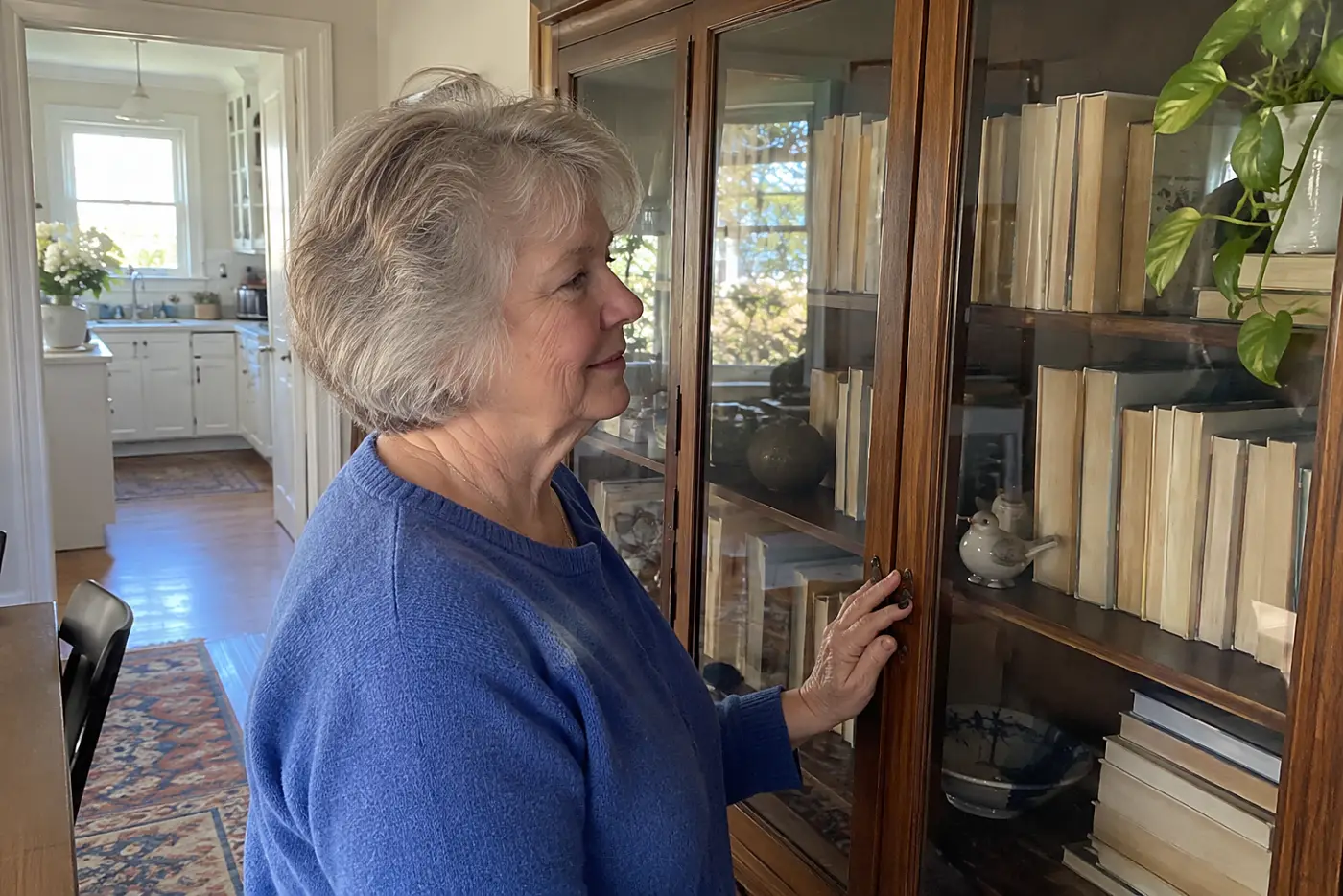
Glass-front doors stand between small hands and the books.
Those doors kept dust off shelves and children out of the good books. Your mother knew which volume you'd return backward or leave open on the floor. A bookcase also made the living room feel finished when visitors came. The rule wasn't that books were forbidden; it was that borrowing came with putting them back.
If you still have a glass-front case, check the hinges before filling it. Give the books you actually read a shelf you can reach.
9The Record Player Lid
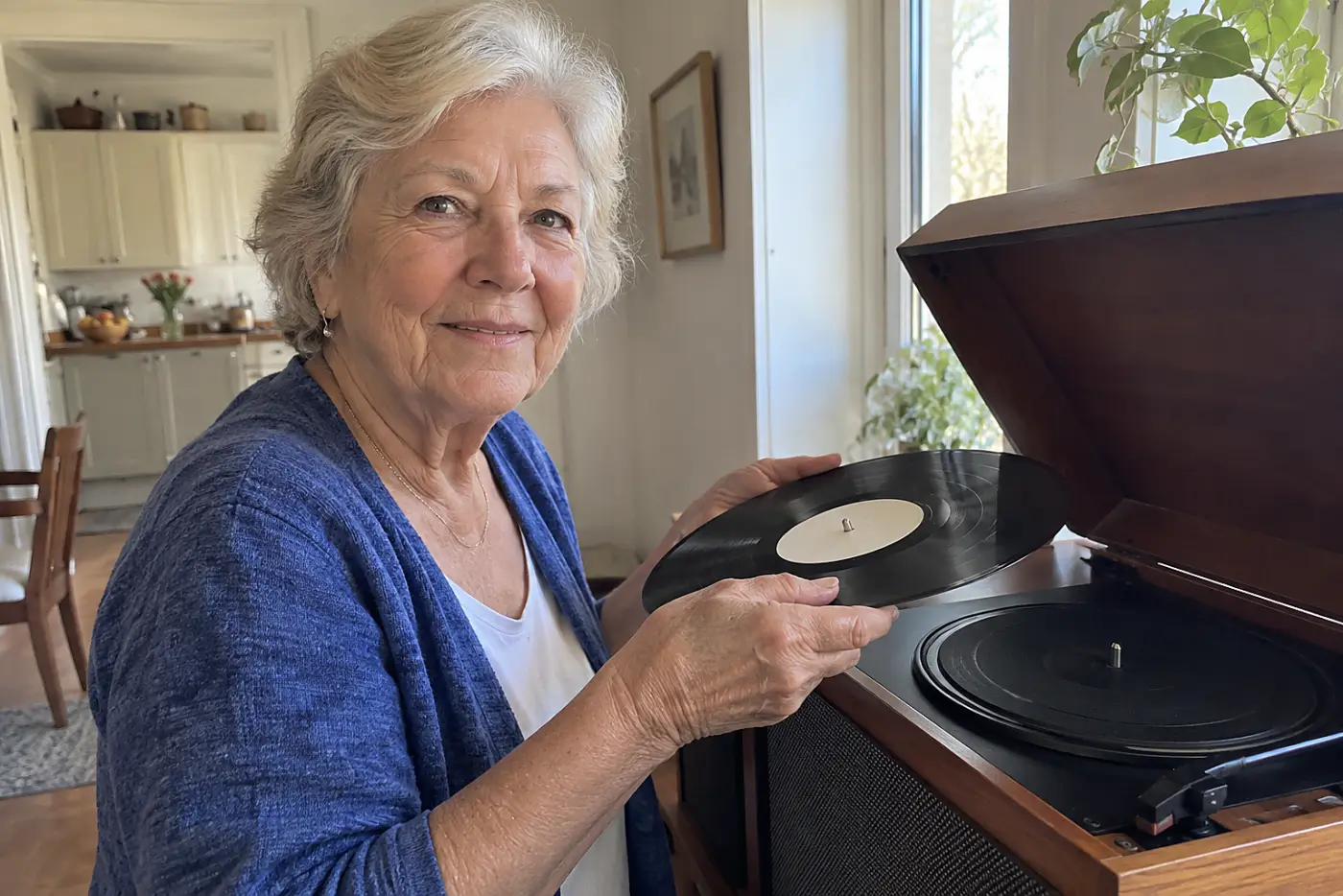
A record player sits beneath its raised wooden lid.
You had to ask before touching the records. A finger on the playing surface or a dropped needle could spoil an afternoon. Your mother lowered the lid when the music ended.
Keep records by their edges and close the lid when you're done listening.
8The Console Stereo Cabinet
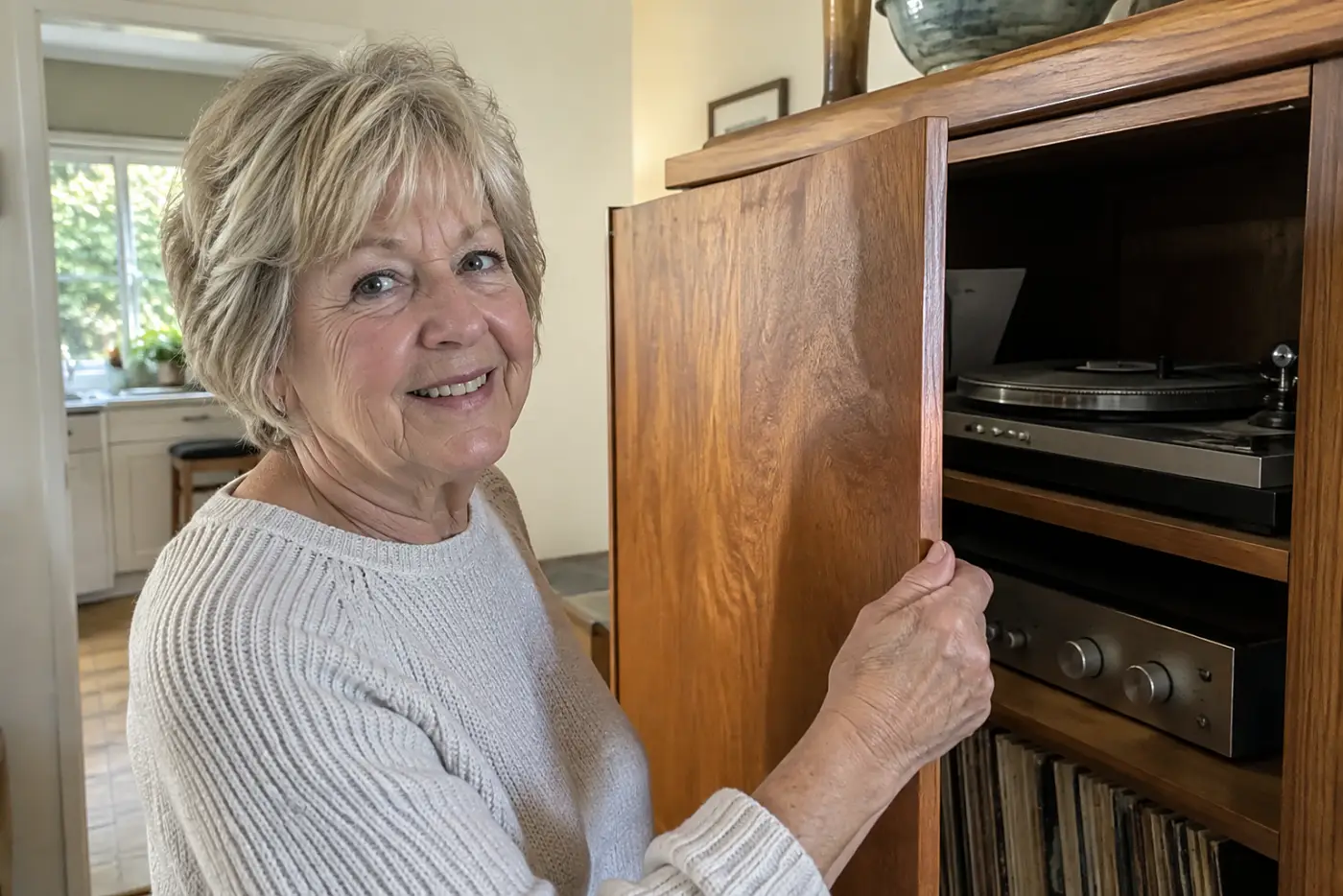
A long wooden stereo cabinet anchors one living-room wall.
It looked like furniture because it was furniture. The doors hid the controls, records and wires, while the top stayed clear enough for a lamp. You weren't to pile toys there or spin the dials just to hear them click. Your mother wanted music available without letting the equipment take over the room.
If an old console sits in your family, test it before plugging it in. An electrical repair shop can inspect aging wiring.
7The Good China in the Cabinet
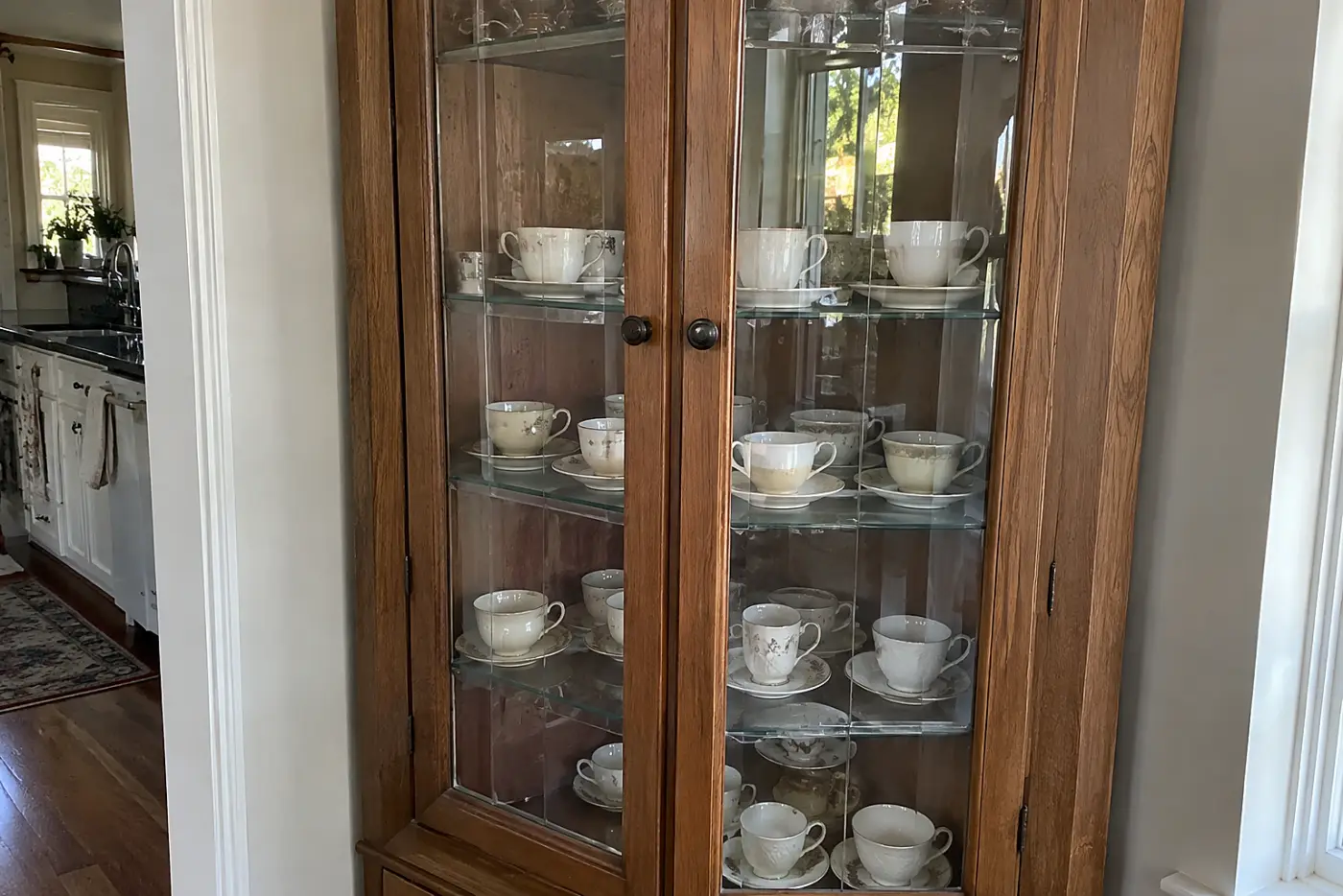
Teacups shine behind the glass doors of a corner cabinet.
You looked, but you didn't open the doors. Your mother had a place for the dishes brought out when company stayed for coffee. A rattling shelf was enough to make her turn around.
Use the cups you like. Keep fragile pieces behind glass if that lets you enjoy seeing them.
See more: 23 Things in Your Attic Worth More Than You Think, and the Ones Worth Nothing →
6The Cut Glass Candy Dish
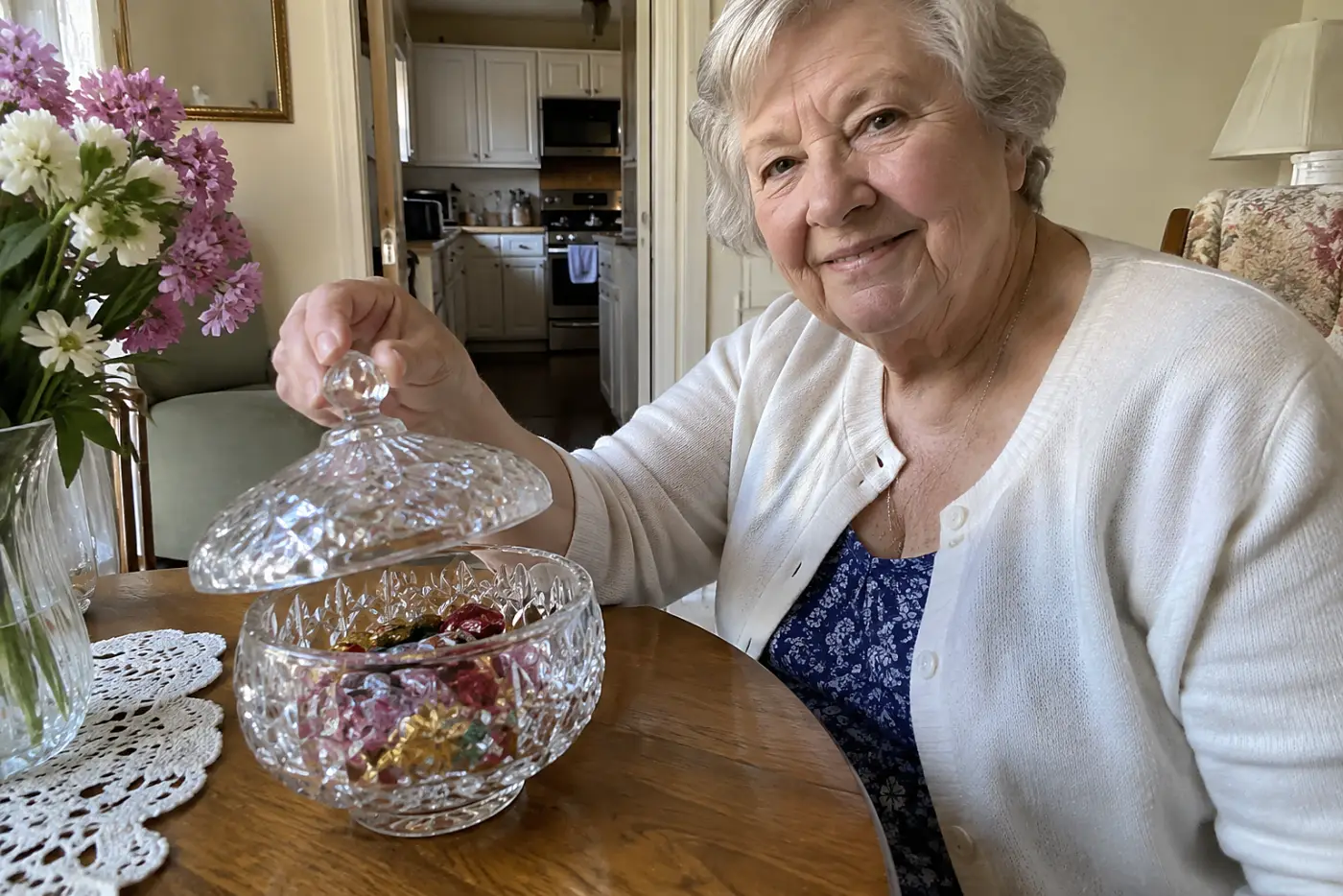
A lidded glass dish sits full on the side table.
Taking one candy was different from lifting the lid every time you crossed the room. Your mother noticed the clink and knew how fast the dish emptied. It was set out for guests, but you knew where it was. That made the rule harder than most.
Keep a candy dish if people enjoy it. Fill it with something you're glad to share, or leave it empty rather than policing every hand.
5The Houseplant Saucer

A plant pot sits inside a saucer on the windowsill.
The saucer kept water from staining painted wood. Your mother let you water the plant, then checked whether you had emptied what drained through. That second step was the part everybody forgot.
Lift your pots after watering. Empty standing water, and check the sill beneath each saucer.
4The Family Photos on the Mantel

Framed family photos line the mantel in a careful row.
You were allowed to look, not rearrange them into a game. Your mother dusted around each frame and noticed when one shifted. The pictures put familiar faces in the room, including relatives who lived far away.
Ask her who was in an old photo, and you got a story. Move a frame without asking, and you got a different one.
Keep the photos you want to see. Write down the names you know before the stories leave the room.
See more: 25 Things People Regret Giving Away When They Downsize →
3The Vacuumed Carpet Lines
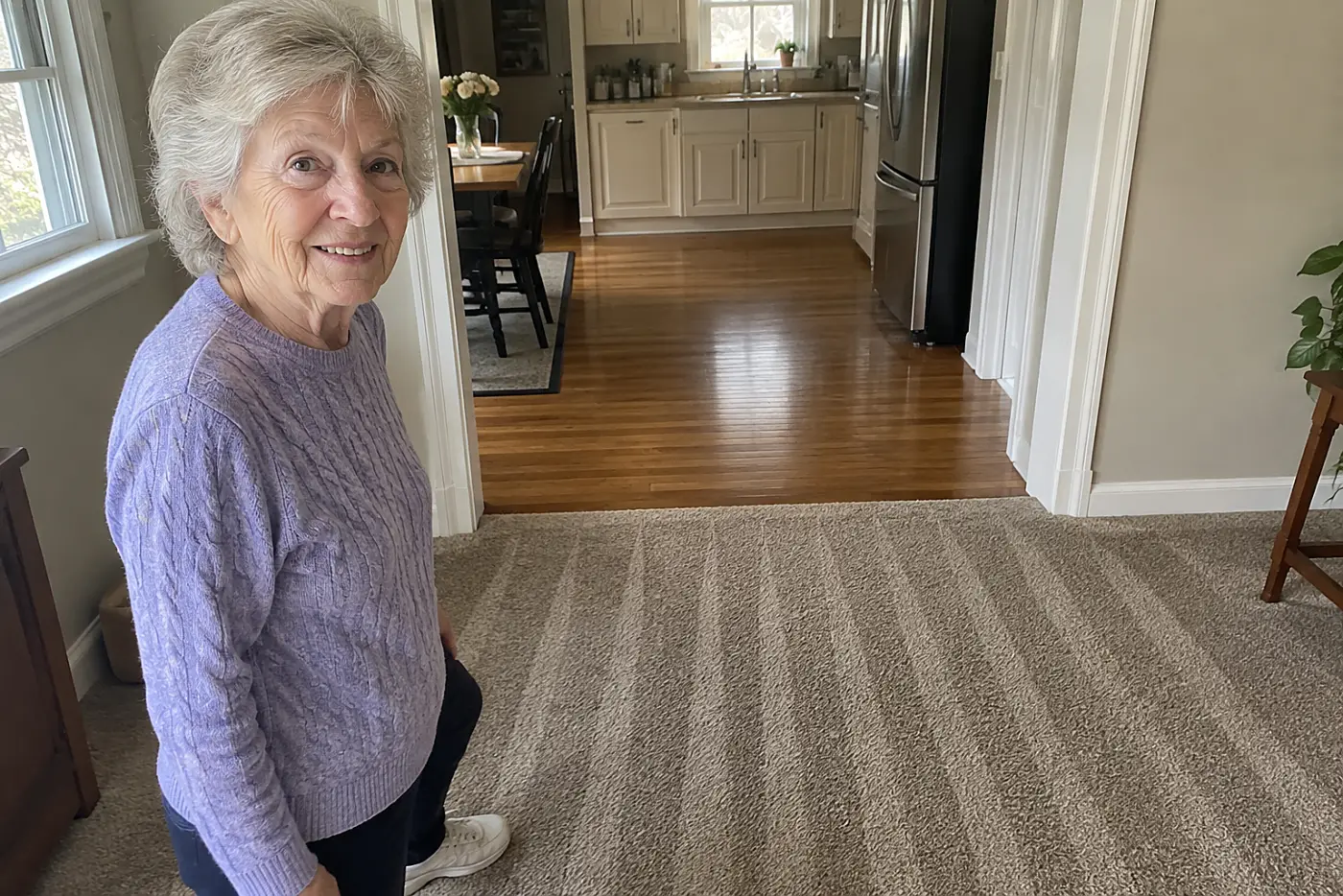
Fresh vacuum lines run straight across the living-room carpet.
You knew not to race across them before company arrived. The lines proved your mother had finished cleaning, even if the room would be walked through minutes later.
Take the photo if that pattern brings her back. Then let people cross the carpet.
See more: 23 Ways a House Changes When You Stop Hosting the Holidays →
2The Living Room Doorway

A narrow doorway frames a room ready for visitors.
From there, you saw the polished table, straight cushions and lit lamp. Your mother kept this room ready while the rest of the house stayed busy. The doorway stopped muddy feet and dripping glasses before they reached the rug.
Leave shoes there if that rule still works. Invite people past the threshold without waiting for the cushions to sit perfectly straight.
1The Chair Nobody Sat In
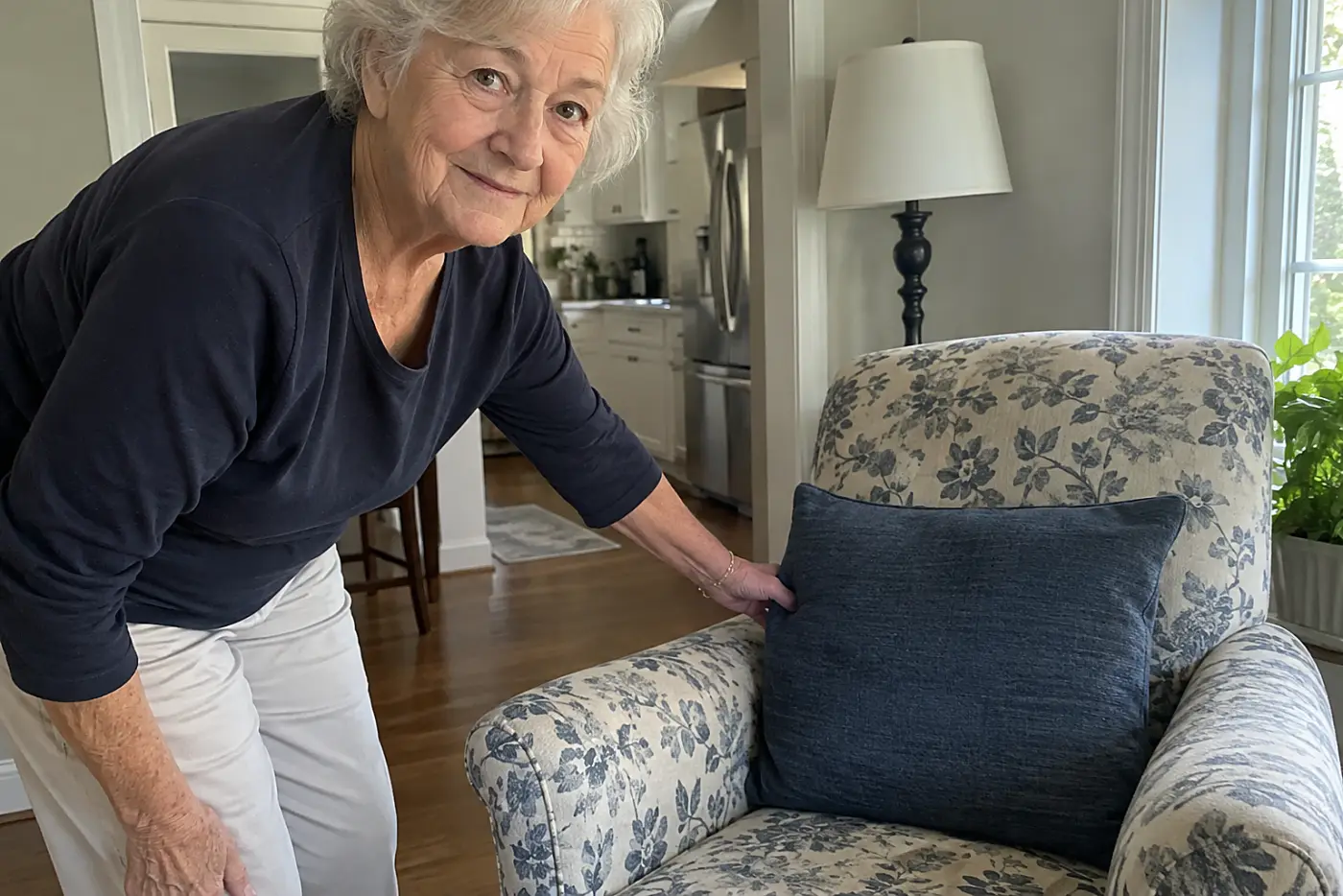
One upholstered chair faces the room with its cushion untouched.
It was saved for guests. You learned that without a sign: your mother straightened the cushion whenever someone got up. Before you keep it out of habit, ask what the rule protected. Was it the chair's fabric, a visitor's comfort, or your mother's wish for one orderly corner?
Ask that question aloud. Then give the chair a job in the room you live in now. If nobody sits there, try moving it closer to the conversation.
The bottom line
Each rule kept the living room ready for company, even when your family was the one using it.
You know which habits still help and which ones keep an empty chair empty. Which one did your mother have?
Up next
23 Forgotten Social Habits of the 1960s
A milk bottle, a class ring, and a stamped envelope bring back the deliveries, dances, rules, and prices that shaped daily life.
Read the list →
Reader quiz
Did you catch the details?
5 questions from this article. Finish them all to unlock the editor's bonus tip.
Where does the article suggest putting a mat for shoes?
Did any of these feel familiar?
Know someone who needs this?
David Ruiz
Home Editor
David writes about the house you have and the one you might move to: staying put, downsizing, repairs, and the small changes that stop a fall.
More from David Ruiz